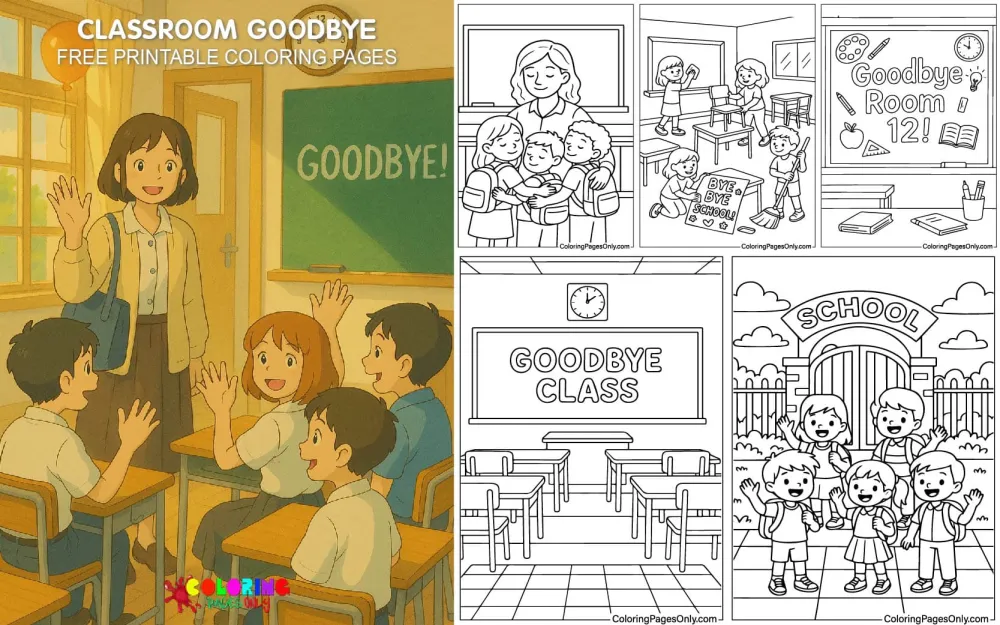
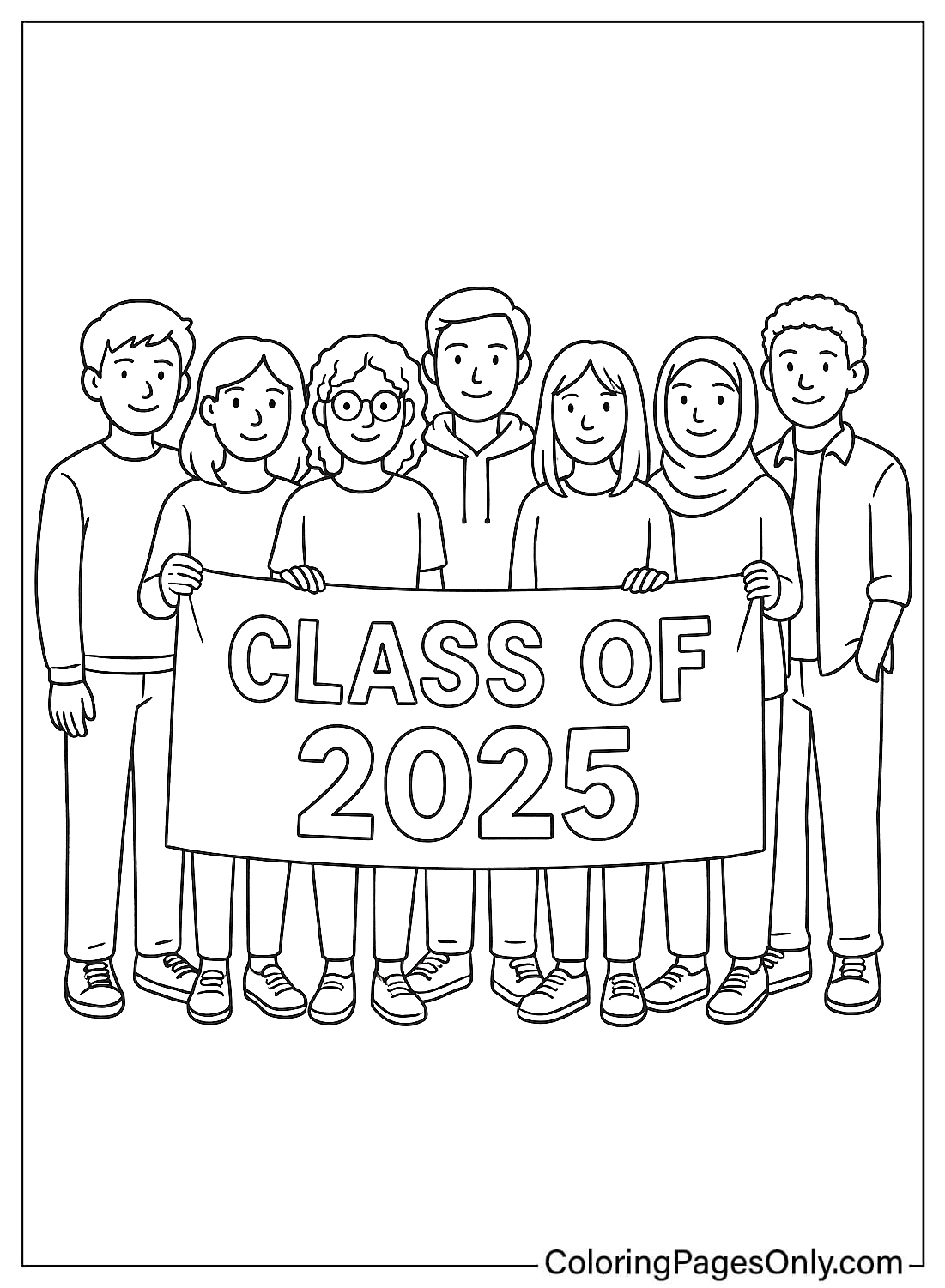
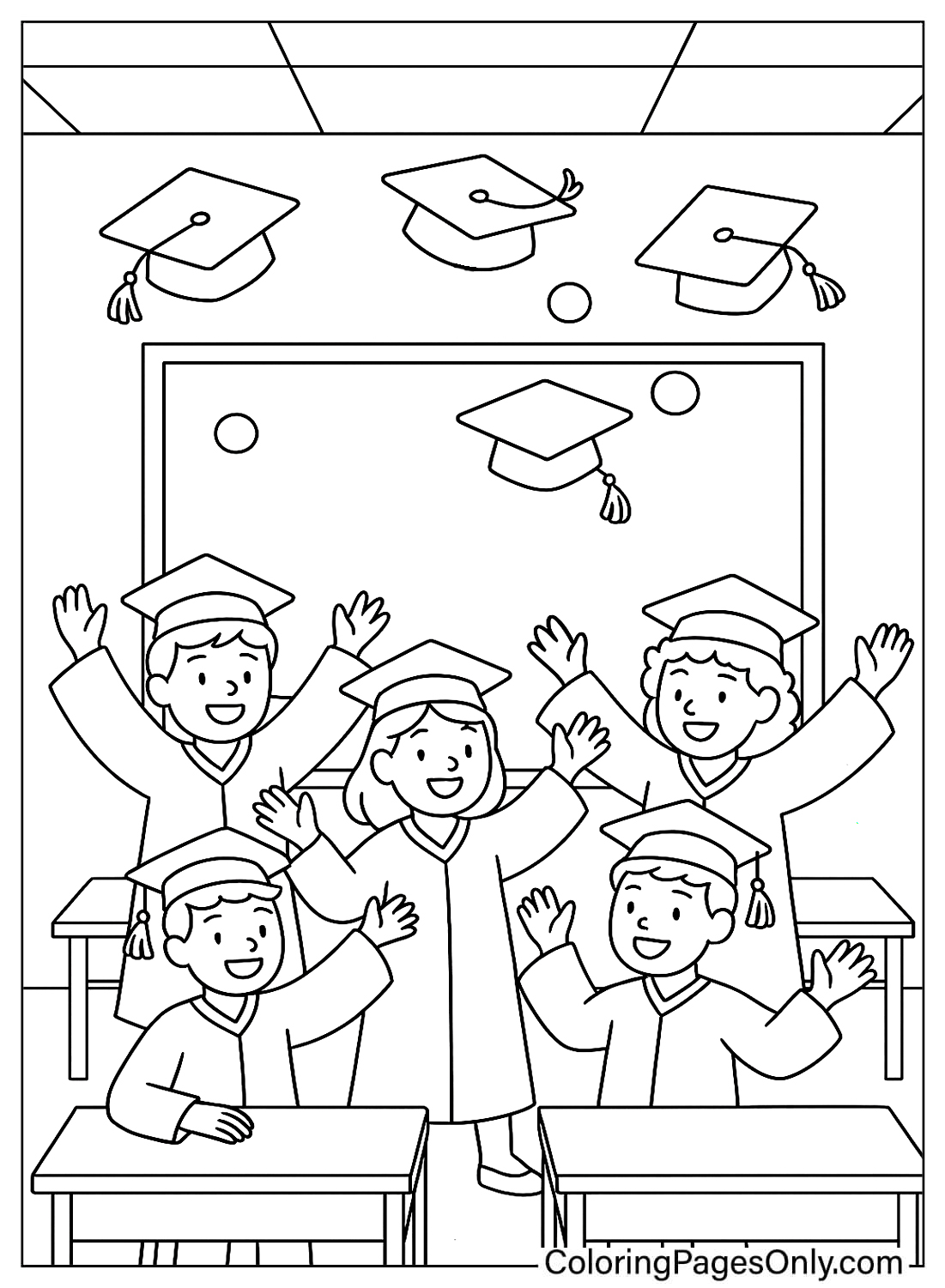
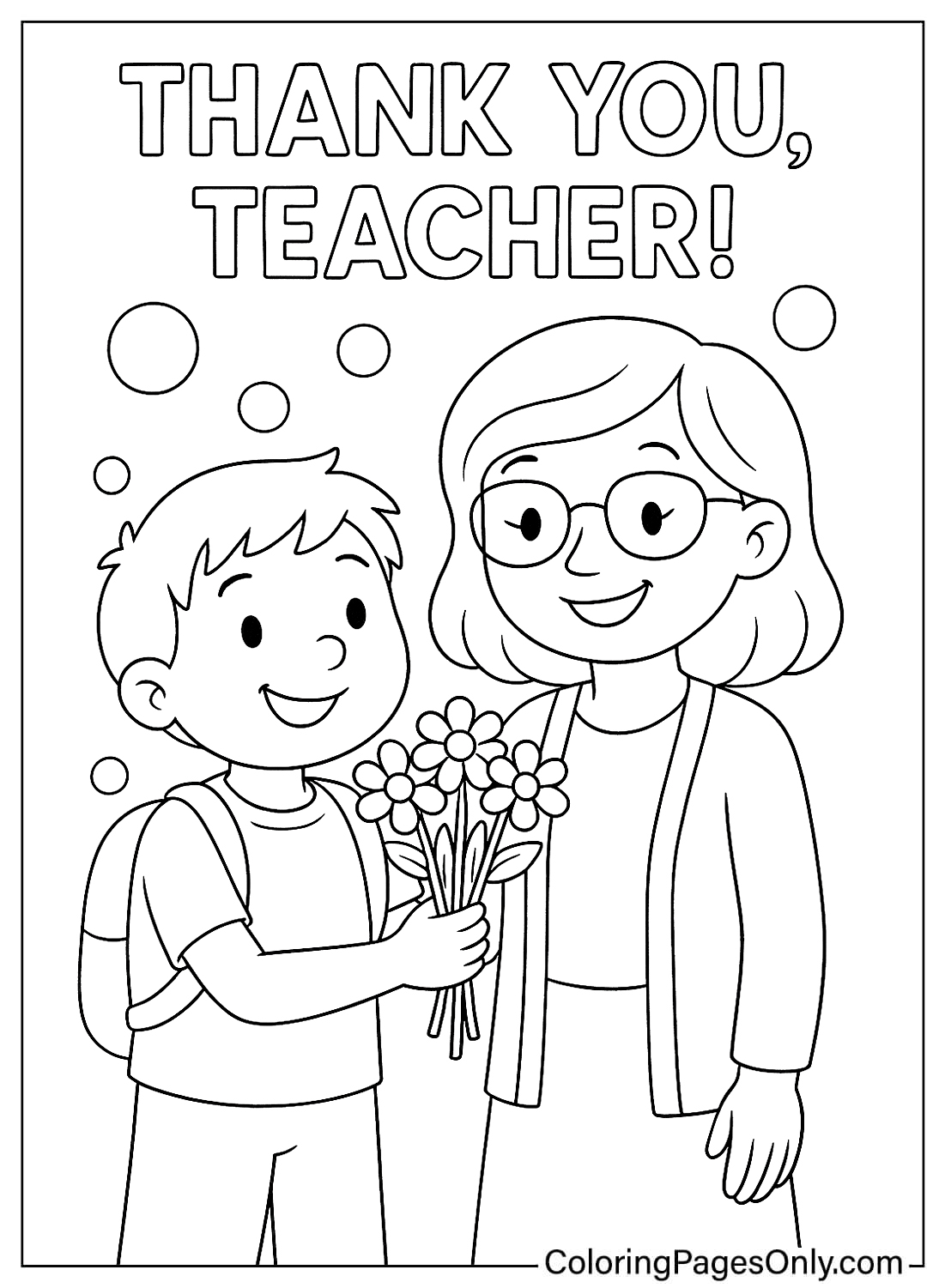
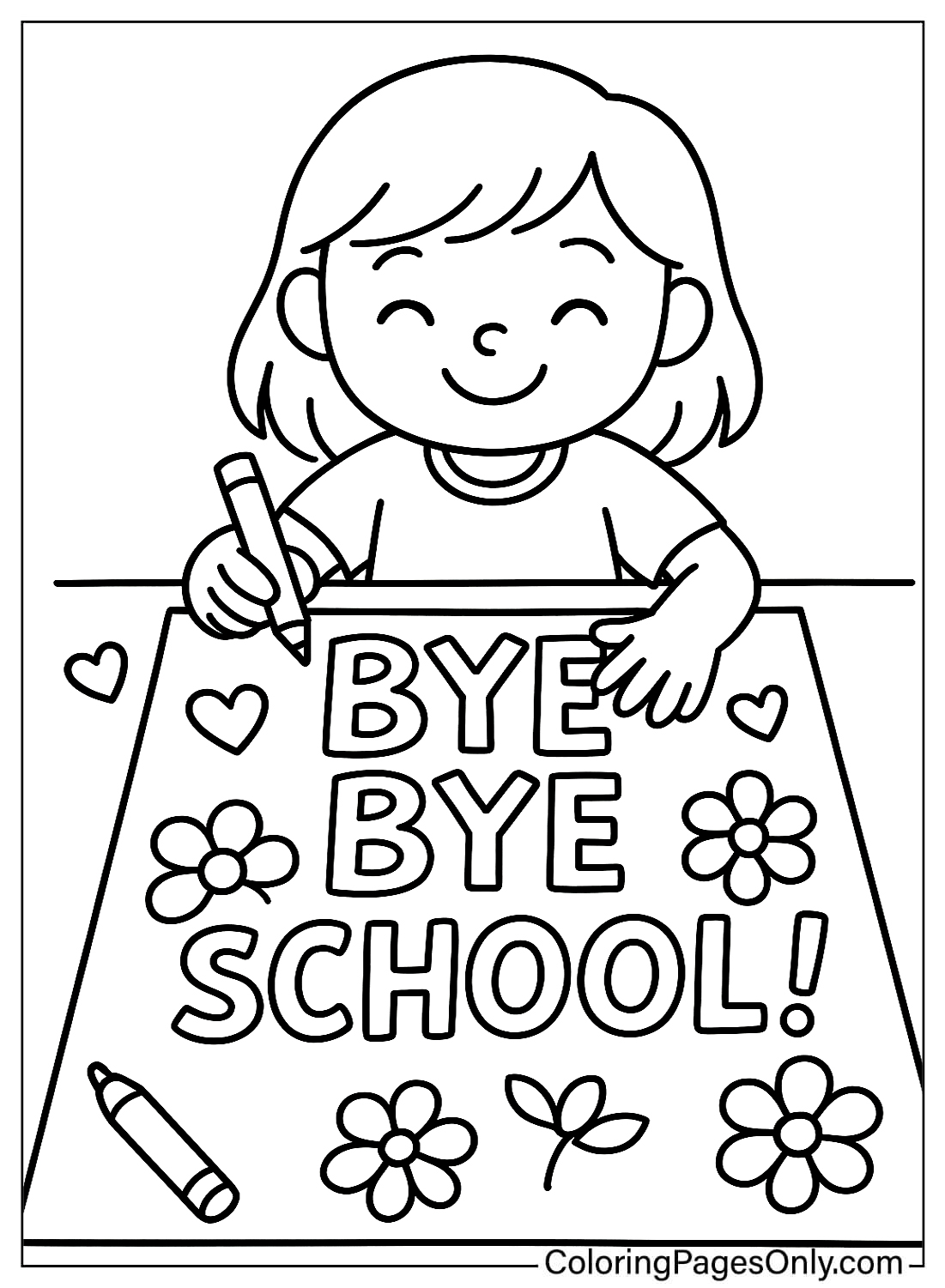
Classroom Goodbye Coloring Pages at ColoringPagesOnly.com brings together 30+ free printable pages designed for the most emotionally layered moment of the school year – the final days in a classroom that has become a second home. These pages capture the full range of what year-end looks like: a teacher hugging a student goodbye at the door, children waving from a classroom window, students throwing confetti in a last-day celebration, a child daydreaming about summer while still at their desk, friends planting a memory tree together in the schoolyard, a farewell message written on a chalkboard, and the quiet, meaningful scene of a desk being cleared for the last time. Download any page as a free PDF to print, or color online directly in your browser.

This collection sits within the Educational Coloring Pages hub alongside the closely related end-of-year collections: Thank You Teacher Coloring Pages, Last Day of School Coloring Pages, Graduation Coloring Pages, and Back to School Coloring Pages.

The End of the School Year Is More Emotionally Complex Than It Looks

There is a widespread cultural assumption that the end of the school year is purely joyful – that children cannot wait for summer and experience only relief and excitement as the final day approaches. Child development research paints a more nuanced picture. The end of the school year is, for most children, a genuine transition with the full emotional complexity that all significant transitions carry: simultaneous grief and excitement, relief and anxiety, pride and loss, the anticipation of what comes next alongside mourning for what is ending.

Dr. Jillian Roberts, a research professor of educational psychology and registered psychologist at the University of Victoria, describes what she regularly sees in clinical practice: “Some kids are eager to kick off their summer plans, while others are quietly mourning the end of a familiar routine. This transition, though often overlooked, can be a significant emotional event for a child.” She identifies several recurring themes – the grief of leaving a beloved teacher, the anxiety about losing touch with friends over the summer months, and the disorientation that comes from losing the daily structure that school provides.

The Responsive Classroom organization, whose practices are used in thousands of schools across the United States, makes this explicit in its guidance for educators: “Endings can be difficult for both children and adults. As the final days of school approach, students often experience a range of emotions, including sadness at saying goodbye to friends, anticipation for new adventures, and anxiety about the transitions ahead. These feelings may be especially strong for students who rely on school for daily routines, meals, and afterschool programming.”

This emotional complexity is not a problem to be solved or smoothed over. It is, as Dr. Roberts notes, a natural and healthy response to genuine change – evidence that meaningful relationships have been formed, that the classroom community has mattered, that the child has invested themselves in the year. The appropriate adult response is not to minimize these feelings or redirect children exclusively toward summer excitement, but to acknowledge the full experience and provide the conditions that allow children to process the goodbye with care. This is precisely where classroom goodbye rituals – including creative activities like these coloring pages – play a specific and documented role.

Why Ritual Matters at Year’s End – The Psychology of Closure

Human beings across all cultures mark significant transitions with ritual. Weddings, funerals, graduation ceremonies, and retirement parties – these are not optional social decorations. They serve a psychological function that is hard to replicate any other way: they create a clear temporal boundary between what was and what comes next, they give the community involved a shared experience of the transition, and they provide individuals with a structured opportunity to process their feelings about the change within a defined, collectively supported context.

The end of a school year is a transition that, in most classrooms, lacks an adequate ritual. The last day of school is often marked by administrative chaos – forms to return, lockers to empty, final assessments to submit – rather than by deliberate, reflective acknowledgment of the year ending. When Responsive Classroom researchers examined what made end-of-year experiences meaningful for children, they found that intentional closure activities – goodbye letters, memory books, morning meetings specifically dedicated to reflection, shared celebrations – produced significantly better emotional outcomes than years that ended abruptly with a bell and a summer break.

Psychotherapist Dana Dorfman, PhD, cautions explicitly against the temptation to rush children past the goodbye: “Adults may be tempted to highlight the upsides of the pandemic fallout and deny the inherent sense of loss associated with it, but avoiding those feelings makes them ultimately harder to resolve.” The same principle applies to the ordinary end of an ordinary school year. Validating sadness, gratitude, and ambivalence alongside excitement is more emotionally honest and more therapeutically sound than insisting on uncomplicated happiness.

Dr. Roberts suggests “small but meaningful ways for kids to say goodbye: writing thank-you notes to teachers, drawing pictures for classmates, or creating a memory book of favorite moments. These tangible acts give children a way to honor the year and bring emotional closure.” The coloring pages in this collection are precisely these kinds of tangible acts – each one a small creative ritual that marks the ending, produces a physical artifact representing the goodbye, and gives the child a way to spend meaningful time with the feelings of the transition before the school gates close for summer.

The Significance of Goodbye for Different People in the Room

The end of a school year is not a single emotional event experienced uniformly by everyone present. It is, in fact, several different emotional events happening simultaneously for different people – and understanding whose goodbye each page in this collection most directly addresses helps in choosing the right page for the right use.

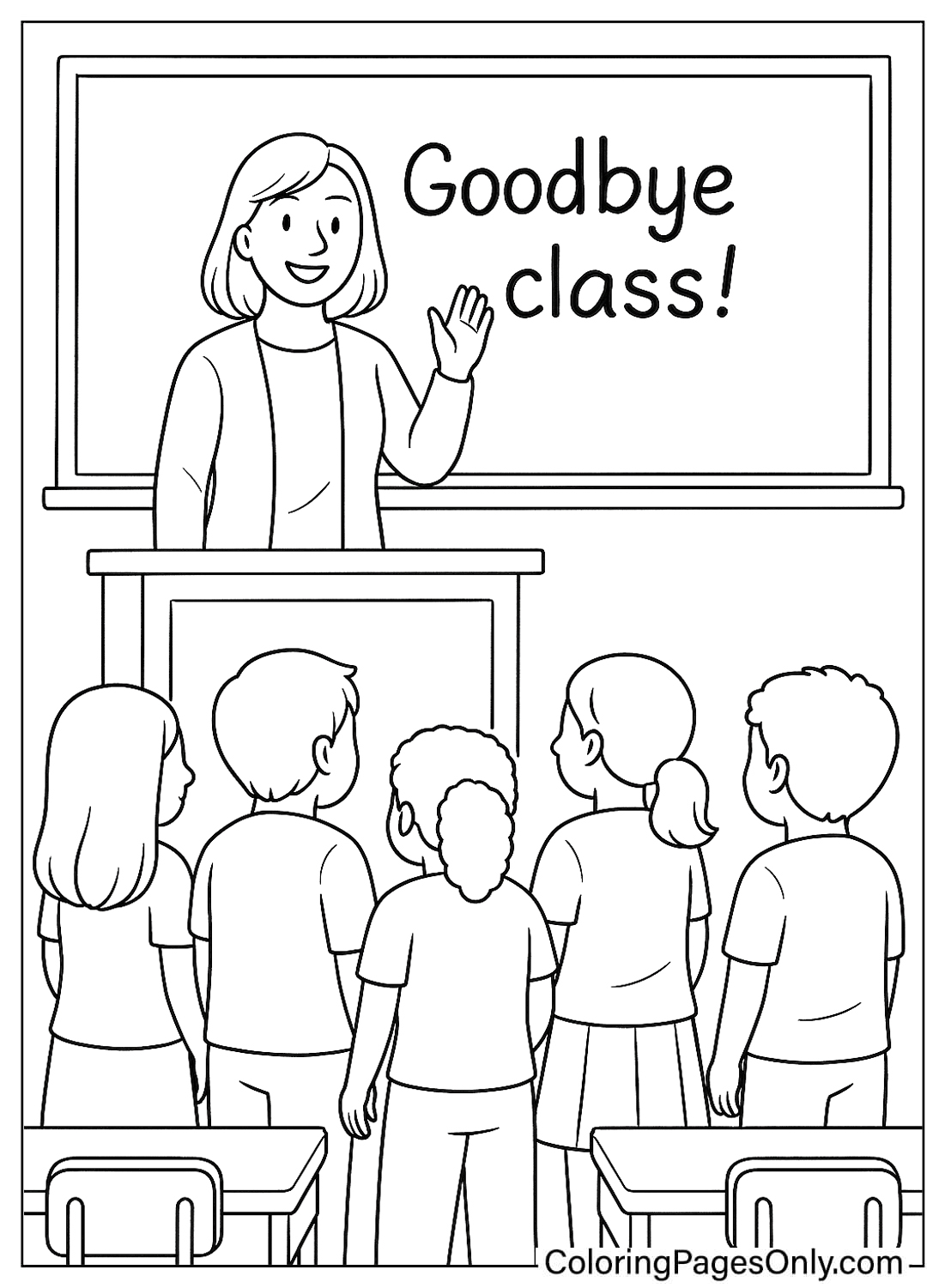
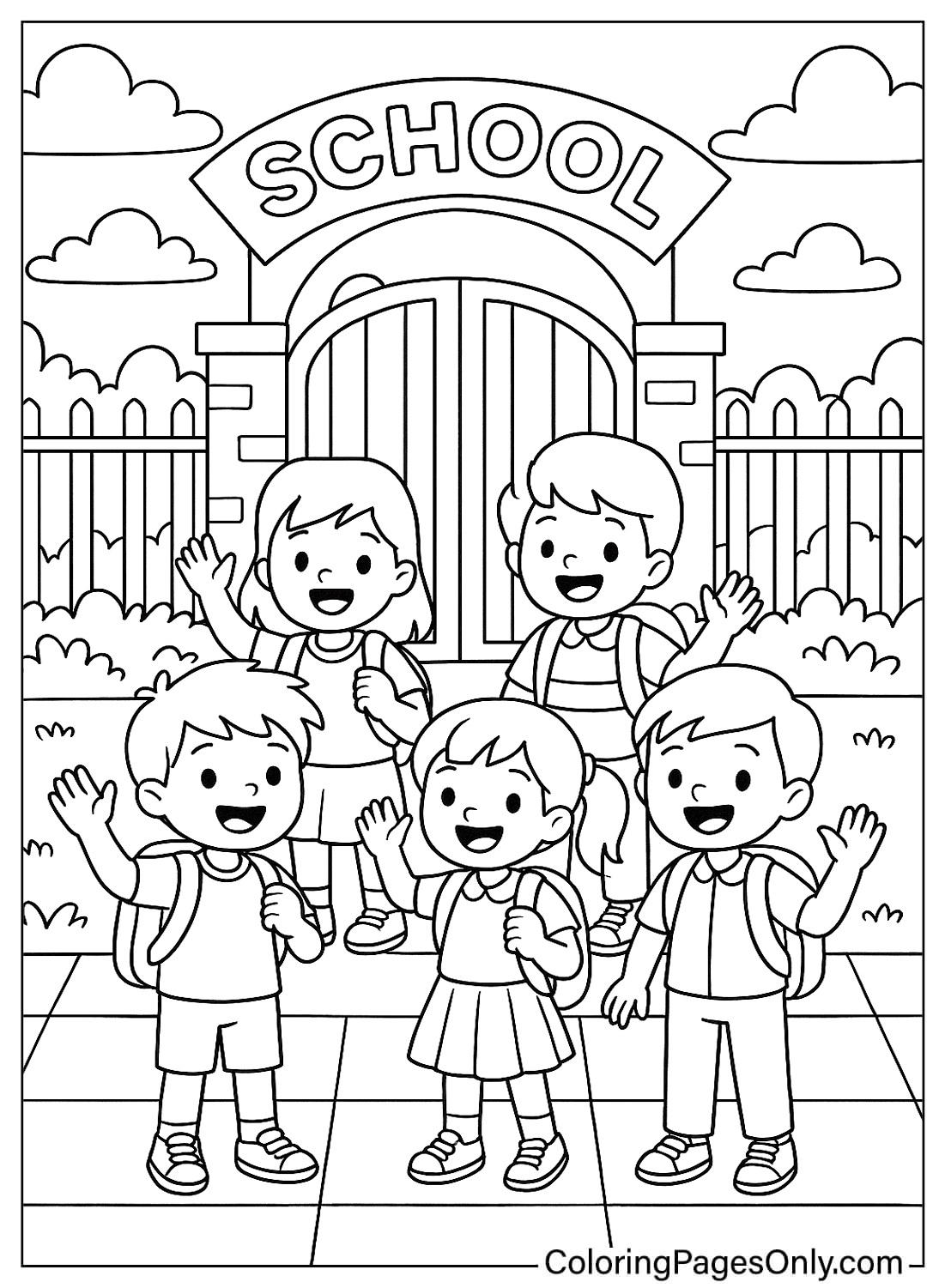
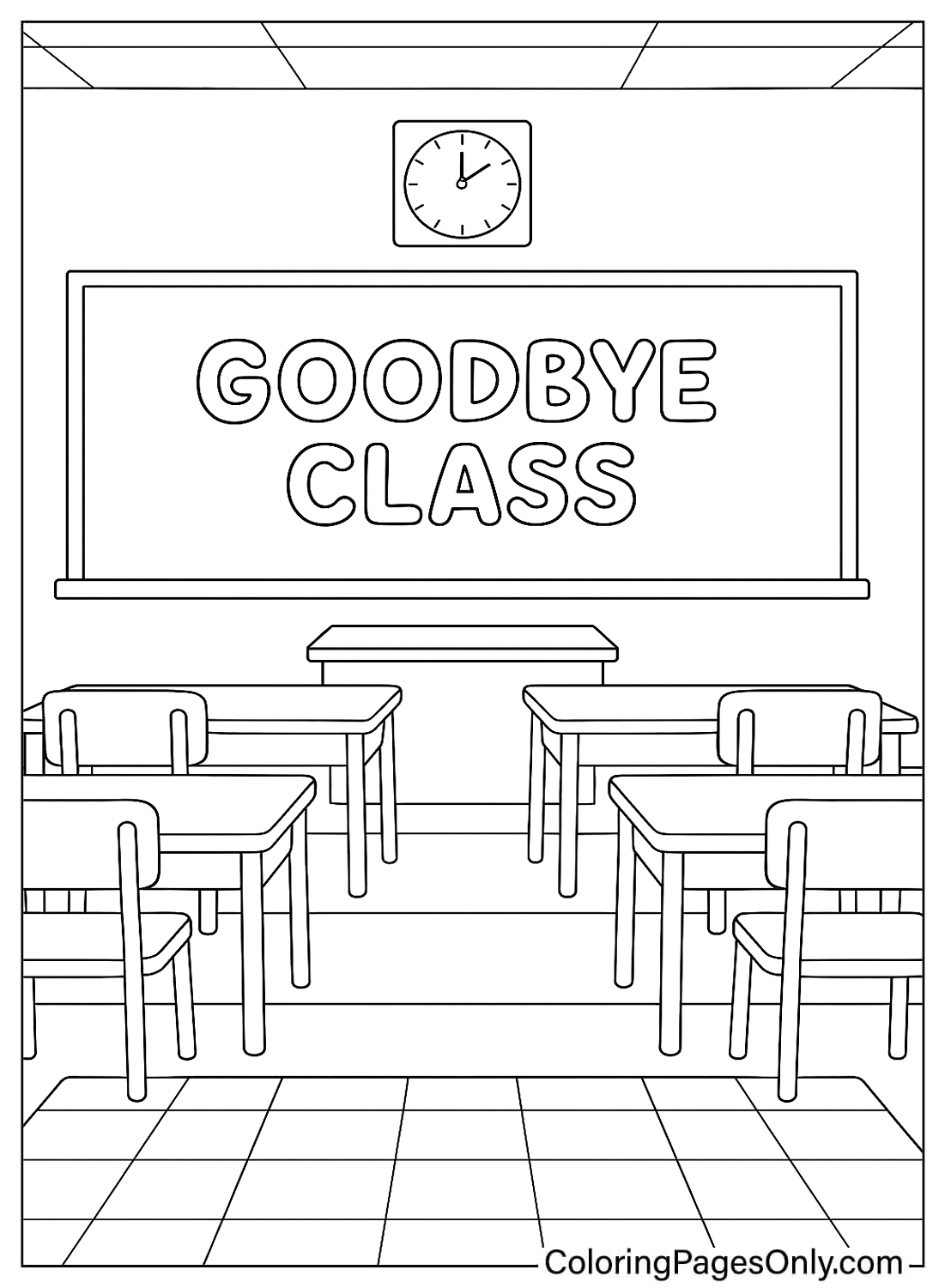
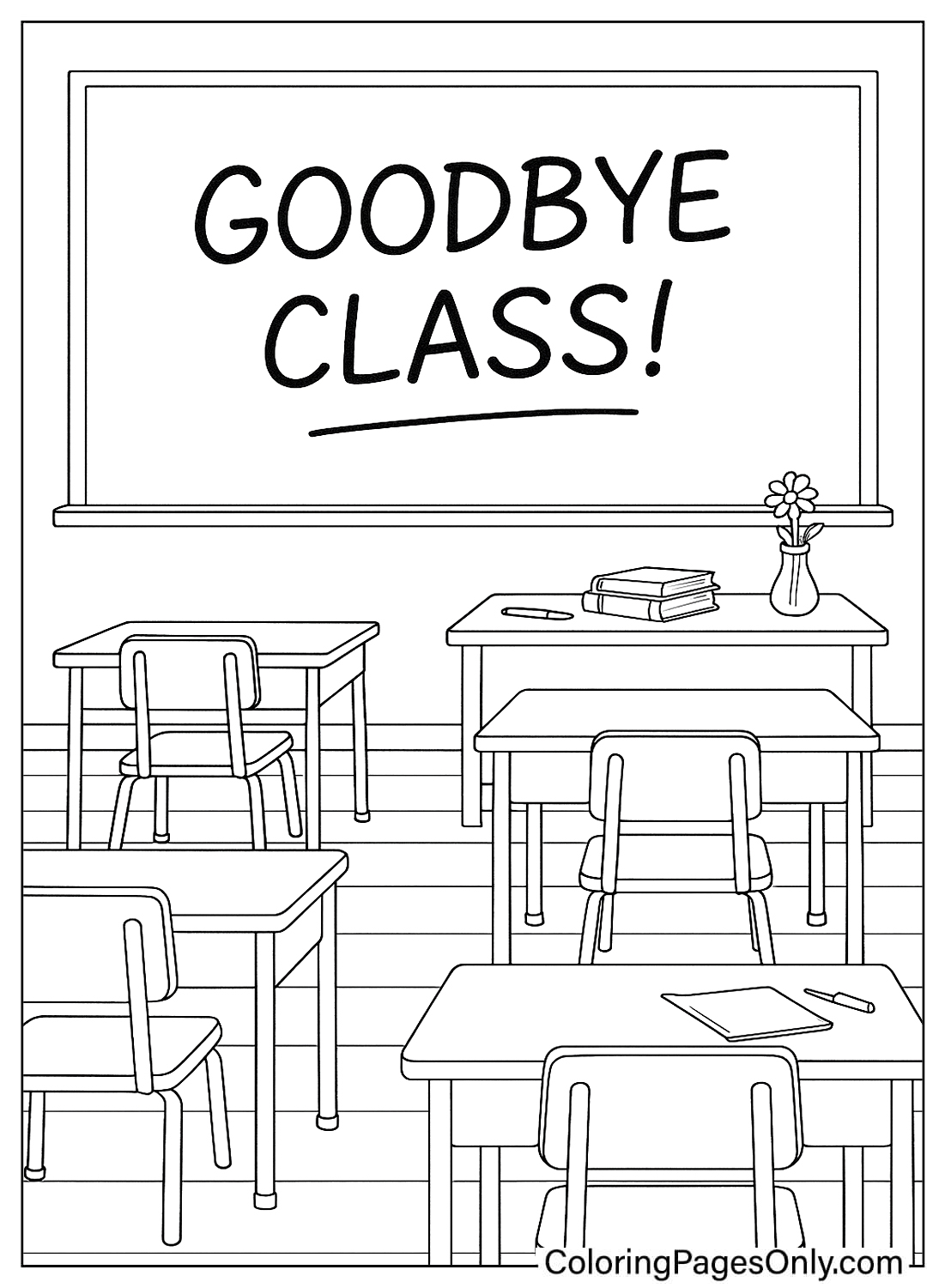
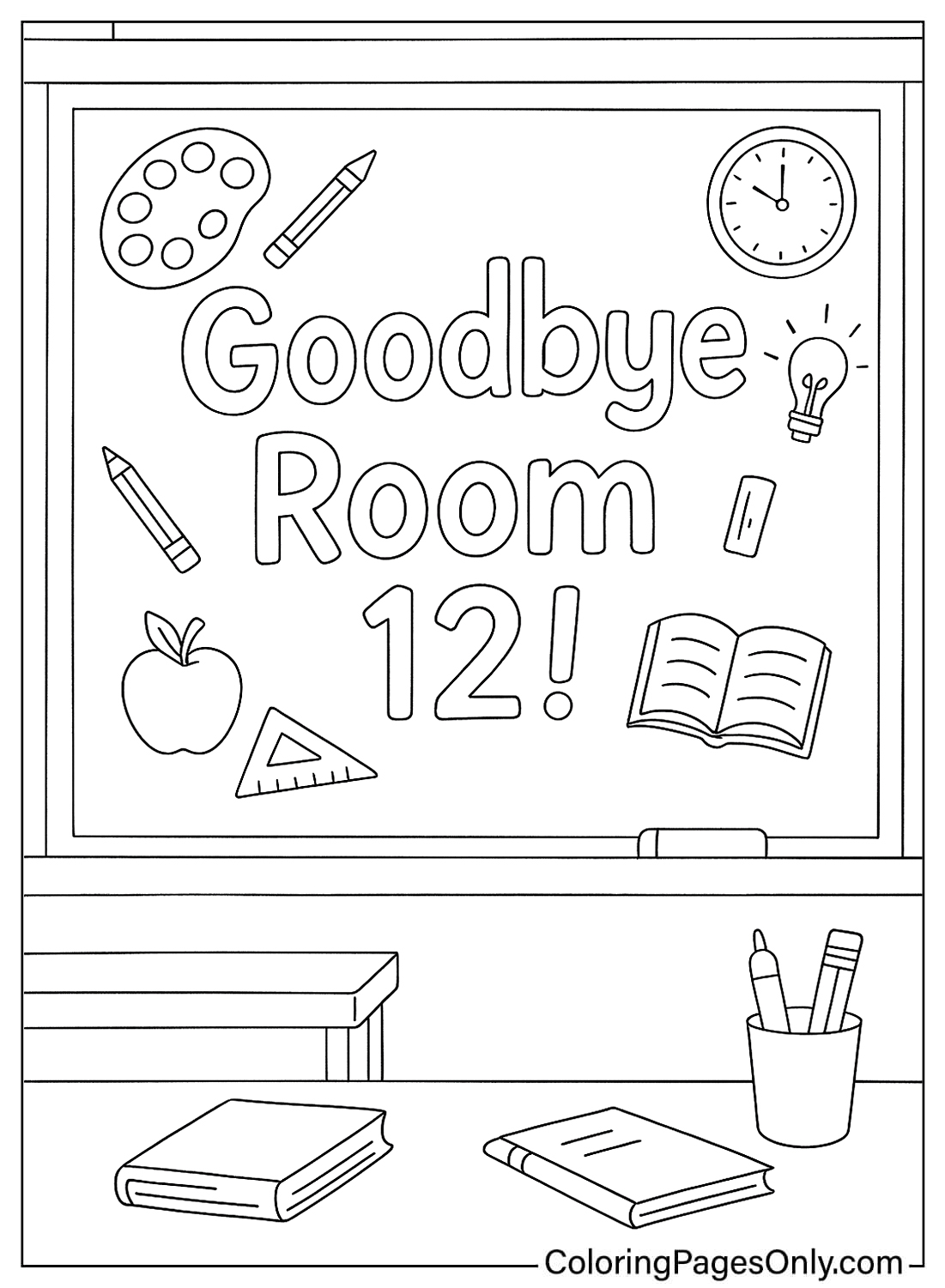
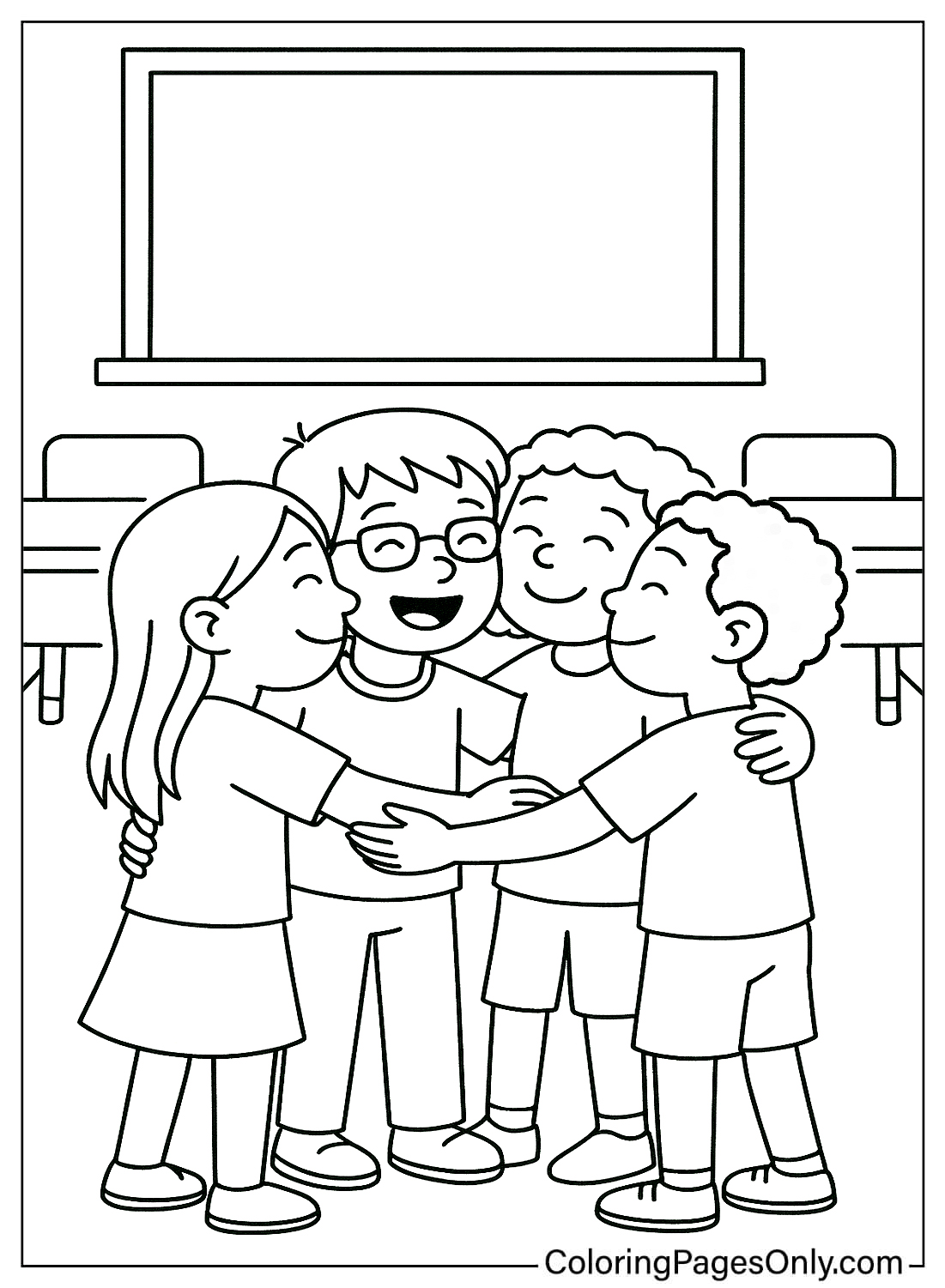
For the child moving up a grade. This is the most common end-of-year scenario: a child who has completed one year of school and will be returning in September to the same school but a different classroom, with a different teacher and often a different peer configuration. For this child, the goodbye is primarily to the specific classroom community that existed this year – the arrangement of desks, the books on the shelves, the teacher’s particular way of explaining things, the classmates who sat at nearby tables. The year had a particular shape, and that shape is ending. “Students Waving Goodbye Coloring Page,” “Goodbye Classroom Scene Coloring Page,” and “Teacher Goodbye to Class Coloring Page” speak directly to this experience.

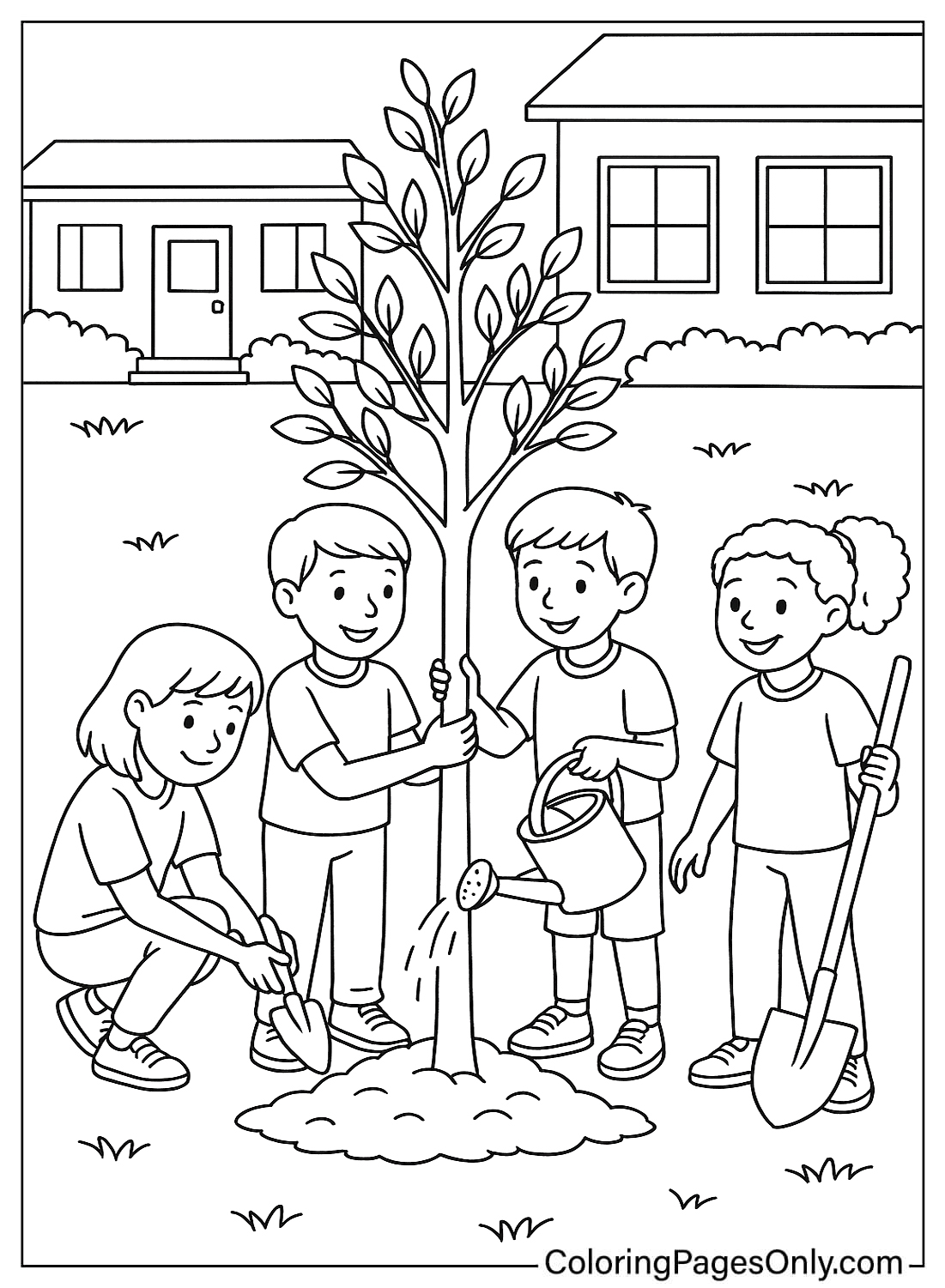
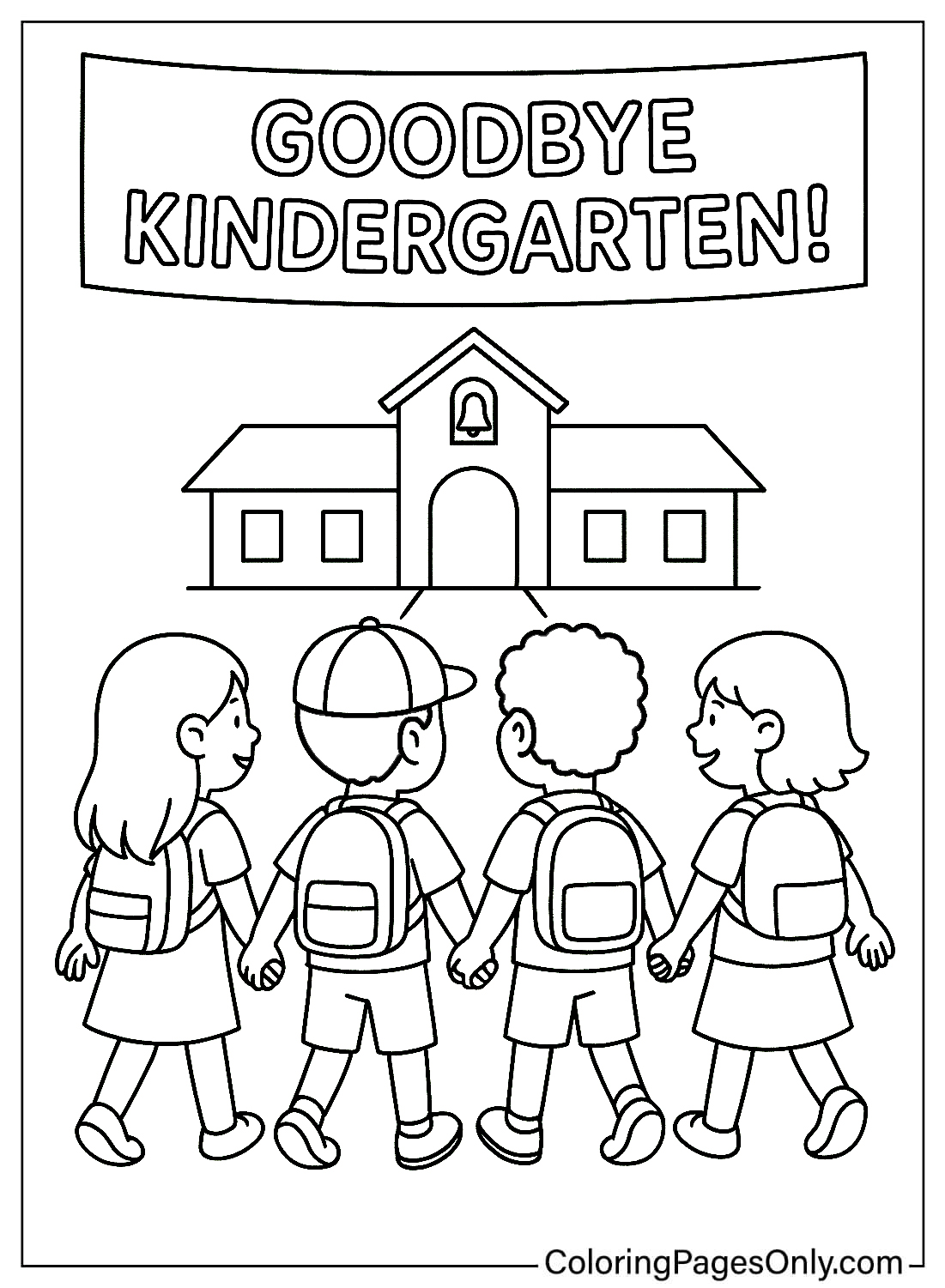
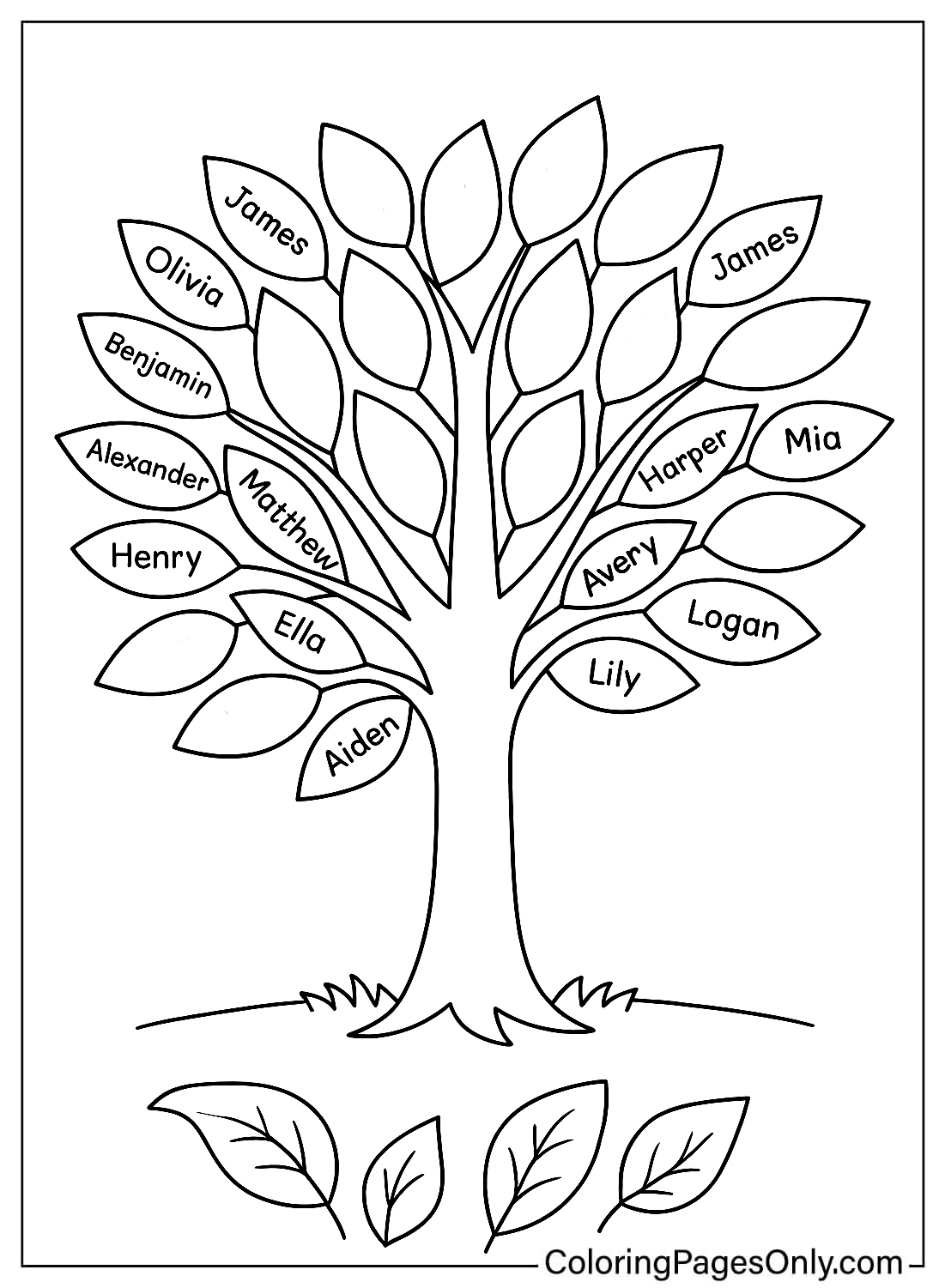
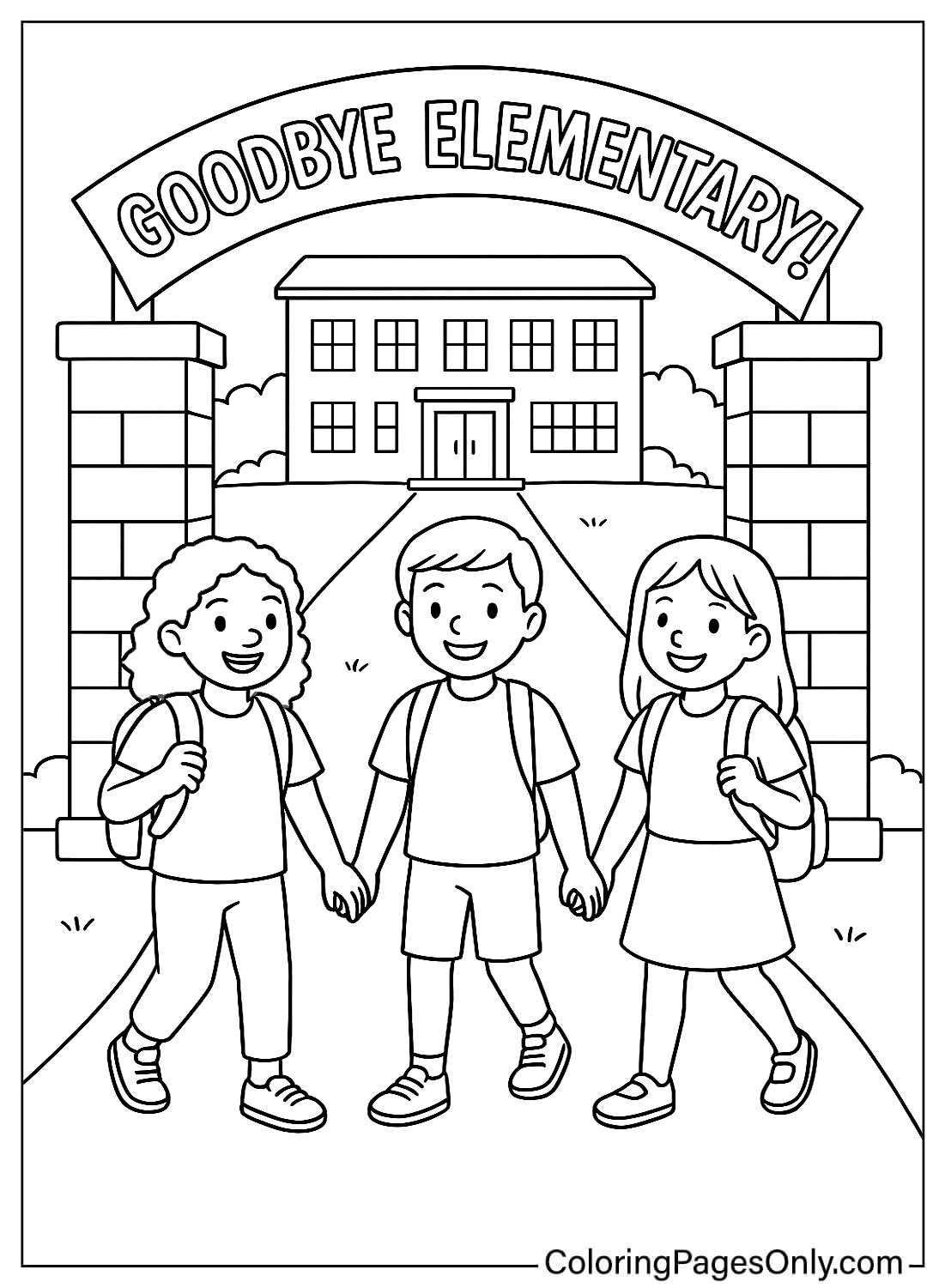
For the child leaving for a different school entirely. A child who is moving on to middle school, transitioning to a new district, or leaving this particular school for another faces a more complete goodbye – not just to a classroom and grade but to an entire institutional community, its particular culture, and the staff they have built relationships with over the years. The “Goodbye Kindergarten Coloring Page” addresses a version of this experience at the youngest end: the kindergartner who has completed their entire first school year and is graduating out of the kindergarten classroom into elementary school proper. For these children, the goodbye is more final and the emotional complexity correspondingly greater. “Students Planting Memory Tree Coloring Page” – with its beautiful image of students marking the school grounds with something that will outlast their time there – is particularly resonant for this type of goodbye.

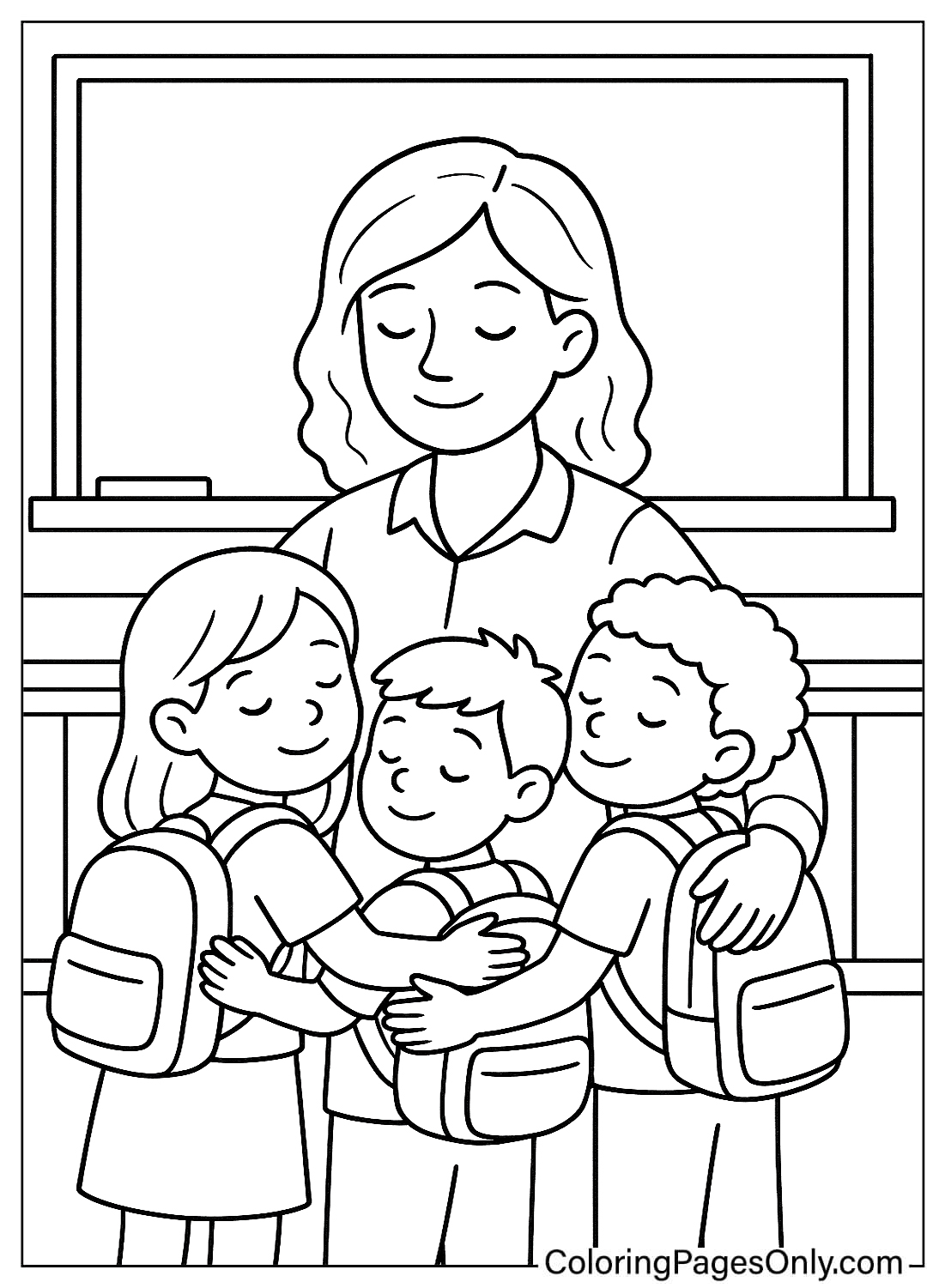
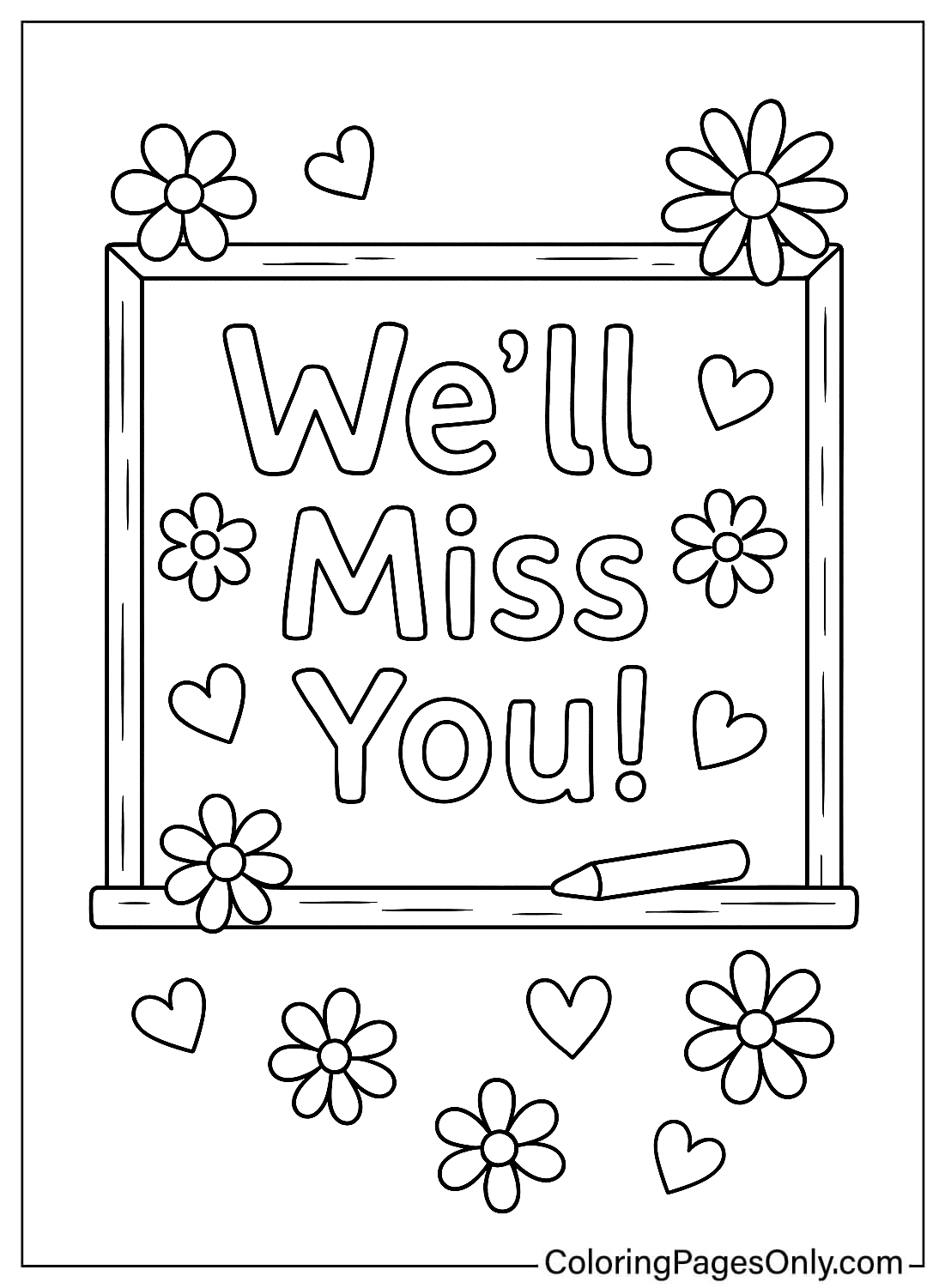
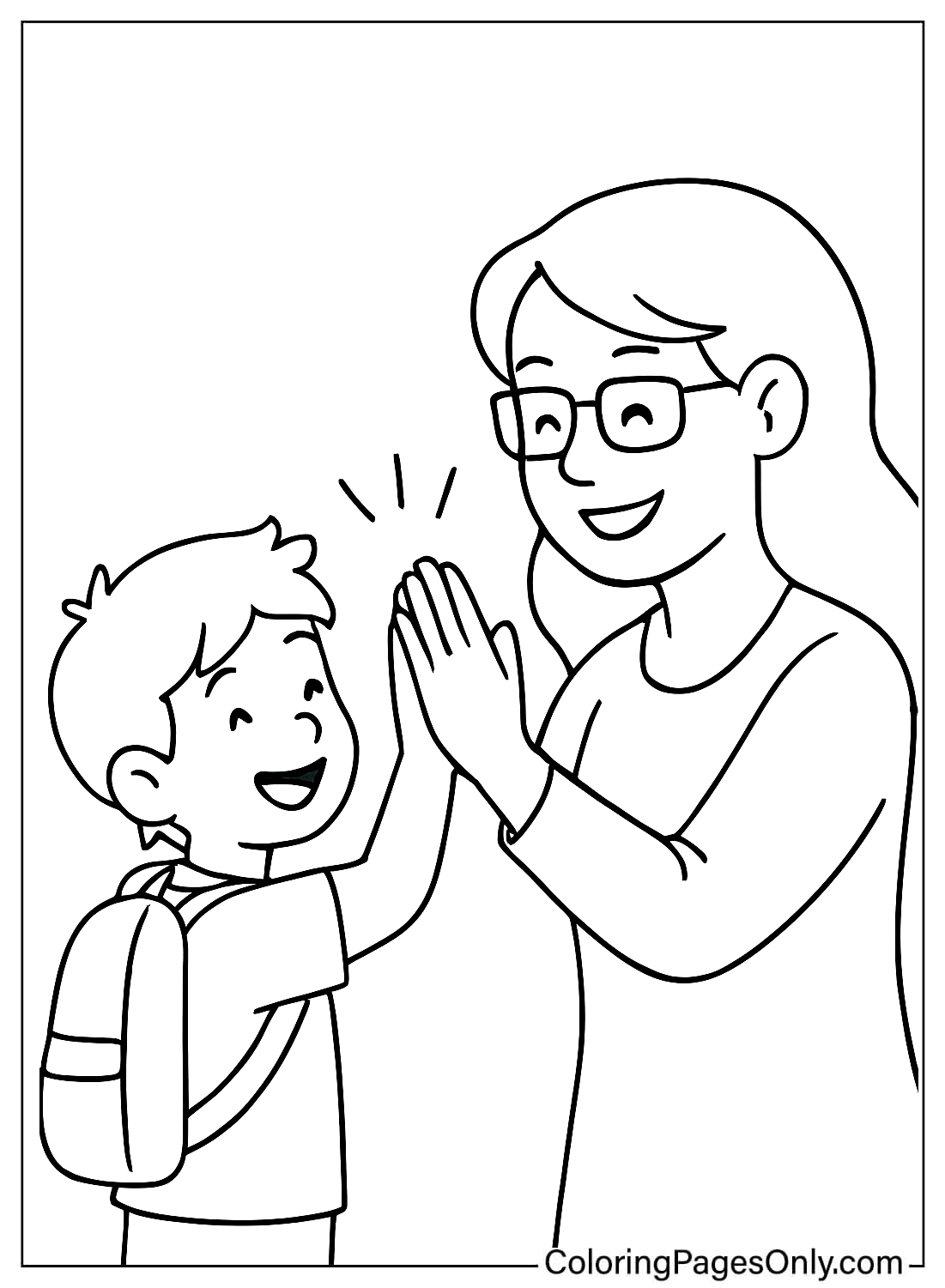
For the teacher. Teachers are almost entirely absent from the cultural and media narrative of year-end emotion, but their experience of the goodbye is real, significant, and frequently underacknowledged. A teacher who has invested a year of sustained attention and care into a class of children – who has come to know each child’s specific strengths, fears, sense of humor, and growth arc – is not neutral at the end of the year. They, too, experience the end-of-year emotional mixture: pride in what the class achieved together, sadness at the ending of this particular community, satisfaction in each child’s growth, and the particular bittersweet quality of watching children who needed significant help at the beginning of the year leave in June, capable and confident. The pages showing the teacher actively engaged in the goodbye – “Teacher Hug Goodbye Coloring Page,” “Teacher Goodbye to Class Coloring Page,” “Farewell Chalkboard Message Coloring Page” – honor the teacher’s emotional experience of the transition, not only the students’.

For parents. Parents experience the end of the school year through multiple lenses simultaneously: through their child’s emotions (which they must support), through their own logistical response (summer childcare, activity planning), and sometimes through their own memories of school year endings from their own childhoods. A parent whose child is leaving kindergarten – finishing their very first complete school year – may feel the transition more keenly than the child does. A parent whose child has had a particularly hard year may feel enormous relief. A parent whose child has flourished this year may feel genuine sadness that this particular configuration of teacher, peers, and learning environment is ending. These pages can be a resource for parents, too, not just for children.

The Collection’s Scenes – A Complete Guide

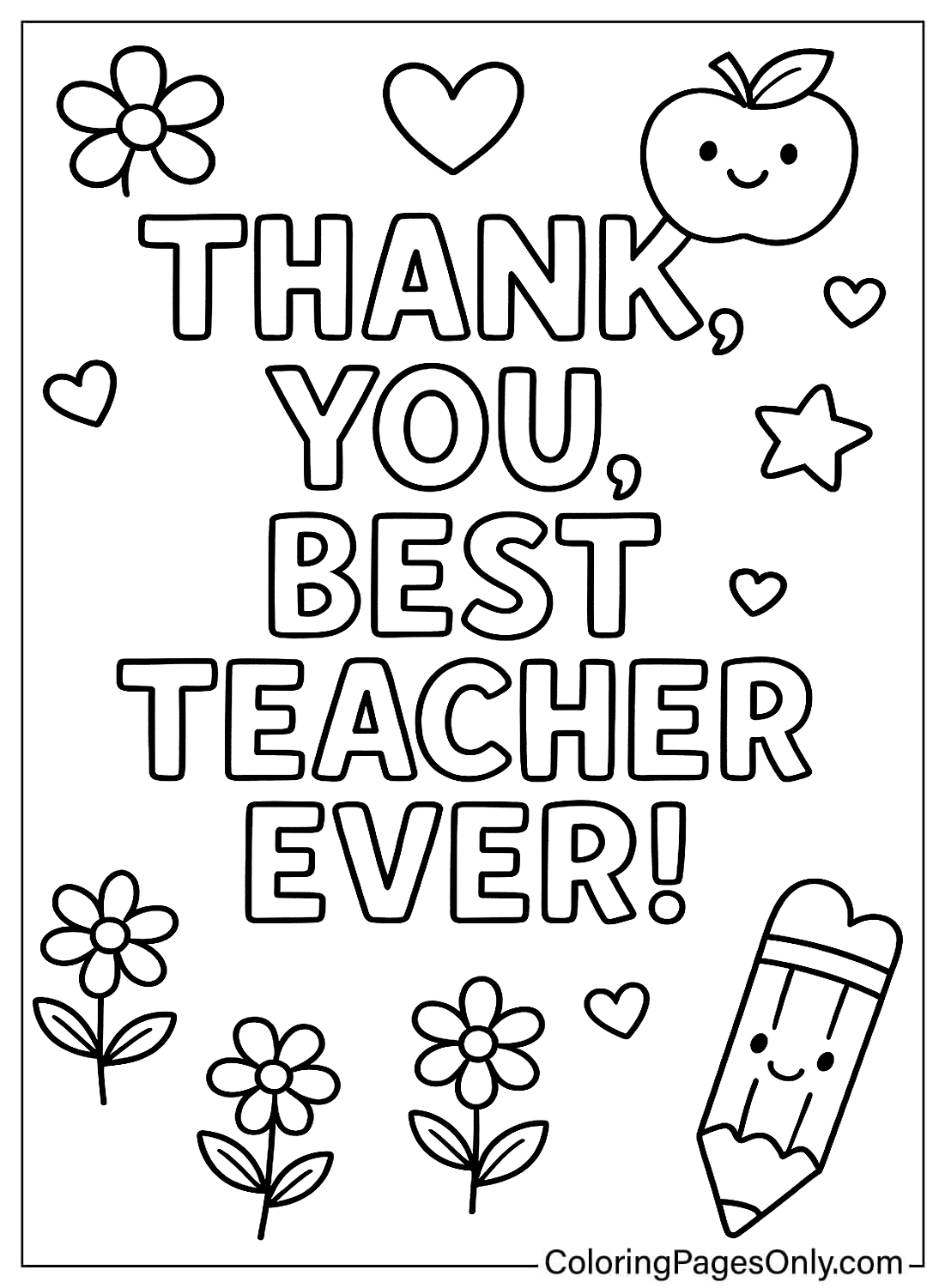
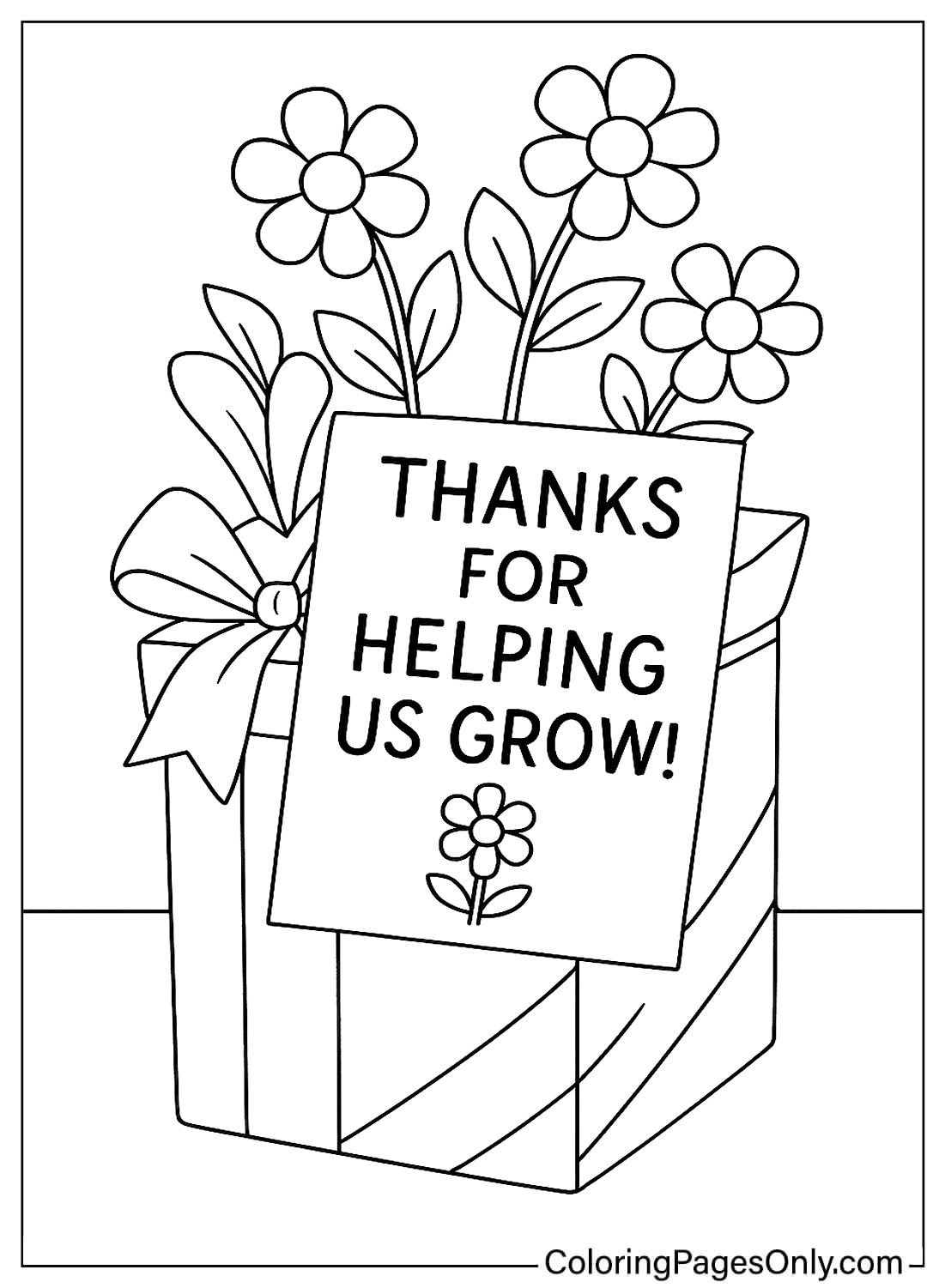
Gratitude and gift-giving pages – “Thank You Note for Teacher Coloring Page” and “Thank You Teacher Gift Coloring Page” – open the collection with the most universally practiced end-of-year ritual: expressing appreciation to the teacher. These pages are the most directly actionable in the collection. A child who colors “Thank You Note for Teacher Coloring Page” has made a thank-you card. The coloring is not preparatory to a card – it is the card. After coloring, add a personal written message and present it directly. These are the pages to print and color in the final week of school.

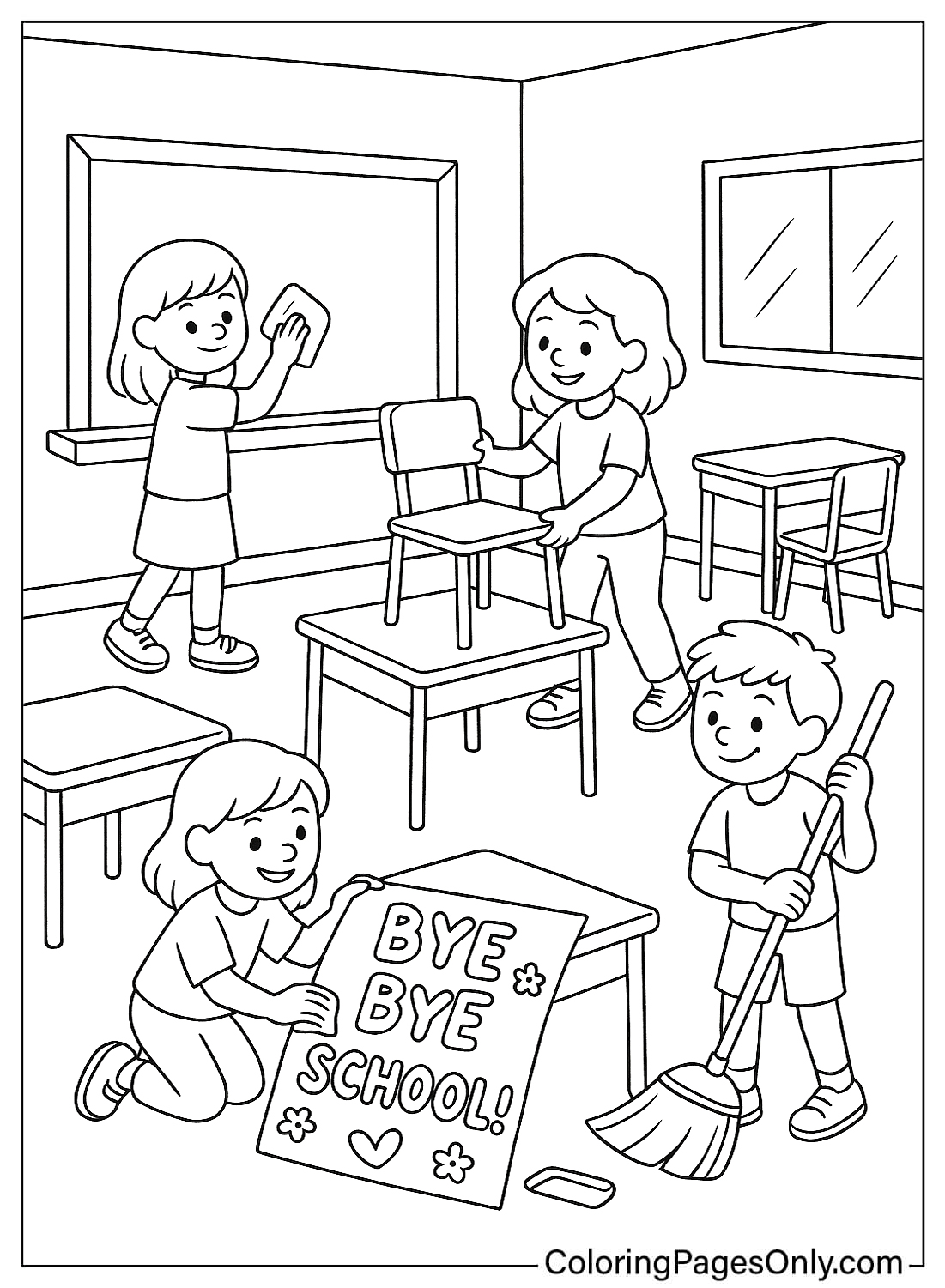
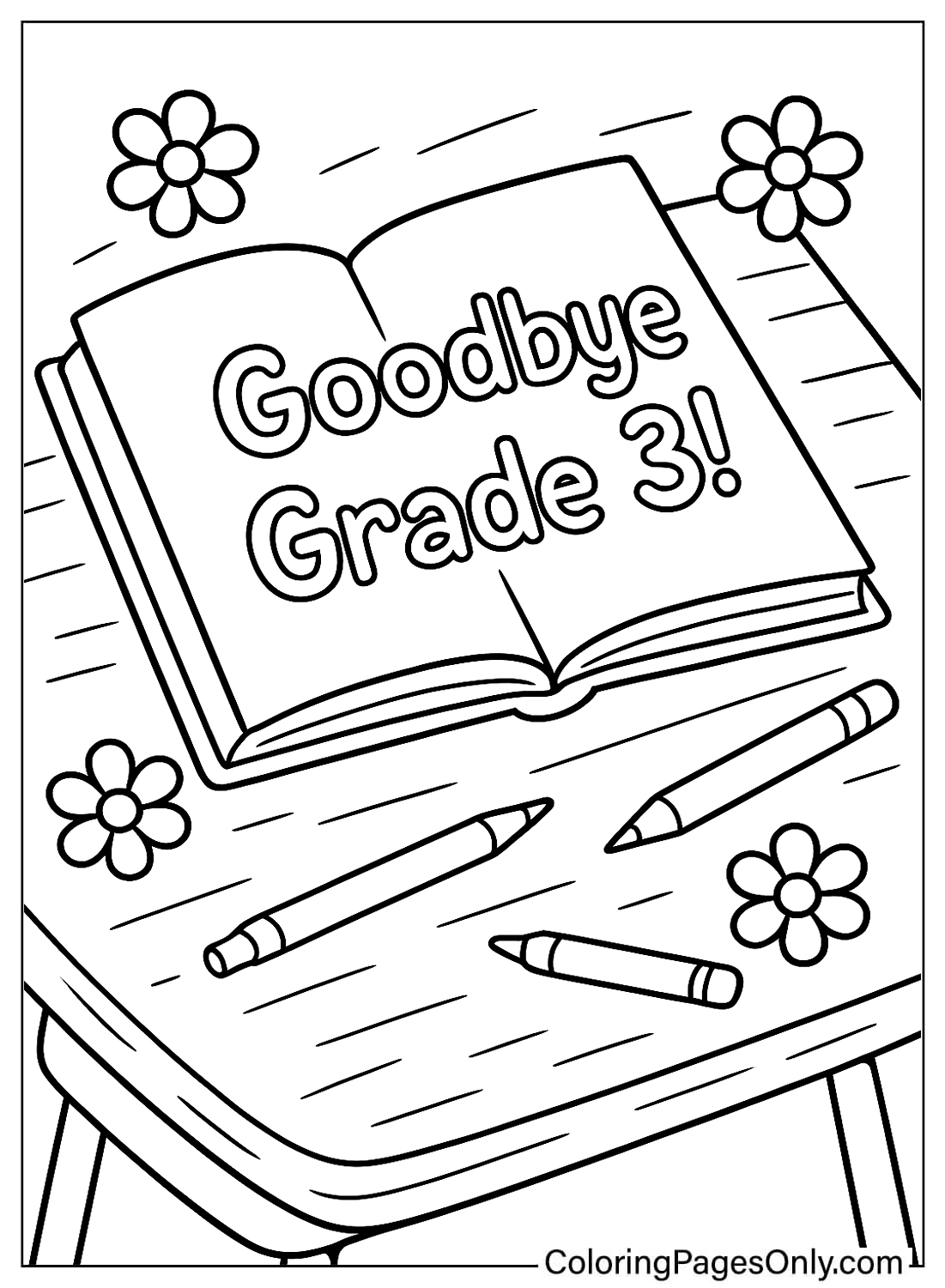
Classroom care and responsibility pages – “Clean Up Time Coloring Page” and “End of Year School Desk Coloring Page” – depict the practical rituals of year-end: tidying the classroom, clearing the desk, returning books, and organizing materials. These may seem mundane, but they carry genuine emotional weight. The cleared desk is a physical emblem of the transition: the space that has held this child’s work all year, now empty, ready for next year’s student. A child coloring “End of Year School Desk Coloring Page” is engaging with the physical reality of the goodbye in a way that is easier to process through creative activity than through direct confrontation.

Goodbye-in-action pages – “Teacher Hug Goodbye Coloring Page,” “Teacher Goodbye to Class Coloring Page,” “Students Waving Goodbye Coloring Page” – depict the specific moments of farewell: the hug at the door, the teacher standing before the class one last time, children at the window waving. These scenes carry the emotional peak of the goodbye – the moment where the transition from this year is still happening to this-year-is-now-over is most acute. Coloring these pages in the days before the last day of school creates a rehearsal for that moment – similar to the visualization technique used in the First Day of School collection, but in reverse. The child who has colored a goodbye hug scene the evening before the last day of school arrives with a mental image of that moment already processed, already given a color and a form, which makes the actual goodbye slightly less overwhelming.

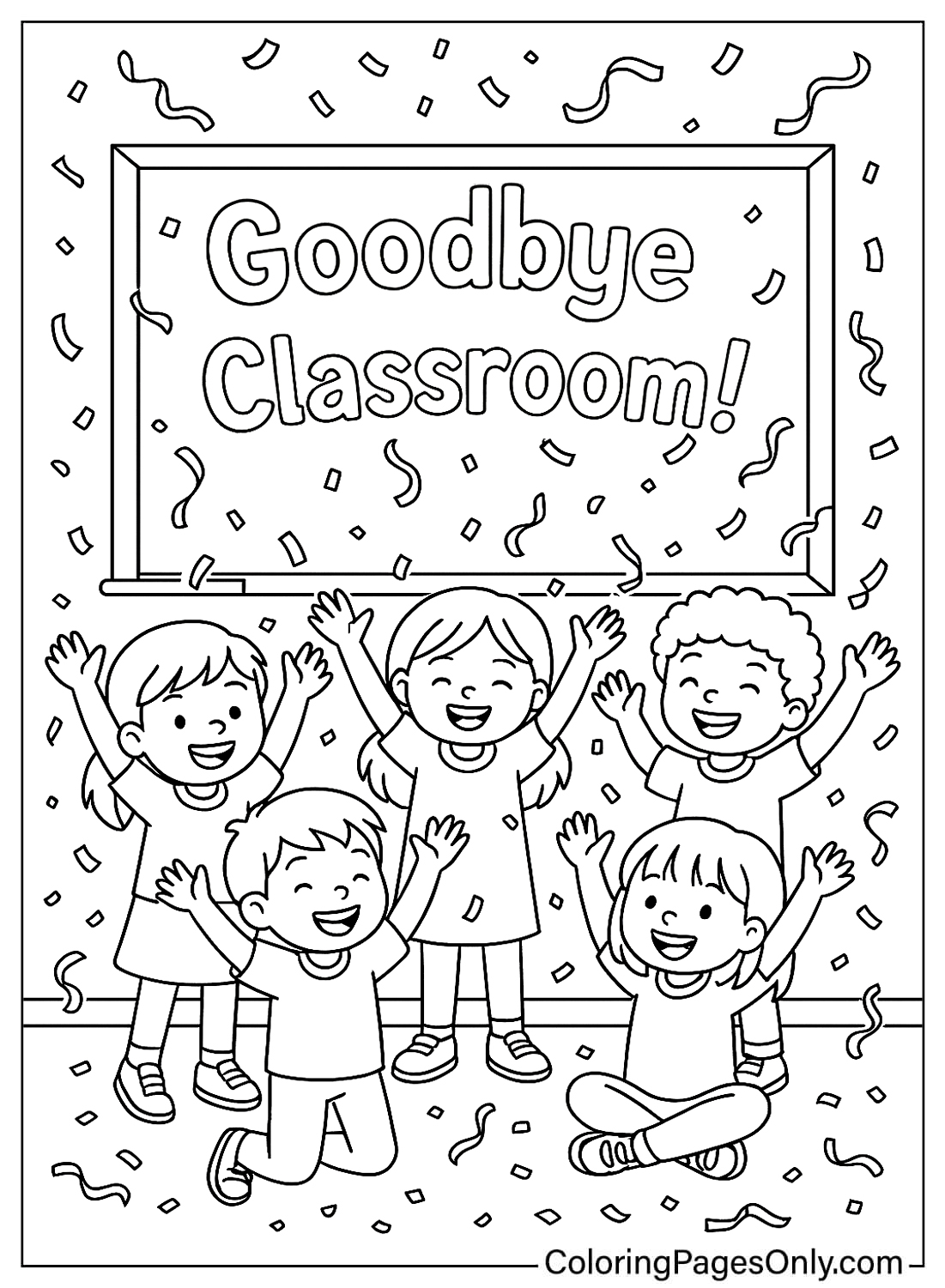
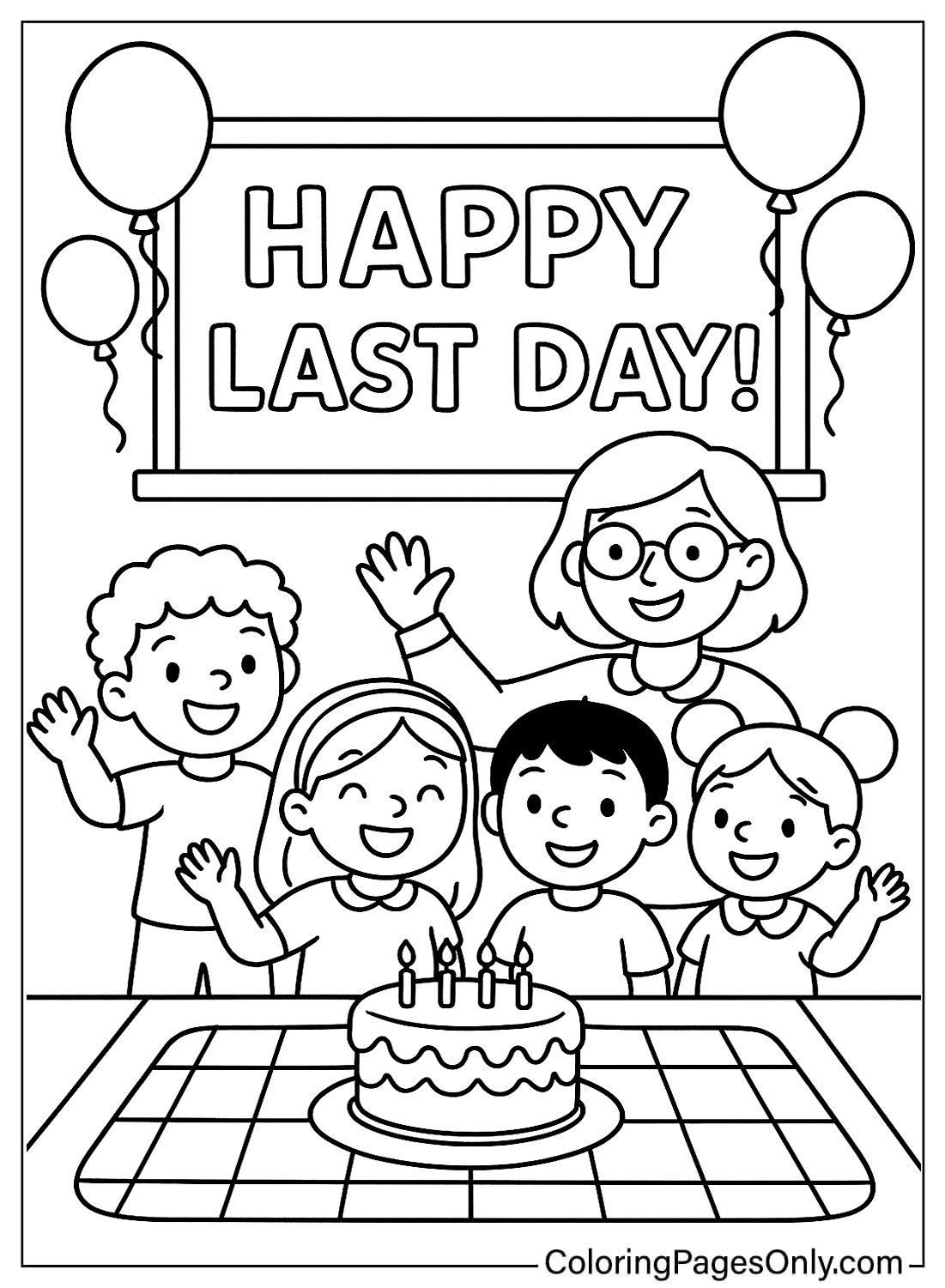
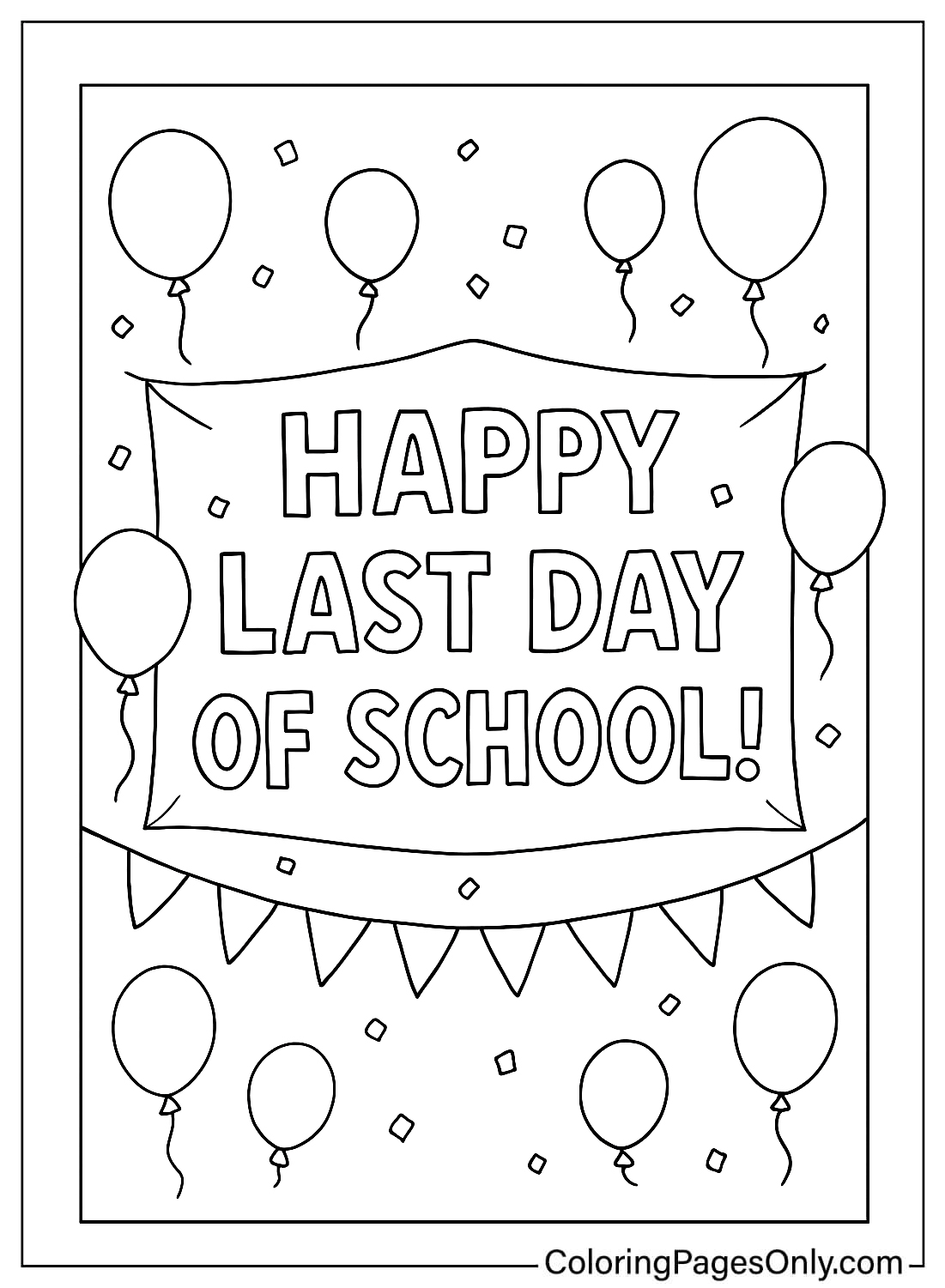
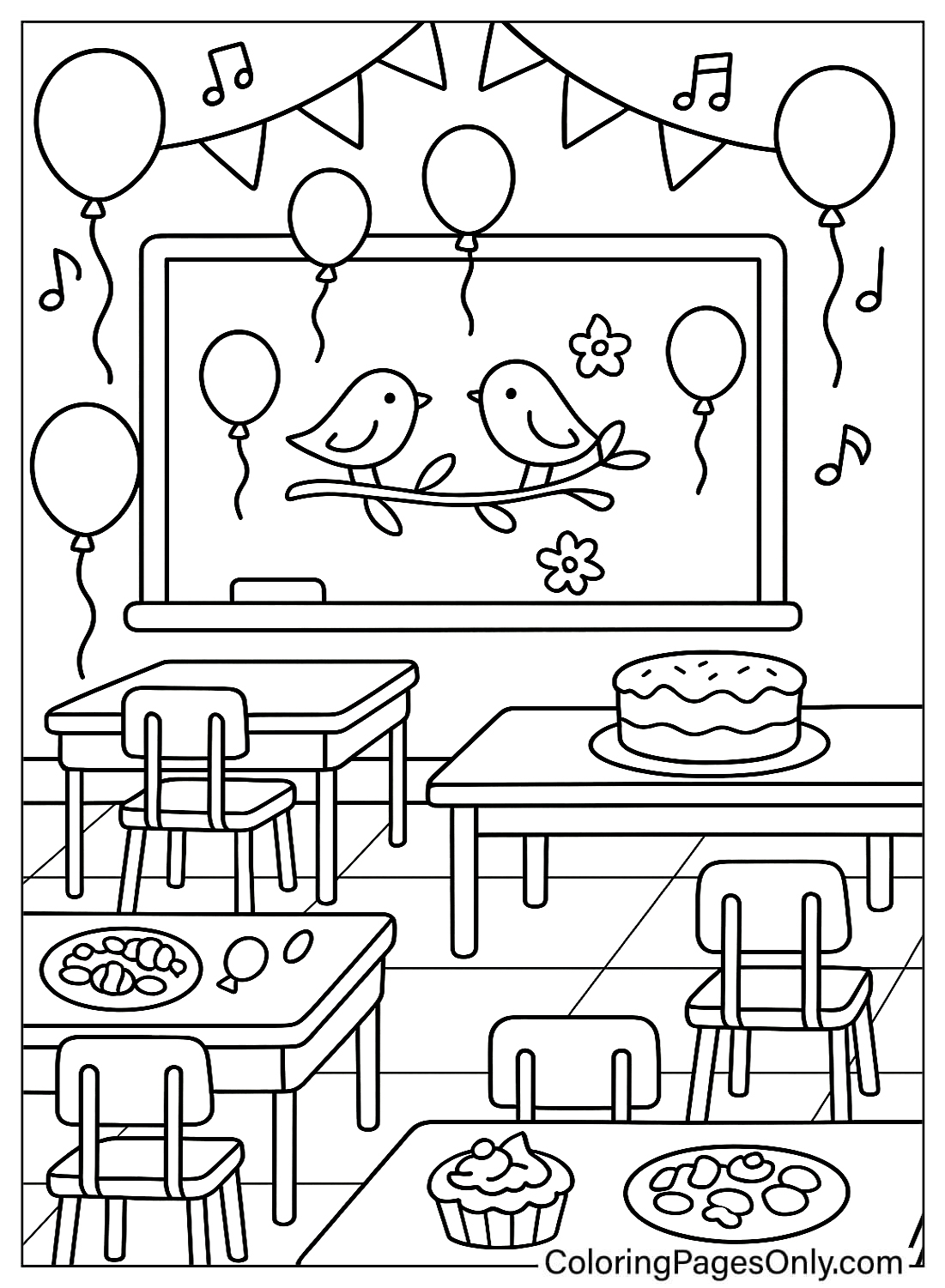
Celebration pages – “Students Throwing Confetti Coloring Page” and “Last Day of School Celebration Coloring Page” – represent the joyful dimension of the year-end experience. Not all year-end emotion is sorrowful. Many children experience genuine elation on the last day: the lightness of a complete year, the pride of having grown, the excitement of summer ahead, and the pure pleasure of a classroom-full of friends celebrating together. These pages honor that dimension of the goodbye – the confetti-throwing, the cheering, the explosion of color that marks the end of something completed well.

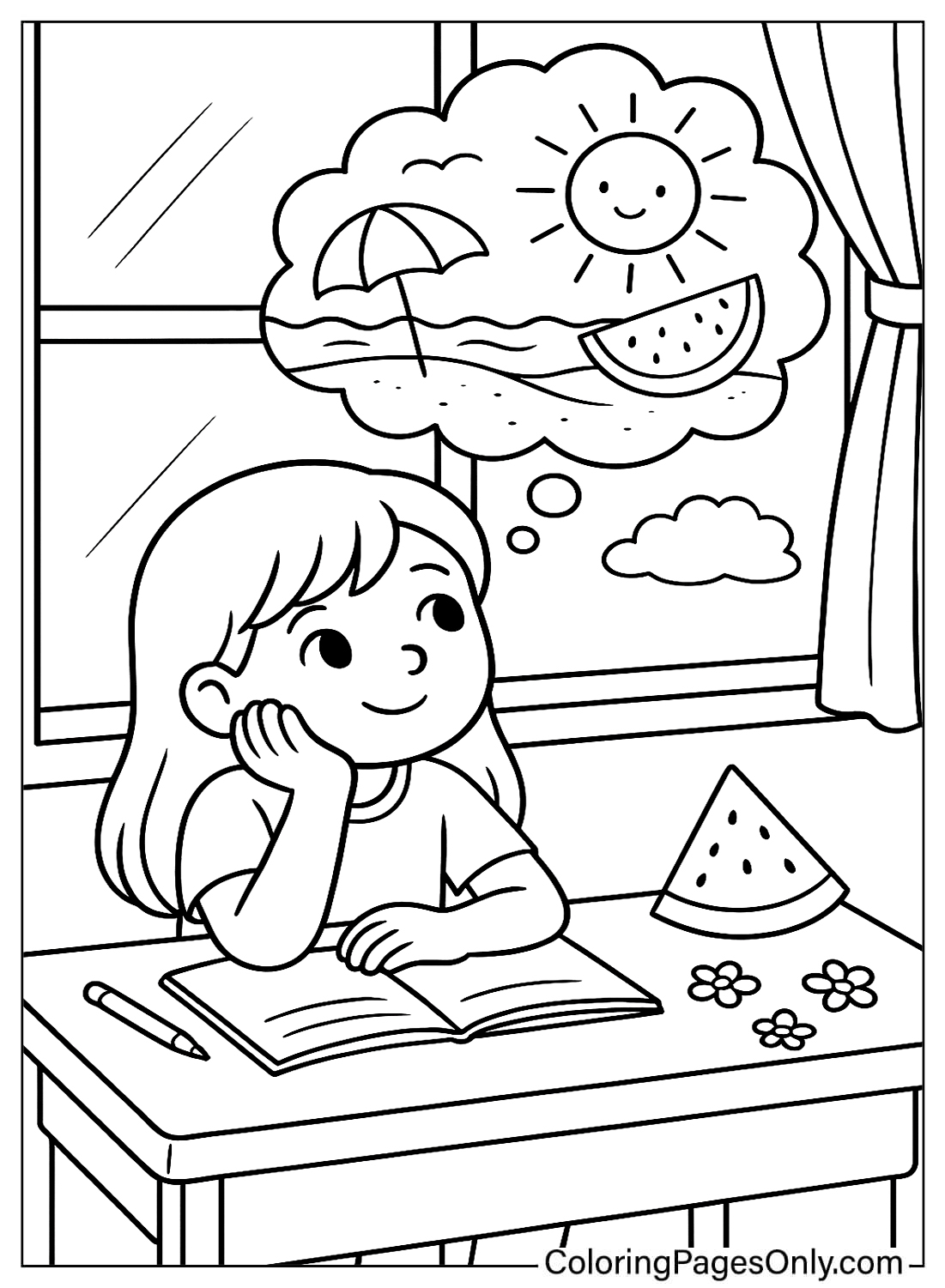
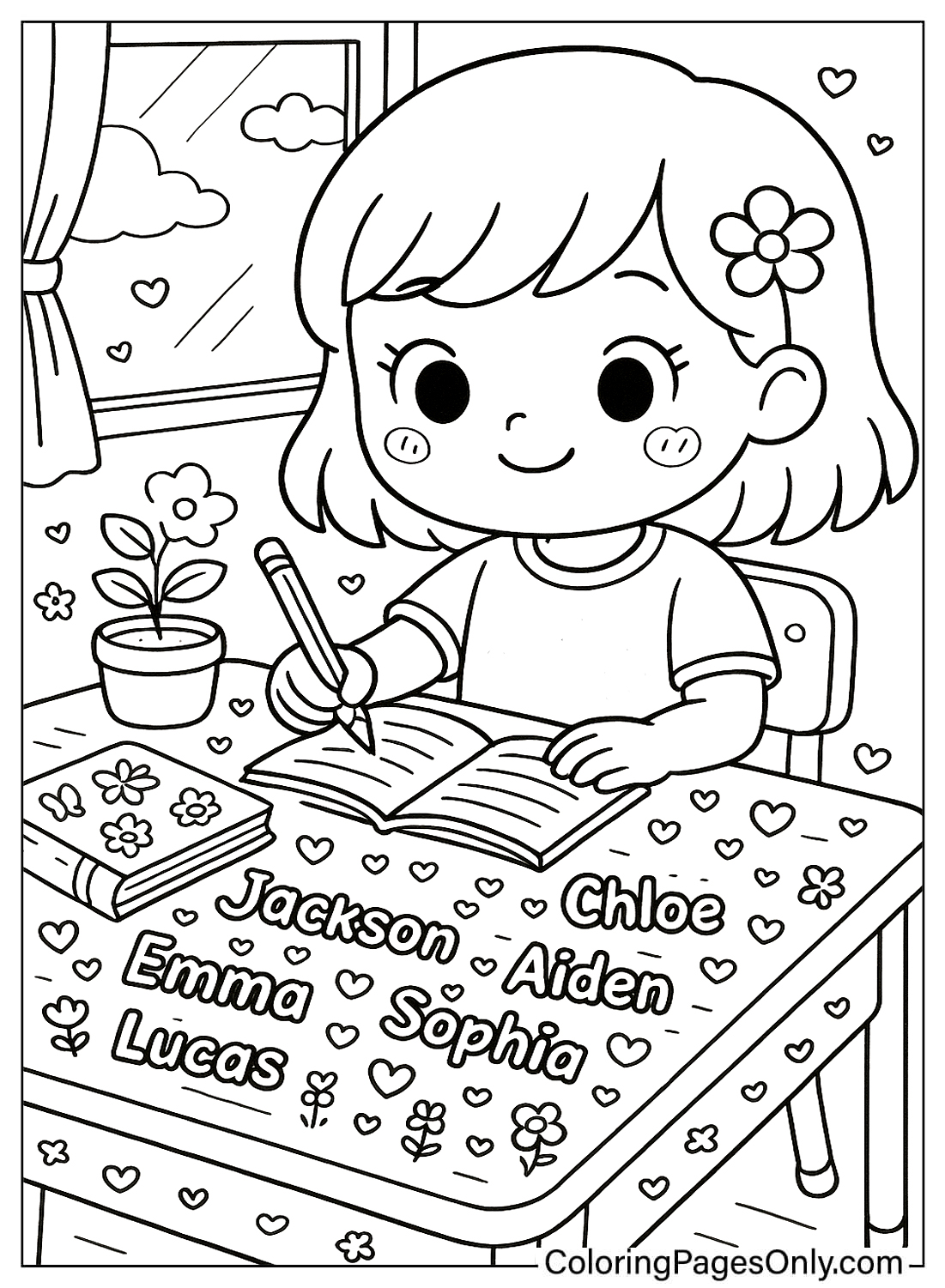
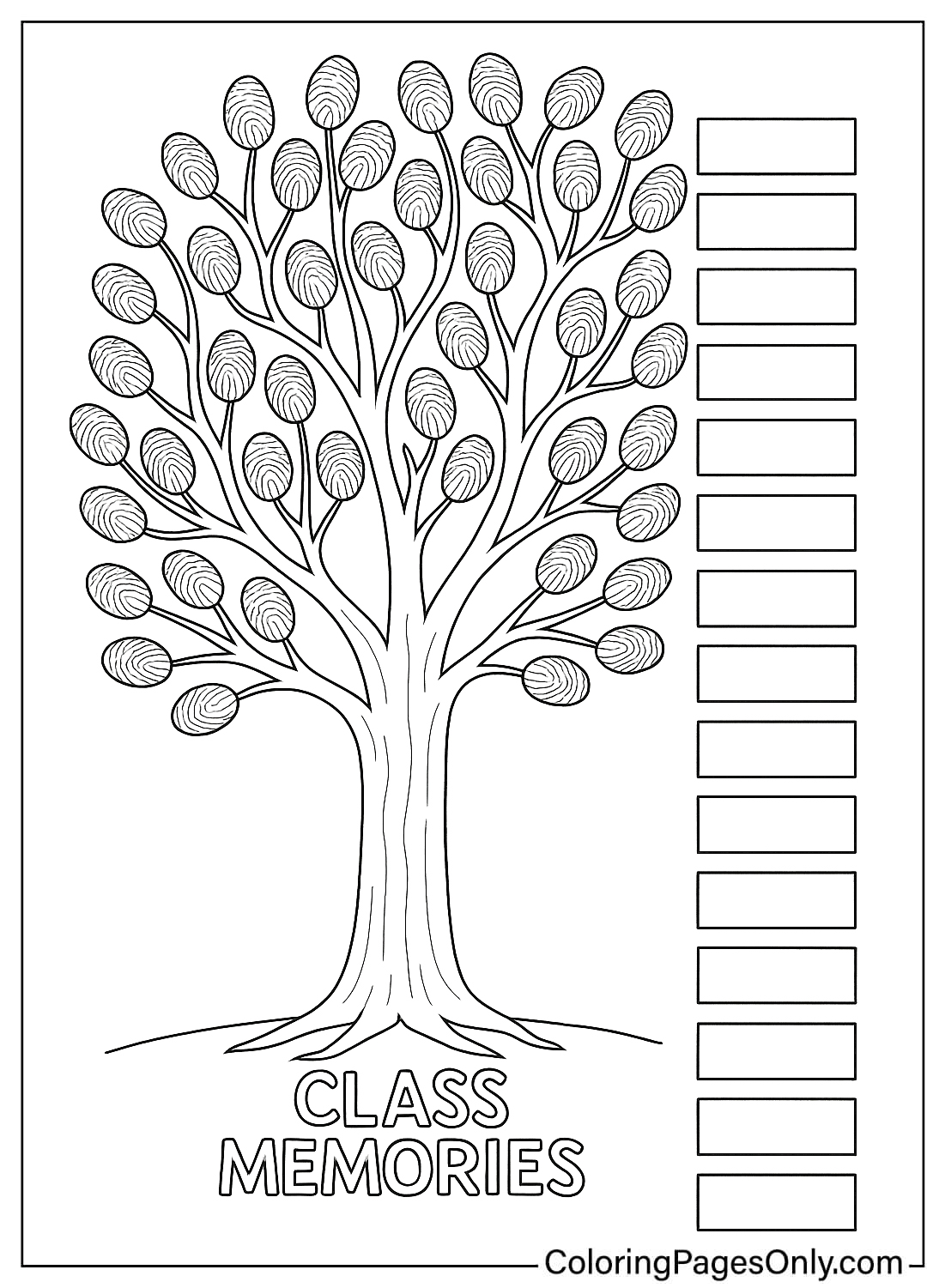
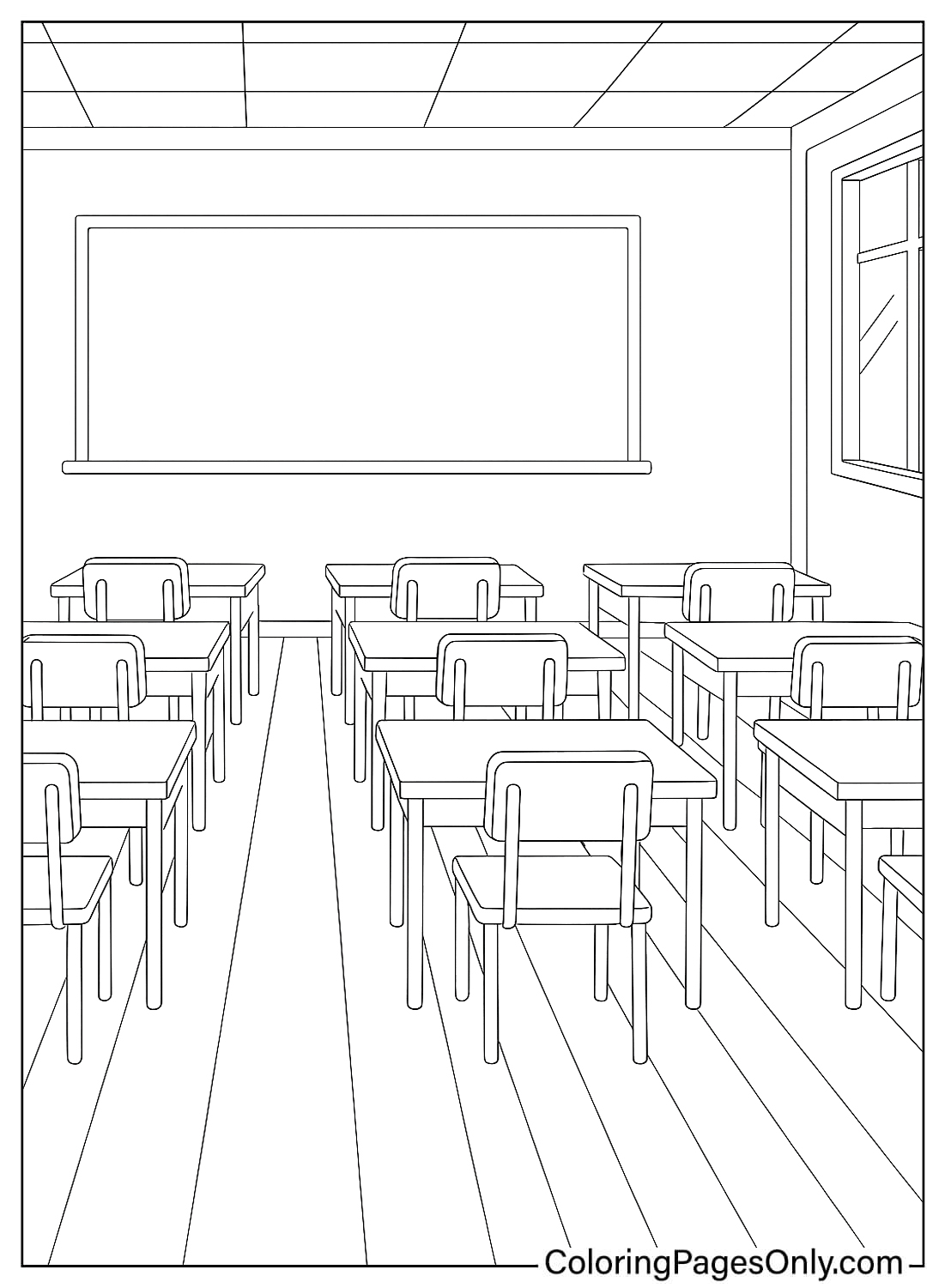
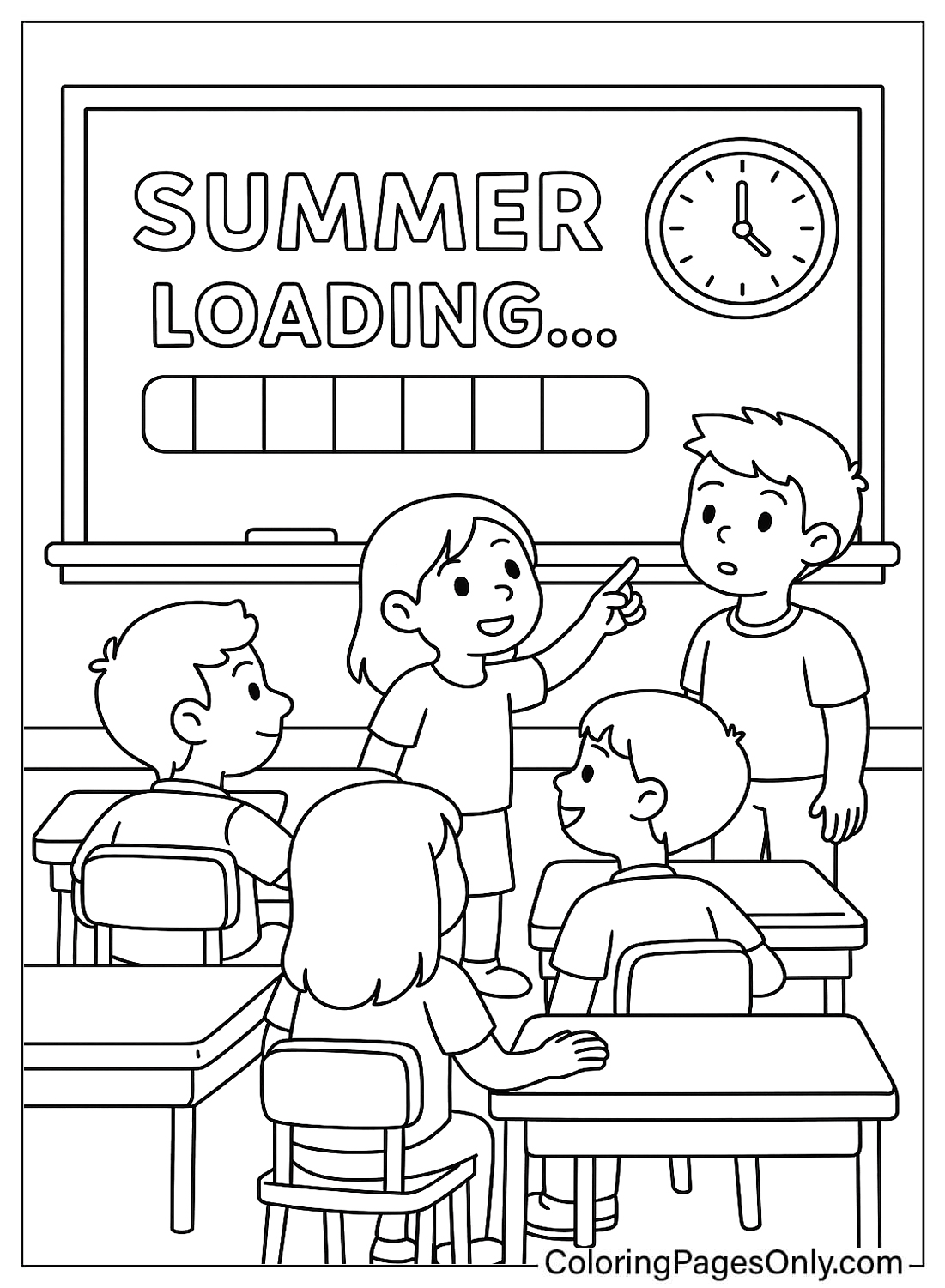
Forward-looking and reflective pages – “Summer Dreaming Student Coloring Page,” “School Year Reflection Journal Coloring Page,” “Goodbye Classroom Scene Coloring Page,” “Letter to Next Year Students Coloring Page,” and “Students Planting Memory Tree Coloring Page” – are the most emotionally sophisticated pages in the collection. “Summer Dreaming Student” captures the particular psychological moment where the school year is still technically in session, but the child’s mind has already begun the transition to summer – a universal and charming experience. “School Year Reflection Journal” makes the reflective process explicit: a visual anchor for the journaling or discussion activity of reviewing the year. “Letter to Next Year Students” – perhaps the most unique title in any collection on this site – asks the child not just to close the year but to address the future student who will occupy their desk, sit in their seat, and begin their own relationship with this classroom. It is an act of radical perspective-taking and temporal imagination. “Students Planting Memory Tree” makes the goodbye literally permanent – a physical mark on the school grounds that outlasts this particular year’s class.

For Teachers – Using These Pages in the Final Days

The farewell morning meeting. Responsive Classroom research identifies the final morning meetings of the year as particularly important for students’ emotional well-being during the transition. Print “Goodbye Classroom Scene Coloring Page” or “Students Waving Goodbye Coloring Page” and distribute at the start of the final week’s morning meetings. Five minutes of quiet coloring at the start of each of the final five days – each day with a different page from the collection – establishes a deliberate, peaceful ritual that marks the approach of the last day without the chaos that can otherwise define the final week. The coloring sessions become countdowns, but calm ones: each page colors the goodbye from a slightly different angle, working through different dimensions of the year-ending experience.

The classroom cleanup as ceremony. “Clean Up Time Coloring Page” can transform what is typically an administrative task – returning classroom materials, clearing personal items from cubbies and desks – into something with more intentional character. Color the page together first, then begin the cleanup process. Framing the cleanup as “caring for the room we’ve shared all year” – acknowledging that next year’s students will inherit this space, and that how it’s left matters – gives the tidying activity a dignity it otherwise lacks. A classroom cleaned with intention, rather than hastily before a bell, is a meaningful act of stewardship.

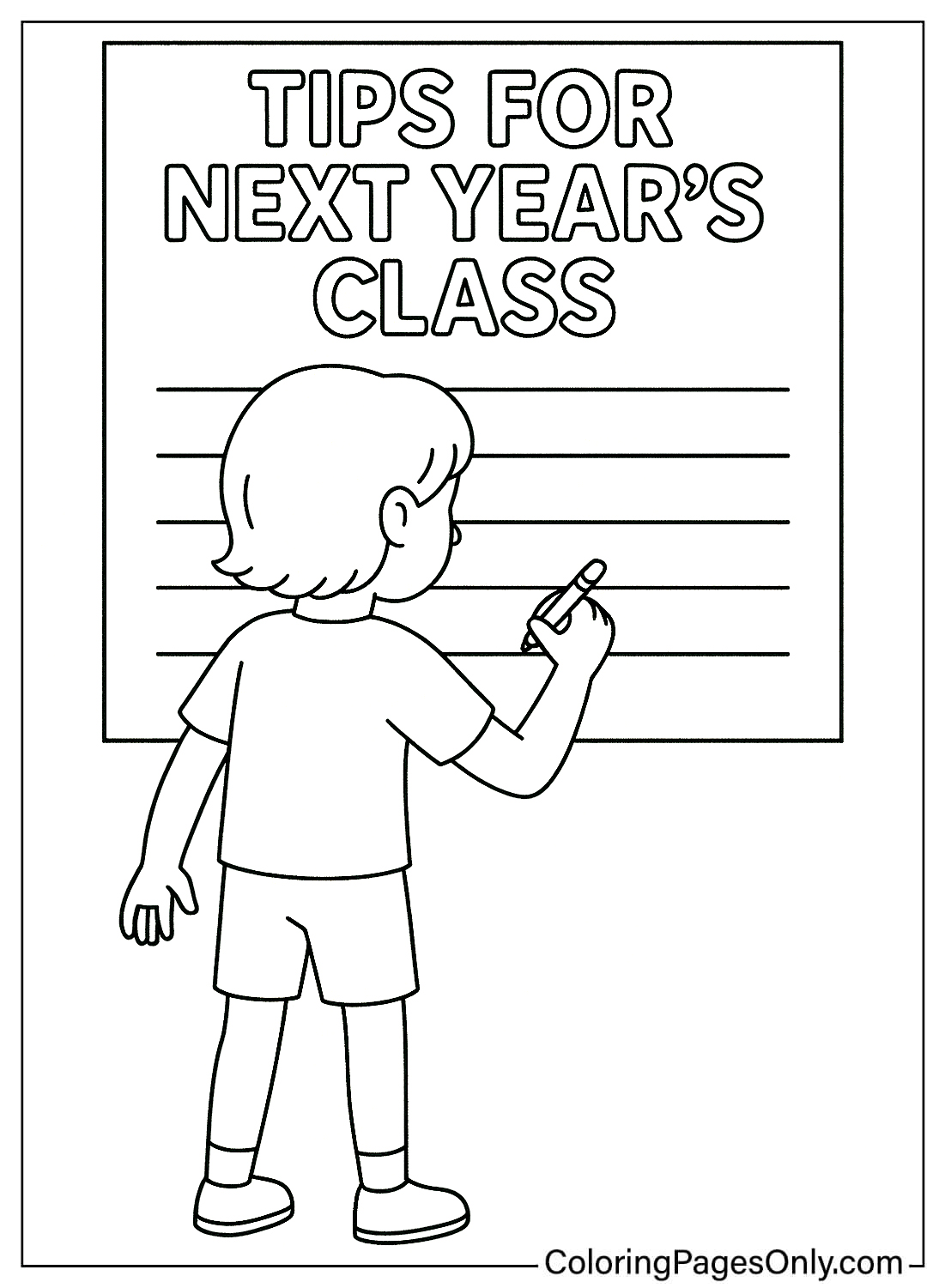
The letter to next year’s students. “Letter to Next Year Students Coloring Page” anchors one of the most powerful end-of-year activities available to any classroom teacher: asking students to write to the unknown students who will inhabit this classroom next year. The letter might include: what they wish they had known at the beginning of the year, what they loved about this classroom or teacher, what advice they would give, and what they hope for the next class. These letters can be sealed and given to the teacher to distribute on the first day of the next school year – a year-spanning act of connection between two classes who will never meet. The coloring page creates the visual frame for this letter, transforming it from a school writing exercise into a designed artifact.

The memory tree planting ceremony. If your school has outdoor space, “Students Planting Memory Tree Coloring Page” can serve as the visual component of an actual planting activity. Each student brings a small plant, flower, or seed to the final week. The class plants them together in the schoolyard or in pots to be kept in the new classroom. This physical act – marking the school environment with something living that will continue after the class has dispersed – is one of the most moving classroom goodbye rituals available, and the coloring page makes it accessible in any context, including those where actual planting is not possible.

Individualized teacher letters alongside the coloring gift. Responsive Classroom specifically recommends that teachers write individualized goodbye letters to each student – letters that name specific things the teacher observed and appreciated about that child this year. Pairing these letters with a colored page from this collection (the teacher colors a copy of “Thank You Teacher Gift Coloring Page” or “Teacher Goodbye to Class Coloring Page” and presents it alongside the letter) makes the goodbye more personal and the gift more meaningful. A teacher who has invested the time to color a page for each student has, in the most literal sense, spent their own time on each child – and children understand this.

For Parents – Supporting the End-of-Year Transition at Home

Acknowledge the mixed emotions without rushing past them. The most important thing a parent can do in the final weeks of school is create space for the full range of feelings without redirecting to summer excitement prematurely. If a child says, “I don’t want school to end” or “I’m going to miss my teacher,” receive that. “That makes sense. You’ve had a really good year. It’s okay to feel sad that it’s ending.” Allow the sadness to exist alongside the excitement, rather than treating it as a problem to be solved. Dr. Roberts’ clinical guidance is explicit: giving children permission to feel sadness alongside joy fosters emotional resilience and teaches them that change is not something to fear but something to understand.

Create a home-based end-of-year ritual. Color one page from this collection together on the last day of school – or on the evening before. “Summer Dreaming Student Coloring Page” works well as a bridge between the end of the school year and the beginning of summer. “School Year Reflection Journal Coloring Page” can anchor a simple conversation at the kitchen table: What was the best day this year? What was the hardest? What is something you know now that you didn’t know in September? What are you most proud of? These questions, asked in the gentle, unfocused context of coloring together, invite reflection without the pressure of a formal interview.

Help children maintain connections. One of the most common sources of year-end anxiety for children is the worry that friendships formed during the school year will not survive the summer. Dr. Roberts recommends making specific plans for summer connection: “For younger kids, that might mean scheduling a few summer playdates. For older ones, offering supervised ways to stay in touch via messaging or video calls can provide reassurance. Even the possibility of connection continuing can ease the pain of parting.” After coloring “Students Waving Goodbye Coloring Page” together, open the conversation: “Is there someone from your class you’d like to see this summer? Let’s make a plan.”

Preserve the year with a simple archive. The “School Year Reflection Journal Coloring Page” and “Goodbye Classroom Scene Coloring Page” both work well as covers or anchor pages for a simple end-of-year memory archive: a folder or small binder collecting the child’s most meaningful pieces of work, drawings, or writing from the year, with a colored page from this collection as the cover. This archive requires no special materials and takes twenty minutes to assemble, but it gives the child a tangible record of the year – one they can return to at any age.

Coloring Tips for Classroom Goodbye Pages

The emotional temperature of the palette matters. End-of-year pages contain a more complex emotional palette than almost any other school-themed collection. Some pages (Students Throwing Confetti, Last Day of School Celebration) call for maximum brightness and saturation – pure celebration, full color, no restraint. Others (Goodbye Classroom Scene, End of Year School Desk) carry a quieter, more bittersweet tone that is better served by slightly softer, more contemplative color choices: warm but not garish, rich but not strident. A child who instinctively reaches for the softest, most muted palette when coloring the empty desk page is expressing something emotionally true about the scene. Allow these differences rather than insisting on consistent celebration throughout.

The confetti page is the collection’s technical challenge. “Students Throwing Confetti Coloring Page” contains the largest number of small, discrete color areas of any page in the collection – each confetti piece is a separate tiny shape requiring a different color from its neighbors to read as confetti rather than as a single mass. The technique: work through the confetti shapes systematically in color groups rather than individually. Choose six or seven different colors and apply each across all the confetti pieces of that color in one pass, then switch to the next color. This color-group approach is both faster and more visually effective than coloring each piece individually.

The memory tree page – green is not one color. “Students Planting Memory Tree Coloring Page” centers on a young tree being planted in soil, and the temptation is to render all plant material as a single uniform green. A more naturalistic and more beautiful approach: use three distinct greens. The youngest, most tender leaves and new growth at the branch tips are yellow-green (the lightest, most saturated green). The main body of the leaf mass is medium true green. The undersides of leaves and the shaded interior of the canopy are slightly blue-green or grey-green. This three-tone green approach makes the tree appear genuinely three-dimensional and alive rather than flat. The soil below should be warm brown, not grey – warm browns communicate health and growth rather than the cold grey of bare, lifeless earth.

Chalkboard pages – the color convention of chalk on green. “Farewell Chalkboard Message Coloring Page” and “Thank You Note for Teacher Coloring Page” both likely feature a chalkboard as the visual surface for the message. The canonical chalkboard palette is deep forest green or slate grey for the board surface, with white or very pale cream for the chalk lettering. If the board is illustrated as a traditional blackboard (black surface, white chalk), keep the board truly black and the lettering crisp white – the contrast does all the visual work. If the board is the more contemporary green slate, use a rich, dark hunter or forest green, and render the chalk text in off-white or pale yellow to suggest the slight warmth of chalk on a colored surface.

The teacher hug page – two figures, two emotional registers. “Teacher Hug Goodbye Coloring Page” depicts two figures in an embrace: a teacher and a student. The most emotionally resonant coloring approach is to render the teacher’s figure slightly warmer and more settled in tone – their clothing in comfortable, familiar colors – and the student’s figure in slightly brighter, more vibrant tones that communicate the energy and brightness of childhood. The physical connection between the two figures – wherever the hug contact is – should be the visually warmest point of the page: the place where the warmth literally meets.

5 Activities

The collective farewell mural. Using “Goodbye Classroom Scene Coloring Page” as the template, create an enlarged version of the classroom scene on a large piece of butcher paper or poster board. Each student in the class is assigned one section of the mural to color – a desk, a window, a portion of the classroom wall, or a figure. The completed mural, showing the classroom as the class has known it throughout the year, is signed by every student and presented to the teacher as a collective gift. Unlike individual coloring pages, the mural requires each student to color in a style that works alongside their neighbors’ choices – producing an implicit collaboration about color and tone that is itself a meaningful classroom community activity. The finished mural documents the classroom as a shared physical space that the entire class inhabited together, and gives the teacher something genuinely unique: a classroom portrait made by the people who lived in it.

The memory letter exchange. Each student colors “Letter to Next Year Students Coloring Page” and then writes an actual letter to next year’s unknown student – the person who will sit in their specific desk, in their specific seat, and begin their own year in this classroom. The letter can include: what they love about this classroom, what they wish they’d known at the start, their favorite thing the class did together, and a piece of advice. Letters are sealed, collected by the teacher, and distributed to the next year’s class on their first day of school – when they open to find a letter from the student who sat in exactly their seat the year before. This activity creates a remarkable form of temporal continuity across two separate school years, giving next year’s class a connection to the classroom’s history and giving this year’s class the knowledge that their goodbye is, in a small but real sense, someone else’s welcome.

The year-in-review reflection session. Print one “School Year Reflection Journal Coloring Page” for each student. While coloring, facilitate a guided reflection with structured prompts read aloud, one at a time, with a few minutes of coloring between each: “Think of one thing you learned this year that surprised you.” “Think of one moment in this classroom that you want to remember.” “Think of one person in this room who helped you this year.” “Think of one way you are different now than you were in September.” “Think of something you want to do next year that you didn’t do this year.” Students can write their responses in the margins of the coloring page, on sticky notes attached to it, or simply hold them in mind while they color. The structured reflection produces more specific, memorable responses than open-ended journaling alone, because the prompts guide the child toward particular categories of memory rather than leaving them to navigate the entire year without direction. The finished colored page becomes the cover of a personal end-of-year reflection document.

The planted memory project. “Students Planting Memory Tree Coloring Page” can anchor a week-long science and memory project: each student colors the page, then each student brings one small seed or cutting from a plant at home. Seeds are planted together in small pots (paper cups work perfectly) in the classroom. Each student labels their pot with their name and one word that describes what they want to carry with them from this school year into next. The pots go home on the last day of school, with instructions to plant them in a garden or outdoor pot over the summer. The child then has a living continuity between the school year and home life – a plant that began in the classroom and continues growing at home. If the teacher has an outdoor classroom space or school garden, seeds can be planted directly in the ground: a literal memory garden that outlasts the school year.

The summer connection plan. After coloring “Summer Dreaming Student Coloring Page” – the page that captures that specific state of simultaneous presence in the school year and mental departure into summer – facilitate a brief practical planning activity. Each student folds a piece of paper into four sections and fills each section: one friend they want to see this summer and one specific plan for seeing them; one thing they want to learn or try over summer; one place they want to go; and one thing from this school year they want to remember when they come back in September. This planning activity gives children agency over the summer transition – they are not passive recipients of the end of school but active architects of what comes next. The “Summer Dreaming Student” colored page becomes the cover of this personal summer plan, and children leave the last day of school with both a completed goodbye artifact (the colored page) and a forward-looking document (the summer plan) – one marking the ending and one anticipating the beginning.

These related coloring collections will help you explore the wonderful world of colors. Let’s choose, be creative, and show us your great pictures!

Mantasstonys Allen – Designer

Hello! I'm Mantasstonys Allen, a web designer at Coloringpagesonly.com. My passion is bringing creativity to life through beautiful and user-friendly designs. I'm here to make your experience on our site smooth, fun, and inspiring—so you can focus on what matters most: coloring and unleashing your imagination!