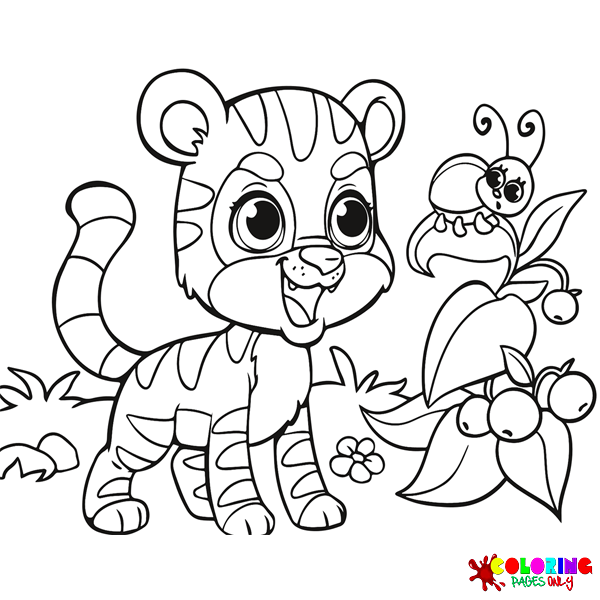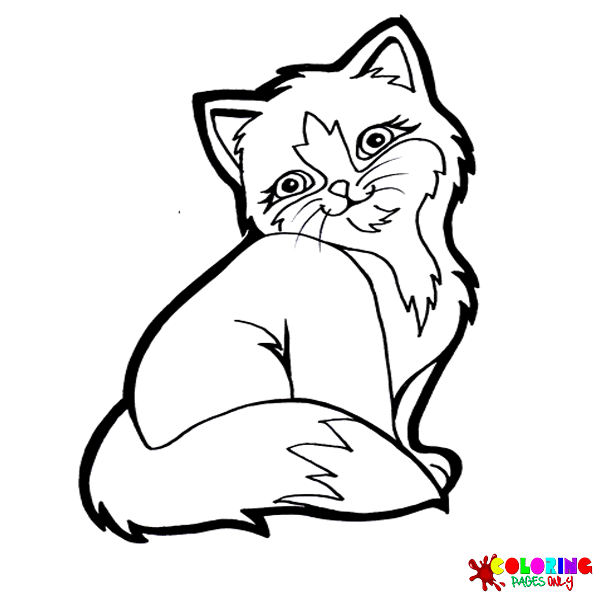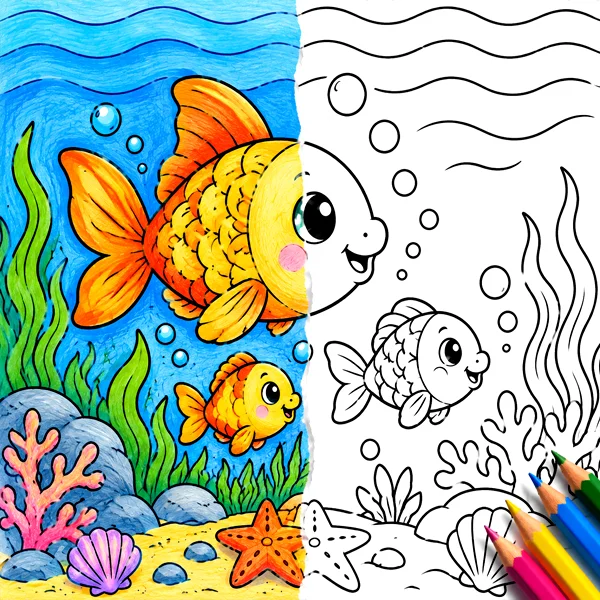

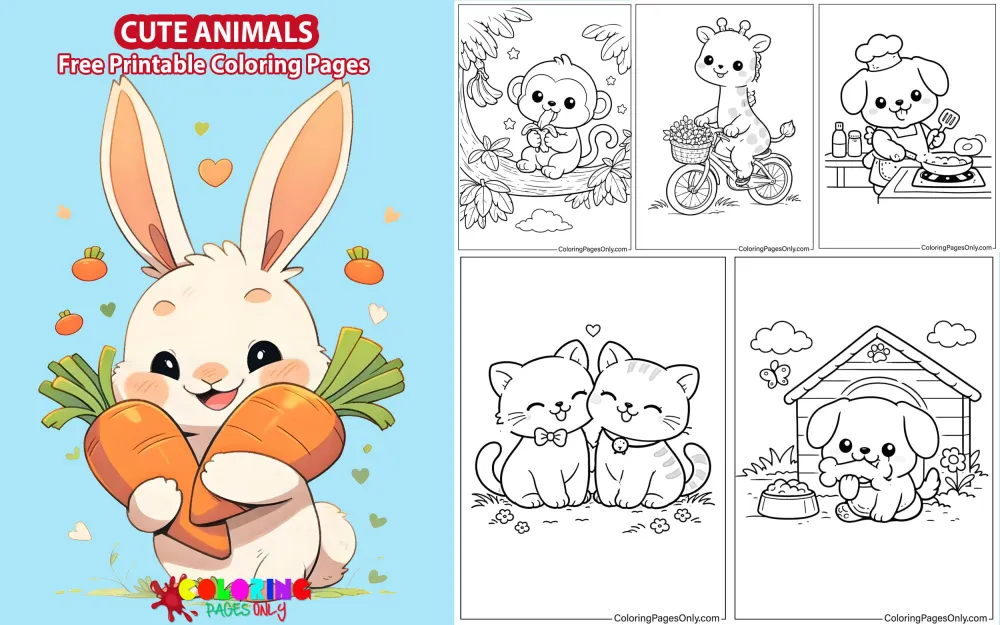
Free Cute Animal Coloring Pages: 65 printable PDF designs featuring baby animals like lambs, foals, and kittens, gentle wild creatures such as koalas and hedgehogs, cartoon ducks in hats and bow ties, and a large group of well-loved animal characters from books, shows, and games. Each page downloads as a PDF for printing or opens in the online coloring tool.
Why some animals feel instantly adorable has a scientific name. In 1943, Austrian zoologist Konrad Lorenz described the Kindchenschema, or “baby schema”: a set of features including a large head, big, low-set eyes, round cheeks, and short limbs that prompts adults to want to protect and care for something. In 2009, a brain-imaging study published in PNAS showed that faces with these features activate the brain’s reward system, which helps explain why looking at a baby animal feels so pleasant.
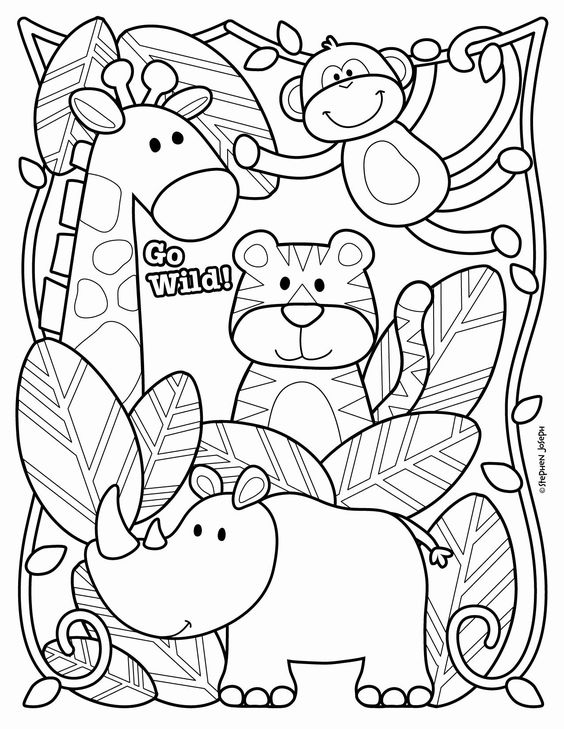
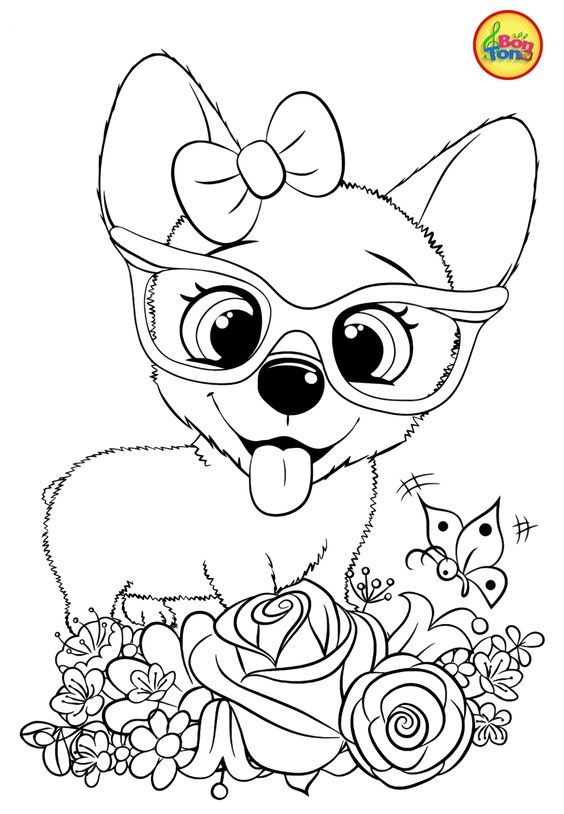
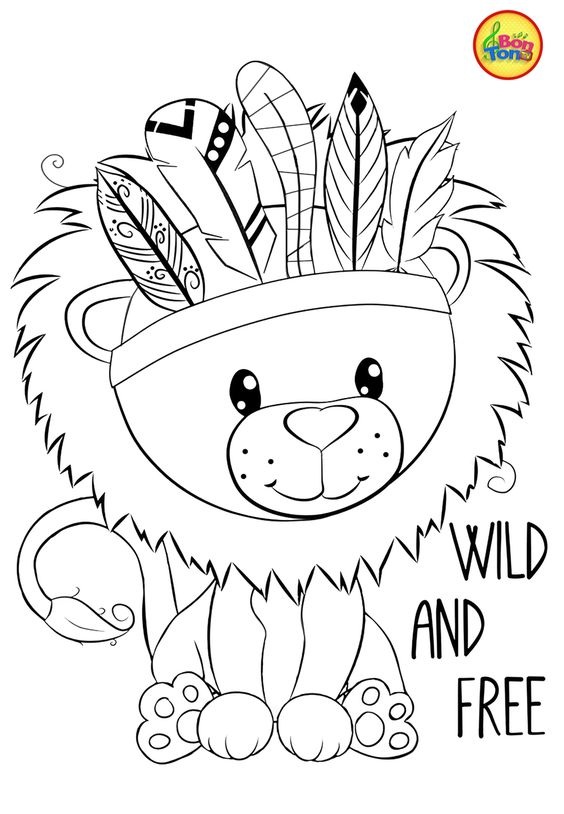
Illustrators use the same features on purpose. Nearly every animal in this collection has oversized eyes, a rounded head, and a soft, compact body, whether it is a realistic calf or a cartoon duck. That makes these pages easy to love and forgiving to color, with bold outlines and plenty of open space.

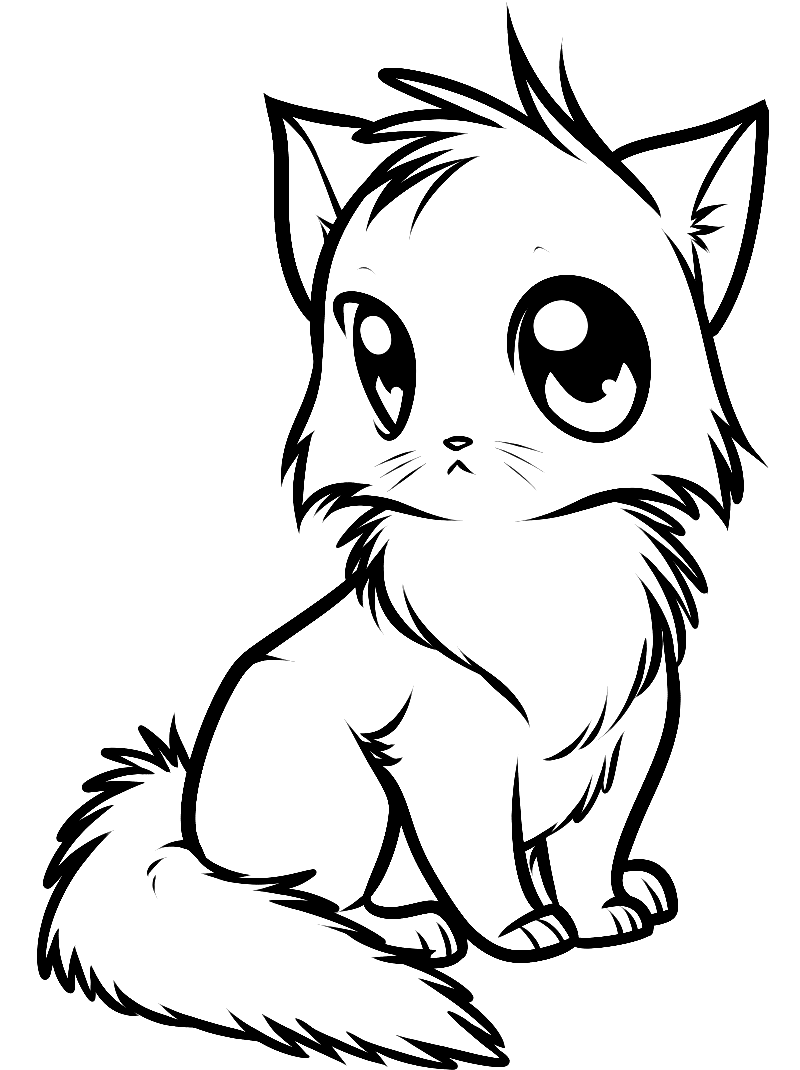
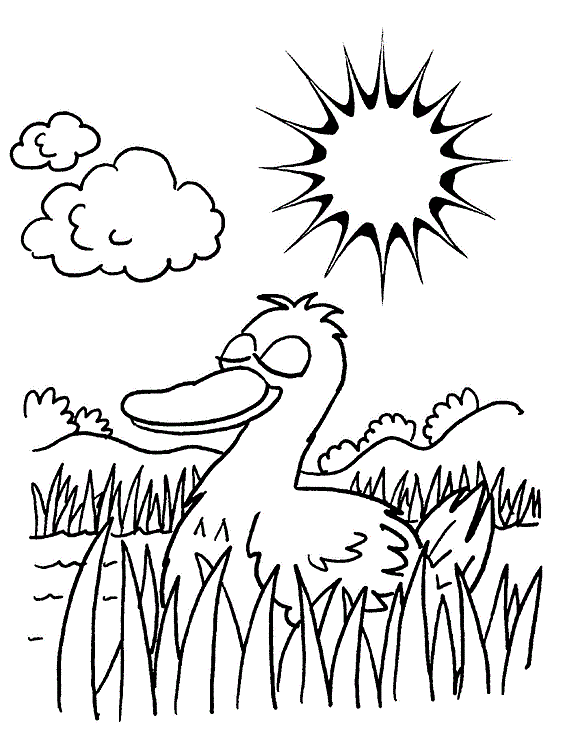
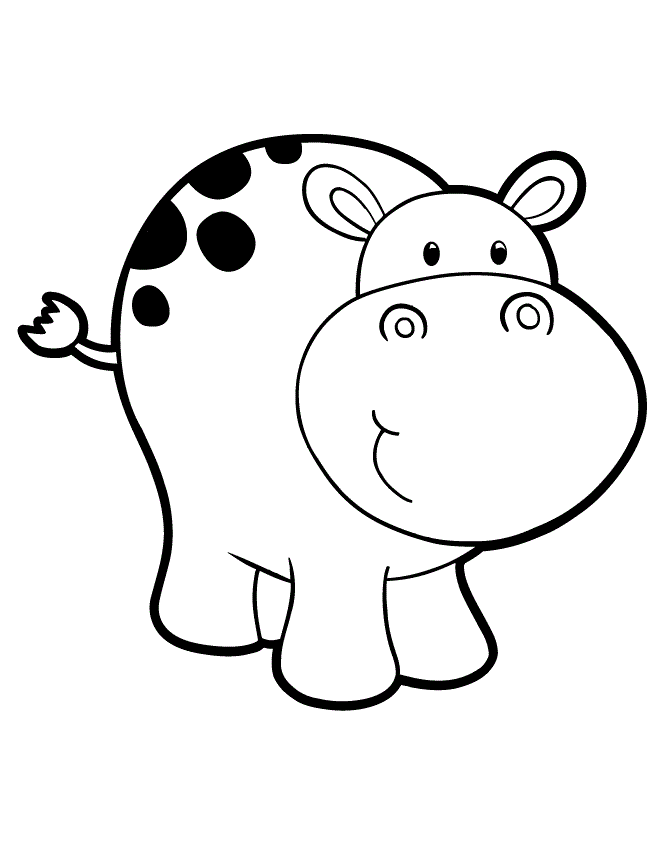
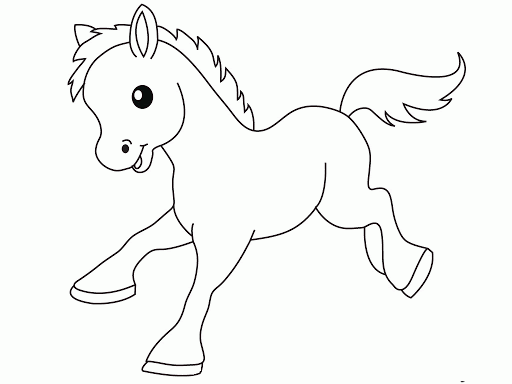
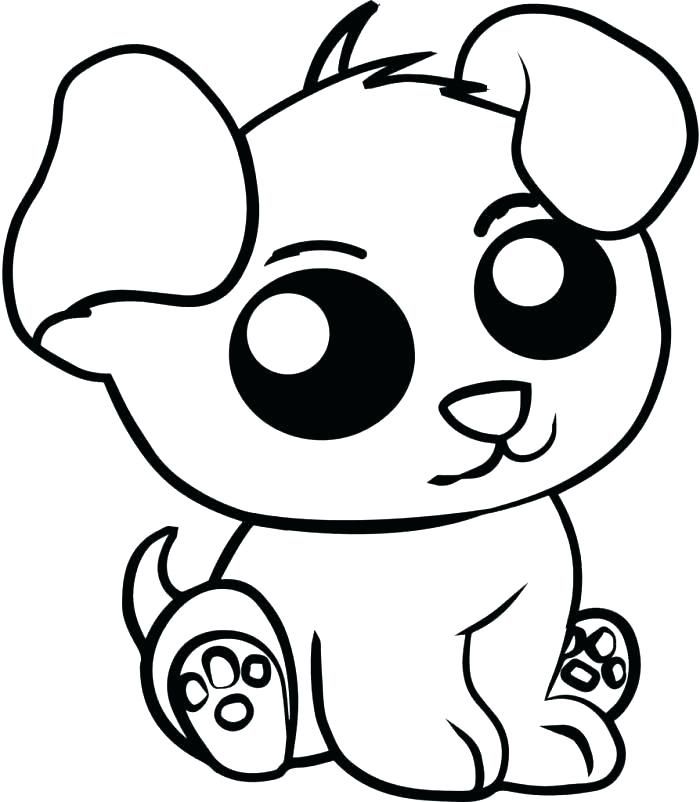
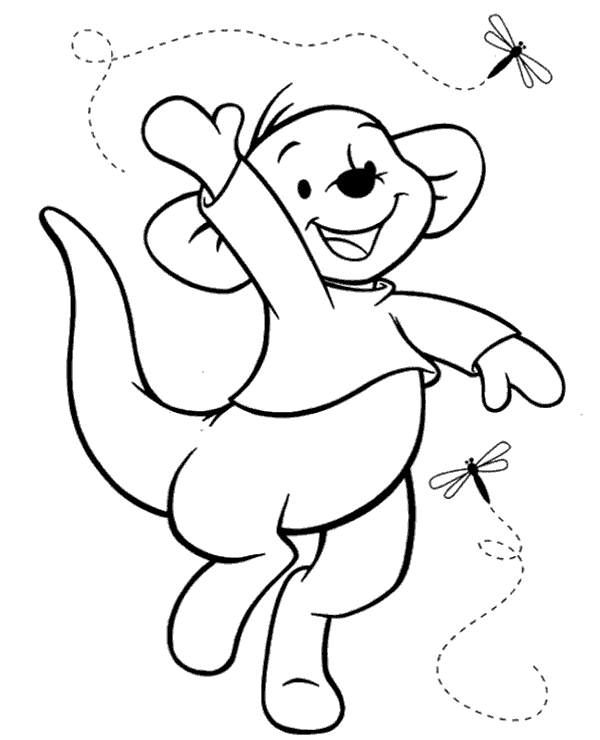
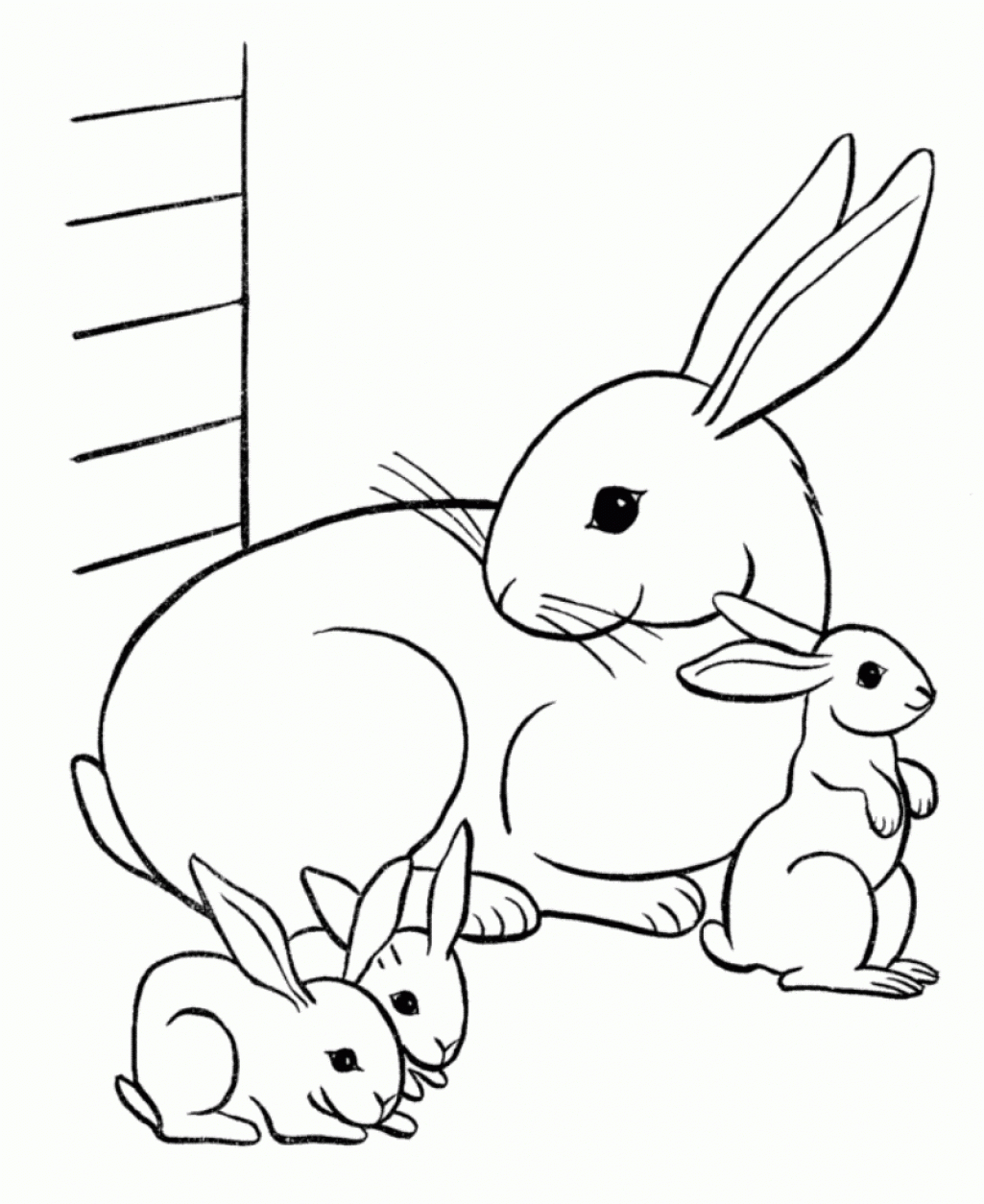
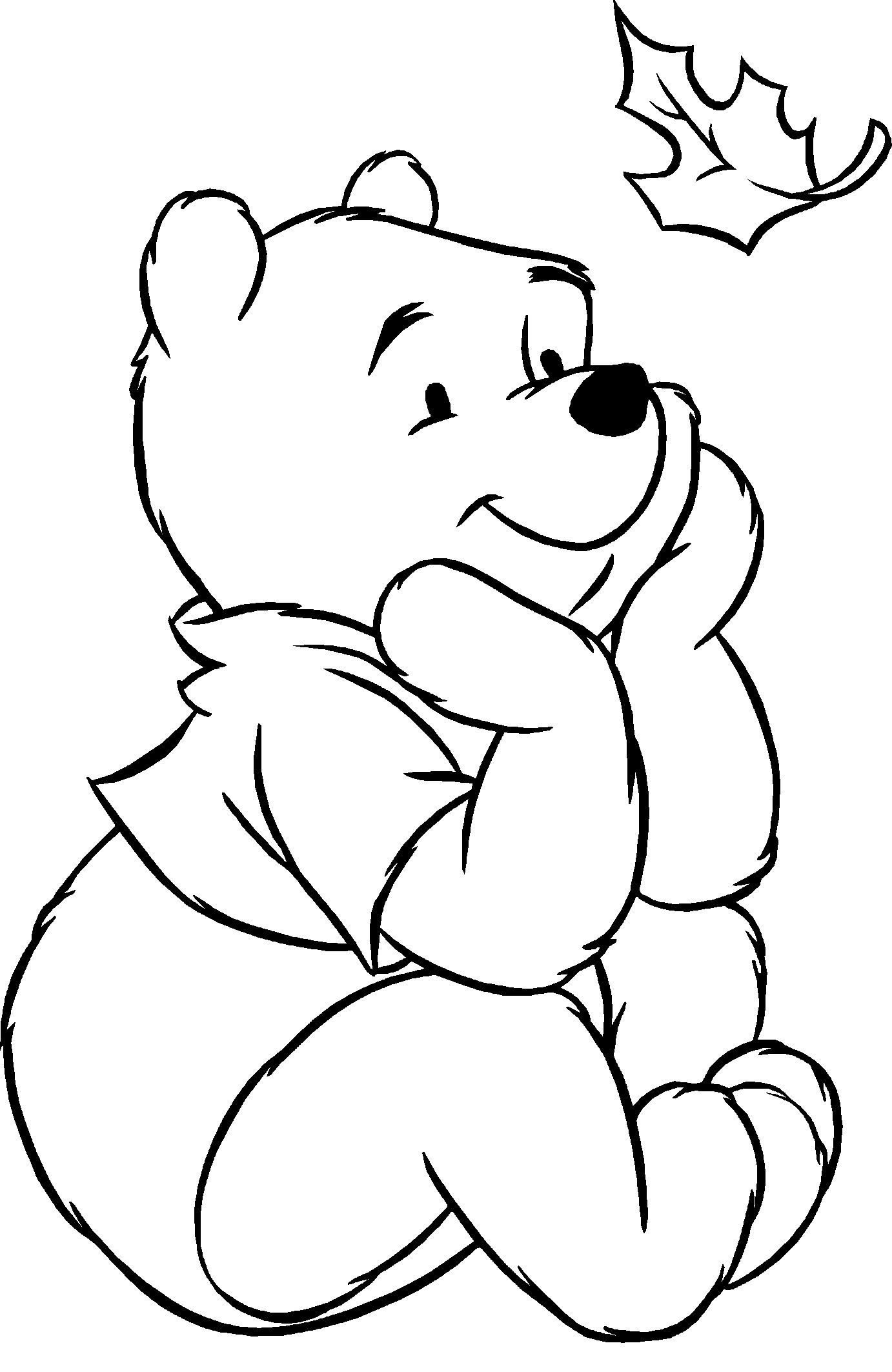
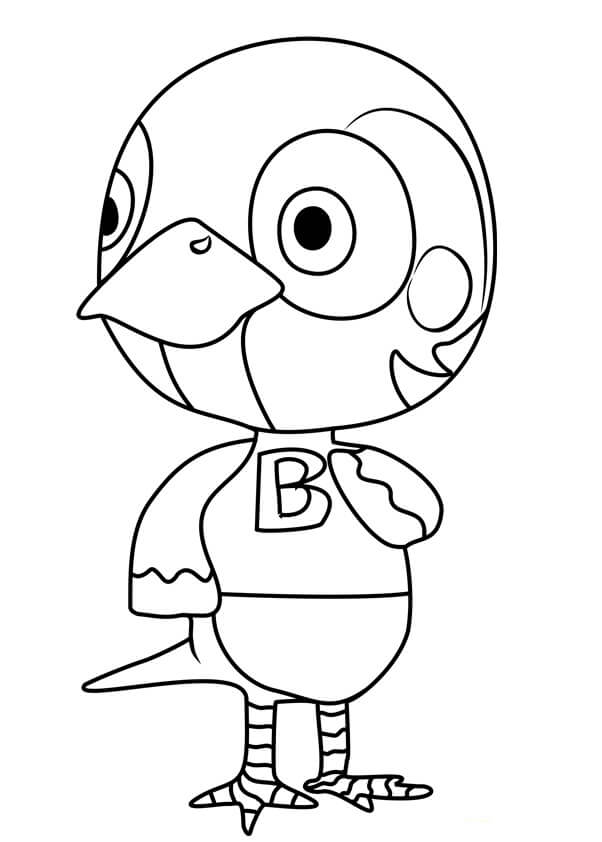
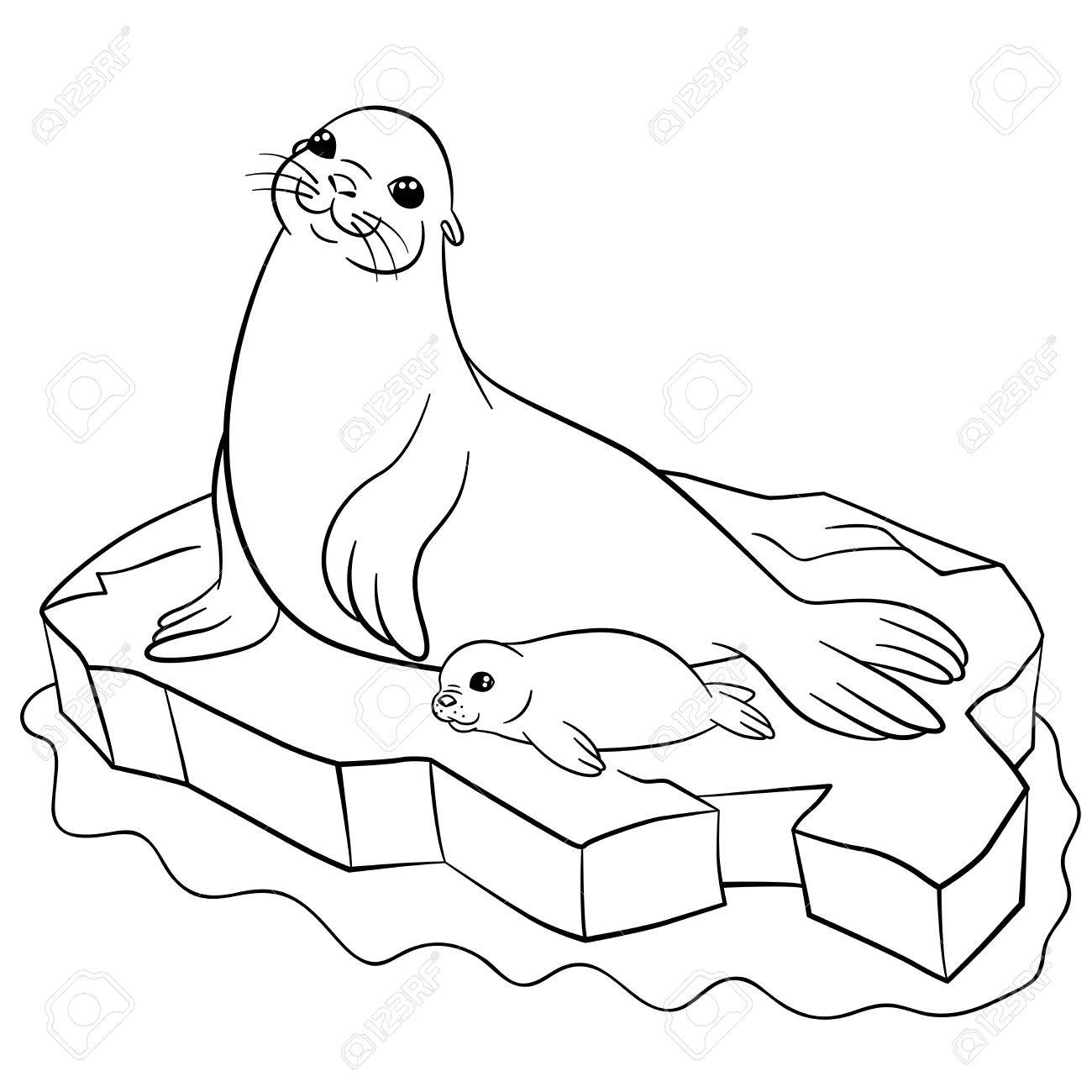
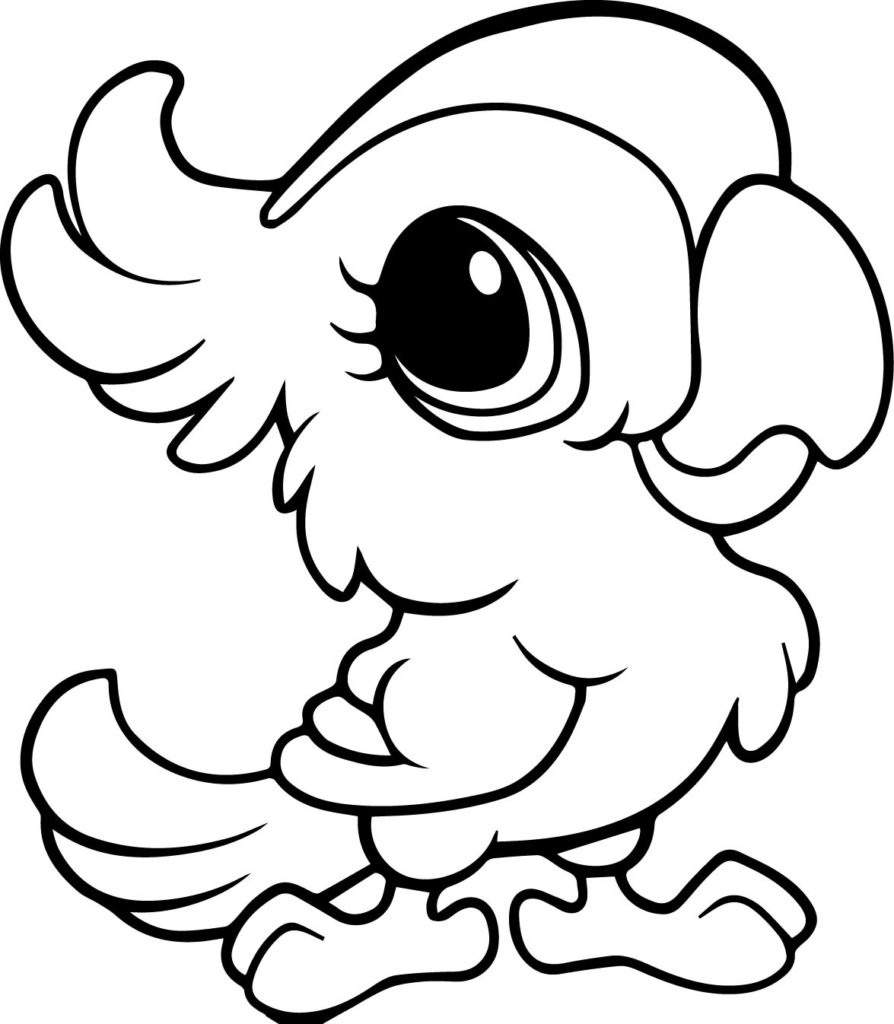

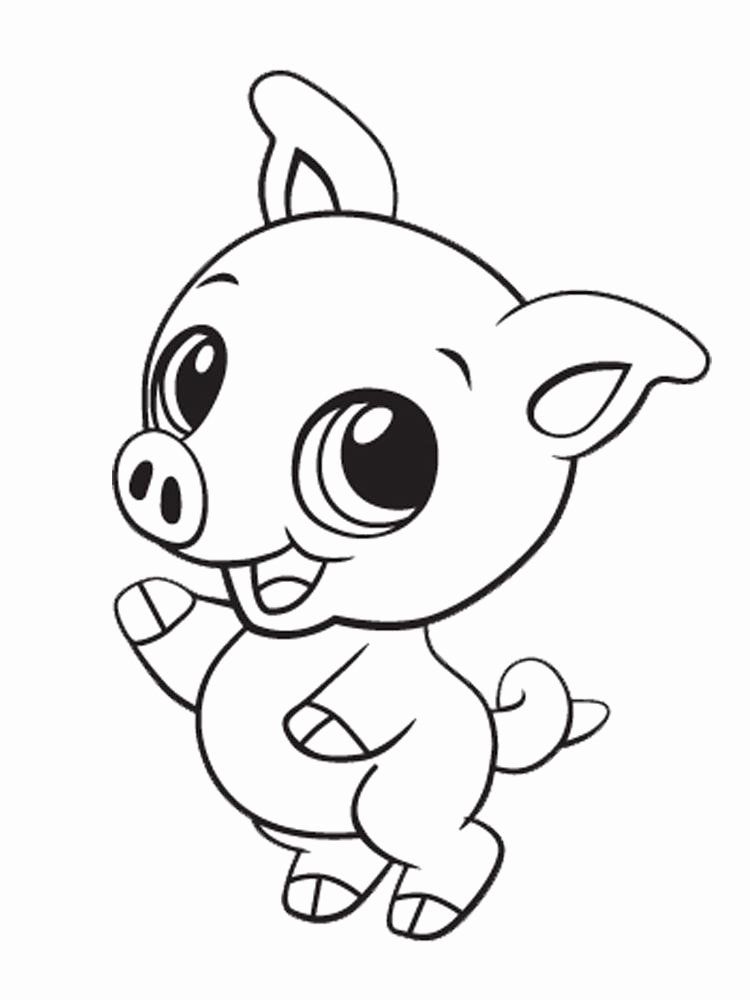
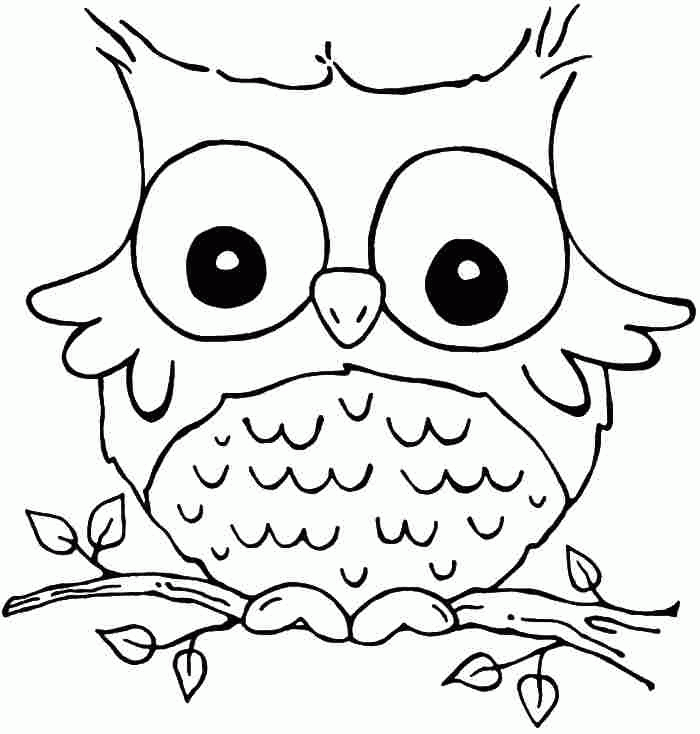
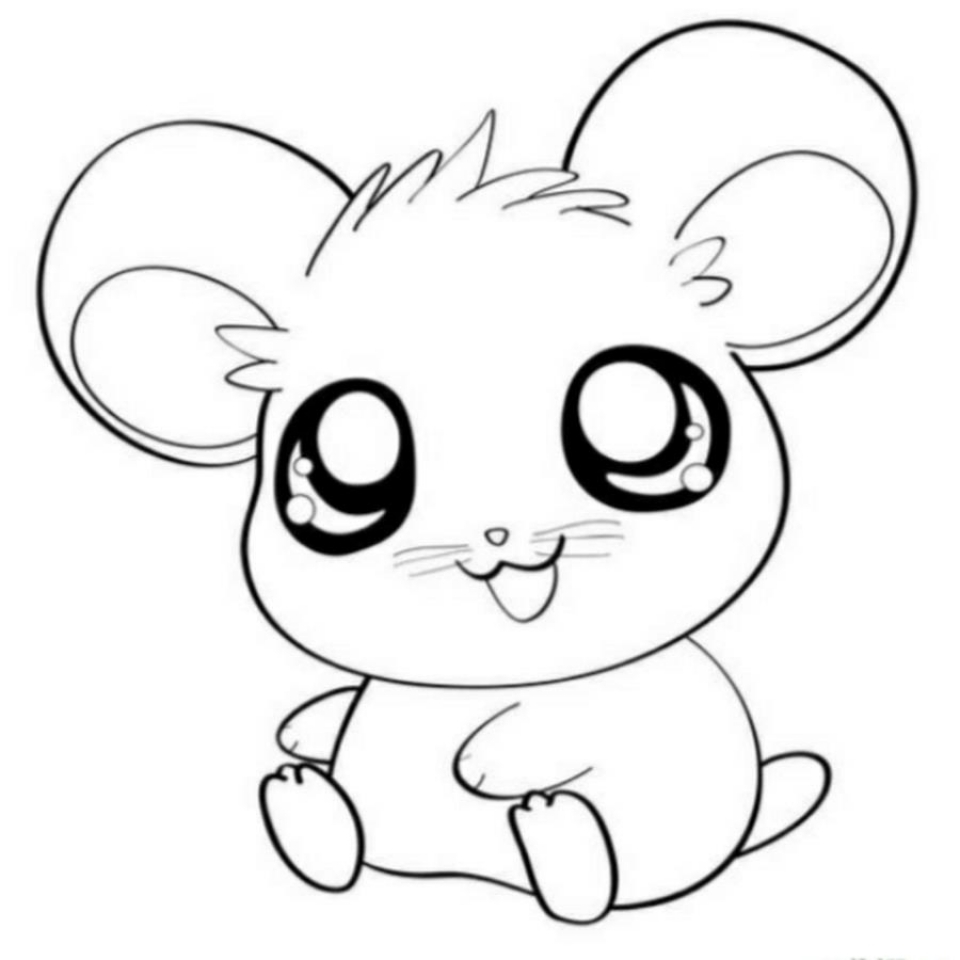
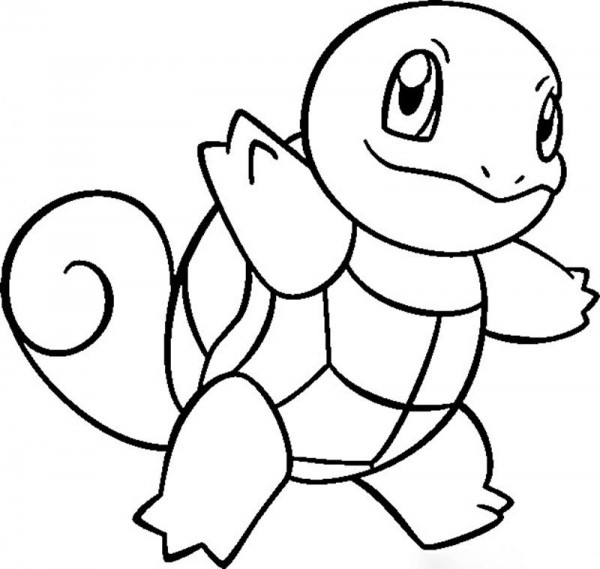
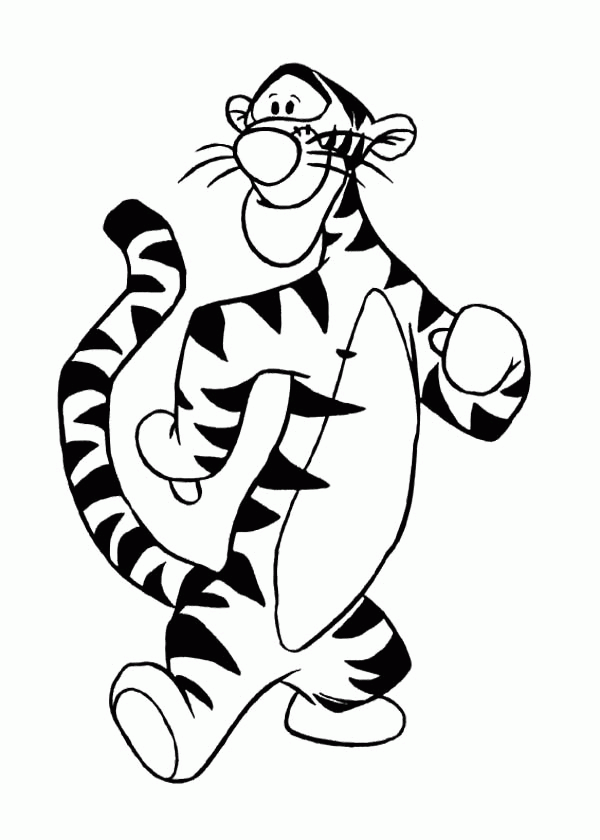
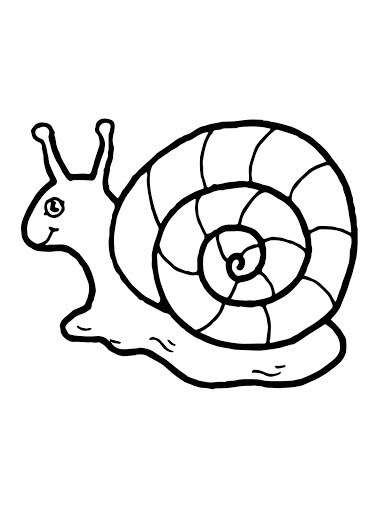
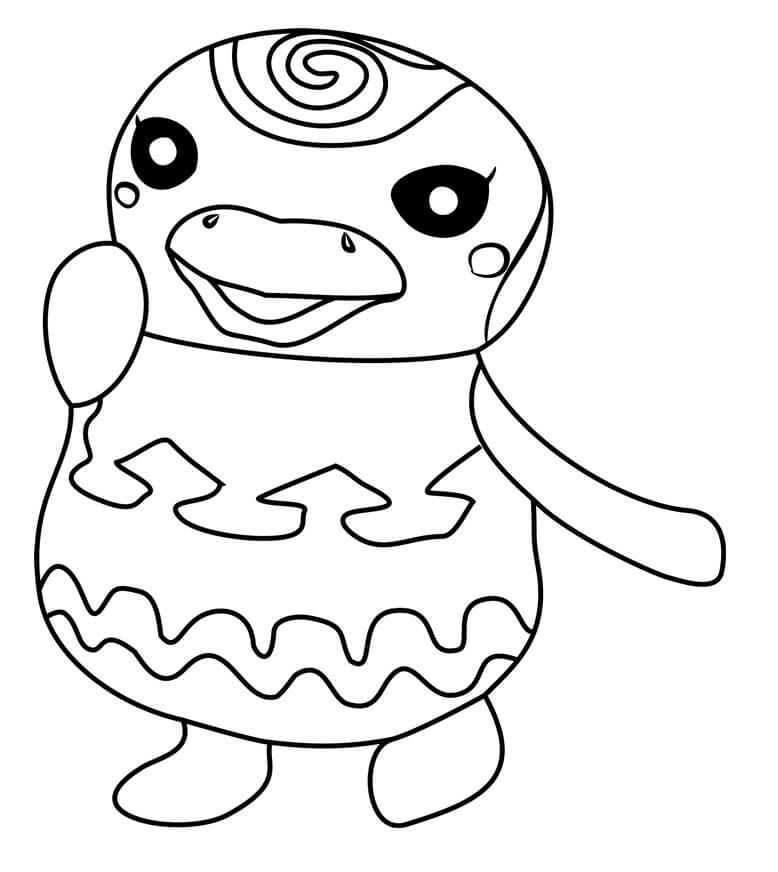
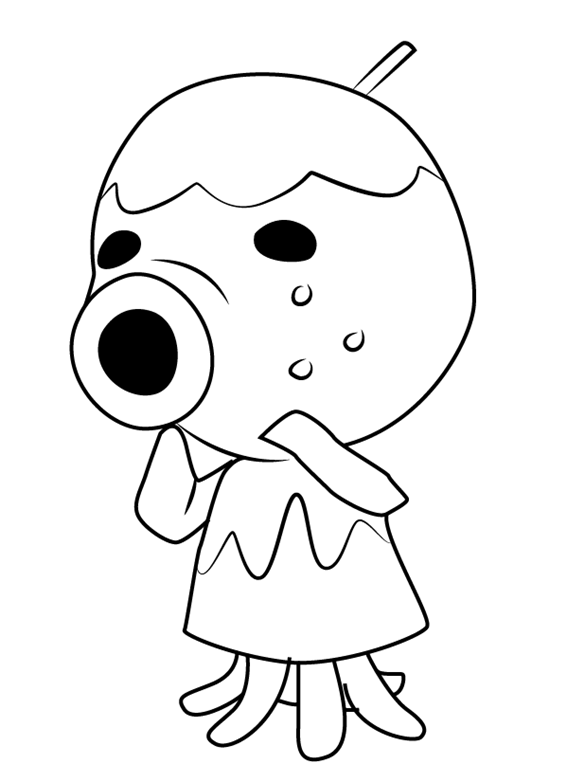
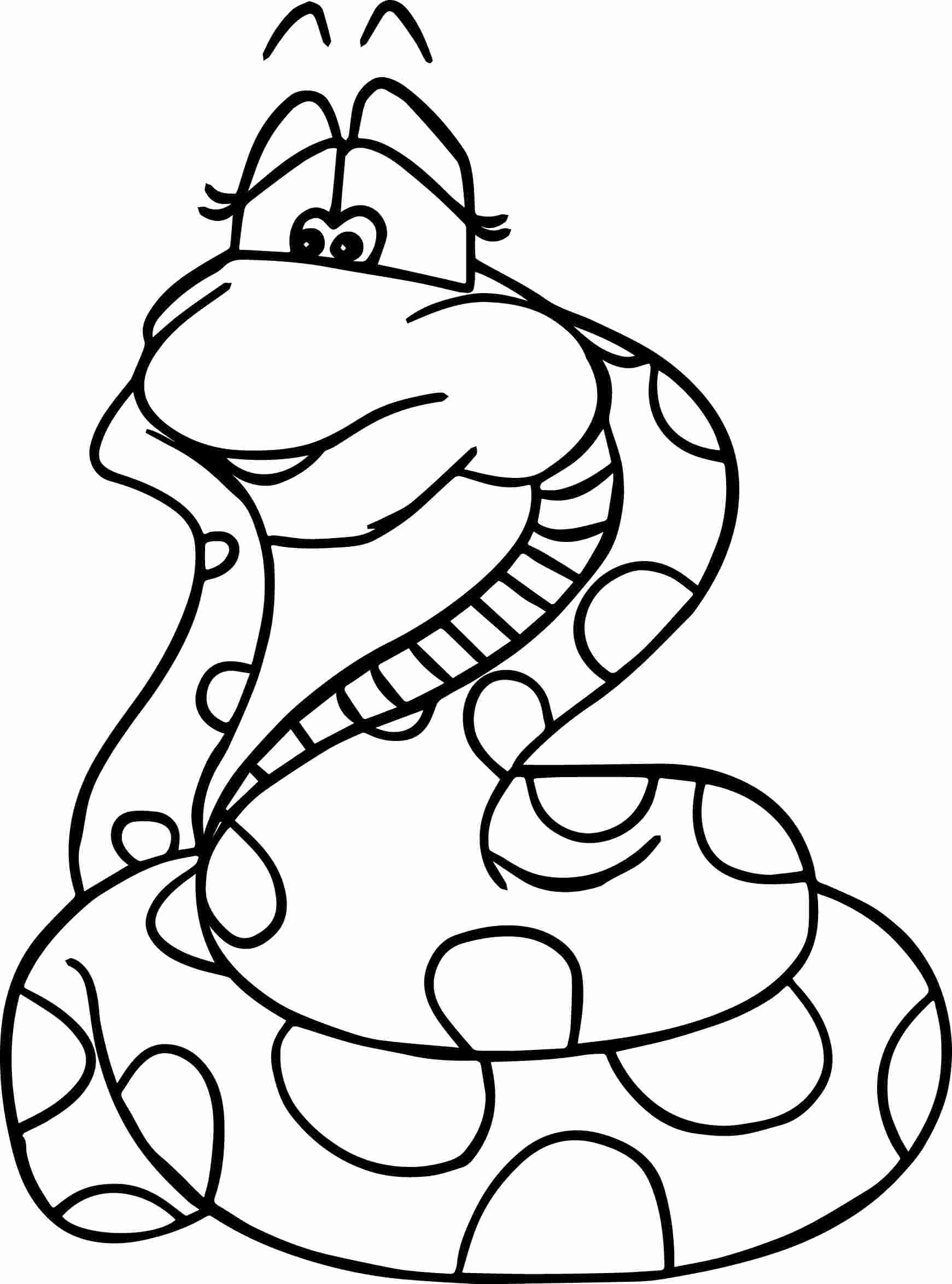
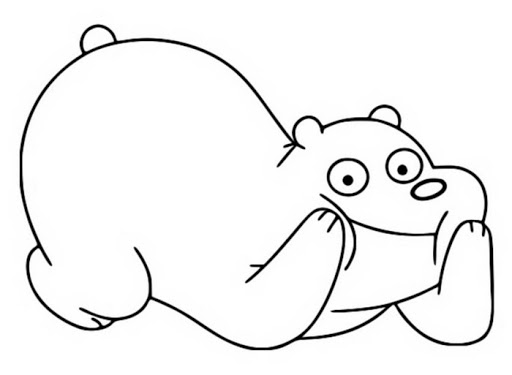
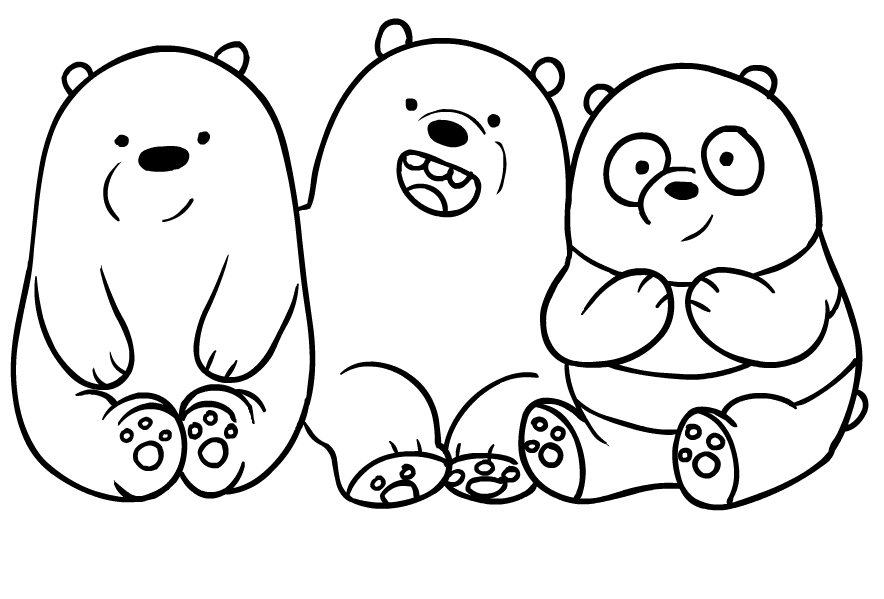
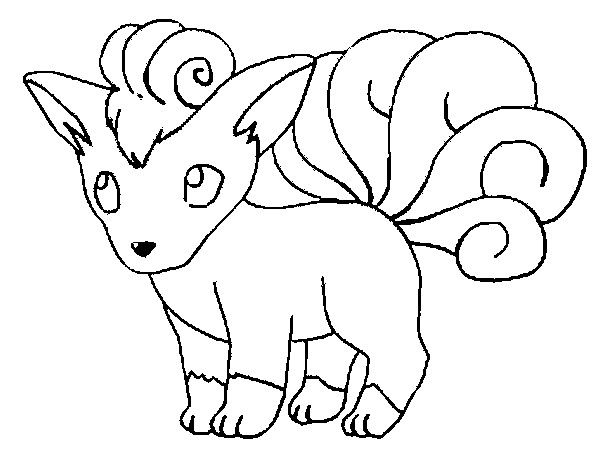
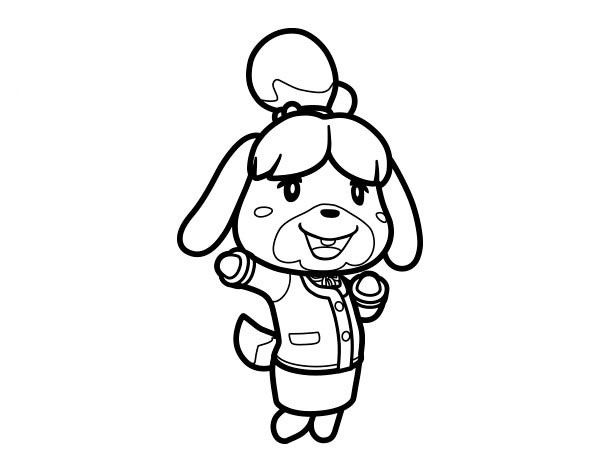

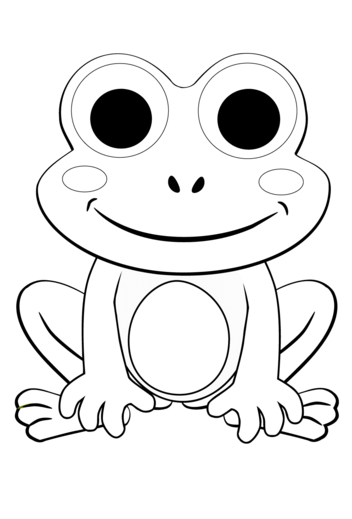
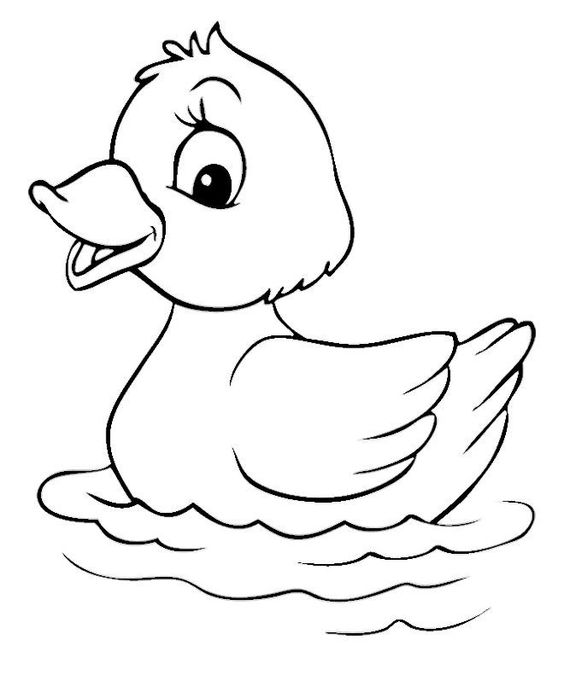
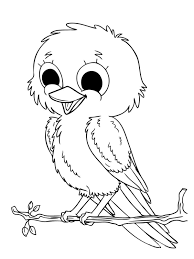
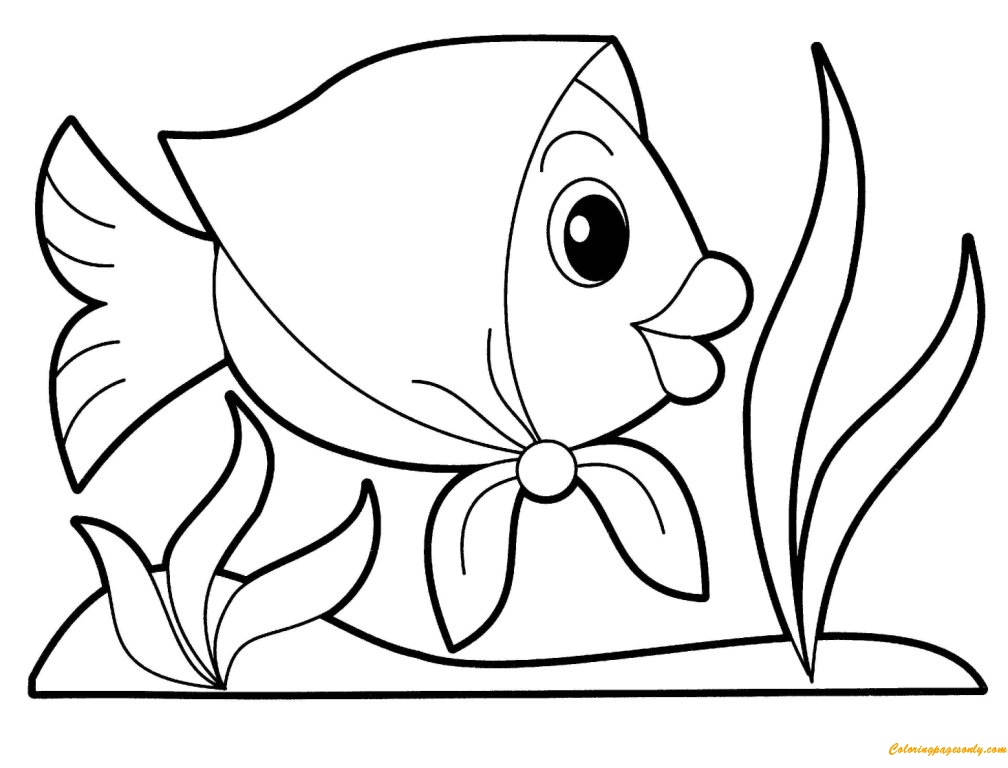
What’s Inside This Collection
The 65 designs fall into five groups, from farm babies to famous animal friends.
Baby Animals and Their Mothers
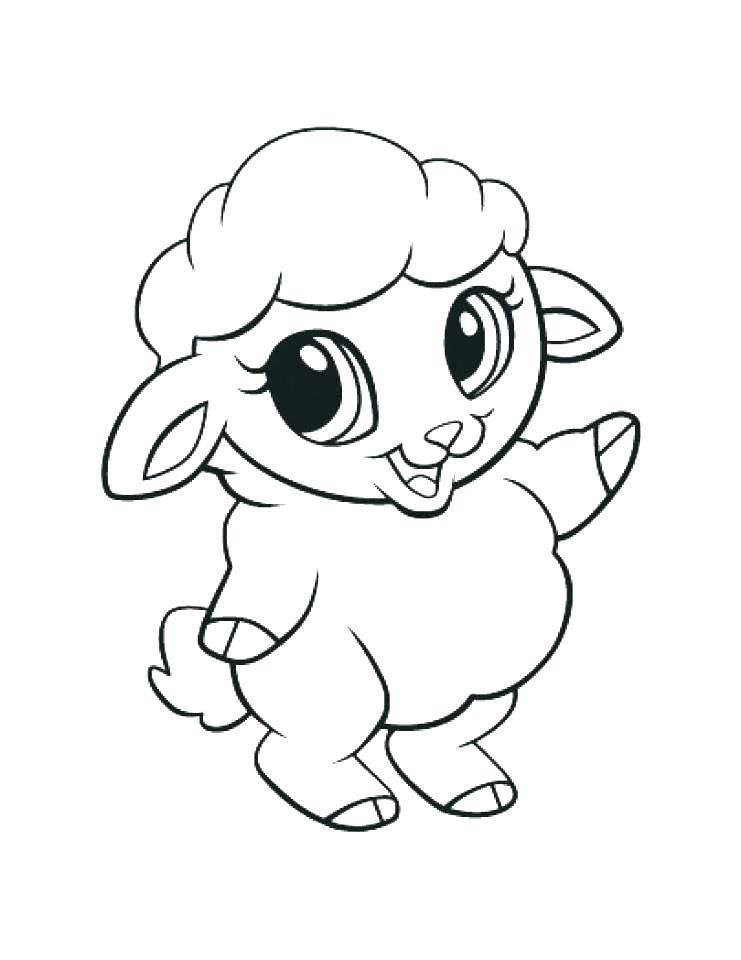
Fourteen pages focus on young animals, including a lamb, a foal, a mother rabbit, and Mother Rabbit and Three Baby Ones. These show the baby schema at its strongest. Soft colors suit them best: cream wool for the lamb, Chestnut or Tan for the foal, and pale gray or White for bunnies.
Everyday and Wild Animals
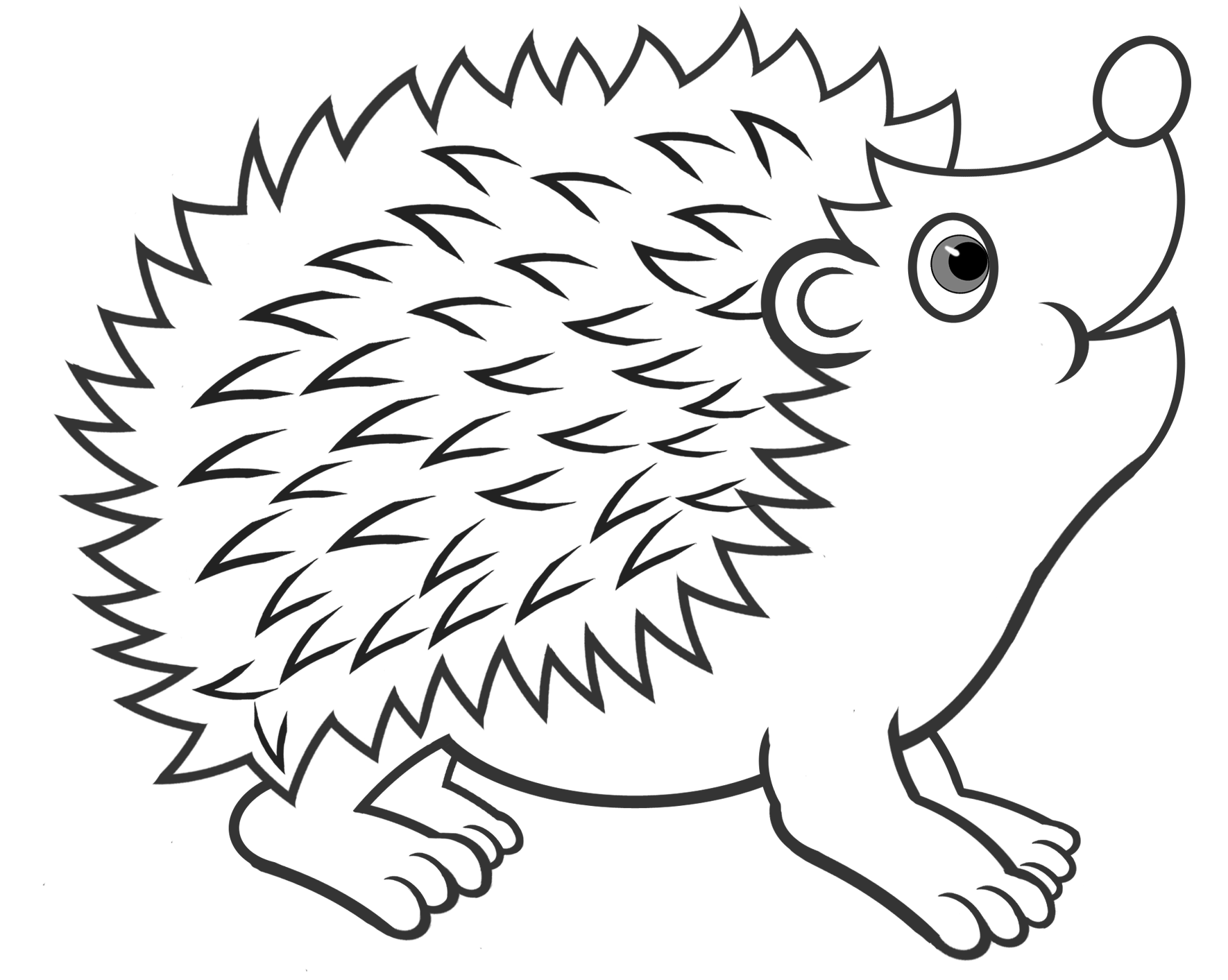
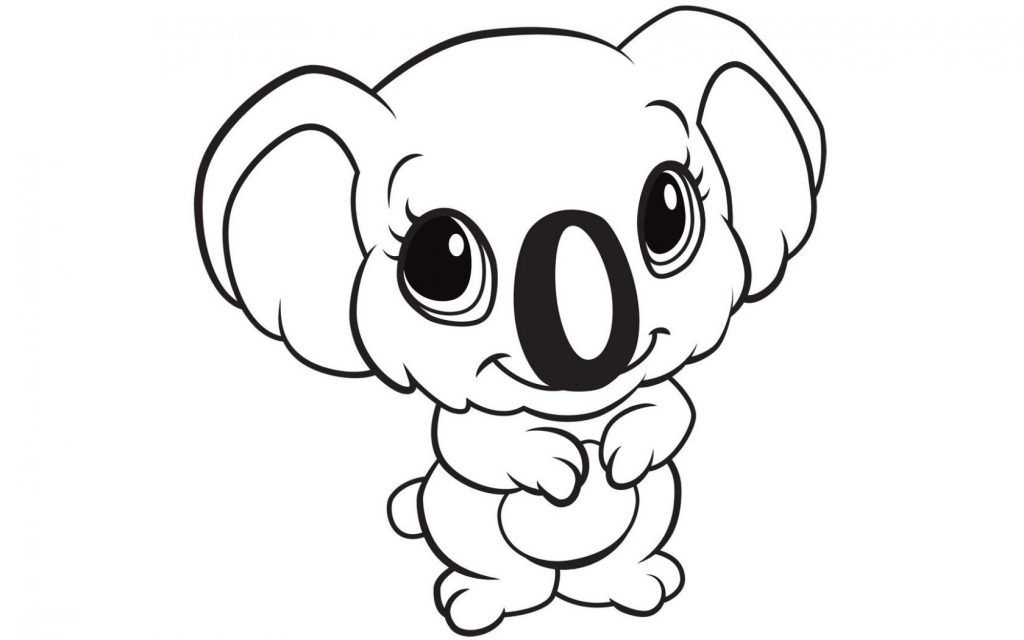
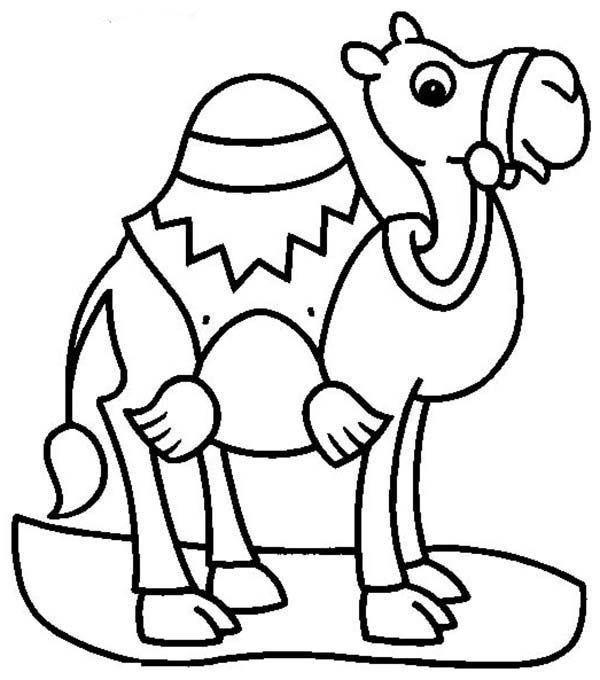
Eighteen pages show animals from homes, farms, and faraway habitats, such as A Koala, A Hedgehog, and A Camel. They are a good way to talk about where animals live. Silver Gray suits the koala, Tan and cream the hedgehog’s face, and warm, sandy Goldenrod the camel.
Cartoon Ducks
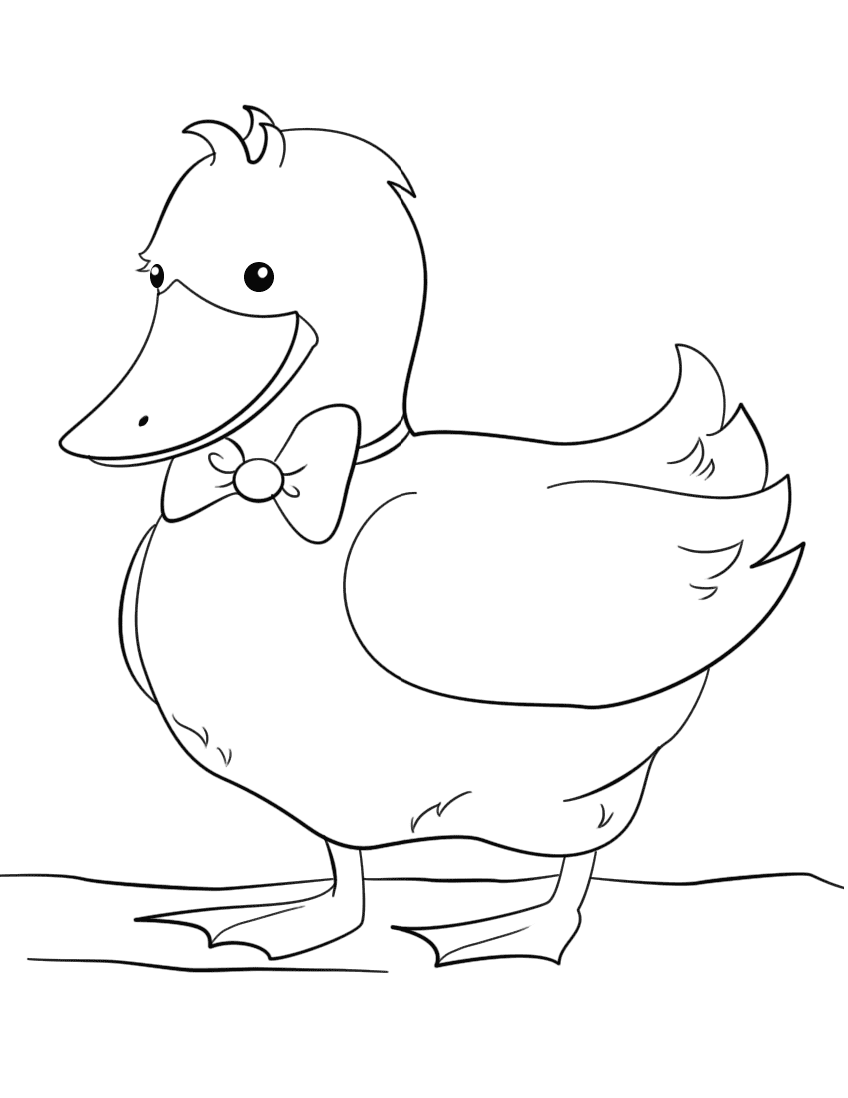
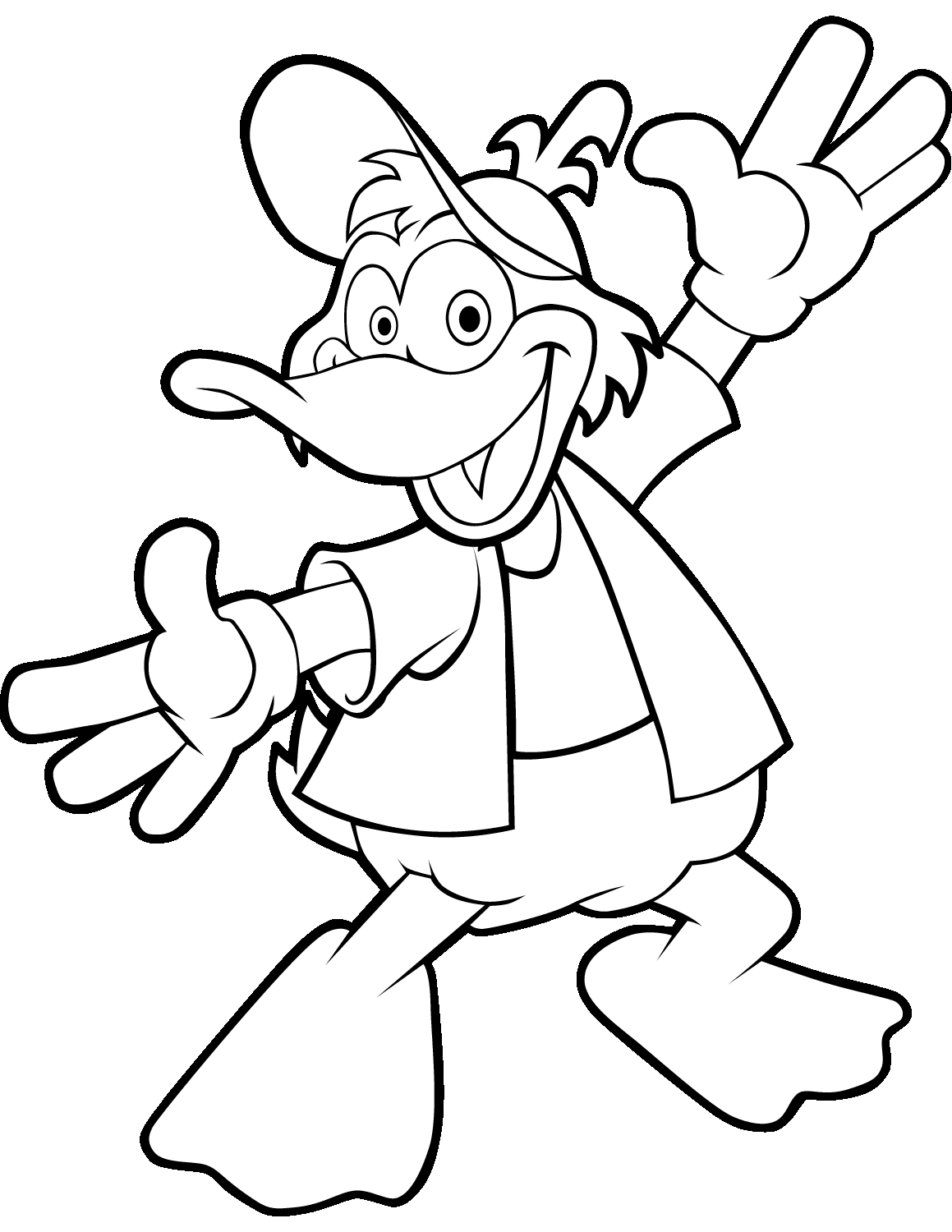
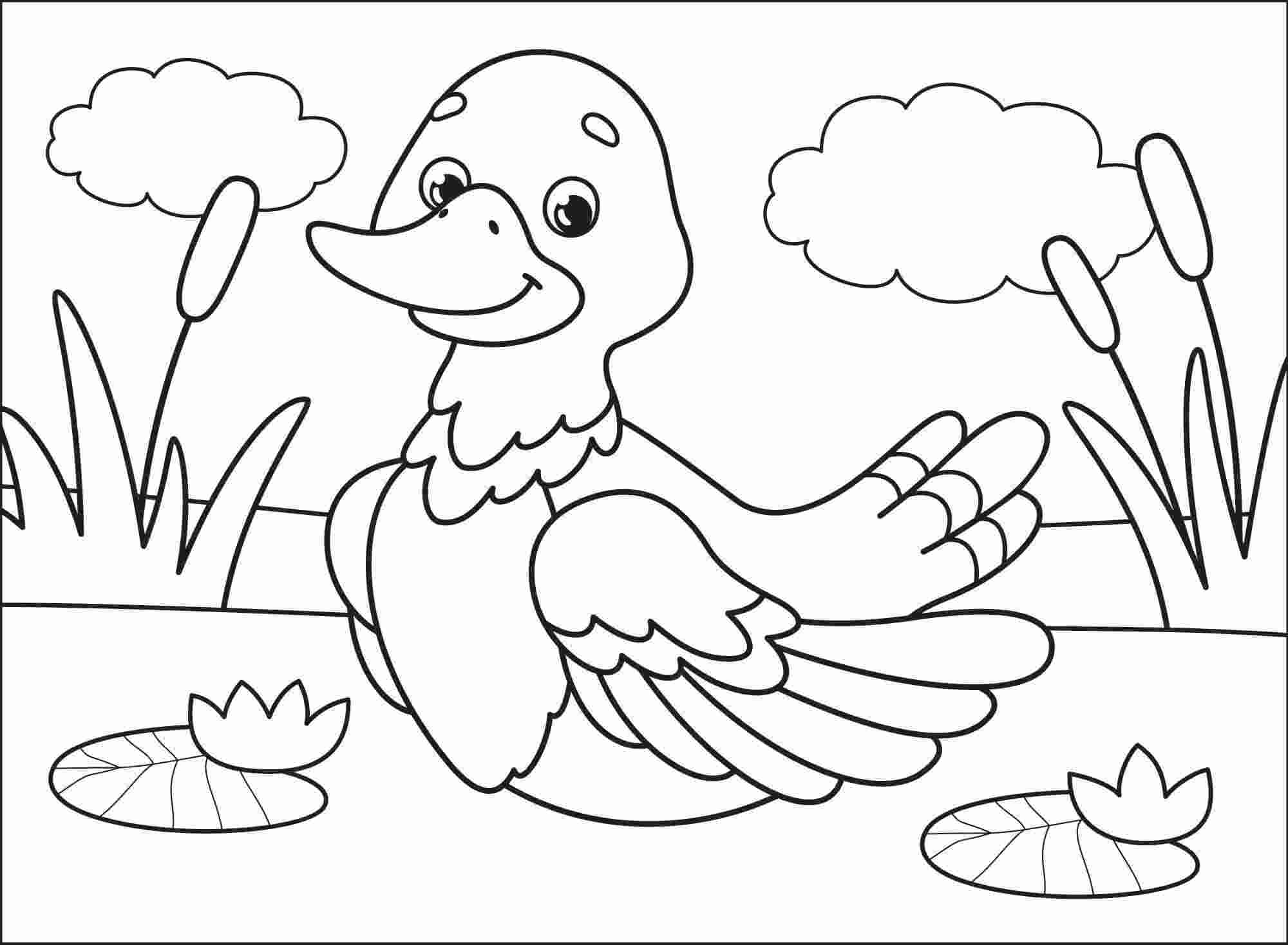
Four pages star ducks in playful outfits and settings, including Cute Cartoon Duck Wearing Bow Tie. They are the most humorous pages in the set. A bright Yellow body with Orange bill and feet, plus a contrasting accessory in Red or Blue, keeps them cheerful.
Funny Fish
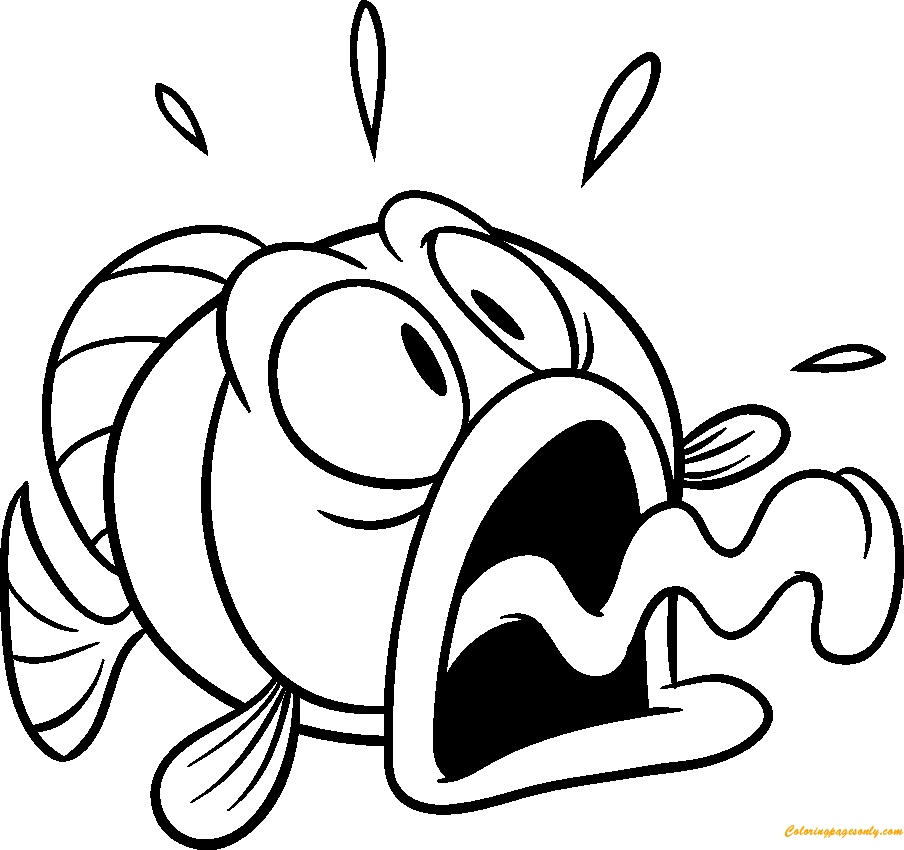
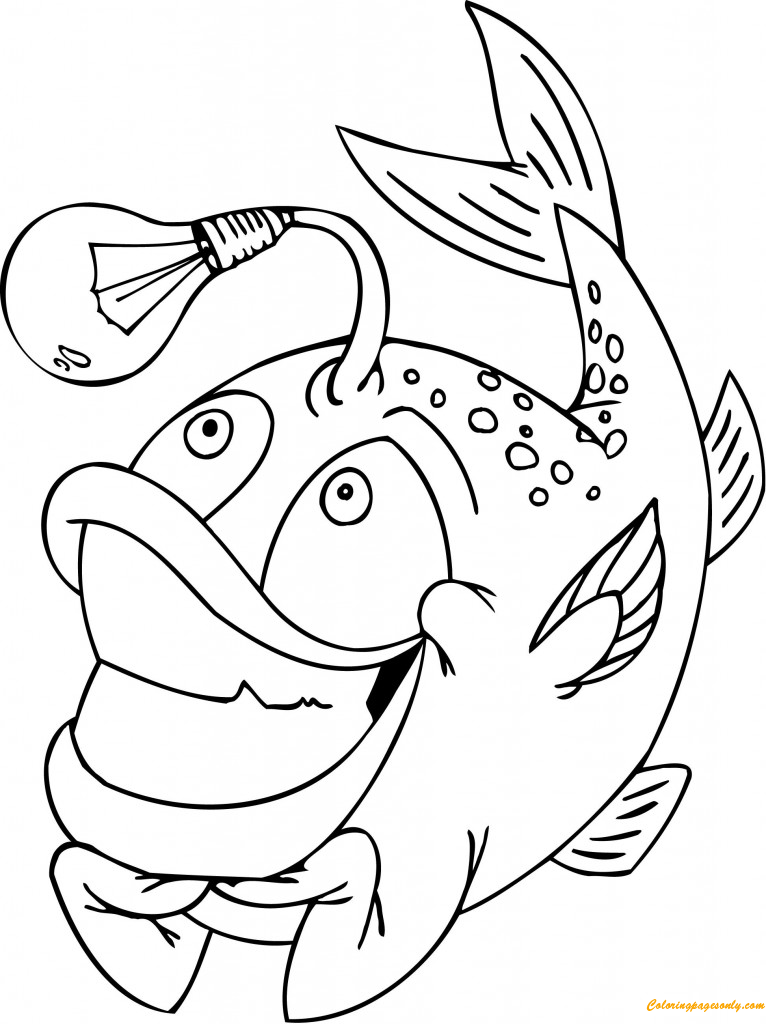
Three pages feature fish with a sense of humor, such as Funny Fish with a Light Bulb. They add a splash of underwater fun. Turquoise Blue, Orange, and Yellow give each fish a bold, tropical look.
Animal Characters From Books, Shows, and Games
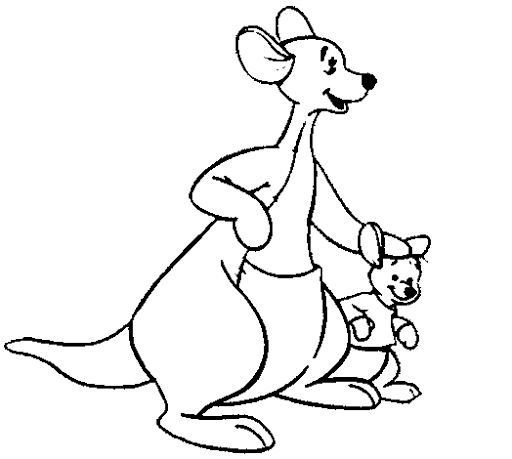
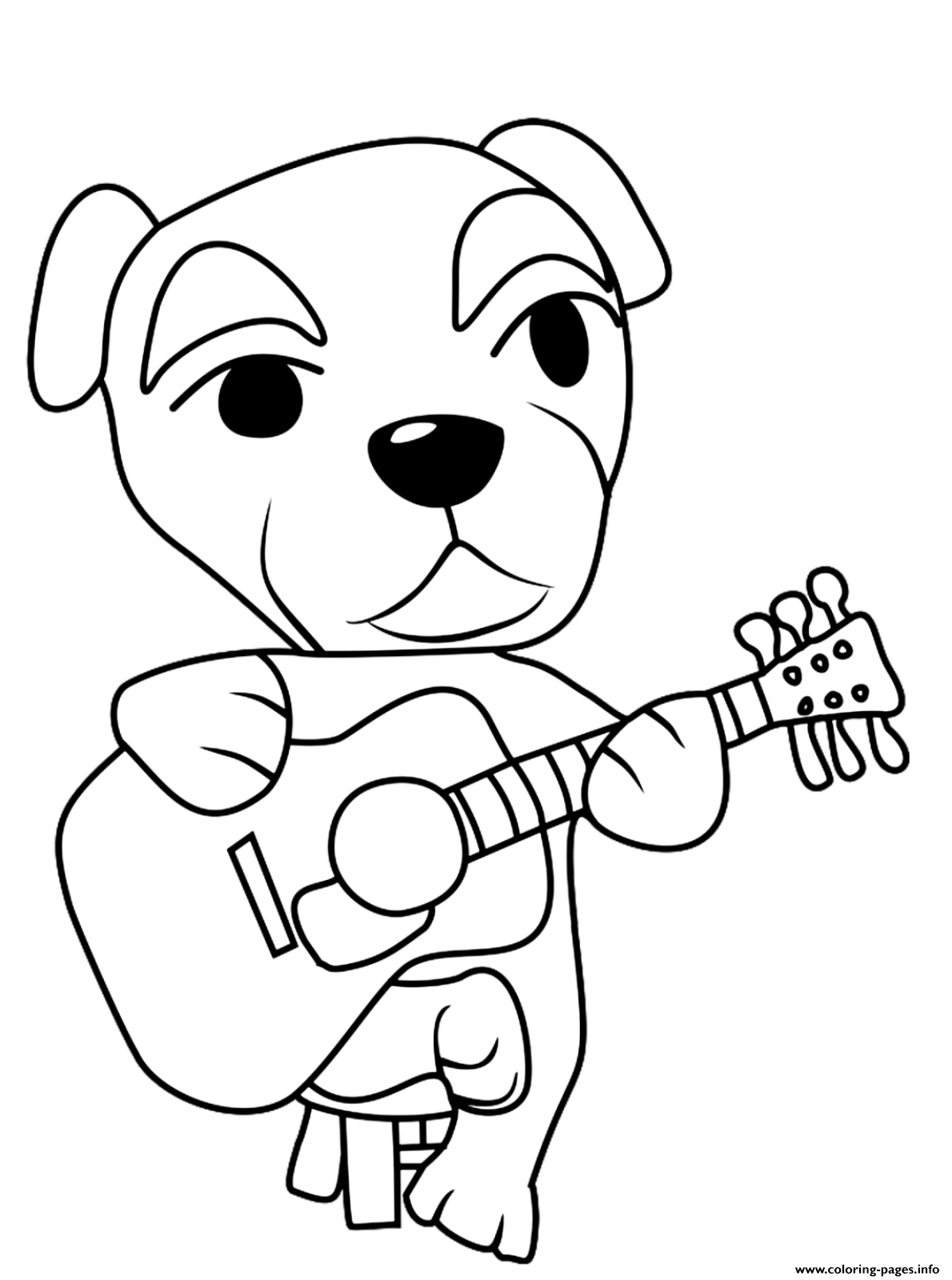
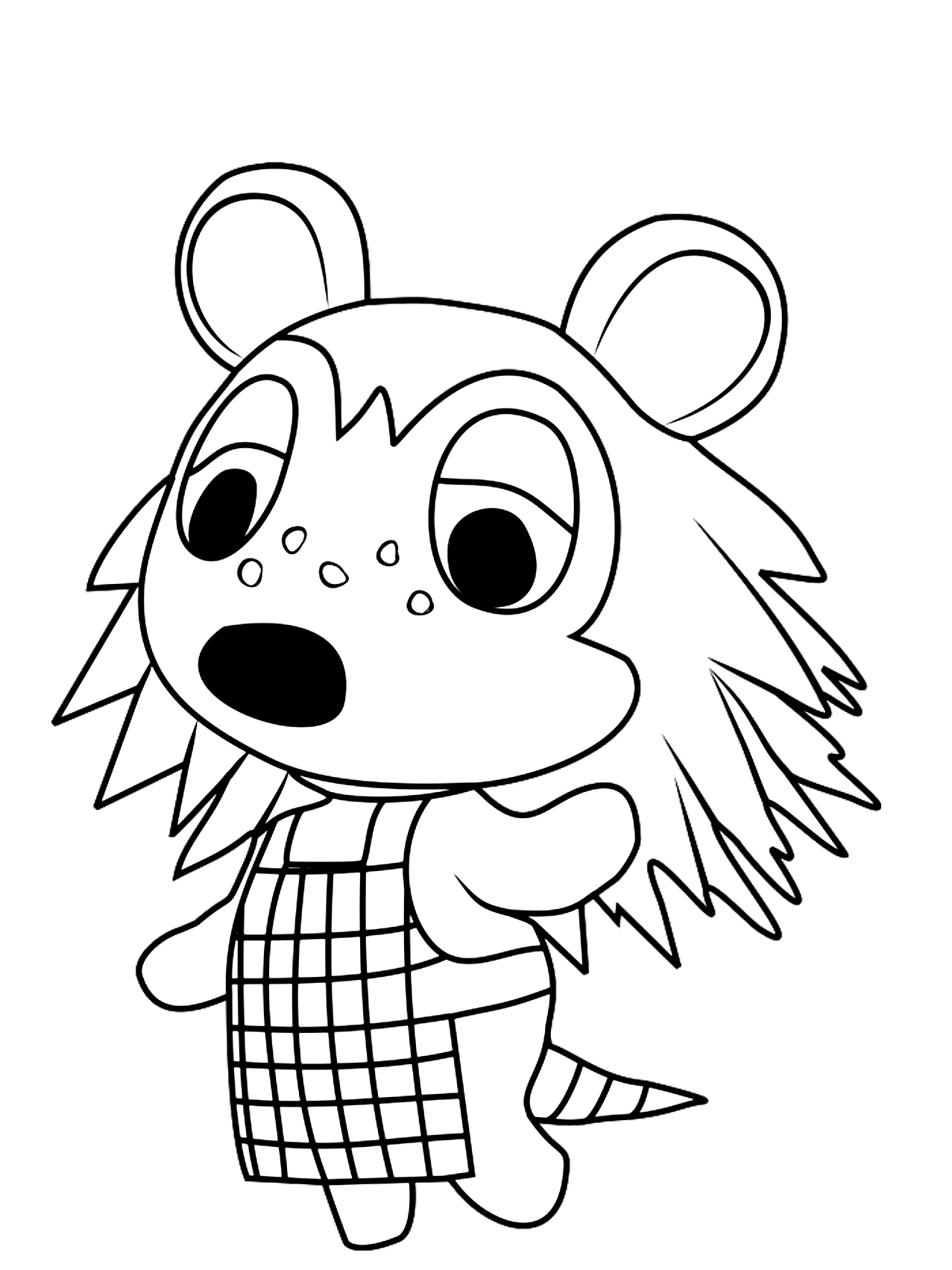
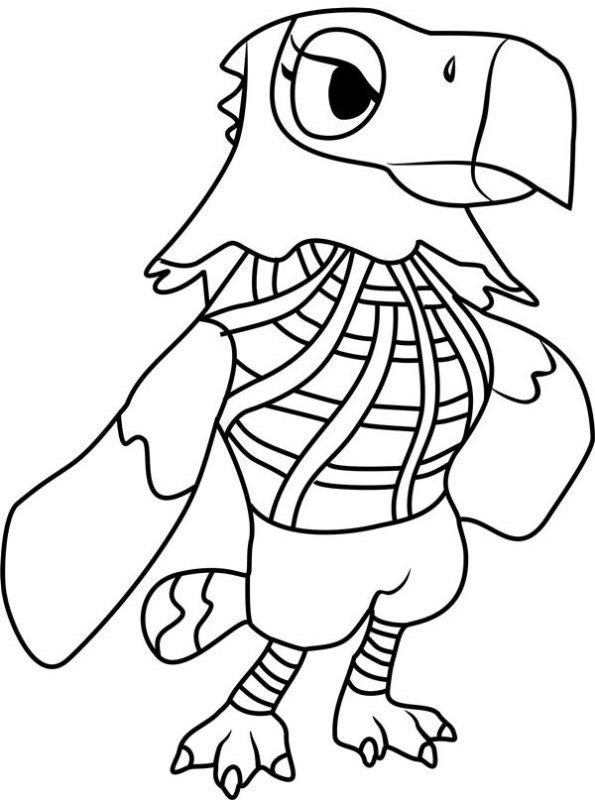
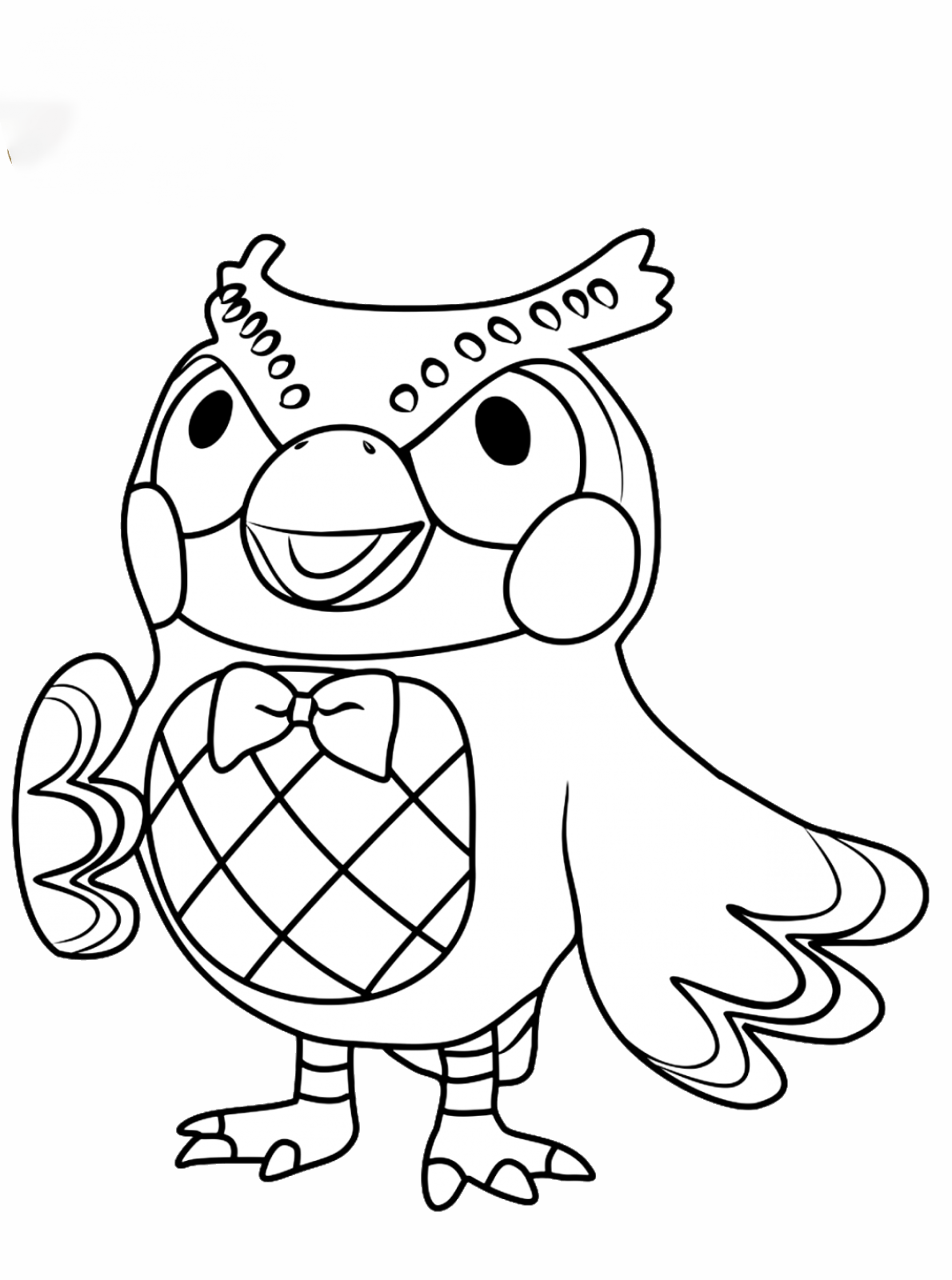
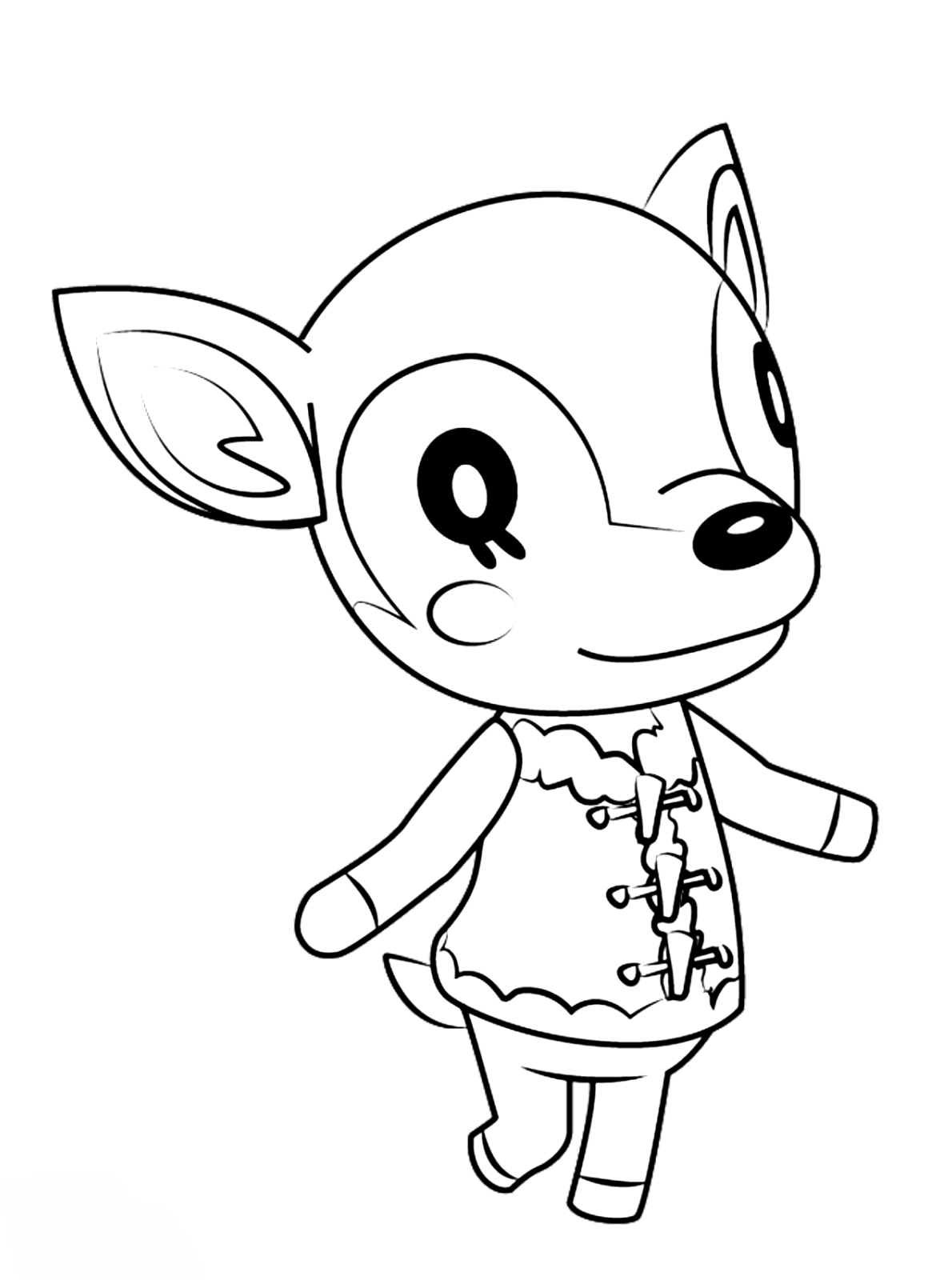
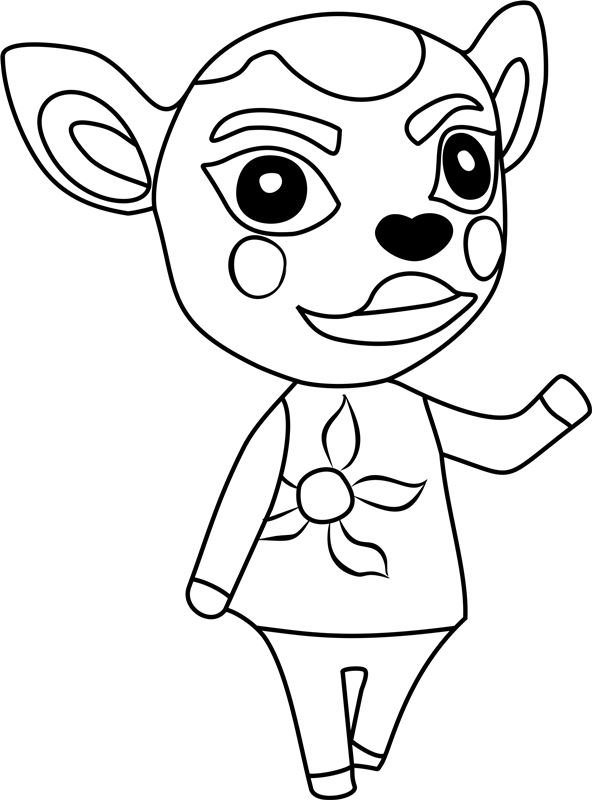
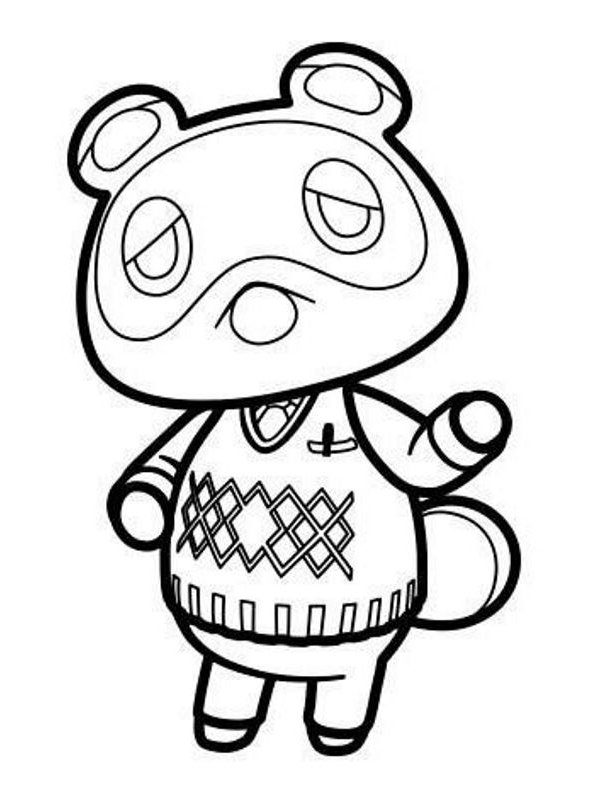
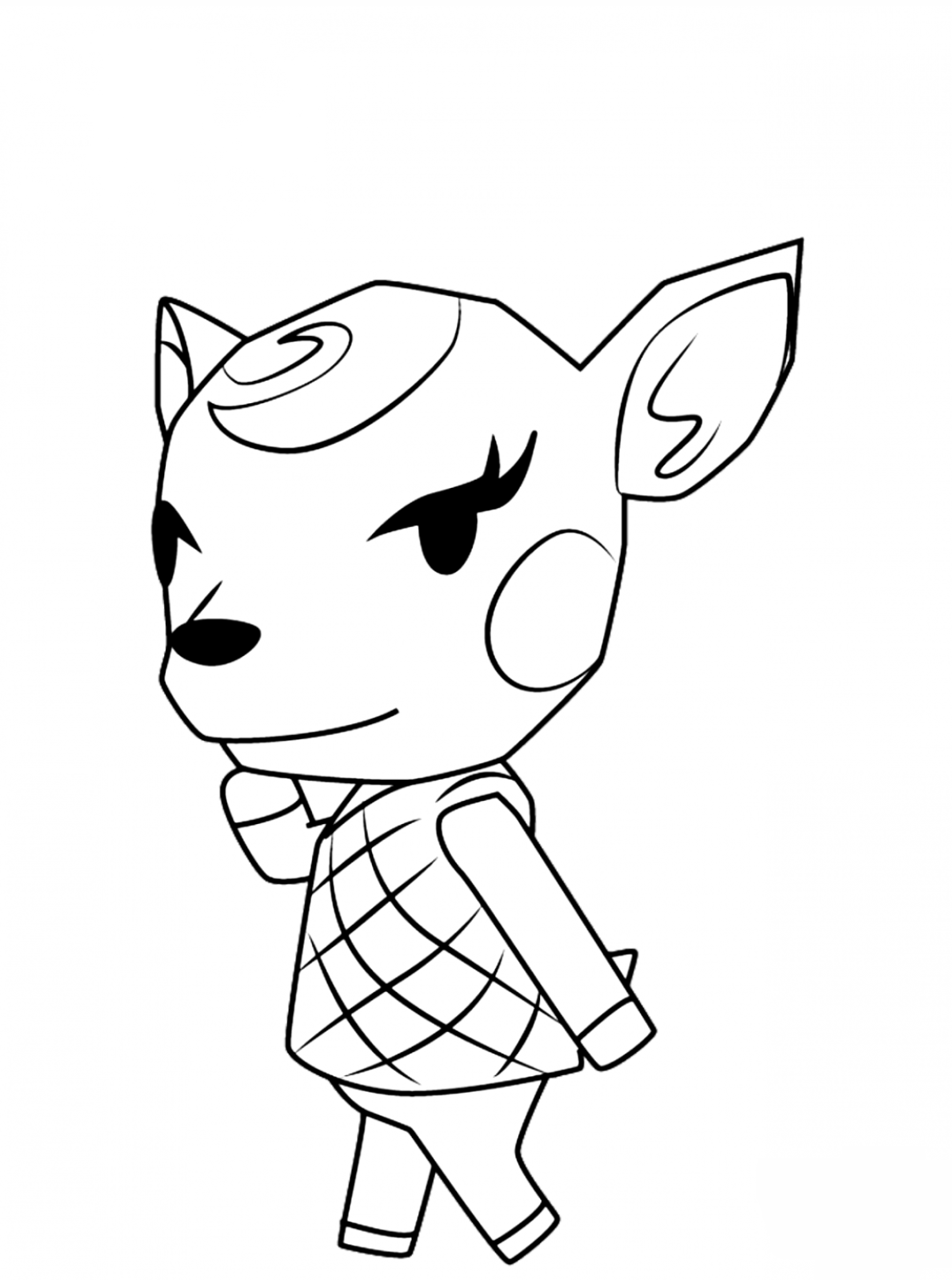
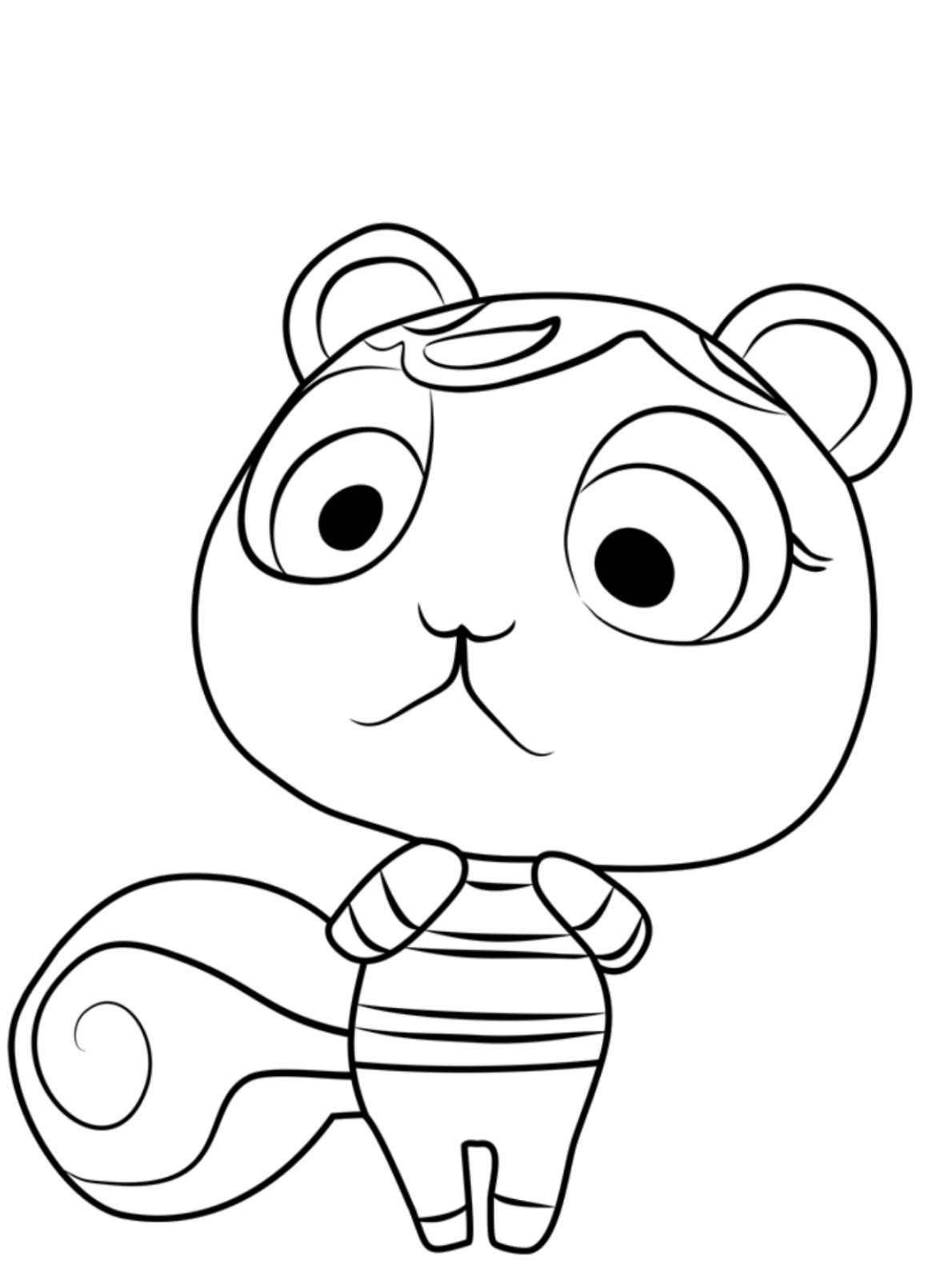
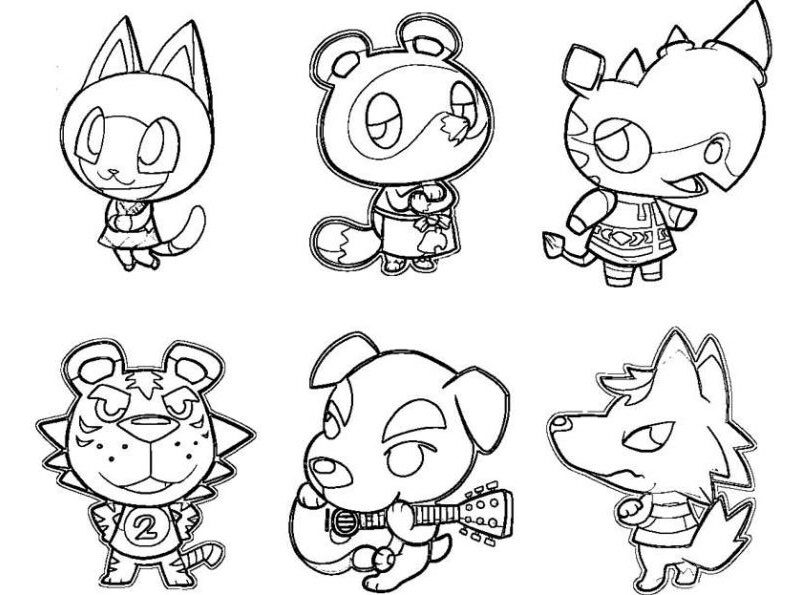
The remaining 26 pages show recognizable characters, including Winnie, Piglet, and Tigger from the Hundred Acre Wood, residents such as Isabelle and Tom Nook from Animal Crossing, and a few Pokémon. Fans often want these colored just like the originals, so a quick look at a reference picture helps match their familiar colors.
What Cute Animal Coloring Pages Do
Easy wins for small hands. The American Academy of Pediatrics highlights fine motor development as a benefit of structured coloring for children ages 2 through 7. Round bodies and big shapes give the youngest colorists large spaces to fill successfully, which builds both control and confidence.
A gentle introduction to nature. Coloring a koala, a camel, or a mother seal opens simple conversations about habitats, diets, and how animal parents care for their young.
Calm, happy focus. In a 2005 Art Therapy Journal study, structured coloring was linked to measurable reductions in anxiety. Combined with subjects that the brain already finds rewarding, cute animal pages make a naturally soothing activity.
Learning to observe. Comparing a baby animal page with a grown-up animal encourages children to notice proportions, such as bigger eyes and shorter legs on the young one.
How to Color Cute Animal Coloring Pages Well
- Always add an eye highlight: Leave a tiny white dot near the top of each eye, or add one with a white gel pen at the end. It is the fastest way to make an animal look alive and friendly.
- Fluffy fur: For lambs, kittens, and koalas, use small circular strokes instead of straight lines, then add a slightly darker shade under the chin and belly.
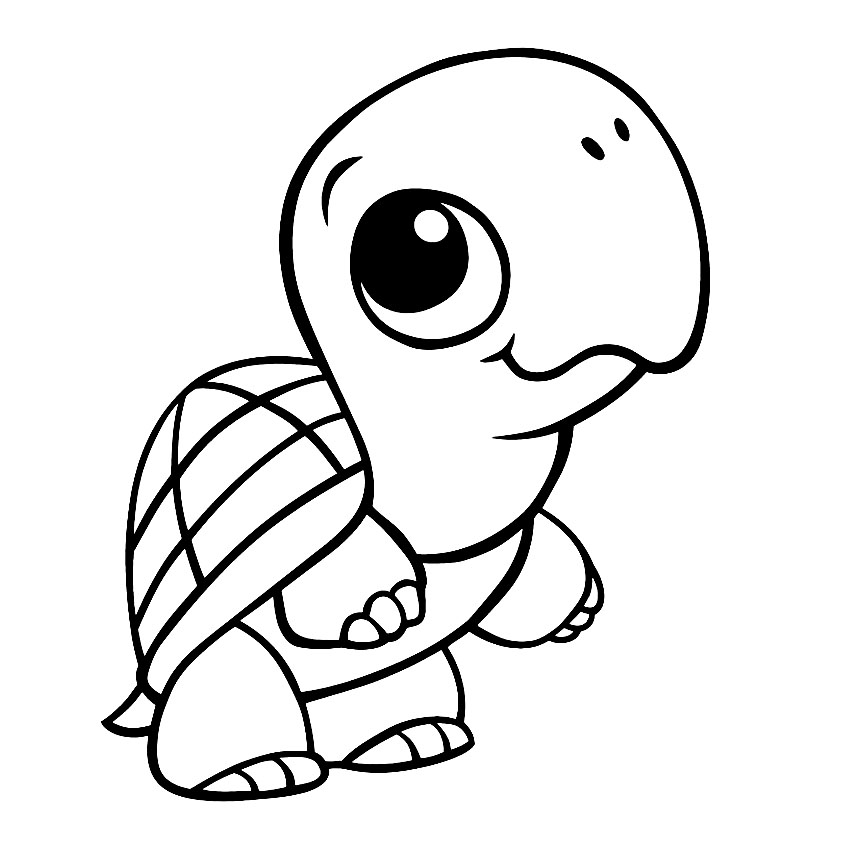
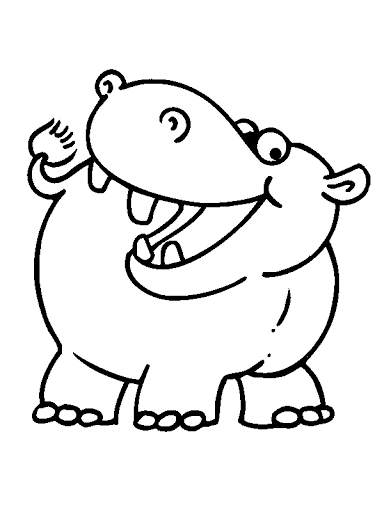
- Smooth skin and shells: Color hippos, turtles, and snakes with even, smooth strokes, then darken one side slightly to show roundness.
- Hedgehog spines: Stroke from the face toward the back, following the direction of the spines, and make the tips a little darker than the base.
- Contrasting backgrounds: Put light animals like lambs and ducks against a stronger Sky Blue or grass Green, and dark animals like bats against a pale Yellow or cream.
- Characters first, then scenery: On character pages, match each figure’s known colors before choosing background shades, so they stay recognizable.
5 Creative Craft Ideas With Cute Animal Coloring Pages
1. Animal Puppet Sticks
Color a few single-animal pages, cut out each animal, and tape it to a craft stick. Use the puppets to act out a short story about the animals meeting each other.
2. Mother and Baby Match Game
Color the baby animal pages and a matching set of adult animal drawings, then mount each on a card. Mix them face down and play a memory game that pairs every baby with its parent.
3. Habitat Shoebox Scenes
Choose three animals from different places, such as a koala, a camel, and a turtle. Build a small shoebox habitat for each using paper, sand, or leaves, and place the colored animal inside.
4. Cute Animal Birthday Banner
Color one animal per letter of a child’s name, cut them out, and glue each beside a large paper letter. String them on ribbon for a party or bedroom wall.
5. My Animal Fact Book
Color one page each week and write three simple facts about that animal on the back, such as what it eats and where it lives. Staple the pages together into a homemade fact book.
Frequently Asked Questions
What are Cute Animal Coloring Pages?
Printable outlines of adorable animals, from baby farm animals and wild creatures to cartoon ducks and famous animal characters. This set has 65 designs, free as PDFs or for online coloring.
Why do baby animals look so cute?
Zoologist Konrad Lorenz described the baby schema in 1943: big eyes, round heads, and short limbs trigger a caring response in people. Later brain studies showed these features activate reward areas in the brain.
Which baby animals are included?
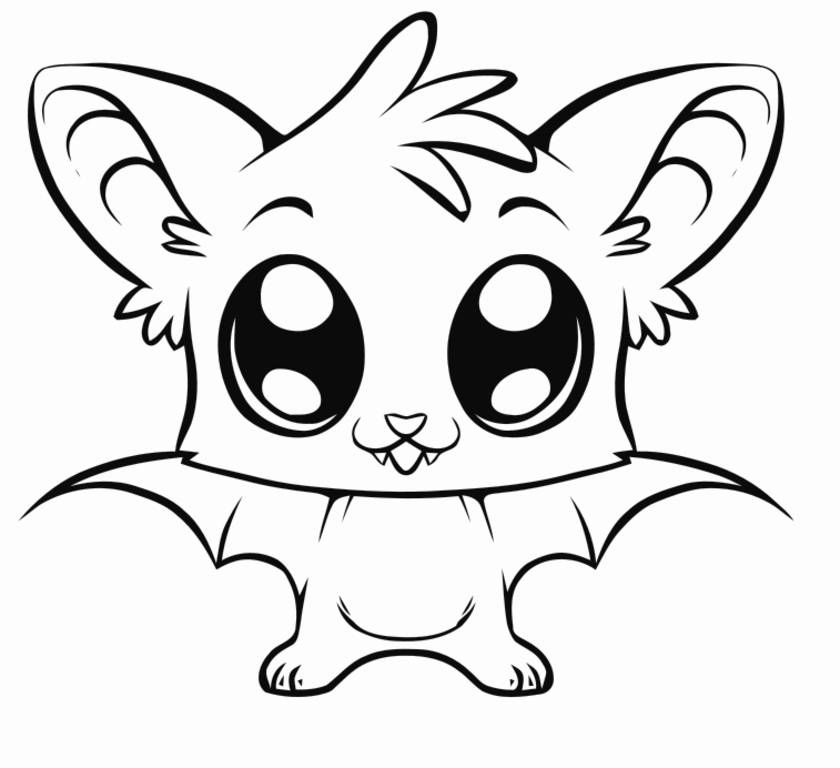
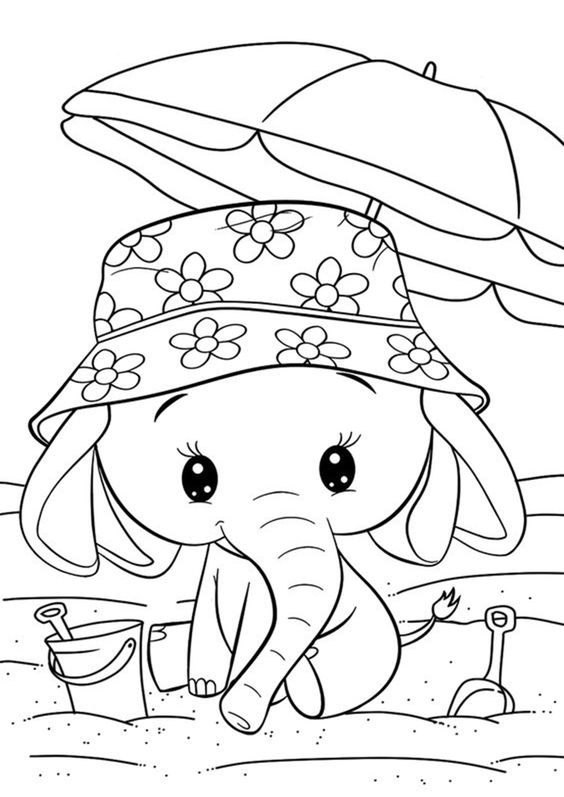
Lambs, a foal, a calf, a kitten, puppies, a baby monkey, a baby bat, a baby elephant, a duckling, a nestling bird, bunnies, and a seal pup, among others.
Are there famous characters in this collection?
Yes. The set includes characters from Winnie the Pooh, residents of Animal Crossing, two Pokémon, and a few other cartoon favorites.
Is a koala a kind of bear?
No. Despite the nickname “koala bear,” koalas are marsupials, closer relatives of kangaroos than of bears, and they carry their young in a pouch.
Which pages are easiest for toddlers?
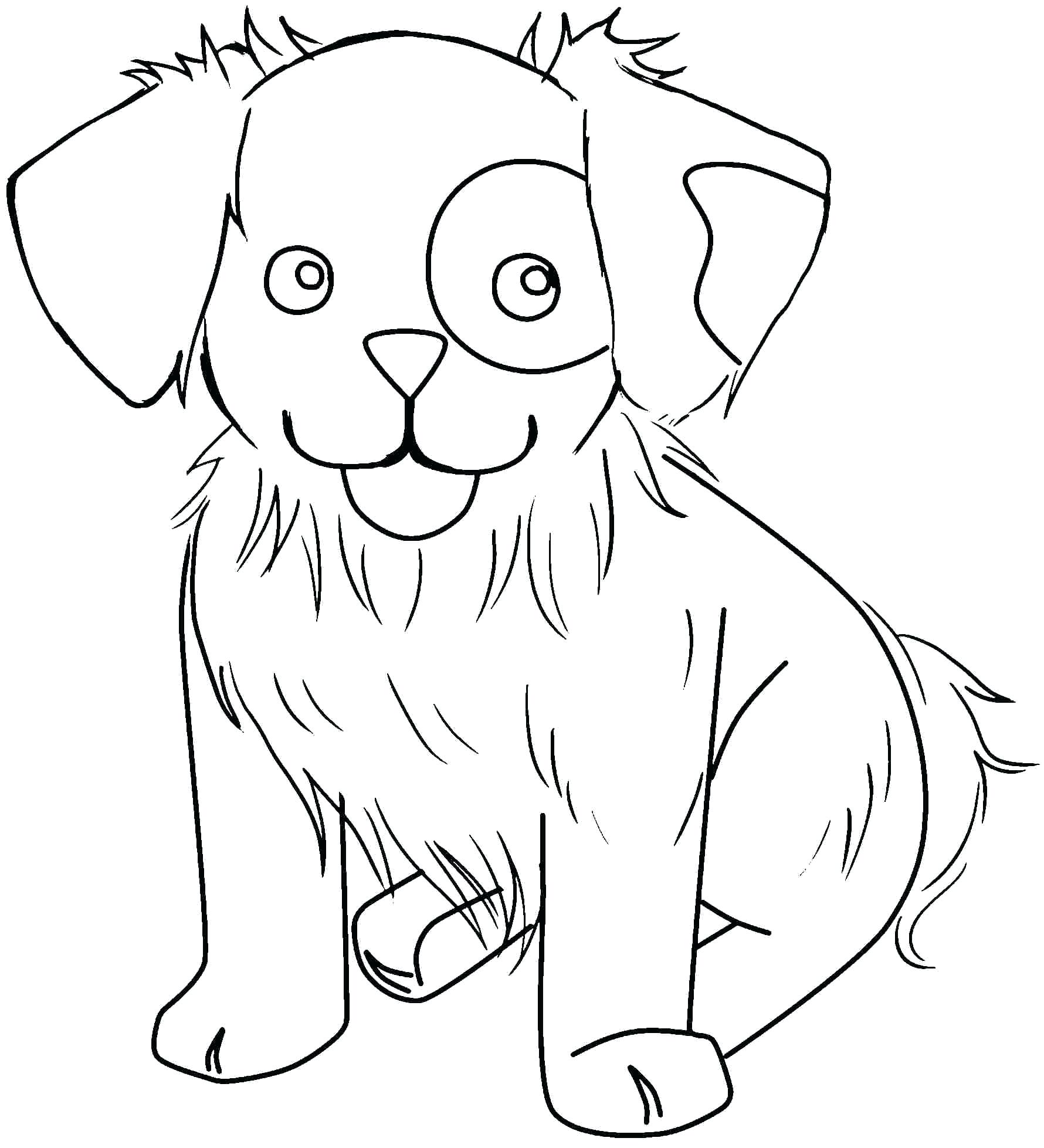
Simple single-animal pages like A Lamb, A Turtle, and A Cute Dog have large shapes and few details, making them ideal for very young children.
What age is this collection for?
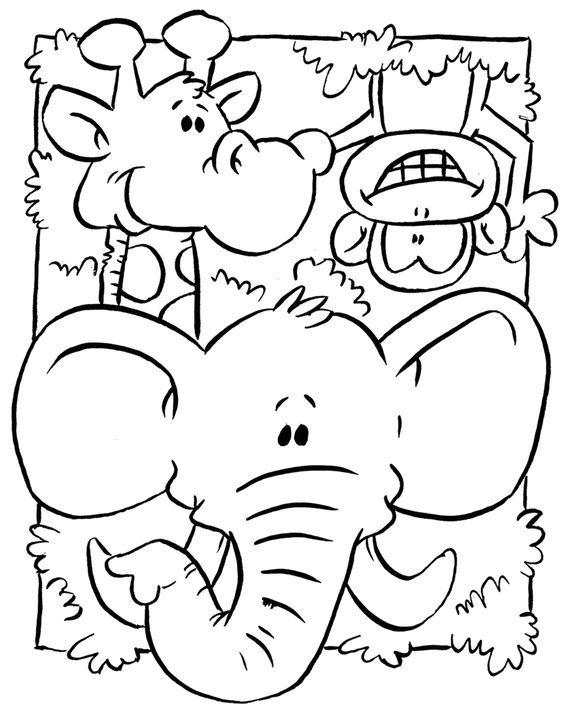
Children from about age 2 can color the simplest animals, while scene pages like Elephant and Friends suit older kids who enjoy more detail.
How can I make animals look more realistic?
Use two or three shades of the same color, lighter on top where light hits and darker underneath, and always add a small white highlight in each eye.
Start Coloring
A sleepy lamb, a duck in a bow tie, or a familiar face from a favorite story: every page offers a small, happy subject to color. Clicking a design opens its PDF right away, with no account, email, or fee, and it prints clearly on standard paper. The online coloring tool offers the same designs for tablets and computers. When an animal is finished, the Facebook and Pinterest buttons at the top of each design page make it easy to share it with friends and family who love animals too.