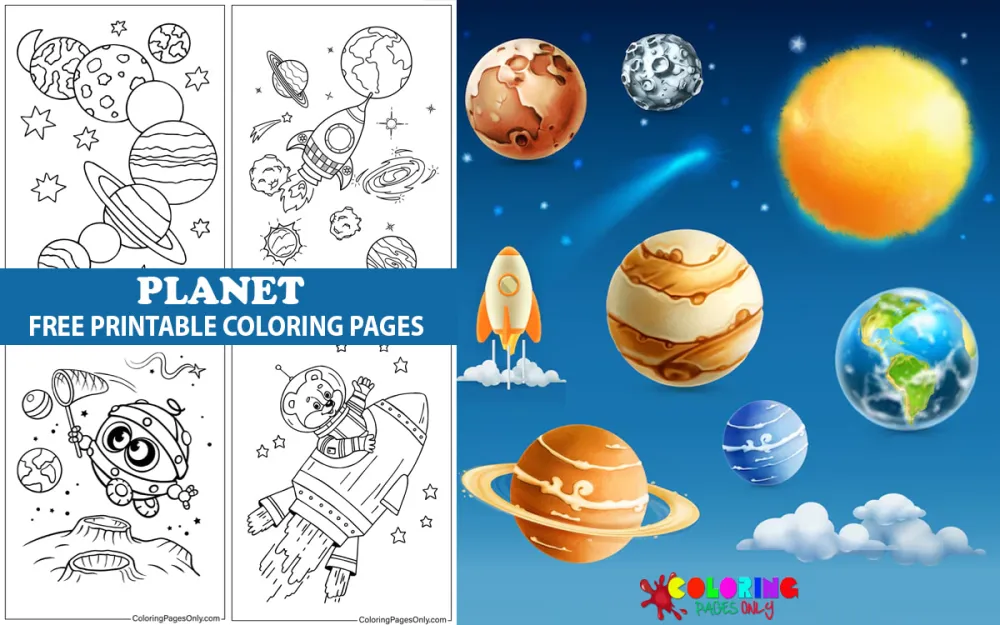
Explore free Planet Coloring Pages with cute planets, solar system scenes, rockets, astronauts, moons, orbit paths, and kid-friendly worksheets. Each page is easy to download, print, or color online in PDF and JPG formats, making the collection simple to use at home, in school, or as part of a space-themed learning activity.
This collection is designed for different ages and learning needs. Preschoolers can start with simple planet shapes, smiling cartoon planets, and easy space scenes. Kindergarten and elementary students can color Earth, Mars, Saturn, Jupiter, and the other planets while learning basic solar system ideas. Parents and teachers can also use these printable pages to introduce planet names, planet order, orbit paths, and early astronomy vocabulary in a relaxed, hands-on way.
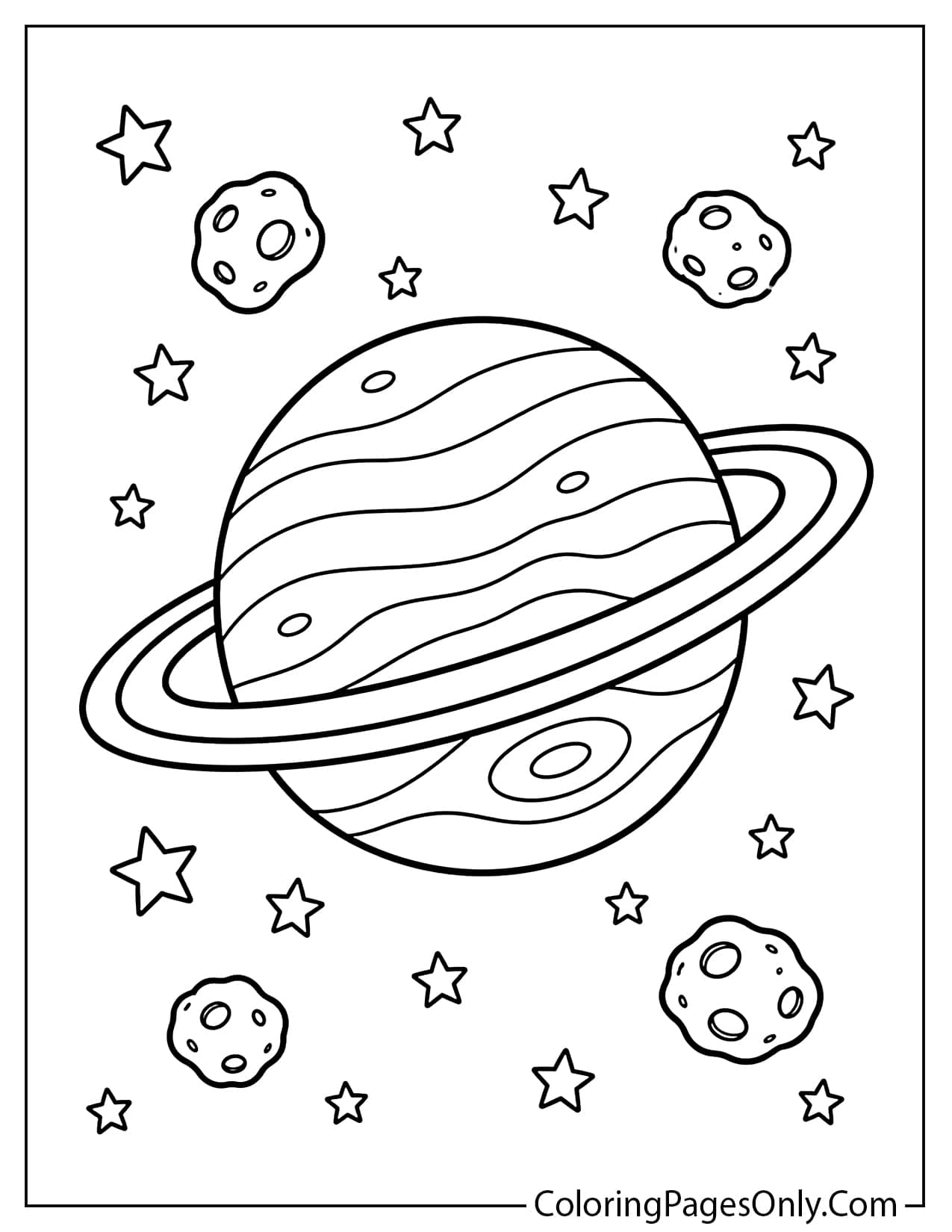
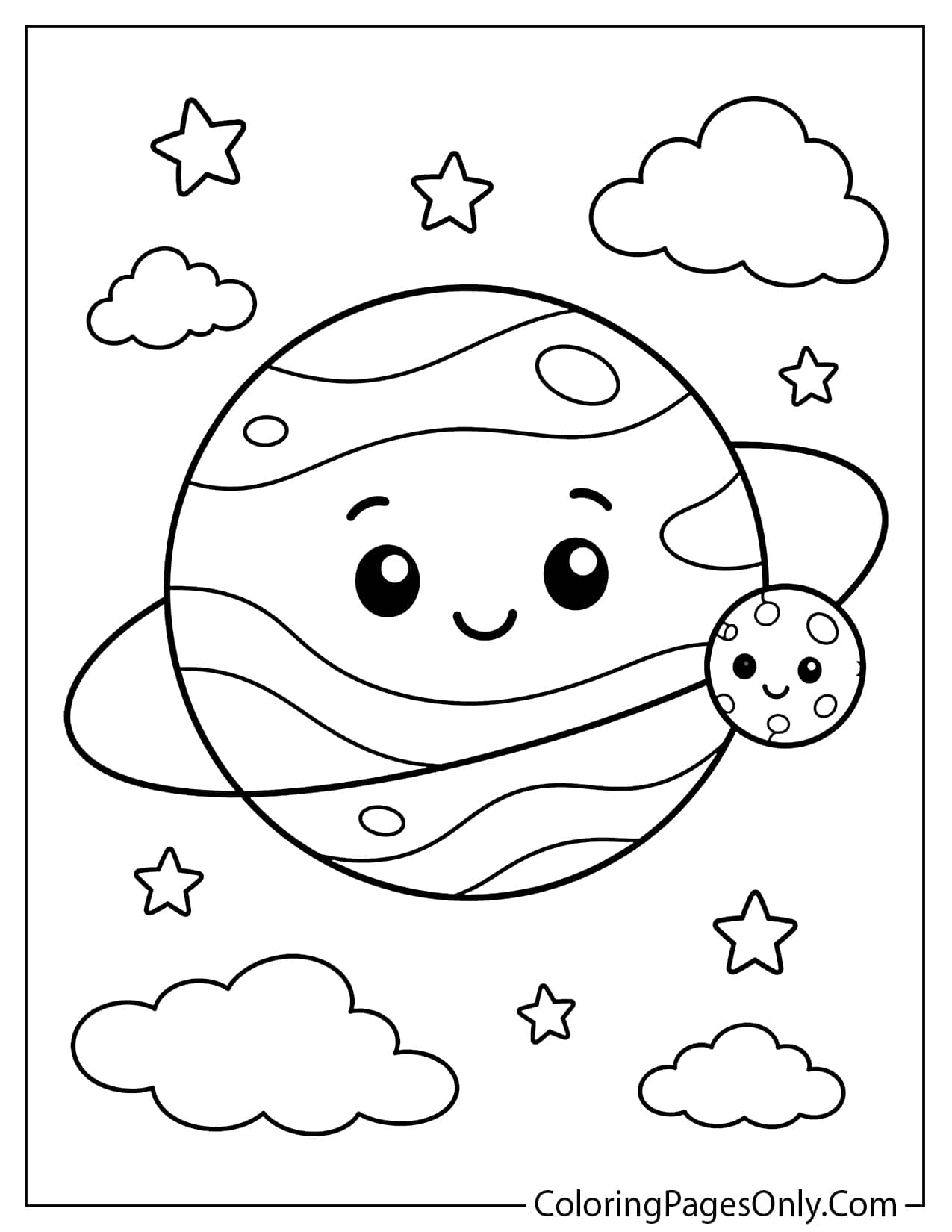
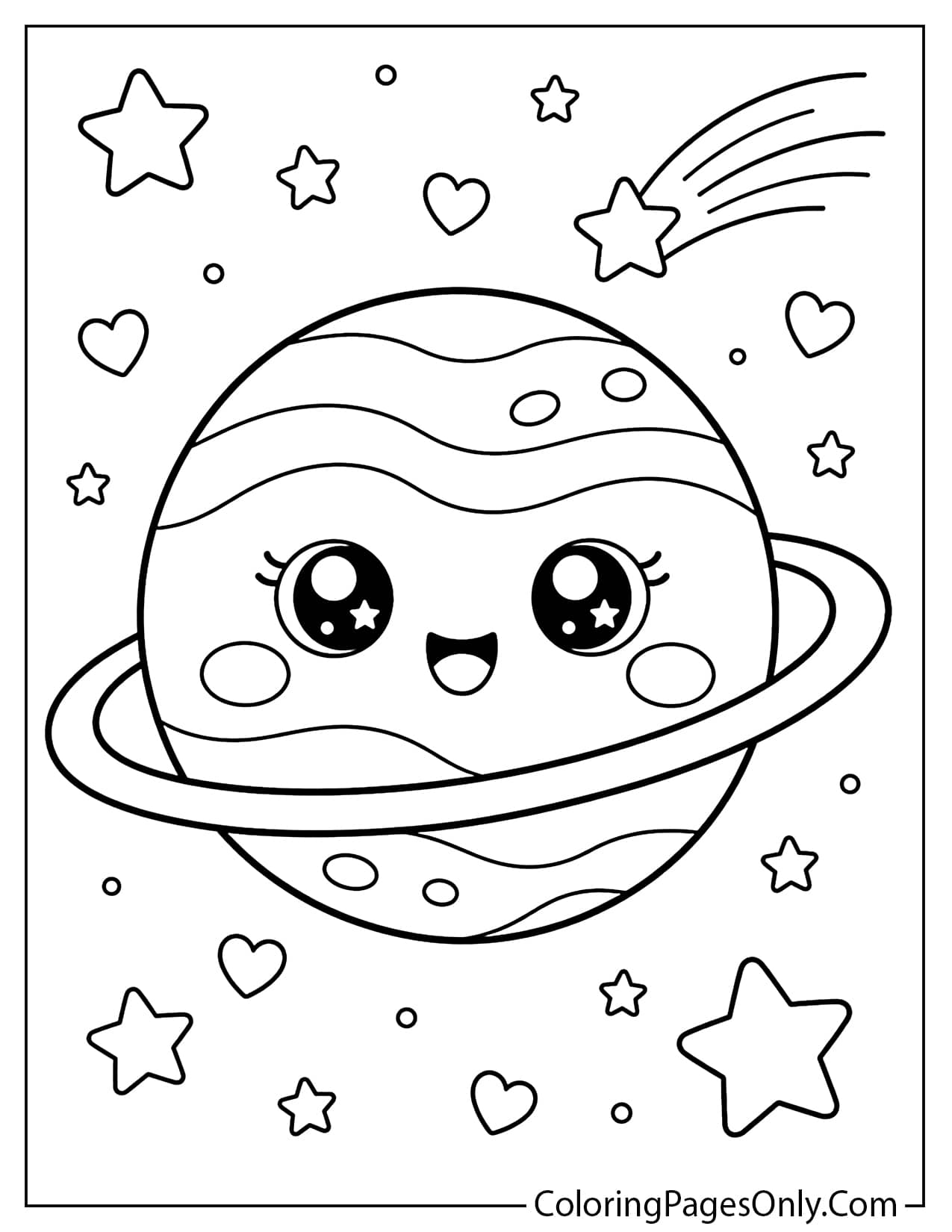
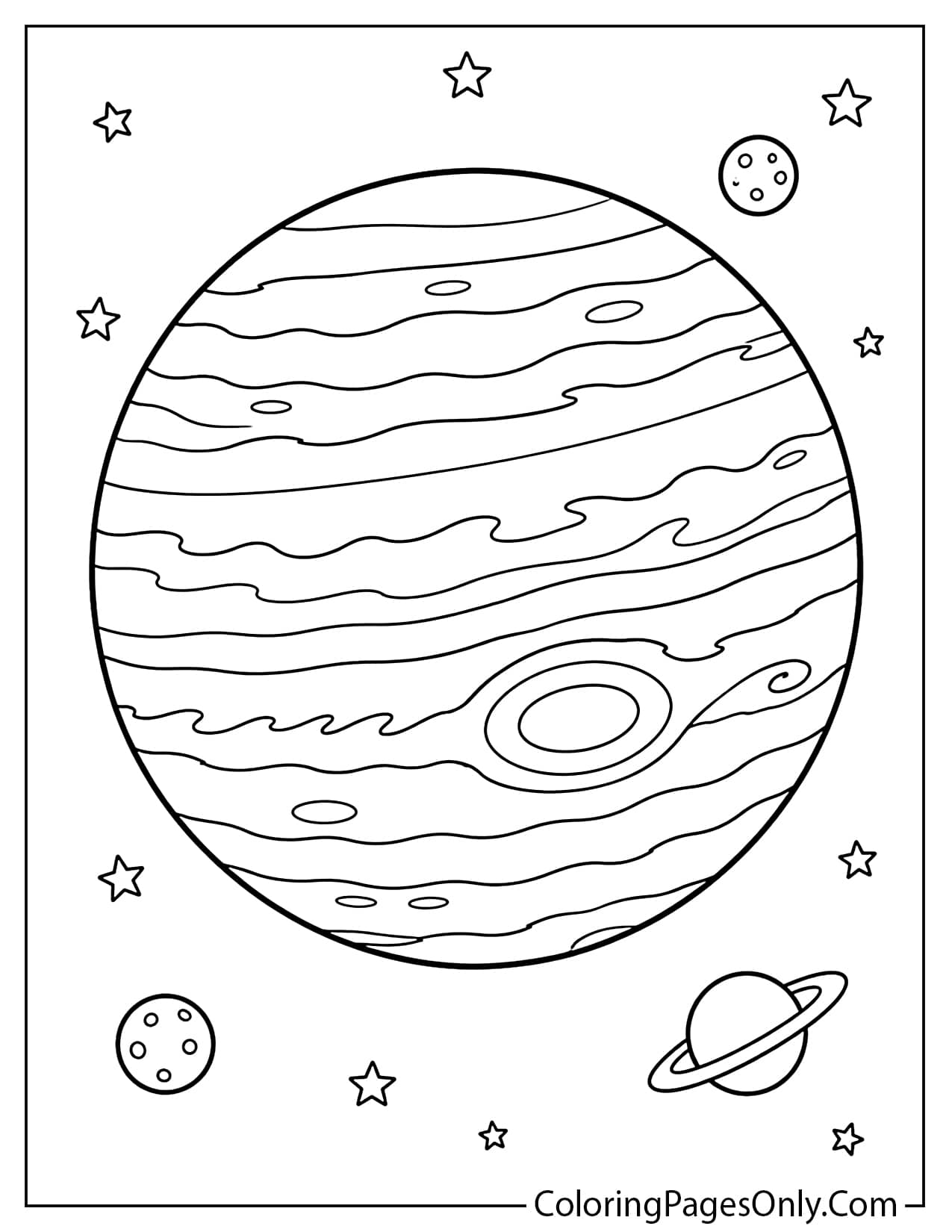
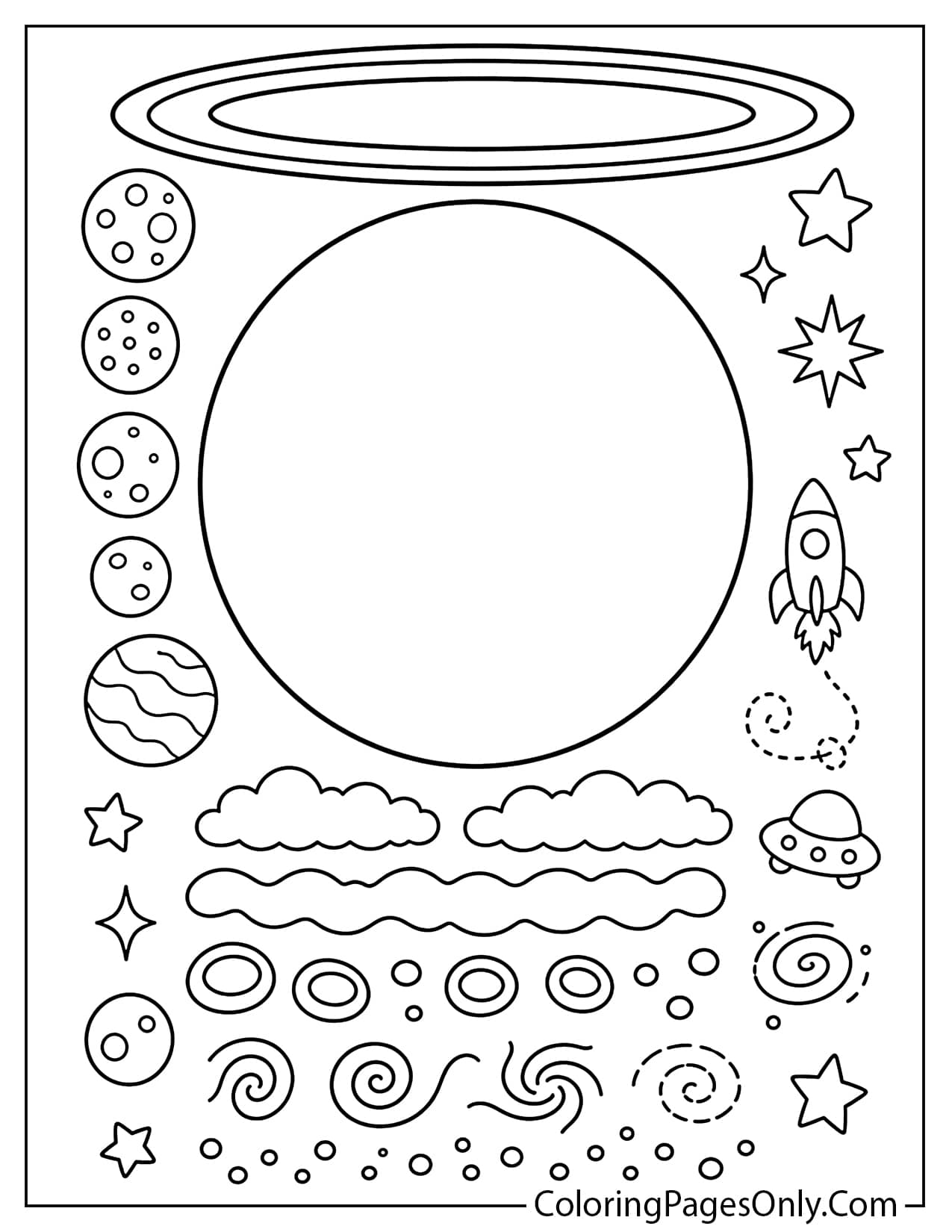
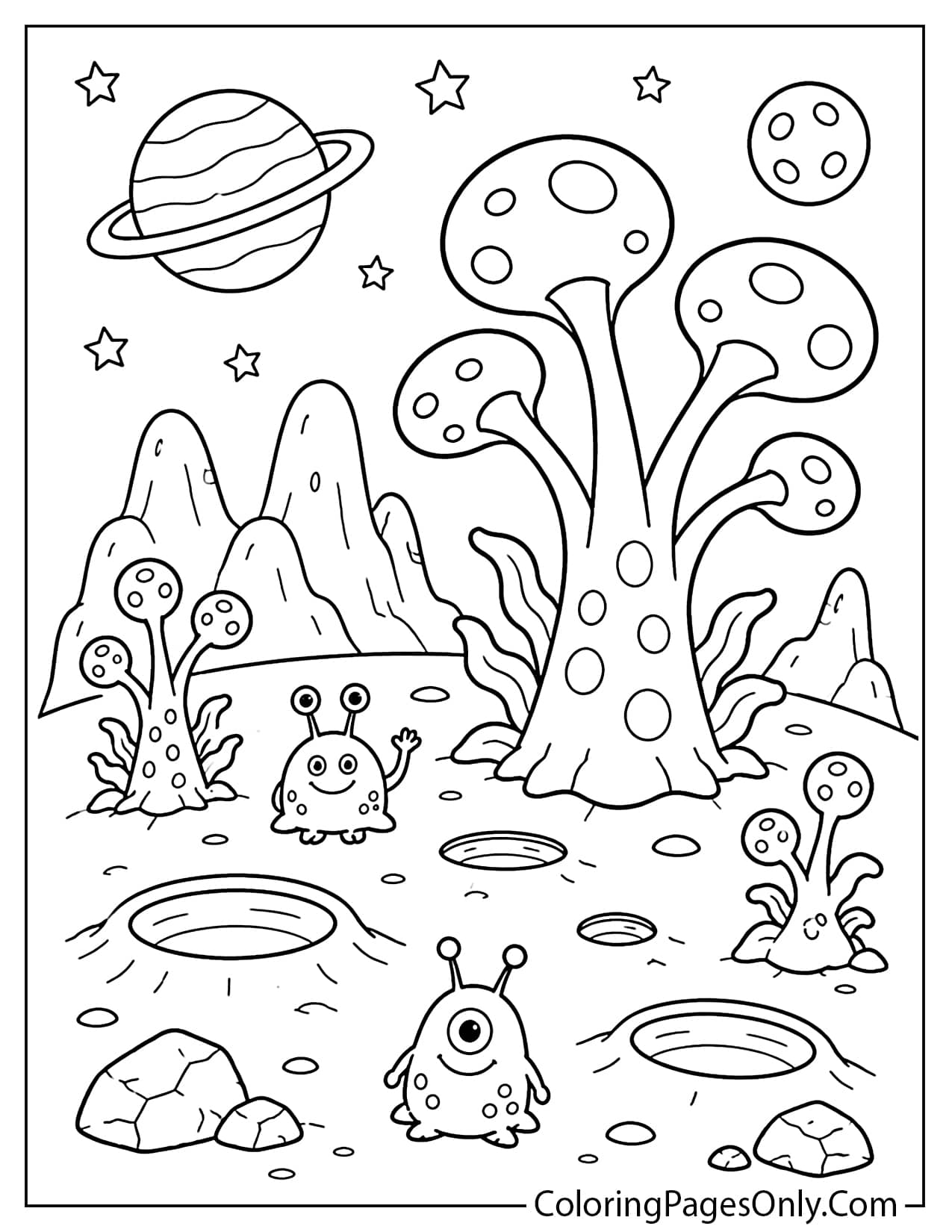
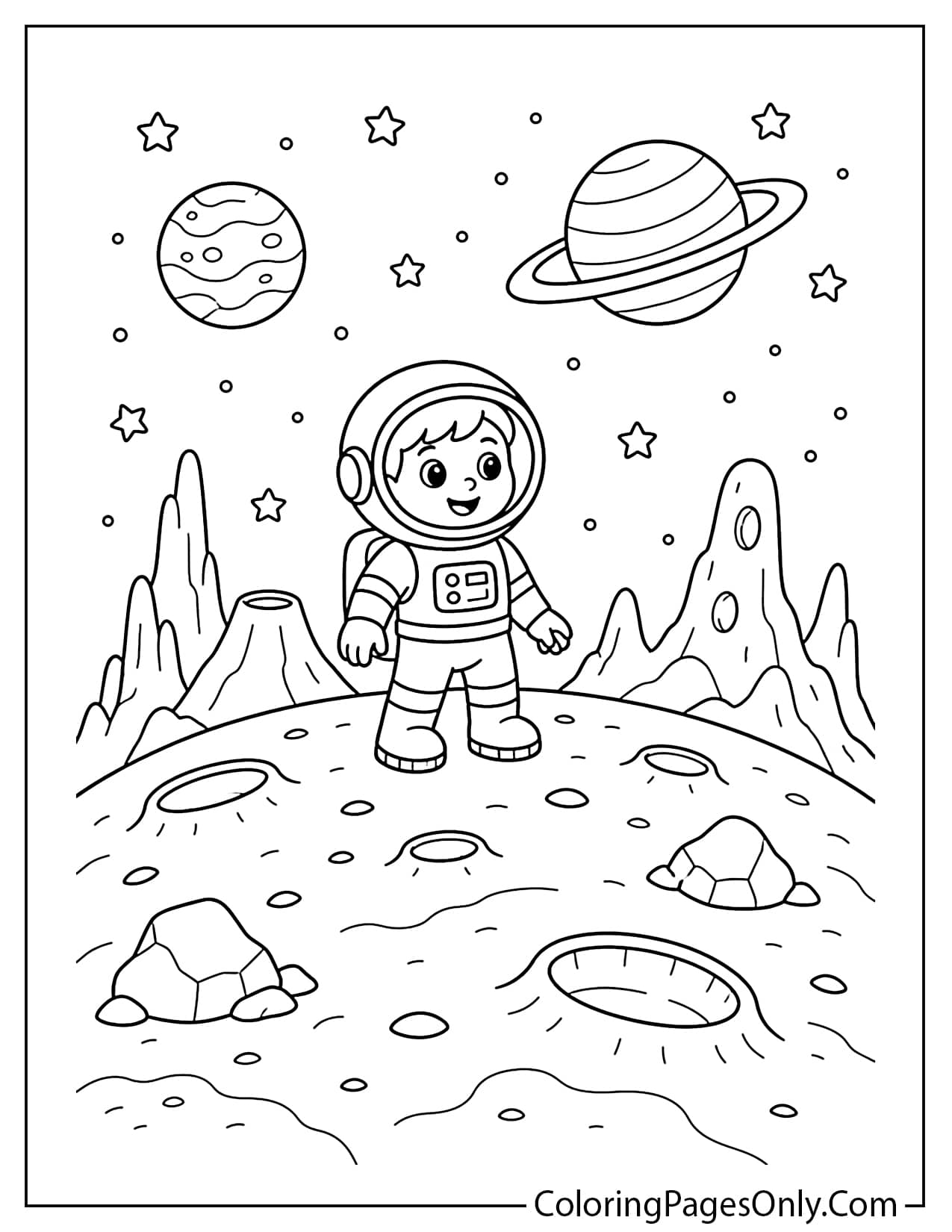
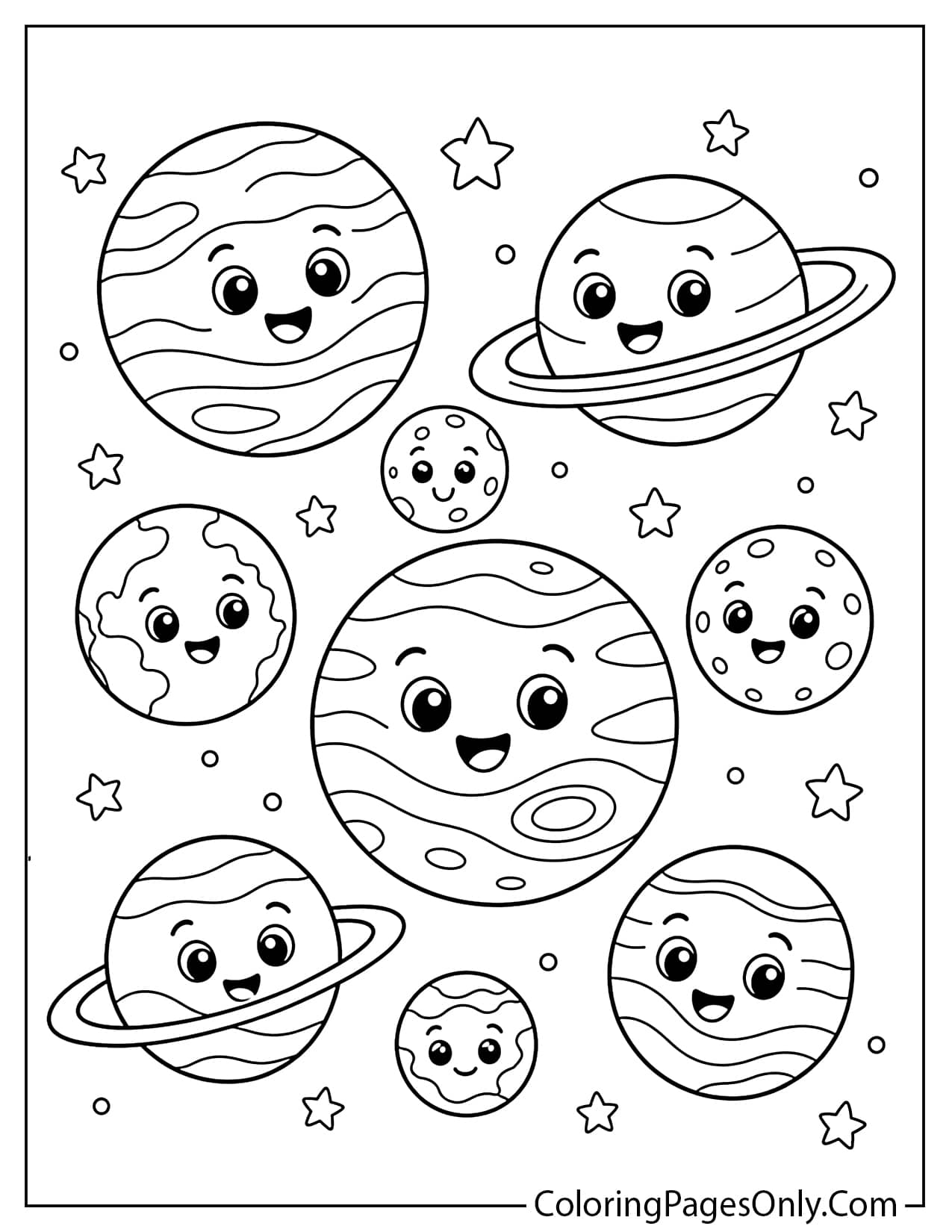

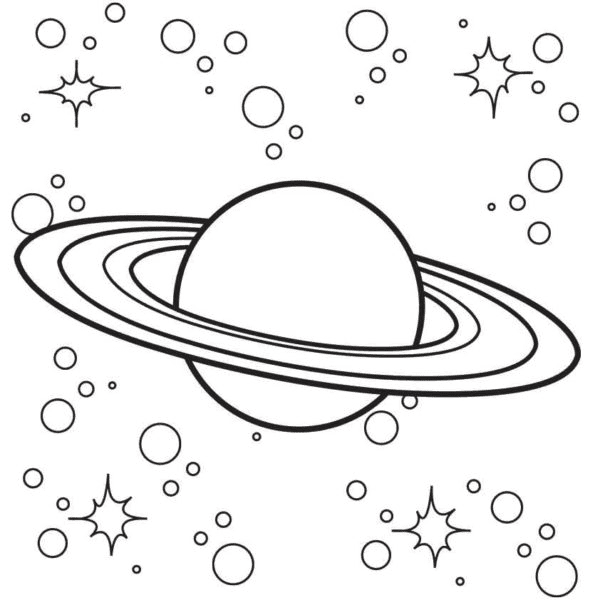
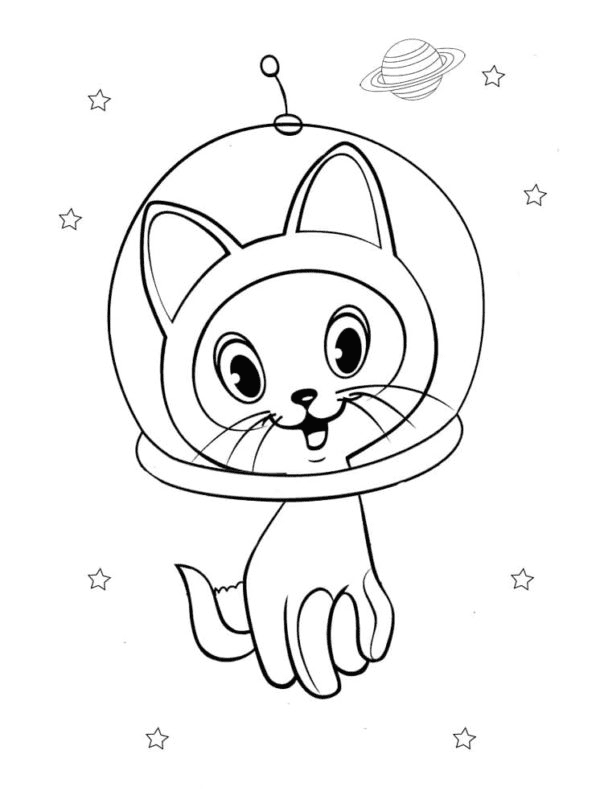
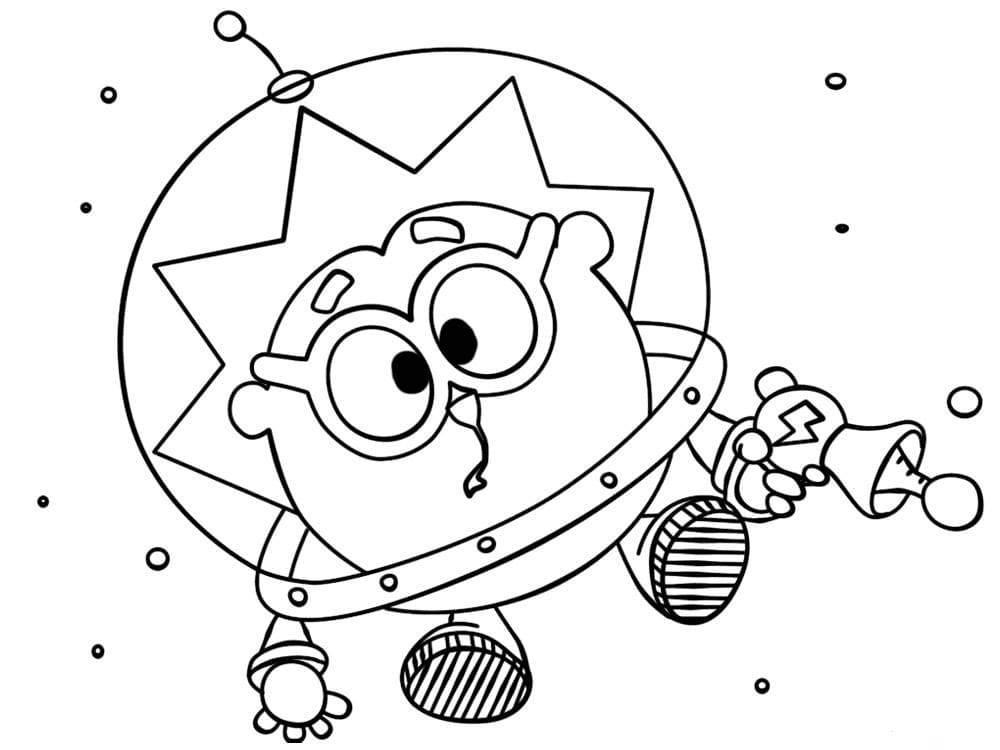
What Is A Planet?
A planet is a large object in space that moves around a star. In our solar system, the eight planets travel around the Sun: Mercury, Venus, Earth, Mars, Jupiter, Saturn, Uranus, and Neptune. Mercury, Venus, Earth, and Mars are rocky planets. Jupiter and Saturn are gas giants, while Uranus and Neptune are often called ice giants.
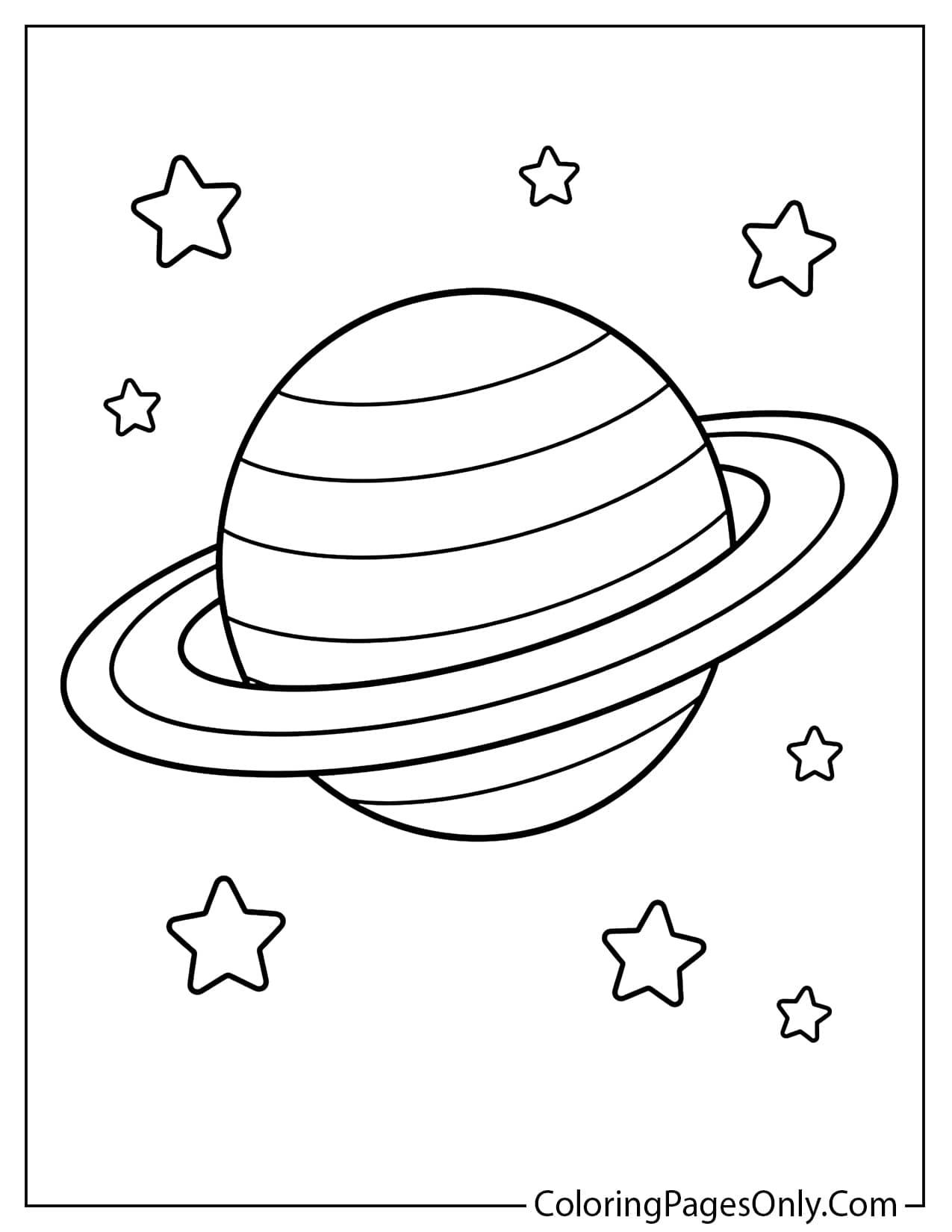
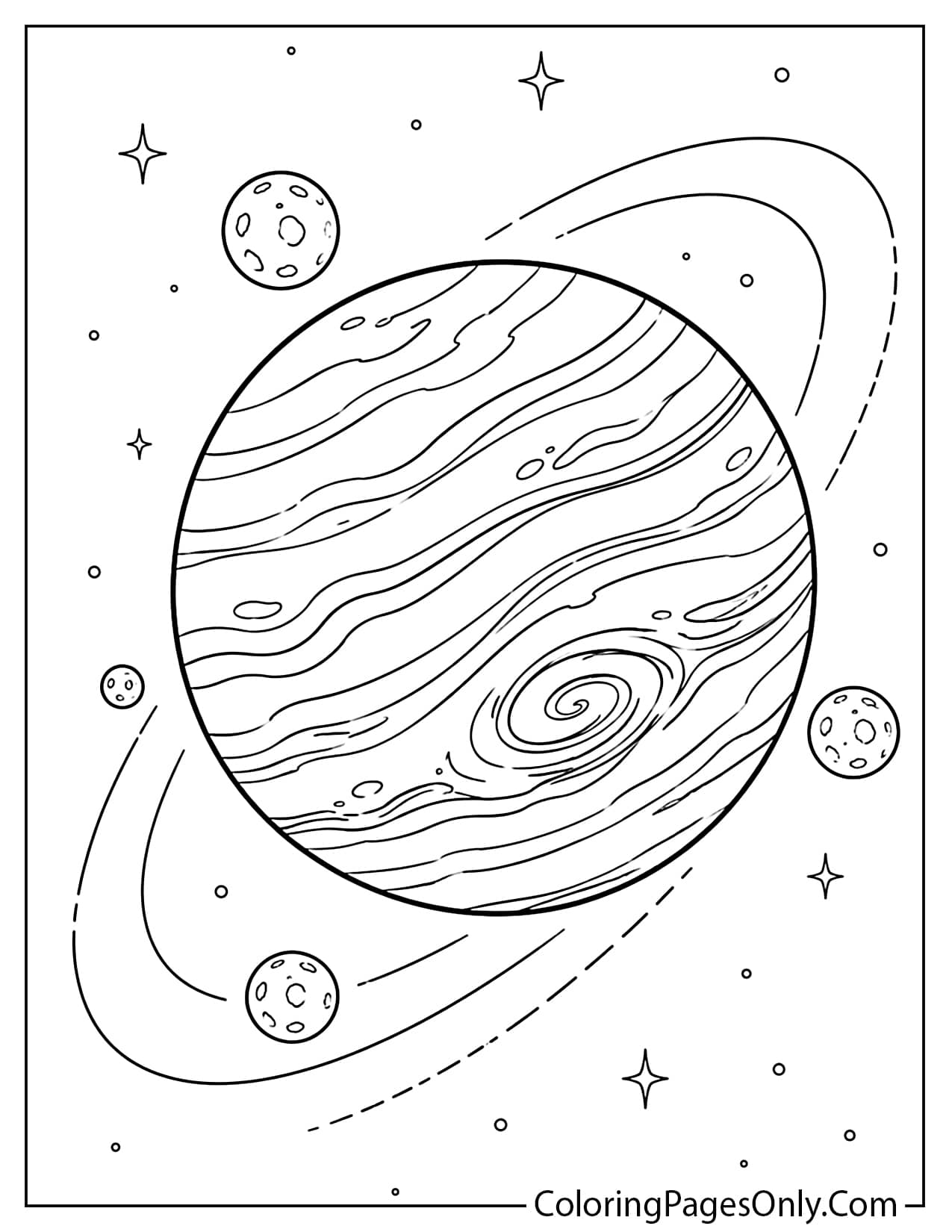
Each planet has something special to notice. Earth has oceans, land, clouds, and one MoonMoon. Mars is known for its red, dusty surface. Saturn is famous for its wide rings. Jupiter is the largest planet and has swirling bands and a giant storm. These differences make planets exciting for children to explore through coloring.
That is why planet coloring pages work so well as a learning activity. Children can use realistic colors, such as blue and green for Earth or red for Mars, or they can create imaginary planets with rainbow rings, glowing moons, friendly aliens, and colorful stars. Coloring helps turn space facts into something visual, creative, and easier for kids to remember.
Why Planet Coloring Pages Are Great For Kids
Planet coloring pages give children a simple way to connect art, science, and imagination. A child may begin by coloring a round planet, then notice rings, craters, moons, orbit lines, or a rocket flying nearby. These details can naturally lead to questions about space, the solar system, and how planets are different from one another.
For younger kids, planet pages support fine motor skills, hand control, shape recognition, focus, and color practice. Large planets, stars, moons, and rockets are easy to recognize and fun to color.
For older children, more detailed pages can introduce planet names, the order of the planets, surface patterns, or simple astronomy concepts. A printable planet page can become a quiet afternoon activity, a classroom science worksheet, a homeschool lesson, or part of a larger space project.
What You’ll Find In Our Planet Coloring Pages Collection
You’ll find simple pages for young children, playful cartoon planets, full solar system scenes, individual planet designs, and more detailed pages for kids who want a longer coloring activity. Families, teachers, and children can choose the page that best fits the moment, whether it is quick coloring time, a science lesson, or a creative space project.
Easy Planet Coloring Pages
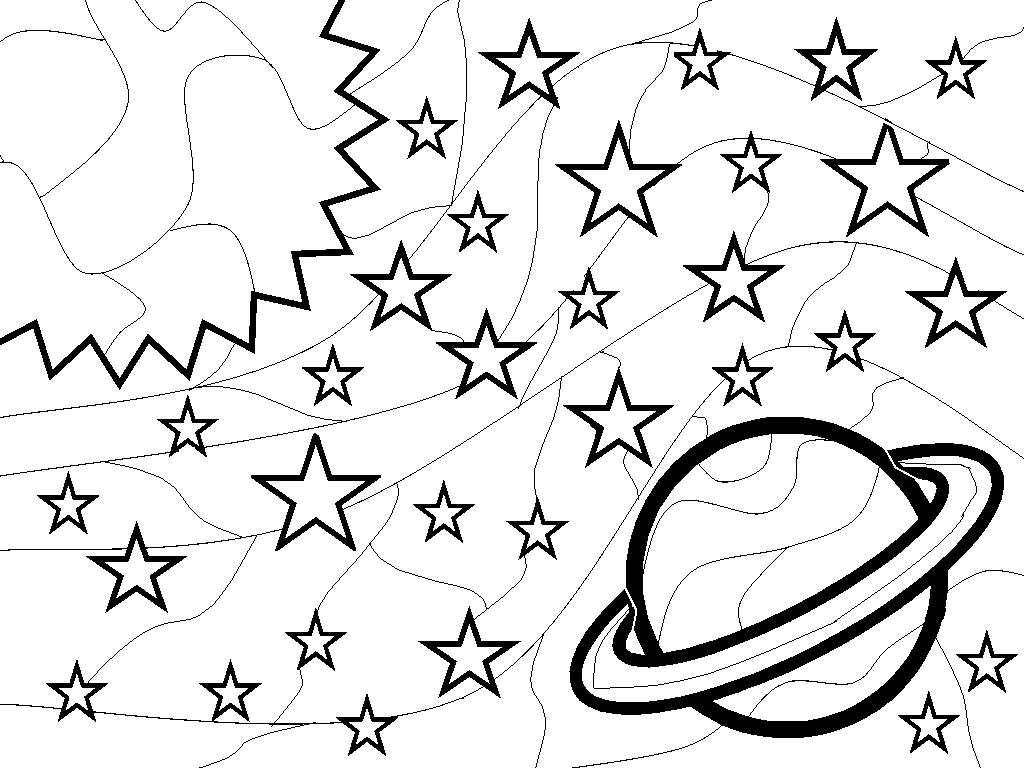
Easy planet coloring pages are best for preschoolers, kindergarten children, and beginners. These pages usually include one large planet, simple stars, a moon, or a small rocket. The outlines are bold, the shapes are clear, and there are not too many small details.
They are a good choice for quick coloring time, early hand-control practice, and a gentle first introduction to space.
Cute Cartoon Planet Coloring Pages
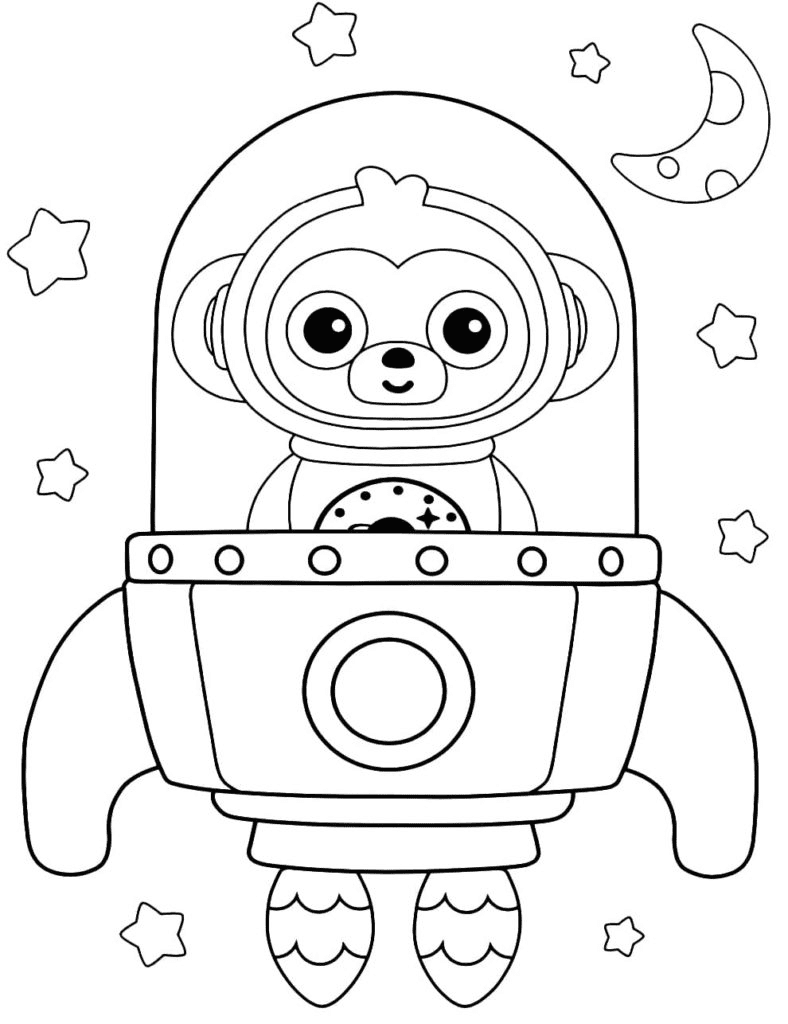
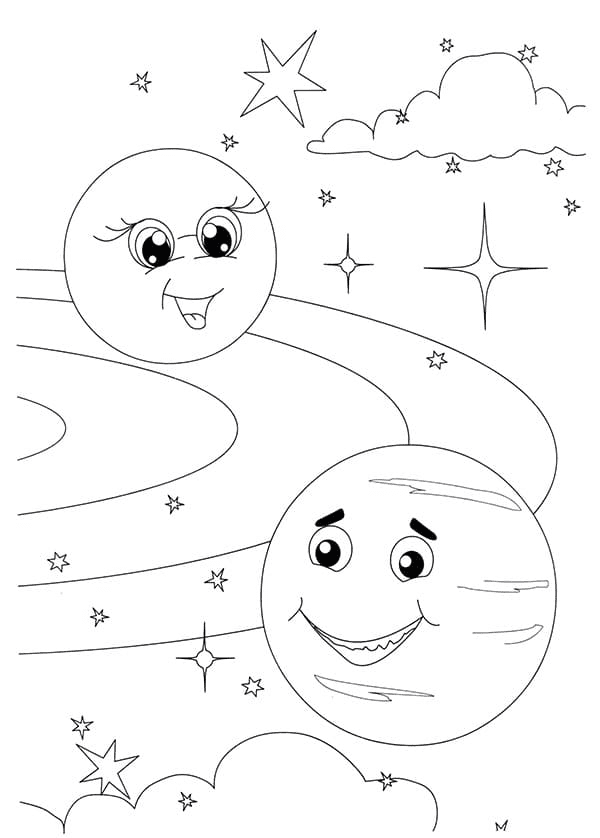
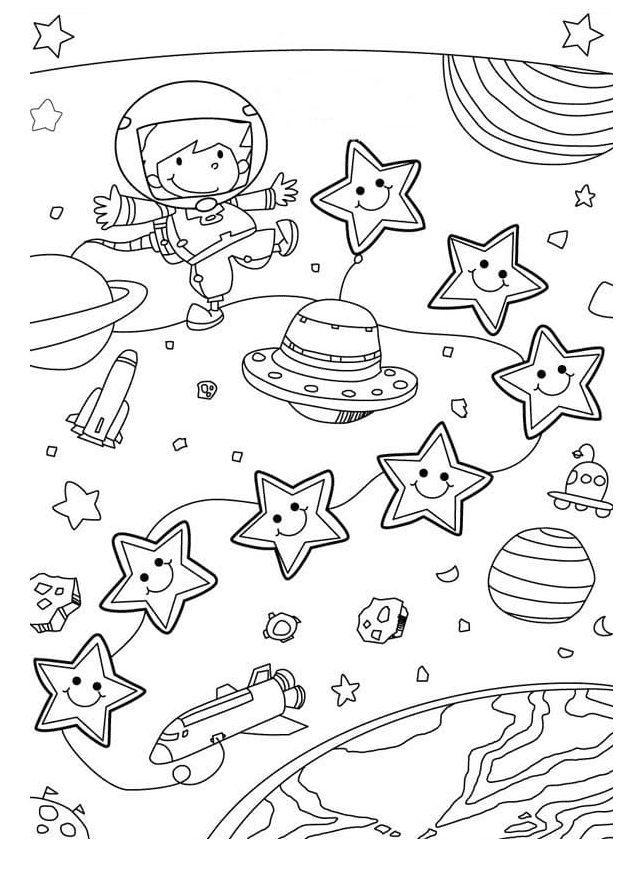
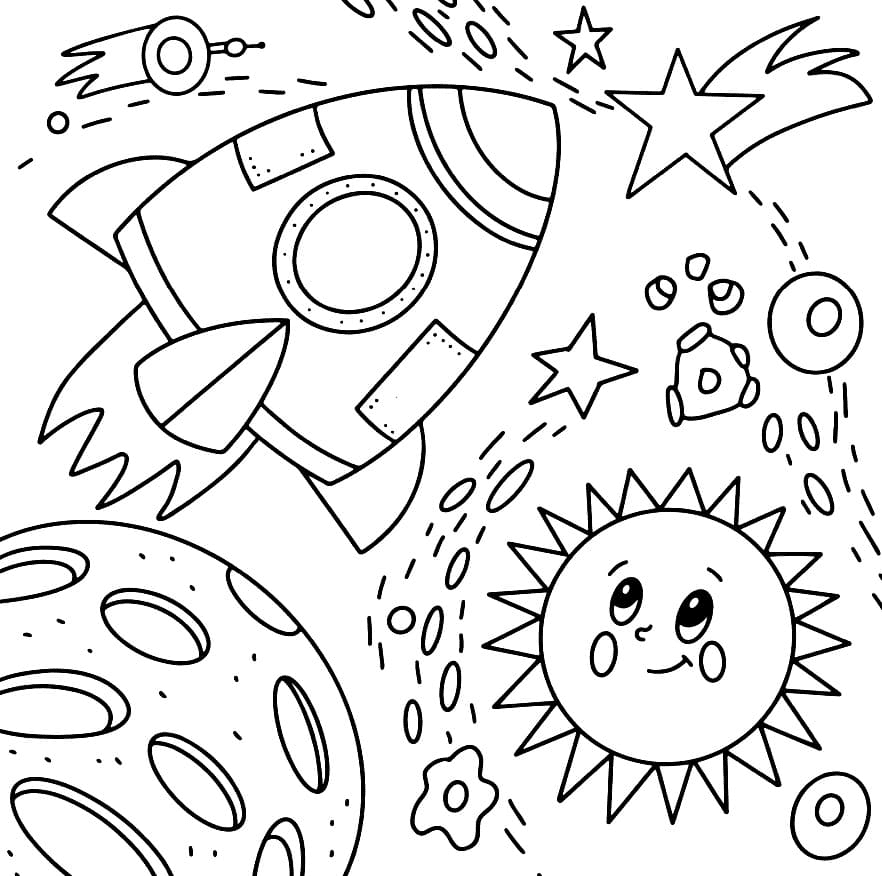
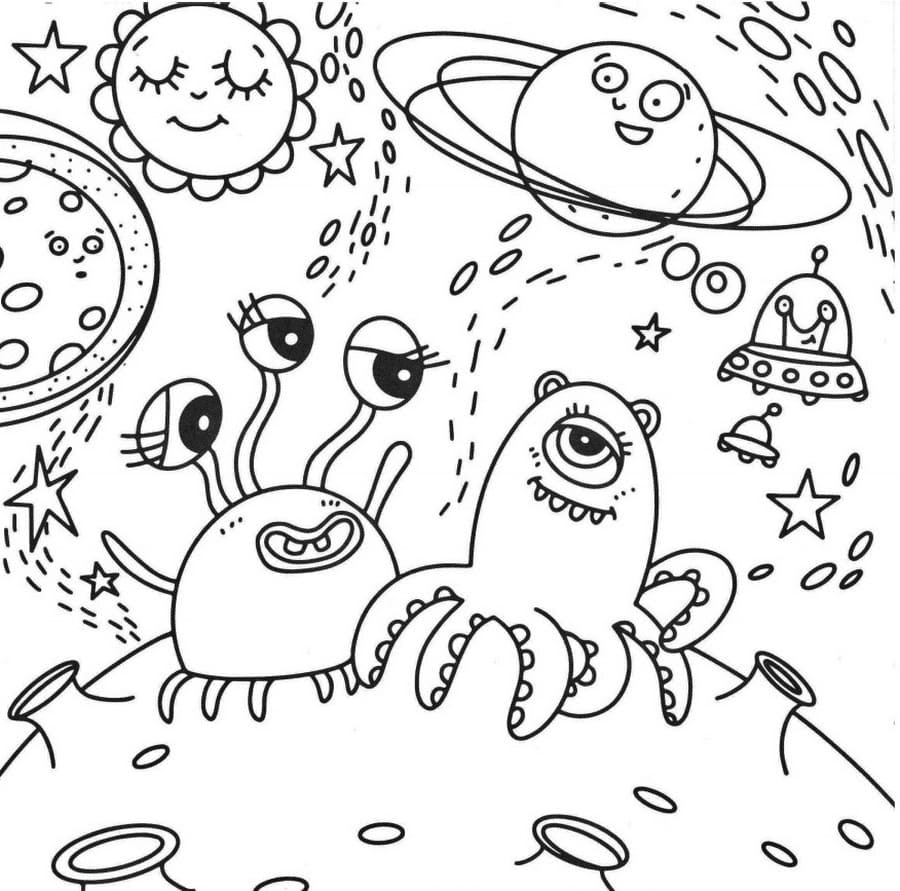
Cute cartoon planet coloring pages add a playful feeling to the collection. These designs may include smiling planets, happy stars, friendly moons, hearts, comets, or funny space expressions.
These pages are especially good for children who enjoy cheerful characters and imaginative scenes. Kids can color a planet pink, purple, rainbow, gold, or any color they like while still staying connected to the planet theme.
Solar System Planet Coloring Pages
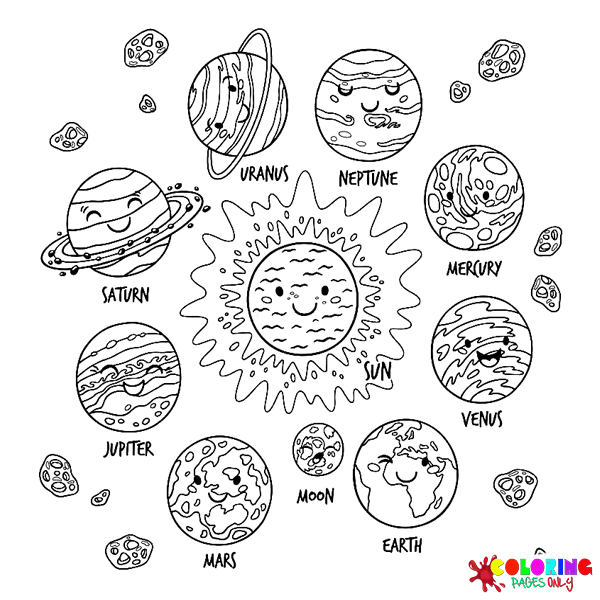
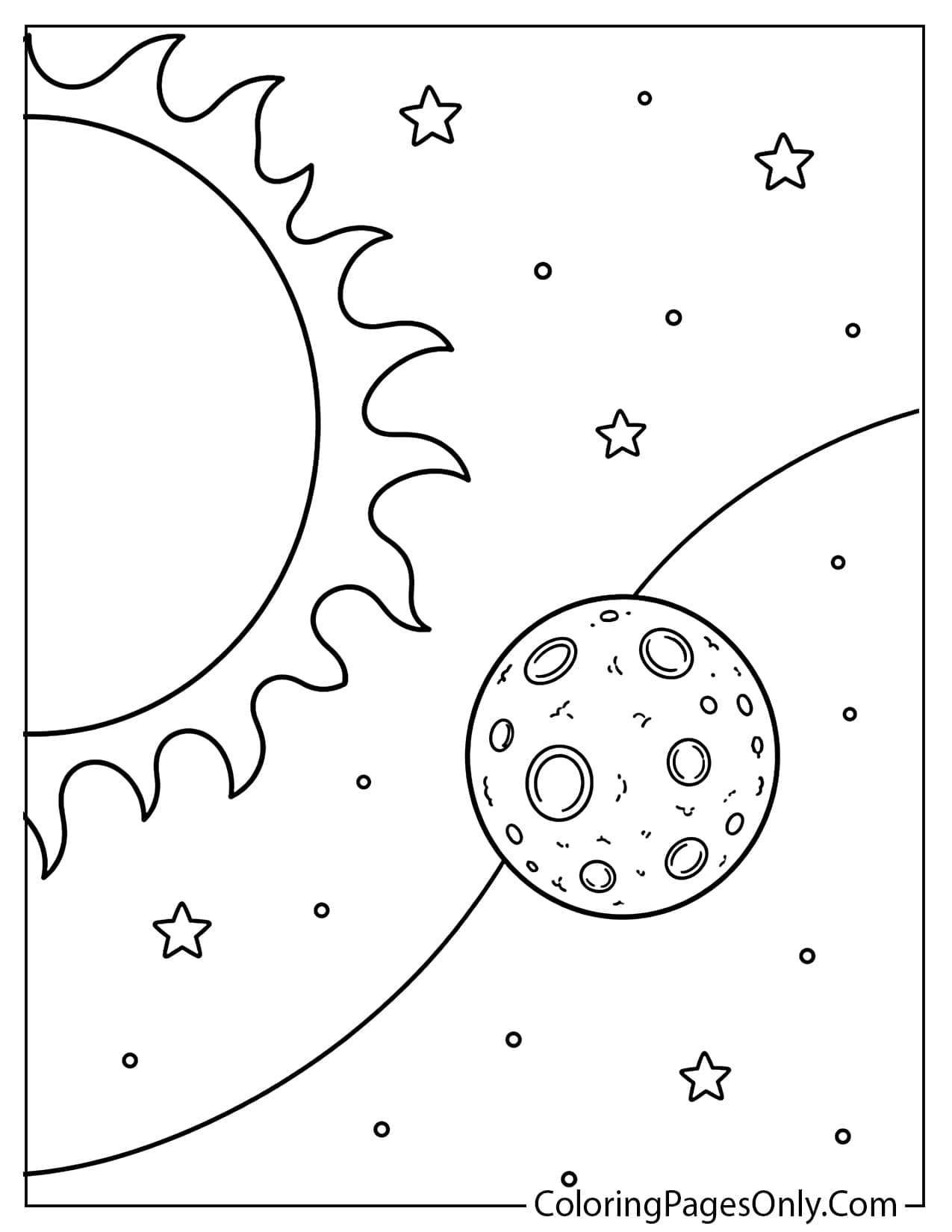
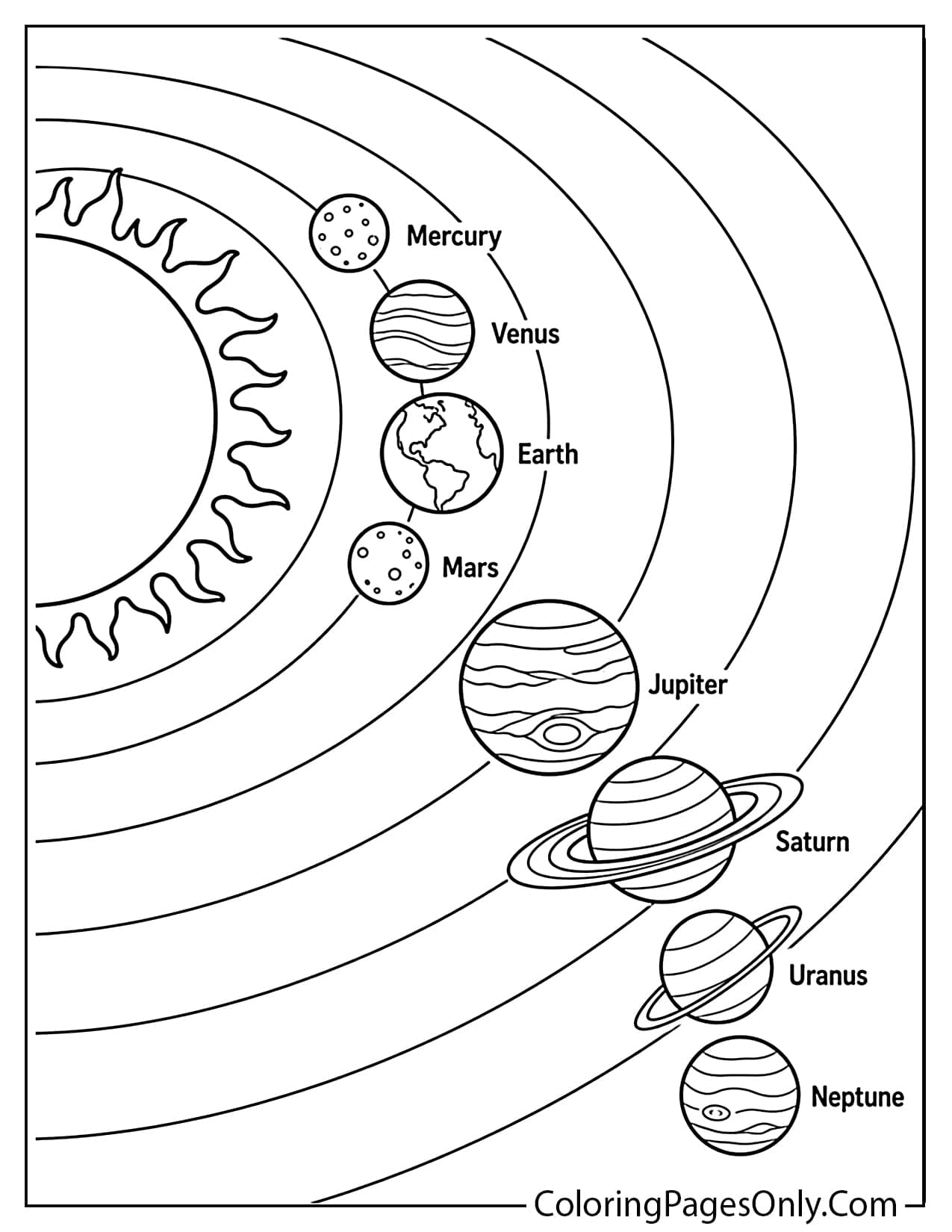
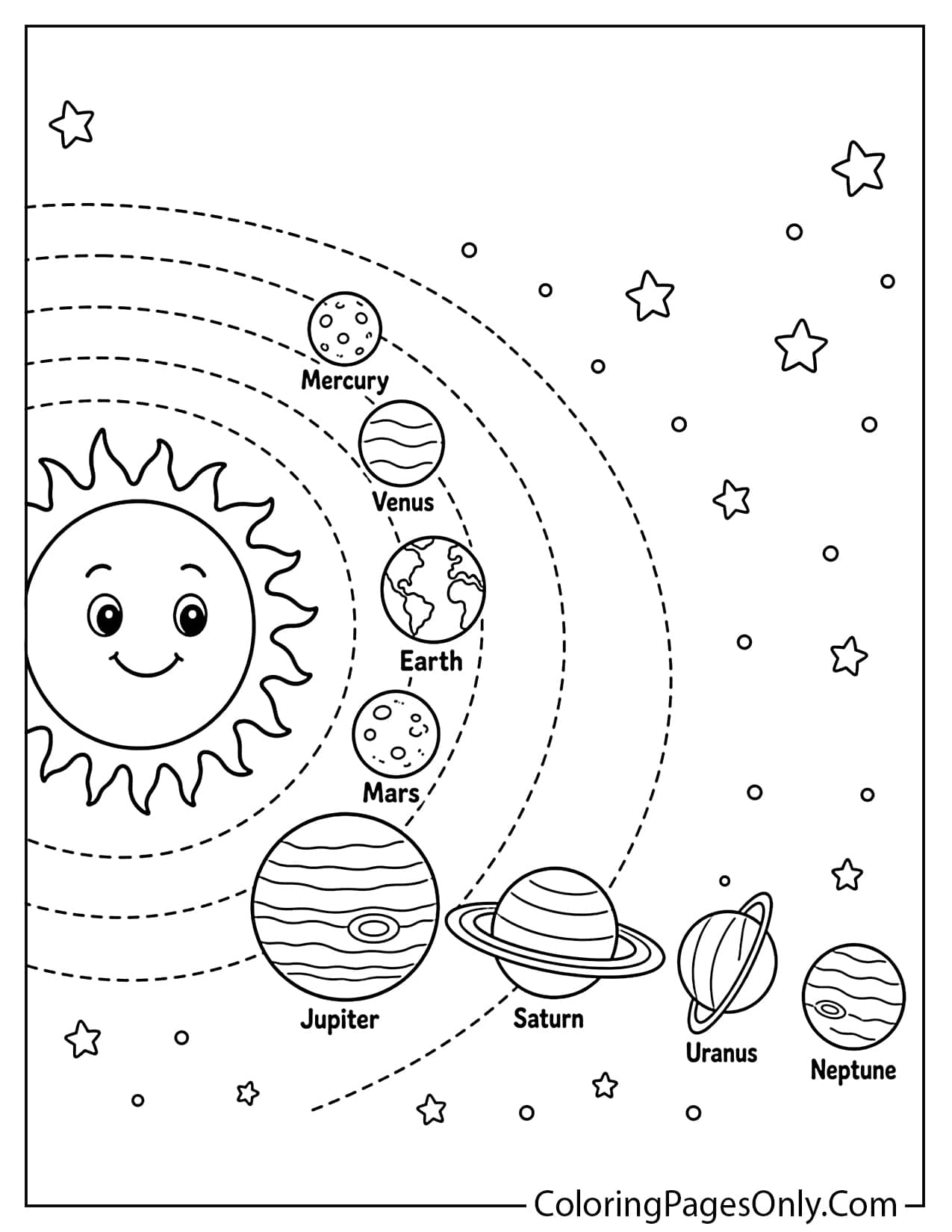
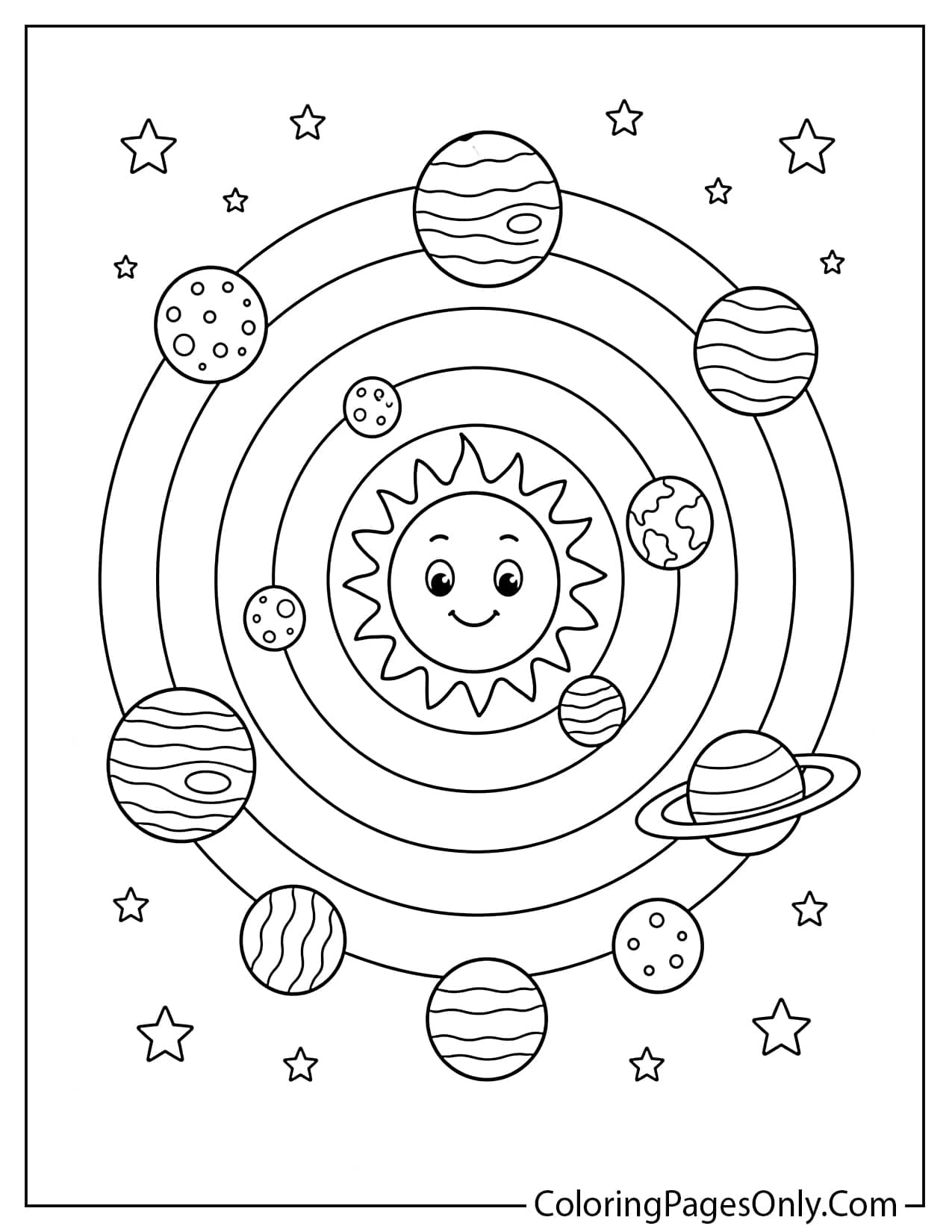
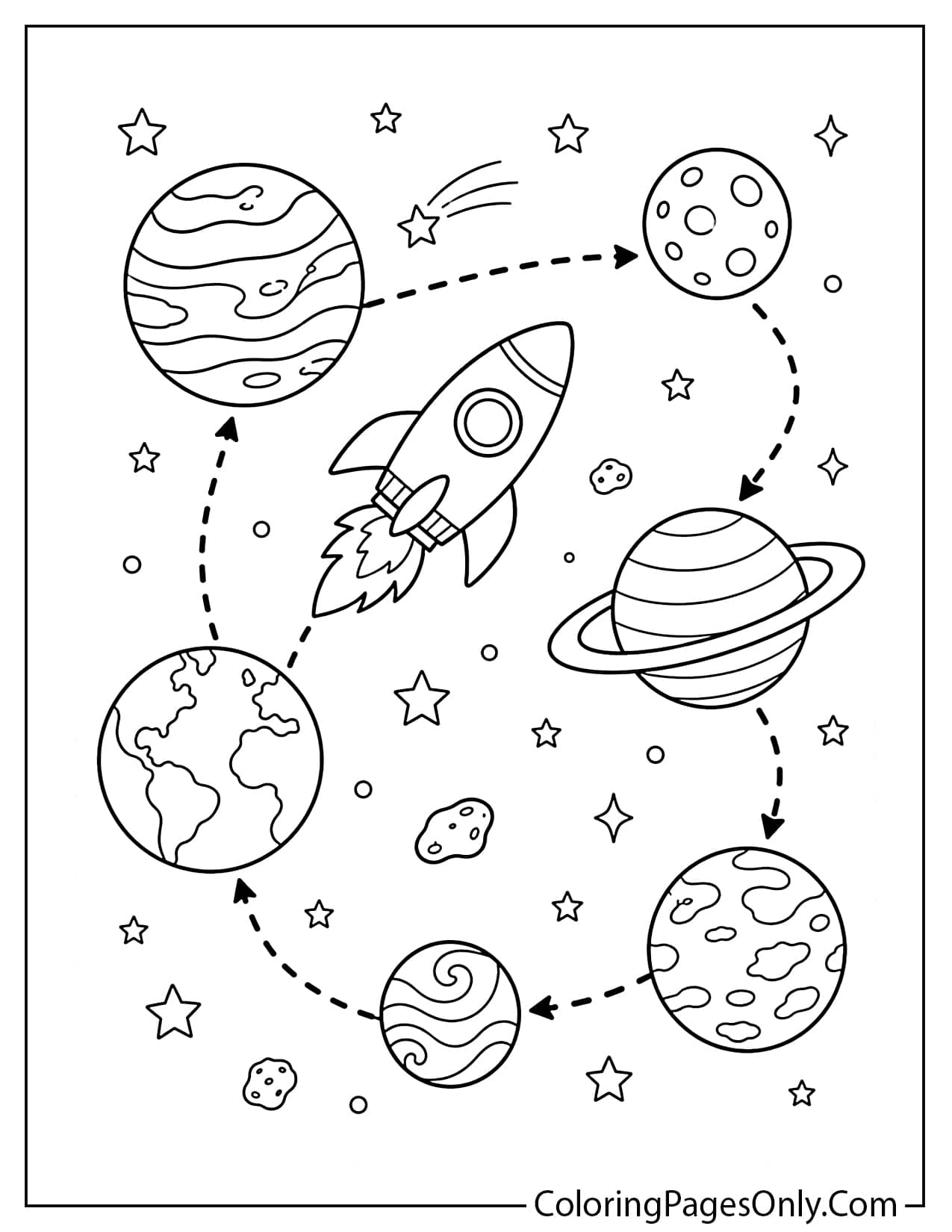
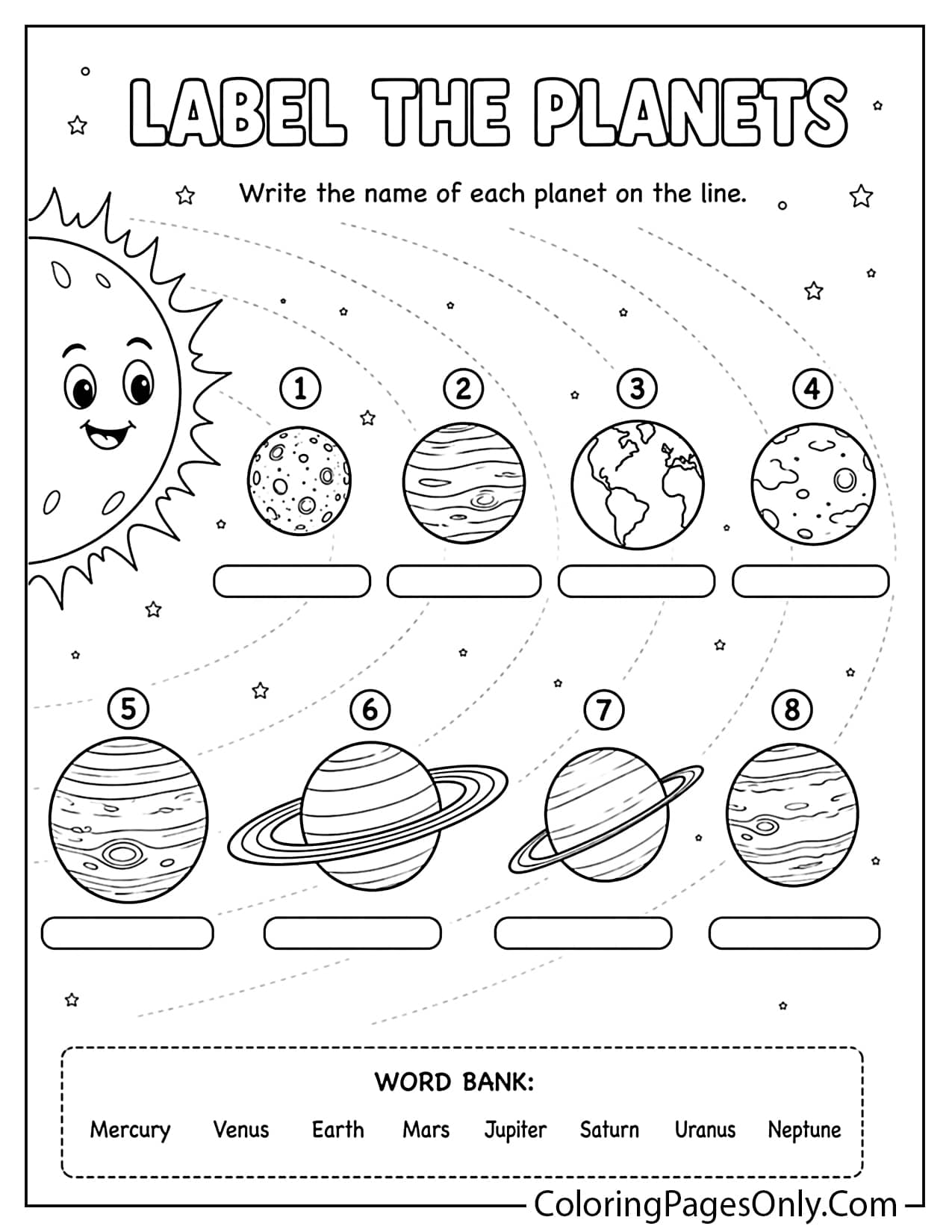
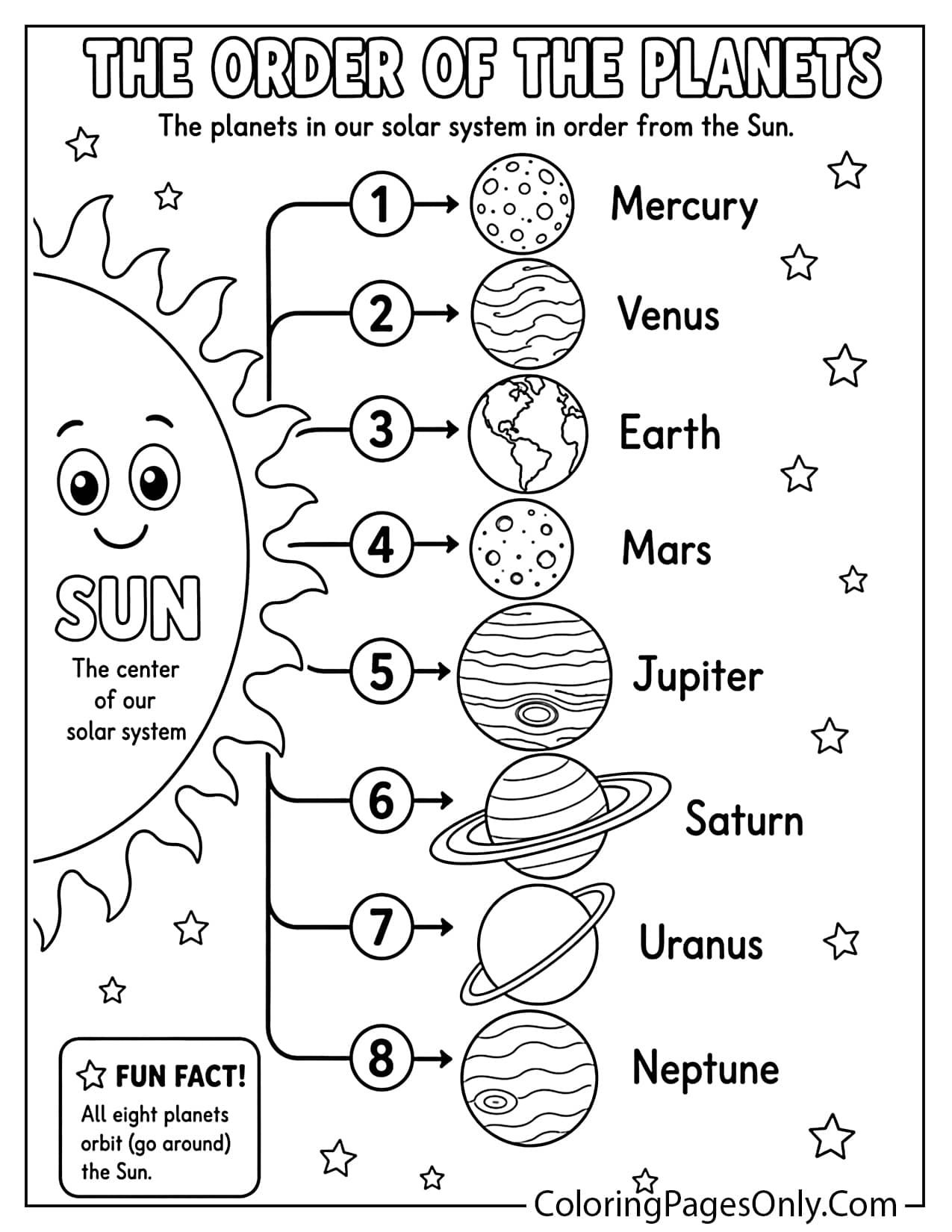
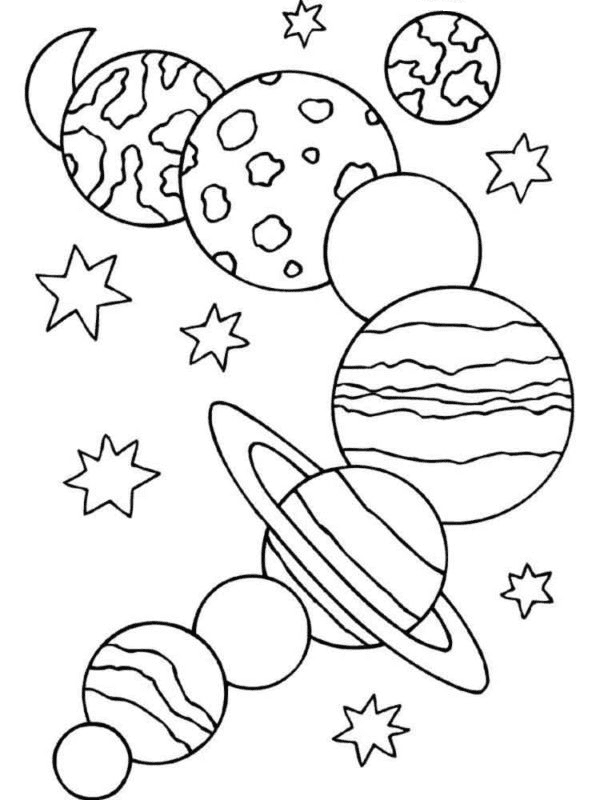
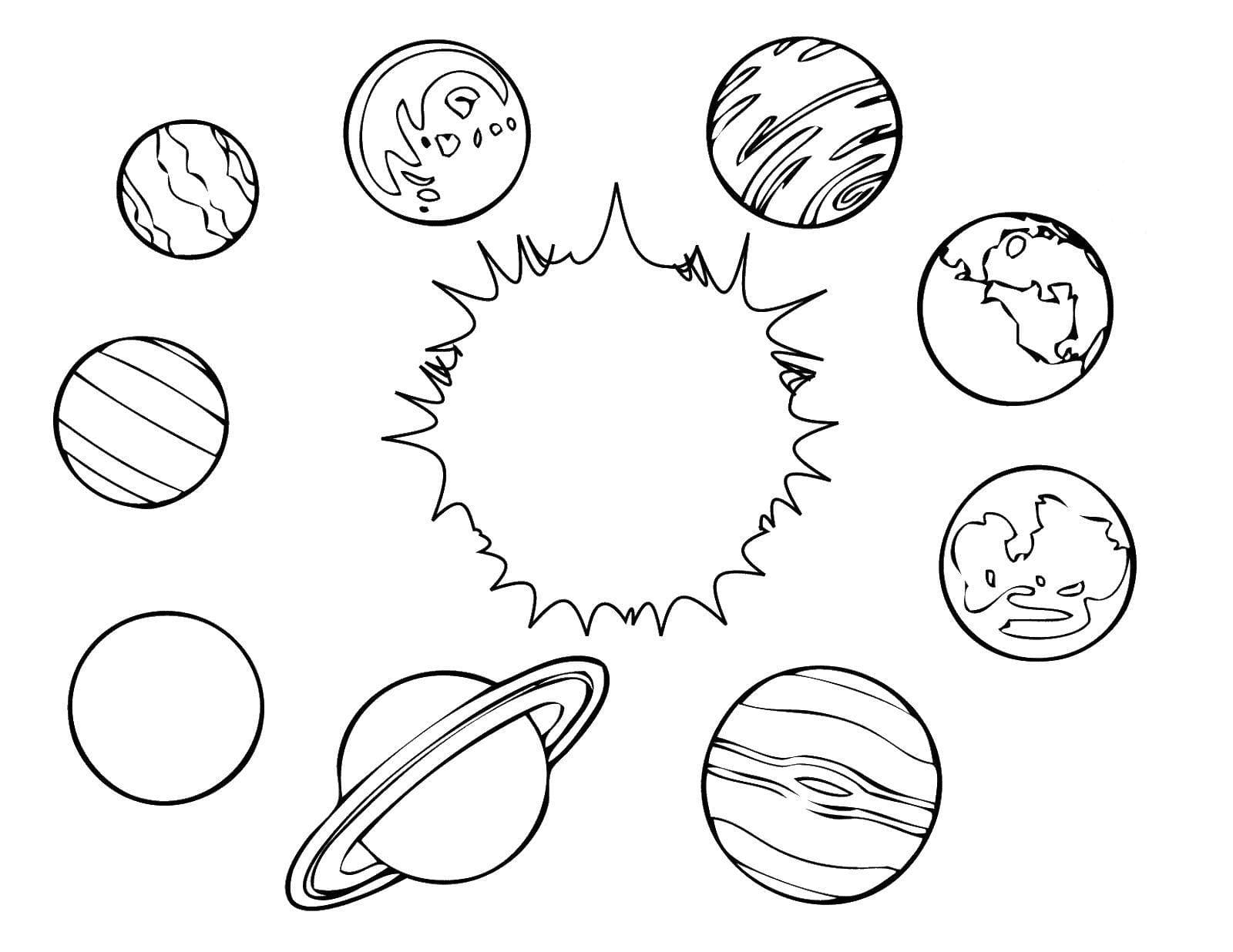
Solar system planet coloring pages help children understand that planets are part of a larger system. These pages may show the Sun, orbit paths, multiple planets, stars, moons, and sometimes labels or planet order.
They work well for early science learning because children can color each planet differently, compare sizes and patterns, and begin to remember the order of Mercury, Venus, Earth, Mars, Jupiter, Saturn, Uranus, and Neptune.
Individual Planet Coloring Pages
Individual planet coloring pages focus on one planet at a time. These pages are helpful when children are learning about specific planets and their special features.
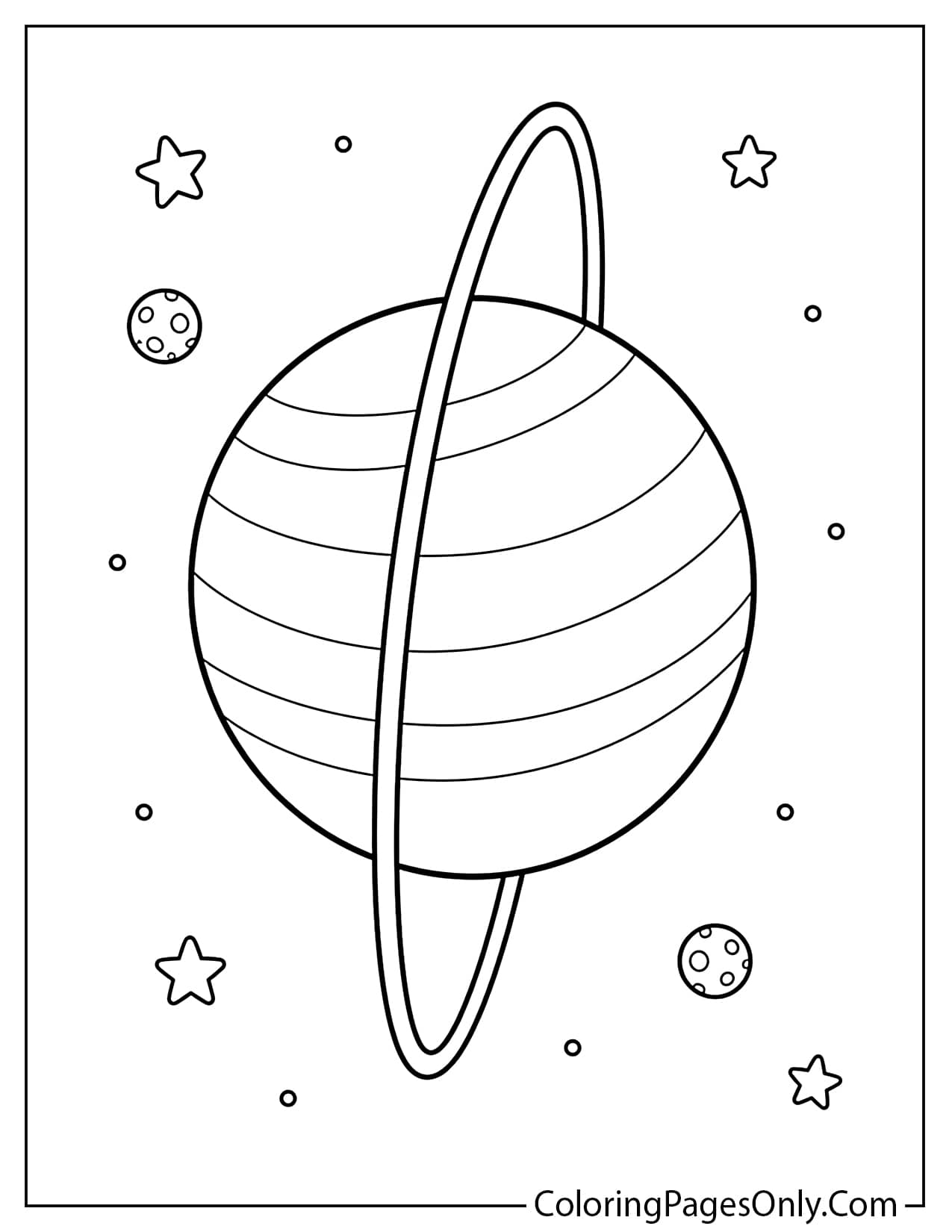
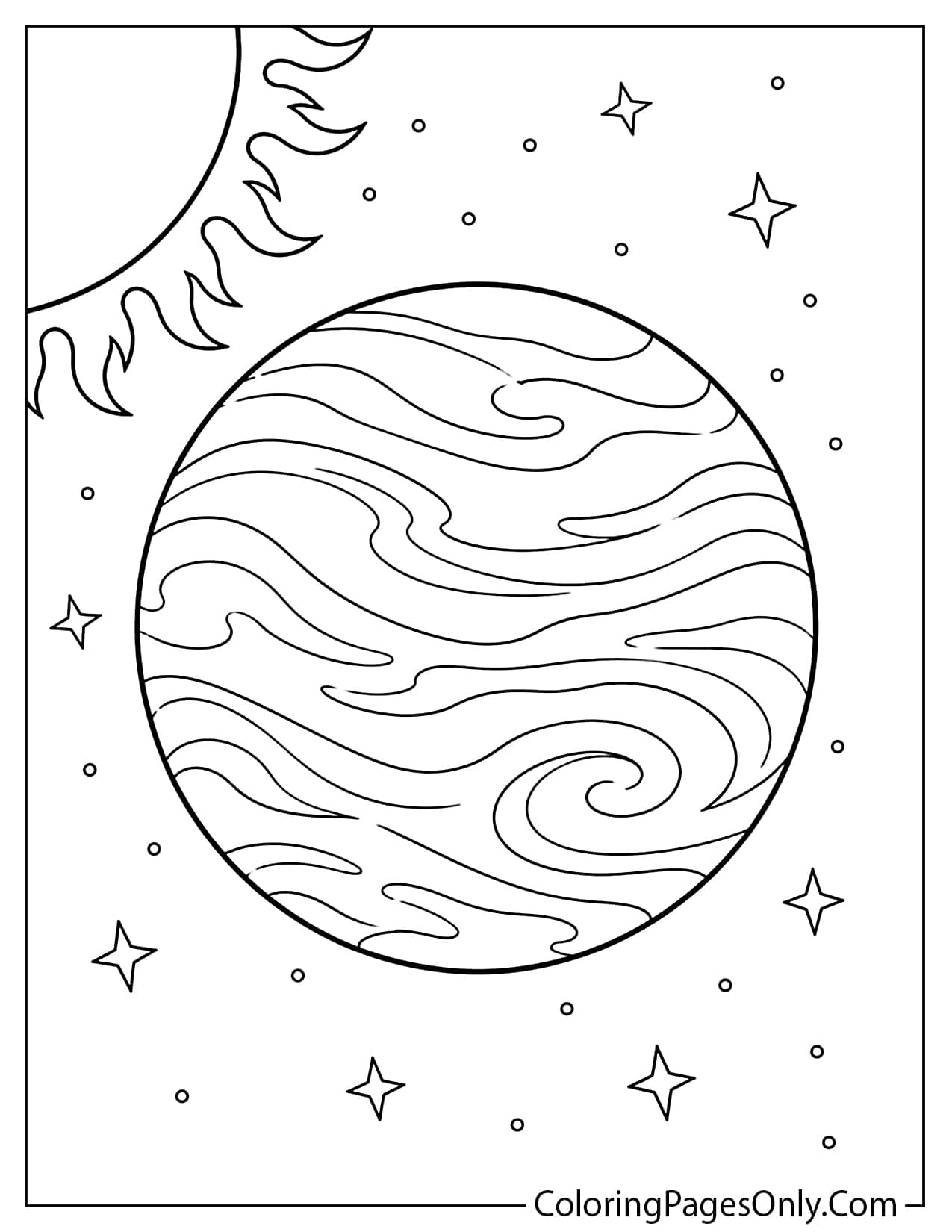
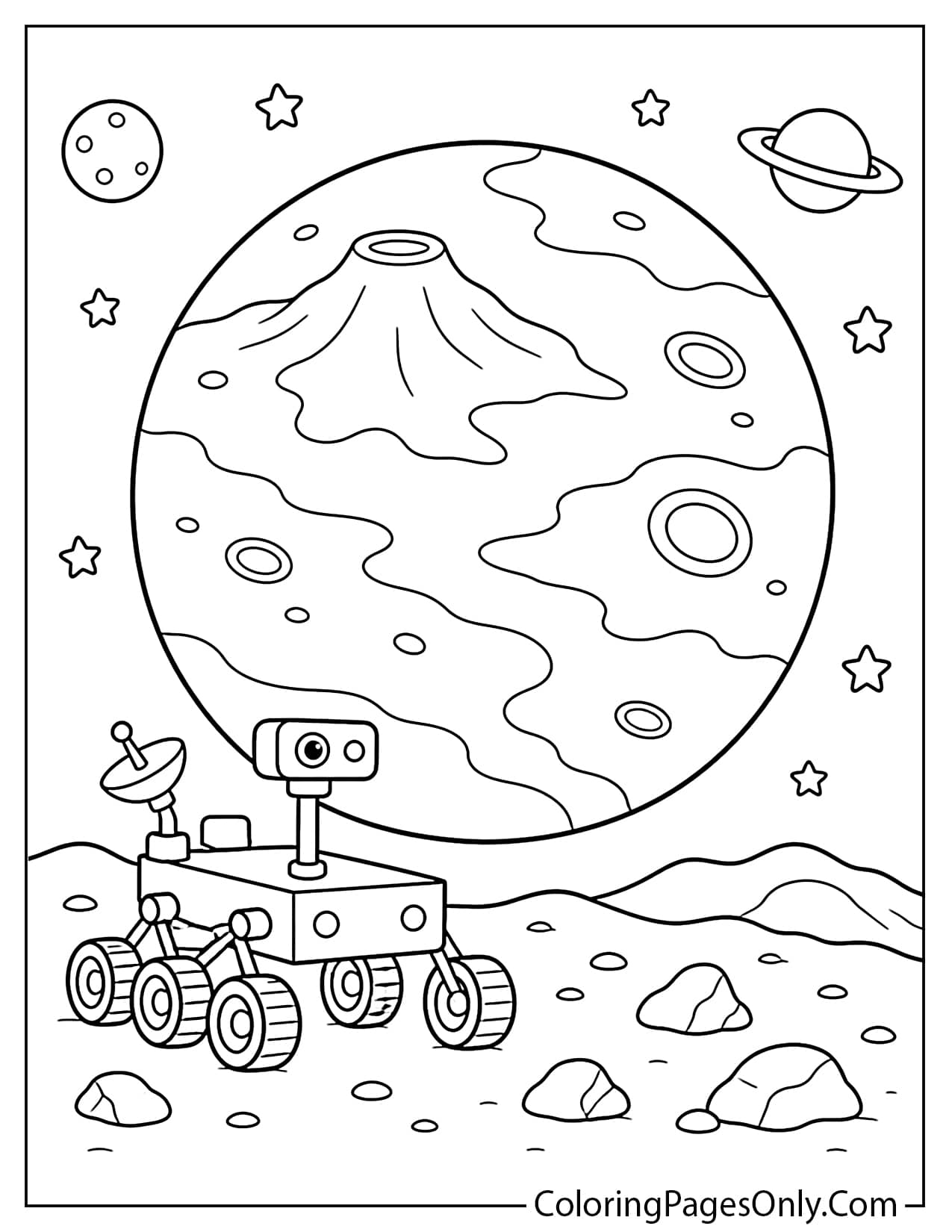
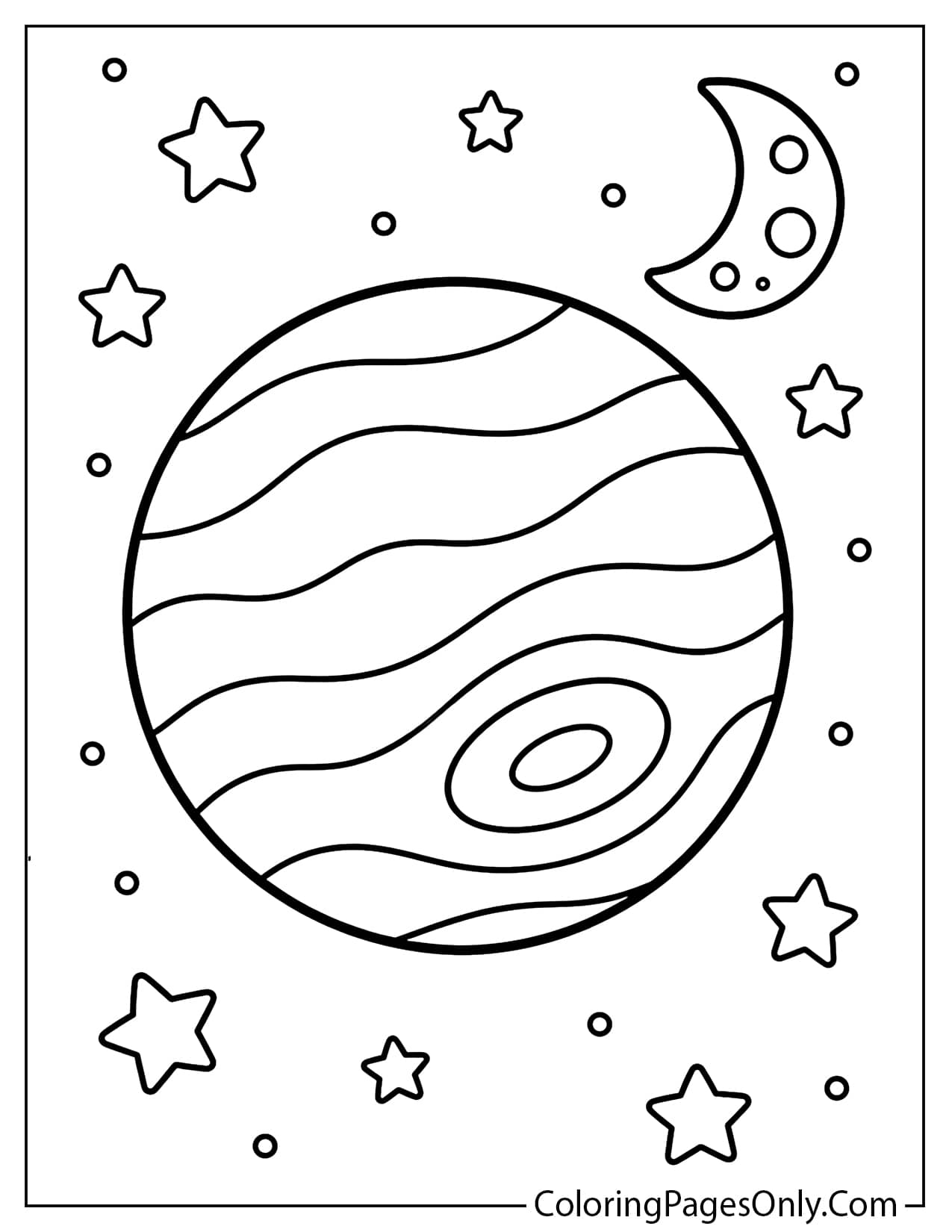
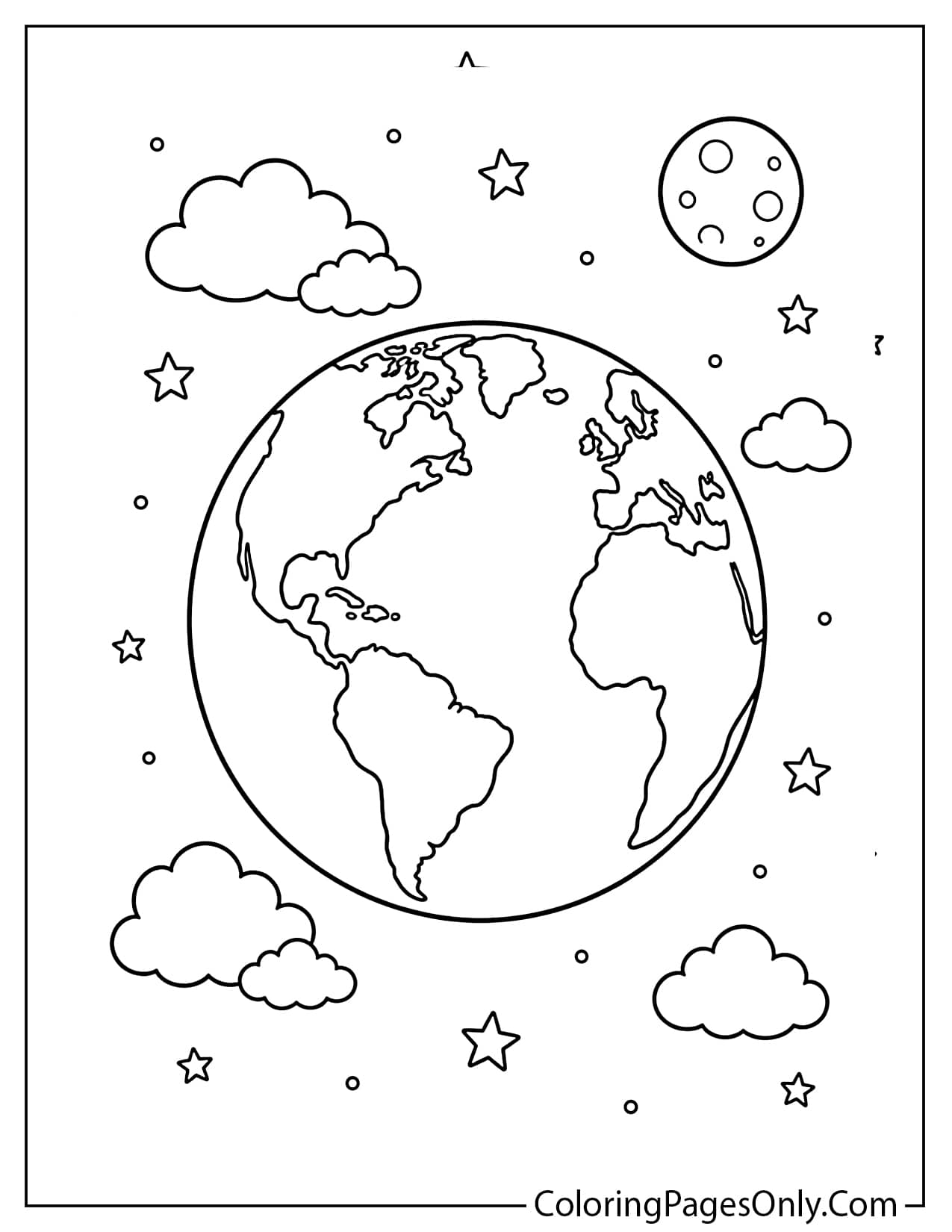
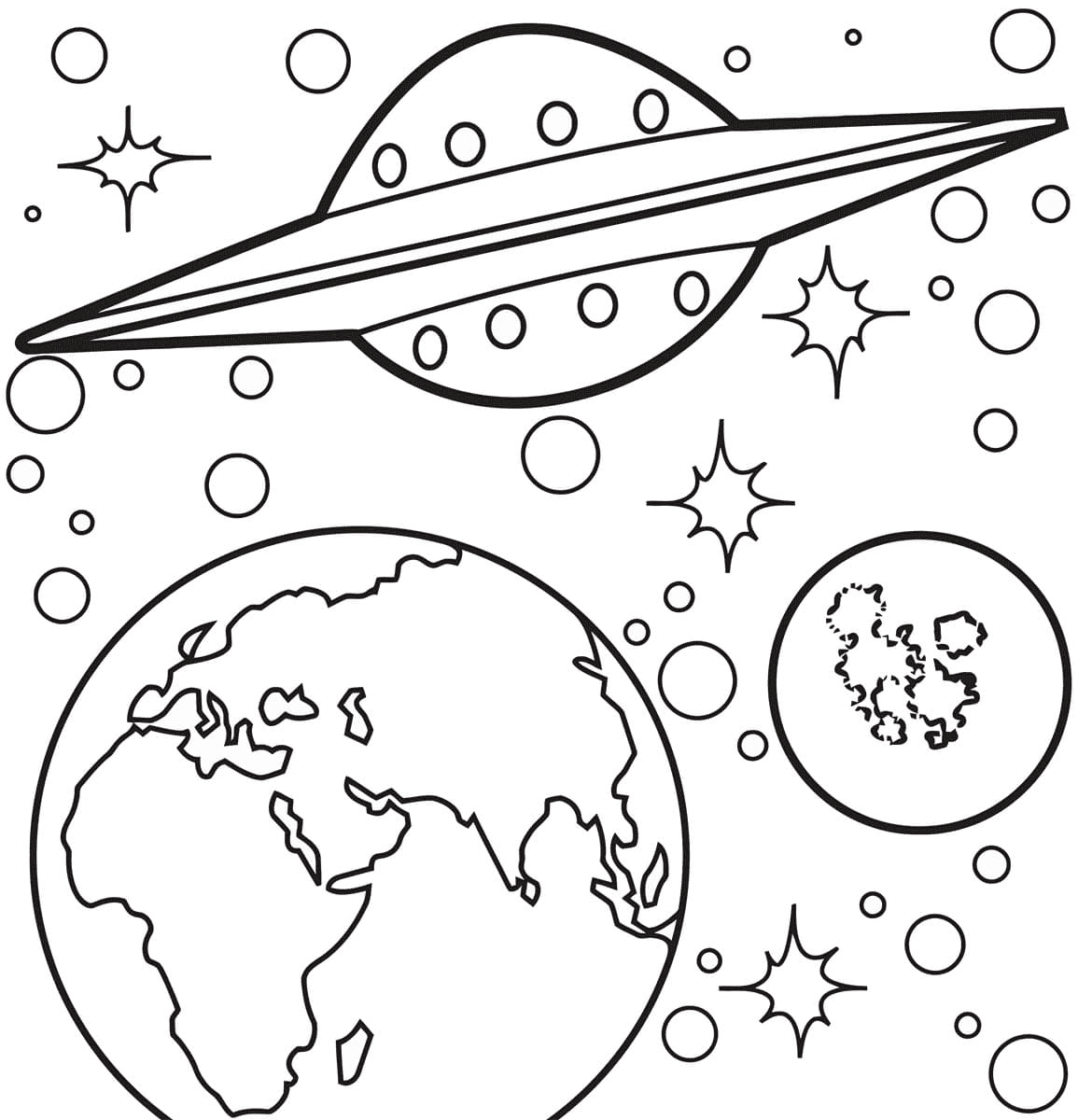
Earth pages can show oceans, continents, clouds, and the MoonMoon. Mars pages may include a rocky surface, craters, or a rover. Saturn pages often highlight its famous rings. Jupiter pages can include bands, storms, and large, round shapes. Uranus and Neptune pages can introduce the distant outer planets through calm, blue-toned designs and simple space details.
By coloring one planet at a time, children can slow down and notice what makes each planet unique.
Planet Worksheets And Learning Pages
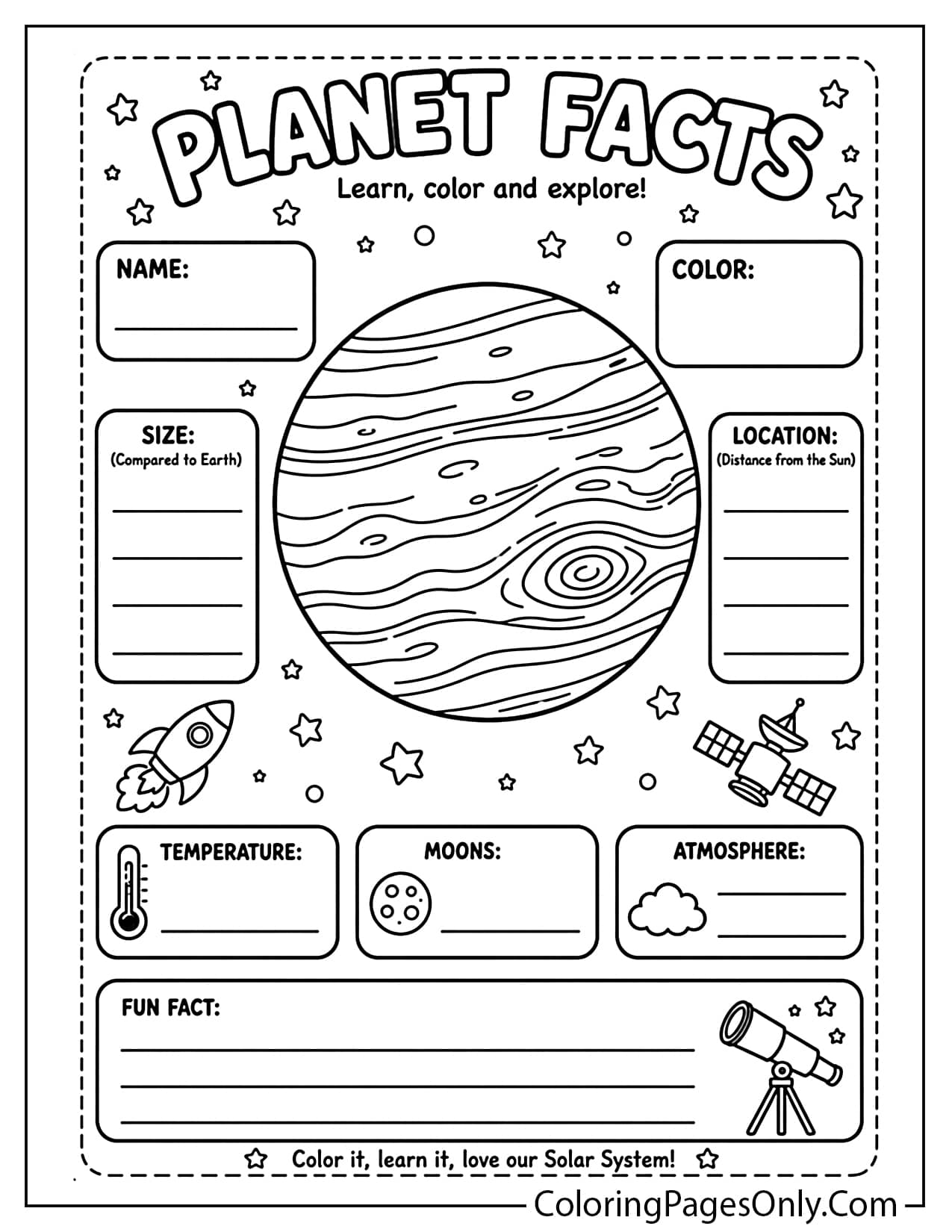
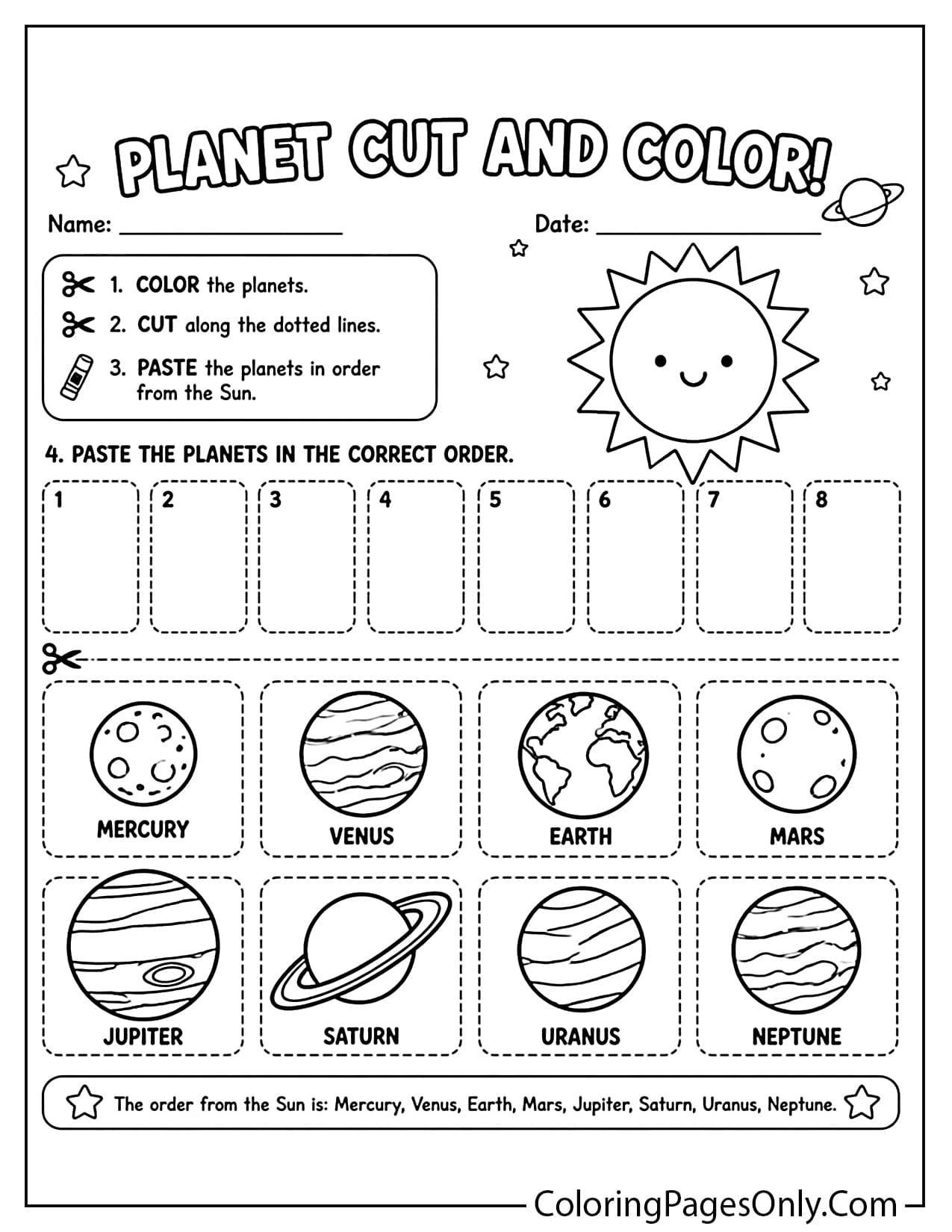
Planet worksheets add more educational value to coloring time. These pages may include planet names, blank labels, fact boxes, orbit paths, or simple writing prompts. Children can color a planet, write its name, add a fun fact, or place the planets in the correct order.
These worksheets fit well in science notebooks, classroom centers, homeschool lessons, printable learning packets, or simple solar system review activities.
Rockets, Astronauts, and Planet Adventures
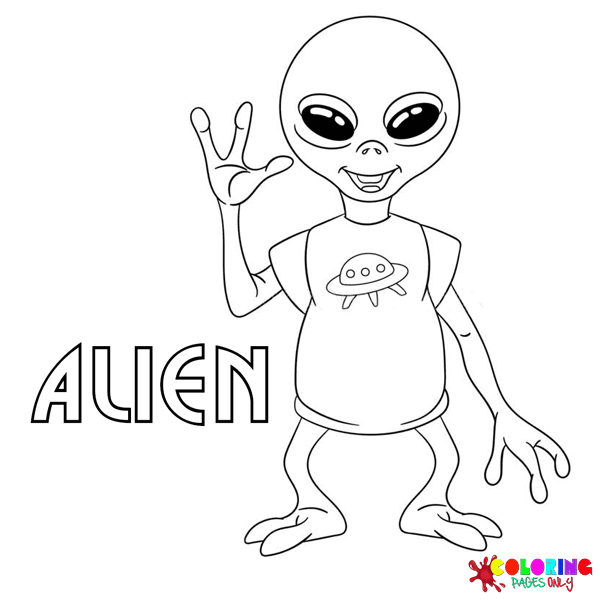
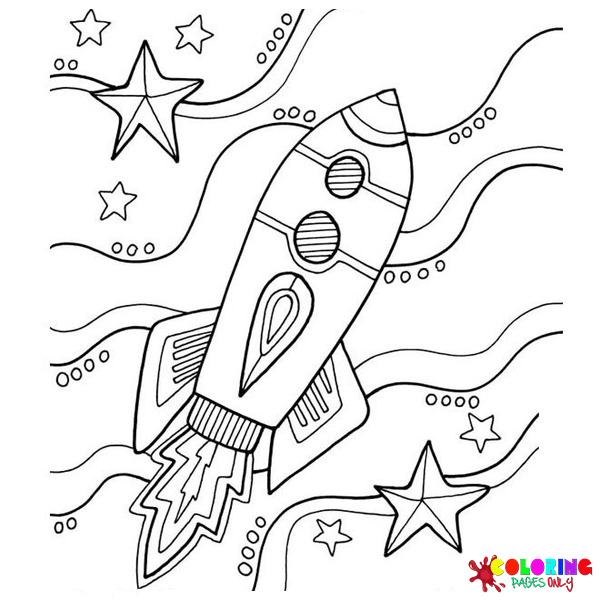
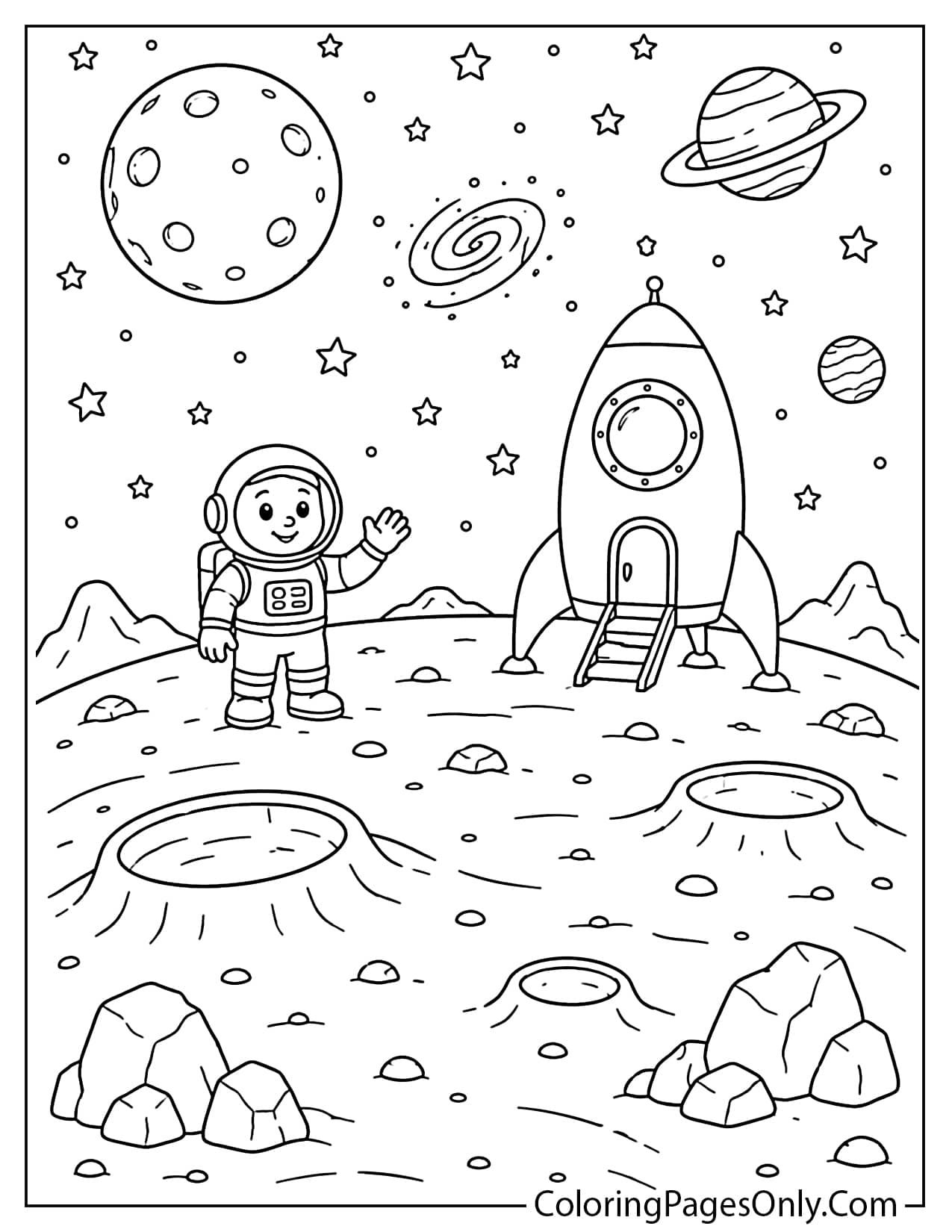
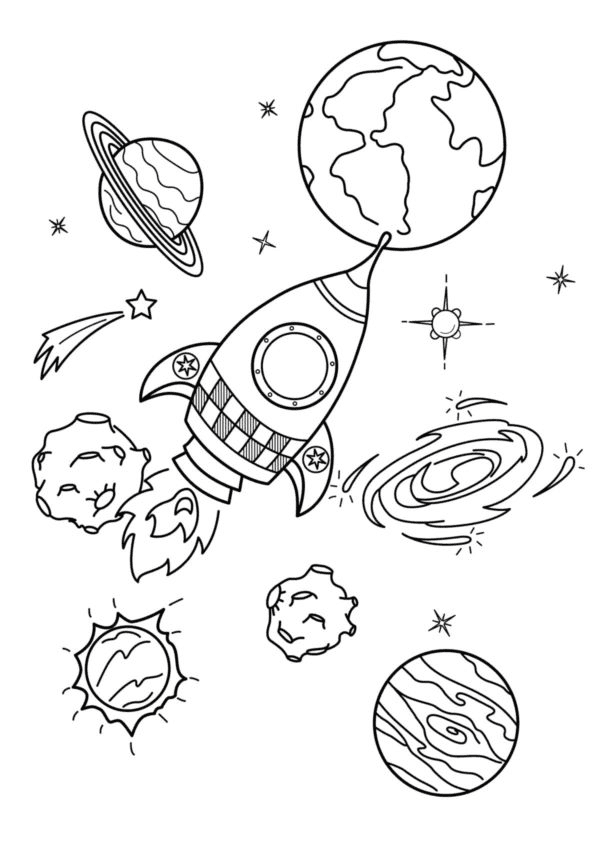
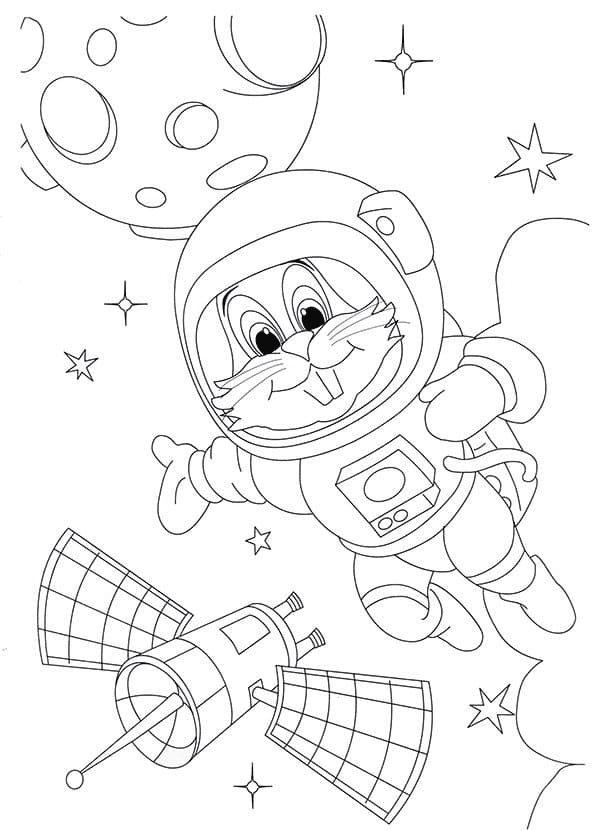
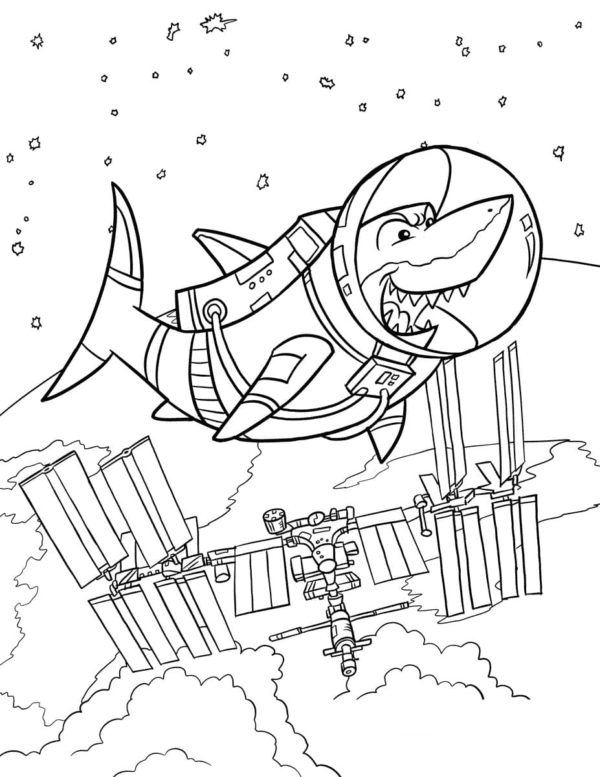
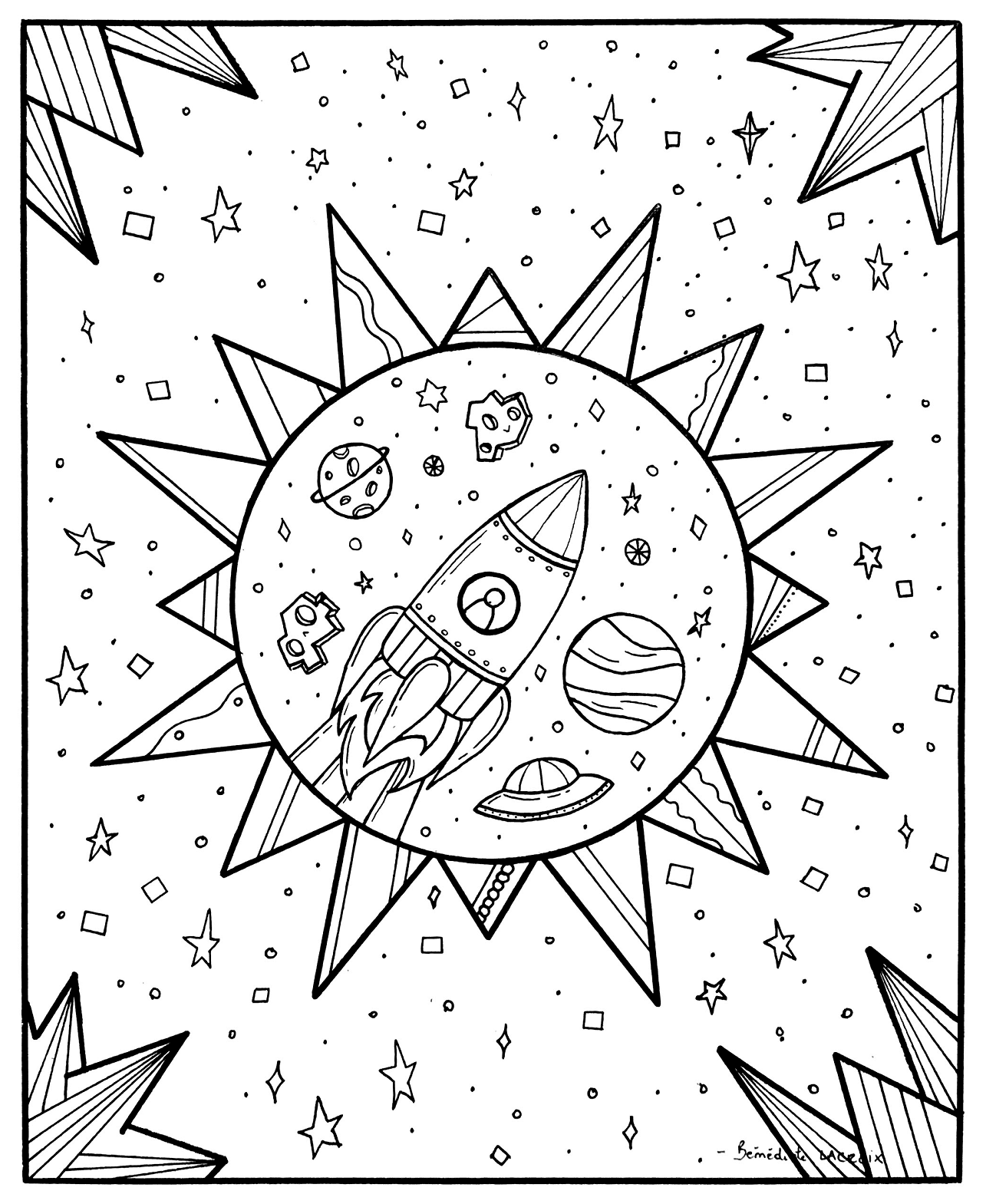
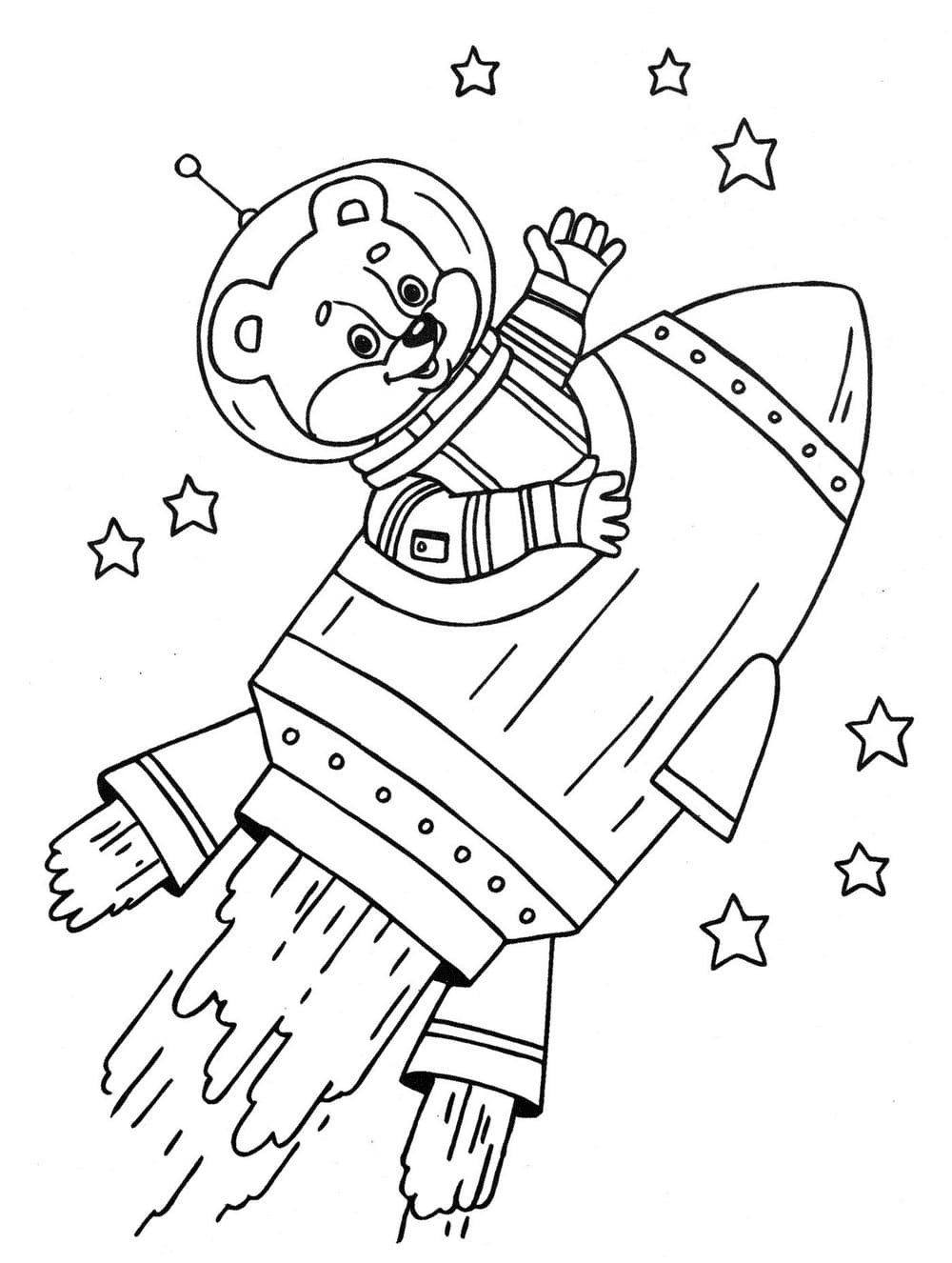
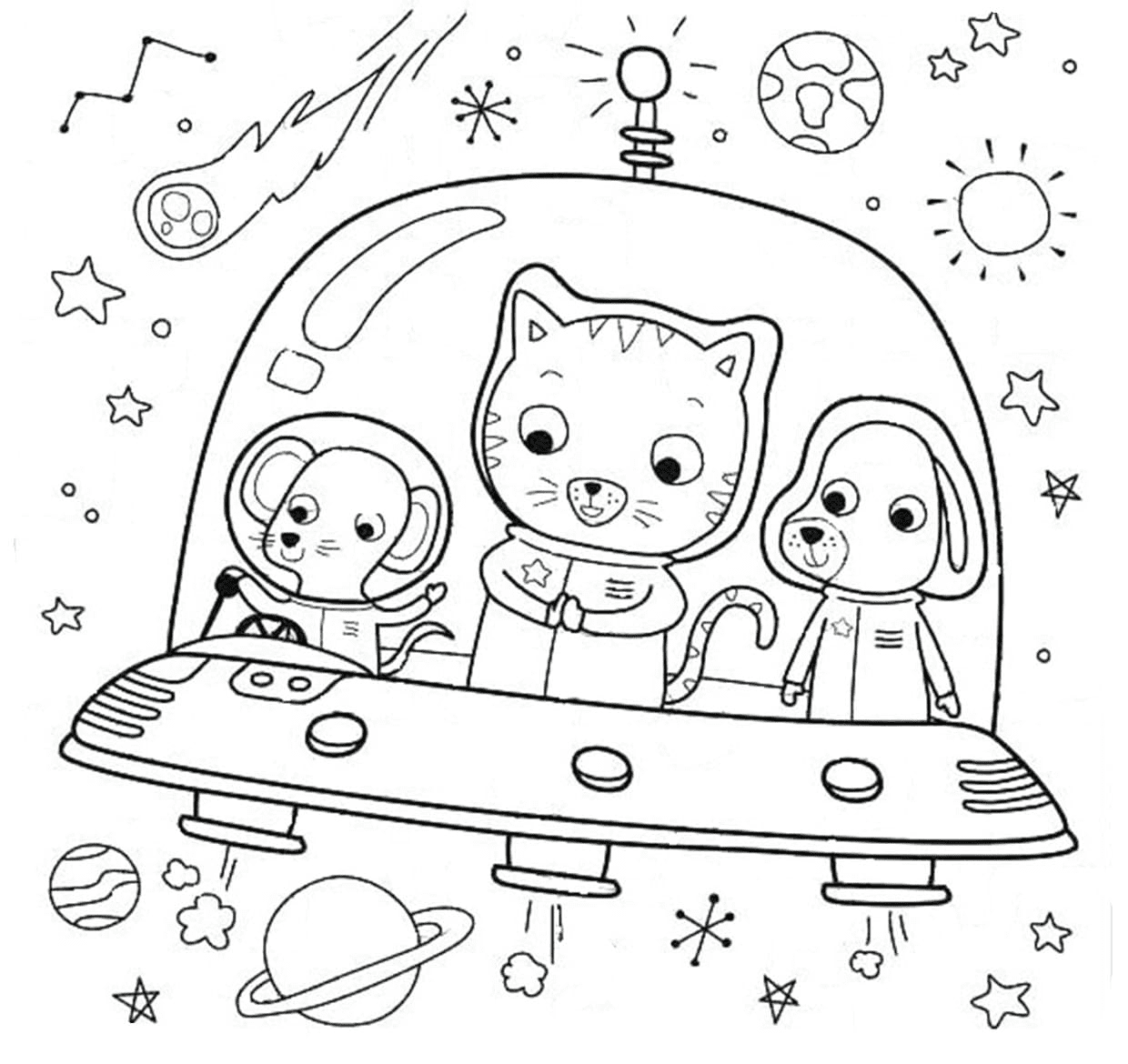
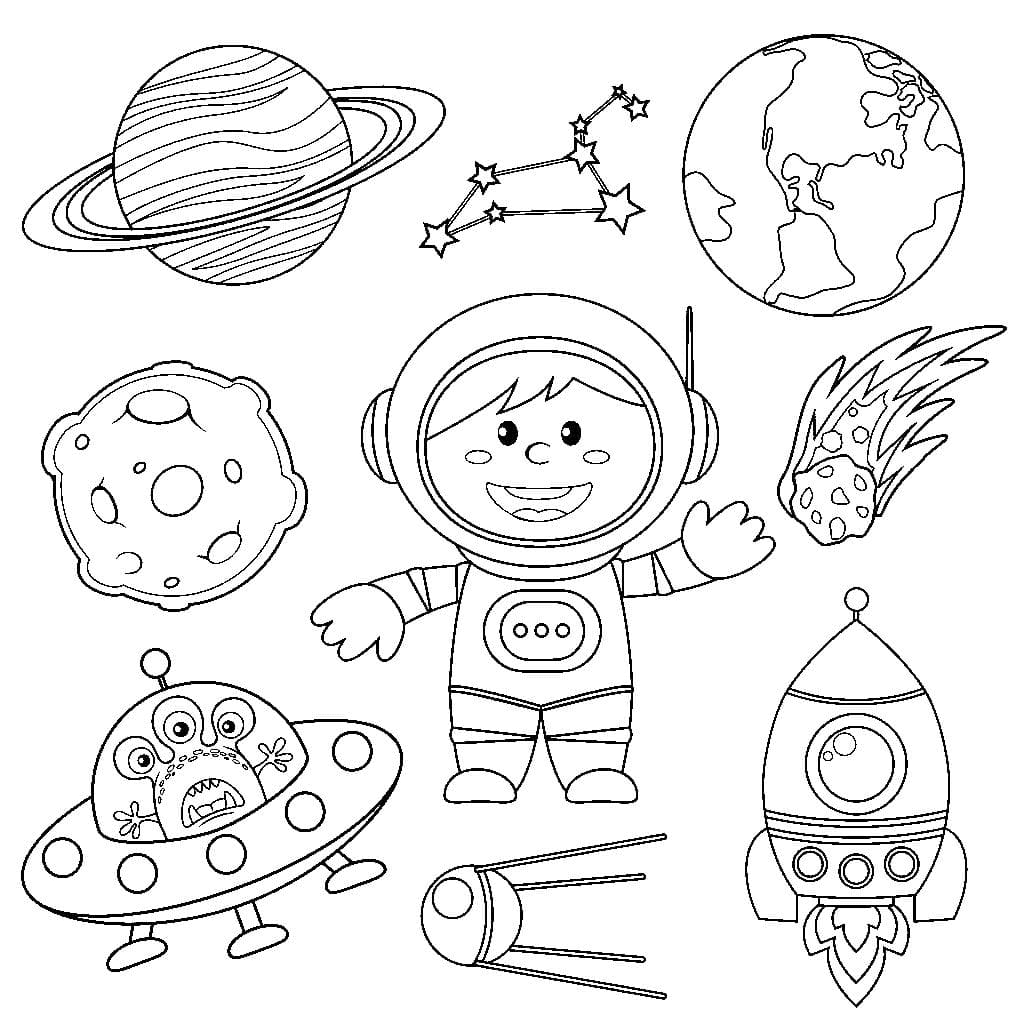
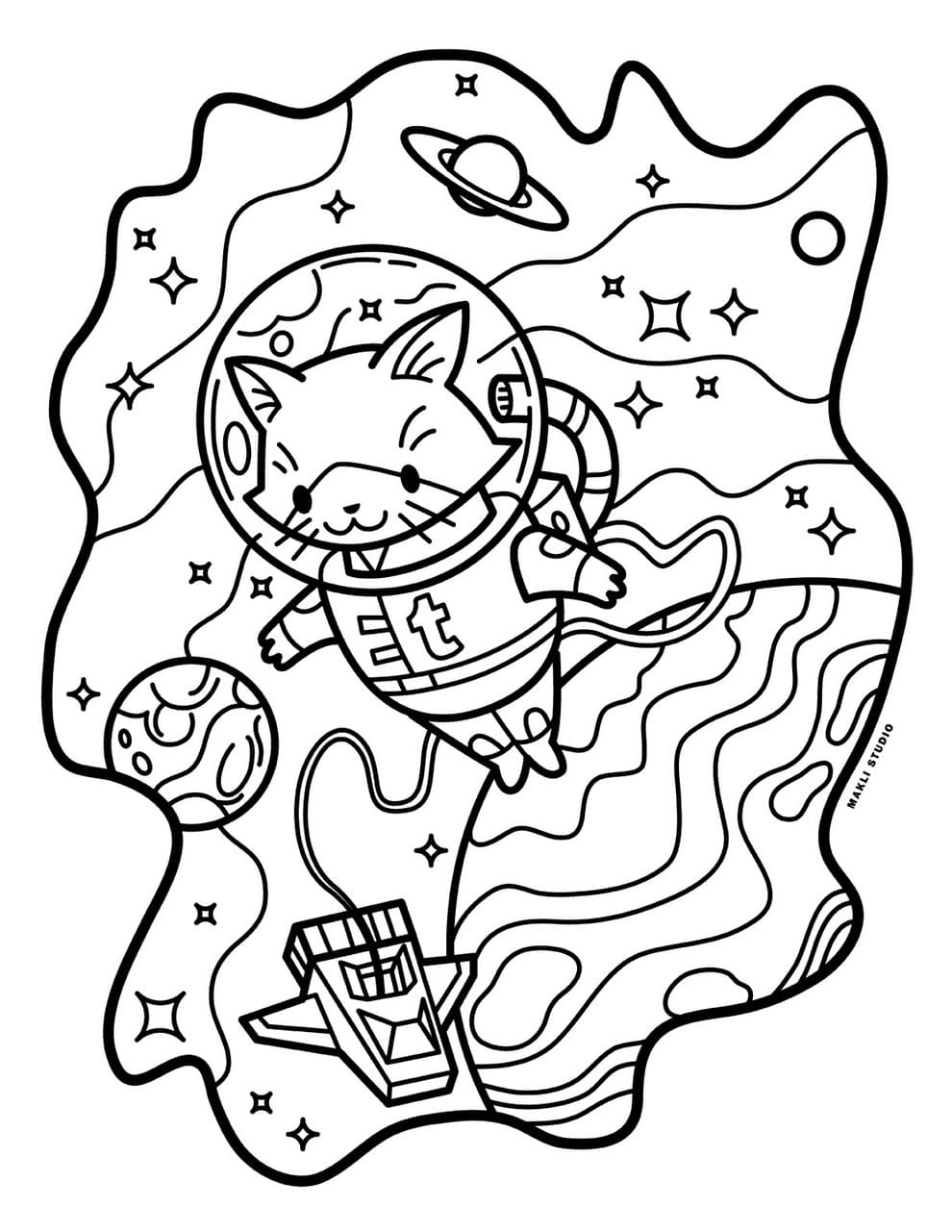
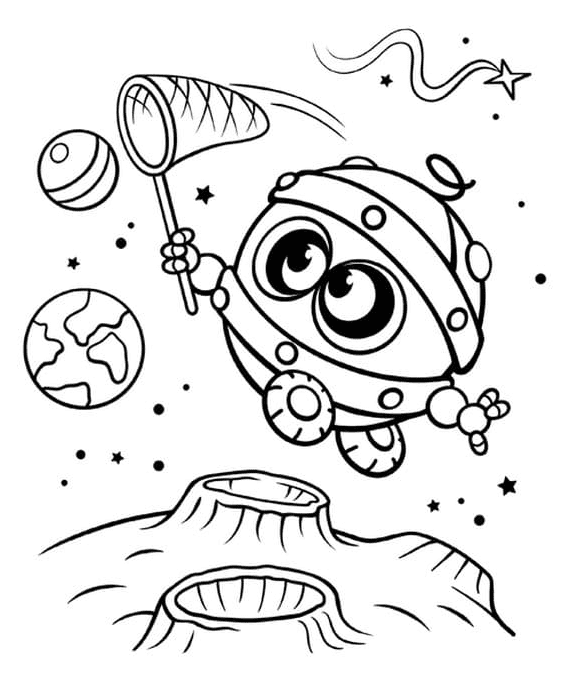
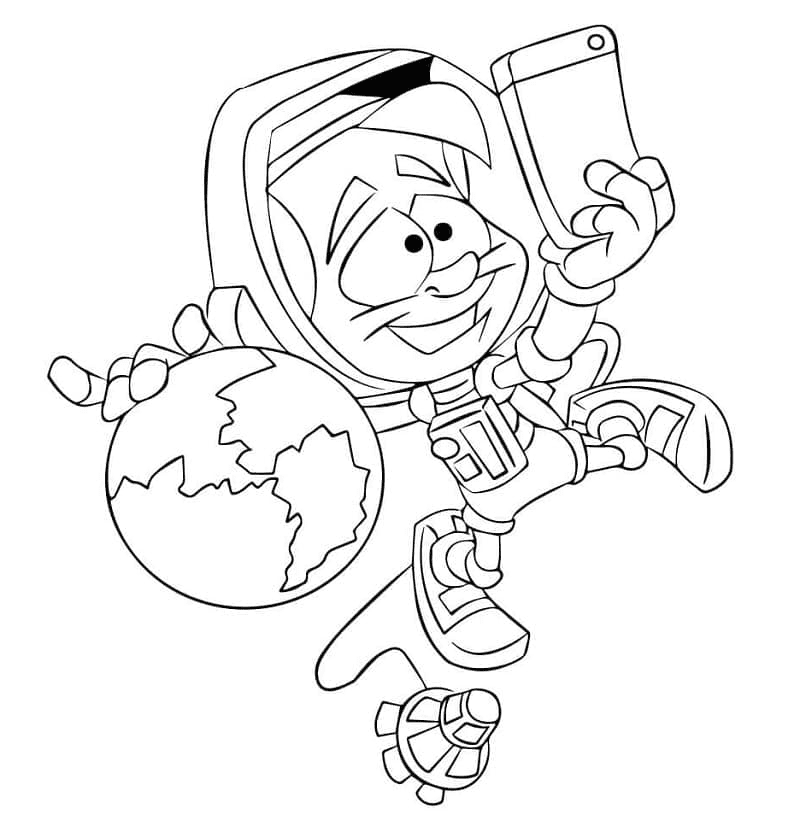
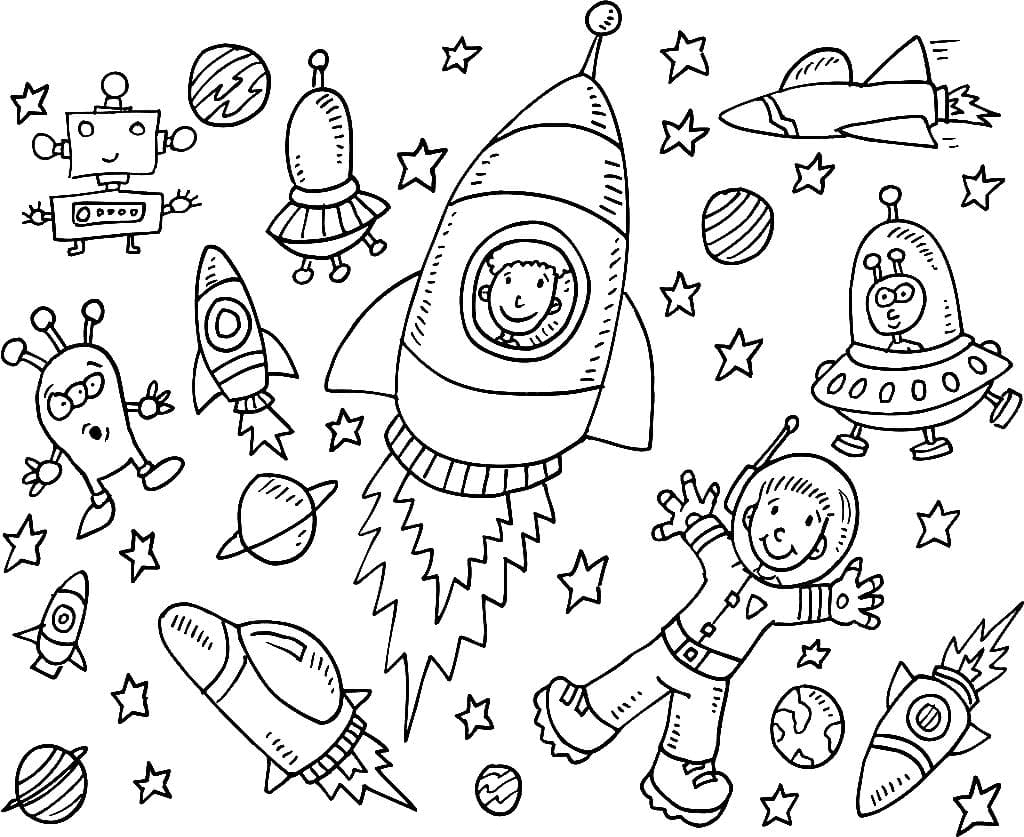
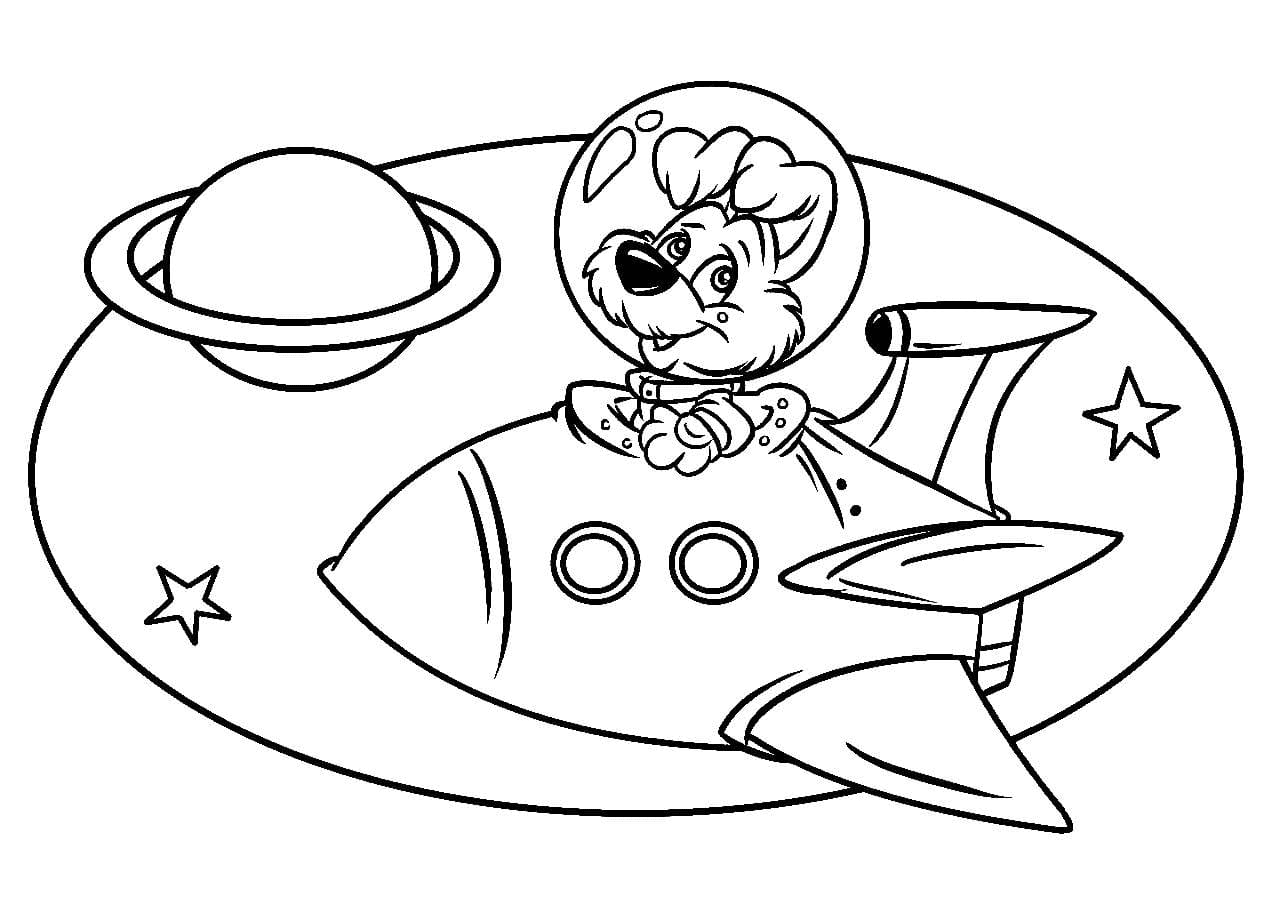
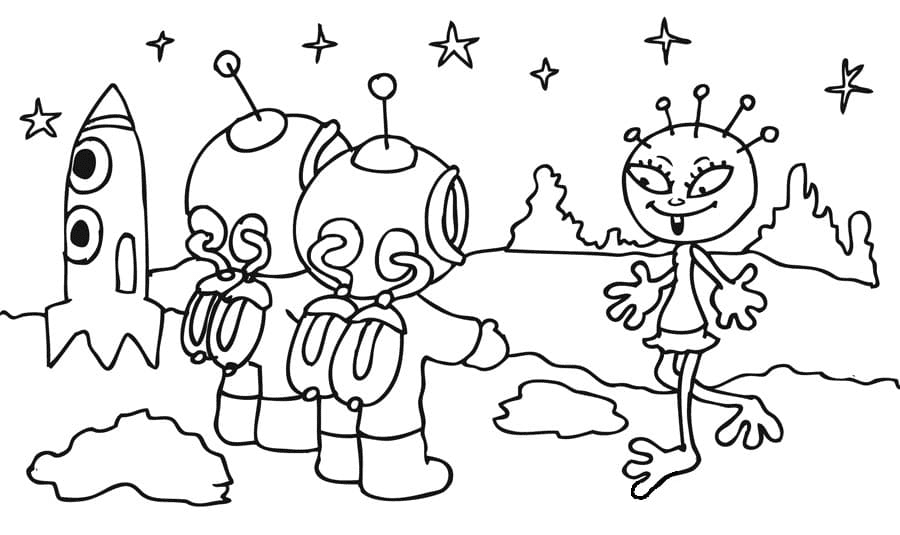
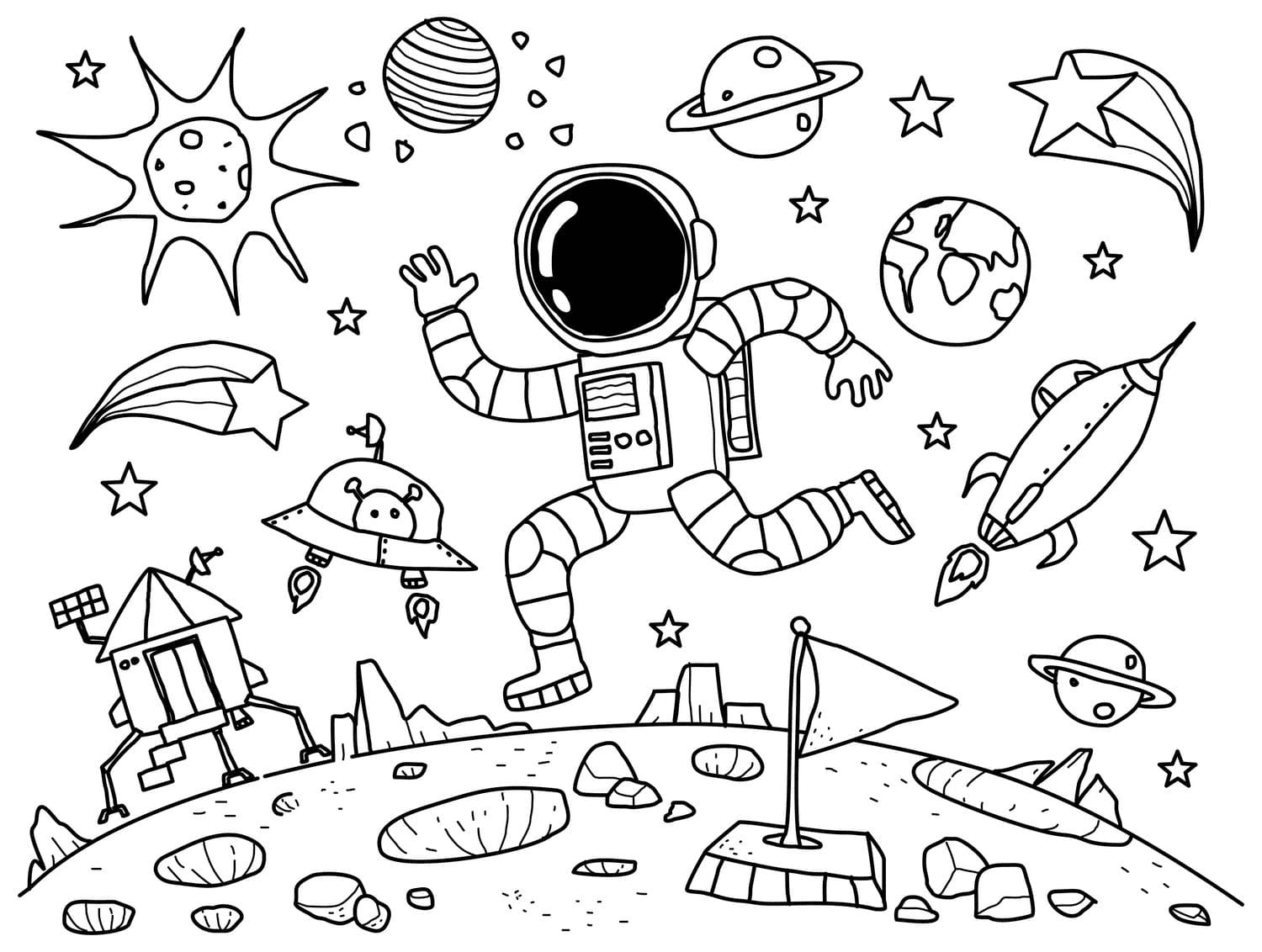
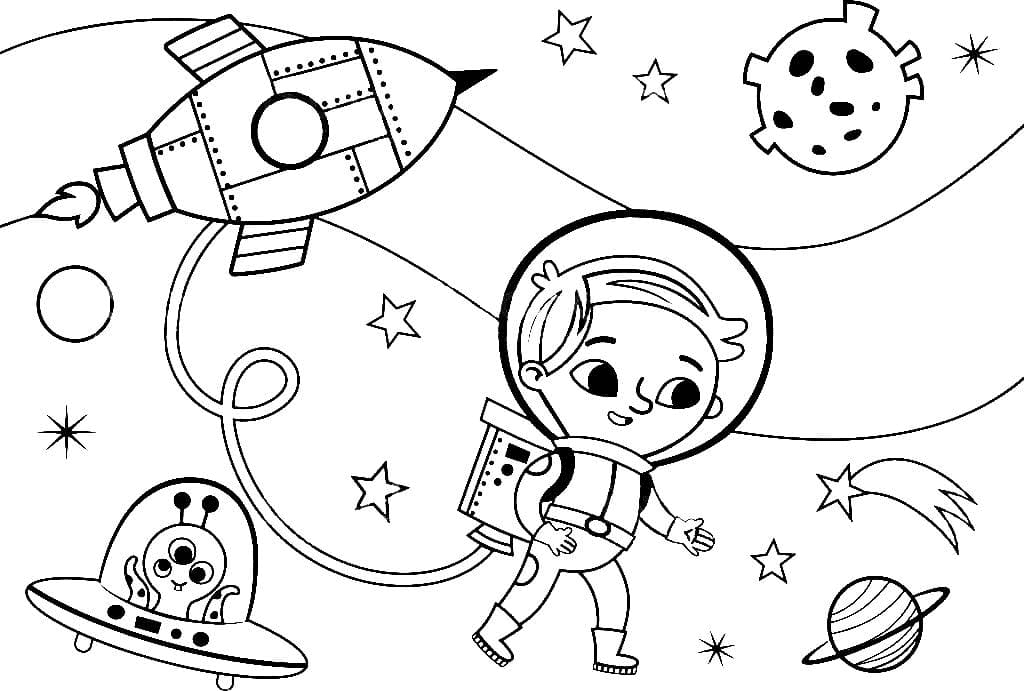
Some pages include rockets, astronauts, spaceships, aliens, or children exploring space. These scenes add adventure while keeping planets as the main focus.
Kids can imagine landing on a new world, flying past Saturn’s rings, visiting a rocky planet, or discovering a colorful planet far away. These pages are especially good for children who enjoy storytelling while they color.
Choose The Right Planet Coloring Page By Age And Activity
Different children need different kinds of planet pages. A preschooler may need large shapes and thick lines, while an older child may enjoy more detail. Teachers and parents may also want pages that support learning, not just coloring.
For preschoolers, choose simple planet pages with large shapes, thick outlines, smiling faces, stars, and moons. These pages are easy to color and help young children practice grip, focus, and basic color recognition.
For kindergarten and early elementary kids, choose pages with several planets, simple solar system scenes, rockets, astronauts, and planet names. This is a good age to introduce words such as planet, Sun, MoonMoon, orbit, rocket, and solar system.
For teachers, planet coloring pages can support science centers, morning work, early finisher activities, bulletin boards, and space unit lessons. Pages with labels, orbit paths, planet order, and fact boxes are especially useful in the classroom.
For homeschool projects, children can color one planet each day, read a short fact about it, and build a simple planet notebook. They can also compare rocky planets, gas giants, and ice giants, draw moons, or design an imaginary planet with its own name and weather.
For older kids, choose more detailed designs with craters, rings, galaxies, astronauts, rockets, and full solar system scenes. These pages give children more room to try shading, patterns, backgrounds, and creative color choices.
How To Use These Printable Planet Coloring Pages
Using these Planet Coloring Pages is simple. Choose a design from the gallery, download the PDF or JPG file, print it at home or school, and start coloring. You can also use the online coloring option for a quick digital activity without printing.
At home, these pages are great for quiet time, weekend activities, rainy days, space-themed crafts, or screen-free play. In the classroom, they can support science lessons, art centers, early finisher work, solar system projects, or simple writing activities.
To make coloring more meaningful, ask children small questions while they work:
- What planet are you coloring?
- Does this planet have rings?
- Is it rocky, cloudy, hot, cold, real, or imaginary?
- What colors would you choose for Earth, Mars, Saturn, or Neptune?
- Can you give your planet a name?
- How many moons does your imaginary planet have?
These questions help children describe what they see, explain their choices, and connect coloring with learning.
Creative Planet Coloring Ideas
Planet coloring pages can be realistic, imaginative, or a mix of both. Kids can use real planet colors, such as blue and green for Earth, red and orange for Mars, yellow and brown for Saturn and Jupiter, and blue tones for Uranus and Neptune. They can also invent planets that do not exist, using rainbow rings, purple clouds, silver craters, or glowing green moons.
Children can add extra details around the picture, such as comets, shooting stars, small rockets, space dust, alien plants, or tiny astronauts. If the page has a blank background, they can draw their own stars, moons, or orbit lines.
For a larger project, children can color several pages and turn them into:
- a solar system poster;
- a planet fact booklet;
- a classroom space wall;
- a cut-and-paste planet order activity;
- a “design your own planet” writing project;
- a space-themed coloring folder.
These ideas help extend the value of each printable page beyond one coloring session.
More Space Coloring Pages To Explore
If your child enjoys these Planet Coloring Pages, continue the space adventure with more related collections. You can explore Solar System Coloring Pages, Space Coloring Pages, Earth Coloring Pages, Moon Coloring Pages, Sun Coloring Pages, Galaxy Coloring Pages, Rocket Coloring Pages, and Astronaut Coloring Pages.
These related pages help children move from individual planets to the wider universe, including stars, galaxies, rockets, astronauts, eclipses, space stations, and other exciting space scenes.
FAQ About Planet Coloring Pages
Are These Planet Coloring Pages Free To Print And Download?
Yes. These Planet Coloring Pages are free to download, print, or color online. They are available in PDF and JPG formats for home, school, and personal educational use.
What Ages Are These Planet Coloring Pages Best For?
They are suitable for many ages. Preschoolers can use simple planet pages with large shapes, kindergarten and elementary students can enjoy solar system scenes and planet worksheets, and older kids can choose more detailed planet designs.
Can Teachers Use These Planet Coloring Pages In Class?
Yes. Teachers can use these pages for science lessons, solar system units, classroom centers, early finisher work, bulletin boards, homeschool packets, and space-themed projects.
Do These Pages Help Kids Learn About The Solar System?
Yes. Many pages include planets, the Sun, orbit paths, planet names, rockets, astronauts, and space scenes. Kids can learn basic ideas about planets and the solar system while coloring.
Do You Have Easy Planet Coloring Pages For Preschoolers?
Yes. The collection includes easy planet coloring pages with large shapes, thick outlines, cute faces, stars, moons, and simple space backgrounds. These pages are friendly for younger children and beginners.
Can Kids Color The Planets With Realistic Colors?
Yes. Children can use realistic colors, such as blue and green for Earth, red for Mars, yellow and brown for Saturn and Jupiter, and blue tones for Uranus or Neptune. They can also use fantasy colors to create their own imaginary planets.
Can These Pages Be Used For Homeschooling?
Yes. Homeschool families can use them for space lessons, planet notebooks, writing prompts, solar system posters, and simple science projects. They are flexible enough for both quick coloring and deeper learning activities.