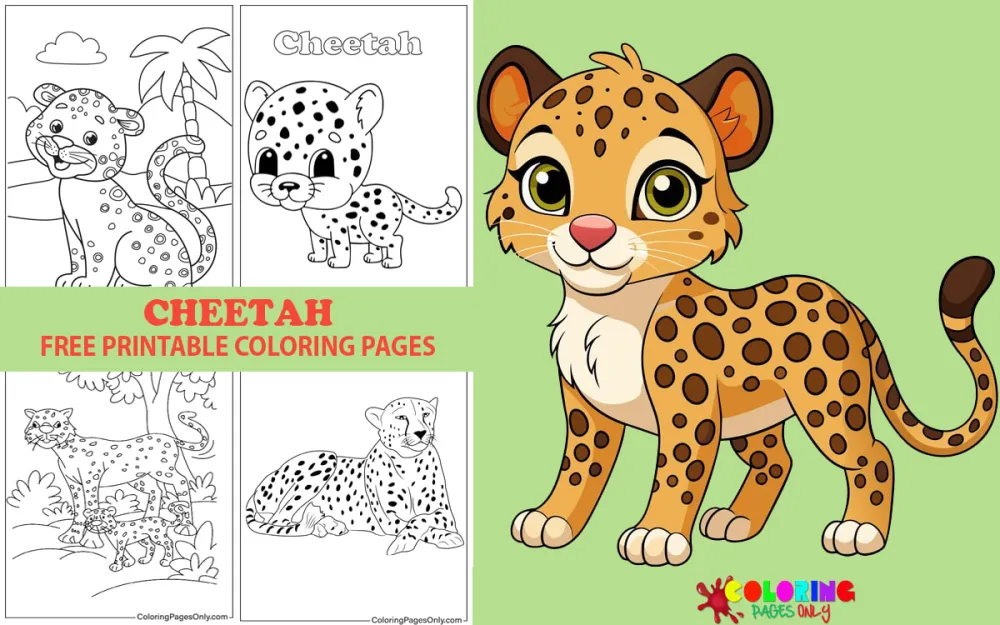
Cheetah coloring pages: 23 printable PDF designs spanning speedy action poses, quiet portraits, playful cubs, and full savanna scenes. Each page can be downloaded as a PDF to print or colored online in the browser.
A cheetah can reach roughly 70 miles per hour in short bursts, a speed made possible by a flexible spine, semi-retractable claws that work like running cleats, and the black tear stripes running from each eye to the mouth that cut down glare while hunting, all details worth picking out separately rather than treating the cheetah as one solid shape. Cubs start out looking almost nothing like the adults on the running and jumping pages: for their first three months, they carry a thick, silvery-gray mane down the neck and back, a coat scientists think mimics the honey badger, a small predator most animals avoid, to help keep young cubs safe. That difference is why this collection separates children’s pages from adult ones rather than mixing every age into one group.
With 23 pages split between cubs, motion poses, close-up portraits, and savanna scenes, the set works for a first animal-coloring session and for an older kid who wants to get the tear stripes and spot pattern exactly right.
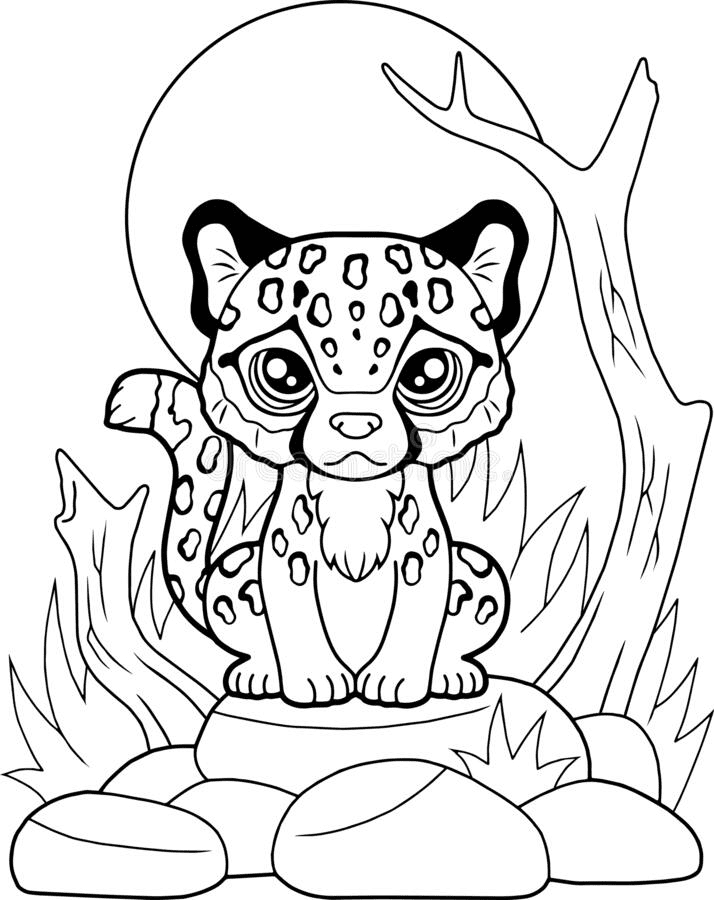
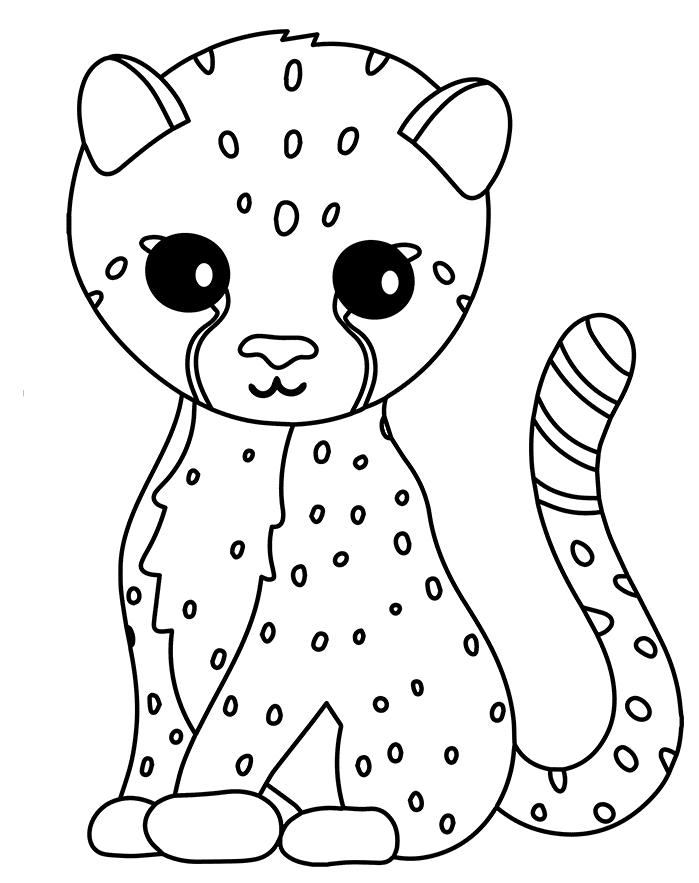
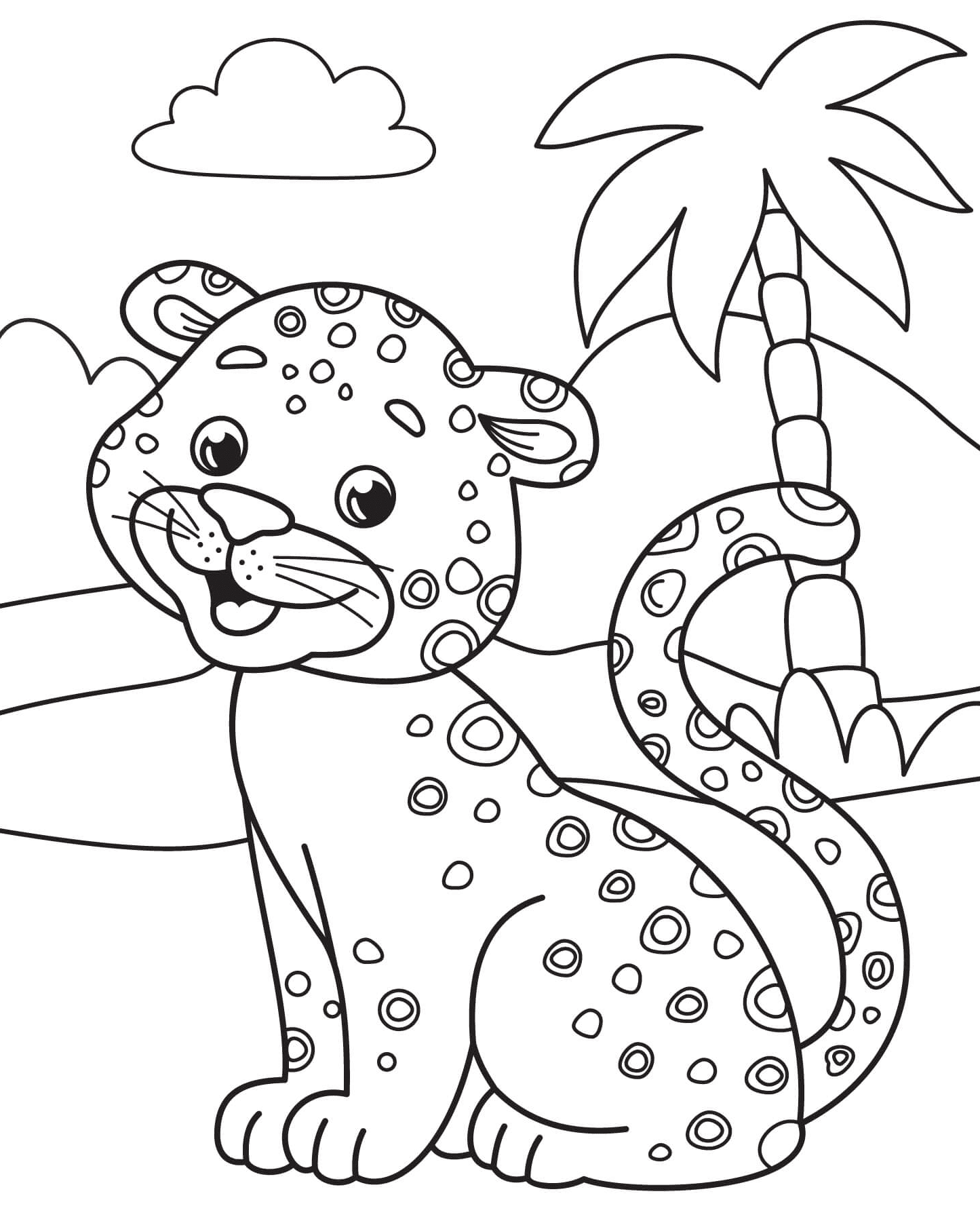

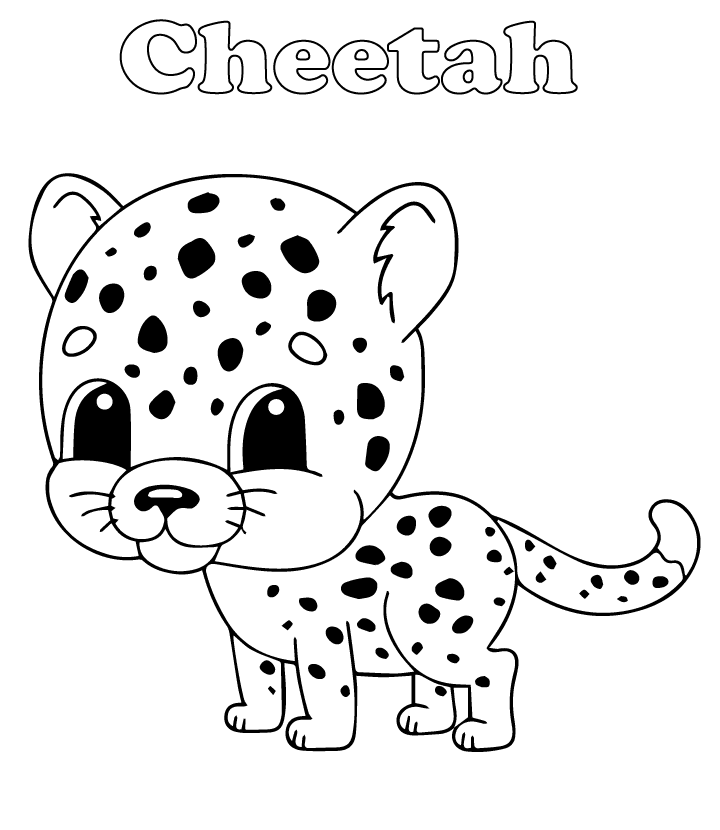
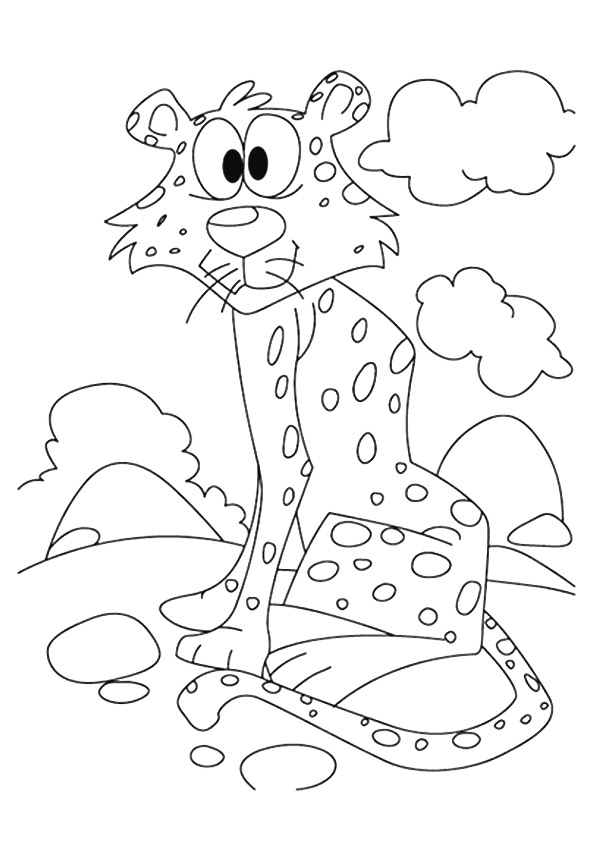
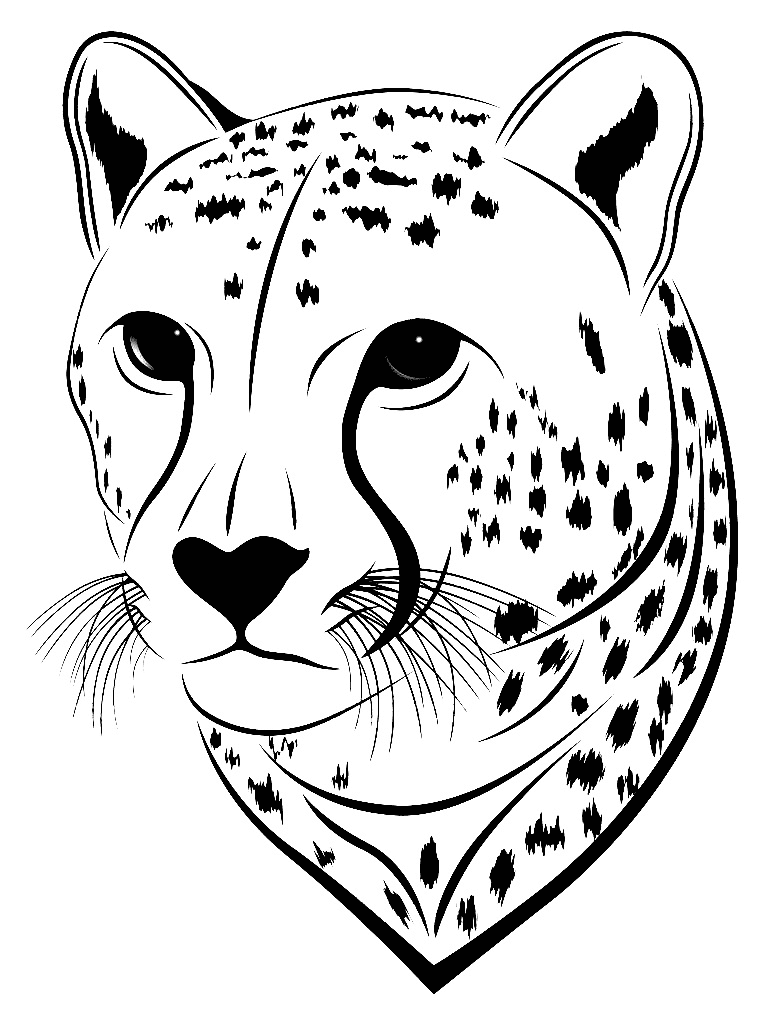
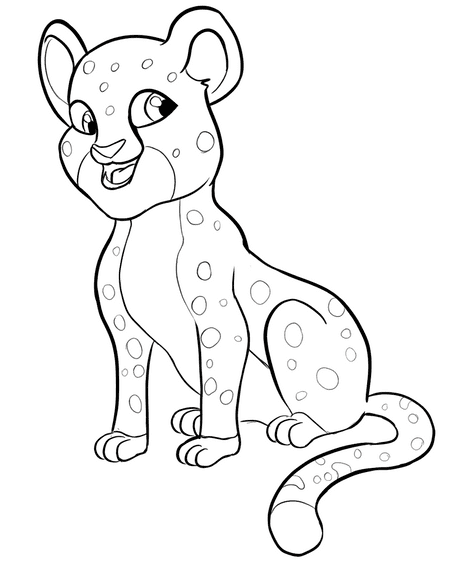
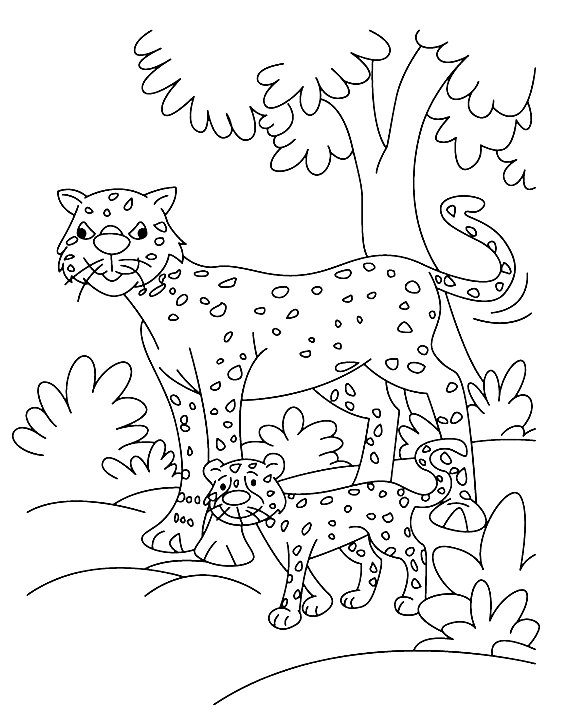
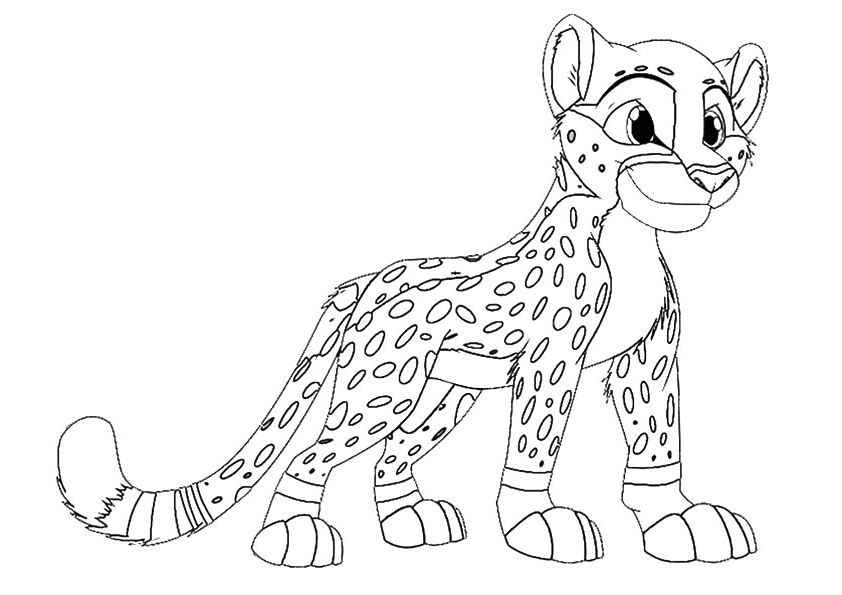
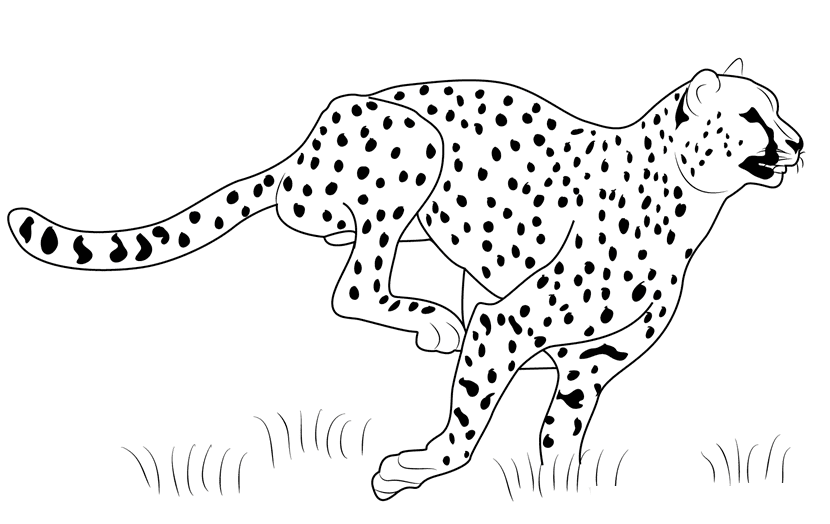
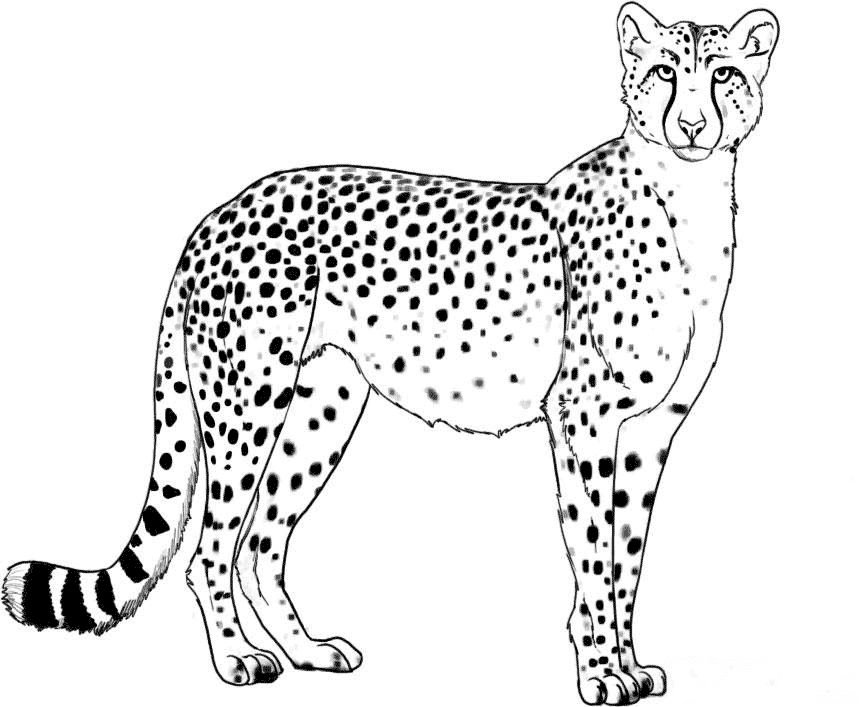
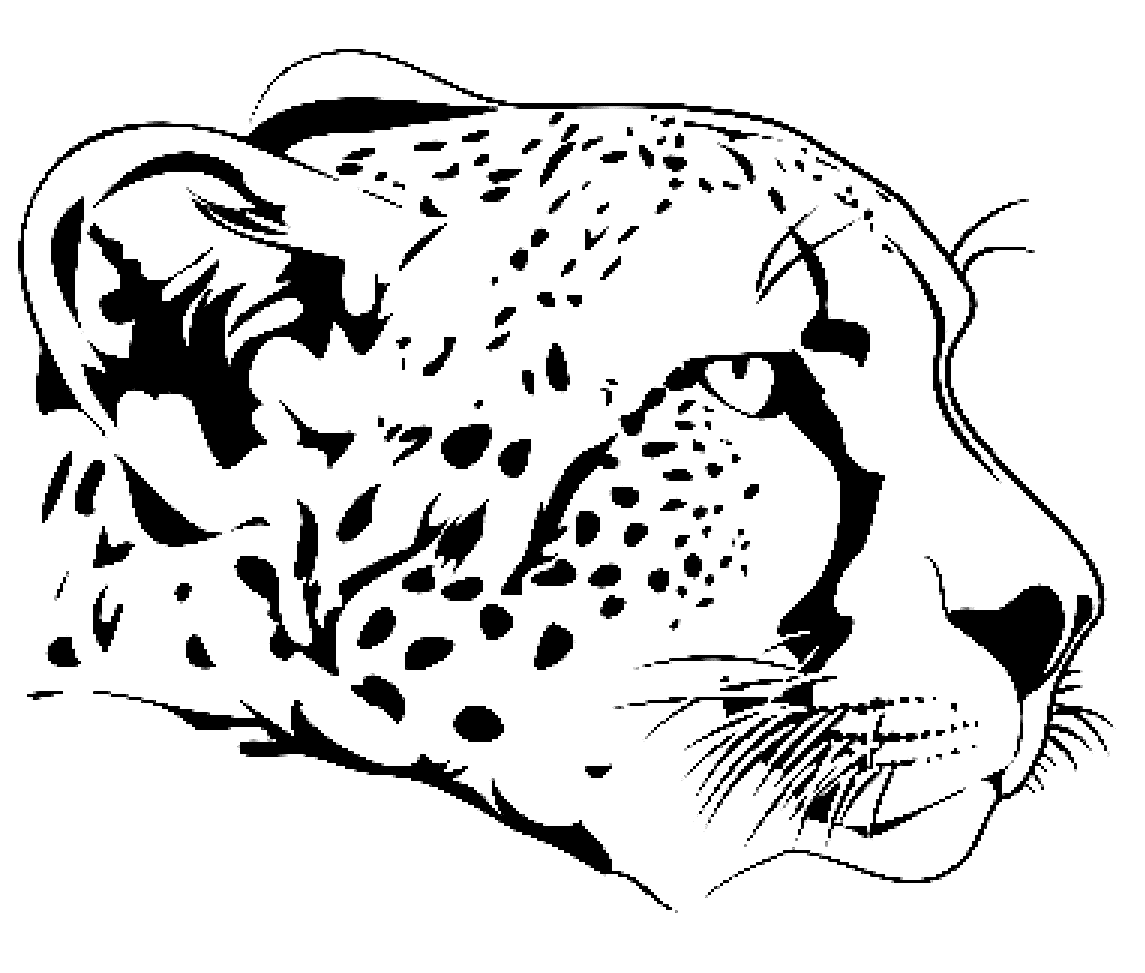
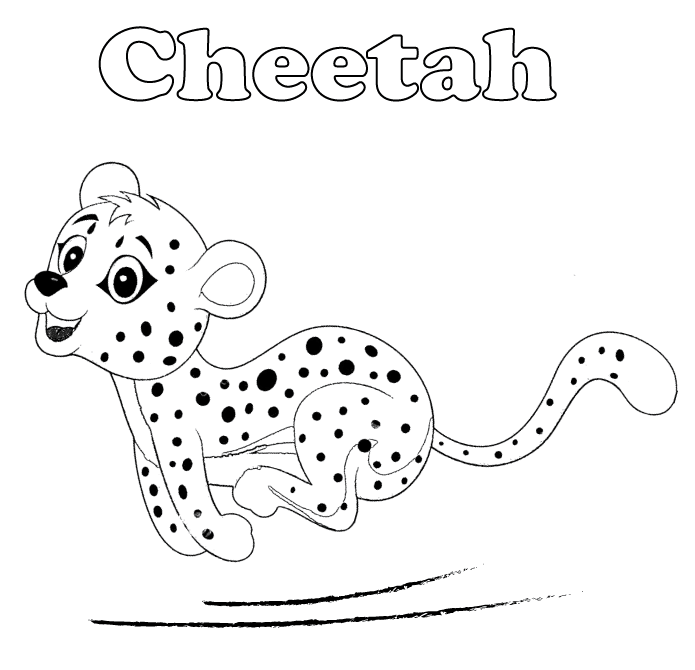
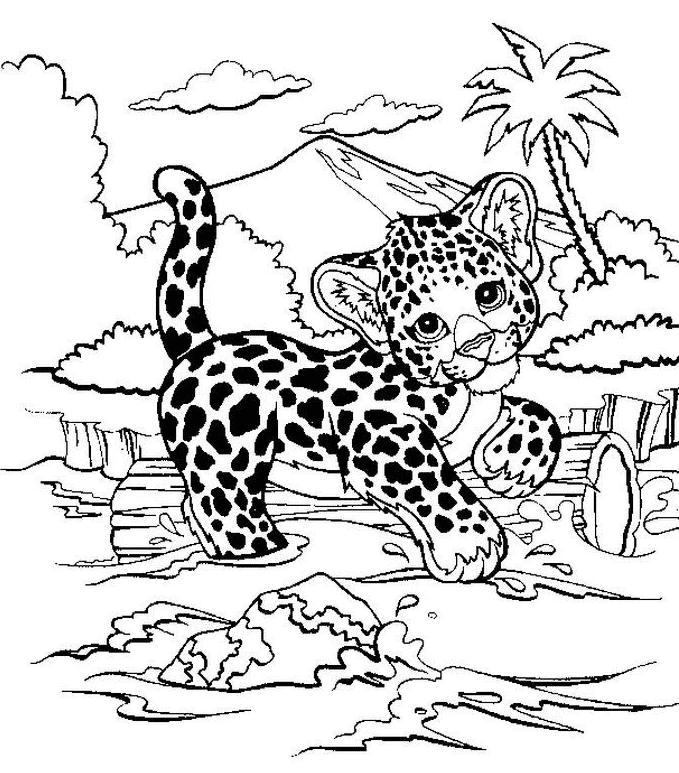

What Is Inside This Collection
This collection groups its 23 pages by age and setting, since a cub, a mid-sprint adult, and a savanna scene each call for a different coloring approach.
Cheetah Cubs and Family Scenes
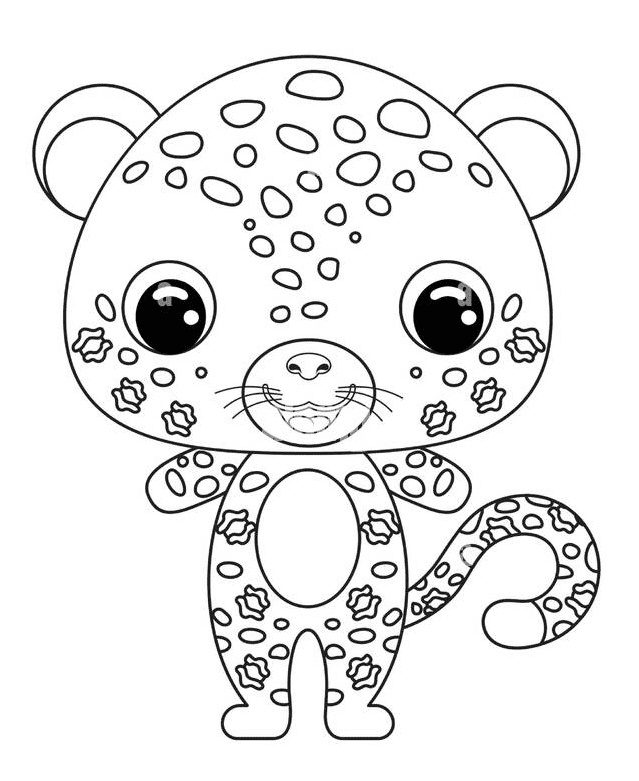
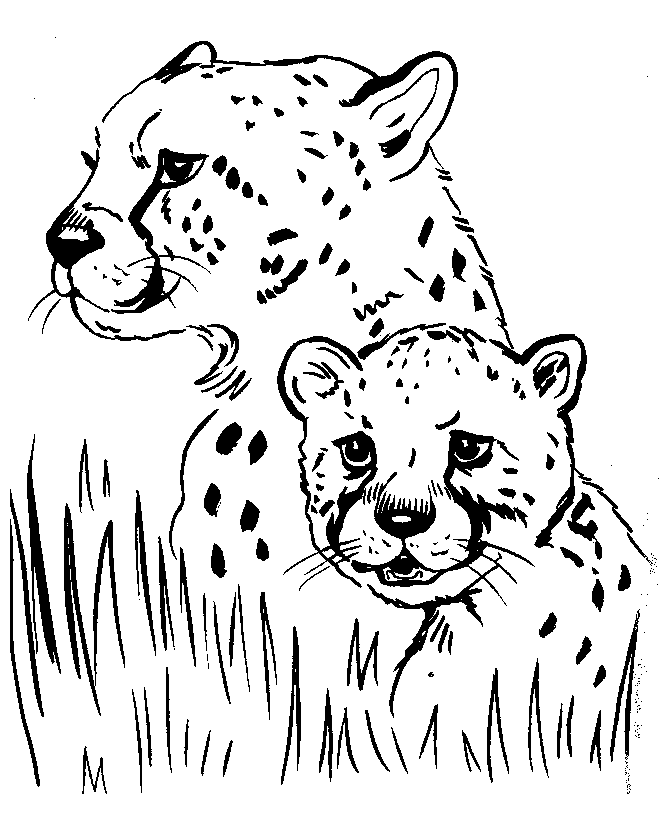
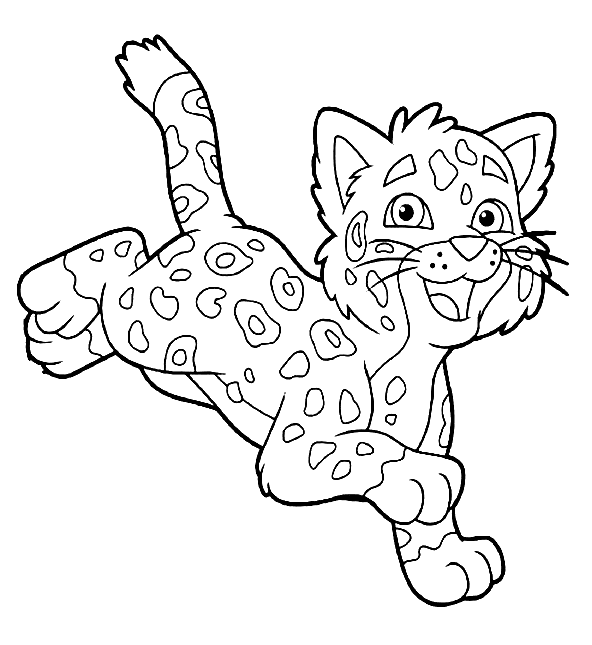
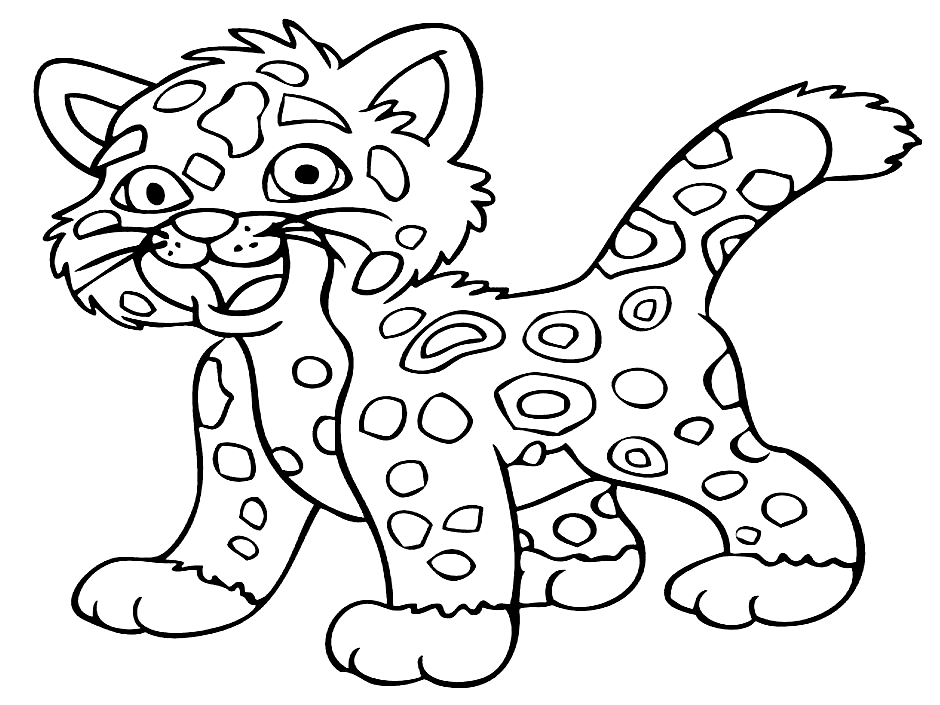
Ten pages focus on cubs and family moments, including a mother and baby cheetah together and several smaller, rounder cub poses built for younger colorists. A cub’s coat is silvery-gray rather than golden for its first few months, so a muted gray base with faint spotting reads more accurately than a full golden coat on these pages.
Cheetahs in Motion
Three pages capture the cheetah’s signature sprint, mid-run, or mid-jump. Stretch a lighter highlight color along the back and legs to suggest motion, since these poses are built around speed rather than a static portrait.
Portraits and Close-Ups
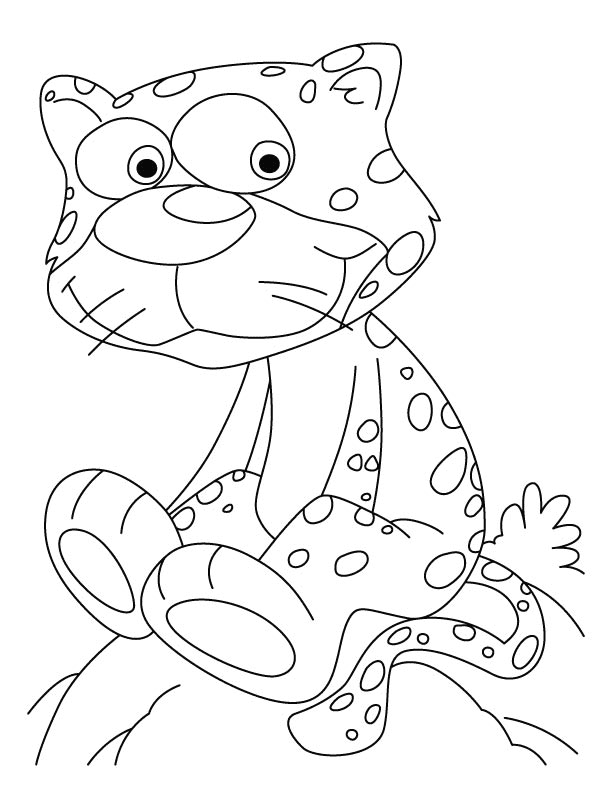
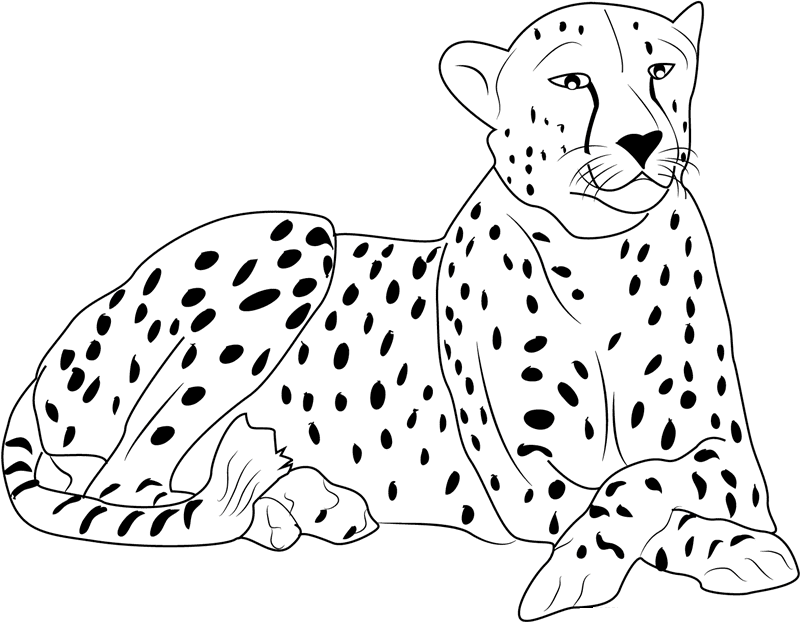
Seven pages zoom in on a cheetah’s head, or full body in a simple standing or sitting pose, including two close-up face designs. These work well for practicing the tear-stripe detail and spot pattern without the added complexity of a full background scene.
Savanna Scenes
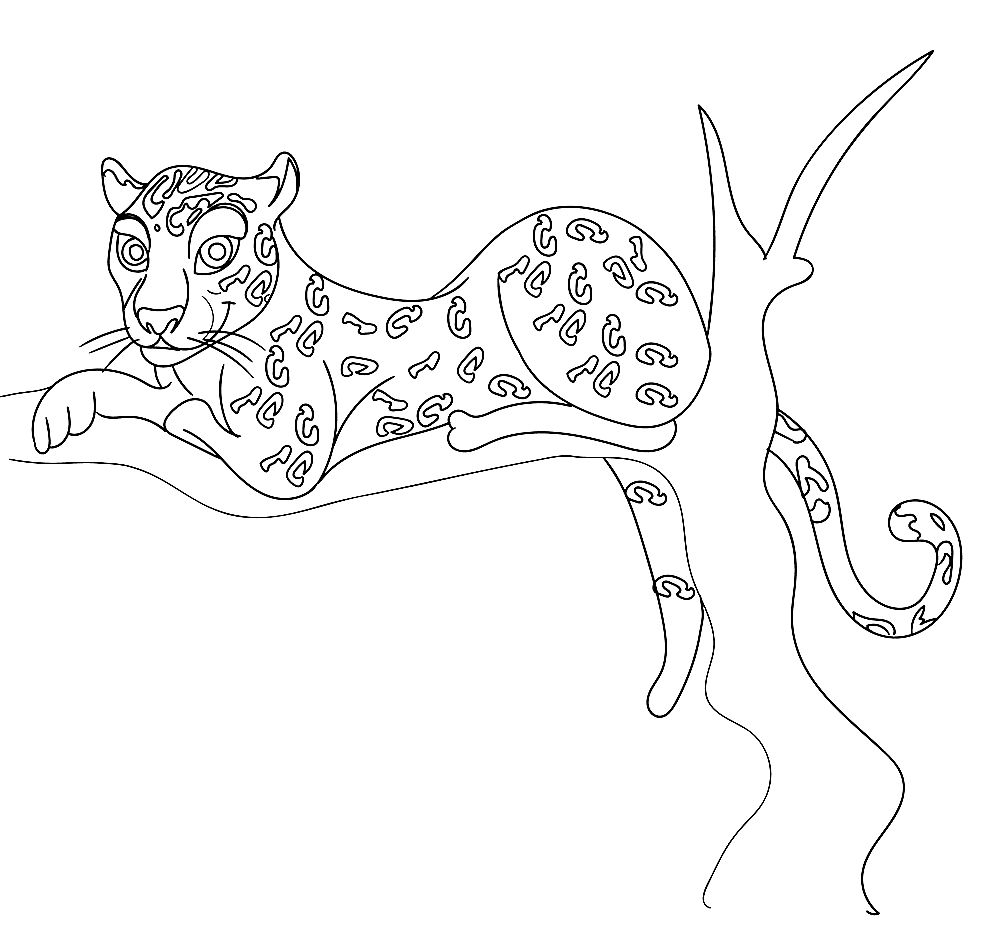
Three pages place a cheetah in its habitat, perched in a tree, framed against clouds, or set within a wider landscape. Save the brightest color for the cheetah itself, and let the grass, tree, and sky sit a shade or two softer.
What Cheetah Coloring Pages Do
Small details, real payoff. A cheetah’s tear stripes, spot pattern, and ringed tail all take steadier hand control than a plain outline would, and the American Academy of Pediatrics names exactly this kind of structured coloring, done between ages 2 and 7, as a clear path toward fine motor skill development. The simpler cub portraits give a younger colorist an easier version of the same practice before they take on a full-body running pose.
A body built for one job. Every visible feature on a cheetah, the tear stripes, the long tail, the lean frame, serves the same purpose: speed. Coloring these features one at a time is a natural way to notice that a real animal’s look usually has a reason behind it, rather than being decoration.
Calm through repetition. A 2005 Art Therapy Journal study measured a genuine drop in anxiety after coloring sessions built around a defined structure. Filling in a cheetah’s evenly spaced spots is about as repetitive and structured as a coloring page gets.
A quiet opening for a conservation conversation. Cheetahs are currently classified as a vulnerable species, with only a few thousand left in the wild, and a coloring page is a low-pressure moment for a parent or teacher to mention why an animal this fast and this recognizable still needs protecting.
How to Color Cheetah Coloring Pages Well
- Adult coat: Fill the body in Goldenrod, then add solid, round Black spots rather than the open, ring-shaped rosettes a leopard or jaguar would have.
- Tear stripes: Keep the two lines running from each eye down to the mouth thin, unbroken, and Black, since a soft or dotted line loses the effect.
- Cub mantle: On any baby cheetah page, color the fuzzy mane along the back and neck in Silver or Timberwolf, fading into the regular Goldenrod coat lower on the body.
- Tail: Alternate Black and Goldenrod bands down the tail, finishing in a White or Black tuft at the very tip.
- Eyes: Use Copper or a warm amber-brown tone rather than a bright or unrealistic color, since a cheetah’s eyes read as fairly muted in real life.
- Savanna background: Color dry grass in Dandelion, add a Sky Blue sky, and keep the overall palette warm so the scene reads as sun-baked rather than lush.
5 Creative Craft Ideas With Cheetah Coloring Pages
1. Cheetah Fact Cards. Color a few small portraits, then write one cheetah fact, like its top speed or tear-stripe function, on the back of each card. A stack of five or six makes a simple, reusable flashcard set.
2. Savanna Diorama. Color one of the running or jumping pages, cut it out, and stand it up inside a shoebox decorated with paper grass and a painted sky. It turns a flat action pose into a small 3D scene.
3. Speed Comparison Poster. Color the running cheetah page, then list its roughly 70 mph top speed next to a few other animals’ speeds on the same poster board. It’s a quick way to turn a coloring page into a simple data comparison.
4. Cub and Adult Match-Up. Color one cub page and one adult page using matching accent colors, then display them side by side. It highlights how different the cub’s gray mantle looks next to the full golden adult coat.
5. Spot Pattern Bookmark Set. Color a few small portraits, cut them into narrow bookmark strips, and cover each with clear contact paper. A set with slightly different spot patterns on each one makes a fun matching challenge.
Frequently Asked Questions
What are cheetah coloring pages?
Cheetah coloring pages are free printable and browser-colorable designs of cheetahs in motion, portrait, cub, and savanna scenes. This collection has 23 pages, available as PDF downloads or through the online coloring tool.
How fast can a cheetah run?
A cheetah can reach roughly 60 to 70 miles per hour in short bursts, making it the fastest land animal. It reaches that speed in just a few seconds using a flexible spine and semi-retractable claws for grip.
What are cheetah tear stripes for?
The black tear stripes running from each eye to the mouth are thought to reduce glare from the sun, helping a cheetah keep its focus locked on prey during a daytime hunt.
Why do cheetah cubs look different from adult cheetahs?
For their first three months, cheetah cubs carry a thick, silvery-gray mane along the neck and back. Researchers think this mantle helps camouflage cubs and may make them resemble a honey badger, a small animal most predators avoid.
What is the difference between a cheetah’s spots and a leopard’s spots?
Cheetahs have solid black round spots, while leopards and jaguars have rosette-shaped spots with a lighter center. A cheetah’s slimmer, more athletic build is also a quick way to tell it apart from either cat.
Are cheetahs endangered?
Cheetahs are currently classified as a vulnerable species, with an estimated 6,000 to 7,000 remaining in the wild, mostly across parts of Africa and a small population in Iran.
Are cheetah coloring pages suitable for young children?
Yes, with the right page. The simple cub portraits suit younger children, while the detailed running poses and savanna scenes suit older kids who want more of a challenge.
Can cheetahs roar?
No. Unlike lions and tigers, cheetahs cannot roar. They communicate instead through chirps, purrs, and other vocalizations, a trait linked to differences in their throat anatomy.
Start Coloring
Download any design by clicking it. No account, email, or payment is required to color or print. Every page opens in the online coloring tool for on-screen use or downloads as a full-resolution PDF for printing. Share a finished cheetah page using the Facebook or Pinterest buttons at the top of the page.