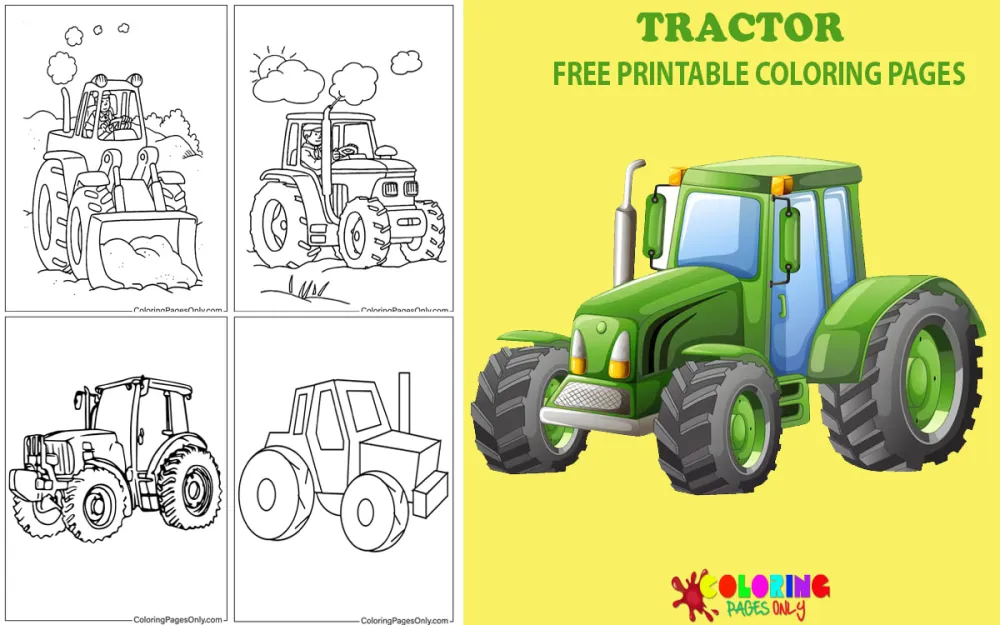
Tractor coloring pages: 60 printable PDF designs spanning real tractor brands, farm and construction scenes, cartoon characters, and simple outlines for first-time colorists. Each page can be downloaded as a PDF to print or colored online in the browser.
The tractor’s history starts in 1892, when Iowa inventor John Froelich mounted a single-cylinder gasoline engine on a steam engine’s running gear and built the first machine that could move both forward and backward. It took another engineer, Irish inventor Harry Ferguson, to patent the three-point hitch in 1926, the same arrangement of arms that still attaches a plow to the back of almost any tractor sold today. Both moments show up in this collection, though not as a history lesson: the plow, loader, and hitch details on the farm and construction pages exist because of that engineering, and the five named-brand pages, including a real Porsche-built tractor and two John Deere machines, are worth coloring in each brand’s own factory colors rather than guessing at a scheme. The remaining pages move away from the spec sheet entirely, into cartoon tractors, animal drivers, and simple outlines built for a much lighter coloring session.
With 60 pages spanning a single bold outline to a detailed plow rig, the set has room for a toddler’s earliest crayon work and an older kid’s slower, more careful pass over a busier page. Most pages then reduce to one central choice: match a tractor’s real paint scheme from memory, or build a new one from scratch.



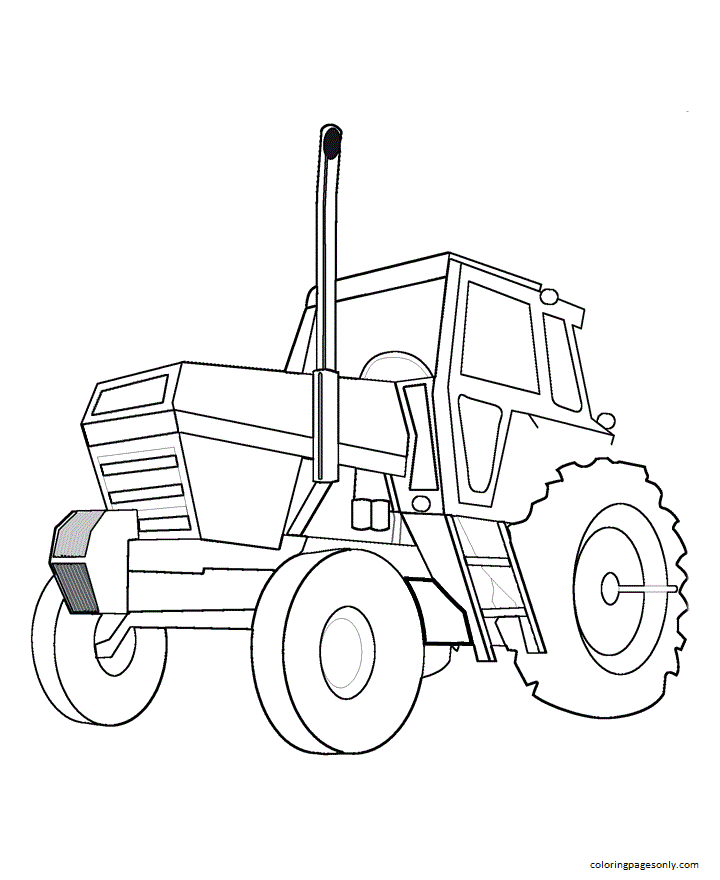
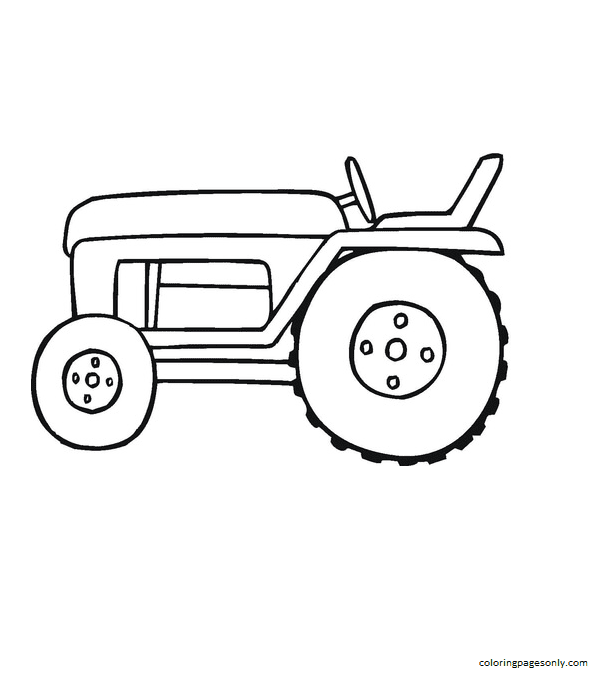

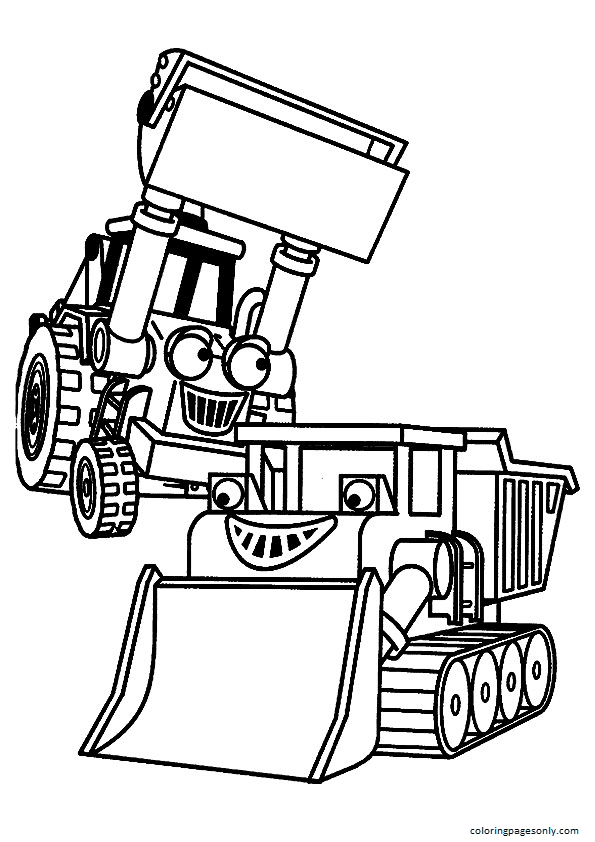
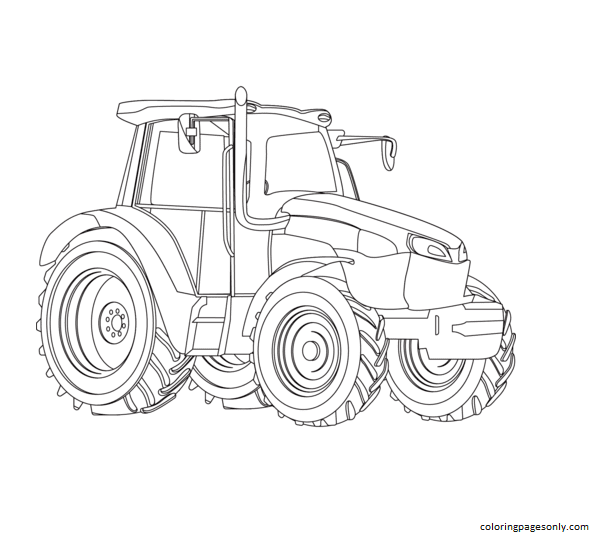
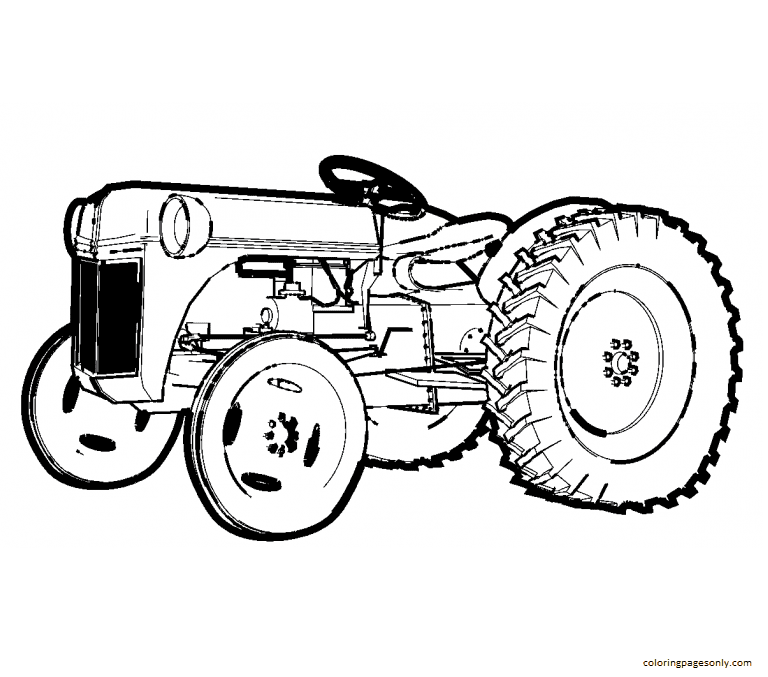

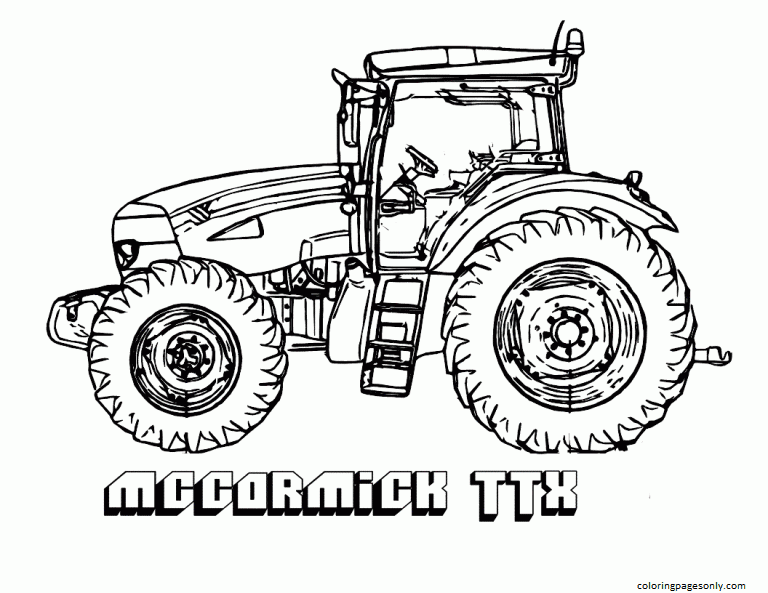
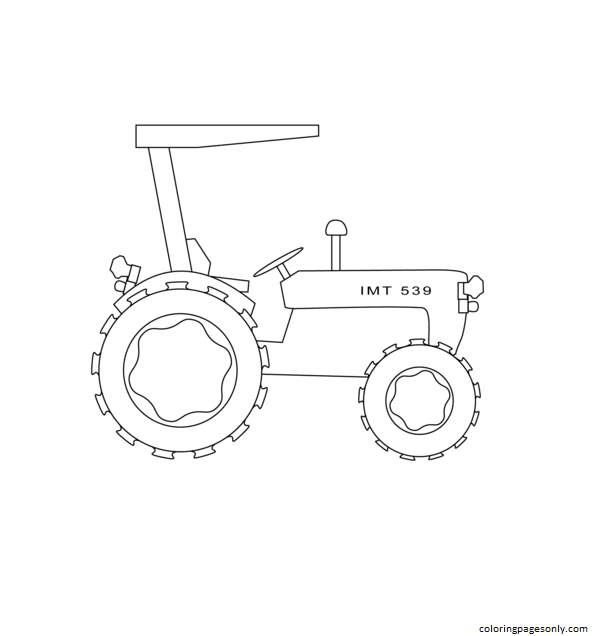
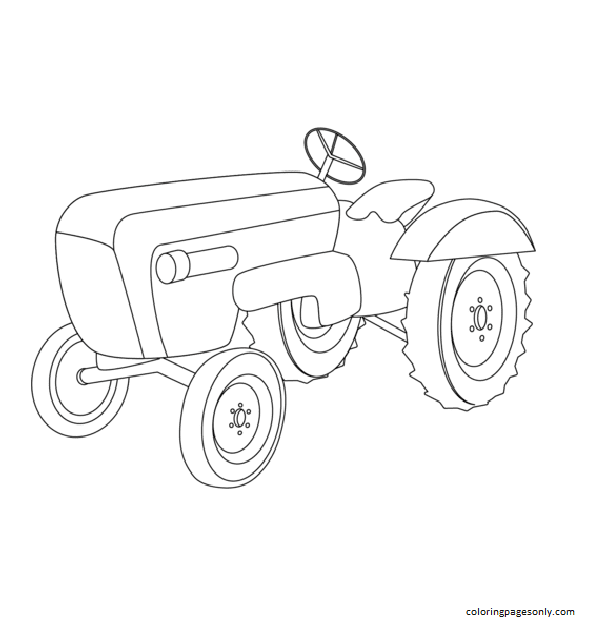








What Is Inside This Collection
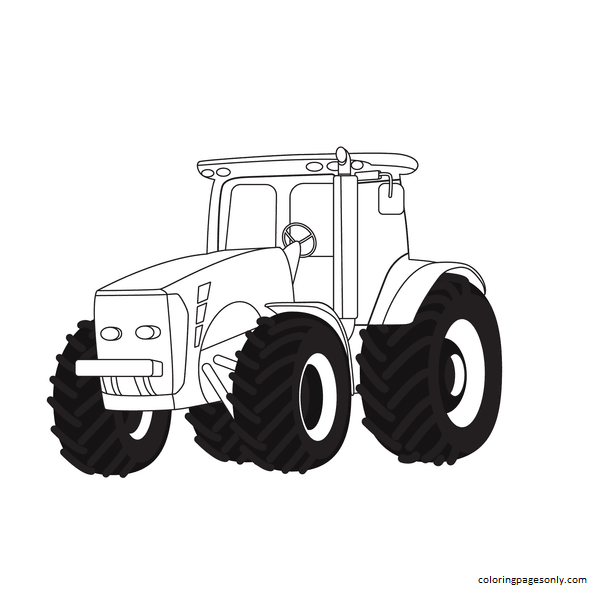
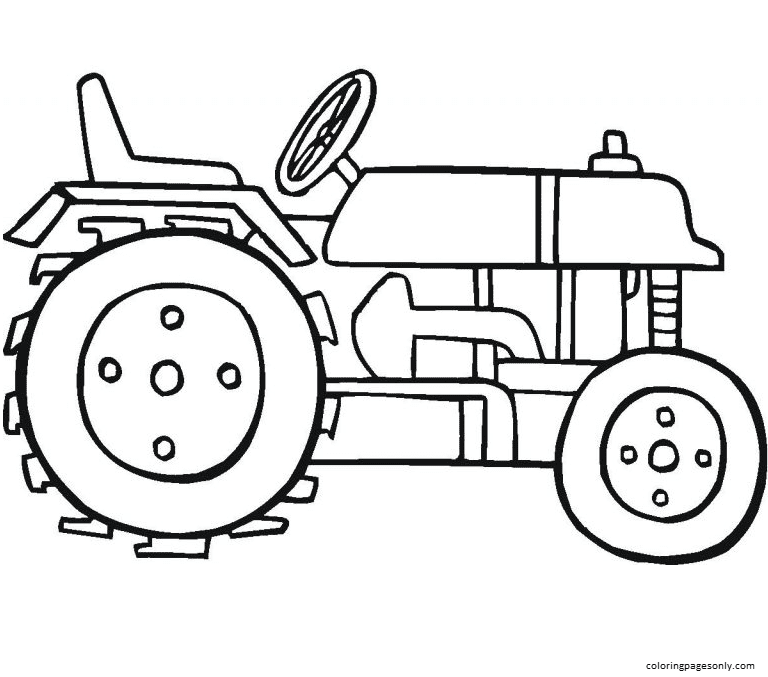
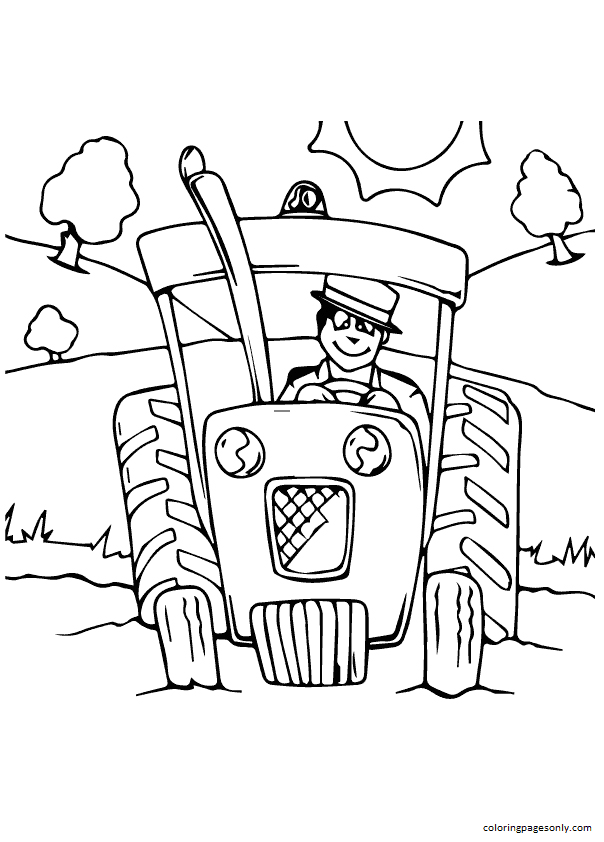
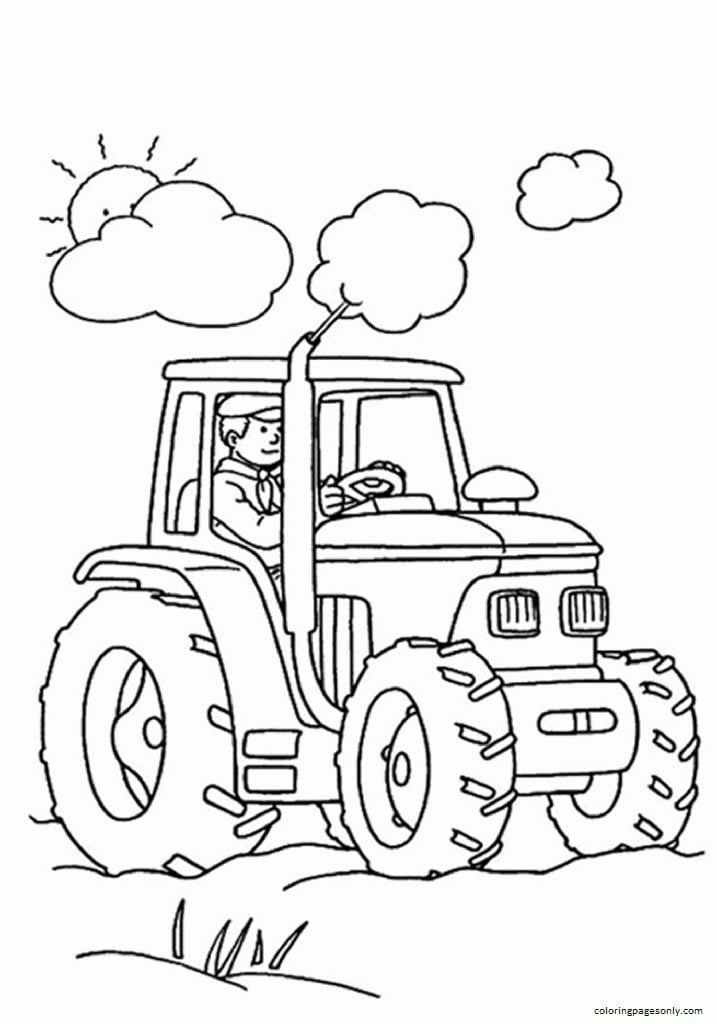
This collection groups its 60 pages by what kind of tractor page it is, since a toddler’s first outline, a detailed farm scene, and a real branded machine each call for a different approach.
Real Tractor Brands and Machines
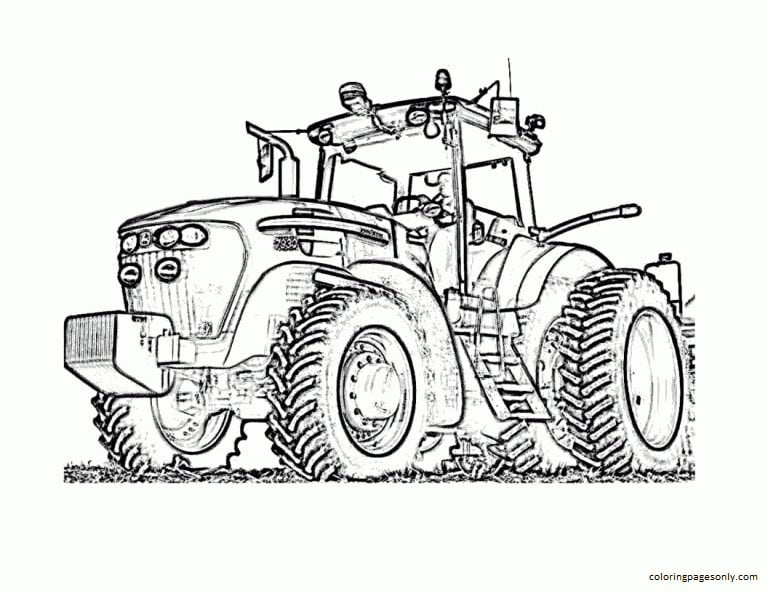
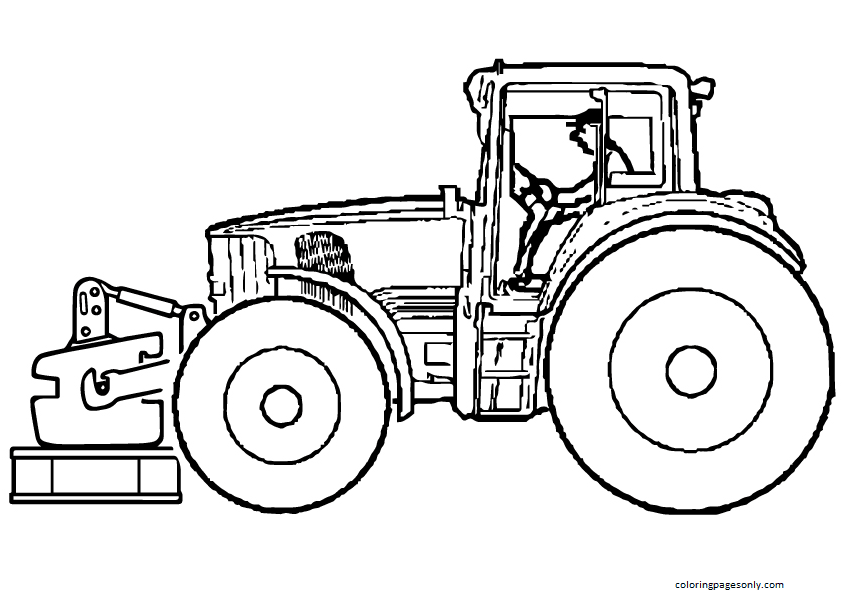
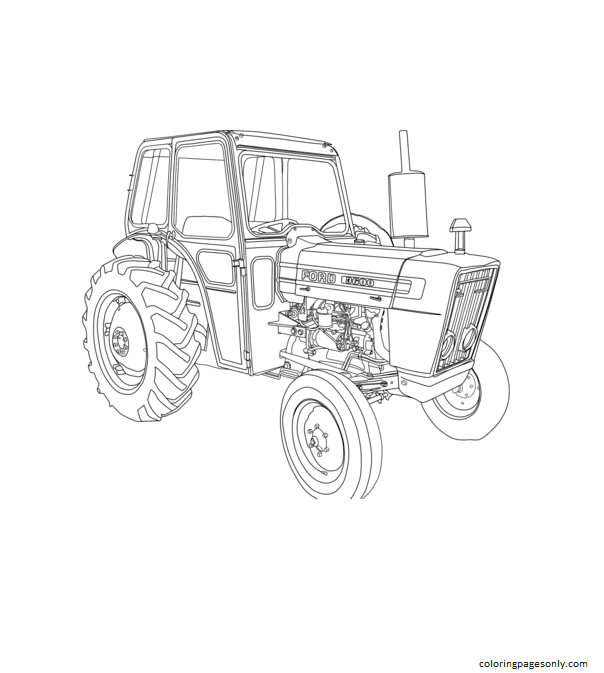
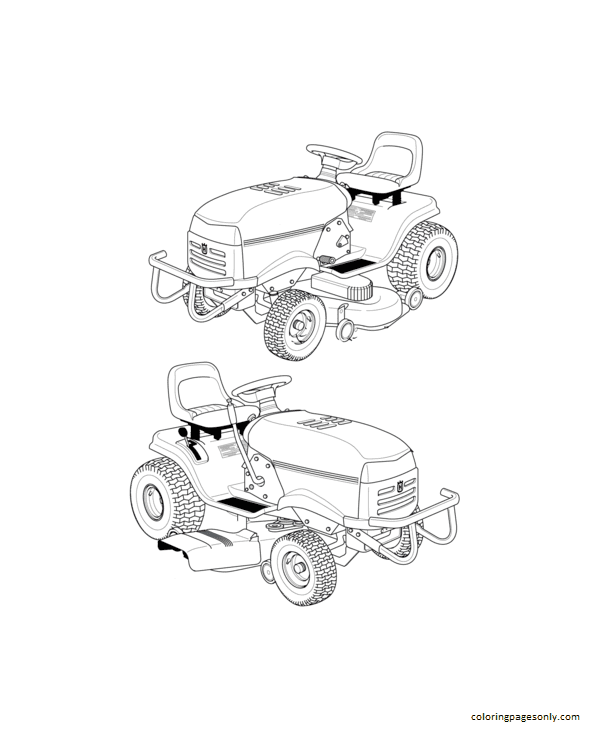
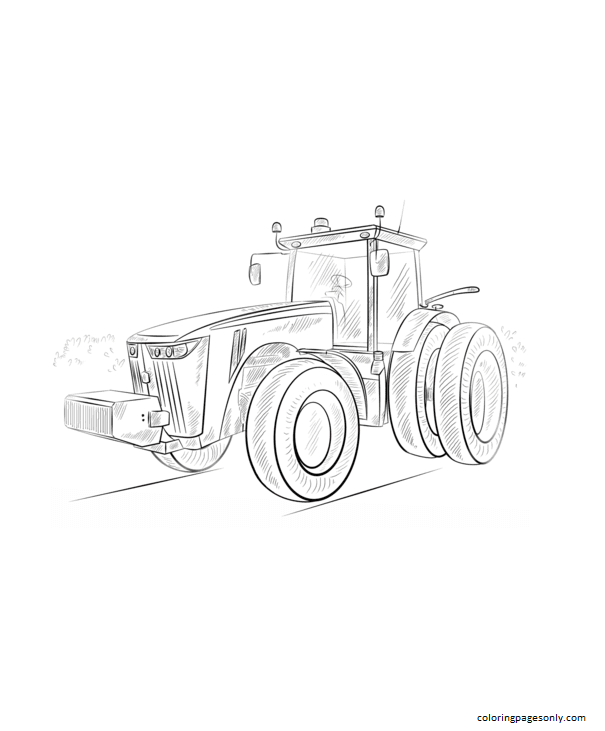
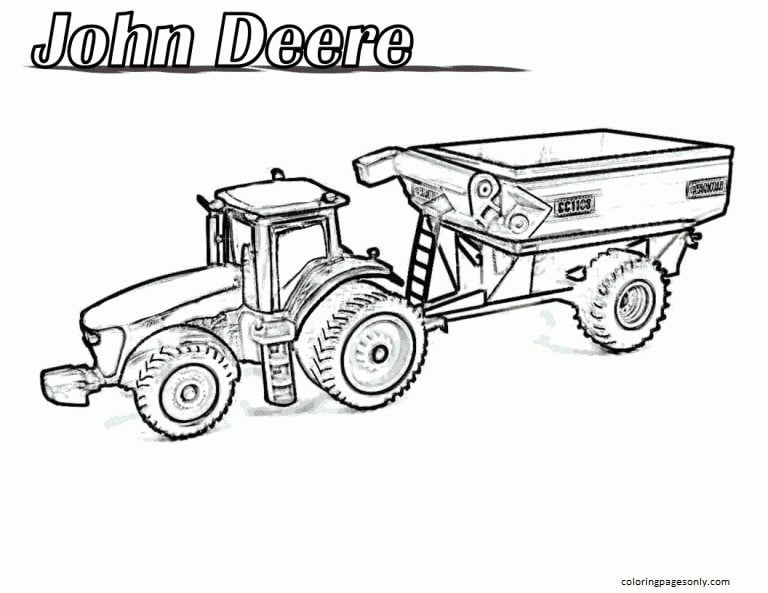
Five pages feature real tractor makers: two John Deere designs, a Ford 3600, a Porsche tractor from the real Porsche-Diesel line, and a Husqvarna riding mower. A quick rule of thumb: green and yellow for John Deere, muted red or copper for the vintage Porsche, and blue for the Ford.
Farm and Construction Scenes
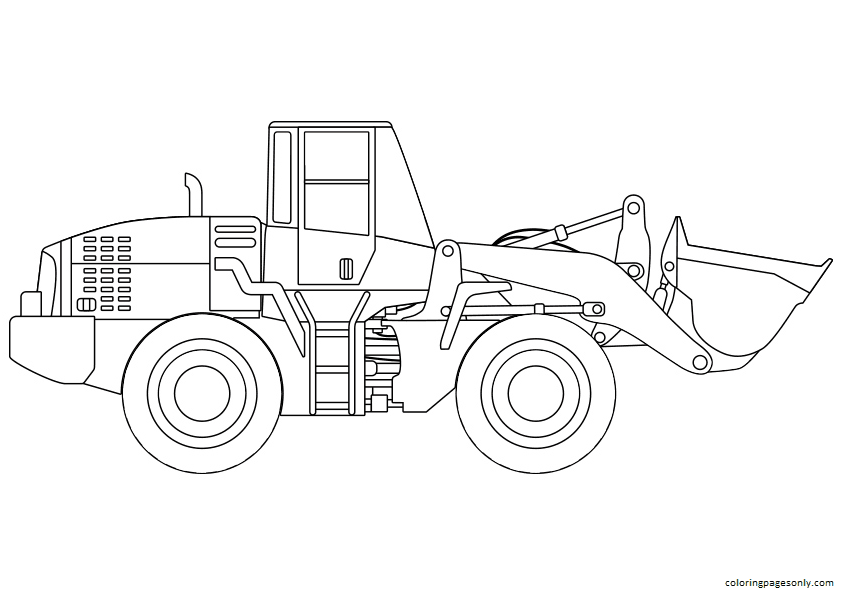
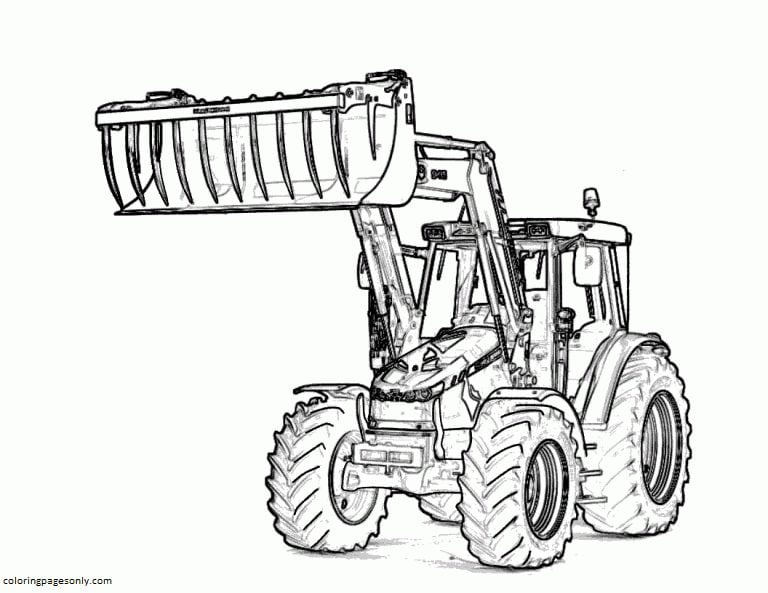
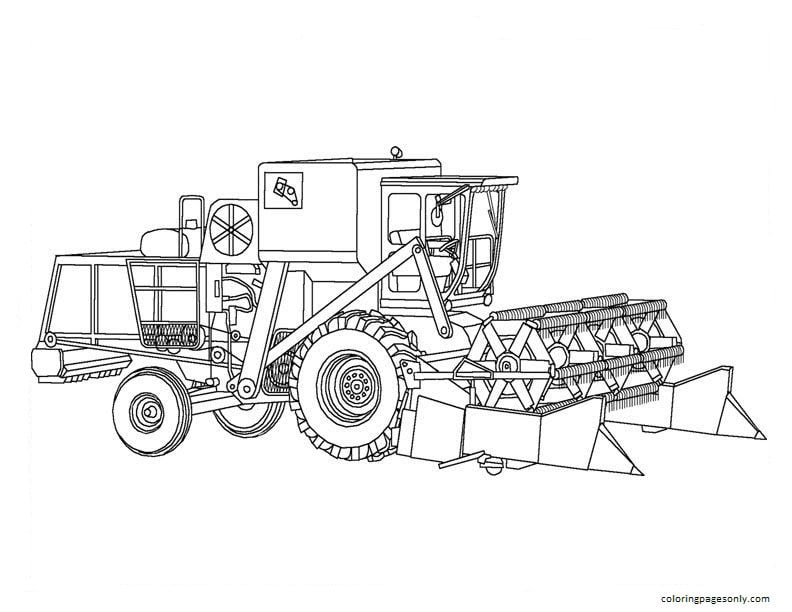
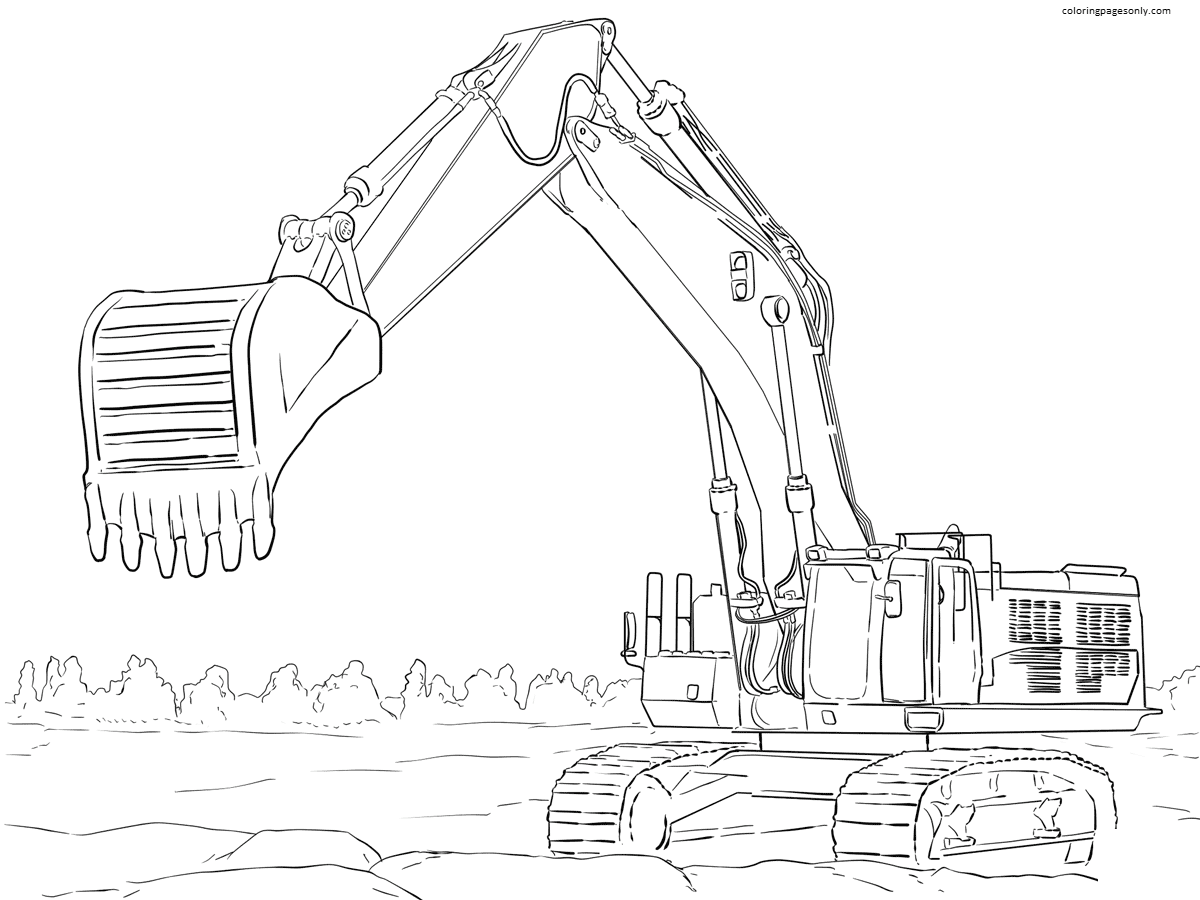
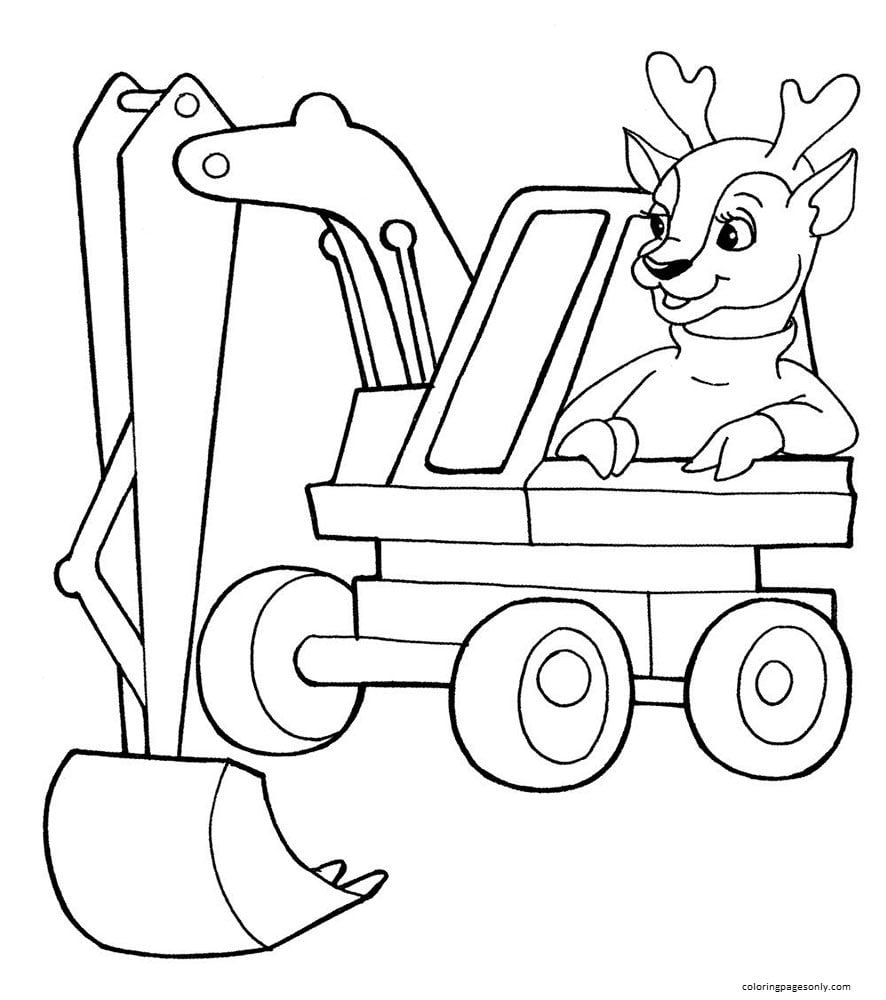
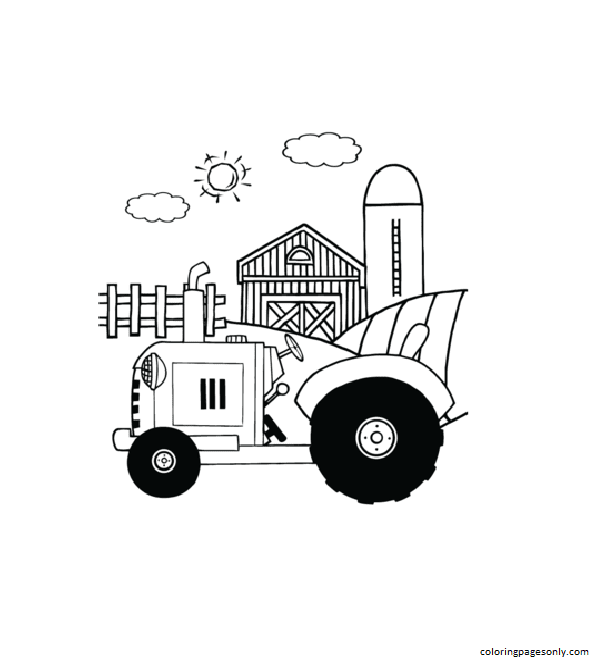
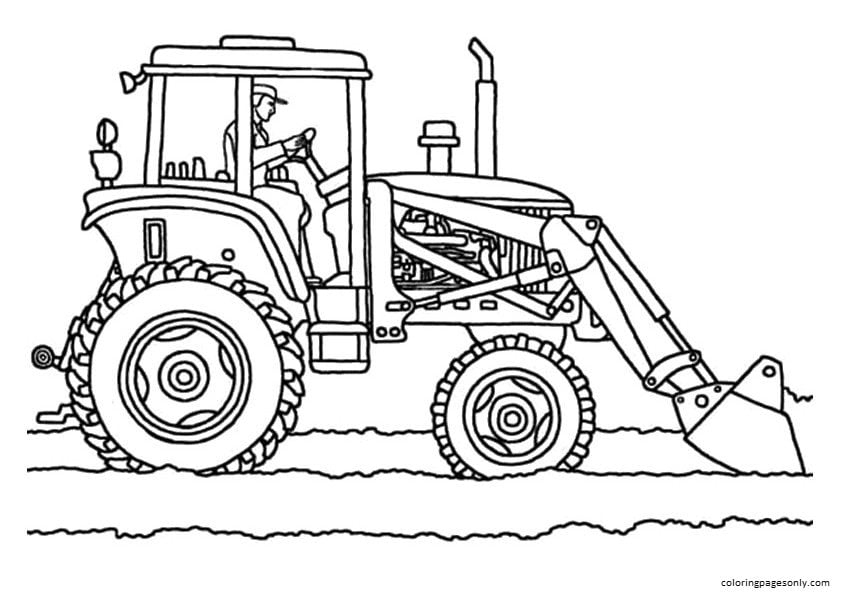
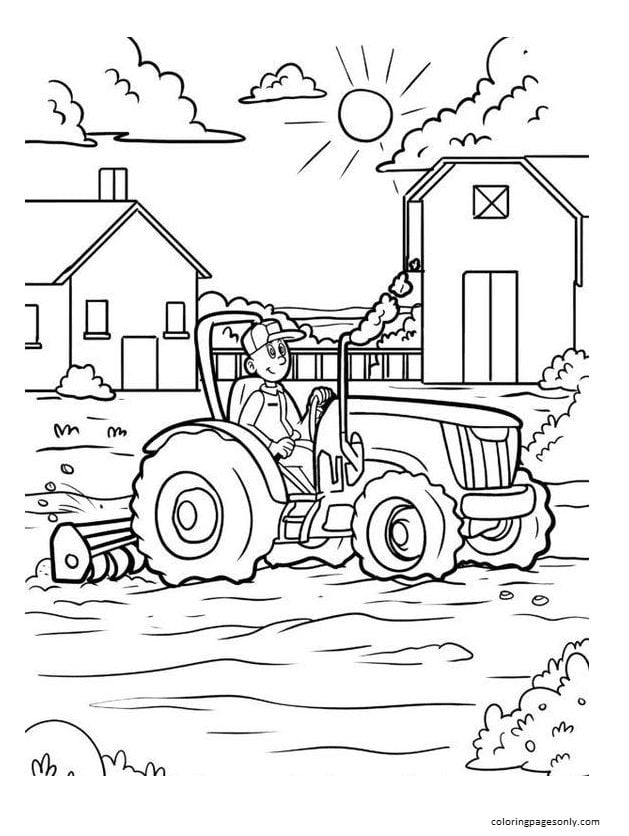
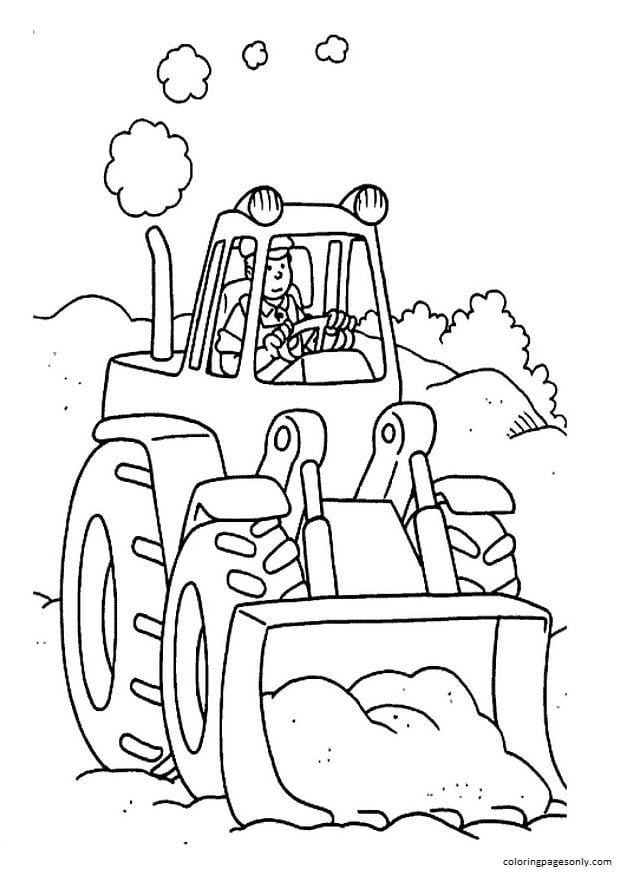
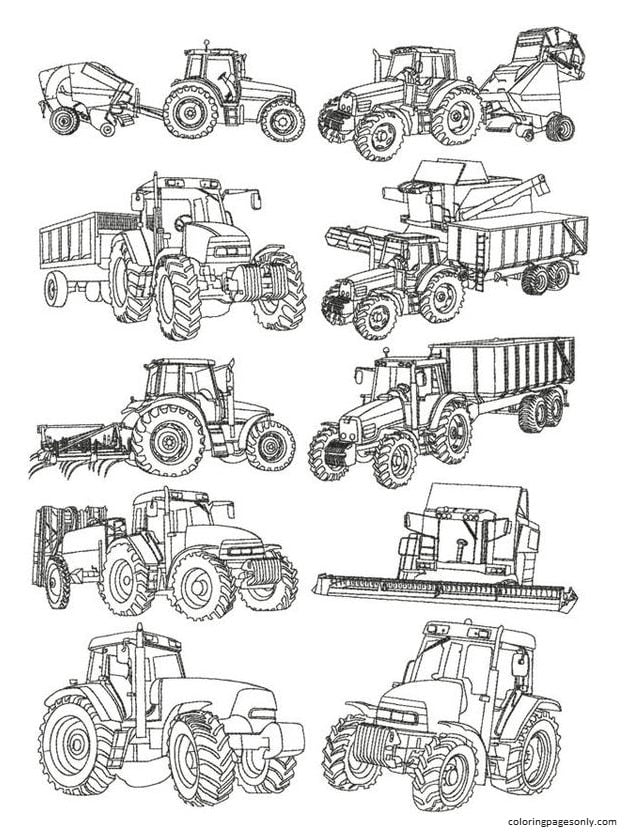
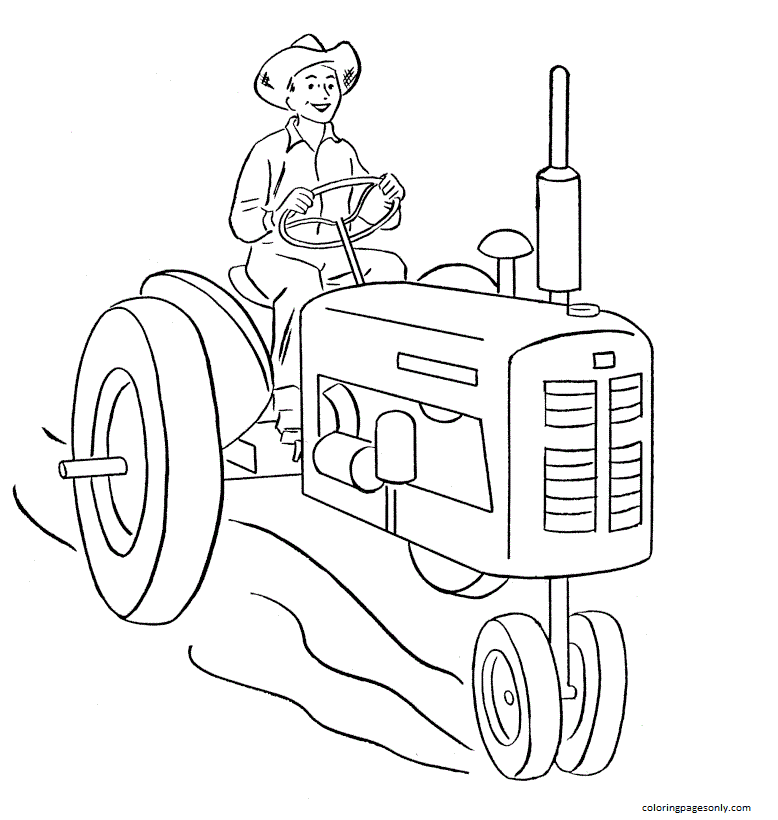
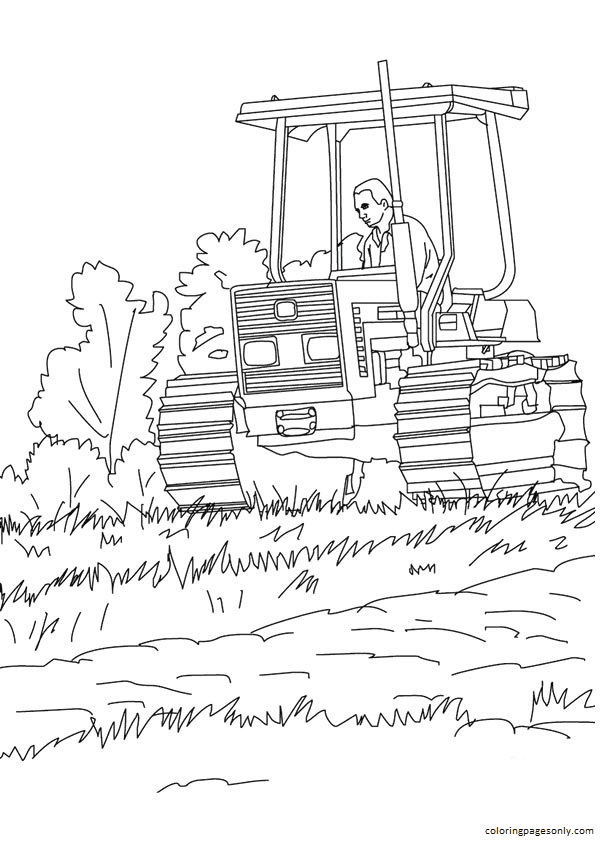
Fifteen pages place a tractor in a working setting: vintage farm tractors, a six-bottom plow rig, a loading tractor with an excavator arm, a crawler tractor, and open-field backdrops. Save the brightest color for the tractor itself, and keep the field and barn a shade softer.
Cartoon Tractors, Animal Drivers, and Characters
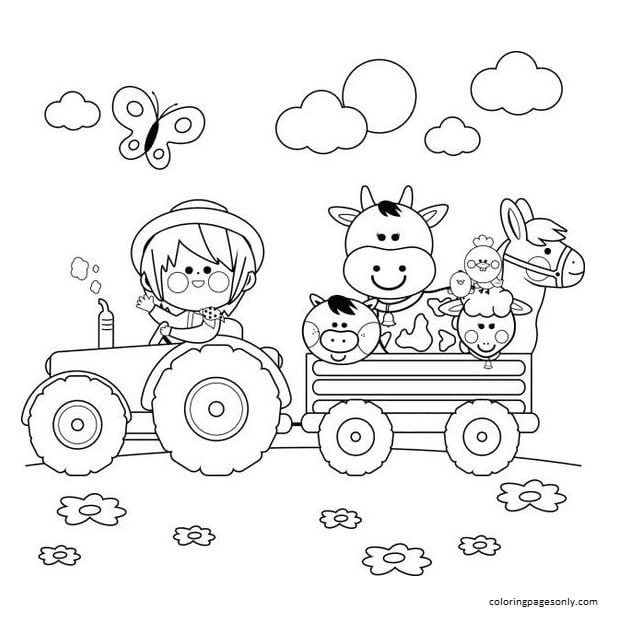
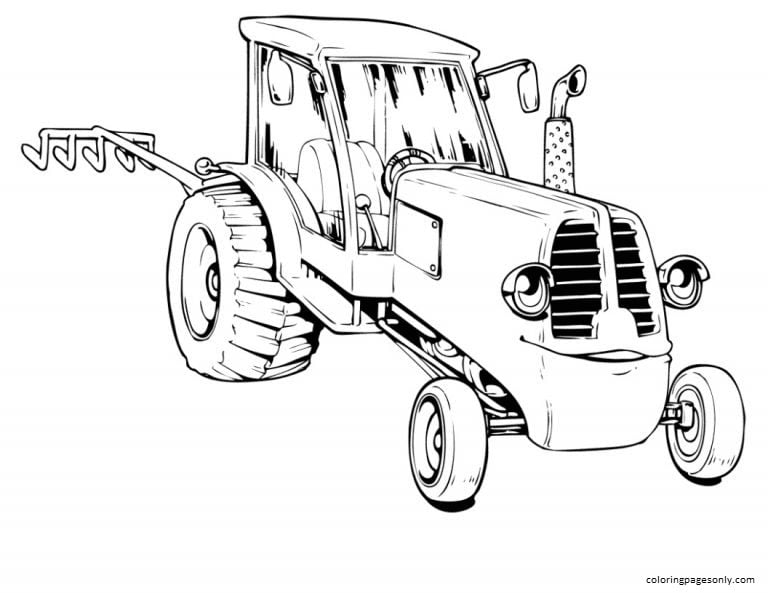
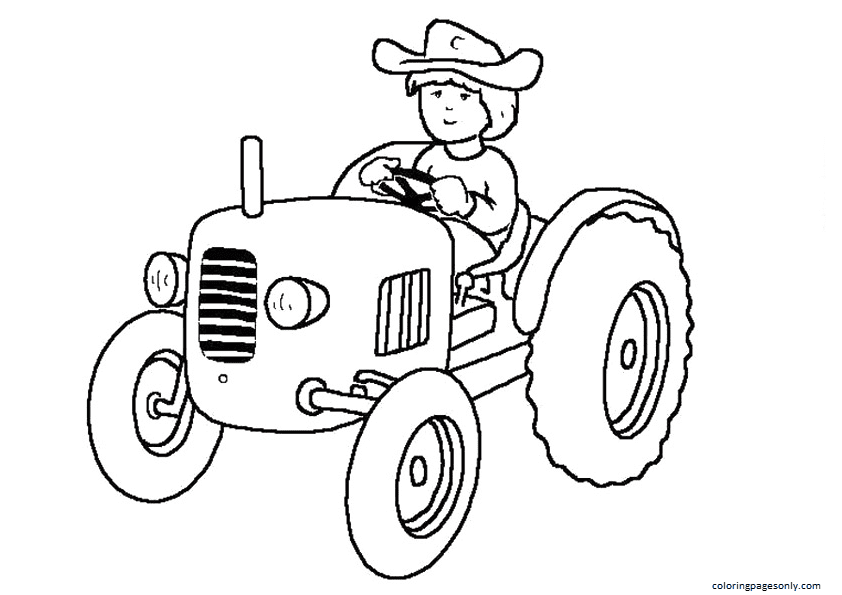
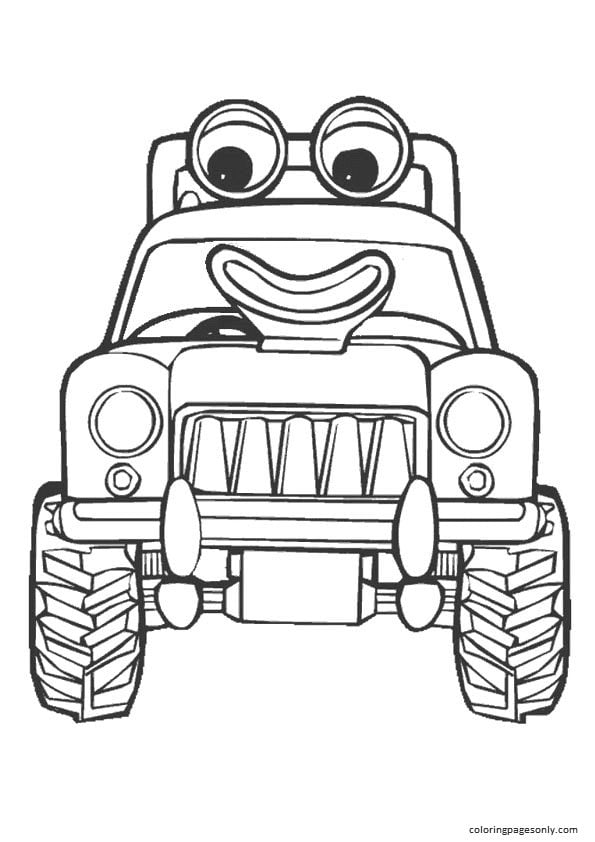
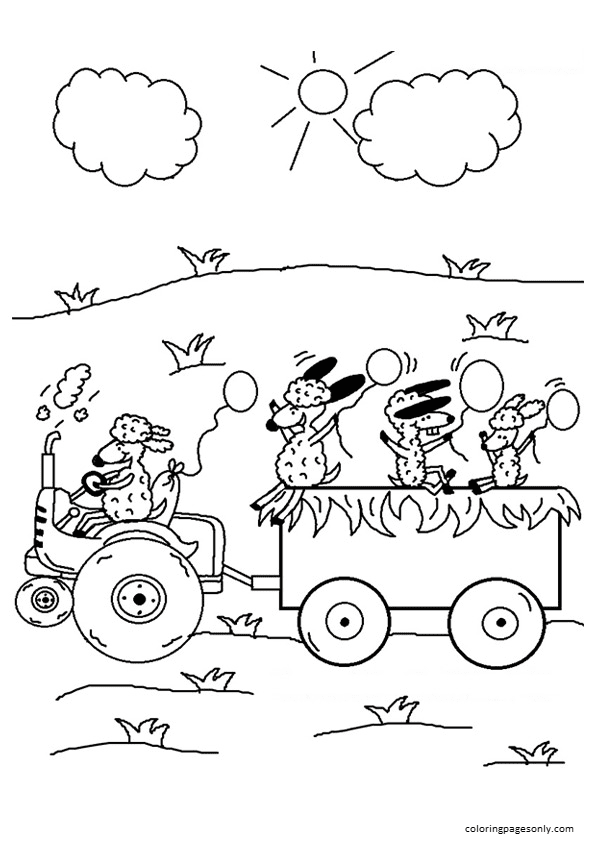
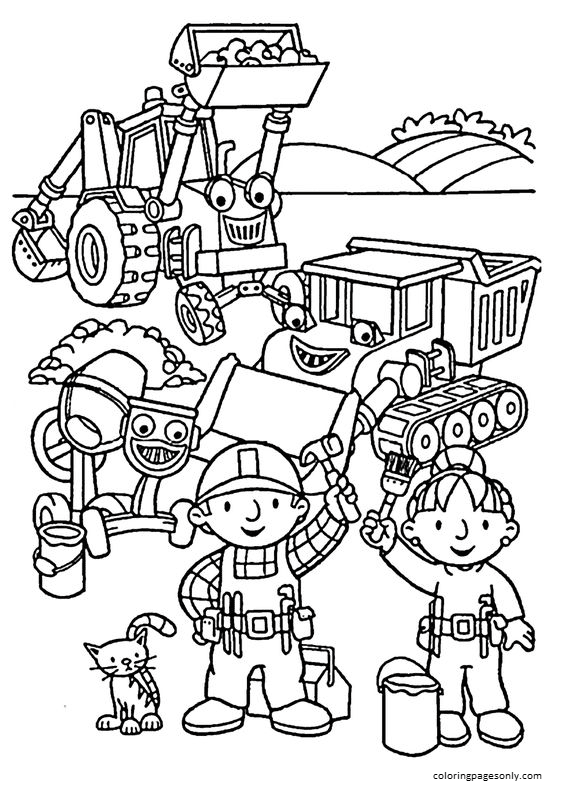
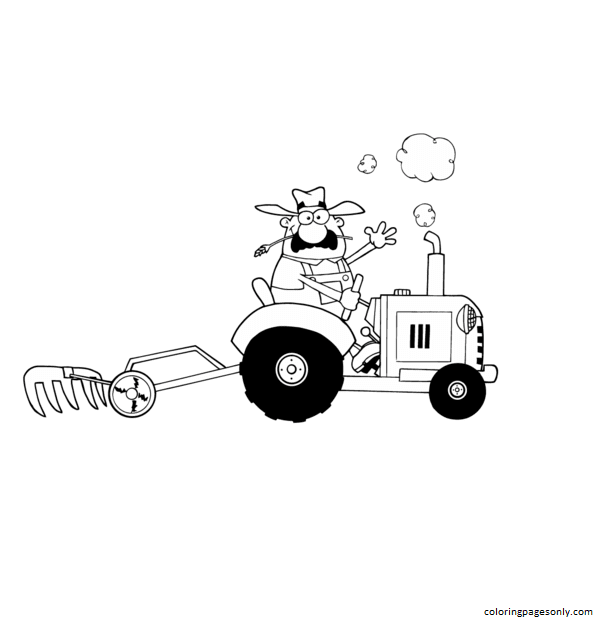
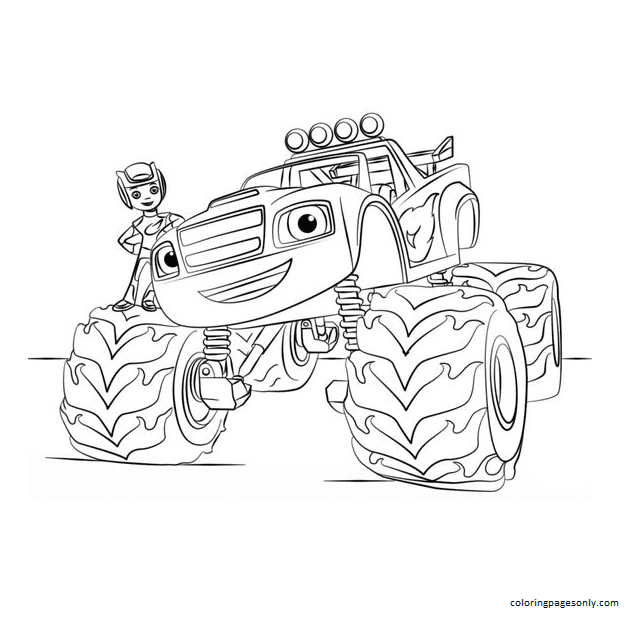
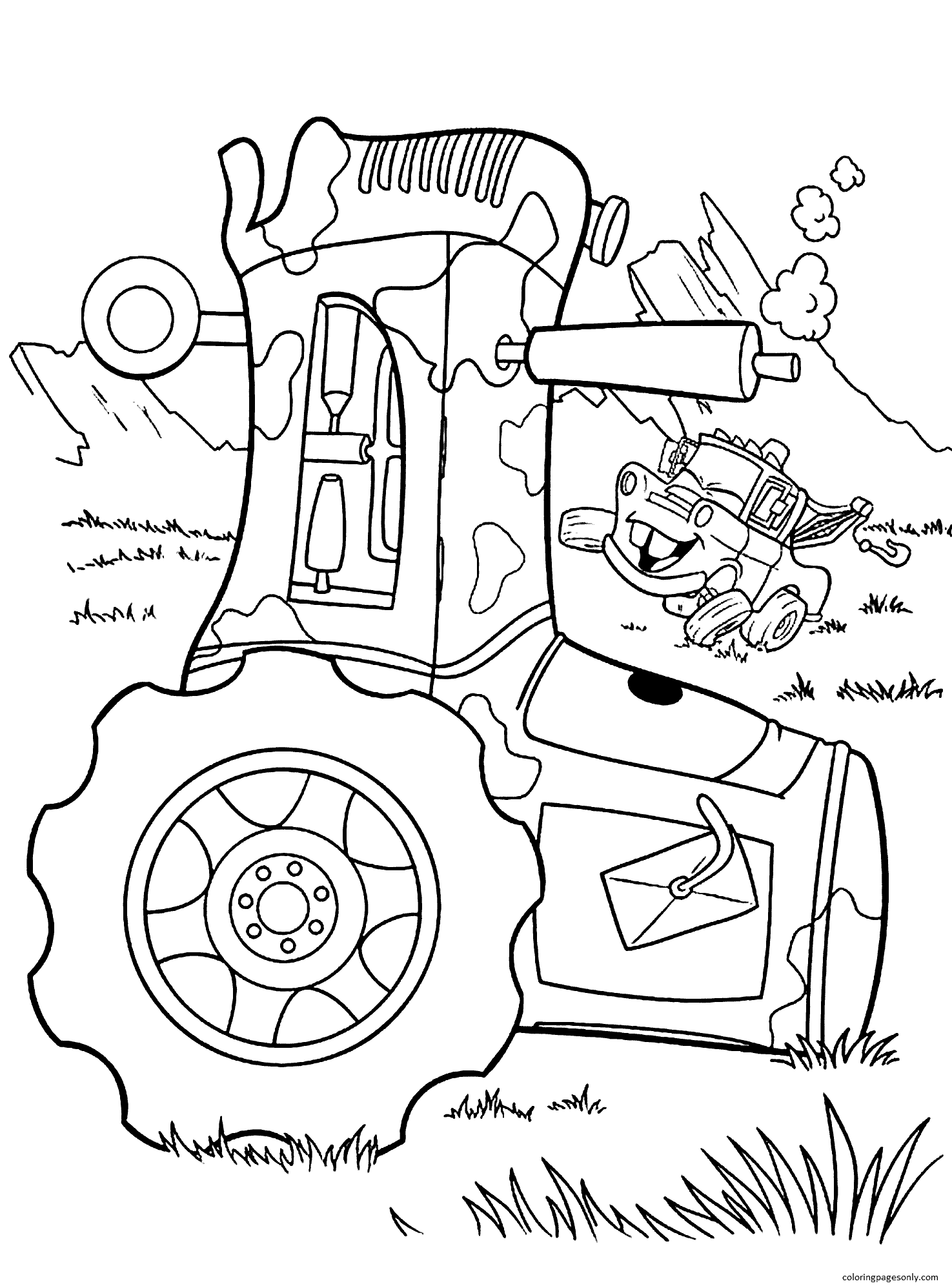
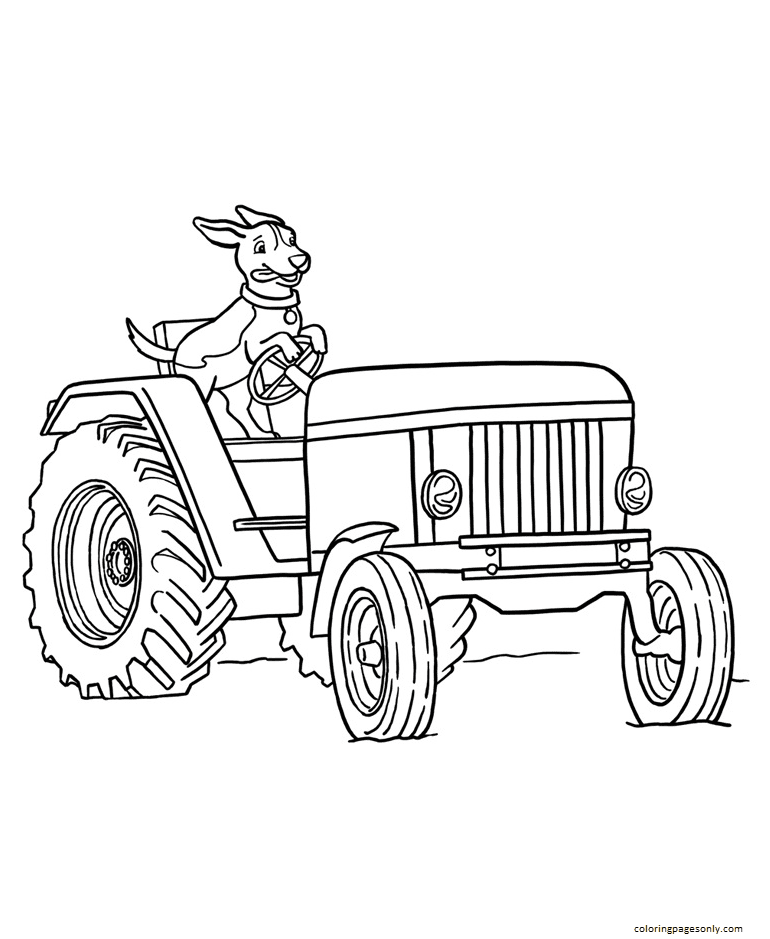
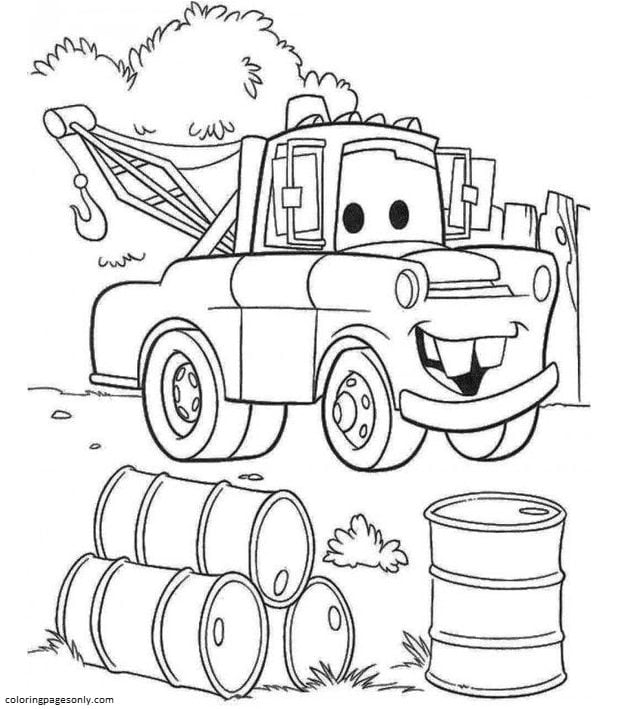
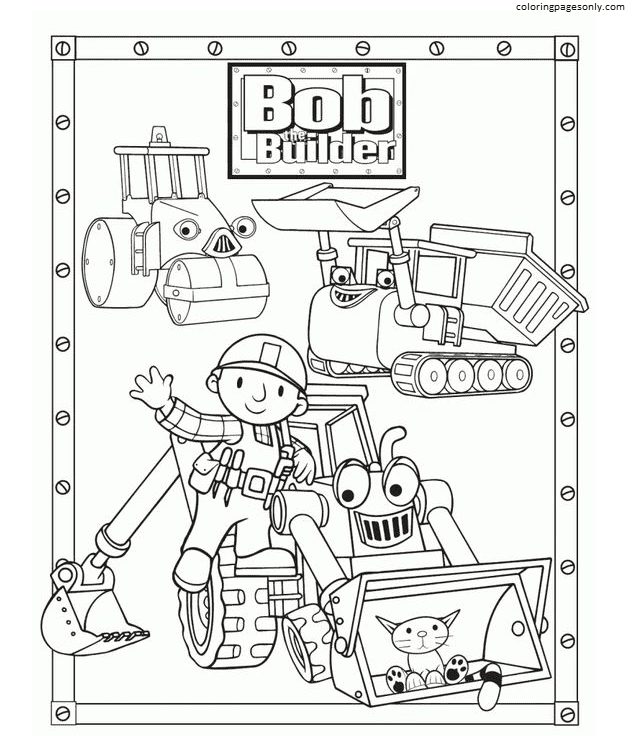
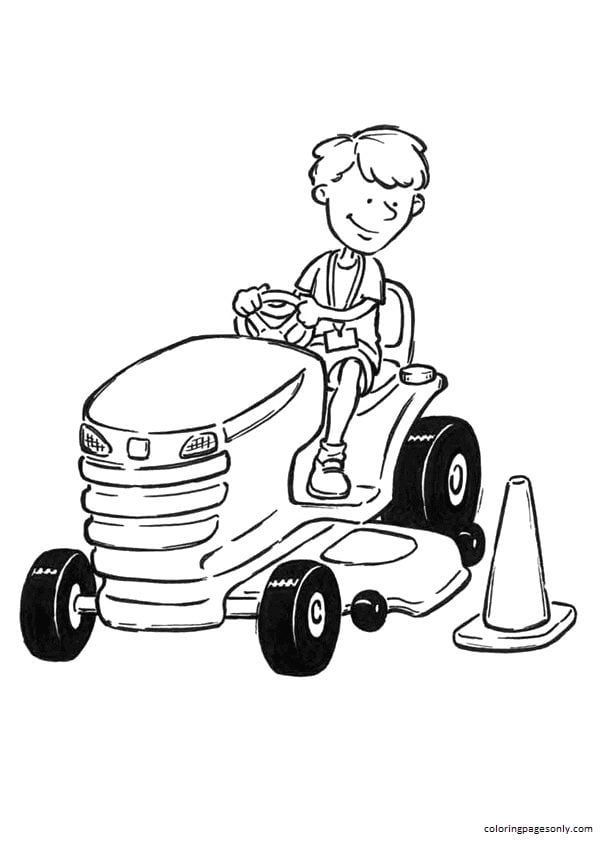
Twenty-four pages take a lighter approach: cartoon tractors with faces, grinning farmers, and animals, including a pig, ram, sheep, and dog, at the wheel, plus a Bob the Builder-inspired page. Bright primary colors work best; a cherry red or sunshine yellow body suits this friendly style far better than a muted tone.
Simple Tractor Outlines
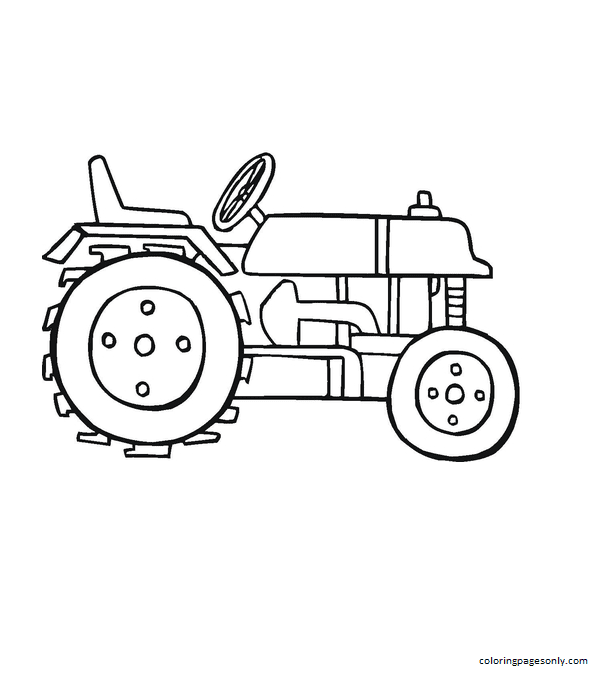
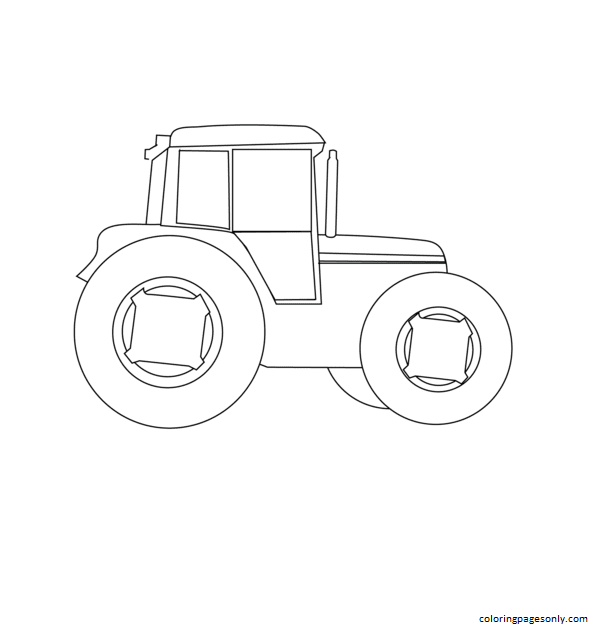
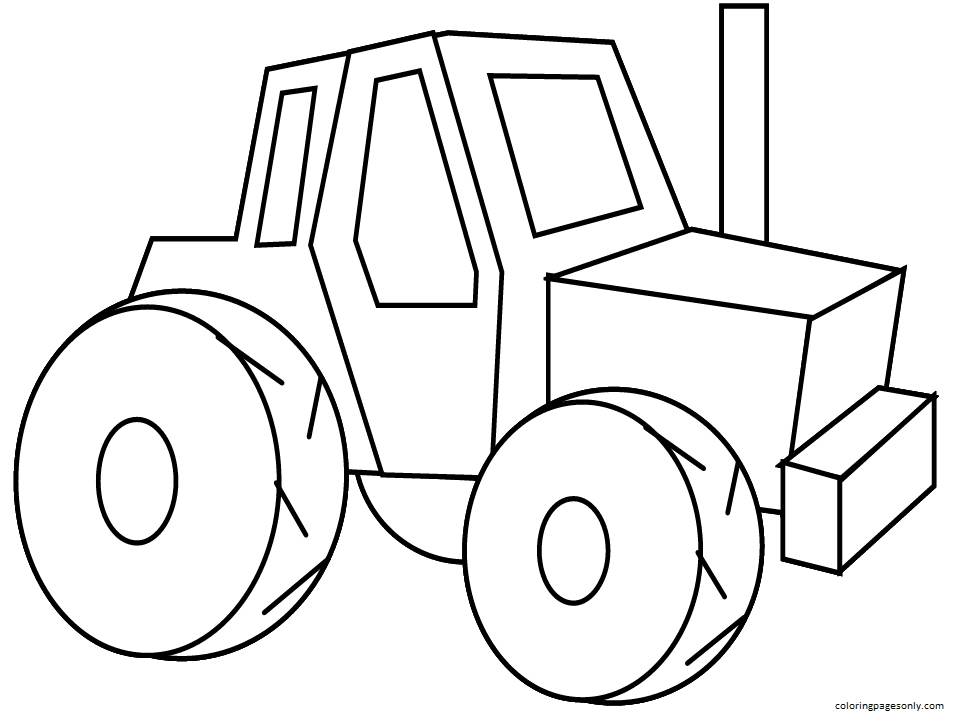
Sixteen pages use a single, uncomplicated tractor shape, including a run of numbered designs, a “simple tractor,” and a “small tractor.” These work well as a first page for toddlers. One or two solid colors are usually enough, since the goal is confident, complete coverage.
What Tractor Coloring Pages Do
Hand control, one panel at a time. A tractor’s oversized wheels and simple hood panels give a two- or three-year-old an easier target than most vehicle pages offer, and the American Academy of Pediatrics points to exactly this kind of practice, structured coloring done between ages 2 and 7, as a core building block for fine motor skill development. The six-bottom plow and loading excavator pages ask for the opposite once a child is ready: narrower shapes that reward a steadier hand.
A vocabulary lesson that isn’t a worksheet. A three-point hitch, a power take-off shaft, a loader bucket: these are real terms with real jobs, and a child who picks them up while coloring is absorbing more than most vehicle-themed pages have room to teach.
Calm through repetition, not stimulation. A 2005 paper in the Art Therapy Journal found measurable drops in anxiety after people worked through coloring sessions with a defined structure, and a tractor’s long, straight panel lines and evenly spaced wheel treads are about as structured as a coloring page gets.
A machine that three generations can agree on. Few subjects let a grandparent who grew up on a farm, a parent who has never driven one, and a child who has only seen tractors in picture books recognize the same shape, which makes this set as workable for a family coloring session as it is for a solo one.
How to Color Tractor Coloring Pages Well
- John Deere green machines: Fill the body in Forest Green, keep the wheel rims and trim in Yellow, and use Black for the tires, matching the green-and-yellow scheme John Deere has used for generations.
- Red farm brands: On pages built like a Case IH or Massey Ferguson machine, use Scarlet for the body panels and hood, with Black for the tires and any exhaust stack.
- Blue and orange brands: For a New Holland-style blue tractor, use Cerulean with White highlights on the cab glass. For a Kubota or Allis-Chalmers-style orange tractor, use Sunglow or Outrageous Orange instead.
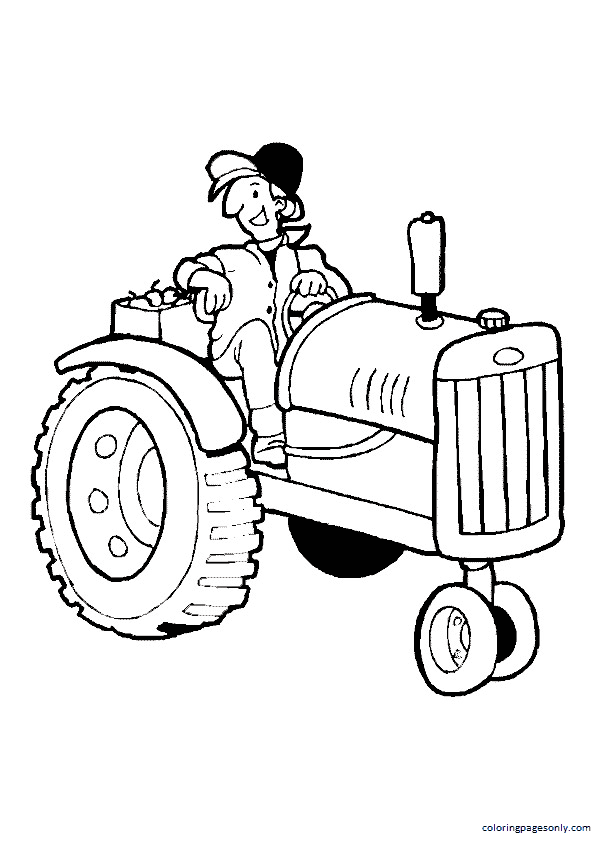
- Vintage and Porsche-style tractors: On the vintage-farm-tractor and Porsche tractor pages, mute the palette with Raw Sienna or Copper for aged metal, and use Timberwolf for dusty tires and worn trim.
- Plows, loaders, and attachments: Color plow blades and loader buckets, silver or Gray to suggest bare steel, separate from the tractor’s main body color, so the attachment reads as its own part.
- Cartoon and character tractors: On the pages with faces, animals, or Bob the Builder-style characters, block in one bold, flat color per panel and save shading for the farm scenes, since simple color blocking suits these friendlier designs better.
5 Creative Craft Ideas With Tractor Coloring Pages
1. Farm Diorama. Color two or three tractor pages, cut them out, and stand them up inside a shoebox decorated as a barn and field for a simple 3D farm scene. A folded strip of green paper works as a quick field, and a torn cotton ball or two makes a passable cloud for the sky.
2. Tractor Brand Poster. Color the John Deere, Porsche, and Ford pages side by side on poster board, labeling each one’s real paint colors underneath like a small spec sheet. It turns three separate pages into one project and gives an older child a reason to look up each brand’s real color before picking up a crayon.
3. Tractor Bookmark Set. Color a few of the simple numbered tractor outlines, cut them into narrow strips, and cover each one with clear contact paper for a reusable bookmark set. A set of five or six in different colors makes an easy, low-cost gift for a sibling or classmate.
4. Farm Placemat. Color a favorite farm scene page, glue it to a sheet of construction paper, and cover it with clear contact paper for a washable mealtime placemat. Because it holds up to wiping, it can move from the craft table to the kitchen table the same day it’s made.
5. Animal Driver Stick Puppet. Color one of the animal-driver pages, such as the pig or sheep at the wheel, cut it out, and glue it to a craft stick for a simple puppet. A handful of these puppets from different animal-driver pages turns into a quick puppet show with almost no extra setup.
Frequently Asked Questions
What are tractor coloring pages?
Tractor coloring pages are free printable and browser-colorable designs of farm and construction tractors. This collection has 60 pages, available as PDF downloads or through the online coloring tool, no account required.
Who invented the tractor?
John Froelich built the first successful gasoline-powered tractor in 1892 in Iowa. His company later became the Waterloo Gasoline Engine Company, which John Deere purchased in 1918 to enter the tractor business.
Did Porsche really make tractors?
Yes. Ferdinand Porsche designed tractors starting in the 1930s, and under the Porsche-Diesel name, more than 125,000 were built between 1956 and 1963 in Germany.
Why are tractors different colors depending on the brand?
Tractor brands use consistent factory colors so machines are recognizable in the field: John Deere is green and yellow, Case IH and Massey Ferguson are red, New Holland is blue, and Kubota is orange.
What is a tractor’s three-point hitch?
A three-point hitch is a system of two lower arms and one upper arm that attaches implements like plows to a tractor. Harry Ferguson patented it in 1926, and it’s still the industry standard.
What is the difference between a wheeled tractor and a crawler tractor?
A wheeled tractor runs on four rubber tires and suits firm, dry ground. A crawler tractor runs on continuous tracks instead, spreading its weight so it can work soft or muddy terrain without sinking.
Are tractor coloring pages suitable for young children?
Yes, with the right page. The simple numbered outlines suit toddlers, cartoon tractors with faces suit preschoolers, and the detailed farm scenes and named-brand machines work better for older kids and adults.
Is the Bob the Builder page an officially licensed design?
No. It’s a fan-made design inspired by the character for personal, non-commercial use, not affiliated with or endorsed by Mattel or HIT Entertainment, the rights holders for Bob the Builder.
Start Coloring
Download any design by clicking it. No account, email, or payment is required to color or print. Every page opens in the online coloring tool for on-screen use or downloads as a full-resolution PDF for printing. Share a finished tractor page using the Facebook or Pinterest buttons at the top of the page.