Cozy Home Coloring Pages

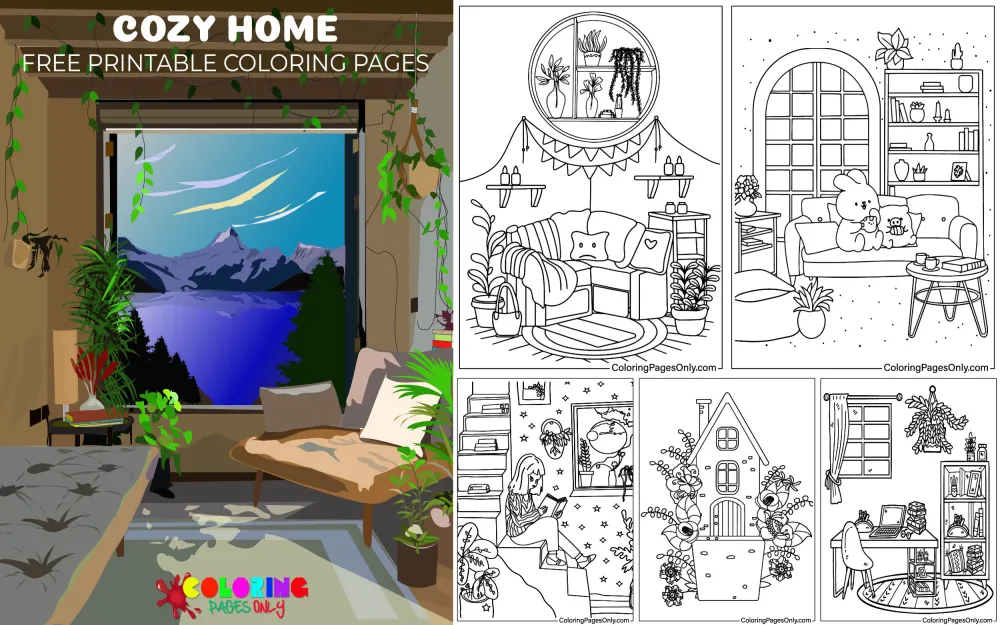
Cozy Home Coloring Pages at ColoringPagesOnly.com brings you 30+ free pages built around a single idea: what a home looks like when it feels right. The collection covers exterior house illustrations in different seasons, interior room scenes, homes inhabited by bears and bunnies, a mushroom house, a camping scene, holiday-decorated facades, and quiet domestic moments – all in the warm, unhurried illustration style that defines the cozy aesthetic. Download any page as a PDF to print, or color online directly in your browser. The full Cozy collection is at Cozy Coloring Pages.
What’s in This Collection
The 30+ pages are divided into a few natural groups.
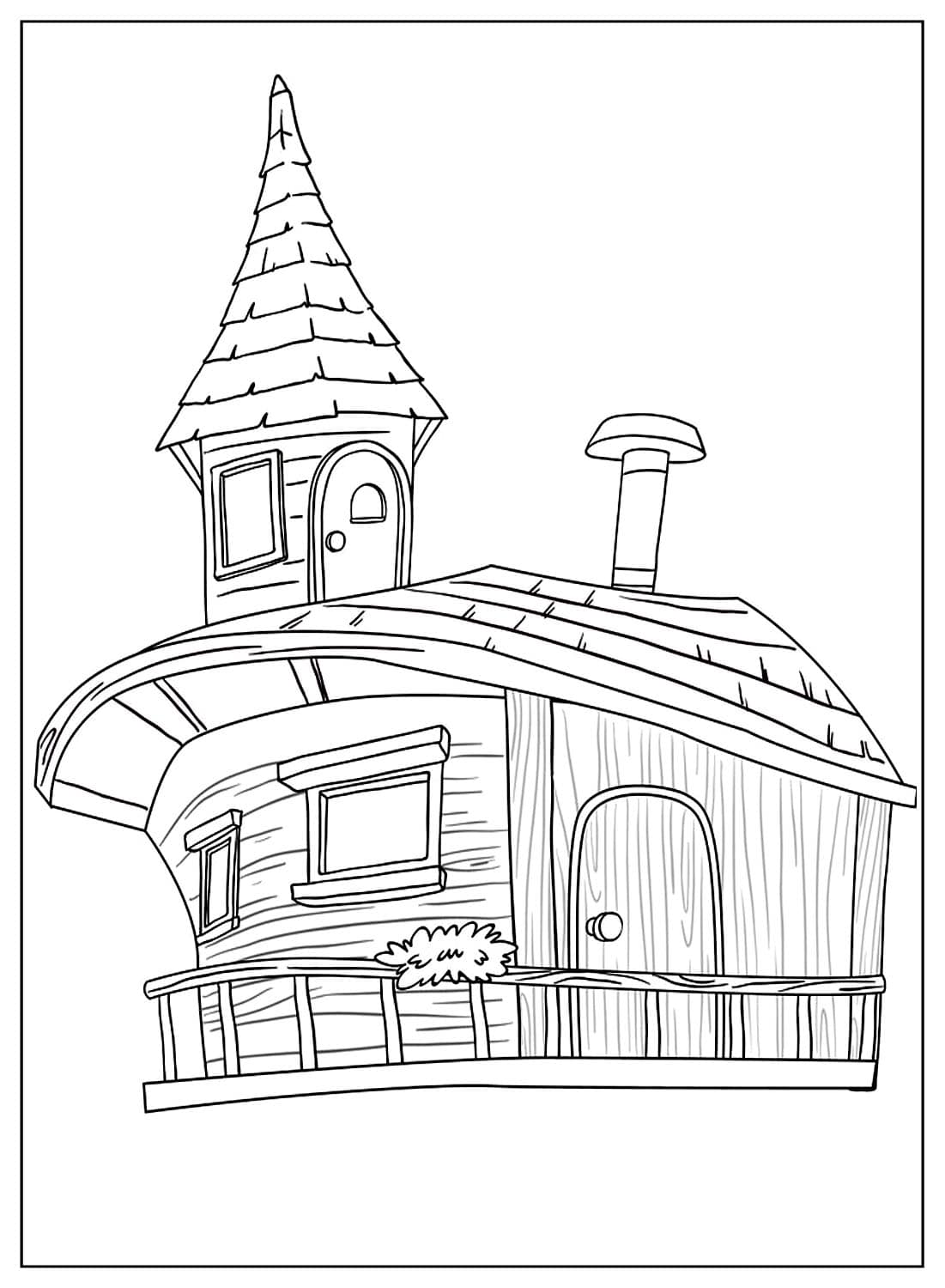
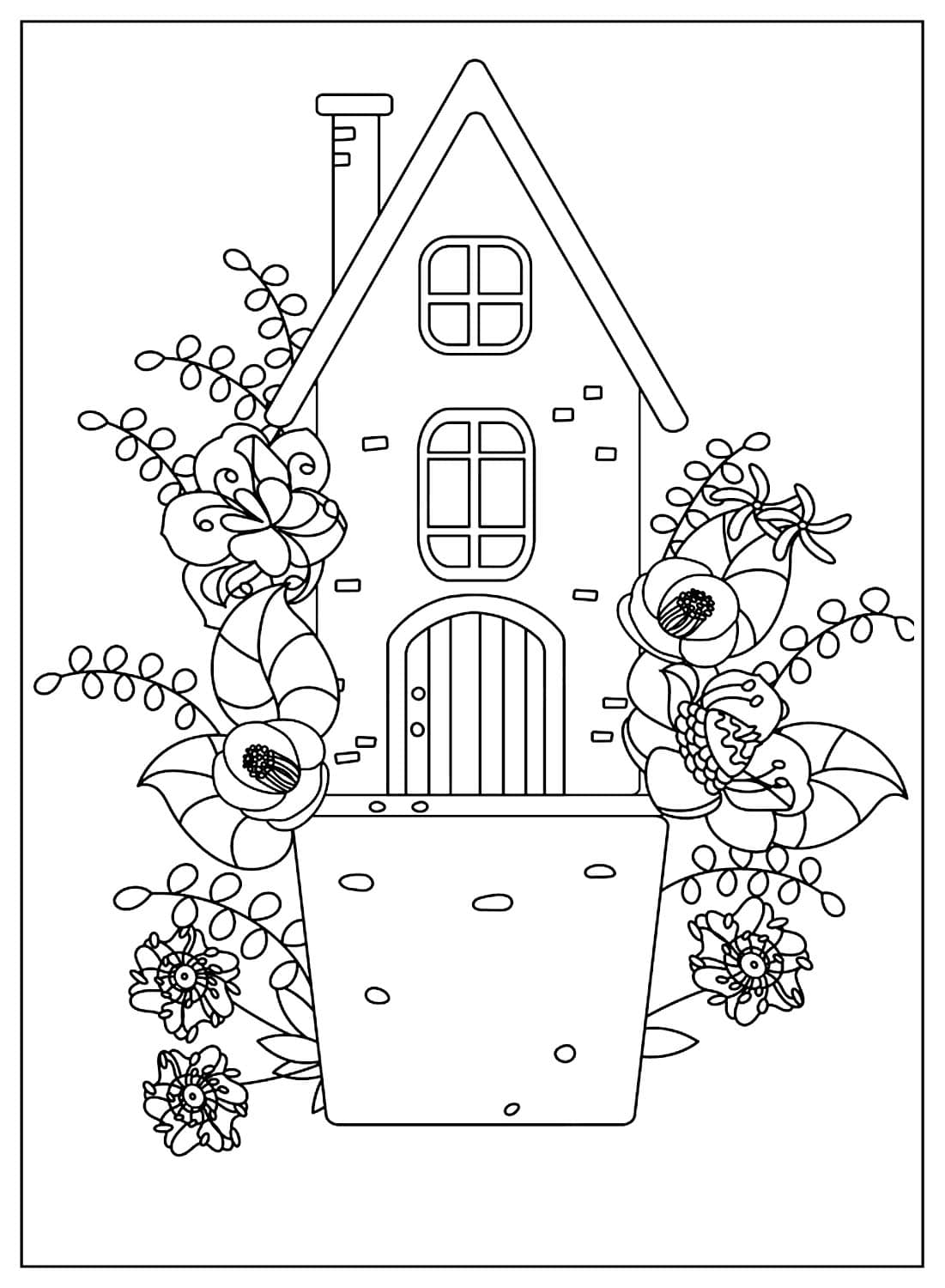
Exterior house illustrations form the largest group – homes seen from the outside, showing the full building with its surroundings. These include Cozy Classic Home, Cozy Modern Home, Cozy Basic Home, Fresh and Cozy Home, Green Cozy Home Image, Cozy Home and Trees, and the seasonal pages Cozy Spring Home Color Page, Winter and Cozy Home, and Cozy Home of Winter. Each exterior page gives you a complete composition to work with: the house itself, the roof, the windows, the door, the garden or yard, the sky, and the ground level.
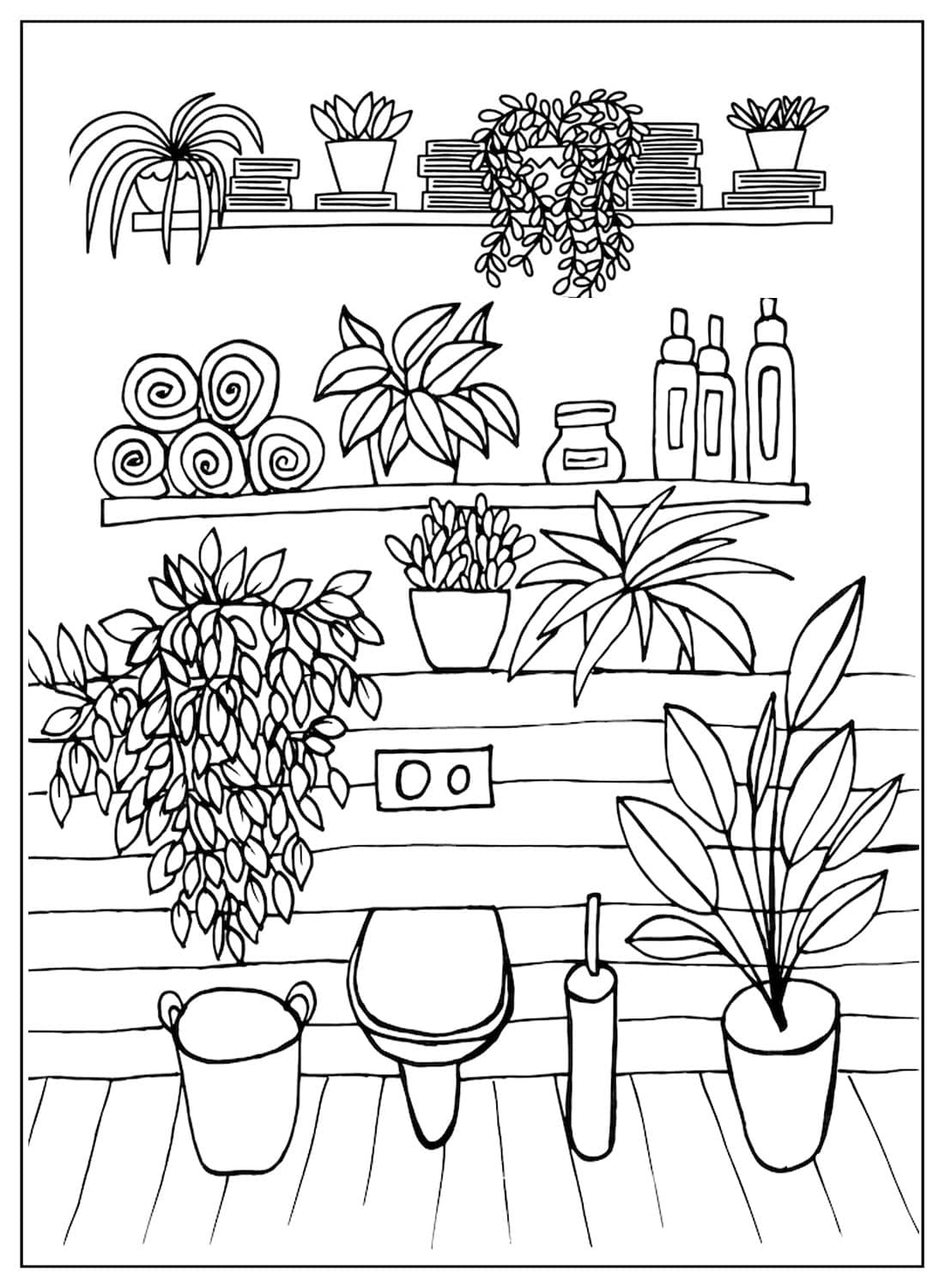
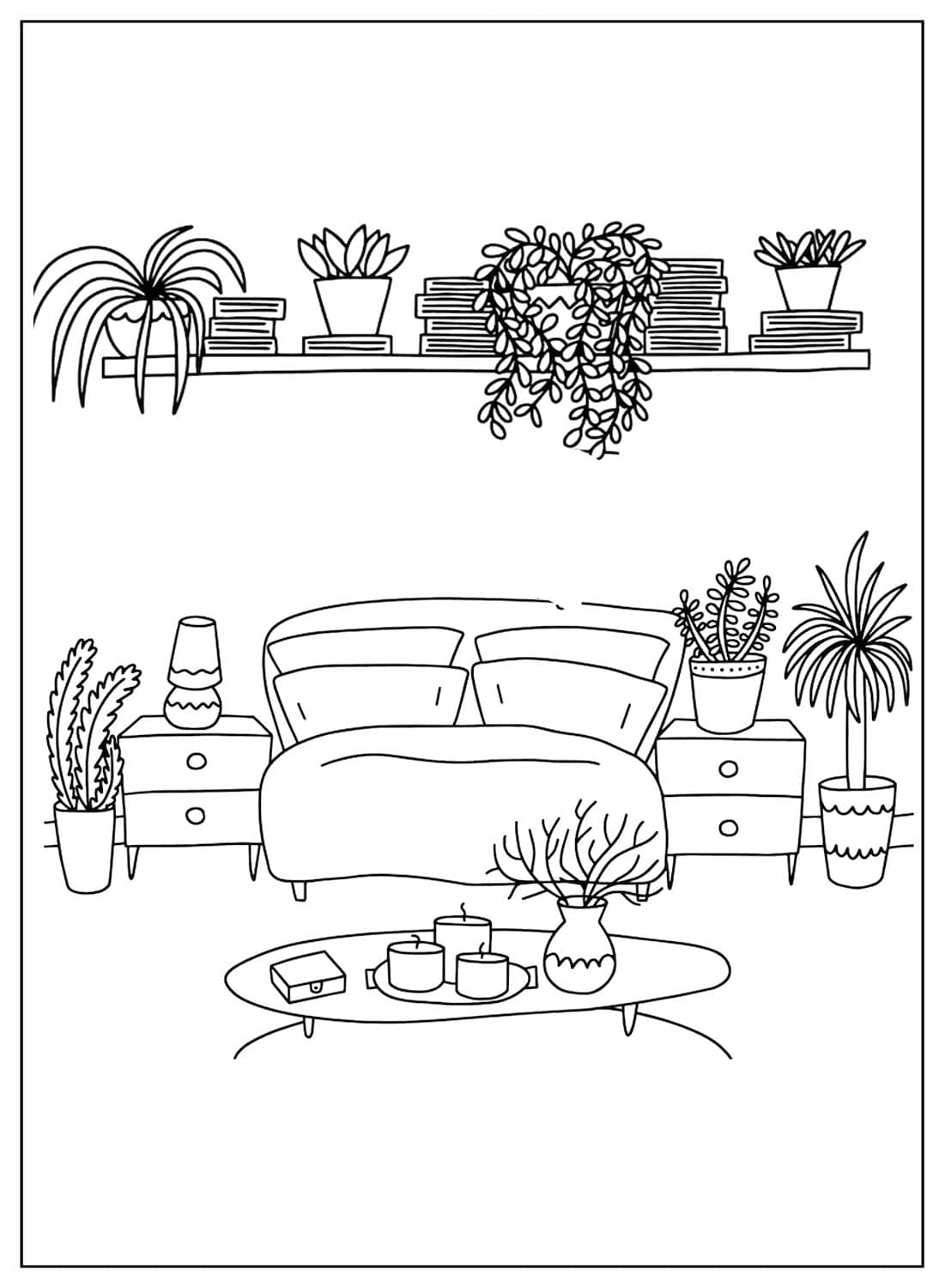
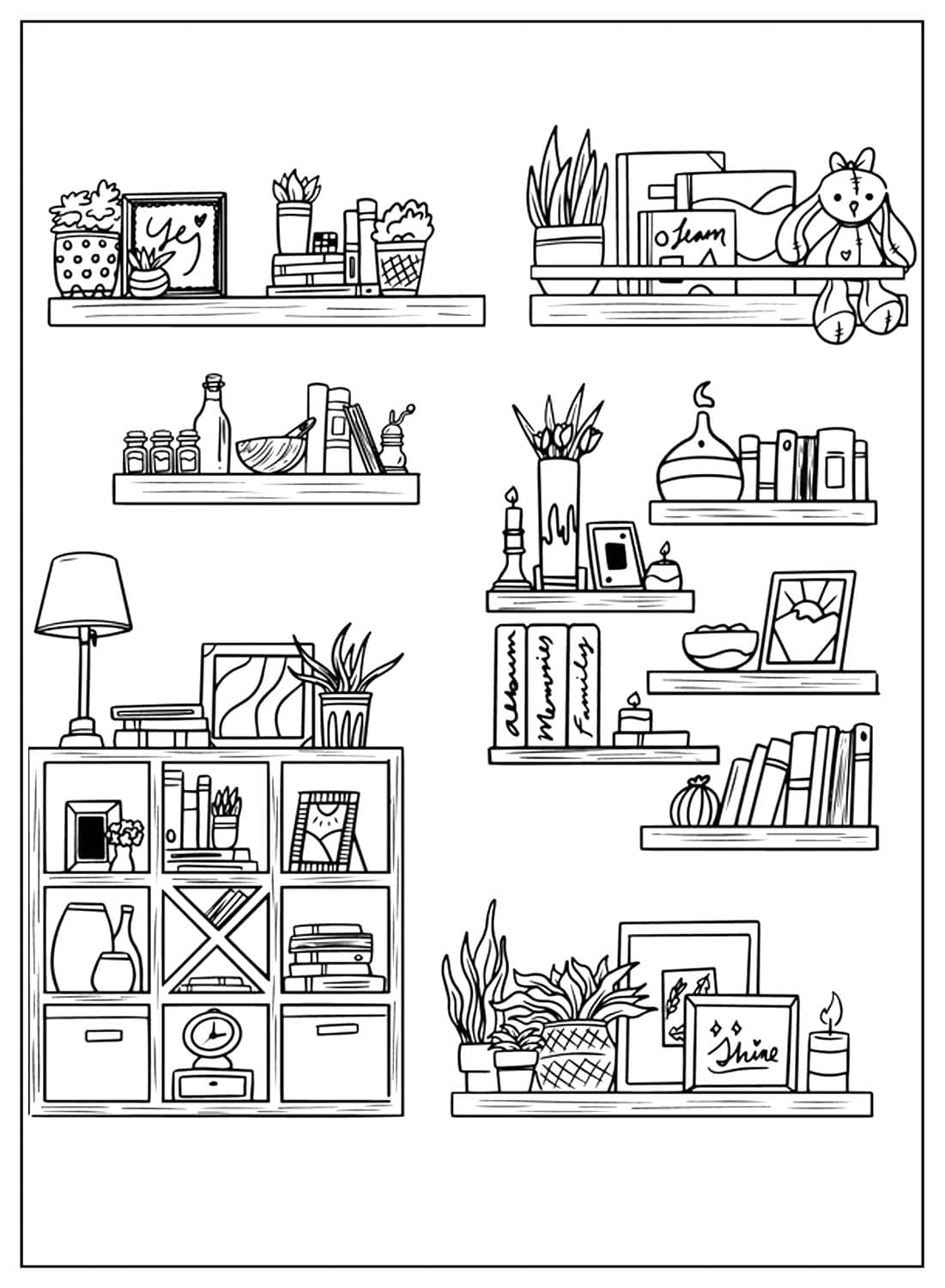
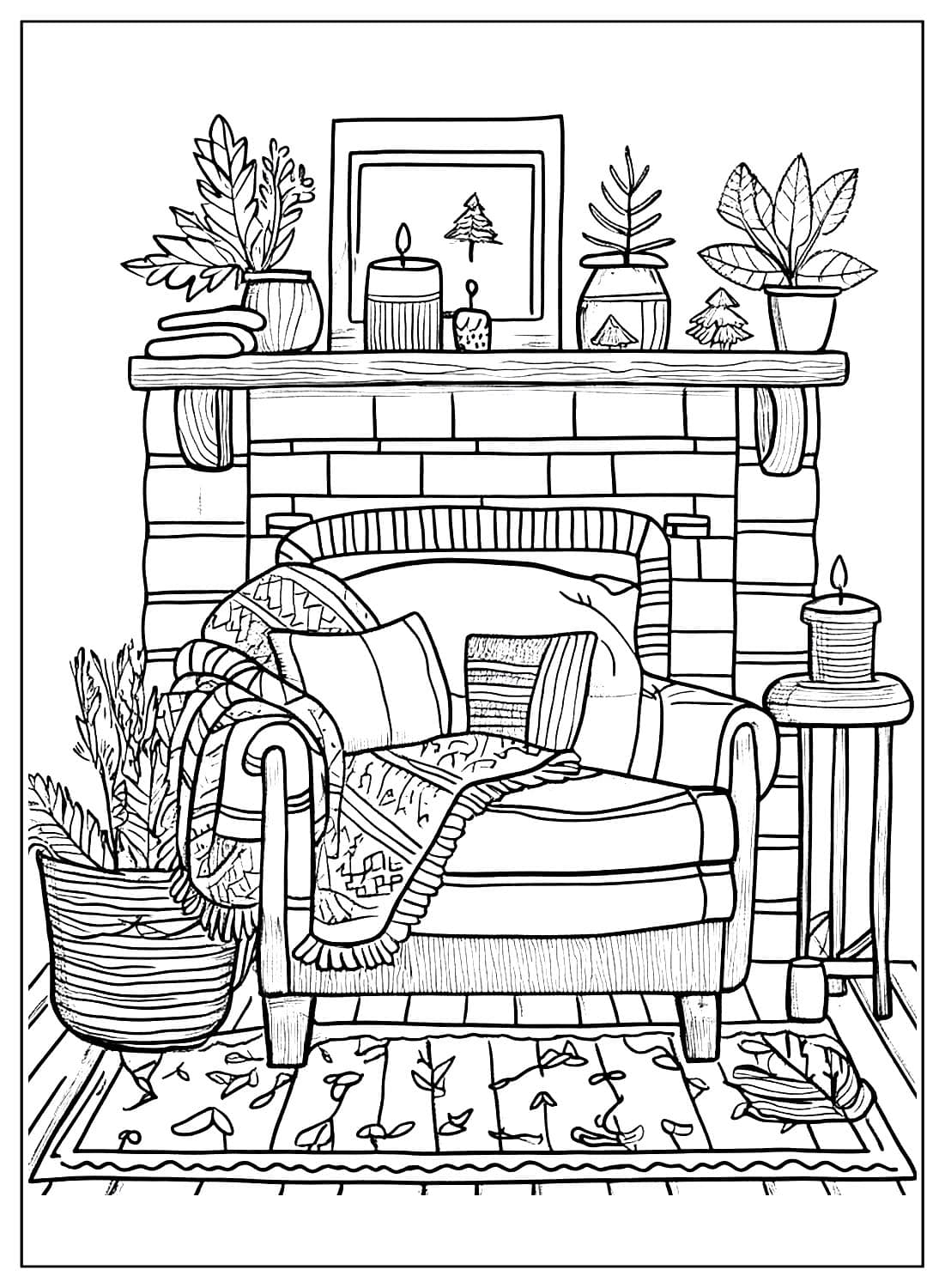
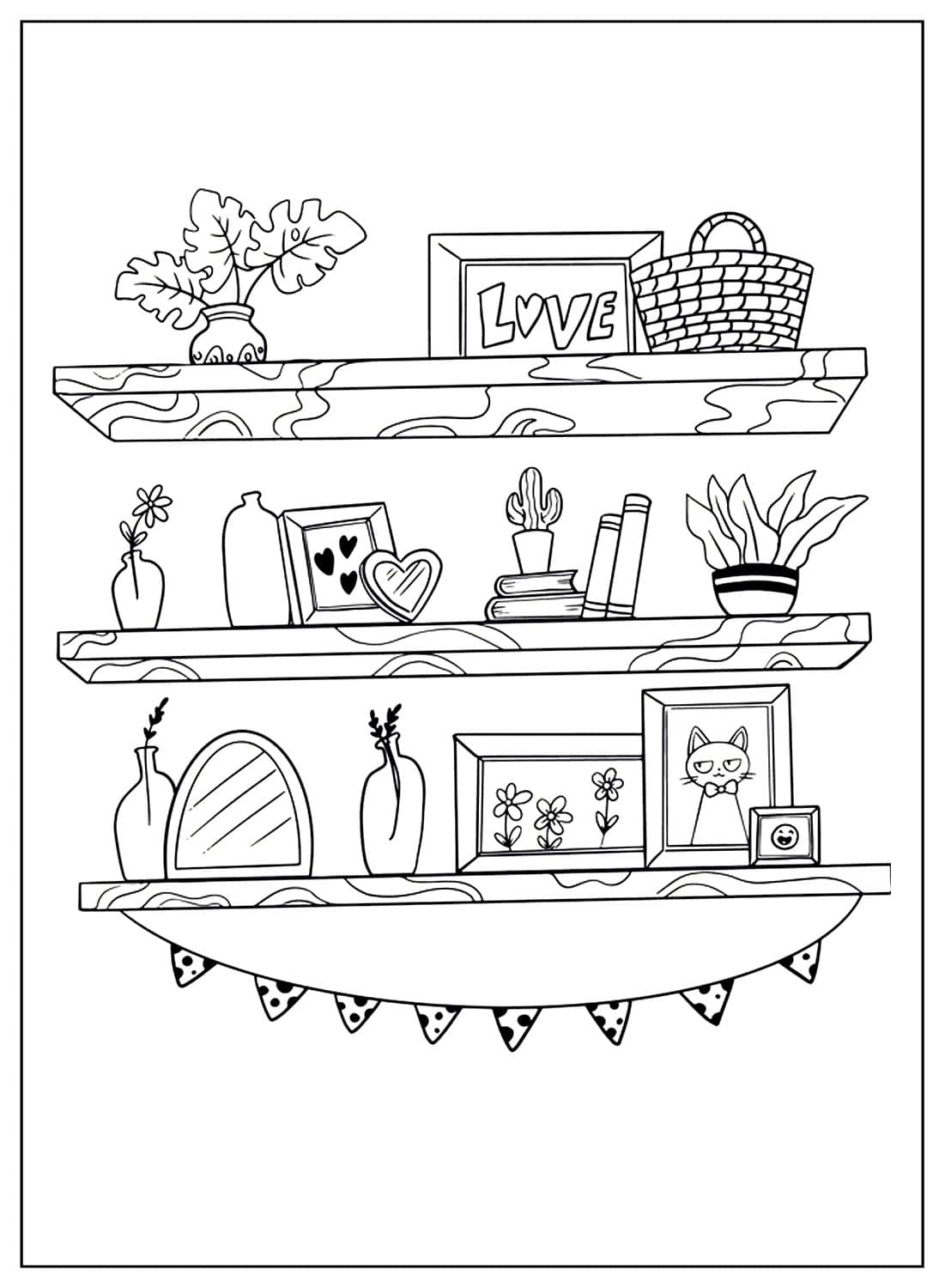
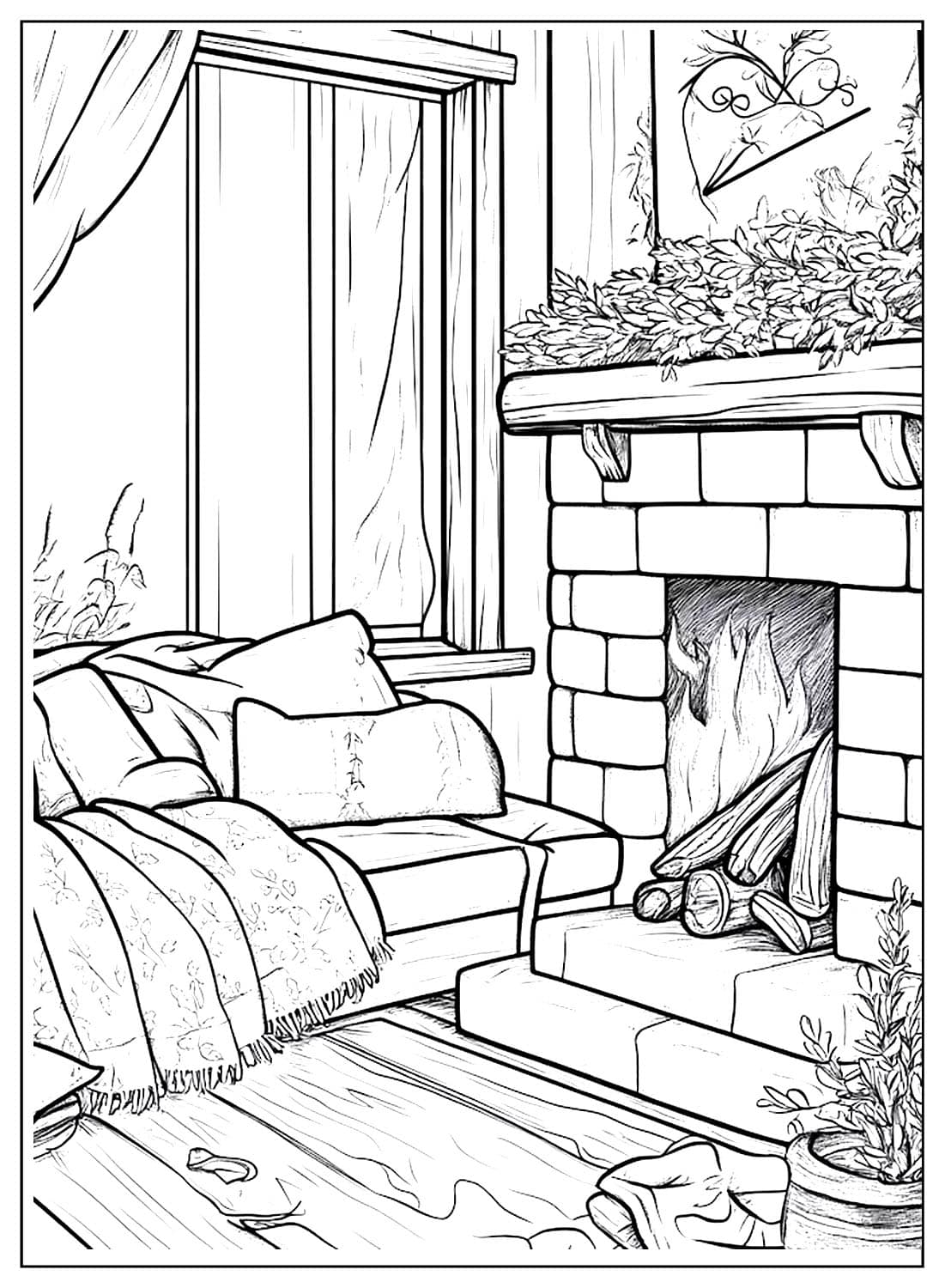
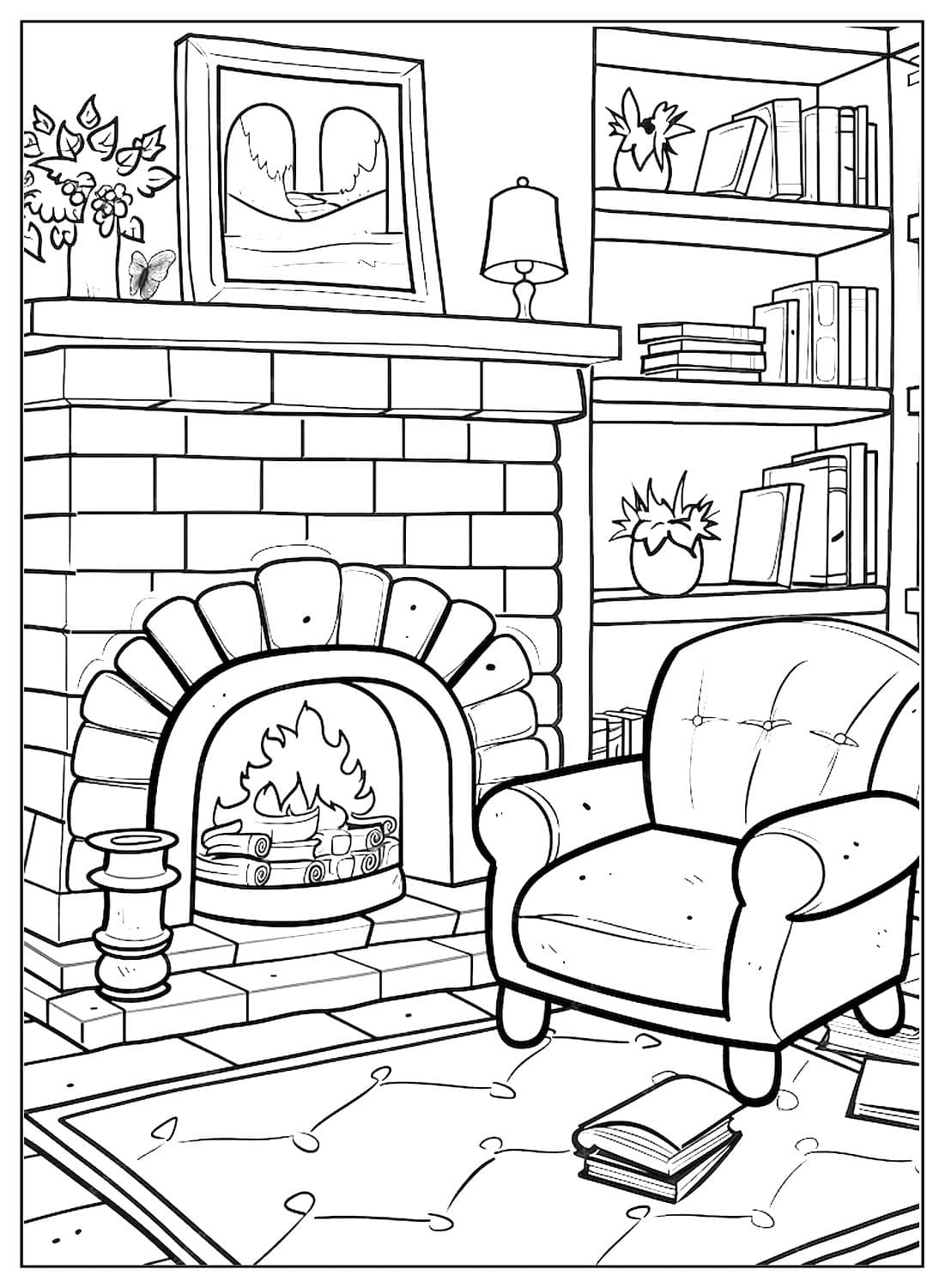
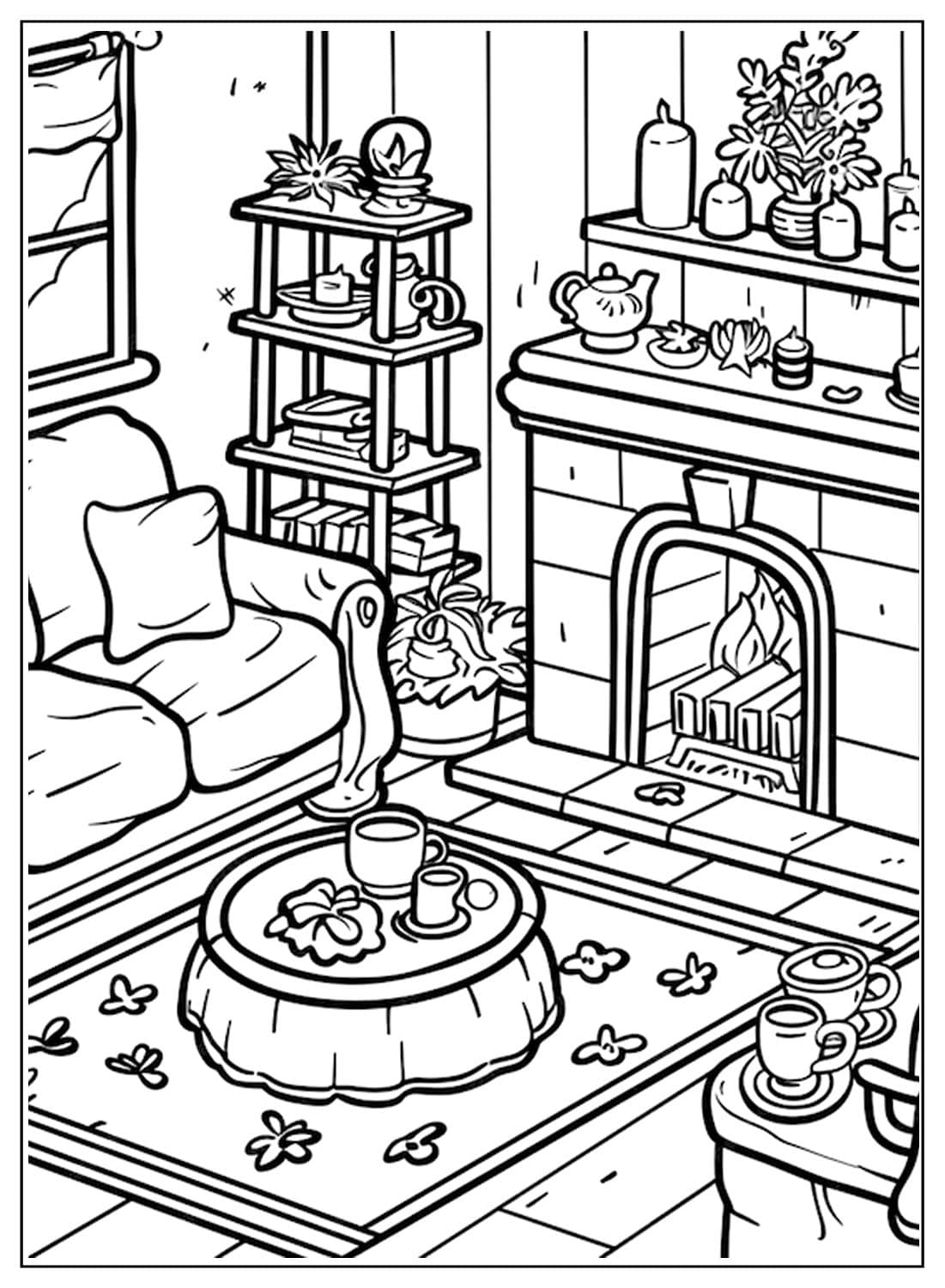
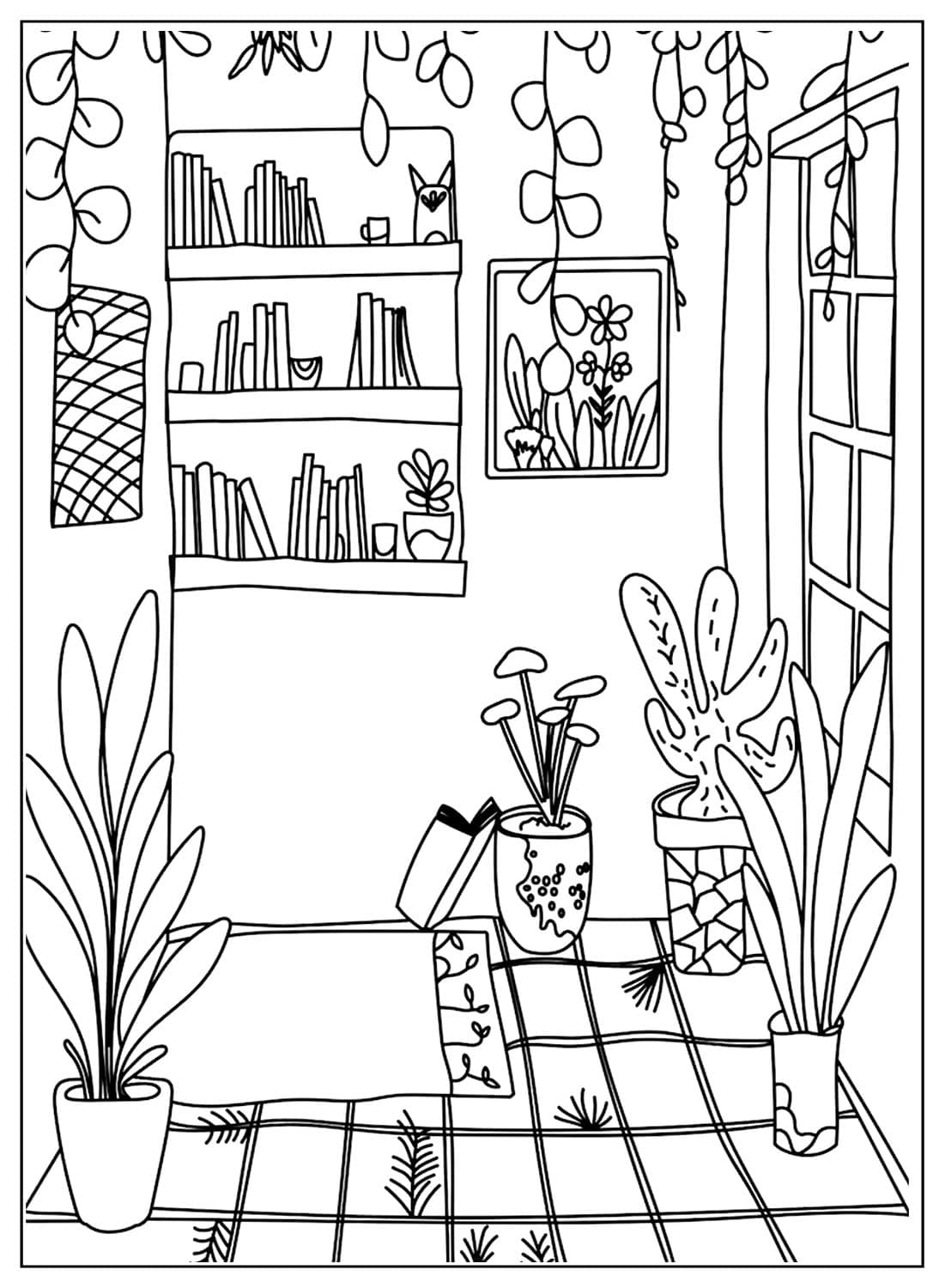
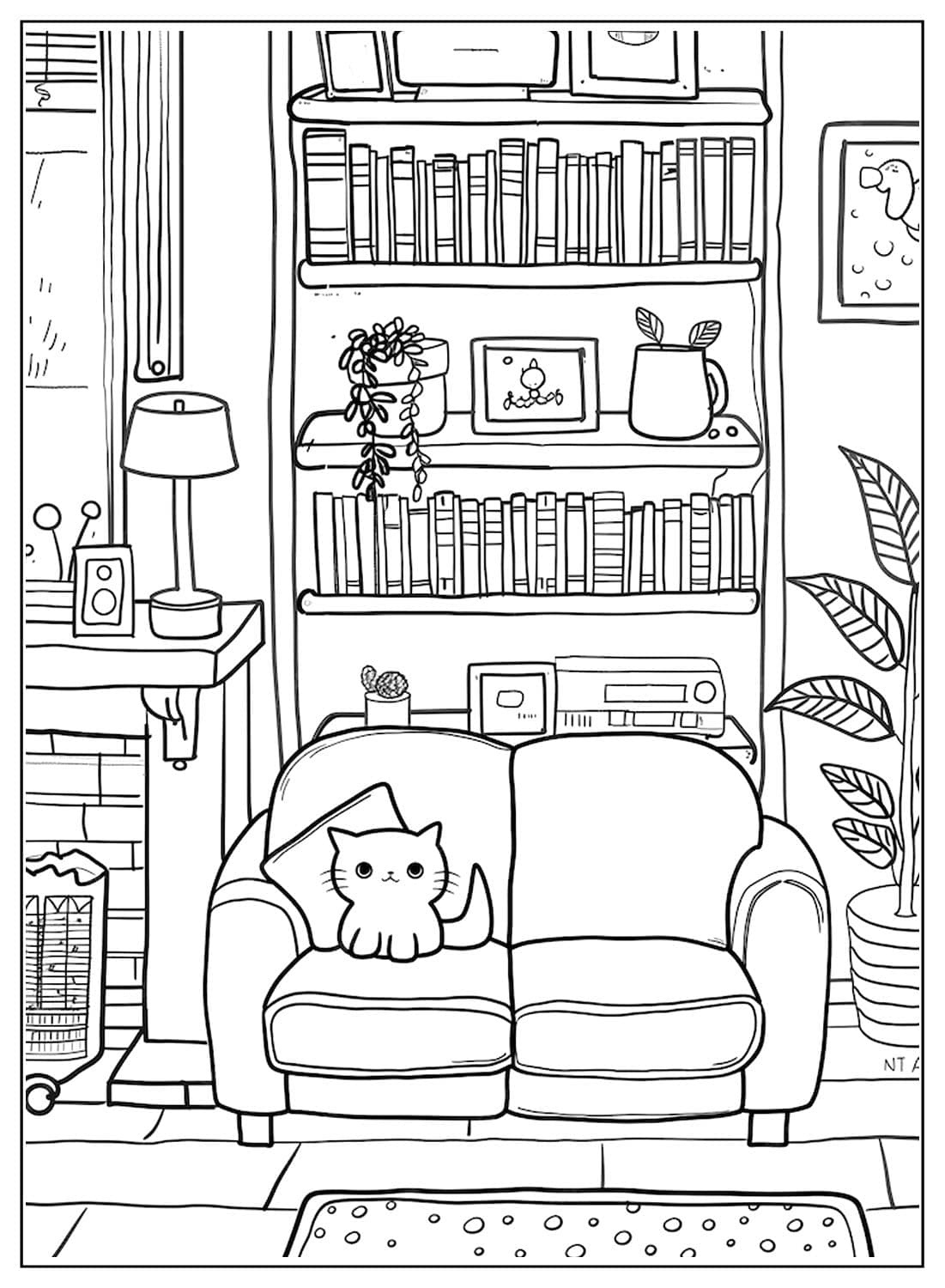
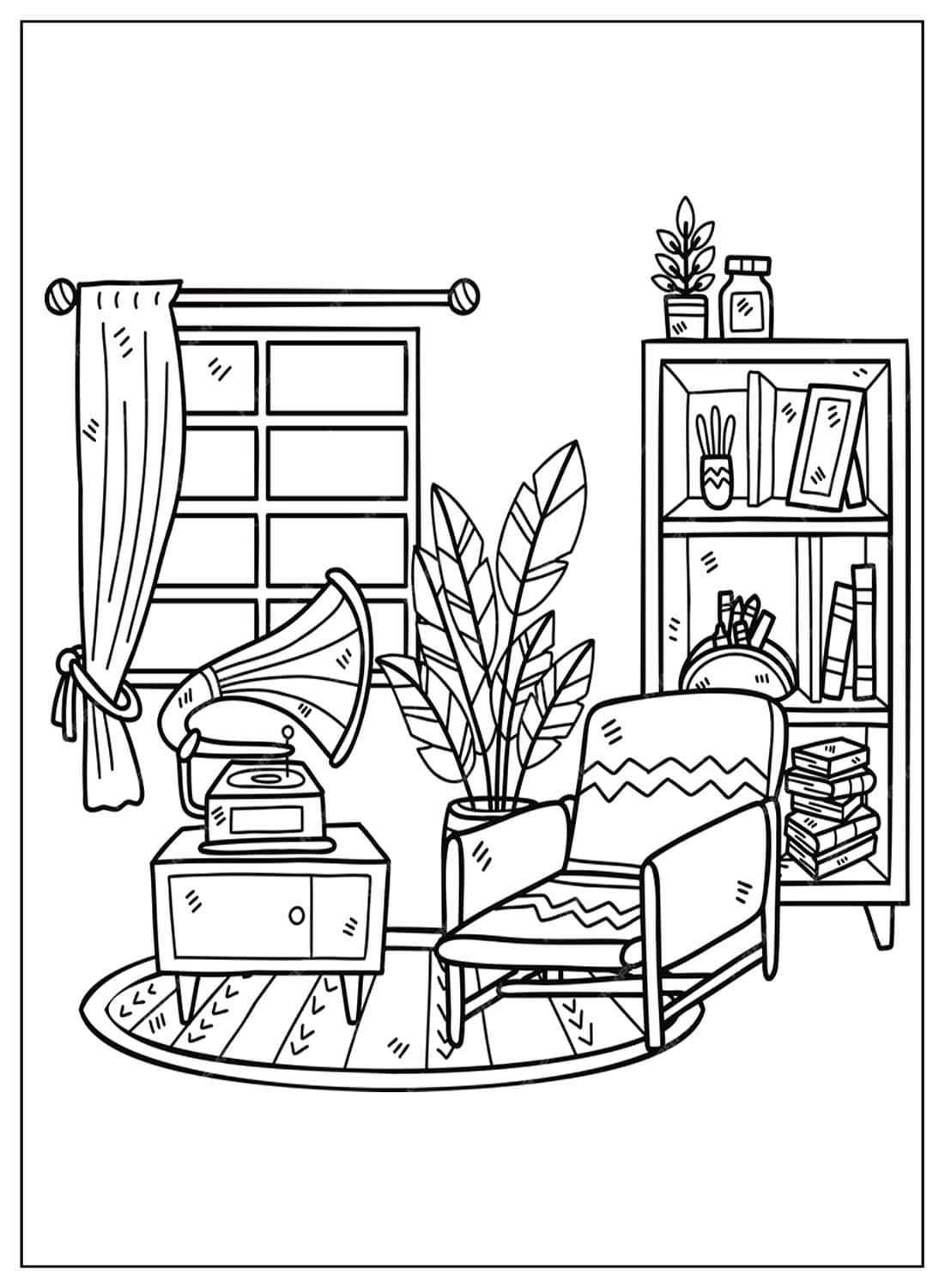
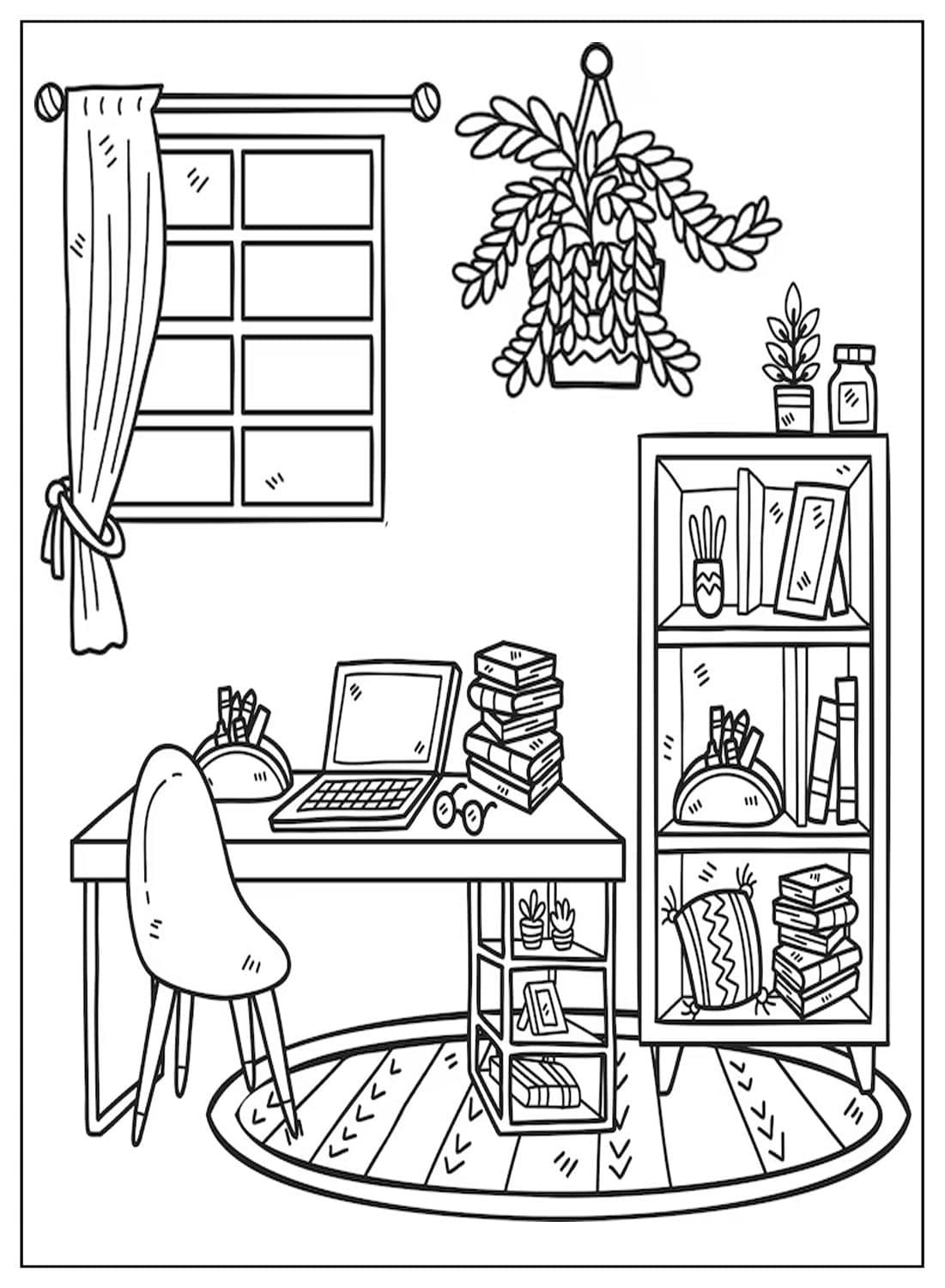
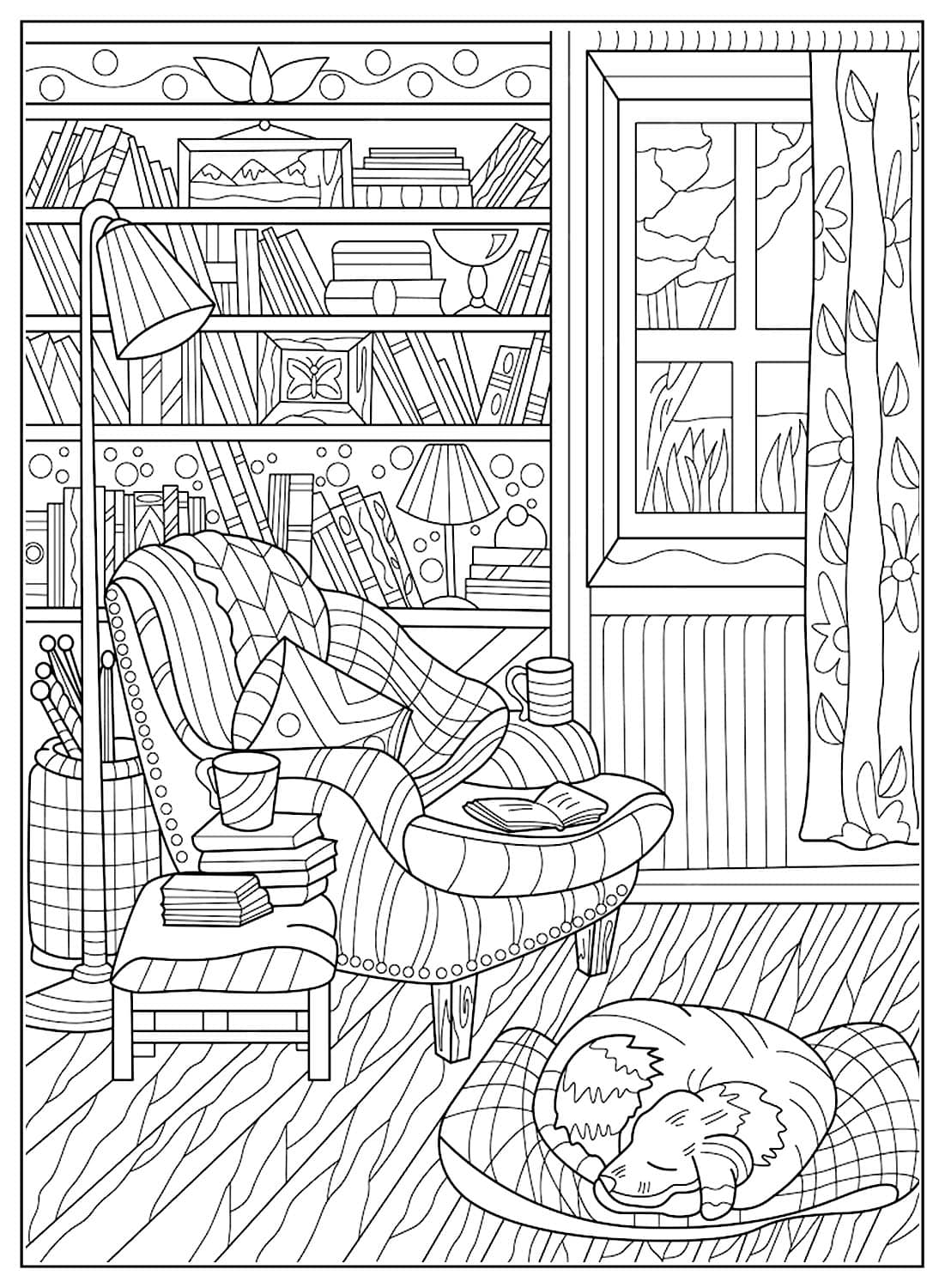
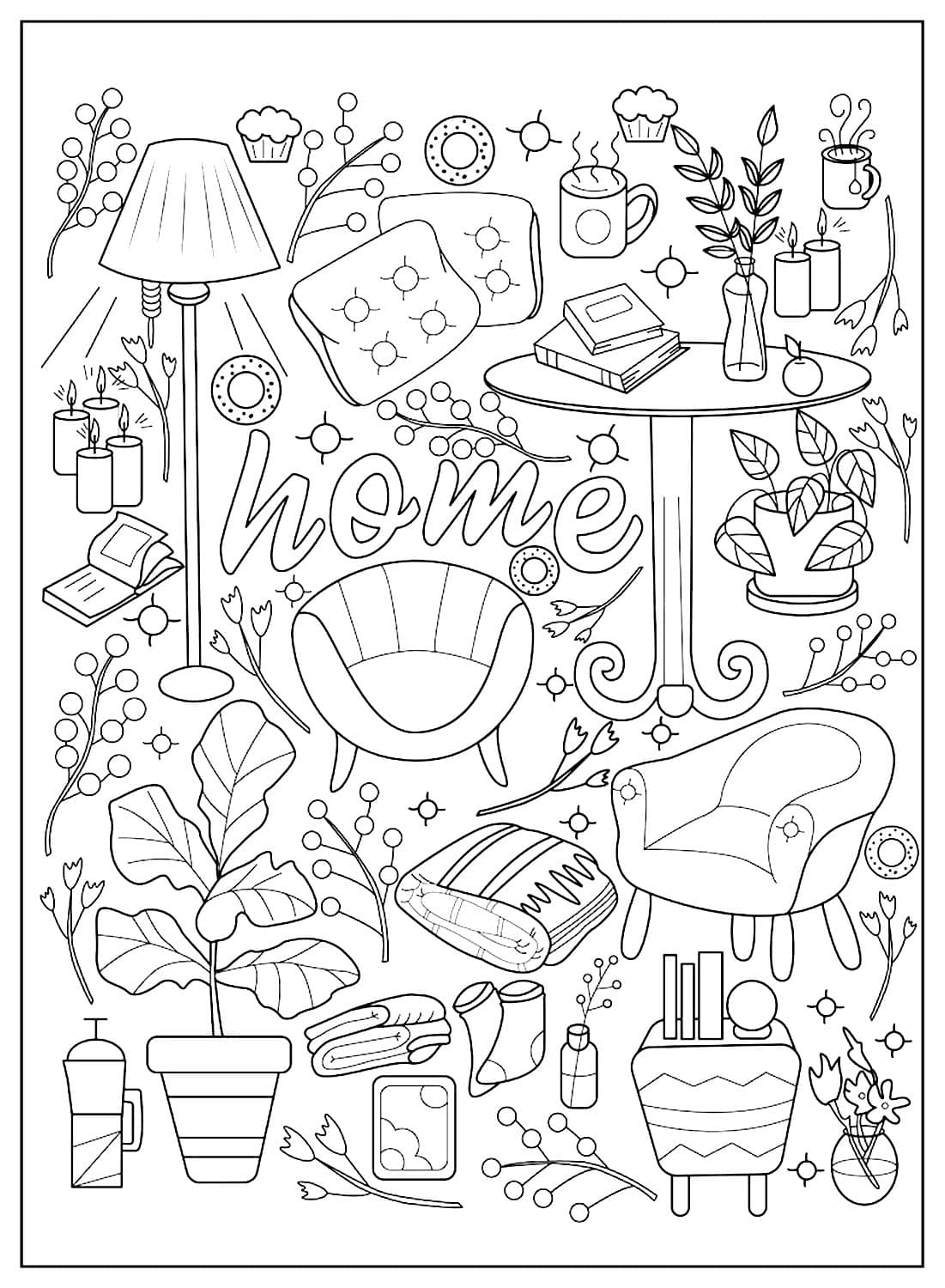
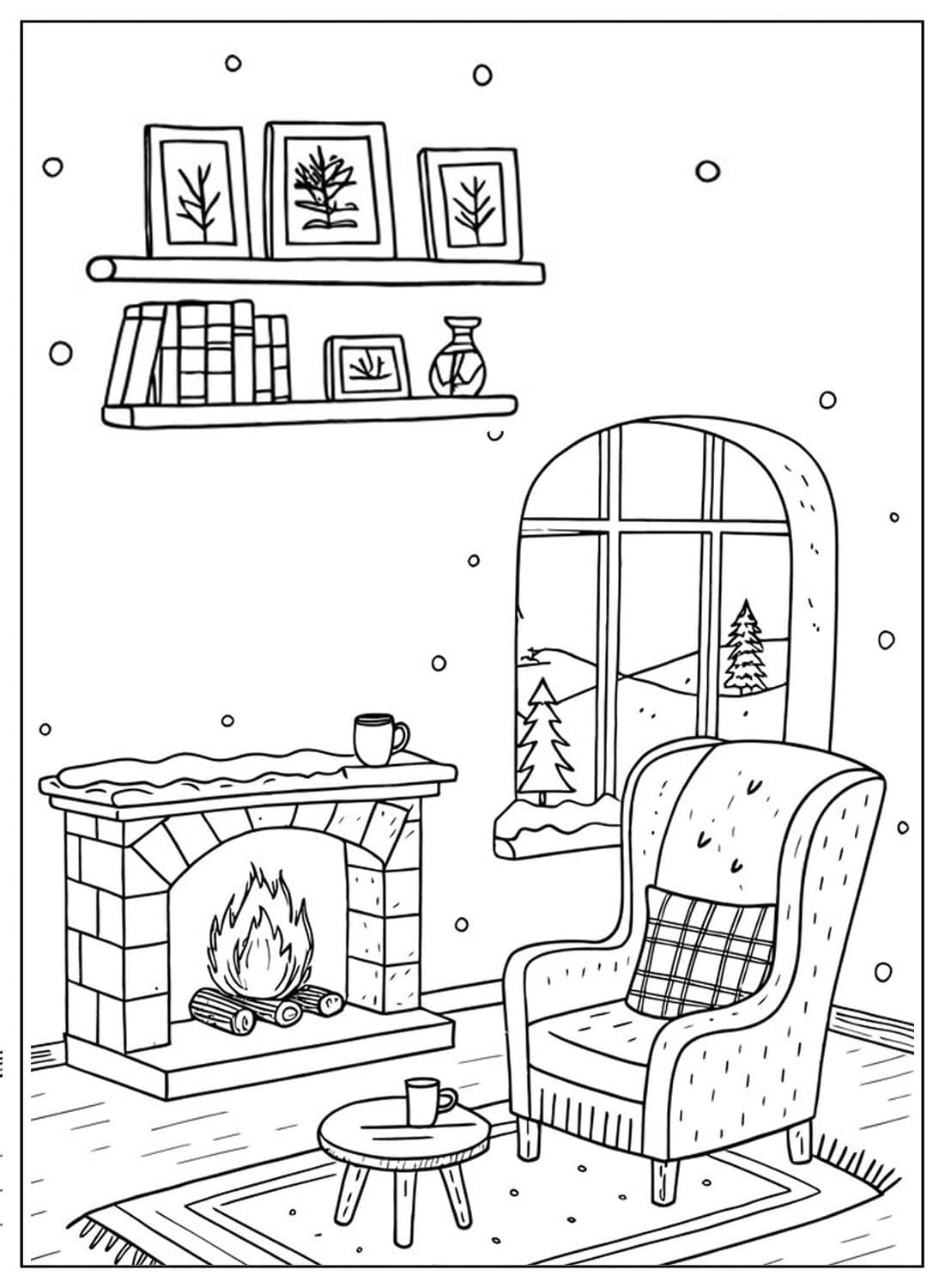
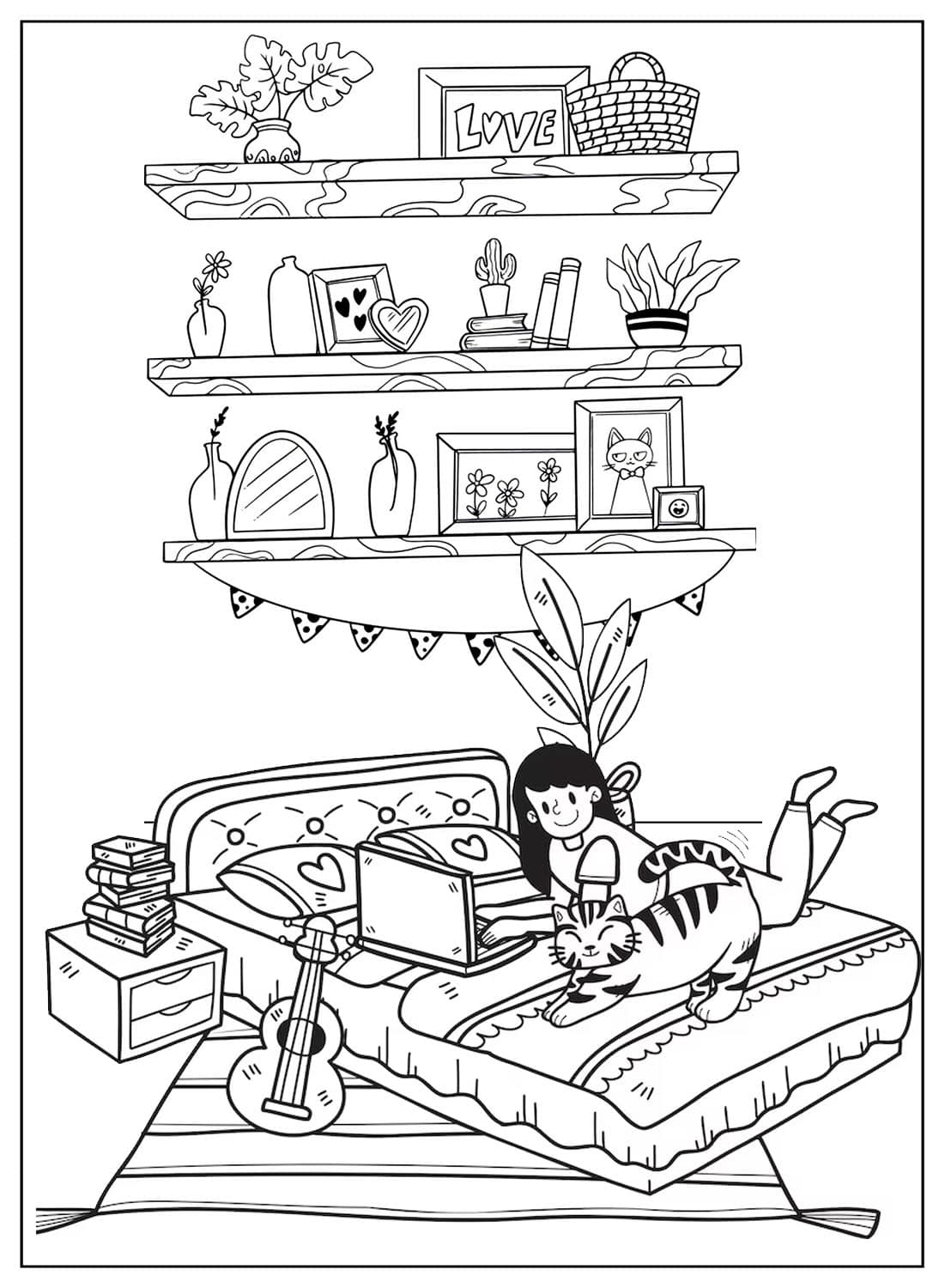
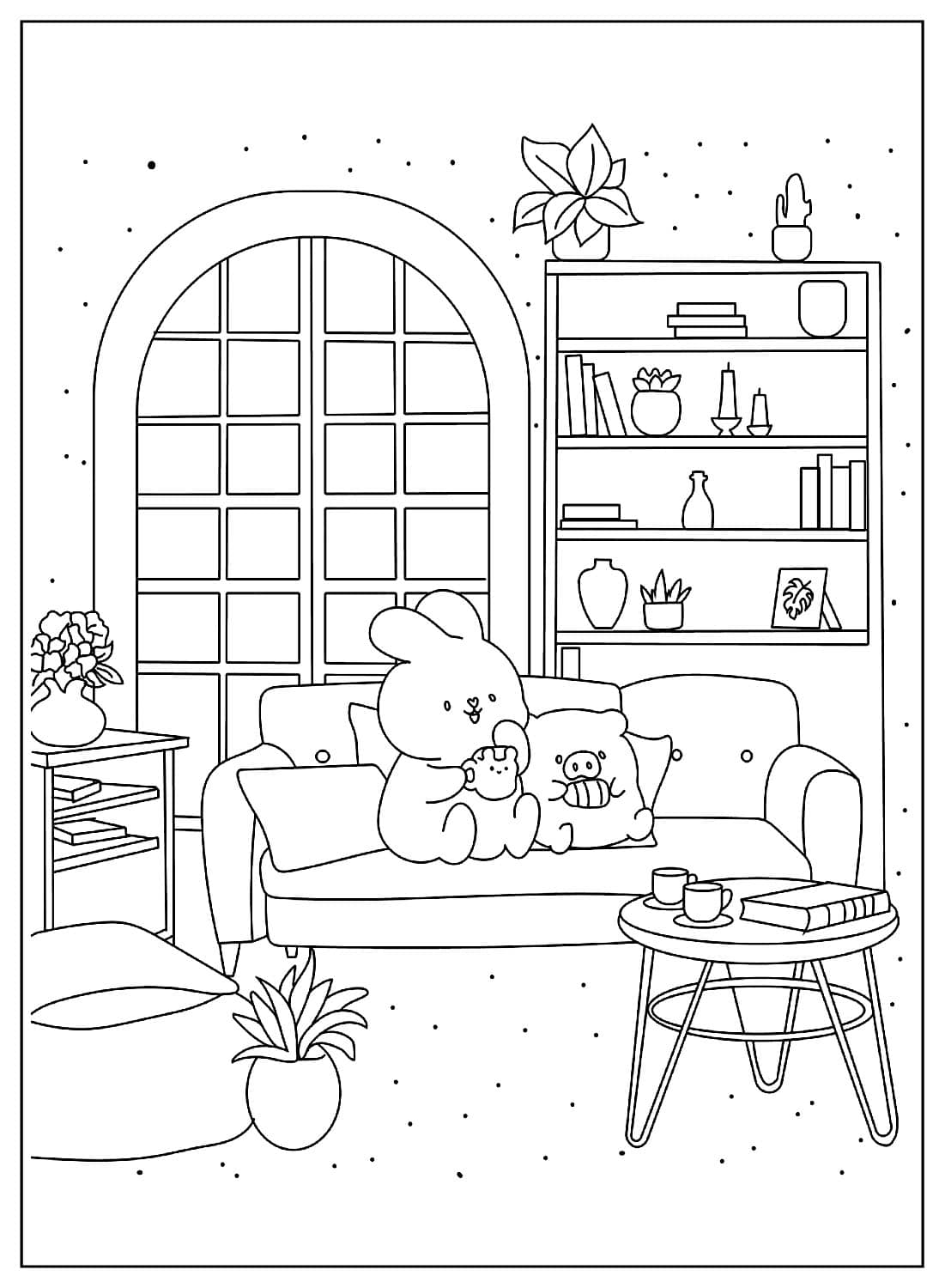
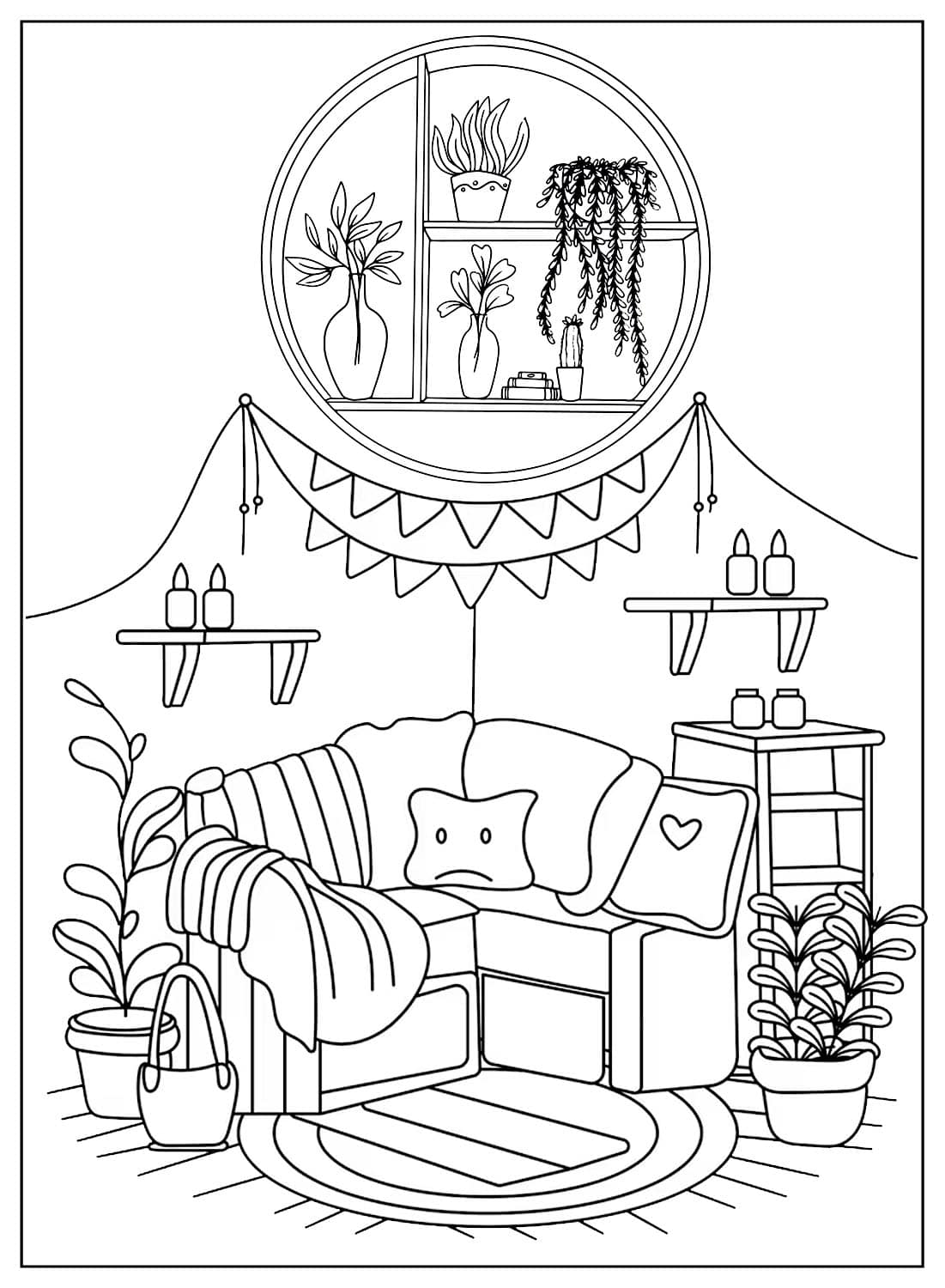
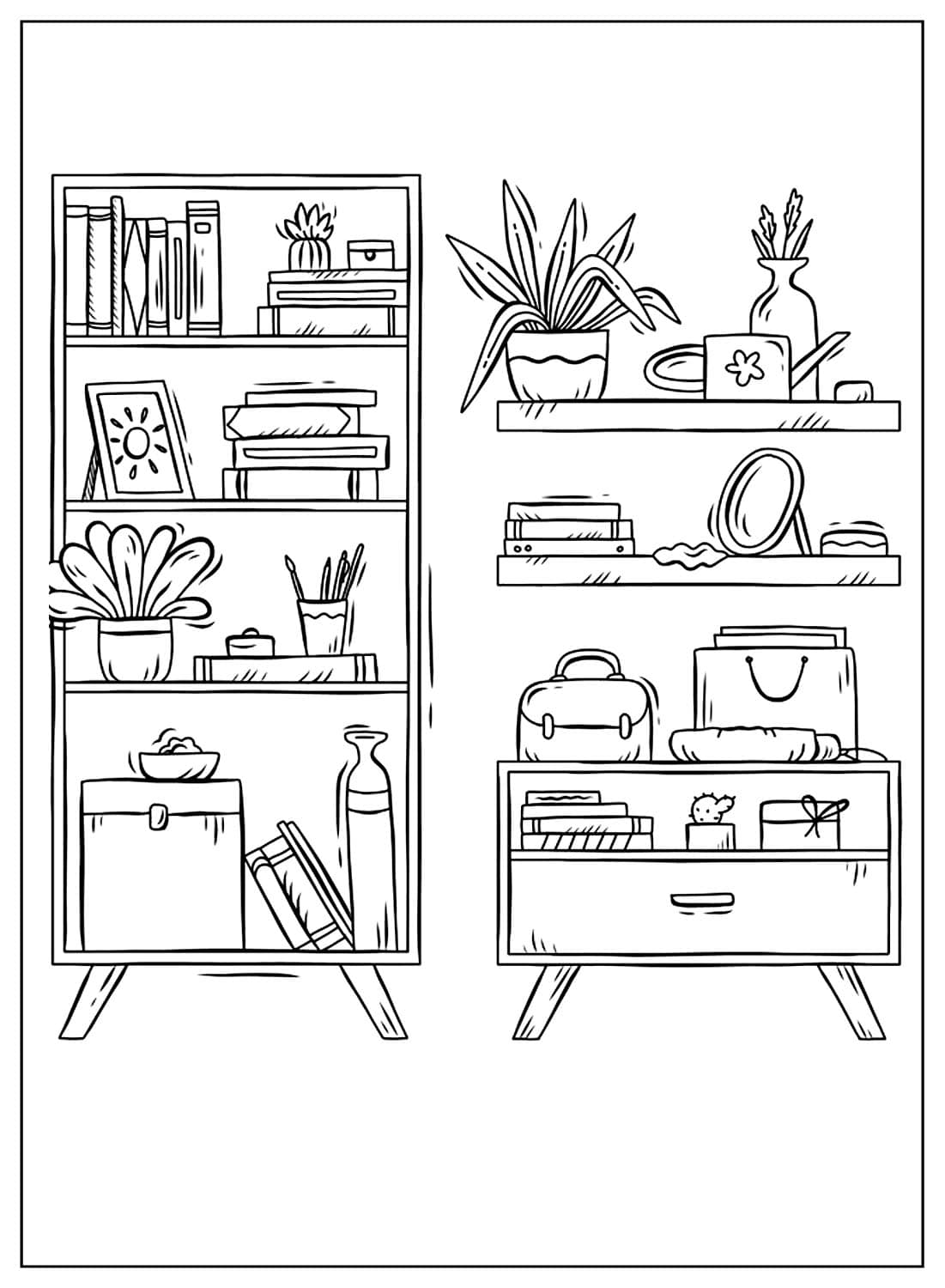
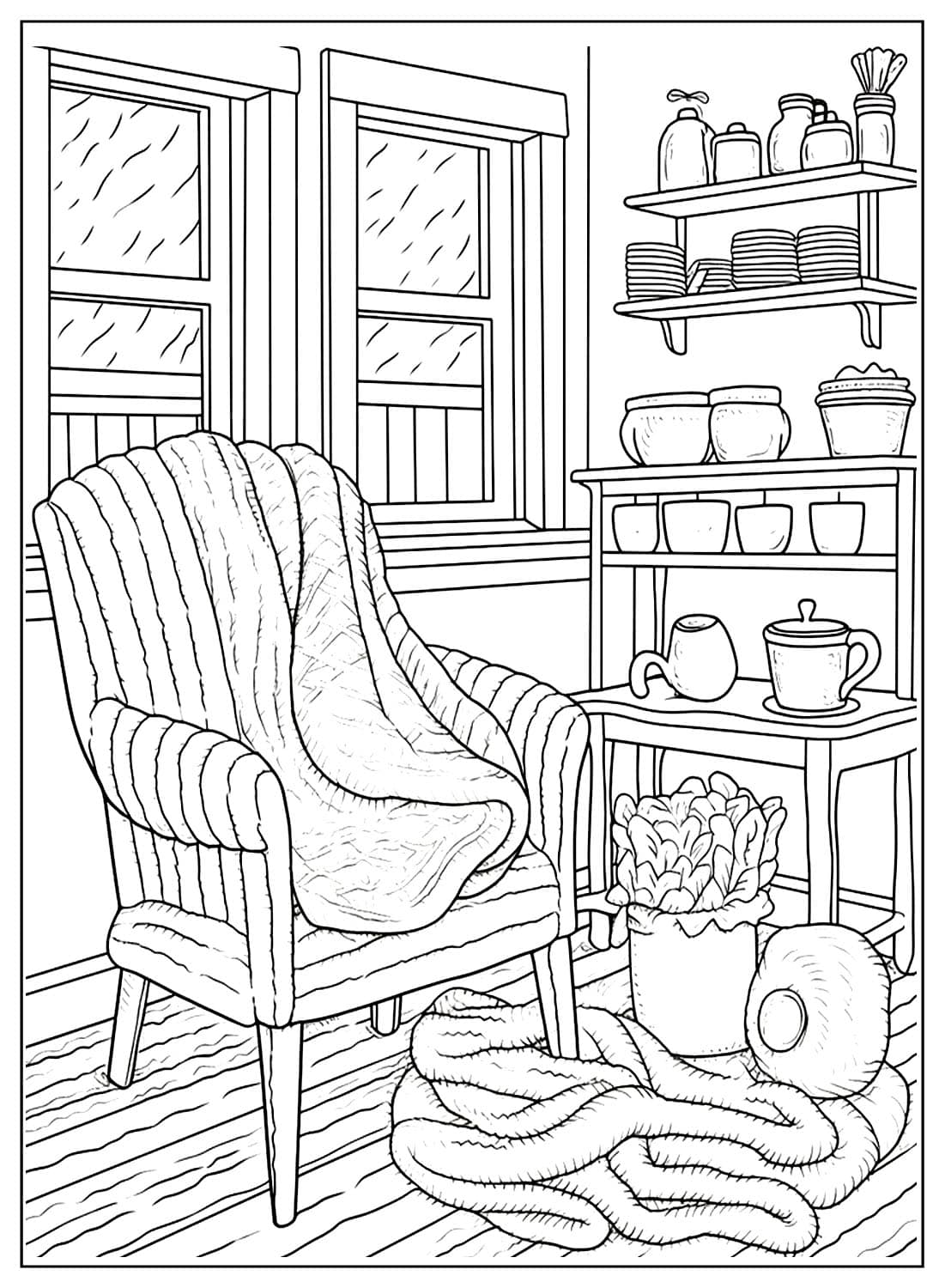
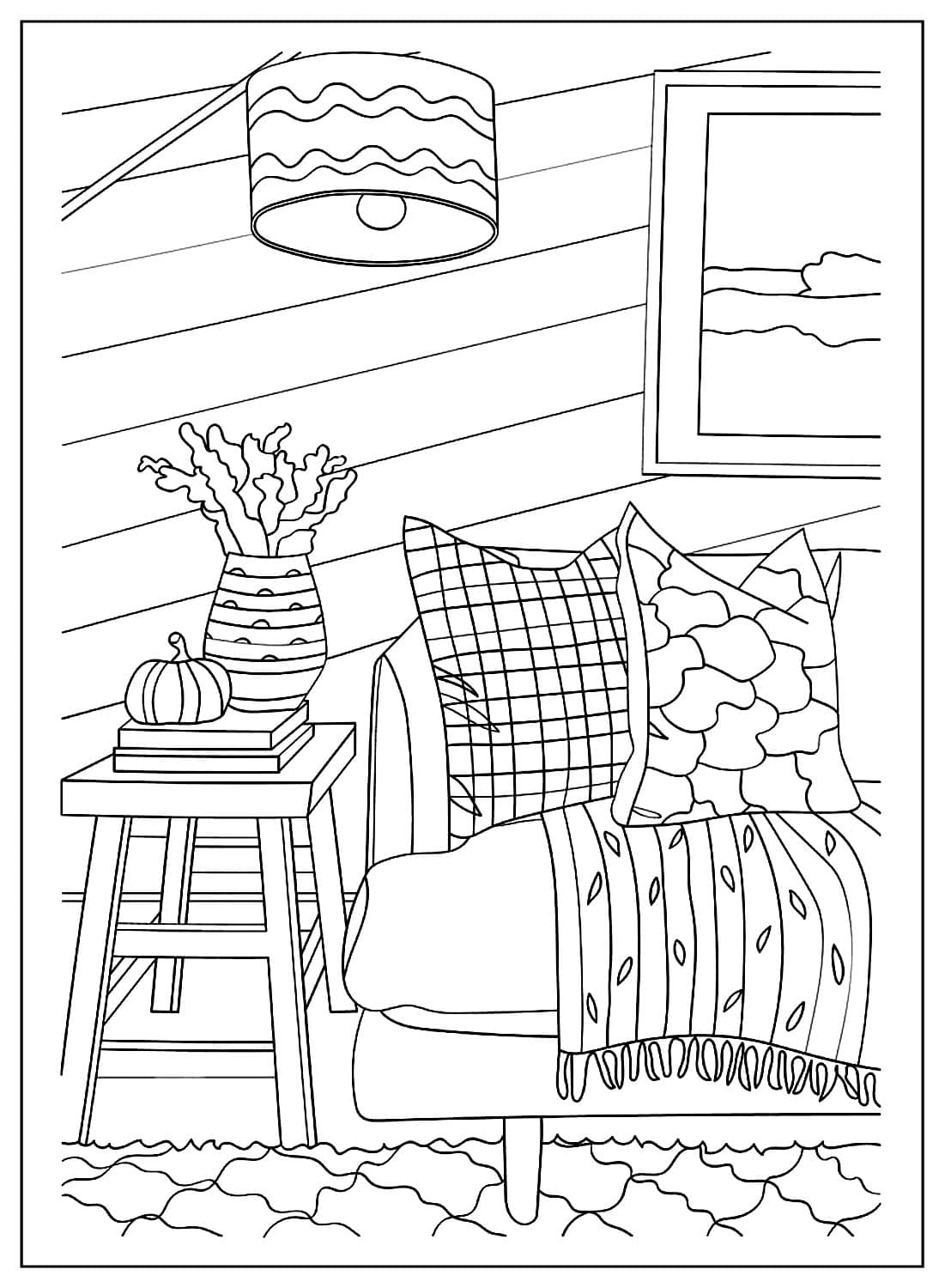
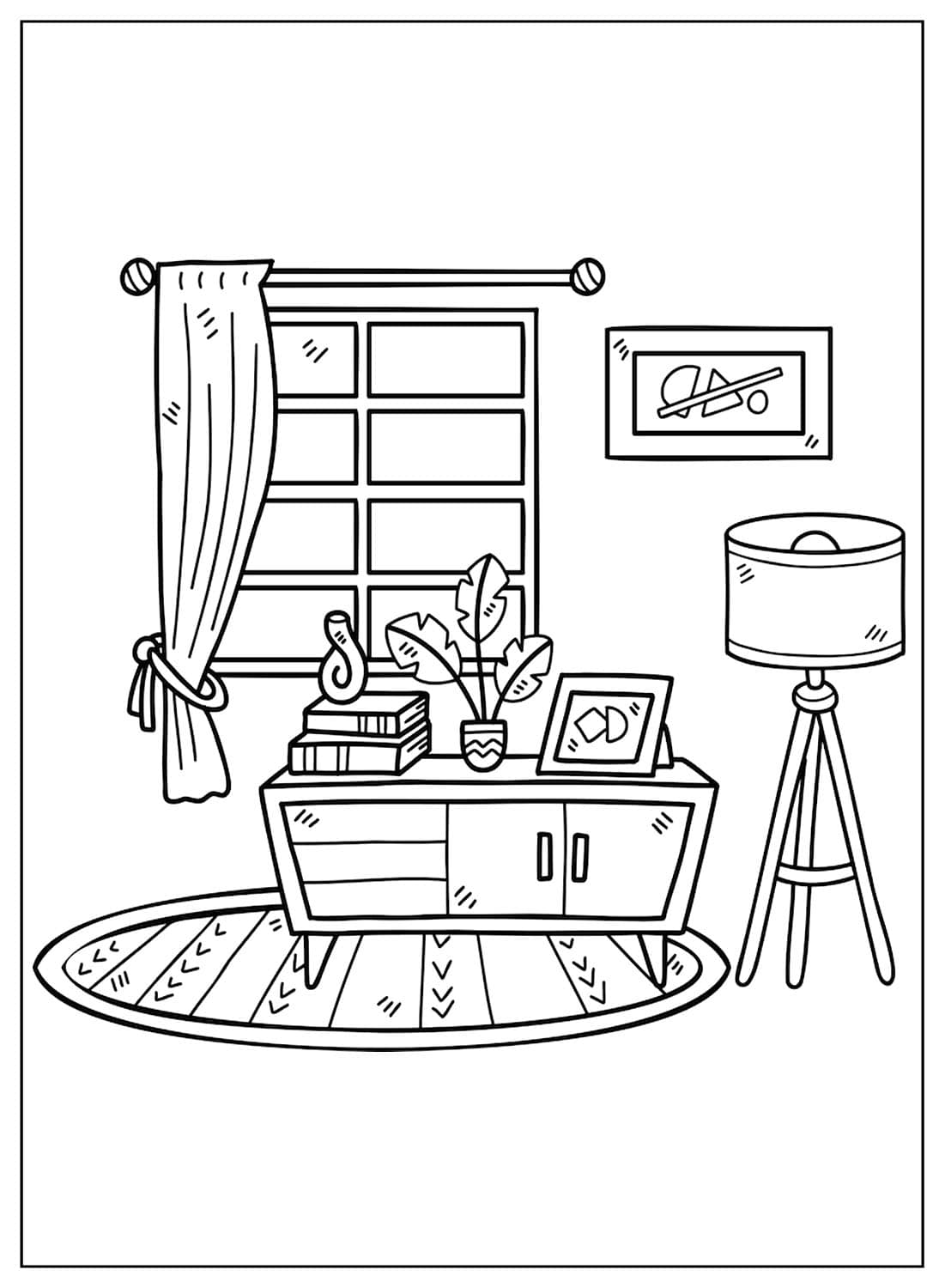
Interior room scenes shift the perspective inside – Cozy Home in Kitchen, Cozy Home for Bedroom, Cozy Home for Working Room, Cozy Home for Relaxing, Cozy Home Space. These pages are more intimate in scale and tend toward more detail – furniture, textures, objects on surfaces, the quality of light coming through a window.
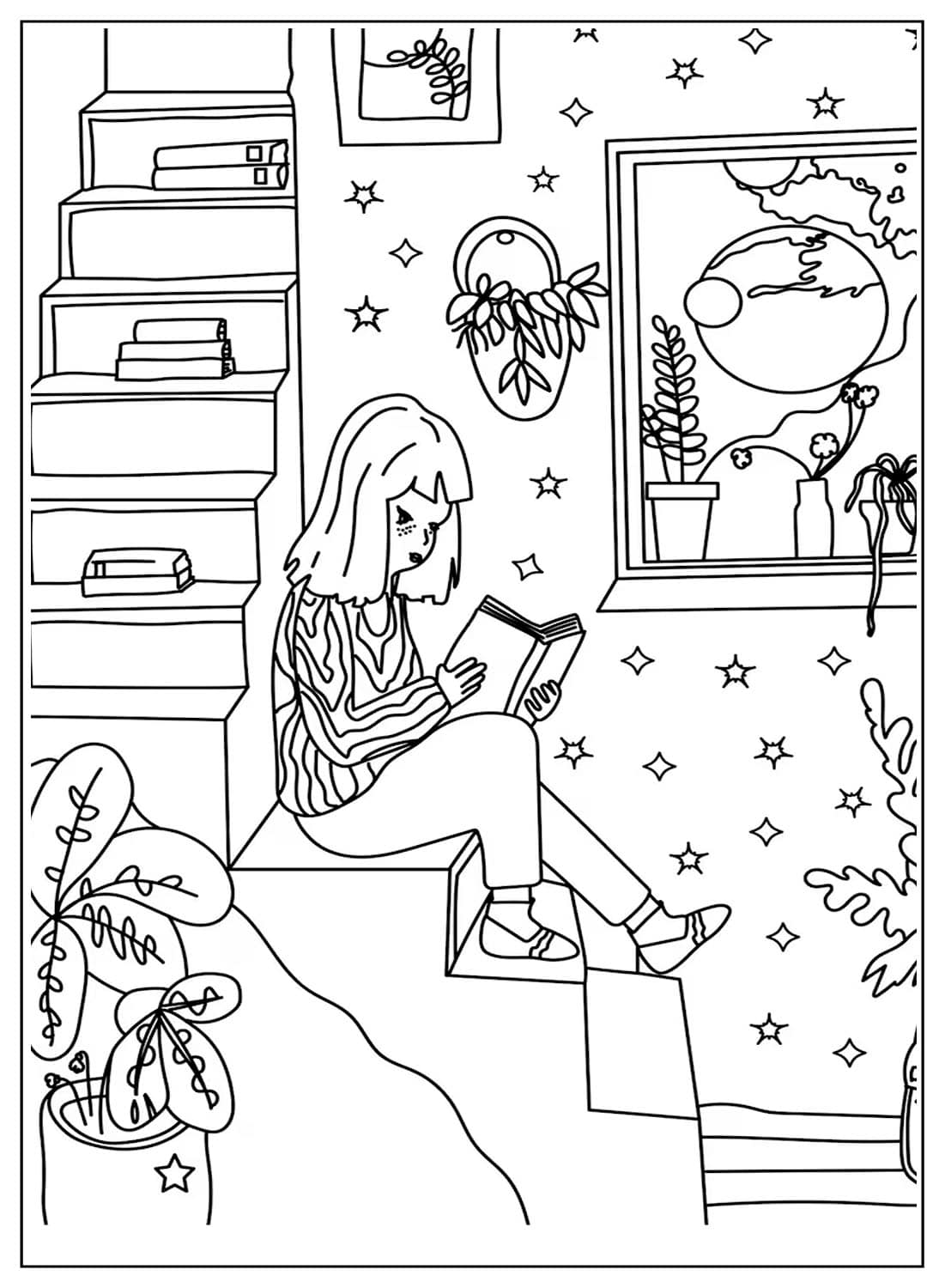
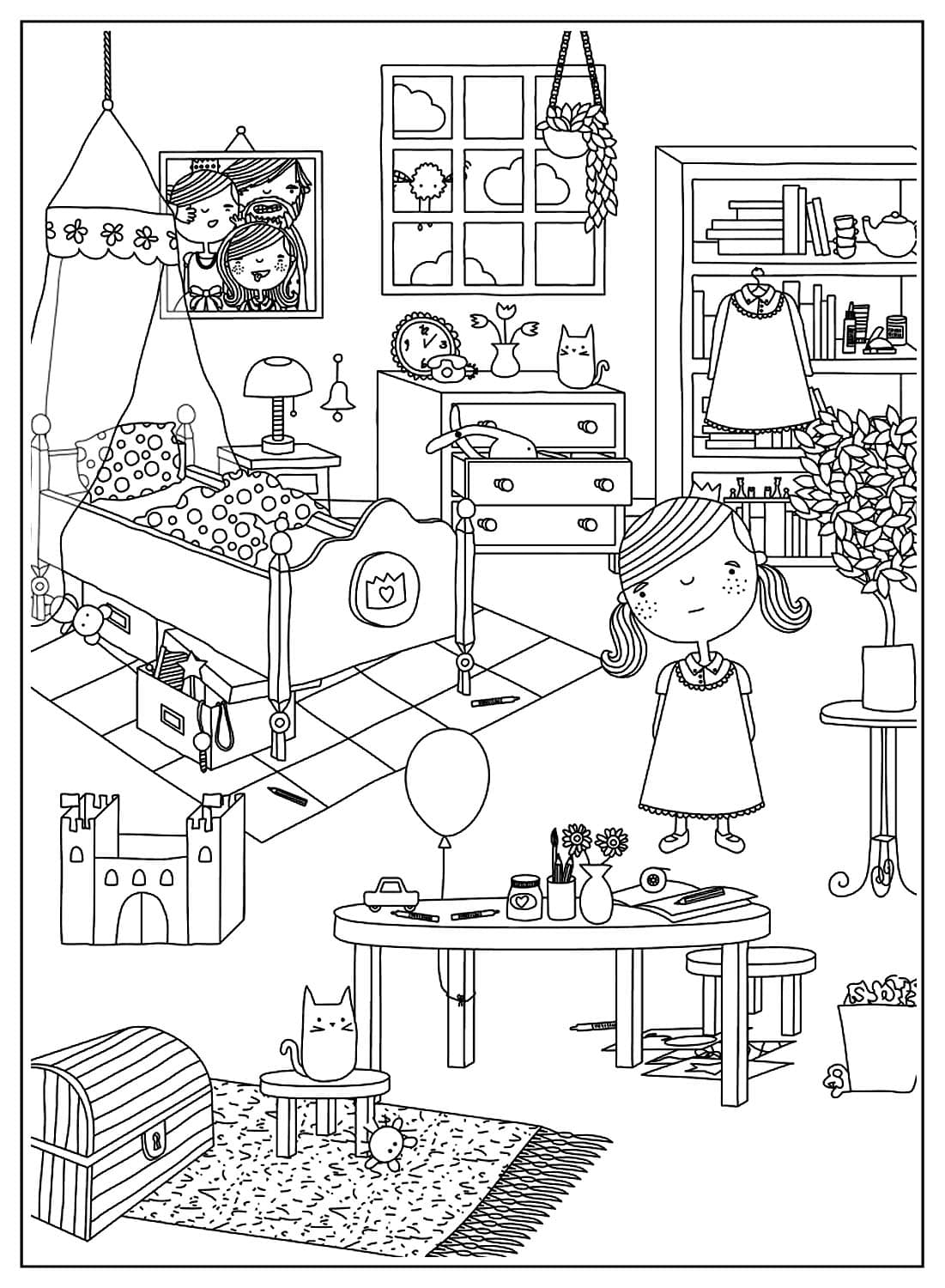
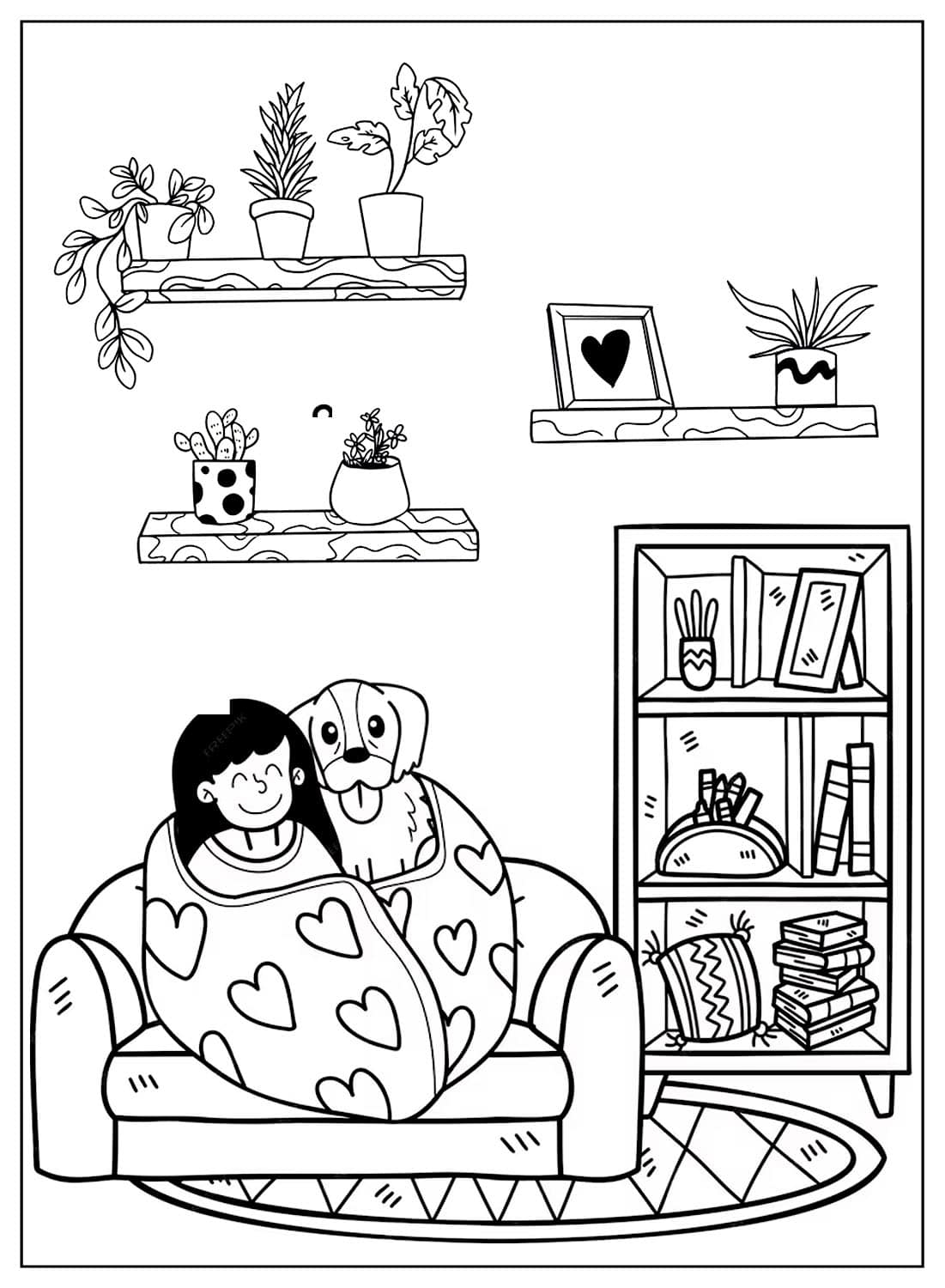
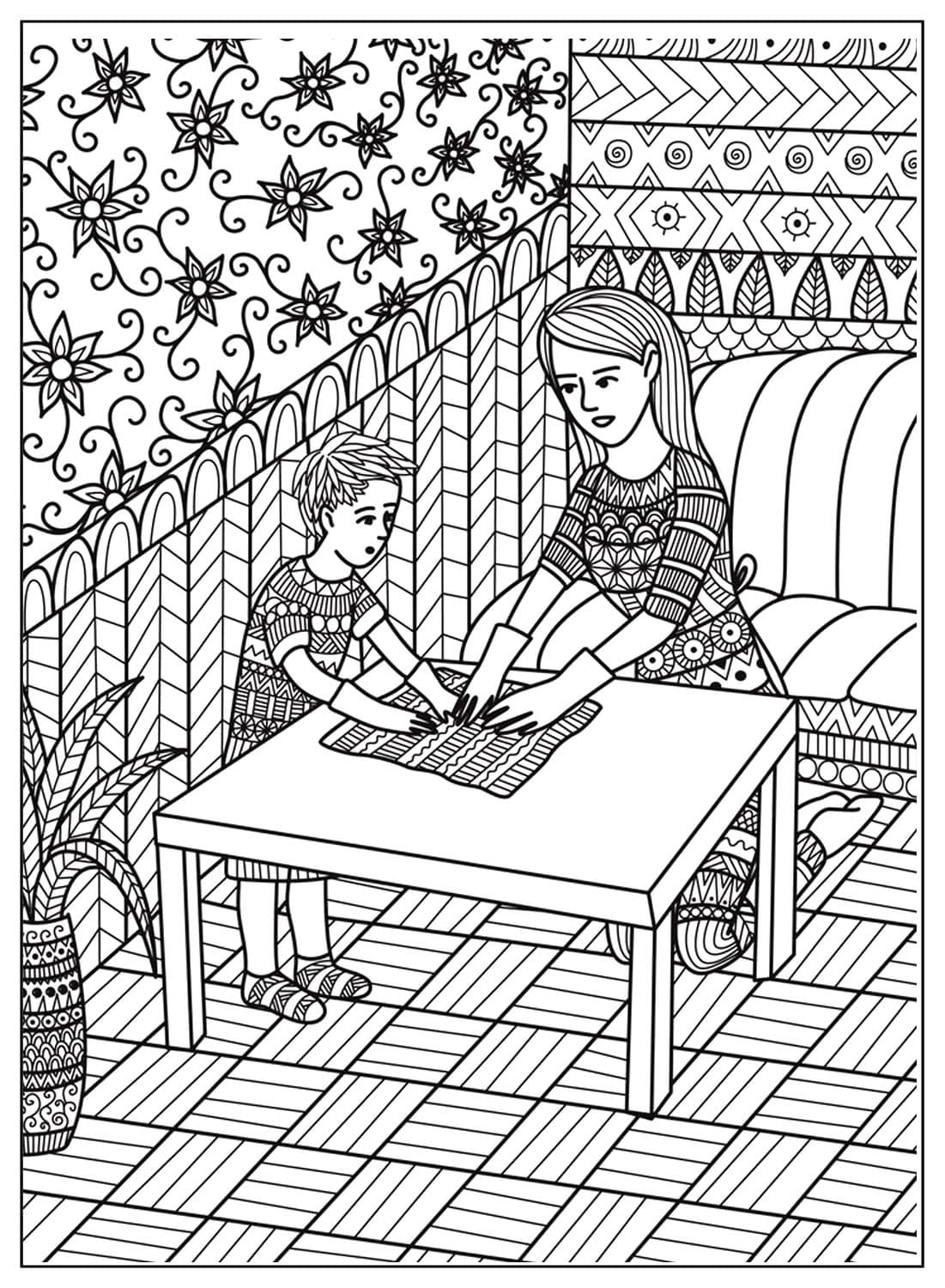
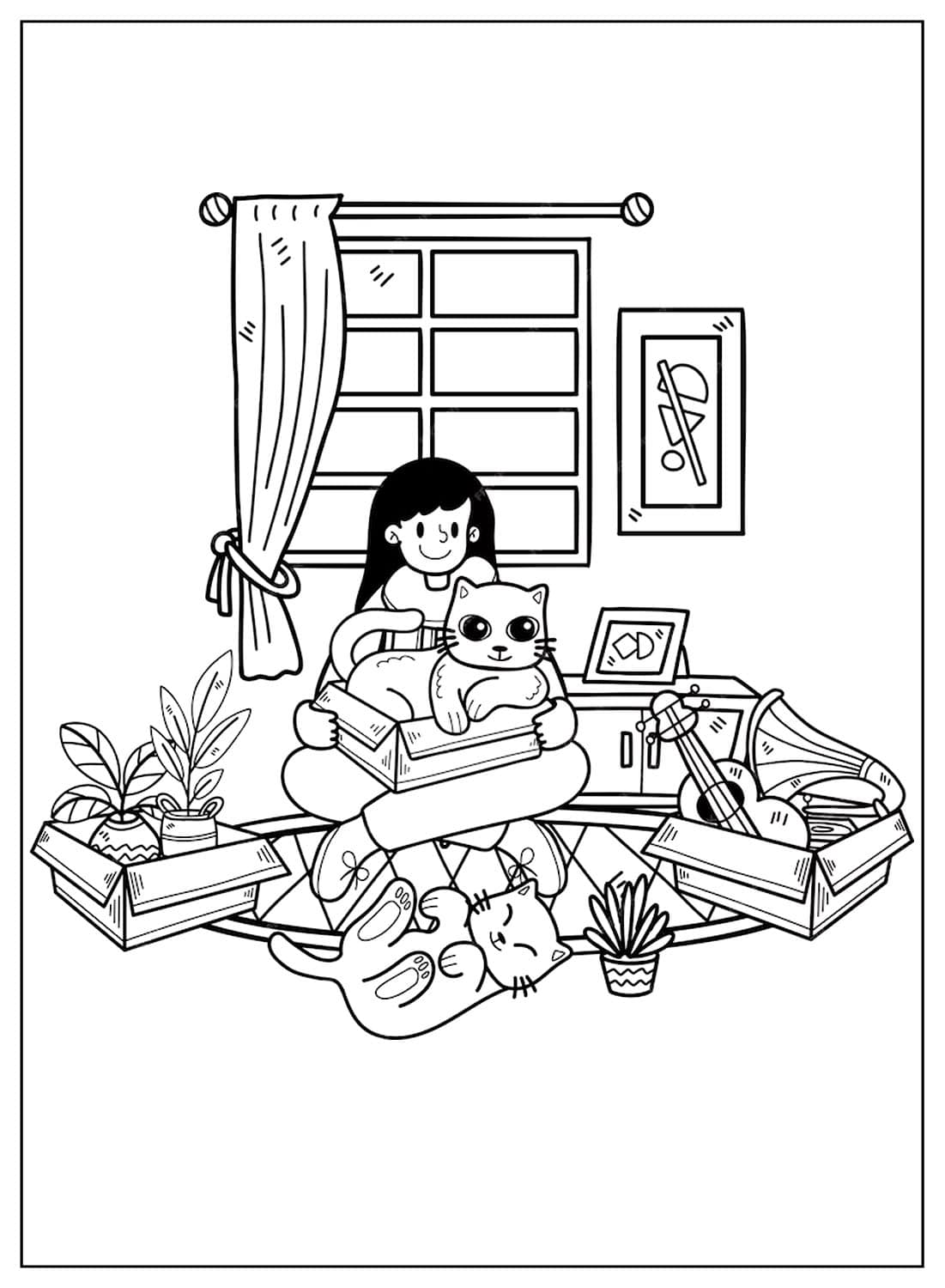
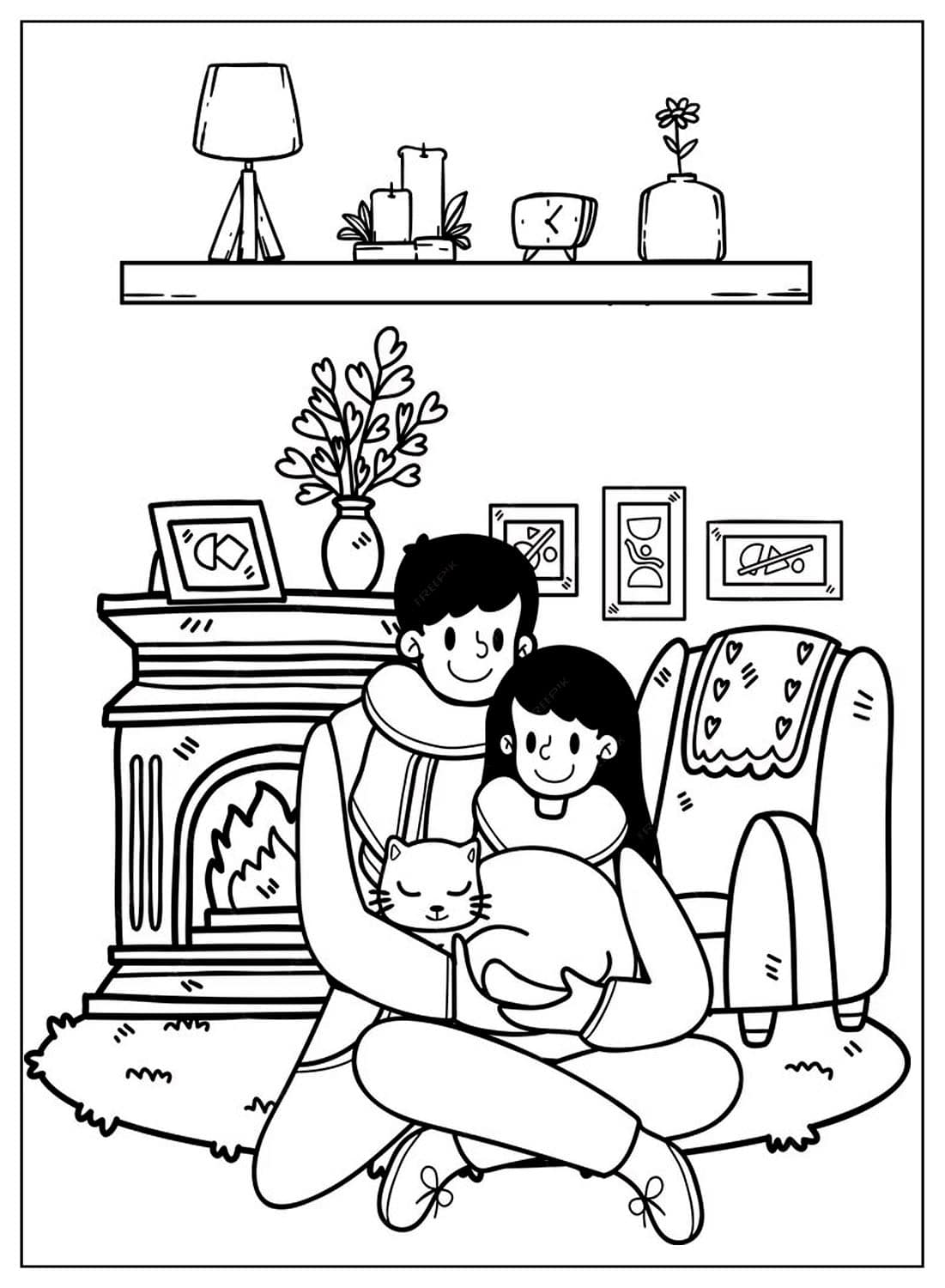
People in their homes – Girl Relaxing with Cozy Home, Little Girl and Her Cozy Home, Cozy Home of Girl, Cozy Home and Cute Girl, Cozy Home of Mom and Kids, Cozy Home and Happy Moments – pair a human figure with the domestic setting, adding a narrative element to the coloring page.
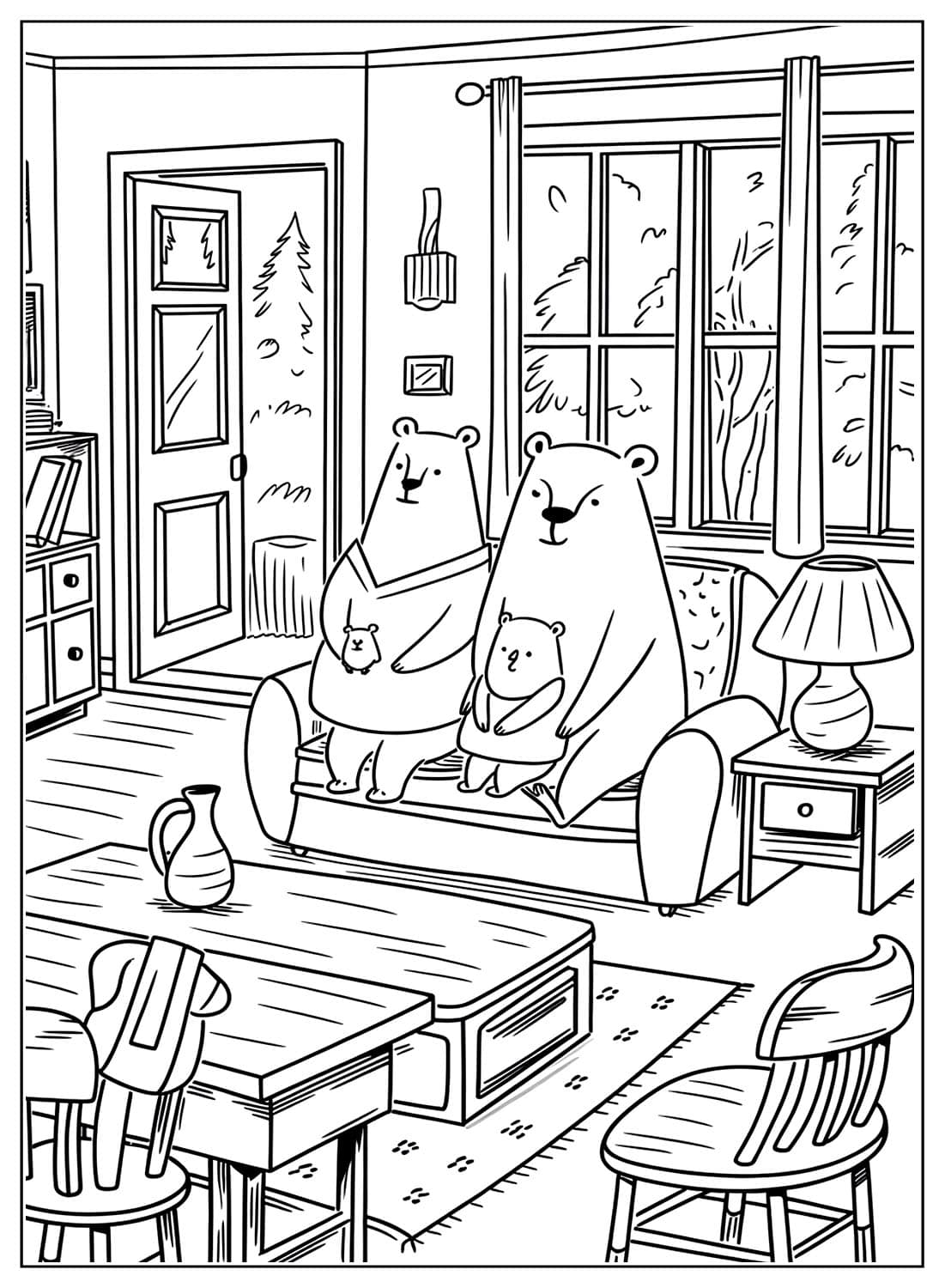
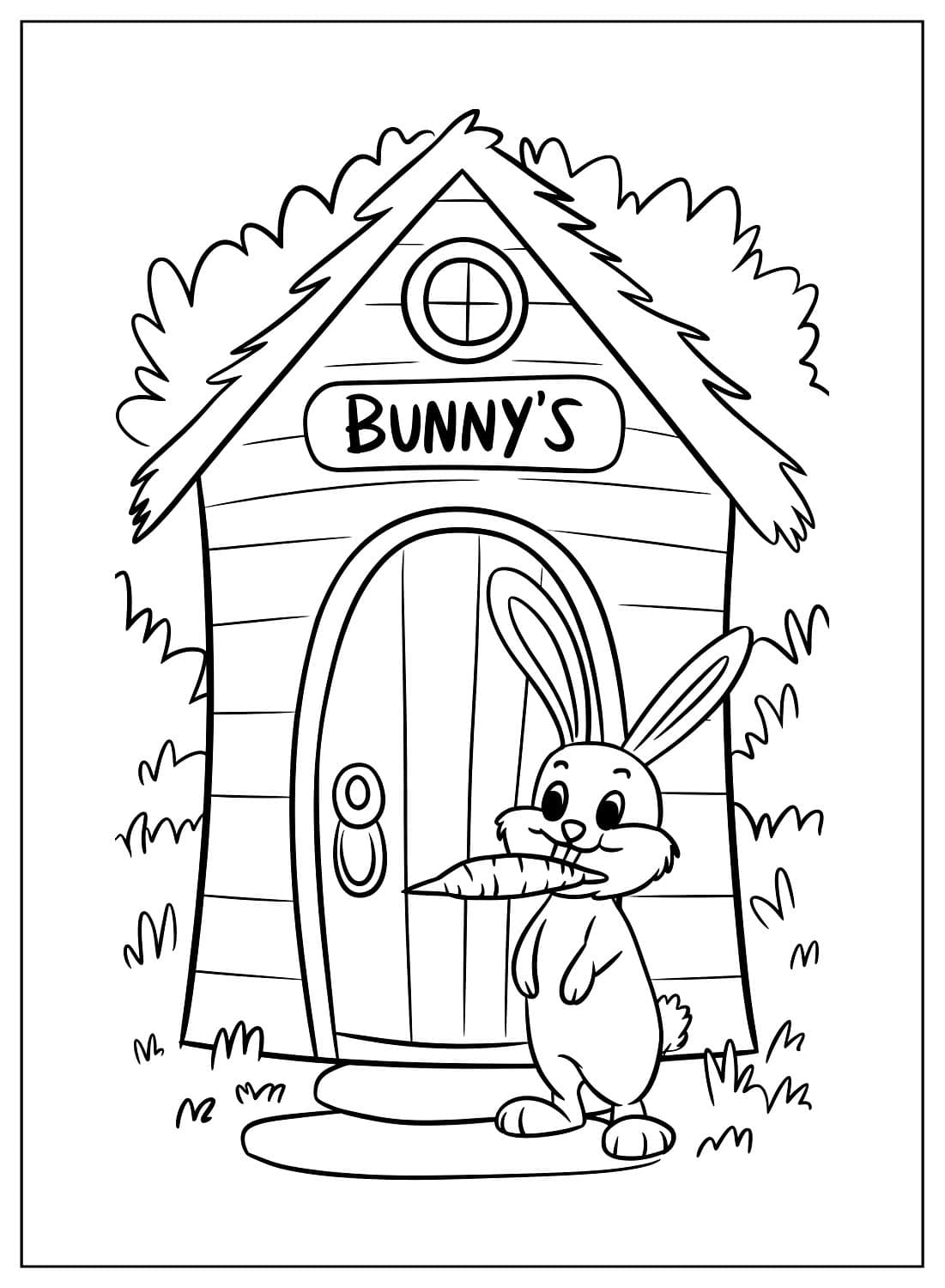
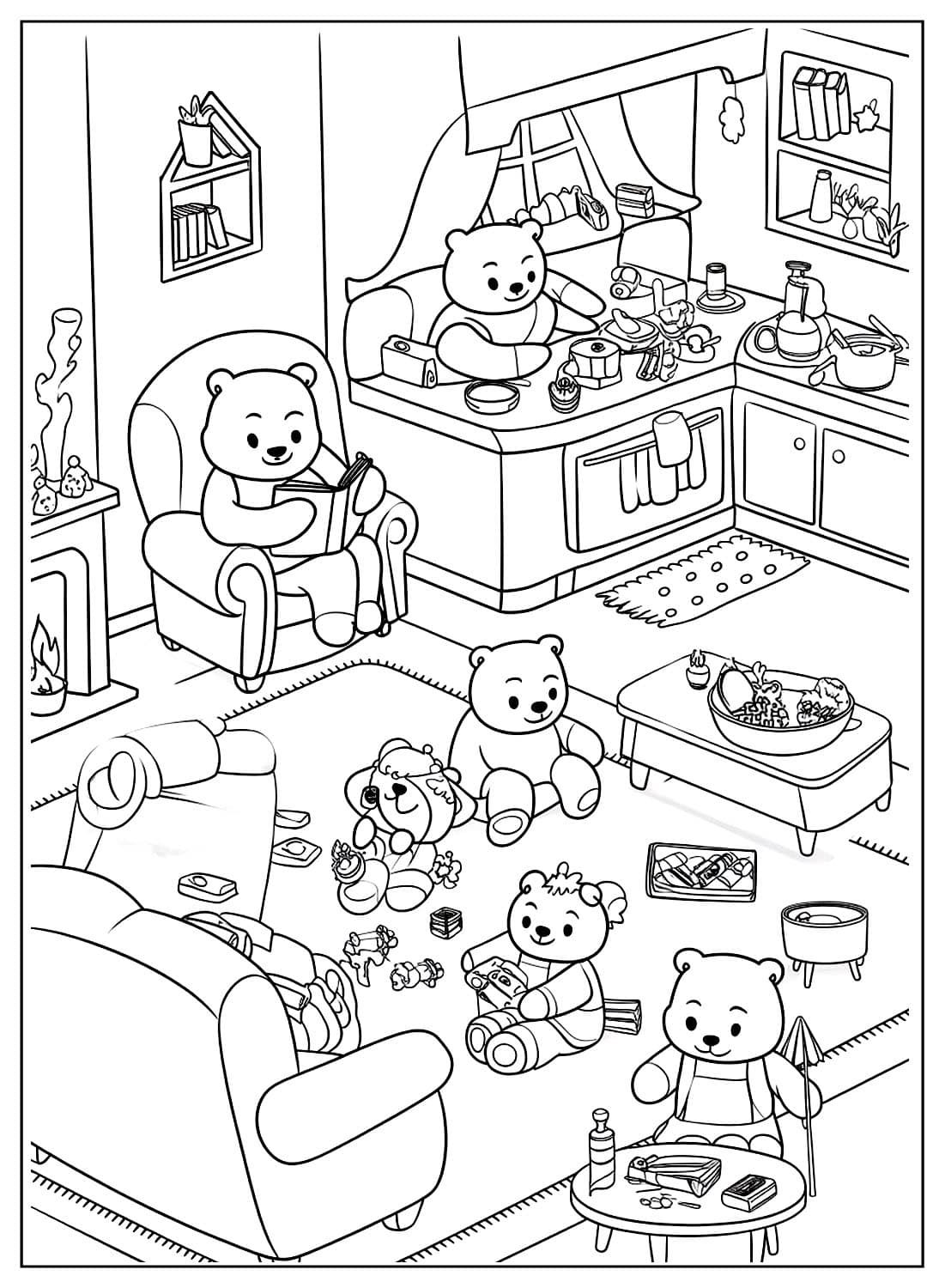
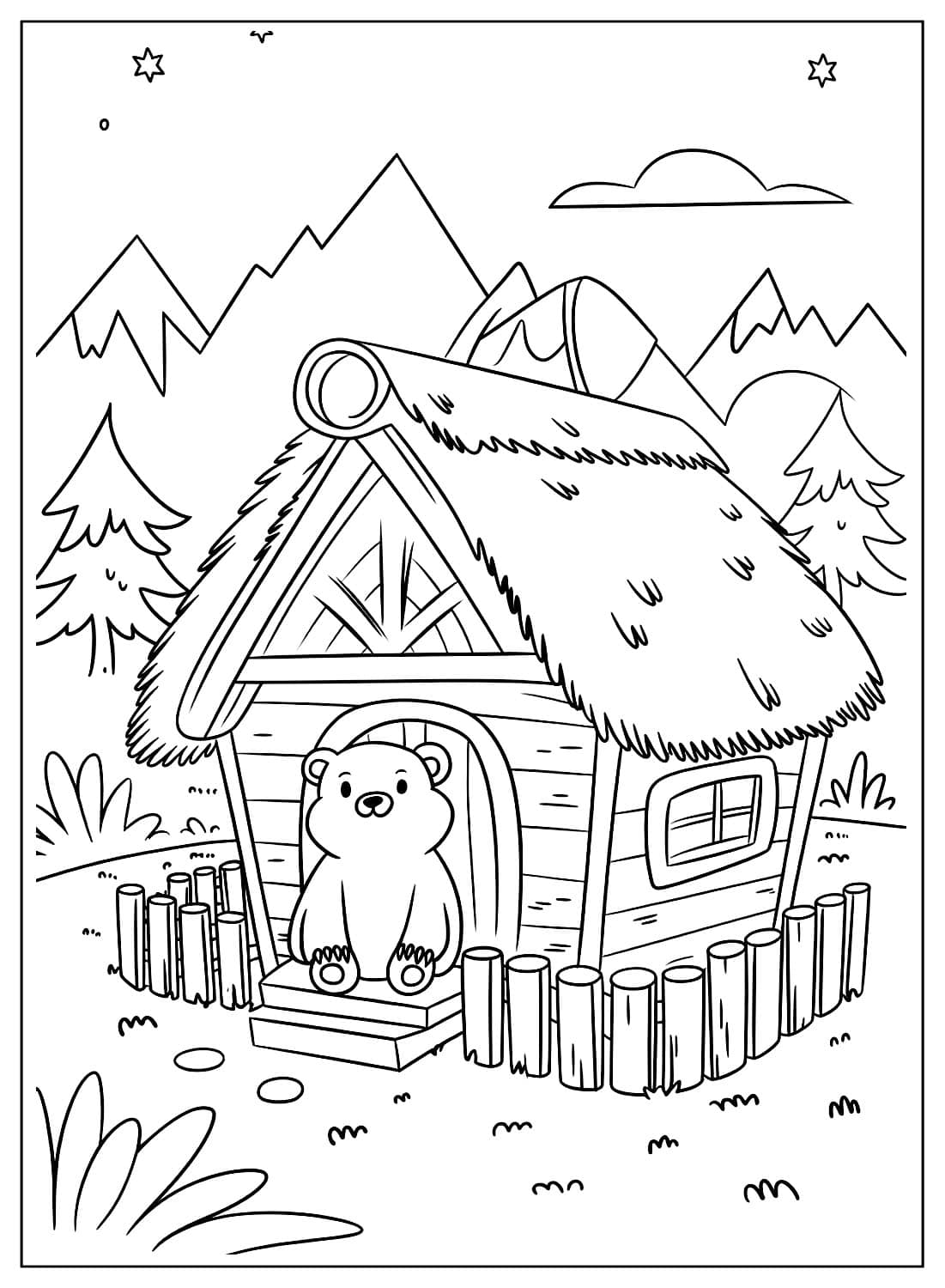
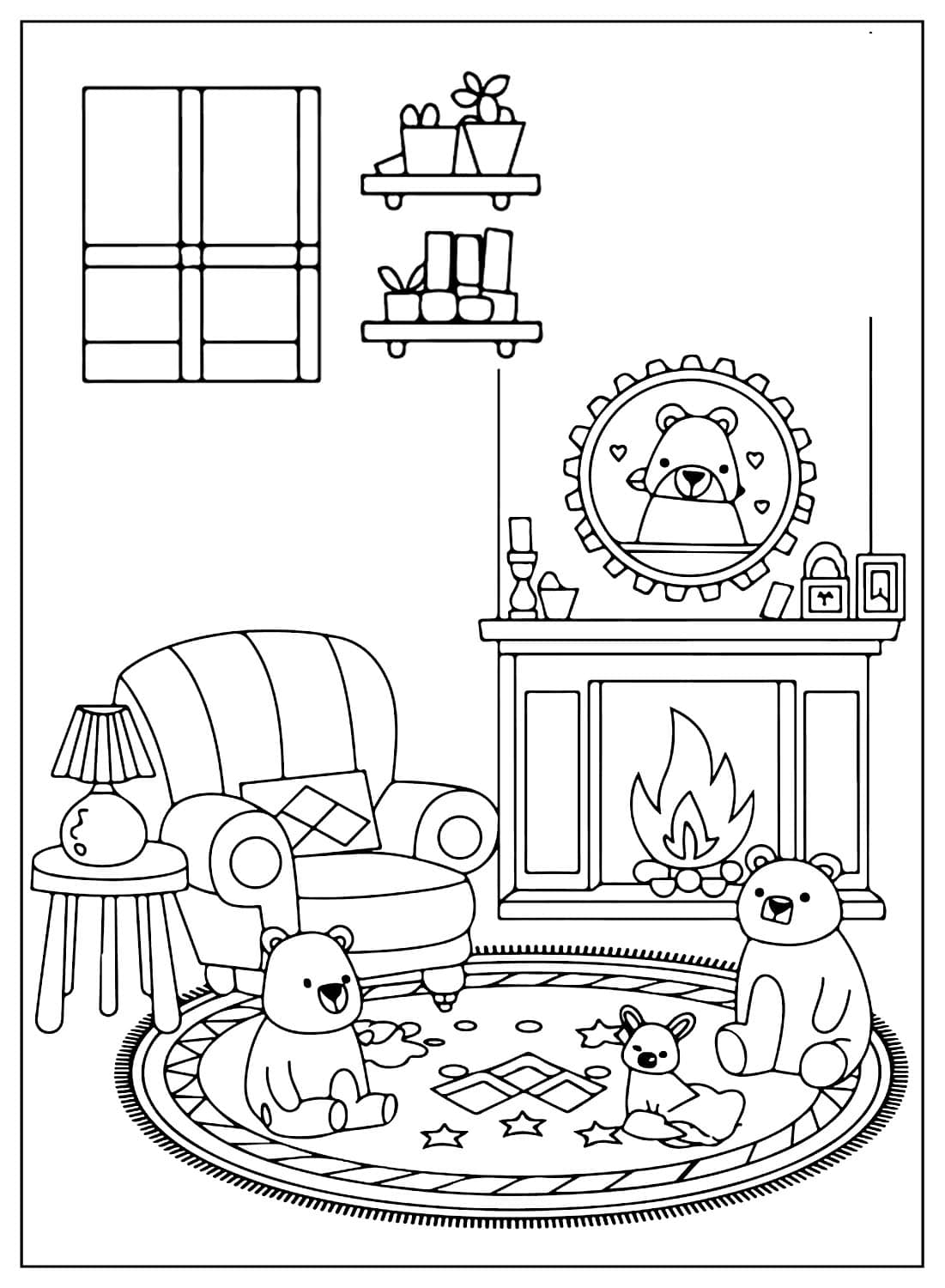
Animal homes are a distinct sub-group: Cozy Home of Bears, Cozy Home of Bears Living In, Bears and Cozy Home, Bear’s Cozy Home, Bunny’s Cozy Home, Cozy Home Color Sheet for Bunny. These pages sit between realistic interior illustration and children’s picture book illustration.
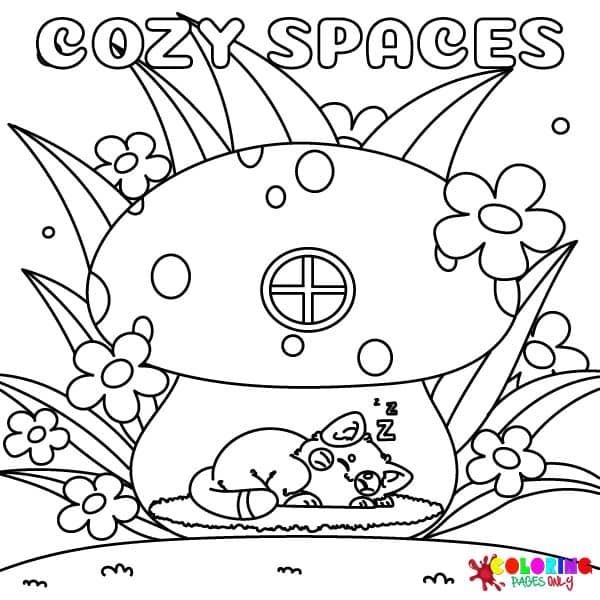
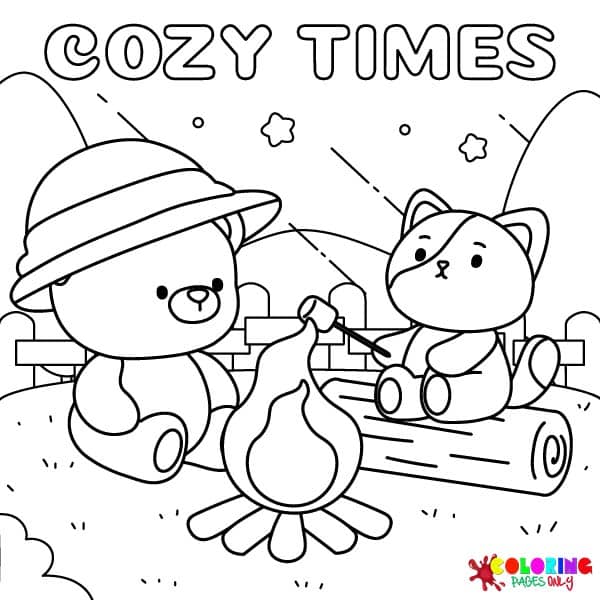
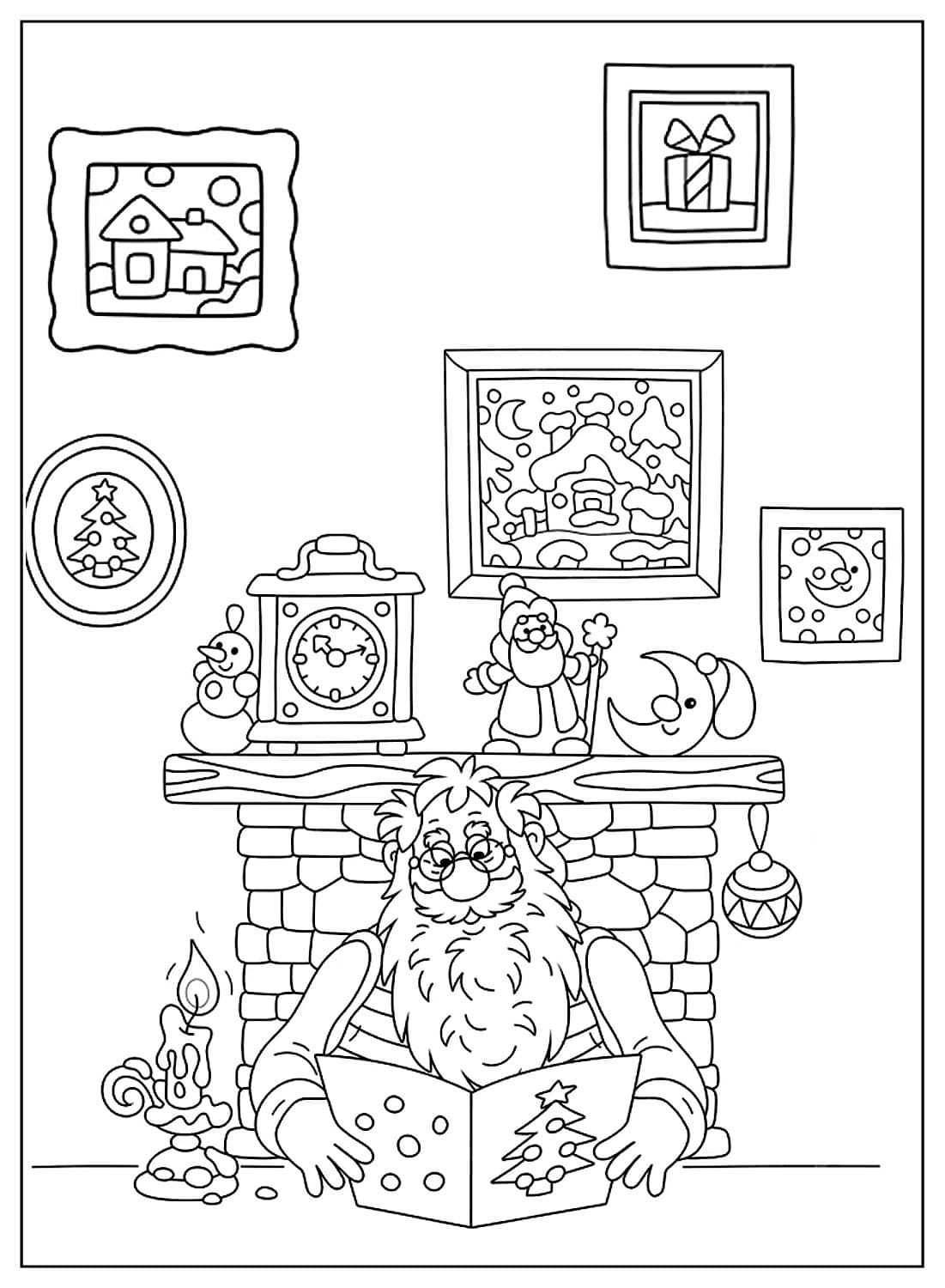
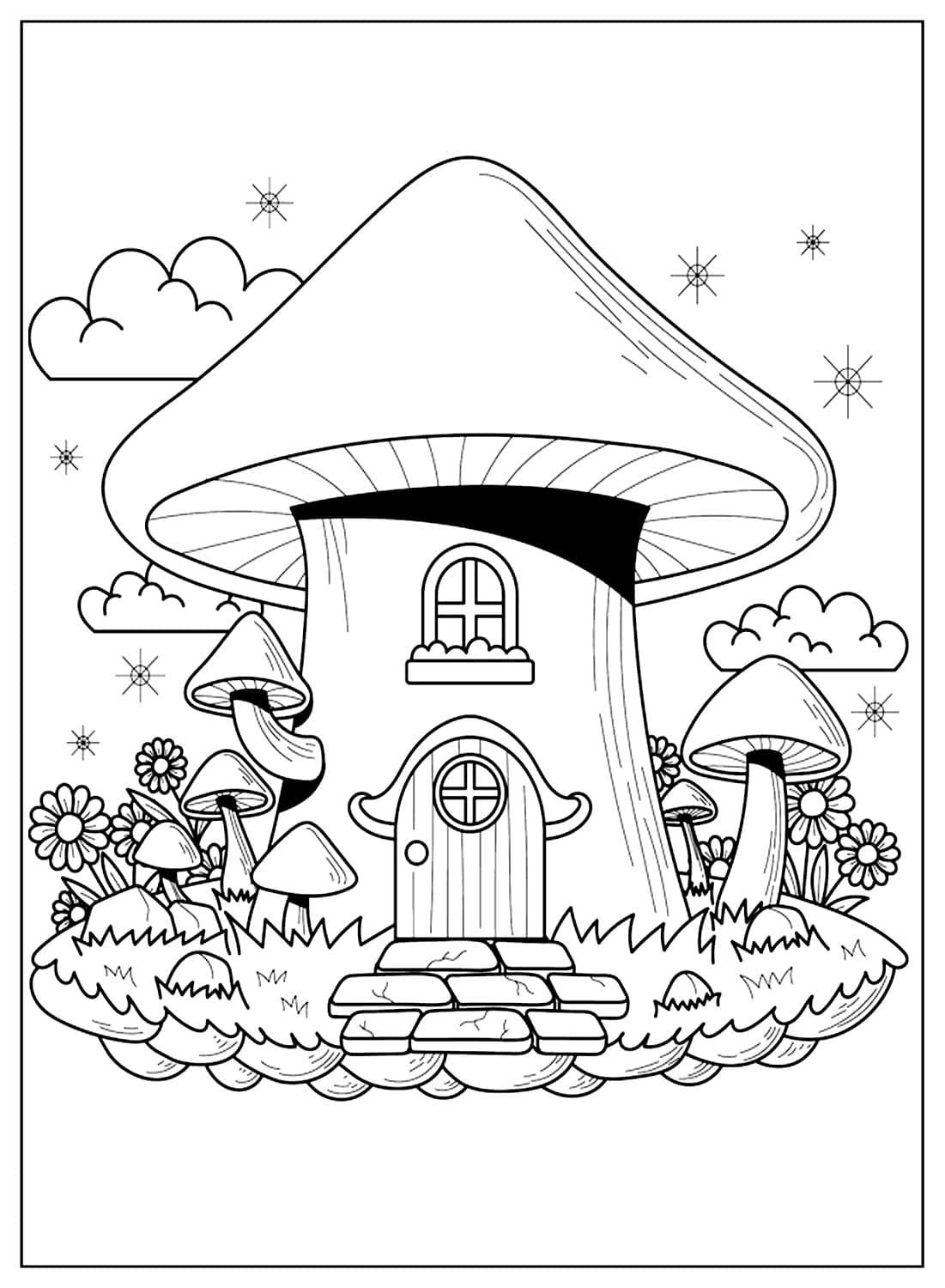
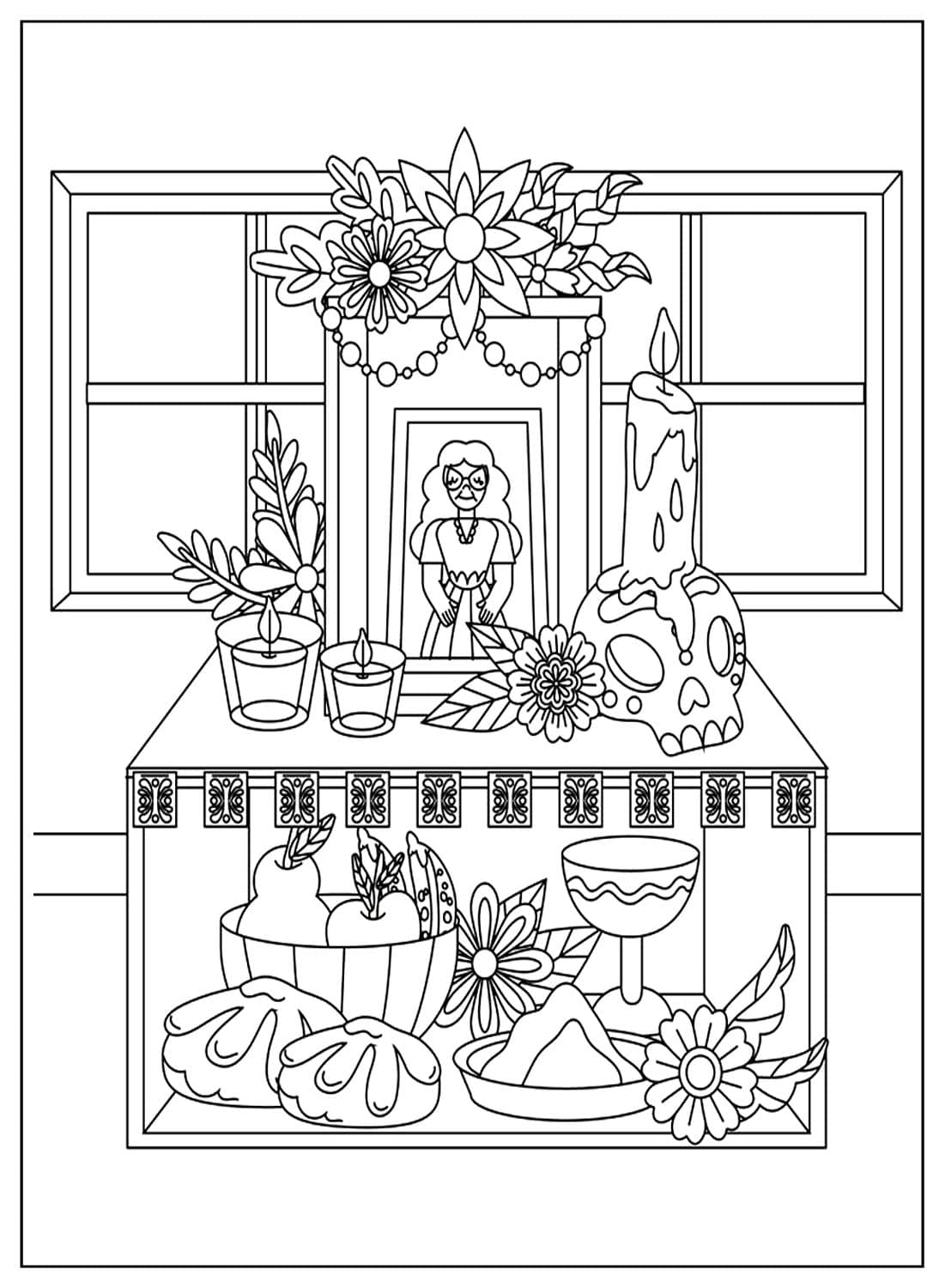
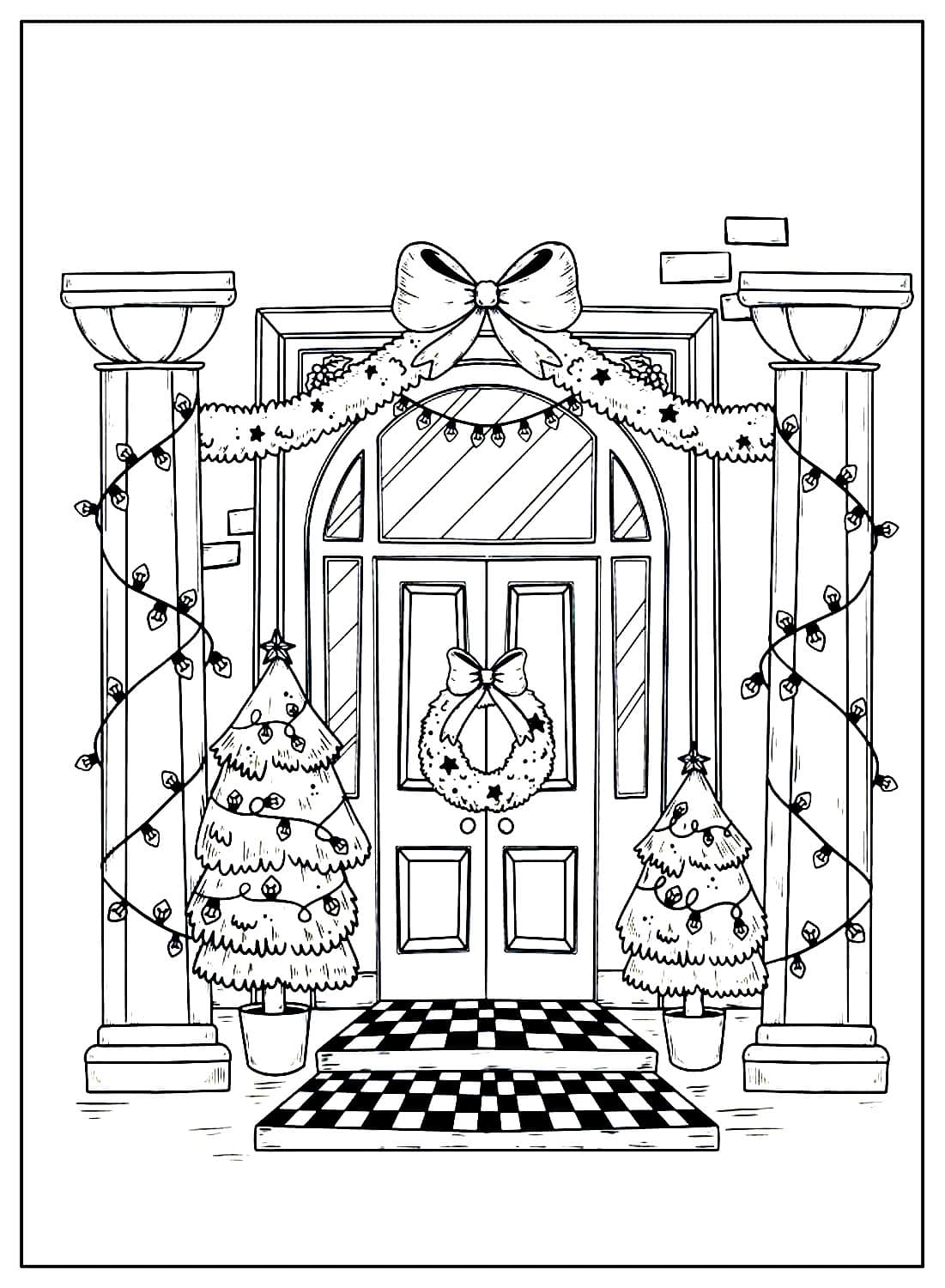
Seasonal and occasion pages include Cozy Home for Christmas, Cozy Home for Family, Camping in Cozy Home, and Cozy Mushroom Home – the last one being the most whimsical page in the set, showing a home built into or shaped like a mushroom.
Coloring Tips
For exterior house pages, the first decision is the wall color. This is the dominant color of the entire page and sets the emotional register of the finished piece. Cozy homes in illustration tend toward warm, muted tones rather than bright primaries – a soft terracotta, a dusty sage green, a warm cream or off-white, a muted dusty blue. The Green Cozy Home Image and Fresh and Cozy Home pages are already pointing you toward the green family; for the others, the wall choice is yours, and it changes the character of the house completely.
Roofs are typically darker than the walls – a deep slate grey, a warm charcoal brown, or a terracotta tile red. The contrast between the roof and wall is one of the most important relationships on any exterior house page. A dark roof on a light wall reads as grounded and traditional. A light roof on a darker wall reads as airy and modern.
Windows are the detail that makes or breaks an exterior page. The window glass catches light differently depending on the time of day – a warm amber-yellow for late afternoon interior light visible from outside, a cool pale blue for a daytime sky reflection, and a deep indigo for evening. Adding just one consistent window light color across all windows on the page makes the whole house feel inhabited rather than just drawn.
For winter pages – Winter and Cozy Home, Cozy Home of Winter – the snow palette is not pure white. Snow in shadow is a cool blue-grey or lavender-grey, and snow in direct light is warm cream or very pale yellow. The contrast between the warm interior light glowing through windows (amber-yellow) and the cool blue-grey of snow outside is one of the most satisfying color relationships in the entire collection.
For the Christmas page – Cozy Home for Christmas – the conventional palette of red, green, and gold (Christmas lights, wreath, and decorations) works best when the house itself is kept in a neutral or cool tone. A white or pale grey house wall makes the red and green Christmas elements pop without competing.
For animal home pages – the bear homes and bunny homes – the interior furnishings typically reflect the animal’s natural color. A bear home feels most right in warm, woody browns and honey-amber tones, with deep forest greens for any plant life. A bunny home calls for softer, lighter tones – pale lavender, soft pink, mint green – reflecting the gentler character of the inhabitant.
For the Cozy Mushroom Home page, this is the most creative freedom in the collection. A mushroom house exists in no real-world color system, so all choices are correct. The classic fairy-tale mushroom is a red cap with white spots, which on a house would mean a red roof with white circular pattern detail. But a pale yellow mushroom, a lilac mushroom, or an orange mushroom are all equally valid and produce a very different emotional tone.
For working room and relaxing room pages, the light source is the key element. A work-from-home desk scene with a lamp on will have a pool of warm yellow light around the desk area and cooler, dimmer tones in the corners and background. A reading nook or relaxing scene tends toward the same warm lamplight but softer – more diffused, less directed. Try keeping the brightest, warmest tones right around the light source and letting them fade gradually toward cooler, darker tones as you move outward.
5 Activities with Your Cozy Home Pages
Design your dream home in four seasons. Print four copies of the same exterior house page – Cozy Classic Home or Cozy Modern Home work well. Color each one as a different season: spring (soft green lawn, pink blossom tree, blue sky), summer (vivid green, bright blue sky, flowers in the garden), autumn (orange and gold trees, warm amber light, leaves on the ground), and winter (snow roof, frosted lawn, warm window glow). Display all four pages together as a seasonal set. The exercise teaches you how much the environment surrounding a building changes how the building itself feels.
The warm-and-cool experiment. Print two copies of the same winter page (Winter and Cozy Home or Cozy Home of Winter). Color the first one using only warm colors for the interior light (amber, orange, gold) and cool colors for everything outdoor and exterior (blue-grey snow, slate roof, pale sky). Color the second one with the opposite approach – cool interior, warm exterior. Compare the two finished pages. One of them will almost certainly feel more right as a “cozy home in winter” – and that comparison teaches you something real about how color temperature works in illustration.
Color a full day in one room. Print three copies of the same interior page – Cozy Home for Relaxing or Cozy Home in Kitchen. Color the first as morning light (pale cool blue-white streaming through the window, everything slightly cooler and clearer), the second as afternoon light (warm golden light from the side, softer shadows), and the third as evening (warm lamplight only, darker corners, the window shows night blue outside). Label each page with the time of day. This is a more advanced activity that develops a genuine understanding of how light changes interior color.
Make a storybook page. Choose one of the people-and-home pages – Cozy Home of Mom and Kids, Little Girl and Her Cozy Home, or Cozy Home and Happy Moments. Color it carefully, then write 3–4 sentences beneath the page as a story caption: who lives here, what time of day it is, what just happened before this moment, and what is about to happen next. The story doesn’t have to be long – just enough to make the image feel like one frame from something larger.
Bear home vs. bunny home comparison. Print one bear home page (Bear’s Cozy Home or Cozy Home of Bears) and one bunny home page (Bunny’s Cozy Home or Cozy Home Color Sheet for Bunny). Color both using palettes appropriate to each animal – warm woody browns for the bears, soft pastels for the bunny. Then try swapping the palettes: color the bear home in soft lavender and mint, and the bunny home in deep browns and amber. Notice how much the color palette alone changes the character of the home, even though the structure and furnishings are the same.