
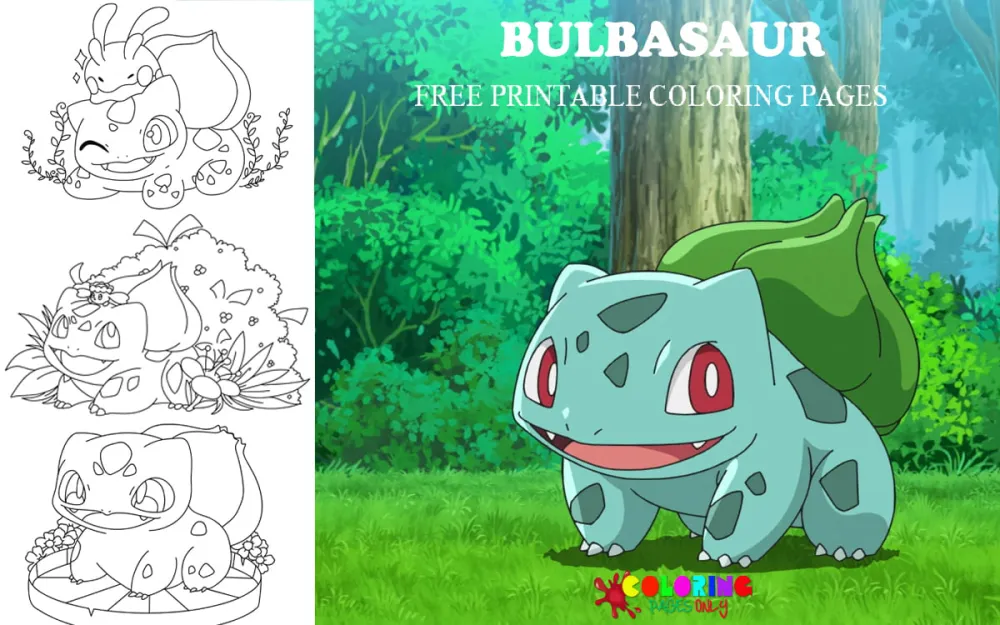
Bulbasaur coloring pages: 30 printable PDF designs spanning crossovers with other Pokémon and trainers, a couple of named and themed pages, and plenty of simple solo portraits. Each page can be downloaded as a PDF to print or colored online in the browser.
Bulbasaur holds a specific, verifiable distinction among the Pokémon series’ original three starters: it’s the only one with two types rather than one. Charmander is a pure Fire type, and Squirtle is a pure Water type. Still, Bulbasaur is Grass and Poison combined, a dual-type design that no other basic-stage starter Pokémon would share again until Rowlet, introduced two decades later in 2016. Bulbasaur’s English name is a portmanteau of “bulb” and “dinosaur,” describing both the plant bulb on its back and its stocky, reptilian build, designed by Atsuko Nishida for the original 1996 Japanese release of Pokémon Red and Green. Its original Japanese name, Fushigidane, combines the words for “mysterious” and “seed,” a more literal nod to the actual seed said to be planted on Bulbasaur’s back at birth. It also holds the number 001 in the National Pokédex, making it the very first Pokémon in the official numbered list. However, that’s simply a matter of ordering rather than any claim about which Pokémon was designed first.
With 30 pages split between crossovers, a couple of special themed designs, and a large set of simple portraits, the set works as a quick single-page project and as repeatable practice for a young Pokémon fan.
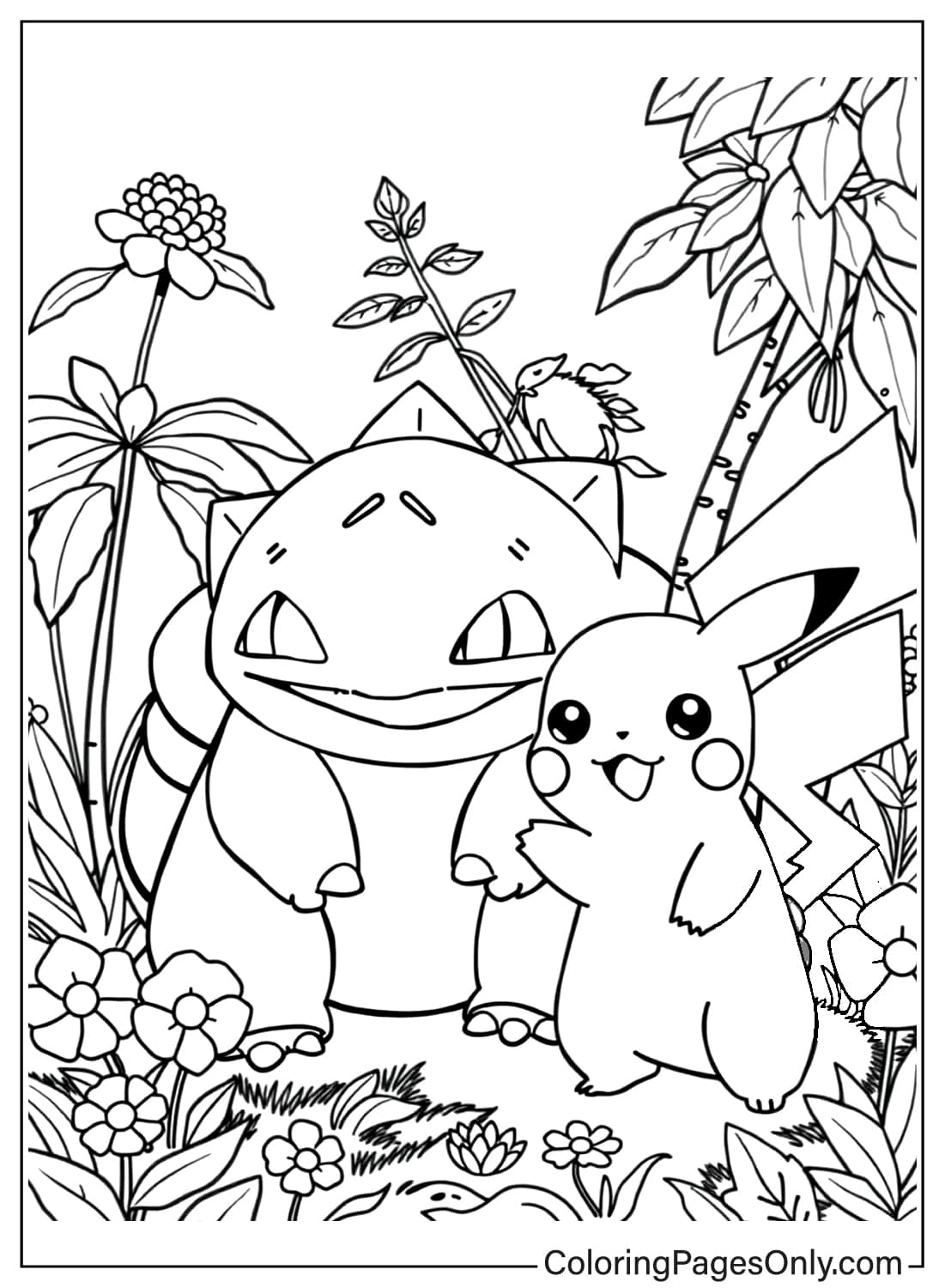
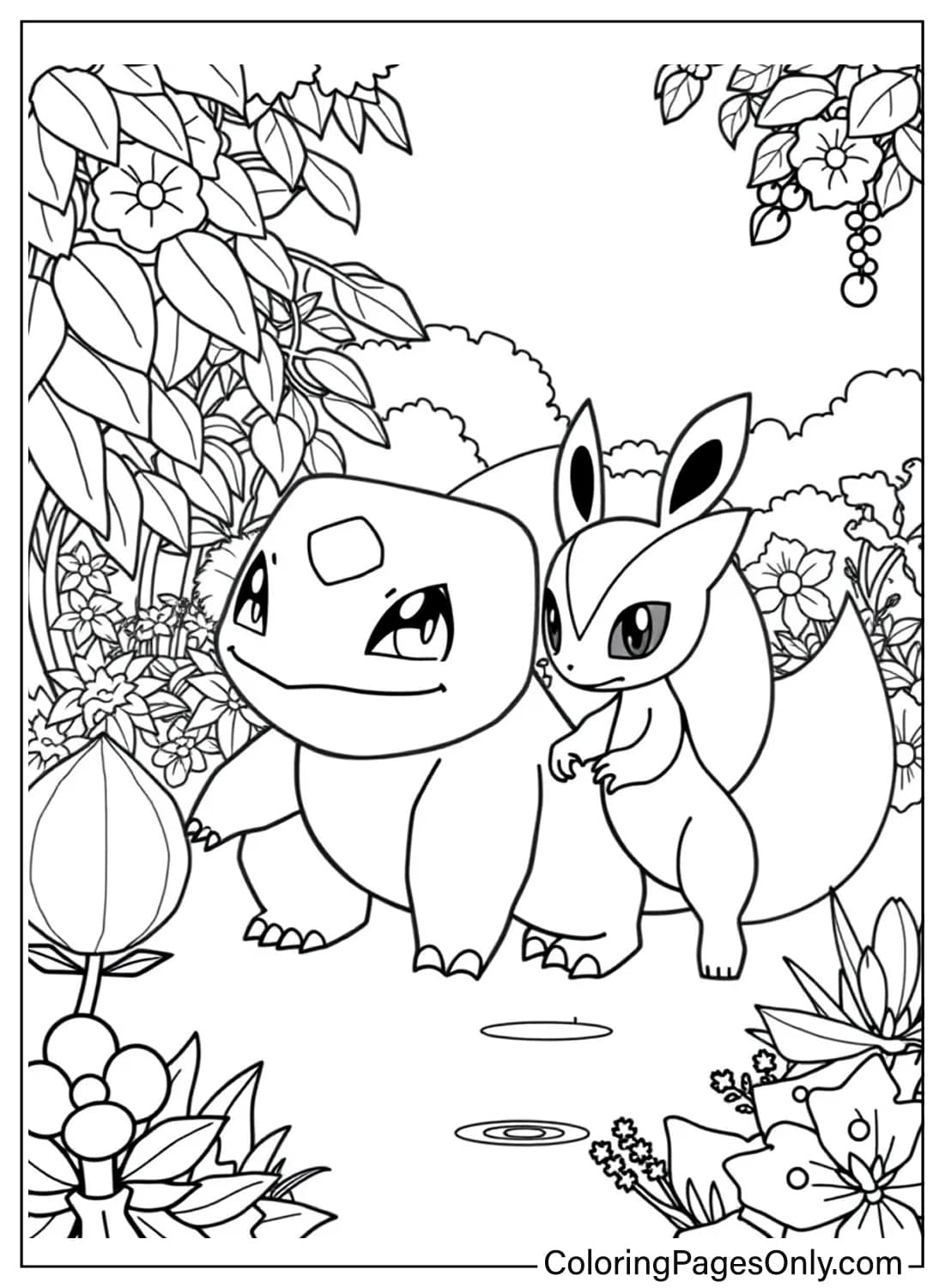
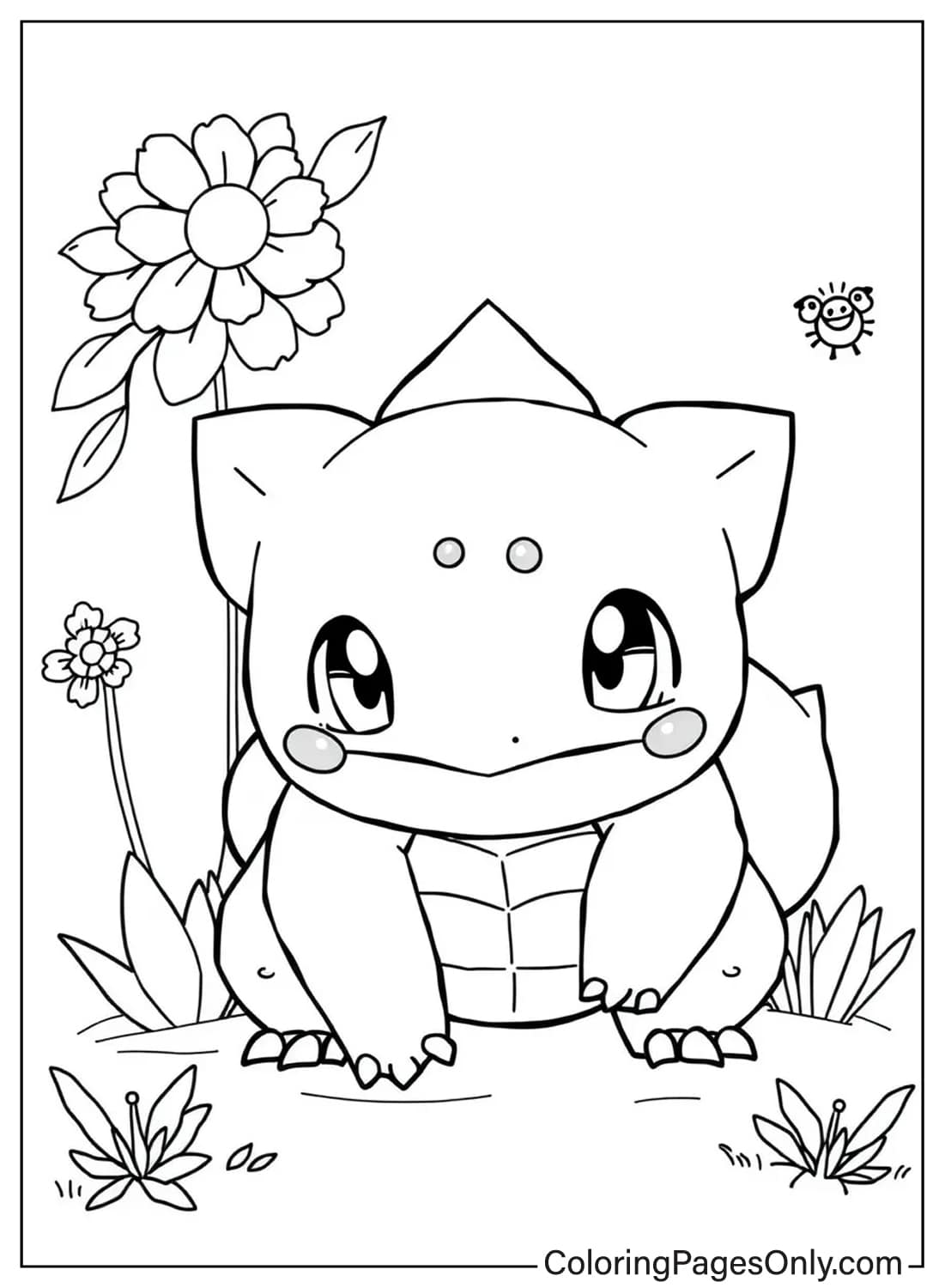
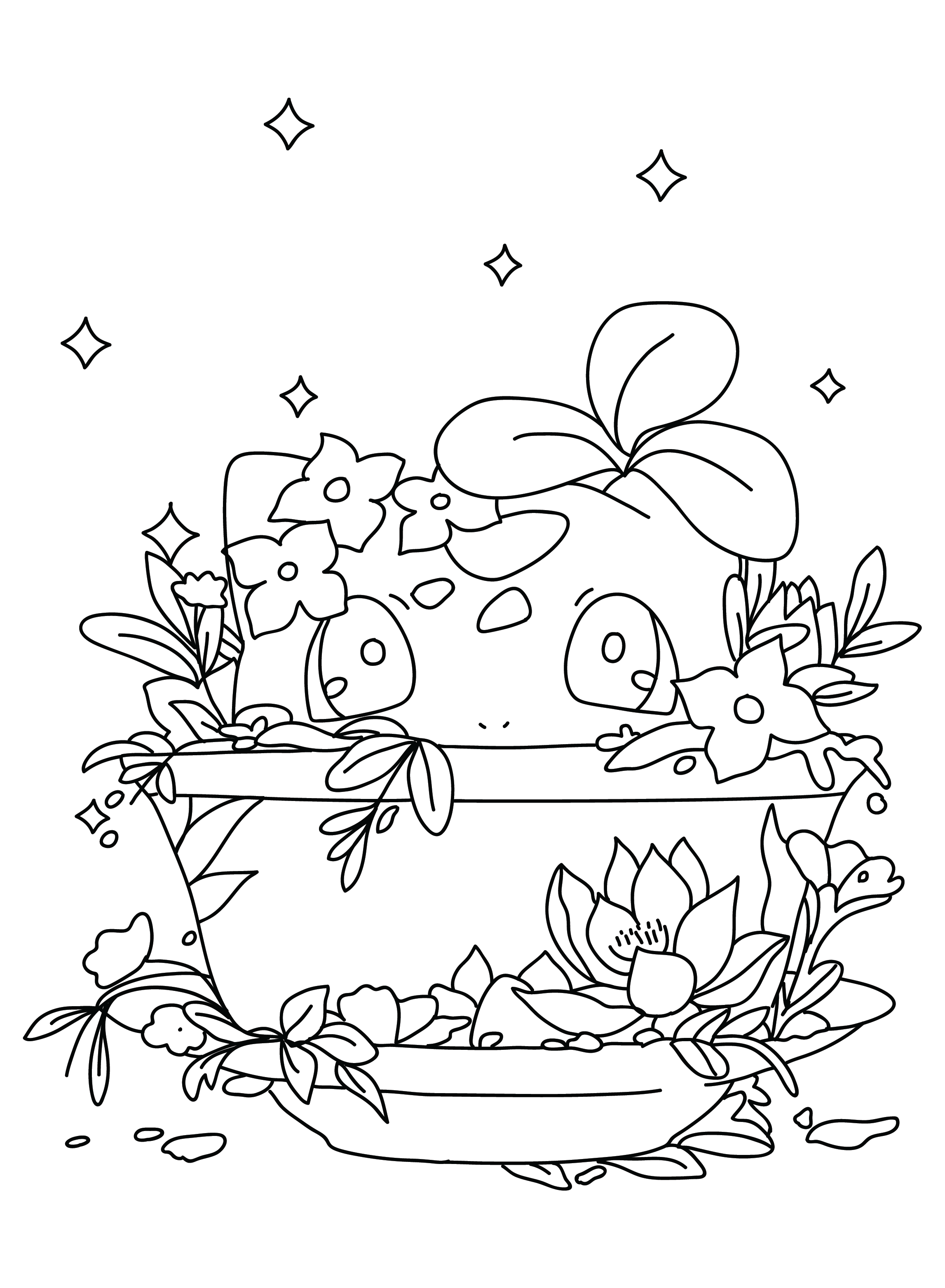
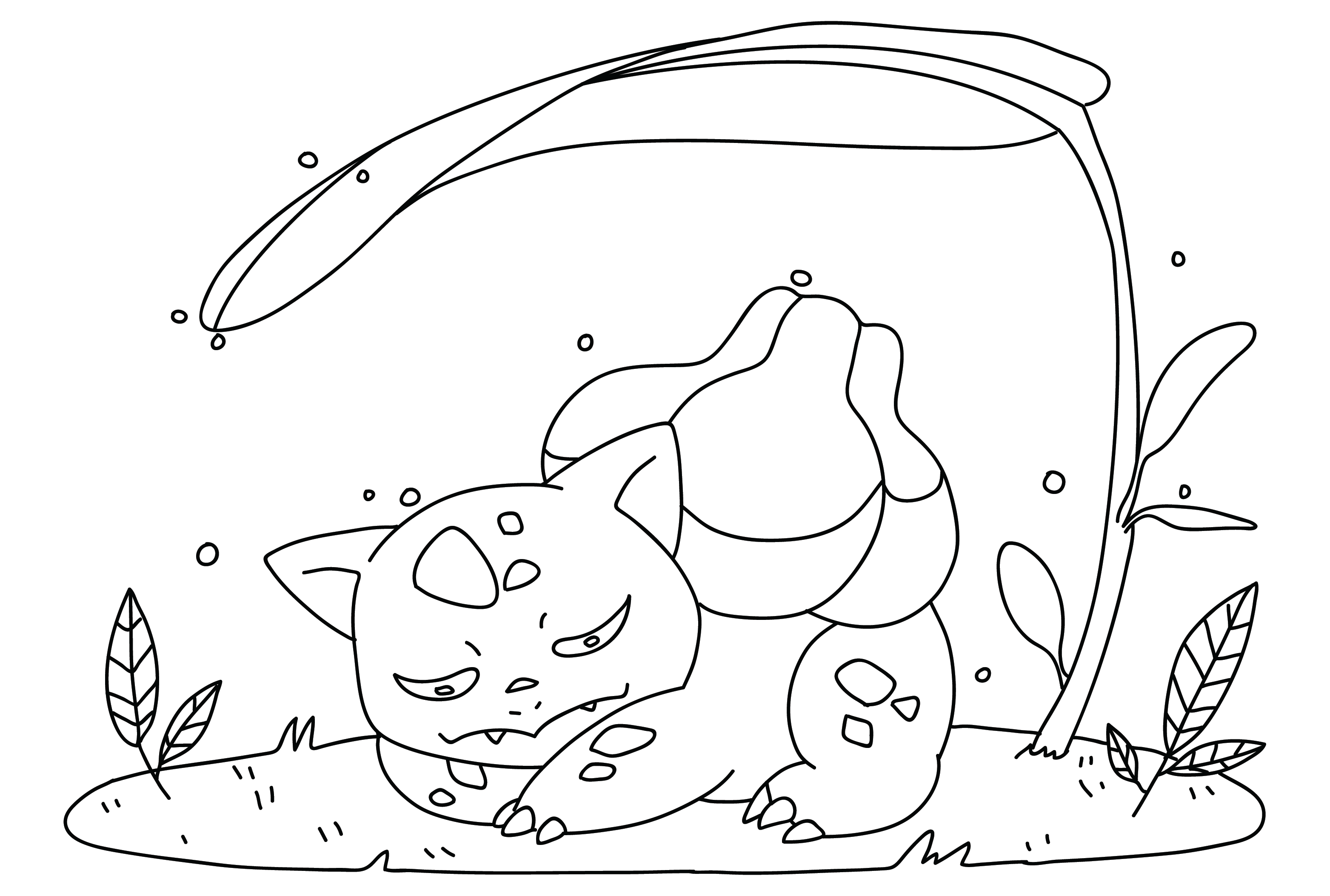
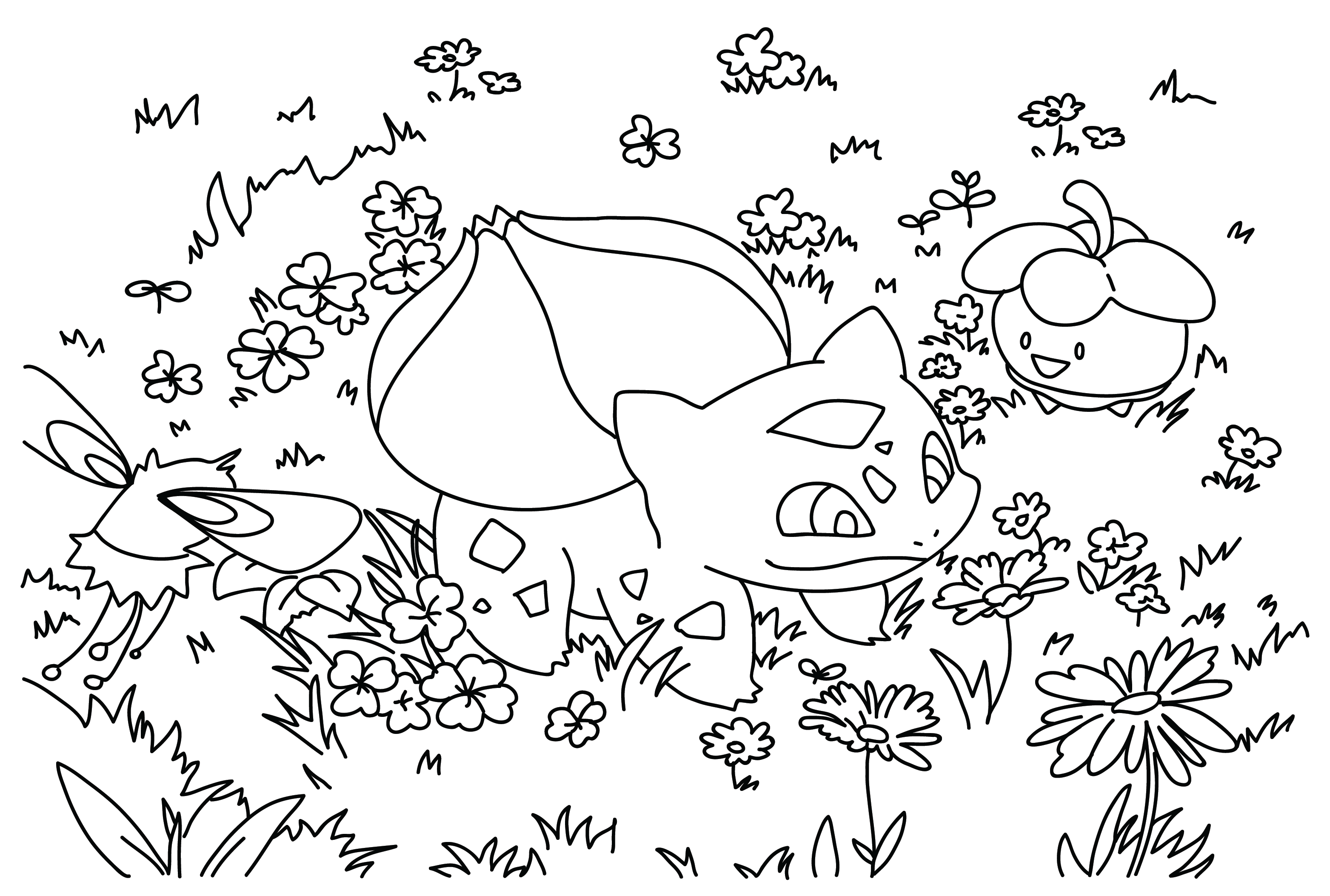
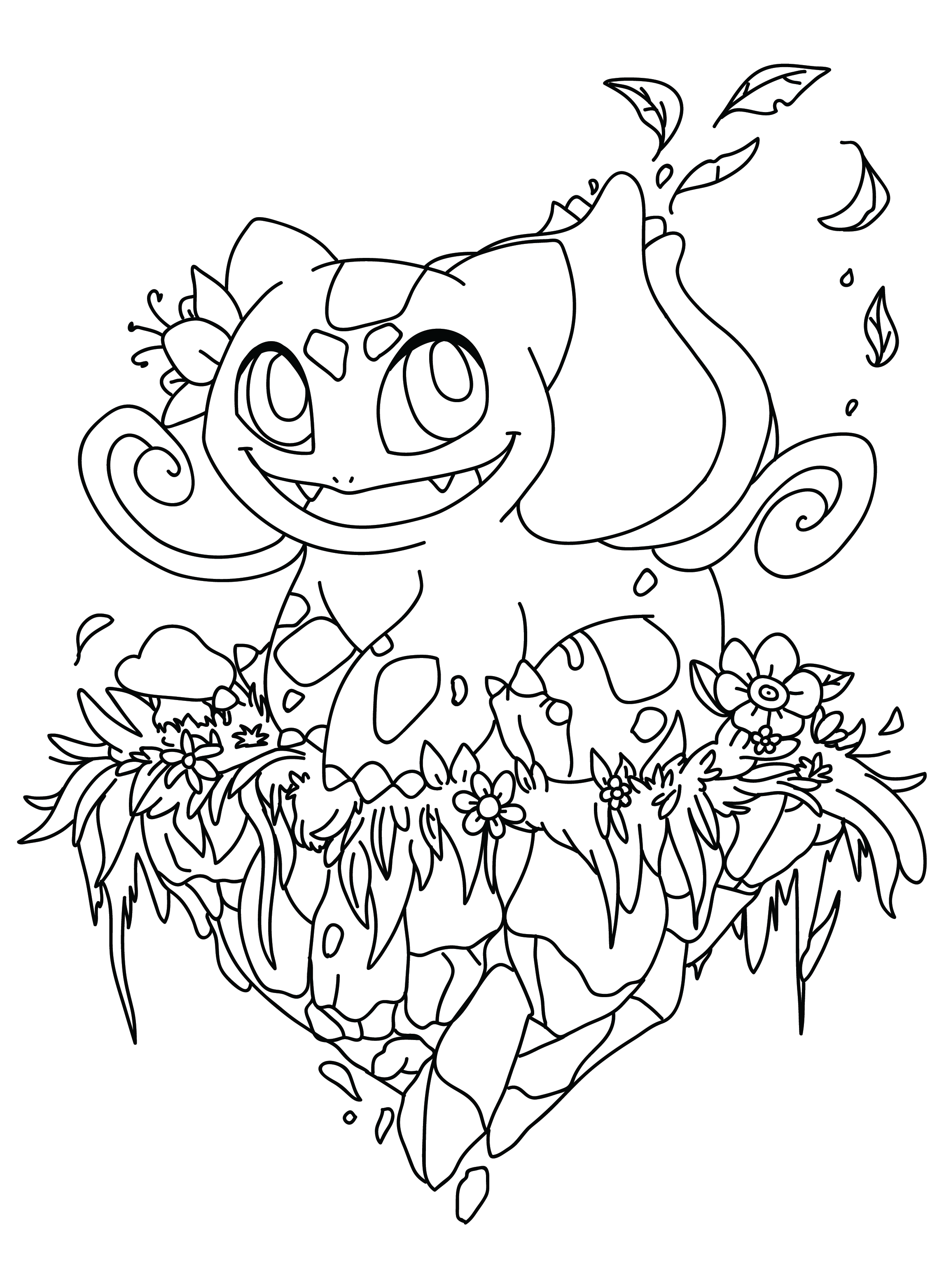
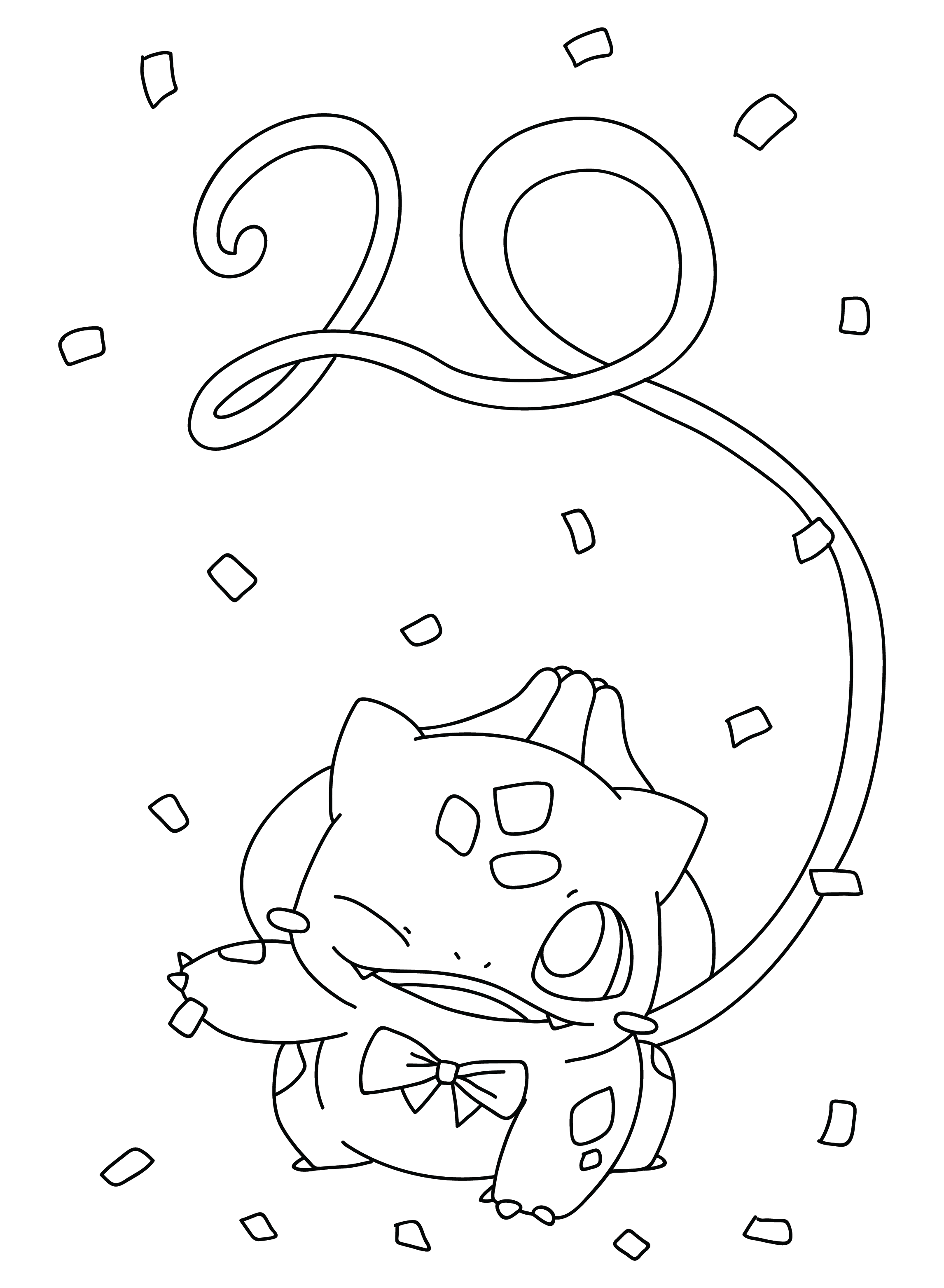
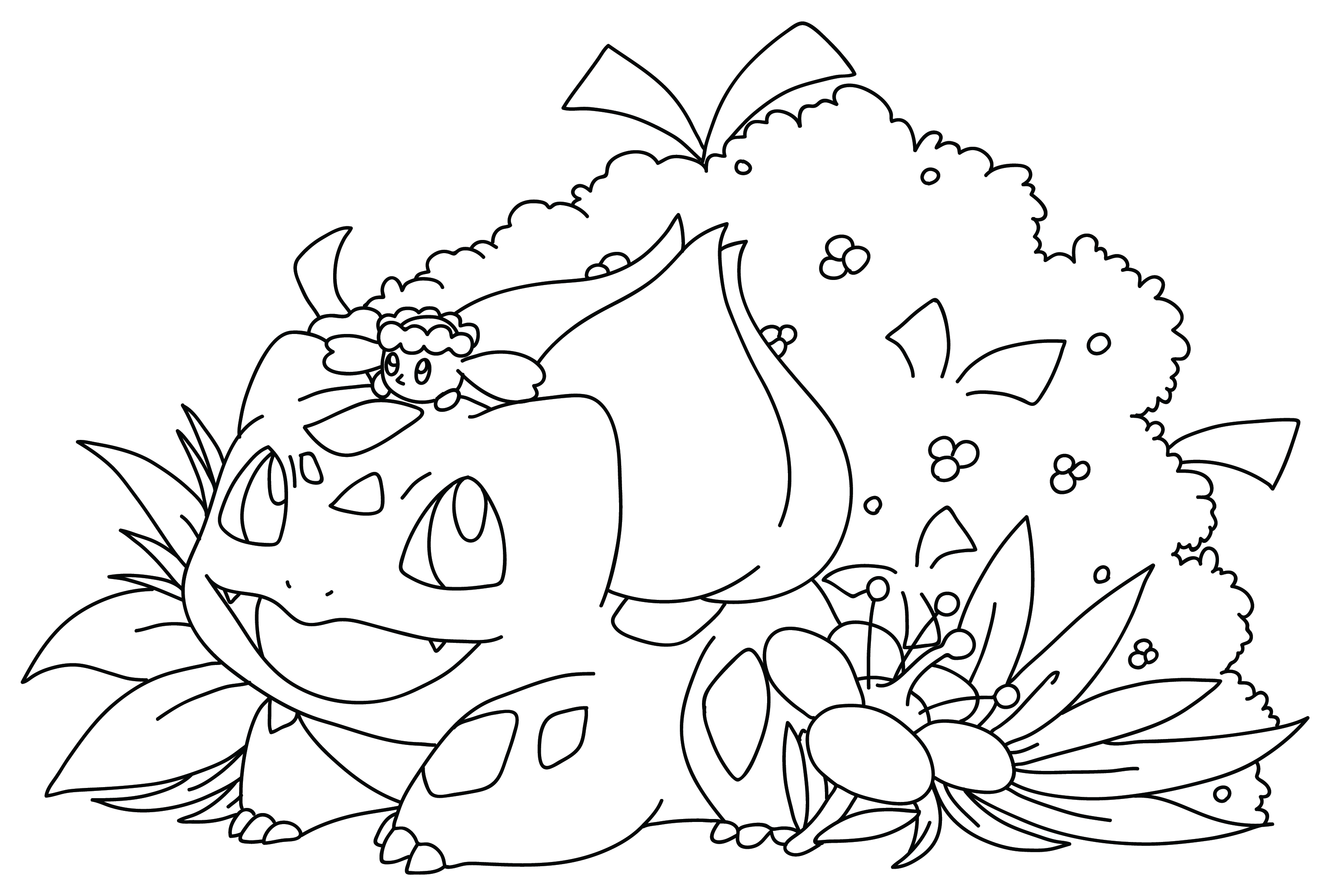
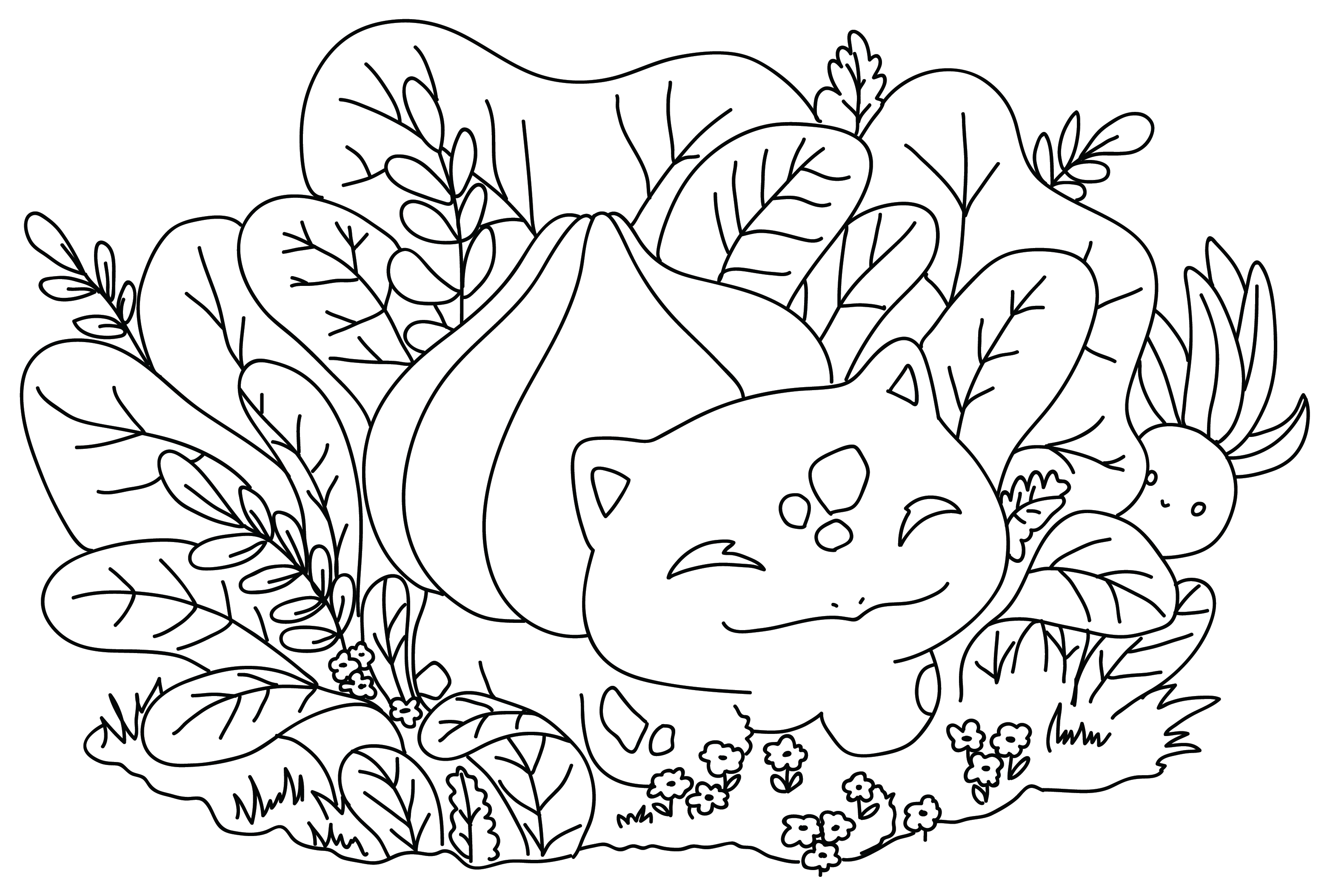
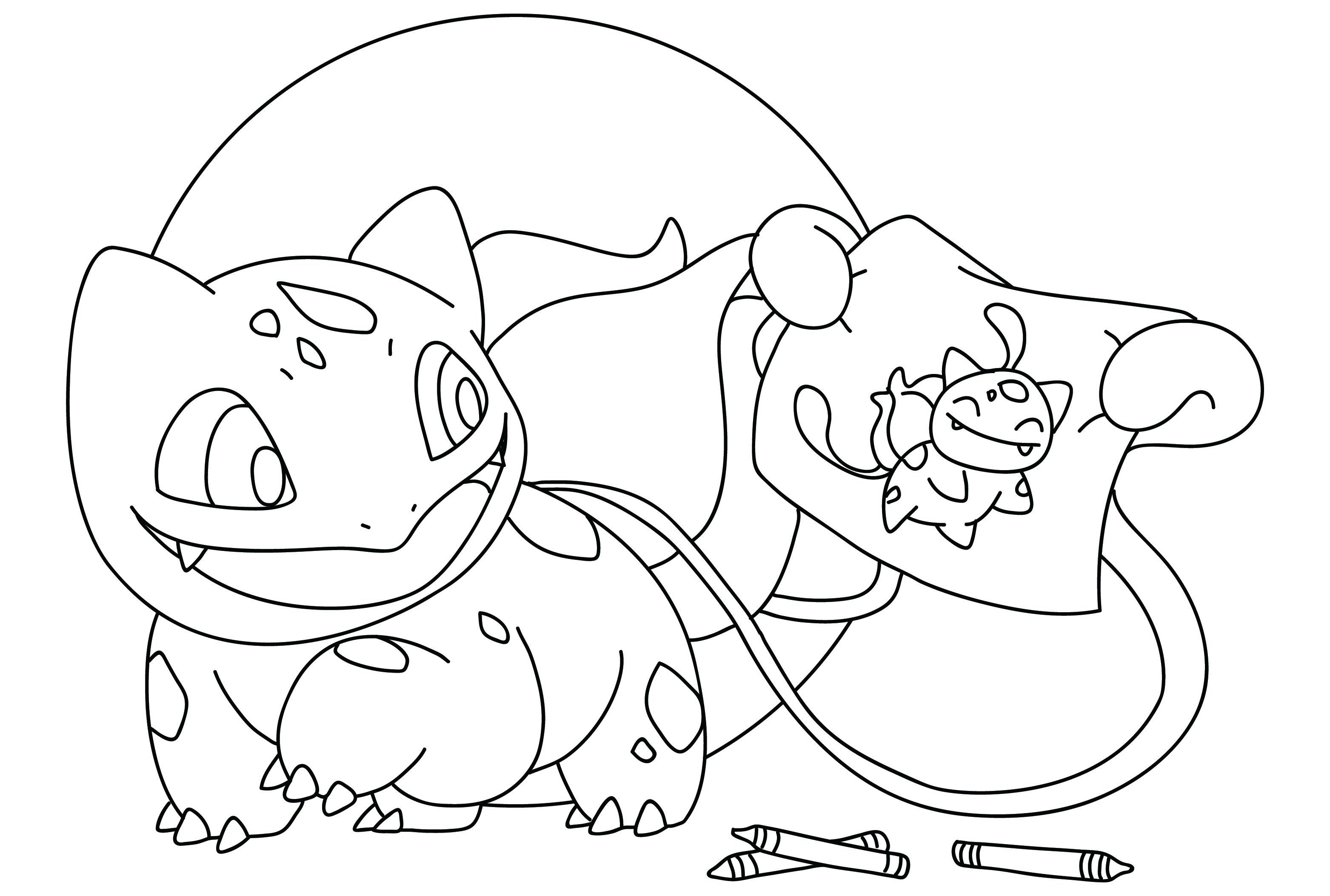
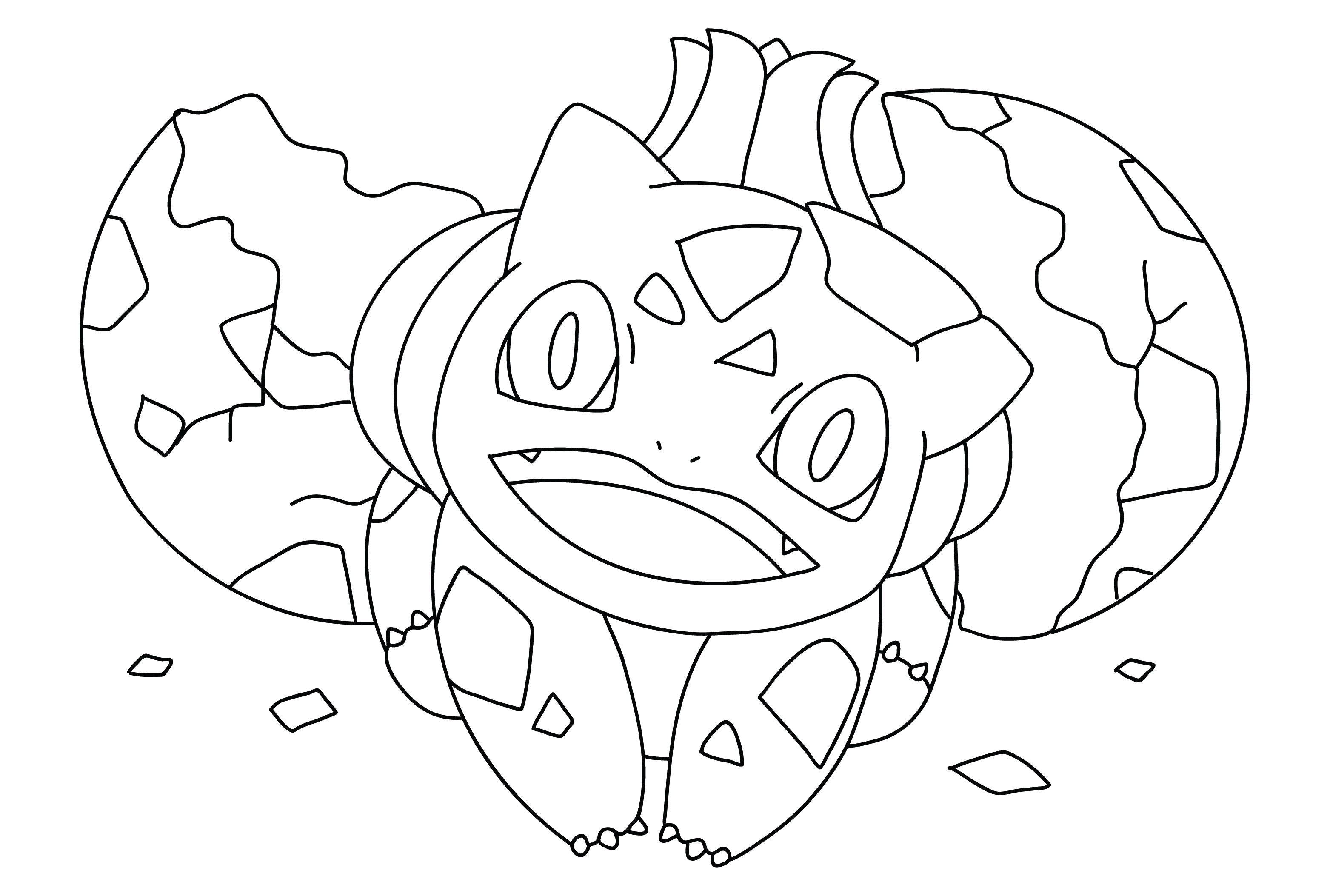
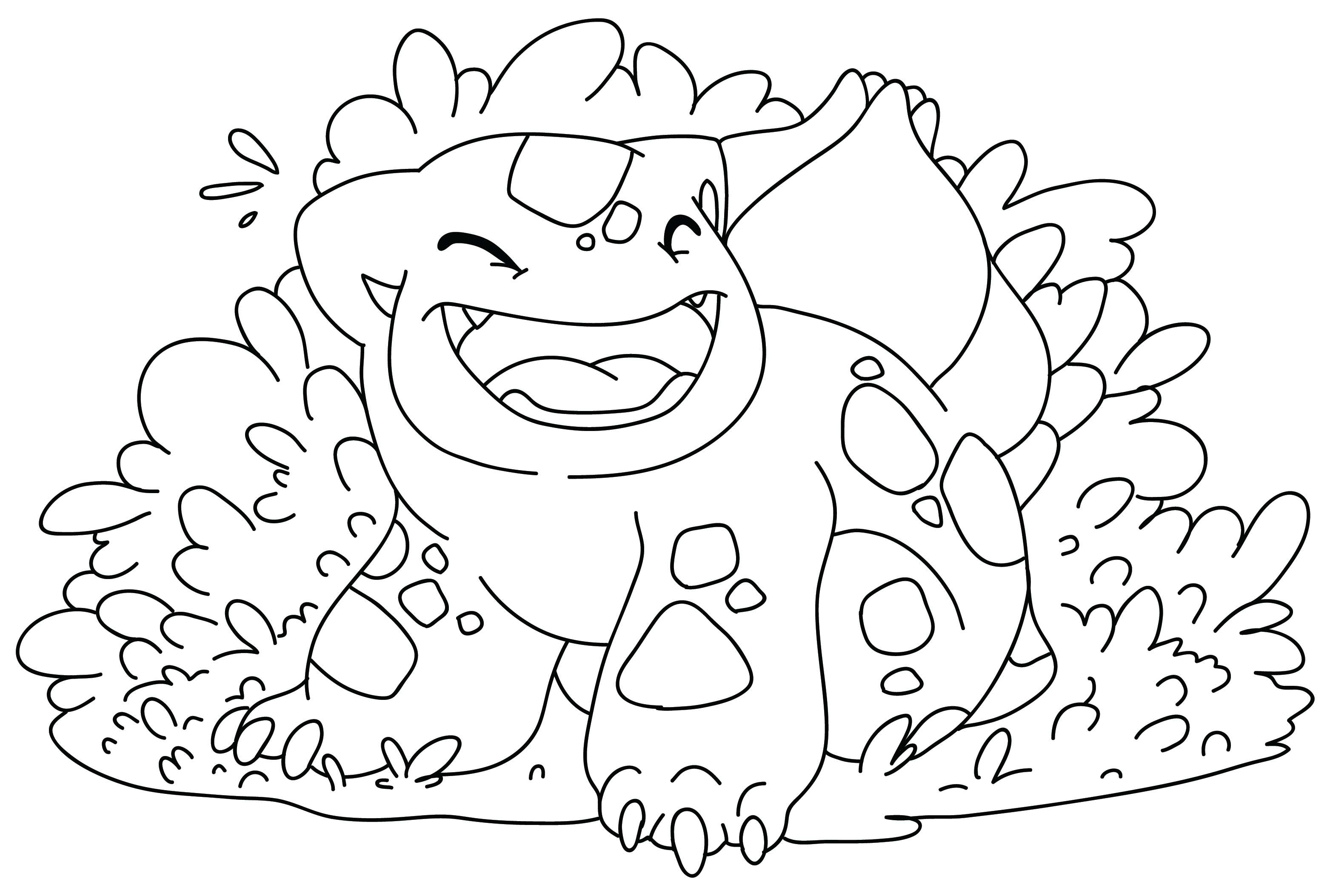
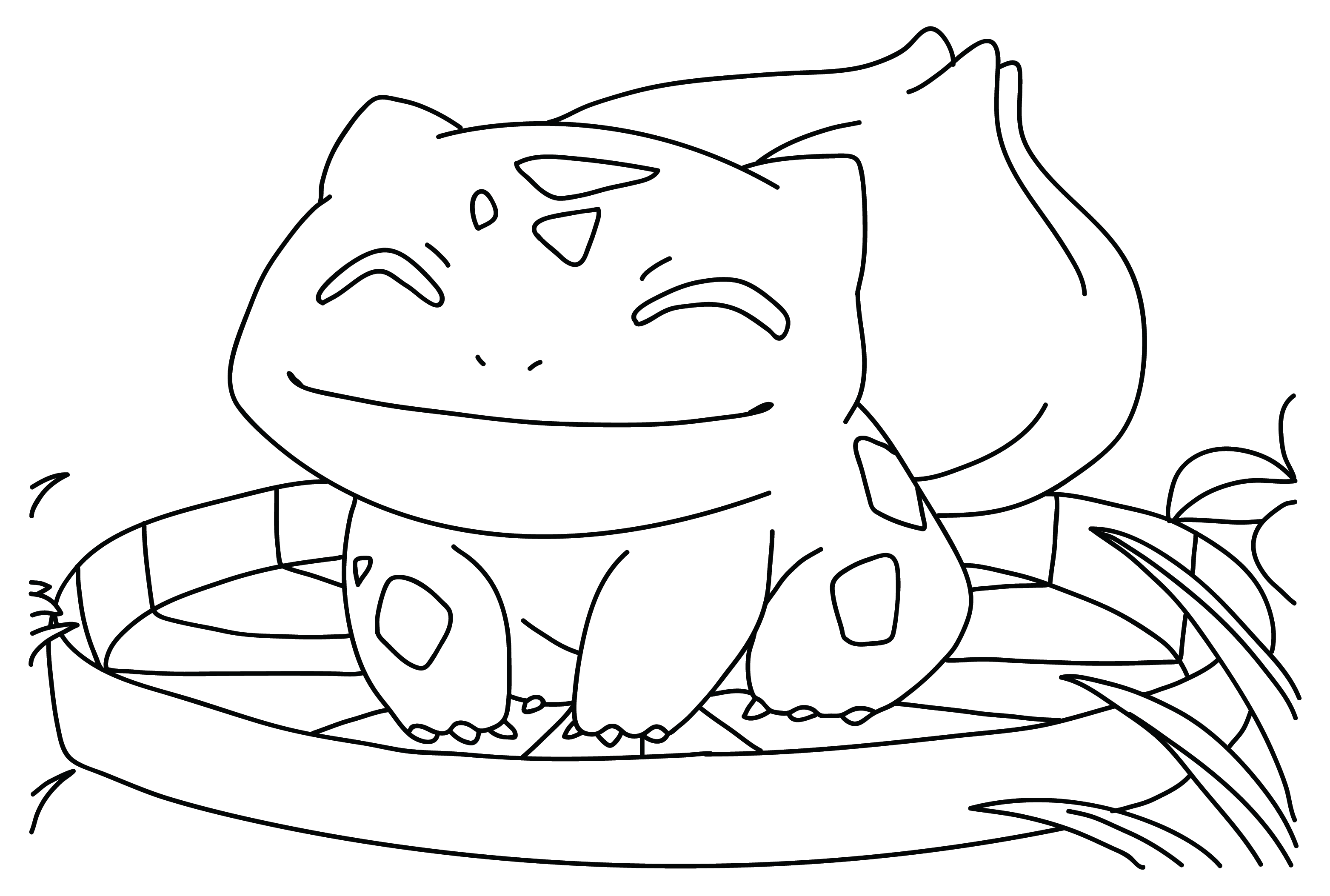
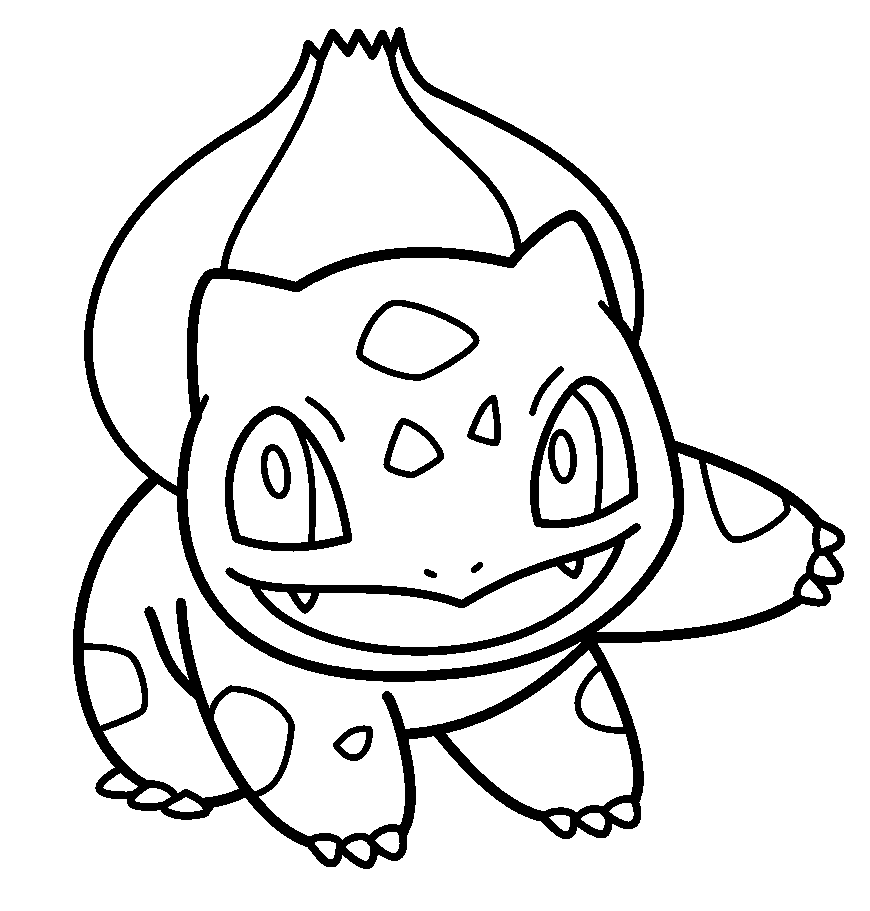
What Is Inside This Collection
This collection groups its 30 pages by scene, since a crossover, a themed page, and a plain portrait each call for a different coloring approach.
Crossovers with Other Pokémon and Trainers
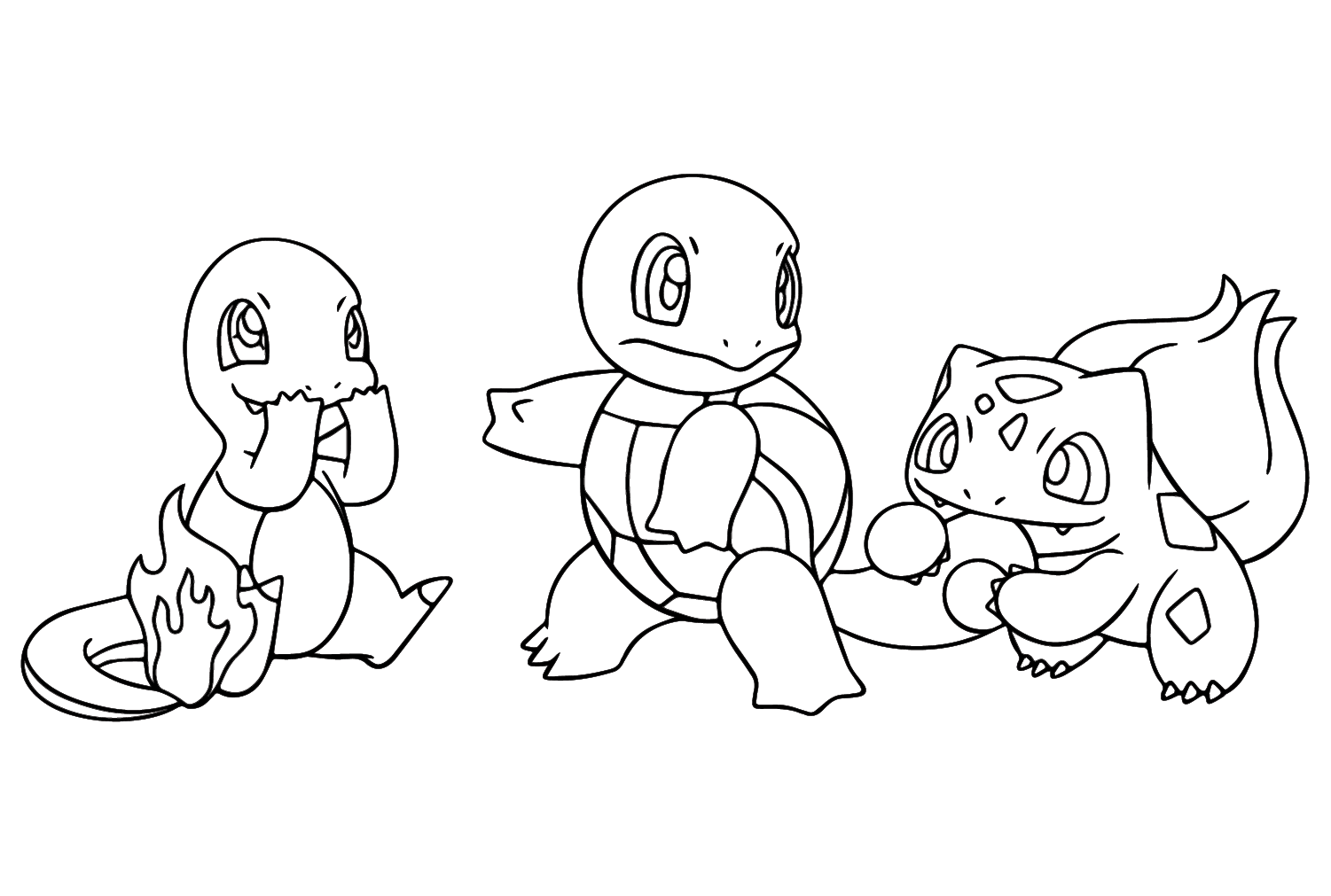
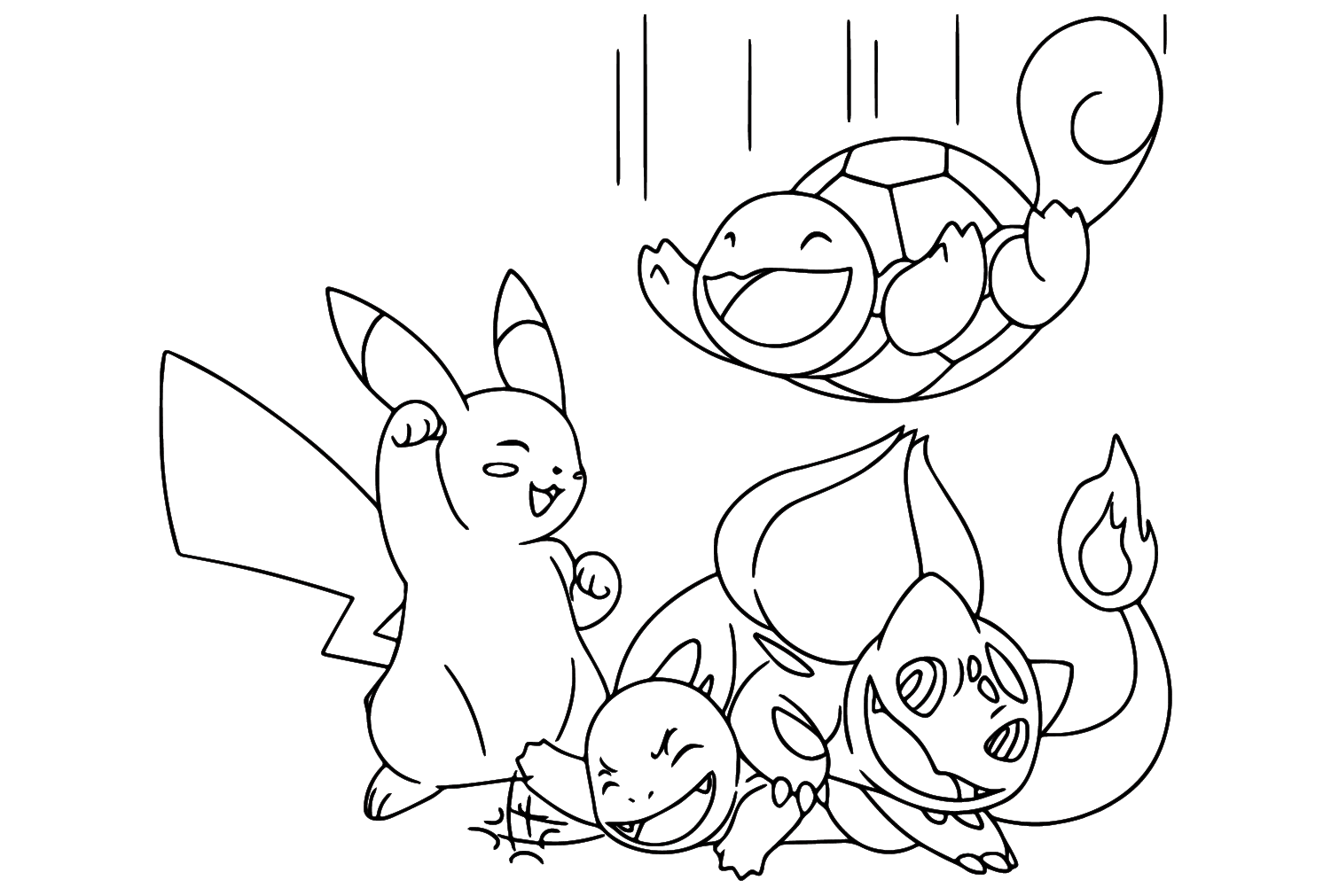
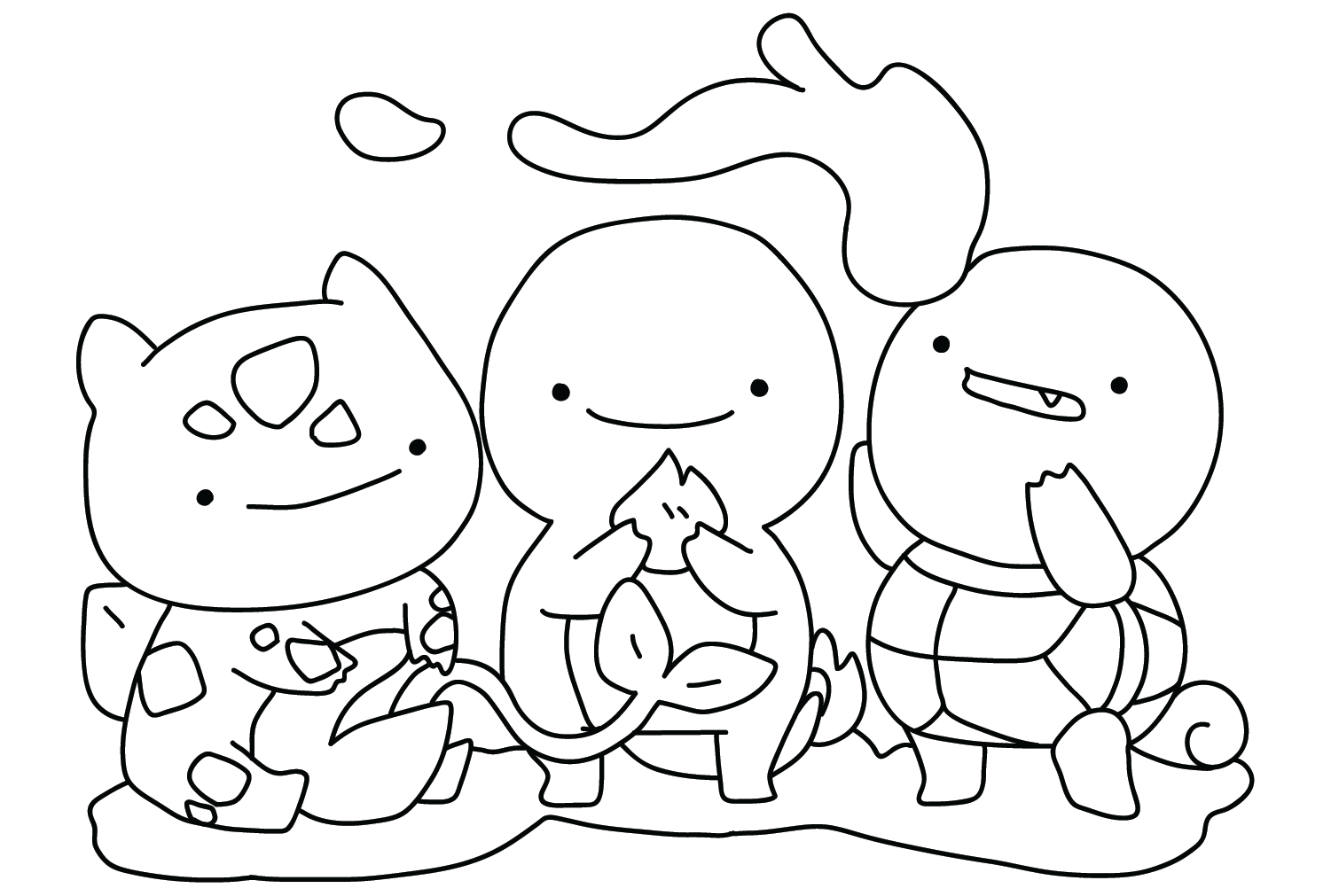
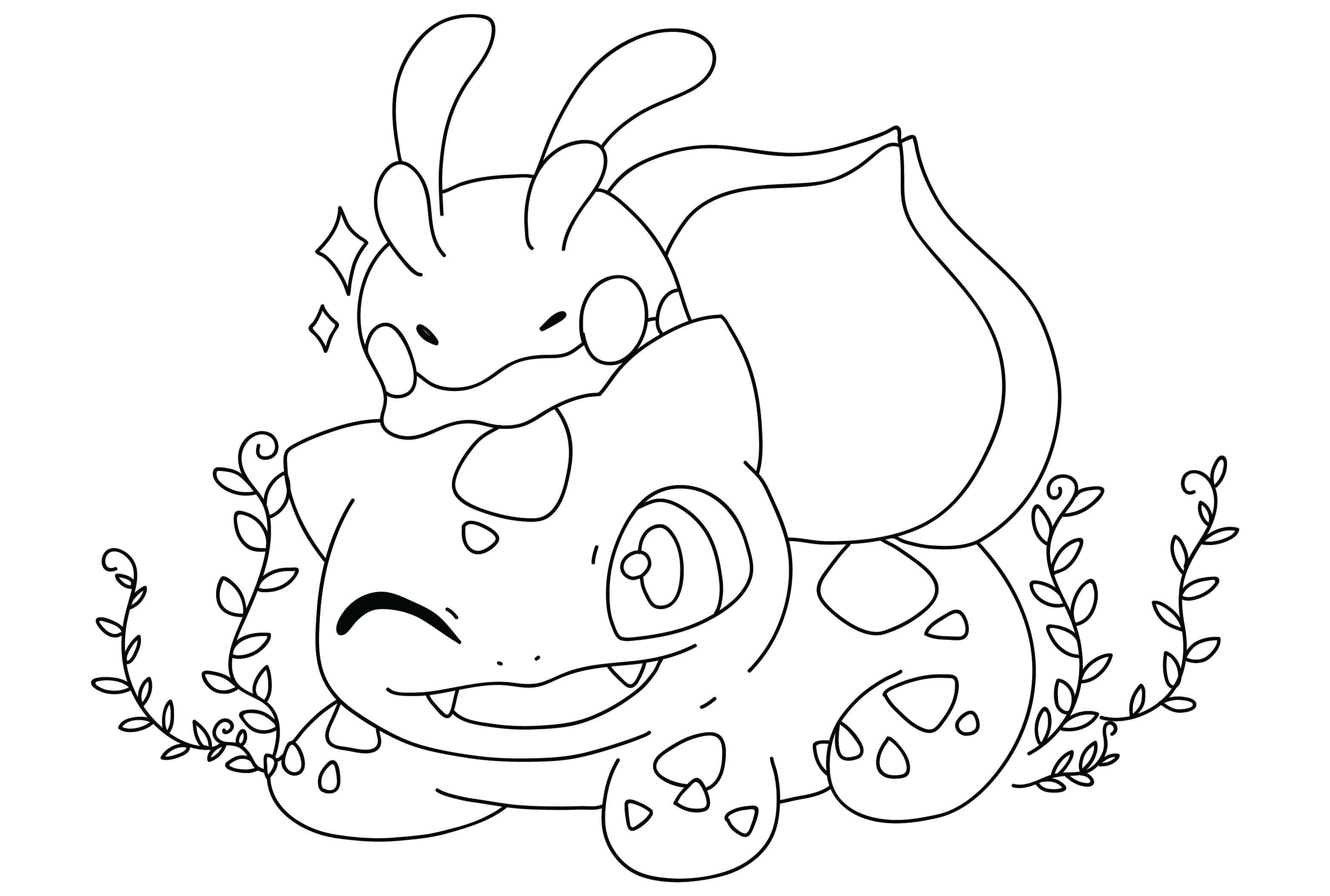
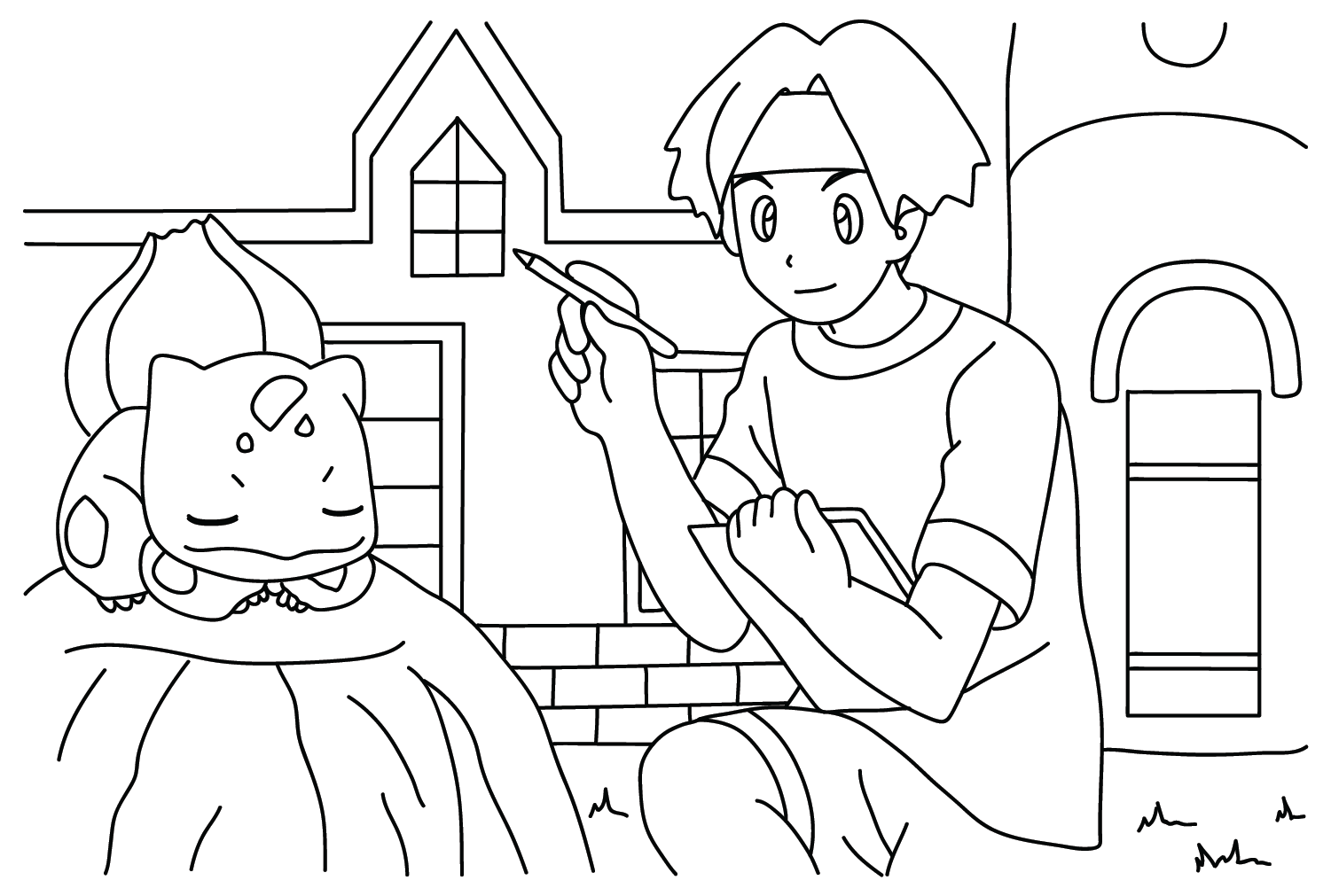
Six pages pair Bulbasaur with other Pokémon or trainers from the anime and games: Pikachu, Mewtwo, fellow starters Squirtle and Charmander, and Tracey Sketchit, a recurring character from the anime. Since Bulbasaur is only one part of a group scene on these pages, keeping its blue-green body and green bulb consistent while varying the other characters’ colors helps it stay the visual anchor of the page.
Named and Themed Pages
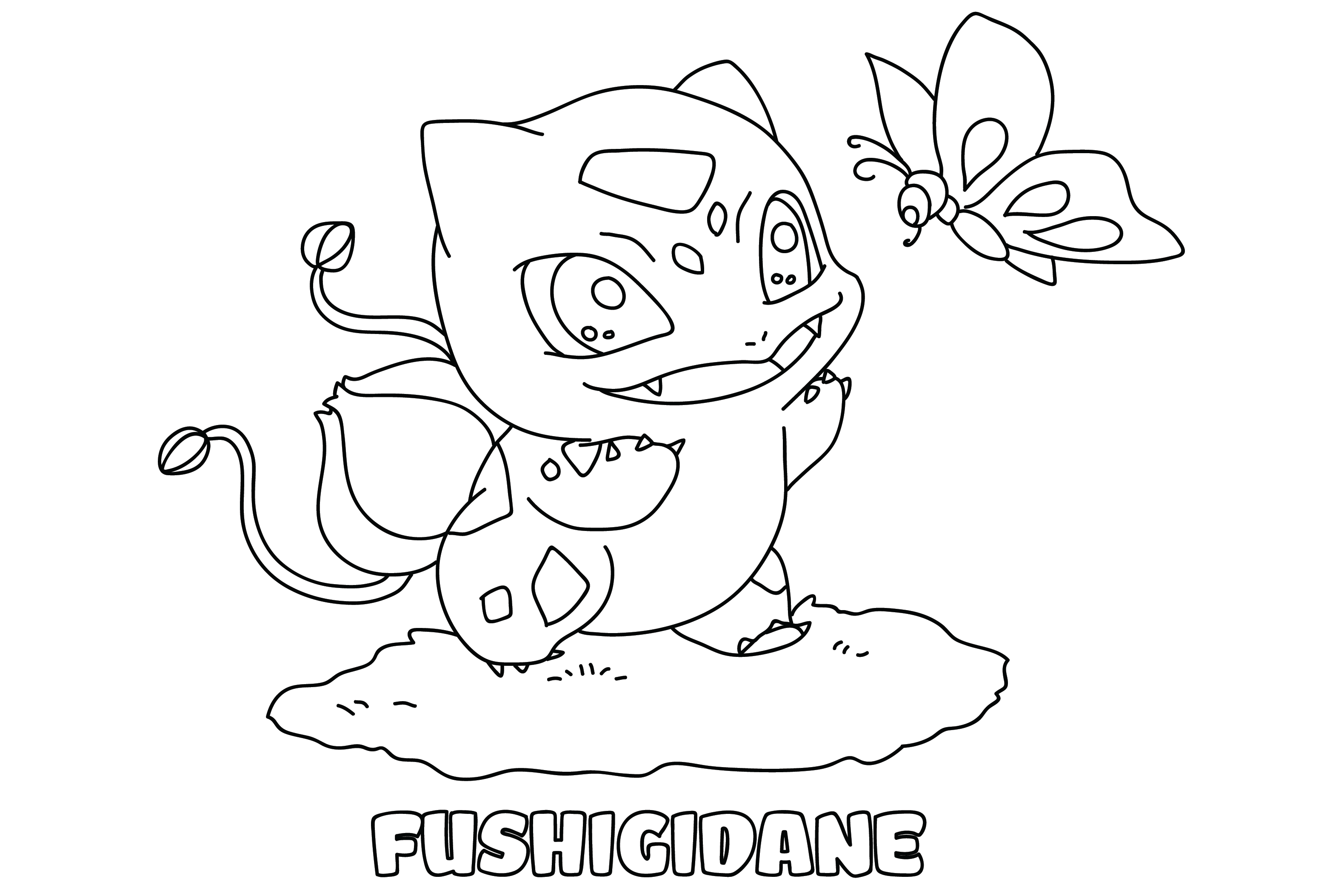
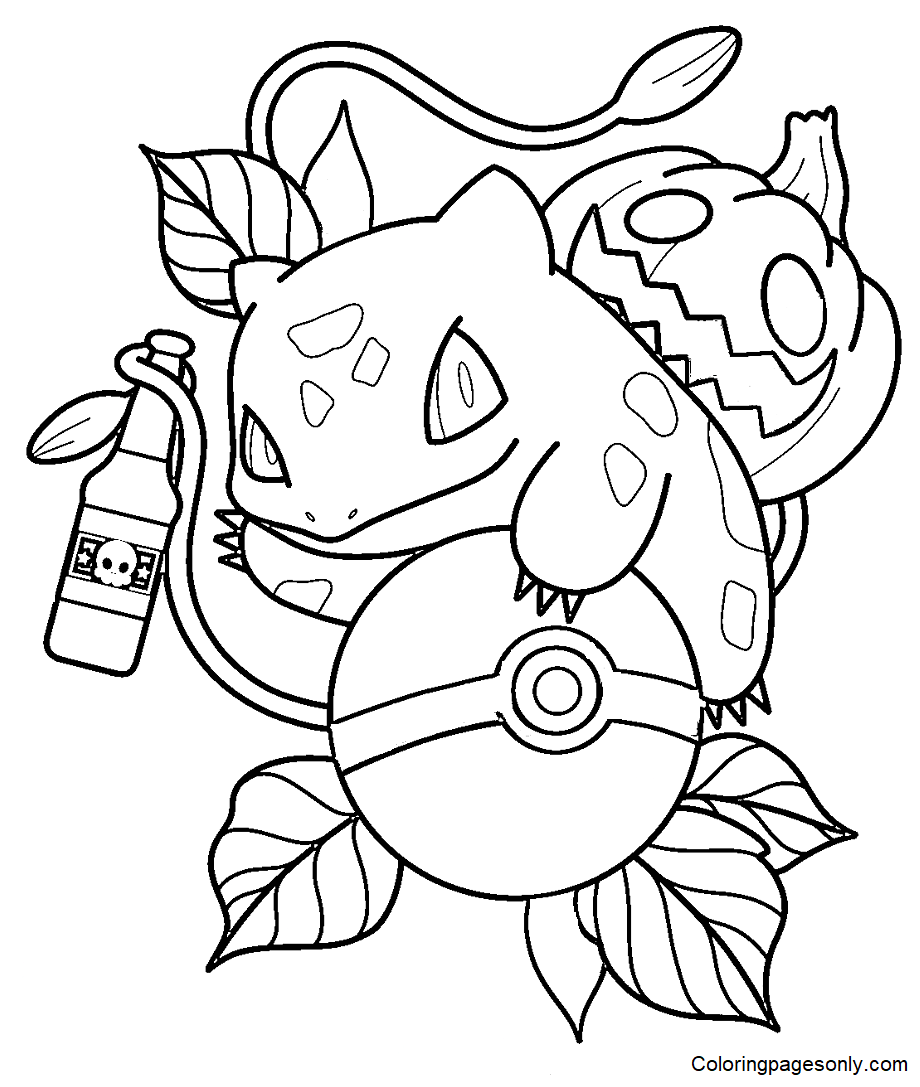
Two pages step outside a standard portrait: one uses Bulbasaur’s original Japanese name, Fushigidane, and one sets Bulbasaur in a Halloween scene. Fushigidane translates roughly to “mysterious seed,” a more literal description of the bulb on Bulbasaur’s back than the English name gives away.
Simple and Solo Portraits
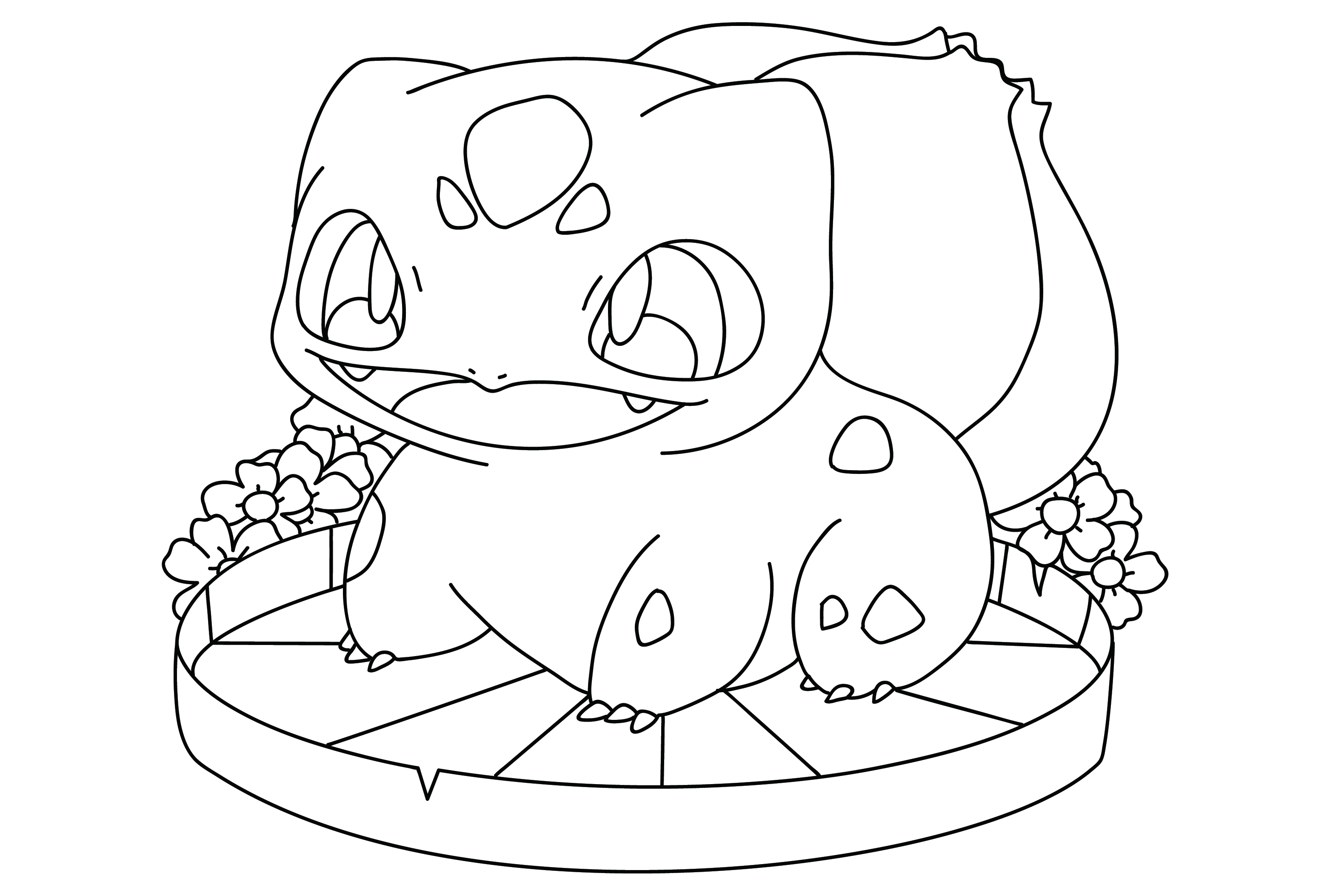
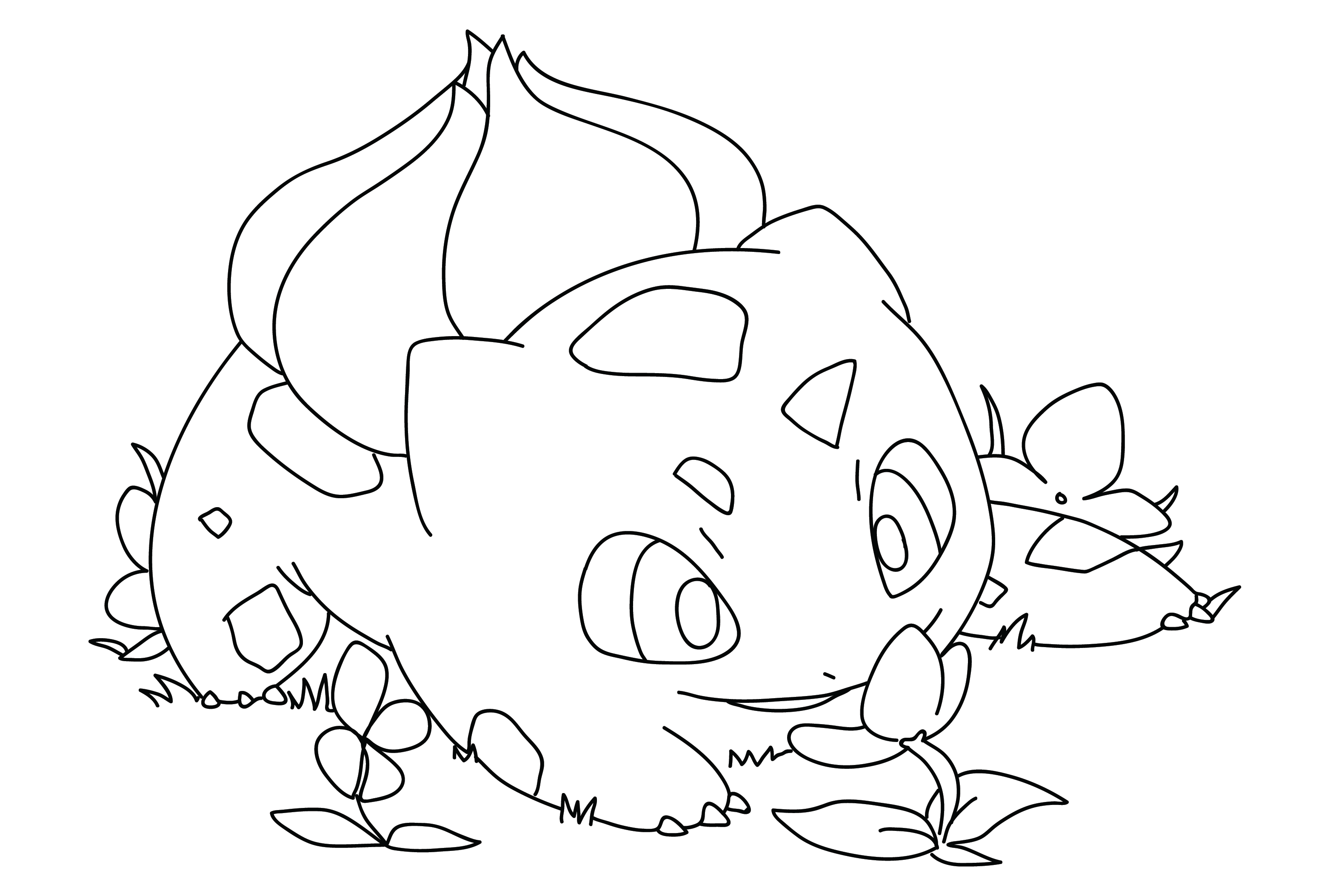
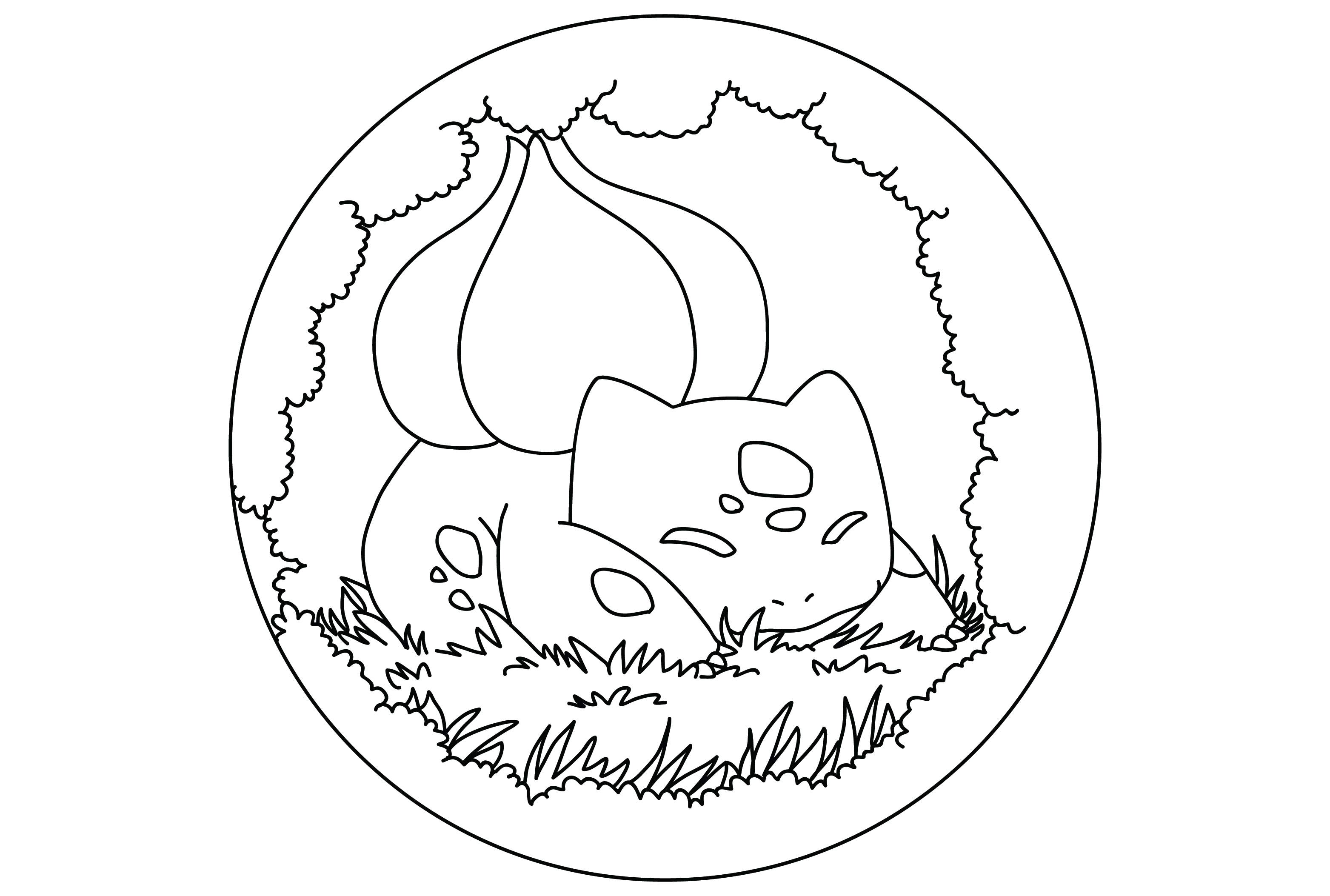
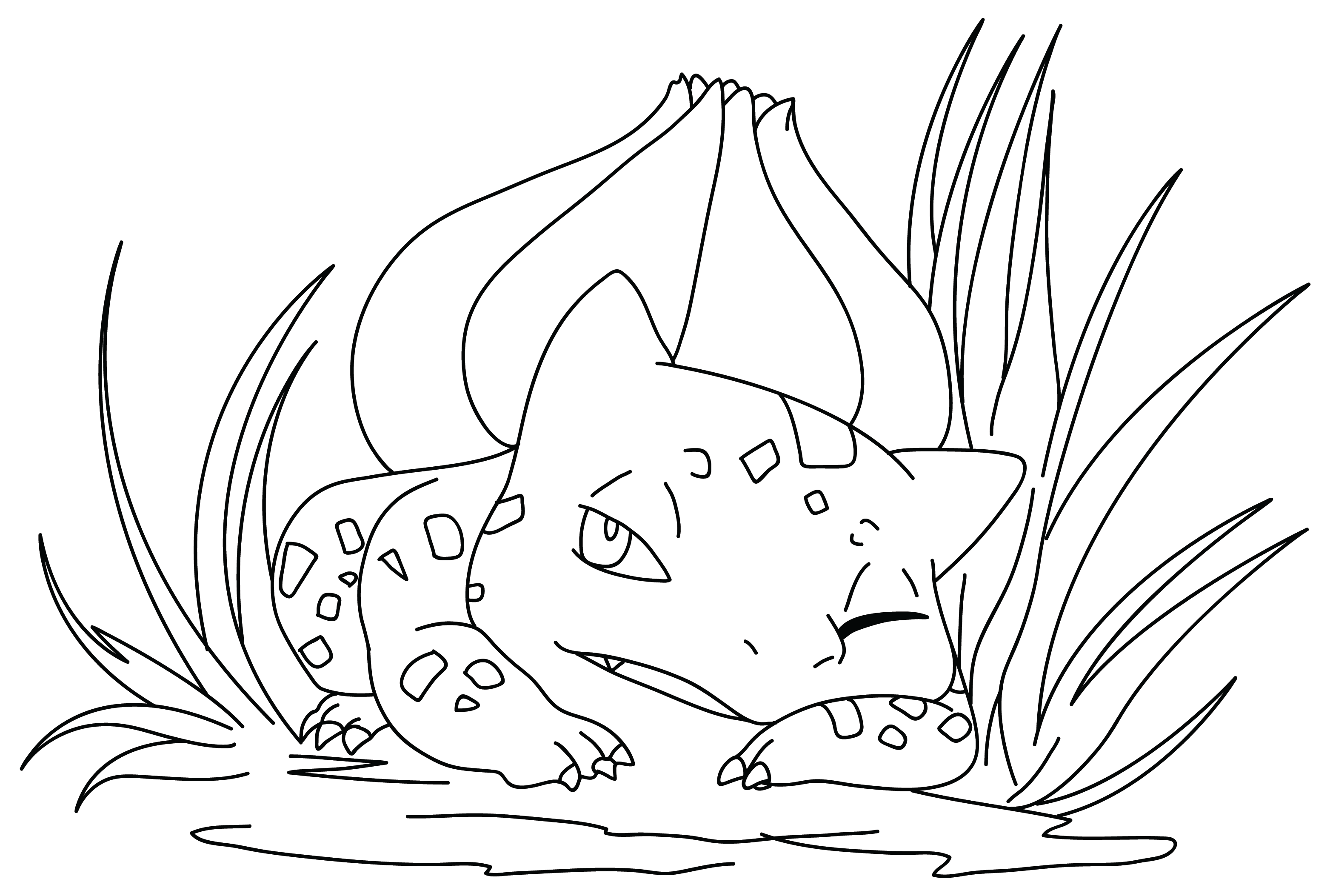
Twenty-two pages keep to a plain, solo Bulbasaur outline without a scene or crossover attached. These are the best pages for focusing on Bulbasaur’s actual design details: the bulb on its back, its pointed ear-like structures, and the three claws on each foot, all real, consistent features across the character’s official artwork.
What Bulbasaur Coloring Pages Do
Small details reward a careful hand. The bulb’s texture, Bulbasaur’s pointed ear-like structures, and its three-clawed feet all ask for steadier, more deliberate lines than a plain, rounded shape would, and the American Academy of Pediatrics names exactly this kind of structured coloring, done between ages 2 and 7, as a clear path to fine motor skill development. The simplest solo portraits offer an easier version of that same practice before a busier crossover scene.
A genuinely unusual design choice. Since Bulbasaur was built as a dual-type Pokémon while its fellow starters were each given a single type, coloring it alongside Charmander and Squirtle on one of the trio pages is a concrete way to notice that even a “starter” lineup wasn’t designed with perfectly matching rules.
Calm through repetition. A 2005 Art Therapy Journal study found a measurable drop in anxiety after coloring sessions built around a defined structure. The repeating spots on Bulbasaur’s skin and the layered texture of its bulb are about as structured as a coloring page gets.
A name that explains itself, once you know it. Since Bulbasaur’s Japanese name, Fushigidane, literally means “mysterious seed,” coloring the Fushigidane-labeled page is a small opportunity to notice how much more directly a character’s original name can describe its design than a translated one does.
How to Color Bulbasaur Coloring Pages Well
- Body: Use Sea Green or Turquoise Blue for the main skin, with darker Forest Green patches scattered across the back and sides.
- Bulb: Use a slightly brighter Fern or Forest Green than the body, since the bulb is a distinct plant structure rather than part of the skin.
- Eyes: Use Scarlet or Red-Orange, wide and expressive, one of Bulbasaur’s most recognizable features.
- Claws and underside: Use White or Timberwolf, kept lighter than the main body color for contrast.
- Crossover pages with Squirtle and Charmander: Keep Squirtle in Sky Blue and Charmander in Scarlet-Orange, so all three starters read clearly as distinct characters on a shared page.
- Halloween-themed page: Keep Bulbasaur’s own colors accurate and add the seasonal elements, pumpkins, and a night sky, in Goldenrod and Midnight Blue around it.
5 Creative Craft Ideas With Bulbasaur Coloring Pages
1. Starter Trio Poster. Color Bulbasaur, Squirtle, and Charmander, arrange them together on a poster board, and label each one’s type underneath. It’s a simple way to display the original three starter Pokémon side by side.
2. Pokémon Fact Cards. Color a few of the pages, then write one real fact, like Bulbasaur’s dual typing, on the back of each card. A small stack makes a simple, reusable set for a young Pokémon fan.
3. Evolution Line Display. Color a Bulbasaur page, then sketch or color reference pages for its evolutions, Ivysaur and Venusaur, to show the full evolutionary line together. It’s a hands-on way to see how a single Pokémon’s design changes as it evolves.
4. Trading Card Bookmark. Color a solo Bulbasaur portrait, cut it into a card shape, and use it as a bookmark. It’s a fun way to combine a Pokémon fan’s two favorite things: reading and coloring.
5. Name Comparison Card. Color the Fushigidane-labeled page, then write both the Japanese and English names and their meanings side by side. It’s a small language lesson built into a coloring activity.
Frequently Asked Questions
What are Bulbasaur coloring pages?
Bulbasaur coloring pages are free printable and browser-colorable designs of the Pokémon character, including crossovers with other Pokémon and trainers, a couple of themed pages, and plenty of simple solo portraits. This collection has 30 pages, available as PDF downloads or through the online coloring tool.
What type of Pokémon is Bulbasaur?
Bulbasaur is a dual-type Grass and Poison Pokémon, one of three starter Pokémon available at the beginning of the original Pokémon Red and Green games.
Why is Bulbasaur’s dual typing unusual among starter Pokémon?
Bulbasaur’s fellow original starters, Charmander and Squirtle, are each a single type, Fire and Water. Bulbasaur remained the only dual-type basic-stage starter Pokémon in the entire franchise until Rowlet was introduced in 2016.
What does Bulbasaur’s name actually mean?
Bulbasaur’s English name is a portmanteau of “bulb,” referring to the plant structure on its back, and “dinosaur,” describing its stocky, reptilian body shape.
What does Fushigidane, Bulbasaur’s Japanese name, mean?
Bulbasaur’s Japanese name, Fushigidane, combines the words for “mysterious” or “strange” (fushigi) and “seed” (tane), translating roughly to “mysterious seed.”
When did Bulbasaur first appear, and who designed it?
Bulbasaur first appeared on February 27, 1996, in the Japanese release of Pokémon Red and Green. It was designed by Atsuko Nishida, one of the original character designers for the first generation of the games.
Are Bulbasaur coloring pages suitable for young children?
Yes, with the right page. The simple solo portraits suit younger children, while the more detailed crossover scenes suit older kids and Pokémon fans who want more of a challenge.
Are these official Pokémon Company or Nintendo designs?
No. These are fan-made coloring sheets for personal, non-commercial use and are not affiliated with, licensed by, or endorsed by Nintendo, Game Freak, or The Pokémon Company.
Start Coloring
Download any design by clicking it. No account, email, or payment is required to color or print. Every page opens in the online coloring tool for on-screen use or downloads as a full-resolution PDF for printing. Share a finished Bulbasaur page using the Facebook or Pinterest buttons at the top of the page.