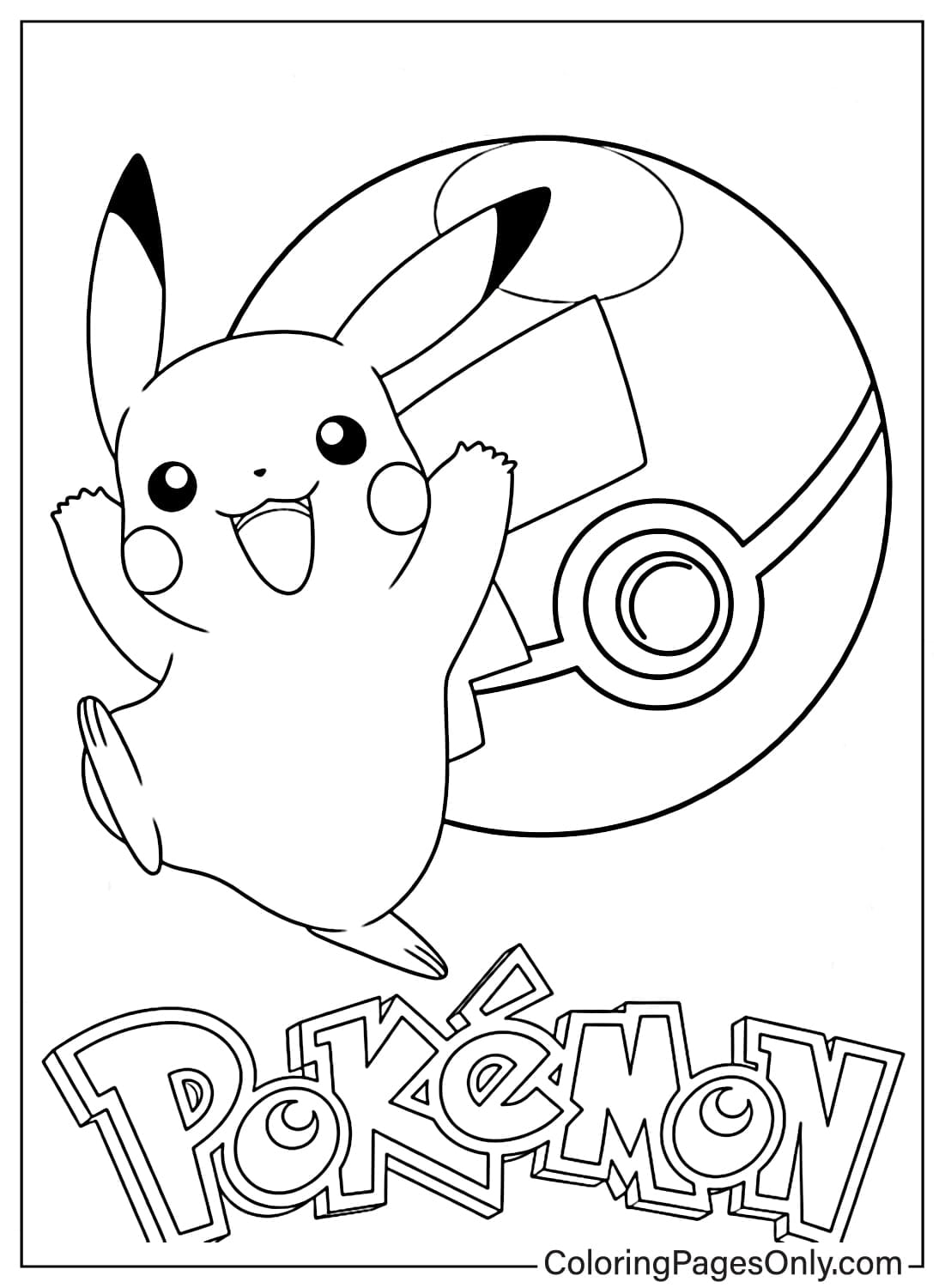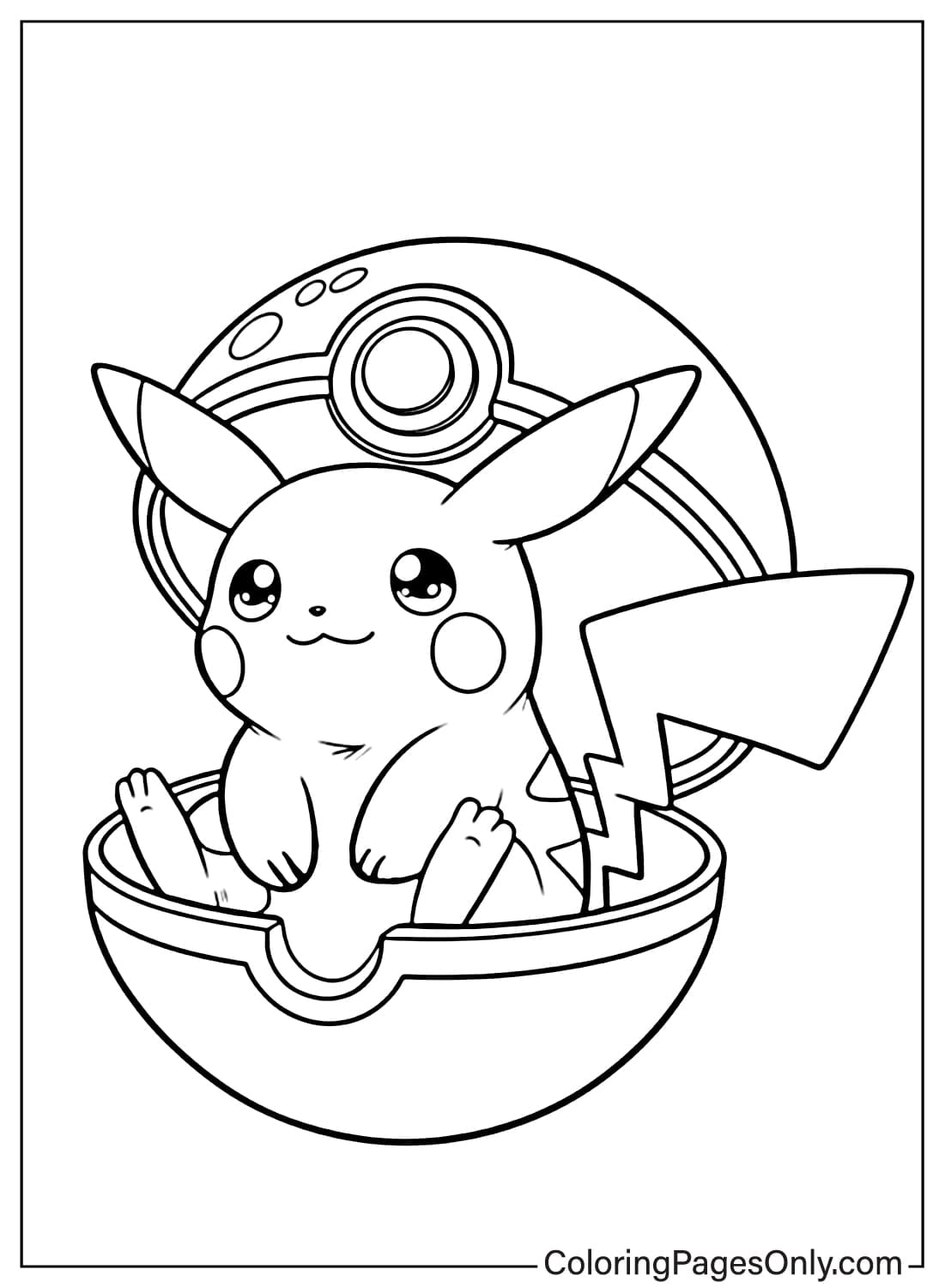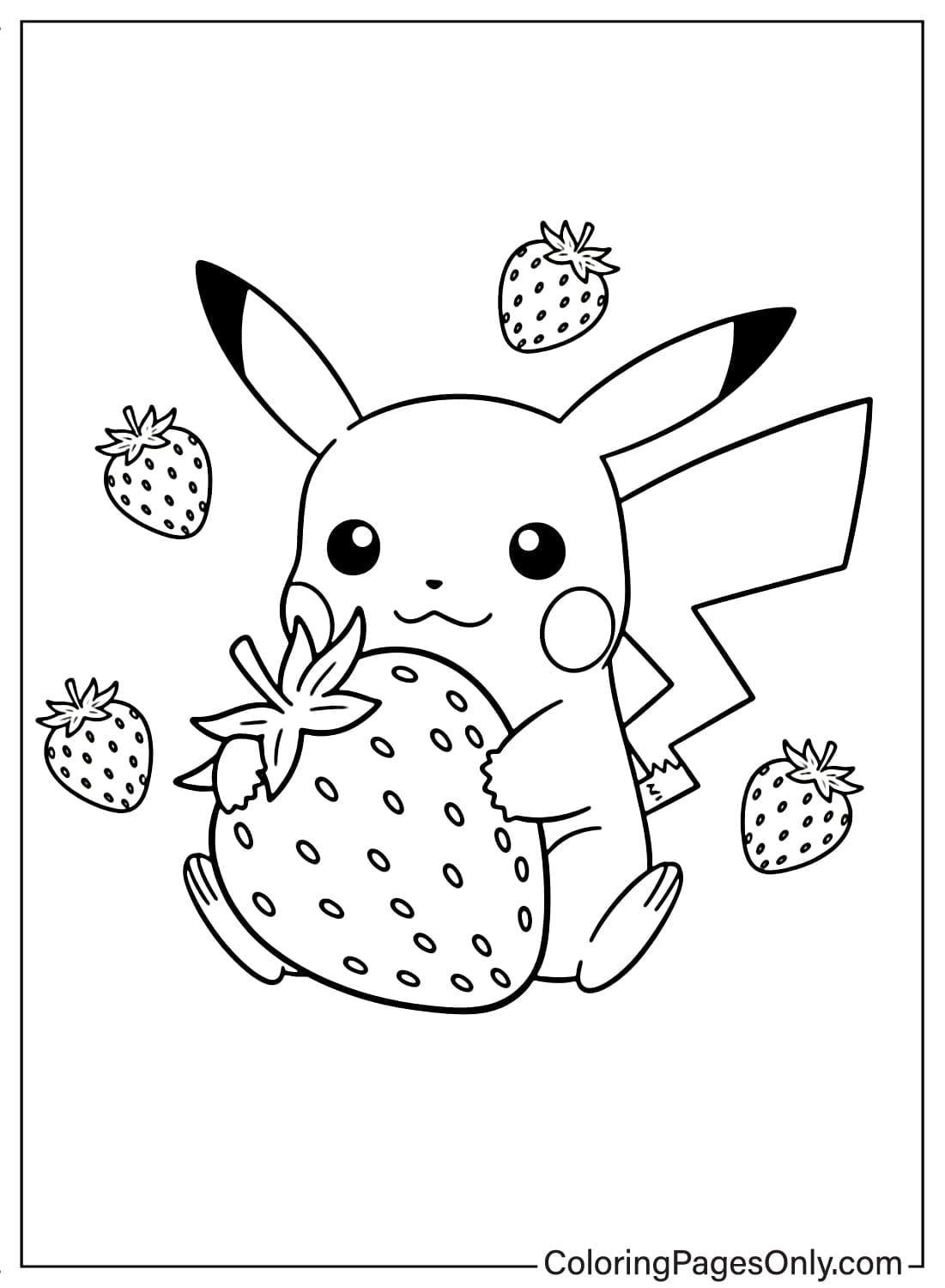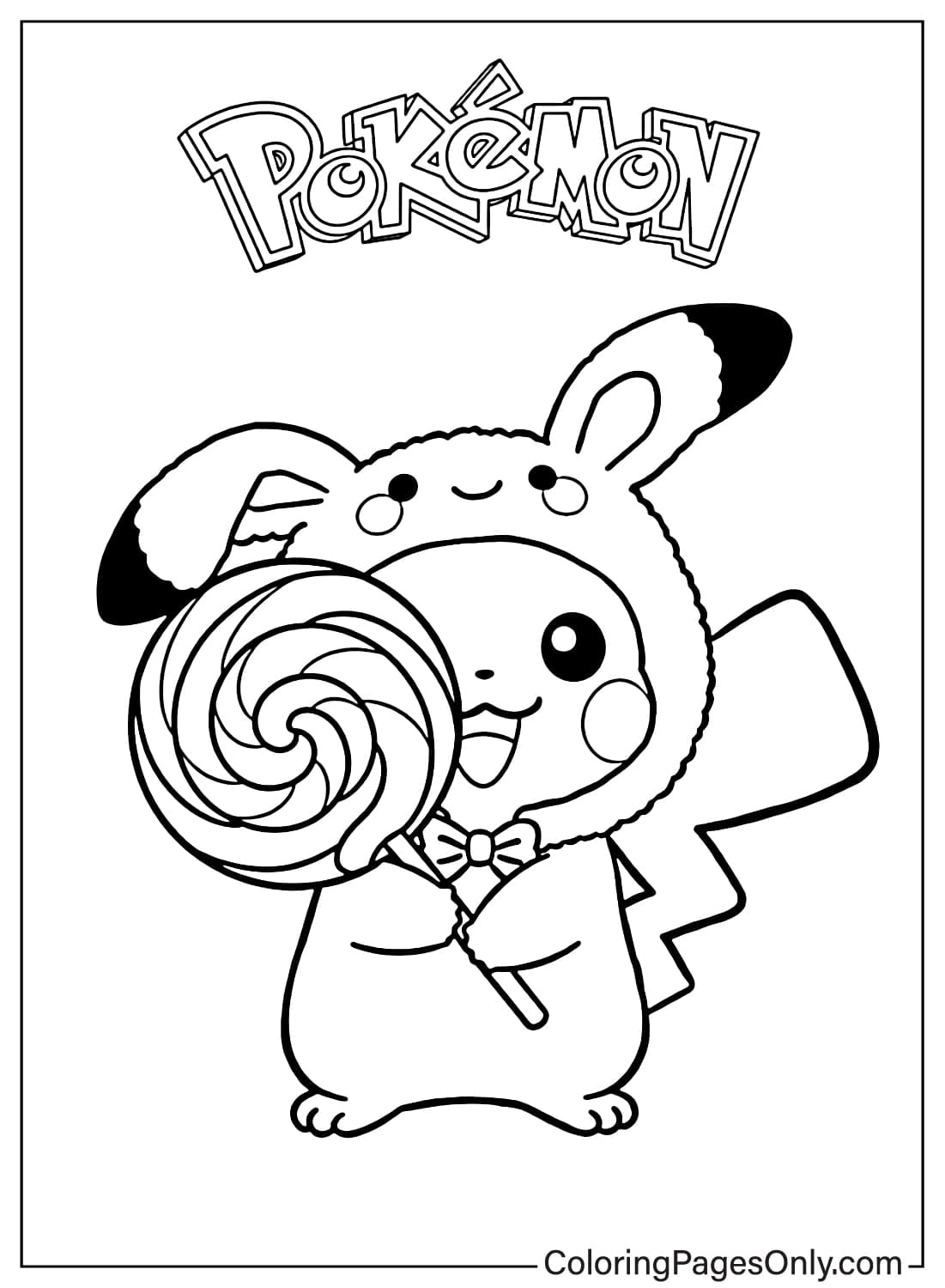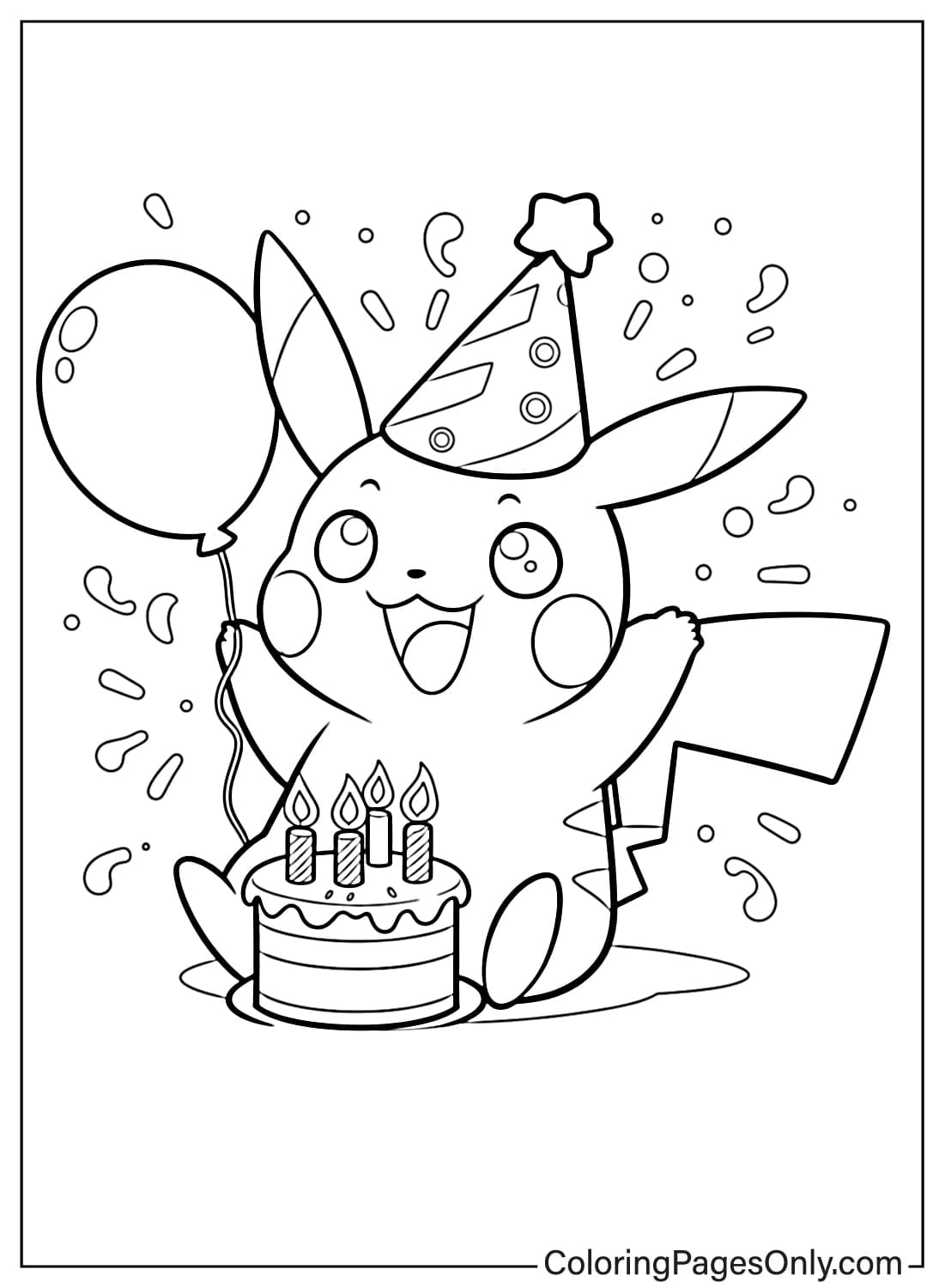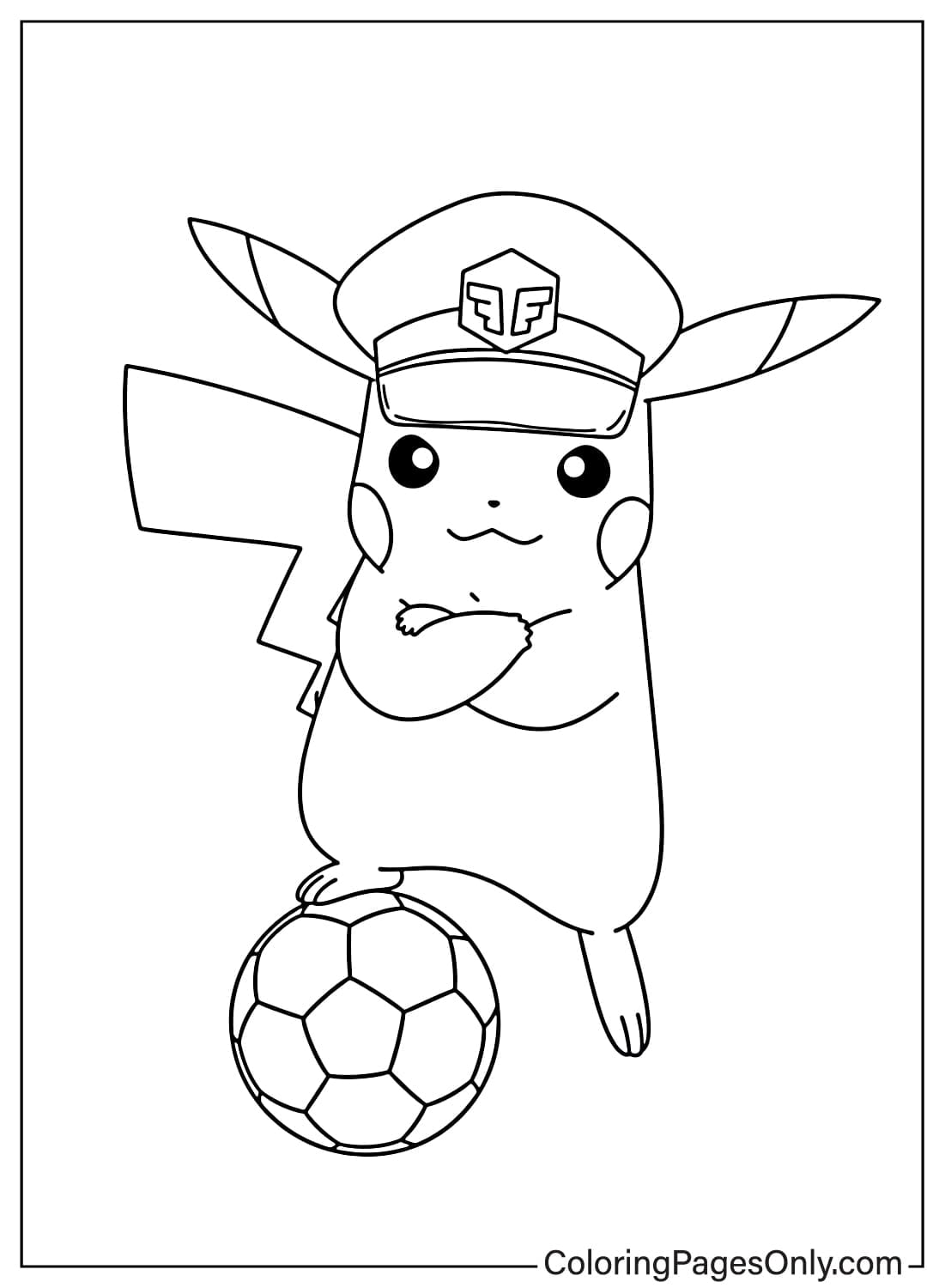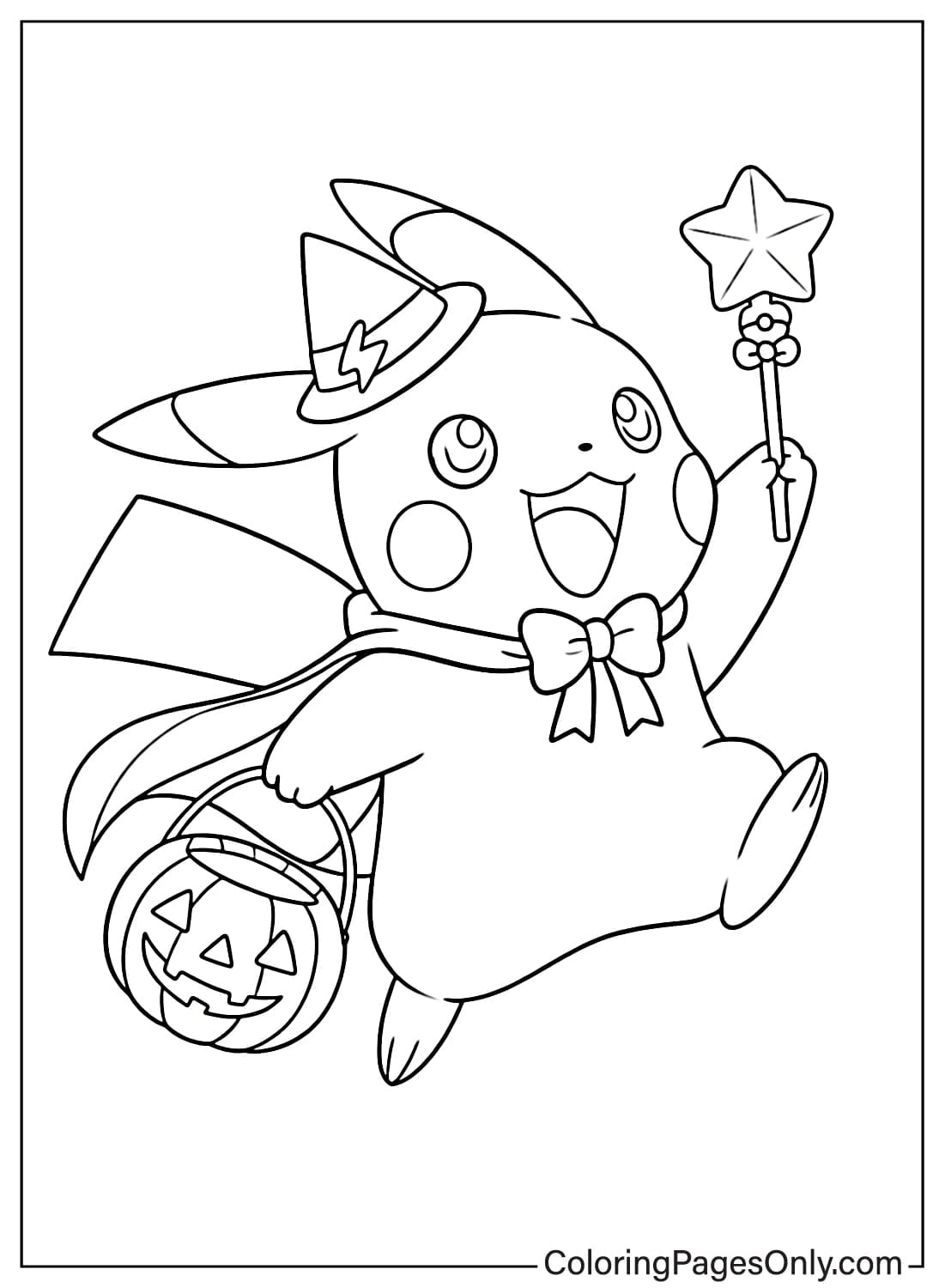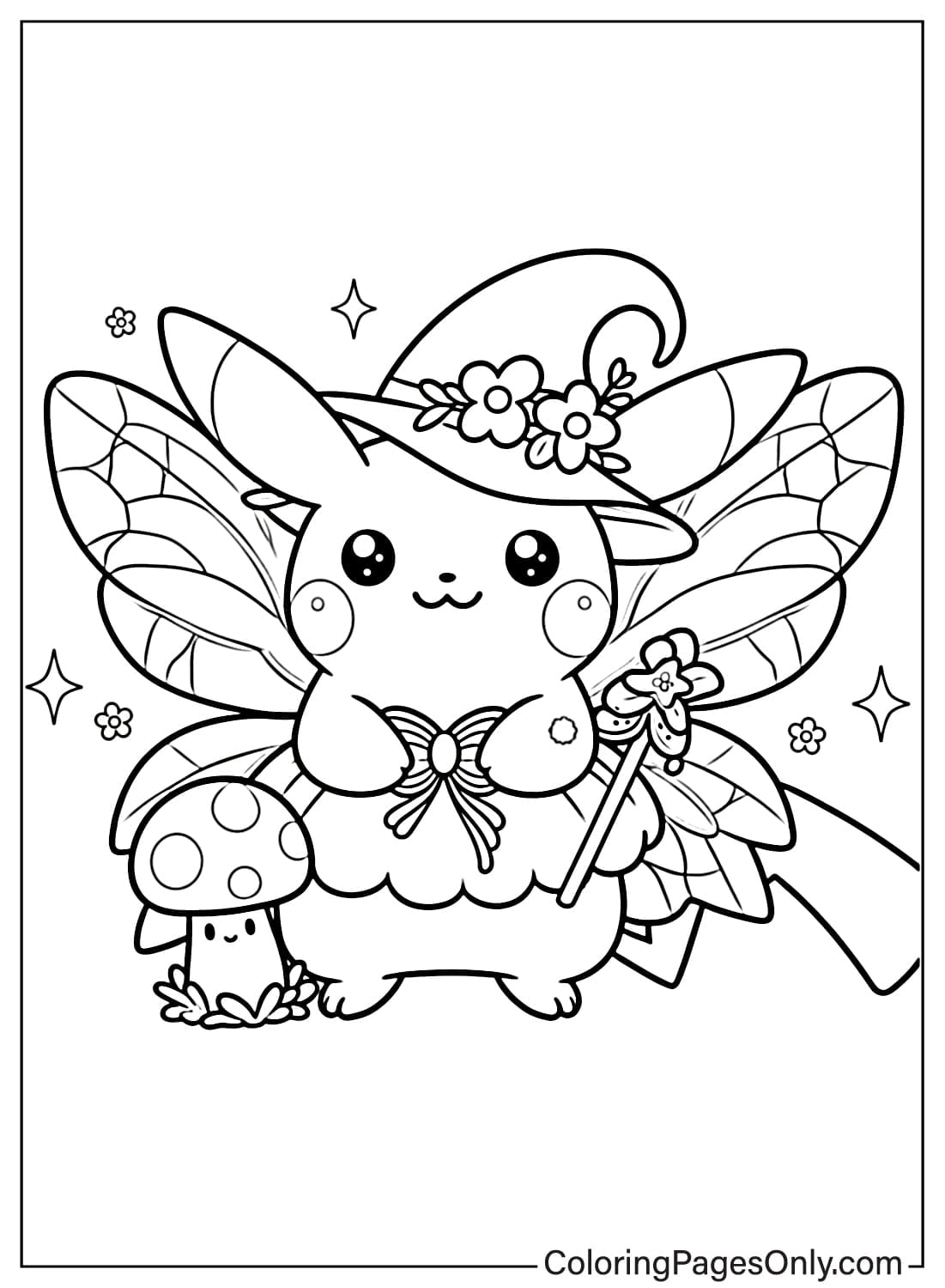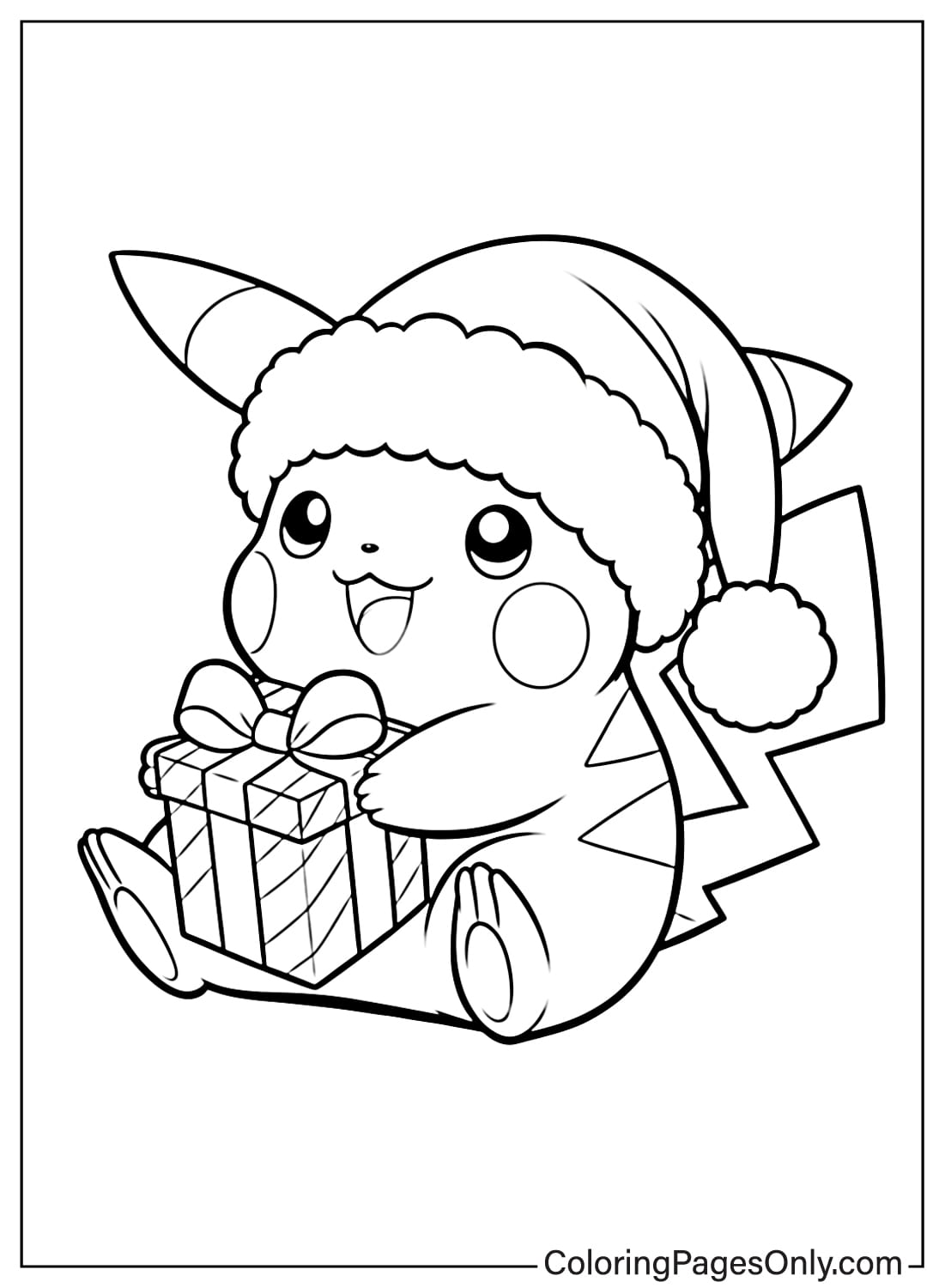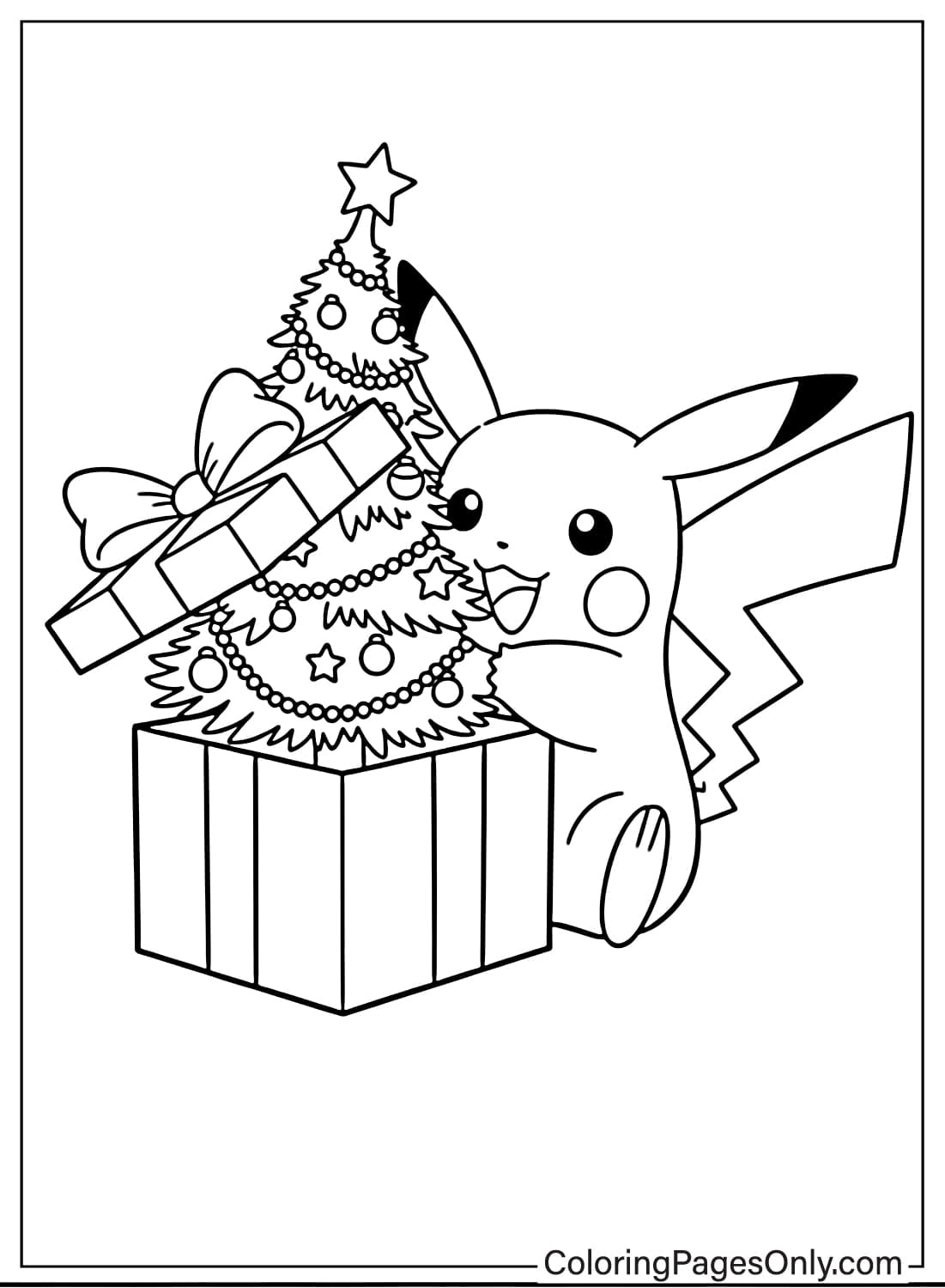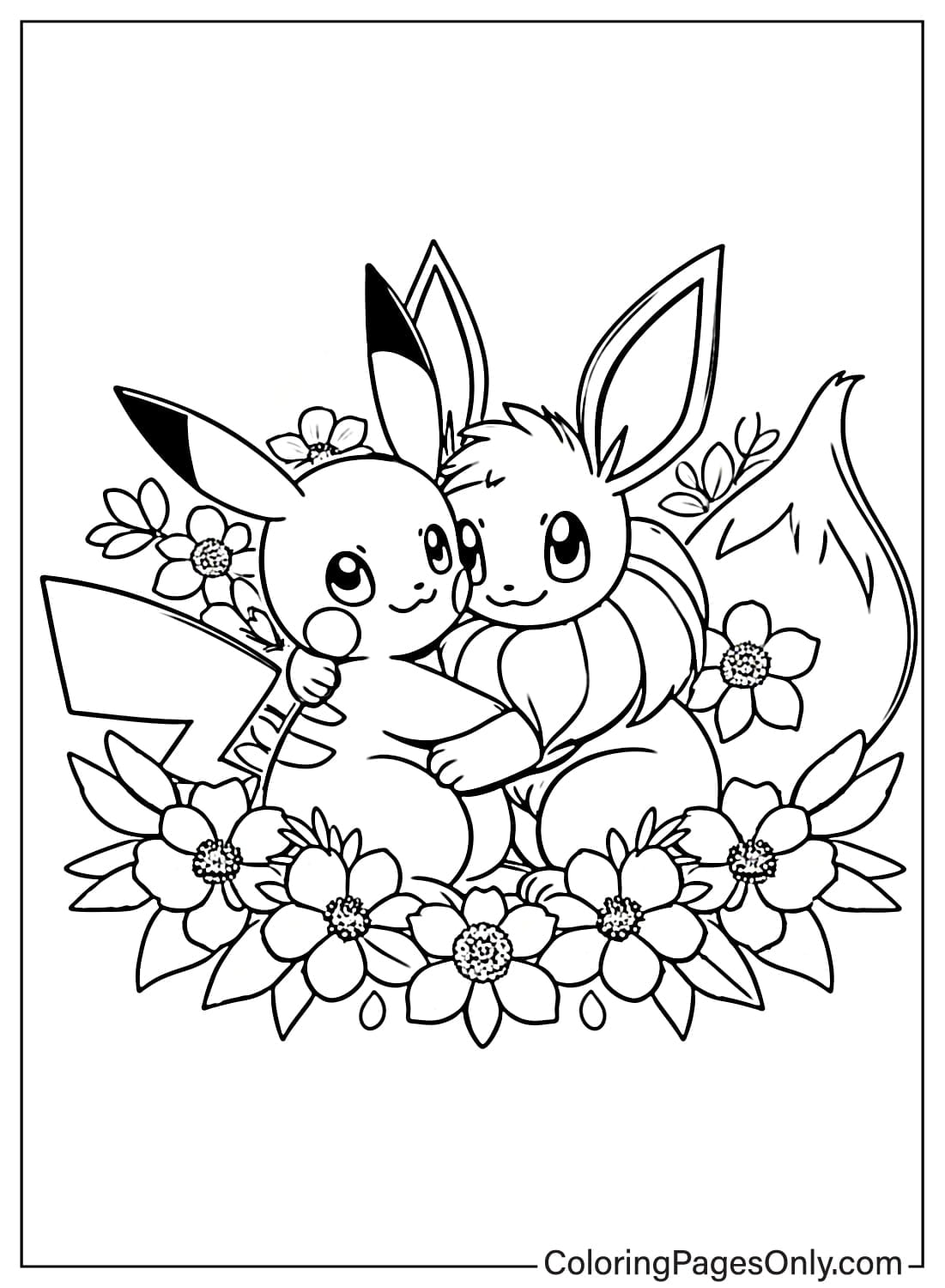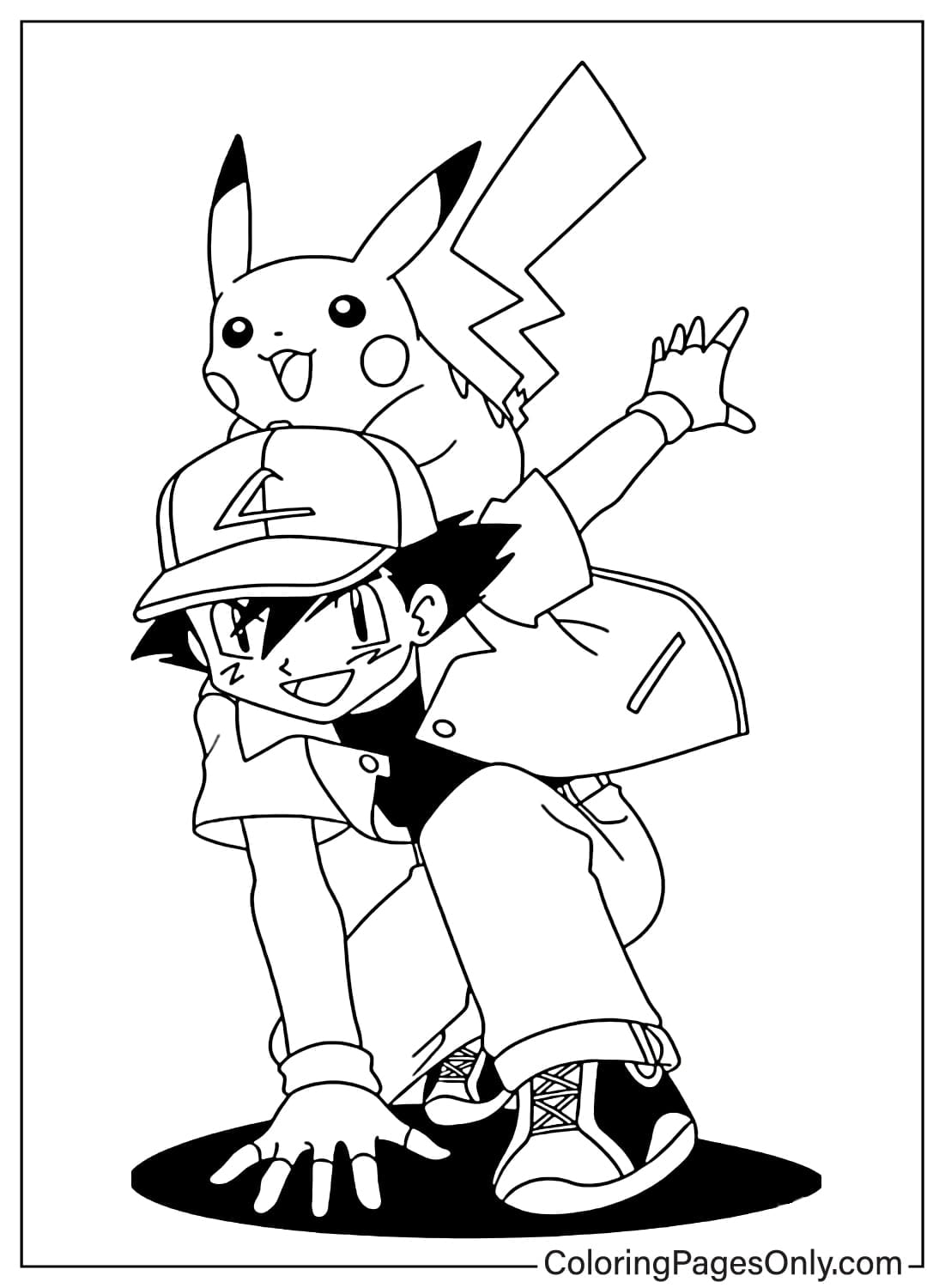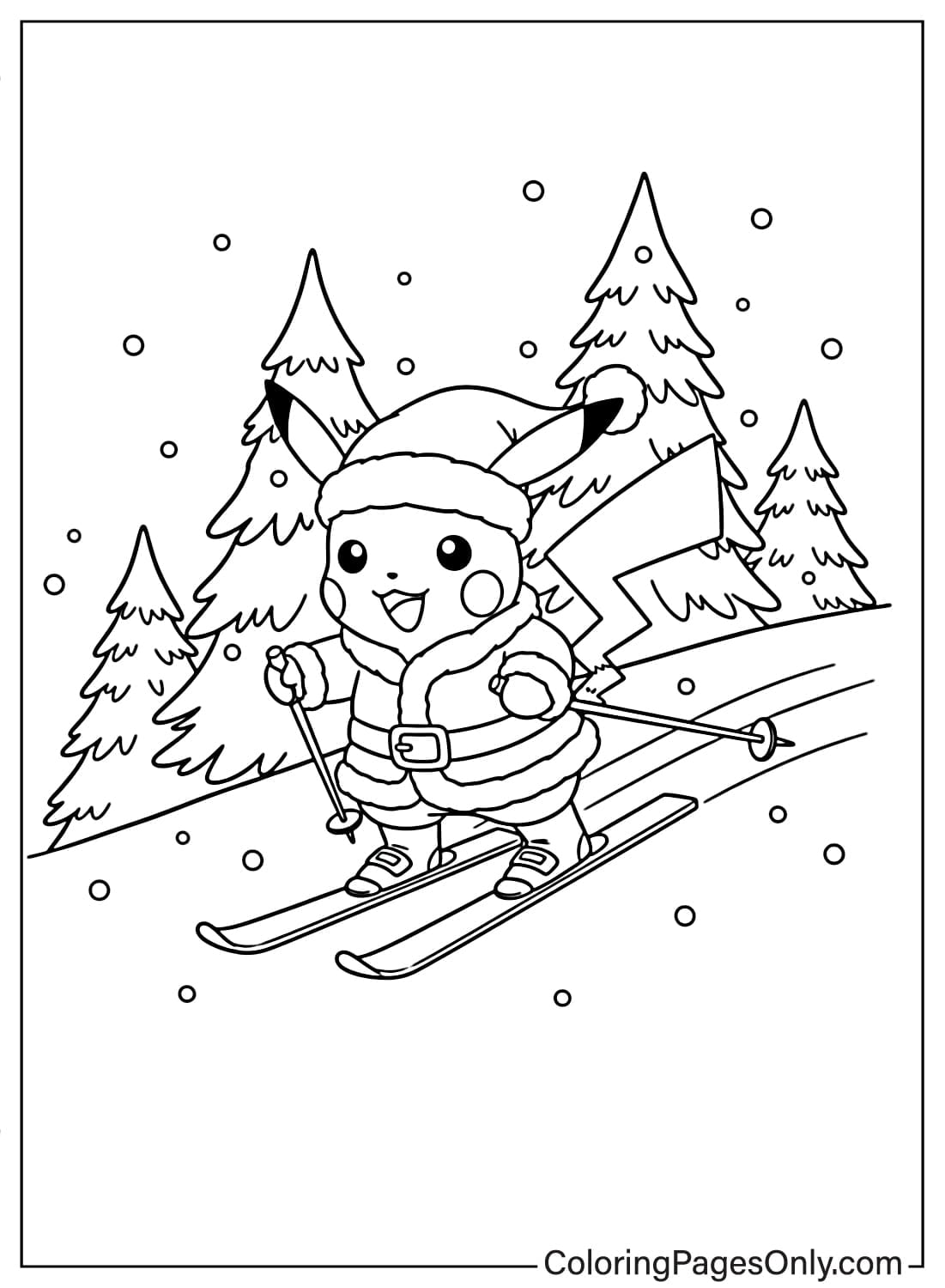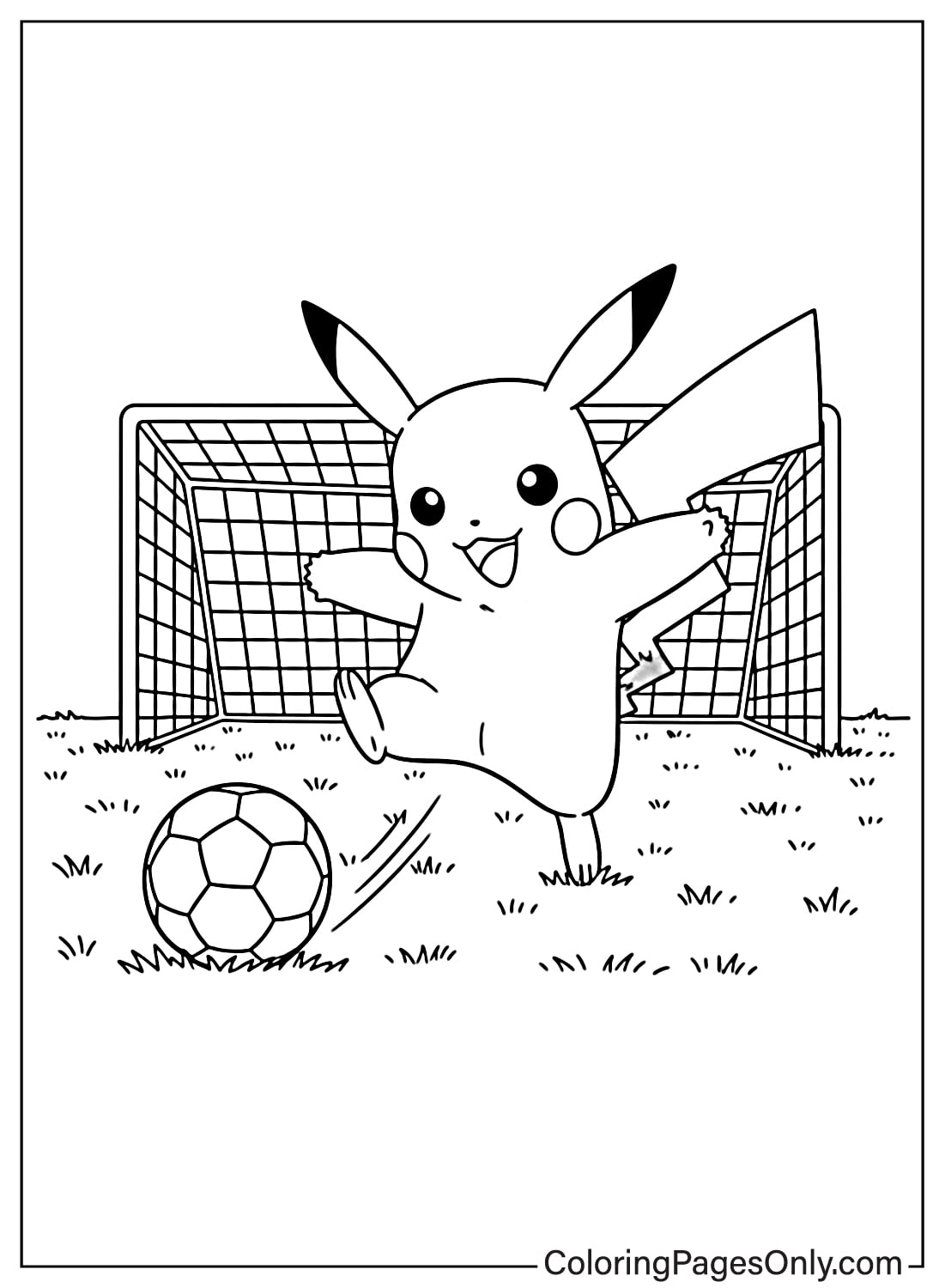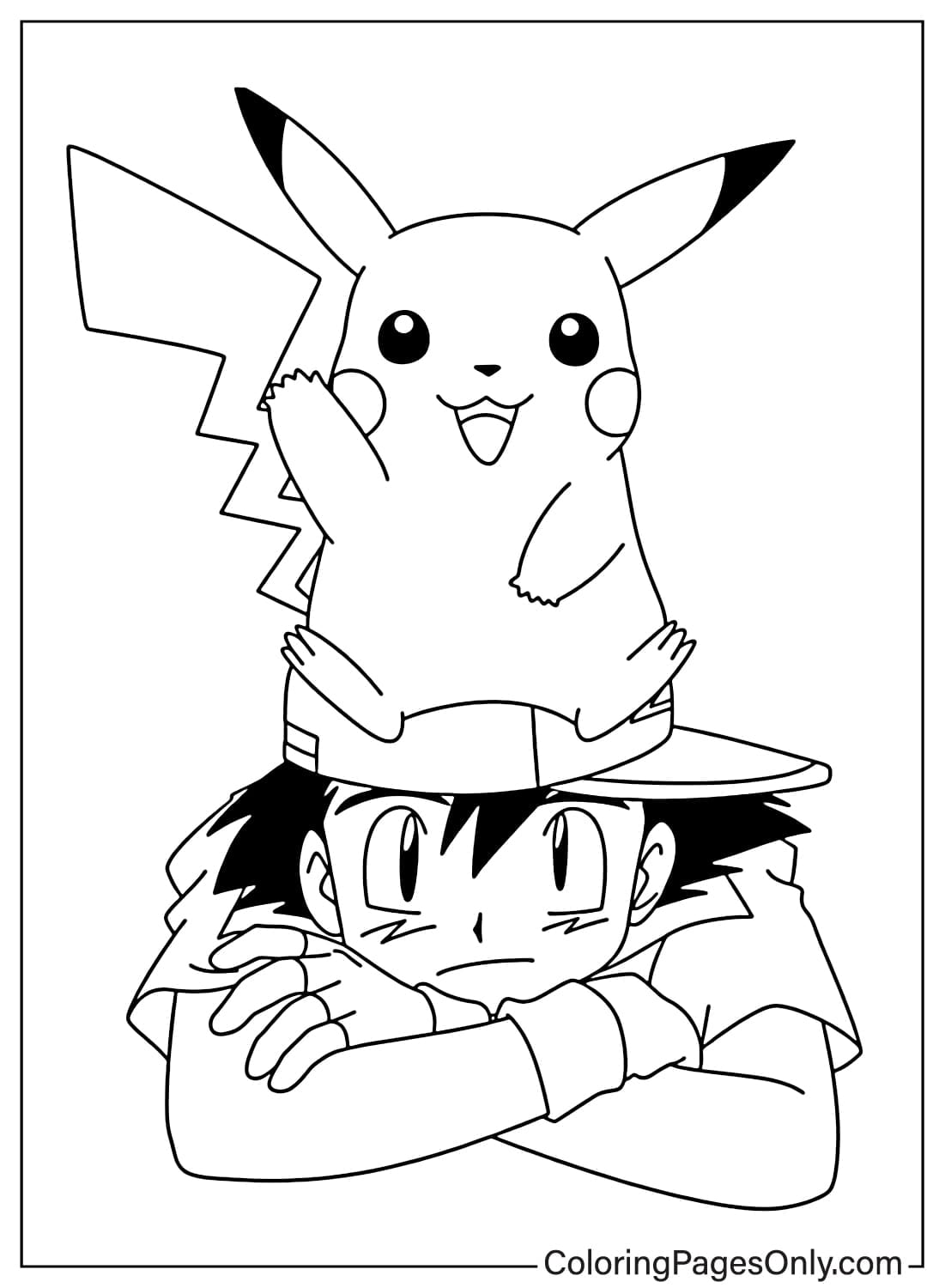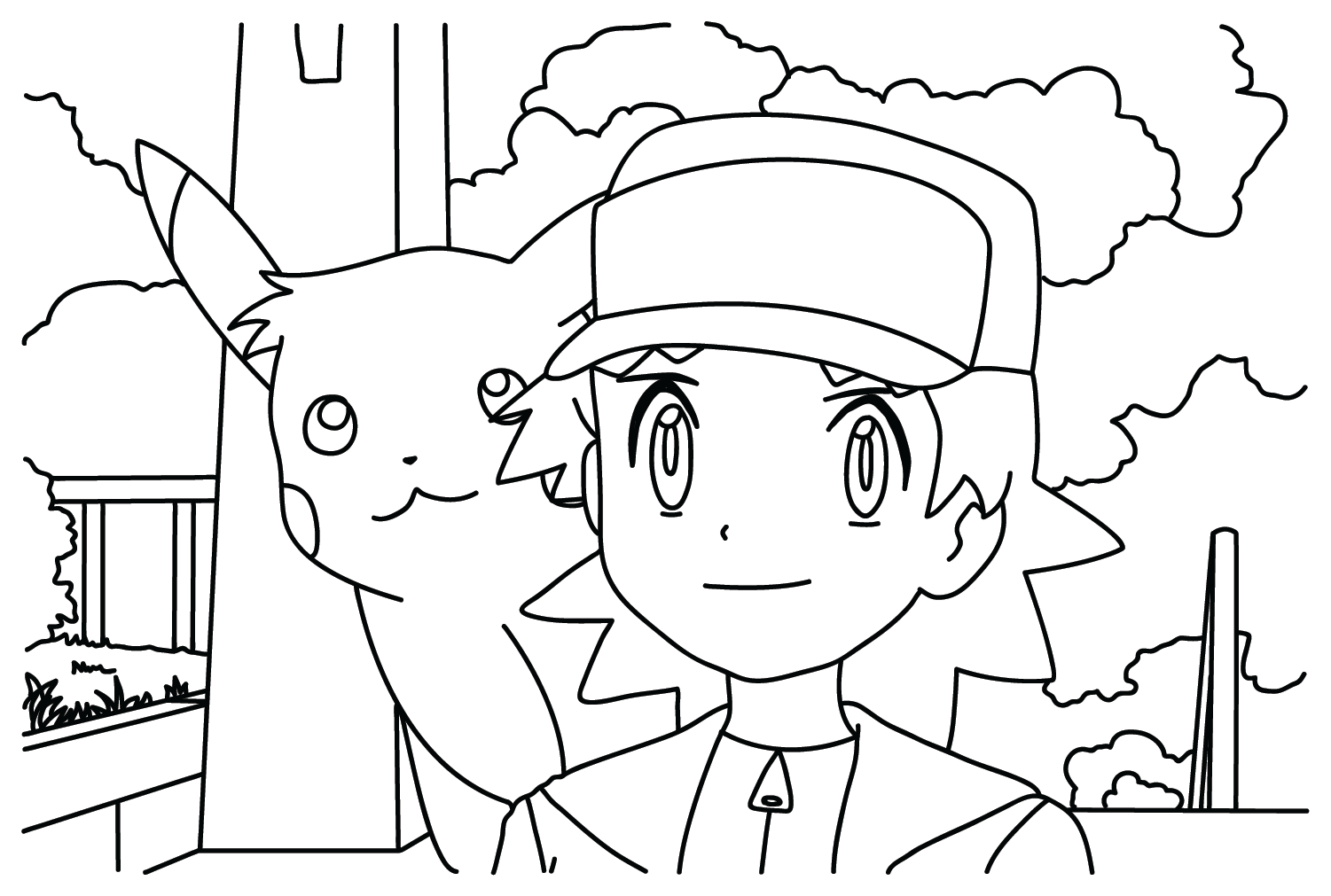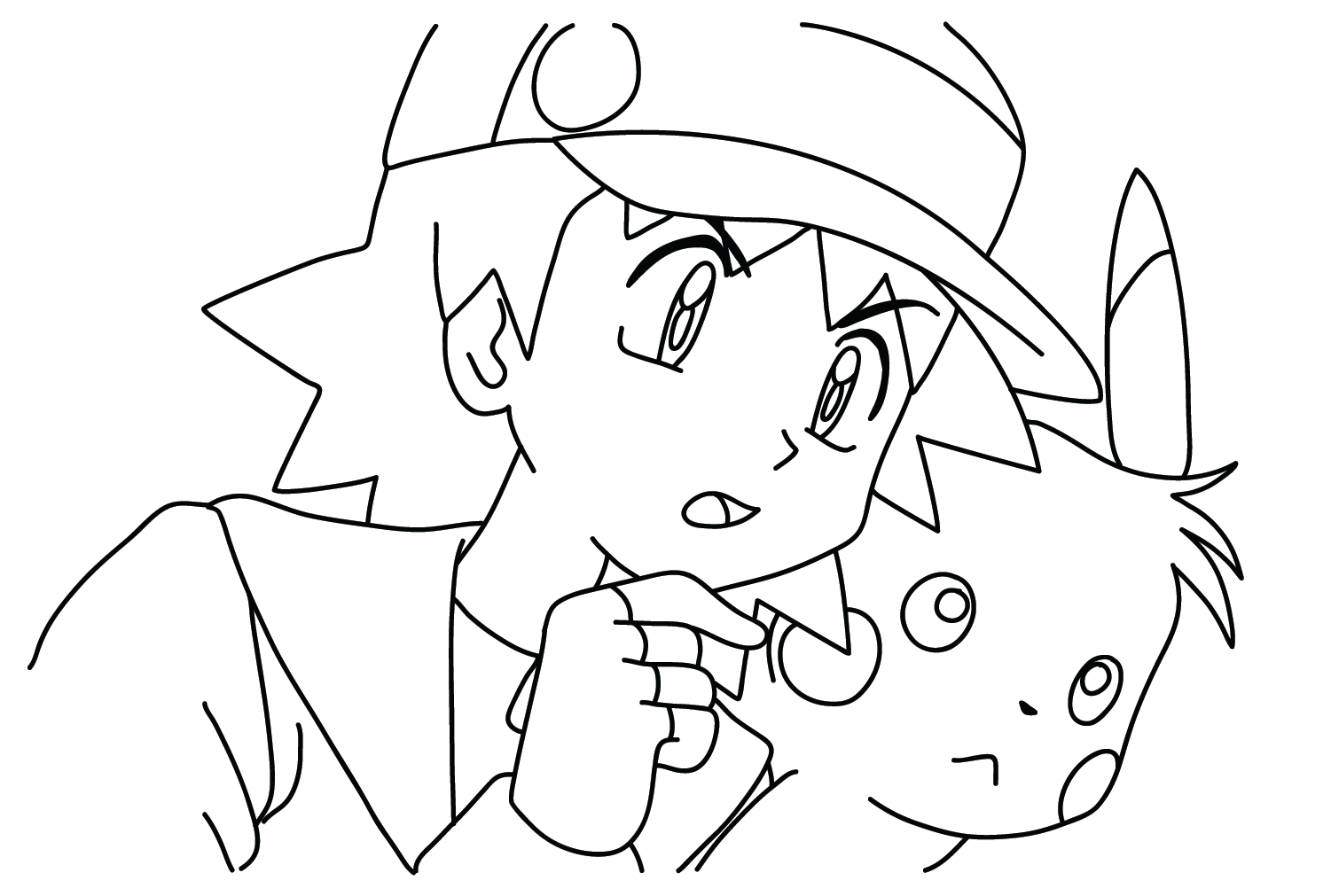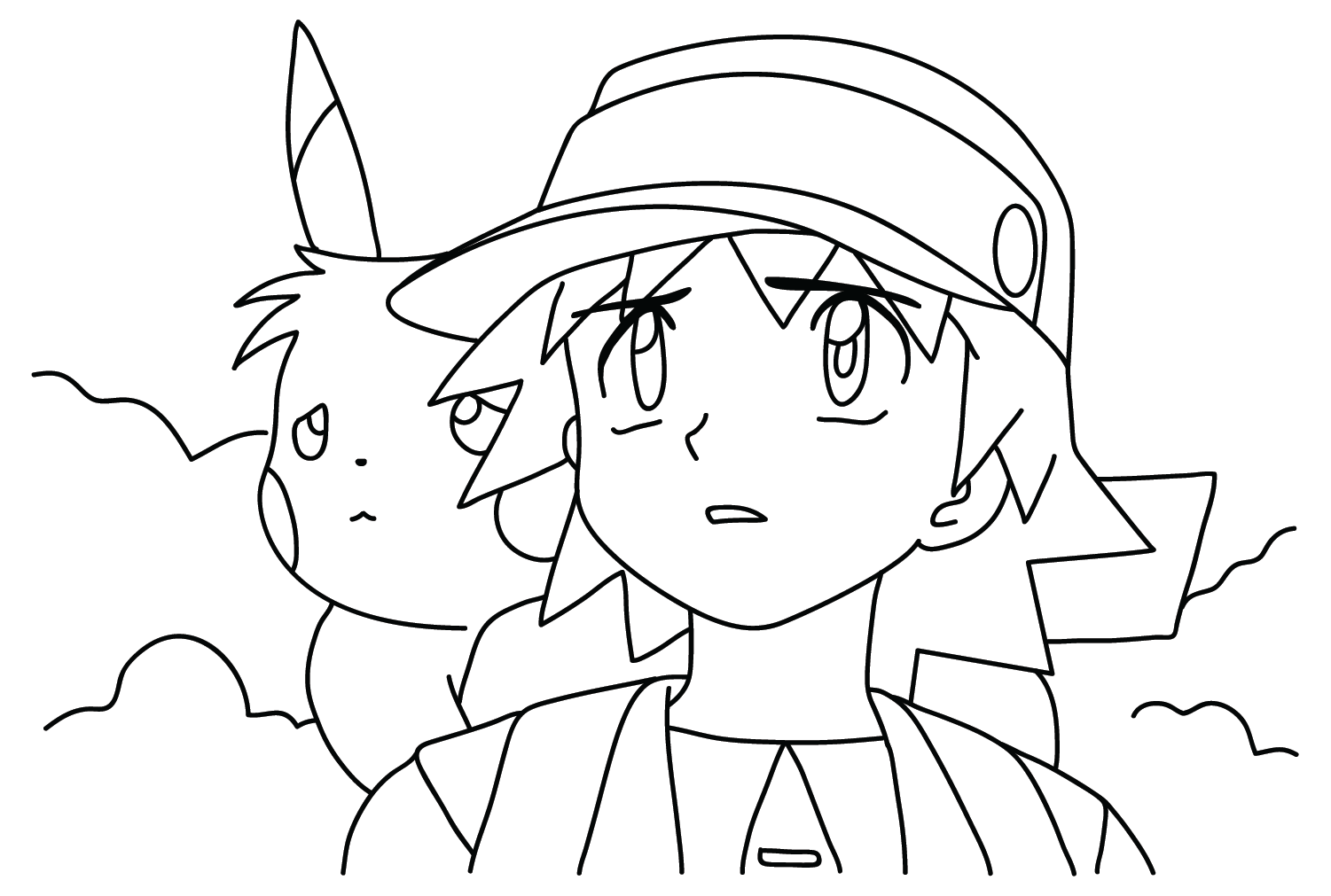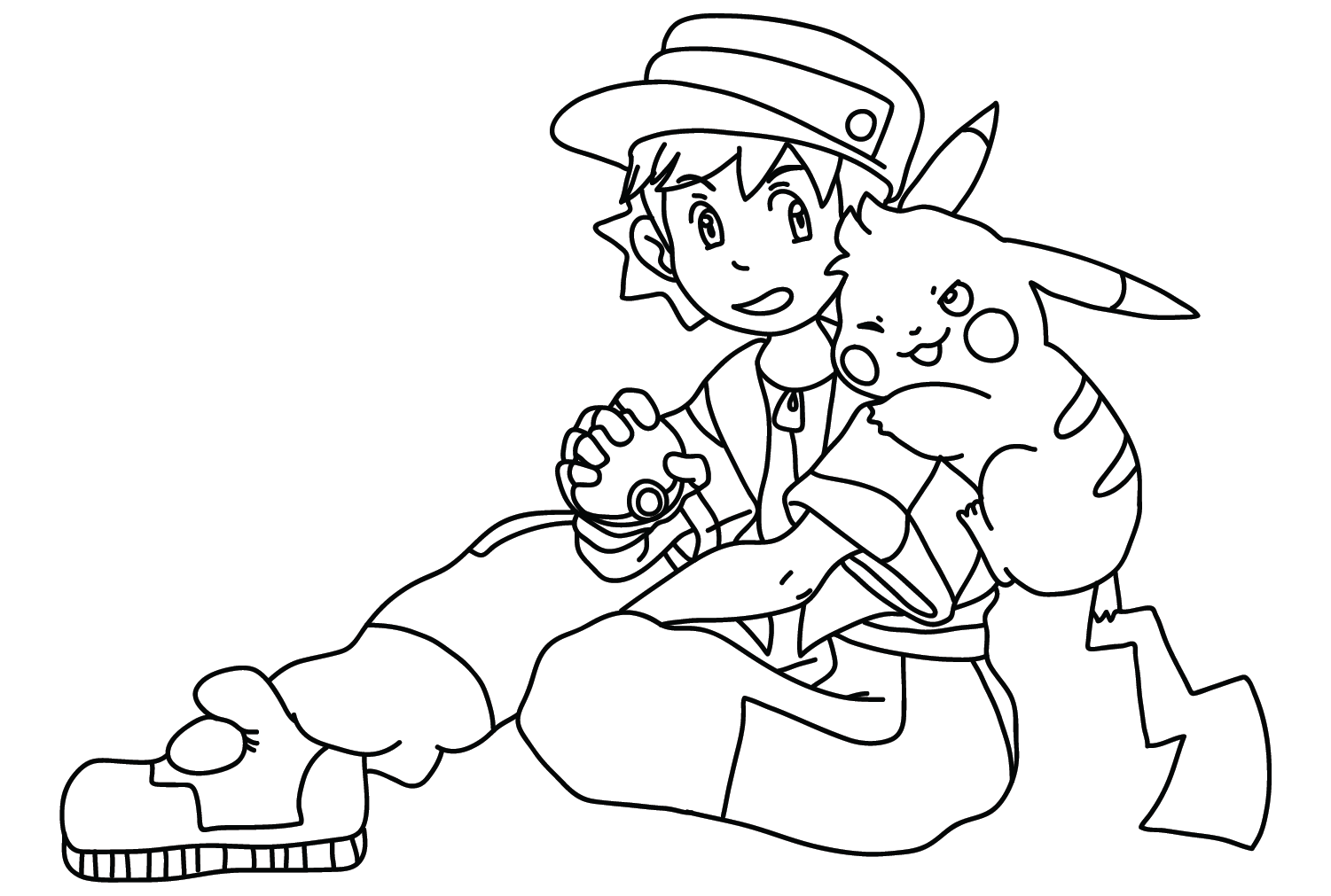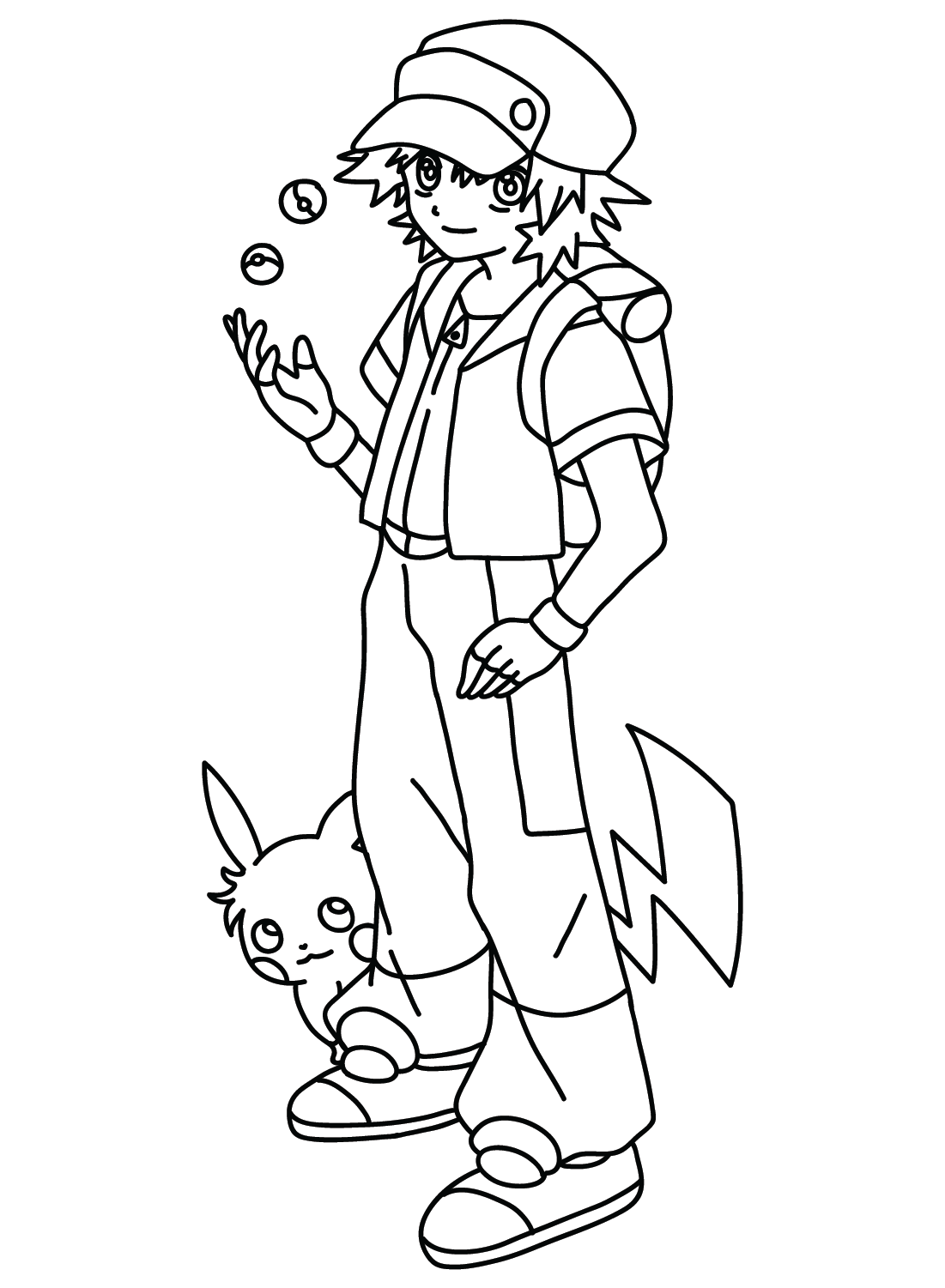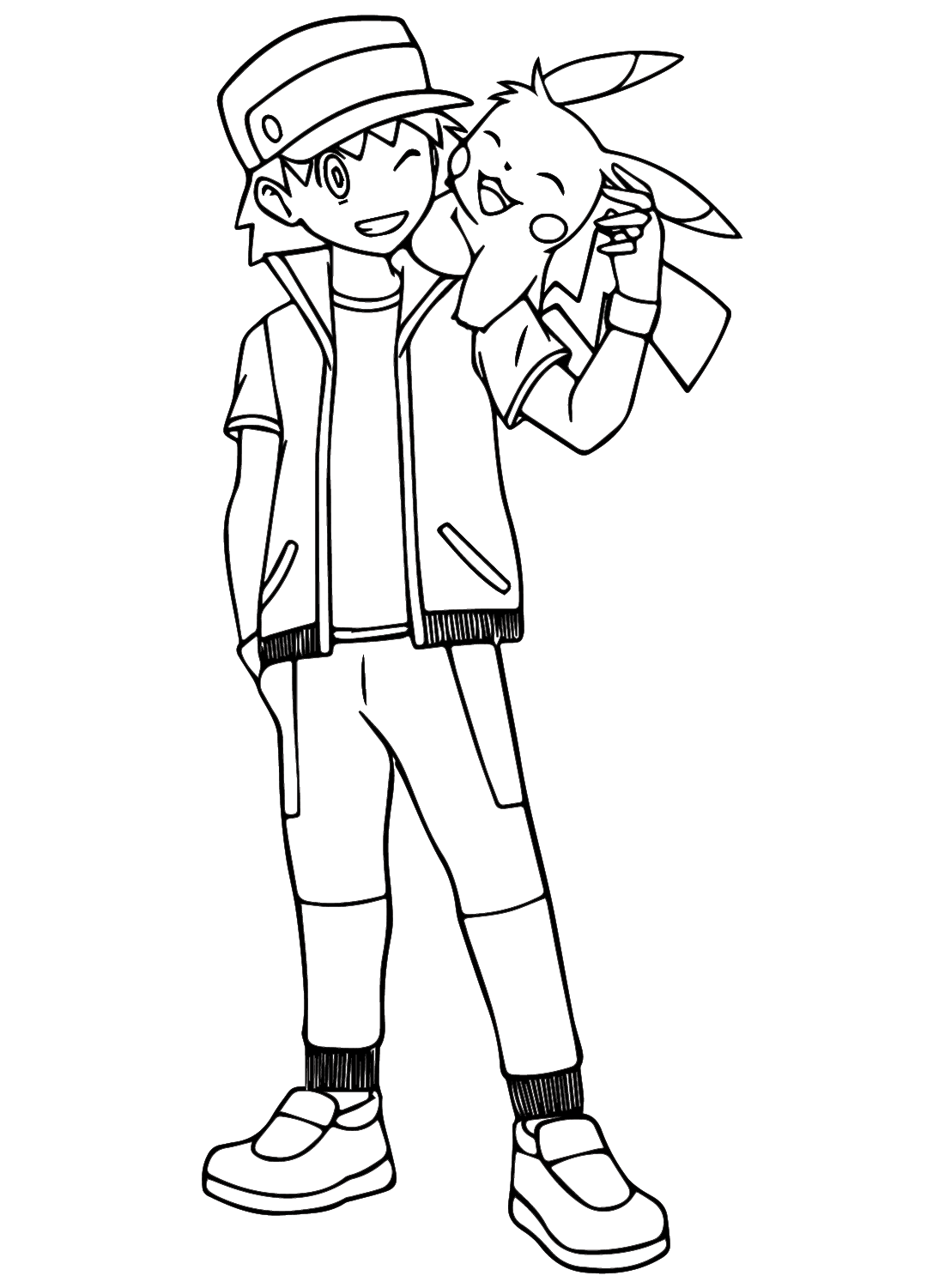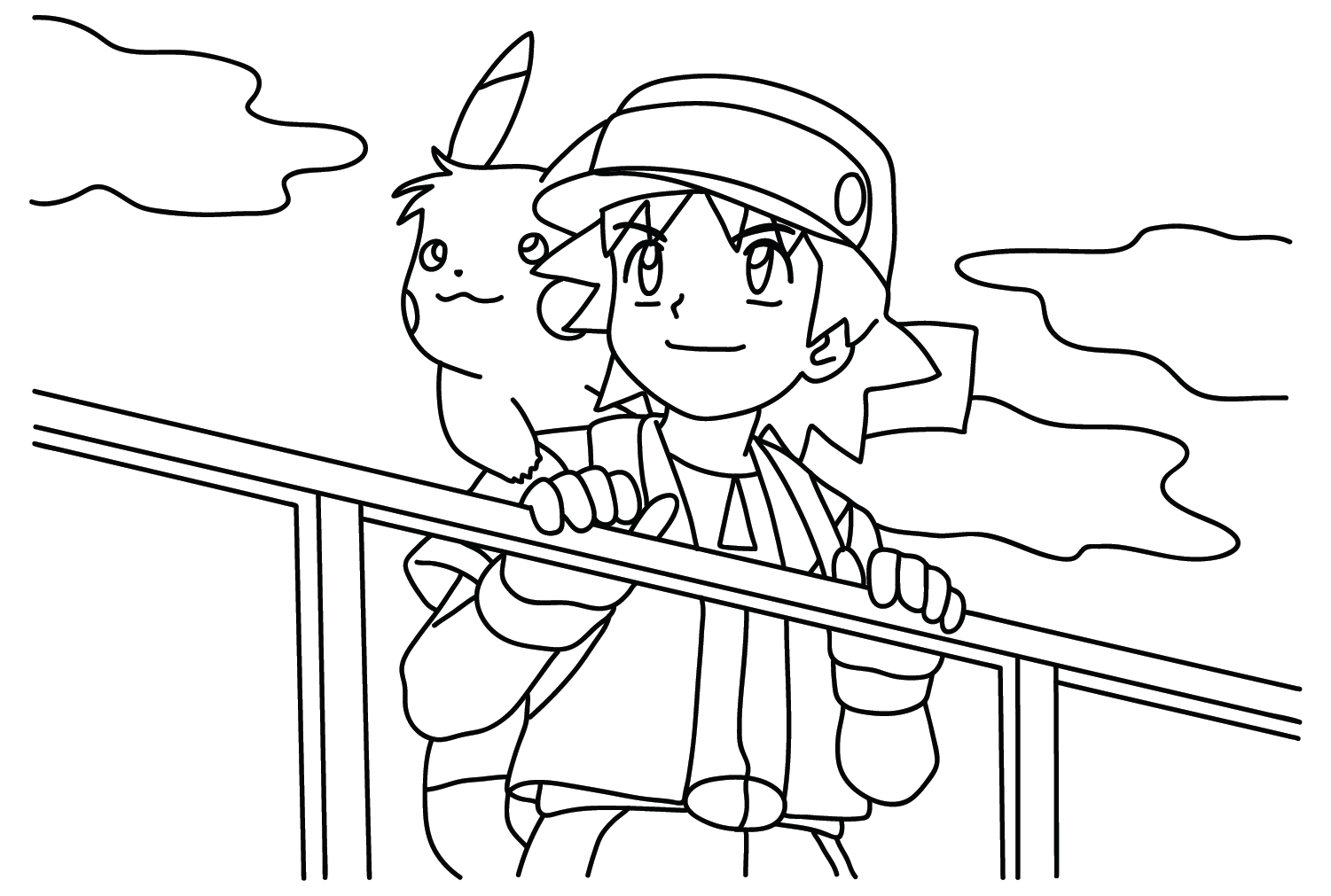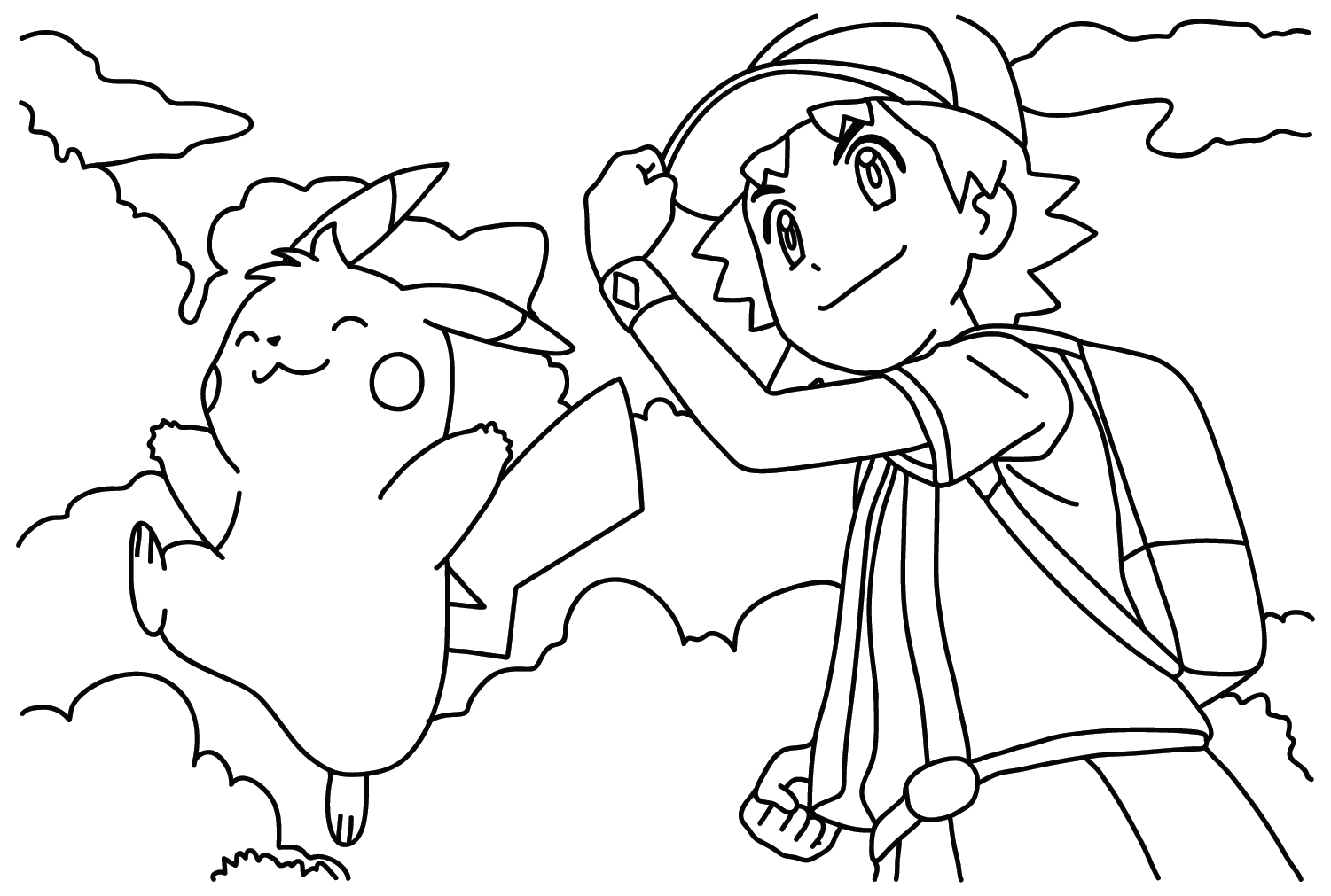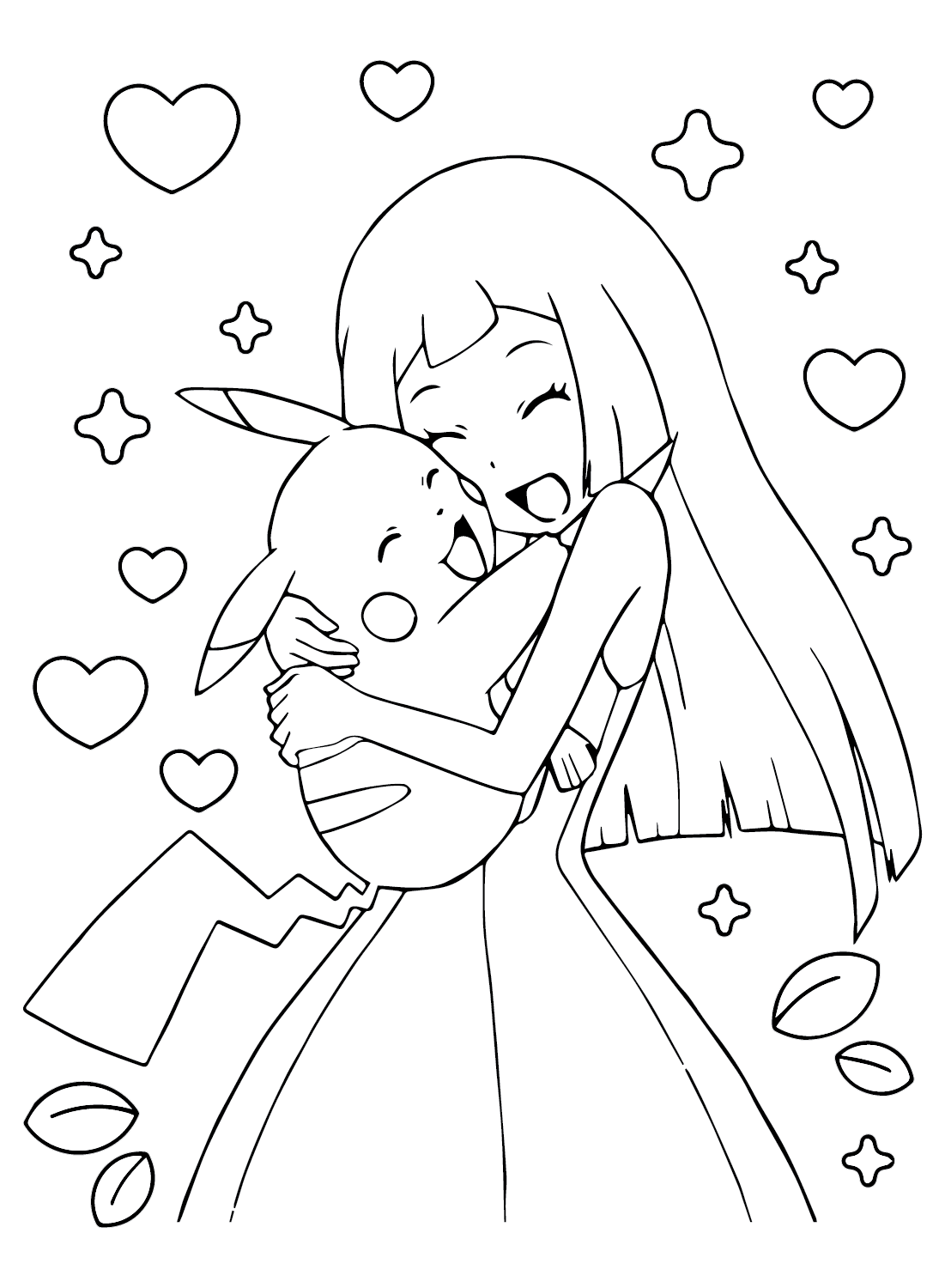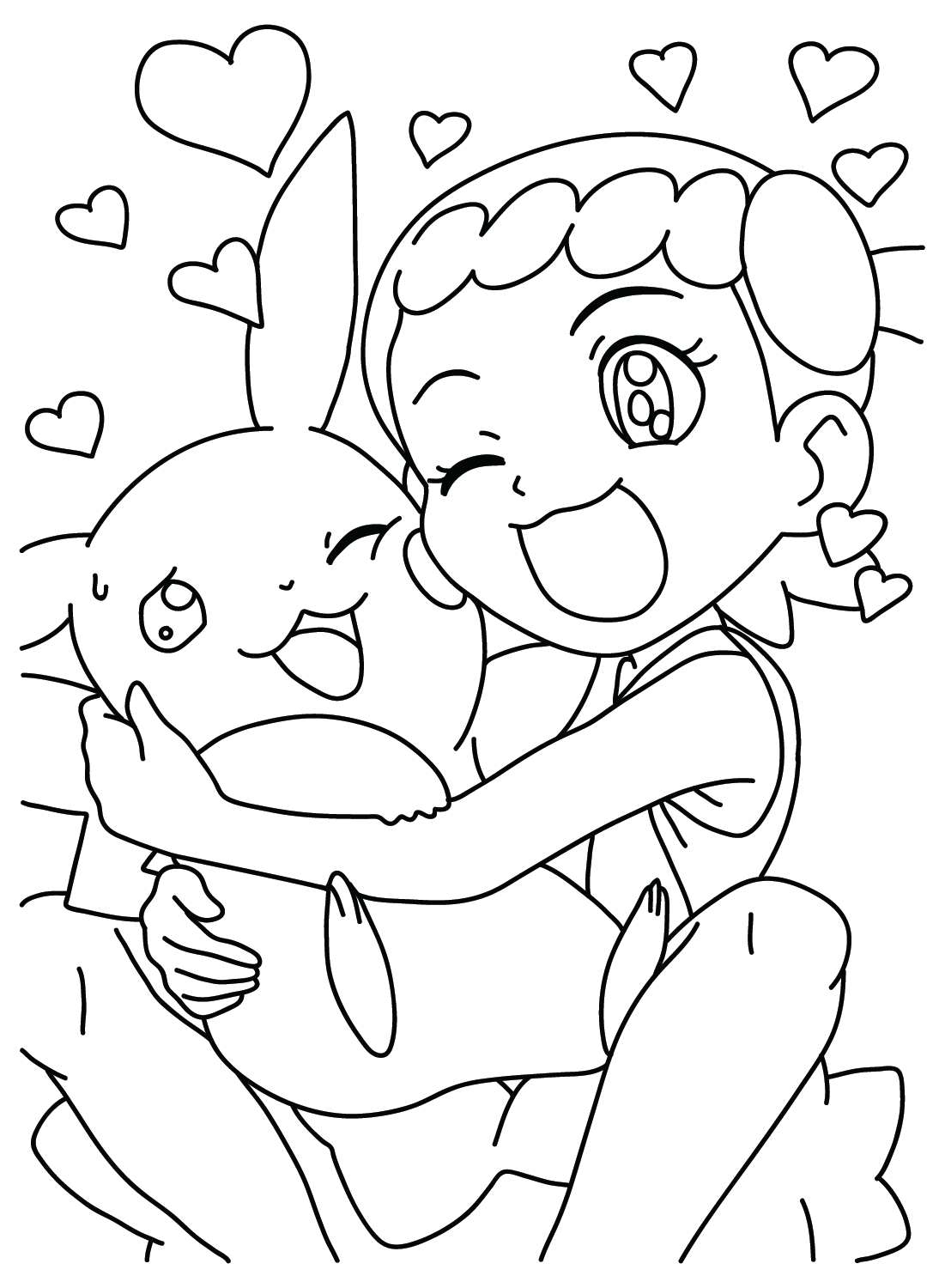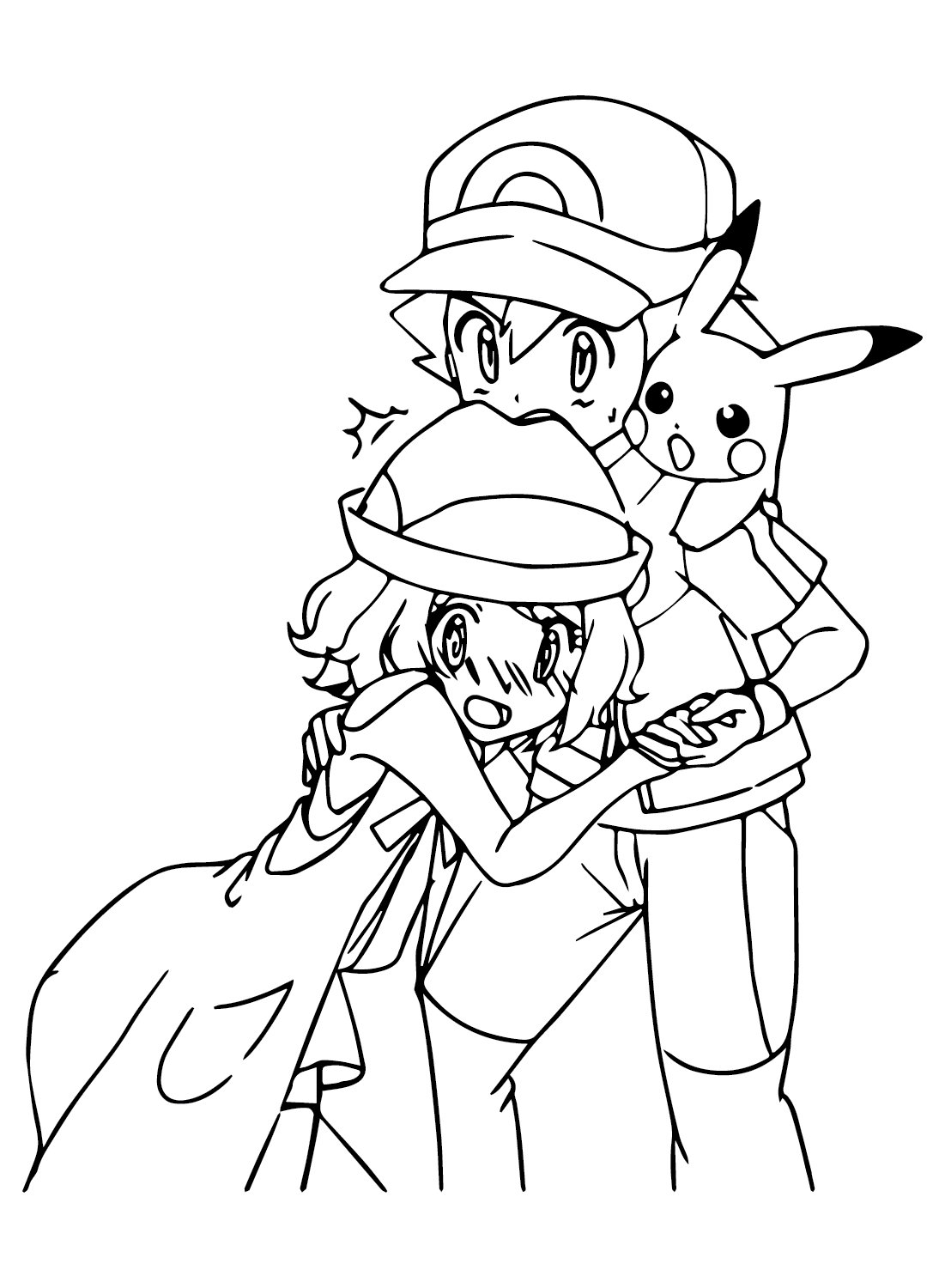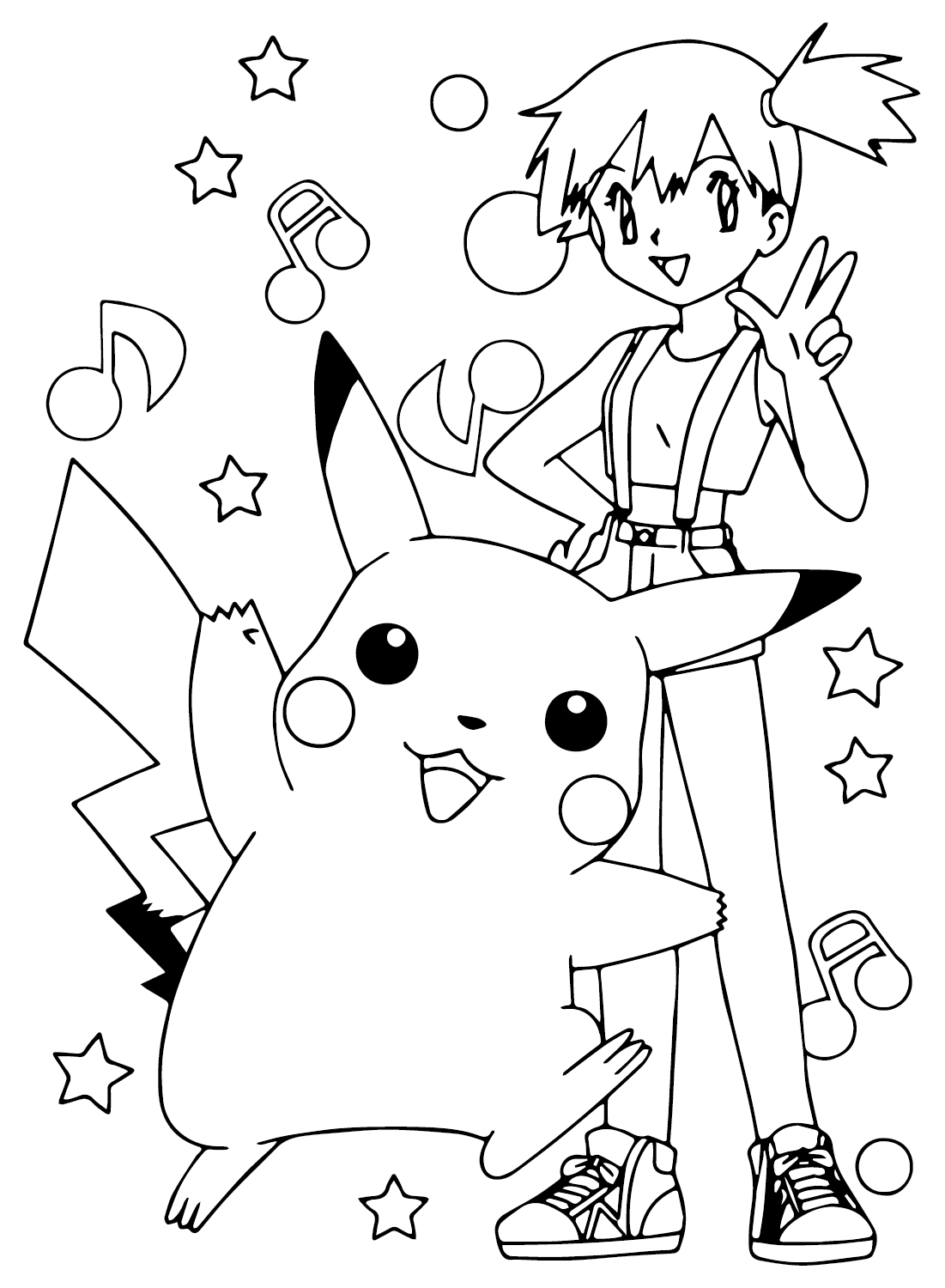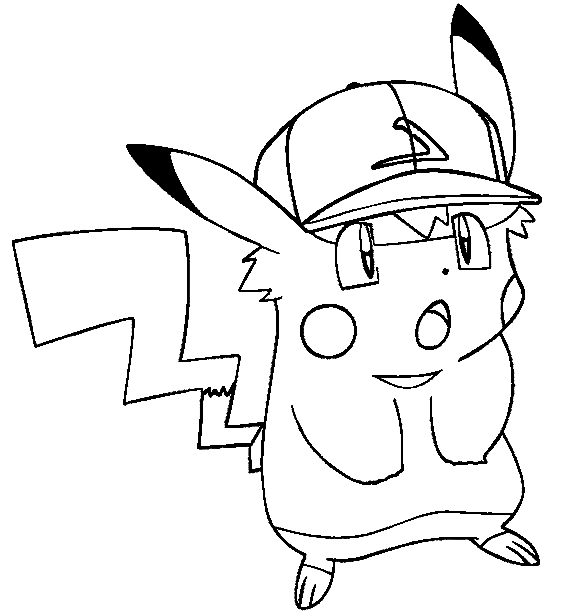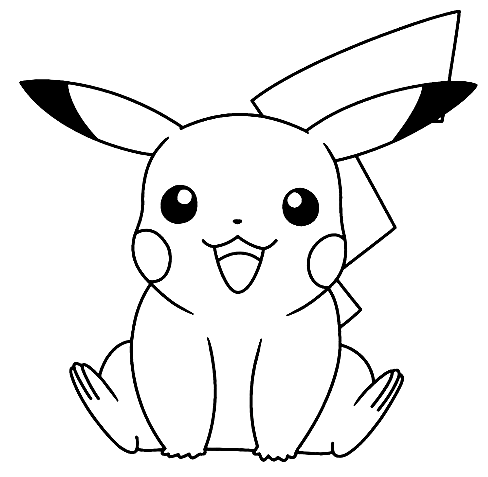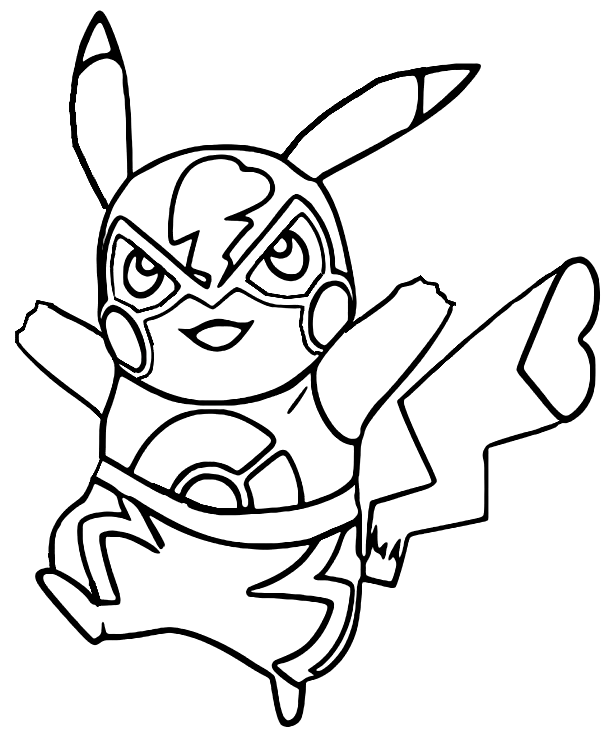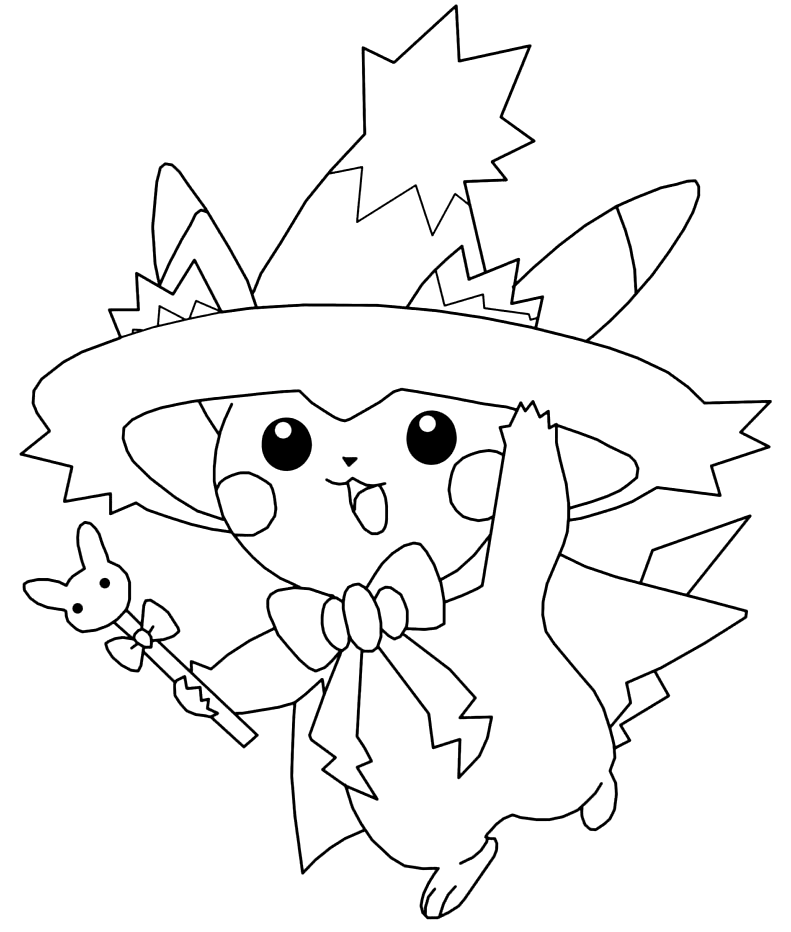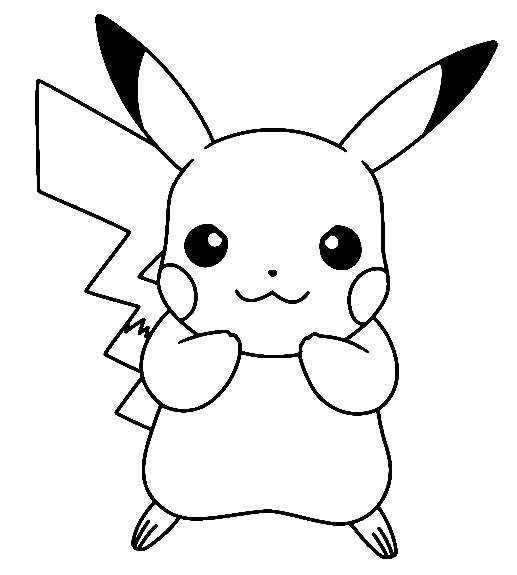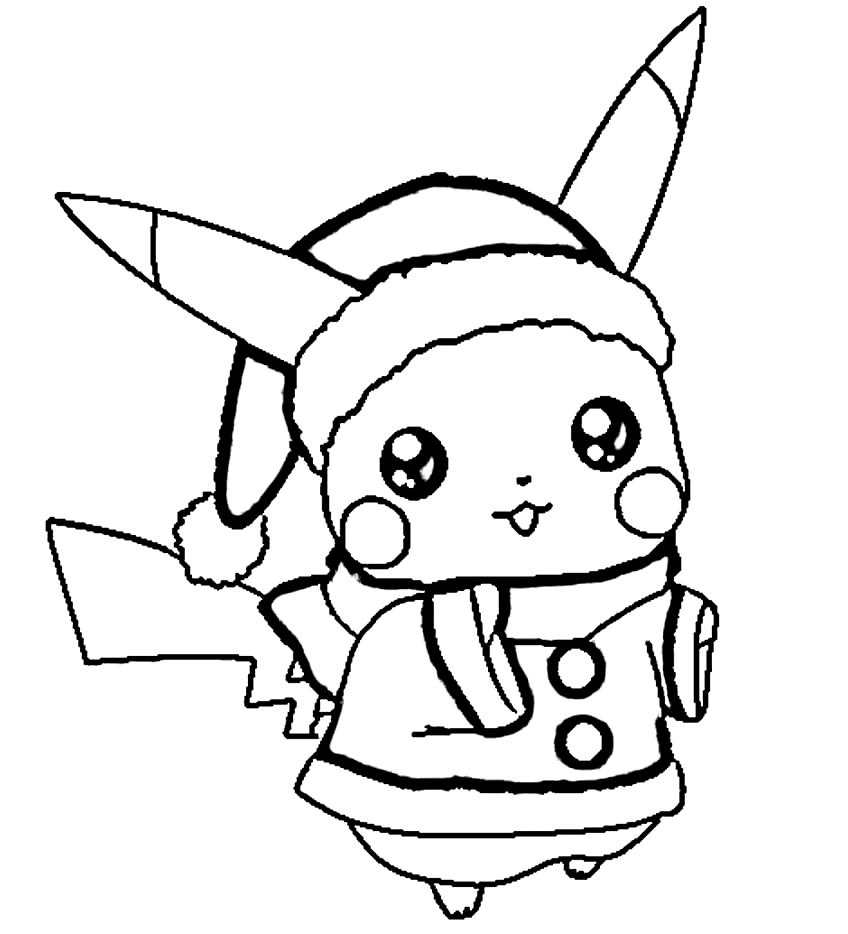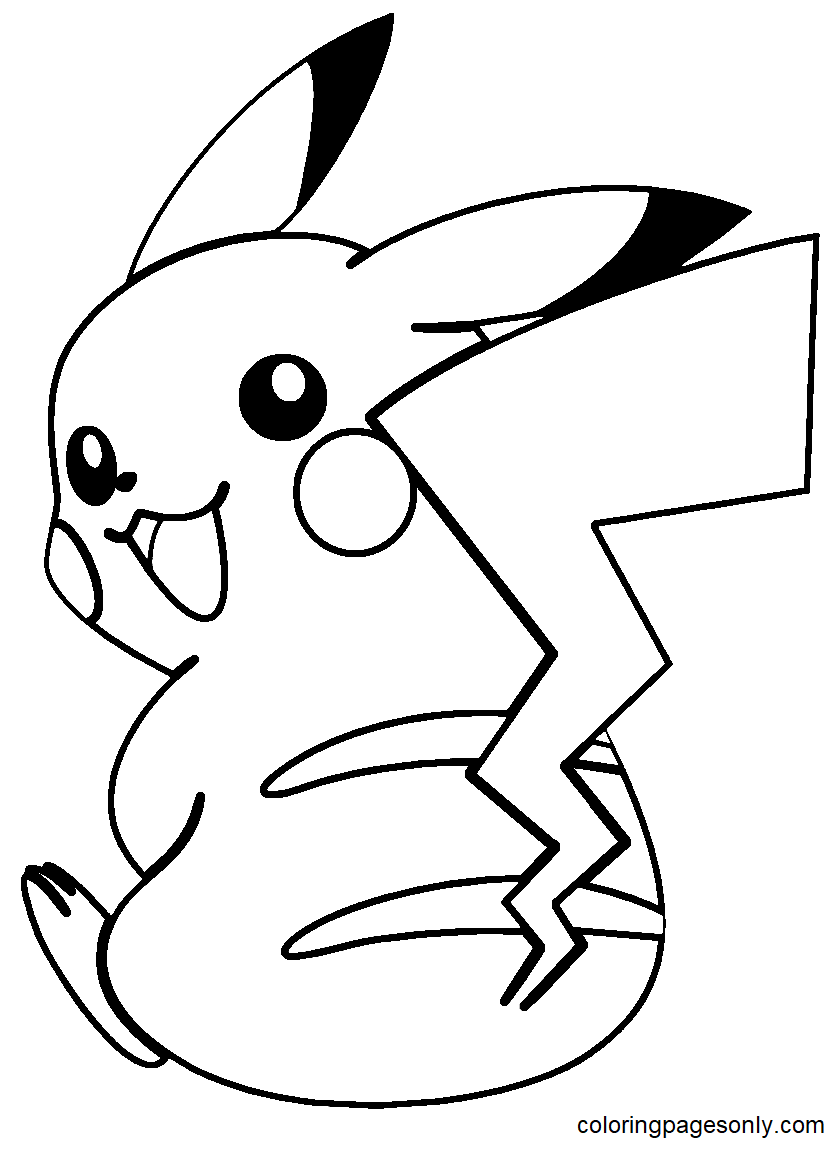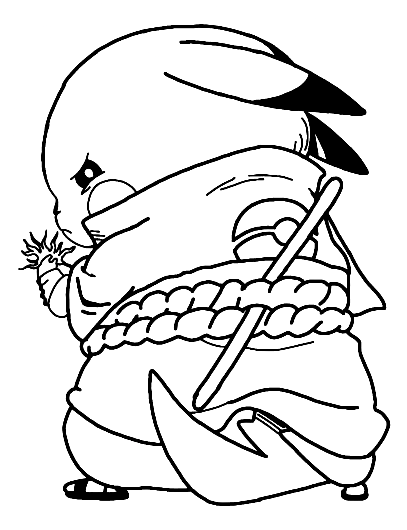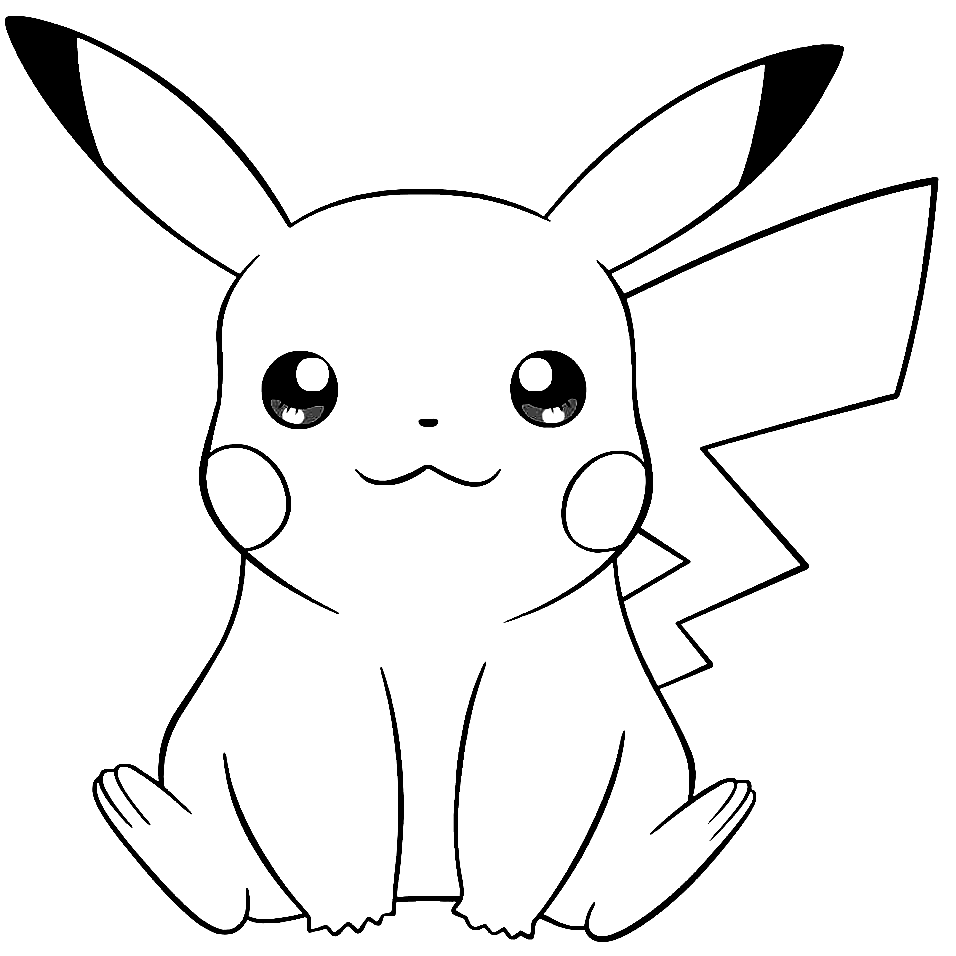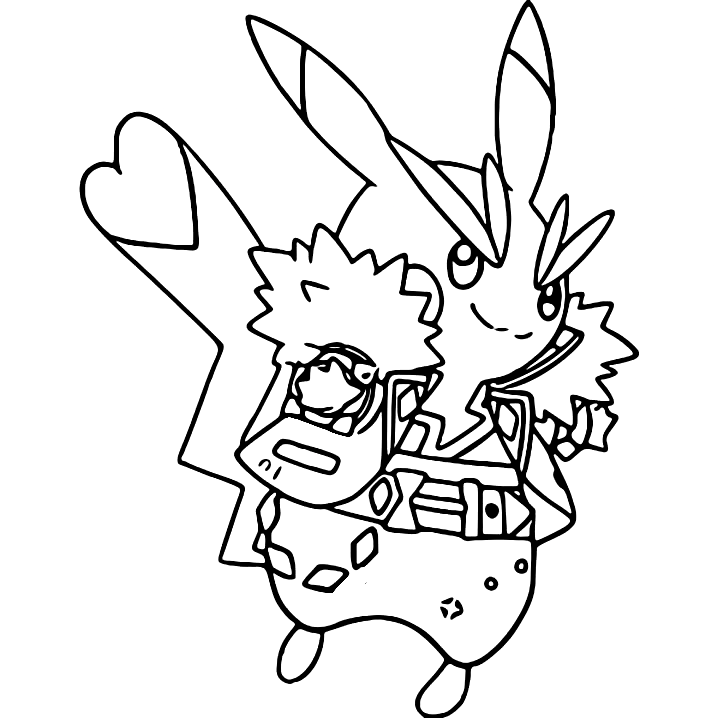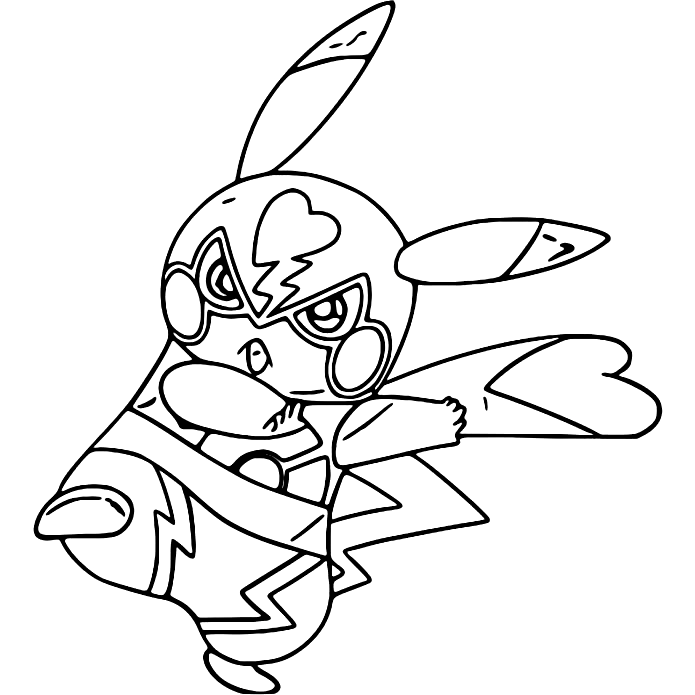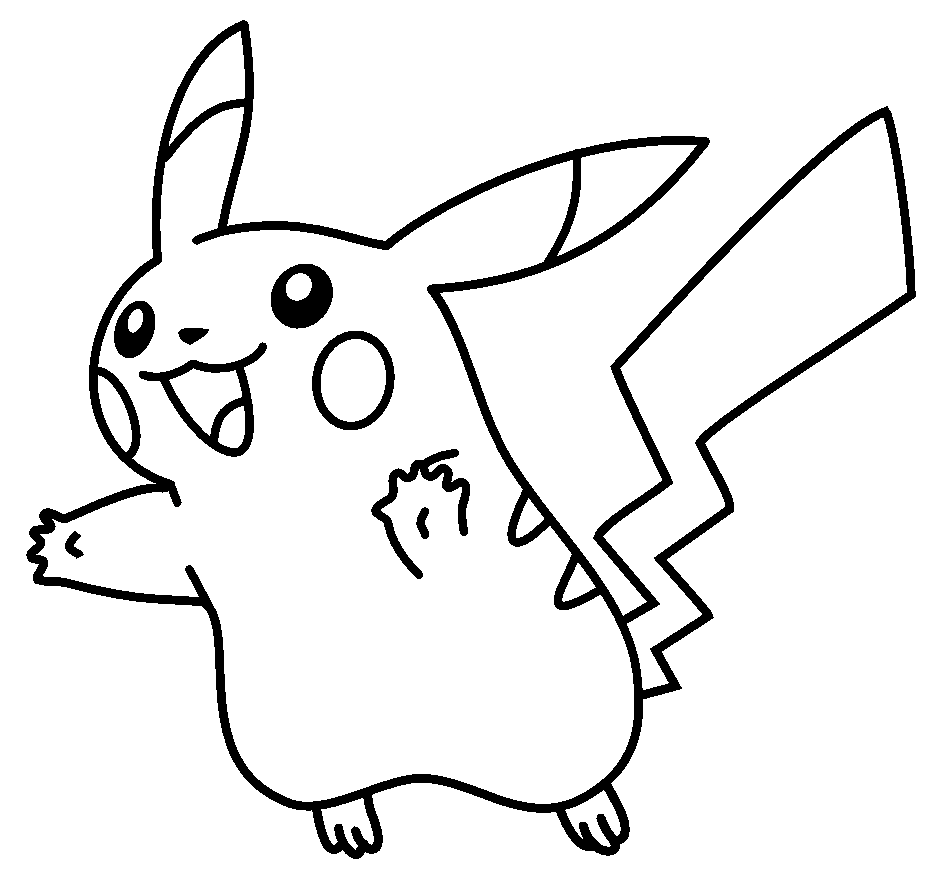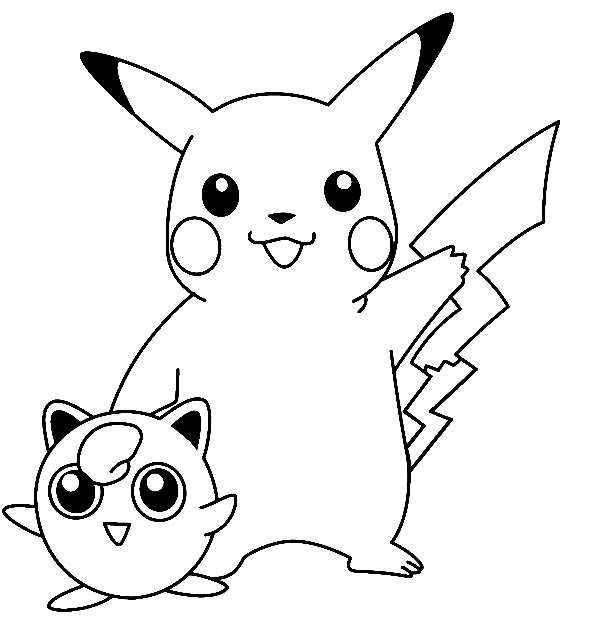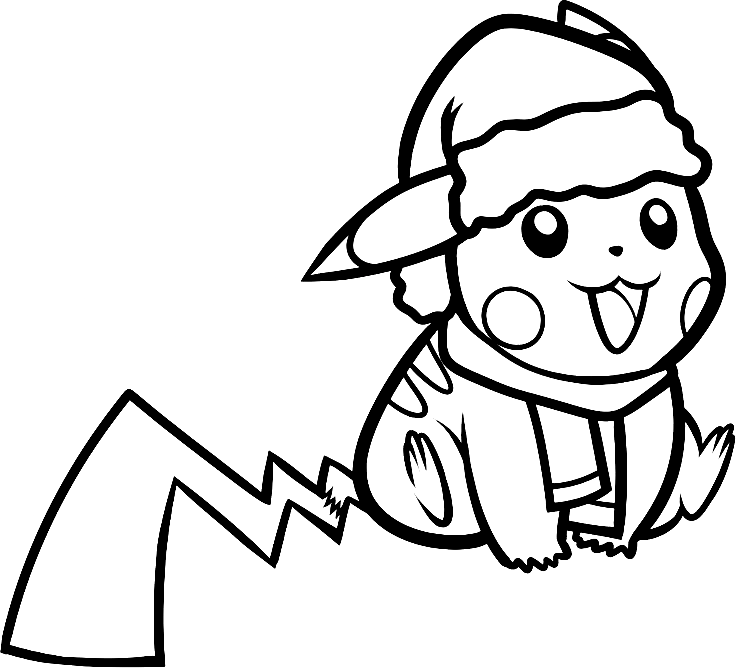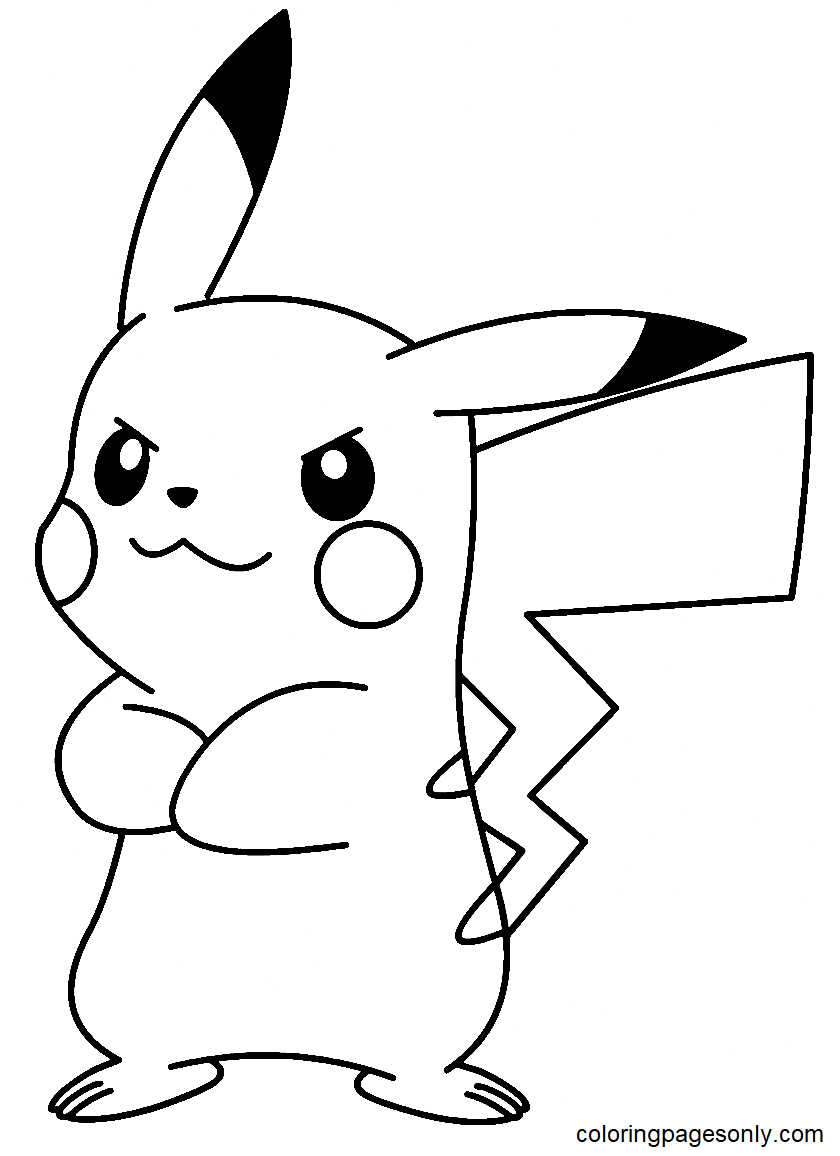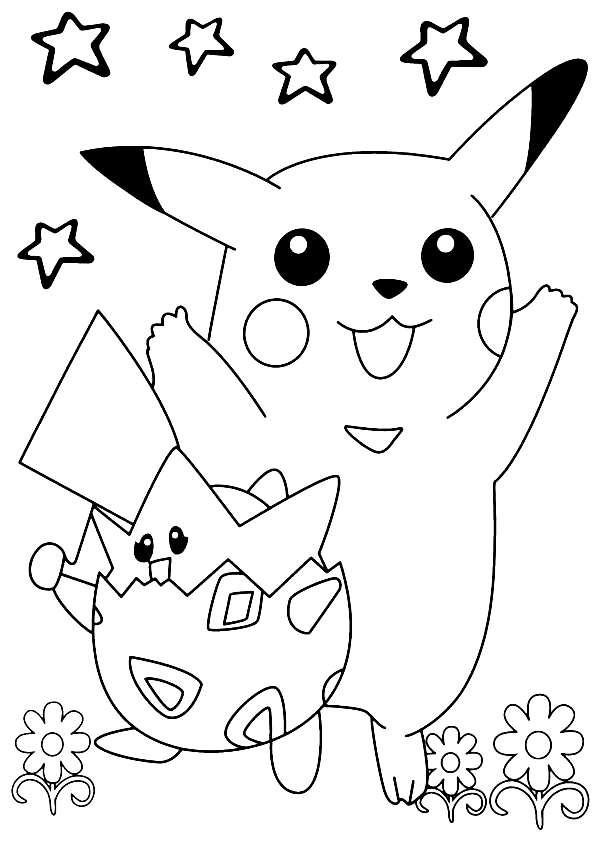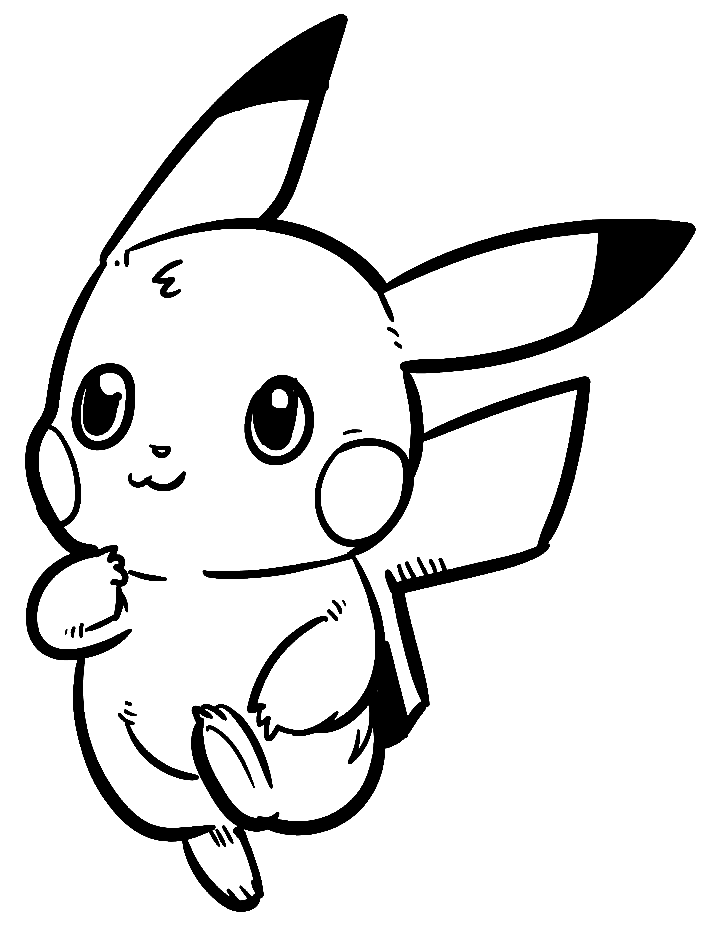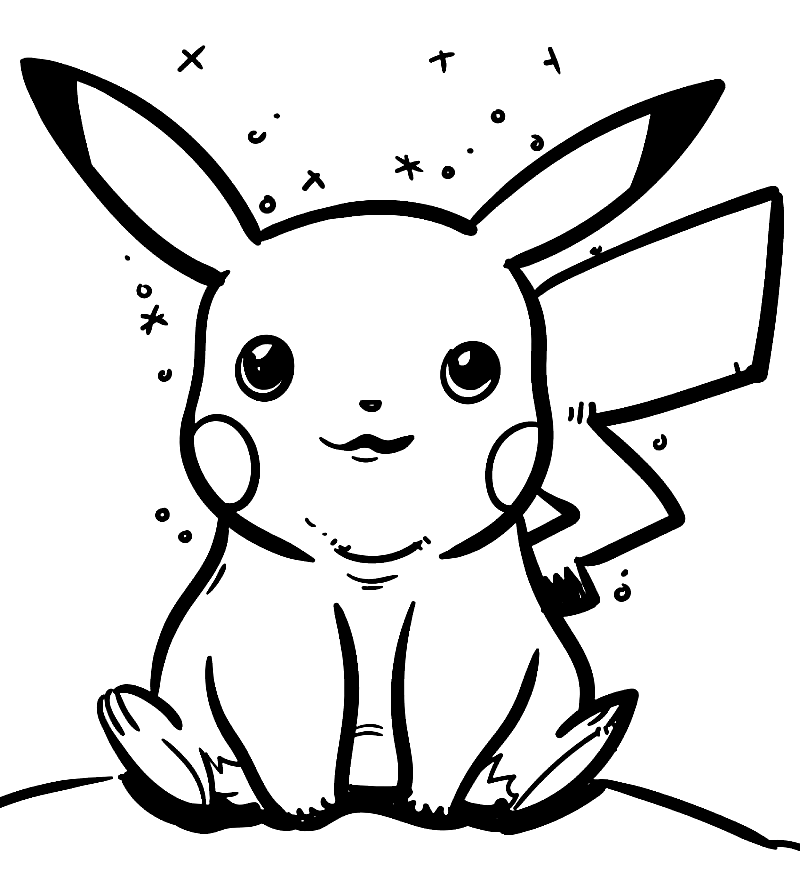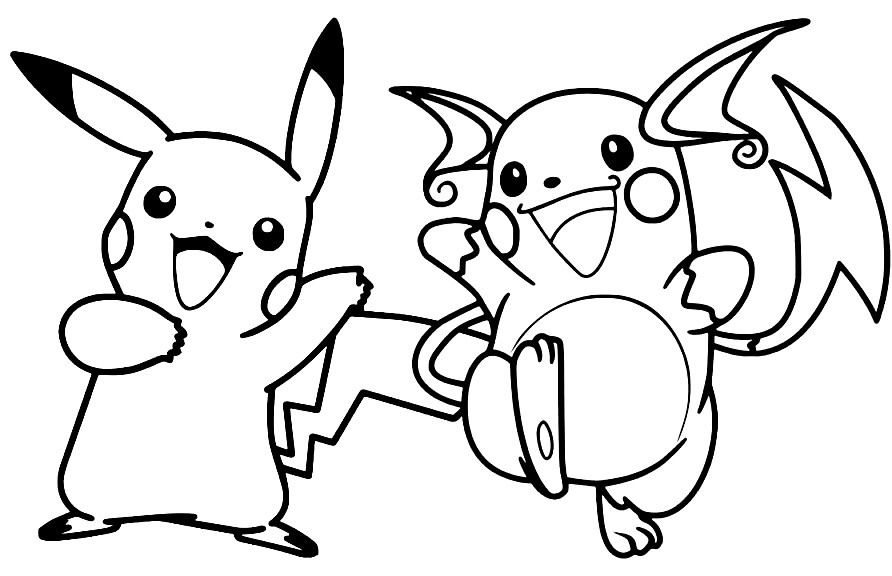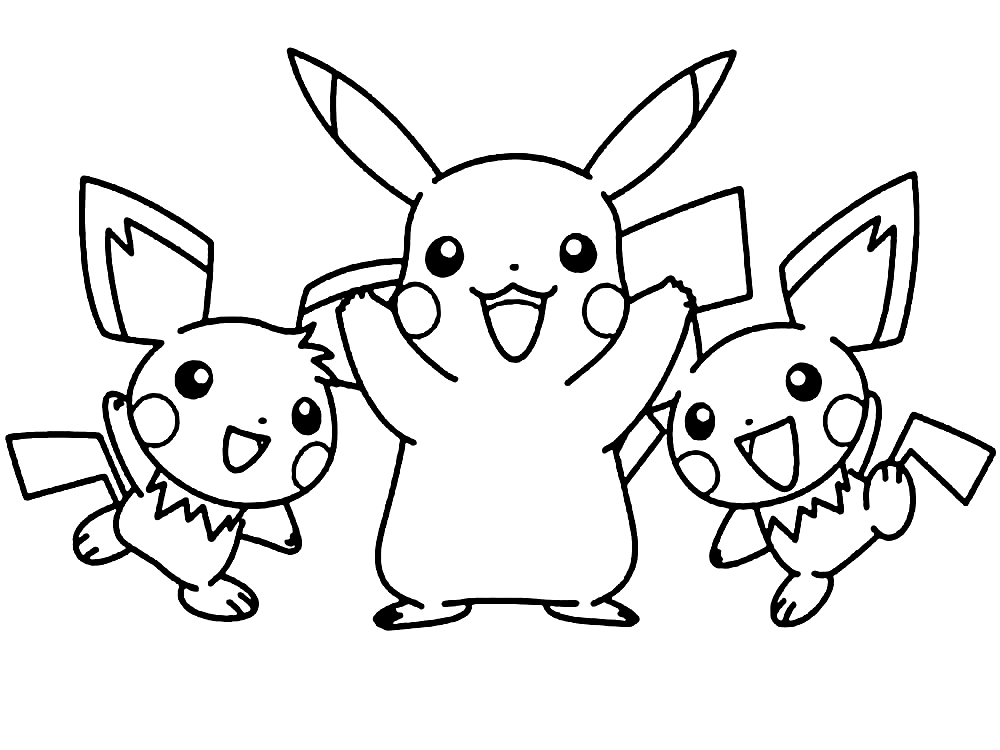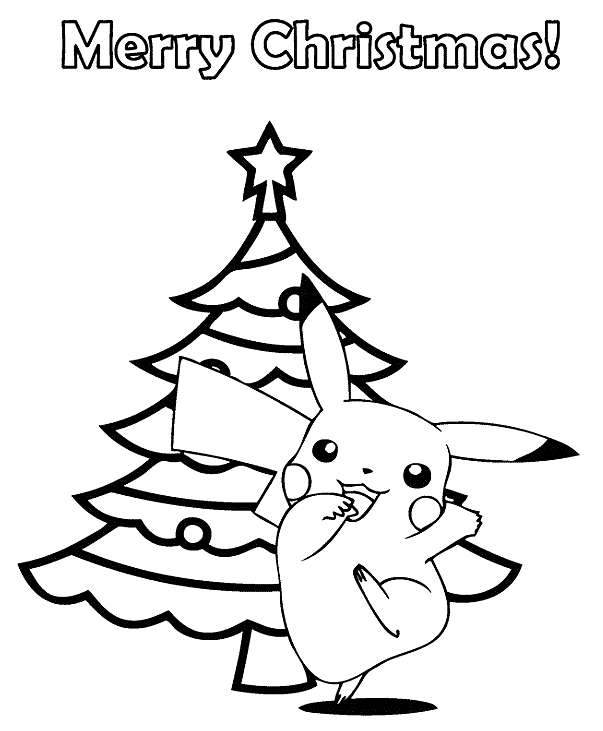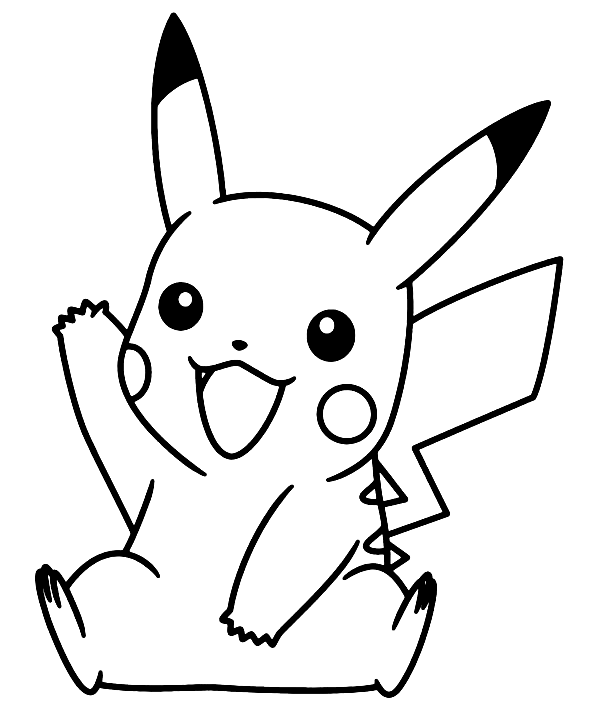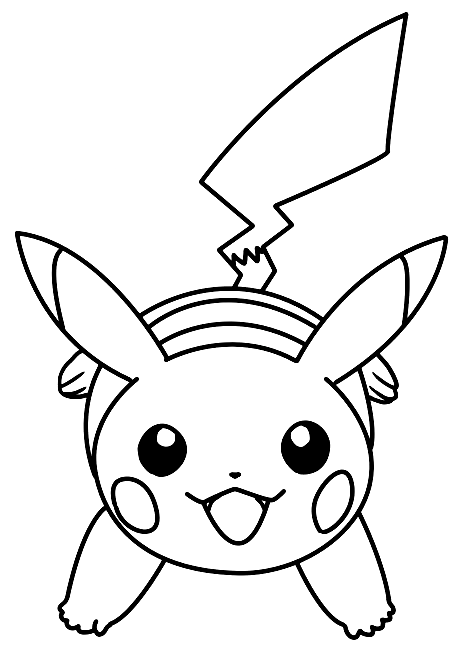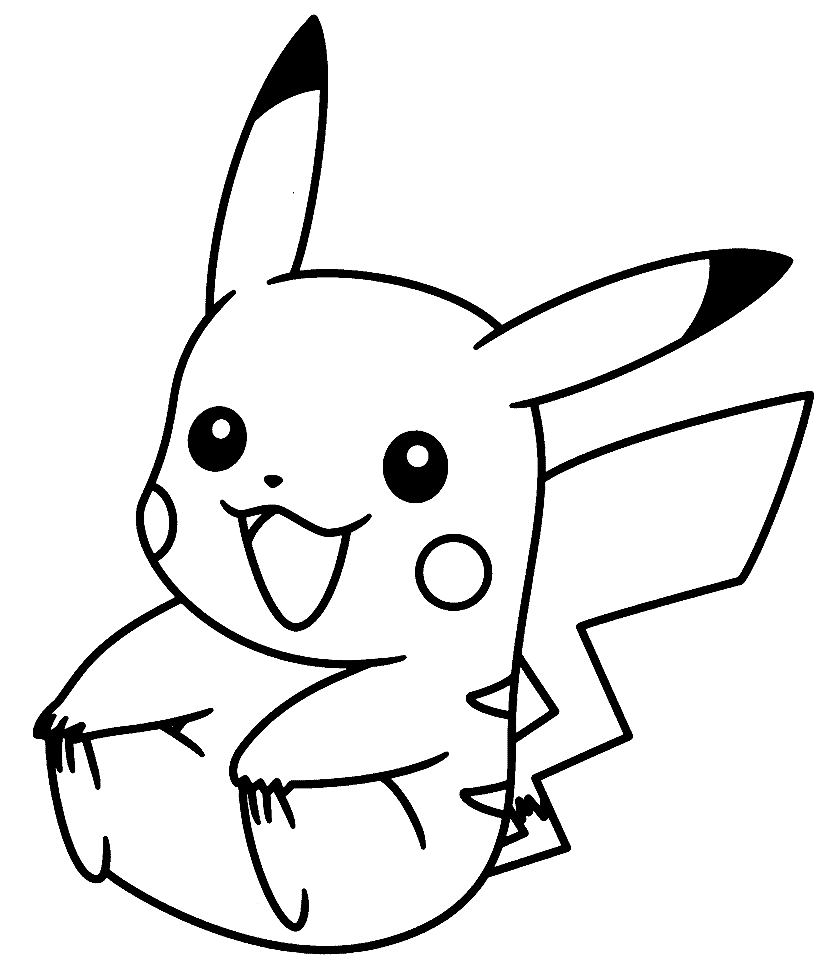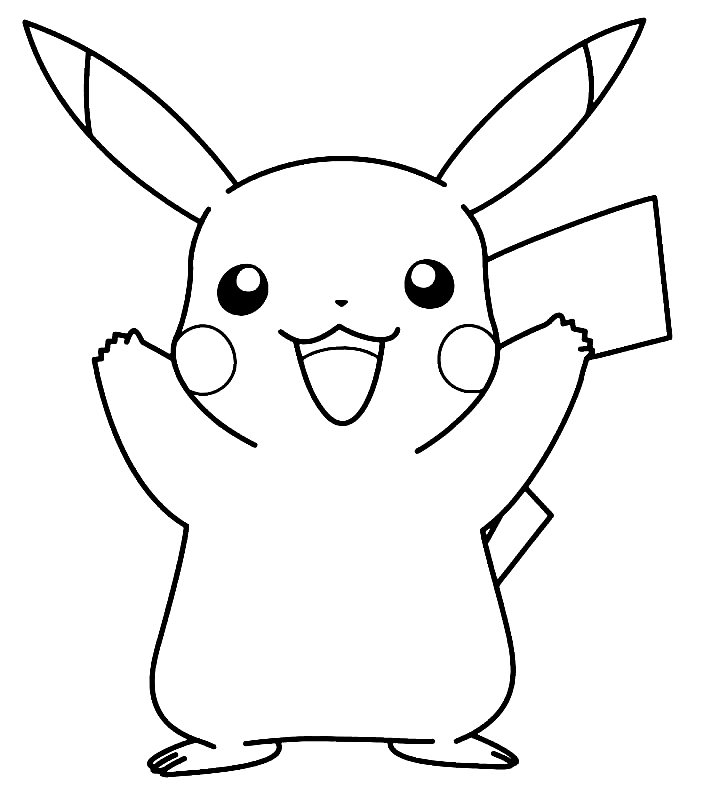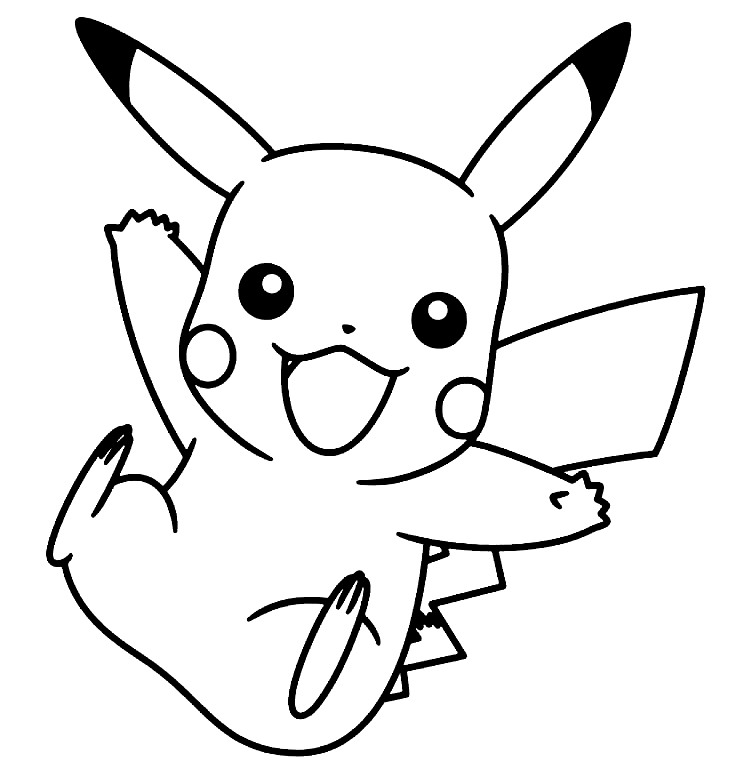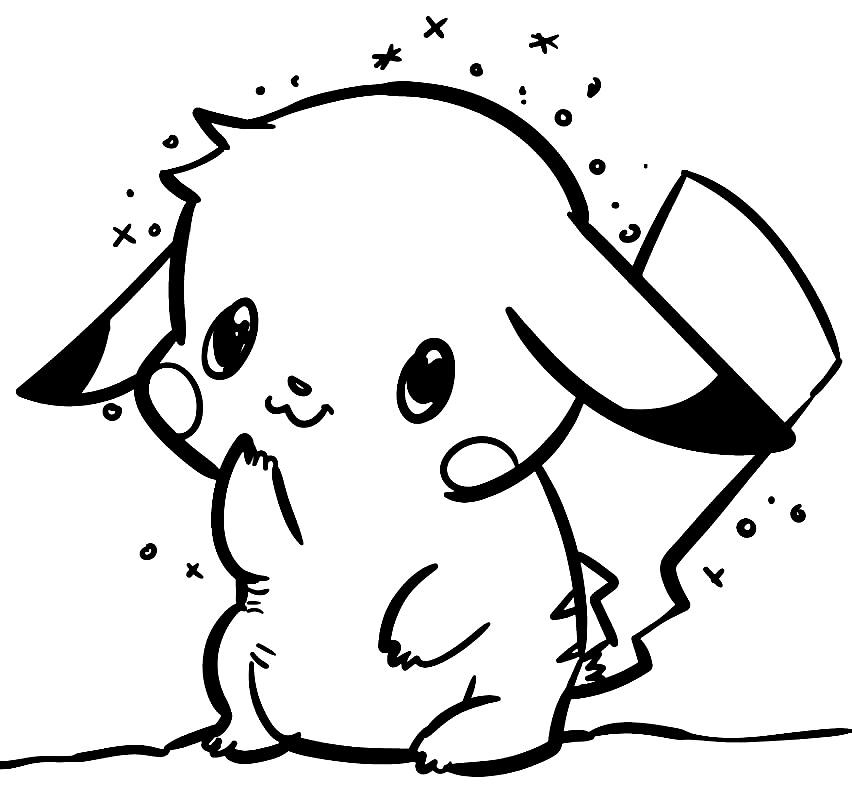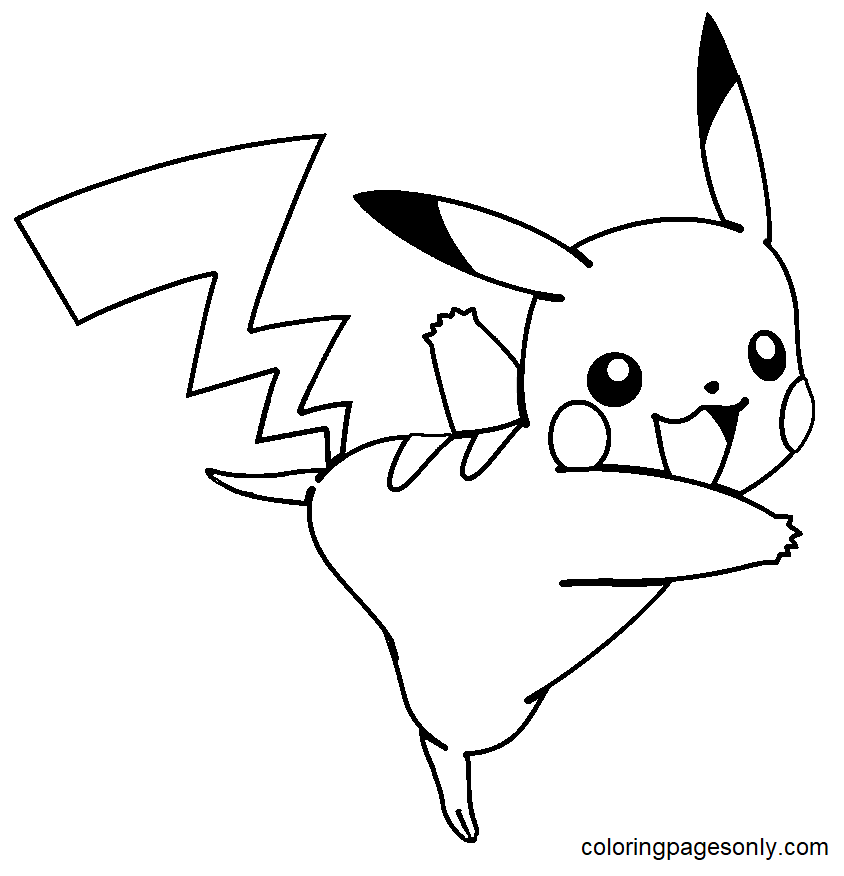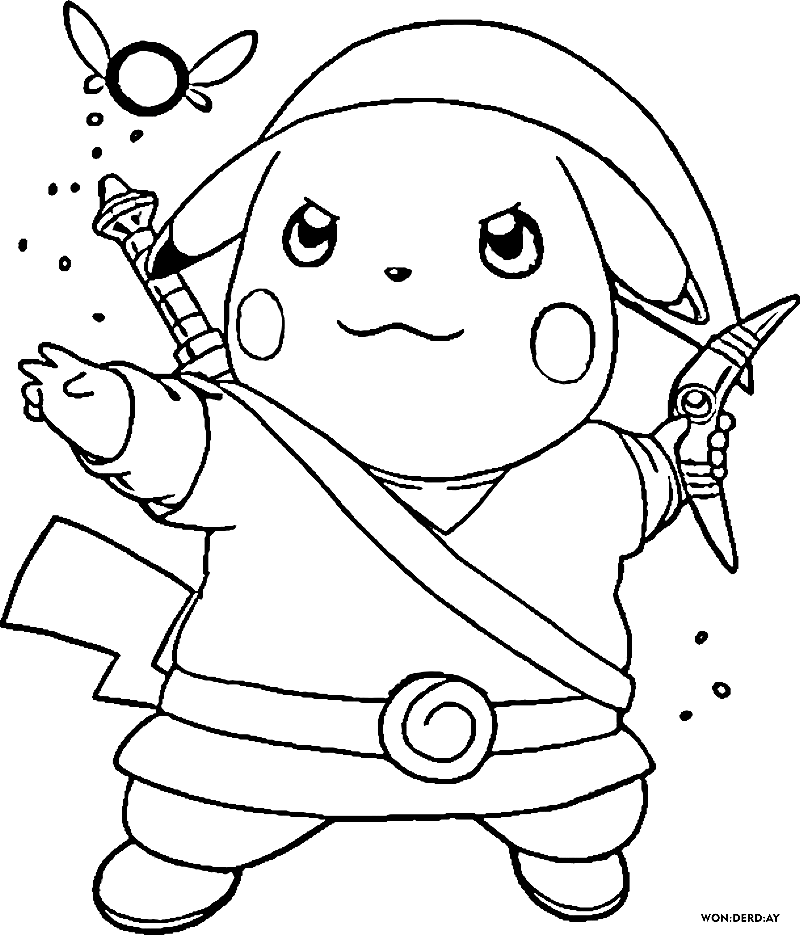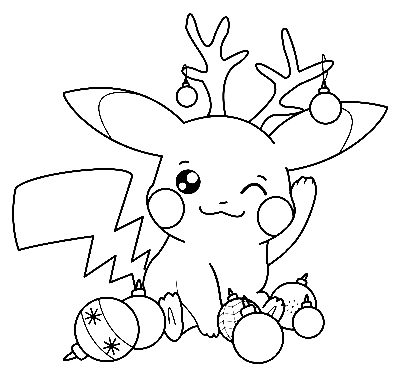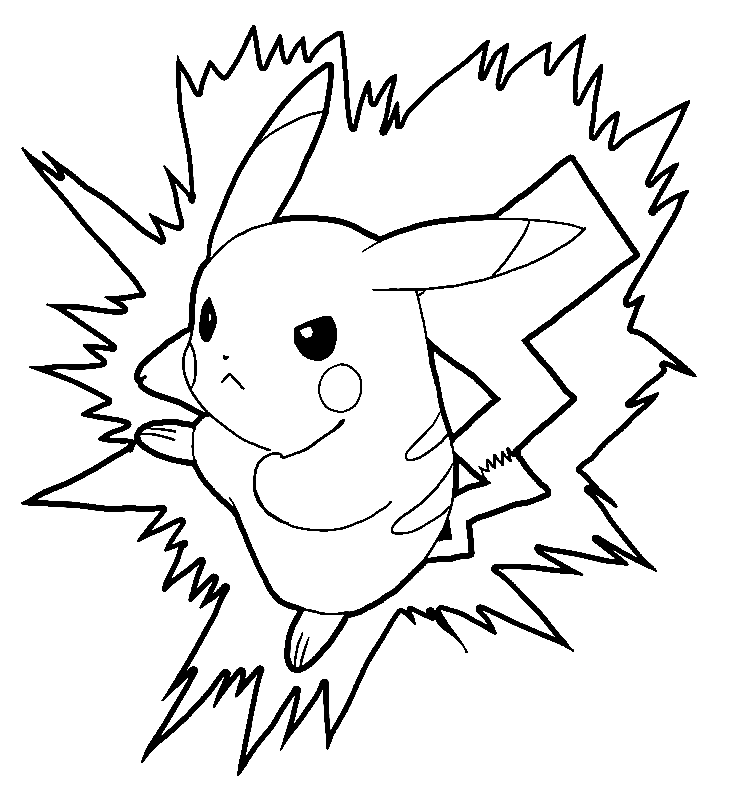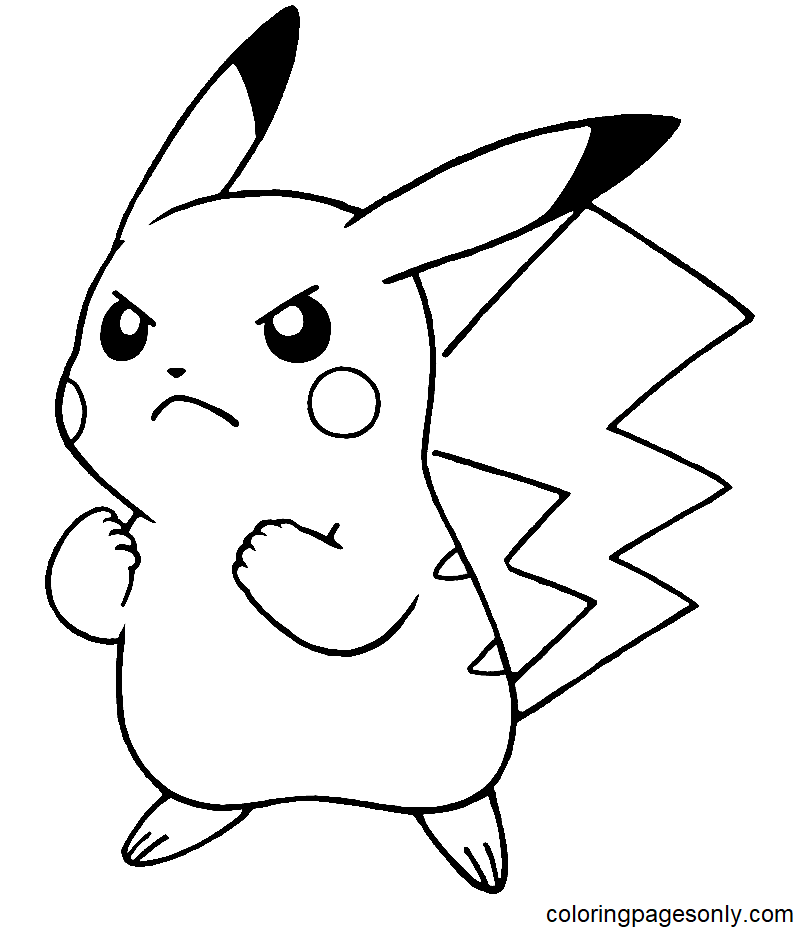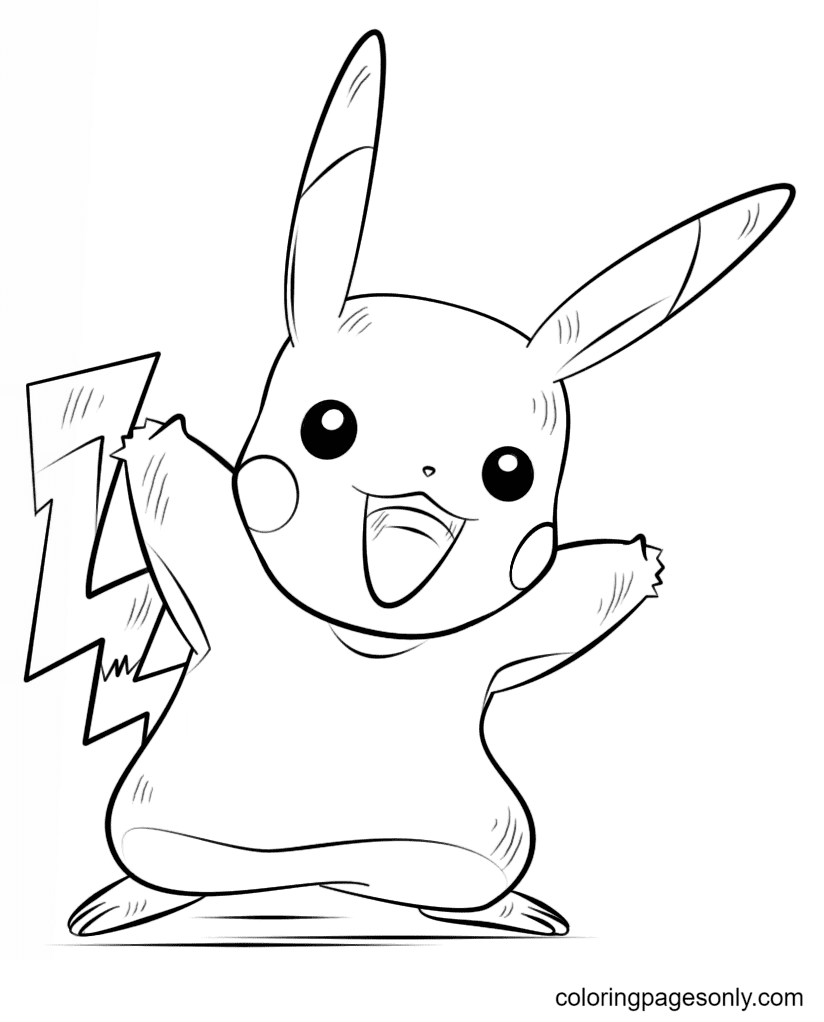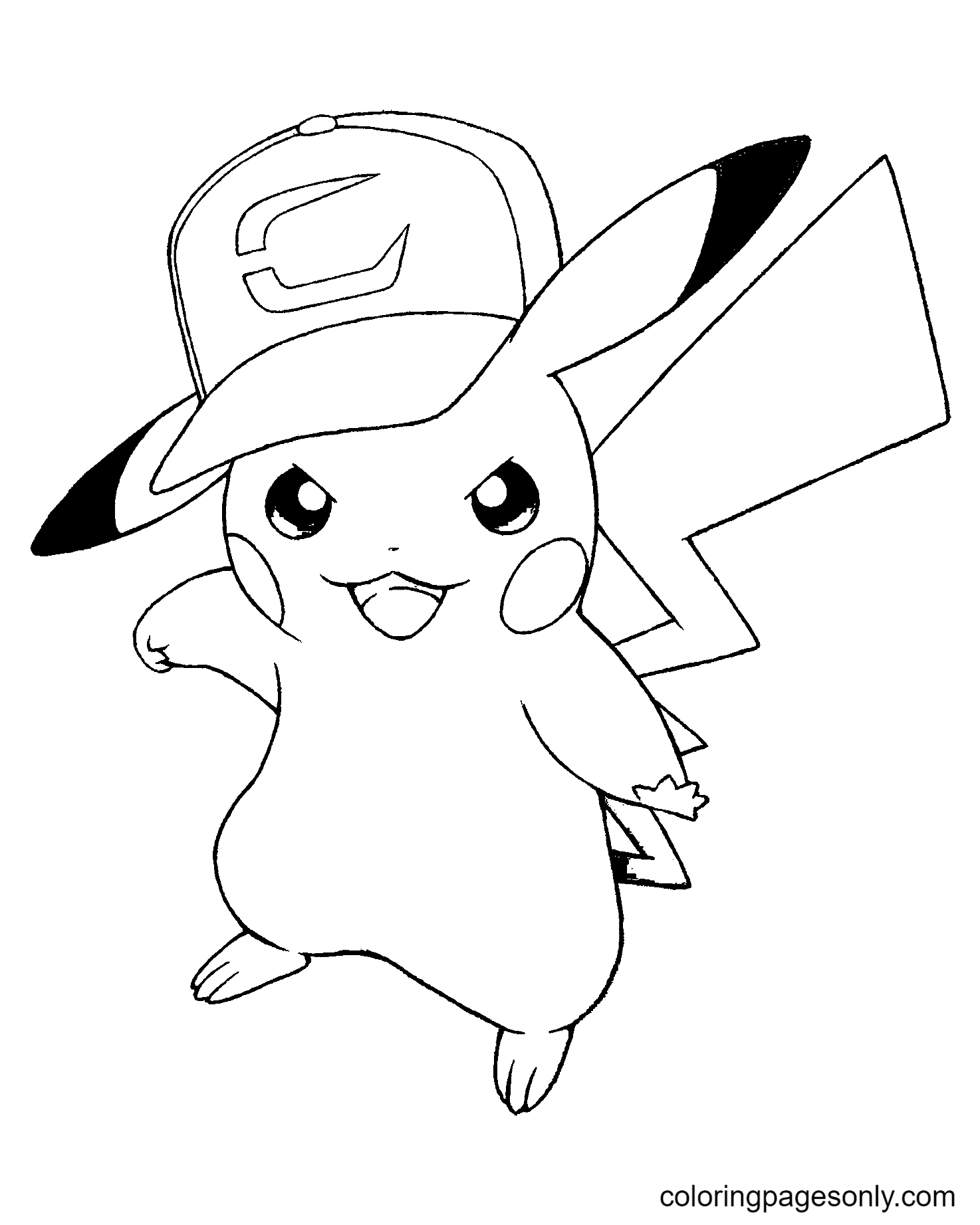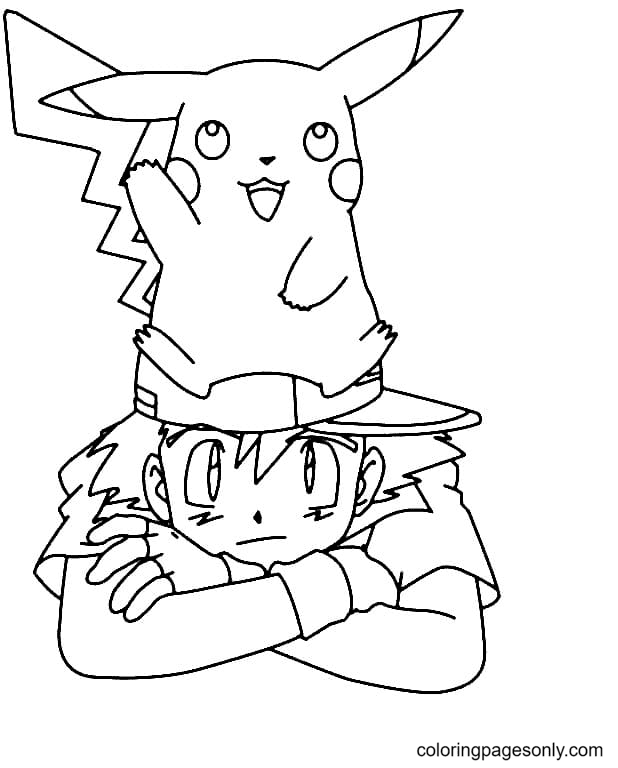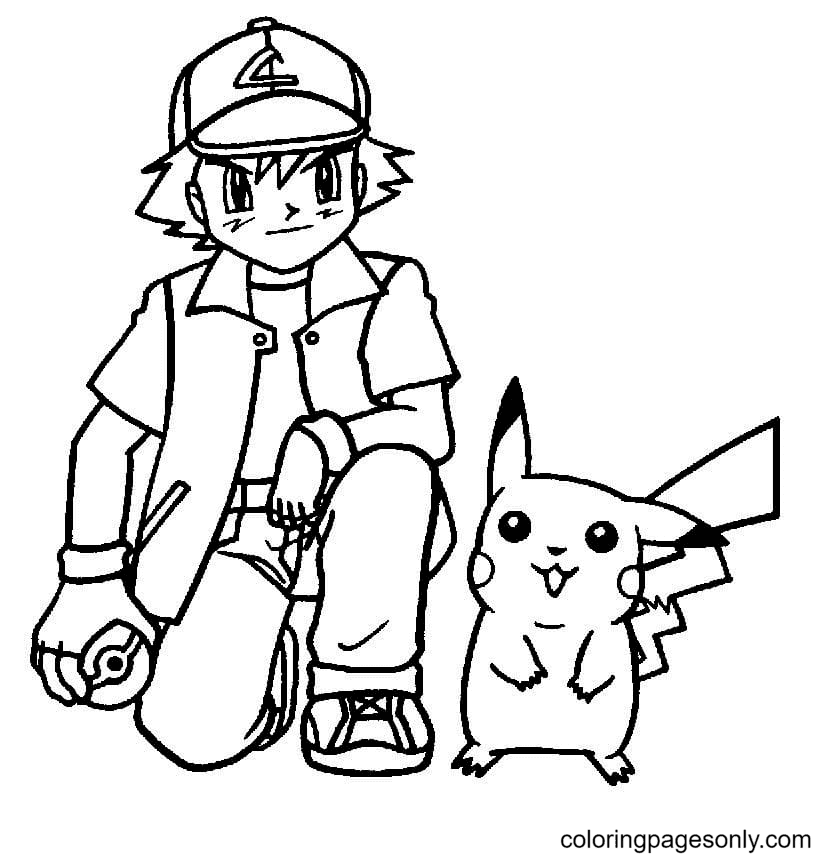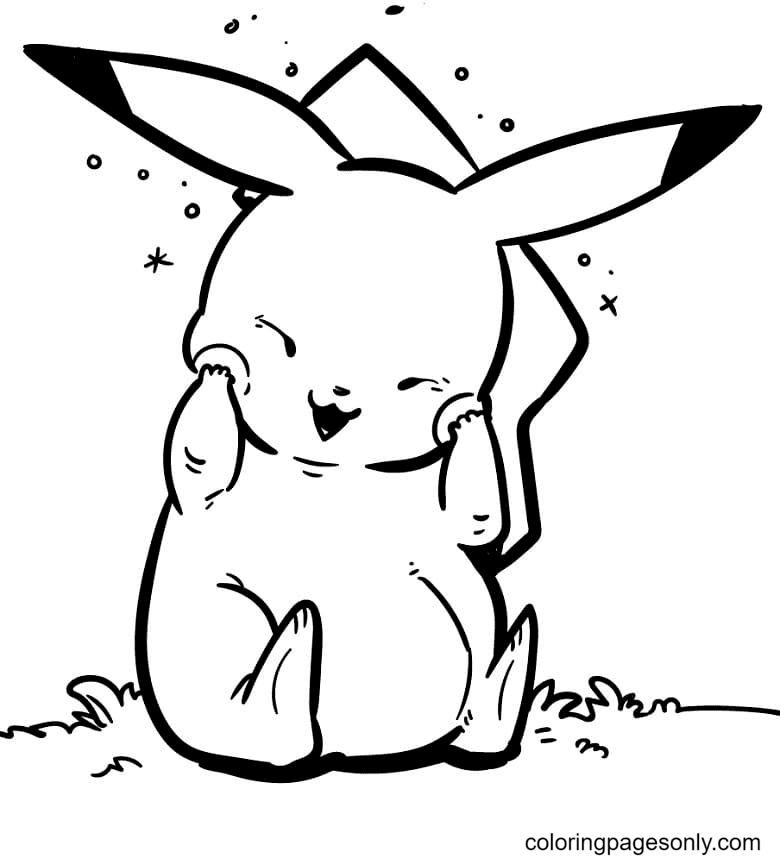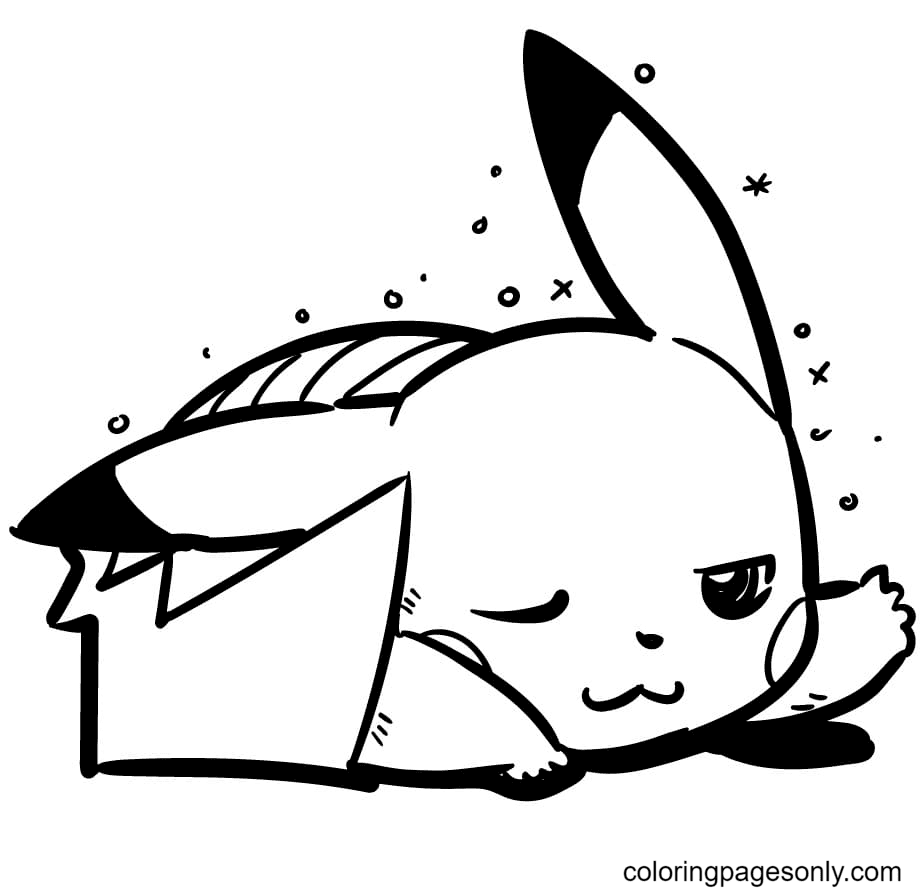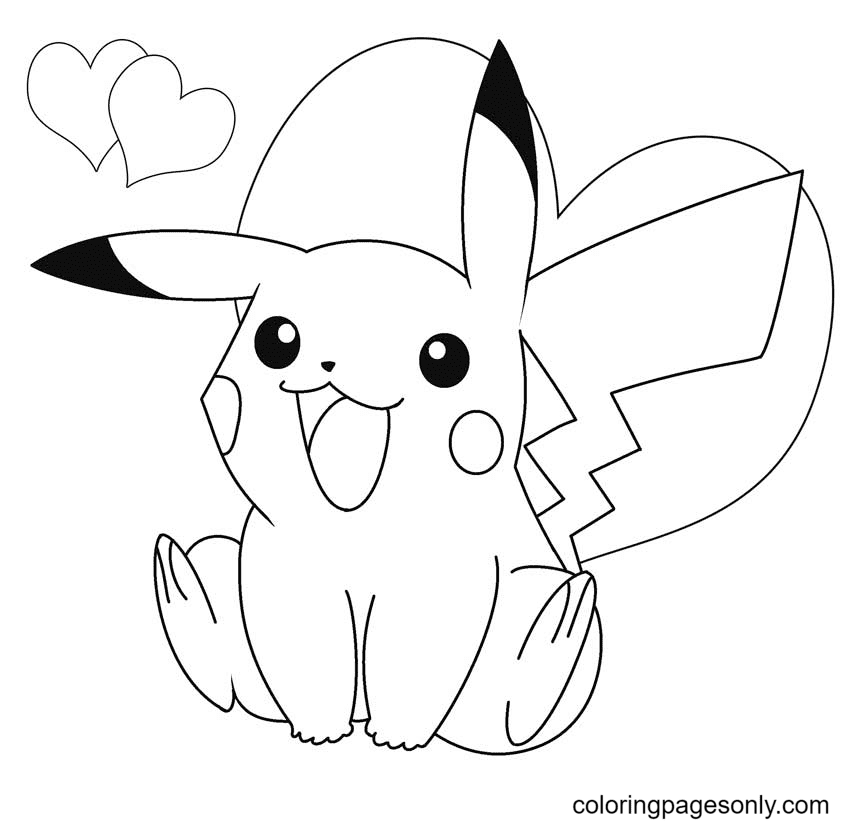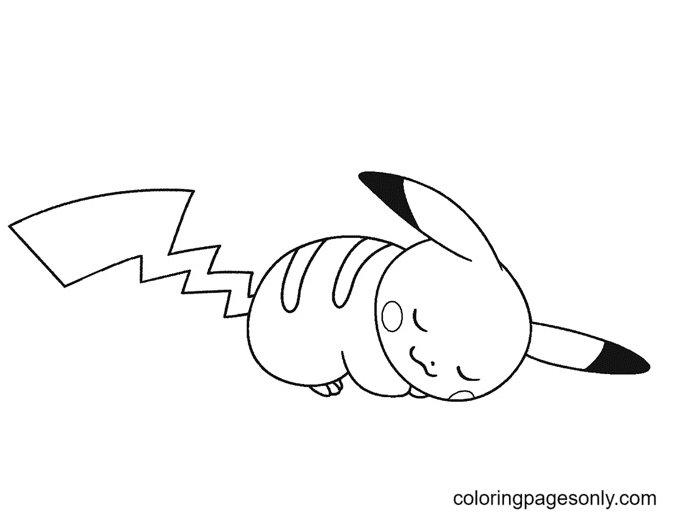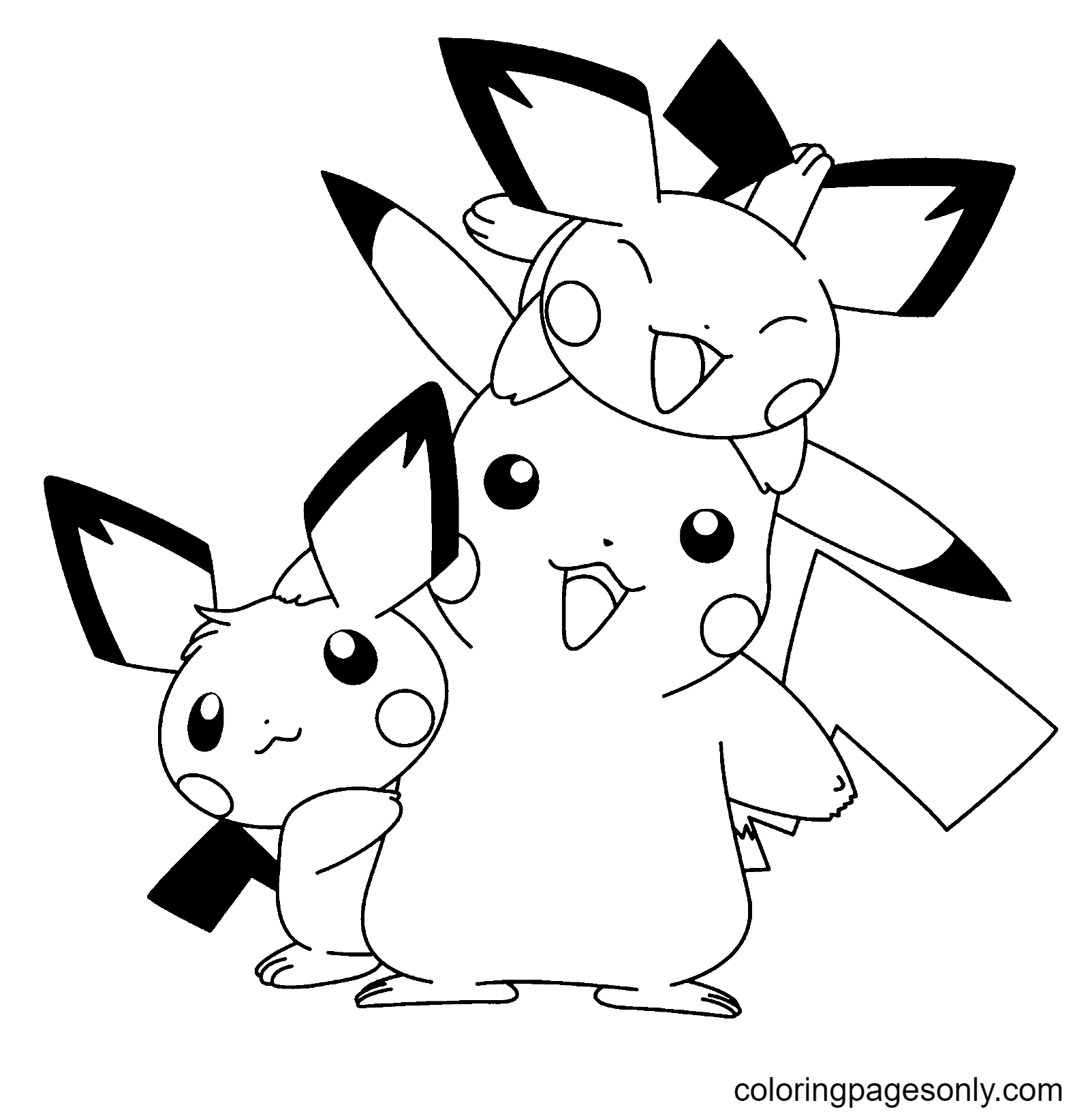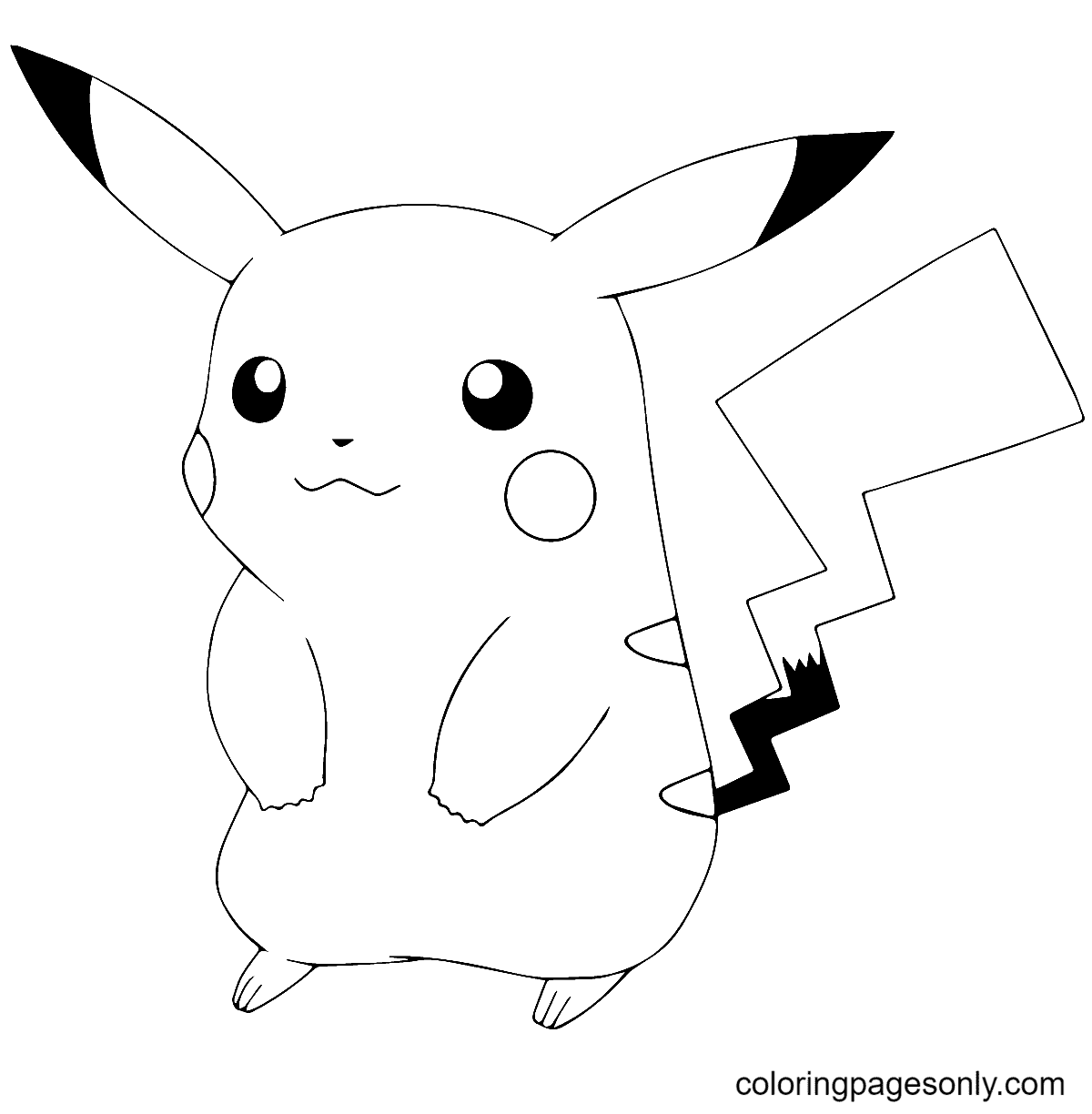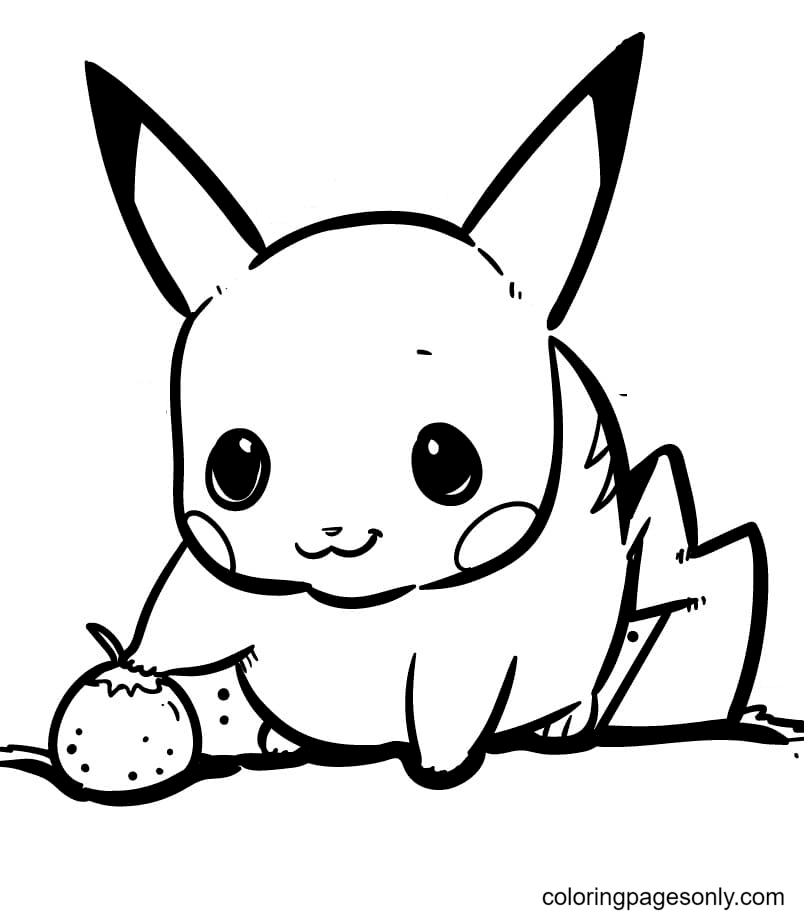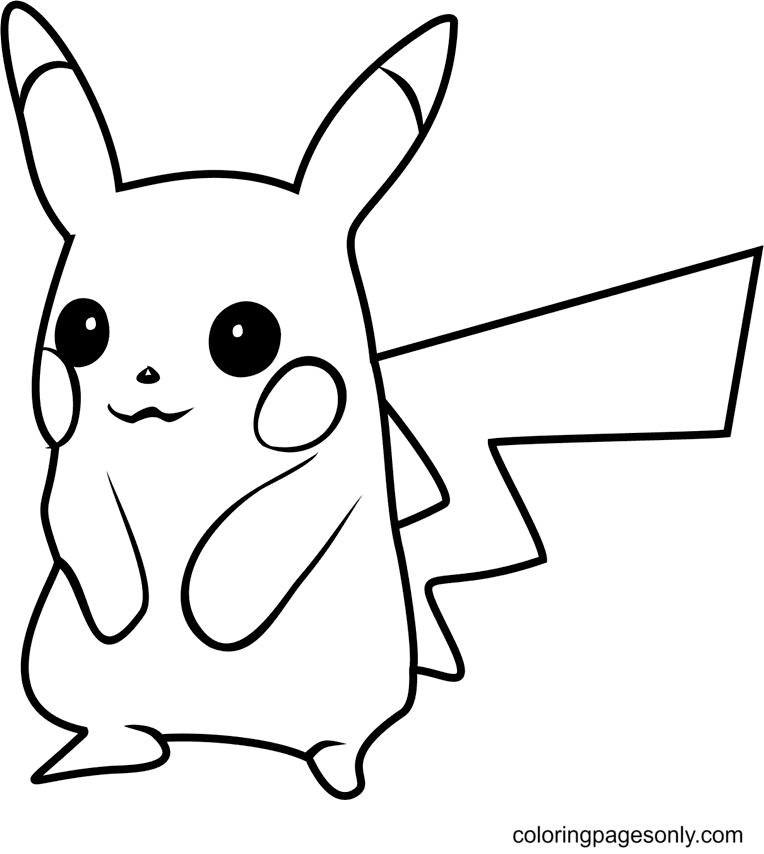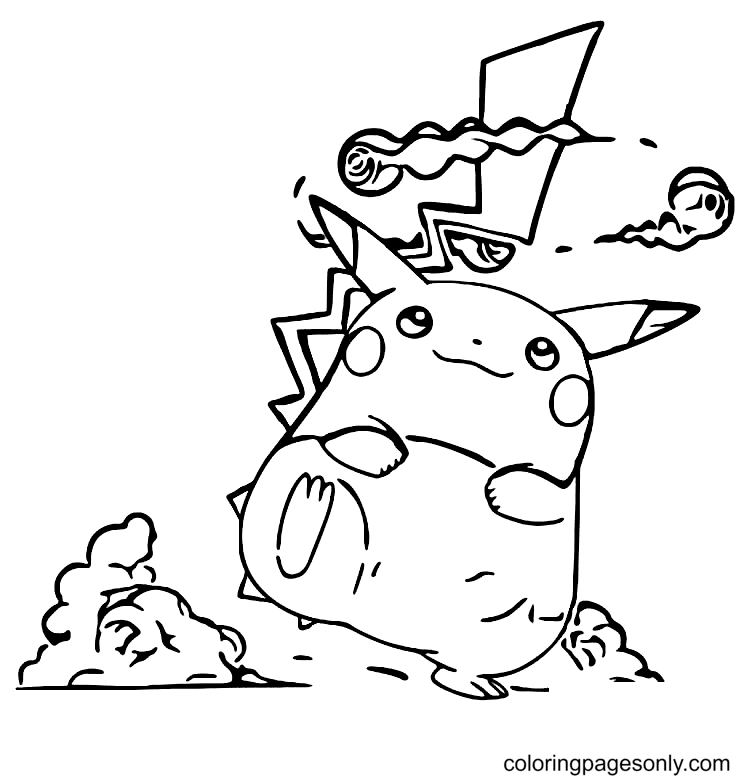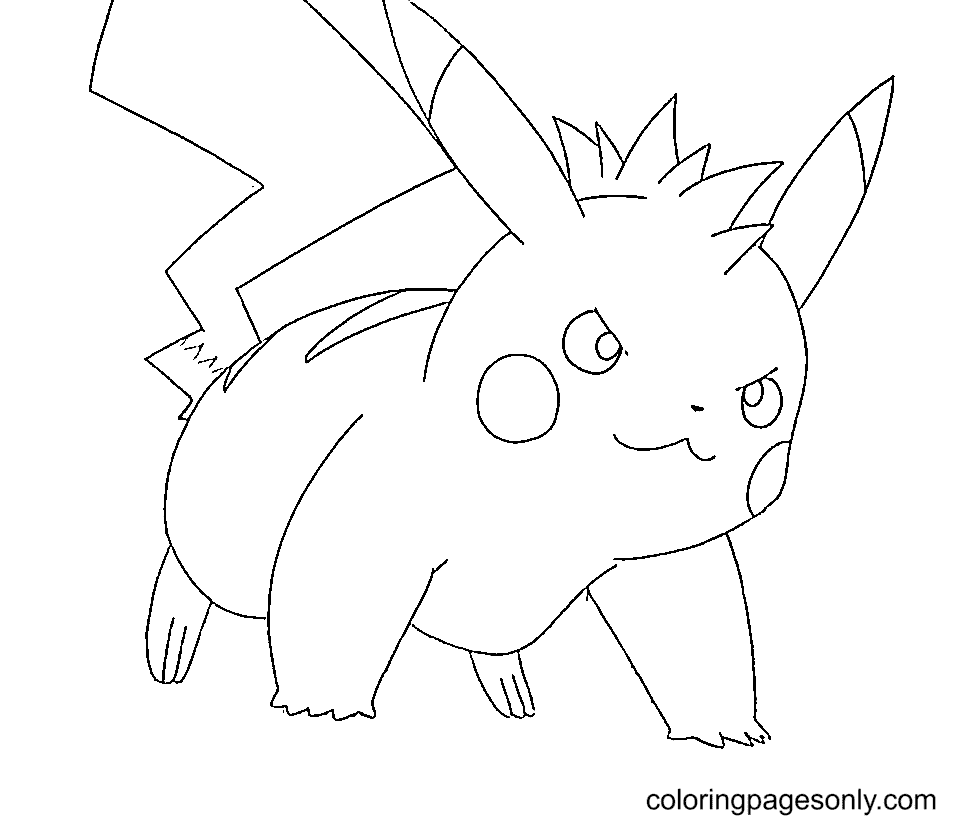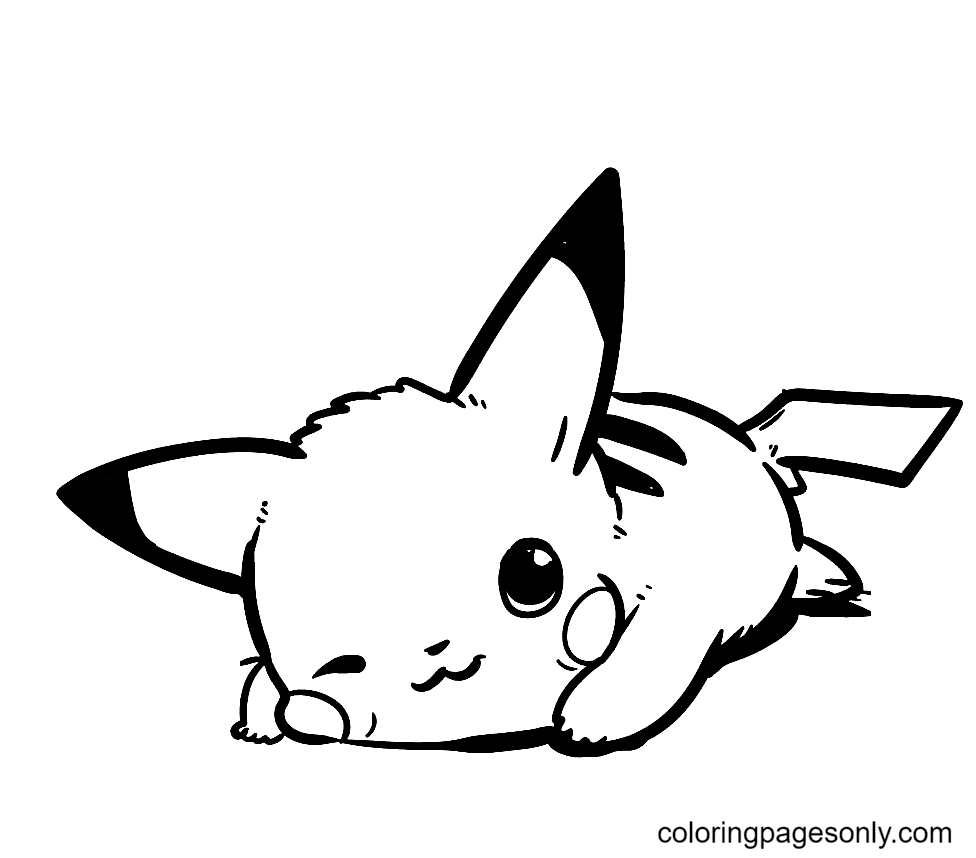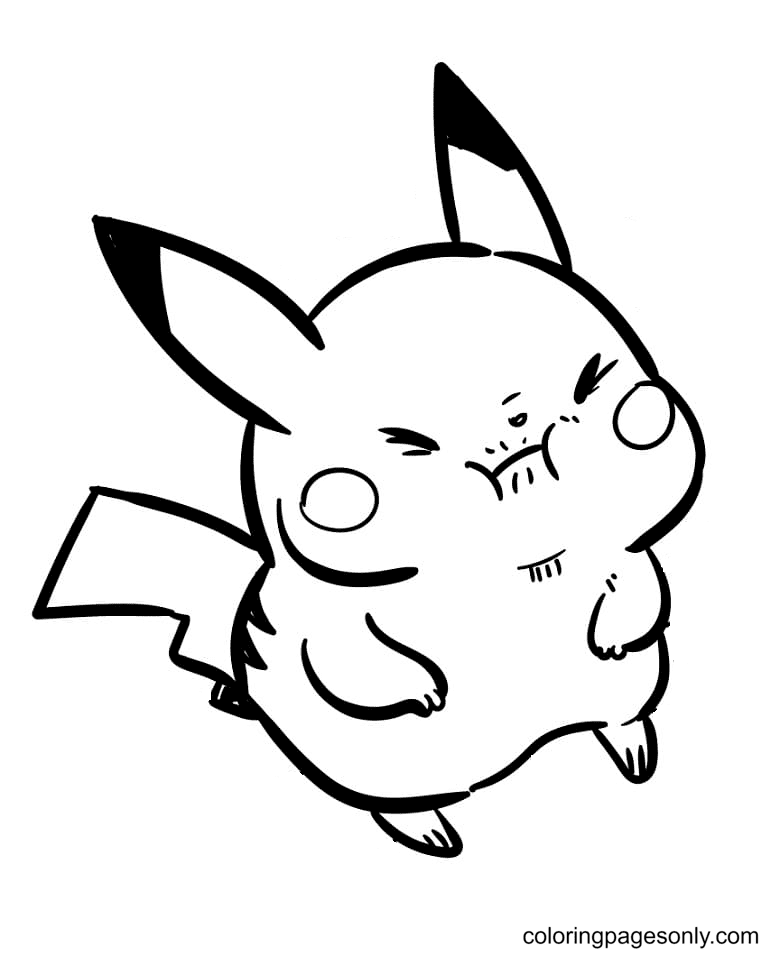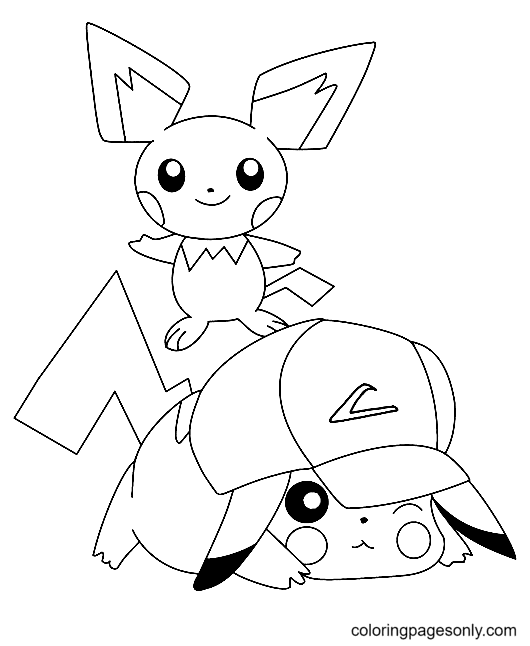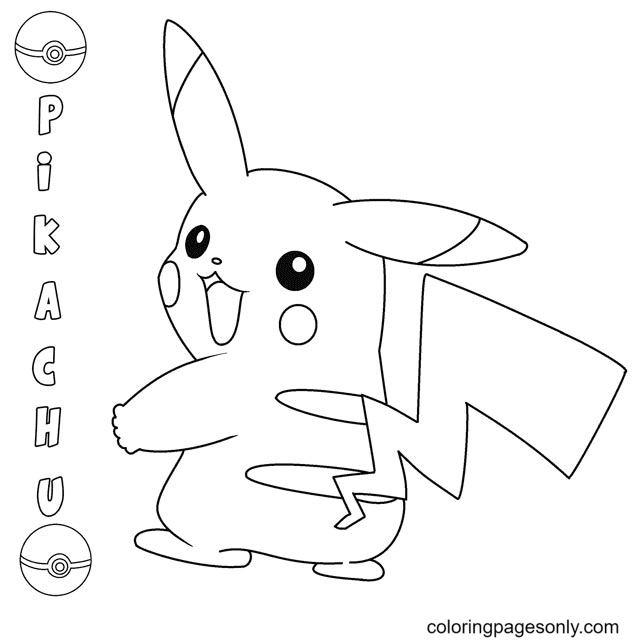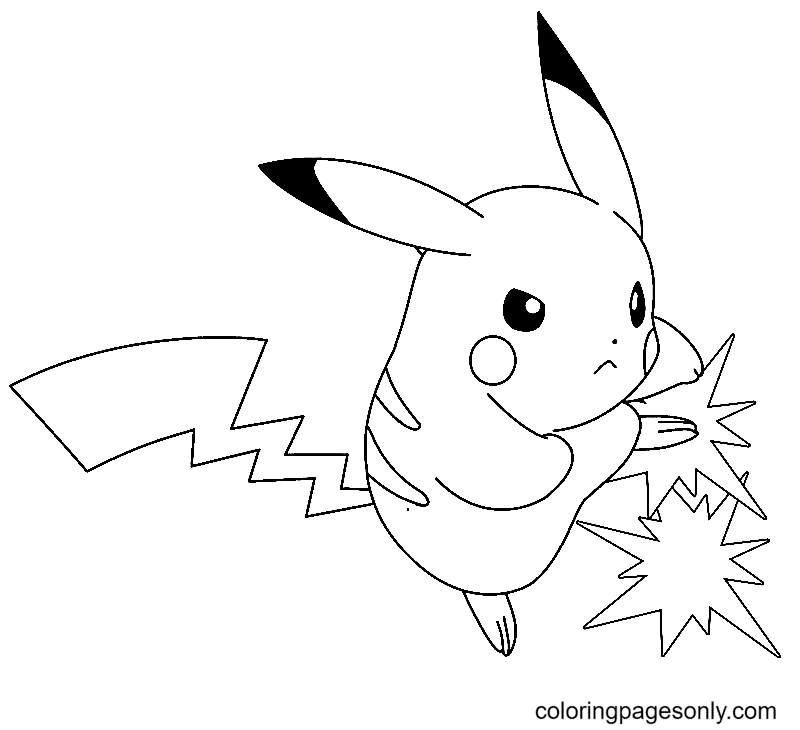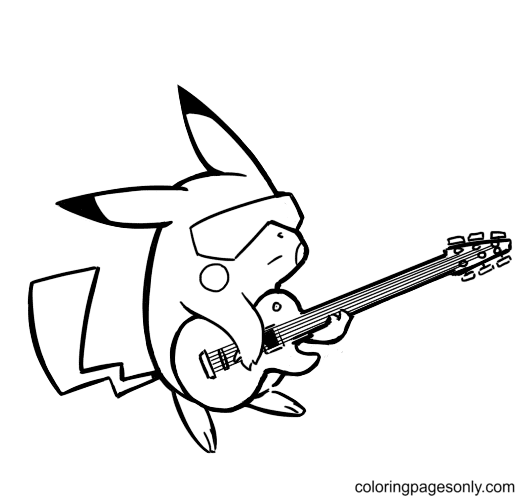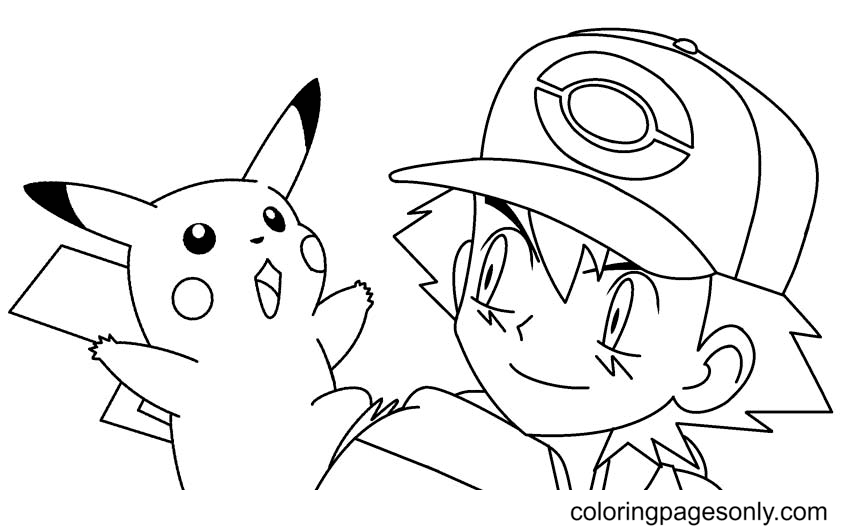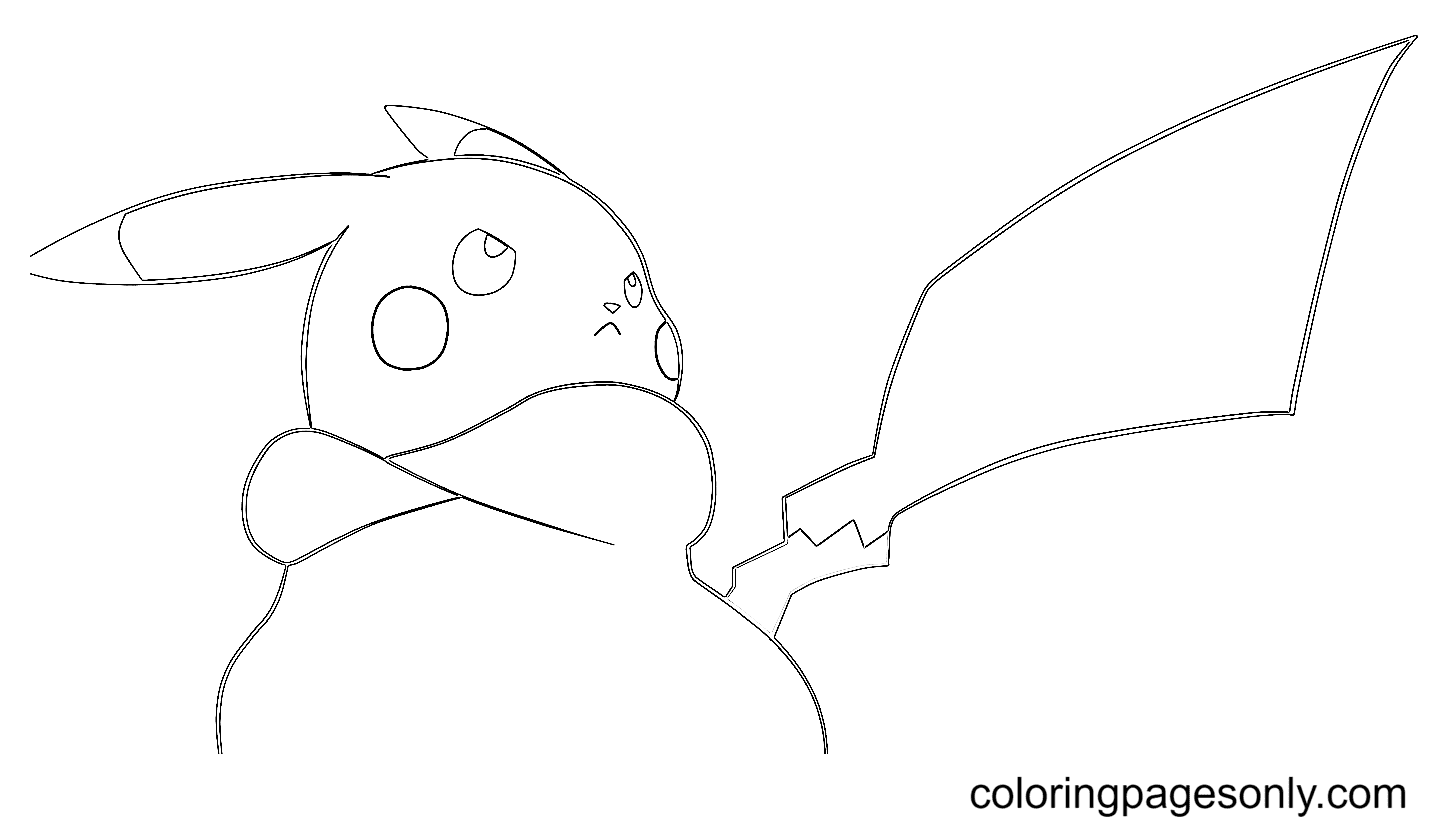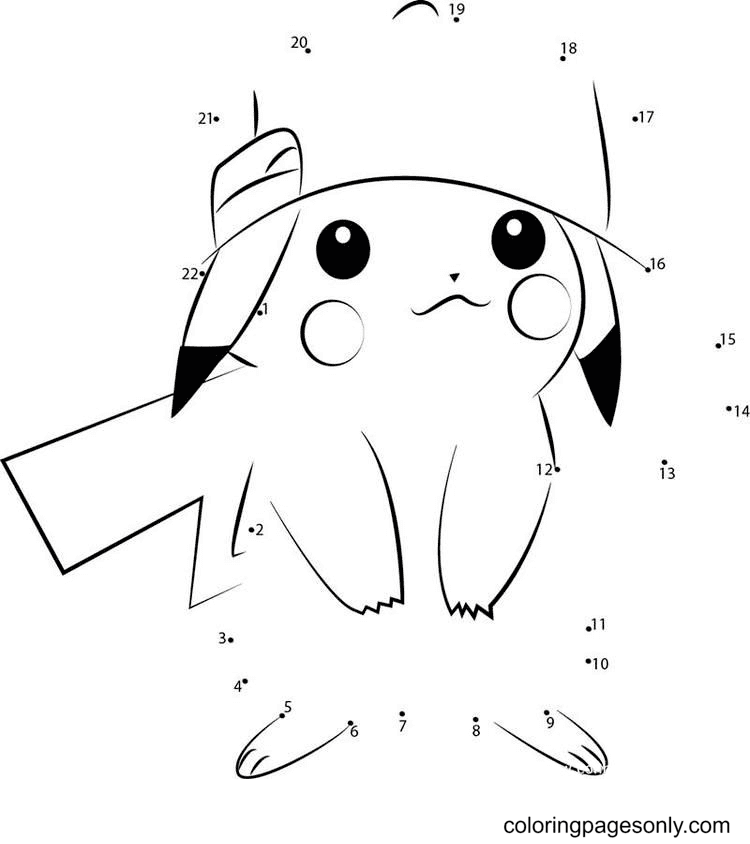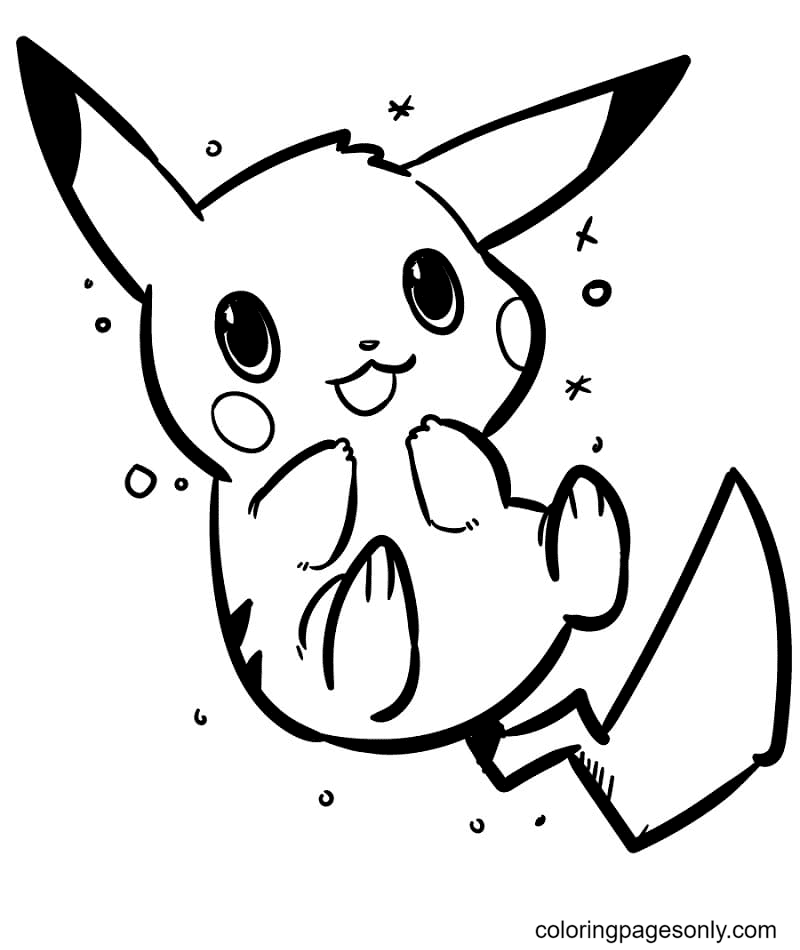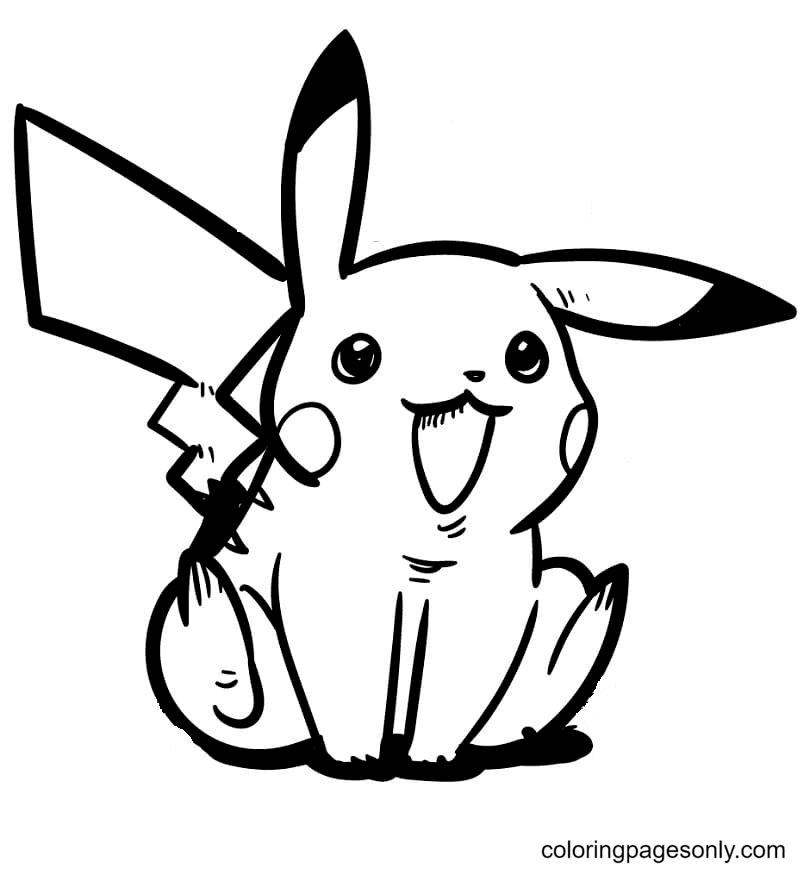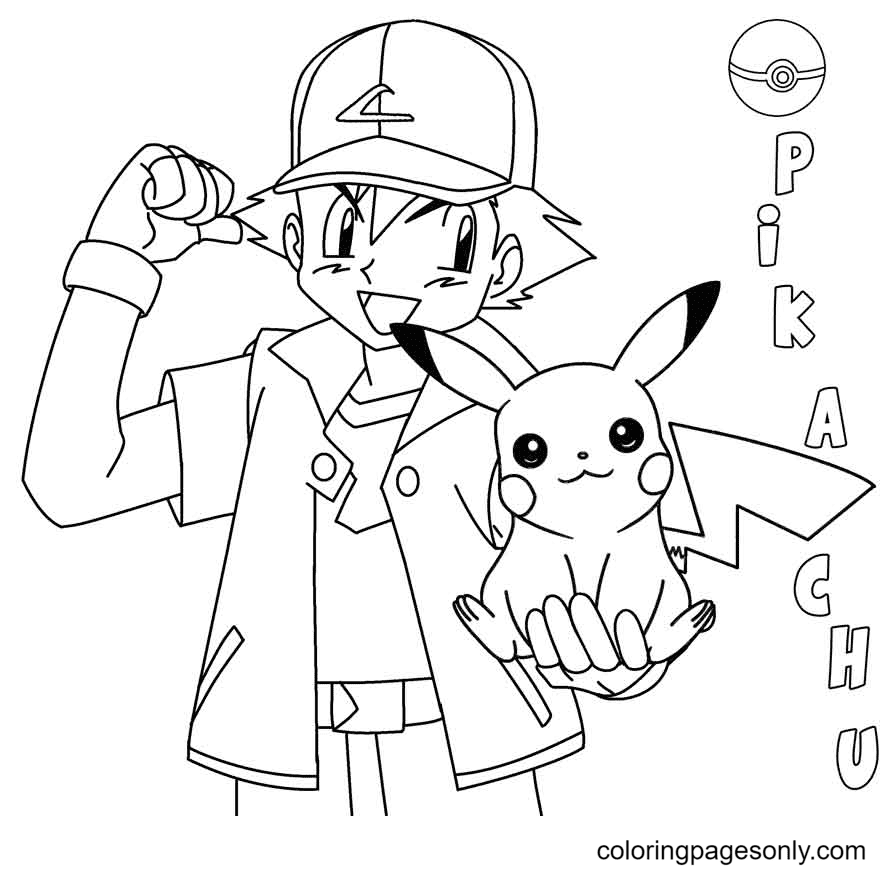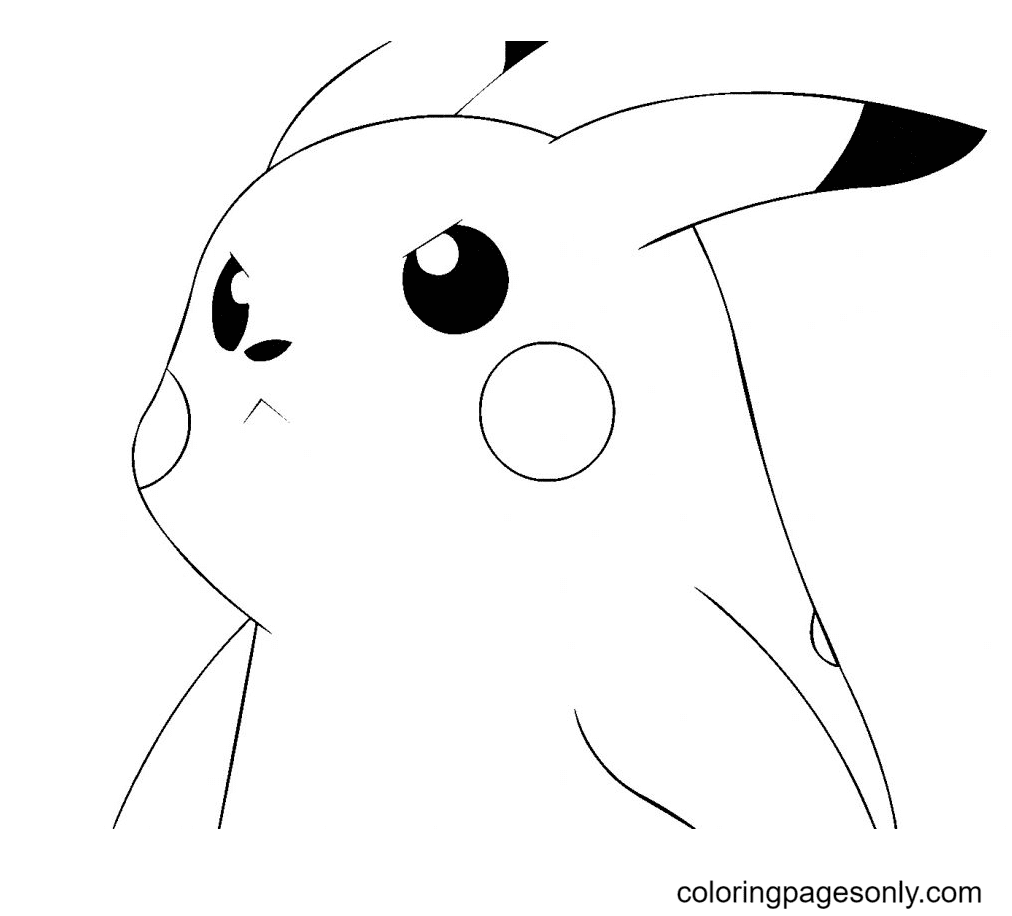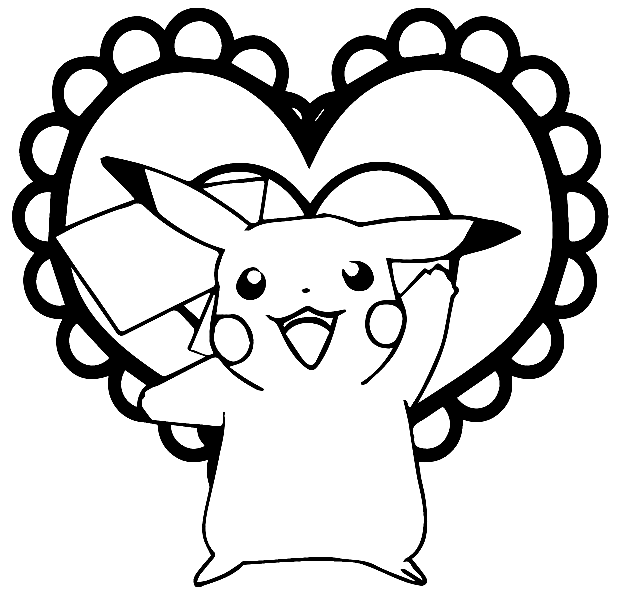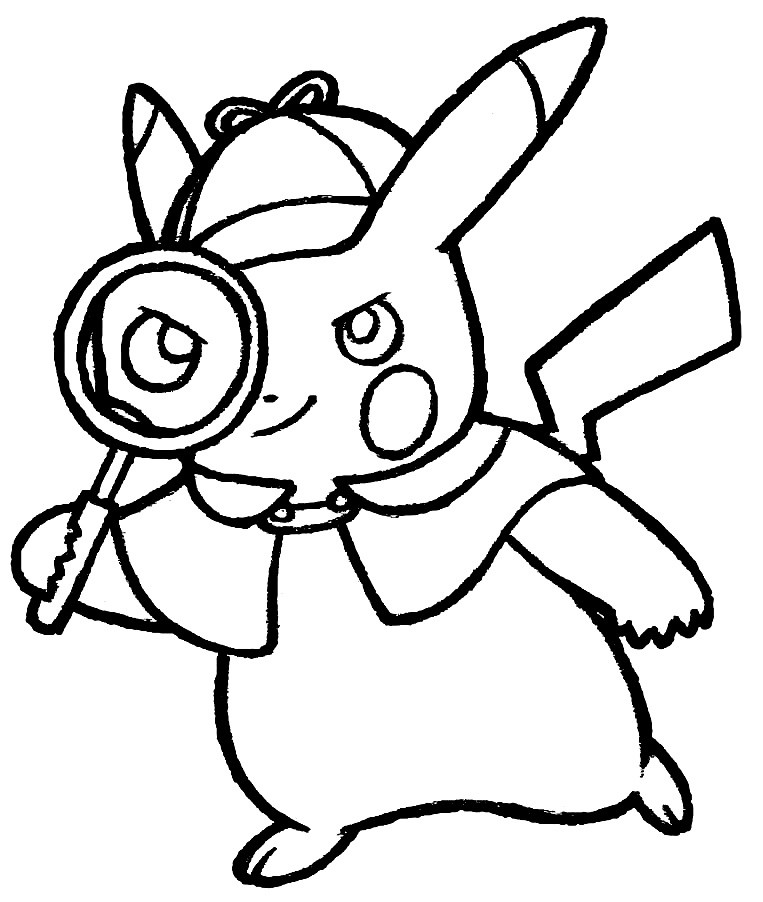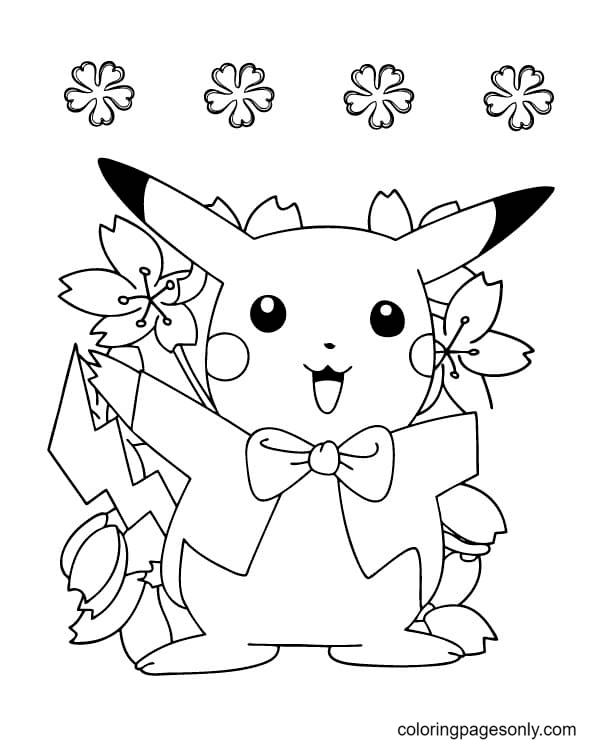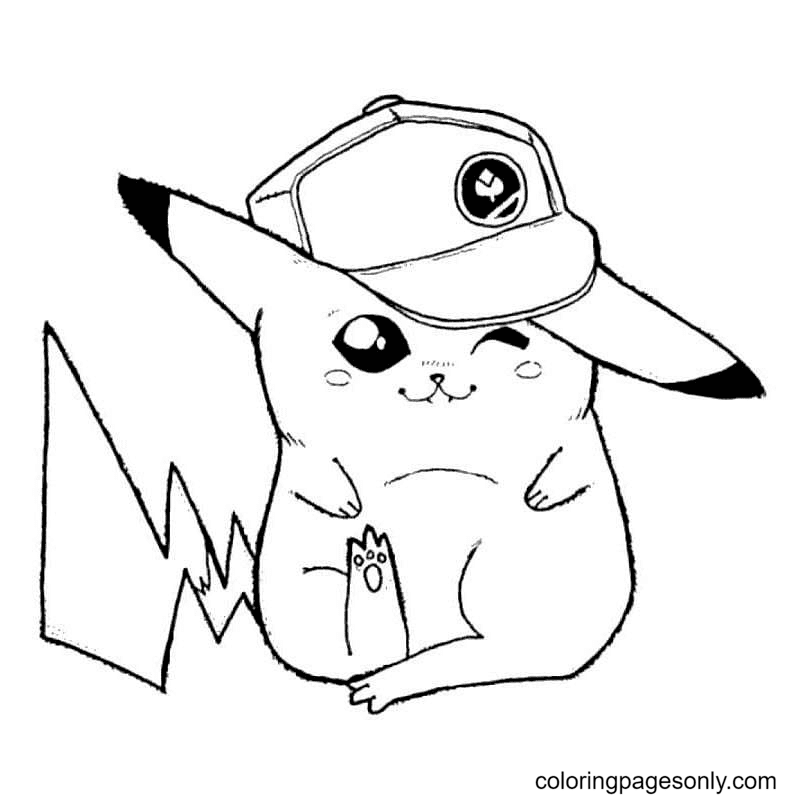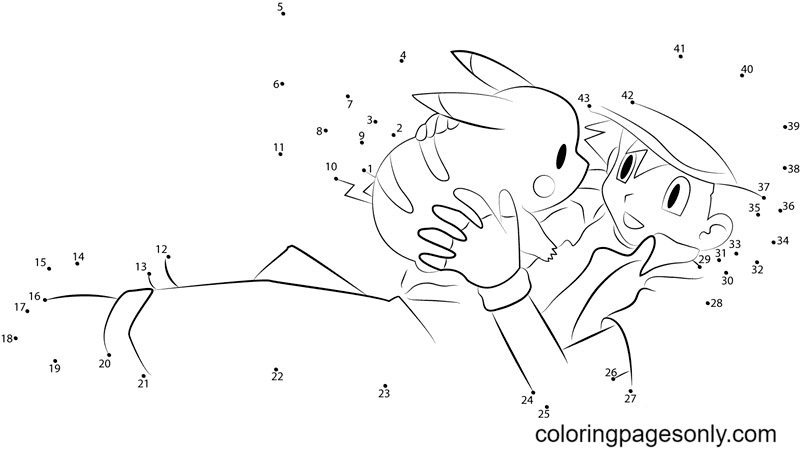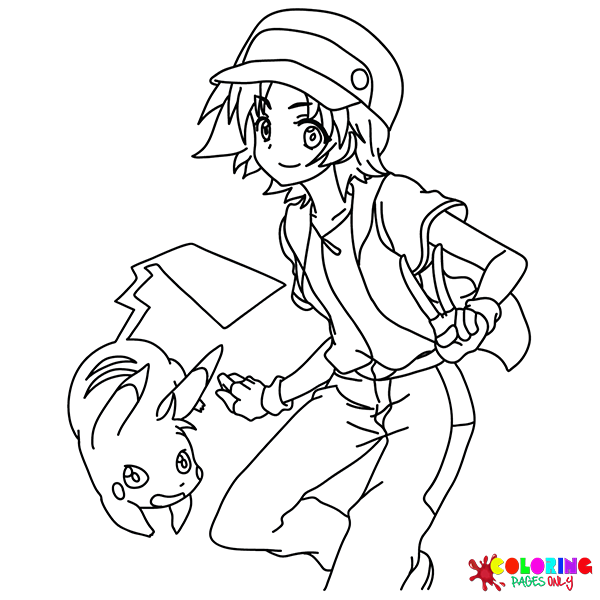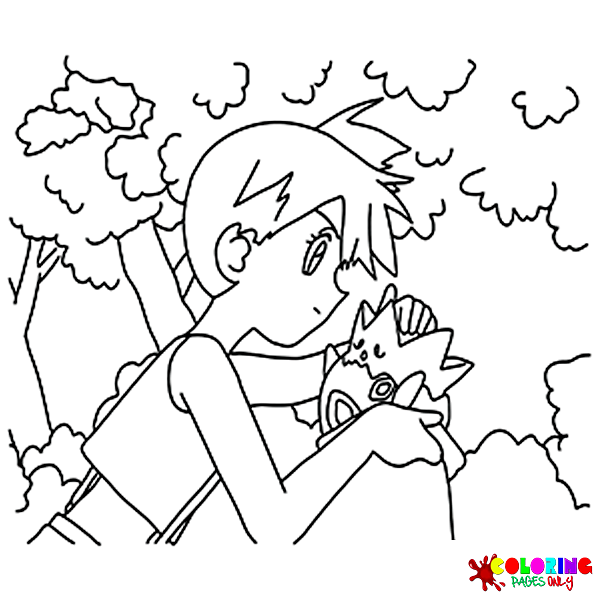
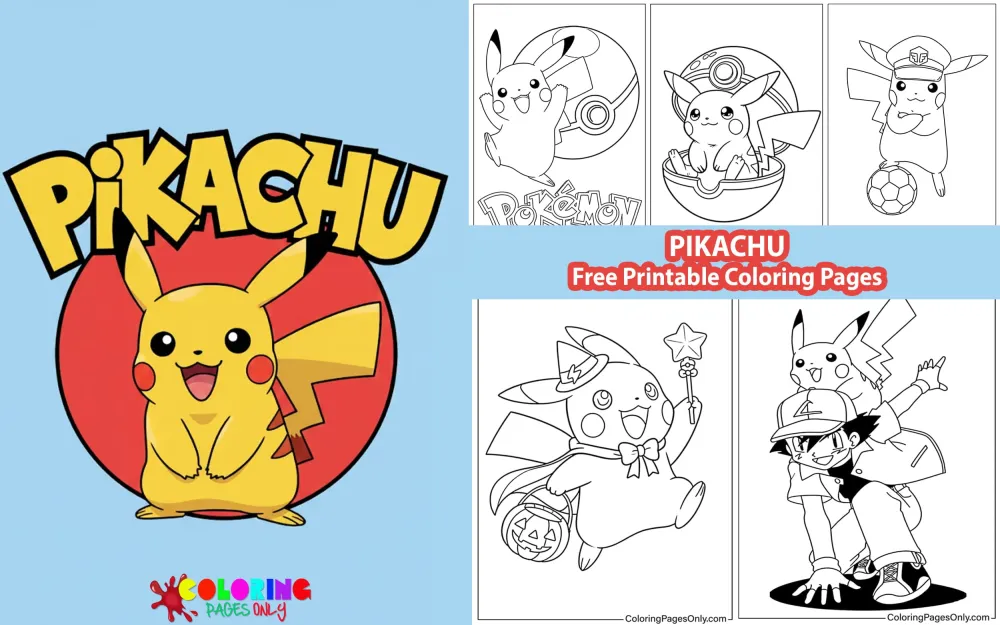
Free Pikachu coloring pages – 180+ pages featuring cute Pikachu poses, Pikachu with Poké cute Pikachu poses, Pik Balls, Pikachu wearing Ash’s hat, sleeping Pikachu, jumping Pikachu, birthday Pikachu, Detective Pikachu-style designs, Pikachu with friends, and many more printable pages. Download your favorite pages as PDF or JPG, print them at home, or color online.

Pikachu is one of the most recognizable Pokémon because its design is simple, bright, and full of expression. The yellow body, red cheeks, black-tipped ears, small paws, round face, and lightning-bolt tail all work together to create a character children can identify almost instantly. Even before color is added, the ears, cheeks, and tail already tell kids, “This is Pikachu.”

Pikachu is known as an Electric-type Mouse Pokémon, and that identity appears clearly in the way the character looks. The cheek circles suggest stored electricity, the tail is shaped like a lightning bolt, and the compact body keeps the design cute instead of intimidating. That balance makes Pikachu especially useful for coloring pages: young children can enjoy the large body shape and friendly face, while older kids can spend more time on electric effects, costumes, Poké Balls, backgrounds, and group scenes.

This collection includes many different moods. Some pages are soft and cute, with Pikachu smiling, sitting, waving, sleeping, or holding a small object. Some are more active, showing Pikachu jumping, running, playing, or using electric power. Others add Pokémon-world details such as Poké Balls, Ash’s hat, friends, party items, Halloween accessories, clouds, food, sports, and playful backgrounds.

A simple Pikachu page can become a quick coloring activity for young kids. A detailed scene with friends, costumes, or electric sparks can become a longer art project. Parents can print a few pages for quiet time, teachers can use them for classroom activities, and Pokémon fans can color online anytime.

All 180+ pages are free at ColoringPagesOnly.com. Print your favorite Pikachu page at home or color it online.

What’s Inside

Cute Pikachu Coloring Pages

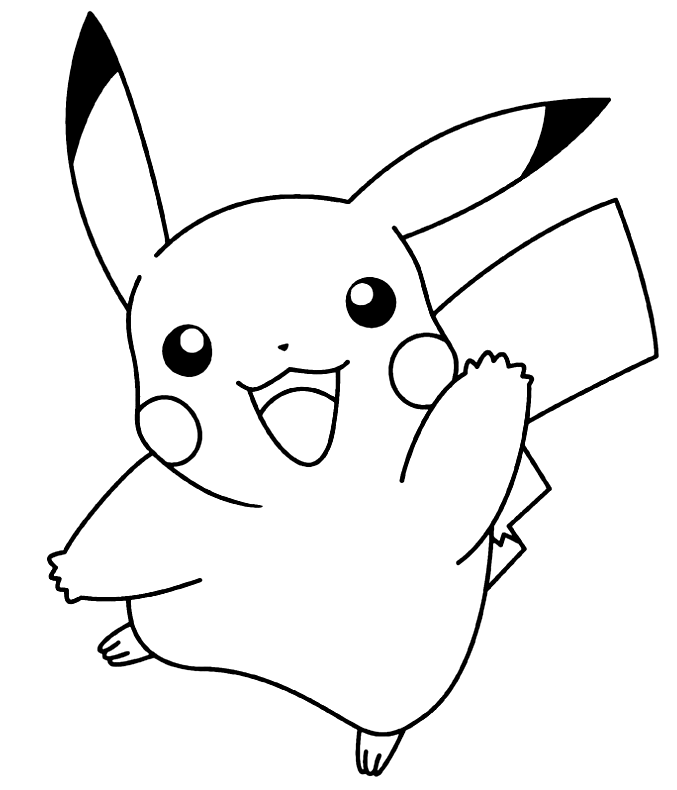
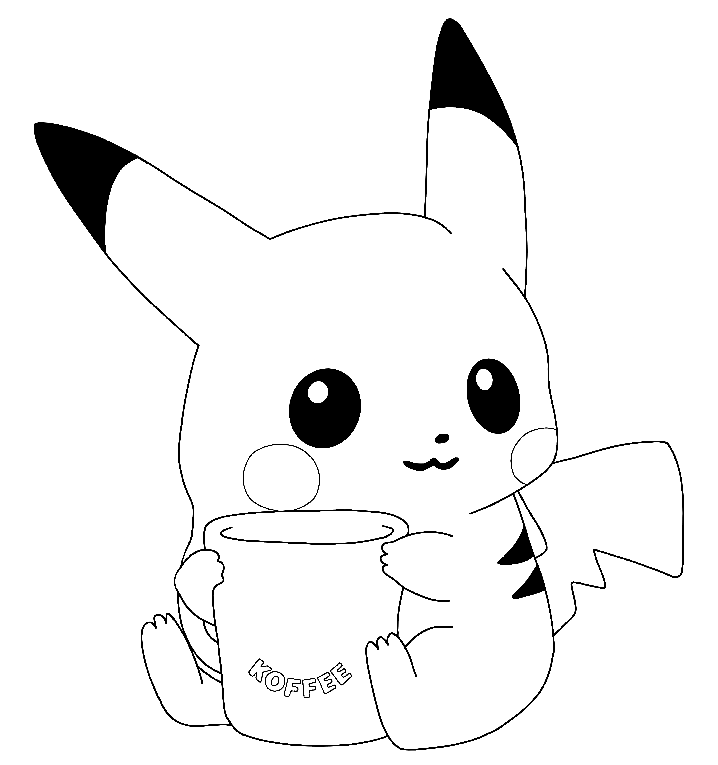
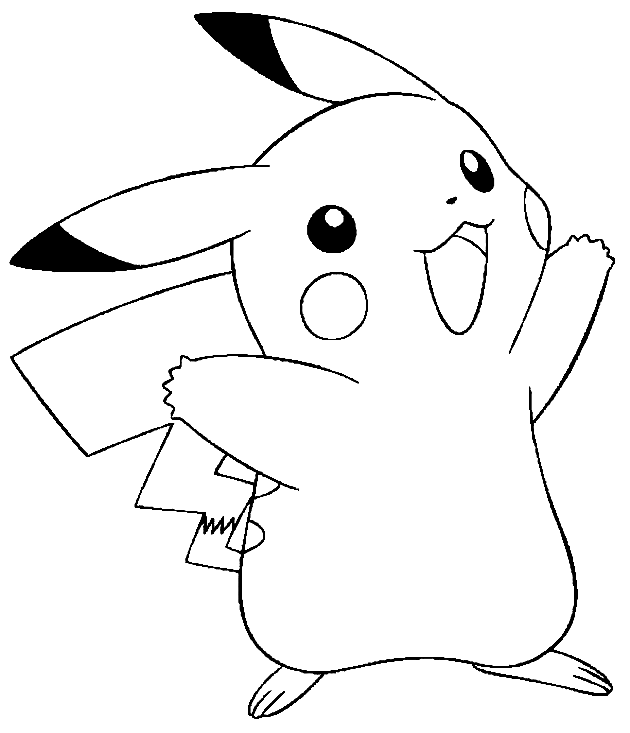
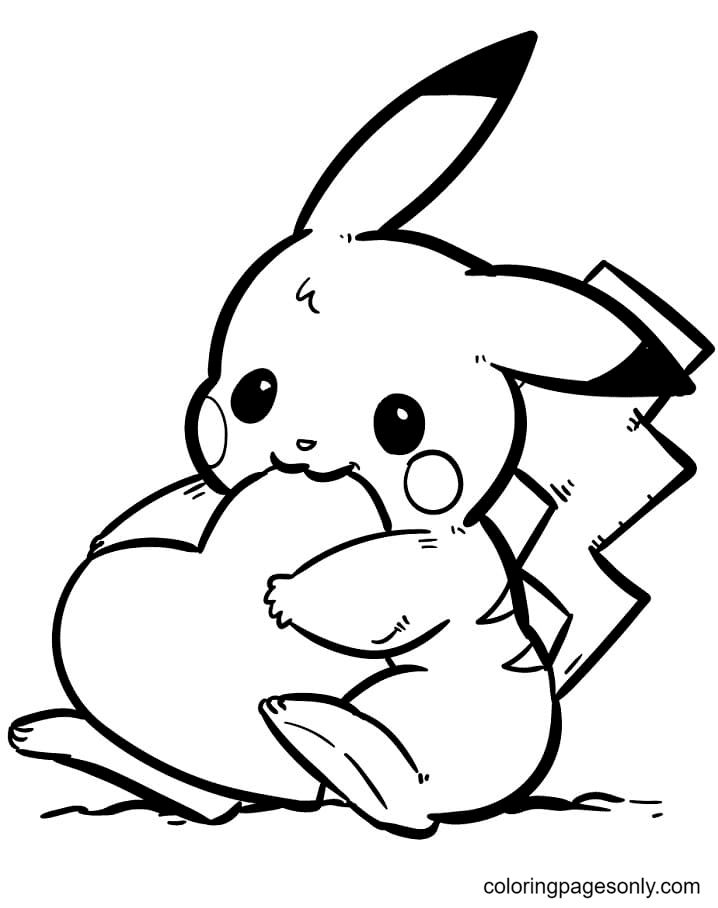
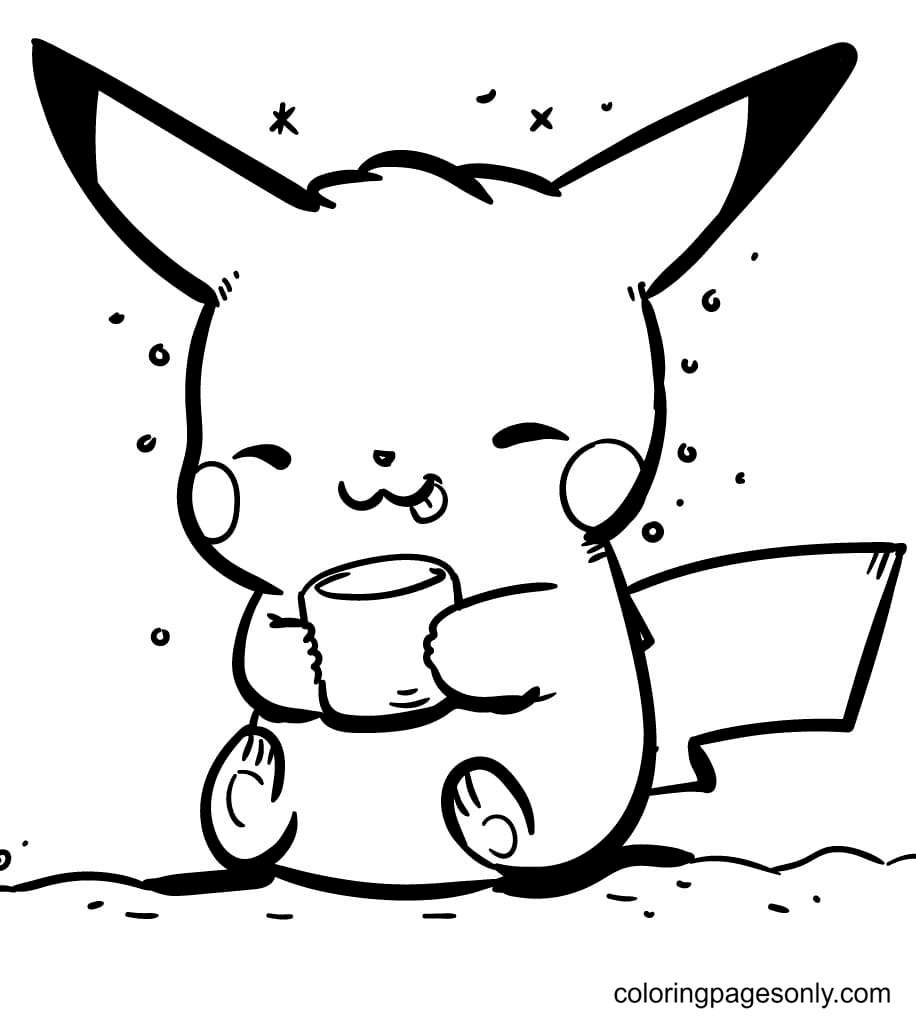
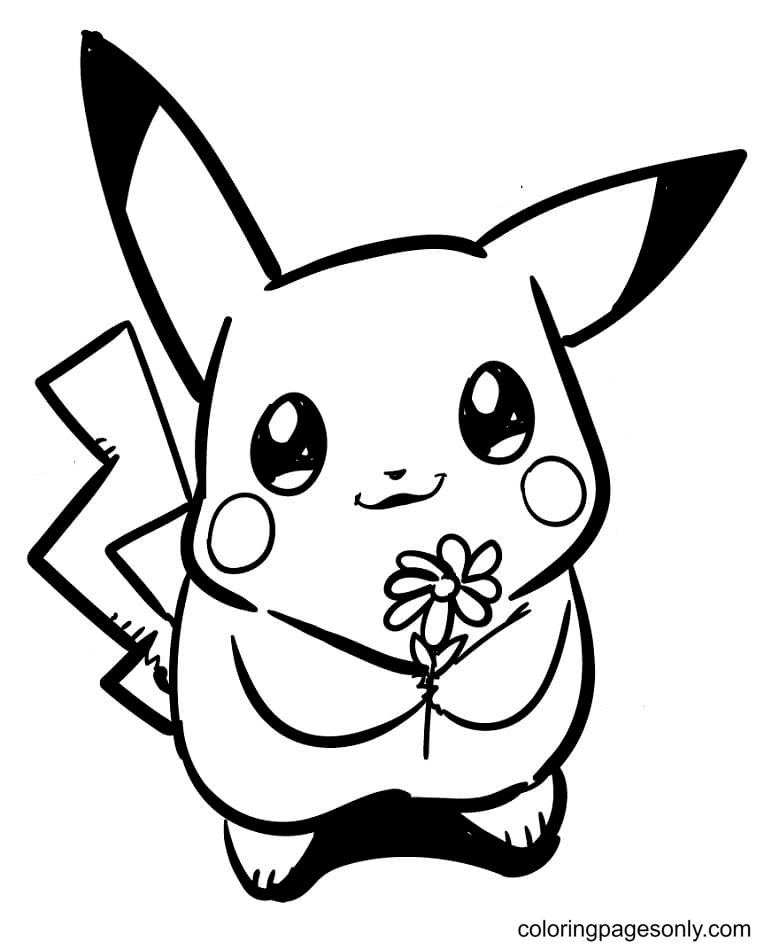
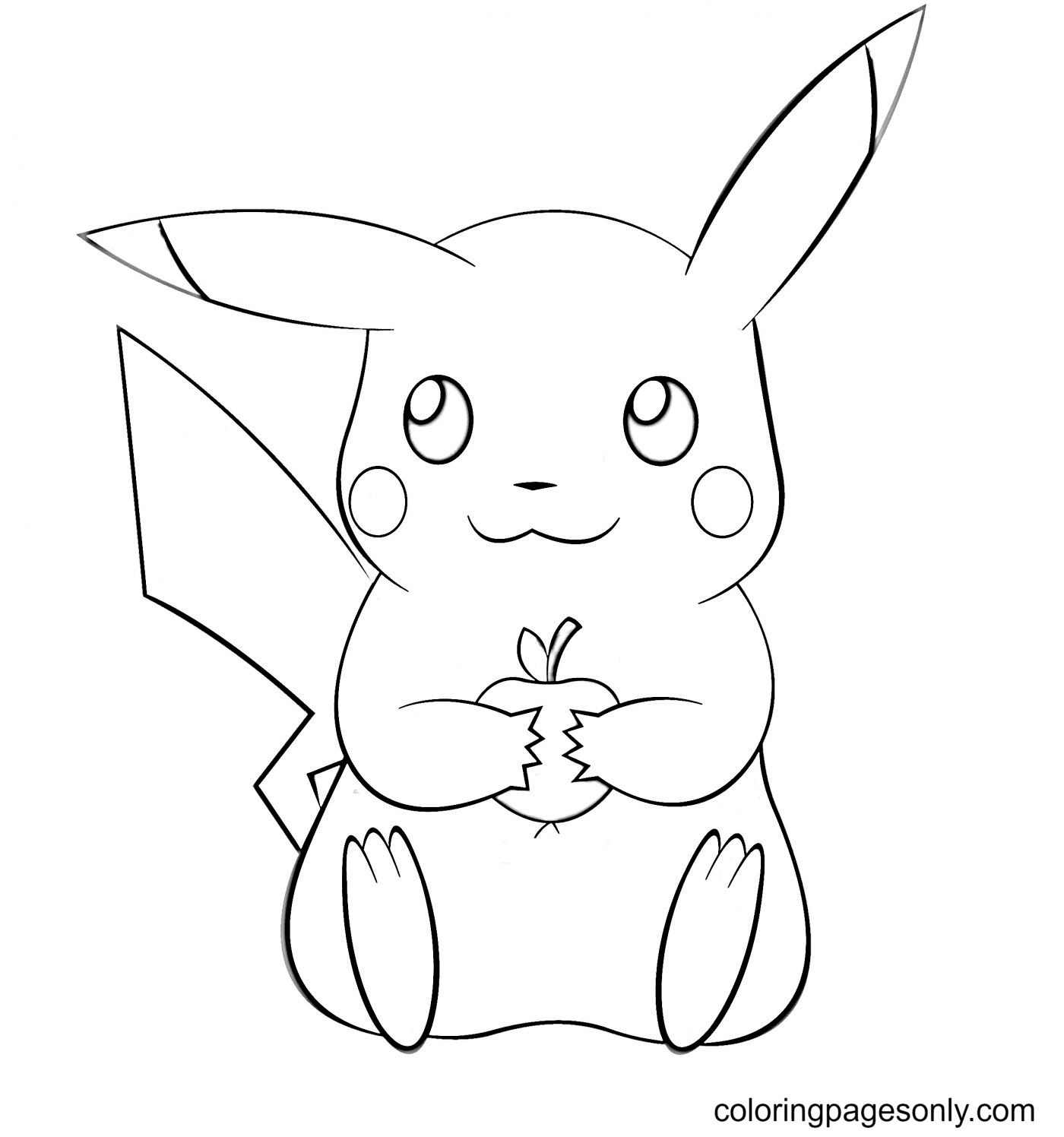
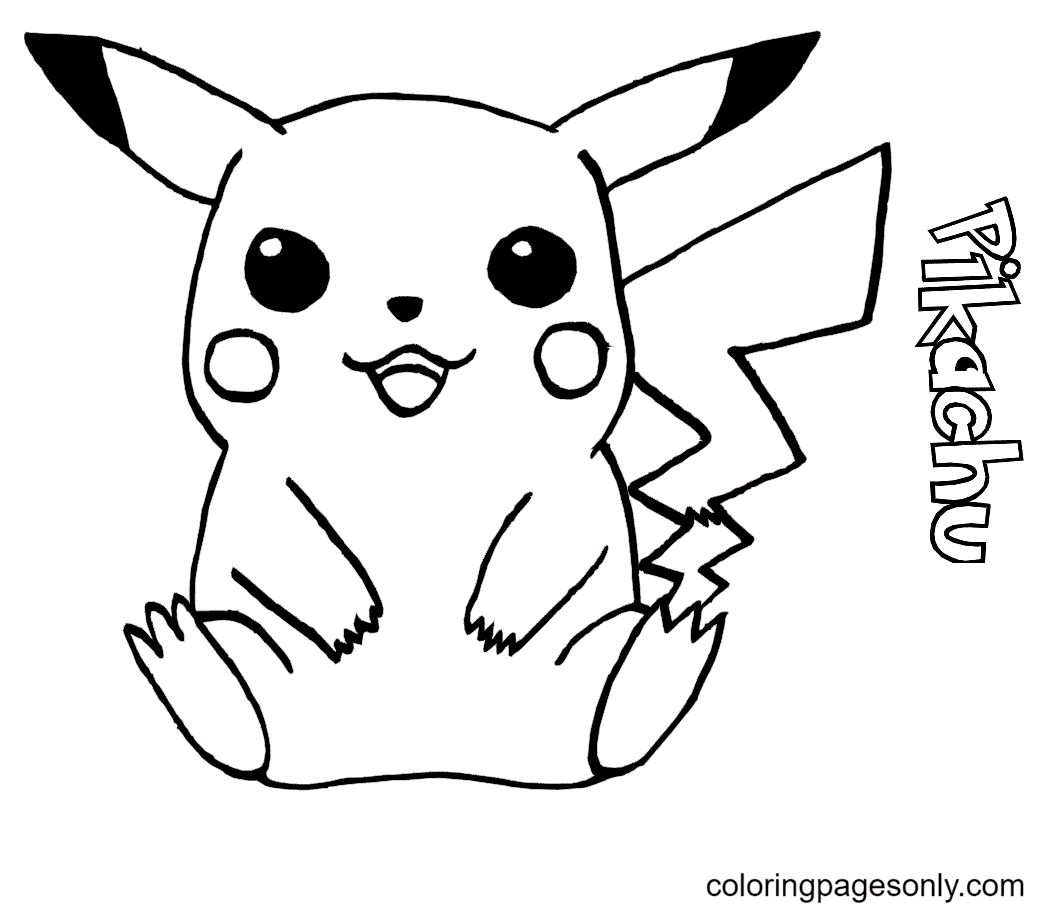
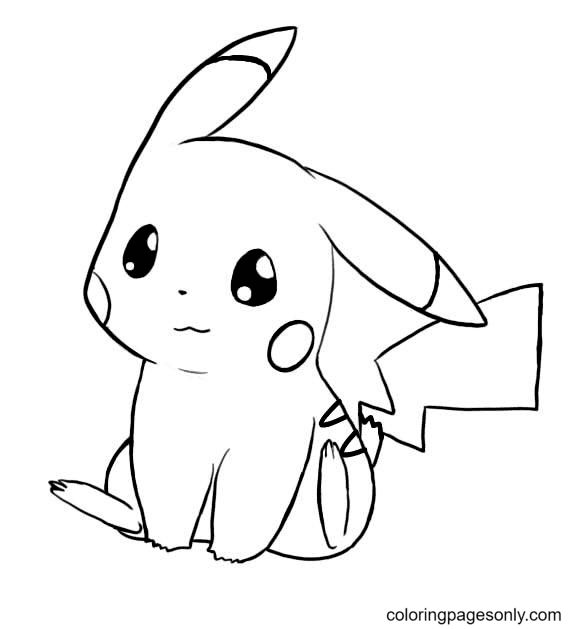
Cute Pikachu coloring pages are built around Pikachu’s softest features: the rounded head, small body, short arms, bright cheeks, and friendly expression. These pages often show Pikachu smiling, sitting, waving, dancing, holding a small item, or looking directly at the viewer.

The appeal comes from how easy the character is to read. A large face, simple body outline, and clear cheek circles give younger children a page that feels approachable. They do not need to manage many tiny sections before the picture starts to look finished. A bright body color, clear facial details, dark ear tips, and a soft background are enough to make the page feel complete.

These designs are especially useful for preschool and kindergarten children. The body gives them a large coloring area, while the cheeks, eyes, ears, and tail introduce smaller details. That mix helps children practice control without feeling frustrated.

Cute pages also leave room for gentle backgrounds. A pale blue sky, soft green grass, small hearts, stars, clouds, or flowers can make the page sweeter without distracting from Pikachu’s face. The finished artwork should feel warm, simple, and cheerful.

When coloring this group, keep the expression clean. The eyes should stay dark with a small white highlight if possible. The cheeks should feel bright and lively. The body should stay even and light enough for the outlines to remain clear.

Action Pikachu Coloring Pages

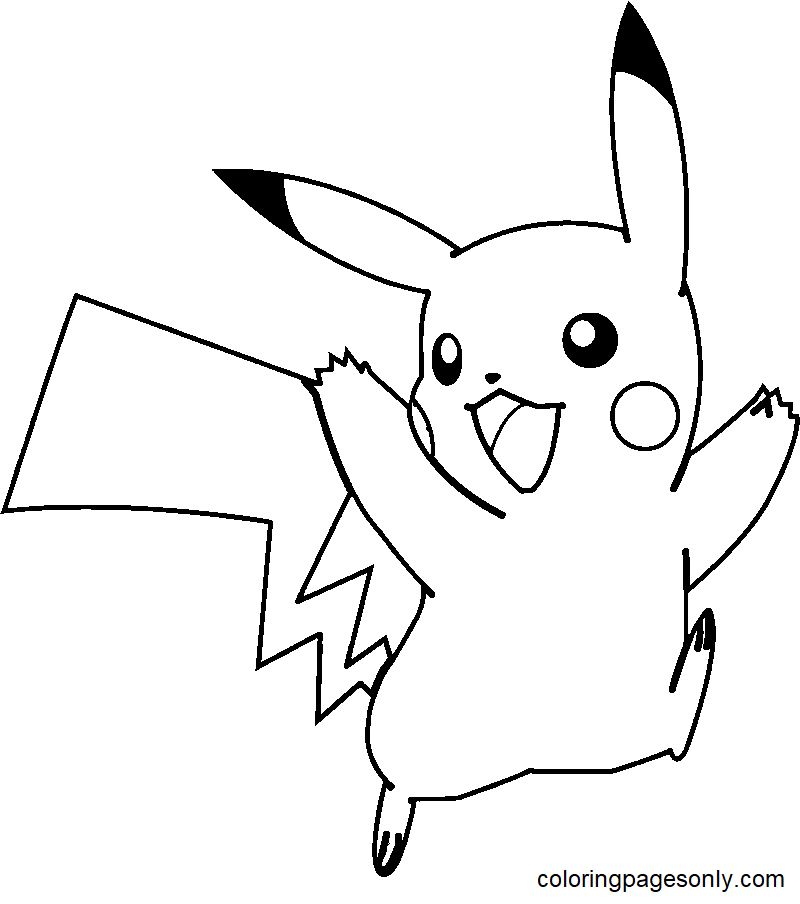
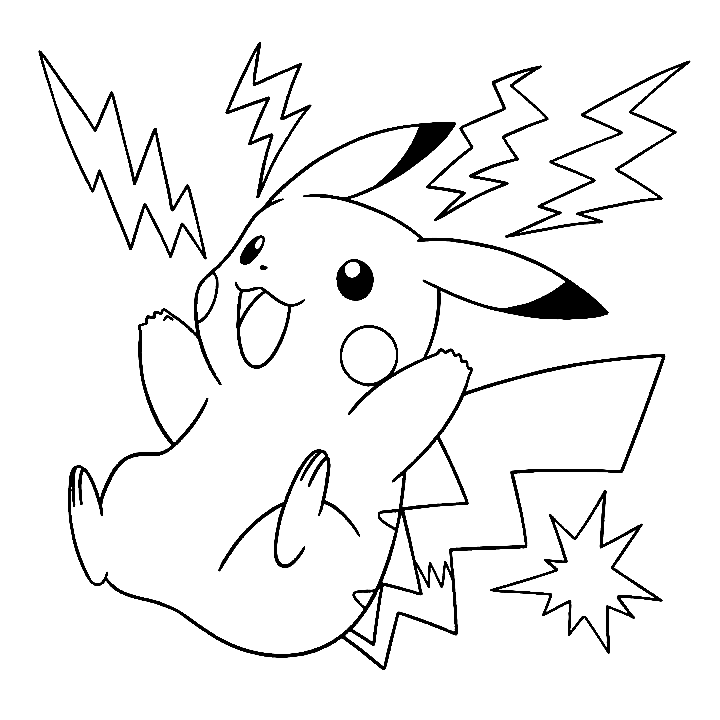
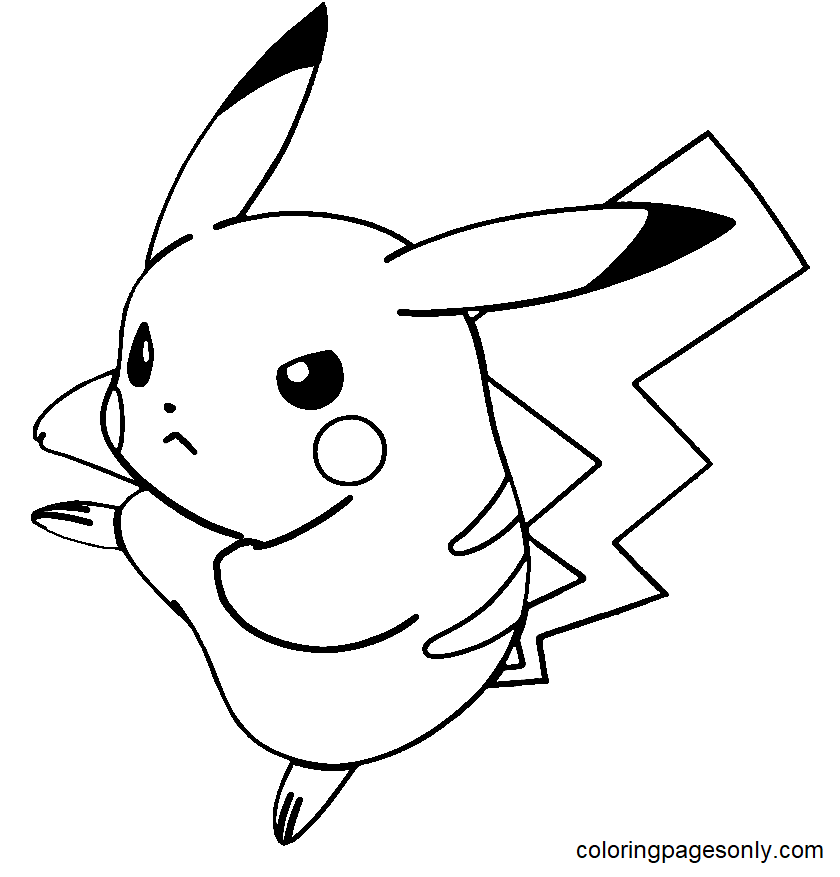
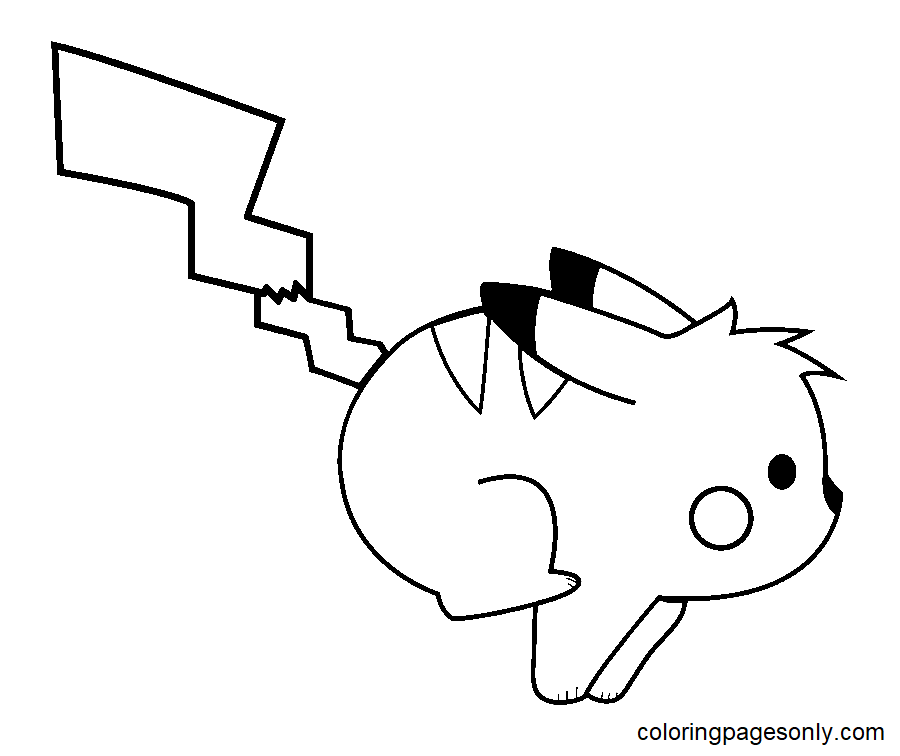
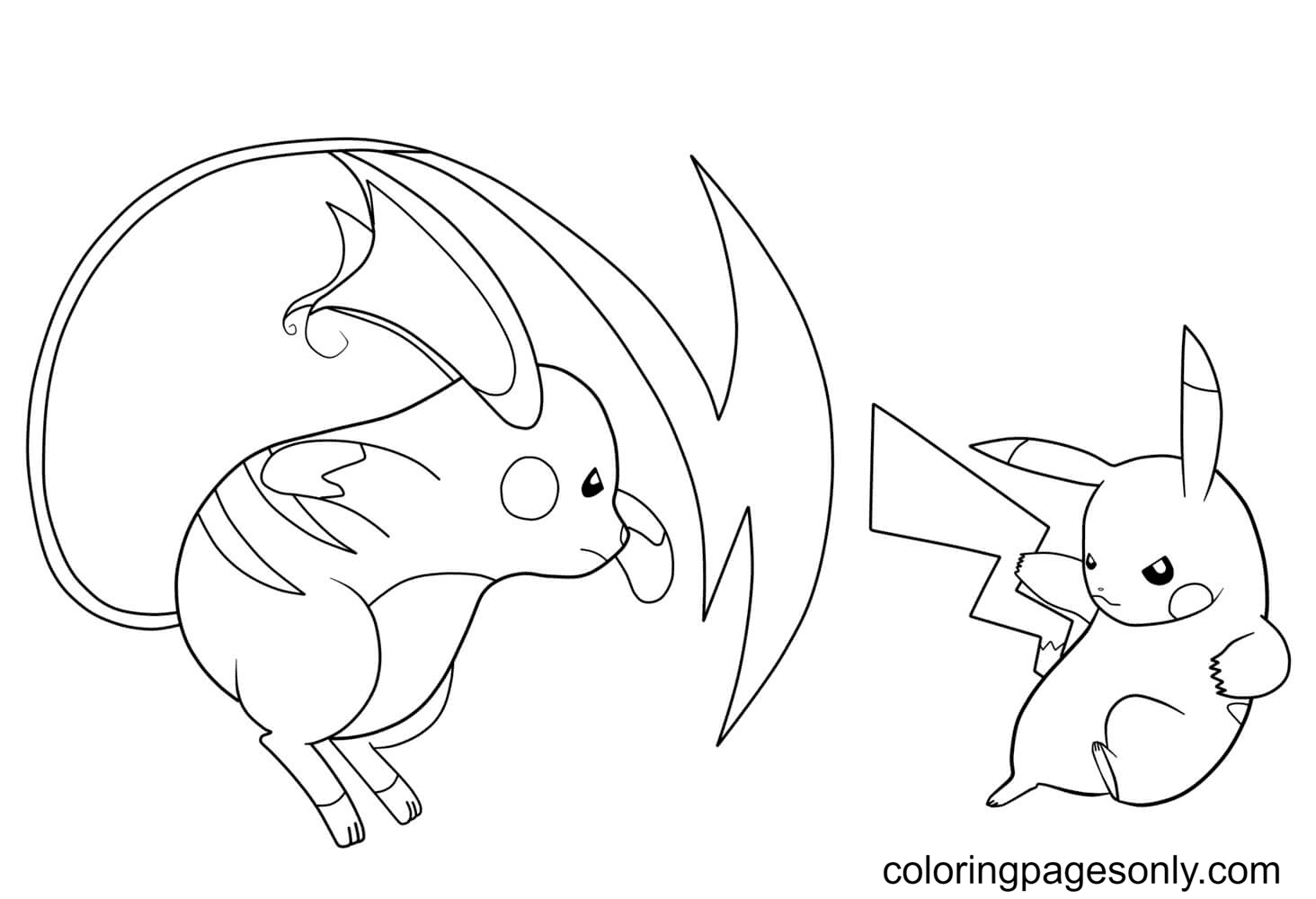
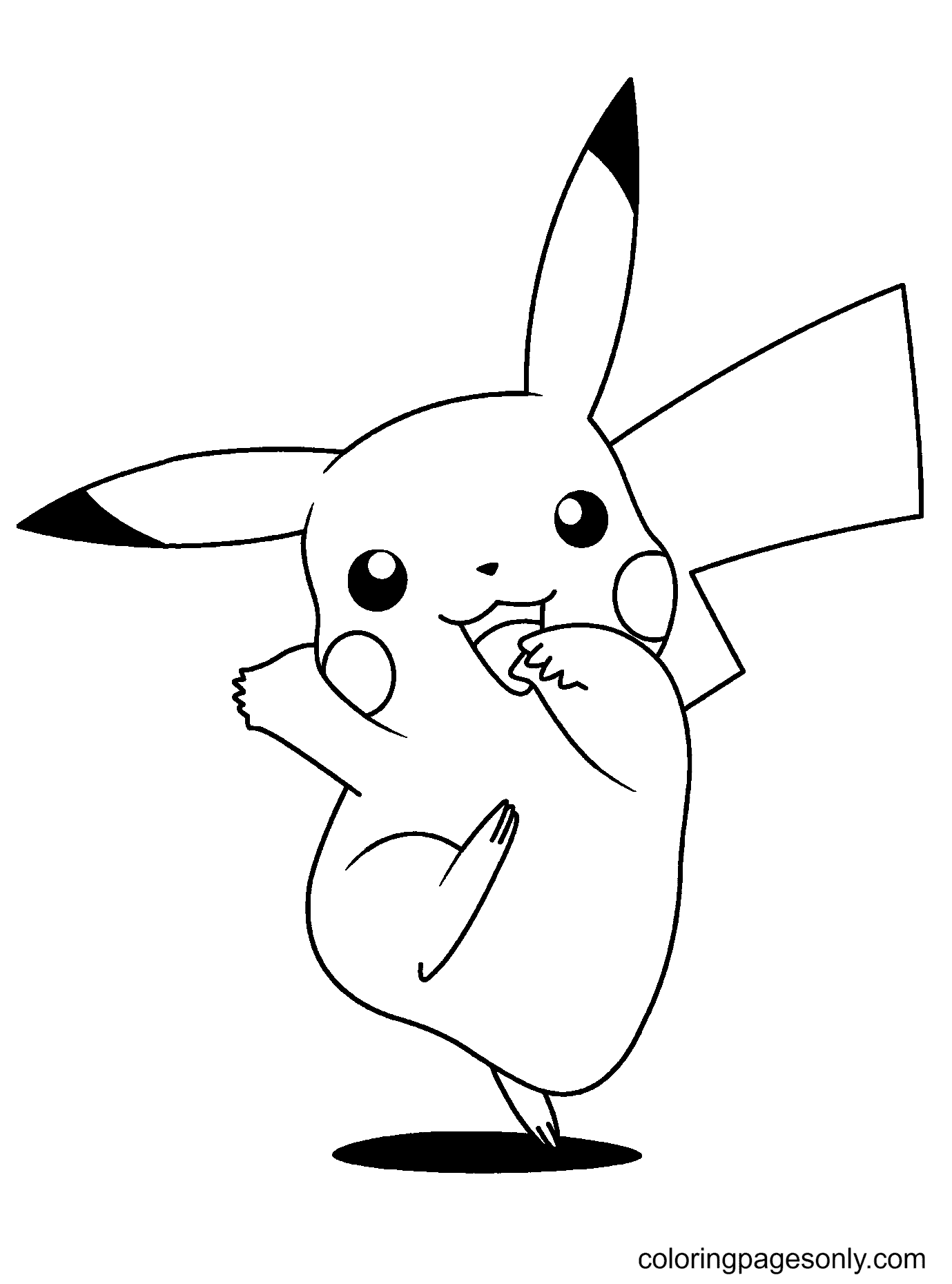
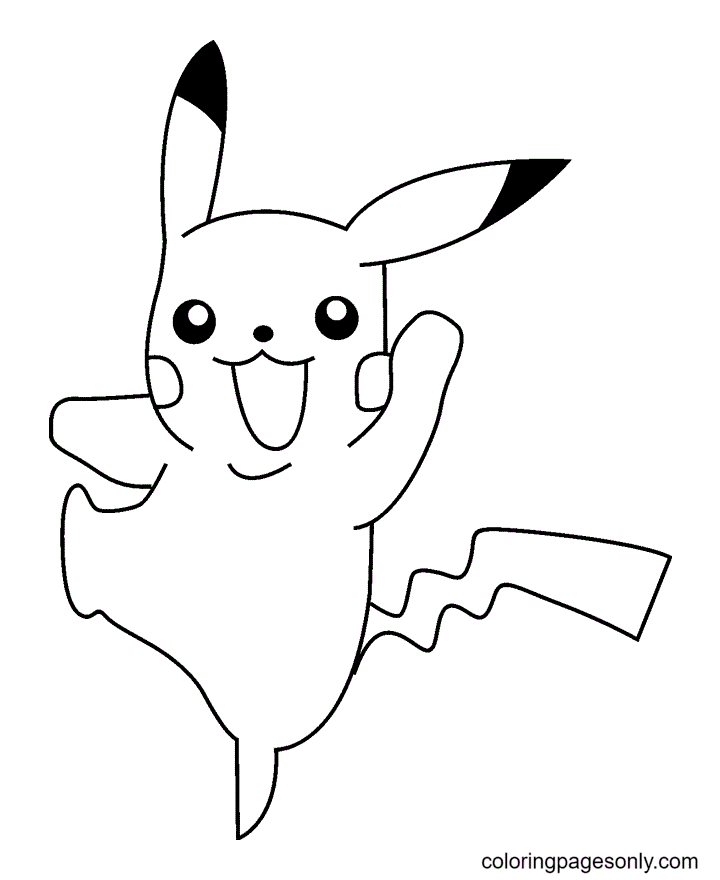
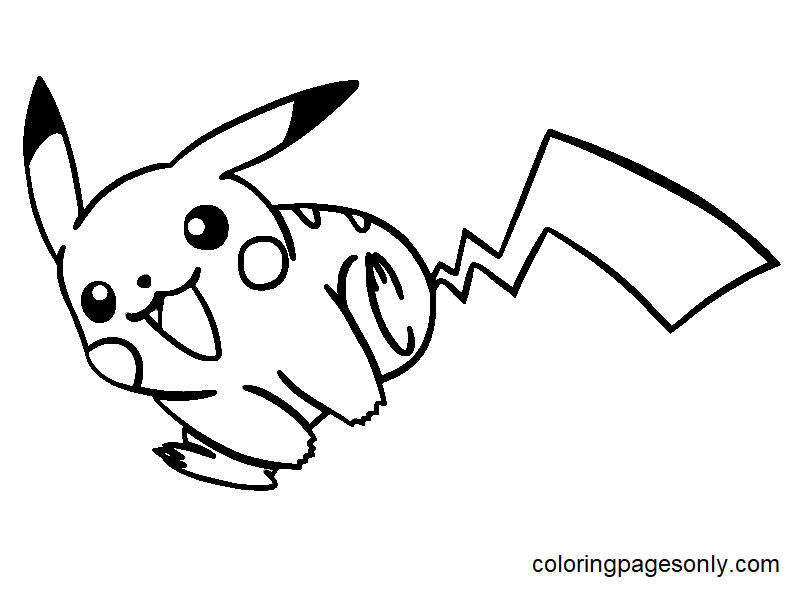
Action Pikachu coloring pages show a more energetic side of the character. These pages may show Pikachu jumping, running, dancing, playing soccer, making a strong pose, or using electric power. Instead of focusing only on cuteness, the page begins to show speed, energy, and movement.

The important visual clues are the ears, tail, and body direction. When Pikachu jumps, the ears may tilt upward or backward. When it runs, the body often leans forward. When electricity appears, the cheeks and tail become the strongest parts of the design. These details help children feel the action even on a black-and-white printable page.

Electric effects make this group especially fun. Lightning bolts, sparks, motion lines, and energy shapes can be colored with yellow, orange, pale blue, or white. A small orange center can make lightning feel warmer, while a light blue edge can make it look brighter and more electric.

The main challenge is balance. If the sparks, background, and action lines are too bright, Pikachu can lose focus. The character should remain the center of the page, while the electric effects support the movement around it.

Older kids can add simple shading to make the pose stronger. A deeper yellow along one side of the body, a darker edge on the tail, or a soft shadow under Pikachu’s feet can make the page feel more finished. Younger kids can keep the action simple: body first, cheeks second, ear tips and tail, then a few bright lightning shapes.

Pikachu with Poké Ball Coloring Pages

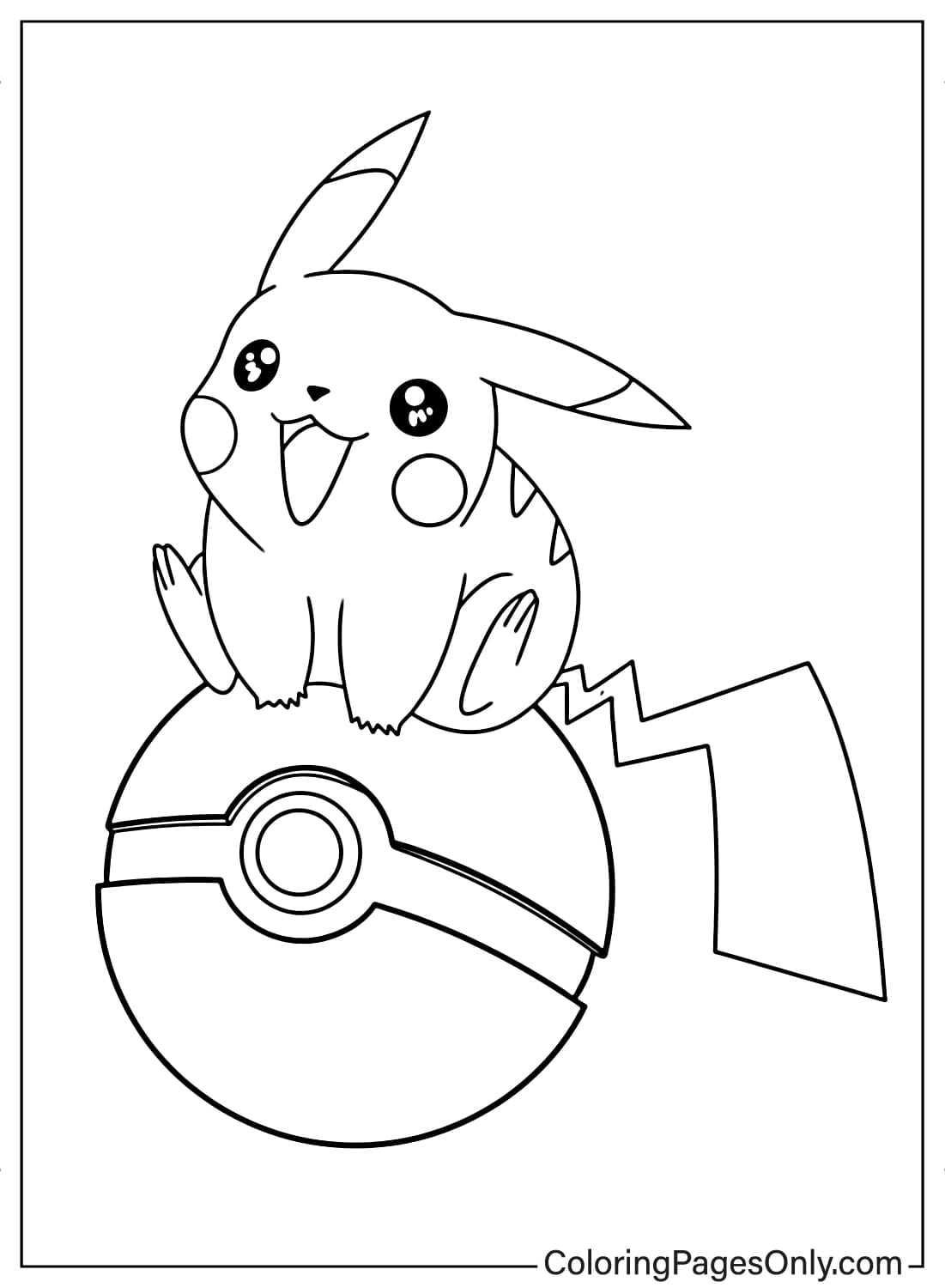
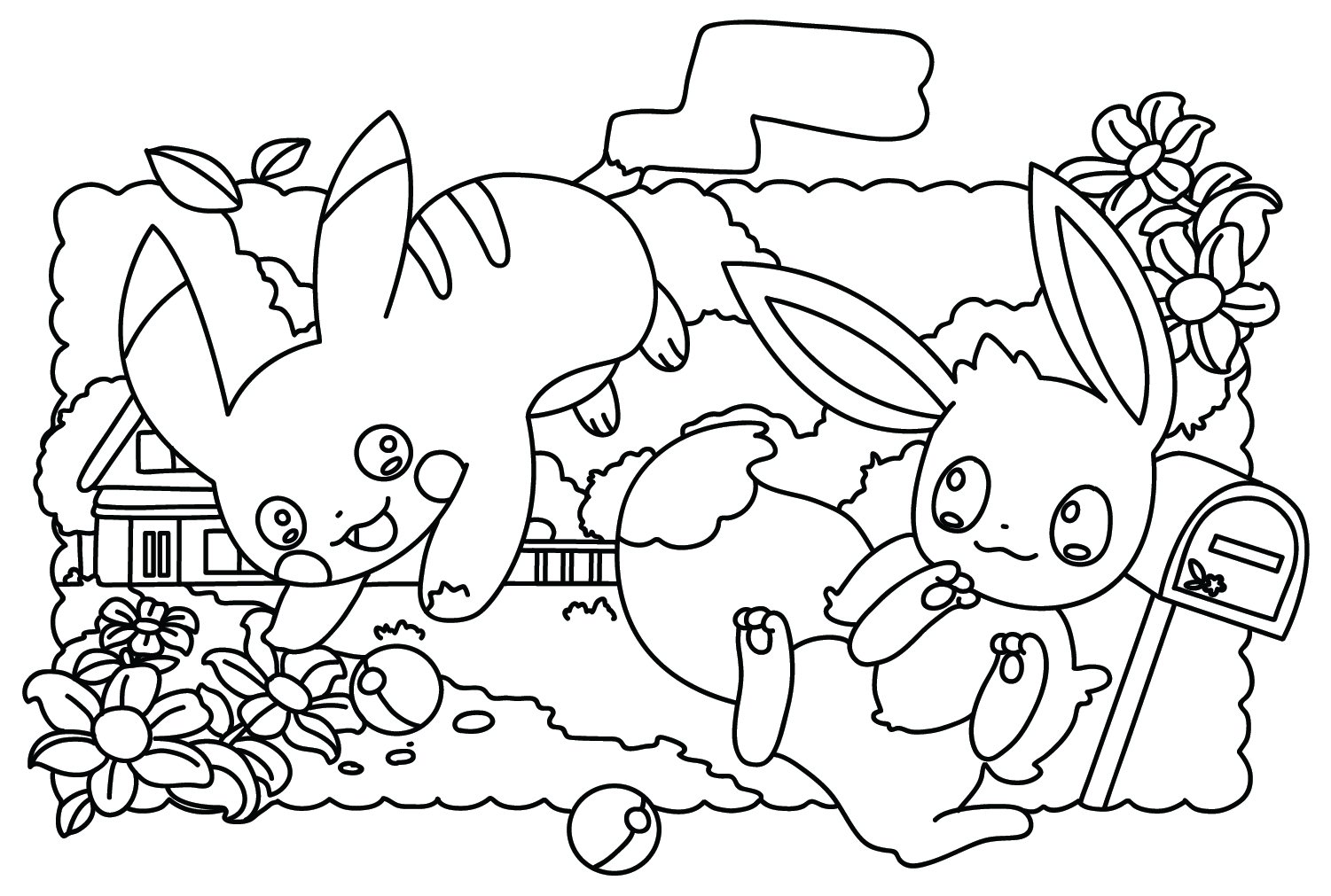
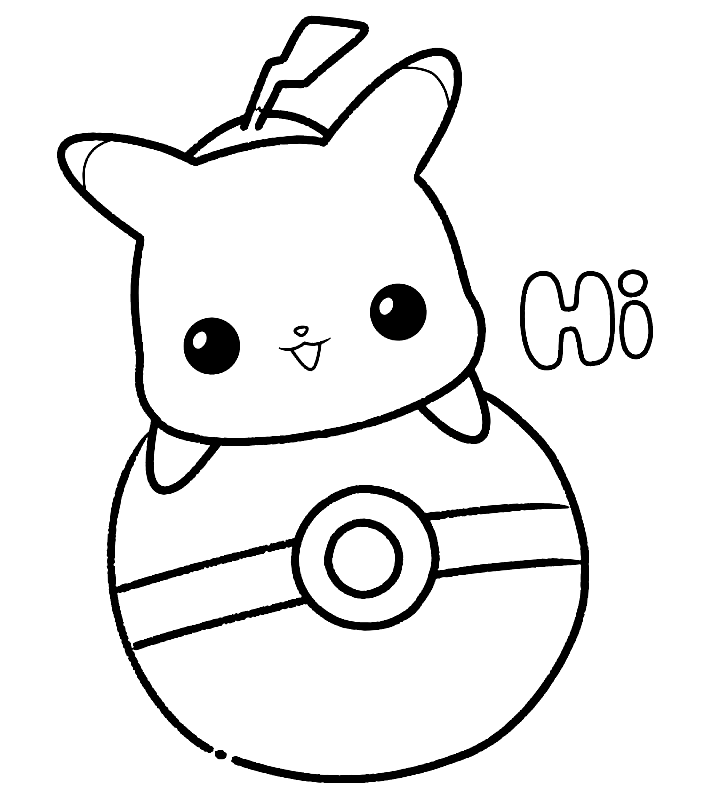
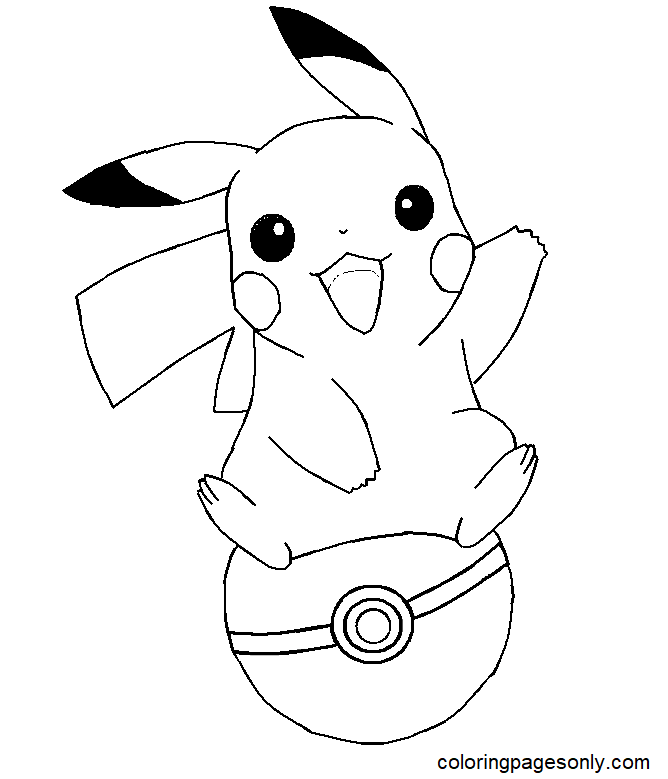
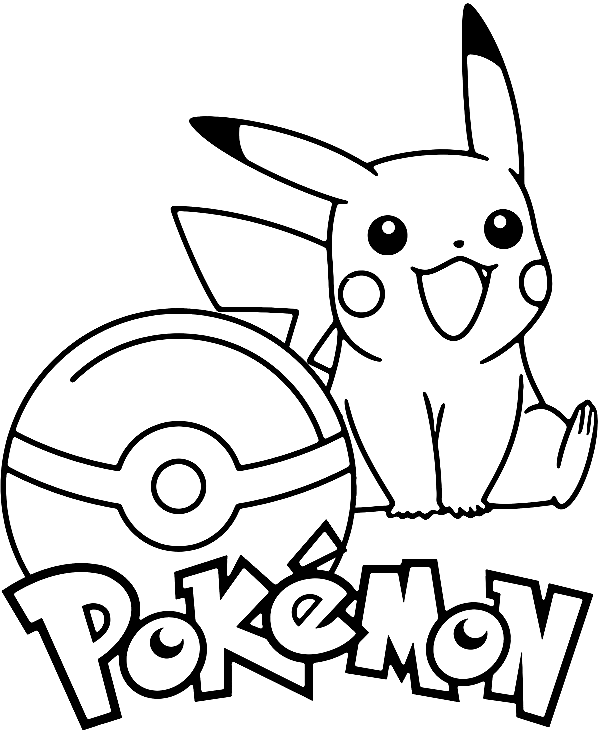
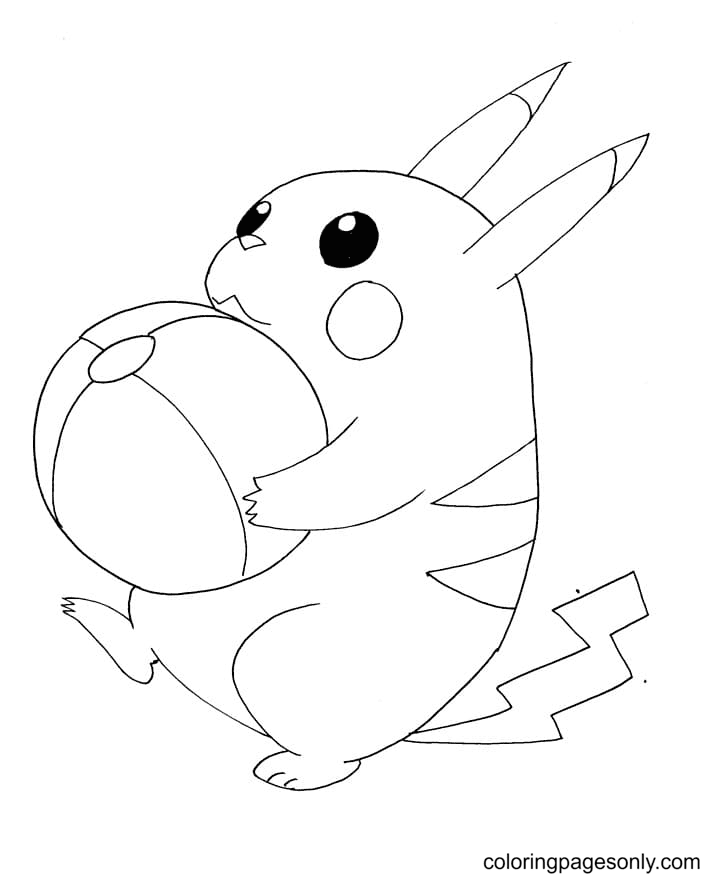
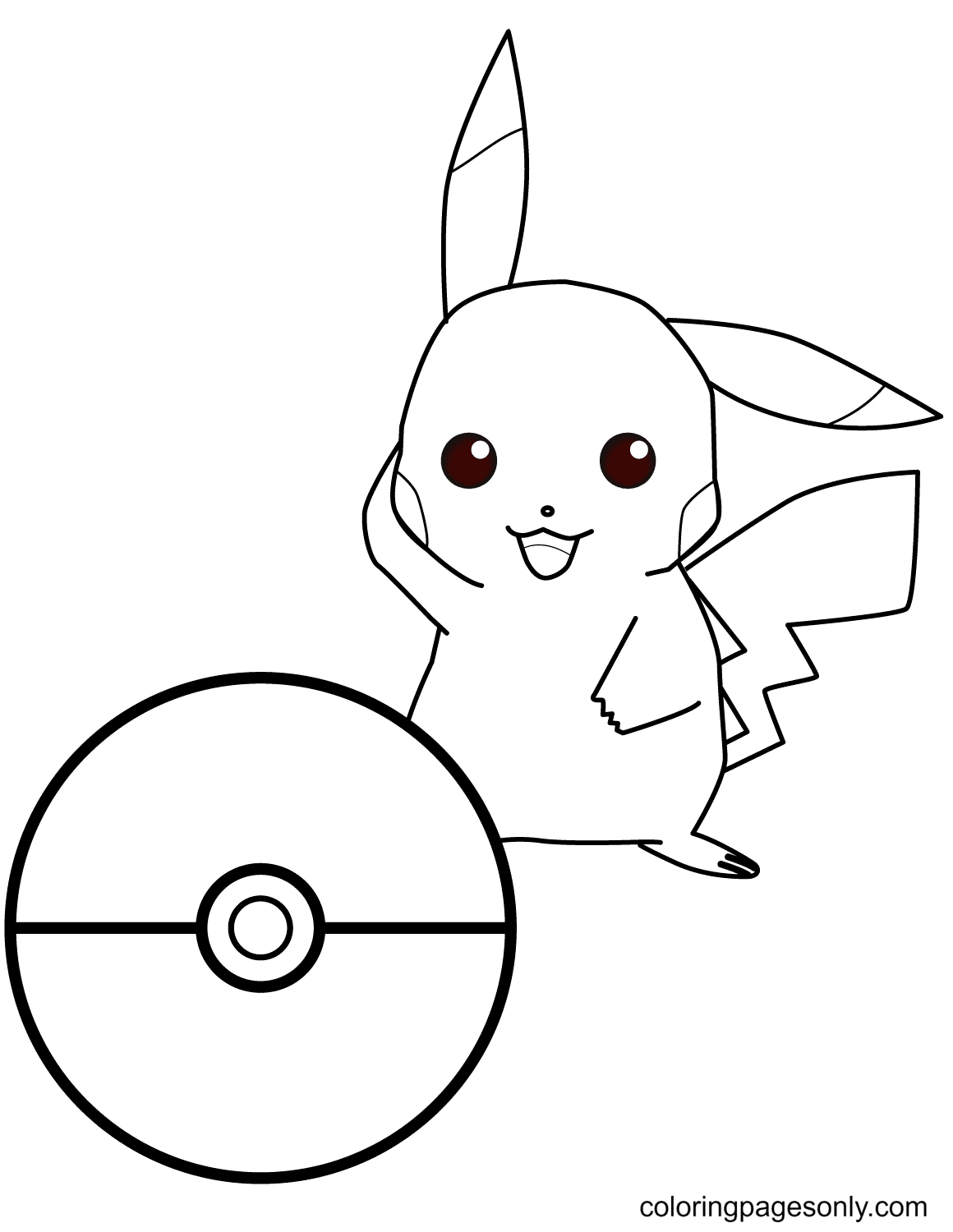
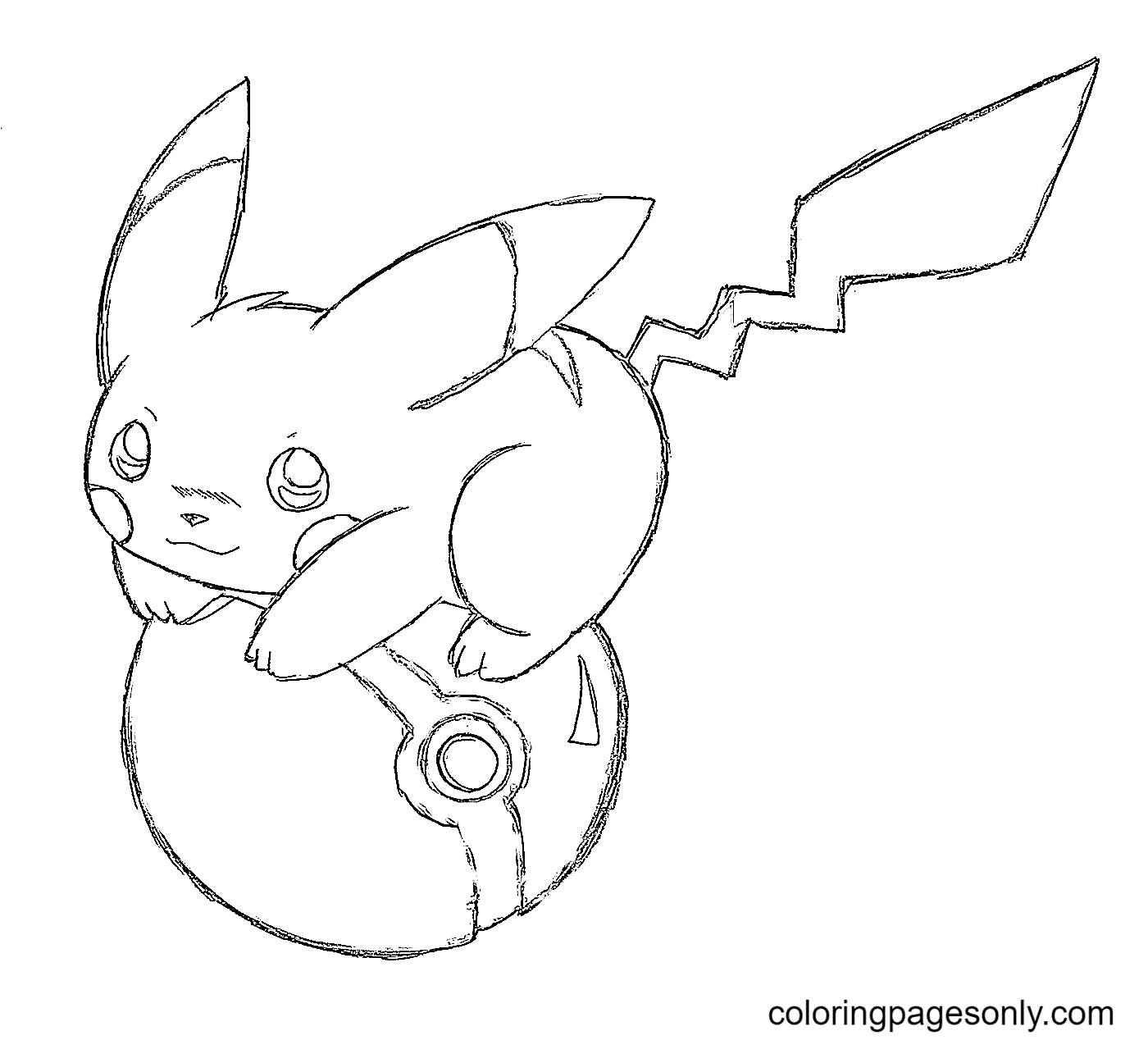
Pikachu with Poké Ball coloring pages combine two strong Pokémon symbols in one design. Pikachu brings a soft character shape, while the Poké Ball adds a clean red, white, and black circle. Together, they create a page that feels instantly connected to the Pokémon world.

The Poké Ball gives children a different kind of coloring practice. Pikachu has a rounded body shape, but the Poké Ball has a clear geometric structure. The top half is red, the bottom half is white, and the middle band is black. The center circle gives kids a small detail to color carefully.

This contrast makes the page visually satisfying. Pikachu feels warm and lively, while the Poké Ball feels clean and graphic. When both are colored well, the page looks balanced even without a large background.

For younger children, these pages are good because the main shapes are easy to understand. For older kids, the Poké Ball can become a place to practice shading. A light gray curve on the white half or a darker red edge on the top half can make the ball look rounder.

If the page shows Pikachu sitting on a Poké Ball, keep Pikachu brighter so the character does not blend into the object. If Pikachu is holding or jumping near the ball, the red-and-white shape can become a strong accent next to the character.

Pikachu Wearing Hats and Costumes

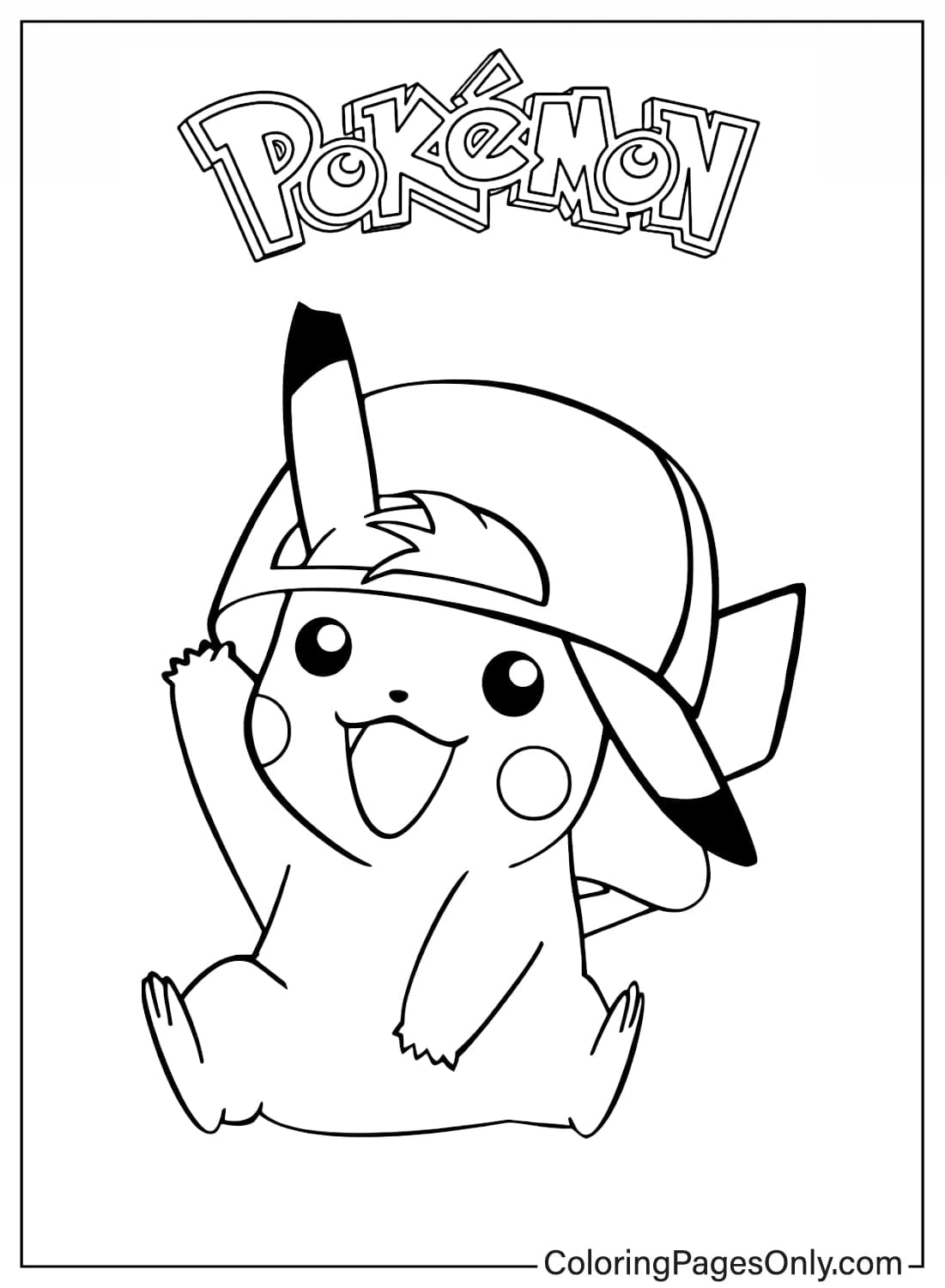
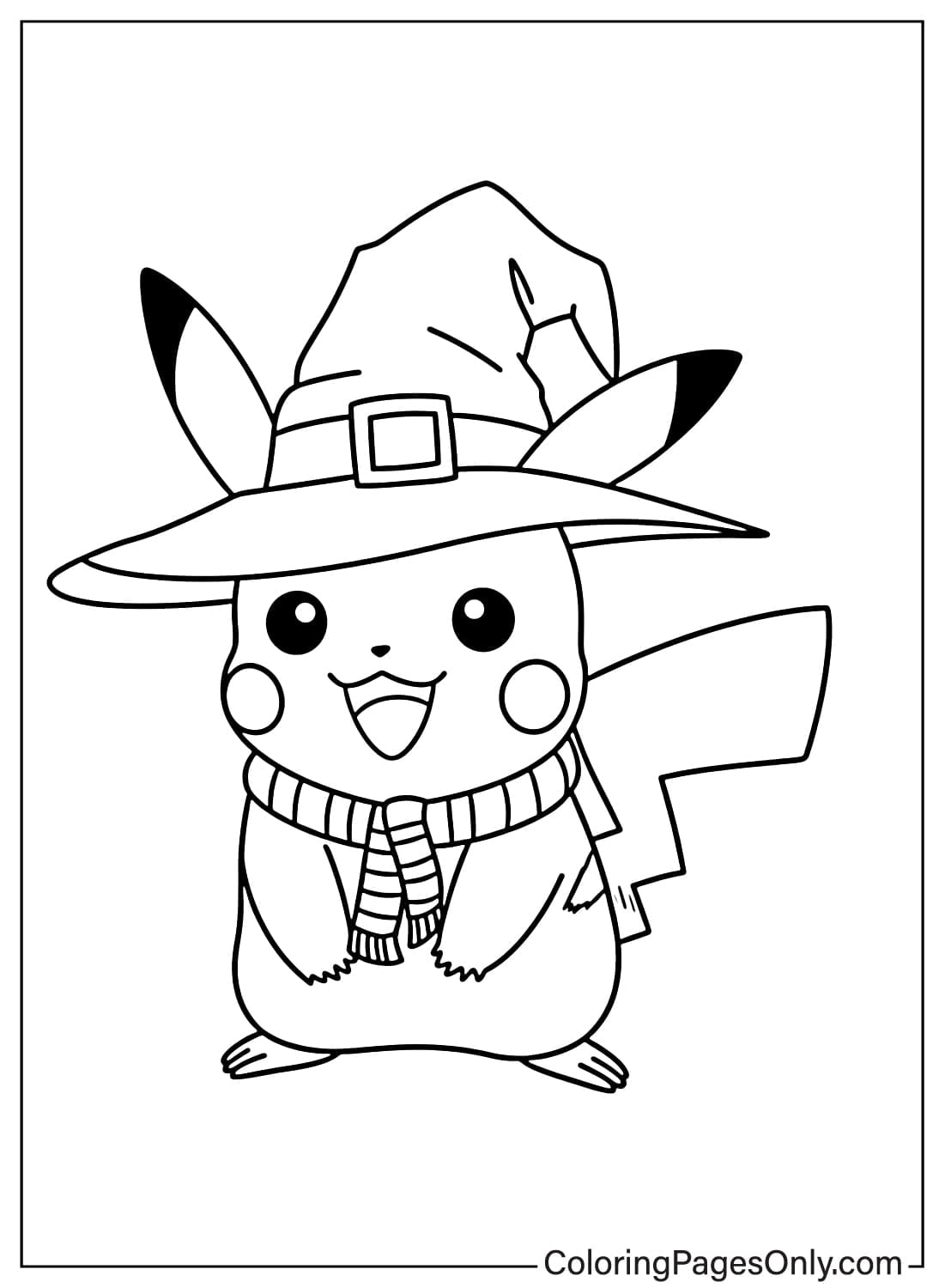
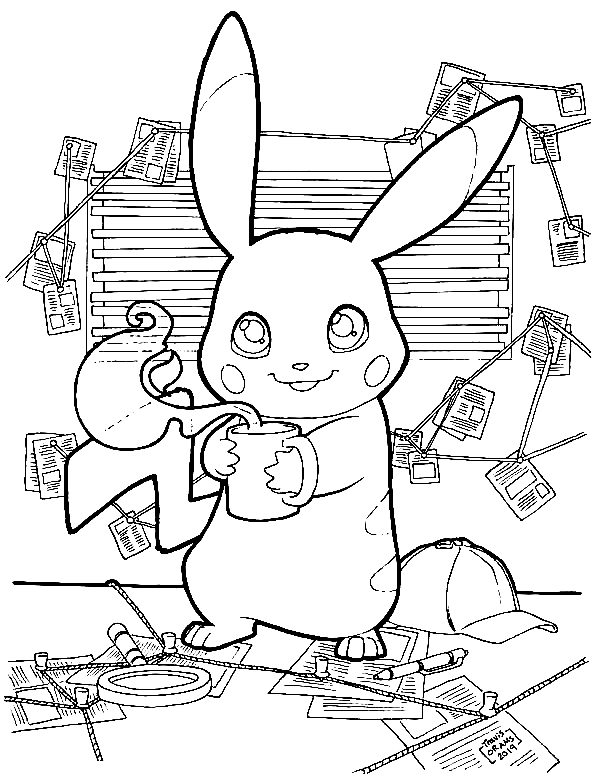
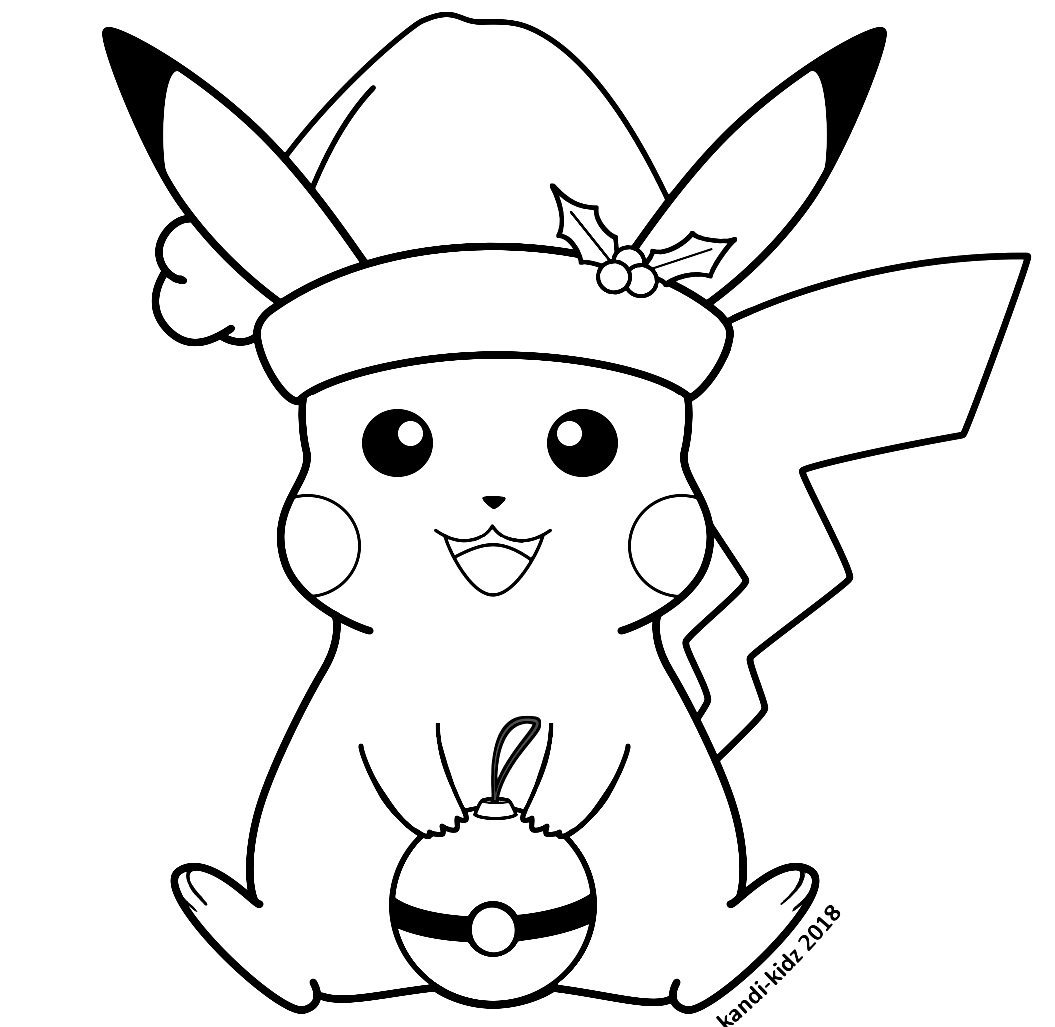
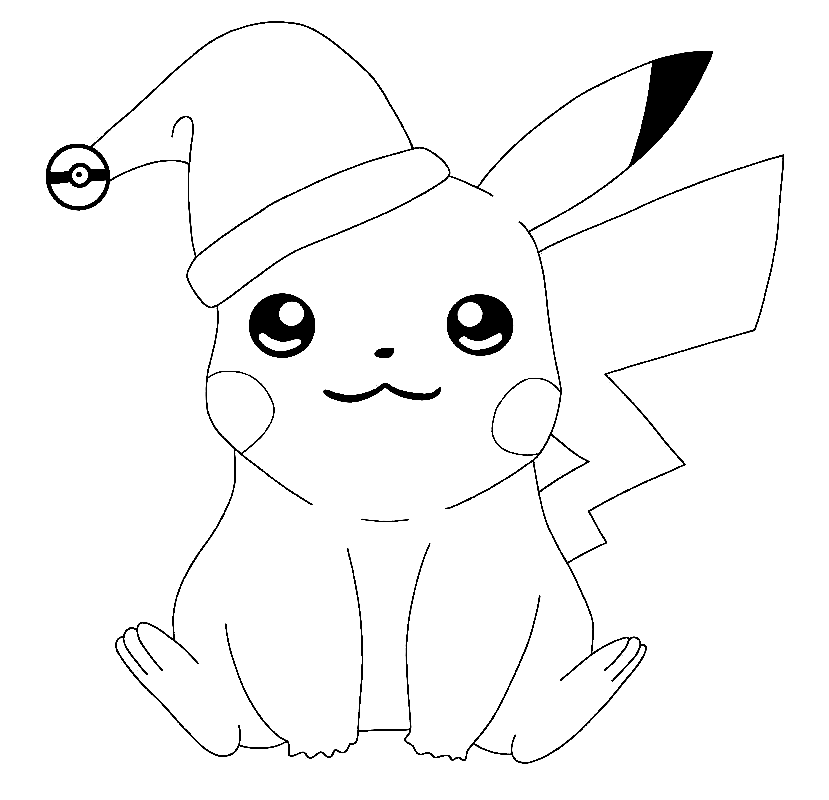
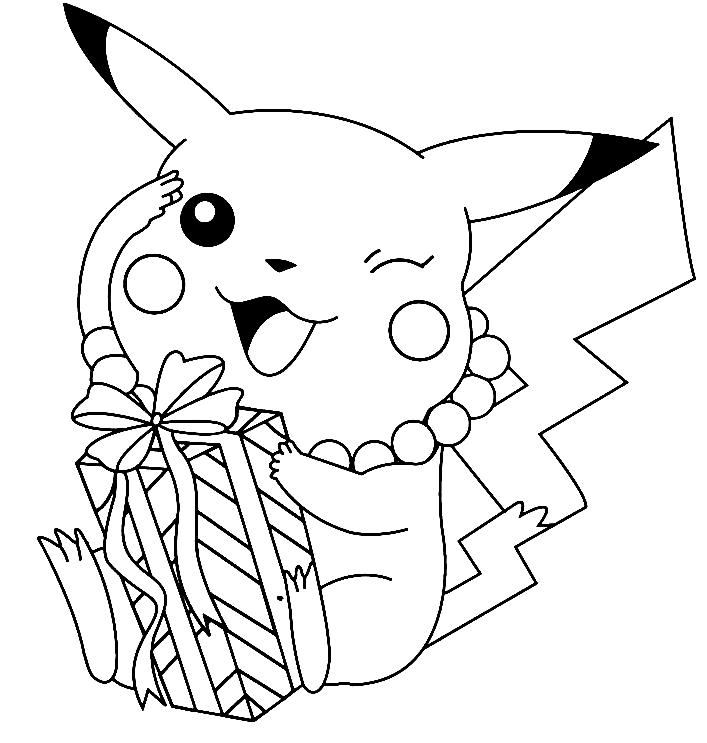
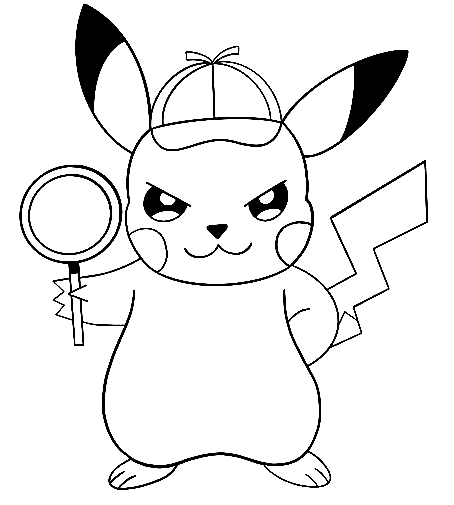
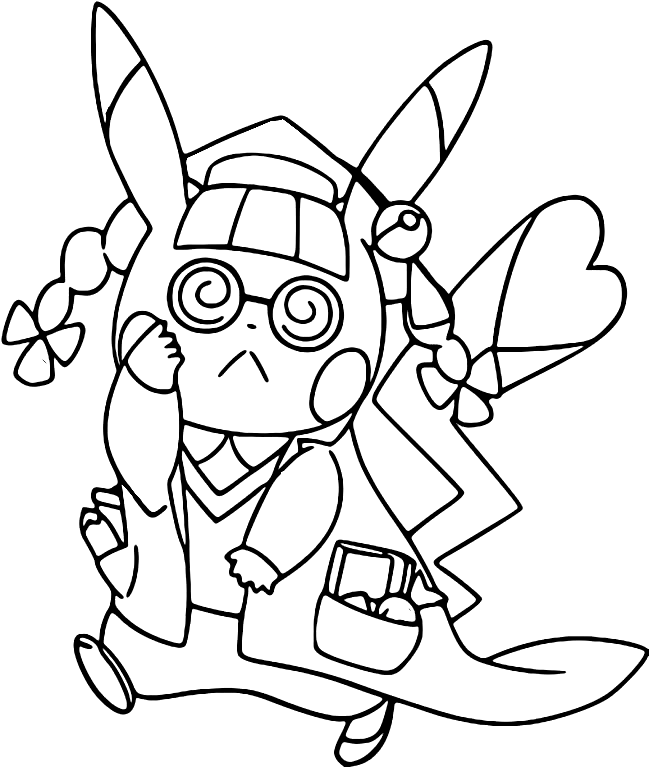
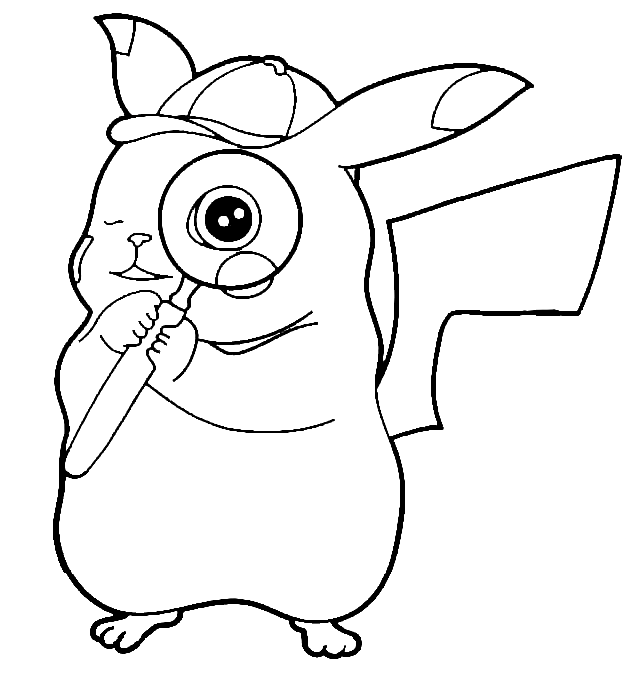
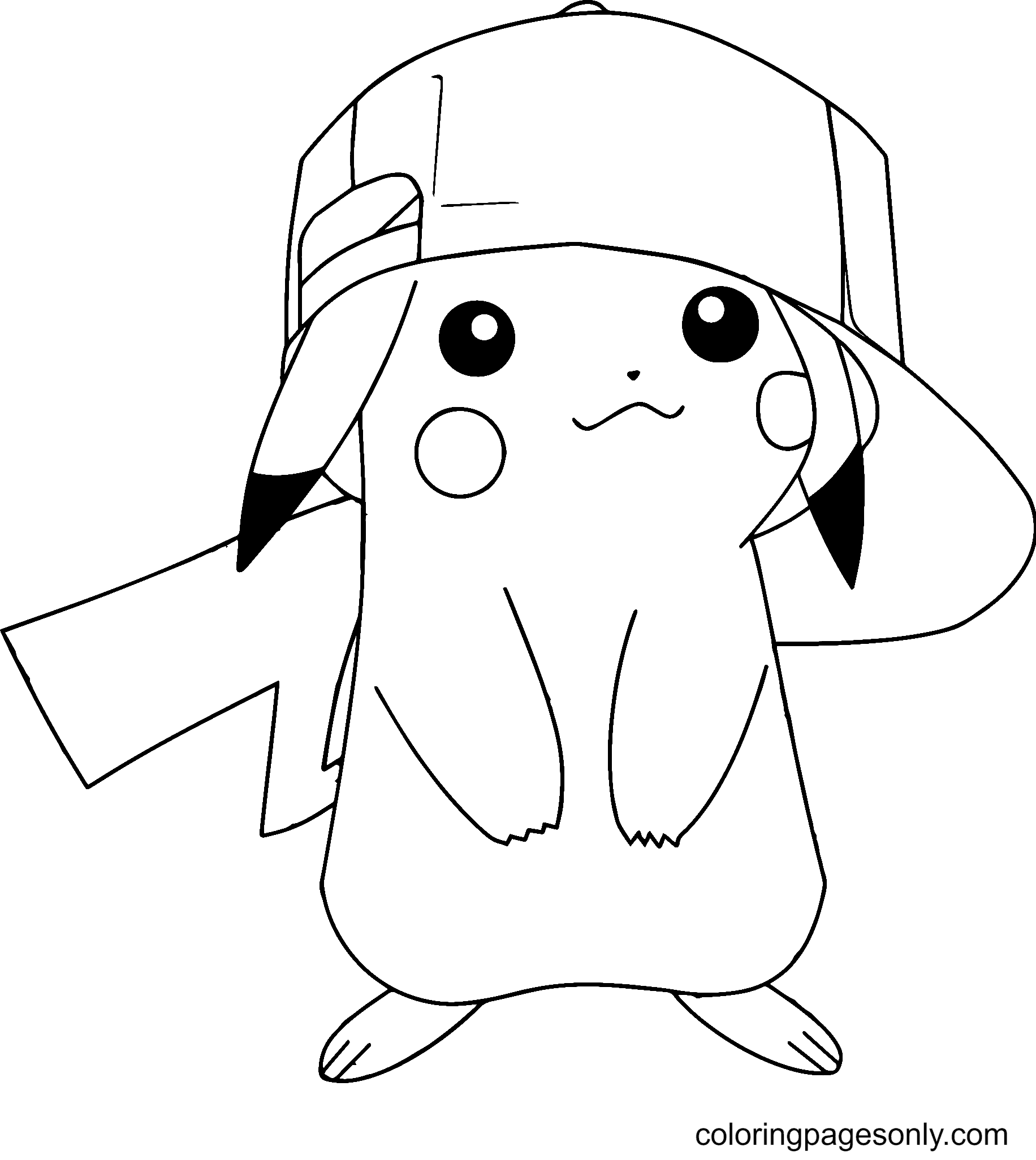
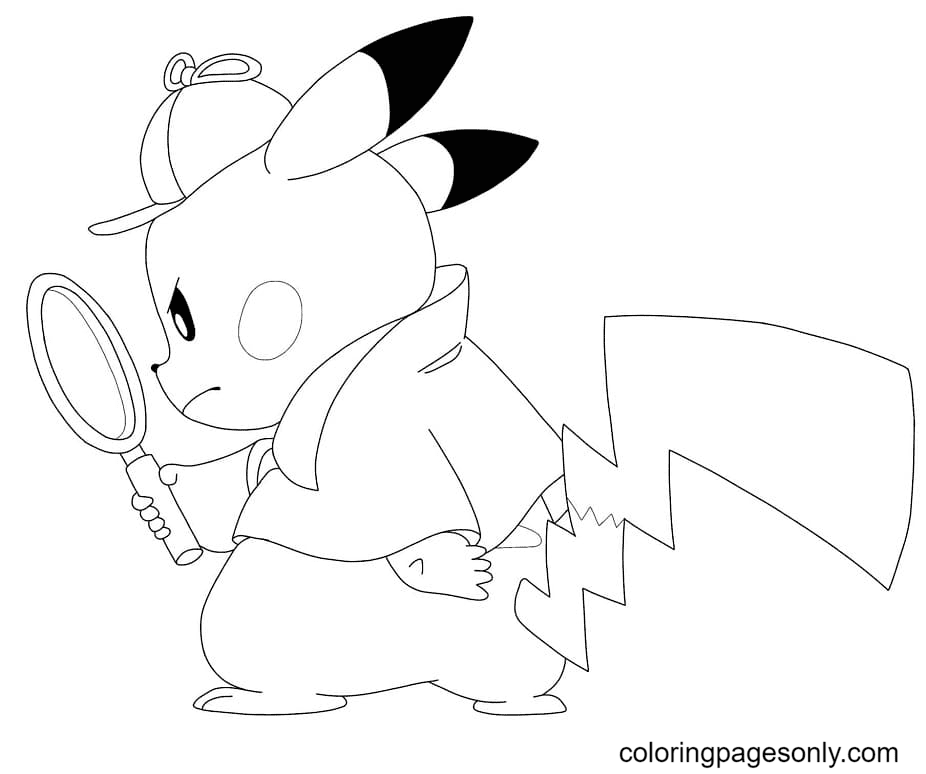
Pikachu wearing hats and costumes adds variety without losing the character’s identity. These pages may show Pikachu wearing Ash’s hat, a witch hat, party accessories, a detective-style cap, bunny ears, a doctor outfit, or other playful costume details.

Costume pages are interesting because the extra pieces change the mood of the page. Ash’s hat gives Pikachu a trainer-style look. A witch hat makes the page feel seasonal and playful. A detective-style outfit gives the character a quieter, story-based feeling. Party accessories make the page bright and celebratory.

The main rule is that the costume should not overpower Pikachu’s face. The cheeks, ears, eyes, and tail are still the parts that make the character recognizable. If a hat or outfit is too dark, color the face and cheeks first so Pikachu stays clear.

This group gives children more color choices than a standard Pikachu page. A party hat can use rainbow colors. A witch hat can be purple, black, orange, or green. A detective-style hat can be made of tan, brown, or soft gray. Ash’s hat usually works well with red, white, and darker details.

Costume pages are strong for holidays and events. A birthday Pikachu can become a party decoration. A Halloween Pikachu can be used for October activities. A detective-style page can turn into a storytelling prompt where children imagine what Pikachu is looking for.

Pikachu with Friends Coloring Pages

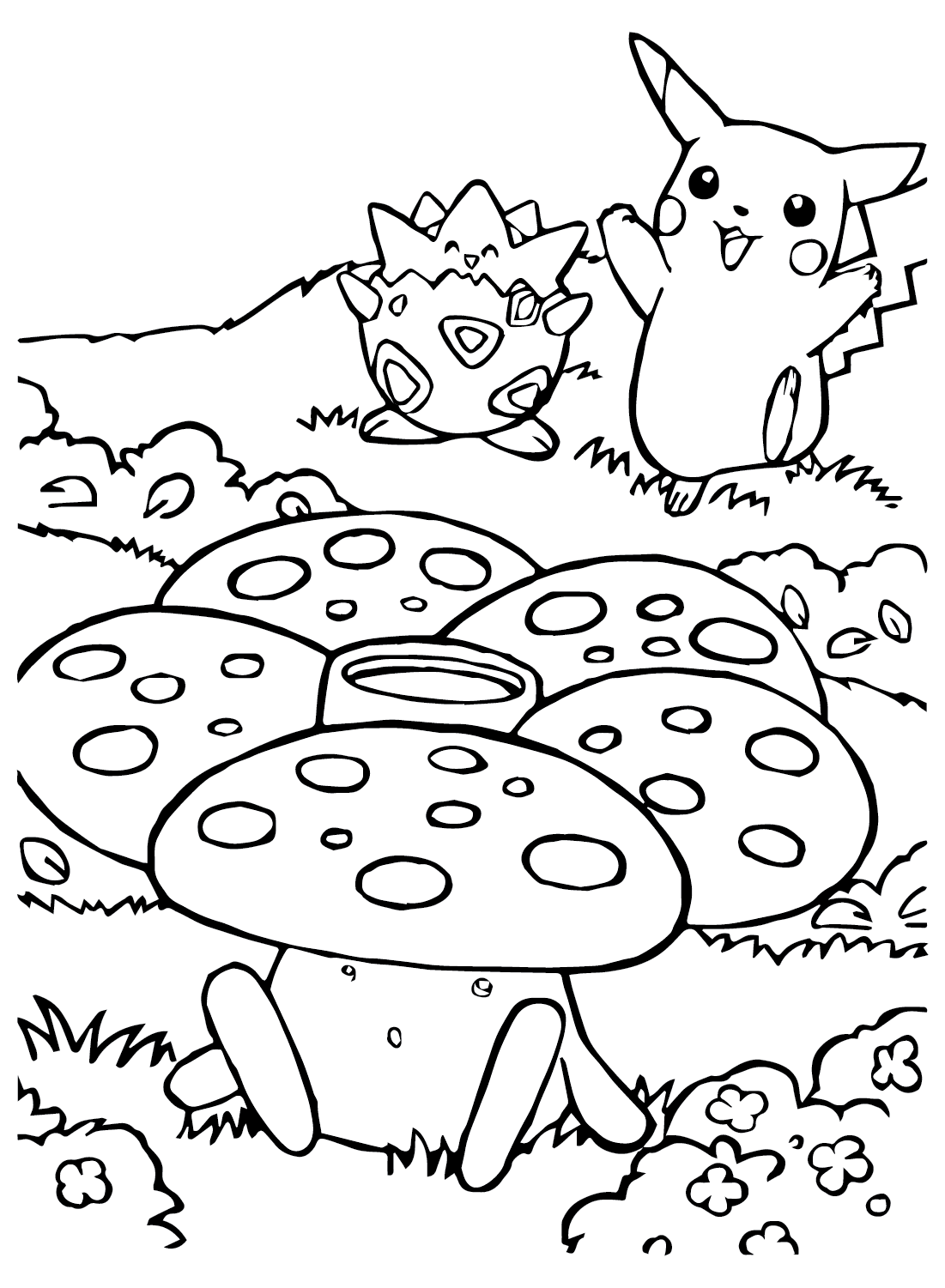
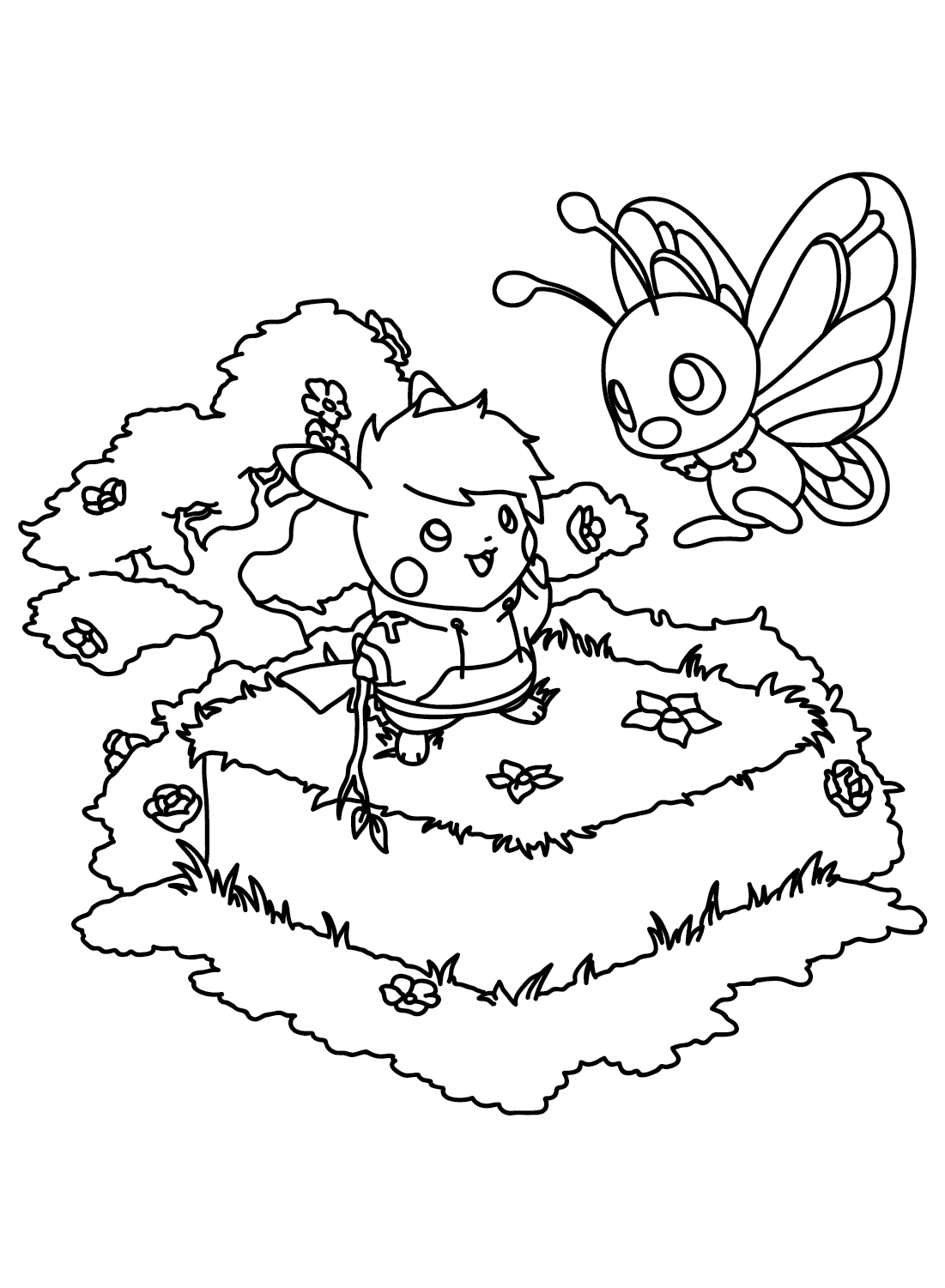
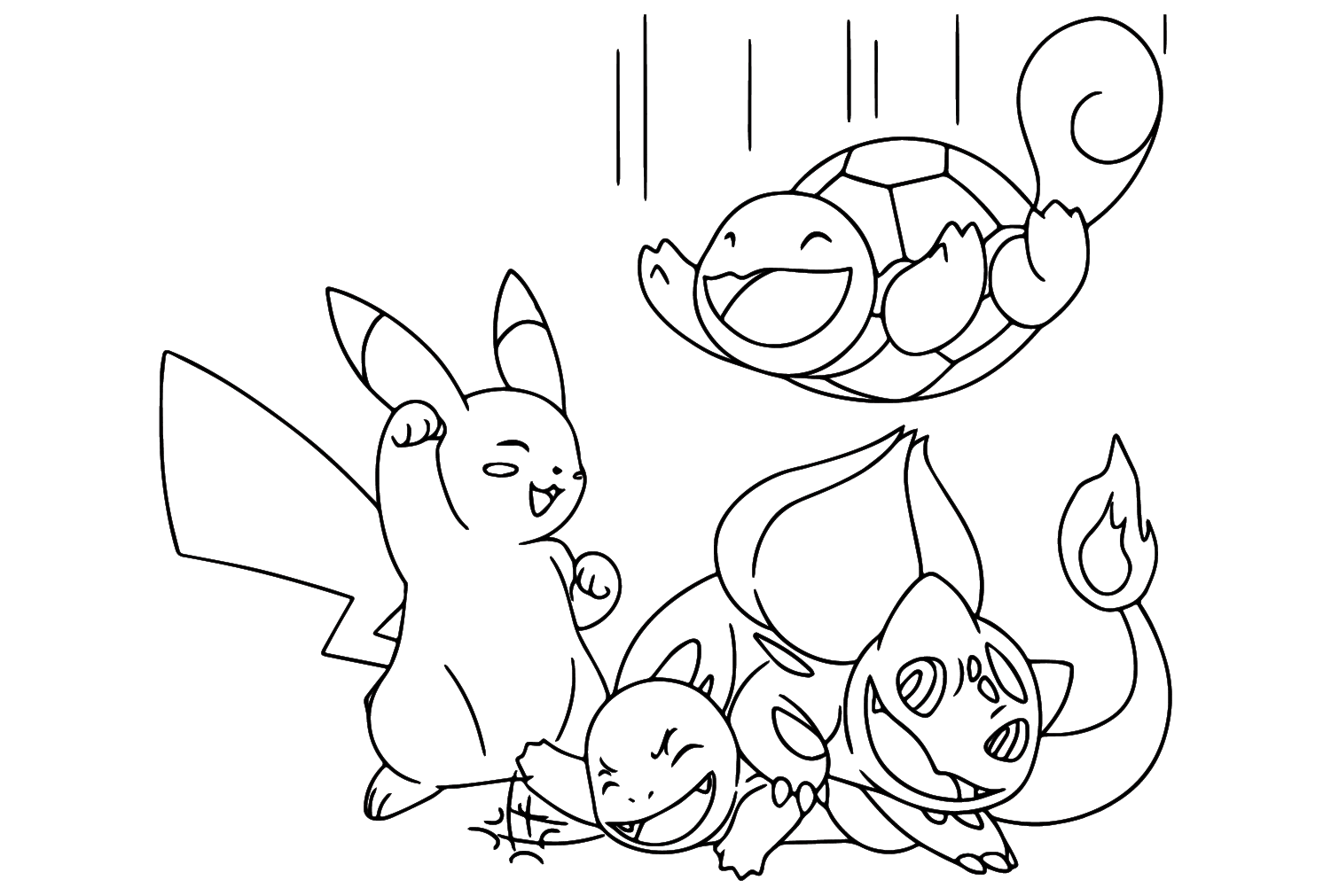
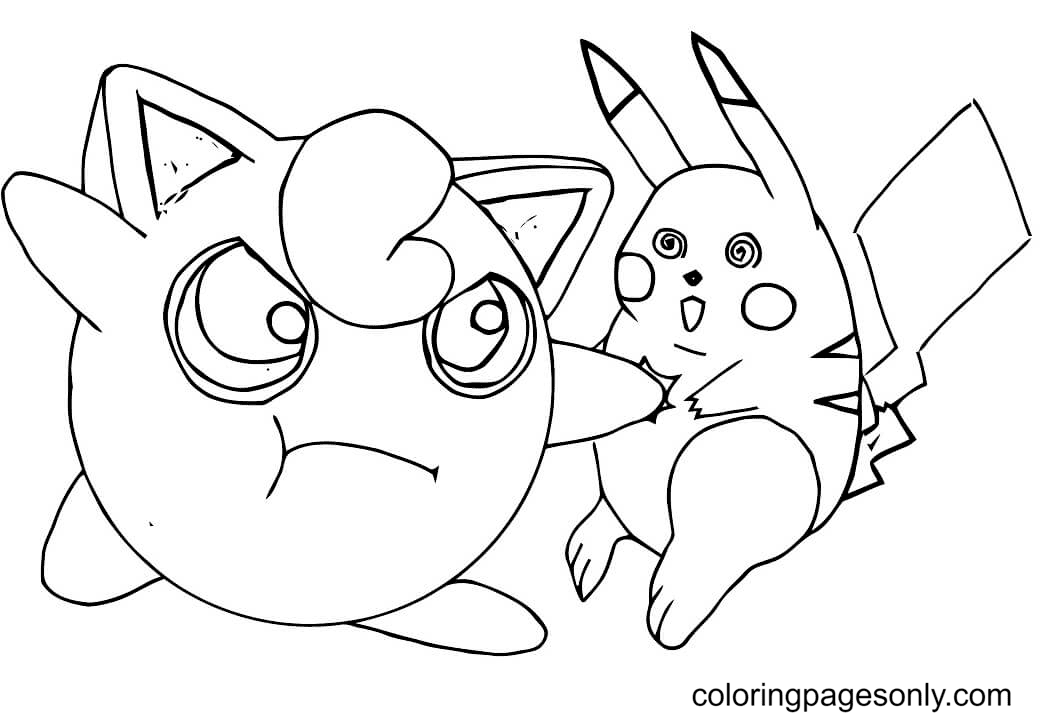
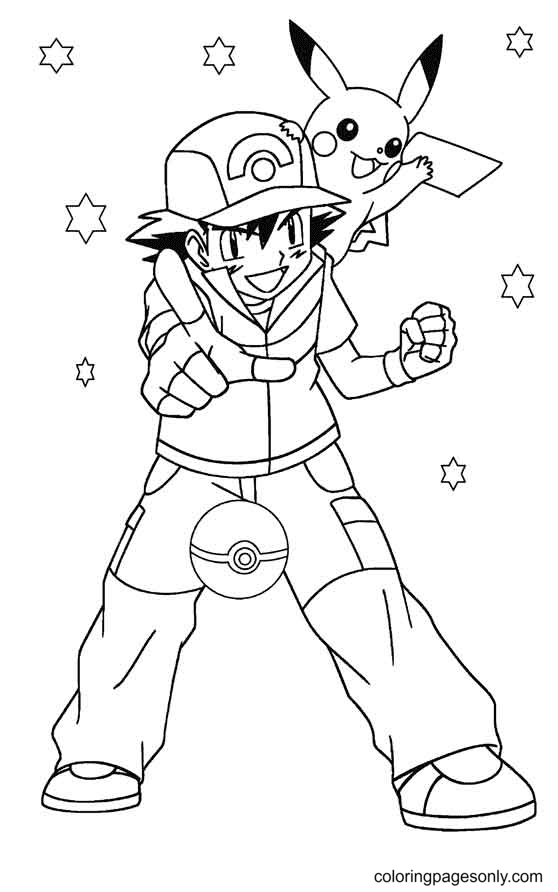
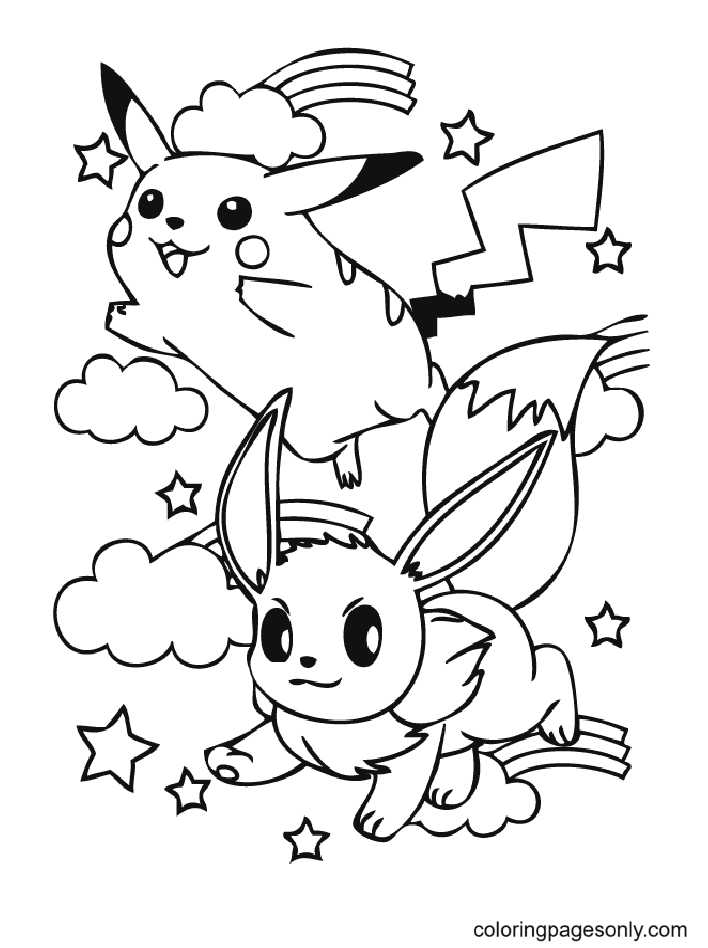
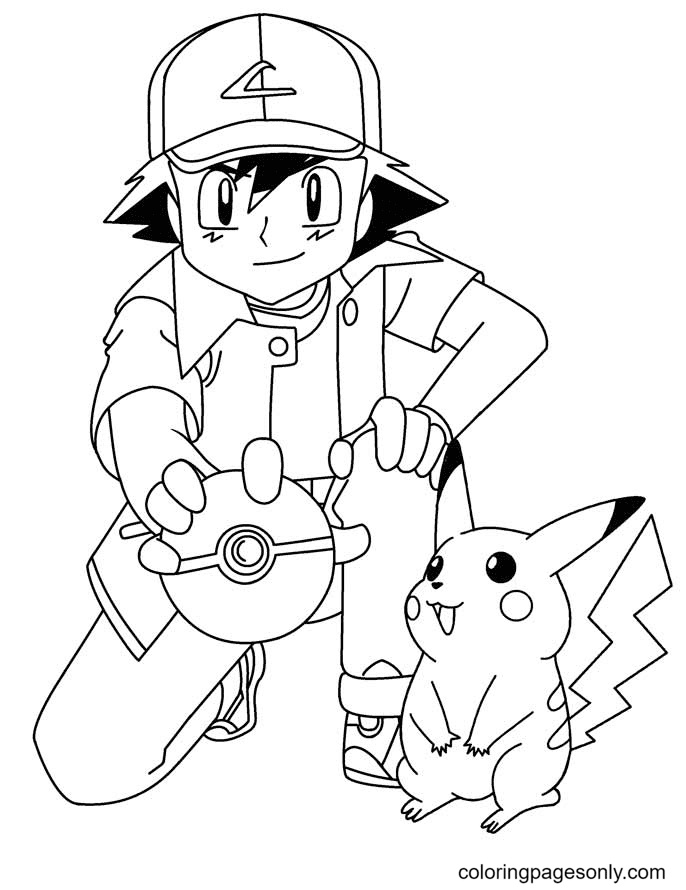
Pikachu with friends coloring pages create more of a story. These pages may include Pikachu with Ash, other trainers, or Pokémon such as Eevee, Squirtle, Bulbasaur, and more. Because there is more than one character, the page usually takes longer to finish.

The biggest skill here is color hierarchy. Pikachu naturally becomes the visual anchor because the bright body color catches attention quickly. Other characters should keep their own colors, but not every part of the page needs the same level of brightness. If every character, outfit, object, and background area is equally strong, the scene can feel crowded.

A good order is to color Pikachu first, then the friend characters, then clothing or accessories, and finally the background. This helps children keep the page organized. It also lets them decide which parts should be bright and which parts can stay softer.

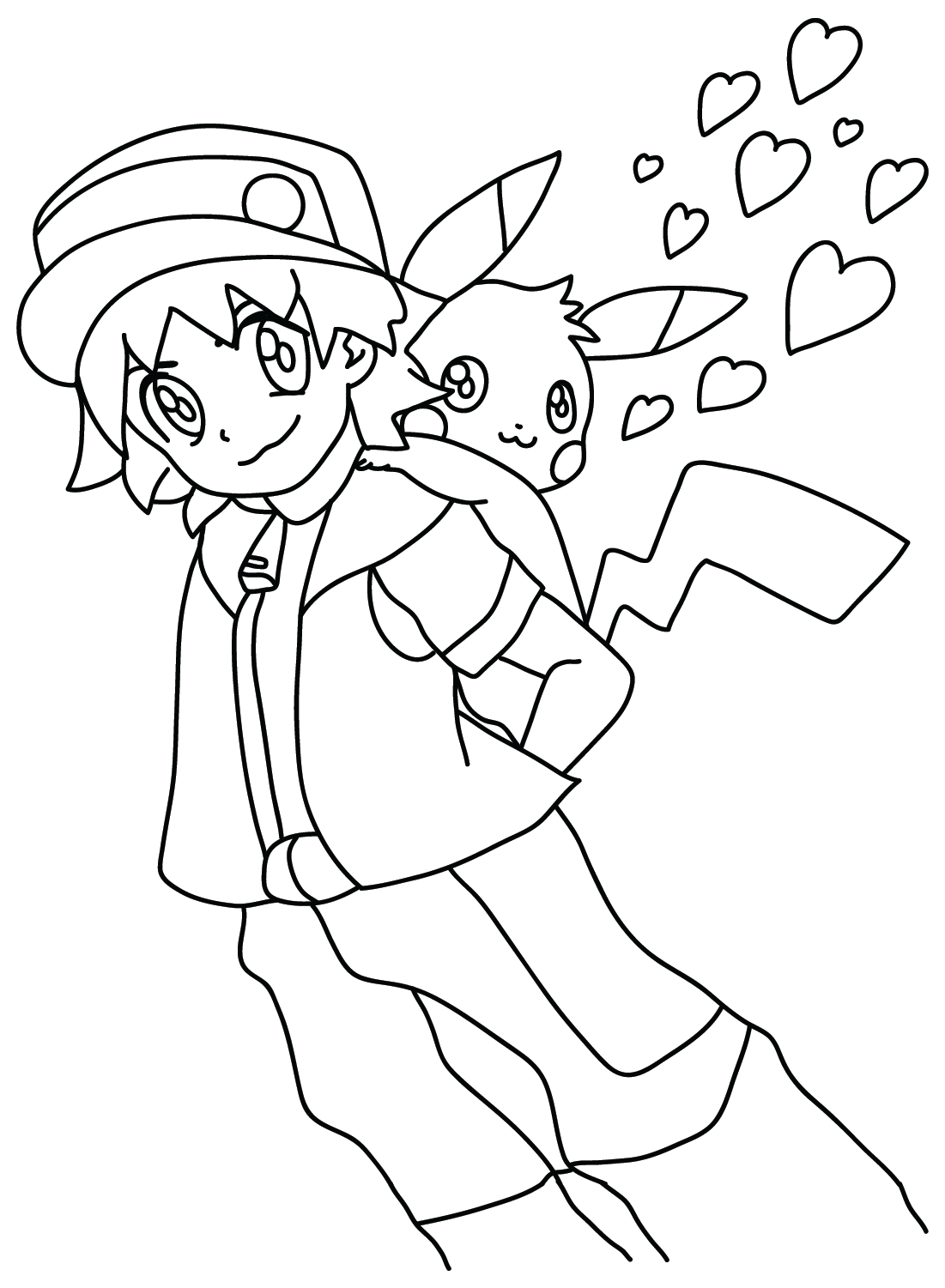
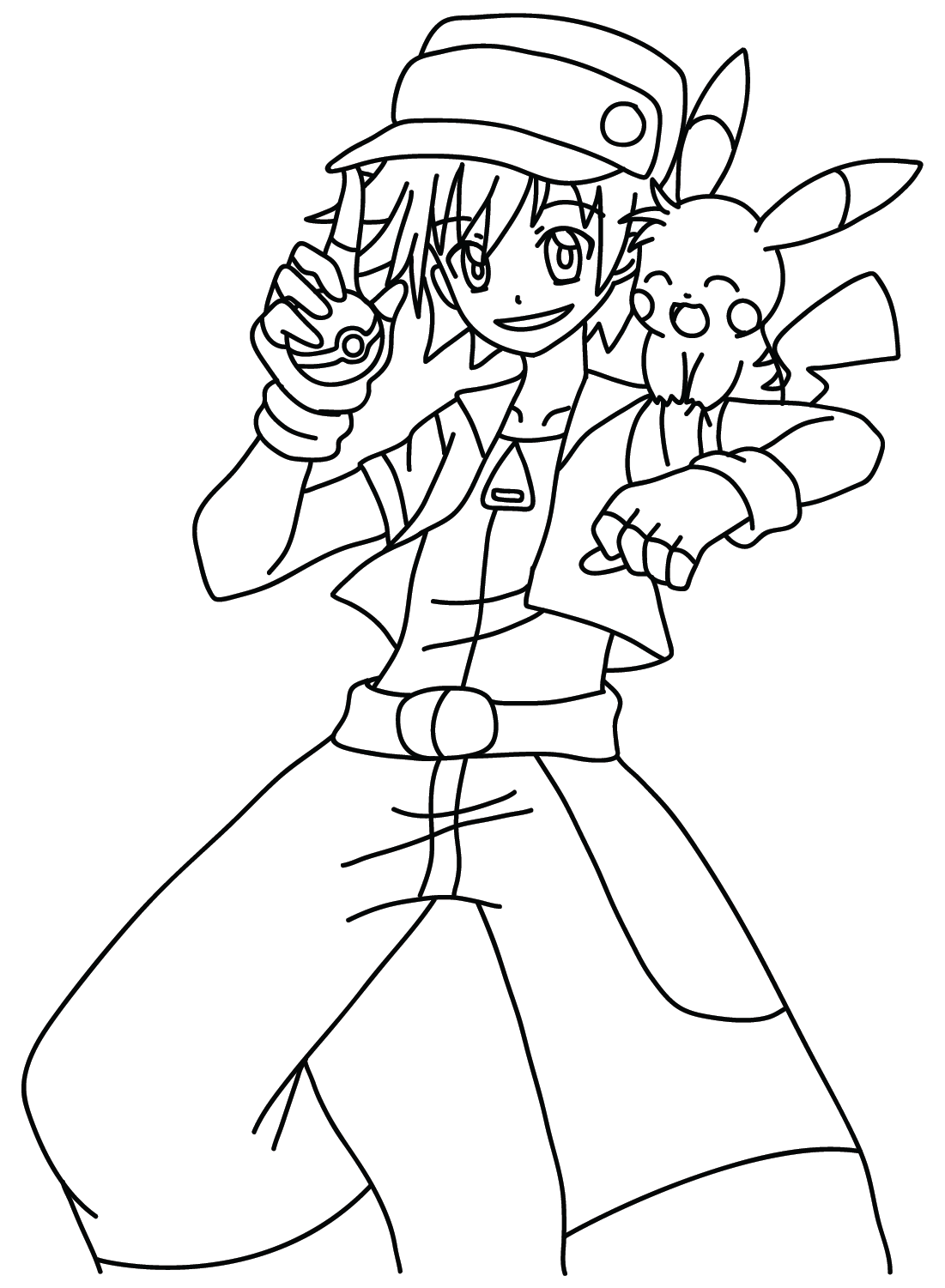
Group pages also teach children how characters work together in a scene. A page with Pikachu and Ash can feel like a trainer moment. A page with Pikachu and another Pokémon can feel like a team-up. A page with several characters can become a classroom activity where each child chooses one figure to color.

The background should support the story rather than compete with the characters. Grass, sky, a path, a simple room, or a light outdoor setting often works better than a very busy background. If there are many characters, soft background colors help the faces, poses, and Pokémon details stay clear.

For younger children, choose group pages with large outlines and only one or two extra characters. Older kids can handle more detailed scenes with clothing, hair, Poké Balls, background items, and smaller facial details.

Themed Pikachu Coloring Pages

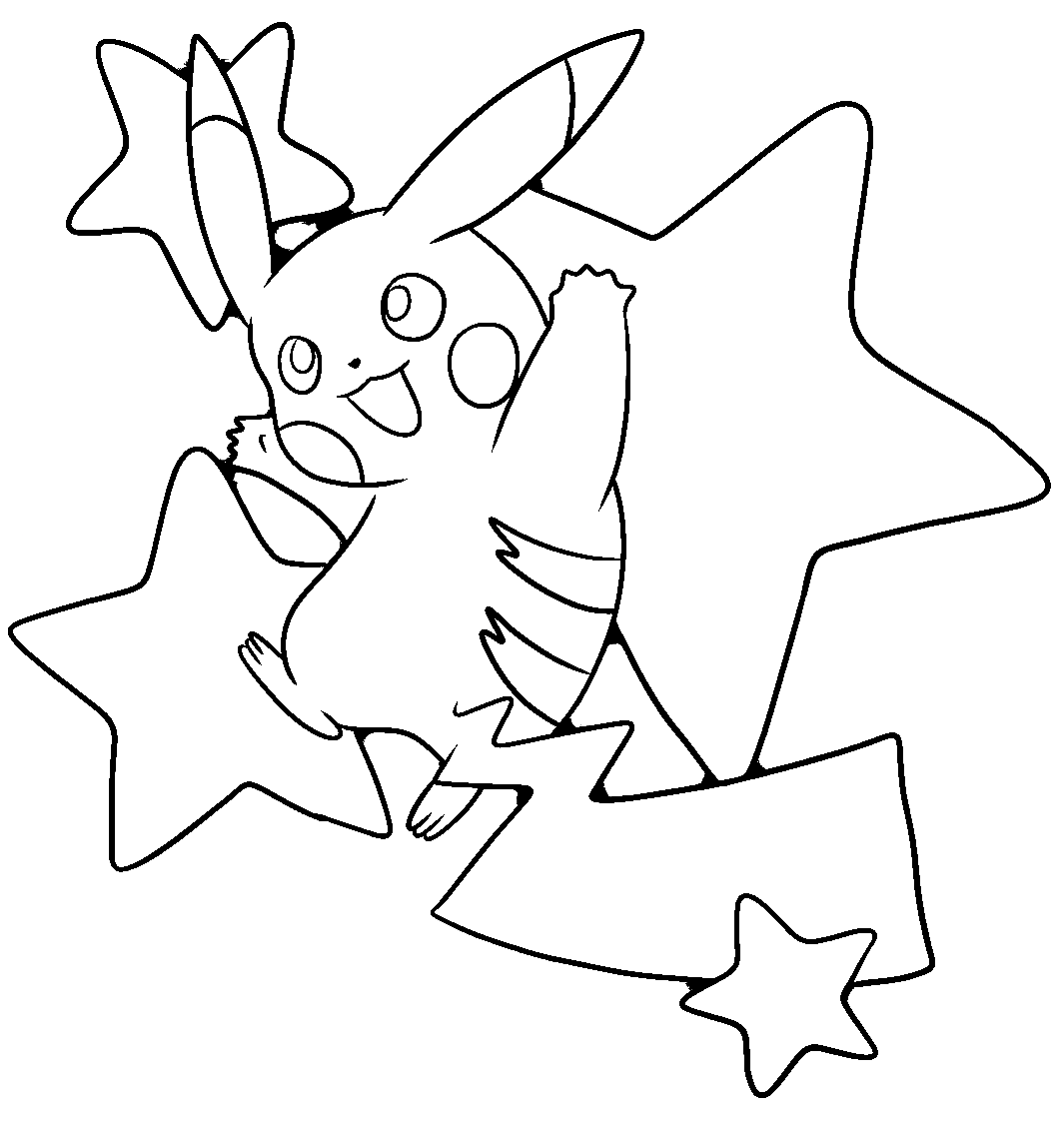
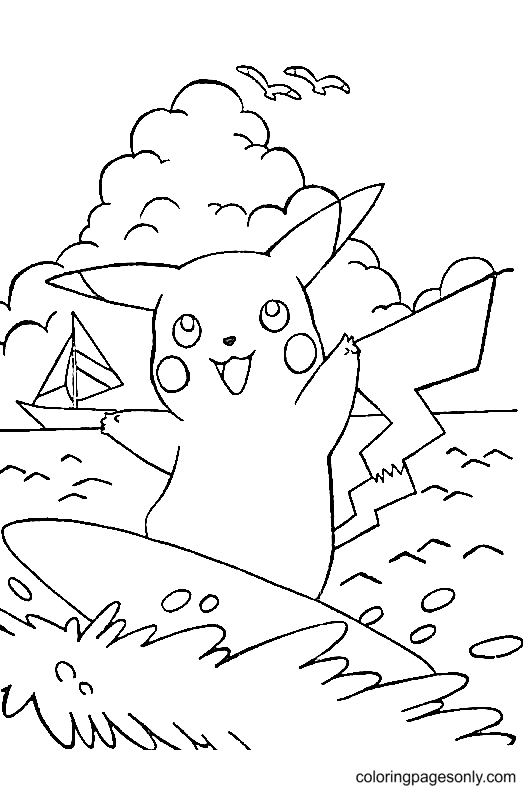
Themed Pikachu coloring pages place the character inside a specific mood or event. These pages may include birthdays, Halloween, sleeping scenes, food pages, sports pages, cloud backgrounds, music, stars, candies, balloons, or seasonal decorations.

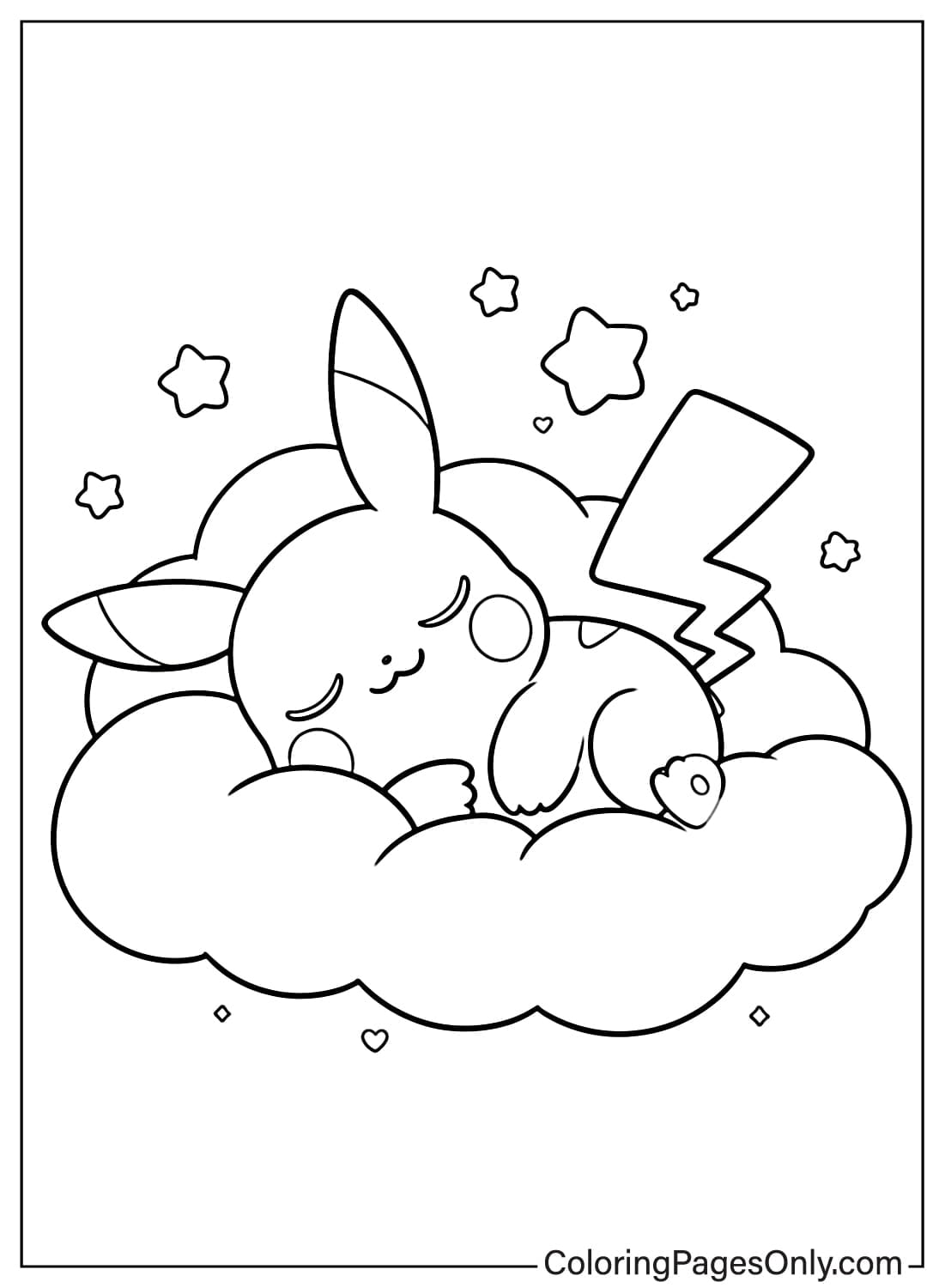
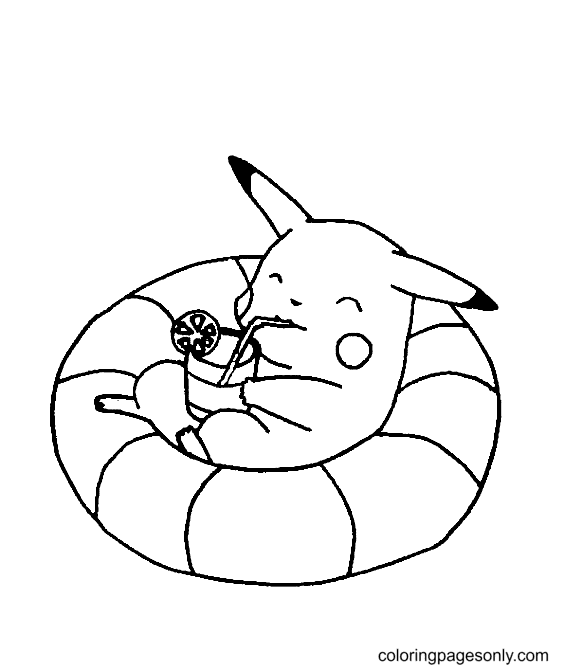
A theme changes the color language of the whole page. Birthday scenes can feel bright and festive, with balloons, cake, candles, gifts, and confetti. Sleeping pages usually work better with soft blues, pale purples, moon shapes, clouds, and low-contrast colors. Halloween pages can use stronger contrast with orange, purple, black, and yellow. Sports pages often look better with open movement, grass, sky, a ball, or simple field lines.

Here, children are coloring a moment, not just a character. Pikachu can be celebrating, resting, playing, eating, exploring, or dressing up for a holiday. Each theme gives the page a different feeling before the first color is added.

Themed pages often have more small objects than simple poses. Balloons, clouds, stars, candy, fruit, gifts, hats, or sports items should be colored after Pikachu. That keeps the main character from getting lost inside the decorations.
Mood matters more here than strict accuracy. A birthday page can use high-saturation colors. A sleeping page can stay gentle and quiet. A Halloween page can be playful but slightly darker. A food page can use natural fruit colors or candy-like colors, depending on the design.

The best themed pages feel complete but not crowded. Pikachu should remain the center, while the theme gives the page mood, setting, and extra color.

What These Pages Do

Pikachu coloring pages help children understand character design through color and shape. Pikachu is not only a yellow character; it is a design made from a few fixed signals that children can learn to notice. The face gives emotion, the ears create a clear outline, the tail carries the Electric-type idea, and the small body shape keeps the character friendly.

Coloring Pikachu is not only filling a familiar character with yellow. It is a simple way for children to see how color, silhouette, expression, and story make a character memorable. A page can still feel like Pikachu even before it is finished because the most important design clues are already there.

For younger children, these pages support confidence. A large Pikachu body gives them space to color freely, and the familiar face gives them a clear goal. They can finish a simple page without needing advanced skills.

For older children, the value comes from detail. They can work on shading the body, separating Poké Ball colors cleanly, adding glow around electric sparks, balancing multiple characters, or creating a themed background. A more detailed Pikachu page can become a small art project instead of a quick activity.

The pages also encourage storytelling. Pikachu can be sleeping, playing, jumping, celebrating, exploring, or standing with friends. Children can describe what is happening in the picture, invent a Pokémon adventure, or write a short caption under the finished page.

Parents can use these pages for quiet time, rainy days, birthday activities, or screen-free creative play. Teachers can use them for art breaks, Pokémon-themed classroom activities, storytelling prompts, group coloring, or simple craft projects.

How to Color These Pages Well

Pikachu’s color system looks simple, but small choices make a big difference. The body is usually bright yellow, the cheeks are red, the ear tips are black, the eyes are black with white highlights, and the tail has a brown base. These parts should stay clear because they make Pikachu instantly recognizable.

The yellow body should feel warm, not flat with crayons; a clean, bright yellow works well. With colored pencils, children can use light yellow in the center of the face and body, then add a deeper yellow or golden yellow near the edges. This makes Pikachu look rounder without making the page difficult. With markers, slow, even strokes help prevent patchy color.

The cheeks are the emotional center of the face. Bright red or red-orange usually works best. Children should color them carefully because they control much of Pikachu’s expression. Soft red cheeks make the character look gentle. Brighter cheeks make the page feel energetic.

The ears and tail help define the silhouette. The ear tips should stay black, but the rest of the ears should match the yellow body. The lightning-bolt tail should be yellow with a brown base. Older kids can add a darker yellow edge on one side of the tail to make the shape feel sharper.

The eyes should stay clean. Black eyes with small white highlights make Pikachu look lively. If the highlights are colored over, the face can look flatter. For very young children, adults can remind them to leave a tiny white spot in each eye.

Poké Balls need clean separation. Use red for the top half, white for the bottom half, black for the center band, and light gray for shadows. If the ball is large, a darker red along the edge can make it look round. If it is small, simple flat colors are enough.

Electric effects can use more than one color. Yellow works for the main lightning shape, orange can be added near the center, and pale blue can be placed around the outside for a glowing look. If there are many sparks, keep the rest of the background simple so the page does not become too busy.

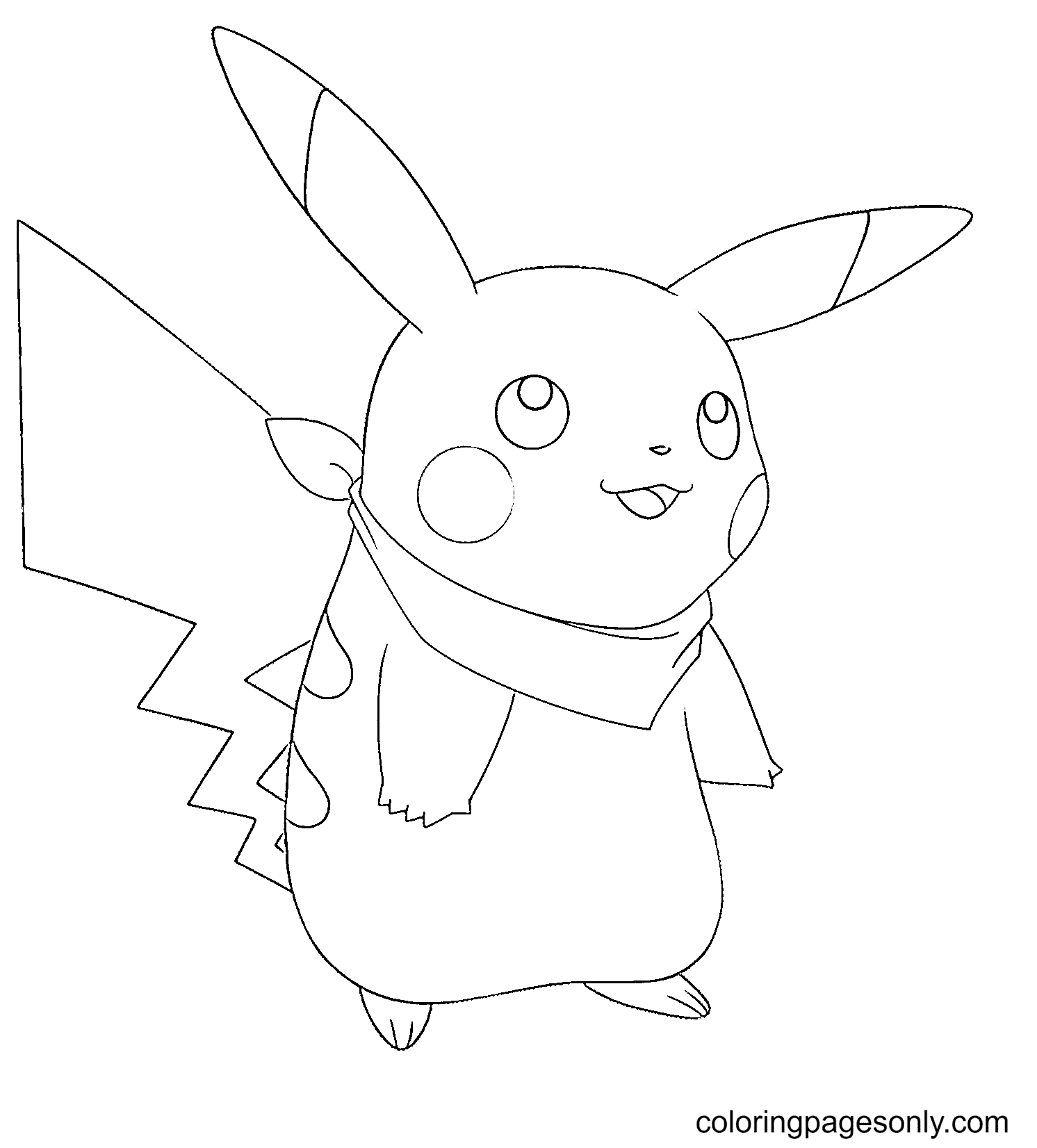
Costumes and accessories should be colored after Pikachu’s main body. This keeps the character clear before the small extras are added. Hats, scarves, party items, detective-style coats, candy, balloons, fruit, or sports objects can use brighter colors, but Pikachu’s face should stay the main focus.

Backgrounds should match the mood. Cute pages look good with pale blue, soft green, pink, or lavender. Action pages can use orange, yellow, gray, or blue around the electric effects. Sleeping pages work well with soft clouds, moonlight colors, and light stars. Halloween pages can use purple, orange, black, and yellow. Birthday pages can use many cheerful colors, but the decorations should not cover Pikachu.

For younger children, the easiest order is body first, cheeks second, ears and tail third, accessories fourth, and background last. Older children can finish the basic colors first, then add shading, glow effects, small patterns, shadows, and background details.

5 Creative Craft Ideas

Pikachu Electric Power Card

Choose an action Pikachu page with sparks, lightning, or a strong pose. After coloring Pikachu, cut out the character and glue it onto a folded card.

Around Pikachu, children can draw extra lightning bolts, small stars, and electric lines. Use yellow, orange, pale blue, and white to make the power effect brighter. On the inside of the card, write a simple message such as “You’re full of energy!” or “Let’s power up!”

This craft works well for birthdays, classroom encouragement cards, or Pokémon-themed activities.

Poké Ball Capture Scene

Print a page with Pikachu and a Poké Ball. Color both carefully, then add a simple background around them. Children can draw grass, rocks, a path, a sky, or a few sparkles to make the scene feel like a Pokémon encounter.

After coloring, glue the page onto a larger sheet of construction paper. Add a title at the top, such as “Pikachu Appeared!” or “My Pokémon Adventure.”

This activity helps children turn a character page into a full scene with setting and story.

Pikachu Emotion Chart

Choose several Pikachu pages with different expressions: happy, sleepy, excited, surprised, or playful. Color each one, then cut them out and glue them onto a poster.

Under each Pikachu, write the emotion: happy, tired, excited, calm, brave, silly, or curious. Children can add speech bubbles to show what Pikachu might say in each mood.

This craft works well for younger kids because Pikachu’s face is simple but expressive. It also helps children connect colors, expressions, and feelings.

Trainer Partner Profile

Pick a Pikachu page with Ash, friends, a Poké Ball, or a strong standing pose. After coloring, place the page on a larger sheet of paper and create a “partner profile.”

Children can add details such as Pikachu’s favorite snack, best move, favorite place, best friend, and special power. They can also draw a small badge, lightning symbol, or Poké Ball beside the profile.

This turns the page into a storytelling and writing activity. It works well for elementary classrooms, homeschool projects, or Pokémon fan art displays.

Design Pikachu’s New Costume

Choose a simple Pikachu page with a clear standing, sitting, or waving pose. After coloring the main character, children can draw a new costume around Pikachu.

They can add a cape, scarf, crown, hoodie, superhero mask, winter hat, party outfit, raincoat, or holiday costume. The costume can match a theme such as a birthday, Halloween, winter, sports day, or a made-up Pokémon adventure.

The best part of this craft is that children must keep Pikachu recognizable while changing the outfit. The cheeks, ears, face, and tail should still be easy to see. This makes the activity both creative and thoughtful: kids design something new without losing the character’s identity.

Frequently Asked Questions

What makes Pikachu easy to recognize on coloring pages?

Pikachu is easy to recognize because its outline and face details stay very consistent. The ears create the silhouette, the cheeks give the face energy, and the tail immediately suggests its Electric-type identity.

This is why Pikachu works well as a coloring subject. Younger kids can recognize the character quickly, even on simple pages, while older kids can focus on making the expression, body shape, and background more polished.

What type of Pokémon is Pikachu?

Pikachu is known as an Electric-type Mouse Pokémon. That Electric-type identity is shown through the character’s cheek details, lightning-shaped tail, and the electric effects often drawn around action poses.
For coloring activities, this gives children a clear theme to follow. They can use warm yellows and oranges for sparks, pale blue for a glow effect, and darker shades around action scenes to make the electric energy stand out.

Why are Pikachu’s red cheeks important?

Pikachu’s cheeks are more than a cute detail. They are one of the first places children look when reading the character’s expression. A bright cheek color can make Pikachu feel excited, happy, or full of energy, while a softer cheek color can make the face feel gentler.

They also connect the face to Pikachu’s Electric-type identity. On action pages, the cheeks often feel like the starting point of the energy in the scene. That is why keeping them clean and visible makes the finished page feel more alive.

What colors should I use for Pikachu?

Use the classic Pikachu palette when you want the character to stay accurate, then let the background and accessories carry more creativity. A standard Pikachu page can stay simple, while a birthday, Halloween, sleeping, or action page can use many extra colors around the character.

This approach keeps Pikachu recognizable without making every page look the same. Party items, costumes, sparks, sky, grass, candy, clouds, or Poké Balls can all add variety while the main character remains clear.

Which Pikachu coloring pages are best for young children?

Young children usually do best with simple Pikachu pages that have a large body shape, a clear face, and very little background. Sitting Pikachu, smiling Pikachu, sleeping Pikachu, waving Pikachu, or large-face designs are good choices.
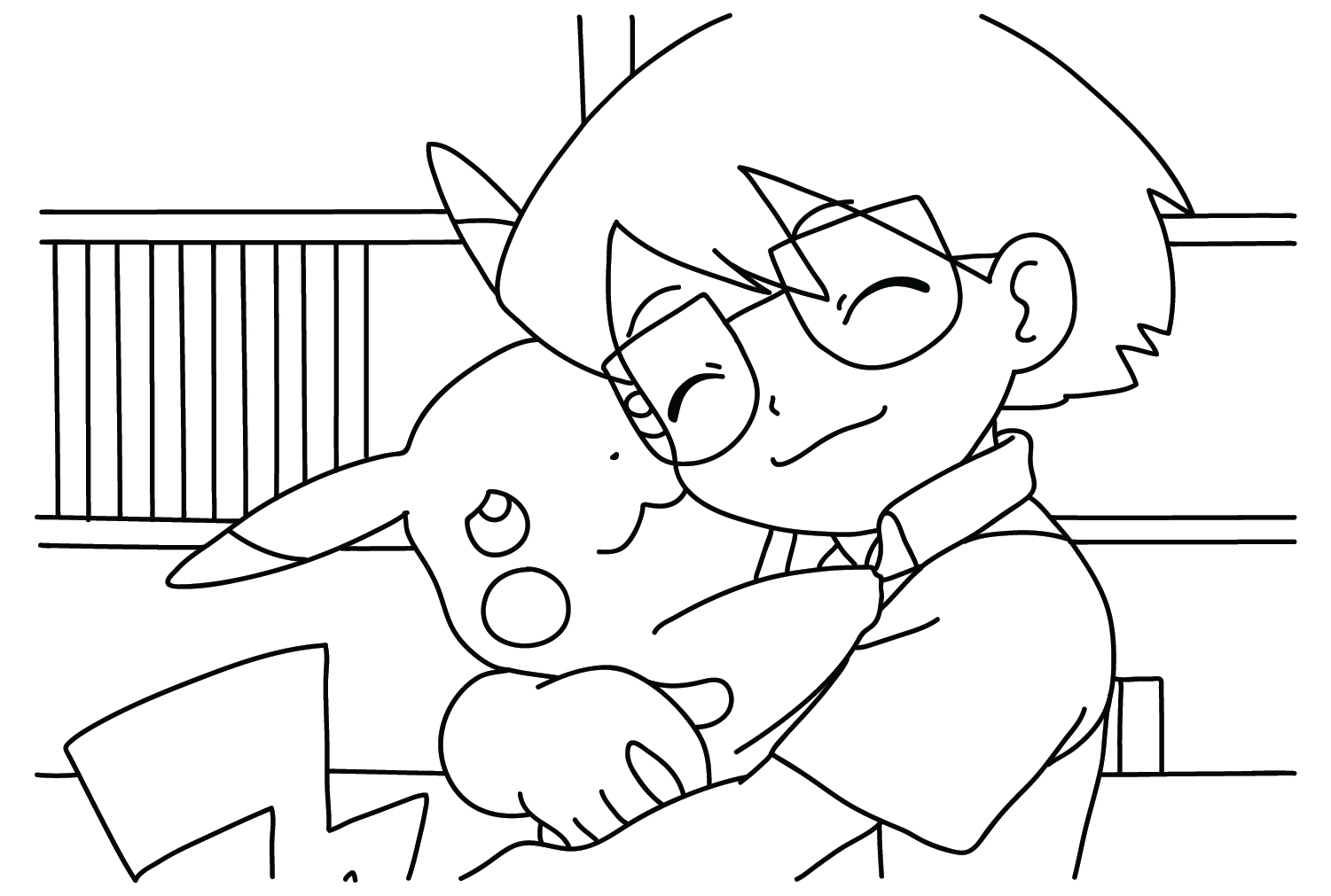
These pages give children enough space to color freely. The face and tail add small details, but the page does not become overwhelming. For preschool and kindergarten children, simple pages often feel more rewarding because they can finish them in one sitting.

Which Pikachu coloring pages are better for older kids?

Older kids may enjoy action poses, electric effects, Poké Ball scenes, costume pages, group pages, and themed designs. These pages usually have more details and give children more room to add shading, backgrounds, and personal color choices.
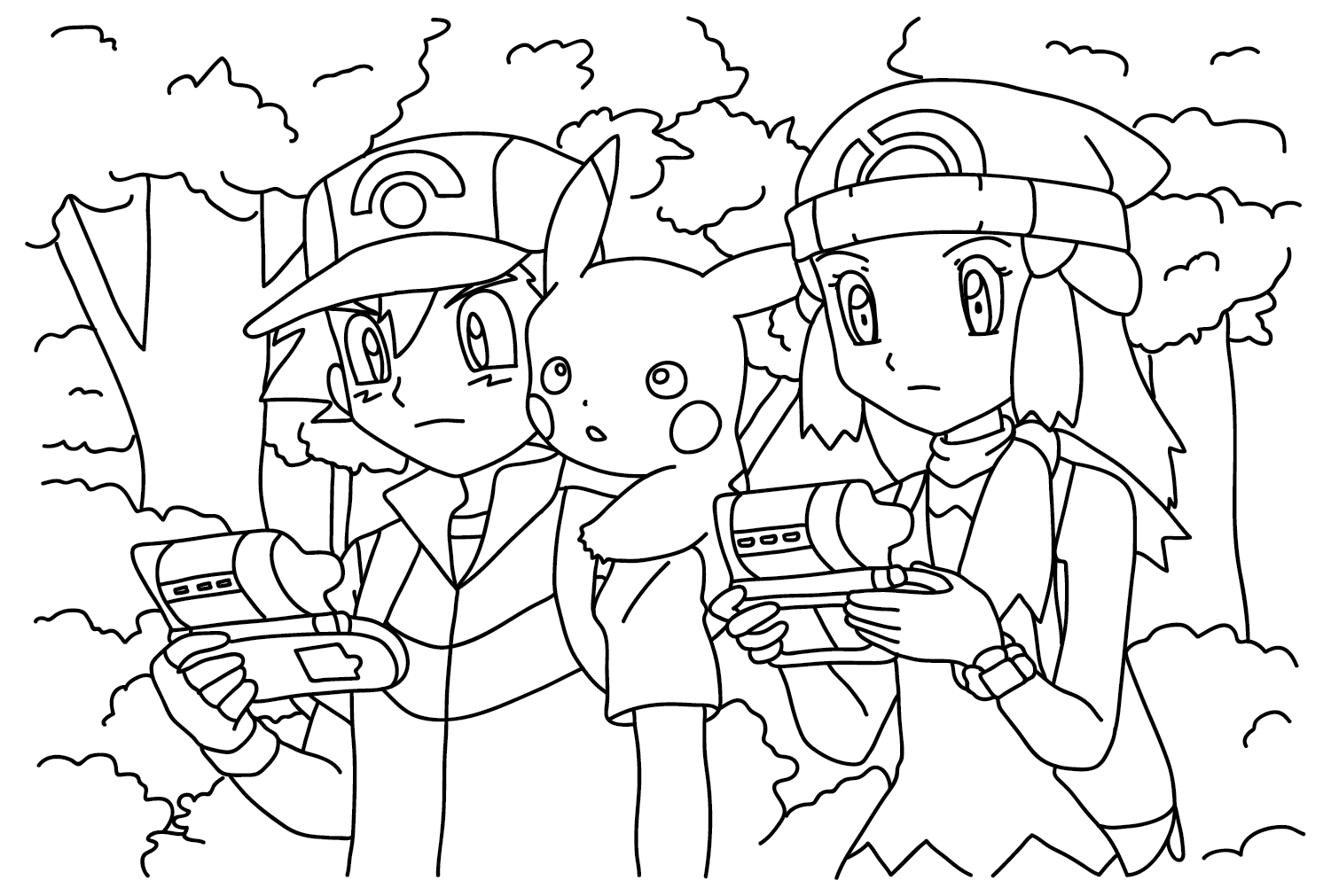
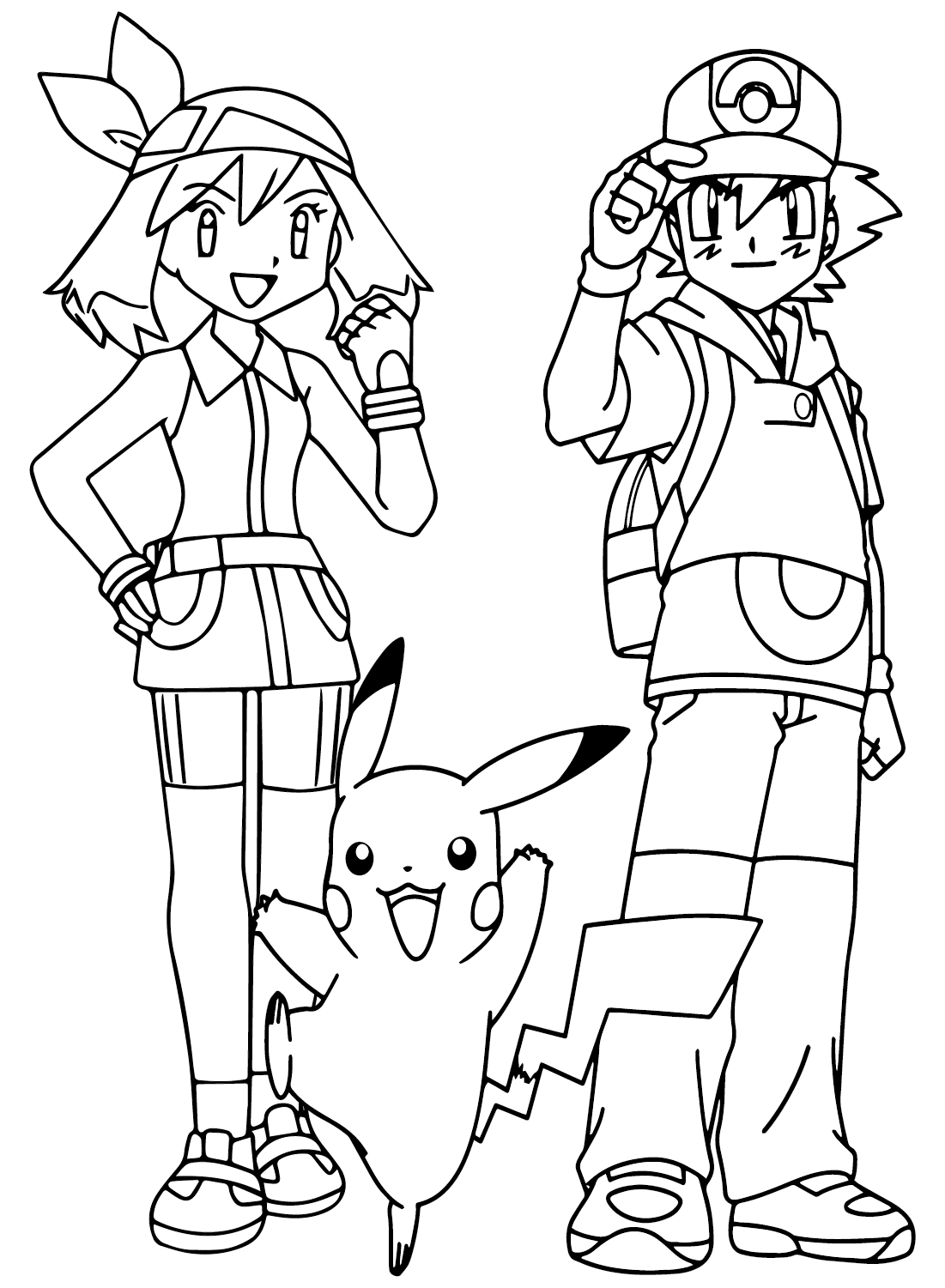
A page with Pikachu using electric power can become a glow-effect activity. A page with friends can become a storytelling scene. A costume page can become a character design activity. Older children often enjoy pages that give them more than one thing to color.

How can I make Pikachu’s electric effects look brighter?

Electric effects look brighter when the page has contrast. The lightning should not be the same strength as every other part of the background. If the sparks are the brightest part around Pikachu, the energy will feel stronger.

A good approach is to build the effect in layers: a bright center, a warmer edge, and a soft glow outside the shape. The surrounding background can stay simpler, so the electricity does not get lost. This works especially well on action pages where the cheeks, tail, and pose are already guiding the movement.

Can kids color Pikachu in different colors?

Yes. Kids can create their own version of Pikachu if they want to be imaginative. They can try pastel Pikachu, rainbow Pikachu, winter Pikachu, Halloween Pikachu, or a completely new costume design.
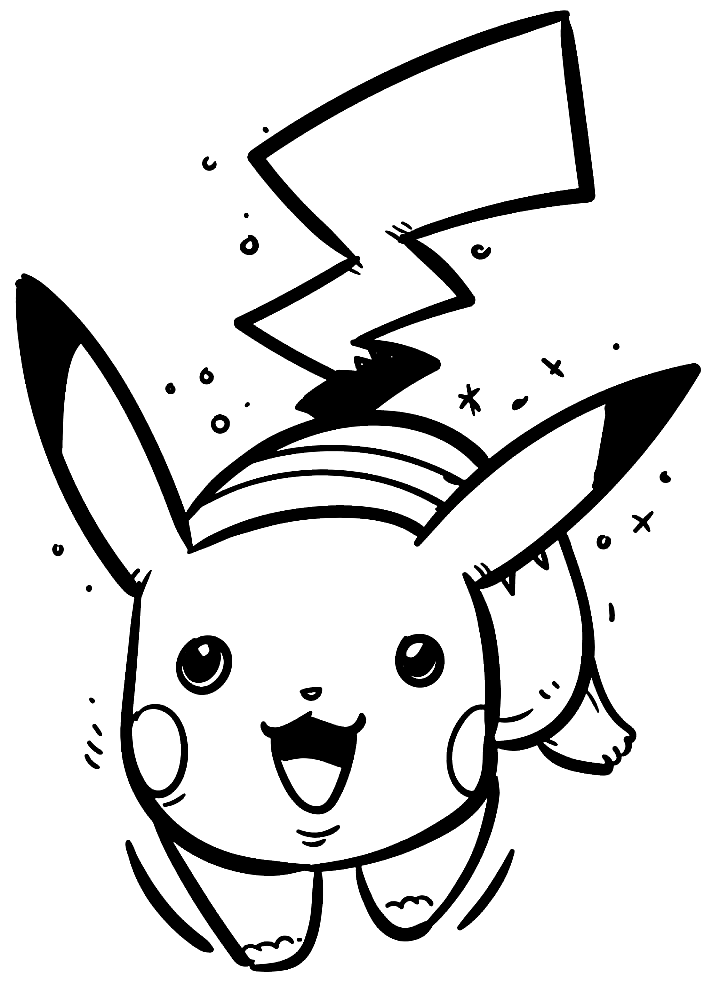
However, if they want the character to stay easy to recognize, it helps to keep a few features clear: the cheek circles, ear tips, and lightning-bolt tail. These details are what make Pikachu feel like Pikachu, even when the colors change.

How can teachers use Pikachu coloring pages in class?

Teachers can use Pikachu pages for art time, quiet work, Pokémon-themed classroom events, group coloring, storytelling prompts, and emotion activities. A simple Pikachu page can be used with younger students, while older students can work on backgrounds, action scenes, or character profiles.

For writing practice, students can color a page and then write one or two sentences about what Pikachu is doing. For social-emotional learning, students can use different Pikachu expressions to talk about feelings such as happy, tired, excited, surprised, or brave.

What paper and coloring tools work best?

Regular printer paper works well for crayons and colored pencils. If children use markers, placing a blank sheet underneath helps protect the table and the next page. Thicker paper is better for heavier markers or pages with large color areas.

Crayons are good for younger children because they are easy to control. Colored pencils are better for shading, small details, and electric effects. Markers create bright colors, but children should color slowly around the cheeks, eyes, ears, and tail so the details stay clean.

Choose a Pikachu page you love, print it at home, or color it online anytime. We’d love to see your finished artwork – share it on Facebook or Pinterest and tag #Coloringpagesonly.

More from Our Pokémon Collections

More from our Pokémon collections:

Jennifer Thoa – Content Editor & Designer

Jennifer Thoa is Content Editor and Designer at ColoringPagesOnly.com. Degree in Journalism and Creative Writing, University of Kansas. She writes and edits long-form educational articles on anime, film, animals, world cultures, and automotive history - verified against named primary sources before publication.