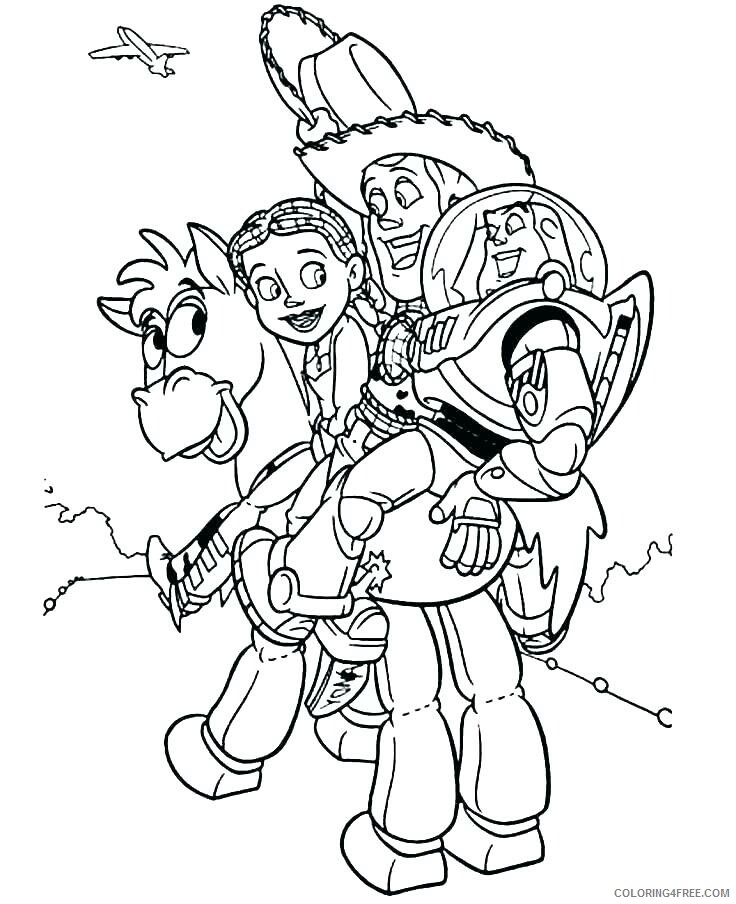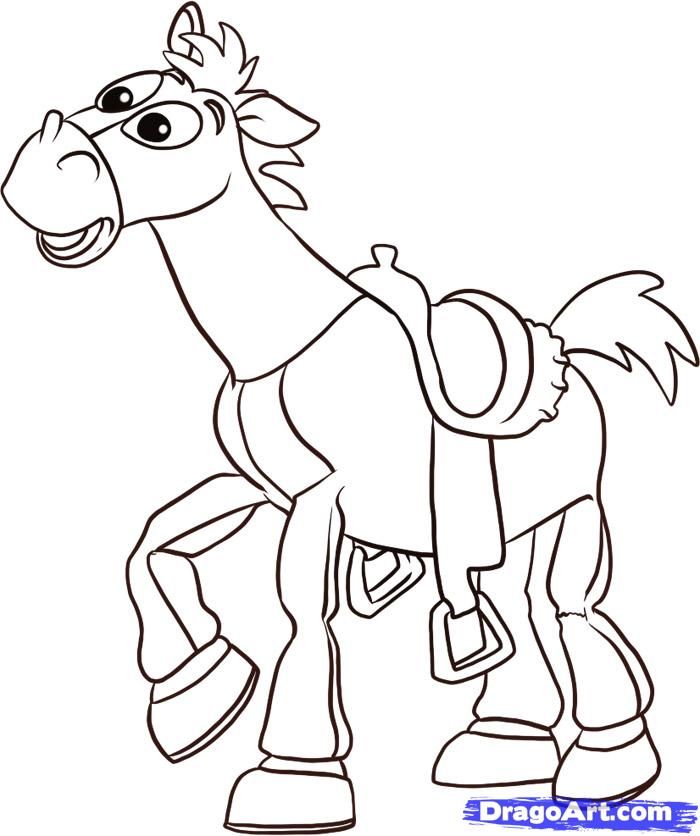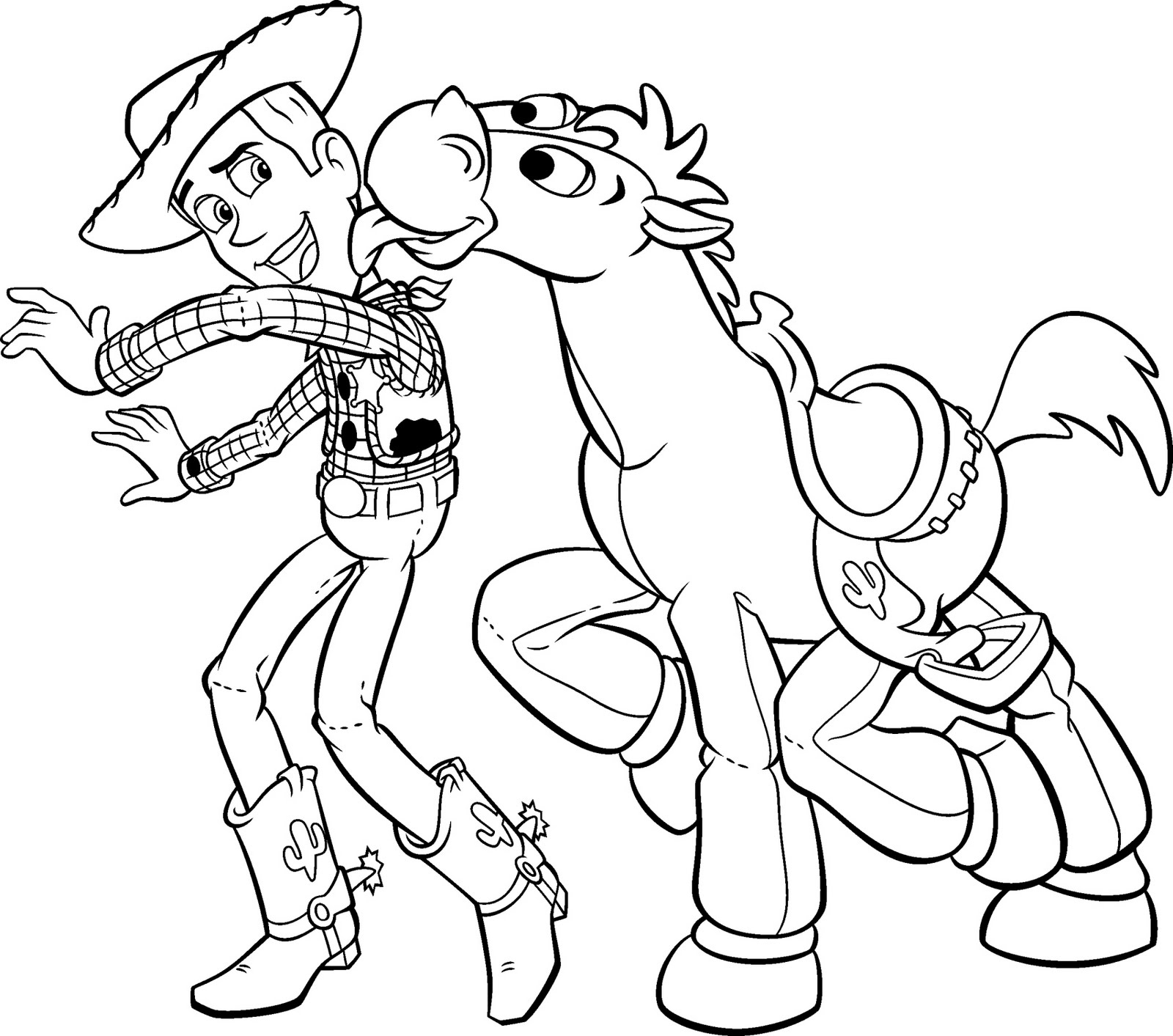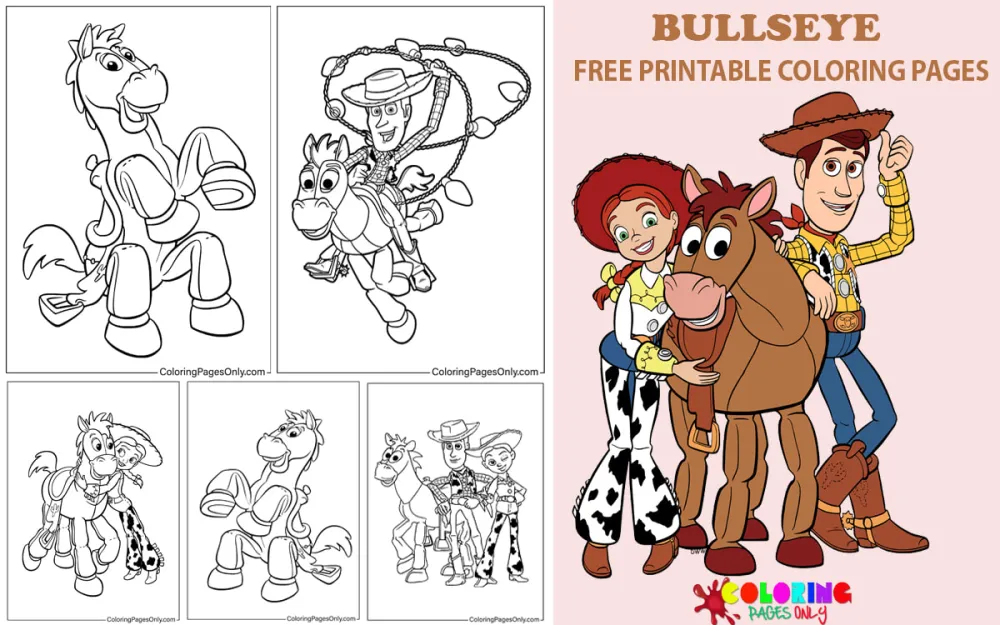
Free Bullseye Coloring Pages: 20+ pages featuring Bullseye from Toy Story, Woody, Jessie, Bullseye smiling, Bullseye running, Woody riding Bullseye, Jessie with Bullseye, western toy scenes, saddle details, cowboy-style backgrounds, playful horse poses, friendship moments, and printable cartoon horse pages for kids. All free, printable PDFs, JPGs, PNGs, and online coloring pages are ready for home, classroom centers, Toy Story party tables, horse-themed lessons, storytelling prompts, travel folders, and quiet creative time.

Bullseye is the loyal toy horse from the Disney and Pixar Toy Story world. He is closely connected with Woody and Jessie and is known for his warm, expressive, and energetic personality. Bullseye does not speak, but children can easily understand him through his big eyes, happy face, quick reactions, and galloping poses. That makes him a wonderful coloring character for young kids because every page can show movement, friendship, loyalty, and imagination.

This fan-friendly collection is created for children, families, teachers, Toy Story fans, horse lovers, and anyone who enjoys screen-free cartoon activities. Younger colorists can start with large Bullseye outlines, simple faces, and easy standing poses. Older children can enjoy Woody and Jessie scenes, western props, saddle patterns, toy-room details, and action pages with more to color. These 20+ free pages at ColoringPagesOnly.com cover Bullseye portraits, happy horse pages, Woody and Bullseye scenes, Jessie and Bullseye pages, Toy Story adventure pages, western coloring scenes, printable pages, and online coloring pages. All free, PDF, JPG, or PNG, print or color online.

What’s Inside

Bullseye Portrait and Happy Horse Pages

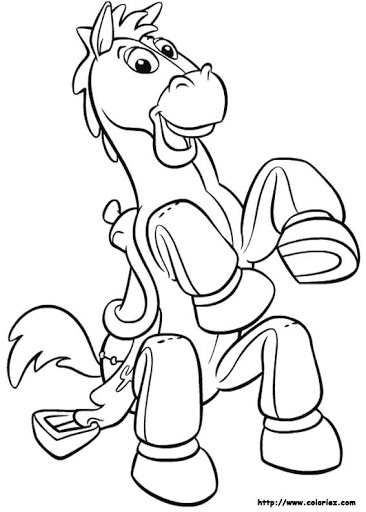
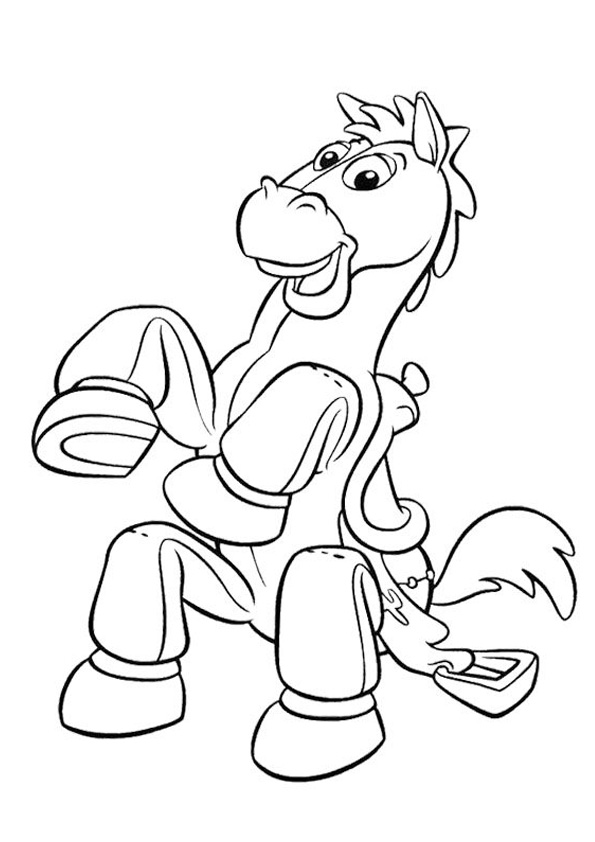
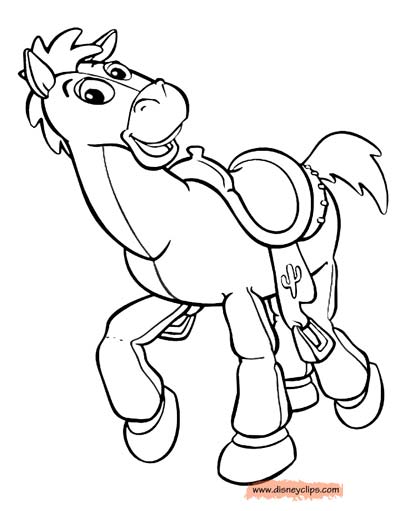
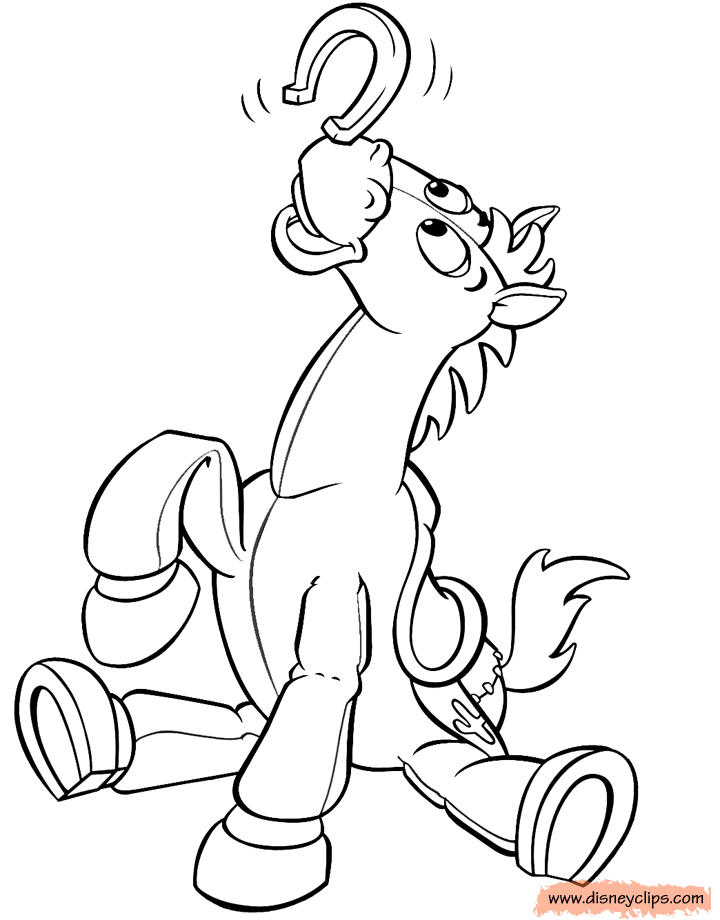
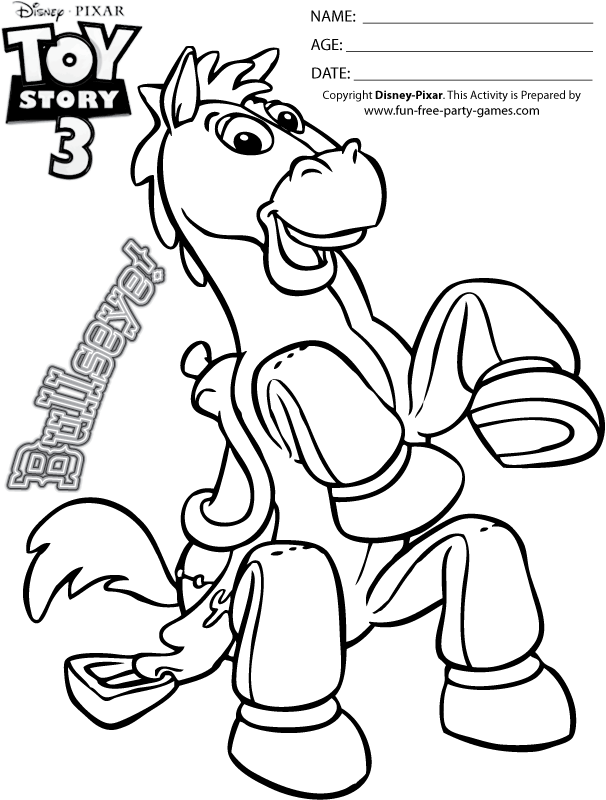
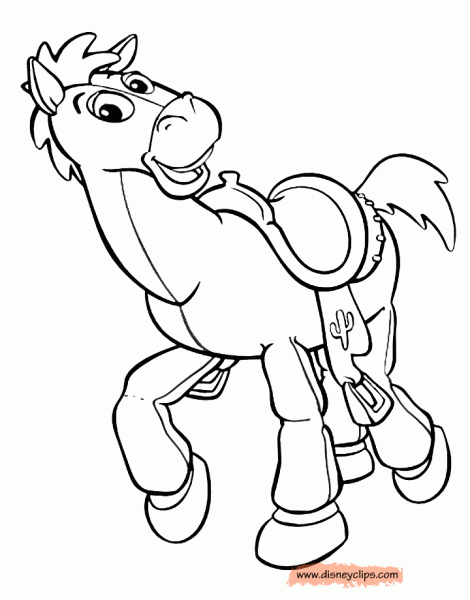
Bullseye portrait pages are the heart of the collection because they show the character clearly and make him easy for children to recognize. These pages may include Bullseye smiling, standing proudly, looking excited, or posing like a friendly toy horse ready for a new adventure.

Coloring Bullseye portrait pages: Use warm brown, tan, cream, dark brown, and soft golden tones for Bullseye’s body, mane, tail, muzzle, and hooves. Color the Bullseye first, so the main character stays clear before adding the saddle or background. The common mistake is using one flat brown across the whole horse; small changes in brown shades help Bullseye look warmer and more expressive.

Woody and Bullseye Friendship Pages

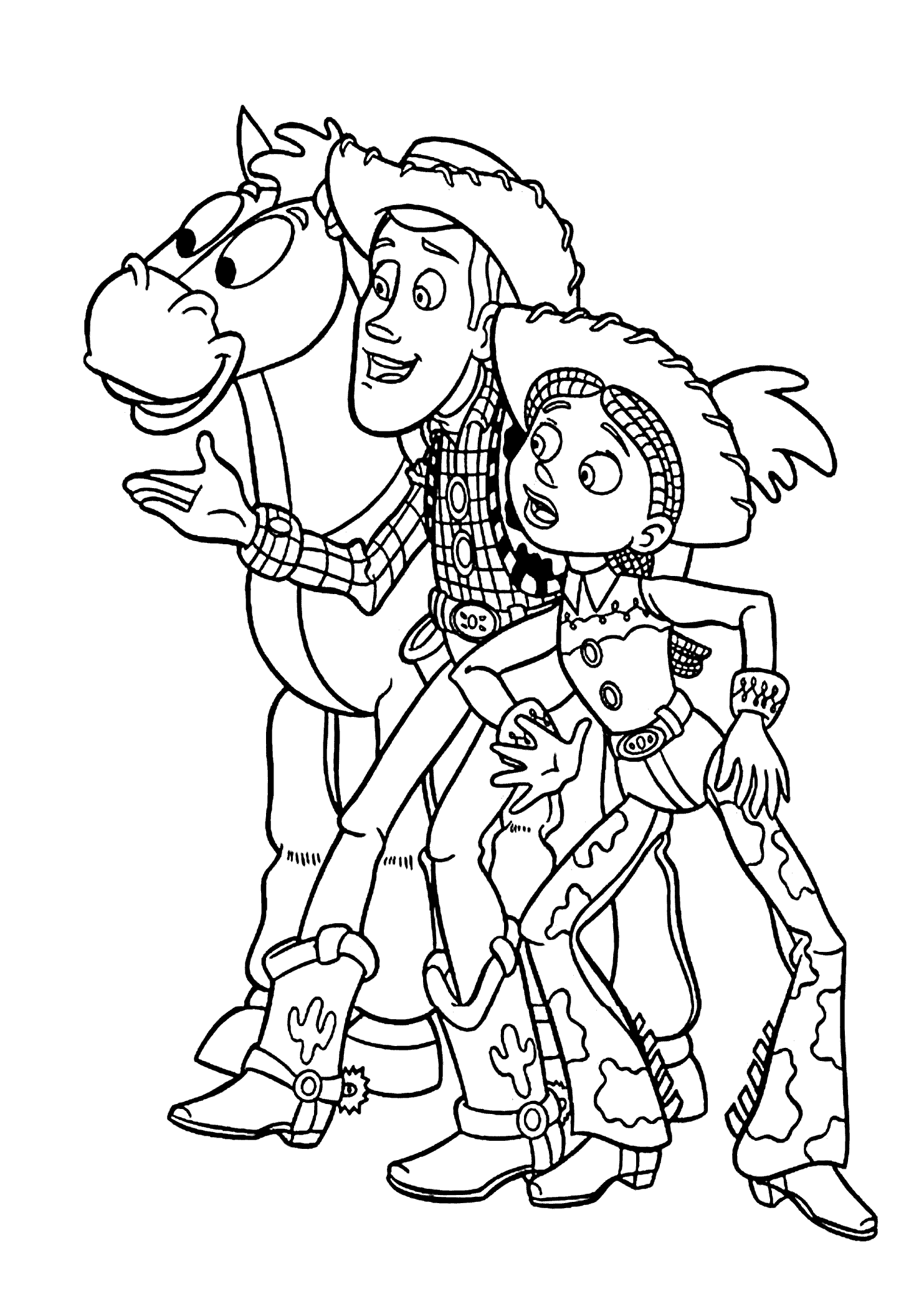
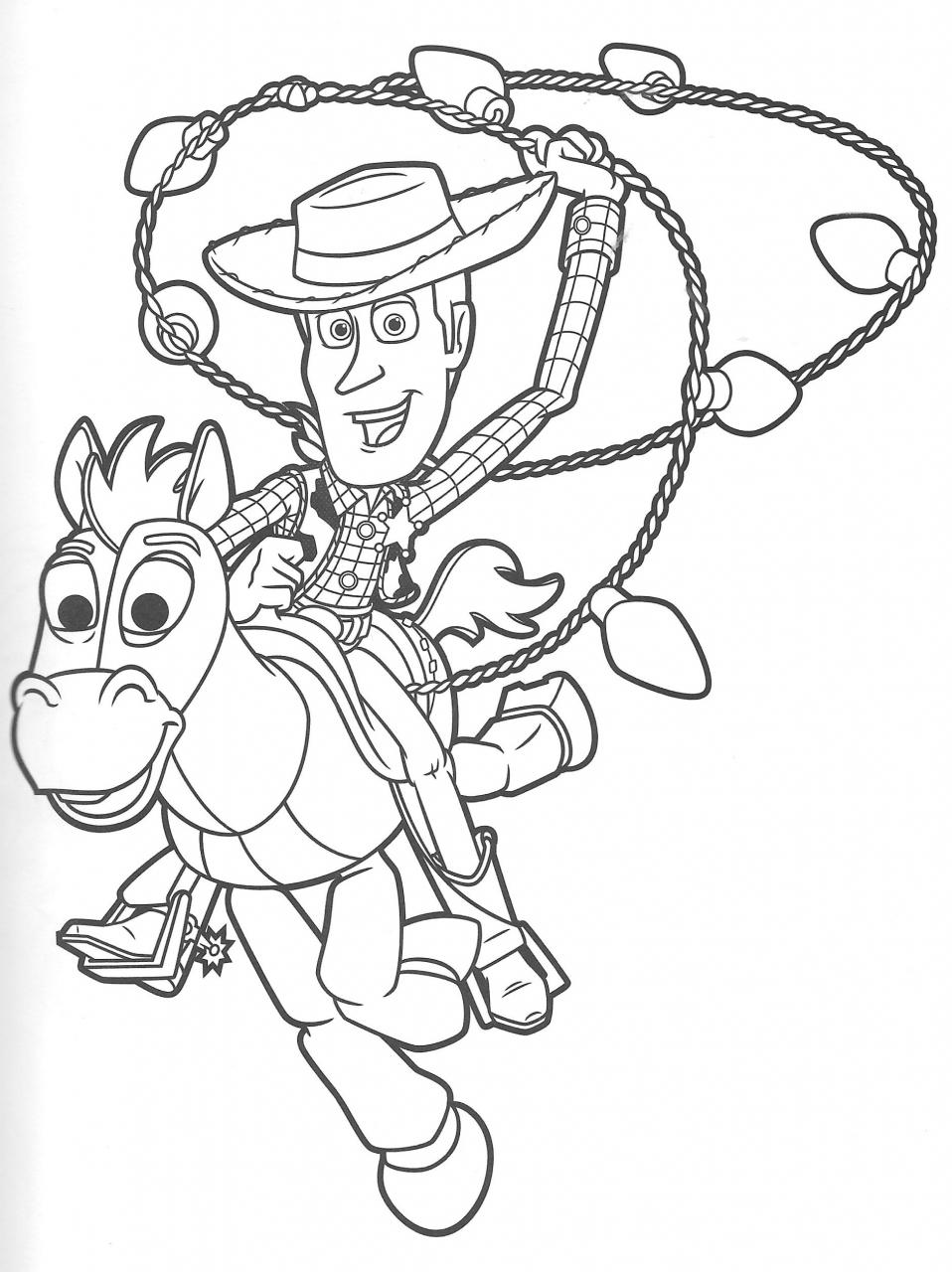
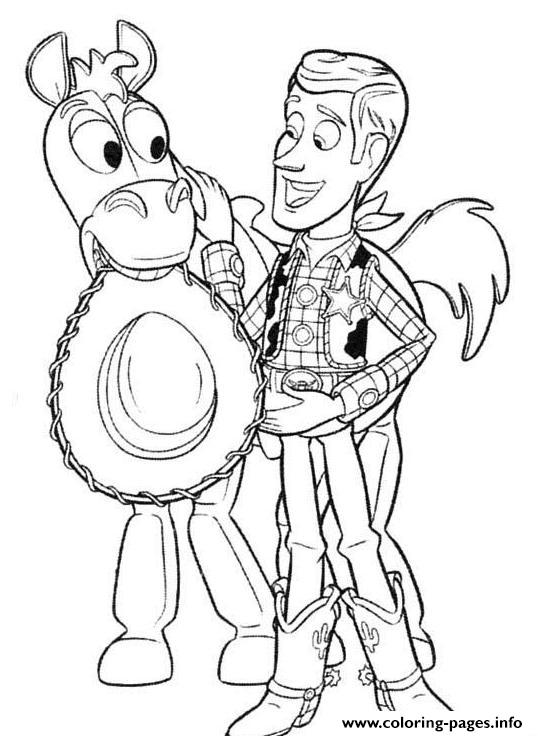
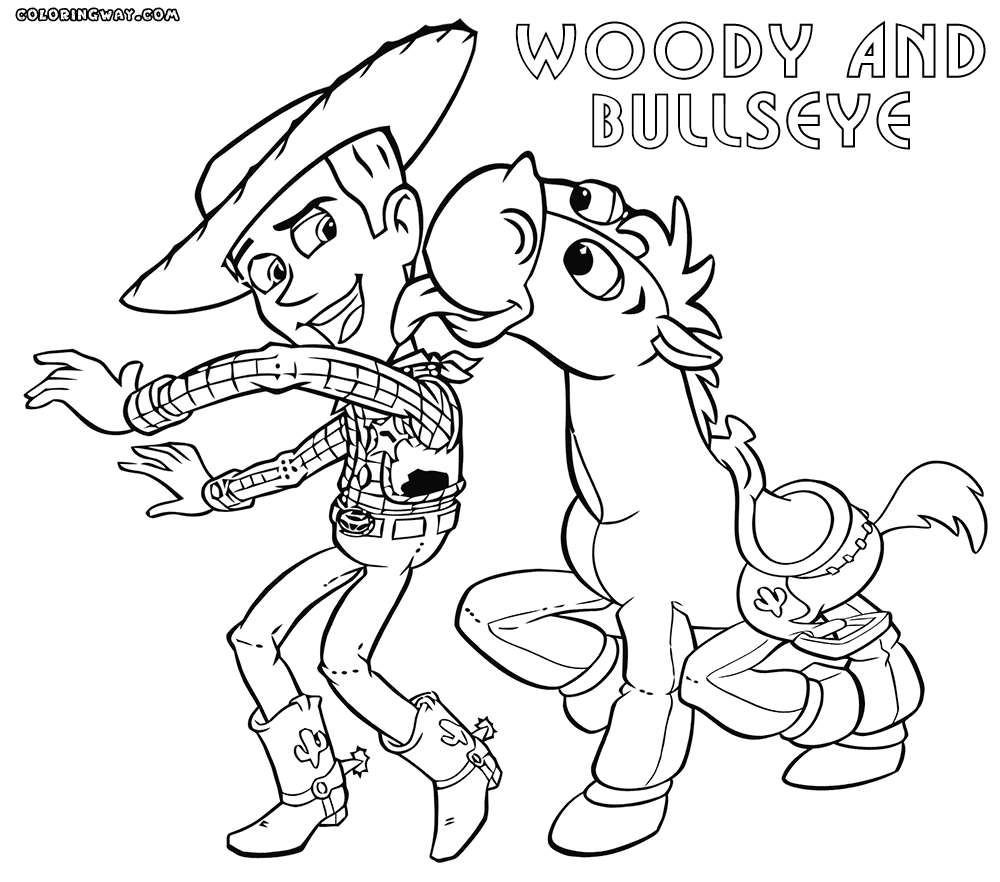
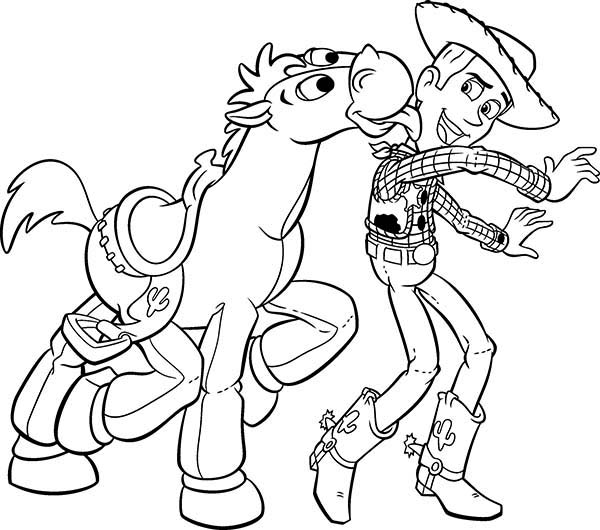
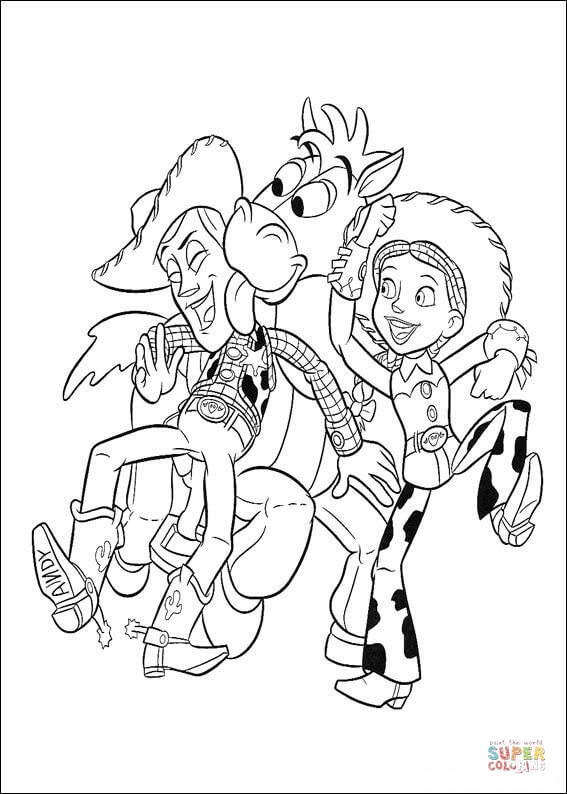
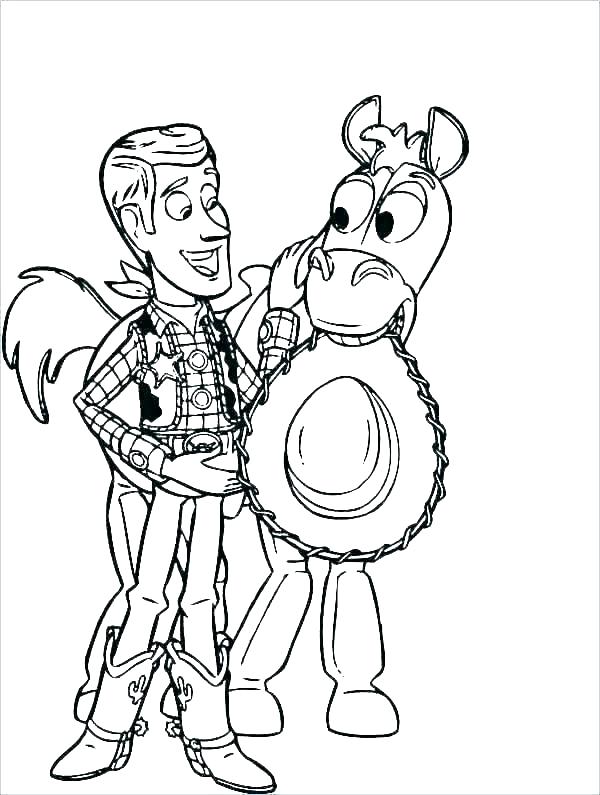
Woody and Bullseye pages are especially important because they show the cowboy adventure feeling that many Toy Story fans love. These pages may include Woody riding Bullseye, standing beside him, smiling with him, or moving together through a playful western scene.

Coloring Woody and Bullseye pages: Use warm brown tones for Bullseye, yellow for Woody’s shirt, blue for his jeans, red for his bandana, and brown for his hat and boots. Color the two main characters before the background so the friendship scene stays easy to follow. Use softer colors behind them so Woody and Bullseye remain the center of the page.

Jessie and Bullseye Cowgirl Pages

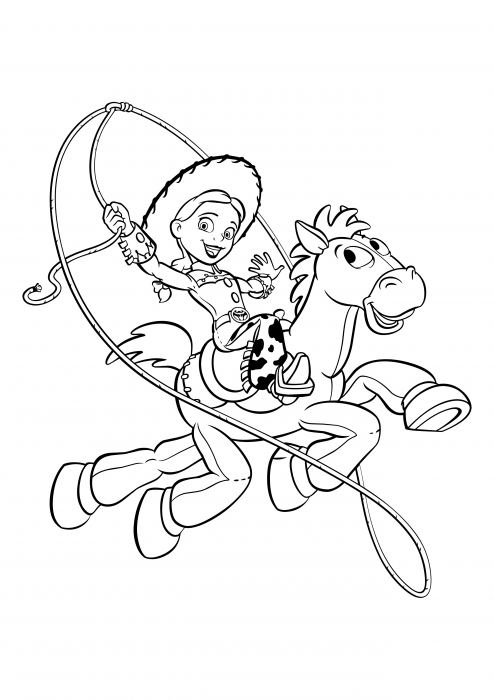
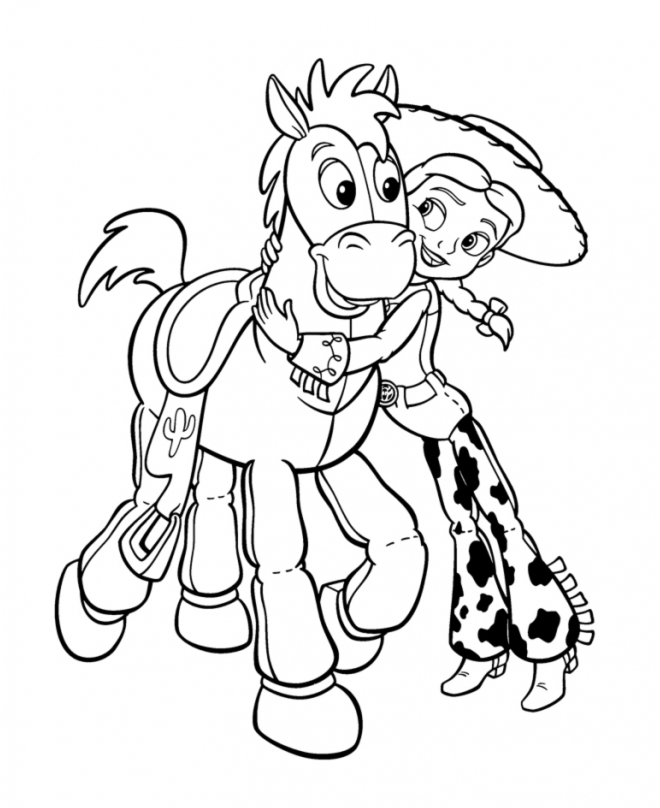
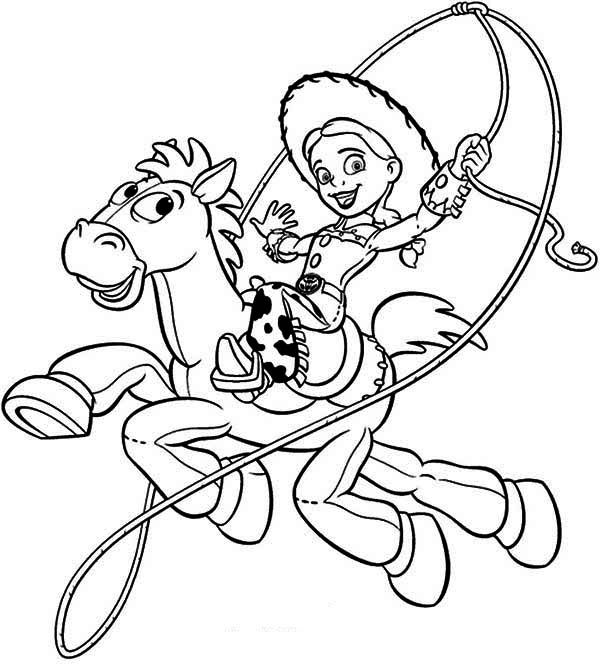
Jessie and Bullseye pages bring a bright cowgirl feeling to the collection. These pages may show Jessie riding Bullseye, standing beside him, smiling with him, or joining Woody in a Toy Story-style adventure.

Coloring Jessie and Bullseye pages: Use brown shades for Bullseye and bright colors for Jessie’s outfit. Yellow, white, red, blue, and brown can help Jessie stand out clearly. If the page includes western details, use tan, orange, soft yellow, and light brown for ropes, fences, ground, or toy props.

Running, Galloping, and Action Pages

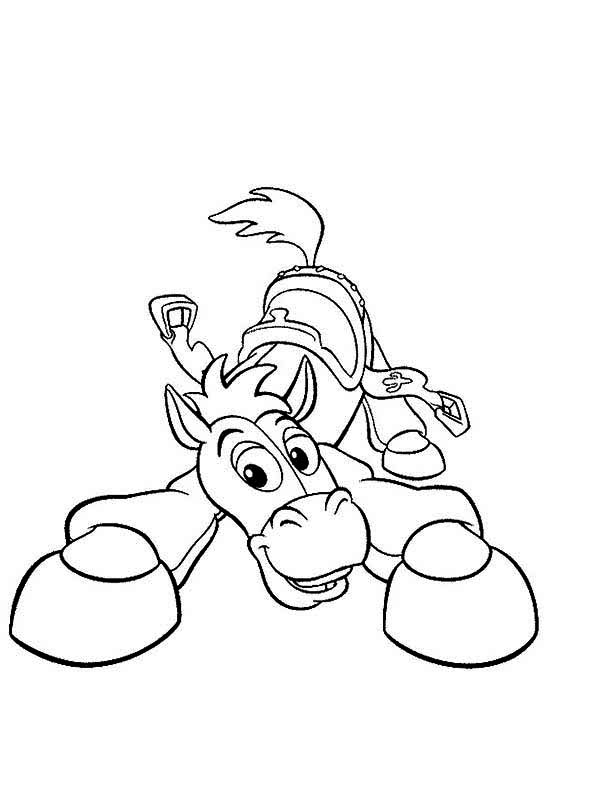
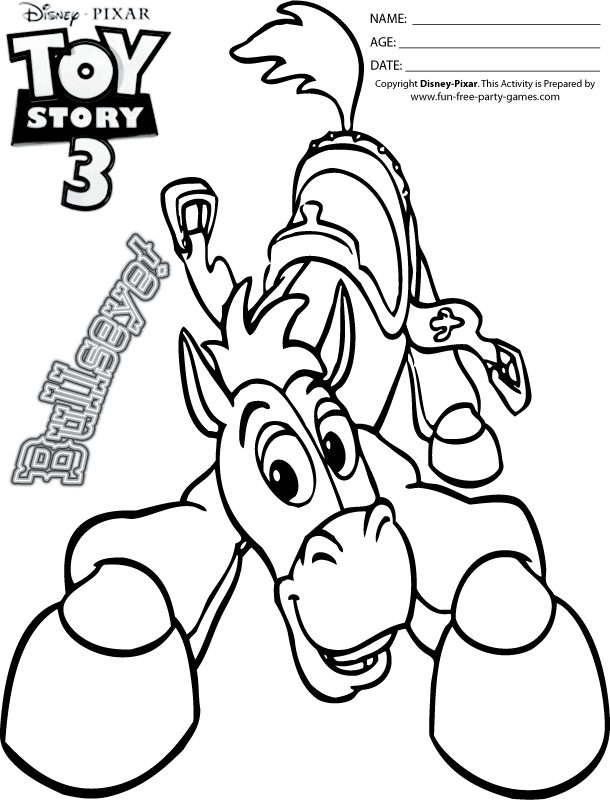
Running and galloping Bullseye pages show energy, speed, and playful motion. These pages may include Bullseye lifting his legs, racing forward, jumping, kicking up dust, or moving through a western-style adventure.

Coloring Bullseye action pages: Start with Bullseye’s body and legs, then add the motion details around him. Use darker brown under the belly, legs, and hooves to suggest movement and shadow. Dust clouds can be tan or pale yellow, while the ground should stay soft so Bullseye remains the center.

Western, Cowboy, and Toy Story Background Pages

Western background pages give Bullseye a setting that matches his character. These pages may include fences, sheriff-style stars, ropes, cowboy hats, boots, toy barns, desert ground, wooden signs, or playful western props.

Coloring western and cowboy pages: Use tan, light brown, orange, yellow, soft red, and pale blue to create a warm western feeling. Wood fences can be light brown, ropes can be tan, and stars can be yellow or gold. Avoid using only brown everywhere; a few bright accents make the page look more finished.

Toy Story Character and Friendship Scene Pages

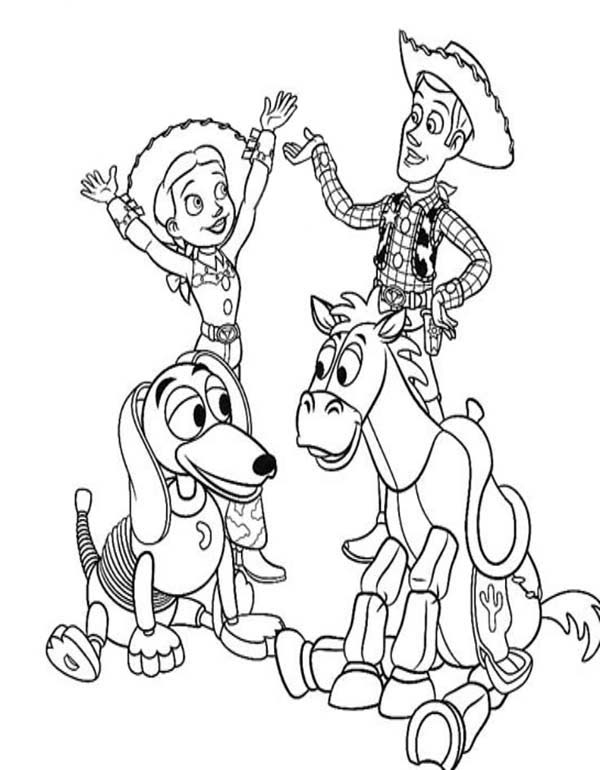
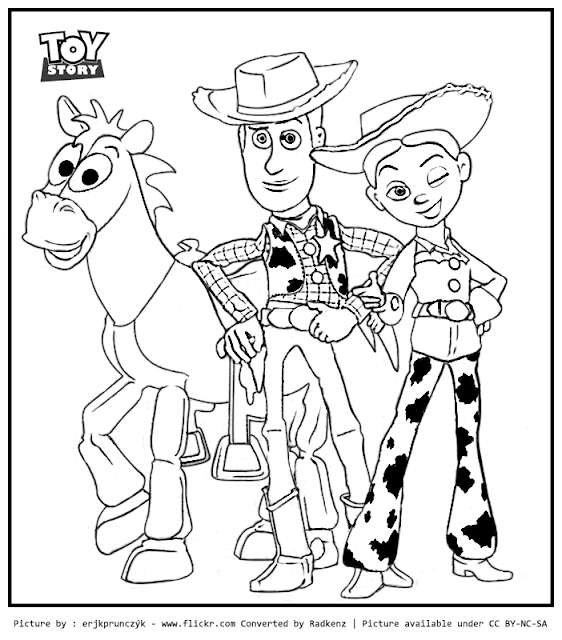
Some Bullseye pages feel more like Toy Story character scenes than traditional horse pages. They can include toy-room details, group moments, playful objects, or scenes where Bullseye appears with Woody, Jessie, or western toy elements.

Coloring Toy Story character scenes: Use clear character colors first, then add softer background tones for floors, walls, boxes, toys, or western props. Keep small objects lighter unless they are important to the story, so Bullseye, Woody, or Jessie remain easy to follow.

Simple Bullseye Pages for Preschoolers

Simple Bullseye pages are designed for younger children who need large shapes, clean outlines, and fewer small details. These pages may include one standing Bullseye, one smiling face, a simple saddle, or an easy horse pose with little background.

Coloring simple Bullseye pages: Use one brown for the body, one darker brown for the mane and tail, one bright saddle color, and one soft background color. Crayons or washable markers work well for small hands. The goal is confidence and enjoyment, not perfect coloring.

Detailed Bullseye Pages for Older Kids

Detailed Bullseye pages include more character details, group scenes, western props, saddle patterns, action poses, and fuller Toy Story-style storytelling. These pages give older kids more room to plan colors, add contrast, and create a finished-looking picture.

Coloring detailed Bullseye pages: Choose a warm palette before starting. Use several browns for Bullseye, red and yellow for western accents, blue for clothing or background details, and tan for wood, rope, or ground. Add small shadows under the hooves, around the saddle, and behind the characters.

What These Pages Do

Bullseye coloring pages give children a familiar animated character that supports more than simple decoration. Bullseye is a horse, a toy, a friend, and a playful part of the Toy Story world. That mix makes the pages useful for talking about animals, movement, loyalty, friendship, cowboy themes, and imaginative play.

These pages also support visual storytelling. A page with Bullseye standing beside Woody can become a friendship scene. A Jessie and Bullseye page can become a cowgirl adventure. A galloping Bullseye page can become a race, a rescue, or a pretend ride across a toy-room world. Children learn to look at the pose, identify the main action, and explain what might happen next.

Bullseye pages can also help children build fine motor skills. Large horse shapes are good for younger colorists, while saddle details, hooves, eyes, hats, ropes, and background objects give older children smaller areas to complete. The activity helps children practice hand control, color planning, focus, and patience without feeling like a formal lesson.

This kind of activity fits well with what child-development experts often describe as the value of play. The American Academy of Pediatrics has emphasized that play supports social-emotional growth, problem-solving, executive function, and parent-child connection. A Bullseye coloring page can become part of that playful learning when children choose colors, tell a story, describe a character, or talk with an adult about the scene.

Structured coloring can also create a calm, creative moment. A 2005 study published in the Art Therapy Journal found that coloring structured patterns was linked with greater anxiety reduction than unstructured coloring. Bullseye pages are not therapy and should not be treated as medical tools, but their clear outlines, familiar character shapes, and predictable spaces can make them useful for quiet time, transitions, or relaxed classroom activities.

The collection also supports useful vocabulary. Children can talk about a horse, a saddle, a mane, a tail, hooves, a gallop, a cowboy, a cowgirl, a friend, a toy, a hat, a rope, a star, a stable, and an adventure. Parents and teachers can ask simple questions: Is Bullseye running or standing still? Who is riding him? What color should the saddle be? Where is Bullseye going? What happens next?

How to Color These Pages Well

Start with Bullseye’s main body before adding small details. Bullseye is usually the center of the page, so children should color his body first instead of starting with the saddle, background, or tiny props. A warm medium brown works well for the main coat. After that, use a darker brown for the mane and tail, then add lighter tan or cream around the muzzle, belly, or highlight areas if the drawing has open spaces for them. That keeps the horse shape clear and helps the page feel organized from the beginning.

Use different brown shades so Bullseye does not look flat. A common problem with horse coloring pages is using one brown across the entire body. Bullseye looks much better when children use two or three related shades. For example, medium brown for the body, dark brown for the mane, tail, hooves, and shadow areas, and light tan for the muzzle or small highlights. Older kids can press harder with a colored pencil near the legs, under the saddle, or behind the ears to create soft shading.

Make the saddle a bright focal point. Bullseye’s saddle is one of the easiest places to add personality. Red, yellow, green, blue, or orange can all work well, depending on the page. If the horse is mostly brown, a bright saddle helps separate the character from the body and gives the page a stronger Toy Story feeling. For younger kids, one bright saddle color is enough. Older kids can add a second color for the saddle border, straps, or small decorative shapes.

Keep Bullseye’s face soft and expressive. Because Bullseye shows emotion through his eyes, mouth, ears, and head position, the face should not be colored too darkly. Use lighter tones around the muzzle and keep the eyes clean so the expression stays easy to read. If the page shows a funny or excited face, children can add a small blush, a soft cheek tone, or a bright background color around the head to make the expression stand out.

Color Woody and Jessie before filling the background. In pages where Bullseye appears with Woody or Jessie, the three main characters should stay clear. Use Woody’s classic western palette: yellow shirt, blue jeans, red bandana, brown hat, and brown boots. Jessie can stand out with bright cowgirl colors such as white, yellow, red, blue, and brown. Once the characters are finished, use softer background colors so the scene does not become too busy.

Use western colors to support the scene without overpowering Bullseye. Cowboy backgrounds often include fences, ropes, stars, barns, desert ground, hats, boots, or wooden signs. These details look best with tan, light brown, golden yellow, soft orange, pale blue, and warm gray. Avoid making every background object dark brown, because Bullseye already uses many brown tones. A lighter Western background helps the horse and characters remain the focus.

Add motion carefully on running and galloping pages. If Bullseye is running, children can make the page feel more active with simple shading. Darker brown under the belly, around the legs, and near the hooves can suggest movement. Dust clouds can be colored pale yellow, tan, or light orange. Motion lines should stay light so they support the pose without making the page messy. The goal is to make Bullseye feel fast, not to crowd the page.

Use toy-room colors differently from Western outdoor colors. If the page feels like a Toy Story play scene, children can use brighter indoor colors such as soft blue, yellow, green, or red for toys, boxes, walls, and small props. If the page feels like a cowboy scene, use more tan, brown, orange, and warm yellow. Choosing the setting first helps children decide whether the page should feel like a toy-room adventure or a western ride.

Save small details for the final pass. Details such as eyes, hooves, saddle straps, hat bands, ropes, stars, buttons, belt buckles, and toy-room objects should be colored after the main characters are done. That keeps the page cleaner and prevents children from getting stuck on tiny areas too early. A final pass with a darker brown, black, or a sharper colored pencil can make outlines, hooves, and saddle details look more finished.

Let younger children keep the page simple. Preschoolers do not need shading, perfect Toy Story colors, or detailed backgrounds. A simple plan works best: brown body, darker mane and tail, bright saddle, and one light background color. That helps young children finish the page without frustration. The main goals are confidence, color recognition, and hand control.

Encourage older children to plan a small color palette. Older kids can make detailed Bullseye pages look stronger by choosing colors before they start. A clean palette might include medium brown, dark brown, tan, red, yellow, blue, and light background colors. Planning helps group scenes with Woody, Jessie, and Bullseye to look balanced instead of crowded.

Turn the finished page into a story moment. After coloring, ask children to describe the picture: Is Bullseye waiting for Woody? Is Jessie riding with him? Is he galloping through a western scene or playing in a toy room? This simple step makes the coloring page more meaningful and supports storytelling, vocabulary, and imagination.

The common mistake is using brown for everything. Bullseye is a brown horse, but the page still needs contrast. Use different browns for the body, mane, tail, and hooves; bright colors for the saddle; clean character colors for Woody and Jessie; and softer tones for the background. A few clear color choices can make the whole Bullseye page look warmer, brighter, and more complete.

5 Creative Craft Ideas

Bullseye Western Adventure Journal

Turn a finished Bullseye coloring page into the cover of a small western adventure journal. Use printed Bullseye pages, folded paper, or a blank notebook, crayons, glue, scissors, stickers, and a stapler or ribbon. Children color Bullseye, Woody, Jessie, or a western scene, then attach it to the front of the journal.

Inside, add simple pages such as “My Horse,” “My Toy Story Adventure,” “Where Bullseye Goes,” and “My Favorite Colors.” Older children can write short sentences about where Bullseye is riding and what happens next.

Bullseye Stick Puppets

Use Bullseye, Woody, Jessie, or group coloring pages to make simple story puppets. Children color the characters, cut them out with adult help, and attach each one to a popsicle stick or paper straw.

Then they can act out a short Toy Story-style adventure. Bullseye can gallop across the table, Woody can call for help, Jessie can join the ride, and the story can end with the friends back together.

Cowboy Party Coloring Station

Create a Bullseye coloring station for a Toy Story, horse, cowboy, or western-themed party. Print a mix of easy Bullseye portraits, Woody and Bullseye pages, Jessie scenes, and action poses.

Place crayons, colored pencils, and markers on the table so children can choose their favorite page. Finished pages can become party keepsakes, wall decorations, or a small gallery for guests to enjoy.

Bullseye Stable Door Display

Use a finished Bullseye coloring page to create a stable-style display. Children color Bullseye, glue the page onto brown or tan paper, and draw or cut a simple stable door frame around him.

They can add horseshoes, stars, ropes, their name, or a small title such as “Bullseye’s Stable.” This craft works well for classrooms, bedrooms, party tables, and horse-themed activities.

Bullseye Toy Room Diorama

Build a 3D Toy Story-style scene inside a shoebox or shoebox lid. Children color and cut out Bullseye, Woody, Jessie, toy blocks, stars, ropes, fences, or western objects.

Glue some pieces flat against the background, and stand other pieces upright with folded tabs to create depth. The finished diorama turns a flat coloring page into a small Toy Story world with characters, setting, and action.

Frequently Asked Questions

Are Bullseye Coloring Pages free?

Yes. These Bullseye coloring pages are free for personal, classroom, and creative use. Parents and teachers can print them for quiet time, Toy Story activities, party tables, classroom centers, horse-themed lessons, or screen-free fun.

Children can also use available online coloring options when they want to color directly on a device without printing first.

What are Bullseye Coloring Pages?

Bullseye Coloring Pages are printable and online coloring sheets featuring Bullseye, the loyal toy horse from Toy Story. They may include Bullseye standing, smiling, running, galloping, posing with Woody, standing with Jessie, or appearing in western toy scenes.

These pages are useful for children who enjoy Toy Story characters, cartoon horses, cowboy adventures, and screen-free creative play.

How many Bullseye Coloring Pages are in this collection?

This collection includes 20+ free Bullseye coloring pages. The pages range from simple Bullseye portraits to more detailed scenes with Woody, Jessie, western props, saddles, action poses, and Toy Story-style storytelling.

Because the collection includes different scene types, children can choose by character, difficulty level, or activity purpose.

Who is Bullseye from Toy Story?

Bullseye is Woody’s loyal toy horse from the Toy Story world. He is closely connected with Woody and Jessie and is known for being expressive, energetic, friendly, and full of personality.

Even though Bullseye does not speak, children can understand him through his face, movement, and reactions. That makes him a great coloring character because each page can show emotion, action, loyalty, and friendship without needing words.

Which characters are included with Bullseye?

Some pages may include Bullseye alone, while others may include Woody, Jessie, or western Toy Story-style scenes. Woody and Bullseye pages are especially strong for cowboy adventure coloring, while Jessie and Bullseye pages add a fun cowgirl theme.

This mix gives children different coloring choices: simple horse pages, friendship pages, action pages, group scenes, and western-themed designs.

Are Bullseye coloring pages good for preschoolers?

Yes. Simple Bullseye pages are good for preschoolers because they often include one clear character, large outlines, friendly expressions, and fewer background details. Happy Bullseye portraits and easy horse pages are especially beginner-friendly.

For younger children, the goal is not perfect coloring. The goal is to help them enjoy color, practice hand control, recognize a familiar character, and complete a page with confidence.

Are there Bullseye pages for older kids?

Yes. Older children can enjoy Bullseye pages with Woody, Jessie, western backgrounds, saddle details, galloping poses, and Toy Story adventure scenes. These pages include more areas to color and more decisions to make.

Older kids can plan a palette, add shading, use different browns, color clothing details carefully, and make the western scene feel more complete.

Can Bullseye pages help with storytelling?

Yes. Bullseye pages are strong for storytelling because many pictures suggest movement, friendship, or adventure. A child can describe where Bullseye is going, who is riding him, why Woody or Jessie is with him, and what happens next.

Parents and teachers can ask simple prompts: Is Bullseye happy? Is he running? Who is helping him? Where is the adventure taking place?

What colors should I use for Bullseye pages?

Bullseye pages usually work well with warm browns, tan, cream, dark brown, red, yellow, blue, orange, and soft western colors. Use medium brown for Bullseye’s body, darker brown for the mane and tail, and a bright color for the saddle.

For Woody and Jessie scenes, keep the character colors clean. Use softer colors for the background so the main characters are easy to see.

Can these pages be used for classroom activities?

Yes. Bullseye coloring pages can be used for animal units, horse-themed lessons, cartoon character activities, fine motor centers, creative writing prompts, and quiet work.

Teachers can ask children to color a page, identify the main character, describe the setting, and explain what Bullseye might do next. Finished pages can become journals, puppets, stable displays, party decorations, or classroom storyboards.

Bullseye coloring pages bring Toy Story friendship, horse movement, cowboy fun, western details, Woody, Jessie, saddles, toy-room scenes, and imaginative storytelling into a simple, creative activity. Each page gives children a chance to color a familiar character while thinking about where Bullseye is going, who is riding with him, and what adventure might happen next.

Browse the full collection at ColoringPagesOnly.com. All 20+ pages are free, available as PDF, JPG, or PNG, ready to print at home or color online.

These fan-friendly pages are created for personal, classroom, and creative coloring use. They fit many moments: preschool quiet time, a Toy Story birthday activity, a classroom horse lesson, a cowboy party table, a travel bag, a family craft afternoon, or a screen-free cartoon break.

For the final pass, keep Bullseye warm and expressive, make the saddle bright, color Woody and Jessie with clean character colors, and leave small highlights on the eyes, hooves, ropes, stars, or toy-room details. A clear horse shape, a friendly face, and a few bright accents can make the whole Bullseye adventure page feel more complete.

Share your work on Facebook and Pinterest and tag #Coloringpagesonly. We especially want to see your Bullseye Western Adventure Journal and Bullseye Toy Room Diorama.

Saddles ready / friends together / Toy Story adventures in color.

These related coloring collections will help you explore the wonderful world of colors. Let’s choose, be creative, and show us your great pictures!

Jennifer Thoa – Content Editor & Designer

Jennifer Thoa is Content Editor and Designer at ColoringPagesOnly.com. Degree in Journalism and Creative Writing, University of Kansas. She writes and edits long-form educational articles on anime, film, animals, world cultures, and automotive history - verified against named primary sources before publication.