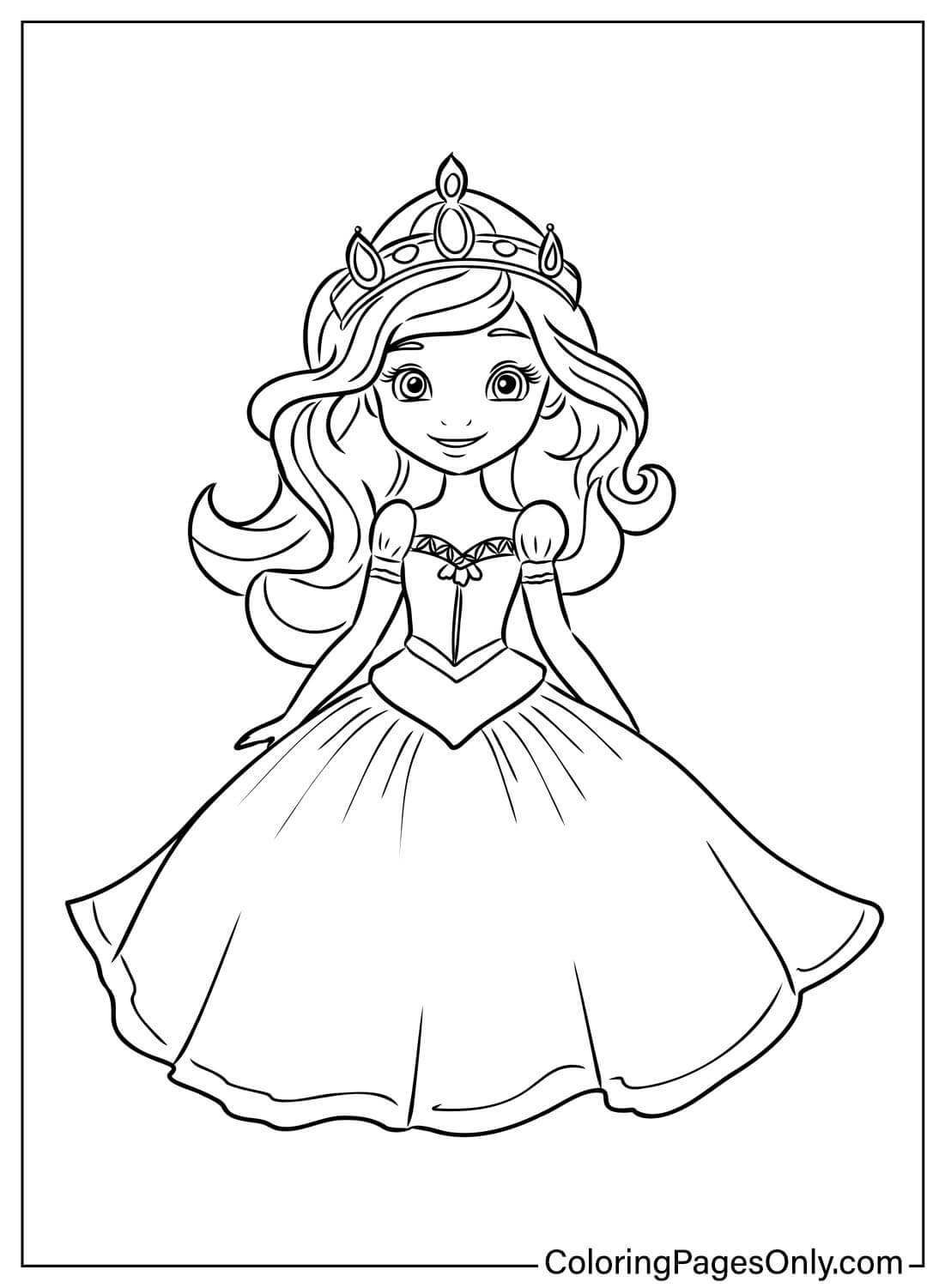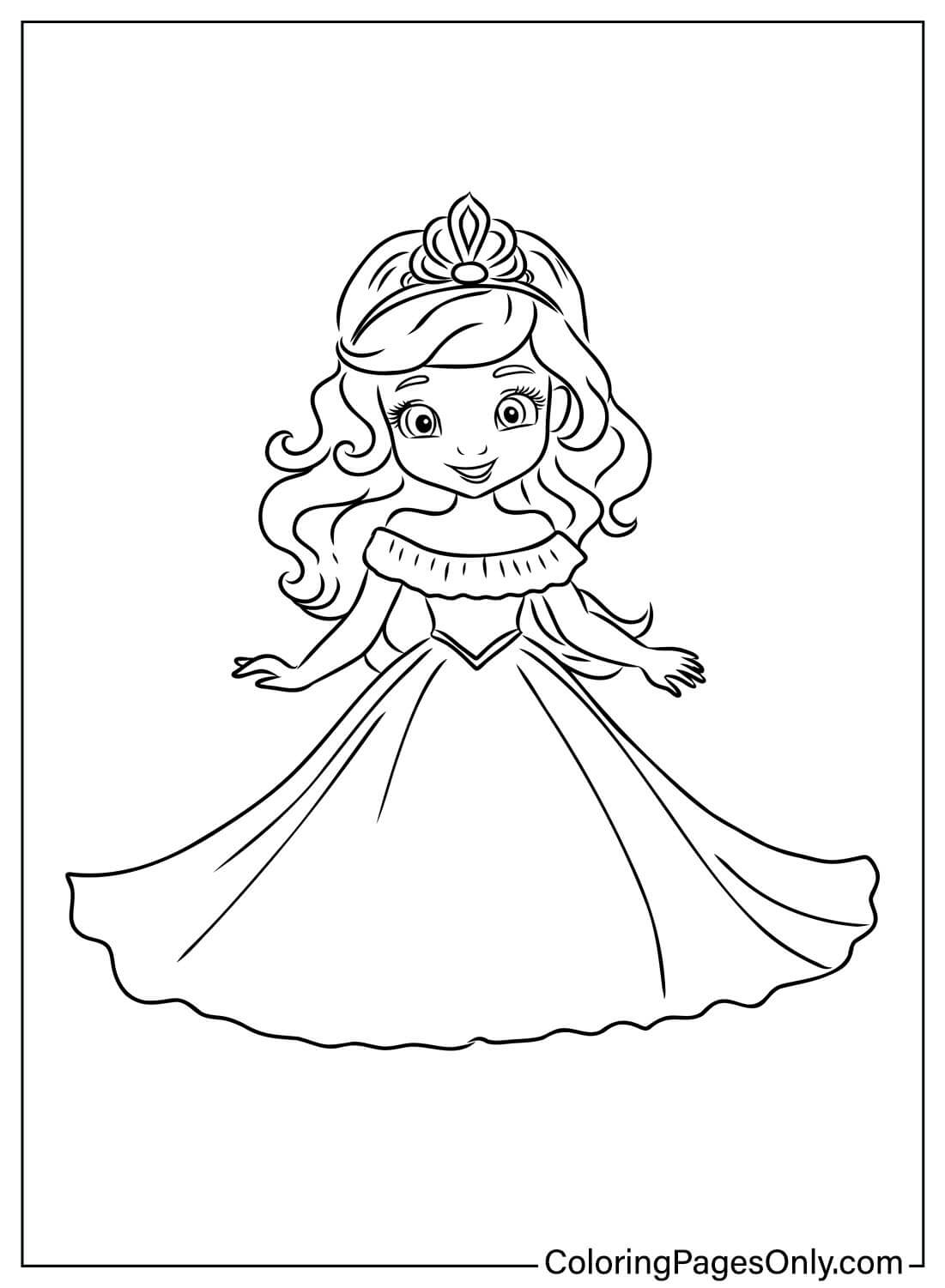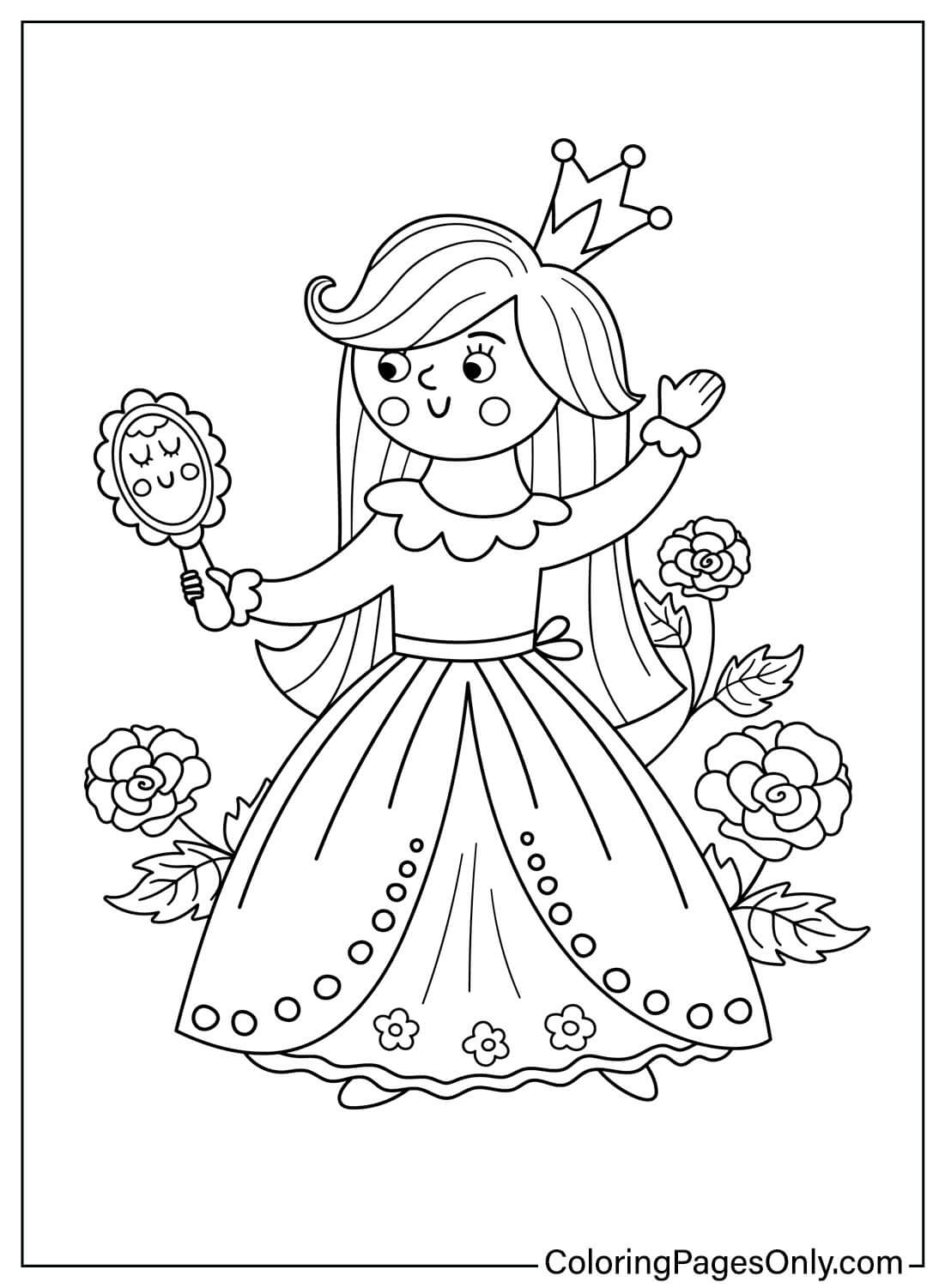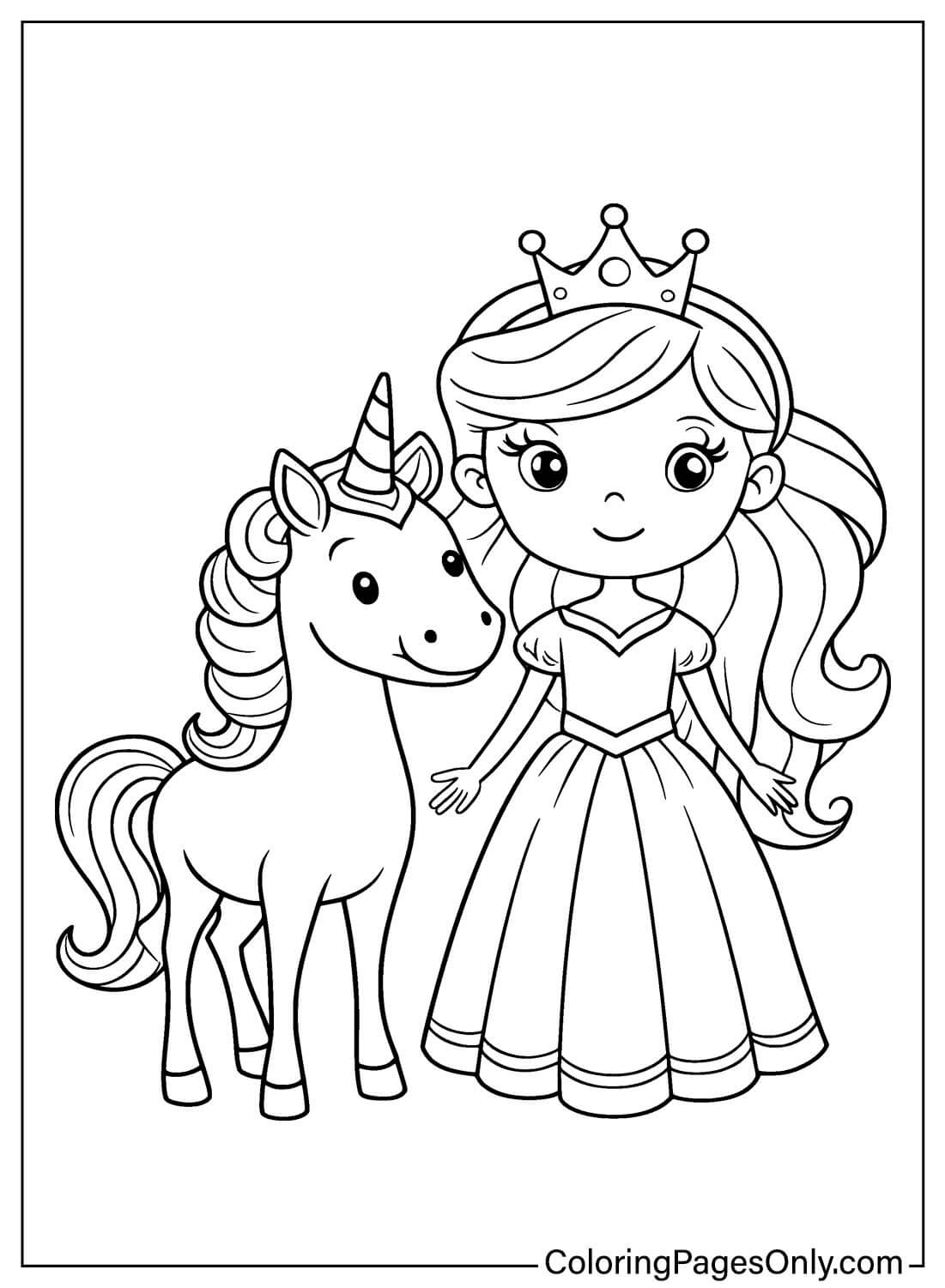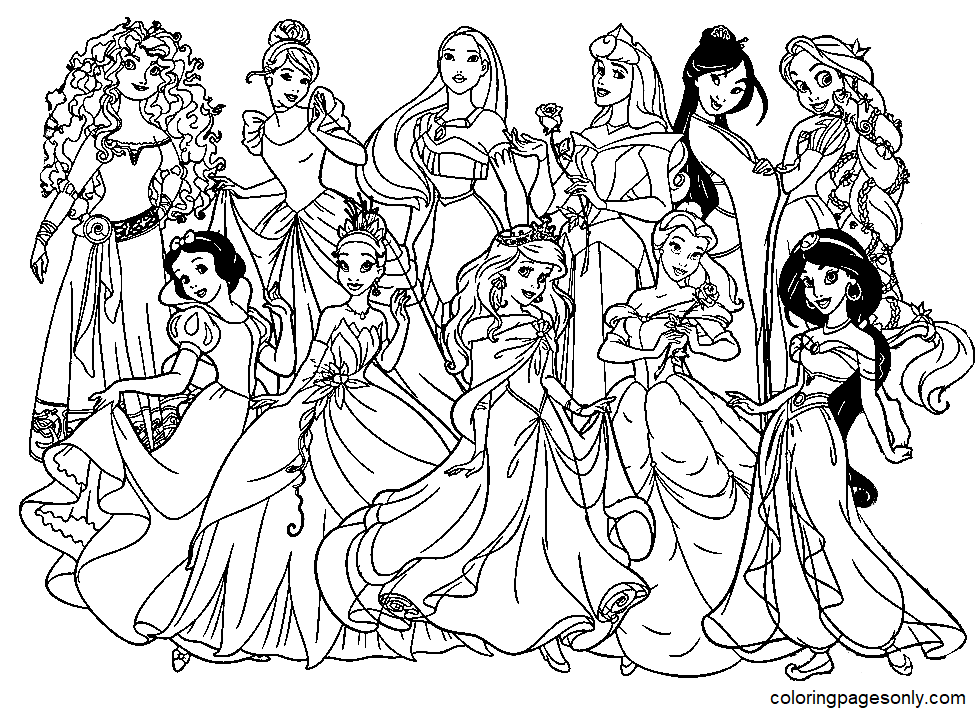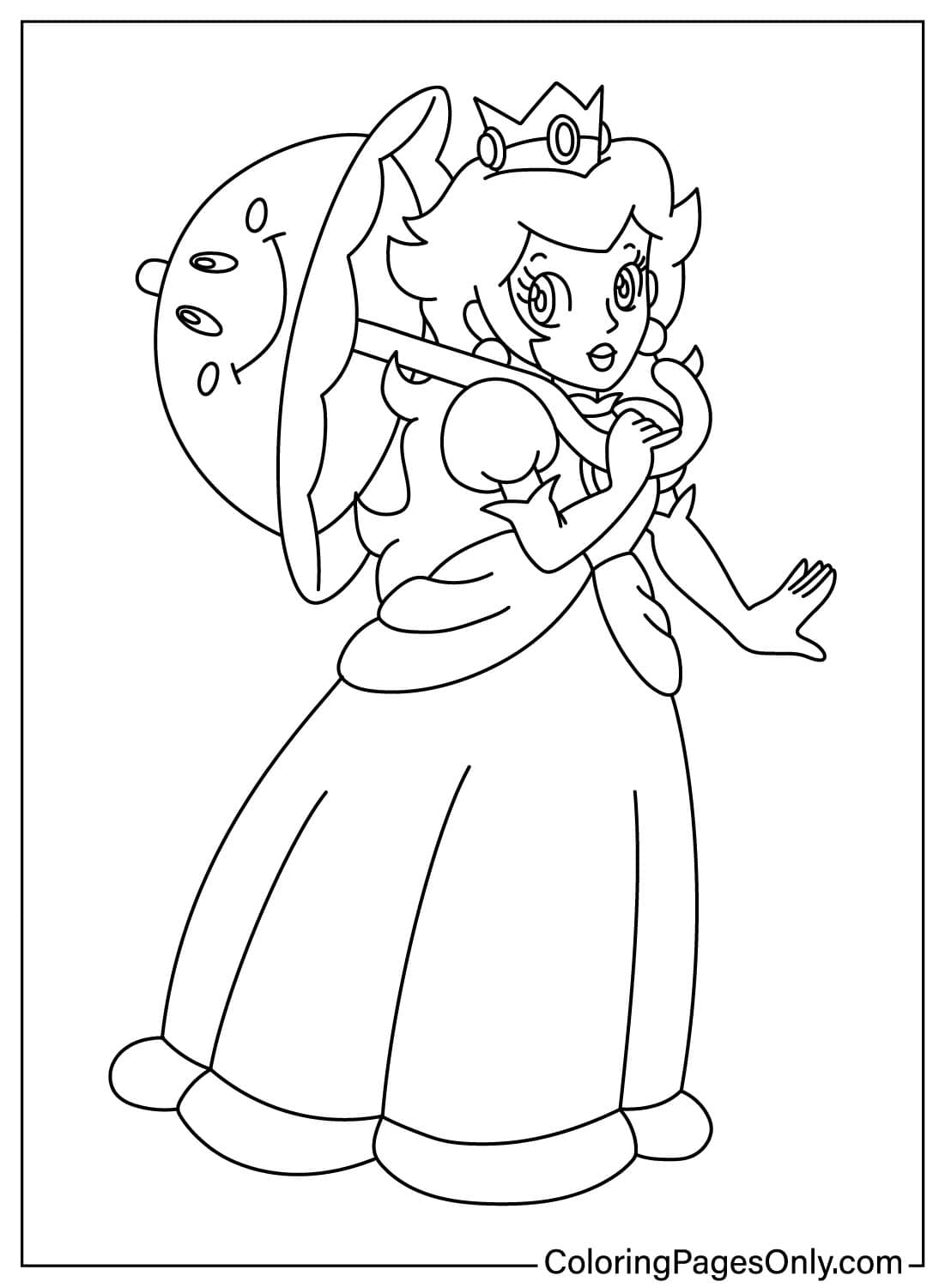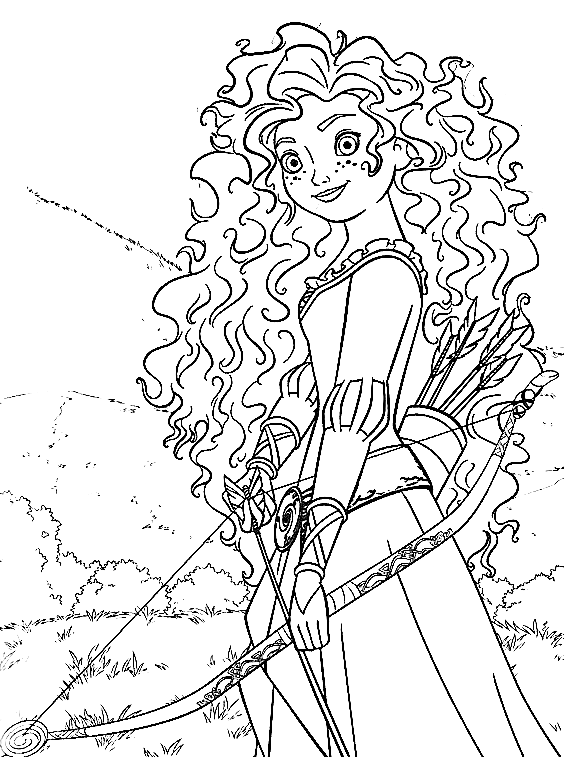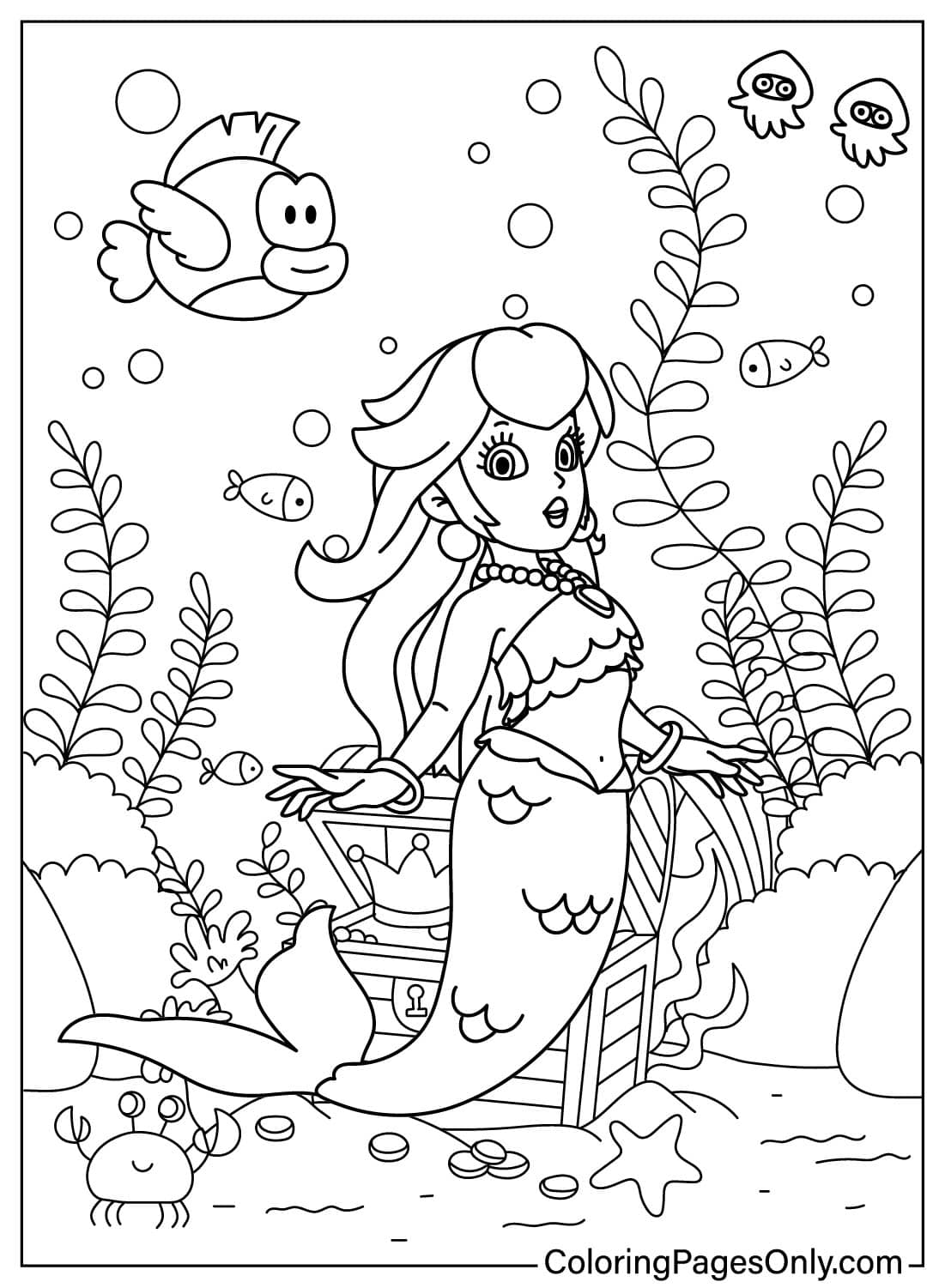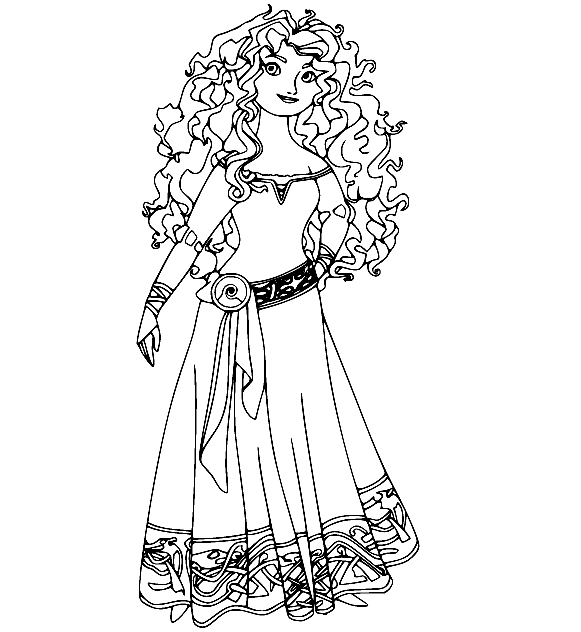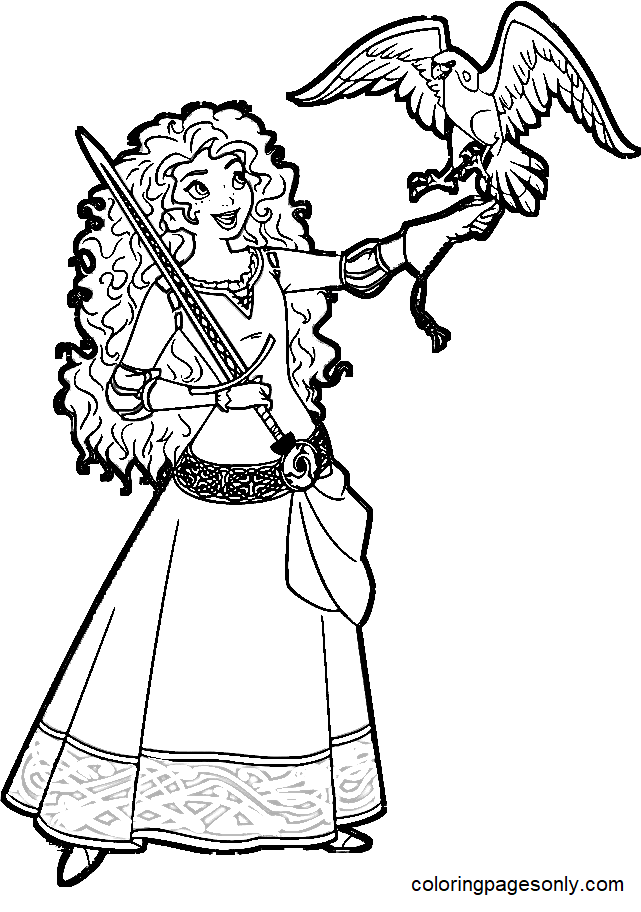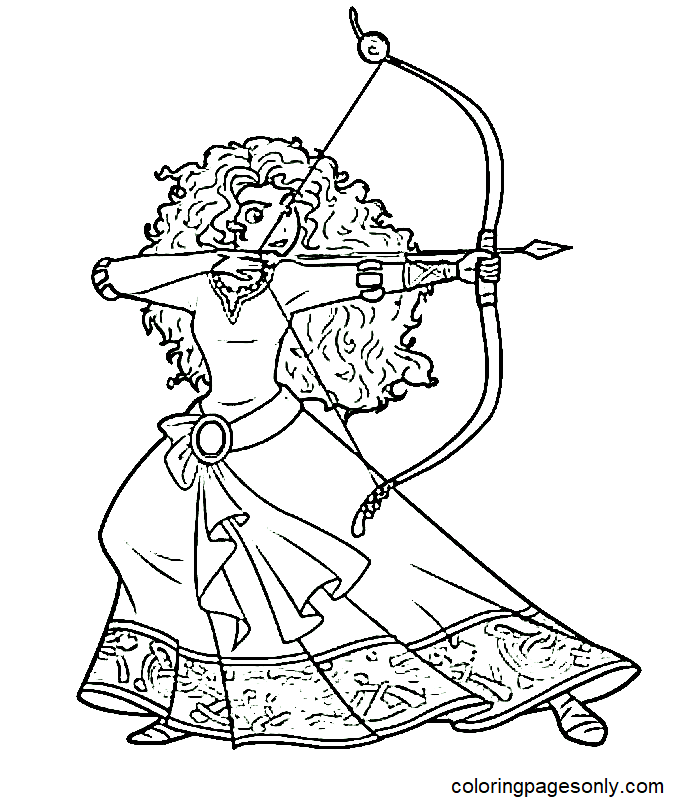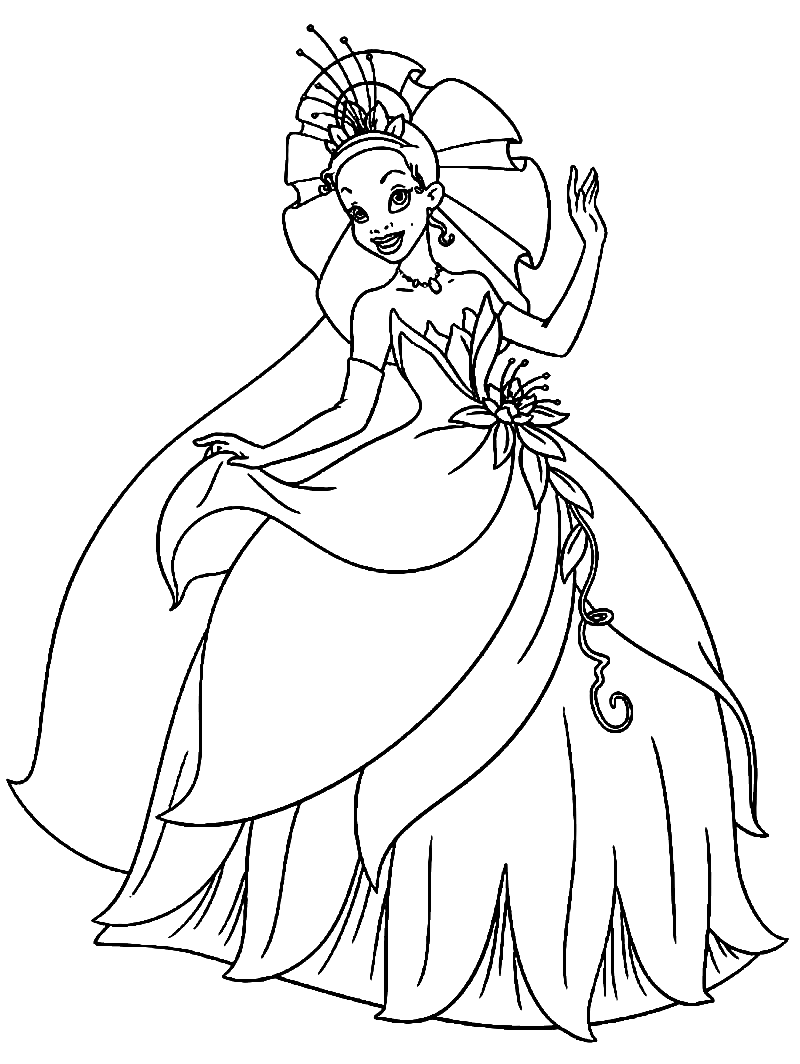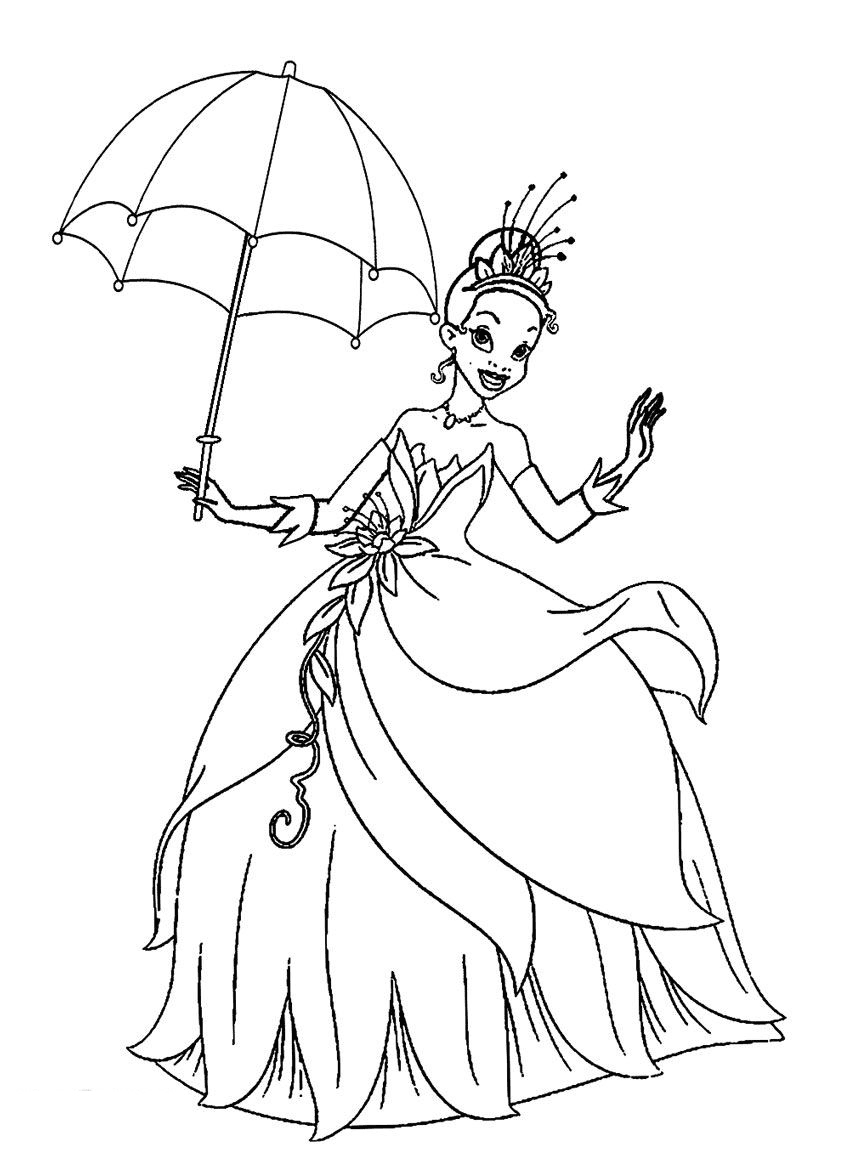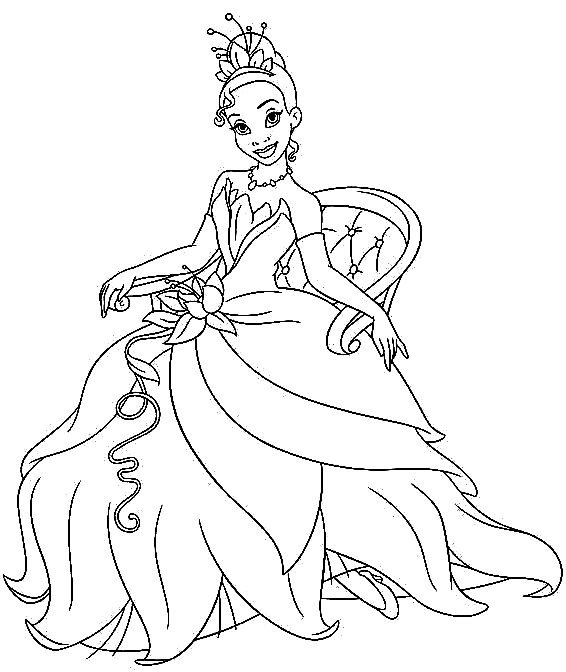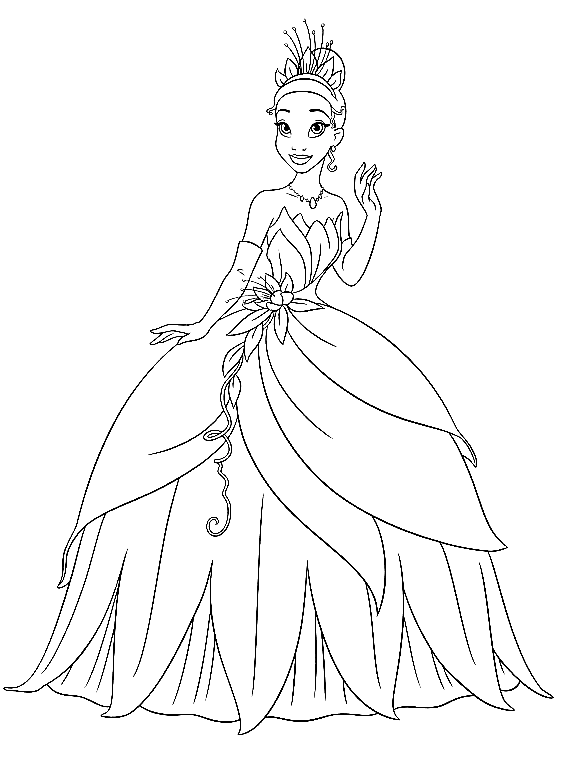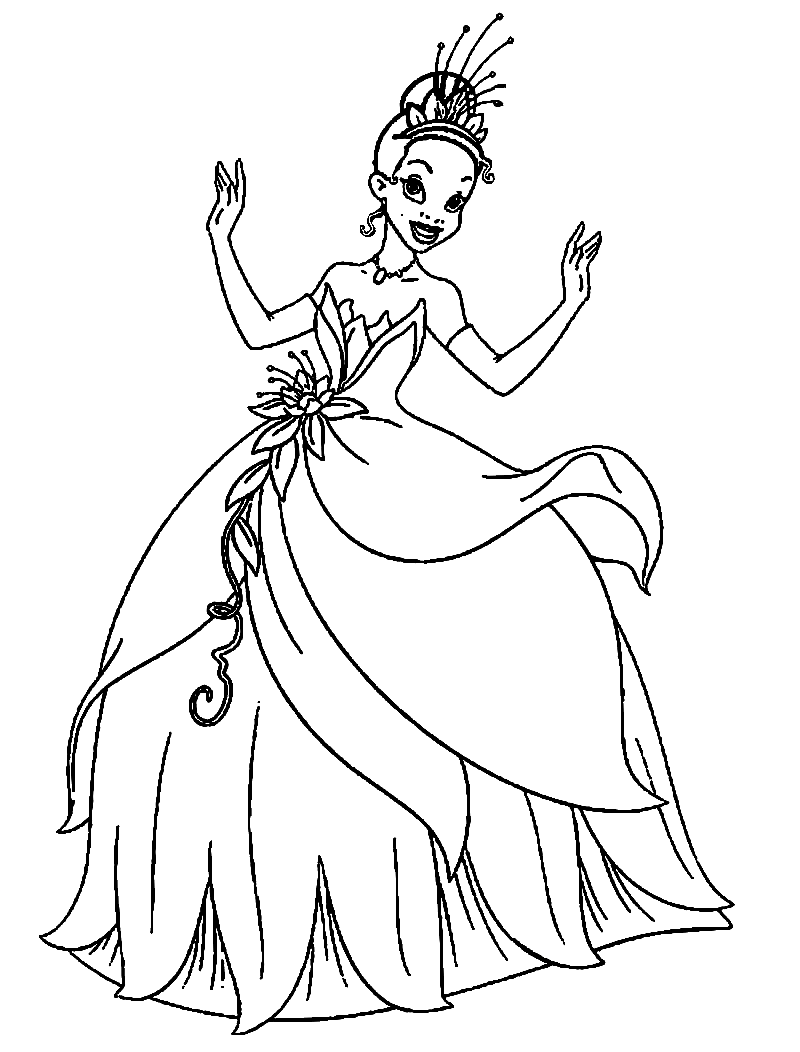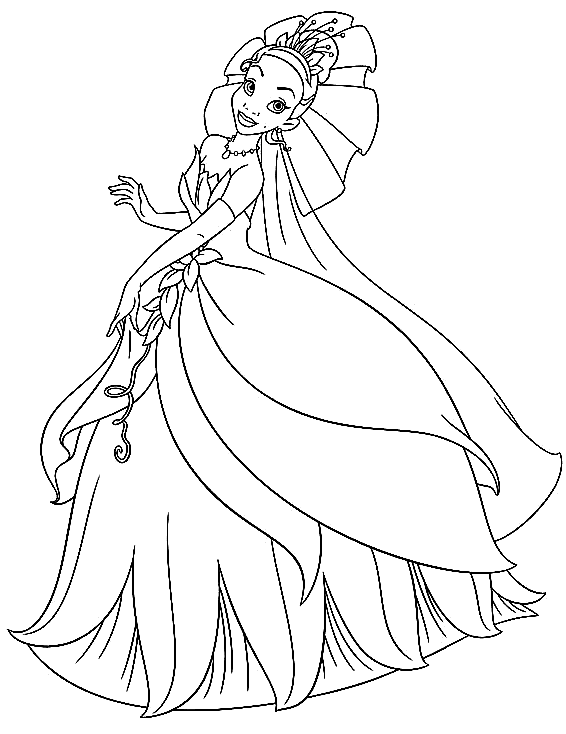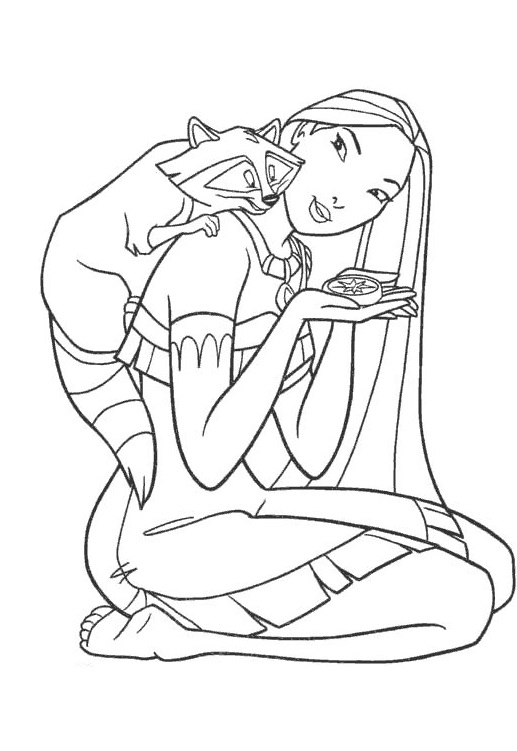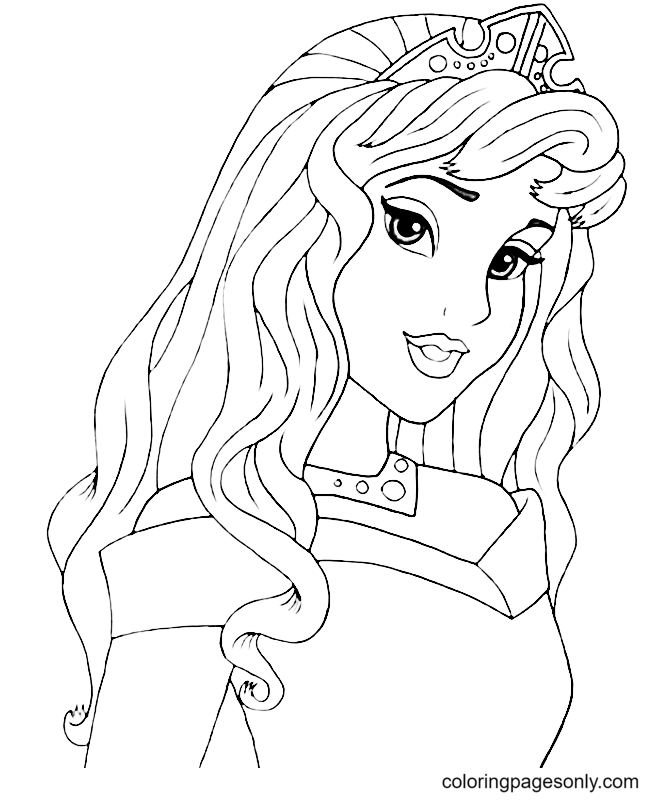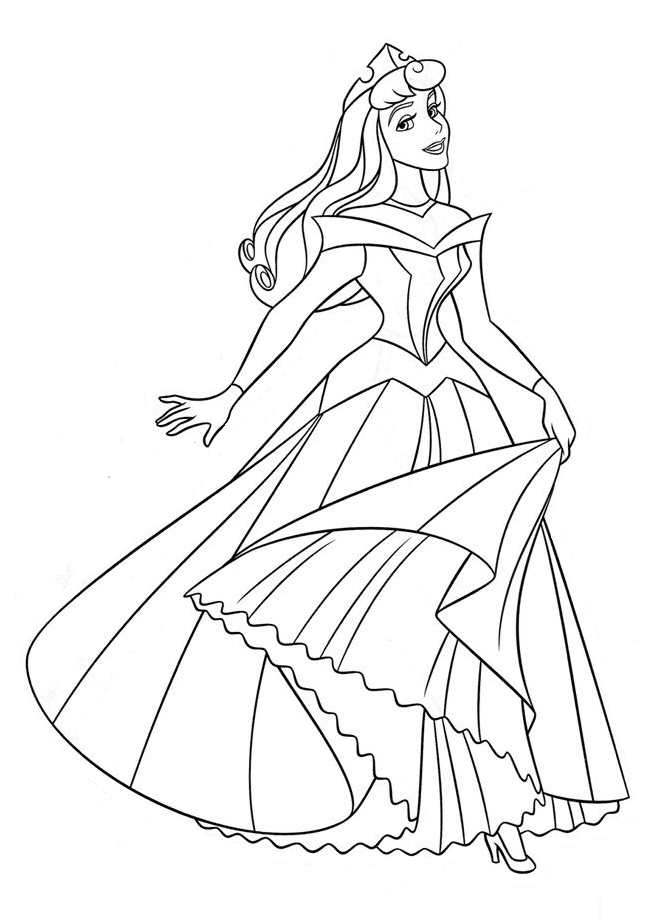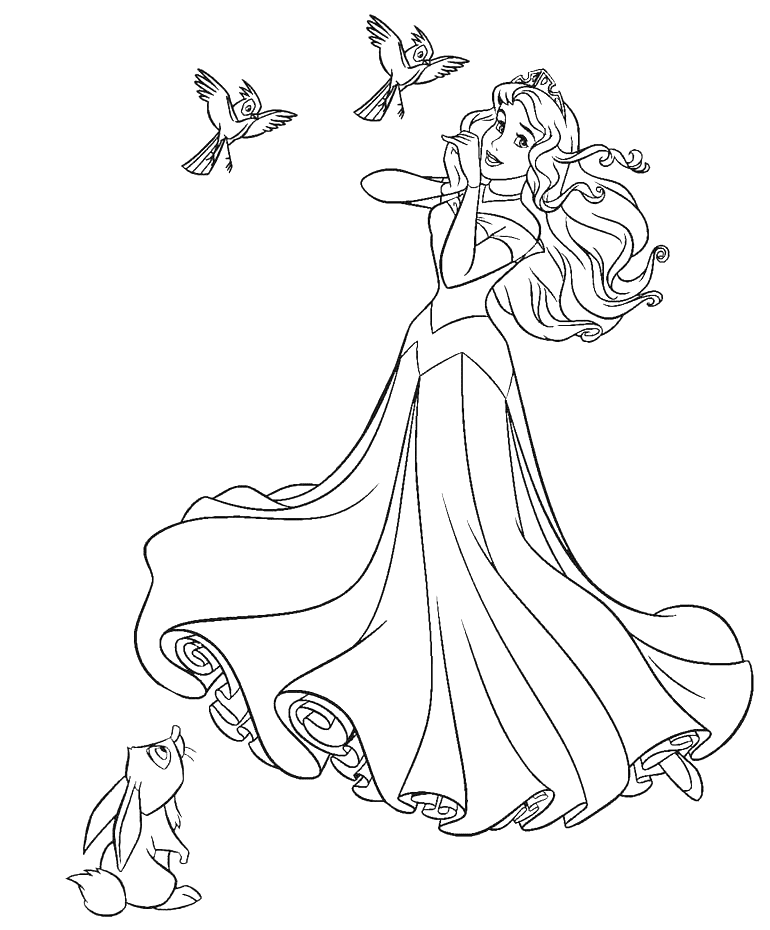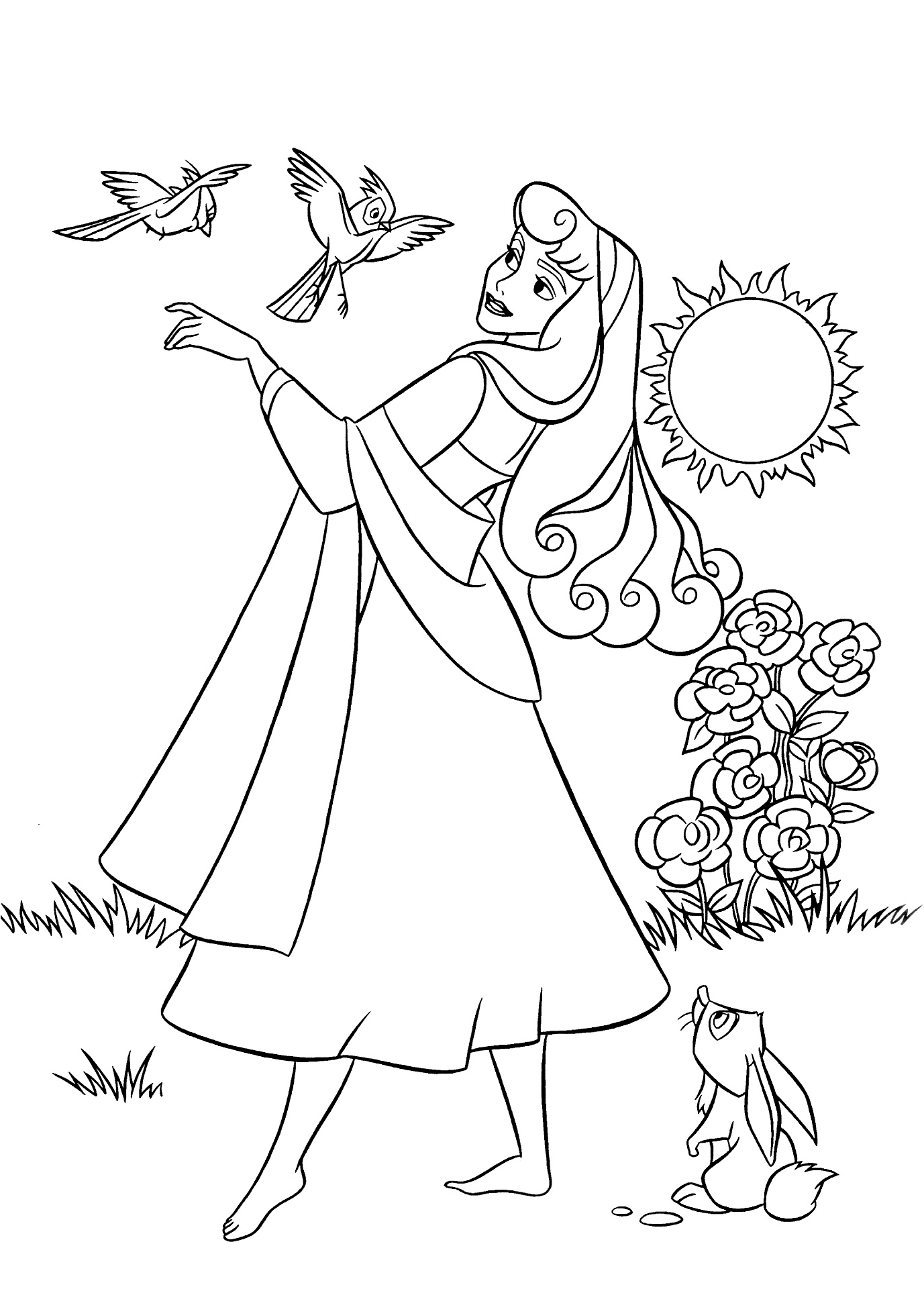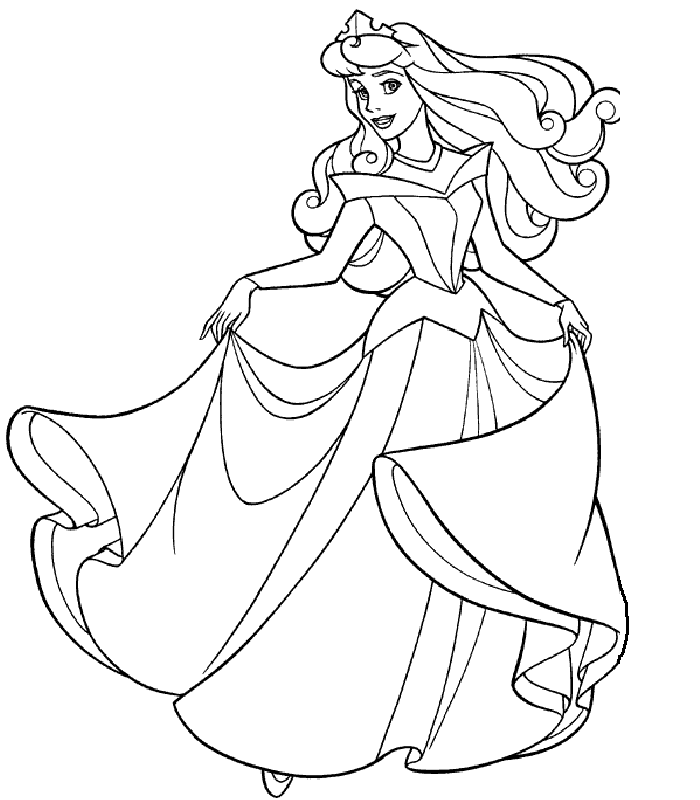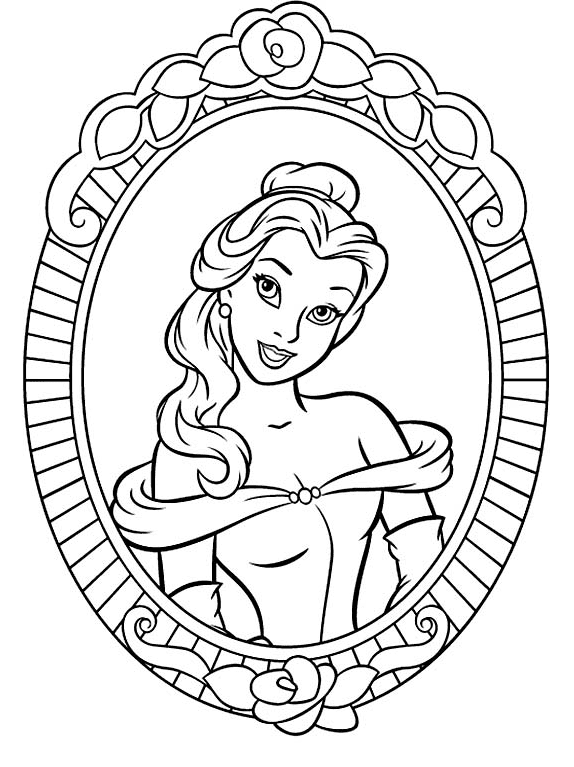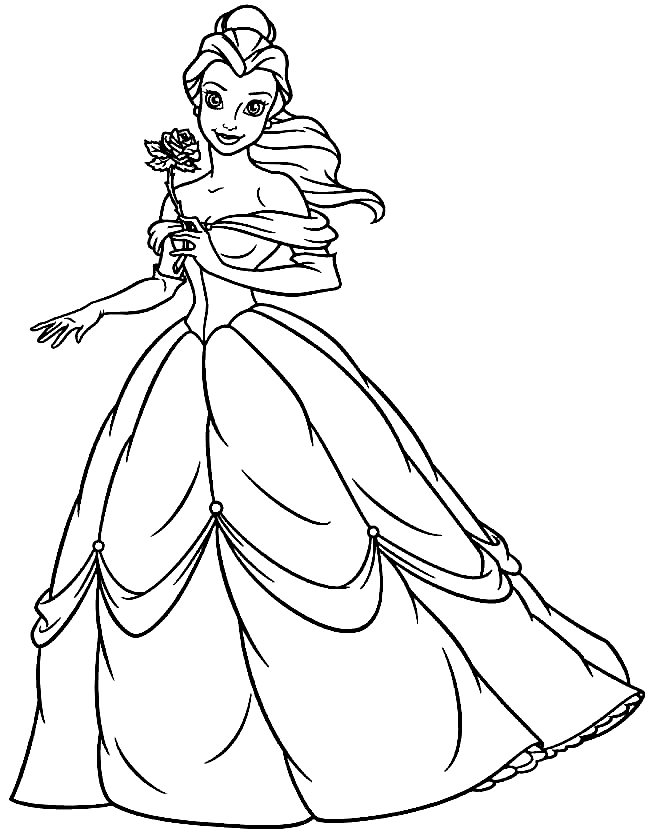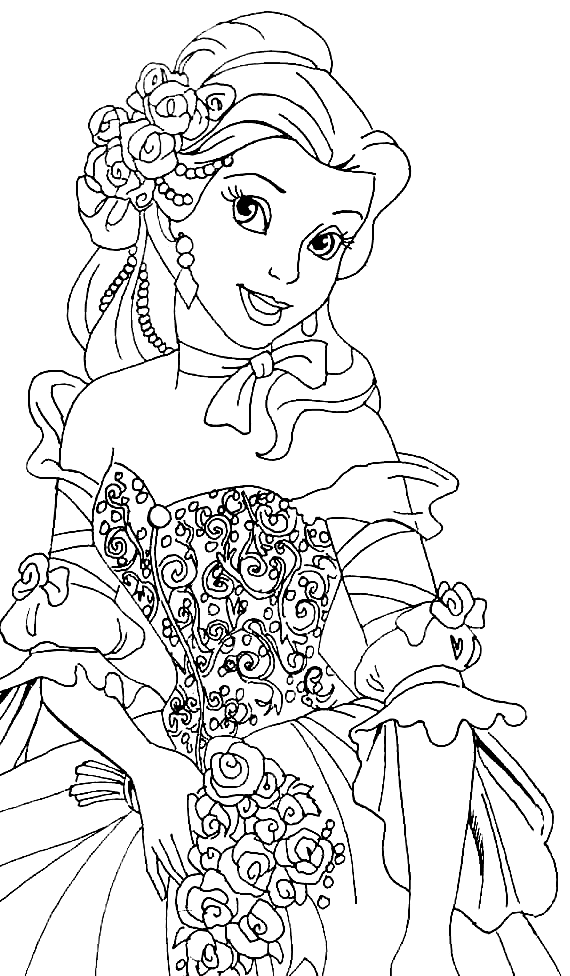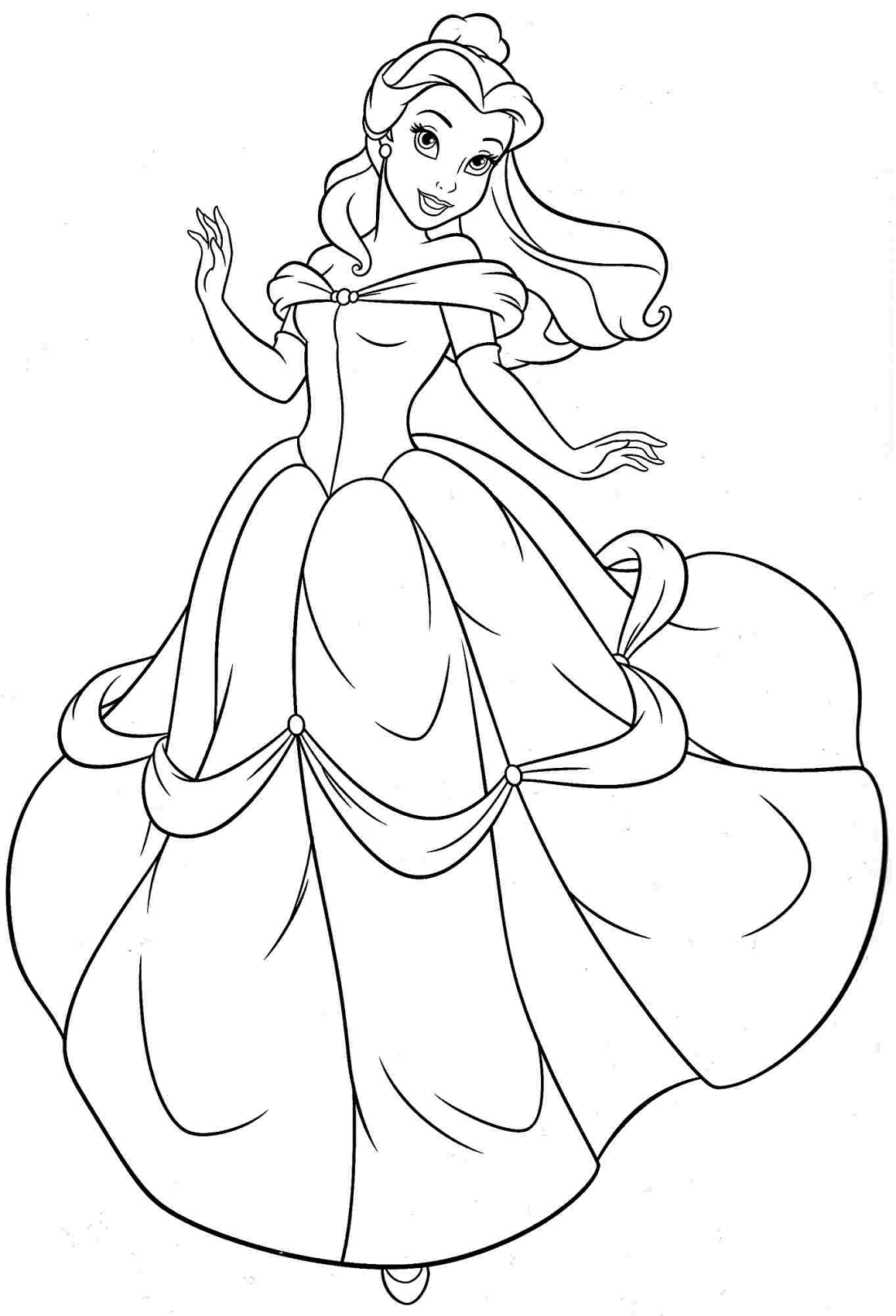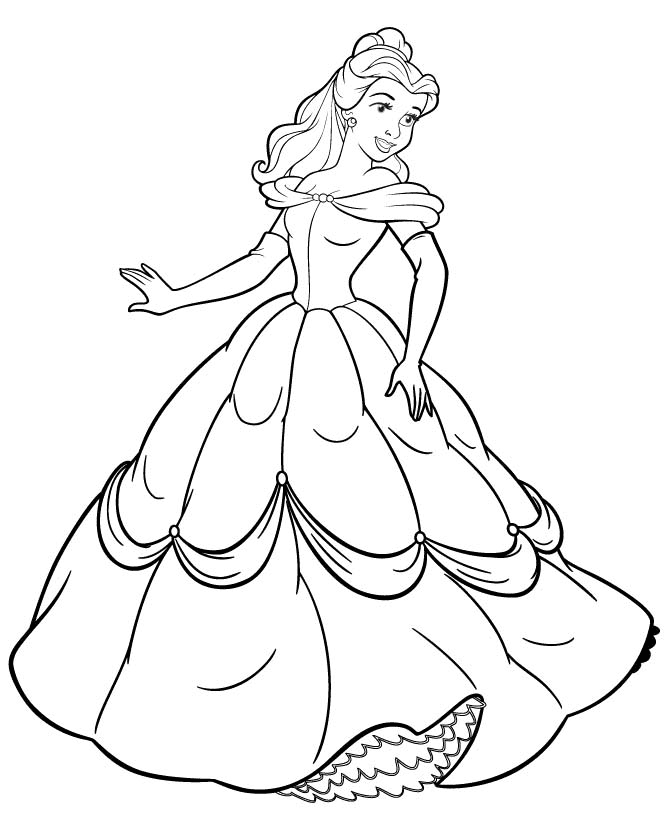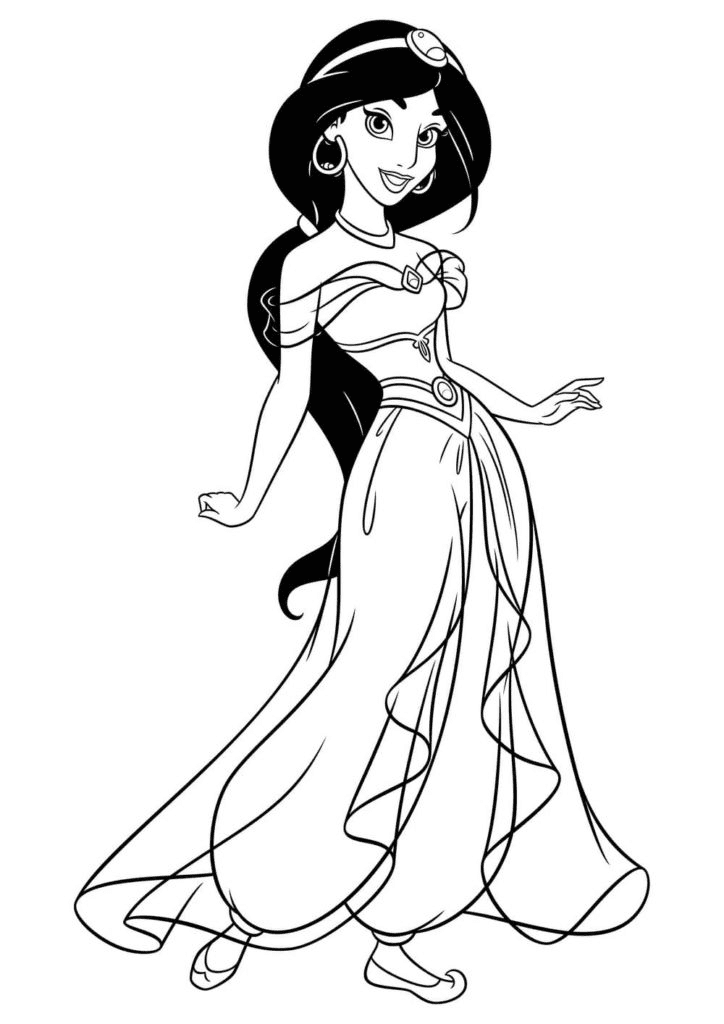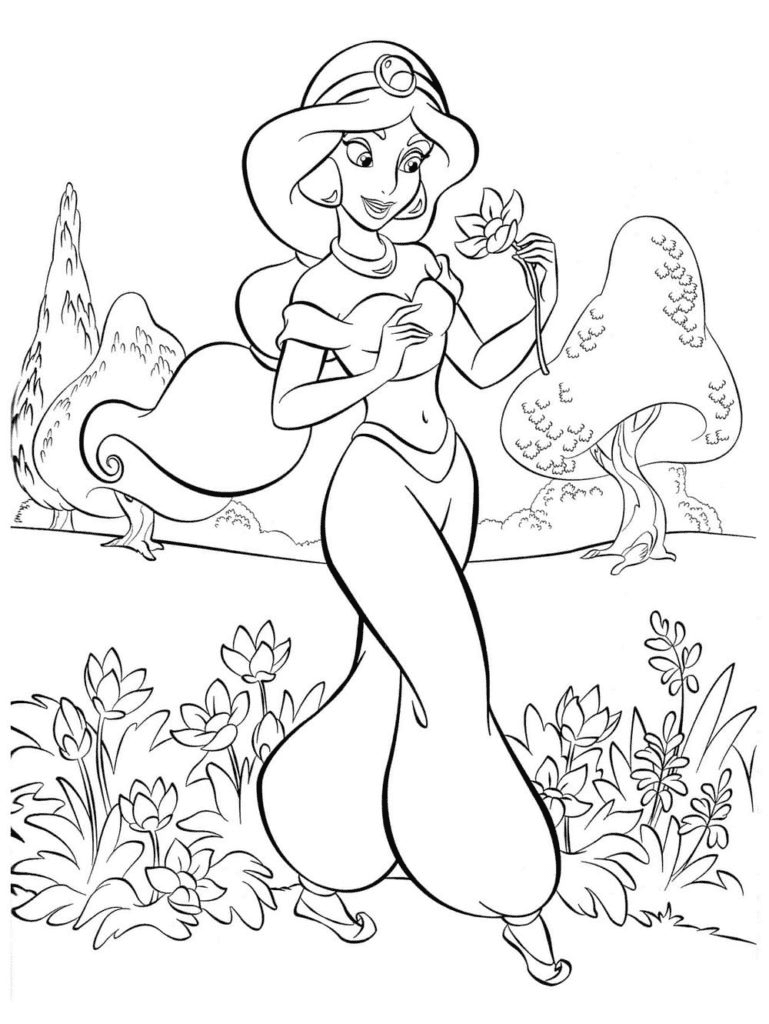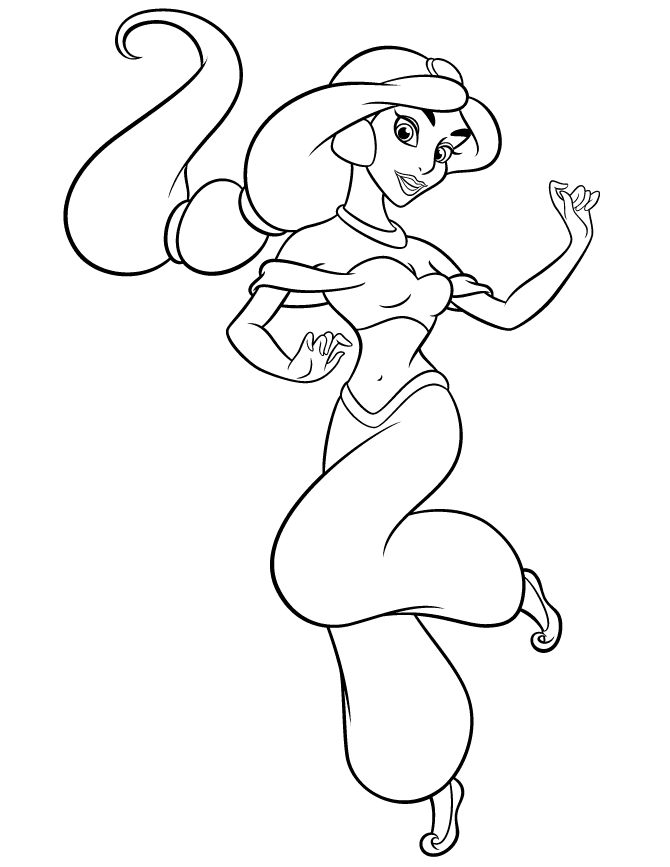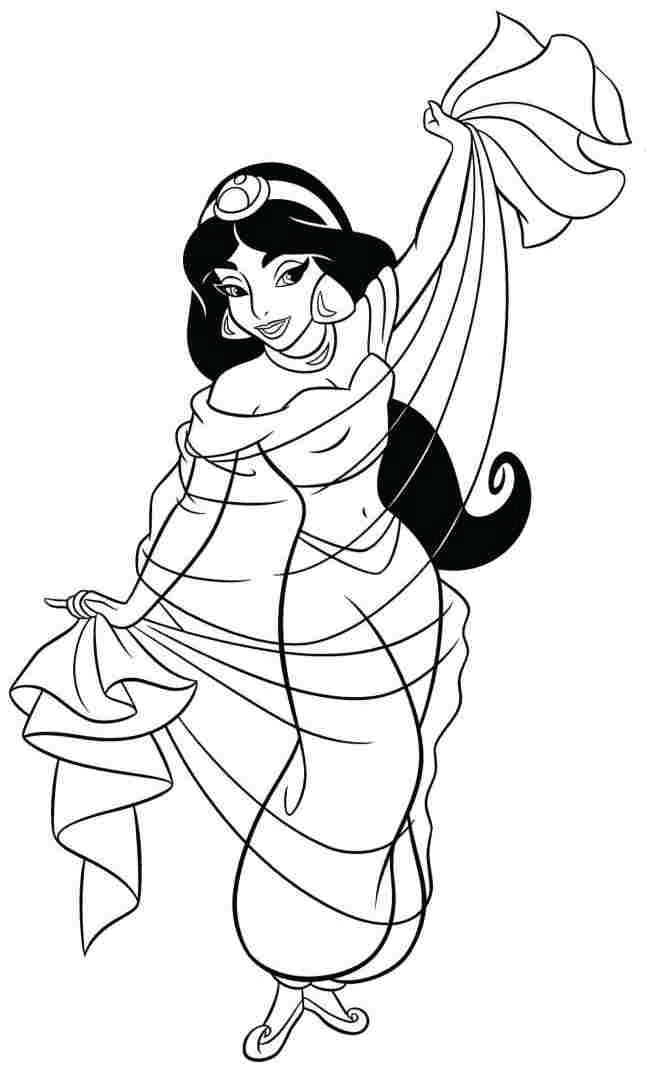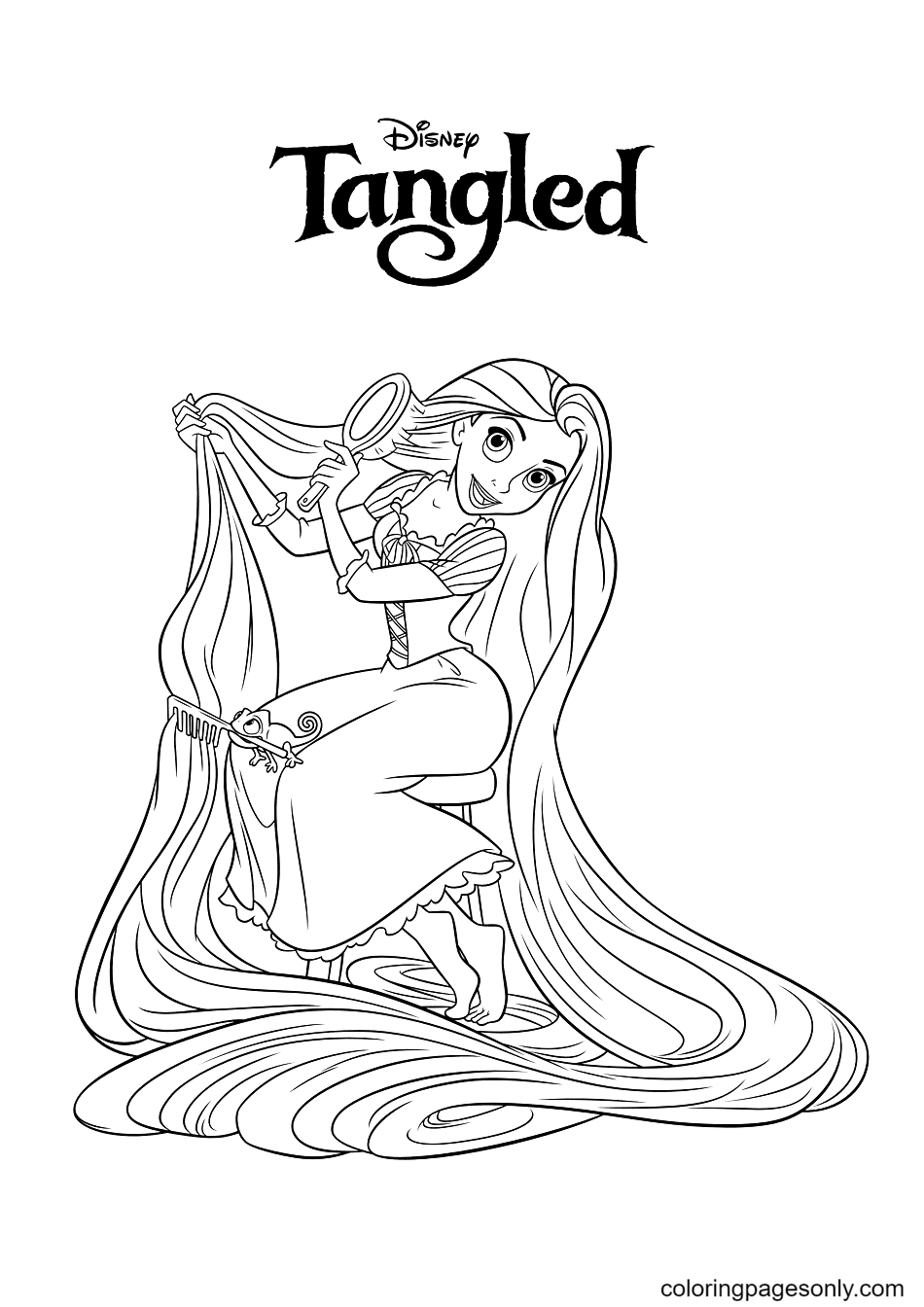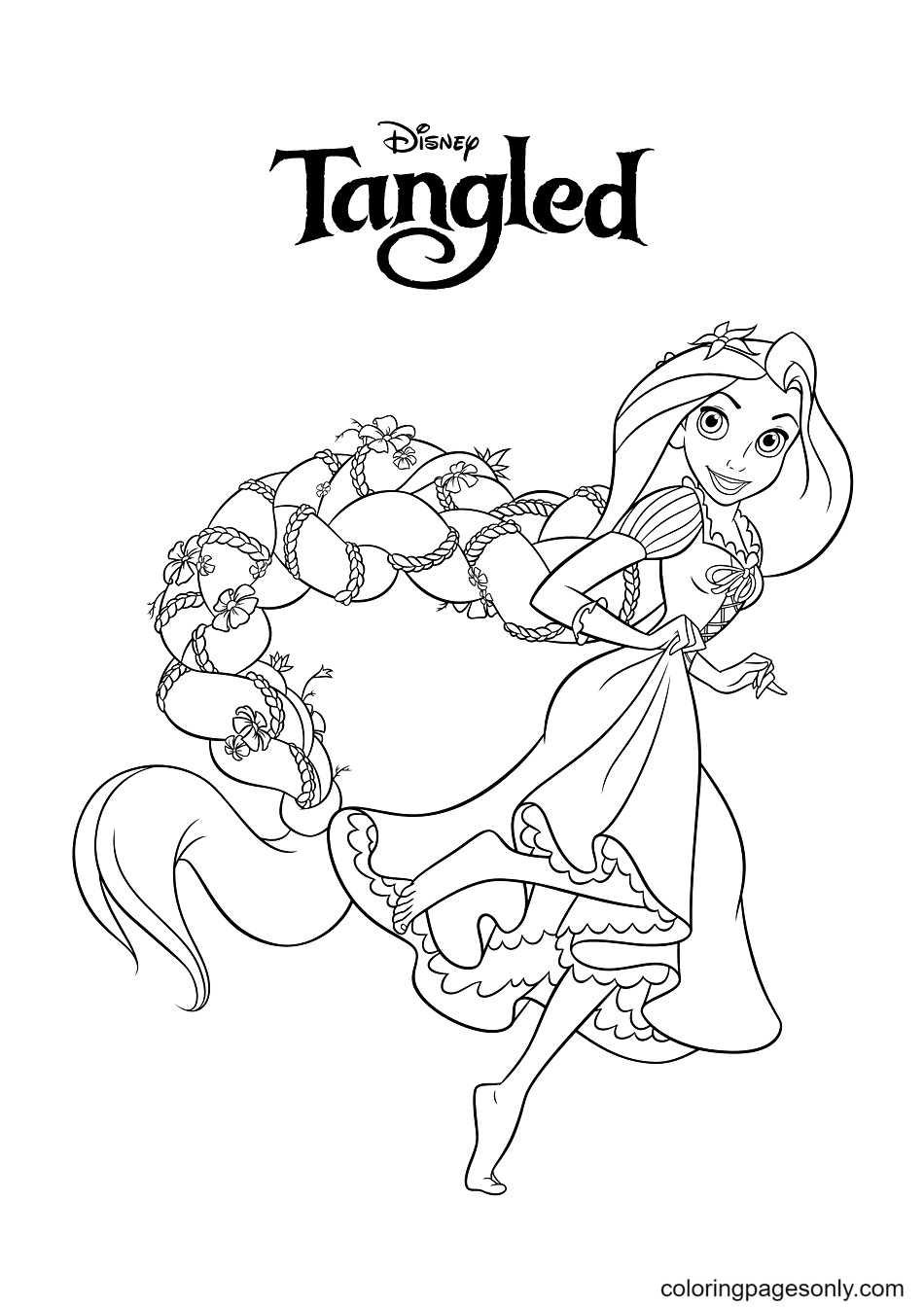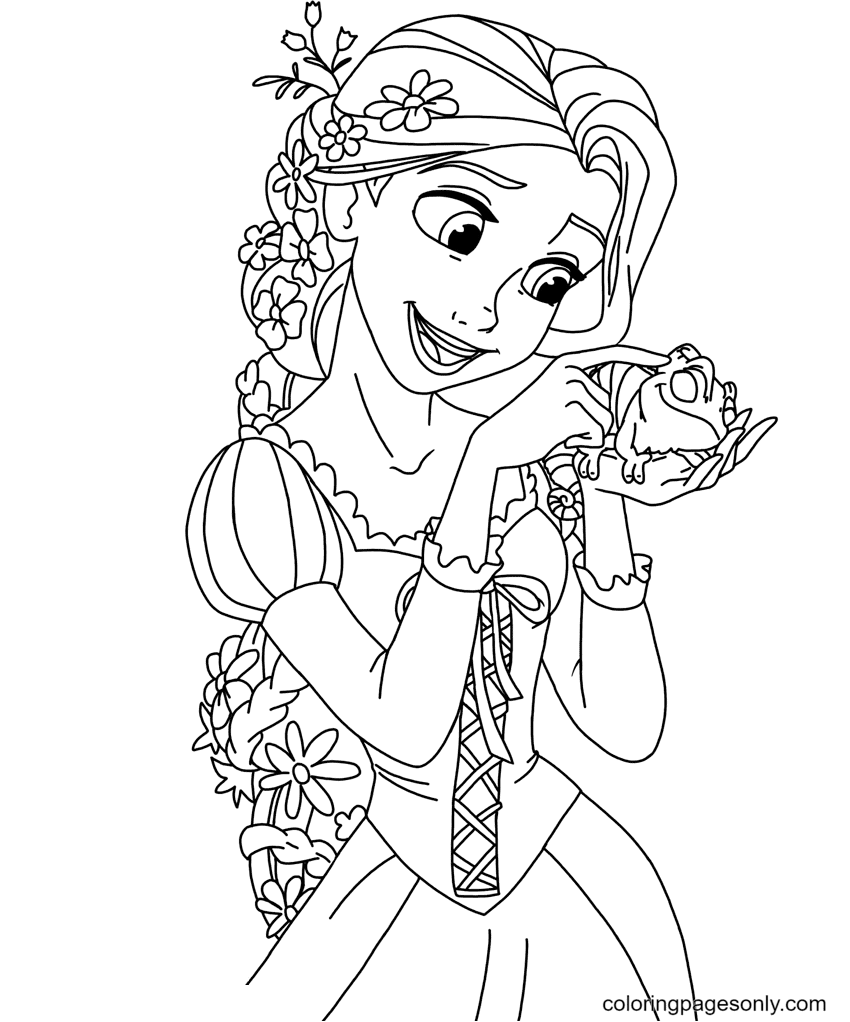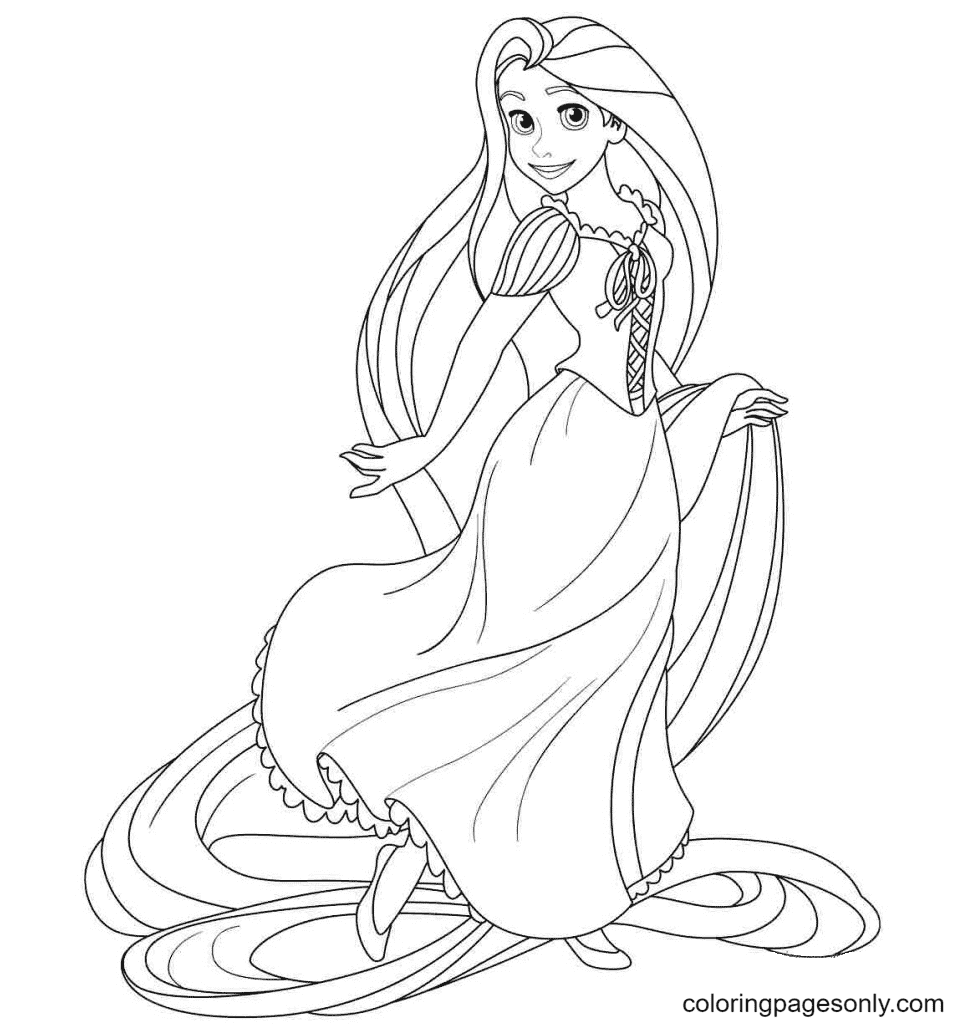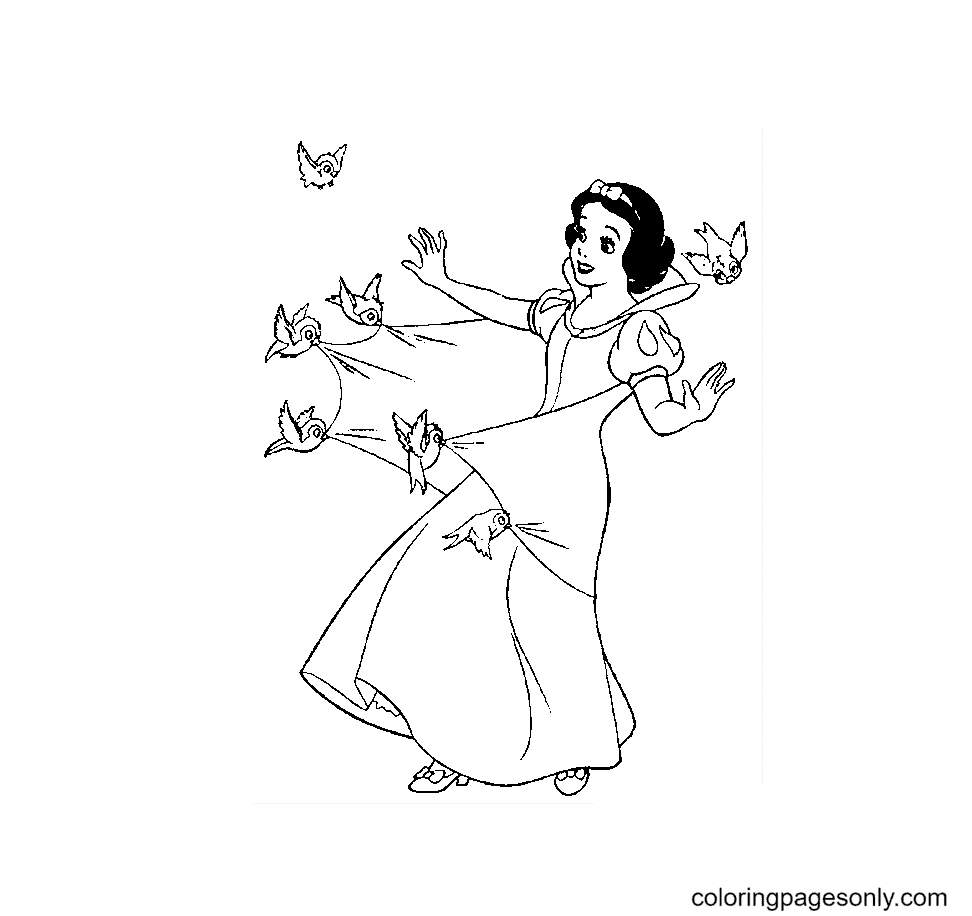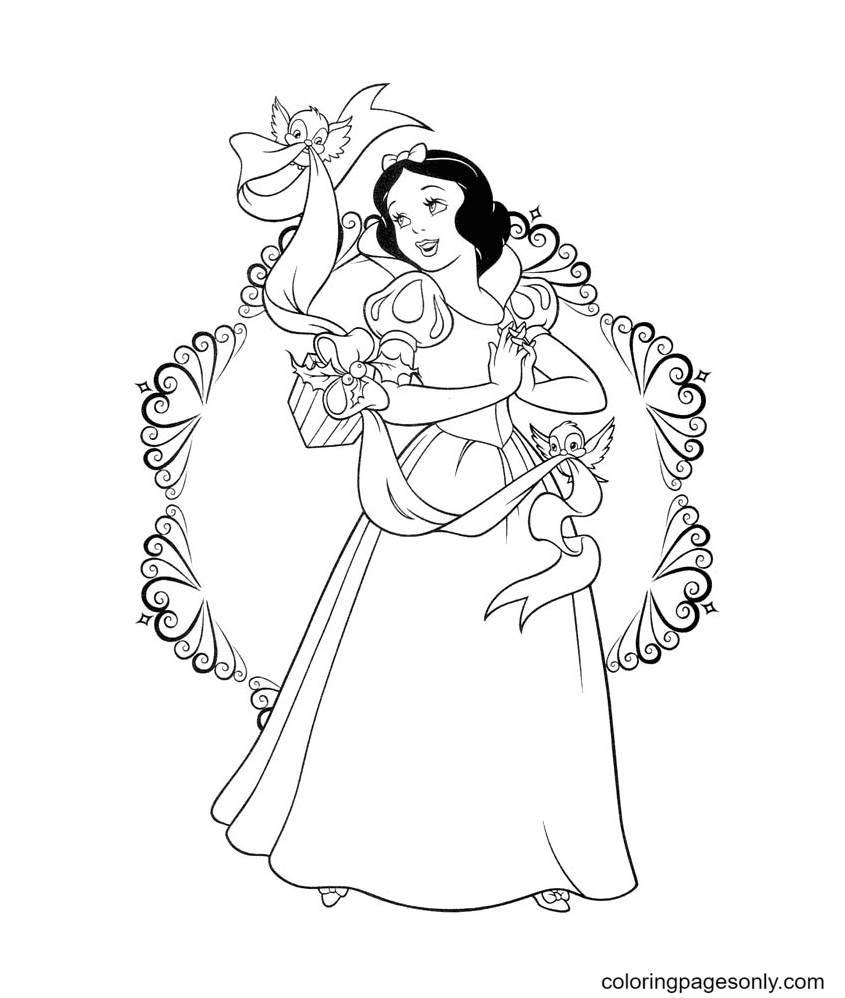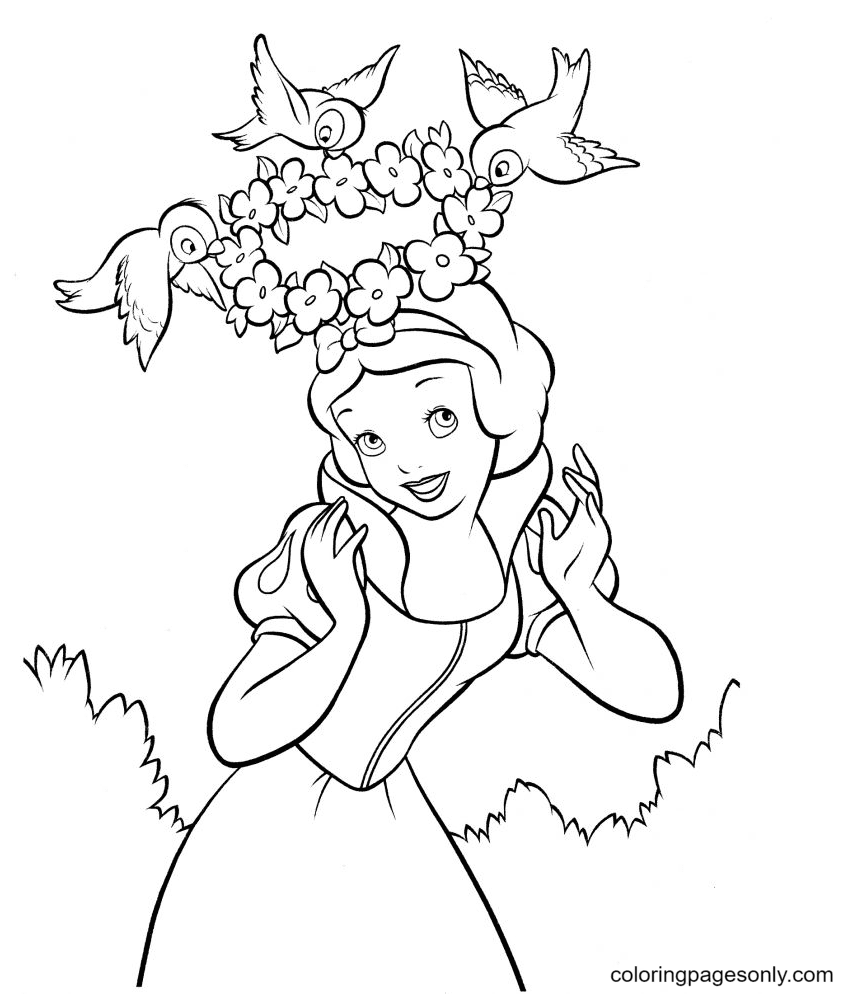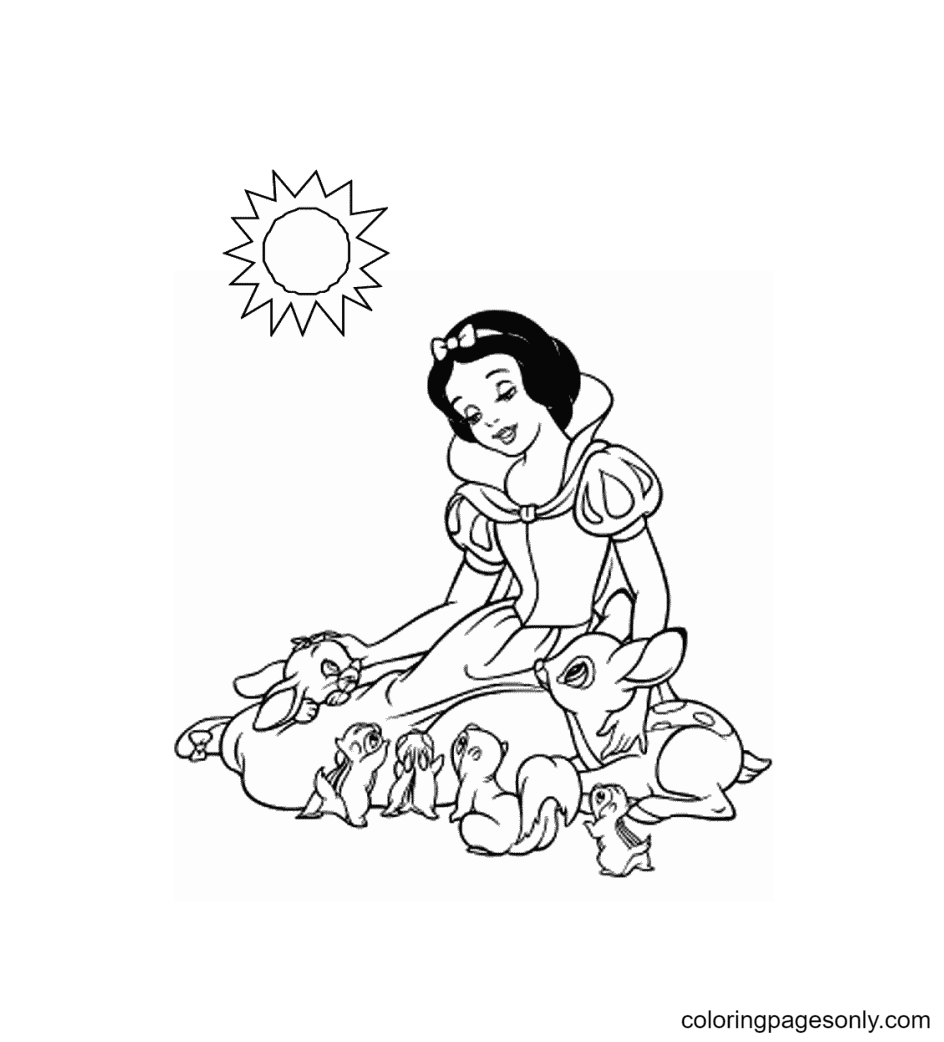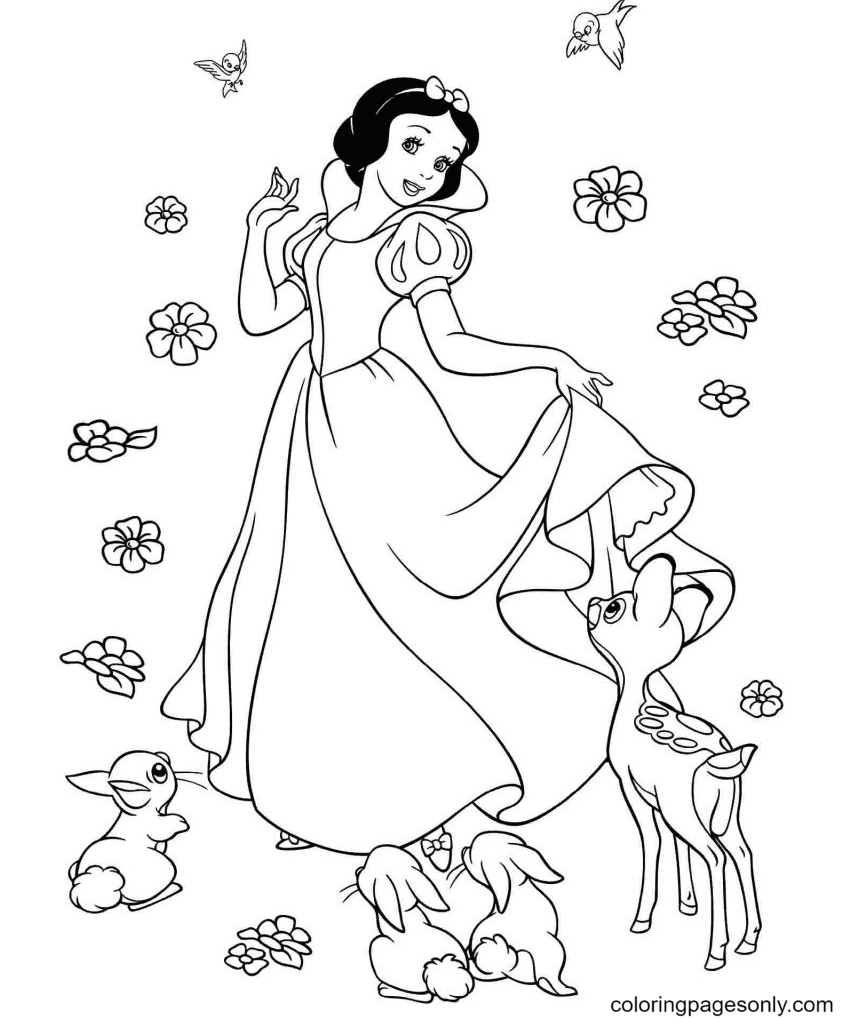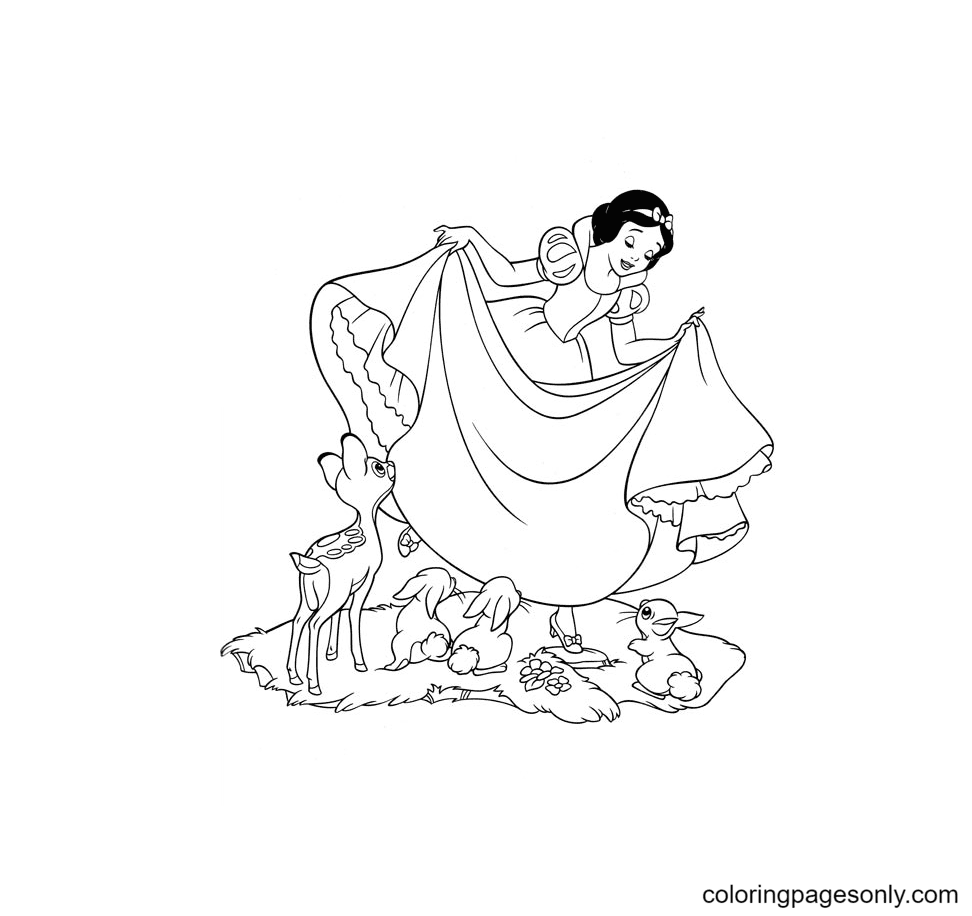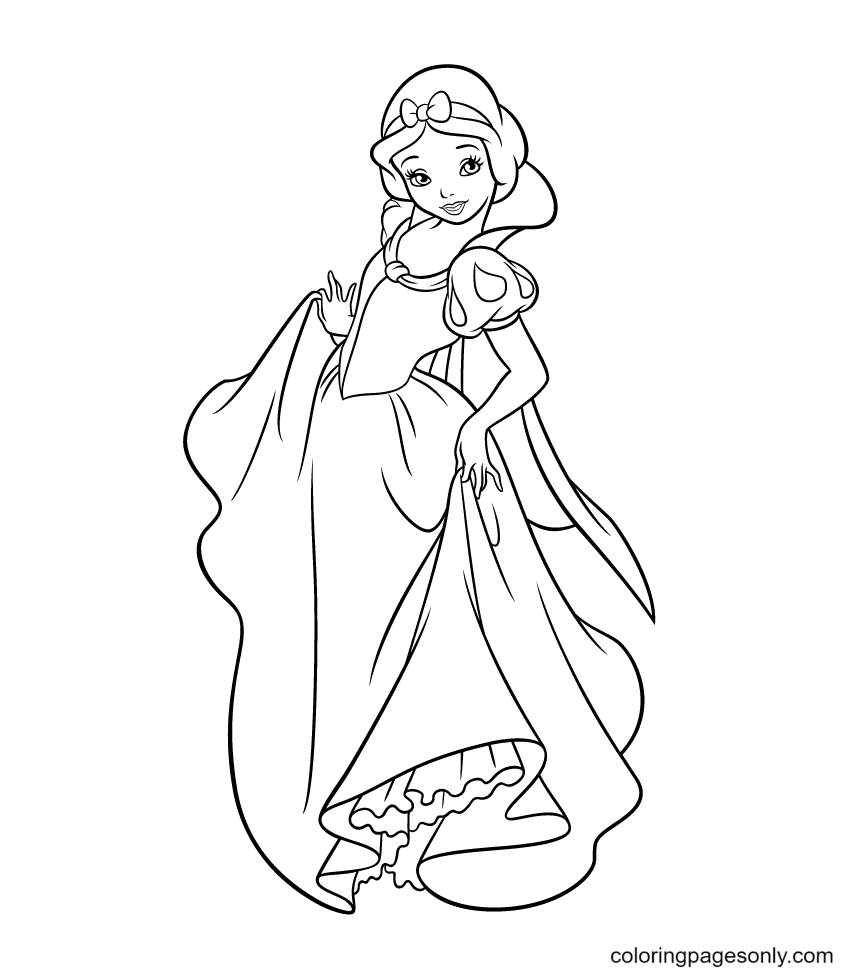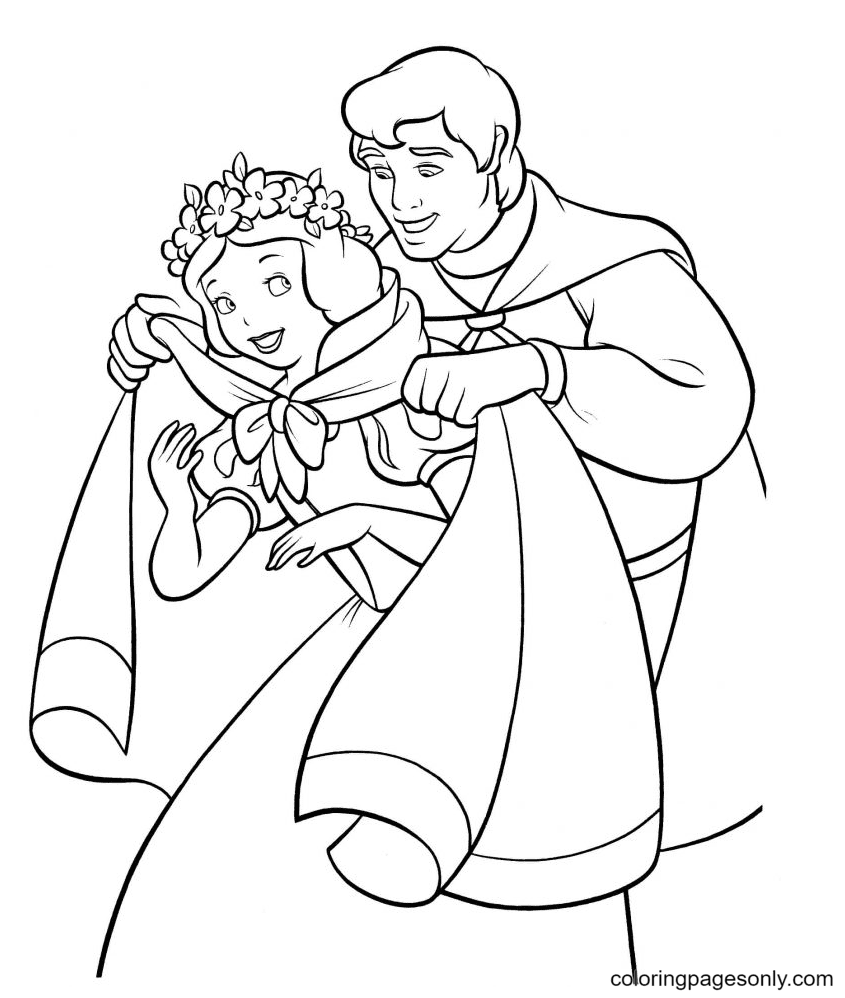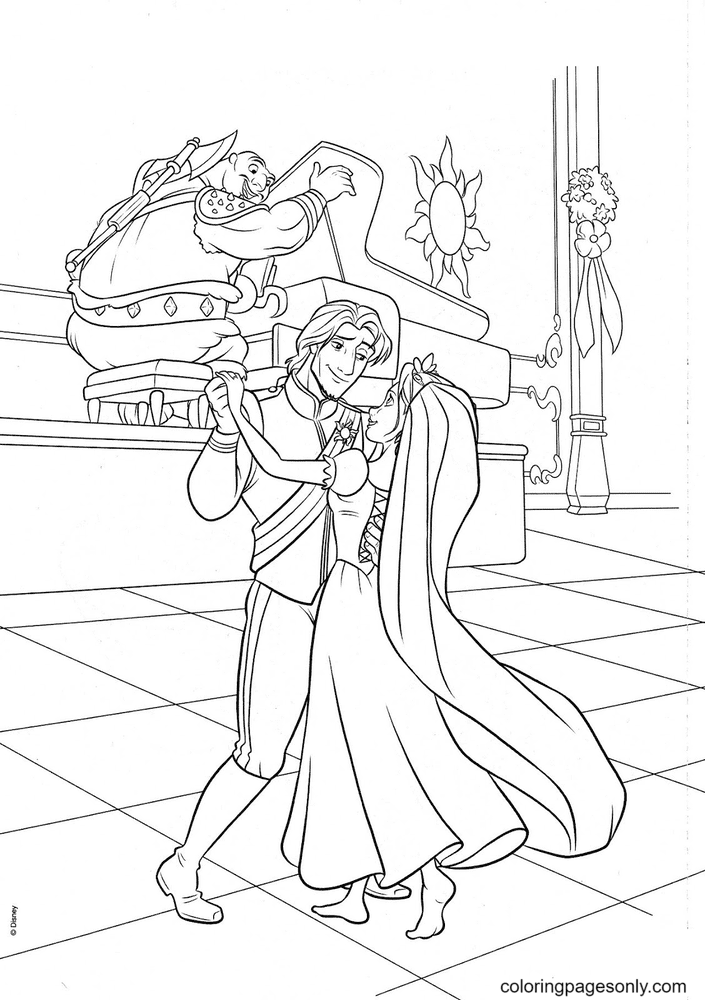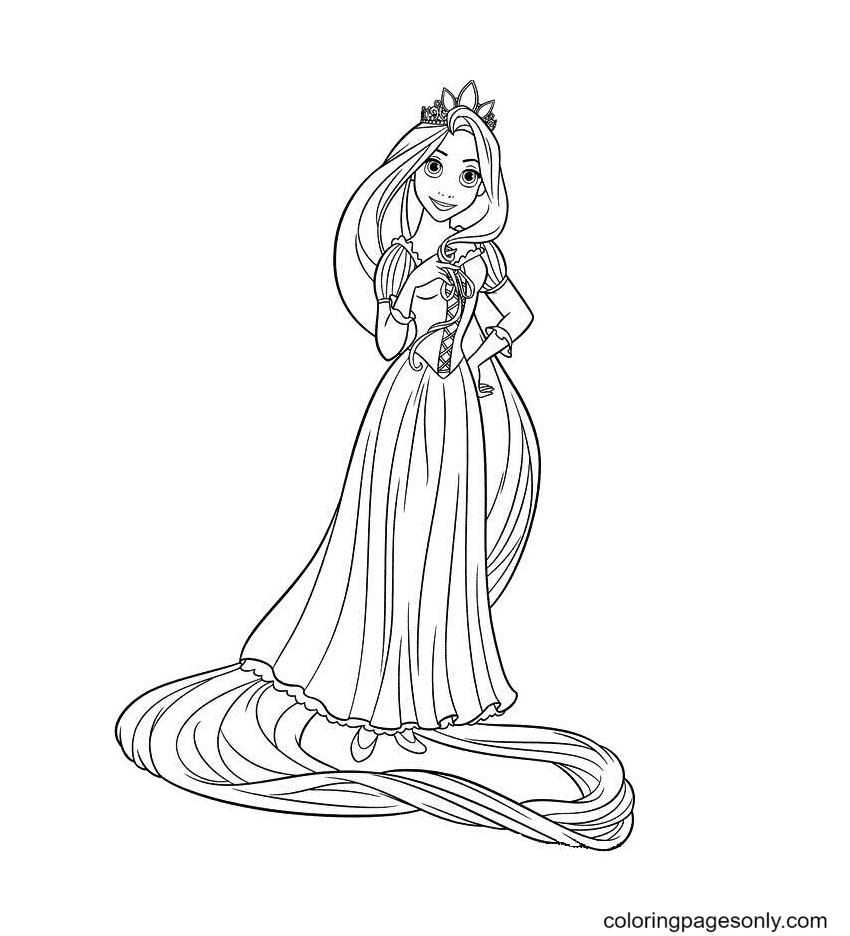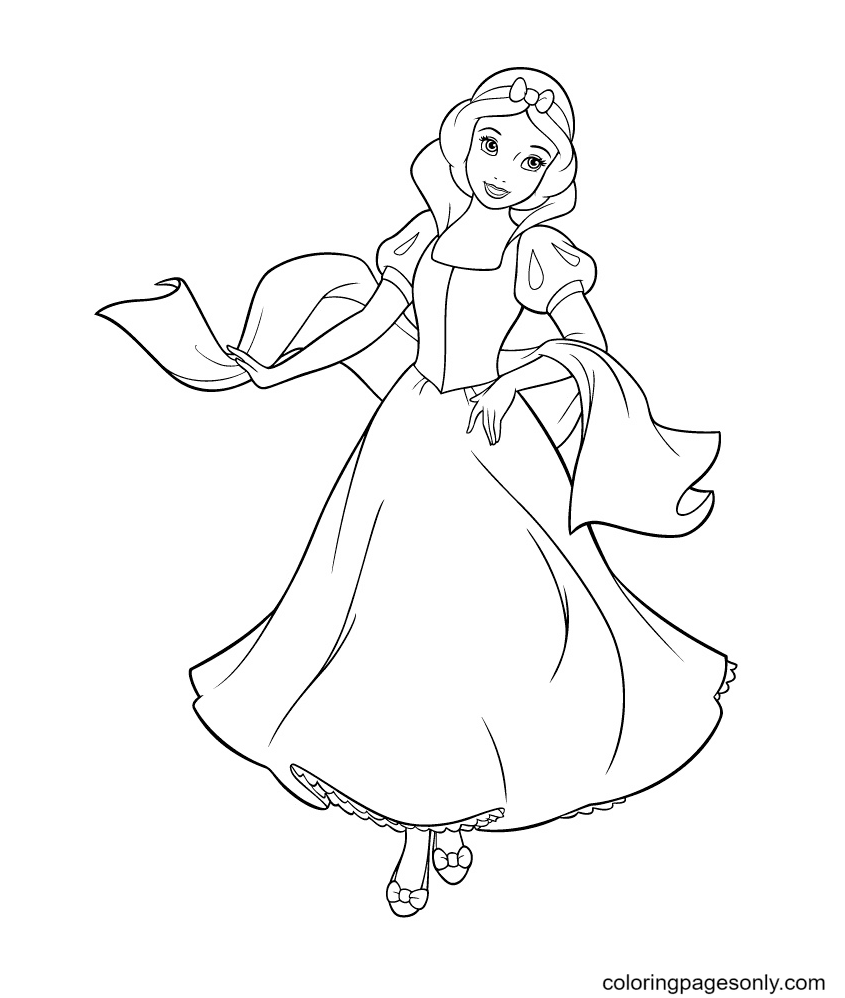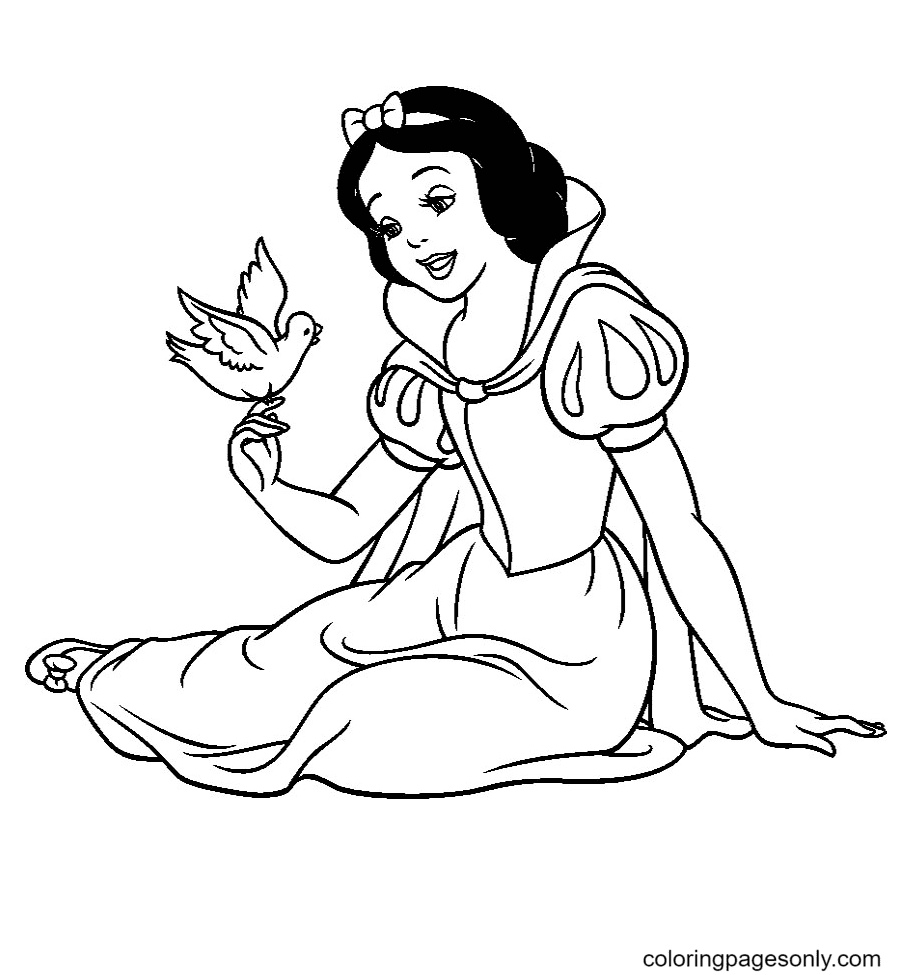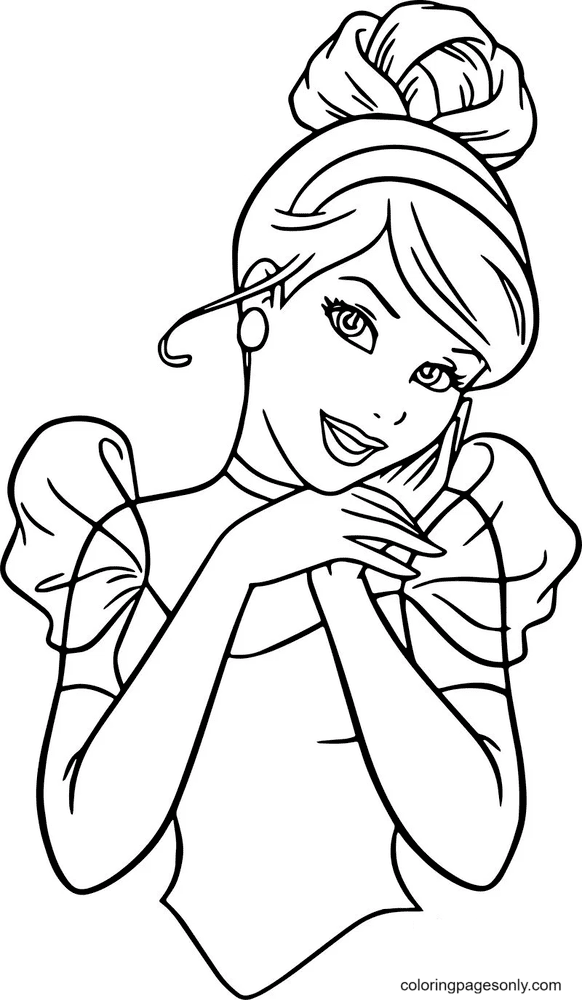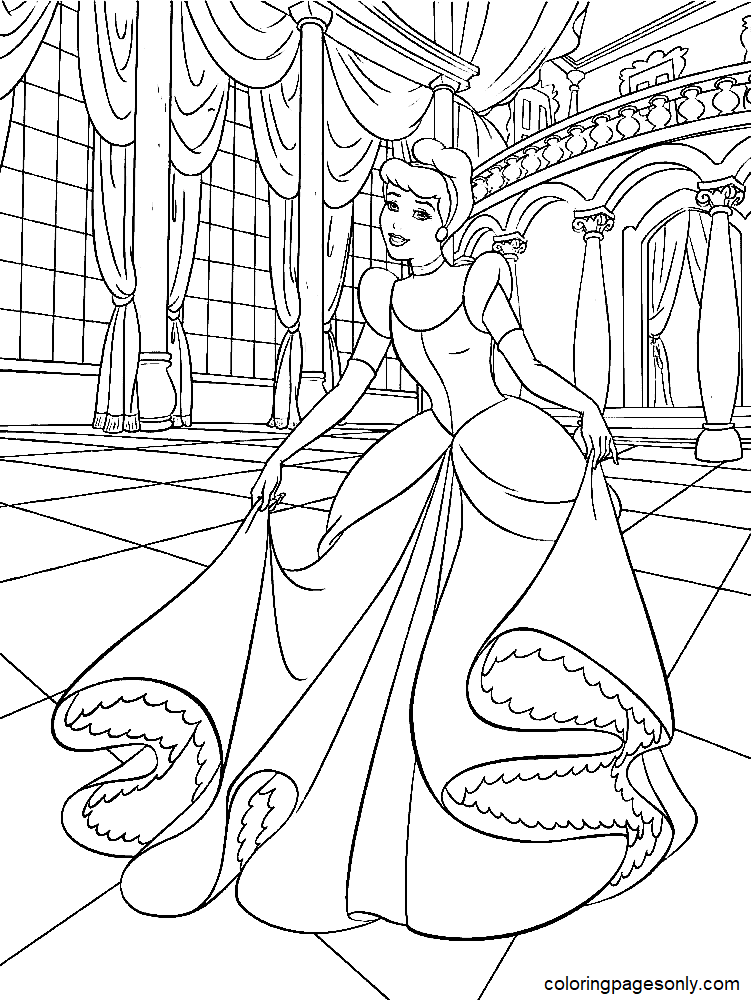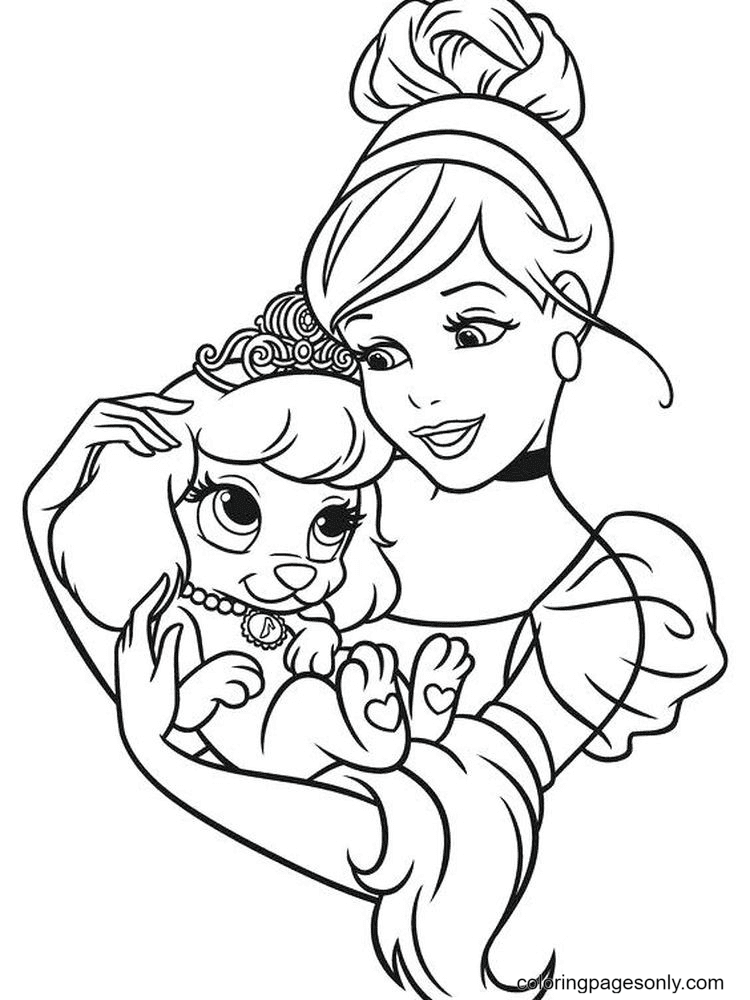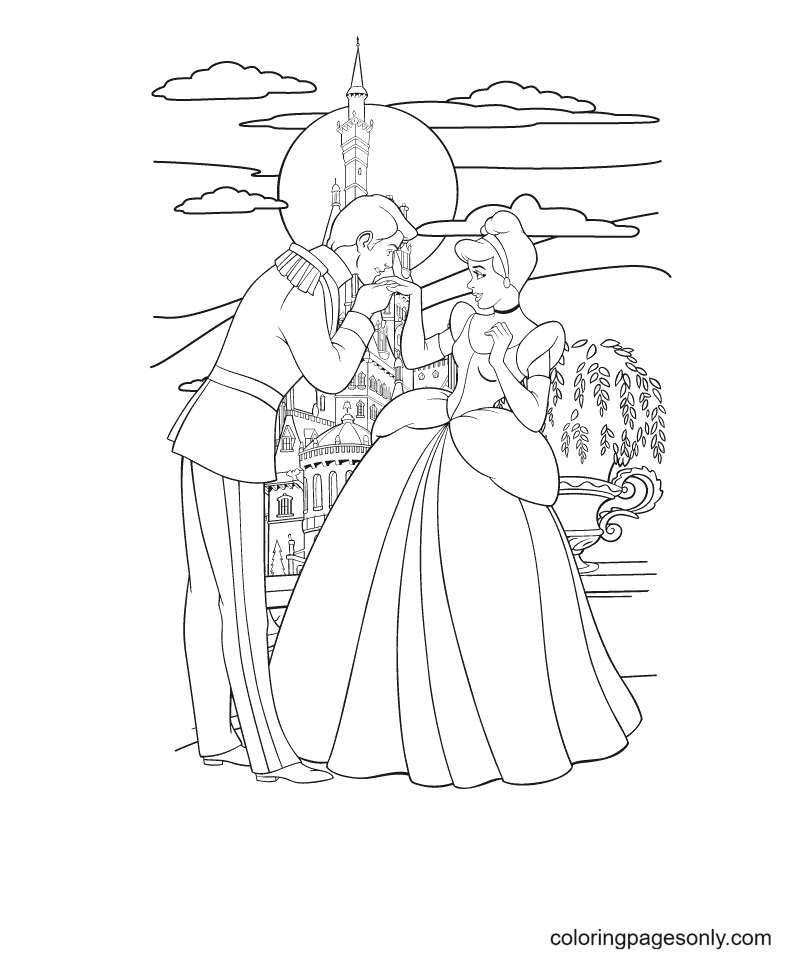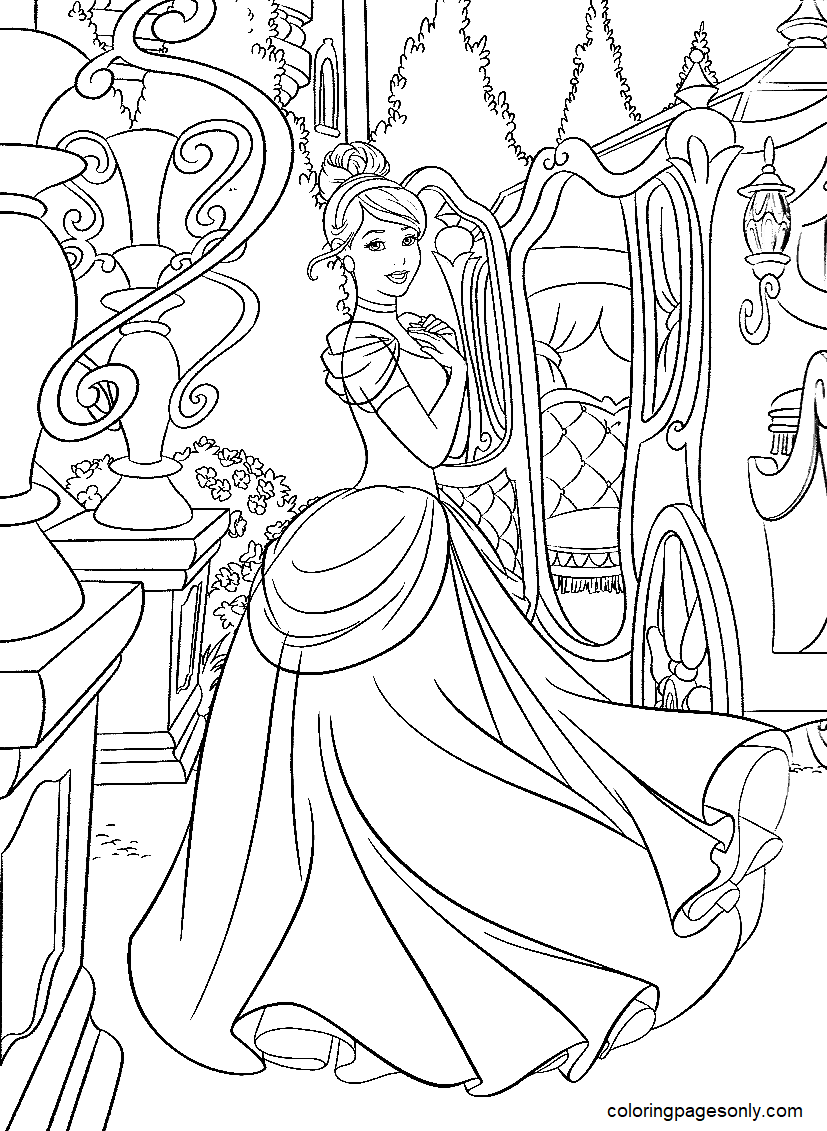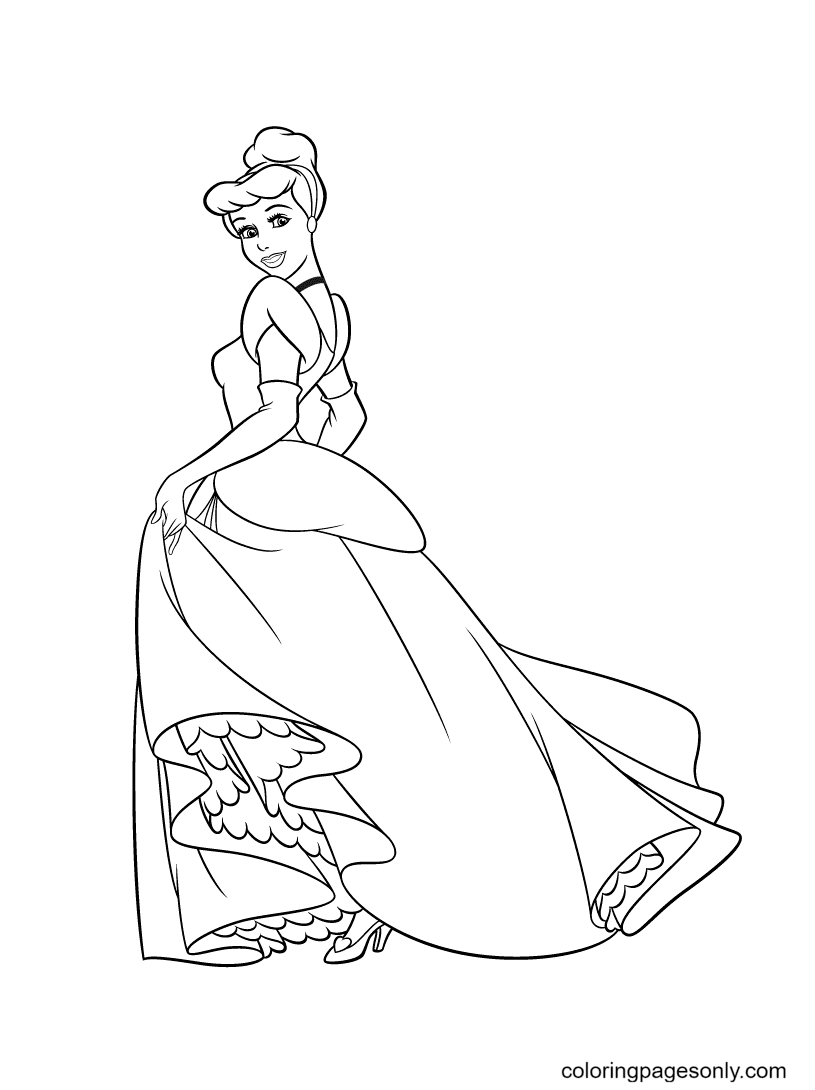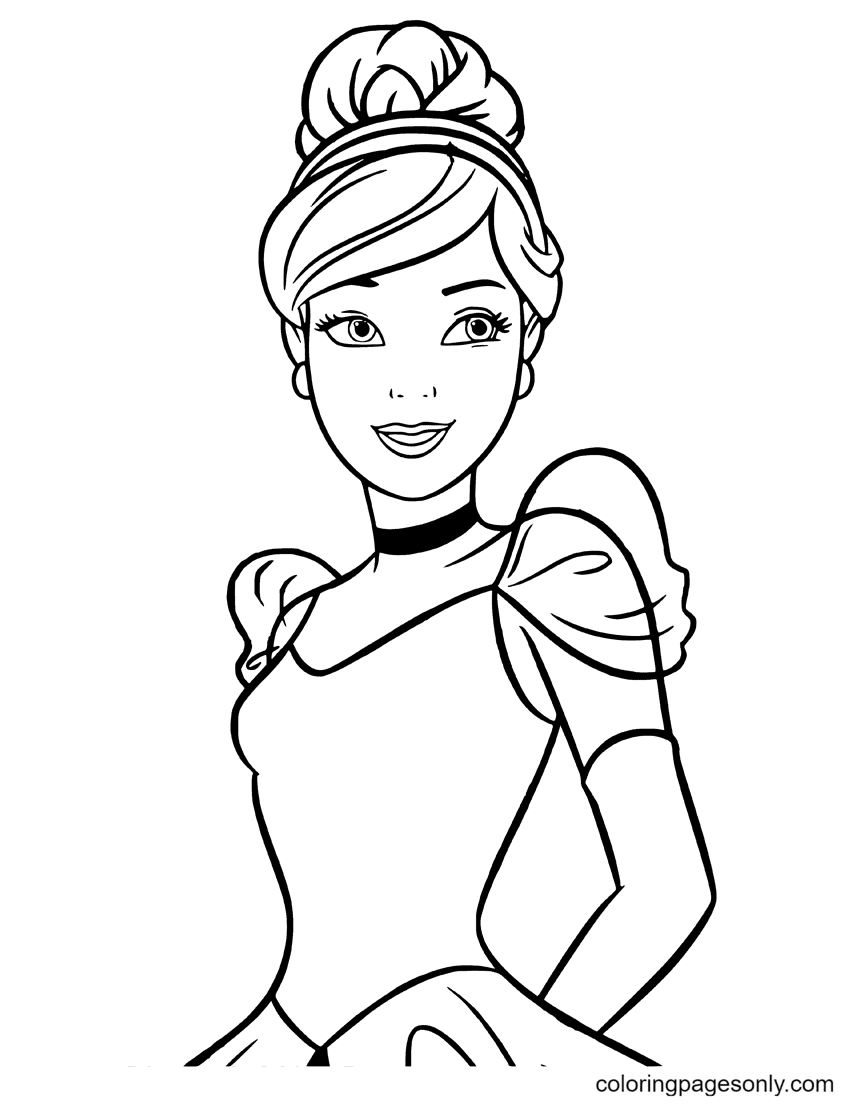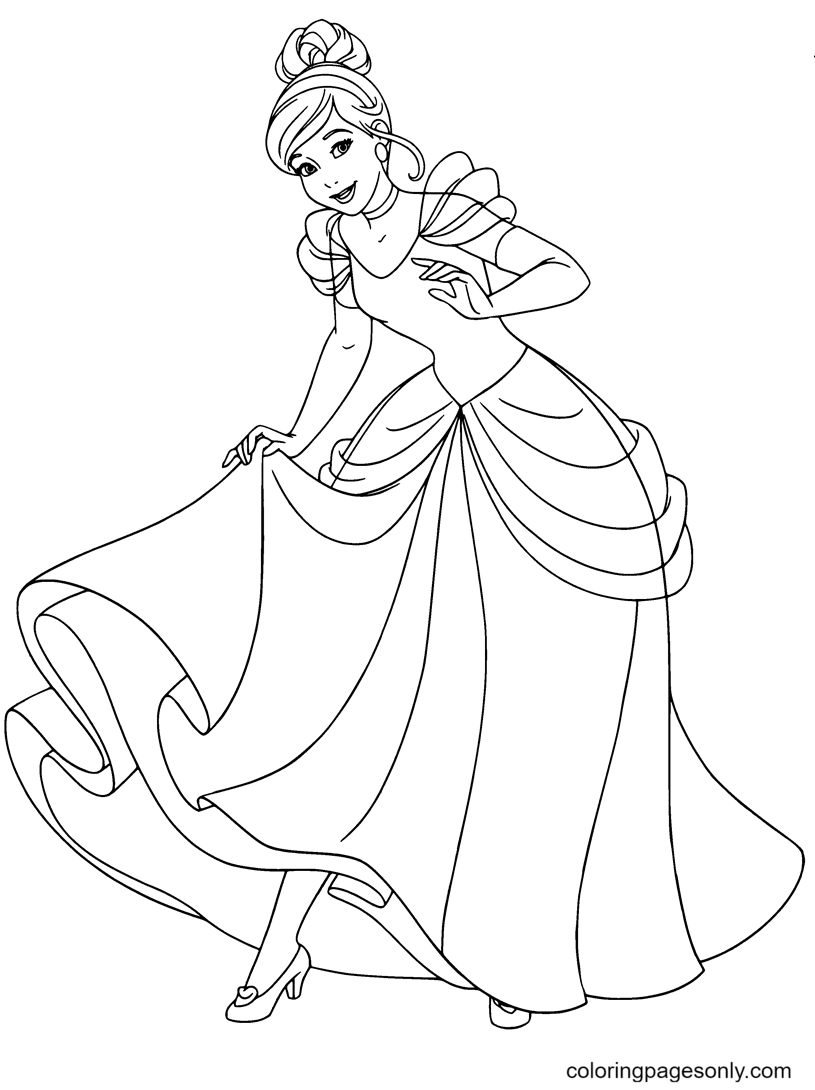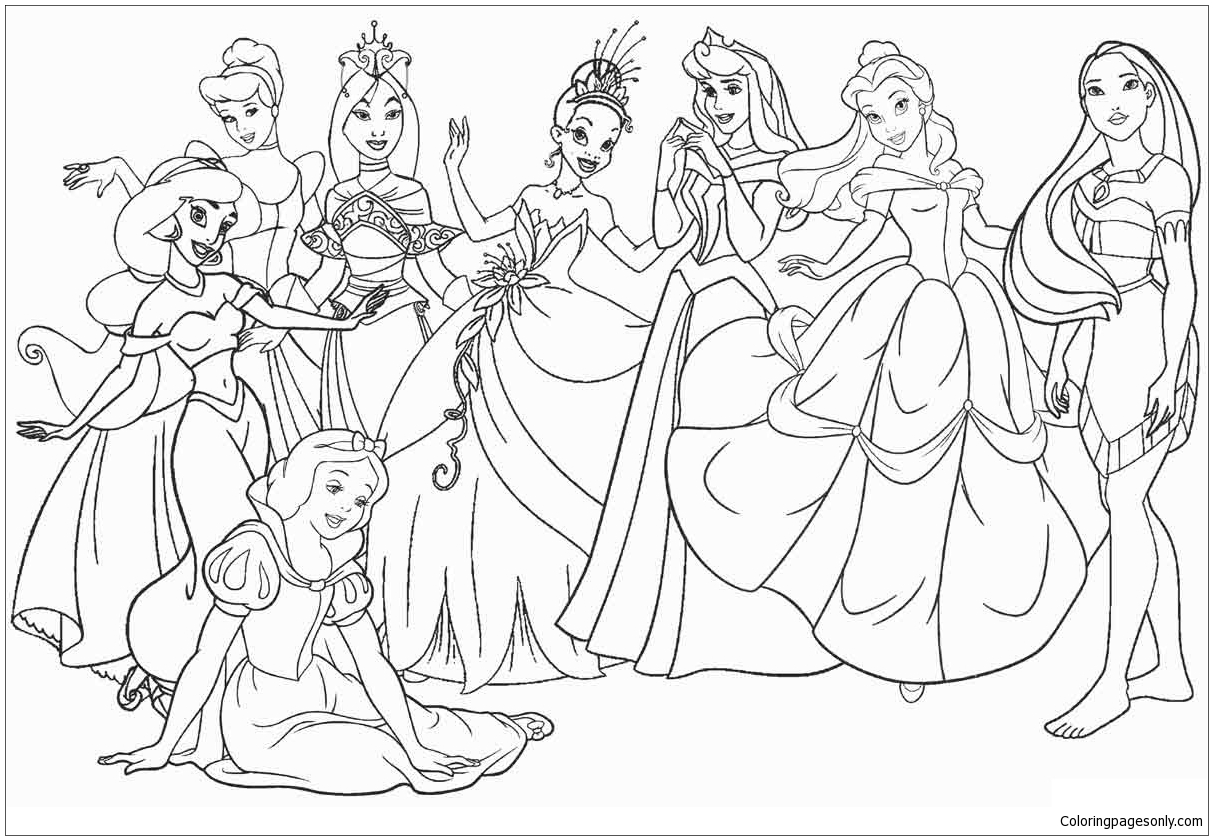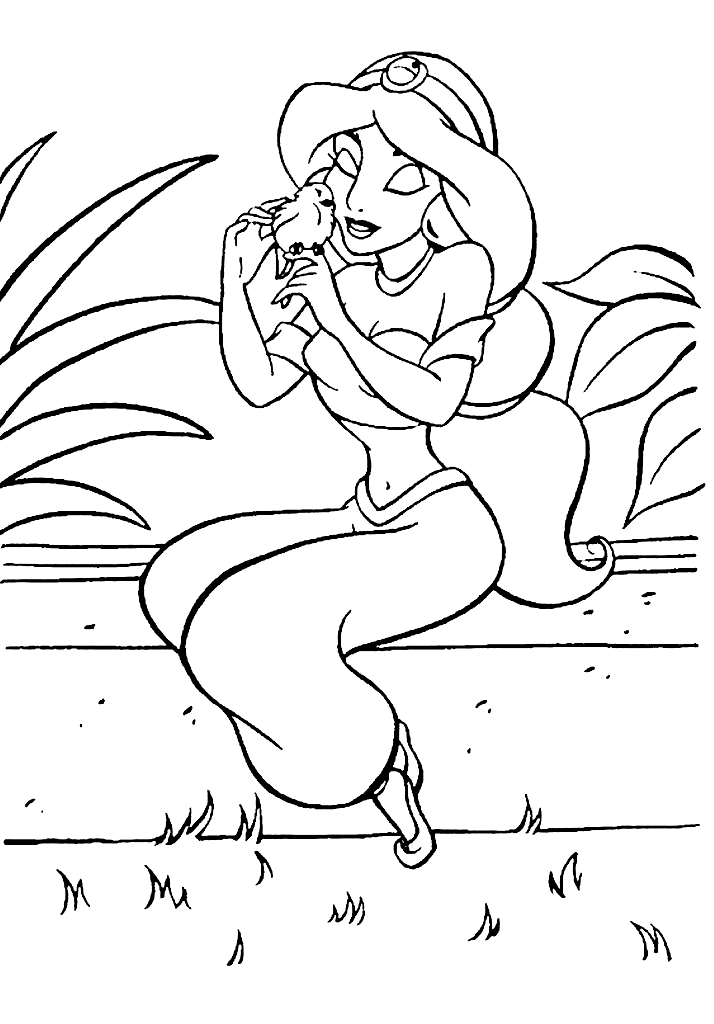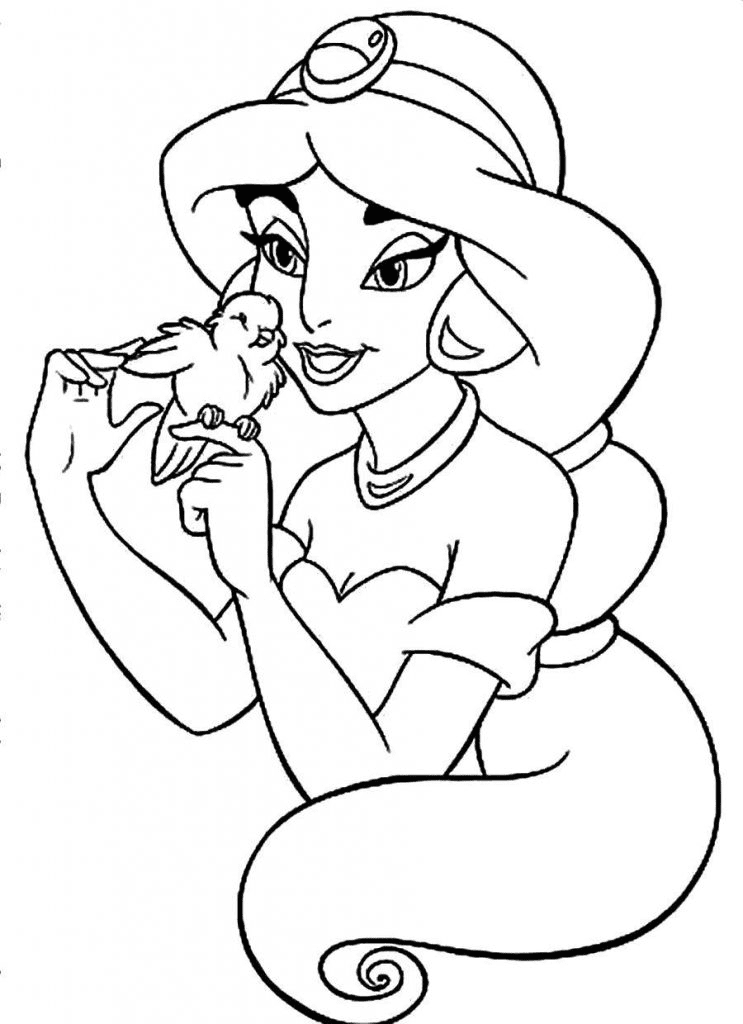
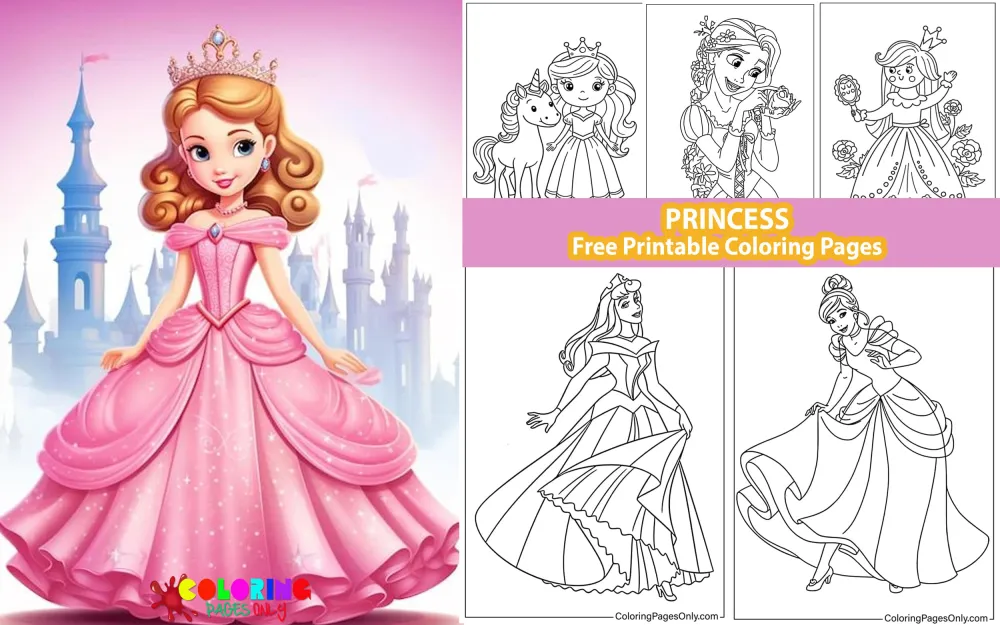
Princess Coloring Pages at ColoringPagesOnly.com brings together 110+ free printable pages devoted to the most enduring figure in storytelling – the princess. The collection spans original fairy tale princess designs (princesses with unicorns, horses, mirrors, enchanted companions, and royal gardens), beloved characters from classic princess stories in their most iconic scenes, and seasonal and themed variations that give familiar figures new settings. Download any page as a free PDF or color online directly in your browser.

This hub connects to dedicated character collections, including Cinderella Coloring Pages, Ariel Coloring Pages, and Belle Coloring Pages. For related collections, explore Girls Coloring Pages, Fairy Coloring Pages, Unicorn Coloring Pages, and the full Cartoons Coloring Pages hub.

What Is a Princess? – An Archetype 3,000 Years in the Making

The princess is one of the oldest and most culturally persistent characters in human storytelling. Long before the modern fairy tale as we know it – before Charles Perrault’s French court tales of the 1690s or the Brothers Grimm’s 19th-century German collections – oral storytelling traditions across Asia, the Middle East, Africa, and Europe featured royal daughters at the center of dramatic narratives: tested by adversity, transformed by magic, defined by their moral character as much as their lineage.

The earliest known Cinderella-type story dates to 9th-century China, collected by Duan Chengshi in Youyang Zazu – a tale of a persecuted girl named Yeh-hsien aided by a magical fish, rescued by a golden shoe. The Cinderella motif – a girl of good character mistreated by her family, aided by magic, and ultimately recognized for her true worth – appears in hundreds of variants across every inhabited continent, making it one of the most widely distributed folk narrative patterns ever identified. The story arrived in Europe through oral traditions carried along trade routes, was formalized by Perrault in 1697, and again by the Brothers Grimm in 1812, before taking its most globally familiar form in the 20th century’s major animated adaptations.
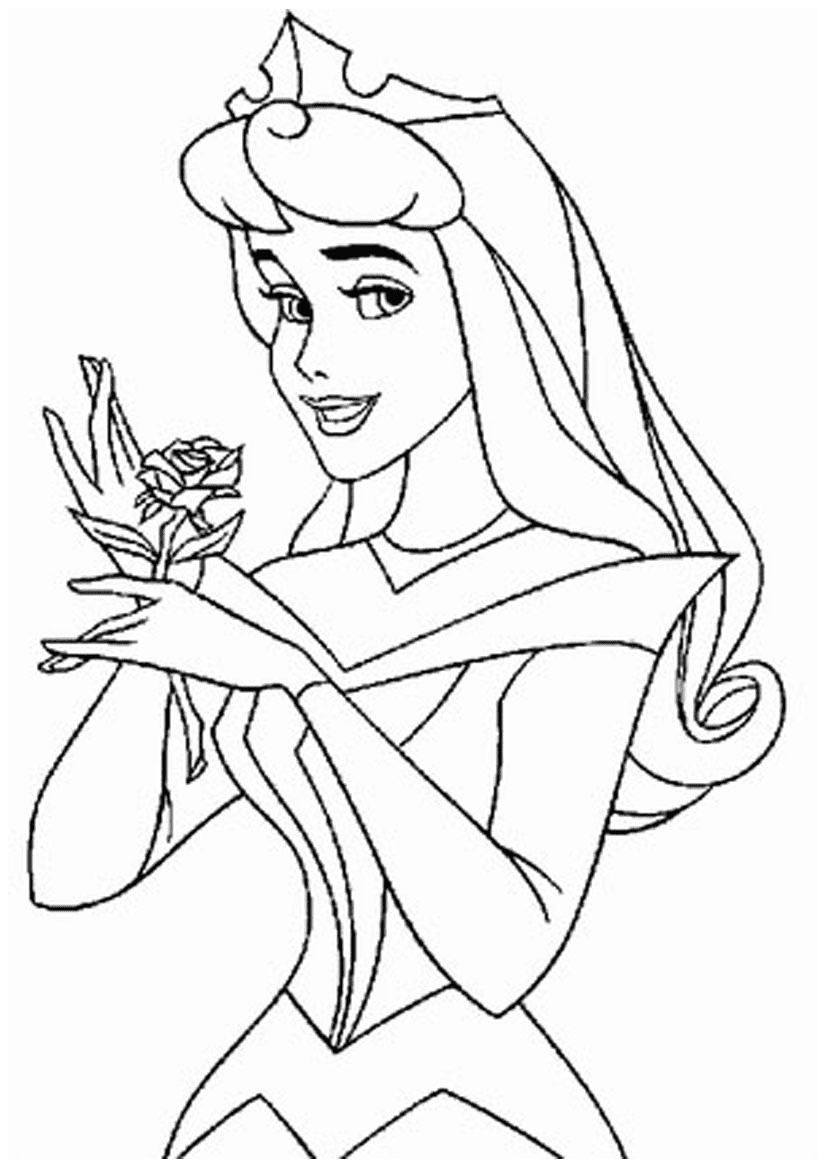
Similar deep histories attach to the other great princess stories. The tale of a mermaid longing for a human soul predates Hans Christian Andersen’s 1837 version, which is itself far darker than its later adaptations – in Andersen’s original, the mermaid’s transformation causes her constant pain, and the story ends not in triumph but in transcendence. Beauty and the Beast traces to the French La Belle et la Bête of 1740 by Madame de Villeneuve, itself drawn from earlier traditions. The legend of Hua Mulan – a young woman who disguises herself as a soldier to fight in her father’s place – appears in the Ballad of Mulan, an anonymous Chinese poem from the Northern Wei dynasty (386–534 CE), predating its modern animated retellings by fifteen centuries.
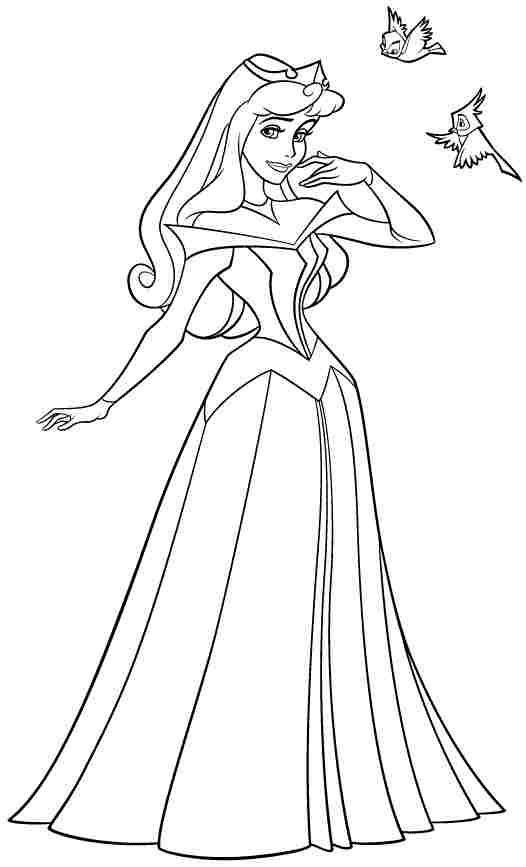
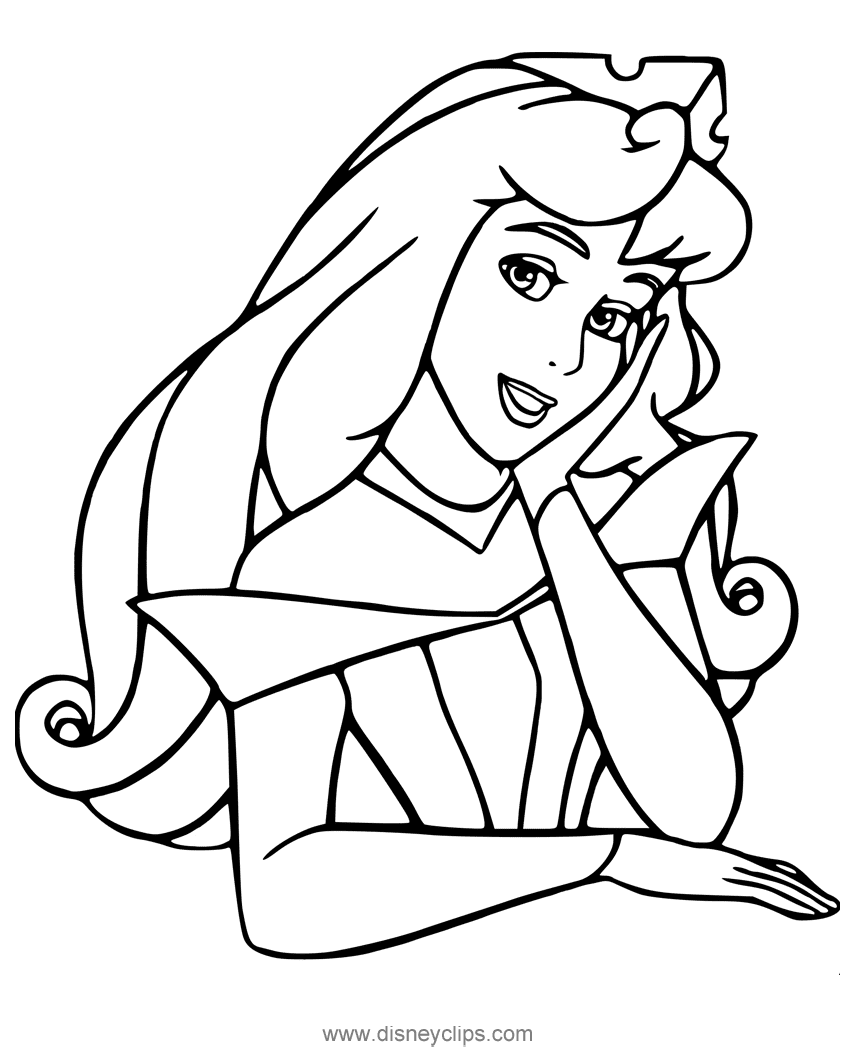
What all of these stories share – regardless of their culture of origin, the century in which they were collected, or the medium in which they have been told – is the princess at their center: a figure who possesses both nobility of birth and nobility of character, who faces adversity that tests her genuine worth, and who ultimately claims her place in the world through some combination of courage, kindness, and moral integrity. The princess archetype has shifted considerably over the centuries, from the passive damsel-in-distress of some 19th-century retellings to the active, self-determining heroines of contemporary princess narratives – but the core of the archetype remains: a character through whom storytellers explore themes of identity, courage, transformation, and the relationship between inner character and outward circumstance.

This is why princess stories have endured: they are not primarily stories about crowns and ball gowns, but about becoming who you truly are.

The Collection’s Two Types of Pages

The 110+ pages in this collection fall into two broad categories, each with distinct visual characteristics and coloring approaches.

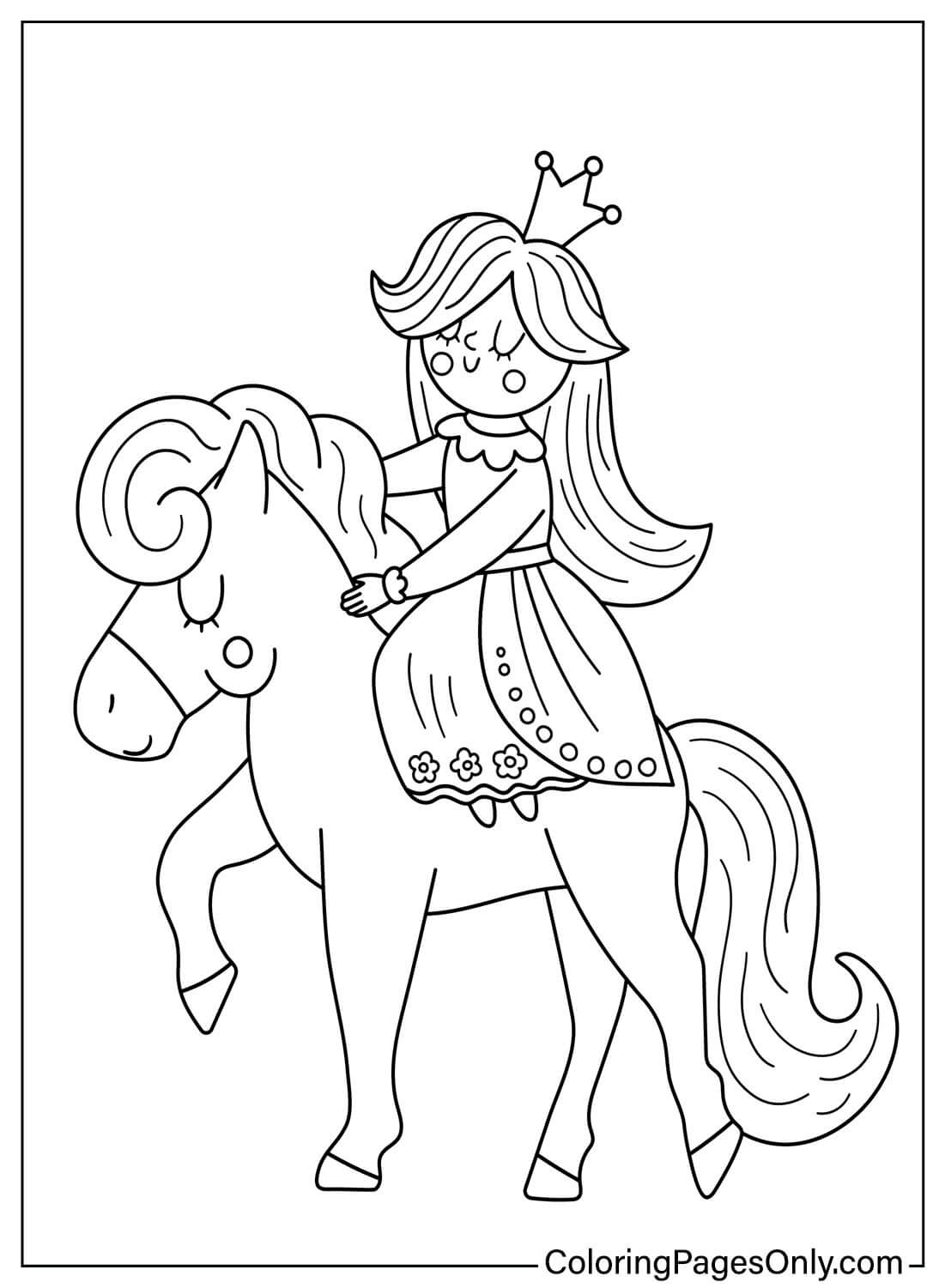
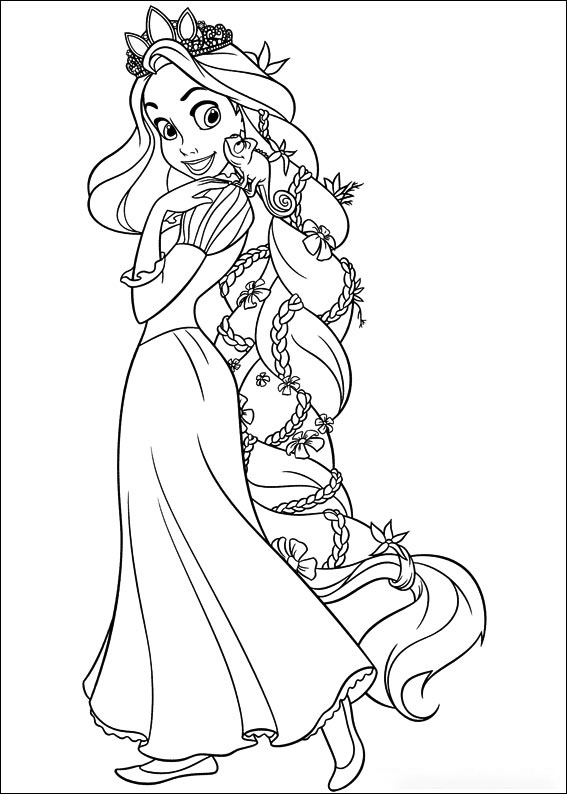
Original fairy tale princess designs – pages like Princess with Mirror and Roses, Princess with Unicorn, Princess riding Horse, Princess with Frog Prince and Cat, Pretty Princess, and Happy Princess – depict generic, original princess characters designed in the classic fairy tale illustration tradition. These pages have no fixed canonical color scheme; the princess’s hair, gown, skin tone, and accessories are entirely at the colorist’s discretion. They reward the most creative and personal color choices, because there is no “right answer.” A princess with a mirror and roses can wear a crimson gown or a silver one; her hair can be golden, raven-black, auburn, or silver; the roses can be red, yellow, white, or lavender. These pages are ideal for colorists who want full creative freedom within a beautiful, structured illustration.

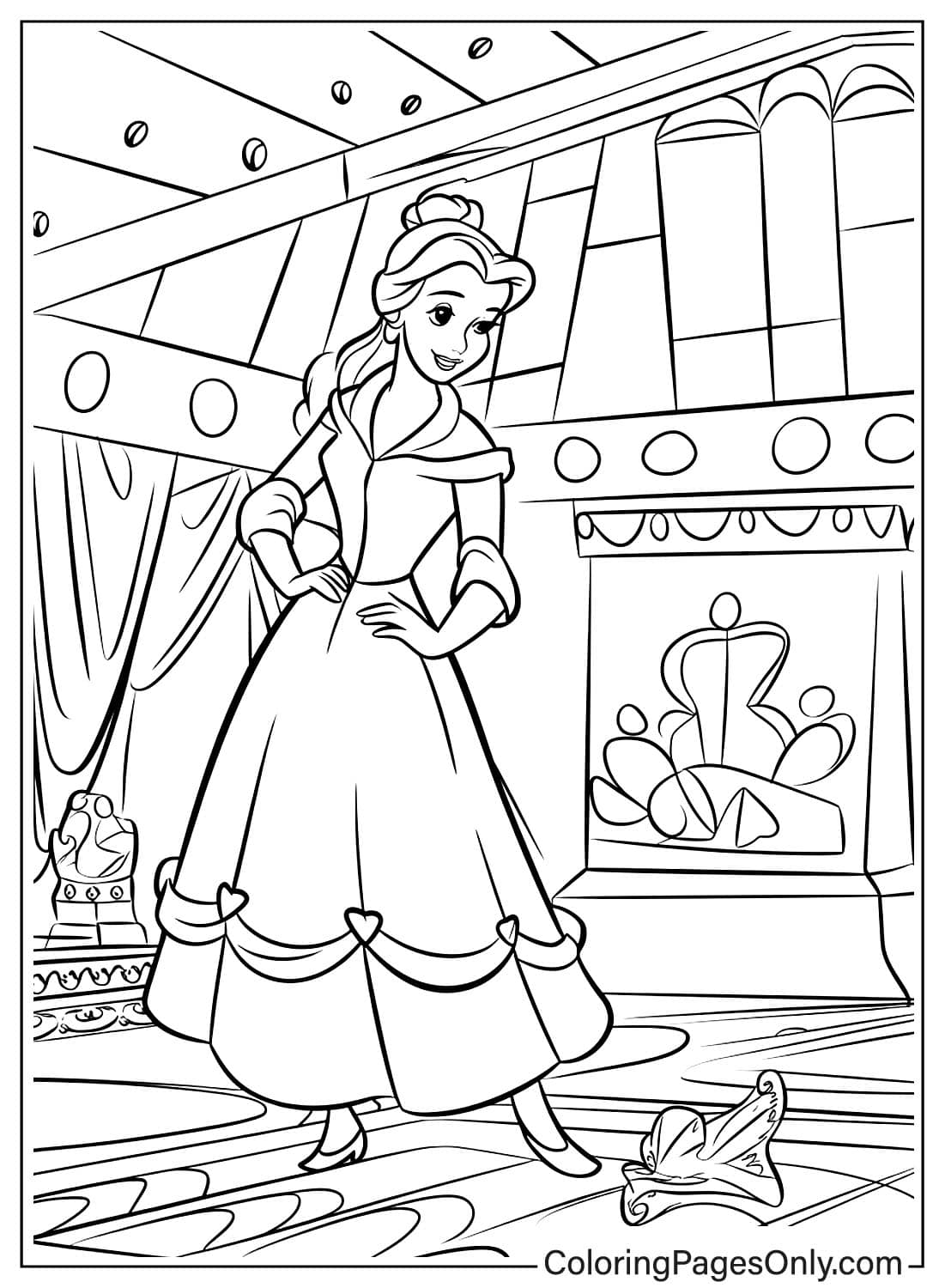
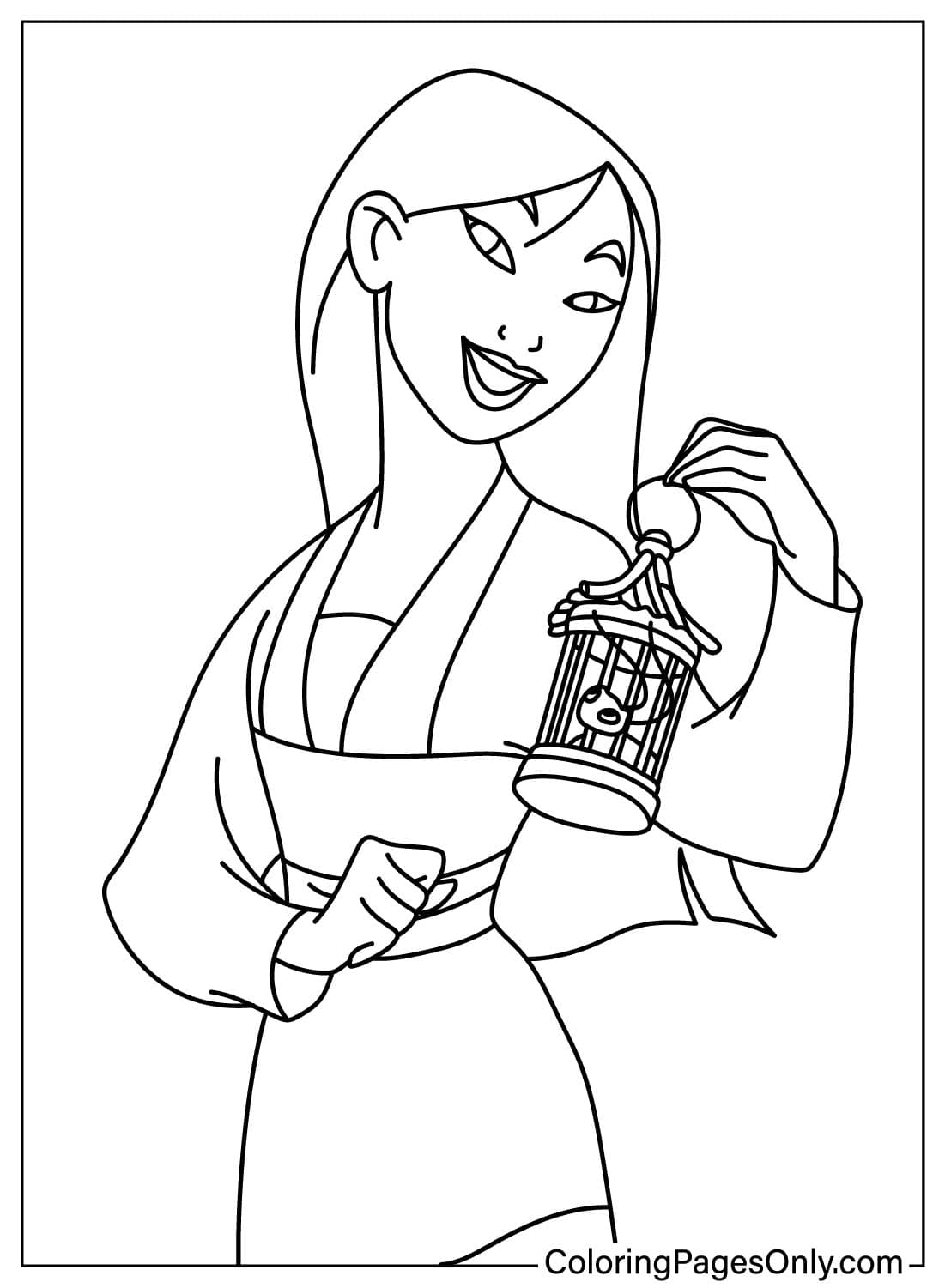
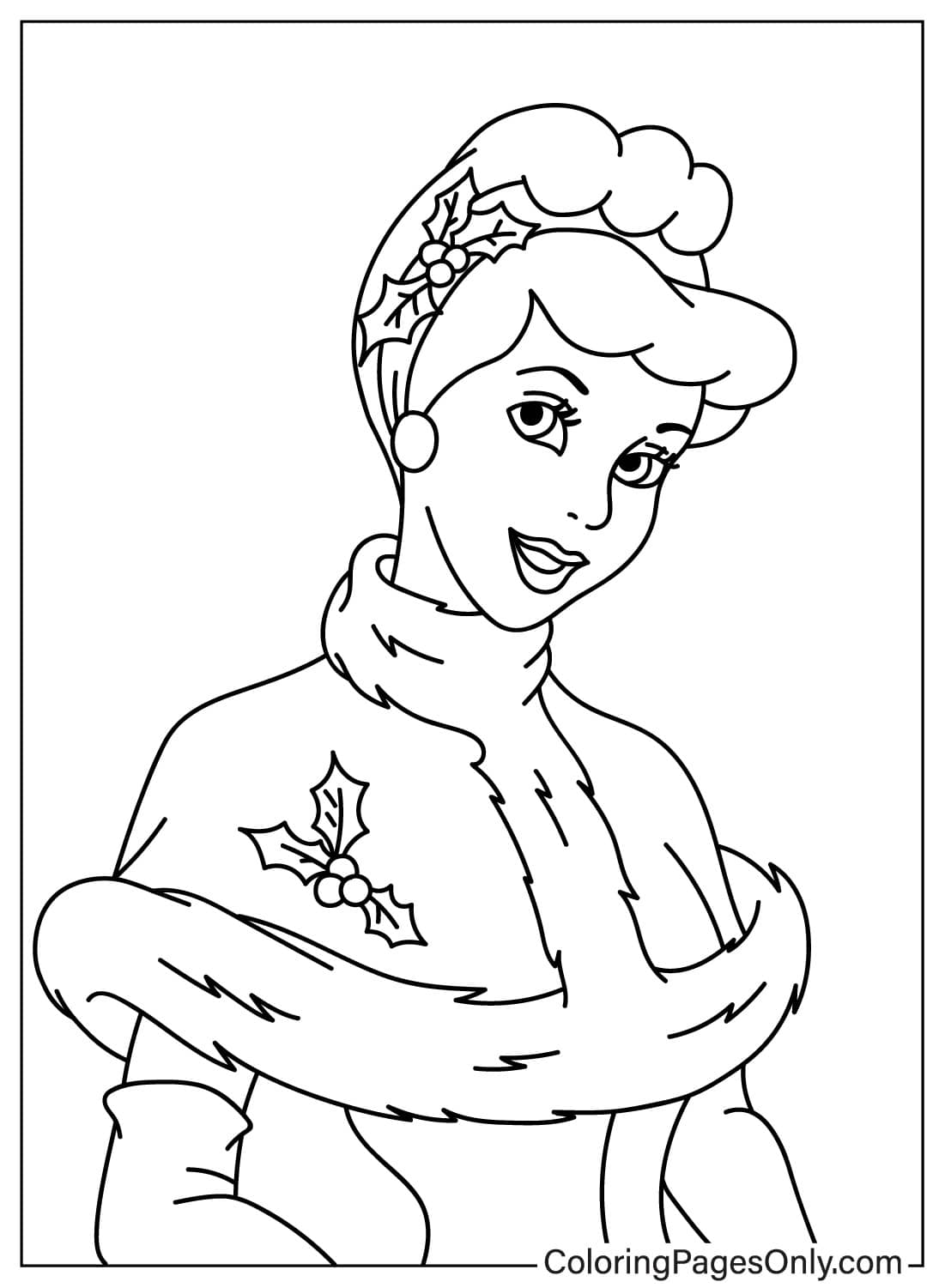
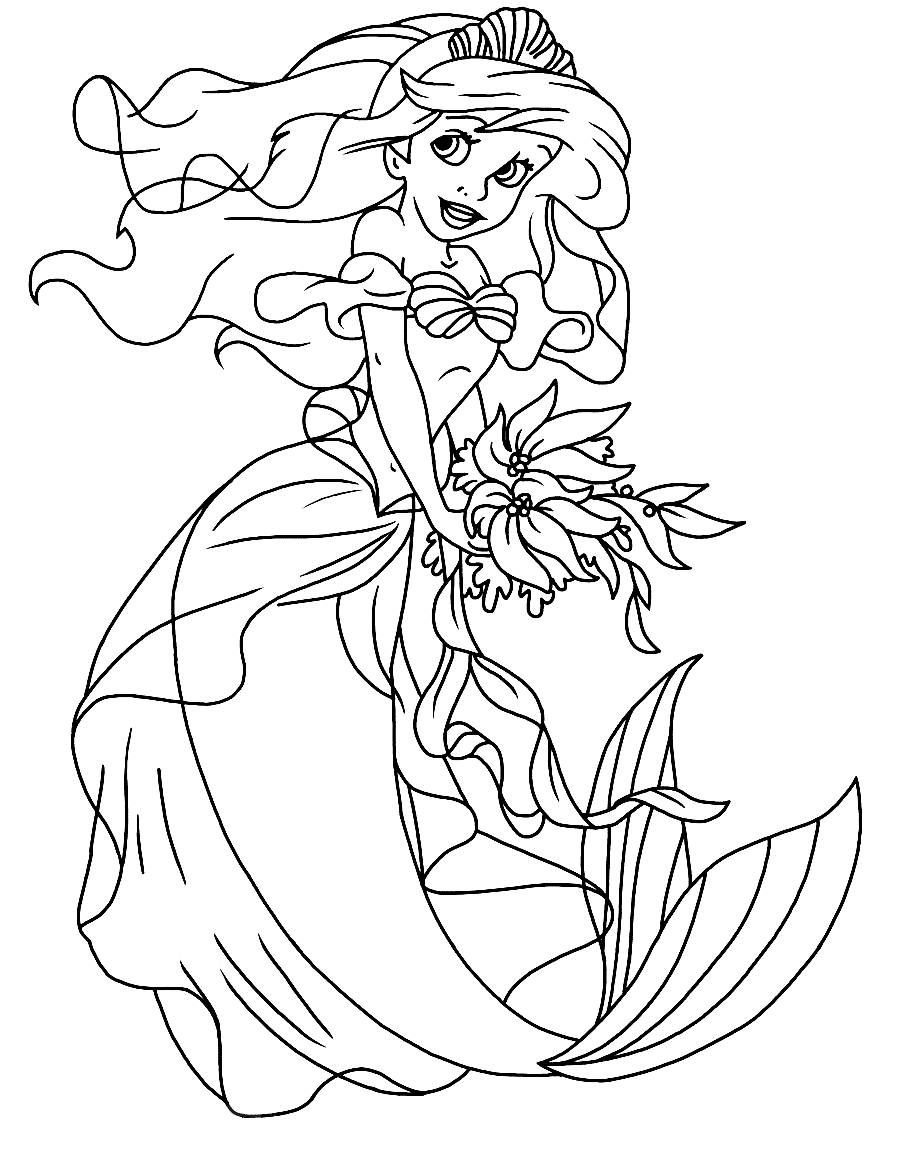
Character pages from beloved princess stories – including Cinderella in her classic and seasonal scenes, Snow White with the Seven Dwarfs, the red-haired sea princess in her famous purple gown, Belle in her golden ball gown, Mulan in her distinctive Chinese dress and armor, and the ice-powered sister duo of a beloved animated musical – feature characters with established visual identities. These pages are most rewarding when colored with the canonical color schemes that define each character’s recognizable look, though creative reinterpretation is always welcome. These pages also link to dedicated character collections where additional scenes and poses are available.

Royal Fashion – A Guide to Princess Gown Elements

One of the most visually rich aspects of princess coloring pages is the sheer variety of royal fashion they depict. Understanding the elements of a royal gown – and the history and visual logic of each – turns the coloring of these pages from filling in outlines into an act of informed creative decision-making.

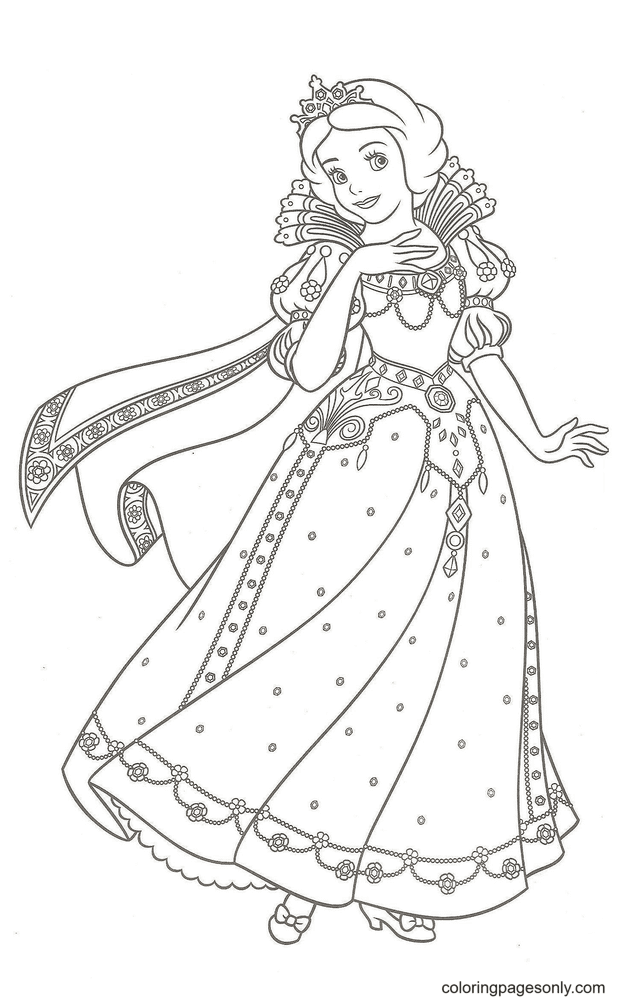
The ball gown silhouette. The classic princess ball gown has three defining features: a fitted bodice from shoulder to waist, a dramatically full skirt that falls from the waist, and fabric detail (ruffles, tiers, overlay, embroidery) that makes the skirt visually complex. The silhouette was established in European court fashion of the 18th and 19th centuries, and its exaggerated proportions – tiny waist, enormous skirt – became the symbolic grammar of the illustrated fairy tale princess. When coloring a ball gown, the bodice and the skirt are distinct visual zones: the bodice should be darker, more shadowed, and tighter in its line quality; the skirt should be lighter at its widest points (the fullest areas catching the most light) and deeper in value at the natural fold and gather points. This value shift – light where the fabric is most extended, dark where it is most compressed – gives the gown dimensional life rather than flat color.

Fabric shimmer and texture. Princess gowns in fairy tale illustration are typically shown in fabrics that catch light – silk, satin, taffeta, organza, or their fantastical equivalents. These fabrics have a characteristic light behavior: they hold highlights brilliantly at their widest or most exposed surfaces, and drop quickly into deep shadow at their folds. To suggest silk or satin, use your lightest application of color at the highlight points, then deepen progressively toward any area where fabric gathers, folds, or drapes. The most effective princess gown colorings use three or four values of the same color family – from near-white highlights through mid-tones to a shadow value – rather than a single flat application.

Overlay and underskirt. Many princess gowns feature a two-layer construction: a full underskirt in an opaque fabric, visible at the hem and at any openings, and an overlay of a lighter, sheerer fabric over the top. Cinderella’s iconic silver-blue gown has this construction – the main gown is in a silvery blue, with a sheer overlay that catches light differently than the layer beneath. When a gown has this construction, use slightly different values or even slightly different hues for the two layers to suggest visual separation: the underskirt in a slightly more saturated version of the color, the overlay in a more silvery or pearlescent version.

The tiara and crown. Tiaras and crowns in princess illustrations are almost always rendered in gold or silver, with gemstone settings in a contrasting color. For gold: warm yellow-ochre as the base metal, with deep burnt sienna or raw umber at the inner curves and deepest points, and a bright cream-yellow for the highest highlights. For silver: cool grey as the base, with a blue-grey for shadows and near-white for highlights. Gemstones should be the most vivid, saturated color on the entire page – they are small but important accent notes. A ruby red tiara stone against a silver setting is one of the most visually striking small elements possible in a princess page.

Hair is the princess’s signature. In virtually every princess illustration tradition, hair is the character’s single most important identifying visual element. Before any background or accessory is colored, establish the hair color – it sets the entire chromatic story of the page. For an original princess page, consider: cool platinum or silver hair reads as mysterious and ethereal; warm golden hair reads as sunny and classic; deep auburn reads as passionate and adventurous; black hair reads as elegant and refined; and unexpected colors (deep violet, midnight blue, forest green) signal that this princess belongs to a magical, non-realistic world. Once the hair color is chosen, all other color decisions should respond to it.

The Princess Characters – Story Origins and Coloring Guide

The Persecuted Heroine – A French and German Tale

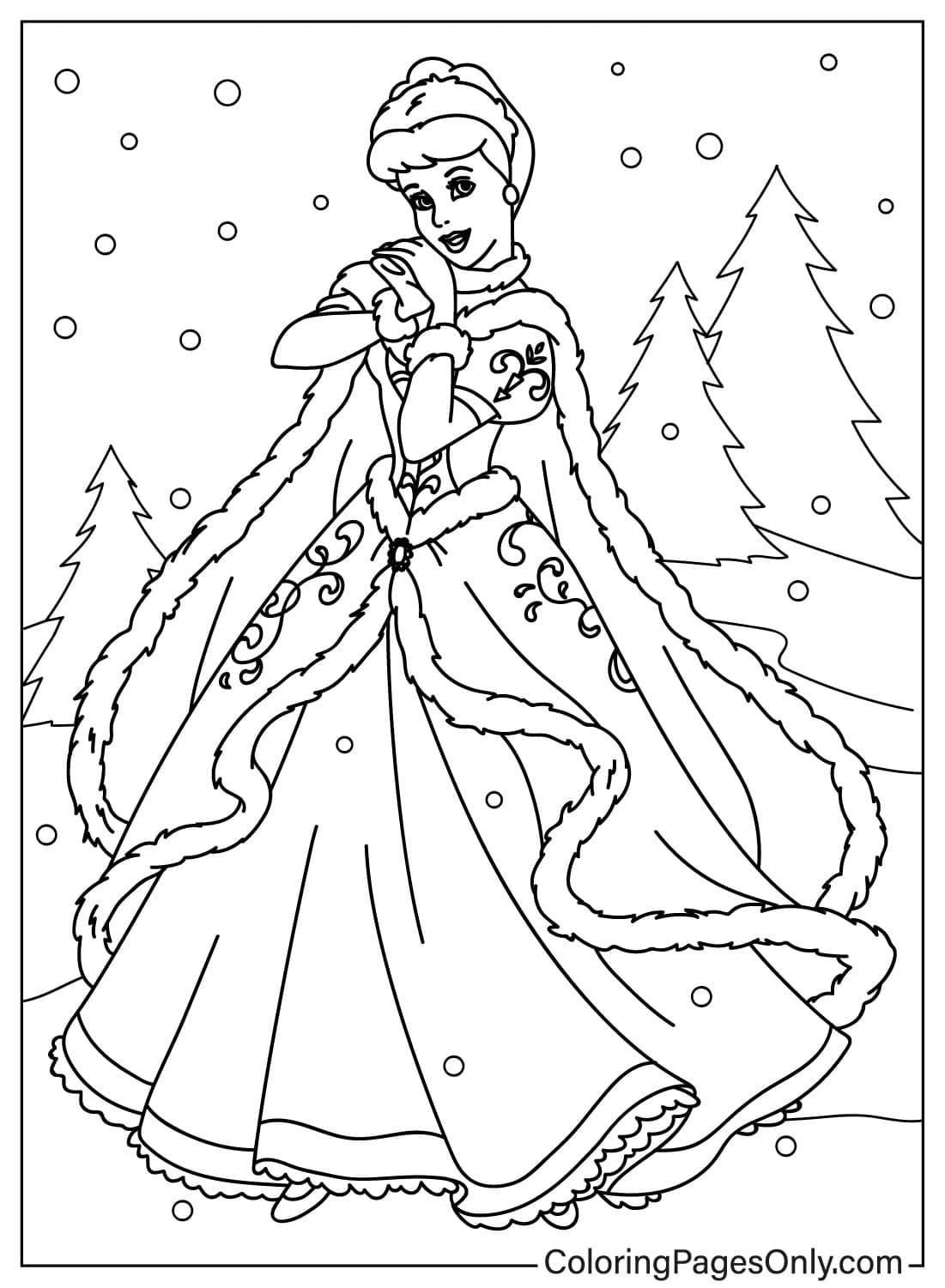
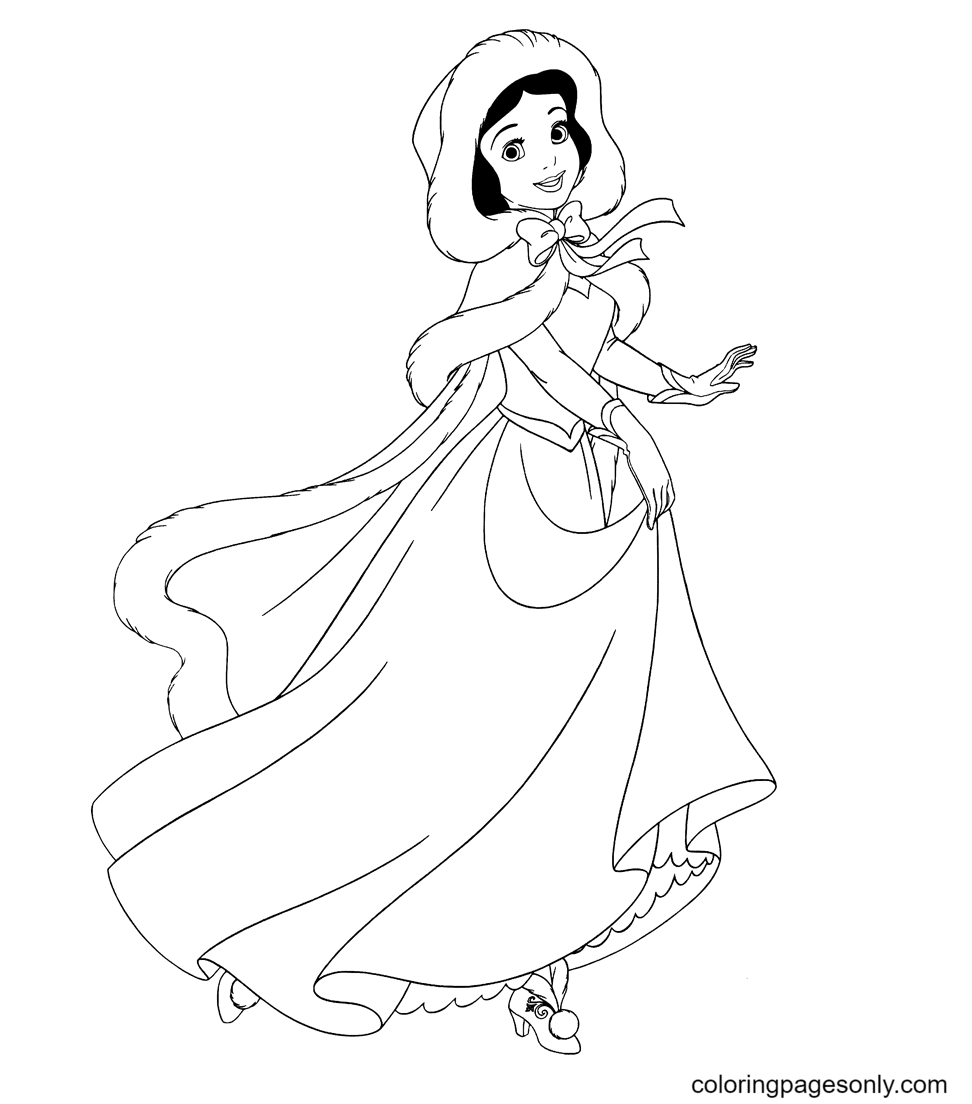
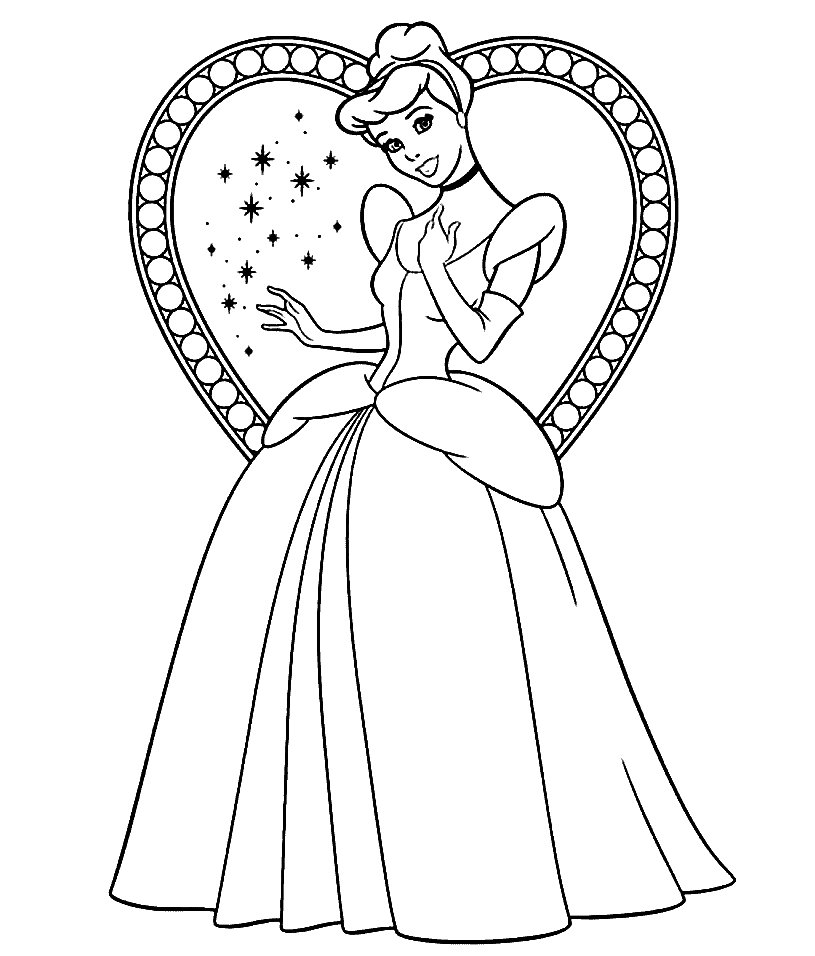
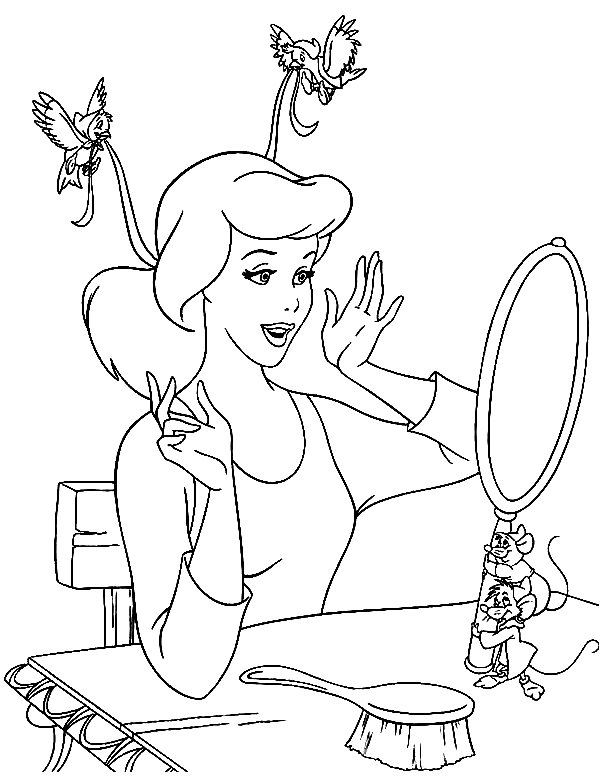
The princess who rises from ashes to the palace through the intervention of a magical figure is one of storytelling’s most ancient and widespread characters. Her canonical illustration shows her in a silvery-pale blue ball gown – a color that in fashion history and art symbolism represents purity, moonlight, and magical transformation. The full skirt of her gown is often shown in layers, with a slightly sheer overlay. Her coloring palette: the gown in pale periwinkle or silvery-blue, the accessories in silver and pale gold, her hair in warm golden-brown, and her skin in a soft, pale, warm tone. For the winter and Christmas scene variations in this collection, the same character appears in a cold-weather palette – deeper blues, winter whites, silver-blue shadows.

The Fairest of All – A German Folk Tale

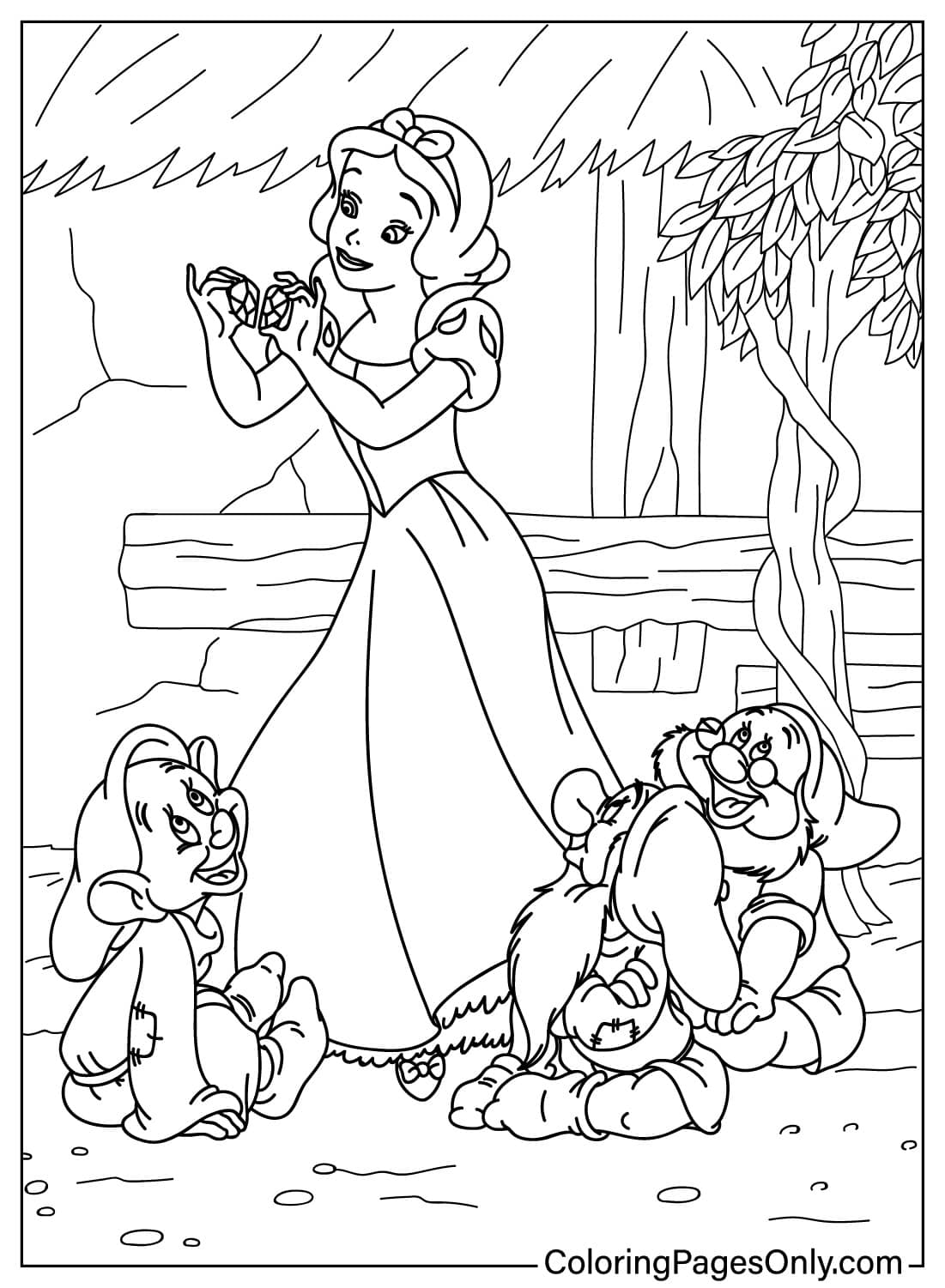
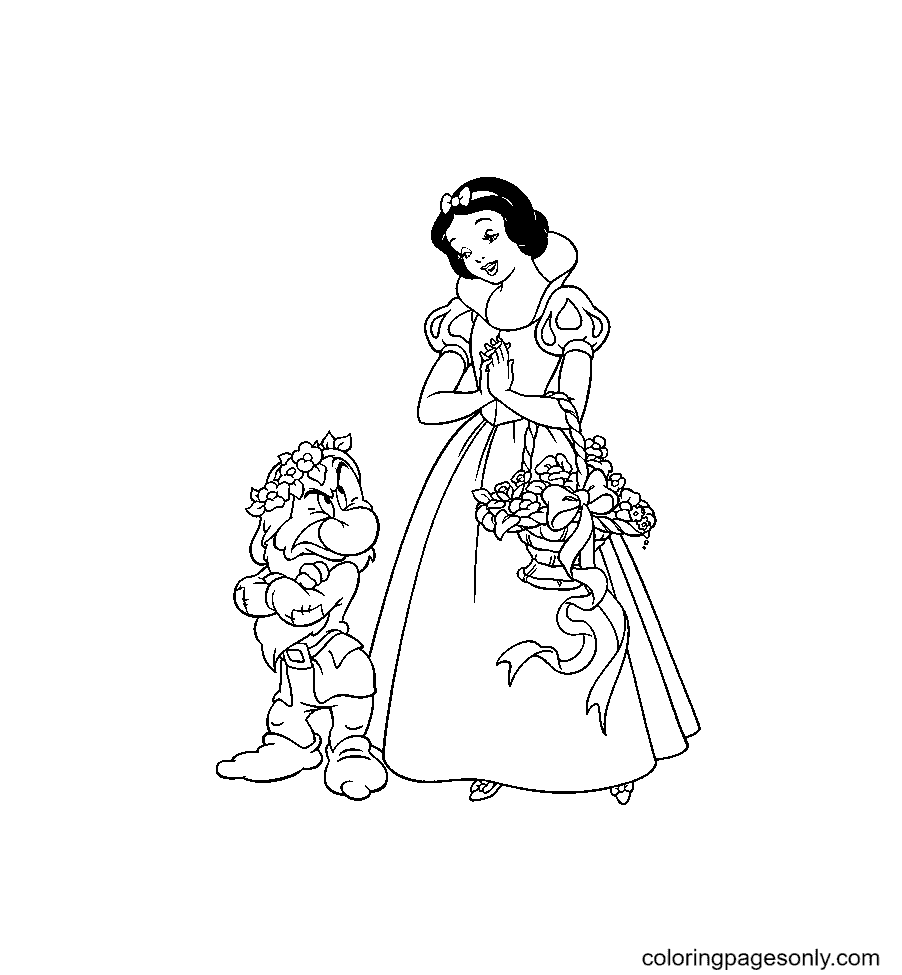
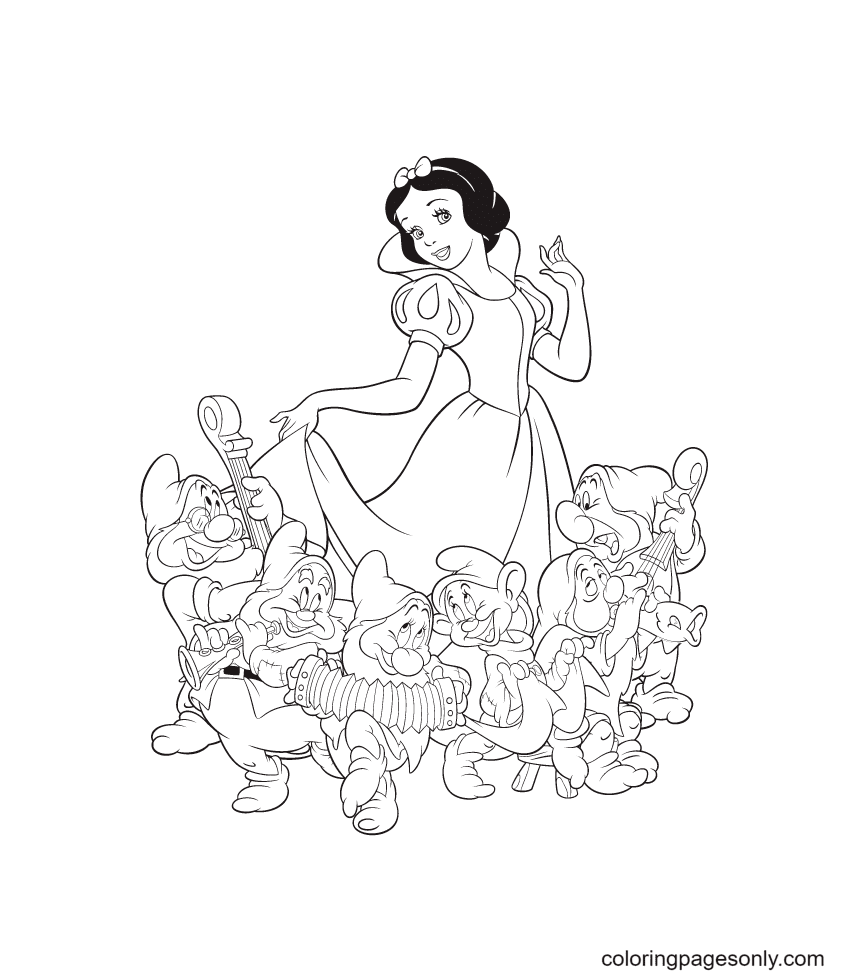
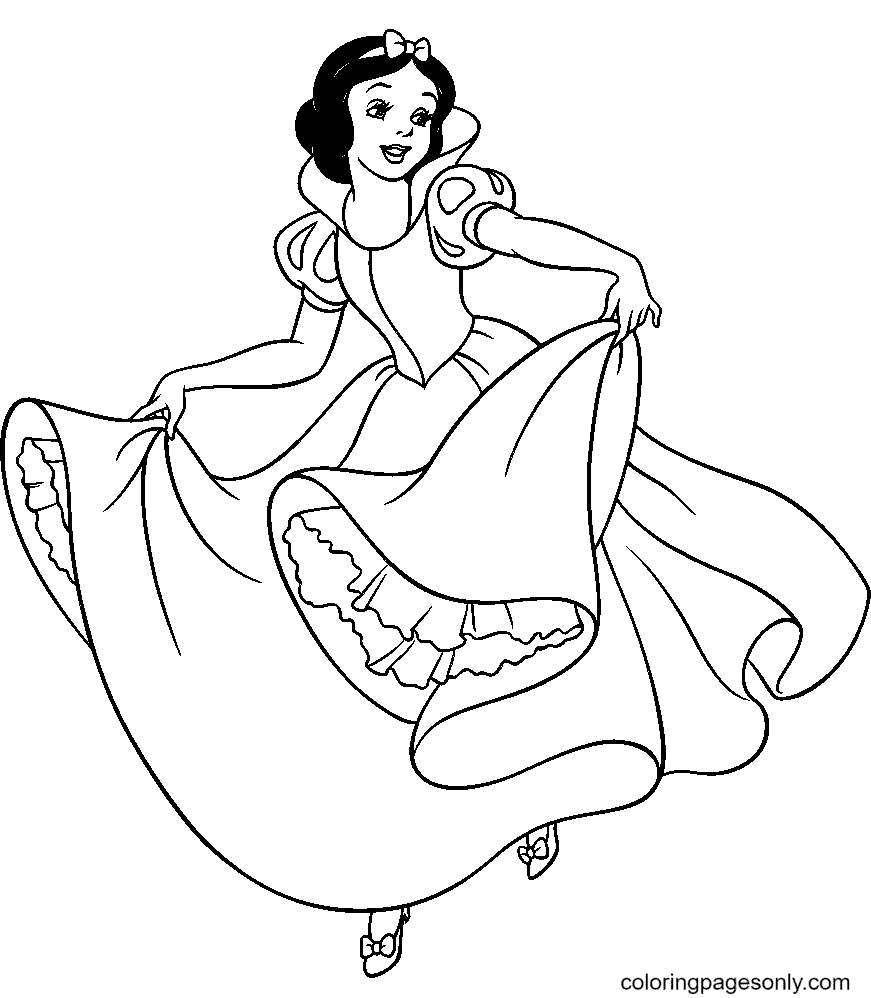
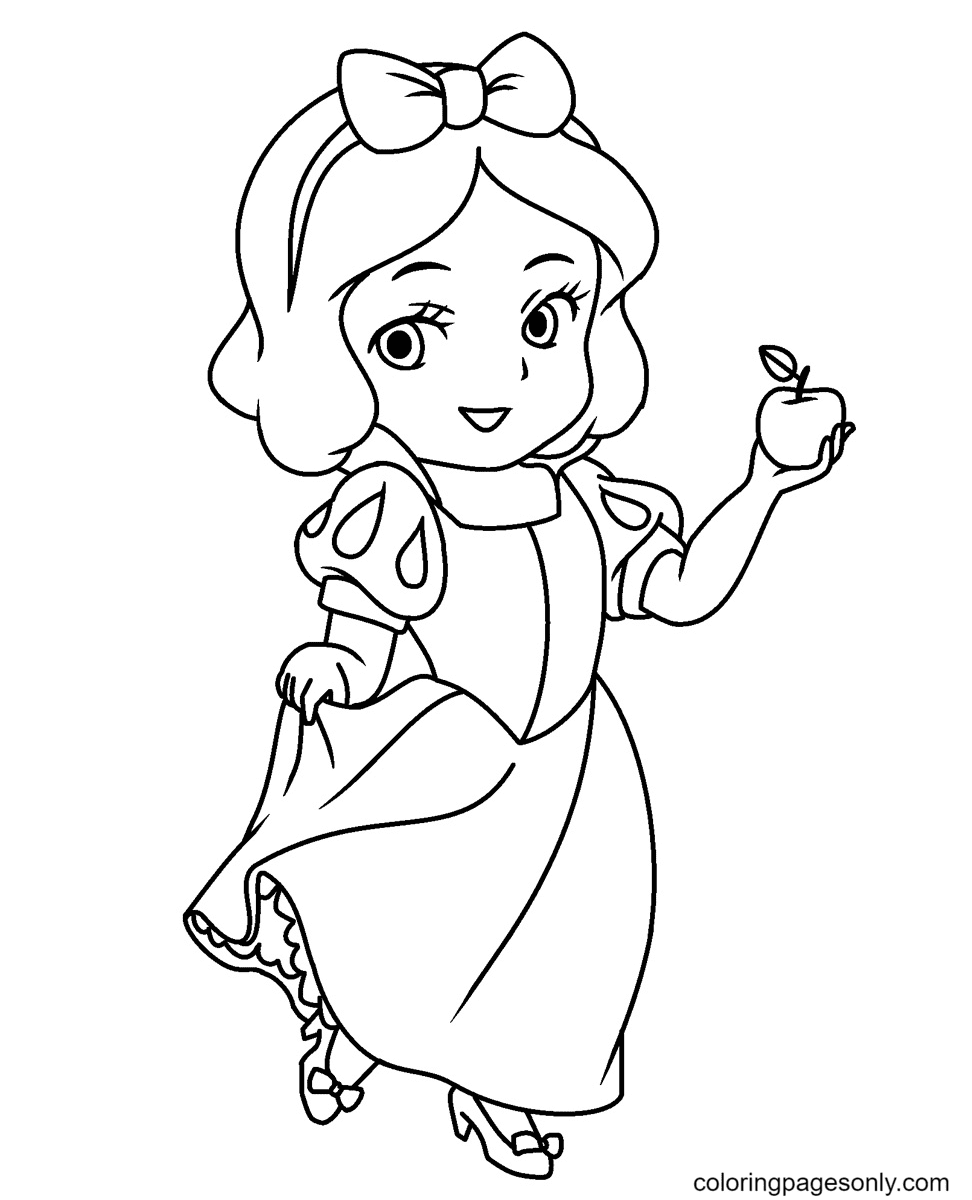
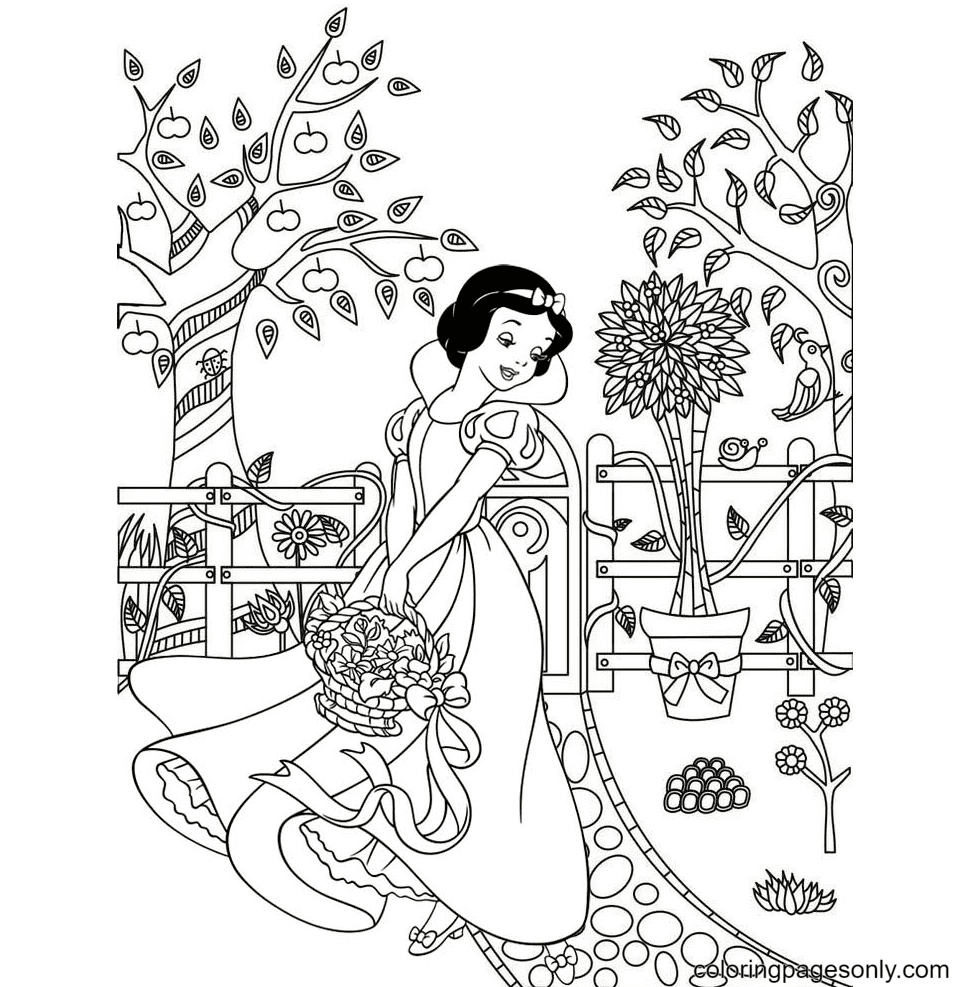
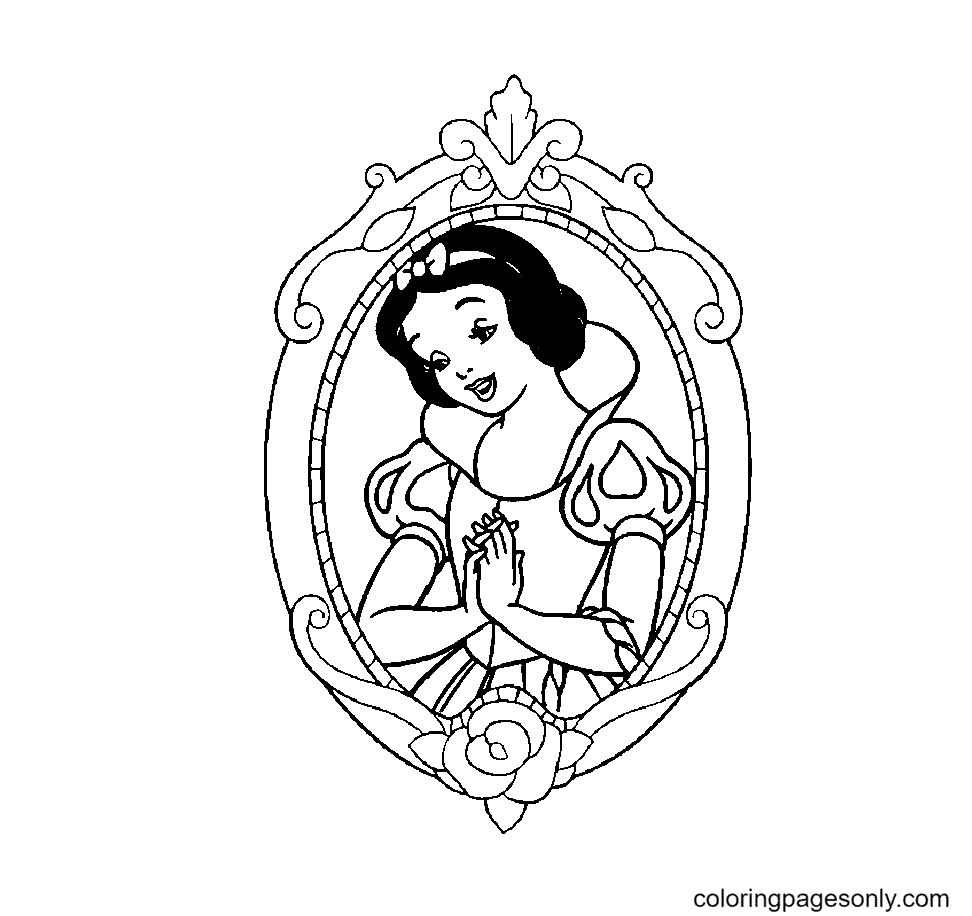
The princess of a thousand-year-old German fairy tale, known for her ebony hair, snow-pale skin, and blood-red lips, is one of the most visually iconic characters in all of storytelling. Her palette is deliberately restricted and high-contrast: the darkest possible hair, the palest possible skin, and the most vivid red lips. Her clothing in classic illustration is a blue, yellow, and white dress – the yellow bodice and skirt with a blue overskirt and white collar and sleeves. The seven companions who appear with her in this collection’s multi-character tile each have their own distinct hat, coat, and beard color, making that page a particularly rewarding color challenge.

The Sea Princess

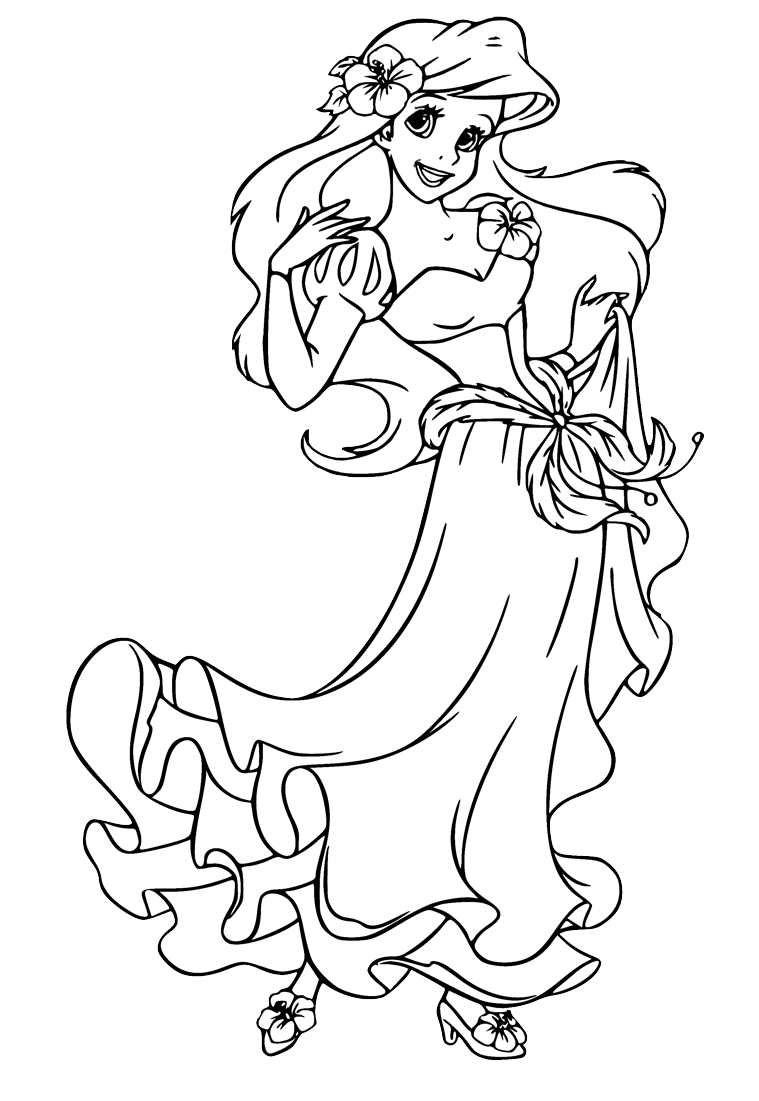
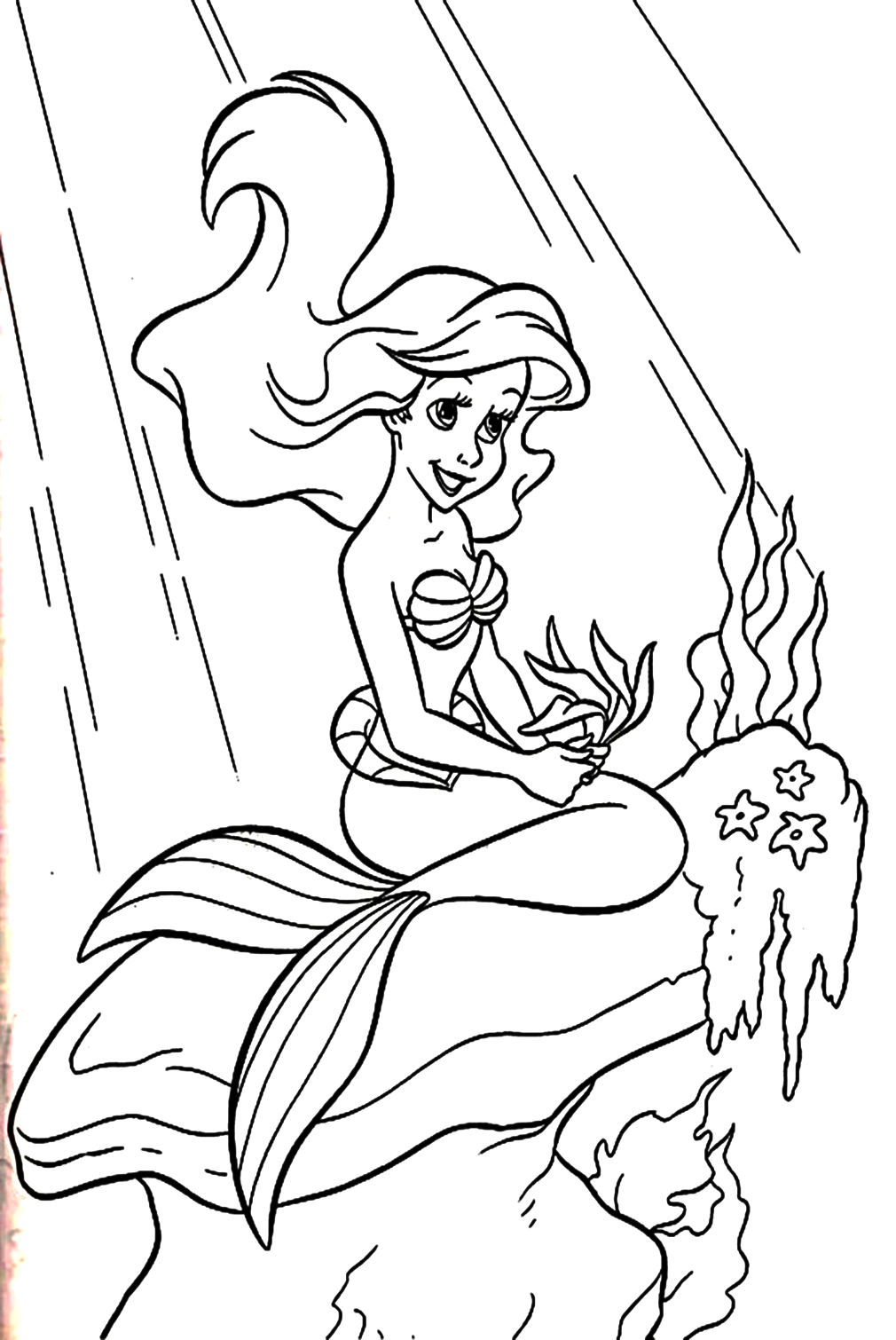
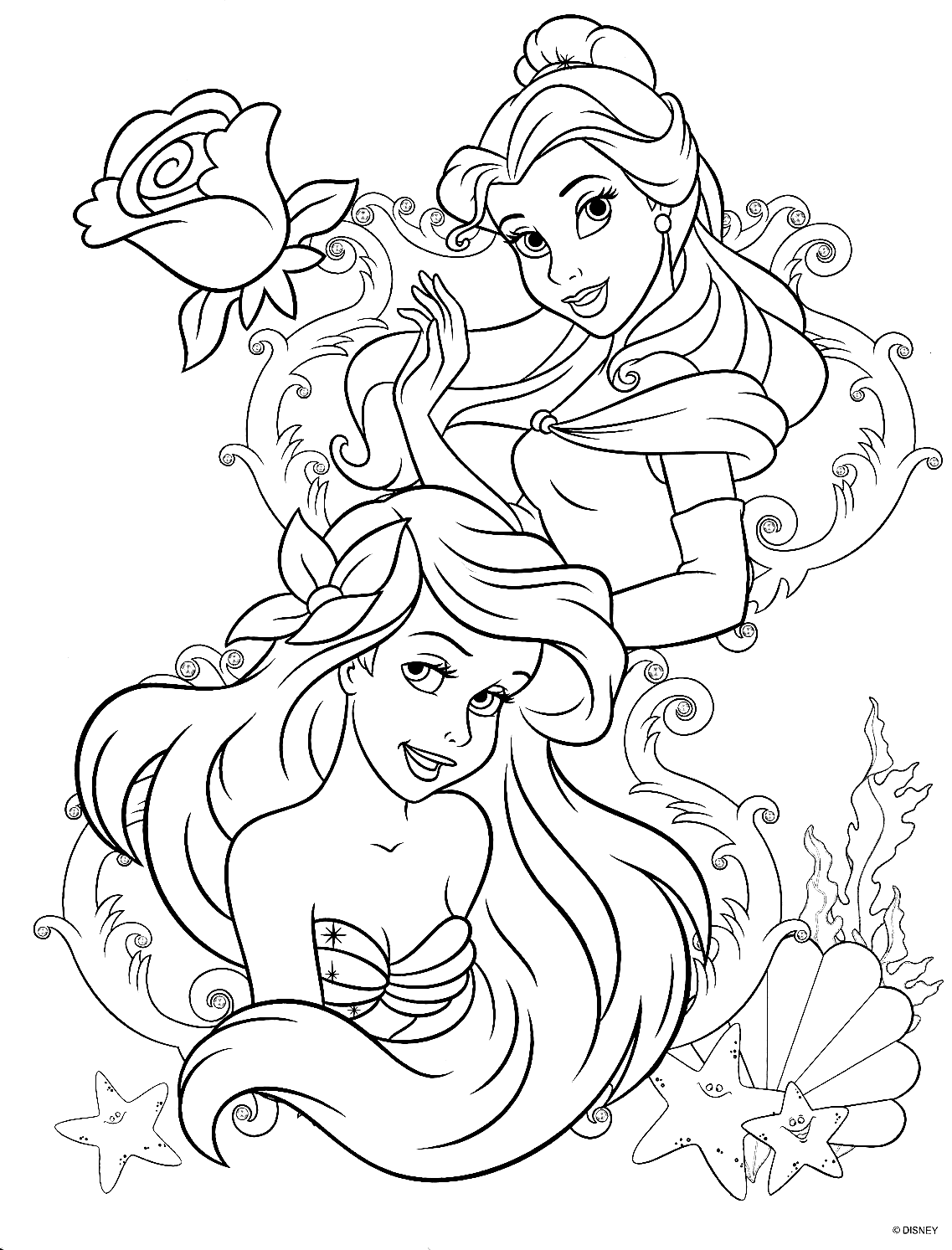
The red-haired princess who lives beneath the waves before making her fateful bargain with a sea witch is defined by three visual signatures: vivid red-orange hair (the most saturated red in the illustration), a distinctive purple two-shell top, and a green mermaid tail. In her human form, she typically appears in a lavender or pink gown. The contrast between the warm red hair and the cool purple-green palette of her sea costume is one of the most visually striking character color schemes in the princess tradition. The dedicated Ariel collection linked from this hub contains additional scene pages.

The Scholar and the Beast

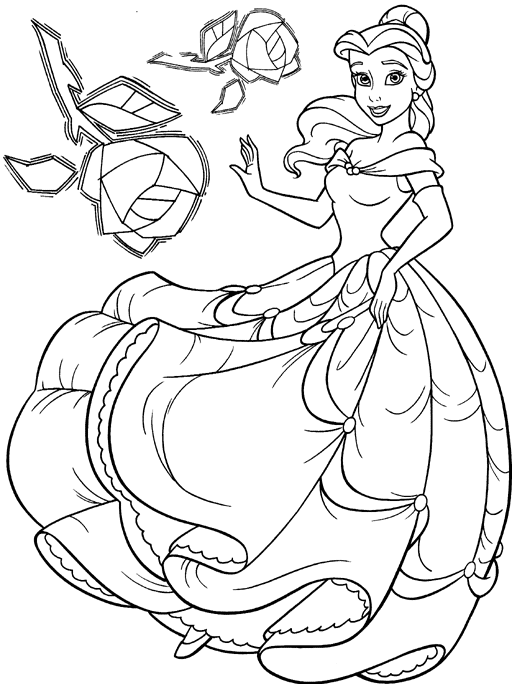
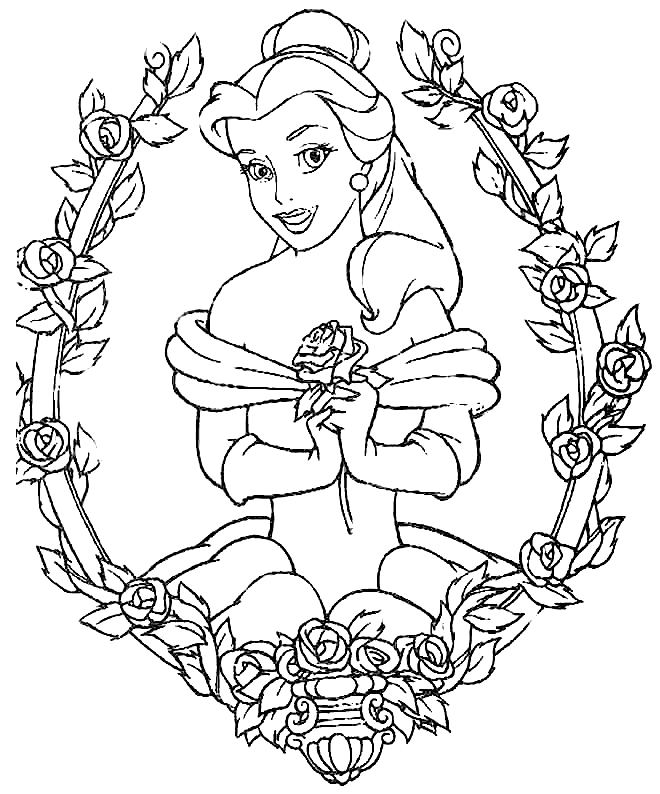
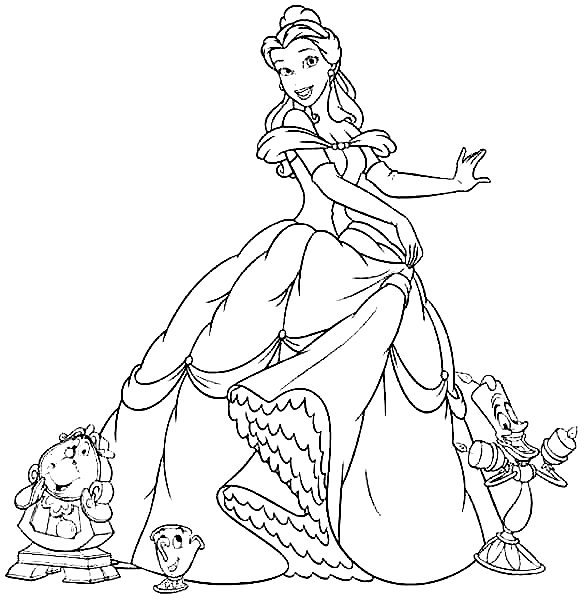
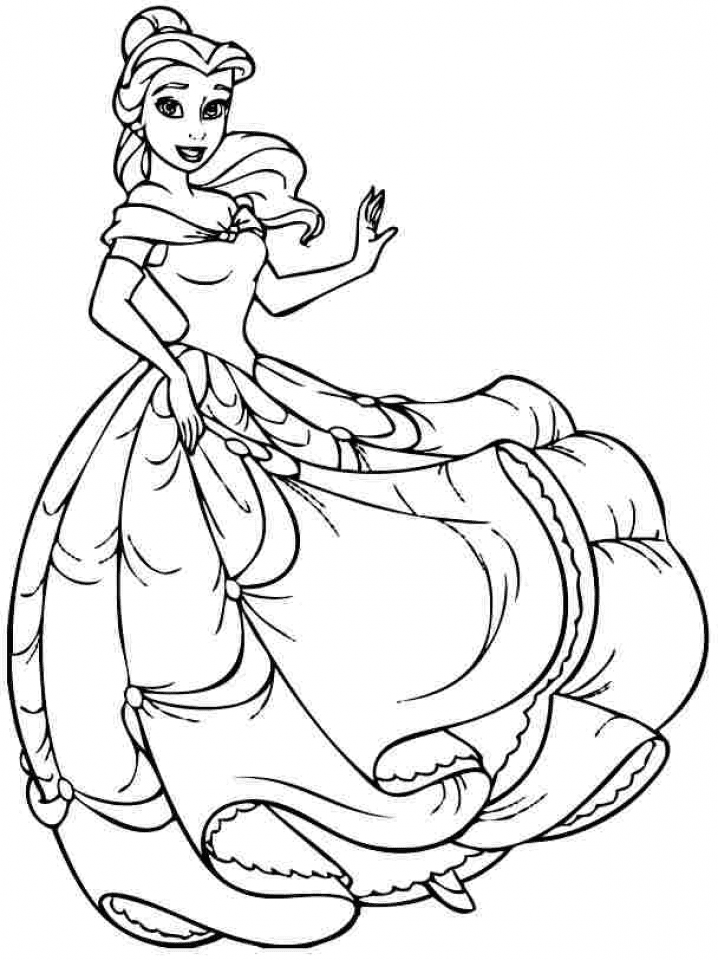
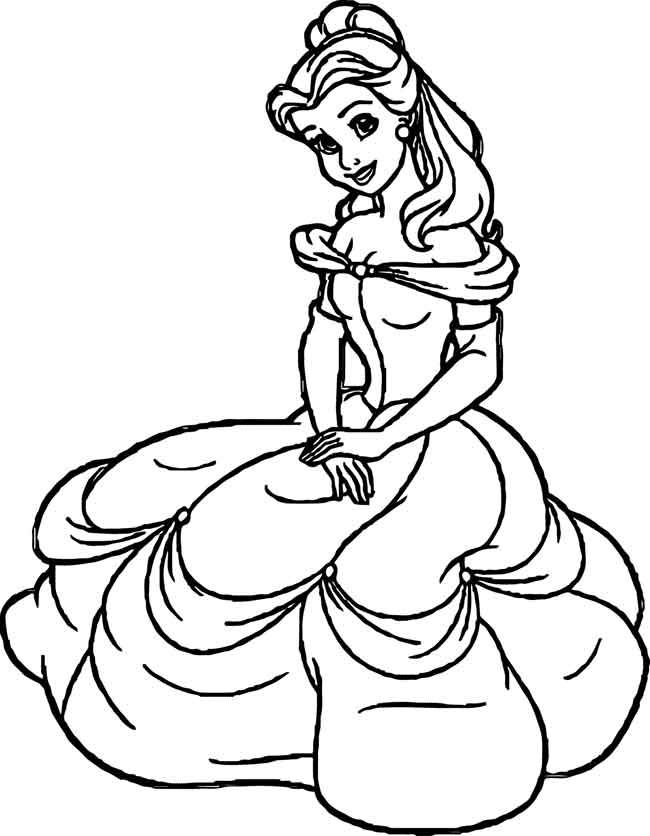
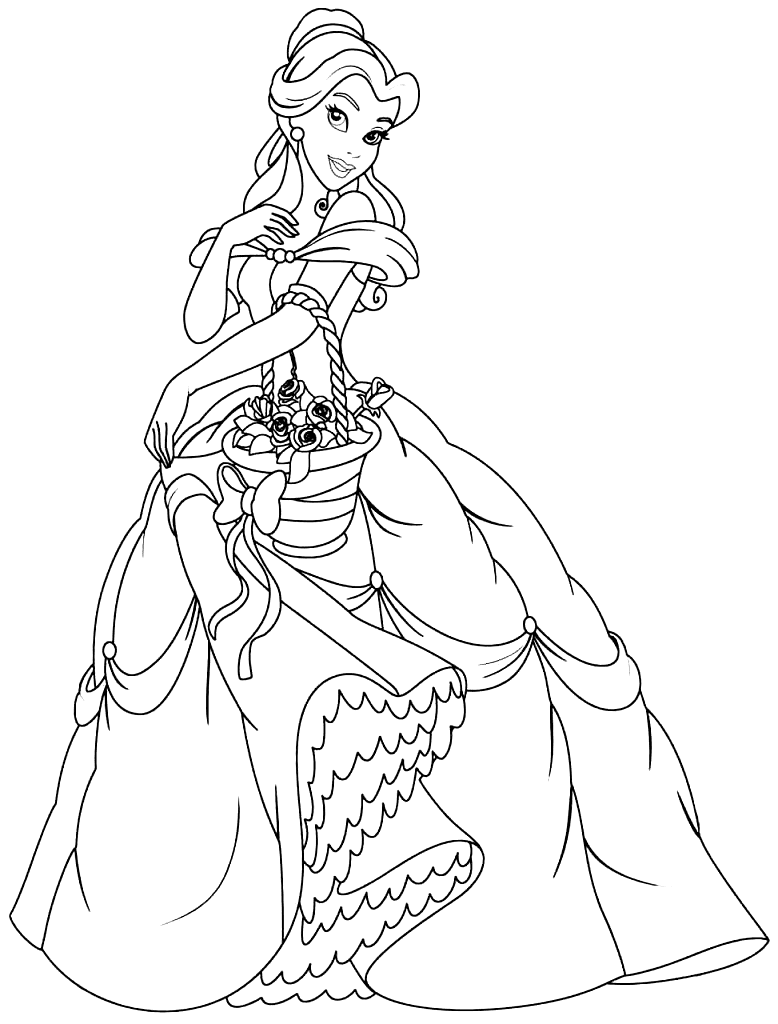
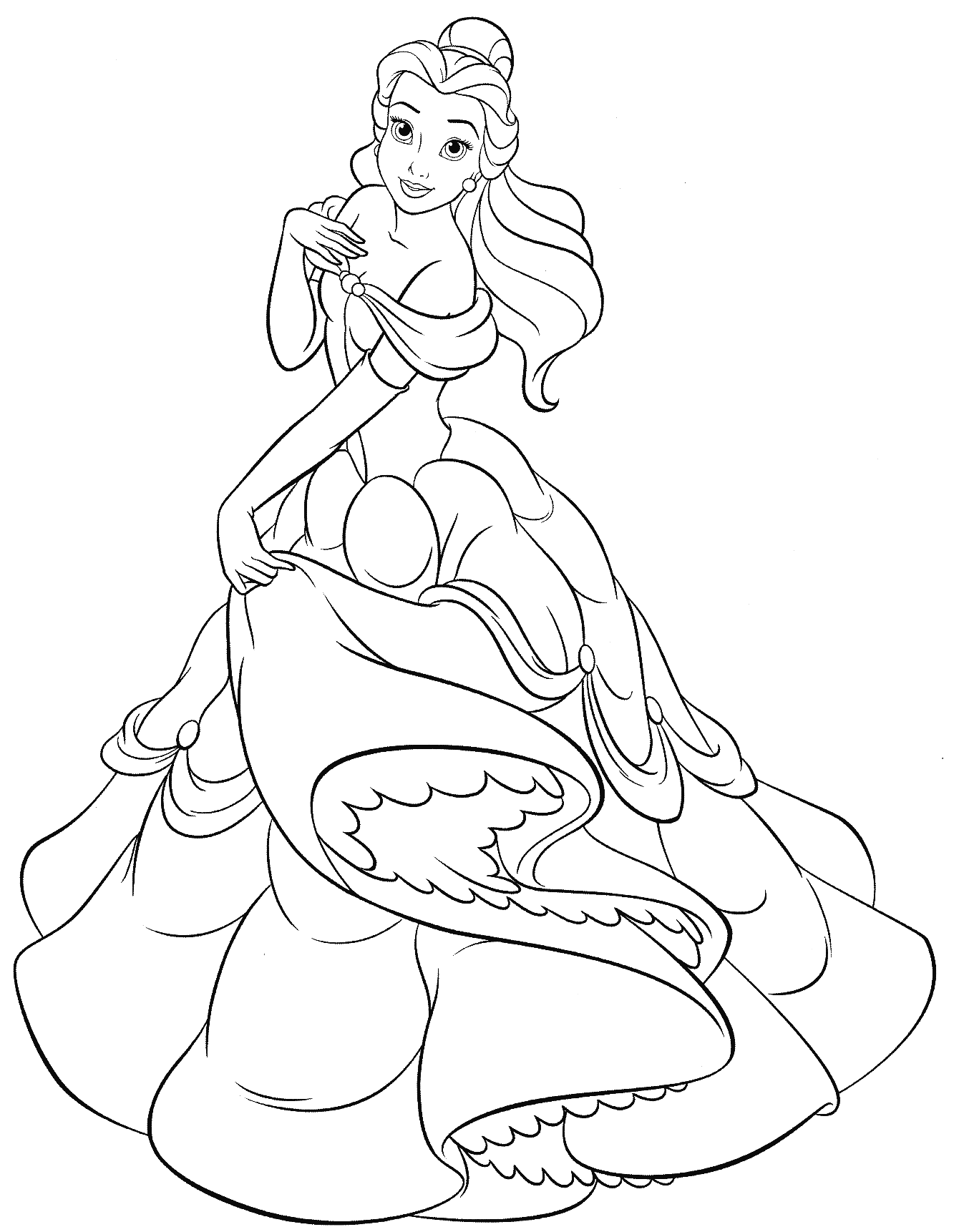
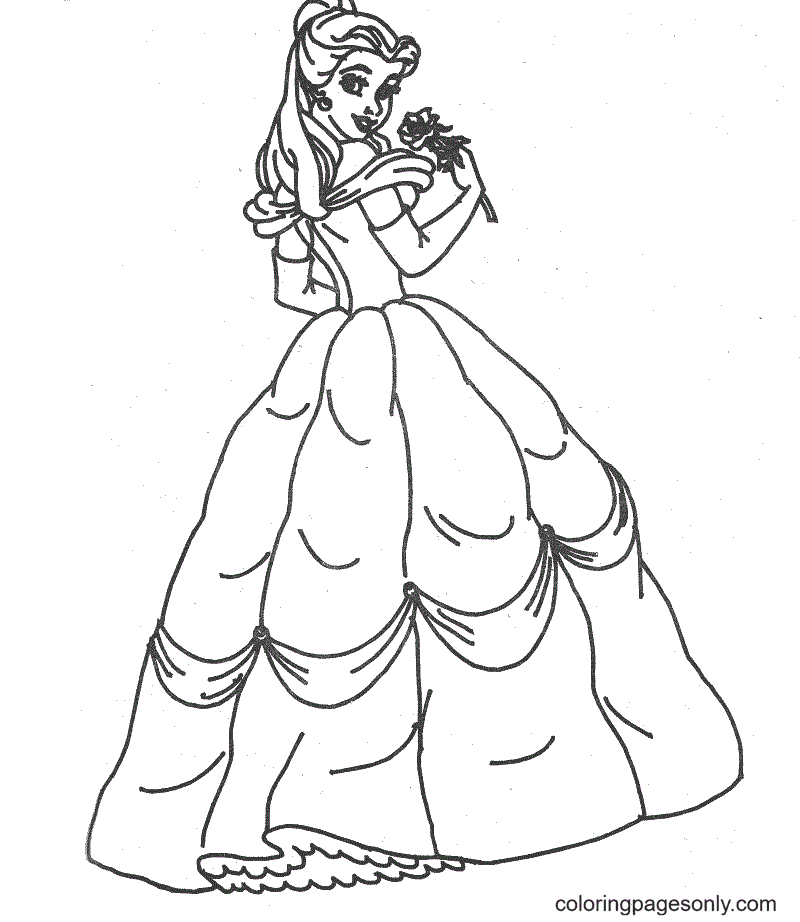
The bookish princess from a provincial French town is defined by a warm golden gown – one of the most technically challenging coloring tasks in the princess collection because gold is a complex warm color requiring careful value management. True gold in illustration: the lightest areas are bright warm yellow; the mid-tones are golden amber; the shadows are deep ochre or raw umber with a slight orange cast. A flat yellow application produces a banana-yellow result; only the careful layering of warm values from bright yellow through amber to orange-brown gives the gown its characteristic metallic richness. Additional Belle pages are available in the dedicated collection linked from this hub.

The Warrior

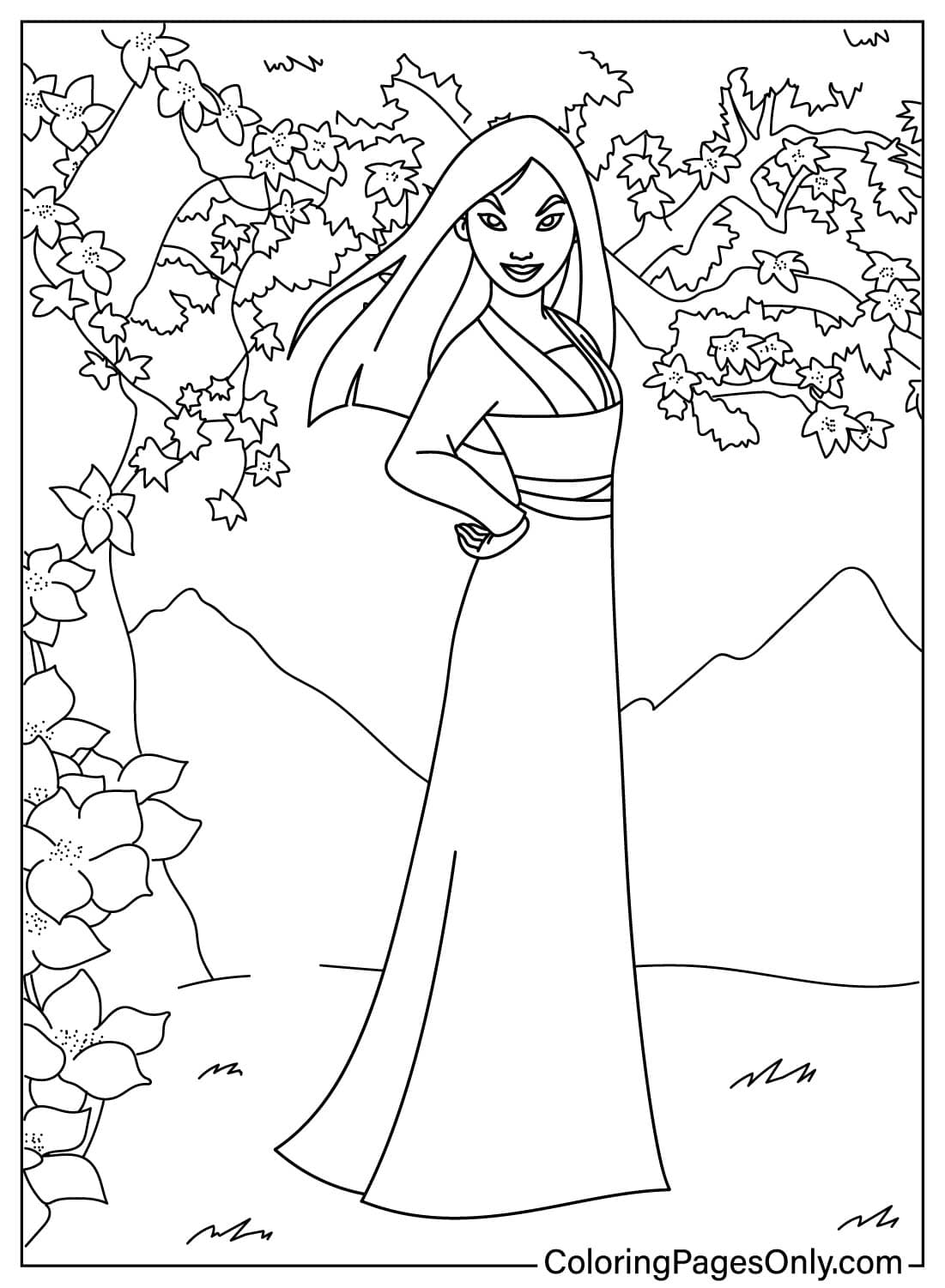
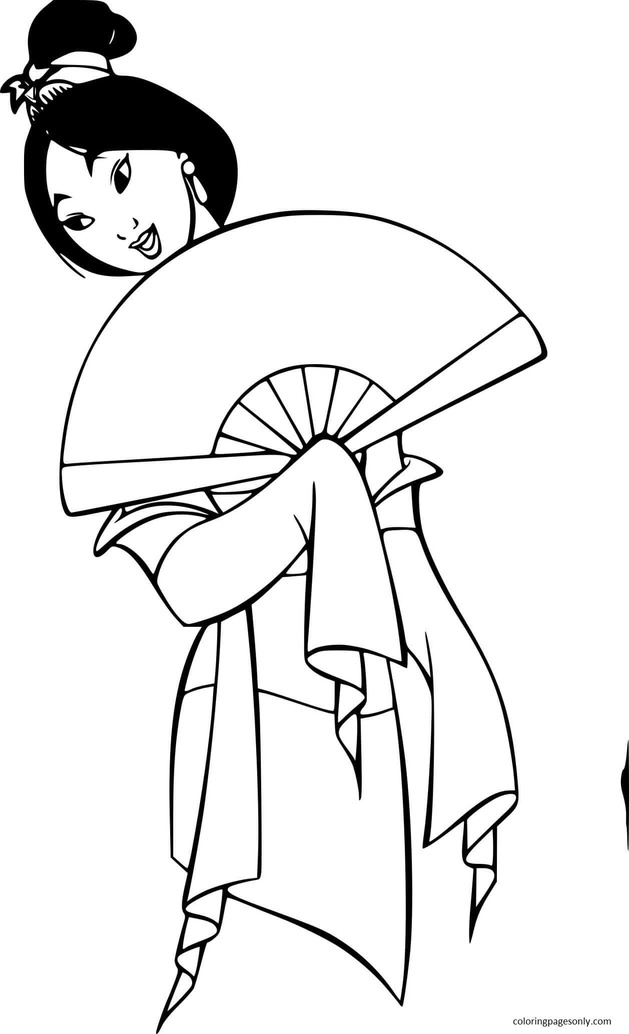
One of the few princess characters in this collection whose canonical imagery includes armor and military dress alongside the more typical gown, the young woman from an ancient Chinese ballad who disguises herself as a male soldier to serve in her father’s place is defined by two distinct visual registers: her warrior attire (deep teal-green armor over a dark red or maroon under-robe) and her feminine dress (a pink or rose-pink Hanfu with delicate floral patterns). Her hair is jet black, her eyes dark, her features drawn in a style that references East Asian illustration traditions. The two Mulan tiles in this collection likely show her in each of these modes – verify with image inspection and rename accordingly.

Sisters of Ice and Snow

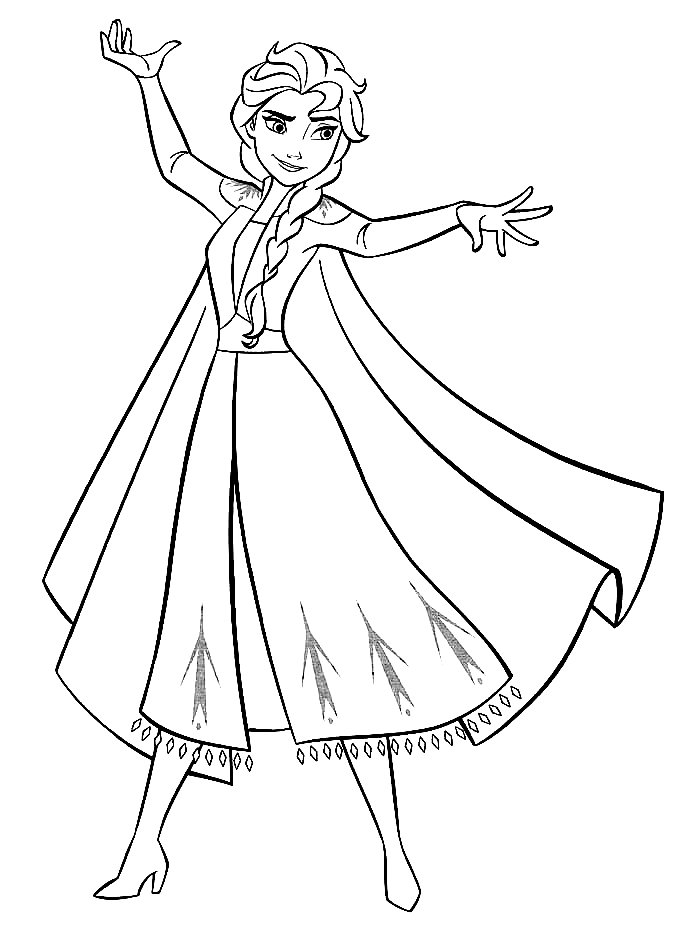
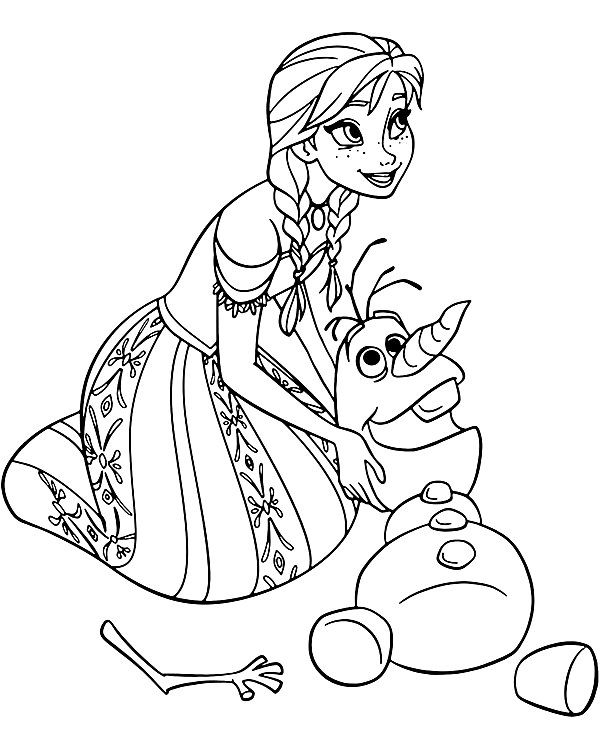
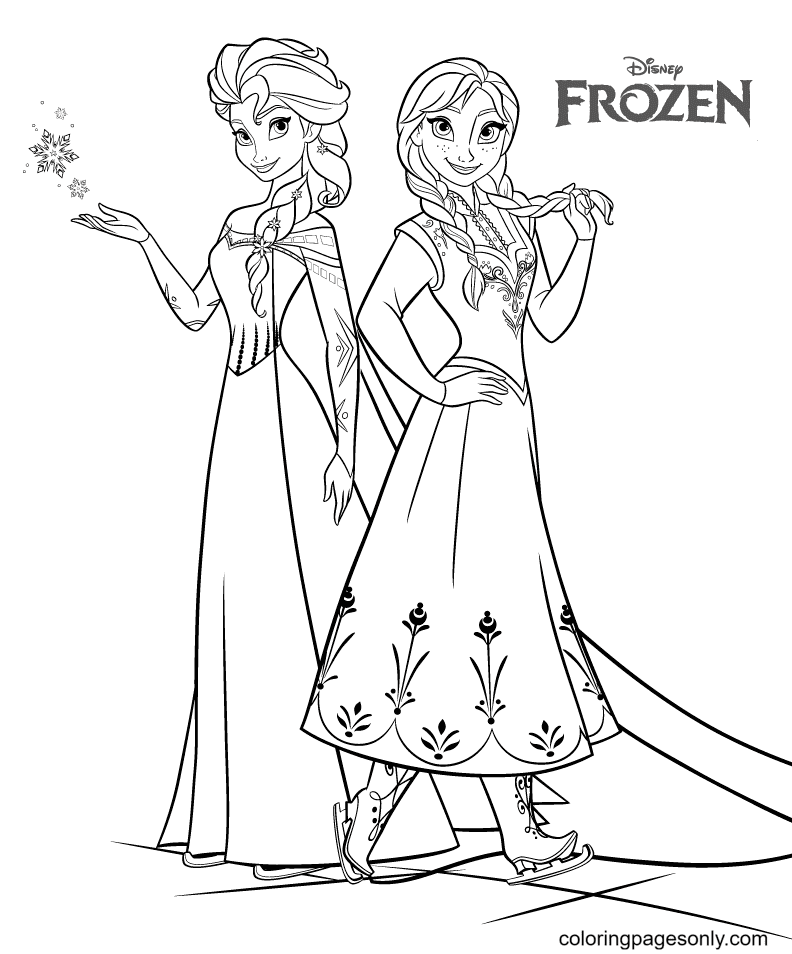
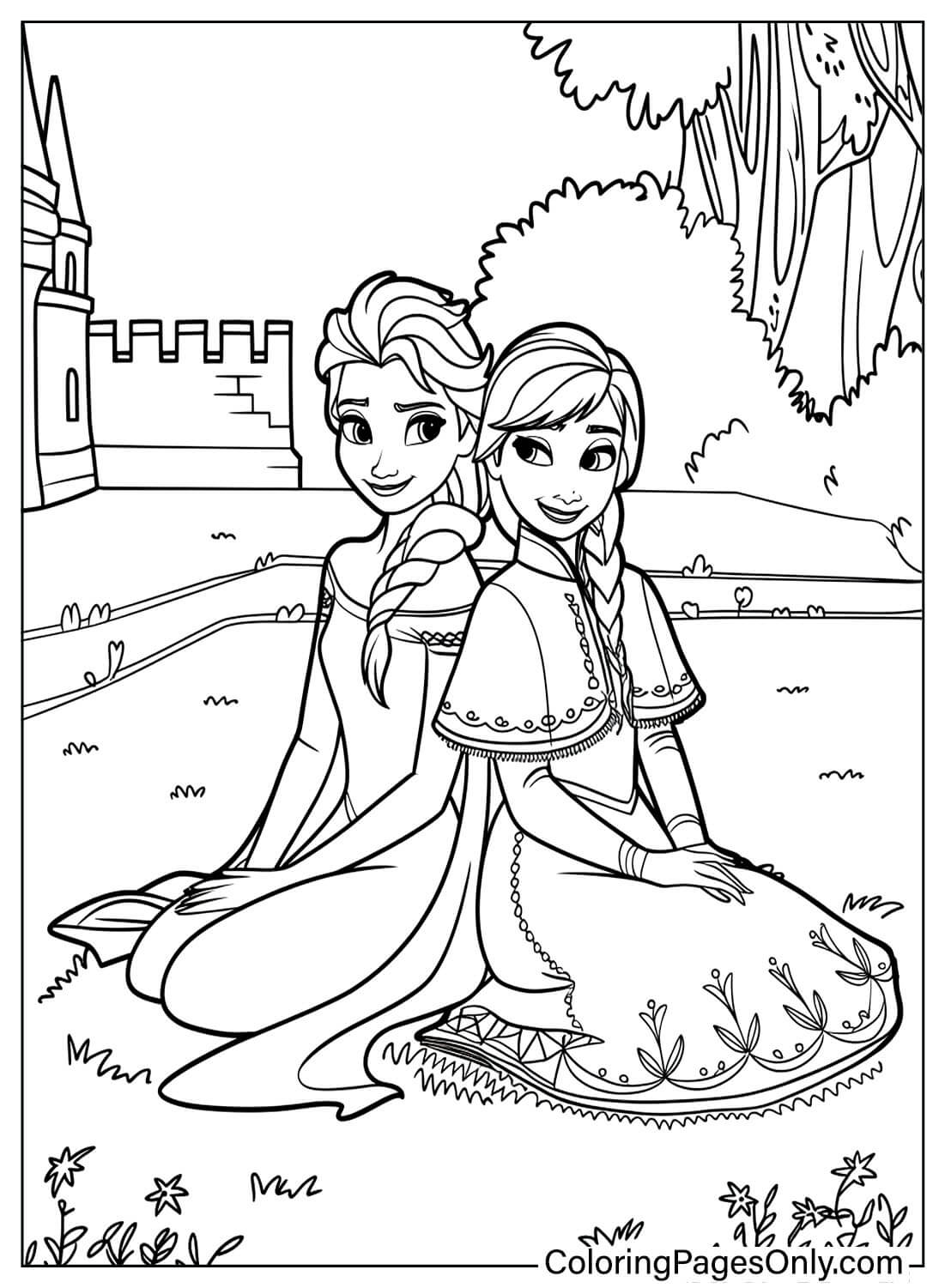
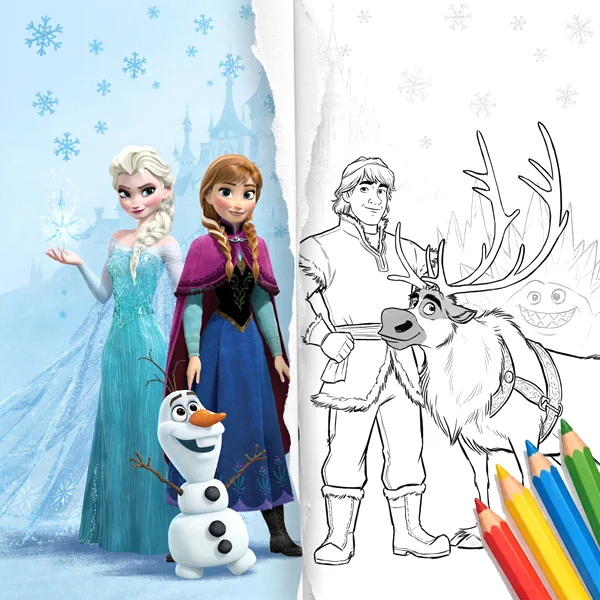
The ice-powered sister from a beloved 2013 animated musical is defined by a pale platinum braid over her shoulder, a distinctive ice-blue cold-magic dress, and ice-blue/violet eyes. Her younger sister, who appears with a warm snowman companion in one of this collection’s tiles, has strawberry-blonde braided hair, a blue-and-black bodice, and a plum or teal-green skirt. Their dedicated scenes in this collection capture the visual contrast that defines their characters: the ice sister in cool blues, silvers, and pale teals; the warm sister in warmer blues, purples, and the golden warmth of firelight.

Coloring Tips for Princess Pages

Establish the gown’s light source before applying any color. Every princess gown creates dramatic fabric folds that read as either highlights or shadows, depending on where you decide the light is coming from. Before touching the gown with any color, mentally decide: is the light coming from above (the most natural and common choice), from one side (creates more dramatic shadow), or from a magical source like a glowing wand or a window in a castle tower (creates warm-directional light)? Stick to this light source consistently across the entire page – the highlights are always on the side closest to the light, the shadows always on the side away from it.

Color large gown sections before small details. The temptation on a richly detailed princess page is to start with the small, intricate elements – the jewel at the collar, the embroidery on the bodice, the pattern on the cuffs. Resist this. The large areas of the gown must be established first; the small details are then additions that respond to the colors already placed. Small details colored before the large gown sections almost always end up either too dominant or looking disconnected from the surrounding color.

Keep the face the warmest, lightest area on the page. In all princess illustration traditions, the face is the emotional center of the composition. It should remain the lightest and warmest element – light skin tones in warm peach or ivory, eye color in a vivid accent tone, lips in a slightly deeper warm pink or rose. Whatever colors dominate the gown, the face should remain distinct: lighter, warmer, and simpler in its color treatment. A gown in deep royal blue reads most powerfully when the princess’s face above it remains in warm peach tones – the cool-warm contrast directs the eye naturally to the face.

For gowns with patterns or embroidery – use the pattern as an accent, not a dominant. Many princess gowns in illustration feature floral patterns, star motifs, or geometric embroidery. These should be colored in a tone no more than two or three shades different from the base gown color – a medium blue gown with slightly deeper blue-violet embroidery motifs, or a golden gown with deep amber embroidery. Embroidery in a dramatically contrasting color (blue gown with bright orange embroidery) will overwhelm the gown’s identity and fragment the composition visually.

Treat the castle background as a storytelling choice. Many princess pages include a castle, garden, or landscape in the background. The background should serve the princess, not compete with her. Two rules: first, the background should generally be cooler in color temperature than the figure (warm figure, cool background = visual hierarchy); second, the background should be somewhat lower in saturation than the gown (softer, more muted colors recede spatially, placing the princess in the foreground visually). A princess in a vivid rose-red gown should stand before a soft lilac or grey-blue castle, not a vibrant orange-gold one.

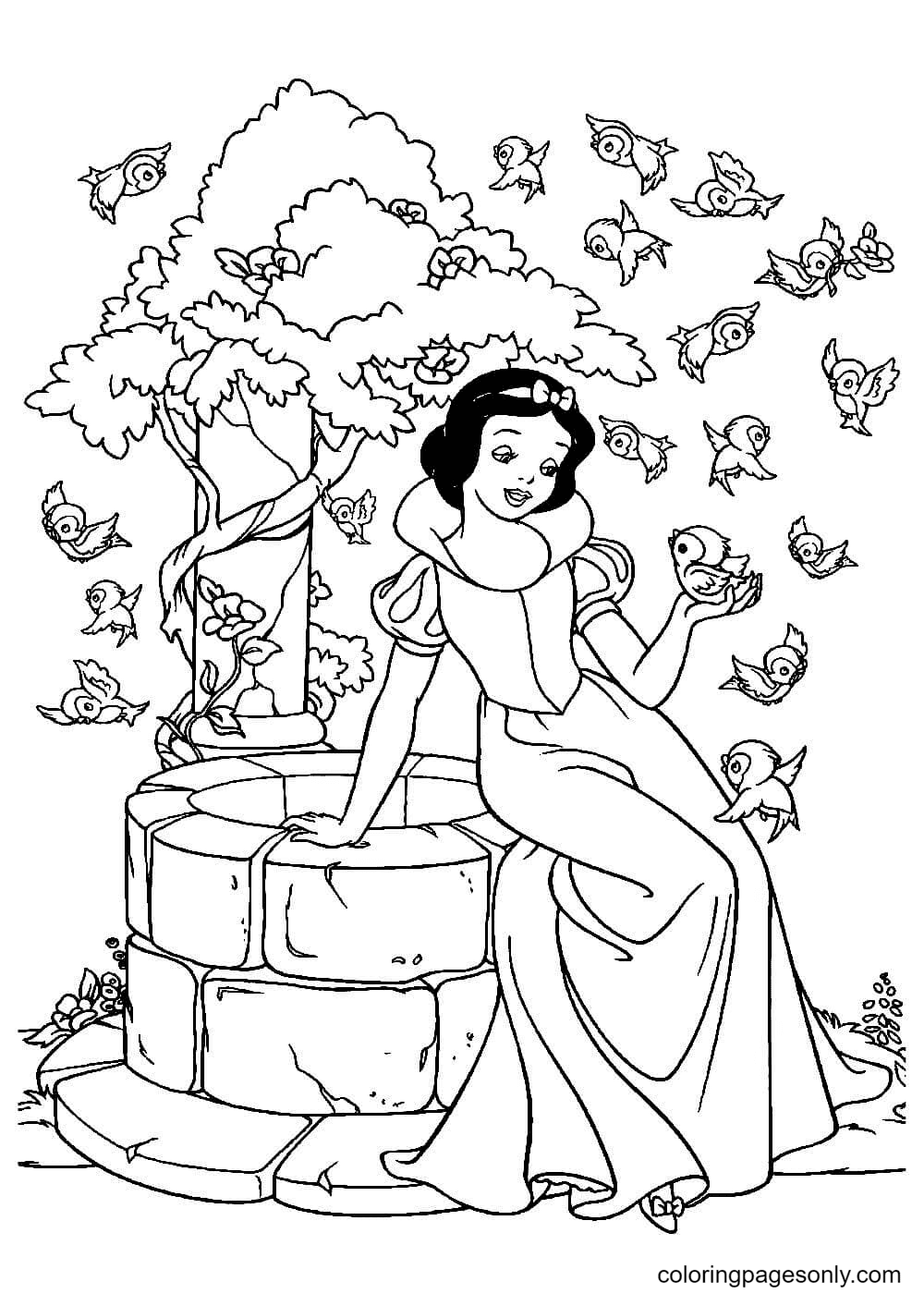
Woodland animals and magical companions deserve accent colors. Many pages in this collection include small creatures – birds perched on a hand, a frog prince, a cat companion, woodland animals in the background. These small figures should receive the most vivid, saturated accent colors on the page – a brilliant turquoise bird, a vividly green frog, a richly orange cat. Their small size means that even intense colors do not overpower the larger composition, but their saturation creates visual sparkle that makes the whole page feel alive and magical.

5 Activities

Design your own princess signature. Every iconic princess character is immediately recognizable from just two or three visual elements: a hair color, a gown color, a key accessory. Select any original princess page from this collection – one of the pages without a pre-established character – and design a complete visual signature for her: choose a name, decide her hair color (and why), choose her gown color (and what it communicates about her personality – courageous princesses often wear red or deep blue; gentle princesses lavender or rose; mysterious princesses silver or midnight blue), and select two accessories that tell something about her story. Write these choices on the back of the page before coloring. This activity transforms a coloring exercise into a character design exercise – the foundational creative process that professional illustrators and storytellers use when creating new characters.

The fairy tale comparison project. Using library books or approved online sources, find two different illustrated versions of the same princess story – two illustrated editions of Cinderella, or two illustrated editions of Beauty and the Beast. Compare how the two illustrators have rendered the princess’s gown: what are the similarities? What are the differences? Do both use the same iconic color, or does one make a different choice? Then color one of the princess pages in the collection using the traditional canonical color scheme, and a second copy using the alternate illustration’s color scheme. This activity teaches that visual characters have cultural conventions but are not fixed – every illustrator makes choices – and positions the colorist as a participant in an ongoing creative tradition.

The gown reconstruction challenge. Select any princess page that shows a full-length ball gown. Before coloring, sketch a small thumbnail of the gown and plan the entire coloring strategy: where is the light source? How many values of the main gown color will you use (minimum three recommended)? What color will the accessories be, and do they warm or cool the overall palette? What color will the background be? Write these decisions as a color plan, then color the page following the plan. After completing the page, evaluate: Did the plan work as expected? Were there any surprises? What would you do differently? This structured approach to coloring – planning before executing, then evaluating the results – is the same creative process used by professional colorists and illustrators, and it develops intentional color decision-making rather than instinctive or random application.

The princess story map. After coloring any princess page, create a story map for the character on a blank piece of paper. Divide the paper into six sections: (1) Who is she? (her name, where she lives, what she loves); (2) What problem does she face? (the challenge that starts her story); (3) Who helps her? (the magical friend, the animal companion, the wise mentor); (4) Who opposes her? (the villain or obstacle); (5) What is the turning point of her story? (the moment everything changes); (6) How does the story end? For original princess pages, invent all six answers; for character pages, research or recall the answers from the story. The completed story map, displayed alongside the colored page, turns a coloring page into the beginning of a creative writing or storytelling project. Children who complete this activity often want to continue the story beyond the map – which is exactly the right instinct.

The Royal Portrait Gallery. Over a period of several weeks, color one princess page per session – selecting pages of progressively greater complexity. Begin with a simple portrait (Pretty Princess or Happy Princess), move to a compositional scene (Princess with Unicorn, Princess riding Horse), then to a multi-character page (Princess with Frog Prince and Cat, Snow White And Dwarfs), then to a seasonal variation (Cinderella In Winter Wonderland or Cinderella In Christmas Dress), and finish with the most technically demanding gown page in the collection. When all are complete, arrange them in a row on the wall or in a folder – oldest to newest, simplest to most complex. The progression documents not only the child’s creative choices across the series, but their growing skill with each successive page. This gallery approach – collecting related works into a curated series – teaches the concept of a creative portfolio: the idea that individual works have more meaning when seen as part of a progression over time.

These related coloring collections will help you explore the wonderful world of colors. Let’s choose, be creative, and show us your great pictures!

Sophia Williams – Writer and Social Network

Hi everyone! I’m Sophia Williams, a social media specialist at Coloringpagesonly.com. My goal is to spread the love of color and creativity to everyone. Join me online as we share inspiration, connect through art, and fill the world with vibrant, joyful colors!