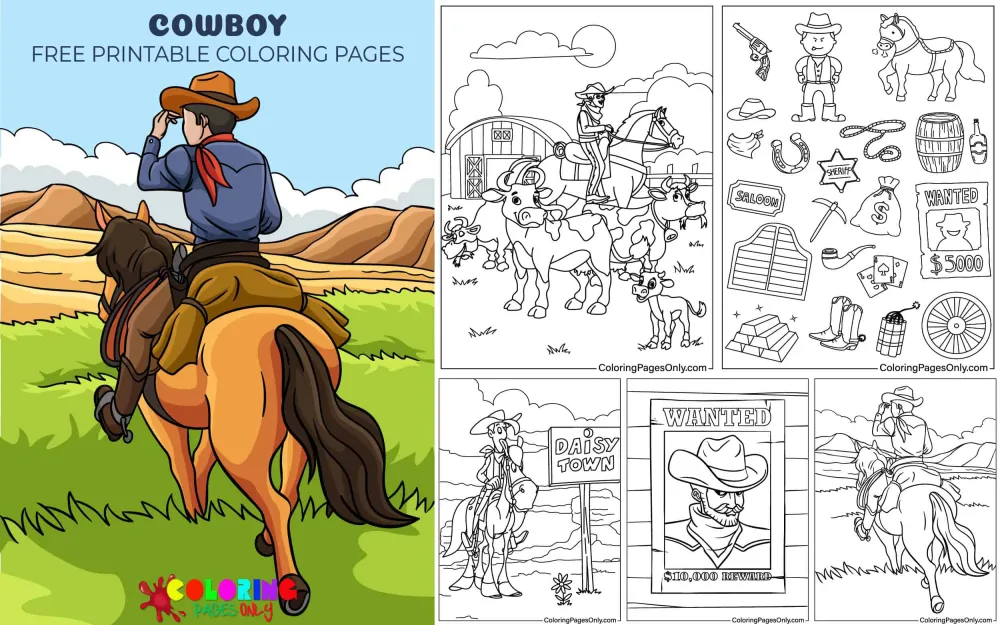
Free Cowboy Coloring Pages: 30 printable PDF designs featuring cowboys with their horses, western gear, and open-range scenes. Each page can be downloaded as a PDF to print or colored online in the browser.
The American cowboy tradition did not begin in the United States. It grew out of Spanish and Mexican vaquero herding practices, brought to the Americas in the 1500s, which introduced horseback cattle handling, roping, and branding long before Anglo-American settlers moved into Texas and adopted the same tools and techniques. The reality of the historical cowboy is also far more diverse than the popular image suggests: by the 1870s, roughly a quarter of the cowboys driving cattle along trails like the Chisholm Trail were Black, many of them formerly enslaved men who found new opportunity in ranching work after the Civil War, alongside a large number of Mexican vaqueros. This Cowboy Coloring Pages collection draws on that real western history, pairing everyday ranch life and gear with the open landscapes that defined the era.
The set spans 30 designs, ranging from simple, friendly cowboy outlines for younger colorists to more detailed scenes for older colorists and adults.
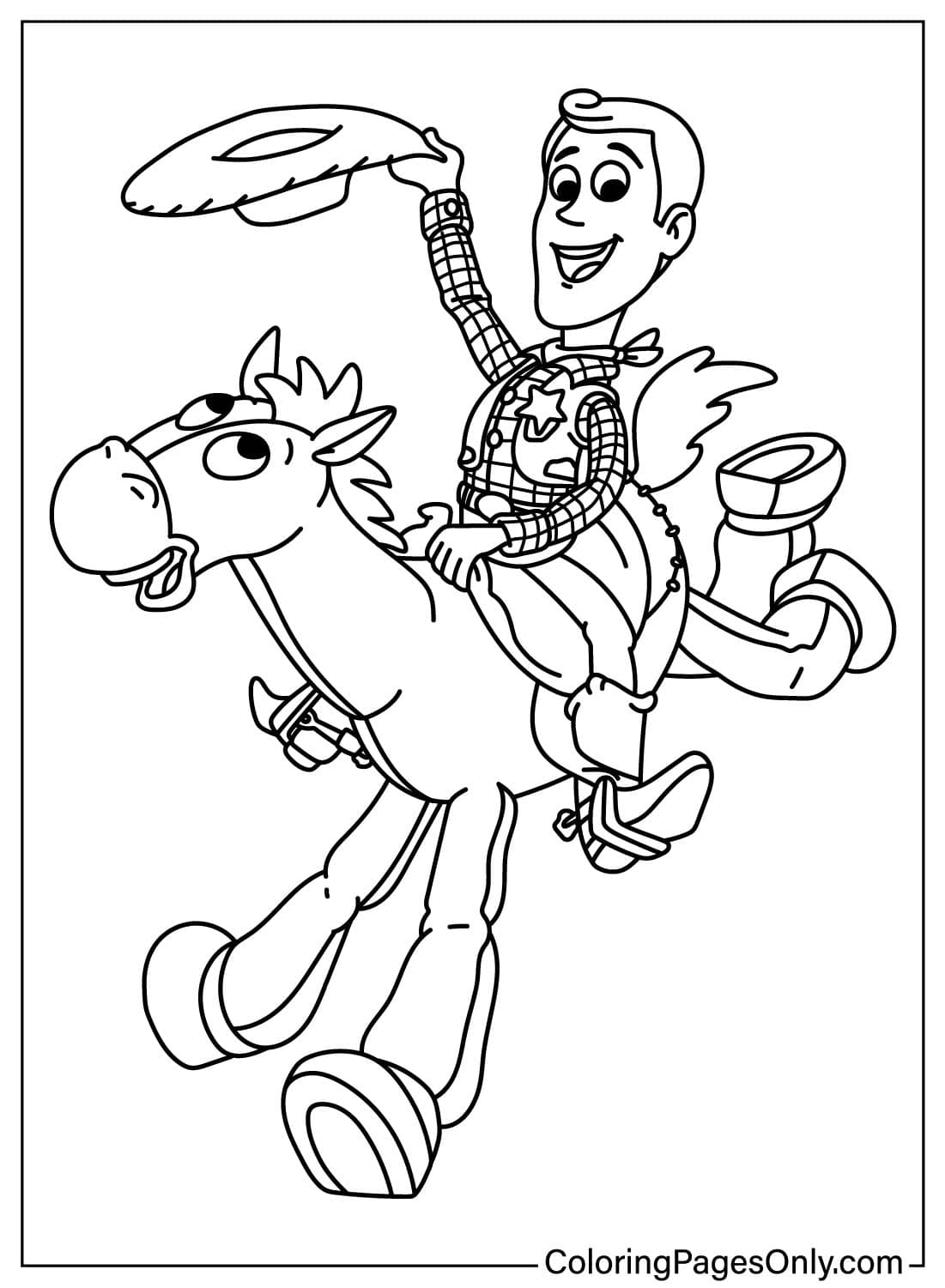
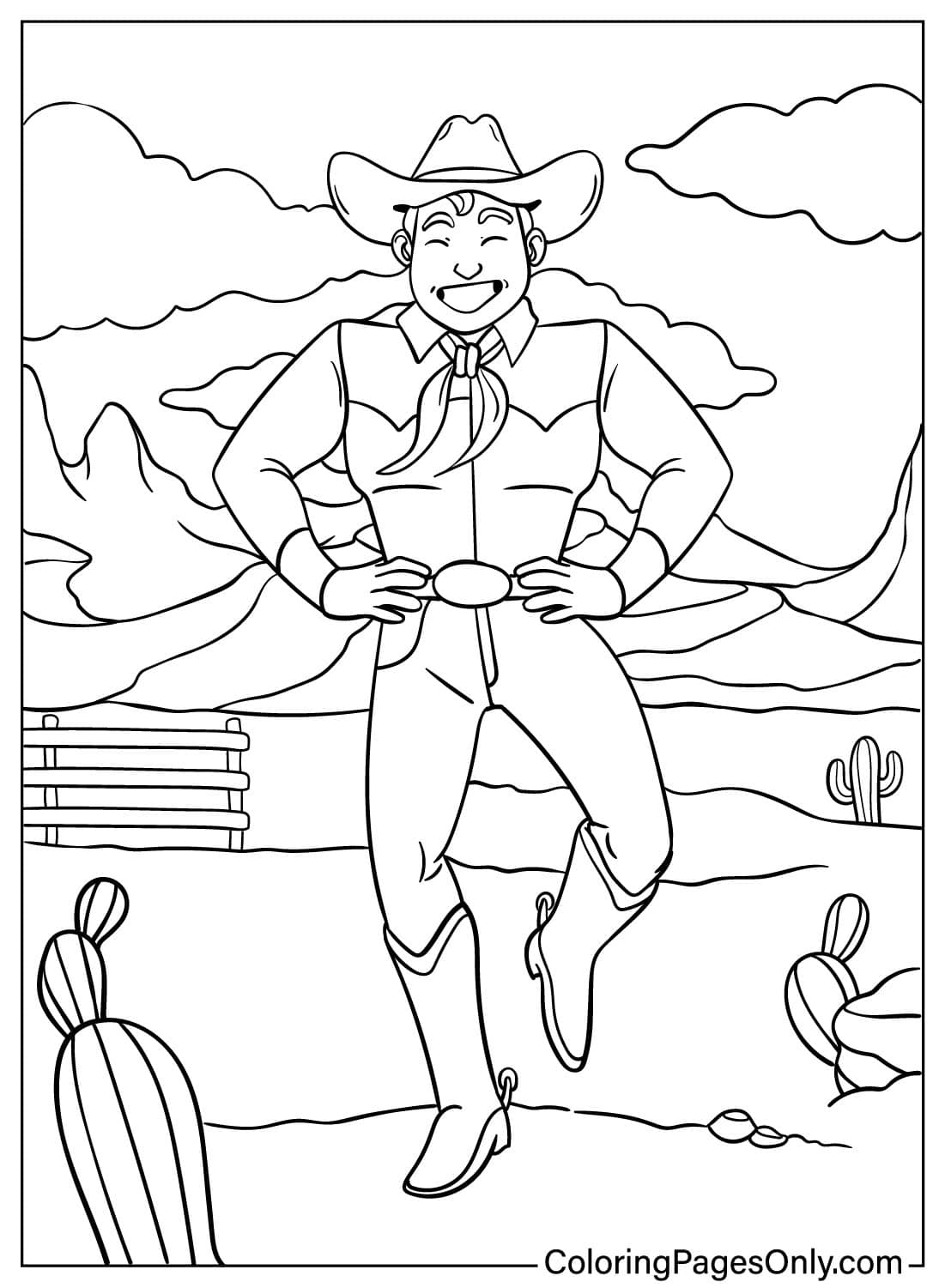
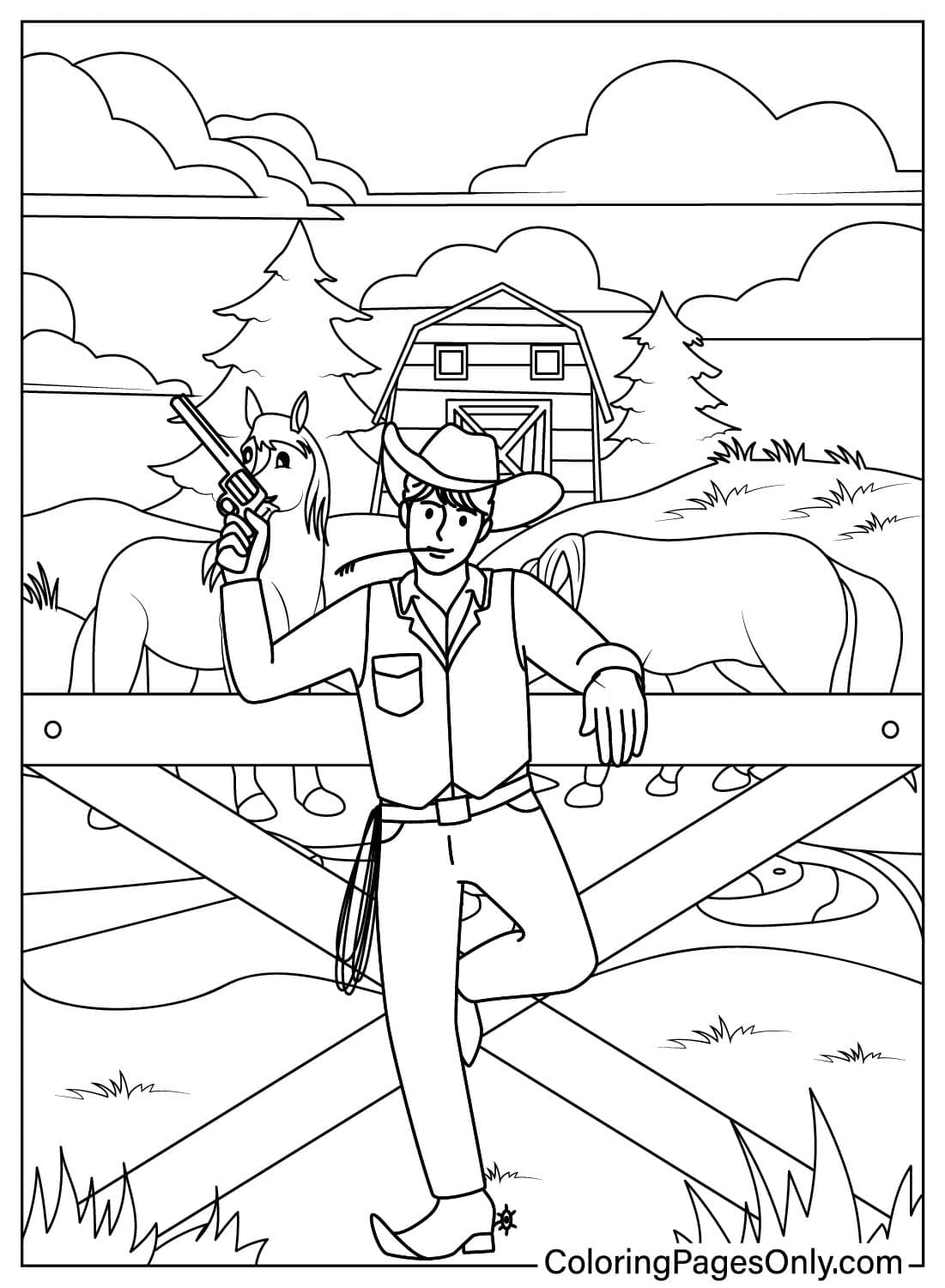
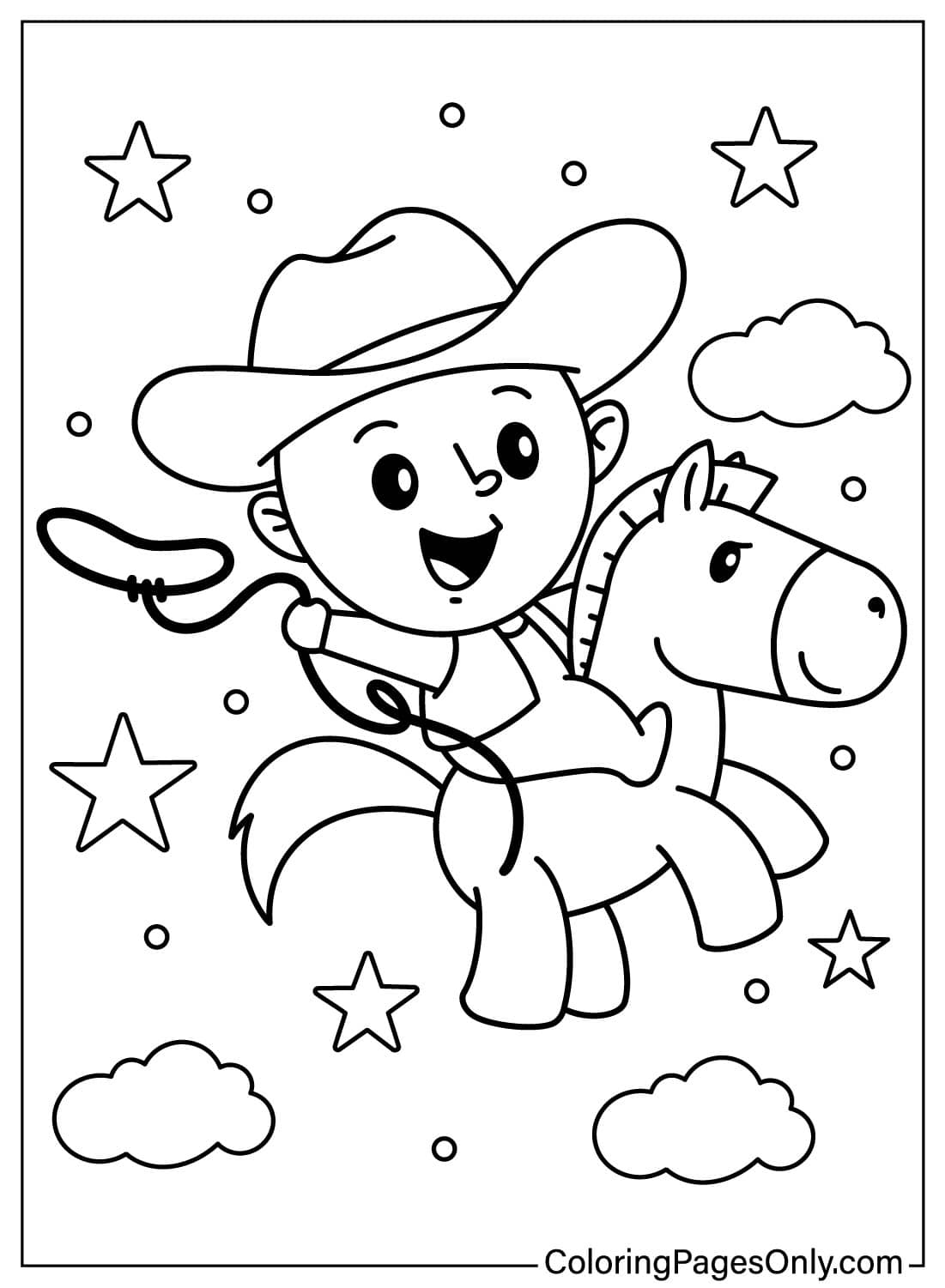
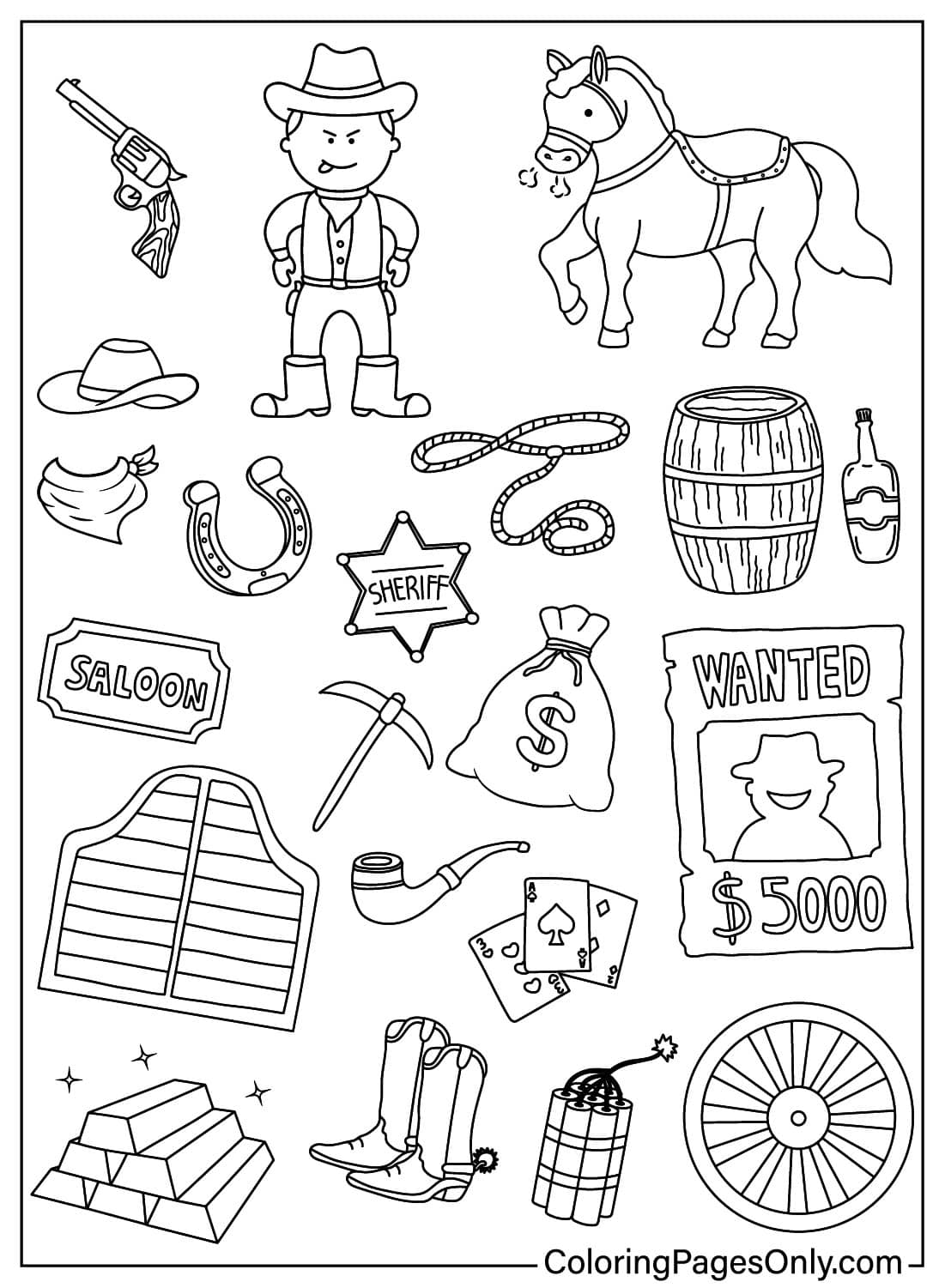
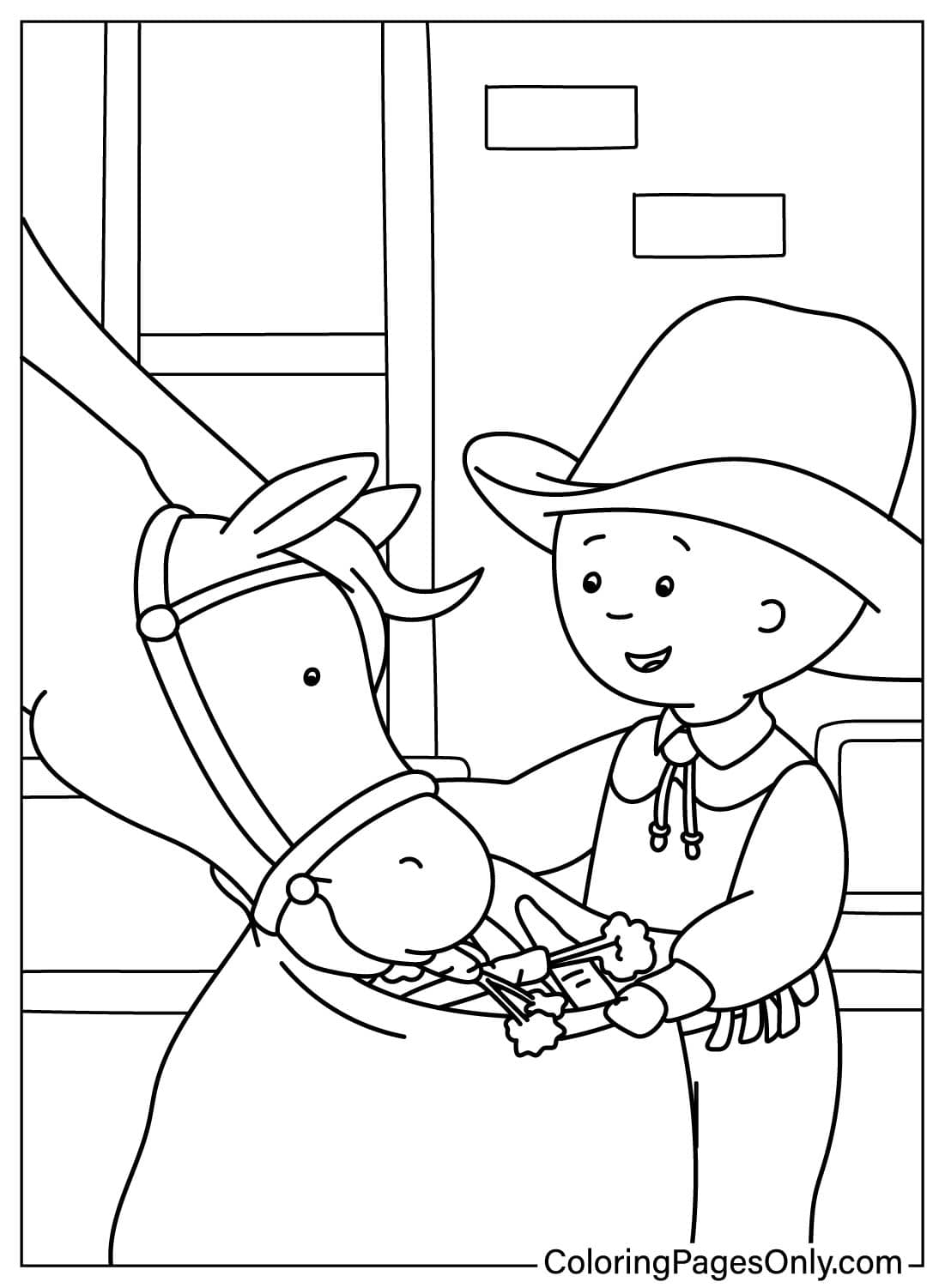
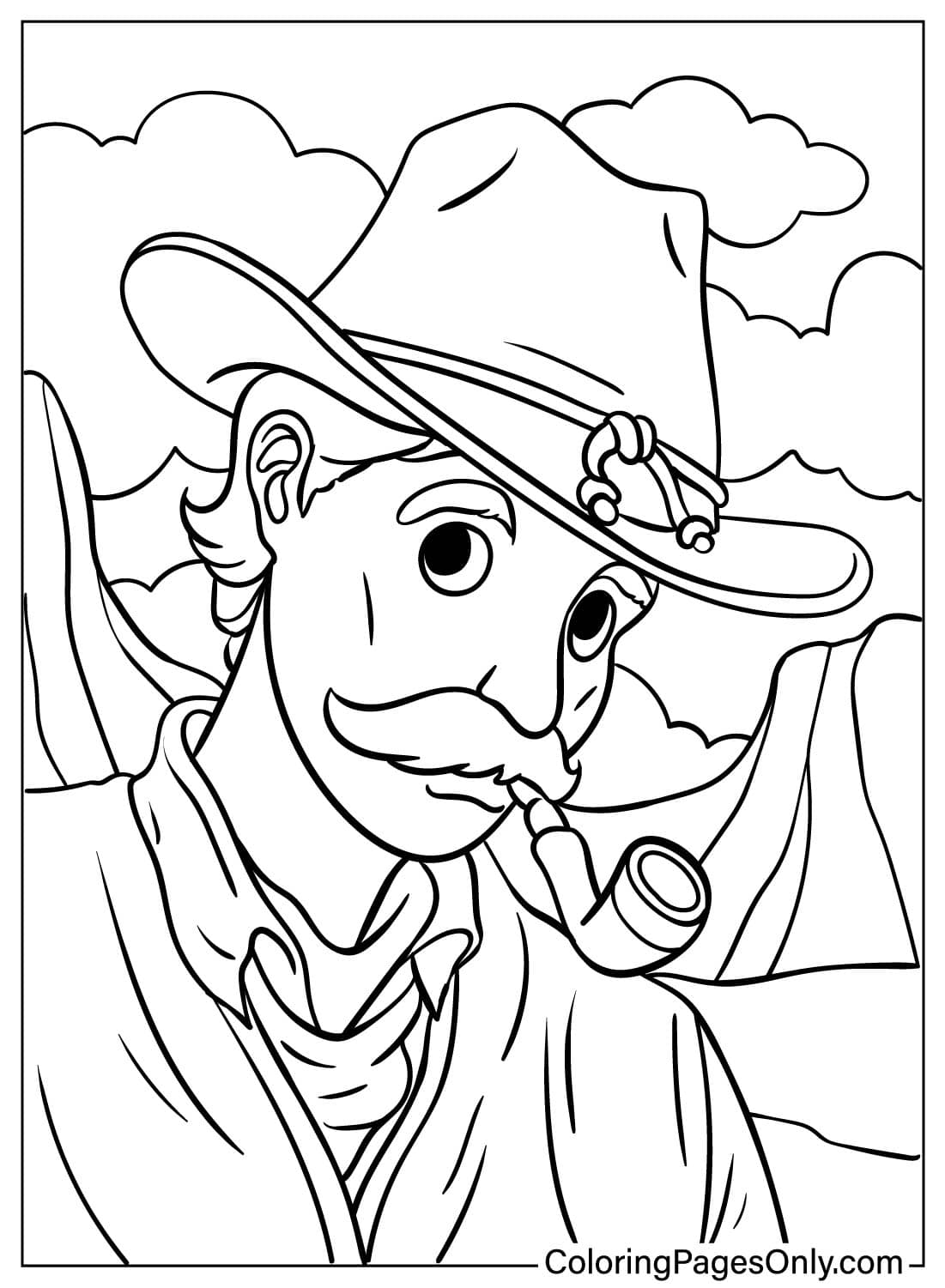
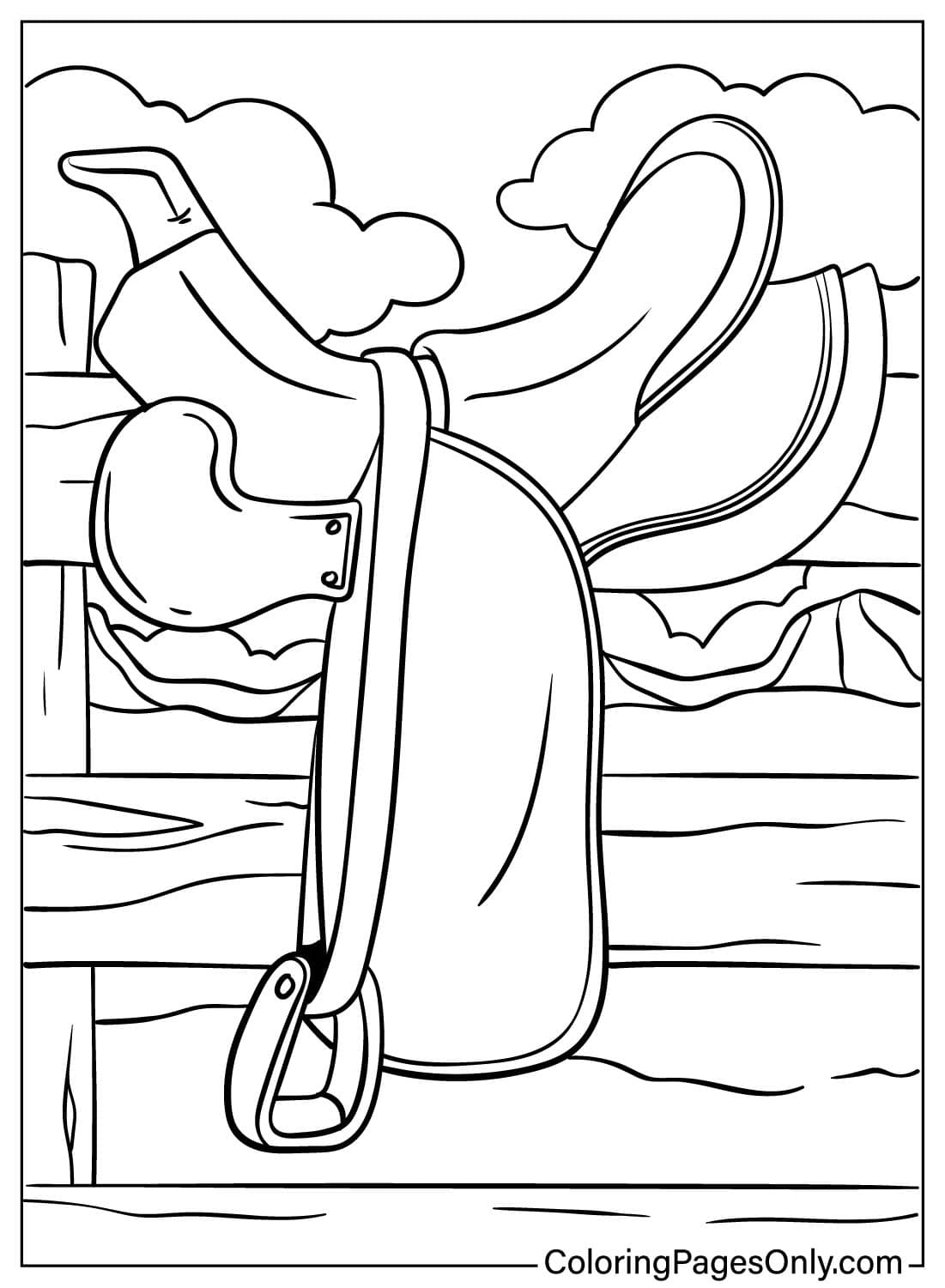
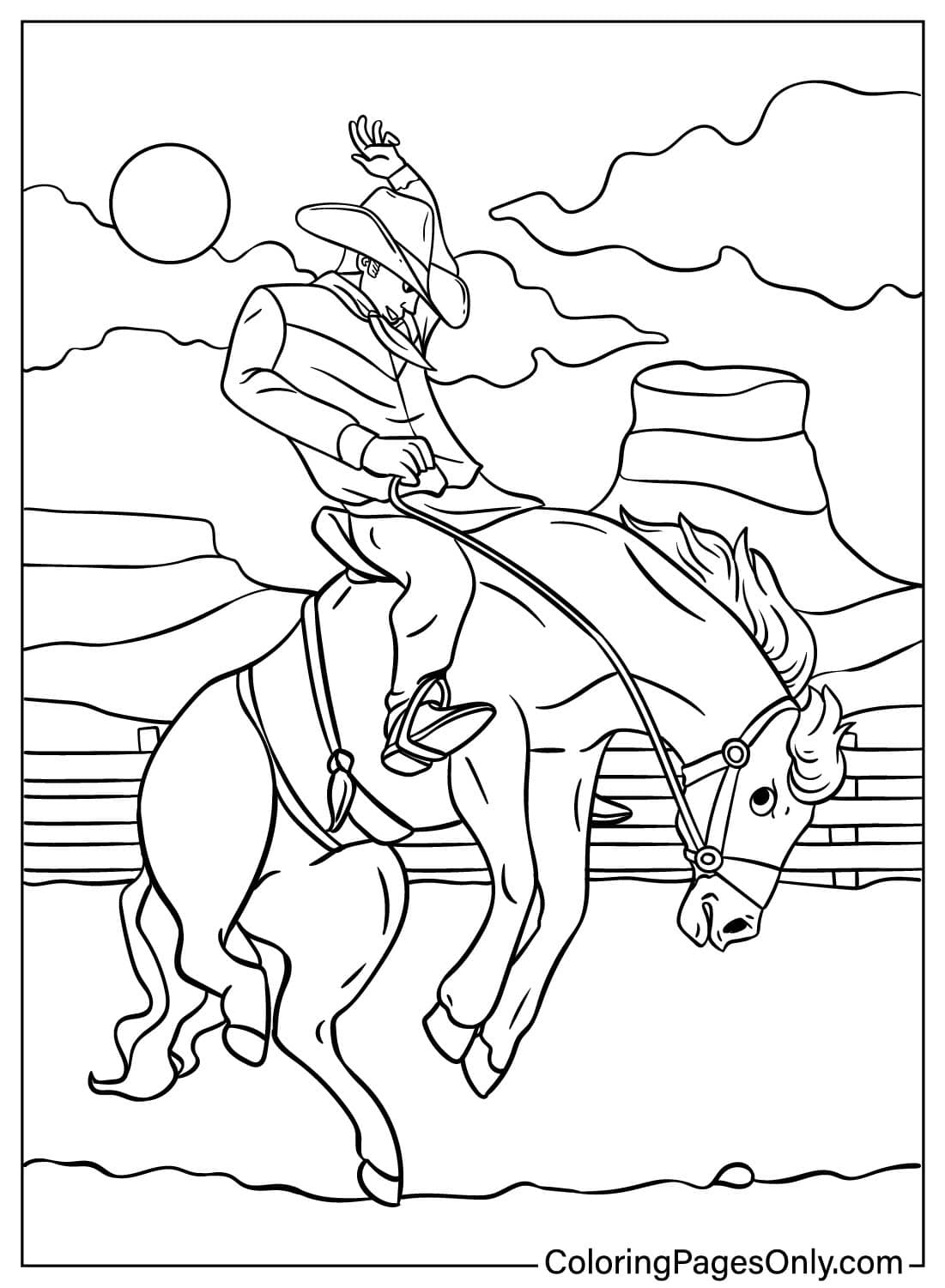
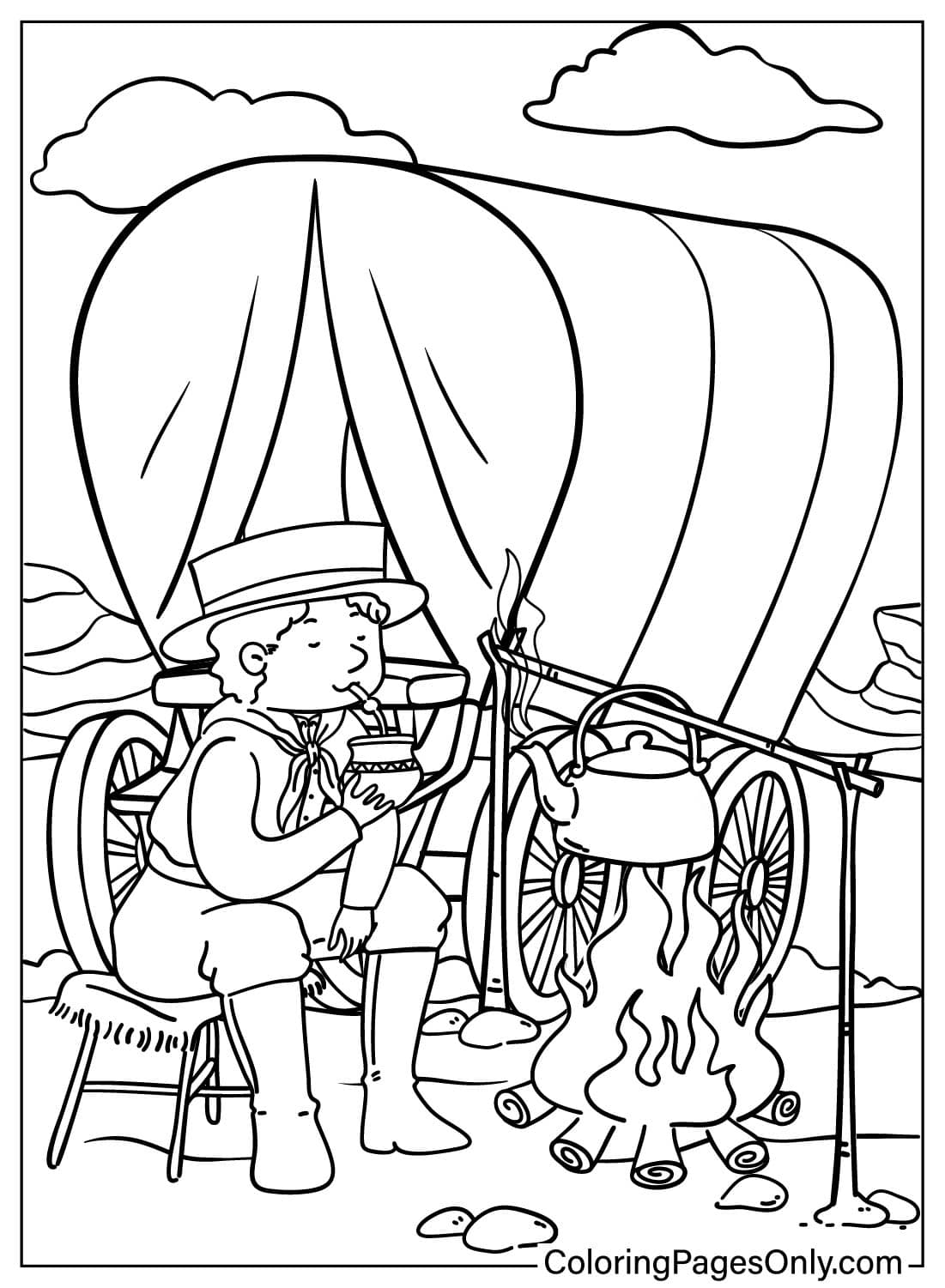
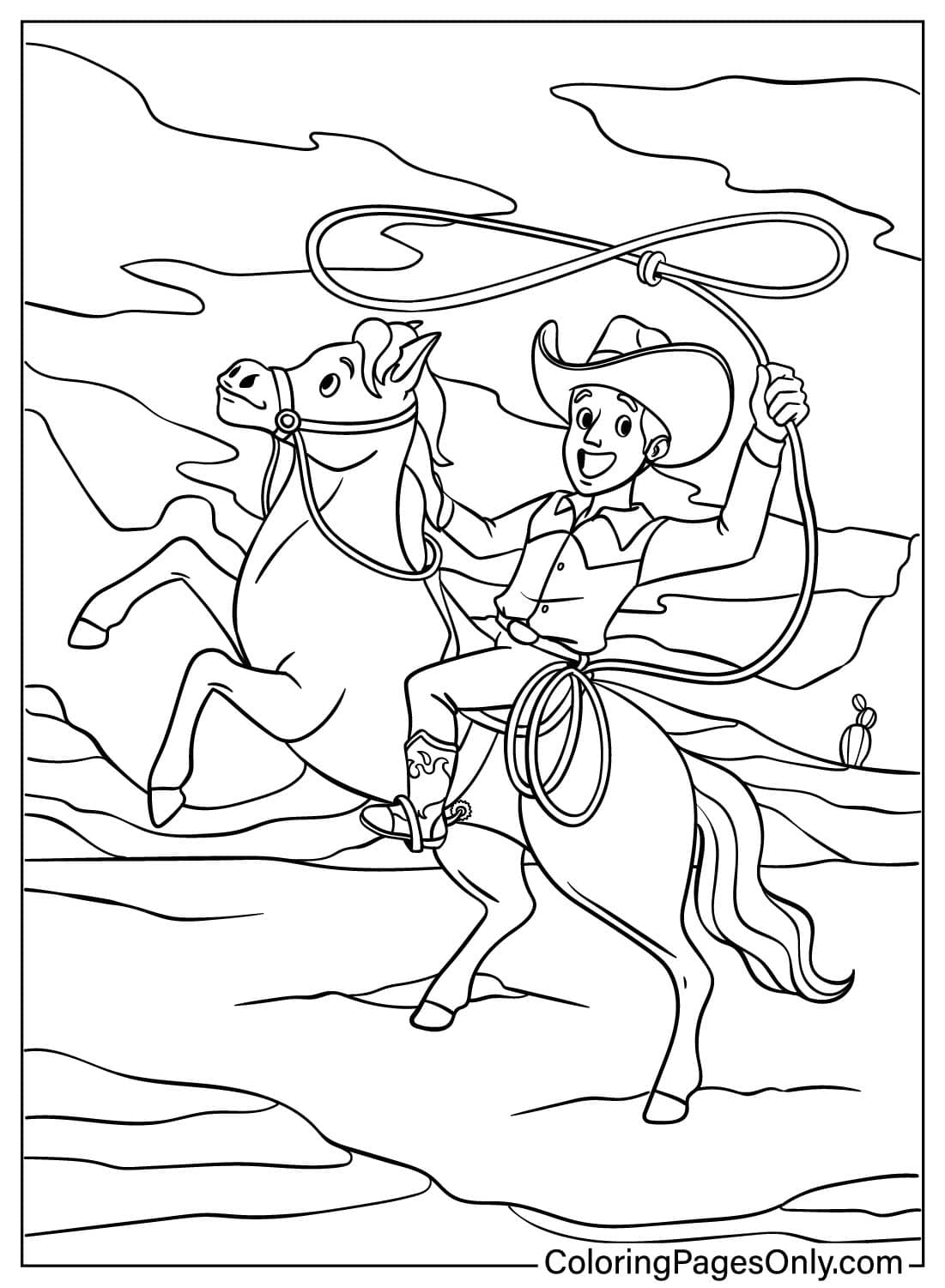
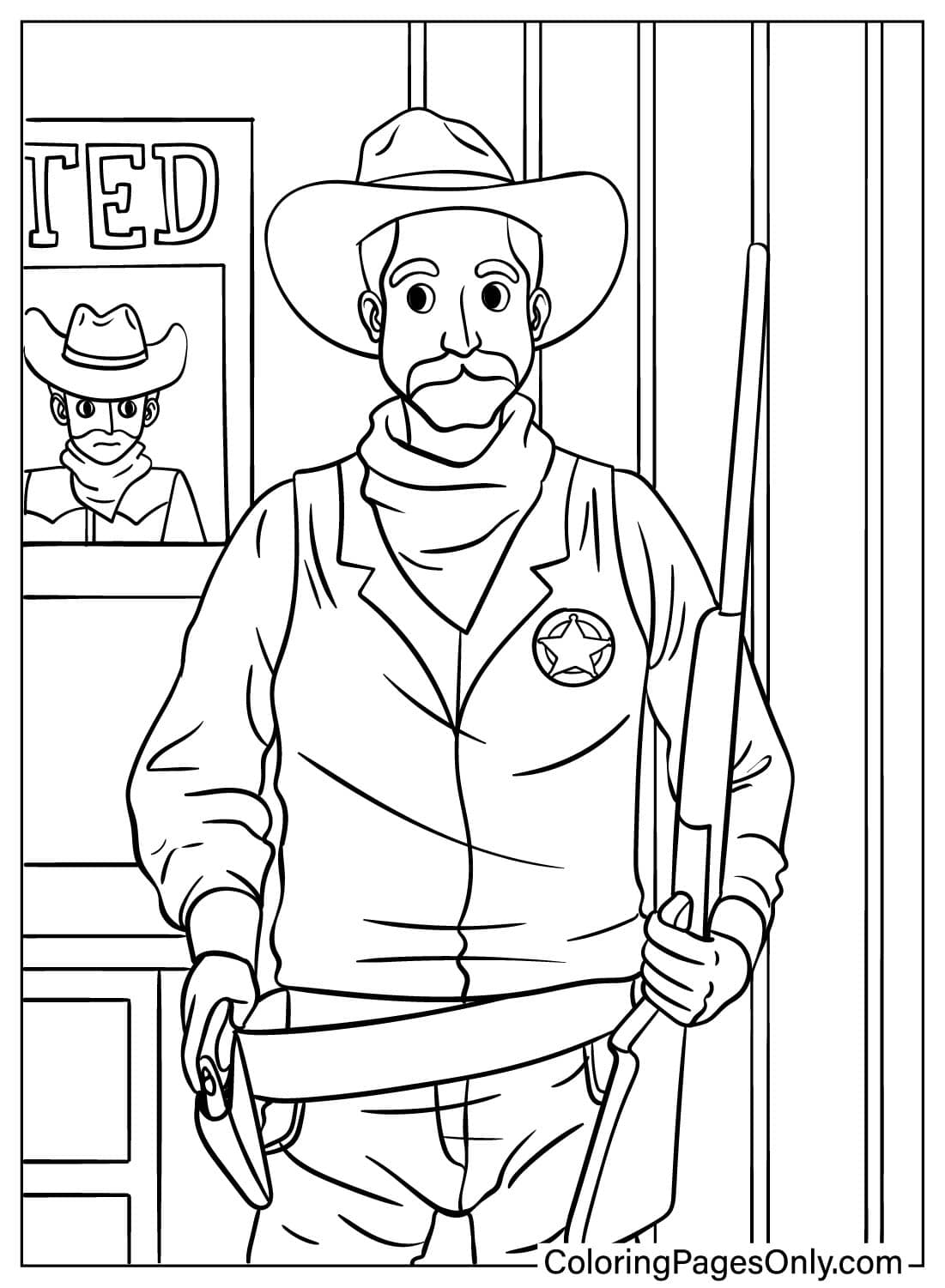
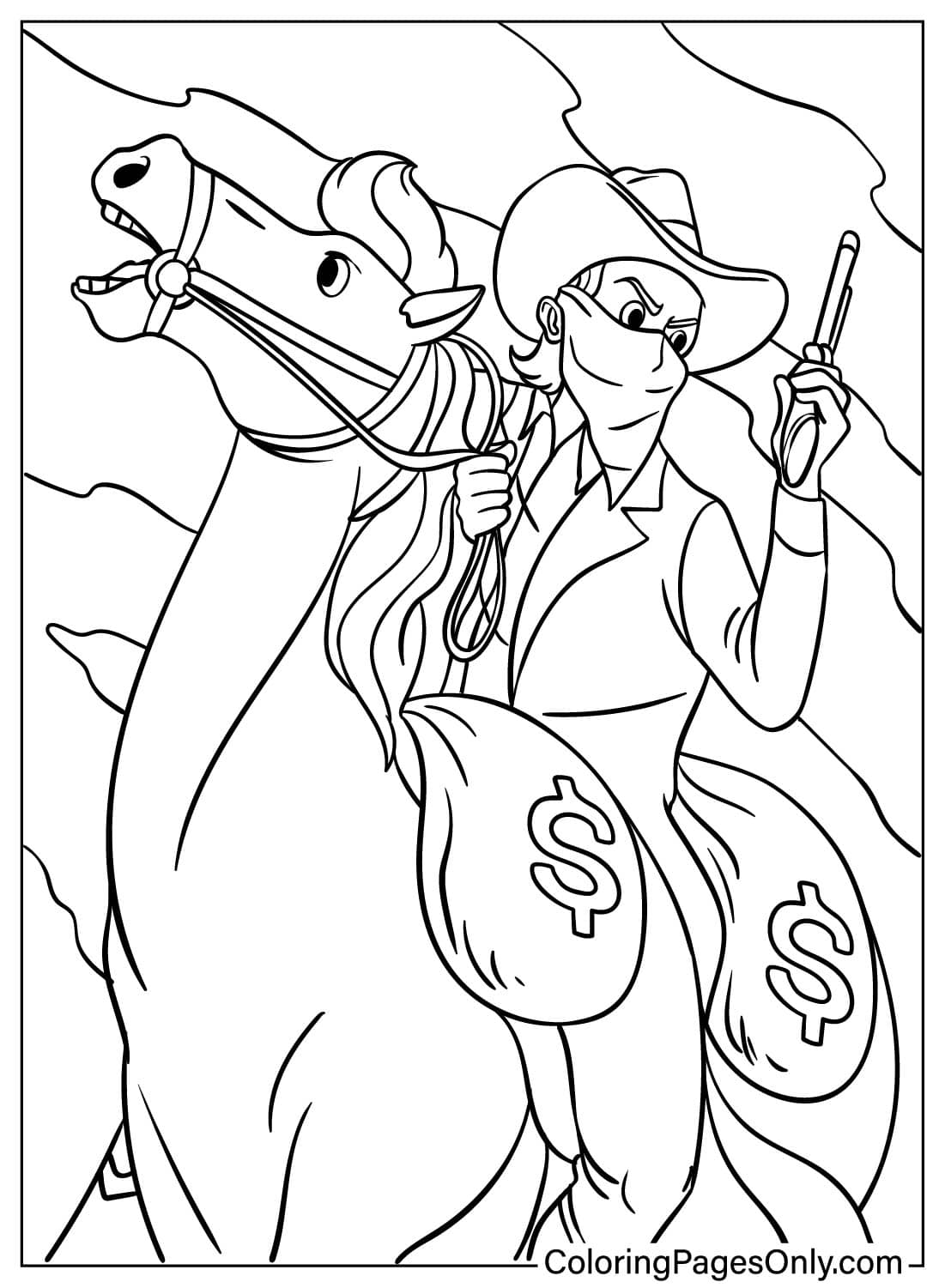
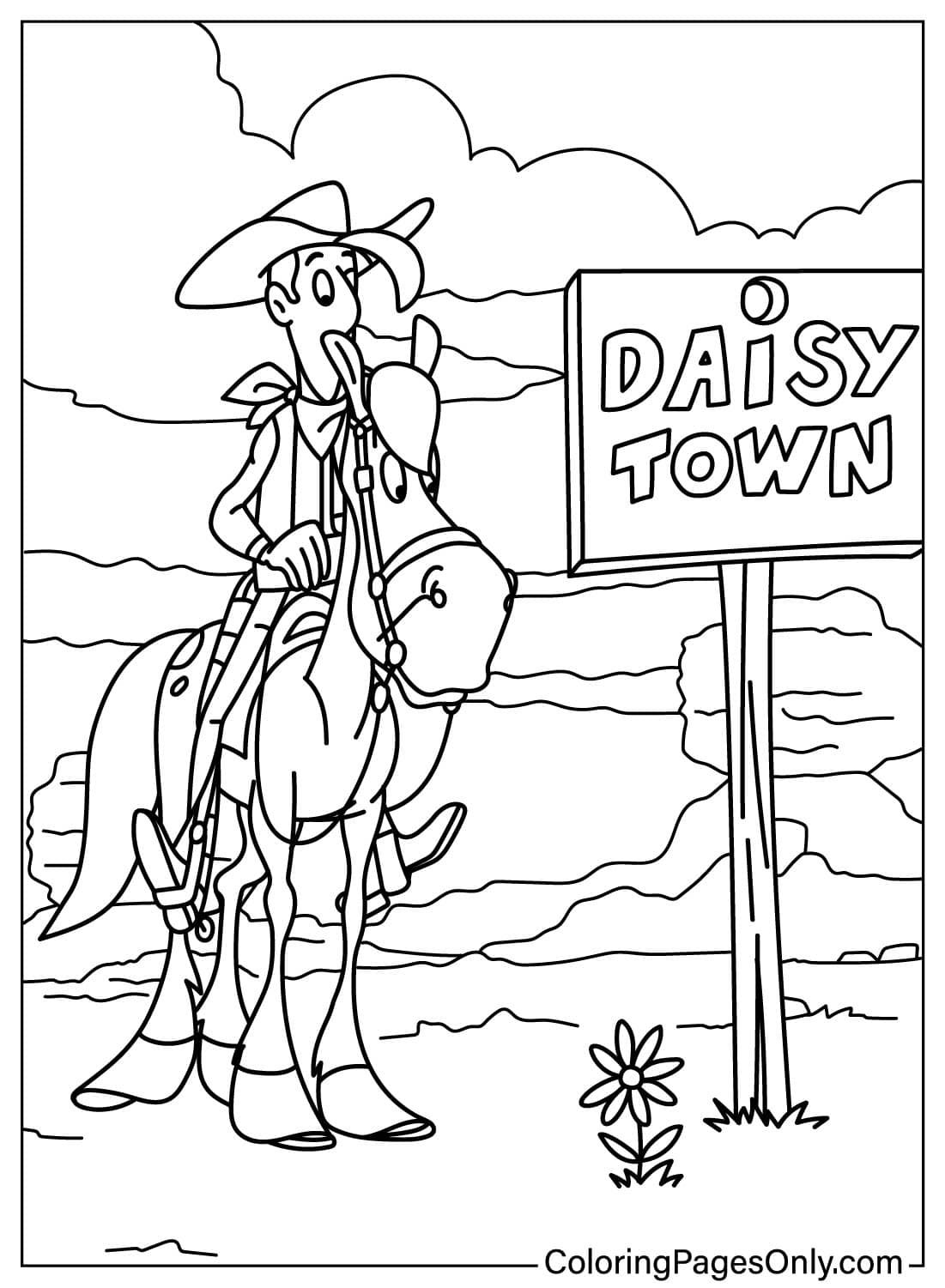
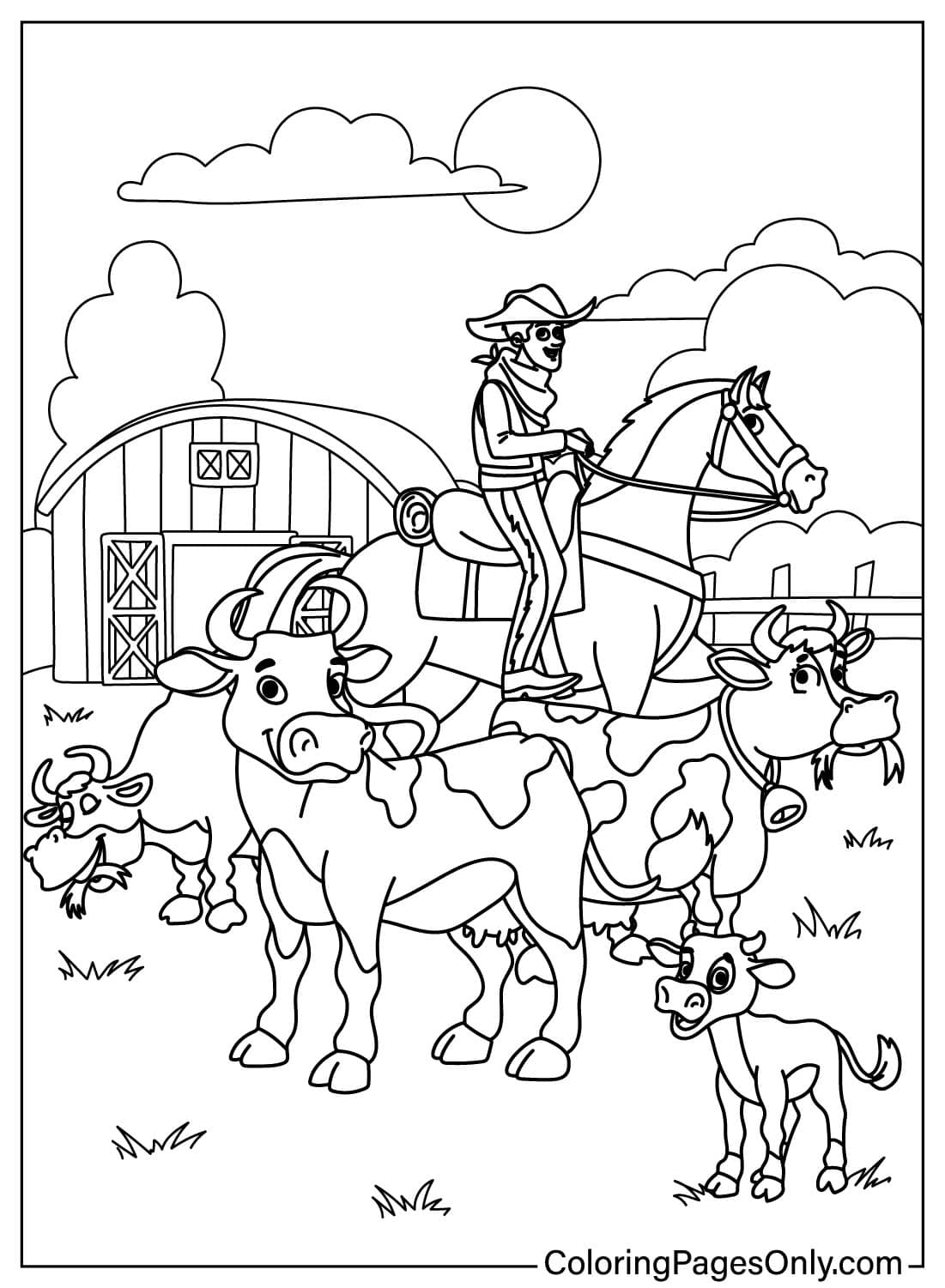
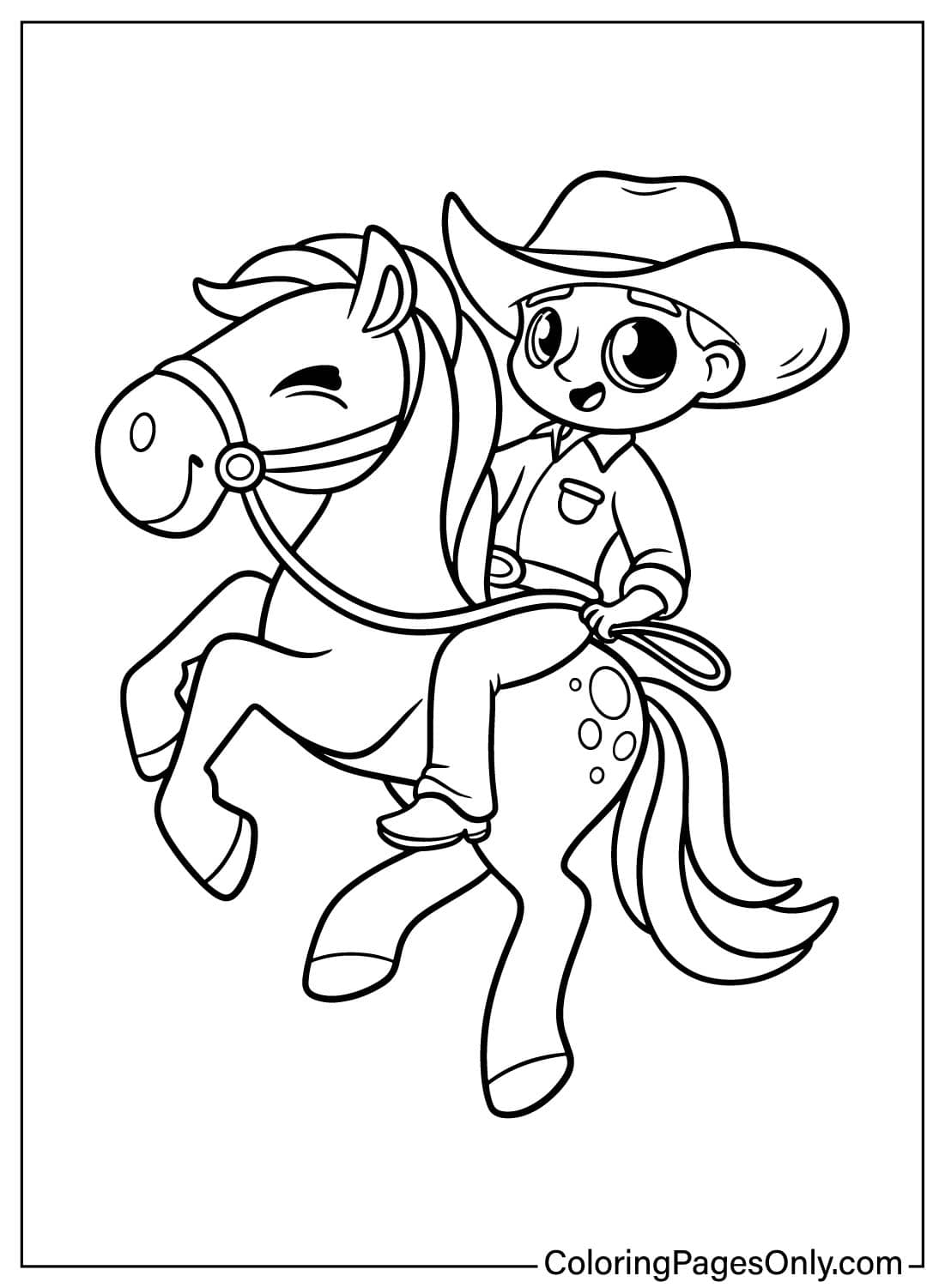
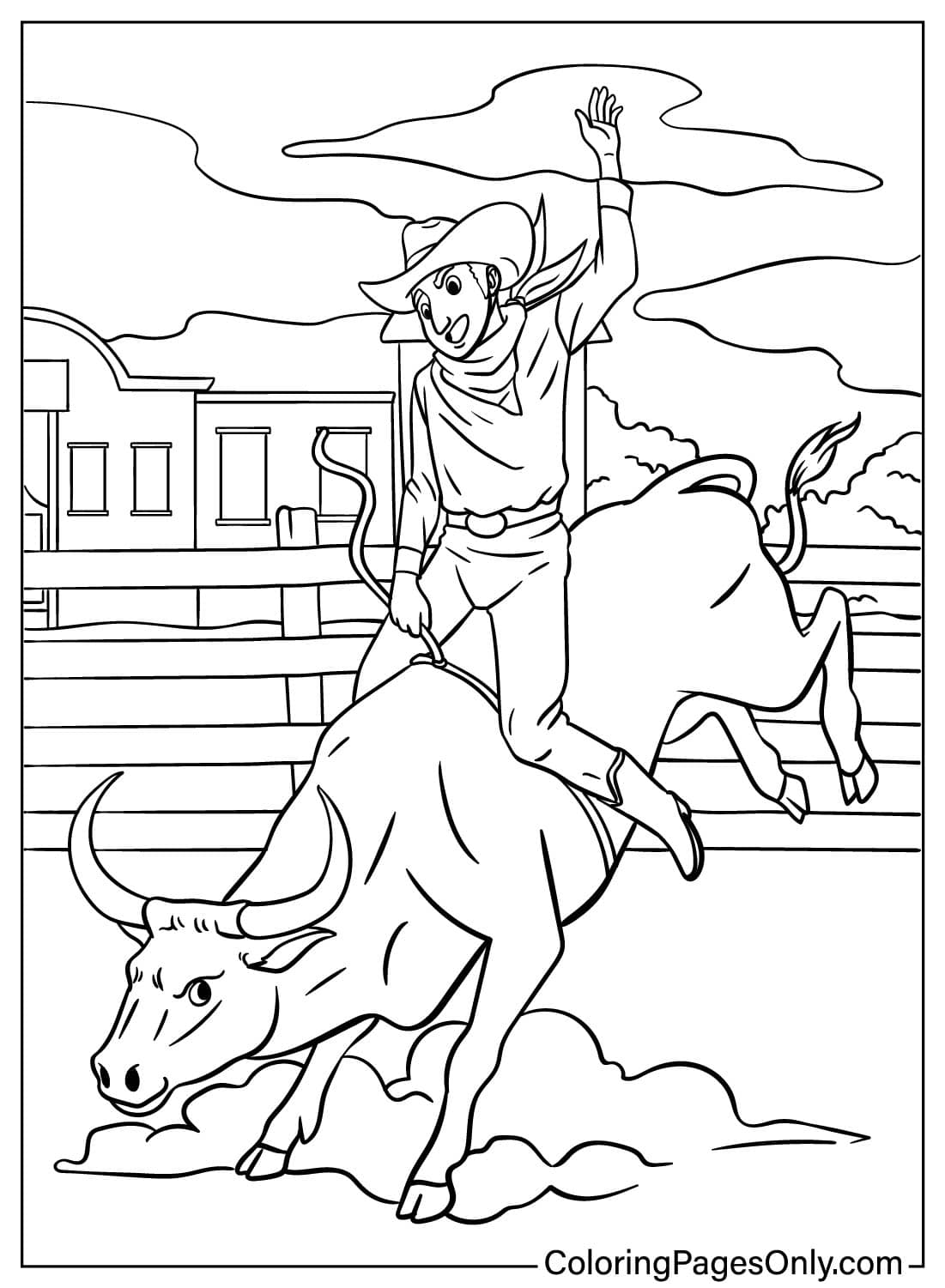
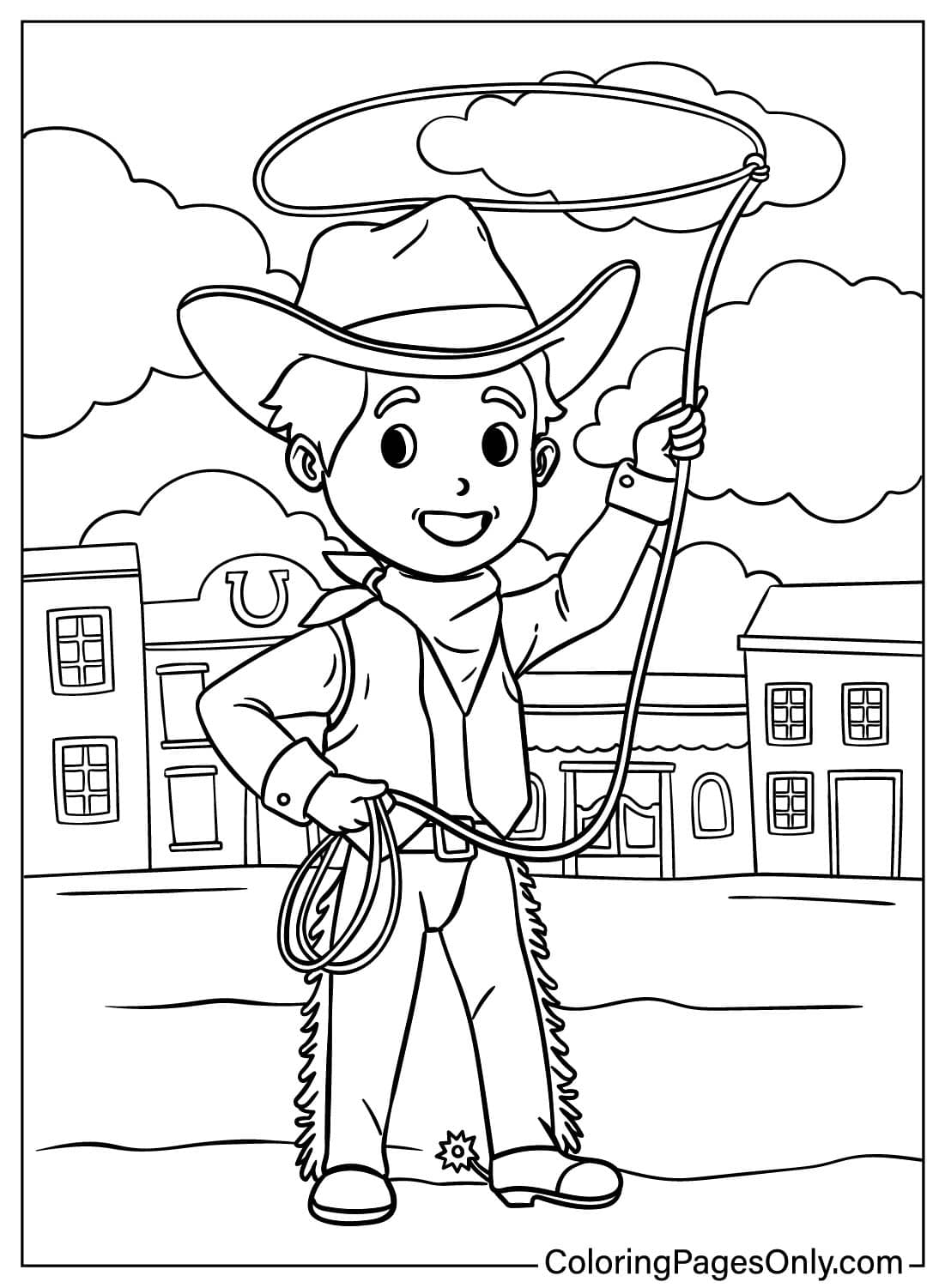
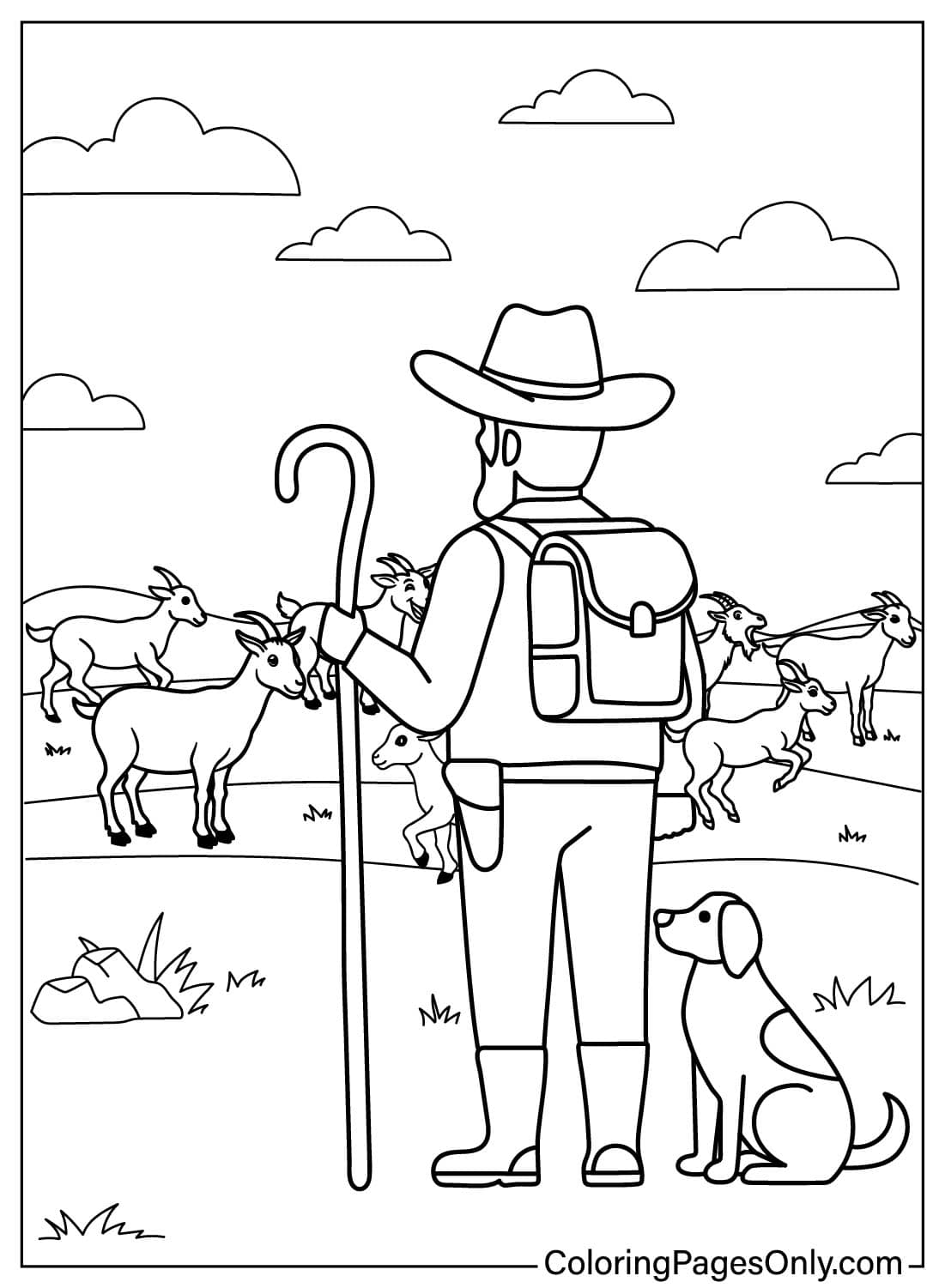
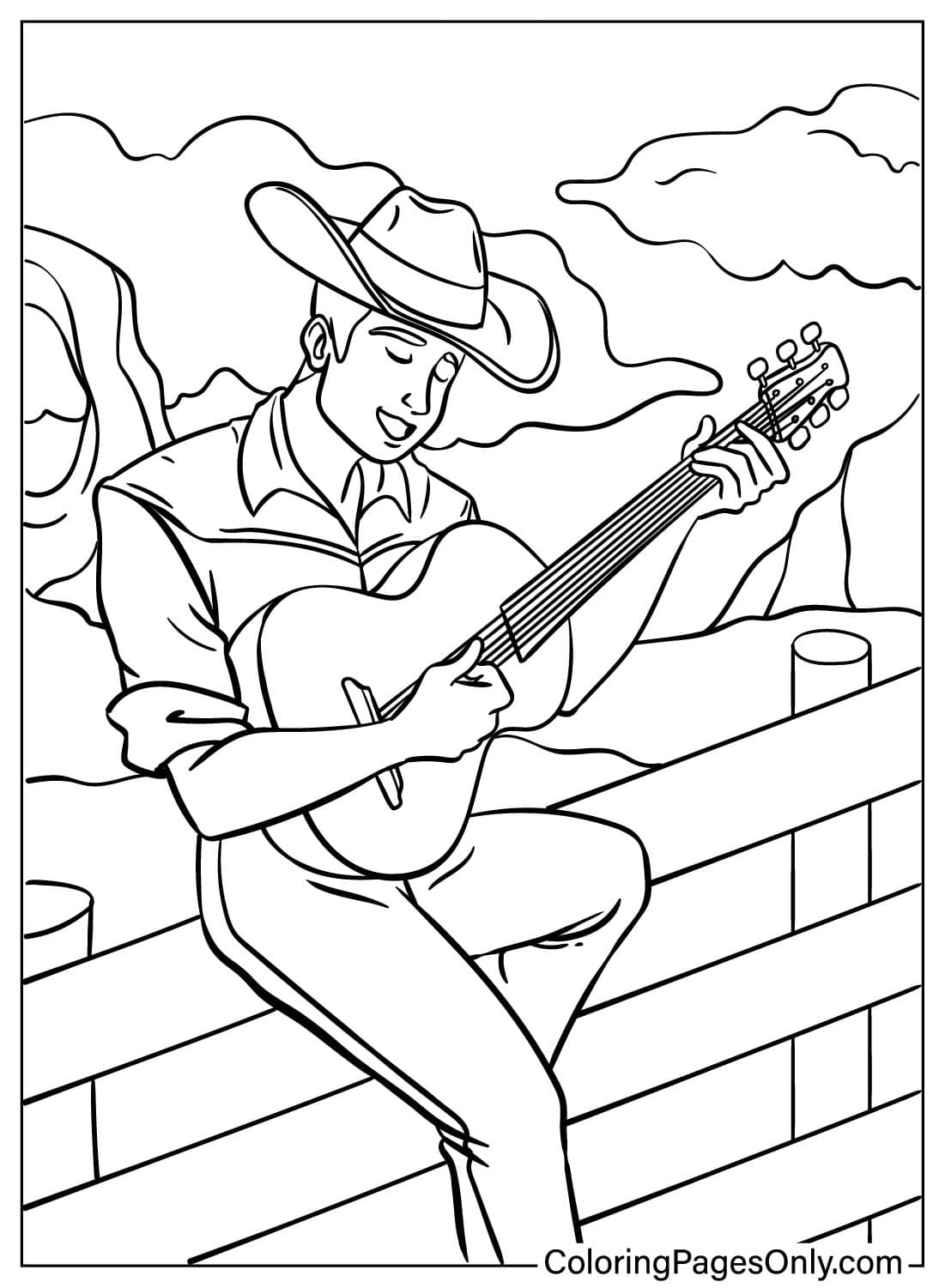
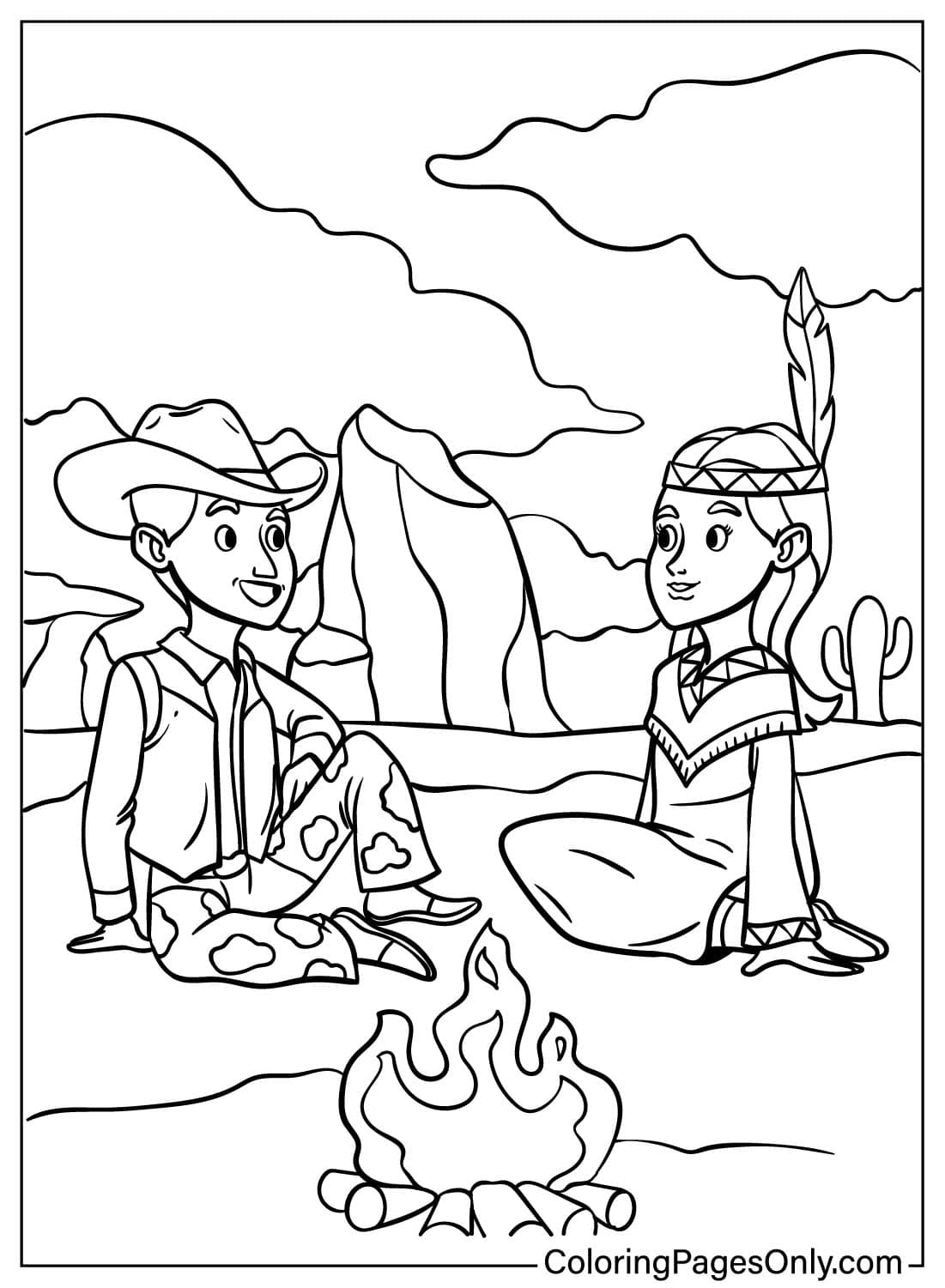
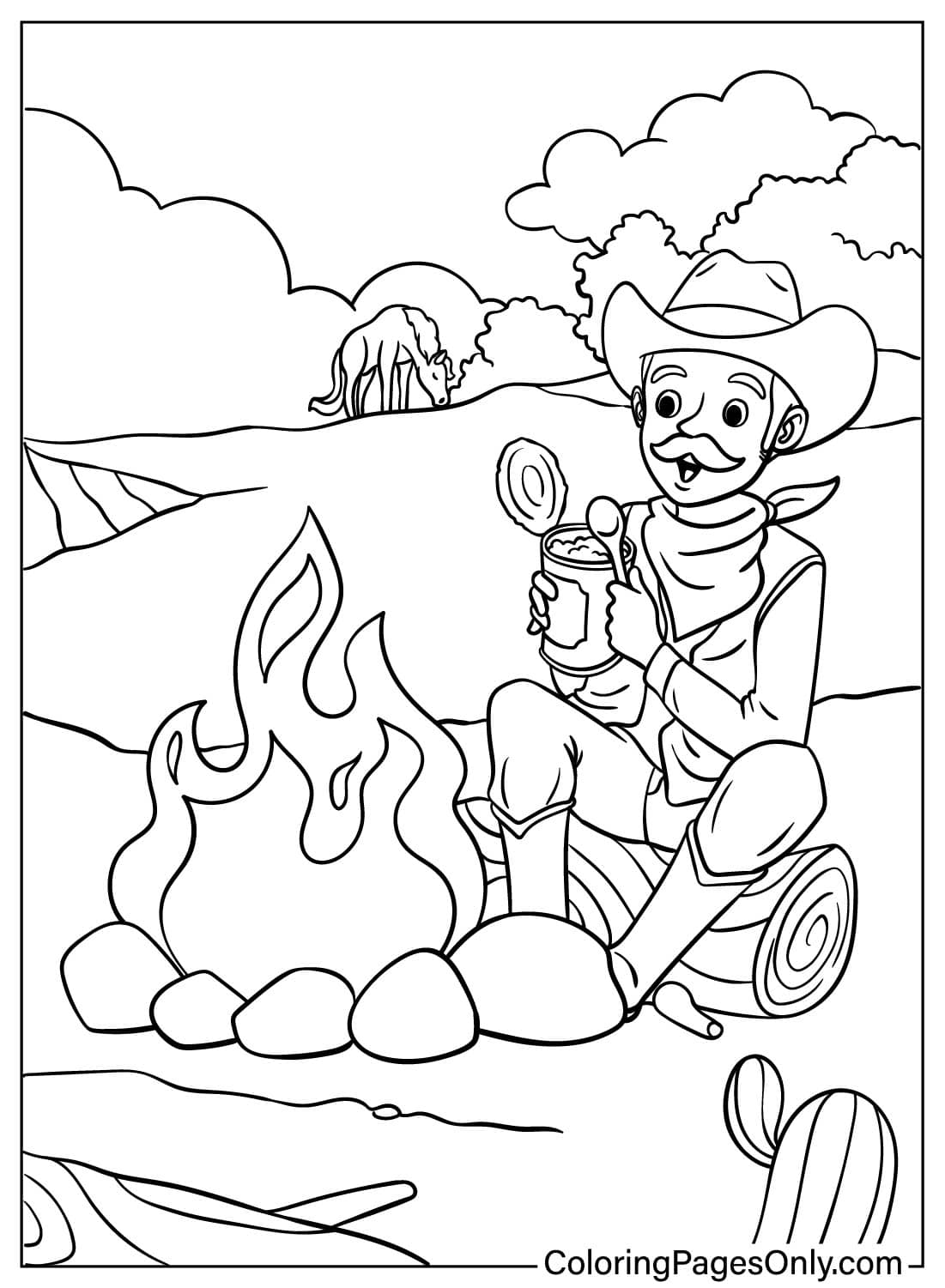
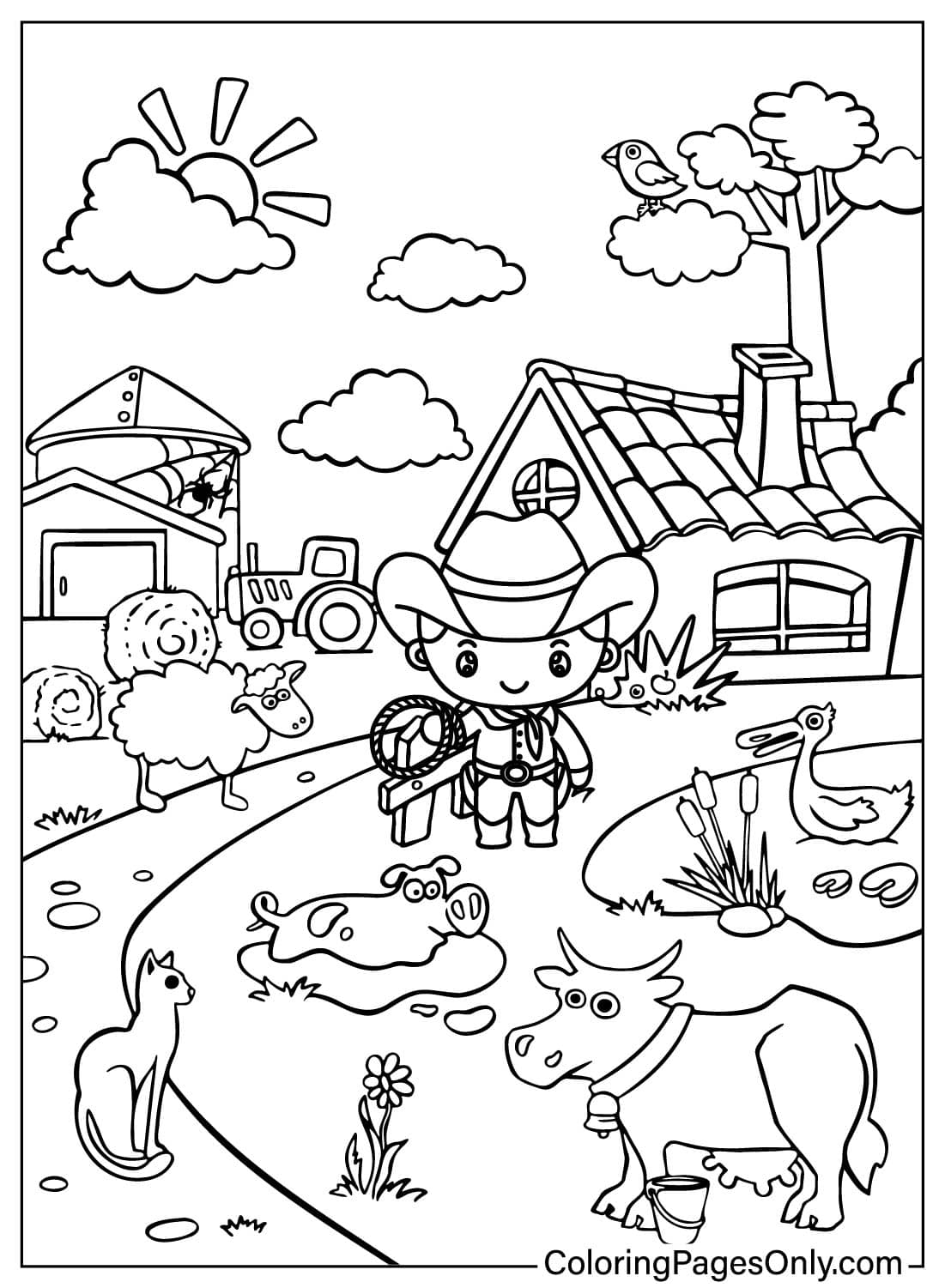
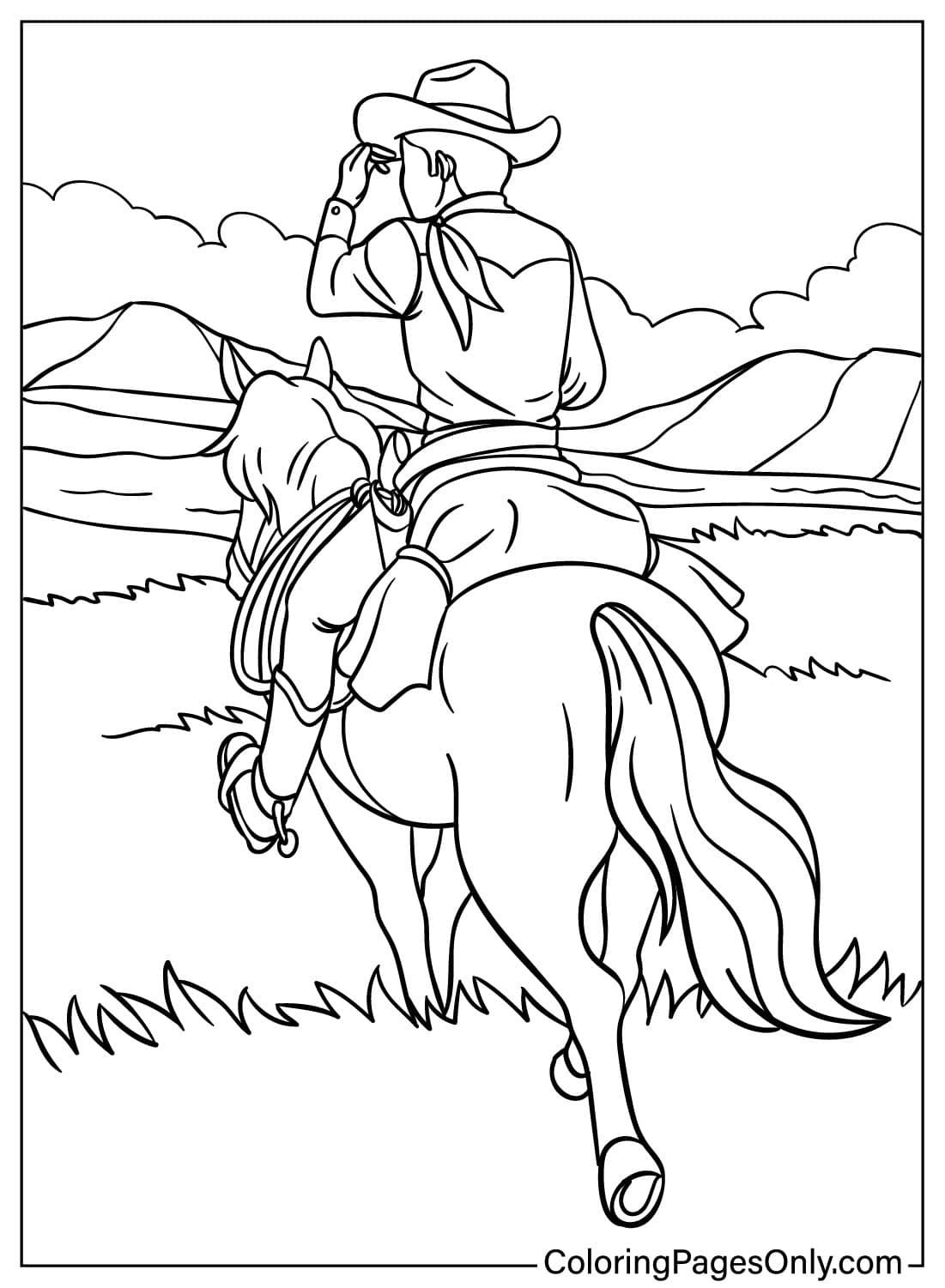
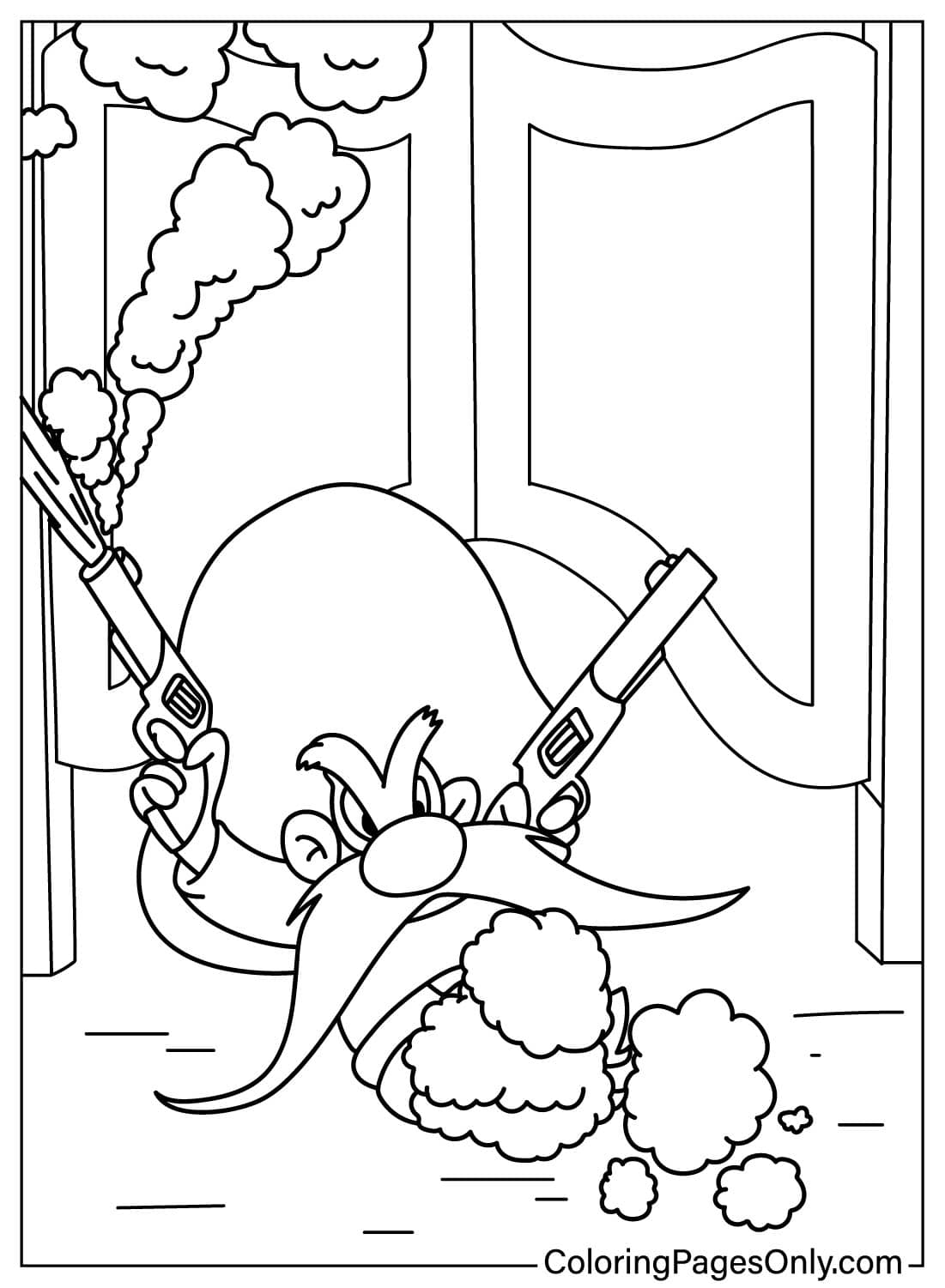
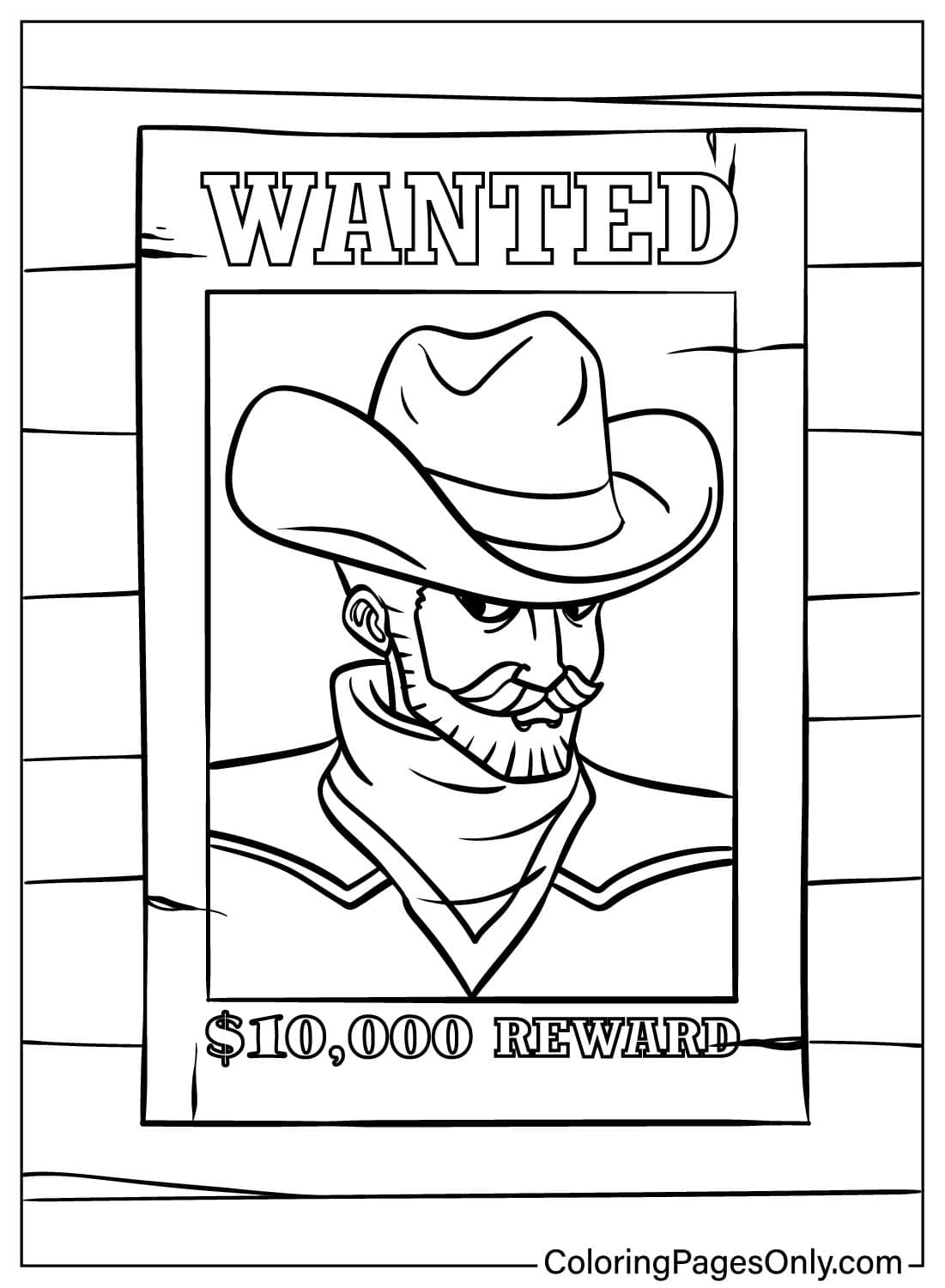
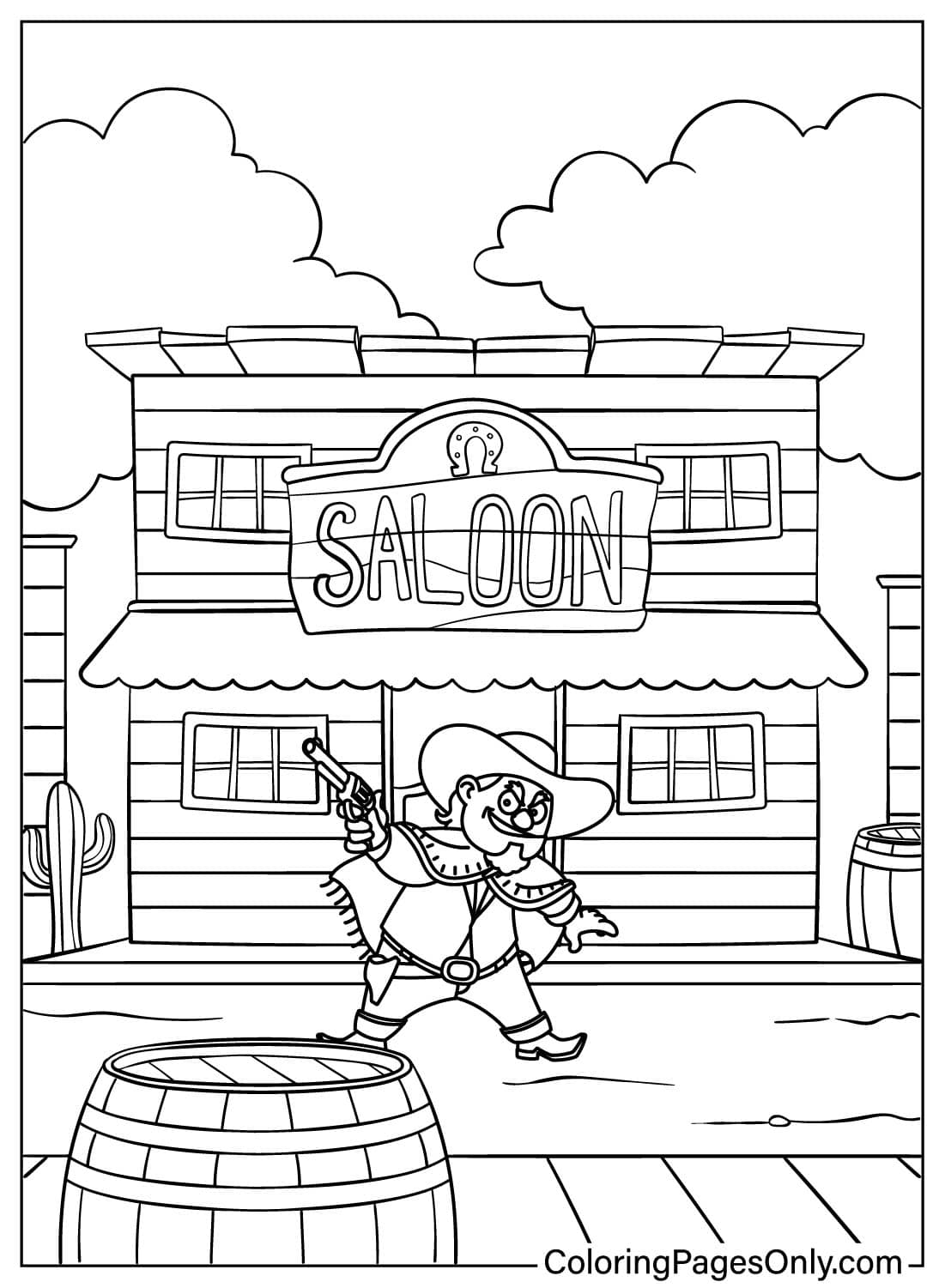
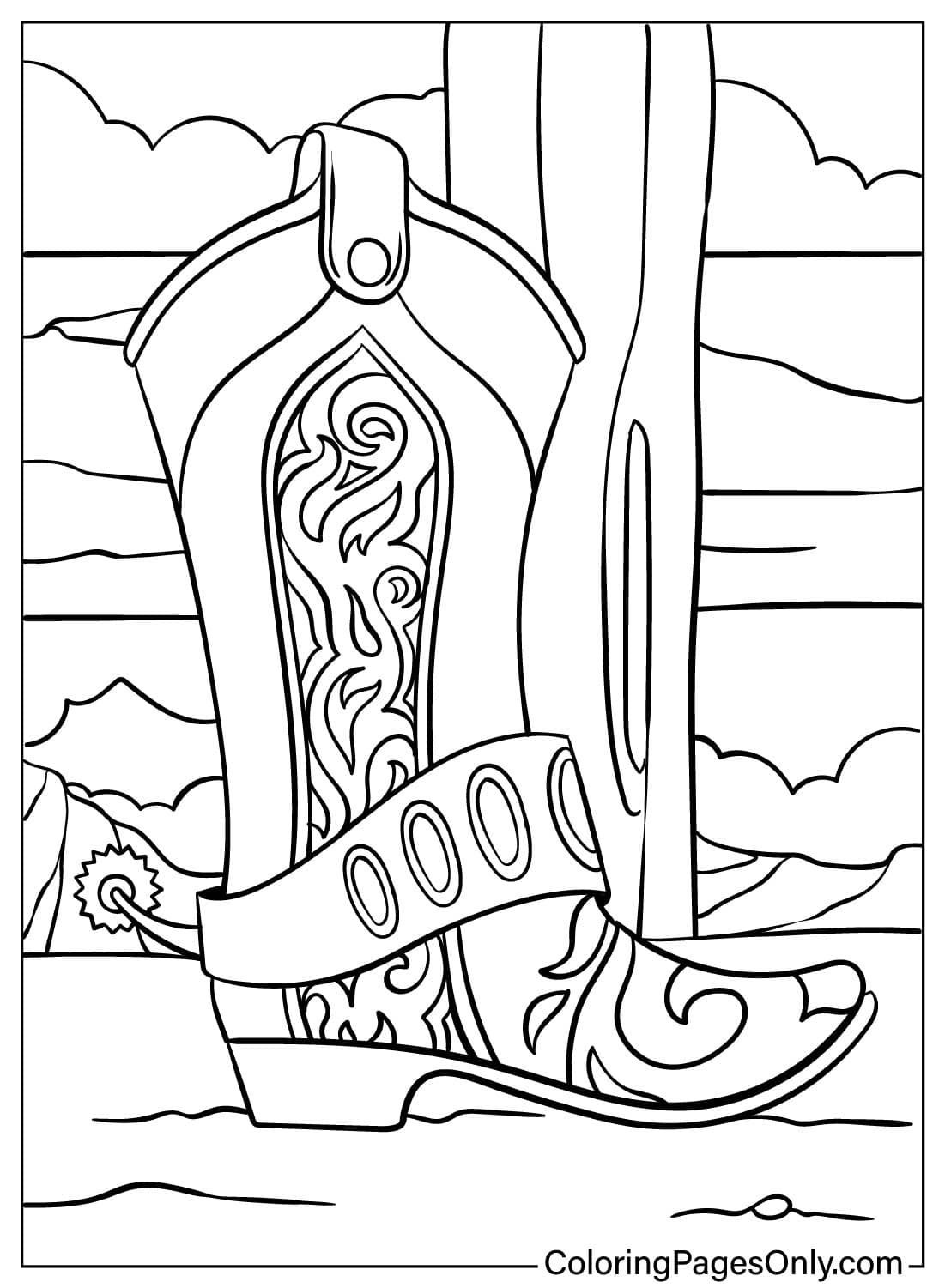
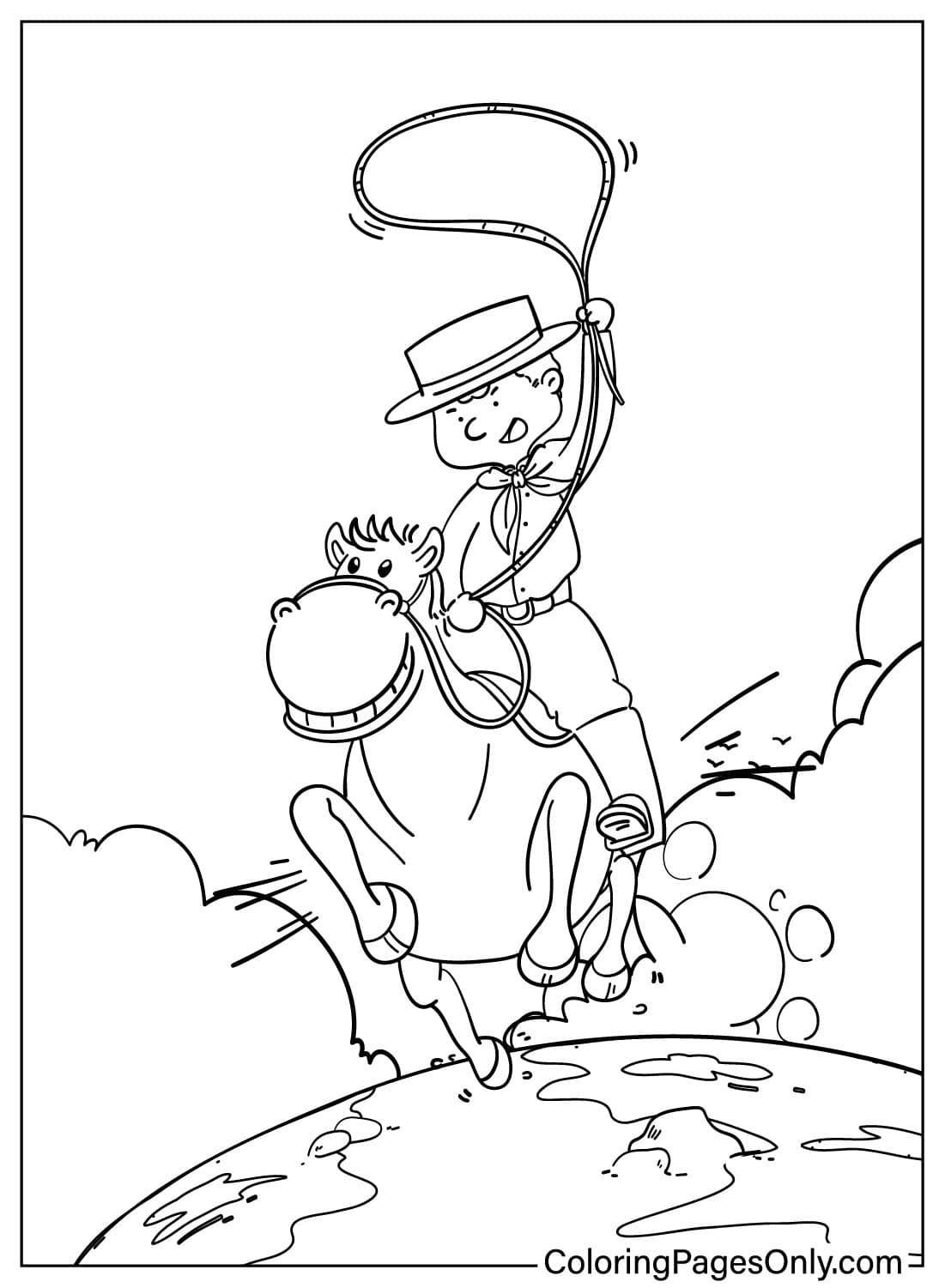
What Is Inside This Collection
The 30 pages fall into four recurring groupings.
Cowboys and Their Horses
A large number of designs pair a cowboy with his horse, whether riding, resting, or working together. These pages capture the close, practical partnership between a cowboy and his mount.
Wild West Scenes and Activities
A group of designs shows cowboys in action, roping, playing guitar around camp, or tending a ranch or farm. These pages give colorists a wider scene to work with beyond a single character portrait.
Cowboy Gear and Accessories
Some designs focus on the practical equipment a cowboy would use, like a saddle or a pair of boots. These pages suit colorists who enjoy working on smaller, detailed objects rather than a full figure.
Simple and Chibi-Style Designs
A number of pages use a bold, simplified outline or a rounder, chibi-inspired art style. These suits are suitable for younger colorists or anyone who wants a quicker, more playful coloring session.
What Cowboy Coloring Pages Do
Fine motor precision for western detail. Structured coloring supports fine motor development in young children, and the fringe, stitching, and rope coils common in cowboy gear ask for more careful, controlled linework than a plainer subject would require.
A concrete hook for real, diverse history. Because the cowboy tradition traces back to real vaquero origins and included a significant number of Black and Mexican cowboys, coloring these pages gives children a starting point for a more accurate picture of the American West than the single stereotype often shown in cartoons and movies.
Calm focus around open, uncluttered scenes. A 2005 study in the Art Therapy Journal documented measurable reductions in anxiety following structured coloring sessions, and the wide open landscapes typical of a western scene give colorists a naturally spacious, unhurried page to work through.
Practice with a warm, earth-toned palette. Because western scenes lean on browns, tans, and dusty oranges rather than bright primary colors, these pages give colorists practice blending a narrower, more muted color range.
How to Color Cowboy Pages Well
- Hats and boots: Warm Tan or Sepia work well for classic leather, with a darker Burnt Sienna for shading along the brim and heel.
- Horses: Chestnut Brown, Black, or Cream all work for a realistic horse coat, with a slightly darker shade along the mane and tail.
- Bandanas and shirts: Faded Denim Blue or Scarlet Red add a classic pop of color against the earthier tones of the rest of the outfit.
- Ropes and lassos: A light Tan or Khaki with subtle shading along the coils helps the rope read as textured rather than flat.
- Landscapes: Dusty Tan and muted Sage Green suit an open plain, while warm Sunglow and Peach work well for a sunset sky.
- Saddle leather: A rich Sienna or Mahogany with darker stitching detail gives a saddle a worn, well-used look.
5 Creative Craft Ideas With Cowboy Coloring Pages
1. Paper Cowboy Hat
Color a cowboy design featuring a hat, then use it as a reference to cut and shape a simple paper cowboy hat from a large sheet of brown construction paper. Rolling the brim slightly and adding a thin strip as a hatband finishes the look. Wearing the finished hat alongside the coloring page makes for a fun pretend-play pairing.
2. Ranch Life Diorama
Color a farm or ranch scene, cut it out, and glue it inside a shoebox turned on its side to build a small three-dimensional ranch. Adding paper cutout fences, hay bales, or a small barn gives the diorama extra depth. Cutting a small viewing window in the front of the box turns the finished scene into a miniature display piece.
3. Cowboy Boot Bookmark
Trim a colored cowboy boot design to bookmark size and laminate or cover it with clear tape for a durable, everyday bookmark. Punching a hole at the top and threading a short leather cord or ribbon through fits the western theme. Making a small set with different designs gives a reader several to rotate through.
4. Horseshoe Luck Card
Color a page featuring a horse or saddle and cut out a simple horseshoe shape from the design or a separate sheet to glue onto a folded card. Writing a short “good luck” message inside the card ties the card to the traditional horseshoe symbol. This works well as a small handmade gift for a birthday or new venture.
5. Wild West Storybook
Color several cowboy pages and bind them together with a handmade cover to build a small western-themed storybook. Writing a short, original story to go with each page turns the coloring collection into a creative writing project. This works especially well as a classroom activity paired with a lesson on the American West.
Frequently Asked Questions
What are Cowboy coloring pages?
They are printable illustrations of cowboys with their horses, western gear, and open-range scenes. This collection has 30 designs available as free PDF downloads or for coloring directly online.
Where did cowboys and cowboy traditions actually come from?
The cowboy tradition originated with Spanish and Mexican vaqueros, who brought horseback cattle herding, roping, and branding to the Americas in the 1500s, long before Anglo-American settlers in Texas adopted the same methods and tools.
Were all historical cowboys white?
No. By the 1870s, roughly a quarter of the cowboys working cattle drives in the American West were Black, many of them formerly enslaved men who found new opportunities in ranching after the Civil War, alongside a large number of Mexican vaqueros.
What gear did a real cowboy typically use?
A working cowboy relied on practical gear like a wide-brimmed hat for sun protection, a bandana to filter trail dust, chaps to guard against brush and cactus, sturdy boots, and a lariat for roping cattle.
What colors work best for these designs?
Warm tan and sepia suit hats and boots, chestnut brown or black works for horses, and dusty tan or sage green captures an open plains landscape.
Are Cowboy coloring pages suitable for young children?
Yes. The designs use friendly, non-graphic western imagery, and the simple outline and chibi-style pages in particular are well suited to preschool through elementary-age children.
Can this collection be used for a history classroom unit on the American West?
Yes. The real, diverse origins of the cowboy tradition pair well with a classroom or homeschool lesson on westward expansion, ranching history, or the vaquero roots of American cowboy culture.
Can these pages be paired with other Western-themed collections?
Yes. Since this collection sits alongside other people and animal categories on the site, these pages pair naturally with horse, farm animal, or cowgirl-themed coloring collections for a larger western-themed activity.
Start Coloring
Download any page by clicking the design. No account, email, or payment is required. Pages print directly from the browser at full resolution or open in the online coloring tool for screen use. Share finished pages on Facebook or Pinterest with the share buttons at the top of each design page.