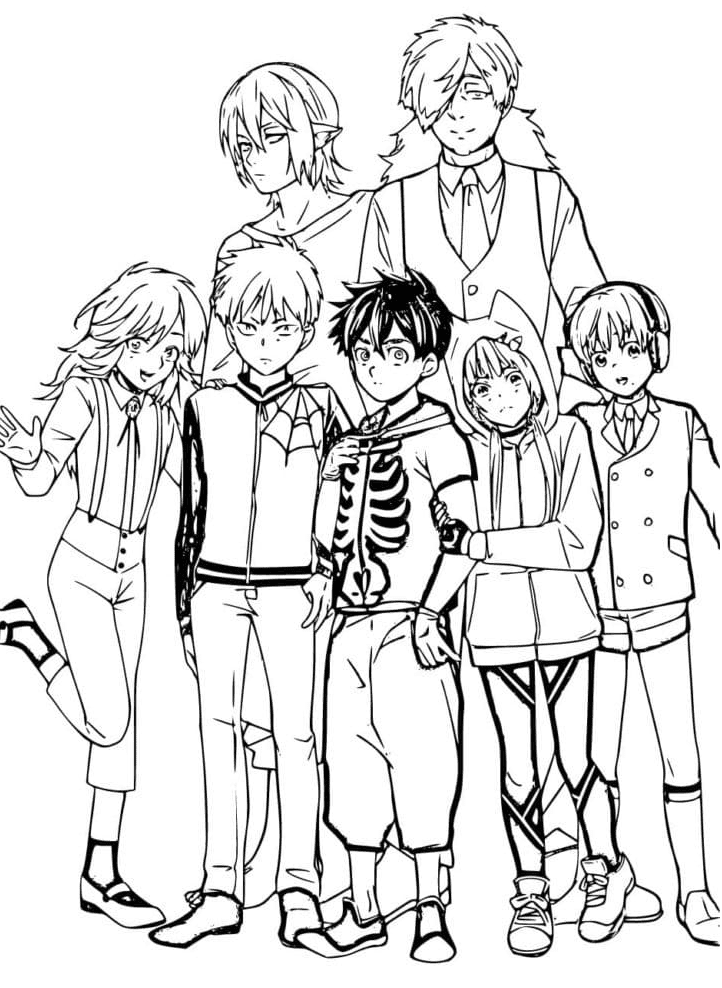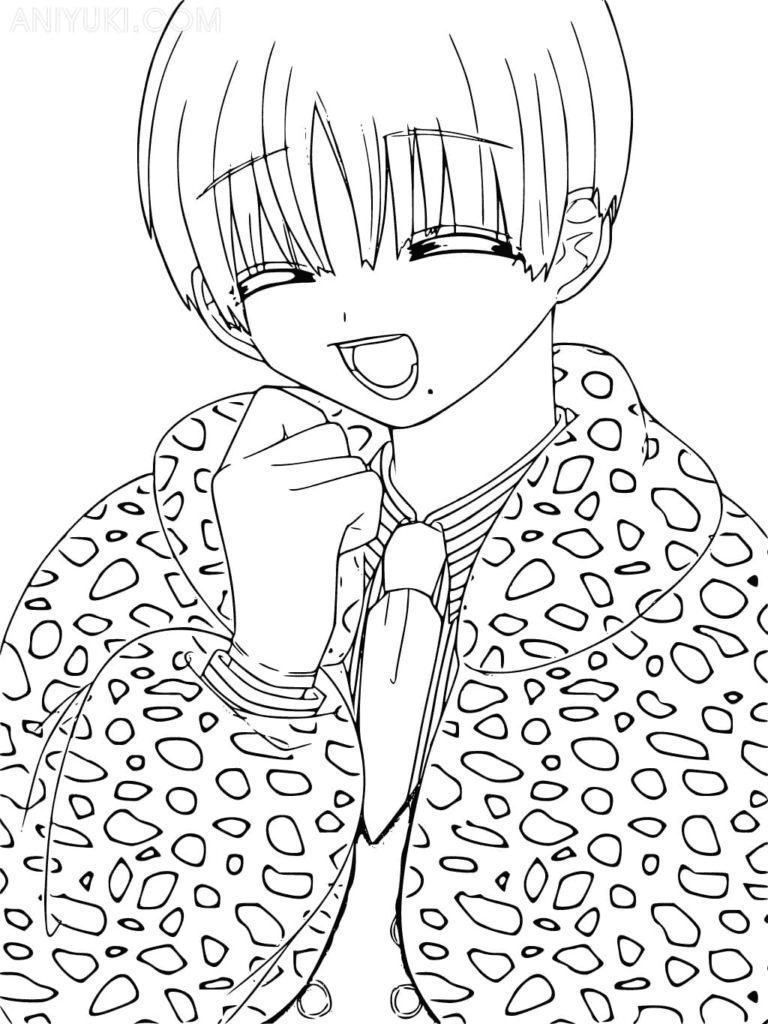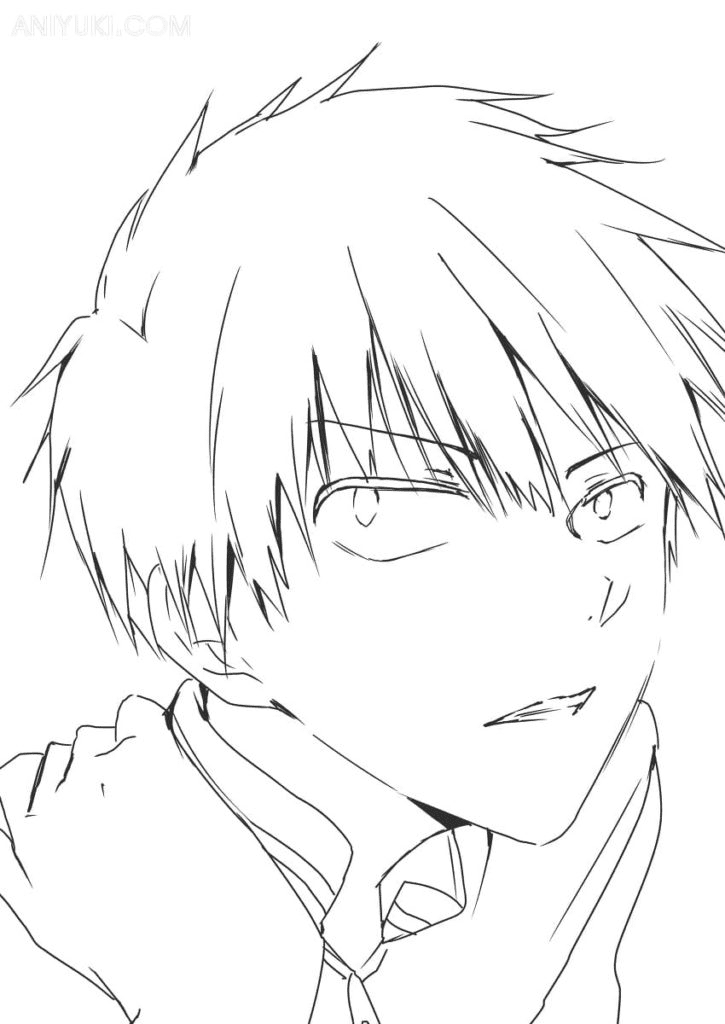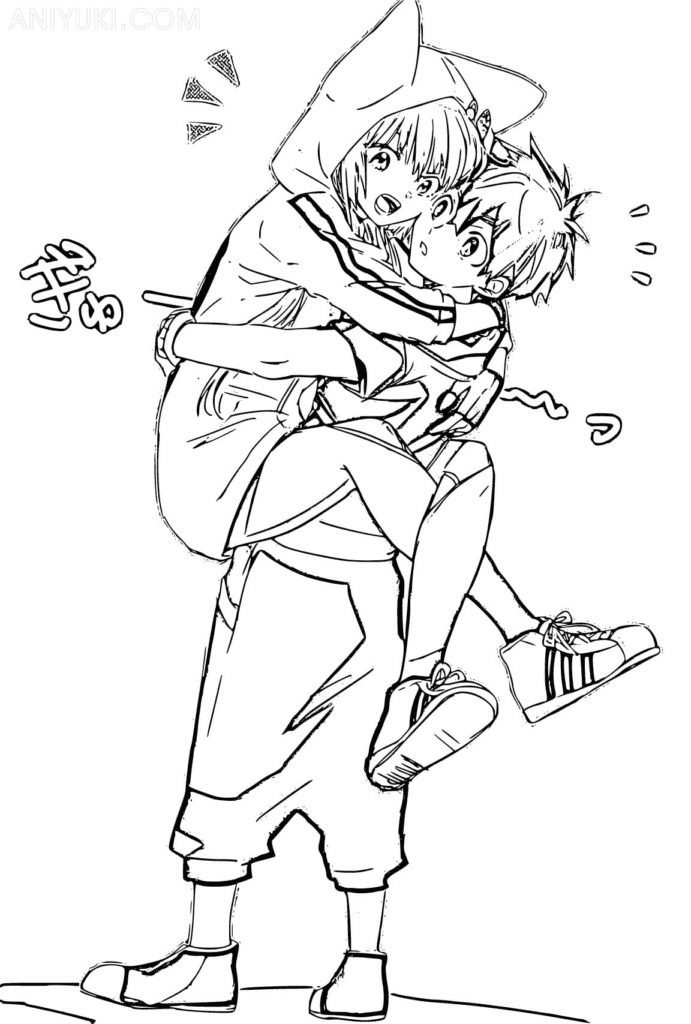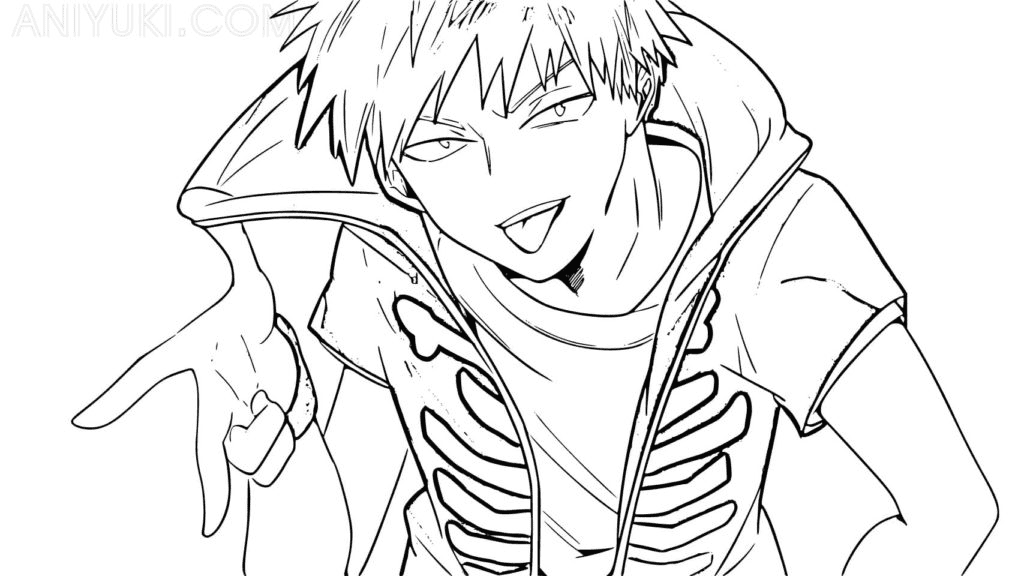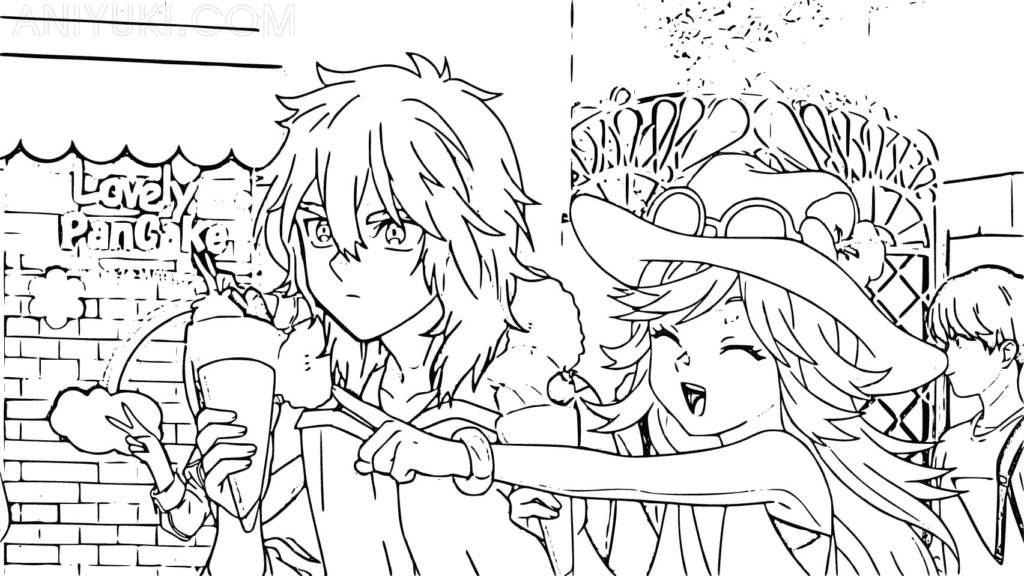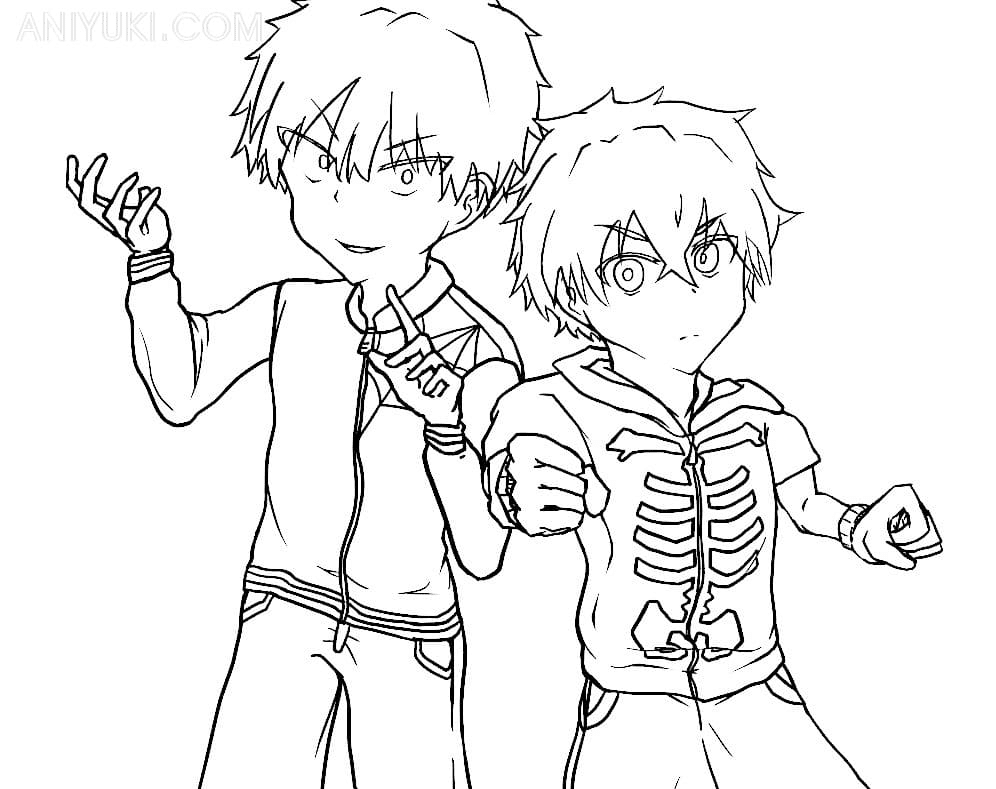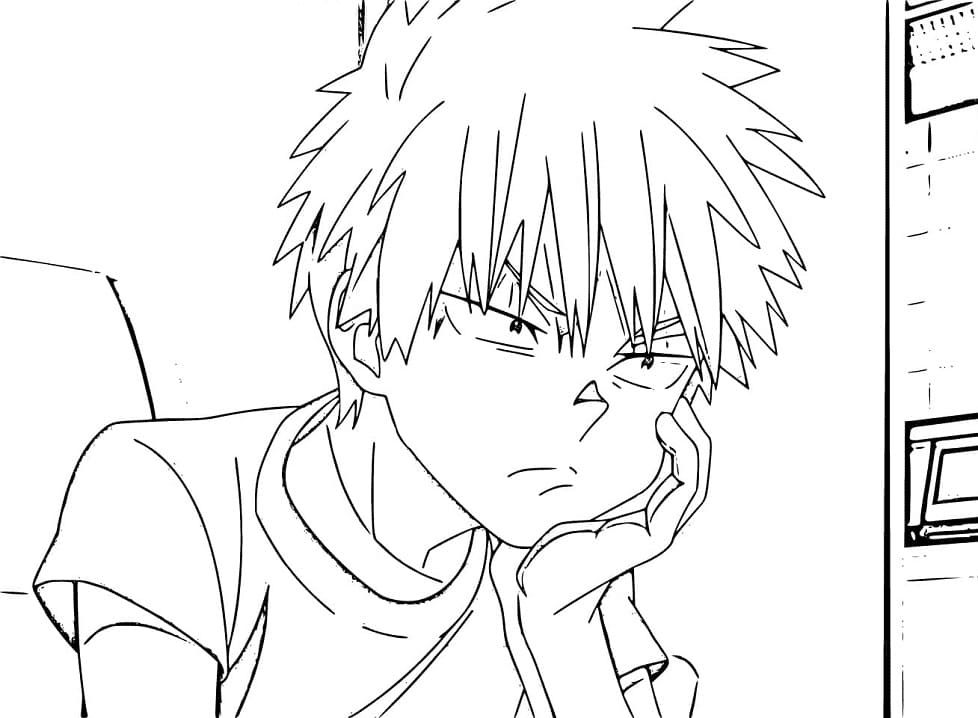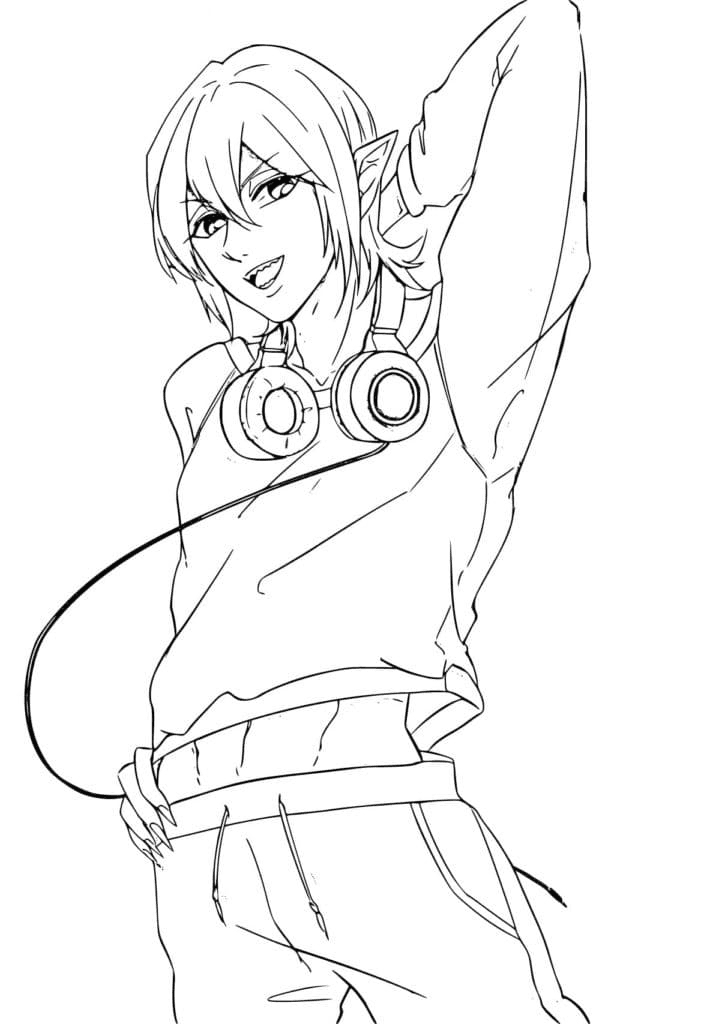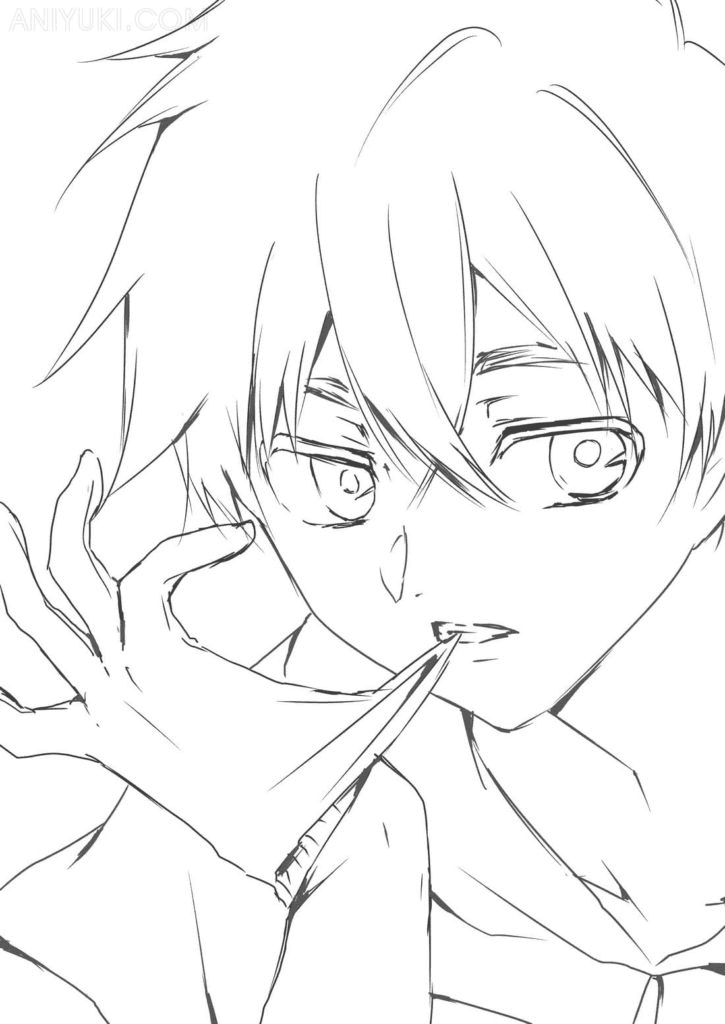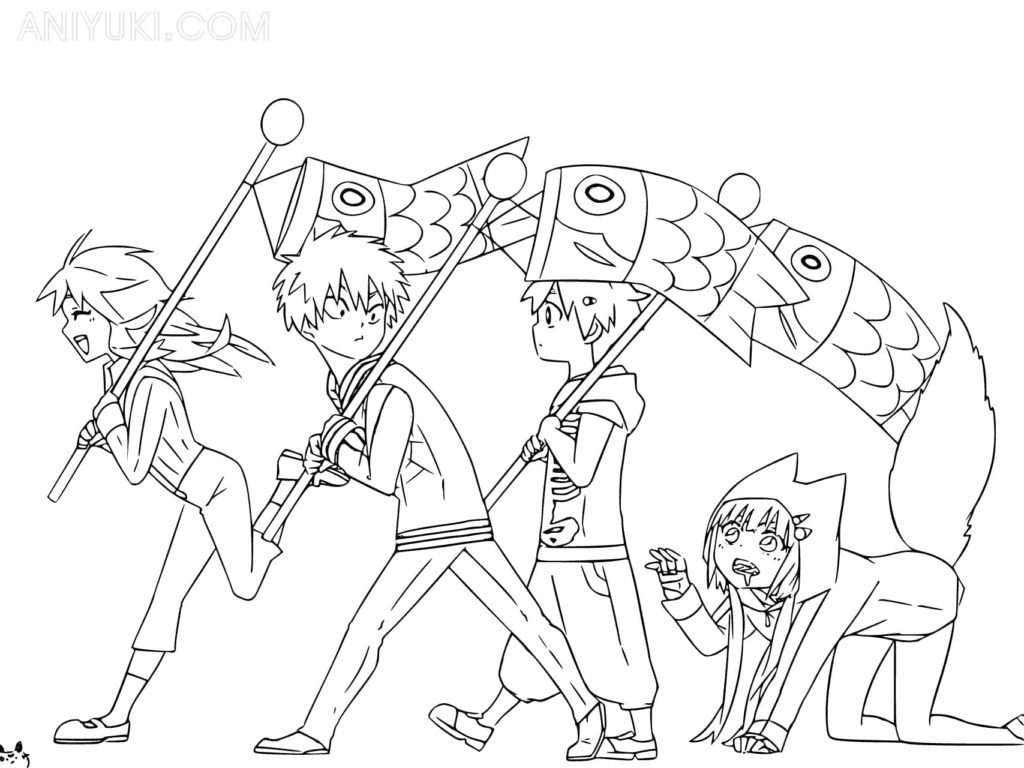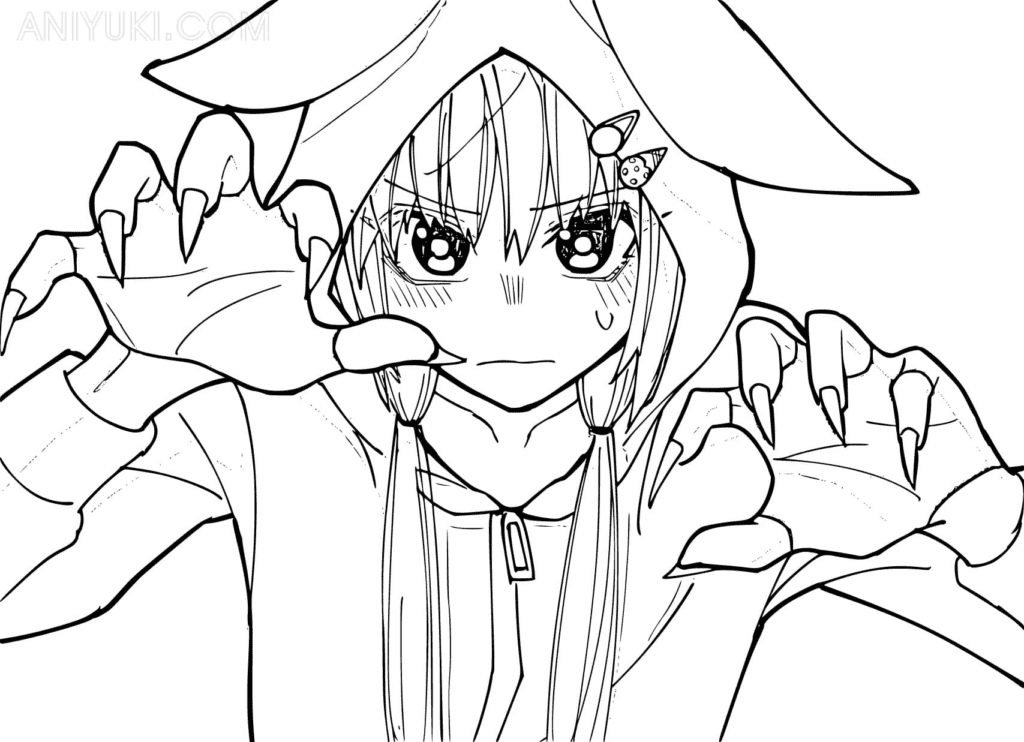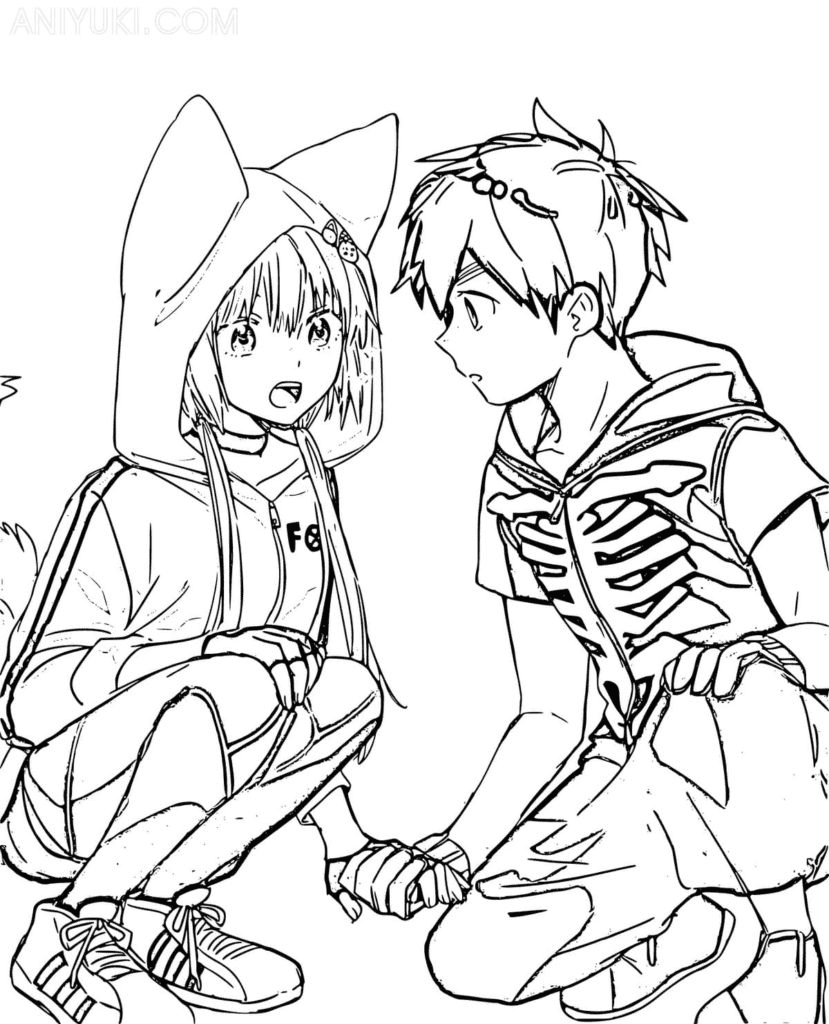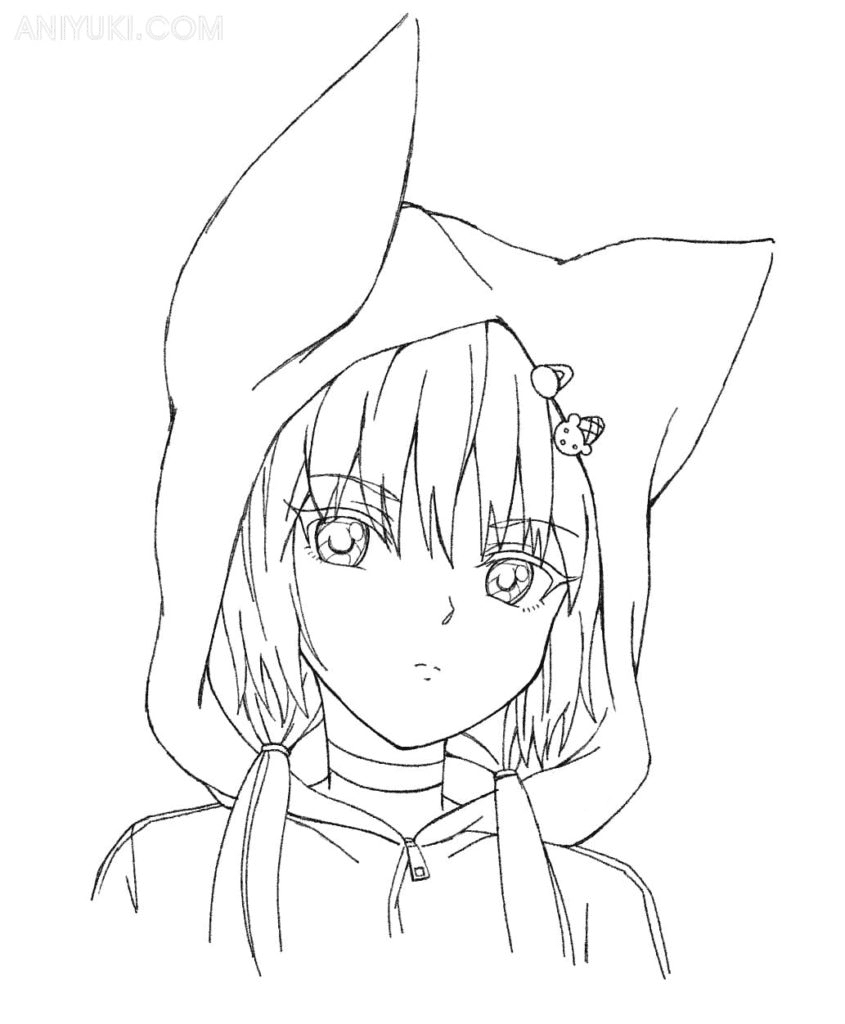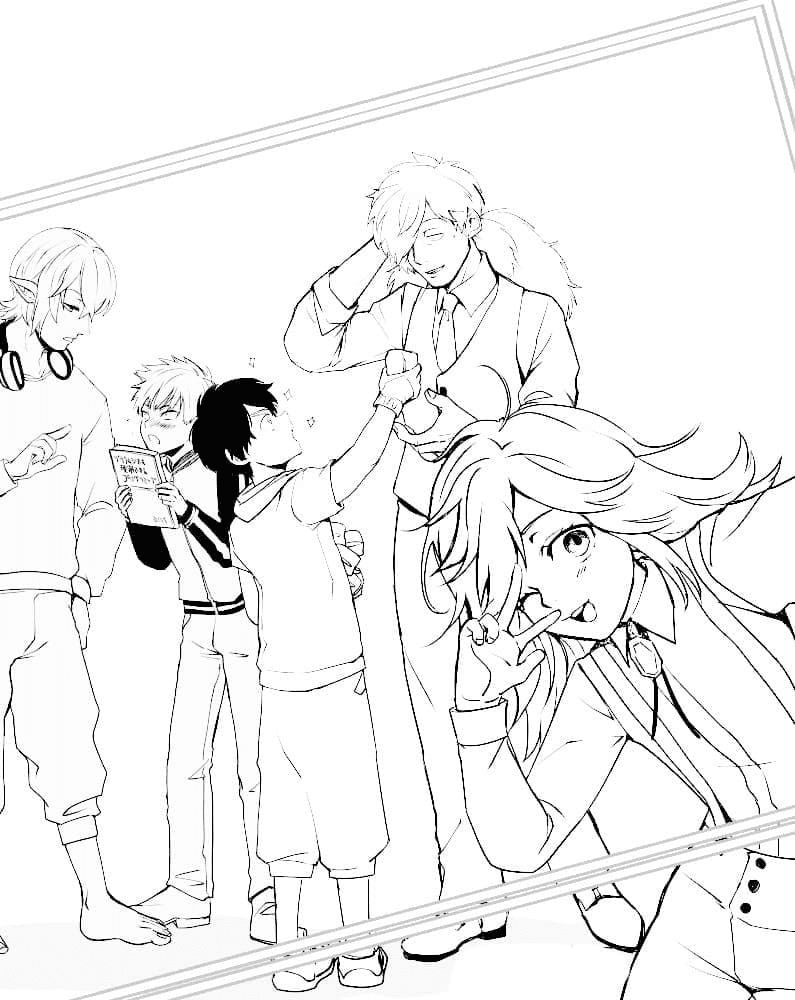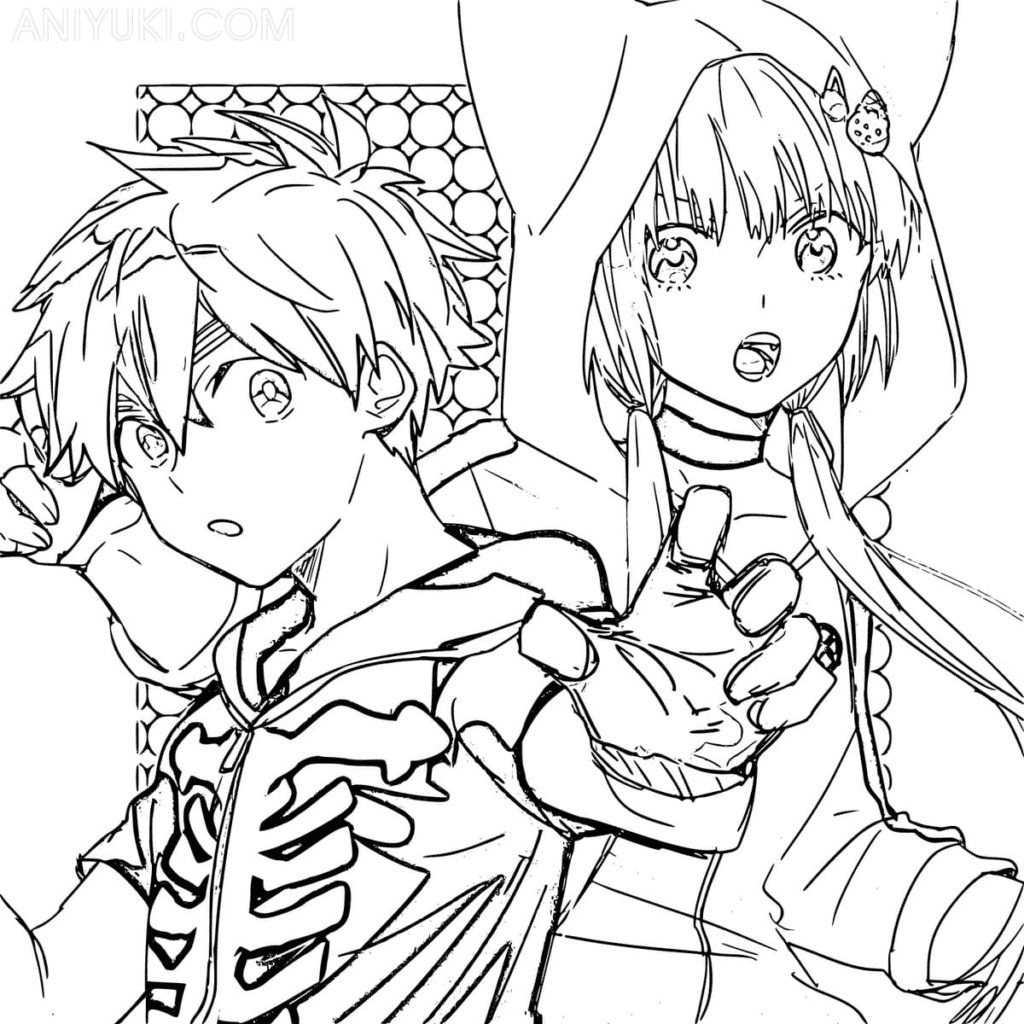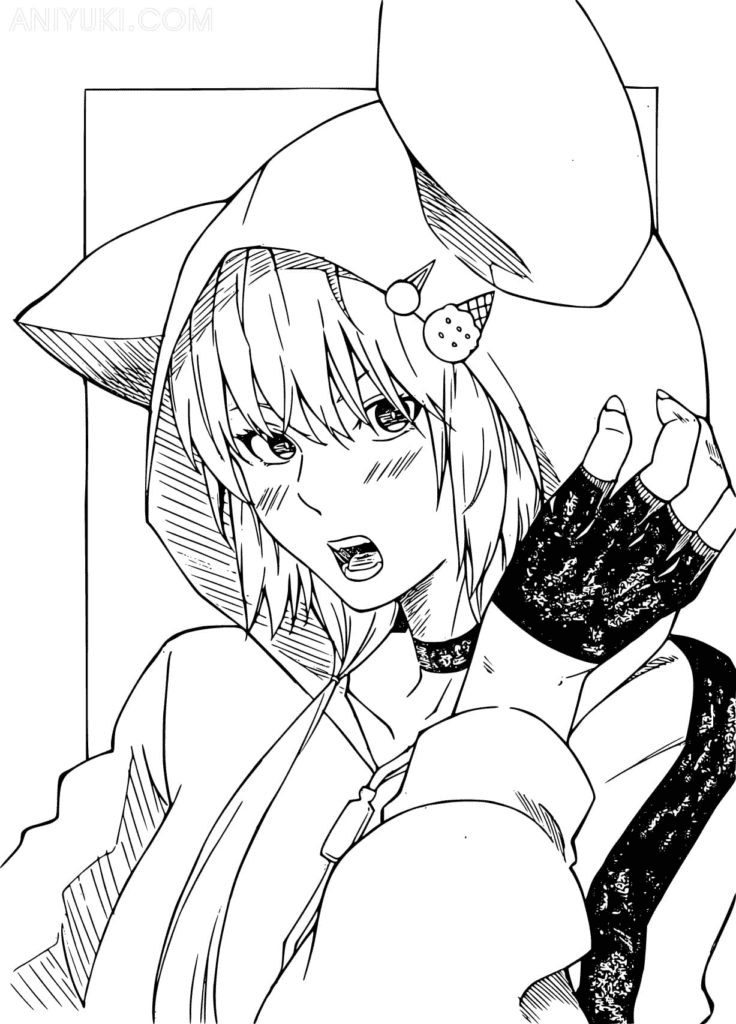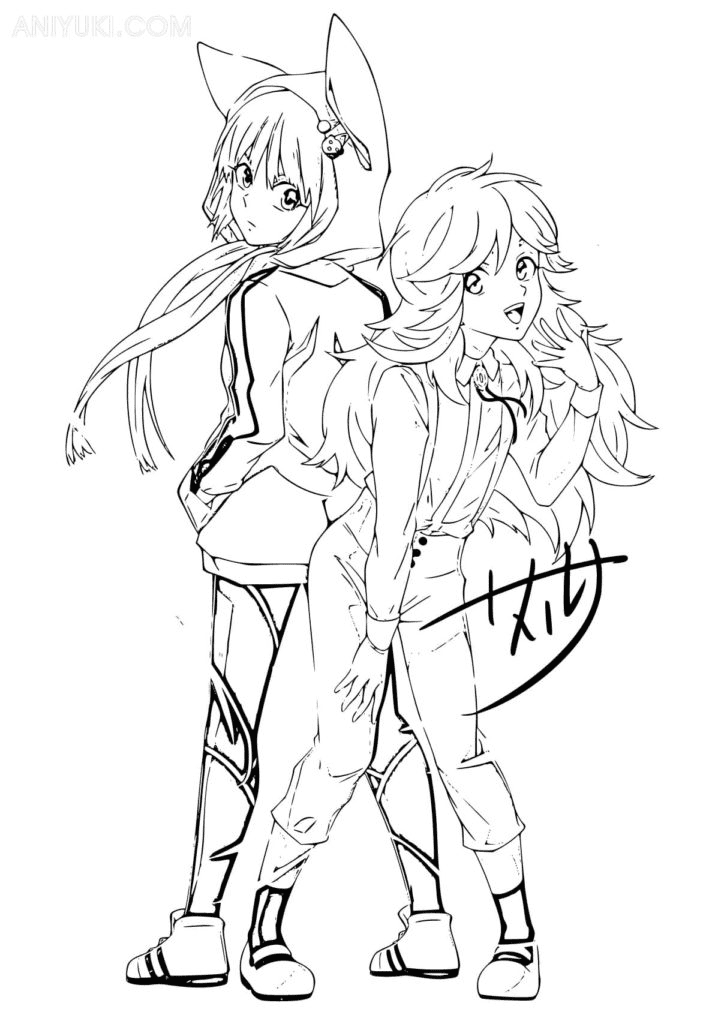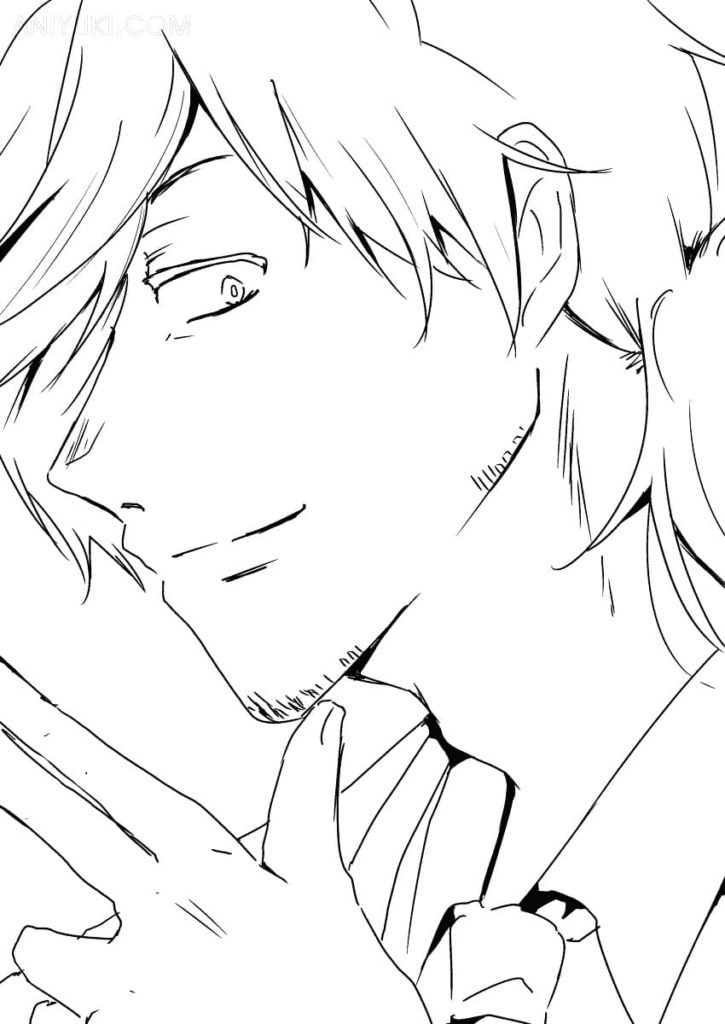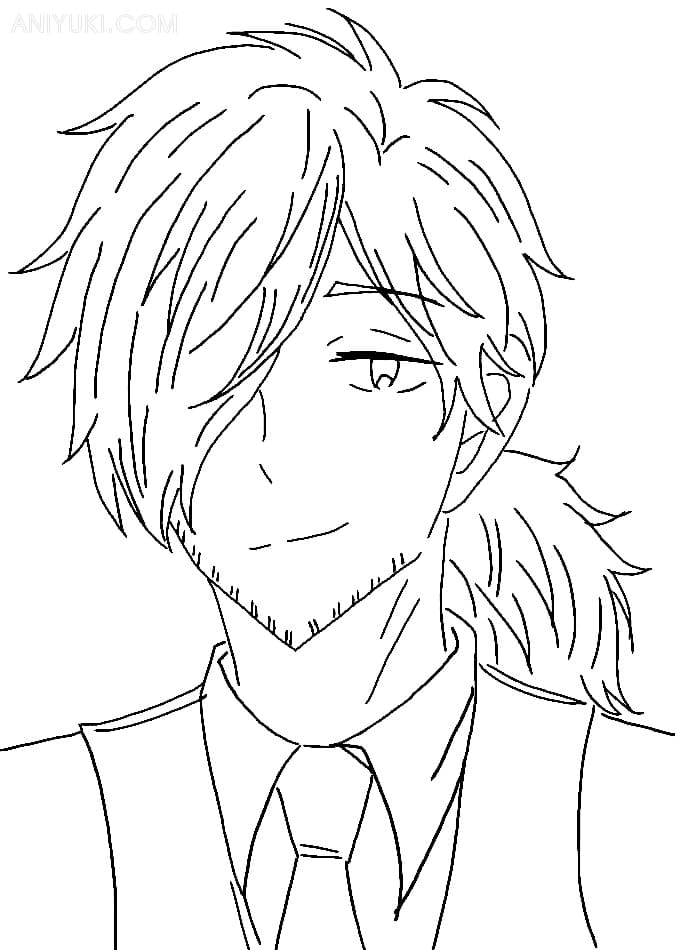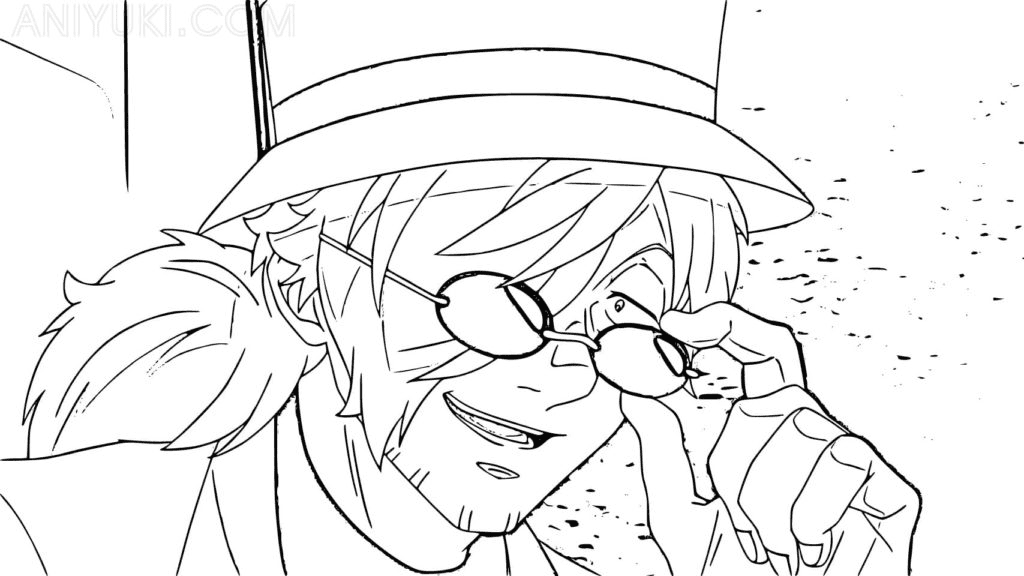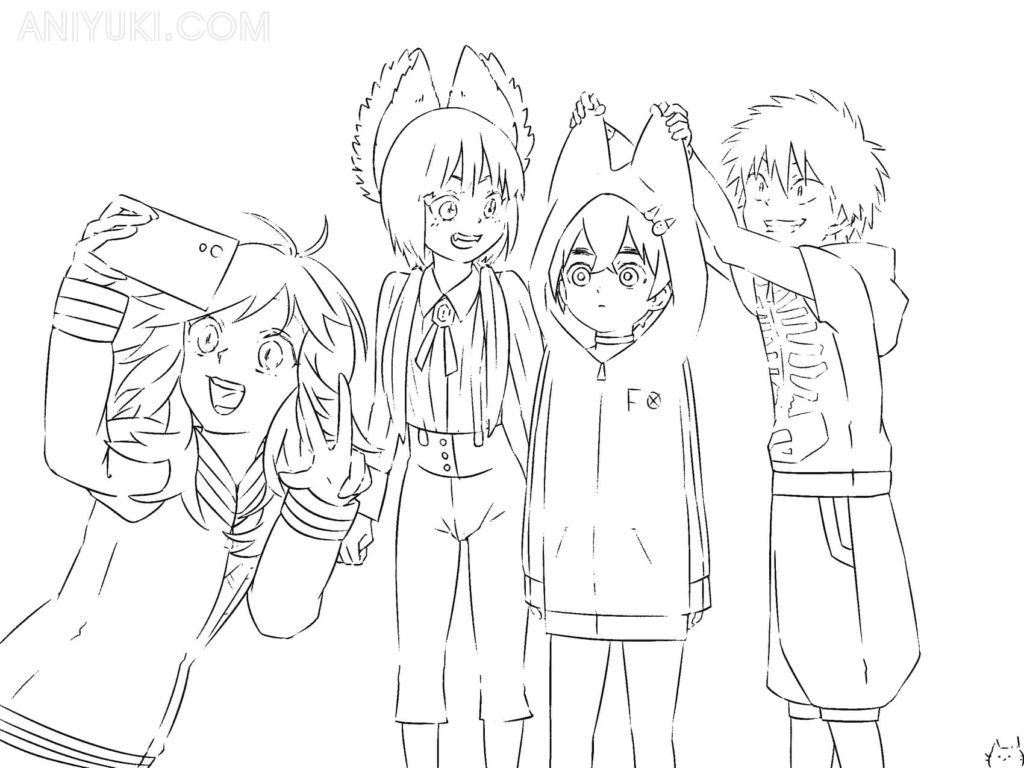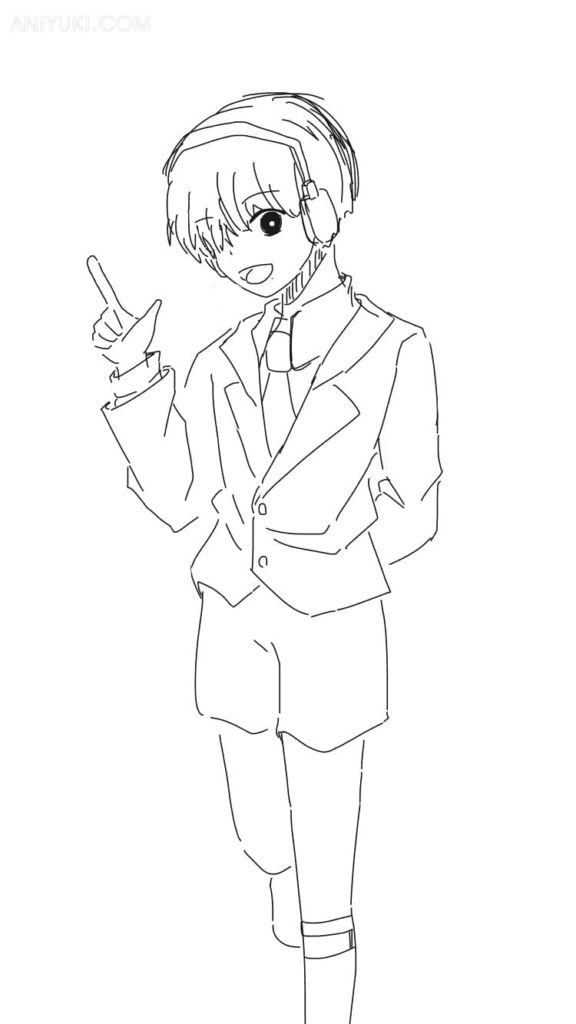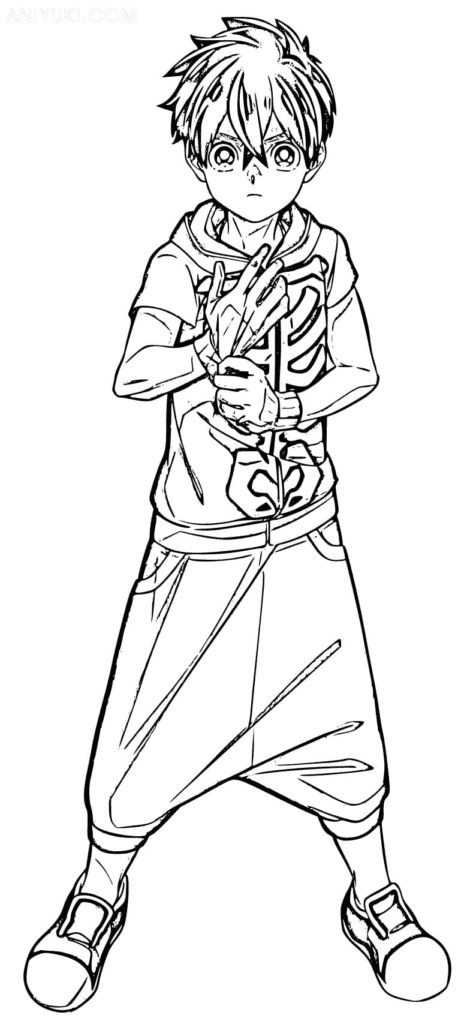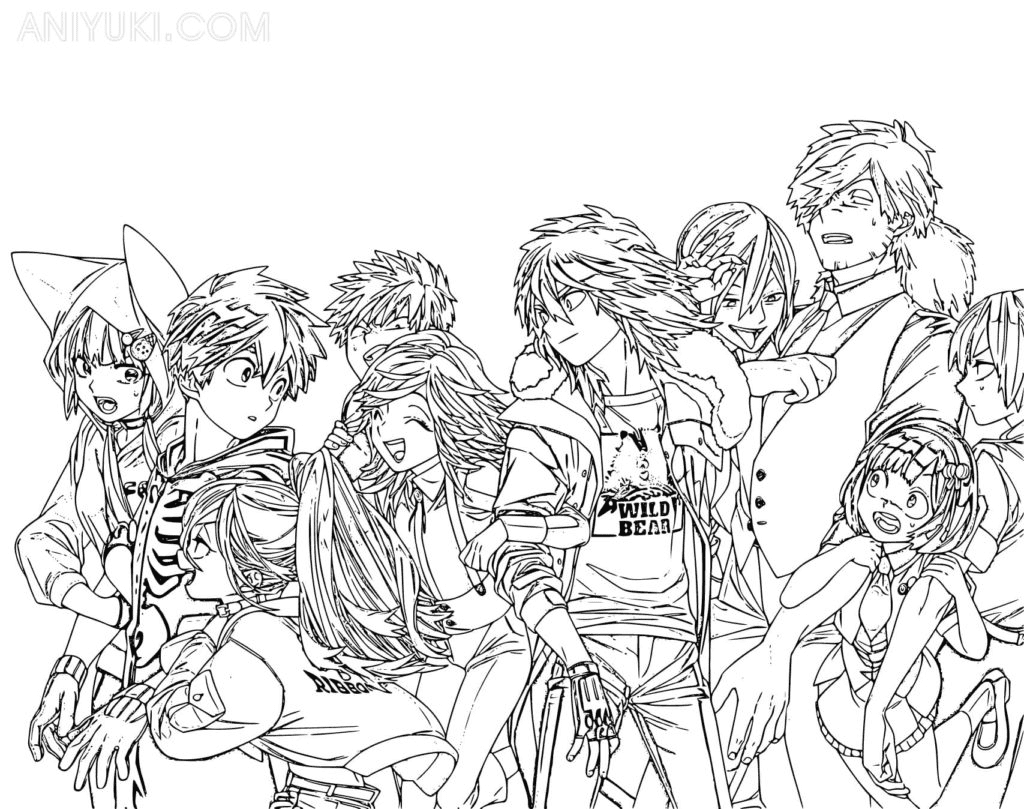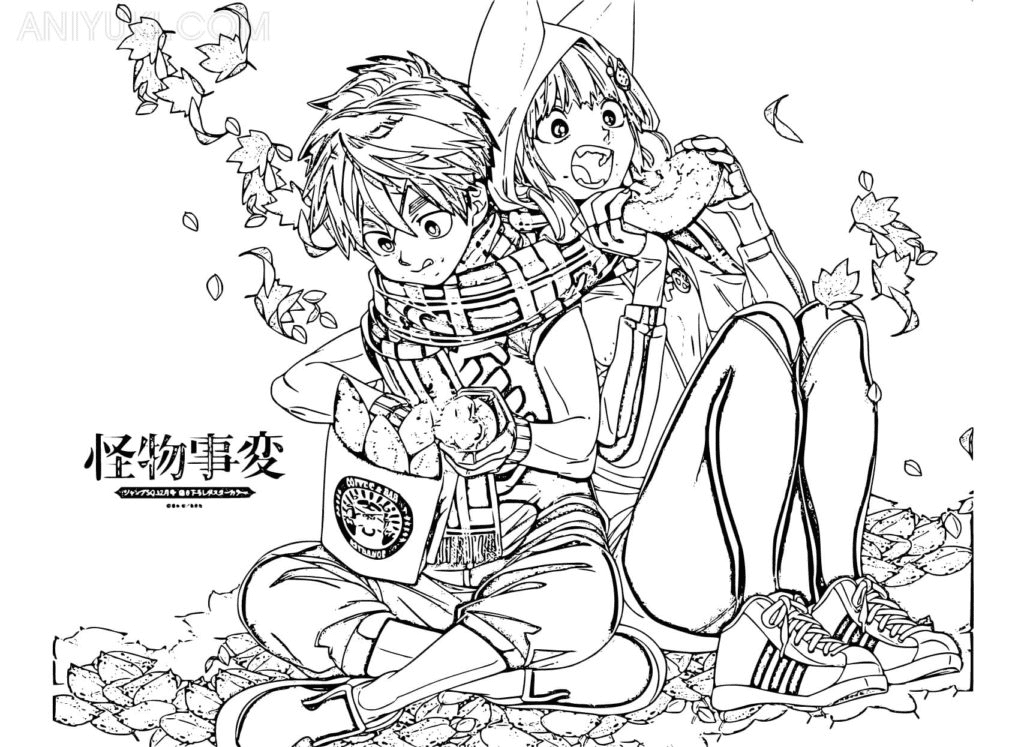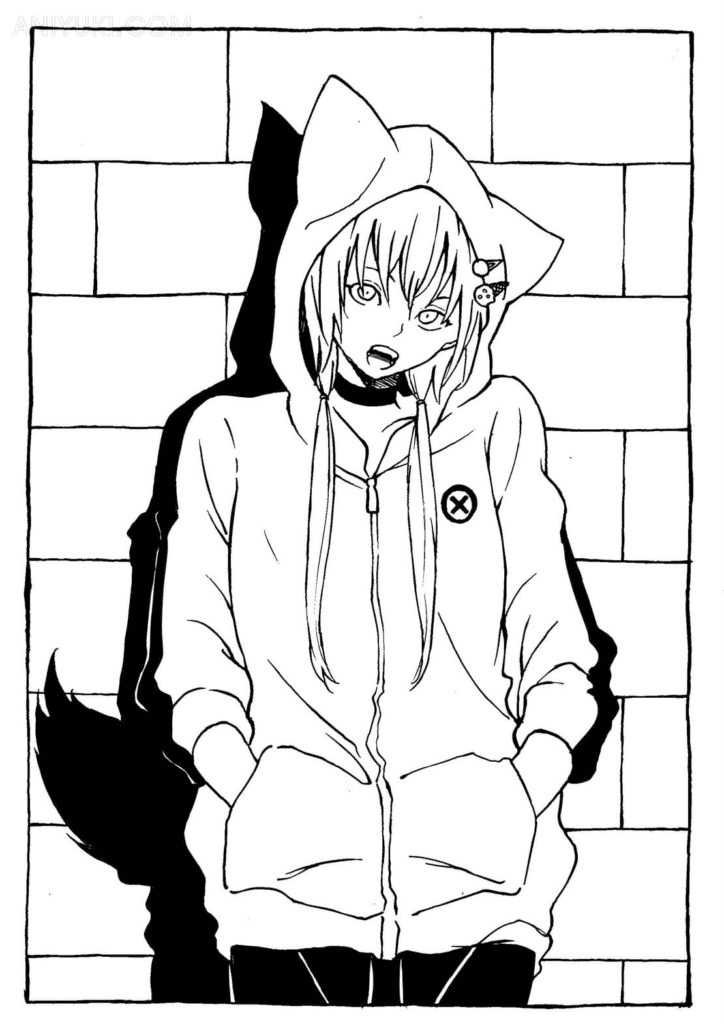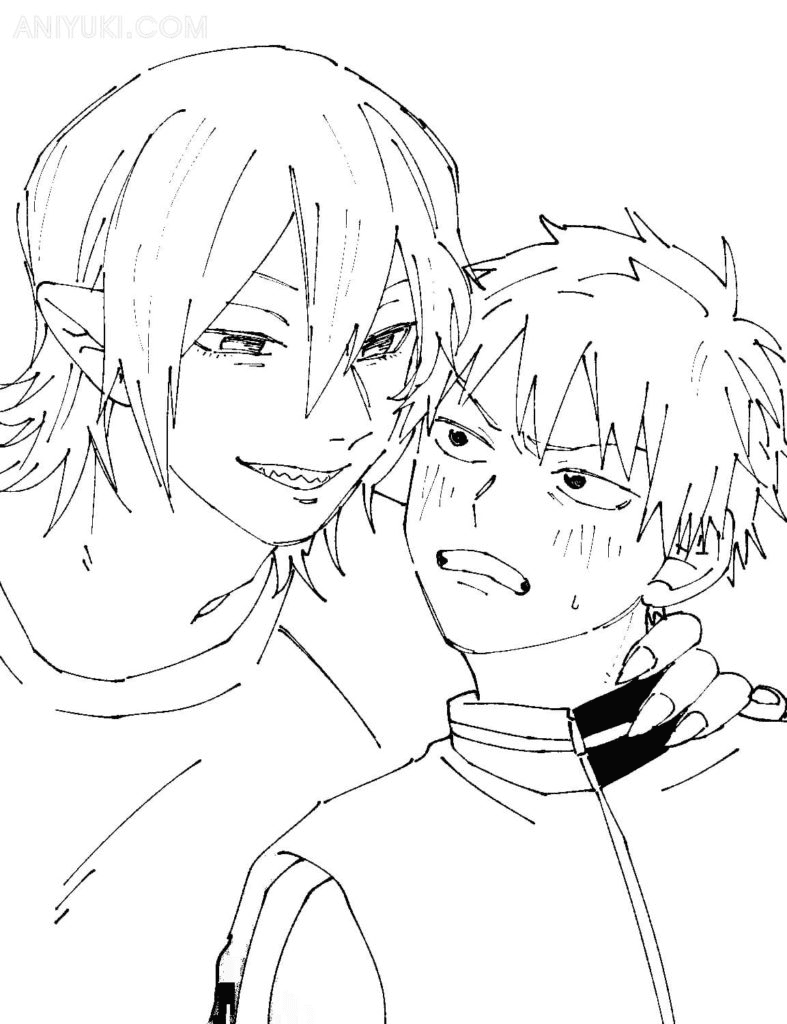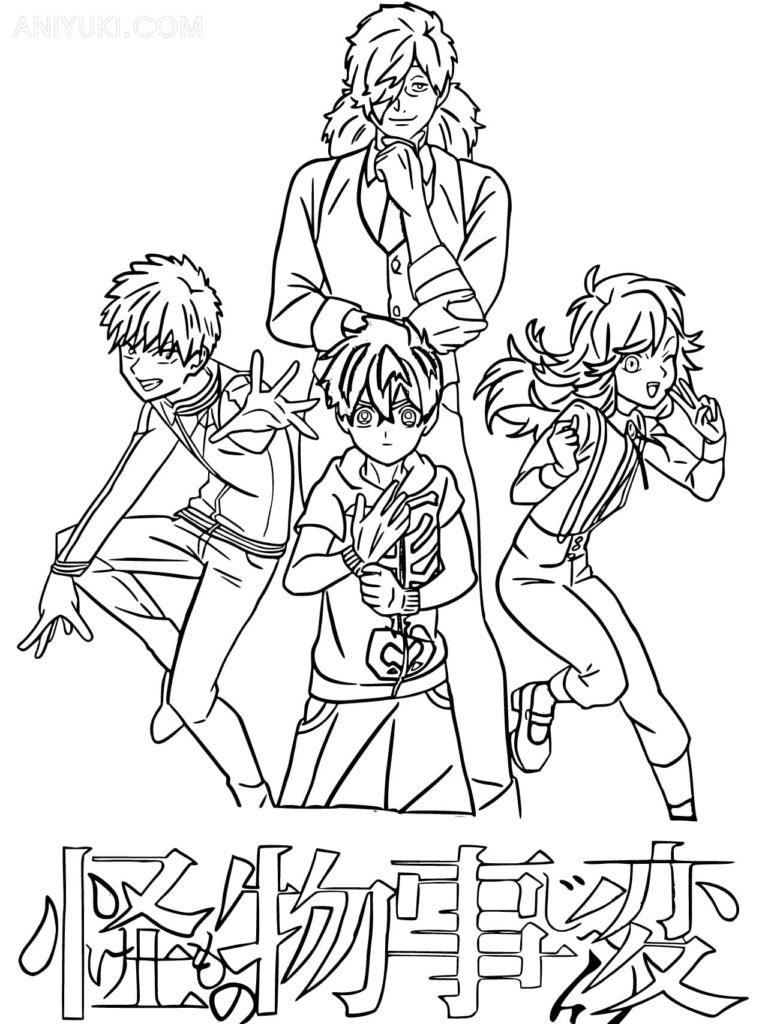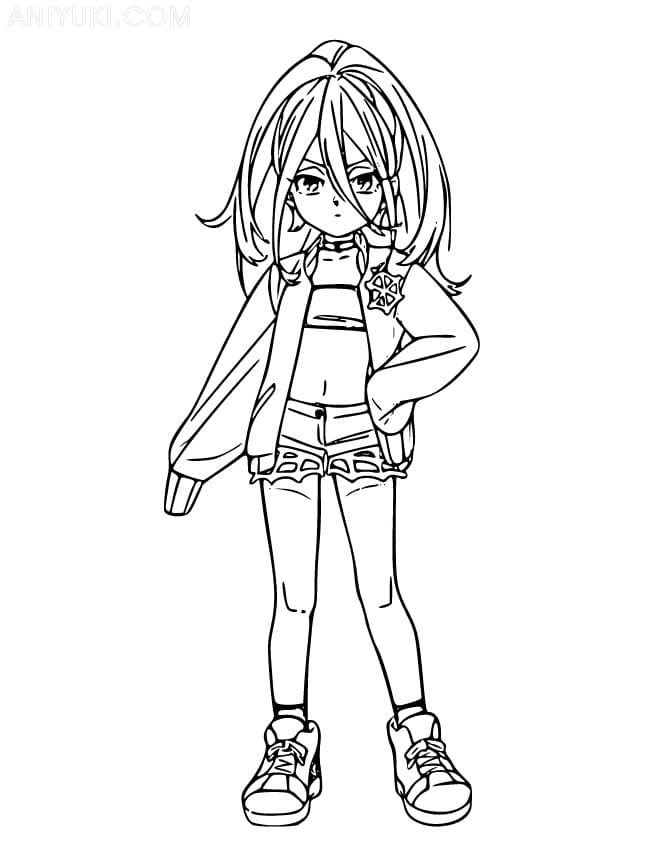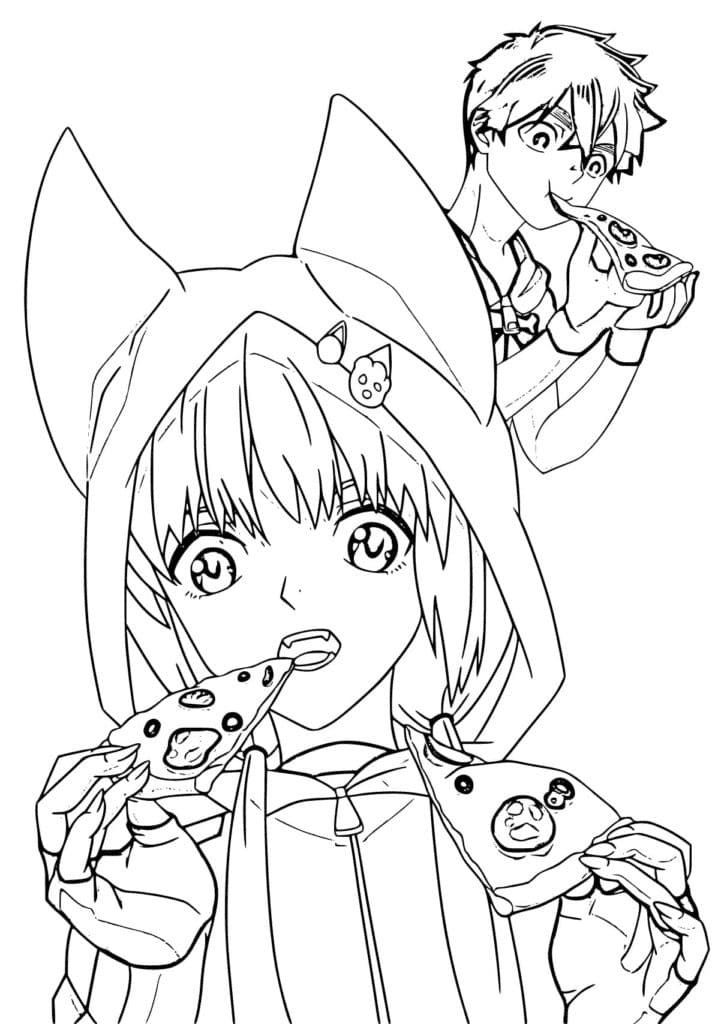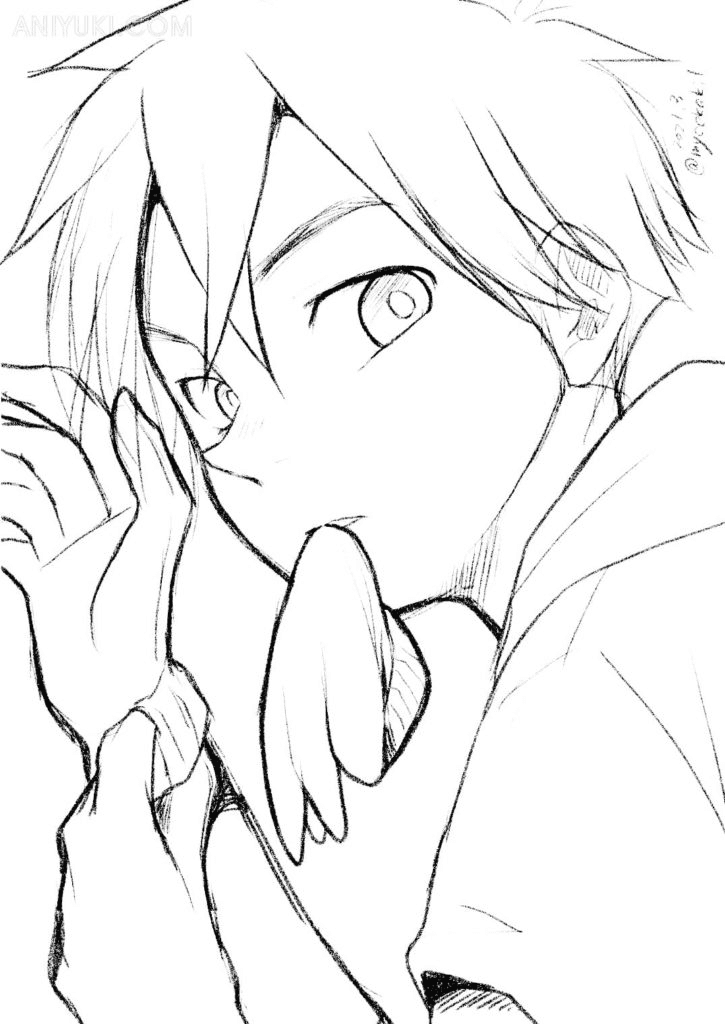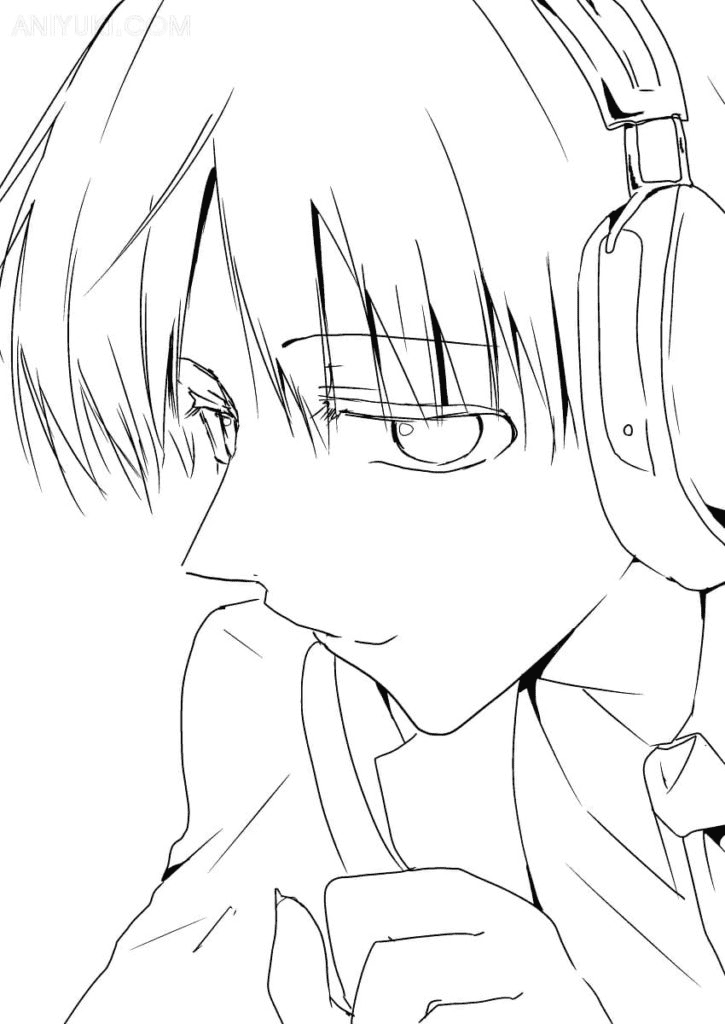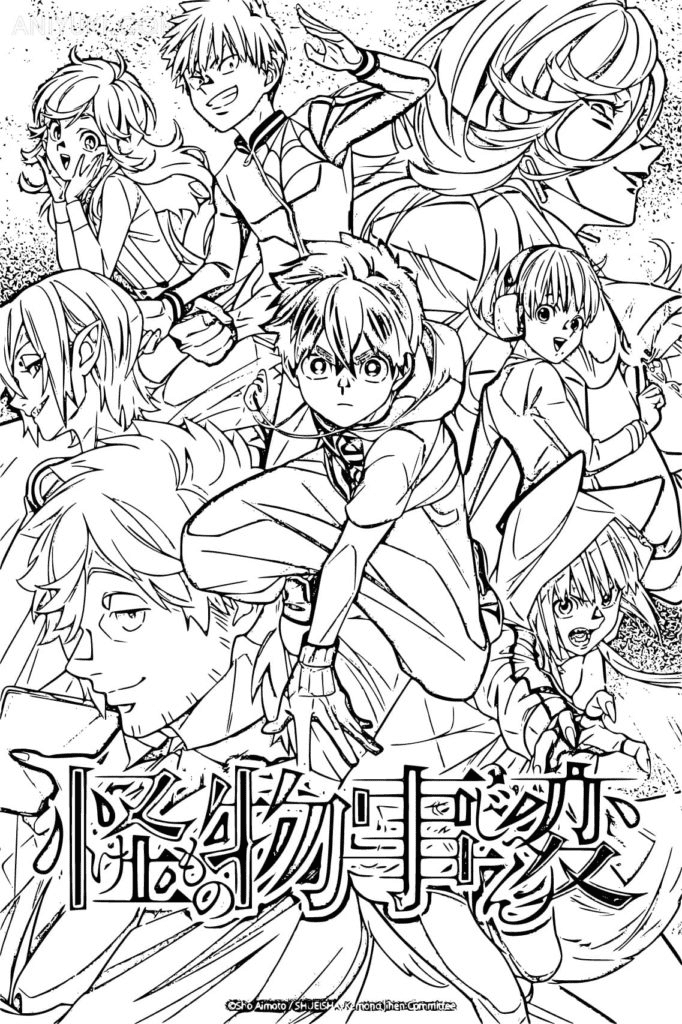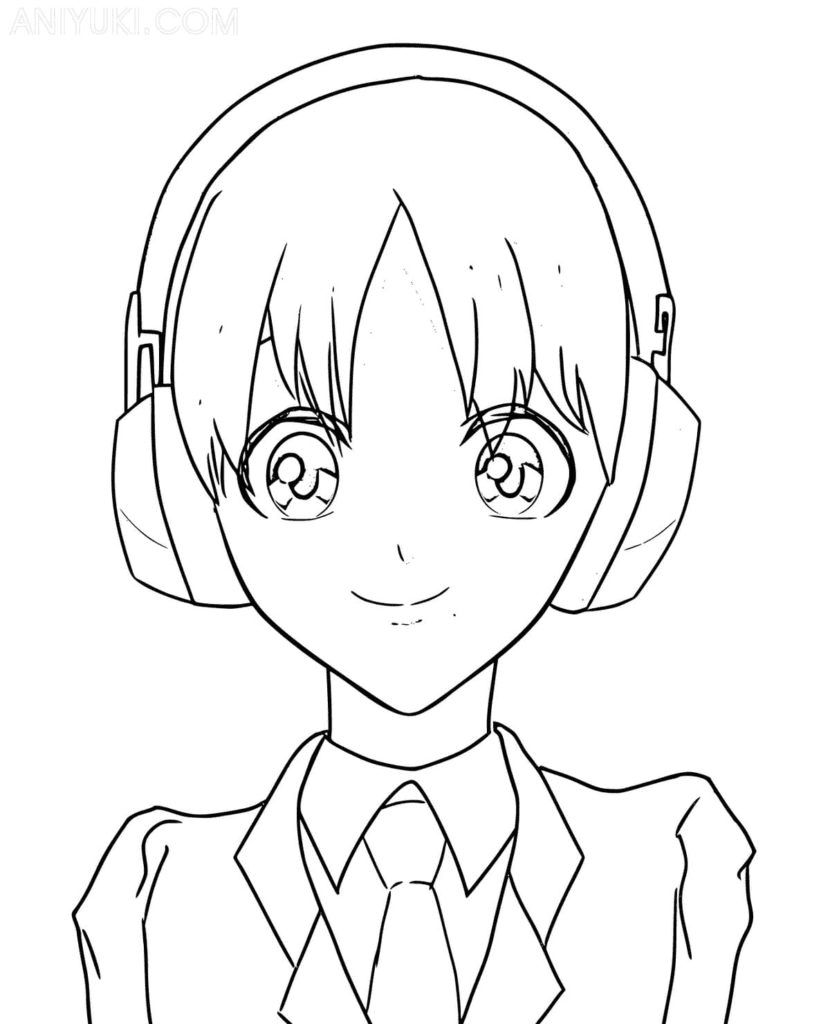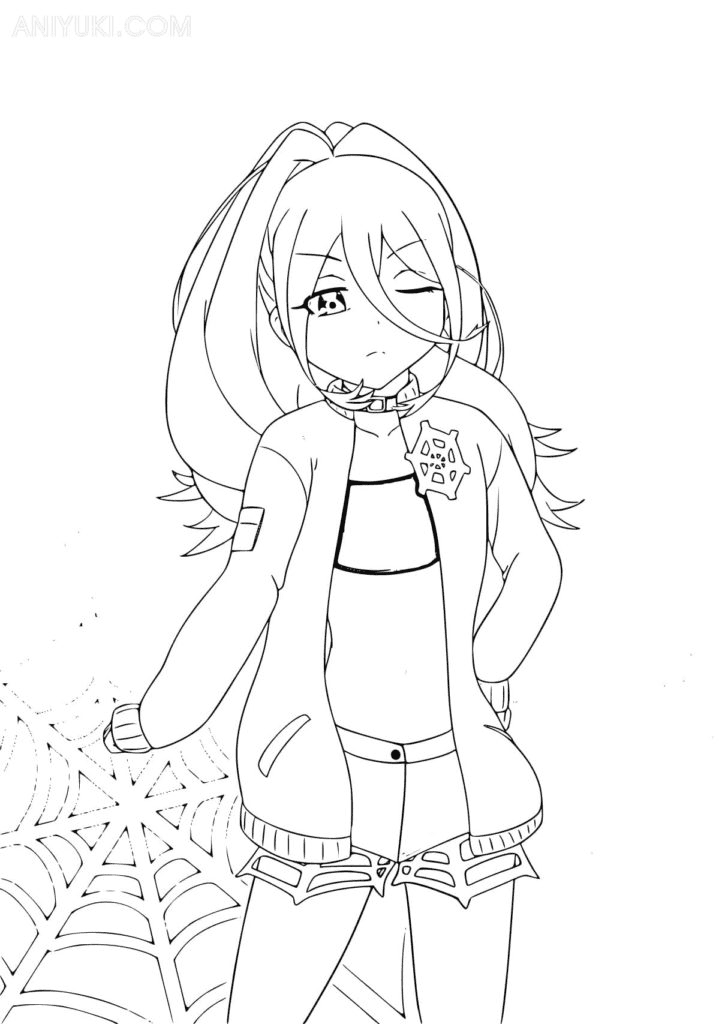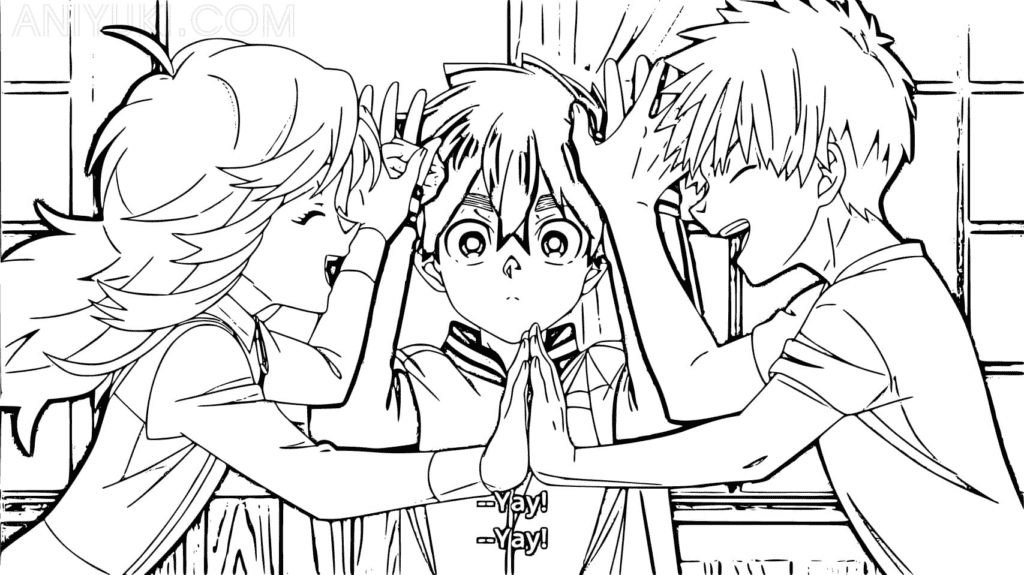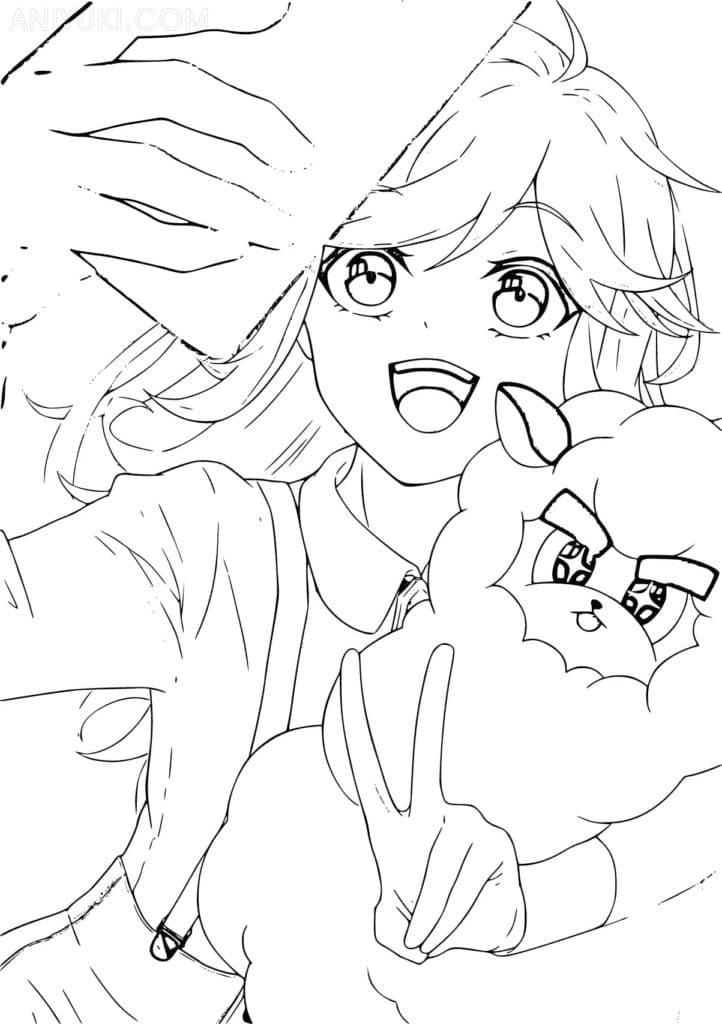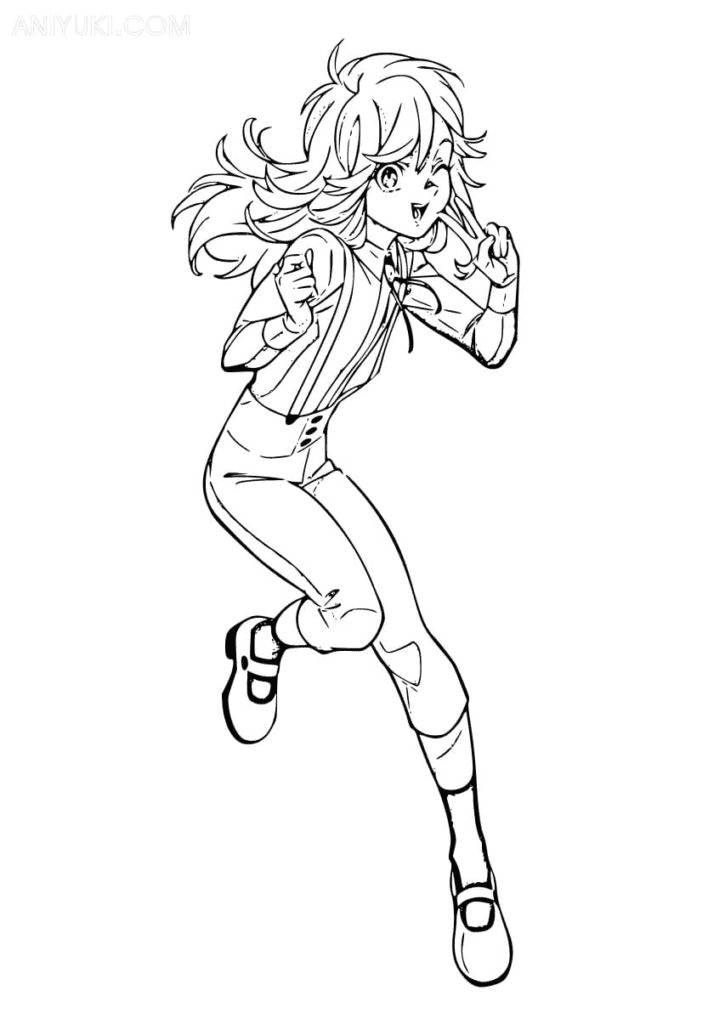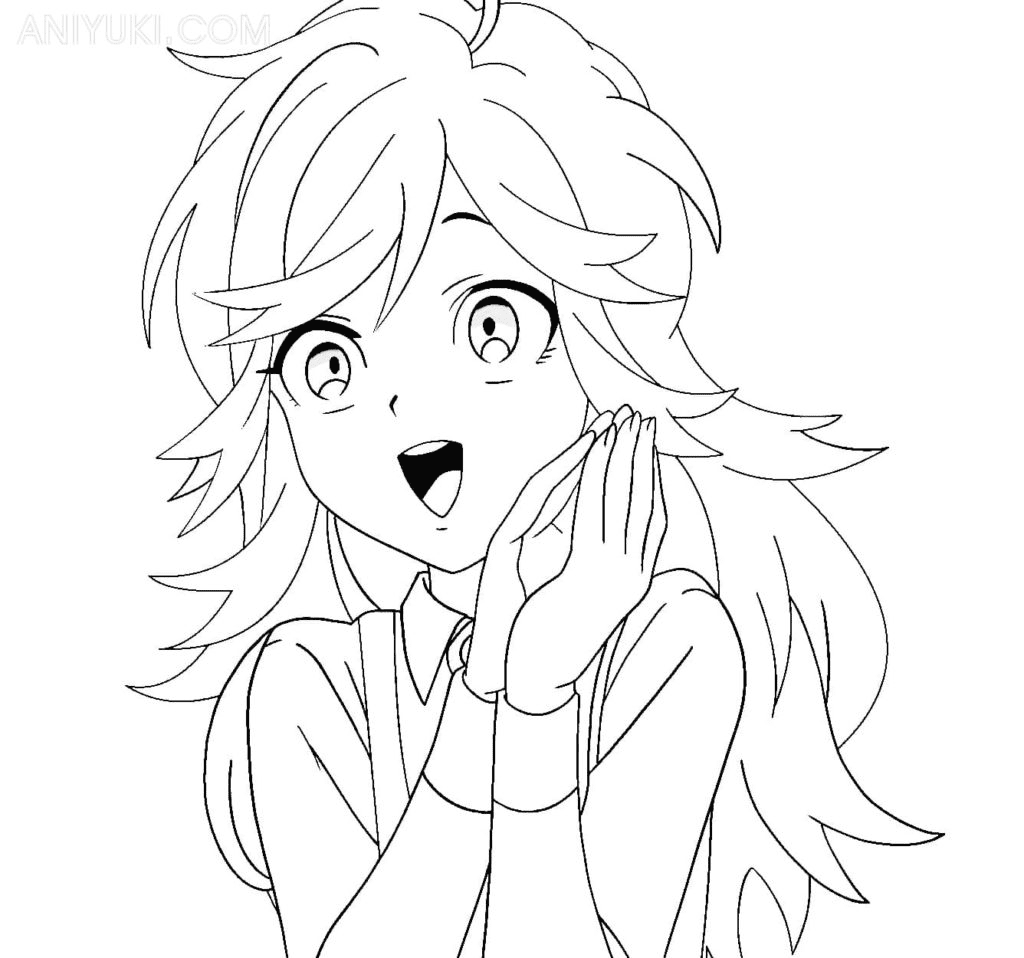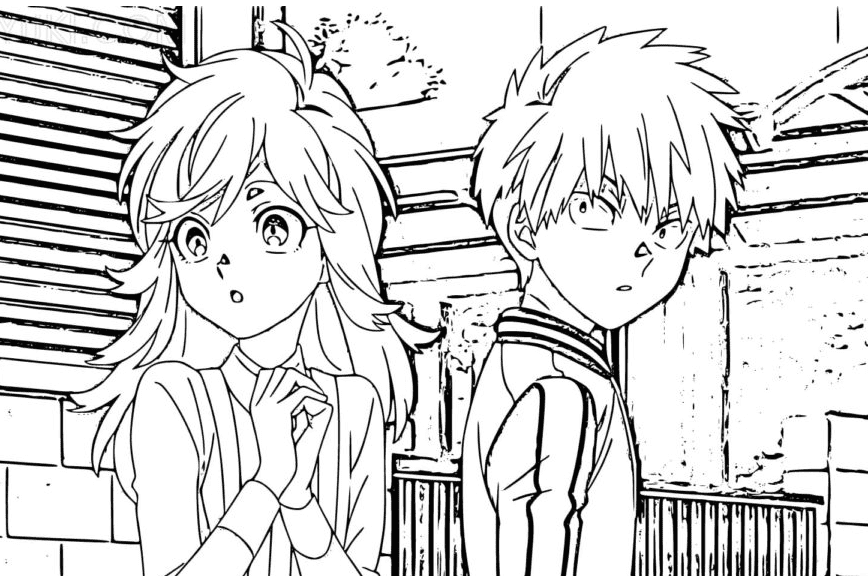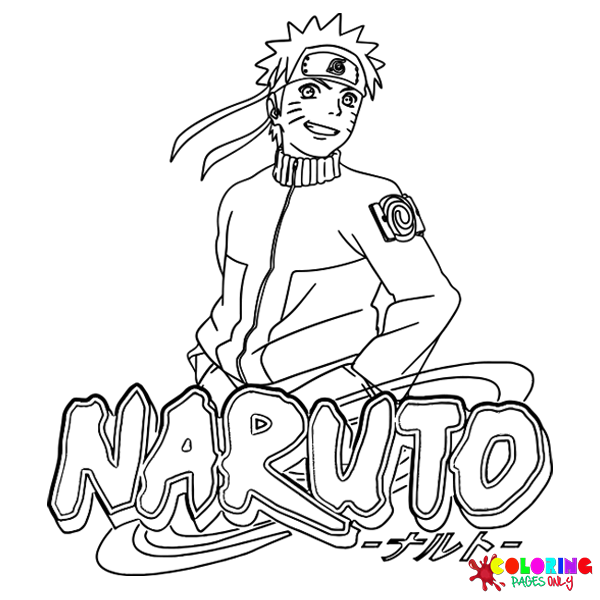
Free Kemono Jihen coloring pages: 40+ pages featuring Kabane Kusaka in portrait and action poses with his distinctive white hair and red eyes alongside the lifecore stone he wears around his neck, Shiki in his elegant styling with dark hair and proud bearing, Akira in the pale, frost-touched visual register of the yuki-onna kemono, Inugami in his detective agency context, group compositions of the main cast of the Kemono Jihen Agency, kemono transformation and supernatural effect pages, battle and action scenes drawing on the series’ yokai-themed combat, chibi character designs, and the full visual vocabulary of the dark fantasy supernatural action series rooted in Japanese folklore tradition. All free, printable PDFs and online coloring for fans of the series.

Kemono Jihen (怪物事変, “Monster Incidents”) is a manga written and illustrated by Shō Aimoto, which began serialization in Shueisha’s Jump SQ. Crown in May 2016 before moving to Jump SQ and following that magazine’s discontinuation later the same year. The title combines “kemono” (怪物, monster or strange creature) with “jihen” (事変, incident or emergency): a title that accurately describes both the series’ content (investigations of supernatural monster incidents) and its tone (the specific quality of urgency that the word “jihen” carries in Japanese, suggesting events with significant consequences rather than routine supernatural encounters).

The anime adaptation was produced by Ajia-do Animation Works, directed by Masaya Fujimori, and aired from January 10 to March 28, 2021, on TV Tokyo, covering twelve episodes across a single season. The opening theme was “EVOKE” by EMPiRE; the ending theme was “Bless Your Breath” by Akari Nanawo.

The series draws its supernatural beings from the Japanese yokai tradition, a category of supernatural creatures, spirits, and phenomena documented in Japanese folklore since at least the Heian period (794-1185 CE), catalogued in illustrated volumes from the Edo period (including Toriyama Sekien’s Gazu Hyakki Yakō, published 1776), and continuously present in Japanese popular culture through works including Shigeru Mizuki’s GeGeGe no Kitaro (manga, 1959 onward), Studio Ghibli’s Spirited Away (2001), and countless other anime and manga.

These 40+ free pages at ColoringPagesOnly.com cover the full Kemono Jihen cast. All free, PDF or PNG, print or color online.

What’s Inside

Kabane Kusaka: Portrait and Action Pages

Kabane is the series’ protagonist and the character around whose specific circumstances the narrative is organized: a young boy (approximately eleven to twelve years old at the story’s beginning) who has spent his childhood being mistreated as a farm laborer, called by the derogatory nickname “Dorotabou” by the farmers who exploited him, isolated from peers and ordinary childhood experience, and yet who processes none of this through self-pity or bitterness but simply through a fundamental directness about what the world is and how to move through it.

His visual design encodes his nature immediately: the white or very pale silver hair and the red or vivid pink eyes mark him as a being who is not entirely human, their unusual coloring in the real-world range communicating the supernatural component of his biology before any explicit explanation is given. He is a half-kemono: his father was human, his mother was a tanuki (the raccoon dog supernatural being of Japanese folklore, associated with shapeshifting and luck). The combination produced a child who appears largely human but whose kemono inheritance gives him the specific ability called “Lifeless”: he feels no pain, does not bleed, and can regenerate from injuries that would be permanently disabling or fatal to an ordinary person.

The lifecore stone (命石, inochi ishi) he wears on a chain around his neck was given to him by his mother. It is the tangible connection to her and to the supernatural world of his heritage, and it appears in virtually every depiction of the character as the most personally significant accessory of his design.

Coloring Kabane portrait pages: The hair is pale white or very light silver-grey, applied at light pressure to maintain the pale, slightly cool quality rather than reading as vivid white paint. The eyes are the design’s most vivid element: vivid red or vivid rose-pink, applied at full saturation. They are the warmest color element in what is otherwise a cool, pale palette. His skin is a warm light tone. His clothing is simple: plain dark school uniform or casual wear, providing maximum contrast to the pale hair and vivid eyes. The lifecore stone on its chain is warm amber-gold or pale gold.

Shiki: The Ushi-Oni Kemono

Shiki is the series’s most immediately visually striking supporting character: a kemono of the ushi-oni type (牛鬼, literally “ox-demon” or “ox-ogre”), a supernatural creature from Japanese folklore specifically associated with coastal areas of western Japan and described in various regional traditions as a terrifying spider-like or ox-like entity. Shiki’s interpretation of the ushi-oni type emphasizes the spider elements of the tradition: his kemono abilities are connected to thread-spinning and weaving capabilities that function as powerful combat tools.

His visual design contrasts with Kabane’s in almost every dimension: where Kabane is pale, simple, and unelaborated, Shiki is dark-haired, elegantly dressed, and carries the specific bearing of someone from a wealthy kemono household who has been taught from early life to present himself as superior to the circumstances around him. His red eyes connect him visually to Kabane (both have red eyes), creating a visual kinship beneath their personality contrast.

His proud initial personality, which reads as cold and dismissive to those who encounter him, is established in the story as a product of his background rather than his fundamental character: it gives way, over time, to a more genuine connection with Kabane and the other members of the agency.

Coloring Shiki pages: His hair is dark, near-black,k or very dark brown. His eyes are the same red as Kabane’s, vivid and fully saturated. His clothing is the most elaborate in the collection: elegant, carefully styled, often with distinctive decorative elements. Apply dark, rich colors to his clothing: deep navy, dark burgundy, or near-black for his primary garments, with any decorative trim in contrasting lighter tones. The overall palette is dark and sophisticated, creating maximum contrast with both Kabane’s pale design and Akira’s winter-white presentation.

Akira: The Yuki-Onna Kemono

Akira is a yuki-onna kemono (雪女, literally “snow woman”), the supernatural figure from Japanese folklore associated with snowstorms, cold environments, and the specific quality of winter’s danger and beauty that exists before and after the storm itself. The yuki-onna appears across Japanese folklore in numerous variants: sometimes as a malevolent spirit who freezes travelers lost in snowstorms, sometimes as a more ambivalent entity whose relationship to the humans she encounters is complex and conditional.

Akira’s interpretation of the yuki-onna is gentle and young: the character’s personality is soft, kind, and sometimes overwhelmed by the complexity of the world, which contrasts with the more traditionally threatening associations of the yuki-onna type. The folklore’s dangerous aspects are present in Akira’s abilities (ice and cold manipulation), but the character’s fundamental orientation toward the other agency members is warmth and loyalty rather than threat.

The visual design reflects the yuki-onna’s essential nature: pale complexion, very light or white hair that reflects winter’s bleached coloring, and the overall impression of something that belongs to a cold, still, winter-perfect environment rather than to the warm, busy, complicated world the story inhabits.

Coloring Akira pages: The hair is pure white or very pale blue-white: the specific color of fresh snow or of ice lit by winter sun. Apply at light pressure with a very pale blue or pale grey to suggest the cool quality of the color rather than the flat white of unpainted paper. The skin is pale, cooler in tone than Kabane’s warmth. Any ice or cold effect elements visible in pages showing Akira’s abilities use pale blue-white at the center of the effect (most intense cold), graduating to very pale blue at the edges. The overall palette is the coolest and most winter-toned in the collection.

Inugami: The Detective

Inugami (犬神, “dog god”) is the adult figure around whose agency the story is organized: an investigator of supernatural incidents involving kemono, who operates a small detective agency in Tokyo that specifically handles cases that ordinary human investigators cannot address because they do not know that kemono exist. His name references the inugami, a supernatural entity from Japanese folklore associated with dog spirits and with certain regional traditions of spiritual possession.

He is the character who discovers Kabane at the rural farm, recognizes his kemono nature, and brings him to Tokyo to work at the agency. This act of rescue is the story’s catalyzing event, and the relationship between Inugami and Kabane is the emotional core around which the series’s larger supernatural investigations are organized.

His visual presents as an adult man with distinctive features: his design in various illustrations shows dark hair and the specific understated presentation of someone who operates in hidden spaces between the human and supernatural worlds, whose unobtrusive appearance is itself a tool for investigation.

Coloring Inugami pages: His palette is the most conventionally adult in the collection: dark hair, professional or business-casual clothing in dark tones, the overall presentation of someone who looks ordinary and is not. Apply dark, muted tones to his clothing. His most distinctly supernatural element, visible in pages showing his kemono nature, uses the specific visual language of the dog spirit.

Yokai Supernatural Effect Pages

Several pages in the collection show the supernatural effects of kemono abilities in active use: the specific visual language for kemono combat and supernatural power in the manga and anime. Each kemono type’s powers reflect the folklore traditions of the yokai they are derived from: Kabane’s regeneration effects show the specific visual of wounds closing and limbs reforming; Shiki’s spider-web-derived combat abilities show thread and weaving effects; Akira’s yuki-onna abilities show ice crystallization and snow formation.

These pages are the collection’s most visually dramatic and the ones that most directly reference the yokai folklore traditions underlying the character designs. The visual of supernatural powers in use connects the characters to the specific natural phenomena associated with their yokai types in the original folklore.

Coloring supernatural effect pages: Apply the specific elemental color associated with each character’s yokai type: cold blue-white for Akira’s ice effects, dark thread-like dark brown or near-black for Shiki’s ushi-oni web abilities. Energy effects around Kabane’s regeneration use the warm amber-red of his lifecore stone’s energy or the cooler blue-white of his lifeless regeneration aura, depending on the specific page design.

What These Pages Do

The Japanese yokai tradition that underlies Kemono Jihen is one of the world’s most extensively cataloged supernatural folk traditions. The scholar and folklorist Toriyama Sekien published four illustrated volumes of yokai categorizations between 1776 and 1784, collectively called Sekien’s Yokai Encyclopedia, which standardized the visual representation of many yokai types that subsequent artists and storytellers have drawn on. Shigeru Mizuki (1922-2015), the manga artist and yokai scholar, spent much of his career creating encyclopedic references to the yokai tradition and is credited with introducing many historical yokai to contemporary Japanese popular culture through his manga GeGeGe no Kitaro (始まりから1959年).

The yokai types specifically referenced in Kemono Jihen have documented histories in the folklore: the tanuki (raccoon dog) appears in Japanese folklore as a shapeshifting trickster associated with luck and abundance, often depicted with oversized magical attributes; the yuki-onna (snow woman) appears in texts from at least the Muromachi period (1336-1573); the ushi-oni (ox-demon) appears in regional folklore of western Japan including the Sanin region; and the inugami (dog spirit) is associated with specific regional traditions of spiritual practice in western Japan.

The American Academy of Pediatrics identifies fine motor skill development as a key childhood milestone throughout early childhood. The pale hair precision work on Kabane and Akira pages, the ice effect gradient coloring for Akira’s abilities, the complex clothing detail of Shiki’s elegant styling, and the lifecore stone’s specific gem-and-chain rendering all provide sustained fine motor challenge across the collection’s age range. The 2005 Art Therapy Journal study on structured coloring and anxiety reduction applies throughout.

How to Color These Pages Well

Kabane’s pale white hair requires restraint: light pressure that keeps the hair pale rather than painted white. The most common error on Kabane pages is applying too much pressure to the white or pale grey of his hair, producing a painted, flat result rather than the soft, pale quality the character’s design requires. Apply the lightest available grey or very pale blue-grey at minimum pressure across the hair mass, leaving highlights at the natural light-catching points (the top of the head, any prominent locks) at the paper’s natural white or near-white.

Akira’s coloring is the coolest in the collection: deliberately shift every color decision toward the cool end of its family. Where Kabane’s pale design uses a warm undertone (his skin is warm, his eyes are warm red), Akira’s pale design should use a cool undertone throughout. The hair is cool white (with the faintest blue-grey suggestion), the skin is cool pale (with the faintest blue-grey rather than warm peach), and any clothing elements use cool tones rather than warm ones. This systematic cool shift distinguishes the two pale characters from each other.

Shiki’s dark palette requires the three-zone value technique applied consistently across all dark garment surfaces. His elegant clothing covers large surface areas in very dark tones. Apply the base near-black or dark navy at full coverage. Then identify the most directly lit edges (the very top of each shoulder, the front fold of a jacket) and apply a slightly lighter version of the same dark tone there. The deepest recesses (the shadow underneath a lapel, the interior of a sleeve) use the darkest available tone. This three-zone approach prevents the dark clothing from reading as a flat black void.

The lifecore stone should be warm amber-gold with a specific interior glow. The stone is the warmest, most vivid single element in Kabane’s otherwise cool, pale design. Apply warm, vivid amber-gold at full saturation across the stone’s visible face. Add a slightly brighter, slightly lighter pale gold at the center of the stone to suggest the stored energy within it. The chain it hangs on is a slightly darker warm gold or grey-gold metallic.

Yokai transformation pages use the elemental palette of the specific yokai type being shown. Akira’s ice: pale blue-white, crystalline, expanding from the point of manifestation outward. Shiki’s ushi-oni thread: dark near-black lines radiating from the body, very thin at their extension points. Apply these elemental effects lightly over any background elements to suggest the supernatural energy overlaying the physical environment rather than replacing it.

5 Creative Craft Ideas

The Yokai Types Study

Kemono Jihen draws its kemono characters from documented yokai types with specific folklore origins. Kabane’s tanuki heritage connects to one of Japan’s most familiar supernatural folk figures: the shapeshifting raccoon dog associated with transformation and abundance. Shiki’s ushi-oni heritage connects to a documented category of coastal western Japan folklore. Akira’s yuki-onna connects to one of the most widely documented Japanese winter supernatural figures.

Print one portrait page for each of the three main kemono characters: Kabane (tanuki), Shiki (ushi-oni), and Akira (yuki-onna). Color each in its canonical design.

Mount all three with a folklore reference card: “Tanuki (狸): raccoon dog, documented in Japanese folklore since the Edo period, associated with shapeshifting and luck. Reference: widely depicted in Toriyama Sekien’s 1776 Gazu Hyakki Yakō. Ushi-oni (牛鬼): ox-demon, documented in regional western Japan folklore, Sanin and Shikoku regions, associated with coastal danger. Yuki-onna (雪女): snow woman, documented in texts from the Muromachi period (1336-1573), associated with winter storms and cold. Each character: a contemporary version of a centuries-old folk tradition.”

The Lifecore Stone Page

The lifecore stone (命石, inochi ishi) that Kabane wears on a chain around his neck was given to him by his mother before she disappeared. In the series’ supernatural logic, the stone is connected to the kemono’s life force and has specific significance in the story’s larger mythology. Its warm amber-gold color stands as the warmest, most personally significant color element in Kabane’s otherwise cool and pale design.

Print a Kabane close-up or portrait page that clearly shows the stone. Color the hair pale silver, the eyes vivid red, and apply maximum warmth and care to the stone.

On the backing card: “The lifecore stone (命石, inochi ishi). Given to Kabane by his mother before she disappeared. Material: warm amber, appears to have internal light. Function in the series: connected to kemono life force; carries a significance in the larger mythology that the story unfolds over multiple volumes. In Kabane’s everyday experience, the only object from his mother that he has is. The color: warm amber-gold, the single warmest element in a character design that is otherwise pale and cool. The contrast: deliberate. The stone is the warmth the character carries.”
The Dorotabou Origin Page

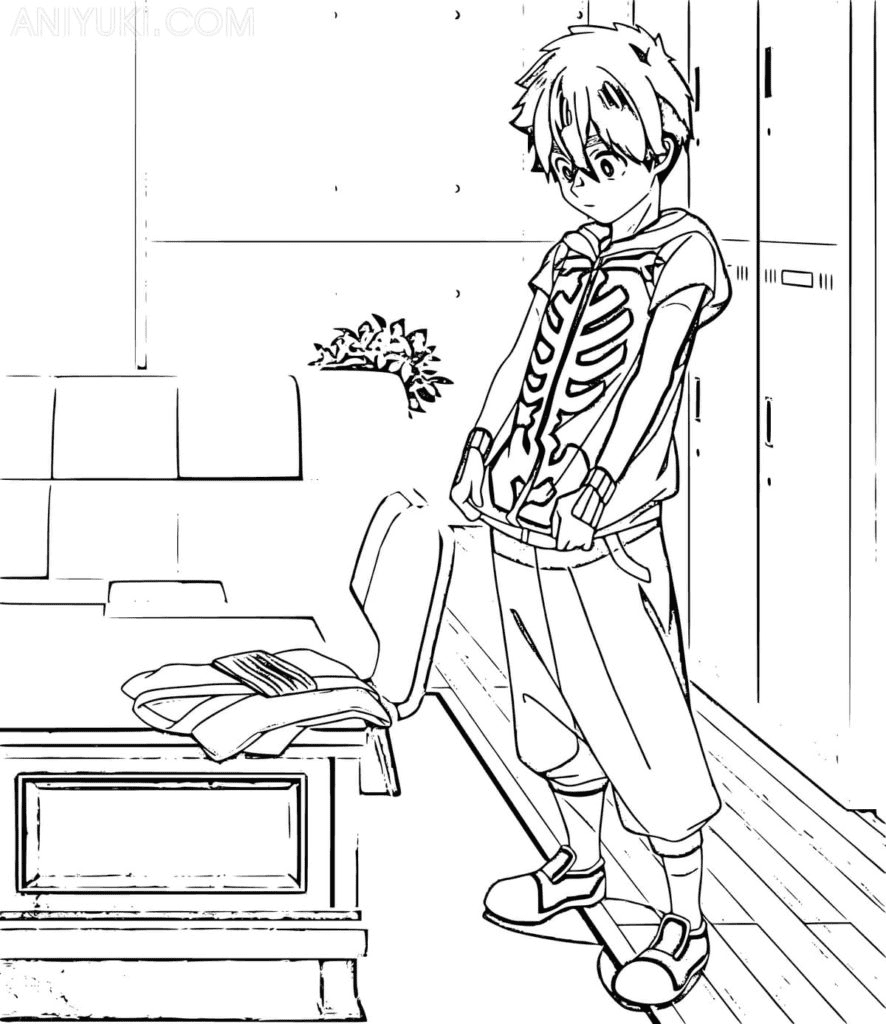
Before Kabane was known by his name, before Inugami found him, he was called “Dorotabou” (どろたぼう) by the farmers who kept him as a farm laborer. The name is derogatory, referencing a muddy spirit from Japanese folklore. His actual name, “Kabane” (骸), means corpse or bones in Japanese: a name that his background suggests was given without warmth or care.

Print the most powerful, most clearly character-communicating Kabane action page in the collection. Color with full vivid contrast: vivid red eyes against pale silver hair.

On the backing card: “Kabane (骸). Meaning: corpse, bones, remains. Called ‘Dorotabou’ by the farmers who kept him. Origin: a rural farm, isolated from the world, no schooling, no friends, no ordinary childhood. Discovered by Inugami while investigating a supernatural incident. Taken to Tokyo. Given a proper name. Given work. Given people who needed what he could do. The character’s defining quality: zero self-pity about any of this. He processes his circumstances the same way he processes everything else: directly, without drama. His name means corpse. He is not dead.”

The Kemono Agency Team Study

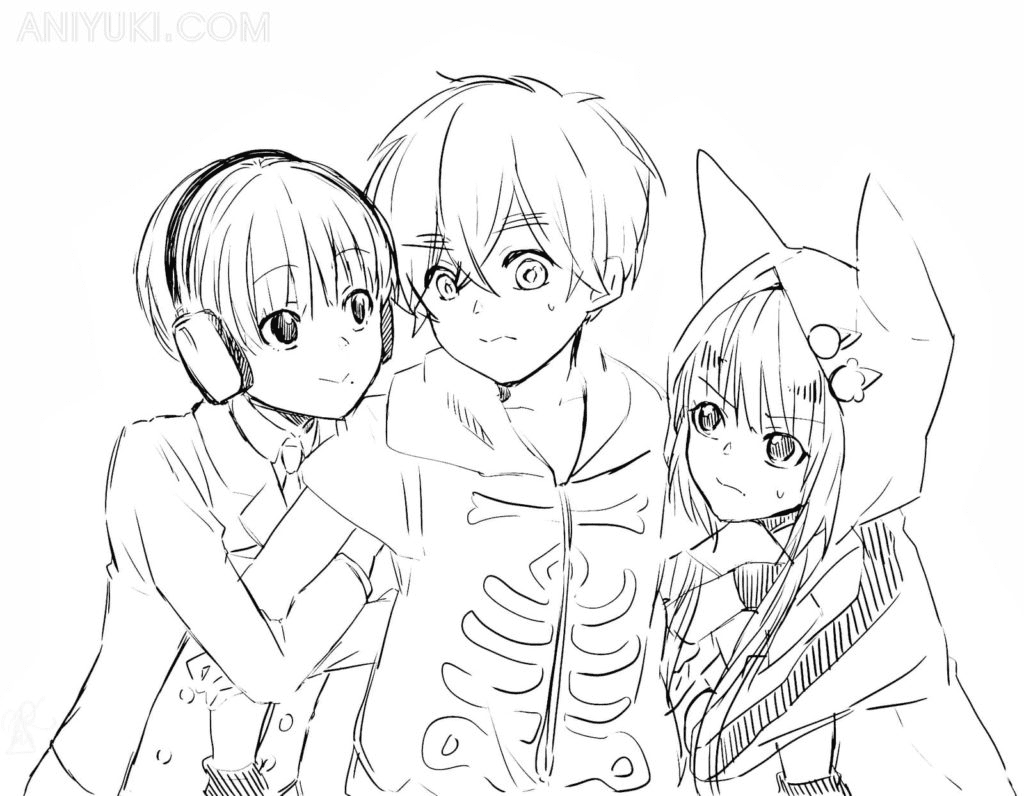
The Kemono Jihen Agency in Tokyo is the organizational setting around which the series assembles its main characters: Inugami as the agency’s founder and director, Kabane, Shiki, and Akira as the young kemono agents who work and live there. The agency’s presence gives the series its procedural structure (they investigate cases) while the characters’ relationships give it its emotional core.

Print a group composition page showing the main agency characters together. Color all in their canonical designs.

Mount: “The Kemono Jihen Agency. Location: Tokyo. Director: Inugami. Purpose: investigation of supernatural incidents involving kemono. Staff: Kabane (half-tanuki), Shiki (ushi-oni), Akira (yuki-onna). The team’s qualities: one member who feels no pain, one member with spider-thread combat abilities, and one member who can produce ice and cold. The director: an inugami, a supernatural being himself. The cases: the series’ procedural structure. The relationships: the series’ actual subject. Kemono Jihen (怪物事変, ‘Monster Incidents’): the incidents are the structure. The jihen (事変) are real. What happens between the incidents is more important.”
The Snow and Ice Design Page

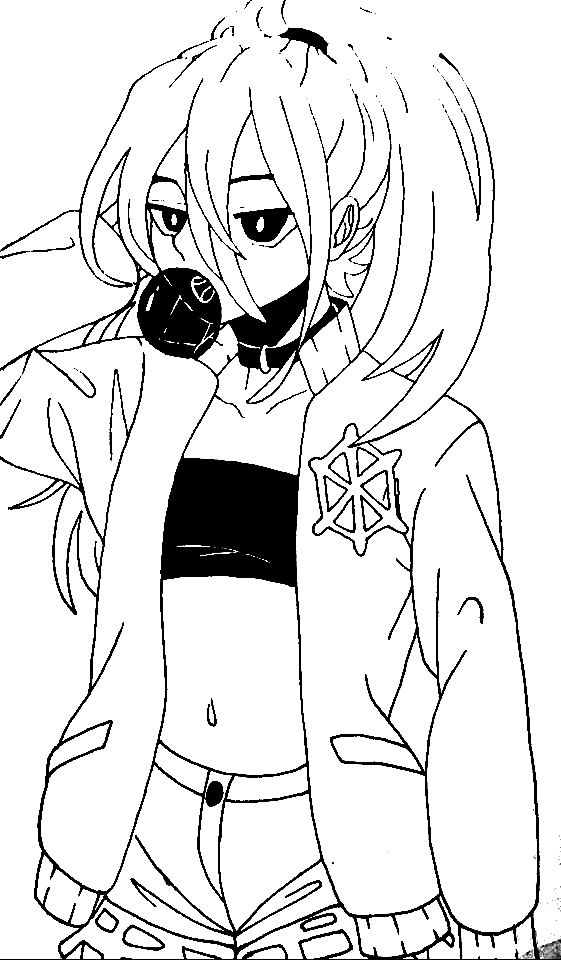
Akira’s yuki-onna nature expresses itself most directly in pages showing the ice and cold manipulation that is the yuki-onna’s characteristic power. The visual language of ice in the series draws on the specific visual vocabulary of crystalline ice formation: dendritic crystal patterns (the branching snowflake structure), clear ice with light refraction, and the specific blue-white of winter light on snow.
Print an Akira page that includes ice or supernatural cold effect elements. Color the character’s hair in cool white, the skin in cool pale tone, and the ice effects in the specific palette of cold color.

On the backing card, draw a simple snowflake structure beside the colored page: “Yuki-onna (雪女). Documented in Japanese folklore from the Muromachi period (1336-1573). Earliest literary appearance: possibly Lafcadio Hearn’s retelling in ‘Kwaidan: Stories and Studies of Strange Things’ (1904), though regional oral versions predate this significantly. Ice crystallization: dendritic structure branching from a central point at 60-degree intervals. Water in its solid phase: density 0.917 g/cm³ (lighter than liquid water, which is why ice floats). Akira’s ice ability: not water physics exactly. The folklore is older than physics. Apply the pale blue-white anyway.”

Frequently Asked Questions

What is Kemono Jihen? Kemono Jihen (怪物事変, “Monster Incidents”) is a manga series written and illustrated by Shō Aimoto, which began serialization in Shueisha’s Jump SQ. Crown in May 2016 before moving to Jump SQ and following that magazine’s discontinuation later the same year. The story is set in contemporary Japan, where supernatural beings called kemono (怪物, monsters or strange creatures drawn from Japanese yokai folklore) exist hidden within human society. The protagonist is Kabane Kusaka, a young half-kemono boy with the ability “Lifeless” (feeling no pain and extraordinary regeneration), who is discovered by the occult detective Inugami and brought to work at his Kemono Jihen Agency in Tokyo alongside two other young kemono, Shiki and Ak—an anime adaptation aired from January to March 2021, produced by Ajia-do Animation Works.

Who are the main characters in Kemono Jihen? The main cast includes four principal characters. Kabane Kusaka is the protagonist, a half-tanuki boy with white hair and red eyes whose “Lifeless” ability makes him unable to feel pain and capable of rapid regeneration; he wears a lifecore stone on a chain given to him by his mother. Shiki is an ushi-oni kemono (ox-demon type) from a wealthy kemono family, with dark hair and red eyes, whose combat abilities relate to thread and weaving derived from the spider elements of his yokai heritage. Akira is a yuki-onna kemono (snow woman type) with white hair and pale coloring, a gentle personality, and abilities related to ice and cold. Inugami is the adult detective who runs the Kemono Jihen Agency and is himself an inugami (dog spirit) kemono whose discovery of Kabane begins the story.

What are kemono in the series, and how do they relate to Japanese yokai? In Kemono Jihen, kemono are supernatural beings who exist hidden within contemporary Japanese society, each derived from a specific type of yokai from Japanese folklore. Yokai (妖怪) are supernatural creatures, spirits, and phenomena documented in Japanese folk tradition since at least the Heian period (794-1185 CE), with major illustrated catalogs produced during the Edo period, including Toriyama Sekien’s Gazu Hyakki Yakō (1776). The series draws its specific kemono types from this tradition: tanuki (shapeshifting raccoon dog), yuki-onna (snow woman), ushi-oni (ox-demon), inugami (dog spirit), and kitsune (fox spirit) are all documented yokai types with centuries of literary and artistic history that the series draws upon for its characters’ designs and abilities.

What is Kabane’s “Lifeless” ability? Kabane’s “Lifeless” (命なし, inochi nashi) ability is a consequence of his half-kemono nature: he is unable to feel physical pain, does not bleed from wounds, and has extraordinary regenerative capabilities that allow him to recover from injuries that would be permanently disabling or fatal to an ordinary person. This ability is connected to his tanuki (raccoon dog yokai) heritage through his mother’s side. The ability makes him particularly effective in situations requiring endurance under physical stress, as ordinary deterrents to action do not apply to him. The ability is balanced in the narrative by its implications: his inability to feel pain also means a separation from the normal sensory experience of existence, which the series treats with appropriate seriousness rather than as pure advantage.

What is the Lifecore stone that Kabane carries? The lifecore stone (命石, inochi ishi) is a warm amber-colored stone that Kabane wears on a chain around his neck. It was given to him by his mother before she disappeared from his life, and it is the only object he has that connects him directly to her and to the supernatural world of his kemono heritage. In the series’ supernatural mythology, lifecore stones are connected to a kemono’s vital force and have significance in the larger story’s mythology that becomes clearer as the narrative progresses. For Kabane personally, the stone is primarily the tangible evidence that his mother existed and that she thought of him: the most important object he owns.

What Japanese folklore traditions does the series draw from? The series draws from the extensive Japanese yokai tradition, a category of supernatural folk belief documented across centuries of Japanese literature, art, and regional folklore. The specific yokai types referenced include: the tanuki, a raccoon dog figure from Japanese folklore associated with shapeshifting and luck, widely depicted in Edo period imagery; the yuki-onna, a snow woman supernatural figure documented in texts from the Muromachi period (1336-1573), associated with winter storms and cold; the ushi-oni, a coastal ox-demon figure from regional western Japan folklore traditions; the inugami, a dog spirit figure associated with specific spiritual traditions of western Japan; and the kitsune, a fox spirit figure appearing across Japanese folklore as a shapeshifter associated with the Inari deity.

What age group are these pages best suited for? Kemono Jihen coloring pages are most appropriate for fans of the series and for anime enthusiasts who appreciate the supernatural action genre, generally from ages ten and older. The series itself carries content appropriate for older children and teenagers, dealing with themes of child mistreatment and neglect in Kabane’s backstory and containing battle violence in its action sequences. The coloring pages present the characters in portrait and action contexts without depicting graphic content, making them accessible for fans of the series from approximately ages eight and up, with the character recognition and series familiarity to engage meaningfully with the specific characters. The yokai folklore context, the character design precision required for the pale hair and vivid eye combinations, and the supernatural effect pages are most engaging for older children, teenagers, and adult fans who bring knowledge of the series to the coloring activity.

Browse the full collection at ColoringPagesOnly.com. All 40+ pages free, no sign-up, PDF or PNG, print or color online.

Shō Aimoto began a manga in Jump SQ.Crown in May 2016. The protagonist was a boy who had been called “Dorotabou” by the farmers who kept him. His actual name was Kabane. It means corpse. He wore his mother’s stone on a chain around his neck because she had given it to him before she left.

The supernatural beings in the series come from the yokai tradition. The tanuki: documented since the Edo period. The yuki-onna: documented since the Muromachi period. Toriyama Sekien cataloged many of them in 1776. They are in the folklore before the manga. The manga put them in contemporary Tokyo and gave them student ID cards.

Kabane cannot feel pain. He can regrow limbs. He processes his difficult past without bitterness or self-pity. He is approximately twelve years old. He is the most functional character in the cast in the specific sense that the world’s treatment of him has not changed how he processes the world.

Pick up the palest available grey or blue-grey for his hair. Apply at minimum pressure. Pick up your most vivid red or rose-pink for the eyes. Apply at full saturation. The stone on the chain is warm amber-gold: the warmest color in the composition.

Share your work on Facebook and Pinterest and tag #Coloringpagesonly. The yokai types study and the lifecore stone pages are particularly worth sharing.

Color the hair pale. Apply the red eyes vividly. The stone is the warmest element. His name means corpse. He is not dead.

These related coloring collections will help you explore the wonderful world of colors. Let’s choose, be creative, and show us your great pictures!

Emily Lewis – Lead Developer & Technical Manager

Emily Lewis is Lead Developer and Technical Manager at ColoringPagesOnly.com, based in Las Vegas. Computer Science graduate, Maharishi International University. Manages all WordPress development, site infrastructure, technical SEO, and the online coloring tool.