Prehistory Coloring Pages
 By:
Jennifer Thoa - Content Editor & Designer
Updated:
By:
Jennifer Thoa - Content Editor & Designer
Updated:
Free Prehistory coloring pages: 22 printable PDF designs featuring early humans, ancient creatures, and prehistoric daily life in portrait, activity, and cave-art styles. Each page can be downloaded as a PDF to print or colored online in the browser.
Prehistory refers to the period before written records existed, and it is traditionally divided into the Paleolithic, or Old Stone Age, followed by the Mesolithic and Neolithic periods. Early humans during the Paleolithic lived as hunter-gatherers, using stone and bone tools to hunt animals such as woolly mammoths, deer, and bison, then cooking their catch over controlled fire. They also fished and gathered berries, fruit, and nuts, and some groups built shelters using the bones and tusks of mammoths for a frame when caves were not available. Toward the end of the Paleolithic, early humans began producing some of the earliest known art, including the cave paintings found at sites like Lascaux and Chauvet-Pont-d’Arc in France, which depict mammoths, bison, and other animals in remarkably detailed pigment work, and small carved figures made from mammoth ivory. It is worth noting that dinosaurs are not technically part of human prehistory in the strict sense, since they went extinct around 66 million years before the earliest human ancestors appeared. However, the word “prehistoric” is commonly used more loosely to cover both eras.
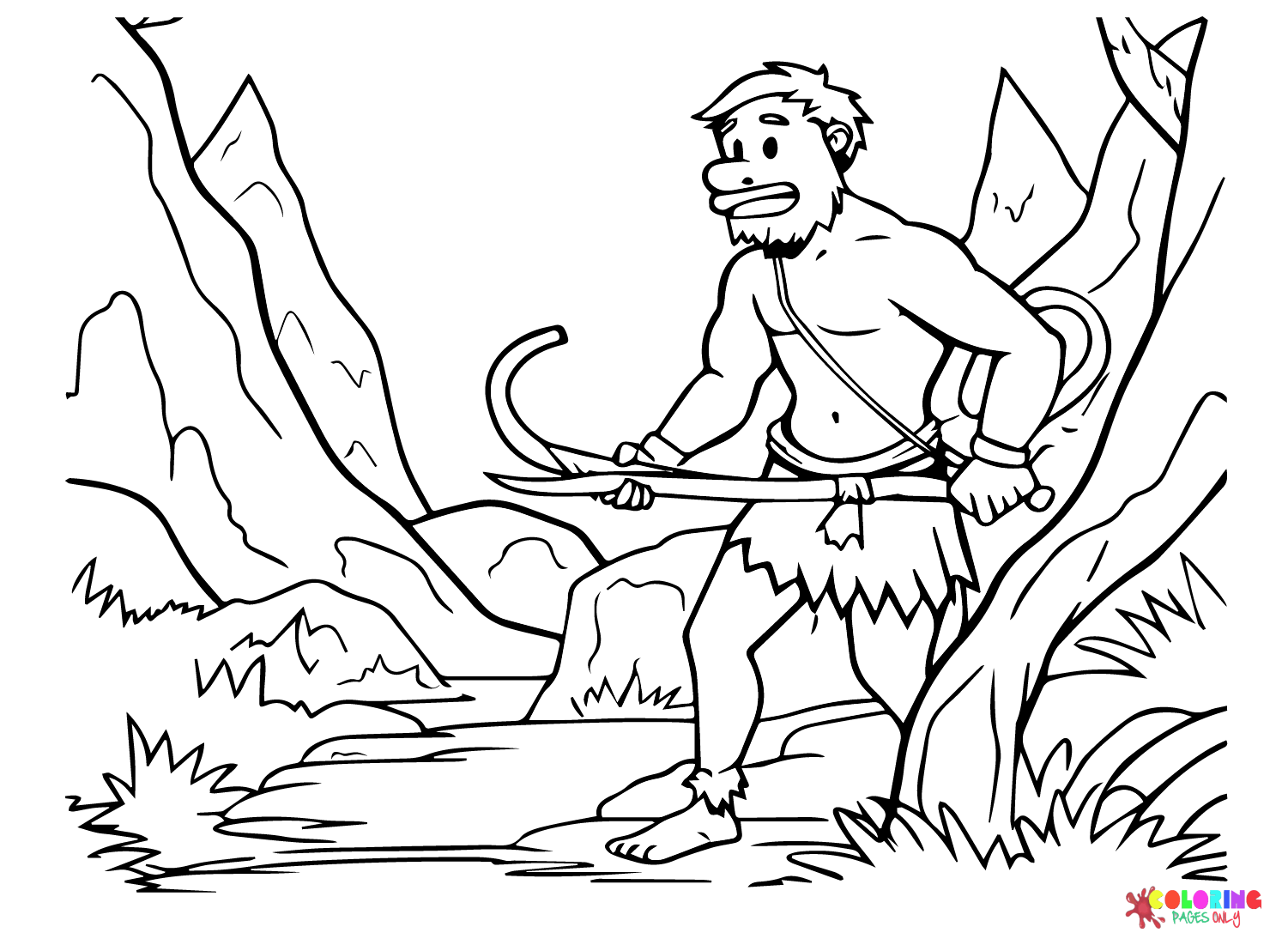
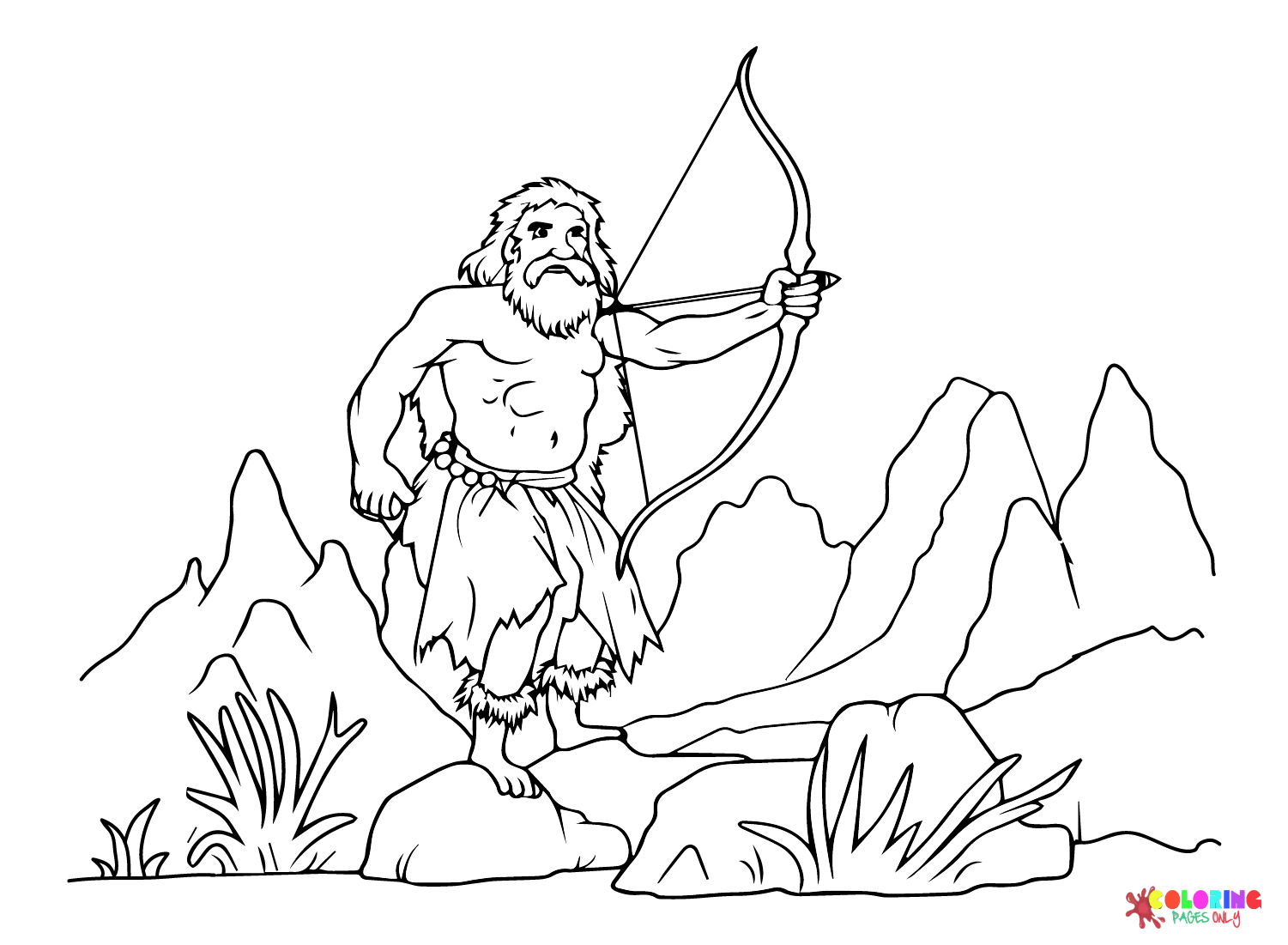
This collection groups its 22 designs into scenes of early humans at work, prehistoric creatures and dinosaurs, classic ready-to-print pages, and cave-art and stylized designs, giving colorists several ways to picture life before written history.
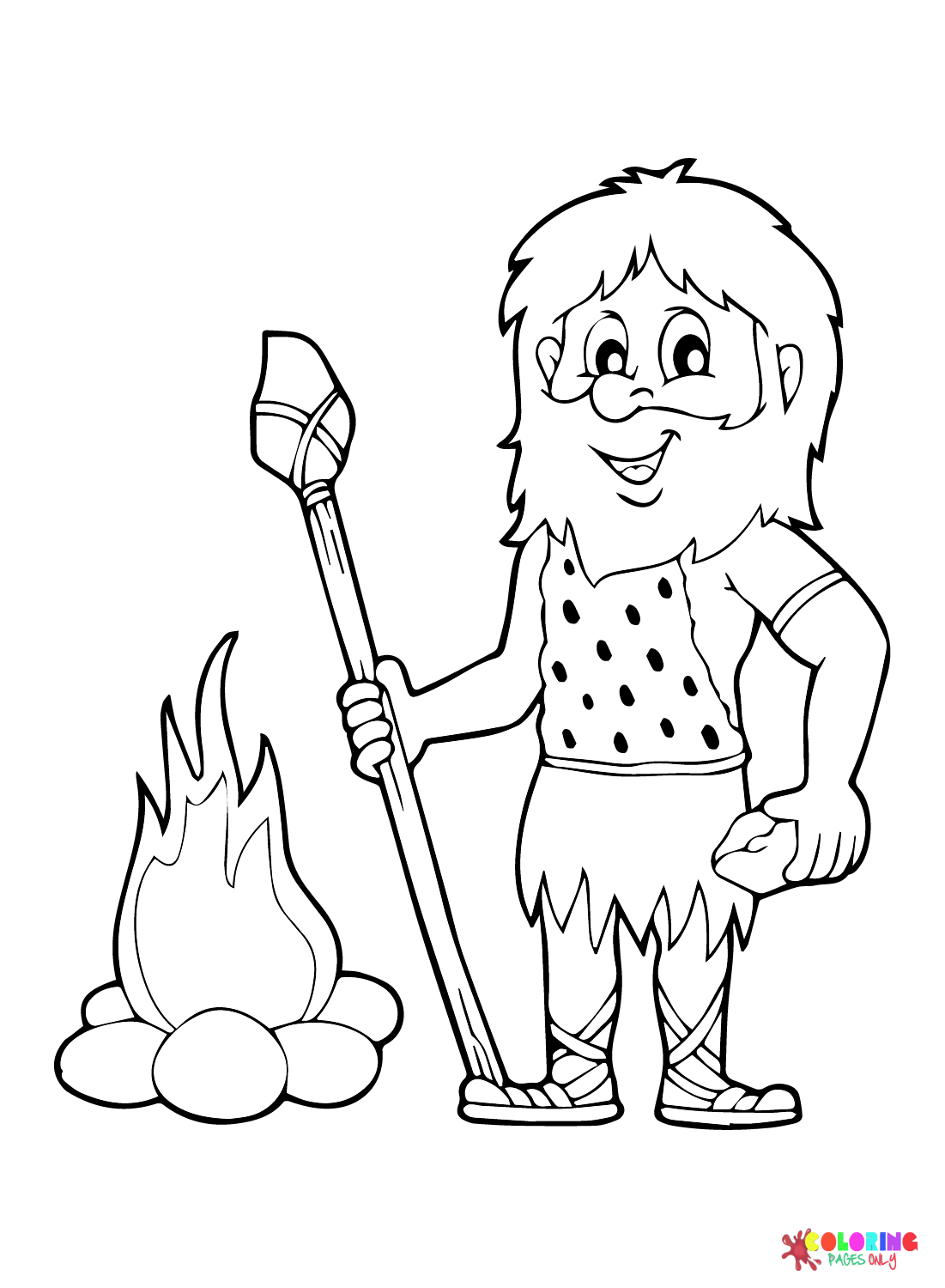
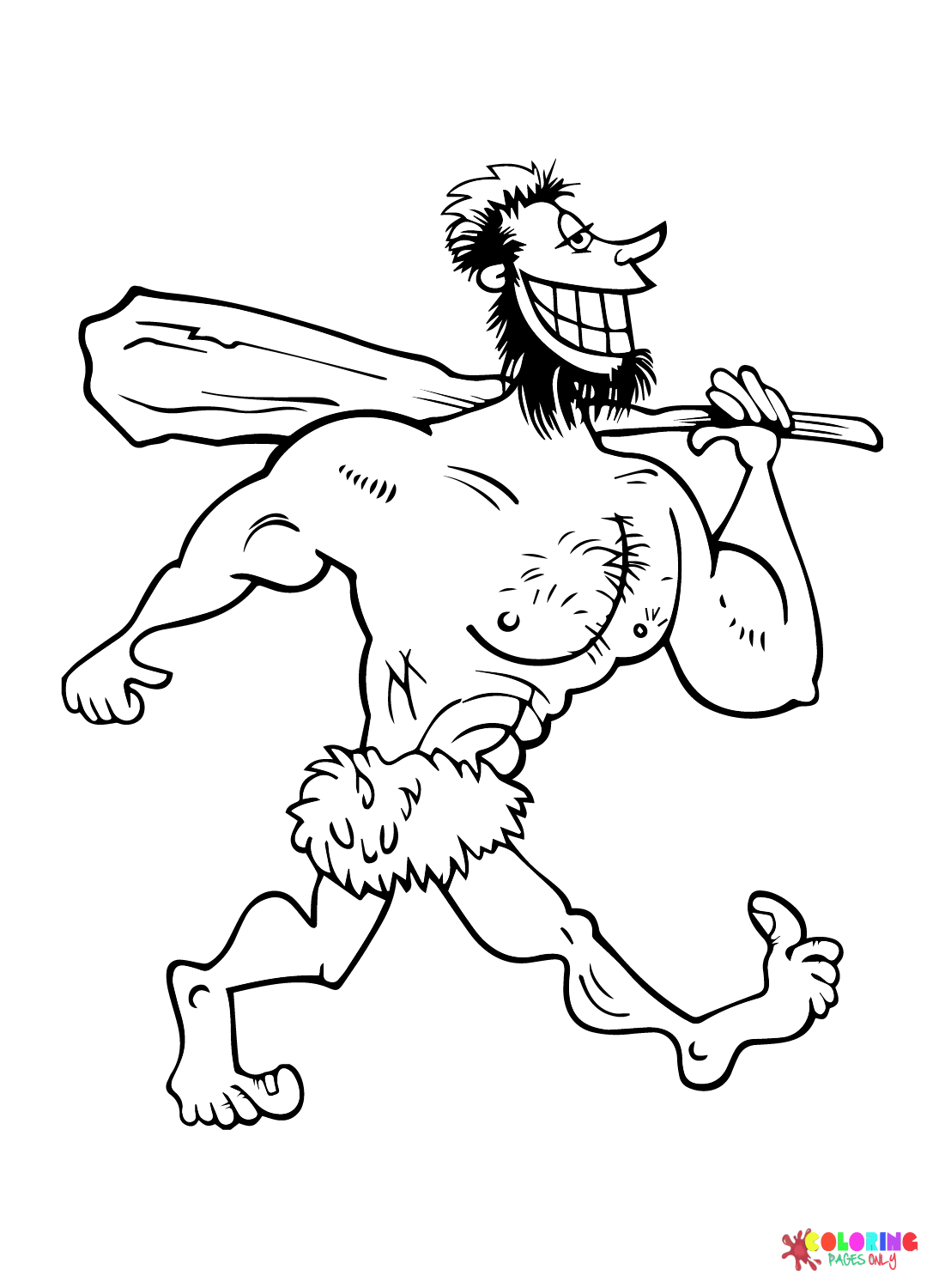
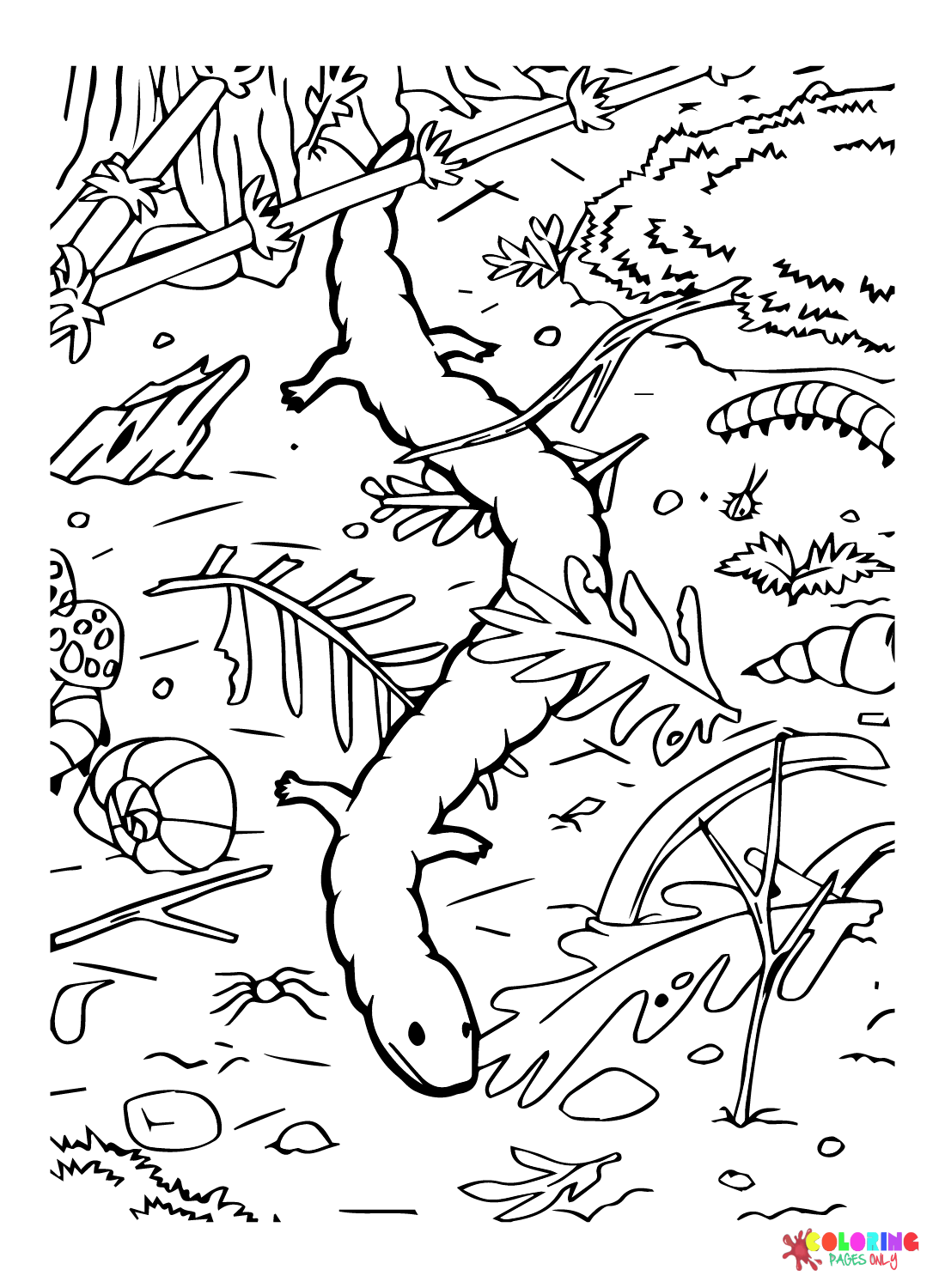
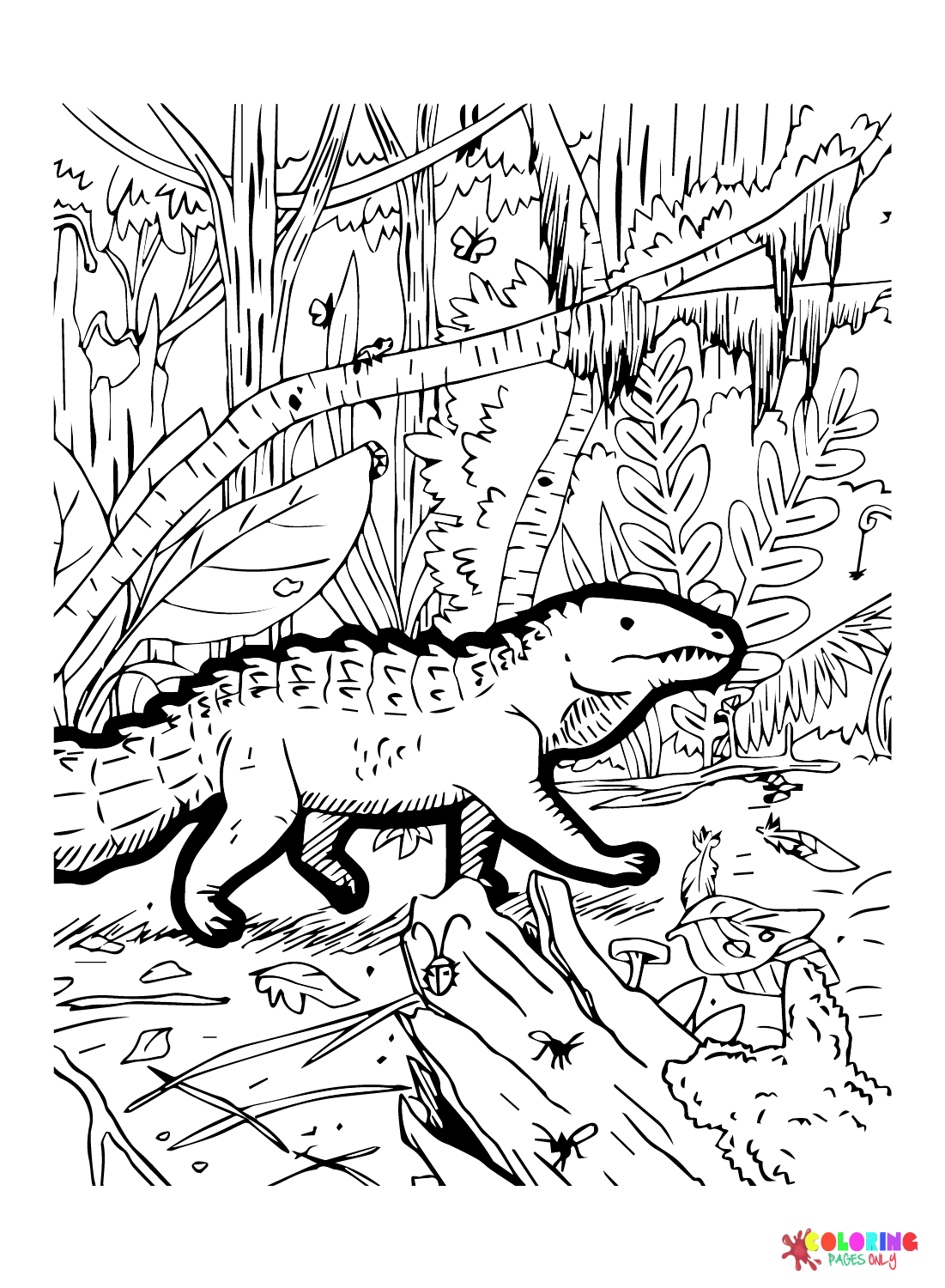
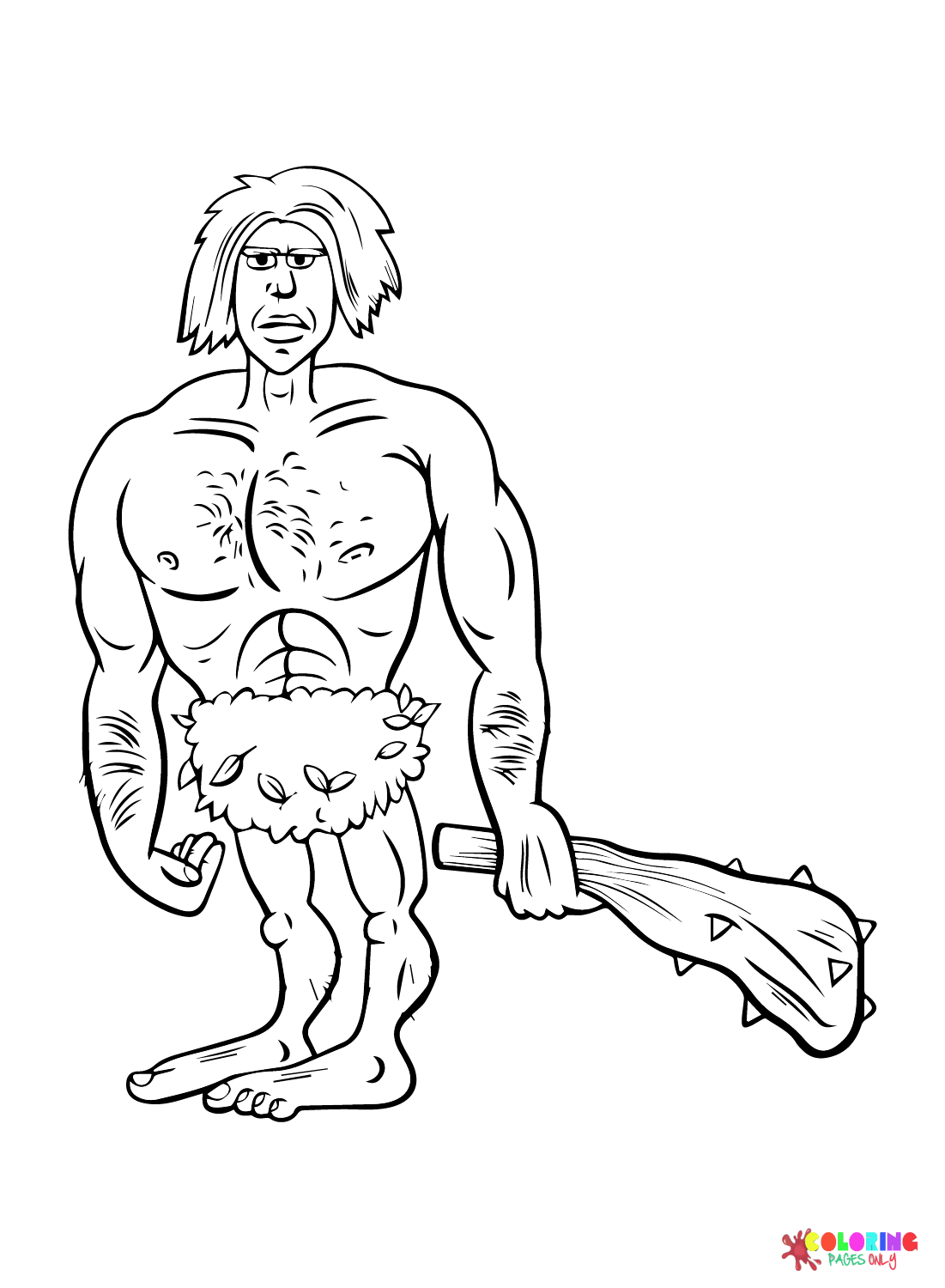
What Is Inside This Collection
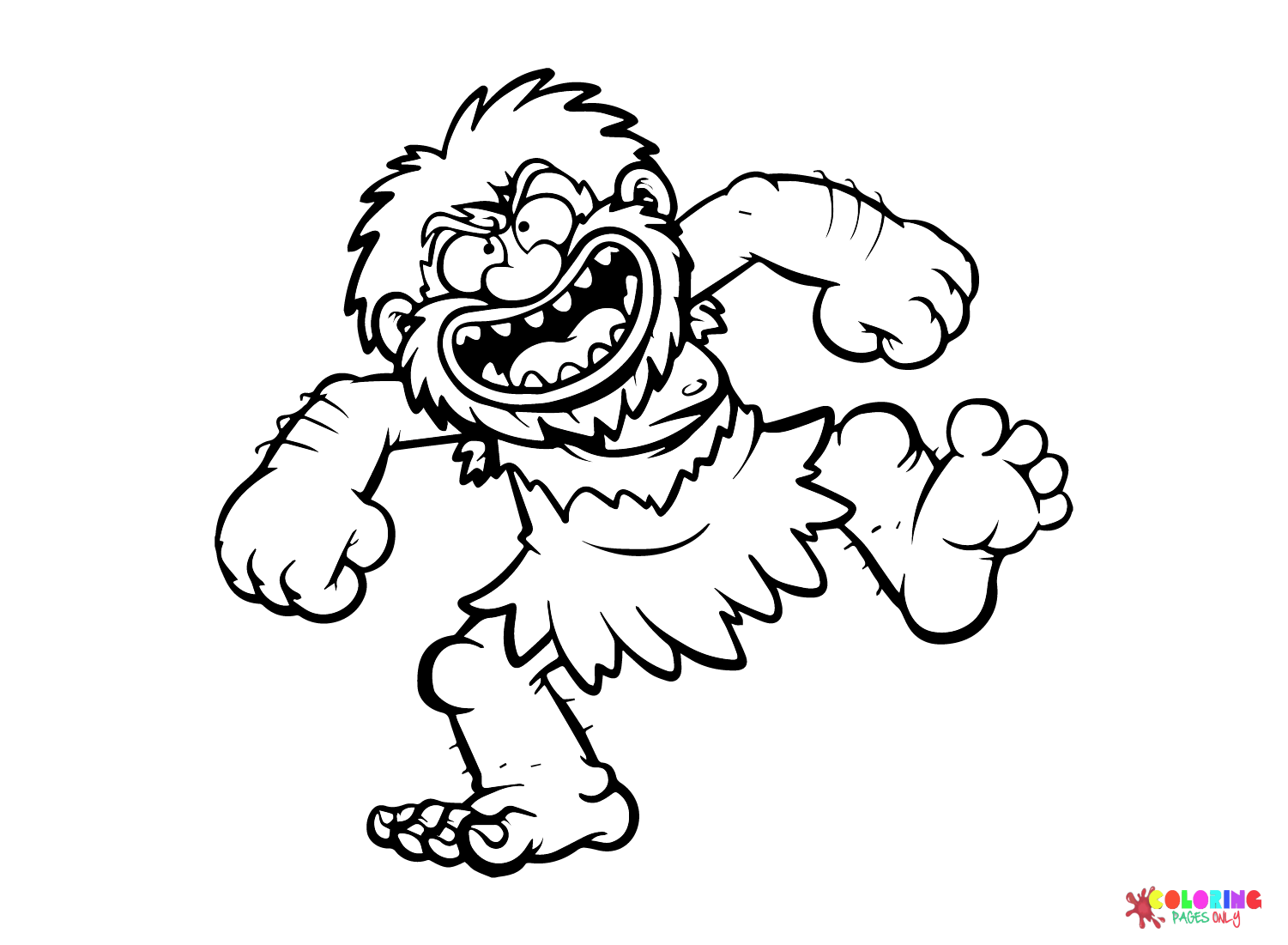
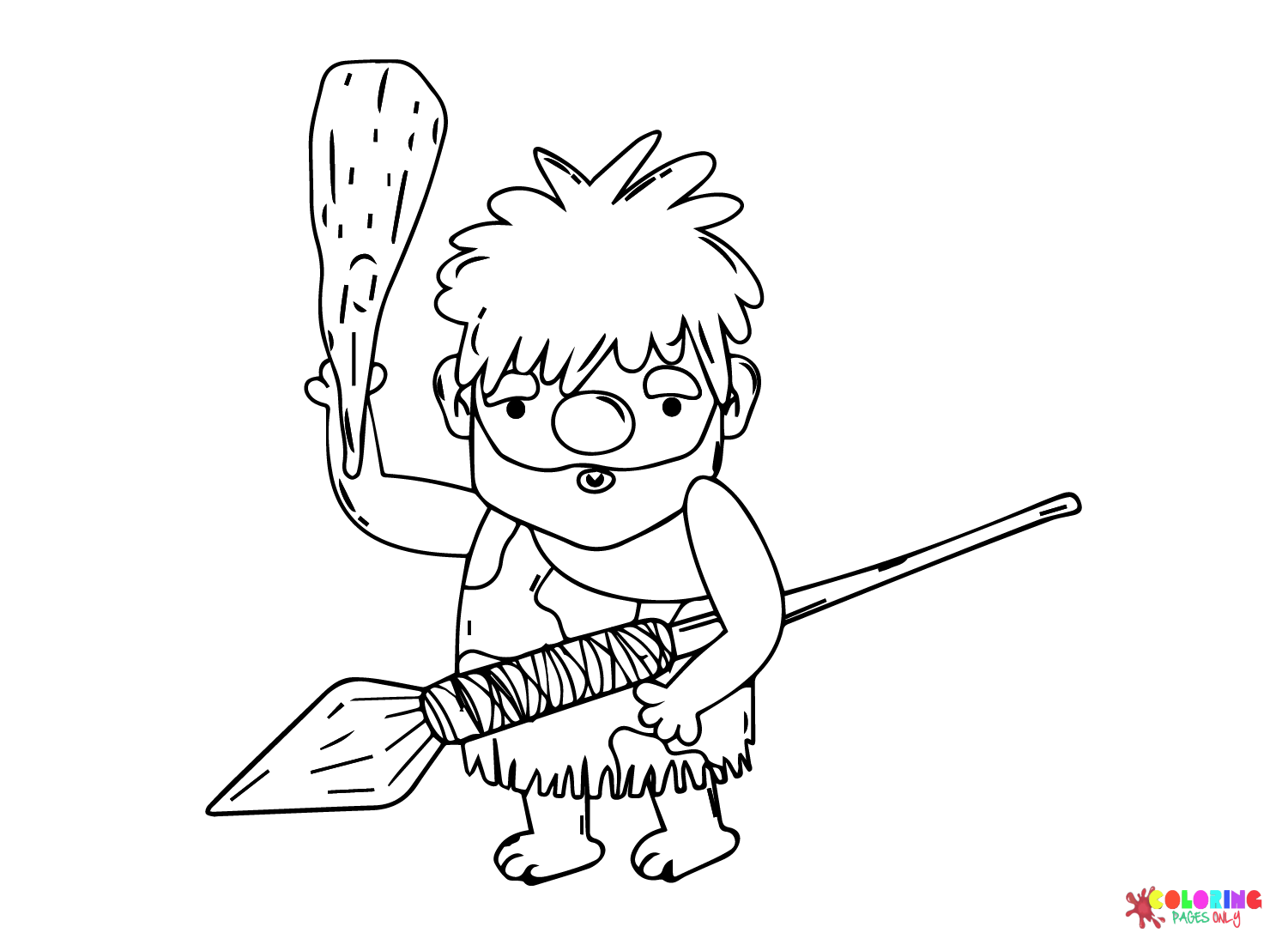
The 22 Prehistory pages are split into four natural groups based on subject and style.
Early Humans at Work
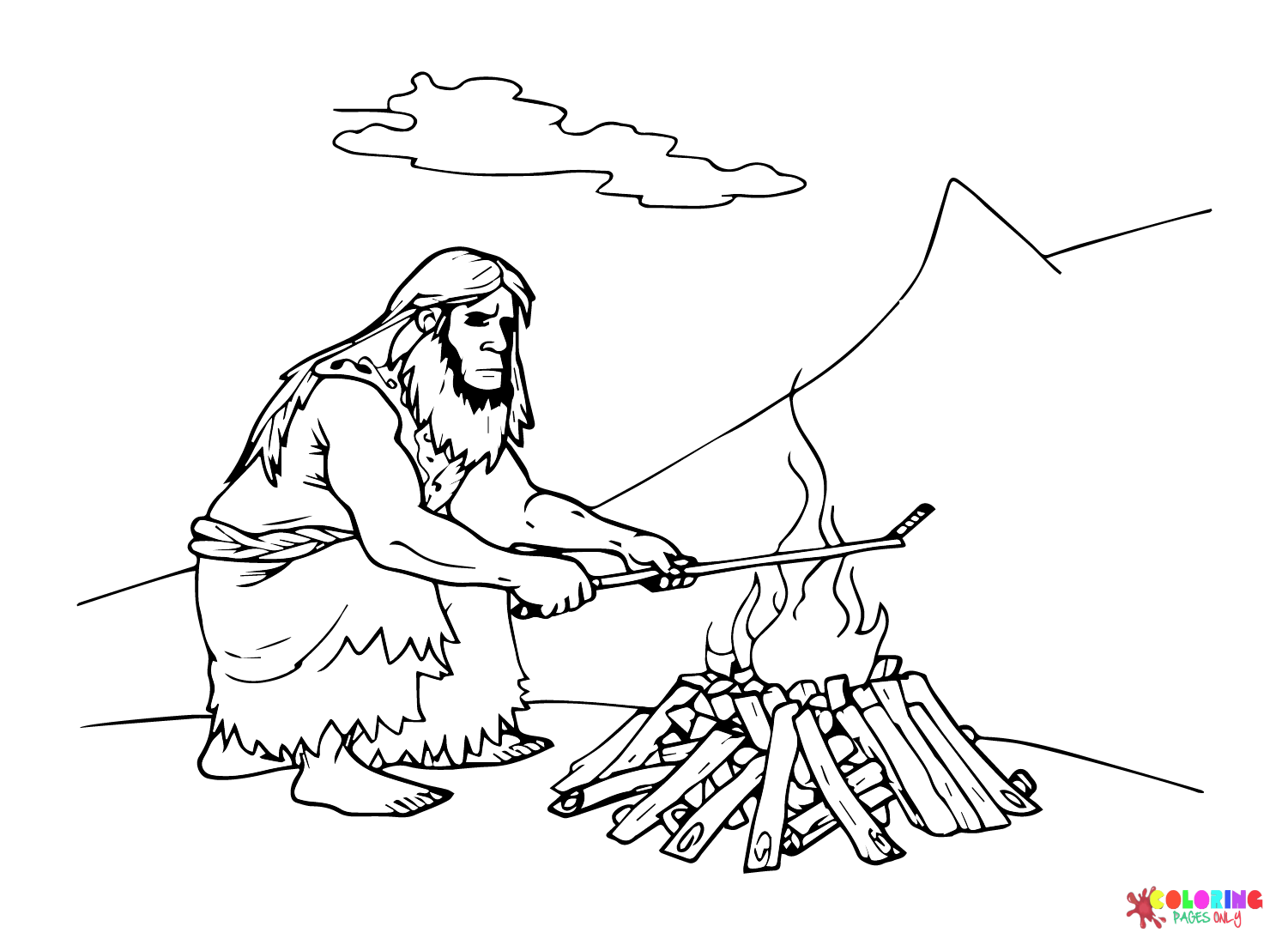
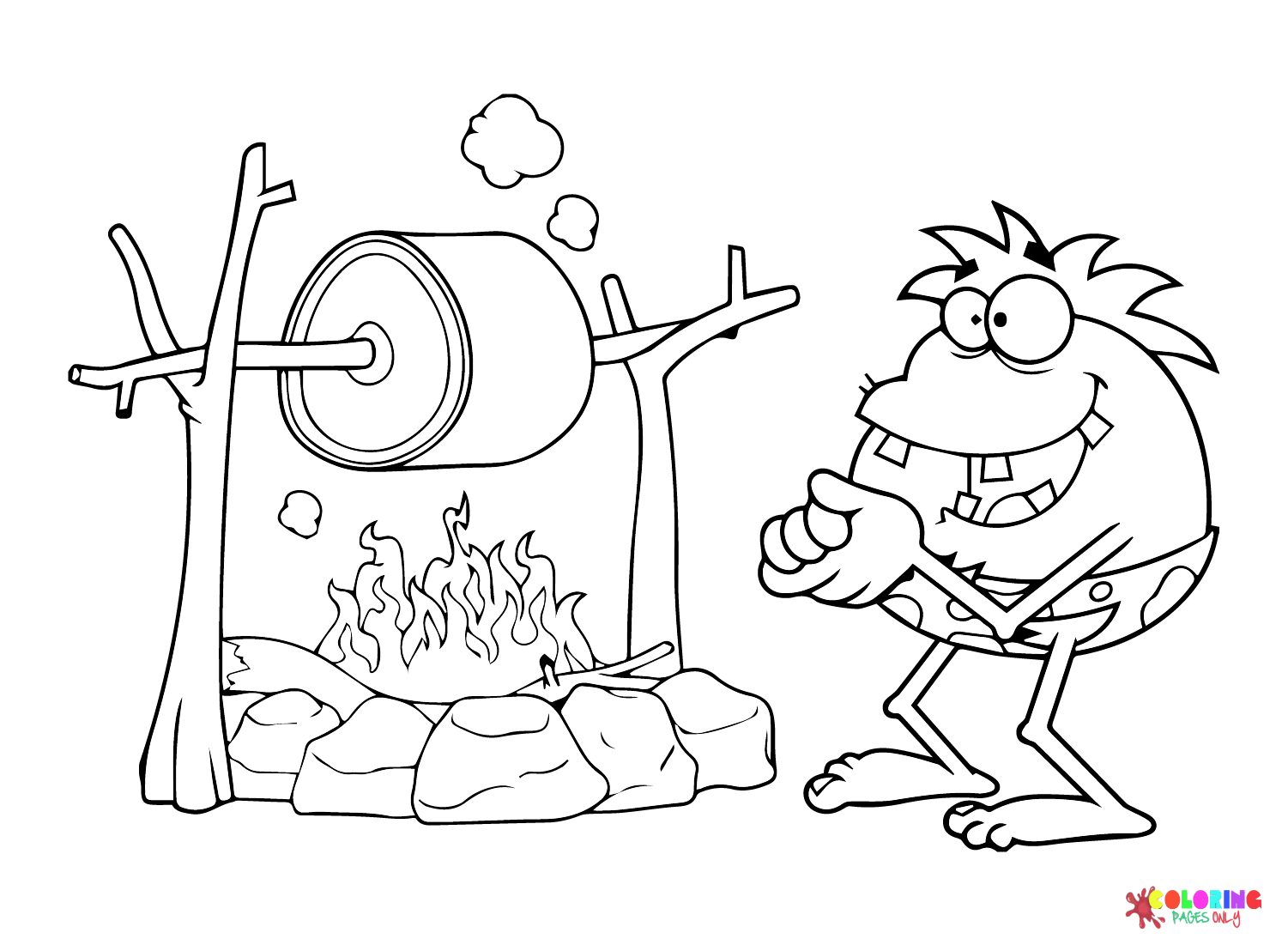
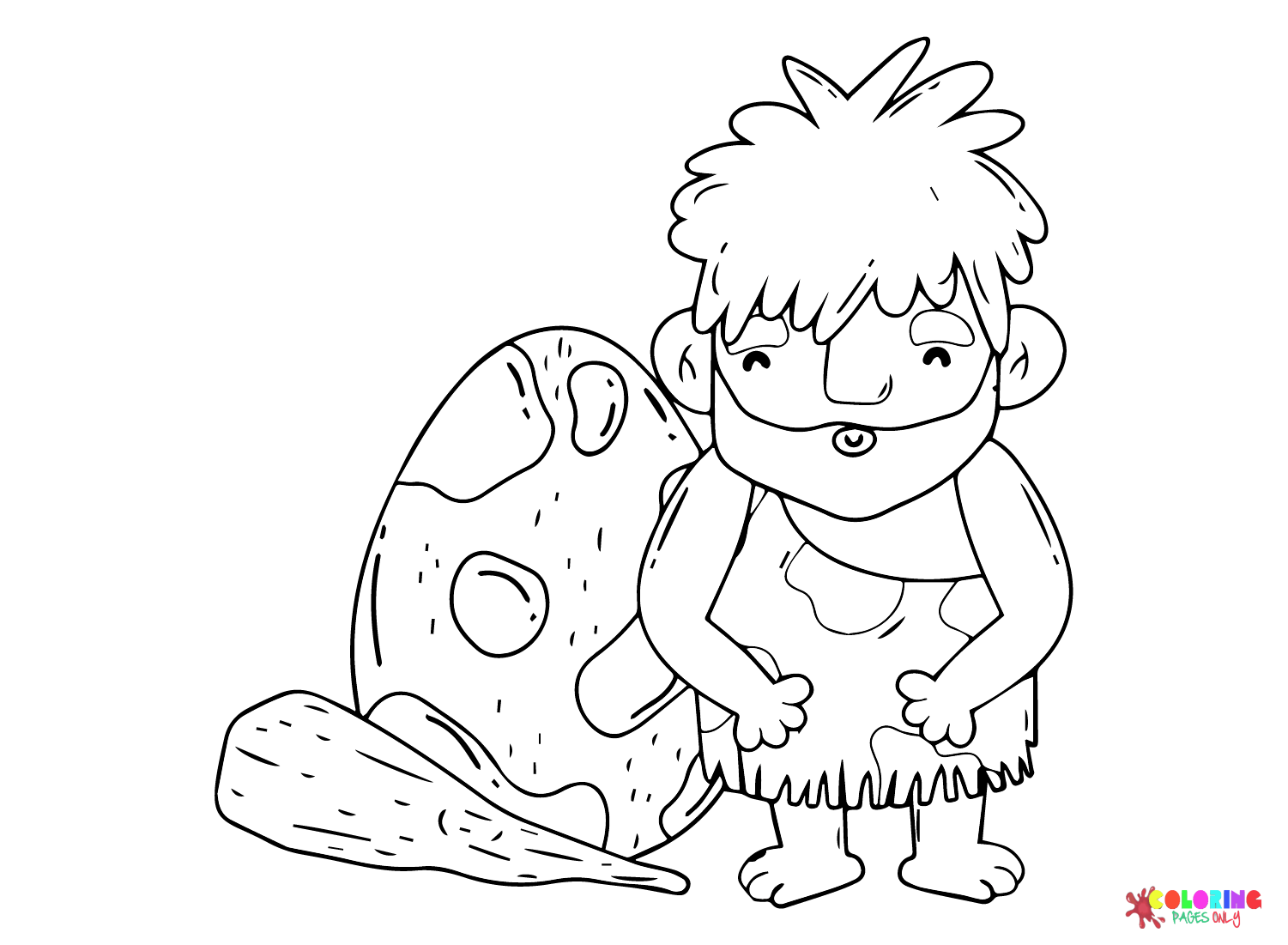
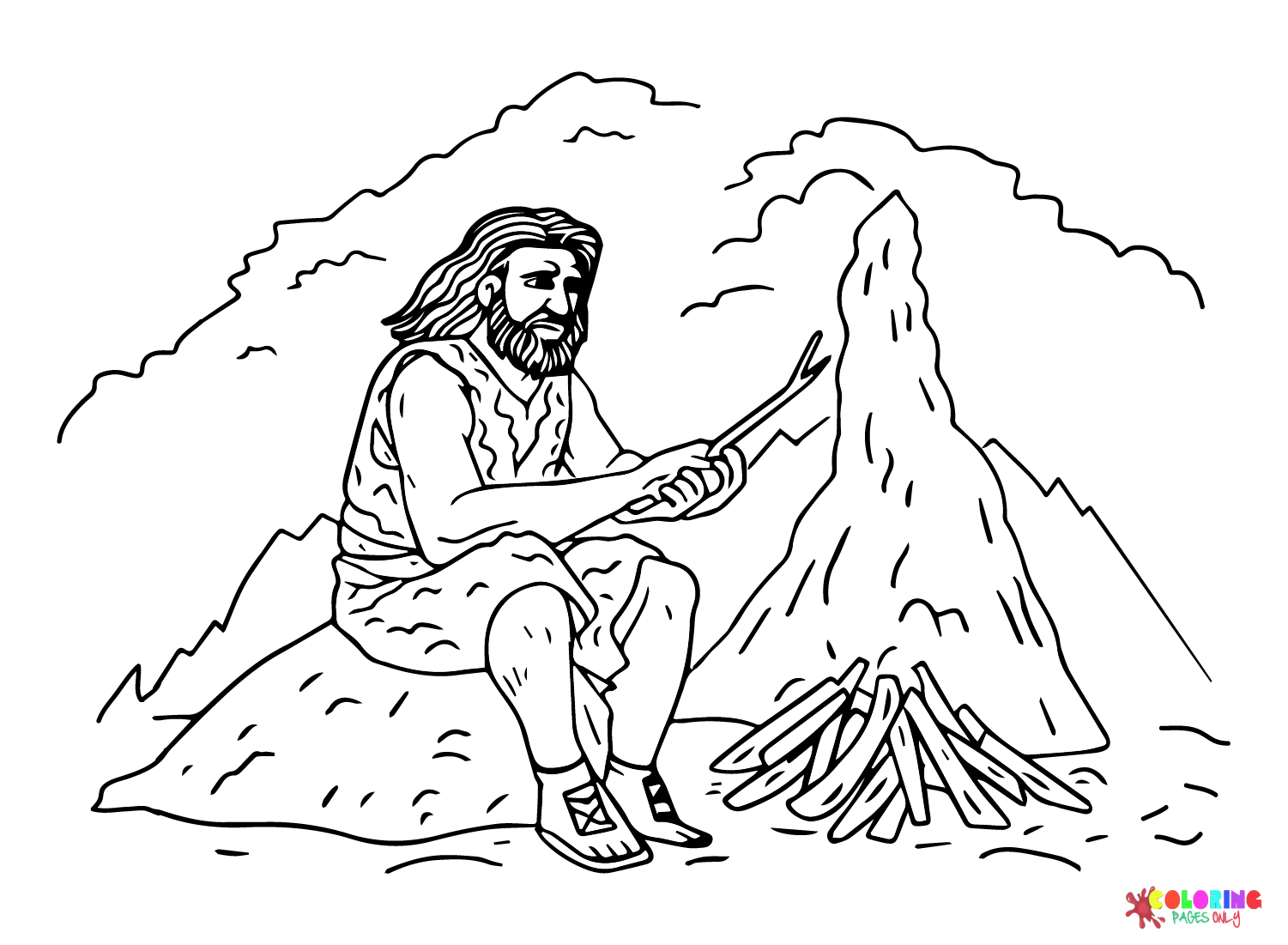
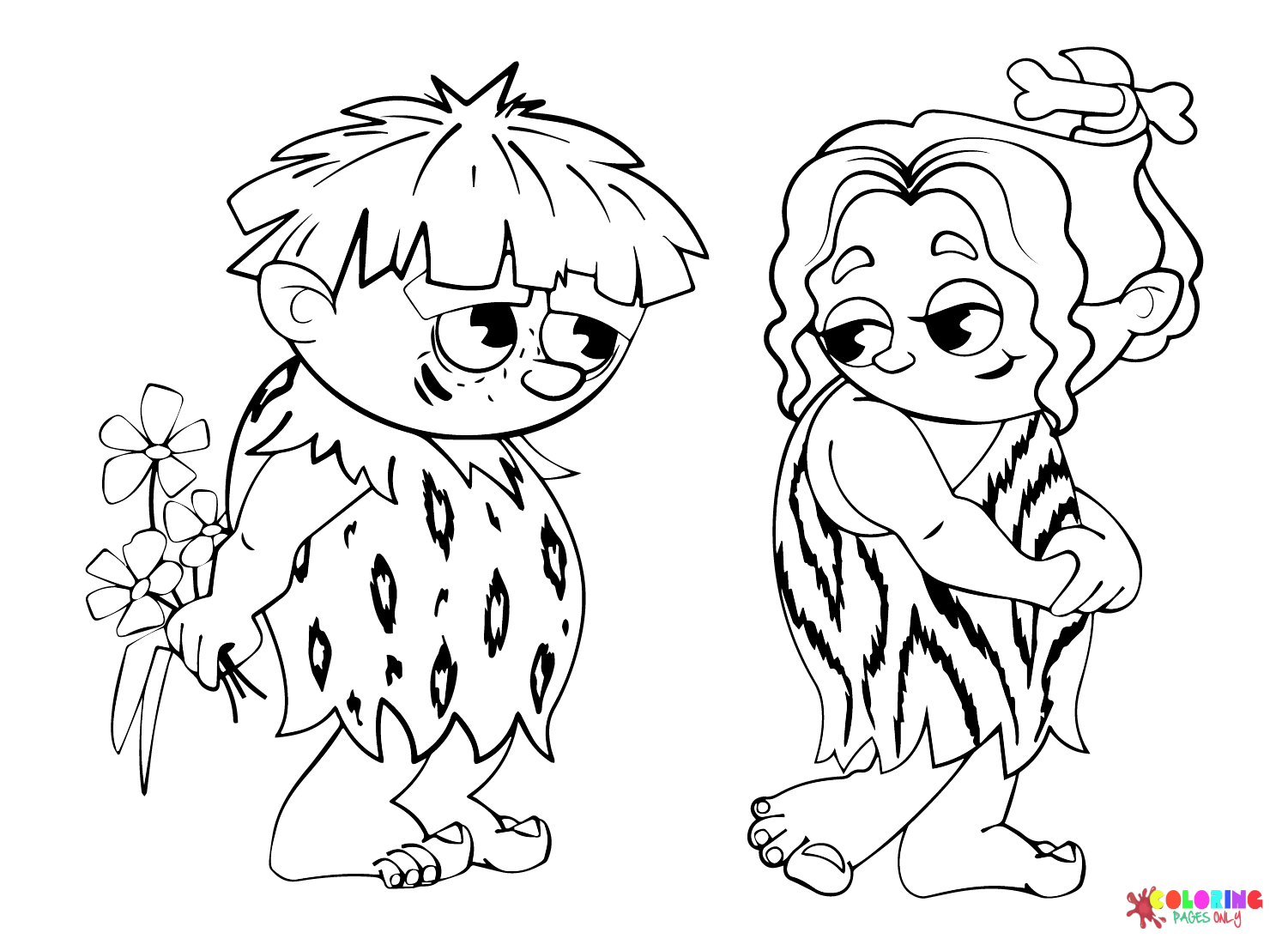
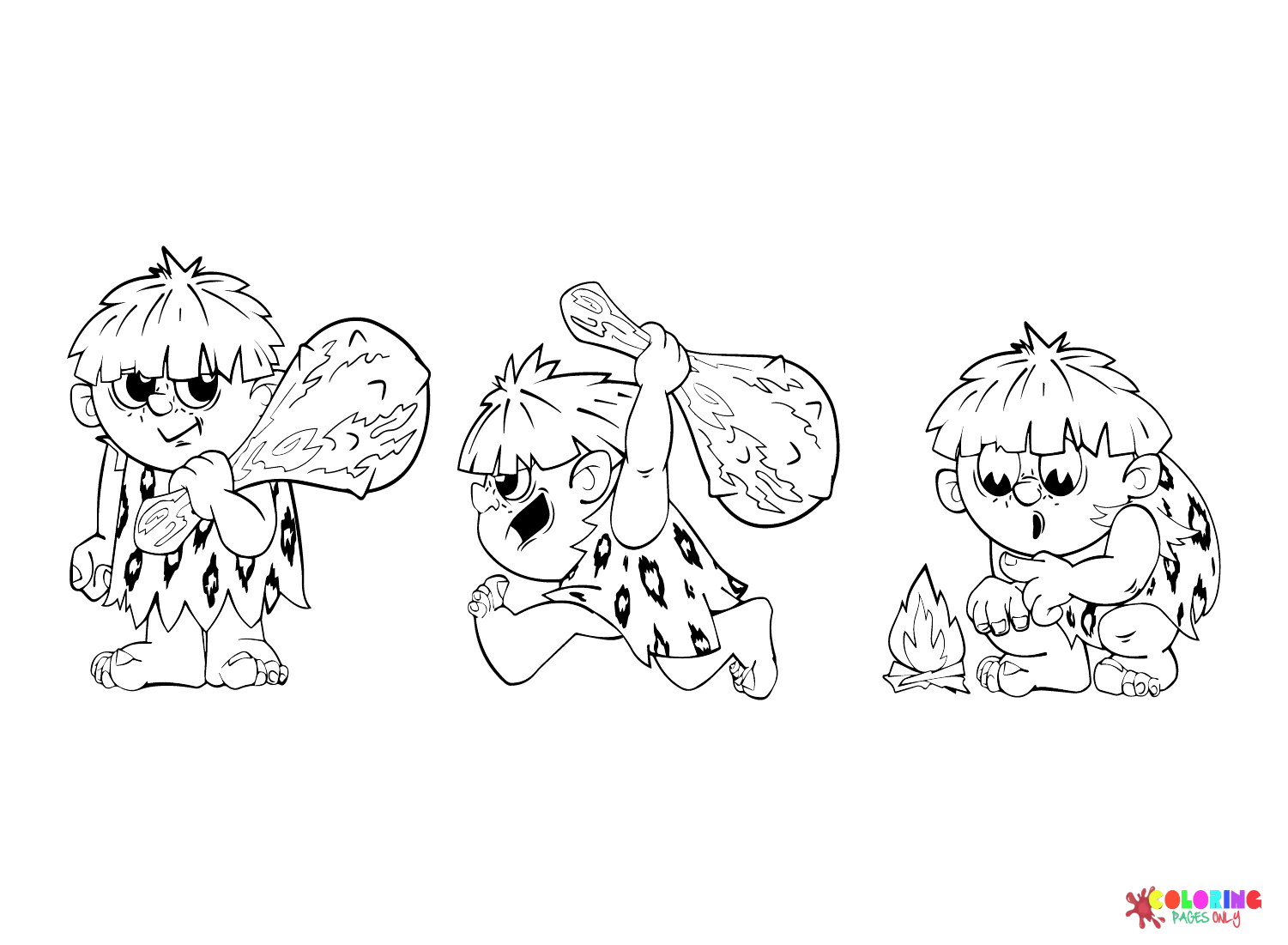
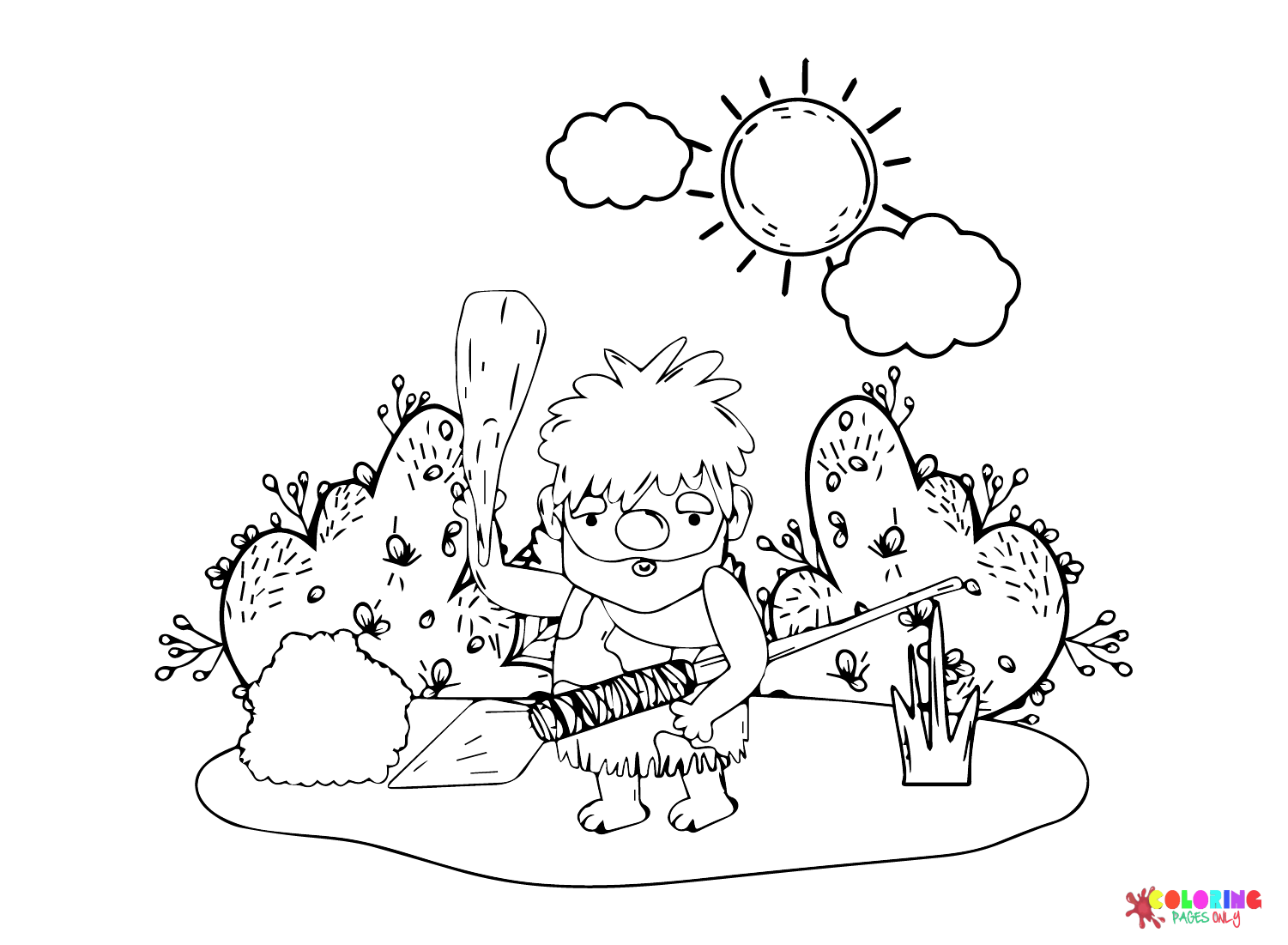
This group shows early people engaged in the everyday tasks of Paleolithic life, hunting, cooking meat over a fire, and lighting a fire by hand, alongside gentler social scenes like people exchanging flowers. These pages give colorists a chance to focus on tools, animal hides, and fire rather than on creatures alone.
Prehistoric Creatures and Dinosaurs
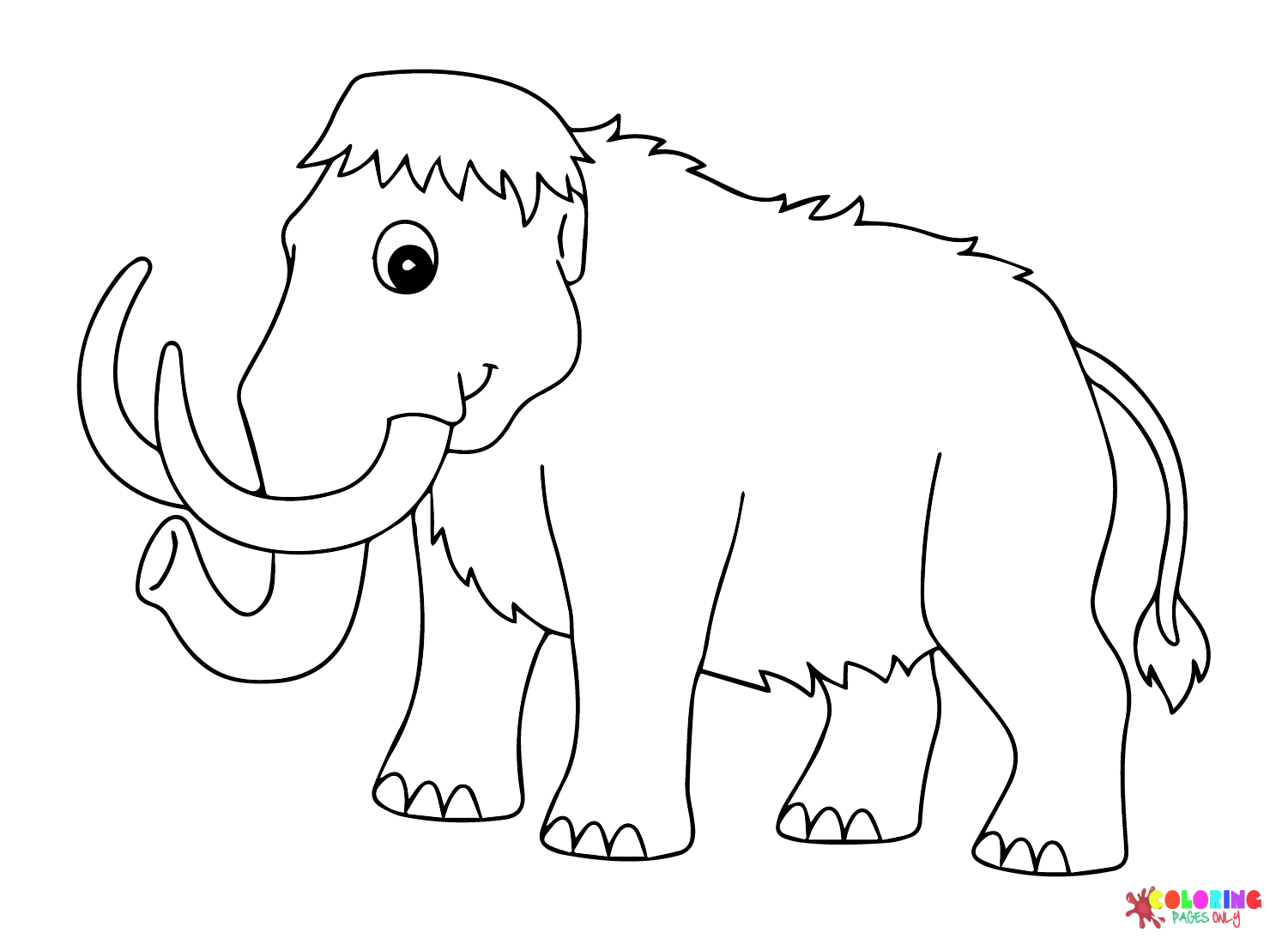
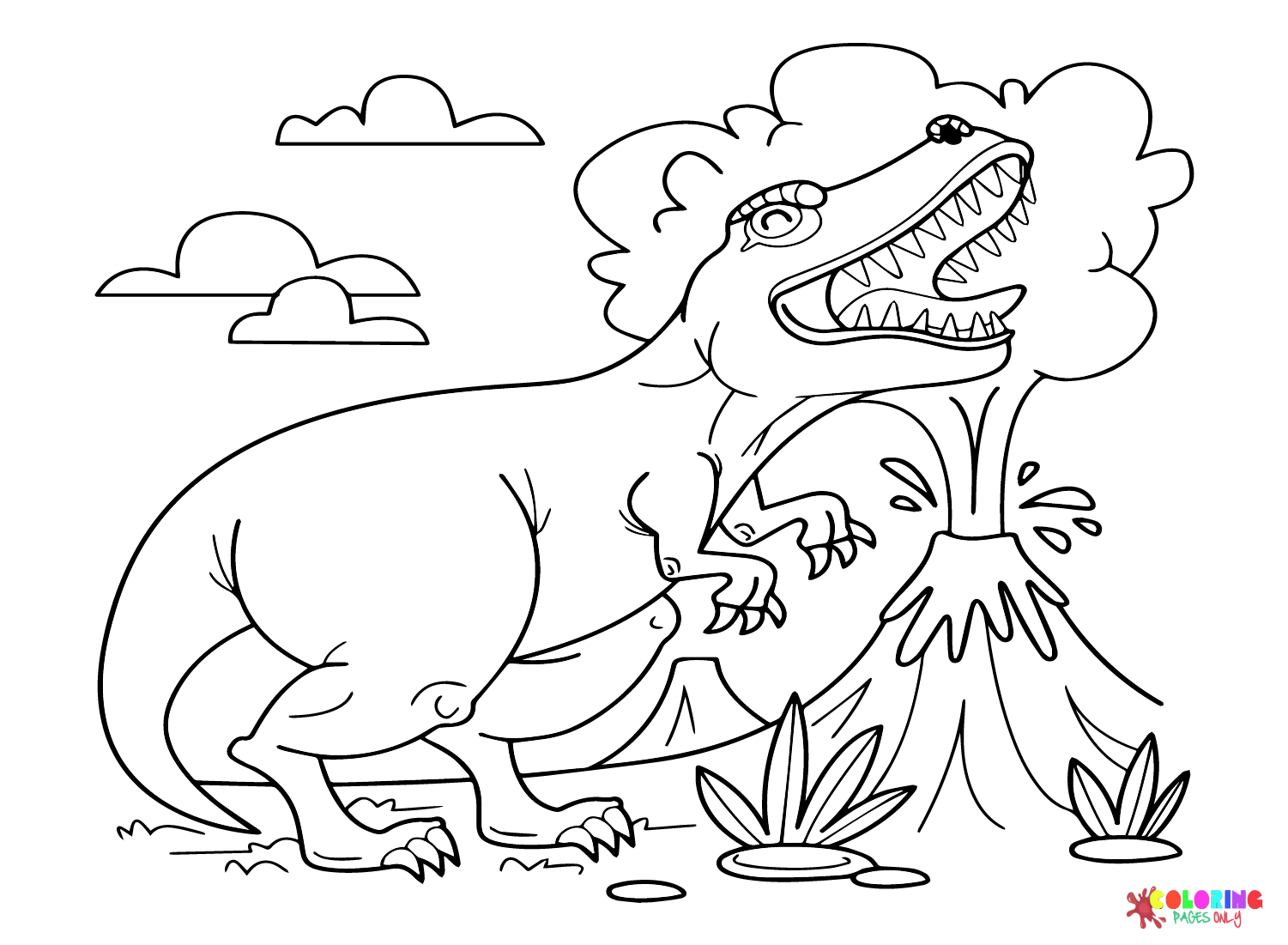
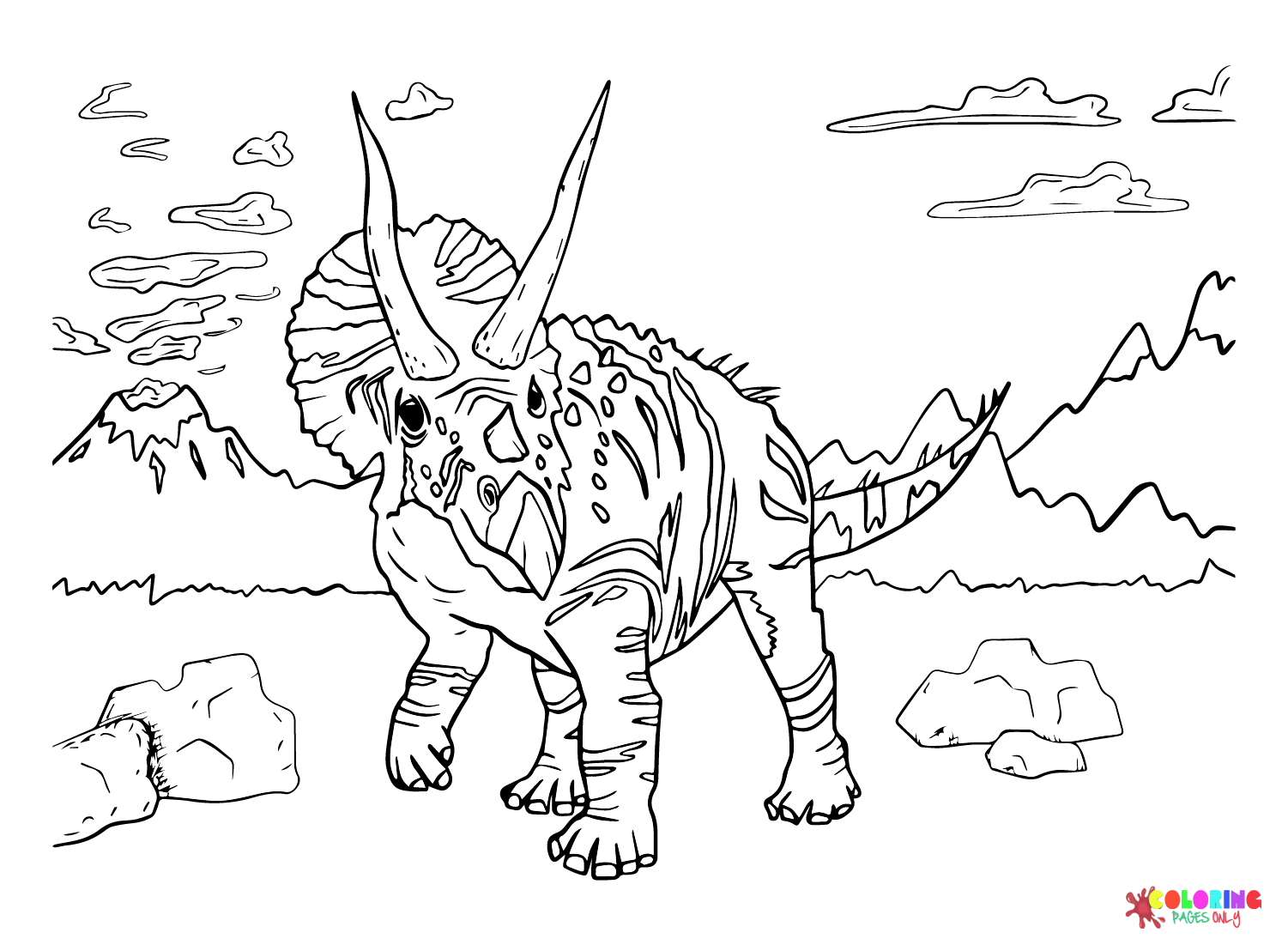
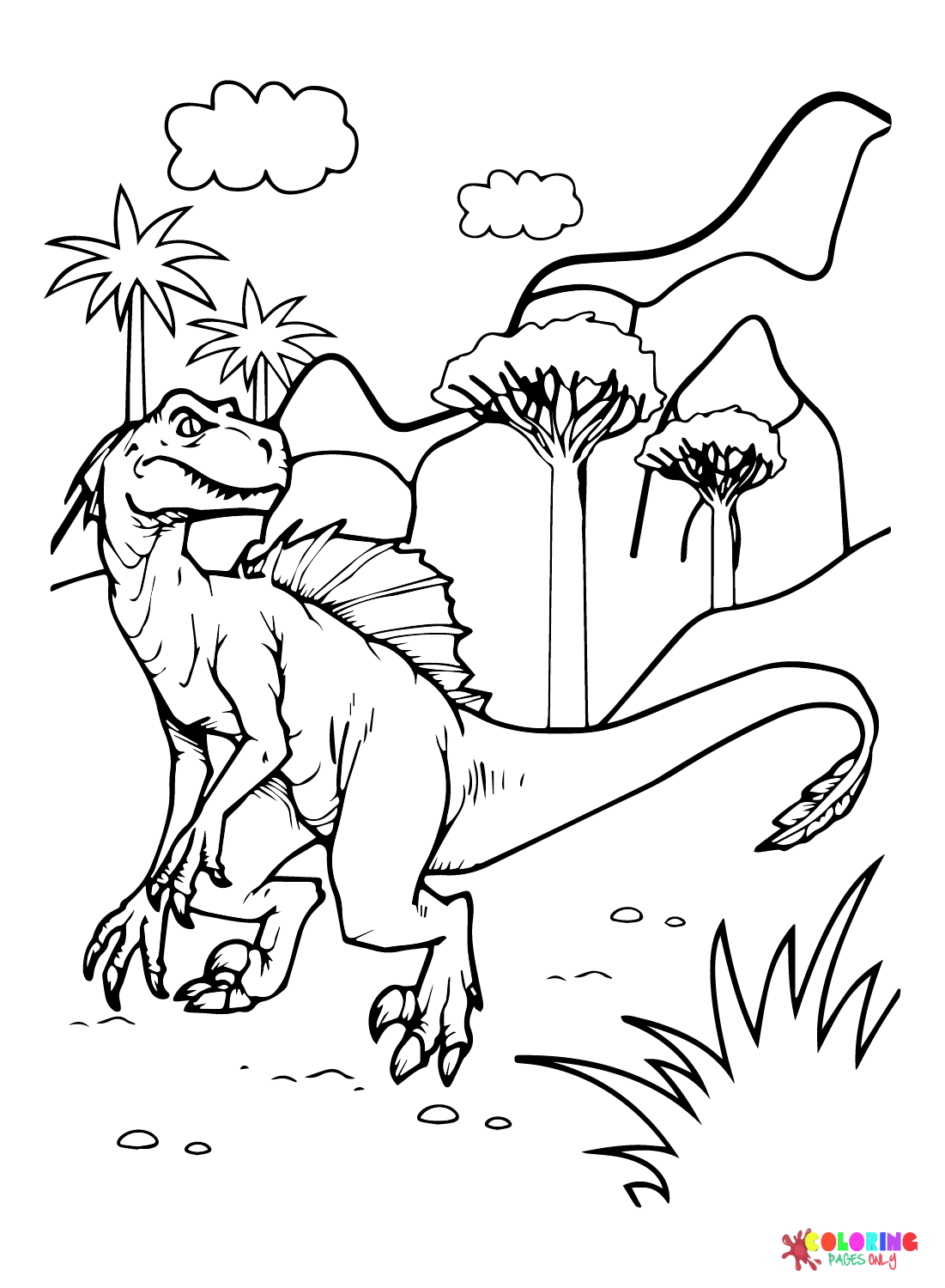
This set covers the animal side of the collection, from the woolly mammoth that actually shared the landscape with early humans to dinosaur designs that represent the much older, separate era popularly grouped under the same “prehistoric” label. Coloring the mammoth’s shaggy coat calls for a very different technique than the smoother, scaled surface of a dinosaur page.
Classic Portraits and Ready-to-Print Pages
These are the simpler, single-subject pages and the larger-outline designs built for quick printing sessions. Bigger, cleaner shapes make this group especially suited to younger colorists who are just starting to learn about this era.
Cave Art and Stylized Pages
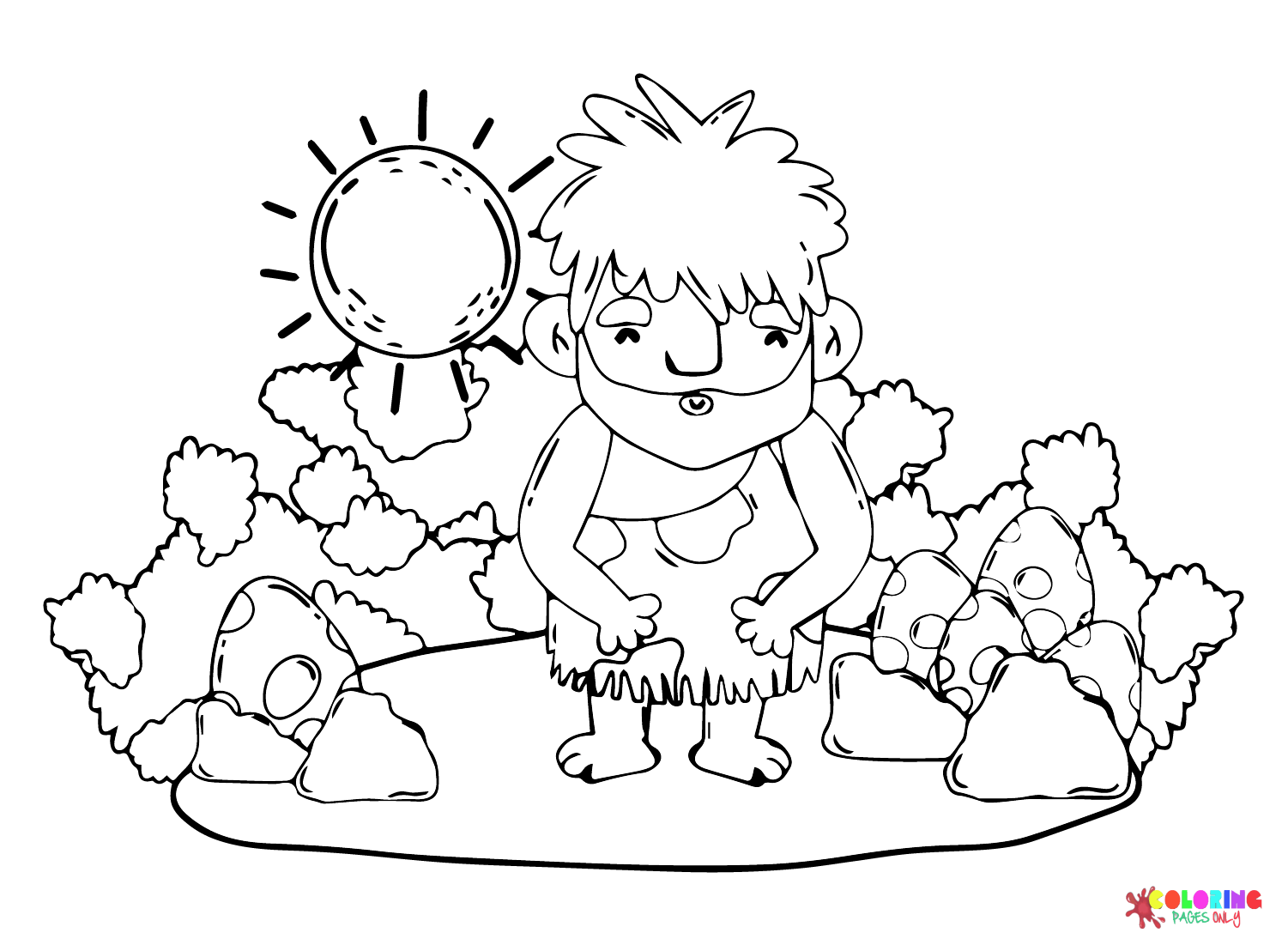
This smaller set draws on the look of actual Paleolithic cave paintings, along with a couple of more playful, cartoon-style takes on the era. These pages work well with an earthy, ochre-toned palette that echoes the natural pigments early humans actually used on cave walls.
What Prehistory Coloring Pages Do
Practicing a genuinely ancient art technique. Long before crayons or markers, early humans were already applying pigment to a surface to represent the animals around them. The cave paintings at sites like Lascaux are some of the oldest known artworks in human history. Coloring a Prehistory page gives a child a direct, hands-on connection to that same basic act of representing an animal in color. This link is unusually concrete for a history topic.
Building fine motor control on tool and fire details. The American Academy of Pediatrics identifies fine motor skill development as a core benefit of structured coloring for children ages 2 through 7, and the small stone tools, fire shapes, and animal hide textures on these pages give children practice with a level of detail that a plain landscape or simple animal page would not require.
Sorting fact from popular imagination. Because dinosaurs and early humans are often shown together in movies and cartoons despite never having coexisted, coloring this collection gives parents and teachers a natural opening to talk through which pages show actual human prehistory and which show the much earlier age of dinosaurs, turning the coloring session into a small, low-pressure fact-check.
A steady, repetitive calm. A 2005 study in the Art Therapy Journal documented measurable reductions in anxiety following structured coloring sessions. The repeated textures on these pages, mammoth fur, cave-wall pigment strokes, and woven plant fiber, give children an easy, low-stakes pattern to settle into during that focused time.
How to Color Prehistory Pages Well
- Mammoth fur: Layer two shades of Brown, a warmer Sepia base with darker Umber strokes on top, to suggest the long, shaggy coat real woolly mammoths had.
- Early human clothing: Use Tan, Sienna, or a muted Gray for animal-hide clothing, since natural leather and fur tones are more accurate than bright modern fabric colors.
- Fire: Build the flame in layers, a Yellow core, Orange in the middle, and a touch of Red at the tips, with the wood or kindling beneath colored in Dark Brown.
- Cave art pages: Stick to an earthy, limited palette, ochre yellows, rust reds, and charcoal black or brown, since those are the actual pigments used in real Paleolithic cave paintings.
- Dinosaur pages: Use scalier, more saturated greens, grays, or browns for dinosaur skin to visually separate these designs from the fur-and-hide textures on the early human pages.
- Stone tools: Color hand axes and other tools in Gray or light Charcoal, adding a slightly darker edge along the sharpened side to suggest the flaked stone surface.
5 Creative Craft Ideas With Prehistoric Coloring Pages
1. Cave mural
Tape several colored cave-art style pages together on a large sheet of butcher paper to recreate the look of a prehistoric cave wall covered in paintings.
2. Timeline strip
Arrange colored pages in order, from stone tools and fire to mammoths and finally dinosaurs, then label each with a rough time period for a simple visual timeline.
3. Mammoth-bone shelter model
Use a colored Prehistory Mammoth page as a reference while building a small twig-and-string model of a shelter, echoing how some early humans built frames from mammoth bones and tusks.
4. Fact-check bookmark
Cut out a colored dinosaur page, glue it to cardstock, and write one fact on the back about how many millions of years separate dinosaurs from early humans.
5. Fire-making poster
Pair a colored Prehistoric Man Lighting a Fire page with handwritten facts about how early humans used controlled fire for cooking and warmth, for a classroom or bedroom wall display.
Frequently Asked Questions
What are Prehistory coloring pages?
Prehistory coloring pages are free printable and online designs featuring early humans, prehistoric creatures, and daily life before written records, including hunting and fire-making scenes, cave-art style pages, and dinosaur designs. This collection includes 22 designs that can be downloaded as PDFs or colored directly in the browser.
What does prehistory mean?
Prehistory refers to the period before writing systems and recorded historical accounts existed. It is generally divided into the Paleolithic, or Old Stone Age, followed by the Mesolithic and Neolithic periods. It covers the development of early tools, fire use, art, and eventually farming.
Did dinosaurs and early humans live at the same time?
No. Dinosaurs went extinct roughly 66 million years before the earliest human ancestors appeared, so the two never coexisted despite frequently being shown together in movies and popular media. The word “prehistoric” is often used loosely to cover both eras, even though they are millions of years apart.
What did early humans eat during the Paleolithic period?
Paleolithic humans were hunter-gatherers who hunted animals such as woolly mammoths, deer, and bison, then cooked their catch using controlled fire. They also fished and gathered berries, fruit, and nuts to round out their diet.
What is cave art, and where can it still be seen?
Cave art refers to paintings and carvings made by early humans on cave walls, most famously at sites like Lascaux and Chauvet-Pont-d’Arc in France, which depict animals such as mammoths and bison in detailed natural pigments. These works are among the oldest known examples of human artistic expression.
How did early humans make fire?
Early humans learned to control and use fire for cooking, warmth, and protection, a technology whose exact origin is difficult to date precisely but that archaeologists confirm was well established by the later Paleolithic period based on hearths and ash deposits found in caves.
Are prehistoric coloring pages suitable for young children?
Yes. The simplified, ready-to-print pages and classic portraits work well for toddlers and young children. At the same time, the cave-art style and detailed activity scenes give older kids and history enthusiasts more detailed options to color as well.
How many prehistoric coloring pages are available to download?
This collection includes 22 designs, covering early humans at work, prehistoric creatures and dinosaurs, classic ready-to-print pages, and cave-art style pages. Every page can be downloaded as a free PDF or colored online.
Start Coloring
Download any page by clicking the design. No account, email, or payment is required. Pages print directly from the browser at full resolution or open in the online coloring tool for screen use. Share finished pages on Facebook or Pinterest with the share buttons at the top of each design page.