Maya Civilization Coloring Pages
 By:
Jennifer Thoa - Content Editor & Designer
Updated:
By:
Jennifer Thoa - Content Editor & Designer
Updated:
Free Maya Civilization coloring pages: 16 printable PDF designs featuring the people, pyramids, and symbols of this ancient Mesoamerican culture in portrait, architecture, and ready-to-print styles. Each page can be downloaded as a PDF to print or colored online in the browser.
The Maya civilization flourished in Mesoamerica, in the region covering present-day southern Mexico, Guatemala, Belize, and parts of Honduras and El Salvador, from roughly 2000 BCE to the 1500s CE. Organized as a network of independent city-states rather than a single empire, the Maya developed one of the most complete hieroglyphic writing systems in the ancient Americas, using more than 800 distinct glyphs to record history, astronomy, and religious life. They were also mathematical pioneers, independently developing the concept of zero, and built remarkably precise calendar systems, including the 365-day Calendar Round and the Long Count Calendar, designed to track dates across a span of more than 5,000 years. Their stepped pyramids, temples, and palaces at sites like Tikal and Chichen Itza still stand today. It is worth noting that the Maya were a distinct culture from the Aztec Empire, which rose later in central Mexico between 1300 and 1521 CE, and from Teotihuacan, an earlier city whose famous Pyramid of the Sun was built by yet another separate Mesoamerican people. These civilizations influenced and traded with one another, which is why their symbols are sometimes grouped in popular depictions even though each represents a different culture.
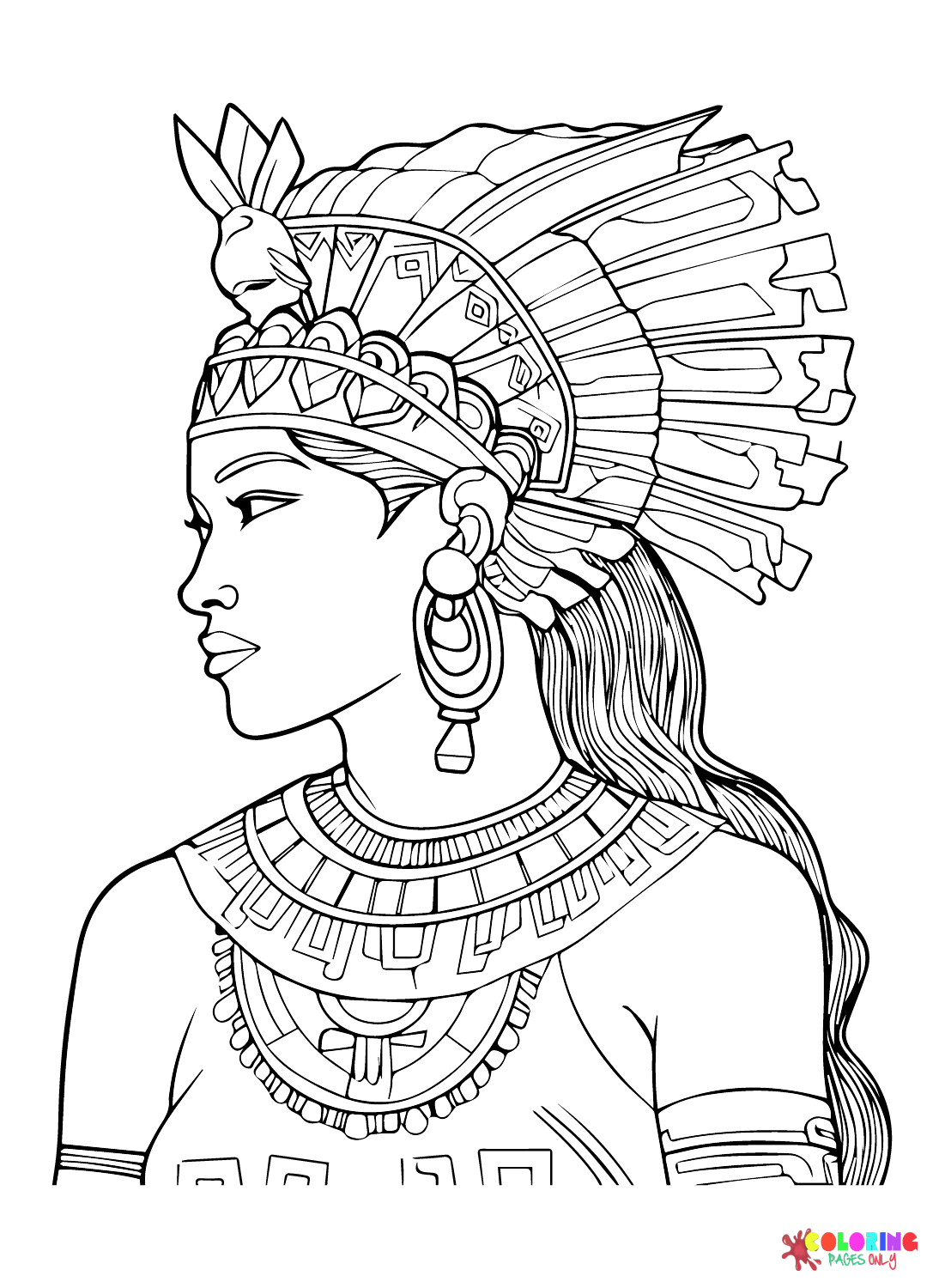
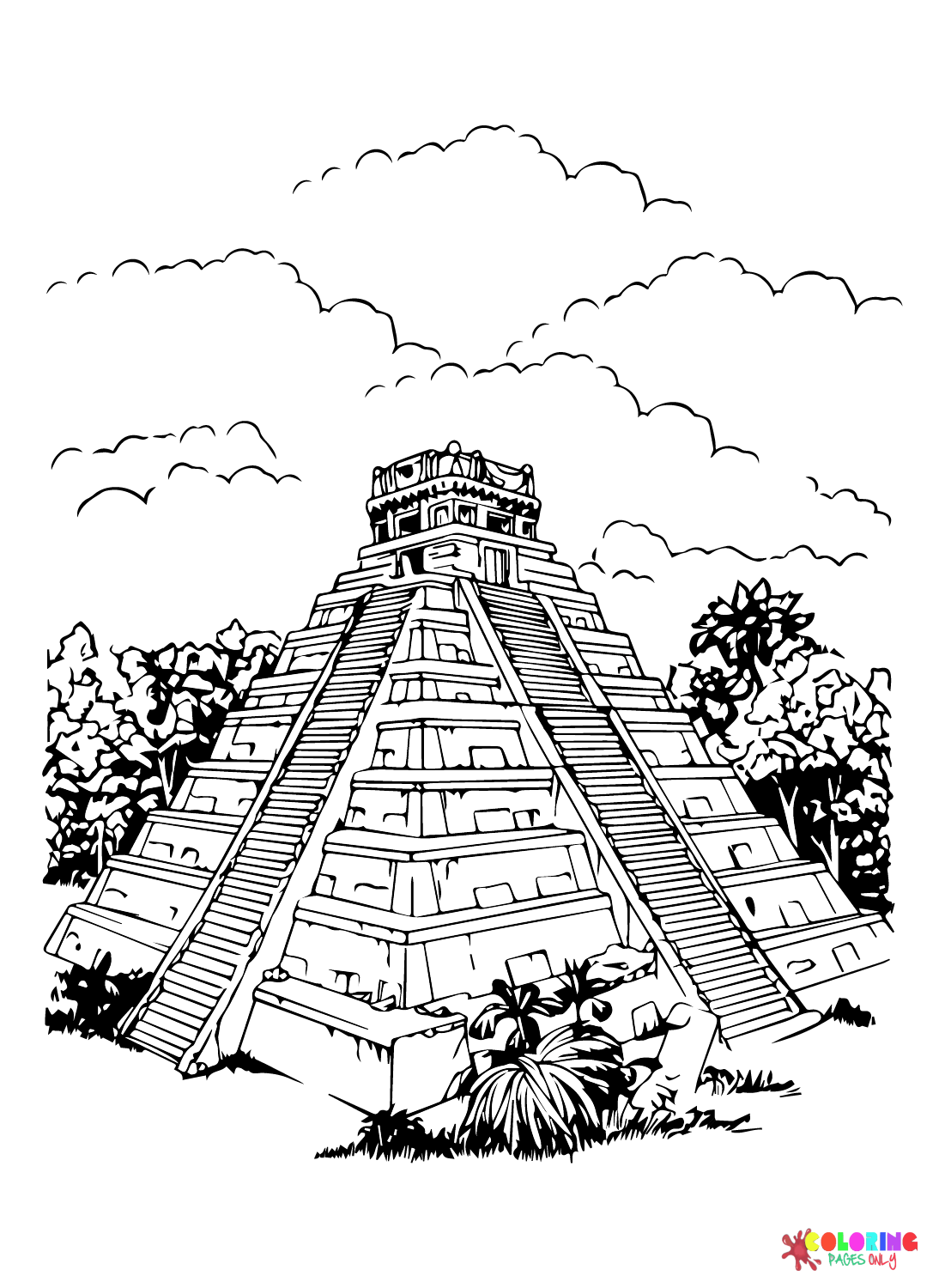
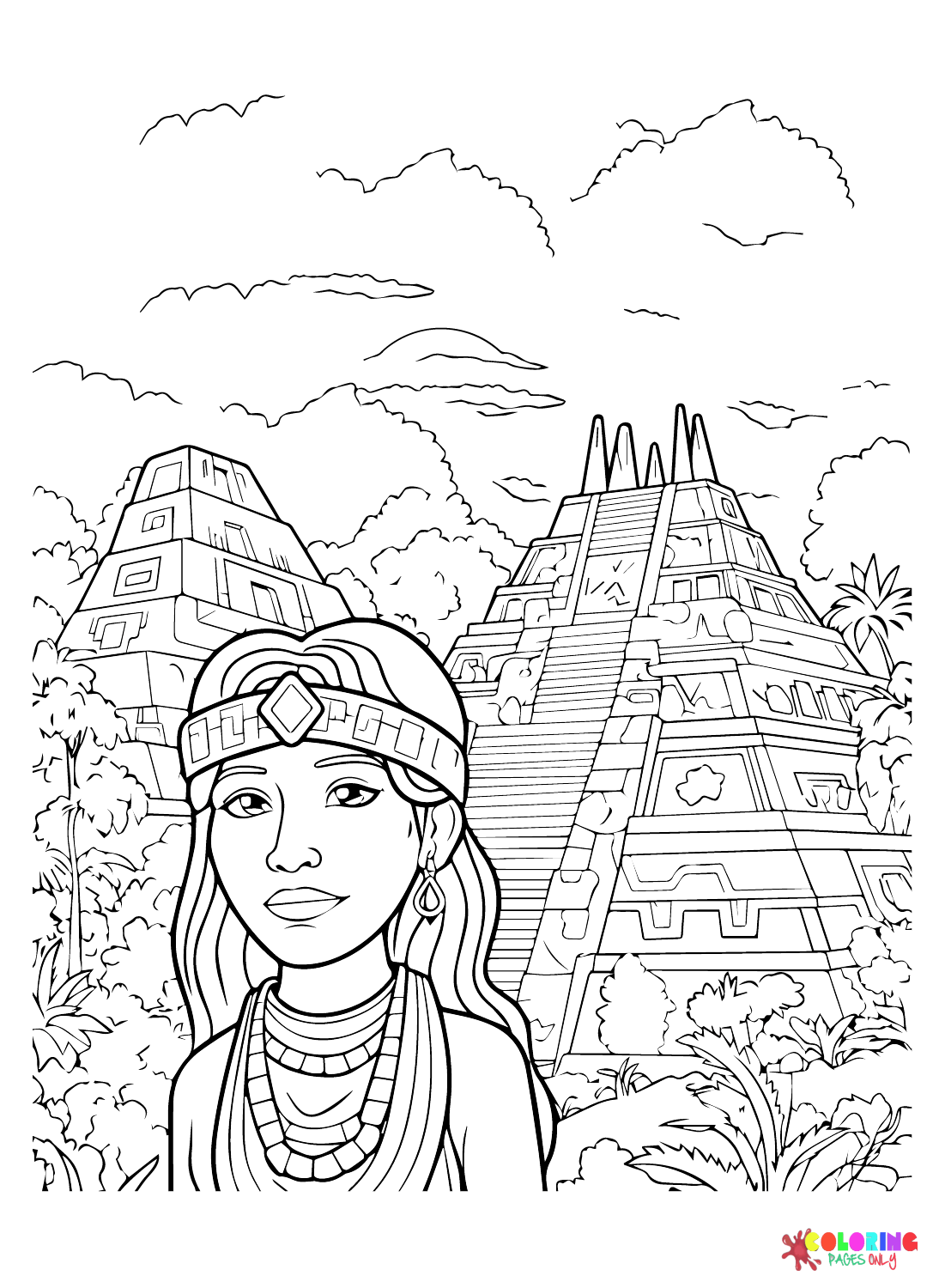
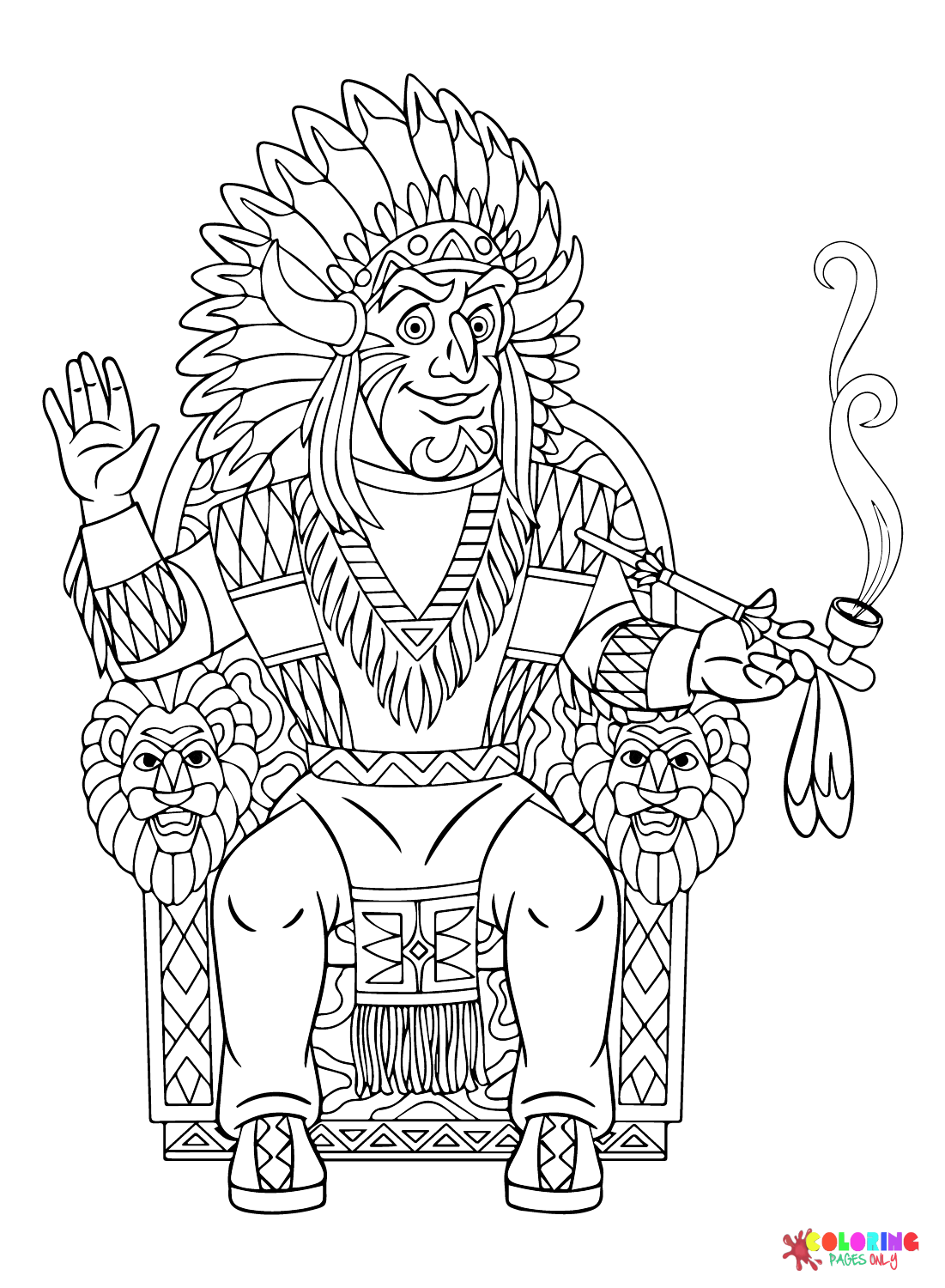
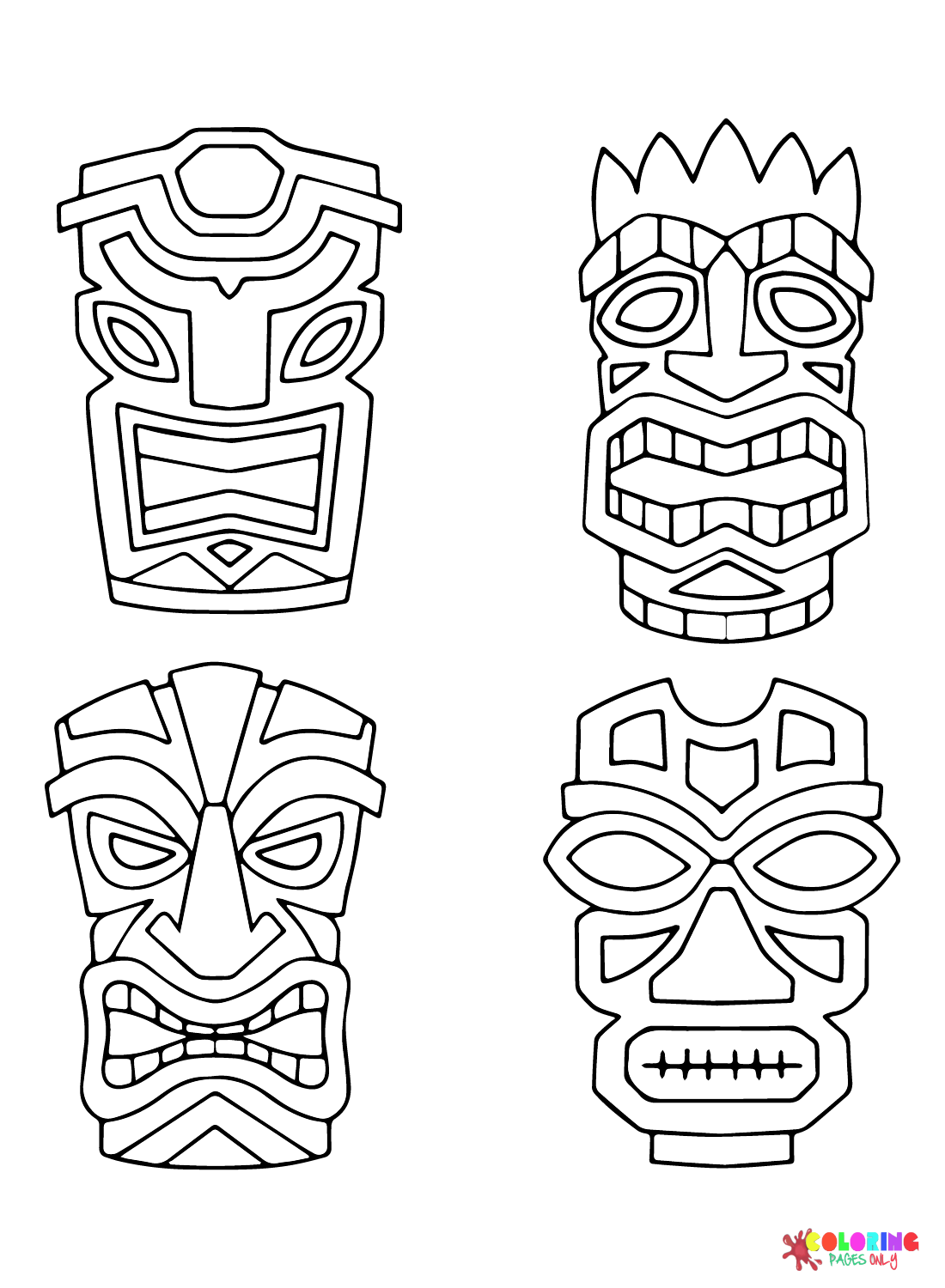
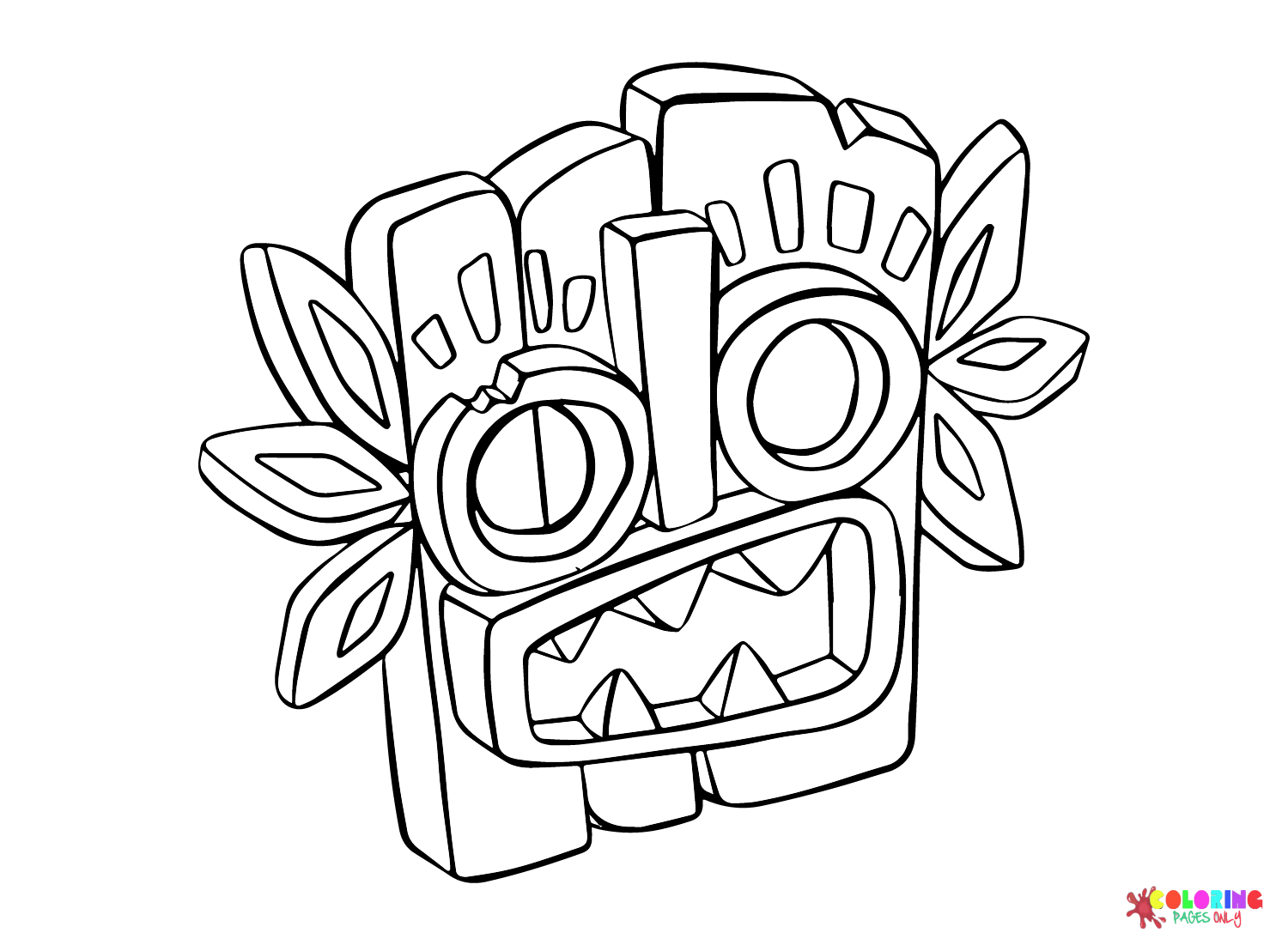
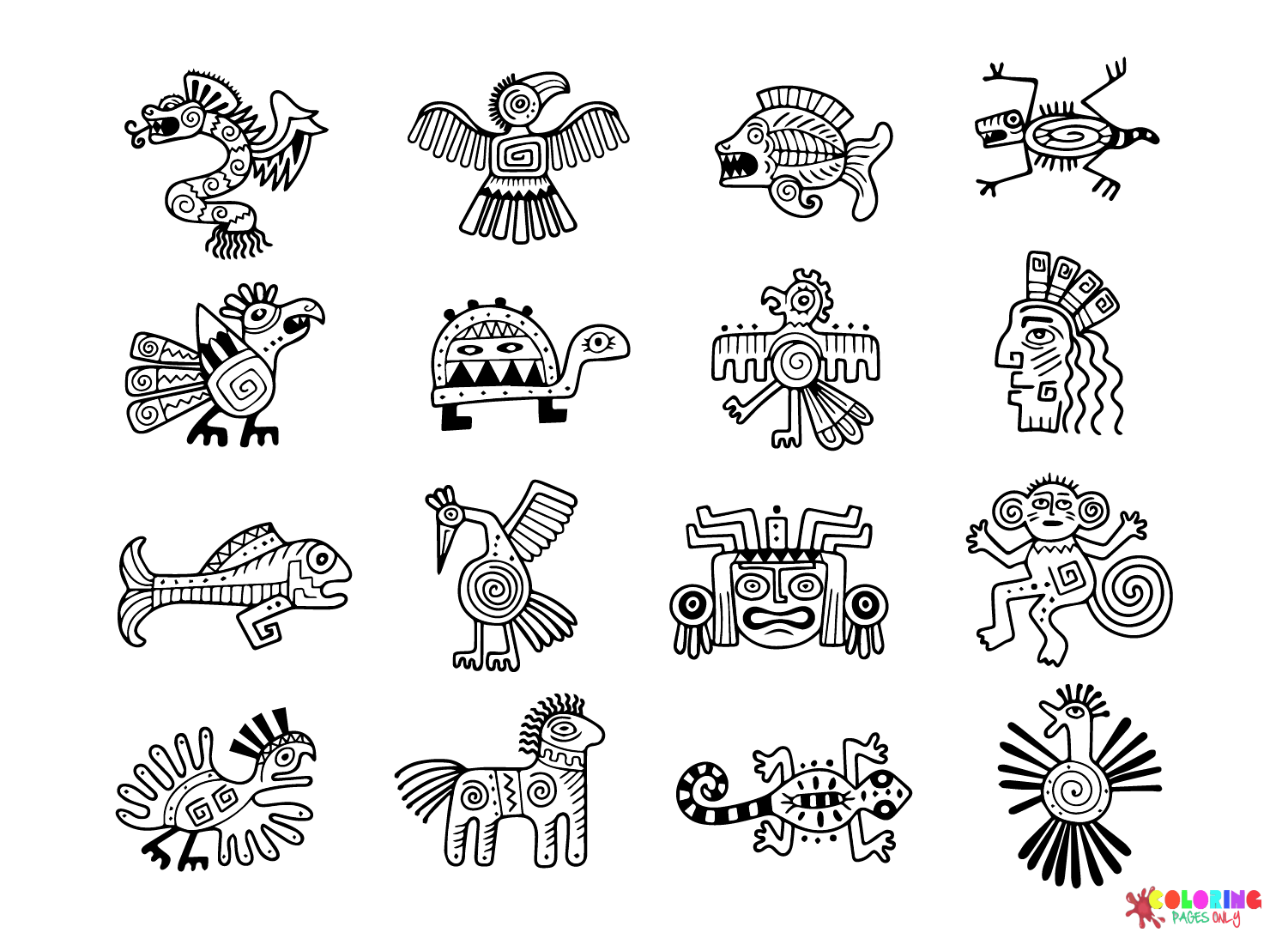
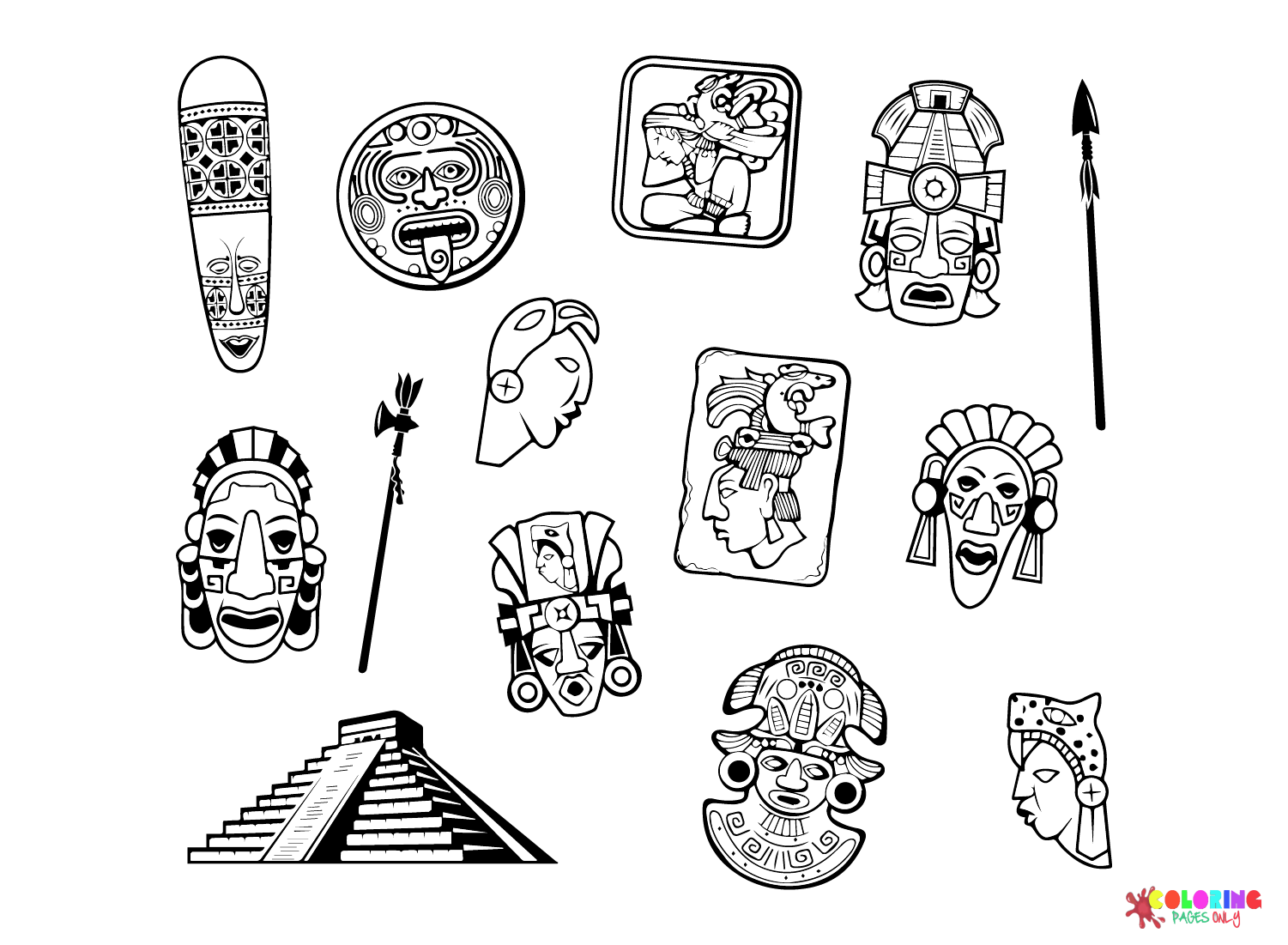
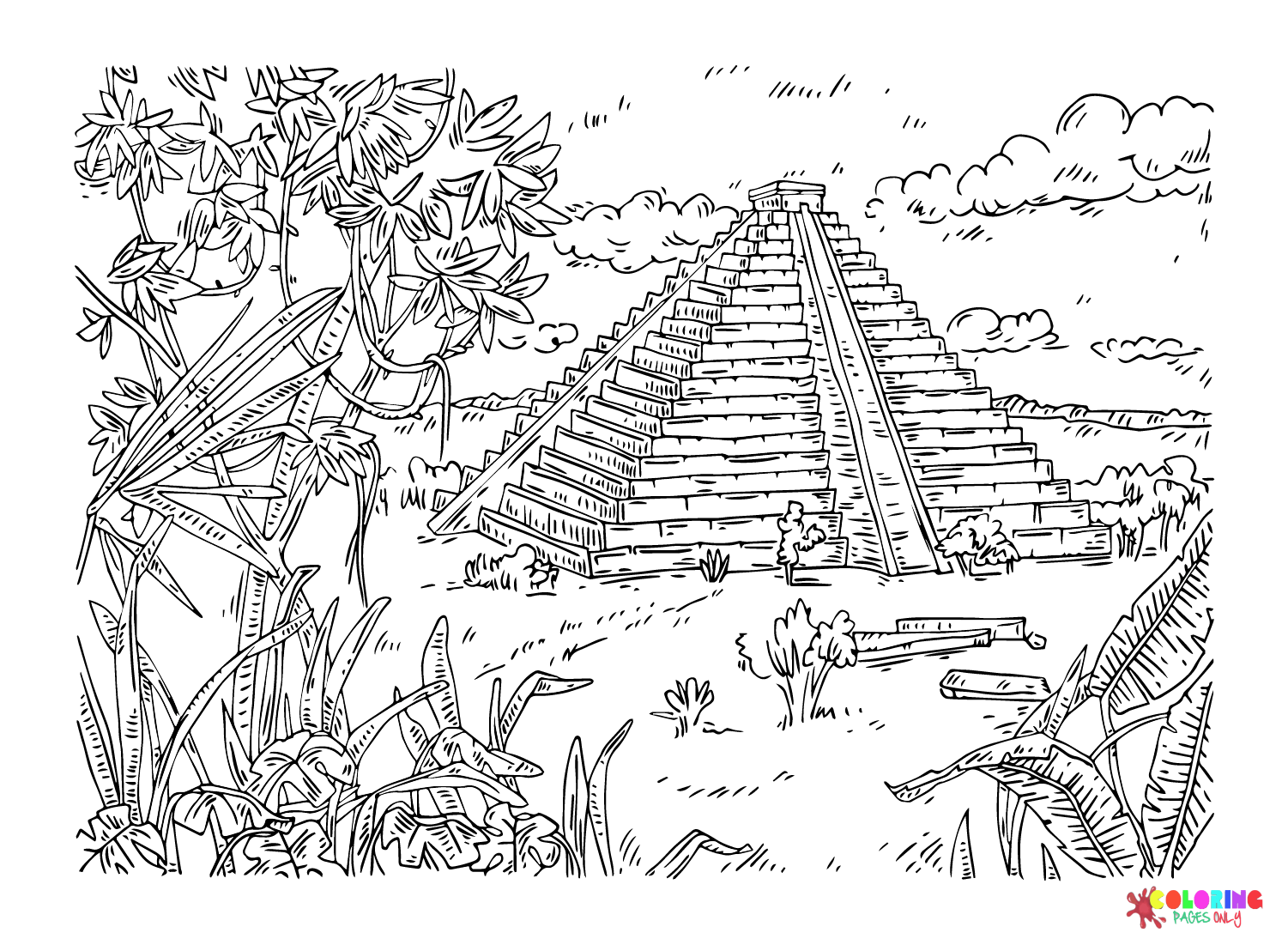
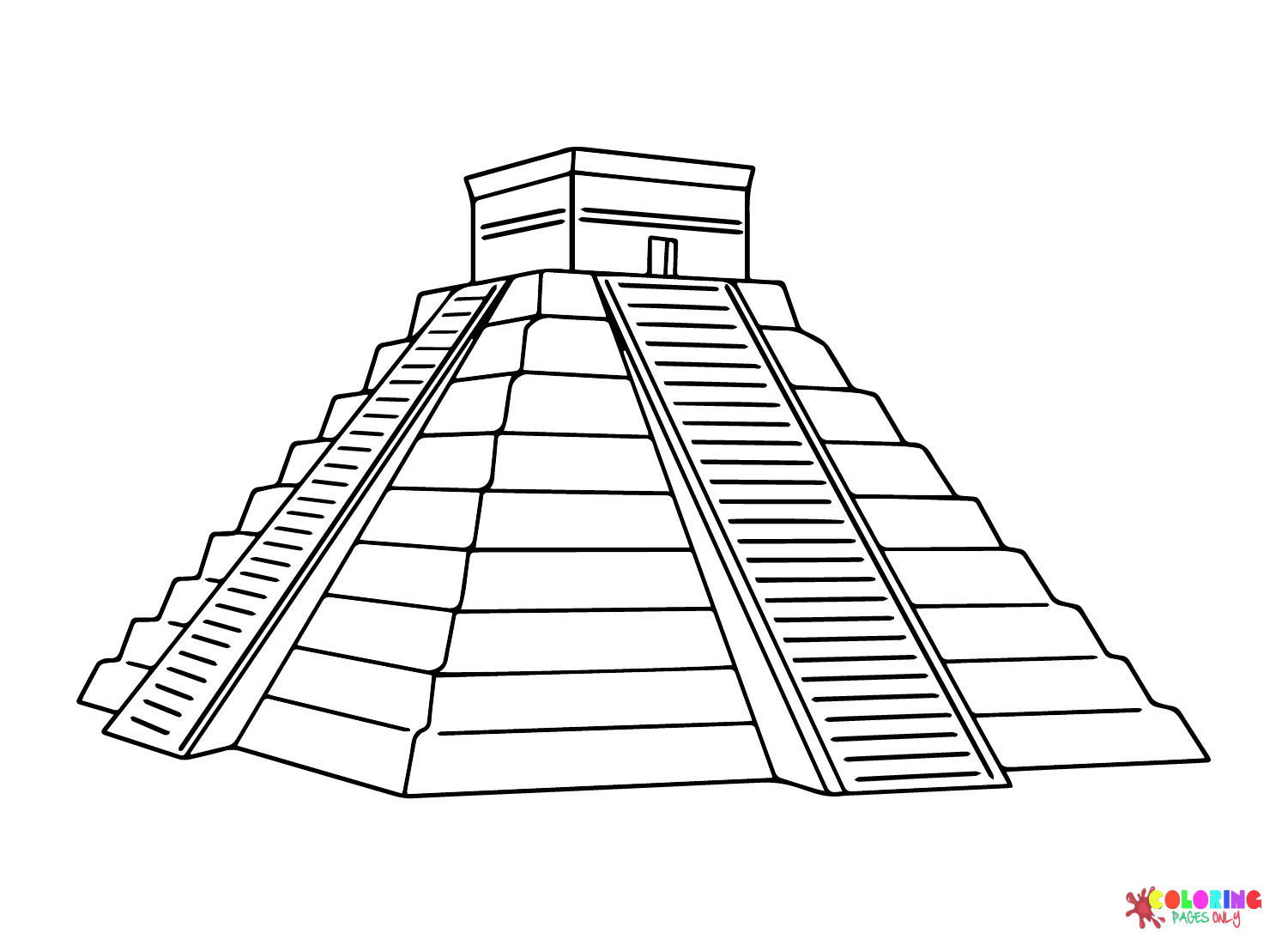
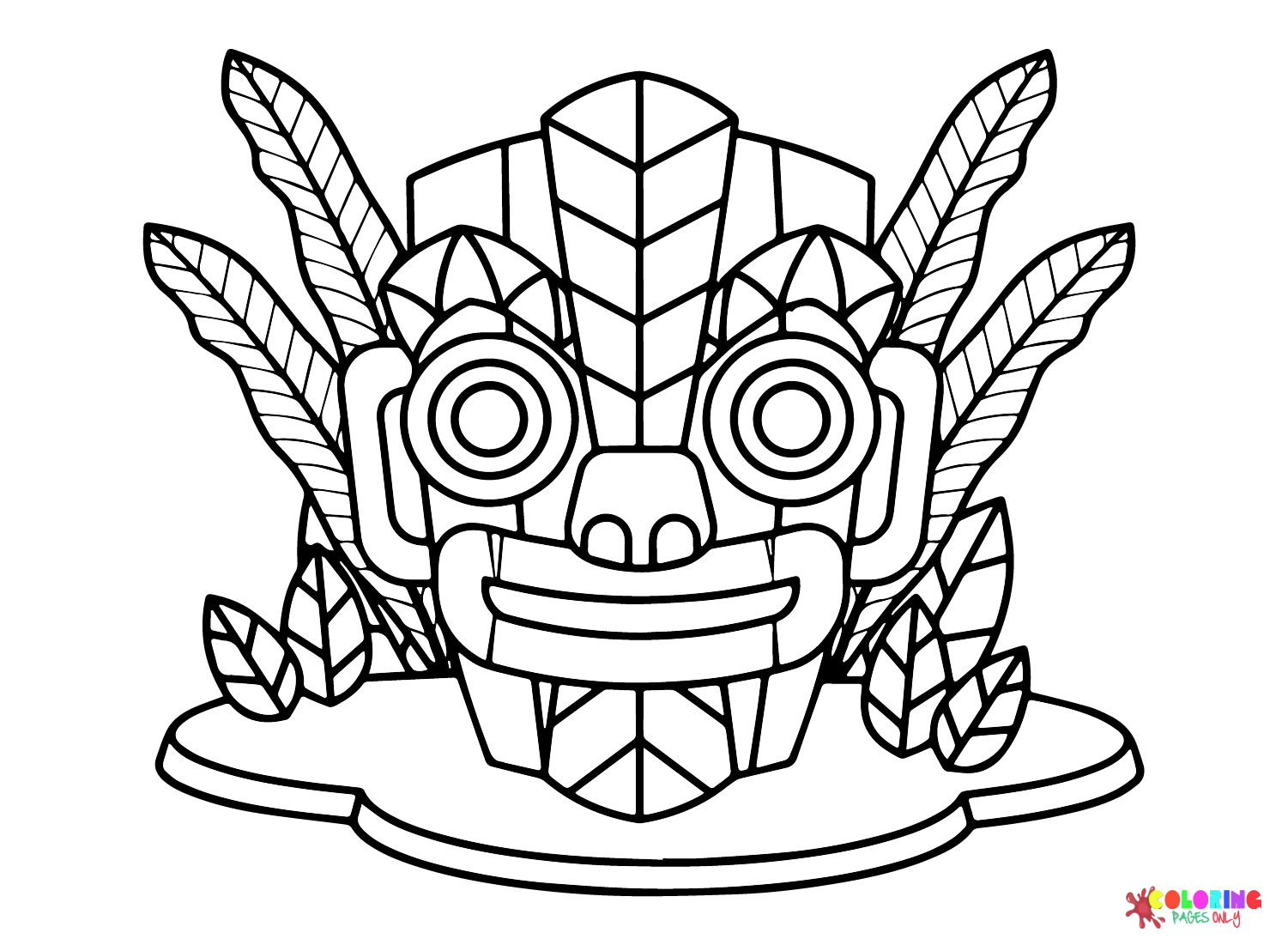
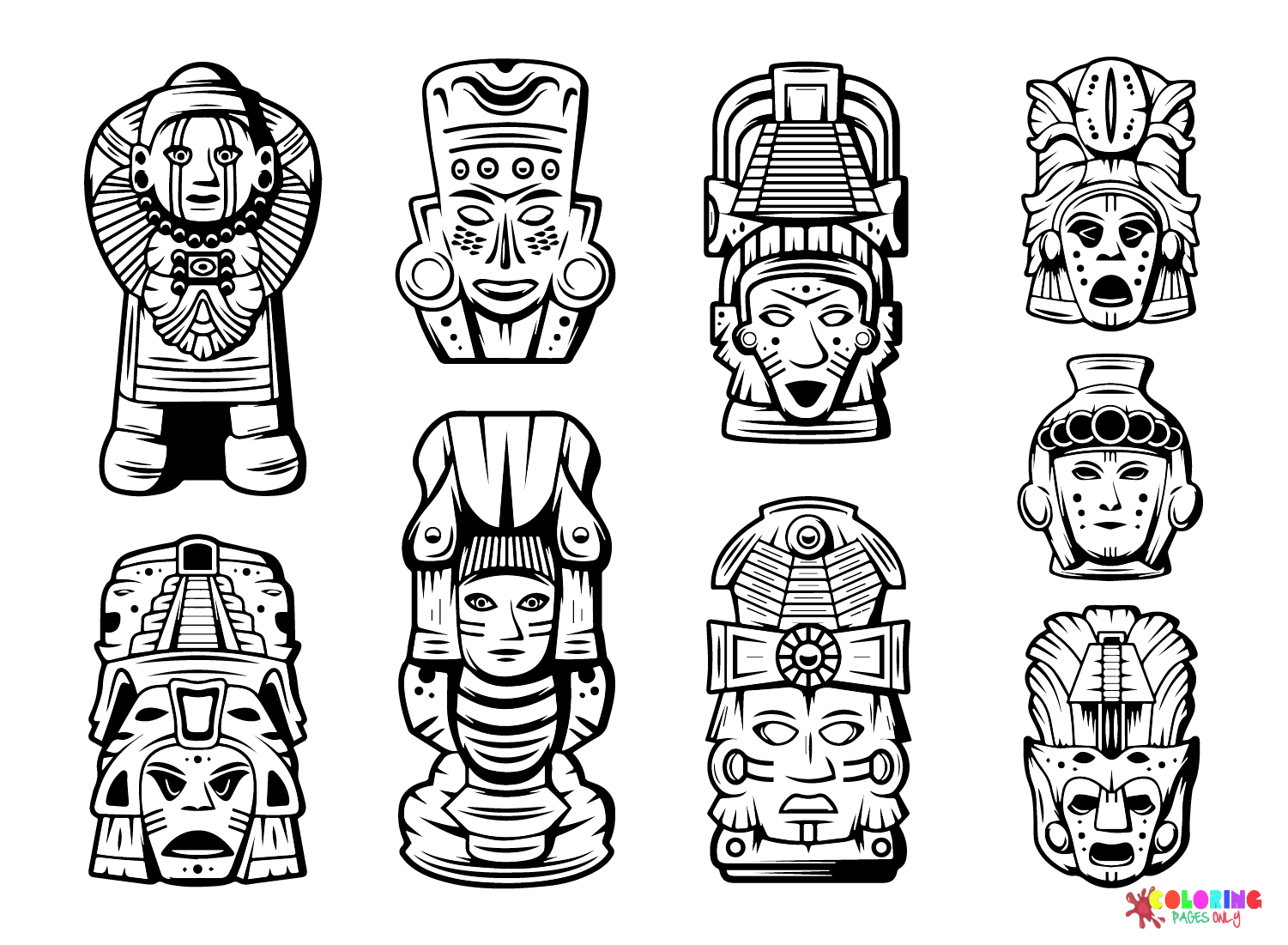
This collection groups its 16 designs into classic portraits and scenes, ready-to-print pages, and Maya architecture and symbols, giving colorists several ways to explore this ancient civilization.
What Is Inside This Collection
The 16 Maya Civilization pages are split into three natural groups based on subject and style.
Classic Portraits and Scenes
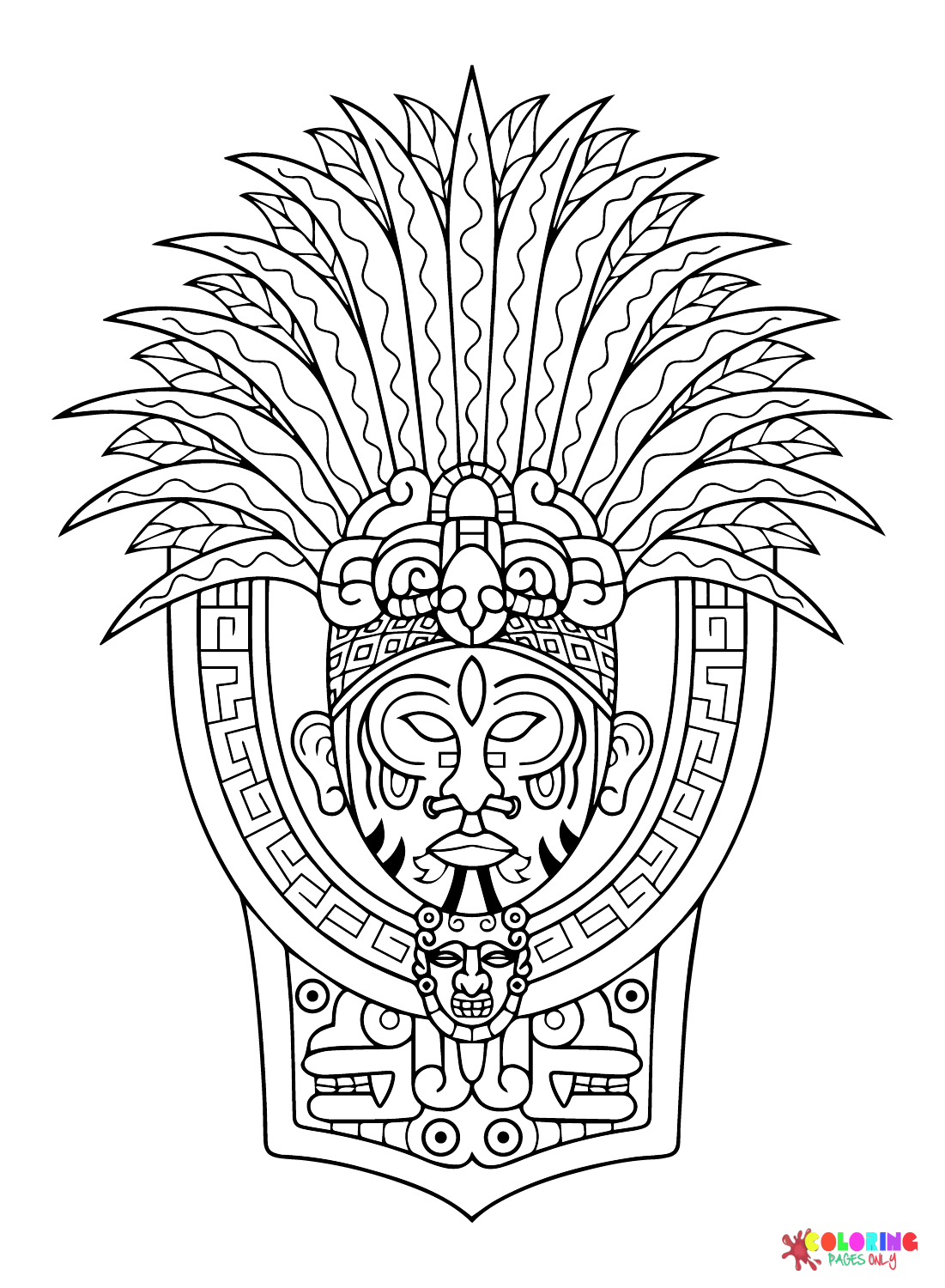
This group covers general depictions of Maya people and daily life, along with broader civilization portraits that give a sense of the culture as a whole. These pages work well with earthy terracotta, jade green, and deep red tones, colors closely associated with Maya textiles, jewelry, and painted murals.
Ready-to-Print Pages
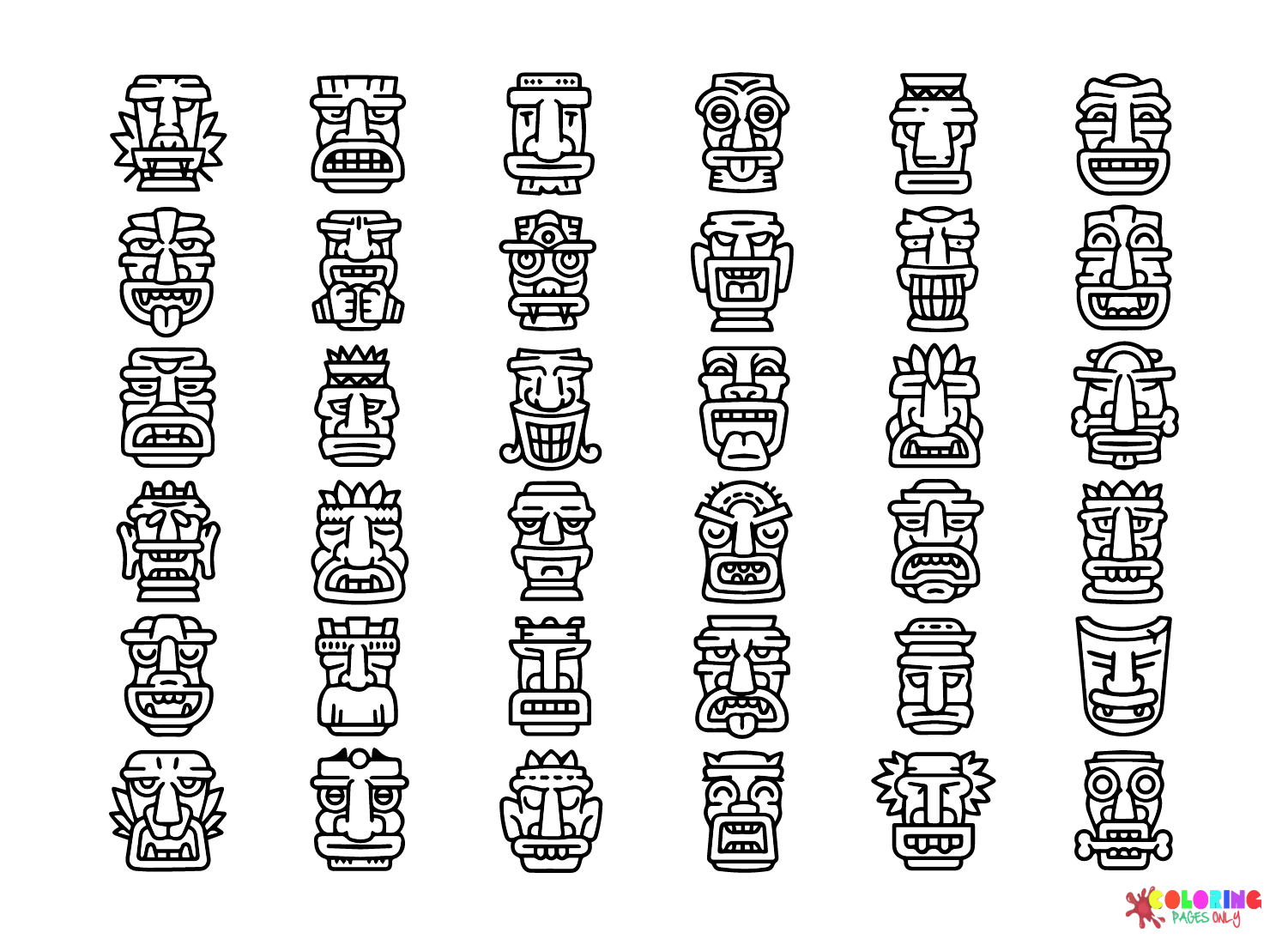
These are the simplified, icon-style designs and larger-outline pages built for quick printing sessions. Bigger, cleaner shapes make this group especially suited to younger colorists who are just starting to learn about ancient Mesoamerica.
Maya Architecture and Symbols
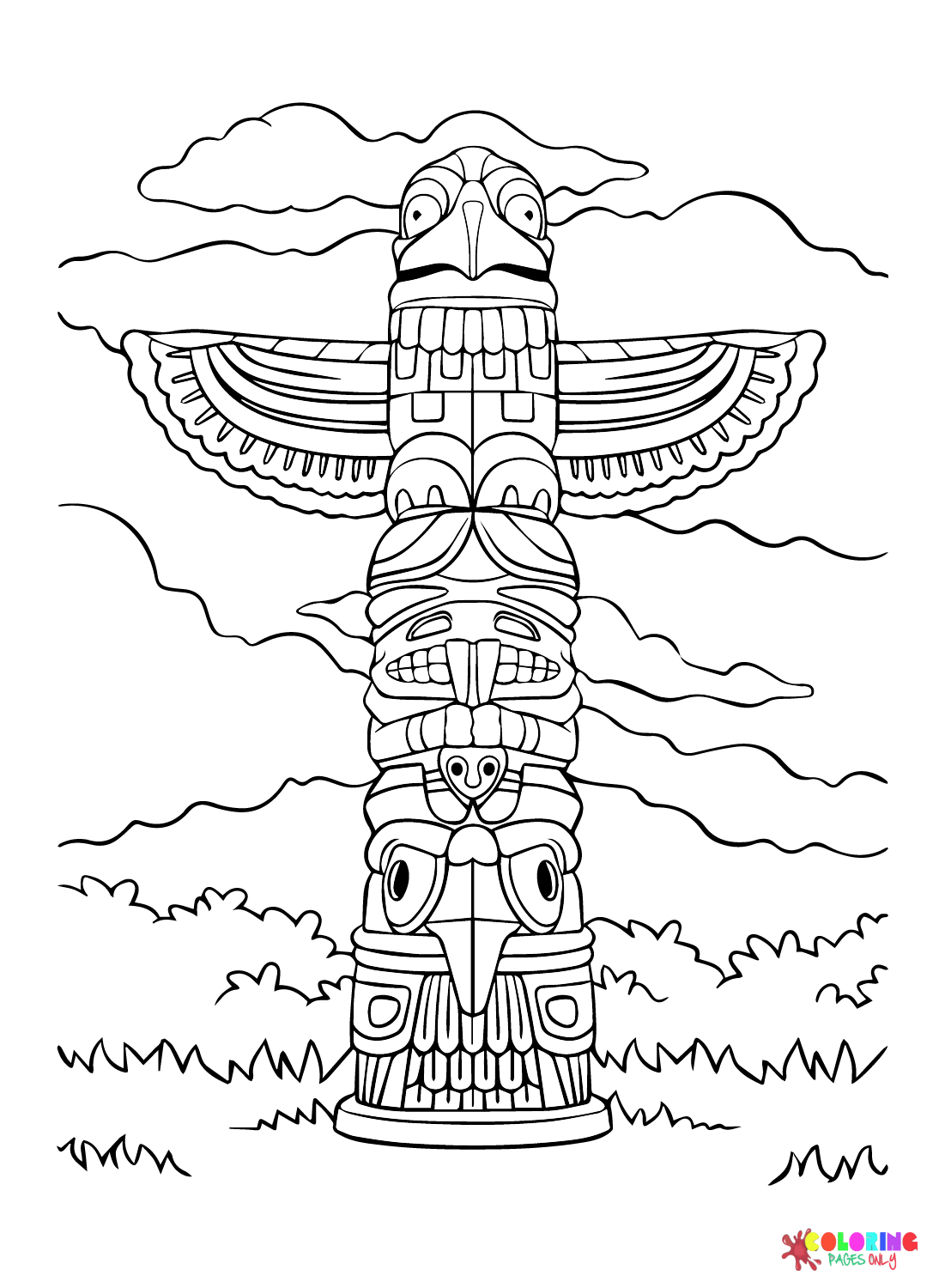
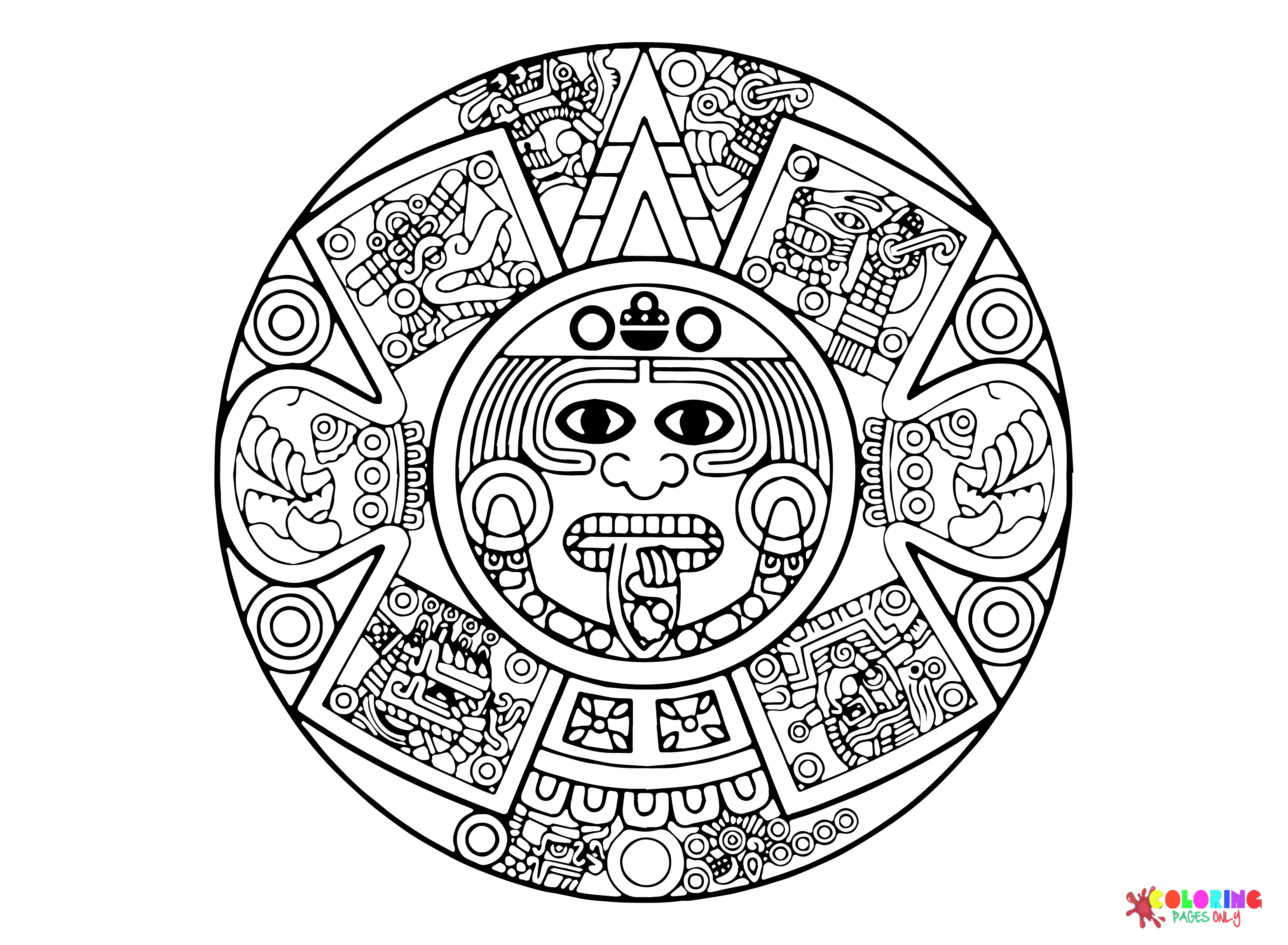
This set features stepped pyramid structures and calendar-style symbols associated with the region. Since one of these designs depicts the Pyramid of the Sun at Teotihuacan and another references the Aztec calendar stone, both technically built by different Mesoamerican cultures rather than the Maya themselves, these pages offer a natural opportunity to talk through how the Maya, Aztec, and Teotihuacan civilizations relate to one another.
What Maya Civilization Coloring Pages Do
Untangling three related but distinct civilizations. Popular media often blends Maya, Aztec, and Teotihuacan imagery together, even though each represents a separate culture with its own timeline and achievements. Coloring this collection gives a parent or teacher a natural opening to sort out which pyramid, calendar, or symbol belongs to which civilization, turning the activity into a small, concrete history lesson rather than a vague impression of “ancient ruins.”
Practicing fine detail on genuinely intricate patterns. The American Academy of Pediatrics identifies fine motor skill development as a core benefit of structured coloring for children ages 2 through 7, and the layered stonework on Maya pyramids and the dense glyph-like patterns on calendar designs give children practice with a level of geometric detail that a simple figure or animal page would not require.
Connecting art to a real system of writing. Maya hieroglyphic writing used more than 800 distinct glyphs to record history and astronomy, a detail that turns any page showing carved symbols into more than decoration. Coloring these designs gives children a concrete reason to ask what the shapes might represent, opening a door to a real, still partly deciphered writing system.
A steady, geometric calm. A 2005 study in the Art Therapy Journal documented measurable reductions in anxiety following structured coloring sessions. The repeated stepped-pyramid tiers and geometric calendar patterns across these pages give children an easy, structured rhythm to settle into during that focused time.
How to Color Maya Civilization Pages Well
- Pyramid stone: Use a warm Sandy Tan or light Gray base for the stepped pyramid tiers, adding a slightly darker shade in the recessed lines between each step to bring out the layered structure.
- Clothing and textiles: Color traditional dress in Terracotta, Jade Green, or deep Red, the tones most closely associated with Maya woven fabric and jewelry.
- Jade accents: Reserve a bright Jade Green for jewelry, headdresses, or decorative inlays, since jade held major cultural and symbolic importance in Maya society.
- Calendar and glyph symbols: Keep carved symbols and glyphs in a single muted stone color, Gray or Tan, rather than multiple bright colors, so the intricate detail stays readable rather than visually busy.
- Vegetation and setting: Use deep Forest Green for surrounding jungle foliage on scene-based pages, since most Maya cities were built within dense tropical rainforest.
- Sky and background: A warm gold or pale blue sky works well behind pyramid pages, echoing the strong role astronomy and the sun played in Maya religious life.
5 Creative Craft Ideas With Maya Civilization Coloring Pages
1. Civilization sorting activity
Color the pyramid and calendar pages, then sort them into Maya, Aztec, and Teotihuacan groups using a simple fact sheet as a guide, turning the coloring session into a hands-on history sorting game.
2. Stepped-pyramid diorama
Use a colored Pyramid of the Sun or Maya architecture page as a reference while building a small stepped pyramid model out of stacked cardboard squares.
3. Glyph name card
Pair a colored calendar or symbol page with a simple reference chart of Maya numerals, then have kids write their age or a short number using the Maya counting system.
4. History fact bookmark
Cut out a colored portrait page, glue it to cardstock, and write one fact about Maya’s achievements in astronomy or mathematics on the back.
5. Timeline poster
Arrange colored pages alongside handwritten dates to show roughly when the Maya, Teotihuacan, and Aztec civilizations each rose and fell, for a classroom or bedroom wall display.
Frequently Asked Questions
What are Maya Civilization coloring pages?
Maya Civilization coloring pages are free printable and online designs featuring the people, architecture, and symbols of the ancient Maya, including portrait and scene pages, ready-to-print designs, and pages showing pyramids and calendar-style symbols. This collection includes 16 designs that can be downloaded as PDFs or colored directly in the browser.
What was the Maya civilization?
The Maya civilization was a network of city-states that flourished in Mesoamerica, in what is now southern Mexico, Guatemala, Belize, and parts of Honduras and El Salvador, from roughly 2000 BCE to the 1500s CE. They are known for advanced hieroglyphic writing, mathematics, astronomy, and monumental stone architecture.
Is the Maya civilization the same as the Aztec civilization?
No. The Maya and Aztecs were separate Mesoamerican cultures. The Maya flourished across a longer span as independent city-states, while the Aztec Empire rose later in central Mexico, roughly between 1300 and 1521 CE, under a single ruling structure. The Aztec calendar stone belongs to Aztec culture, not the Maya.
Who built the Pyramid of the Sun?
The Pyramid of the Sun is located at Teotihuacan, a large city in central Mexico built by a separate Mesoamerican civilization whose builders are not definitively identified. It predates the Aztec Empire and was not built by the Maya, even though it is often grouped with Maya and Aztec imagery in popular depictions.
What did the Maya achieve in mathematics and astronomy?
The Maya independently developed the mathematical concept of zero. She built highly precise calendar systems, including a 365-day Calendar Round and a Long Count Calendar designed to track dates across more than 5,000 years, allowing them to predict astronomical events with notable accuracy.
What was Maya writing like?
The Maya developed one of the most complete hieroglyphic writing systems in the ancient Americas, using more than 800 distinct glyphs to record history, religious life, and astronomical observations. Much of this writing has since been deciphered by modern scholars.
Are Maya Civilization coloring pages suitable for young children?
Yes. The simplified, ready-to-print pages work well for toddlers and young children. In contrast, the detailed architecture and symbol pages give older kids and history enthusiasts more intricate options to color as well.
How many Maya Civilization coloring pages are available to download?
This collection includes 16 designs, covering classic portraits and scenes, ready-to-print pages, and Maya architecture and symbols. Every page can be downloaded as a free PDF or colored online.
Start Coloring
Download any page by clicking the design. No account, email, or payment is required. Pages print directly from the browser at full resolution or open in the online coloring tool for screen use. Share finished pages on Facebook or Pinterest with the share buttons at the top of each design page.