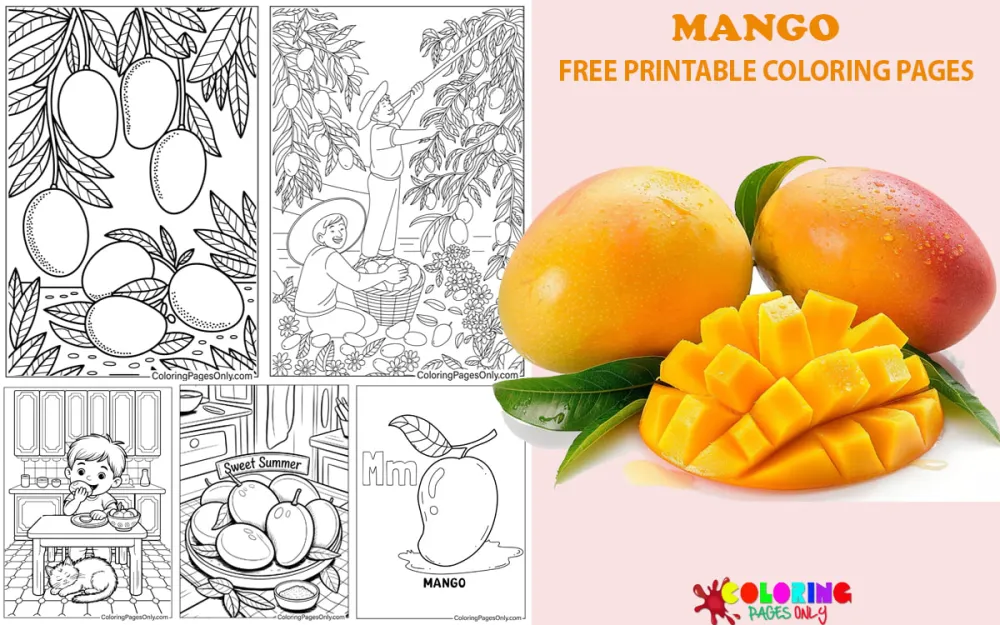
Free Mango Coloring Pages: 34 printable PDF designs featuring whole and sliced mangoes, cute cartoon characters, and mango trees. Each page can be downloaded as a PDF to print or colored online in the browser.
Mangoes have been cultivated in South Asia for more than 5,000 years, originating in the region spanning northwestern Myanmar, Bangladesh, and northeastern India before spreading to tropical regions worldwide. The fruit holds an unusually high level of cultural significance: it is the official national fruit of India, Pakistan, and the Philippines, and the national tree of Bangladesh, and is often described as the most widely eaten fresh fruit in the world. There are several hundred recognized mango varieties today, ranging in flavor from sweet and creamy to bright and citrusy, with India remaining the world’s largest producer even though it consumes most of its harvest domestically. This Mango Coloring Pages collection reflects that global appeal, from realistic whole and sliced fruit to playful cartoon characters and orchard scenes.
The set spans 34 designs, ranging from simple outlines for younger colorists to more detailed patterns and character designs for older colorists and adults.
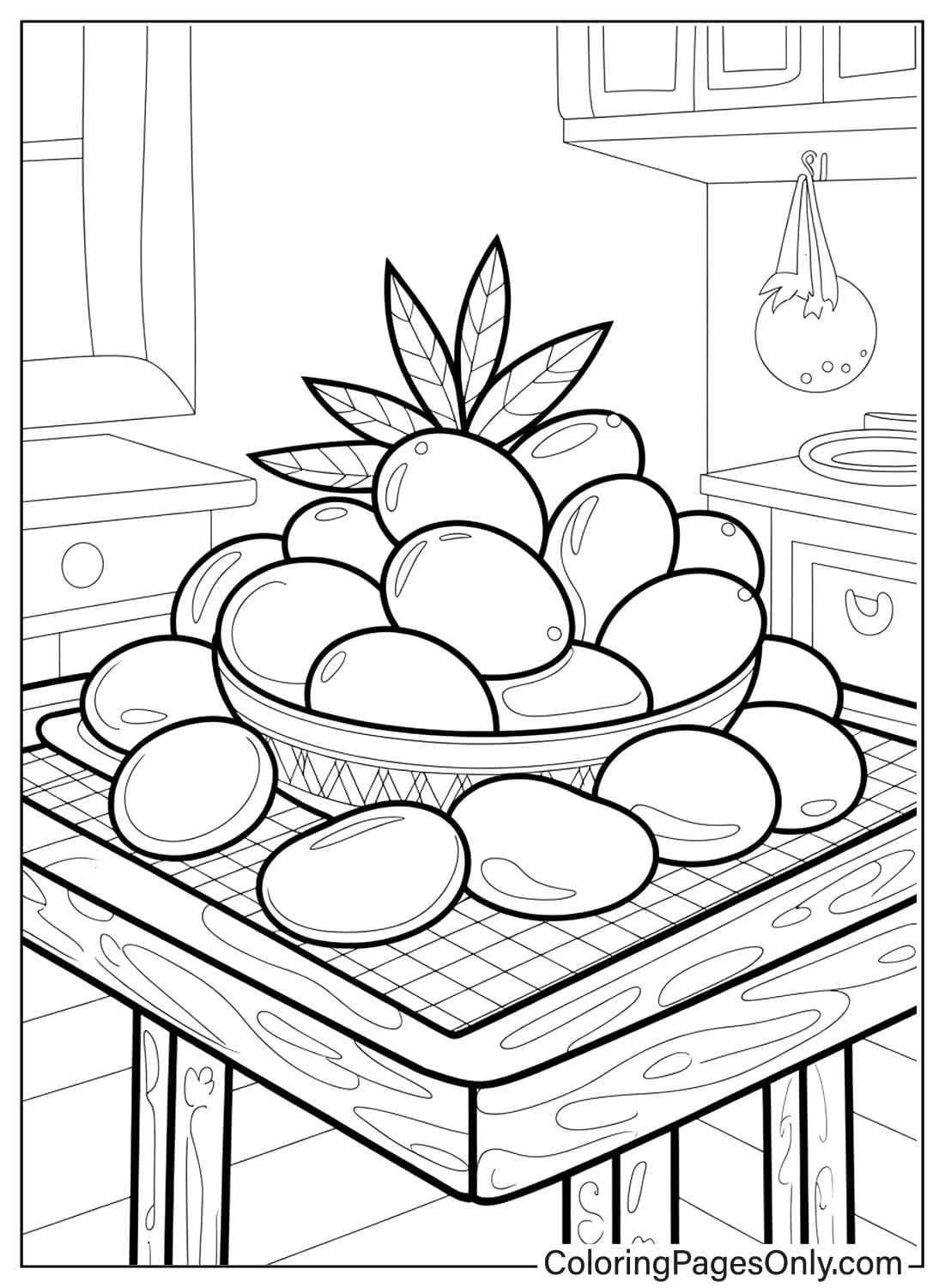
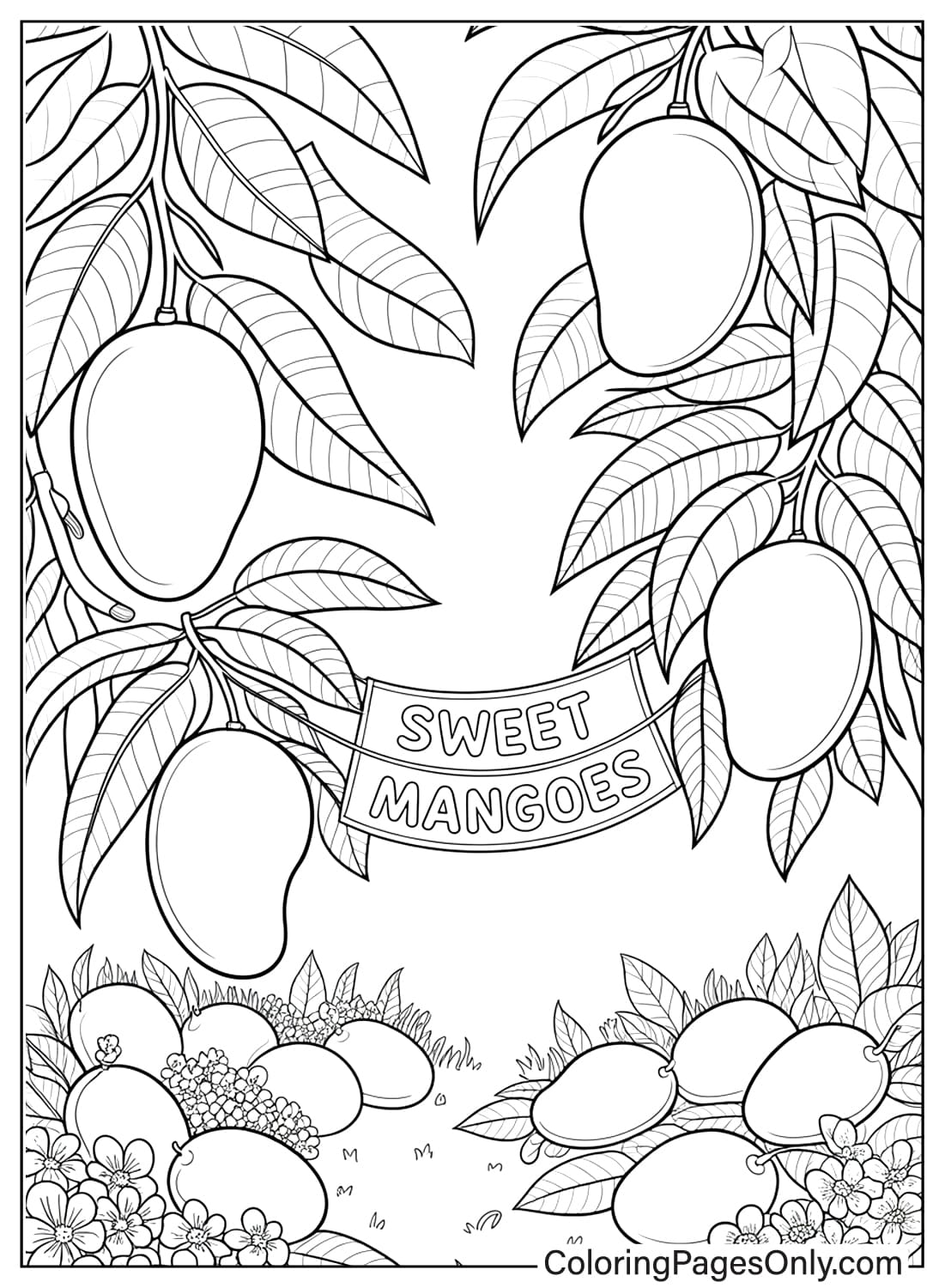
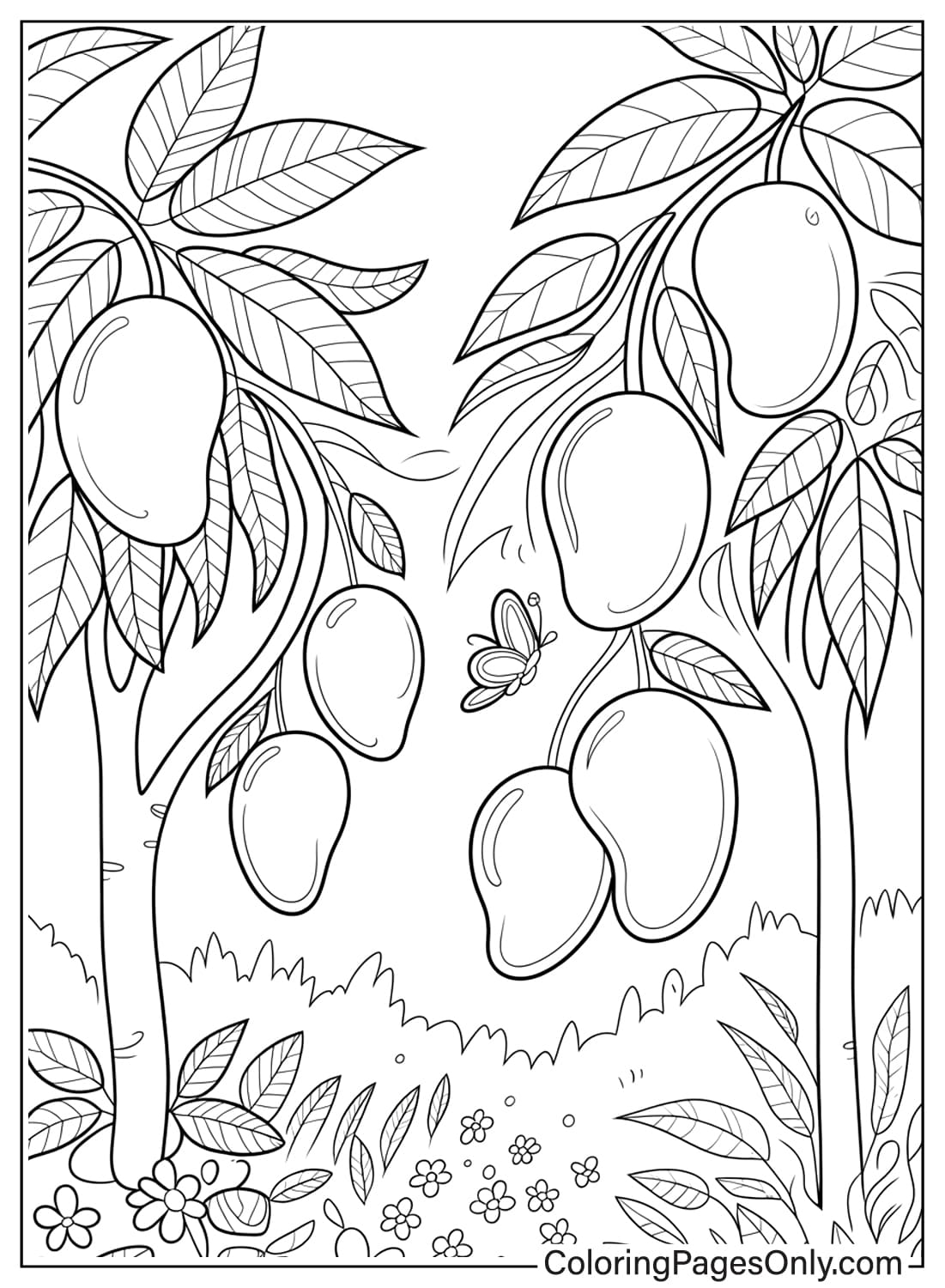
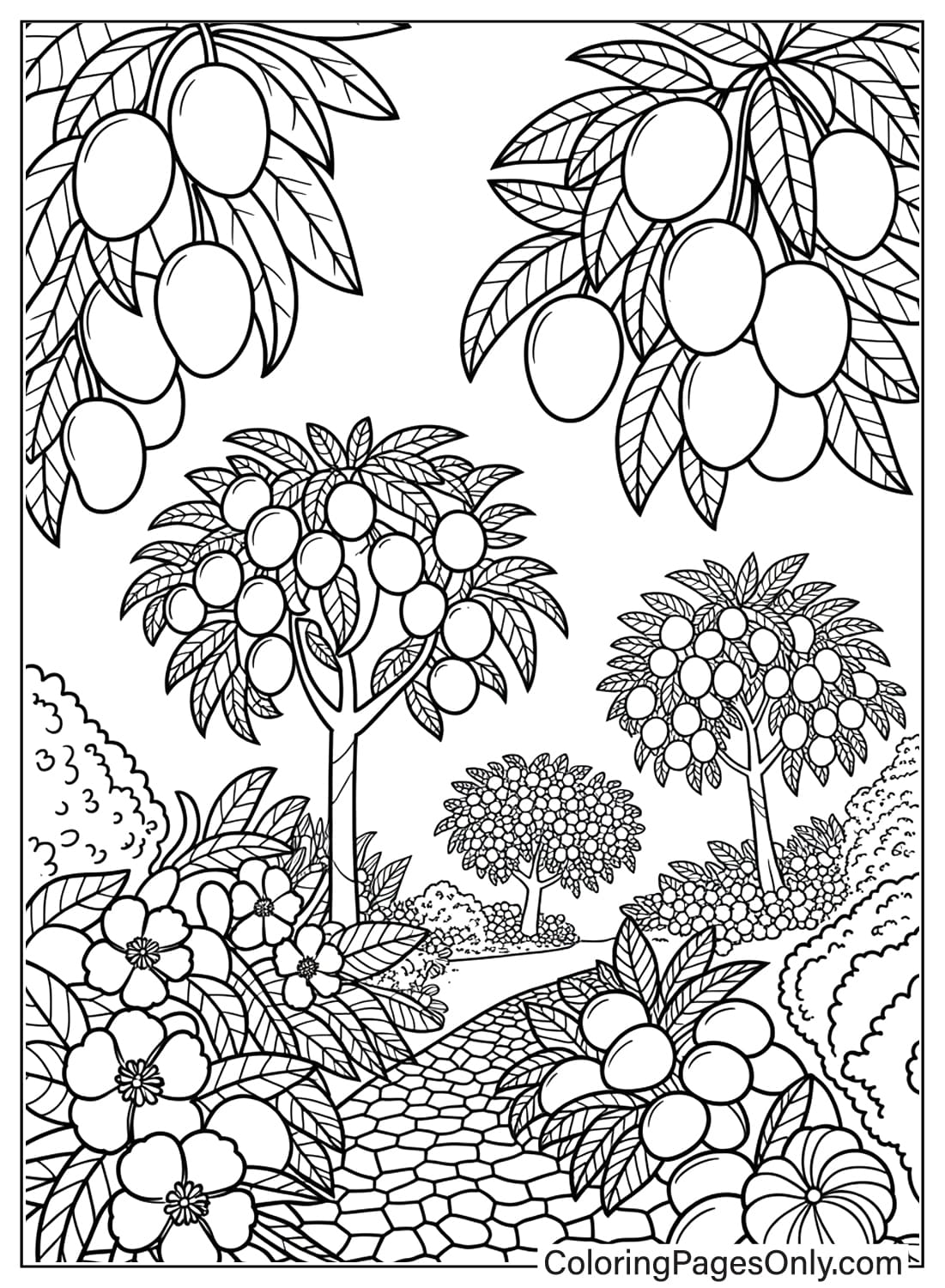
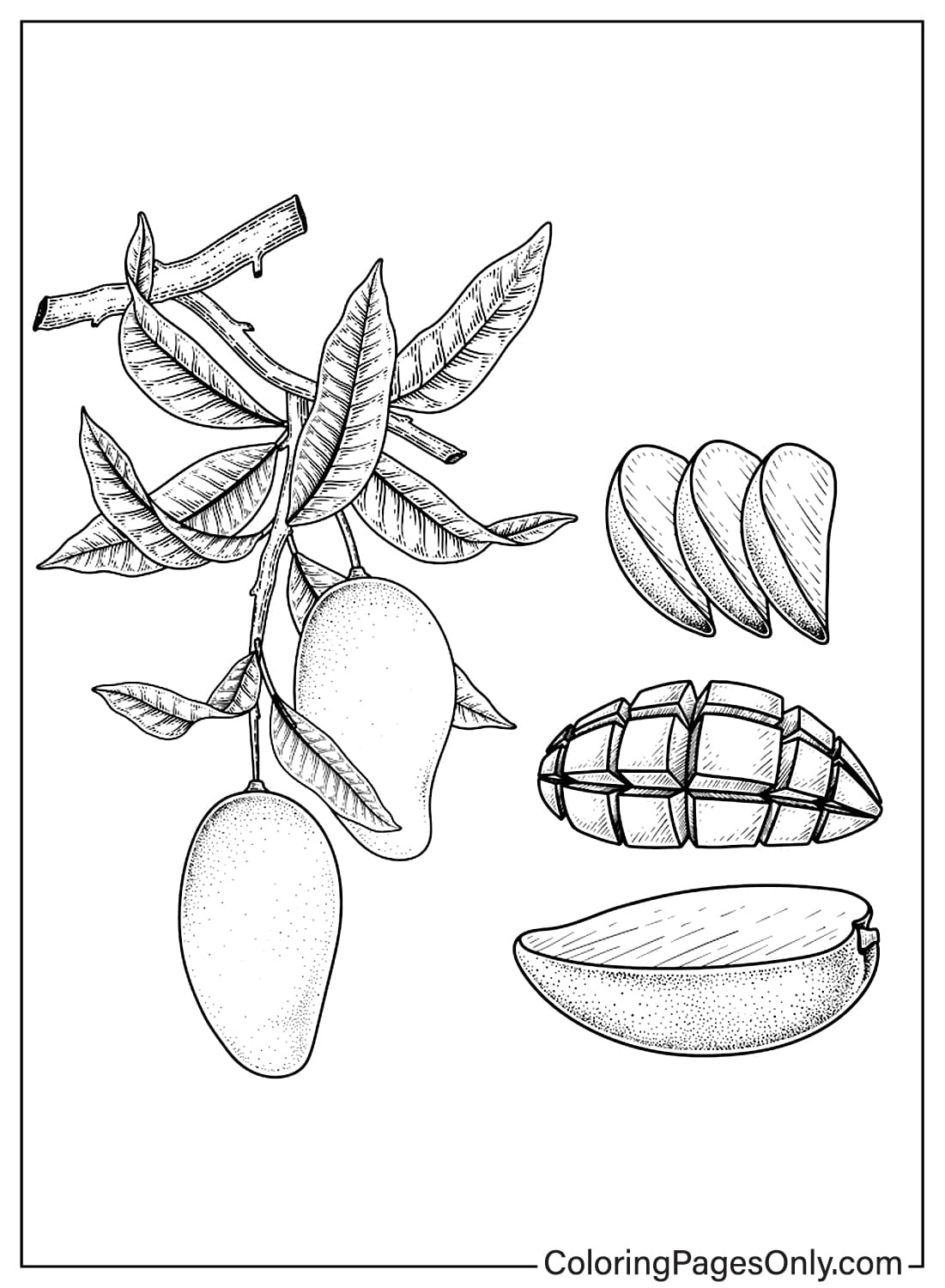
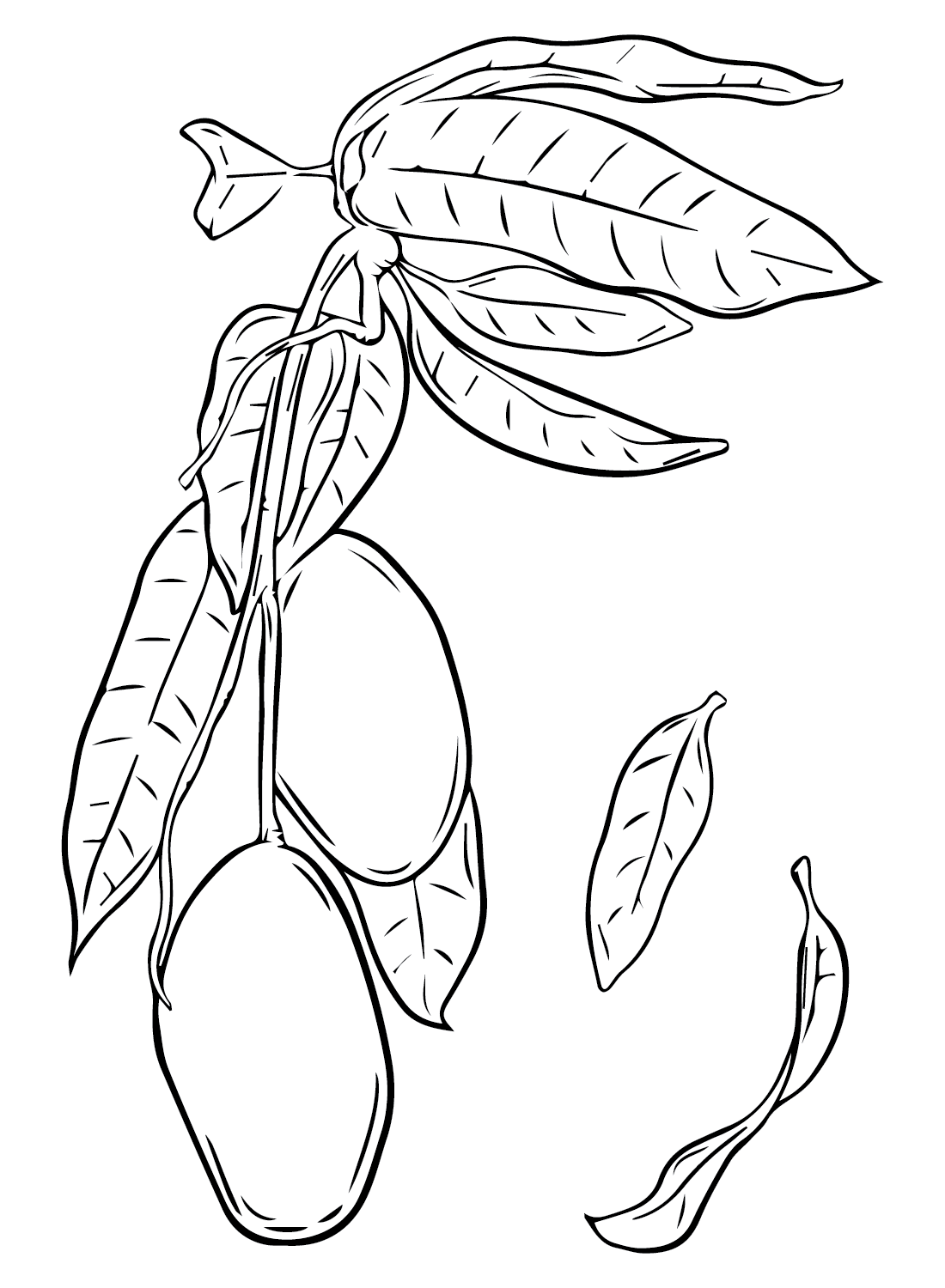
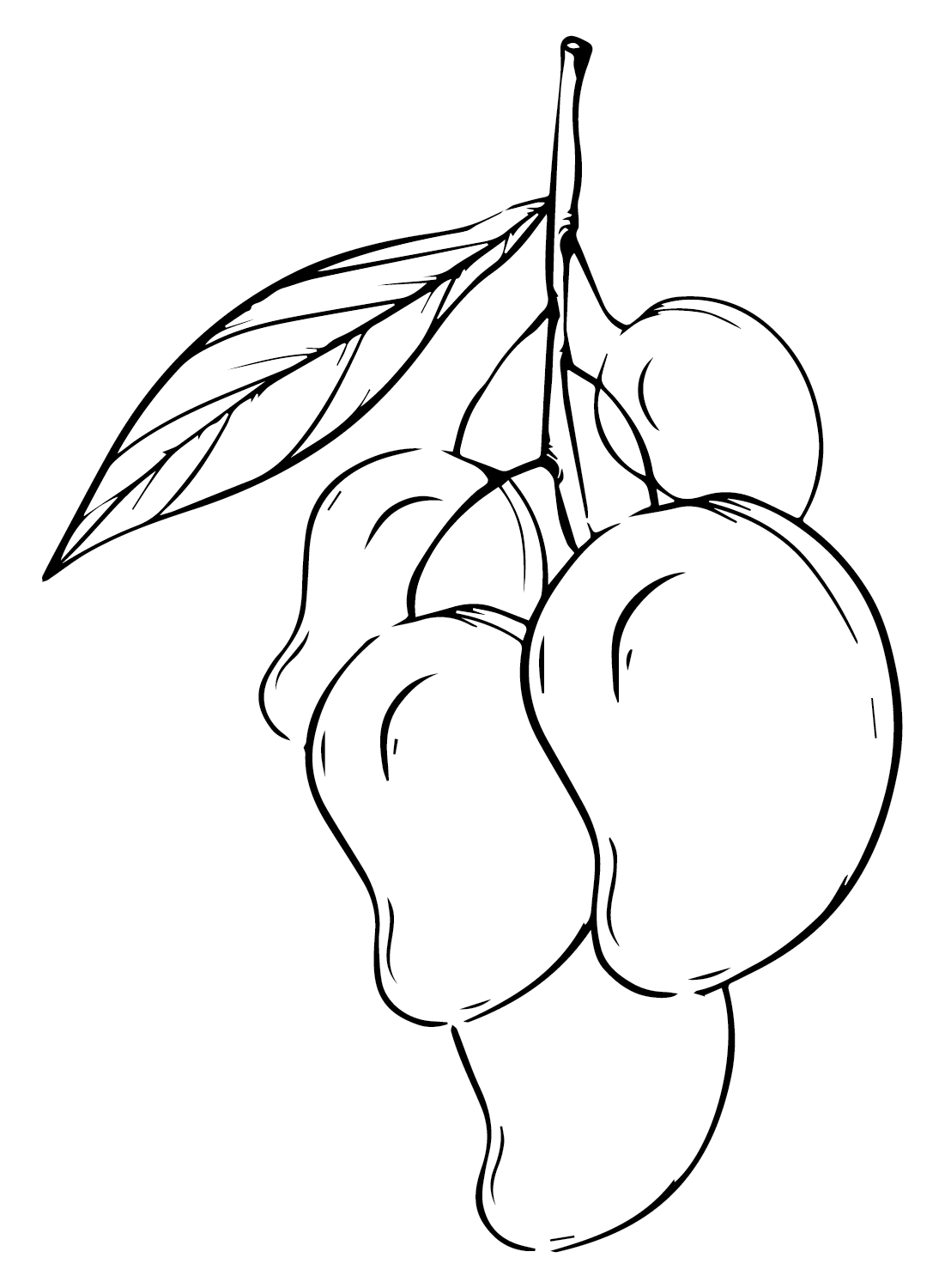
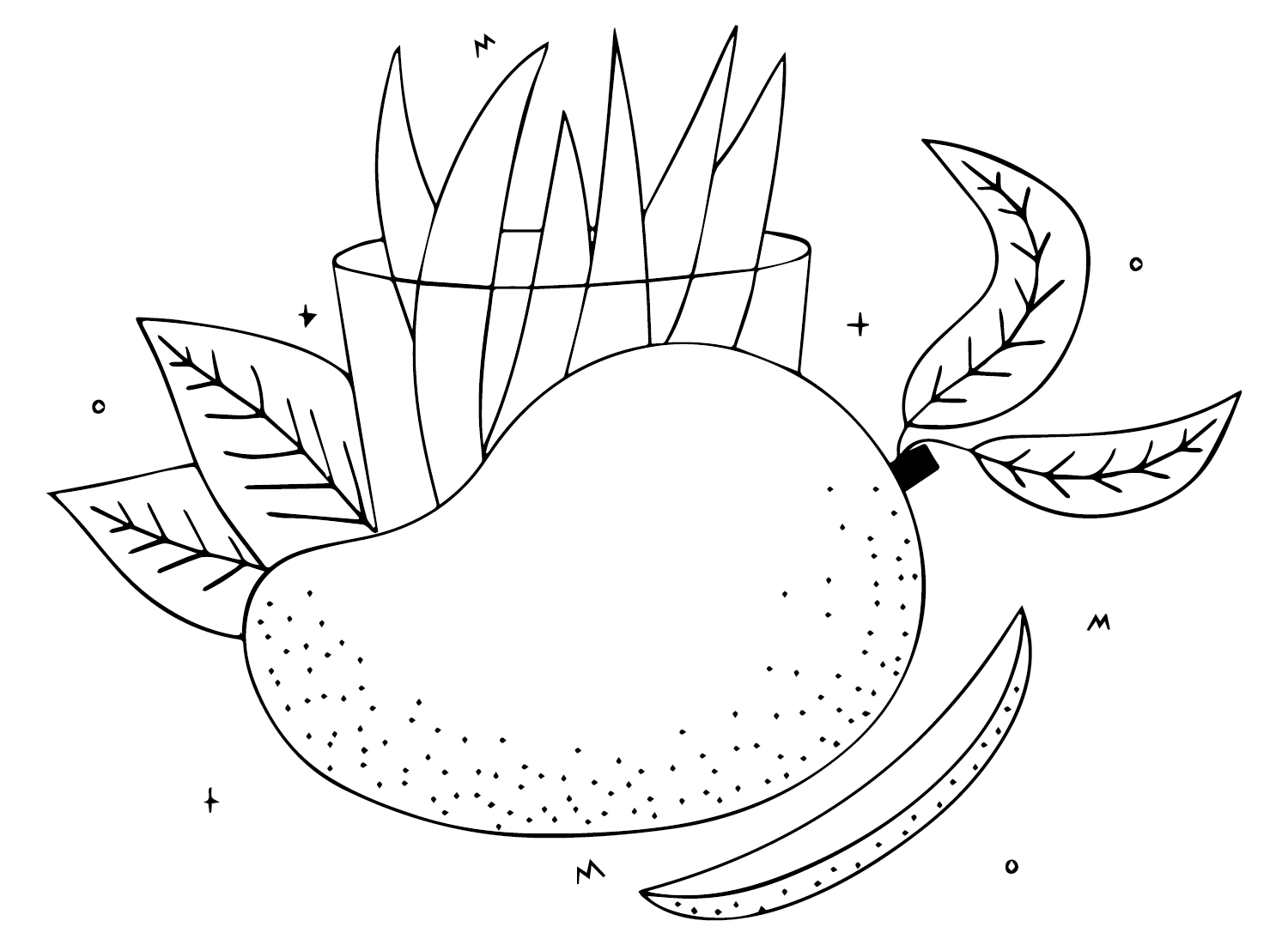
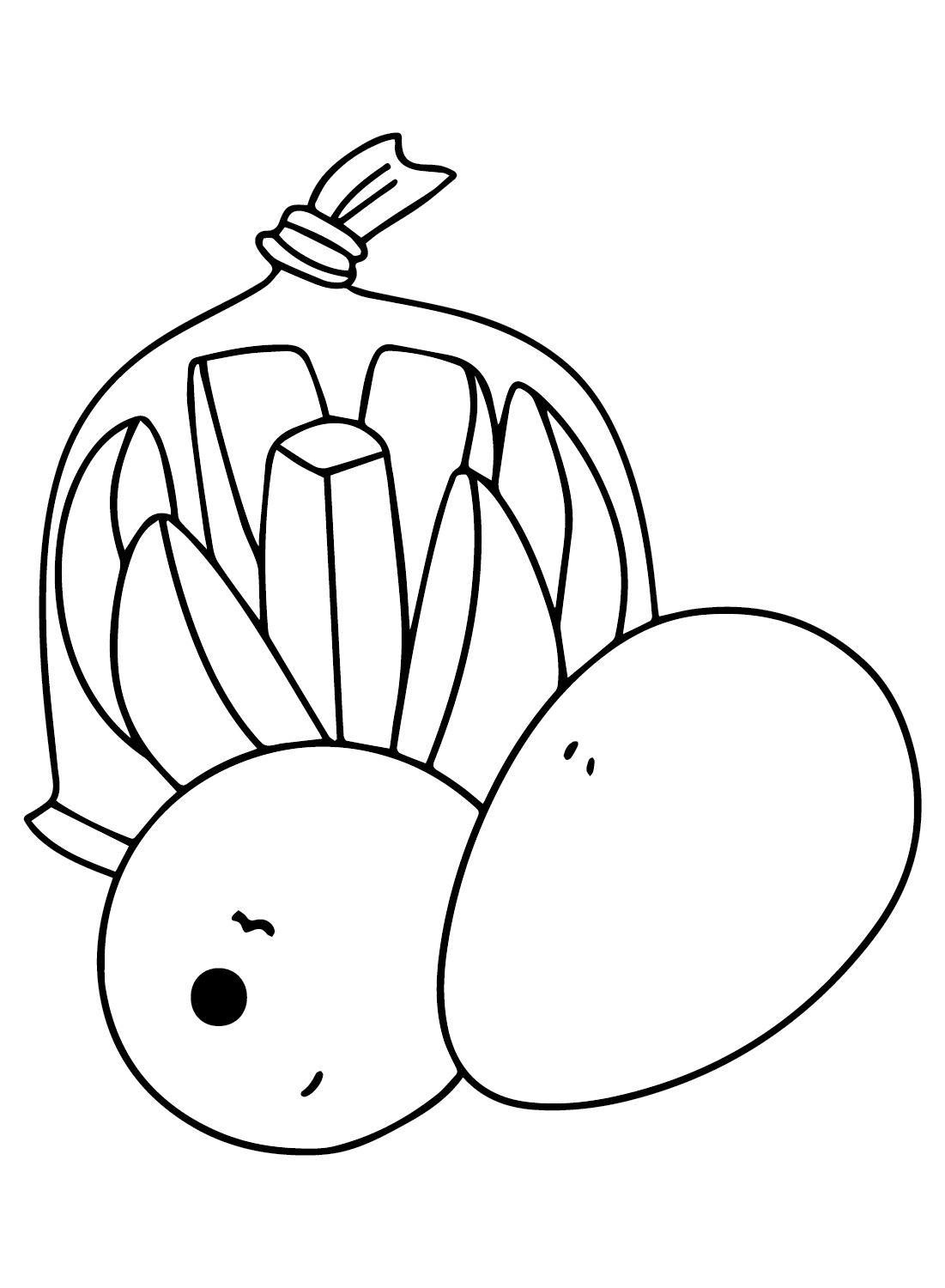
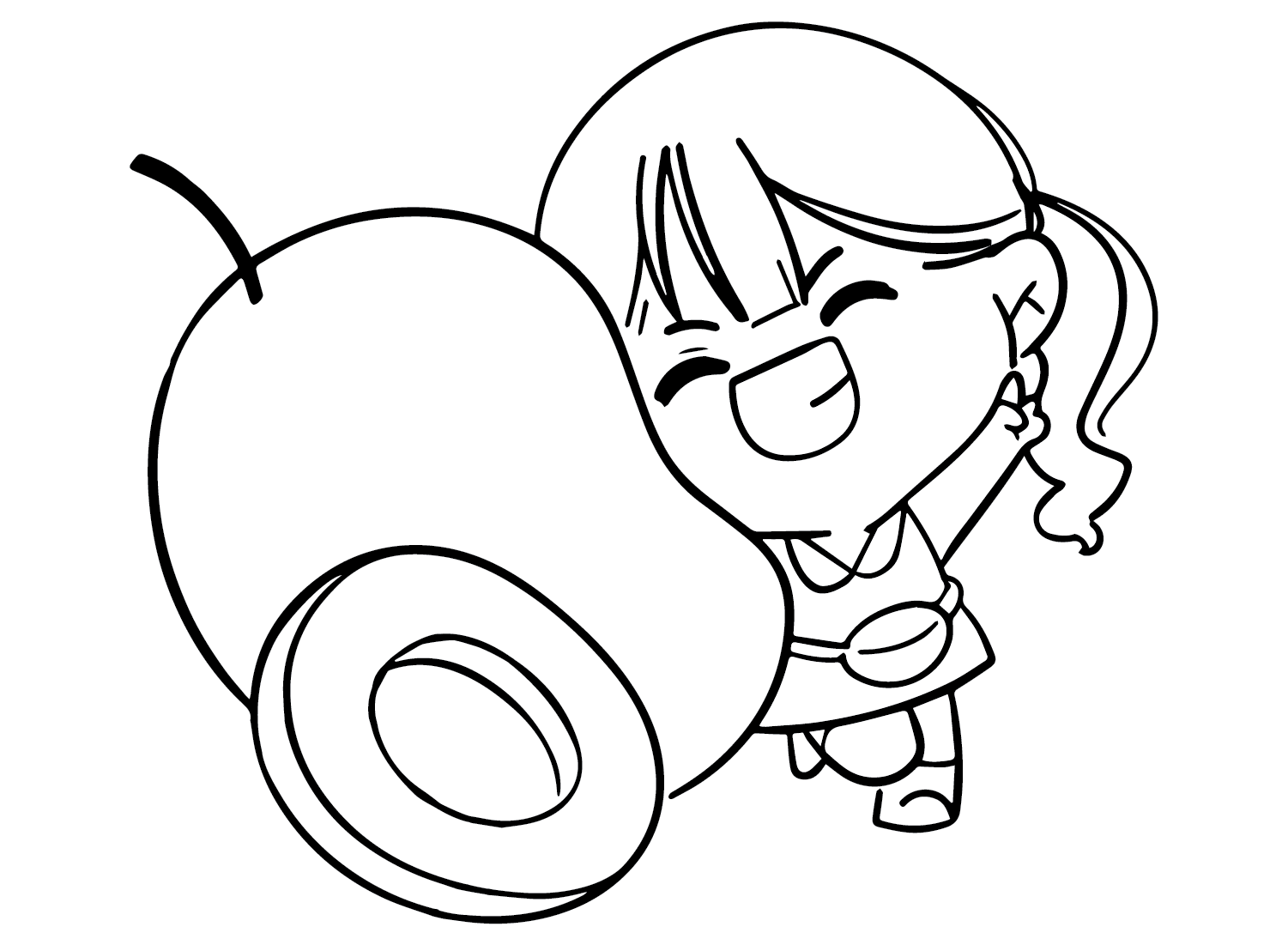
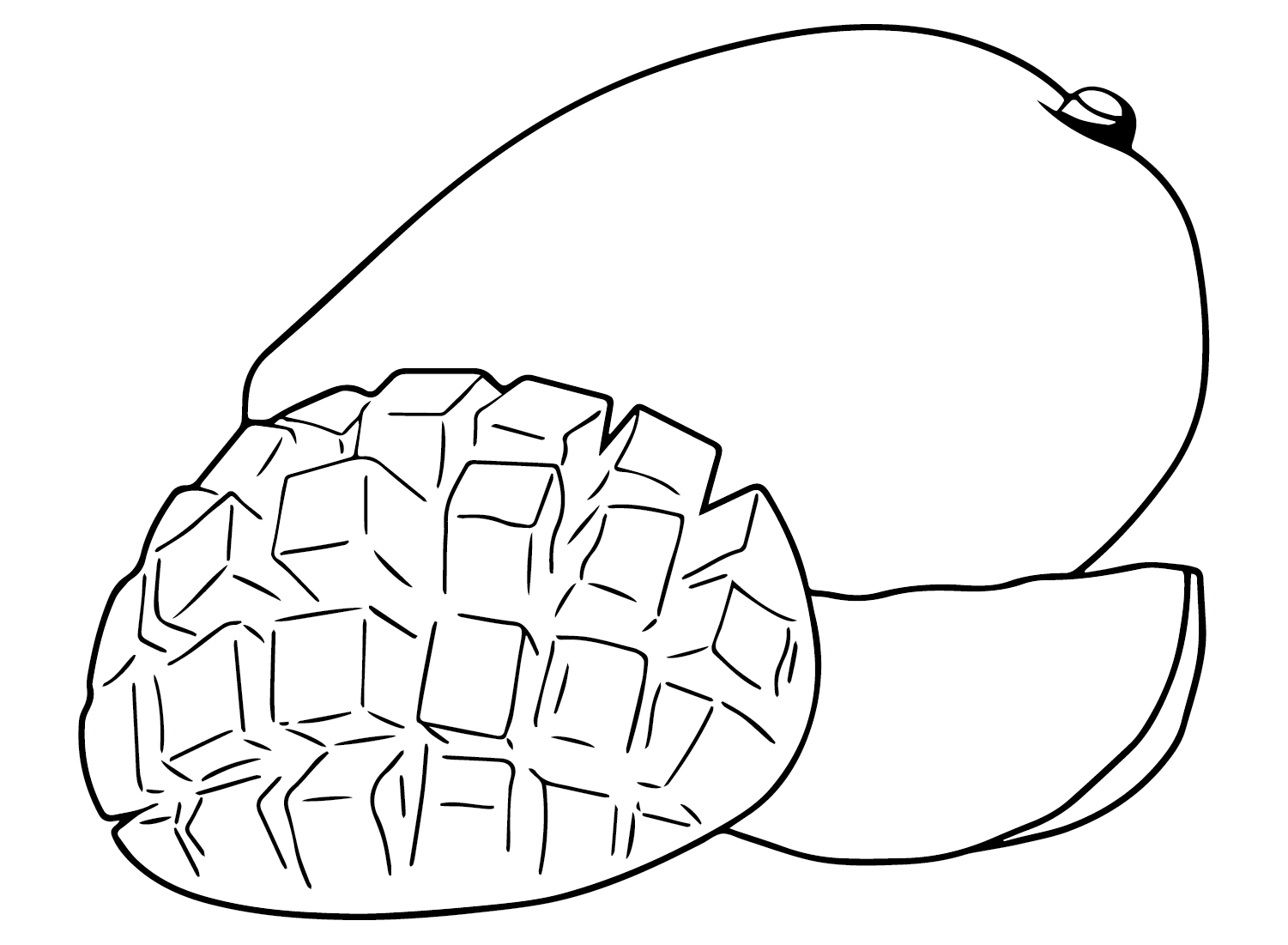
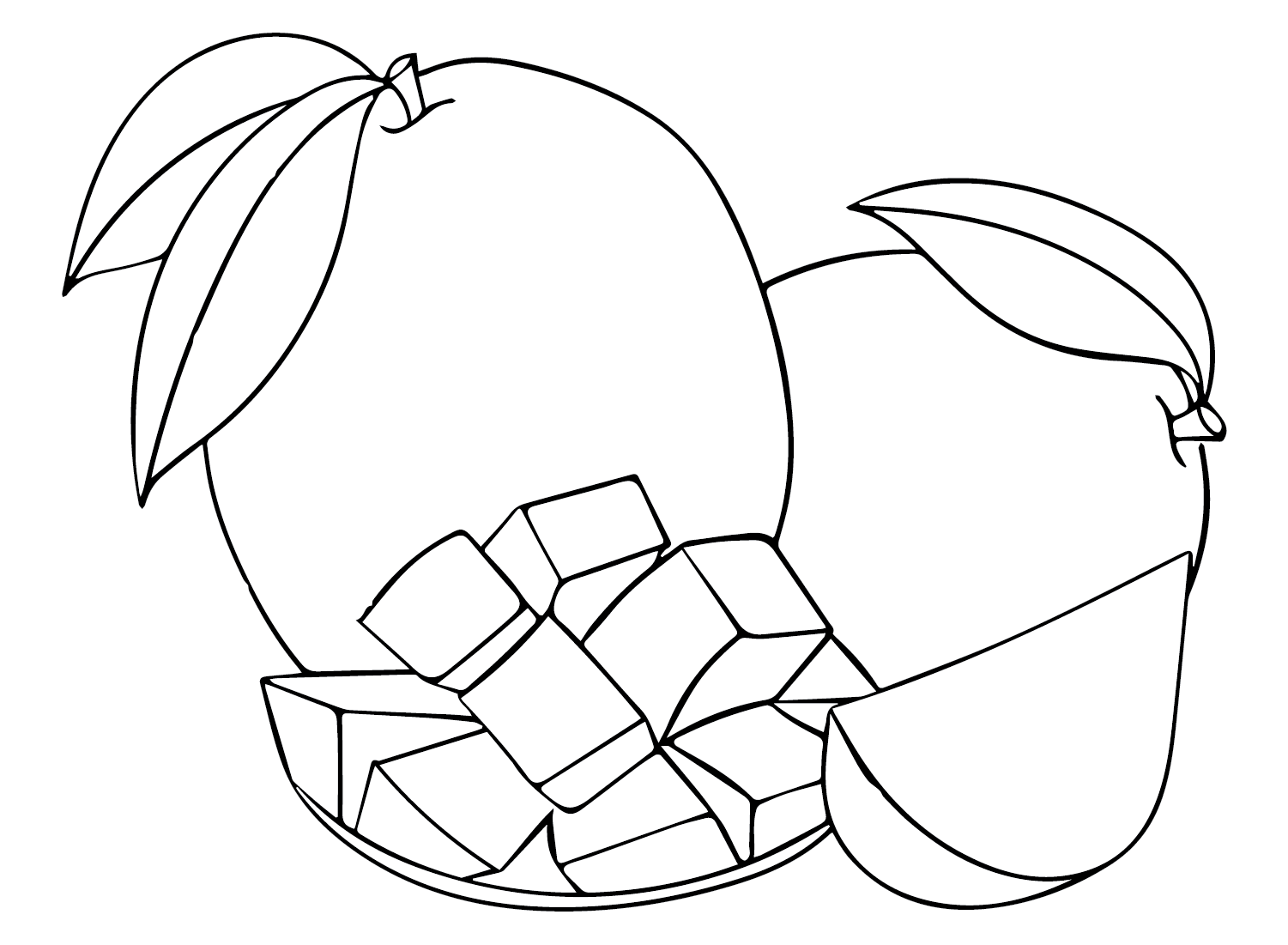
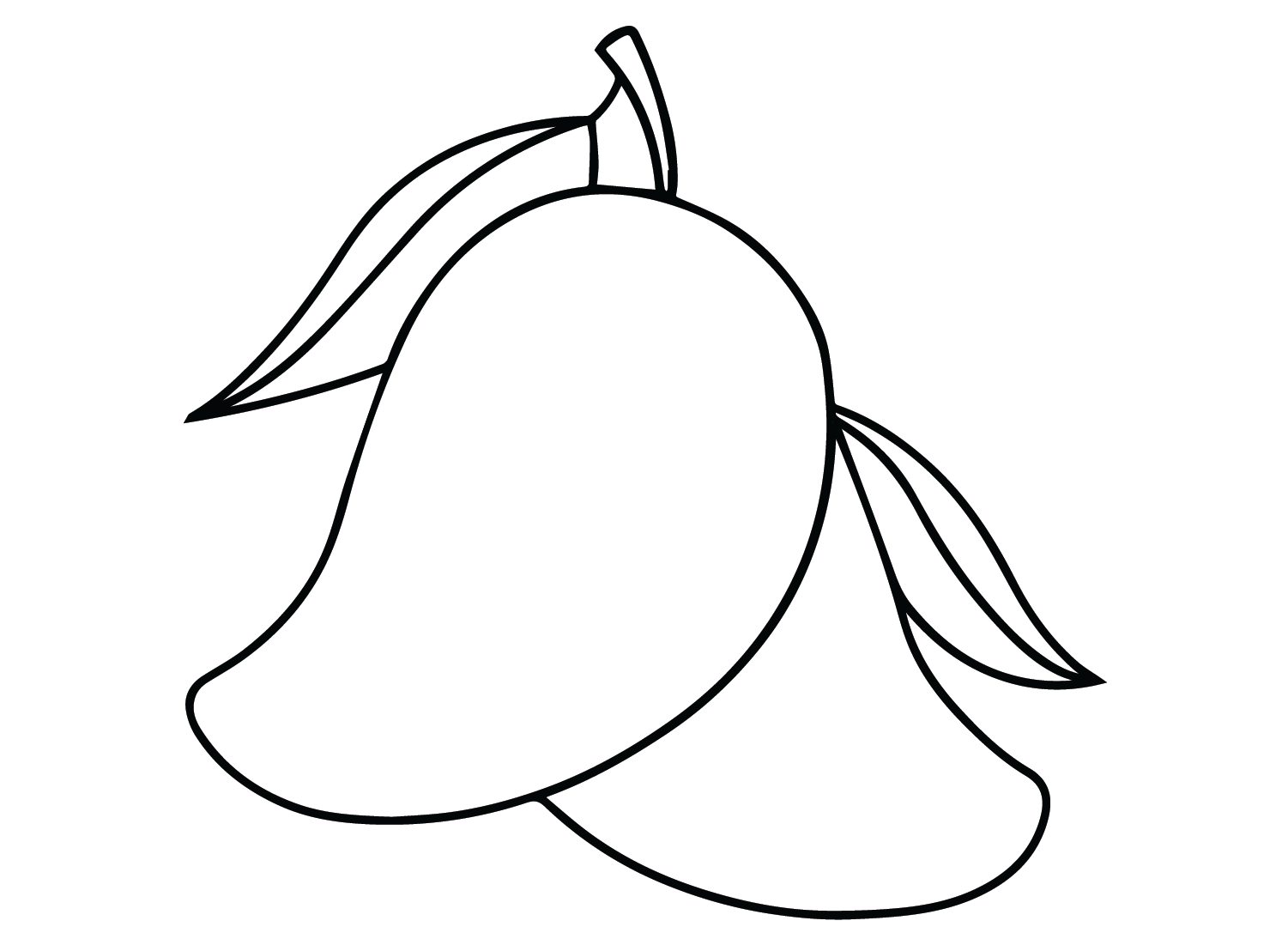
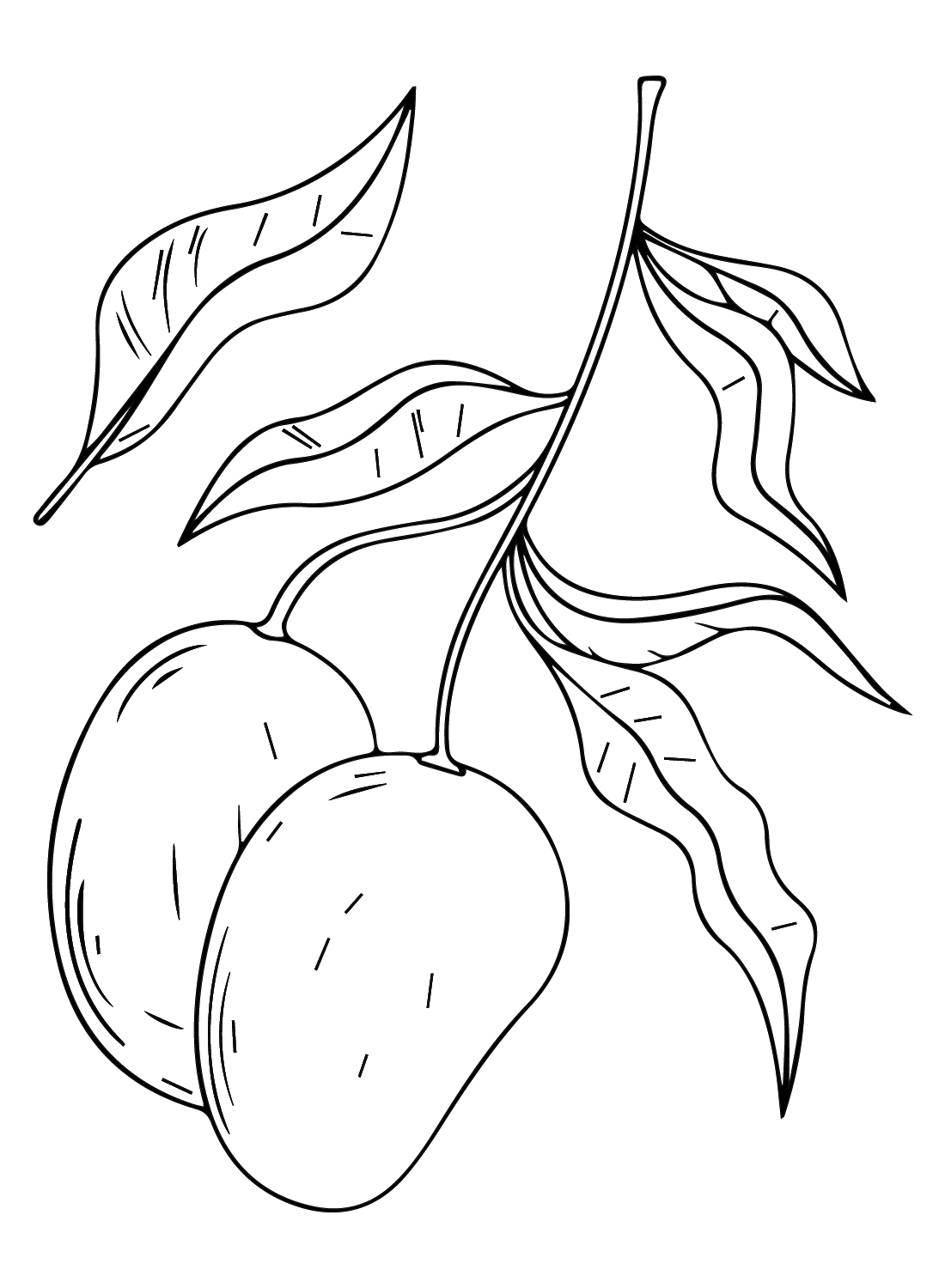

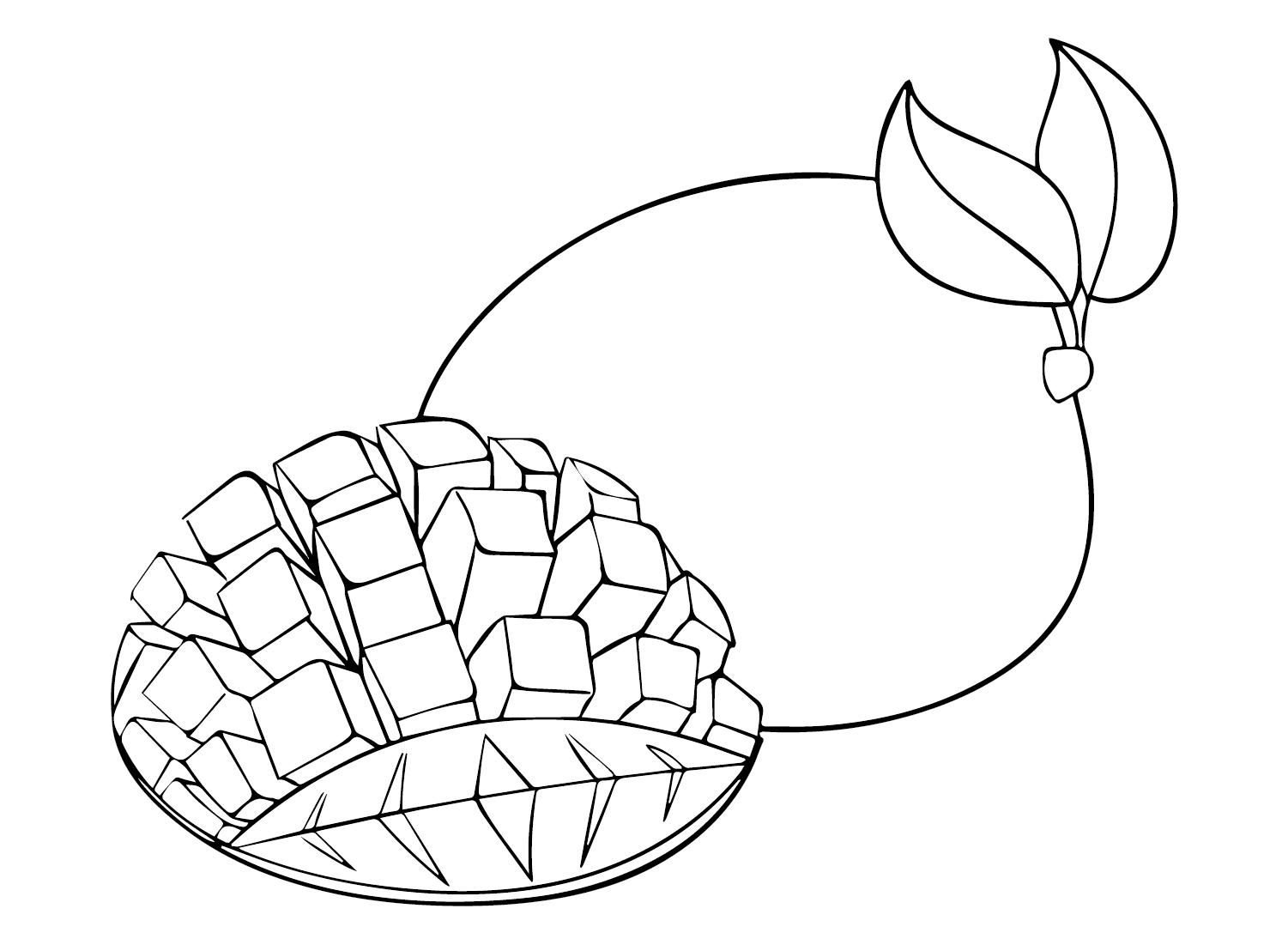
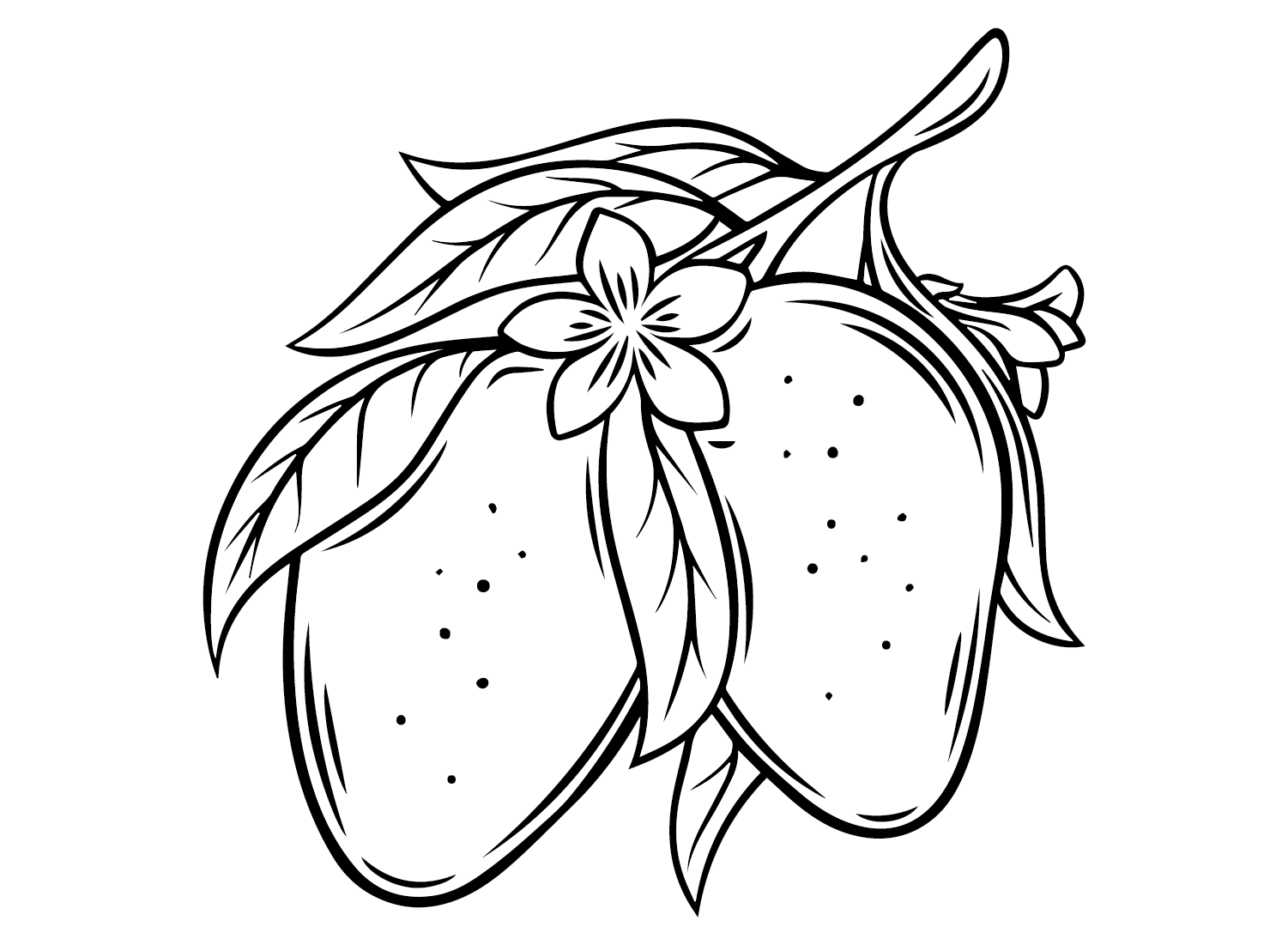
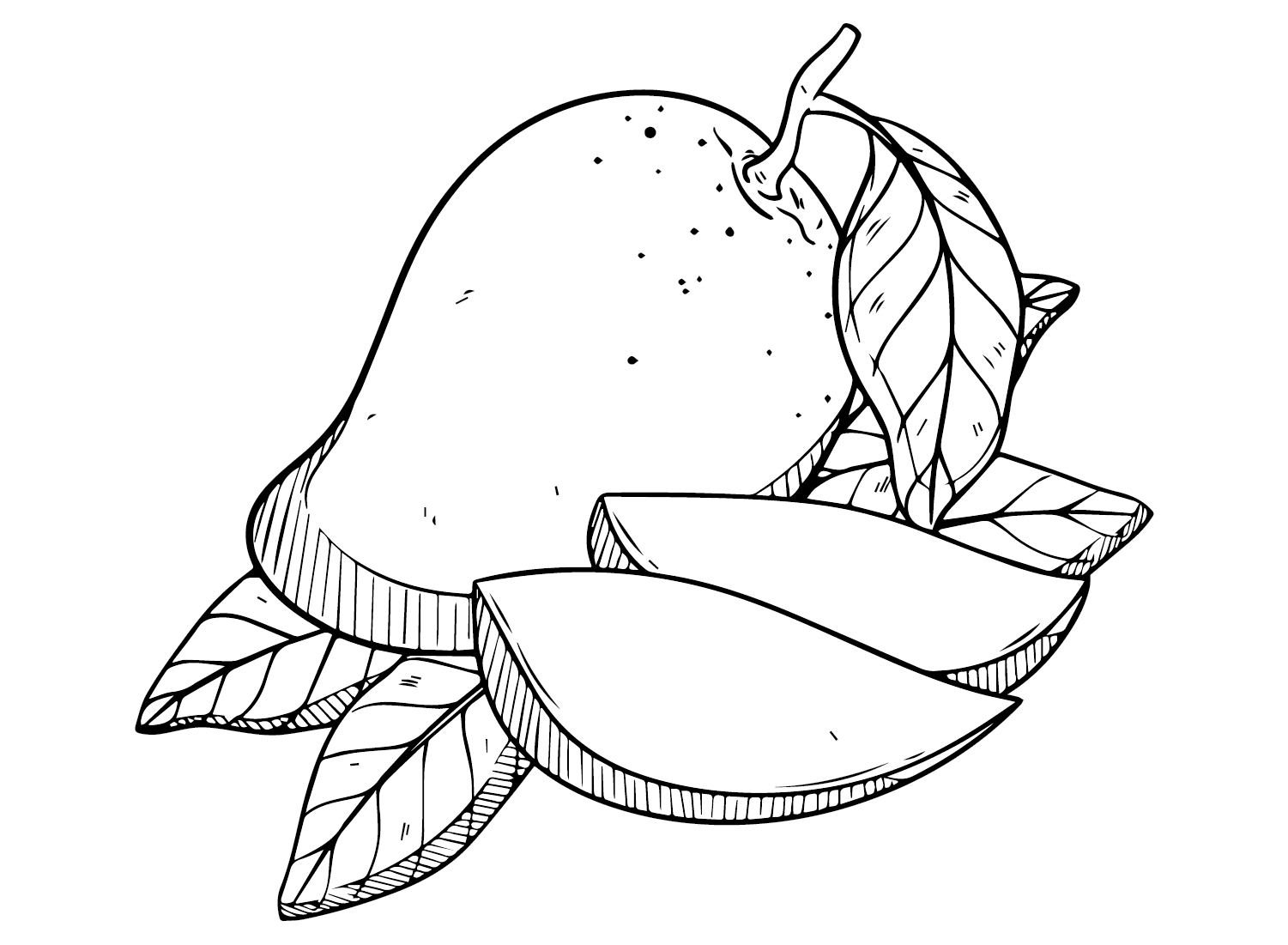
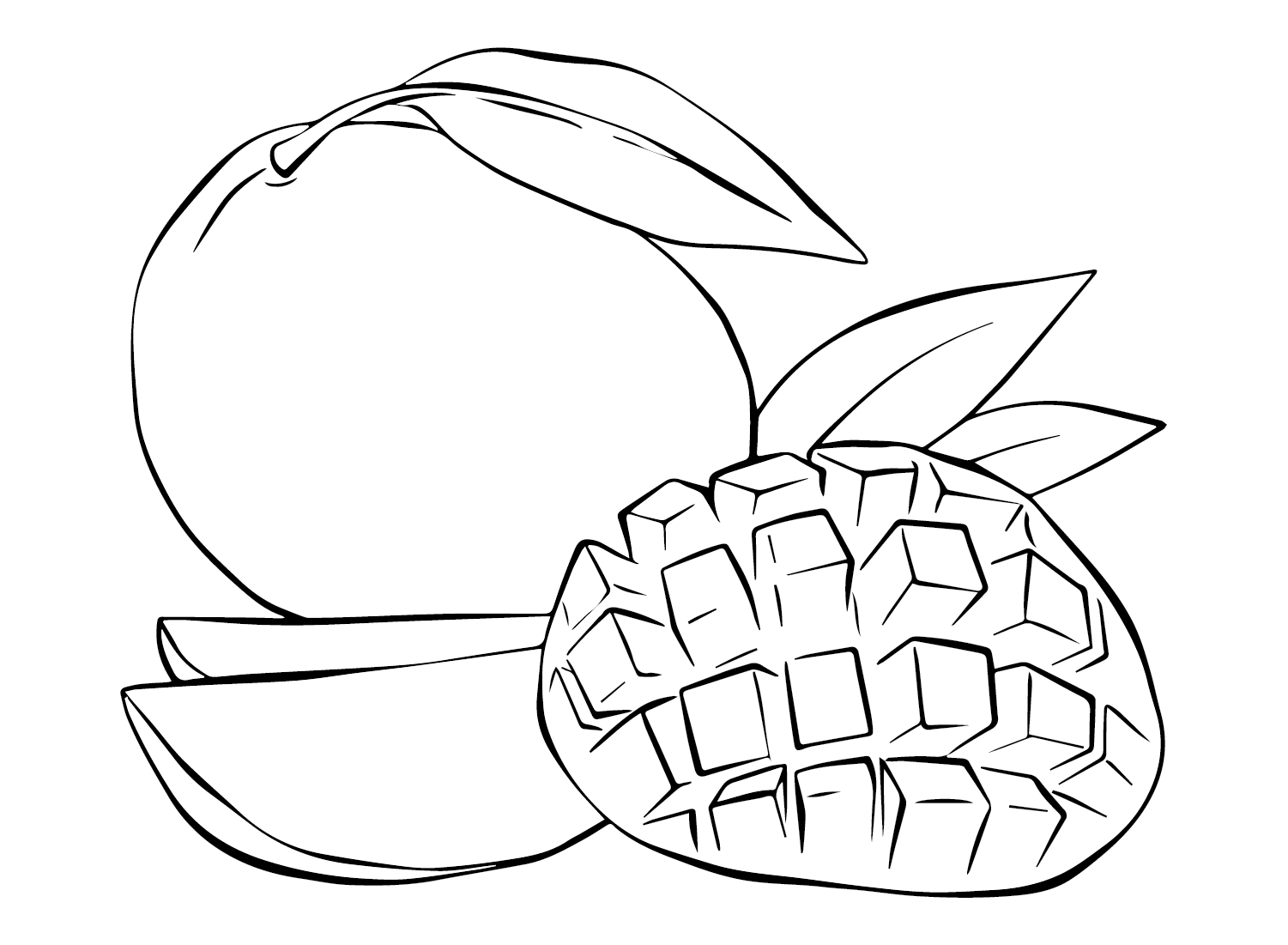
What Is Inside This Collection
The 34 pages fall into four recurring groupings.
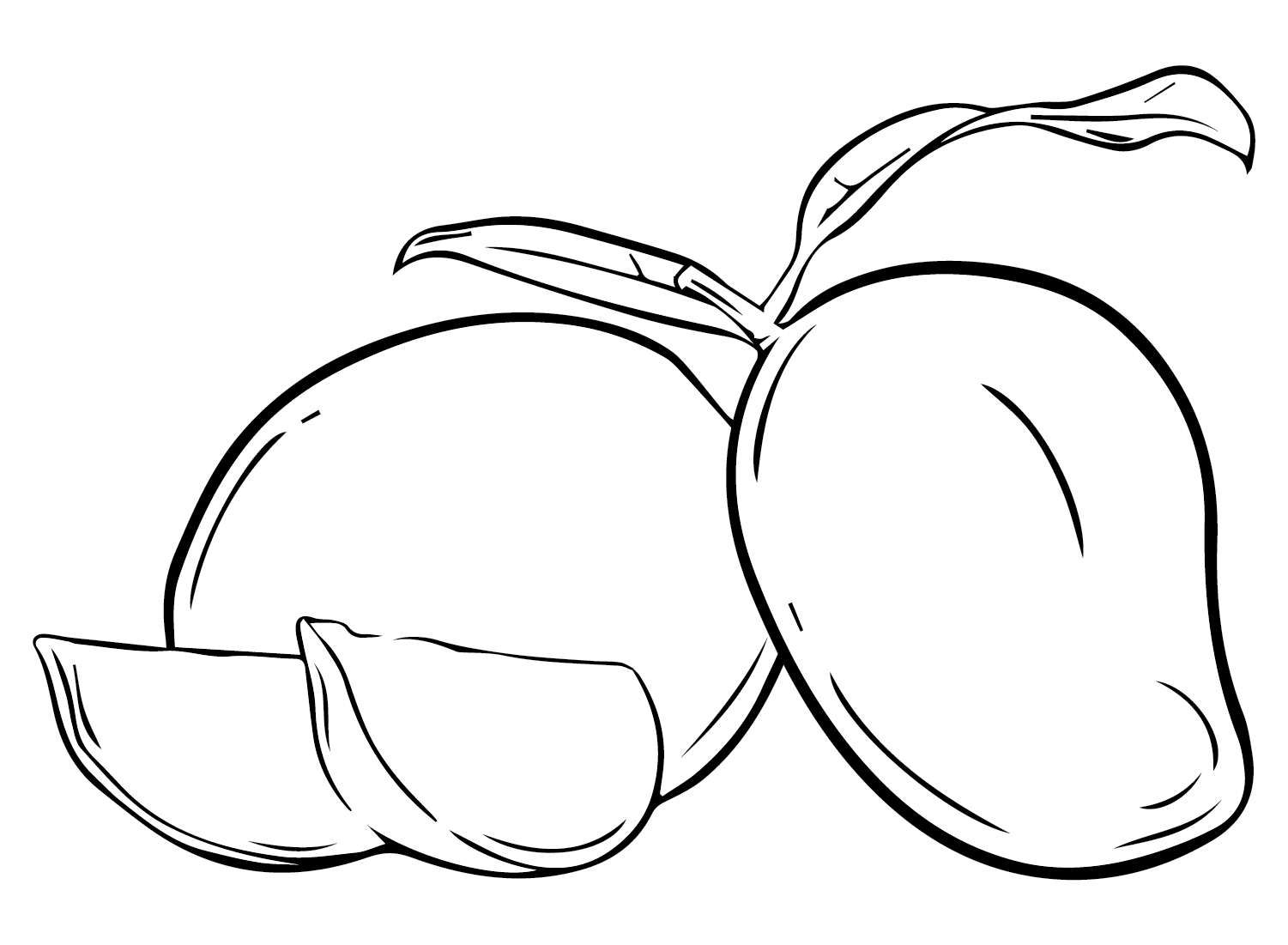
Whole and Sliced Mangoes
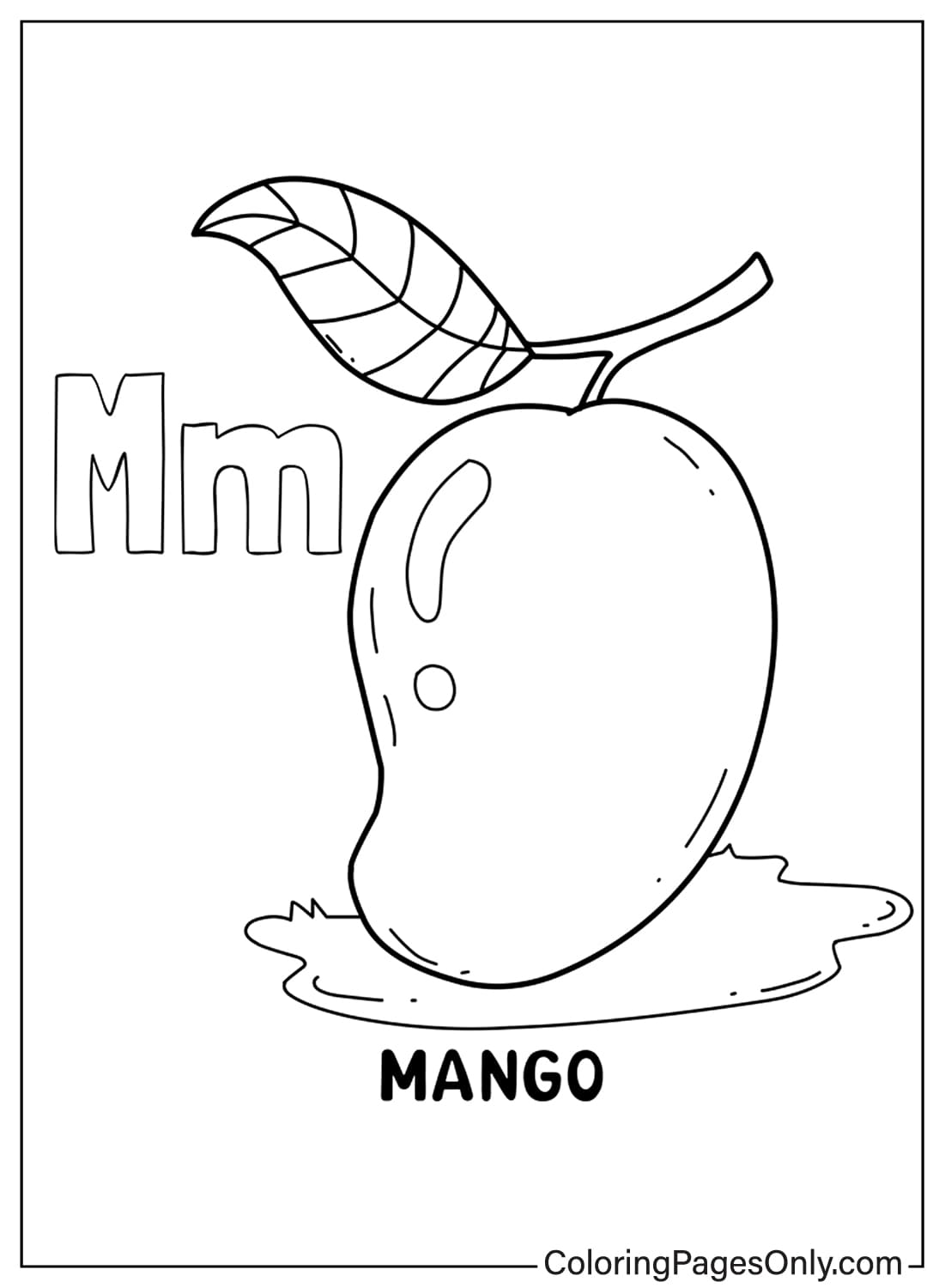
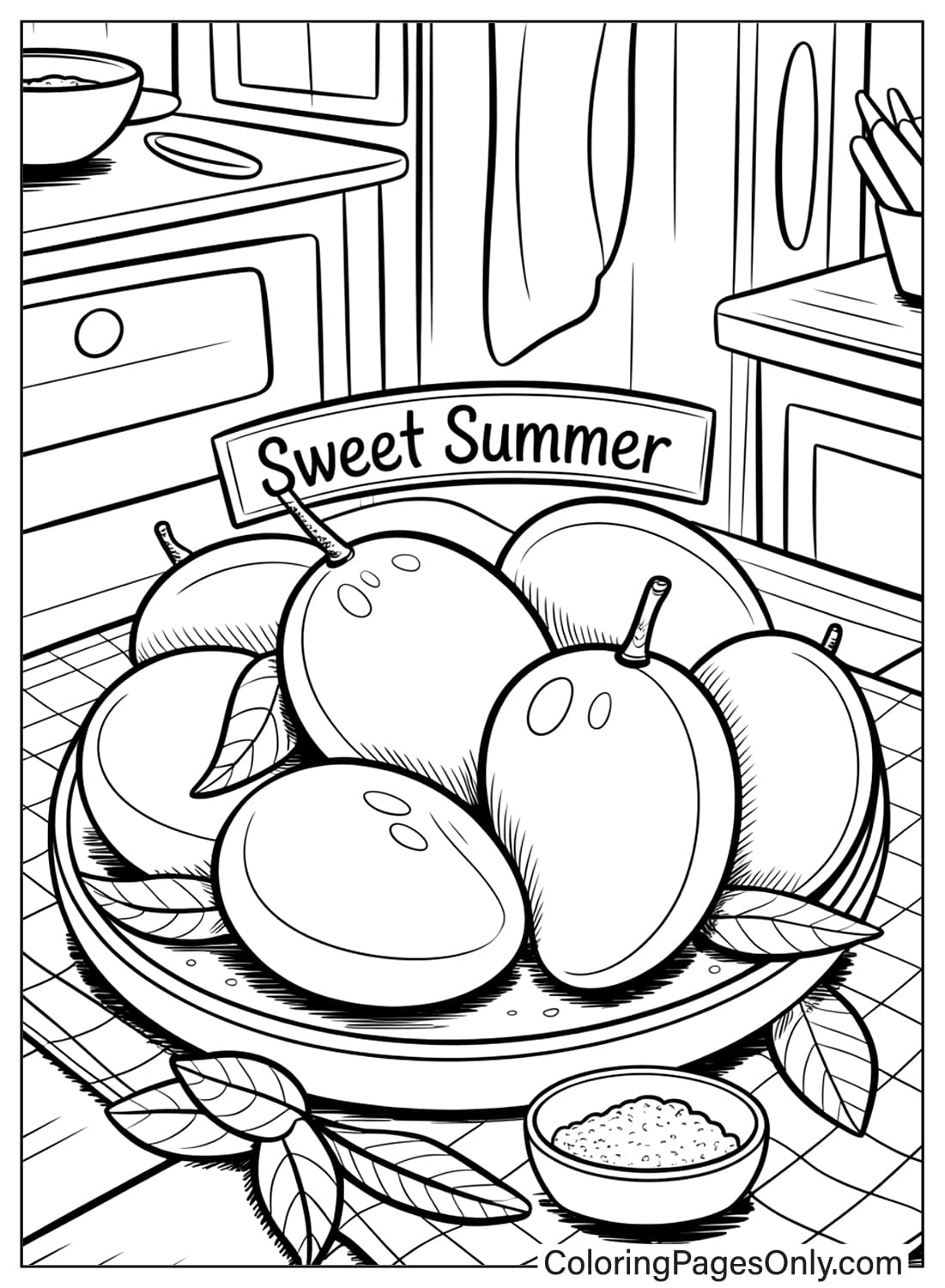
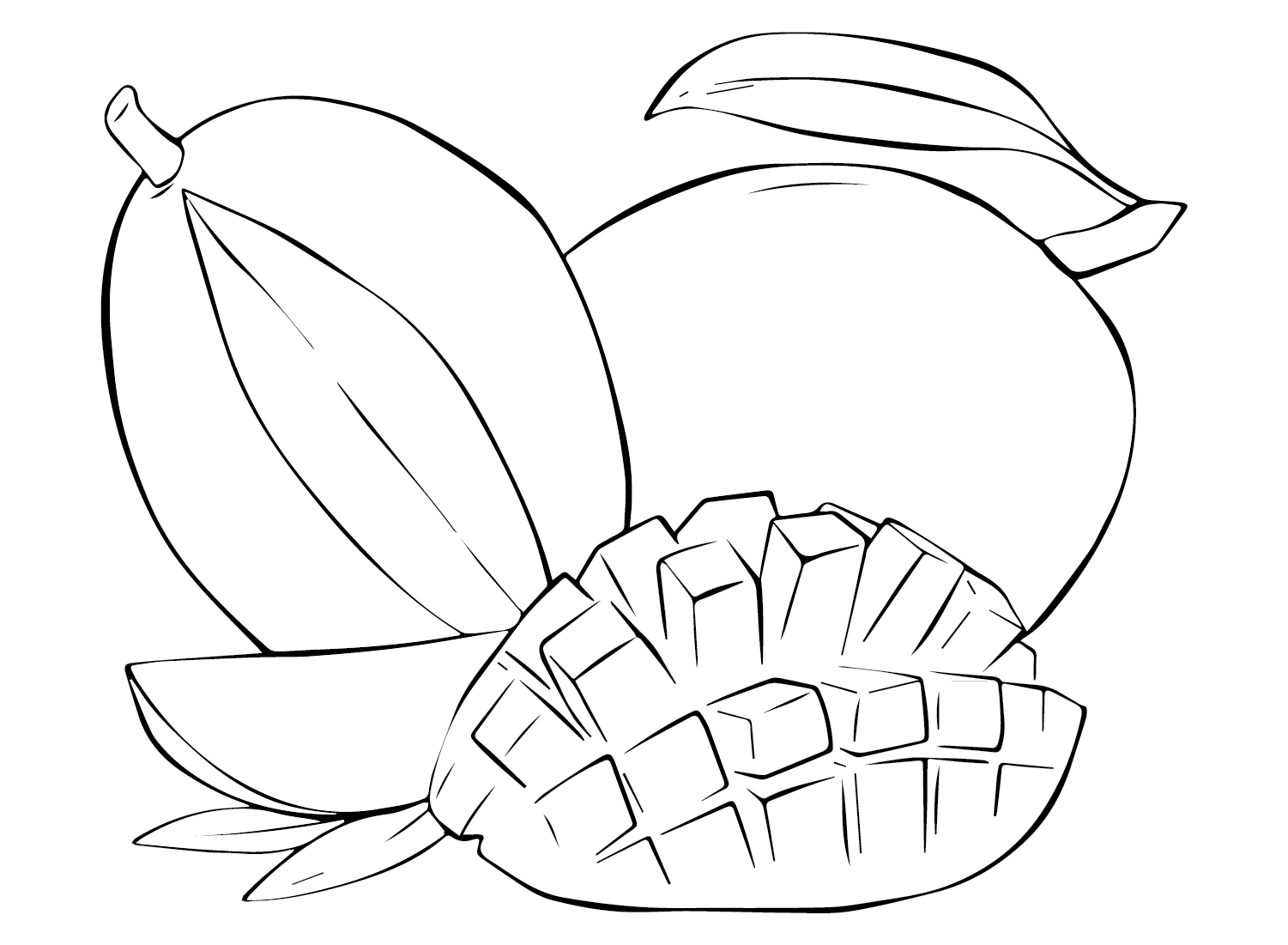
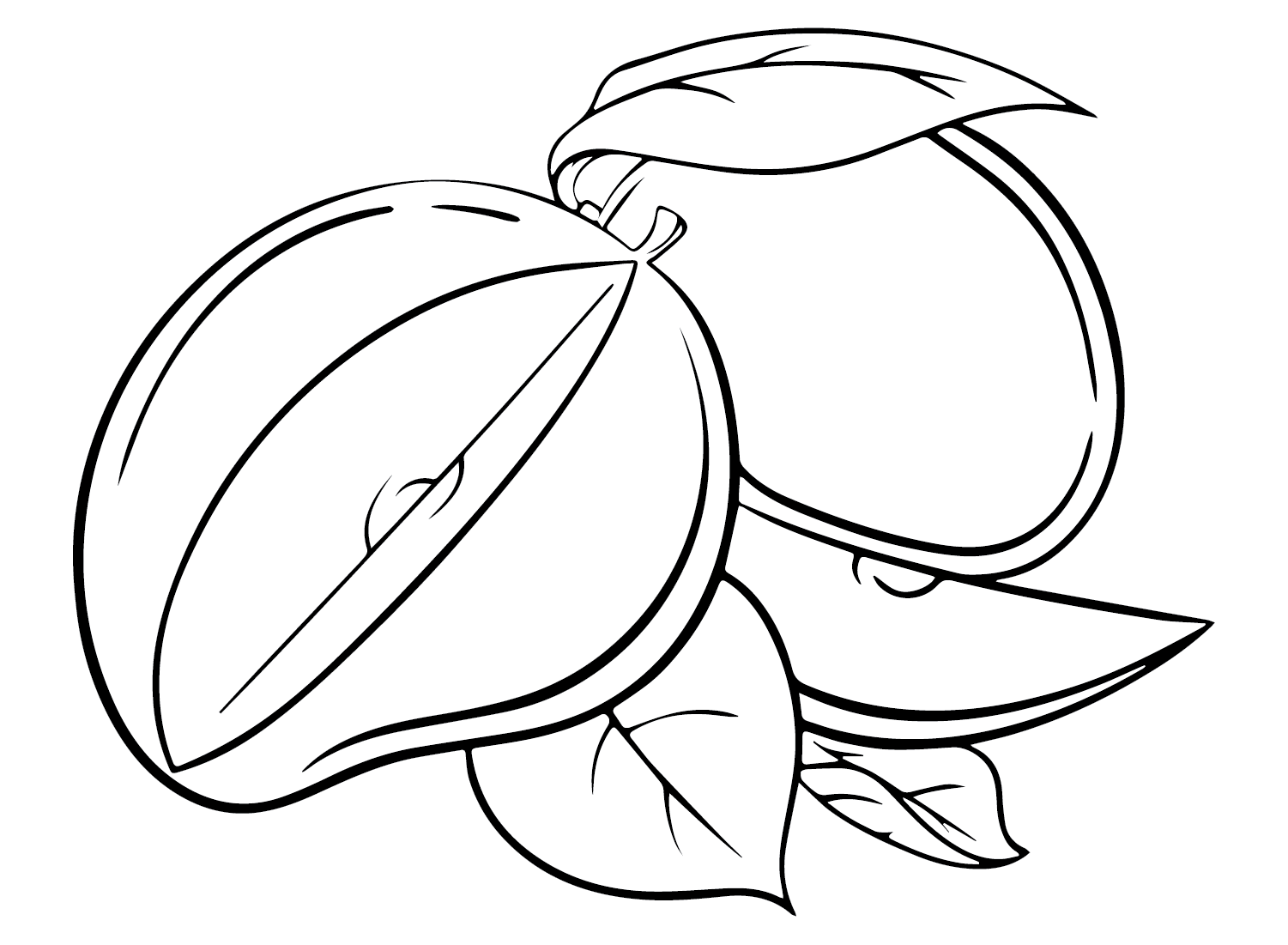
Several designs show the fruit in a realistic form, both whole and cut open to reveal the flesh and pit inside. These pages give colorists a chance to work with the fruit’s gradual color shift from green to yellow to red.
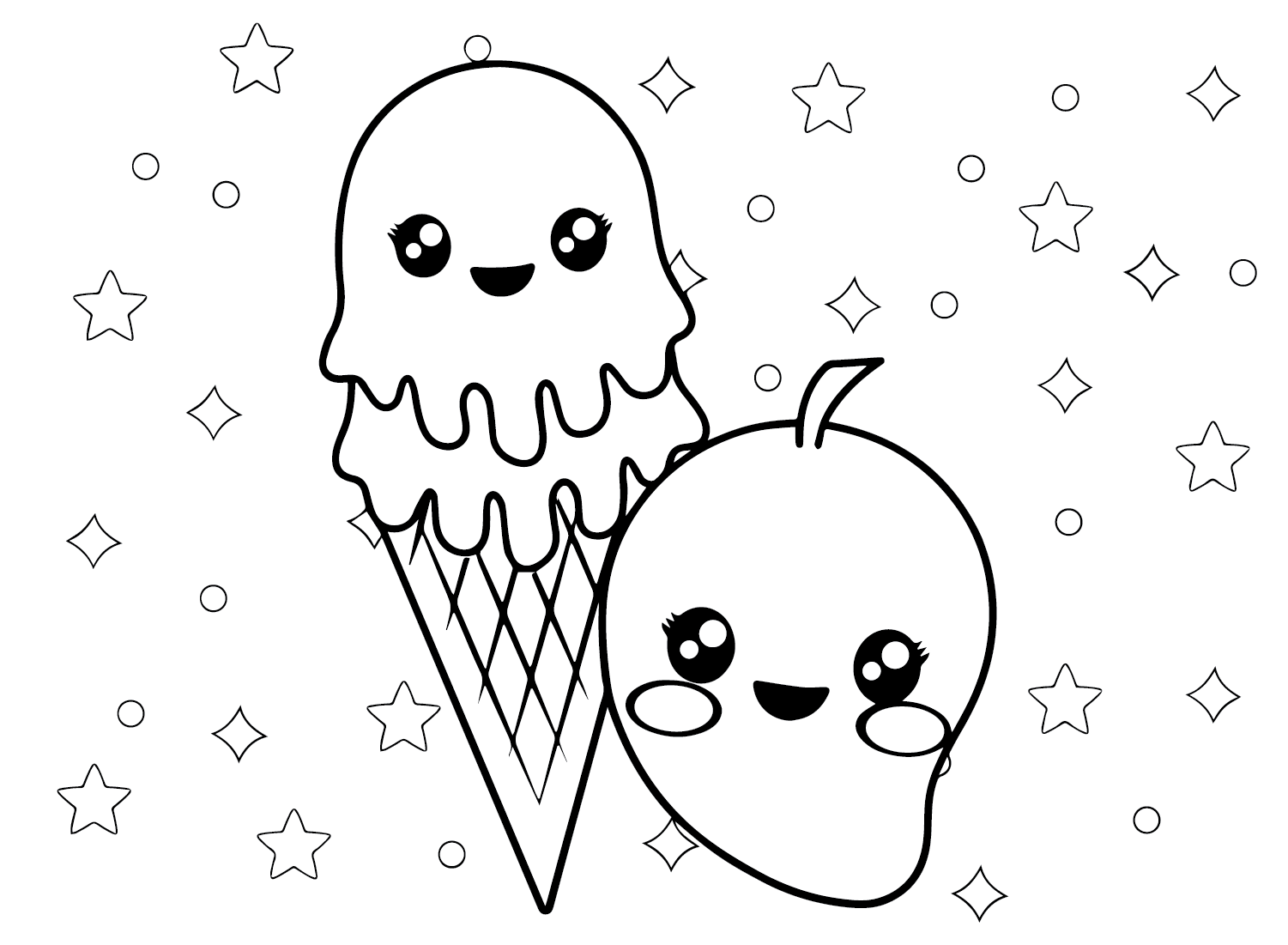
Cute and Kawaii Mango Characters
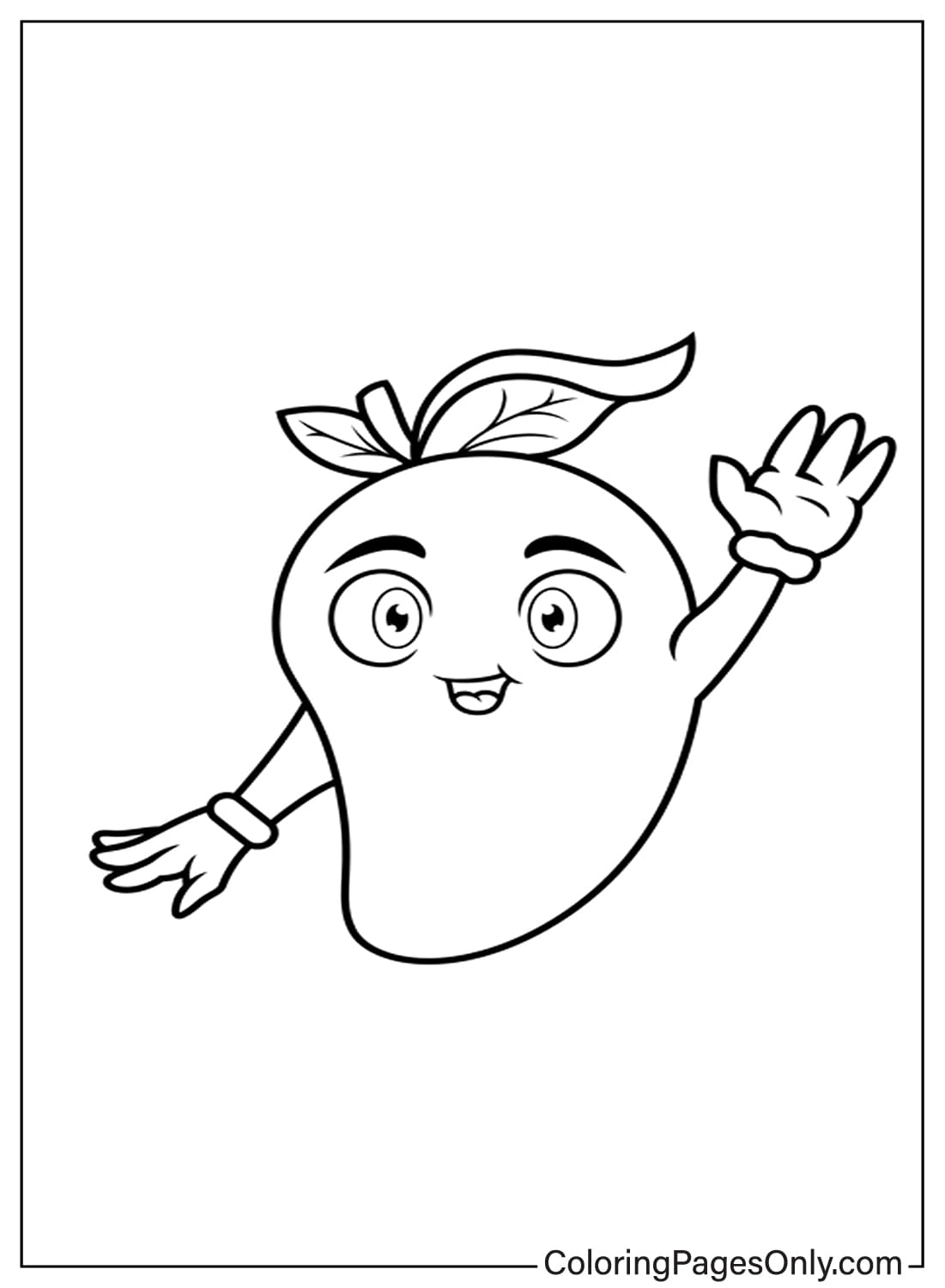
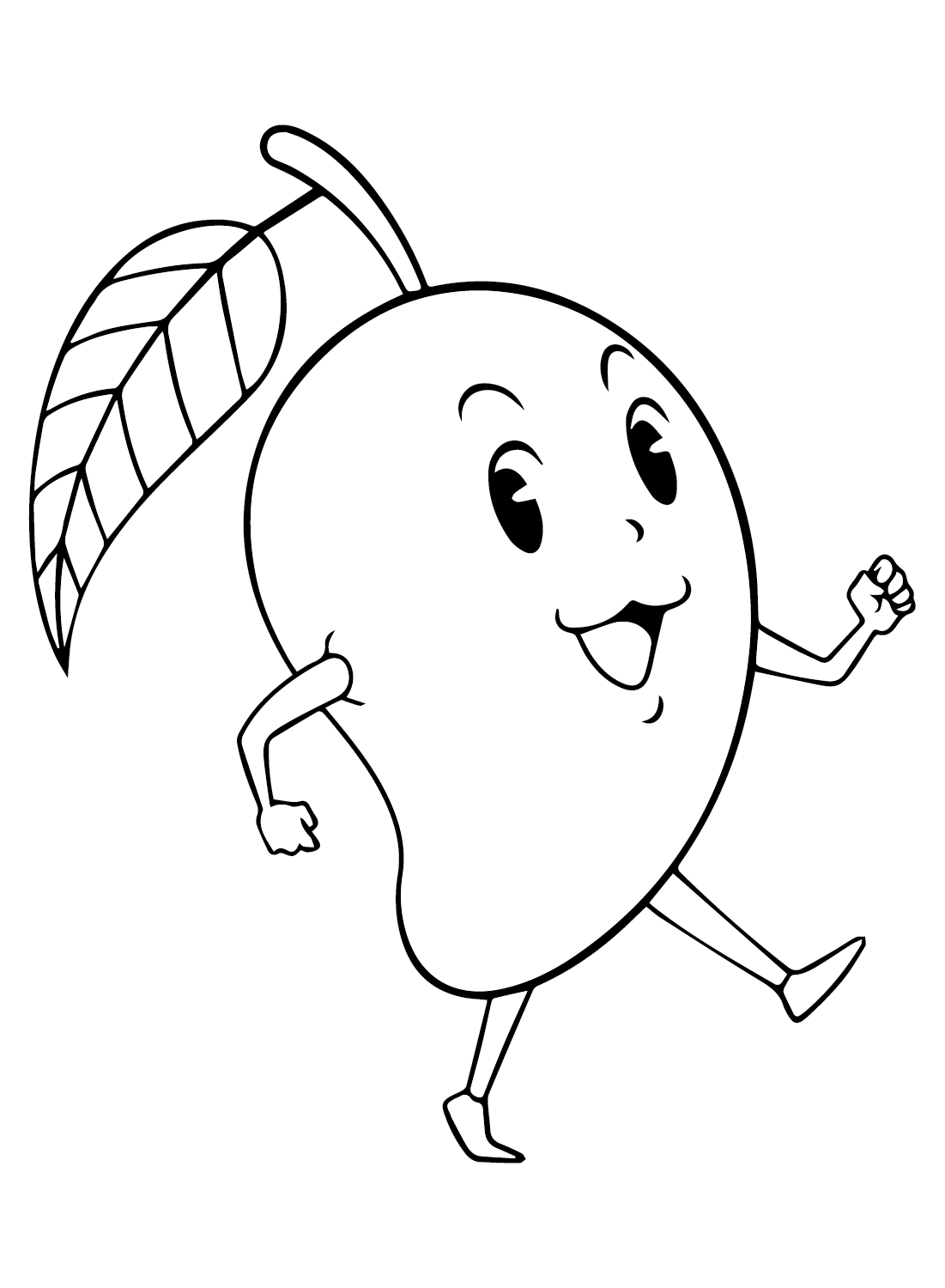
A group of pages gives the mango a friendly, cartoon-style face and expression. These designs suit younger colorists who enjoy a character-driven take on a fruit subject.
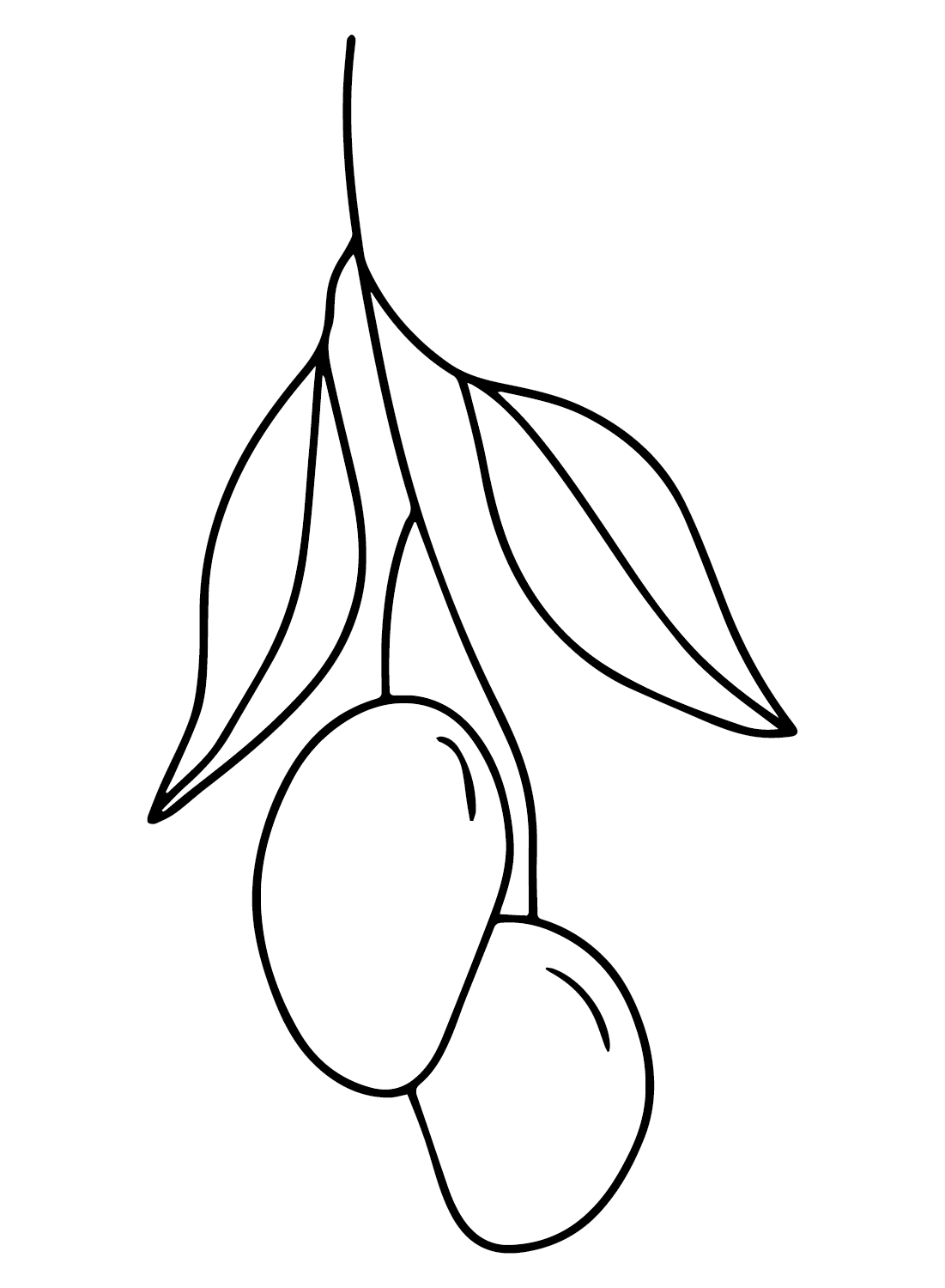
Mango Trees and Orchard Scenes
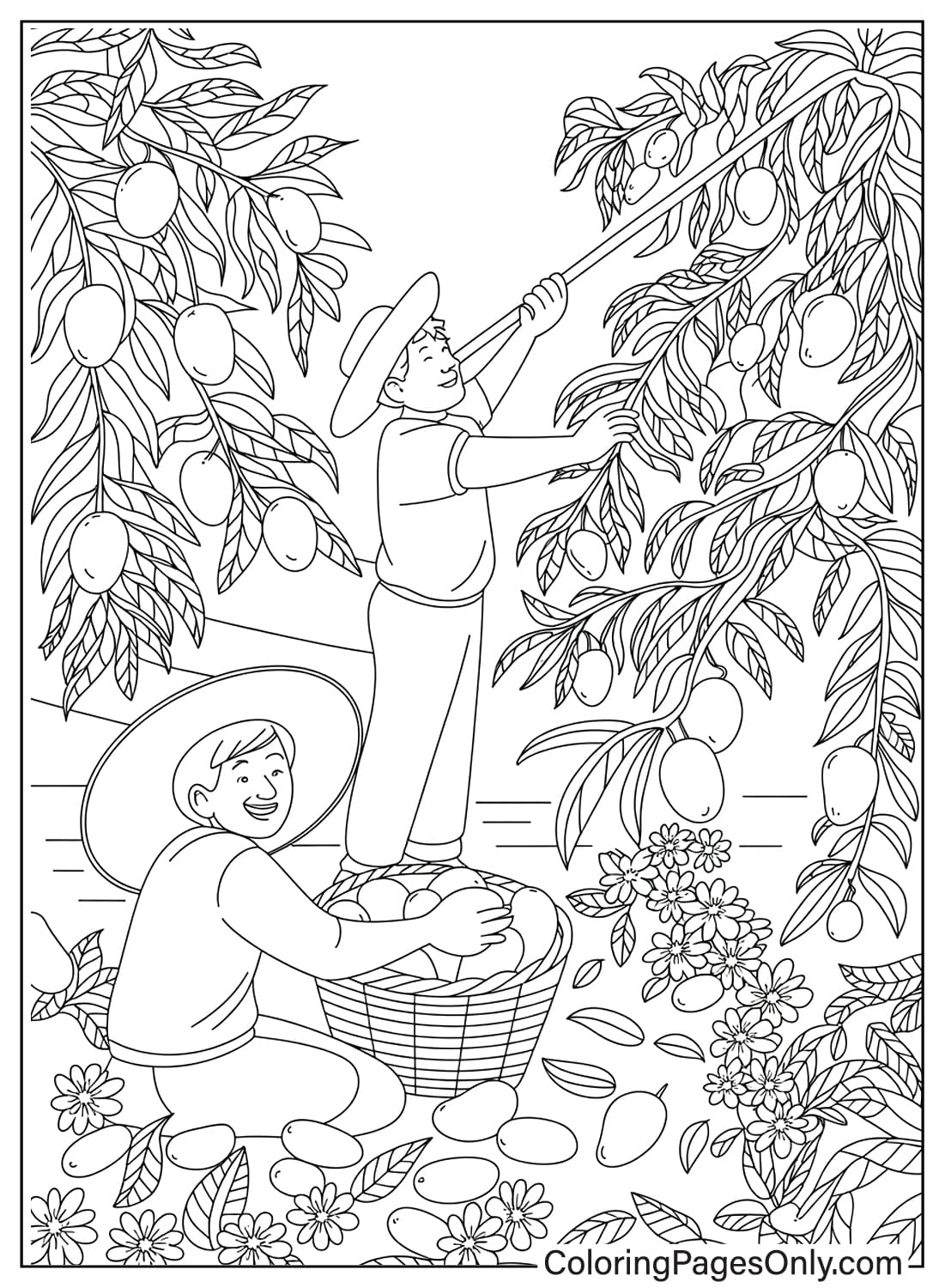
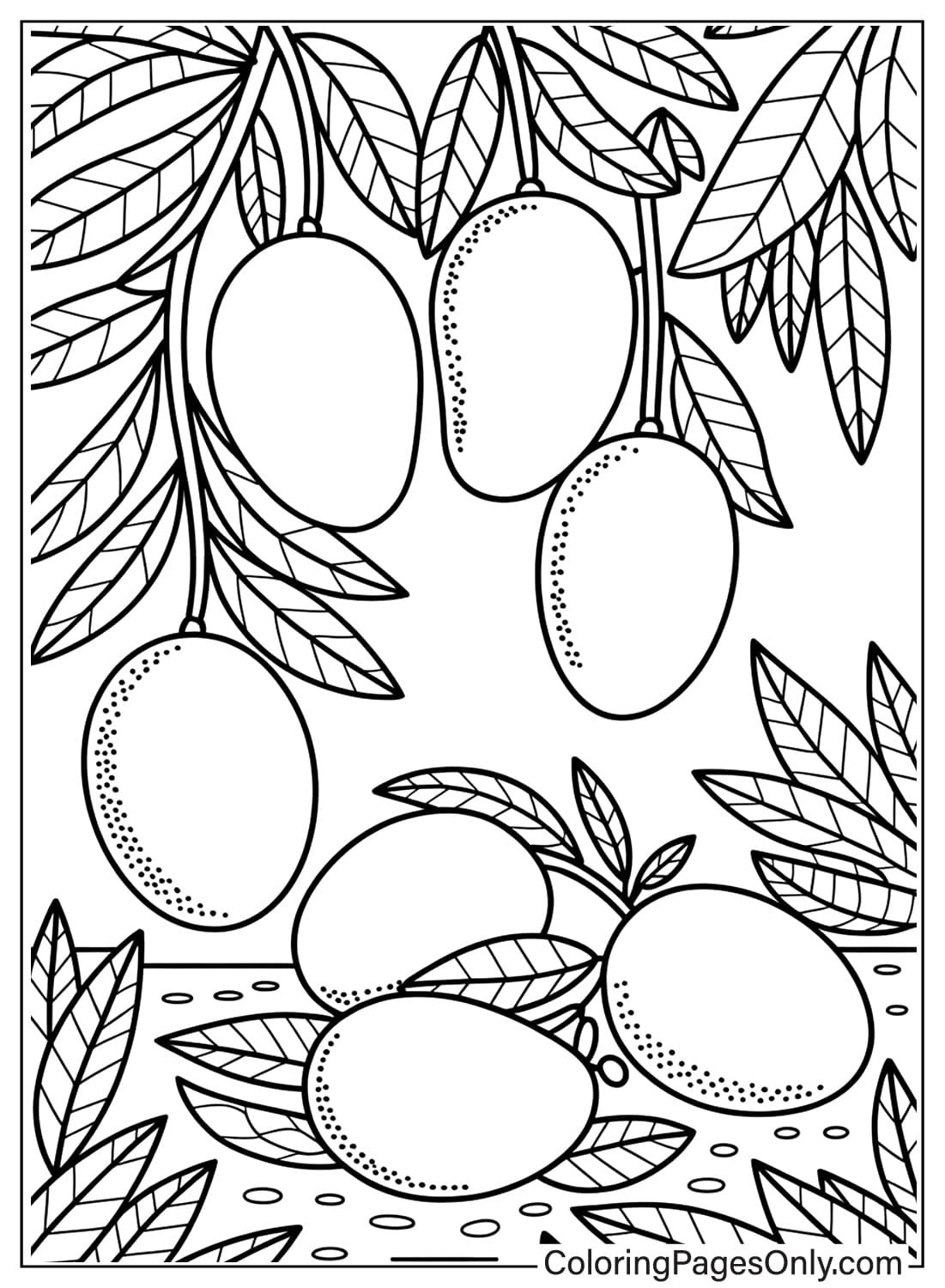
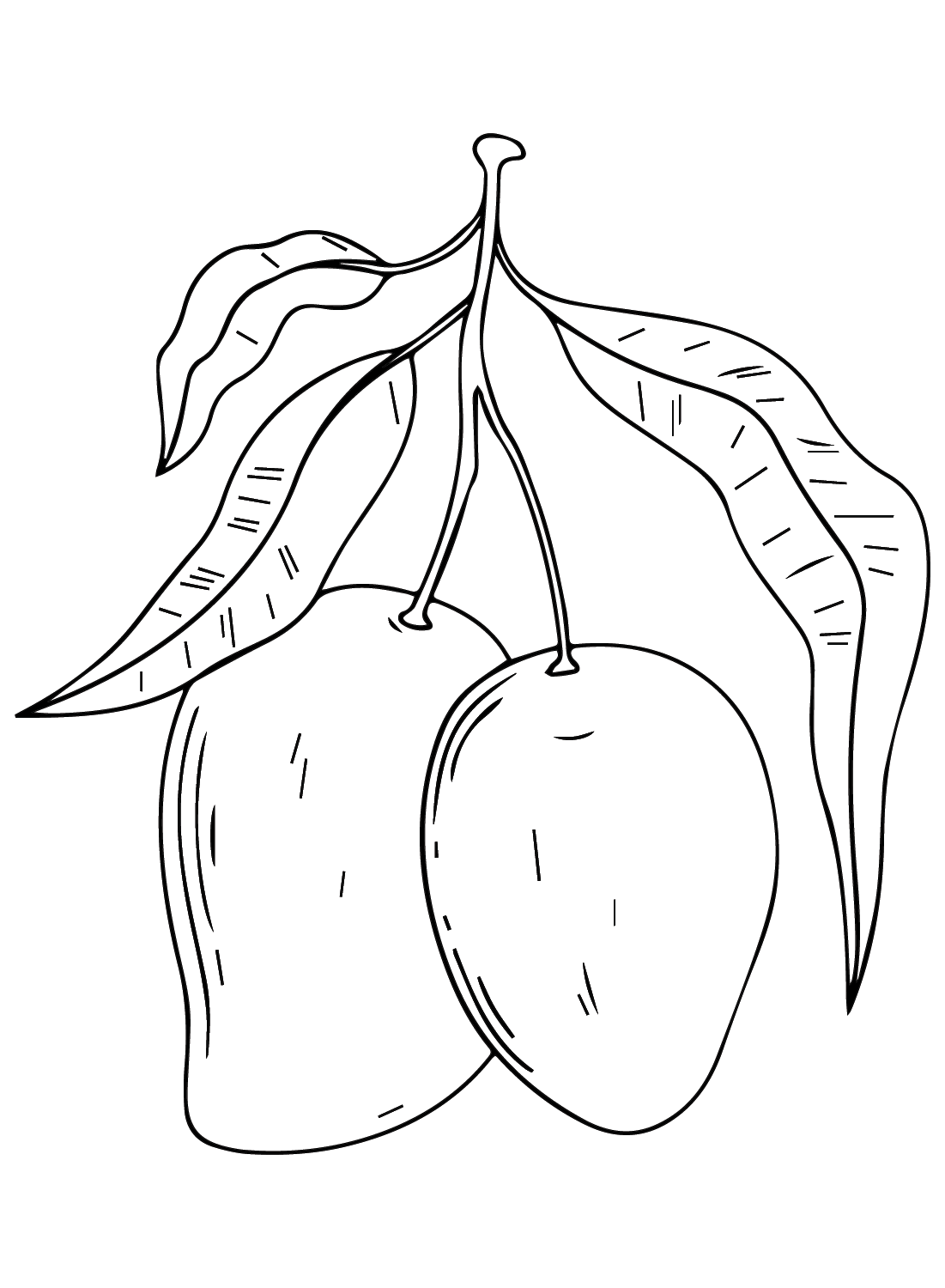
Some designs place the fruit within its natural setting, showing branches, leaves, and full trees. These pages connect the fruit back to where it actually grows.
Kids Enjoying Mangoes
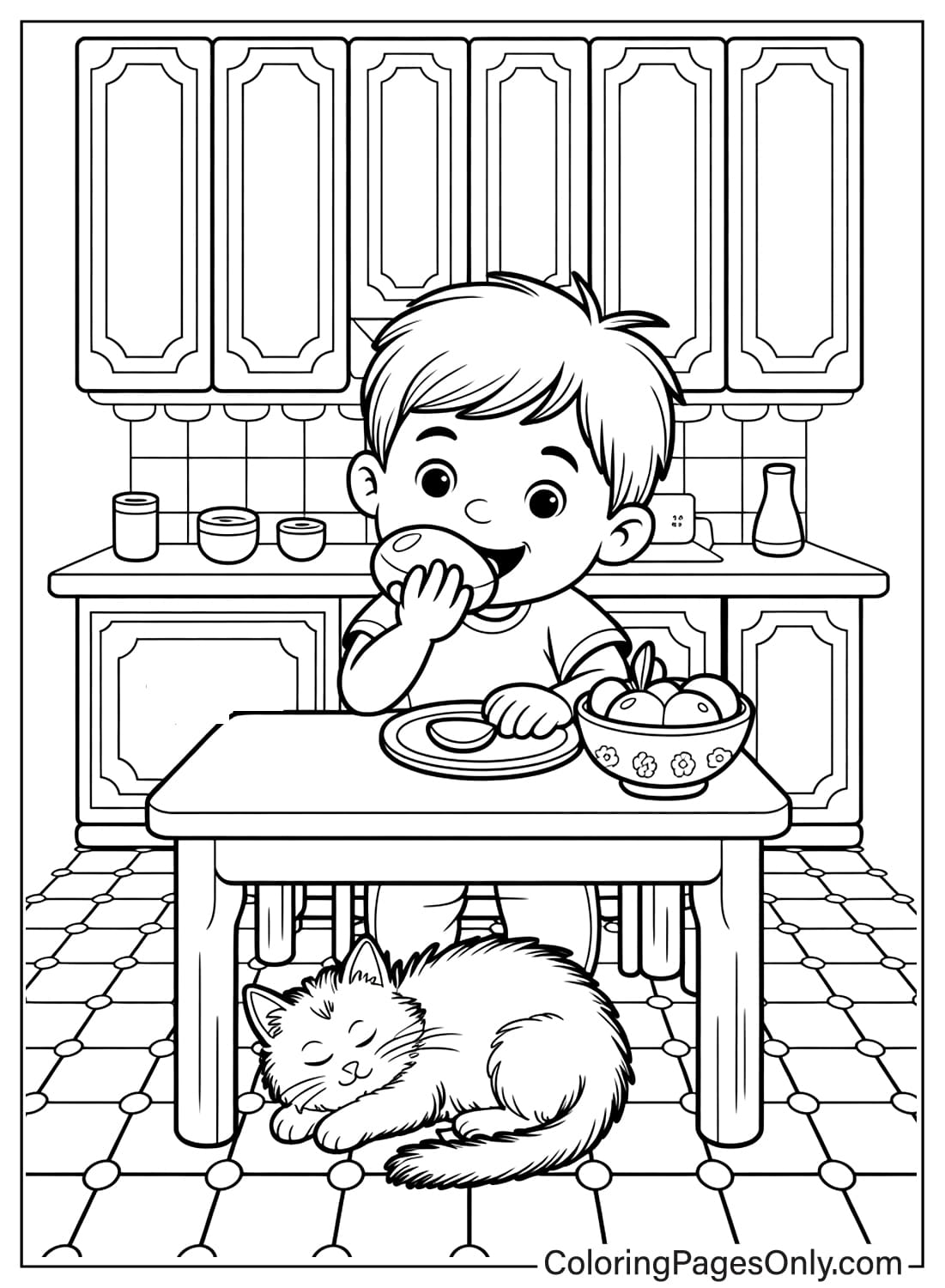
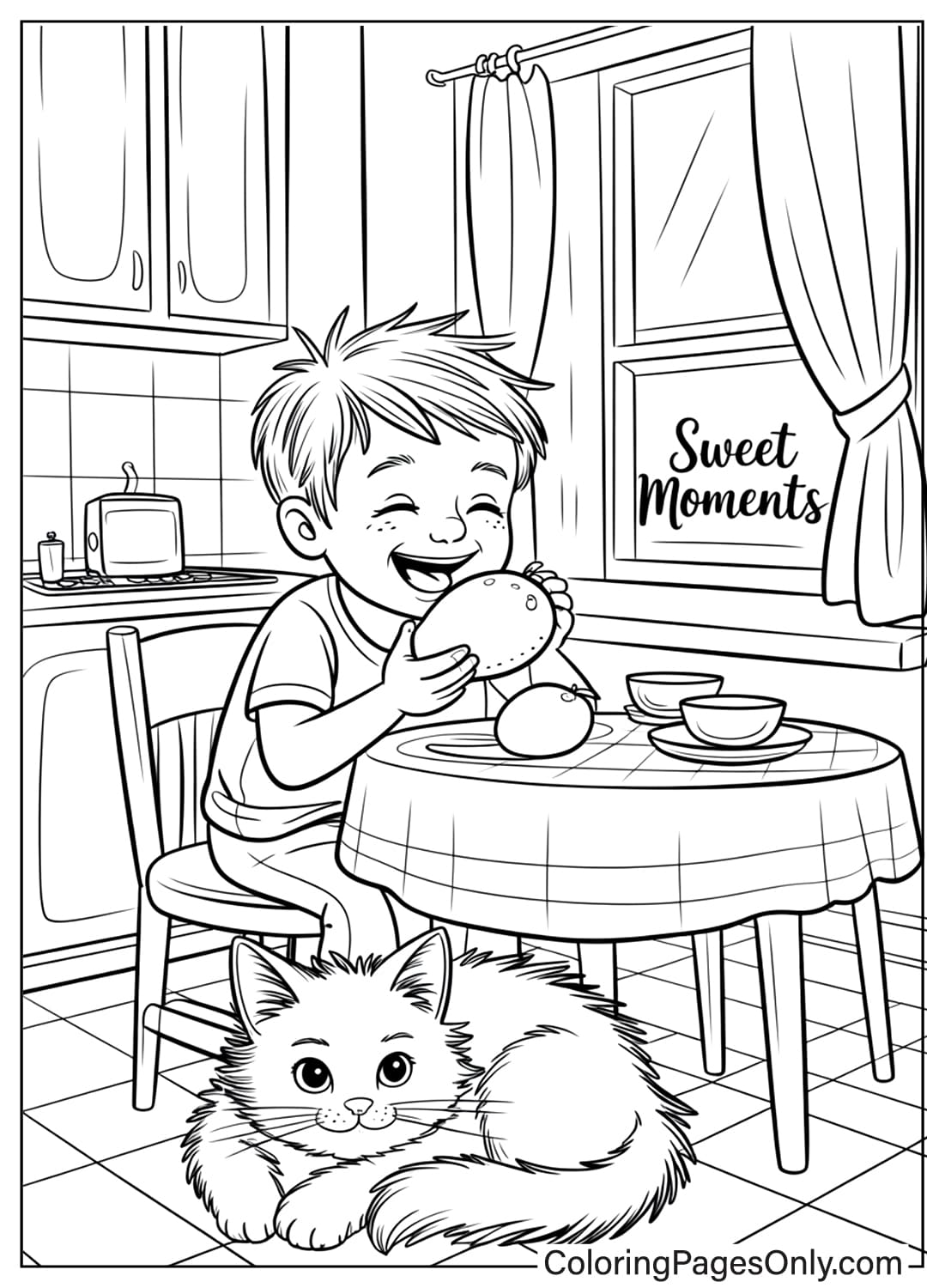
A number of pages show a child eating or holding a mango. These designs give the collection a personal, everyday moment alongside the more fruit-focused pages.
What Mango Coloring Pages Do
Fine motor practice with a naturally shifting palette. The American Academy of Pediatrics identifies fine motor skill development as a core benefit of structured coloring for children ages 2 through 7, and a mango’s real color gradient, moving from green through yellow into red or orange, gives colorists practice blending several colors smoothly rather than filling in one flat shade.
A visual entry point into world geography and culture. Because mangoes hold official status as the national fruit of three different countries, coloring one gives children a concrete, edible connection to a specific region and culture rather than an abstract idea of a far-off place.
Calm focus through detailed fruit textures. A 2005 study in the Art Therapy Journal documented measurable reductions in anxiety following structured coloring sessions, and the layered detail on a sliced mango, from skin to flesh to pit, gives colorists a slow, absorbing area to work through.
Practice with realistic versus stylized character design. Because this collection ranges from botanically accurate whole fruit to soft, kawaii-style mango characters, colorists get a direct way to compare how the same fruit looks across very different illustration styles.
How to Color Mango Pages Well
- Ripe skin: Blend Sunglow Yellow into Scarlet Red or Burnt Orange across one side of the fruit to capture a naturally ripening mango.
- Unripe or green mango: A solid Forest Green or Fern Green works well for designs showing the fruit before it ripens.
- Flesh in sliced designs: A warm Sunglow Yellow or light Orange suits the inner flesh, with a slightly deeper shade near the pit.
- The pit: A Sepia or light Brown color for the flat, oval pit visible in cross-section designs.
- Leaves and branches: Forest Green for mature leaves and Burnt Sienna for branches keep any tree-based designs looking natural.
- Character designs: Soft pastel versions of the same yellow-to-red gradient work well for kawaii-style mango characters, keeping them recognizable without a fully realistic palette.
5 Creative Craft Ideas With Mango Coloring Pages
1. Mango Garland
Color several mango pages, cut them out, and string them together with twine or ribbon to make a garland for a bedroom or kitchen wall. Alternating between whole and sliced mango designs keeps the garland visually varied. Spacing the pieces evenly gives the finished garland a neat, balanced look.
2. Fruit Basket Collage
Color a mango page and combine it with other fruit coloring pages, like a banana or pineapple, to build a full fruit basket poster. Arranging the pieces to overlap slightly, as they would in a real basket, gives the collage a more natural look. This works well as a shared classroom project where each student contributes one colored fruit.
3. Mango Fact Card
Color a mango page and pair it with a few handwritten facts, like how long mangoes have been cultivated or which countries claim it as their national fruit. Displaying the colored page next to the facts turns the activity into a simple geography or world cultures lesson. This works especially well as a classroom project covering several different national fruits at once.
4. Mango Smoothie Recipe Card
Color a mango page and glue it onto a blank index card, then write out a simple, real mango smoothie or fruit salad recipe on the back. Pairing the colored fruit with an actual recipe turns the activity into a small cooking reference card. This works well as a lead-in to an actual kitchen activity with an adult.
5. Mango Bookmark
Trim a simple mango design to bookmark size and laminate or cover it with clear tape for a durable, everyday bookmark. Punching a hole at the top and threading a short ribbon through makes it easy to spot inside a stack of books. Making a small set with different mango designs gives a reader several to rotate through.
Frequently Asked Questions
What are Mango coloring pages?
They are printable illustrations of mangoes, ranging from realistic whole and sliced fruit to cute cartoon characters and orchard scenes. This collection has 34 designs available as free PDF downloads or for coloring directly online.
What is a mango, and where does it come from?
A mango is a tropical stone fruit native to South Asia, originating in the region spanning northwestern Myanmar, Bangladesh, and northeastern India, where it has been cultivated for more than 5,000 years.
Why is the mango considered a national fruit in multiple countries?
Mango holds official national fruit status in India, Pakistan, and the Philippines, and is the national tree of Bangladesh, reflecting the fruit’s deep cultural and agricultural roots across South Asia.
How many mango varieties are there?
There are several hundred recognized mango cultivars worldwide, varying in size, sweetness, and skin color, ranging from small and citrusy varieties to large, deeply sweet types like the well-known Alphonso.
What colors work best for these designs?
A blend of sunglow yellow into scarlet red or burnt orange captures a ripening mango, solid forest green suits unripe fruit, and warm yellow or light orange works well for the inner flesh in sliced designs.
Are Mango coloring pages suitable for young children?
Yes. The designs use simple, rounded shapes with no frightening or mature content, and the simple outline and kawaii-style pages in particular are well-suited to preschool through elementary-age children.
Can this collection be used for a world cultures or geography classroom unit?
Yes. Because mango is the national fruit of several countries, this collection pairs well with a classroom or homeschool unit on world geography, national symbols, or where common foods actually come from.
Can this collection be paired with other fruit coloring pages?
Yes. Since several designs already work well alongside other fruit shapes, these pages pair naturally with the site’s other individual fruit collections for a larger coloring session or a fruit-basket themed project.
Start Coloring
Download any page by clicking the design. No account, email, or payment is required. Pages print directly from the browser at full resolution or open in the online coloring tool for screen use. Share finished pages on Facebook or Pinterest with the share buttons at the top of each design page.