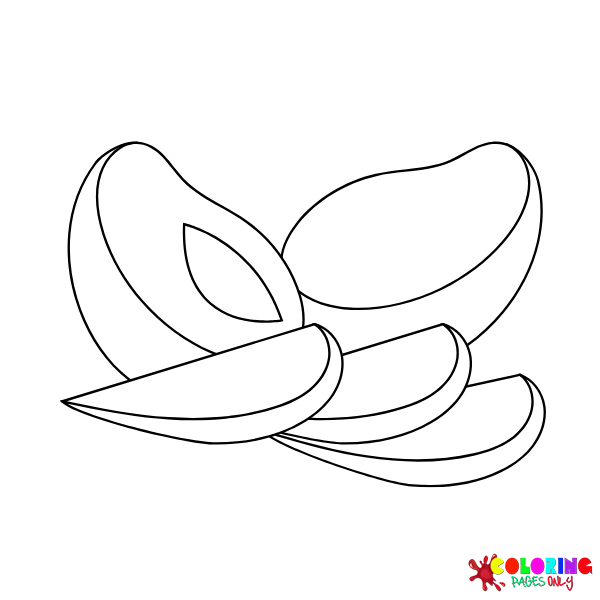

Free Melons Coloring Pages: 22 printable PDF designs featuring classic portraits, named variety artwork, drawing-style designs, and printable sheets. Each page can be downloaded as a PDF to print or colored online in the browser.
Melons belong to the Cucurbitaceae family, commonly known as the gourd family, which also includes cucumbers, squash, and pumpkins. Botanically, a melon is classified as a pepo, a specialized type of berry that develops from a single flower and features a hard, thick rind protecting a fleshy, seed-filled interior, the same fruit category shared by its gourd-family relatives. This collection features two specifically named varieties: casaba melon, known for its deeply furrowed, wrinkled yellow rind, and honeydew melon, recognized by its smooth, pale green to yellow skin and sweet, light green flesh. Melon is a good source of vitamin C, potassium, and hydration, since its flesh is largely water.
This collection spans 22 pages, grouped into classic portraits, named variety designs, drawing-style artwork, and printable sheets. The coloring angle ranges from simple, standalone melons to sliced, cross-section compositions.
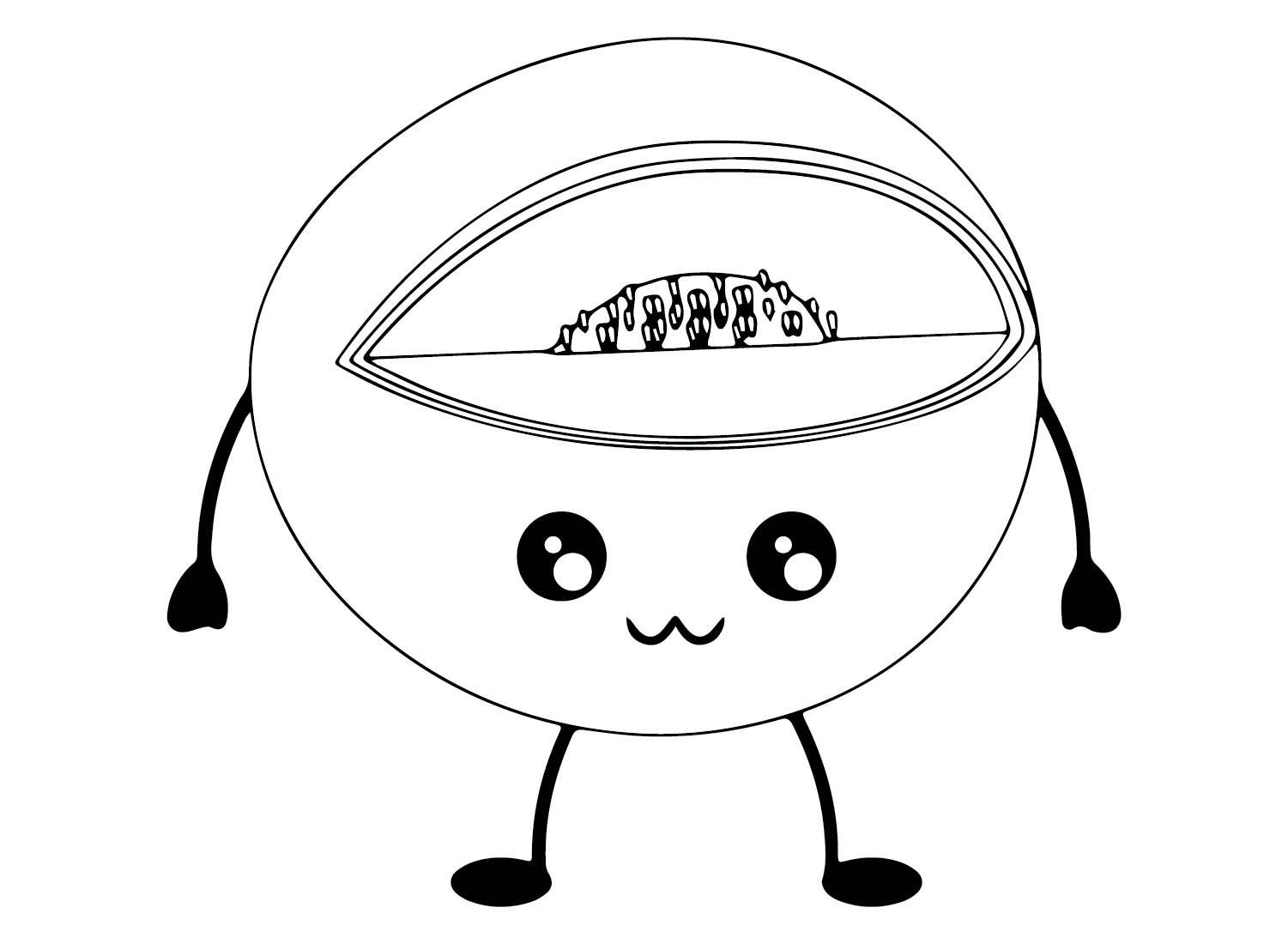
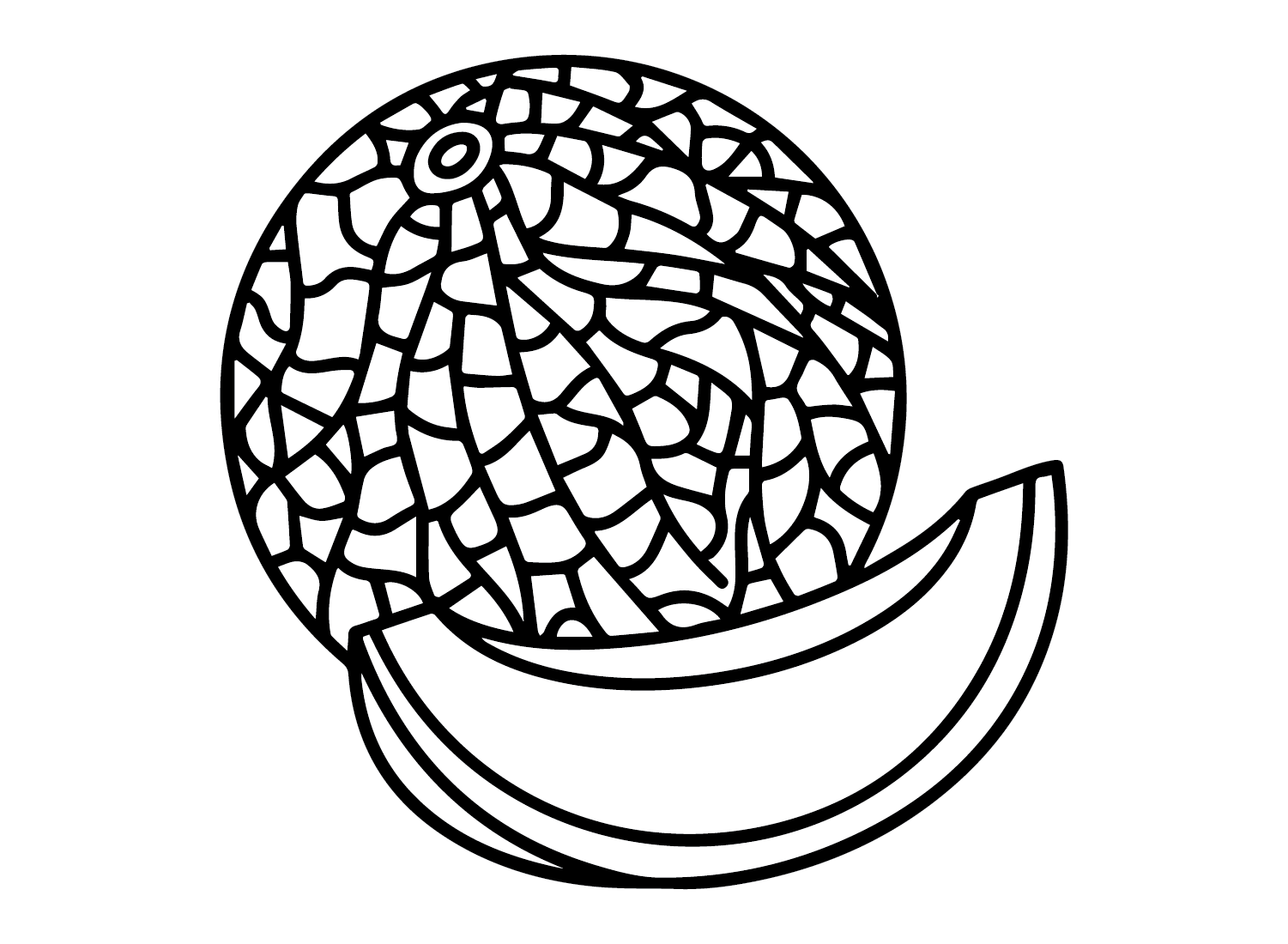
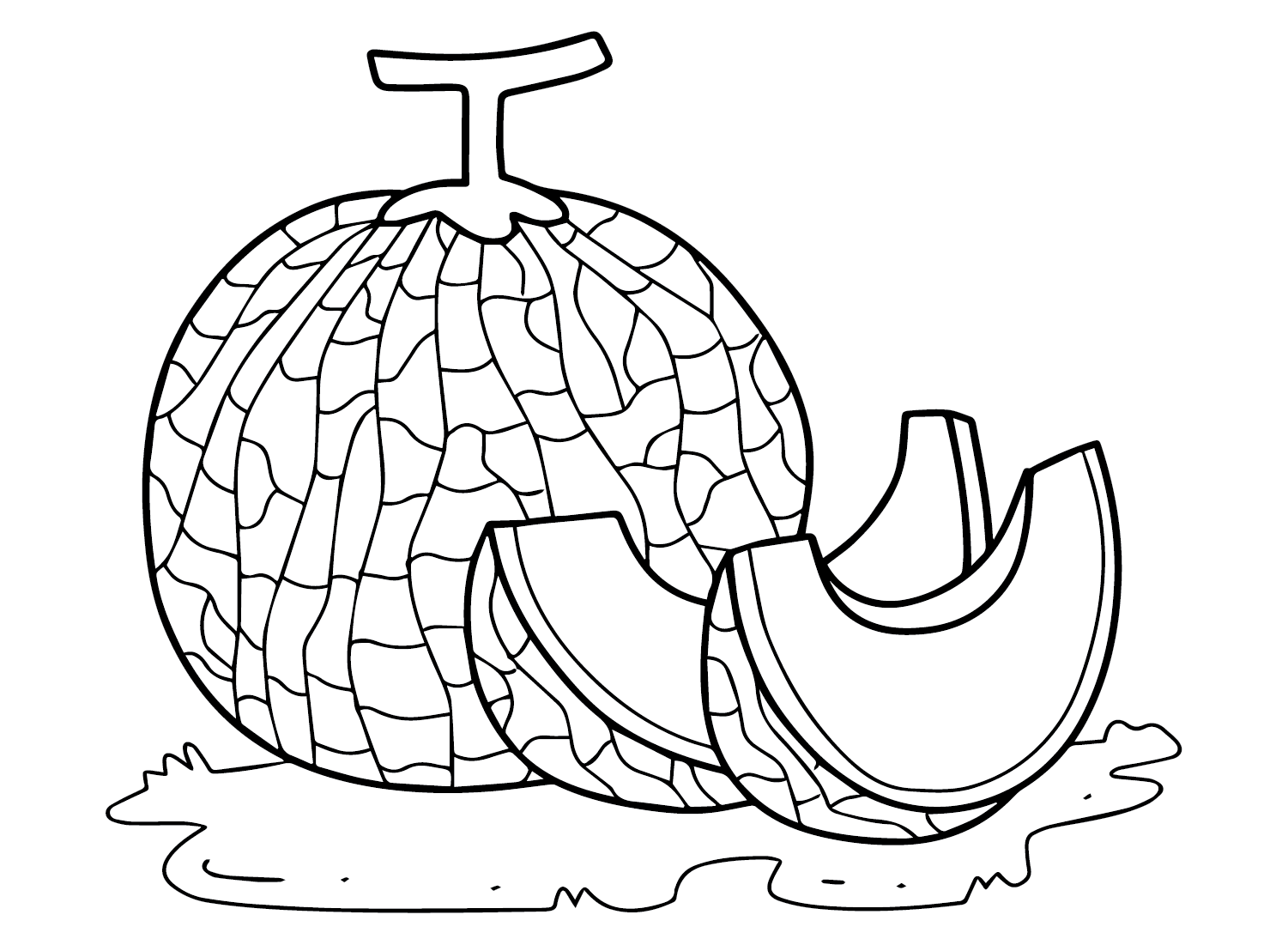
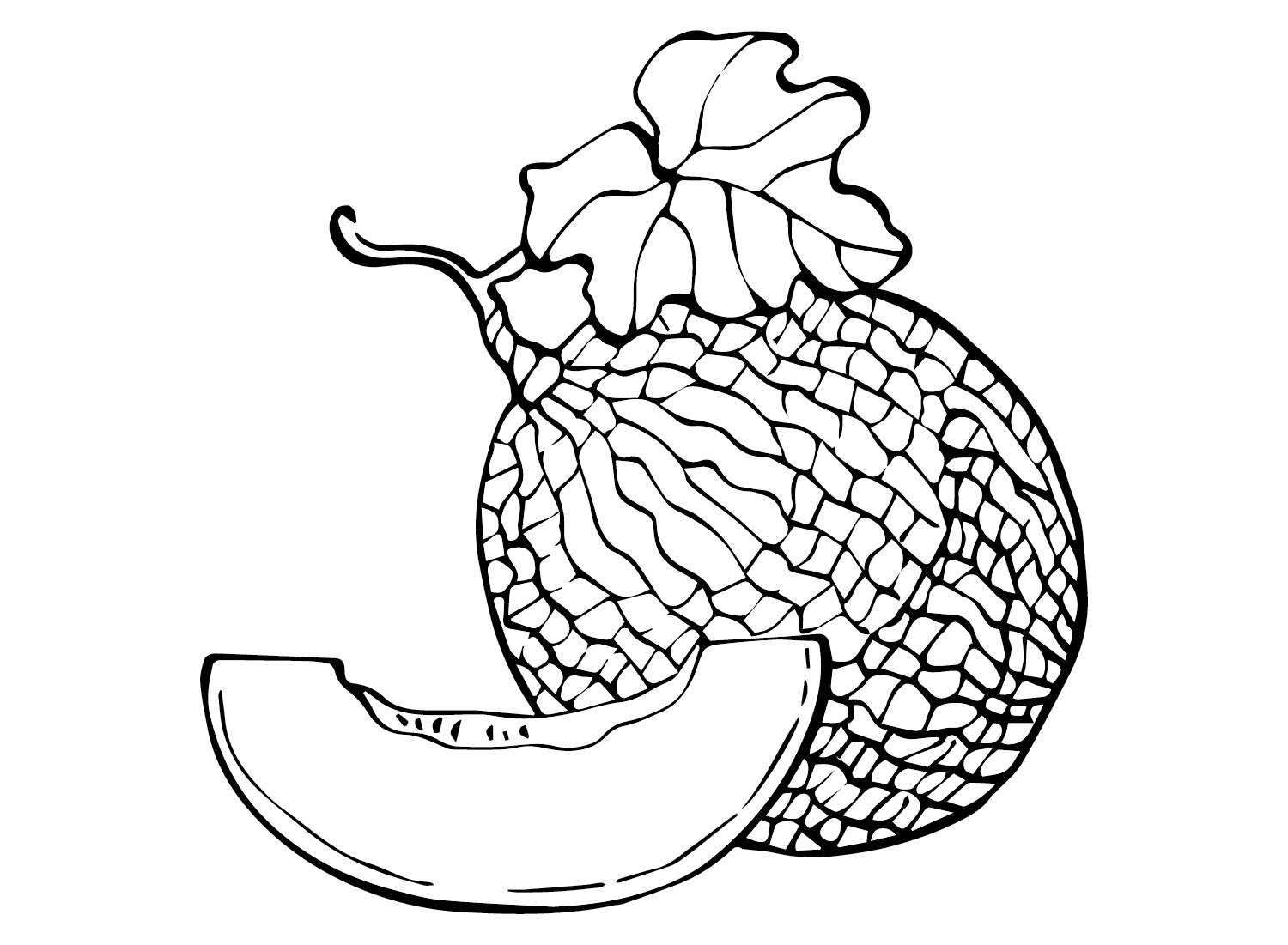
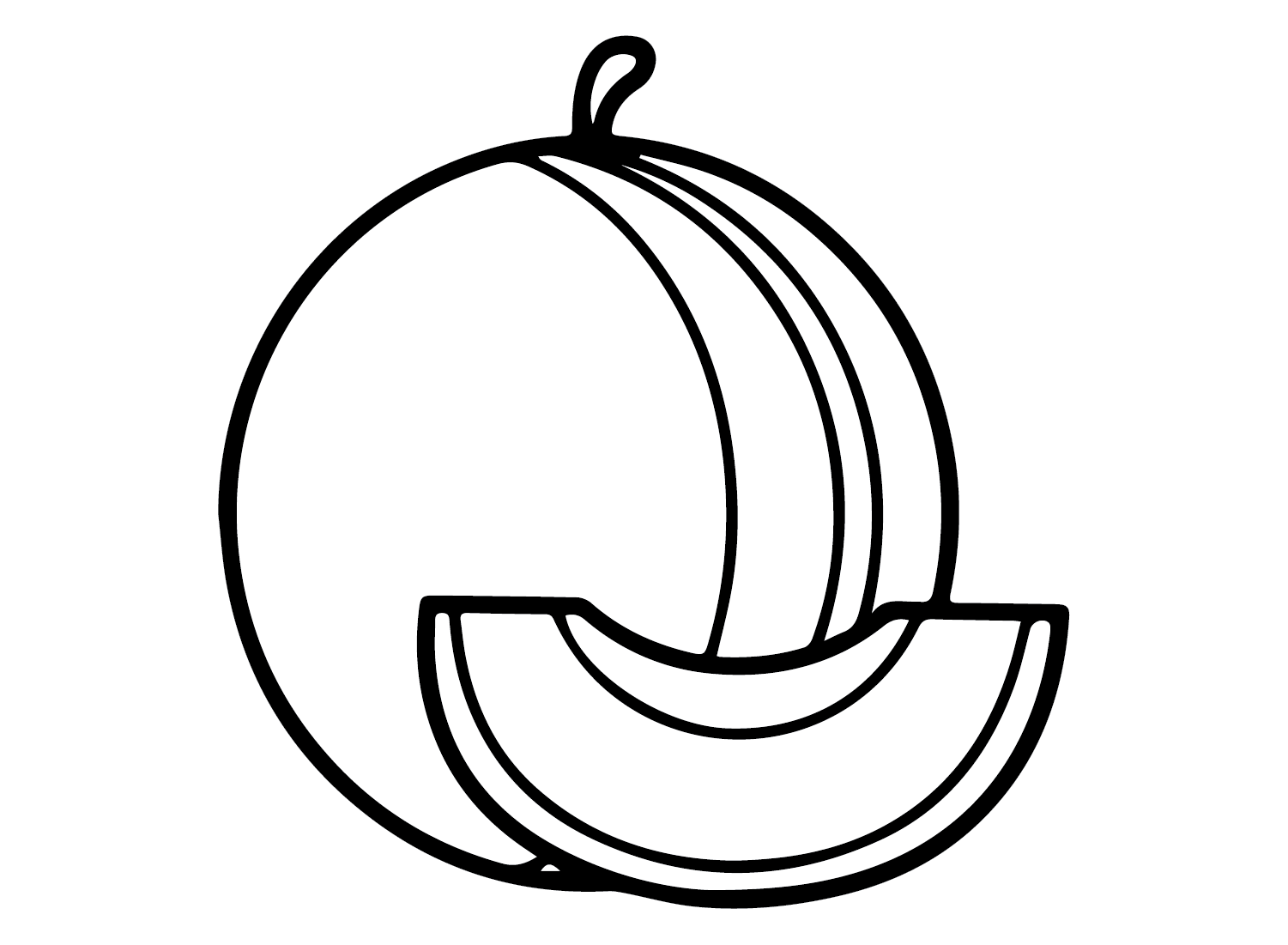
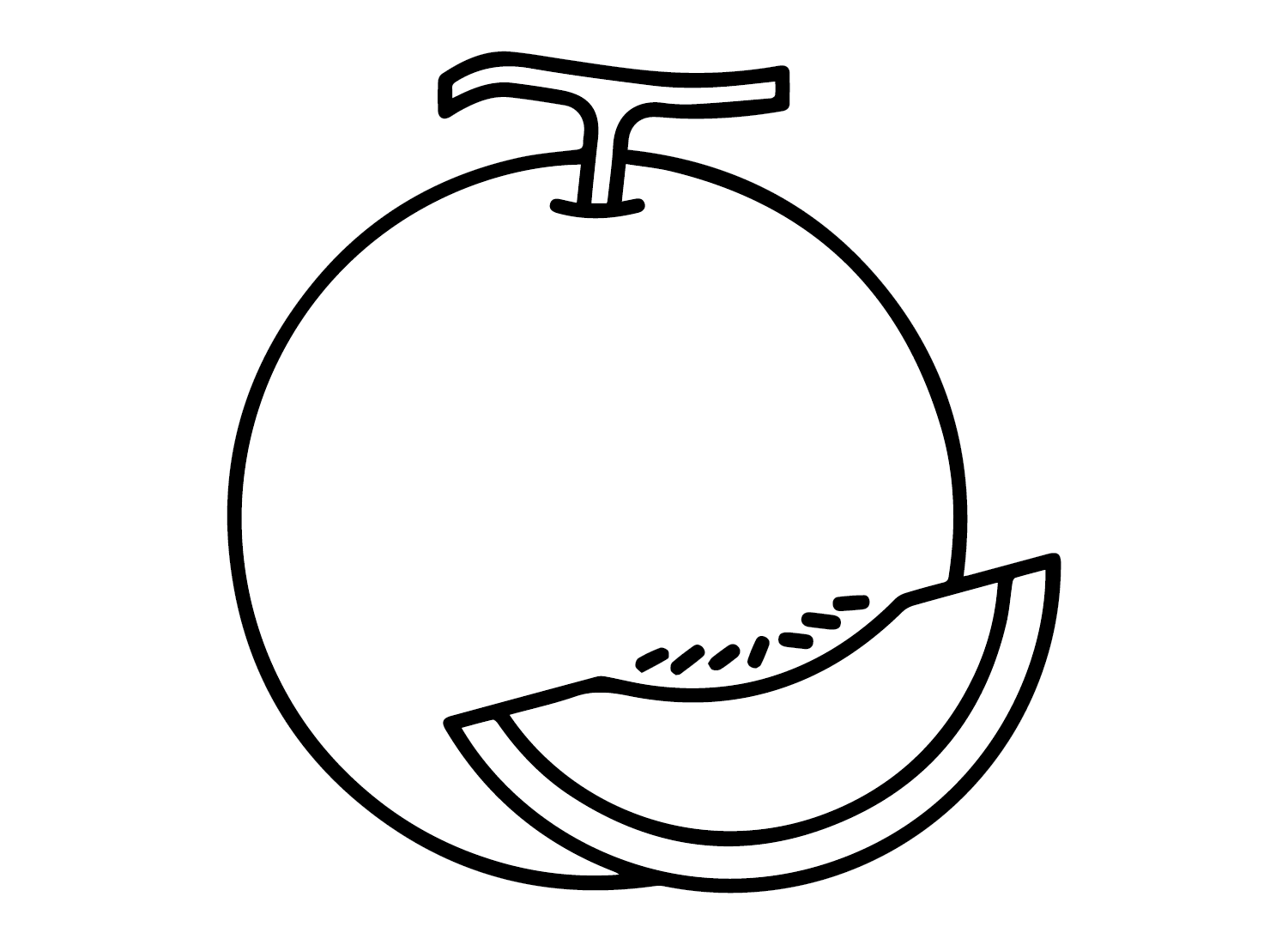

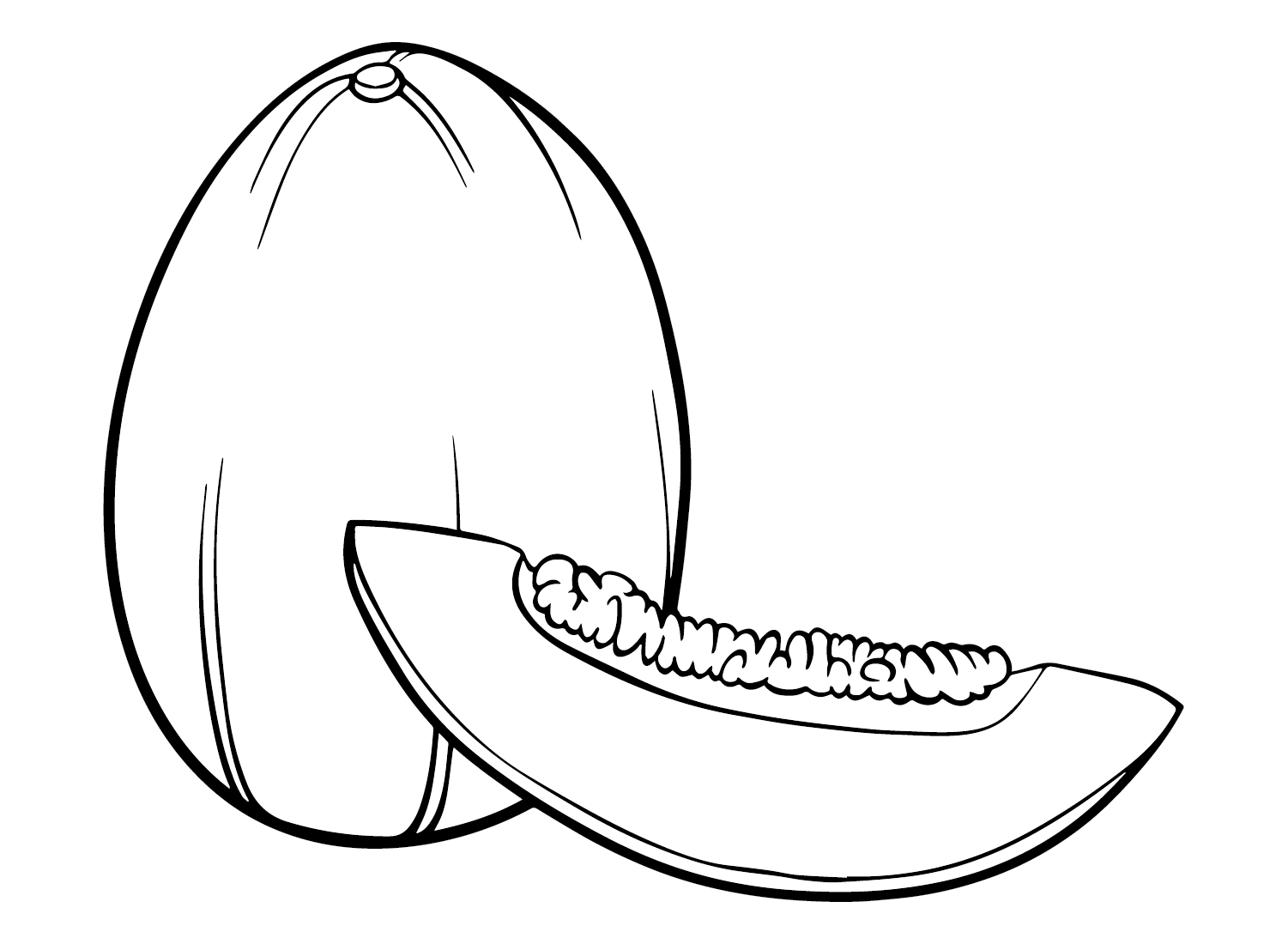
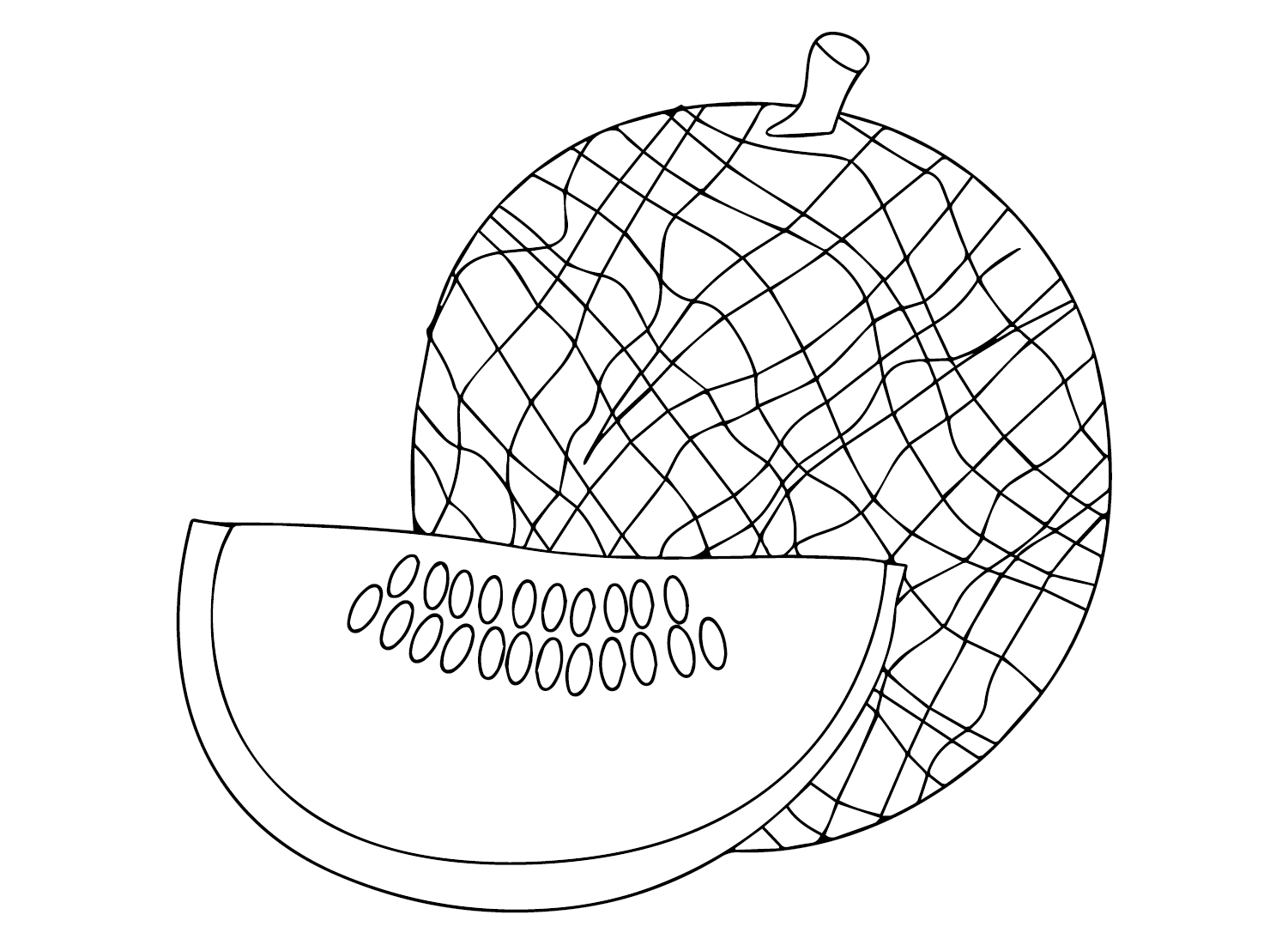
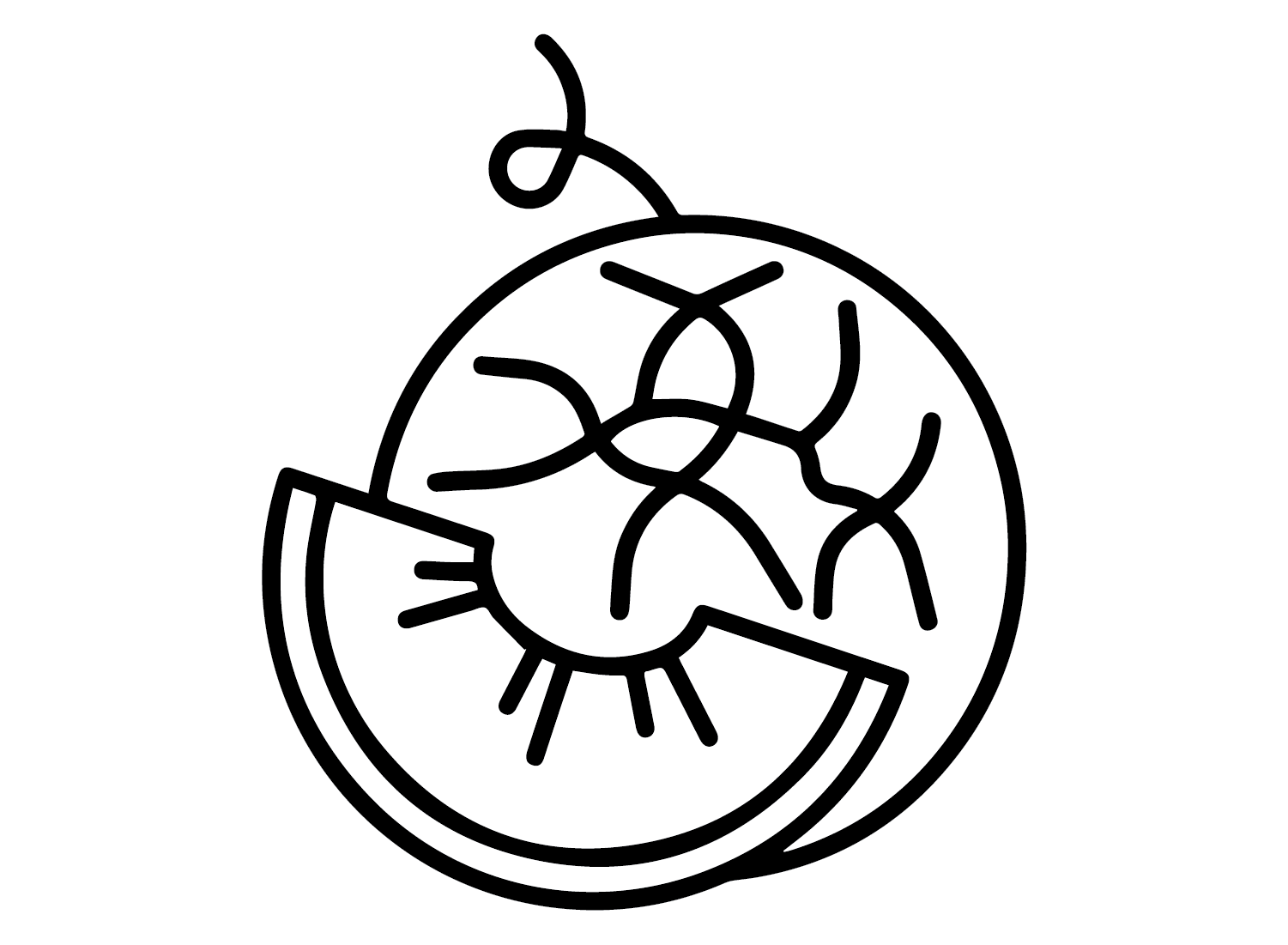
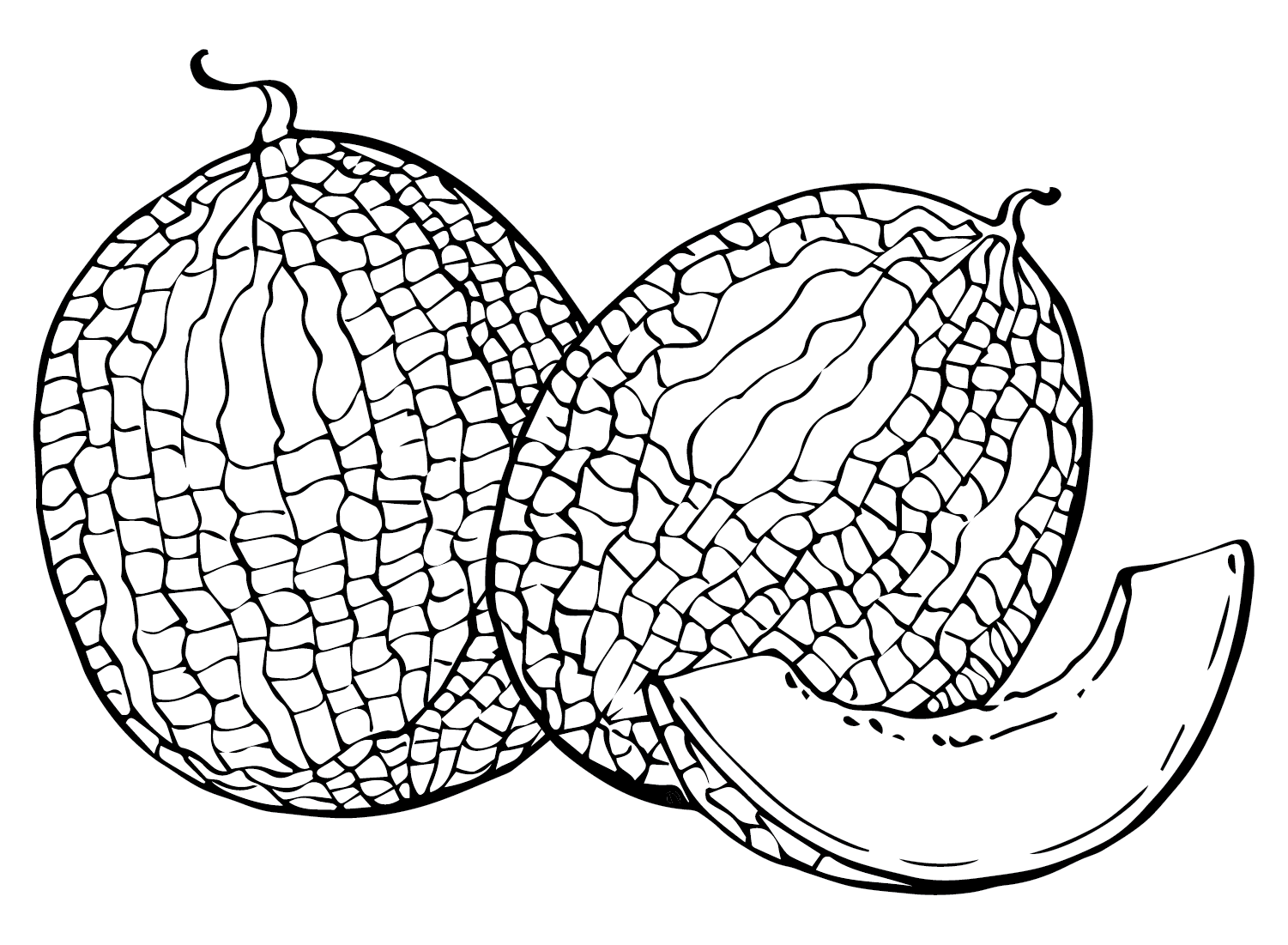
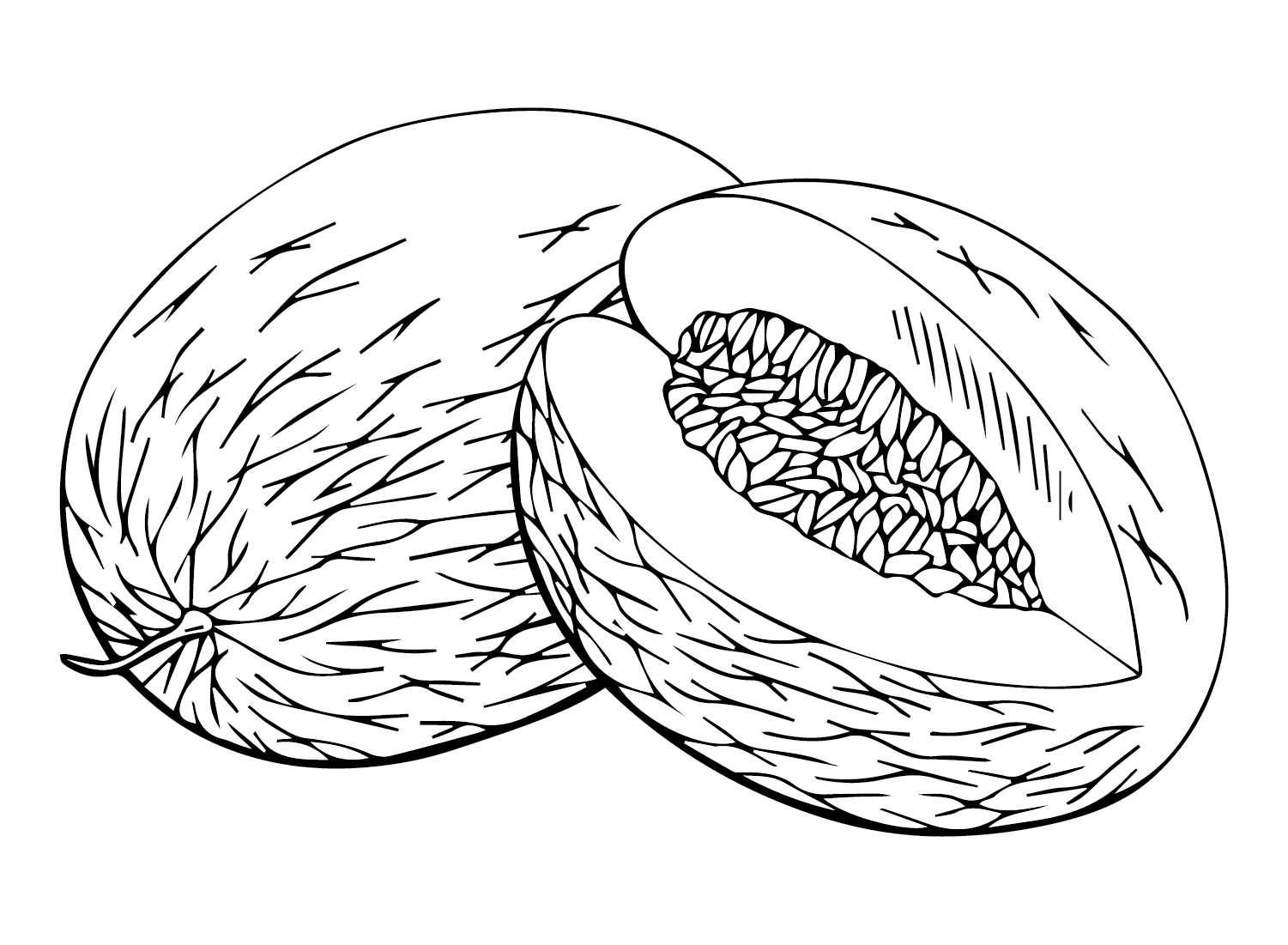
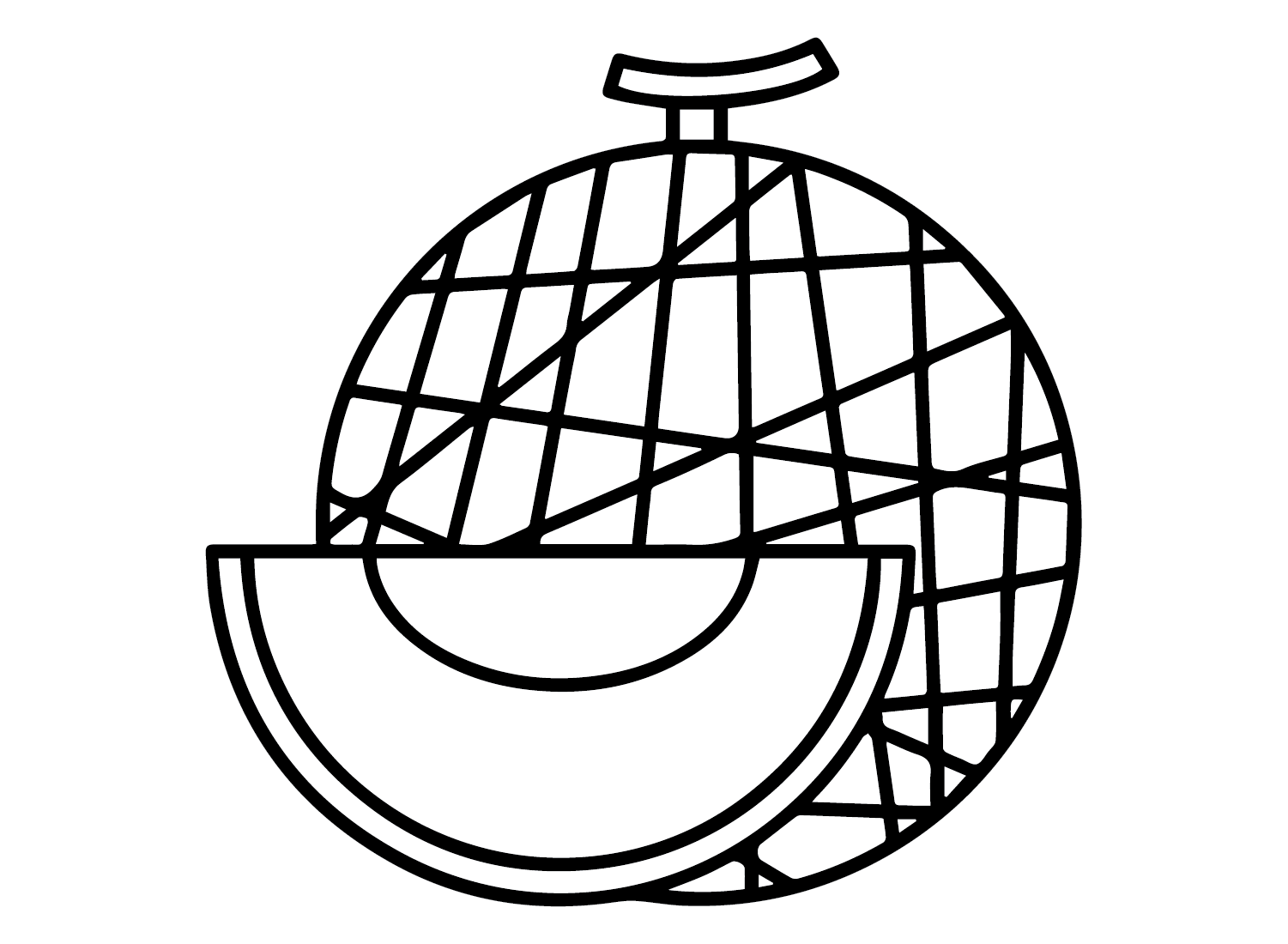

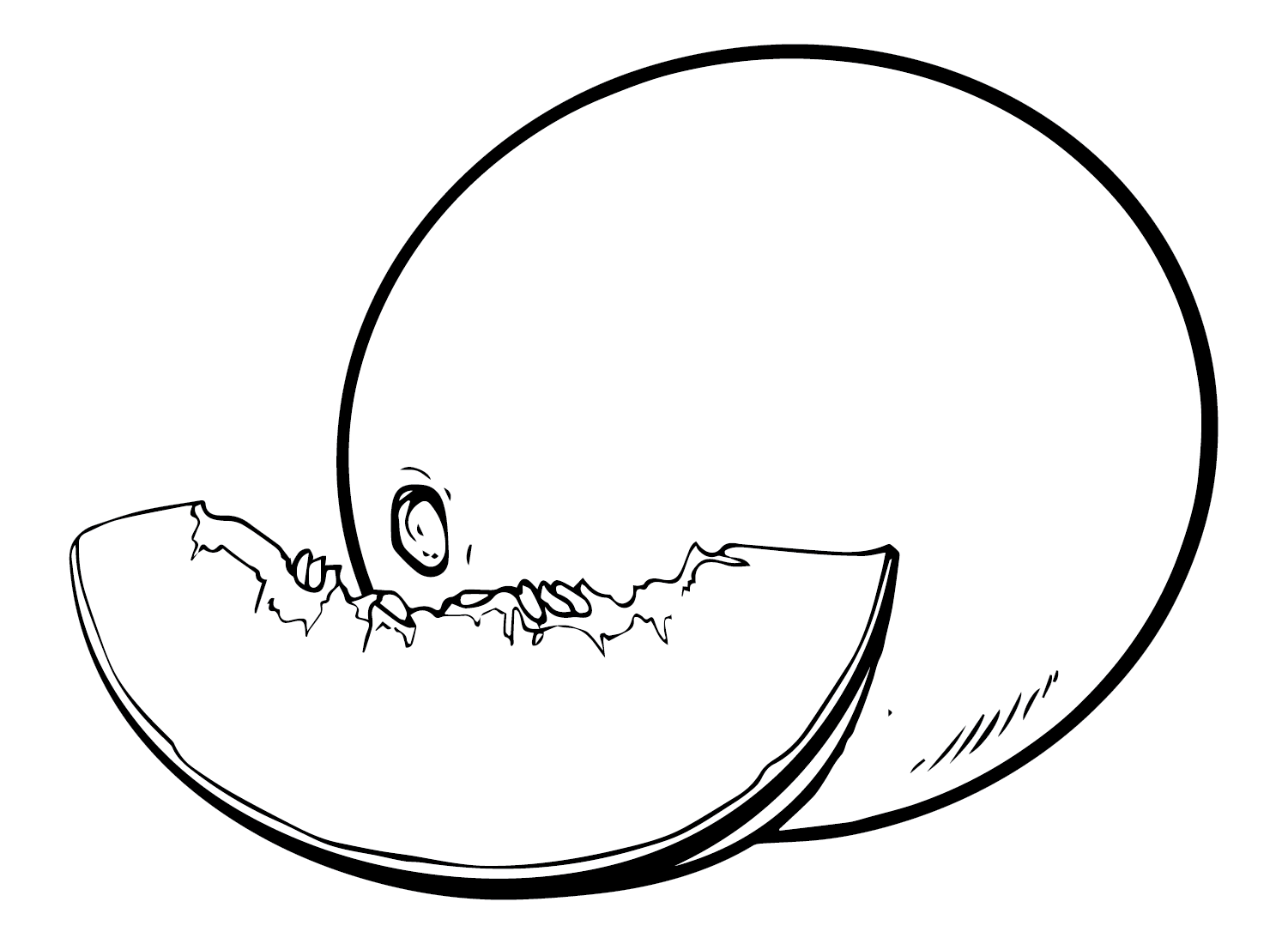
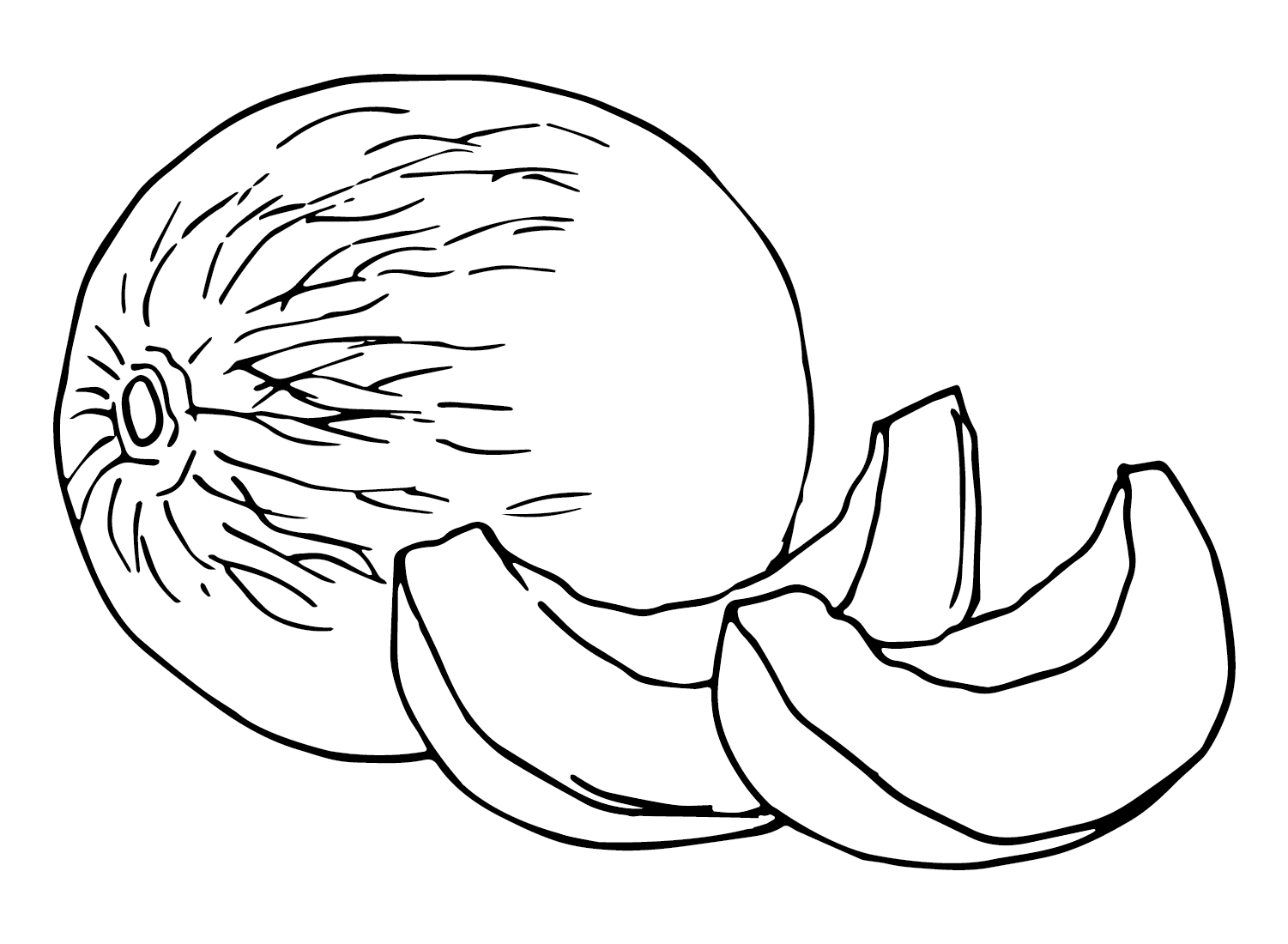
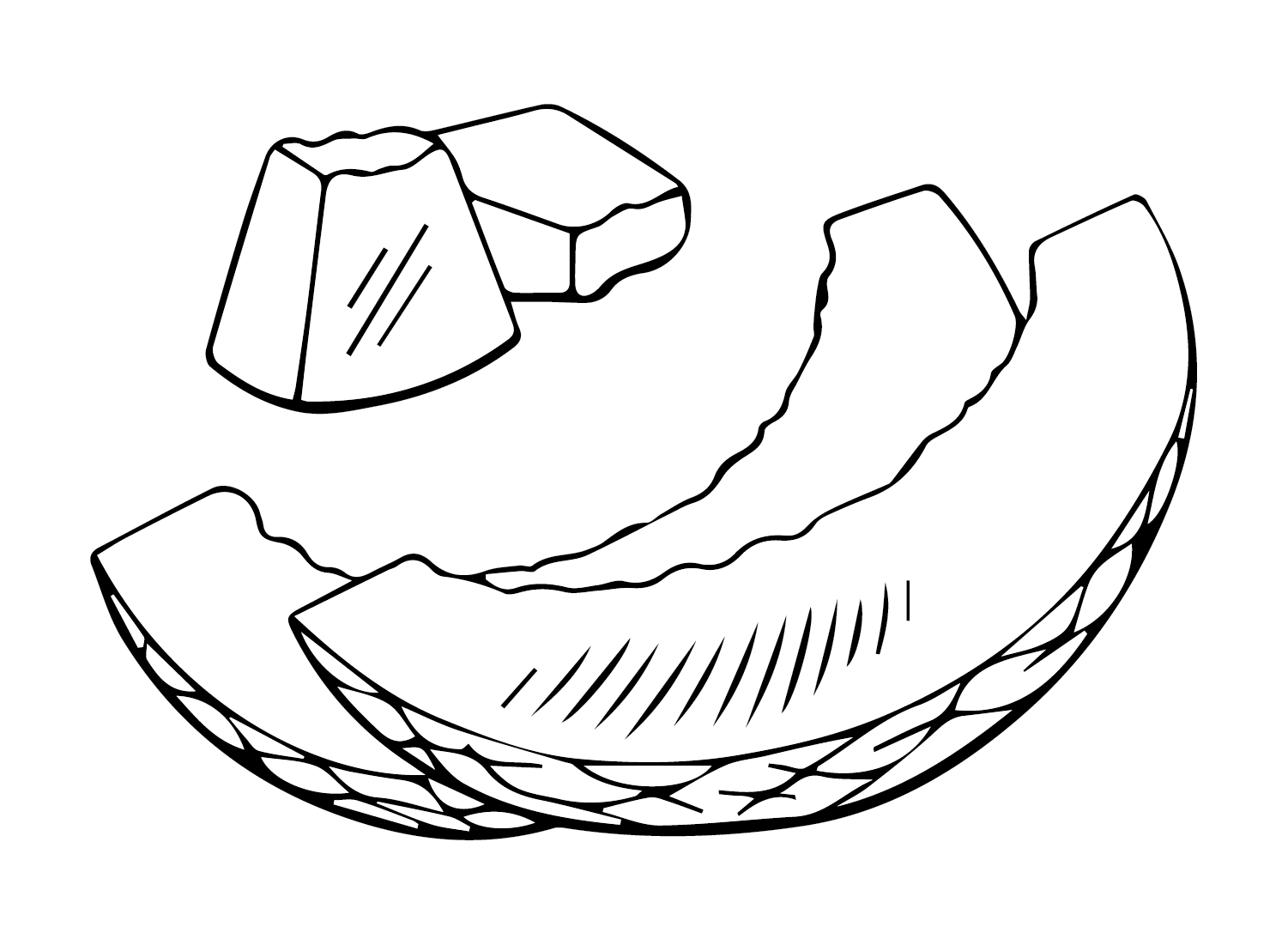
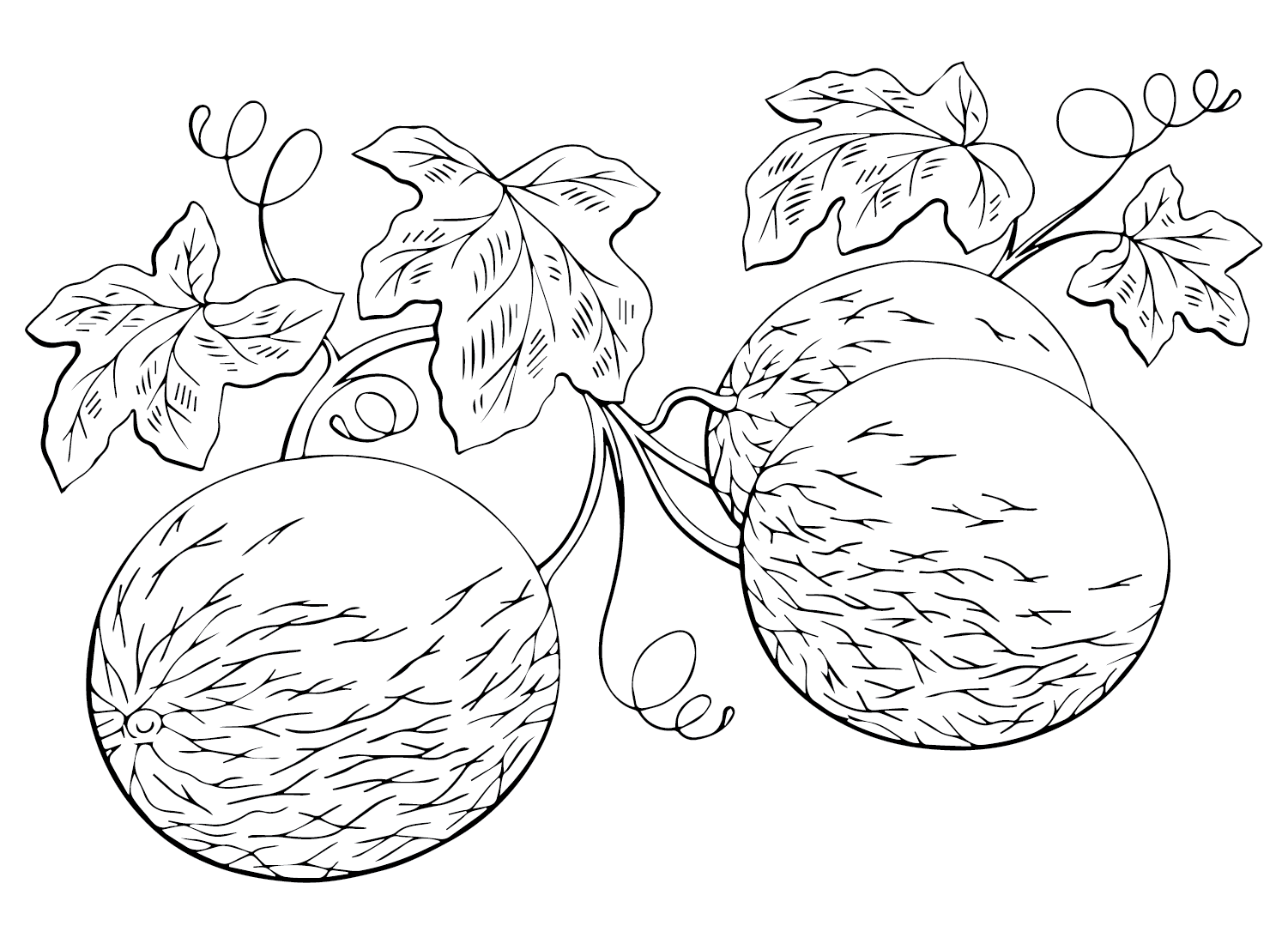
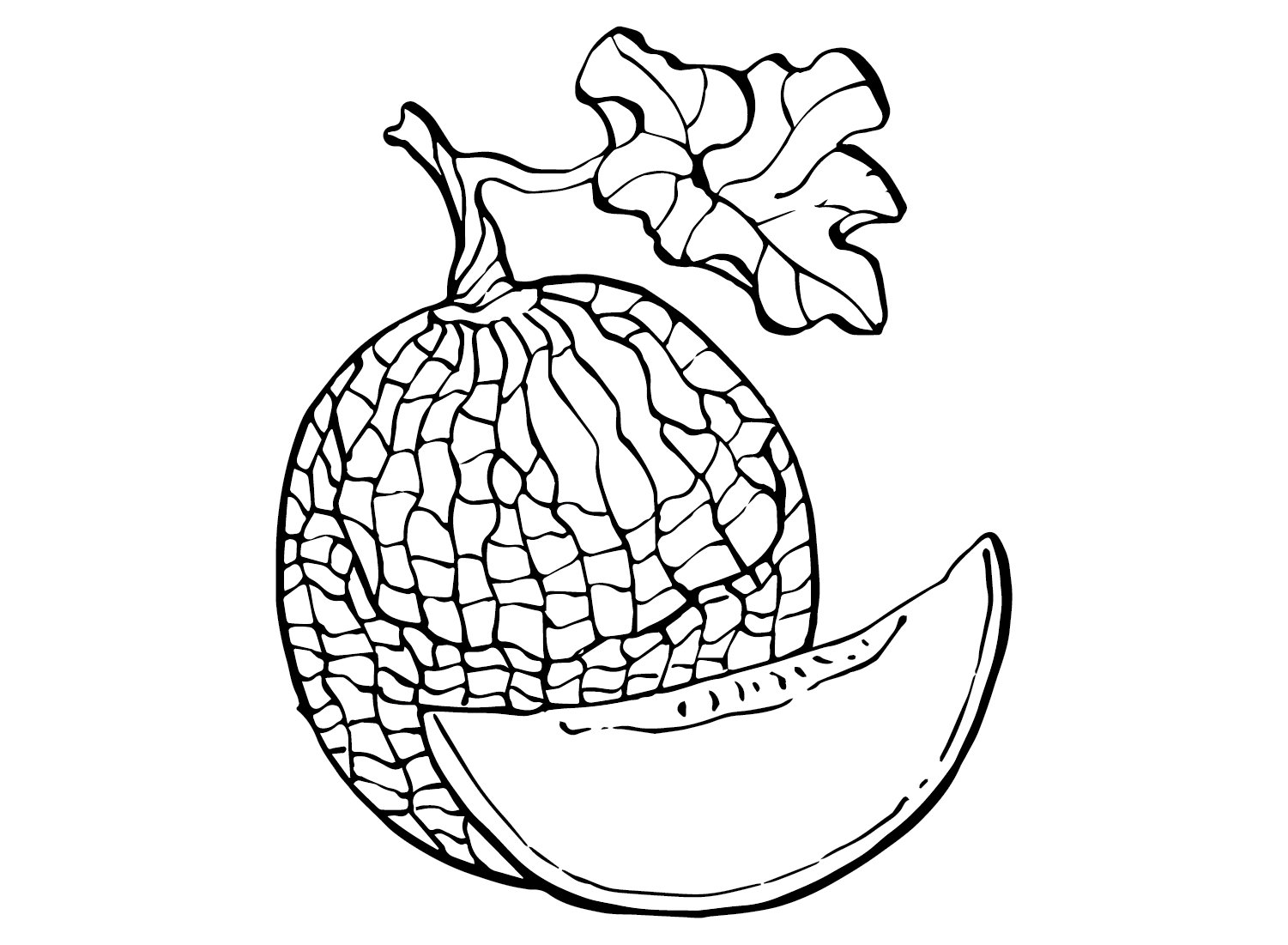
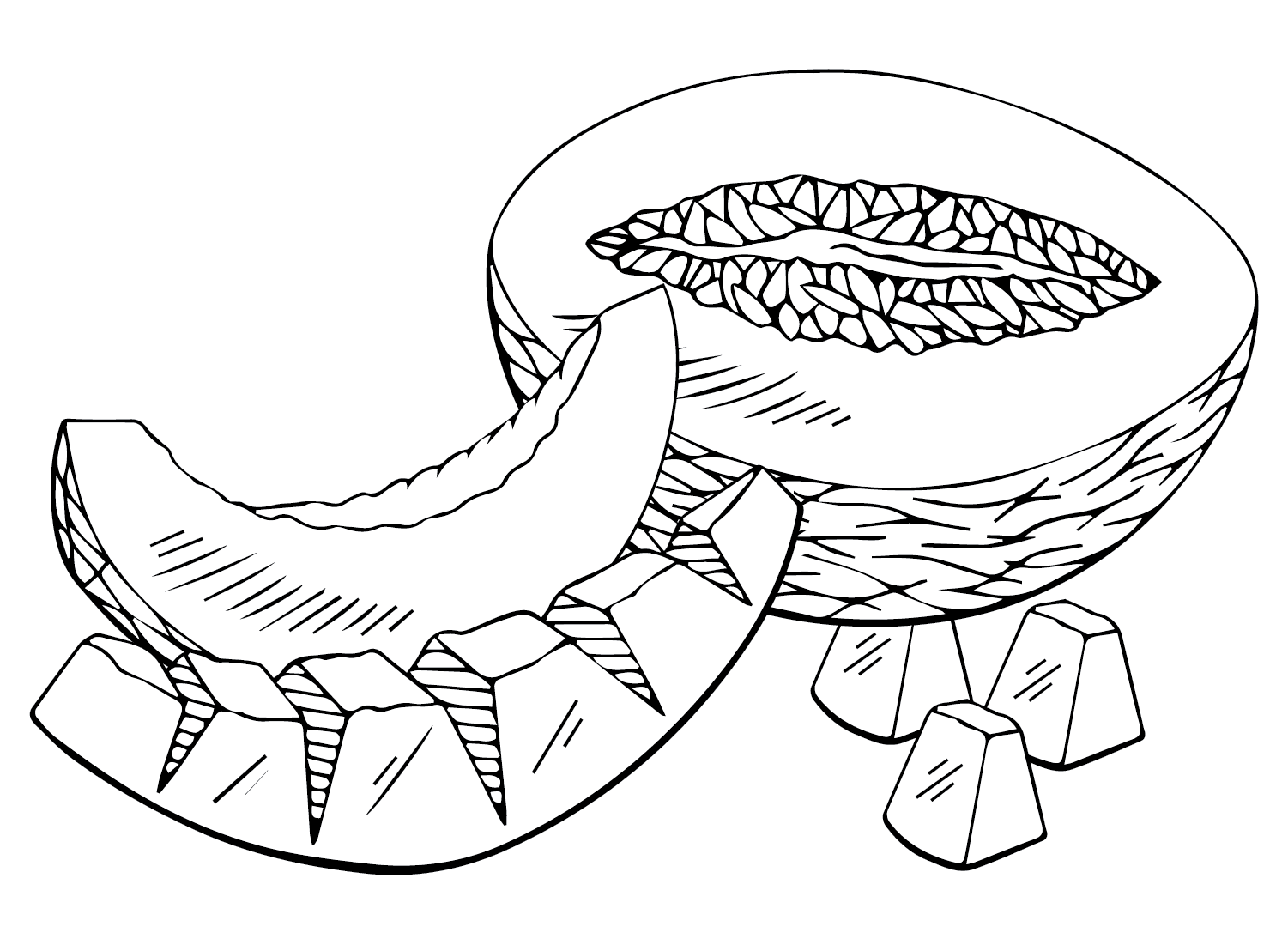

What Is Inside This Collection
The 22 designs group into four categories, from classic portraits to printable sheets.
Classic Portraits
Six pages show a standalone melon or melon pieces, including cartoon-style, ripe, and sliced renderings.
Named Variety Designs
Two pages focus on specific melon types by name, casaba and honeydew, each with a distinct rind texture and shape.
Drawing-Style Designs
Two pages use a sketch or line-drawing style, offering a slightly different visual approach for colorists who enjoy that look.
Printable and Free Sheets
Twelve pages are formatted as general printable sheets, making up the largest share of the collection and useful for a quick, single-session print at home or in the classroom.
What Melons Coloring Pages Do
Two rinds, two very different textures. Casaba melon has a deeply furrowed, wrinkled rind. At the same time, honeydew’s skin is smooth and even, and switching between these two surface textures on different pages takes a different kind of pencil control than treating every melon the same way. The American Academy of Pediatrics ties that kind of texture-specific, deliberate coloring work to fine motor skill development in children ages 2 through 7.
A berry hiding inside a gourd. Despite looking nothing like a strawberry or a blueberry, a melon is botanically classified as a pepo, a specialized type of berry with a hard rind, placing it in the same technical fruit category as squash, pumpkins, and cucumbers, a genuinely surprising addition to the running fruit-science thread across this site’s coloring collections.
A calming activity paired with a naturally refreshing subject. A 2005 study in the Art Therapy Journal found that structured coloring sessions produced measurable reductions in anxiety, and melon’s association with cool, hydrating summer snacking makes for a naturally relaxed, low-pressure subject to color slowly.
Two color decisions per slice. The sliced and cross-section designs ask colorists to plan both an outer rind color and a distinct inner flesh color, honeydew’s pale green interior versus casaba’s creamy White, giving each page a small two-part color-planning exercise.
How to Color Melons Pages Well
- Casaba rind: Use Golden Yellow with darker Yellow-Brown furrows and wrinkles to capture the variety’s deeply ridged skin texture.
- Honeydew rind: Use smooth, even pale Green to Yellow-Green, keeping the surface flat and unbroken to reflect its naturally smooth skin.
- Casaba flesh (in cross-section designs): Use creamy White to pale Yellow for the interior.
- Honeydew flesh (in cross-section designs): Use light, pale Green for the interior, since this is the variety’s signature flesh color.
- Seeds: Use pale Cream or light Tan for seed clusters, keeping them concentrated toward the center of any sliced design.
- Backgrounds: Keep backgrounds simple with soft Blue or Cream tones so the melon’s rind texture and color remain the clear focus of the page.
5 Creative Craft Ideas With Melons Coloring Pages
1. Summer Fruit Platter Collage
Color several melon pieces, cut them out, and arrange them on a paper plate cutout for a simple summer fruit platter collage.
2. Melon Bookmark
Color a small melon design, cut it into a bookmark shape, and use it to mark a place in a favorite book.
3. Greeting Card
Fold cardstock in half, glue on a colored melon design, and write a message inside for a friend who loves fresh fruit.
4. Classroom Fruit Family Poster
Color a casaba and a honeydew page side by side, then arrange them on a poster board for a classroom lesson comparing melon varieties.
5. Paper Garland
Cut out three or four colored melon designs, punch a hole in each, and string them together with twine for a bright summer party garland.
Frequently Asked Questions
What are Melons coloring pages?
Melon coloring pages are printable line-art designs featuring casaba, honeydew, and general melon artwork in classic portrait and sliced styles. This collection includes 22 free designs available as PDFs or online coloring.
What family do melons belong to?
Melons belong to the Cucurbitaceae family, also known as the gourd family, which includes cucumbers, squash, and pumpkins.
Is a melon really classified as a berry?
Yes. Botanically, a melon is classified as a pepo, a specialized type of berry with a hard, thick rind, the same category shared by squash, pumpkins, and cucumbers.
What is the difference between casaba and honeydew melon?
Casaba melon has a deeply furrowed, wrinkled yellow rind and creamy white flesh, while honeydew has a smooth, pale green to yellow rind and sweet, light green flesh.
What color is honeydew melon flesh?
Honeydew melon flesh is a pale, light green color.
What are the health benefits of melon?
Melon is a good source of vitamin C and potassium, and its high water content makes it a naturally hydrating snack.
Are Melons coloring pages suitable for young children?
Yes. The simple portrait designs in this collection use bold, uncluttered outlines suited to preschool and early elementary colorists. At the same time, the sliced and variety-specific pages offer more detail for older kids.
What other fruits are in the same family as melon?
Melon’s family, Cucurbitaceae, also includes watermelon, cucumbers, squash, and pumpkins, all classified as pepos.
Start Coloring
Download any page by clicking the design. No account, email, or payment is required. Pages print directly from the browser at full resolution or open in the online coloring tool for screen use. Share finished pages on Facebook or Pinterest with the share buttons at the top of each design page.