Sir Crocodile Coloring Pages
 By:
Jennifer Thoa - Content Editor & Designer
Updated:
By:
Jennifer Thoa - Content Editor & Designer
Updated:
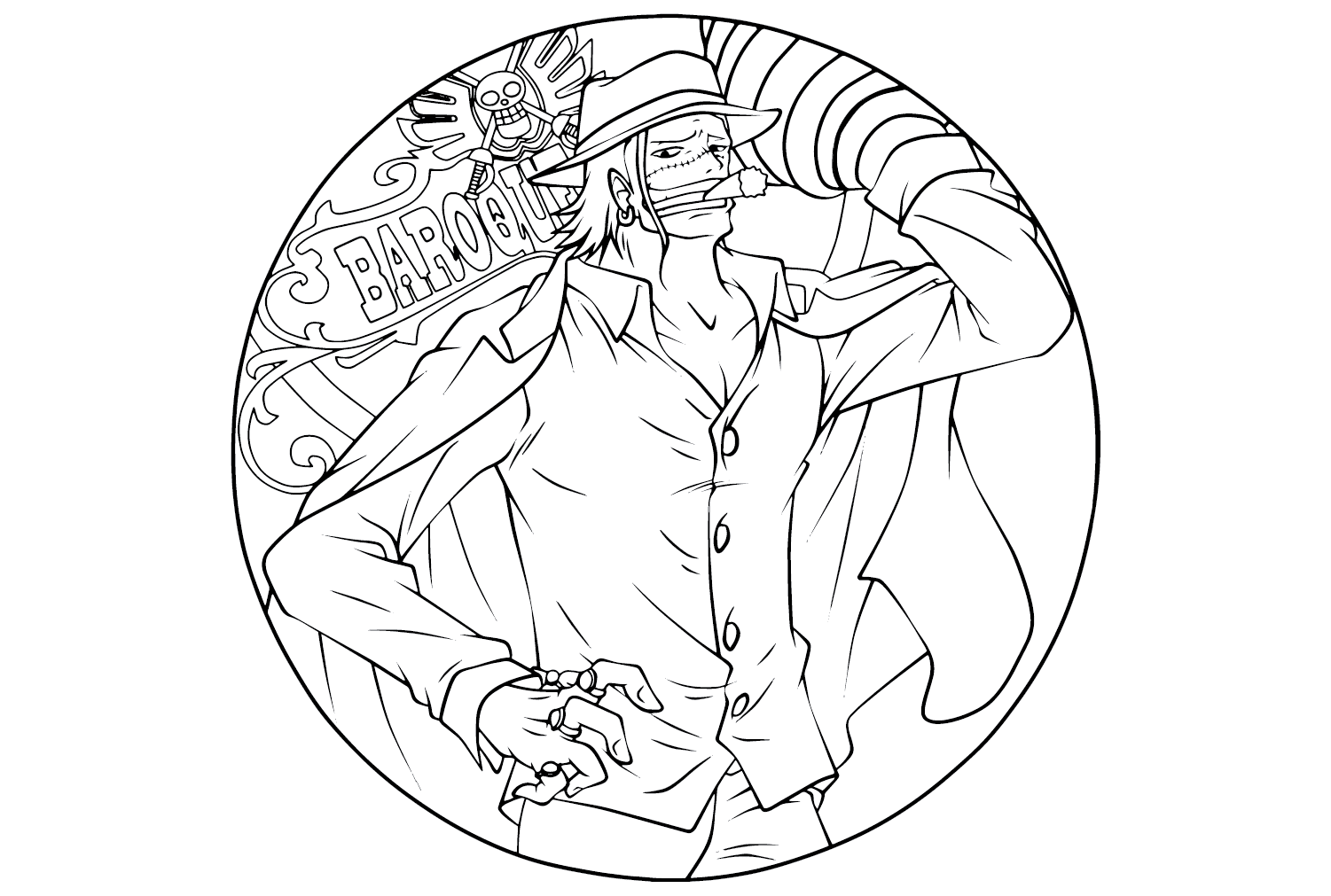
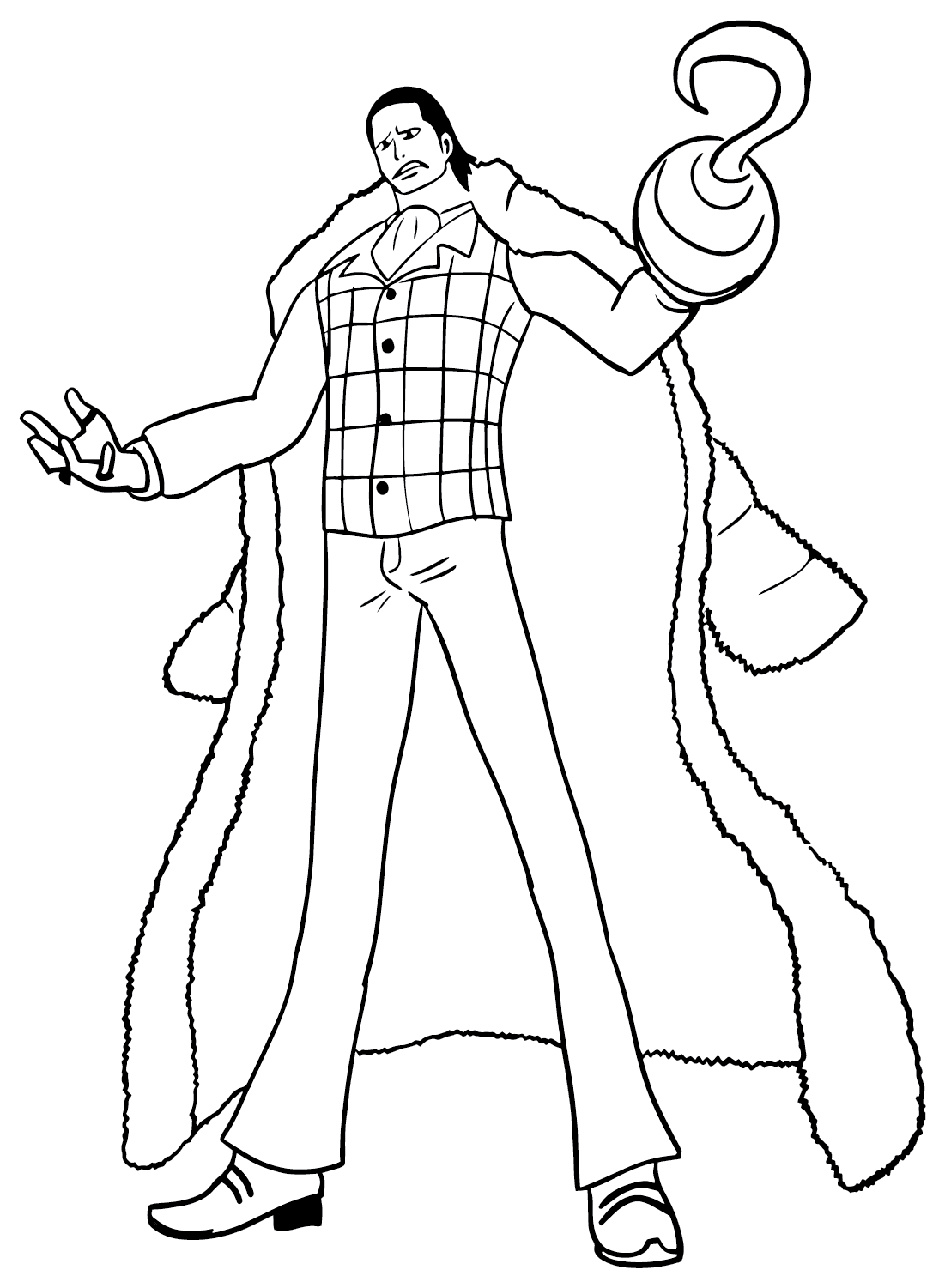
Sir Crocodile coloring pages: 18 free printable PDF designs featuring the sand-wielding former Warlord from One Piece, covering solo portraits, Suna Suna no Mi power scenes, his signature hook, and battle poses. Download any page as a PDF or color it right in the browser, no account needed.
Several of Crocodile’s most famous attack names come straight from real languages. His technique, Barchan, is named after an actual geological term for a crescent-shaped dune found in real deserts around the world. At the same time, other attacks borrow directly from Italian, French, and Spanish, Girasole meaning “sunflower,” Encierro meaning “imprisoning,” and Sables meaning “sand.” It’s a genuine, well-documented naming pattern that ties a fictional sand-based power set to real-world geography and language.
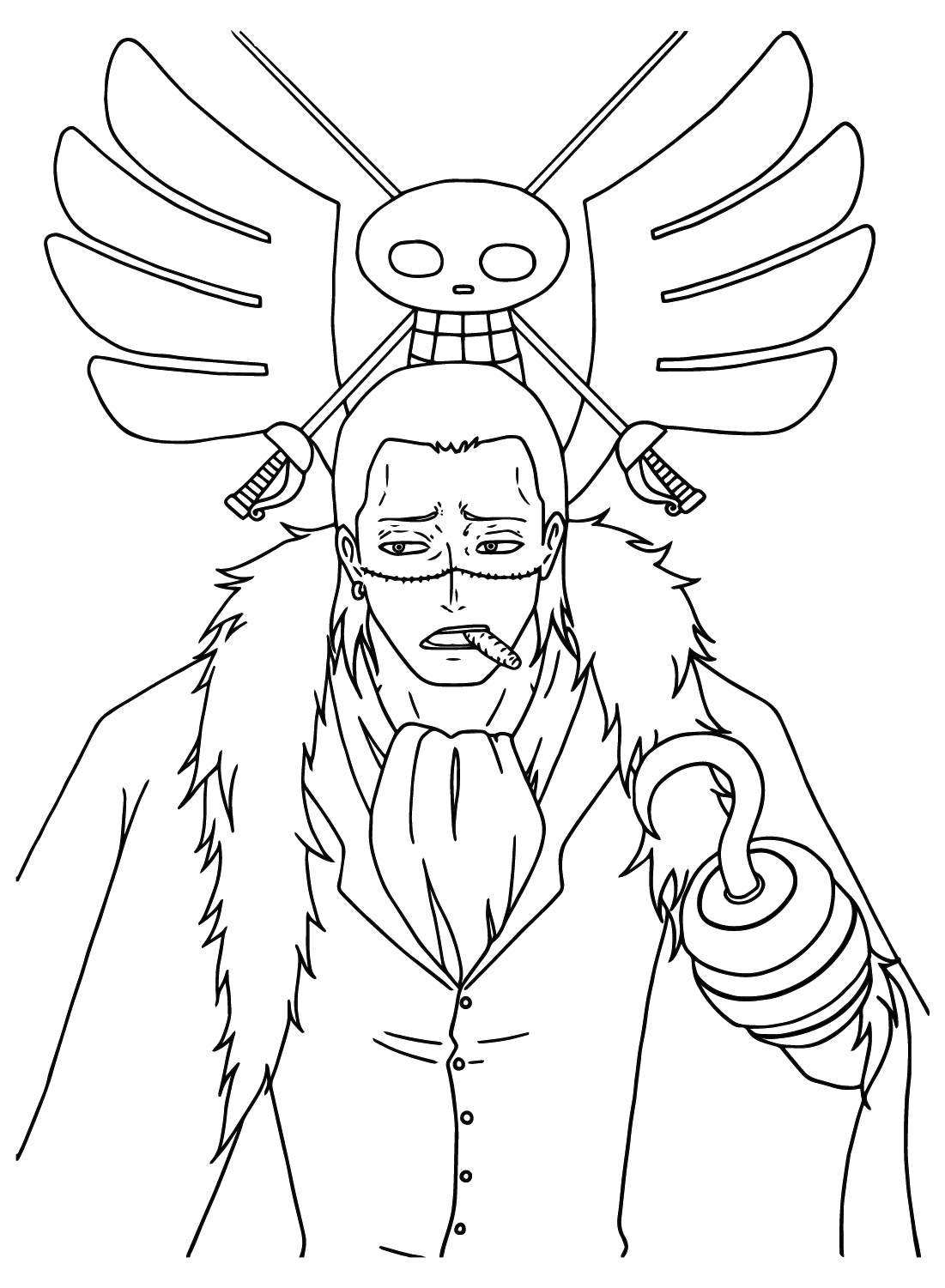
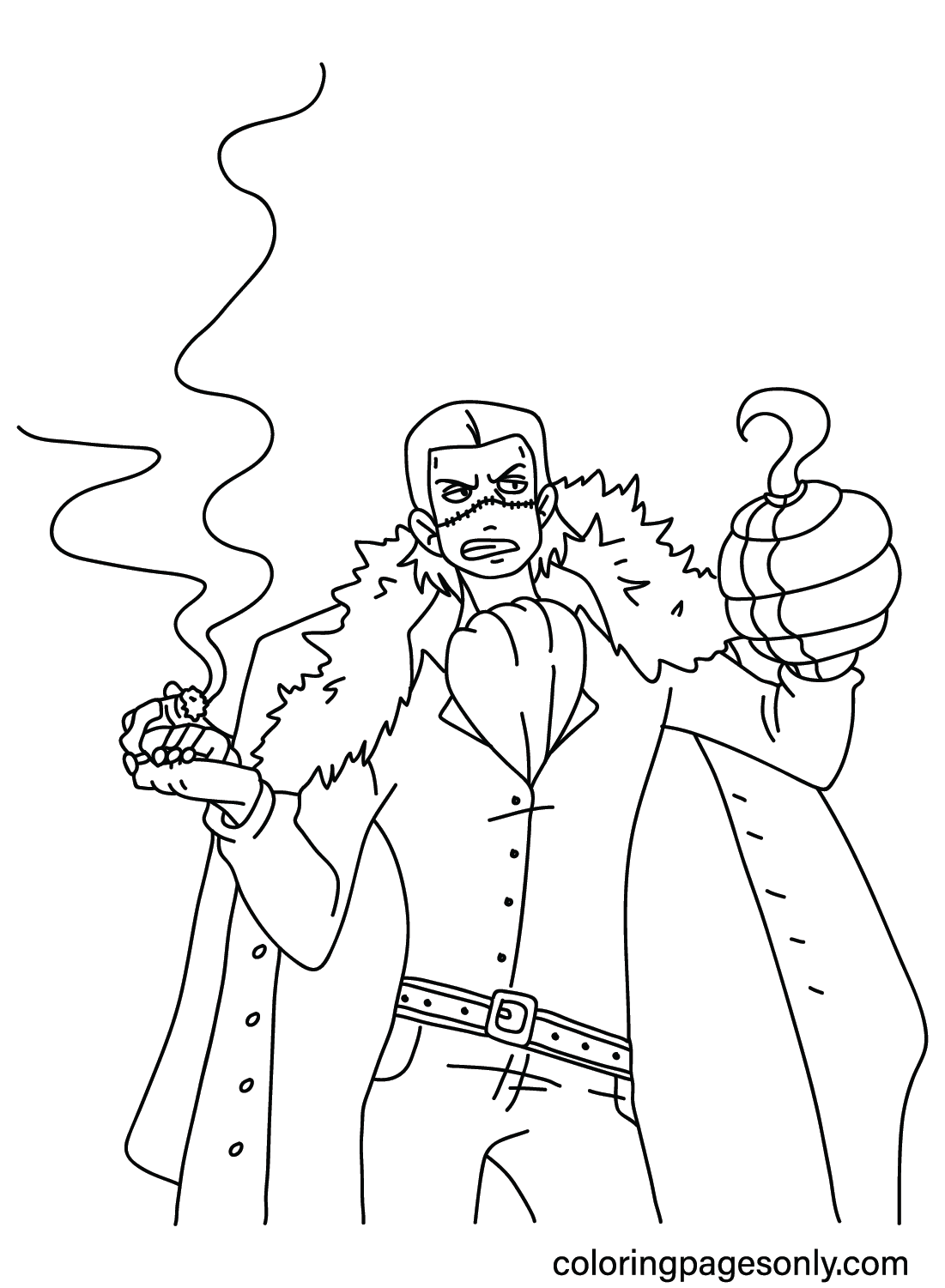
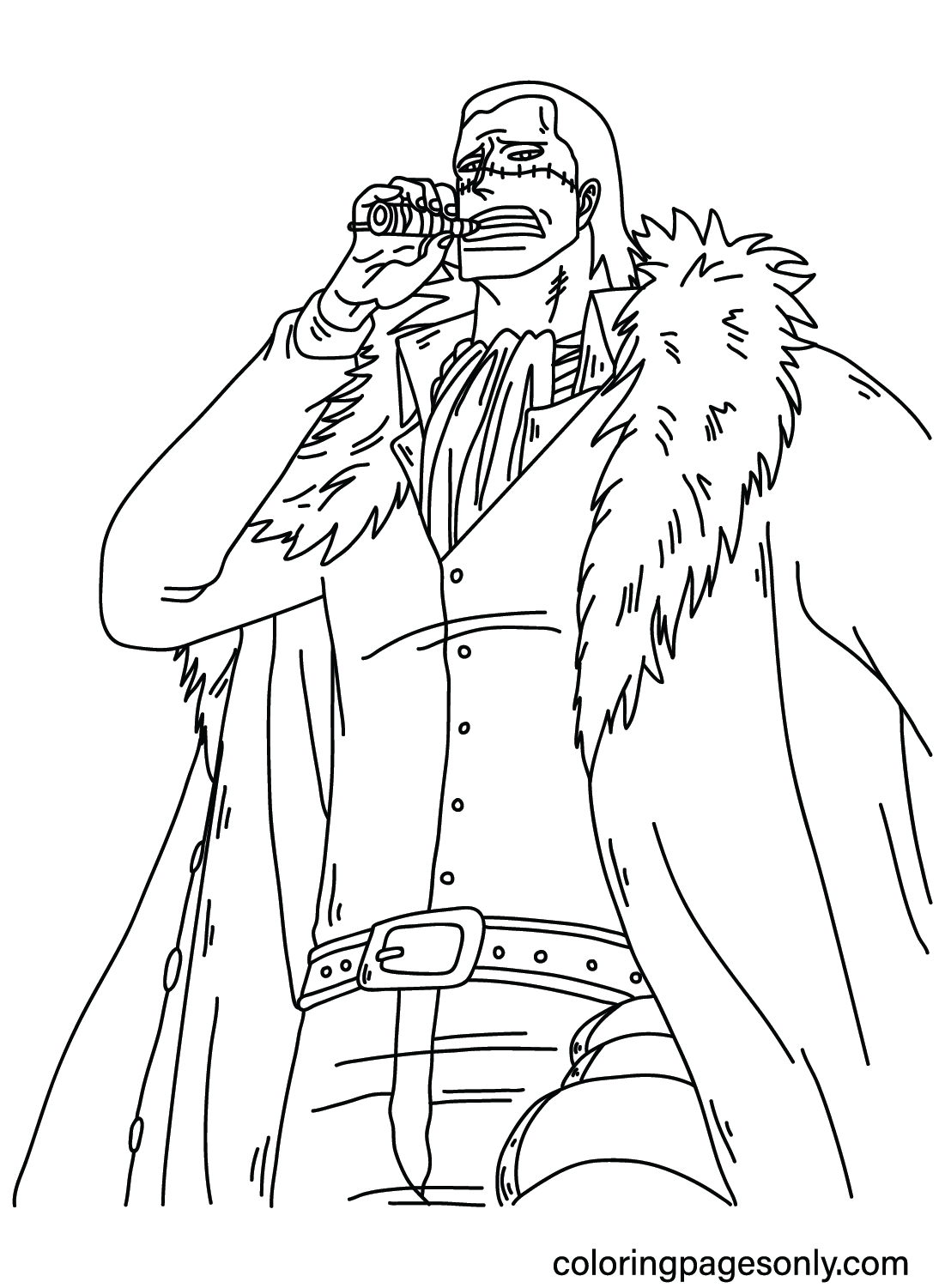
That kind of layered detail gives Crocodile’s pages more to explore than a typical villain design. This set covers his sharp, composed portraits, his sand-based Devil Fruit powers in action, close-up looks at his golden hook, and dynamic battle scenes.
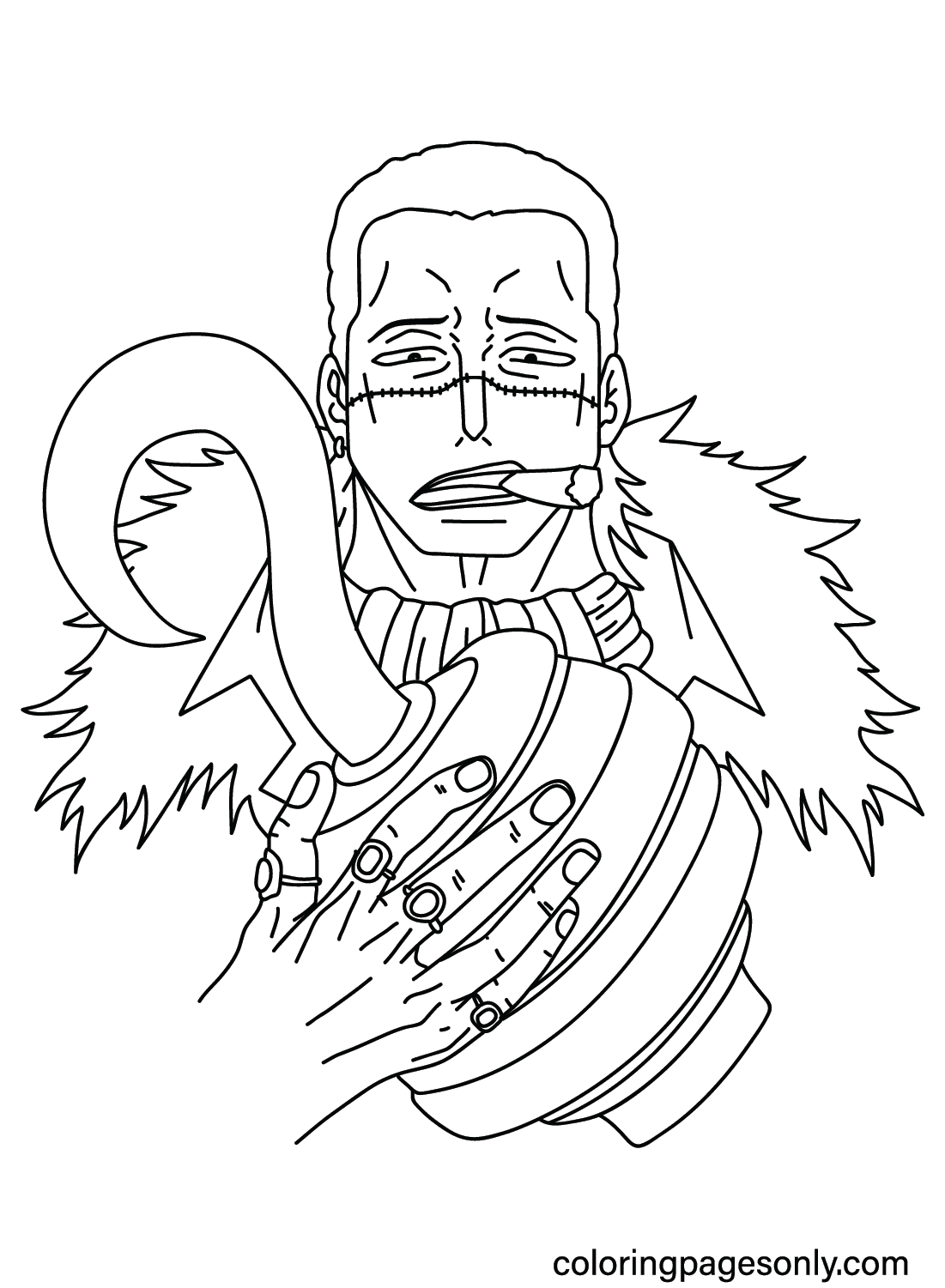
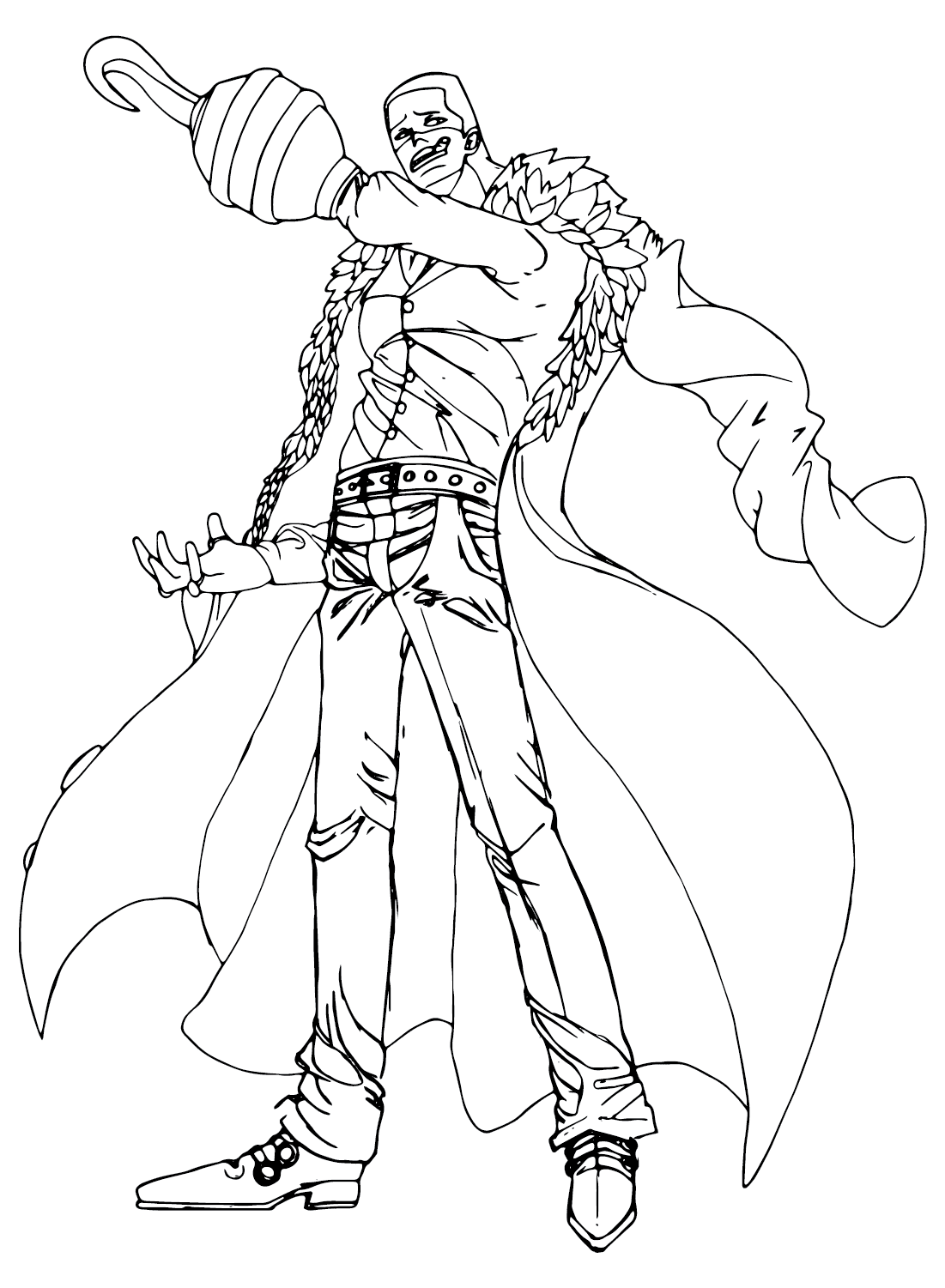
The hook is the detail worth taking slowly. Gold-toned metal with a sharp, curved edge is what makes it instantly recognizable, and keeping it consistent across every page, whether he’s using it in combat or simply standing still, is what separates an accurate Crocodile page from a generic pirate captain design.




Quick Answer
Sir Crocodile coloring pages are a free set of 18 printable PDFs and browser-based coloring sheets featuring the sand-wielding former Warlord from One Piece, covering portraits, Devil Fruit power scenes, his hook, and battle poses.
Best for: kids aged 6 and up, and One Piece fans of any age
Formats: printable PDF and online coloring
Popular pages: a classic Crocodile portrait, a sand power scene, and a close-up of his hook
Creative uses: a Barchan dune science card, a language word-match game, and a sand art craft
What’s Inside Sir Crocodile Coloring Pages
The set moves from calm portraits through his sand powers, his signature hook, and battle scenes.
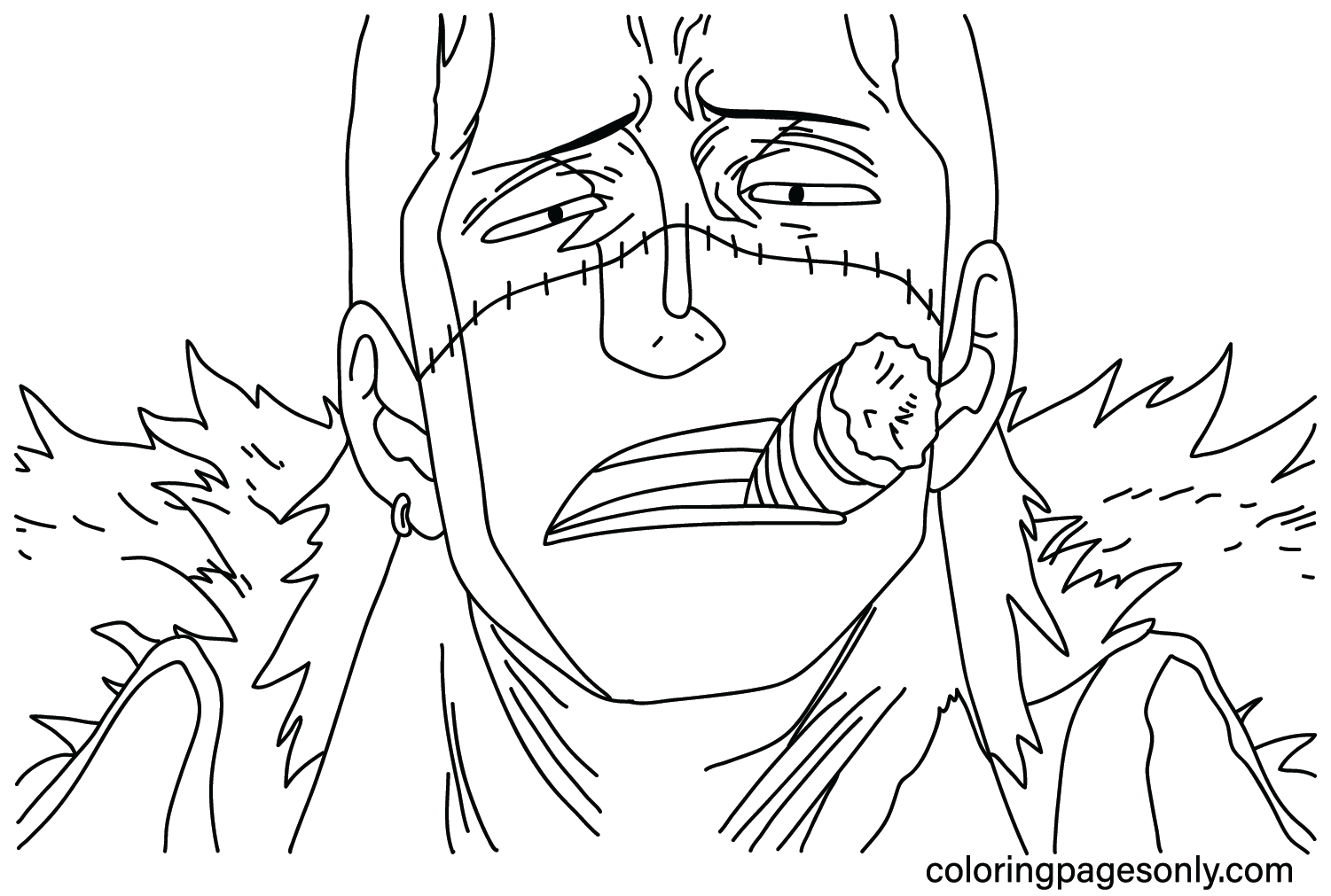
Classic Crocodile Portraits
Solo pages showing his sharp facial scar, slicked-back hair, and composed, confident expression.
Coloring classic portraits: deep browns and tans on his coat, paired with a pale scar detail, capture his design without needing bright or busy colors elsewhere.
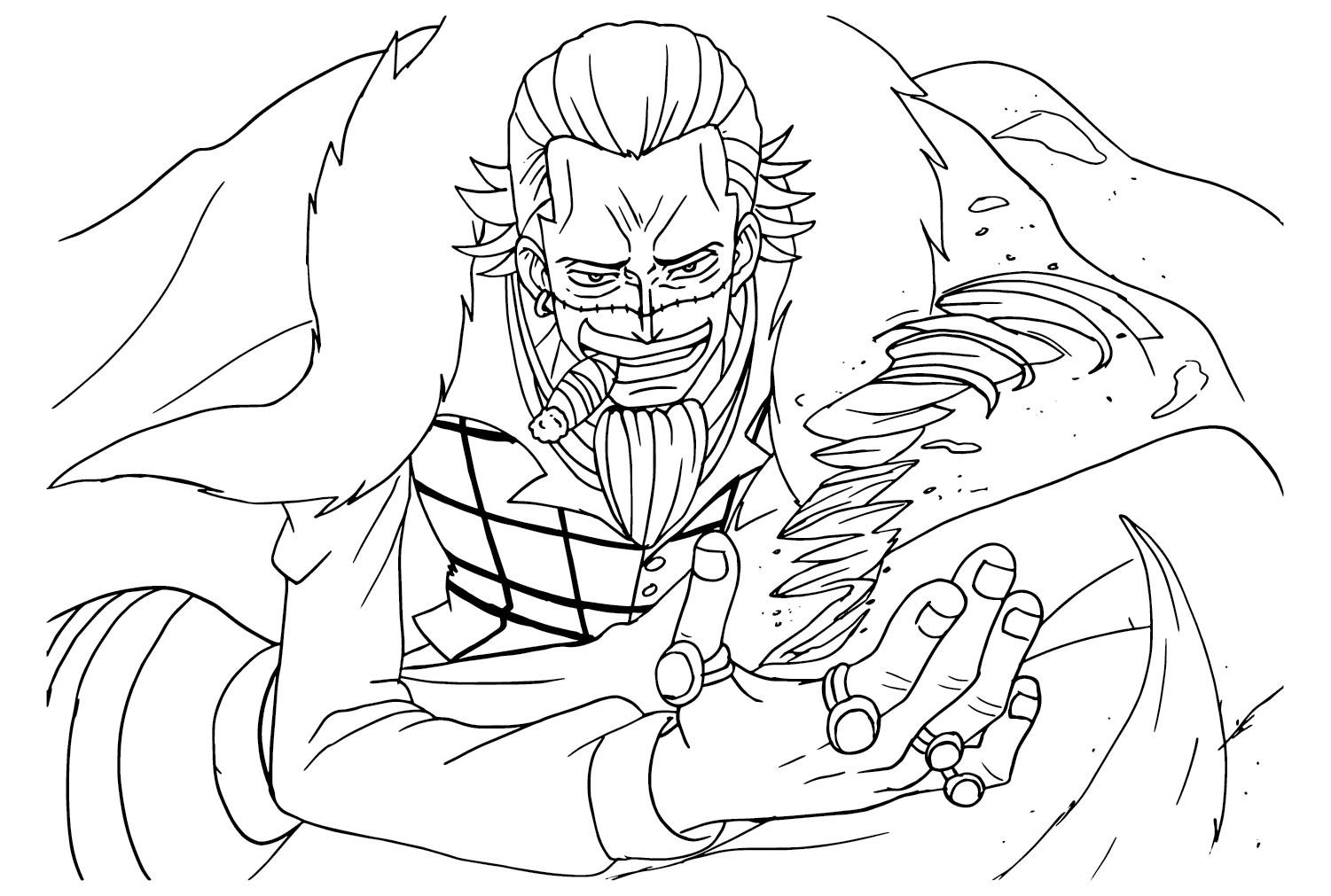
Suna Suna no Mi Sand Powers
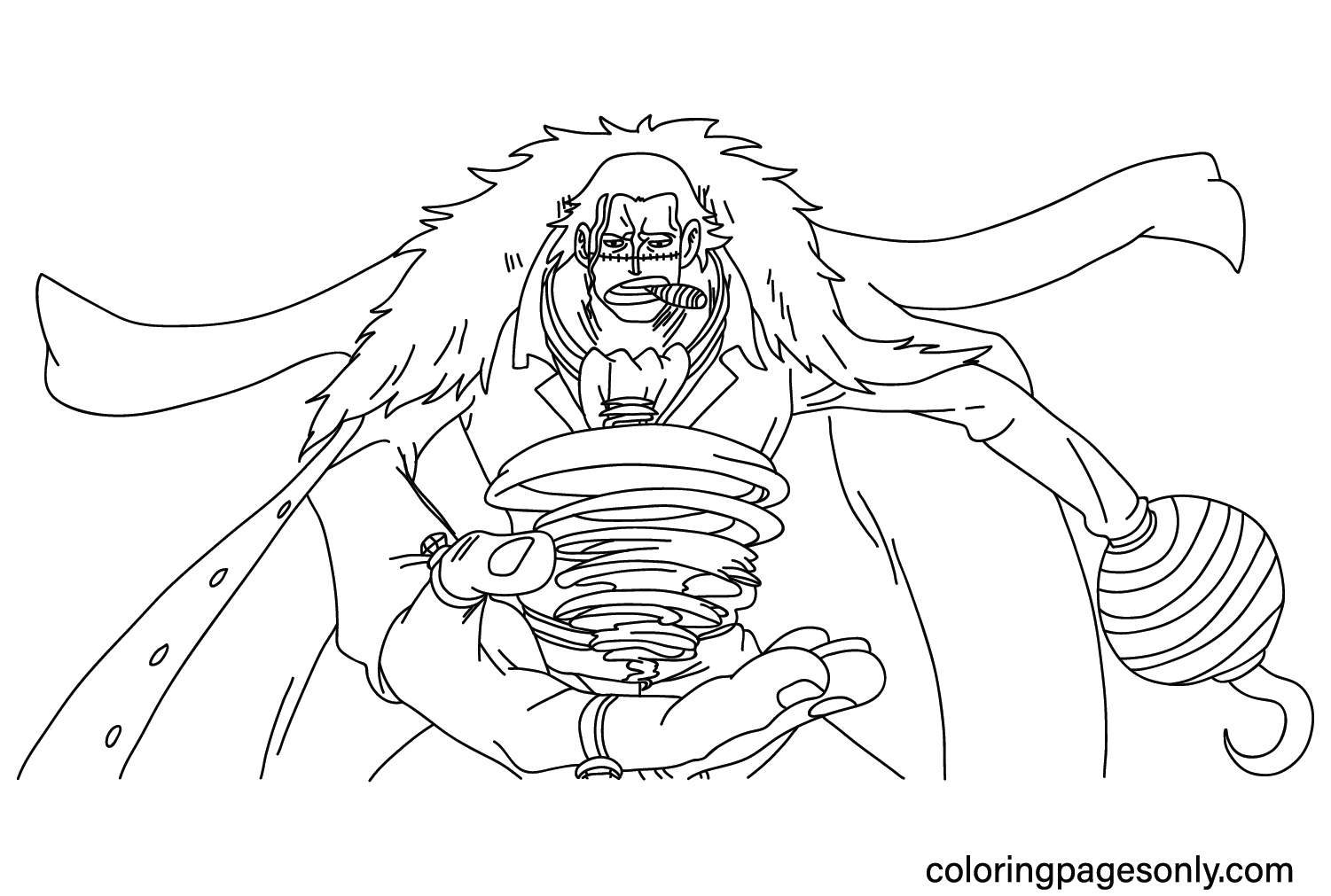
Pages showing Crocodile using his Devil Fruit ability to generate, shape, and control sand.
Coloring power pages: warm tans and golds with subtle texture variation help sand effects read as granular and dynamic rather than a flat, solid shape.
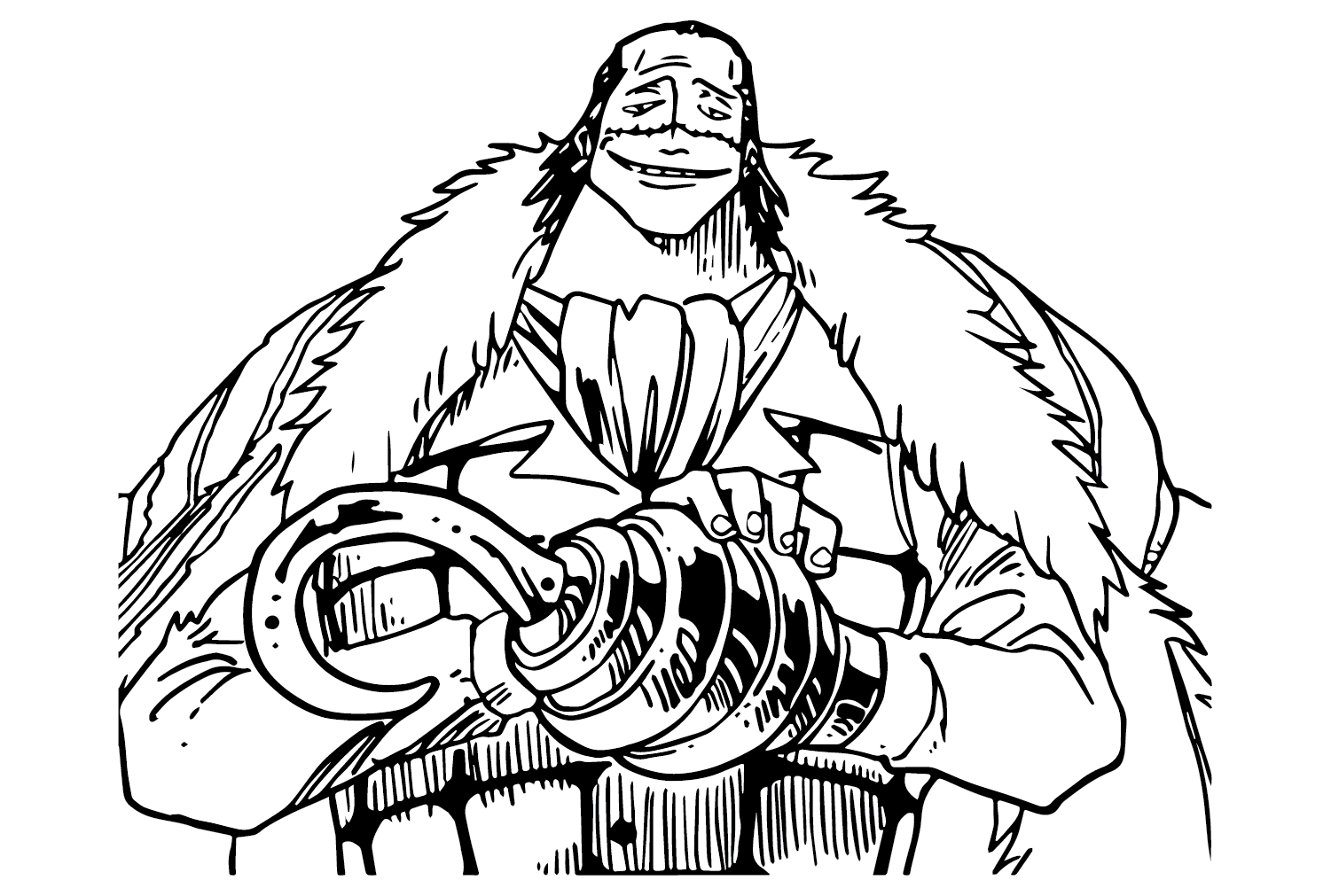
The Golden Hook
Close-up pages focused on his signature weapon, a sharp hook replacing his right hand.
Coloring hook pages: a bright, consistent gold tone with a sharp black outline makes this detail stand out clearly against his darker coat.
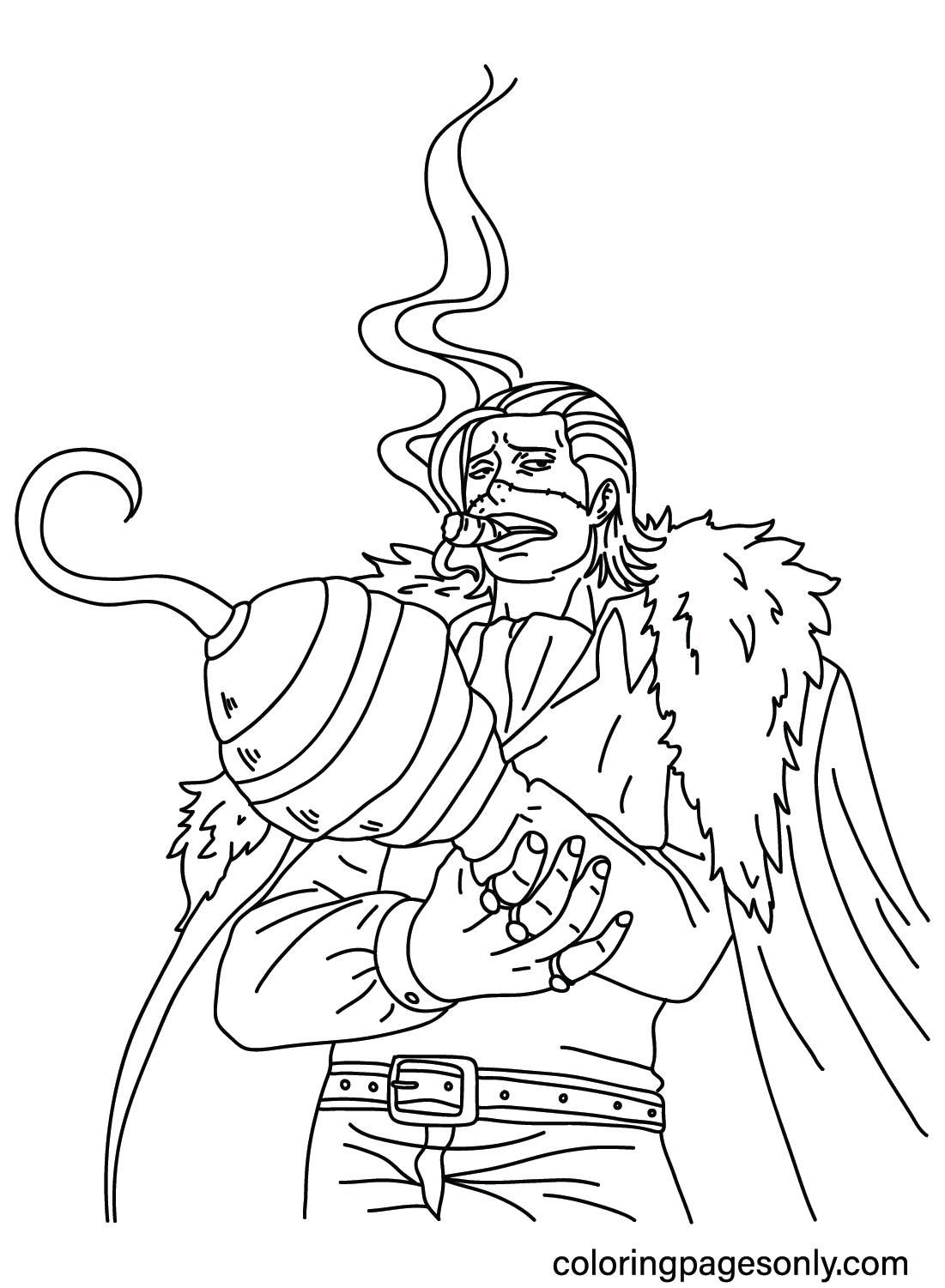
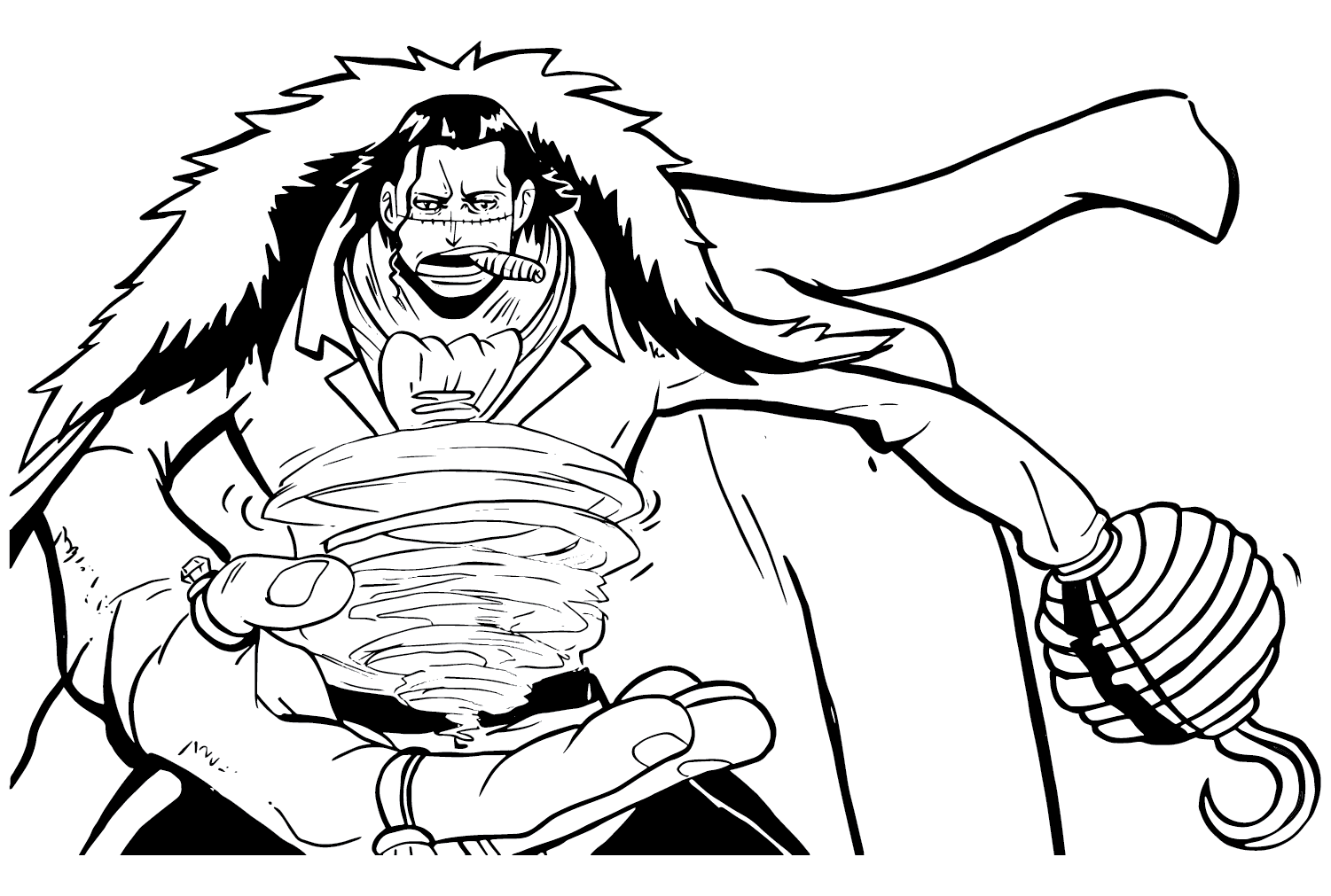
Battle and Action Scenes
A dedicated cluster shows Crocodile using his sand powers in dynamic combat poses.
Coloring battle pages: swirling sand effects in varied tan and gold tones around a consistently colored figure help these pages feel energetic without losing clarity.
What These Pages Do
There’s a real, well-documented naming pattern behind several of Crocodile’s most recognizable attacks. Barchan, one of his signature techniques, is named directly after an actual geological term for a specific crescent-shaped dune found in deserts worldwide, and other attacks pull directly from real Italian, French, and Spanish words. It’s a genuine layer of world language and geography folded into a fictional villain’s power set.
Coloring both his composed, confident portraits and the more dynamic, textured sand effects is also a genuinely useful exercise for a colorist’s hands. The American Academy of Pediatrics points to exactly this kind of varied practice, switching between calm, controlled shapes and looser, more energetic detail, as a real contributor to fine motor skill development over time.
There’s a nice parallel between Crocodile’s own power and what a blank page invites, too, worth mentioning here. His entire ability comes down to one material, sand, yet he’s shown reshaping it into blades, storms, dunes, and solid weapons, an enormous range of results from a single starting point. Art therapy practitioners have pointed out that creative confidence often comes from realizing how much variety is possible with a small set of tools, not unlike one element taking on countless different shapes across a single character’s power set.
How to Color Sir Crocodile Coloring Pages
Keep the scar visible. A pale mark across his face is one of the clearest ways to make a portrait instantly recognizable as Crocodile.
Give sand effects texture. Varied tan and gold tones read as granular and dynamic rather than one flat, solid color.
Make the hook consistently gold. A bright, steady gold tone with sharp black outlining keeps this detail clear across every page.
Let battle scenes stay energetic without losing clarity. Swirling sand tones around a consistently colored figure keep action poses readable.
5 Creative Craft Ideas with Sir Crocodile Coloring Pages
Barchan Dune Science Card
Color a sand power page, then write a short card explaining what a real barchan dune is and where they’re found in actual deserts.
It connects a fictional attack name to genuine geological science – about ten minutes.
Language Word-Match Game
Color a few power pages, then match each attack name to the real language and meaning it comes from: Italian, French, or Spanish.
It’s a simple way to explore the real linguistic layer built into this character’s design – about fifteen minutes.
Sand Art Craft
Color a Crocodile page, then create a simple layered sand art bottle using colored sand, referencing his sand-based powers.
It’s a hands-on craft that echoes the character’s own signature ability, about twenty minutes.
Hook Design Craft
Color a hook detail page, then design and cut out a paper version of the hook to display alongside it.
It’s a quick way to engage with one of his most distinctive design elements – about fifteen minutes.
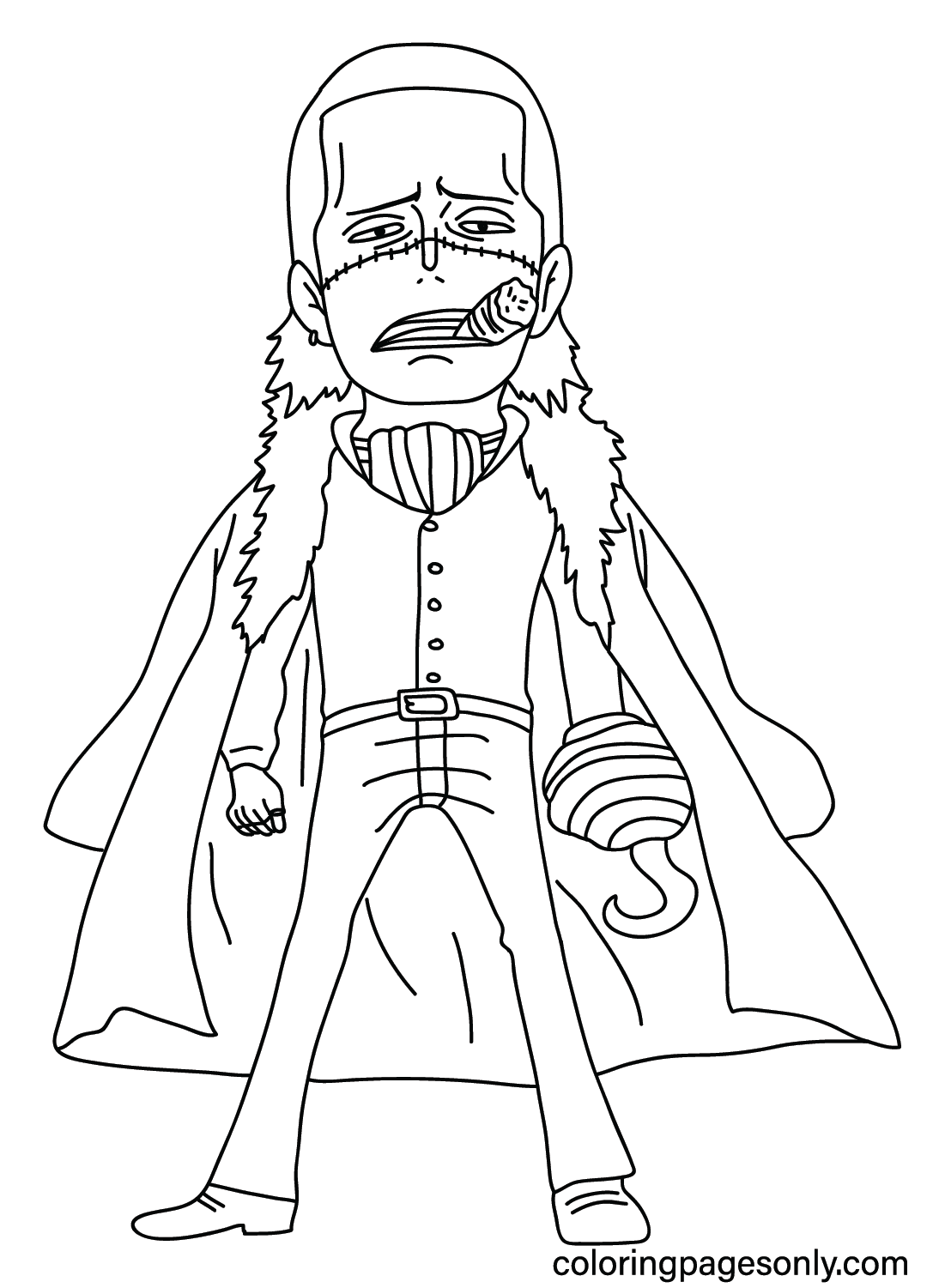
Chibi Sticker Sheet
Color several chibi-style Crocodile pages, cut them out, and back them with tape to make a small, reusable sticker sheet.
It turns the lightest, most playful pages in the set into something that lasts beyond the coloring session – about twenty minutes.
FAQ About Sir Crocodile Coloring Pages
Do I need to pay for any of these Crocodile pages?
No. Every page is free to download or color online, with no account required for either option.
Who is Sir Crocodile?
Sir Crocodile is a former Warlord of the Sea in One Piece, known for his Suna Suna no Mi sand powers and his role as the primary antagonist of the Alabasta story arc.
Is it true that his attack names come from real languages?
Yes. Several of his techniques borrow directly from real Italian, French, and Spanish words, and one, Barchan, is named after an actual geological term for a type of dune.
What is a Barchan?
A barchan is a real, crescent-shaped dune formation found in deserts around the world, shaped by consistent wind direction over time.
What is the Suna Suna no Mi?
It’s Crocodile’s Devil Fruit, a Logia-type power that lets him create, control, and transform his body into sand.
Is Crocodile a hero or a villain?
Crocodile is one of the series’ major antagonists, serving as the primary villain of the Alabasta story arc.
Is this content appropriate for kids?
These coloring pages are simple line art, and while Crocodile’s storyline involves fantasy conflict typical of the series, it’s generally suitable for kids aged six and up.
What age group are these pages best suited for?
These pages generally suit kids aged six and up, particularly fans already familiar with Crocodile’s role in the series.
Start Coloring
Pick a design, save the PDF for printing, or use the online coloring tool right in the browser. Once a page is finished, the share buttons at the top of each design make it easy to post the result to Facebook or Pinterest.