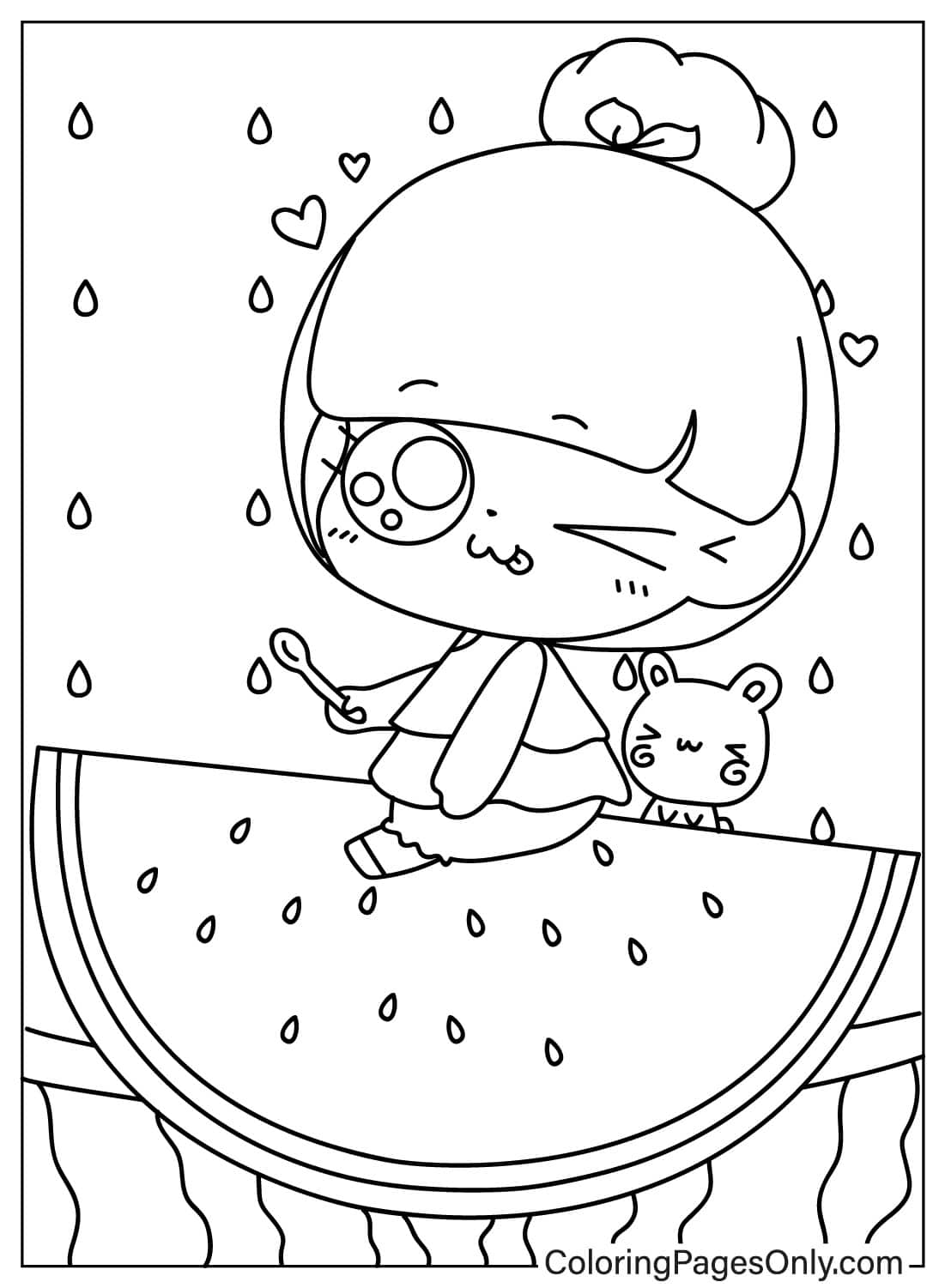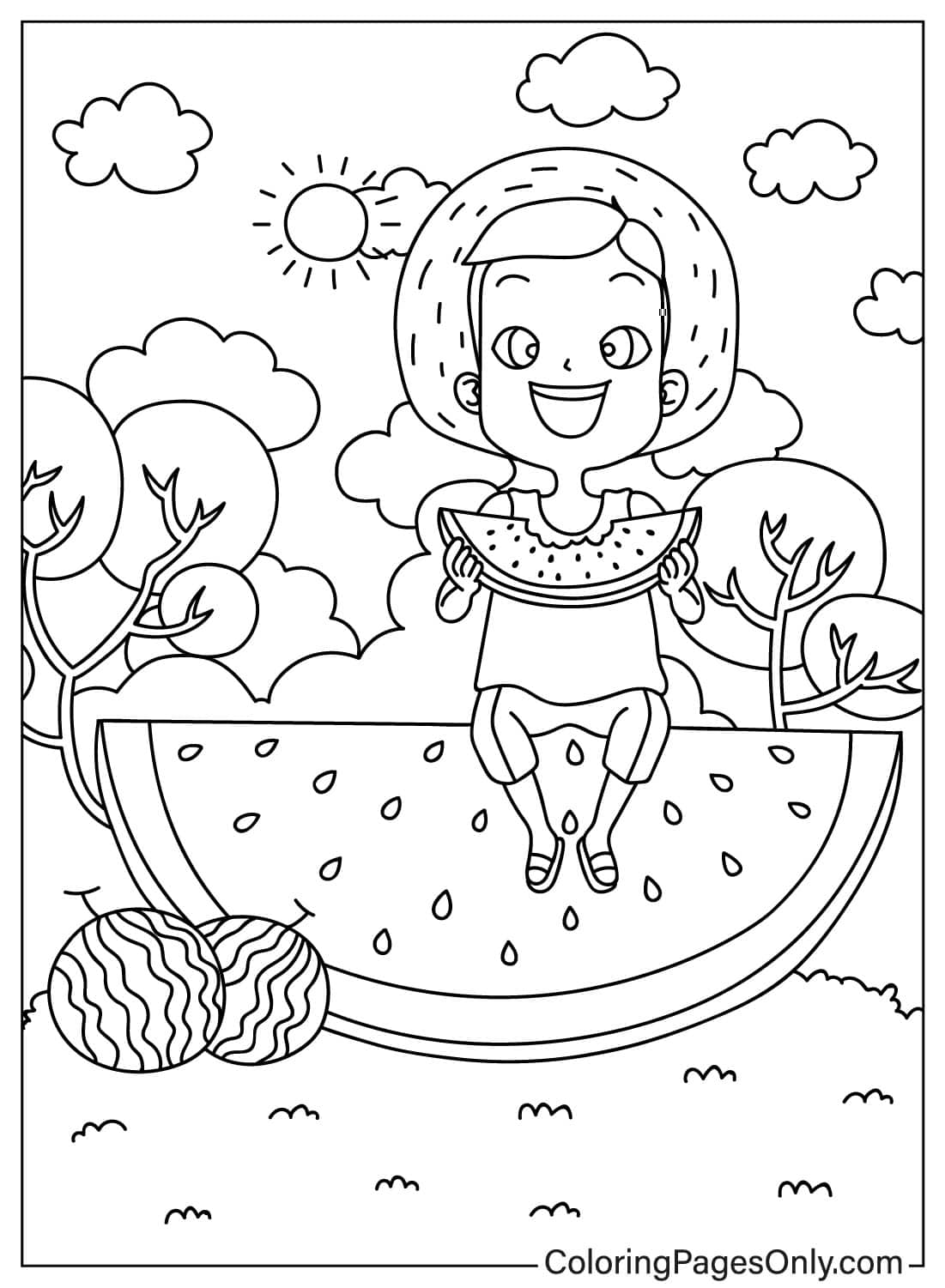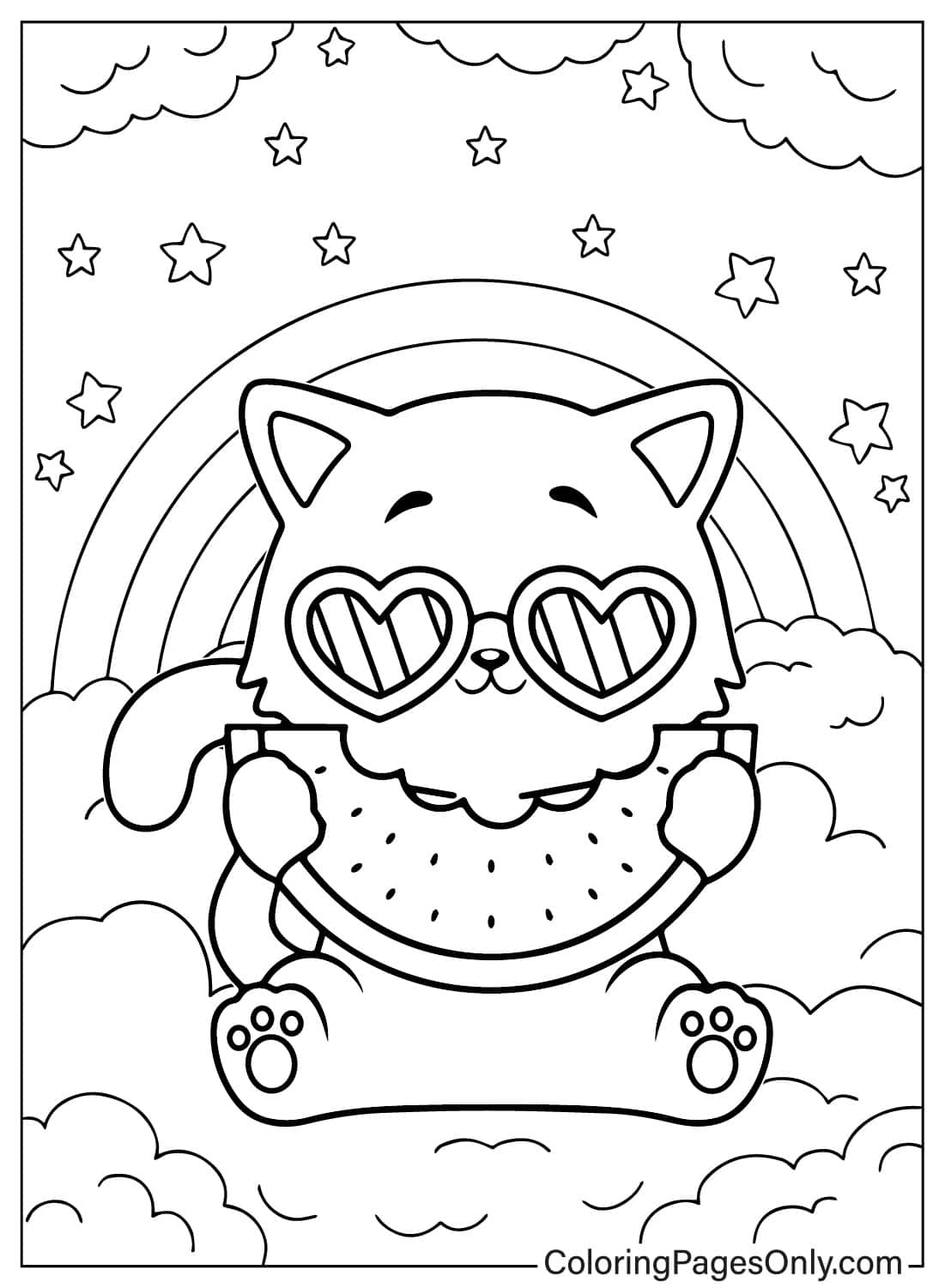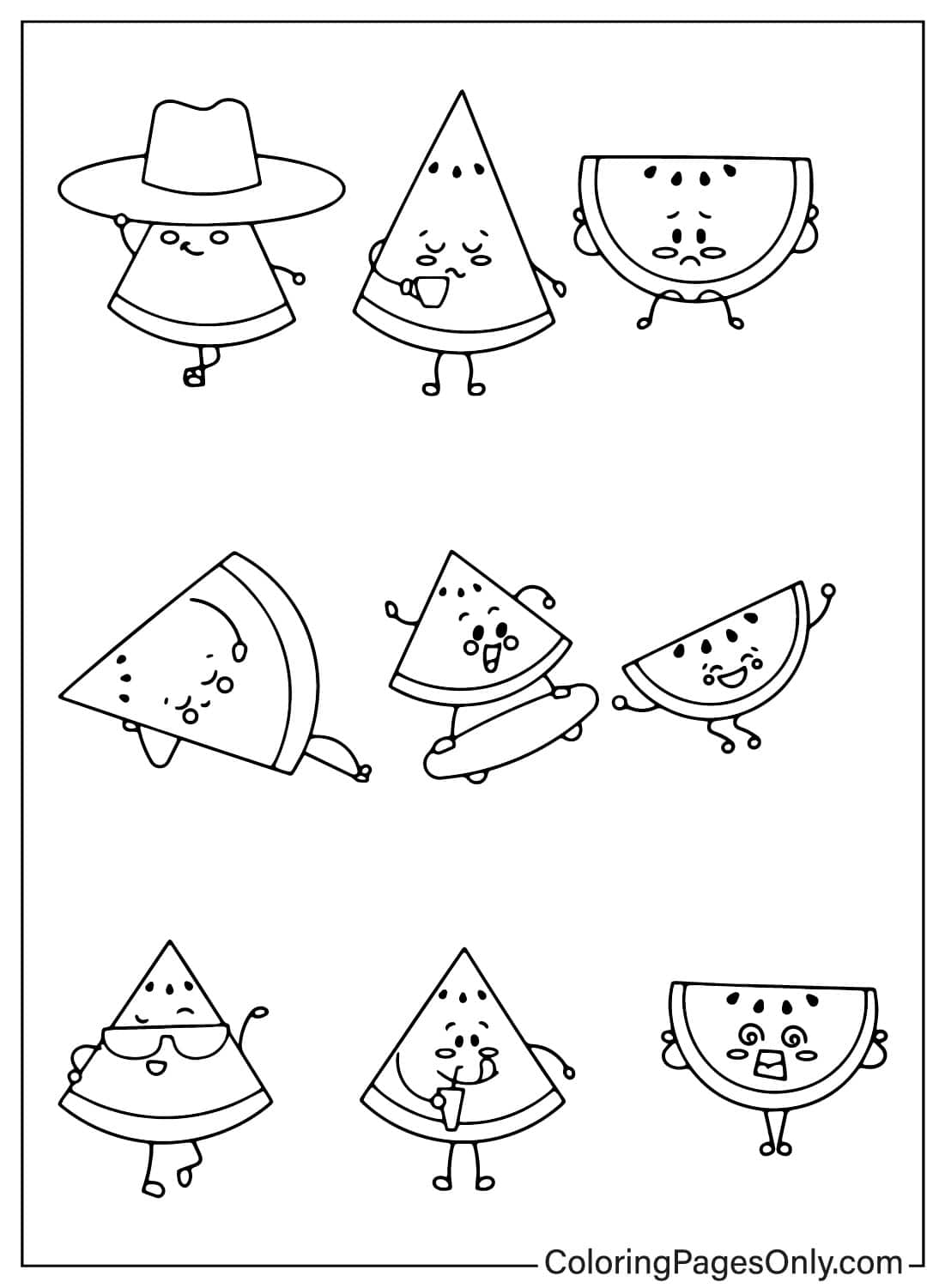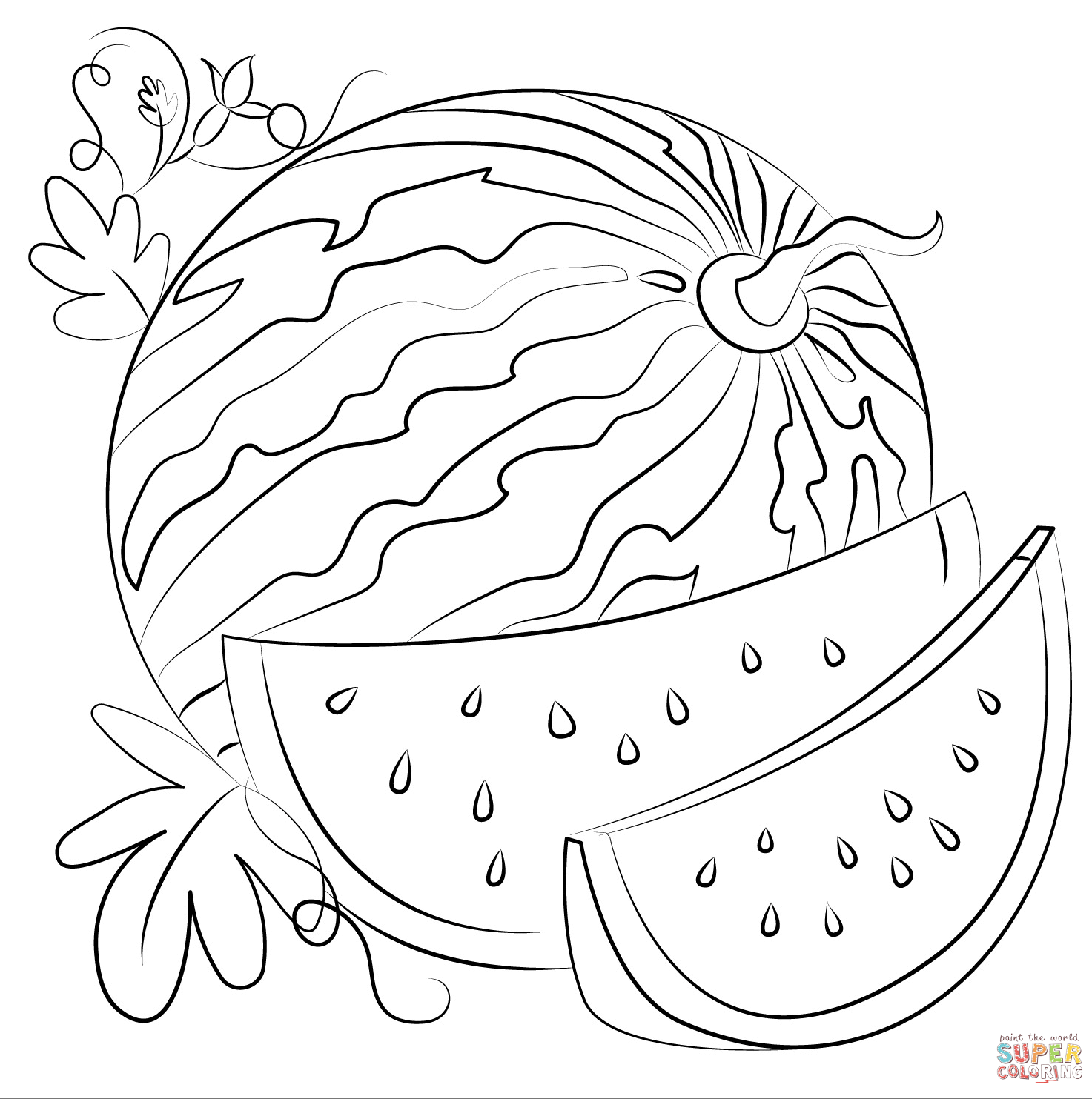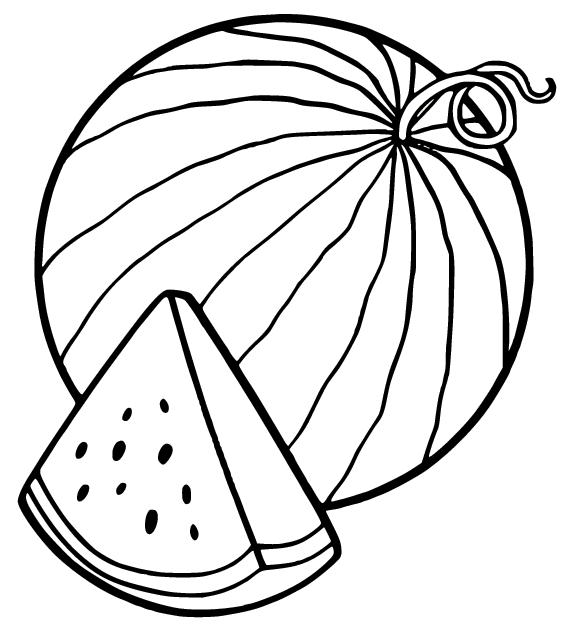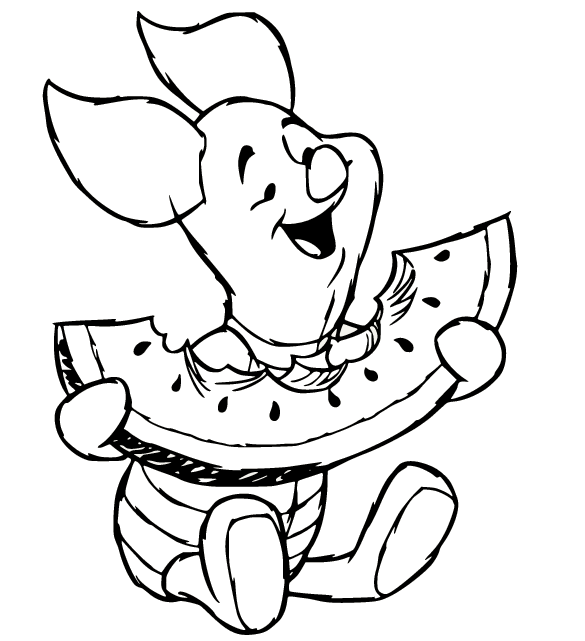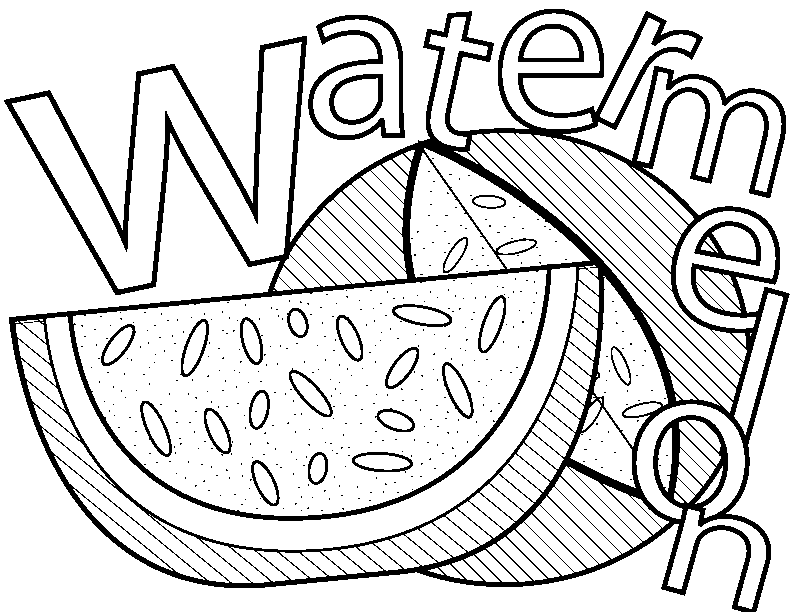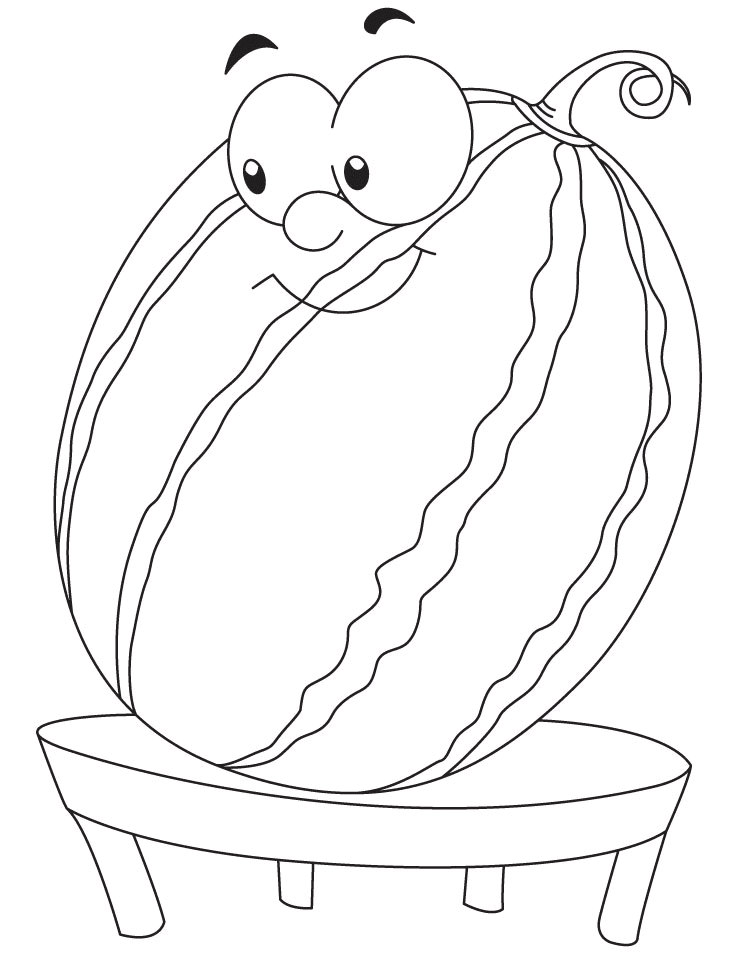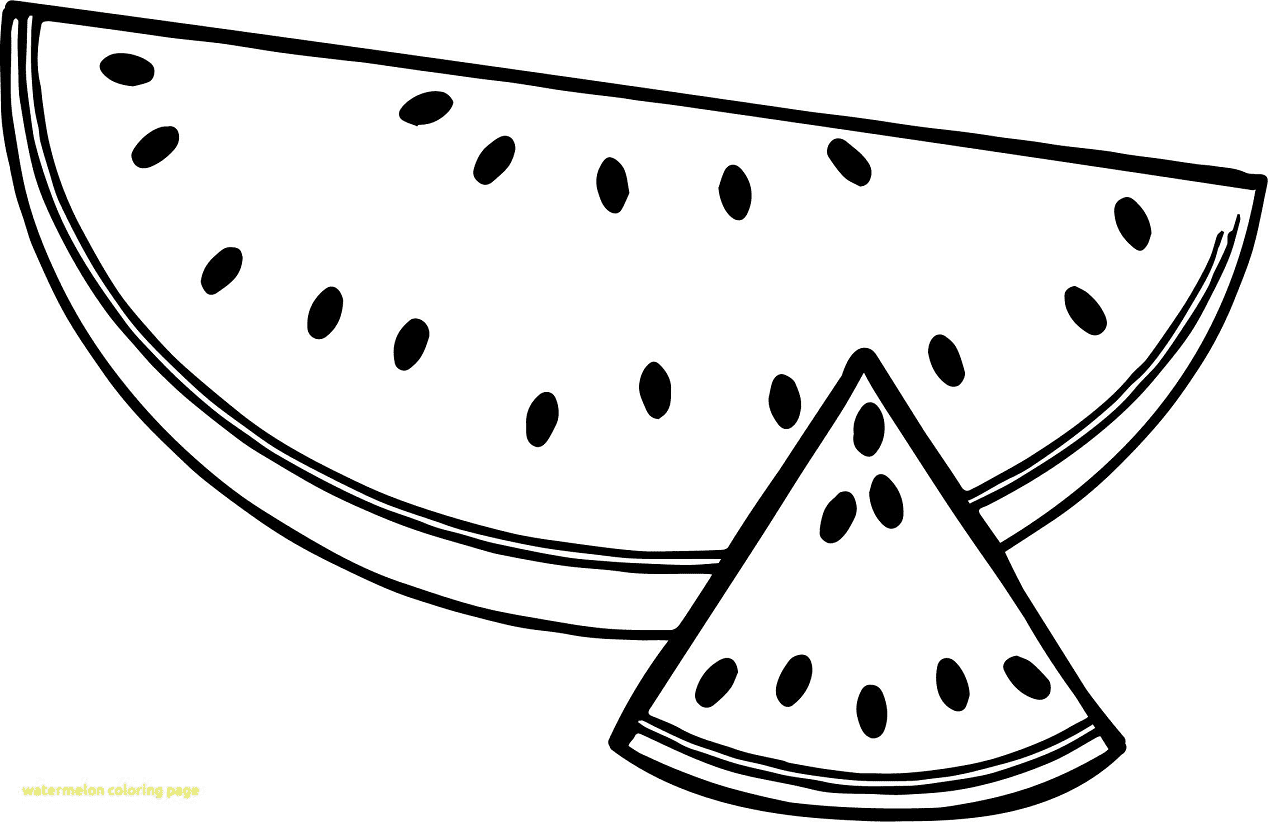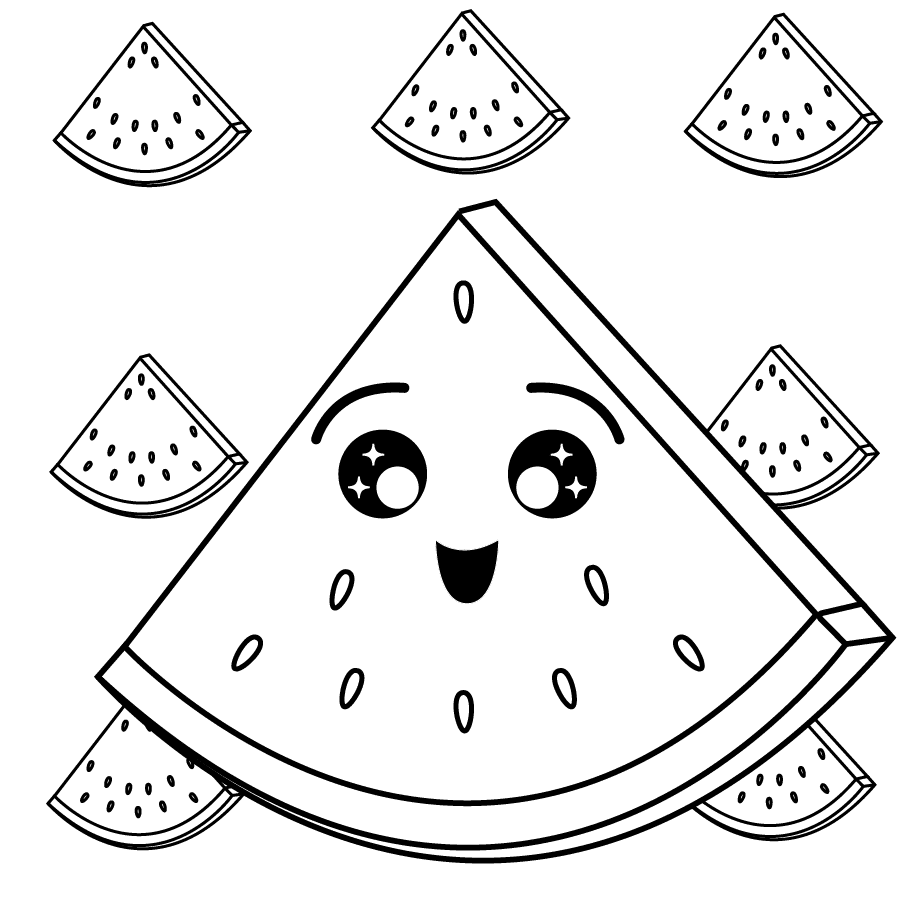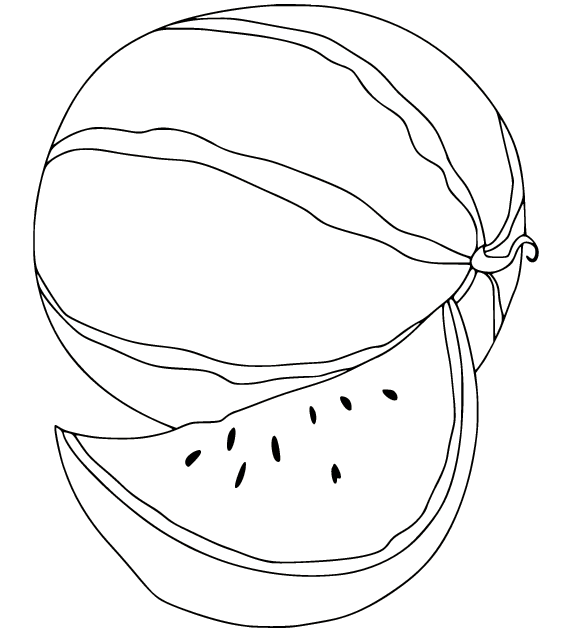
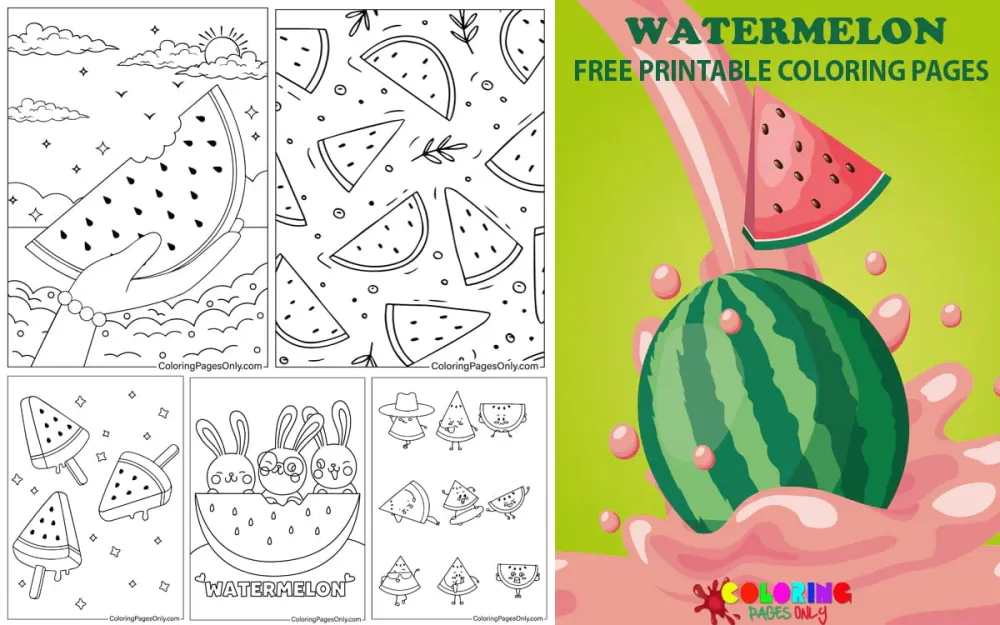
Free Watermelon coloring pages: 80+ pages featuring juicy watermelon slices, whole melons, cute kawaii watermelon characters, kids eating Watermelon, animals sharing Watermelon, watermelon ice cream, summer beach scenes, fruit patterns, watermelon vines, letter W worksheets, seed counting pages, color by number activities, trace and color worksheets, simple toddler pages, and cheerful fruit designs made for printing, classroom activities, online coloring, and summer craft projects. All free, printable PDF and online coloring for kids, parents, teachers, fruit lovers, summer activity planners, and anyone who wants a bright, friendly coloring collection built around red fruit, green rinds, black seeds, sunny days, picnics, beach fun, early learning, and playful creativity.
Watermelon is one of the most recognizable summer fruits because its design is simple, bold, and instantly readable. A red center, green rind, white edge, and small dark seeds give children clear color zones to work with. Even a very simple watermelon slice can teach color contrast, shape recognition, pattern awareness, and careful hand control.
It also fits many classroom and home activities because one watermelon page can become color practice, seed counting, fruit vocabulary, letter W learning, summer storytelling, or a hands-on craft project. A single slice can be easy enough for preschoolers, while a detailed picnic, pattern, or worksheet page can keep older children focused for longer.
That is why Watermelon coloring pages work so well for many ages. Young children can begin with one large slice, a whole round melon, or a cute smiling watermelon character. Older kids can enjoy fruit patterns, beach scenes, watermelon vines, picnic pages, animals eating Watermelon, and more detailed summer designs. Teachers can use watermelon pages for fruit lessons, summer bulletin boards, color practice, counting seeds, letter W activities, trace and color worksheets, color by number activities, and classroom crafts.
These 80+ free pages at ColoringPagesOnly.com cover the strongest watermelon themes: classic slices, whole watermelons, kawaii watermelon characters, animals with Watermelon, kids eating watermelon, summer and beach scenes, watermelon desserts, fruit patterns, watermelon worksheets, letter learning pages, growing watermelon pages, and easy printable designs. All free, PDF, or online coloring, print, or color directly in your browser.
What’s Inside
Classic Watermelon Slice Pages
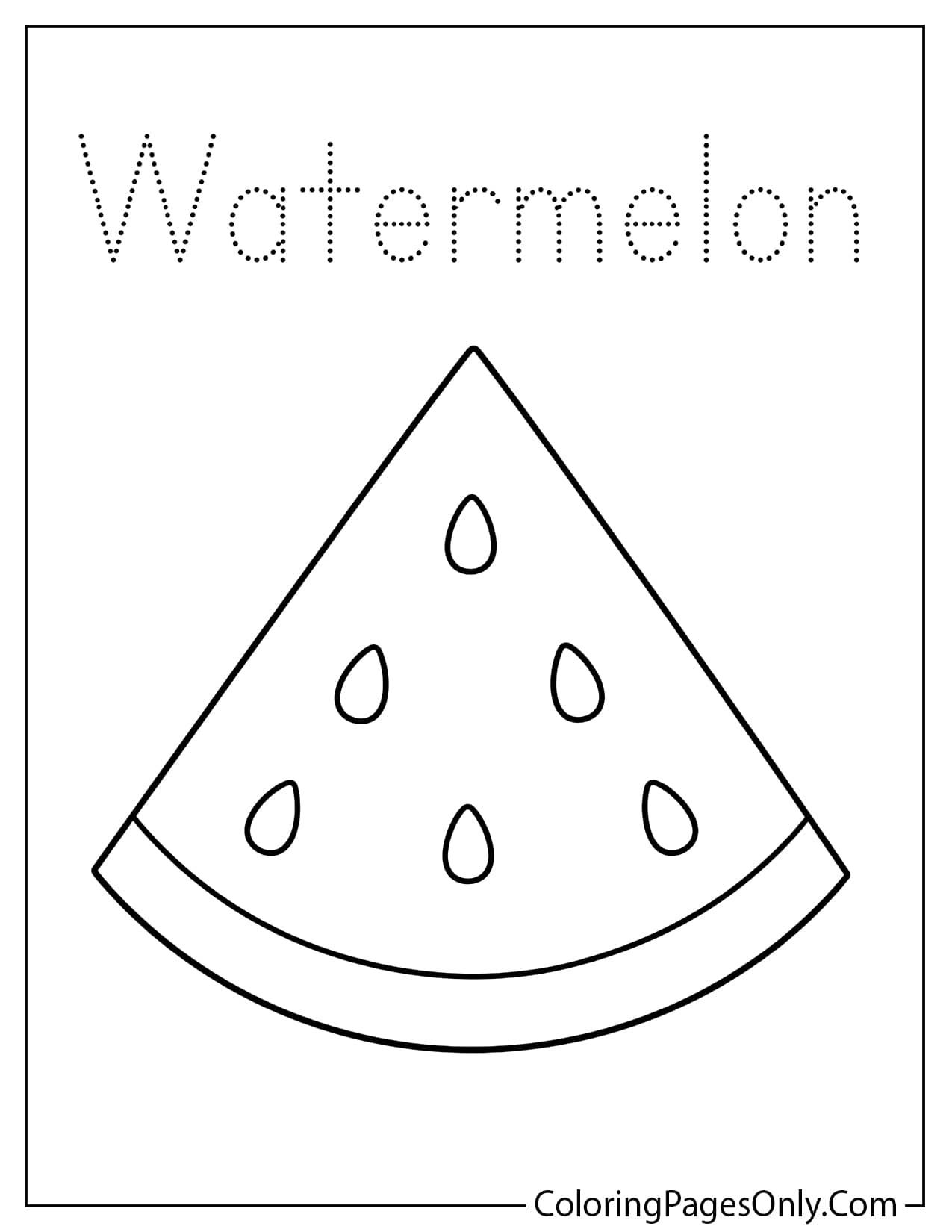
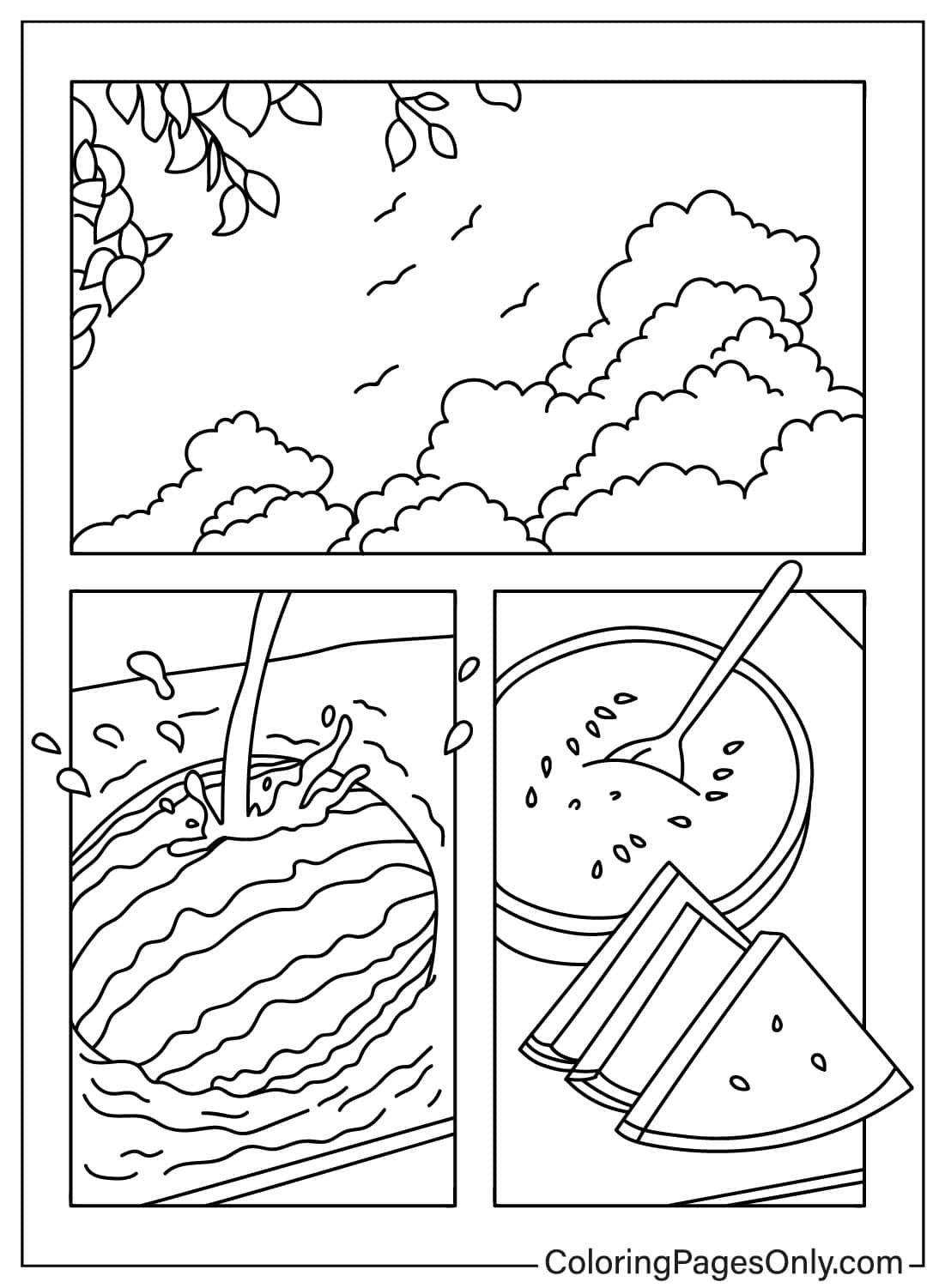
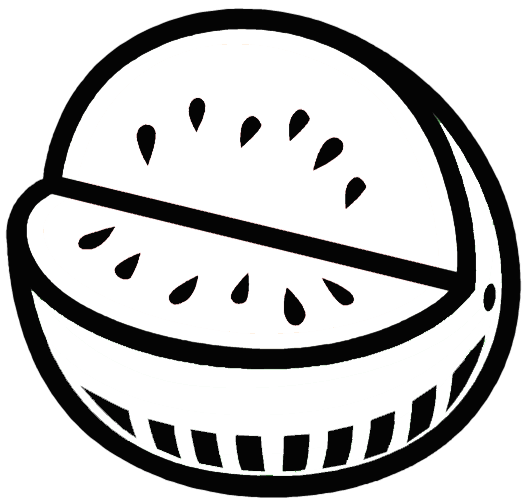
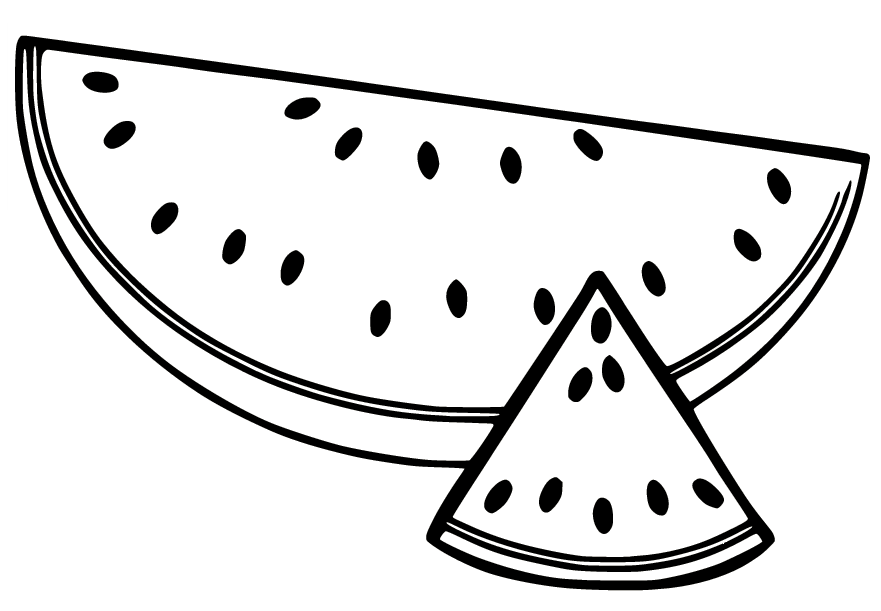
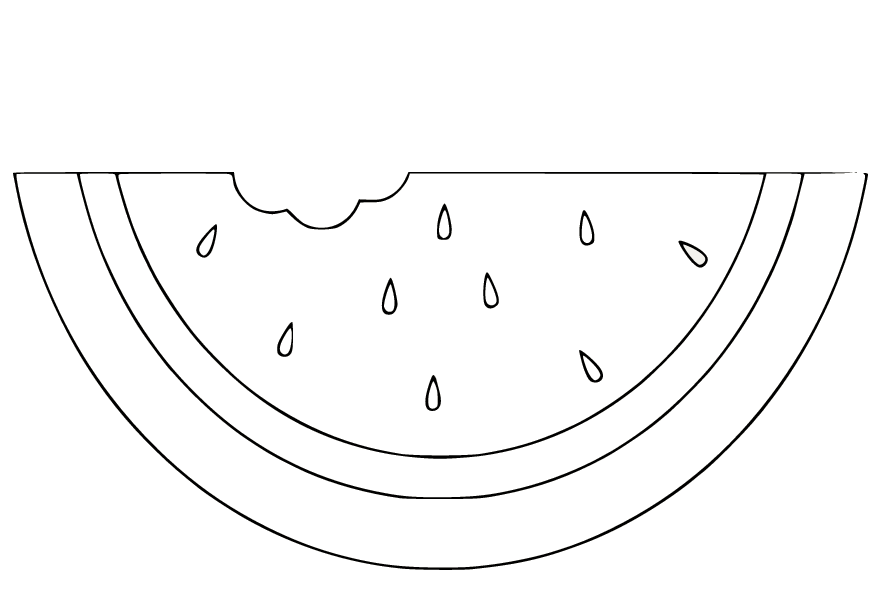
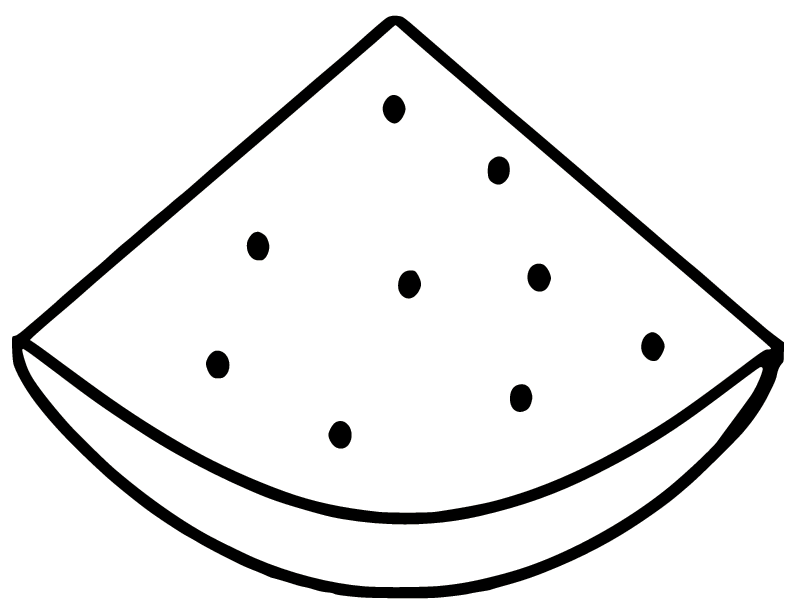
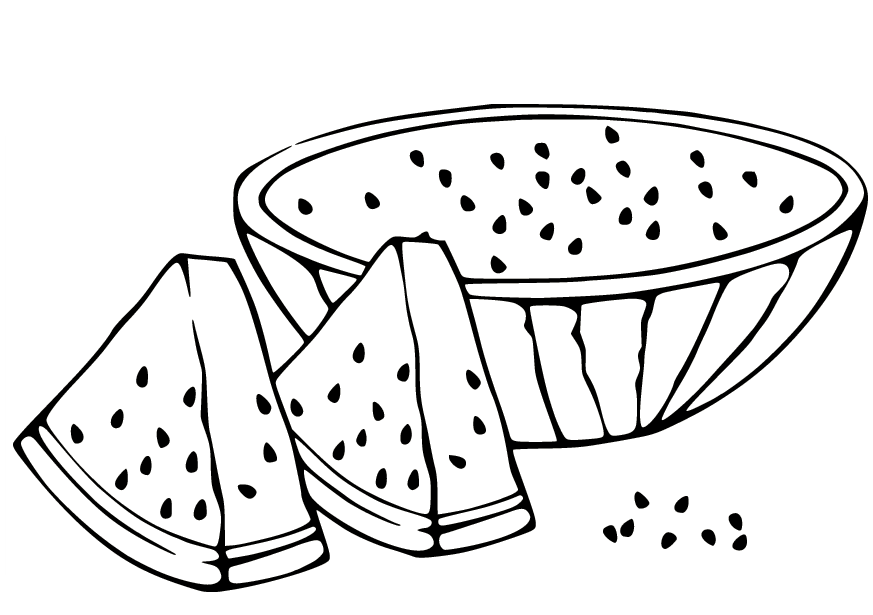
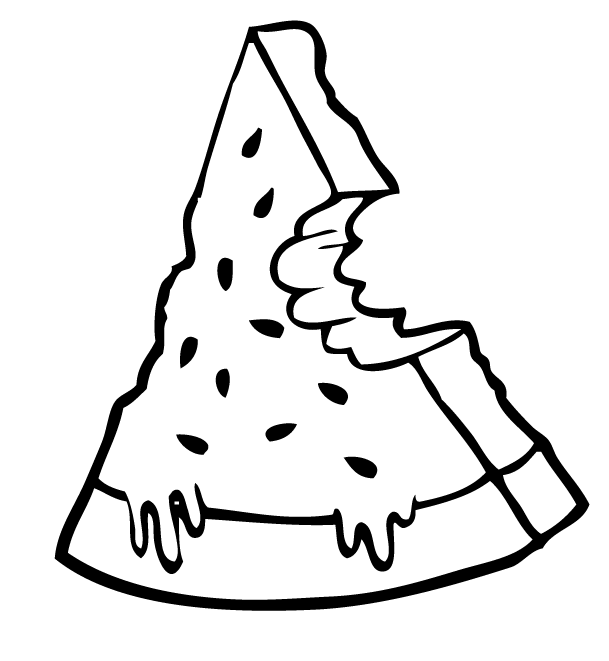
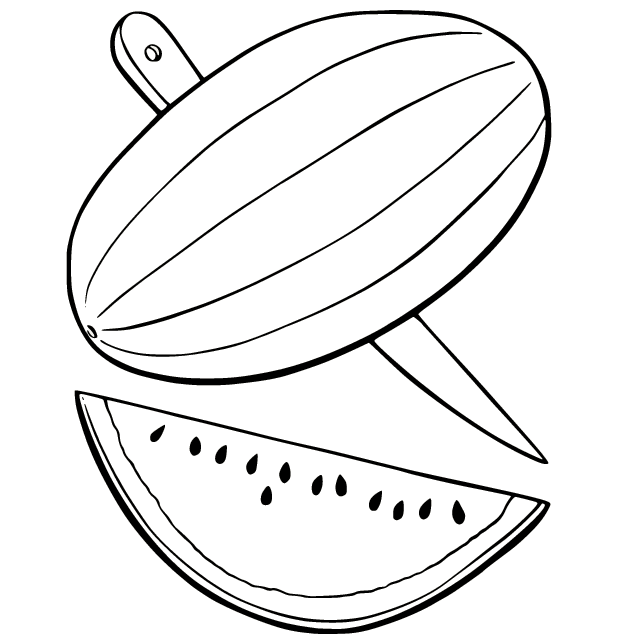
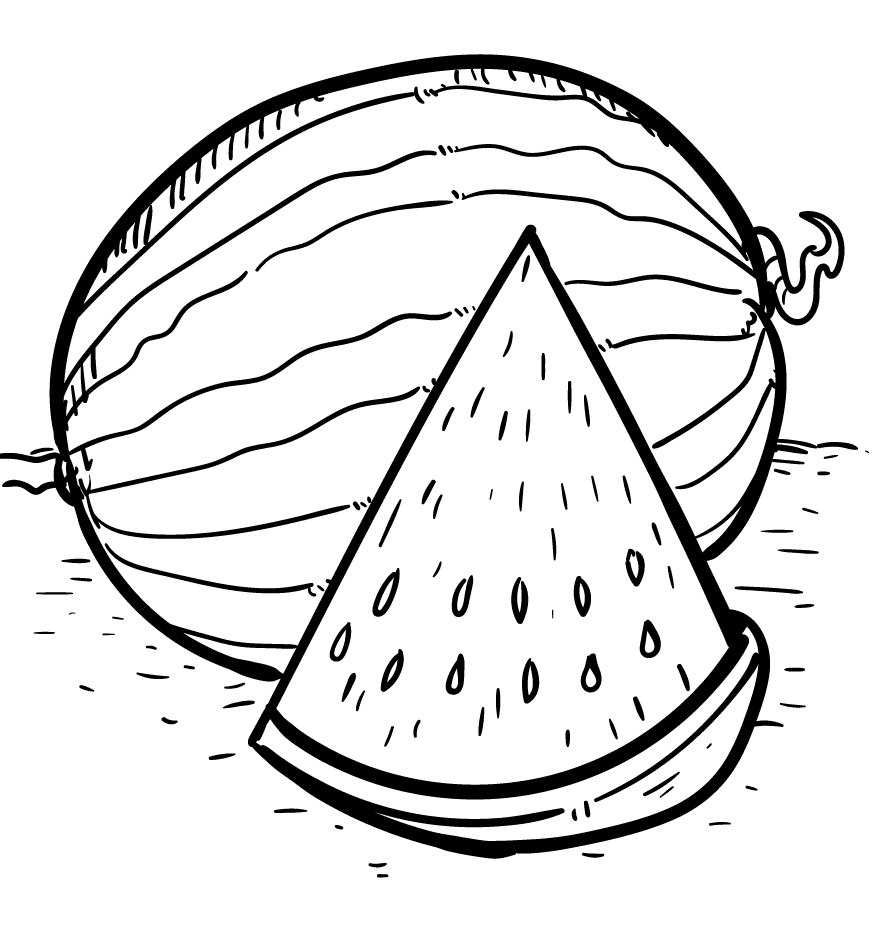
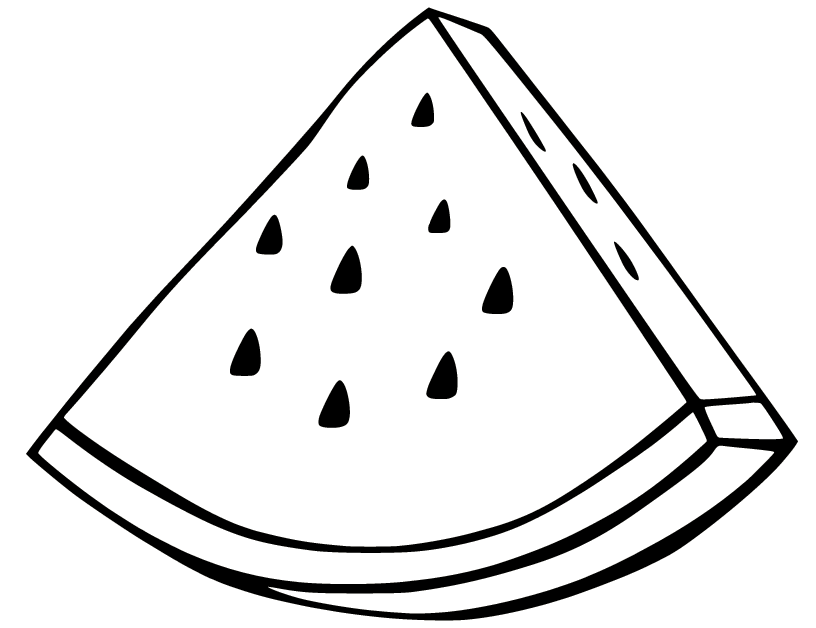
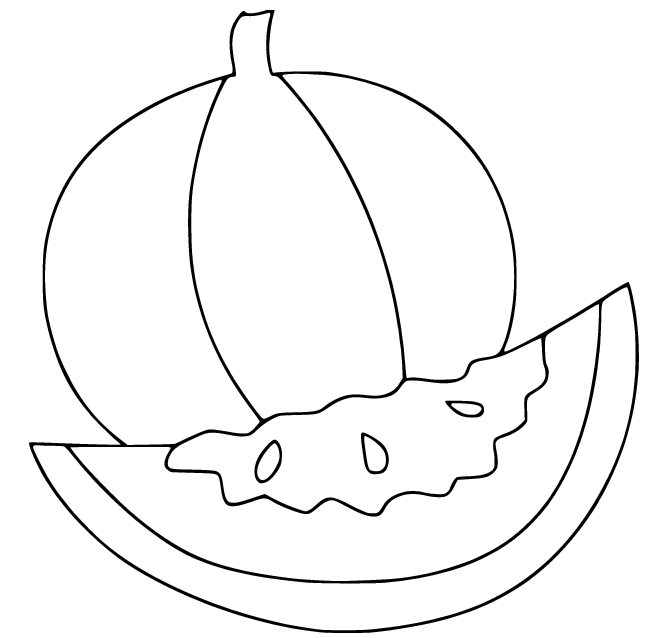
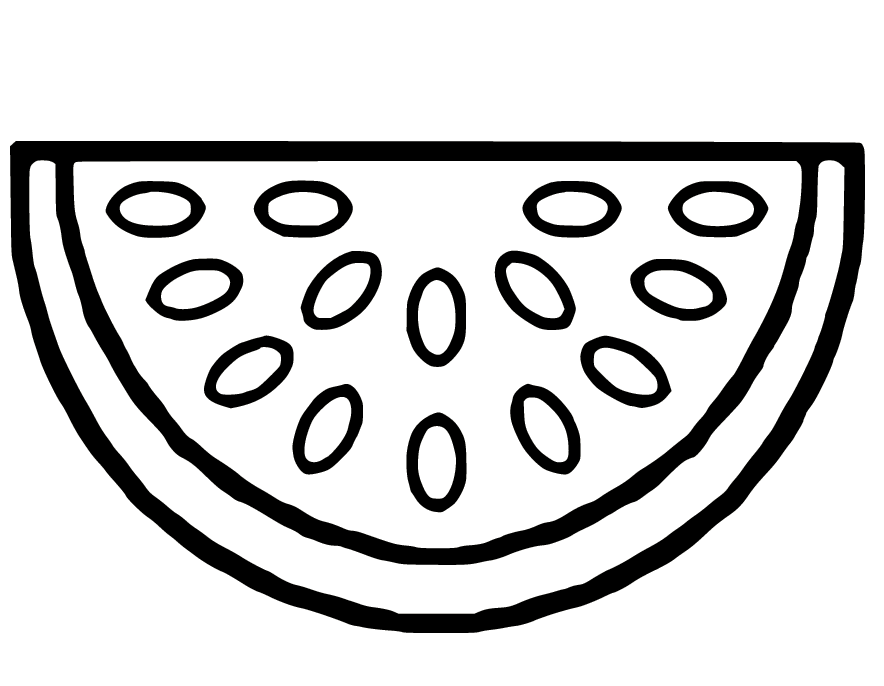
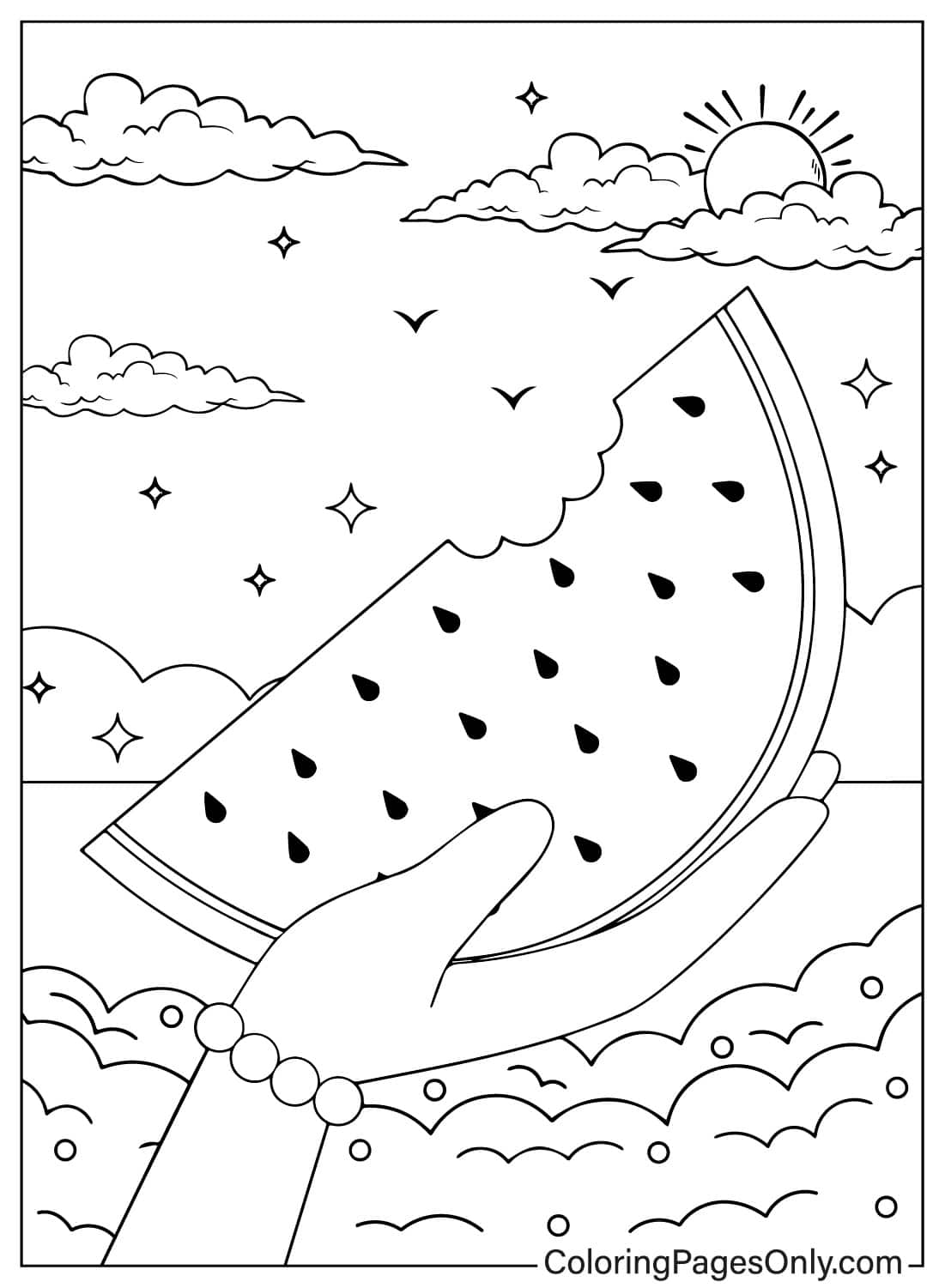
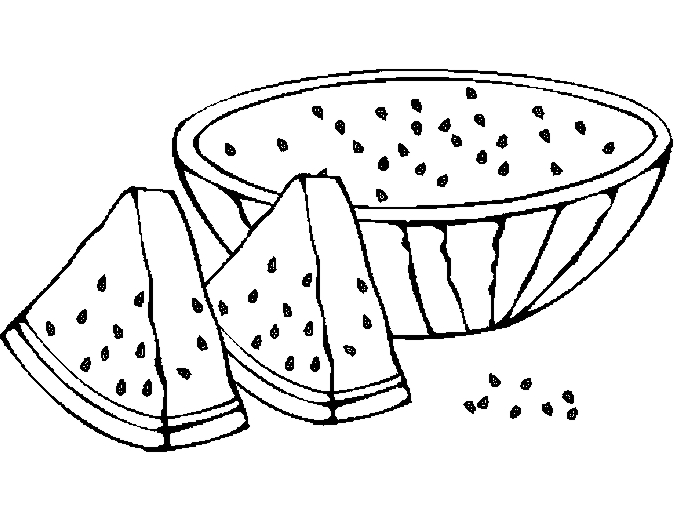
Classic watermelon slice pages are the foundation of this collection. They may show one large triangle slice, two pieces of Watermelon, a hand holding a slice, a cut watermelon half, or a simple wedge with seeds and rind.
The design’s visual logic is very clear. A watermelon slice usually has three main areas: red flesh, a white or pale green edge, and a darker green rind. The seeds create small repeated details that help children practice focus and control. Because the shape is simple, young children can finish the page without feeling overwhelmed.
A watermelon slice also teaches contrast. The red center needs to stay bright enough to feel juicy. The rind needs a green variation so it does not look flat. The seeds need to be small and dark, but not so large that they dominate the page.
Coloring watermelon slice pages: Use red, pink, coral, or light red for the flesh. Use white or pale green for the inner rind. Use dark green and light green for the outer rind. Seeds can be black, dark brown, or deep gray. Keep the rind clean, so the fruit shape stays easy to recognize.
These pages are best for preschoolers, kindergarten children, beginner colorists, quick summer activities, and simple fruit-themed worksheets.
Whole Watermelon Pages
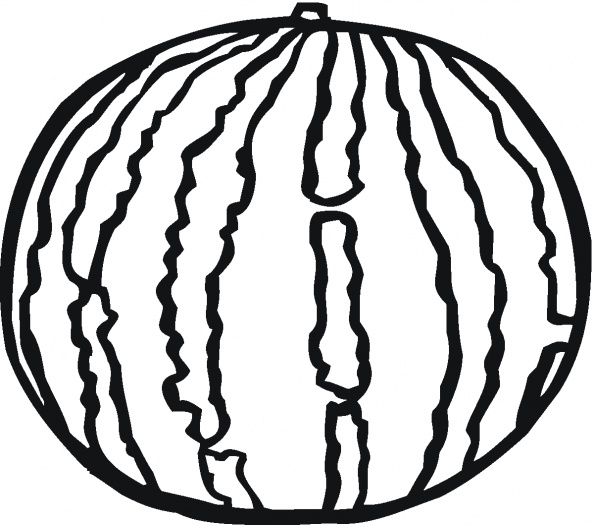
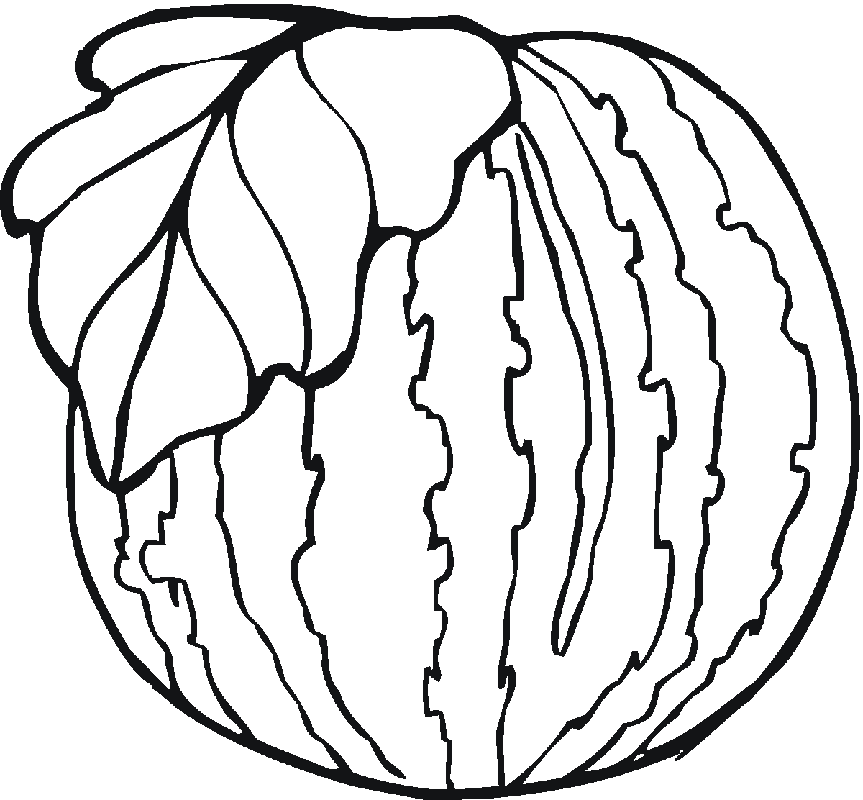
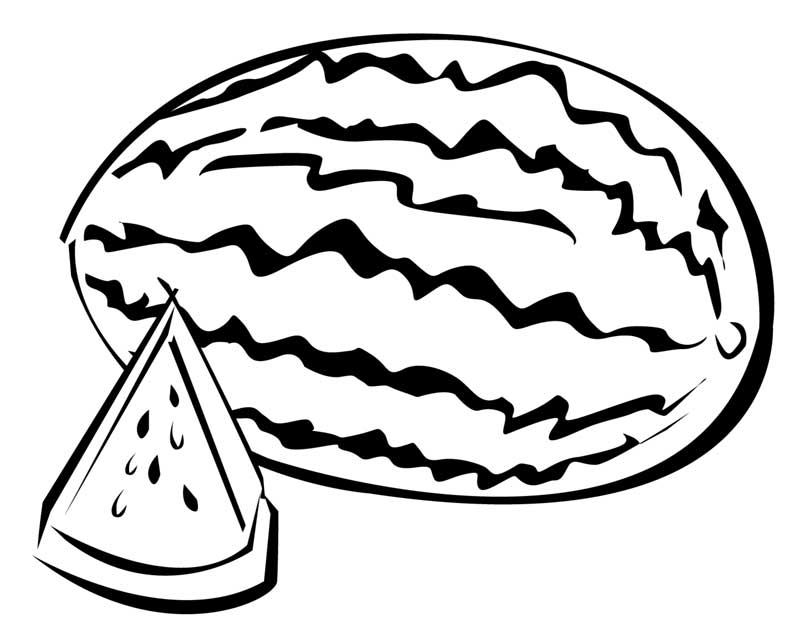
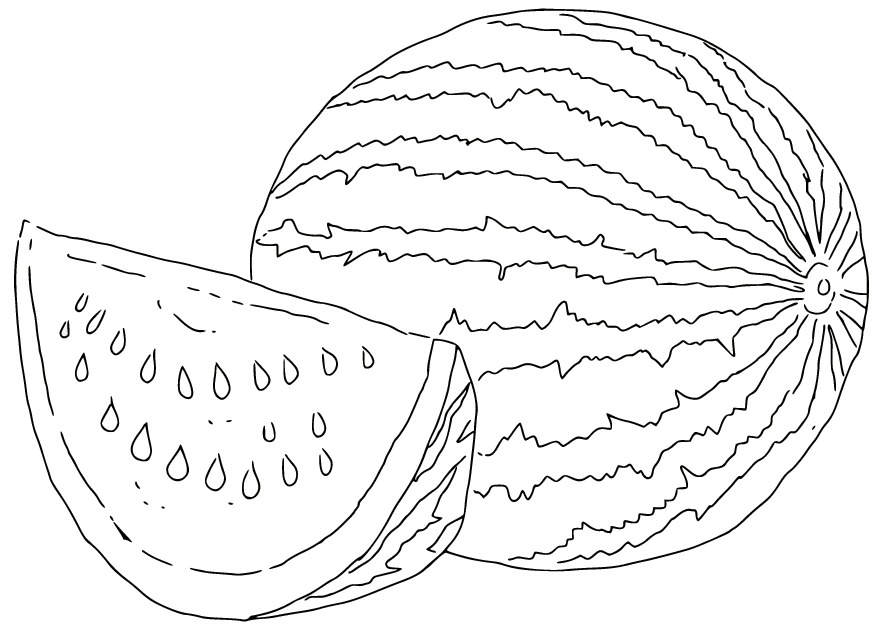
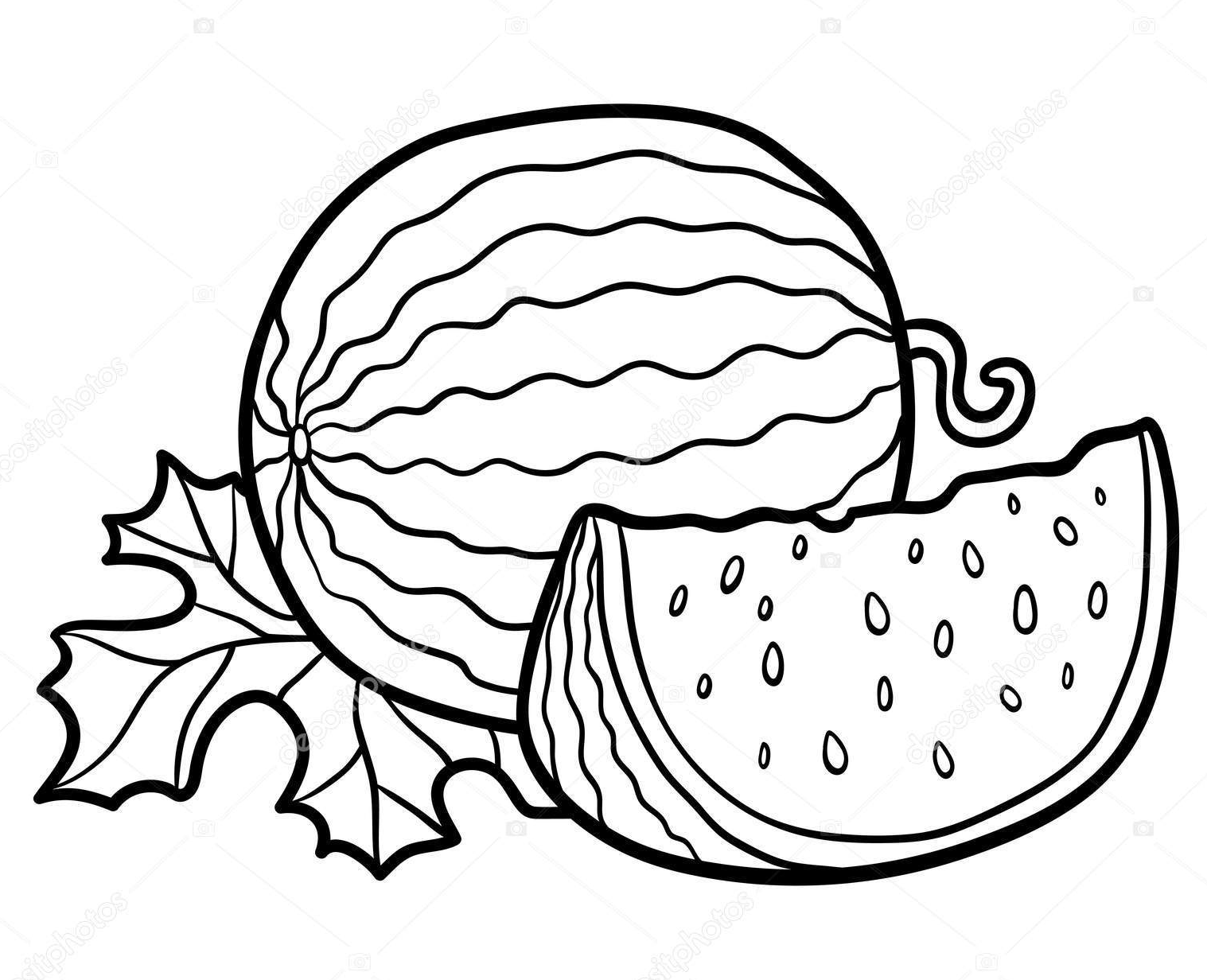
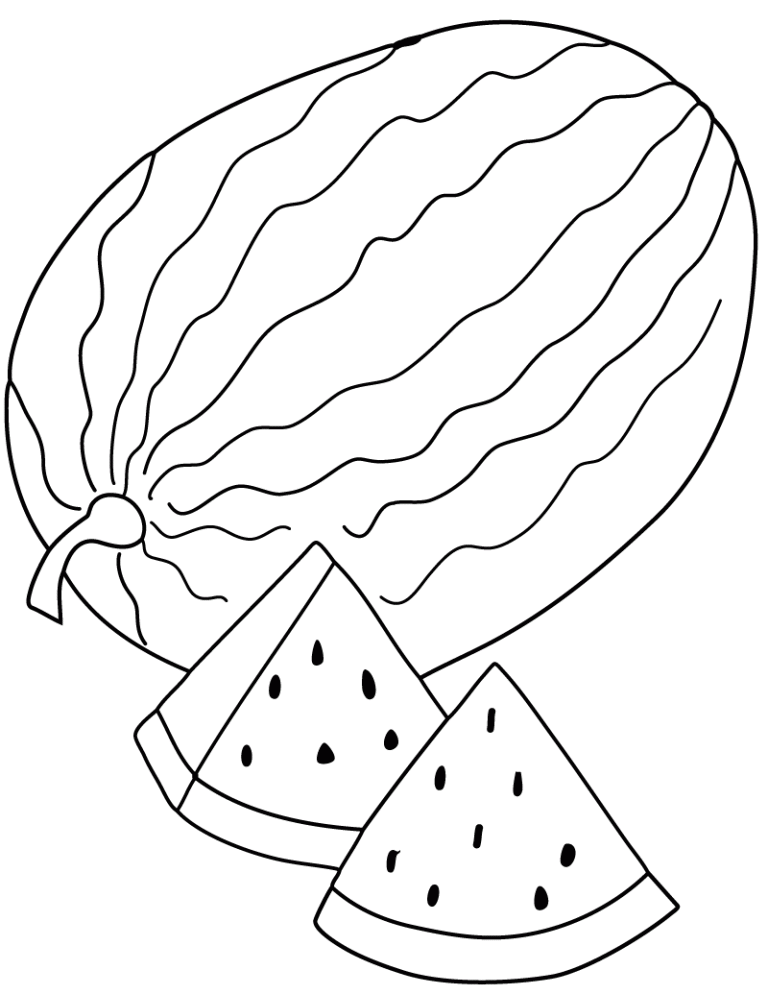
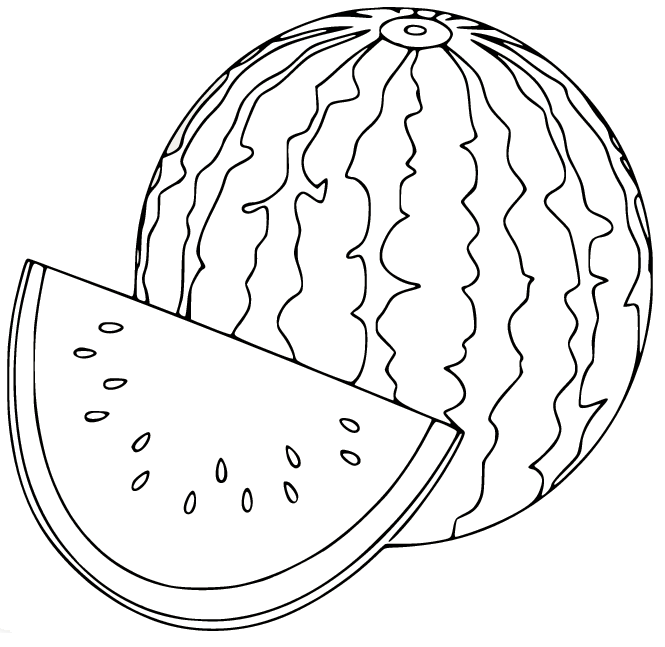
Whole watermelon pages show the fruit before it is cut. These designs may include round watermelons, oval watermelons, watermelons with stripes, or several melons grouped.
Whole watermelon pages are useful because they focus on pattern rather than inside color. Children do not need to color red flesh or seeds unless the page includes a cut piece beside the whole fruit. Instead, they can practice green stripes, curved lines, and rounded shading.
The visual challenge is making the melon look round. If all the green areas are the same color, the Watermelon may look flat. Using two or three greens helps the shape feel more natural and dimensional.
Coloring whole watermelon pages: Use light green for the base, dark green for the stripes, and a slightly yellow-green or blue-green shade for variation. Add gentle shadow near the bottom of the melon and keep one side slightly lighter to suggest roundness.
Whole watermelon pages work well for children who enjoy simple shapes, fruit studies, farm themes, garden activities, and summer food coloring pages.
Cute Kawaii Watermelon Character Pages
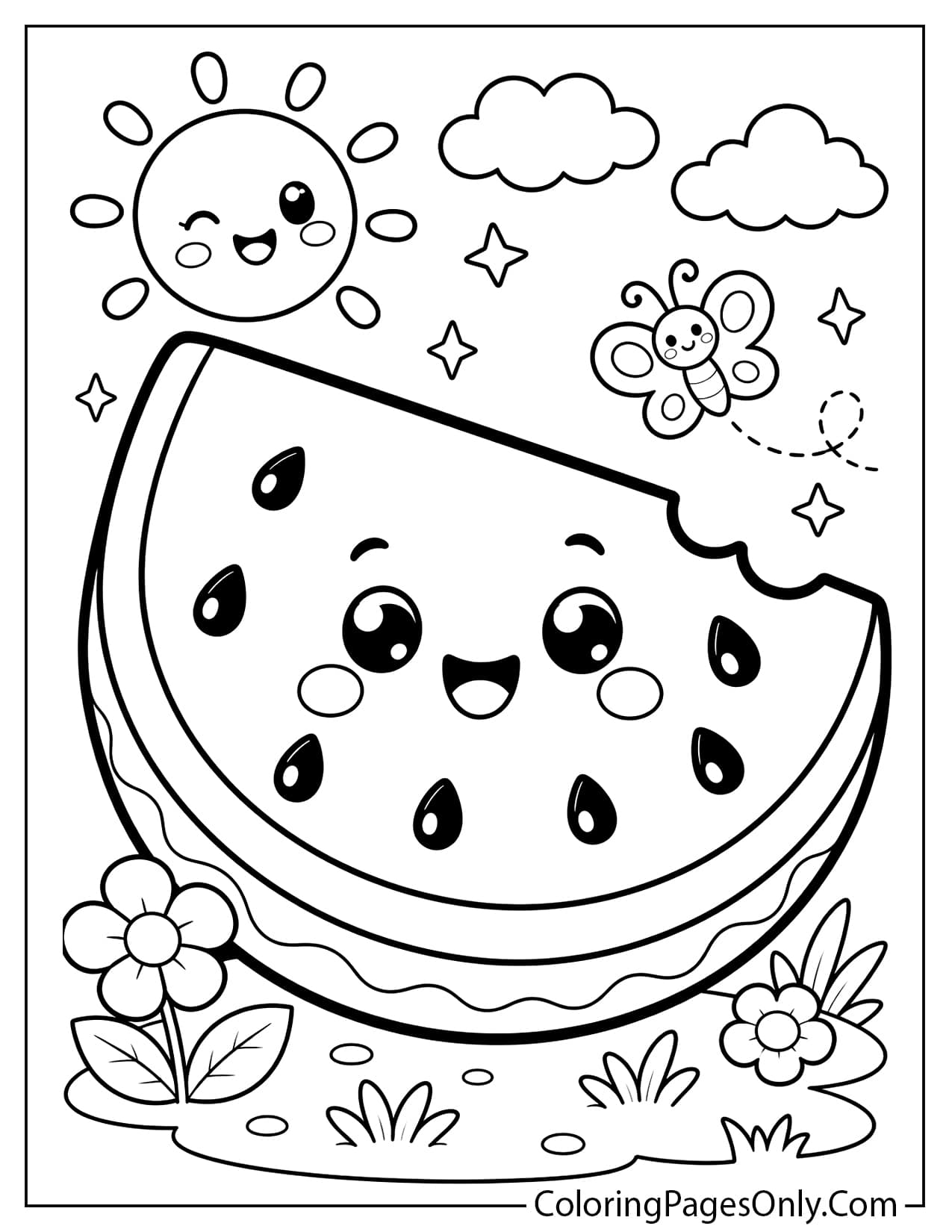
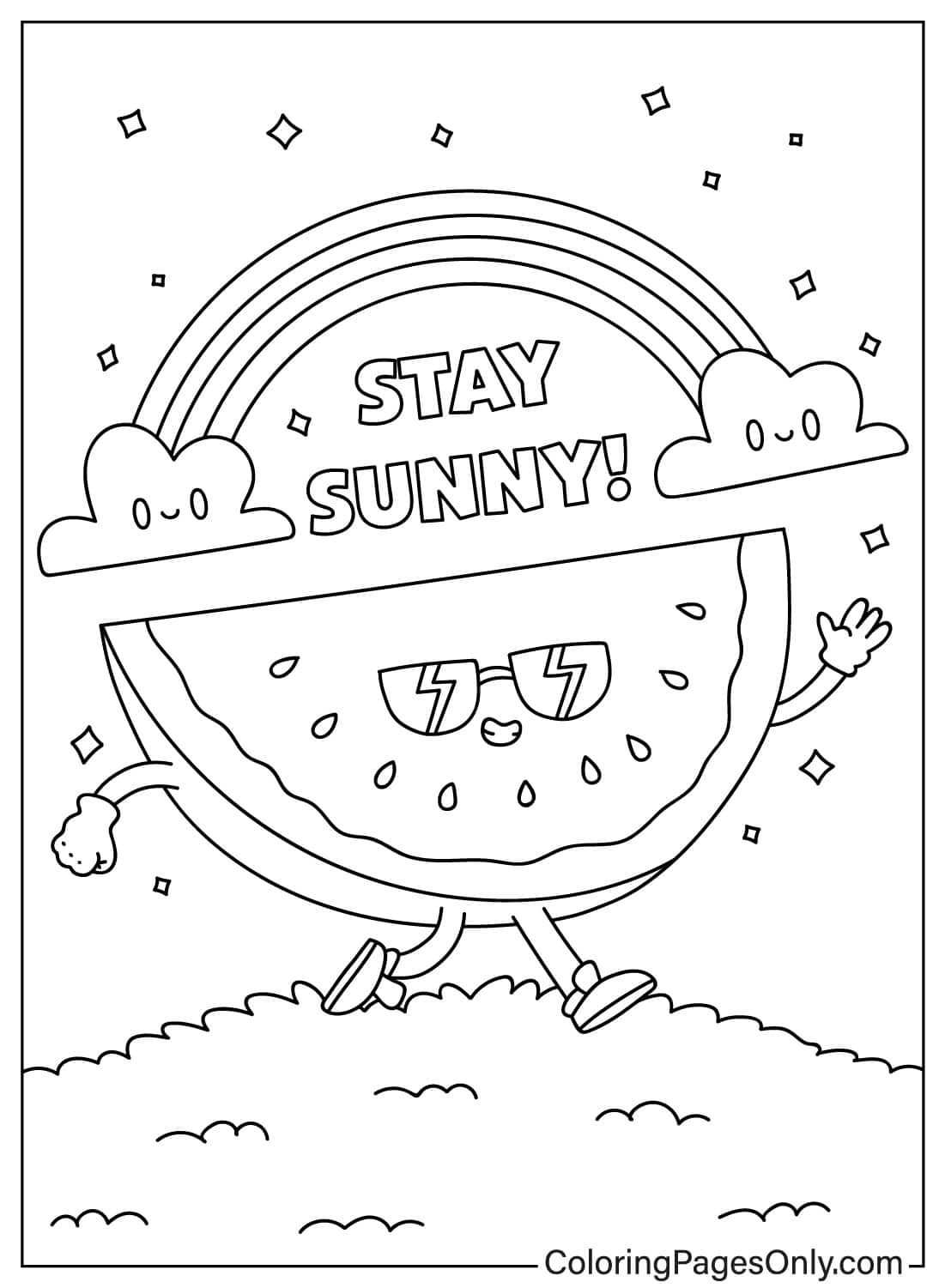
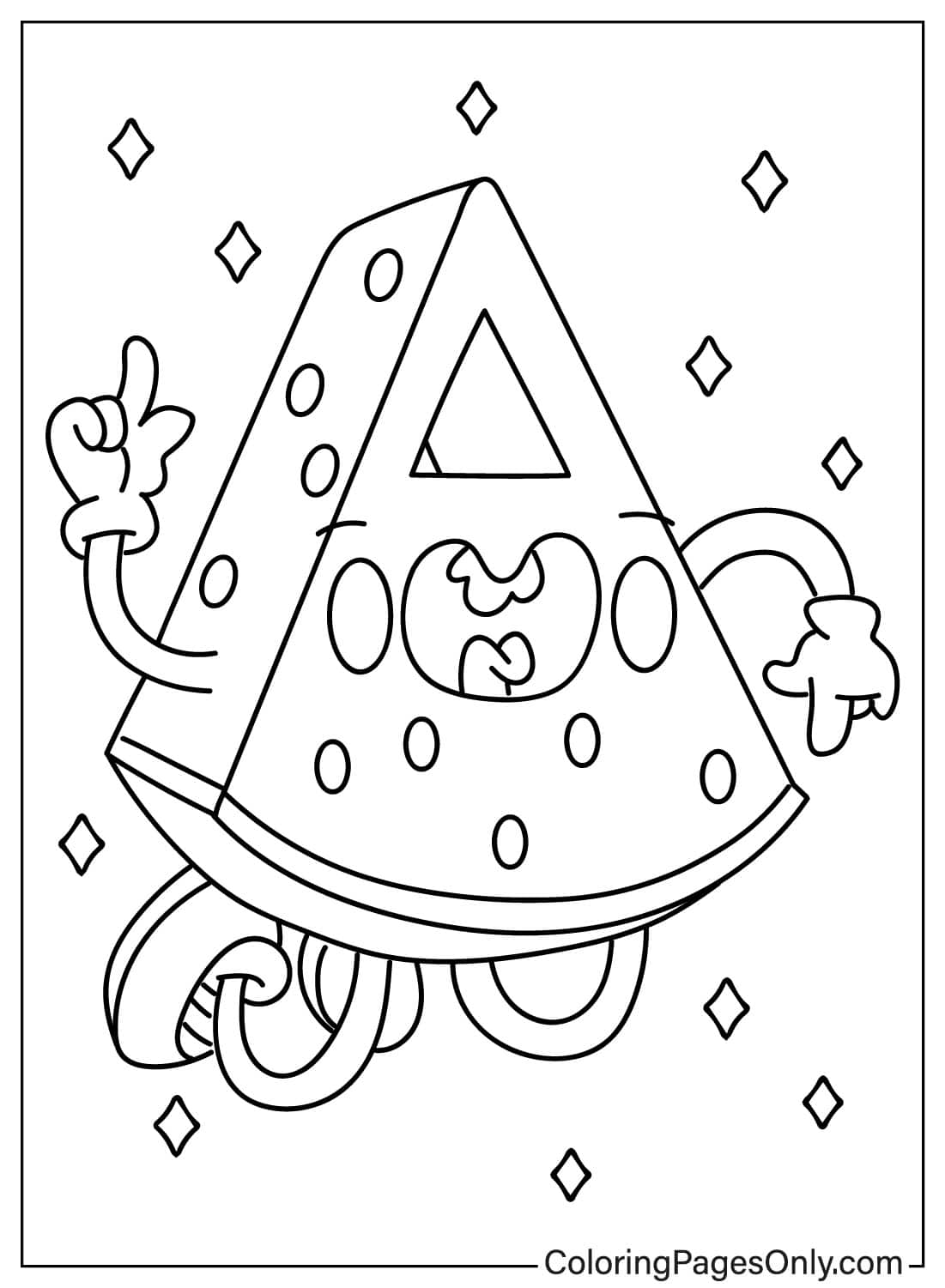
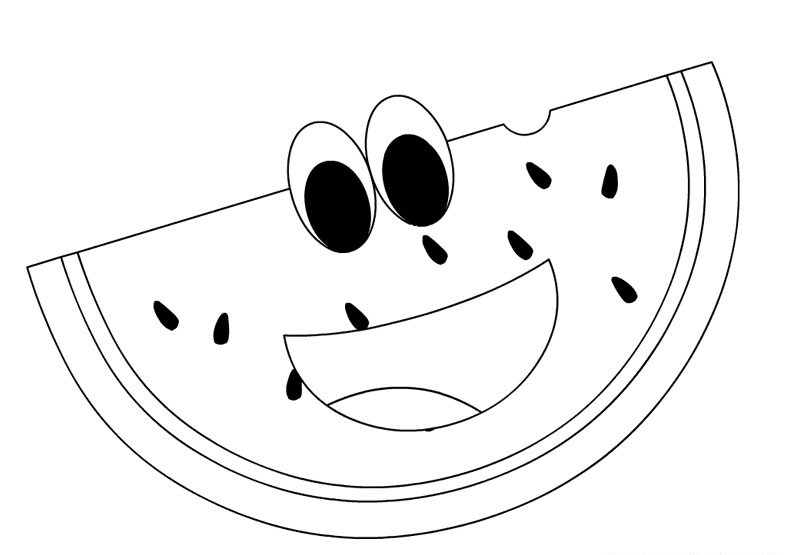
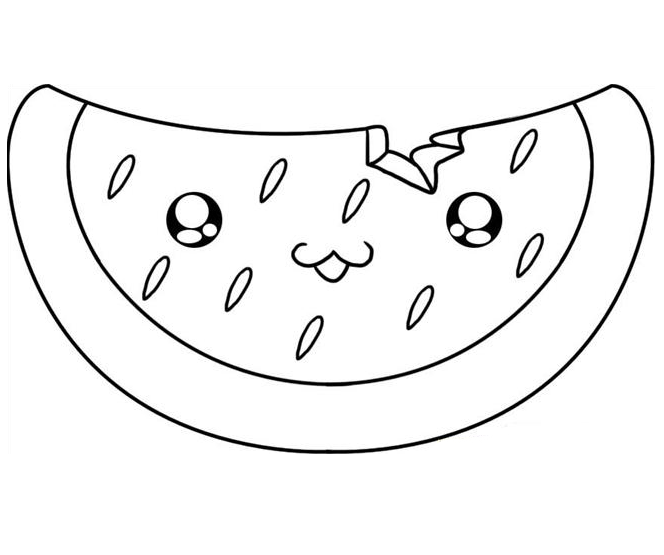
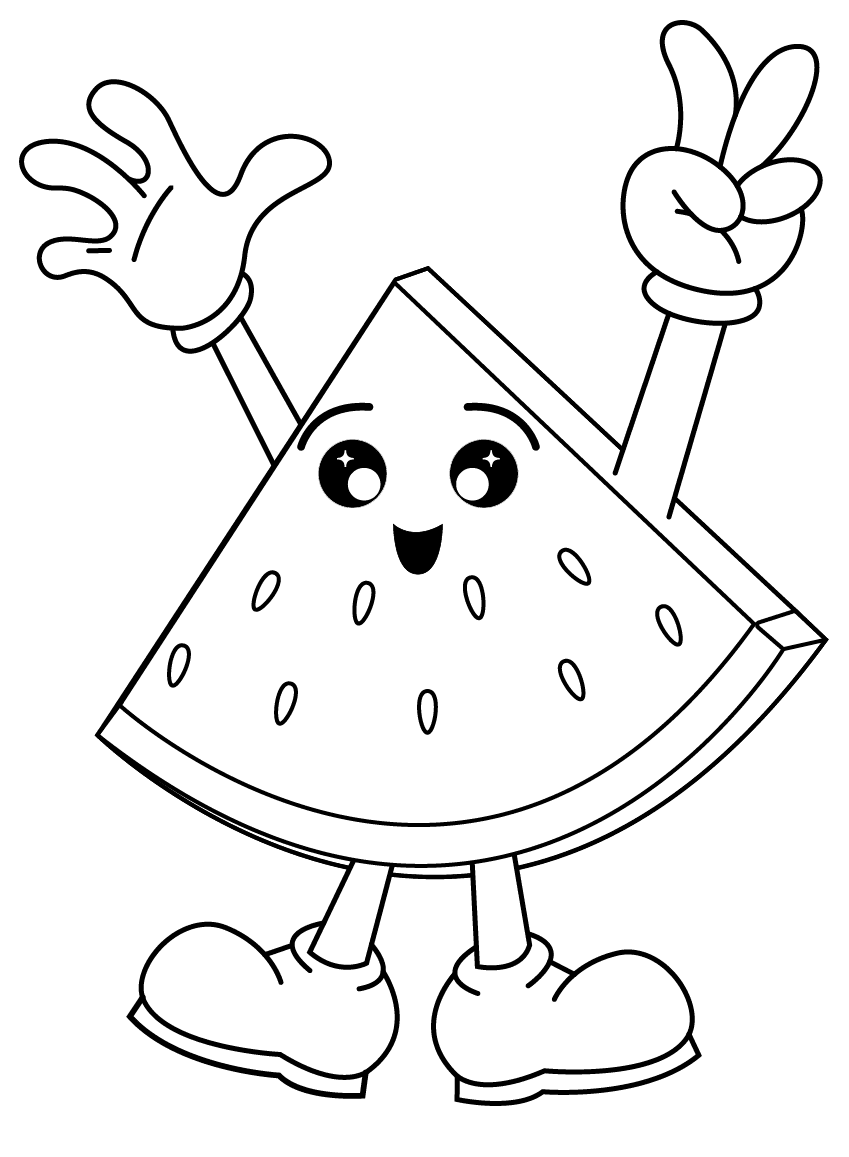
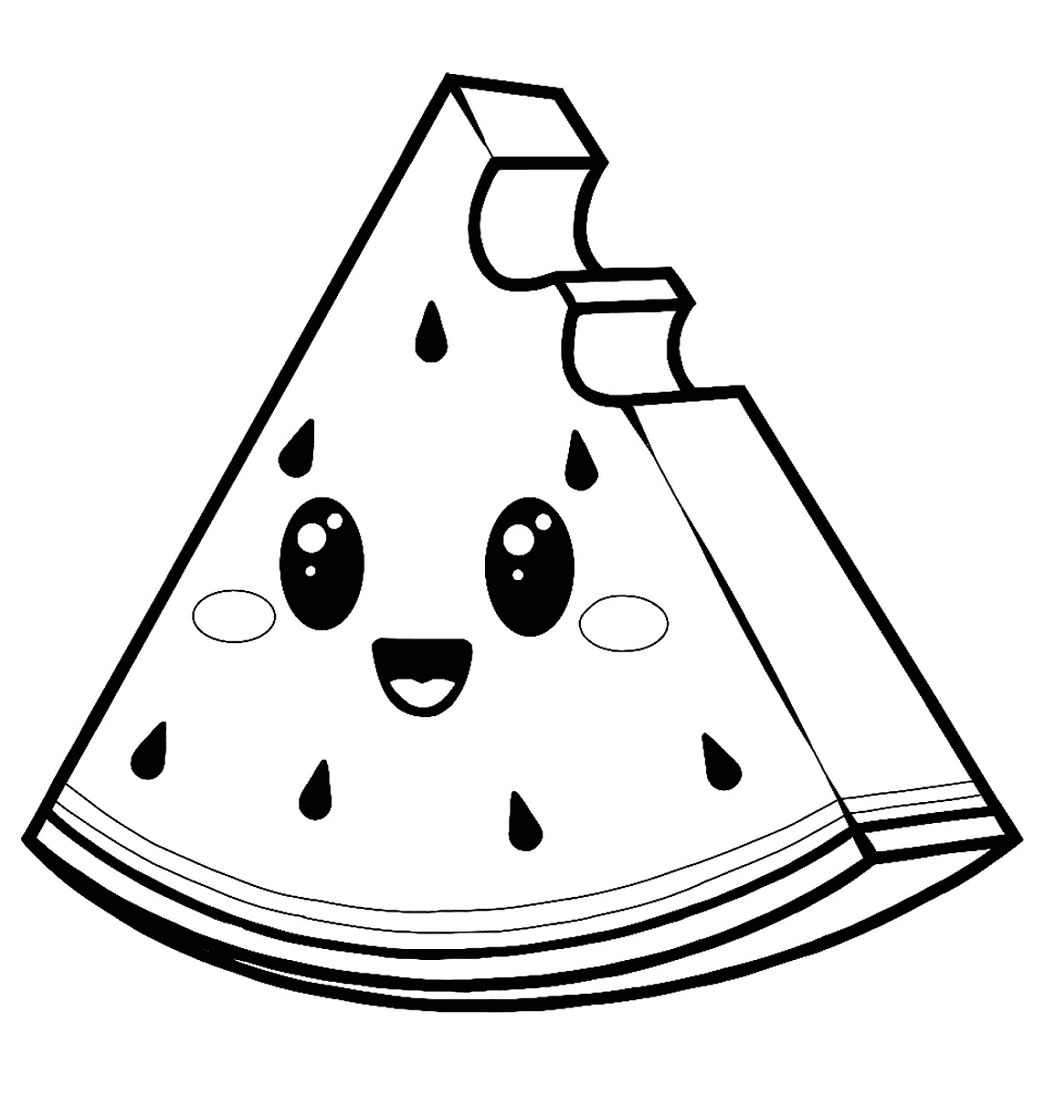
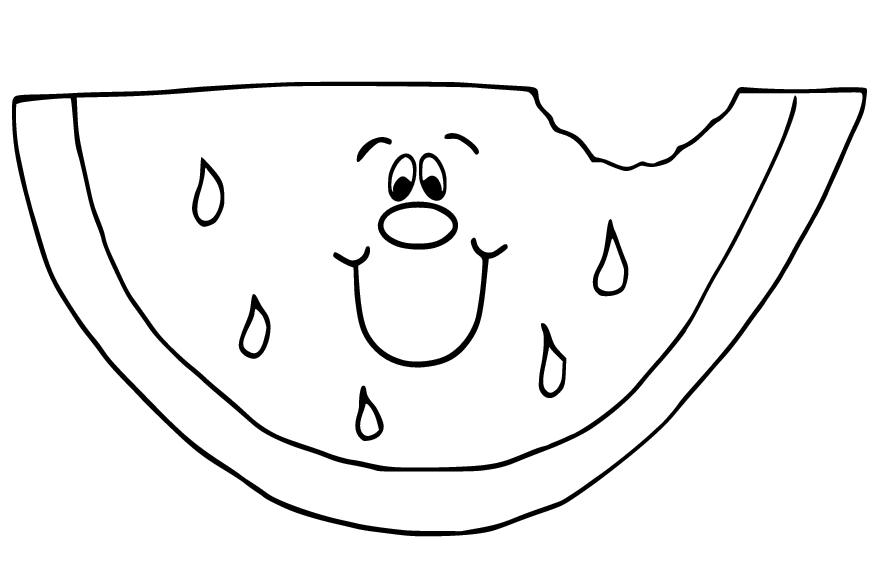
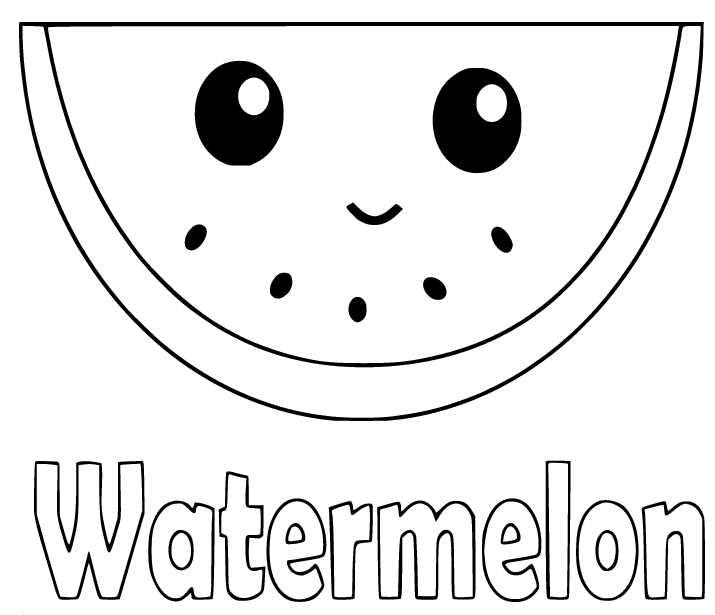
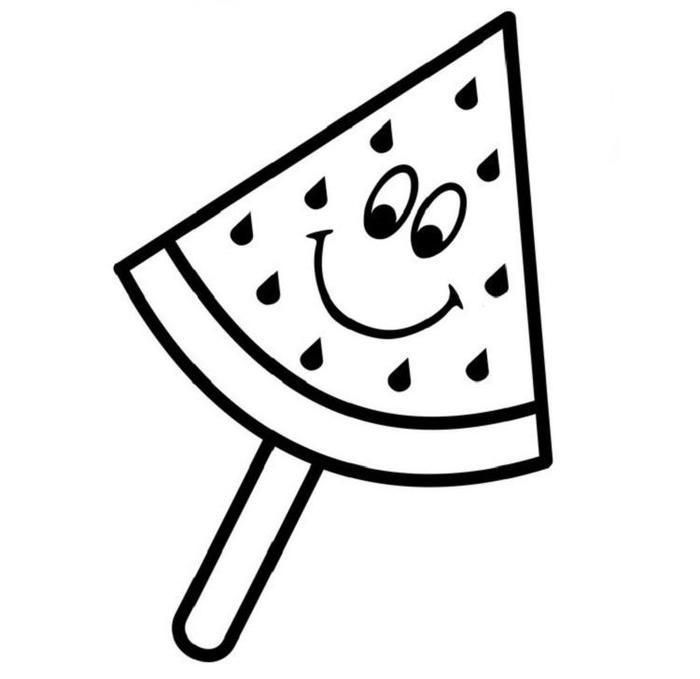
Cute watermelon character pages turn fruit into friendly personalities. These designs may show smiling slices, happy watermelons running, kawaii faces, heart patterns, sunglasses, funny poses, or cheerful fruit characters.
The design logic is different from realistic fruit pages. The face becomes the most important part of the page. A small smile, big eyes, rosy cheeks, or tiny arms can make a watermelon feel playful and expressive.
Kawaii watermelon pages are especially strong for younger children because the shapes are large, the mood is friendly, and the page feels easy to understand. They also work well for social sharing because a smiling watermelon character is simple, bright, and memorable.
Coloring kawaii watermelon pages: Keep the face clear before coloring the rest of the fruit. Use bright red or pink for the flesh, green for the rind, and soft blush colors for cheeks if the page includes them. Backgrounds can use hearts, stars, dots, or simple summer colors.
These pages are good for preschool activities, cute fruit crafts, classroom rewards, party coloring sheets, and quick online coloring.
Kids Eating Watermelon Pages
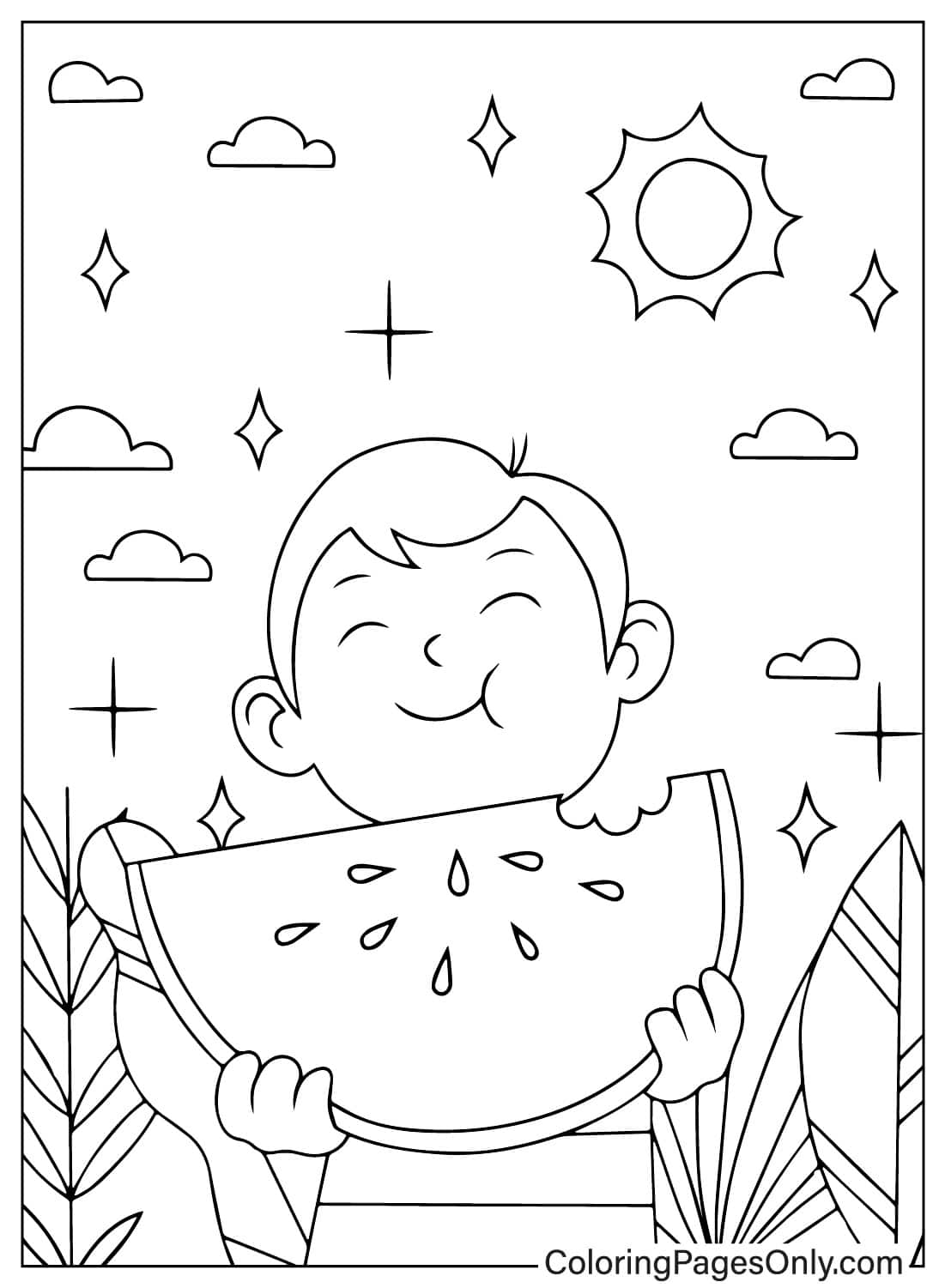
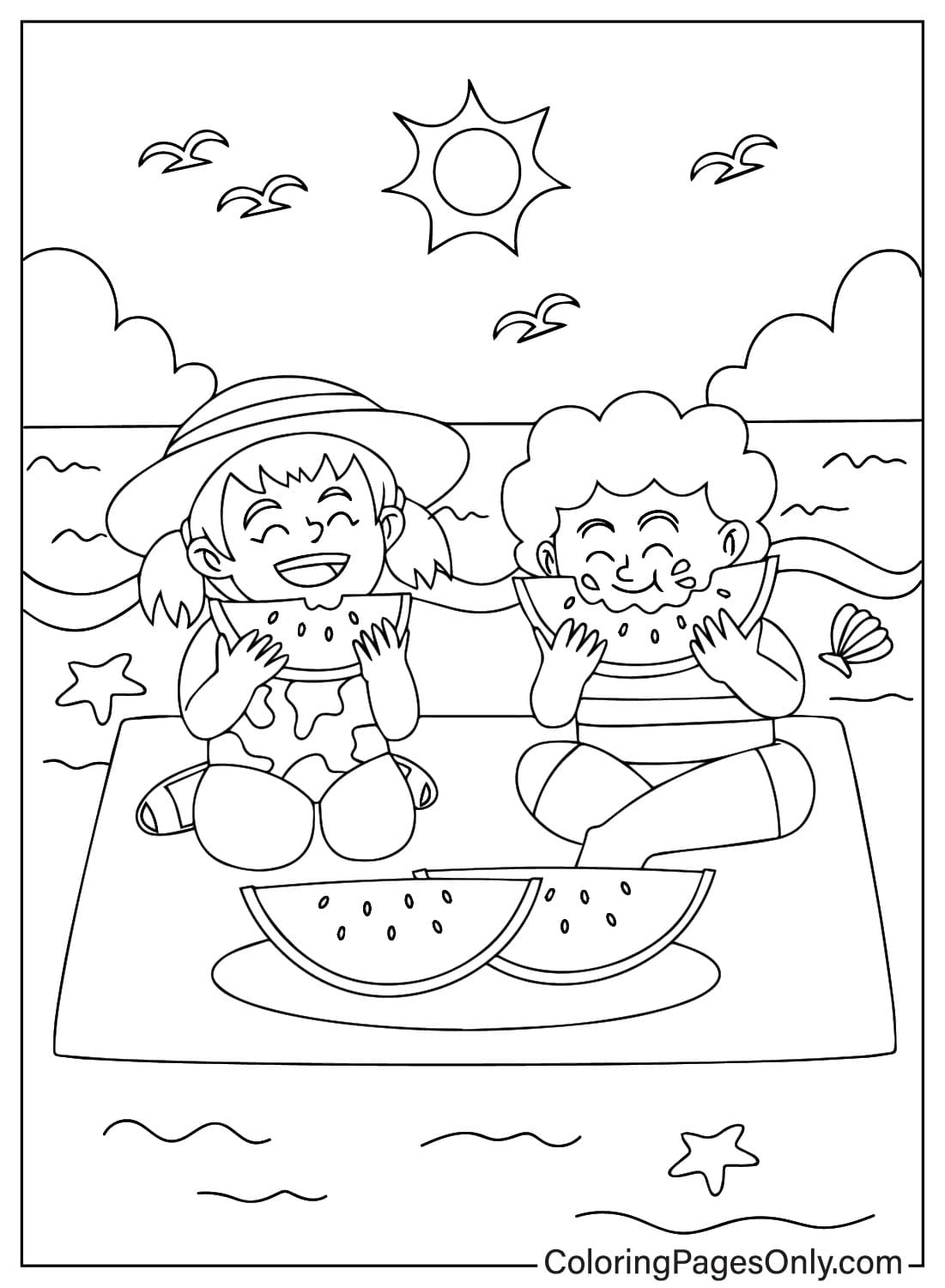
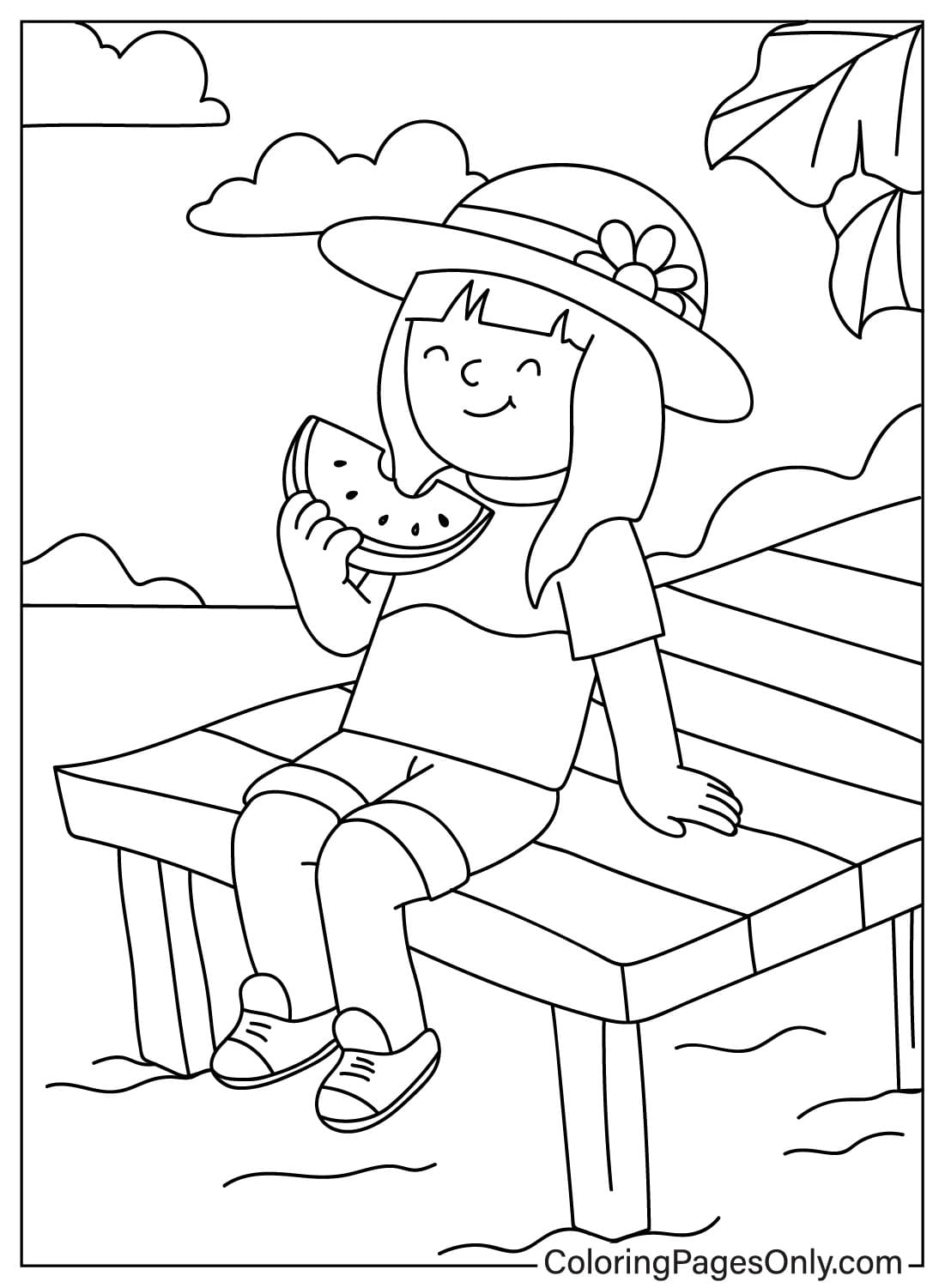
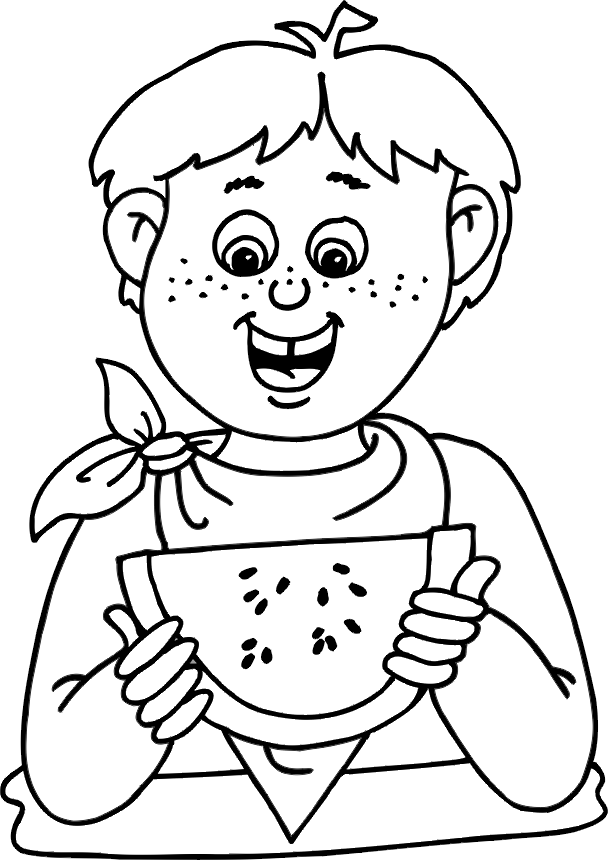
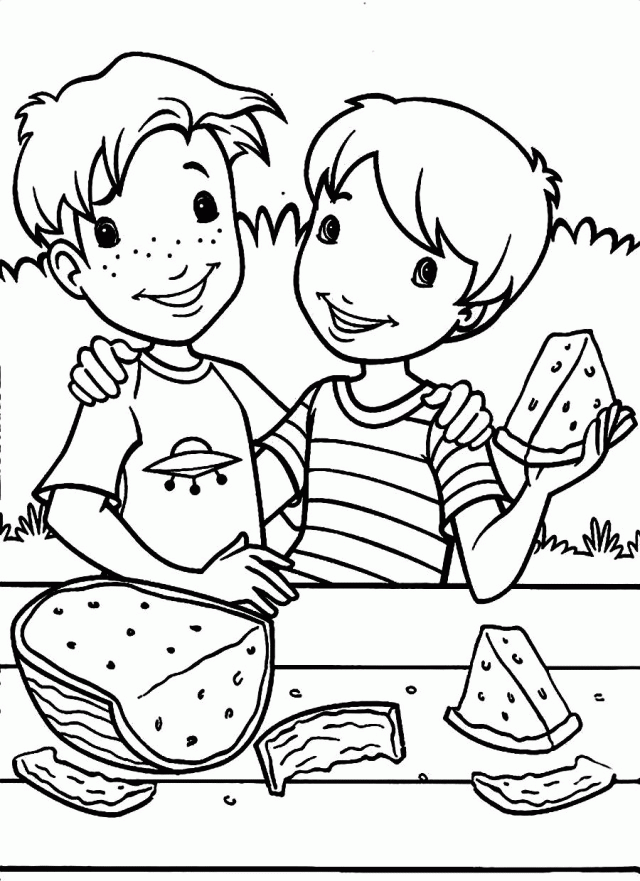
Kids eating watermelon pages bring the fruit into real summer moments. These pages may show a boy eating a slice, a girl enjoying Watermelon, two children sharing fruit, a baby eating watermelon, or children sitting together during a picnic.
These pages work because they connect the fruit with experience. Watermelon is not only a shape or color. It becomes part of a sunny day, a snack break, a family picnic, or a summer memory.
The main goal is balance. The child’s face and hands should stay clear, while the watermelon slice should remain bright and easy to recognize. If the clothing, background, and fruit are all colored too strongly, the page can become busy.
Coloring kids eating watermelon pages: Color the faces and hands first, then the Watermelon, then the clothing, then the background. Use bright fruit colors for the slice and softer colors for clothing or picnic details. Keep the mouth, eyes, and hand positions readable so the page still feels expressive.
Teachers can use these pages for summer classroom activities, family-themed coloring, food lessons, and storytelling prompts about picnics, snacks, or outdoor play.
Animals Eating Watermelon Pages
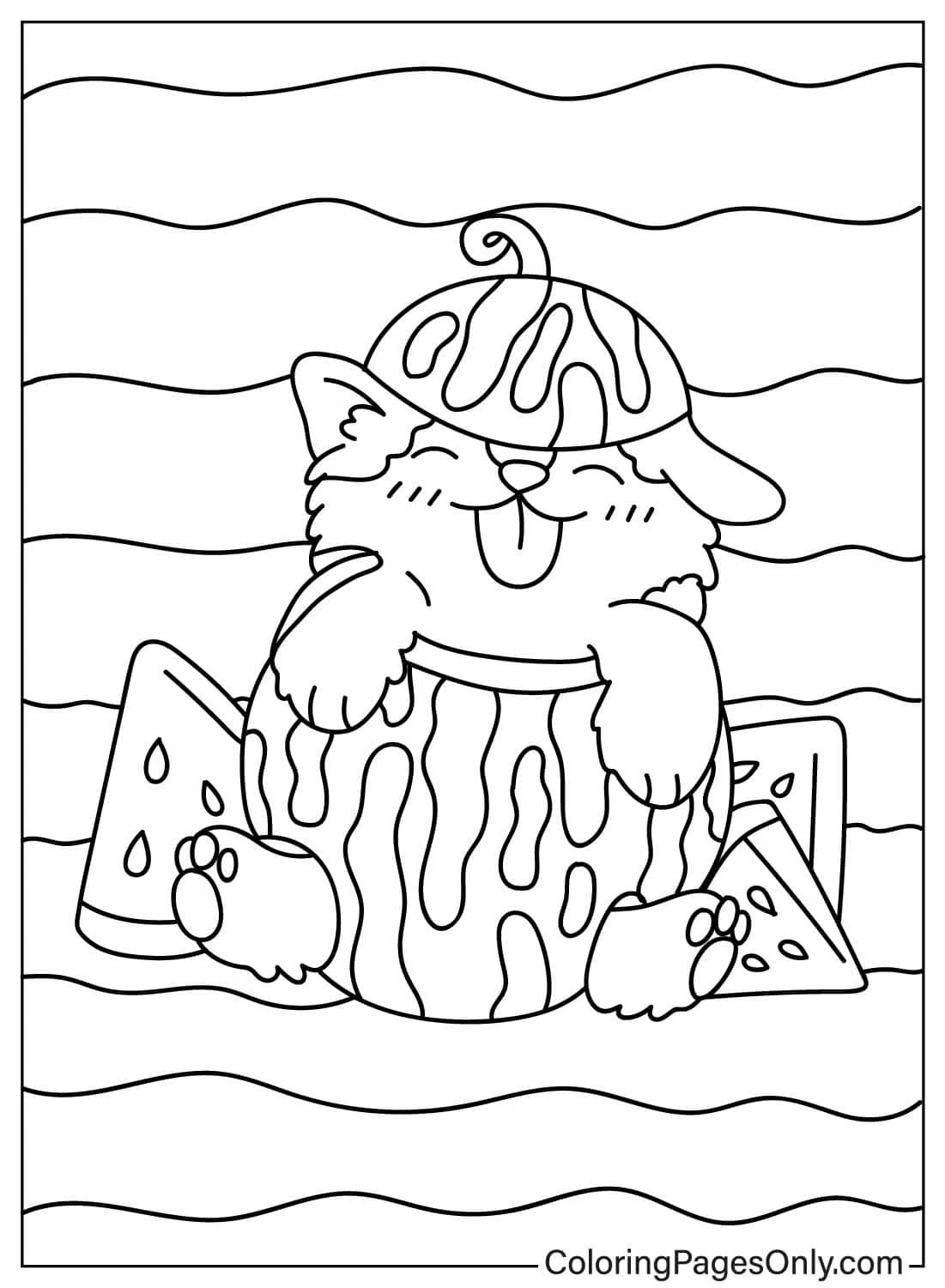
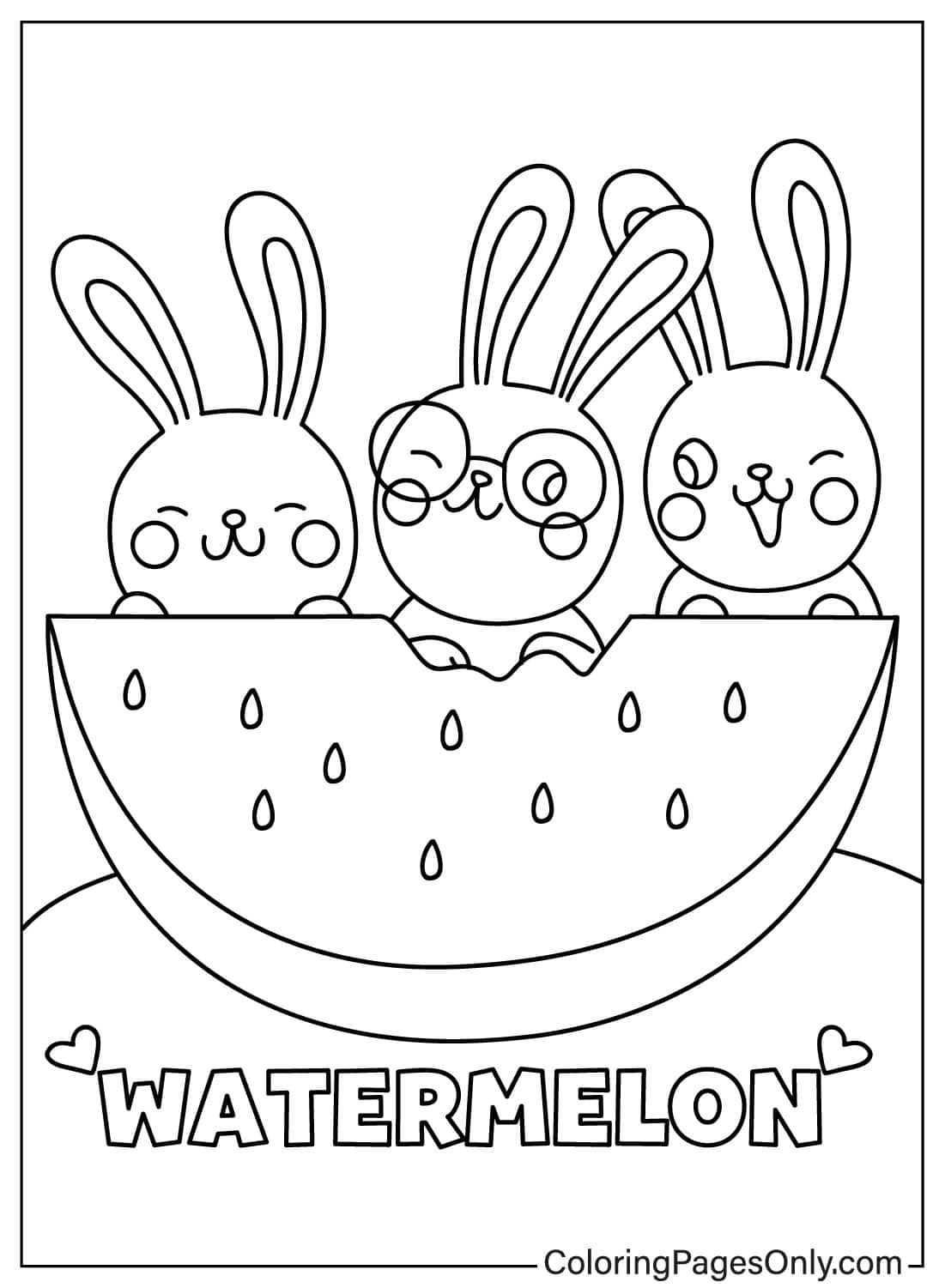
Animal watermelon pages add charm and humor to the collection. These designs may show bears, rabbits, cats, dogs, piglets, or other cute animals eating or sharing Watermelon.
The strength of these pages comes from contrast. Watermelon has bright red and green colors, while animals may use brown, gray, white, orange, or soft pastel tones. This makes the fruit stand out clearly.
Animal pages are also good for storytelling. A child can imagine three rabbits sharing a slice, a bear enjoying a snack, a cat eating watermelon in the clouds, or a piglet holding a juicy piece.
Coloring animal watermelon pages: Color the animal first with soft natural tones, then color the watermelon slice with brighter colors. Keep the fruit more vivid than the animal so the page still reads as a watermelon coloring page. If the page includes grass, sky, clouds, or picnic objects, color those last.
These pages are especially good for younger children, animal lovers, classroom story prompts, and cute summer activities.
Summer Beach and Picnic Watermelon Pages
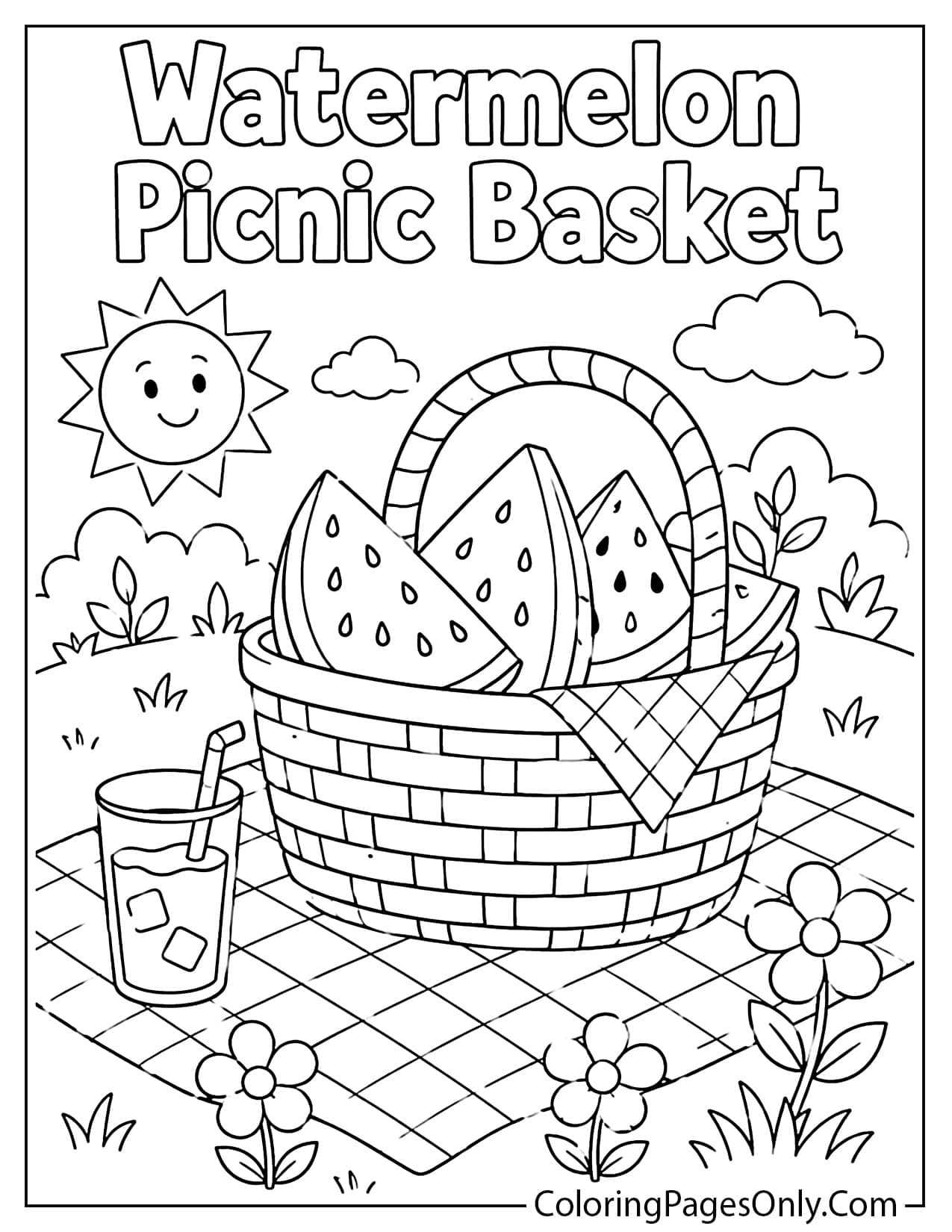
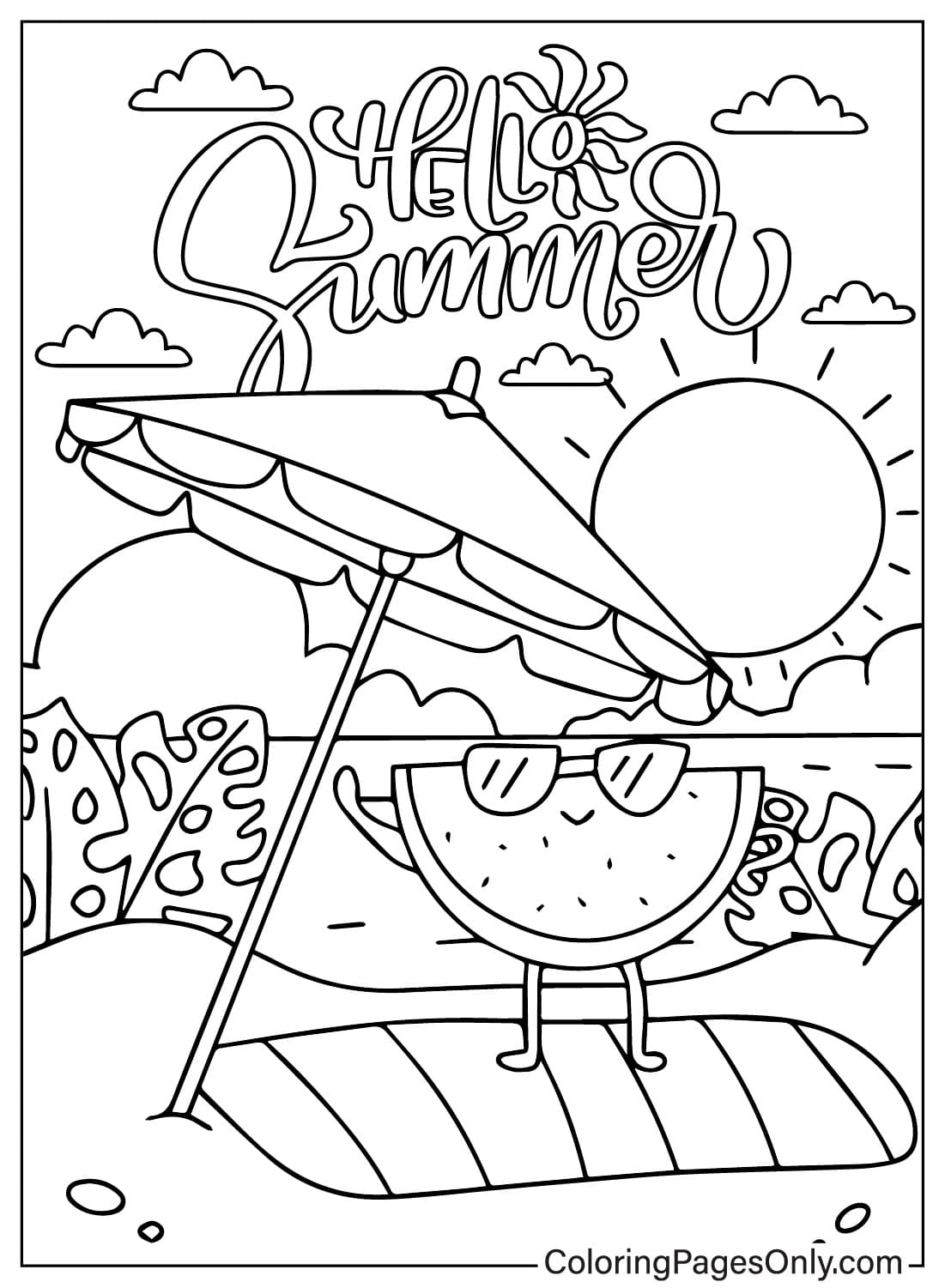
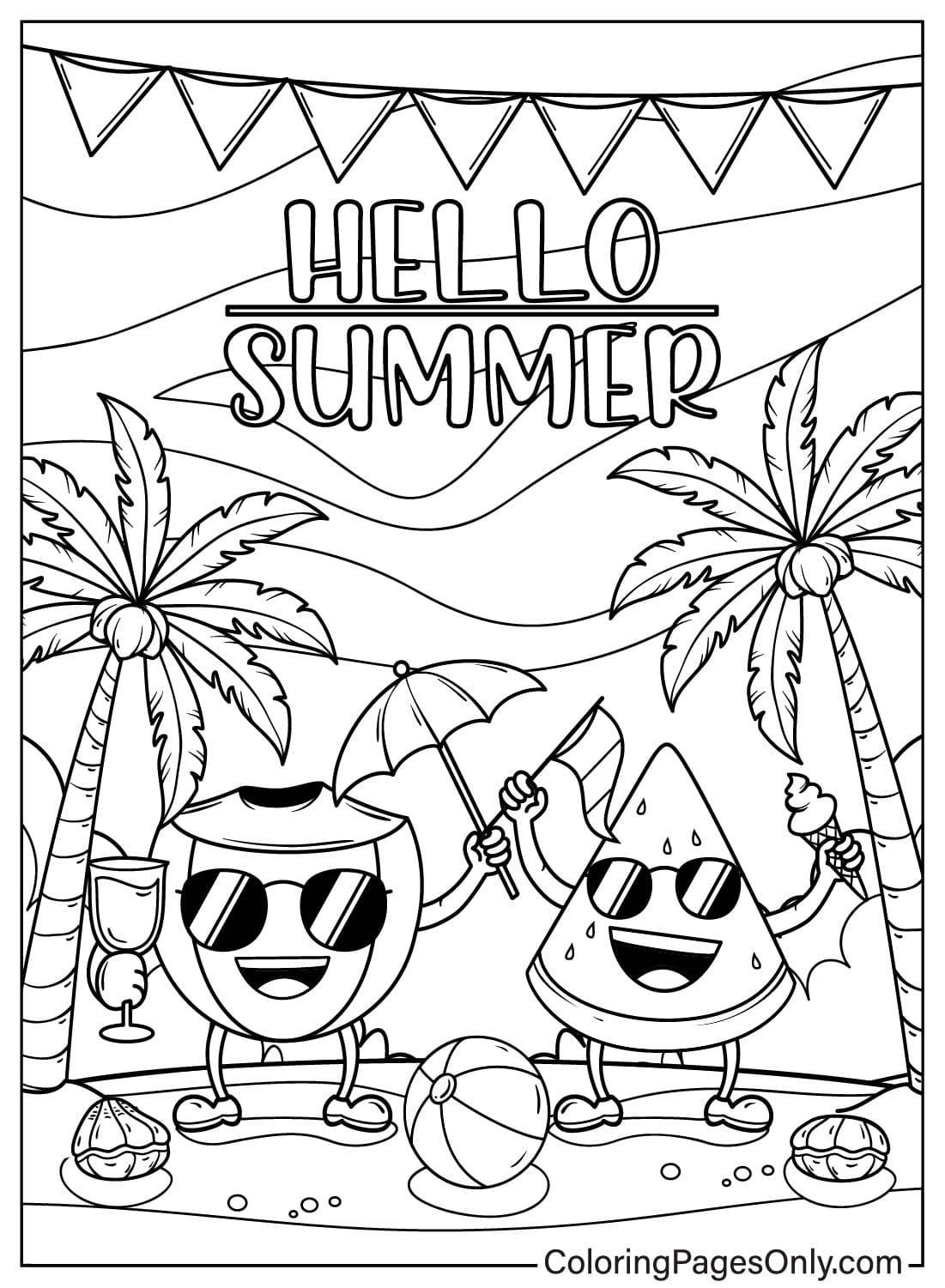
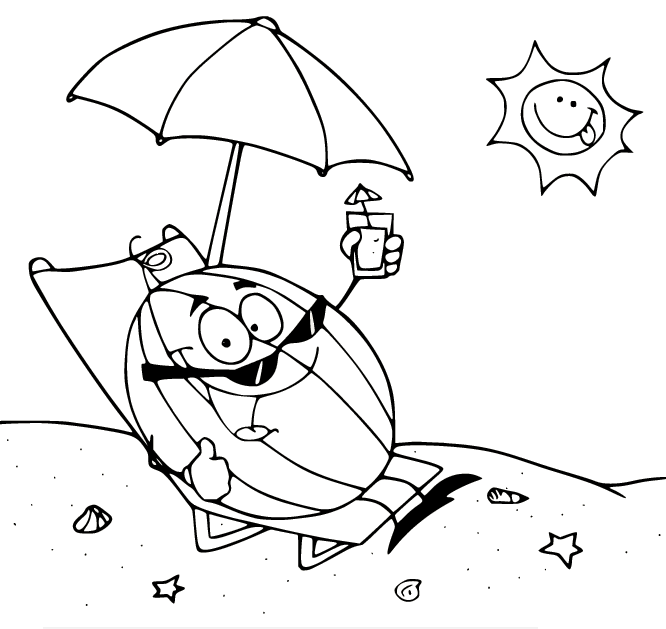
Summer watermelon pages show the fruit in seasonal settings. These designs may include beach scenes, coconut and watermelon pages, sunbathing Watermelon, picnic pages, “Hello Summer” text, sunglasses, clouds, or sunny outdoor details.
These pages work because Watermelon naturally fits summer. The fruit’s red and green colors pair well with blue skies, yellow sunshine, sandy beaches, green grass, picnic blankets, and cool drinks.
The visual challenge is not overloading the page with too many bright colors. Summer scenes can become crowded if every object is saturated. The Watermelon should remain the main focus, while the beach, sky, picnic items, and background should support it.
Coloring summer watermelon pages: Use red and green for the fruit first. Then add blue for sky or water, yellow for sunshine, tan for sand, and soft colors for picnic details. Keep text elements clean if the page includes “Hello Summer” or similar words.
These pages are strong for summer camps, vacation activity packs, beach-themed crafts, classroom bulletin boards, and seasonal social sharing.
Watermelon Dessert and Ice Cream Pages
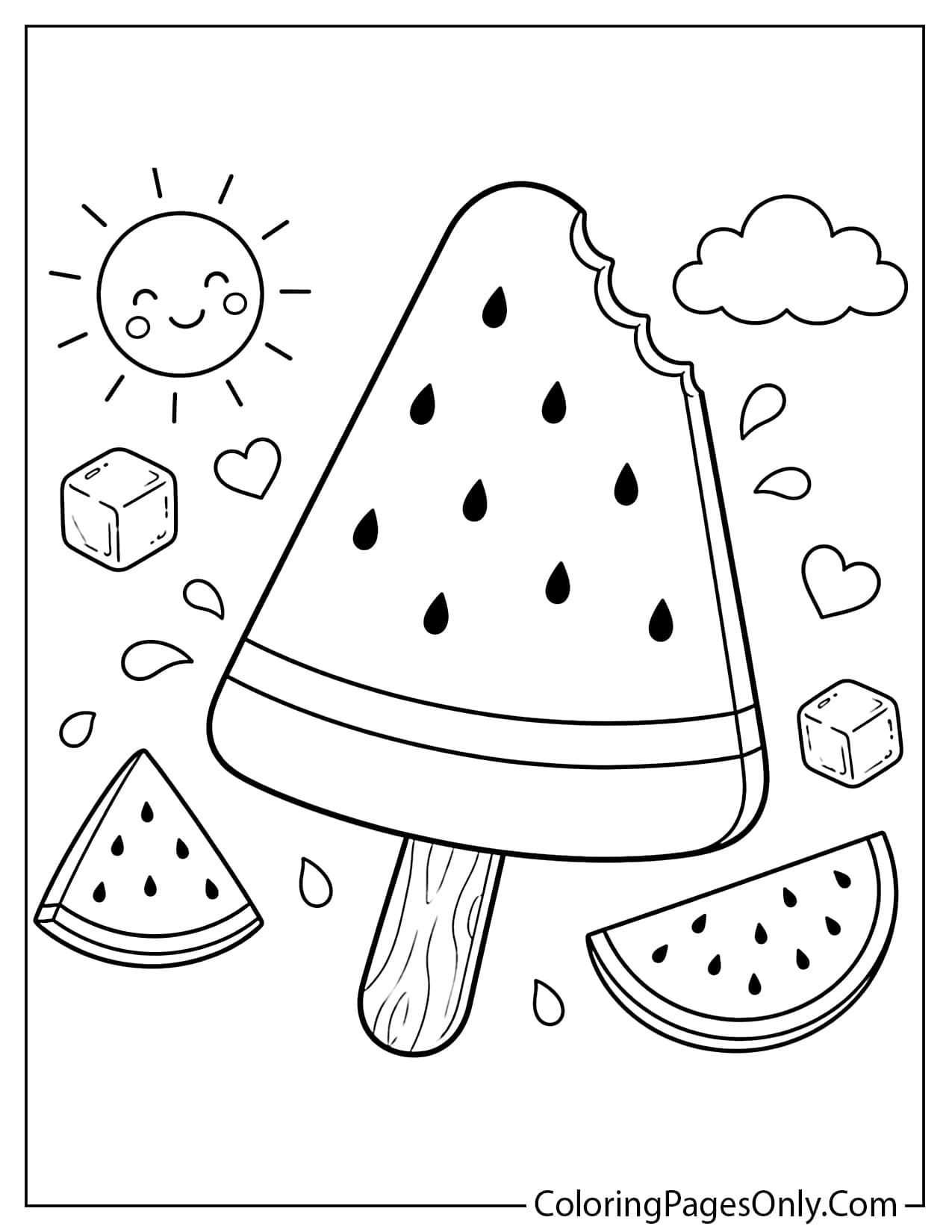
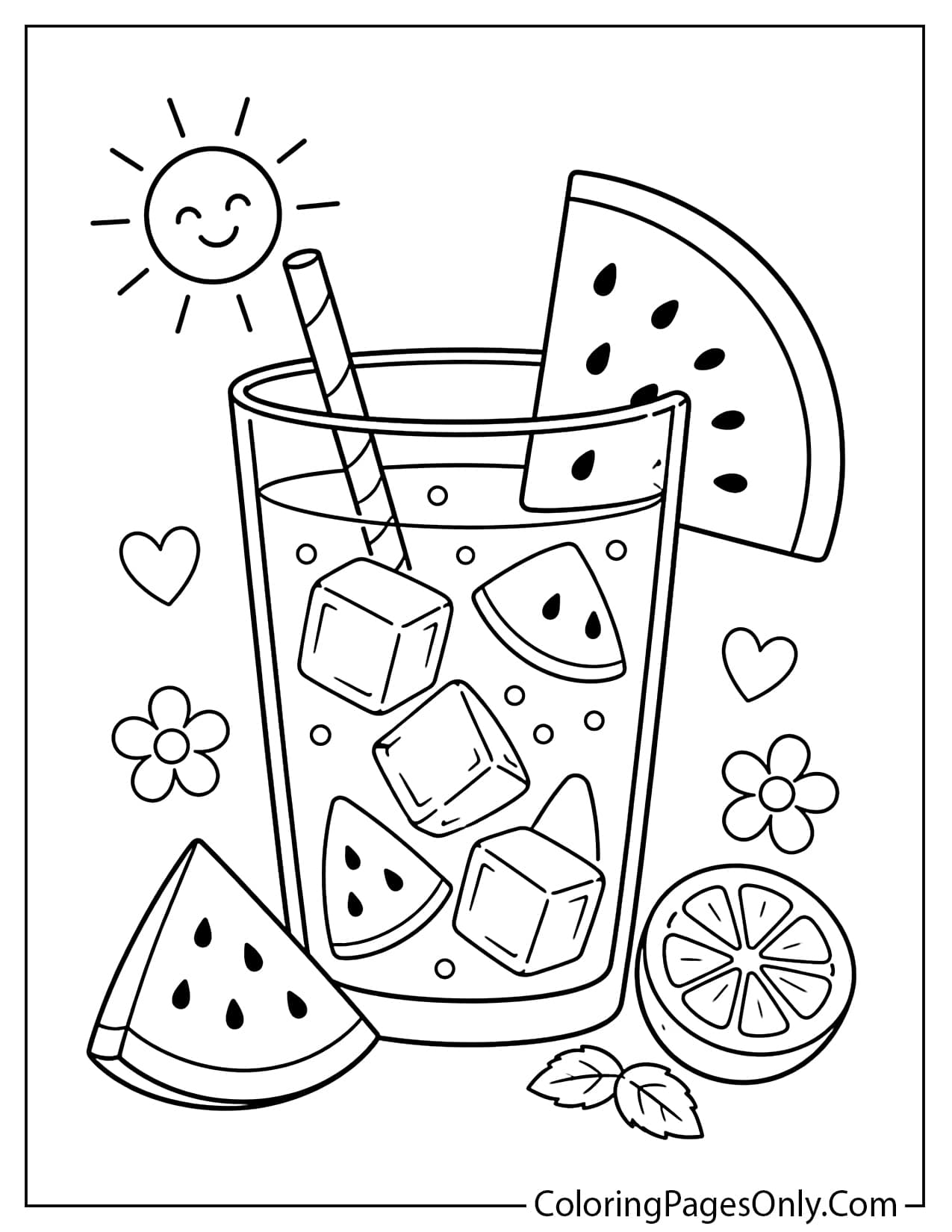
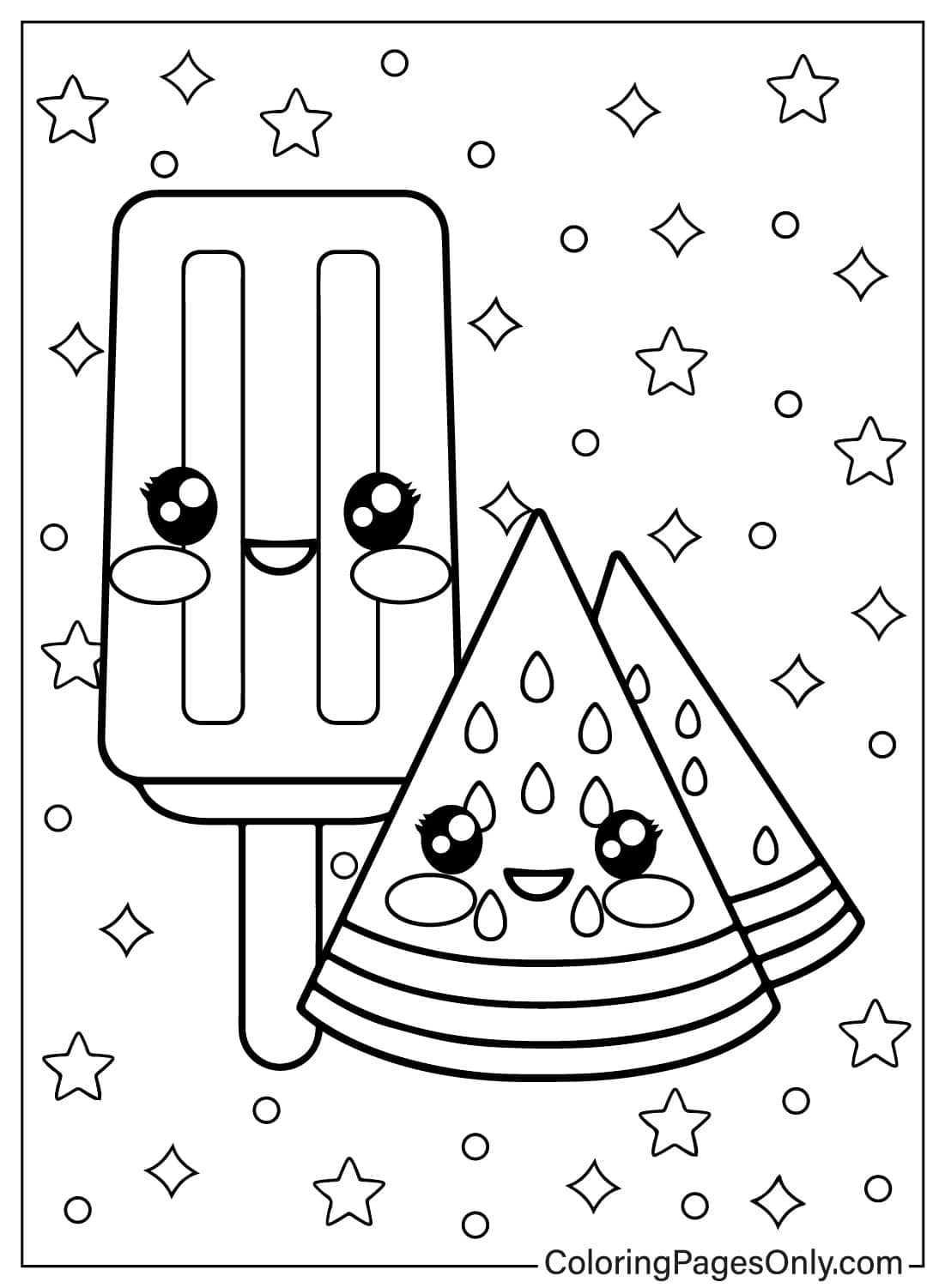
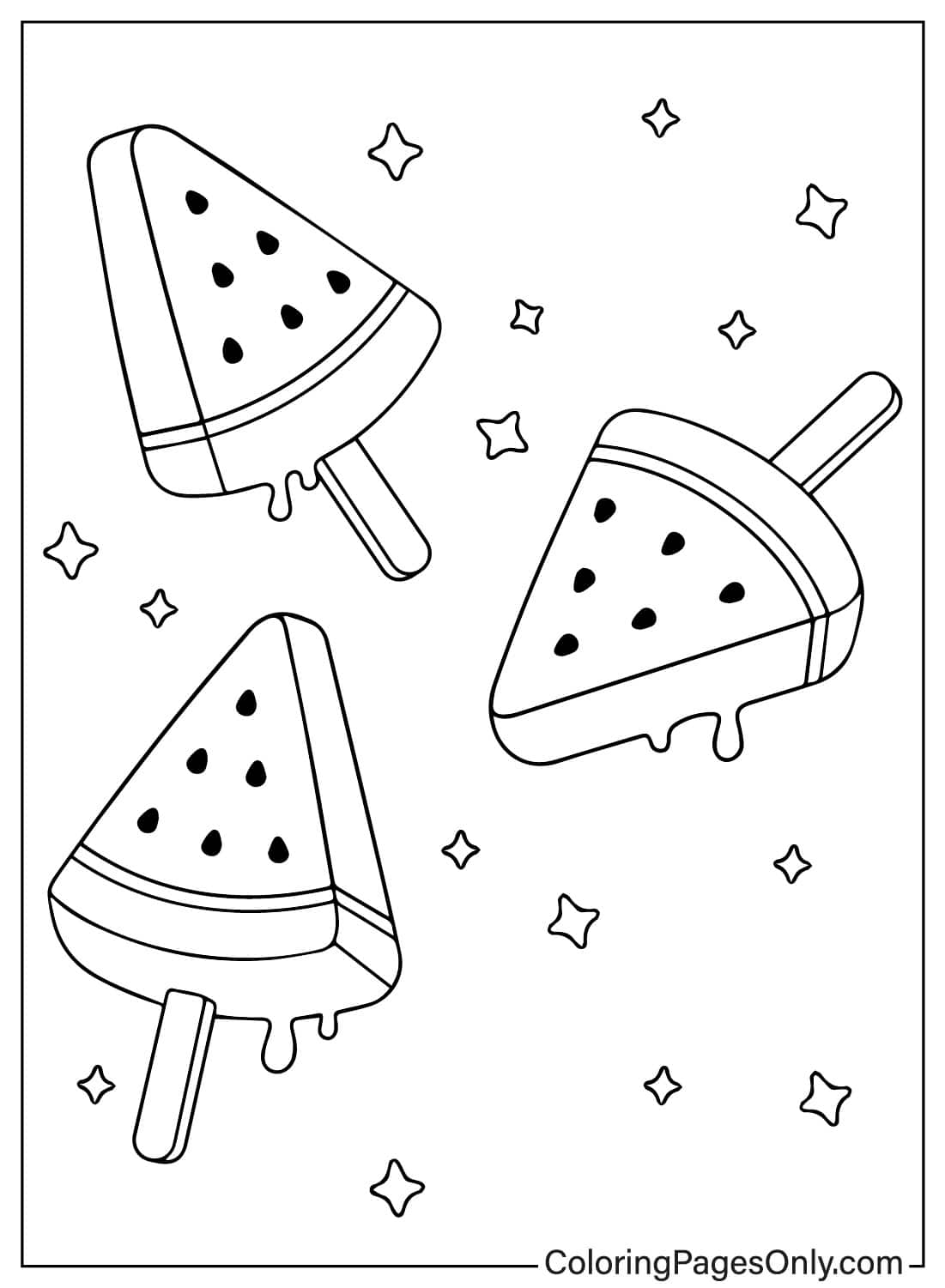
Watermelon dessert pages show Watermelon as a sweet treat. These designs may include watermelon ice cream, watermelon popsicles, Watermelon with cream, fruit dessert cups, or cute dessert-inspired characters.
These pages are fun because they let children mix fruit colors with dessert colors. A watermelon ice cream or popsicle page may use red and green, but it can also include cream, cones, toppings, sprinkles, wooden sticks, or pastel backgrounds.
The design logic is playful rather than realistic. Children can color watermelon desserts with classic fruit colors or create fantasy versions with pink, mint, yellow, blue, or rainbow details.
Coloring watermelon dessert pages: Keep the watermelon parts recognizable with red or pink flesh and green rind accents. Use cream, tan, brown, pastel yellow, or light pink for dessert elements. If the page includes sprinkles, ice cubes, or small toppings, color those last.
These pages work well for summer party activities, food-themed coloring, cute dessert crafts, and creative color experiments.
Watermelon Pattern and Mandala-Style Pages
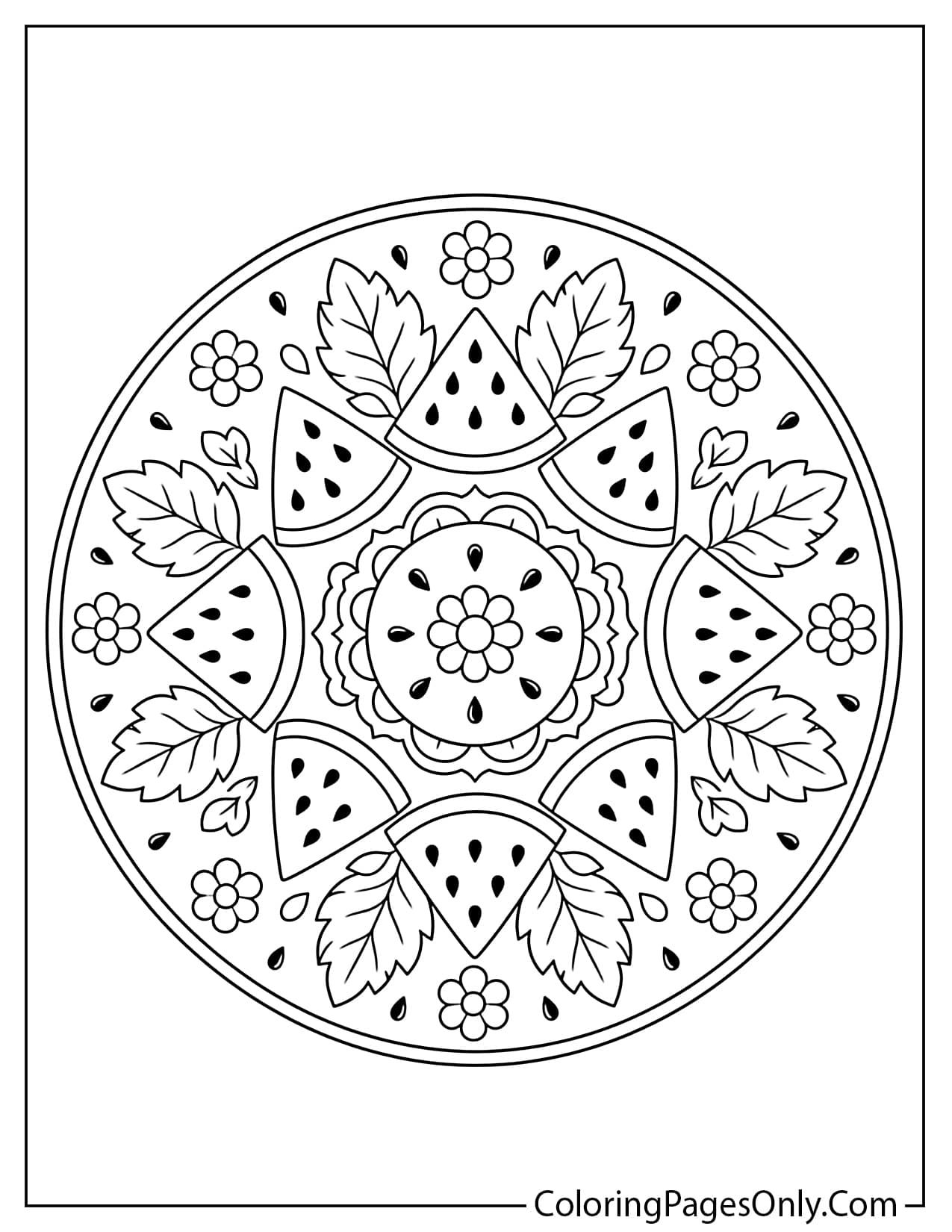
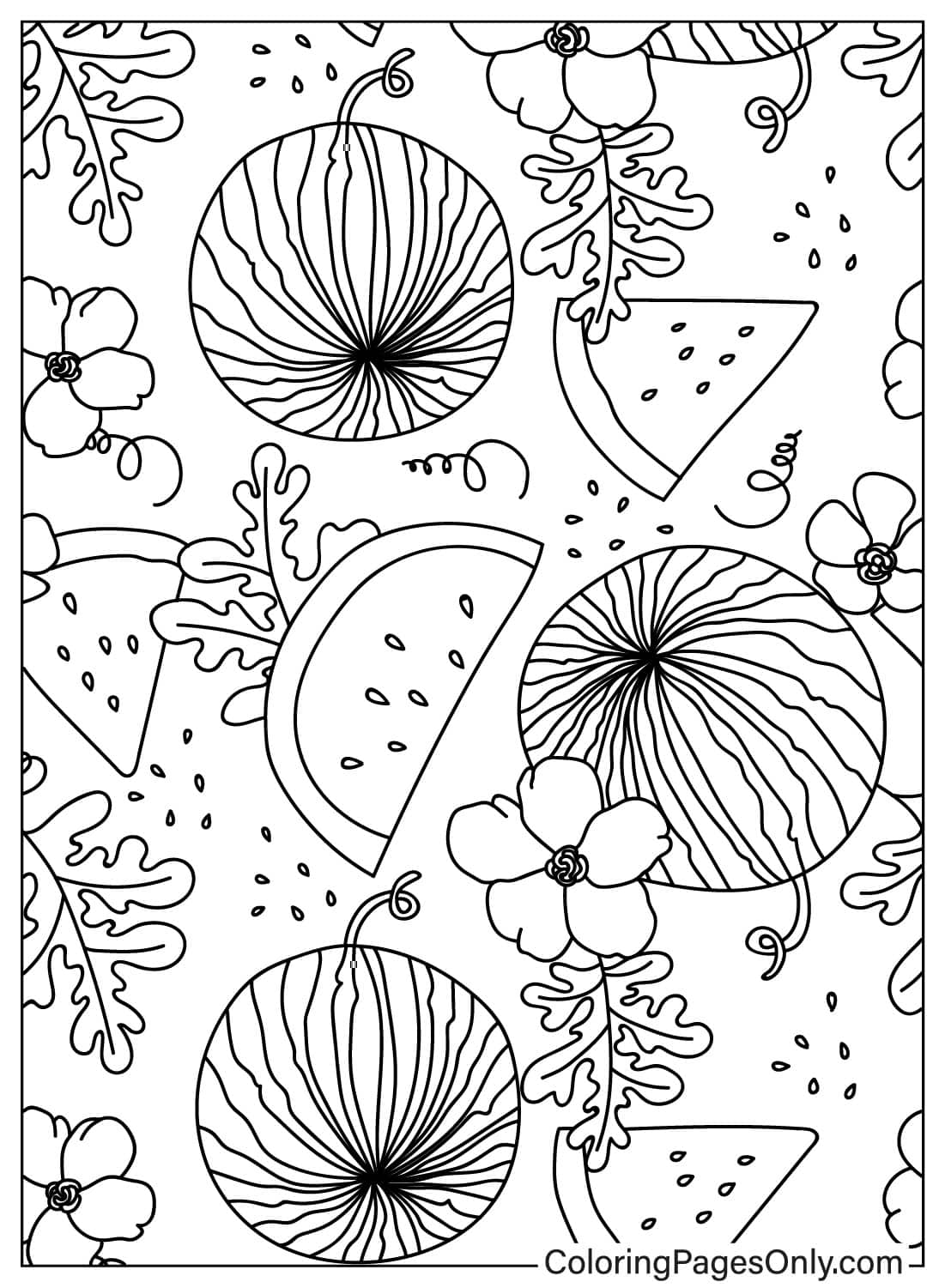
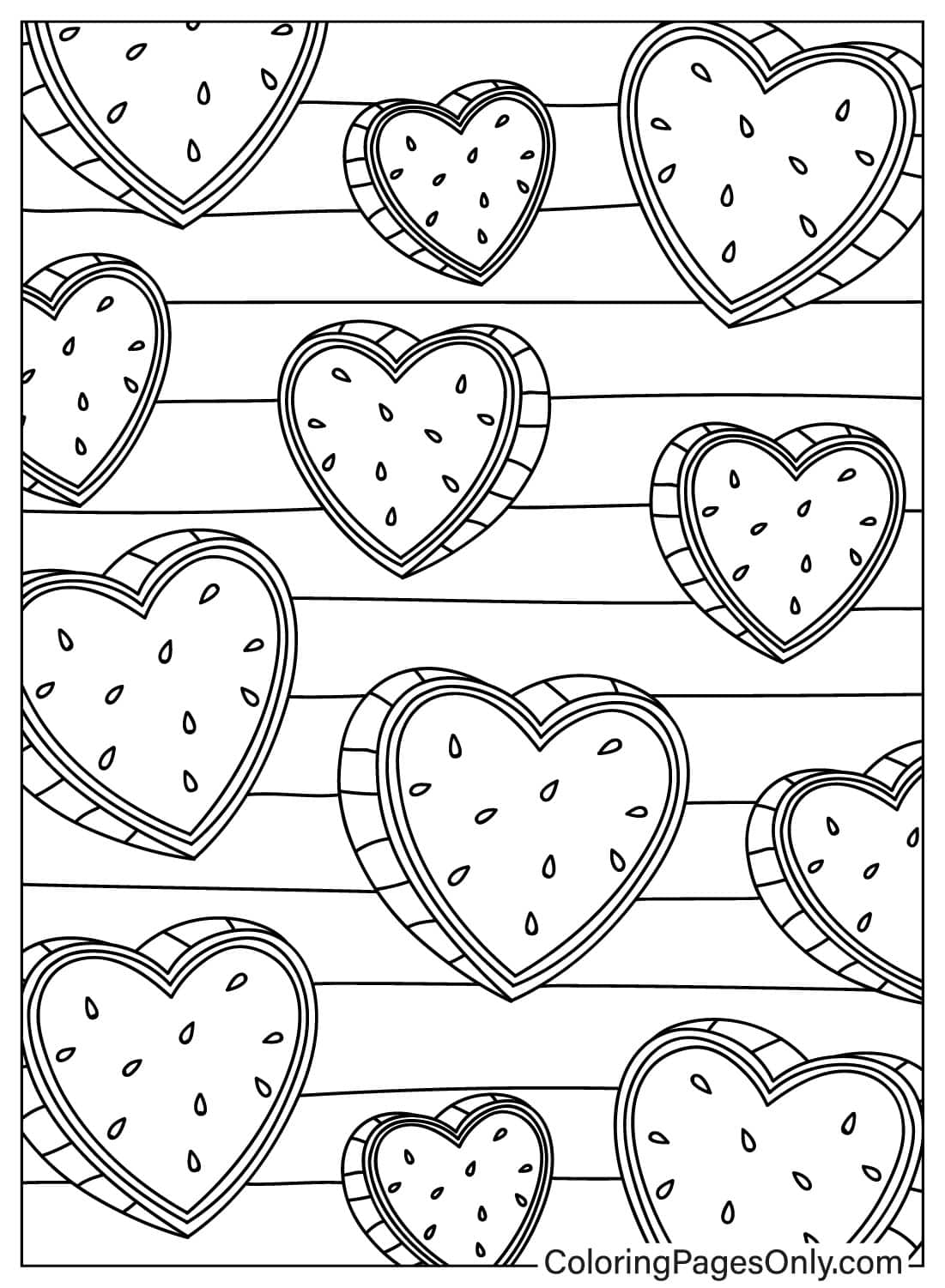
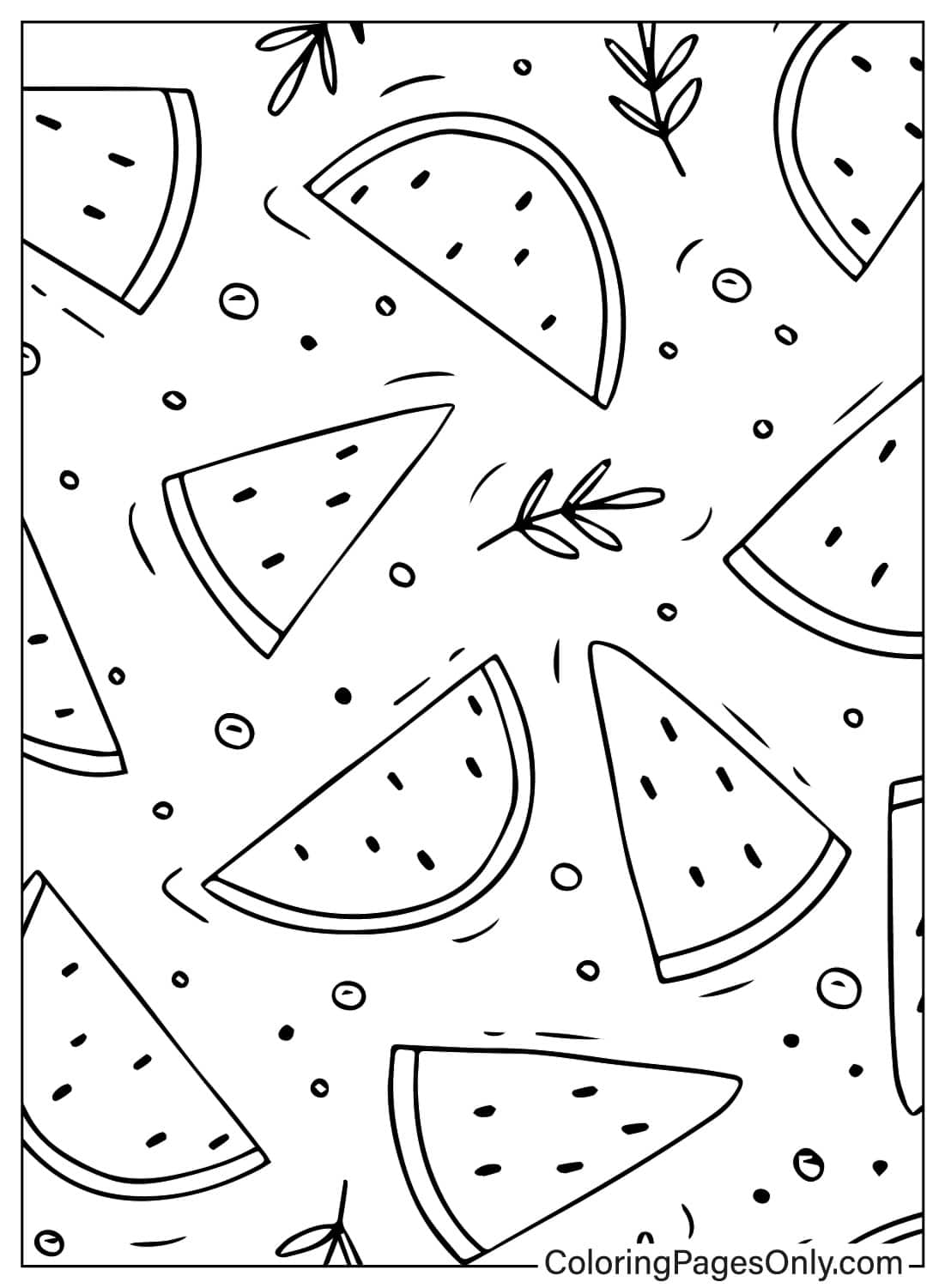
Pattern pages include repeated watermelon slices, hearts, flowers, fruit patterns, simple decorative layouts, or more detailed designs for older kids and adults.
These pages are different from single-object pages because the goal is rhythm. Children and adults can repeat colors, alternate shades, create a red-green pattern, or turn each slice into a different color version.
Pattern pages help children practice patience and visual planning. They also work well for older kids who want a relaxing page that takes longer to finish.
Coloring watermelon pattern pages: Choose a simple palette before starting. Use red, pink, green, dark green, white, and black for a classic look. For a playful version, alternate pink, coral, yellow, and rainbow slices. Keep repeated shapes consistent if the goal is a clean pattern.
These pages are useful for relaxing coloring, older kids, adult colorists, classroom pattern lessons, and fruit-themed display art.
Watermelon Worksheets and Learning Pages
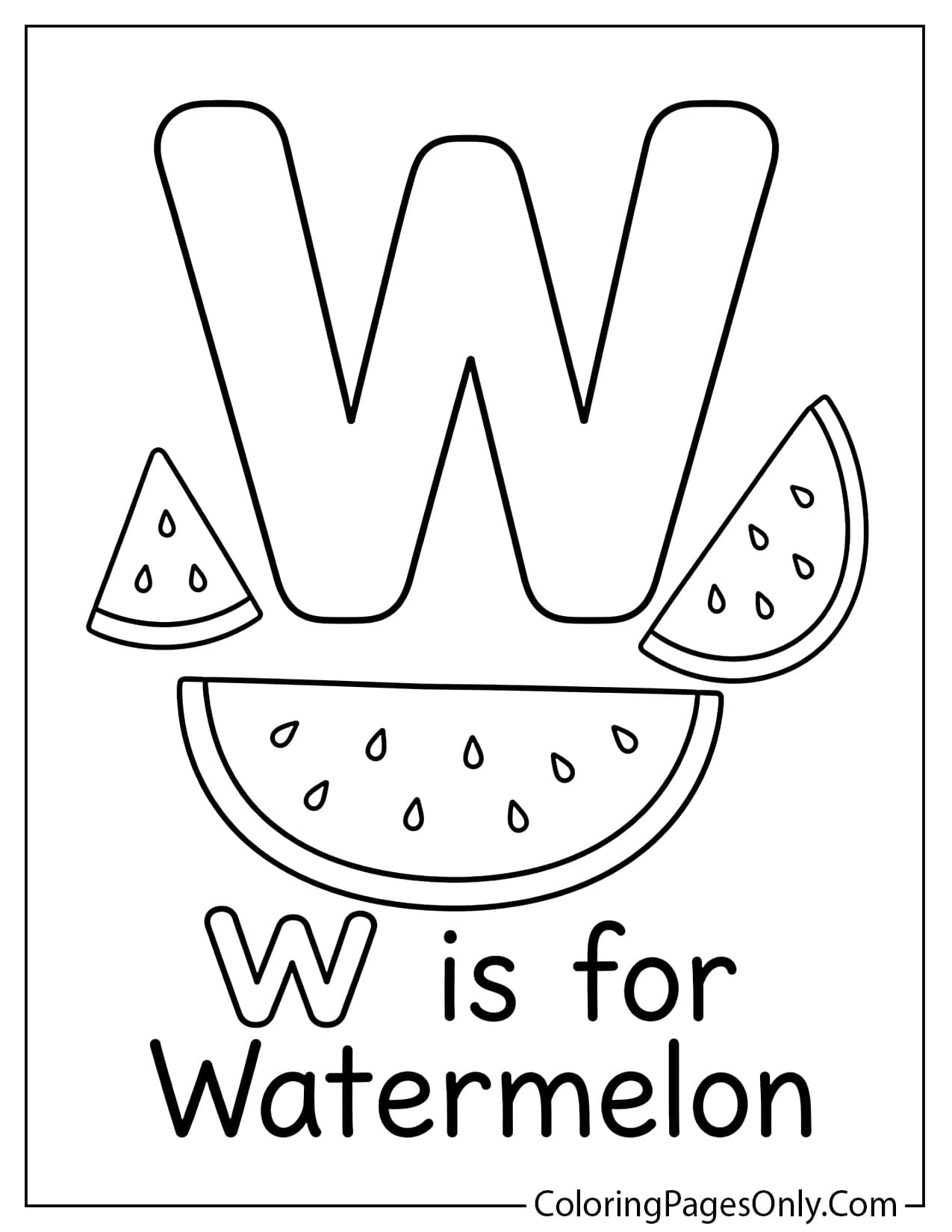
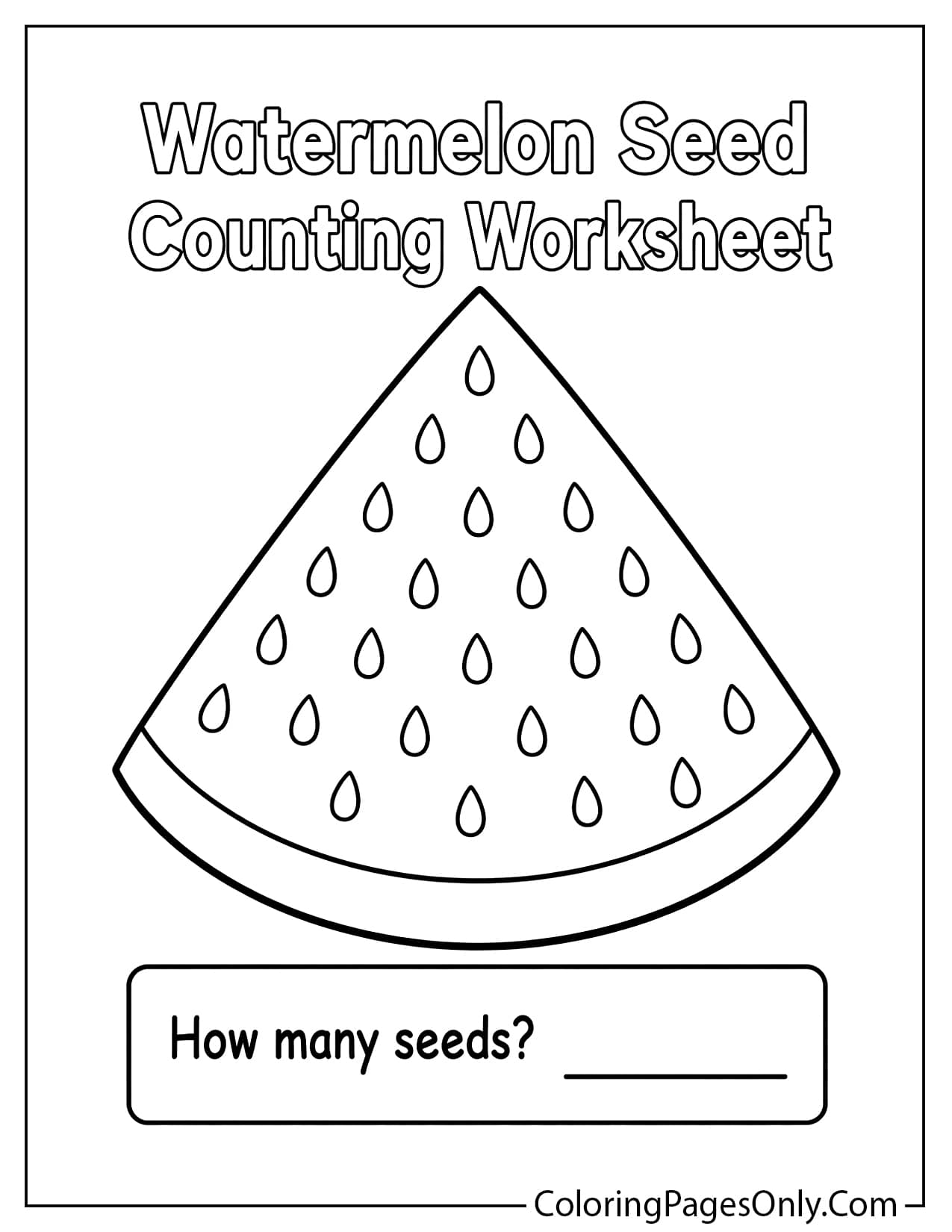
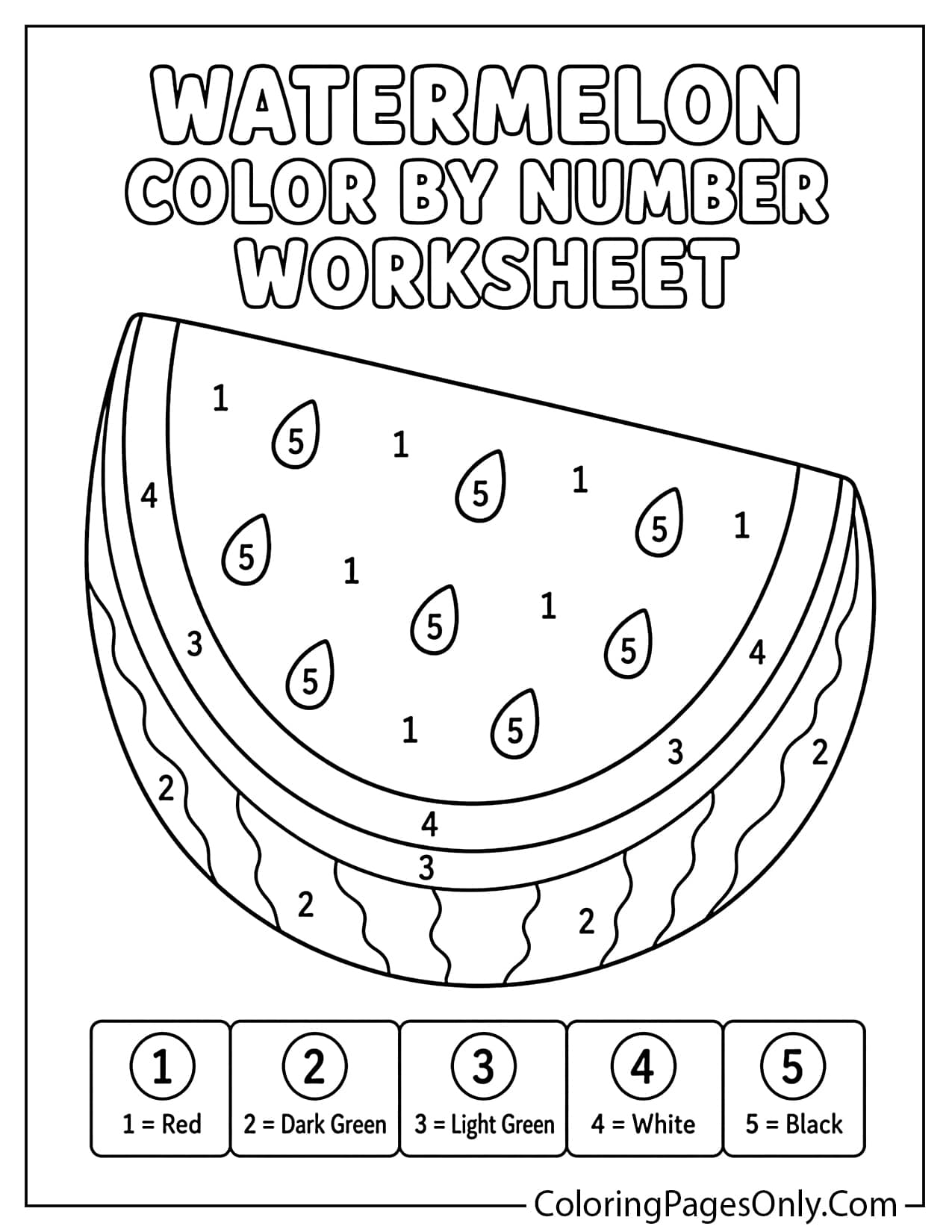
Watermelon worksheet pages make the collection especially useful for preschool, kindergarten, homeschool, and classroom activities. These pages may include letter W designs, trace and color worksheets, color-by-number pages, seed counting worksheets, simple vocabulary pages, or early math activities built around watermelon shapes.
The learning value is clear because Watermelon has simple parts that children can recognize quickly. The slice has a red center, green rind, and visible seeds. That makes it useful for color recognition, counting, tracing, word practice, and early observation skills.
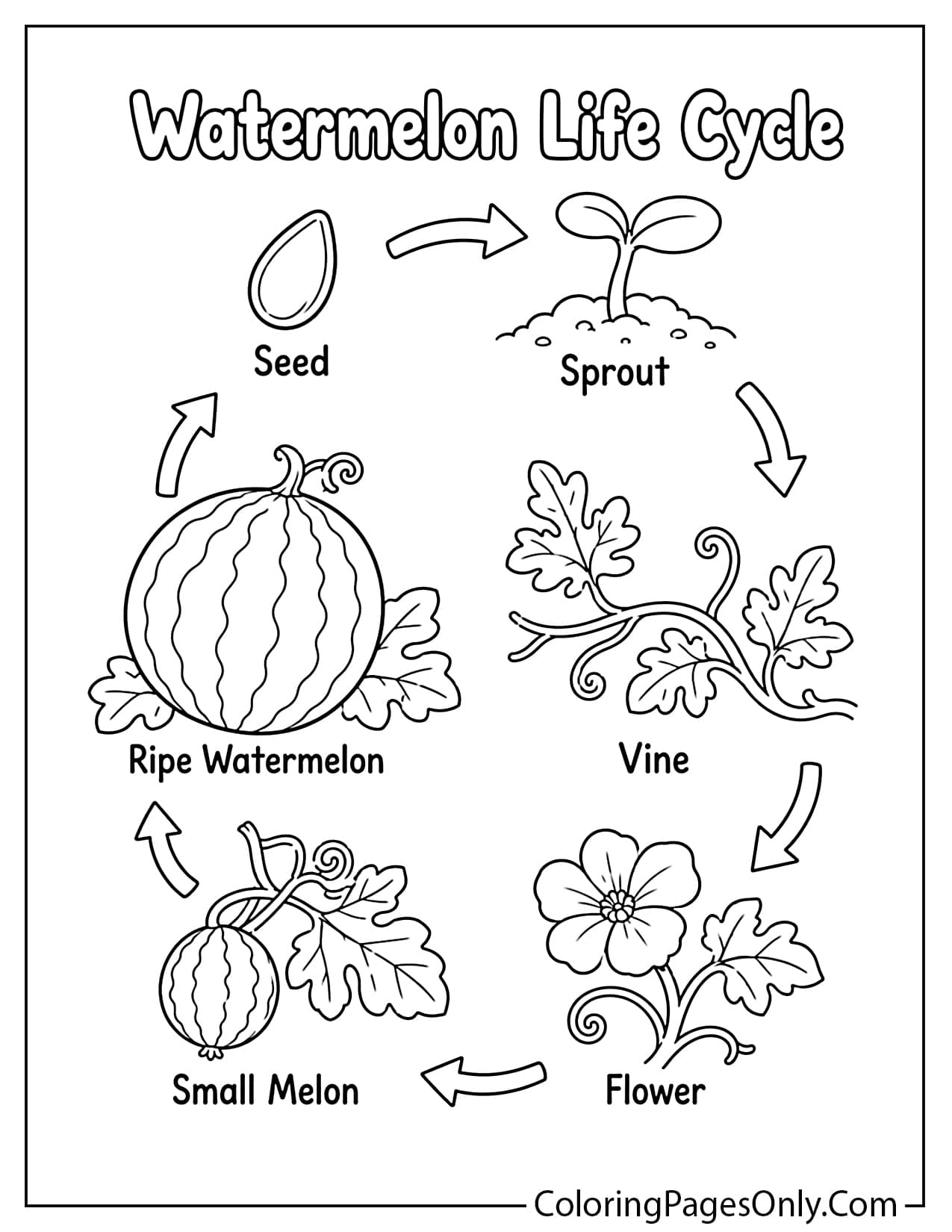
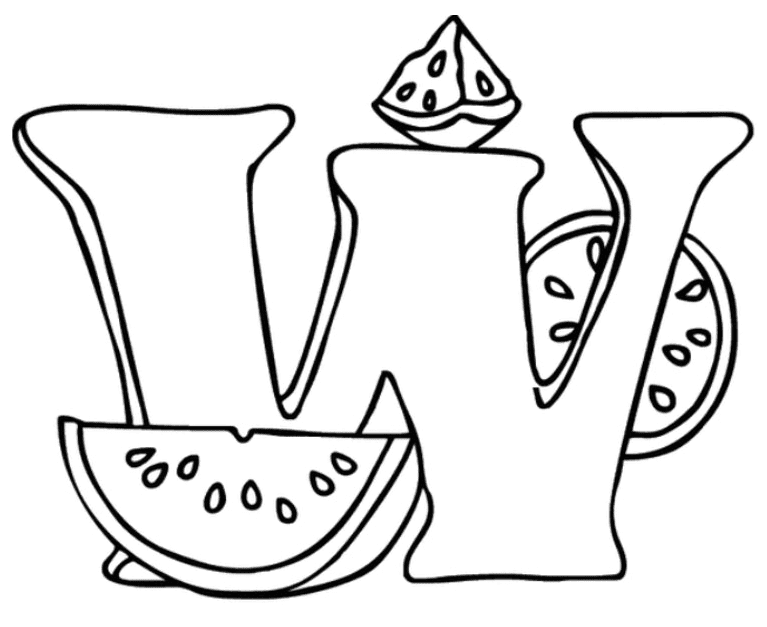
Letter W pages help children connect a letter with a familiar fruit. Trace and color pages support handwriting practice. Color-by-number pages help children follow directions and match colors. Seed counting pages turn small details into a simple math activity. Life cycle or growing pages can connect the fruit to plant science and garden lessons.
Coloring watermelon worksheet pages: Color the main Watermelon first so the fruit becomes the visual anchor. Then complete the worksheet activity, such as tracing the word, matching colors by number, counting seeds, or coloring the letter W. Keep the page clean and readable so the learning part does not get lost.
These pages work well for classroom worksheets, homeschool fruit lessons, alphabet packs, summer learning folders, preschool printables, and quick educational activities.
Watermelon Vines and Growing Pages
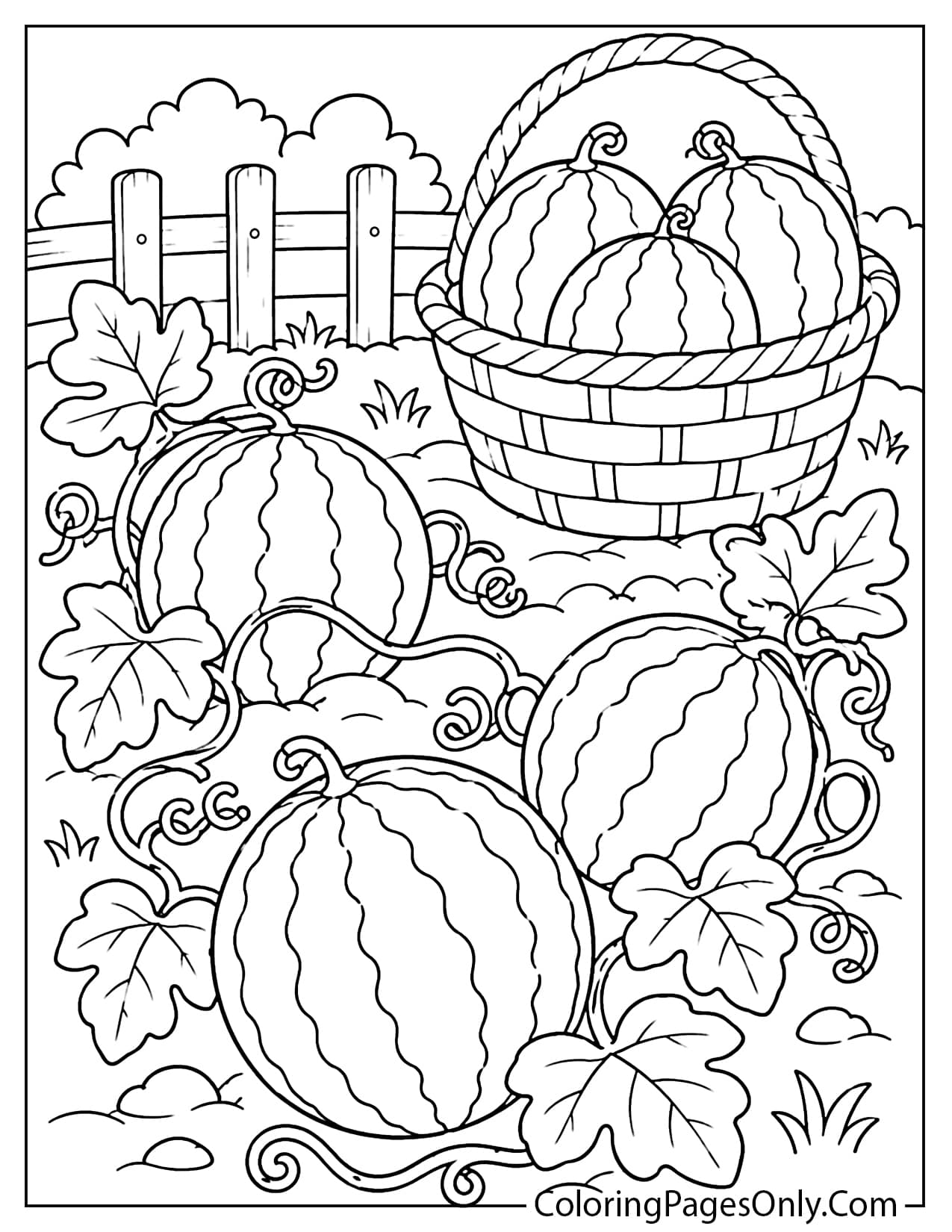
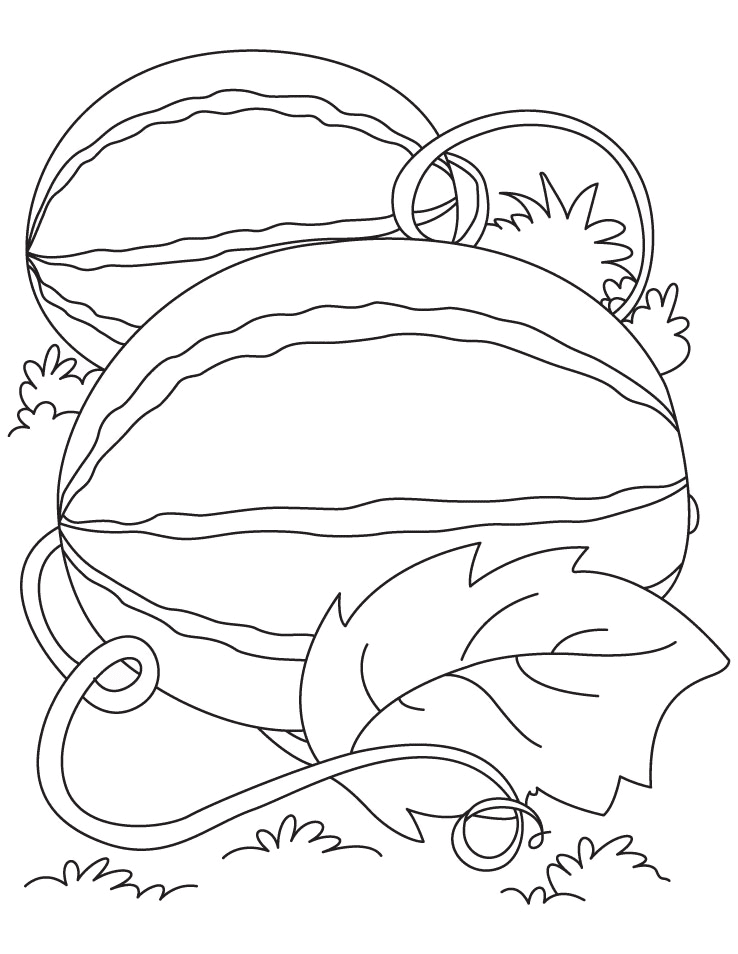
Watermelon vine pages show the fruit connected to plants, leaves, stems, garden beds, or growing scenes. These designs help children see Watermelon not only as a snack but as a plant that grows on vines.
The design’s visual logic is nature-based. The fruit may be round or oval, while the vines curve across the page. Leaves, tendrils, flowers, soil, and garden details add more organic shapes.
These pages are useful for science connections. Teachers can use them when discussing fruit, seeds, plants, gardens, farms, or summer harvest.
Coloring watermelon vine pages: Use several greens for vines and leaves. Use darker green stripes on the Watermelon and lighter green for young leaves. Soil can be brown or tan. If flowers appear, use yellow or pale orange. Keep the main watermelon fruit darker or more saturated than the leaves so it remains the focus.
Watermelon vine pages are good for older children, garden lessons, farm-themed activities, nature units, and slower coloring sessions.
Easy Watermelon Pages for Kids
Easy watermelon pages usually have one large slice, one whole melon, a simple smiling fruit, or a blank watermelon shape with wide coloring spaces.
These pages are ideal for young children because the shapes are clear and the color plan is easy to understand. Children can finish the fruit confidently before adding a simple background, small seeds, or playful summer details.
An easy page can still feel creative. Children can add a sun, clouds, a picnic blanket, grass, hearts, stars, or a simple background after finishing the fruit.
Coloring easy watermelon pages: Start with the largest fruit area, then the rind, then the seeds, and finally any background details. Young children can use crayons or markers with broad strokes, while older kids can add extra shade along the rind or under the fruit.
Easy pages are best for toddlers, preschoolers, kindergarten activities, first coloring practice, and quick summer printables.
Detailed Watermelon Pages for Older Kids and Adults
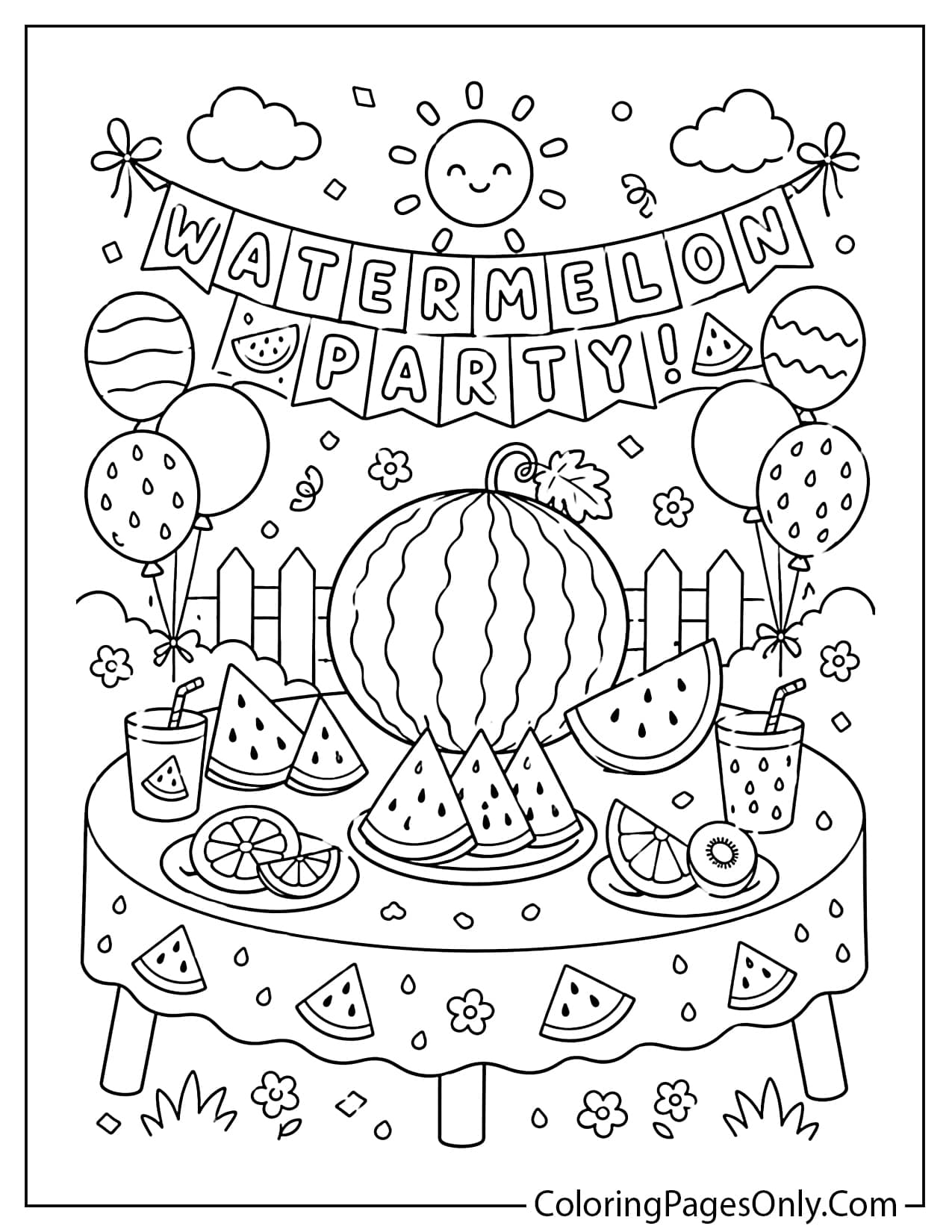
Detailed watermelon pages may include patterns, flowers, fruit arrangements, beach backgrounds, children eating Watermelon, animals, vines, multiple slices, mandala-style layouts, or decorative summer scenes.
These pages take more planning because the fruit, characters, and background all need to stay readable. If every object uses the same brightness, the picture can feel crowded.
Older kids and adults can use shading, repeated patterns, layered greens, seed details, and softer backgrounds to make the page feel polished.
Coloring detailed watermelon pages: Choose the main focus first. If the page is about one slice, keep the fruit bright. If the page is about a picnic scene, keep the Watermelon vivid and make the blanket or background softer. If the page has a pattern or mandala layout, choose a limited palette before coloring.
Colored pencils work well for shading rind stripes, seed shadows, leaves, and background details. Markers can make the fruit bright, but use them carefully if the page has many small areas.
What These Pages Do
Watermelon coloring pages do more than give children a fruit shape to fill in. They create a bright visual activity built around color contrast, summer themes, food recognition, simple shapes, patterns, counting, storytelling, and seasonal creativity.
The basic watermelon shape helps younger children understand color zones. Red or pink goes in the fruit center, green goes on the rind, and black or brown goes on the seeds. This clear structure makes the page easy to follow, even for beginners.
The seeds add fine motor practice. Children can color each seed carefully, count them, or compare seed shapes. This turns a simple fruit page into a small focus activity without making it feel like a formal worksheet.
Whole watermelon pages teach pattern and repetition. Children can color dark and light green stripes, follow curved lines, and notice how stripes wrap around a round fruit shape.
Cute watermelon character pages support expression and imagination. A smiling slice, running Watermelon, or a kawaii fruit face lets children think about mood, personality, and storytelling.
Summer pages help connect coloring with real experiences. A watermelon at the beach, on a picnic blanket, in a child’s hand, or beside animals can lead to simple conversations about summer, snacks, family time, vacations, and outdoor play.
Worksheet pages support early education. Letter W pages, seed counting, trace and color activities, color by number pages, and simple fruit vocabulary make watermelon pages useful for preschool, kindergarten, homeschool, and classroom learning.
For parents, these pages work well for summer quiet time, travel folders, picnic activities, party tables, and screen-free creative breaks. For teachers, they fit fruit lessons, summer bulletin boards, color practice, counting activities, alphabet lessons, and seasonal art projects.
The value of the collection is flexibility. One page can be very simple. Another can be cute and funny. Another can teach the letter W. Another can become a summer craft. That variety makes Watermelon coloring pages useful for many ages and settings.
How to Color These Pages Well
The red fruit center should stay bright and juicy because it is the first thing people recognize in a watermelon. Use red, pink, coral, or light red for the flesh. Younger children can use one solid color, while older kids can add darker red near the rind and lighter pink near the middle.
The rind needs at least two greens to avoid looking flat. Use dark green for the outer edge or stripes and light green for the base. A thin white or pale green layer between the flesh and rind helps the slice look more realistic and readable.
Seeds should be small, dark, and carefully placed. Use black, dark brown, or deep gray. Do not make the seeds too large or too thick, because they can overpower the red fruit area. For educational pages, children can count seeds before coloring them.
Whole watermelon pages need a curved stripe direction. Follow the shape of the melon with green stripes. Straight stripes can make a round melon look flat. Curved dark green lines help the fruit feel more natural.
Kawaii watermelon characters need clean faces before the fruit color is filled in. Color the eyes, mouth, cheeks, and expression carefully. Then fill the fruit area with red or pink. Keep blush soft and avoid coloring over the eyes or smile.
Animal and kid pages should keep the Watermelon brighter than the supporting characters. Color faces, hands, paws, or fur first, then color the watermelon slice with stronger red and green. This helps the fruit remain the page’s main subject.
Summer scenes need a balance between warm and cool colors. Use red and green for Watermelon, blue for sky or water, yellow for sun, tan for sand, and soft colors for picnic items. If every part is very bright, the Watermelon may lose focus.
Worksheet pages should stay clean and easy to read. Keep tracing words, numbers, letters, and counting spaces clearly. Color the fruit neatly first, then complete the activity area so the page still works as a learning sheet.
Pattern pages work best with a planned palette. Choose classic colors for a clean look or alternate different fruit colors for a playful version. Repeating colors in a pattern makes the finished page look more organized.
Watermelon vine pages need layered greens. Use dark green for mature leaves, light green for new vines, and yellow-green for highlights. Keep the watermelon fruit slightly stronger in color so it does not disappear among the leaves.
The best watermelon coloring keeps the fruit readable. Whether the page is cute, realistic, educational, or decorative, the red center, green rind, and seed details should stay clear. Once those parts are readable, children can be as creative as they want with backgrounds, patterns, and characters.
5 Creative Craft Ideas
Watermelon Summer Fan
Turn a finished watermelon coloring page into a handheld summer fan. This craft works best with a large watermelon slice page, a watermelon pattern page, or a bright kawaii watermelon design.
First, print and color the page with strong red and green colors. After coloring, fold the paper back and forth like an accordion. Pinch one end together and secure it with tape, glue, or a craft stick. If using a craft stick, glue it to the bottom to make the fan easier to hold.
Children can decorate the edge with extra seed dots, small paper leaves, or a “Hello Summer” label. The finished fan is simple, useful, and perfect for summer classrooms, picnic-themed activities, or fruit party crafts.
Watermelon Seed Counting Craft
Use a simple watermelon slice page to create a counting activity. This craft works well for preschool, kindergarten, and early elementary children.
Print and color the watermelon slice, but leave the seeds blank at first. After the red flesh and green rind are finished, children can color each seed one by one and count aloud. They can write the total number of seeds at the bottom of the page or draw extra seeds around the slice.
For a more interactive version, glue small black paper seeds onto the Watermelon instead of coloring them. Children can count, group, or compare the seeds. This craft turns a fruit coloring page into a simple math and fine motor activity.
Paper Plate Watermelon Slice
Turn a watermelon coloring page into a paper plate fruit craft. This idea works best with a slice page, a half-watermelon page, or a simple, large fruit outline.
After coloring the watermelon page, cut out the slice and glue it onto half of a paper plate. Color the outer curved edge of the plate green to create a larger rind. Add black paper seeds, sticker dots, or marker seeds on the red part. Children can also glue tissue paper pieces onto the fruit area to make the slice textured.
The finished craft can be used for summer bulletin boards, fruit theme displays, classroom decorations, or pretend picnic play. It is easy to make and very clear visually.
Watermelon Picnic Placemat
Use a finished watermelon coloring page to create a picnic-themed placemat. This craft works well with kids eating watermelon pages, picnic scenes, watermelon slices, or fruit pattern pages.
First, color the page neatly. Glue it onto a larger sheet of construction paper and decorate the border with picnic items such as ants, cups, napkins, flowers, fruit slices, clouds, or sun shapes. Children can write “My Summer Picnic” or “Watermelon Day” at the top.
If available, laminate the finished page or cover it with clear contact paper so it can be used as a real placemat for a snack table or classroom fruit party. This turns the coloring page into a practical summer craft.
Watermelon Fruit Garland
Create a fruit garland from several watermelon coloring pages. This craft works best with small watermelon slices, kawaii watermelon faces, simple fruit outlines, or pattern pages.
Print and color several watermelon designs, then cut out each fruit shape. Punch a small hole near the top of each piece and string them together with yarn, ribbon, or twine. Children can alternate watermelon slices with paper suns, leaves, lemons, strawberries, or blank fruit shapes they design themselves.
The finished garland can decorate a classroom, kitchen, summer party table, bulletin board, or fruit-themed learning corner. It is especially useful for group activities because each child can color one piece of the garland.
Frequently Asked Questions
Are these Watermelon coloring pages free to print? Yes. These Watermelon coloring pages are free to print and use for personal, family, classroom, and creative activities. Parents can print simple slices for quick coloring, while teachers can use fruit patterns, letter W pages, seed counting pages, color by number pages, trace and color worksheets, or summer scenes for classroom lessons.
Can I download Watermelon coloring pages as PDF files? Yes. Many pages in the collection can be downloaded as PDF files, making them easy to save, organize, and print later. PDF pages are useful for summer activity packs, classroom folders, party tables, homeschool lessons, and fruit-themed worksheets.
Can I color these Watermelon pages online? Yes. The online coloring option lets children color directly in the browser without printing. This is useful for quick creative breaks, tablets, classroom computers, or testing color ideas before printing the page and coloring it by hand.
What kinds of Watermelon coloring pages are included? The collection includes watermelon slices, whole melons, kawaii watermelon characters, animals eating Watermelon, kids eating Watermelon, beach scenes, picnic pages, watermelon ice cream, watermelon popsicles, fruit patterns, vines, growing watermelon pages, letter W pages, seed counting worksheets, color by number pages, trace and color activities, and simple designs for young children.
What colors should I use for a watermelon? A classic watermelon uses red or pink for the flesh, white or pale green for the inner rind, dark green and light green for the outer rind, and black or dark brown for the seeds. Children can also create rainbow watermelon, pastel watermelon, yellow Watermelon, or fantasy fruit designs.
Are there easy Watermelon pages for preschoolers? Yes. Simple watermelon slices, whole melon outlines, blank watermelon shapes, cute smiling watermelon faces, and very simple fruit pages are good choices for preschoolers. These pages have larger spaces, clear outlines, and easy color zones.
Which pages are best for older kids and adults? Older kids and adults may enjoy watermelon pattern pages, fruit and flower designs, beach scenes, picnic pages, watermelon vines, detailed fruit arrangements, mandala-style layouts, and pages with animals or children. These designs offer more room for shading, backgrounds, and decorative color choices.
Can Watermelon coloring pages be used in classrooms? Yes. Teachers can use them for summer art, fruit lessons, letter W practice, counting seeds, color recognition, healthy snack themes, bulletin boards, and craft activities. A simple watermelon page can become a color lesson, while a seed page can become a counting activity.
What paper and coloring tools work best? Regular printer paper works well for crayons and colored pencils. Markers can make watermelon colors bright, but place a blank sheet underneath to prevent bleed-through. Thicker paper is better for crafts such as fans, garlands, placemats, and paper plate watermelon slices.
Can finished Watermelon pages become crafts? Yes. Finished pages can become summer fans, seed counting crafts, paper plate watermelon slices, picnic placemats, fruit garlands, classroom displays, party decorations, handmade cards, or a homemade fruit coloring book.
Browse the full collection at ColoringPagesOnly.com. All 80+ pages are free, PDF or online coloring, print, or color directly in your browser.
A watermelon page works best when the fruit still feels fresh, bright, and easy to recognize. Keep the red center juicy. Keep the rind clean. Keep the seeds neat. Then add your own summer story with sunshine, picnic blankets, animals, beach scenes, worksheets, or playful patterns.
Start with the fruit shape. Add the rind. Count the seeds. Trace the letter W. Build the summer scene around it. Every watermelon coloring page can become a quick worksheet, a cute craft, a classroom display, or a bright piece of summer art.
Share your work on Facebook and Pinterest and tag #Coloringpagesonly. The kawaii watermelon pages, seed counting pages, beach scenes, worksheet activities, and summer fruit garlands are especially fun to share.
These related coloring collections will help you explore more fruit, summer, and refreshing printable activities. Let’s choose, be creative, and show us your great pictures!