Tropical Fruits Coloring Pages

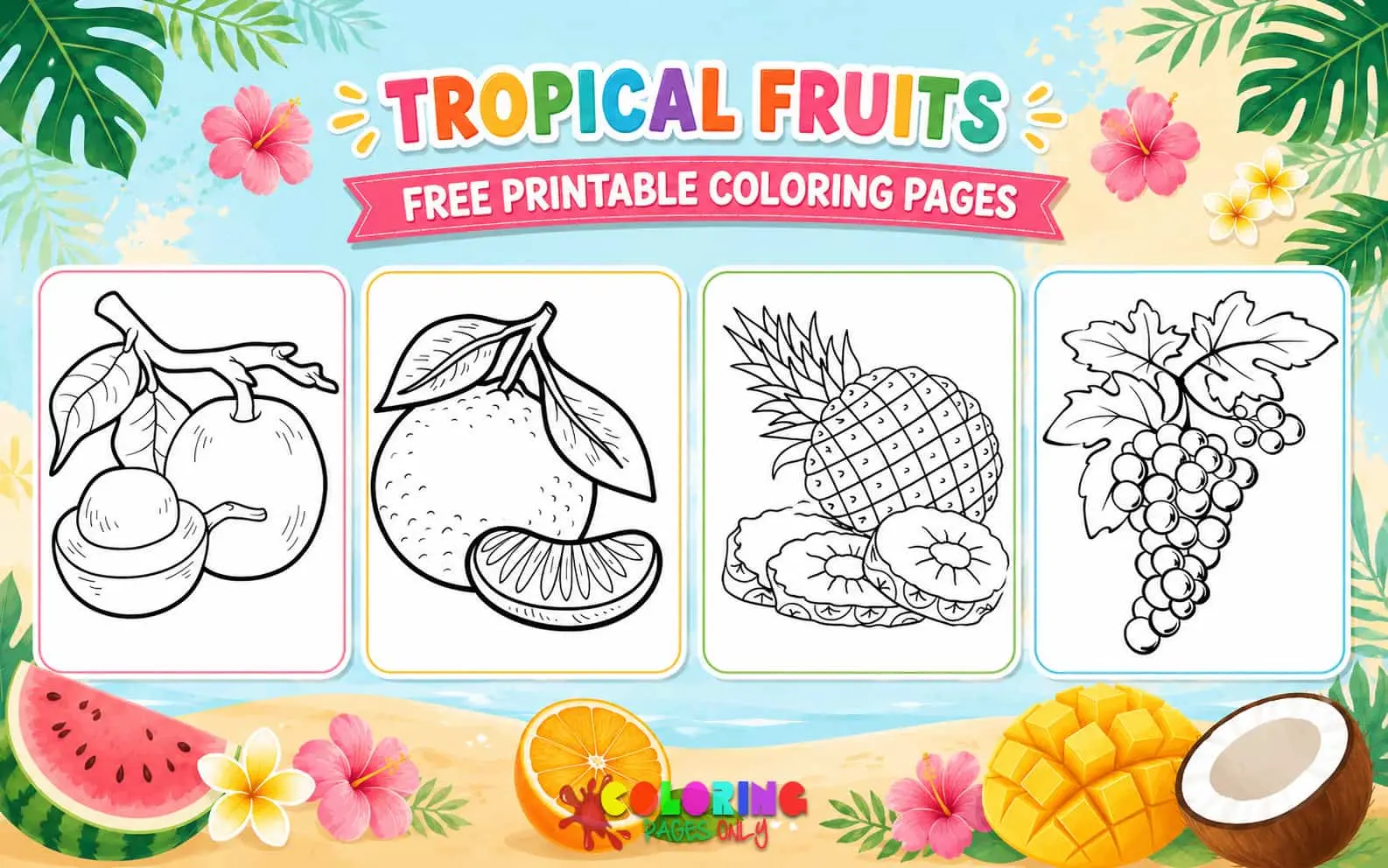
Free Tropical Fruits Coloring Pages: 110+ printable PDF pages featuring mango, pineapple, coconut, dragon fruit, kiwi, durian, fruit baskets, fruit plates, cartoon fruits, funny fruits, exotic fruits, and easy tropical fruit designs for kids. These coloring sheets are great for preschoolers, kindergarten students, parents, teachers, homeschool lessons, fruit recognition, color learning, snack-themed activities, food vocabulary practice, summer crafts, classroom displays, fine motor work, and screen-free creative time. All free, download PDF to print, or color online.
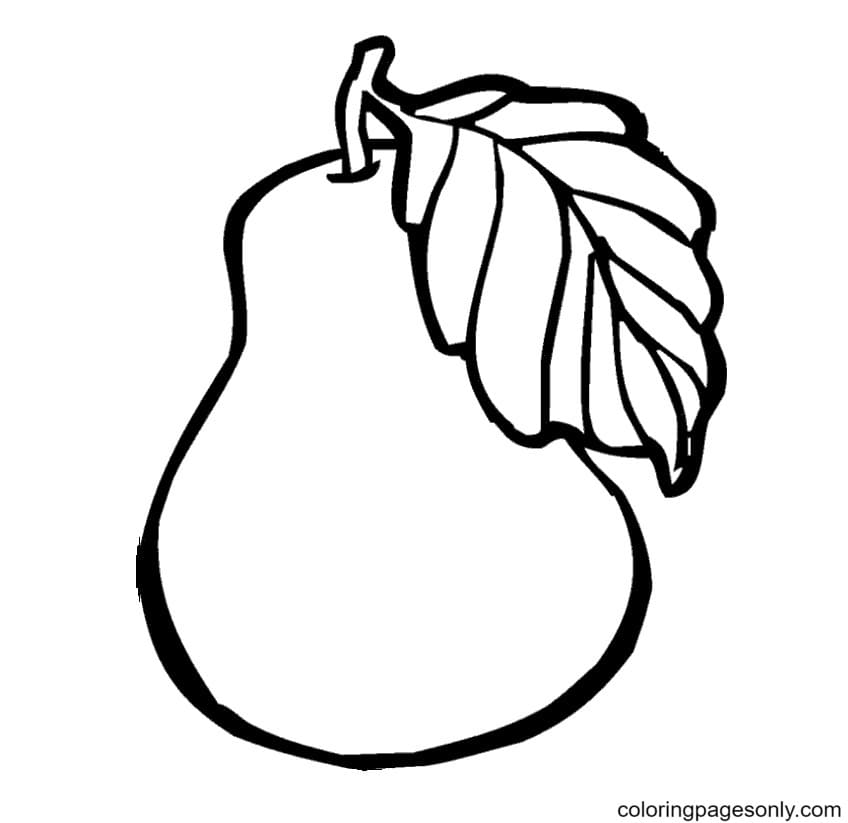
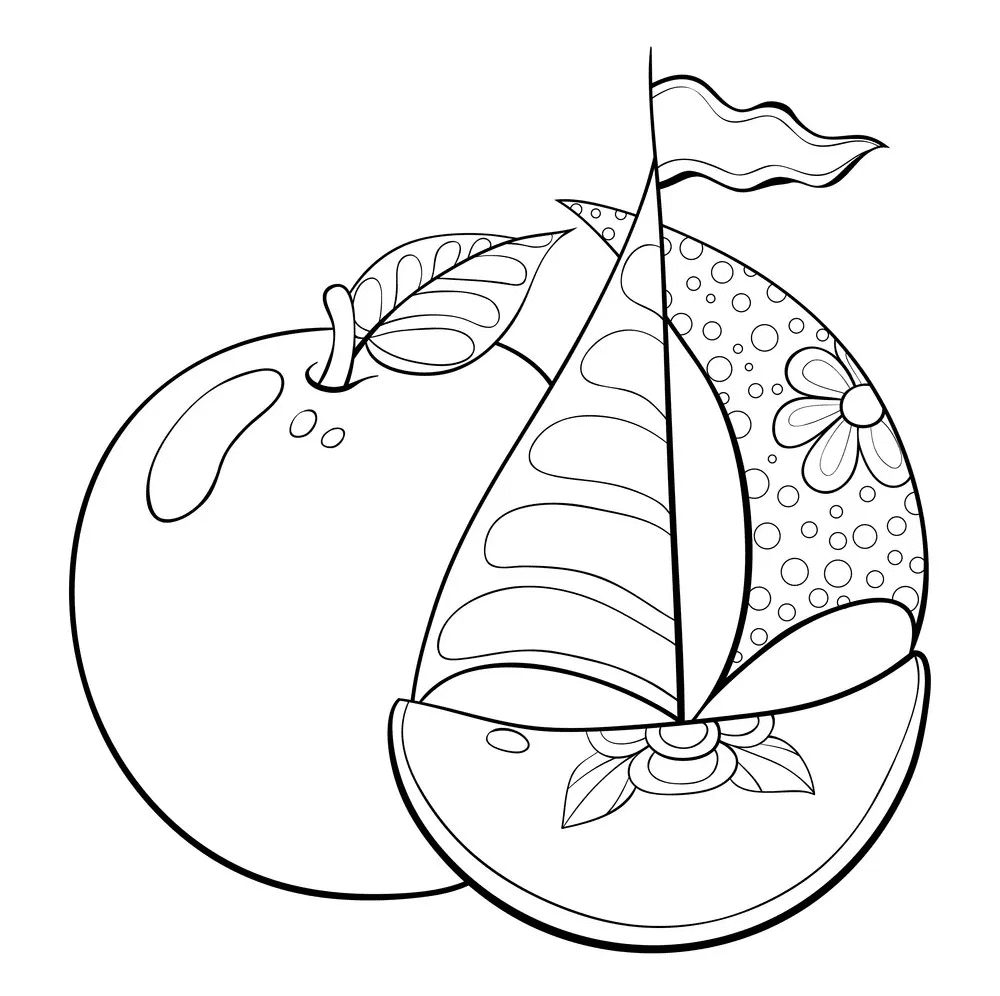
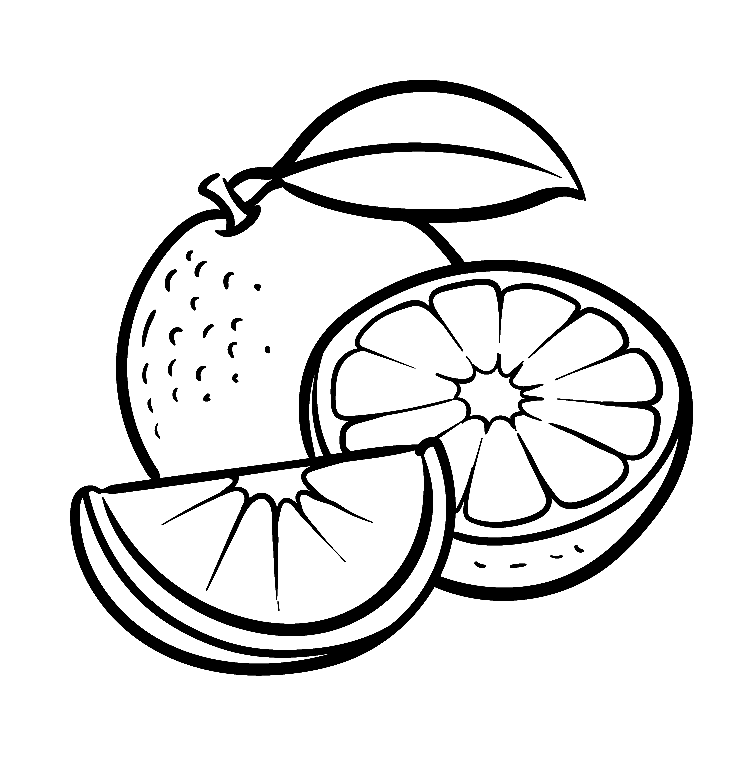
Tropical fruits are often associated with warm climates, bright colors, juicy textures, bold shapes, and refreshing flavors. Many tropical fruit pages show leafy tops, seeds, slices, peels, baskets, plates, and mixed fruit scenes. That makes them especially useful for children who are learning fruit names, colors, shapes, and simple food vocabulary.
Tropical Fruits coloring pages are special because they turn fruit learning into bright, playful art. A child can color the yellow body of a pineapple, the pink inside of a dragon fruit, the brown shell of a coconut, the orange flesh of a mango, the green center of a kiwi, or a full basket of mixed fruits. Each page becomes a small lesson in observation, color choice, food awareness, and creative design.
Unlike general food coloring pages, Tropical Fruits coloring pages focus on fresh fruit variety, tropical color contrast, fruit textures, summer-style creativity, and positive snack-themed learning. Children can color individual fruits, mixed fruits, cartoon fruit faces, fruit baskets, fruit plates, exotic fruit designs, and detailed tropical arrangements. This makes the collection useful for home coloring, preschool lessons, classroom art centers, fruit vocabulary practice, summer activities, and cheerful food-themed crafts.
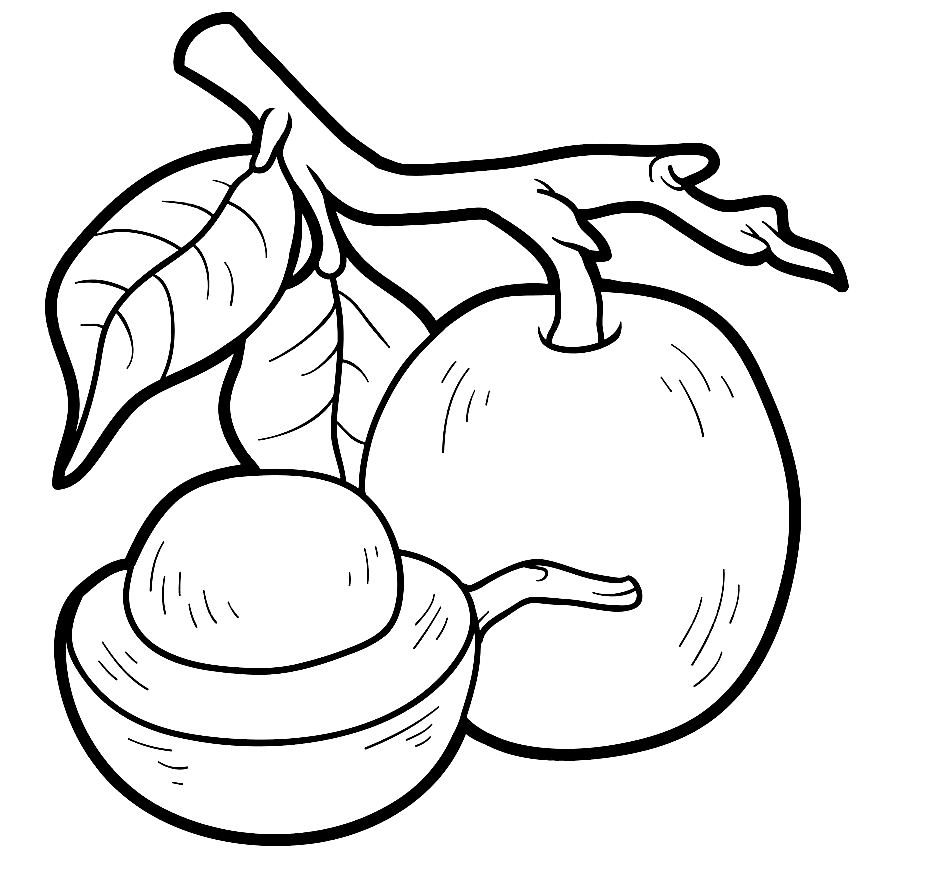
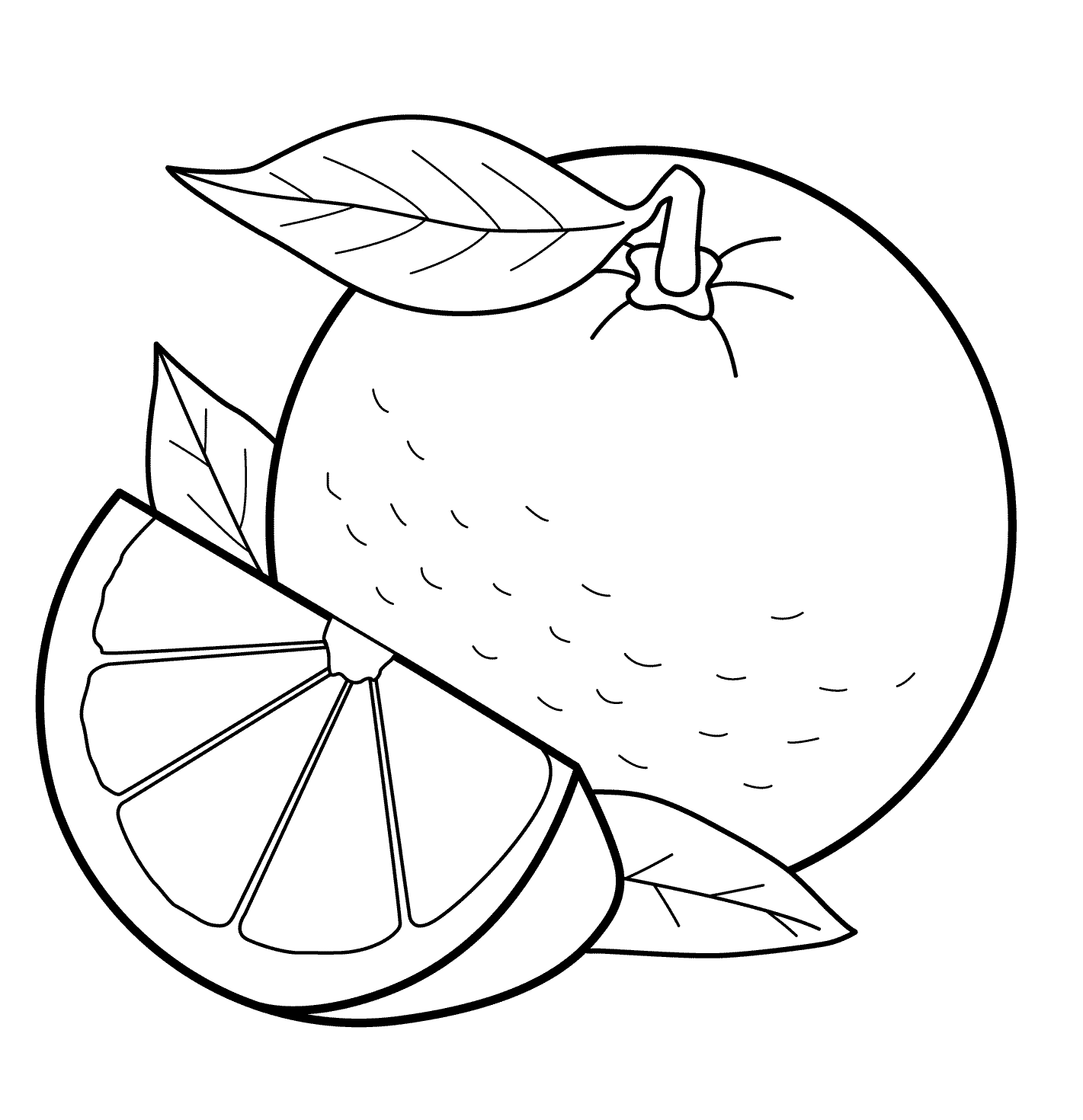
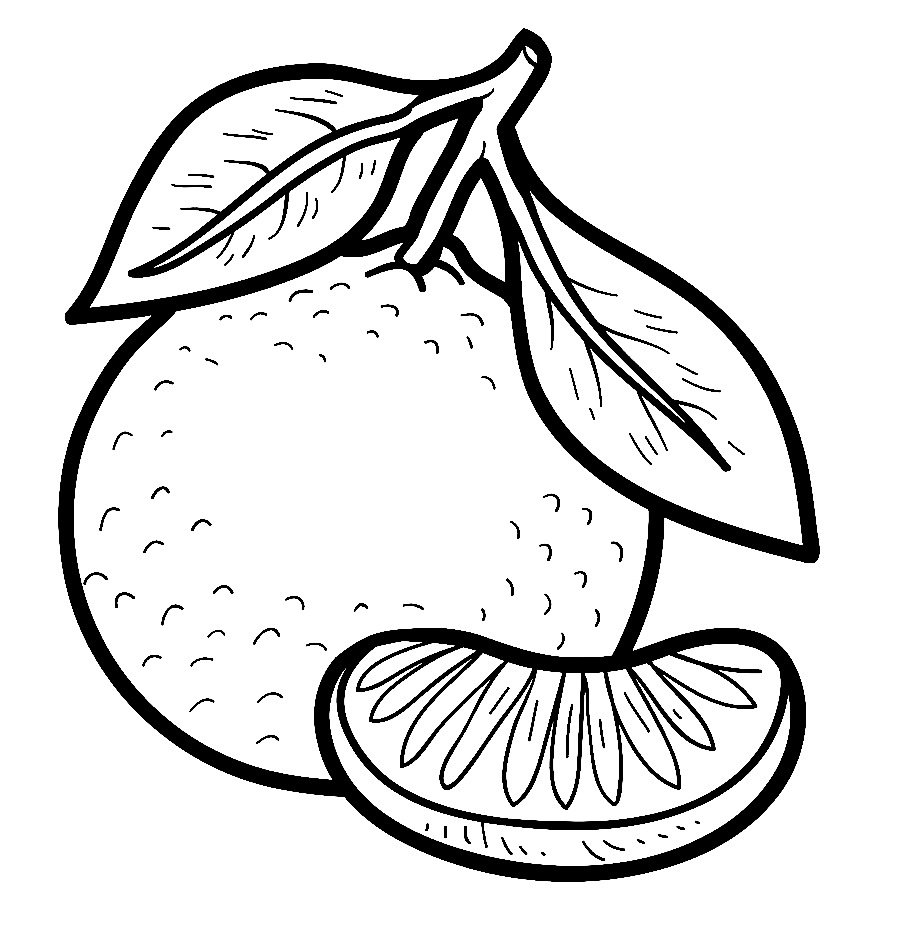
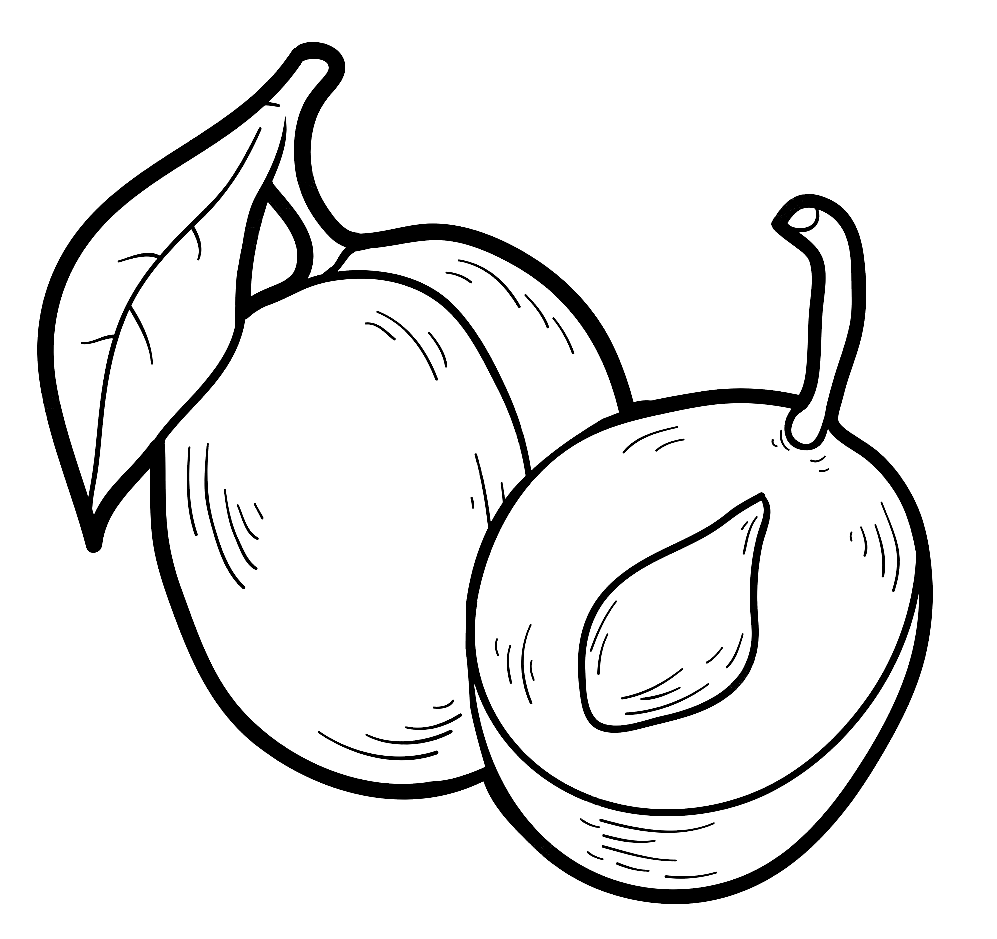
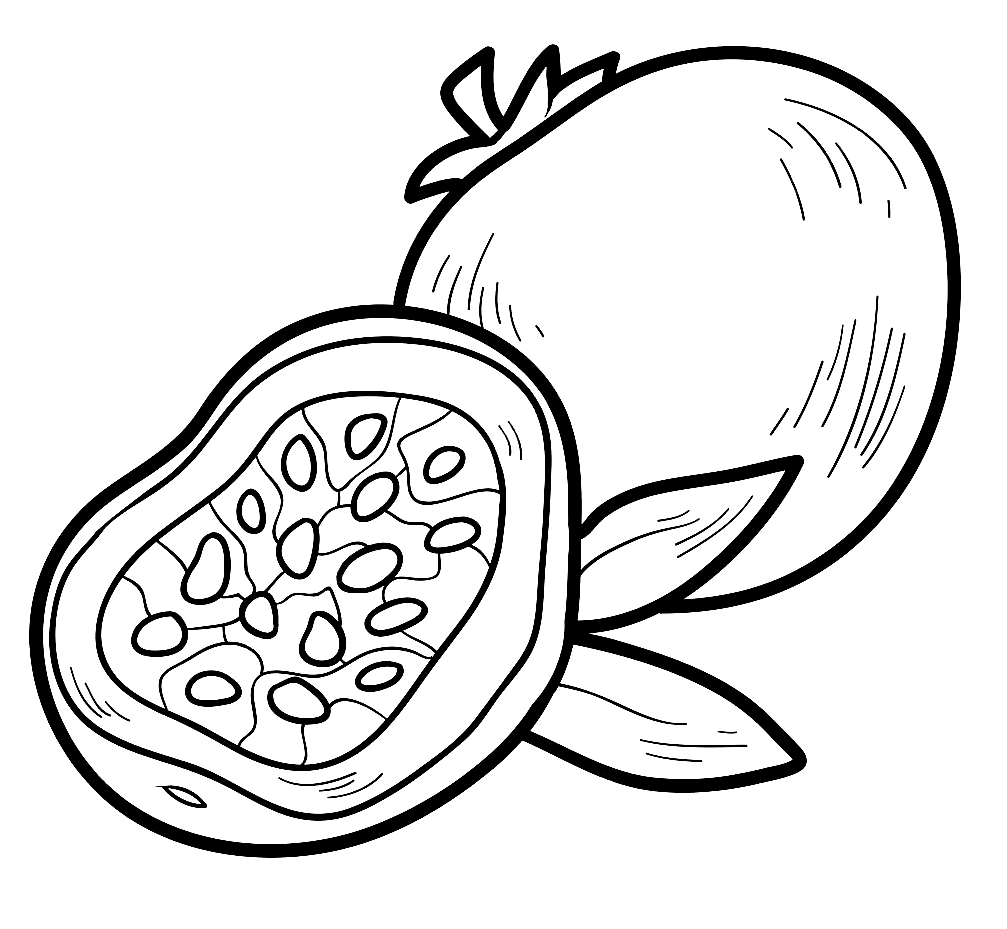
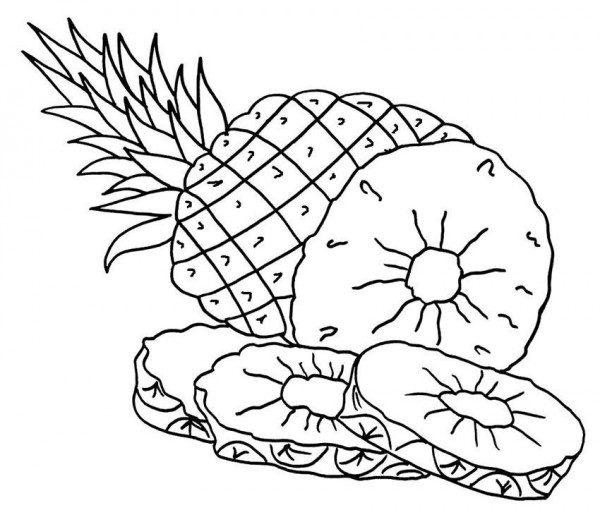
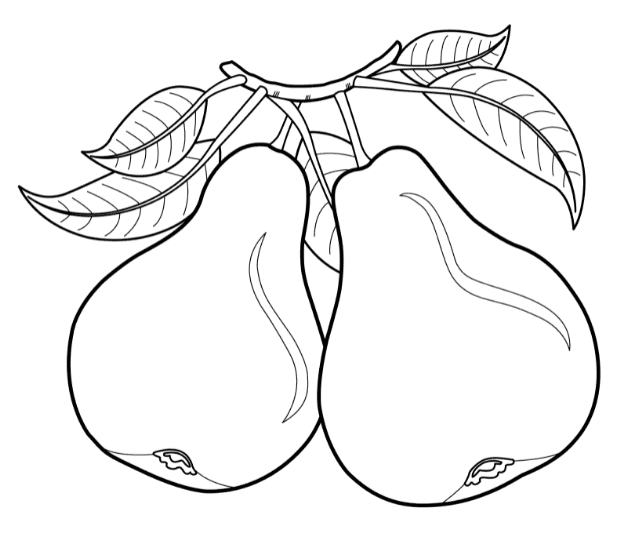
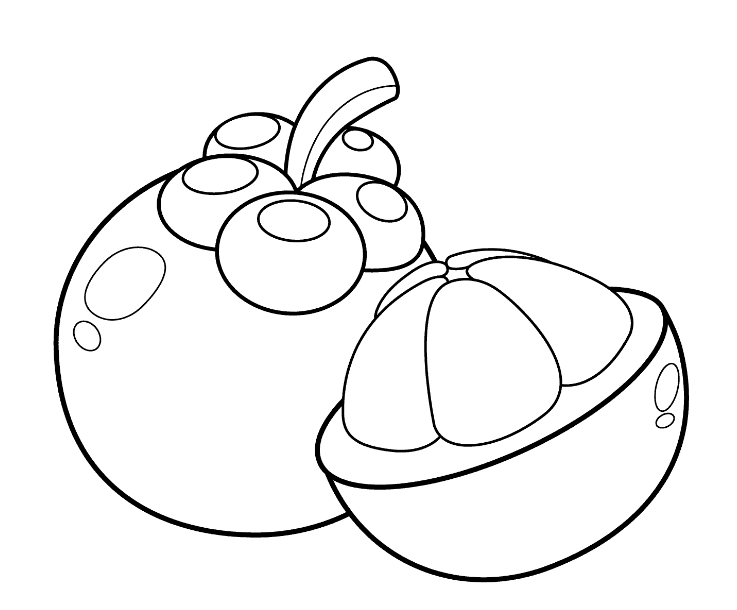
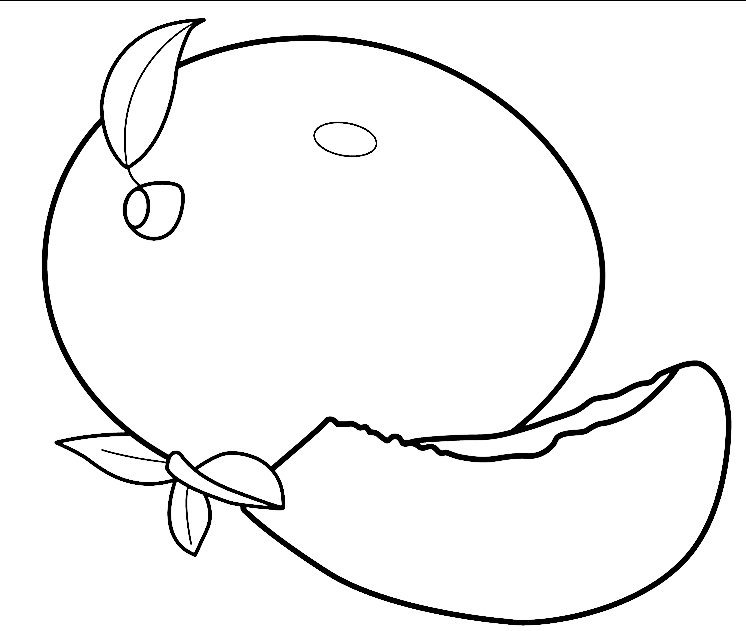
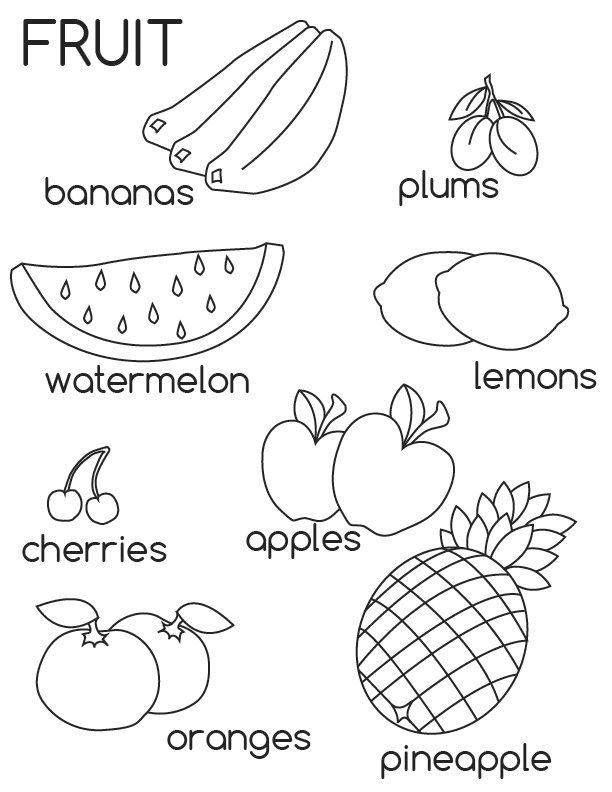
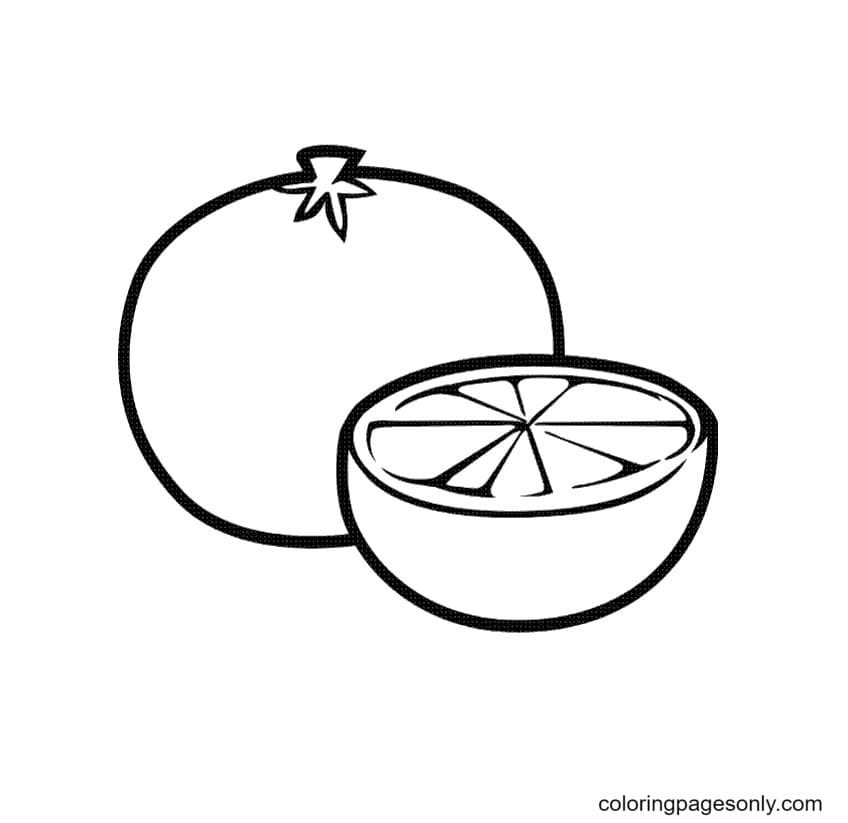
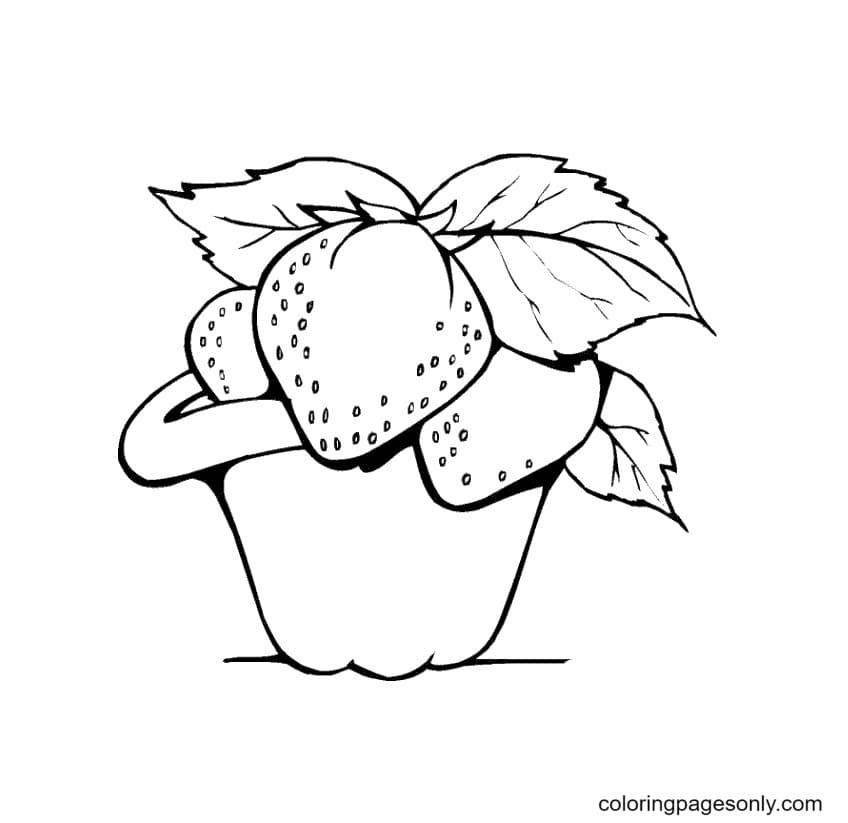
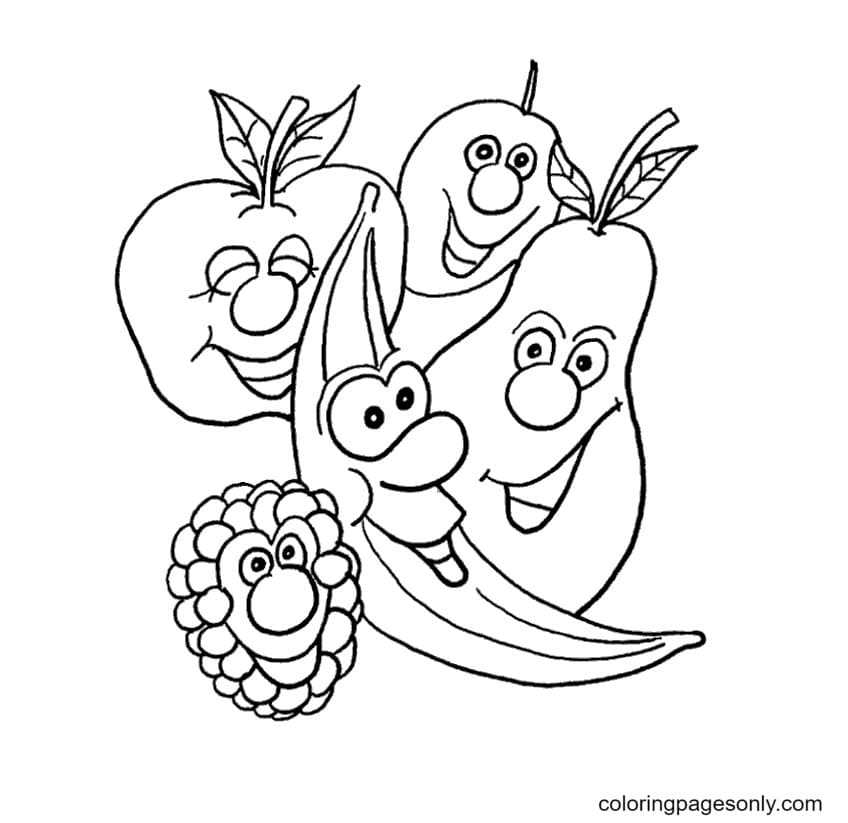
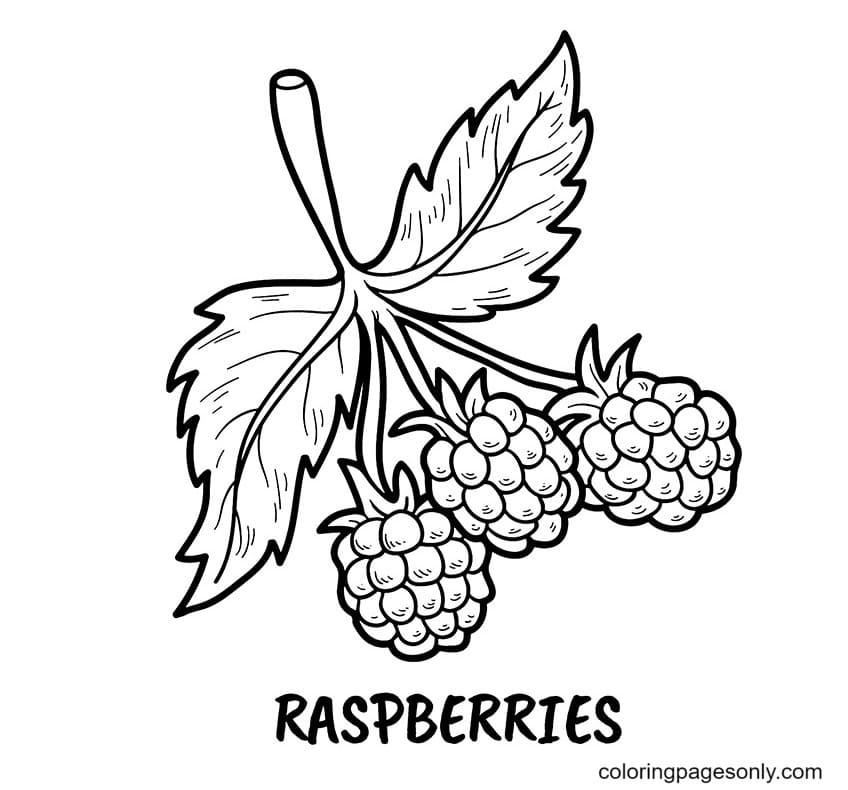
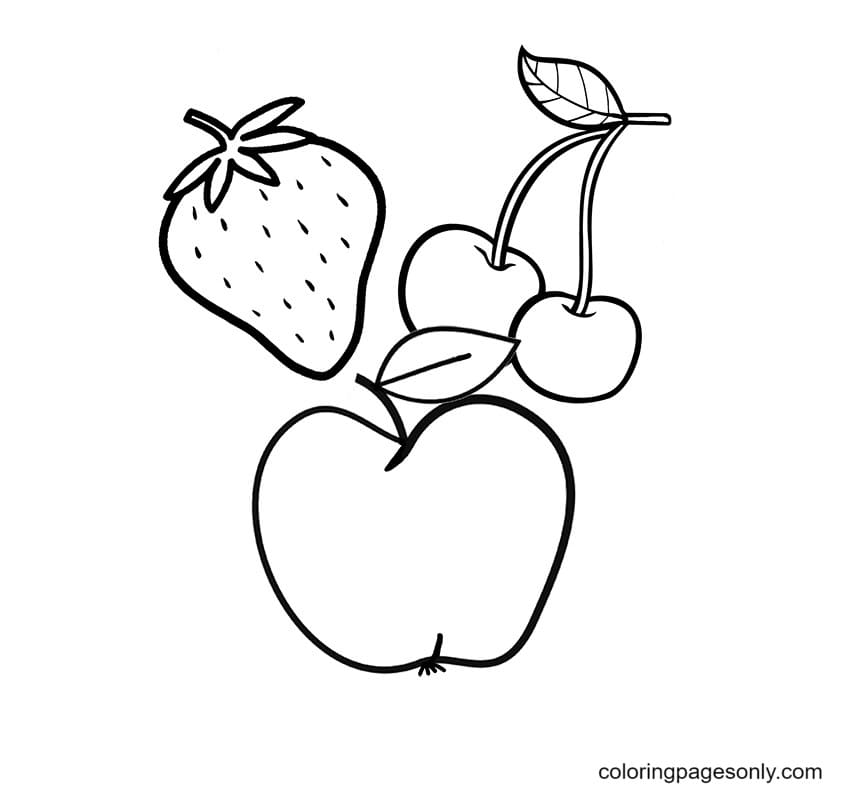
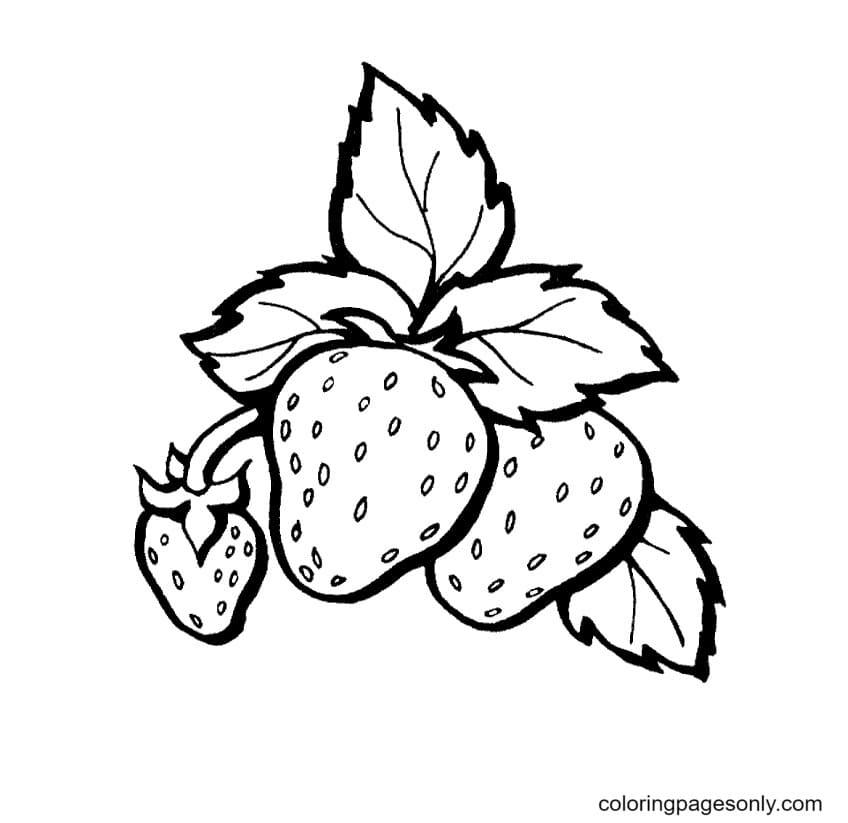

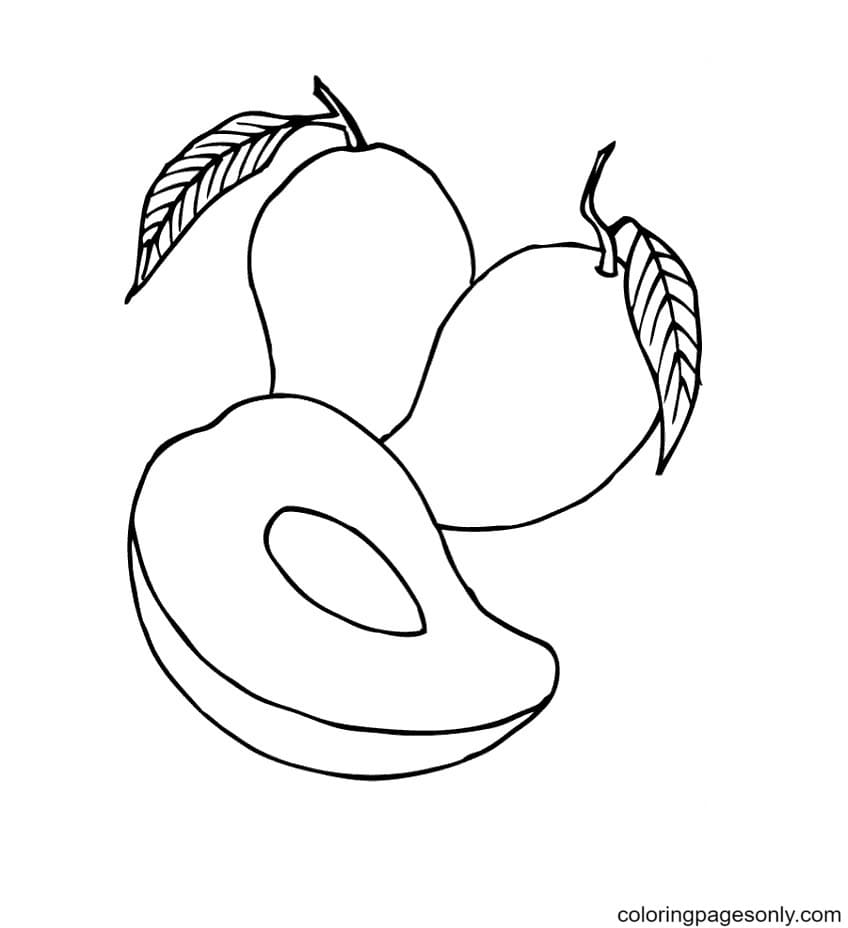
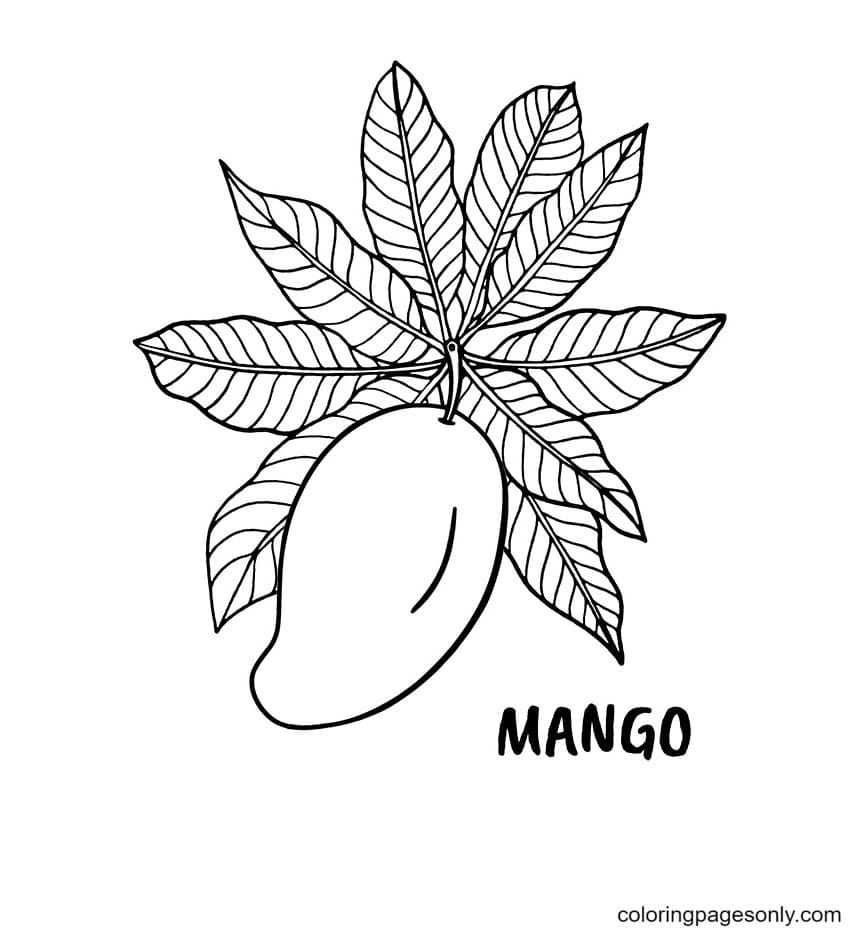







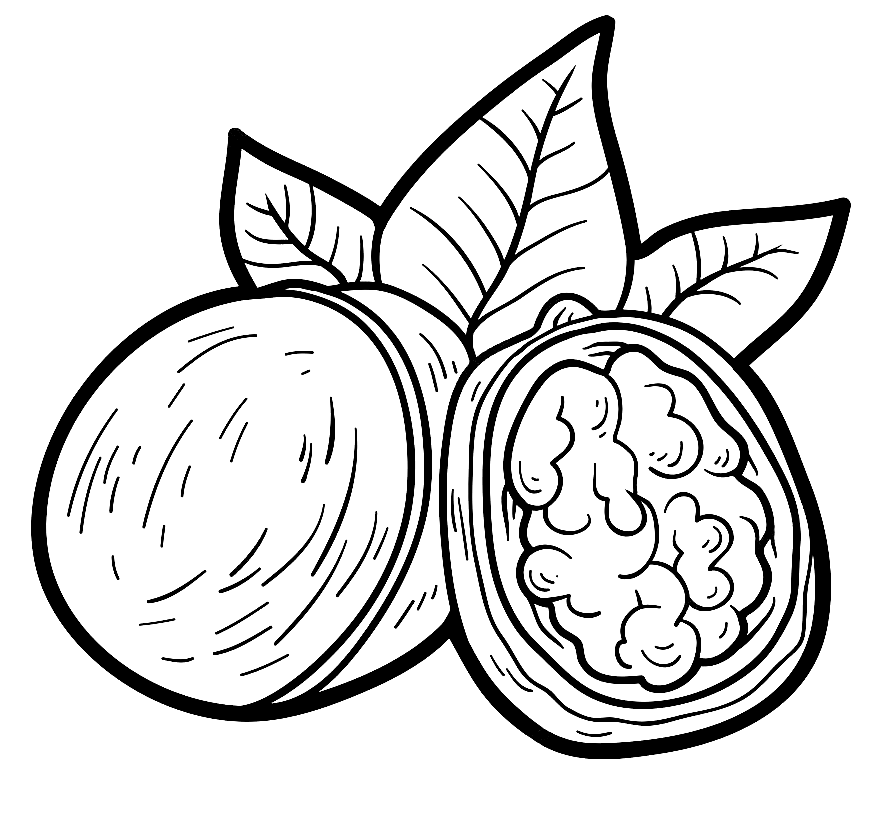
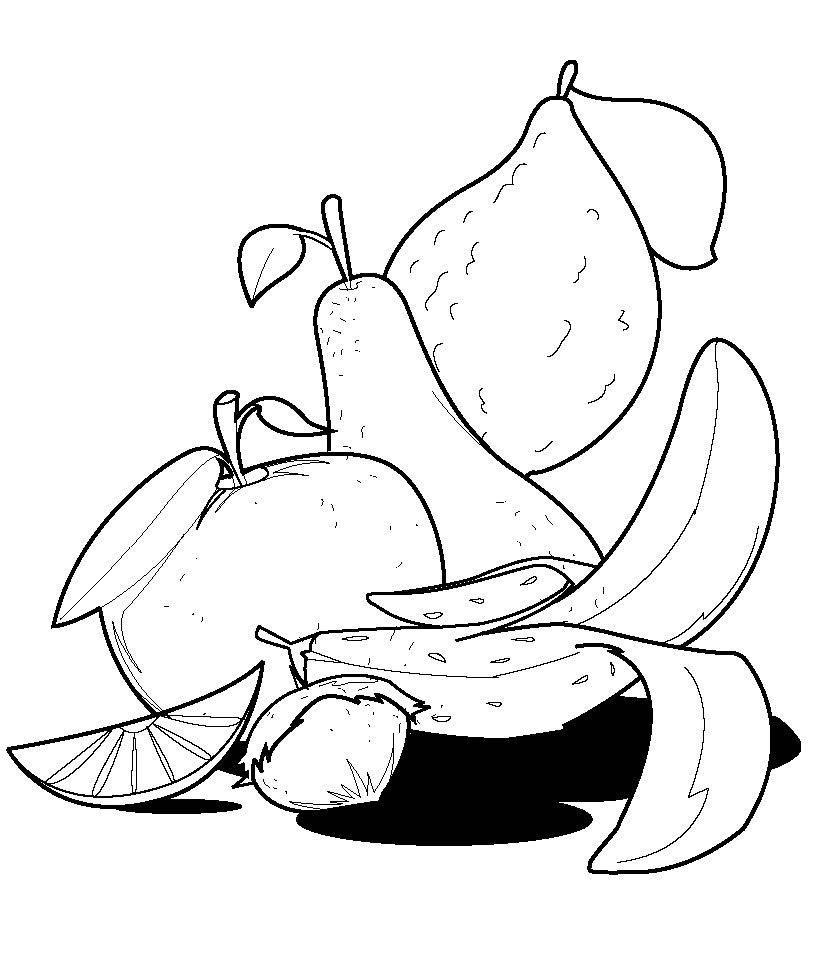
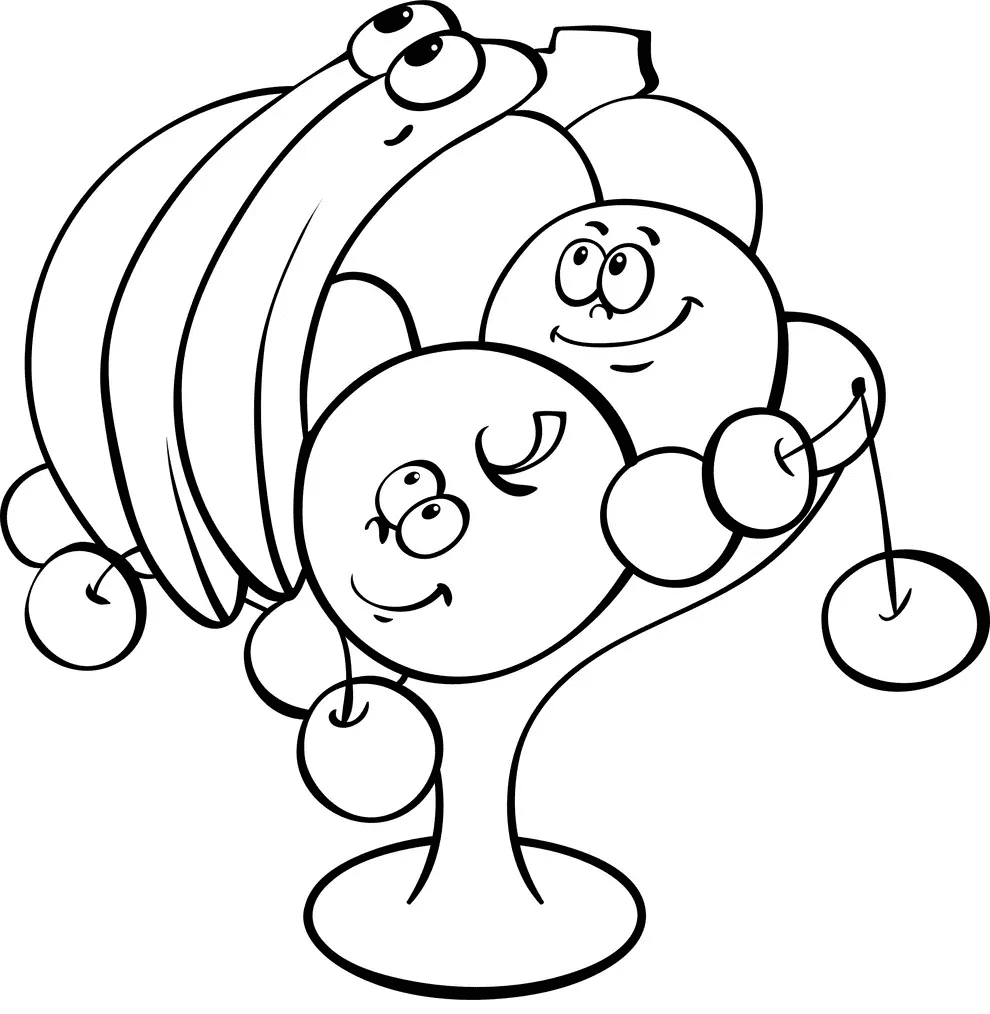
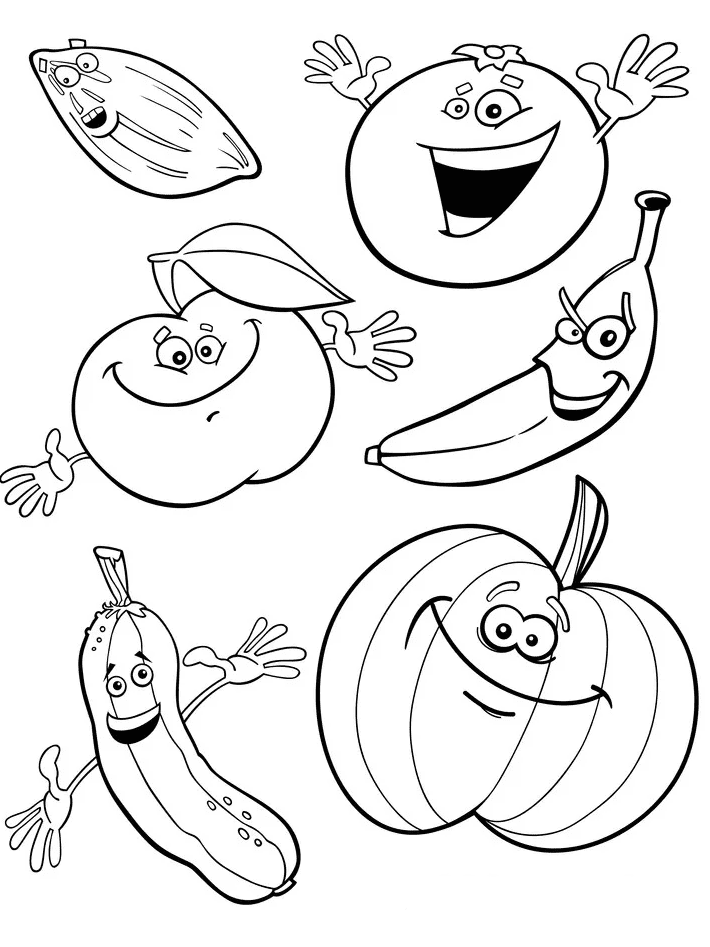




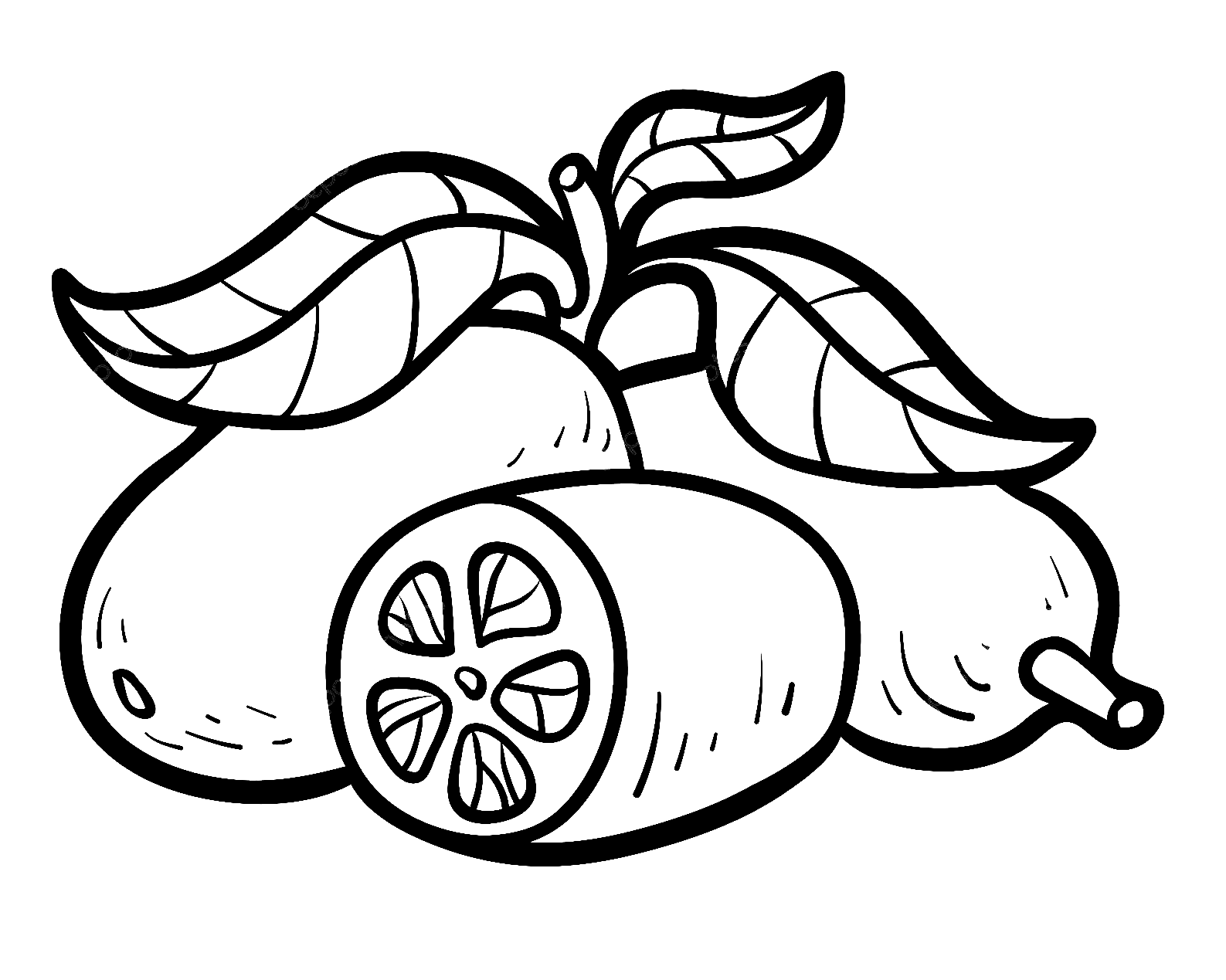
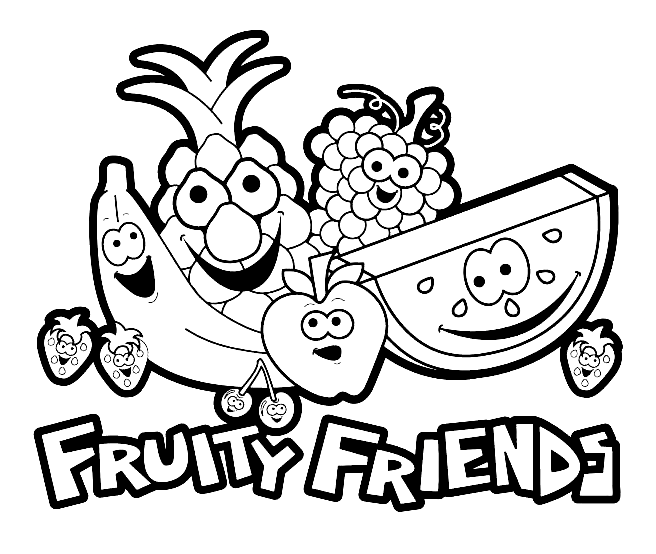


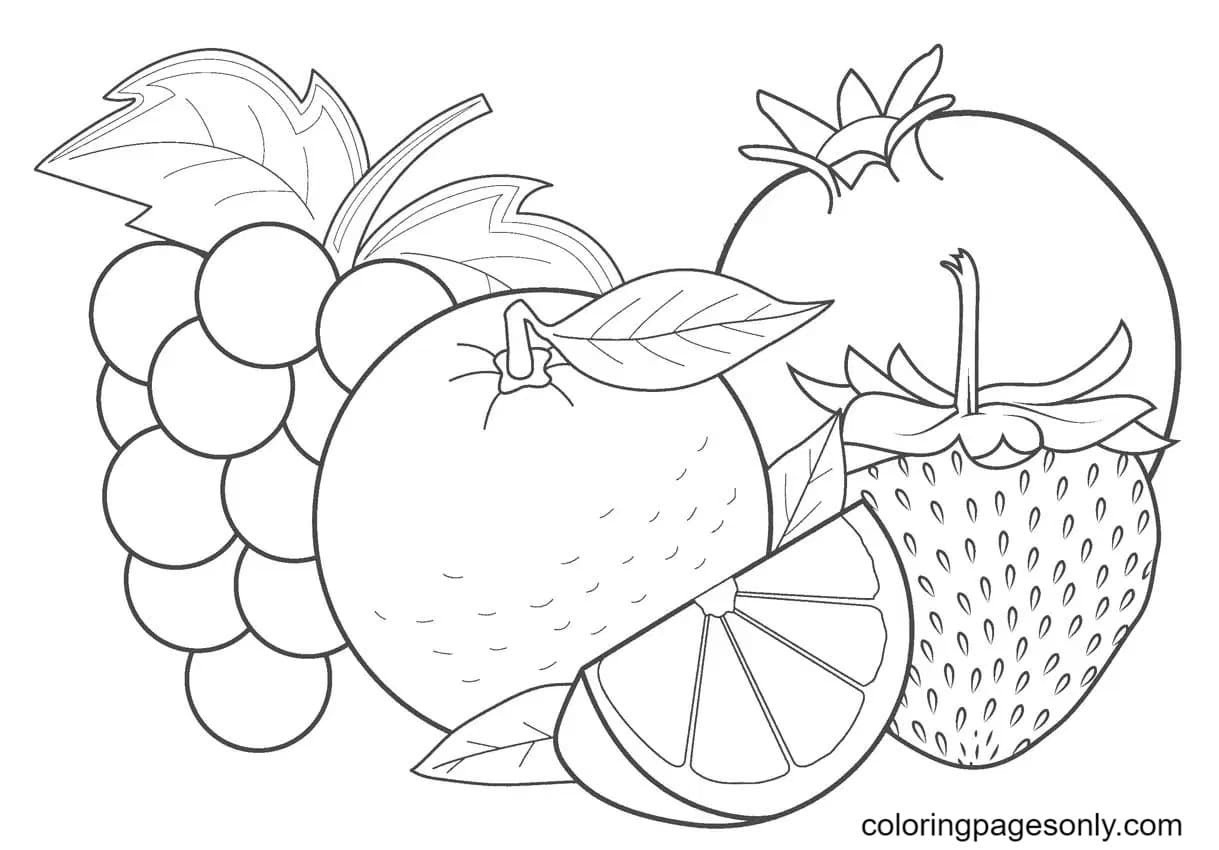
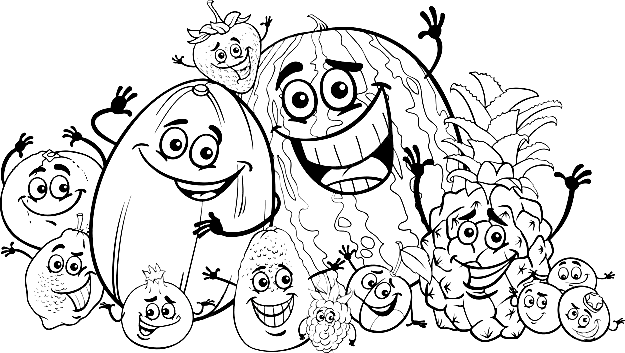
What’s Inside
Mango, Pineapple, Coconut, and Classic Tropical Fruit Coloring Pages
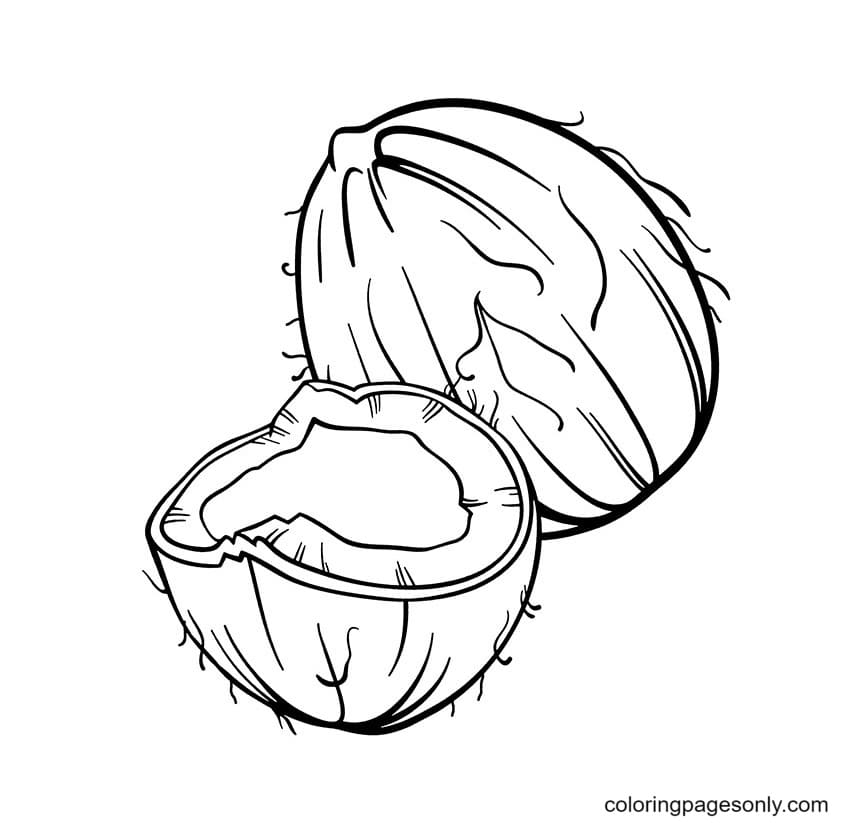
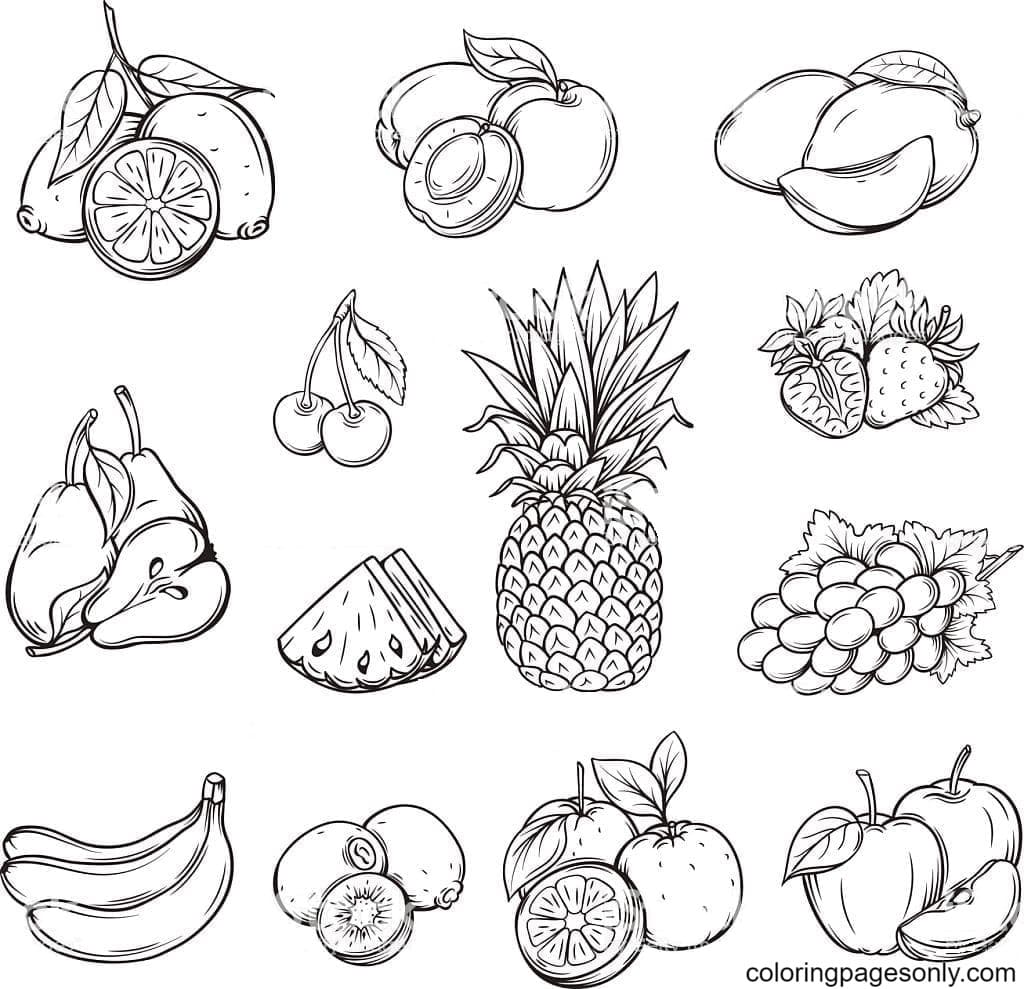
Mango, pineapple, and coconut pages are among the strongest tropical fruit designs. These fruits have clear shapes, bold outlines, and instantly recognizable details, making them great for young children and beginner colorists.
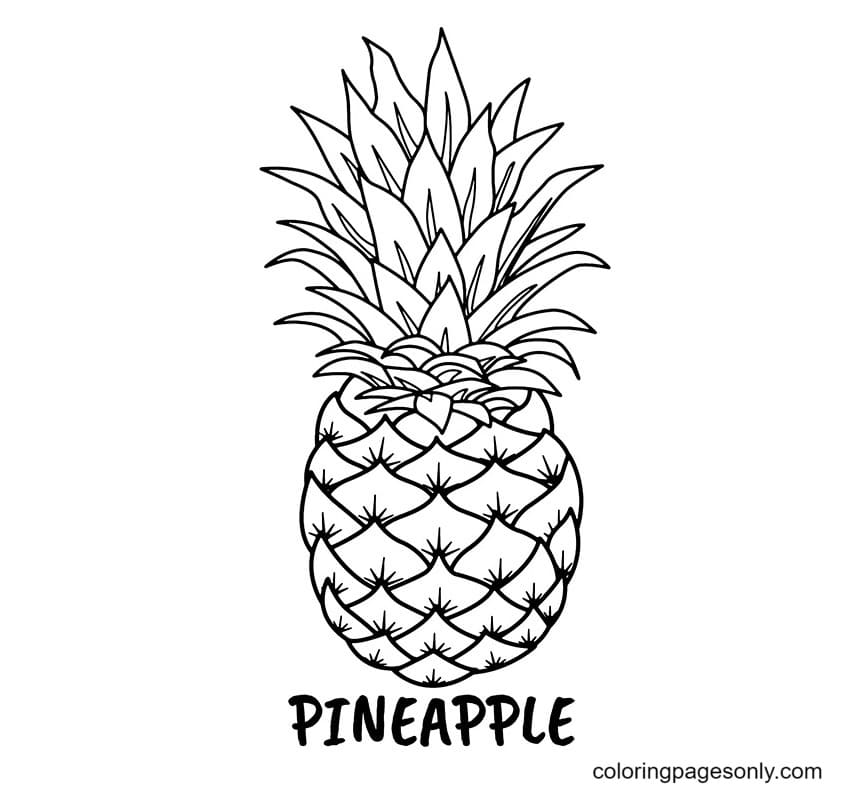
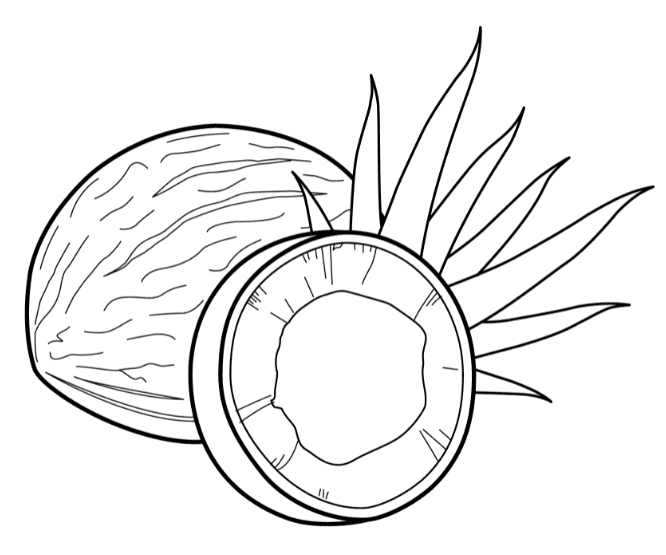
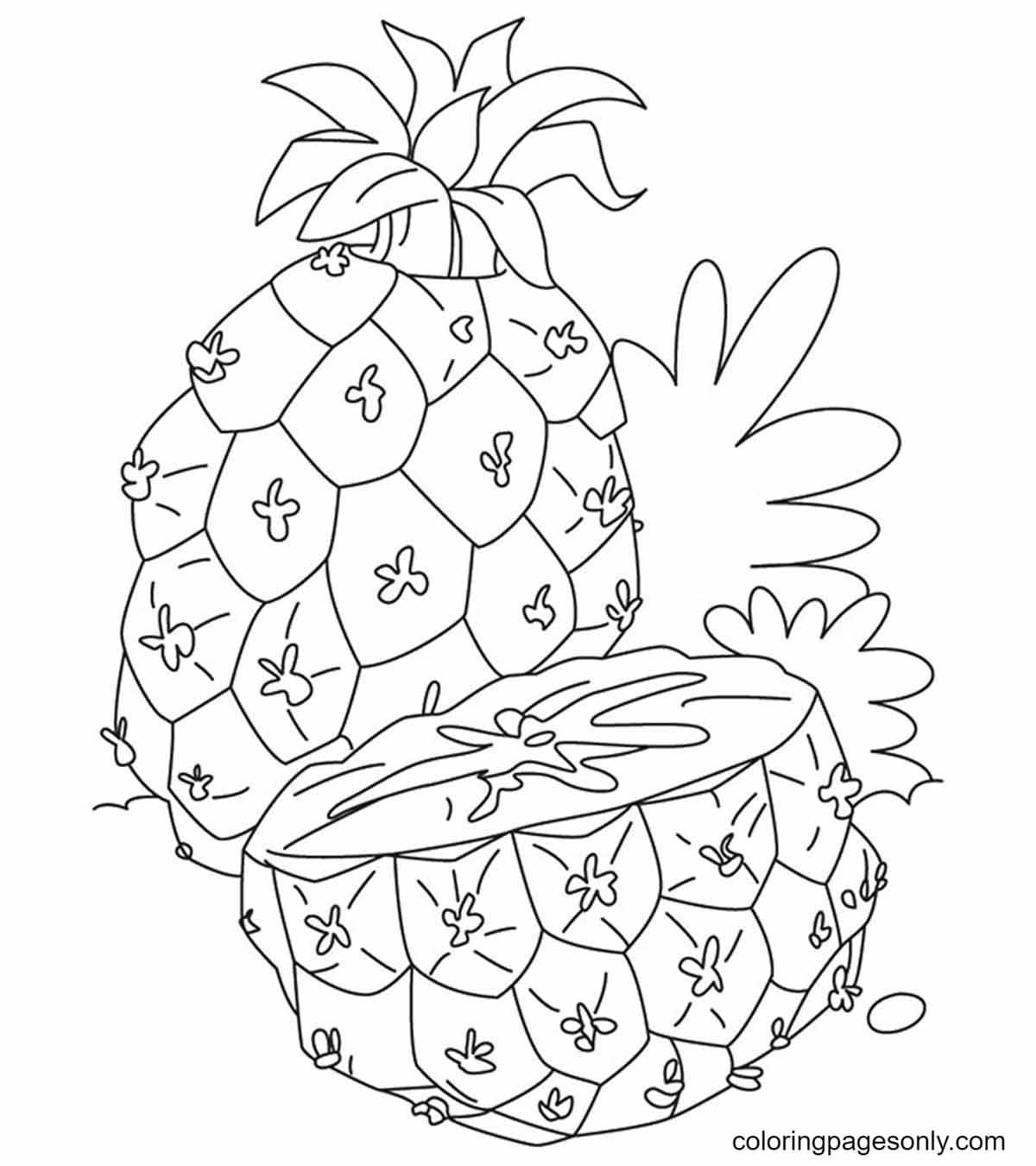
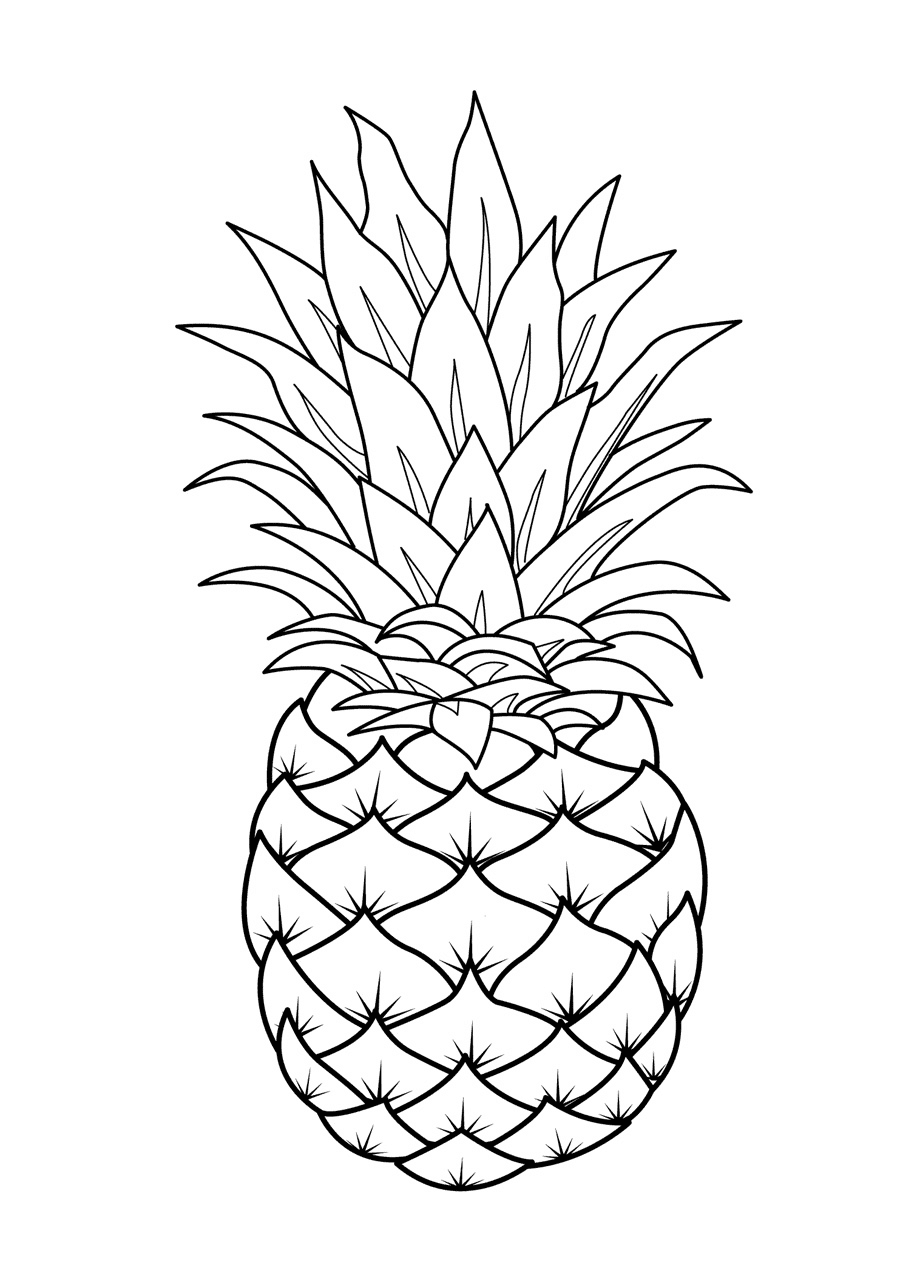
Pineapple pages are useful for texture practice because children can color the diamond pattern on the fruit body and the spiky leaves on top. Mango pages are good for warm color blending. Coconut pages help children practice round shapes, shell texture, and simple shading.
These classic tropical fruit pages work well for summer activities, fruit lessons, classroom displays, and snack-themed learning. They also give children a simple way to connect color with the real fruit appearance.
Coloring mango, pineapple, and coconut pages: Use yellow, orange, green, brown, tan, and cream. Add darker lines for pineapple texture, soft orange shading for mango, and rough brown strokes for coconut shells.
Dragon Fruit, Kiwi, Durian, Lychee, and Exotic Fruit Coloring Pages
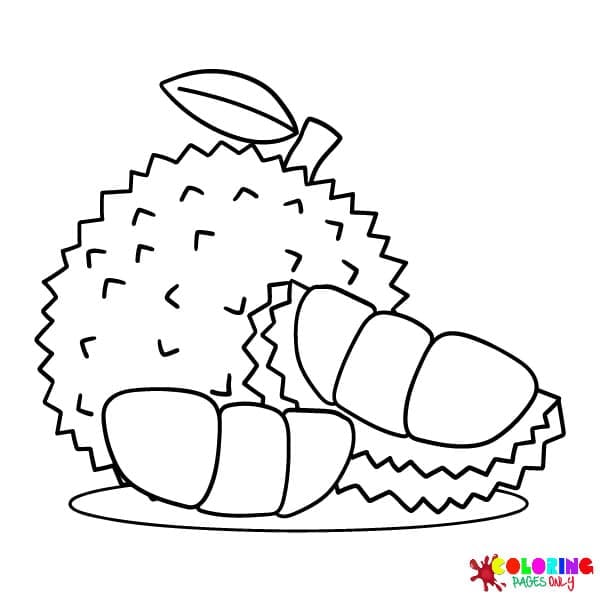
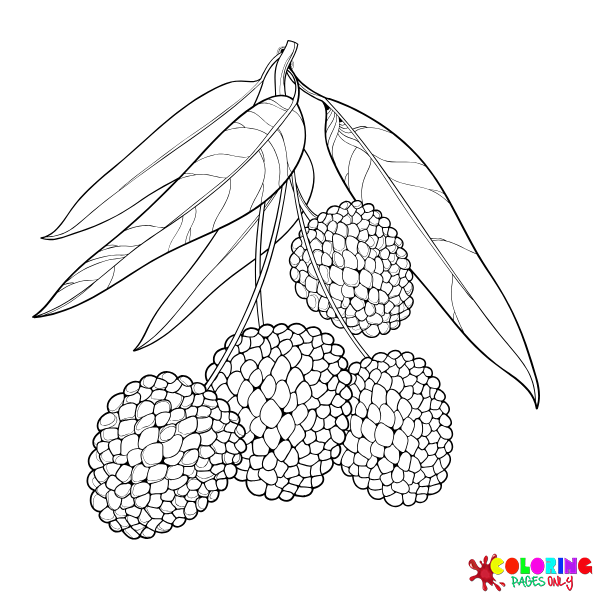
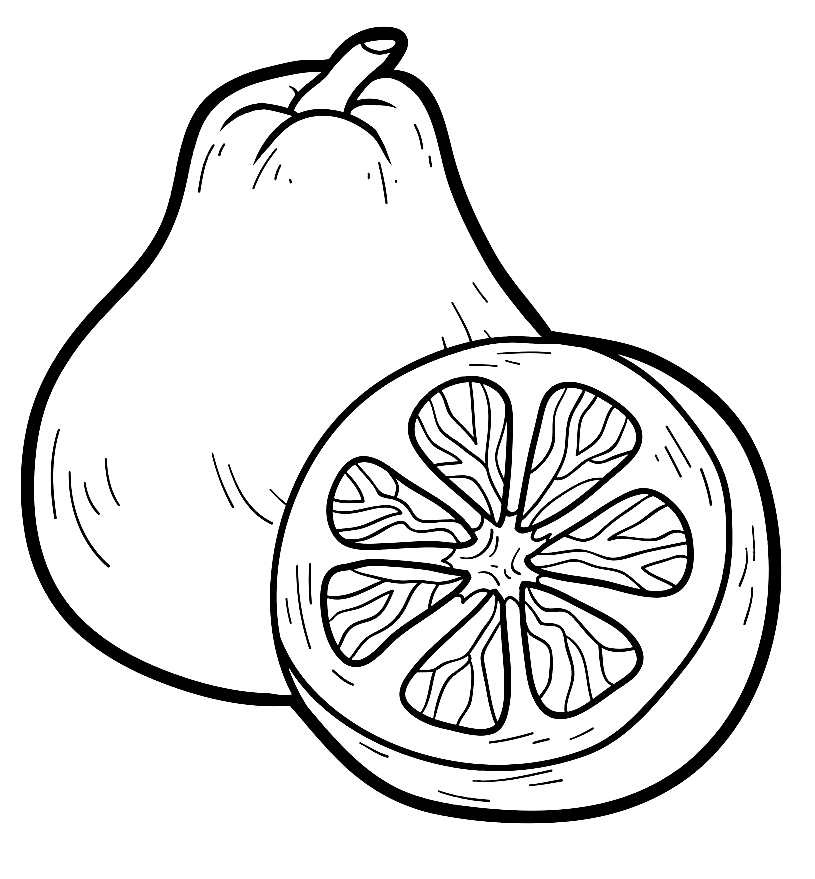
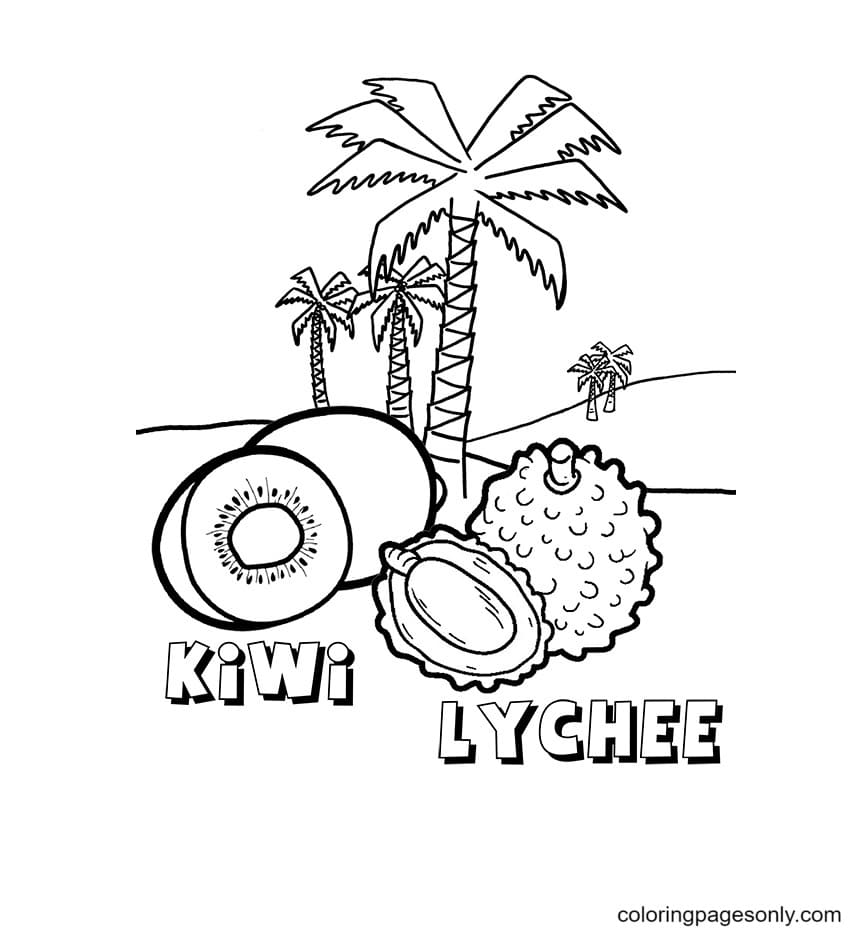
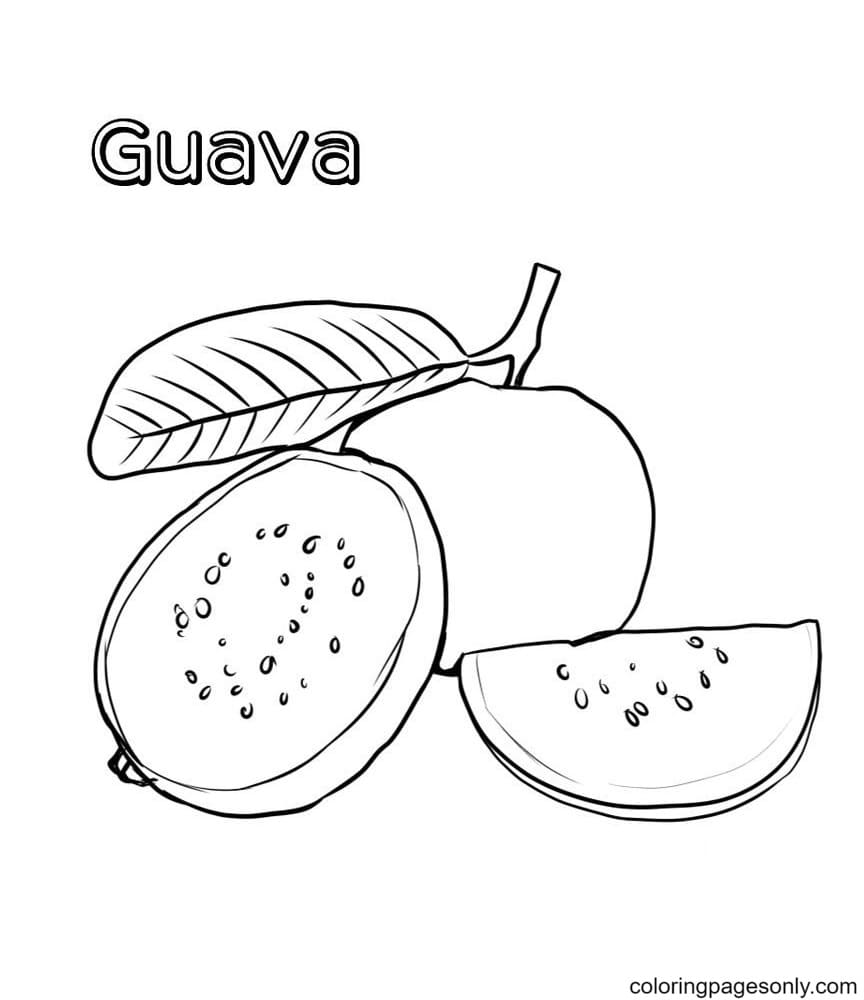
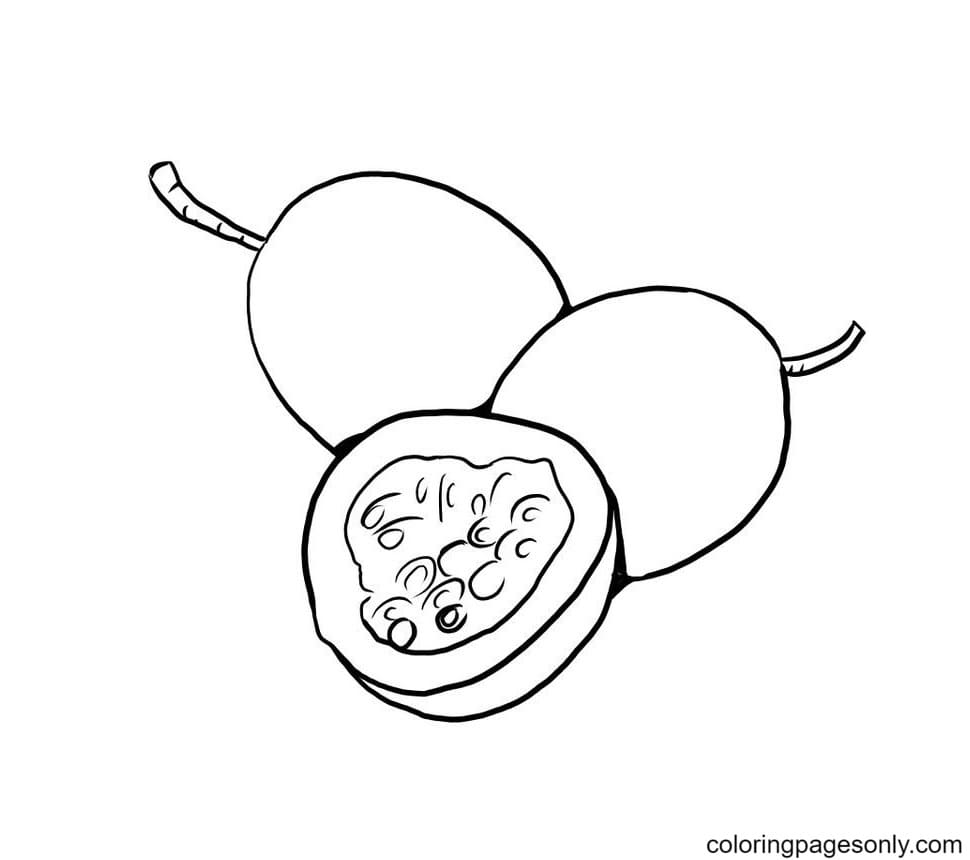
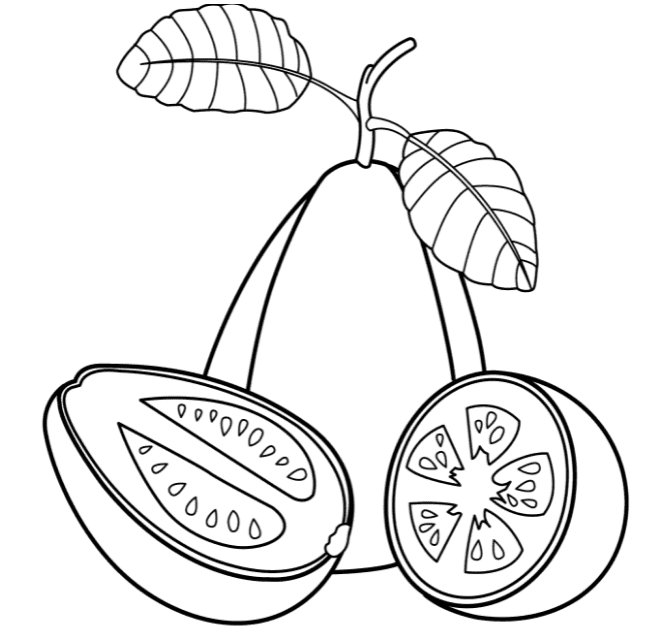
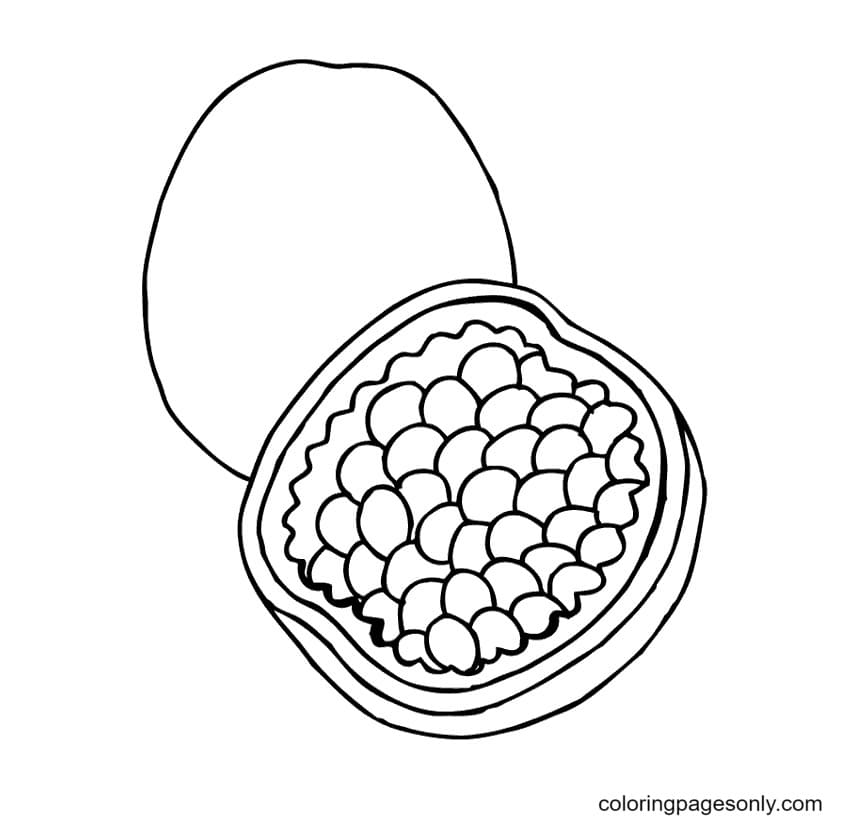
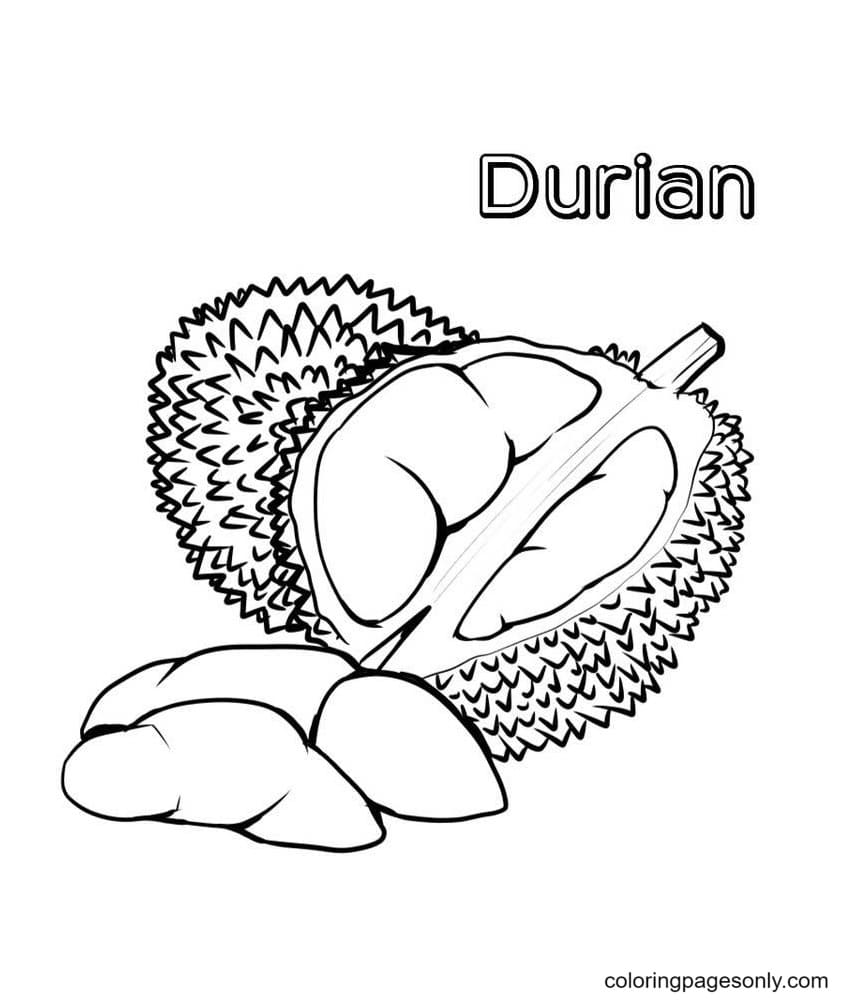
Dragon fruit, kiwi, durian, lychee, guava, and passion fruit pages add strong variety to the collection. These fruits are exciting because they often have unusual shapes, seeds, spiky skins, or bright inside colors.
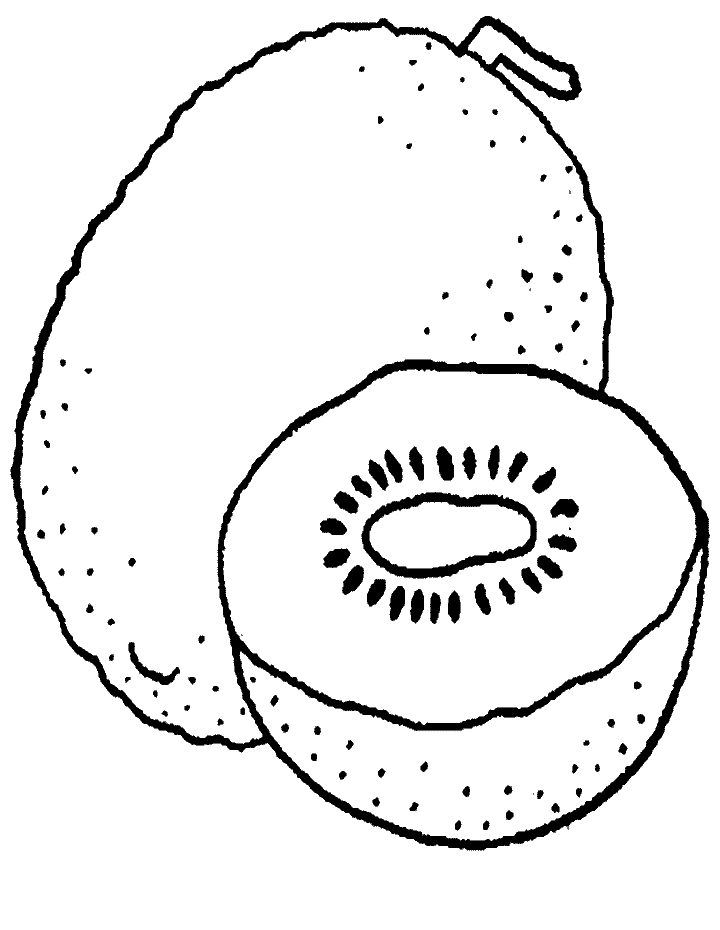
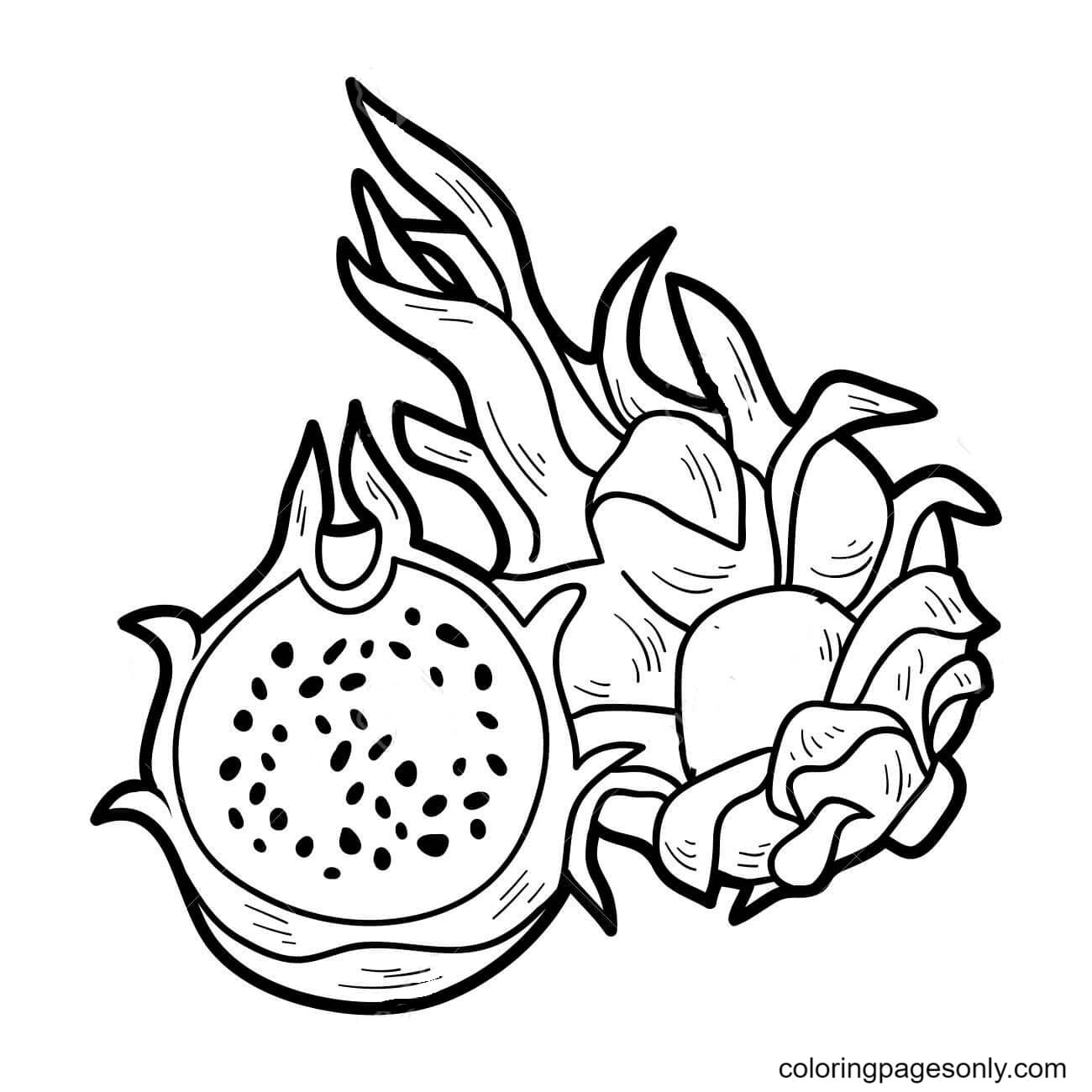
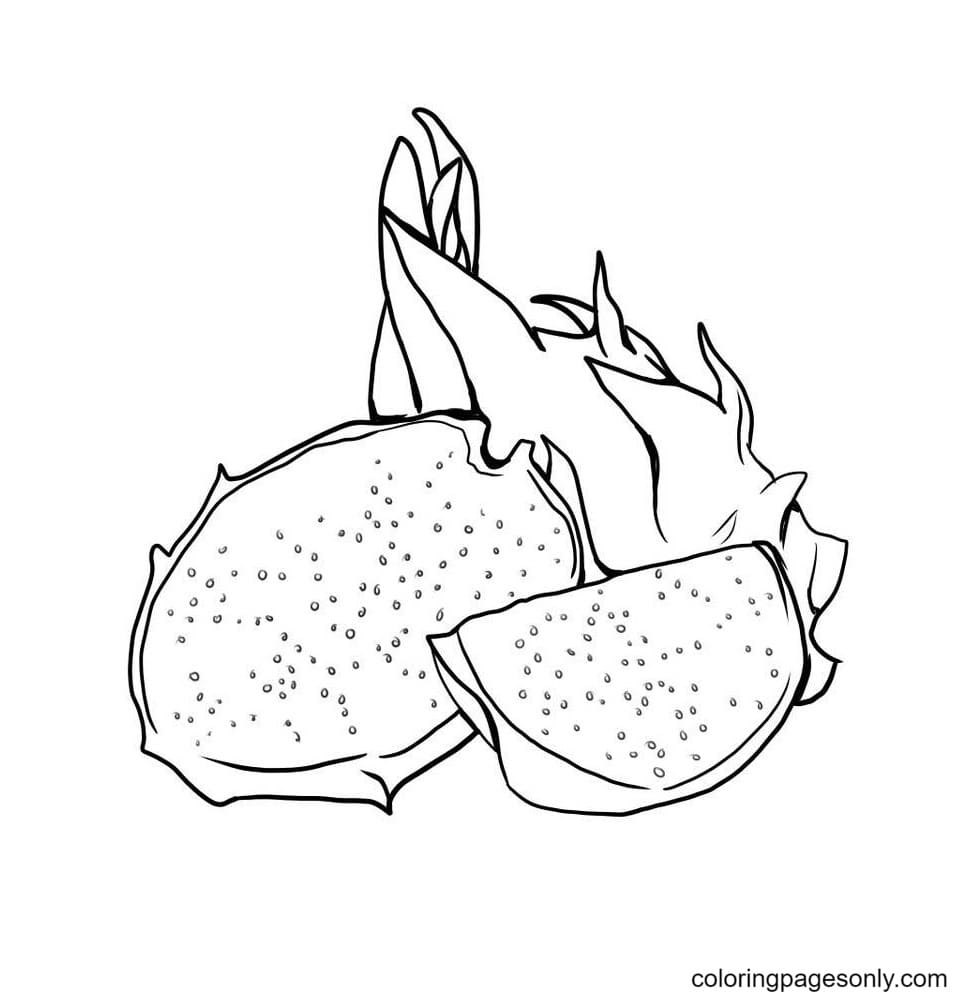
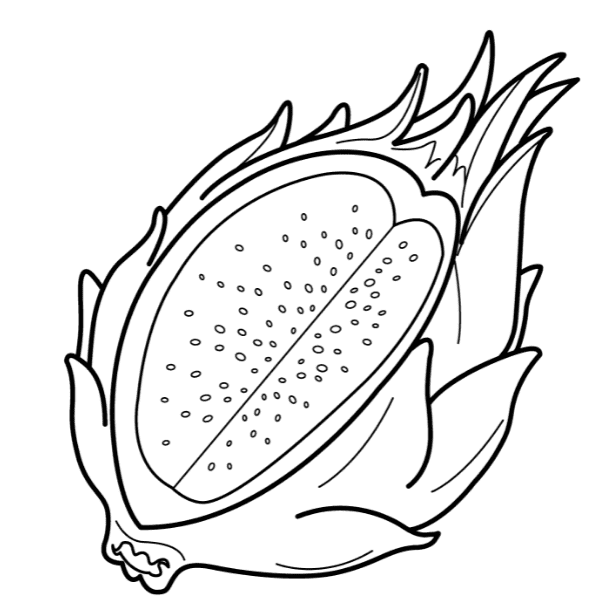
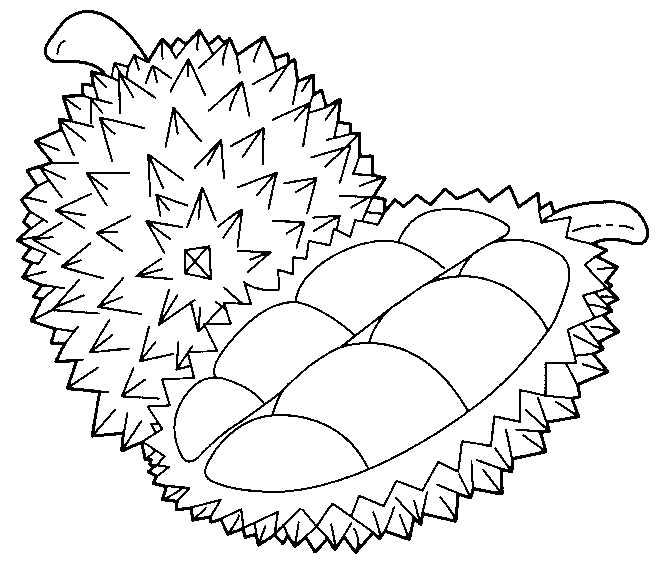
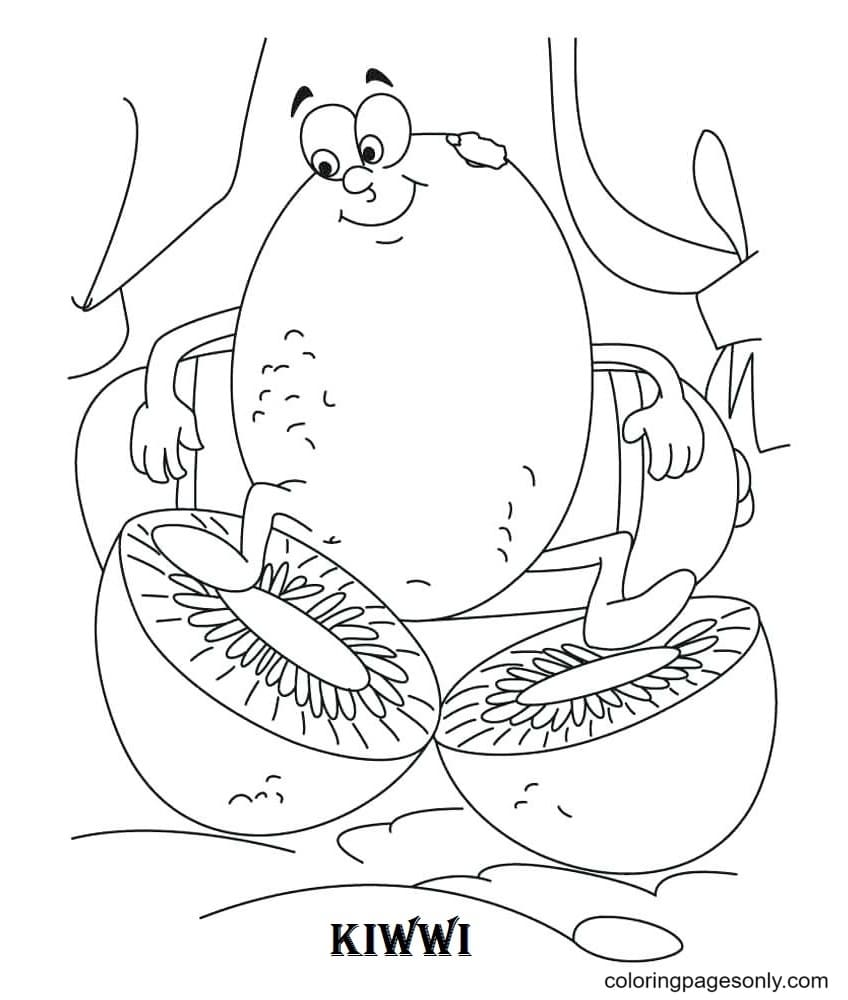
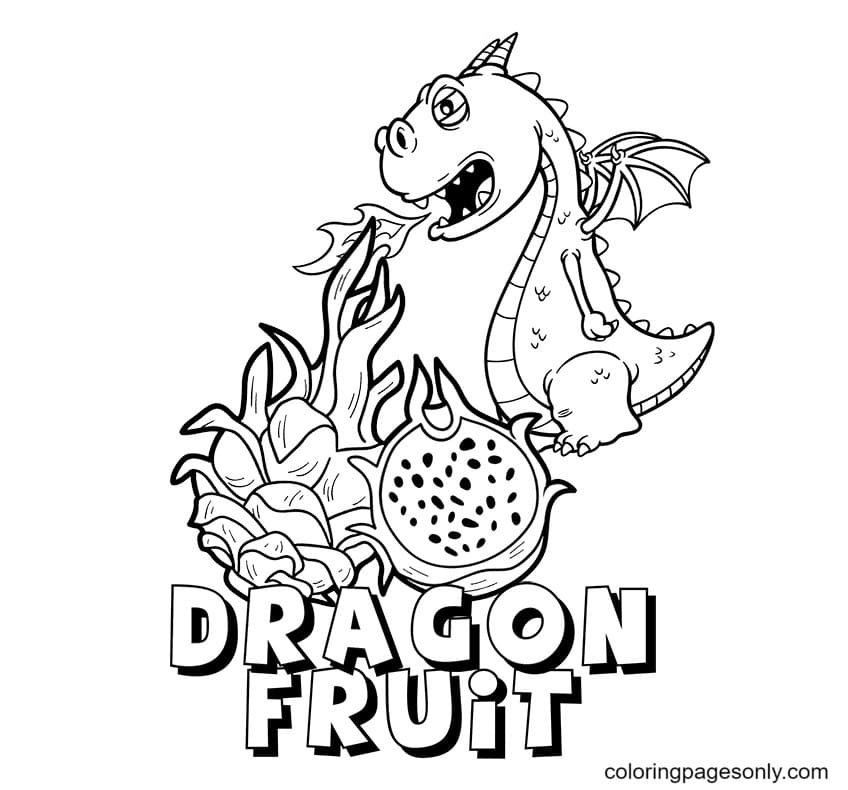
Dragon fruit pages are especially fun because children can color the outside pink or red and the inside white with black seeds. Kiwi pages help children practice green color rings and tiny seeds. Durian pages can introduce spiky texture, while lychee and passion fruit pages can bring in fruits children may not see every day.
This group is useful for fruit awareness and vocabulary. Teachers and parents can ask: What fruit is this? What color is the outside? What color is the inside? Does it have seeds, peel, spikes, or leaves?
Coloring exotic fruit pages: Use bright pink, green, red, purple, yellow, brown, and black seed details. Add contrast between the outer skin and inside flesh to make each fruit easy to recognize.
Watermelon, Banana, Avocado, and Familiar Fruit Coloring Pages
Some pages include tropical or warm-weather favorites such as watermelon, banana, avocado, and other familiar fruits. These designs are helpful because children often recognize them from home, snacks, lunch boxes, or grocery stores.
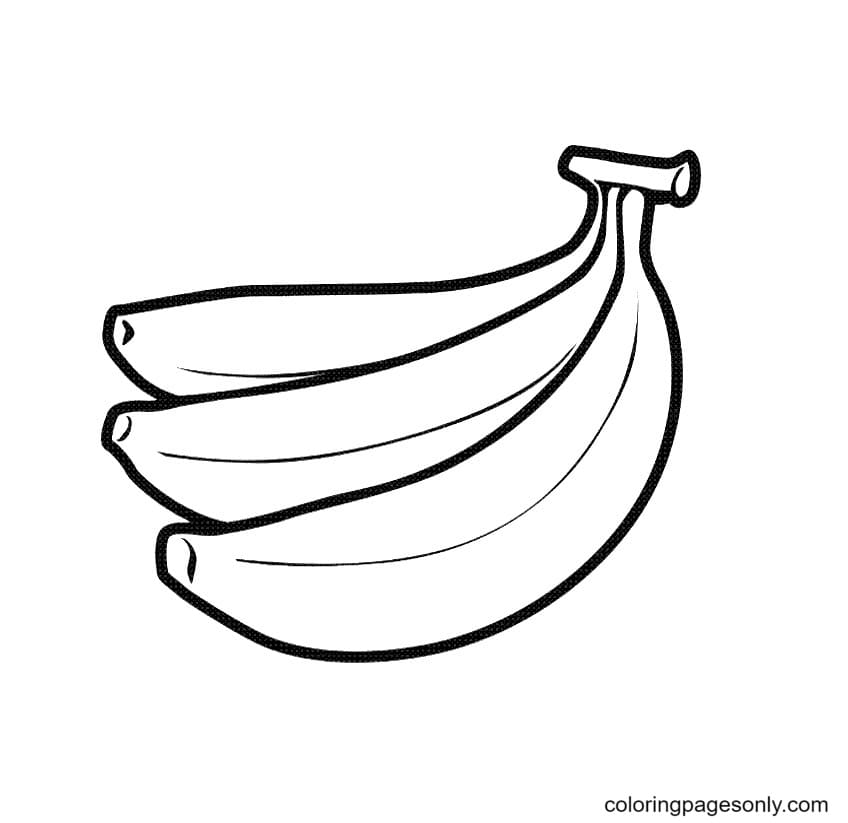
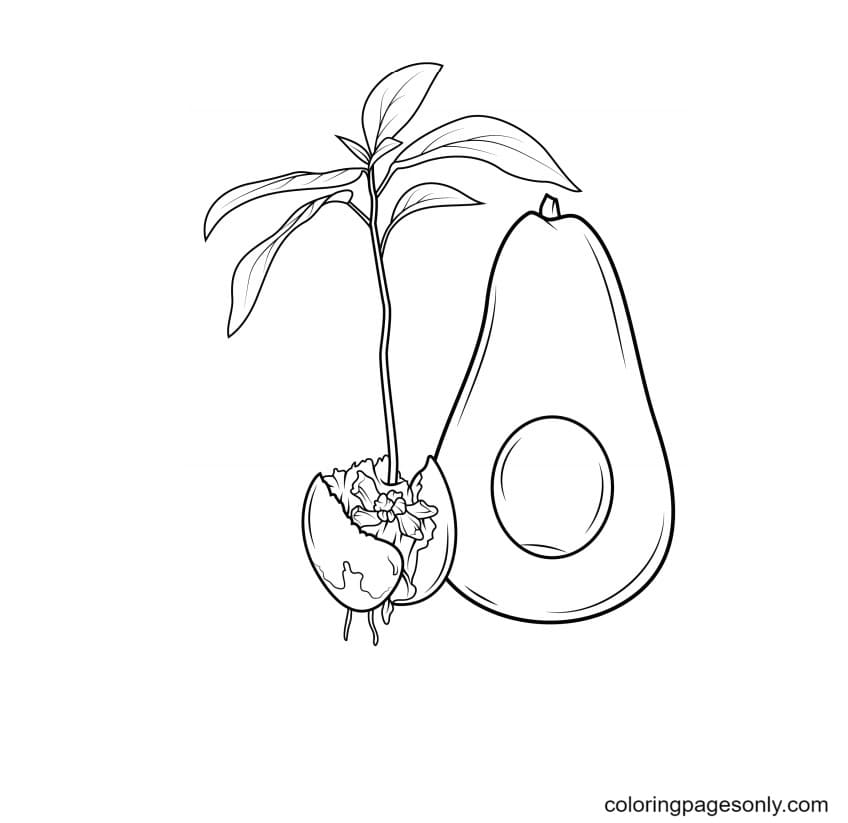
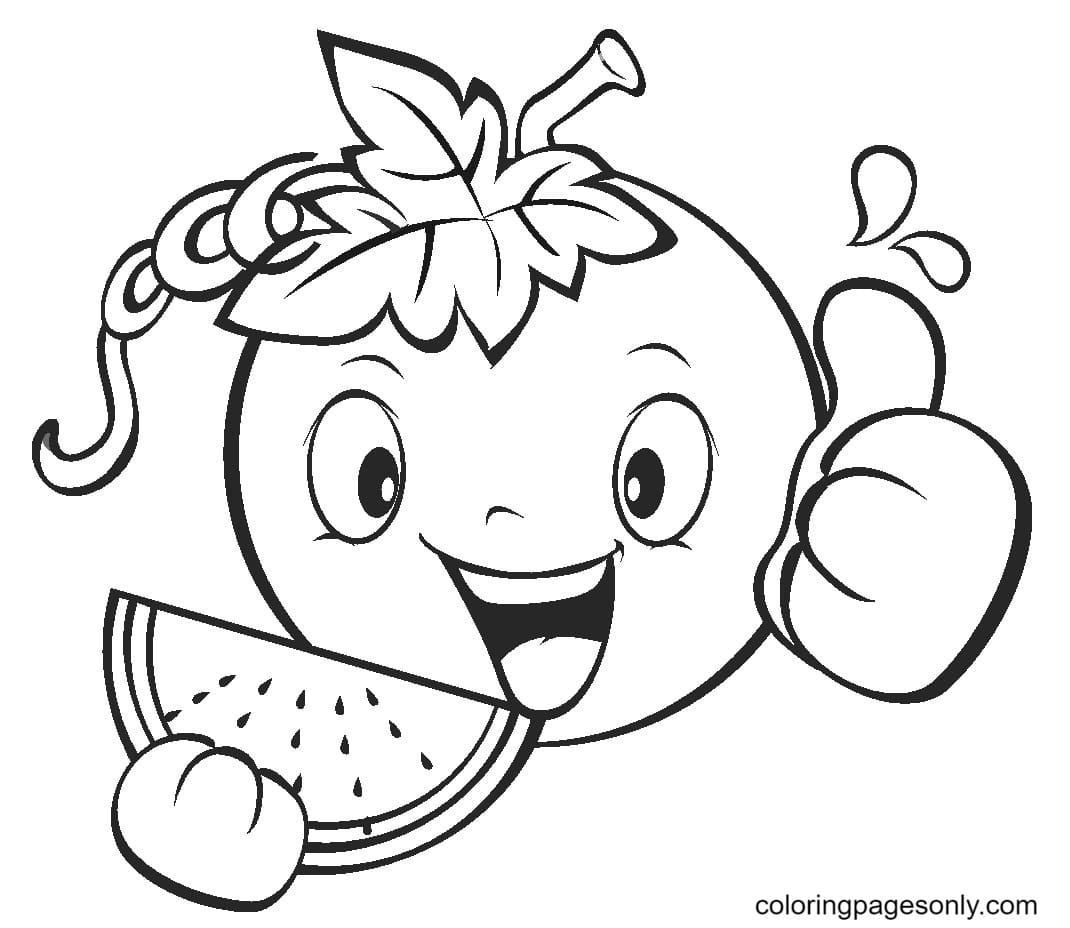
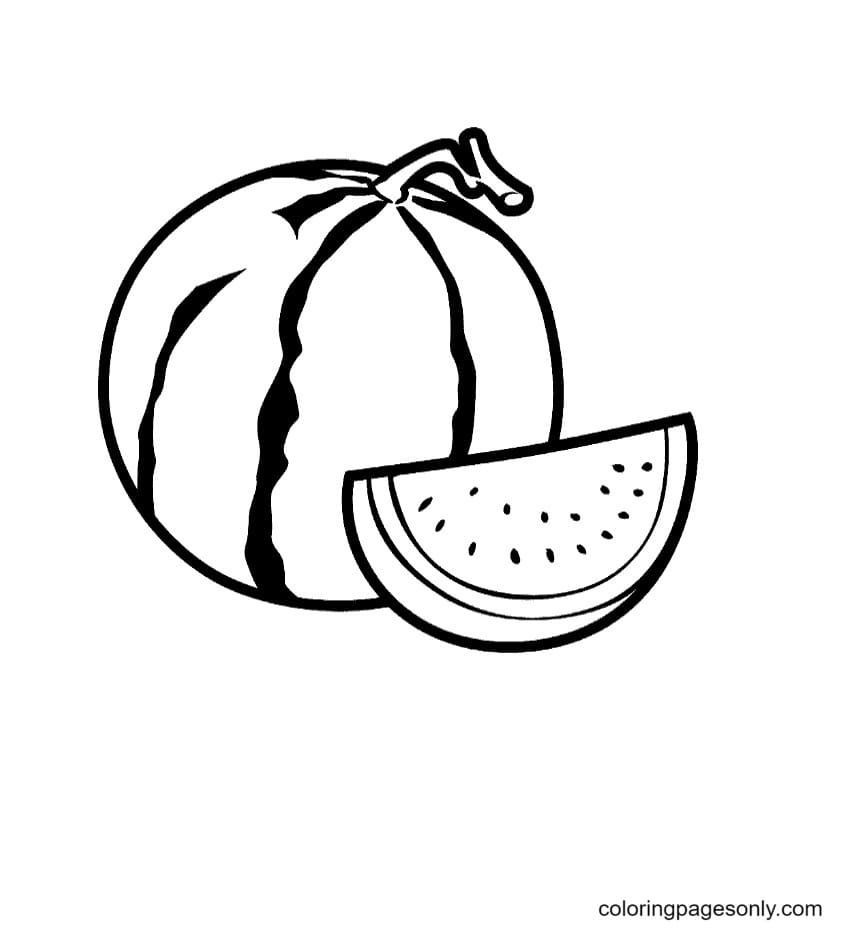
Watermelon pages are excellent for color contrast. Children can color green rind, red or pink flesh, and black seeds. Banana pages are easy for young children because the shape is simple. Avocado pages introduce green shades, smooth flesh, and a large seed.
These pages work well for preschool and kindergarten because they combine common fruit vocabulary with simple shapes. They also help children practice matching real fruit colors to pictures.
Coloring watermelon, banana, and avocado pages: Use green, red, pink, black, yellow, light green, and brown. Add seed details, rind stripes, and soft shading around fruit slices.
Fruit Basket, Fruit Plate, and Mixed Tropical Fruits Coloring Pages
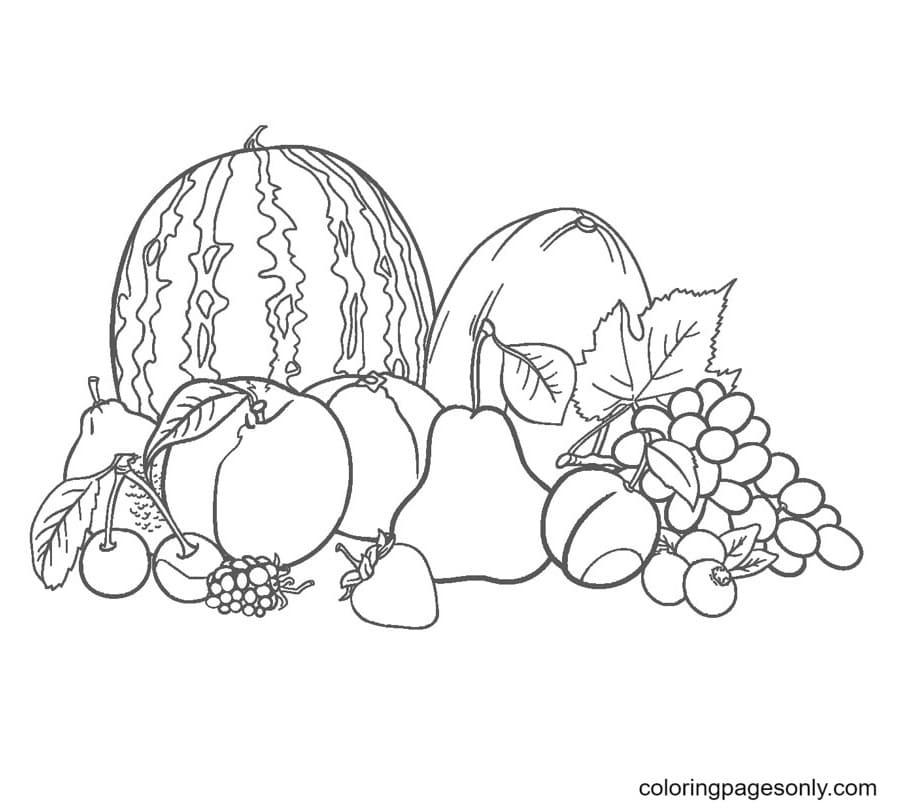
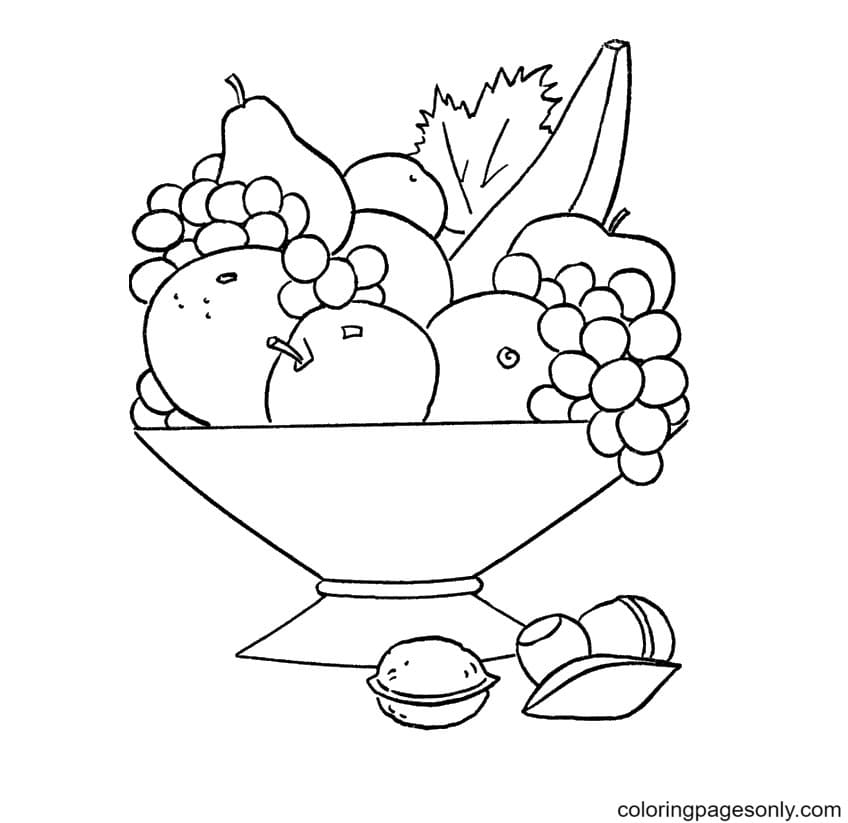
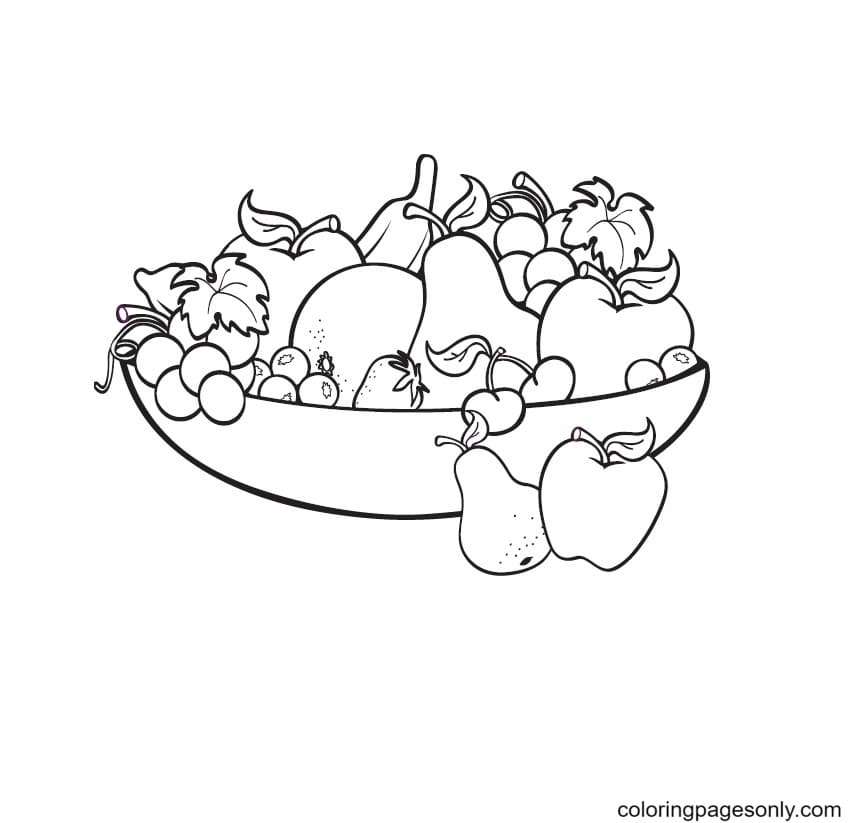
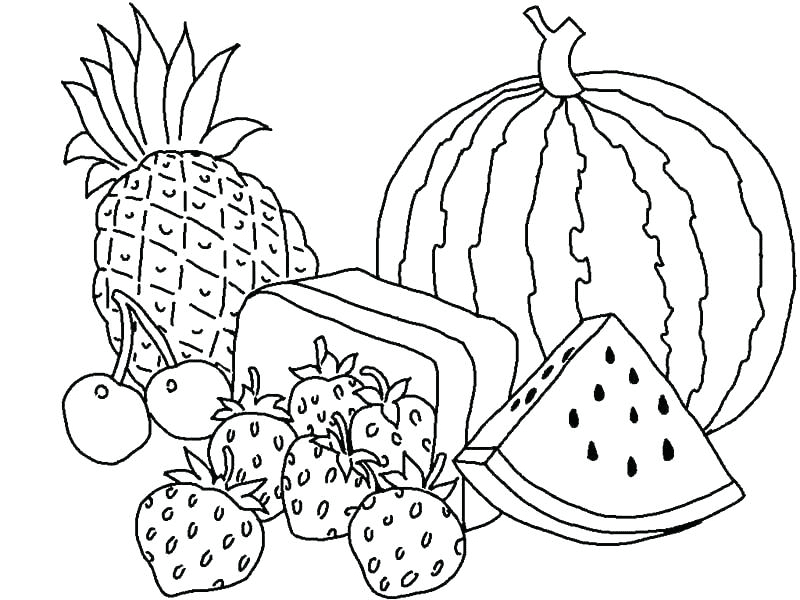
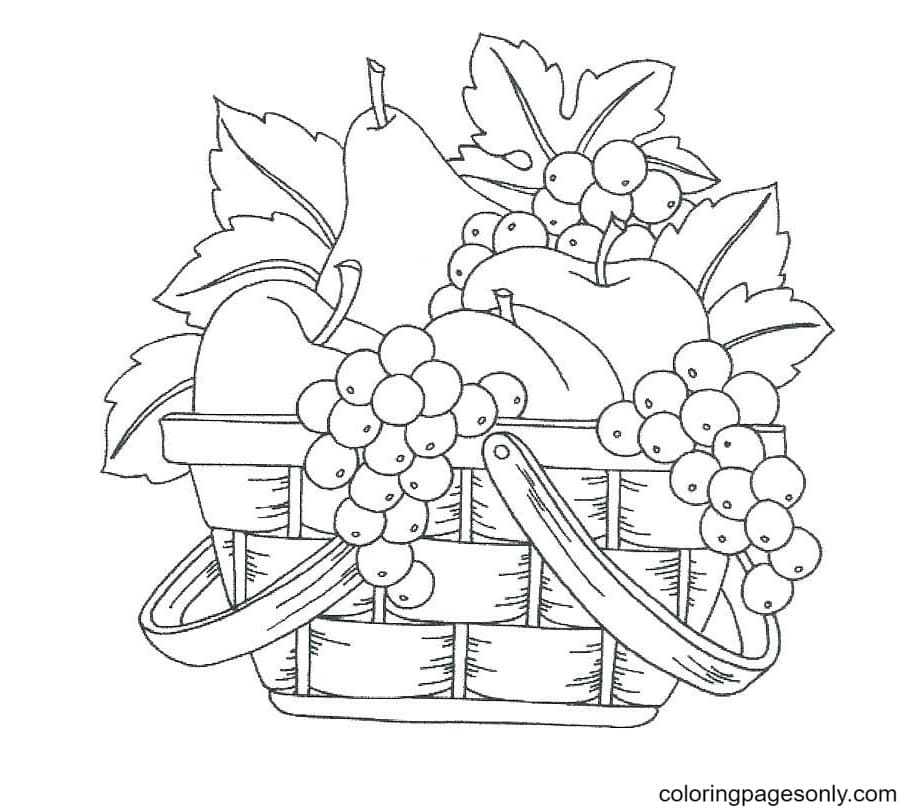
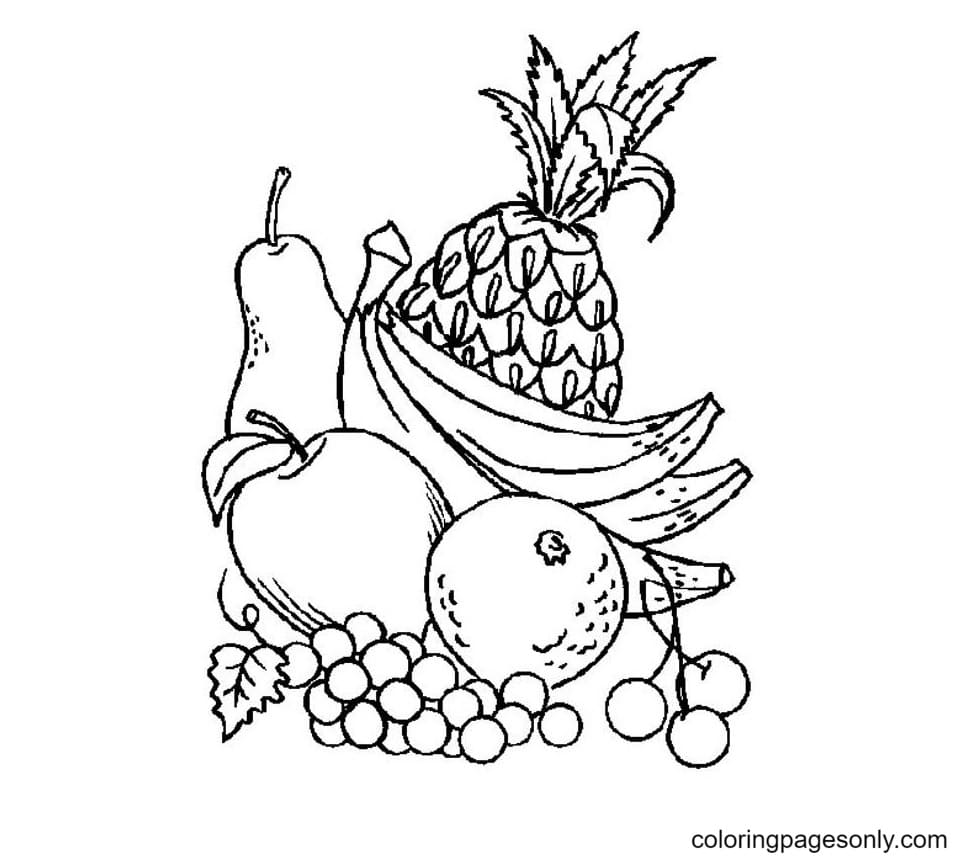
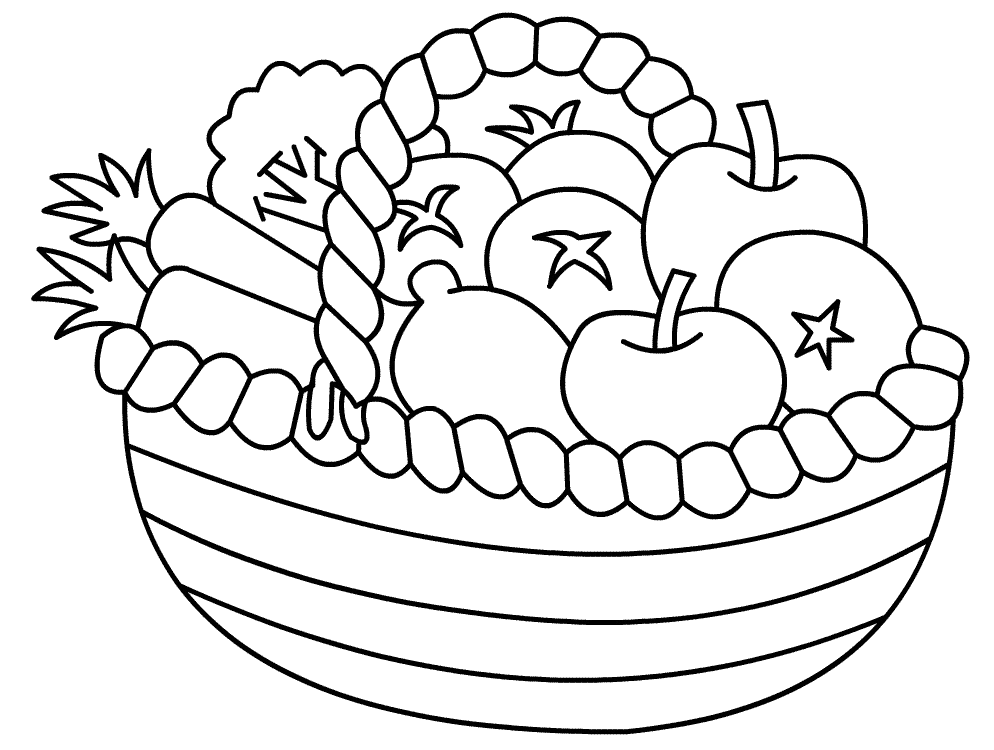
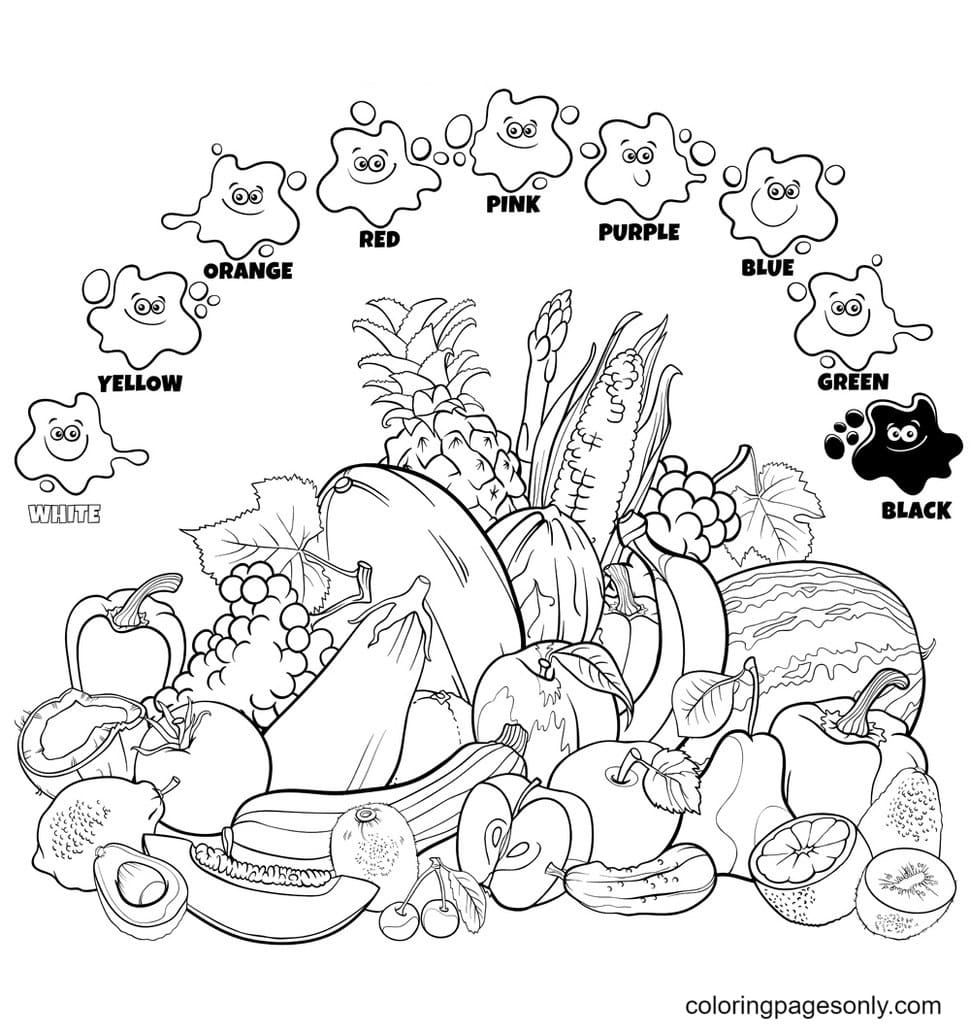
Fruit basket, fruit plate, tropical fruit mix, fruit set, and pile of fresh fruits pages give children many fruits to color in one picture. These pages are perfect for older kids or colorists who enjoy variety.
Mixed fruit pages help children compare shapes and colors. A basket may include round fruits, long fruits, sliced fruits, leafy fruits, and small fruit details. This makes the page more useful for observation, labeling, and color planning.
These pages are also strong for classroom activities. Children can color each fruit, then label the fruit names or count how many fruits they see.
Coloring fruit basket and mixed fruit pages: Give each fruit a different color so the page feels lively. Use warm colors for mango and pineapple, green for kiwi and avocado, brown for coconut, pink for dragon fruit, and bright red for watermelon.
Cartoon Fruits, Funny Fruits, and Fruity Friends Coloring Pages
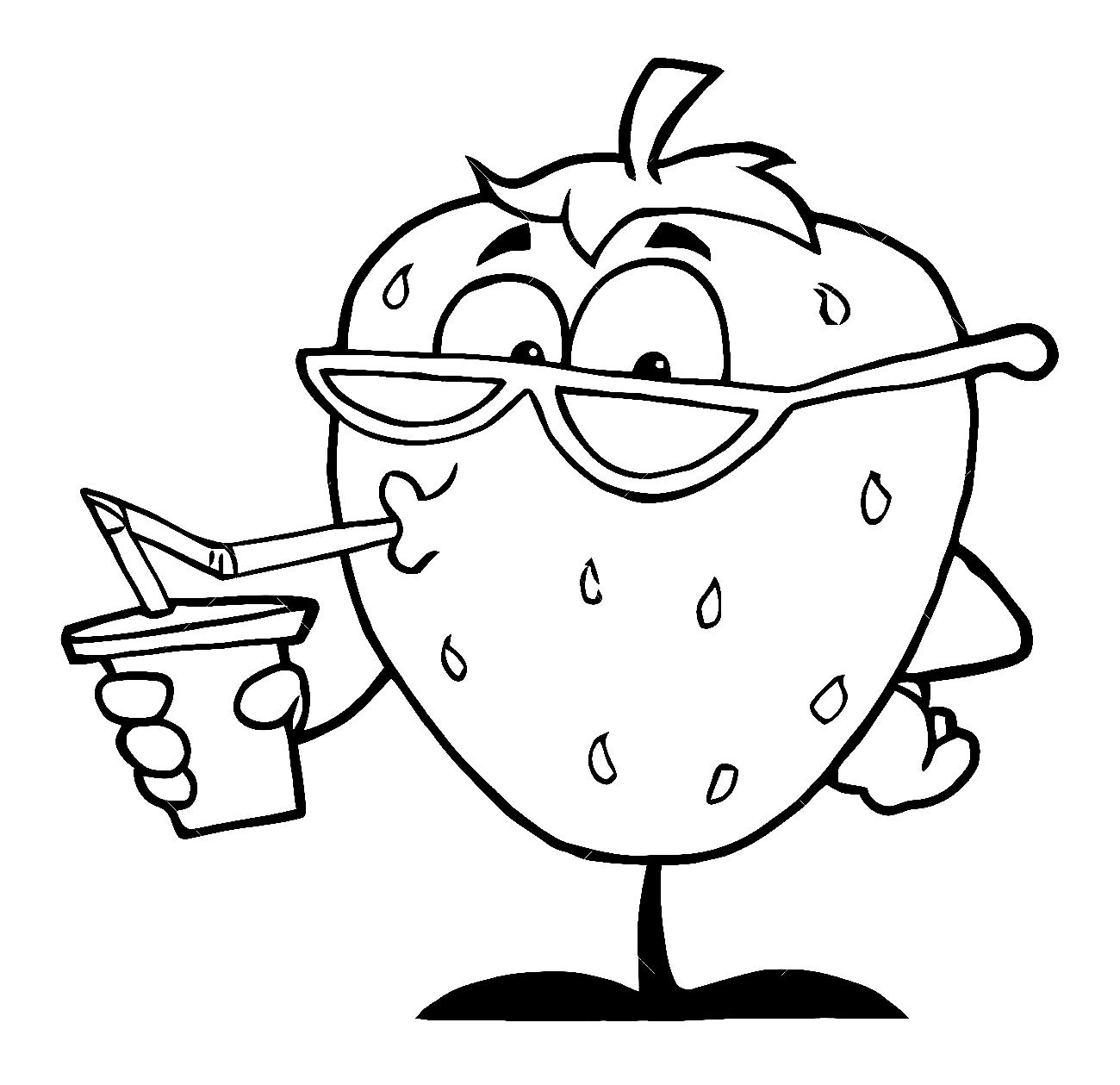
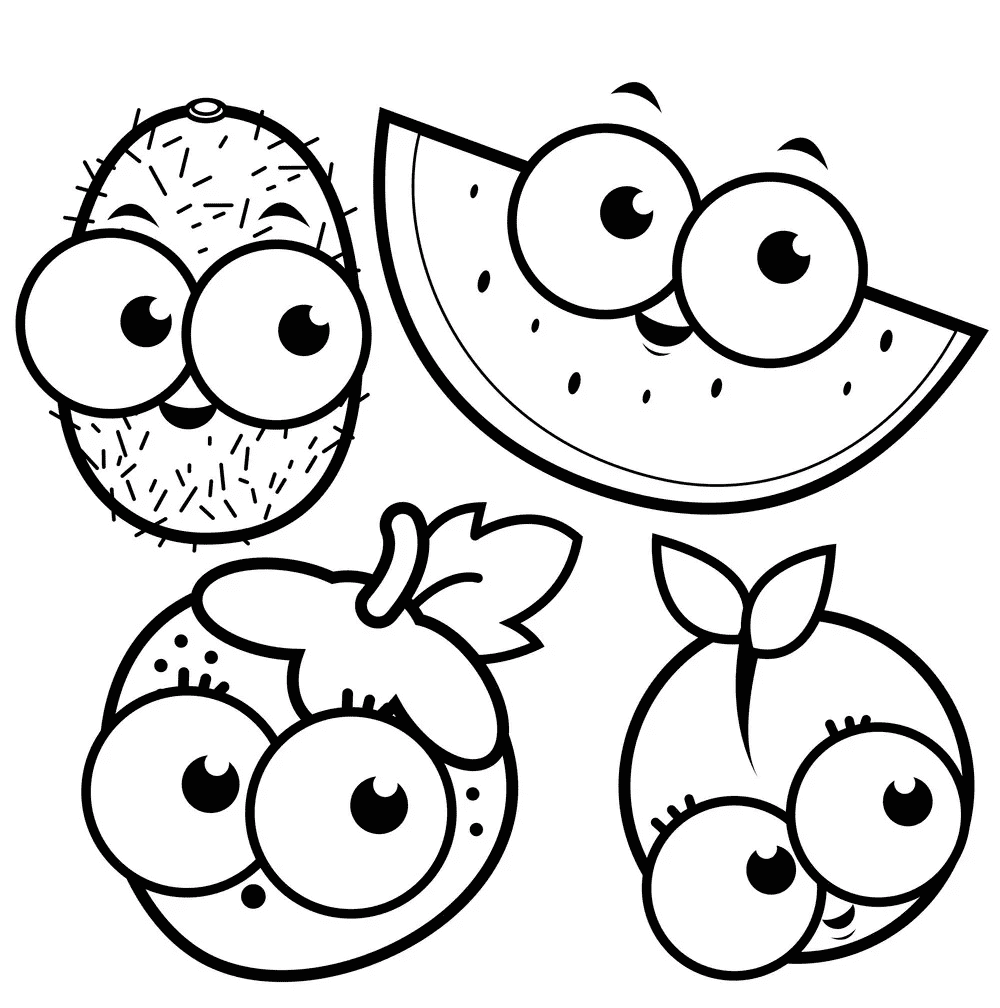
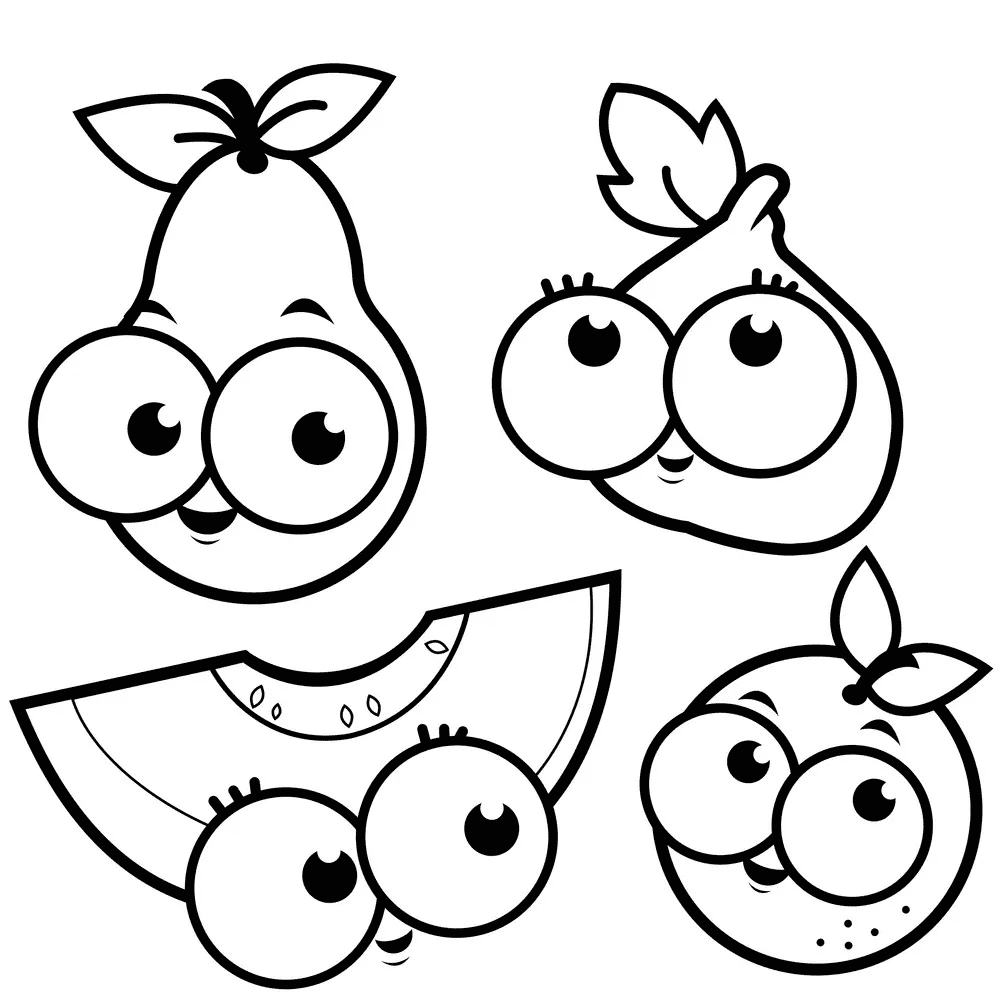
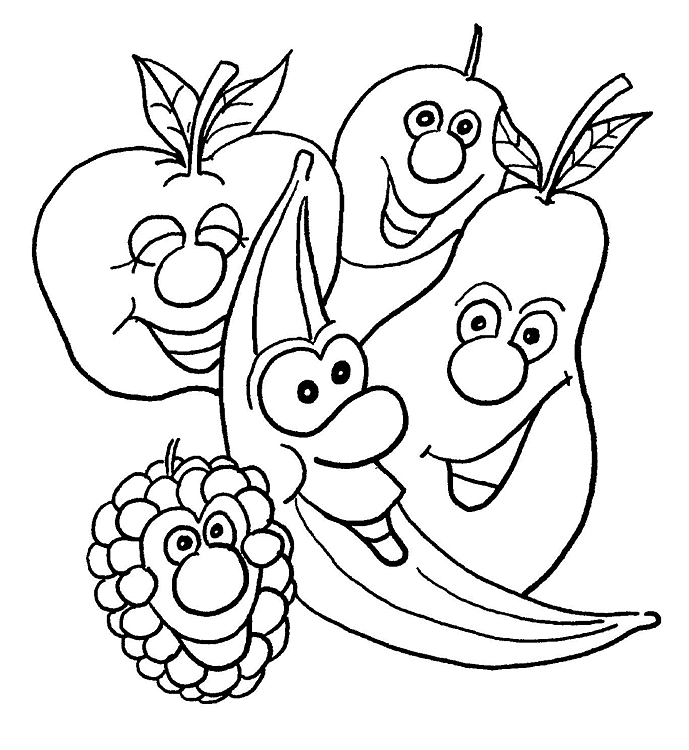
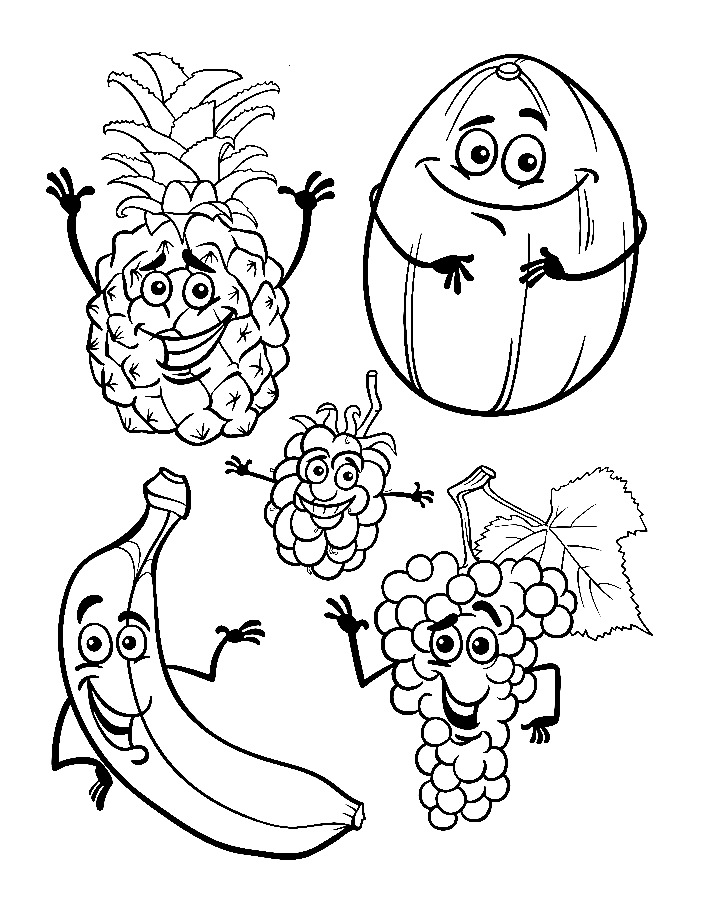
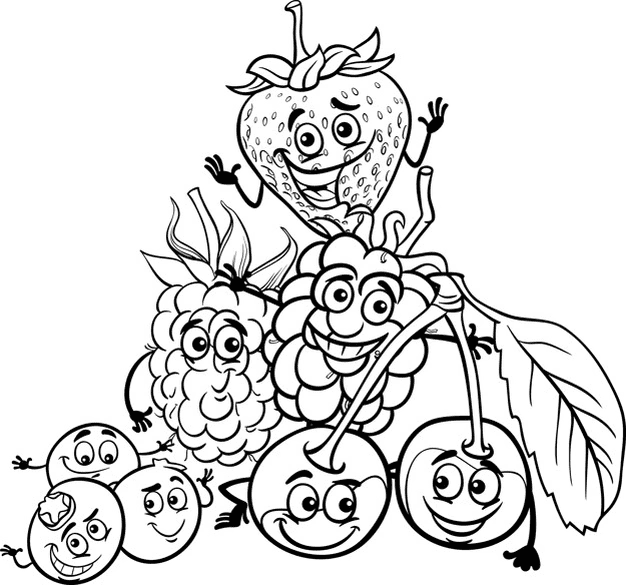
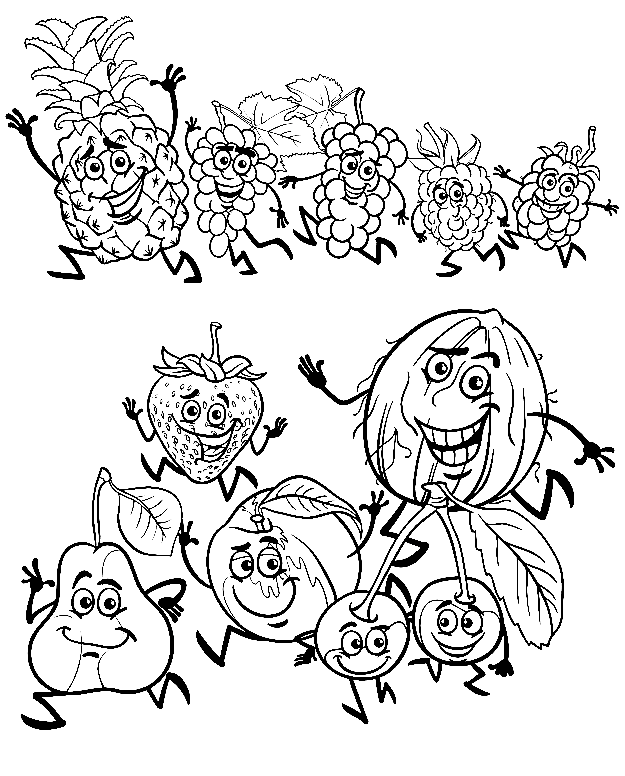
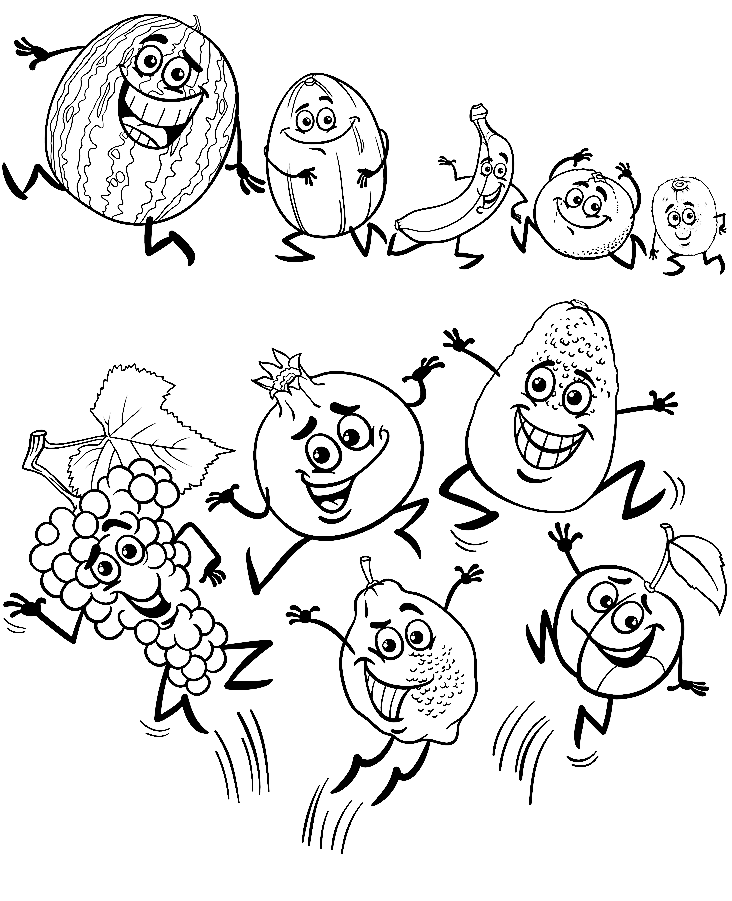
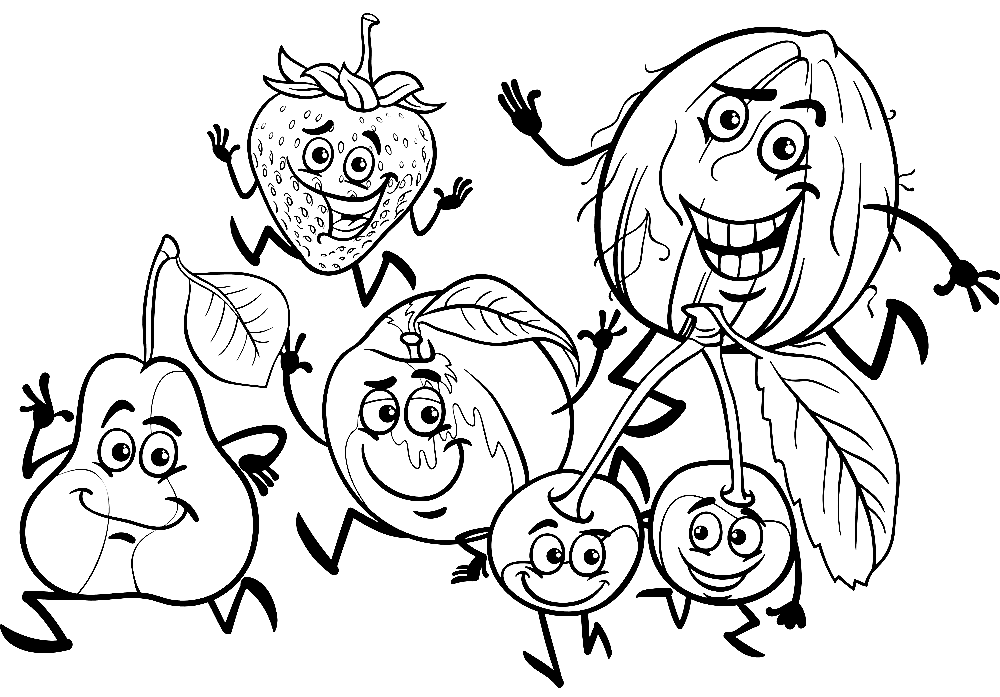
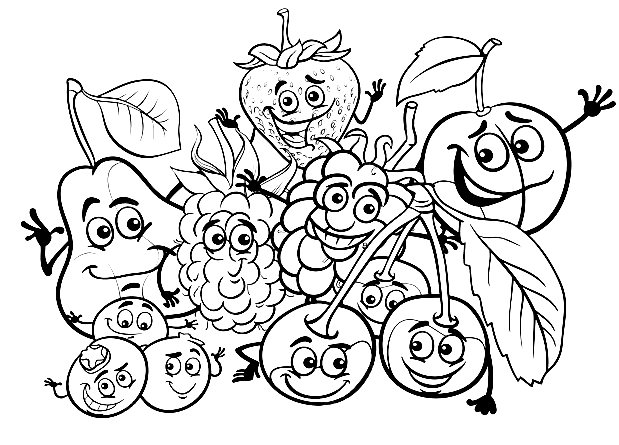
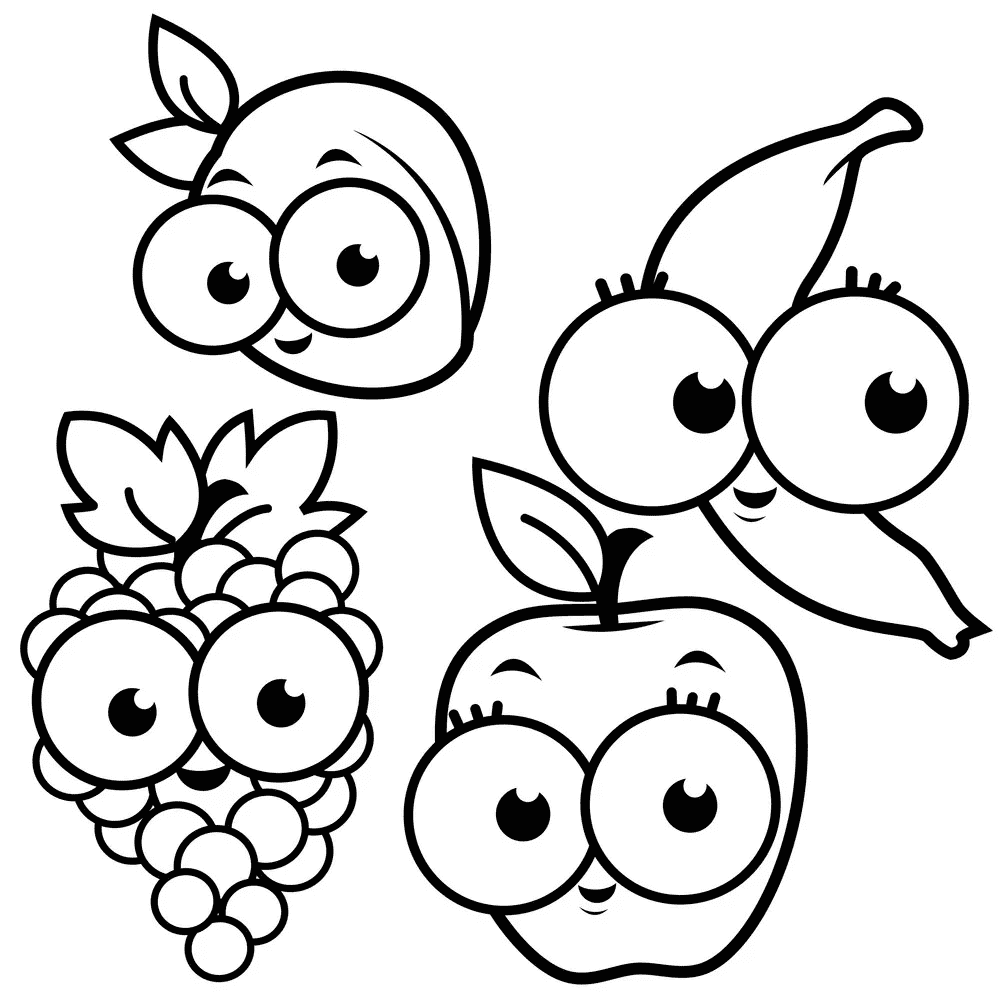
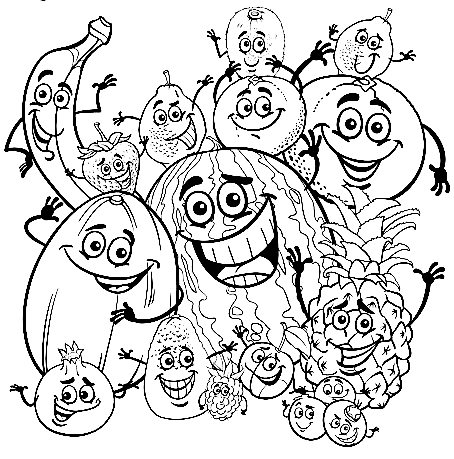
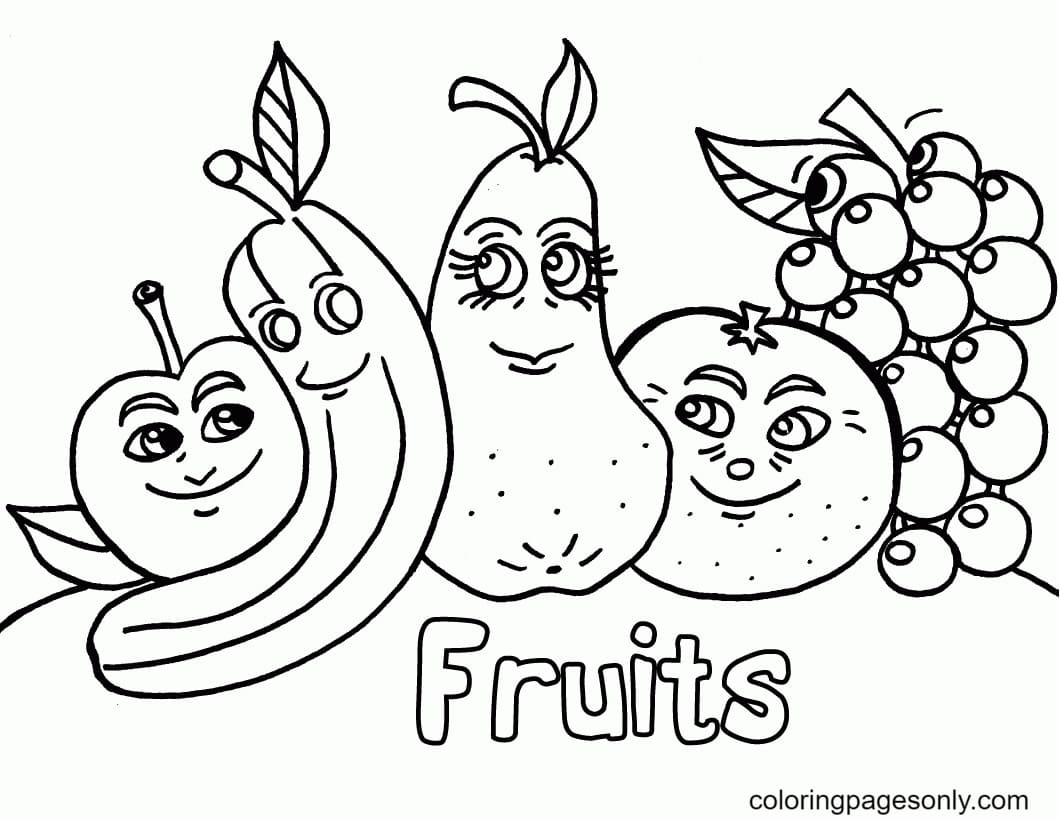
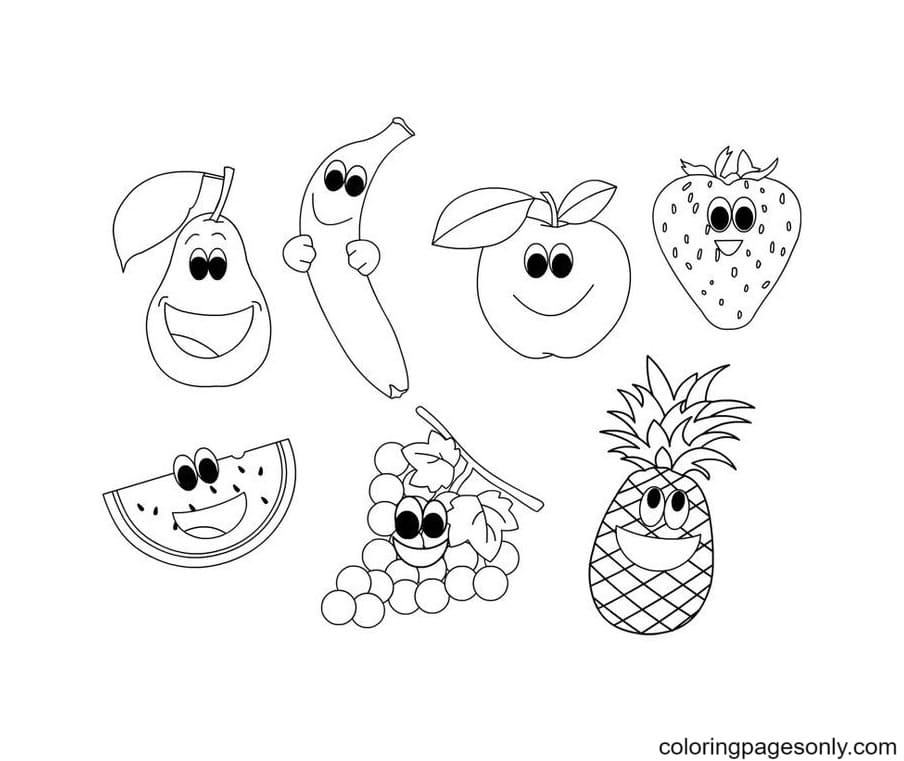
Cartoon fruits and funny fruits pages add personality to the collection. These pages may include smiling fruit faces, fruit characters, fruity friends, cartoon fruit sets, and playful designs.
This group is especially good for younger children because friendly faces make the fruits feel fun and approachable. A smiling pineapple, happy mango, cute banana, or funny berry can turn fruit recognition into character play.
Cartoon fruit pages can also support simple emotion words. Children can color a happy fruit, a surprised fruit, a sleepy fruit, or a silly fruit and describe the expression.
Coloring cartoon fruit pages: Use bright, cheerful colors. Add pink cheeks, shiny eyes, small shadows, hearts, stars, or speech bubbles to make the fruits feel friendly.
Small Fruits, Seeds, Leaves, and Garden Detail Coloring Pages
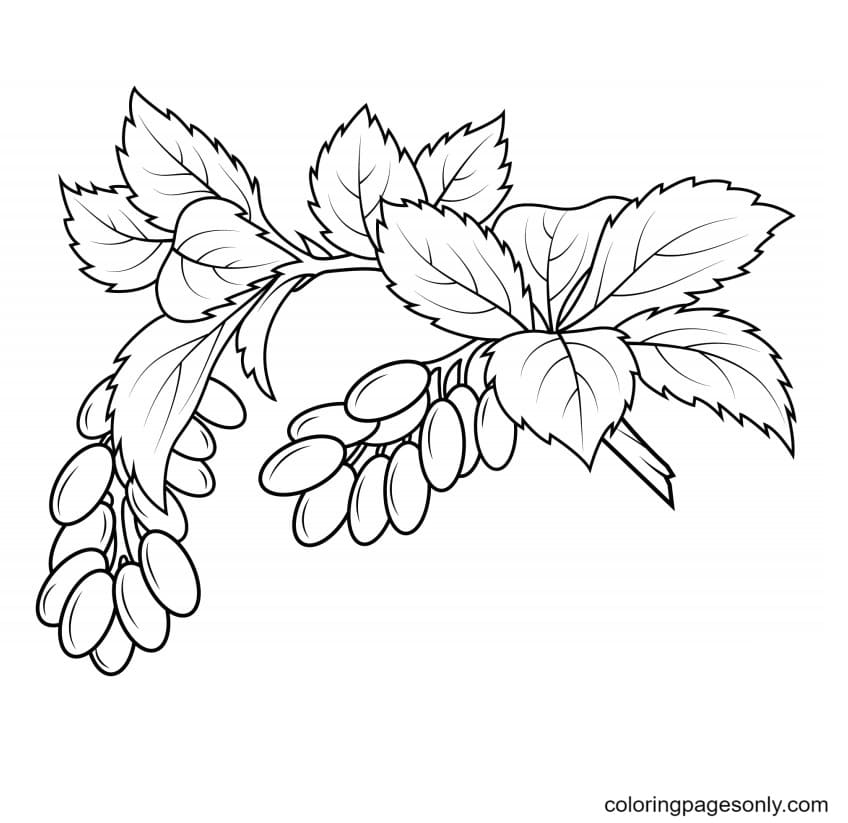
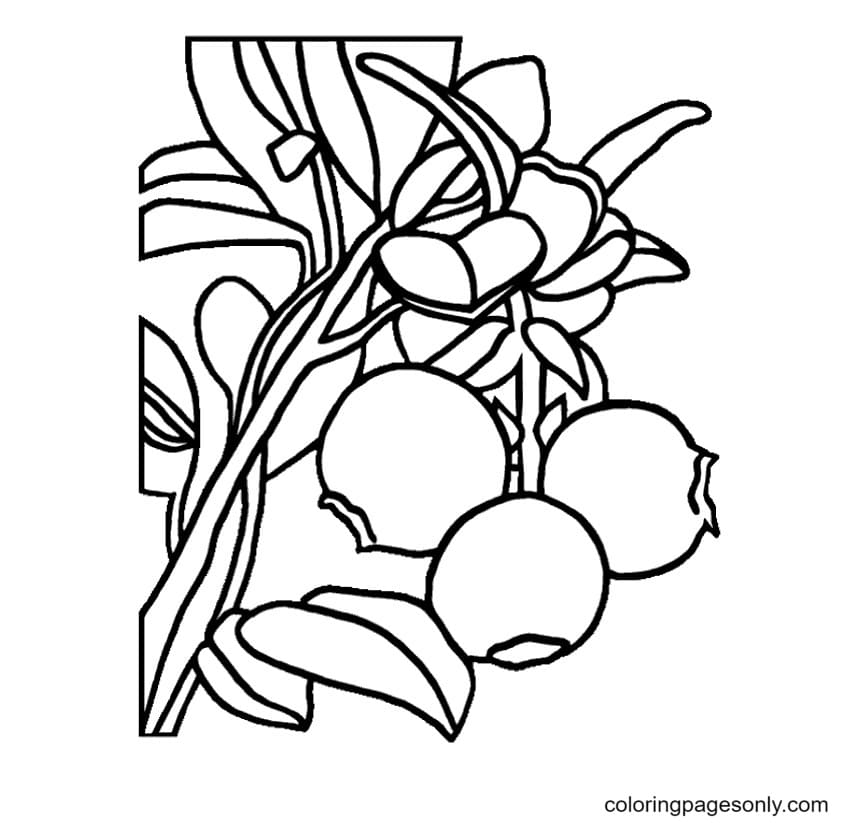
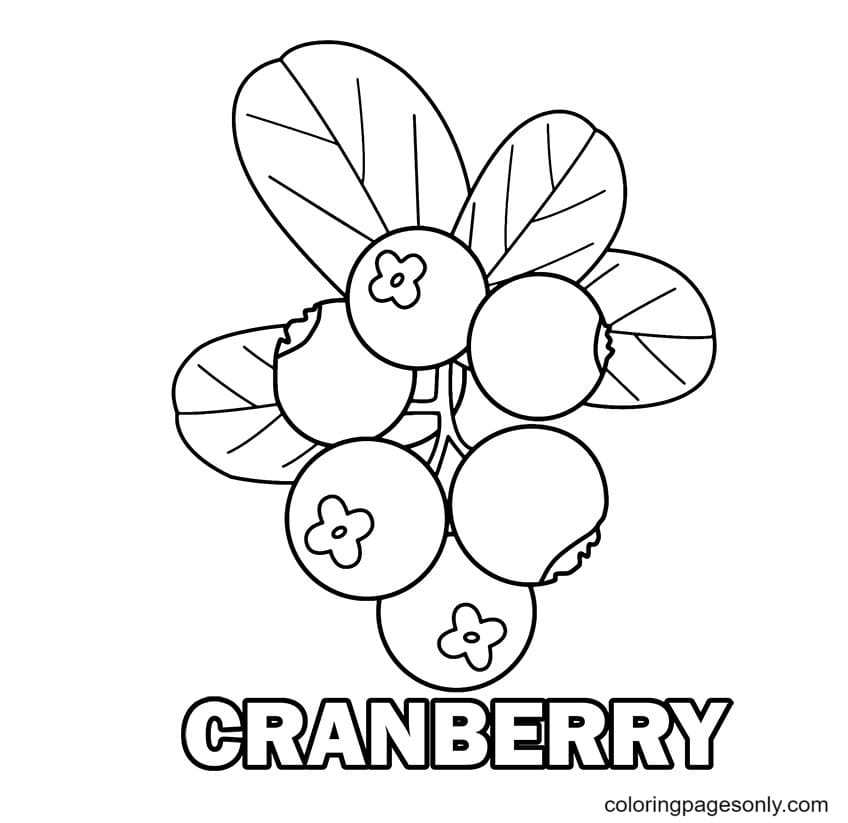
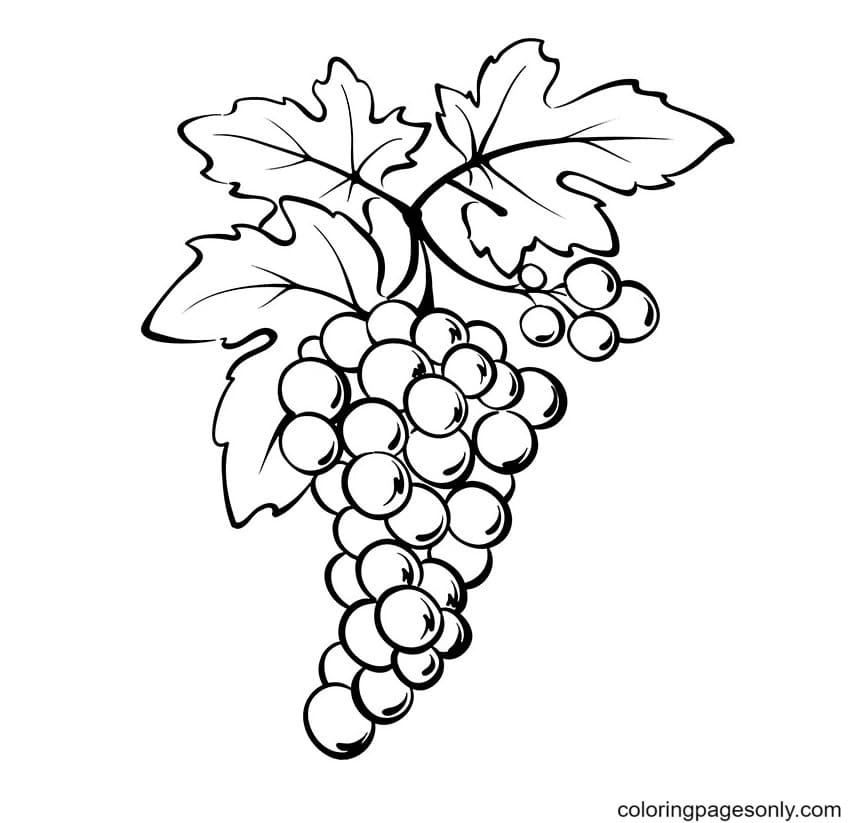
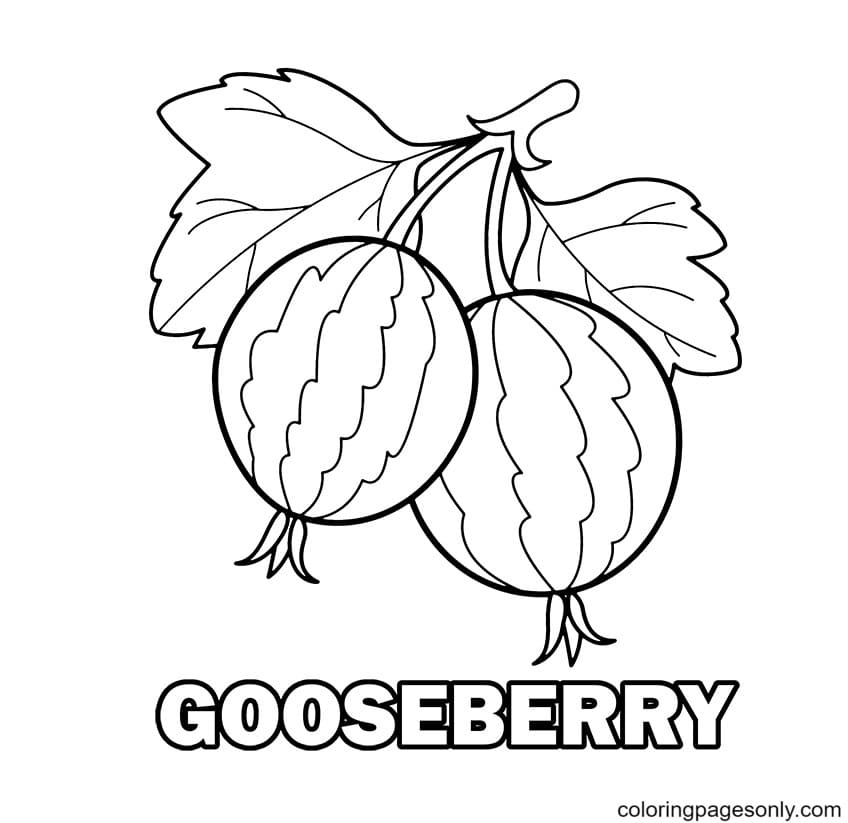
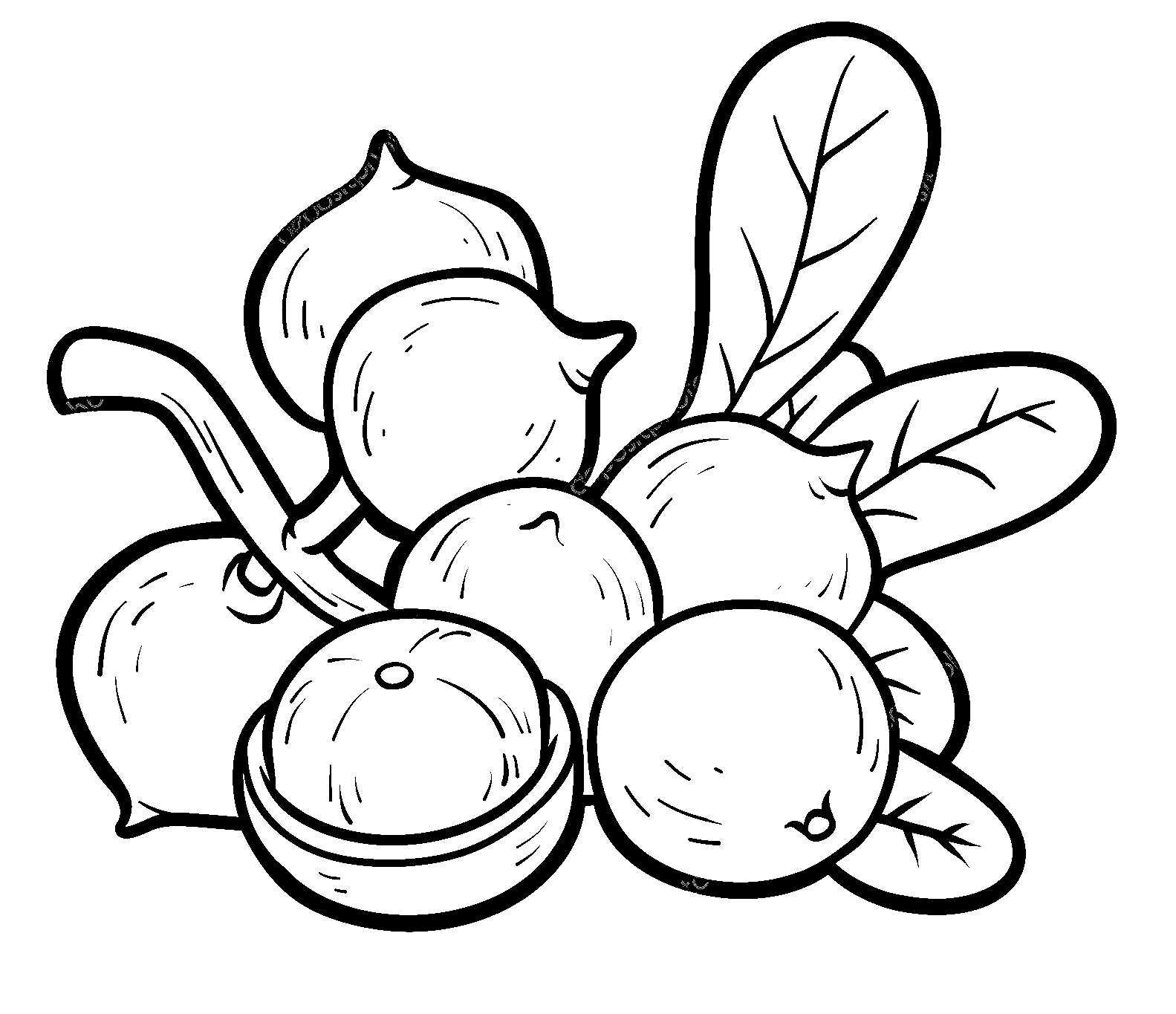
Some pages include smaller fruits, seeds, leaves, branches, stems, sprouts, or garden-style backgrounds. These details make fruit pages more interesting and help children notice how fruits grow and how they look up close.
Seed and leaf details are useful for fine motor practice. Children can color tiny fruit seeds, small leaves, branch shapes, fruit stems, clusters, and repeated patterns carefully.
Garden-style fruit pages can also connect coloring with nature learning. Children can talk about fruits growing on plants, trees, vines, or branches while coloring leaves, soil, sunshine, and outdoor backgrounds.
Coloring small fruit and garden detail pages: Use green for leaves, brown for branches, bright fruit colors for the main fruit, and tiny dark details for seeds. Add sunshine, soil, clouds, or simple labels if the page has open space.
Healthy Snack, Food Vocabulary, and Fruit Learning Pages
Some pages work well for snack-themed learning and food vocabulary practice. These designs can help children name fruits, notice colors, compare shapes, and positively talk about favorite snacks.
Children can learn that fruits come in many colors and forms. A coloring page can become a simple conversation about markets, lunch boxes, gardens, picnics, smoothies, and fresh snacks.
These pages should stay playful and encouraging. Instead of turning the activity into a strict nutrition lesson, parents and teachers can invite children to explore fruit names, colors, textures, and personal favorites.
Coloring fruit learning pages: Use many bright colors. Ask children to name each fruit, circle their favorite, count seeds, or add a simple label such as “mango,” “banana,” “kiwi,” “fruit basket,” or “fresh snack.”
Easy Tropical Fruits Coloring Pages for Preschool and Kids
Easy tropical fruit pages have clear outlines, large shapes, and fewer small details. These pages are best for preschoolers, kindergarten students, and children who want a quick coloring activity.
Simple fruit pages help children build confidence. A child can finish one mango, banana, pineapple, coconut, watermelon, or cartoon fruit page quickly, then move on to a more detailed fruit basket or mixed fruit design.
These pages are useful for quiet time, morning work, travel folders, snack-themed lessons, and take-home activities.
Coloring easy fruit pages: Use crayons or washable markers for large spaces. Keep the fruit colors simple and bright. Add one or two extra details, such as a sun, a leaf, a smile, or a name label.
Detailed Tropical Fruit Coloring Pages for Older Kids
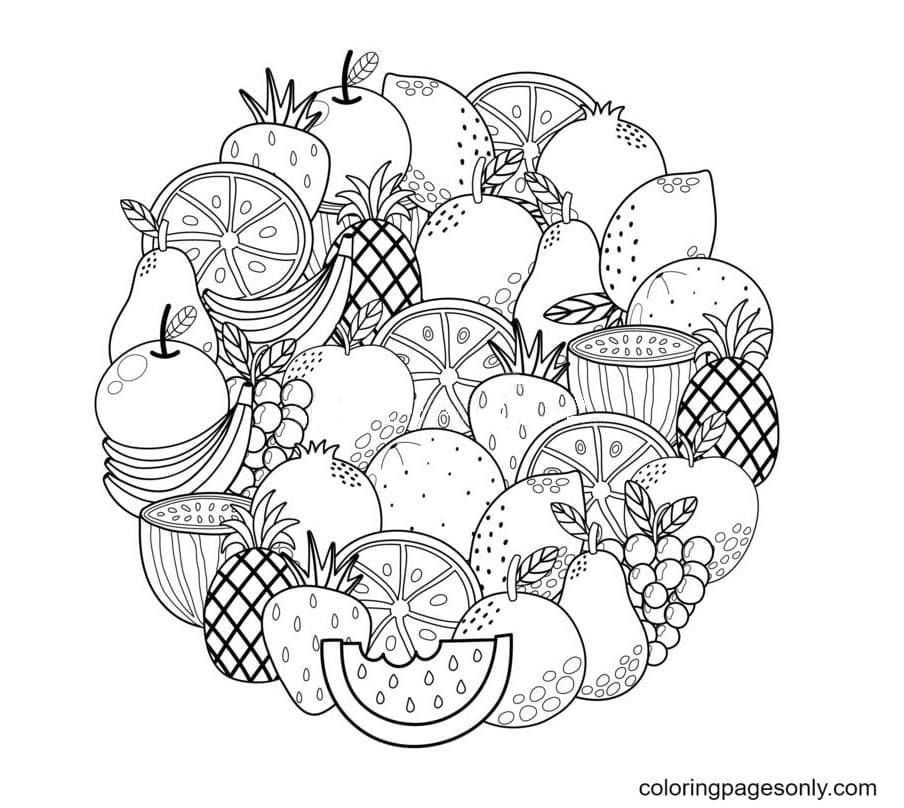
Detailed pages may include fruit baskets, fruit plates, tropical fruit pictures, exotic fruit sets, fruit arrangements, or many overlapping shapes.
These pages are great for older children because they require more patience and planning. Colorists can decide which fruit should stand out first, which background should stay light, and where to add shading.
Detailed pages also support art skills. Children can practice layering, blending, highlights, shadows, texture, and color contrast.
Coloring detailed tropical fruit pages: Start with the largest fruits first, then color smaller fruits and leaves. Use colored pencils for seeds, branches, shadows, fruit texture, and small details.
Printable PDF and Online Tropical Fruits Coloring Pages
This collection is easy to use at home or in class. You can download the PDF when you want to print a clean paper page. You can also color online if you prefer a digital activity.
Printable PDF pages are best for classroom packets, fruit lessons, food vocabulary activities, bulletin boards, craft projects, summer displays, and take-home coloring. Online coloring is useful for quick digital play or trying colors before printing.
Because the collection includes single fruits, mixed fruits, baskets, plates, cartoon fruits, exotic fruits, easy pages, and detailed pages, users can choose designs for many ages and learning goals.
Using printable and online tropical fruit pages: Print PDF pages for crafts and classroom work. Use online coloring for quick digital coloring. Choose simple fruit pages for younger children and mixed fruit pages for older kids.
What These Pages Do
Tropical Fruits coloring pages help users quickly find printable PDF and online coloring sheets based on mango, pineapple, coconut, dragon fruit, durian, kiwi, lychee, passion fruit, guava, watermelon, banana, avocado, fruit baskets, fruit plates, tropical fruit mixes, cartoon fruits, funny fruits, exotic fruit designs, and easy fruit pages for kids. Parents can choose simple fruit pages for quiet time. Teachers can use them for fruit vocabulary, color recognition, snack-themed lessons, and classroom art centers. Kids can choose pages based on favorite fruits, bright colors, funny fruit faces, or detailed fruit baskets.
The strongest value of this collection is fruit color-and-shape learning. Tropical fruits are visually rich: pineapple has a patterned skin, coconut has a rough shell, dragon fruit has tiny seeds and bright skin, kiwi has a green center, mango has warm orange tones, and watermelon has strong red-green contrast. Coloring these fruits helps children notice shape, texture, color, and detail.
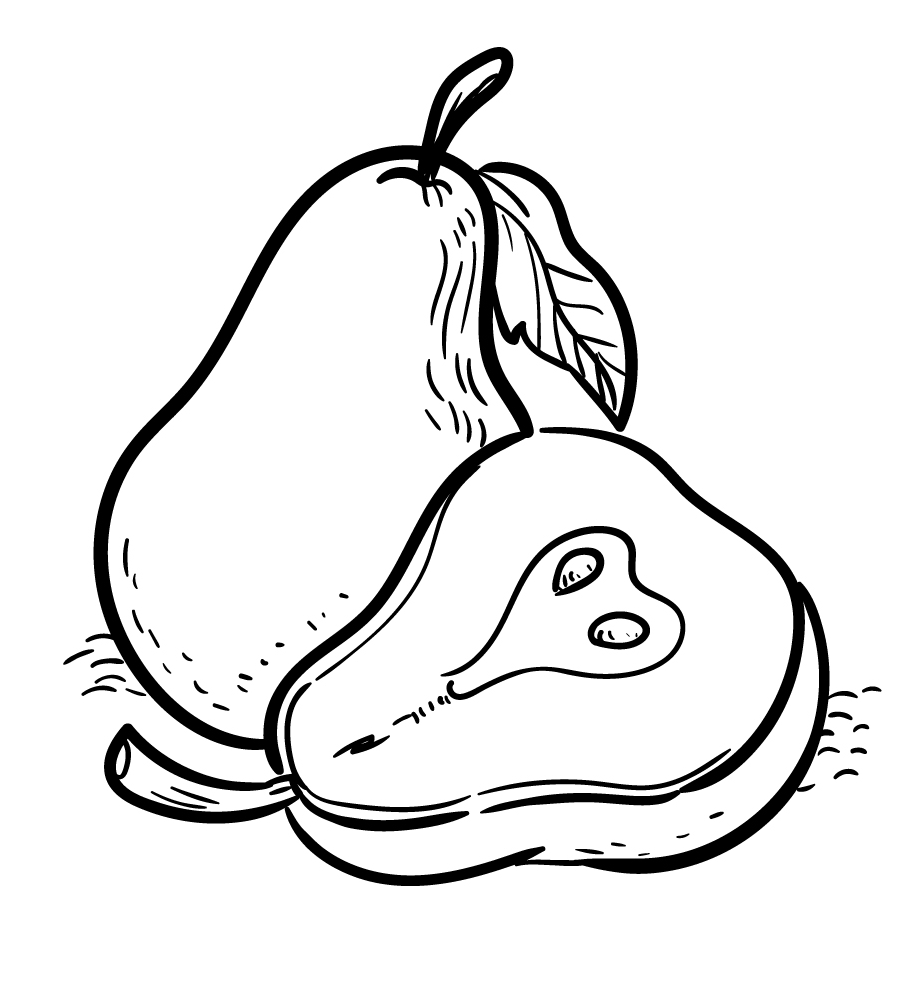
These pages also support fresh fruit vocabulary and observation. Children can learn fruit names, compare fruits, identify seeds, talk about peels and slices, and notice the difference between whole fruits and cut fruits. This makes the collection more useful than a general food coloring page because it focuses on fruit variety and visual learning.
Tropical Fruits coloring pages are also useful for summer, market, and garden storytelling. A fruit basket can become a picnic scene. A pineapple can become a beach poster. A coconut can suggest an island setting. A fruit plate can become a colorful snack activity. These pages give children room to connect coloring with real-life food, travel, warm weather, markets, and nature.
For children, Tropical Fruits pages can work like a “color, name, and taste the rainbow” creative prompt. The American Academy of Pediatrics emphasizes that play supports children’s social-emotional, cognitive, language, and self-regulation development. In this collection, that idea connects naturally to fruit play: a child can color a fruit, say its name, describe its shape, choose a color, count seeds, compare sizes, and talk about favorite snacks. While coloring, children can practice vocabulary, observation, memory, patience, and focused attention.
These pages can also offer a calm, structured creative break after school, screen time, or active play. Research published in Art Therapy has discussed how coloring organized designs with clear boundaries and repeated forms may help reduce short-term anxiety more than fully open-ended drawing. Tropical Fruits coloring pages should not be presented as therapy, but their clear fruit outlines, leaves, seeds, baskets, plates, patterns, and repeated fruit shapes give children a clear path to follow with color. That structure can support a quieter, focused, screen-free moment at home, in class, or during a food-themed lesson.
Coloring also supports fine motor practice. Children work on pineapple patterns, banana curves, mango shapes, kiwi seeds, dragon fruit dots, watermelon seeds, coconut shells, leaves, stems, baskets, plates, and small background details. These areas help build hand control, pencil pressure, patience, and attention to small shapes.
When choosing a page, match the design to the child’s age and learning goal. For preschoolers, start with simple banana, mango, pineapple, coconut, watermelon, and cartoon fruit pages. For kindergarten and early elementary children, choose fruit baskets, fruit plates, kiwi, dragon fruit, and fruit vocabulary pages. For older kids, choose detailed tropical fruit mixes, exotic fruit pages, garden detail pages, and fruit arrangement designs.
Tropical Fruits coloring pages are especially useful because they combine fruit recognition, color learning, food vocabulary, nature awareness, fine motor practice, printable PDF convenience, and online coloring. That makes the collection practical for home coloring, preschool lessons, kindergarten centers, snack-themed activities, summer crafts, classroom displays, rainy-day play, and screen-free creative fun.
How to Color Tropical Fruits Coloring Pages
Start with the real fruit colors. Look at the fruit name or picture and choose colors that match the real fruit first. This helps children connect coloring with fruit recognition.
Use bright tropical colors. Try yellow, orange, green, pink, red, purple, brown, and blue-green. Tropical fruit pages look best when the colors feel fresh and lively.
Make the pineapple texture stand out. Color the body yellow or golden, then use brown or orange lines for the diamond pattern. Use green for the leafy crown.
Color dragon fruit with contrast. Use pink or red for the outside, green for the tips, white or pale pink inside, and black dots for seeds.
Use layered greens for kiwi and avocado. Try dark green skin, light green flesh, cream highlights, and brown seeds or pits.
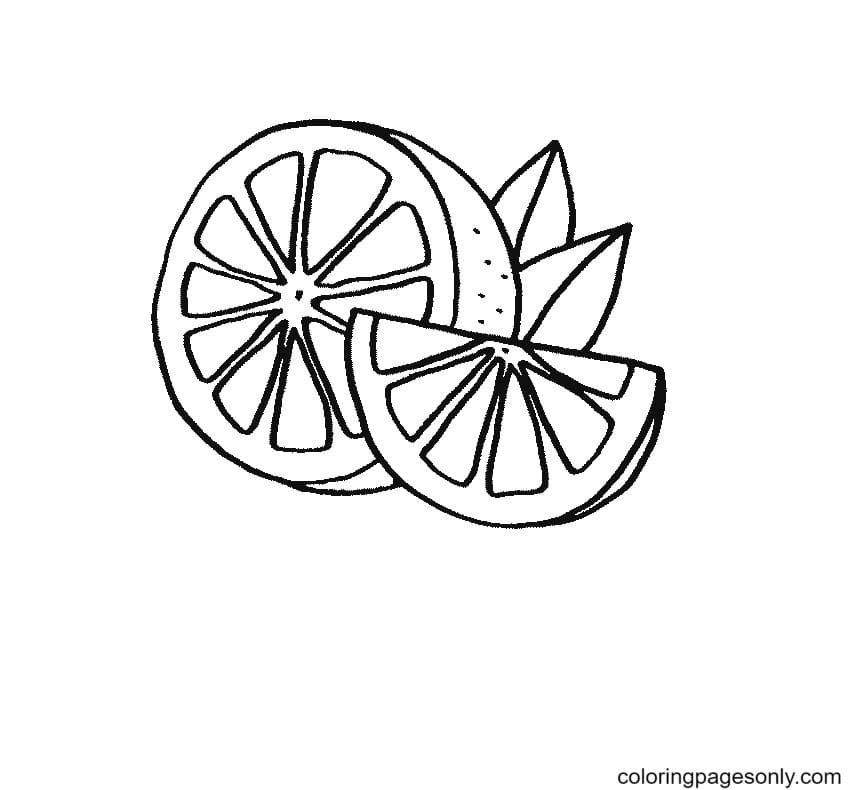
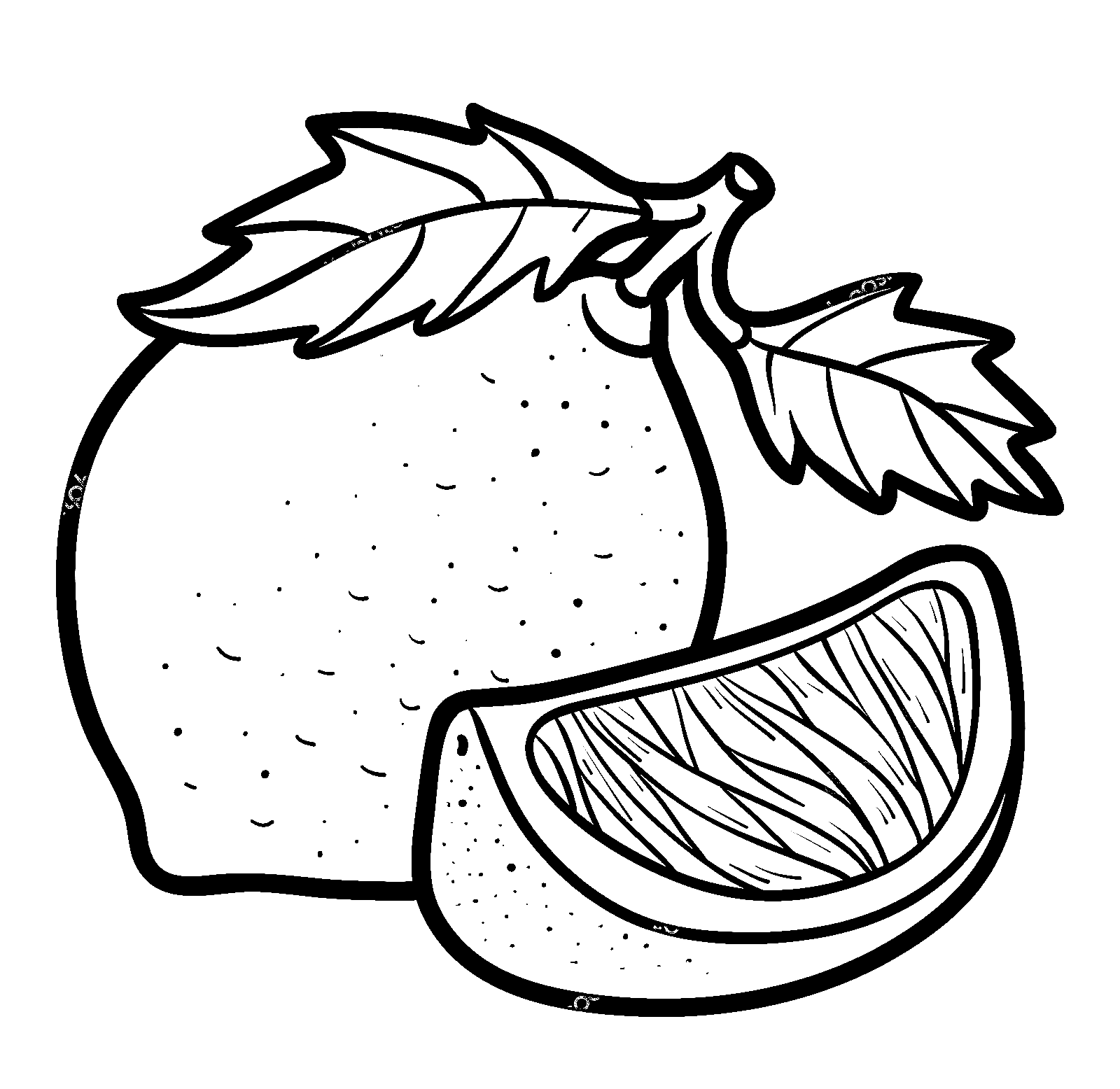
Add shine to juicy fruit. Use white or pale yellow highlights on mango, watermelon, citrus slices, and tropical fruit pieces to make them look fresh.
Color fruit baskets carefully. Color the basket first with tan and brown, then make each fruit a different color so the picture stays clear.
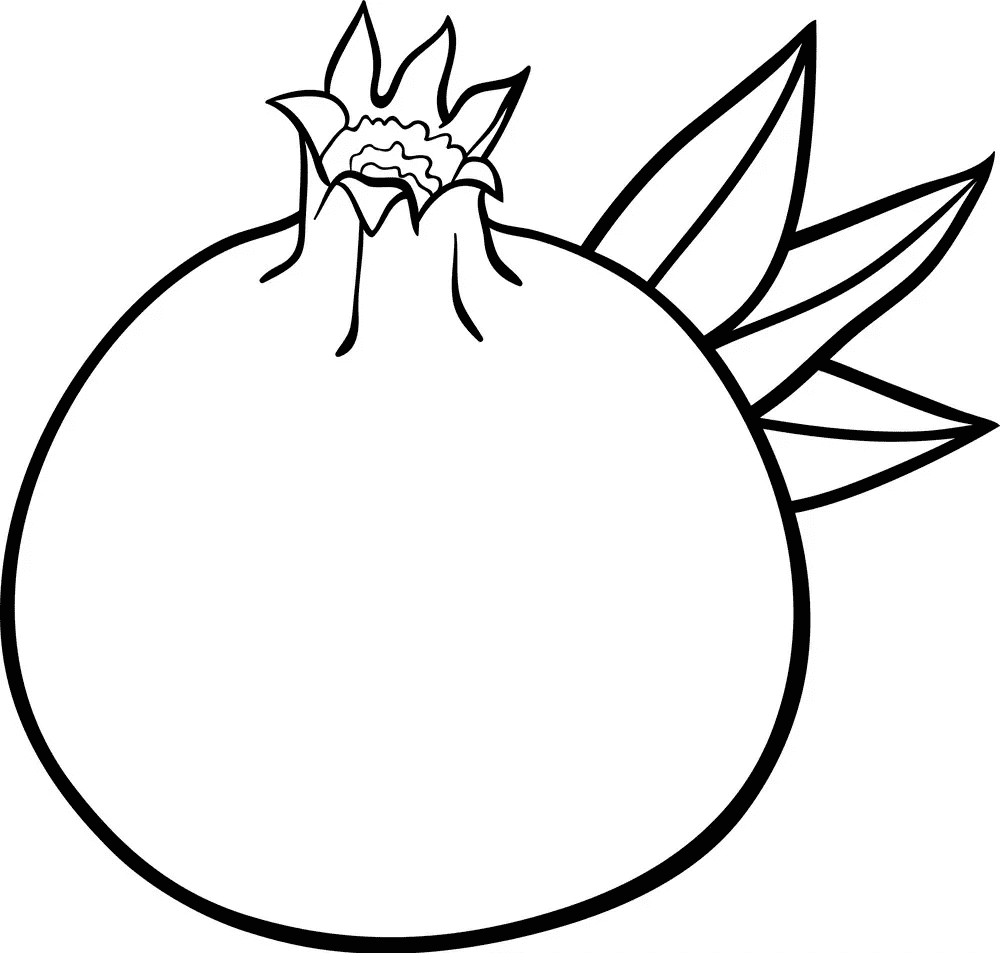
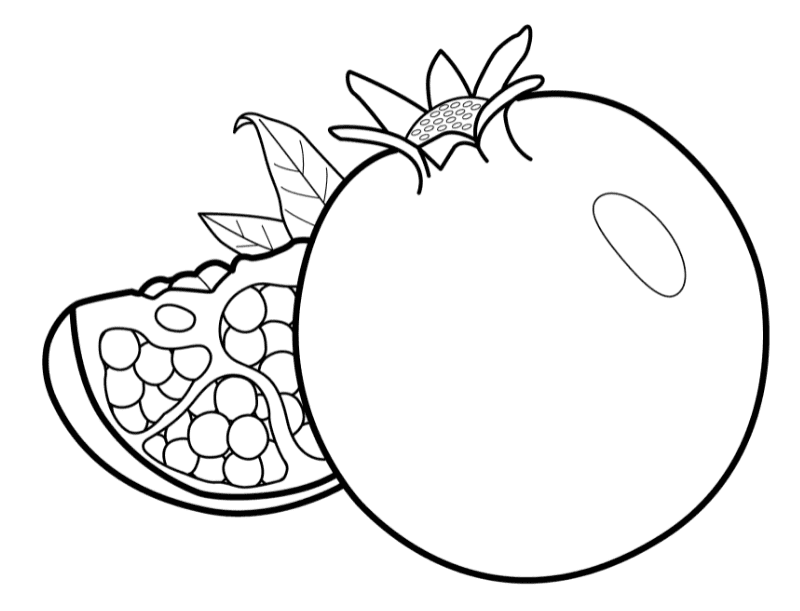
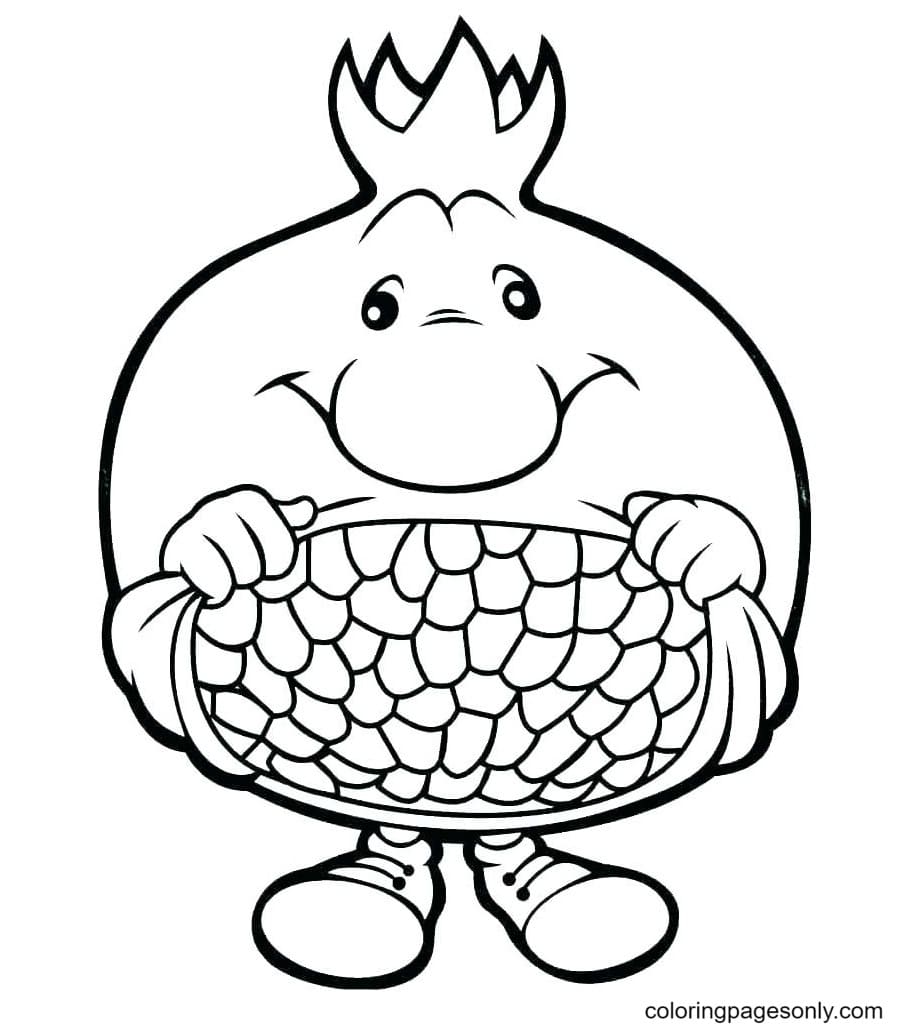
Use seed details. Add black watermelon seeds, kiwi seeds, dragon fruit dots, passion fruit seeds, or pomegranate-style seed details to make the fruit more realistic.
Try cartoon fruit colors. For funny fruits and fruity friends, use bright colors, pink cheeks, shiny eyes, and playful backgrounds.
Use colored pencils for detailed pages. Colored pencils work well for seeds, leaves, baskets, small fruit clusters, shadows, and texture. Crayons or markers work well for simple fruit pages.
5 Creative Craft Ideas with Tropical Fruits Coloring Pages
Tropical Fruit Basket Poster
Print a fruit basket, fruit plate, or tropical fruit mix page. Color each fruit with bright, realistic colors.
Glue the finished page onto poster board and add labels such as mango, pineapple, coconut, kiwi, dragon fruit, banana, and watermelon. This craft works well for classroom fruit vocabulary and colorful food-themed displays.
Fruit Market Vocabulary Cards
Print simple fruit pages such as mango, pineapple, coconut, banana, kiwi, watermelon, guava, or dragon fruit. Color and cut out each fruit.
Glue each fruit onto a card and write the fruit name below it. Children can use the cards for matching games, spelling practice, market pretend play, or classroom word walls.
Tropical Smoothie Menu Craft
Choose several fruit pages or small fruit cutouts. Color the fruits and cut them out.
Glue them onto a paper menu and create smoothie names such as “Mango Sunshine,” “Dragon Fruit Splash,” “Pineapple Coconut Mix,” or “Kiwi Watermelon Cooler.” Children can draw a cup beside each smoothie idea.
Pineapple and Dragon Fruit Texture Board
Print a pineapple page and a dragon fruit page. Color each one carefully, focusing on texture.
Glue both pages onto a board and add texture words: spiky, smooth, dotted, juicy, rough, leafy, sweet, and fresh. This craft helps children connect coloring with descriptive vocabulary.
Funny Fruit Friends Garland
Print cartoon fruits, funny fruits, or fruity friends pages. Color the fruits with bright colors and cut them out.
Attach the fruits to a string with tape or clothespins. Hang the garland in a classroom, kitchen, party corner, or fruit-themed bulletin board. Children can add speech bubbles or fruit names under each character.
FAQ About Tropical Fruits Coloring Pages
Are these Tropical Fruits coloring pages free to print?
Yes. These Tropical Fruits coloring pages are free to download and print as PDF pages. You can print one favorite fruit page or several designs for classroom activities, fruit lessons, snack-themed units, summer crafts, or screen-free creative time.
Can I color Tropical Fruits pages online?
Yes. Online coloring is available if you do not want to print. This is useful for quick digital coloring, color testing, or screen-based classroom activities.
What kinds of tropical fruit designs are included?
The collection includes mango, pineapple, coconut, dragon fruit, durian, kiwi, lychee, passion fruit, guava, watermelon, banana, avocado, fruit baskets, fruit plates, tropical fruit mixes, cartoon fruits, funny fruits, and easy fruit pages for kids.
What format should I use for printing?
Use the PDF version for printing. PDF keeps the coloring page layout clean and stable on paper, making it the best choice for classroom handouts, craft projects, fruit vocabulary cards, posters, and take-home activities.
Are Tropical Fruits coloring pages good for preschoolers?
Yes. Simple mango, banana, pineapple, coconut, watermelon, and cartoon fruit pages are good choices for preschoolers because the shapes are clear and easy to color. Detailed fruit baskets and fruit mixes may be better for older children.
Can teachers use Tropical Fruits coloring pages in class?
Yes. Teachers can use these pages for fruit recognition, color learning, food vocabulary, snack-themed lessons, counting seeds, sorting fruit types, fine motor work, and classroom displays.
What colors should I use for tropical fruits?
Use bright fruit colors such as yellow, orange, green, red, pink, purple, brown, and cream. Pineapple can be yellow and green, dragon fruit can be pink and white, coconut can be brown and cream, kiwi can be green and brown, and mango can be orange or yellow.
Can Tropical Fruits coloring pages support fruit learning?
Yes. These pages can help children name fruits, compare colors, notice seeds, talk about peels and slices, and describe favorite snacks. Keep the activity playful and positive.
What crafts can I make with Tropical Fruits coloring pages?
You can make a tropical fruit basket poster, fruit market vocabulary cards, smoothie menu craft, pineapple and dragon fruit texture board, funny fruit friends garland, classroom fruit wall, or summer snack display.
How can I make a Tropical Fruits coloring page more educational?
Add fruit labels, color words, seed counts, texture words, sorting groups, or a simple sentence. Children can write “yellow pineapple,” “pink dragon fruit,” “green kiwi,” or “I like mango.”
Browse the full collection at ColoringPagesOnly.com. All 110+ pages are free, available as printable PDF pages, ready to print from PDF or color online.
These Tropical Fruits pages are created for personal, classroom, homeschool, preschool, kindergarten, fruit, food, summer, and snack-themed coloring use. They fit many moments: fruit recognition, color lessons, food vocabulary practice, market pretend play, summer crafts, classroom displays, rainy-day play, and screen-free creative fun.
For the final pass, keep each fruit bright, fresh, and easy to recognize. Add seeds, peels, leaves, baskets, plates, shine marks, labels, color words, or simple backgrounds to make each page feel like a cheerful fruit-learning activity.
Share your work on Facebook and Pinterest and tag #ColoringPagesOnly. We especially want to see your Tropical Fruit Basket Poster, Fruit Market Vocabulary Cards, and Funny Fruit Friends Garland.