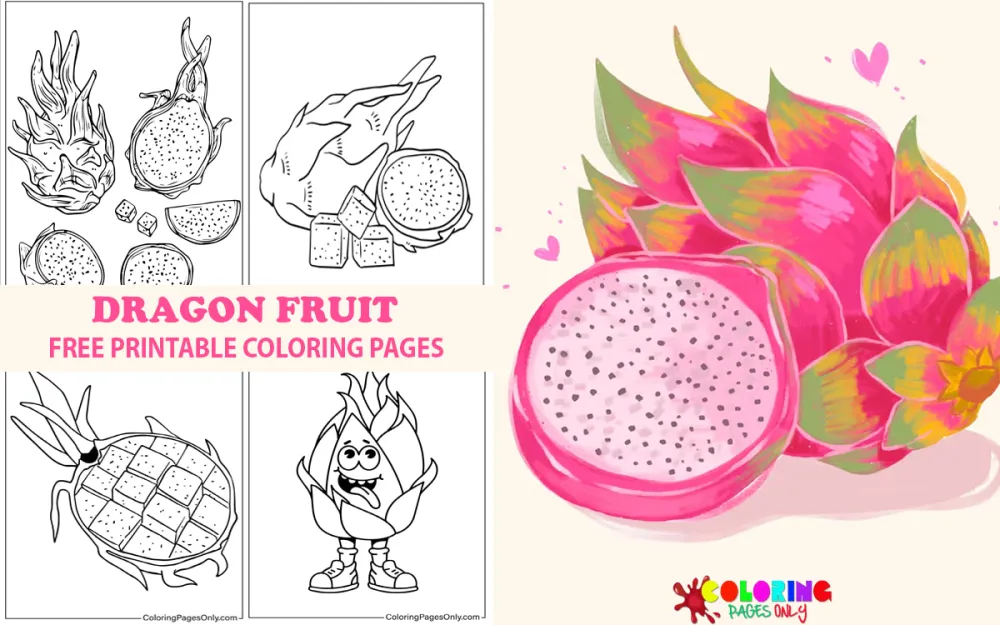
Free Dragon Fruit Coloring Pages: 27 printable PDF designs of this vividly colored cactus fruit, whole, sliced, and in its red, white, and yellow varieties. Printing a page costs nothing, and neither does coloring it straight in the browser, no account needed for either.
Despite its name, dragon fruit isn’t a tropical tree fruit at all; it grows on a climbing cactus in the genus Hylocereus, native to Central America. The plant’s flowers are genuinely dramatic: each one blooms for a single night only, opening at dusk and closing by morning. Dragon fruit also comes in three main varieties: red skin with white flesh, red skin with red flesh, and yellow skin with white flesh. Several of these show up across this collection.
The 27 pages are split into five groups: plain fruit portraits, cute and cartoon versions, sliced and cut views, the fruit’s three color varieties, and a smaller sketch-style group. Since so many pages share the same basic shape, the real coloring variety comes from choosing which variety’s colors to use.


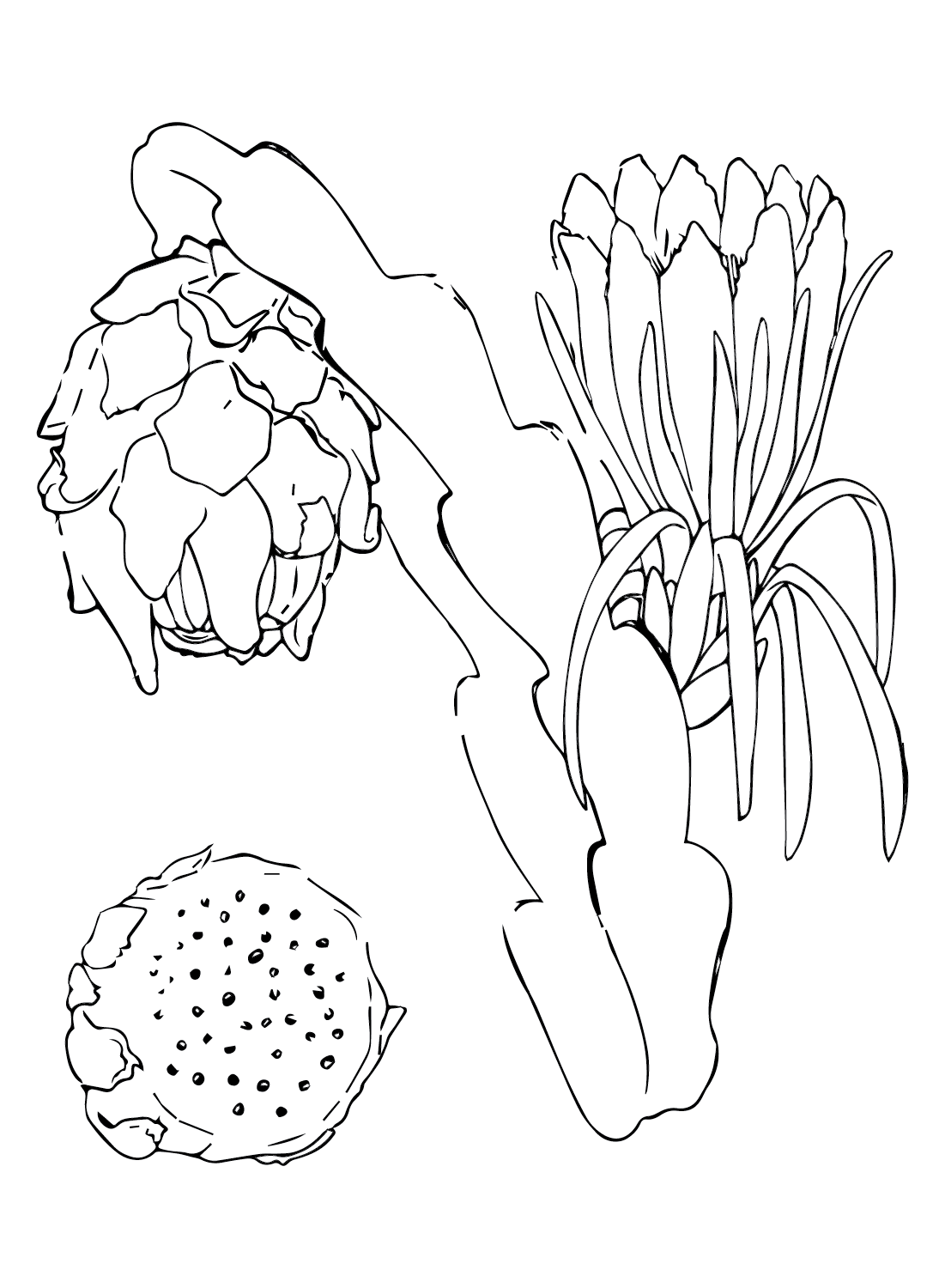
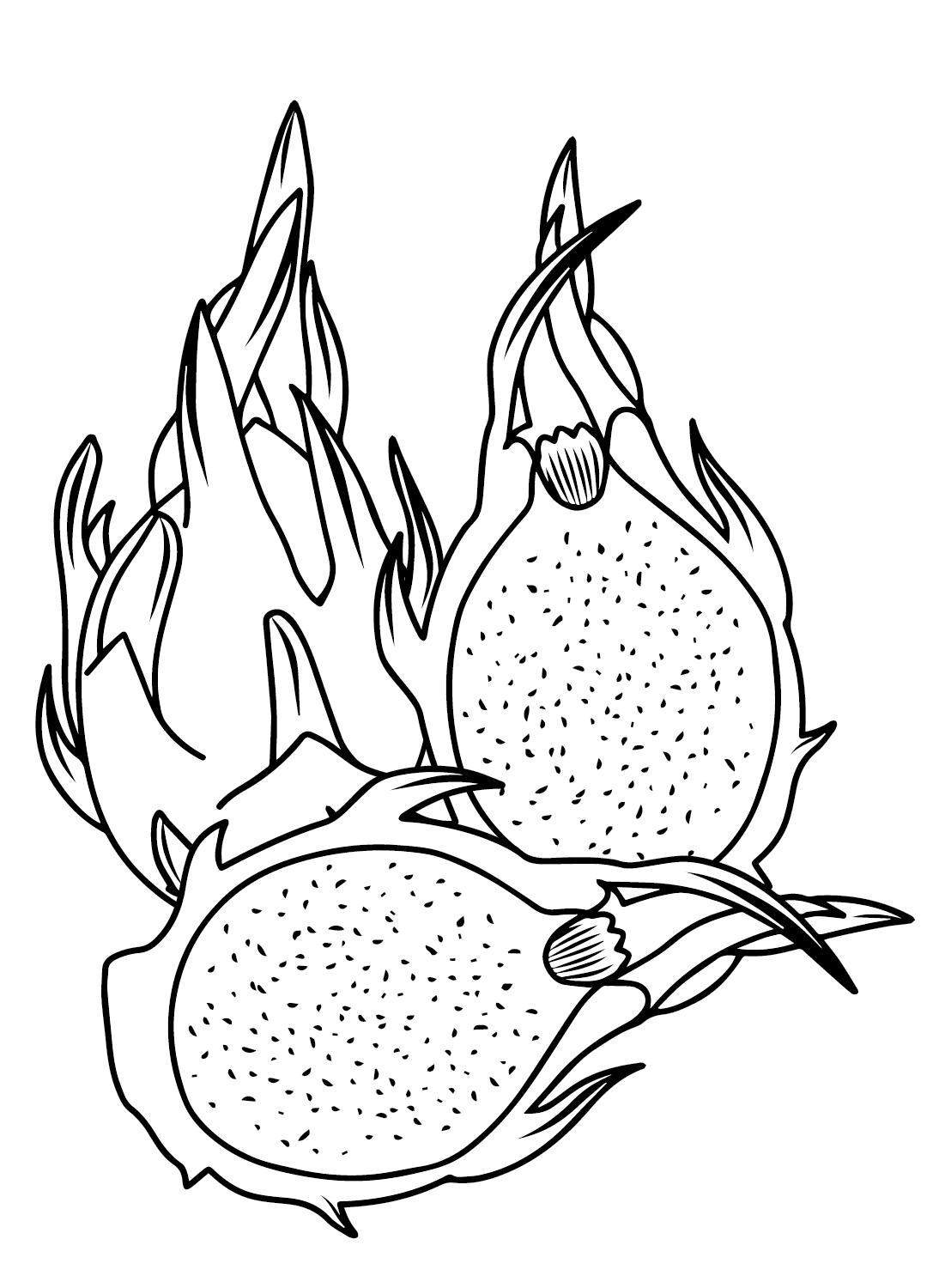

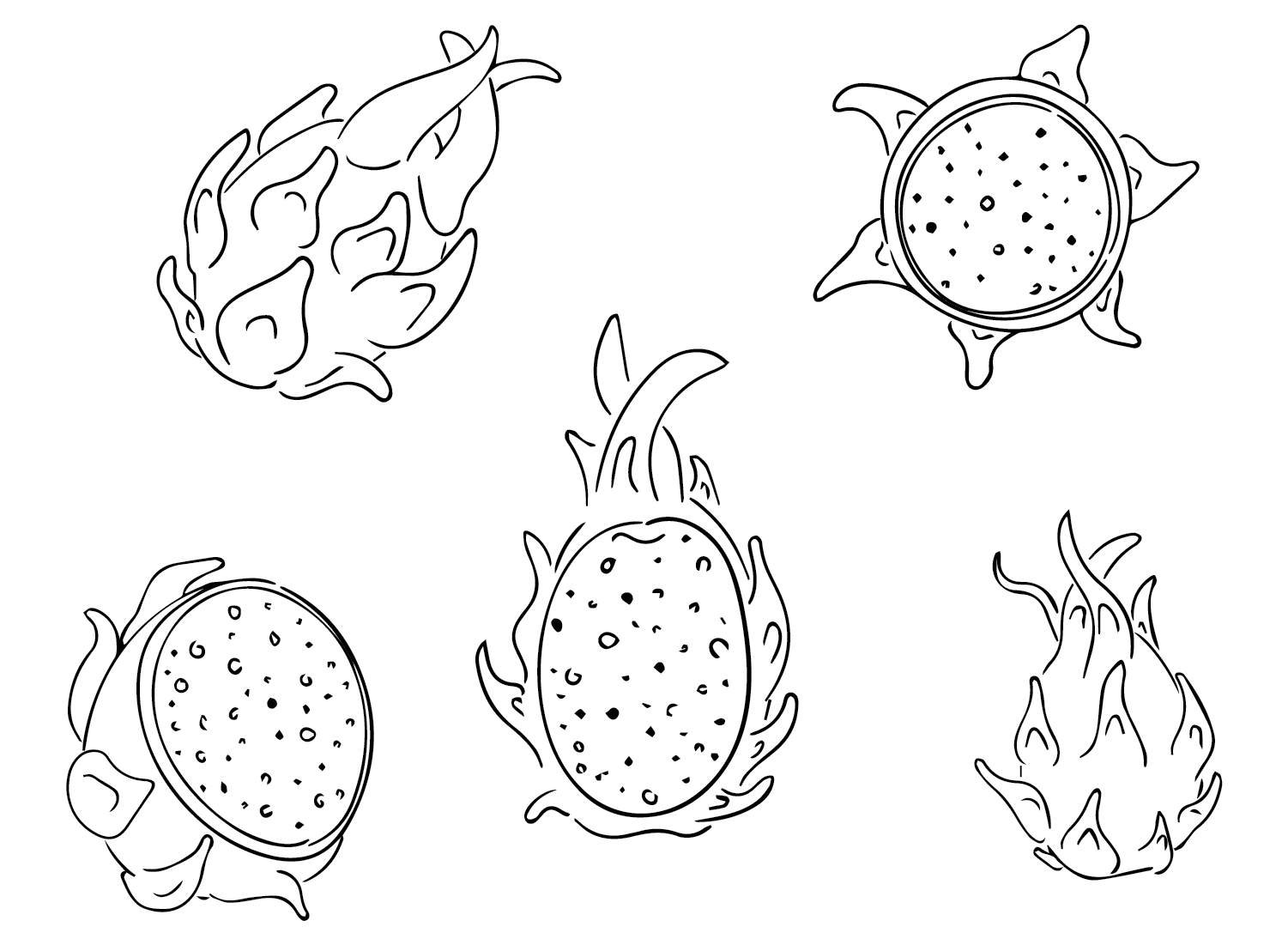

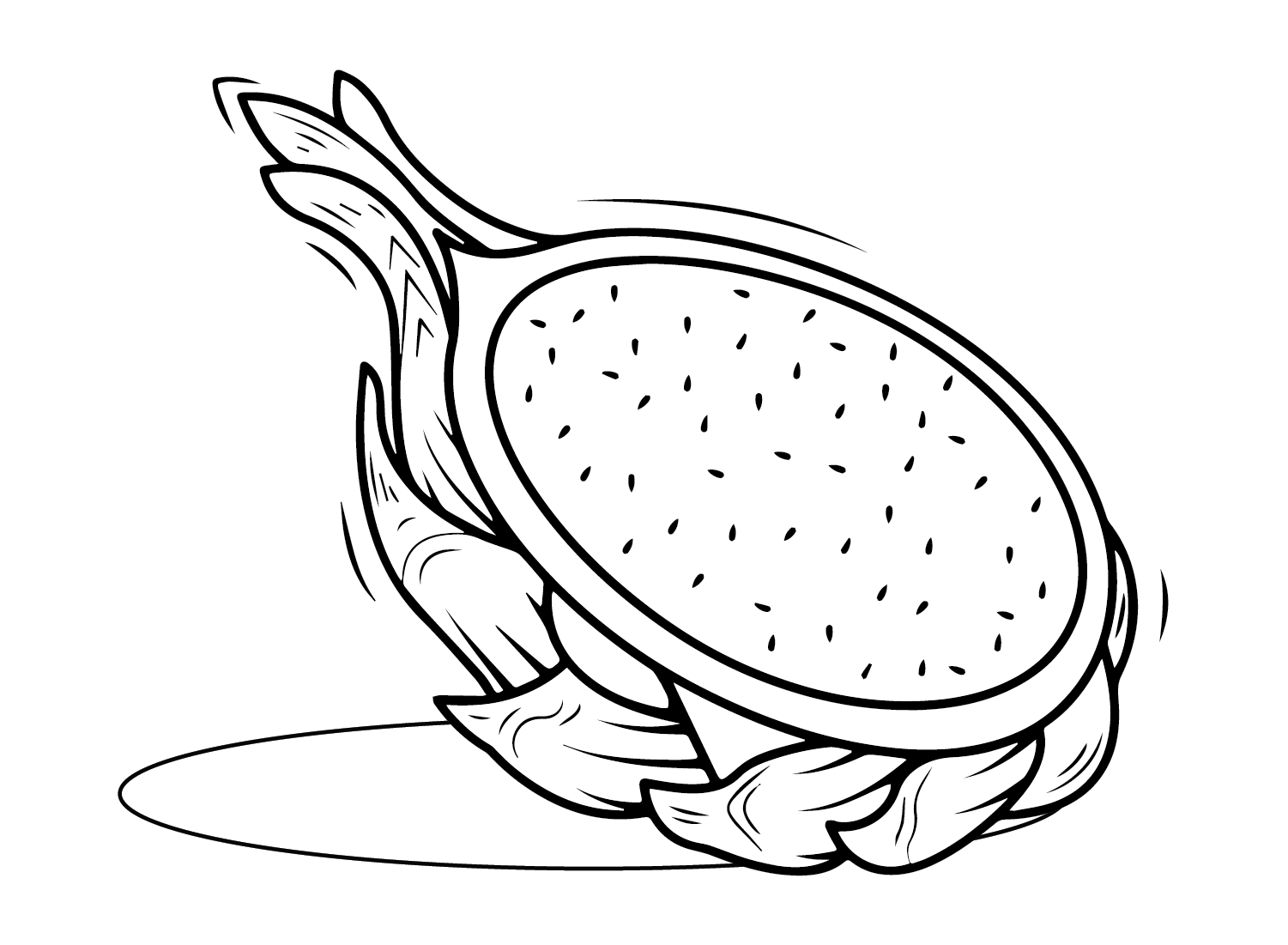
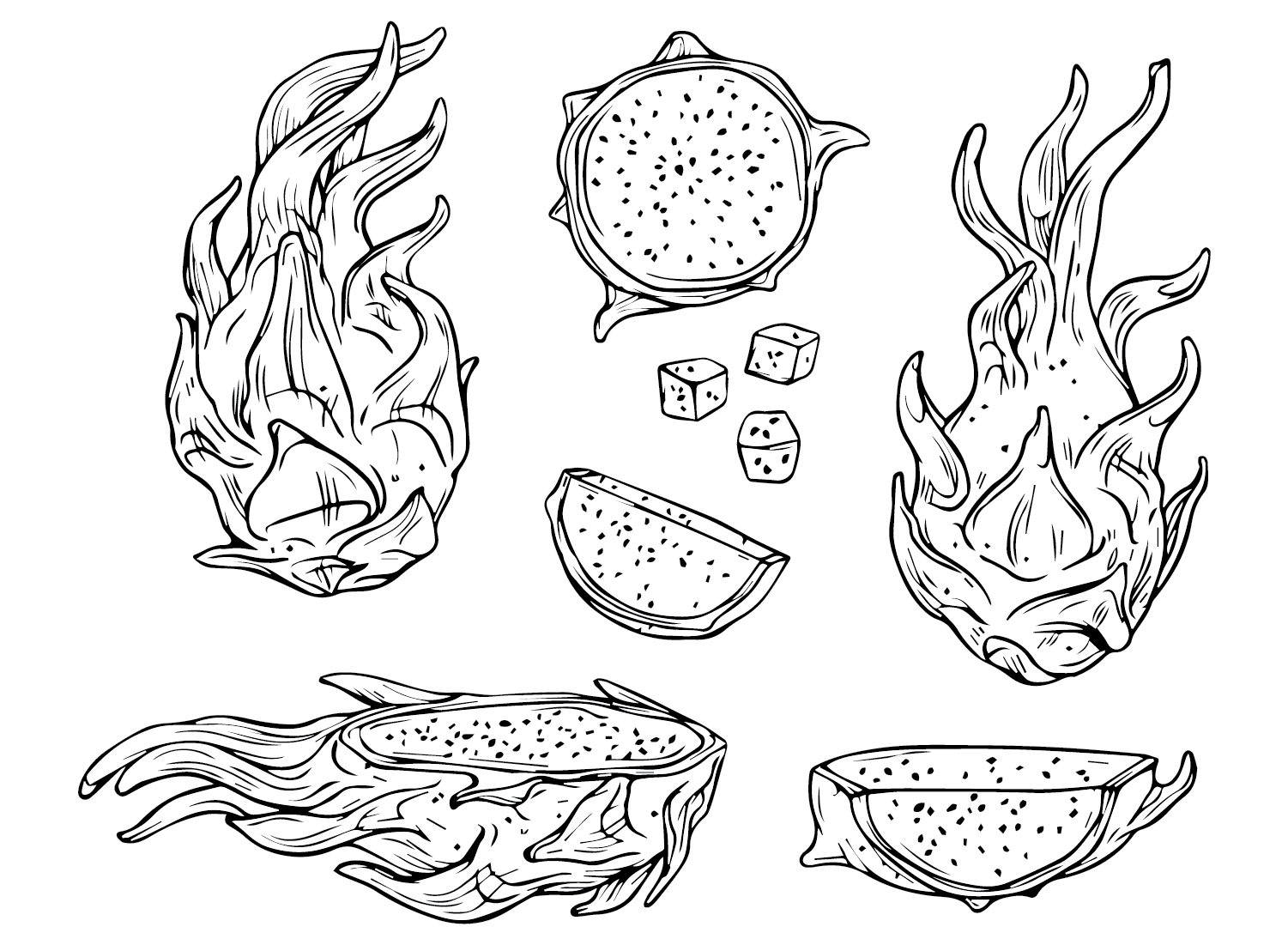
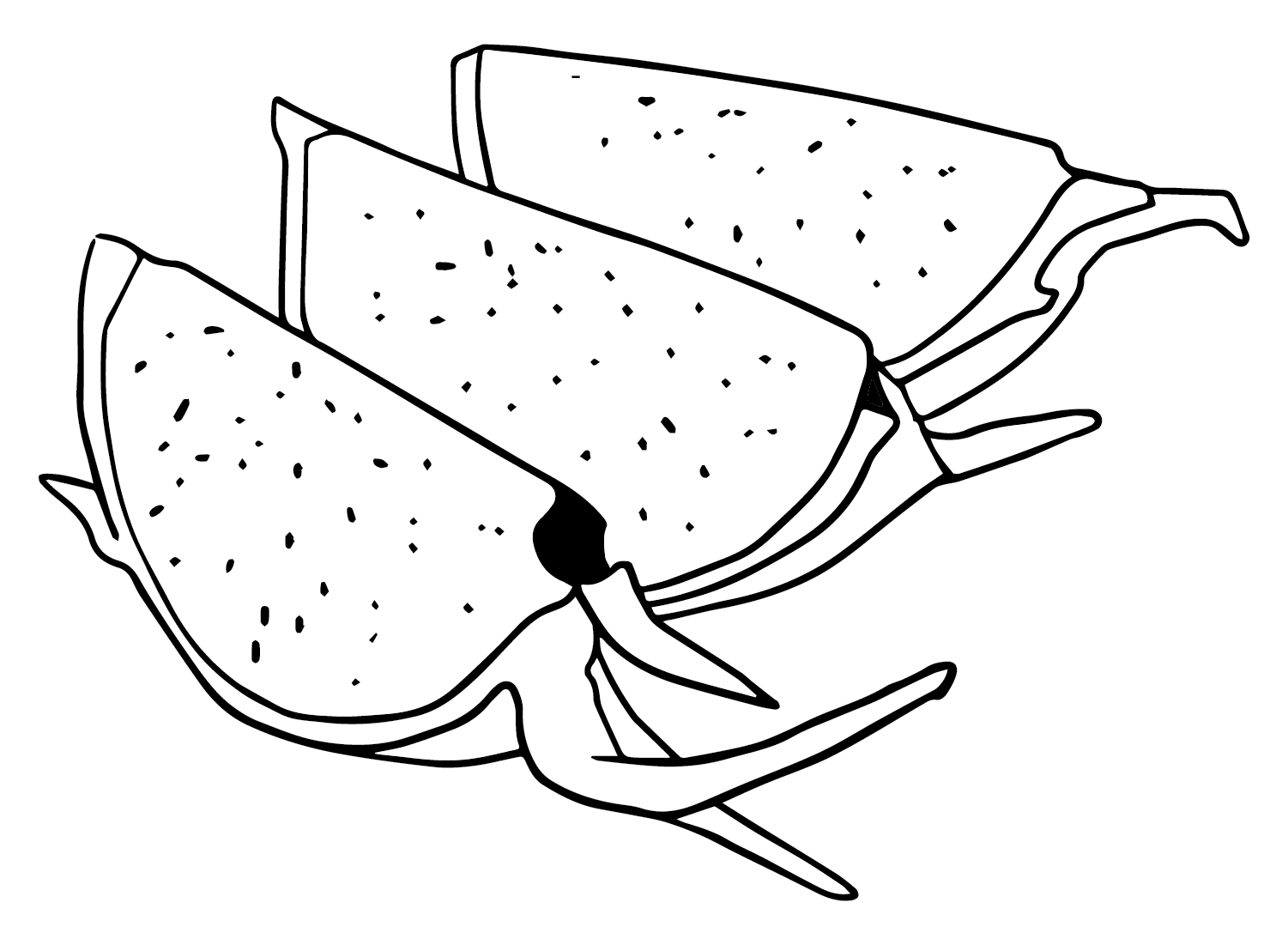
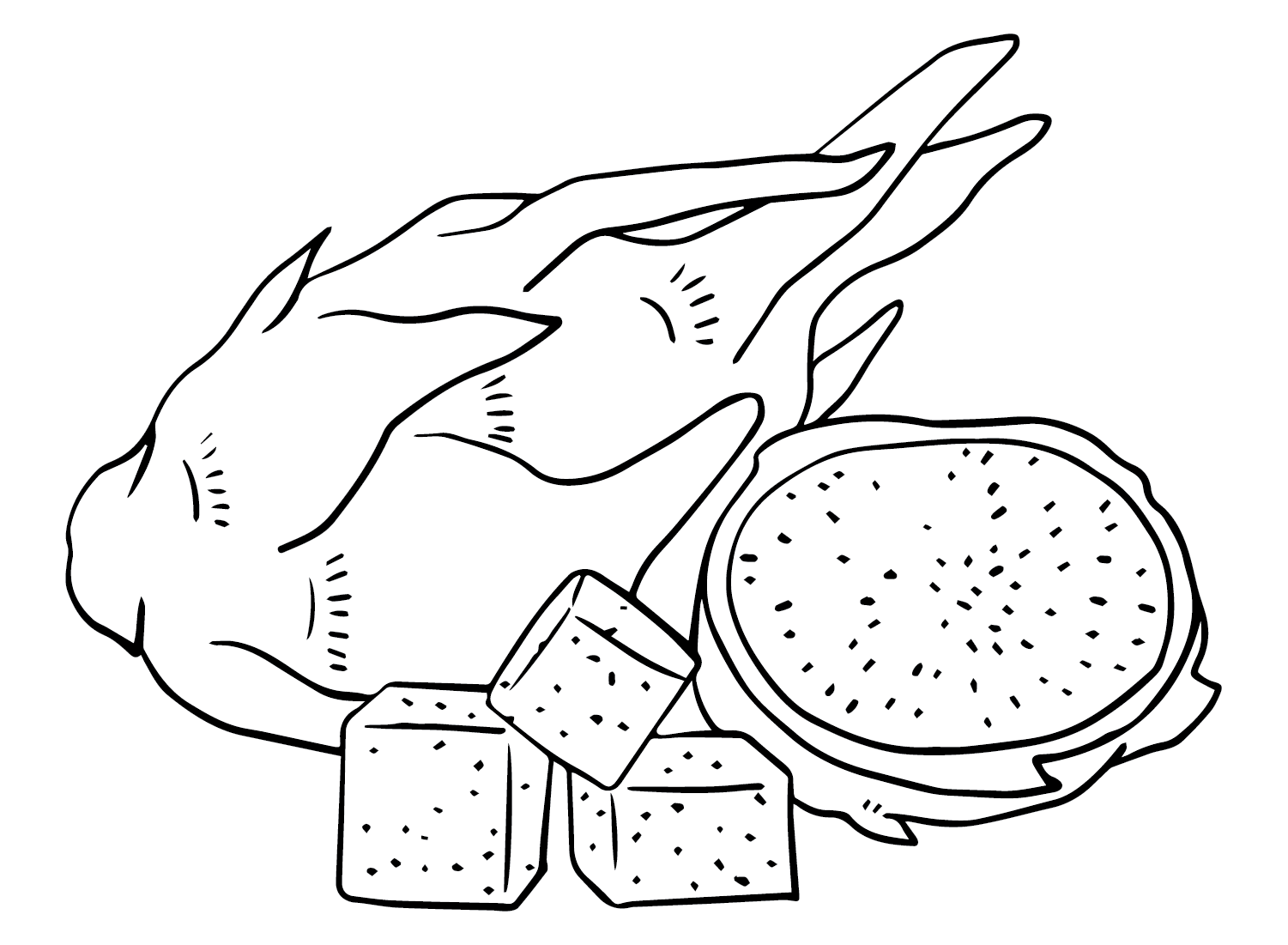
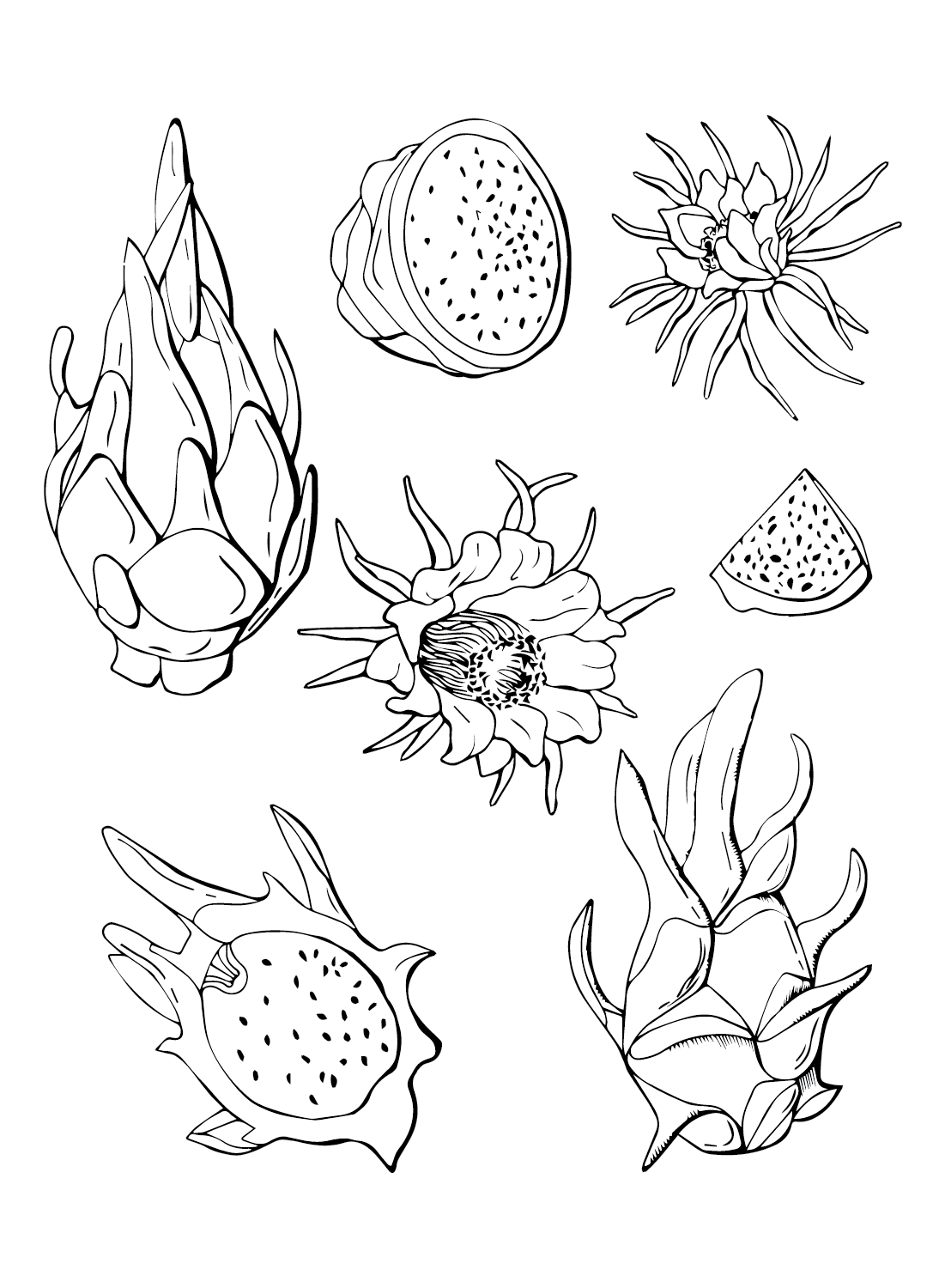
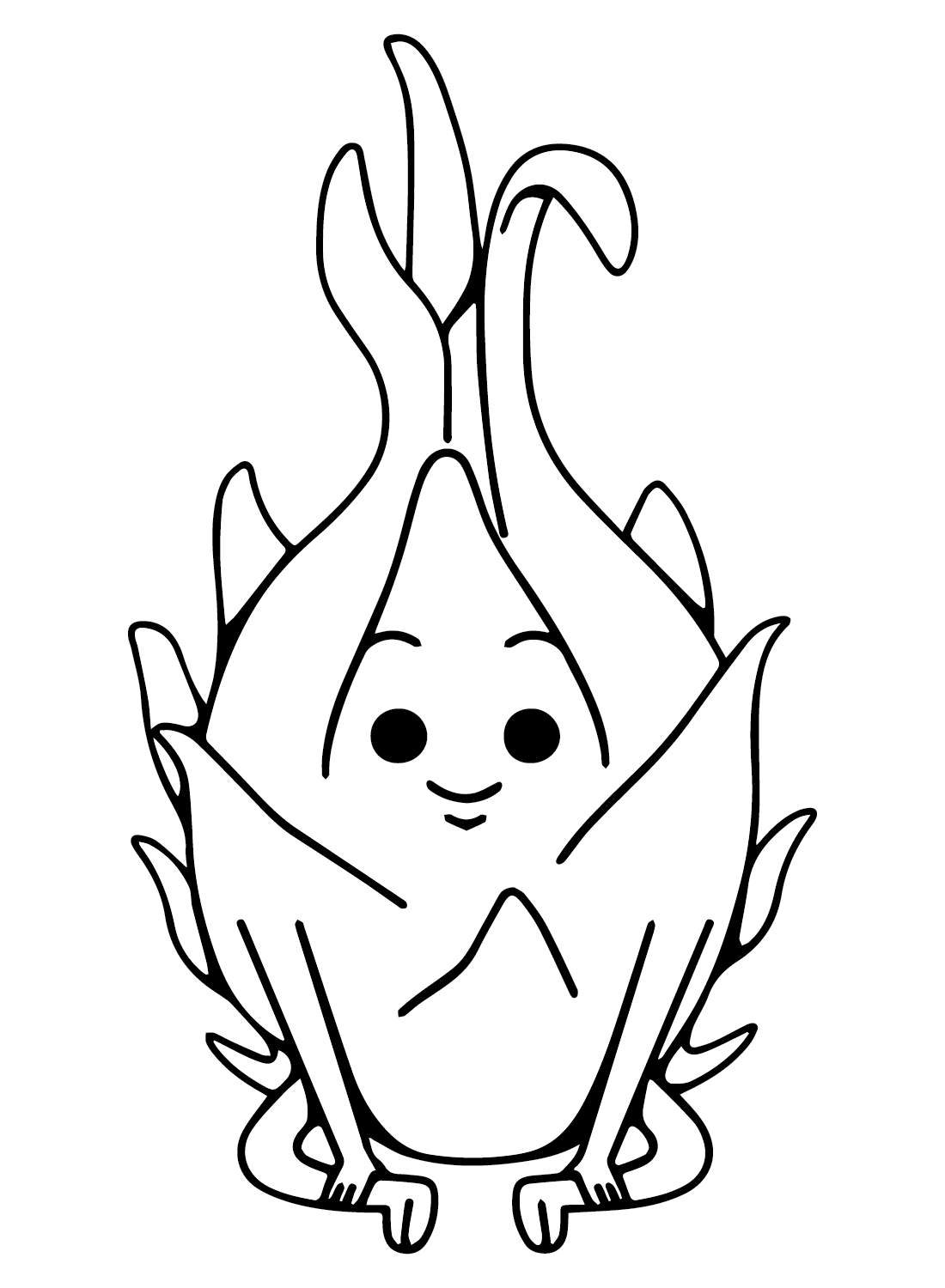
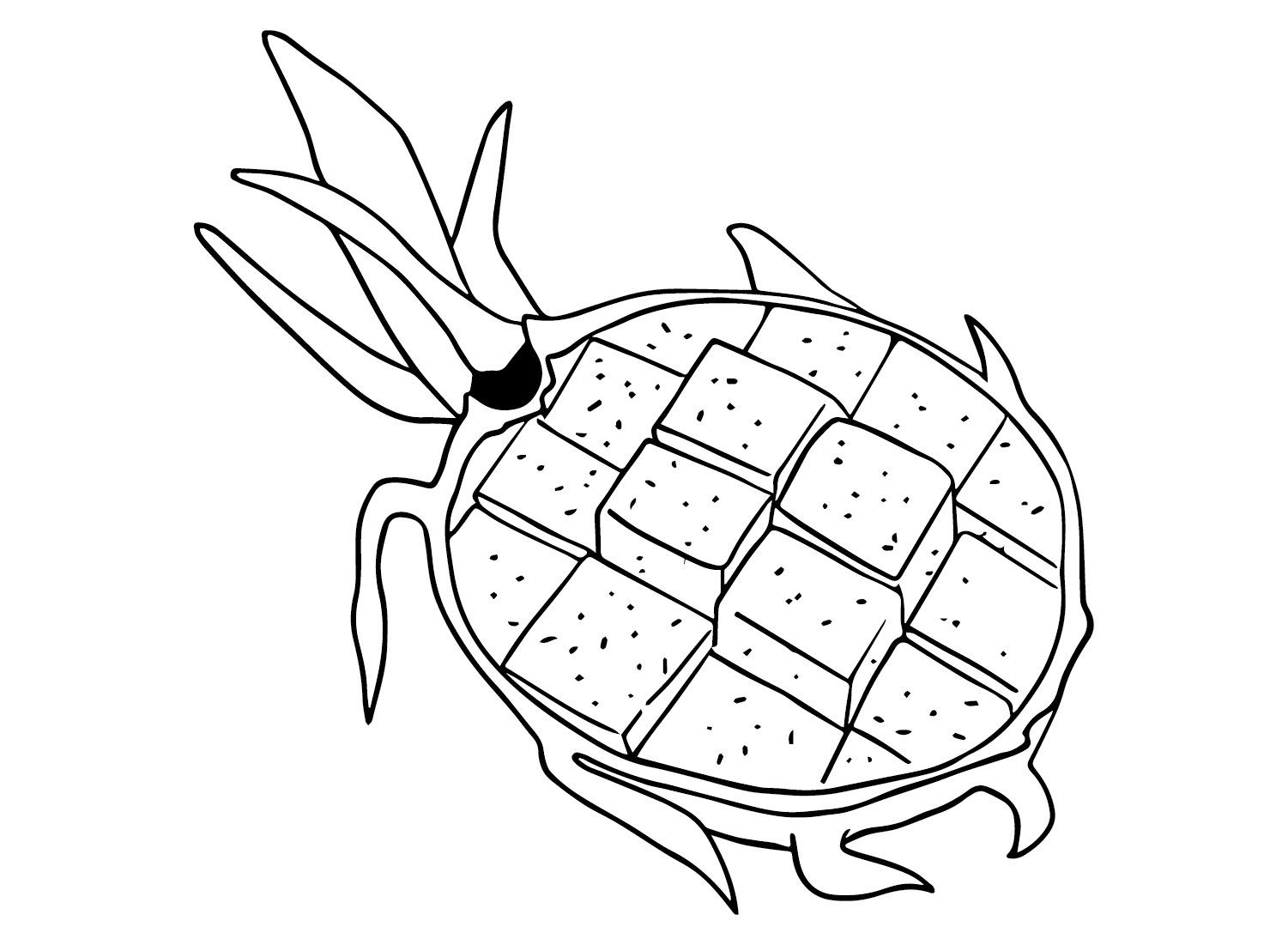
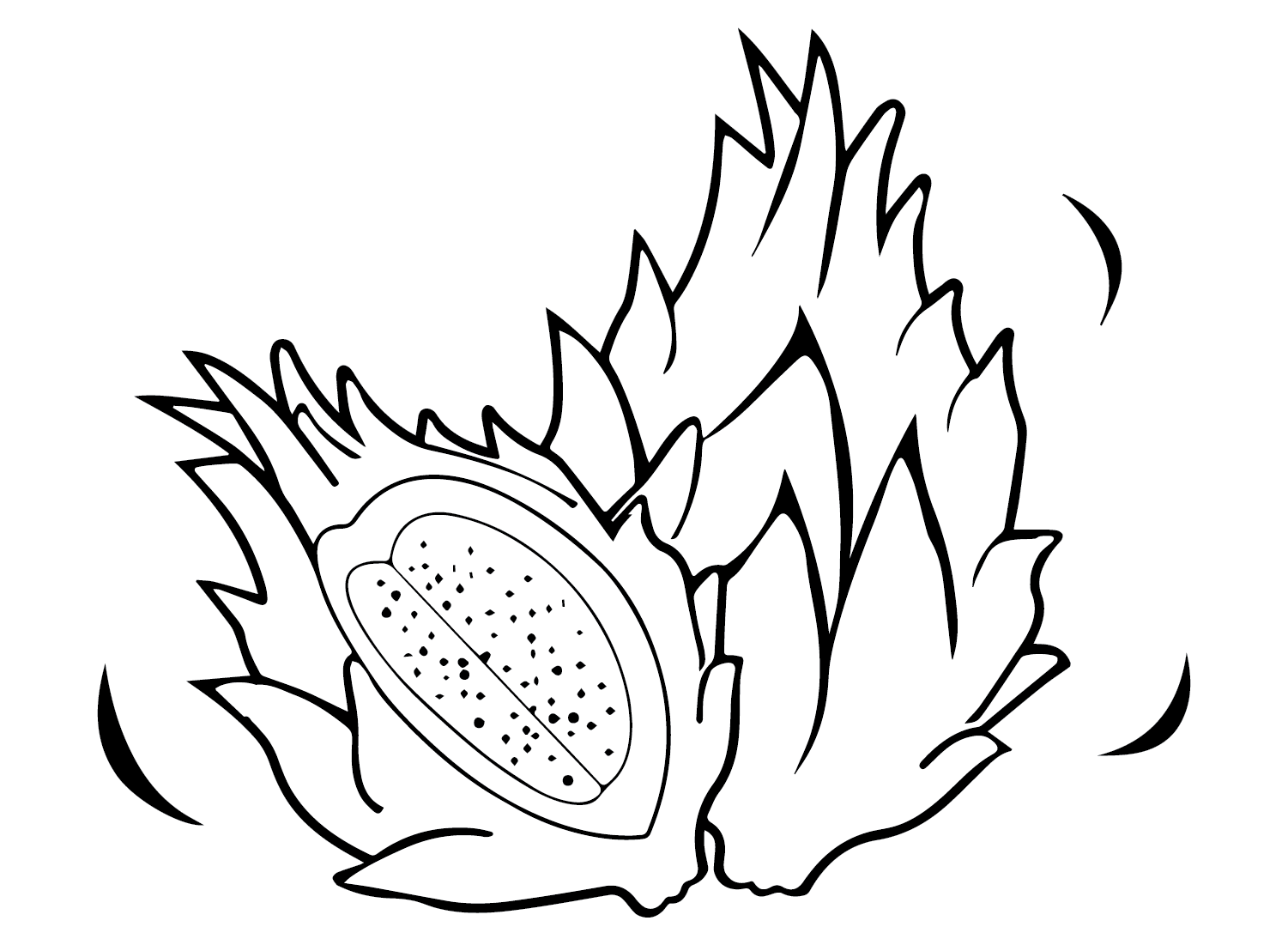

What Is Inside This Collection
Five groups organize the 27 pages, and one genuinely useful fact ties several of them together: dragon fruit actually comes in three distinct color varieties, not just one.
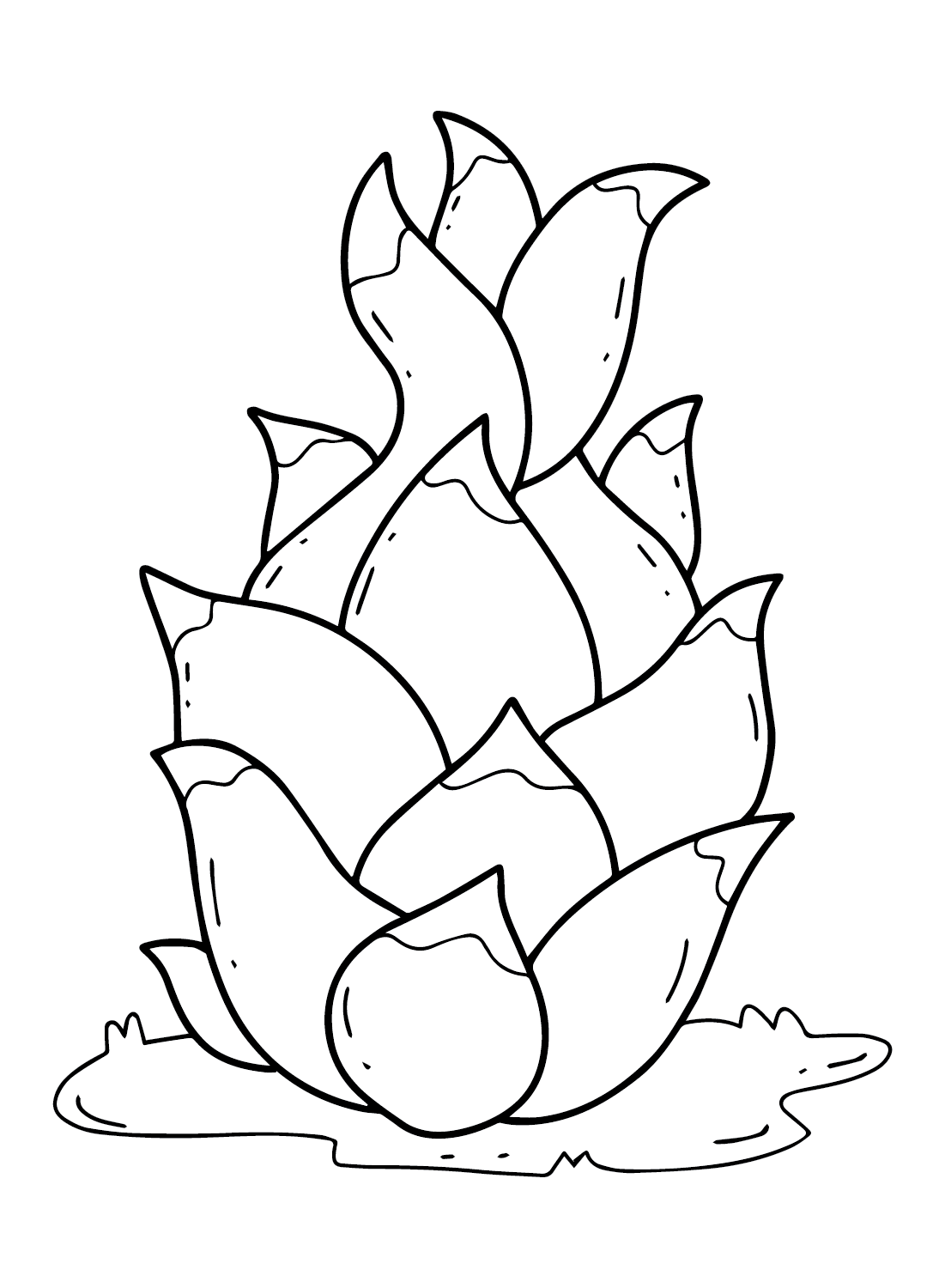
Simple Fruit Portraits
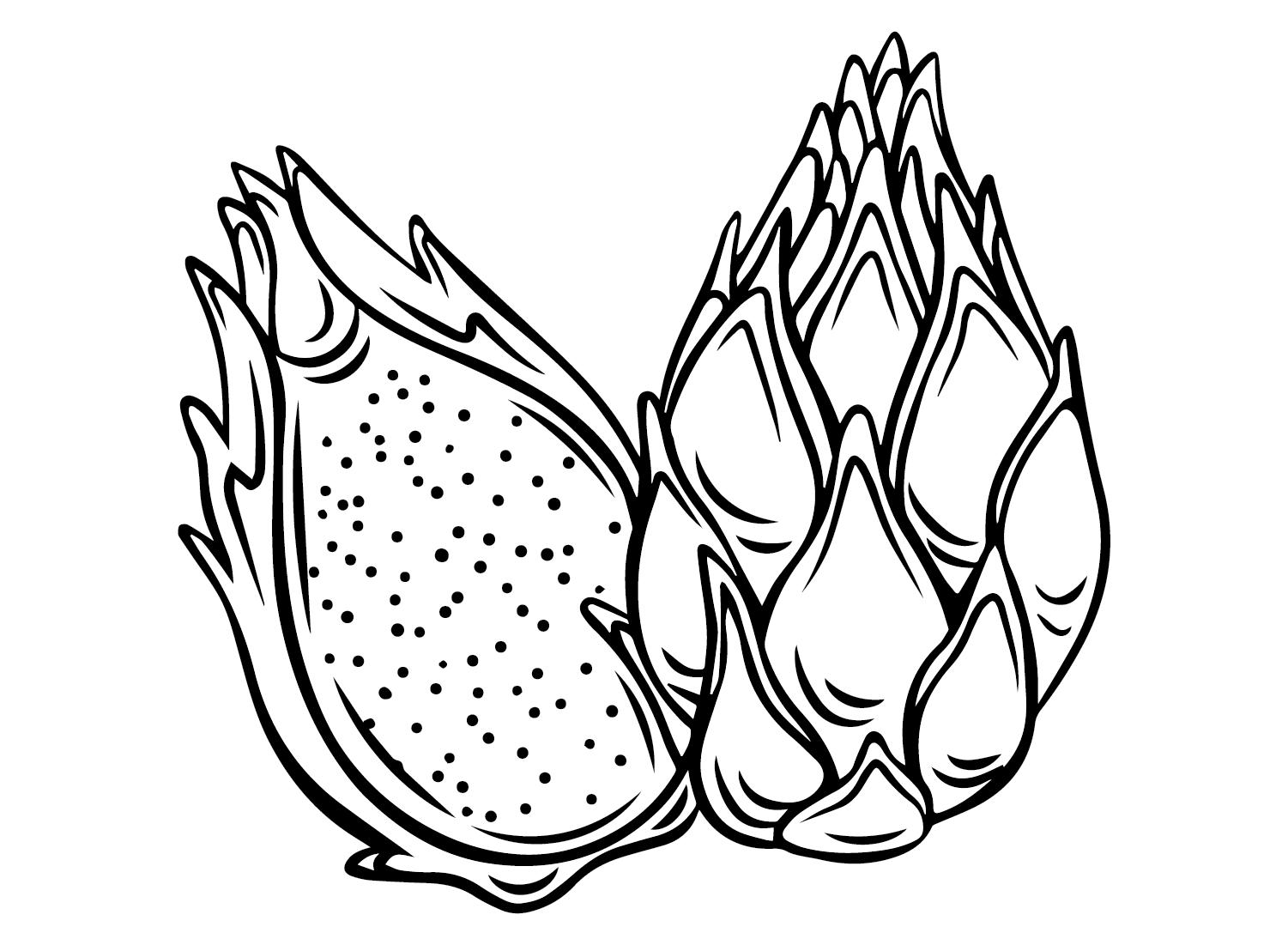
The largest group shows a whole dragon fruit on its own, repeated across many pages under different file names. Coloring suggestion: Use this repetition to try each of the fruit’s three real color varieties in turn, rather than defaulting to the same pink-and-green combination on every page.
Cute and Cartoon Style
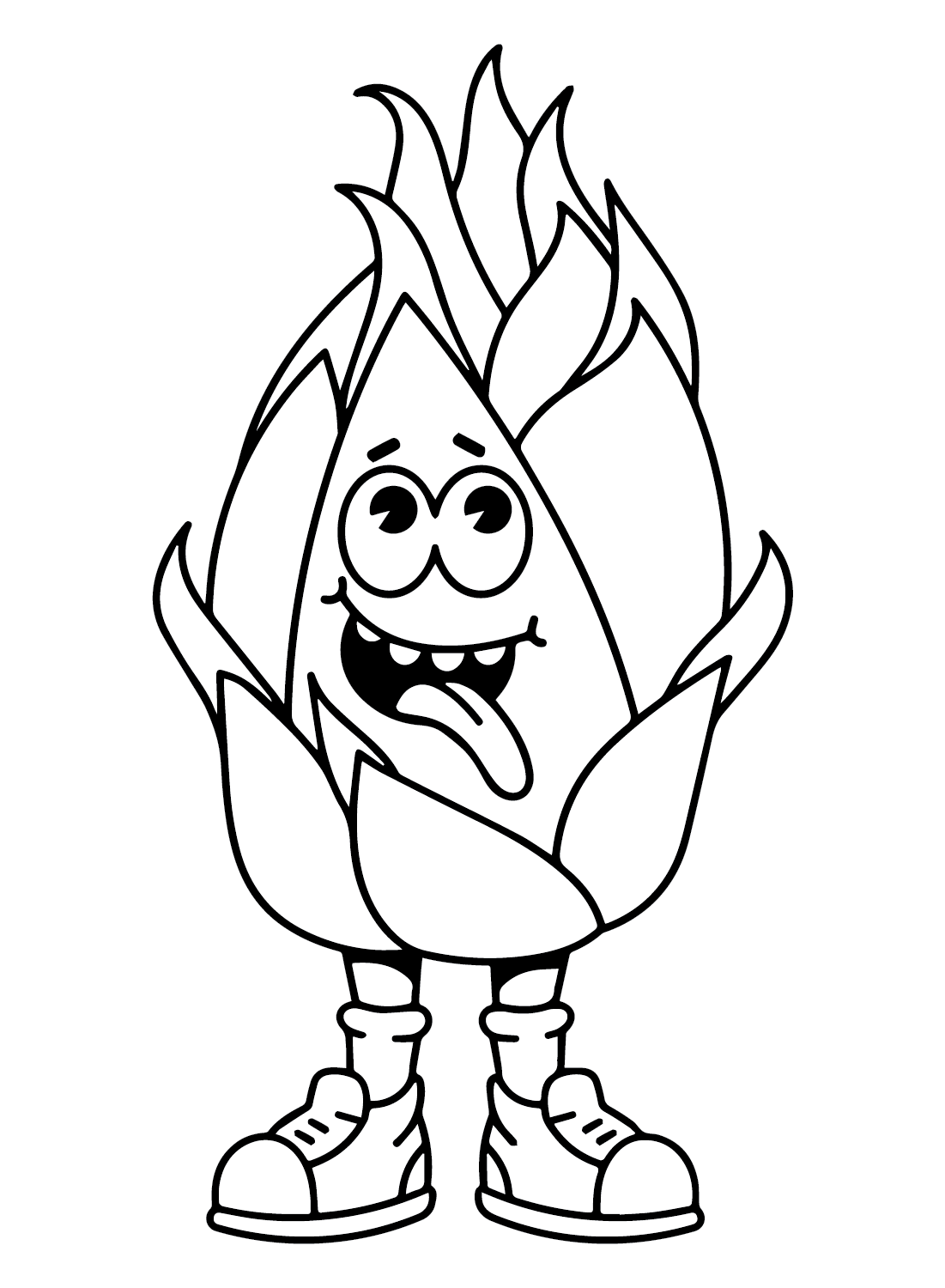
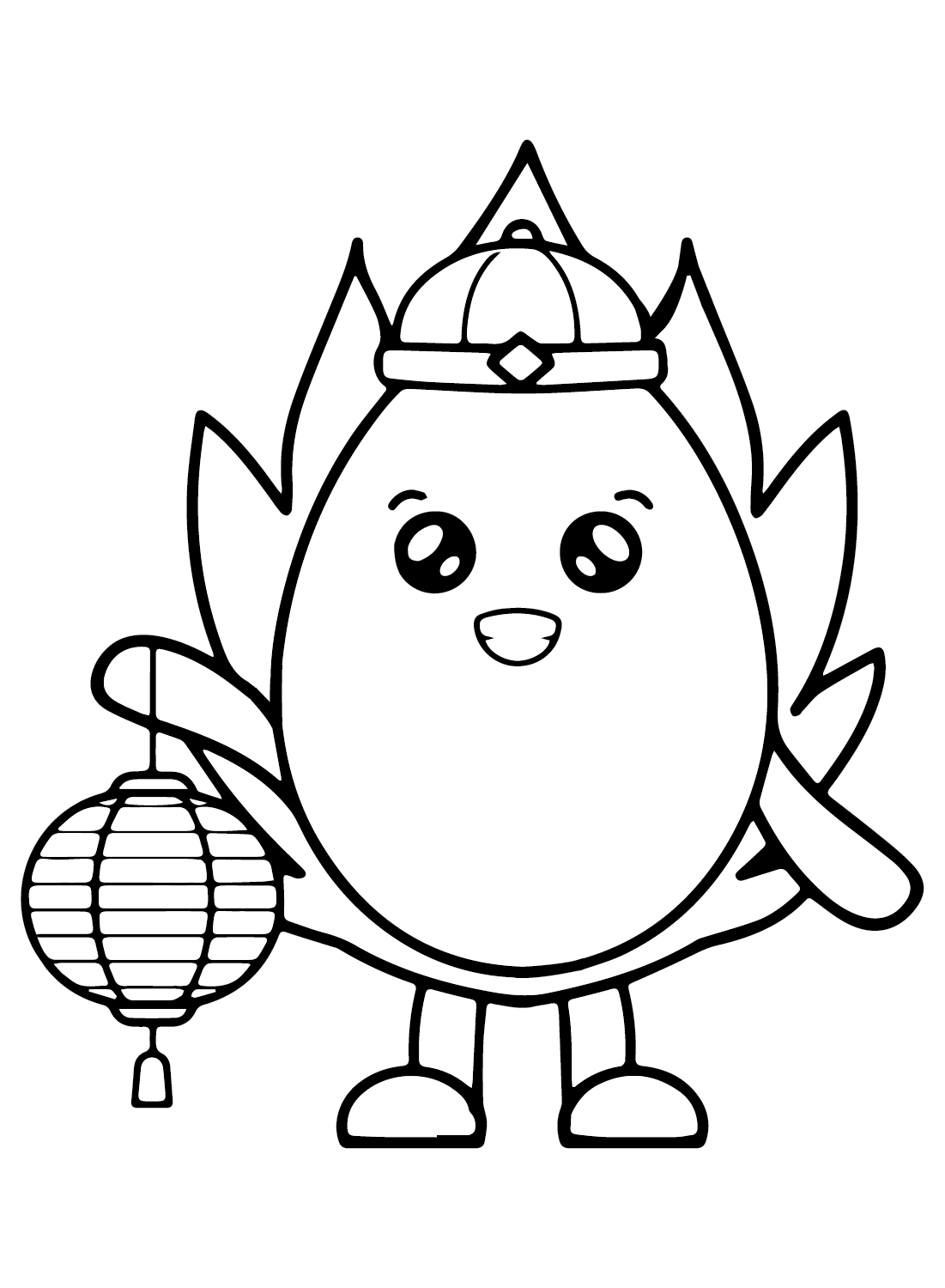
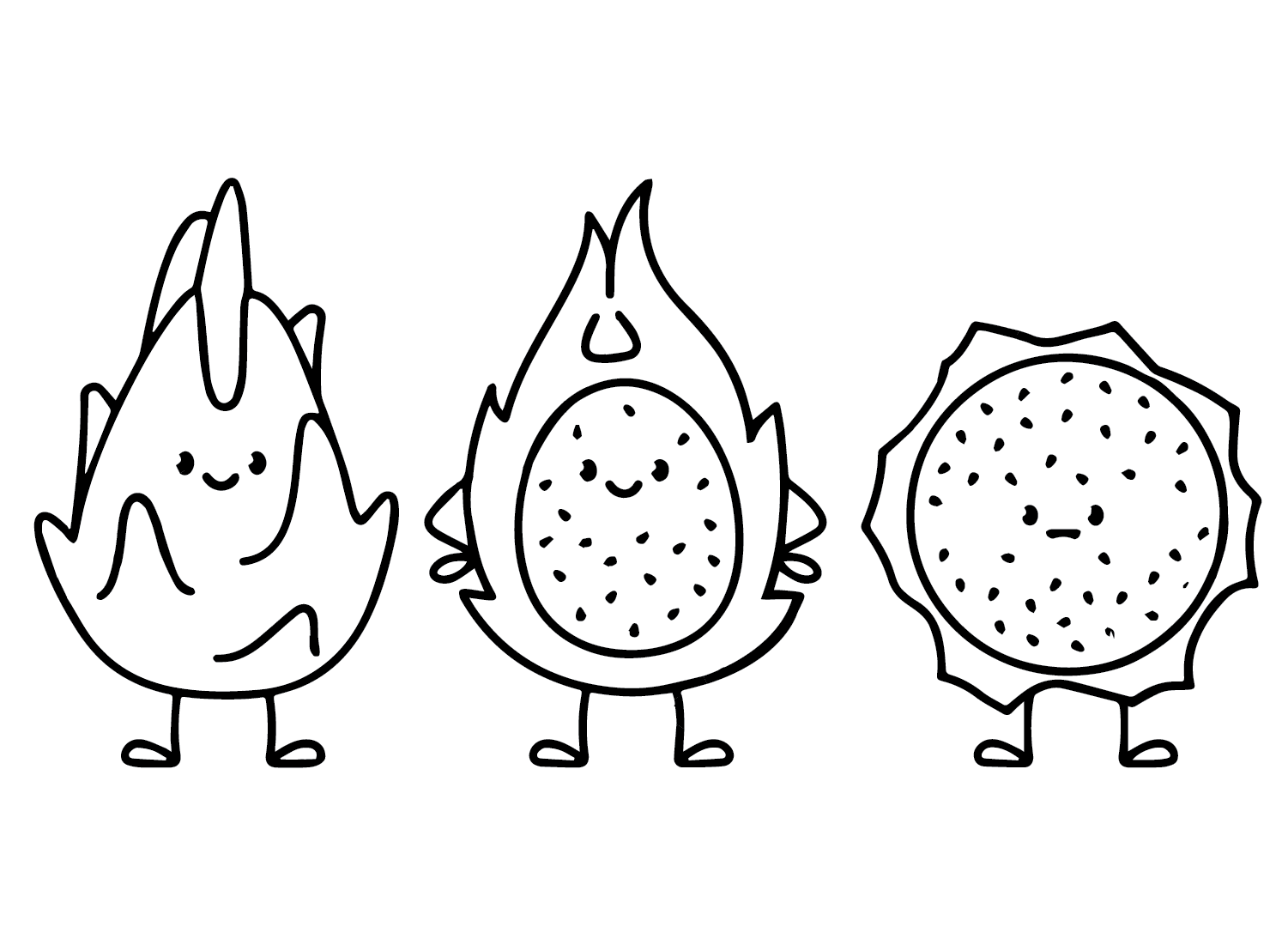
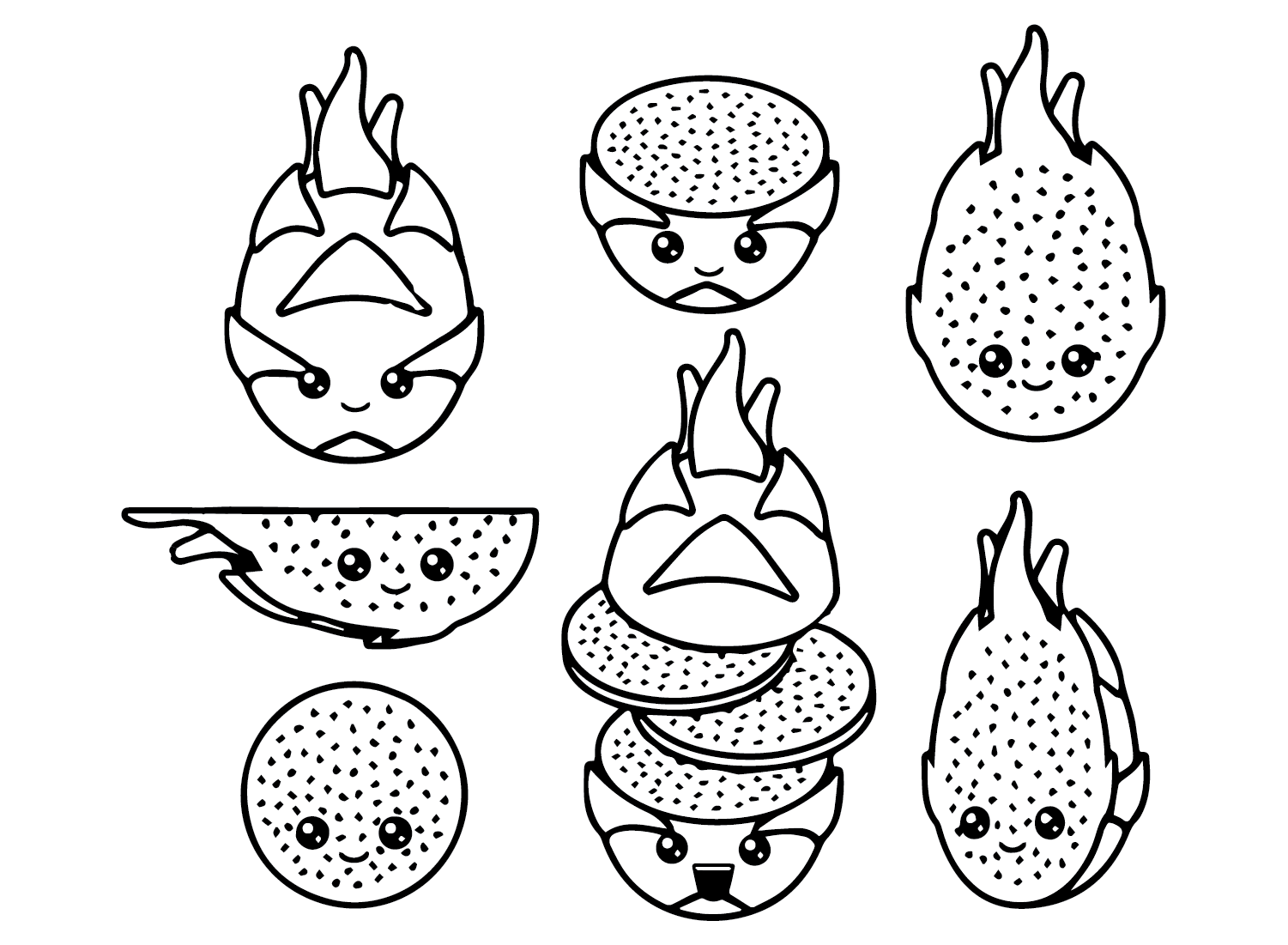
A sizable group gives the fruit a face and playful personality, smiling, laughing, or styled as a simple mascot. Coloring suggestion: brighten the pink skin considerably beyond a realistic shade on these pages, since they’re built for charm rather than botanical accuracy.
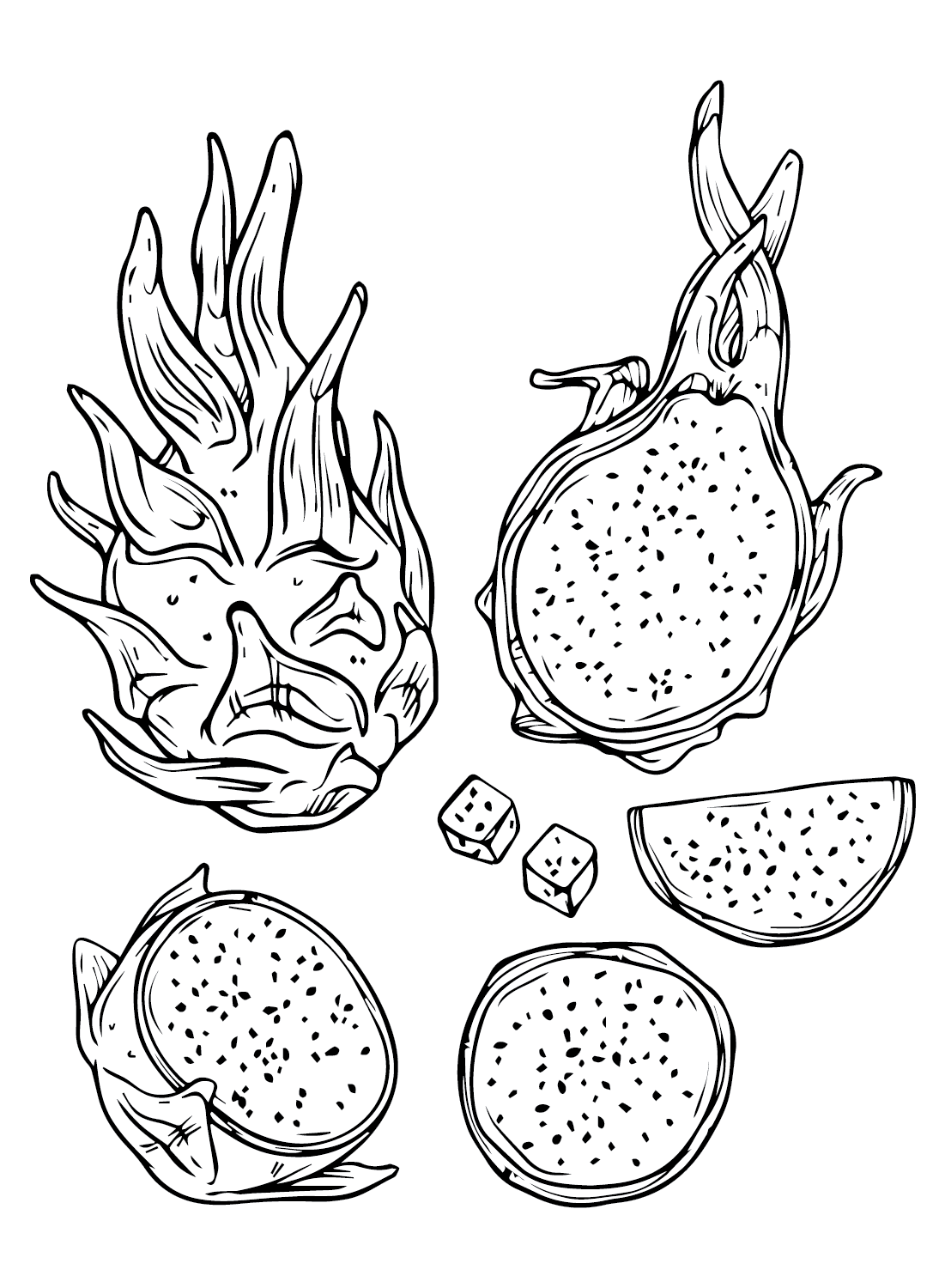
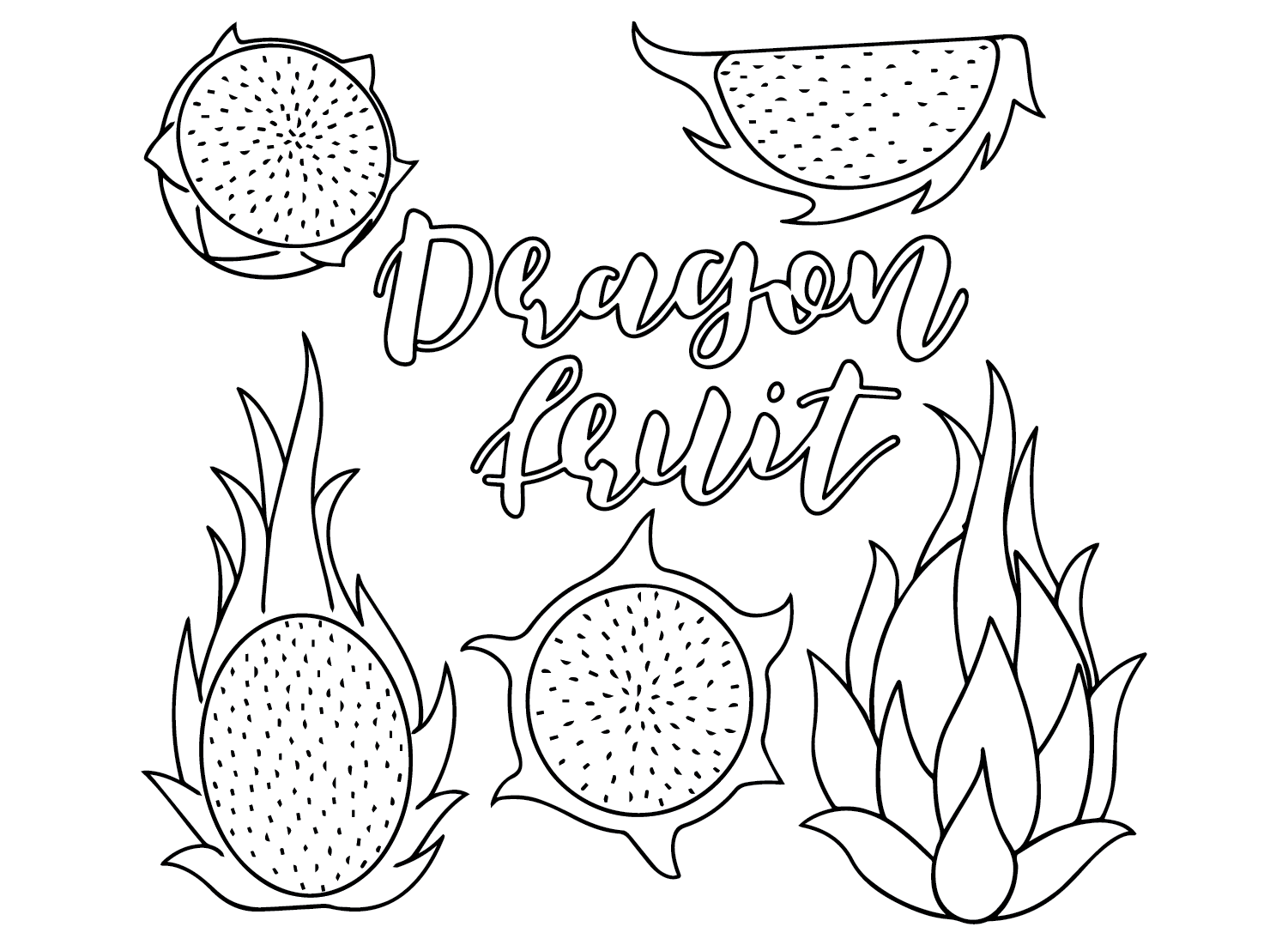
Sliced and Cut Views
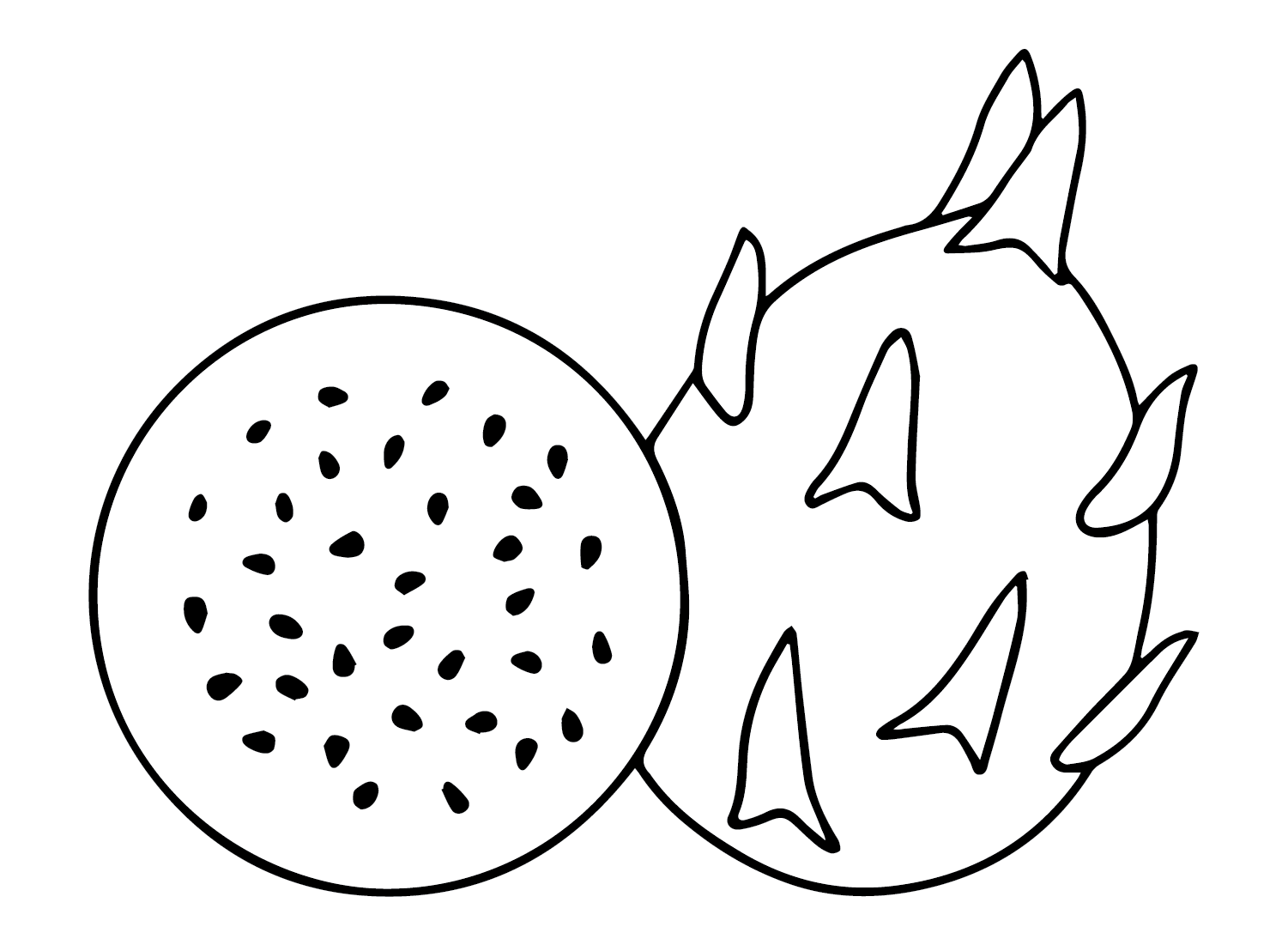
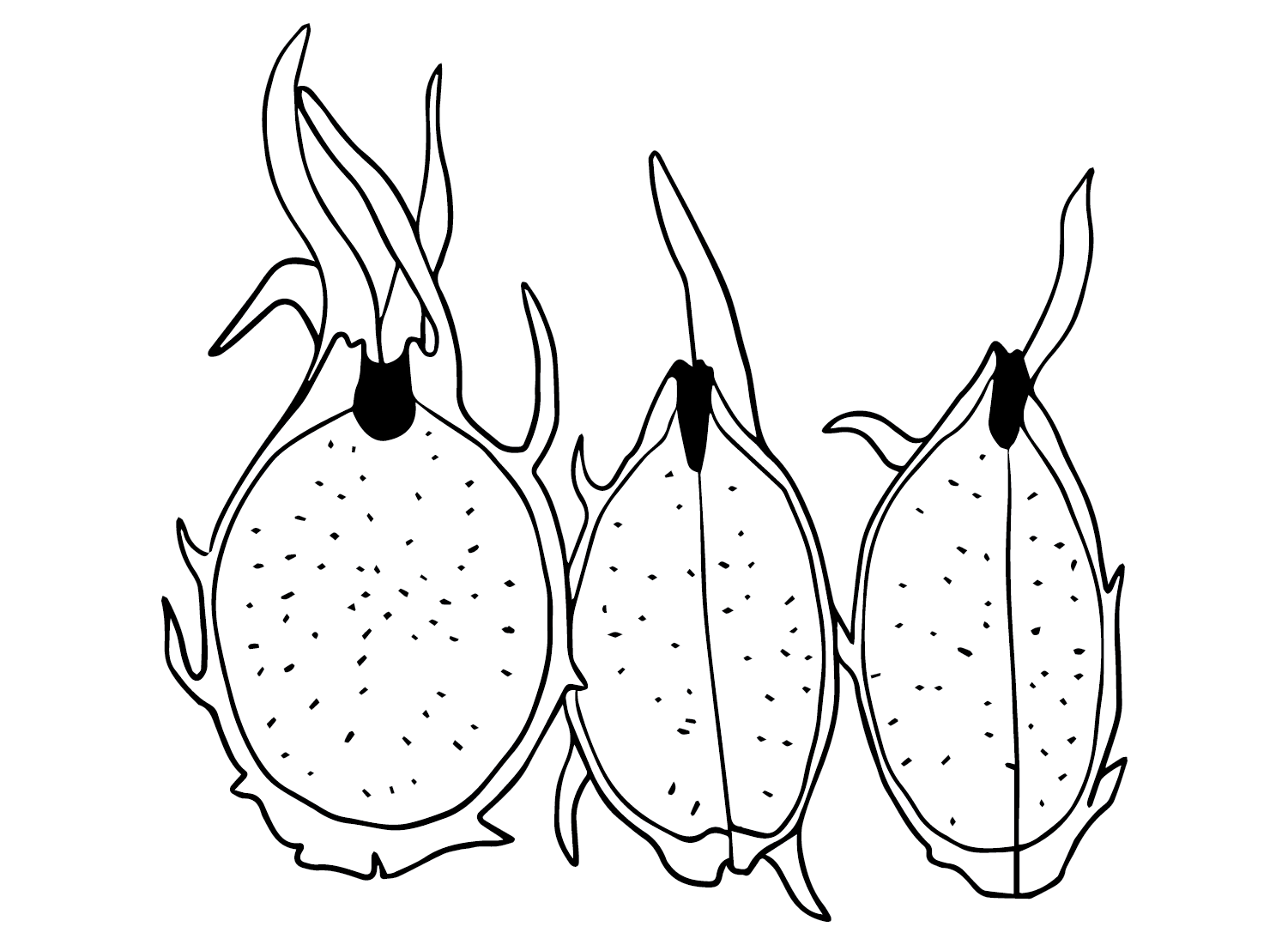
These pages show the fruit cut open or in pieces, revealing the speckled flesh and seeds inside. Coloring suggestion: Use a soft white or magenta base for the flesh, then add small black dots individually for the seeds rather than one solid speckled texture.
Color Varieties
Three pages focus specifically on the fruit’s red, white, and yellow varieties. Coloring suggestion: keep the skin color true to each variety’s real name, since these three pages are the set’s most direct opportunity for botanically accurate coloring.
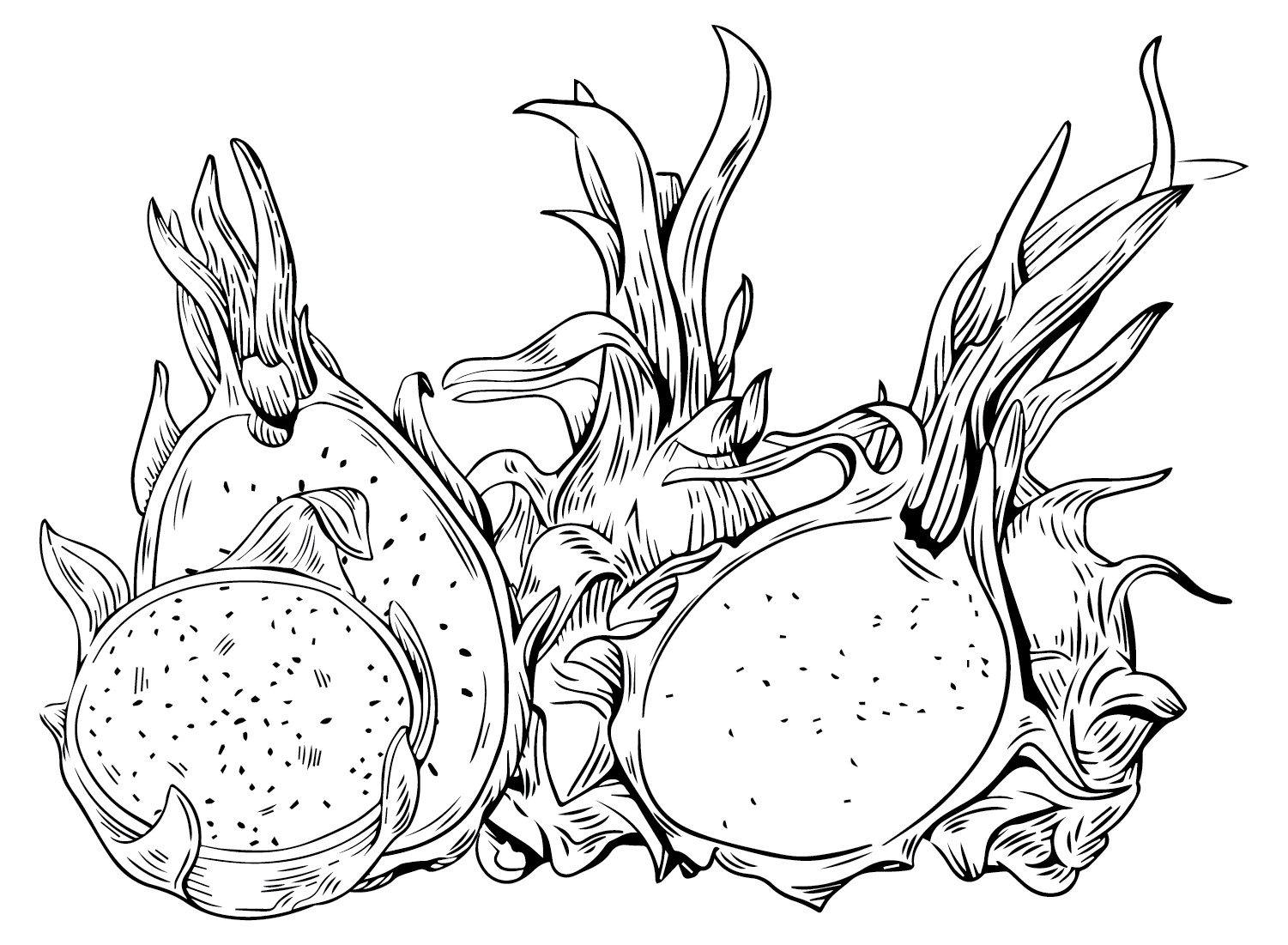
Sketch Style
A small group presents the fruit as a loose pencil-style sketch rather than a clean outline. Coloring suggestion: use lighter, more layered strokes on these pages to match the sketch aesthetic, rather than the flat, solid fill that suits the simpler portrait pages.
What Dragon Fruit Coloring Pages Do
Many small marks, not one broad stroke. Filling in the many small black seeds scattered across a sliced dragon fruit’s flesh takes controlled, repeated small marks rather than one broad stroke, the kind of fine motor practice the American Academy of Pediatrics associates with structured coloring in children ages two through seven.
Not the fruit tree it looks like it should be. Despite its lush, tropical appearance, dragon fruit actually grows on a climbing cactus, a genuine surprise for a child who assumes anything this colorful must come from a tree.
A contained block of time, much like the flower itself. The dragon fruit’s own flower blooms for one single night and then is gone, and there’s a small parallel in a focused coloring session itself, a contained block of time given fully to one task, the same kind of structured, unhurried activity a 2005 Art Therapy Journal study linked to reduced anxiety.
Three fruits share one name. Red-skinned with white flesh, red-skinned with red flesh, and yellow-skinned with white flesh are all called dragon fruit, giving a child practice with the idea that one common name can still cover real, meaningful variation underneath.
How to Color Dragon Fruit Pages Well
- Skin: Use a bright Crayola Magenta or Pink for the red variety, a warm Yellow for the yellow variety, keeping the two clearly distinct if coloring more than one page.
- Green scales: Use Crayola Fern or Forest Green for the leaf-like scales covering the skin, adding a slightly darker shade at the base of each scale for dimension.
- Flesh: color the inside a soft White or pale magenta, depending on variety, then add small black dots individually for the seeds rather than a single speckled texture.
- Cute and cartoon pages: brighten the pink skin well beyond a realistic shade, and add a simple pink blush to any smiling face for a friendlier look.
- Sketch-style pages: use lighter, layered pencil strokes rather than a flat, solid fill, to match the looser sketch aesthetic these pages are going for.
- Color variety pages: keep each variety’s skin color true to its real name, since these three pages are built specifically for botanically accurate coloring.
5 Creative Craft Ideas With Dragon Fruit Coloring Pages
1. Three Varieties Fact Card
Color the red, white, and yellow variety pages and write one real fact about each on the back to build a simple fact-card set.
2. Cactus Family Poster
Color a dragon fruit page and add a hand-drawn cactus stem beneath it to show where the fruit actually grows.
3. Sliced Fruit Sensory Match
Color a sliced dragon fruit page and pair it with a real slice to compare the colored version to the actual fruit.
4. Nighttime Flower Story
Color a dragon fruit page and write a short story imagining the plant’s flower blooming for just one night.
5. Fruit Mascot Bookmark
Color one of the cute cartoon pages, cut it into a bookmark shape, and cover it with clear tape for a durable reading marker.
Frequently Asked Questions
What are Dragon Fruit coloring pages?
A free set of 27 printable designs of dragon fruit, including whole fruit portraits, cartoon versions, sliced views, and the fruit’s three color varieties. Every page downloads as a PDF or opens in the online coloring tool without an account.
Does dragon fruit grow on a tree?
No. Despite its tropical look, dragon fruit grows on a climbing cactus in the genus Hylocereus, native to Central America.
What are the different varieties of dragon fruit?
There are three main varieties: red skin with white flesh, red skin with red flesh, and yellow skin with white flesh, several of which appear as their own dedicated pages in this collection.
Is it true that the dragon fruit flower only blooms once?
The flower blooms for a single night, opening at dusk and closing again by morning, before the plant goes on to produce fruit.
Why do so many pages show the same basic dragon fruit shape?
Most of the collection is a plain whole-fruit portrait repeated under different file names, while the cartoon, sliced, and variety-specific pages offer the set’s real visual range.
Can these pages be colored without printing them?
Yes. Every page in the set opens directly in the site’s browser-based coloring tool, so a page can be finished on screen before deciding whether to print it.
Are Dragon Fruit coloring pages suitable for young children?
The simple whole-fruit and cartoon pages work well for a young child. The sliced pages, with many small seeds to fill in, suit a child with a bit more patience and coloring experience.
Why does the inside of a dragon fruit look so different from the outside?
The bright pink or yellow skin doesn’t reflect what’s inside at all; the flesh is typically white or a softer magenta dotted with small black seeds, a contrast worth pointing out on any sliced page in this collection.
Start Coloring
Pink outside, speckled inside: pick a page above and either download the PDF or color it online, free and without an account. A finished page can be shared through the Facebook or Pinterest buttons at the top of the design.