Shrimp Coloring Pages
 By:
Jennifer Thoa - Content Editor & Designer
Updated:
By:
Jennifer Thoa - Content Editor & Designer
Updated:
Free Shrimp Coloring Pages: 23 printable PDF designs featuring classic portraits and expressions, character and costume designs, and printable sheets. Each page can be downloaded as a PDF to print or colored online in the browser.
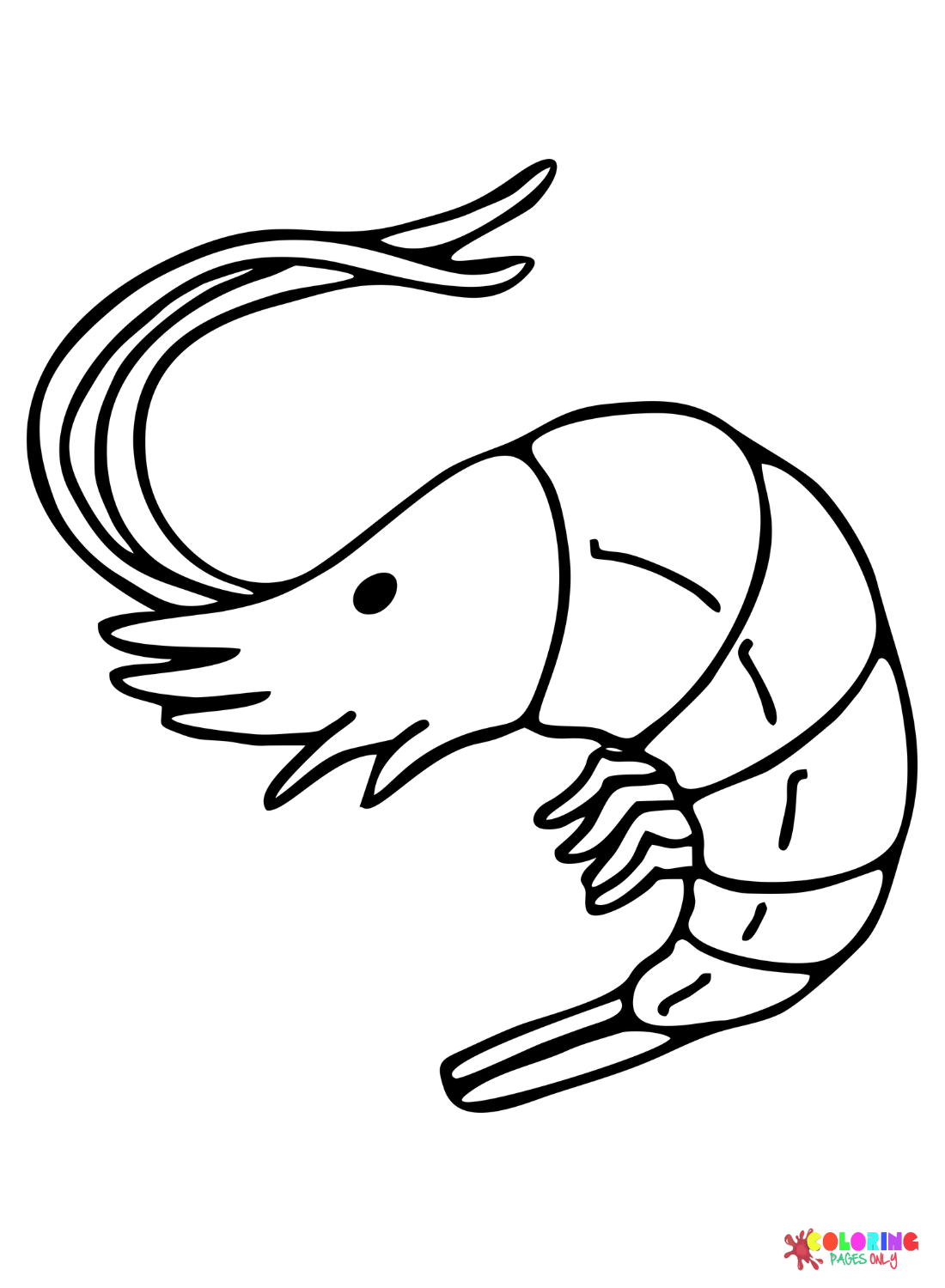
Shrimp are small crustaceans in the order Decapoda, a name meaning “ten feet,” referring to their five pairs of jointed legs. Their bodies are divided into a head, thorax, and curled abdomen, protected by a hard exoskeleton, with a pair of stalked eyes and long antennae used for sensing food and predators. Shrimp are found in both saltwater and freshwater environments worldwide and are a staple in cuisines across the globe. One close relative often confused for a true shrimp is the mantis shrimp, which actually belongs to a completely different order, Stomatopoda. Mantis shrimp are famous for having the most complex visual system in the animal kingdom, with up to 16 types of photoreceptors, compared to just 3 in humans, allowing them to see ultraviolet and polarized light.
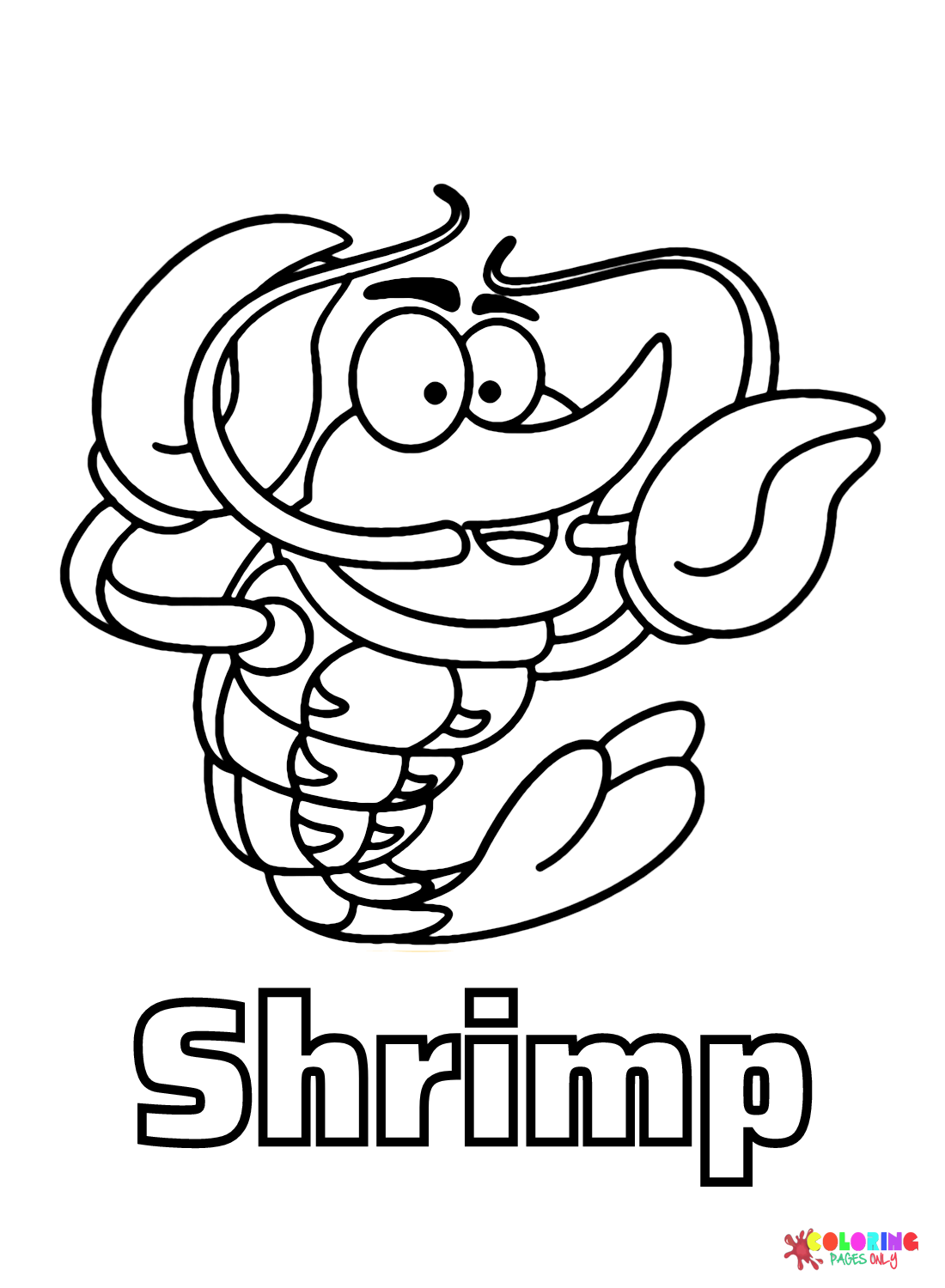
This collection spans 23 pages, grouped into classic portraits and expressions, character and costume designs, and printable sheets. The coloring angle ranges from simple standalone shrimp to playful character scenes.

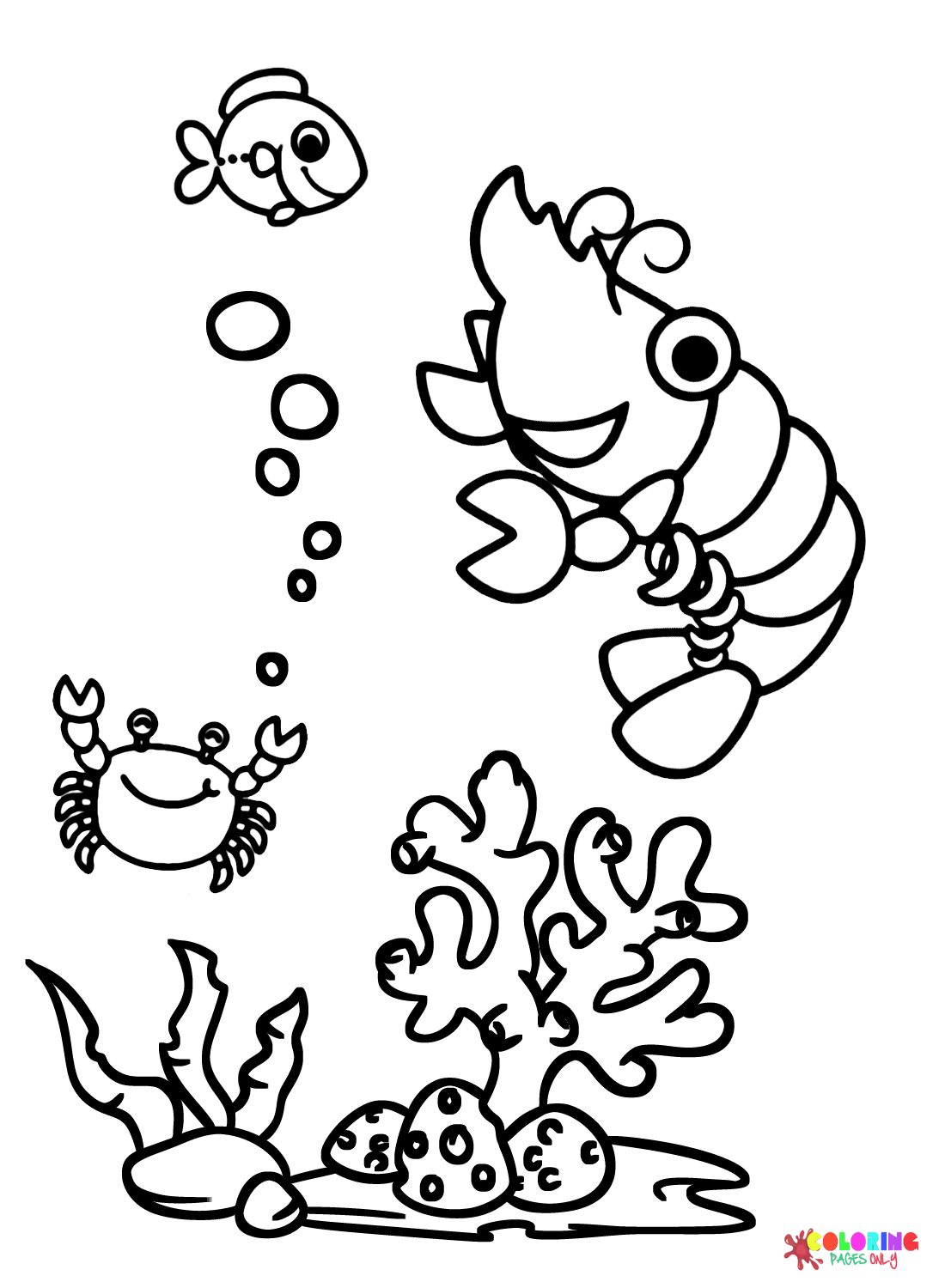
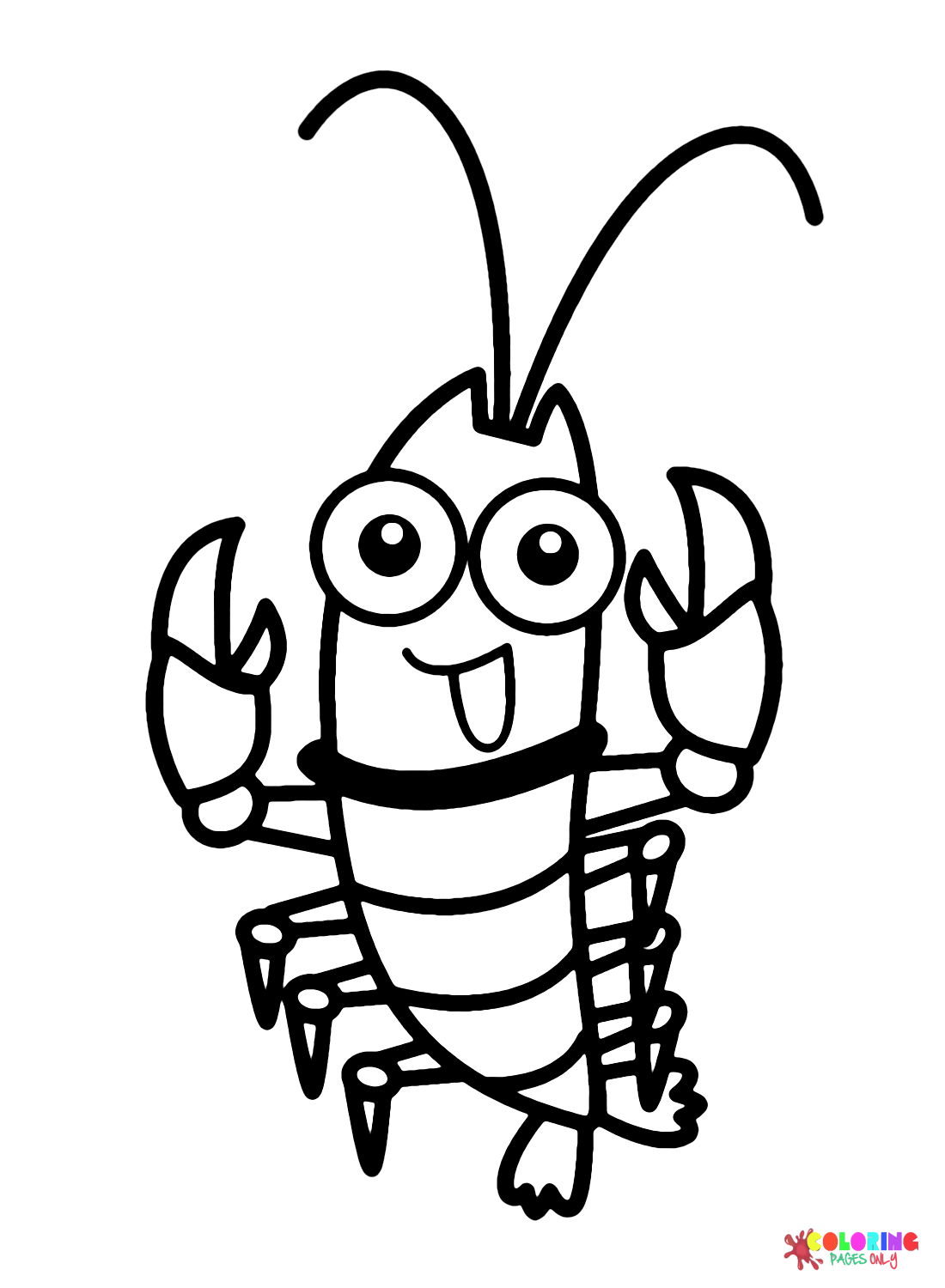
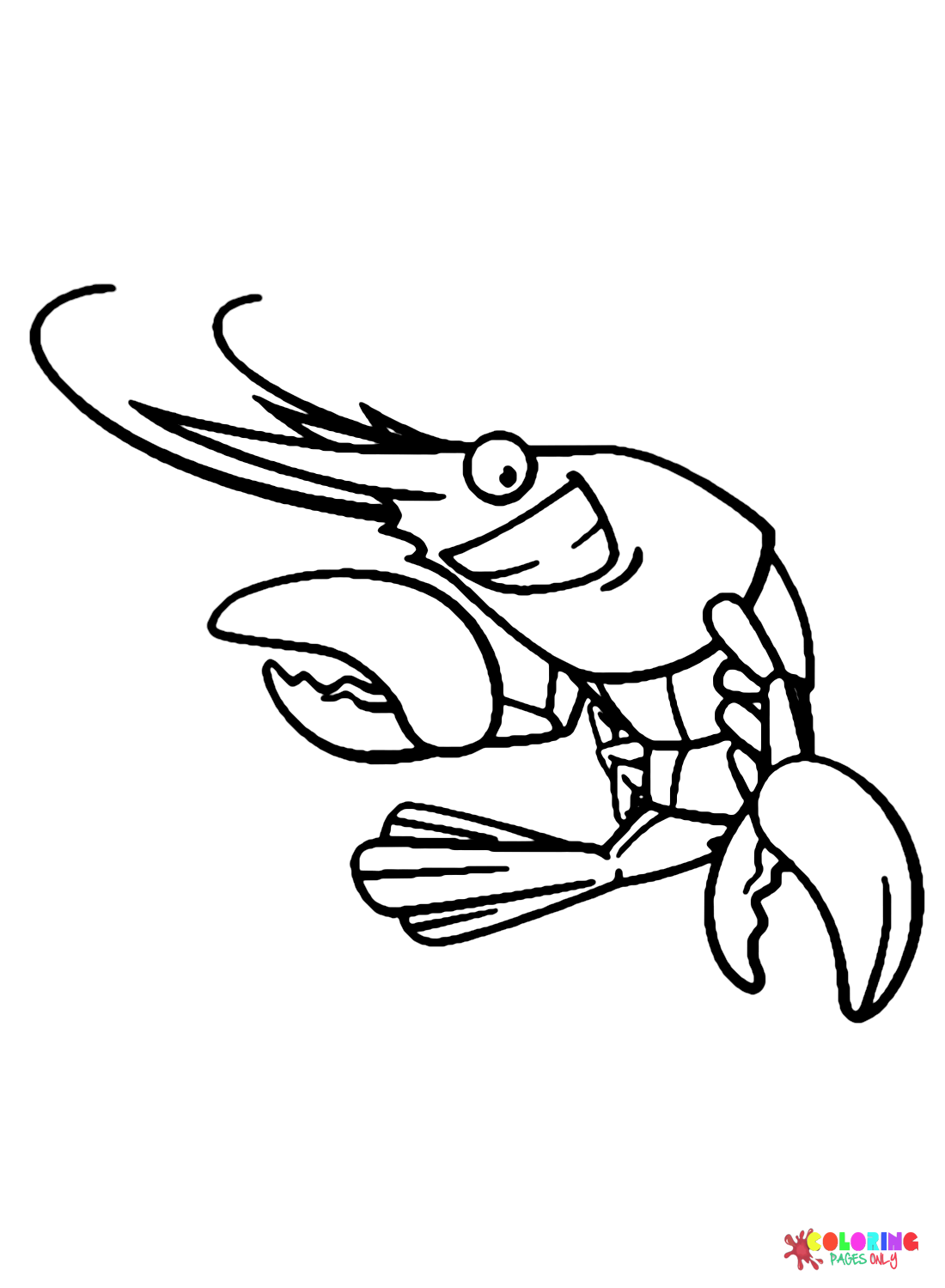
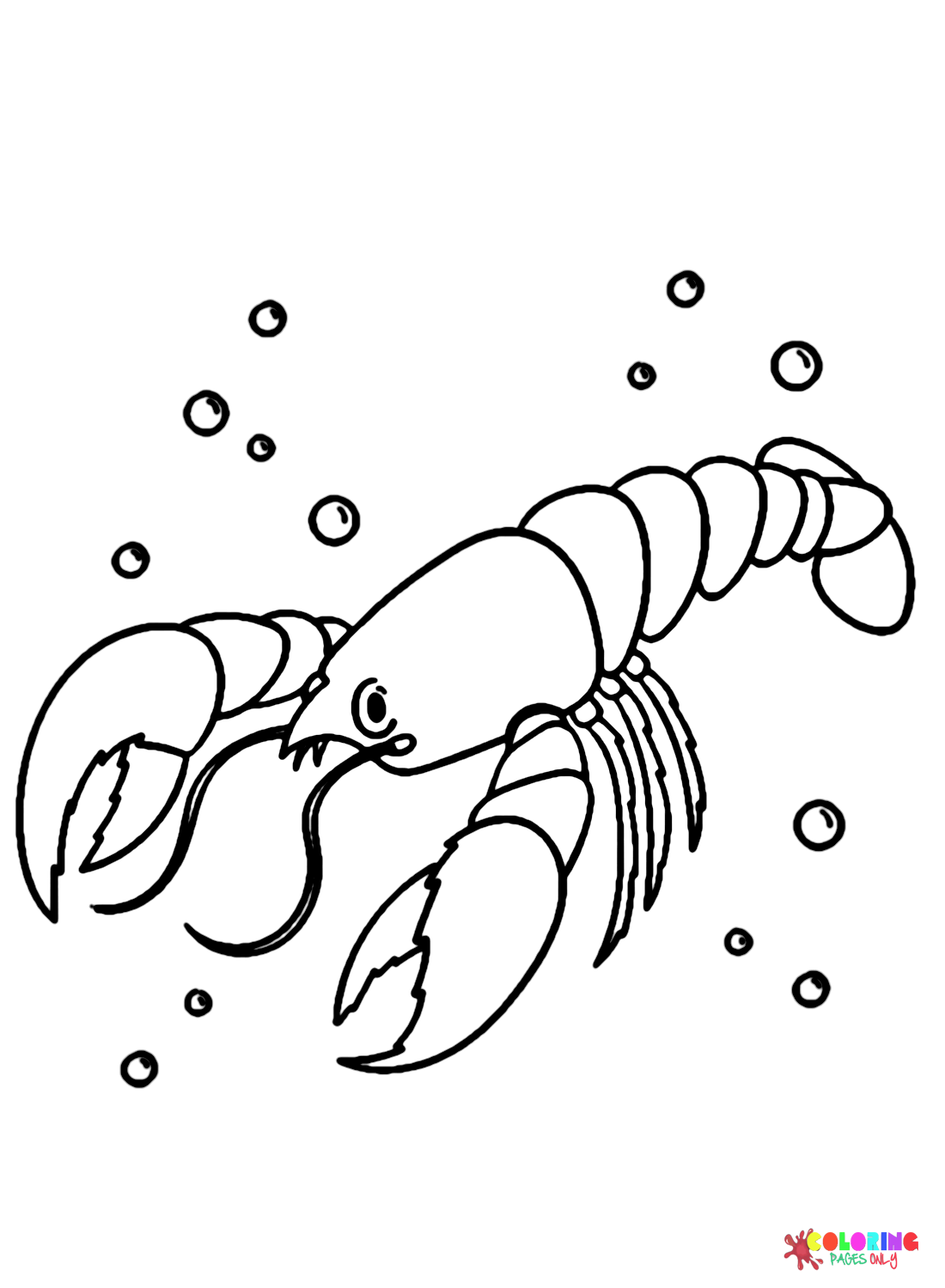
What Is Inside This Collection
The 23 designs group into three categories, from classic expressions to printable sheets.
Classic Portraits and Expressions
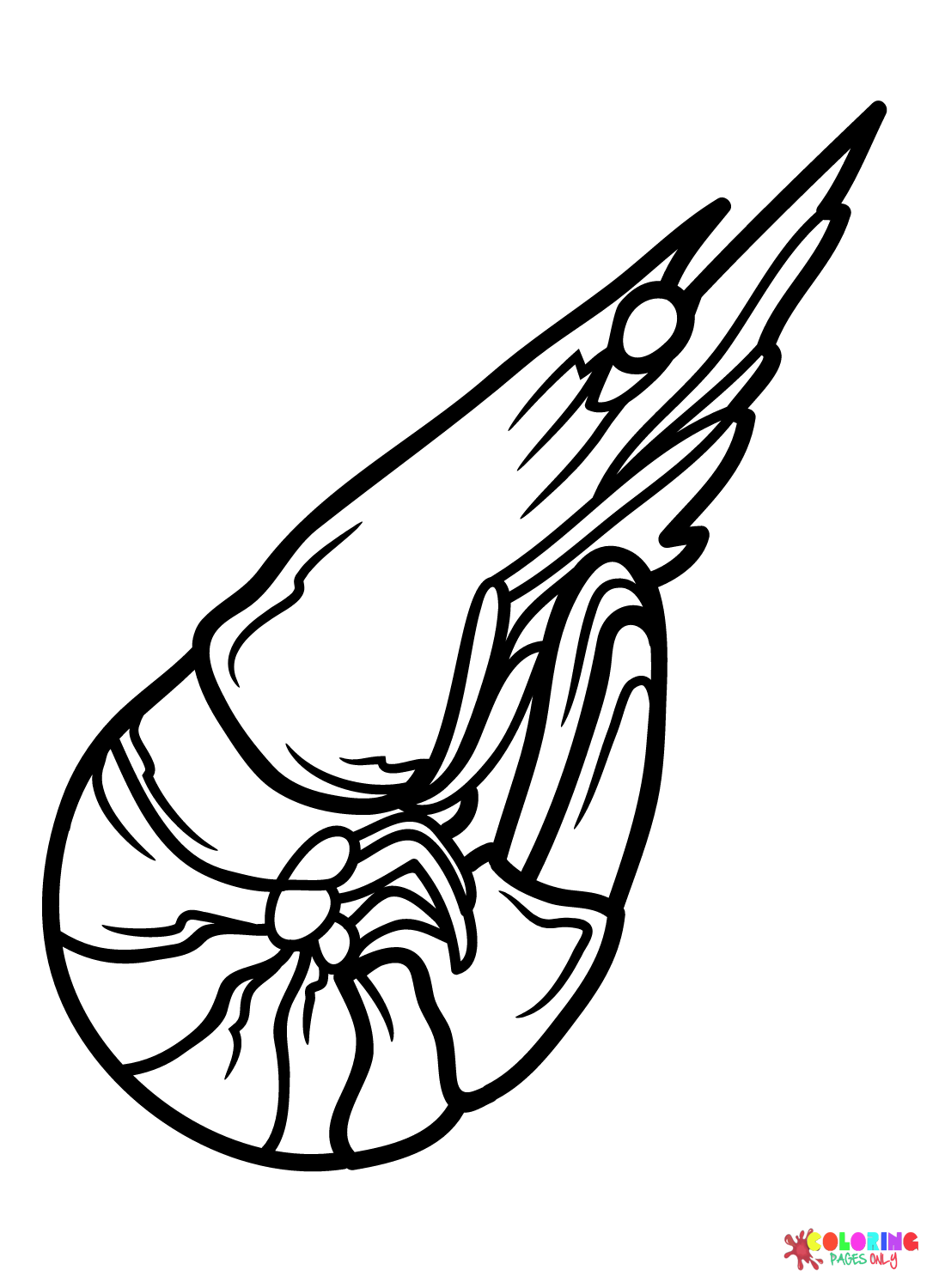
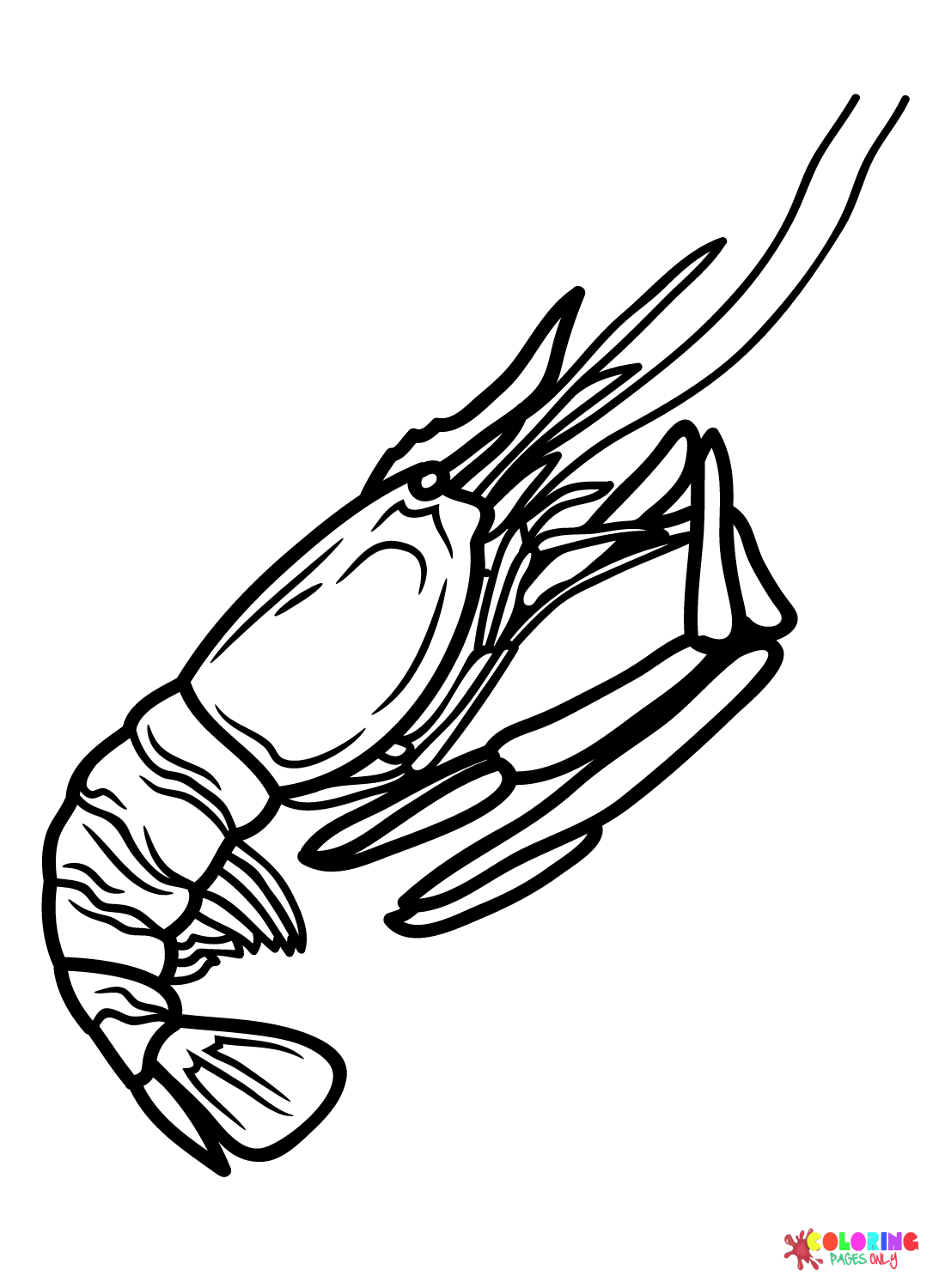
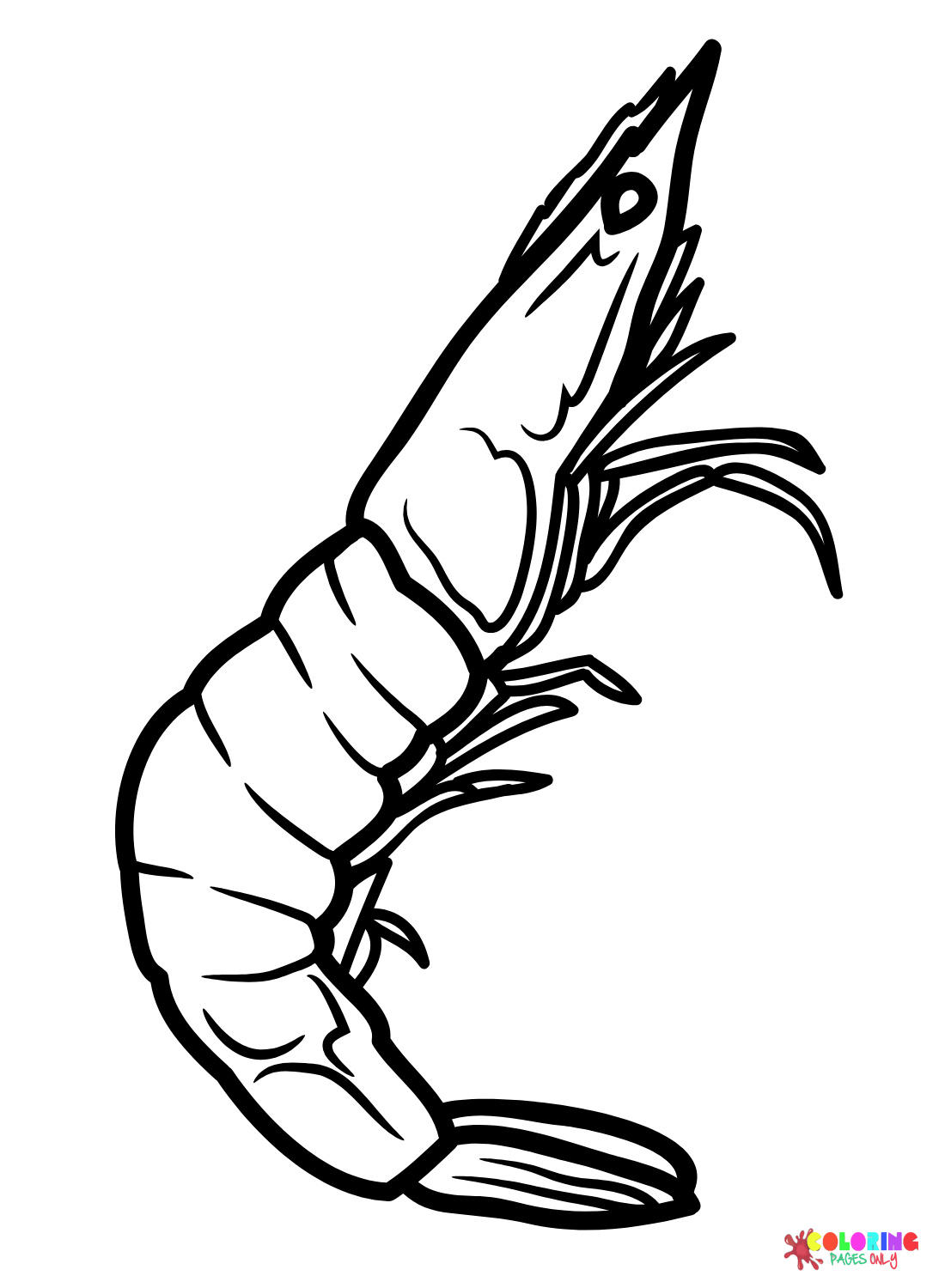
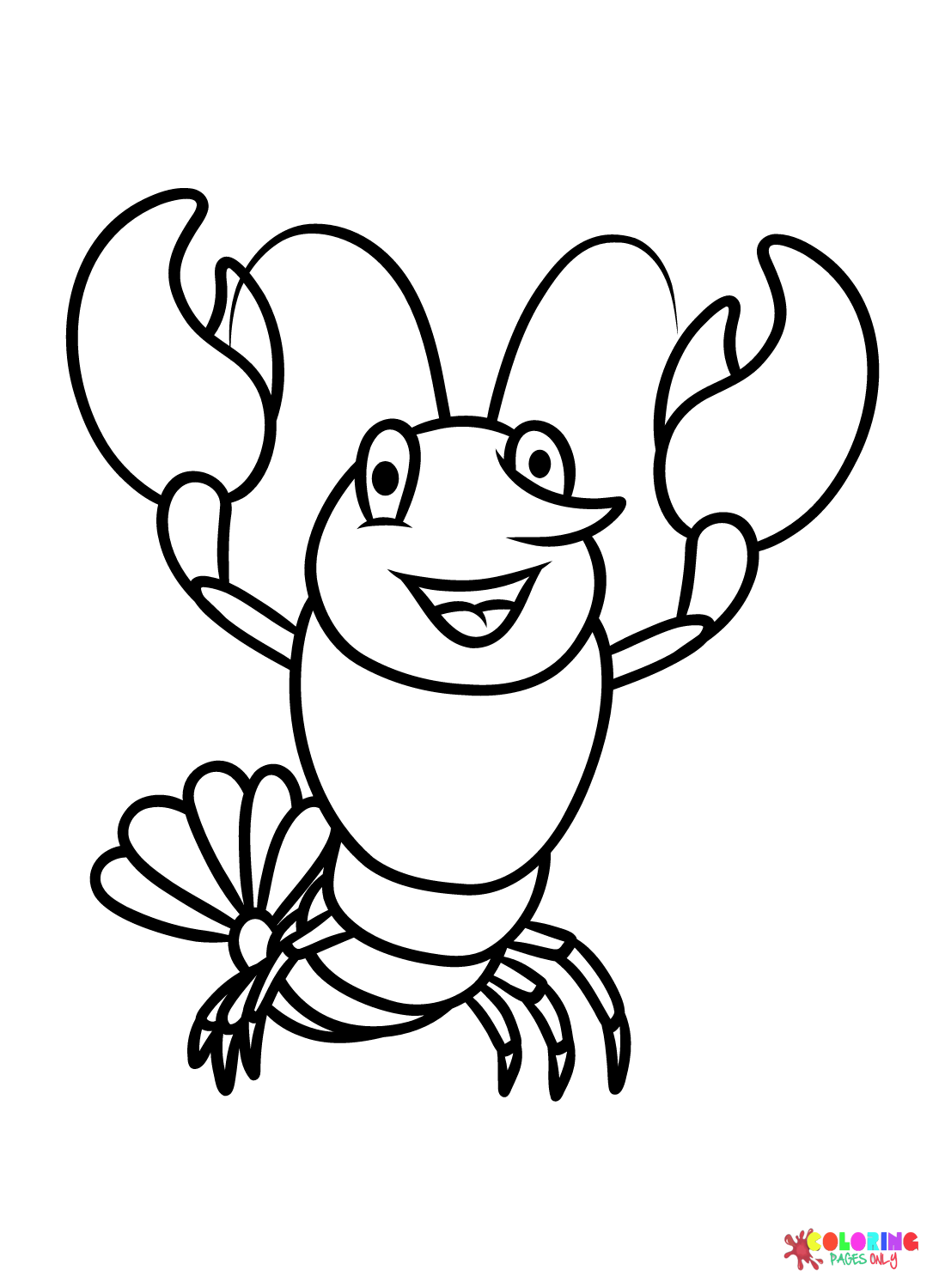
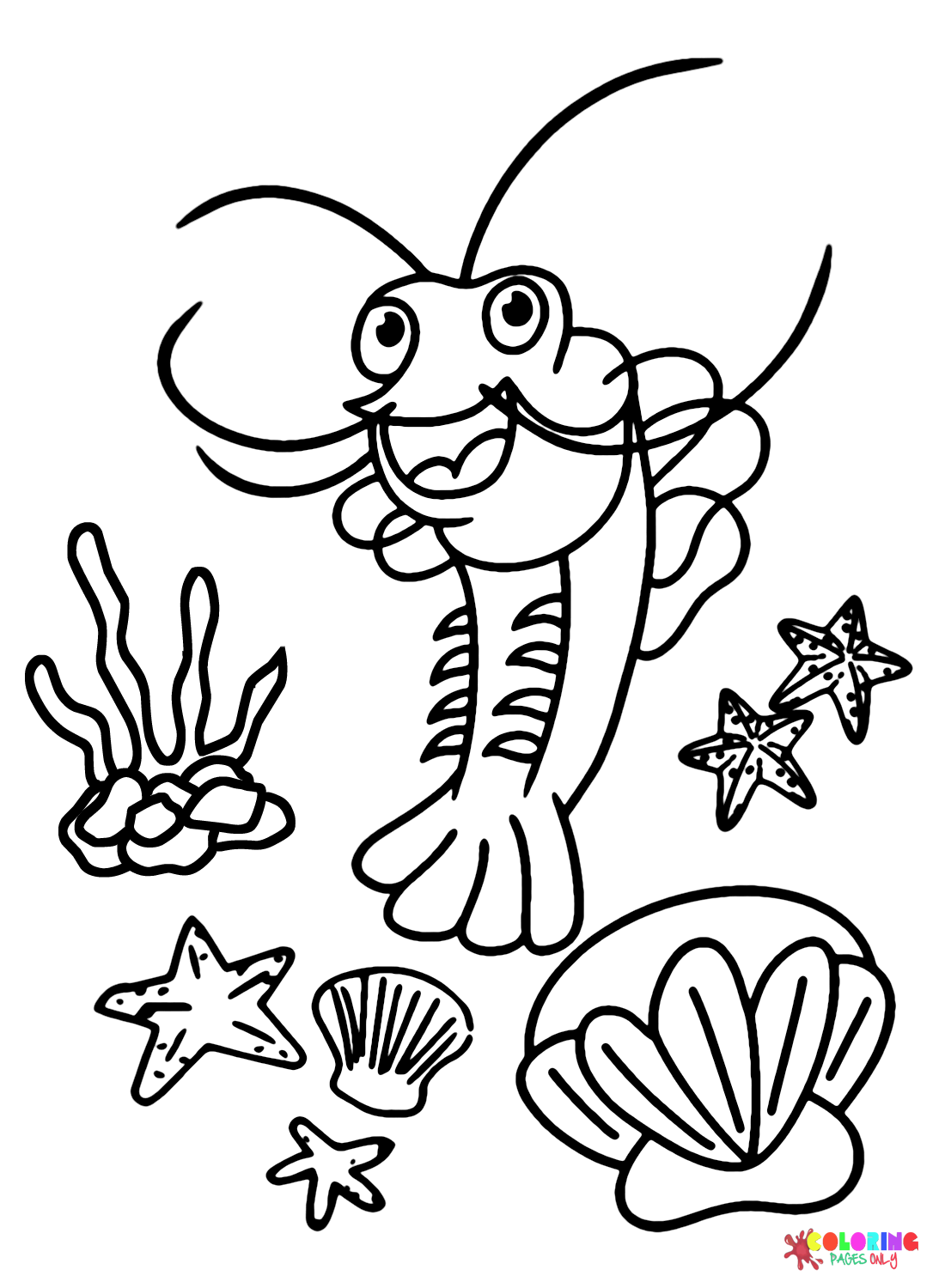
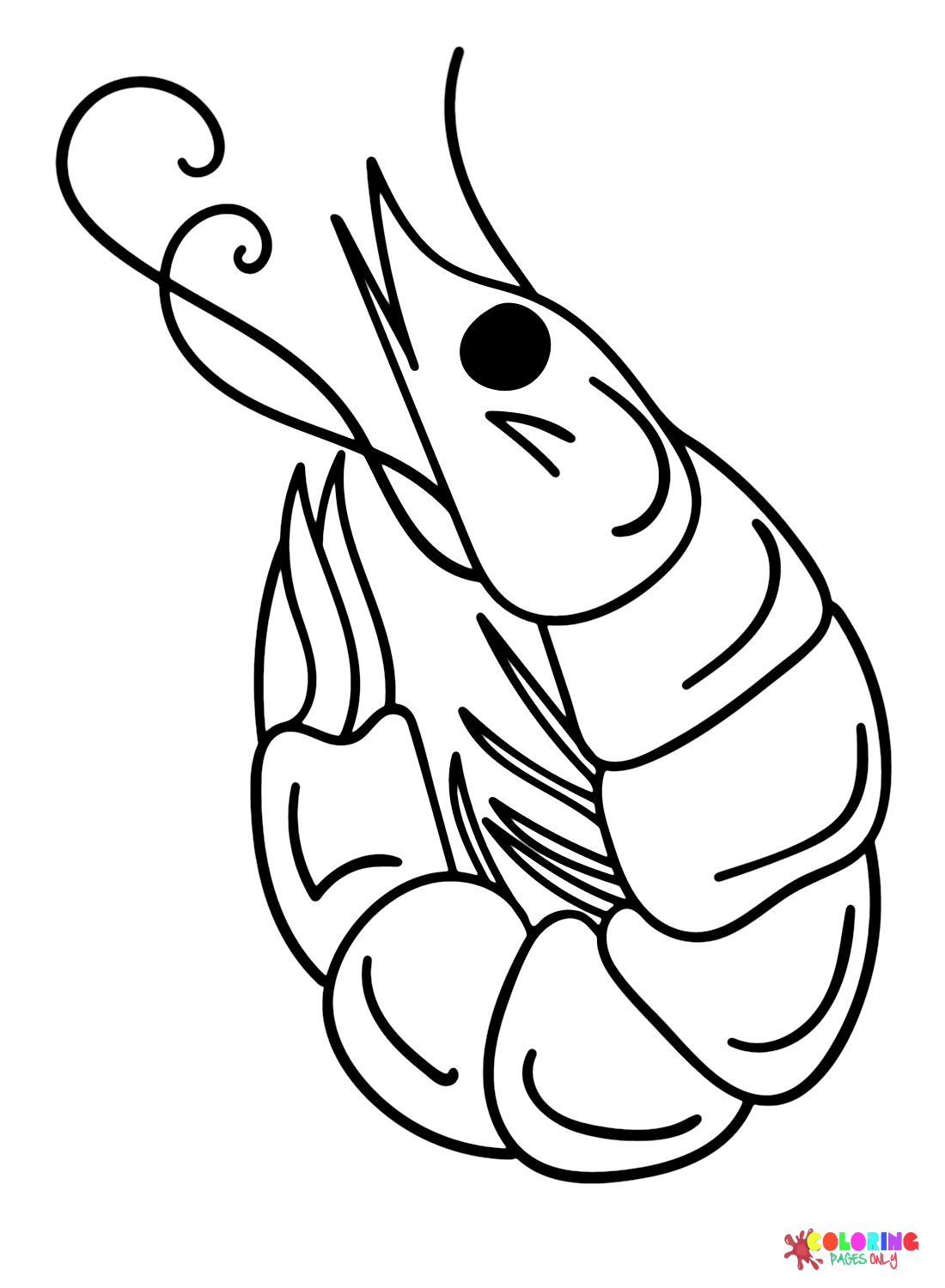
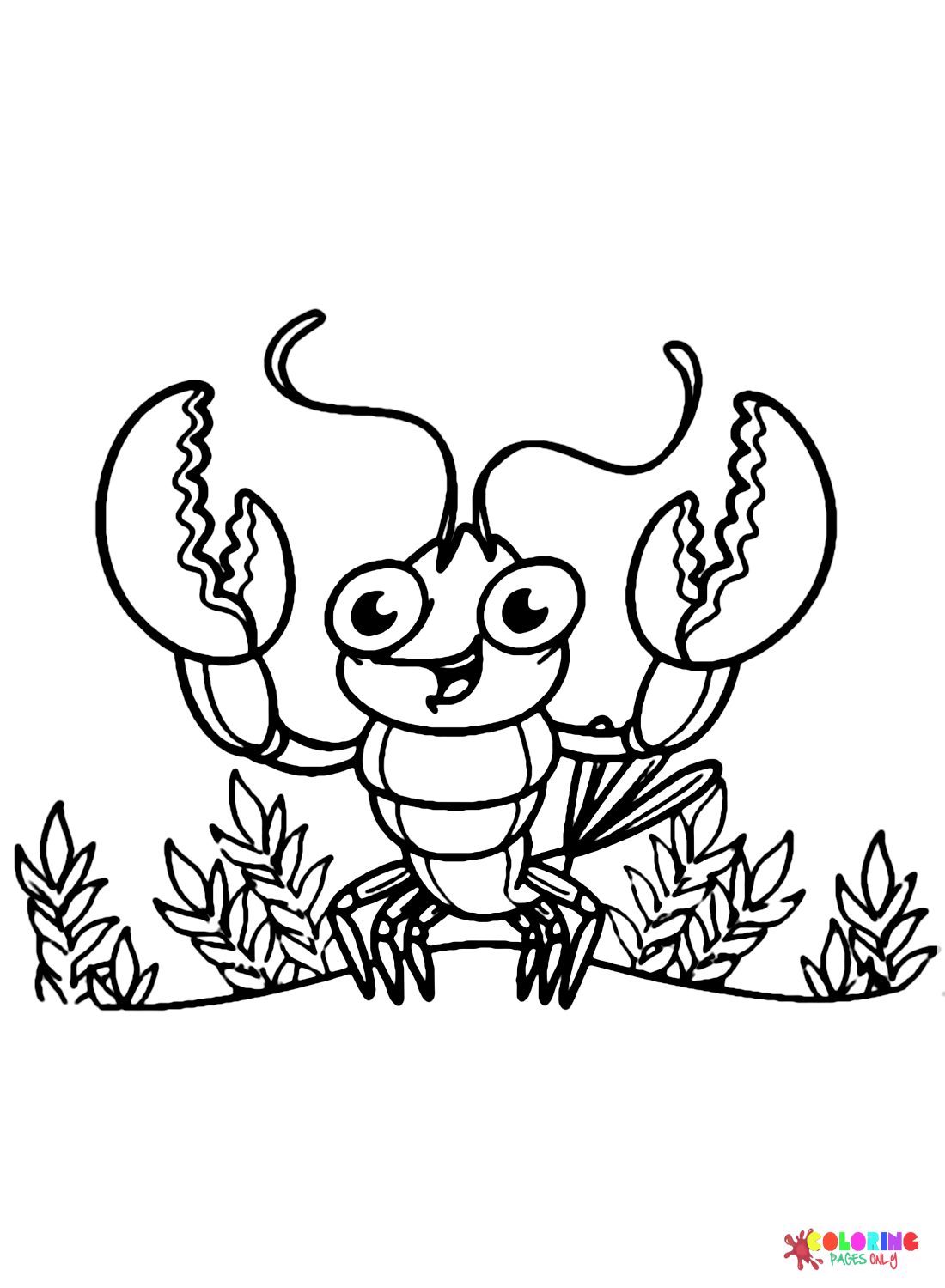
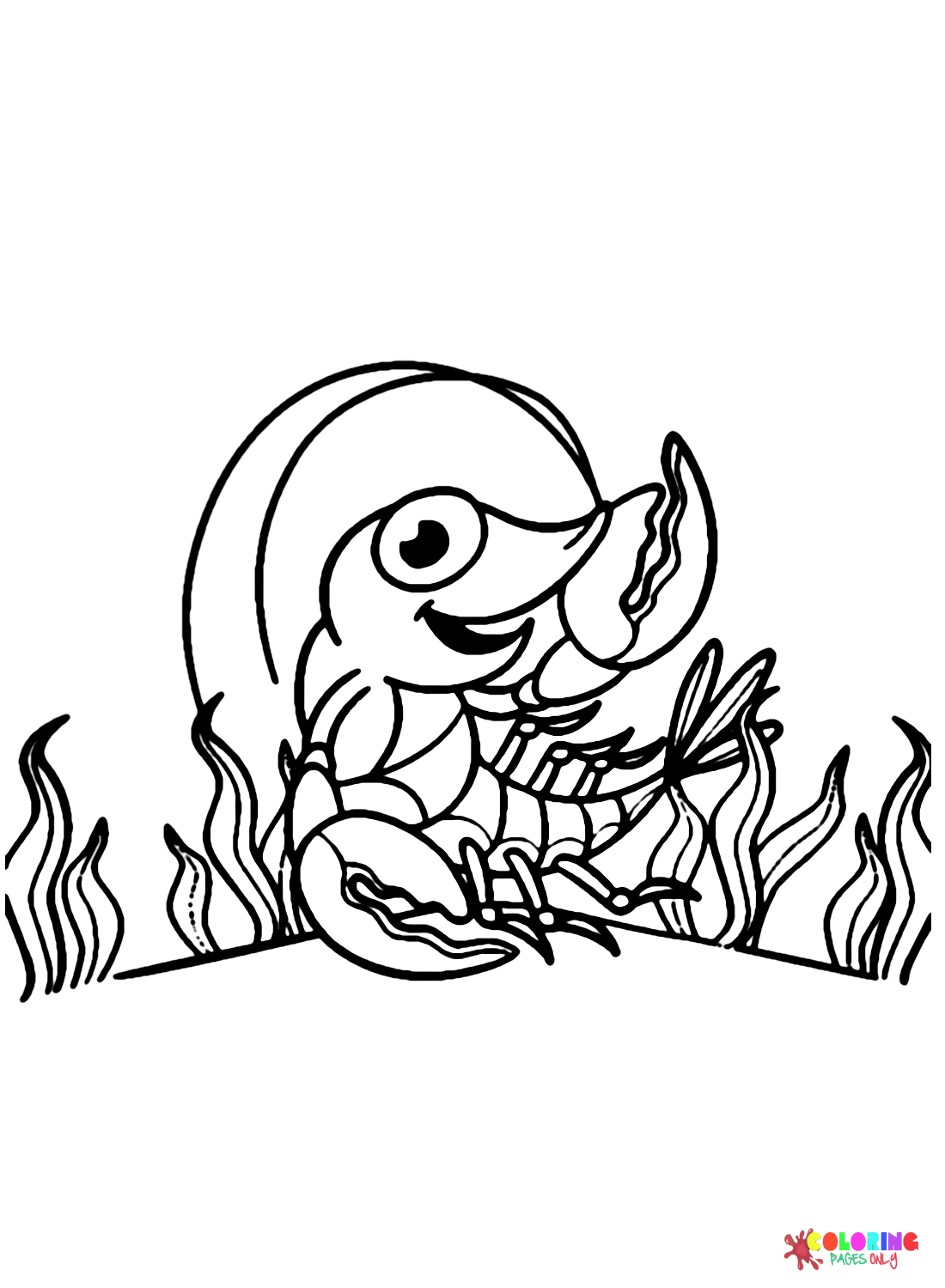
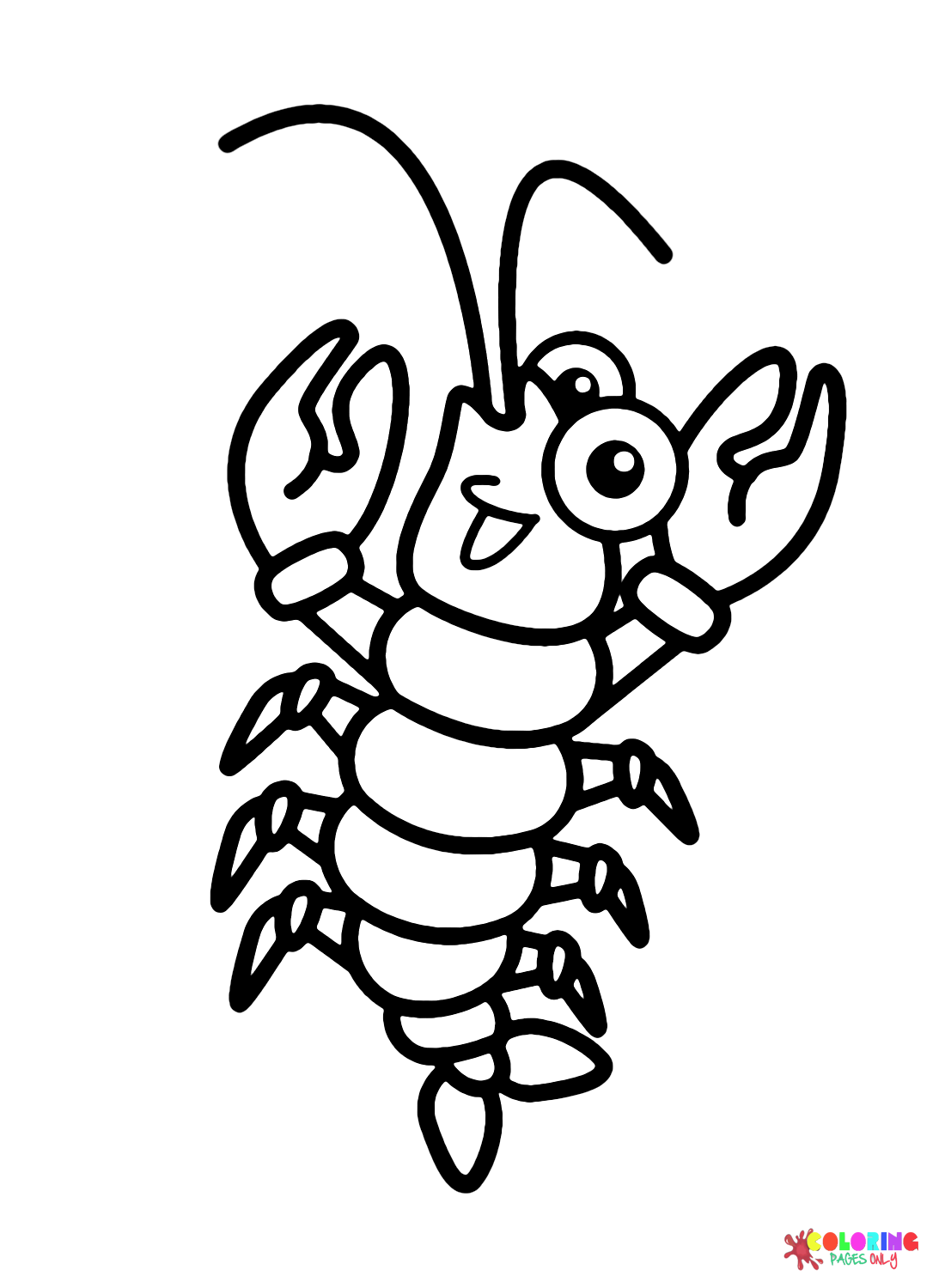
Seven pages show a shrimp in a range of moods, including tiny, marine, adorable, happy, and funny renderings. Use natural ocean tones, Pink, Orange, and pale Gray, for these realistic-leaning designs, keeping the color consistent across the curled body and tail.
Character and Costume Designs
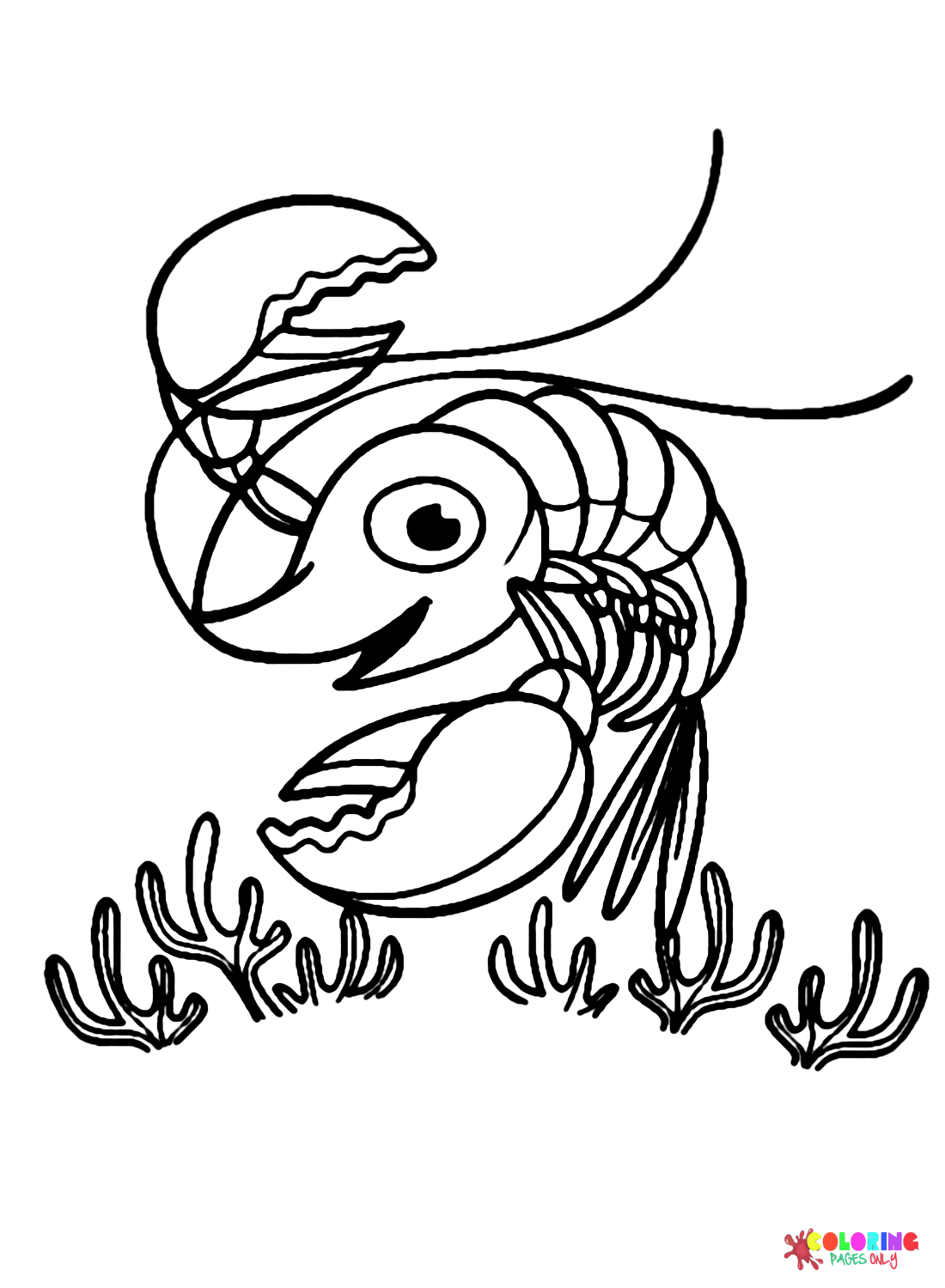
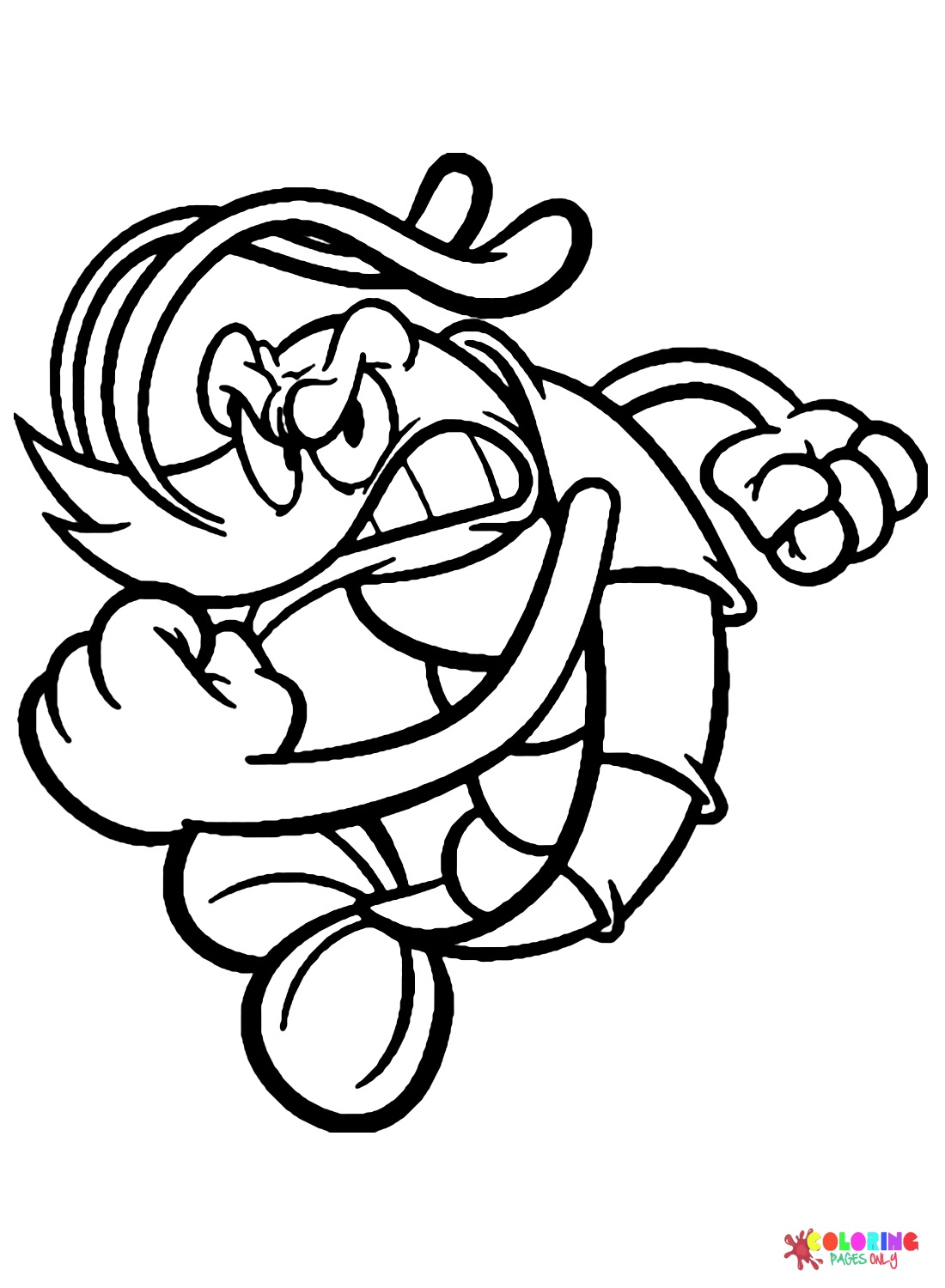
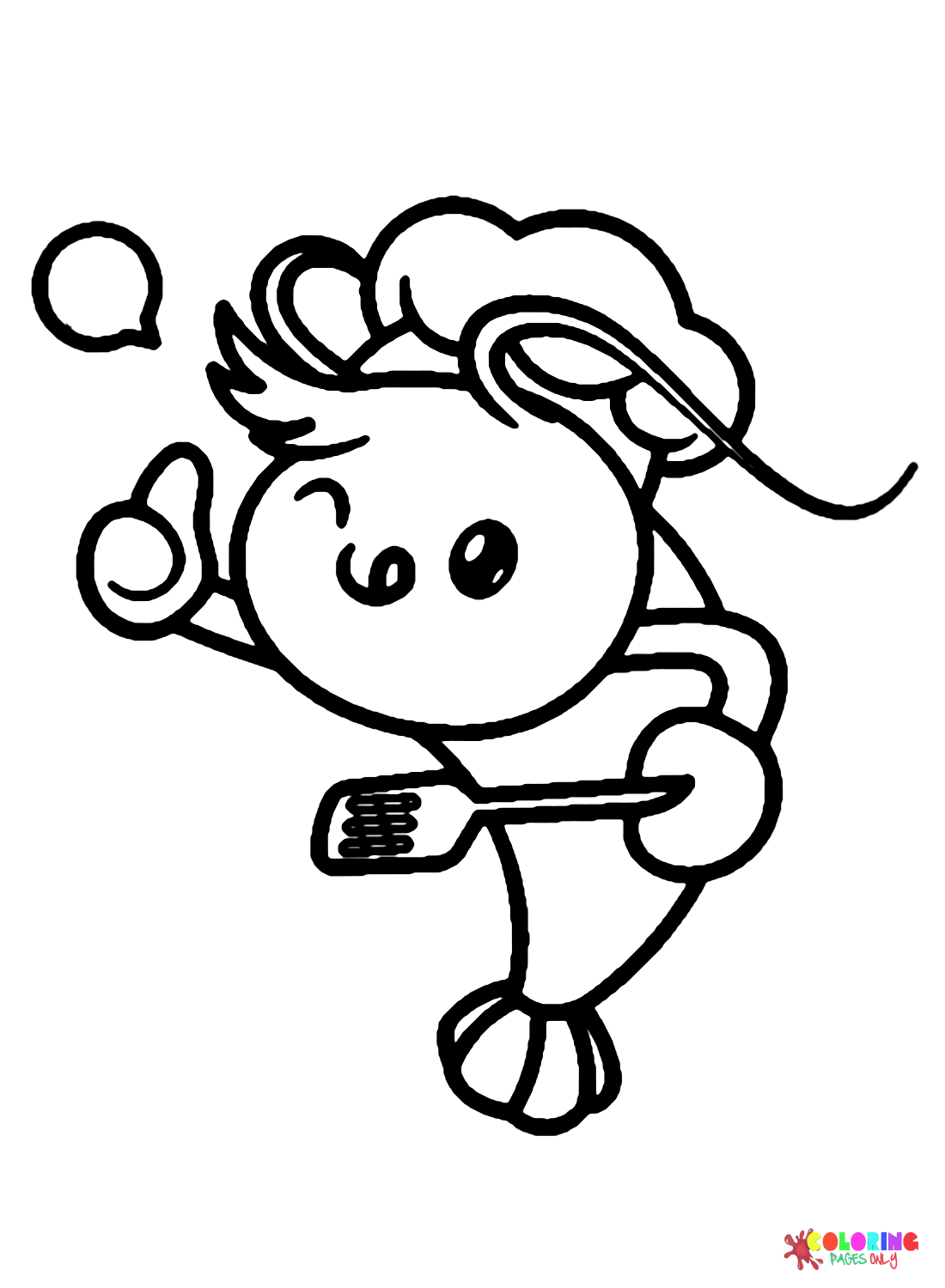
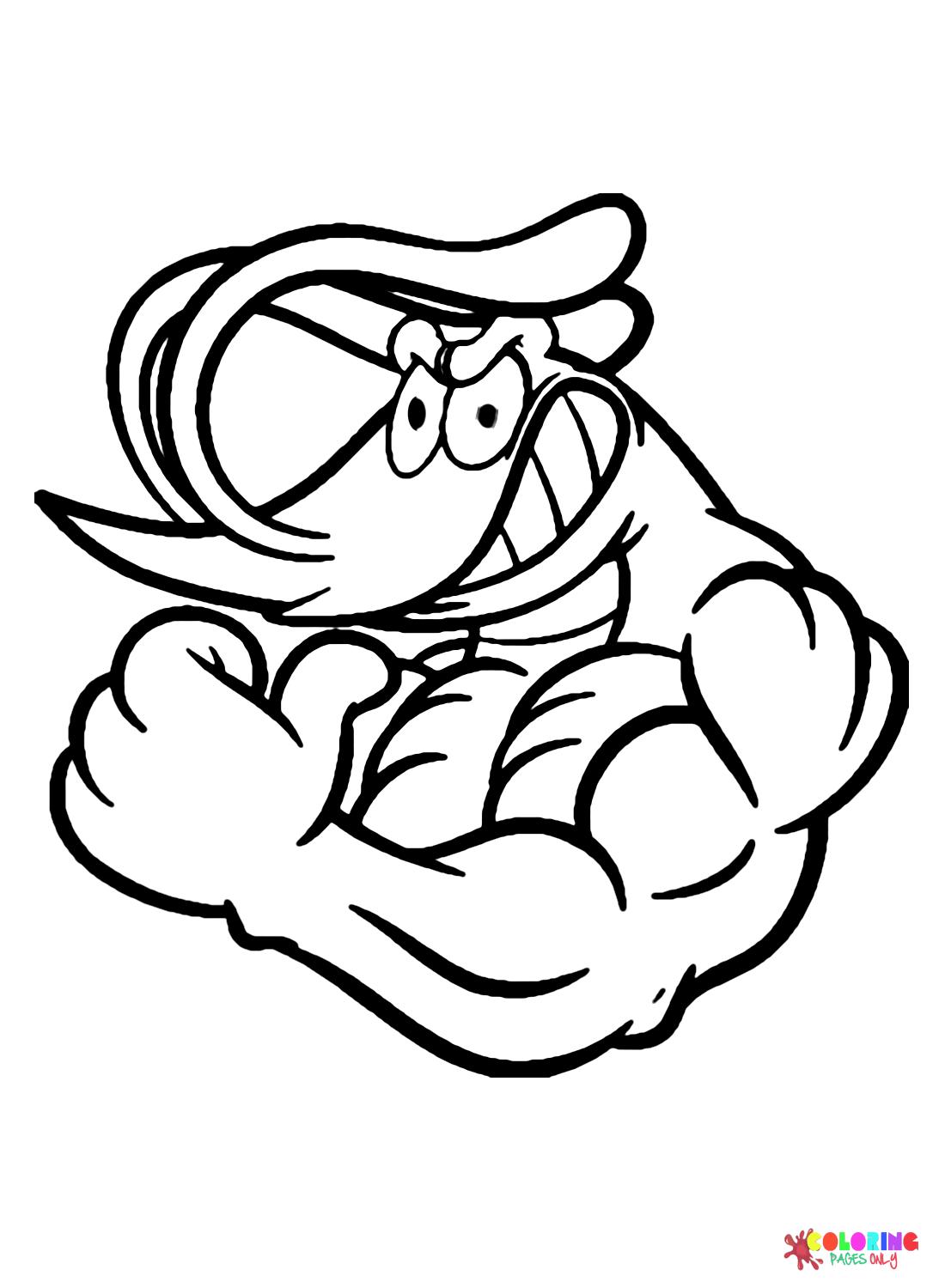
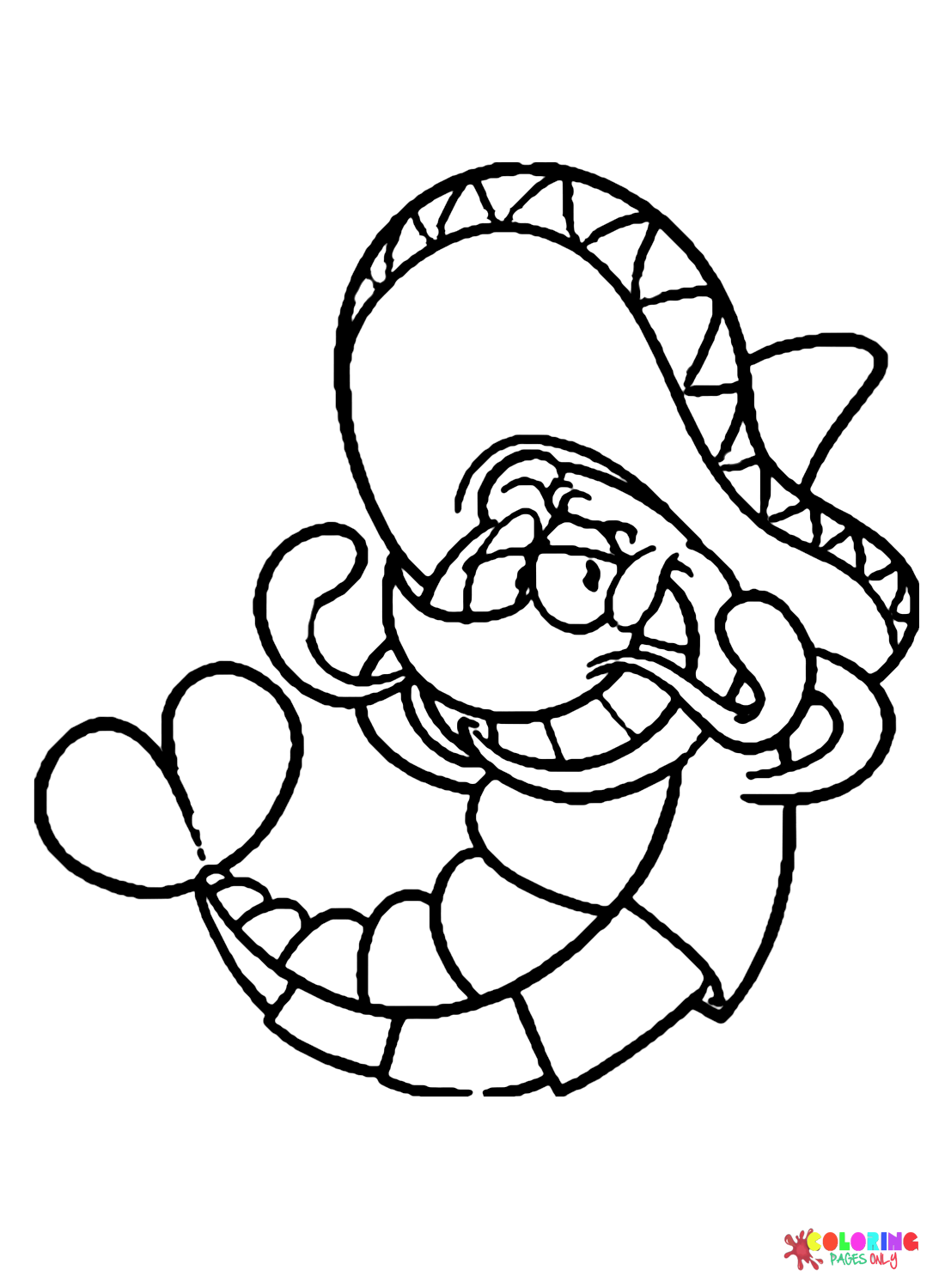
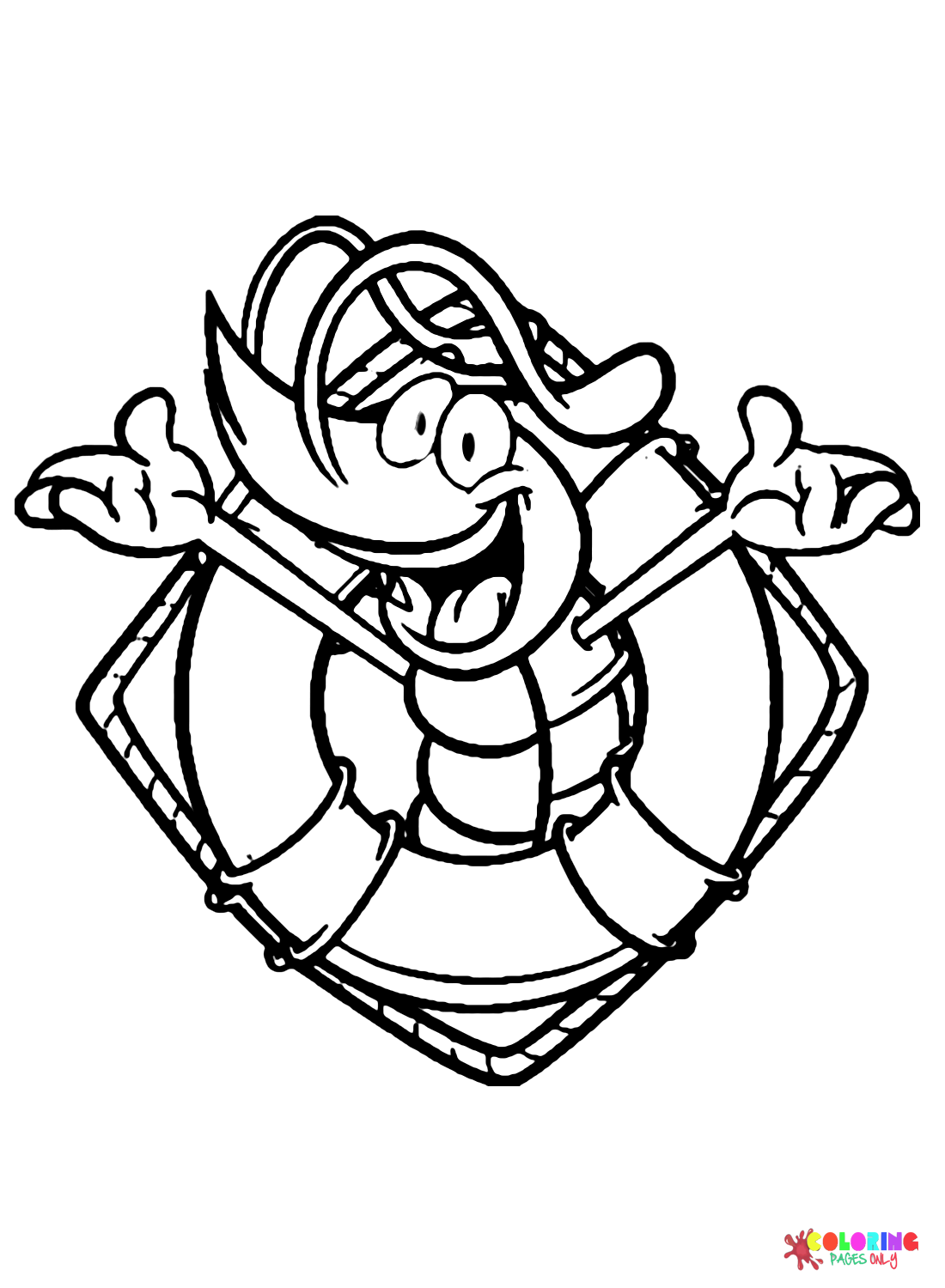
Six pages give the shrimp a playful, character-based twist, including a captain-themed design, an icon-style rendering, and costume-based cartoon variations. Lean into bright, bold colors for costume elements, a Captain’s hat, a bandana, and keep the shrimp’s own base color simple so the added props stand out clearly.
Printable and Free Sheets
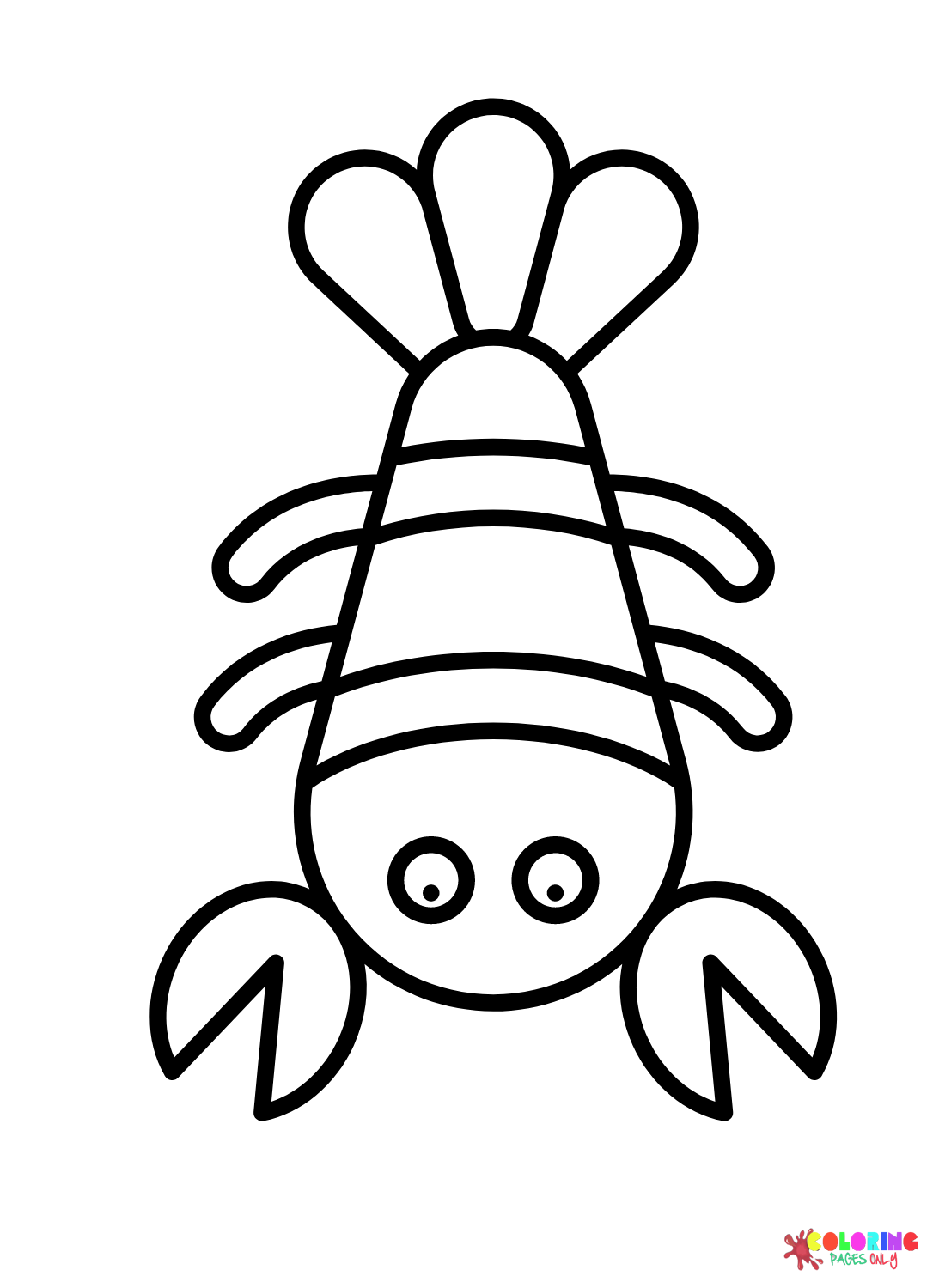
Ten pages are formatted as general printable sheets, making up the largest share of the collection and useful for a quick, single-session print at home or in the classroom. A confident single pass of Pink or Orange works well for these simpler line-art versions.
What Shrimp Coloring Pages Do
A curled tail that takes careful line control. A shrimp’s segmented abdomen curls beneath its body, and following that curve smoothly without losing the segment lines takes more careful, controlled linework than a straight-bodied animal would. The American Academy of Pediatrics ties that kind of precise, curved detail work to fine motor skill development in children ages 2 through 7.
A “shrimp” that isn’t really a shrimp. The mantis shrimp is often grouped with true shrimp in casual conversation. Still, it belongs to an entirely different order, and it has the most complex visual system of any animal on Earth, seeing colors and light patterns far beyond human perception, a genuinely astonishing fact hiding behind a familiar name.
A calming activity paired with a small, quick-moving creature. A 2005 study in the Art Therapy Journal found that structured coloring sessions produced measurable reductions in anxiety, and there’s a fitting contrast in bringing that same slow, patient focus to a small, fast-moving animal.
Costume props layered onto a natural shape. The character-themed pages ask colorists to add hats, bandanas, or other props onto an otherwise natural shrimp shape, offering practice combining a real animal outline with imaginative added details.
How to Color Shrimp Pages Well
- Body: Use Pink or light Orange as the base color, since these are the most common tones associated with shrimp, whether raw or cooked.
- Shell segments: Use a slightly darker shade along the segment lines of the curled tail to help the layered structure read clearly.
- Antennae and legs: Keep these thin details consistent with the body, since they’re delicate features that shouldn’t compete with the main shape.
- Eyes: Use Black for the small stalked eyes, a distinctive feature worth calling attention to with a confident, precise dot.
- Costume and character designs: Use bright, contrasting colors for any added props, like a Captain’s hat or bandana, so these playful details stand out against the shrimp’s natural body color.
- Backgrounds: Keep backgrounds simple with soft Blue water tones so the shrimp’s shape and color remain the clear focus of the page.
5 Creative Craft Ideas With Shrimp Coloring Pages
1. Ocean Scene Diorama
Color a shrimp page, cut it out, and glue it inside a shoebox decorated with blue paper and sand for a simple underwater scene.
2. Shrimp Bookmark
Color a small shrimp design, cut it into a bookmark shape, and use it to mark a place in a favorite book.
3. Greeting Card
Fold cardstock in half, glue on a colored shrimp design, and write a message inside for a friend who loves ocean animals or seafood.
4. Classroom Ocean Poster
Color several shrimp pages as a group and arrange them on a poster board for a classroom lesson about crustaceans and sea life.
5. Paper Garland
Cut out three or four colored shrimp designs, punch a hole in each, and string them together with twine for a simple ocean-themed garland.
Frequently Asked Questions
What are Shrimp coloring pages?
Shrimp coloring pages are printable line-art designs featuring this ocean crustacean in classic portrait, character, and costume artwork. This collection includes 23 free designs available as PDFs or online coloring.
What kind of animal is a shrimp?
A shrimp is a small crustacean in the order Decapoda, recognized by its five pairs of jointed legs and curled, segmented tail.
Is a mantis shrimp actually a true shrimp?
No. Despite the shared name, the mantis shrimp belongs to a completely different order, Stomatopoda, rather than Decapoda, the order true shrimp belong to.
What makes mantis shrimp vision so special?
Mantis shrimp have up to 16 types of photoreceptors, compared to just 3 in humans, allowing them to see ultraviolet and polarized light, giving them the most complex visual system known in the animal kingdom.
What are the different parts of a shrimp’s body?
A shrimp’s body is divided into three main parts: the head, thorax, and abdomen, protected by a hard exoskeleton.
What are the health benefits of eating shrimp?
Shrimp is a good source of protein and low in calories and fat, along with providing vitamins and minerals.
Are Shrimp coloring pages suitable for young children?
Yes. The simple portrait and expression designs in this collection use bold, uncluttered outlines suited to preschool and early elementary colorists.
How long do shrimp typically live?
Most shrimp have a fairly short lifespan, typically living only one to two years in the wild.
Start Coloring
Download any page by clicking the design. No account, email, or payment is required. Pages print directly from the browser at full resolution or open in the online coloring tool for screen use. Share finished pages on Facebook or Pinterest with the share buttons at the top of each design page.