Free zoo coloring pages: 56 printable PDF designs featuring simple animal portraits, multi-animal scenes, and visitors exploring the zoo. Each page can be downloaded as a PDF to print or colored online in the browser.
The word zoo is short for zoological garden, from the Greek zoion, meaning animal, and logia, meaning study of. The abbreviation was first used for the London Zoological Gardens, opened for scientific study in 1828 and to the public in 1847, while Vienna’s Tiergarten Schönbrunn, founded in 1752 and opened to visitors in 1779, is the oldest zoo still operating today. This set works for a classroom planning a zoo field trip, a family that just visited or is about to, and any child who wants to color several different animals sharing one page.
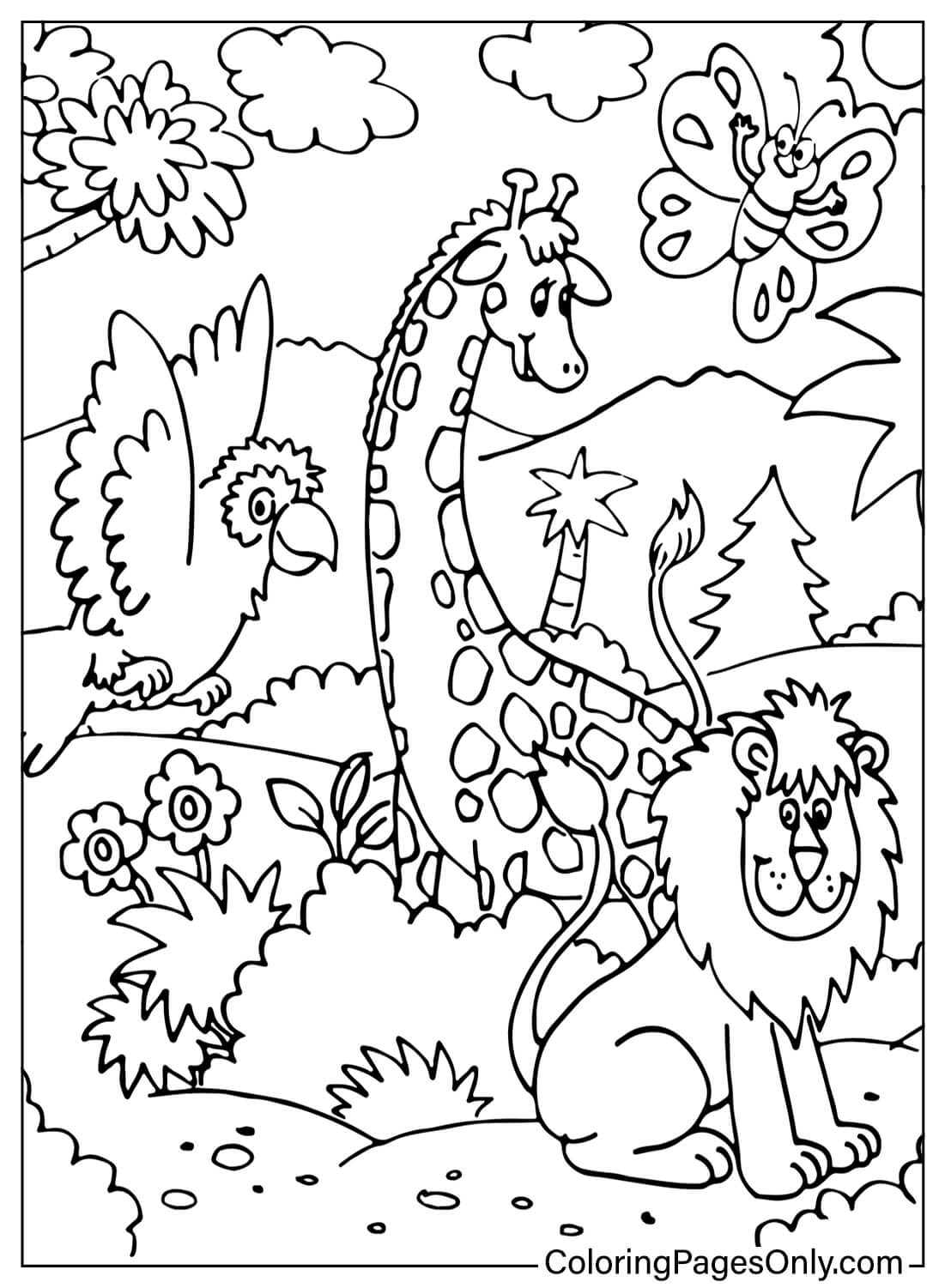
A zoo page is really several small animal-coloring decisions stacked into one scene, since a page showing a lion, a giraffe, and a bird each asks for its own accurate palette rather than one repeated color. Keeping each animal visually distinct within a shared scene, rather than letting them blur into the same few colors, is what separates a page that reads as a real zoo from one that reads as a pile of generic animal shapes.
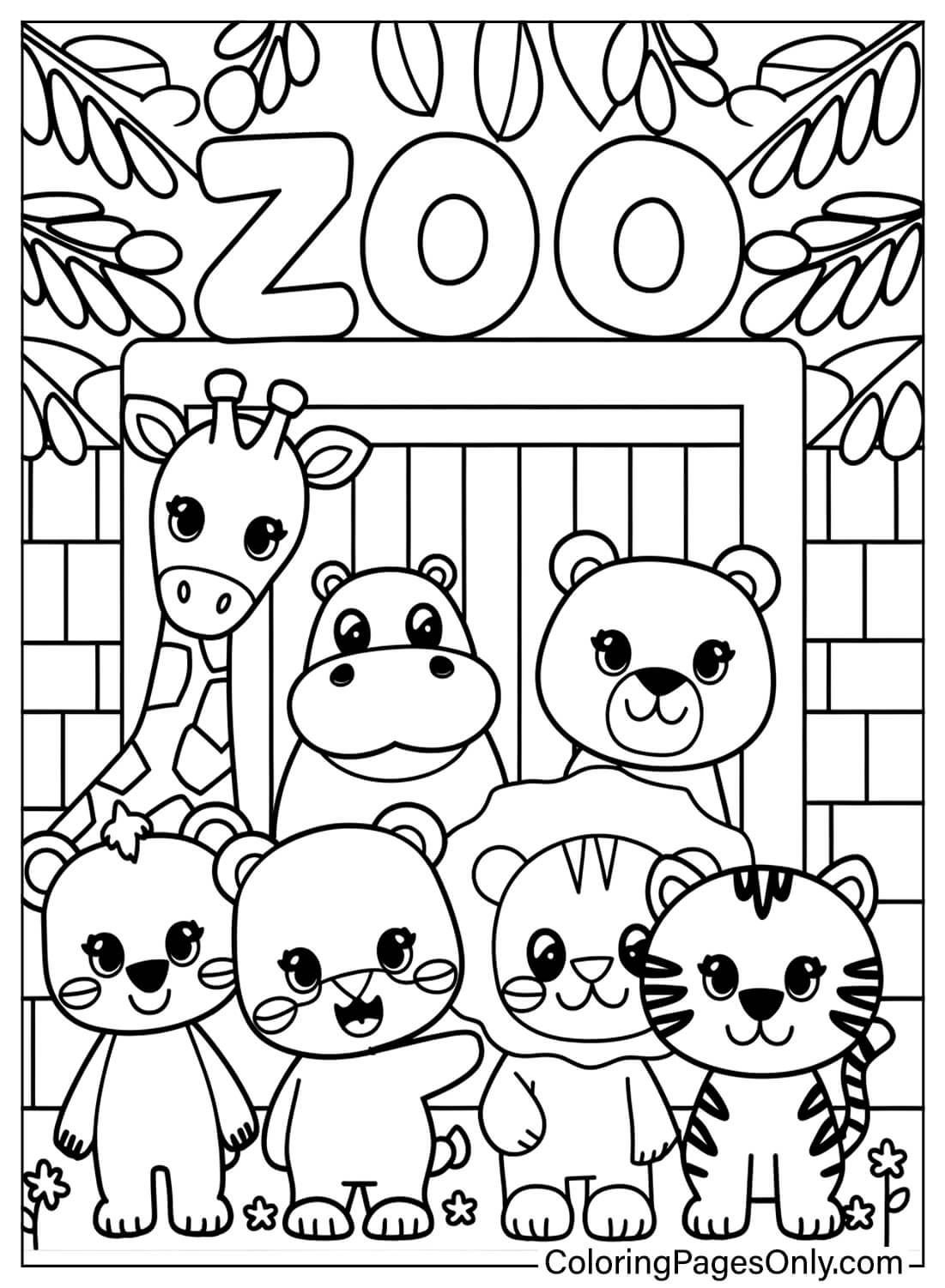
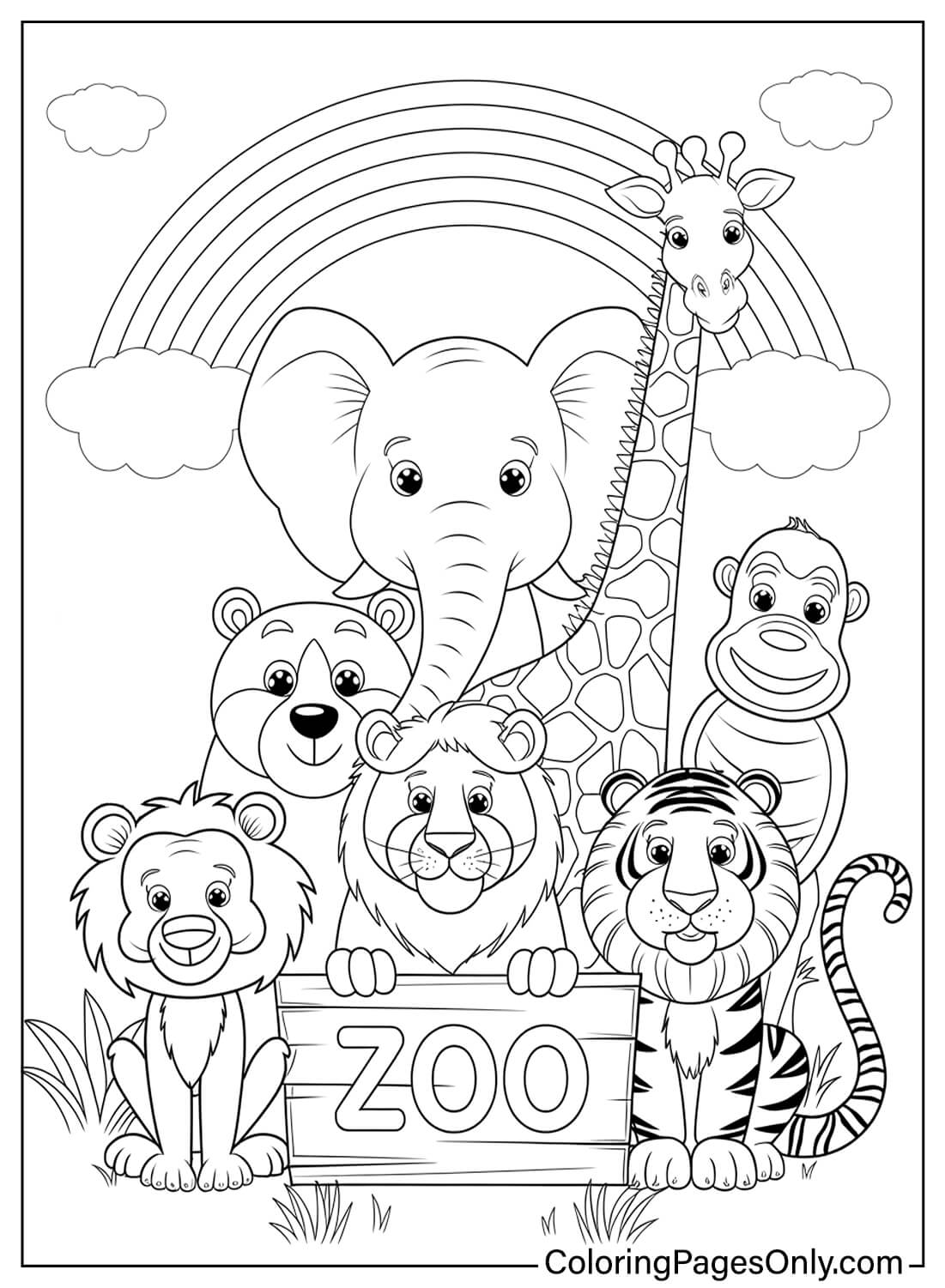
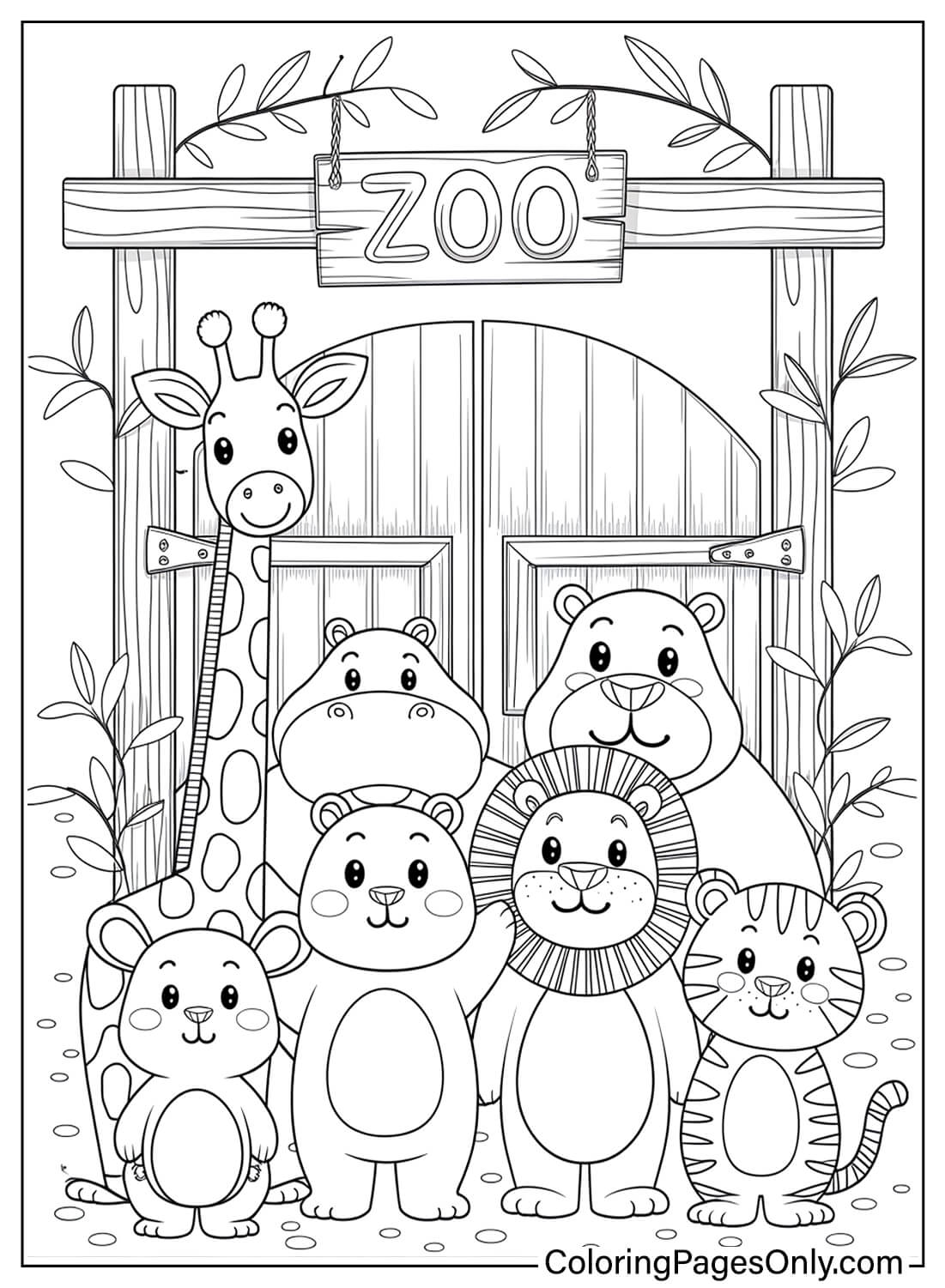
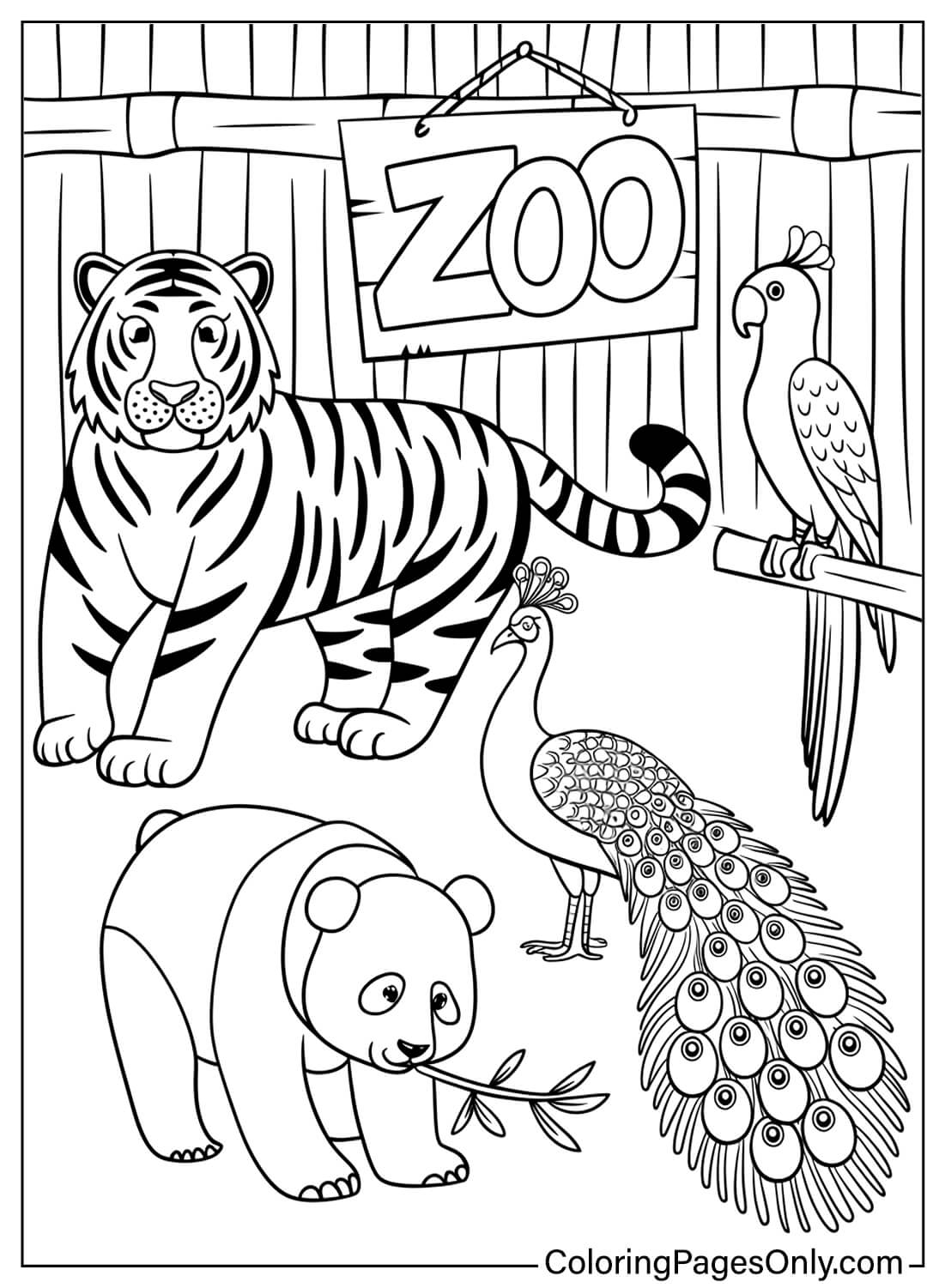
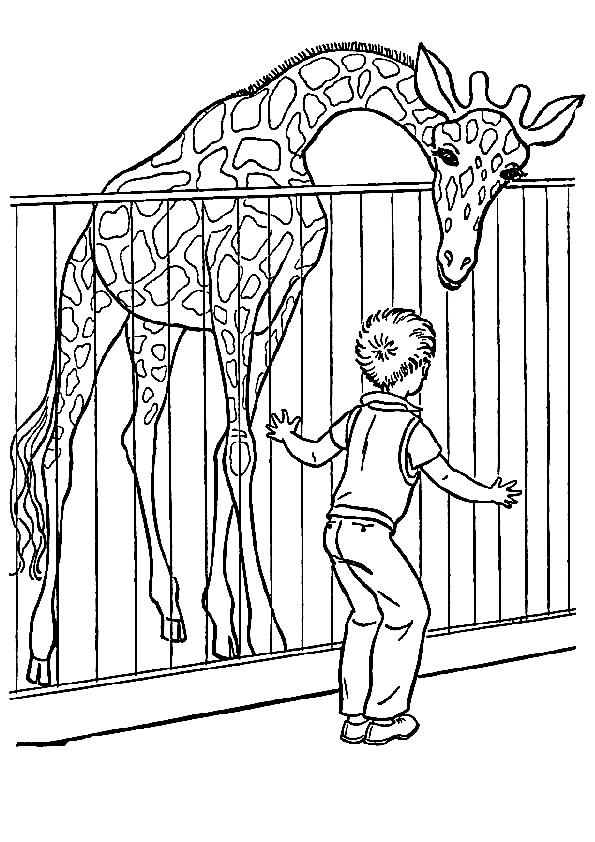
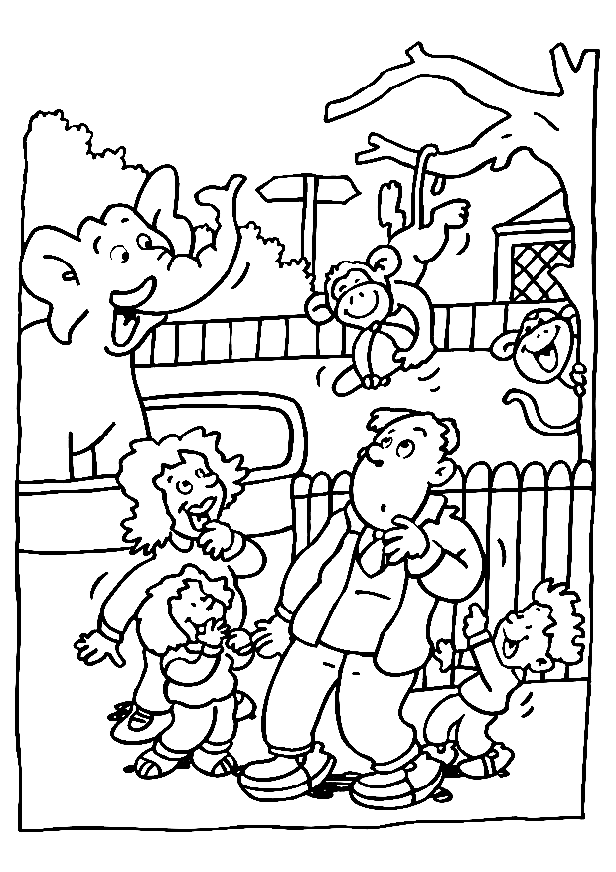
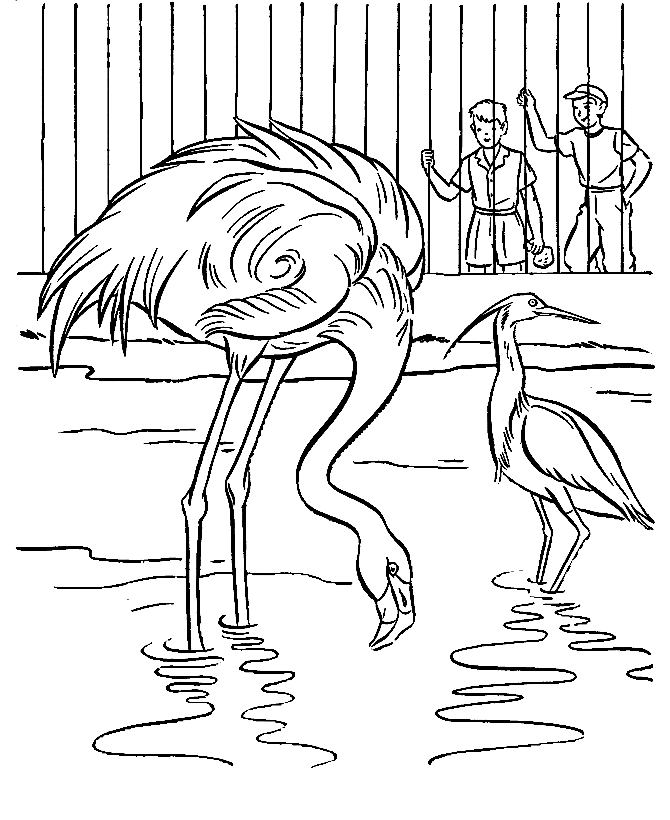
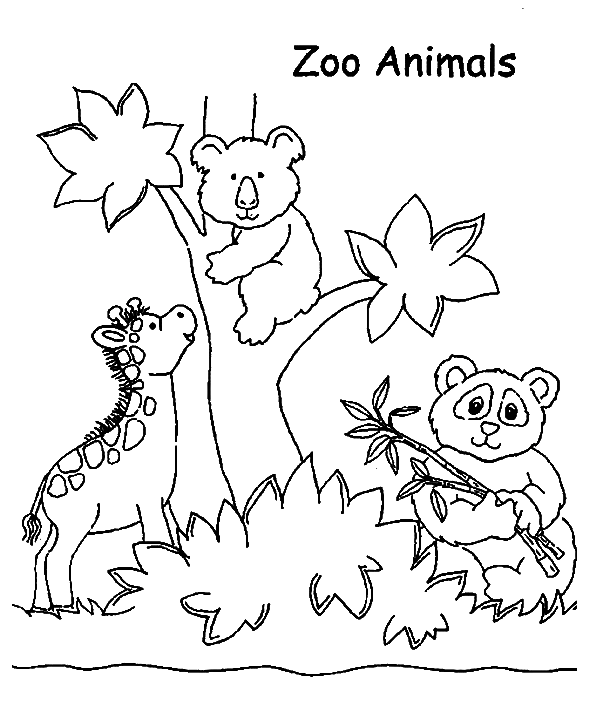
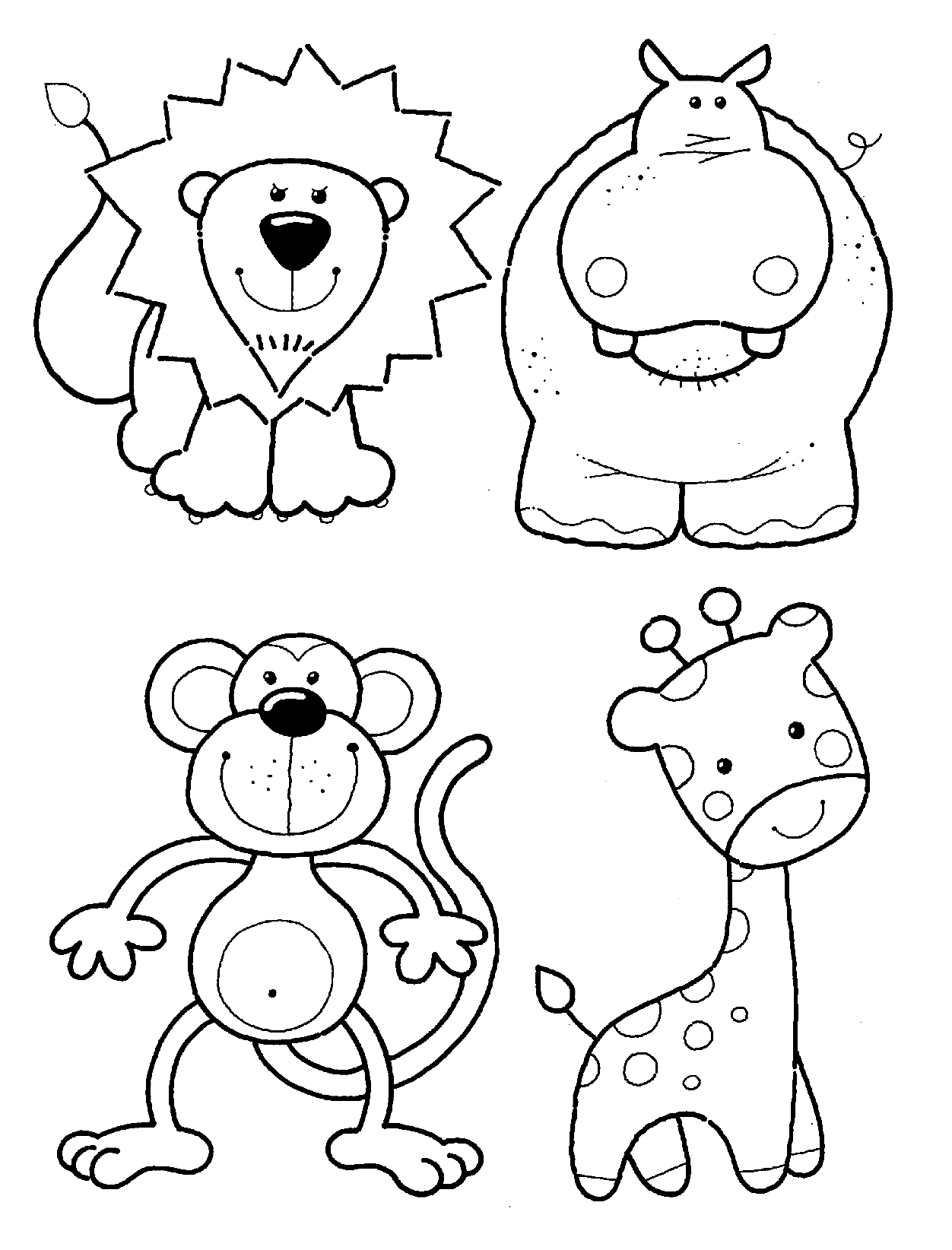
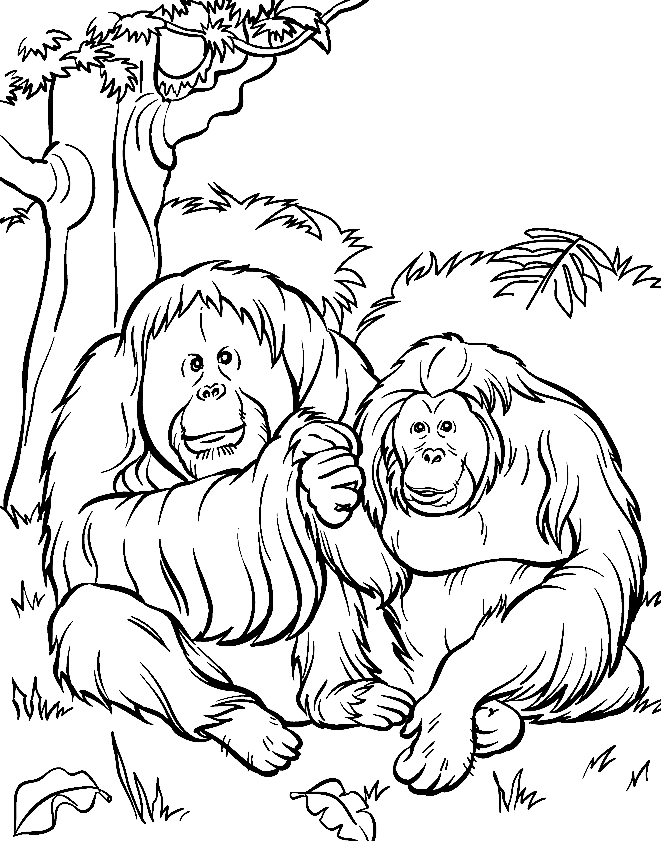
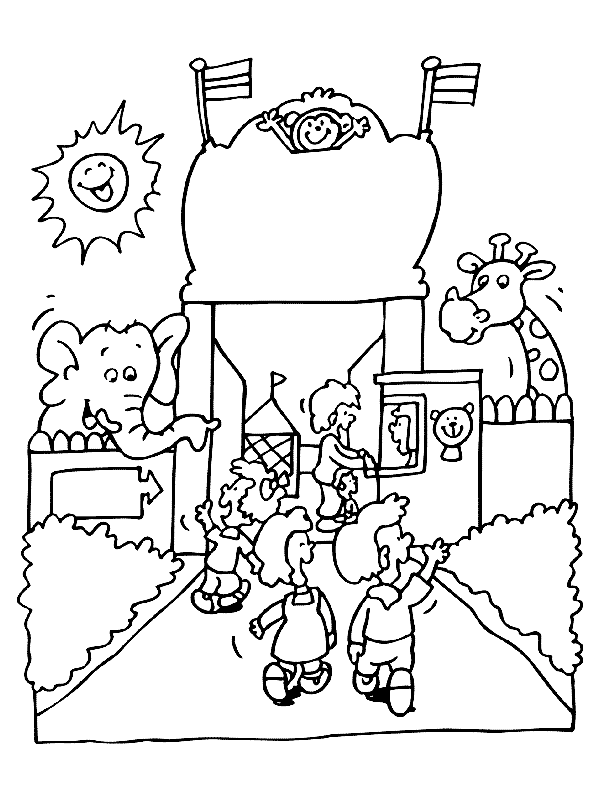
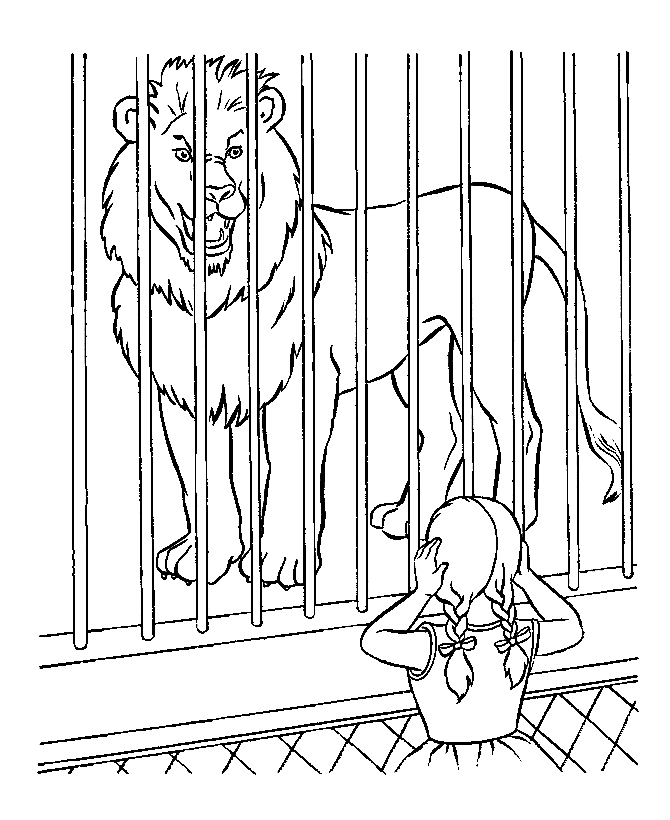
What Is Inside This Collection
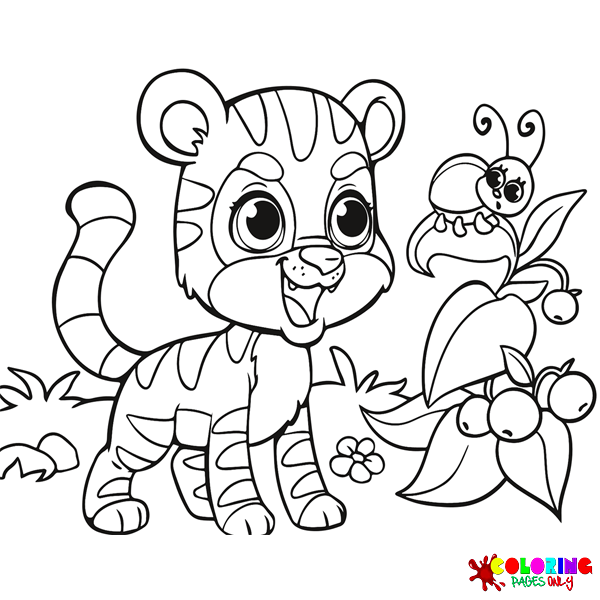
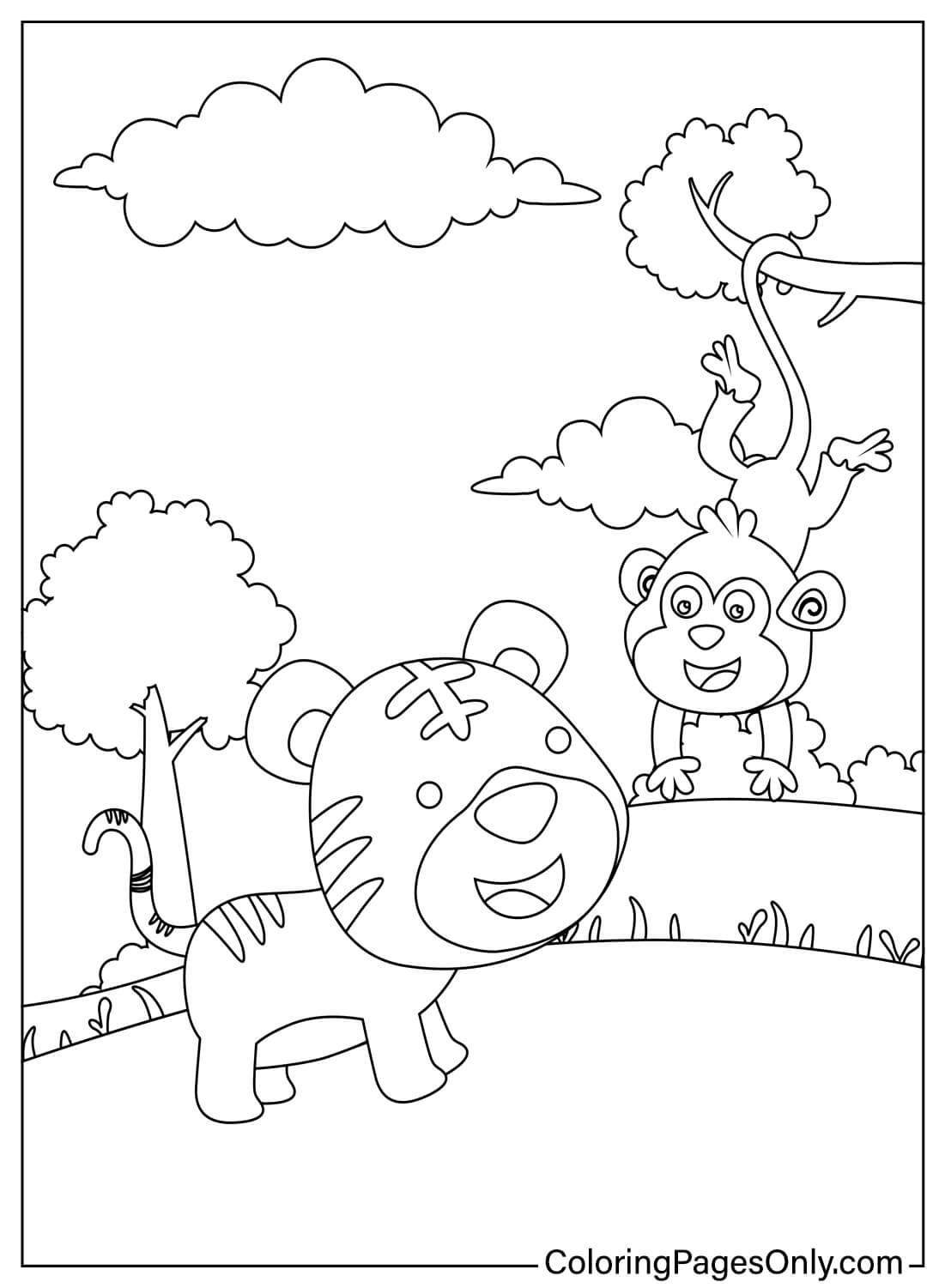
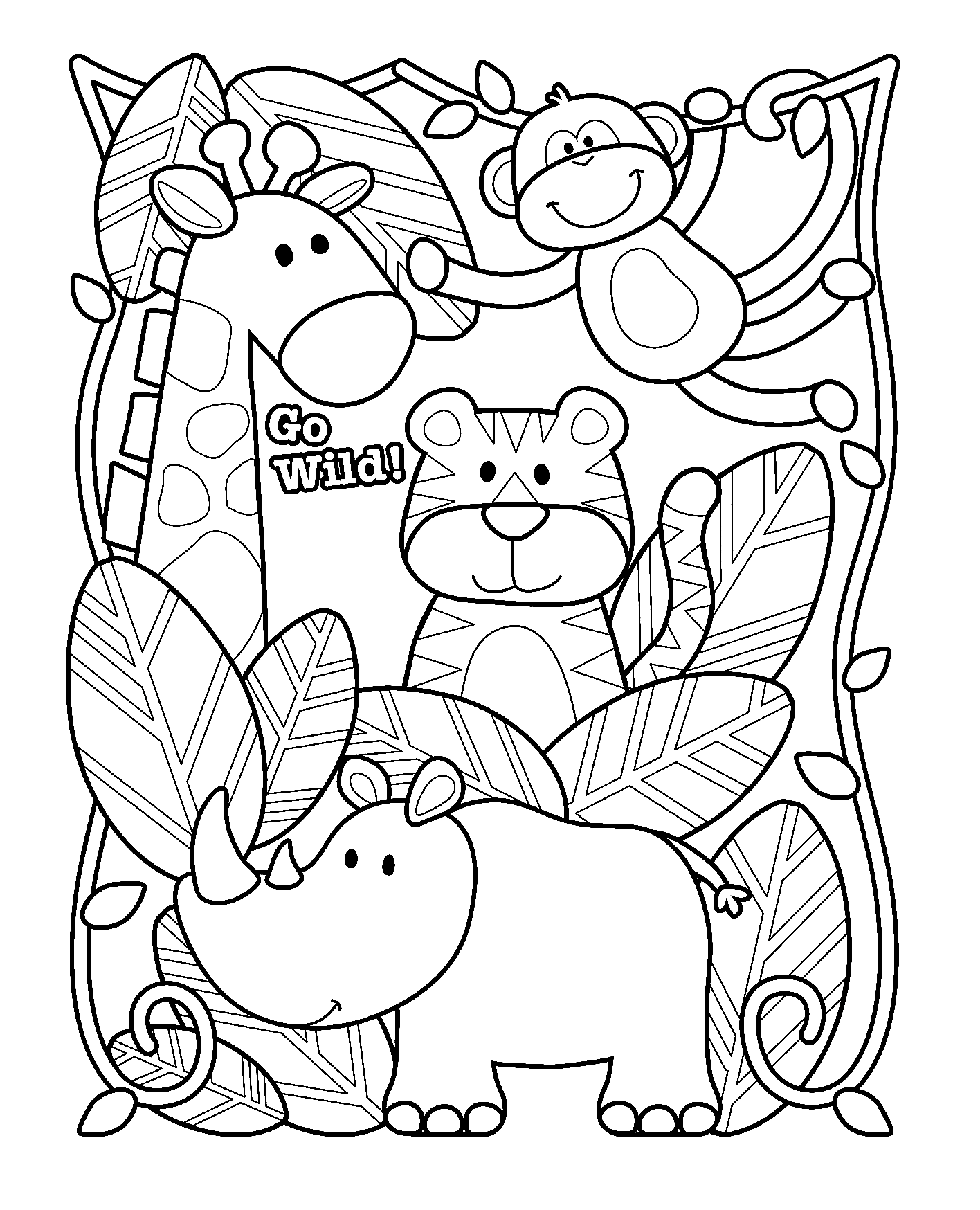
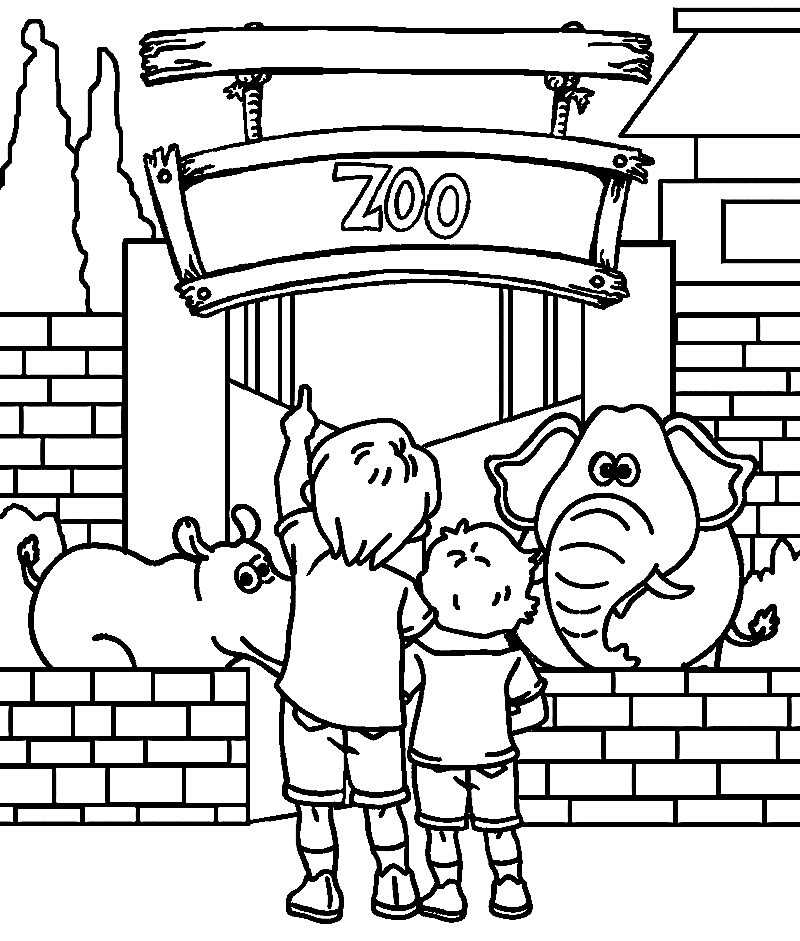
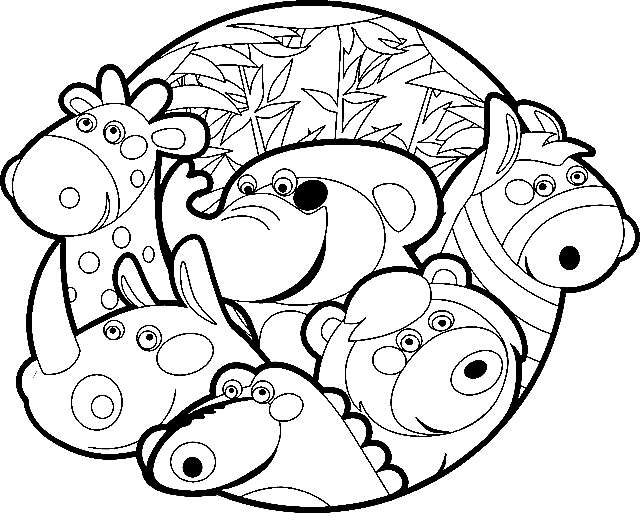
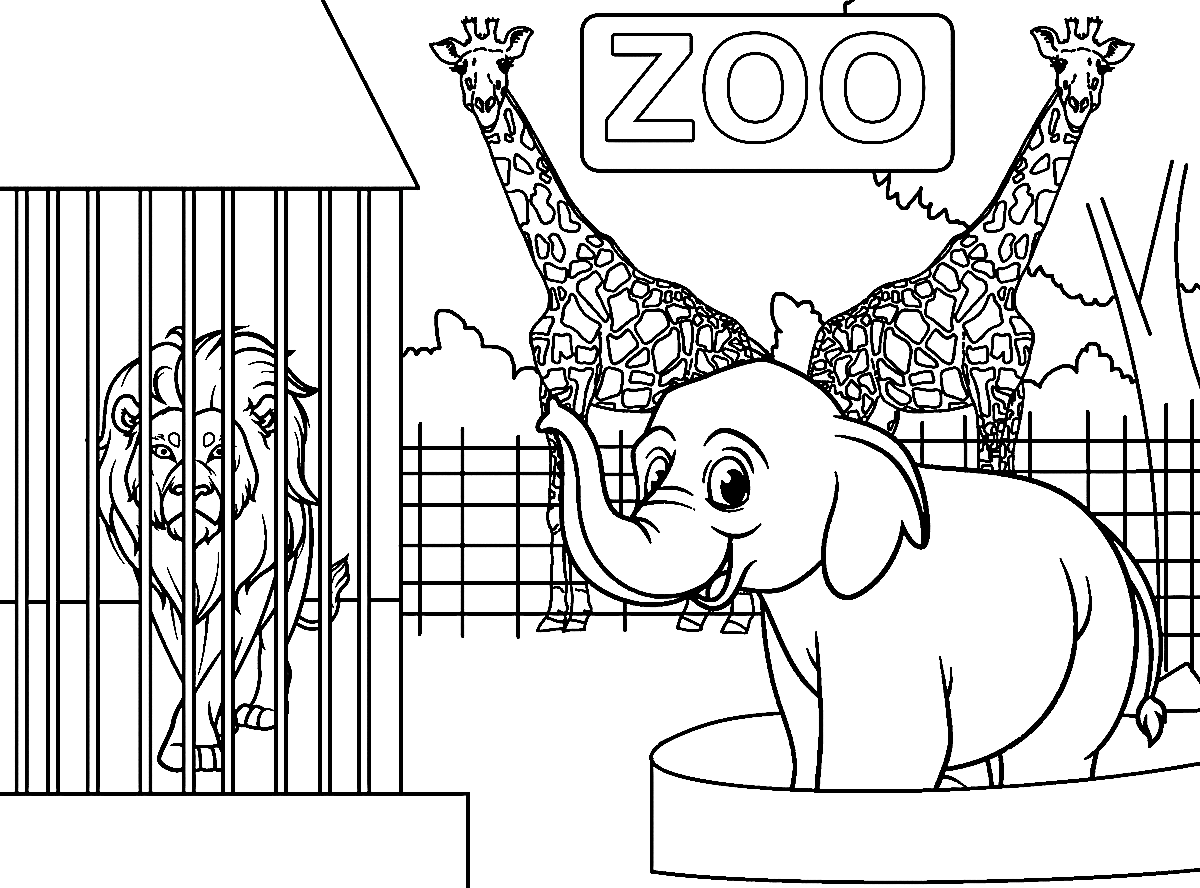
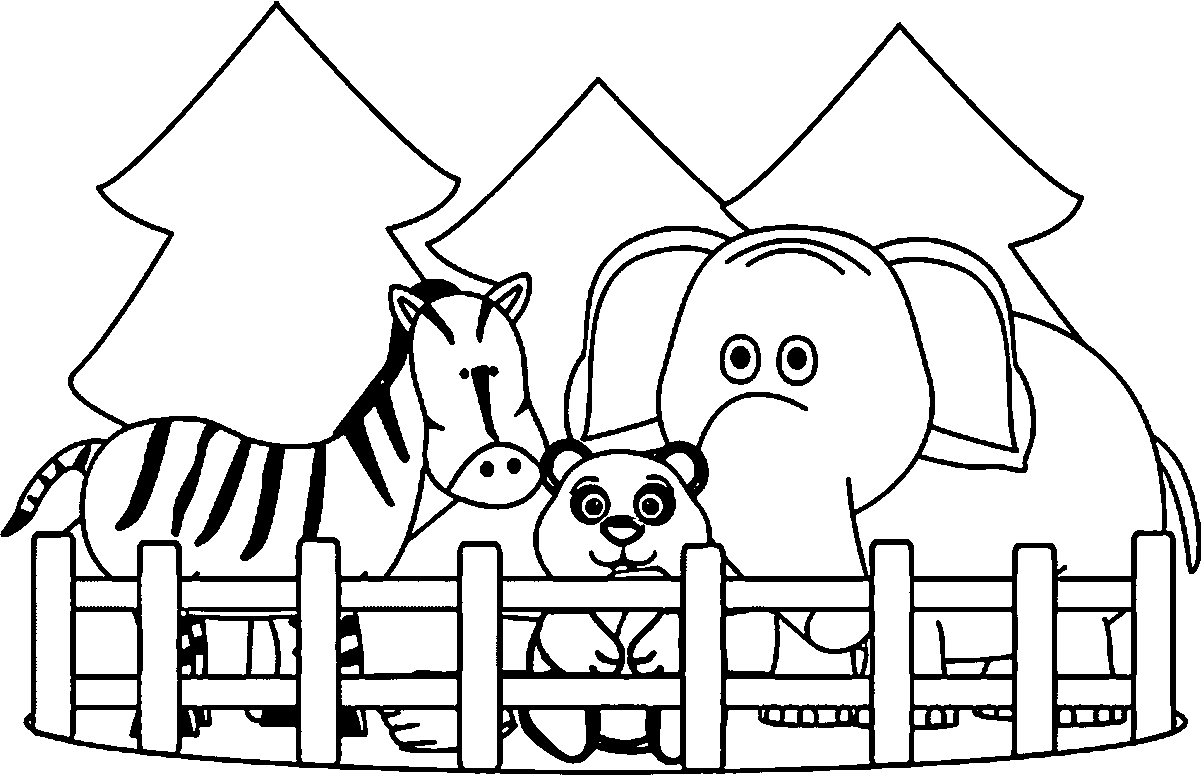
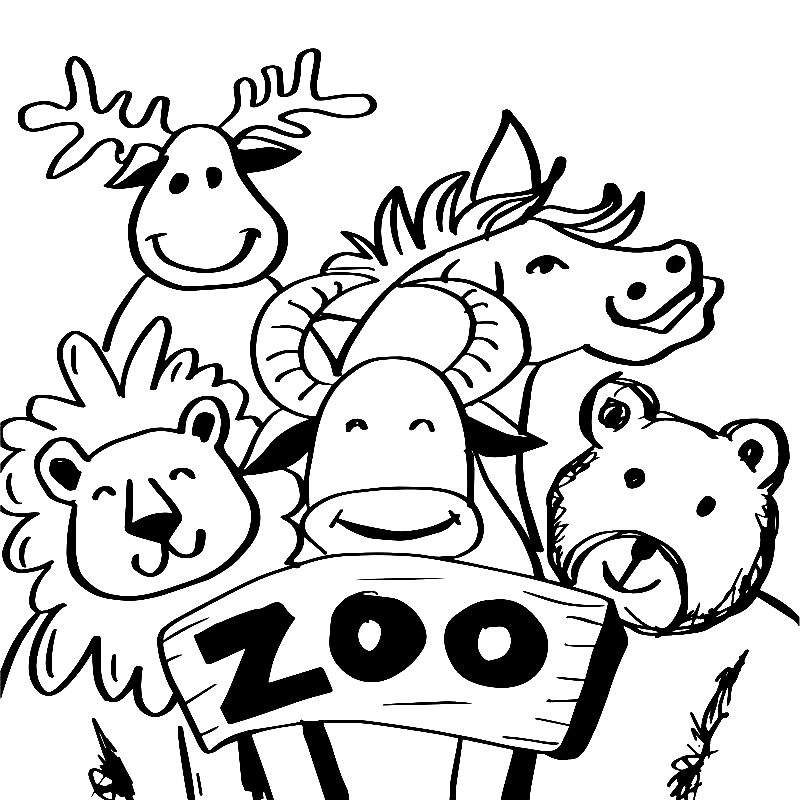
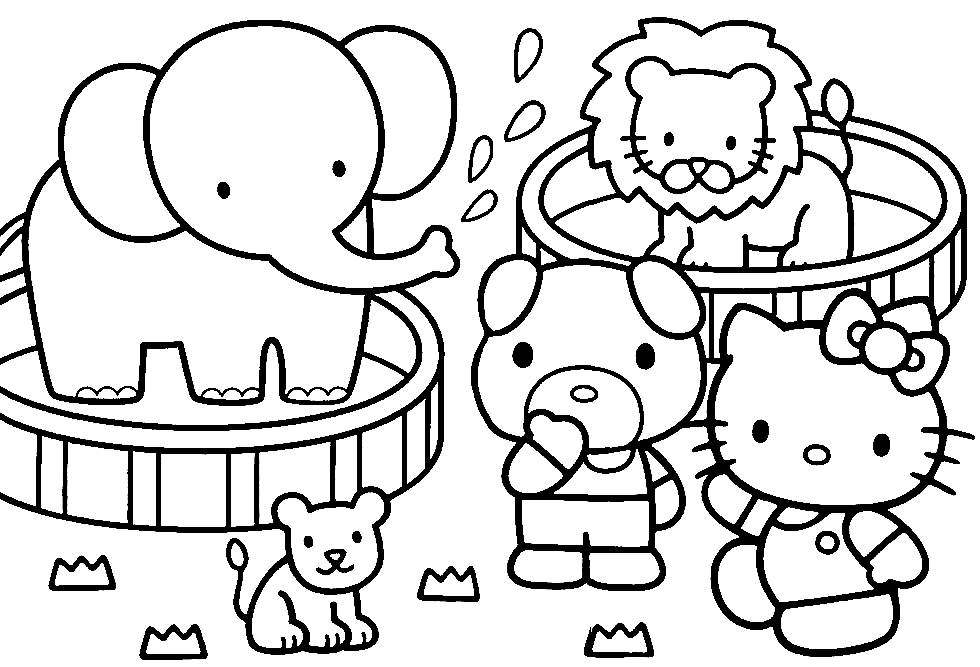
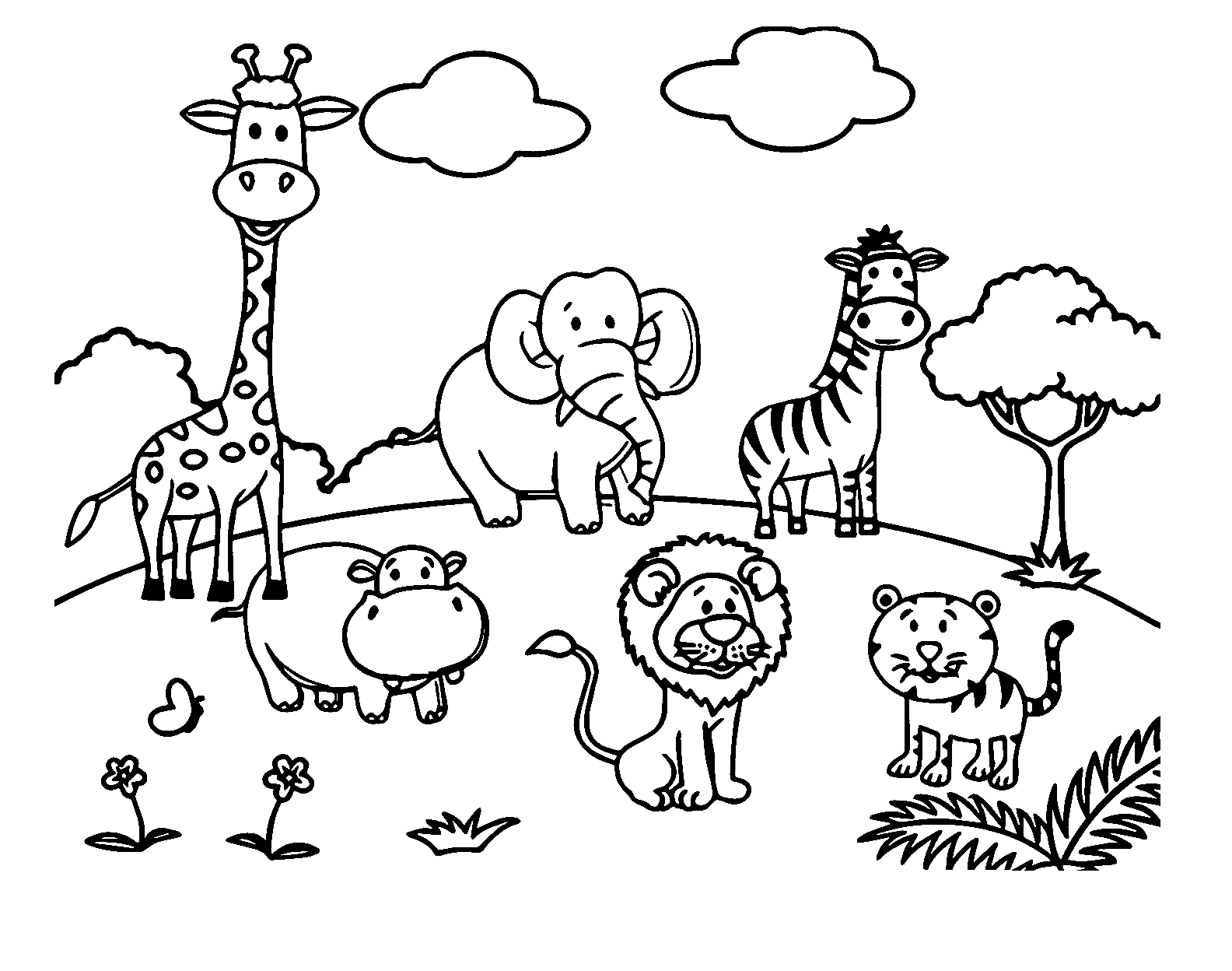
The 56 pages fall into a few clear groups, built around simple portraits, multi-animal scenes, single-animal features, and pages showing people at the zoo.
Simple Portraits and Printable Sheets
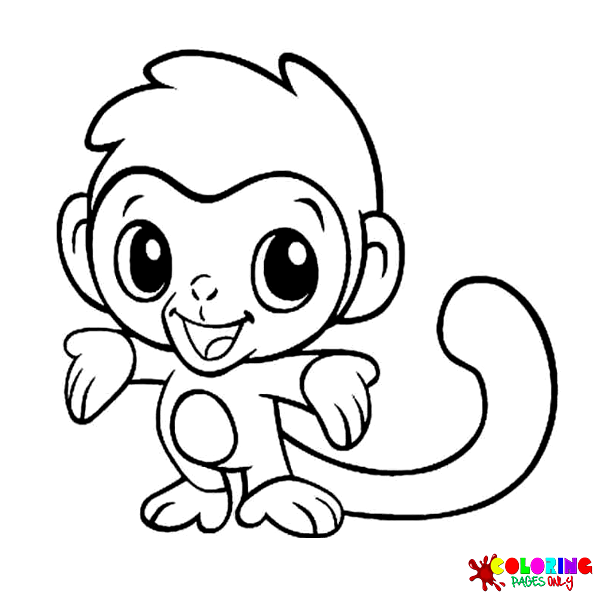
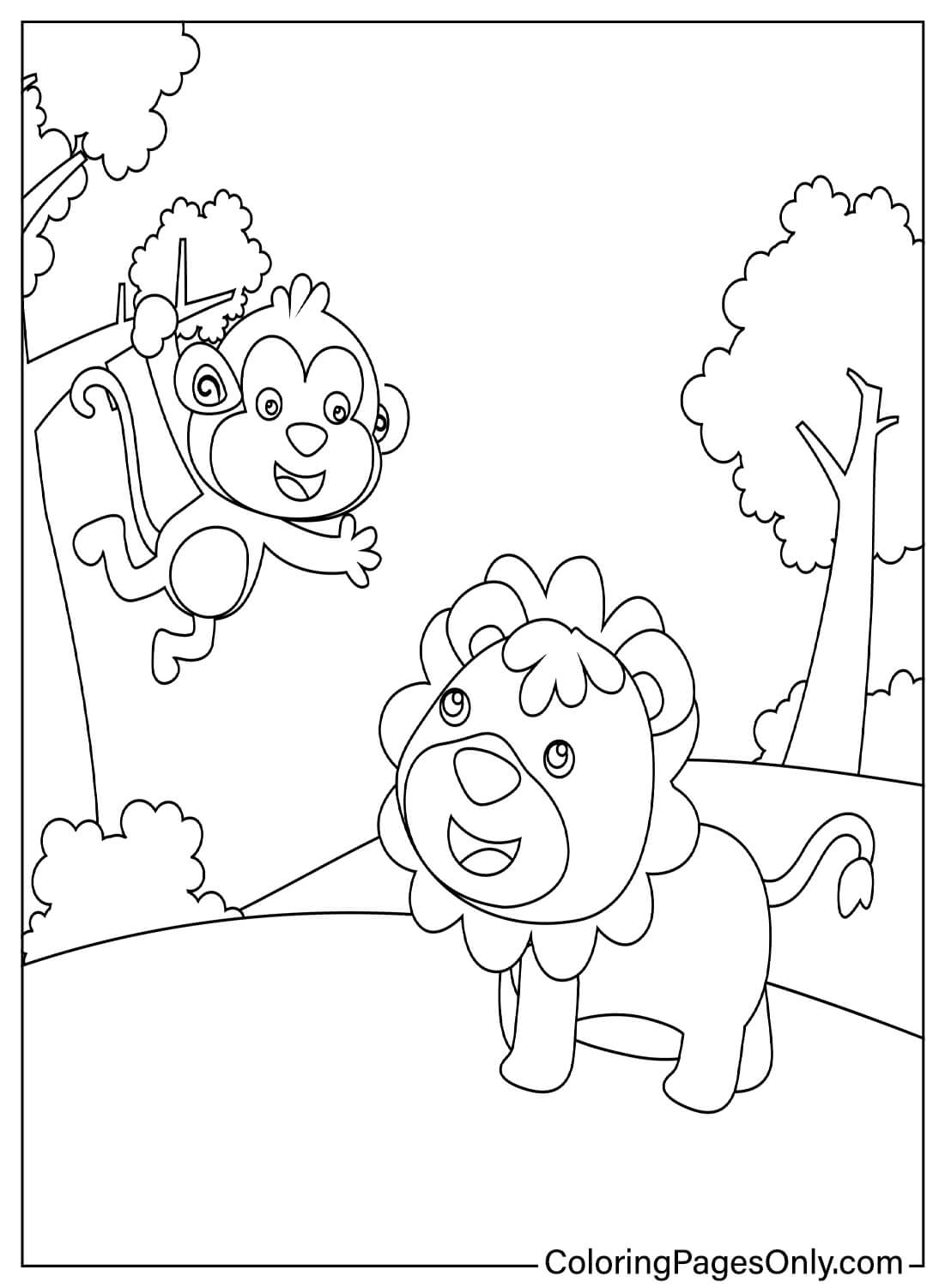
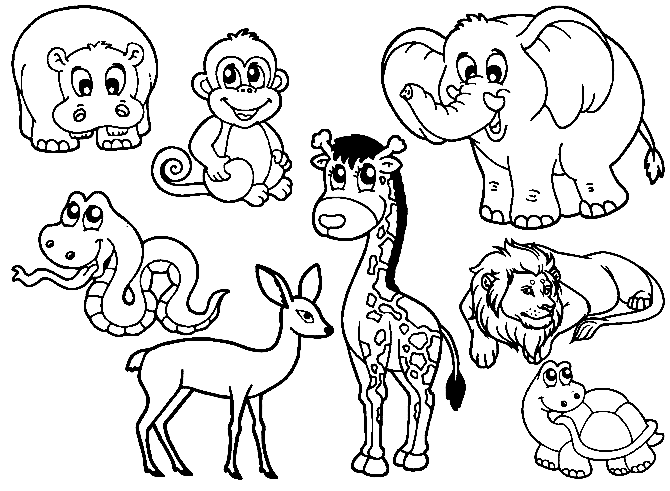
Sixteen pages are plain, generic zoo designs or single-animal outlines without much background detail, including versions built for preschool and kindergarten classrooms. These work well as a fast handout or a first attempt at the subject. A single accurate base color per animal is enough to complete most of these quickly.
Multi-Animal Zoo Scenes
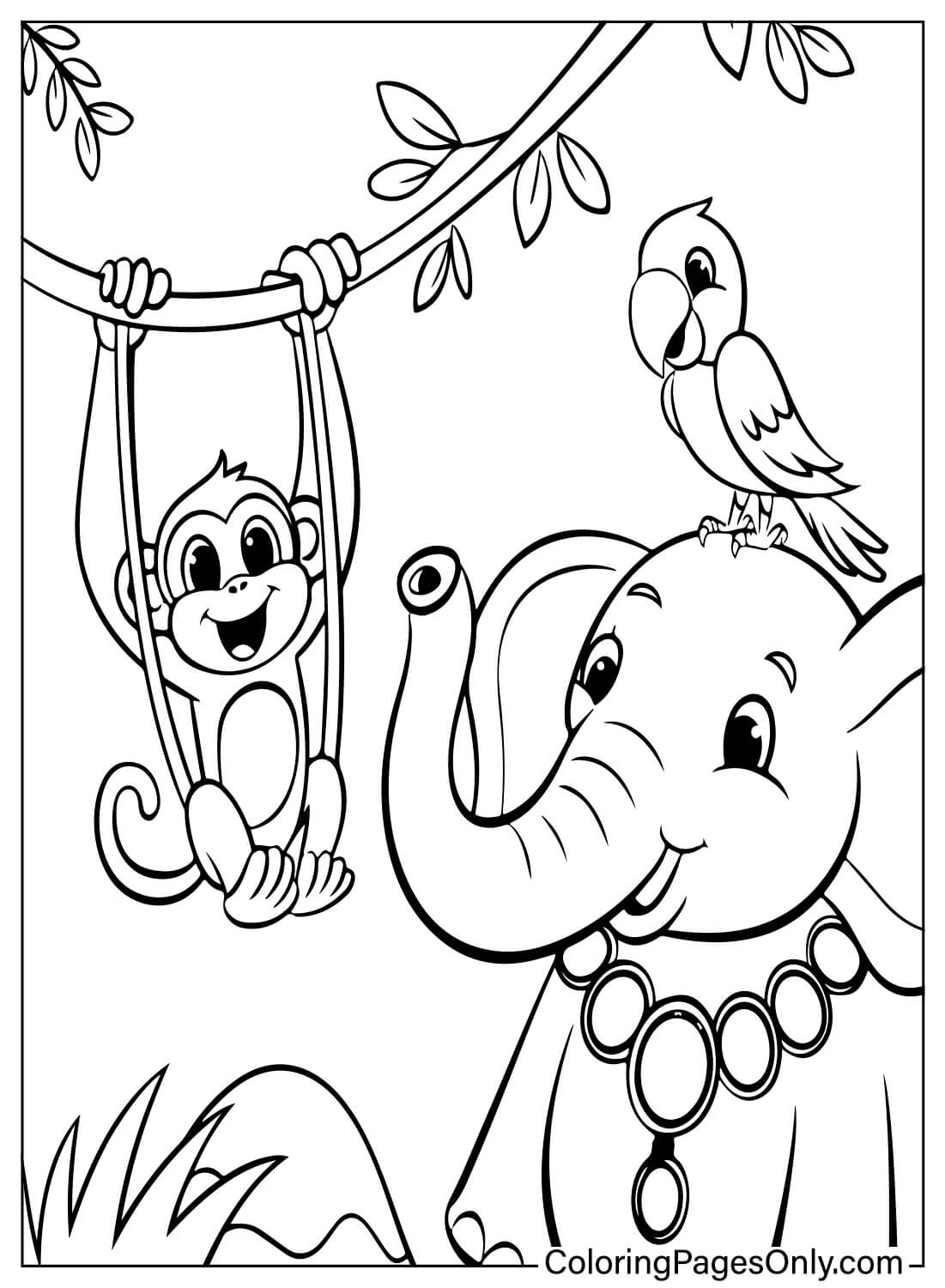
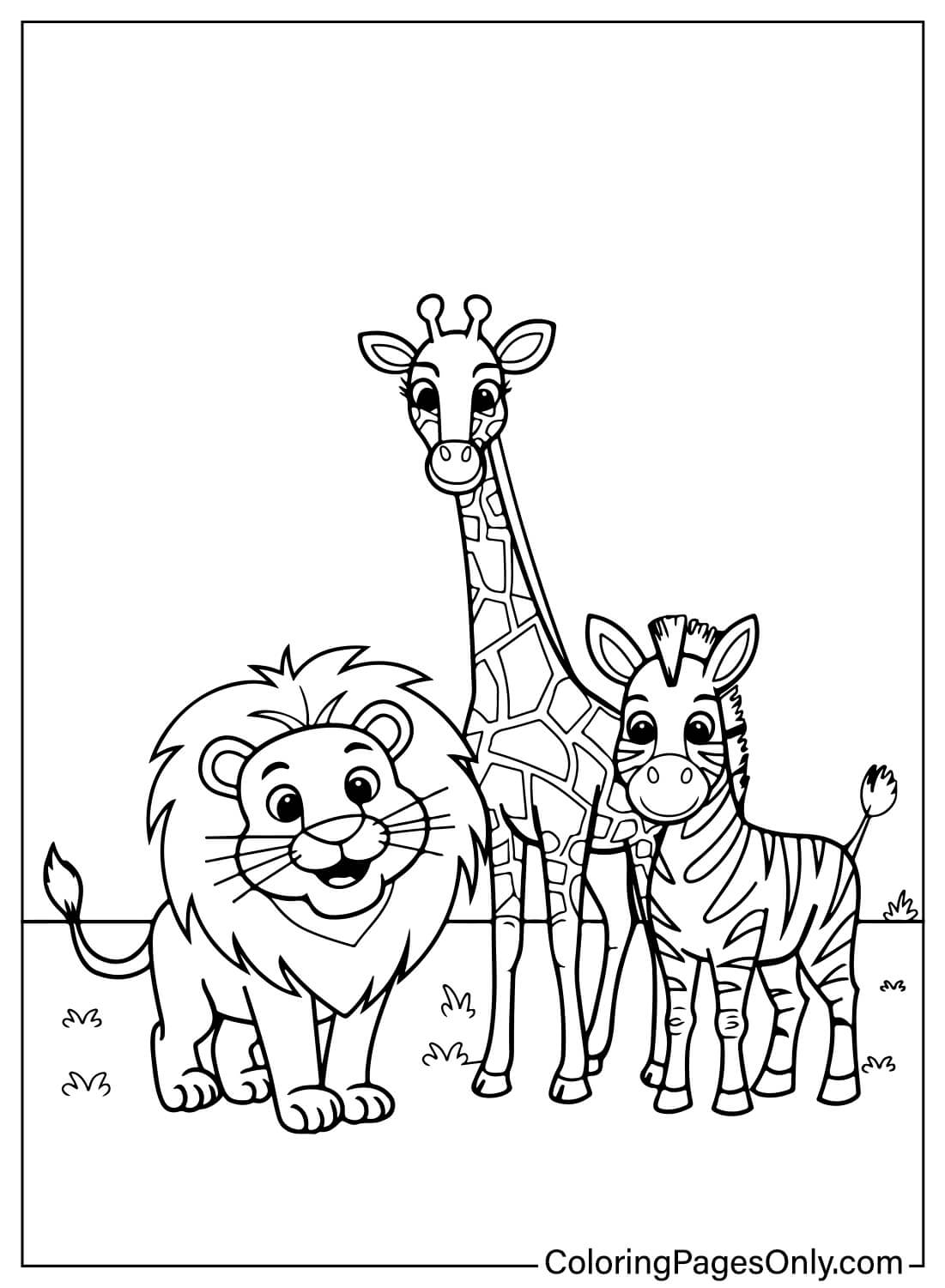
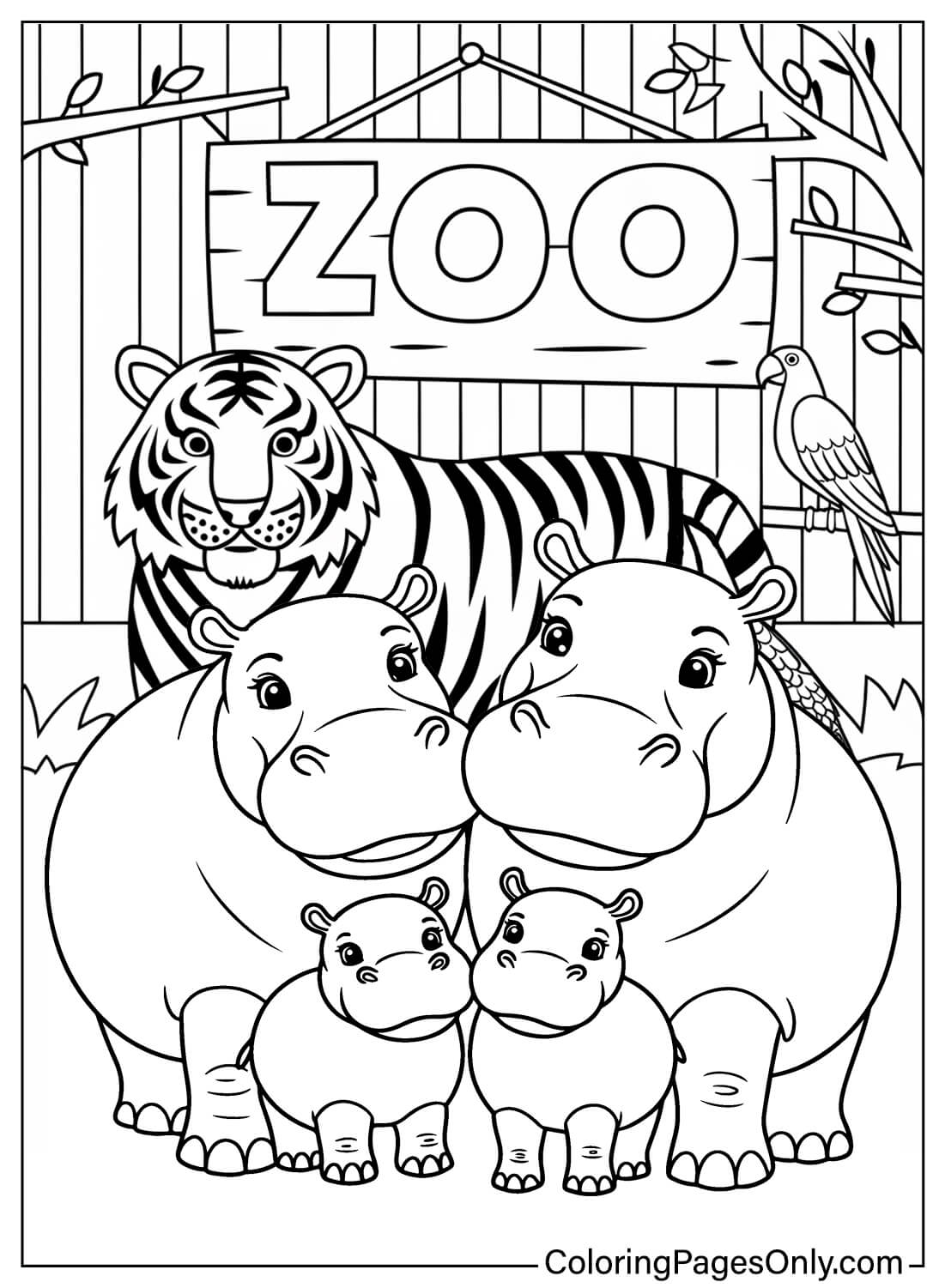
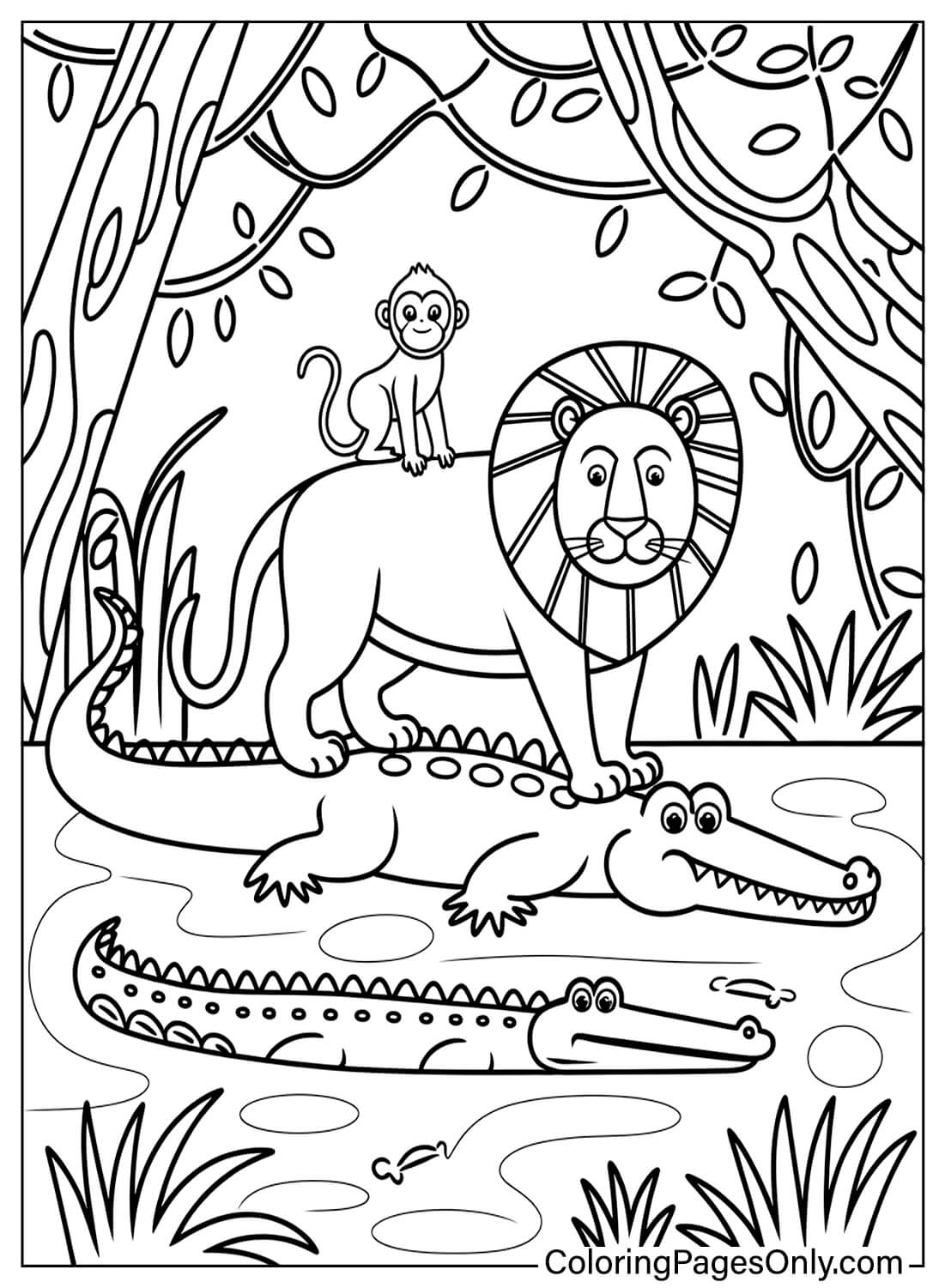
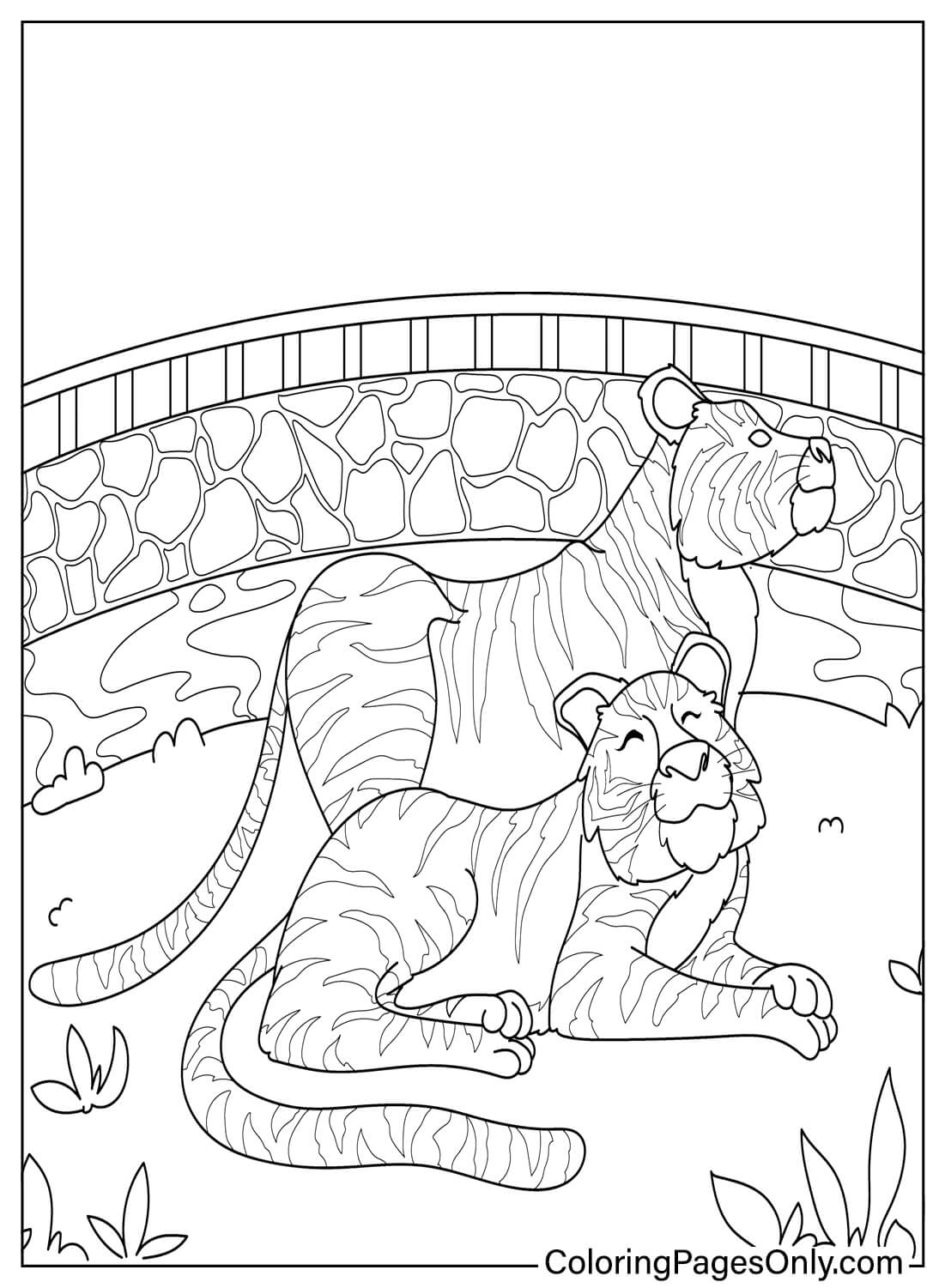
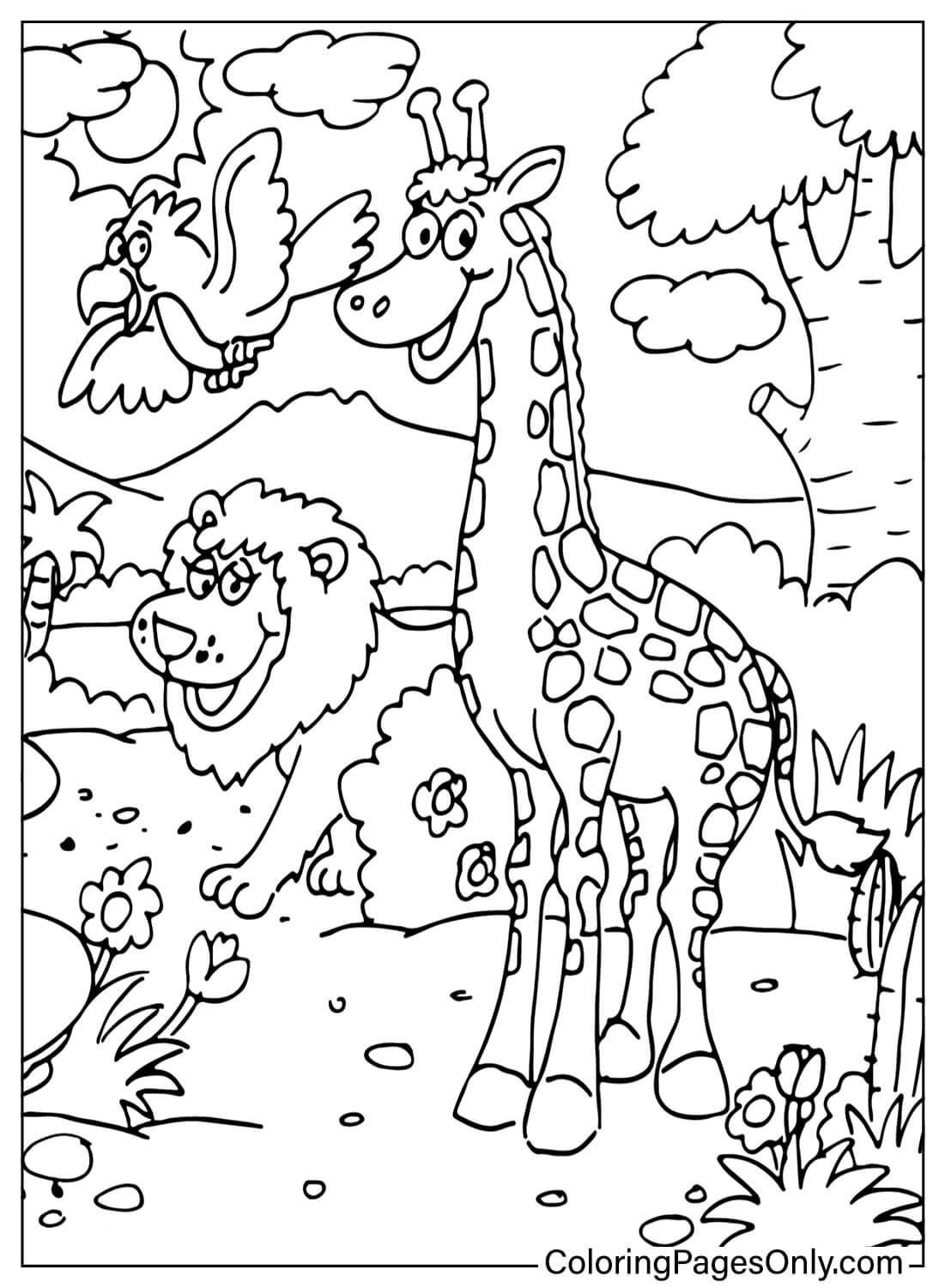
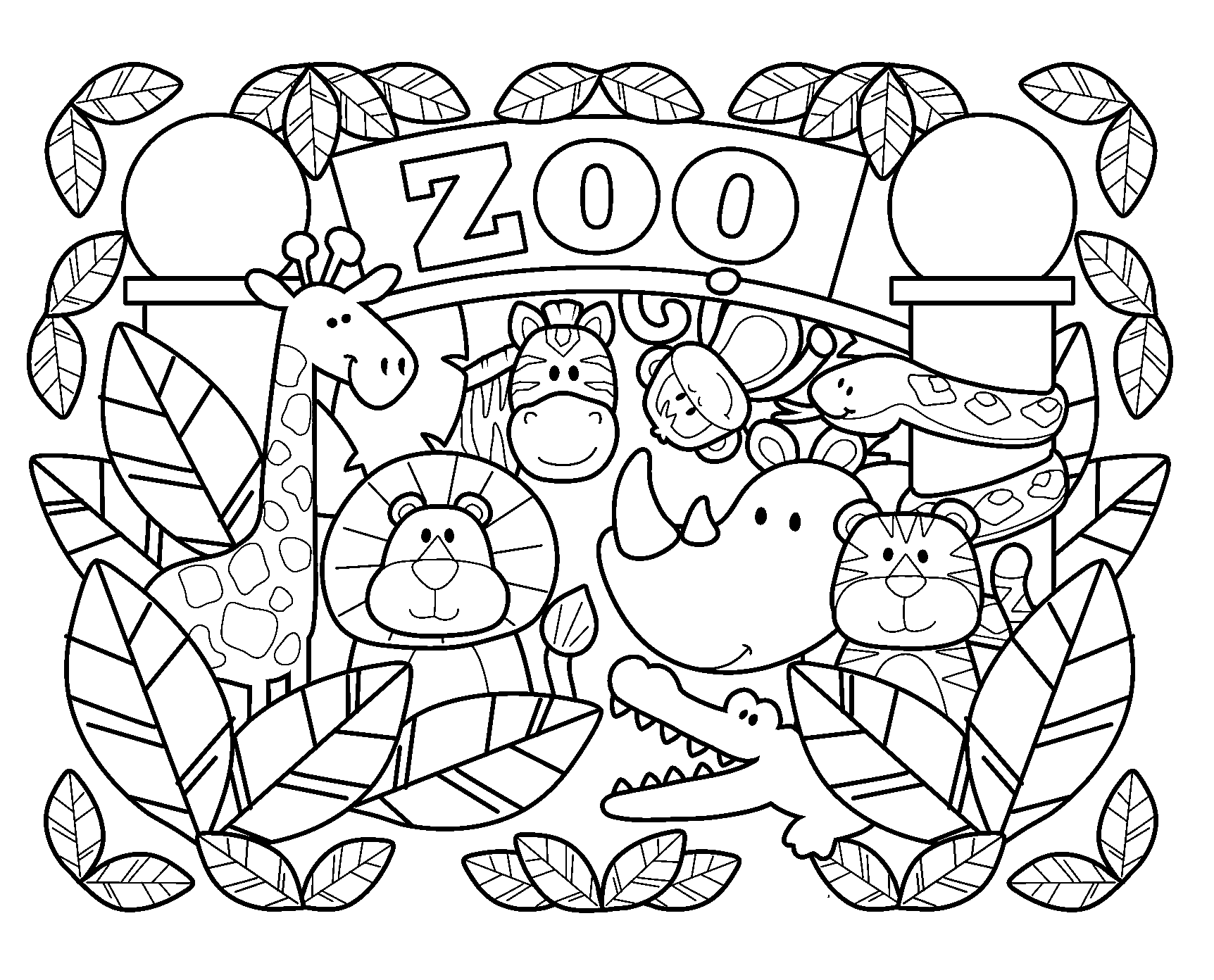
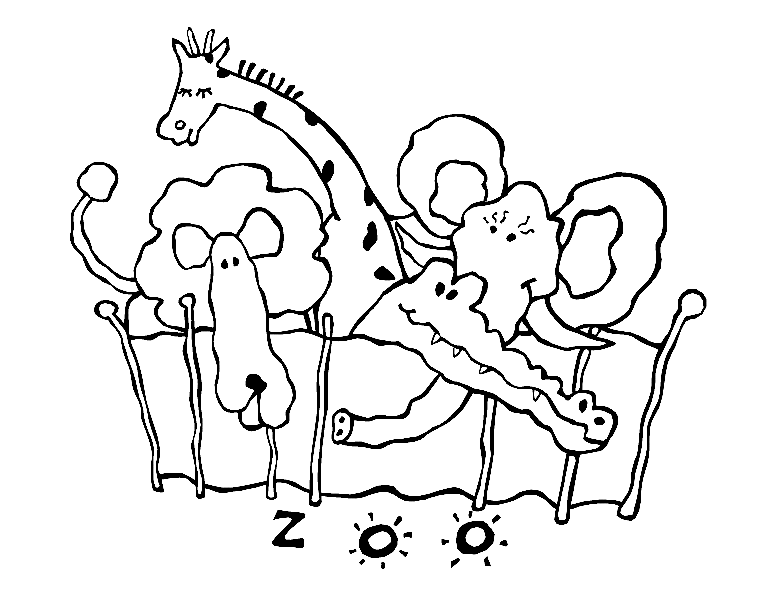
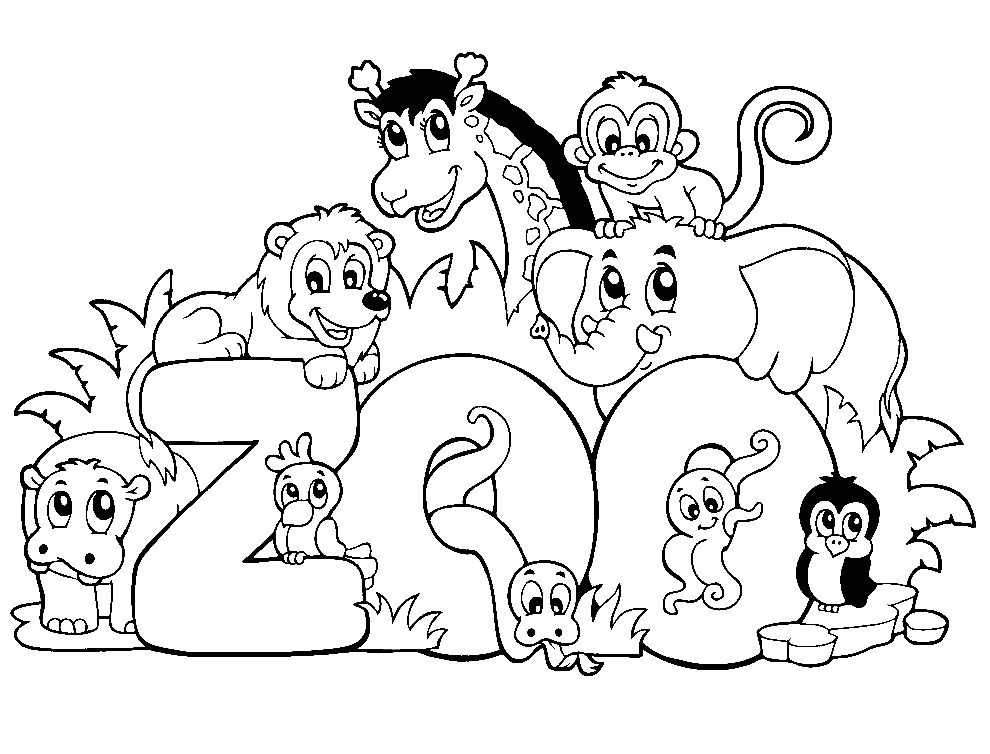
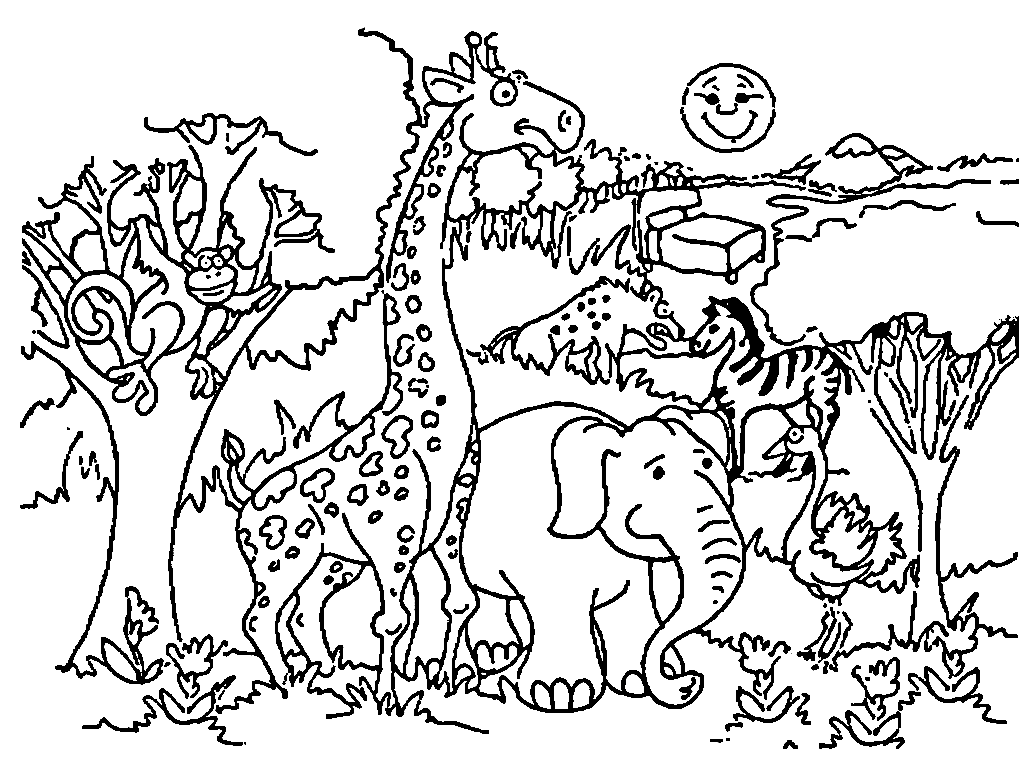
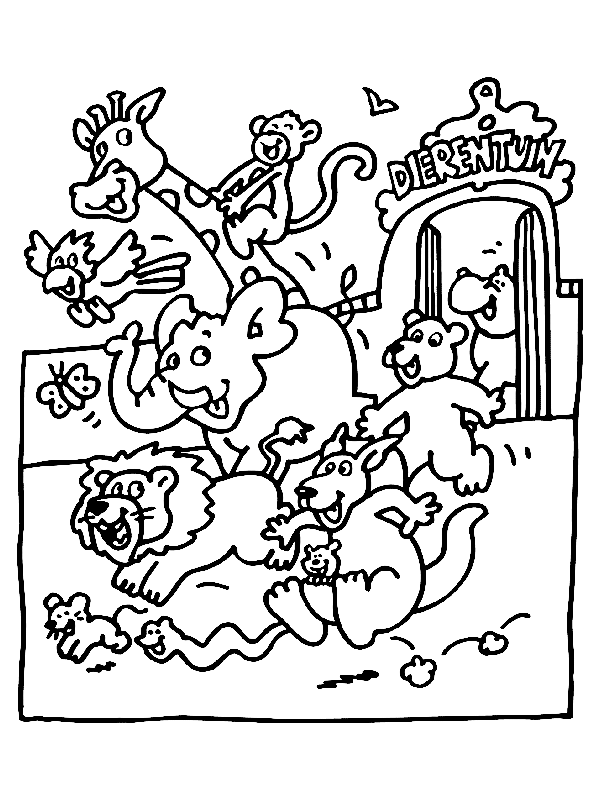
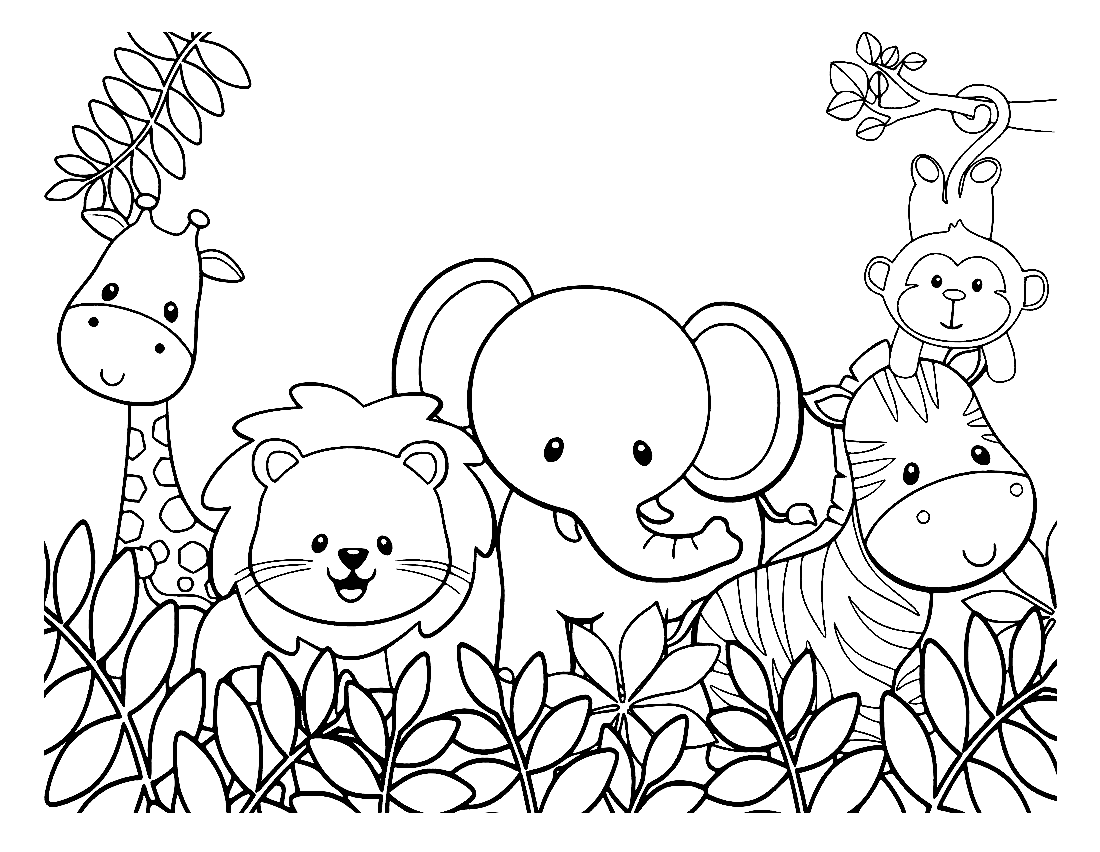
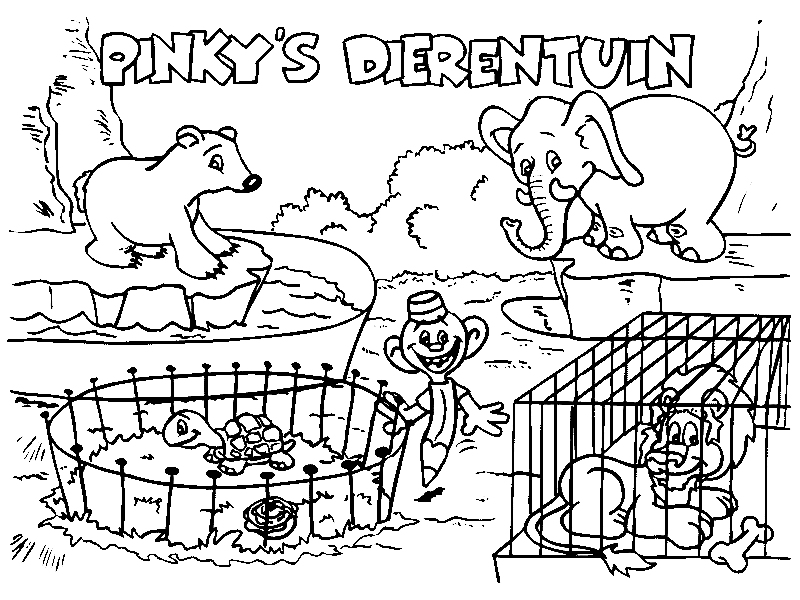
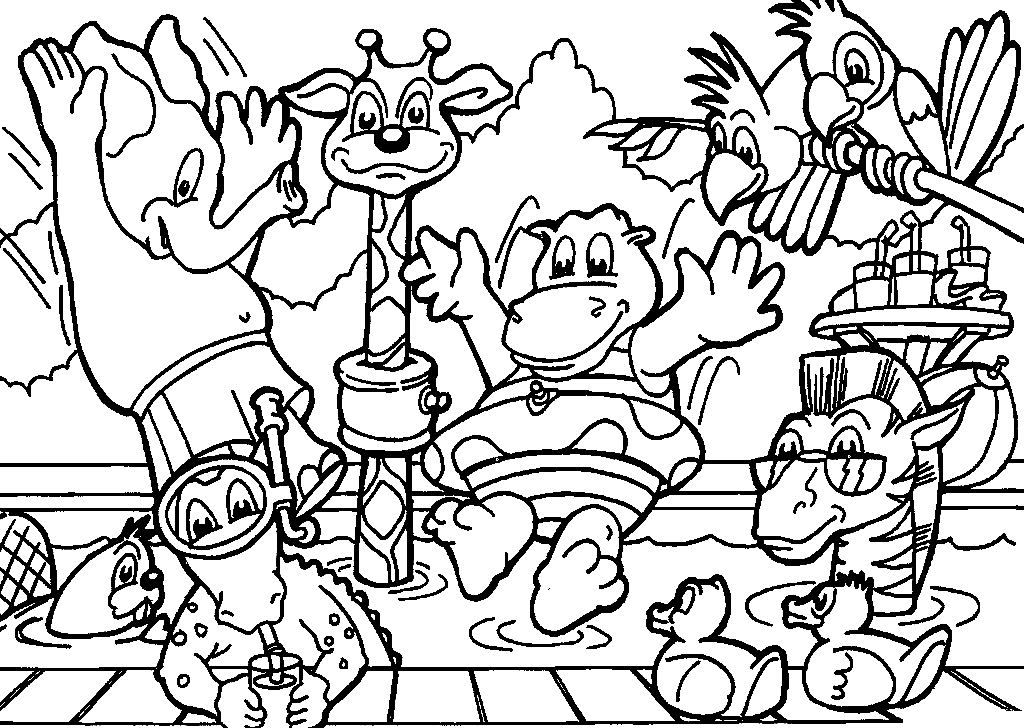
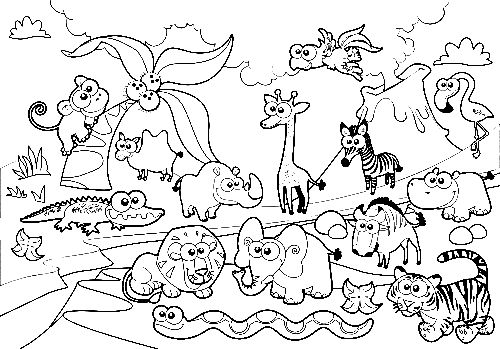
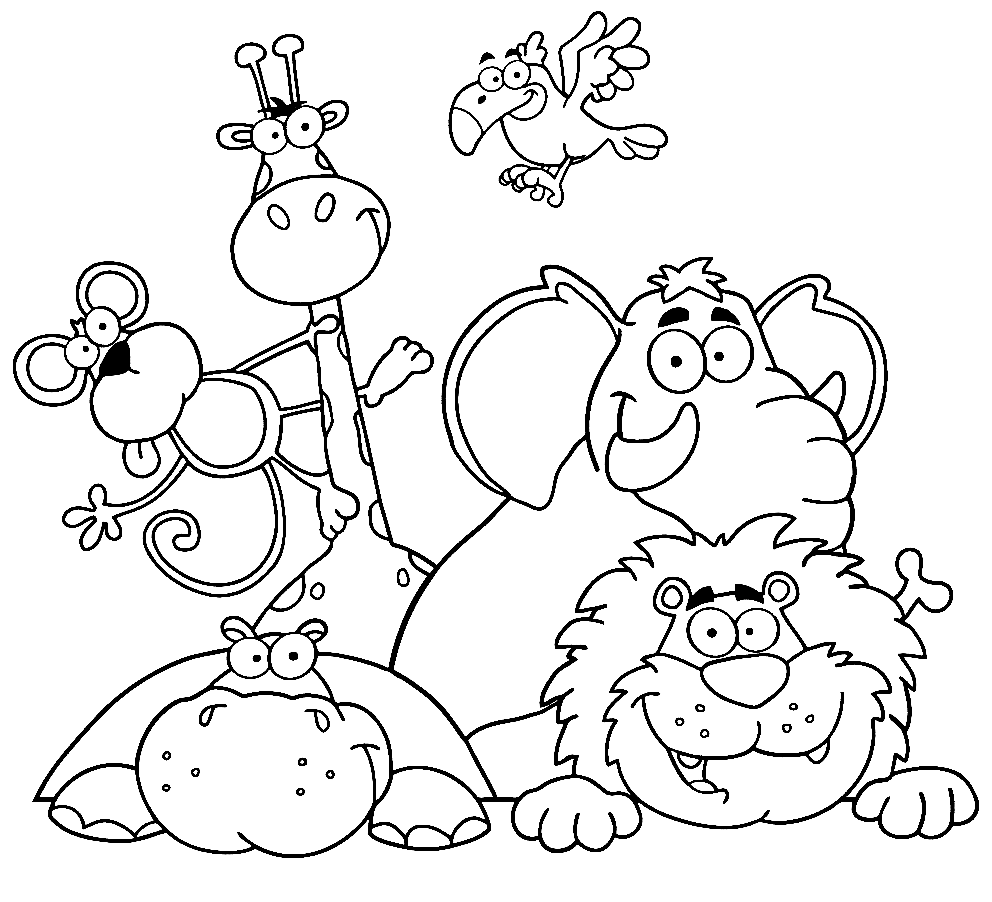
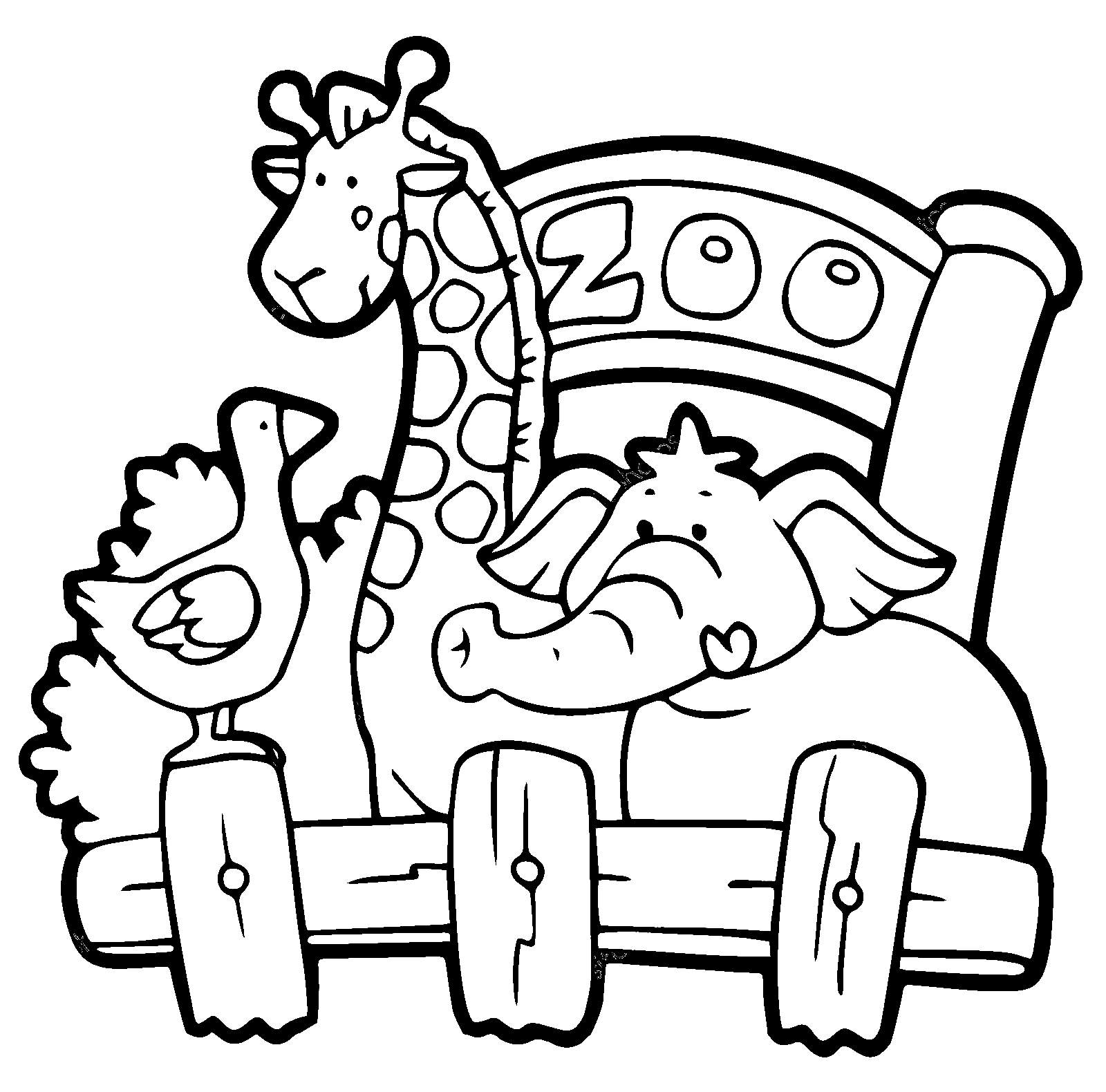
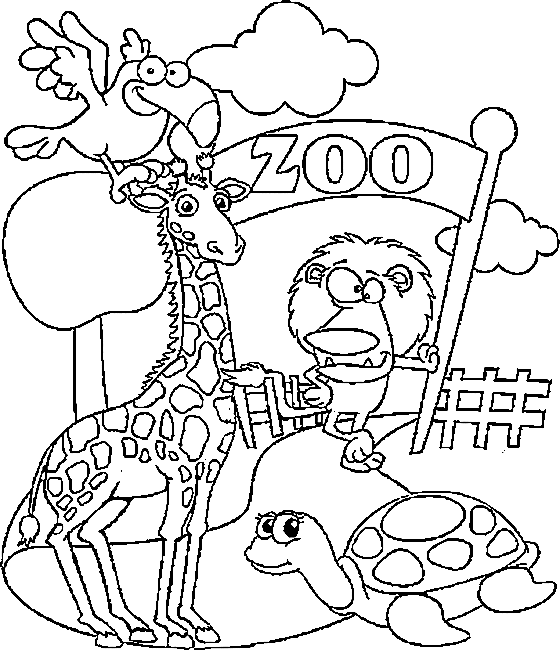
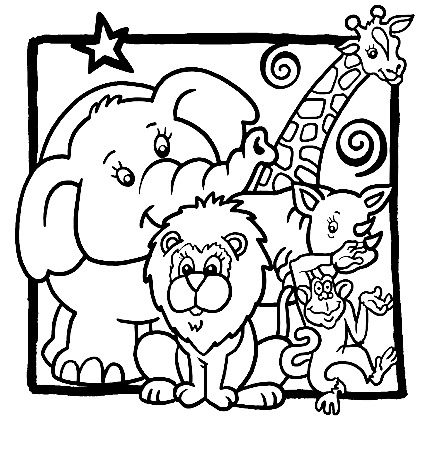
Twenty-two pages, the largest group, show several animals sharing one scene: a lion with a giraffe, a tiger and hippo family, or a crocodile alongside a monkey. These pages ask for the most planning, since each animal needs its own distinct, accurate color within a single shared page.
Single-Animal Features
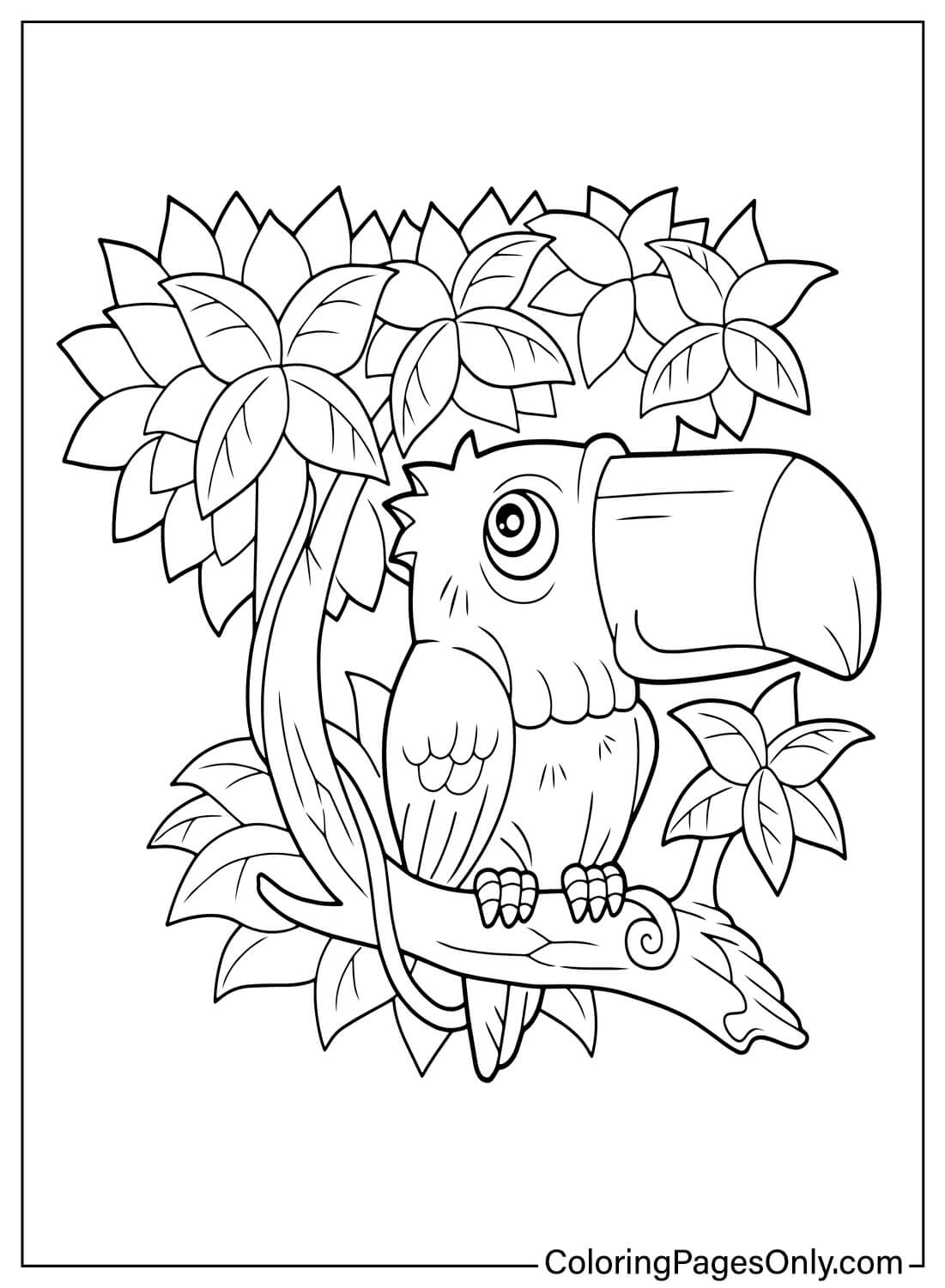
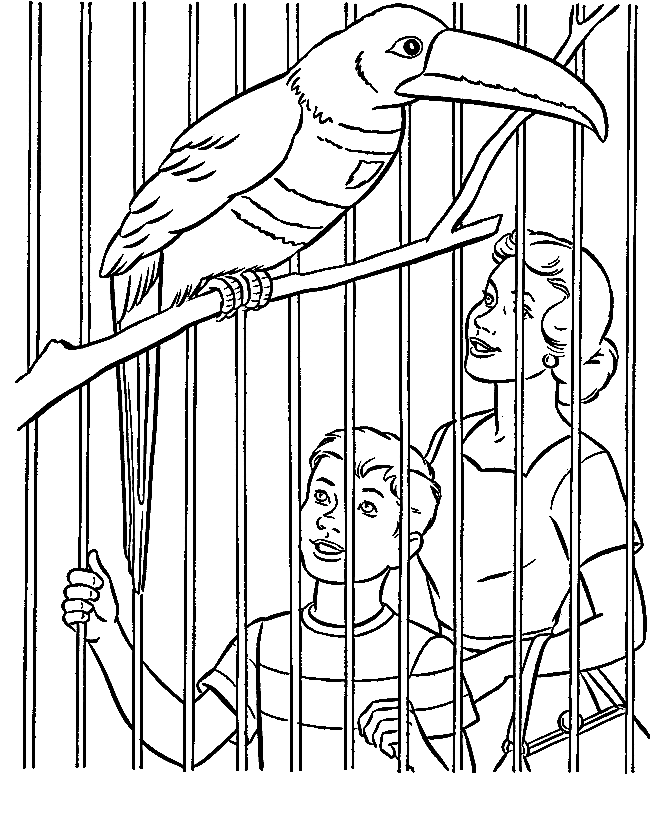
Nine pages put one specific animal at the center of a zoo setting: a toucan, an orangutan, a flamingo, or a giraffe standing alone. These pages suit a child who wants to focus on getting one animal’s real coloring right rather than juggling several at once.
People and Zoo Scenes
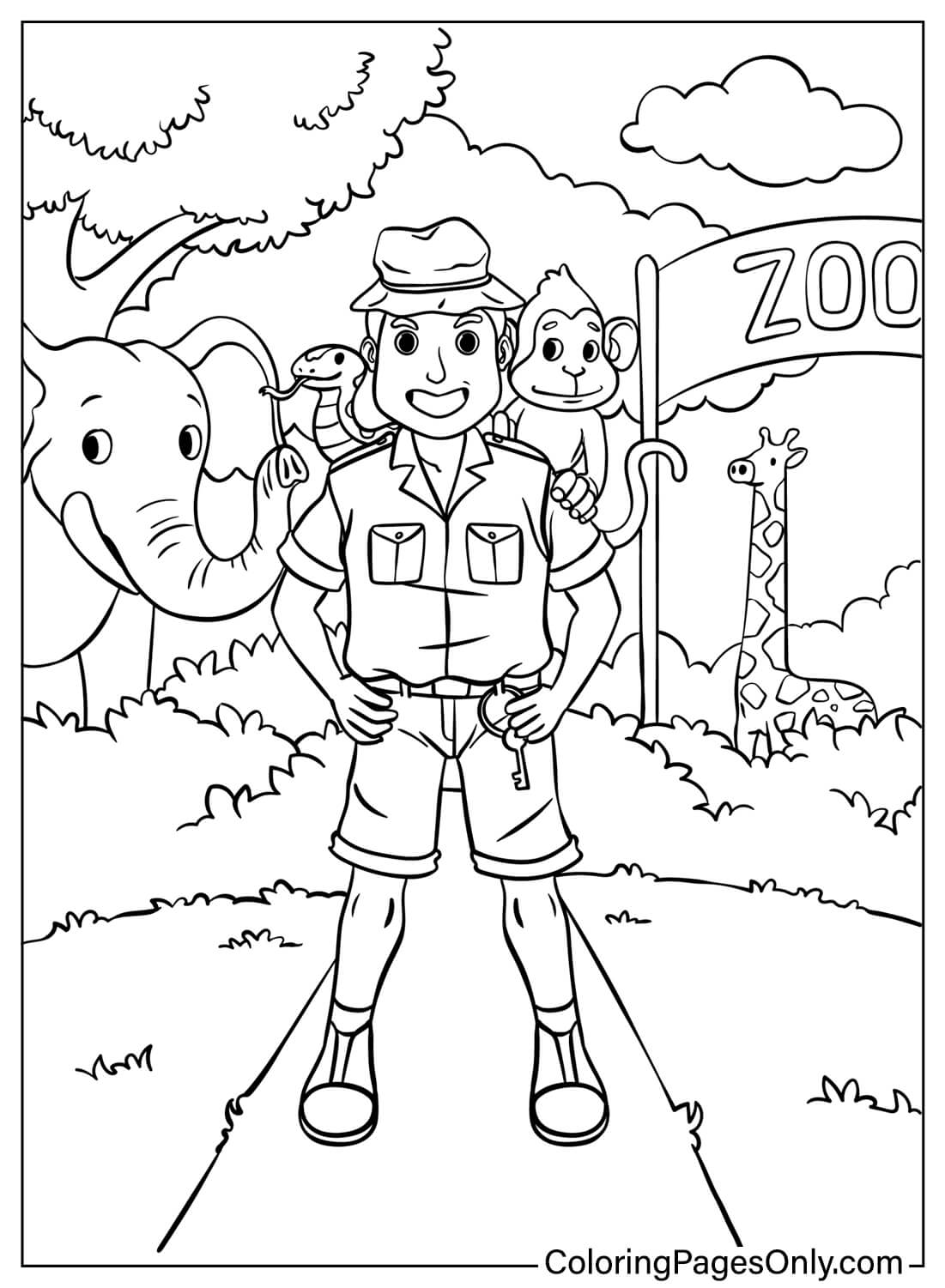
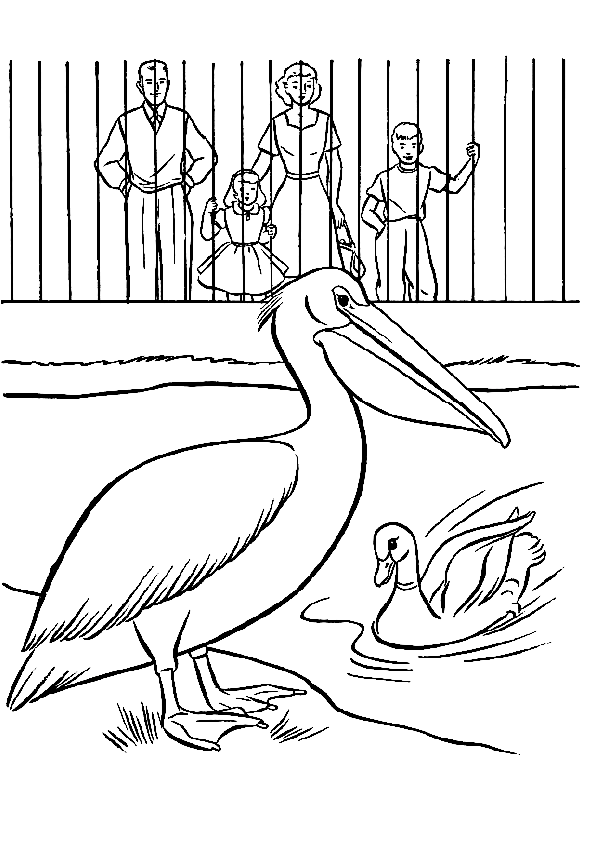
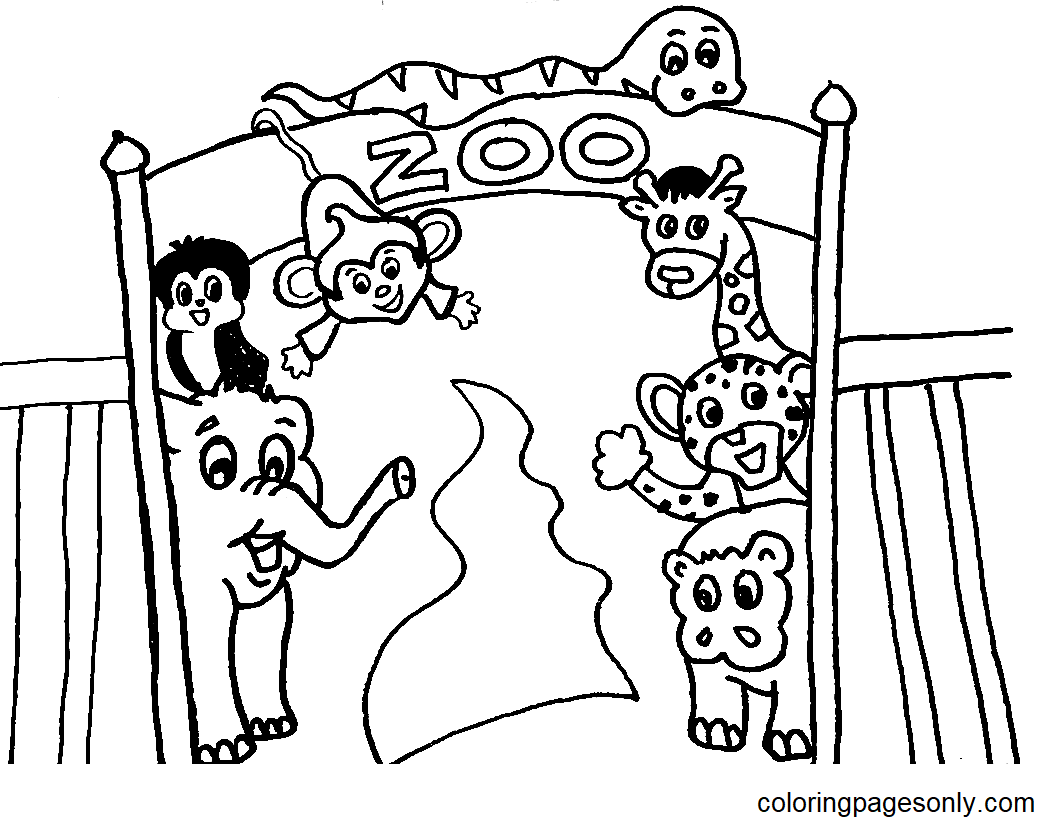
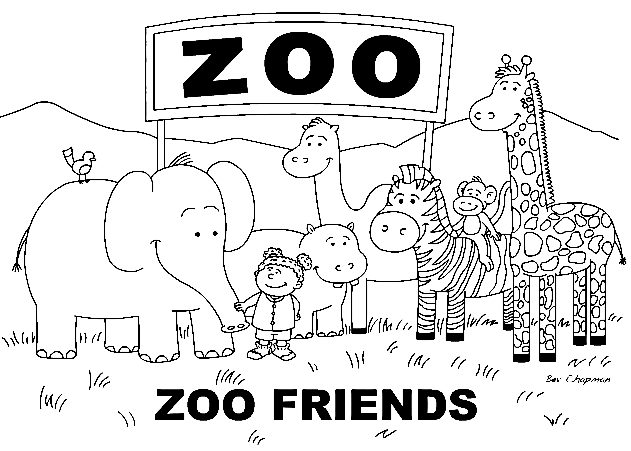
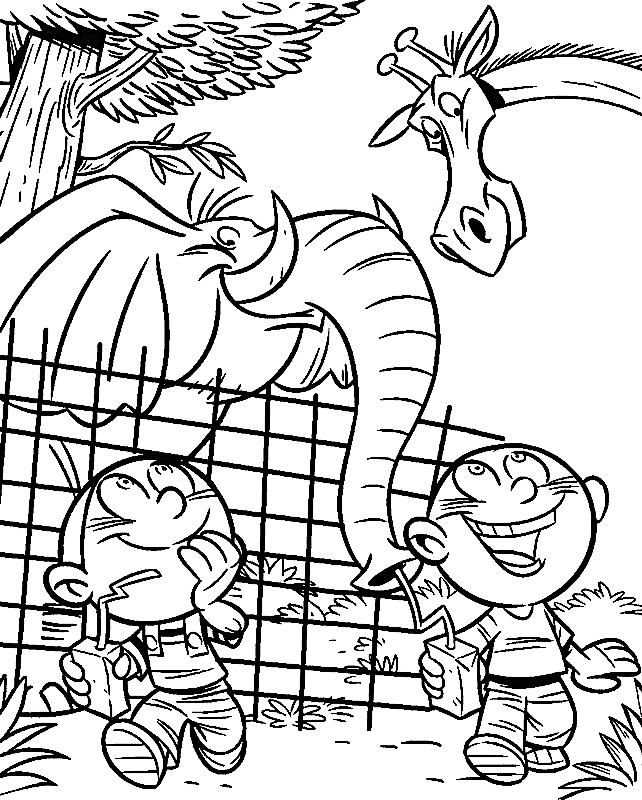
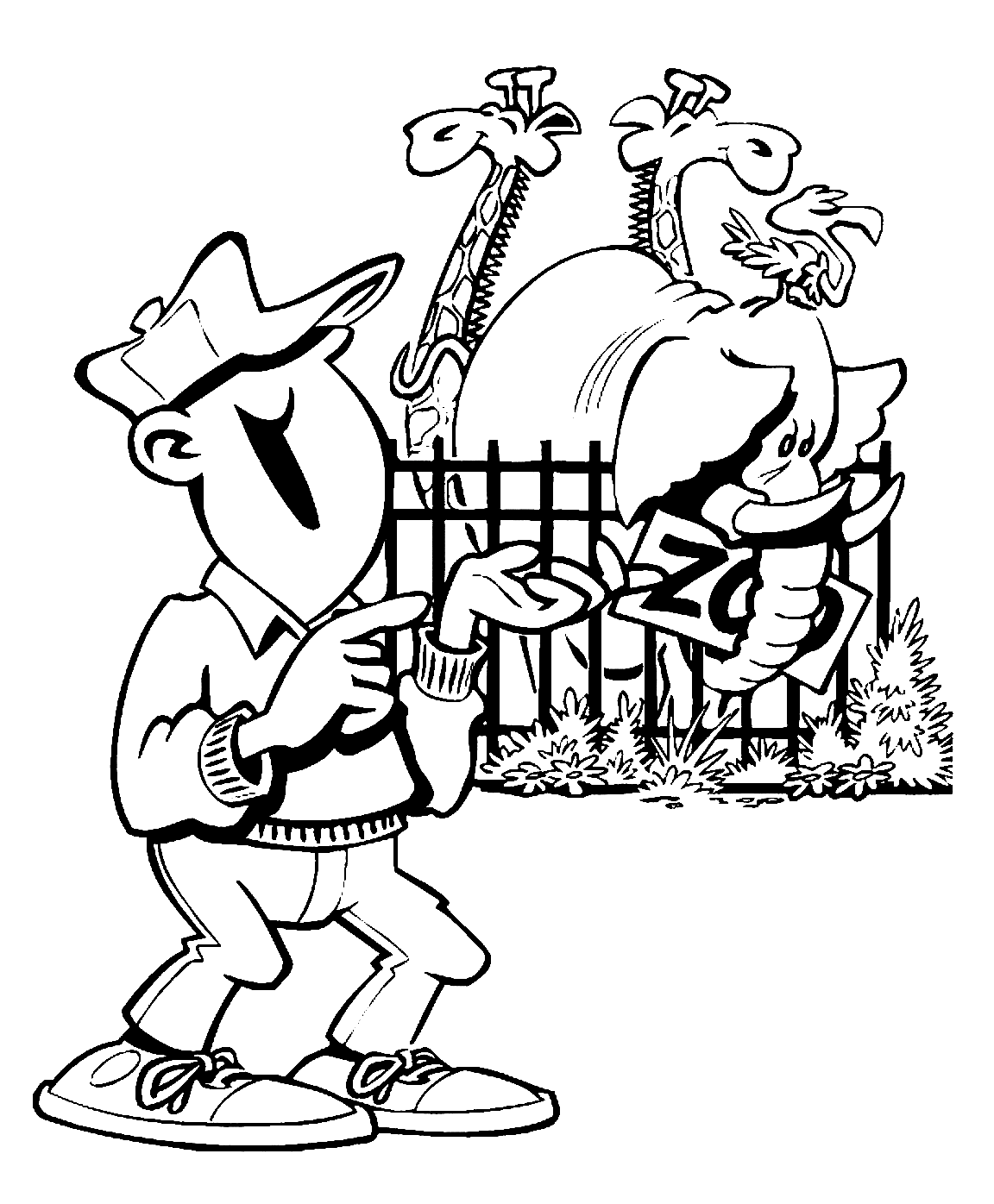
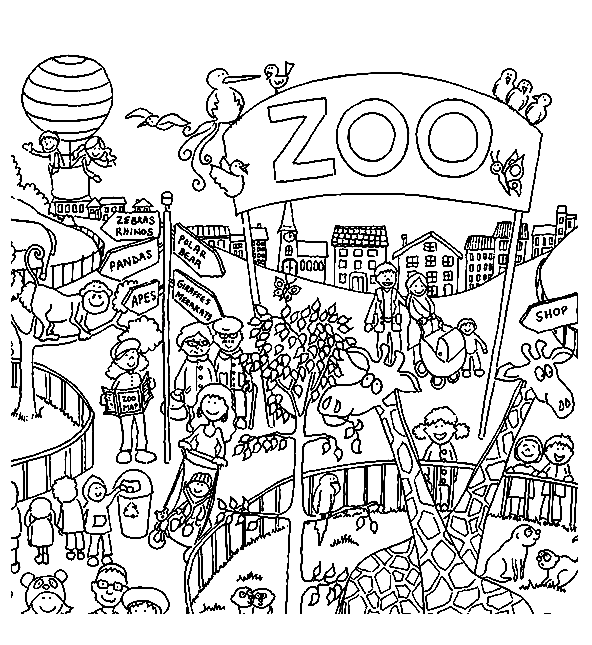
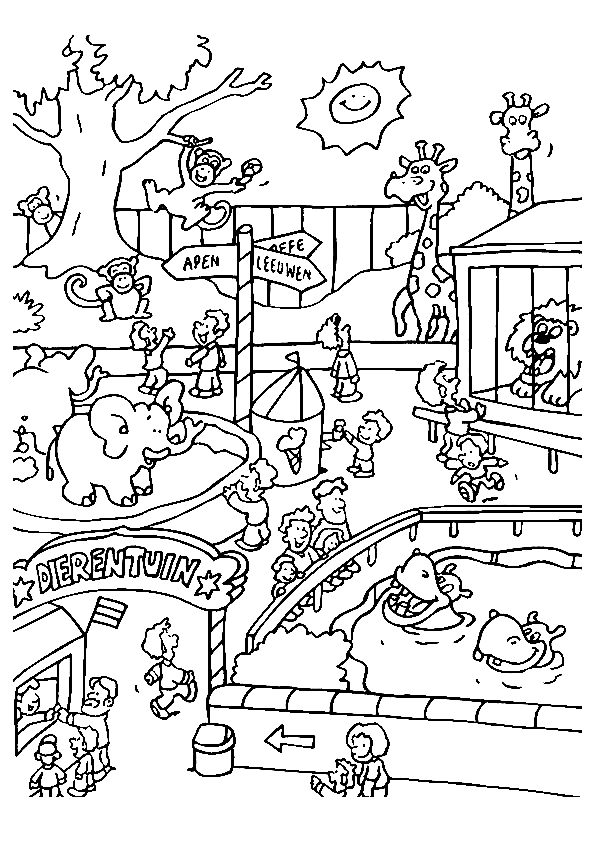
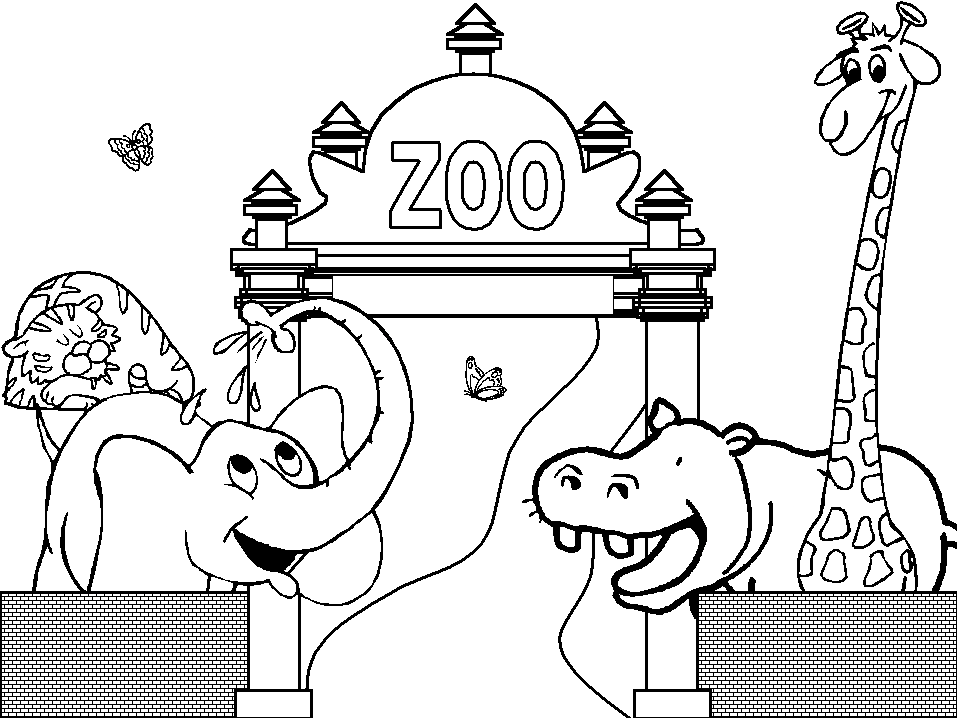
Nine pages show the zoo itself as a place, with a zookeeper, visiting families, a zoo entrance sign, or people watching the animals. These pages carry the most narrative detail in the set, since the zoo experience, not just the animals, is the actual subject.
What Zoo Coloring Pages Do
A page with several right answers at once. Unlike a single-animal page, a zoo scene asks a child to keep track of several accurate colors in one sitting: a lion’s tan coat next to a giraffe’s patchwork pattern next to a bird’s bright feathers, which is a real step up in planning from coloring one animal at a time.
Fine motor development. Staying inside the smaller, more detailed shapes on a multi-animal page, patches, feathers, stripes, builds the fine motor control the American Academy of Pediatrics associates with hand-strength gains in children ages 2 through 7, more so than a single large animal shape would.
A page that mirrors a real trip. Many children color a zoo page after an actual visit, and matching the page to real memories, what the lion actually looked like, where the giraffe was standing, turns the activity into a way of replaying and reinforcing what was just seen and learned.
Calm through repeated, familiar shapes. A 2005 Art Therapy Journal study linked coloring inside structured shapes to a measurable drop in anxiety, and the repeated animal outlines across this collection give a colorist that same structured, low-stakes shape to settle into, session after session.
How to Color Zoo Coloring Pages Well
- Give each animal its own accurate palette: On multi-animal pages, decide each animal’s real colors before starting, a lion in Tan and Gold, a giraffe in Yellow Orange with Brown patches, so no two animals blend into the same shade.
- Layer a giraffe’s pattern in two steps: Color the base coat first in Yellow Orange, then add the brown patches on top in a second pass, rather than trying to color the patches and background at the same time.
- Keep big cats textured, not flat: Add short strokes of a darker Tan or Gray along a lion’s mane or a tiger’s stripes, rather than one flat color block, to suggest real fur texture.
- Make bright birds pop: Use bold, saturated colors, Pink for a flamingo, Orange and Black for a toucan’s beak, since these birds are recognized by their unusually vivid real coloring.
- Keep zookeepers and visitors secondary: On pages showing people, use simple, muted clothing colors so the animals stay the clear visual focus of the page.
- Vary skin tones across visitor scenes: On pages with multiple people watching the animals, use a real range of skin tones rather than repeating one shade, since these pages are meant to represent a mixed crowd of visitors.
5 Creative Craft Ideas With Zoo Coloring Pages
1. Zoo Map Poster. Materials: several colored single-animal pages, a large poster board, glue, and a marker. Glue the colored animals around the poster board and connect them with drawn paths to build a simple zoo map.
2. Animal Fact Cards. Materials: several colored animal pages, scissors, glue, and index cards. Glue each colored animal onto its own index card and write one real fact about it underneath to build a set of animal fact cards.
3. Zoo Bookmark Set. Materials: two or three colored animal pages, scissors, clear contact paper, and a hole punch. Cut each colored page into a bookmark-sized strip, cover both sides with contact paper, and punch a hole for a ribbon.
4. Zoo Visit Scrapbook Page. Materials: a colored zoo scene page, a piece of scrapbook paper, glue, and a pen. Glue the colored page onto the scrapbook paper and write a short note about a real or imagined zoo visit around it.
5. Zoo Animal Diorama. Materials: colored multi-animal pages, scissors, glue, and a shallow box. Cut out the colored animals, arrange them inside the box to build a small standing zoo scene, and add paper grass or trees for a background.
Frequently Asked Questions
What are zoo coloring pages?
Zoo coloring pages are printable designs featuring simple animal portraits, multi-animal scenes, and visitors exploring the zoo. This collection includes 56 free designs available as printable PDFs or online coloring pages.
Where does the word zoo come from?
The word zoo is short for zoological garden, built from the Greek zoion, meaning animal, and logia, meaning study of. The abbreviation was first used for the London Zoological Gardens in the 19th century.
What is the oldest zoo in the world?
Vienna’s Tiergarten Schönbrunn, founded as an imperial menagerie in 1752 and opened to the public in 1779, is the oldest zoo still in operation today.
When did zoos start opening to the general public?
London Zoo opened in 1828 for scientific study and admitted the general public starting in 1847, a shift that helped popularize the modern public zoo model.
What do modern zoos do besides display animals?
Many modern zoos run breeding and conservation programs for endangered species, alongside education and research work, in addition to public exhibits.
What colors are real giraffes and flamingos?
Real giraffes have a yellow-orange base coat with irregular Brown patches, and flamingos are known for their vivid Pink feathers, a color that comes from pigments in the shrimp and algae they eat.
Are zoo coloring pages suitable for young children?
Yes. The simple portrait and preschool-labeled pages suit ages 3 and 4. The multi-animal scenes, with more detail to track, suit ages 5 and up.
Can these pages be downloaded or printed without an account?
Yes. Every page can be downloaded or printed directly with no account, email, or payment required.
Start Coloring
Download any page by clicking the design. No account, email, or payment is required. Pages print directly from the browser at full resolution or open in the online coloring tool for screen use. Share finished pages on Facebook or Pinterest with the share buttons at the top of each design page.