
Free Bee Coloring Pages: 84 printable PDF designs of honeybees, hives, and flower-filled garden scenes. Every page can be downloaded as a PDF or filled in through the online coloring tool, both free and without an account.
A single honeybee produces only about a twelfth of a teaspoon of honey in her entire lifetime, which is part of why a hive needs tens of thousands of workers to build up a meaningful honey supply. Bees also communicate with a “waggle dance,” a figure-eight movement that tells other bees the direction and distance of a good nectar source relative to the sun. It’s a genuinely precise system of directions, delivered entirely through motion rather than sound.
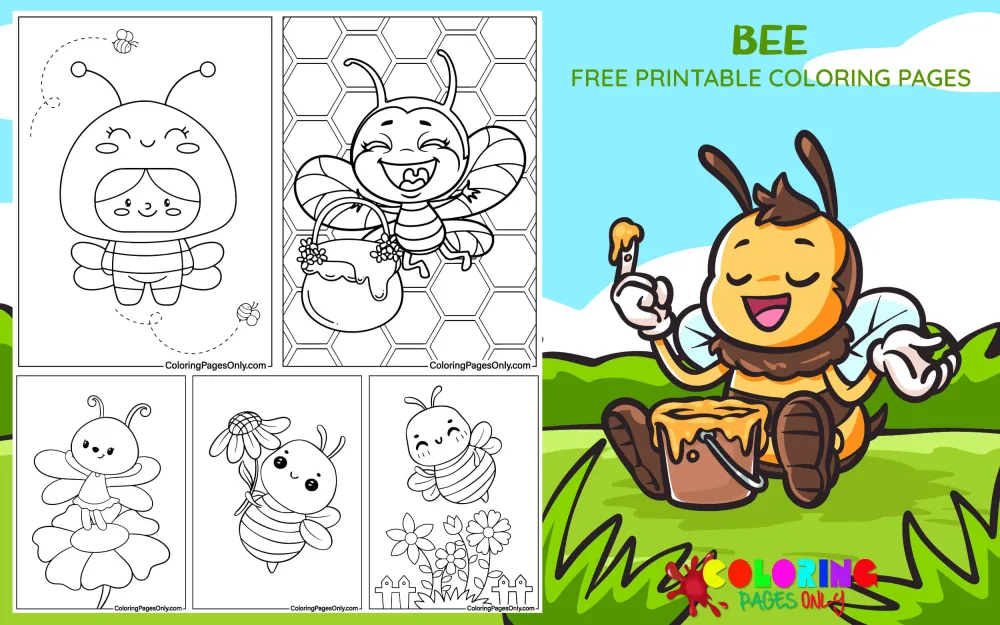
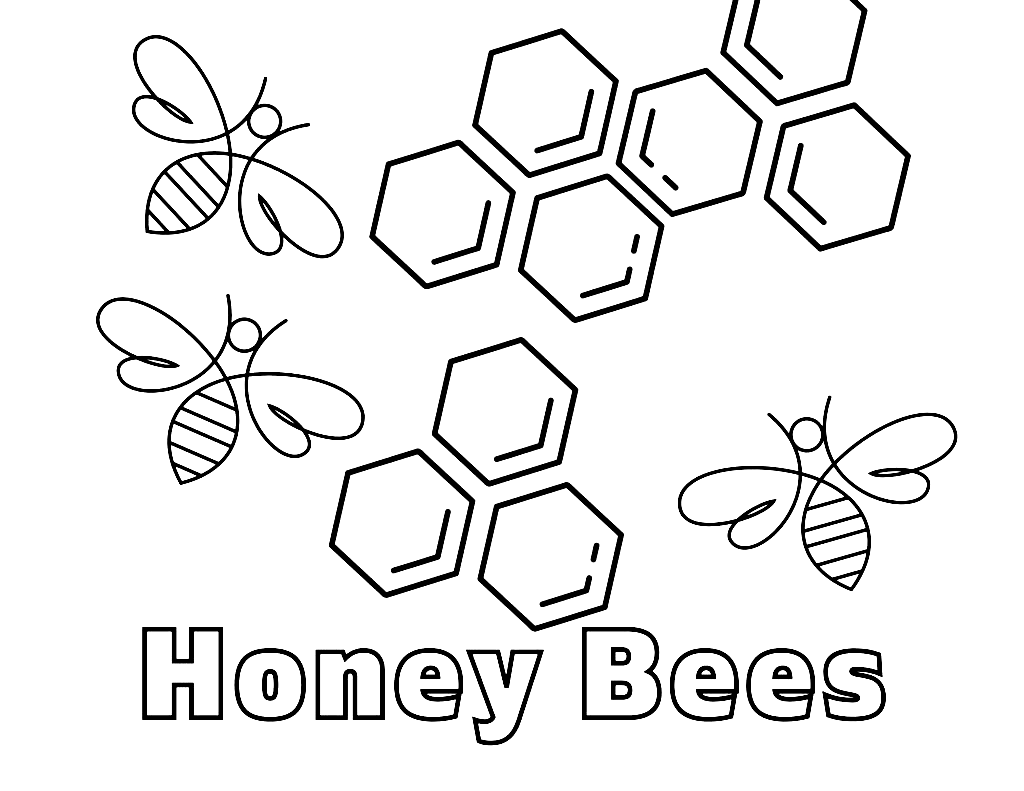
The 84 pages are split into five broad groups: simple solo portraits, personality and character bees, honey and nectar-focused designs, flowers and garden scenes, and hives, colonies, and specific roles within them. With a collection this large, the coloring approach shifts considerably depending on whether a page leans realistic, playful, or scene-based.

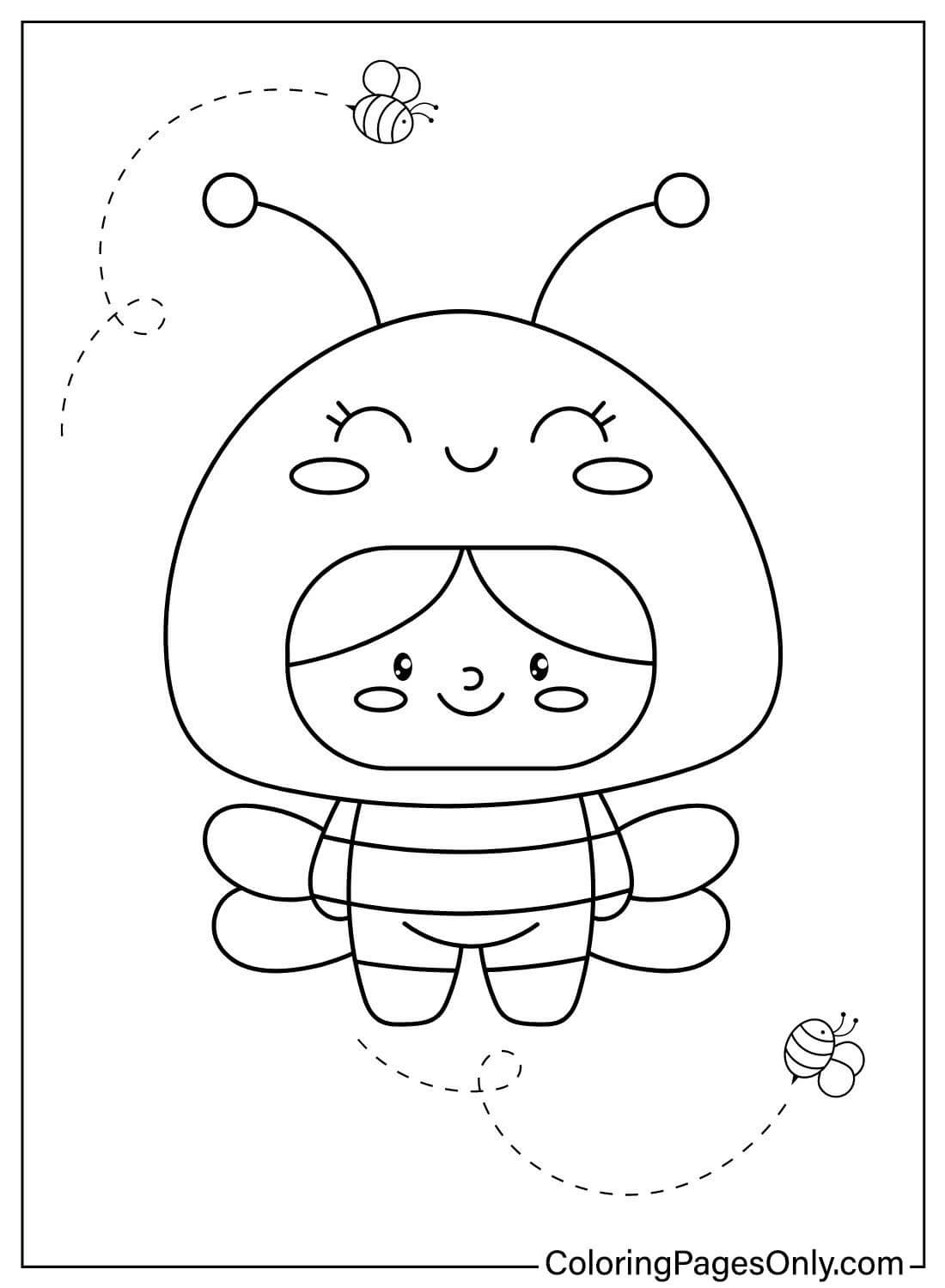
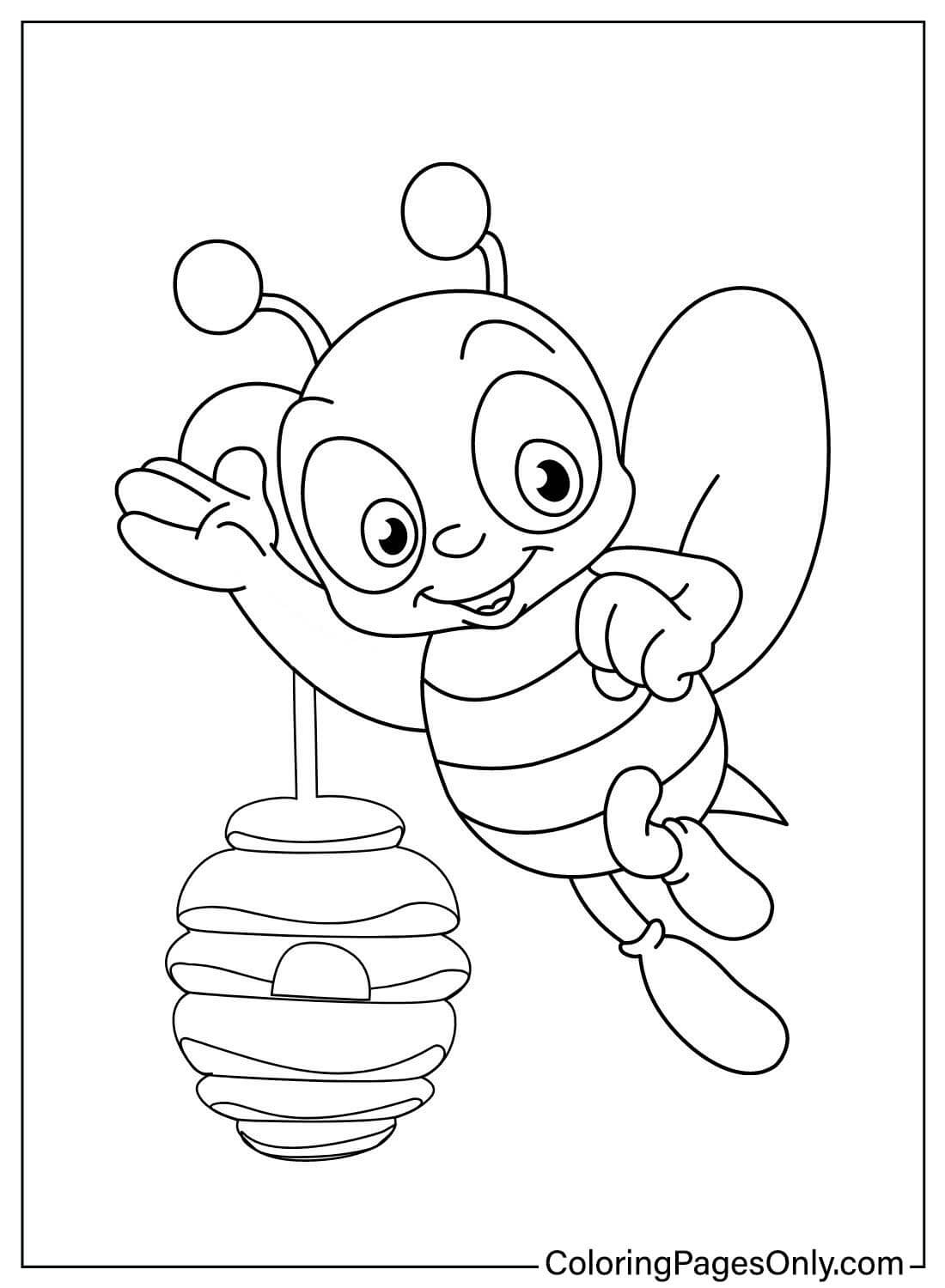
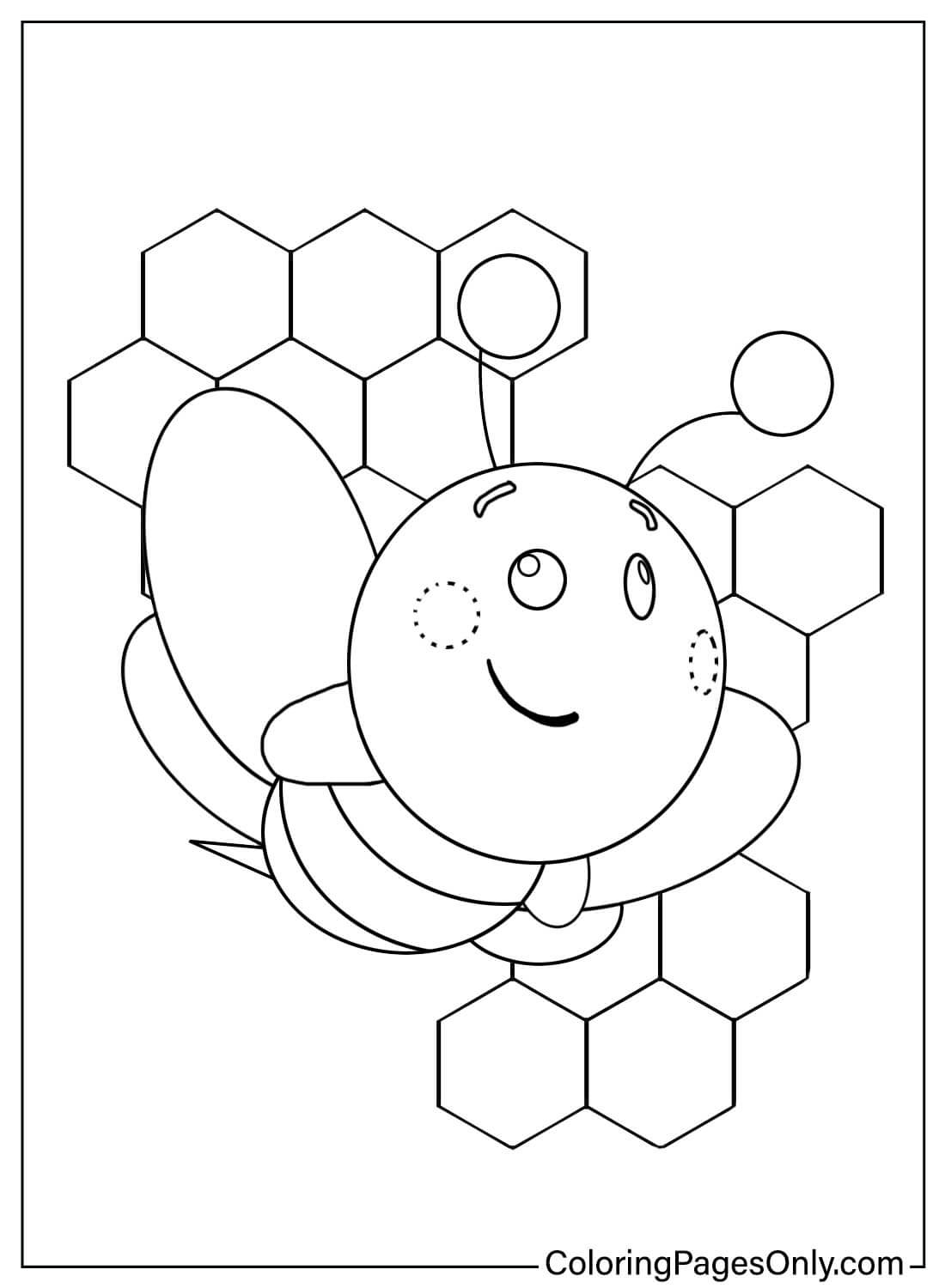
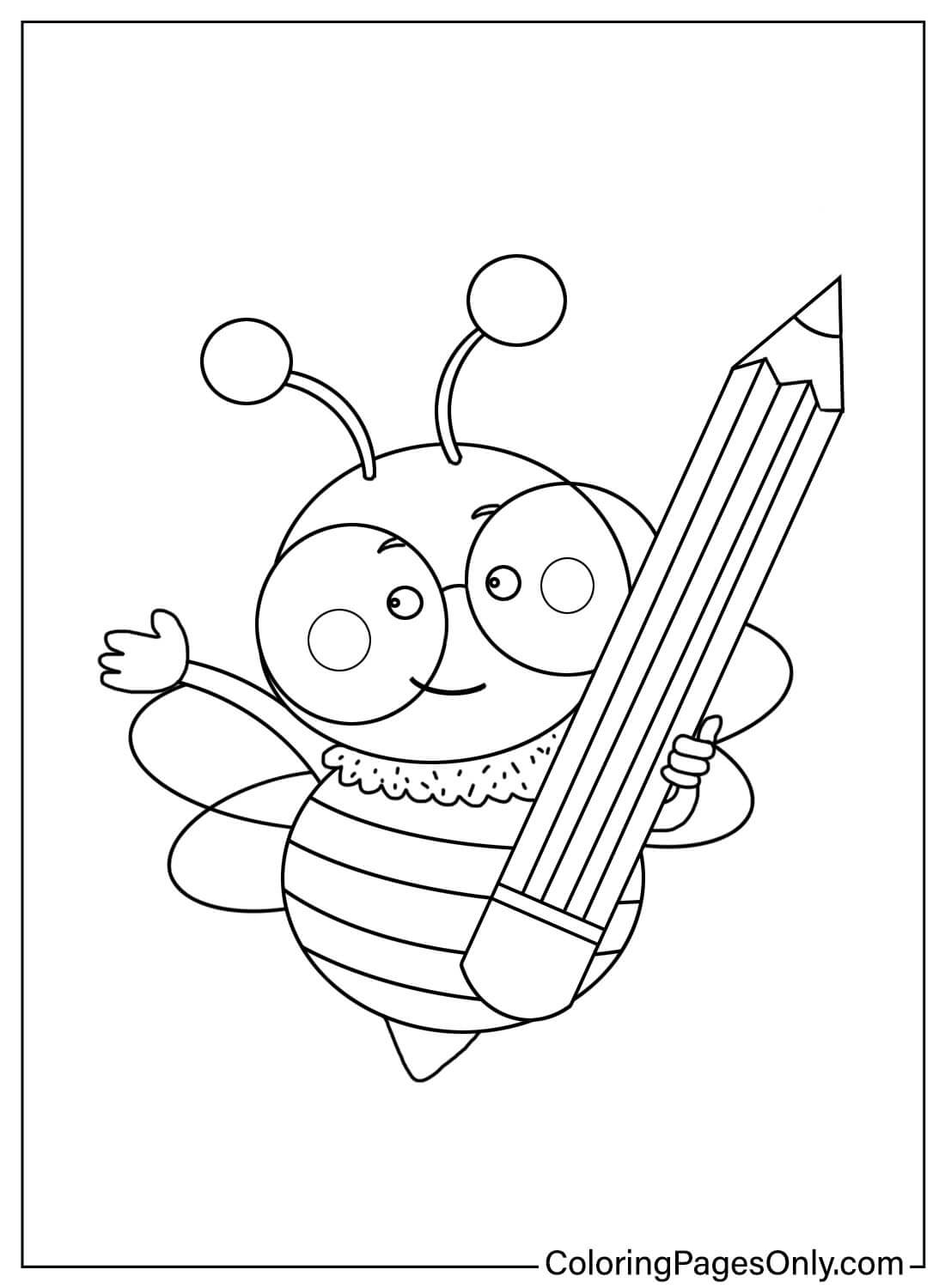
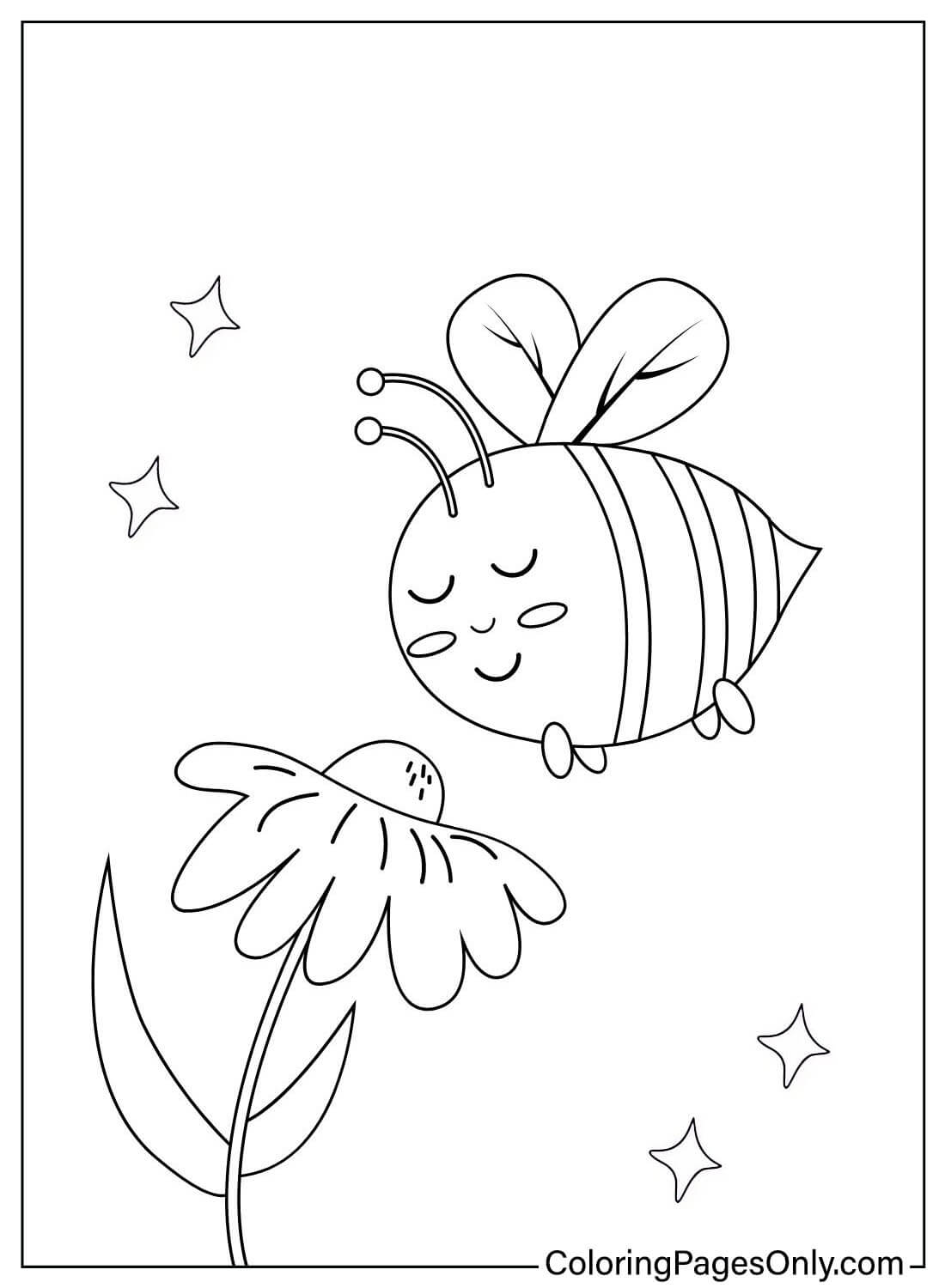
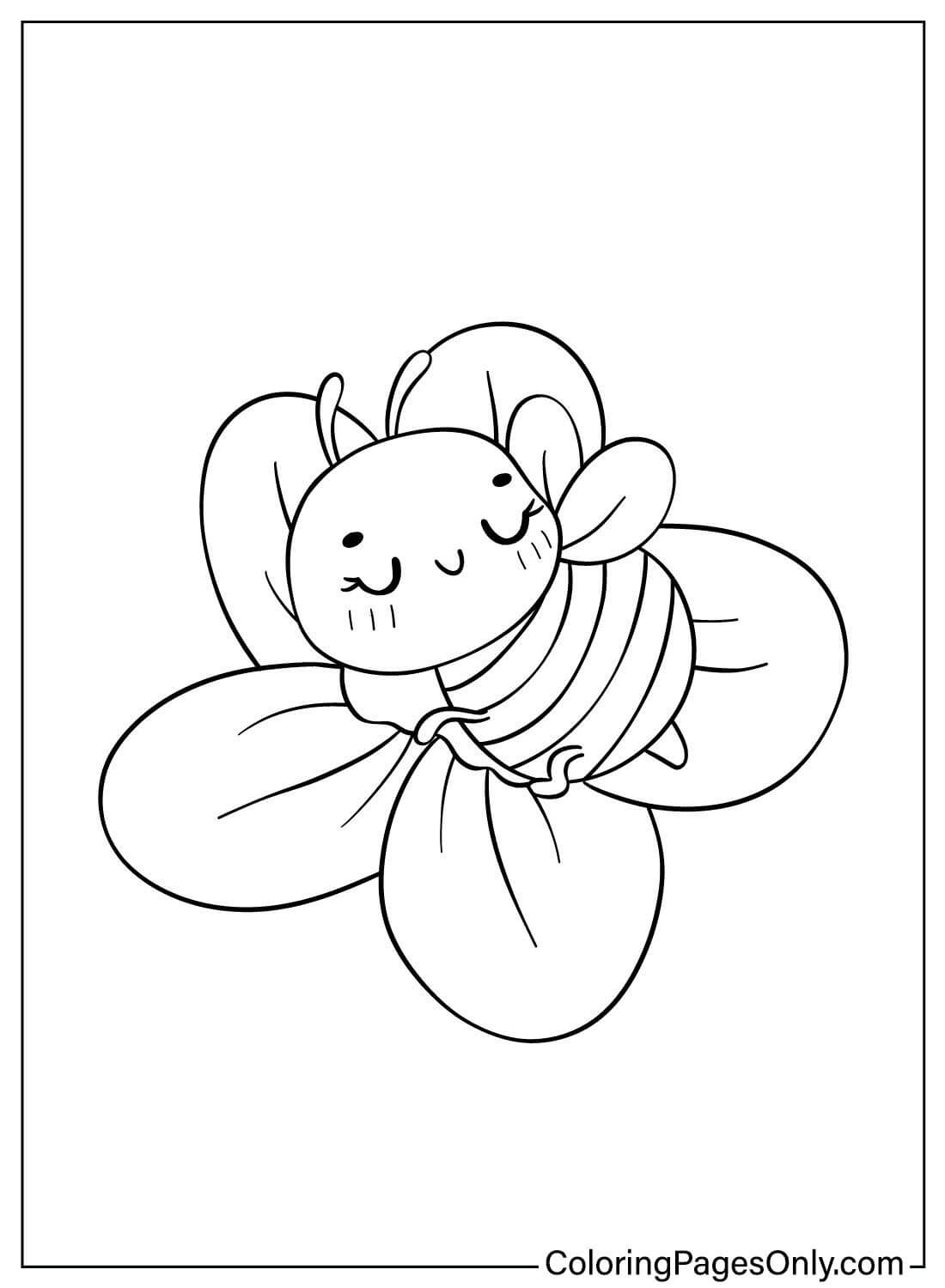
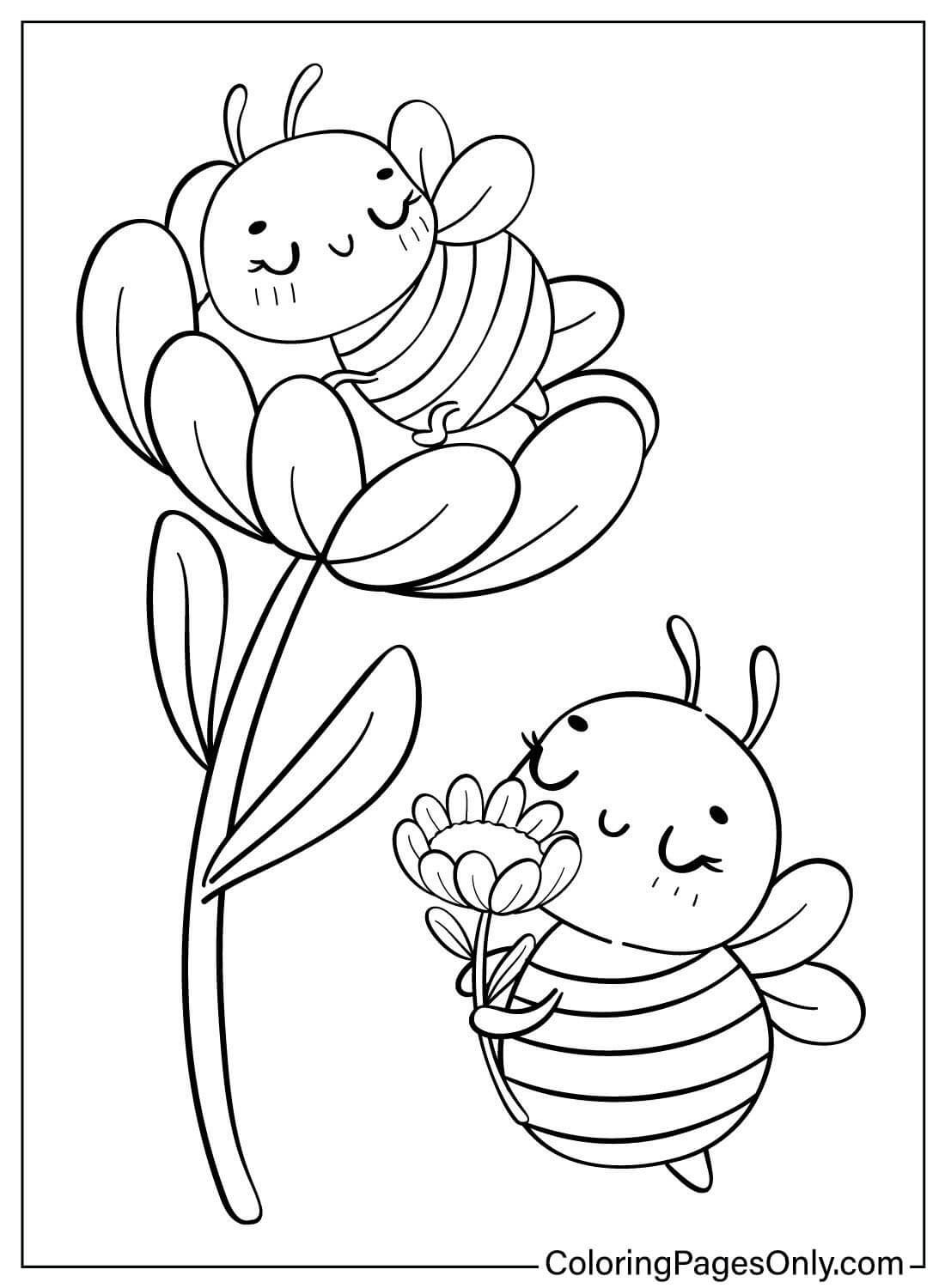
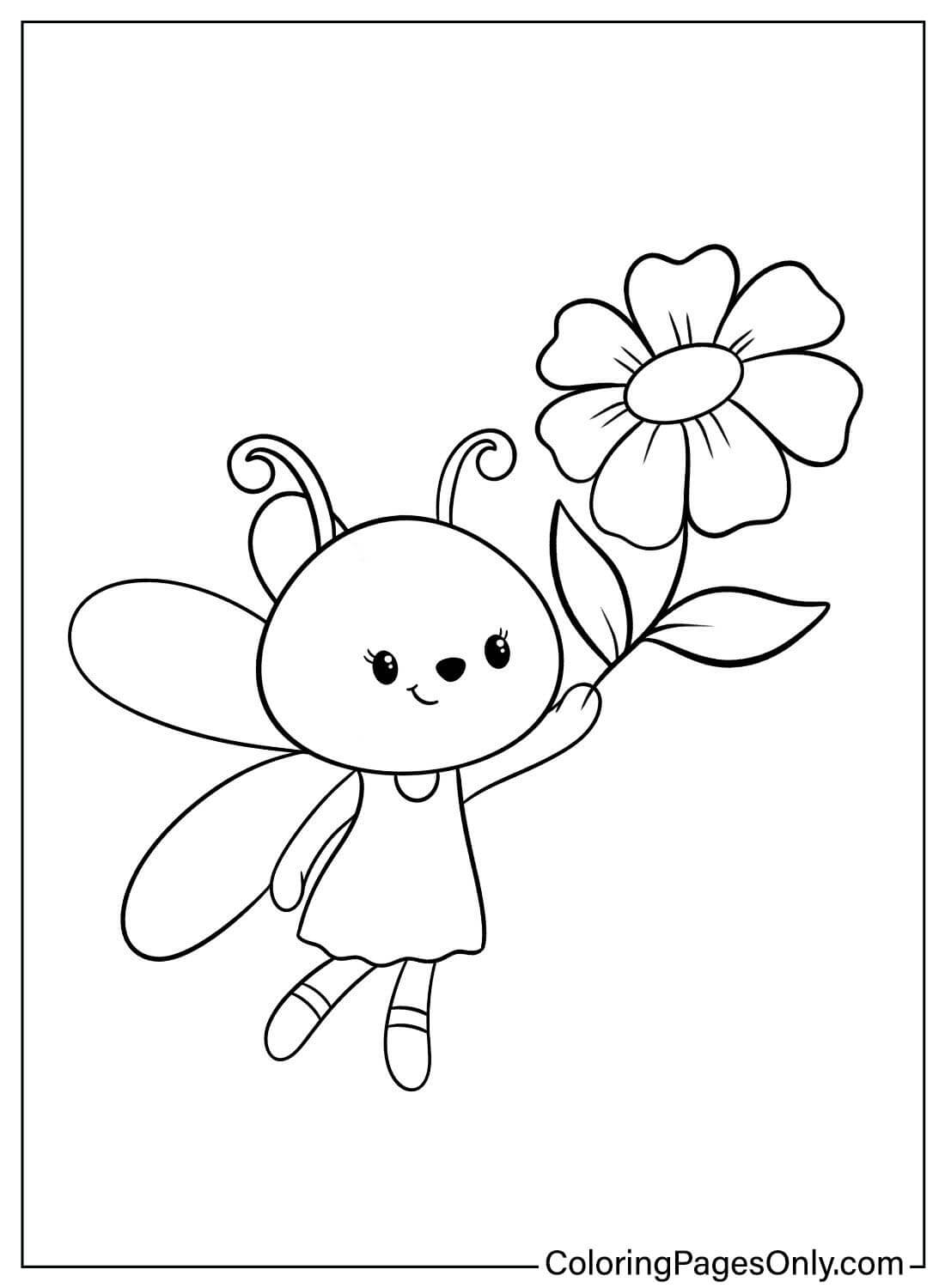
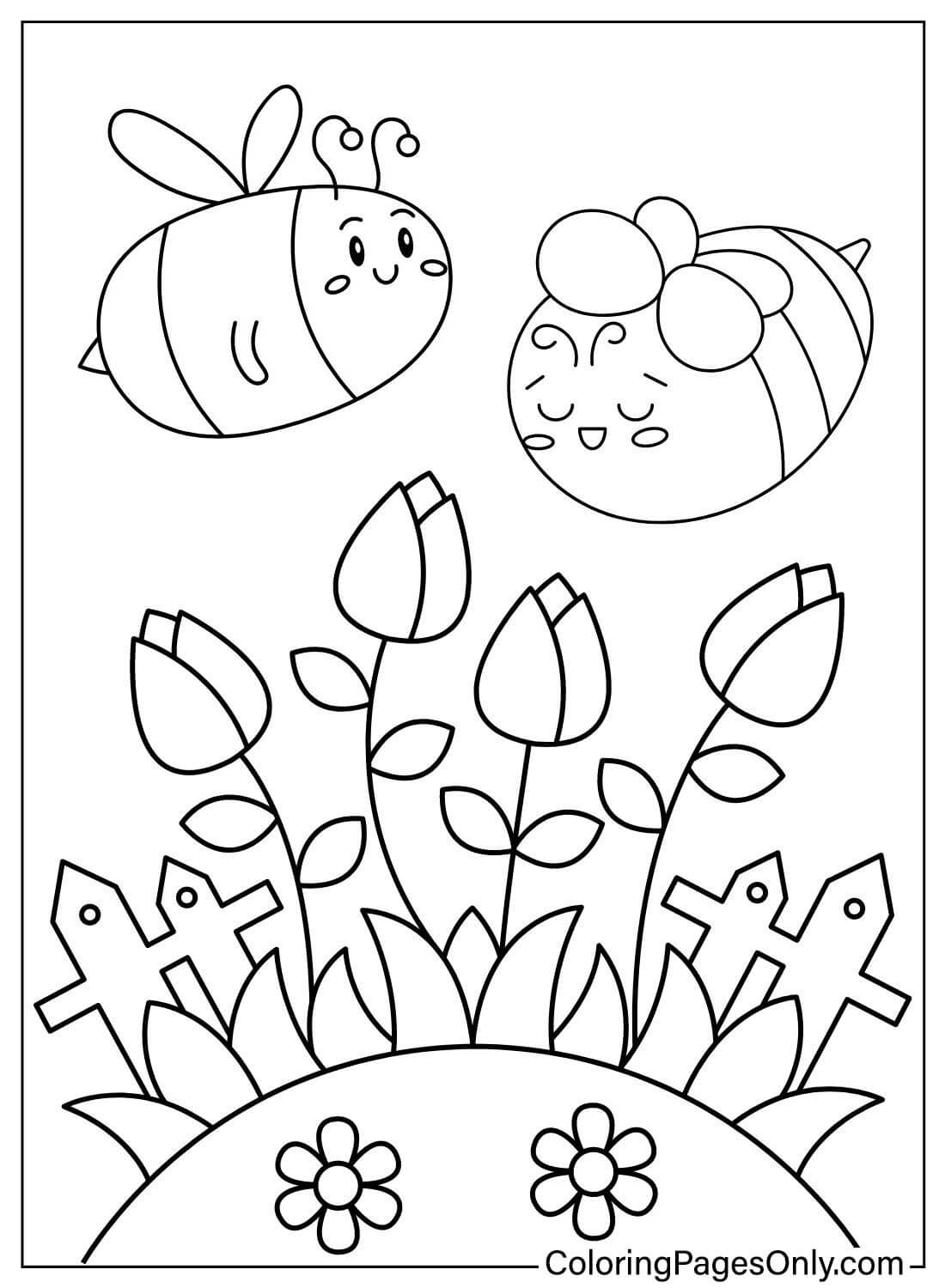
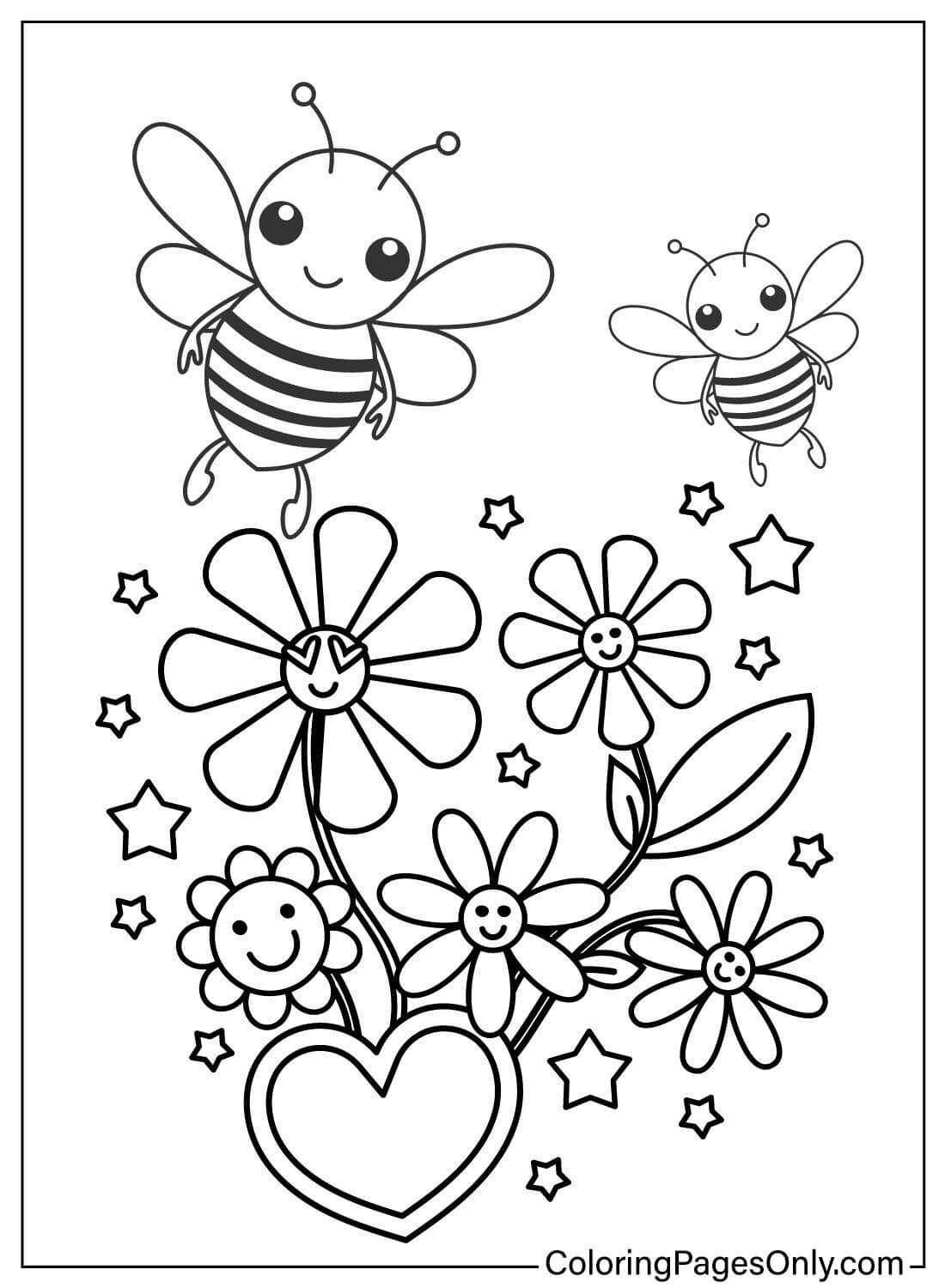
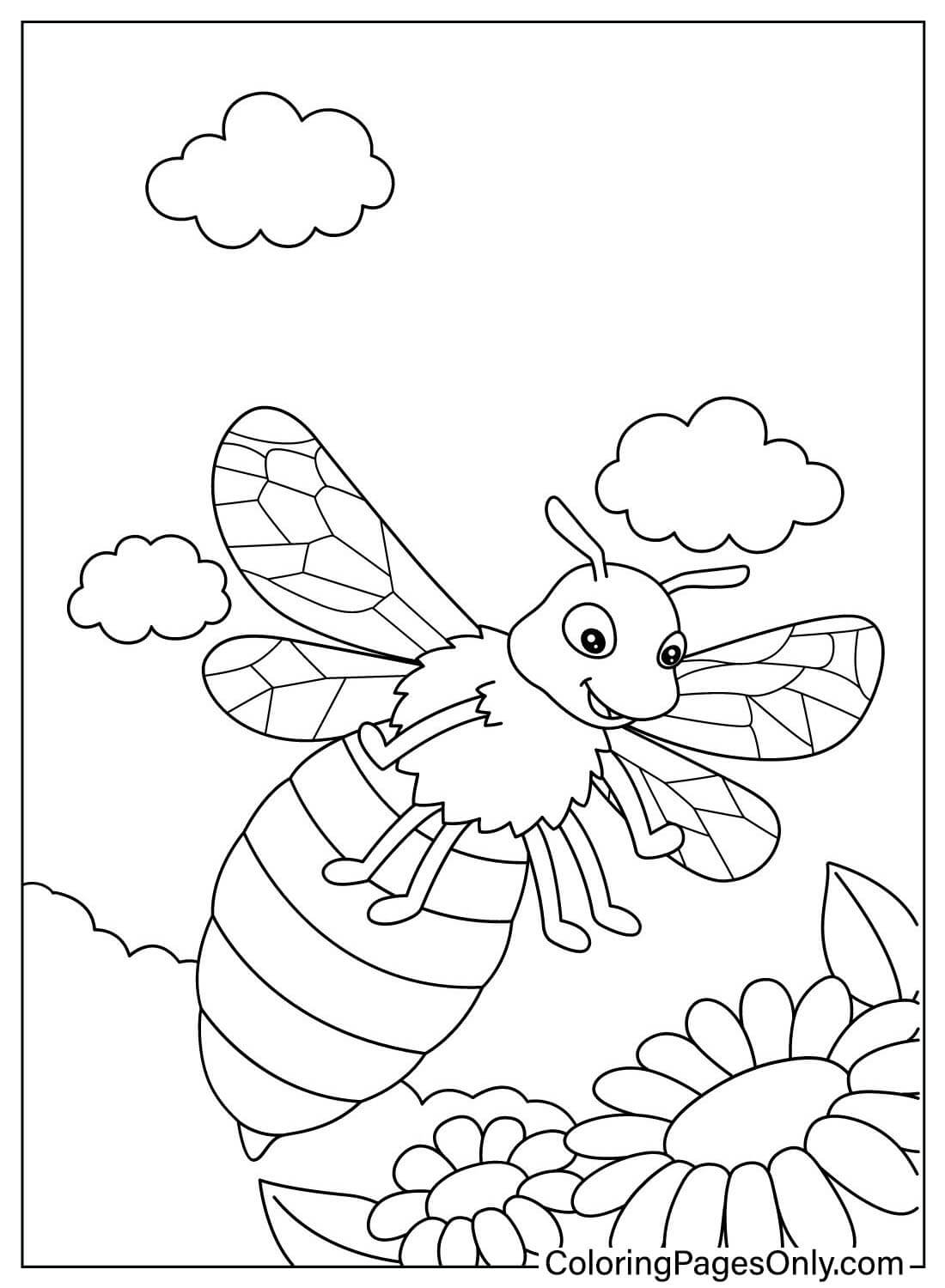
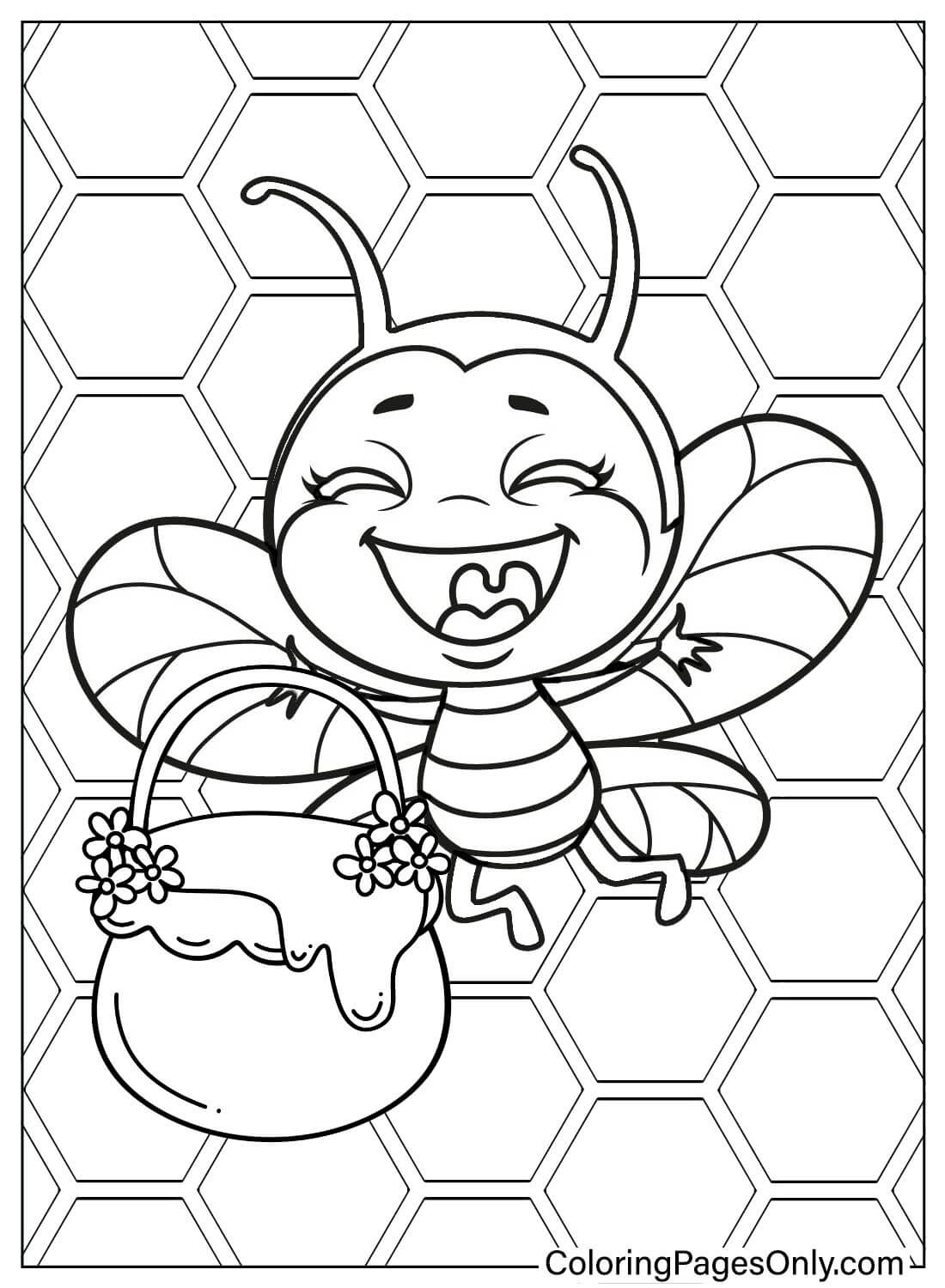

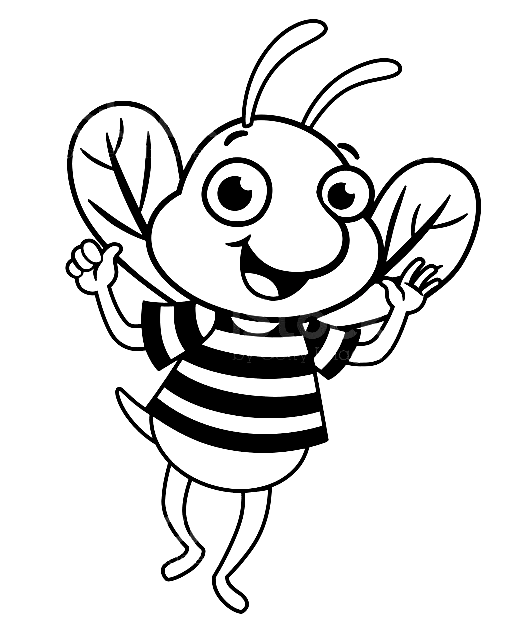
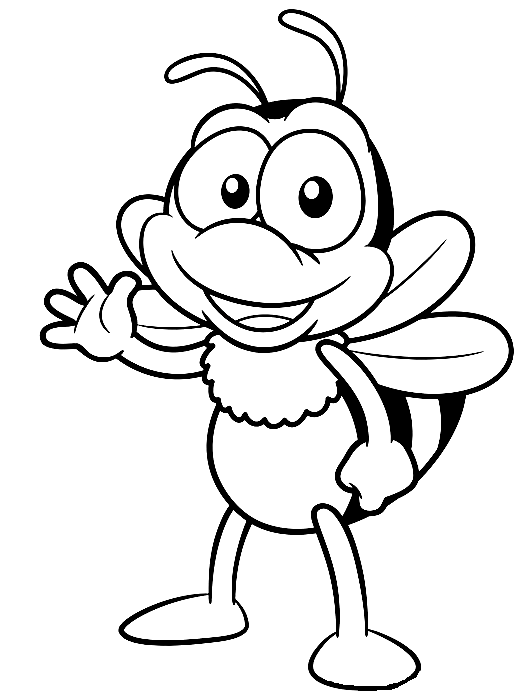
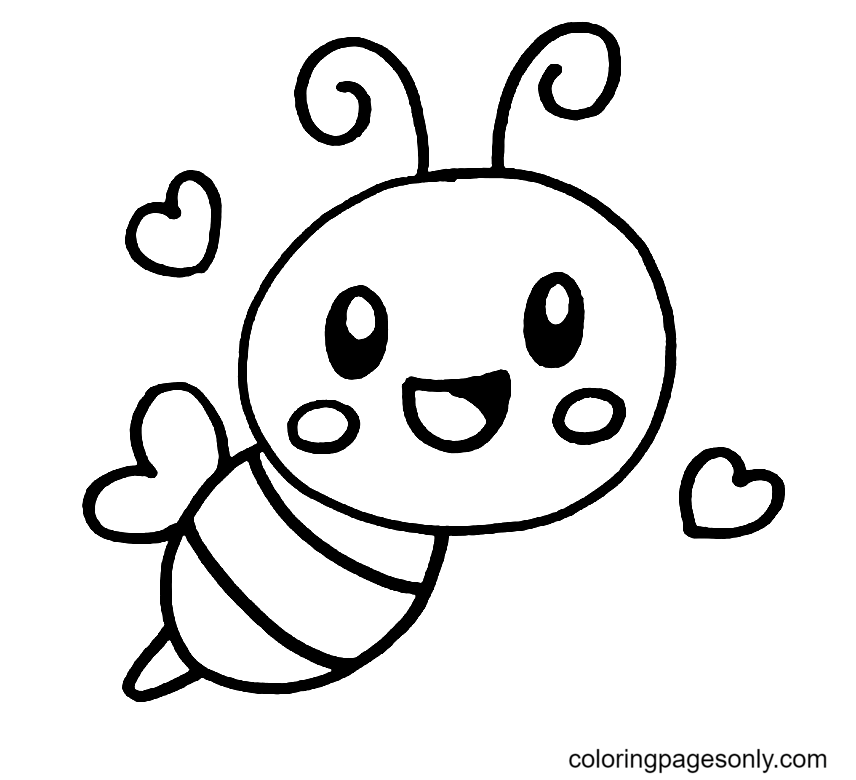
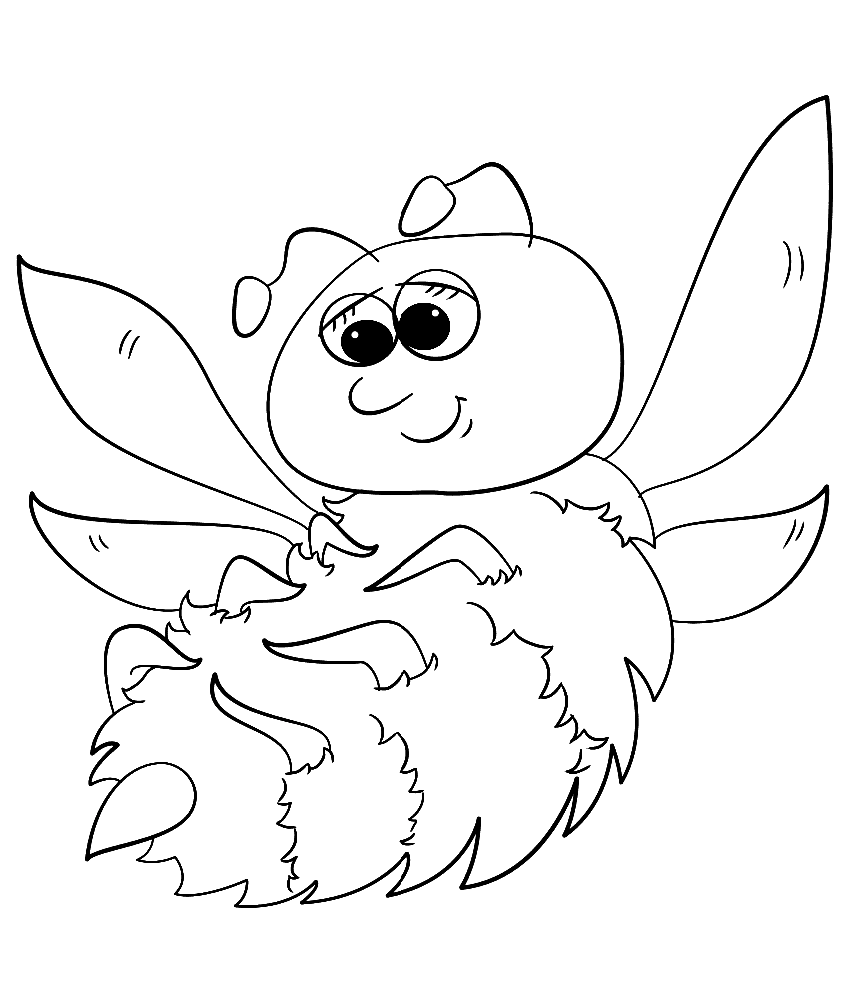
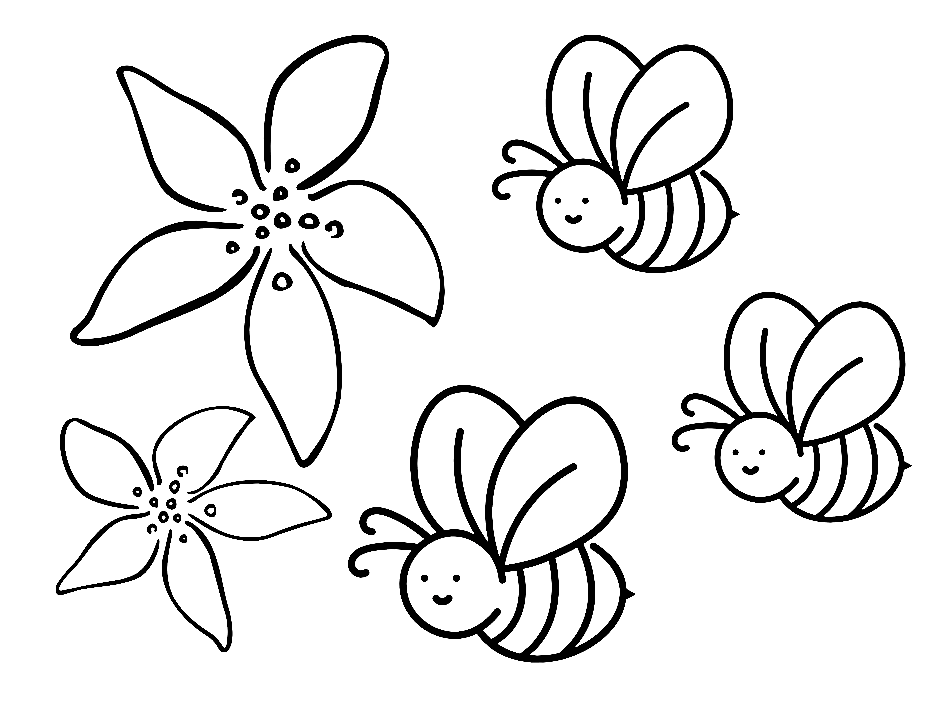
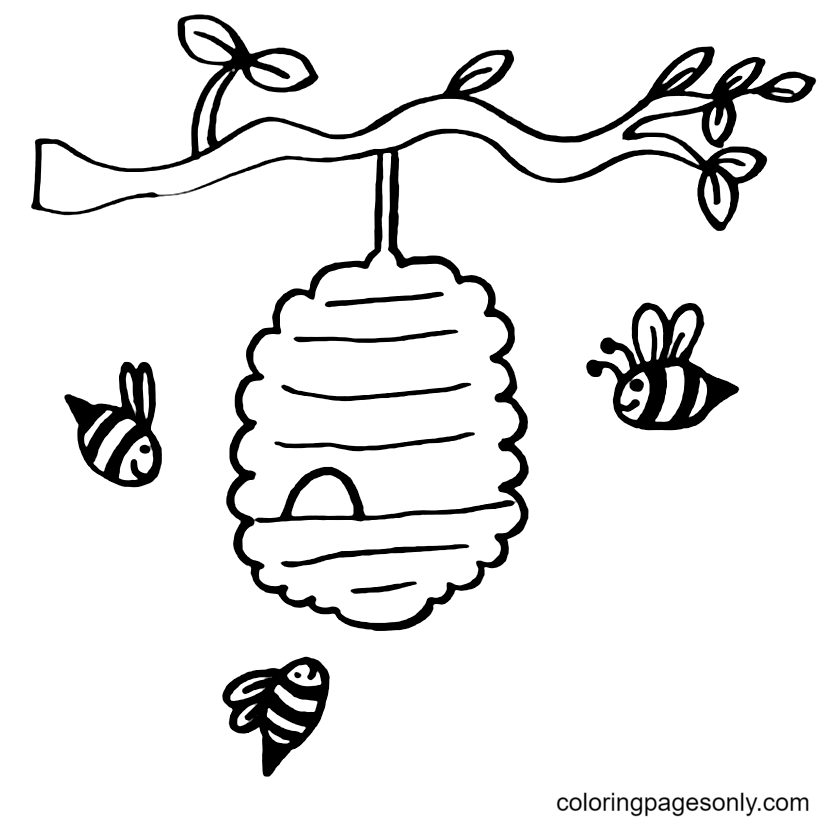
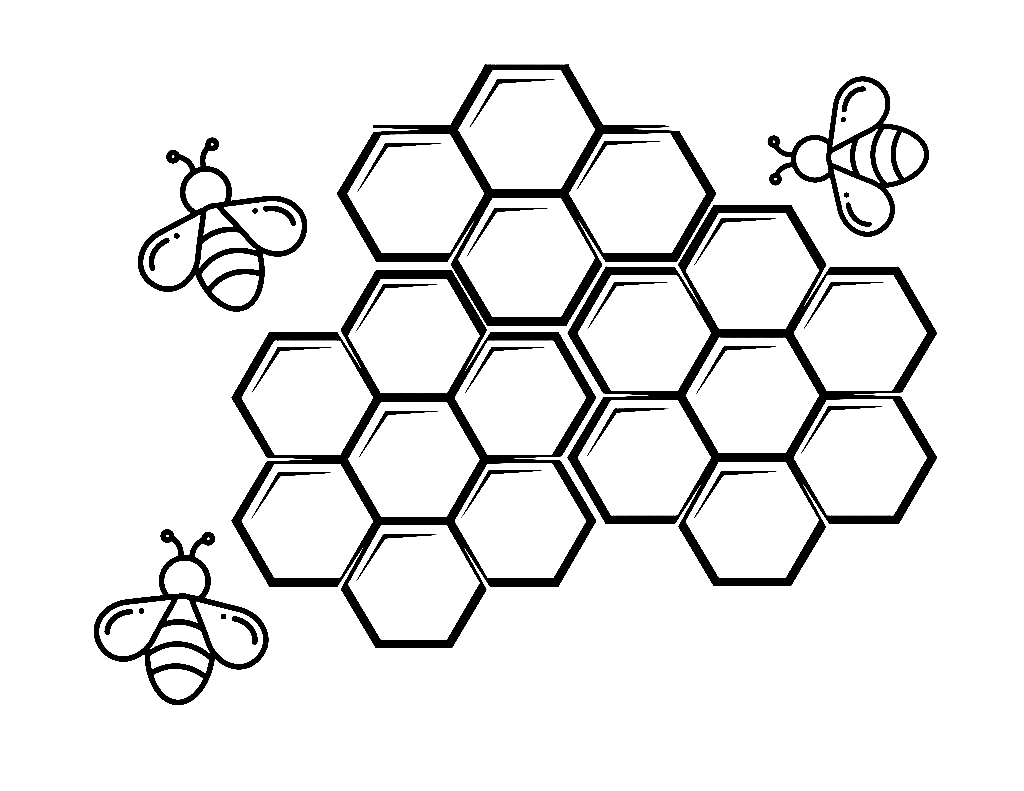
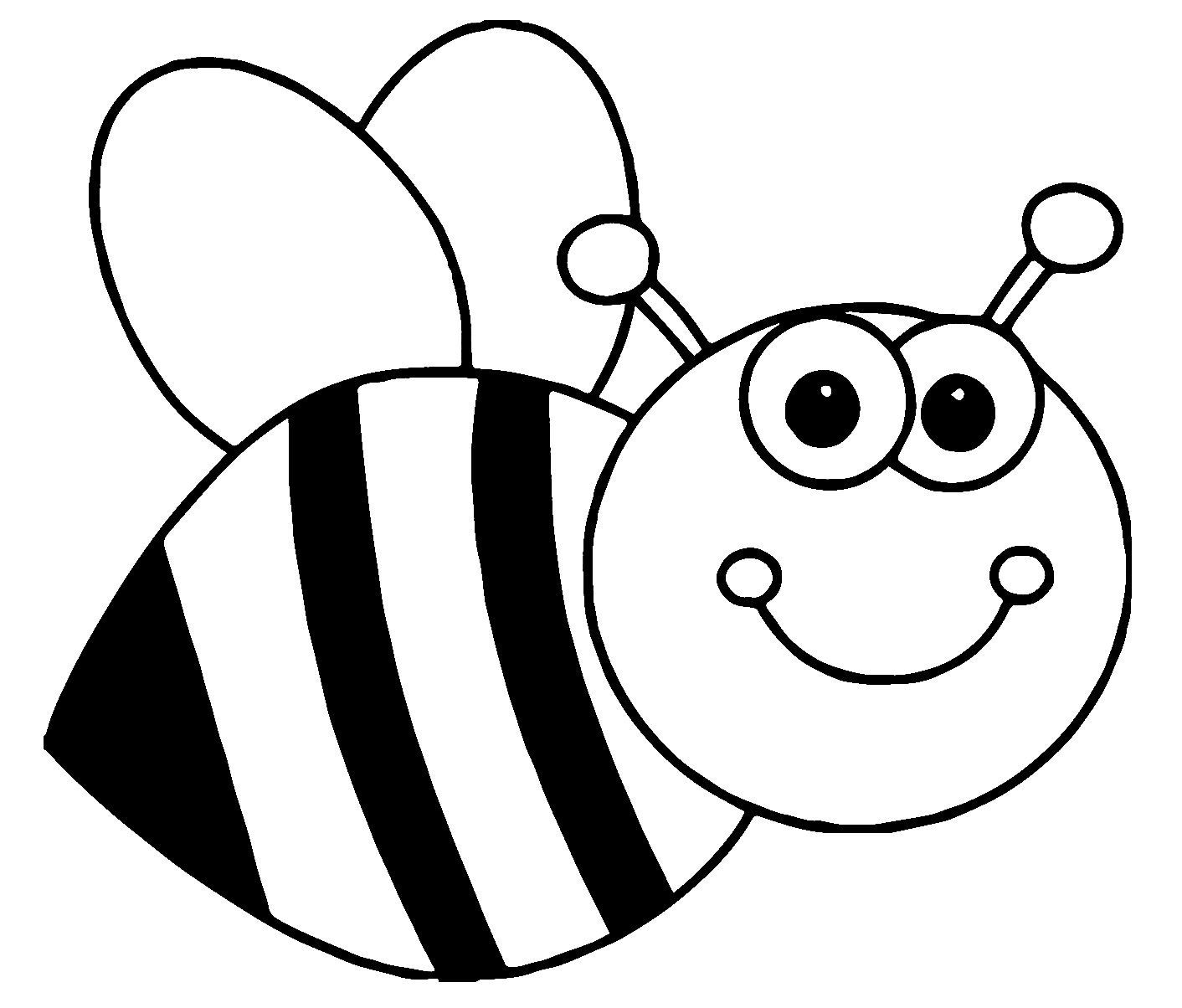
What Is Inside This Collection
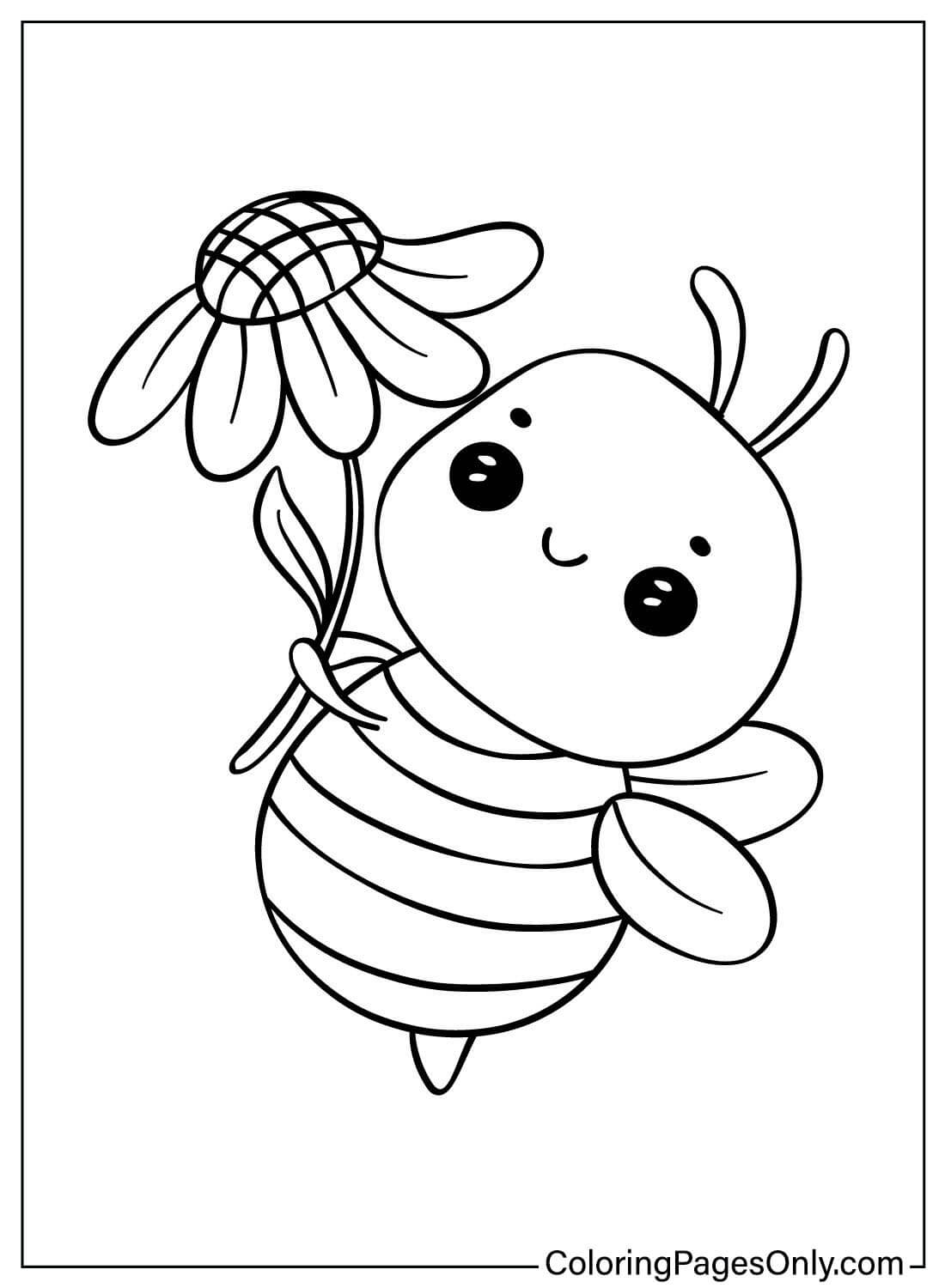
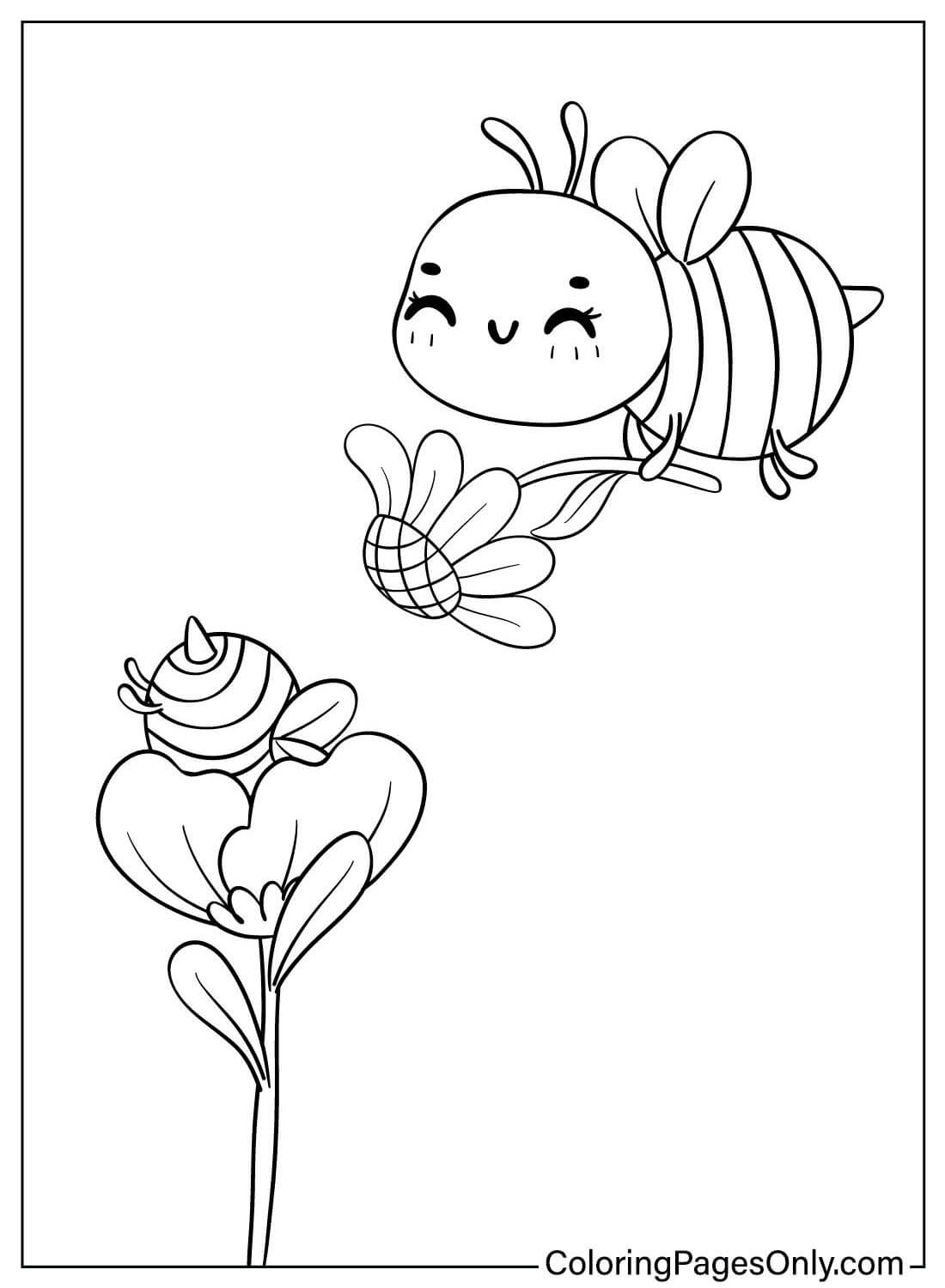
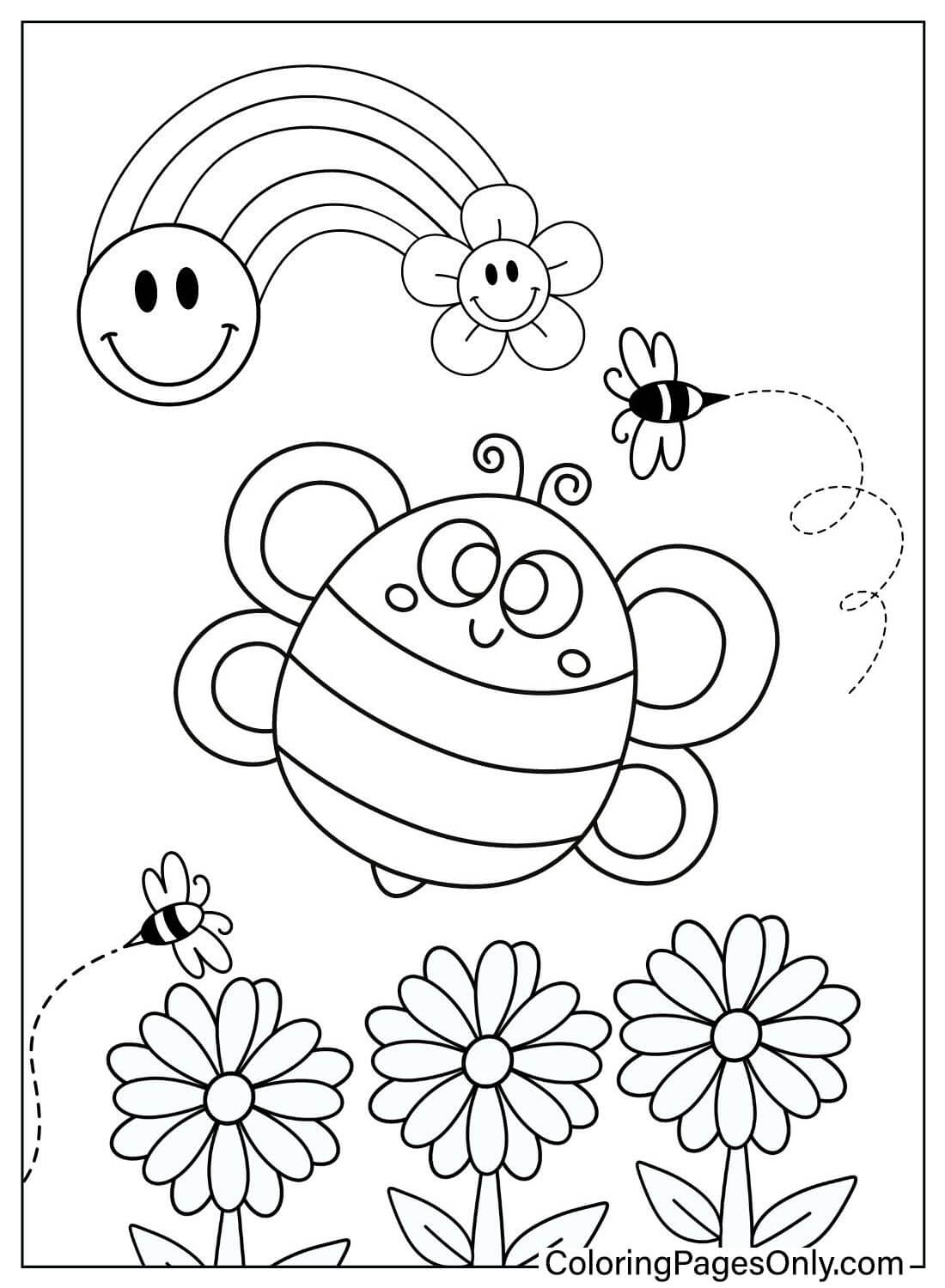
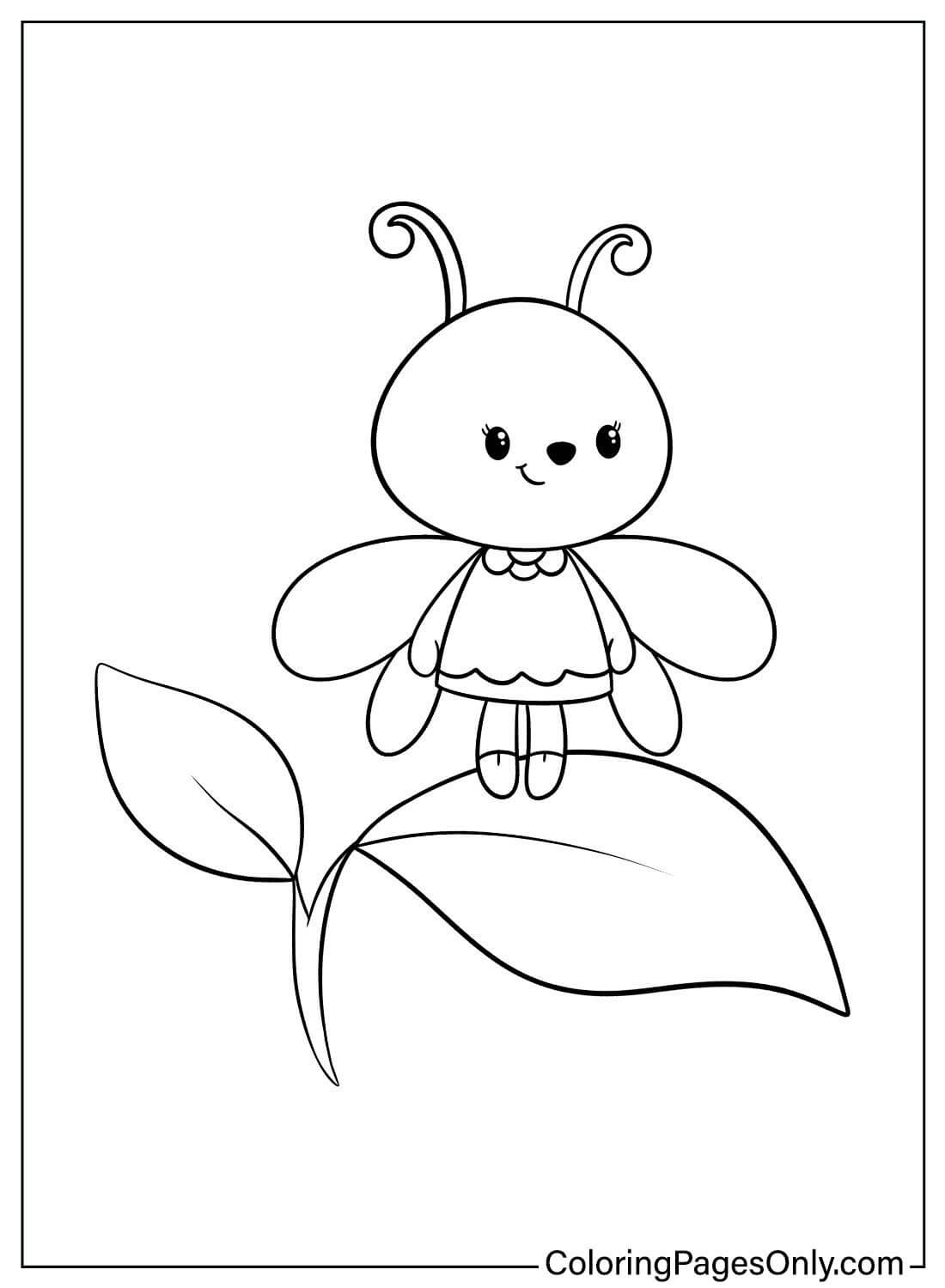
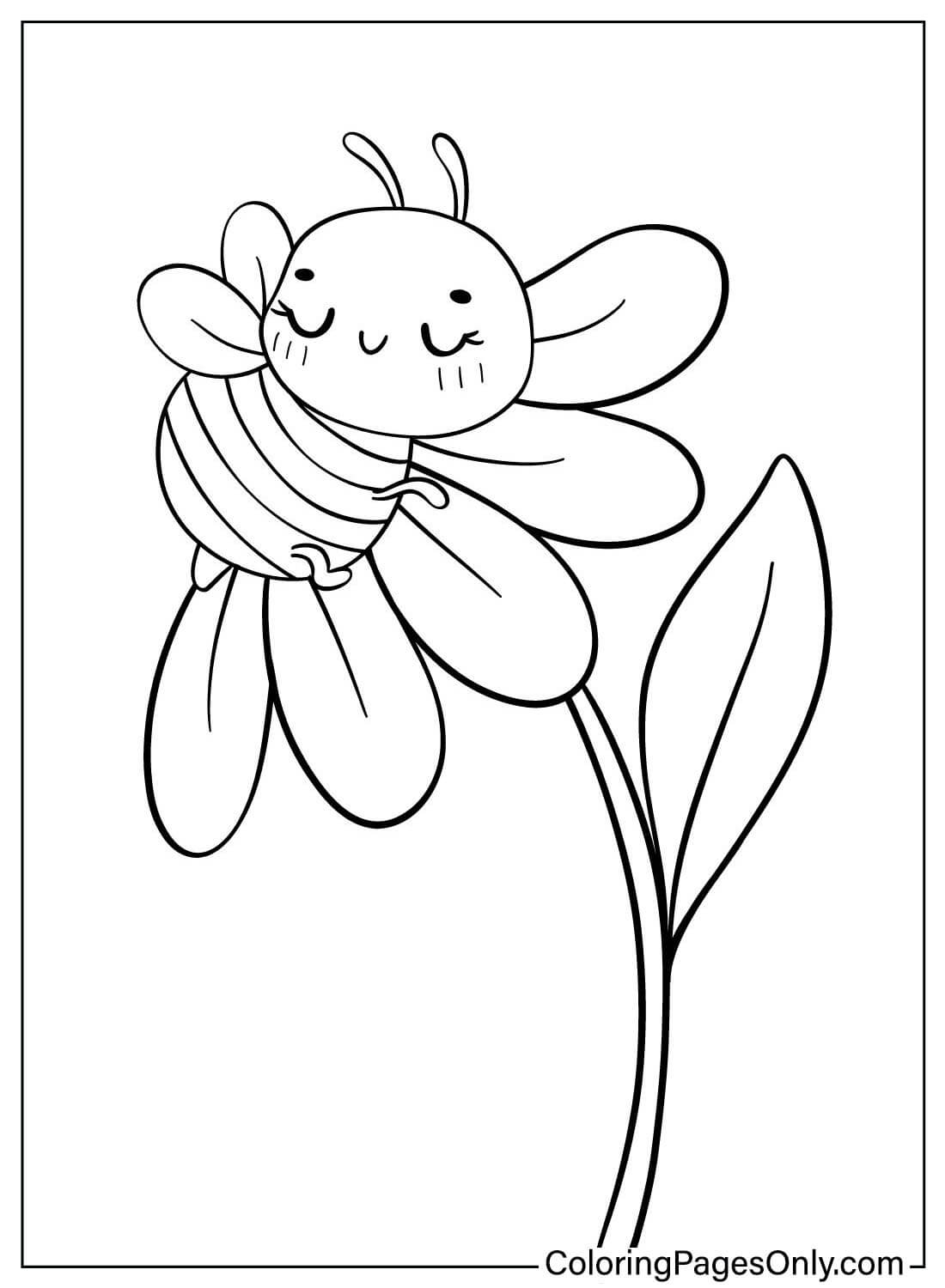
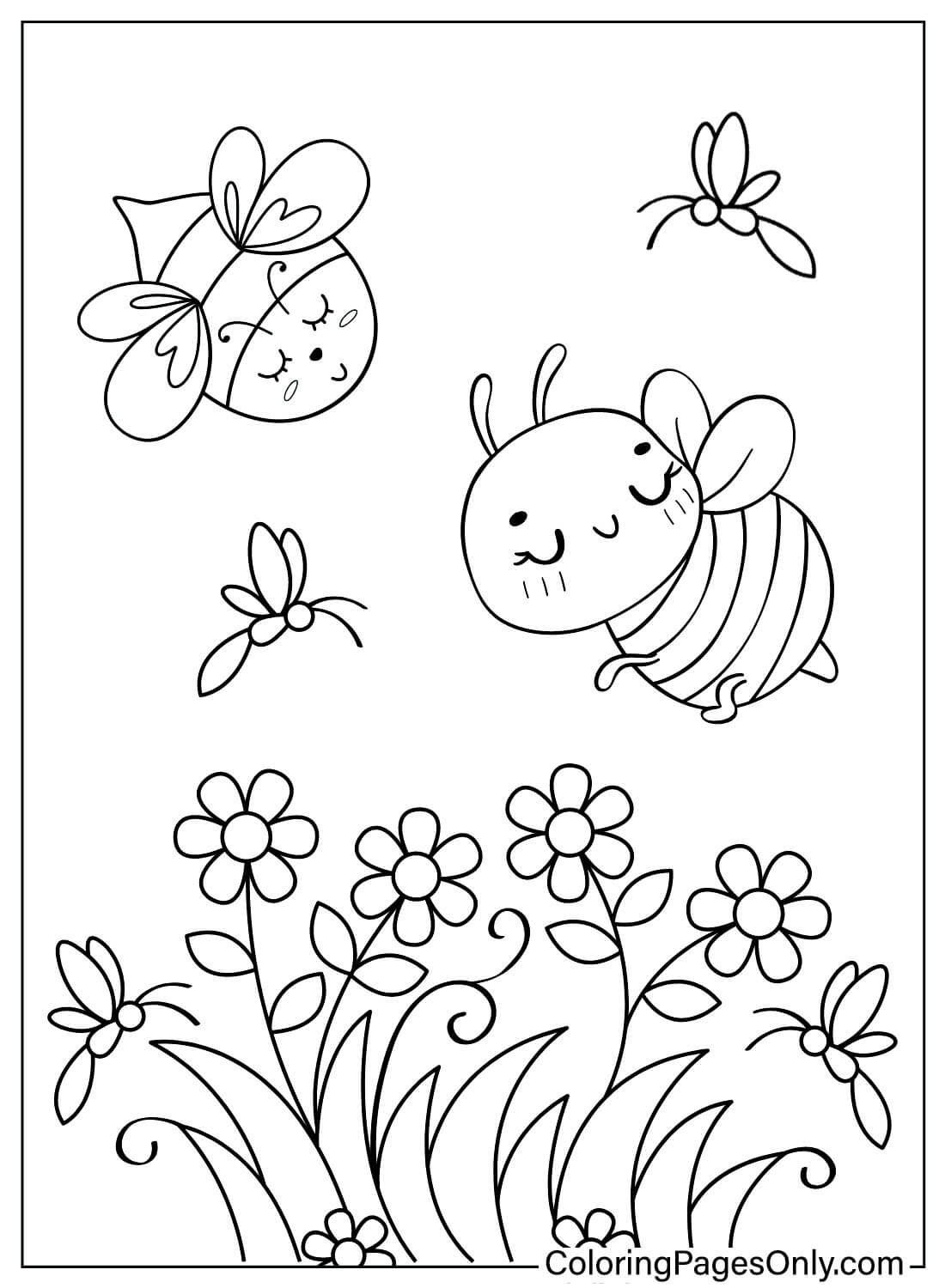
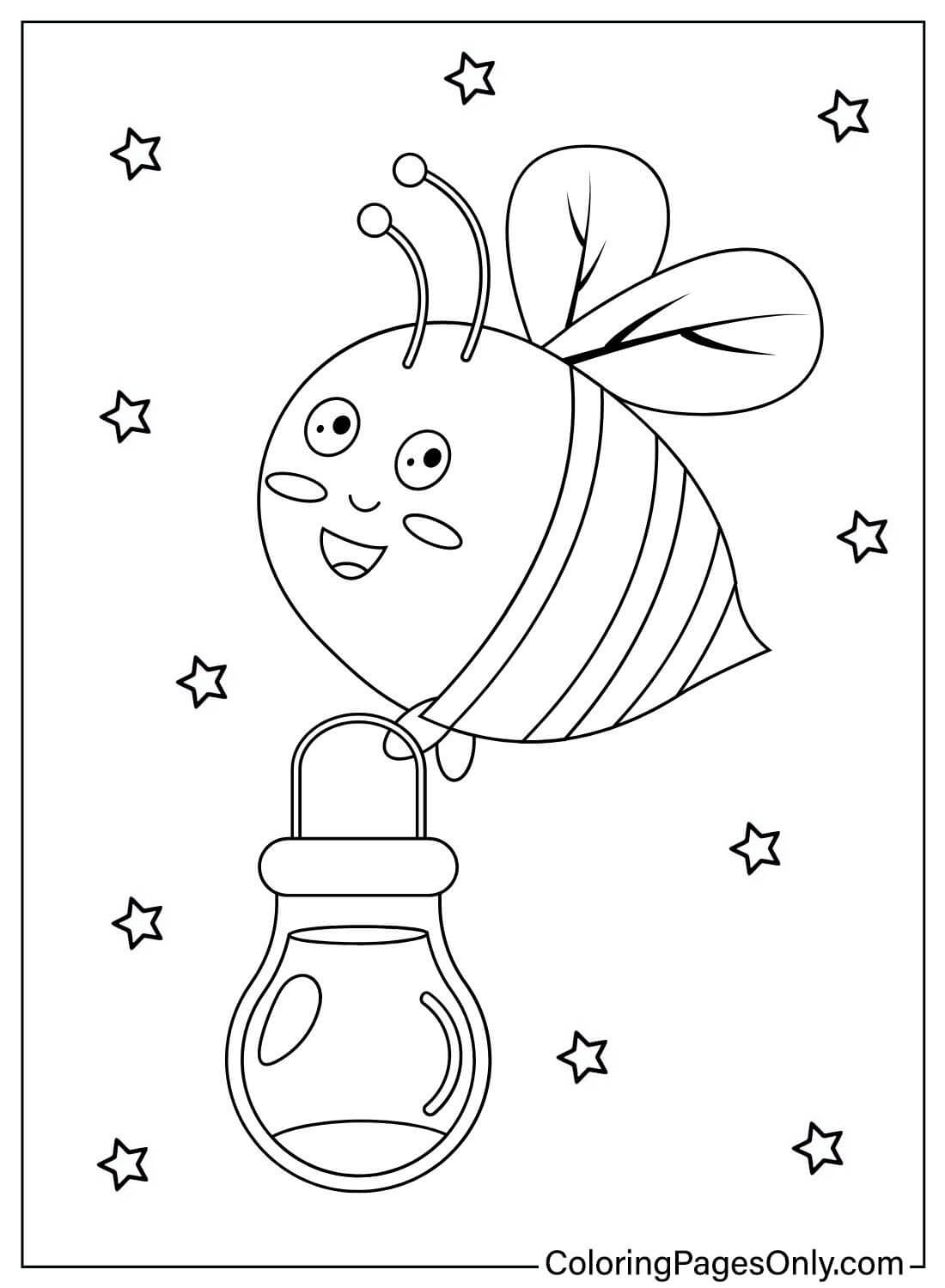
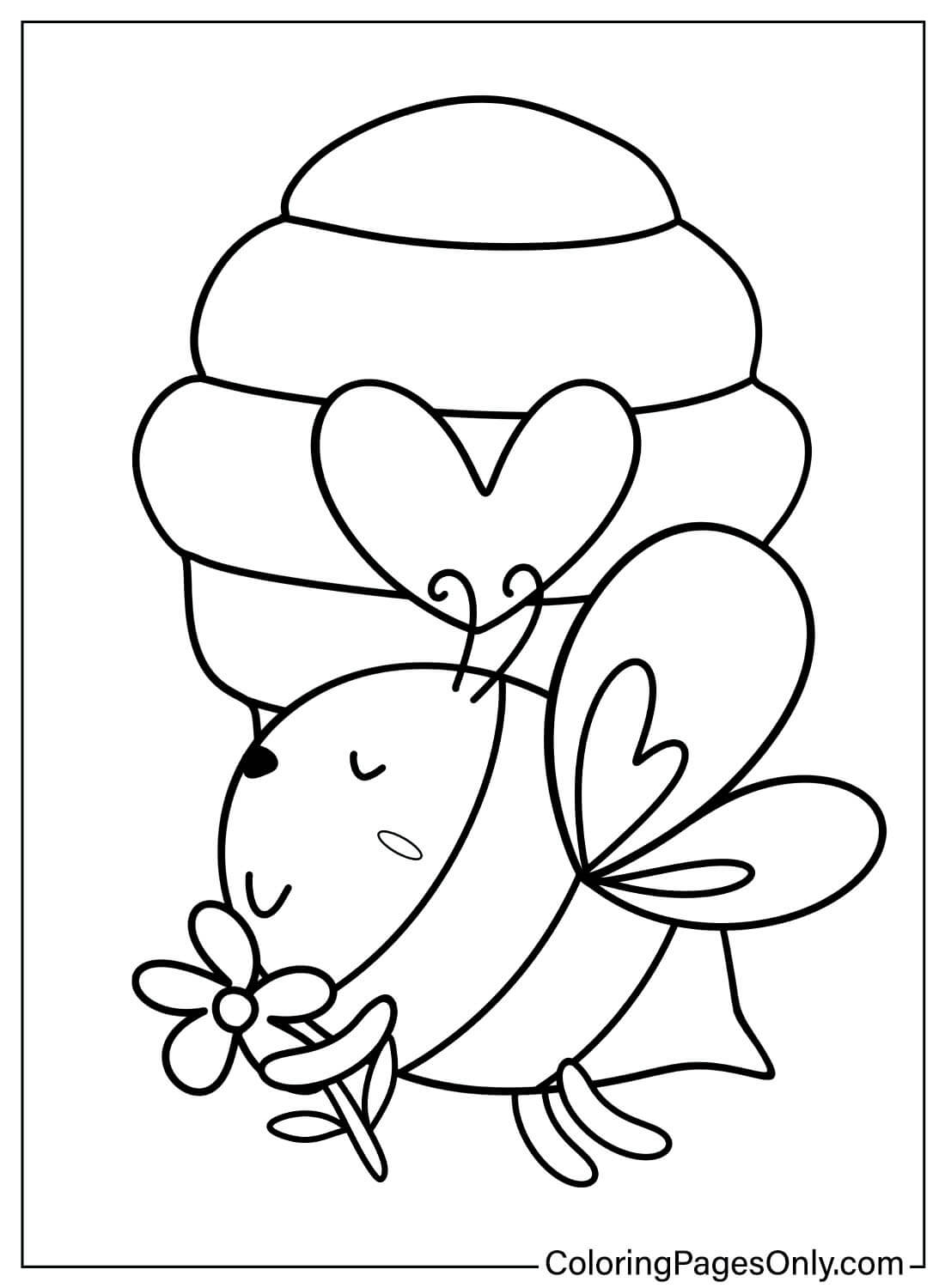
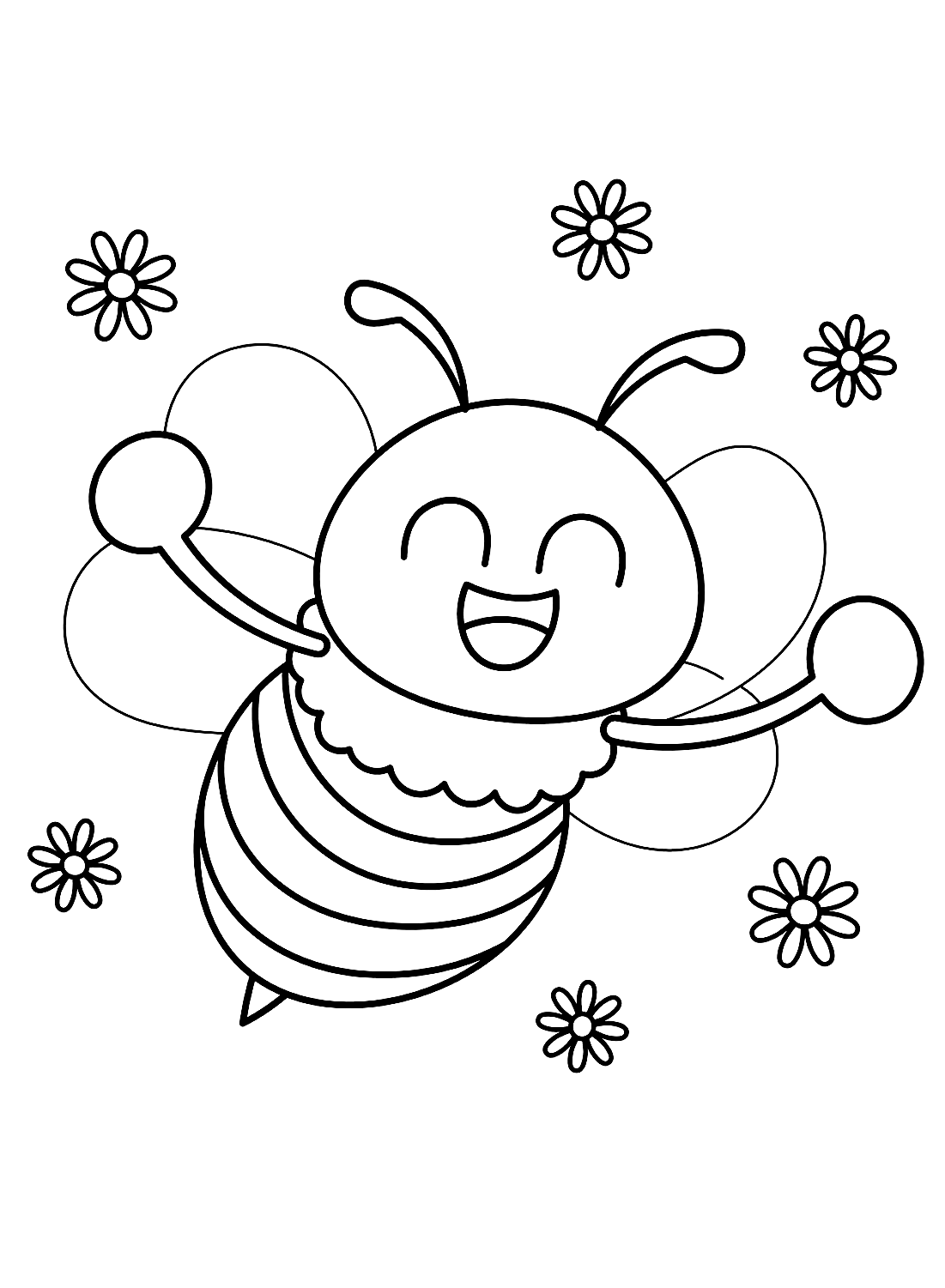
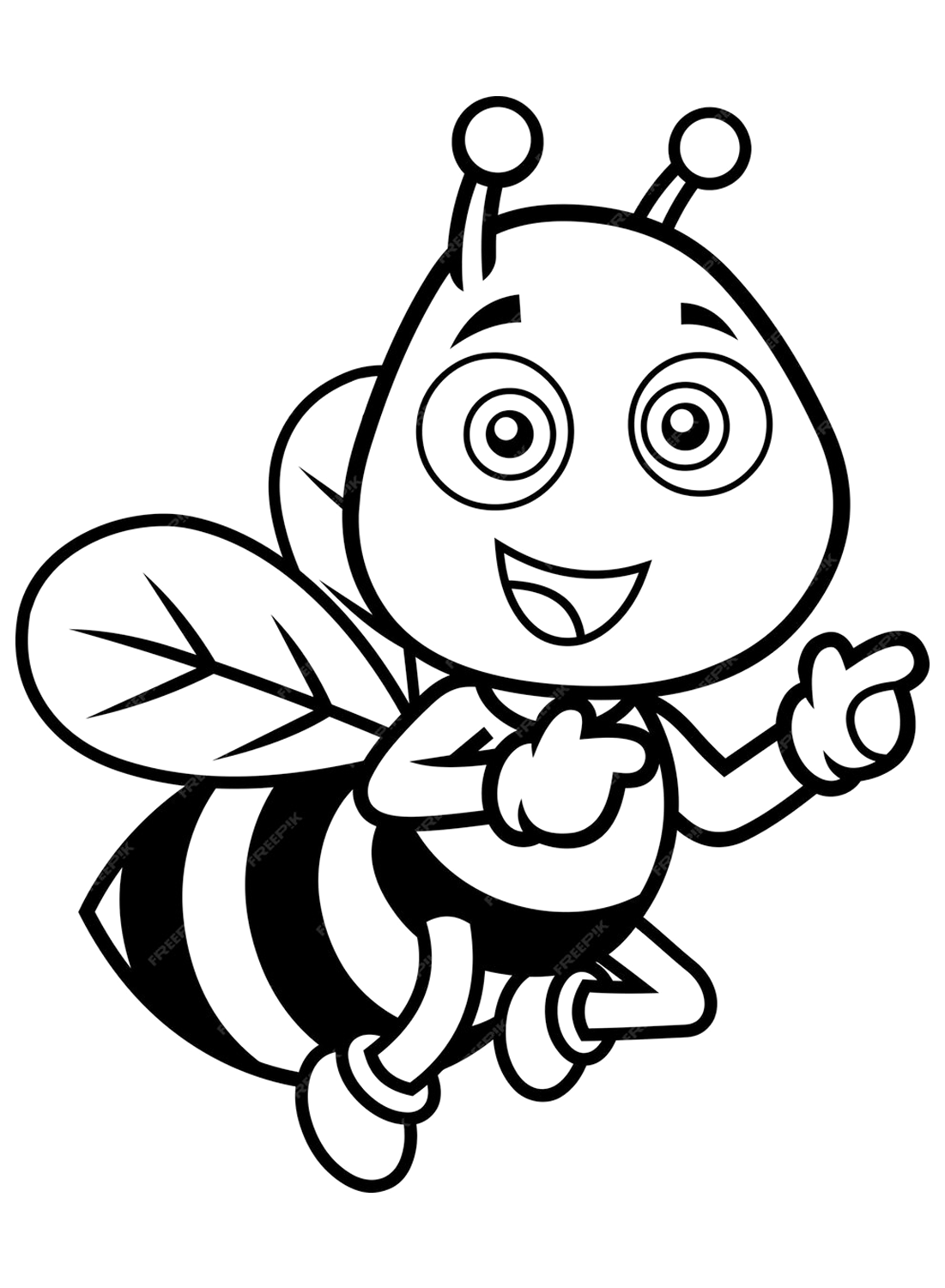
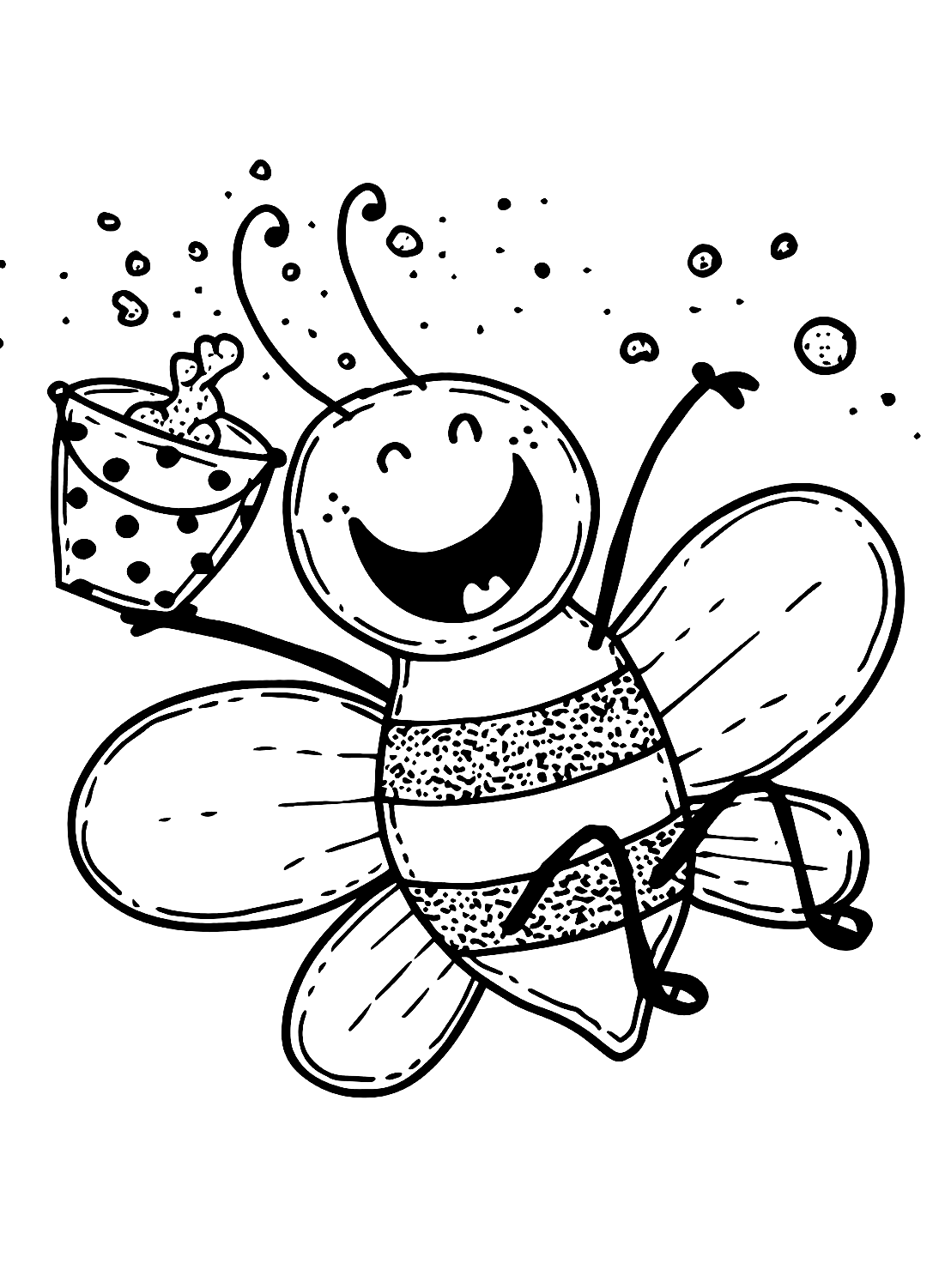
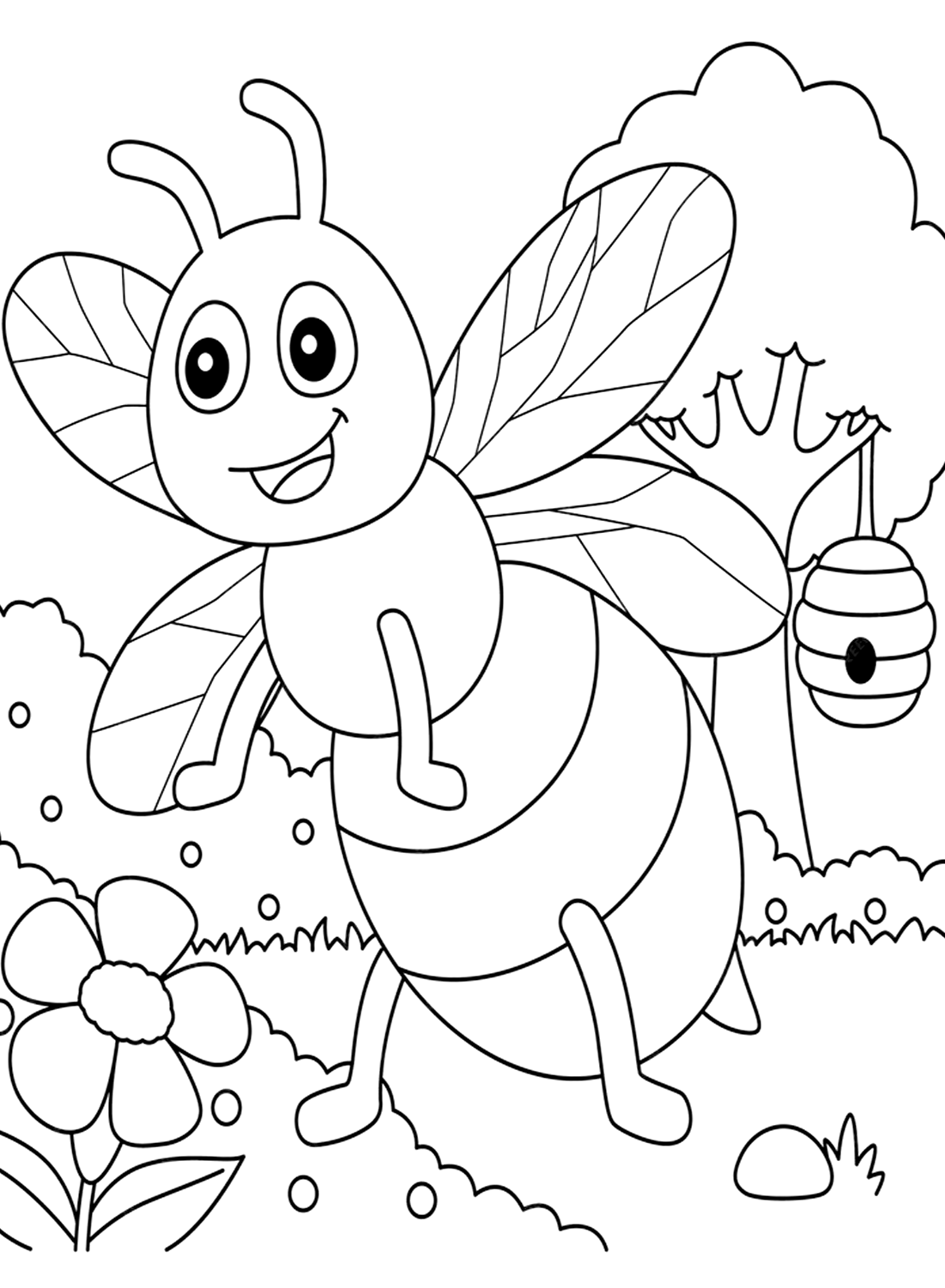
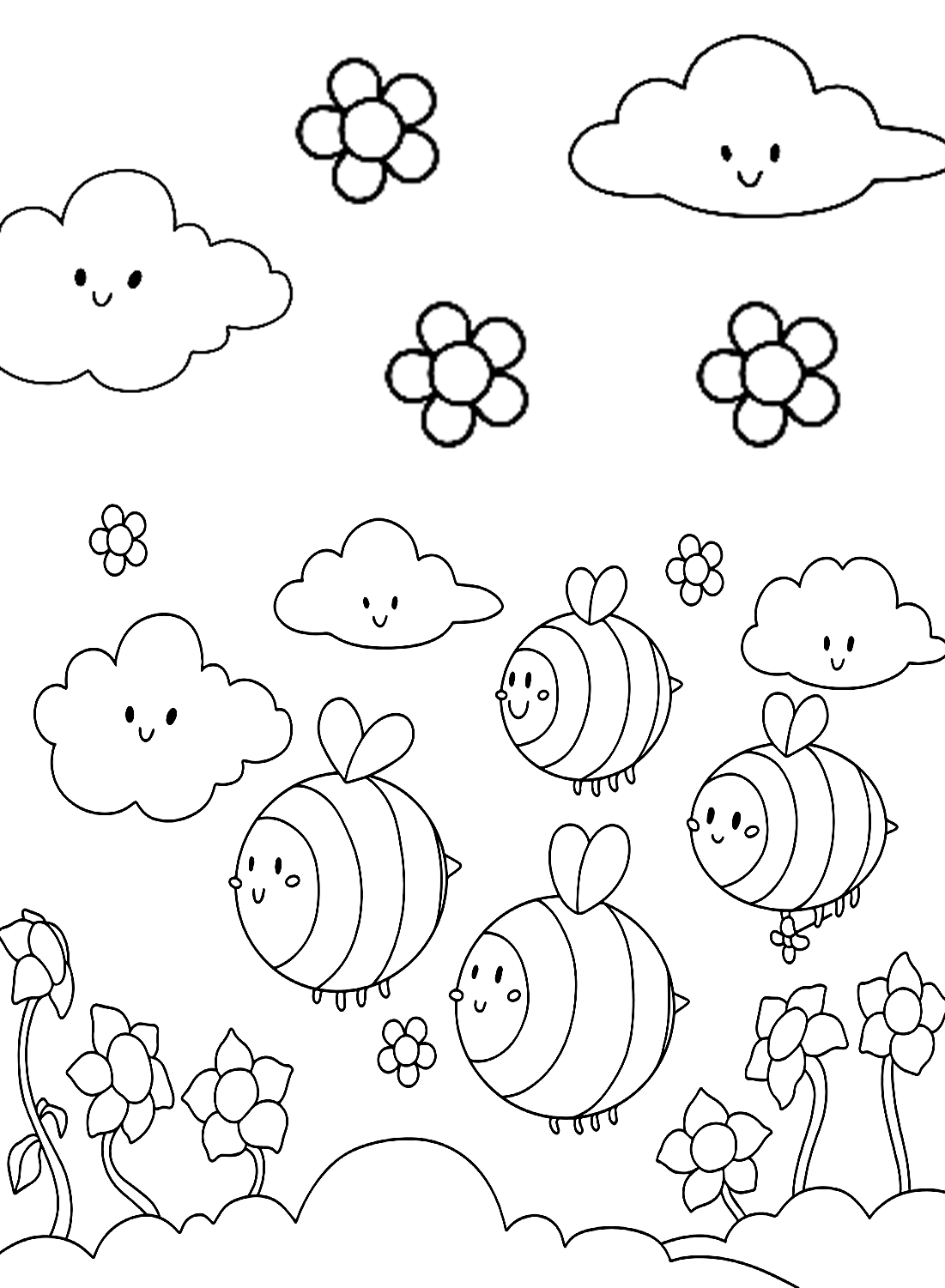
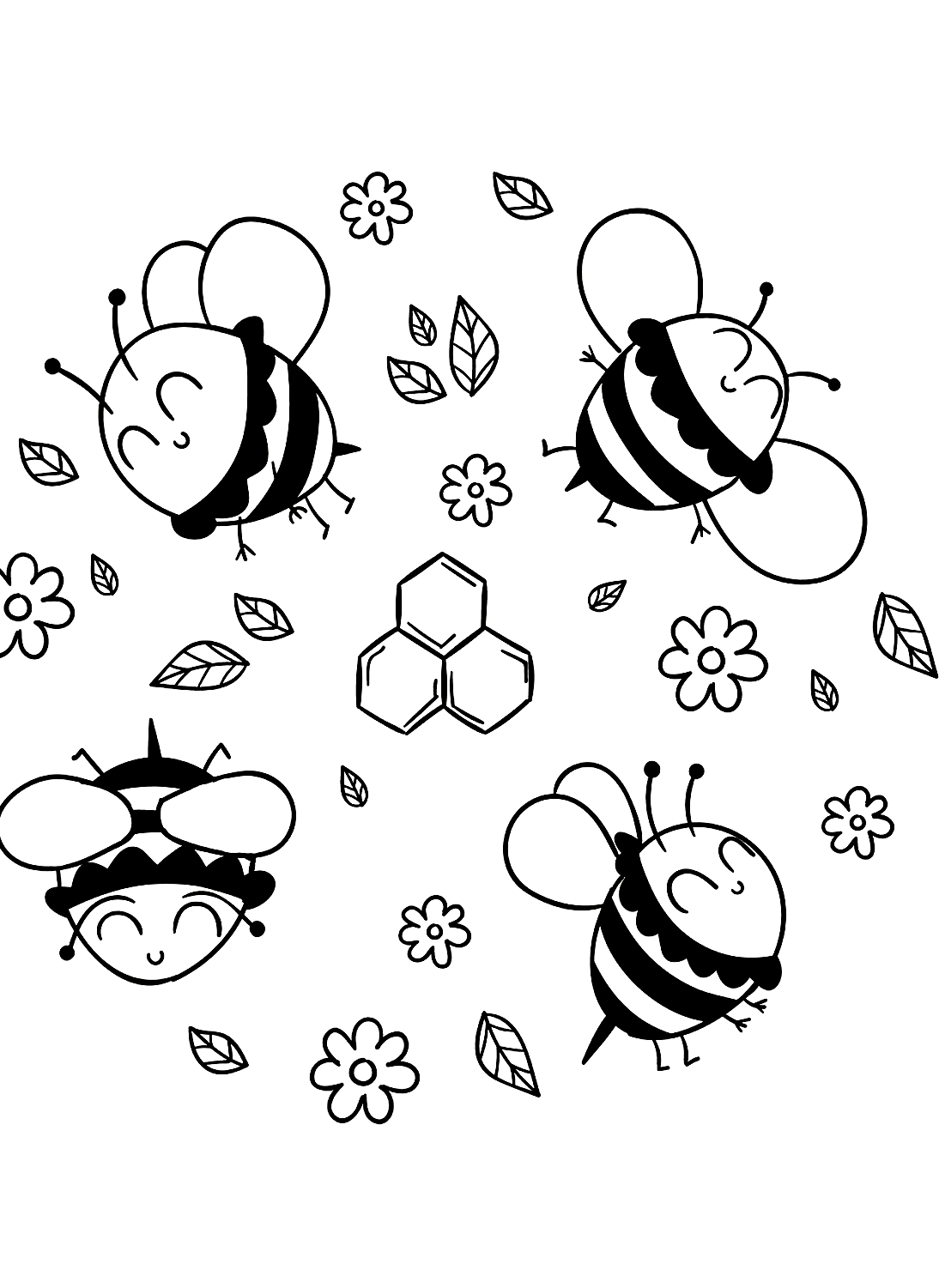
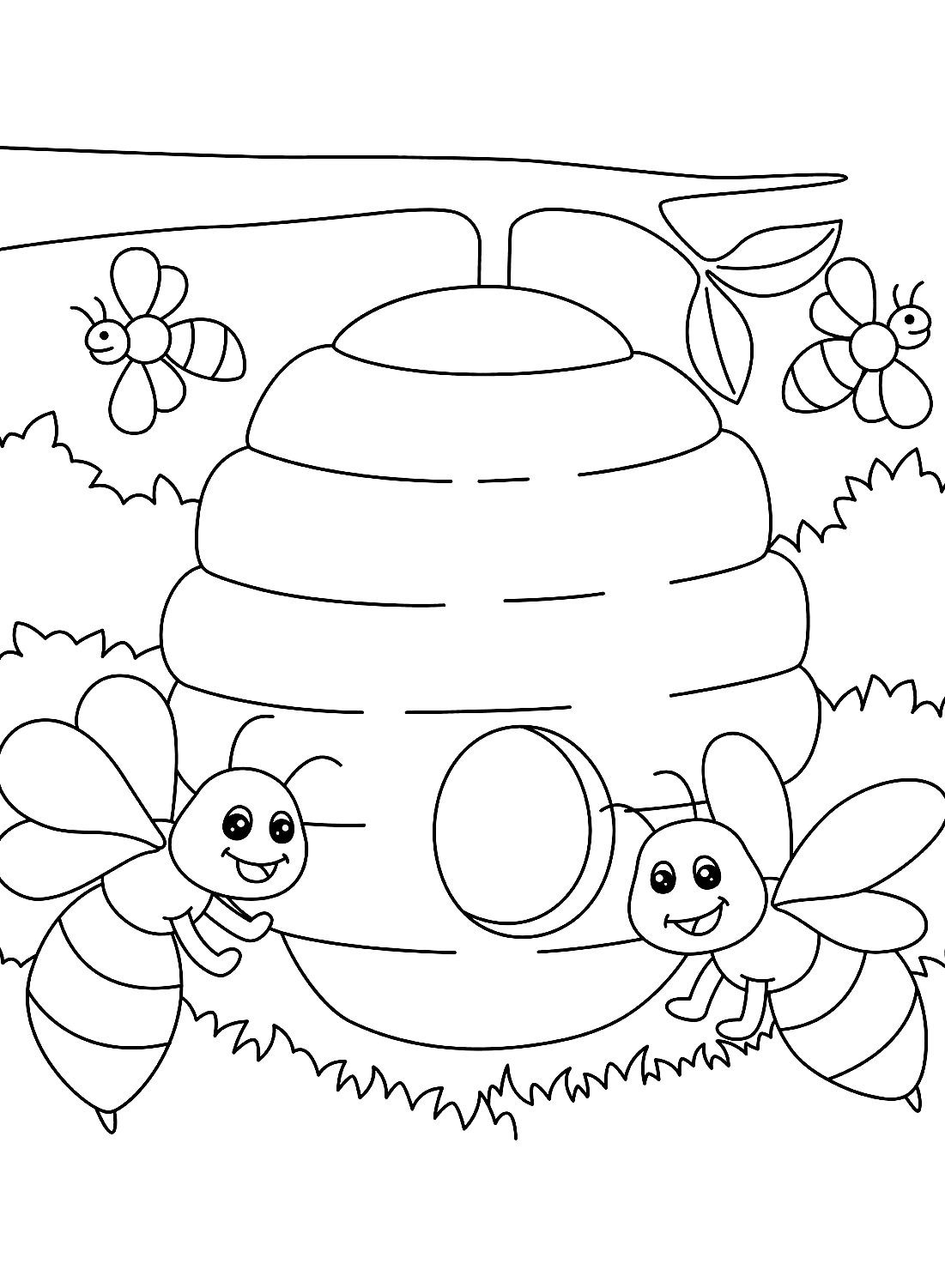
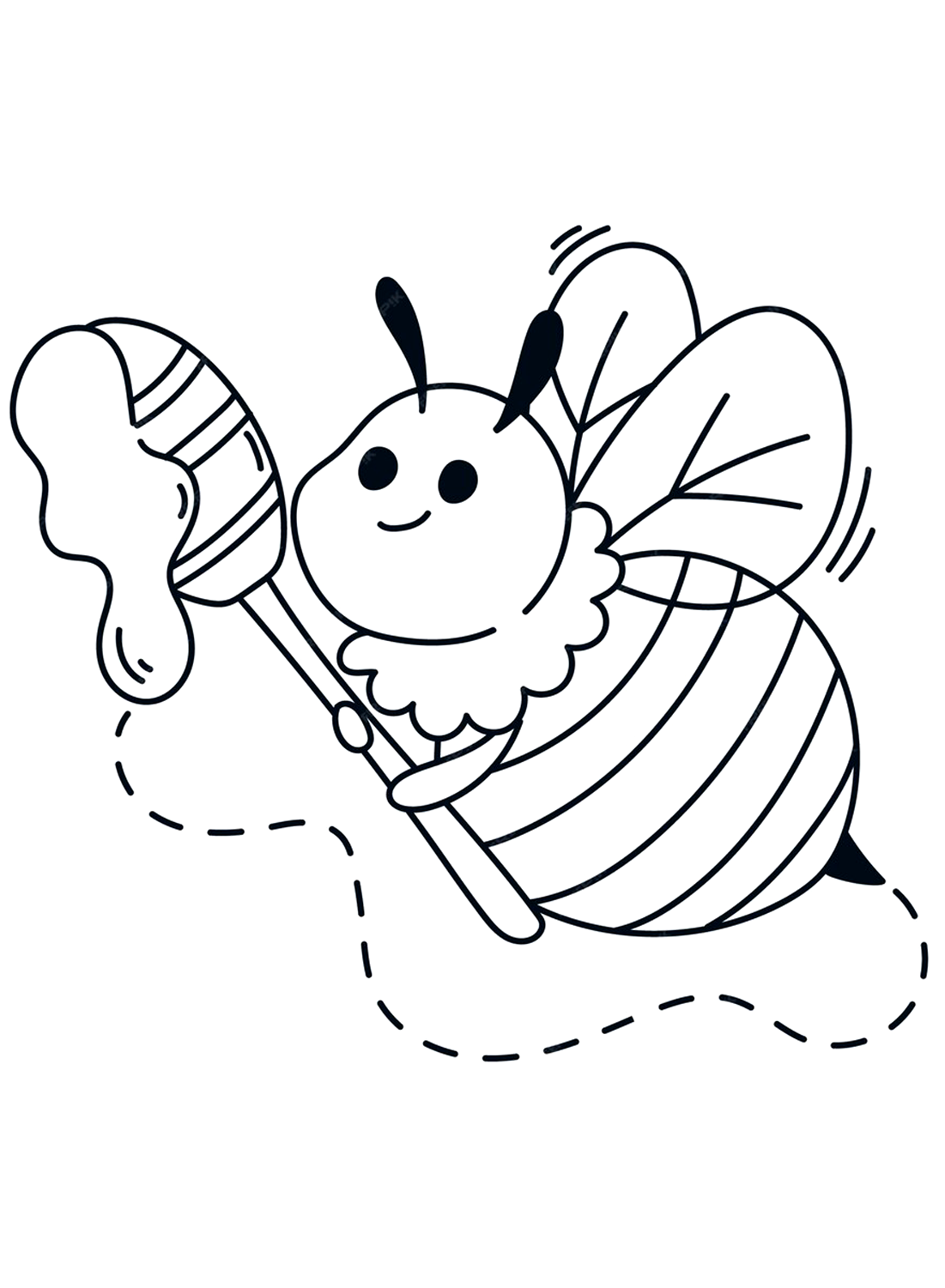
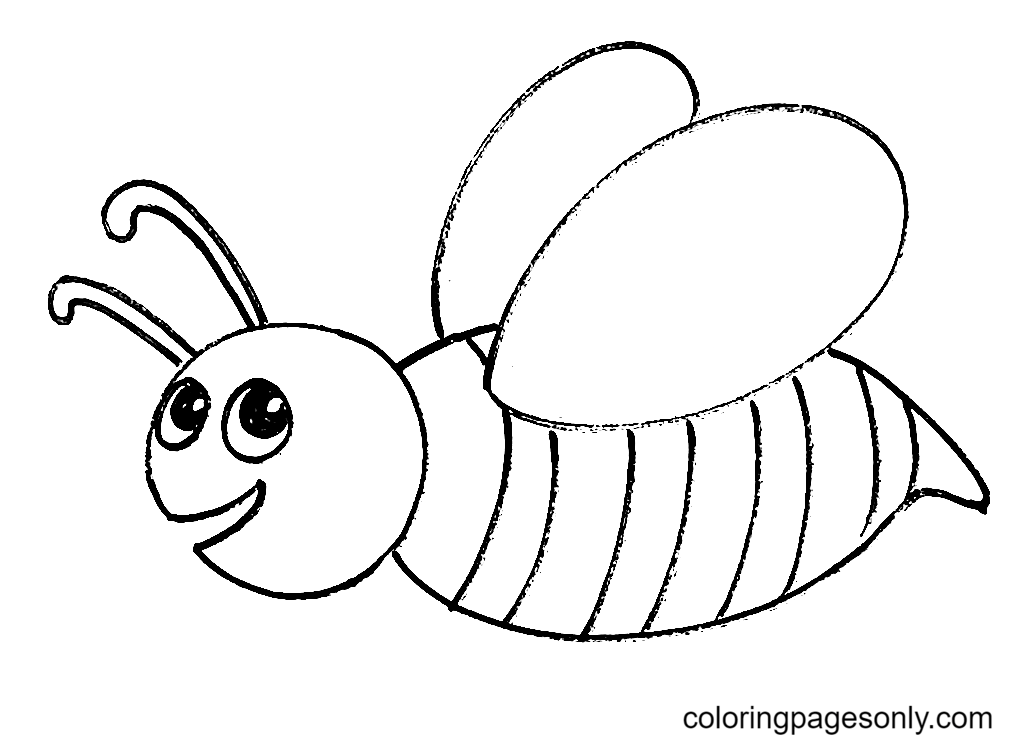
Five groups organize the 84 pages, moving from a plain solo bee to full hive scenes and garden settings.
Simple Solo Portraits
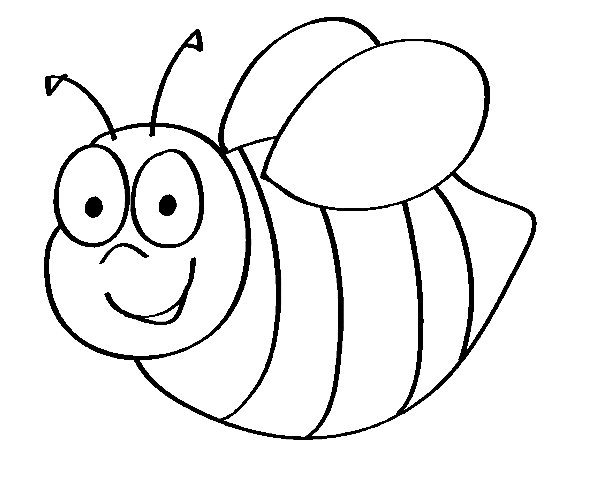
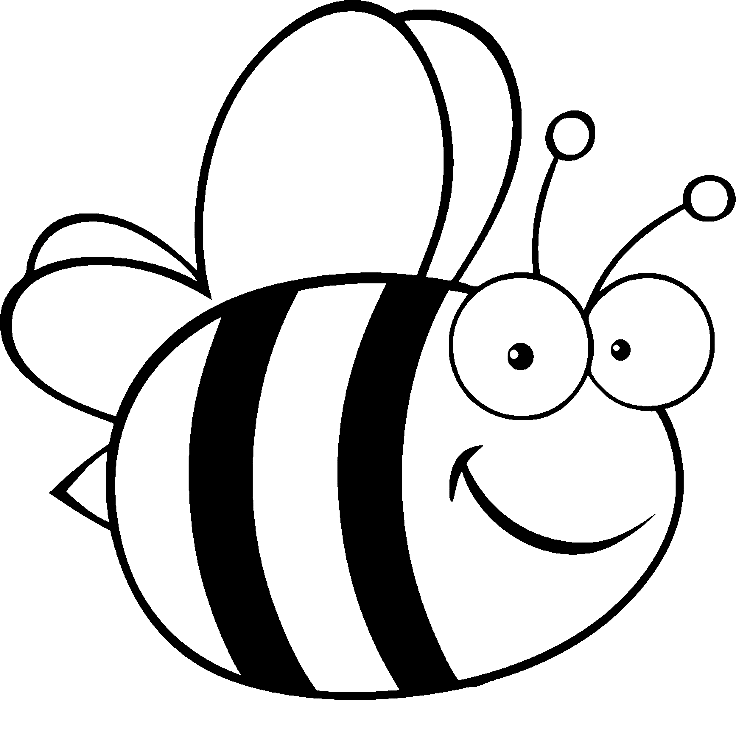
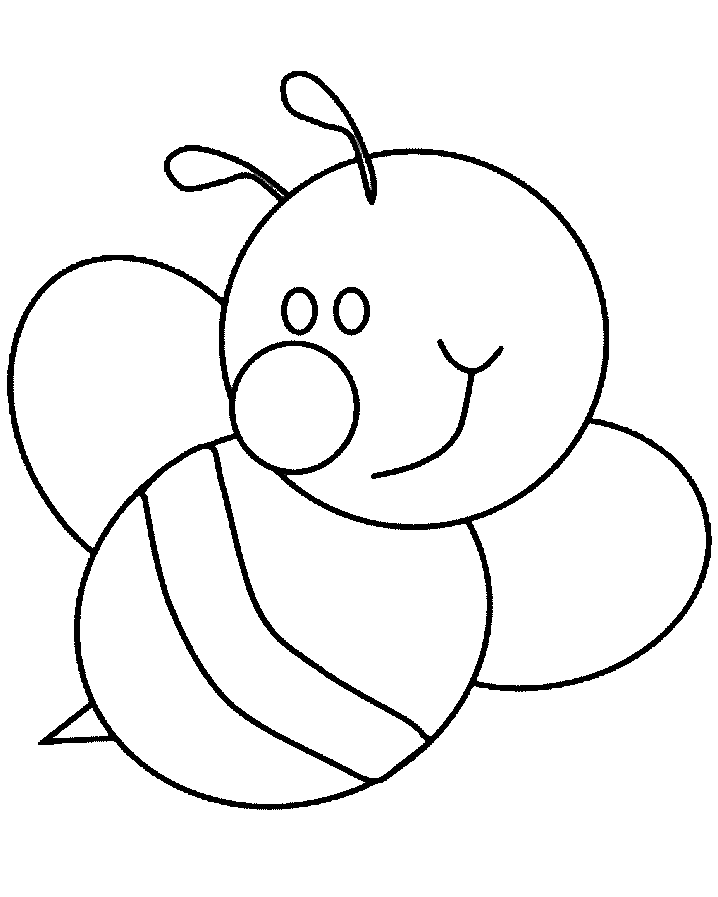
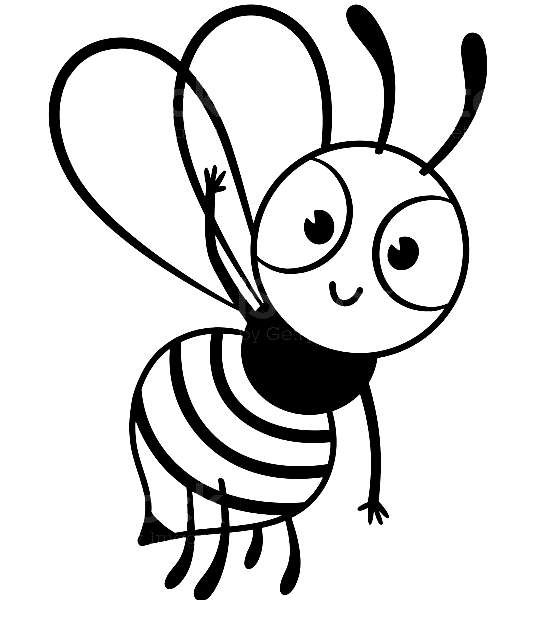
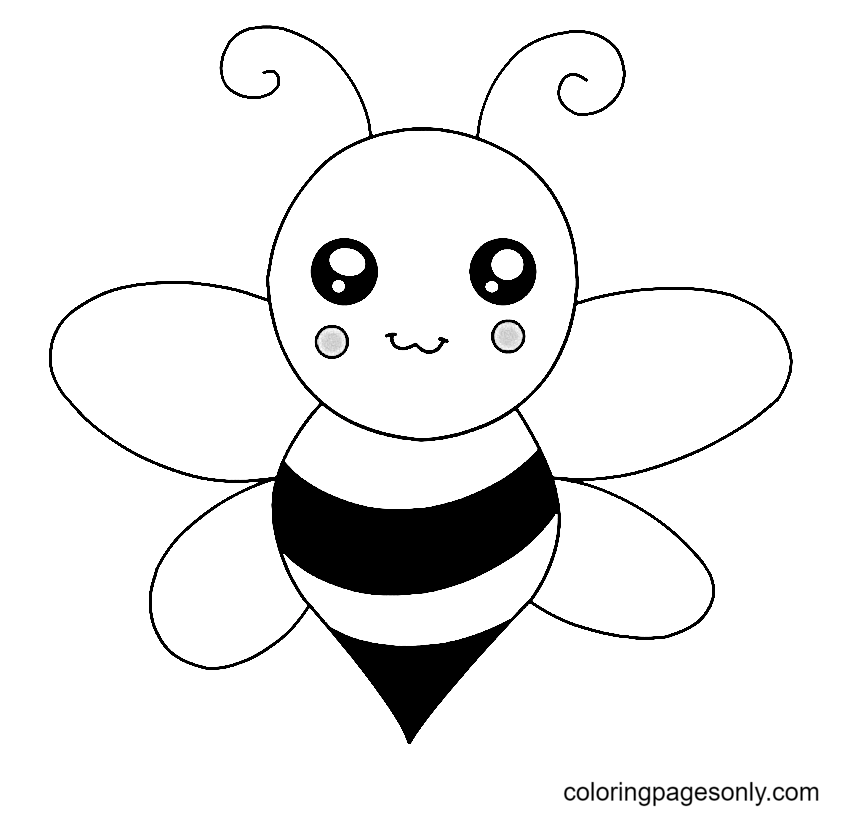
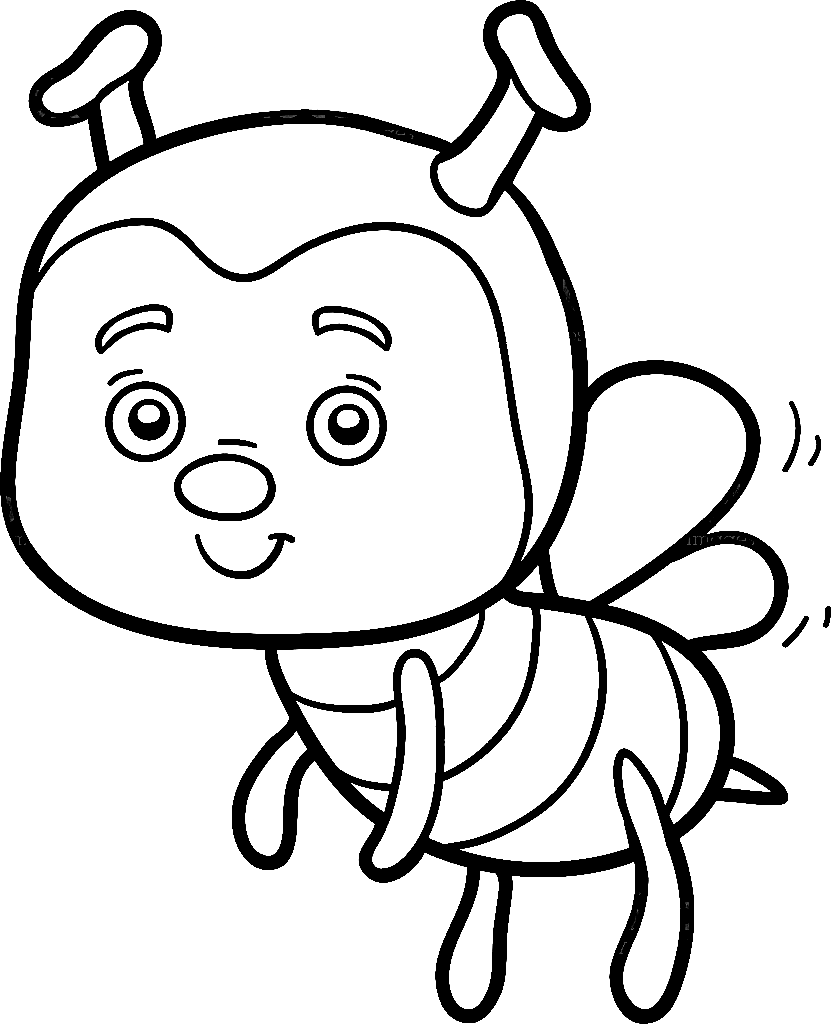
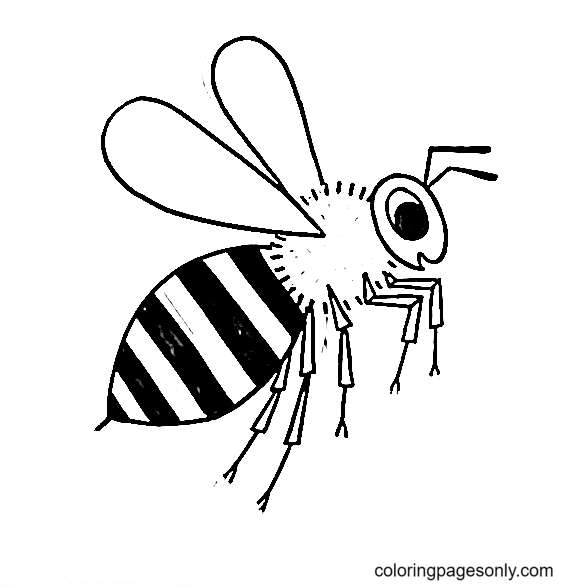
A large share of this collection shows one bee alone, repeated across many pages under different file names. Coloring suggestion: Use this repetition to try slightly different stripe widths and wing shading on each page, since bee stripes vary in real life and don’t need to look identical every time.
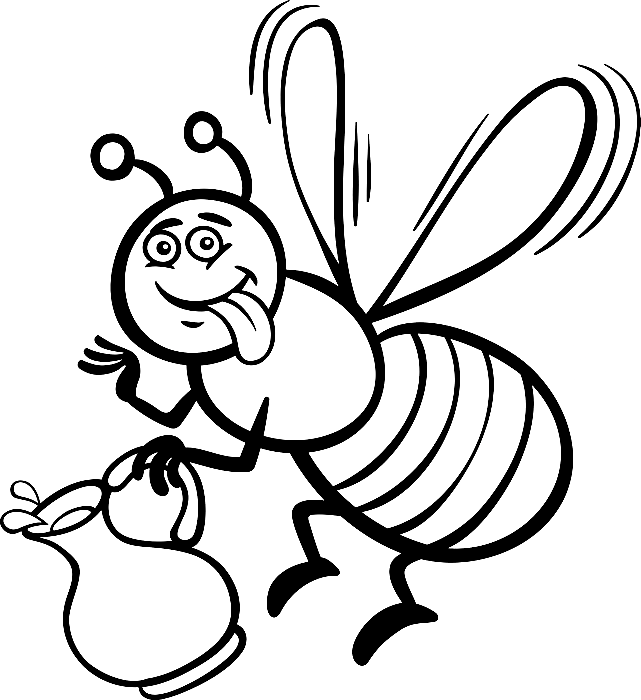
Personality and Character Bees
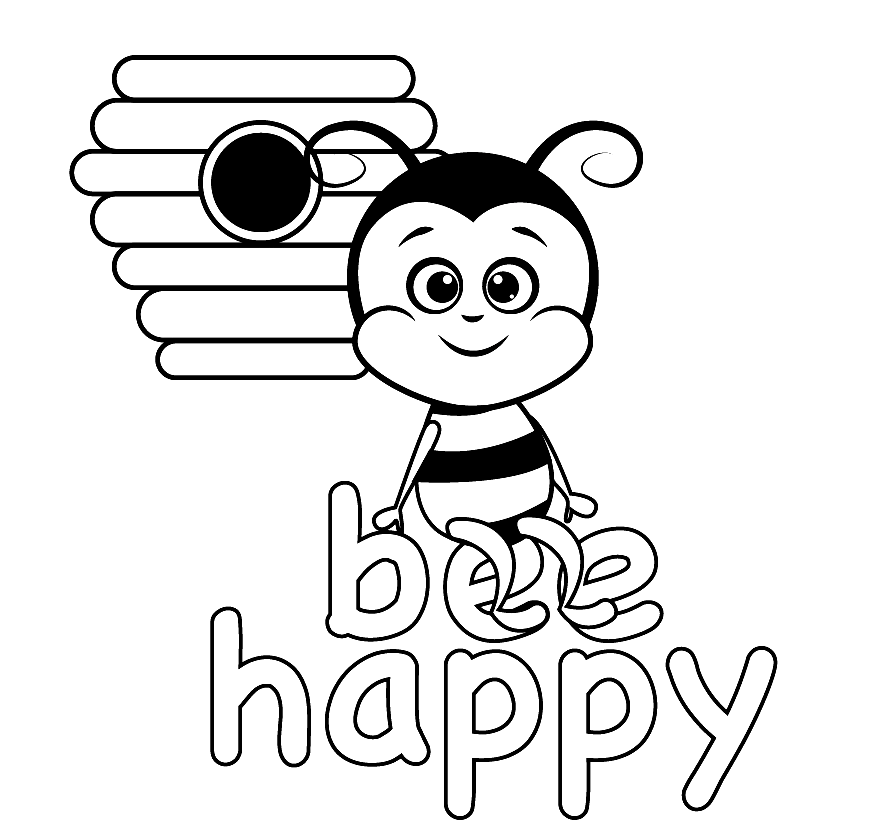
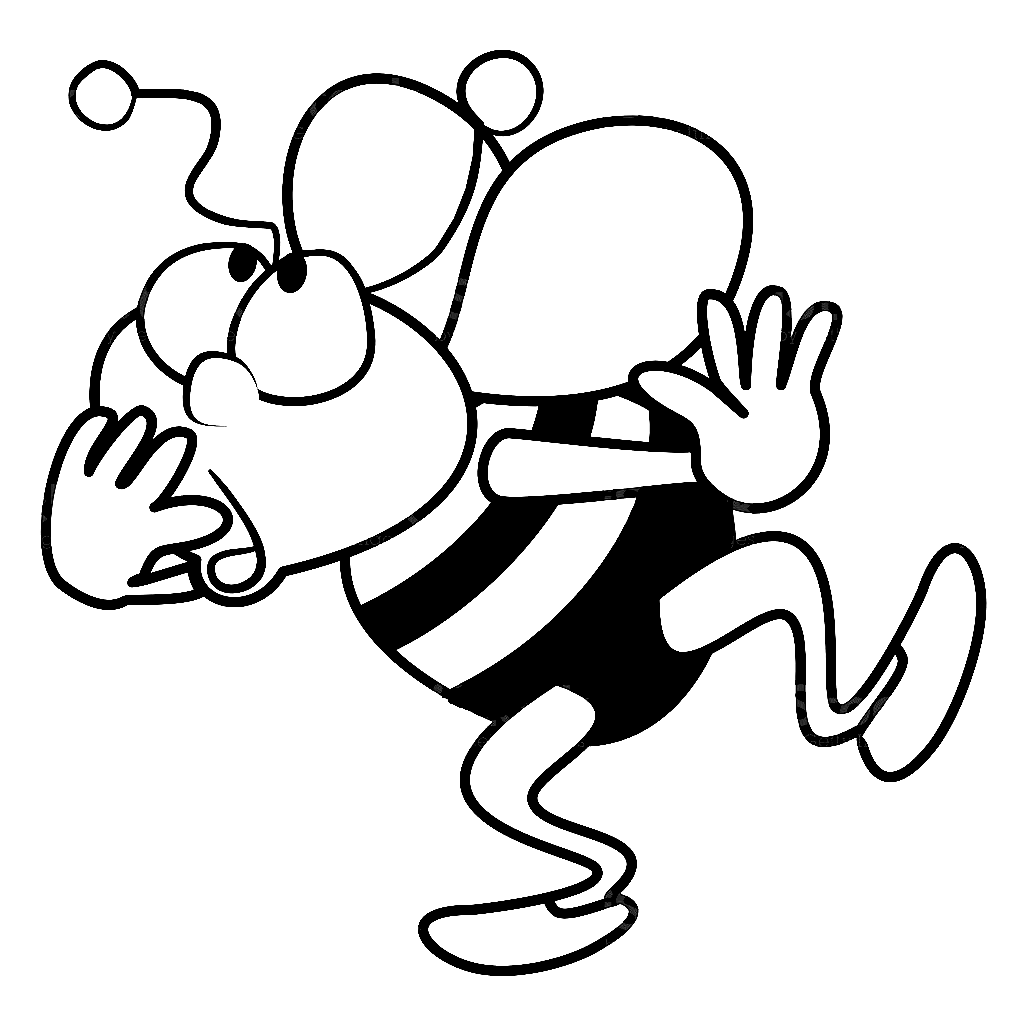
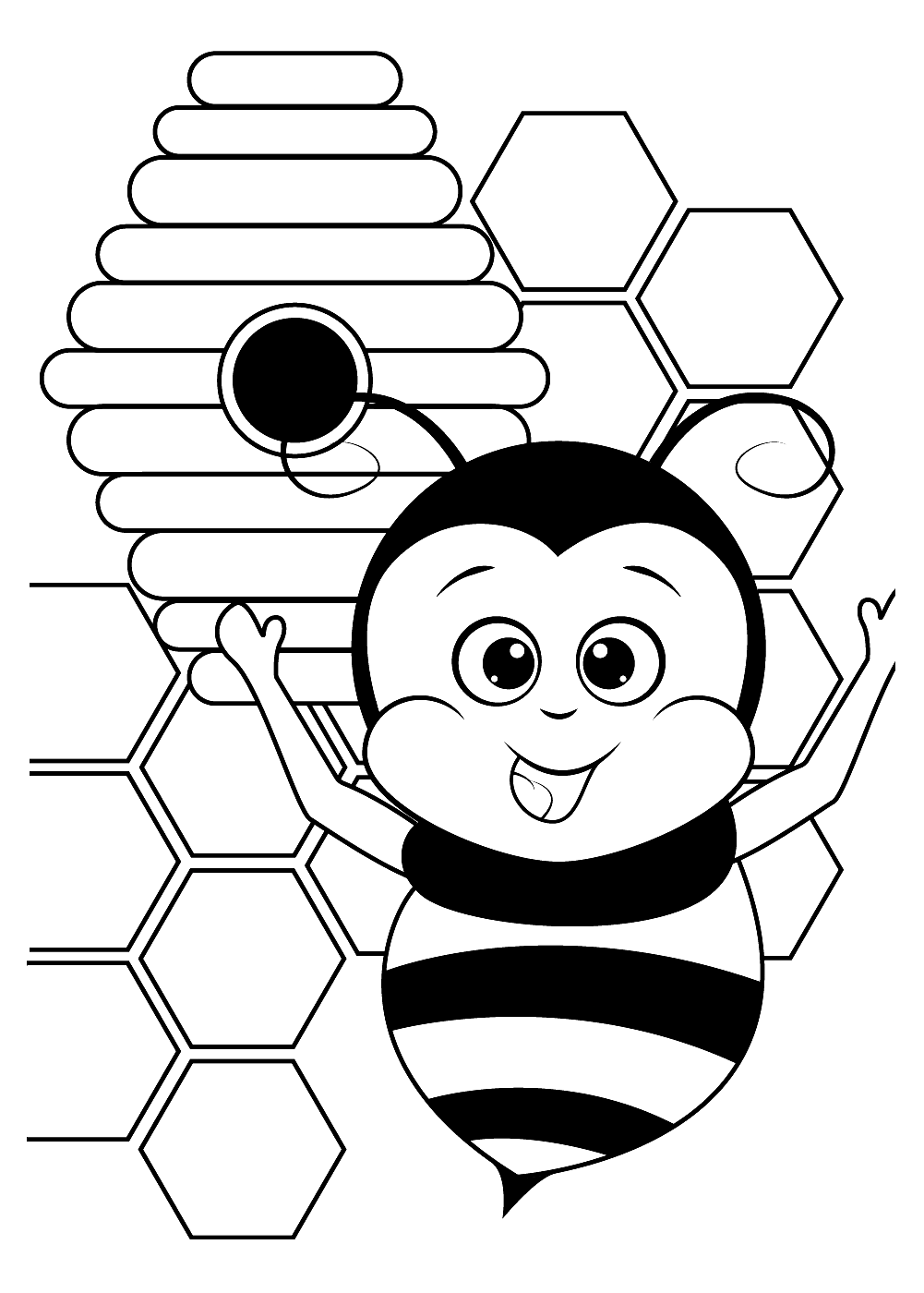
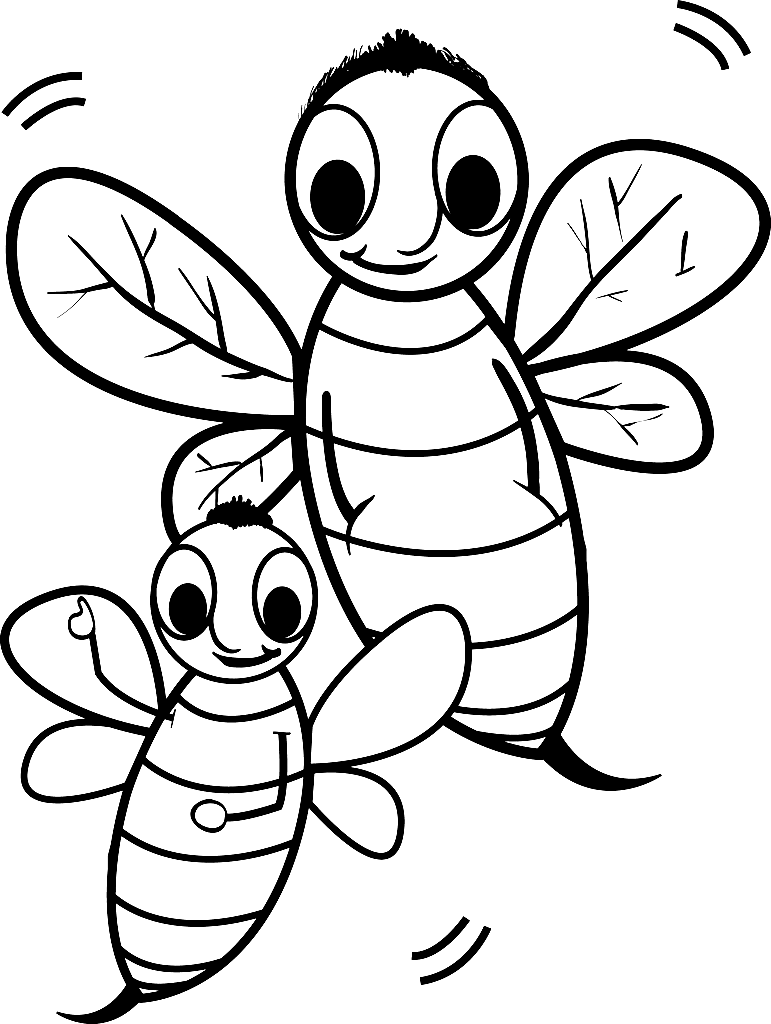
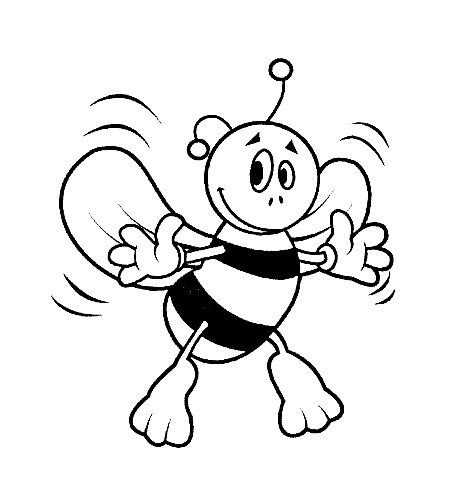
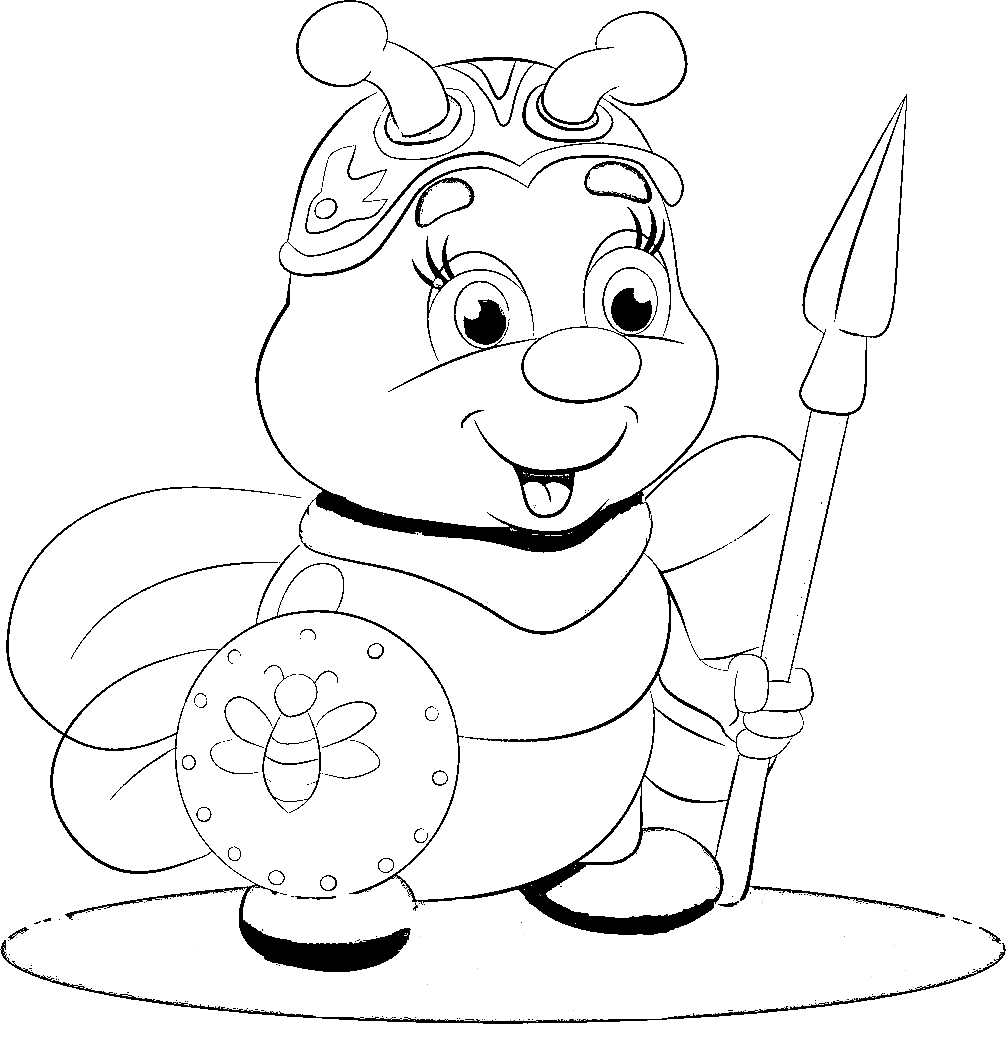
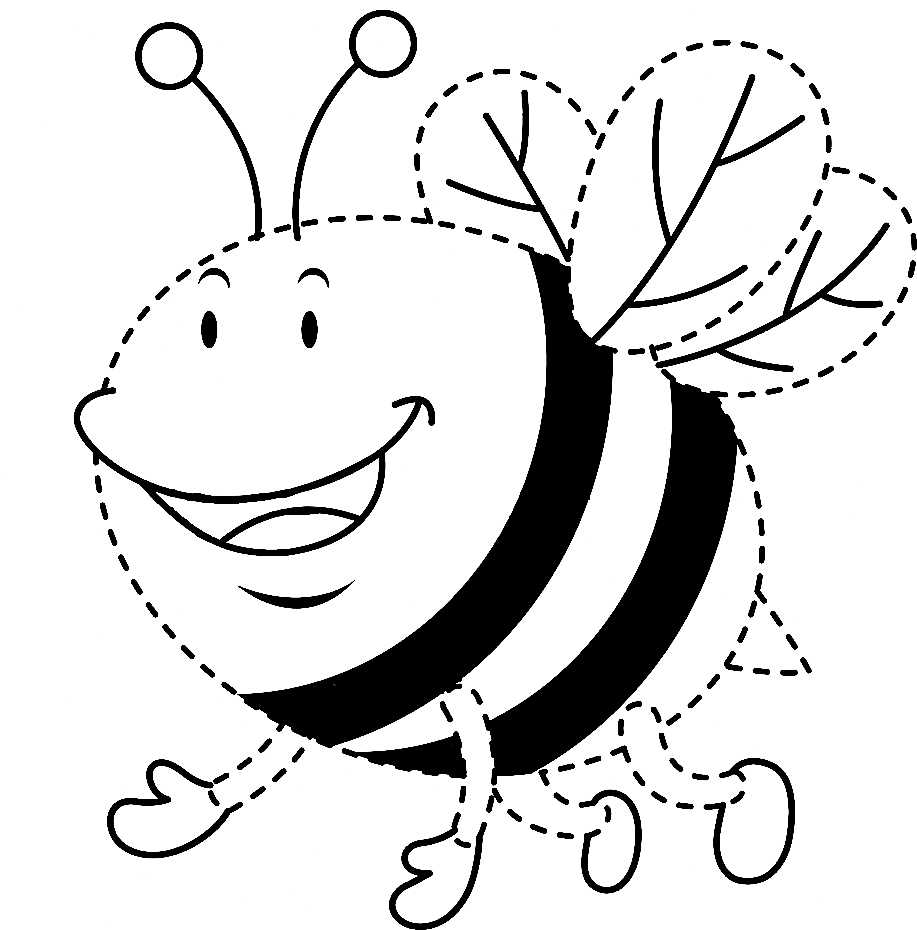
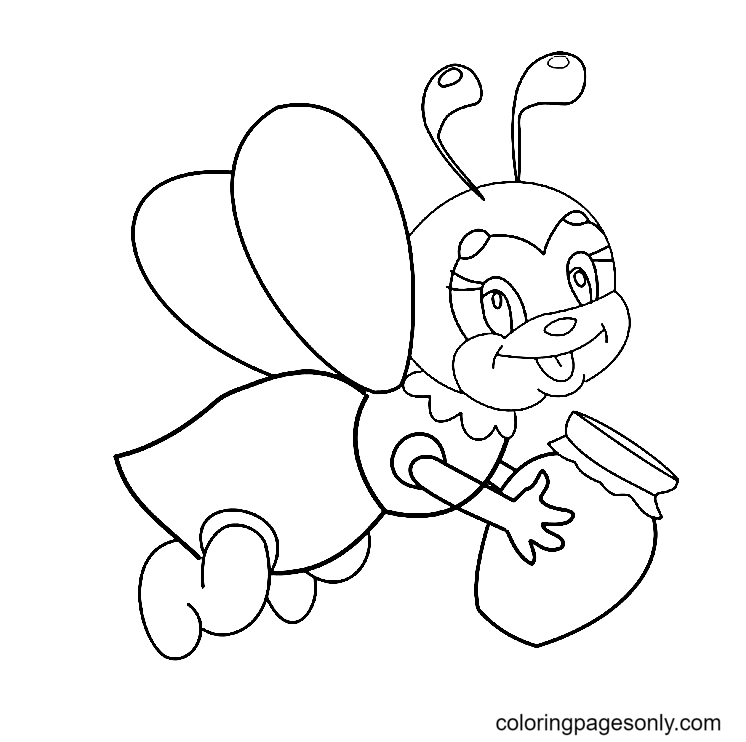
This group leans into charm and humor: a happy bee, a fat bee, an angry bee, and other expressive designs. Coloring suggestion: feel free to brighten colors well beyond a realistic shade here, since these pages are built around personality rather than biological accuracy.
Honey and Nectar-Focused Designs
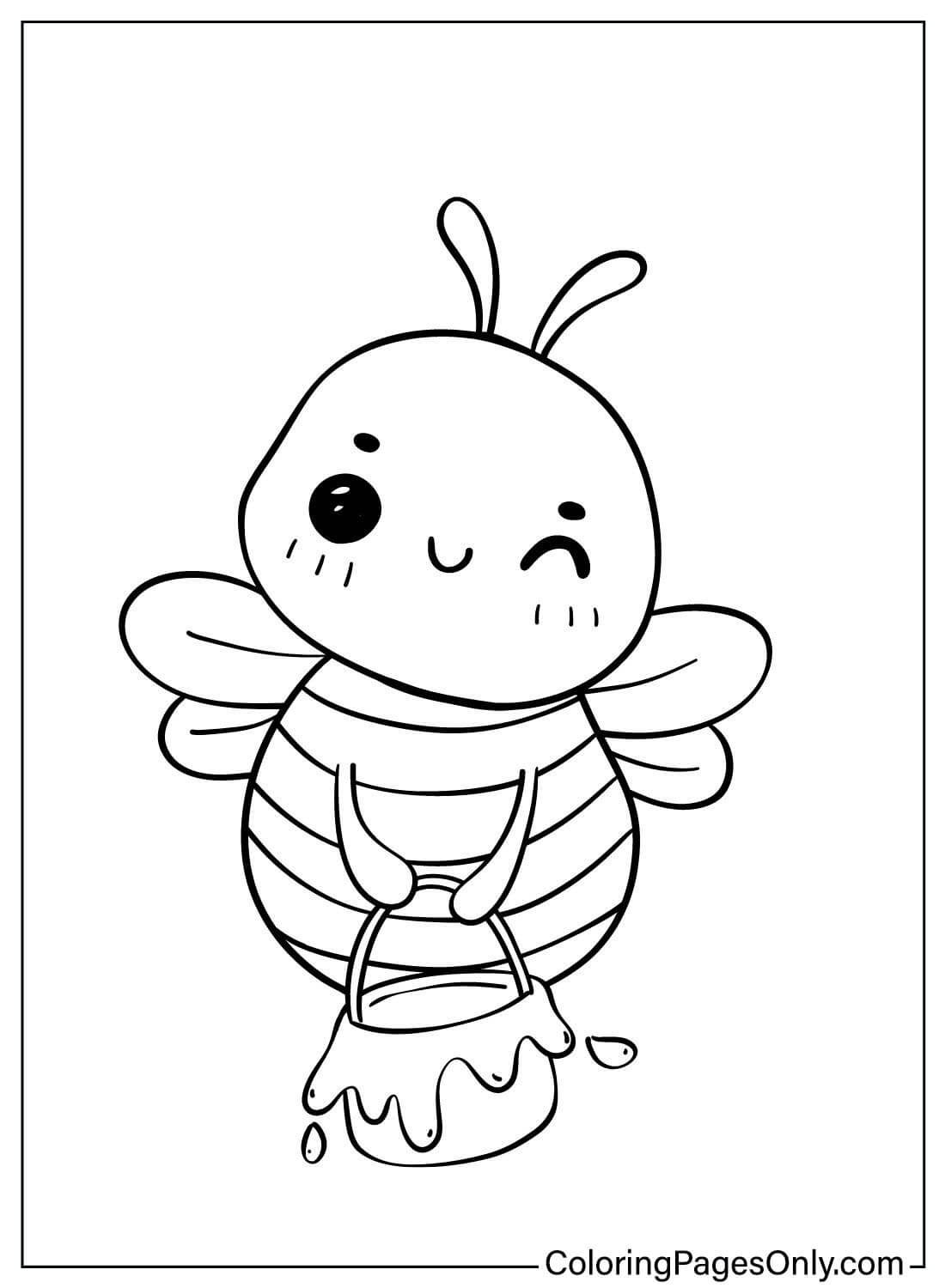
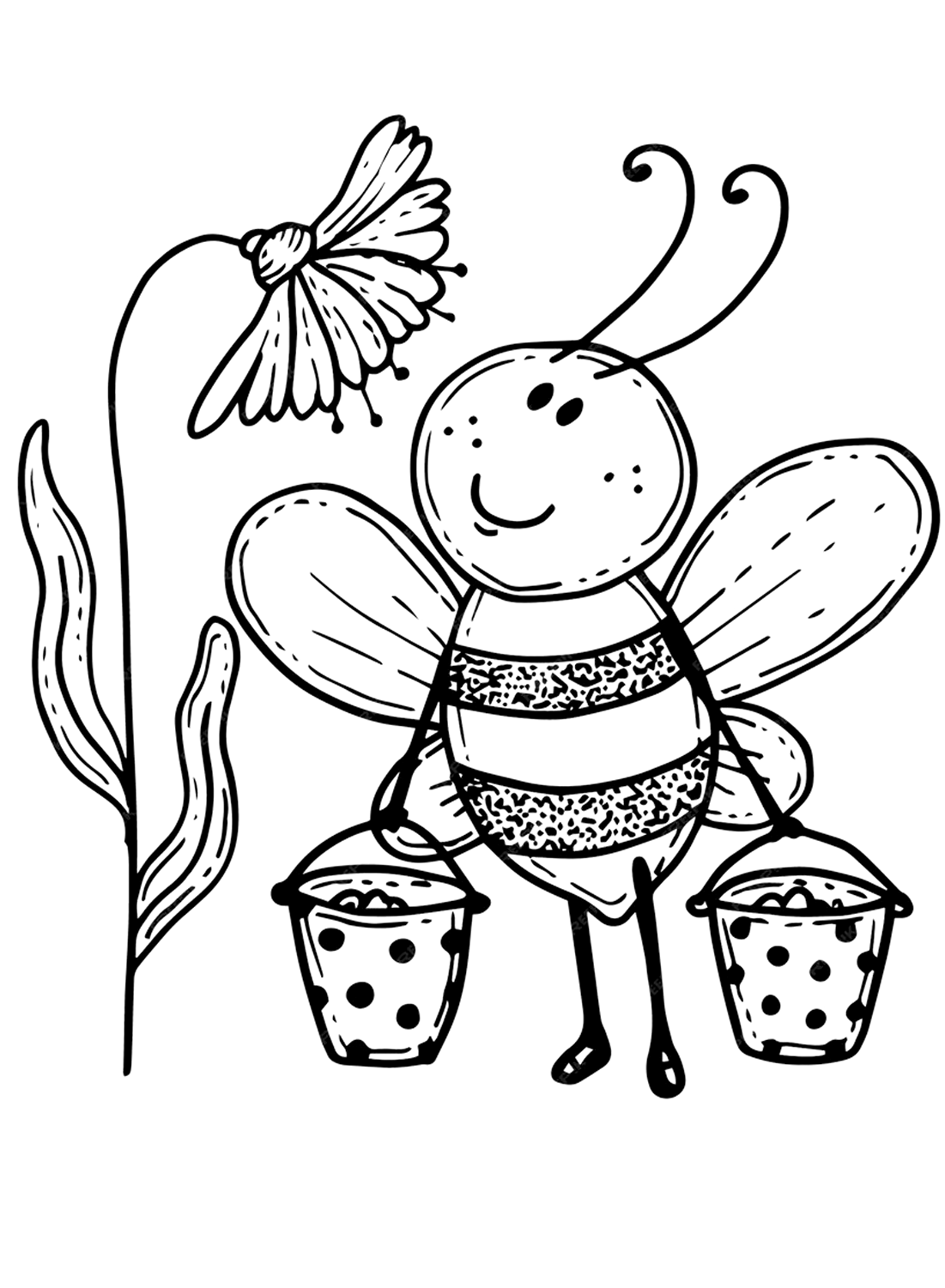
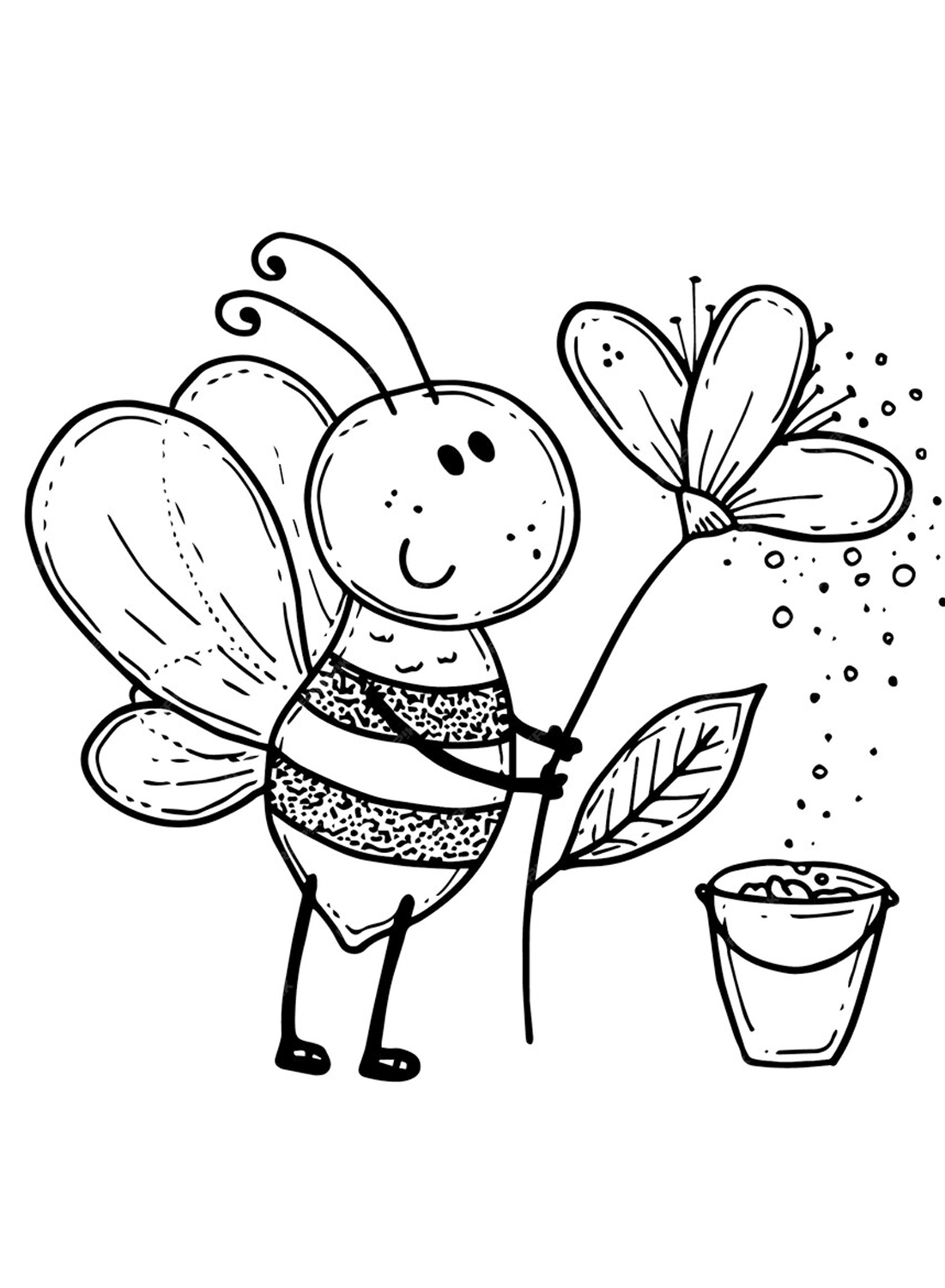
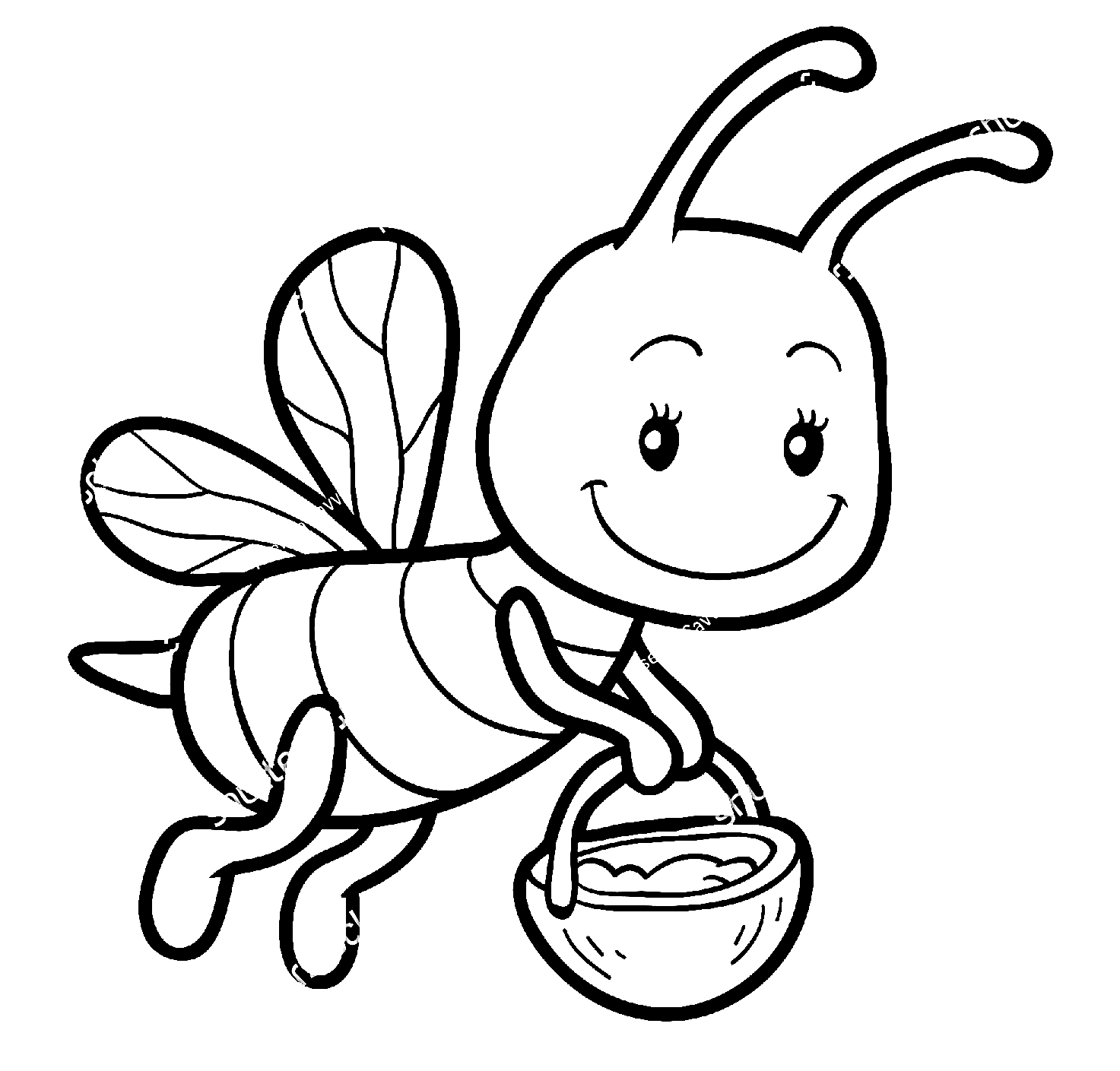
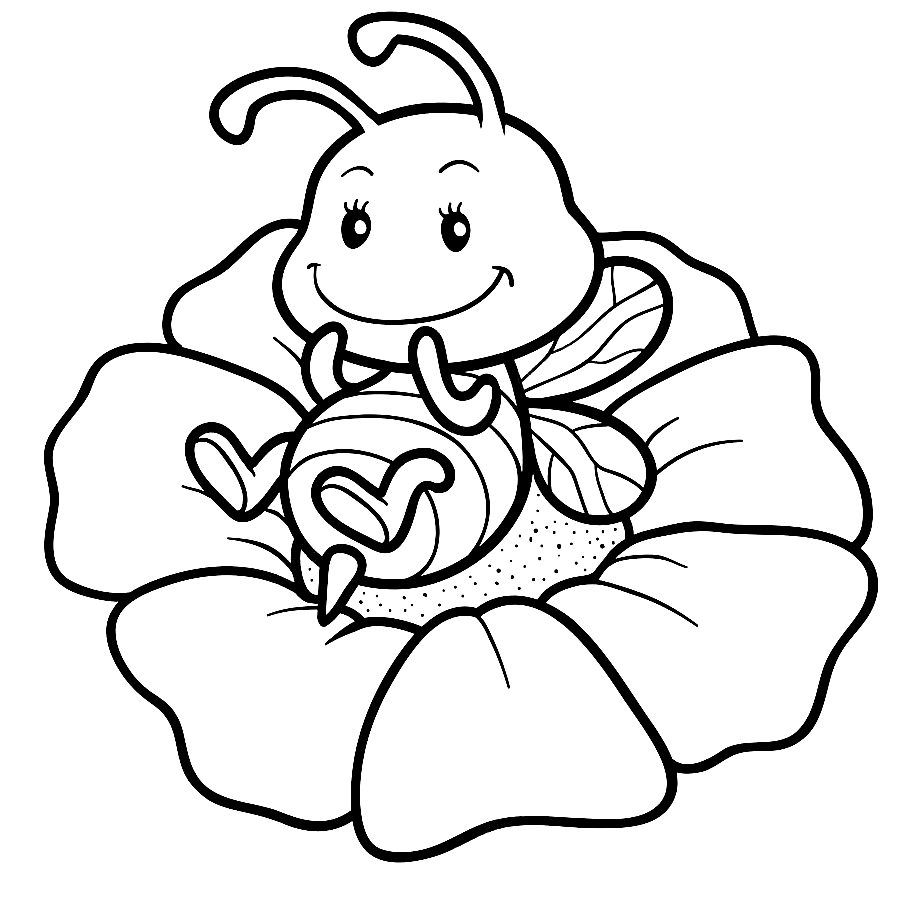
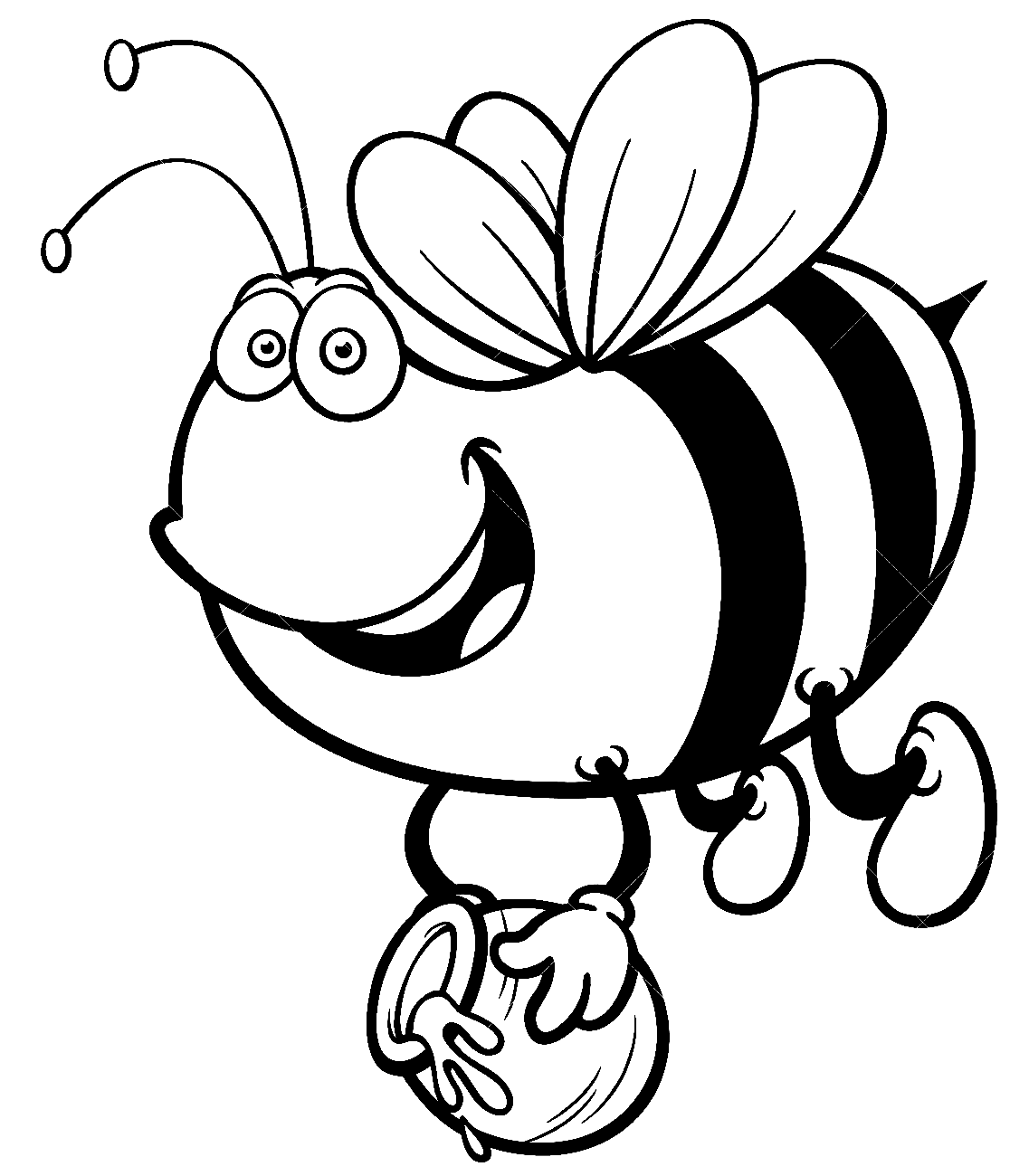
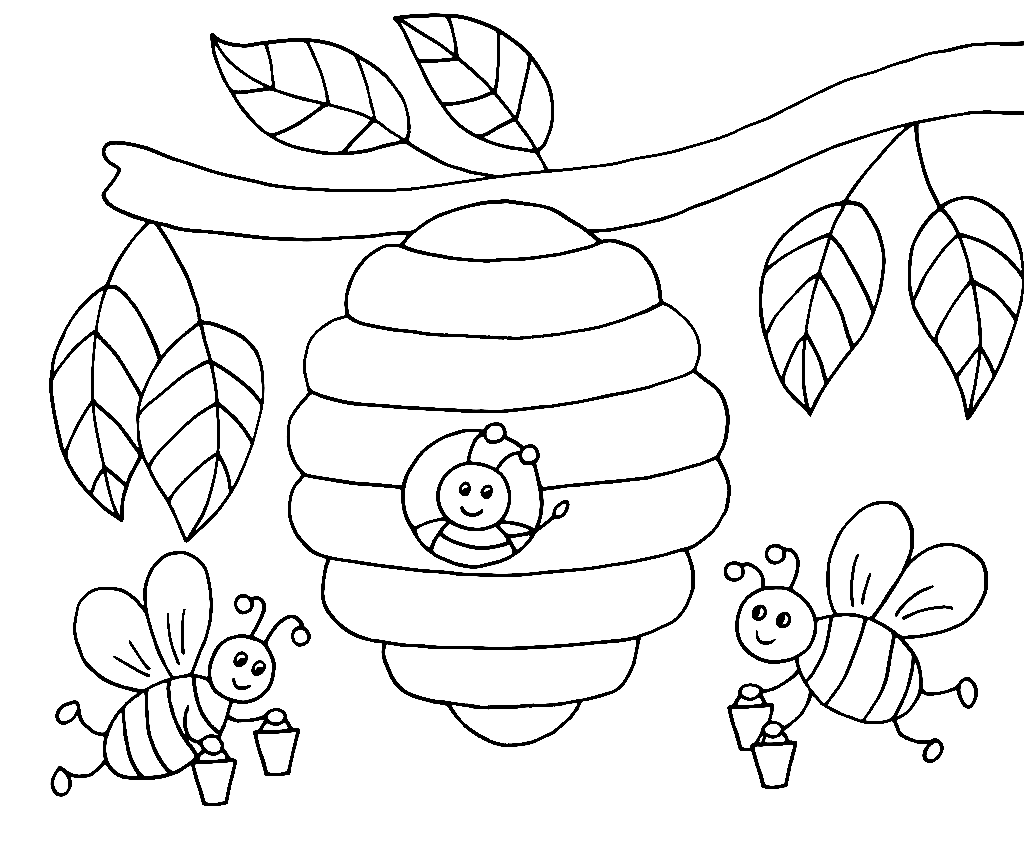
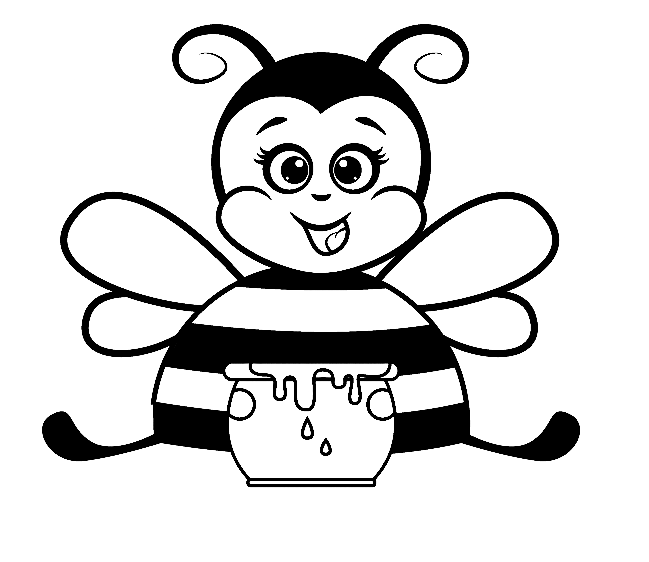
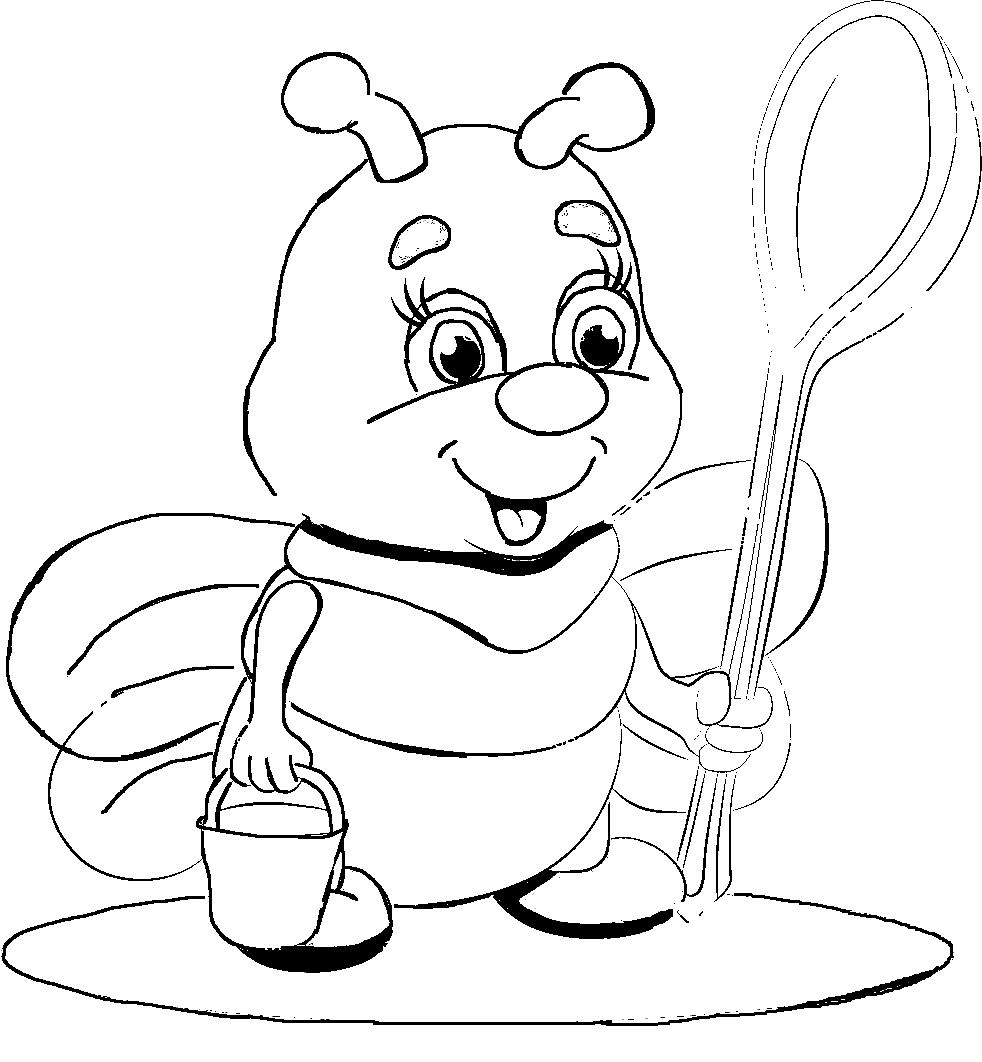
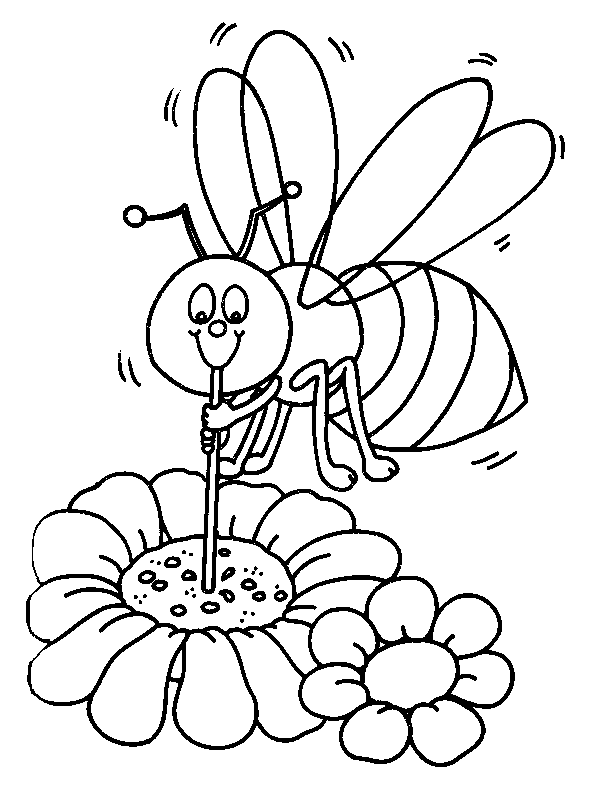
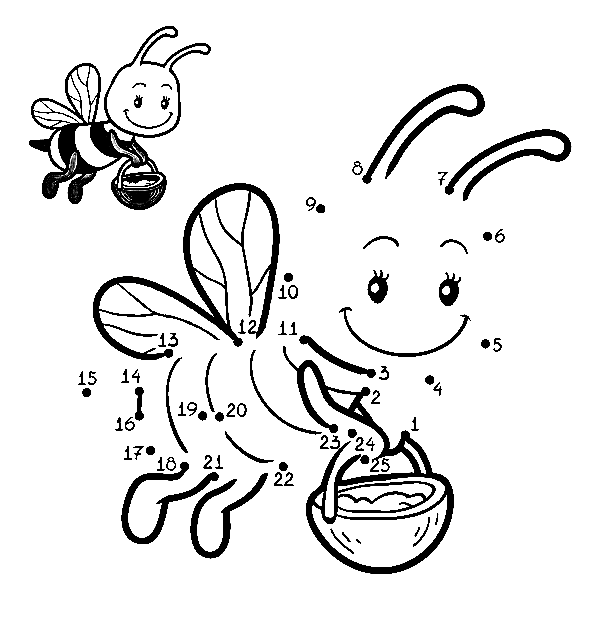
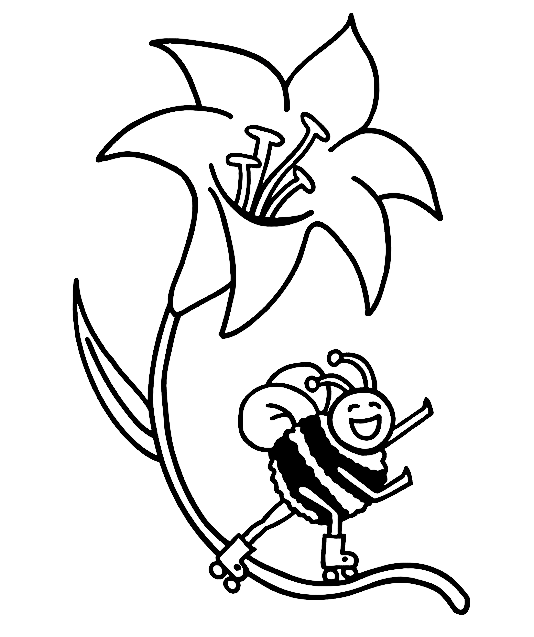
These pages show a bee actively working with honey or nectar: sipping from a flower, carrying a jar or bucket of honey, or standing beside a honeycomb. Coloring suggestion: use a warm golden amber for honey, distinct from the brighter yellow used on the bee’s own body.
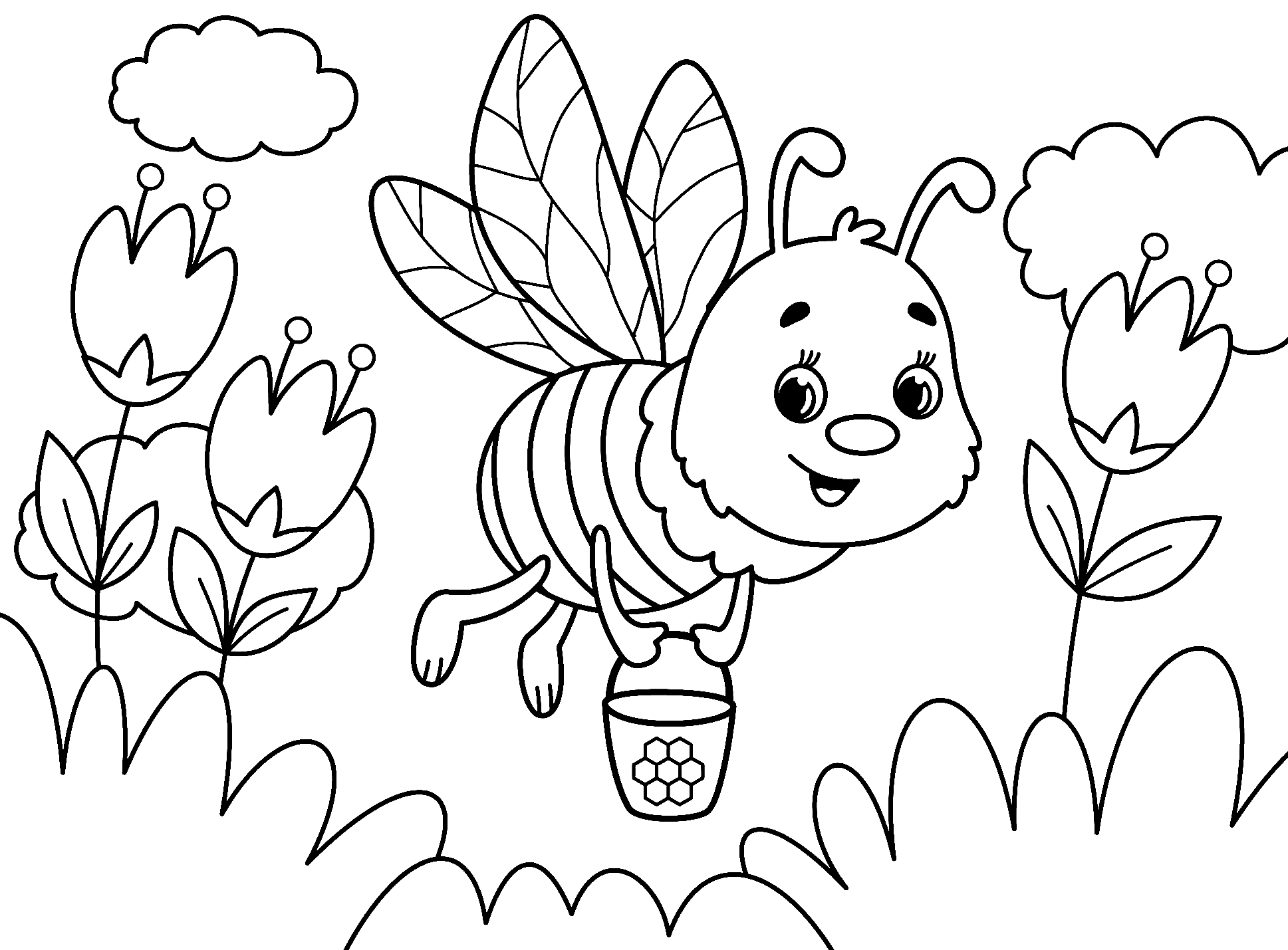
Flowers and Garden Scenes
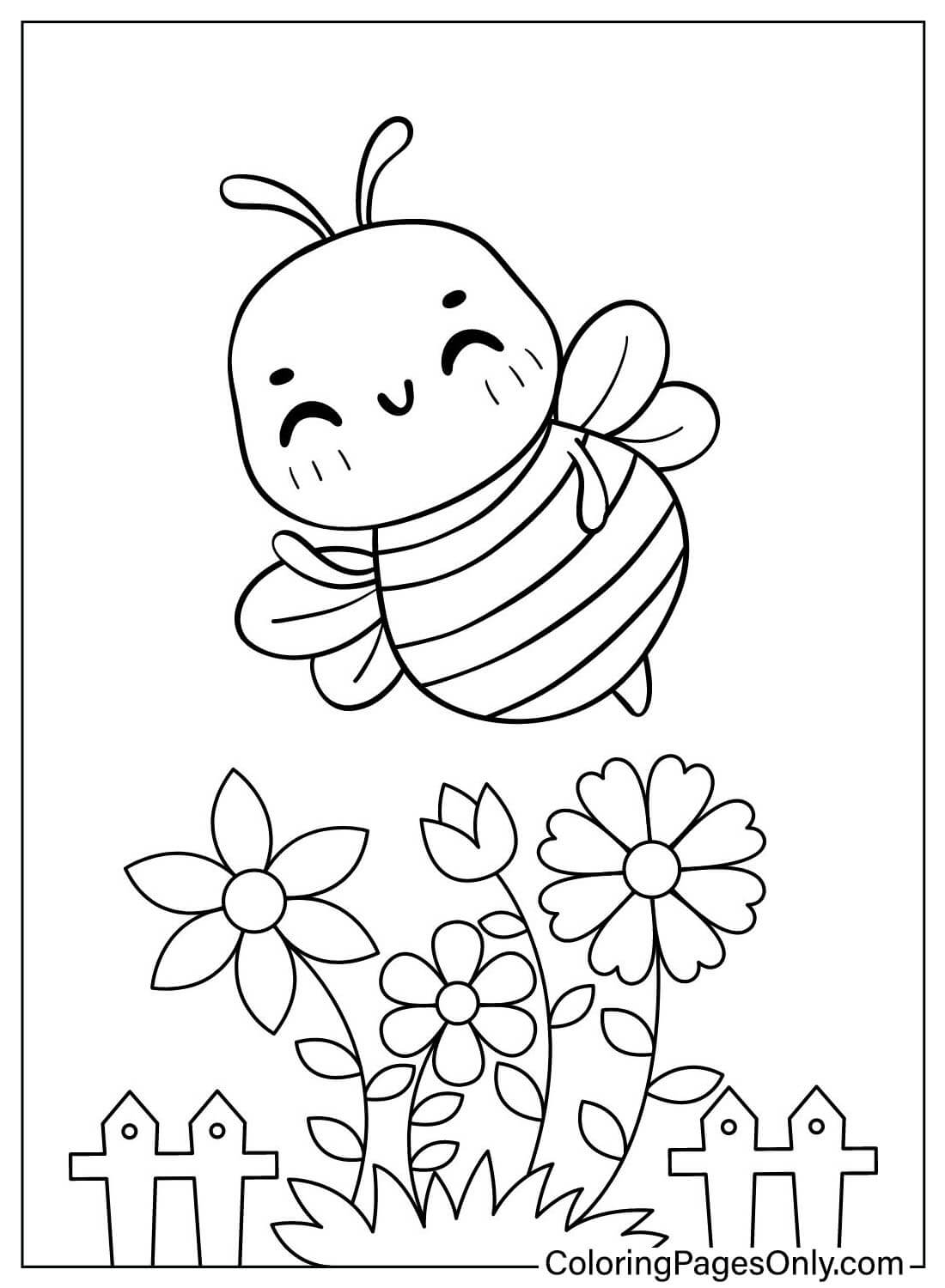
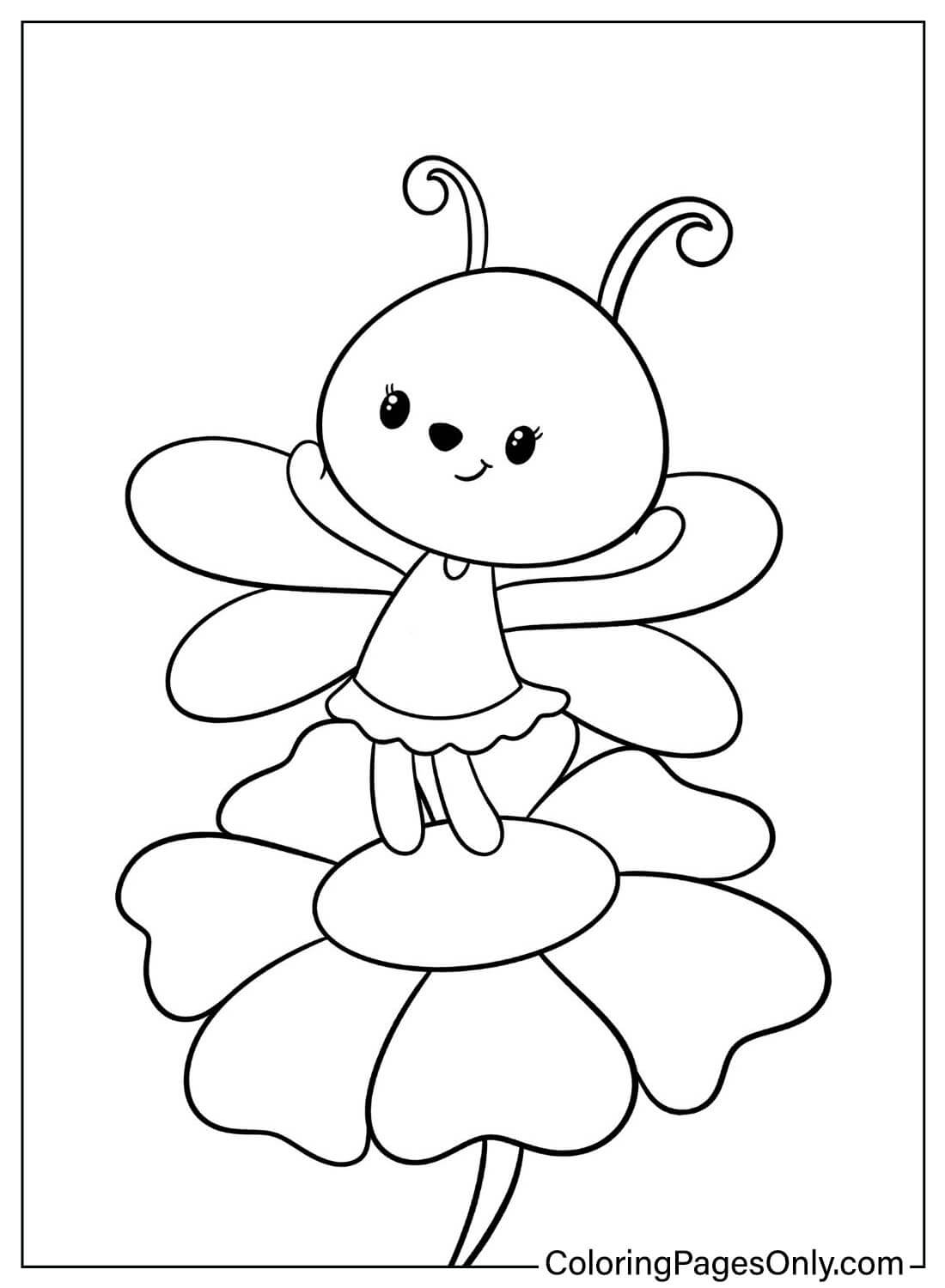
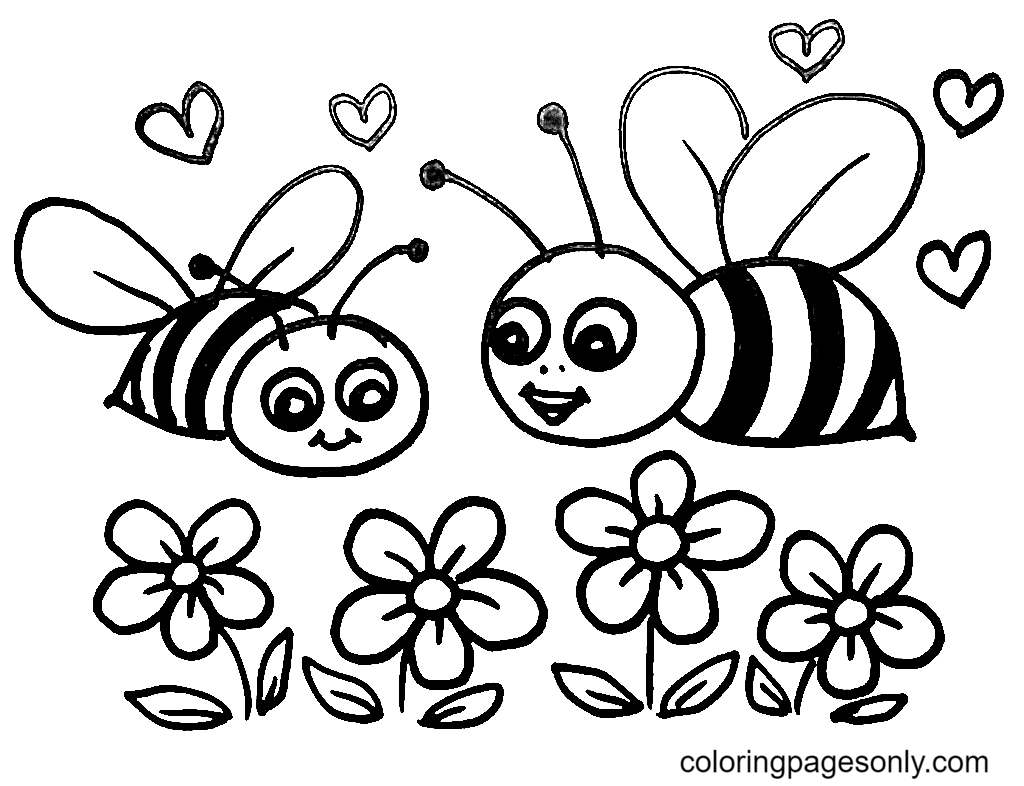
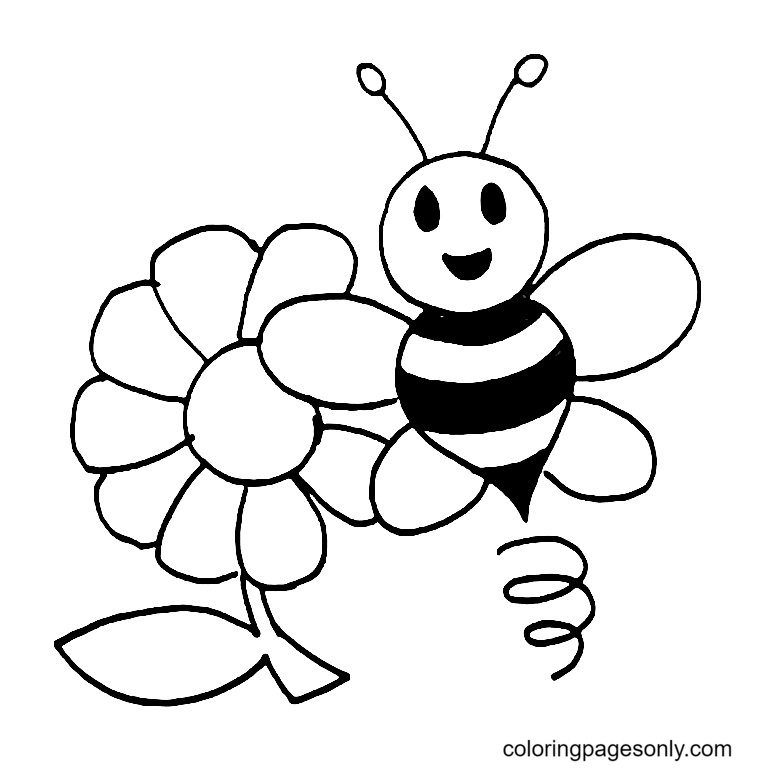
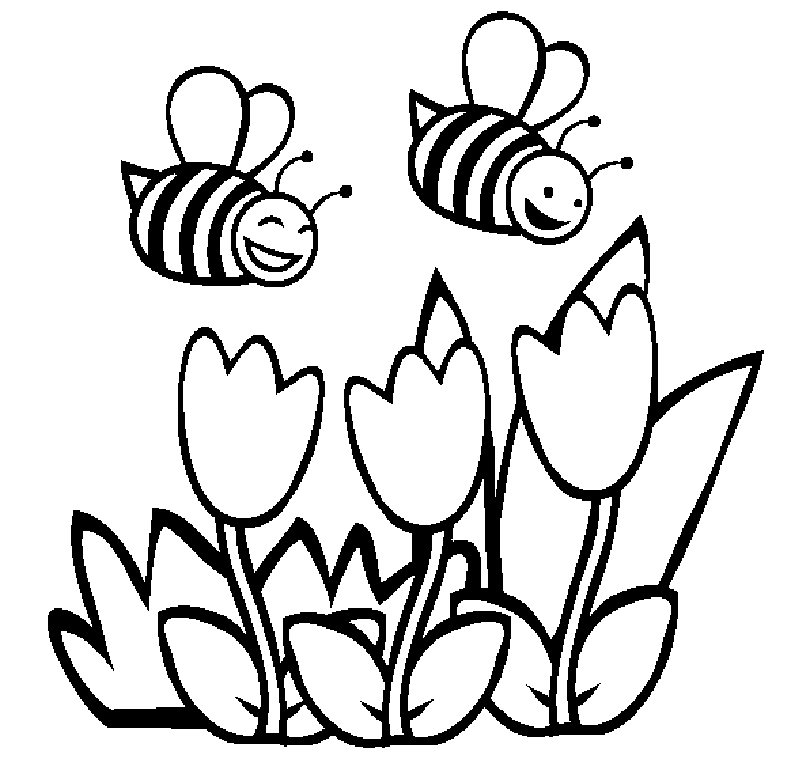
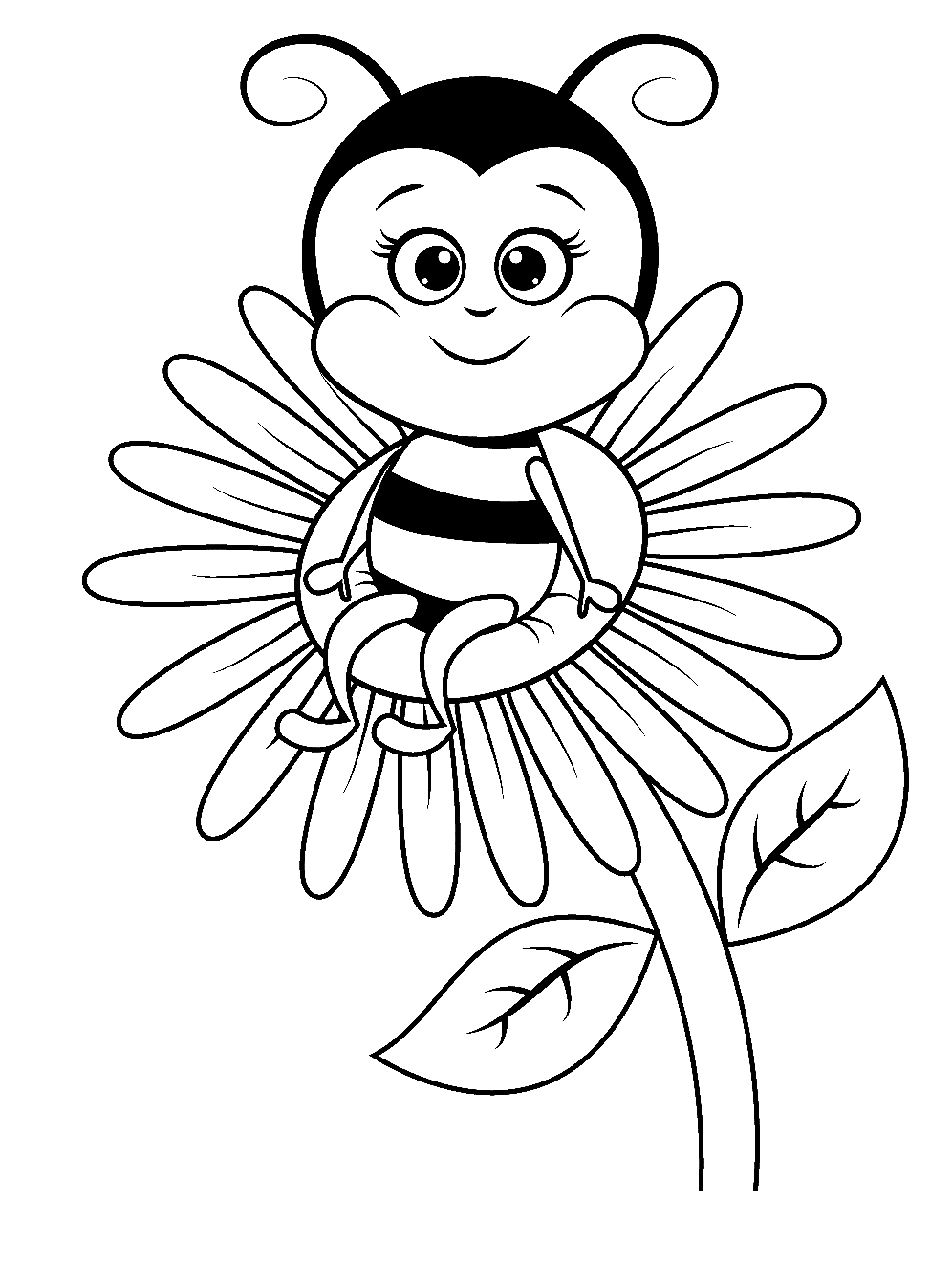
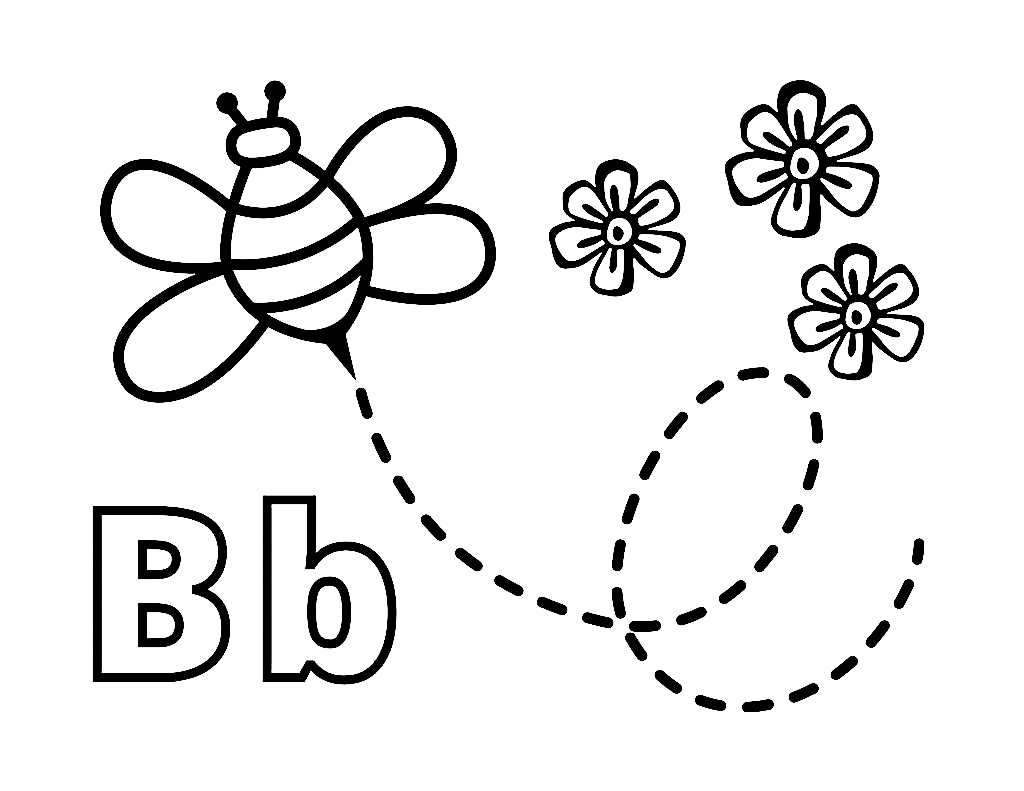
A large group pairs a bee with flowers or a wider garden setting. Coloring suggestion: layer at least two greens for stems and leaves, and use a varied mix of flower colors so the scene doesn’t read as one flat background.
Hives, Colonies, and Specific Roles
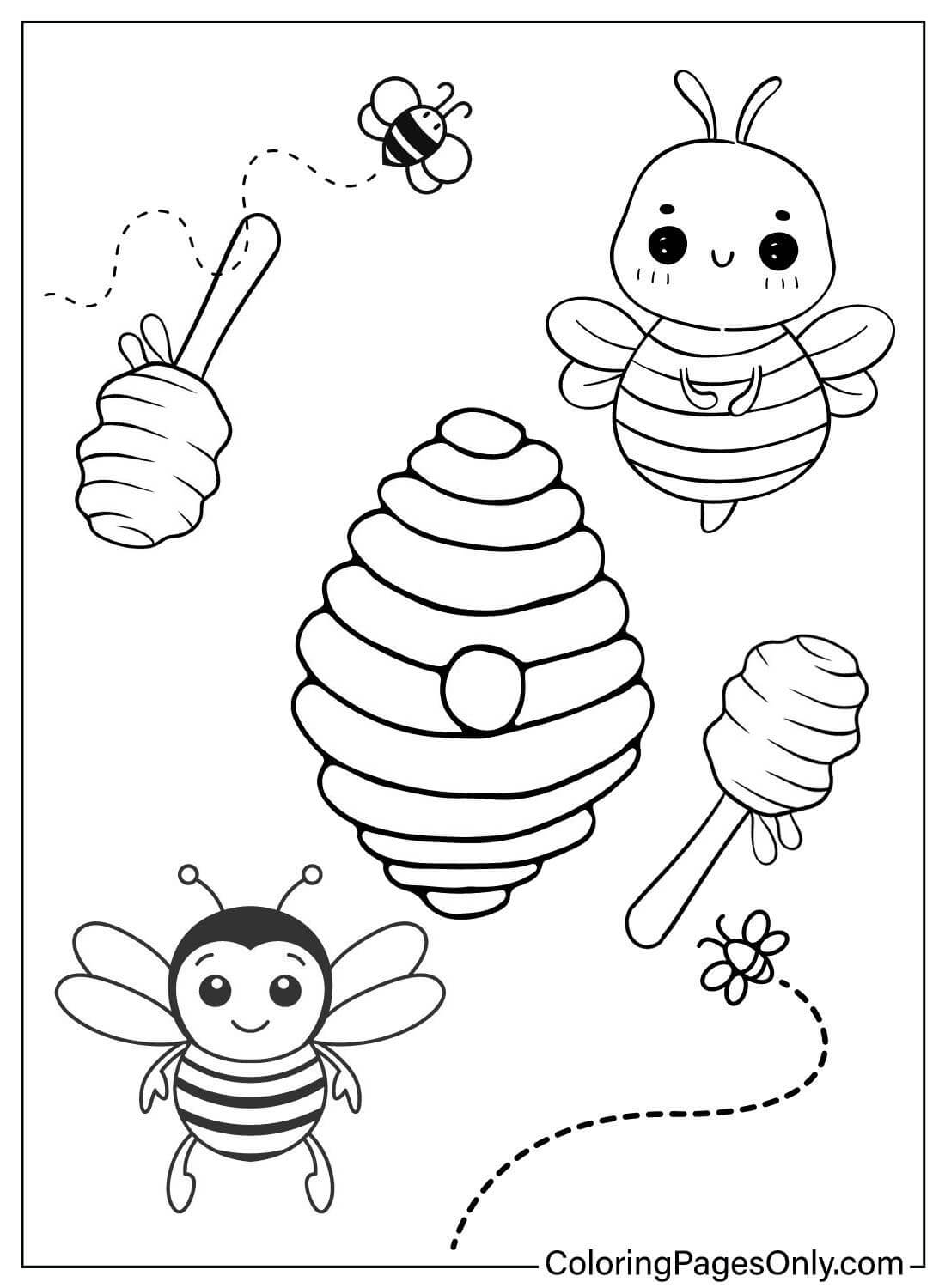
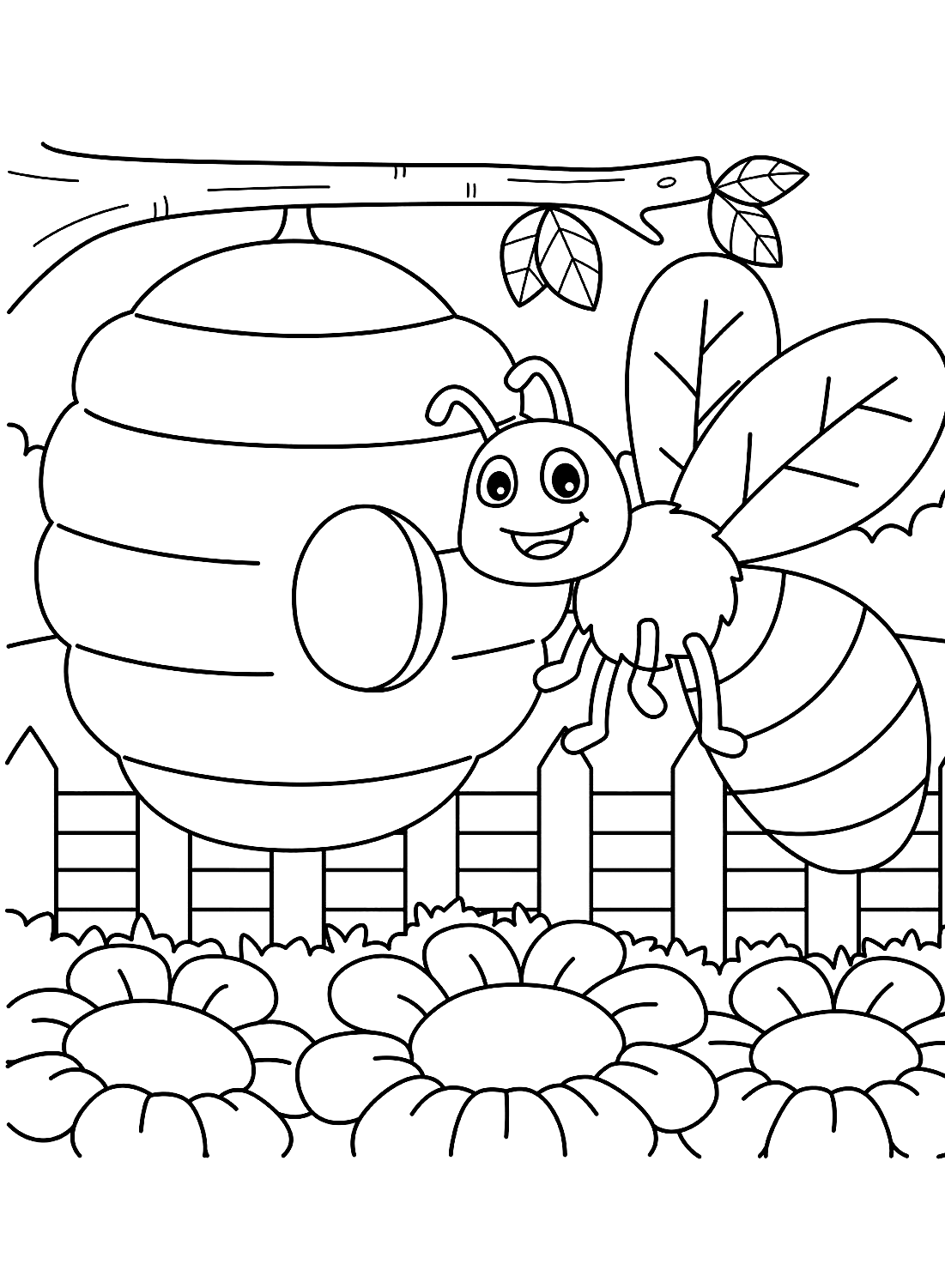
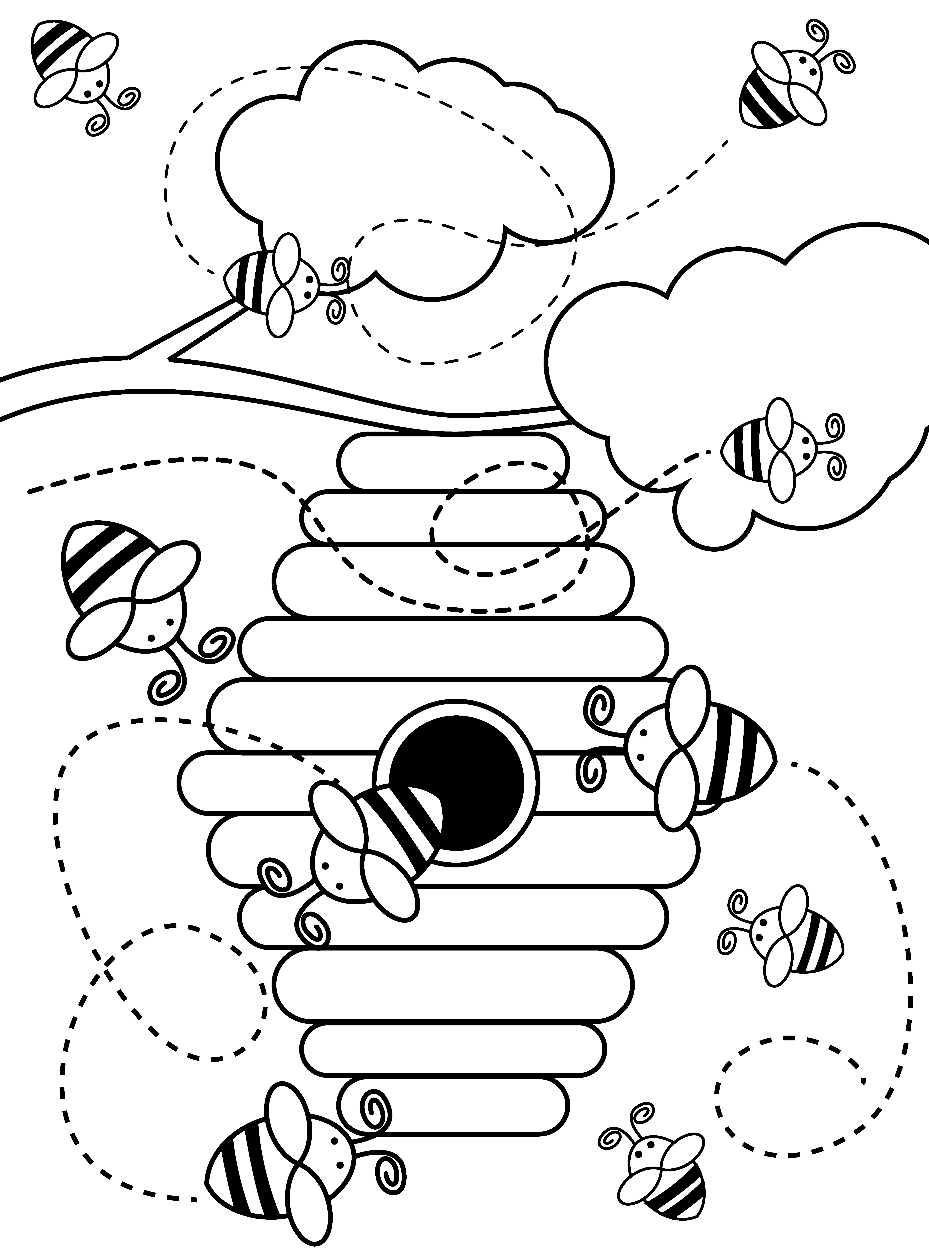
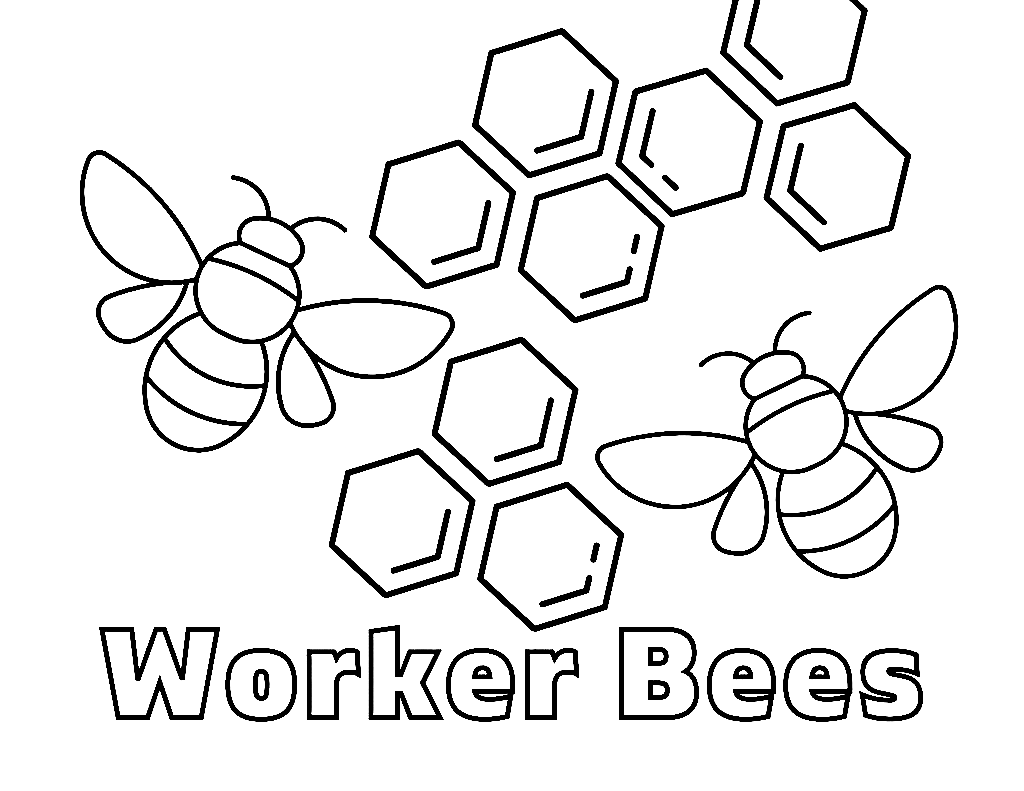
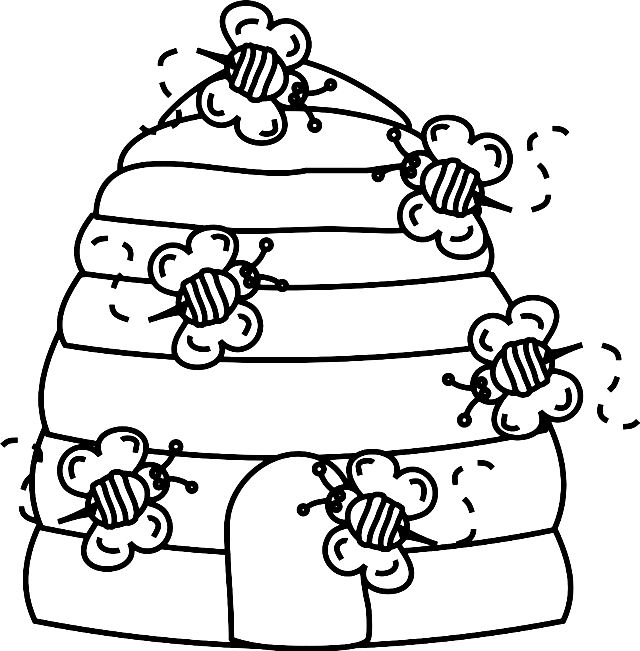
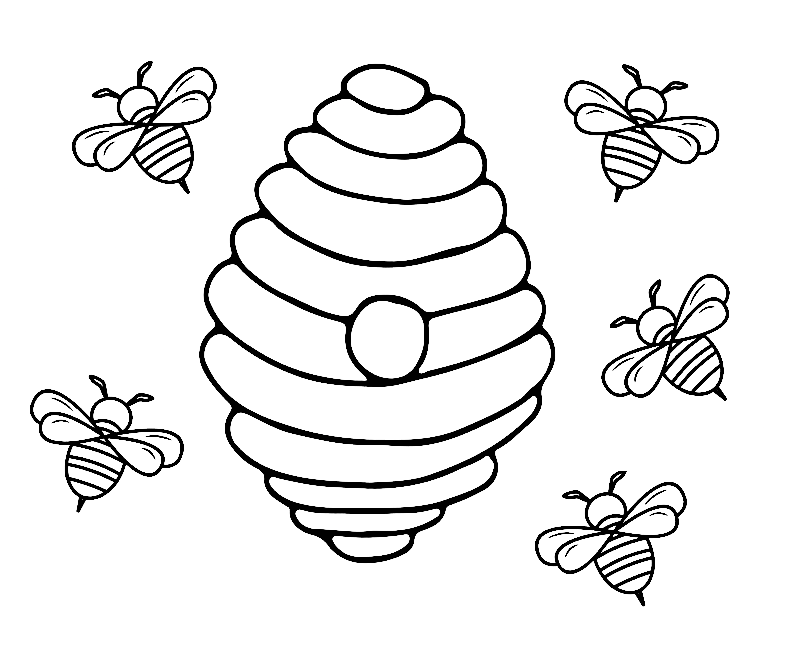
This group covers beehives, a queen bee, worker bees, and bumblebees specifically. Coloring suggestion: use warm golden-brown tones for the hexagonal honeycomb structure, and give the queen bee a slightly larger, more elongated body shape than the worker bees around her.
What Bee Coloring Pages Do
Stripes and small wing details. A bee’s alternating stripes and delicate, veined wings call for careful, controlled small strokes rather than one flat fill, the kind of fine motor practice the American Academy of Pediatrics associates with structured coloring in children ages two through seven.
A lifetime of work for one small spoonful. A single honeybee produces only about a twelfth of a teaspoon of honey across her entire life, meaning the honey in one jar represents the combined effort of an enormous number of individual bees working together.
Directions given entirely through motion. Bees communicate the location of food using a “waggle dance,” a precise figure-eight movement that conveys both direction and distance without a single sound, a genuinely striking example of communication that doesn’t rely on hearing at all.
A steady, low-stakes task, one bee at a time. With 84 pages built around one simple, repeating shape, this collection offers a low-pressure way to work through many small, complete tasks in a row, the kind of steady, structured activity a 2005 Art Therapy Journal study linked to reduced anxiety.
How to Color Bee Pages Well
- Body and stripes: use a warm golden yellow alternating with black, varying the stripe width slightly from page to page rather than repeating the same pattern.
- Wings: use a very pale, almost translucent gray or white, adding thin, darker lines for the wing veins.
- Honey and honeycomb: use a warm golden amber for honey, distinct from the bee’s own brighter yellow, and a slightly browner gold for the hexagonal comb structure.
- Flowers: Use a varied mix of colors rather than repeating one flower type across every garden-scene page.
- Queen bee: give her a slightly larger, more elongated body than the worker bees around her, since that size difference is a real, visible trait.
- Character and personality pages: brighten colors freely here, since these designs are built for charm rather than realism.
5 Creative Craft Ideas With Bee Coloring Pages
1. Waggle Dance Fact Card
Color a page and write the fact that bees communicate food locations through a “waggle dance” on the back.
2. Honeycomb Treasure Box
Decorate a small box with a colored bee design and hand-drawn hexagon patterns to create a simple honeycomb-themed keepsake box.
3. Bee Bookmark
Color a smaller solo portrait, cut it into a bookmark shape, and cover it with clear tape for a durable reading marker.
4. Garden Scene Collage
Color a bee-and-flower page, cut out the bee, and glue it onto a separate flower or garden background for a layered scene.
5. Honey Jar Label
Color a small bee design and use it as a custom label for a real or pretend honey jar.
Frequently Asked Questions
What are Bee coloring pages?
A free set of 84 printable designs of bees, including solo portraits, character pages, honey and nectar scenes, garden settings, and hive-focused designs. Every page downloads as a PDF or opens in the online coloring tool without an account.
How much honey does one bee actually make?
Surprisingly little. A single honeybee produces only about a twelfth of a teaspoon of honey across her entire lifetime.
How do bees tell each other where to find food?
Through a “waggle dance,” a precise figure-eight movement that communicates the direction and distance of a nectar source relative to the sun, entirely without sound.
Does this collection include any pages based on a specific licensed character?
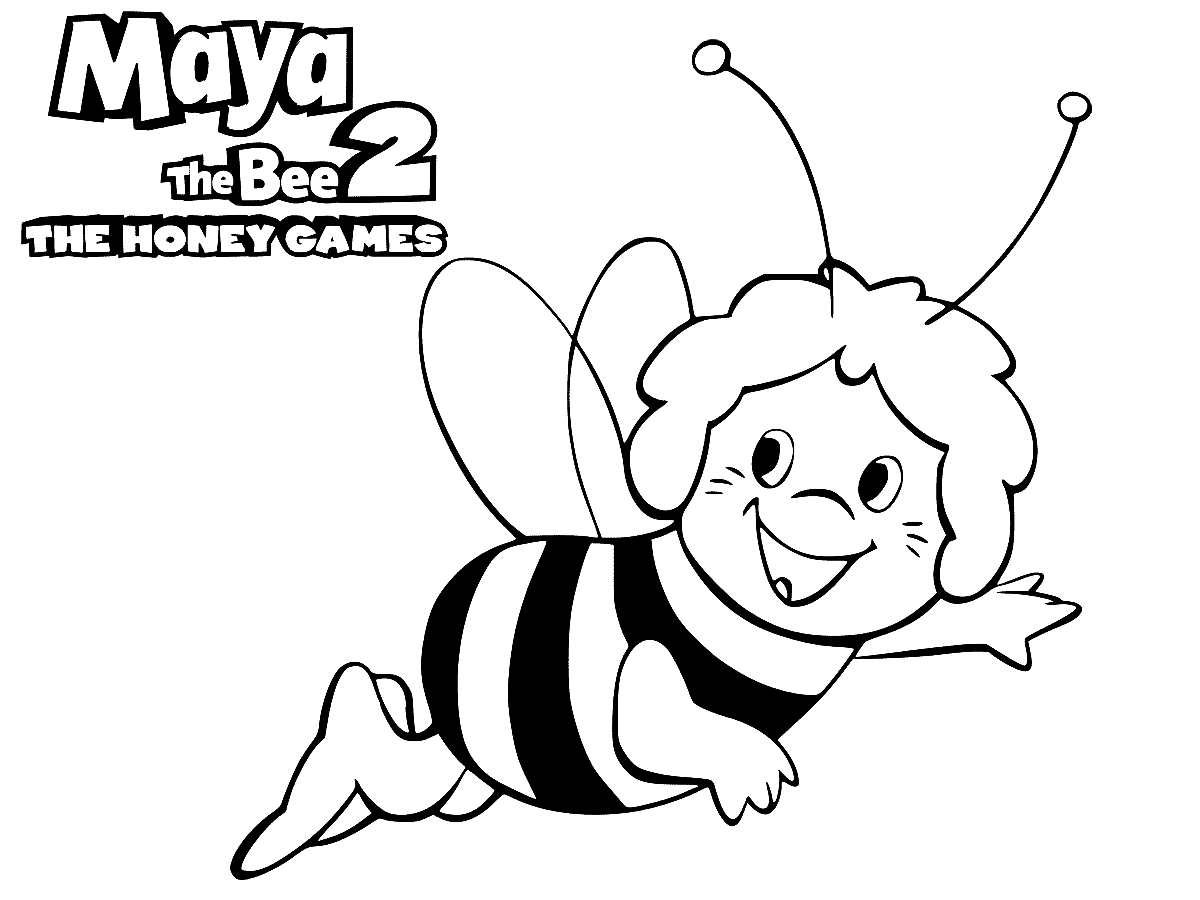
One page title references a well-known animated bee character from an existing book and TV franchise rather than an original design, which is worth noting separately from the rest of the collection.
Why do some pages appear very similar to each other?
A large share of the collection uses one simple solo-portrait style with different file names. At the same time, the character, honey-focused, garden, and hive-related pages offer the set’s real visual variety.
Can these pages be colored without printing them?
Yes. Every page in the set opens directly in the site’s browser-based coloring tool, so a page can be finished on screen before deciding whether to print it.
Are Bee coloring pages suitable for young children?
The simple solo portraits use one clear shape and suit young children well. The busier garden and hive scenes work better for a child with more coloring experience.
Is a queen bee different in appearance from a worker bee?
Yes. A queen bee is noticeably larger and more elongated than a worker bee, a real physical difference reflected in several of this collection’s hive-focused pages.
Start Coloring
One page, one small task, finished in a few minutes: pick a design above, download the PDF or color it online, free and without an account. Share the finished piece through the Facebook or Pinterest buttons at the top of the design.