Iguanodon Coloring Pages
 By:
Jennifer Thoa - Content Editor & Designer
Updated:
By:
Jennifer Thoa - Content Editor & Designer
Updated:
Free Iguanodon Coloring Pages: 17 printable PDF designs of one of the very first dinosaurs ever scientifically described. Each design downloads as a free PDF or opens for online coloring, with no account needed for either.
Iguanodon was one of the first dinosaurs ever named, described in the 1820s by English geologist Gideon Mantell, and it was one of just three genera originally used to define the category “Dinosauria” at all. Its most famous feature, a sharp thumb spike, was so badly misunderstood at first that early reconstructions, including the famous 1854 Crystal Palace sculptures large enough for people to dine inside, placed it on the animal’s nose as a horn. The mistake wasn’t corrected until far more complete skeletons were found in Belgium in 1878.
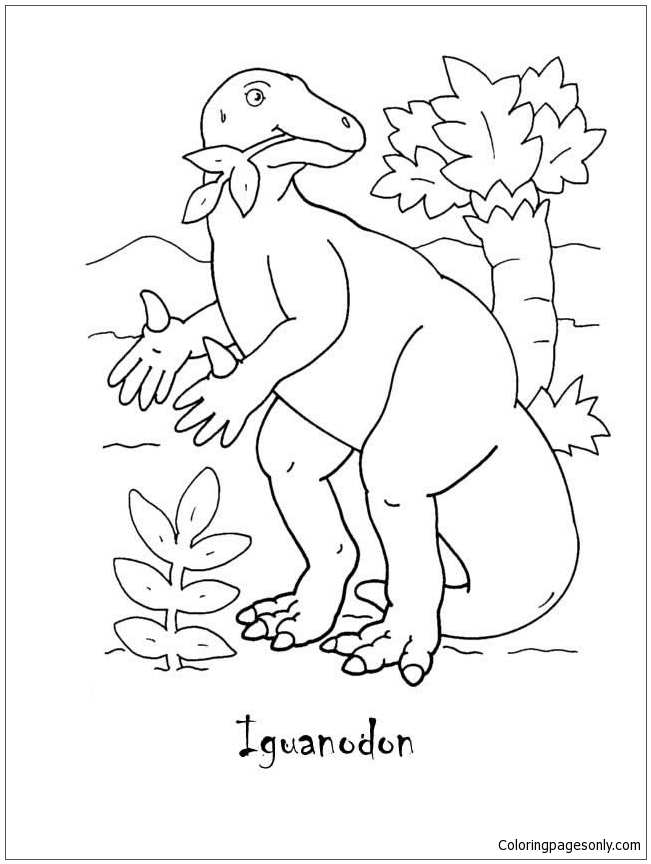
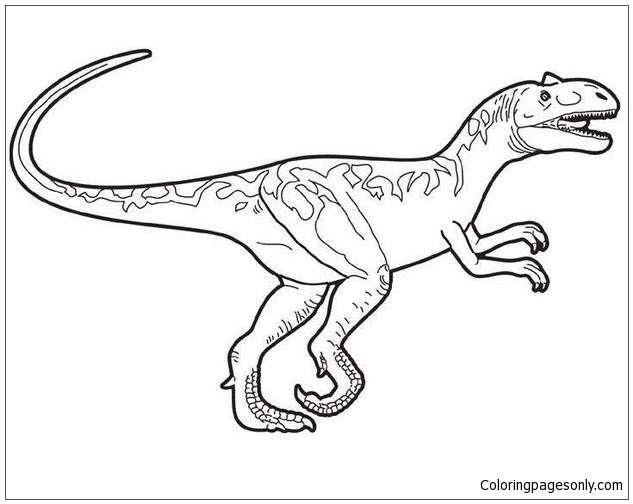
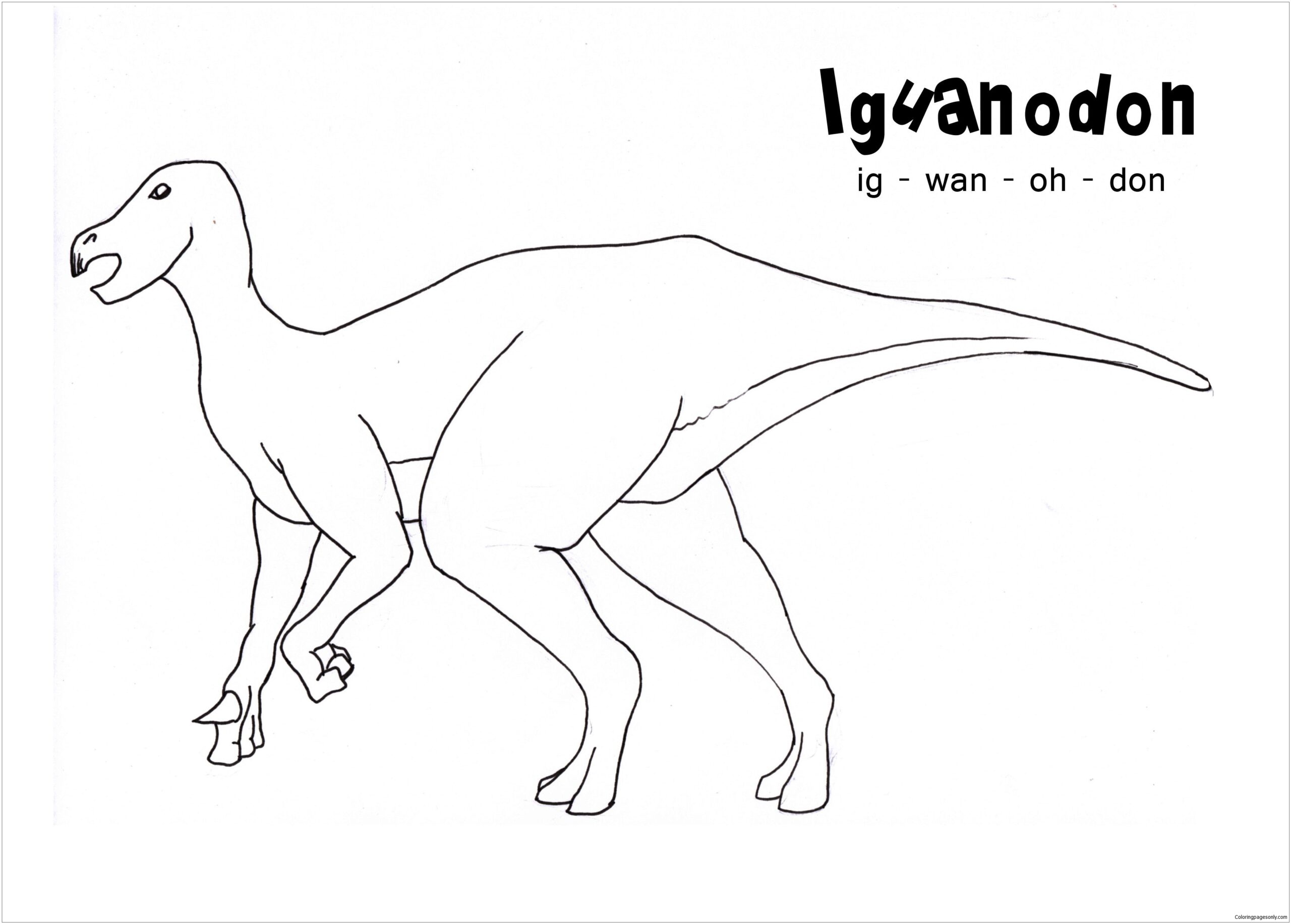
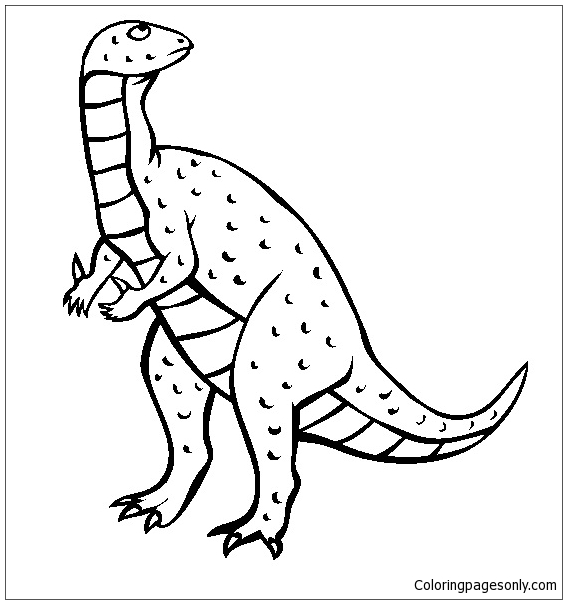
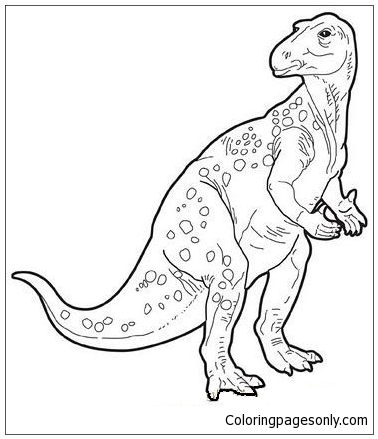
Thirteen of the 17 pages are solo Iguanodon portraits distinguished mostly by file name, three show multiple dinosaurs together, and one page shows a different genus, Ouranosaurus, which may be worth double-checking before publishing. Since Iguanodon’s body shape stays fairly consistent, the main coloring decisions come down to skin texture and the placement of that famous thumb spike.
What Is Inside This Collection
Three groups make up the 17 pages: solo Iguanodon portraits, scenes with multiple dinosaurs, and one page that appears to show a different genus entirely.
Solo Portraits
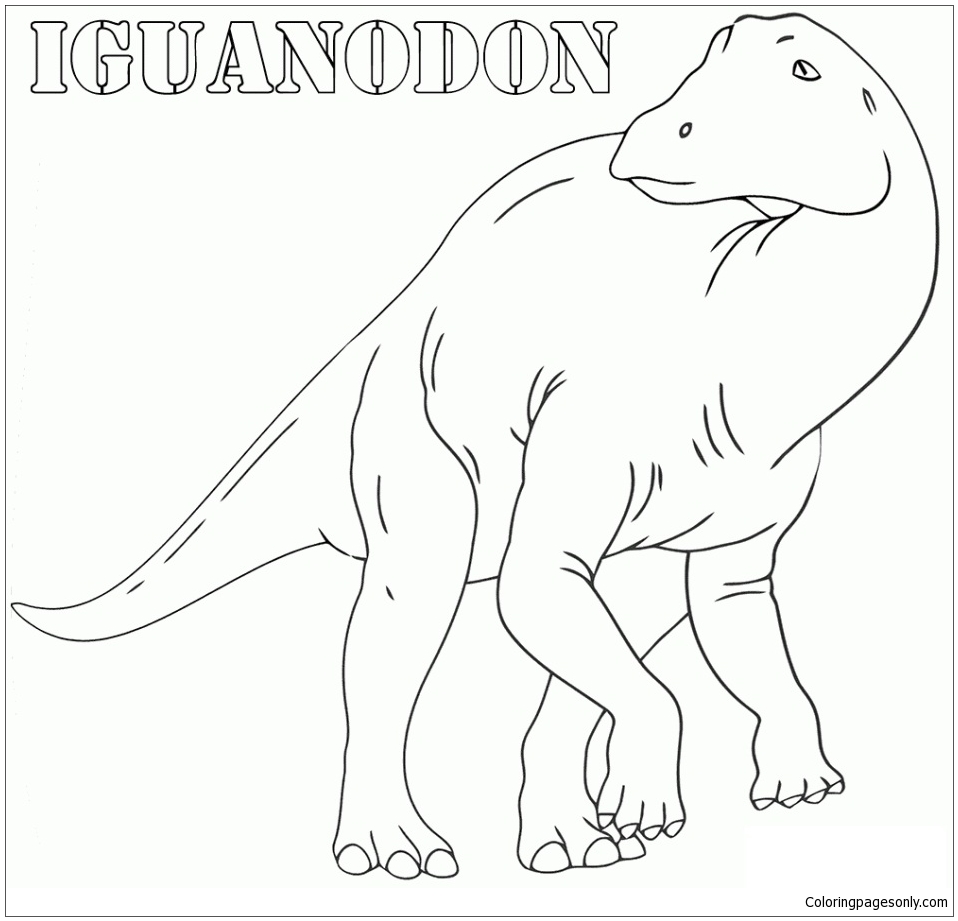
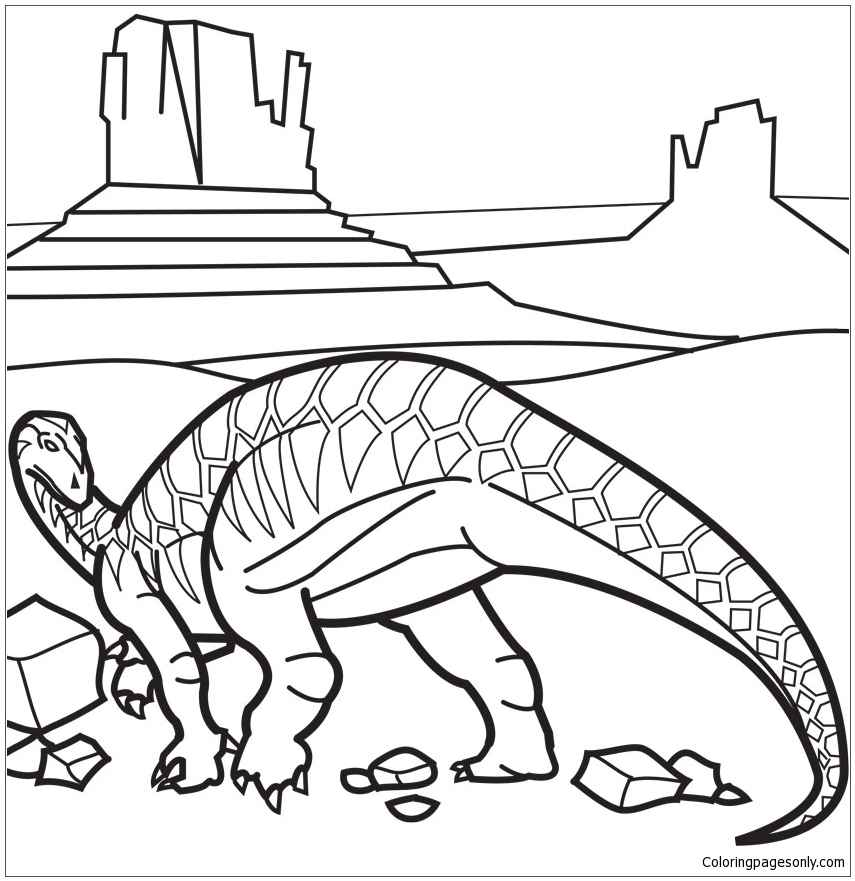
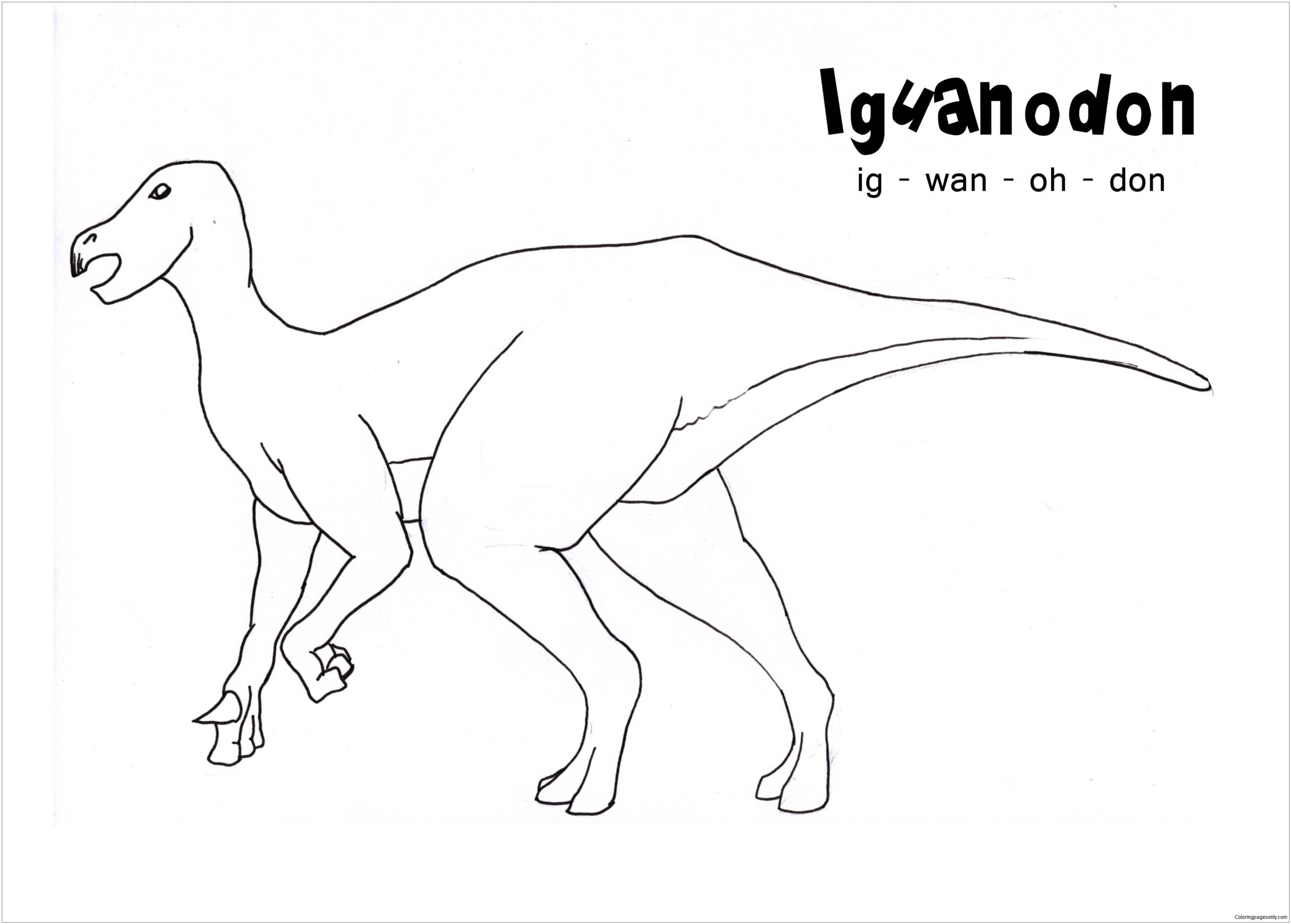
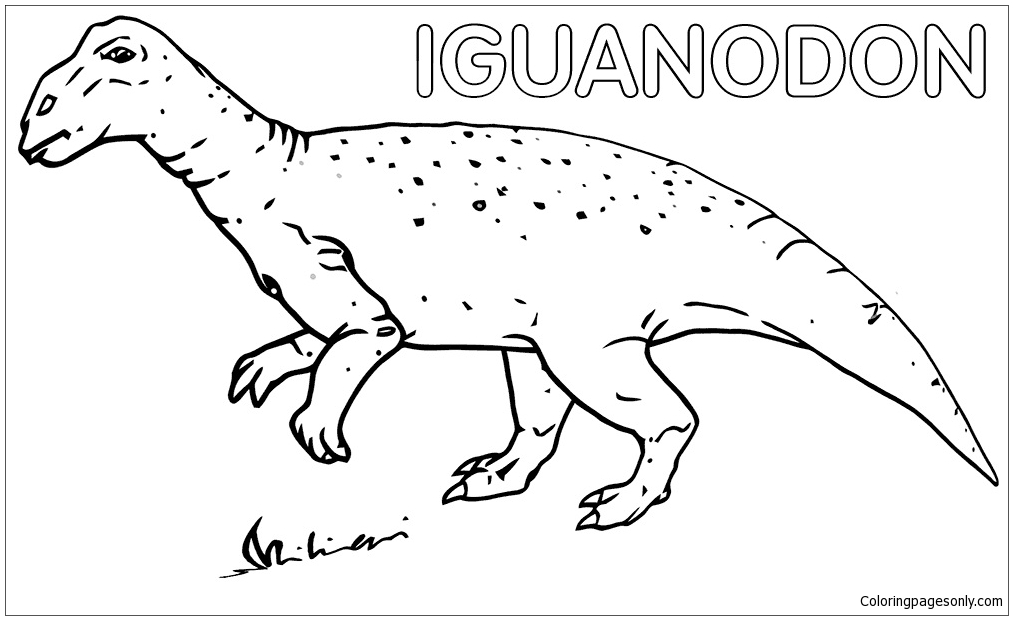
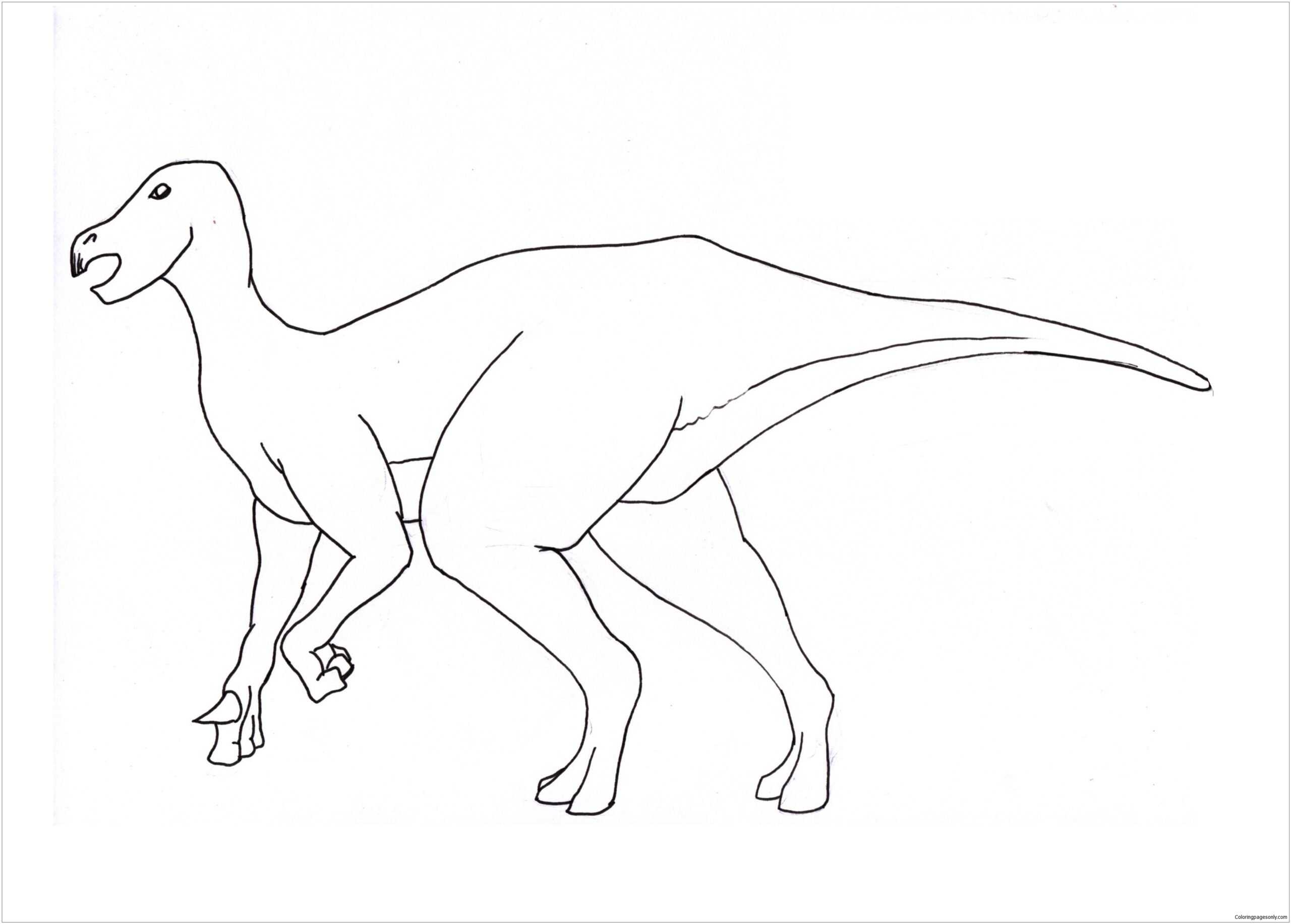
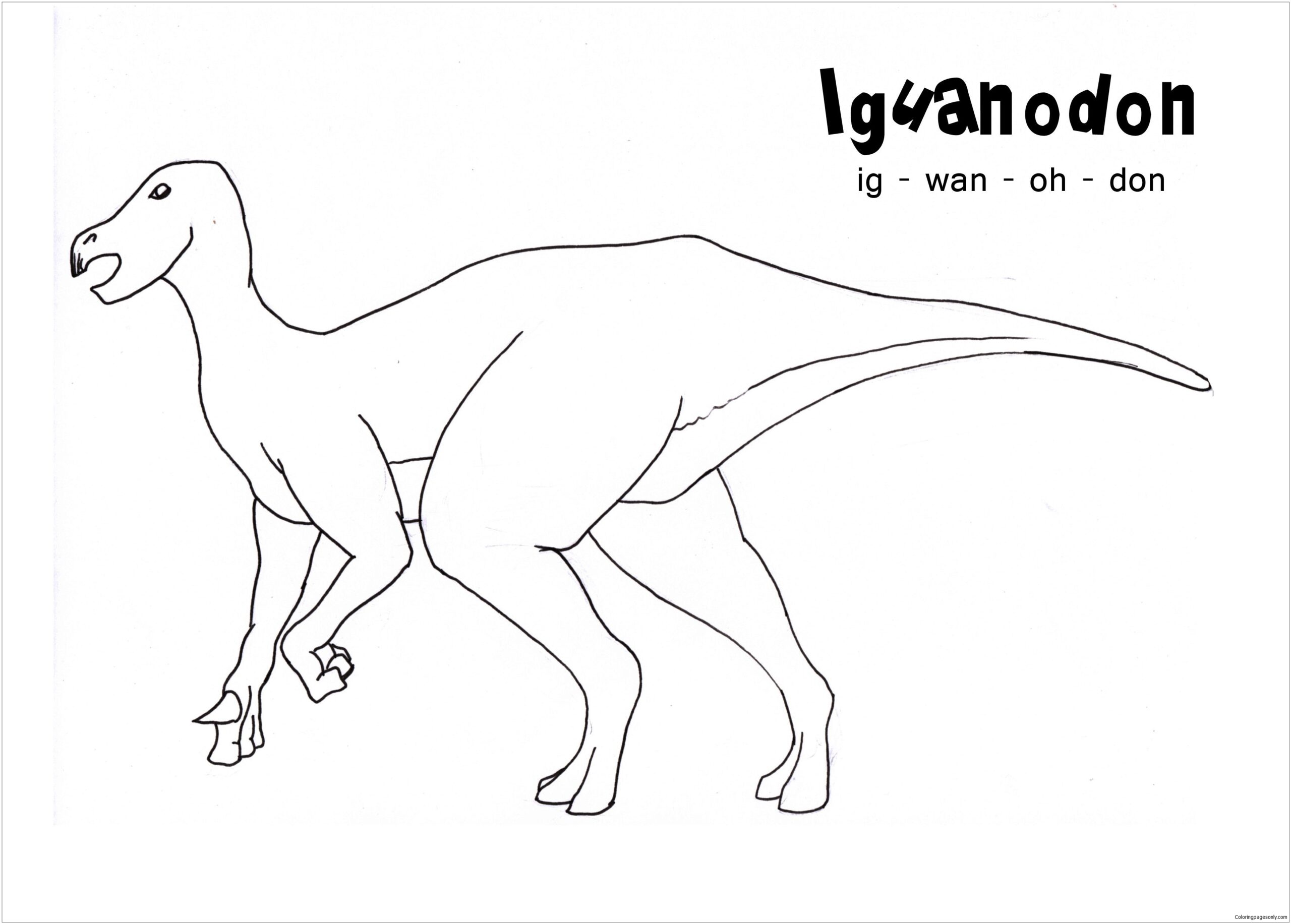
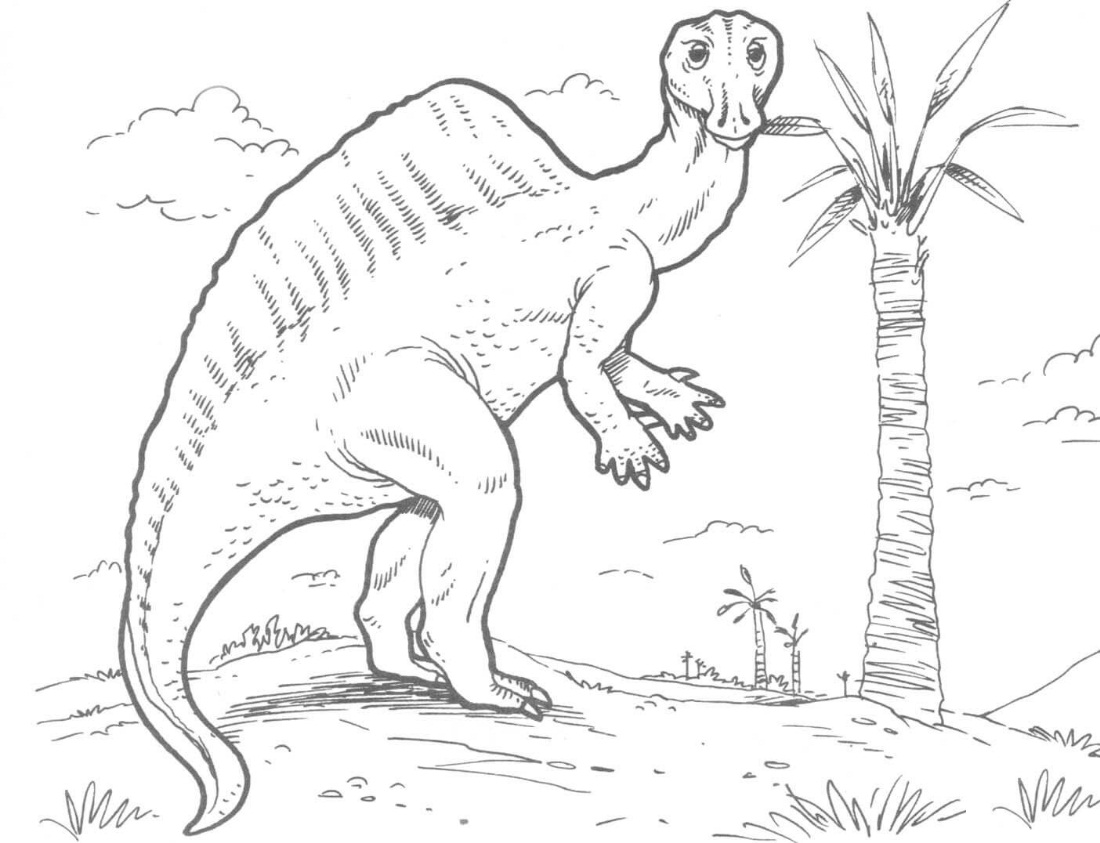
The majority of this collection shows Iguanodon alone, repeated across many pages under different file names rather than genuinely different poses. Coloring suggestion: keep the thumb spike a consistent, prominent detail on every page, and use the repetition to experiment with different skin patterns, mottled greens, browns, or grays.
Scenes with Multiple Dinosaurs
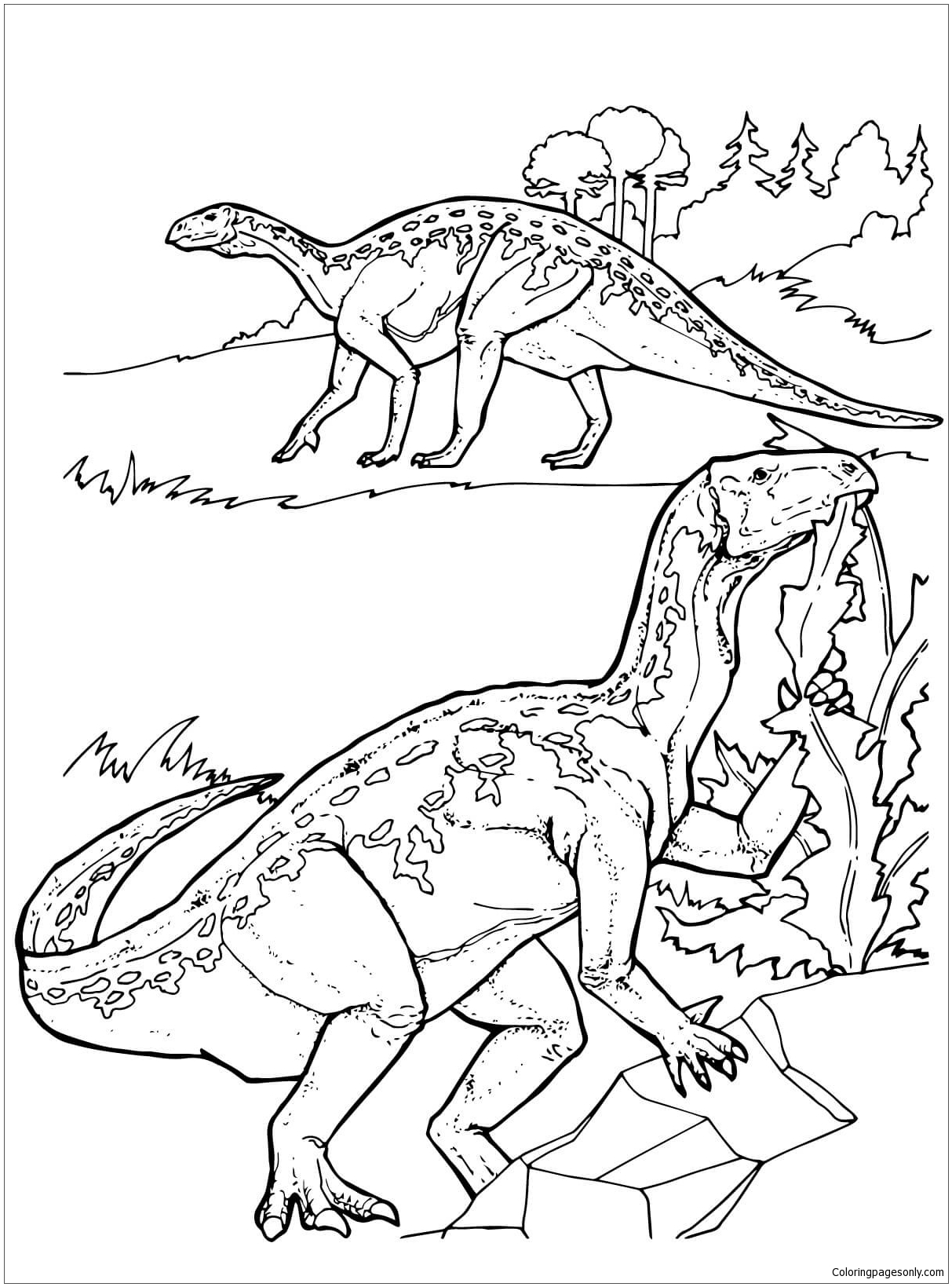
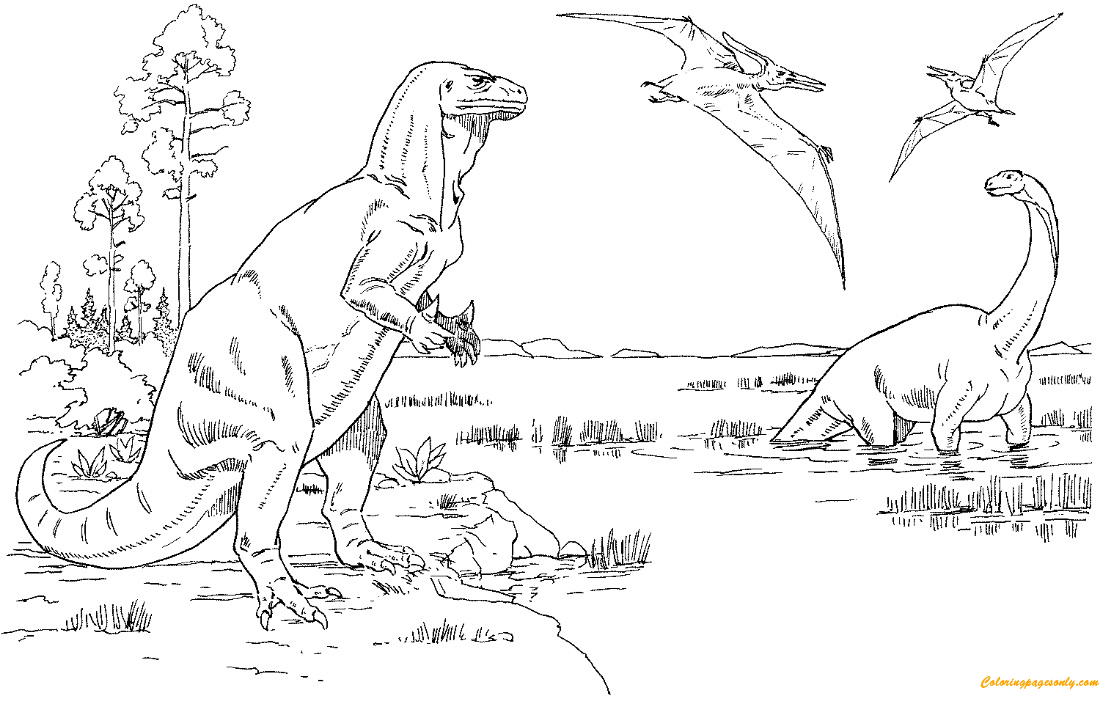
These pages show Iguanodon alongside other prehistoric animals, including a herd scene and a page featuring Cetiosaurus and Pteranodons. Coloring suggestion: give each different genus its own distinct color palette so the scene reads clearly, even with several dinosaurs on one page.
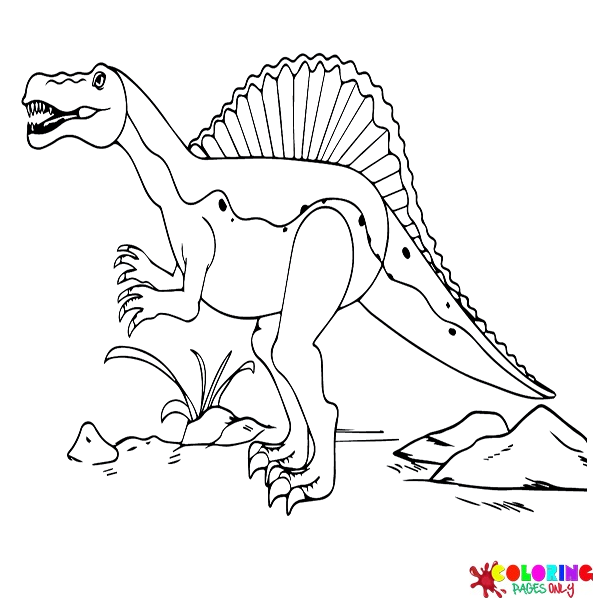
A Possibly Mislabeled Page
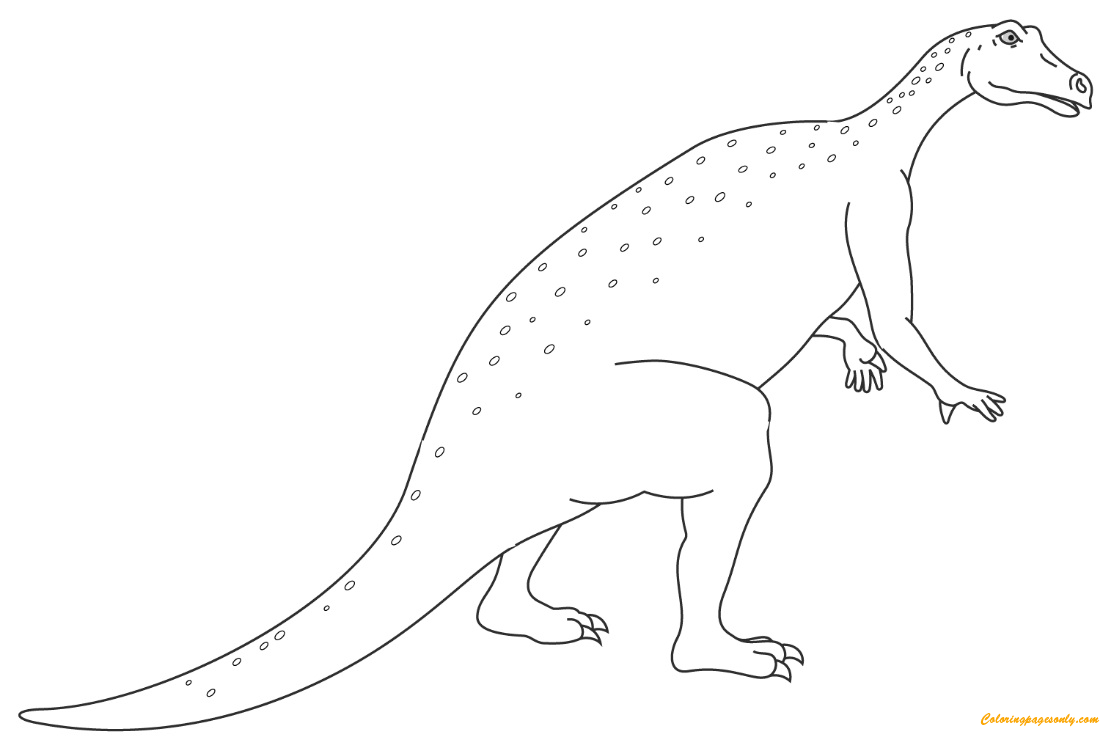
One page in this set is titled for Ouranosaurus, a separate dinosaur genus related to but distinct from Iguanodon. Coloring suggestion: if this page is kept in the collection, treat it as its own subject rather than assuming it shares Iguanodon’s exact features, since the two genera have real anatomical differences.
What Iguanodon Coloring Pages Do
A small spike, precisely placed. Iguanodon’s signature thumb spike is a small, precisely angled detail set apart from the rest of the hand, and coloring it as a distinct, carefully placed shape rather than blending it into the surrounding hand takes real fine motor precision, the kind the American Academy of Pediatrics associates with structured coloring in children ages two through seven.
One of the first three dinosaurs, period. When scientists first created the category “Dinosauria” in the 1840s, Iguanodon was one of only three genera used to define it, alongside Megalosaurus and Hylaeosaurus, making it part of the very foundation of how dinosaurs were first understood as a group.
Getting a small detail right, finally. Scientists once spent decades placing Iguanodon’s thumb spike in entirely the wrong location, and there’s a fitting parallel in a coloring session that rewards getting a small detail exactly right, the same kind of careful, corrective attention a 2005 Art Therapy Journal study linked to reduced anxiety.
A horn that turned out to be a thumb. Early Iguanodon reconstructions, including life-size 1854 sculptures large enough for dinner parties inside them, confidently placed its thumb spike on its nose as a horn, an error that stood for decades until far more complete skeletons, found in Belgium in 1878, finally revealed the truth.
How to Color Iguanodon Pages Well
- Body: use mottled greens, browns, or grays for the skin, layering at least two shades for a textured, reptilian look.
- Thumb spike: color this as a clearly separate, angled shape, using a slightly darker or more solid tone than the surrounding hand.
- Underbelly: Use a lighter cream or tan tone, since many large herbivorous dinosaurs are reconstructed with a paler underside.
- Multi-dinosaur scenes: give each different genus its own distinct color palette so the scene stays easy to read at a glance.
- Eyes: use a warm amber or brown, keeping the expression calm rather than aggressive, in line with Iguanodon’s herbivorous diet.
- Background: keep it simple on solo portraits, saving more detail for the pages that show a fuller prehistoric landscape.
5 Creative Craft Ideas With Iguanodon Coloring Pages
1. Thumb Spike Fact Card
Color a page and write the fact that Iguanodon’s thumb spike was once mistaken for a nose horn on the back.
2. Dinosauria Timeline Chart
Color a page and sketch a simple timeline showing Iguanodon as one of the first three dinosaurs ever formally classified.
3. Iguanodon Bookmark
Color a smaller portrait, cut it into a bookmark shape, and cover it with clear tape for a durable reading marker.
4. Herd Scene Poster
Color several solo portraits and arrange them together to represent a full Iguanodon herd, since fossil evidence suggests they may have traveled in groups.
5. Then and Now Comparison
Color a page and sketch two small versions of Iguanodon side by side, one with the old mistaken nose horn and one with the correct thumb spike.
Frequently Asked Questions
What are Iguanodon coloring pages?
A free set of 17 printable designs of Iguanodon, one of the first dinosaurs ever scientifically described. Every page downloads as a PDF or opens in the online coloring tool without an account.
Who discovered Iguanodon?
English geologist Gideon Mantell described Iguanodon in the 1820s, making it one of the first dinosaurs ever formally named, alongside Megalosaurus.
Is it true that Iguanodon’s thumb spike was once mistaken for a horn?
Yes. Early reconstructions, based on incomplete fossils, placed the spike on the animal’s nose. The mistake wasn’t corrected until much more complete skeletons were found in Belgium in 1878.
Was Iguanodon one of the first dinosaurs ever classified?
Yes. It was one of just three genera originally used to define the category Dinosauria in the 1840s, alongside Megalosaurus and Hylaeosaurus.
Does one of the pages in this collection show a different dinosaur?
It appears so. One page is titled for Ouranosaurus, a related but separate genus, which may be worth double-checking before publishing.
Can these pages be colored without printing them?
Yes. Every page in the set opens directly in the site’s browser-based coloring tool, so a page can be finished on screen before deciding whether to print it.
Are Iguanodon coloring pages suitable for young children?
The solo portrait pages use one clear shape and suit a wide age range well. The multi-dinosaur scenes carry more detail and work better for a child with some coloring experience.
What was the thumb spike actually used for?
Its exact purpose is still debated among paleontologists, though it was likely used either for defense against predators or to help forage for food.
Start Coloring
A detail scientists once got completely wrong, now exactly where it belongs: pick a page above, download the PDF, or color it online, free and without an account. Share the finished piece through the Facebook or Pinterest buttons at the top of the design.