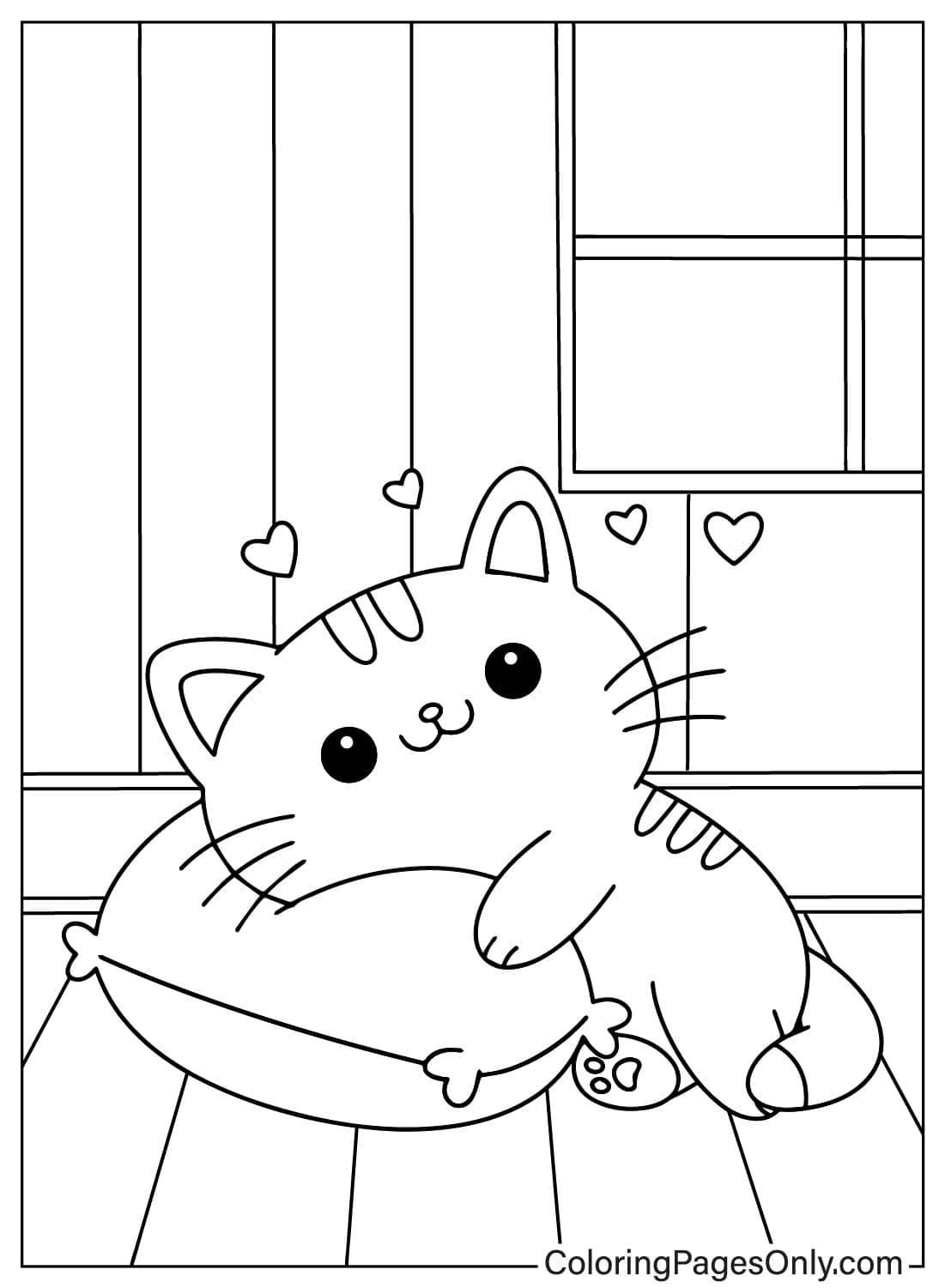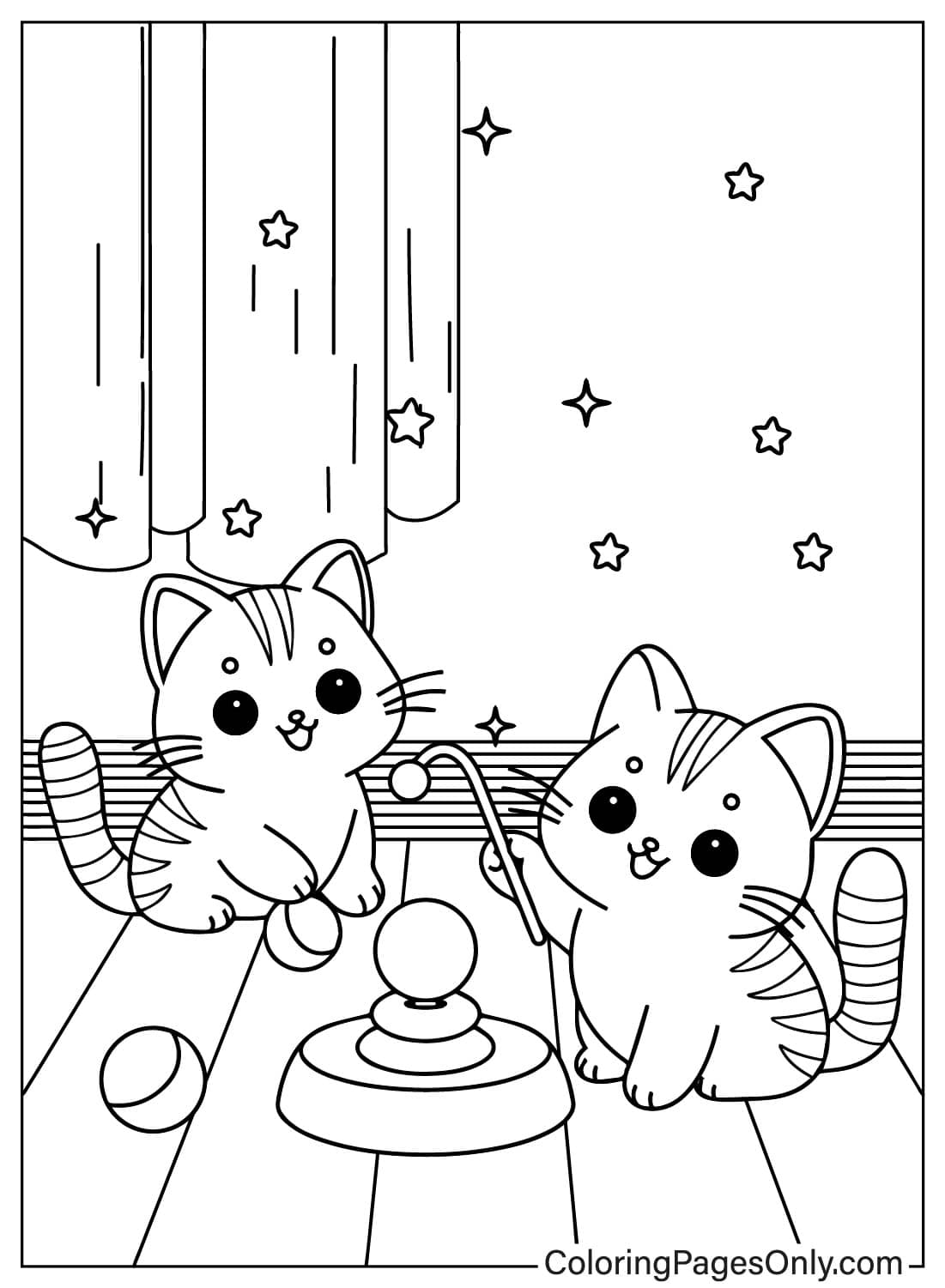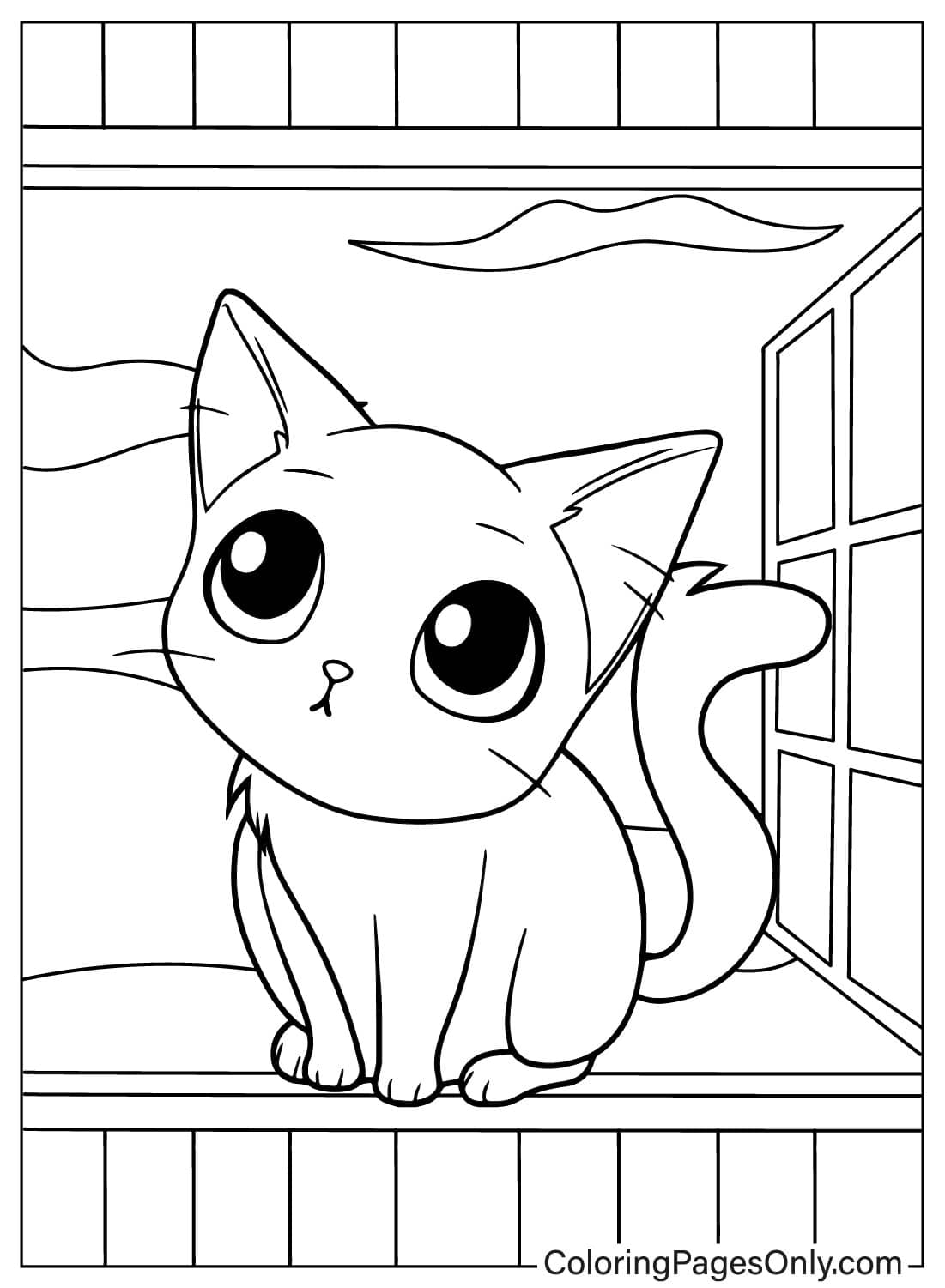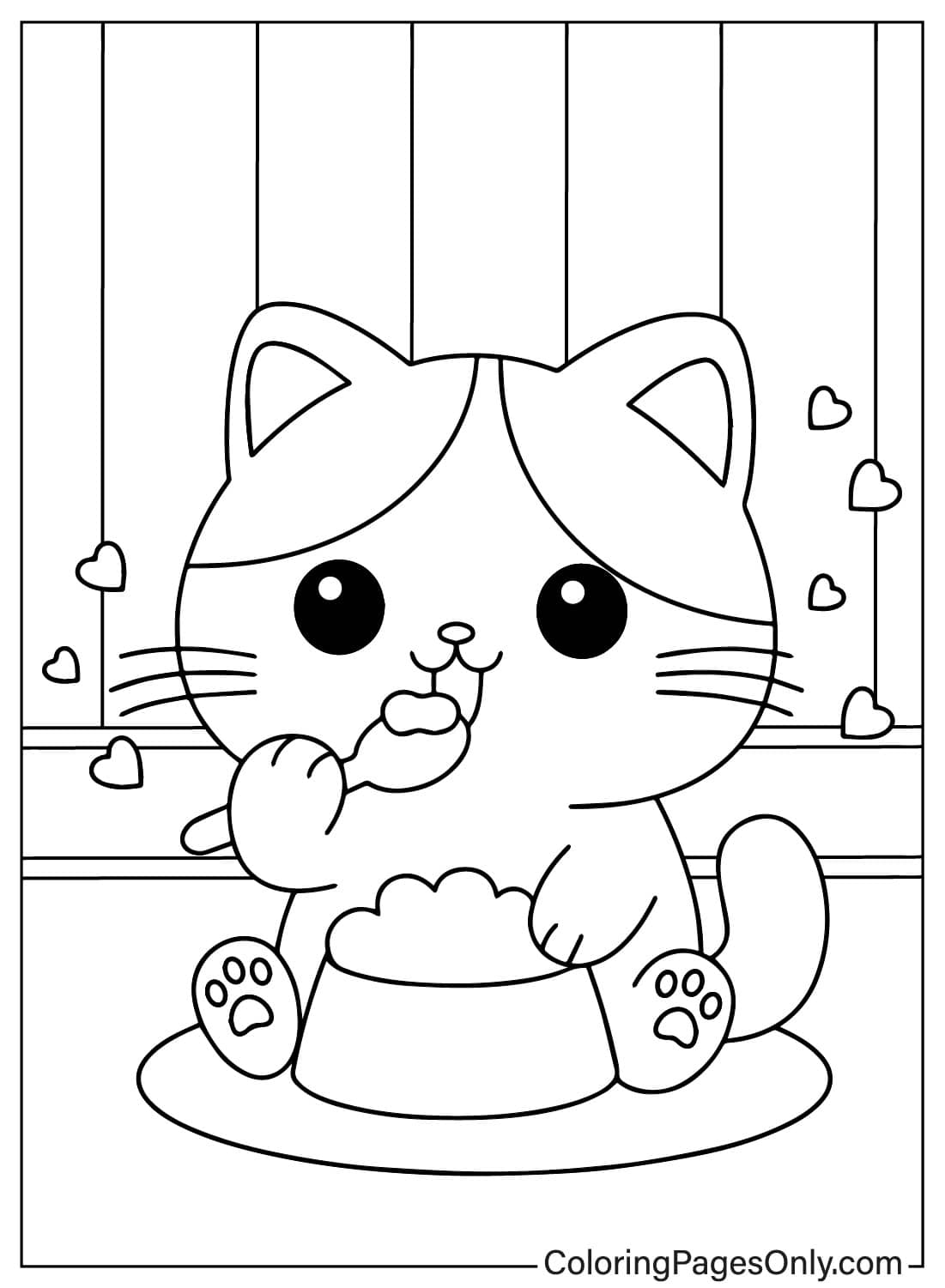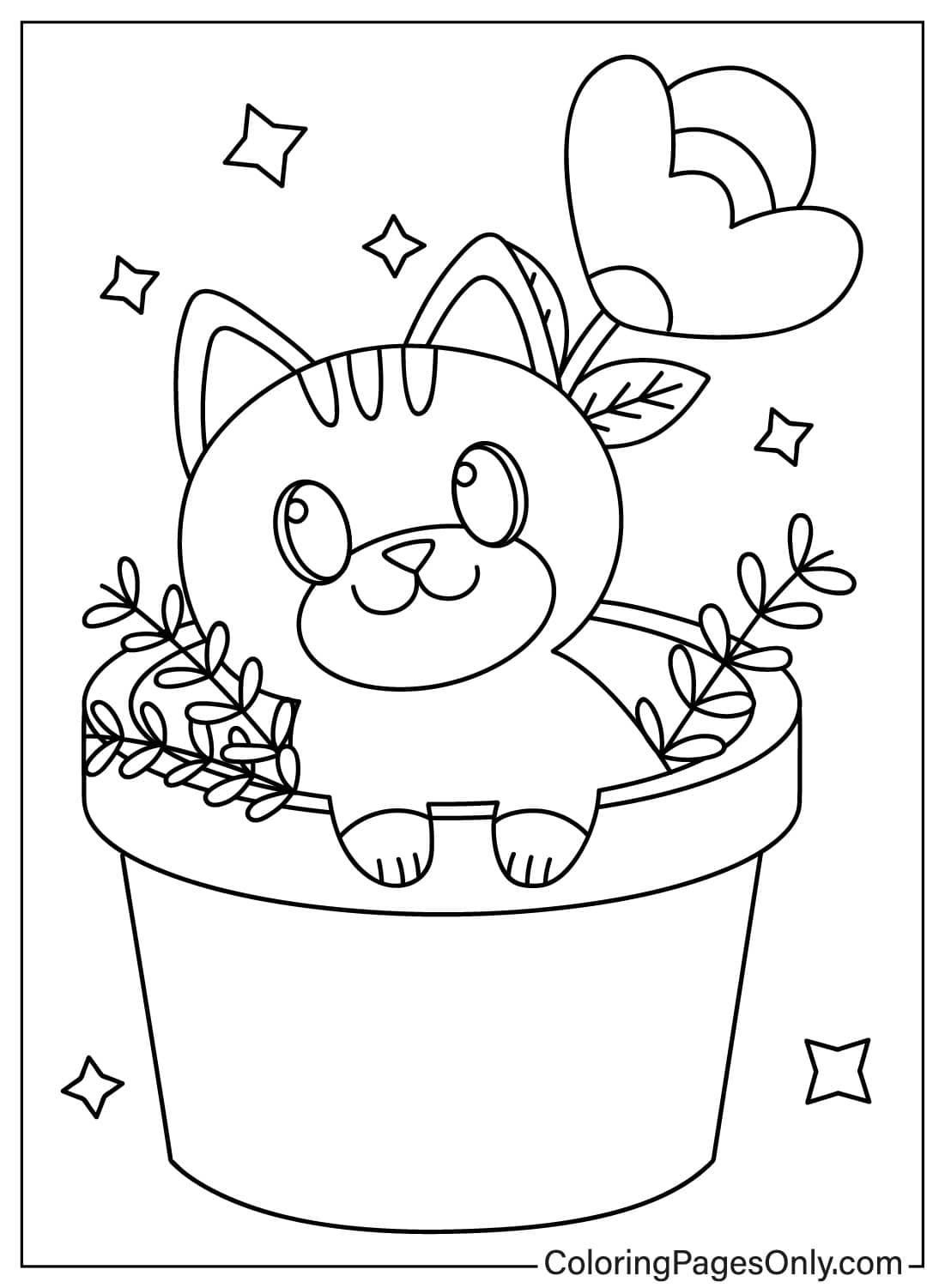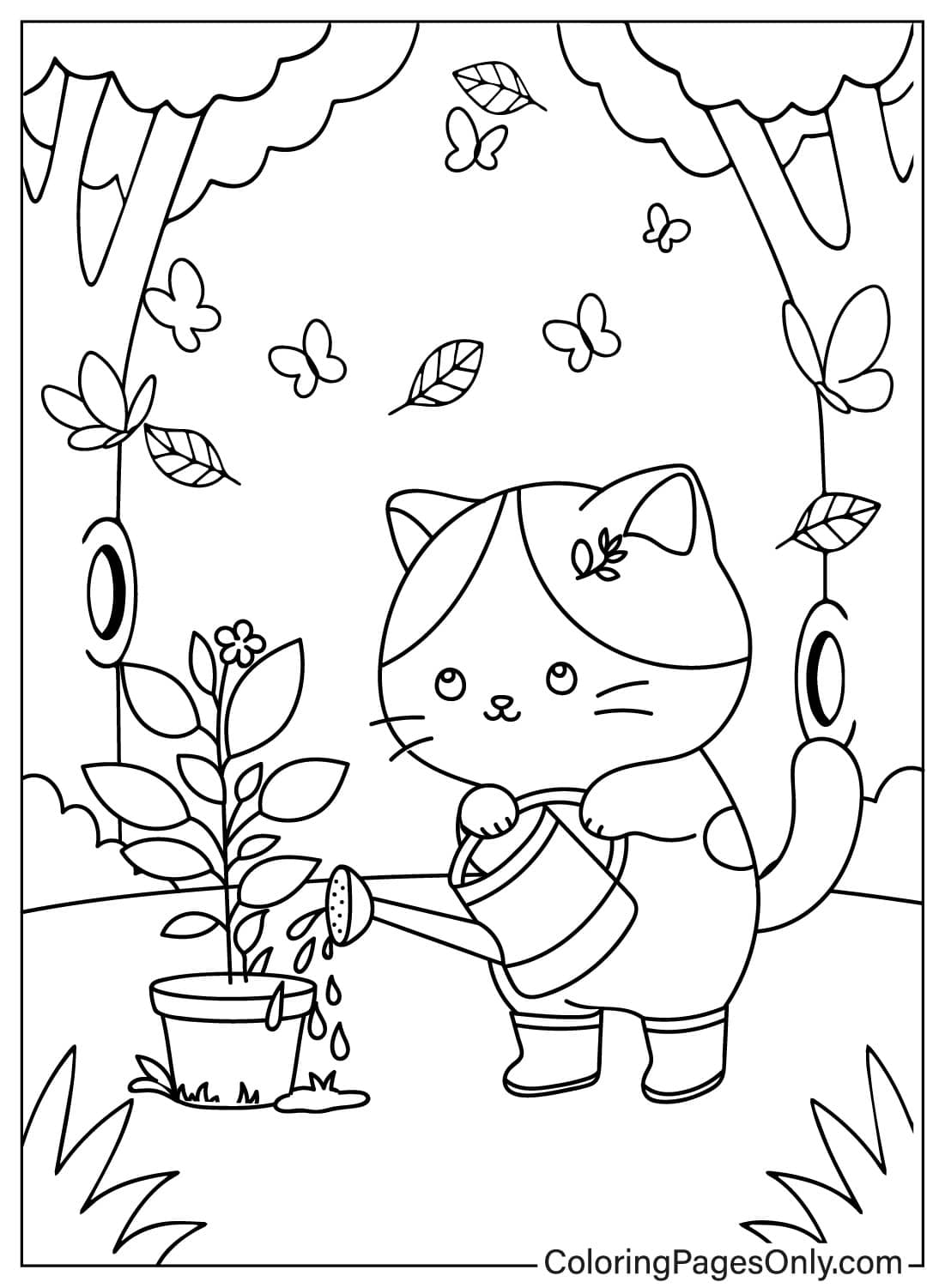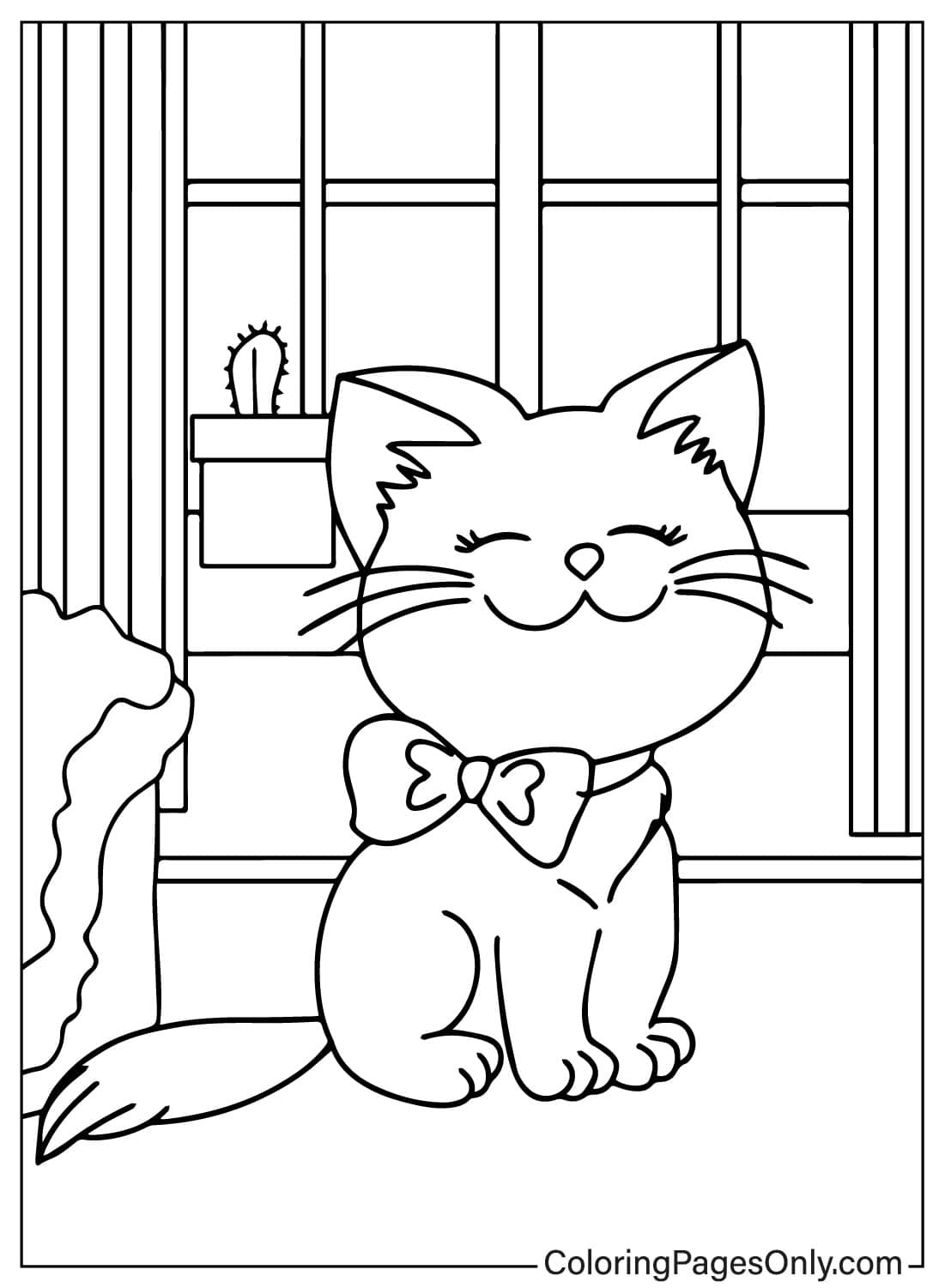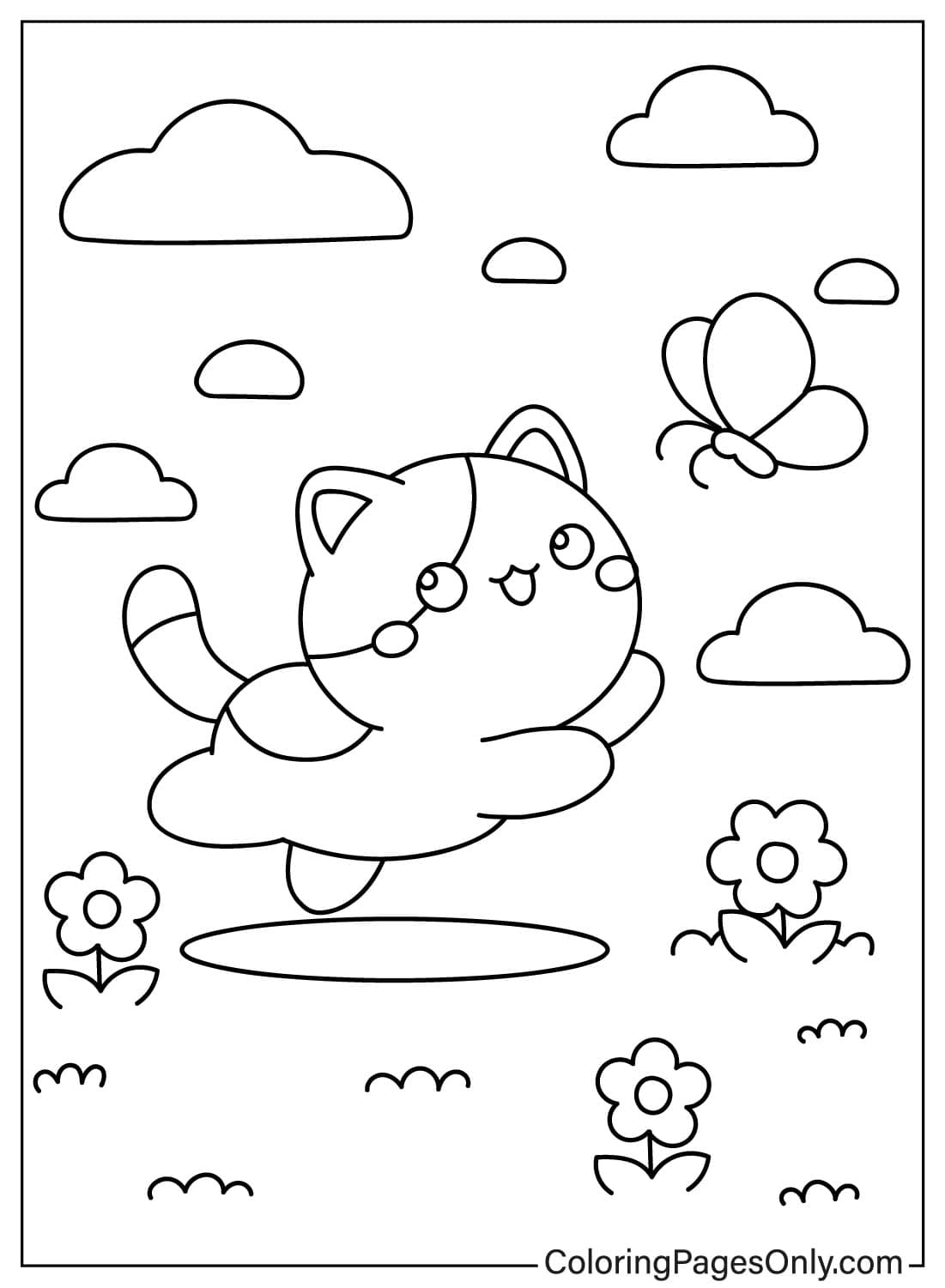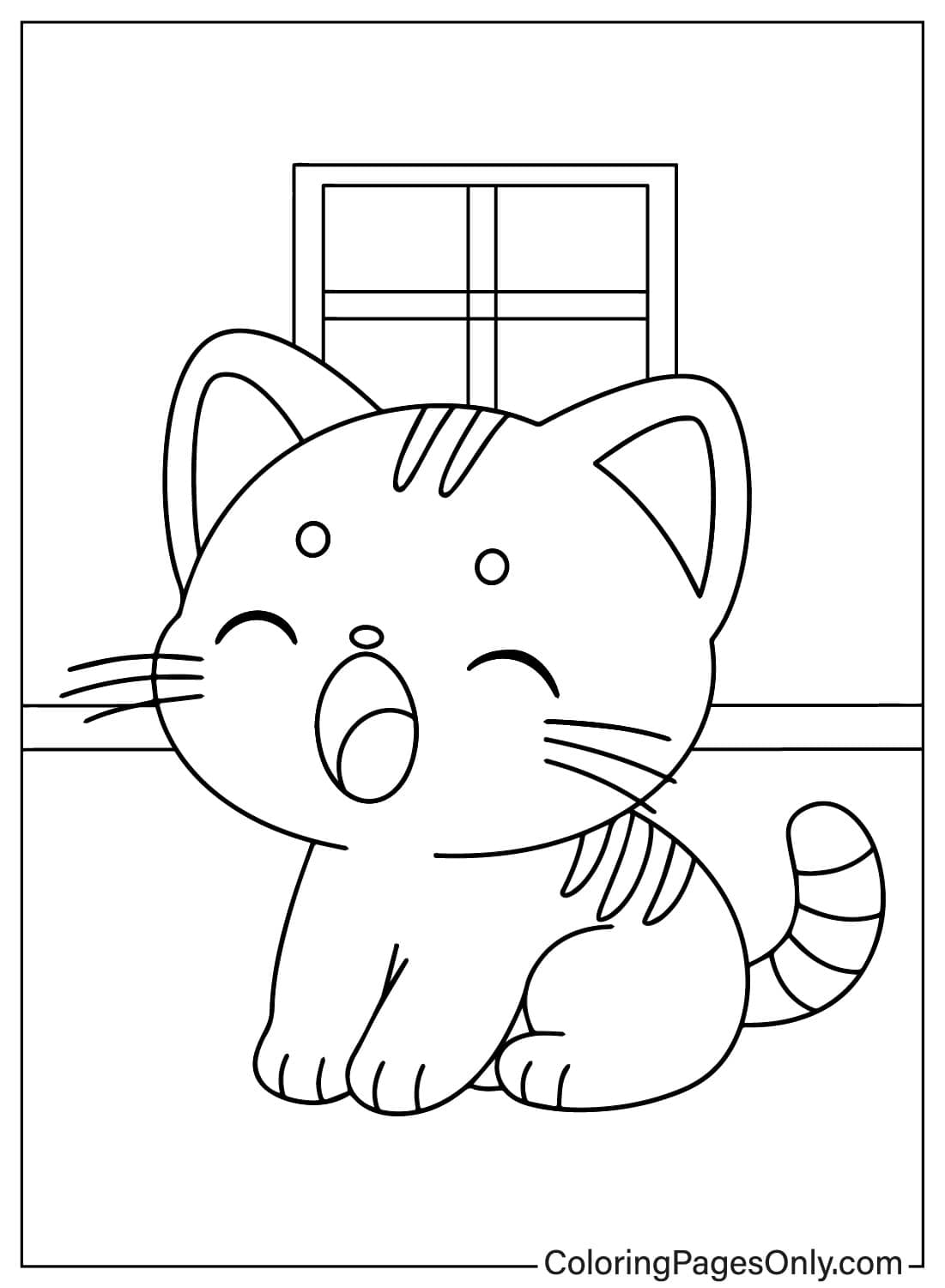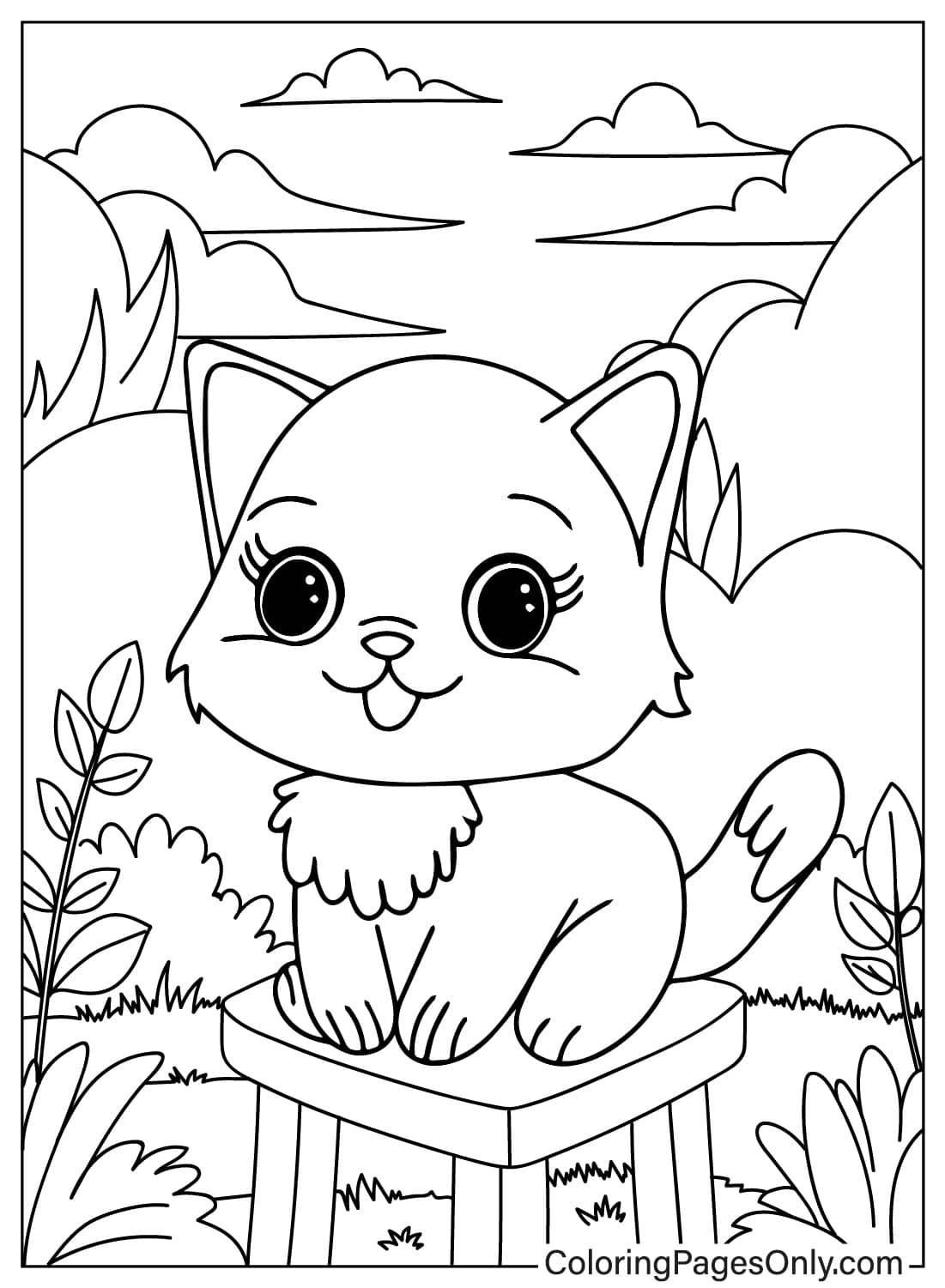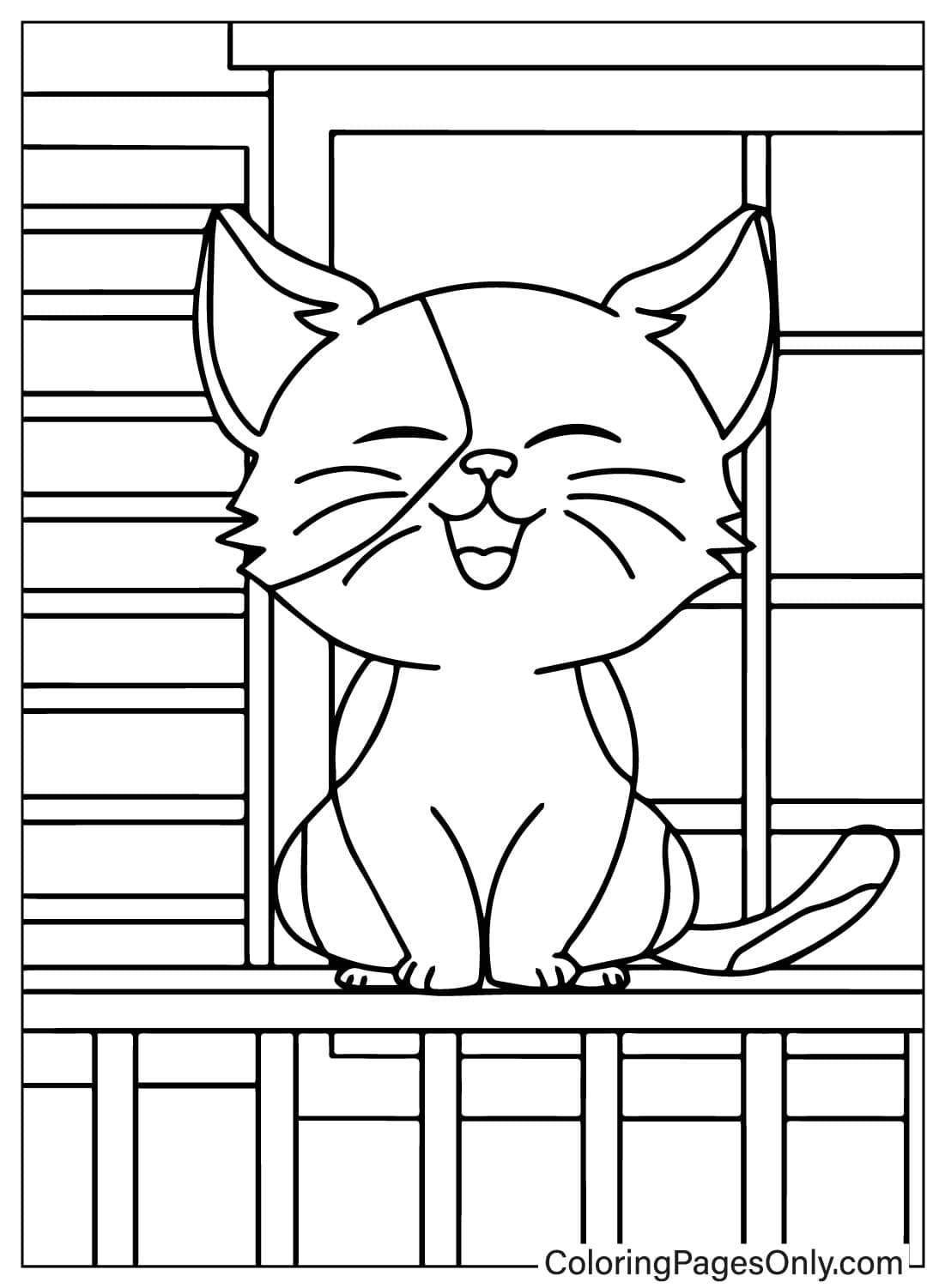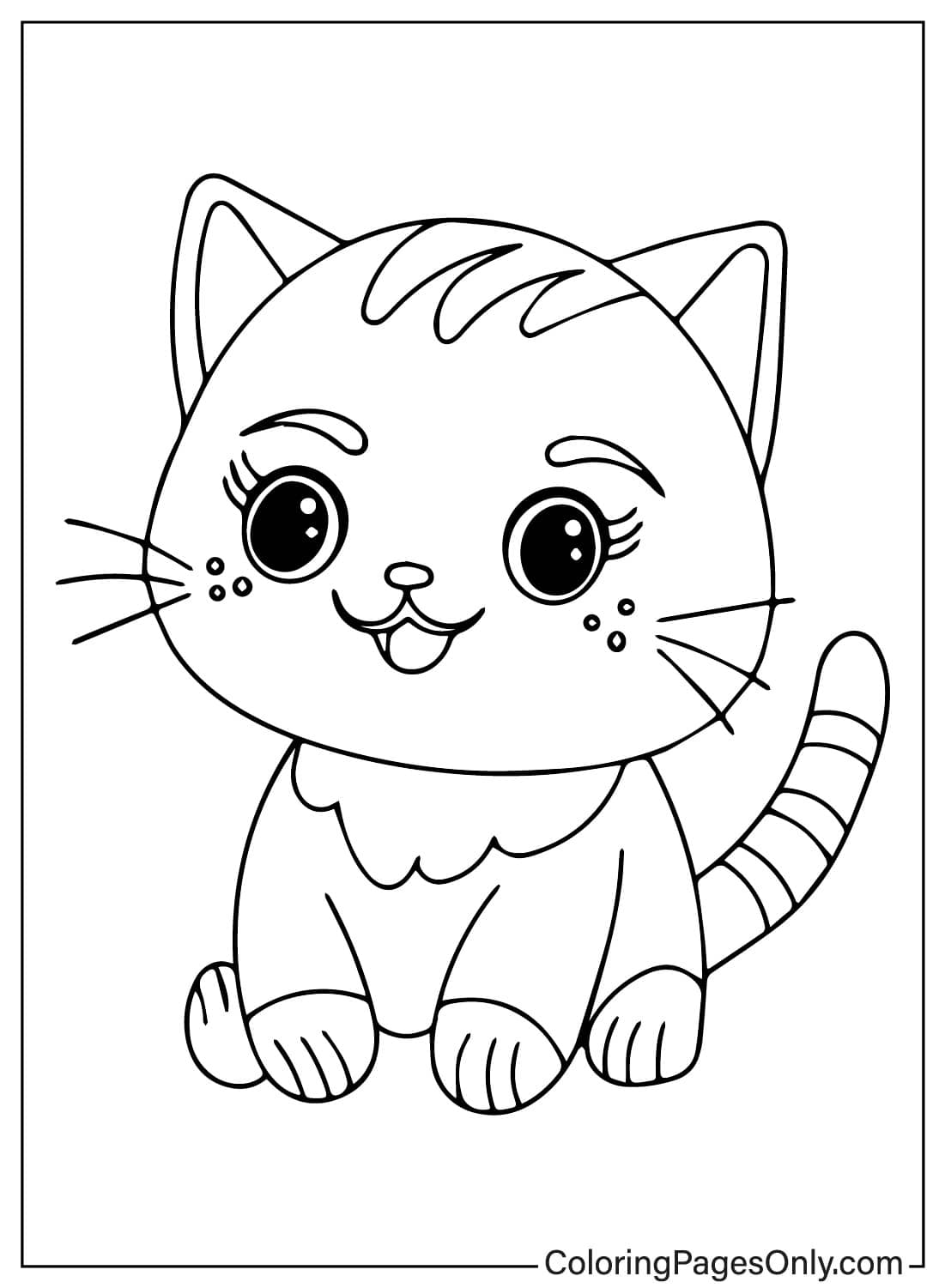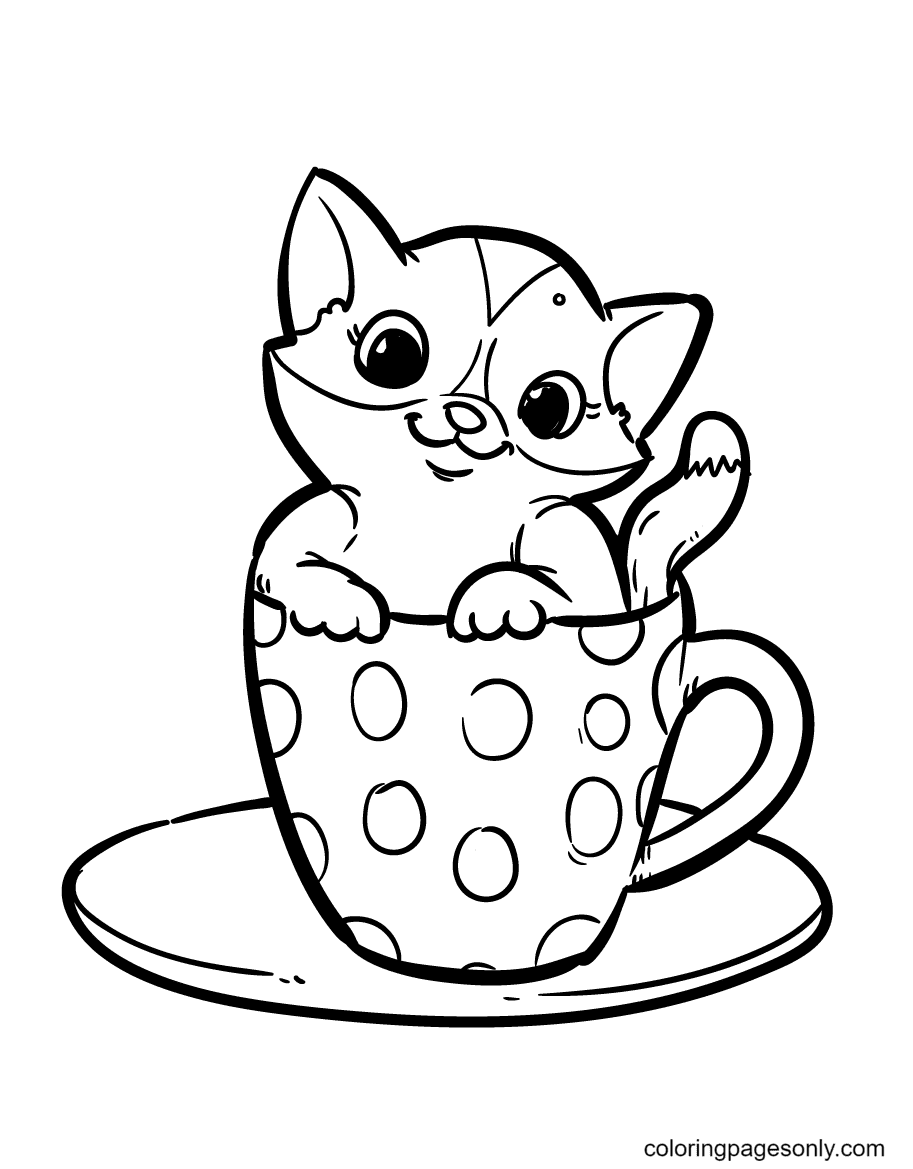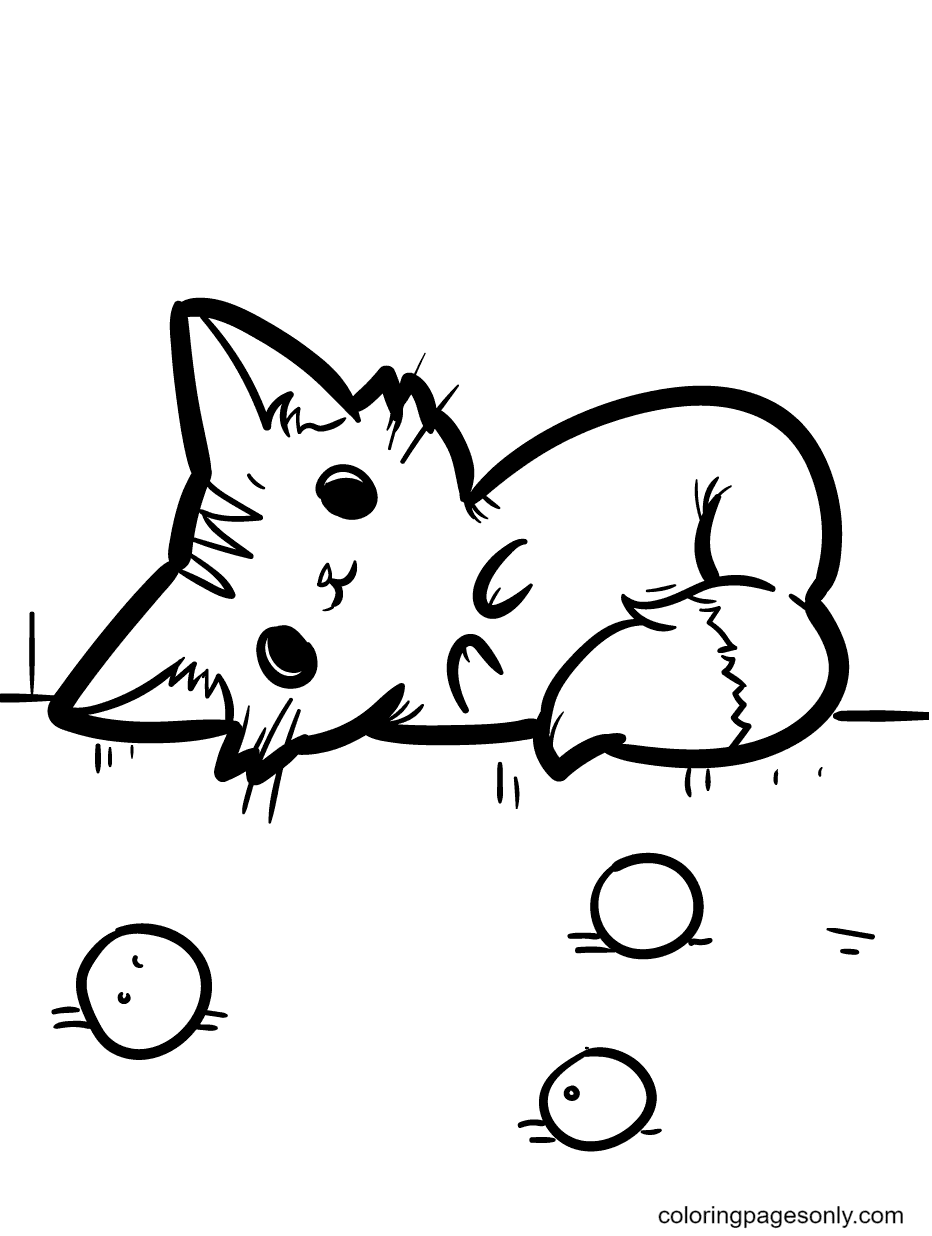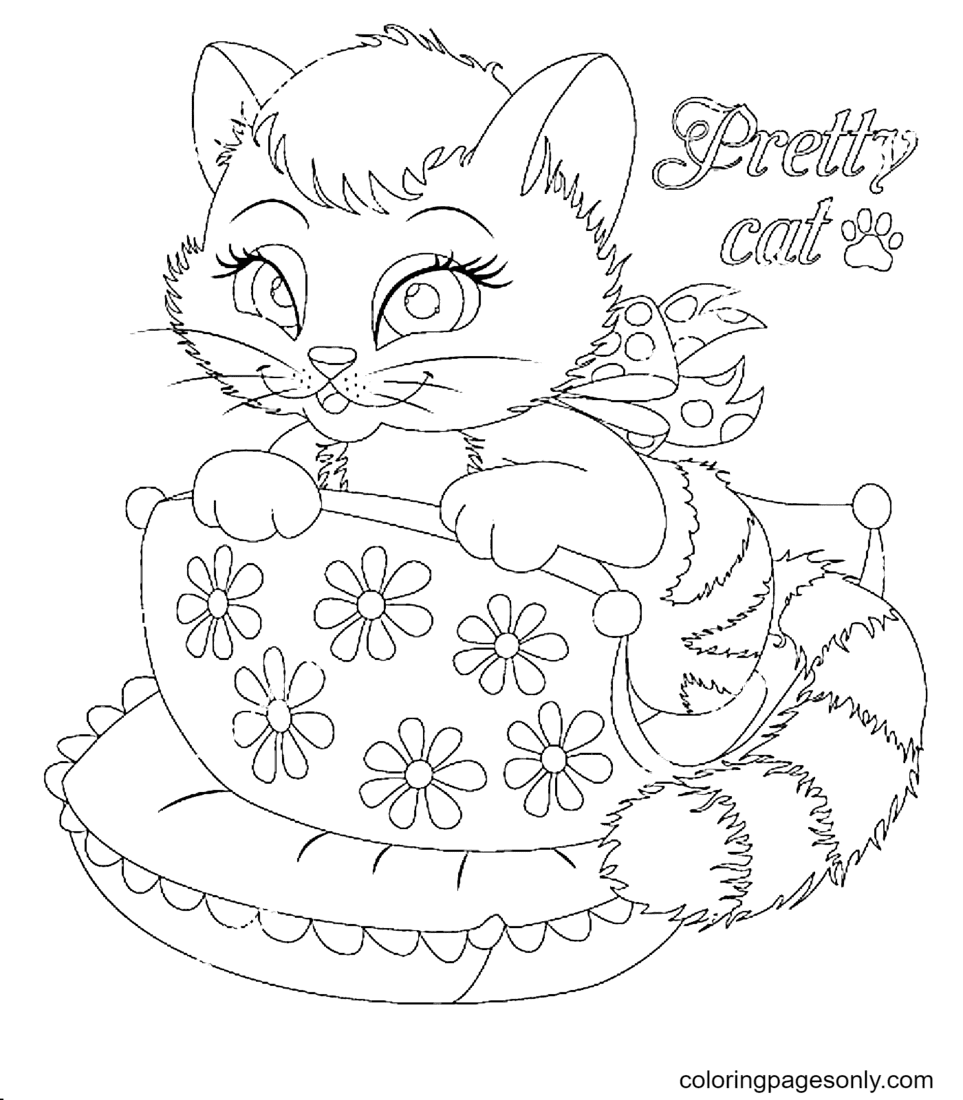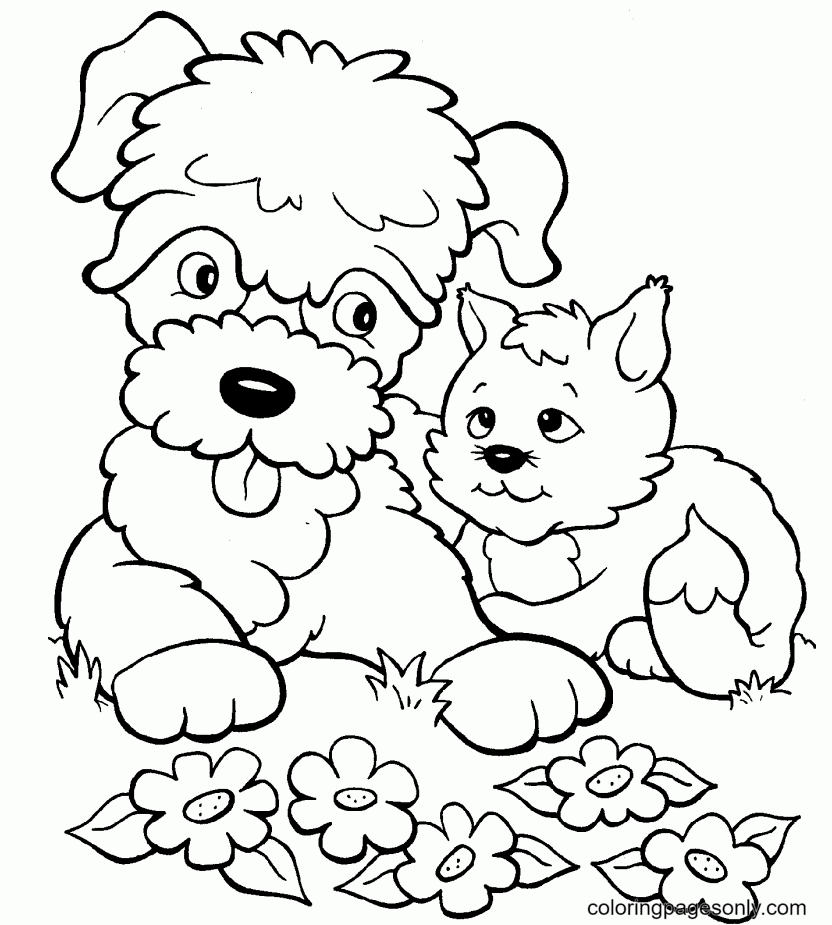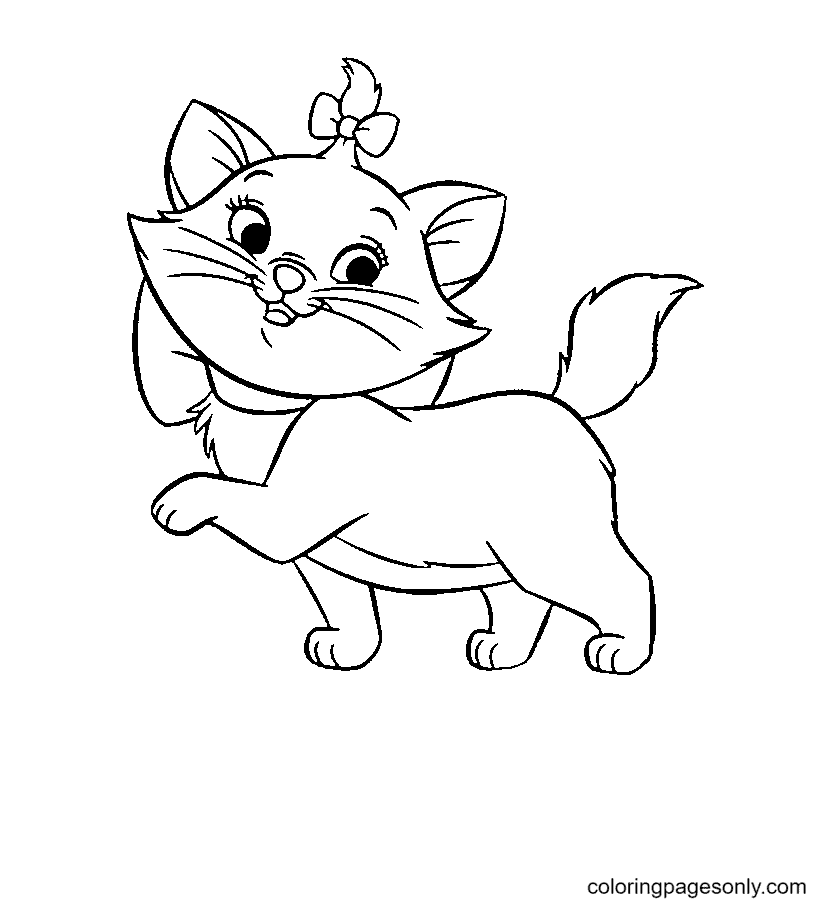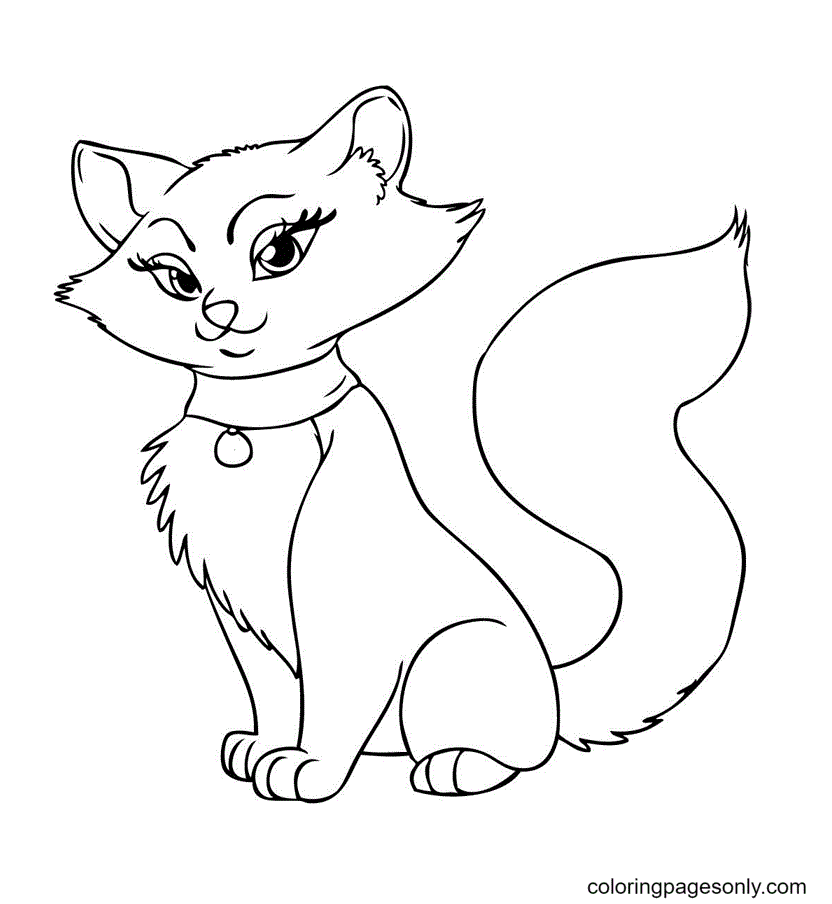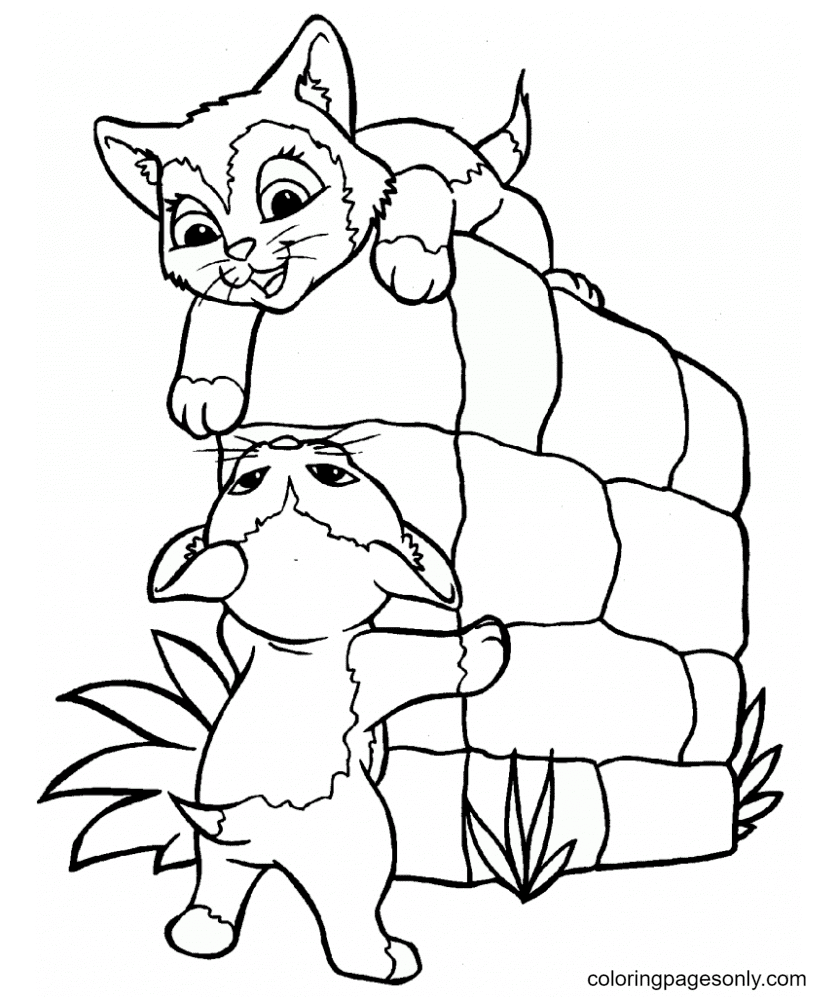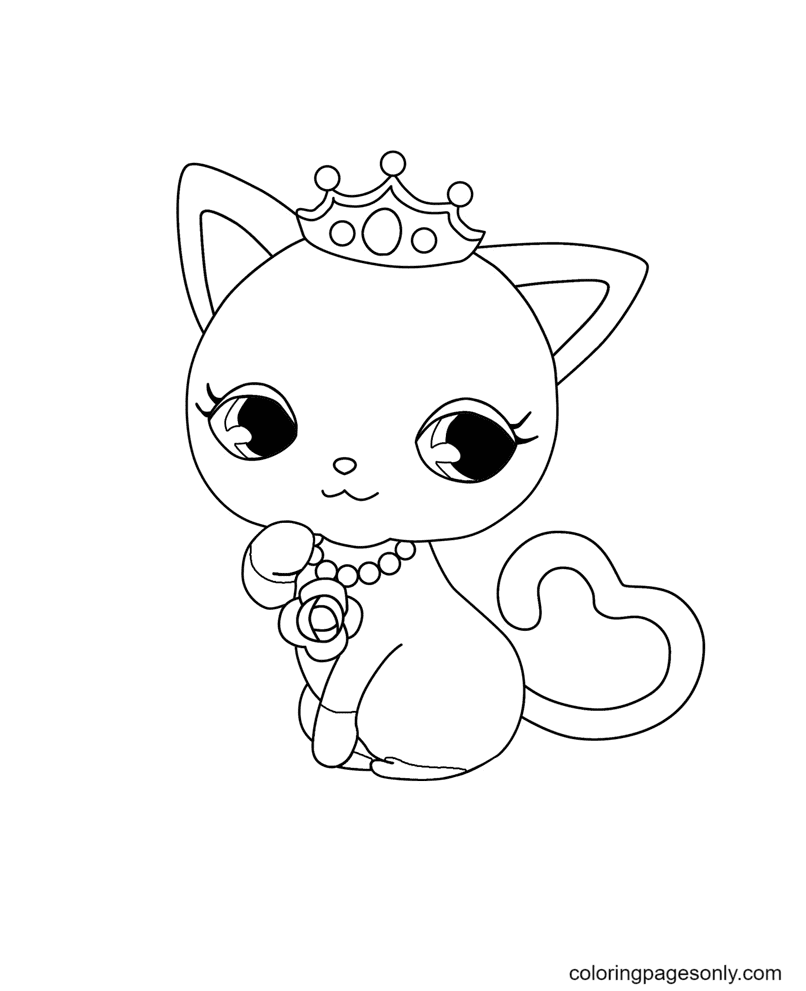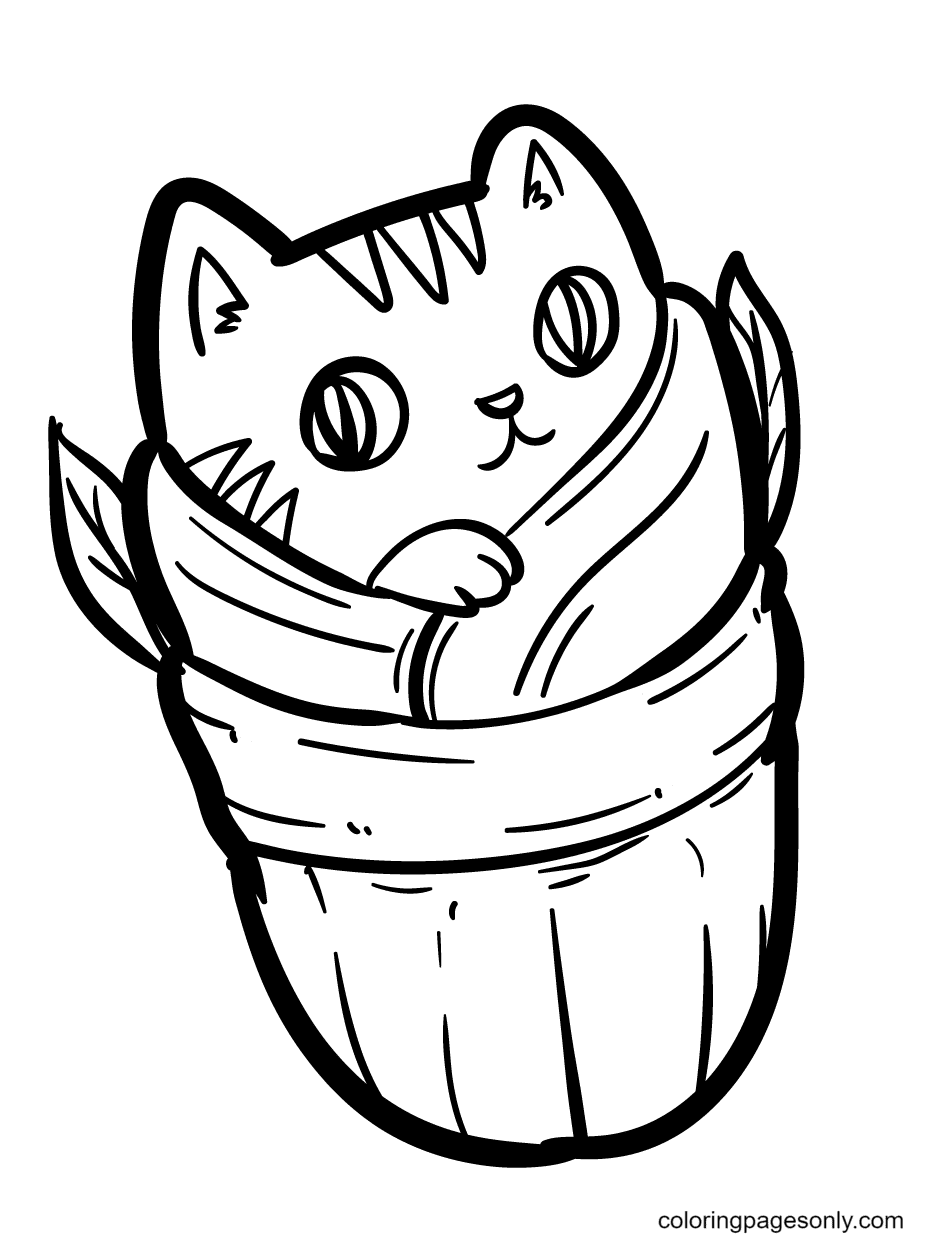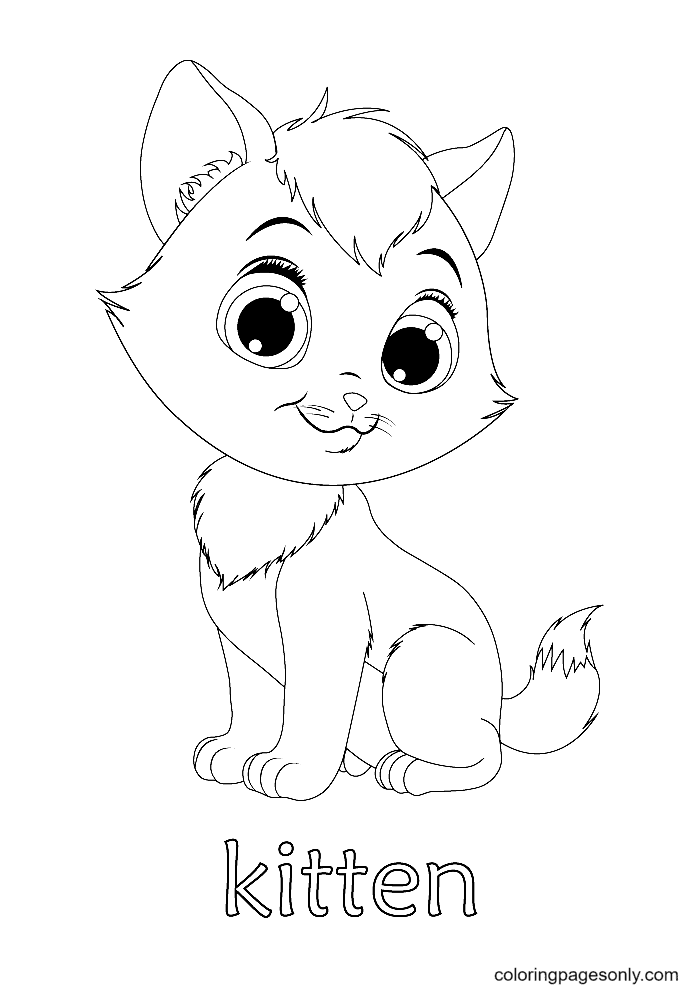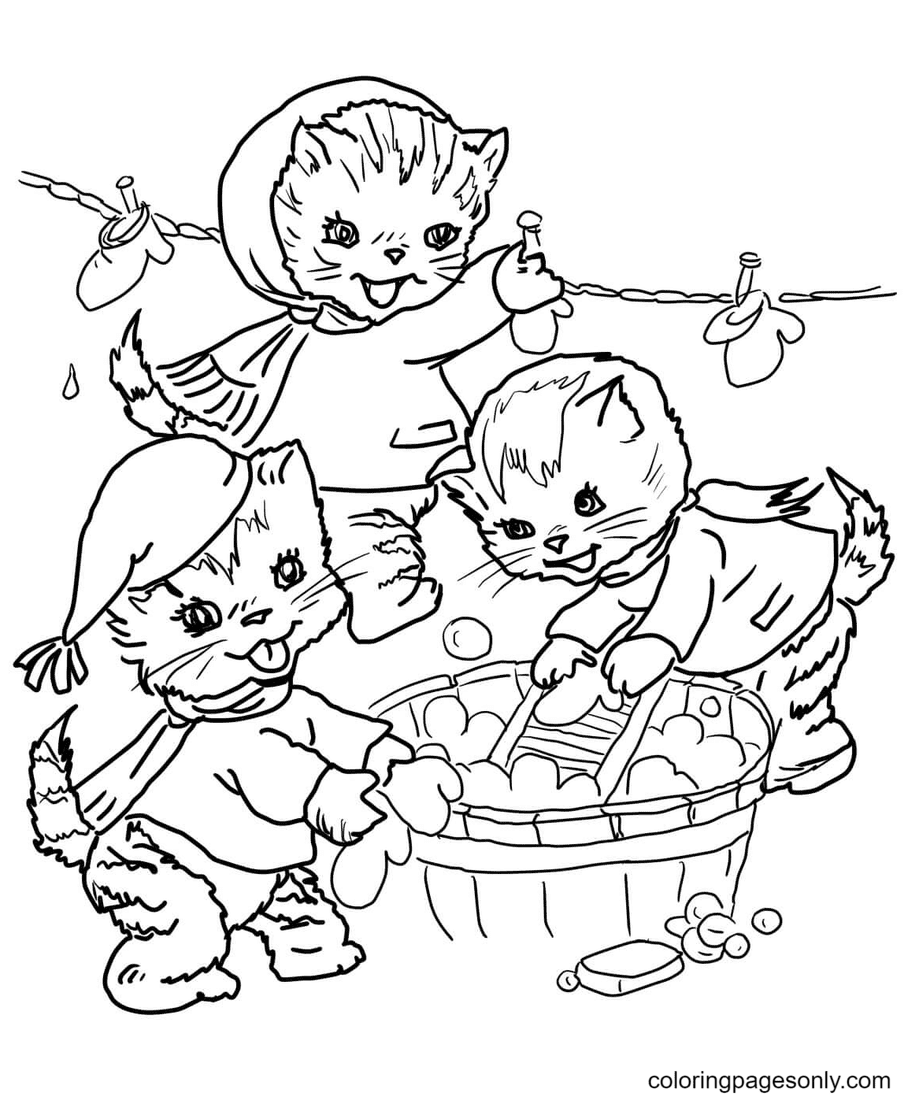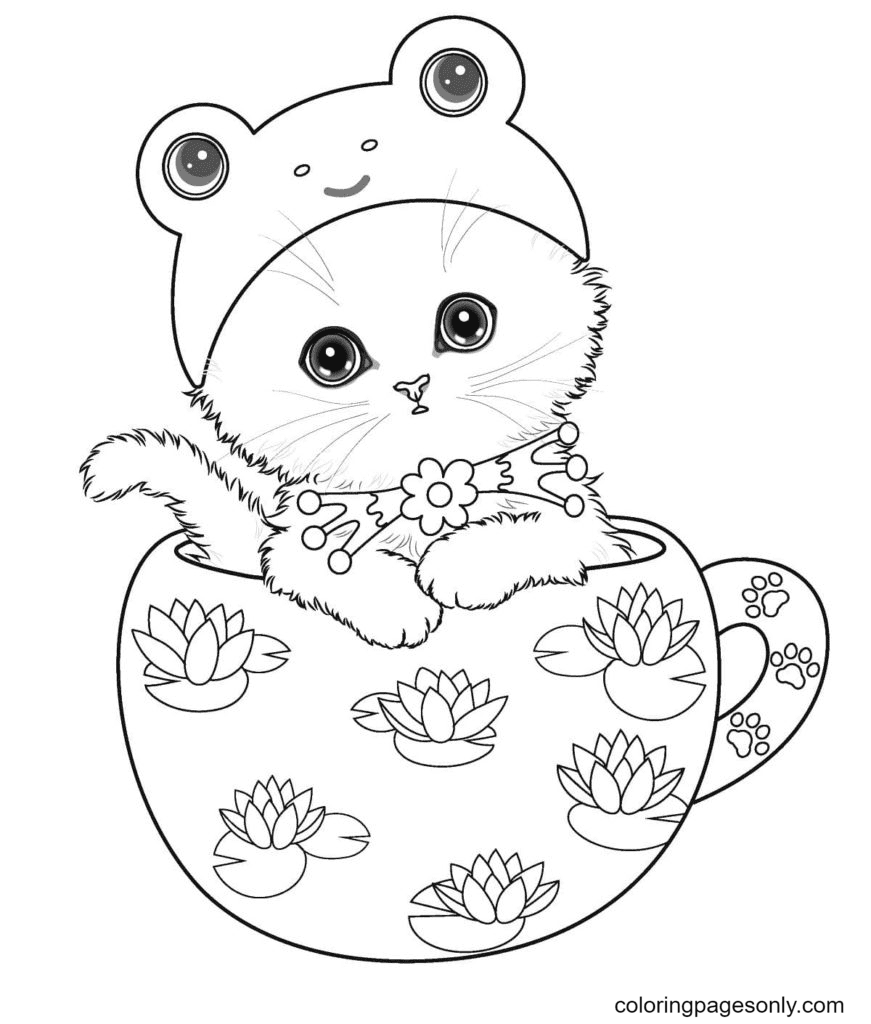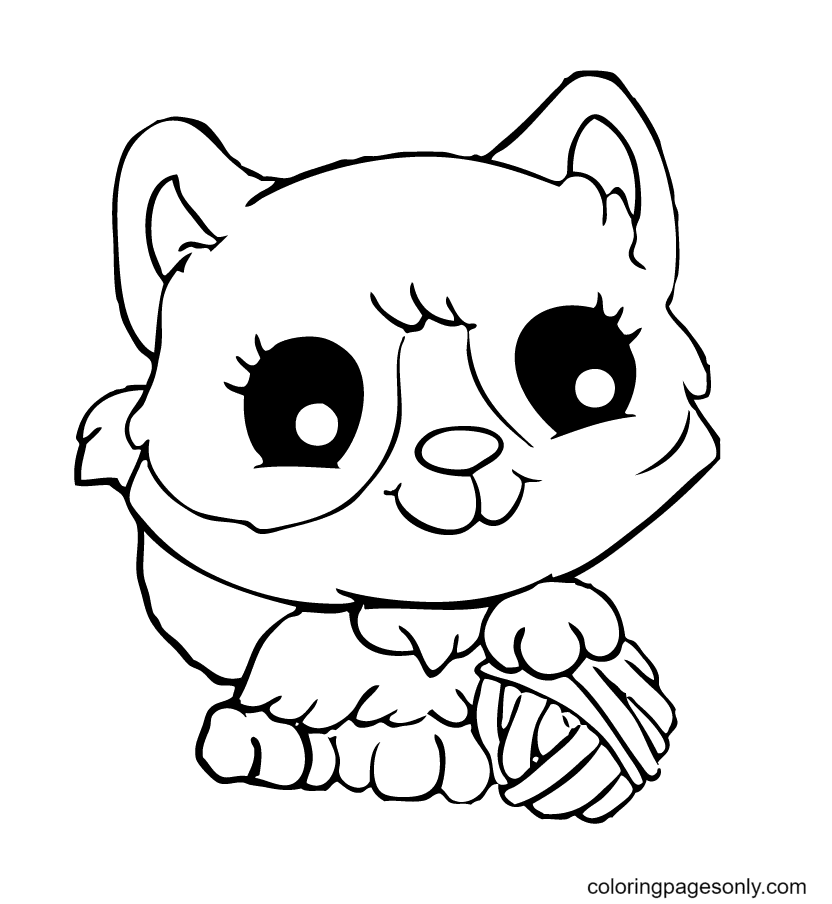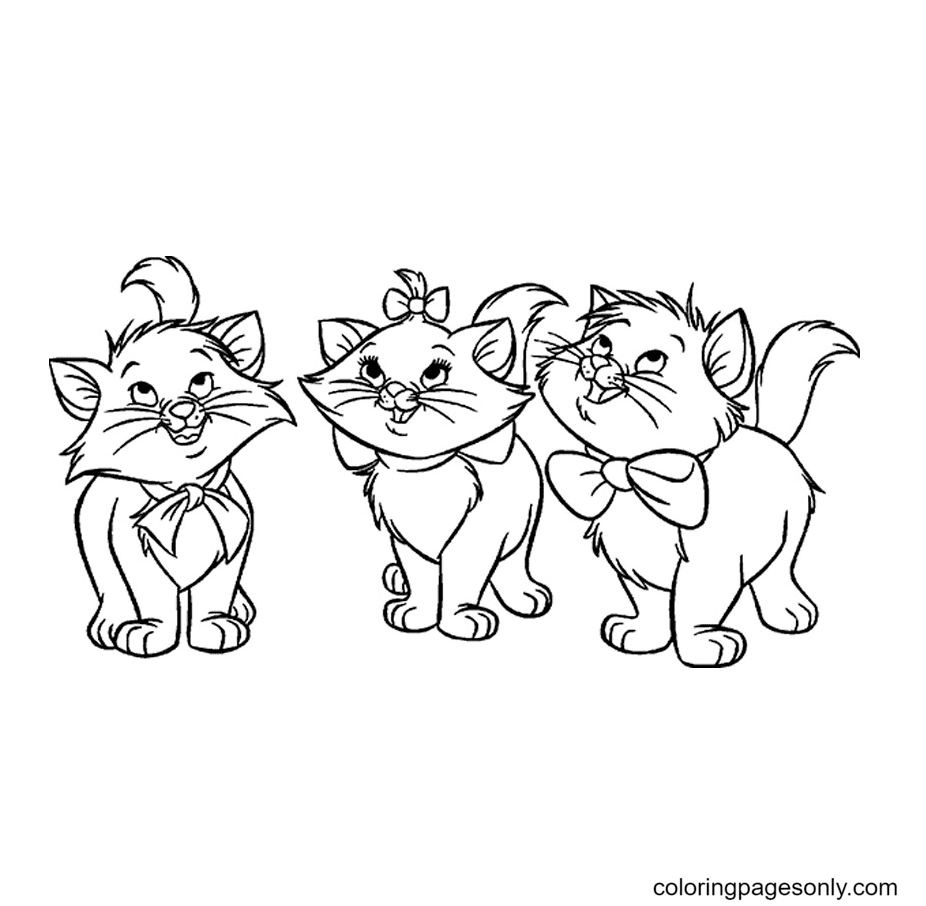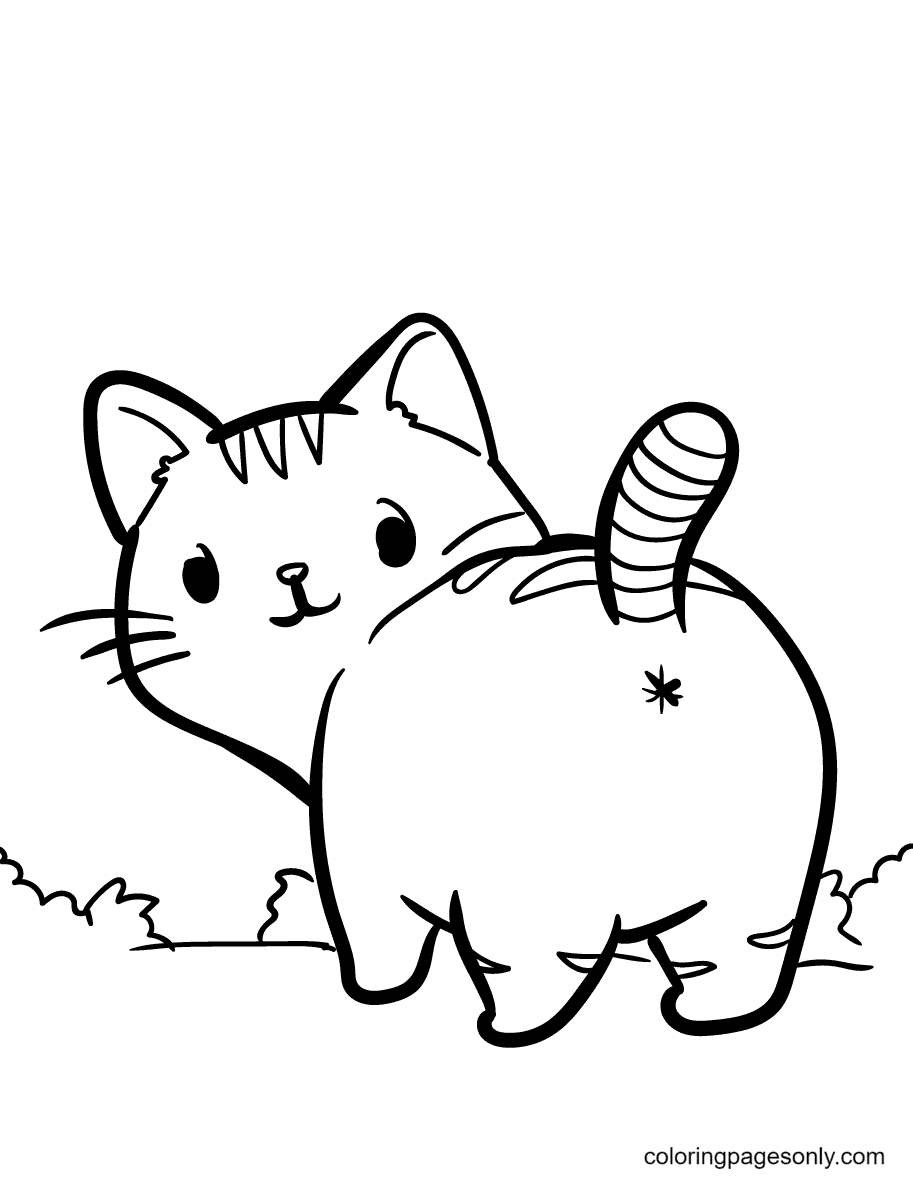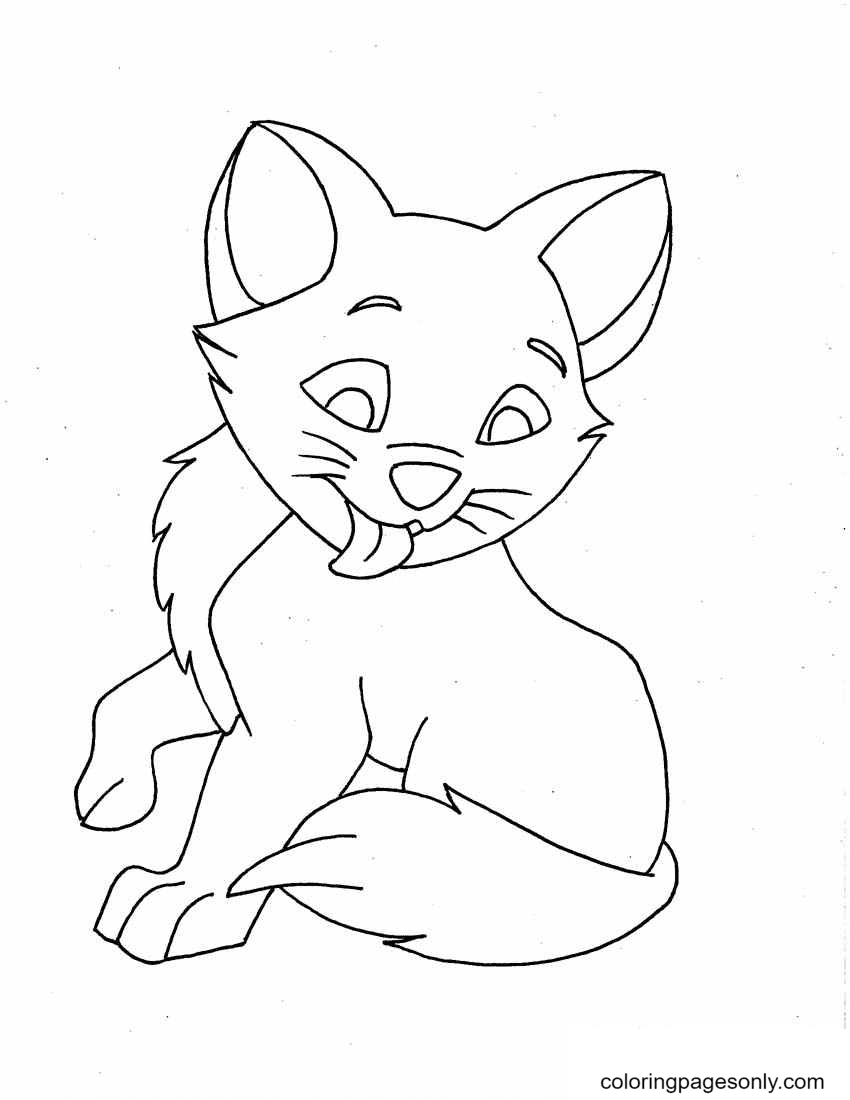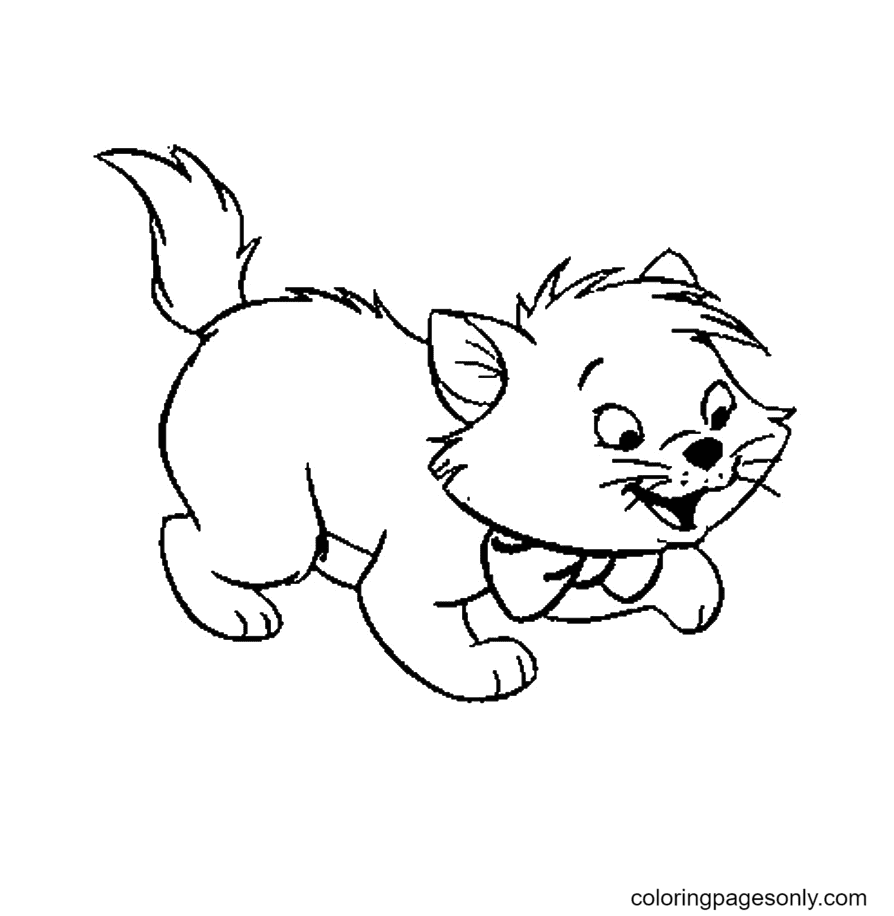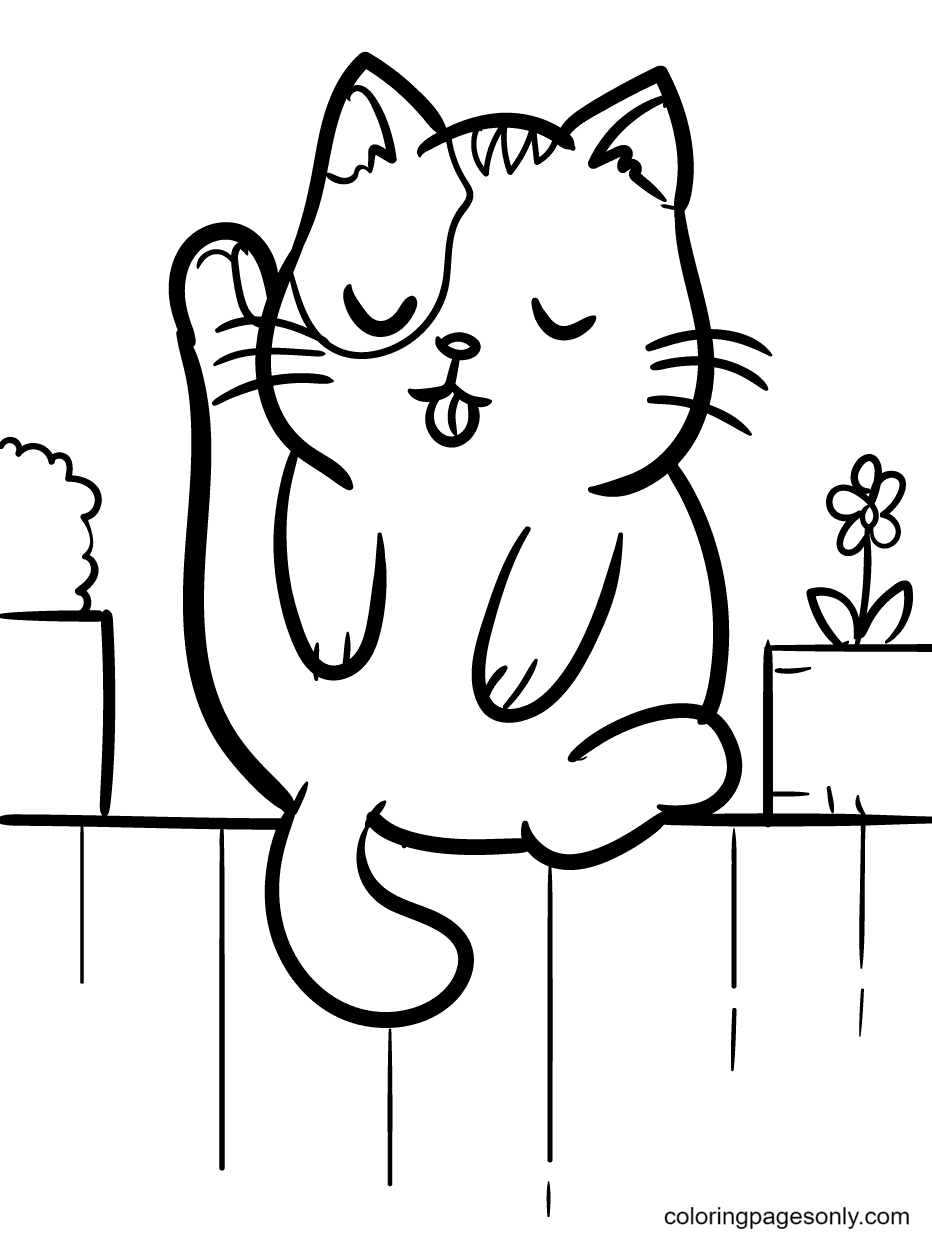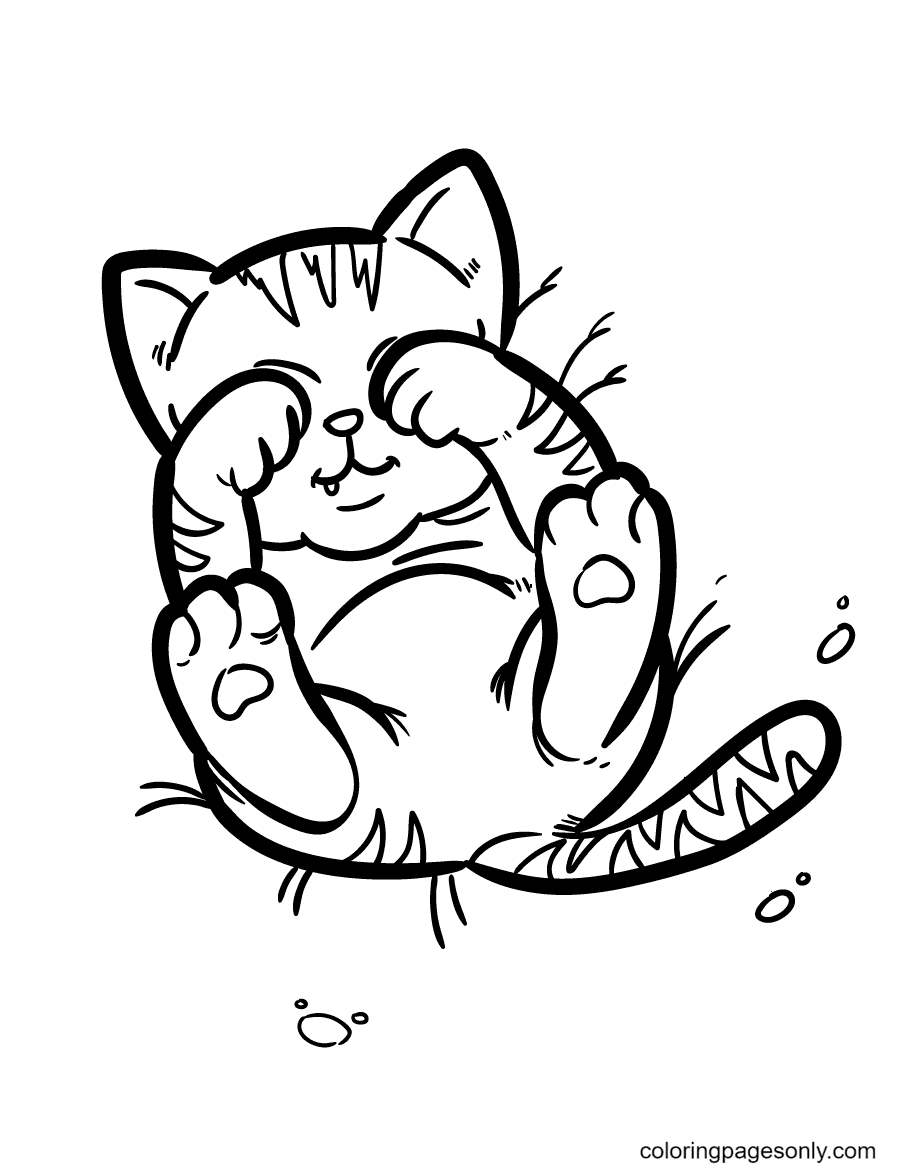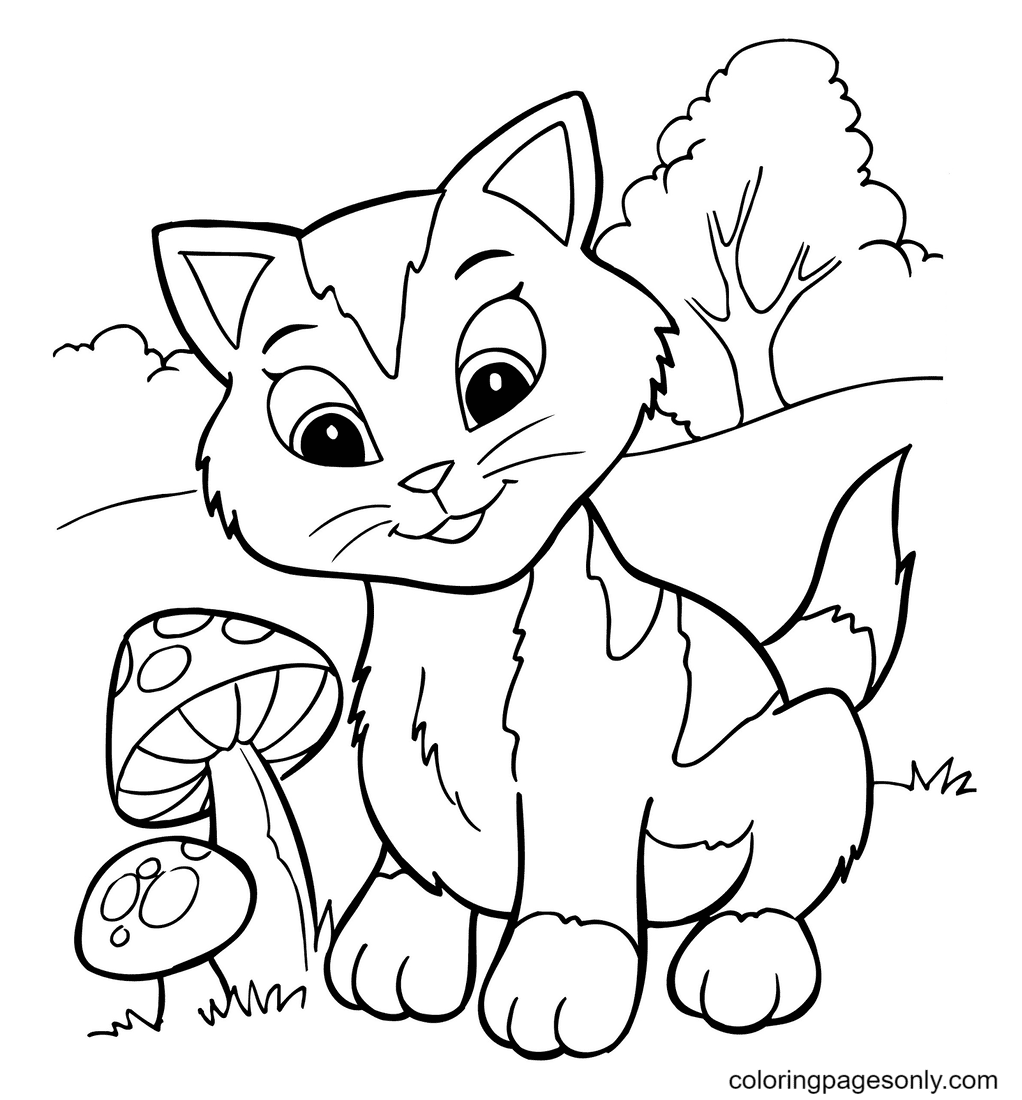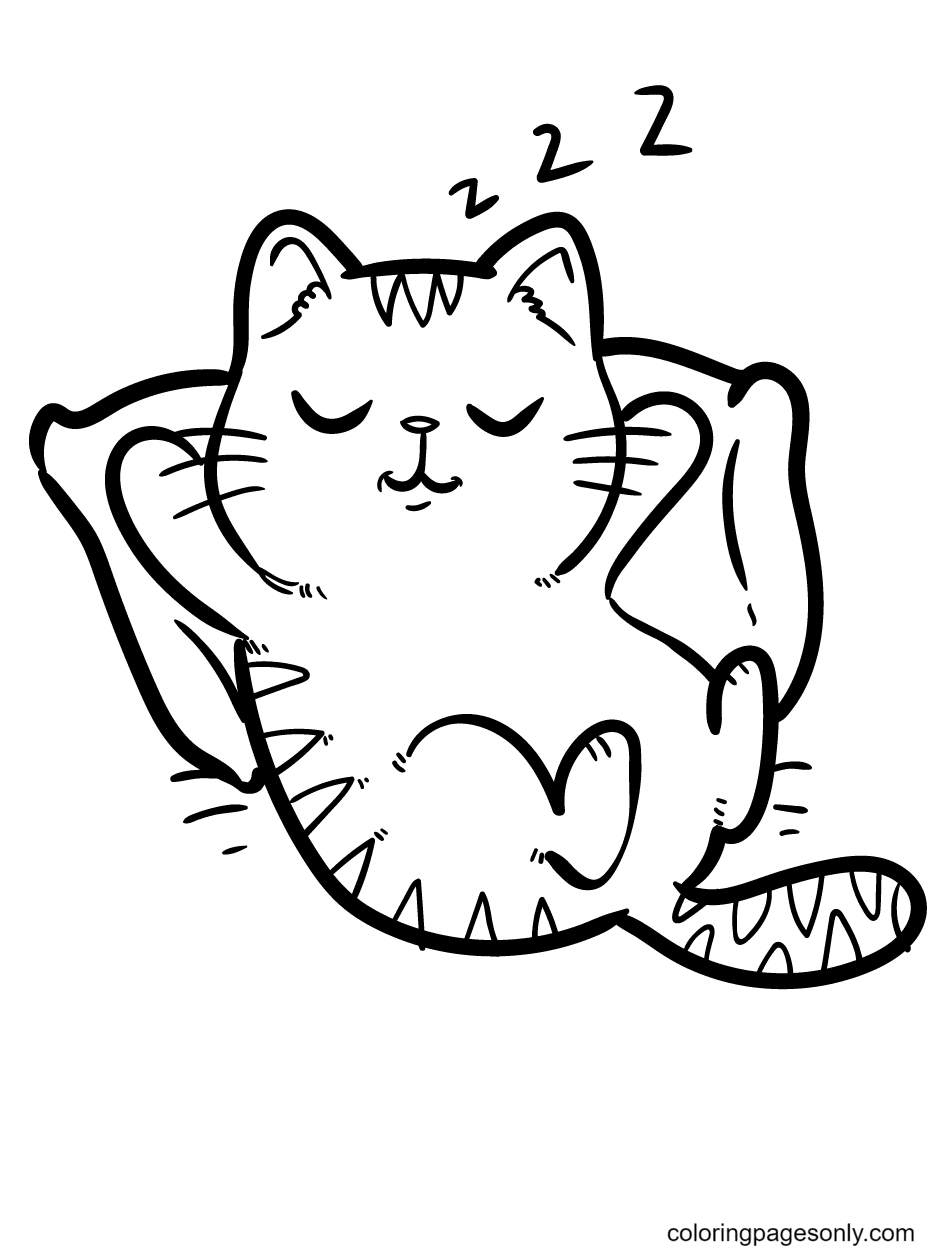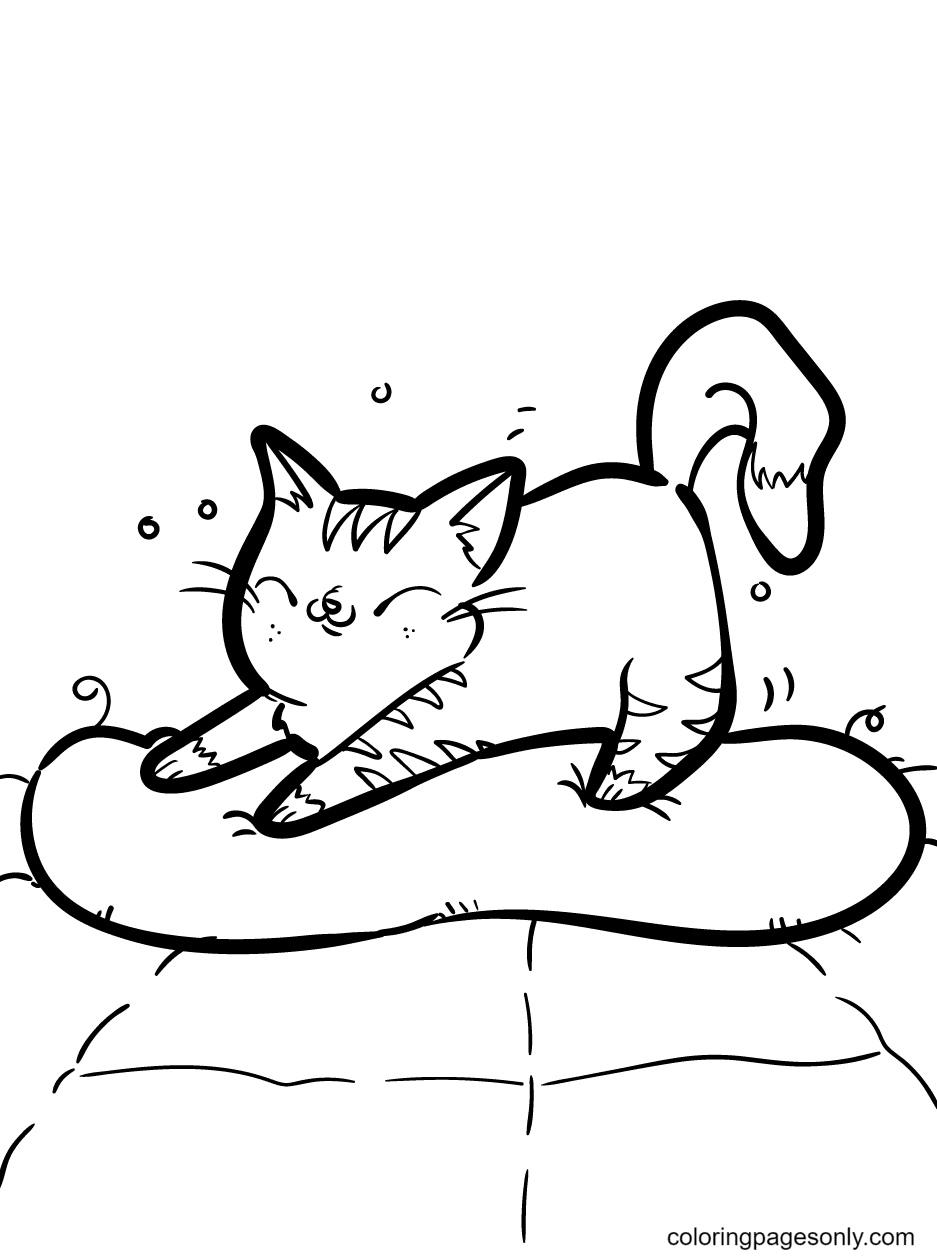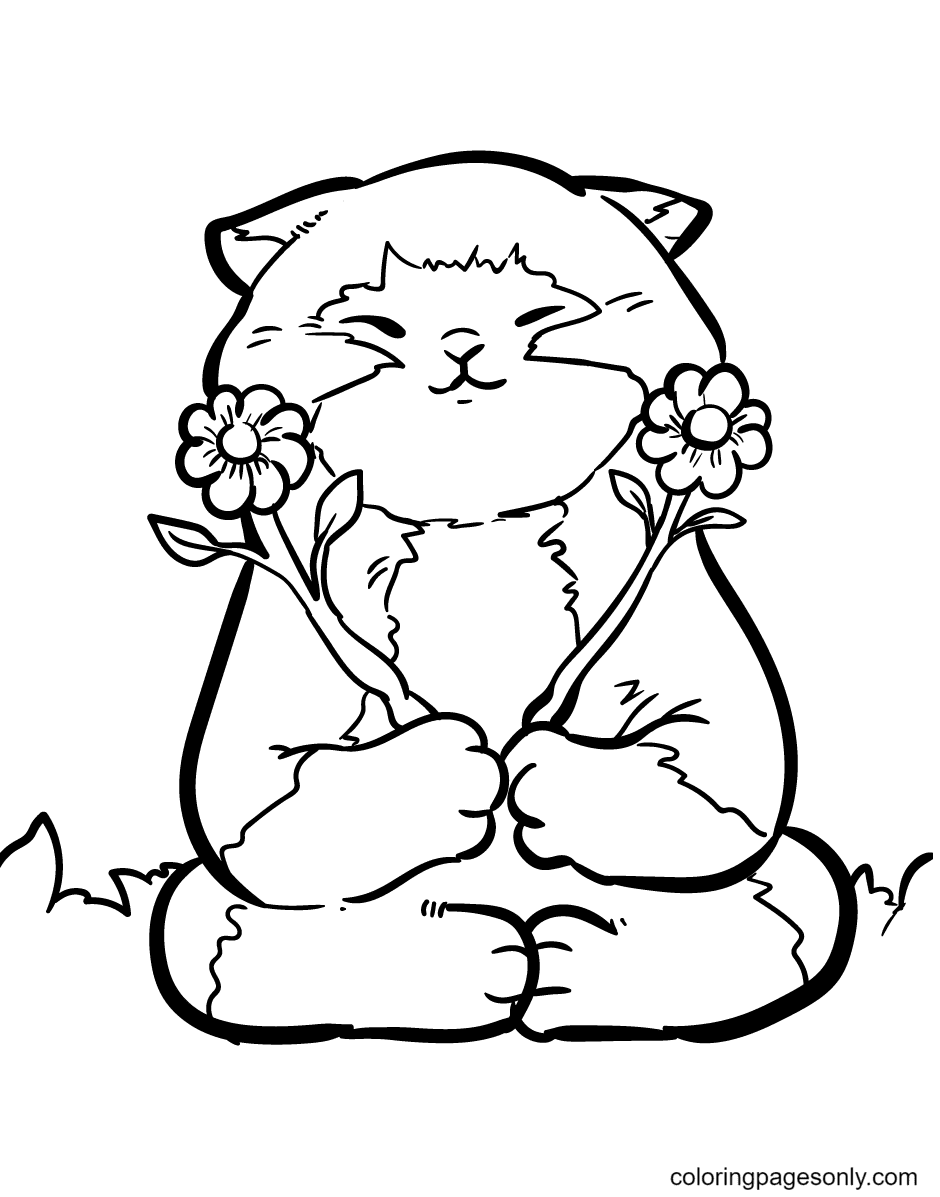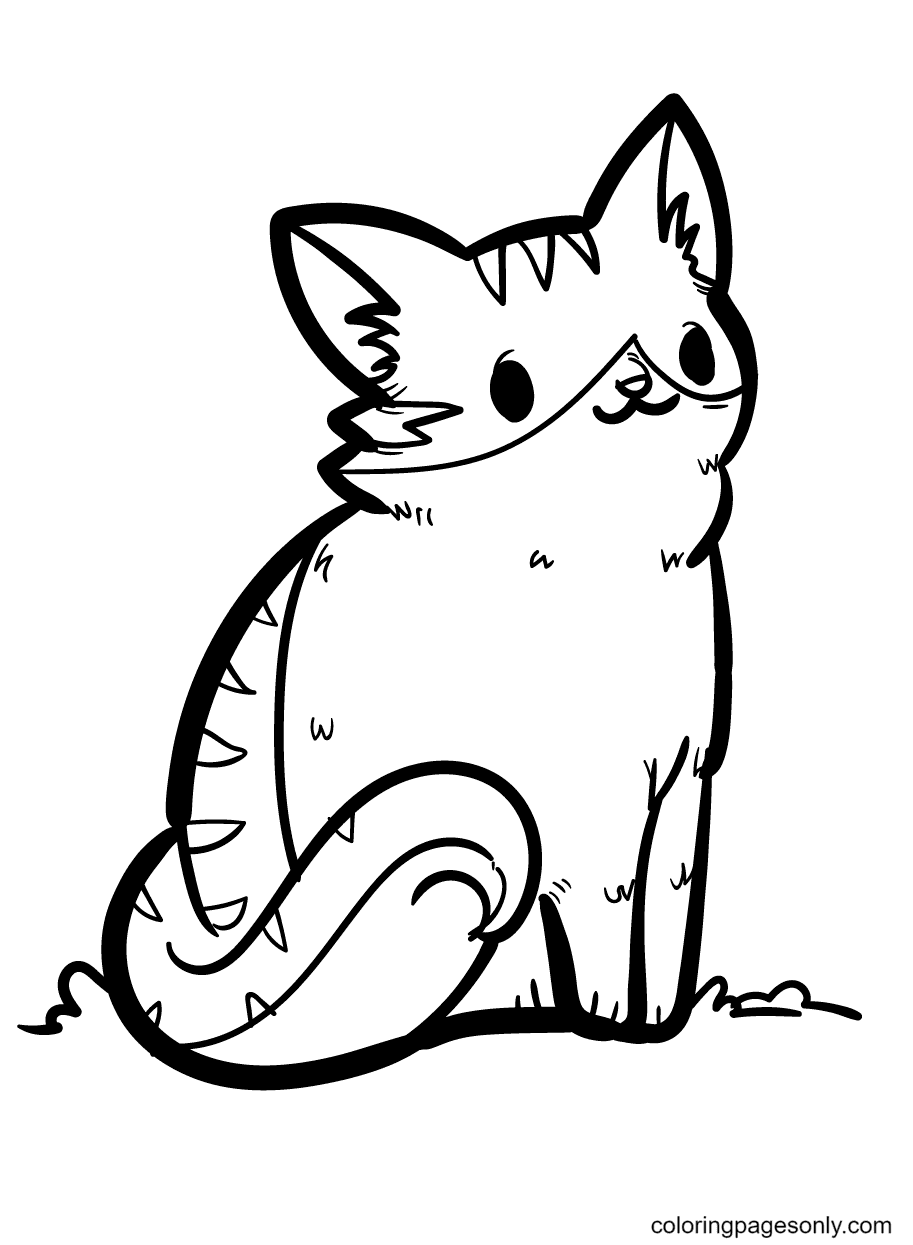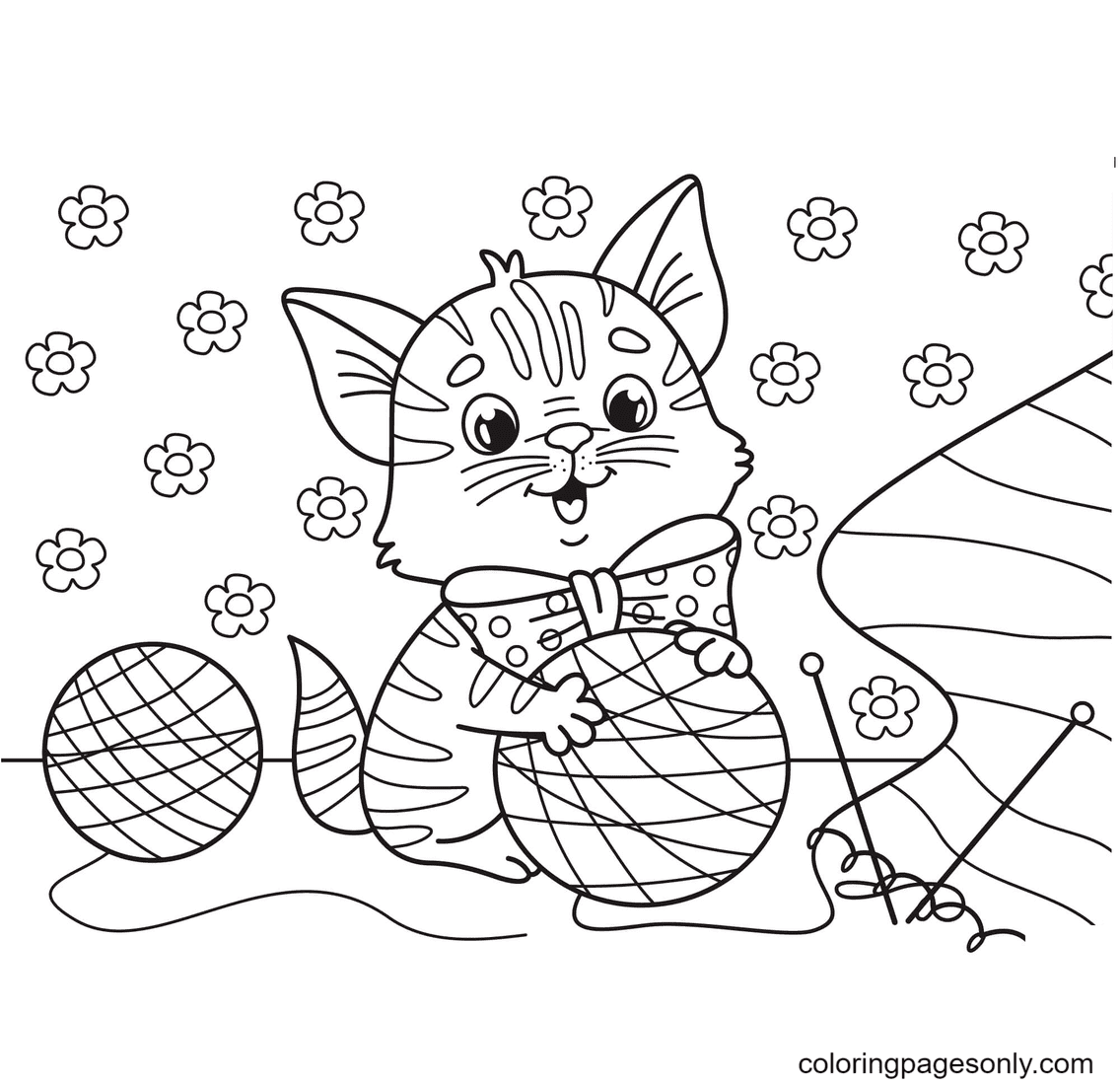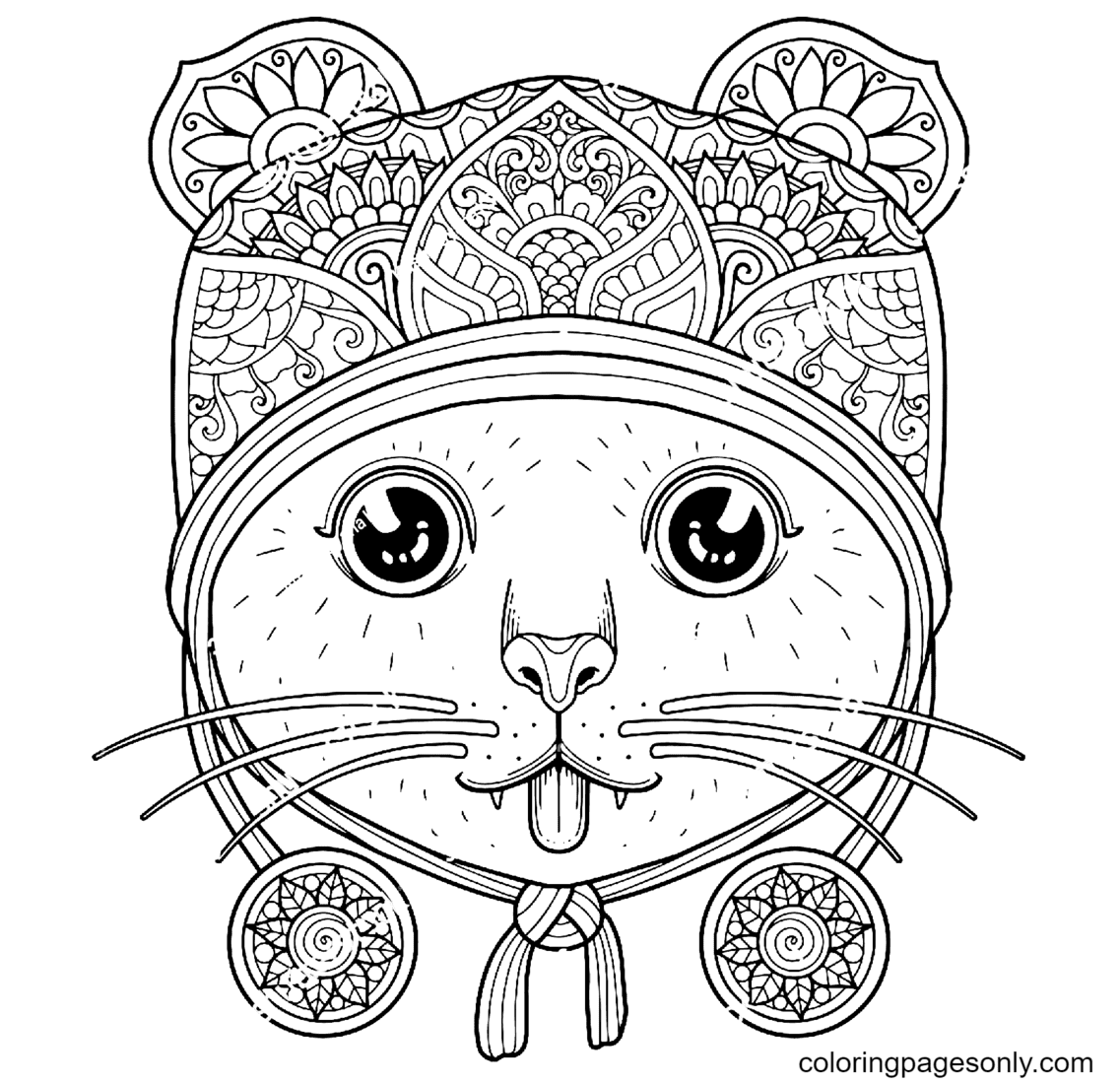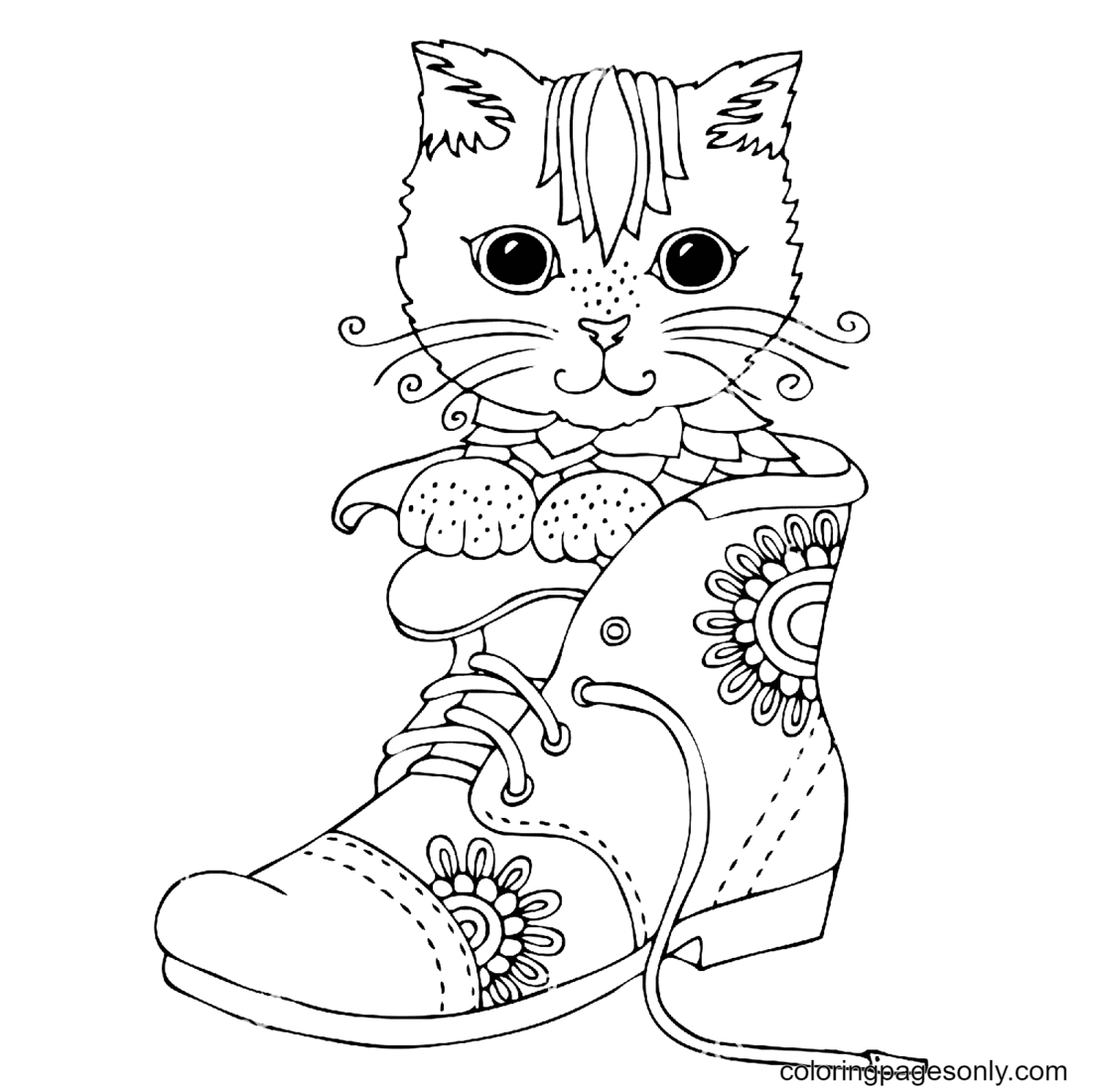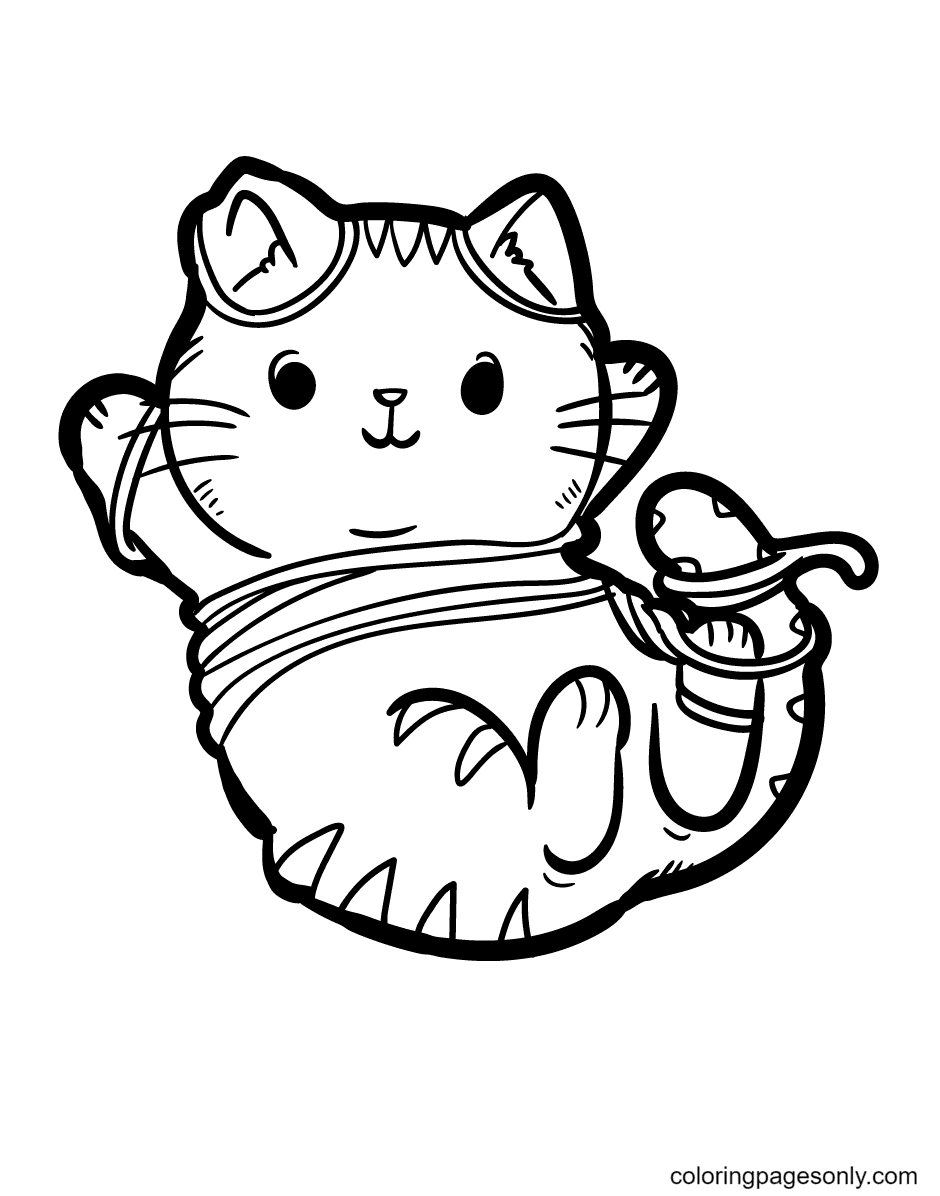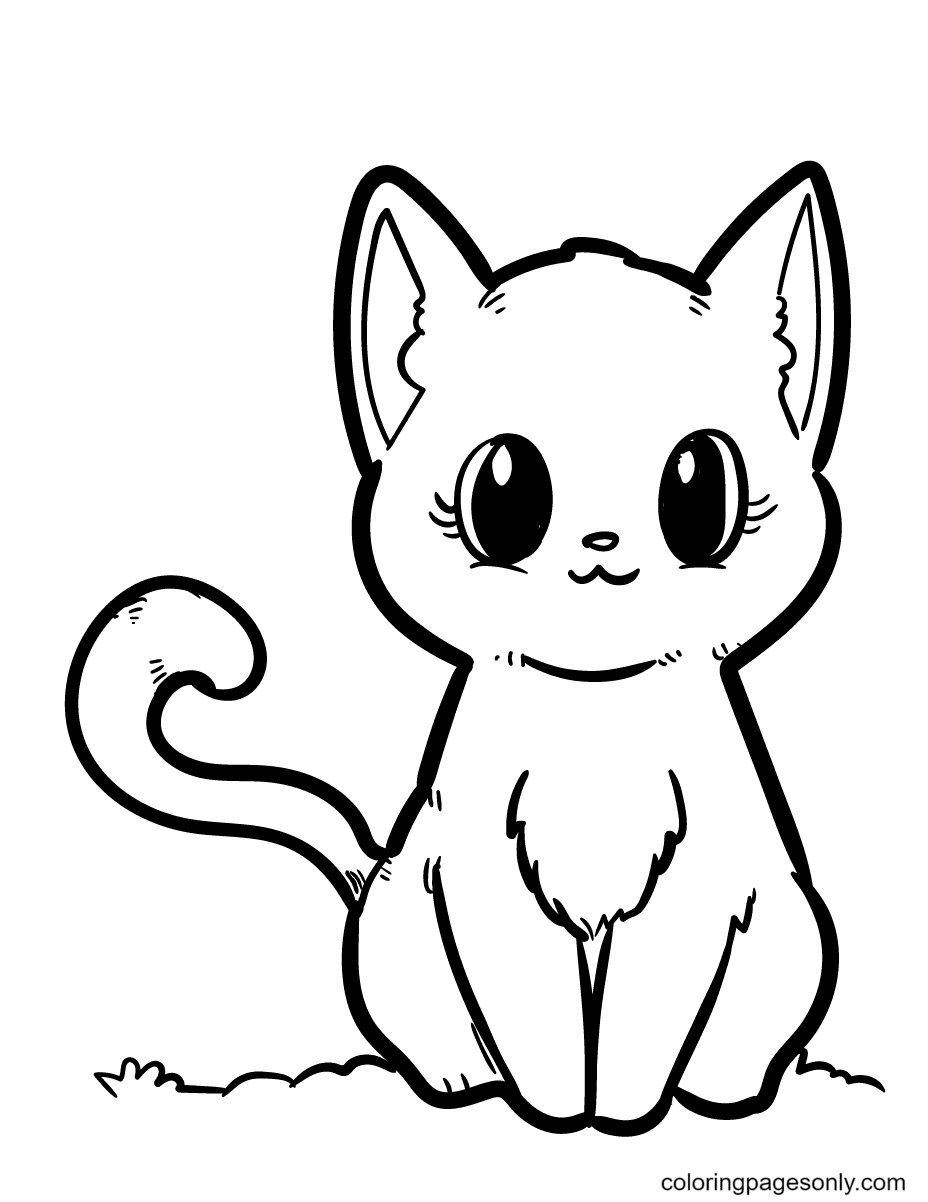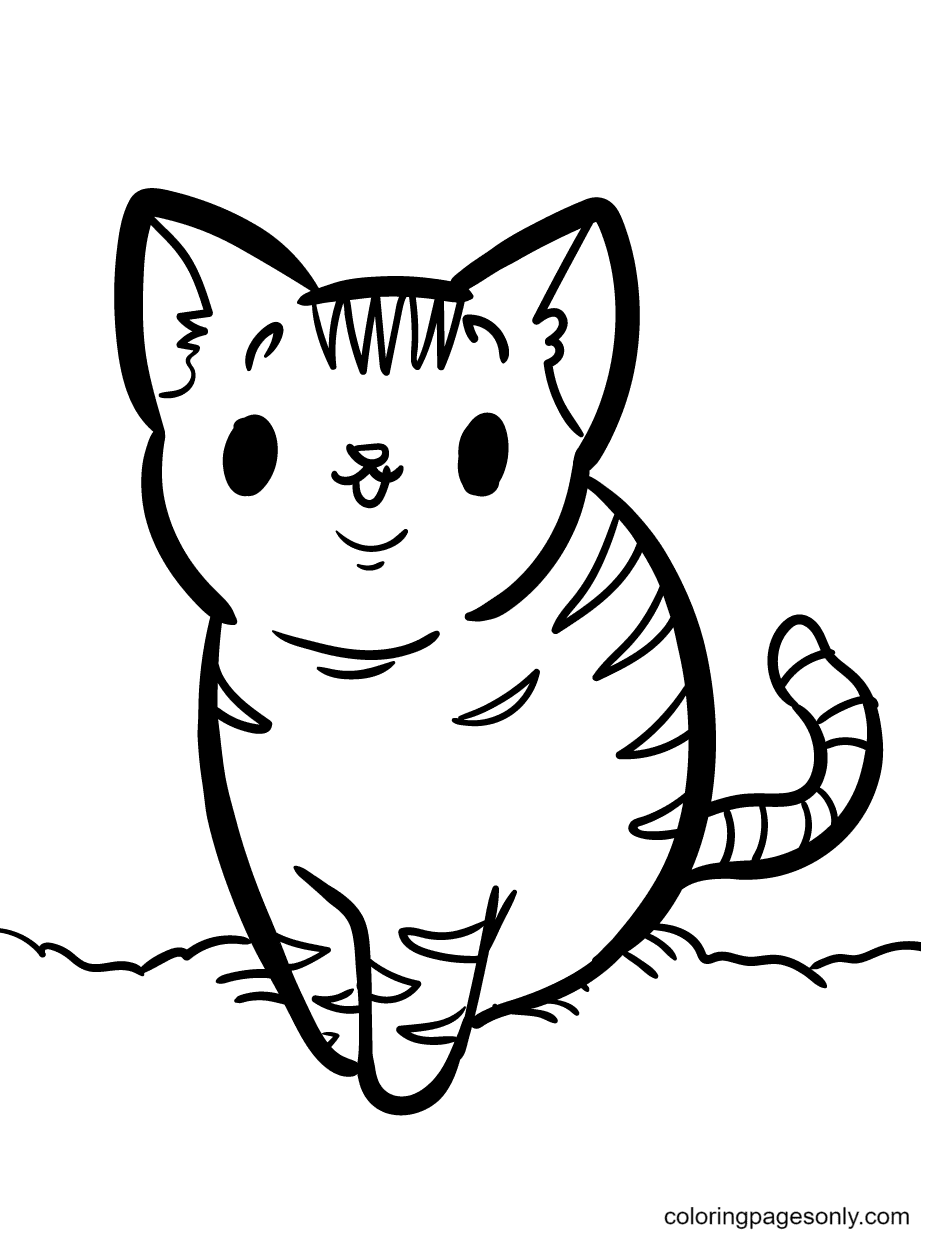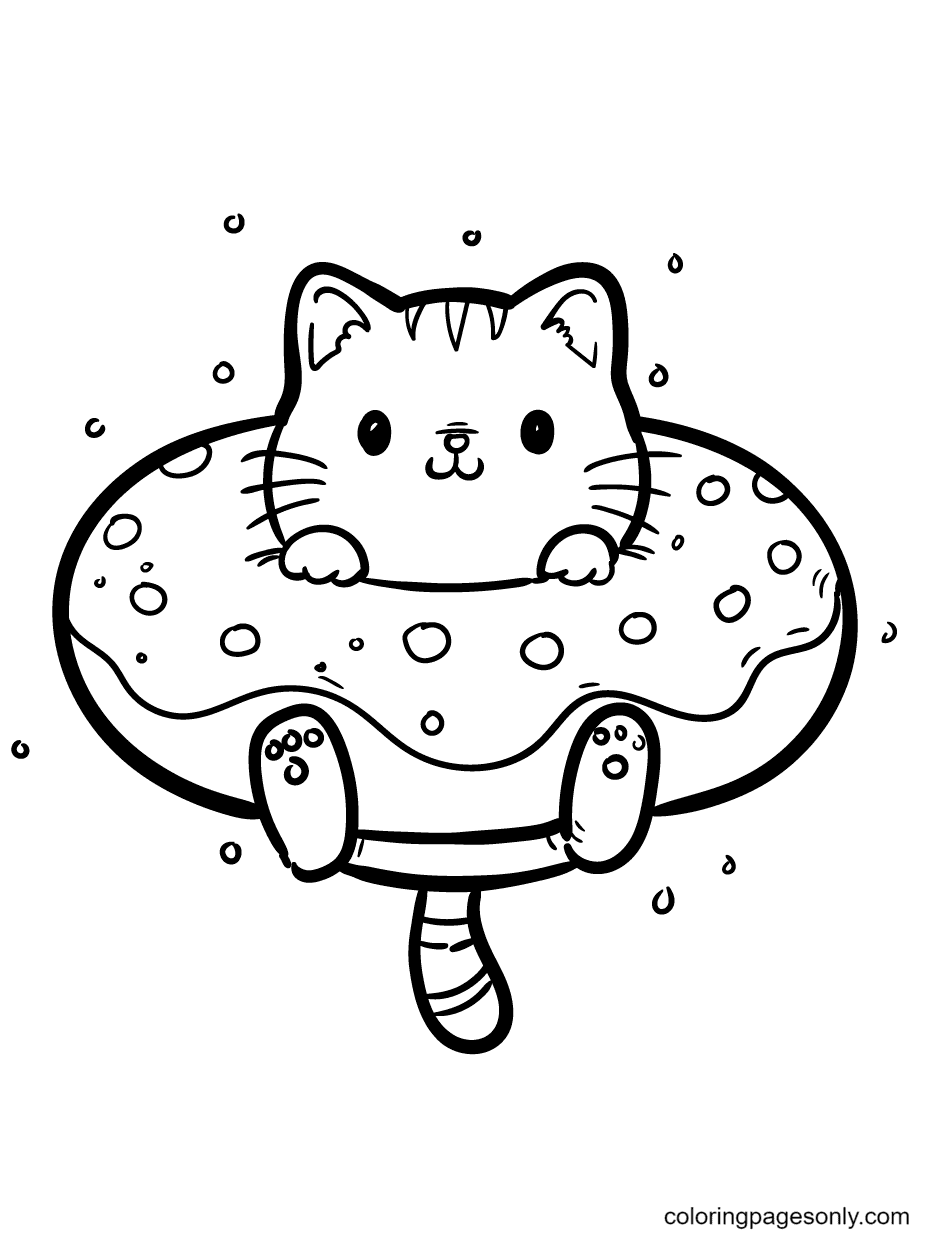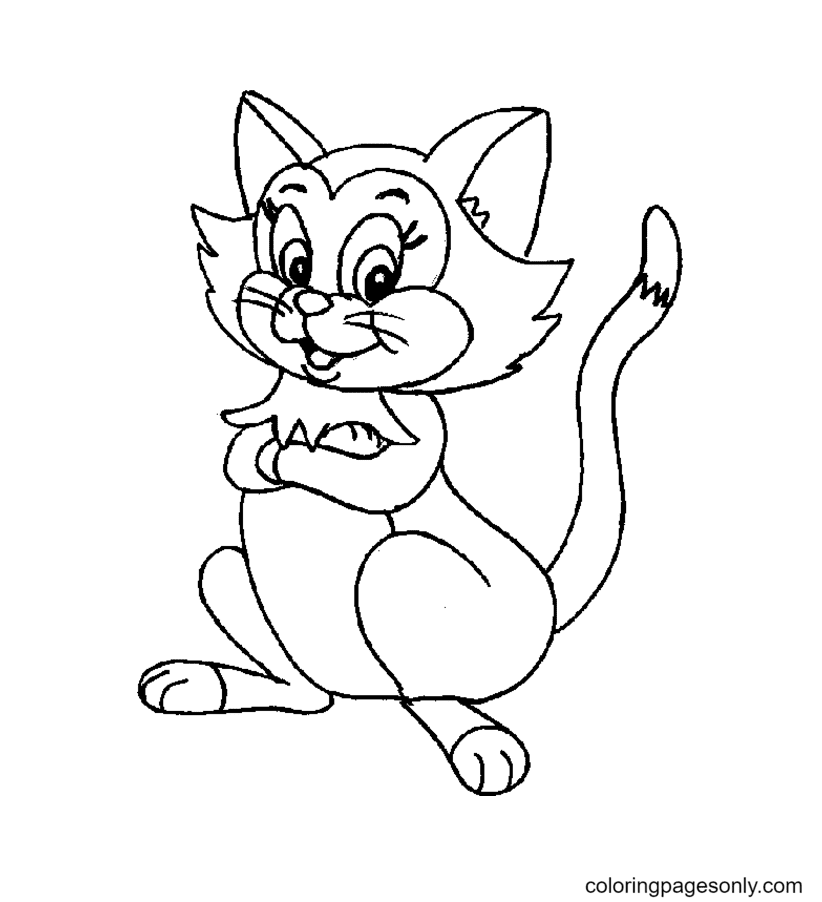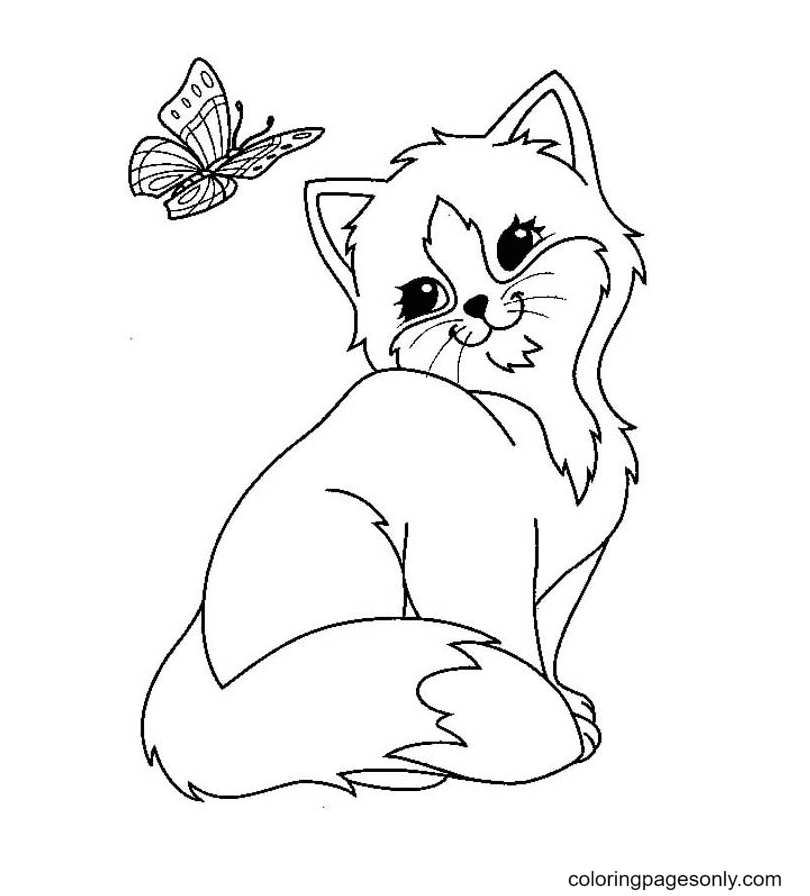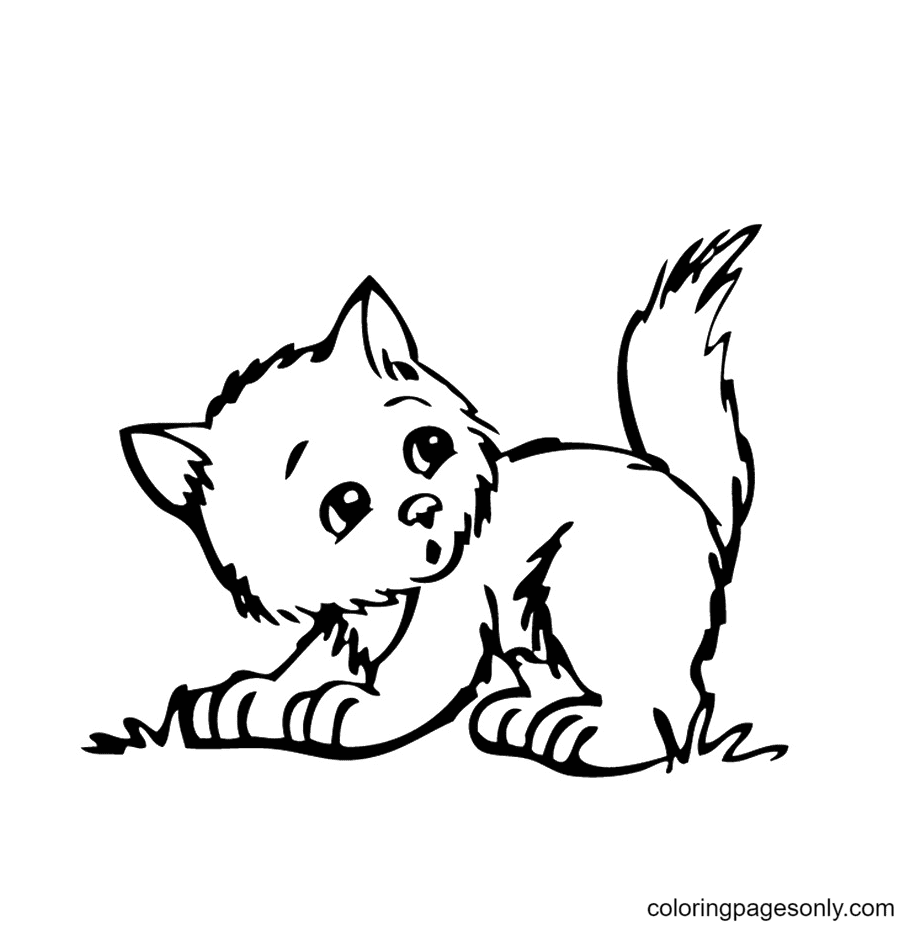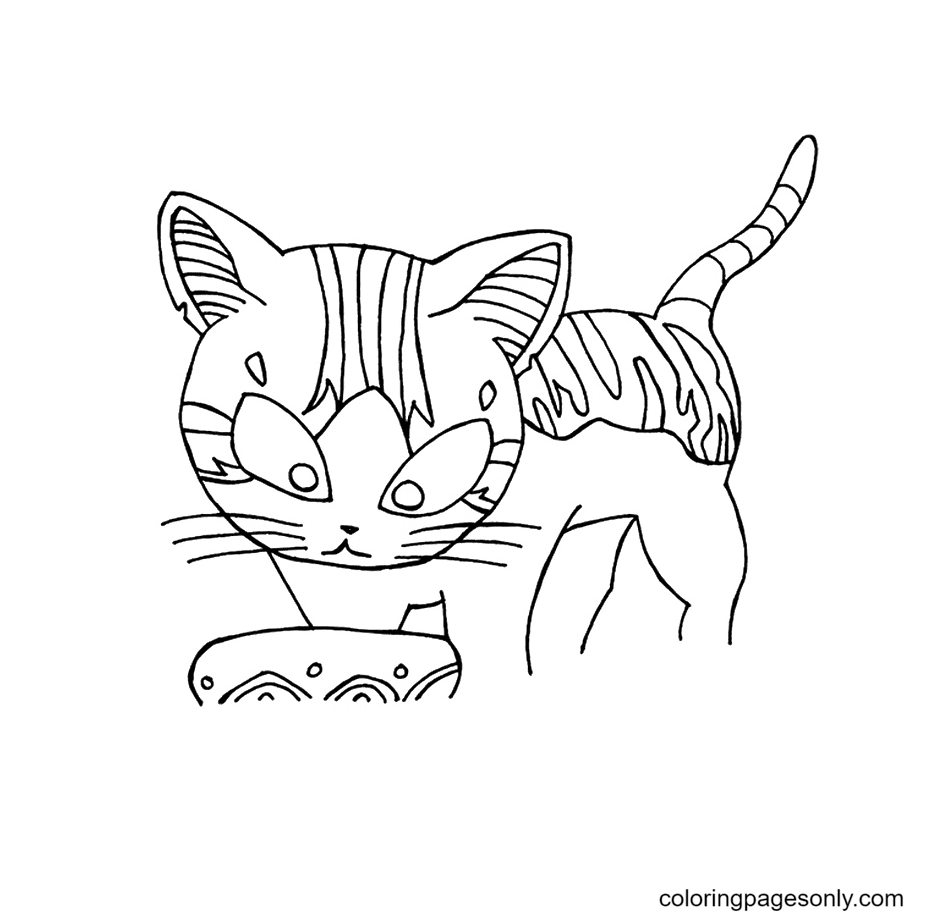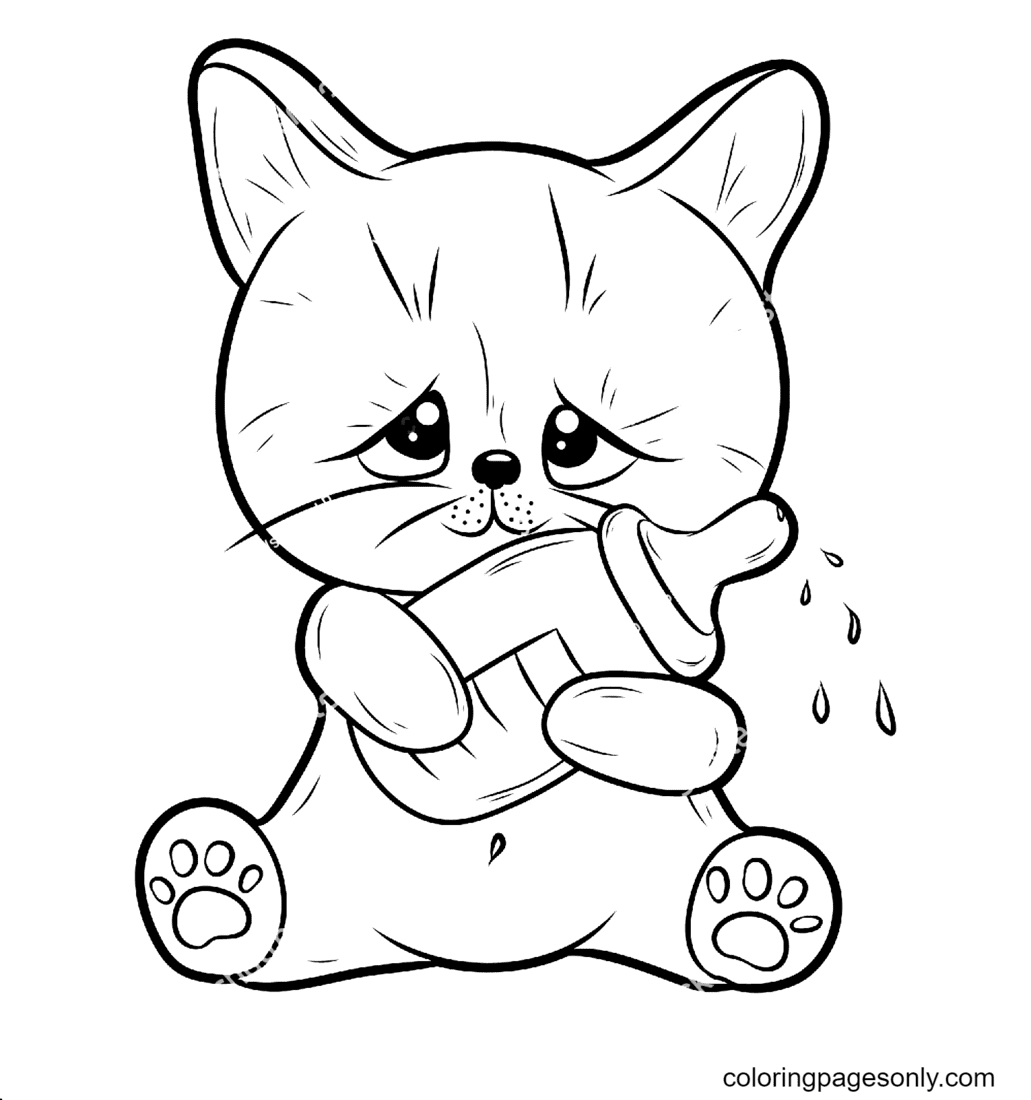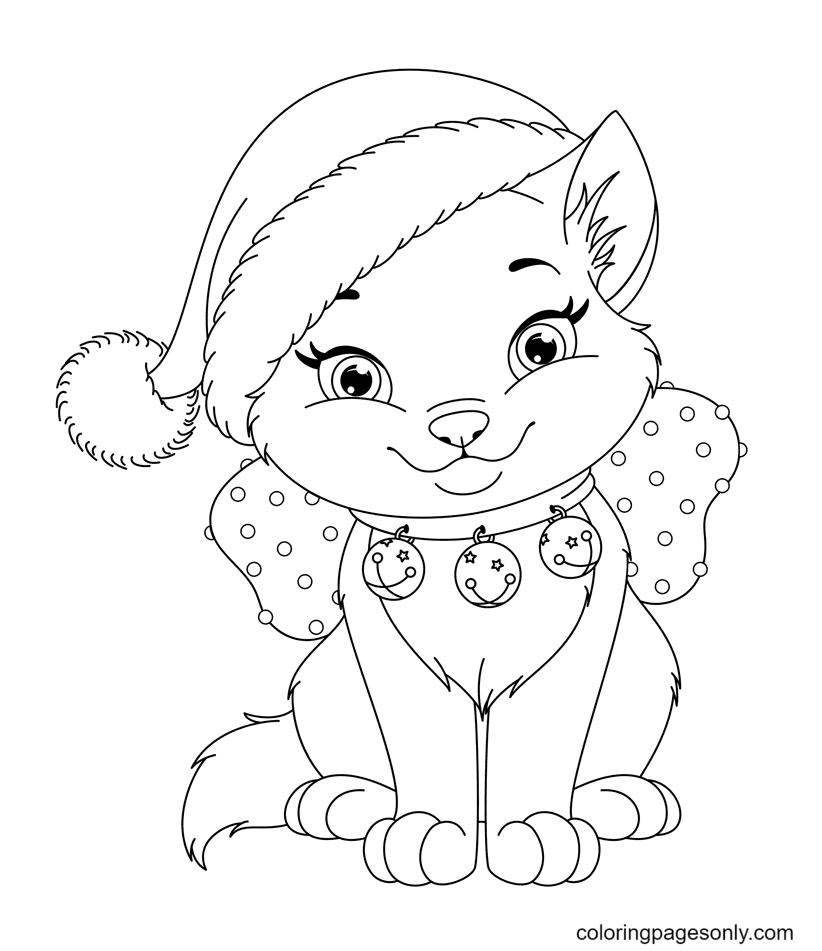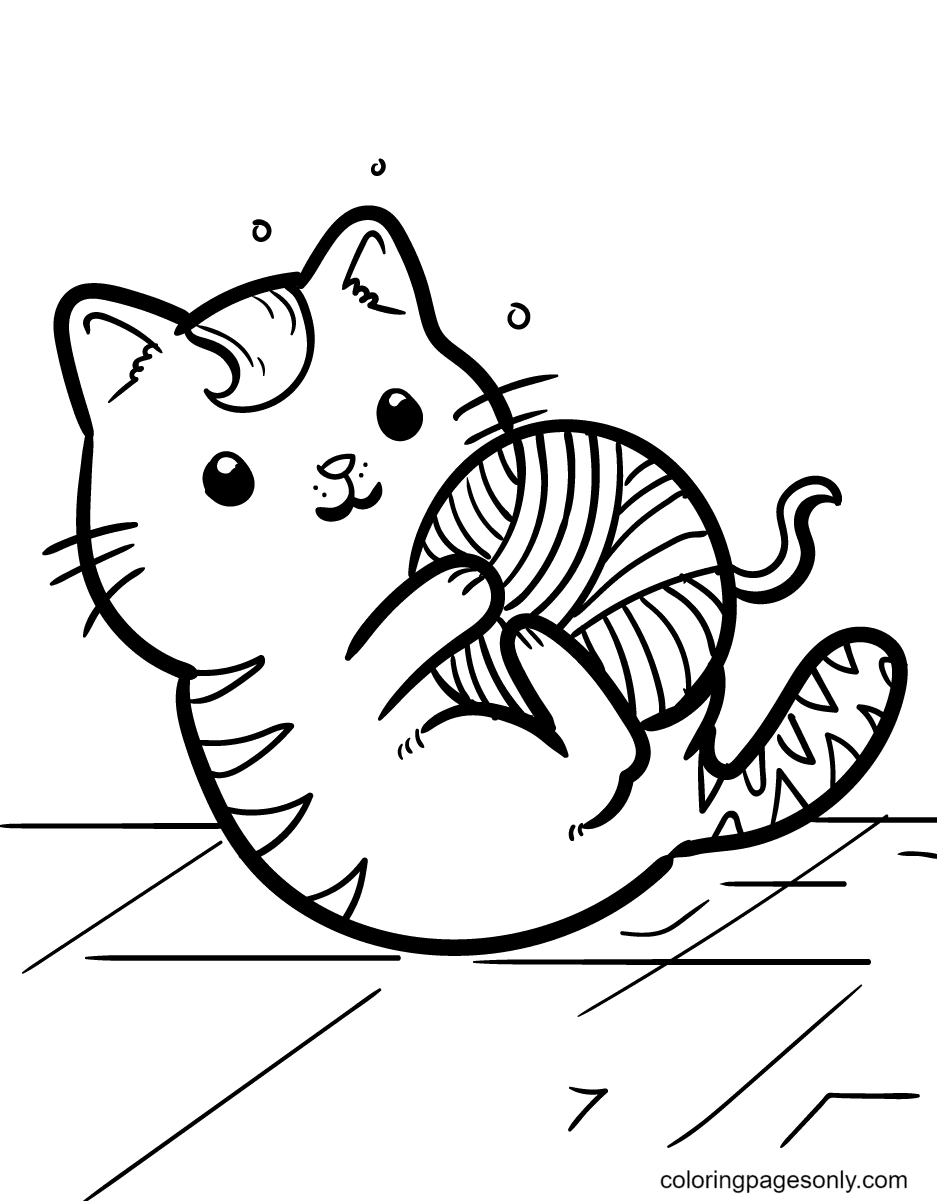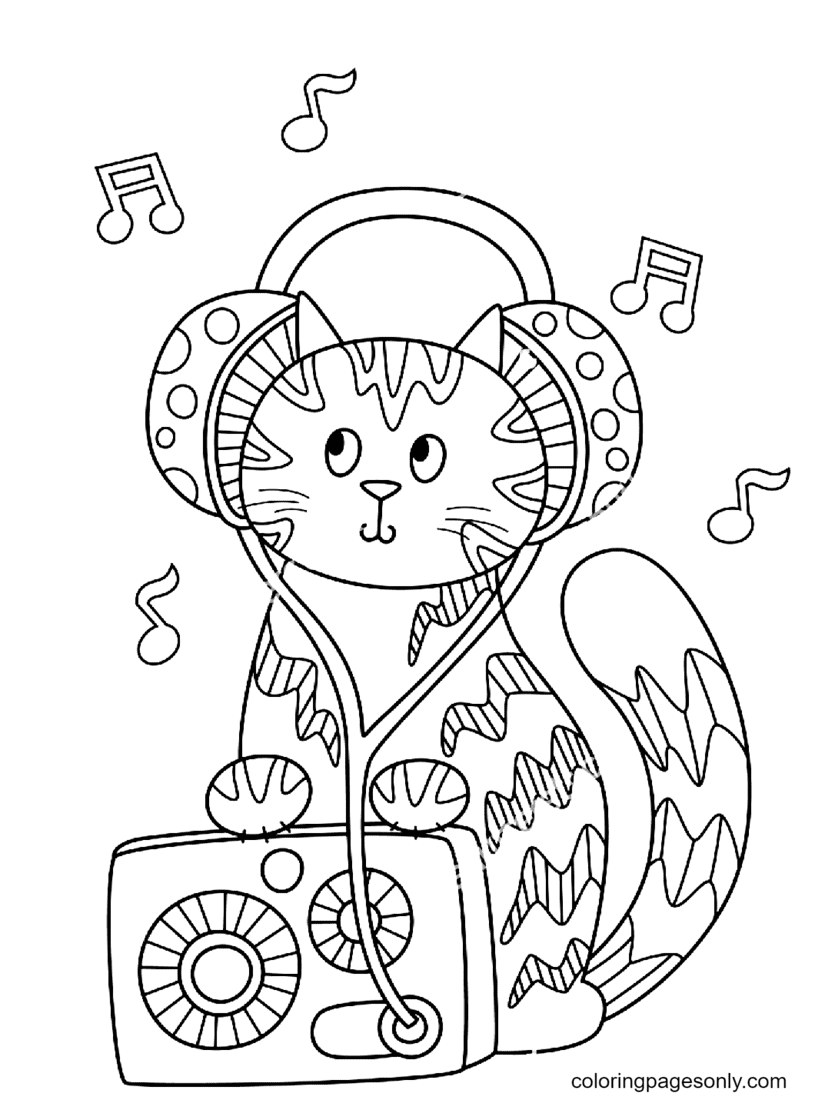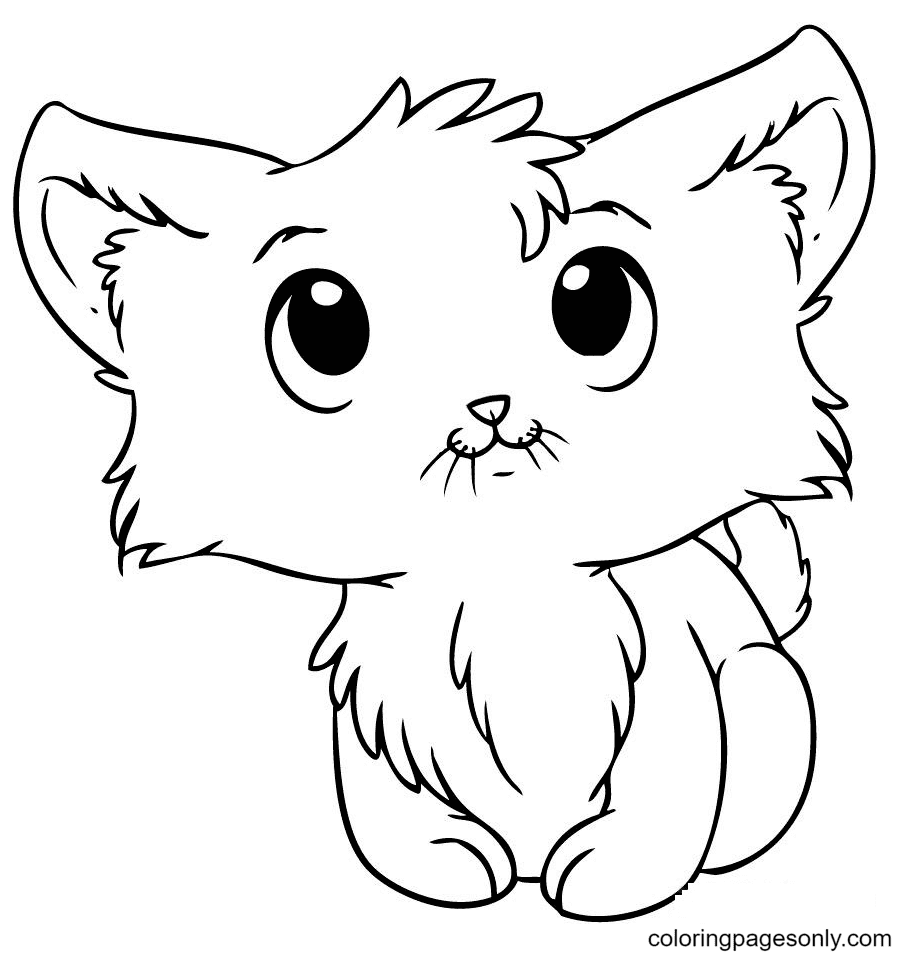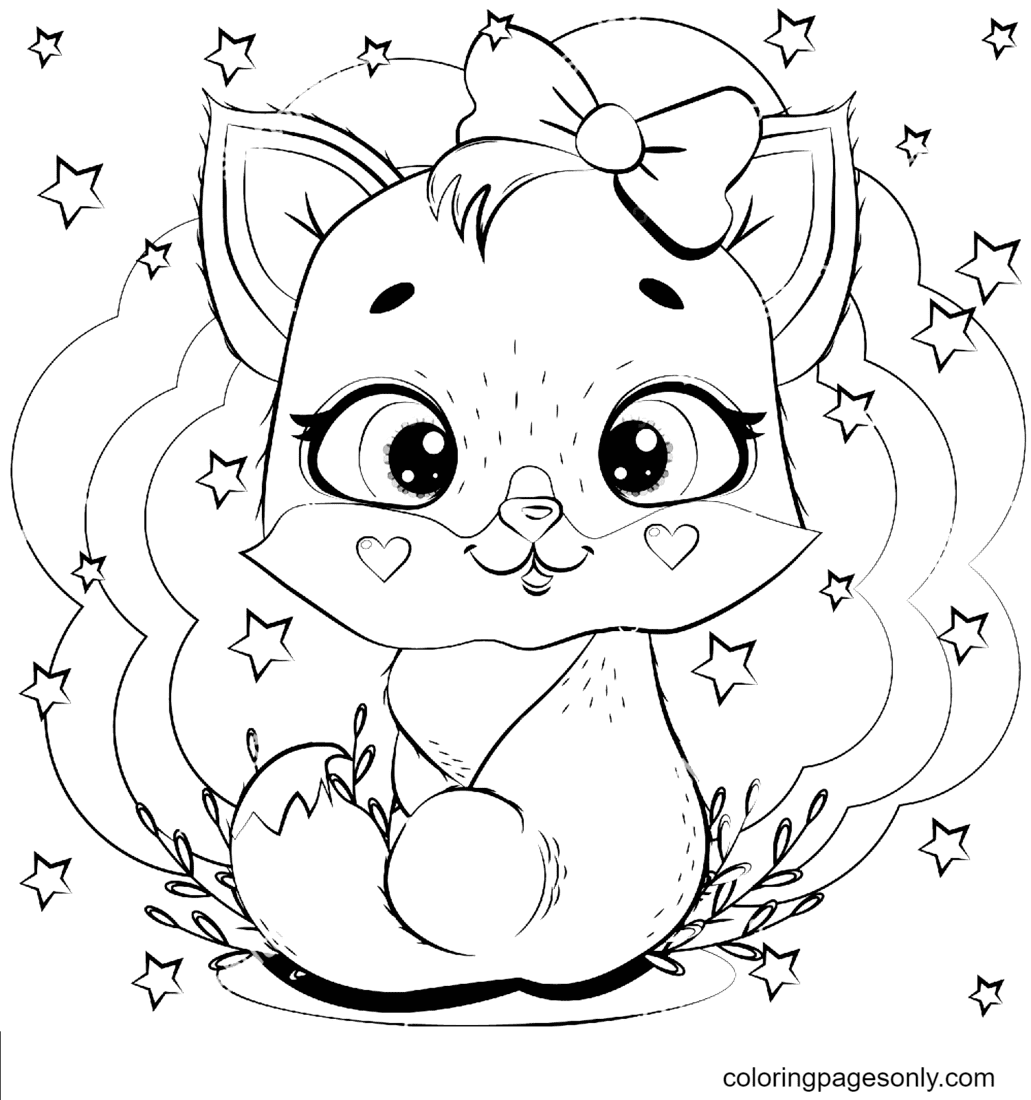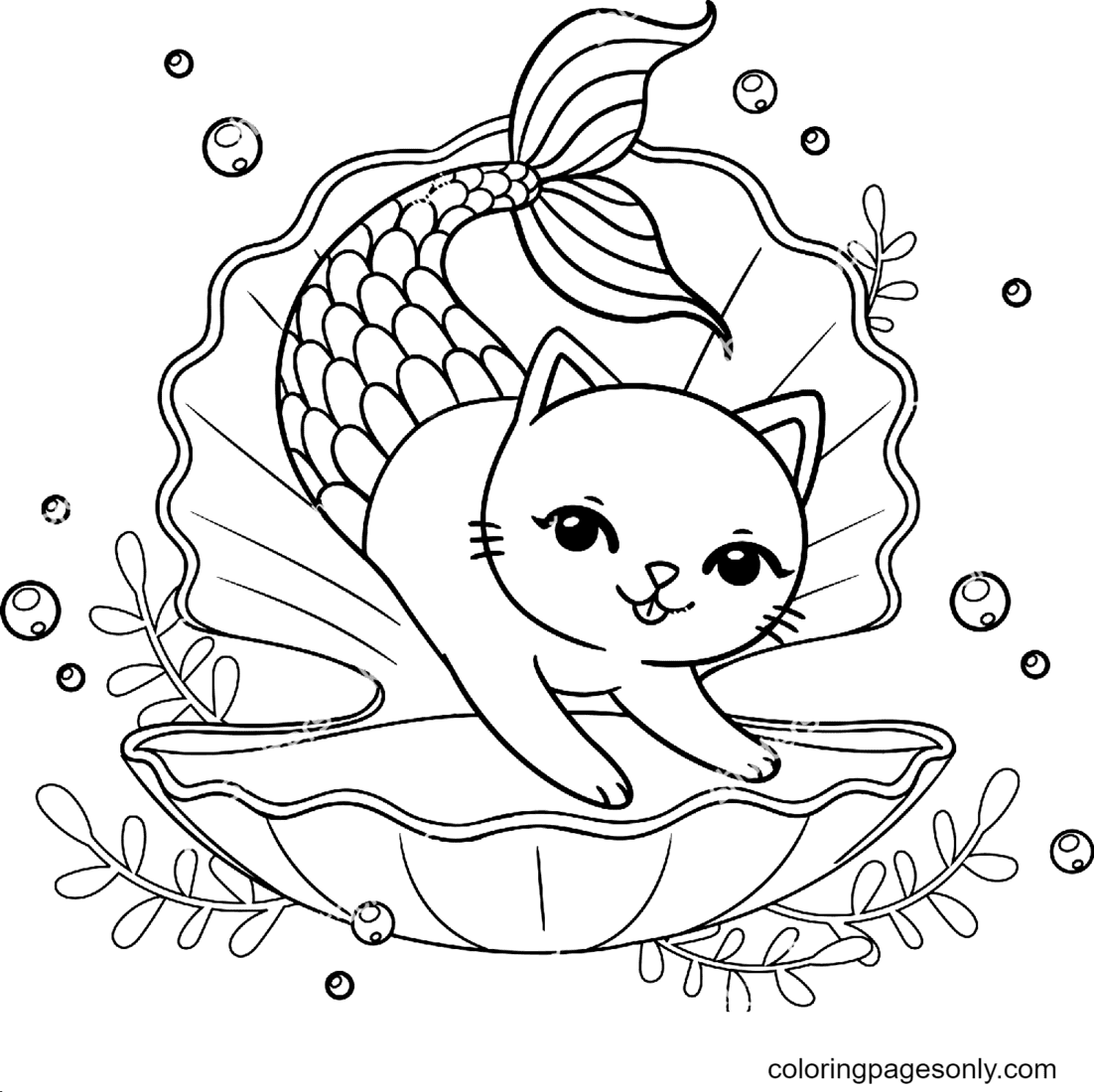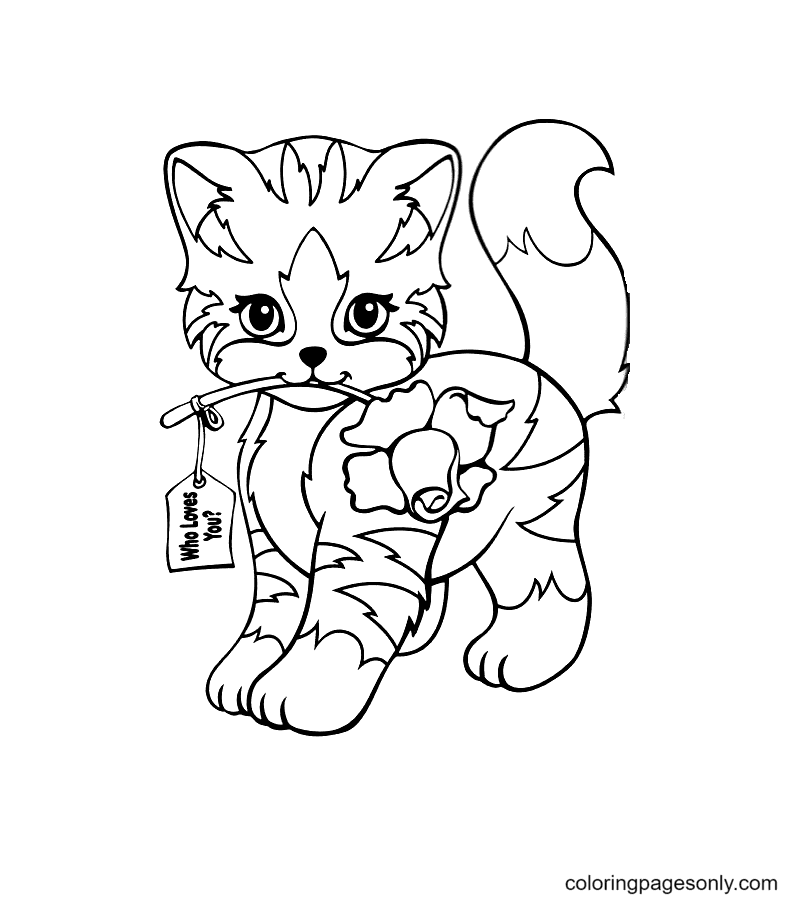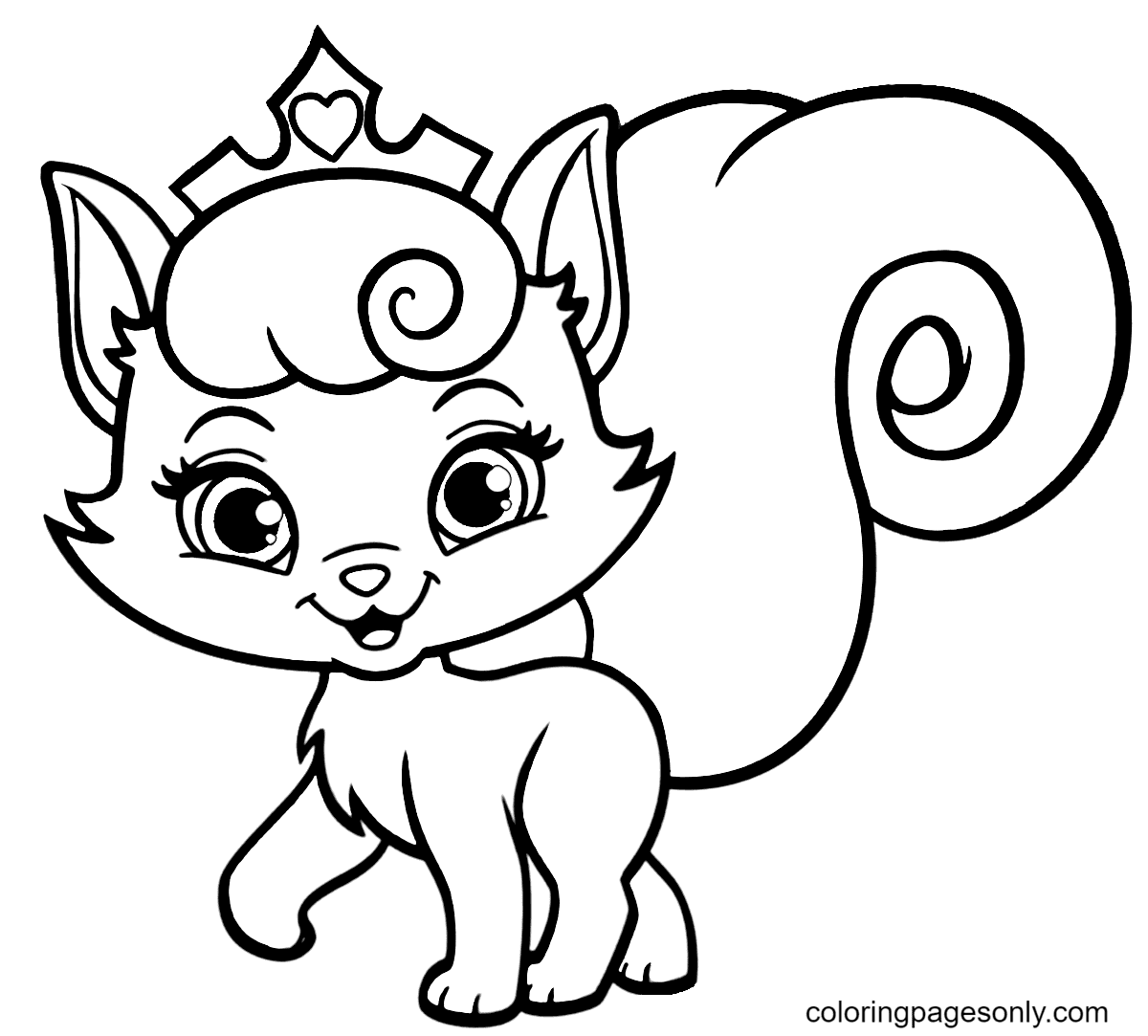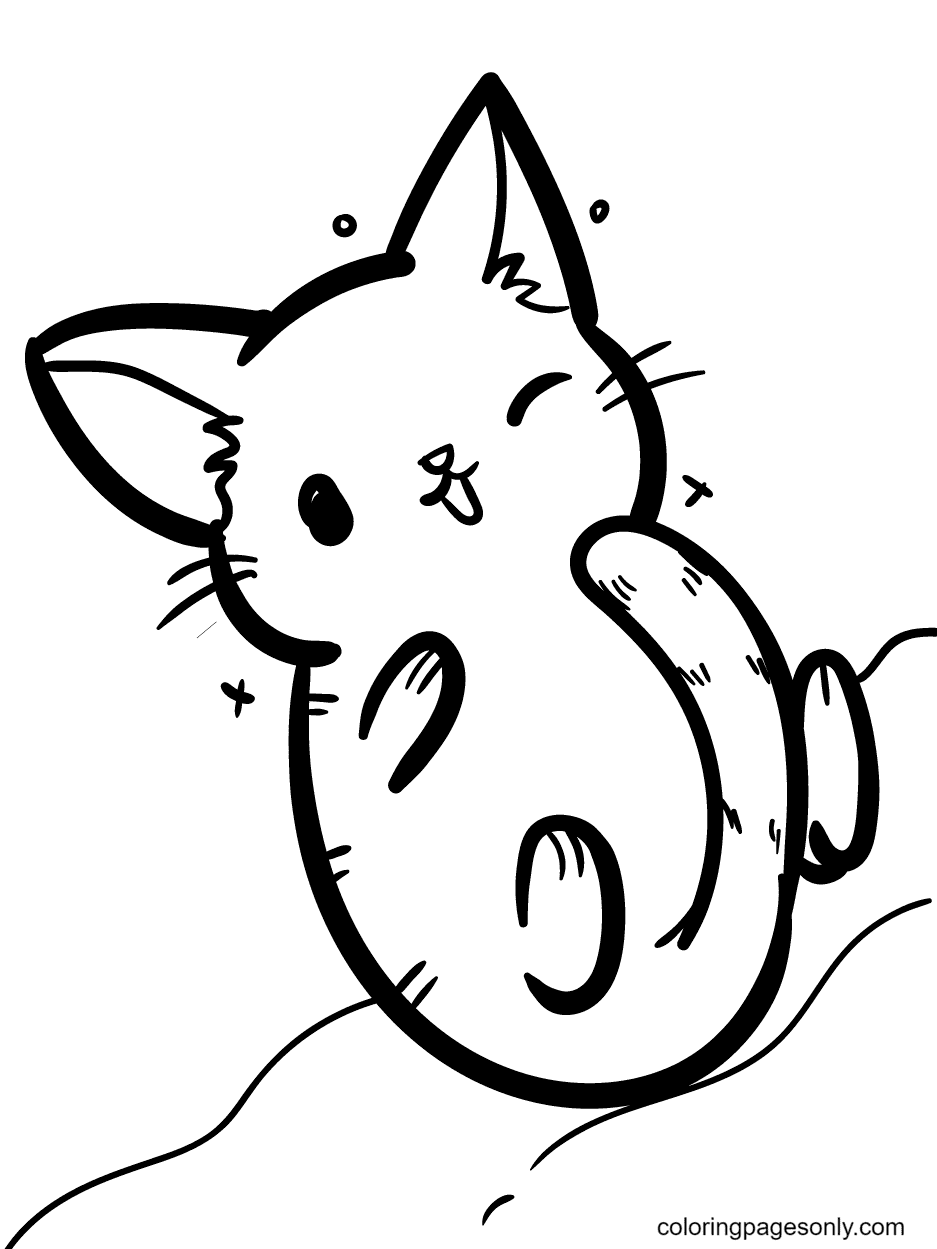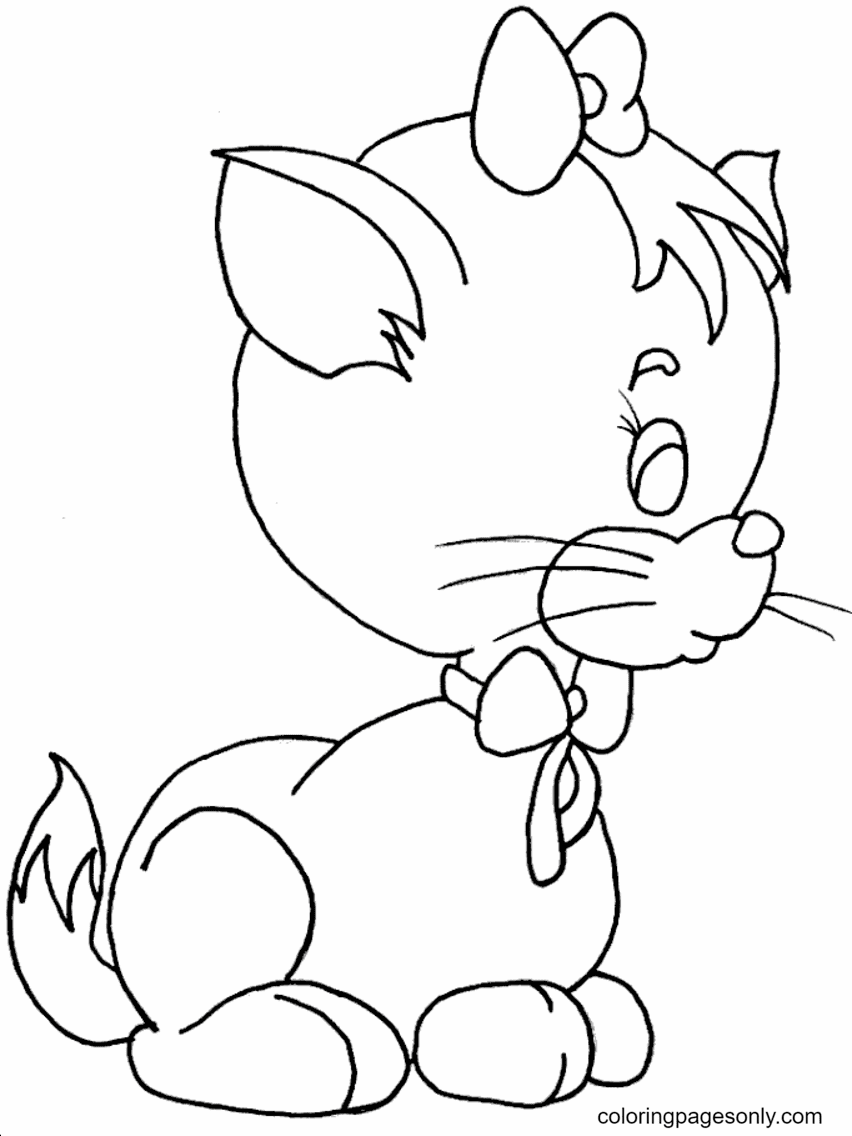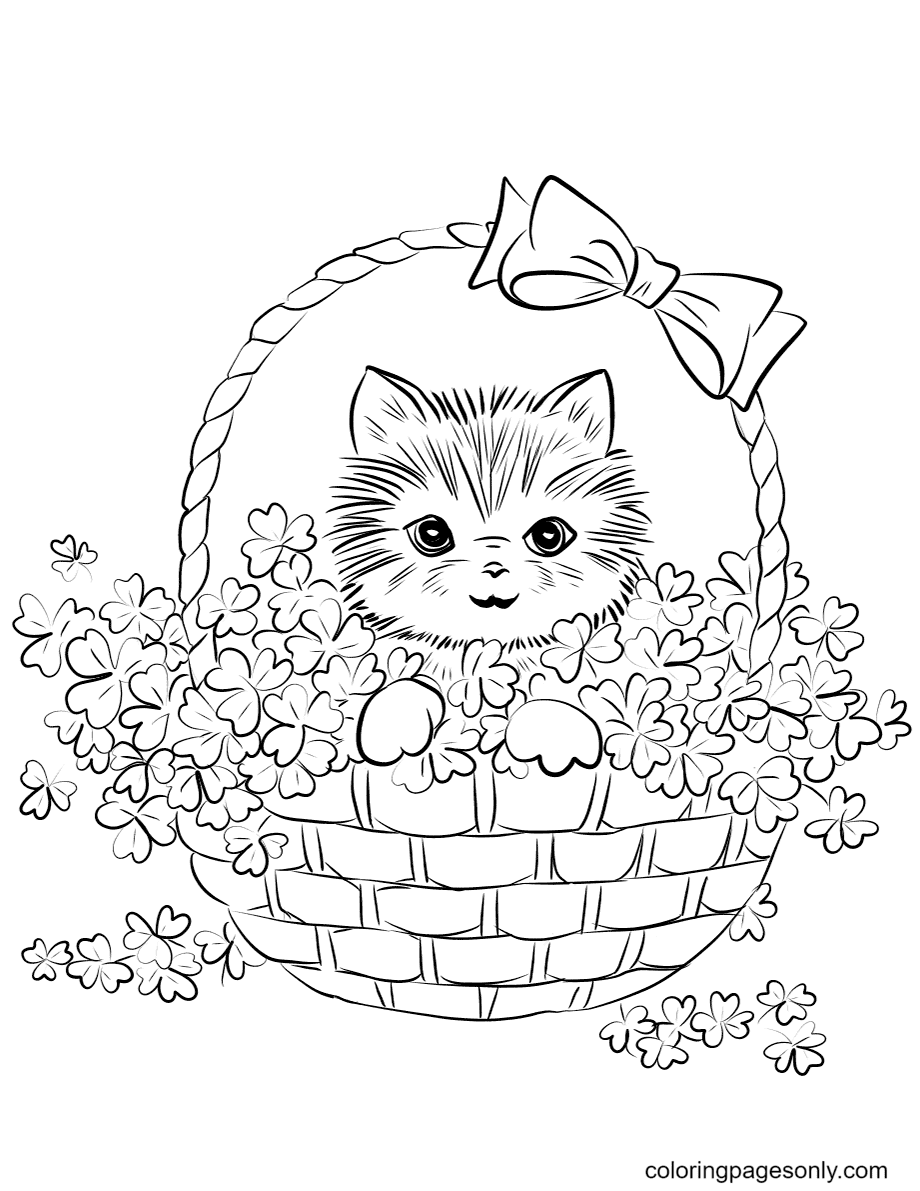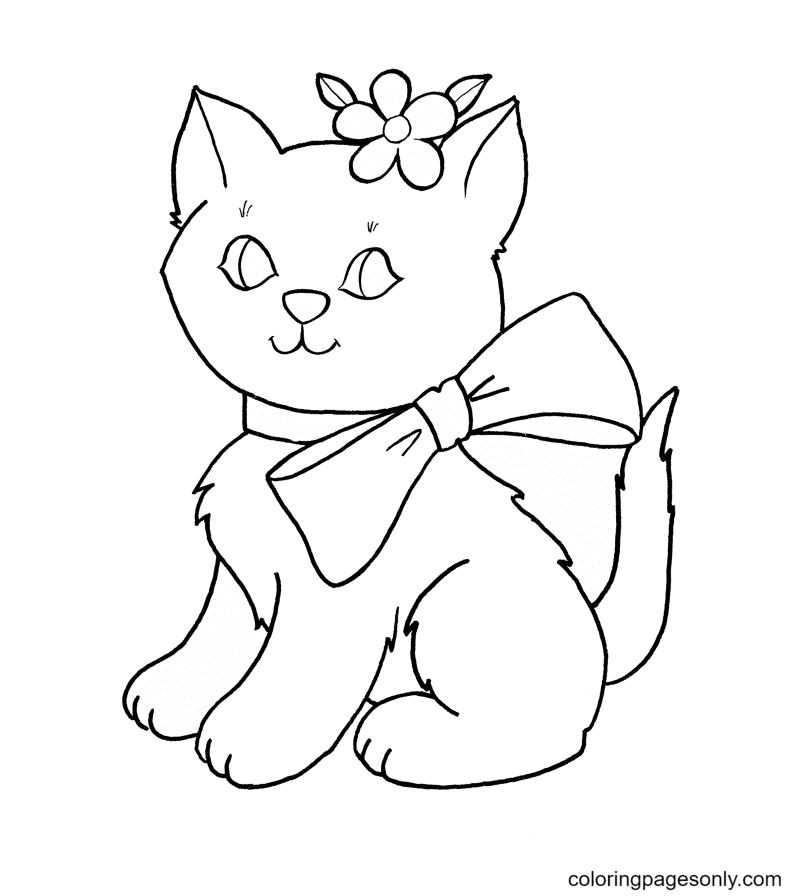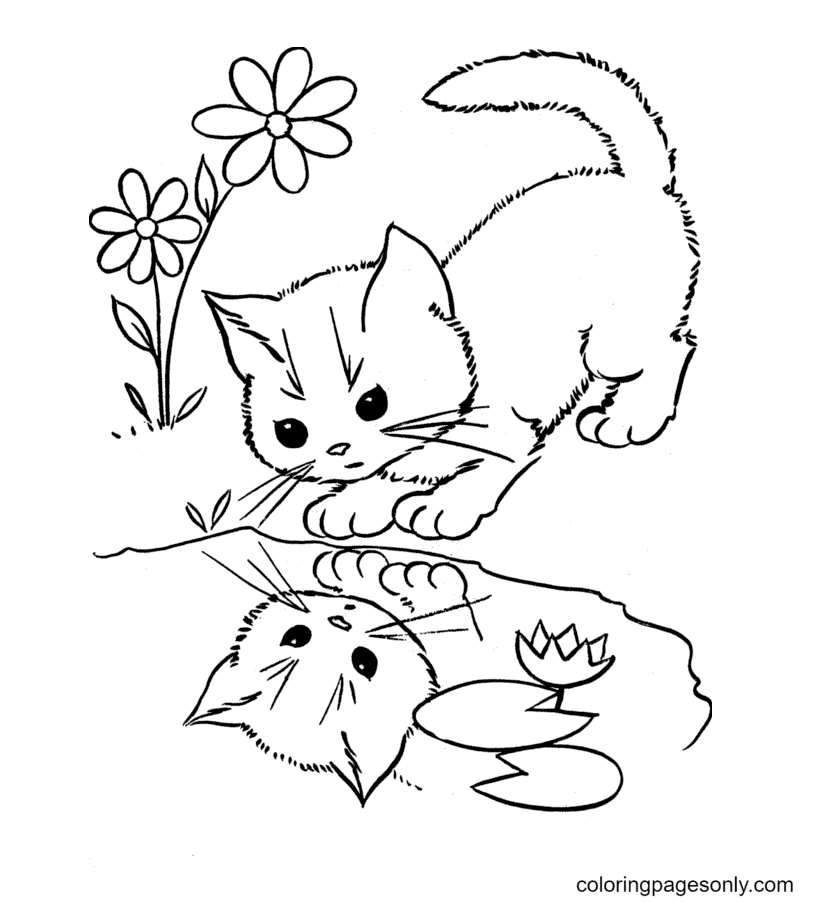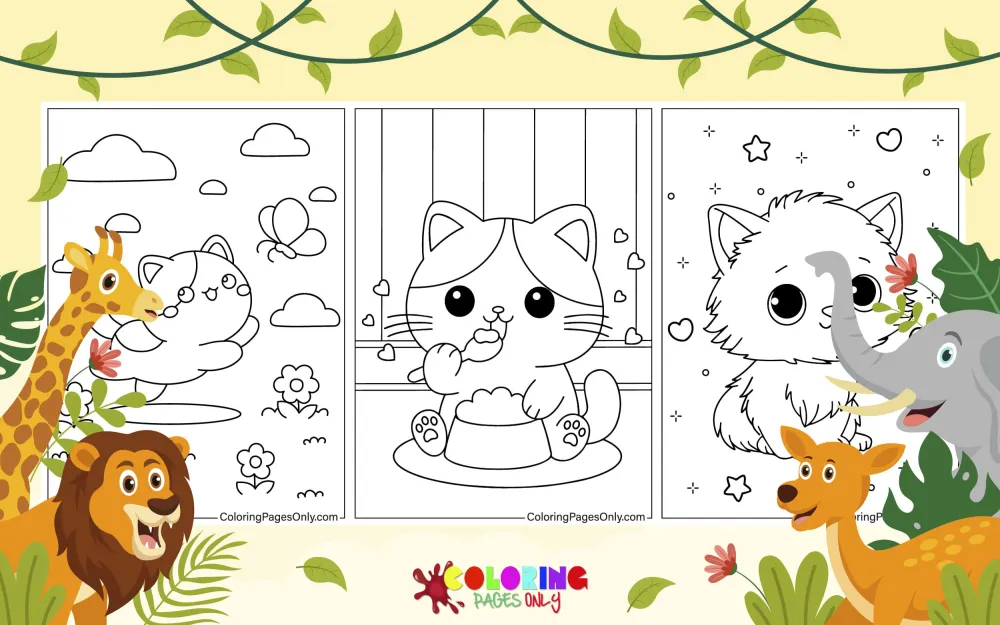
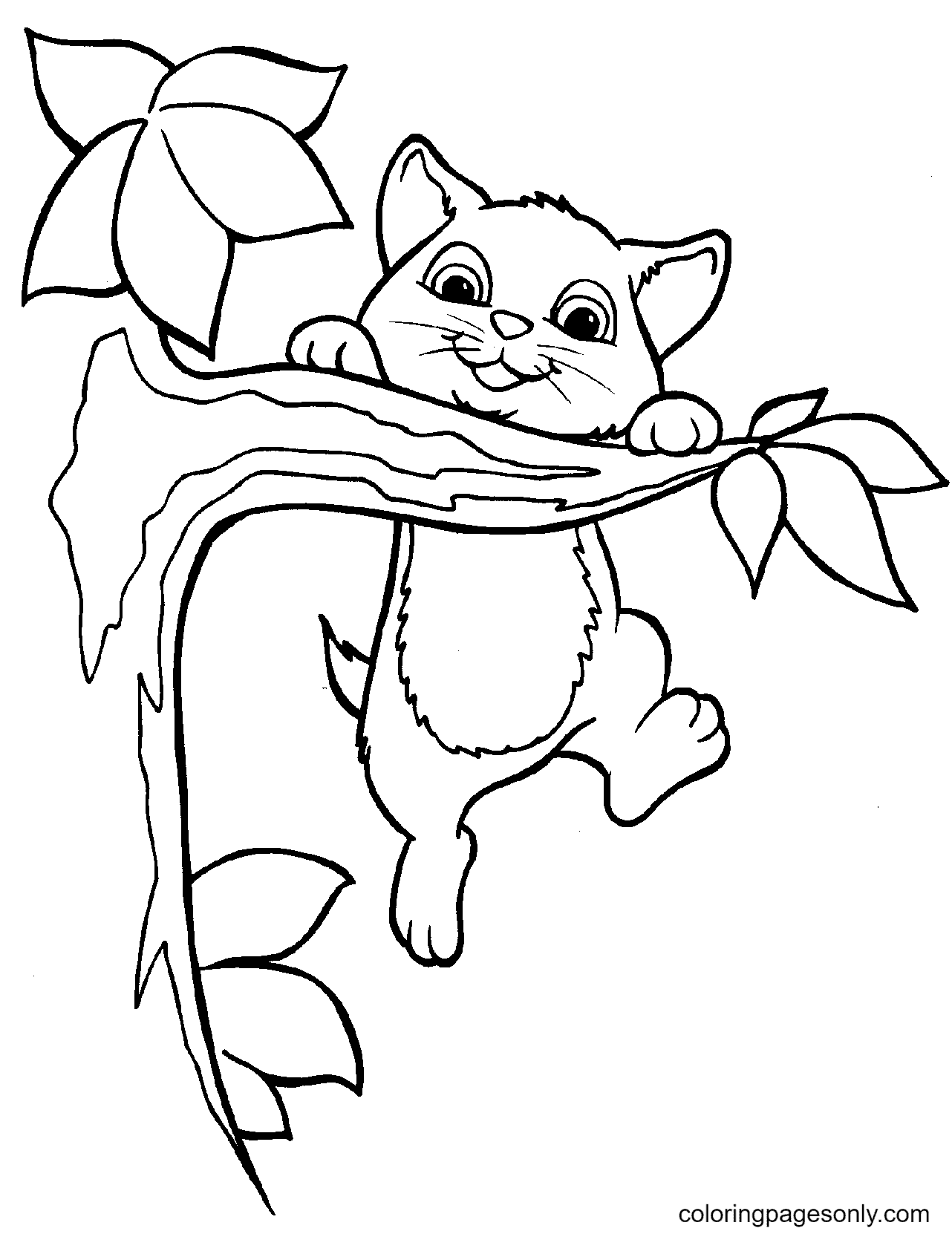
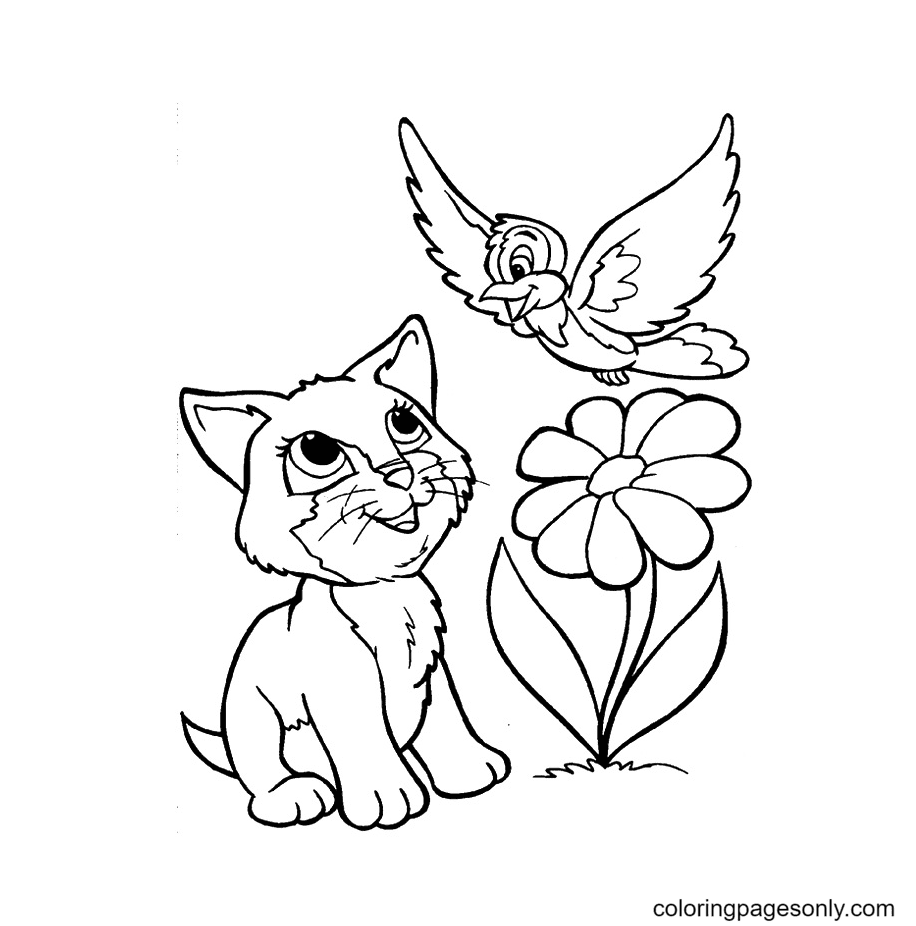
On this page, you’ll find 70+ free kitten coloring pages – all free to download as PDFs or color online! This collection covers the full adorable spectrum of kittenhood: sleeping kittens curled in peaceful rest, curious kittens peering through windows, kittens tumbling with flowers and butterflies, kittens in flower pots, kittens eating, two kittens together, kittens with bows, and plenty of playful scenes that capture exactly why kittens are one of the most beloved coloring subjects in the world.

These pages are perfect for cat lovers of all ages – from young children who squeal at every kitten photo to adults who find cat coloring deeply relaxing. Print them for birthday parties, use them as homeschool nature study activities, frame the finished results as cat-themed wall art, or simply enjoy a slow afternoon making the cutest pages in your collection even cuter!

While you’re here, grab these related pages! Cat Coloring Pages · Animals Coloring Pages · Cute Animal Coloring Pages · Butterfly Coloring Pages

Why Kittens Are So Irresistible – The Science of Baby Animal Cuteness

The powerful emotional response that kittens trigger in humans – the involuntary “aww,” the desire to pick them up, the softening that happens in a person’s face the moment they see one – is not accidental and not simply cultural. It is biological, documented, and has a name.
In 1943, Austrian ethologist and Nobel laureate Konrad Lorenz identified and described a cluster of physical features he called Kindchenschema – a German word meaning “infant schema” or “baby schema.” Lorenz observed that certain physical proportions in infant animals reliably triggered nurturing, caregiving behavior in adult humans: a disproportionately large head relative to body size, a large, rounded forehead, large forward-facing eyes set low on the face, a small nose and mouth, chubby, rounded cheeks, and soft, rounded body proportions. These features – which Lorenz noted in human infants, puppies, bear cubs, and baby deer – reliably activate what researchers now call the caregiving behavioral system in adult humans: the same neurological circuitry that prompts parents to nurture their own children.

Kittens, it turns out, score exceptionally high on nearly every dimension of Kindchenschema. A kitten’s head is proportionally enormous relative to its tiny body. Its eyes are very large relative to its face, set wide and forward. Its nose is small and soft. Its limbs are chubby and uncoordinated. And critically, kittens are completely helpless at birth, which means the visual signals of their vulnerability are matched by behavioral signals of genuine need, amplifying the caregiving response even further.

This is why kittens are among the most searched-for subjects on the internet, why kitten videos reliably generate billions of views, and why kitten coloring pages are perennially among the most popular animal coloring subjects for every age group. The response is not learned – it is wired.

The Remarkable First Eight Weeks – What Kittens Actually Experience

Kittens undergo one of the most dramatic developmental journeys of any common domestic animal – compressing in eight weeks the equivalent of what takes human children years. Understanding what’s actually happening inside a kitten during those weeks makes every image in this collection richer and more meaningful.

At birth, A newborn kitten weighs approximately 85–115 grams – less than a stick of butter. It is born in a sac called the amniotic sac, which the mother immediately removes. The kitten’s eyes are completely sealed shut. Its ears are folded flat against its head, and the ear canals are closed. It cannot hear, cannot see, and cannot regulate its own body temperature – if ambient temperature drops below 27°C, a newborn kitten will die from hypothermia within hours. It navigates its entire world through smell, touch, and the ability to detect warmth. Despite all this, it can already purr softly and make tiny mewing sounds to communicate hunger or discomfort to its mother.

By the end of the first week, the kitten has doubled its birth weight – one of the fastest growth rates of any mammal relative to starting size. Around day 7, the ear canals begin to slowly open, and the ears start to unfold. The umbilical cord has dried and fallen off. The kitten is still entirely dependent on its mother for feeding, warmth, and even going to the bathroom – newborn kittens cannot urinate or defecate independently and require stimulation from their mother to do so.

Days 8–12: The eyes begin their slow, gradual opening – a process that can take several days and in which one eye may open slightly before the other. Here is one of the most fascinating facts about kittens: every kitten is born with blue eyes, regardless of what eye color they will eventually have as adults. The reason is identical to the reason human babies often have blue eyes at birth – the brown pigment melanin has not yet been deposited in the iris, and the iris’s color is determined by light-reflecting properties rather than actual pigment. The adult eye color begins emerging at around 7 weeks and may not be fully settled until the kitten is approximately 3–4 months old.

Week 3: The kitten takes its first shaky steps – a momentous milestone that transforms it from a creature of pure warmth-seeking and nursing into one that can, very unsteadily, explore. Purring – the cat’s signature sound – becomes established in its full rhythmic form around week 3. The sense of smell becomes well-developed. And the beginning of the socialization window opens: the critical period during which the kitten’s brain is most receptive to learning what is safe, what is friendly, and what constitutes a normal social environment.

Weeks 3–7: The Socialization Window. This is perhaps the most consequential period in a cat’s entire life. During these weeks, the kitten’s brain is in a uniquely open state – actively encoding what “normal” looks, sounds, smells, and feels like. Kittens that have positive experiences with humans, dogs, other cats, household sounds, and environmental variety during this window are significantly more likely to grow into confident, sociable adult cats. Kittens that miss these experiences during the window face challenges that no amount of later socialization can fully correct.

Research has shown that kittens handled by humans for 15 to 40 minutes per day during their first seven weeks are measurably more likely to develop larger brains, be more exploratory, more playful, and better learners throughout their lives. The socialization window for kittens ends earlier than for dogs (around 7 weeks for cats versus approximately 12 weeks for dogs), making this a particularly precious and time-limited developmental opportunity.

Week 5: The kitten’s sight reaches full functional maturity. It can now track moving objects precisely, right itself when placed upside down, run confidently, avoid obstacles, and engage in the stalking and pouncing behaviors that are the foundation of the hunter it will eventually become.

Weeks 6–8: Weaning completes. Baby teeth fully emerge. Grooming of self and siblings begins. Adult sleeping patterns start to establish. By 8 weeks, the kitten is fully capable of eating independently, its adult eye color is visible, and it weighs between 850 and 950 grams. This is the minimum age at which a kitten is ready to go to its new home – and in many jurisdictions, it is illegal to rehome a kitten younger than 8 weeks.

The Sound of Kittens – Why Purring Is Good for You

The purr is one of nature’s most studied and least fully understood sounds. Cats produce it through a rapid, rhythmic laryngeal (voice-box) movement that interrupts airflow during both inhalation and exhalation – creating the characteristic continuous vibration rather than the single-direction sounds of most animal vocalizations. Kittens can purr from the first days of life, producing the sound while nursing to communicate comfort and contentment to their mother.

What researchers have found about purring goes well beyond simple cat communication. Studies examining the health effects of cat ownership – which researchers use as a proxy for regular exposure to purring – have produced some remarkable results. A University of Minnesota study found that cat owners had a 40% lower risk of dying from a heart attack compared to non-cat owners over a 10-year period. The researchers proposed that the stress-reduction effect of cat companionship – including the calming effect of the purr’s vibration – was a significant contributing factor.

The vibration frequency of a cat’s purr ranges from approximately 25 to 150 Hz, and research in veterinary and human medicine has found that vibrations in this frequency range can promote bone density and healing, reduce inflammation, promote muscle healing, and decrease pain and swelling. This has led some researchers to propose that the purr evolved not just as a communication sound but as a self-healing mechanism – cats in the wild cannot rest for extended periods without risking injury, and the purr’s healing-frequency vibration may allow them to maintain their physiological condition even during downtime.

For the coloring page context: the “Sleeping Kitten” tile depicts a moment of this deep, healing rest – the kitten curled in the specific tight spiral that cats adopt to conserve heat and protect their vital organs, quite possibly purring softly in its sleep.

The Collection’s Pages – A Complete Scene Guide

The 70+ pages in this collection fall into four broad categories, each capturing a different dimension of kitten life and personality.

Rest and contentment pages – “Sleeping Kitten” – depict kittens in the profound, curled rest that is central to kitten life (kittens sleep up to 20 hours per day in their first weeks). These pages are the collection’s most serene and are particularly good entry points for very young colorists who want a less complex scene, or for adult colorists who prefer meditative, low-detail subjects.

Curiosity and exploration pages – “Kitten on the Window,” “Kitten in a Flower Pot,” “Kitten Playing” – capture the bright, alert quality of a kitten engaging with its world. The window page specifically depicts one of the most observed kitten behaviors: the extended, motionless staring at the world outside that can occupy a kitten for long stretches – watching birds, leaves, rain, and passing movement with an attention intensity that betrays the hunter underneath the fluffiness.

Nature and object interaction pages – “Kitten Loves Flowers,” “Kitten and Flower,” “Kitten and a Butterfly,” “Kitten in a Flower Pot” – place kittens in the garden context that is one of this collection’s strongest visual themes. These pages allow for rich dual-subject coloring: the kitten’s fur palette in contrast with the flower’s specific botanical colors. The “Kitten and a Butterfly” page is particularly compositionally interesting – a moving, colorful insect seen by a small predator who hasn’t yet decided whether this is play or hunting.

Character and charm pages – “Two Kittens,” “Kitten and a Cute Bow,” “Kitten is eating” – show kittens in social and domestic situations that amplify their already considerable appeal. The “Two Kittens” page depicts the sibling dynamic that is central to kitten socialization – littermates are the first social world a kitten experiences, and their interactions with each other form the behavioral foundation for how they’ll relate to other cats and humans throughout their lives.

Cat Breeds and Kitten Coat Colors – The Colorist’s Reference Guide

One of the great freedoms of kitten coloring pages is that, unlike character-based pages (where canonical colors must be respected), kittens allow complete creative freedom – any color palette is biologically possible in domestic cats, and choosing a realistic coat pattern for a kitten is simply a matter of knowing what patterns actually exist.

Tabby patterns are the most common domestic cat coat pattern and exist in four main types. The classic tabby (also called “blotched”) has swirling, marble-like patterns across the body. The mackerel tabby has narrow, parallel vertical stripes – the pattern most people visualize when they hear “tabby.” The spotted tabby has the stripes broken into spots or rosettes. The ticked tabby (like the Abyssinian) has no visible stripes on the body, just individual hairs with multiple color bands giving a shimmering effect. All tabby kittens have the characteristic tabby “M” marking on their forehead.

Solid colors – black, white, orange, grey (blue), cream, and brown – are possible in domestic kittens, though true solid black and solid white are less common than they appear. “Black” cats often have very dark brown or dark charcoal fur visible in certain light. True solid white kittens are associated with the white gene, which can also cause blue eyes.

Calico and tortoiseshell patterns occur almost exclusively in female cats, as the pattern results from two X chromosomes, each carrying different color genes. Calico kittens have distinct patches of orange, black, and white. Tortoiseshell (“tortie”) kittens have orange and black intermingled without clear patches. Both patterns produce some of the most visually complex and interesting kitten coloring pages, as no single fur-rendering approach works across the whole animal.

Colorpoint patterns – Siamese-style kittens with pale bodies and darker “points” at the face, ears, paws, and tail – present a particularly interesting coloring challenge because the point color is darker than the body despite being part of the same coat. The point color develops with age and temperature (cooler body areas develop more pigment), meaning very young Siamese kittens are almost entirely white at birth.

Coloring Tips for Kitten Pages

The first direction is the single most important technique. The most common mistake when coloring kitten fur is applying color in uniform horizontal strokes or circular swirls that suggest texture but not actual fur. Fur grows in specific directions from specific points on a cat’s body, and following those directions with your coloring strokes makes the difference between a flat colored shape and a figure that looks genuinely furry. The general rule: fur radiates outward from the face (away from the nose in all directions), runs backward along the body toward the tail, and points downward on the legs. At the chest, fur radiates outward from a center point in a whorl. At the tail, fur lies flat along the tail’s length, fanning out slightly at the tip.

Layering for depth – even for “simple” colors. A grey kitten is not simply grey. A white kitten is not simply white. A black kitten is not simply black. Every single-color cat requires a minimum of three tones to suggest volume and fur depth: a light tone for the highlighted areas (top of the head, back, any areas catching direct light), a mid-tone for the majority of the body surface, and a darker tone for the shadow areas (under the chin, between the legs, the inner ear, the base of the tail). For a grey kitten: light warm grey highlight, medium grey body, charcoal shadow. For a white kitten: warm off-white highlight, very light warm grey body, cool light grey shadow. For a black kitten: charcoal highlight, true black body, near-black-with-blue-tint shadow.

The eyes – the page’s emotional center. A kitten’s eyes are the most emotionally expressive element of any coloring page featuring them, and they deserve the most careful attention of any detail on the page. Decide on an eye color first – remember that very young kittens have blue eyes, older kittens have the beginning of their adult color, and adult cats have their full palette. Whatever color you choose: apply a ring of the slightly darker version of that color at the outer edge of the iris, then fill the iris interior with the main eye color, and leave a very small white highlight at the upper portion of the pupil. The highlight is critical – it is what makes the eye appear wet, alive, and three-dimensional rather than flat.

The nose is warm and soft. Kitten noses are small, triangular or heart-shaped, and warm pink – regardless of the kitten’s fur color, the nose is almost always in the warm pink family (ranging from pale petal pink in light-furred kittens to a deeper rose-pink in darker kittens). Never render a cat’s nose in the same tone as its surrounding fur; the nose should always read as a distinct, warm, slightly moist element against the fur texture around it.

The “Kitten and a Butterfly” page – dual subject lighting. When coloring any page featuring a kitten alongside a butterfly, manage the two subjects’ brightness separately. The kitten’s fur should be rendered at the level of naturalness appropriate to its coat type. The butterfly – the more colorful of the two subjects – should be rendered at maximum saturation in its wings’ colors, with the darker wing patterns in deep, rich tones. The natural light source (implied from above in most illustrations) should be consistent between subjects: if the kitten’s back is lighter than its underside, the butterfly’s upper wing surfaces should also be lighter than its underside.

5 Activities

The weekly kitten development journal. Using eight blank pieces of paper, draw or print a simple kitten outline on each one. Label each page with a developmental week: Week 0 (birth), Week 1, Week 2, Week 3, Week 4, Week 5, Week 6, and Week 8. For each week, color the kitten to reflect what it looks like at that stage – eyes closed and ears folded for Week 0, eyes just opening for Weeks 1–2, eyes fully open and baby blue for Week 3, eyes beginning to change color by Week 7. Below each kitten, write or dictate two developmental facts from that week: what the kitten can sense, what it has just learned, how much it weighs, and what it can and can’t do yet. This produces a hand-colored development chart that doubles as a science reference – children who complete it often become genuinely curious about animal development more broadly and begin asking similar questions about other species.

The coat pattern design studio. After coloring any kitten page from the collection in a realistic coat pattern, design three additional coat patterns for the same kitten outline on separate blank paper: one tabby (with the characteristic stripes and forehead M), one calico (with distinct patches of orange, black, and white), and one colorpoint (with a pale body and darker face, ears, paws, and tail). Label each design with its coat pattern name and write one fact about that pattern – for example, that calico cats are almost always female, or that all kittens are born with blue eyes regardless of what color their eyes will eventually be. This activity teaches real genetics and biology through the visual act of designing cat coats, creating a set of four coat-variation pages that show the same kitten in scientifically plausible alternative appearances.

The nature observation drawing. “Kitten and a Butterfly” and “Kitten and Flower” pages place kittens in the natural world alongside other living things that also make excellent coloring subjects in their own right. After coloring any nature-themed kitten page, go outside (or look through a window) and spend five minutes observing one real insect or flower in detail. Draw it from observation – its actual shape, its real colors, the way its petals overlap or its wings fold. Then, on the back of the colored kitten page, draw the kitten again alongside your observed real subject. Compare: how does the illustration’s version of the butterfly or flower differ from the one you observed directly? This activity bridges the imaginative world of the coloring page with genuine naturalist observation – the same kind of looking that Konrad Lorenz used when he first described the features of baby animals that trigger human nurturing responses.

The purring science experiment. After reading the section above about purring frequencies and health effects, design a simple at-home “experiment” with any available cat or video of cats purring. Sit quietly for five minutes while petting a cat or listening to a recording of a cat purring (many are available online). Before and after, rate on a scale of 1–10 how calm you feel, how tense your shoulders are, and how fast your heart seems to be beating. Record the numbers on the back of a colored sleeping kitten page. Then, research: what frequencies do cat purrs vibrate at? What does the science say about those frequencies and human well-being? Write a brief summary of the science alongside your personal data. This activity introduces both the scientific method (hypothesis, observation, data collection) and the concept of evidence-based claims about health and animals – a meaningful critical thinking exercise anchored in the warmth of kitten imagery.

The breed identification challenge. Print five different kitten pages from the collection and, using a cat breed reference book or reliable website, identify which domestic cat breed each kitten most closely resembles based on its illustrated coat color, pattern, and body type. Write the identified breed name below each colored page along with two facts about that breed – its country of origin, its characteristic personality traits, its typical adult size, or any notable physical feature it’s known for. Some kittens in the collection may match multiple breeds; others may be clearly generic domestic cats rather than a specific breed. Discuss the difference between purebred cats (deliberately bred for specific characteristics over generations) and domestic shorthair or longhair cats (the mixed-breed majority of the world’s pet cat population). The finished set of five labeled, researched, and colored pages constitutes a hand-made illustrated cat breed guide – a genuinely impressive piece of independent research for a child.

These related coloring collections will help you explore the wonderful world of colors. Let’s choose, be creative, and show us your great pictures!

Bradhallett Bradley – Technology Lead

Hi, I’m Bradhallett, the tech lead at Coloringpagesonly.com. I’m thrilled to invite you to explore our site, where you can effortlessly download a wide variety of coloring pages and unleash your creativity with our interactive live coloring tools. Let’s bring your imagination to life!