
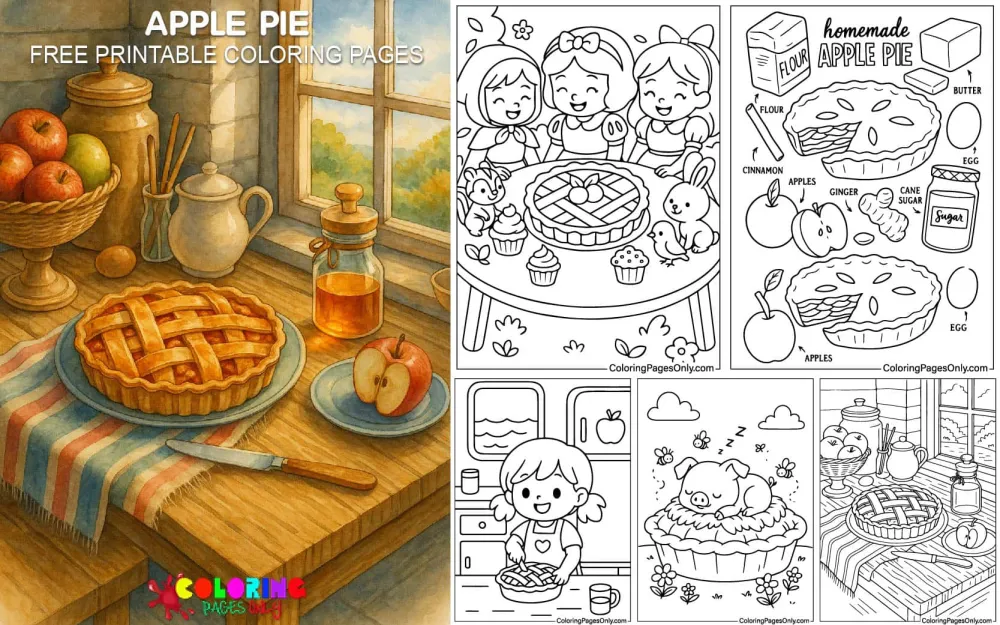
Free Apple Pie Coloring Pages: 37 printable PDF designs of animal bakers, family kitchens, and classic pie portraits. Every page is available as a downloadable PDF or an online coloring option, and neither one asks for an account.
Despite the phrase “as American as apple pie,” the dessert didn’t originate in the United States. The earliest known apple pie recipe comes from 14th-century England, recorded around 1381 and often attributed to Geoffrey Chaucer, made with apples, figs, raisins, pears, and saffron inside a sturdy pastry “coffin” that wasn’t meant to be eaten. English and Dutch settlers brought the recipe to America in the 17th century, where it eventually became the cultural symbol it is today.
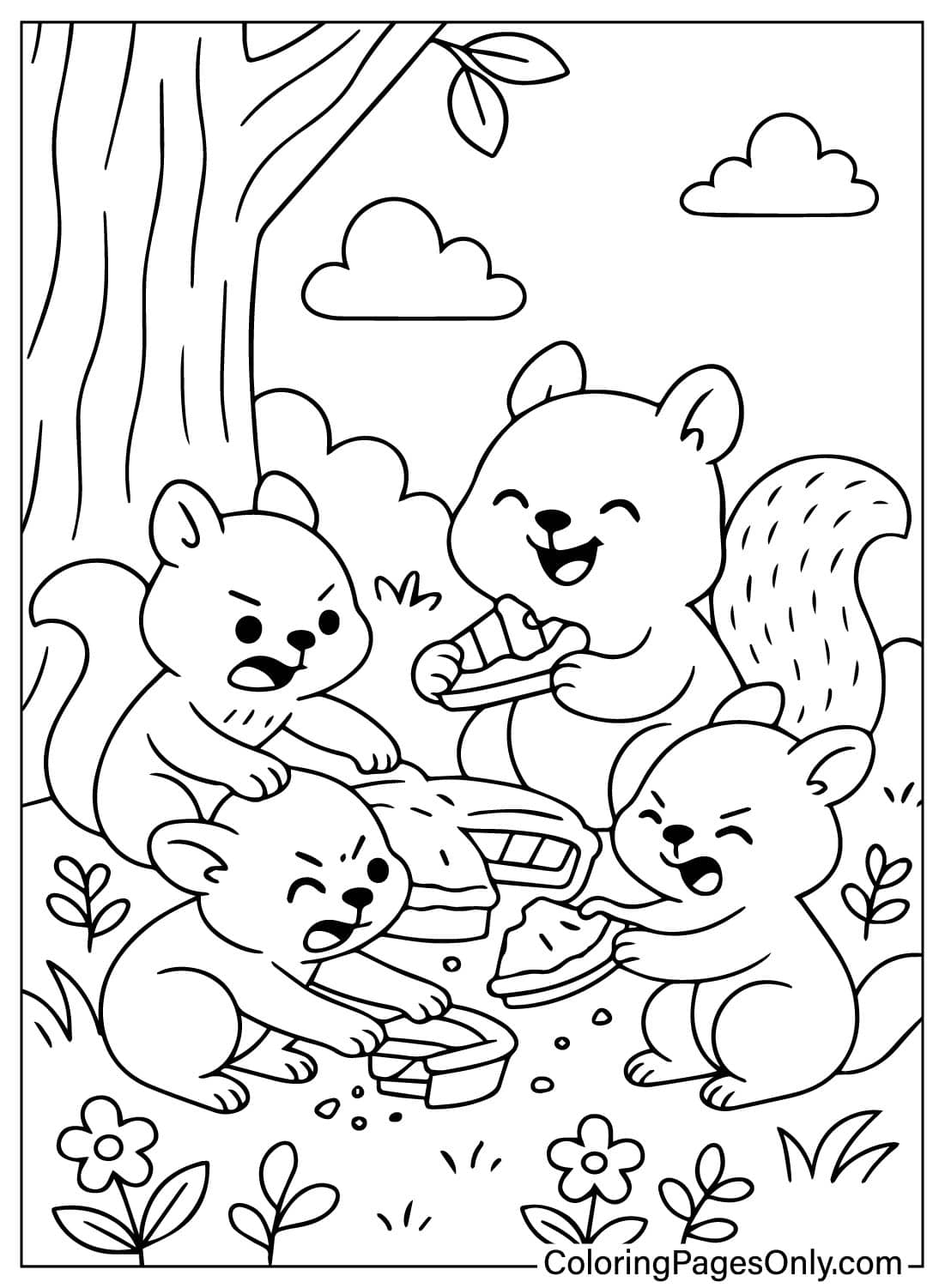
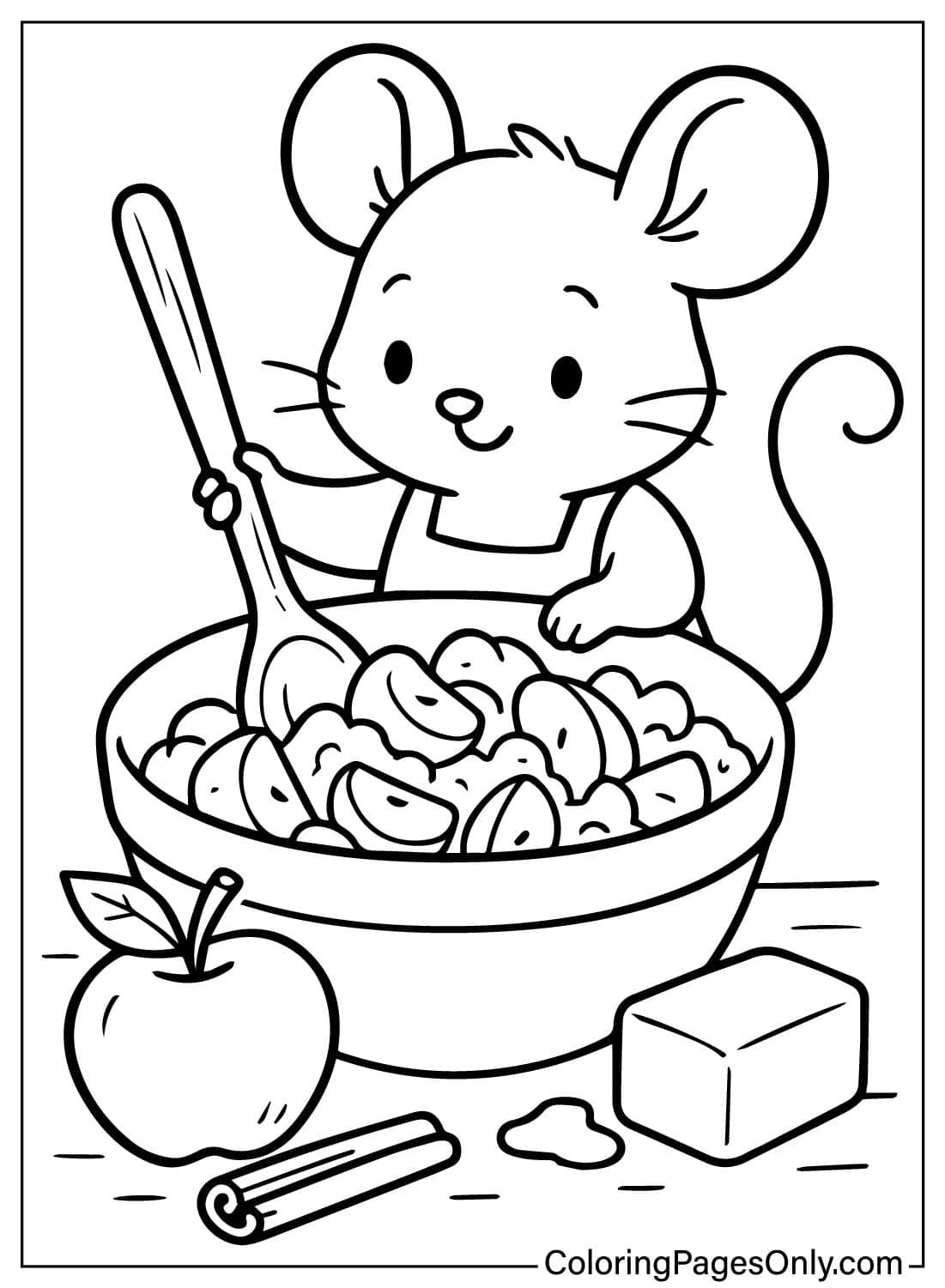
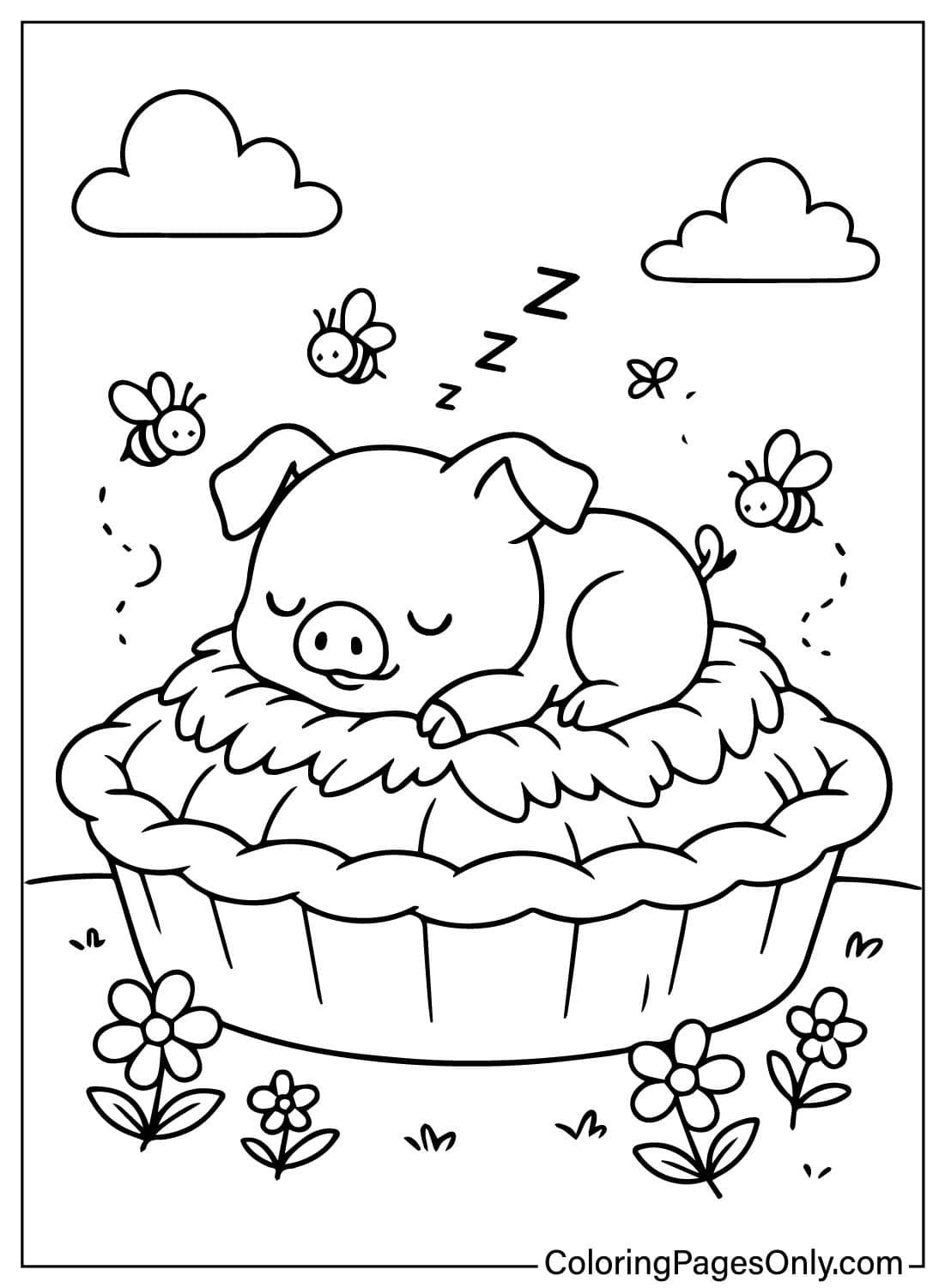
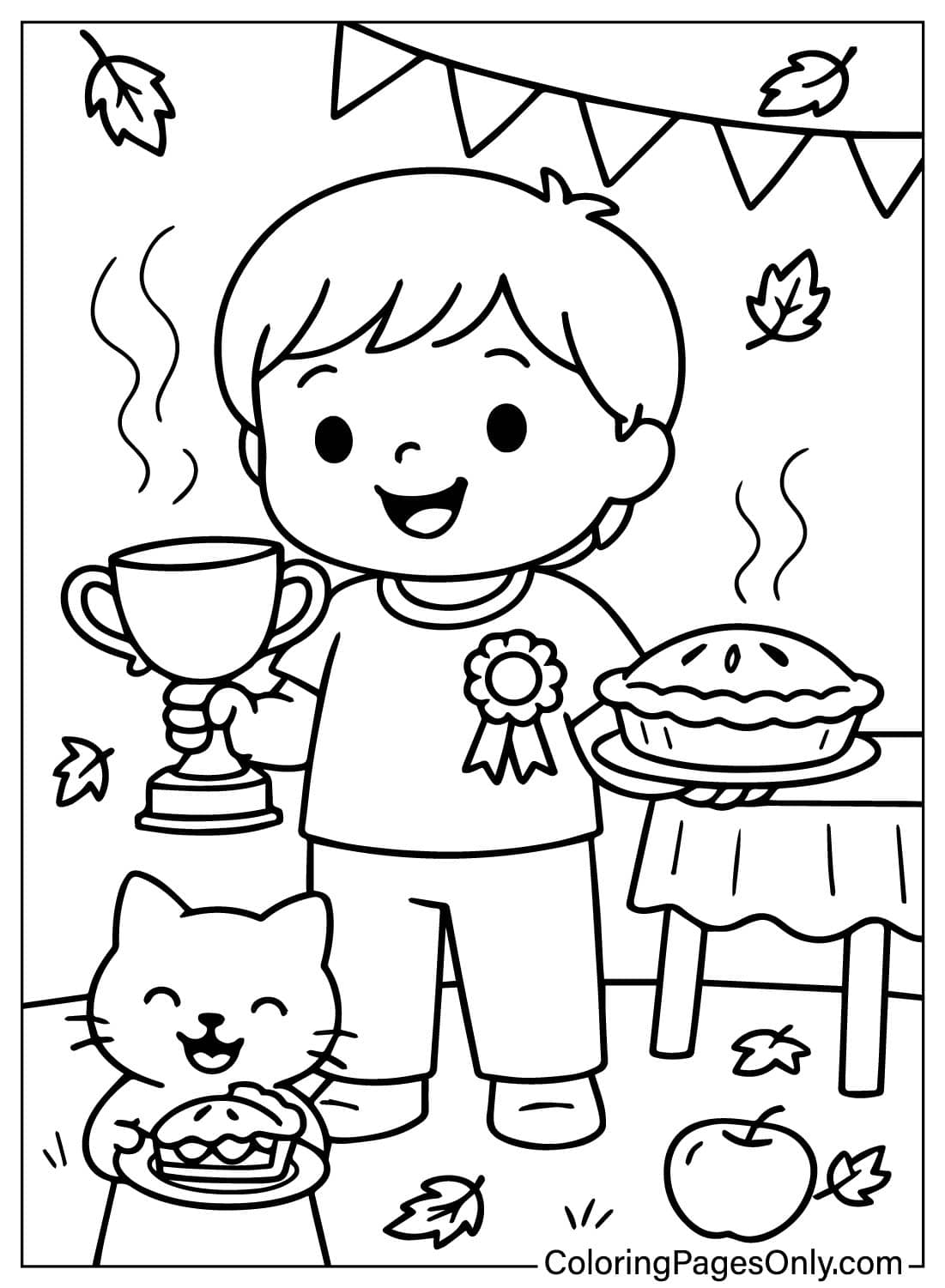
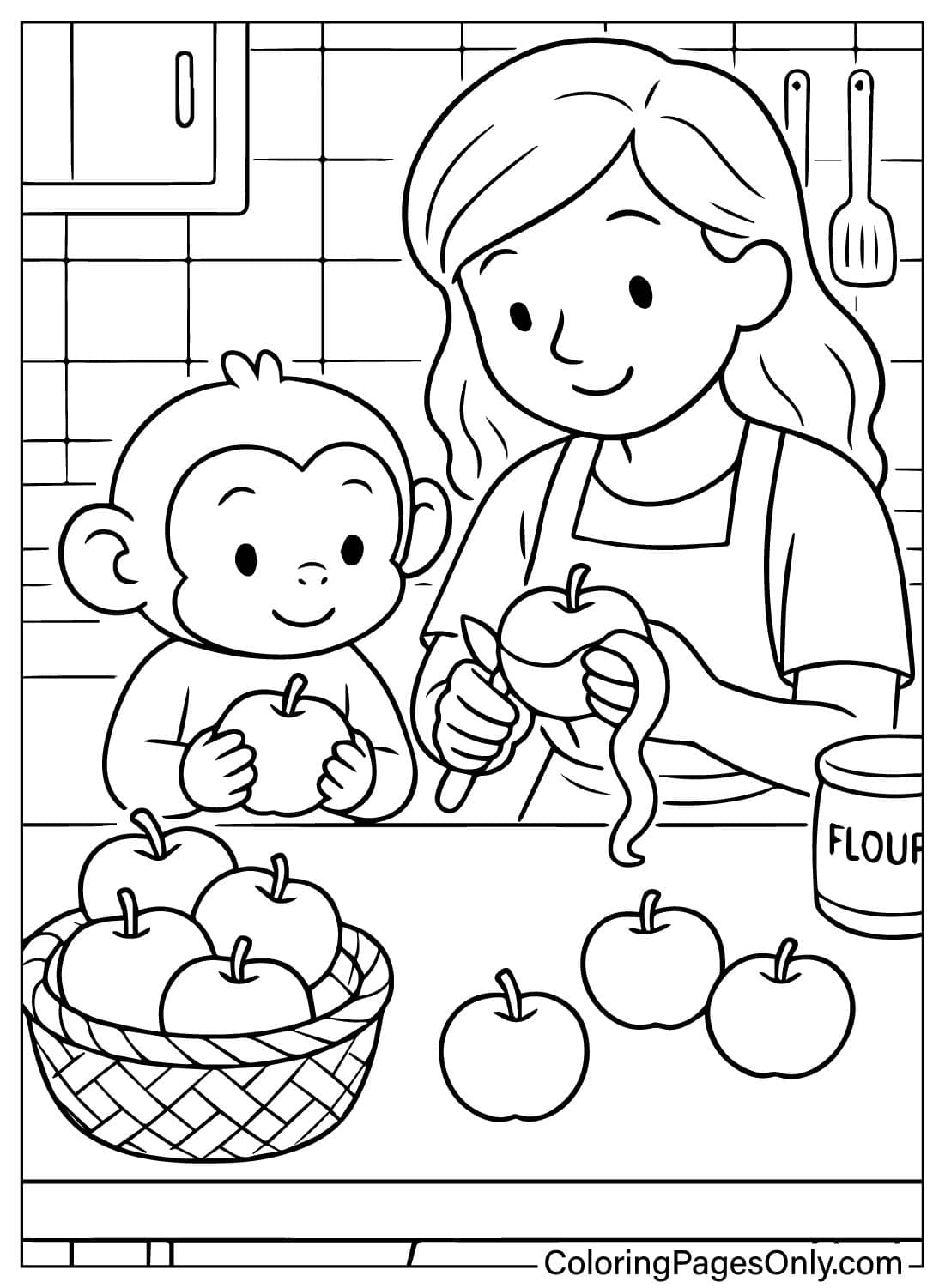
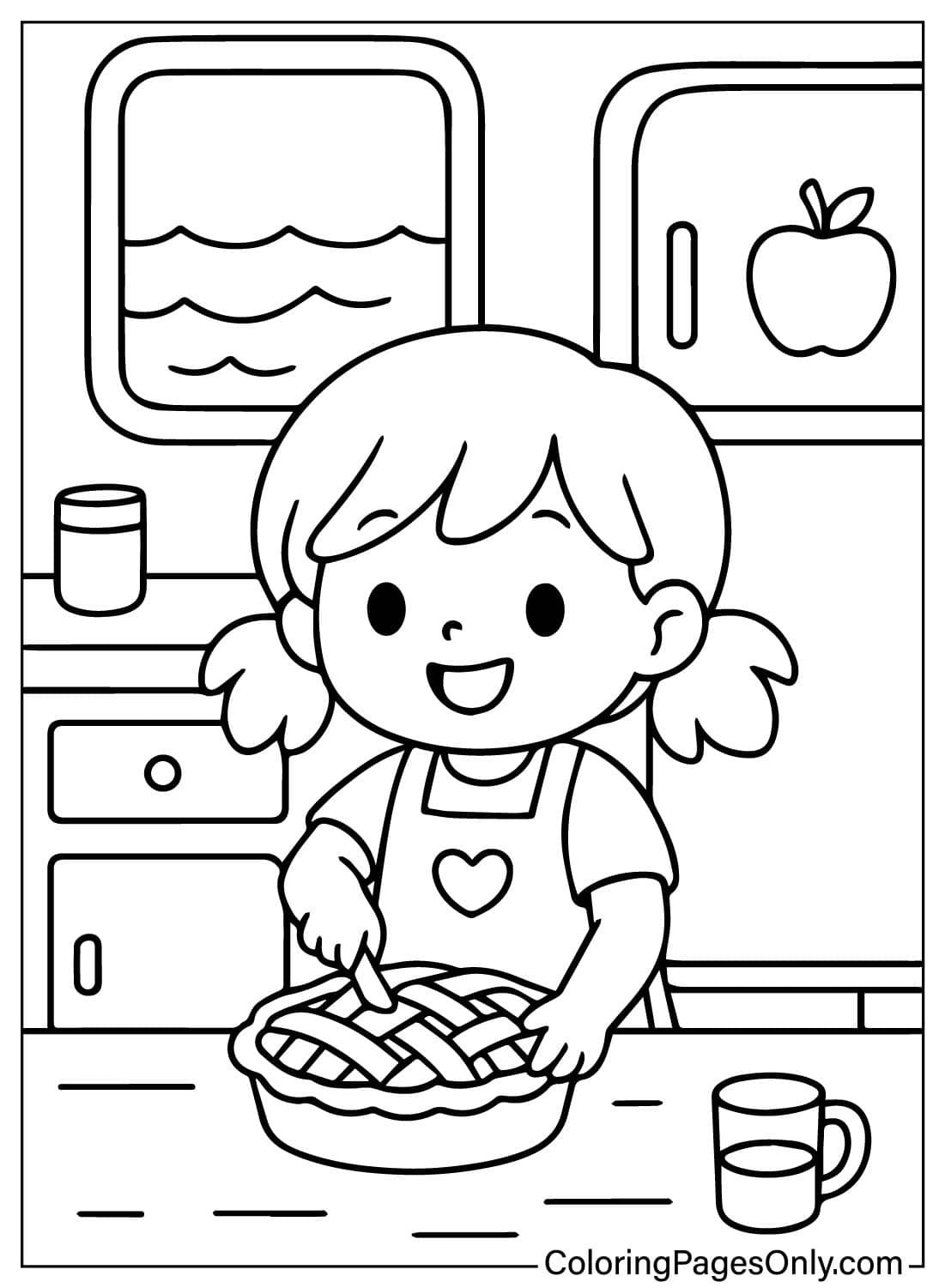
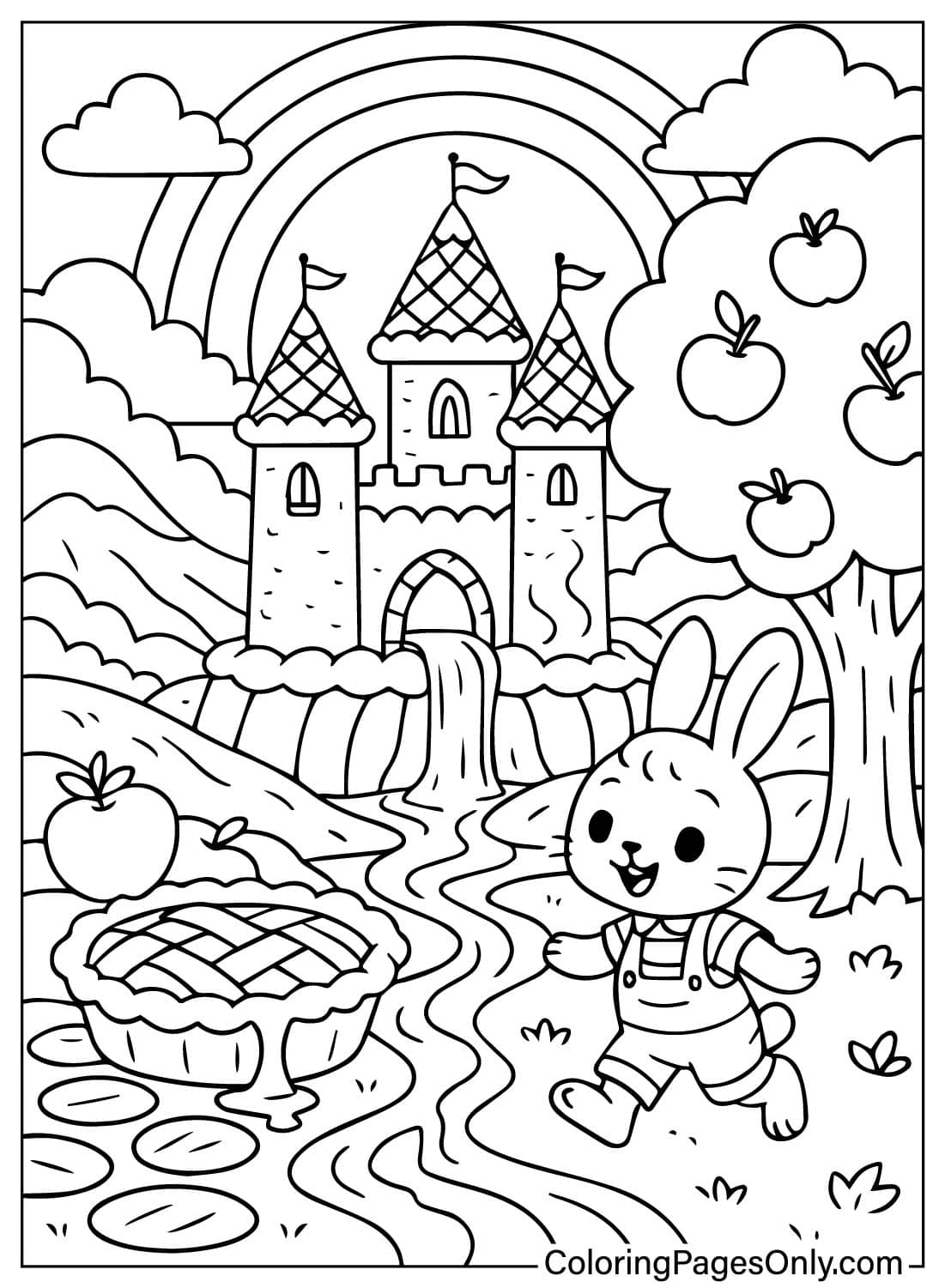
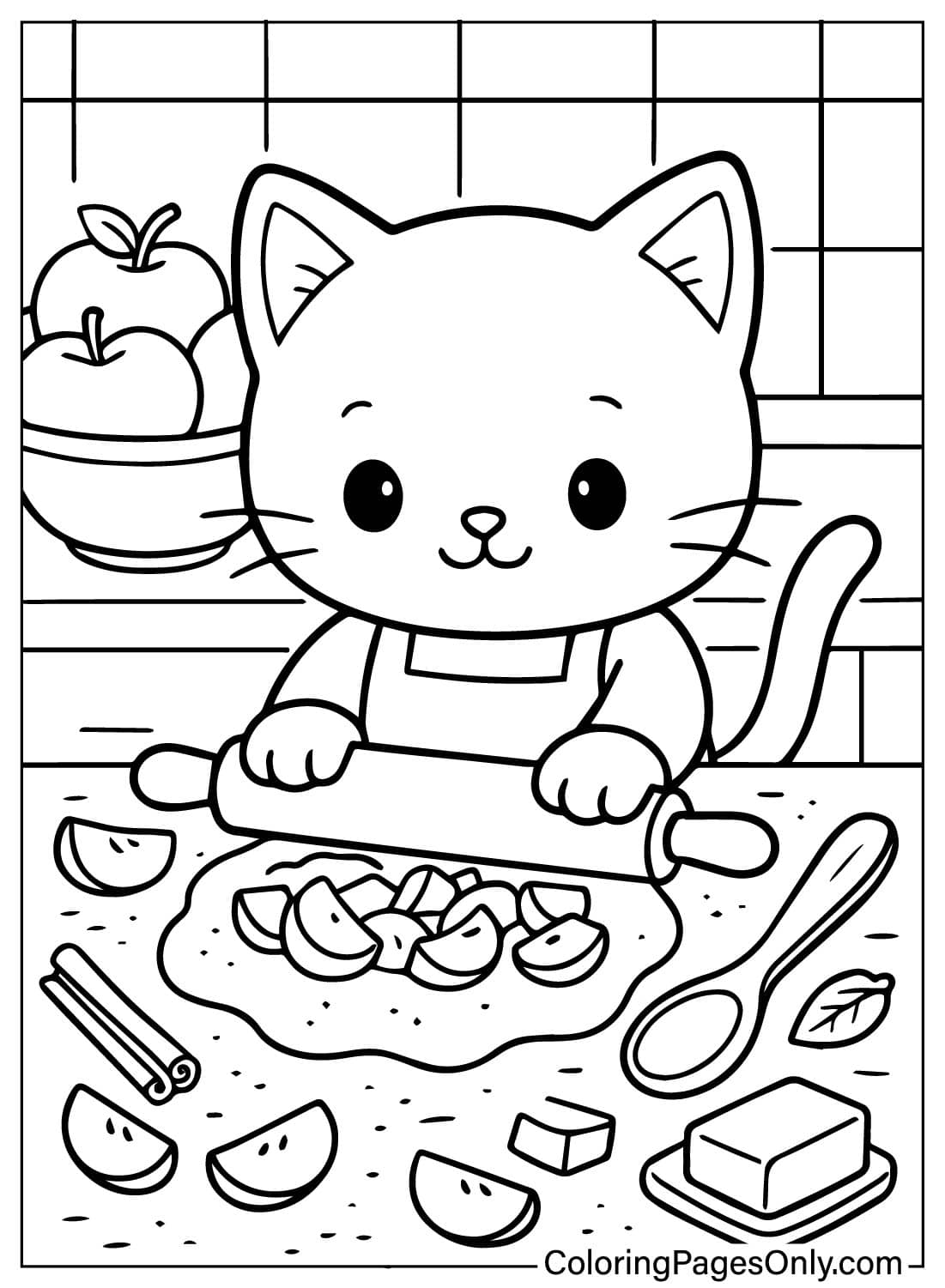
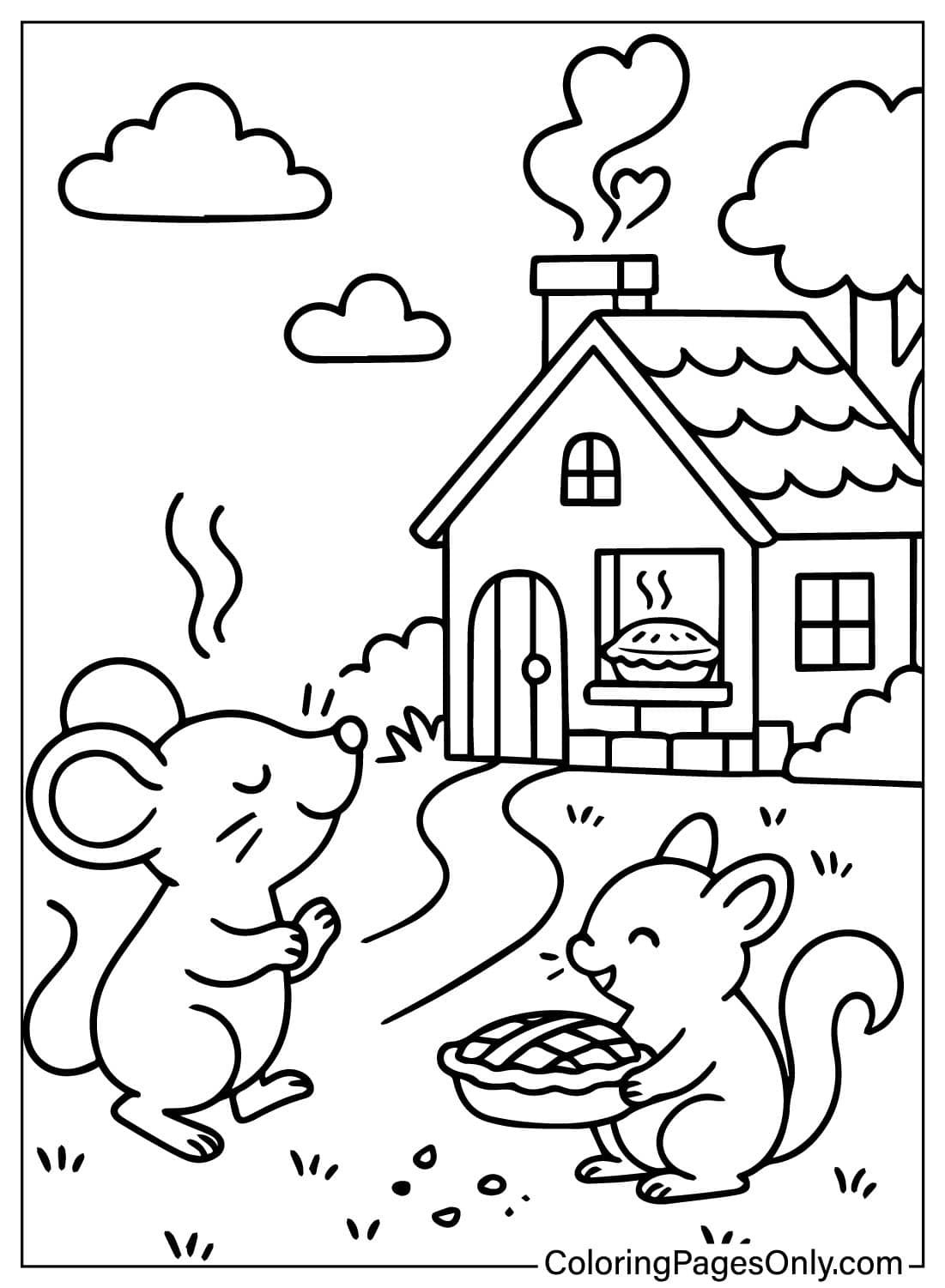
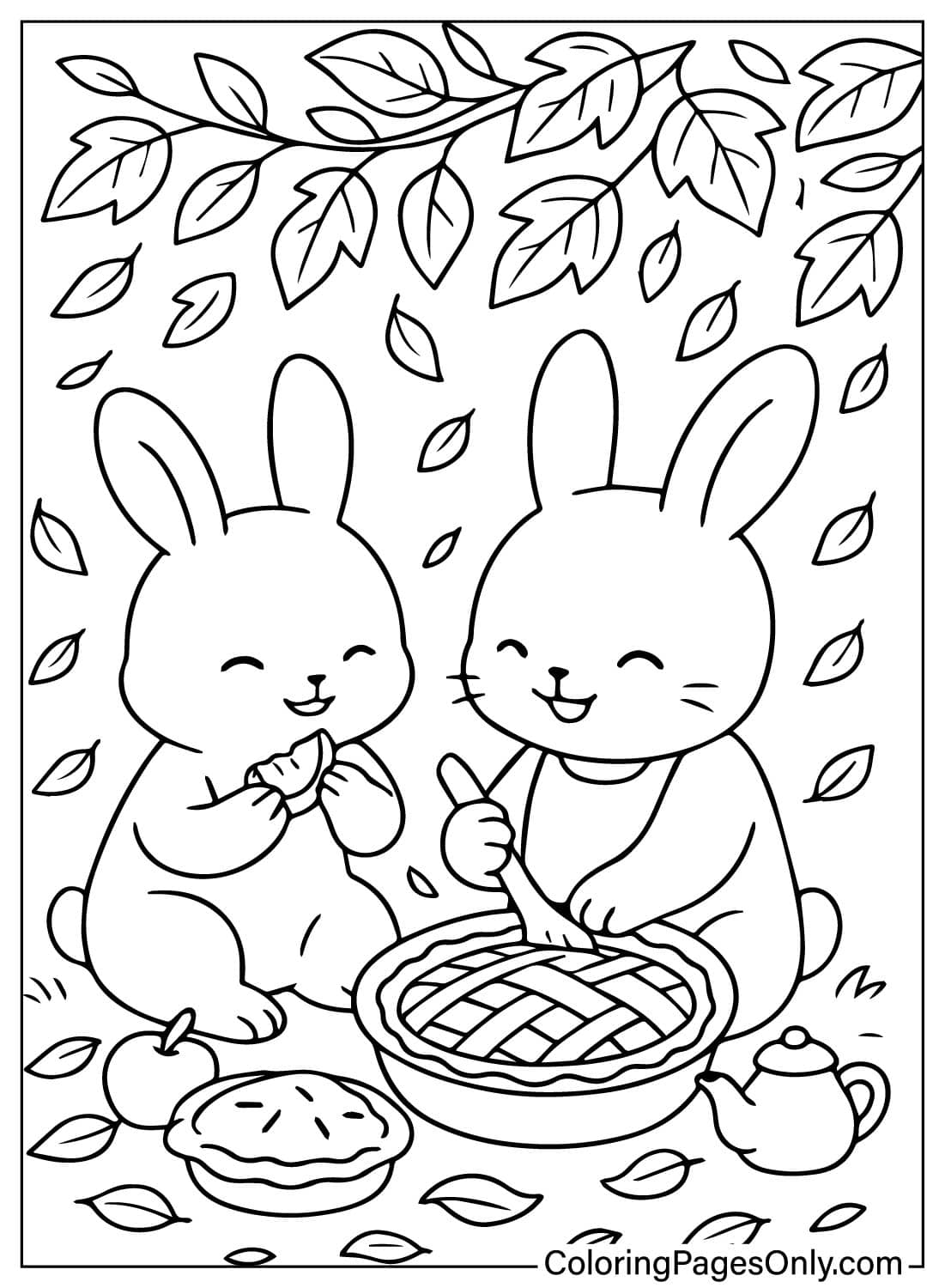
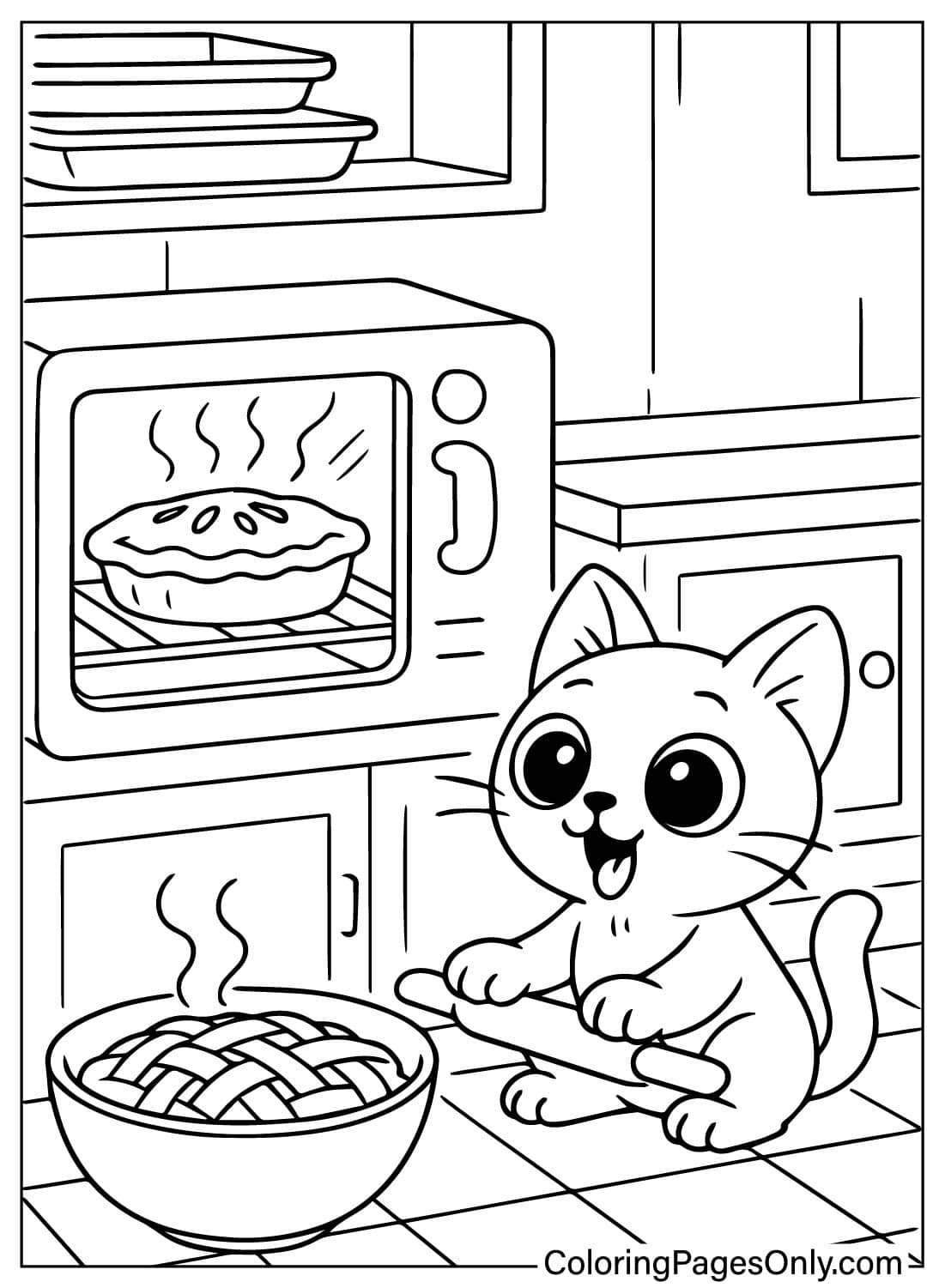
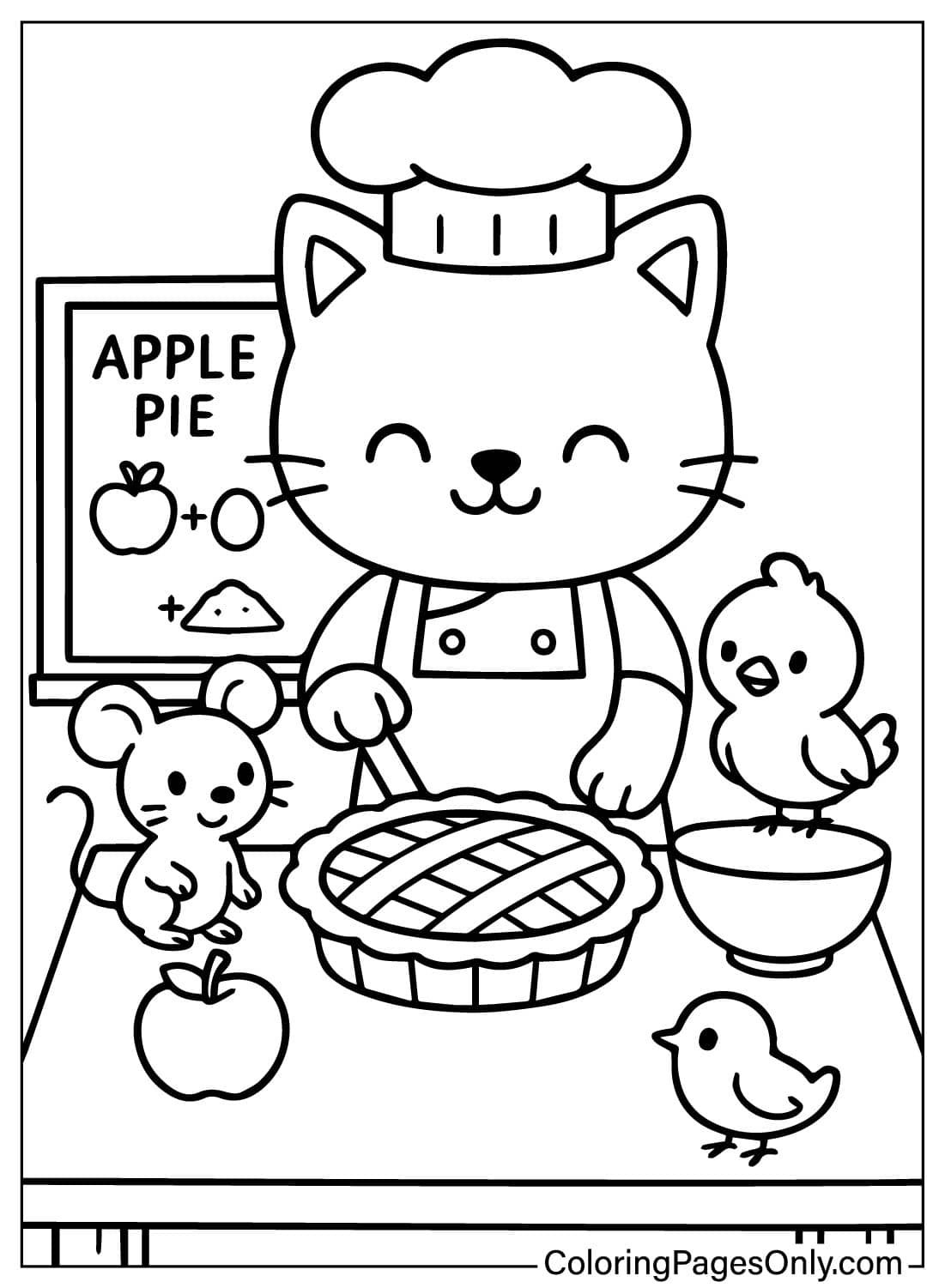
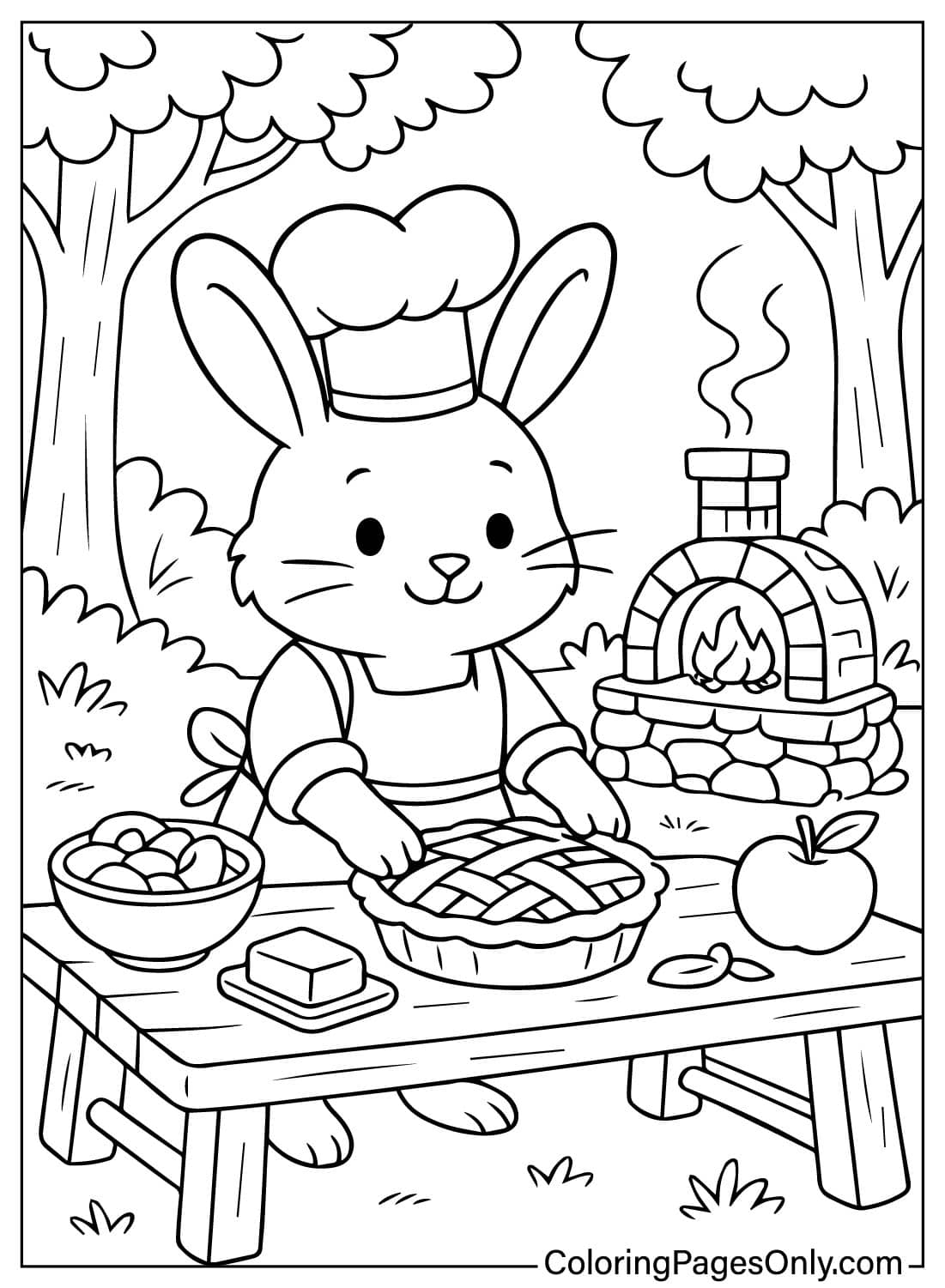
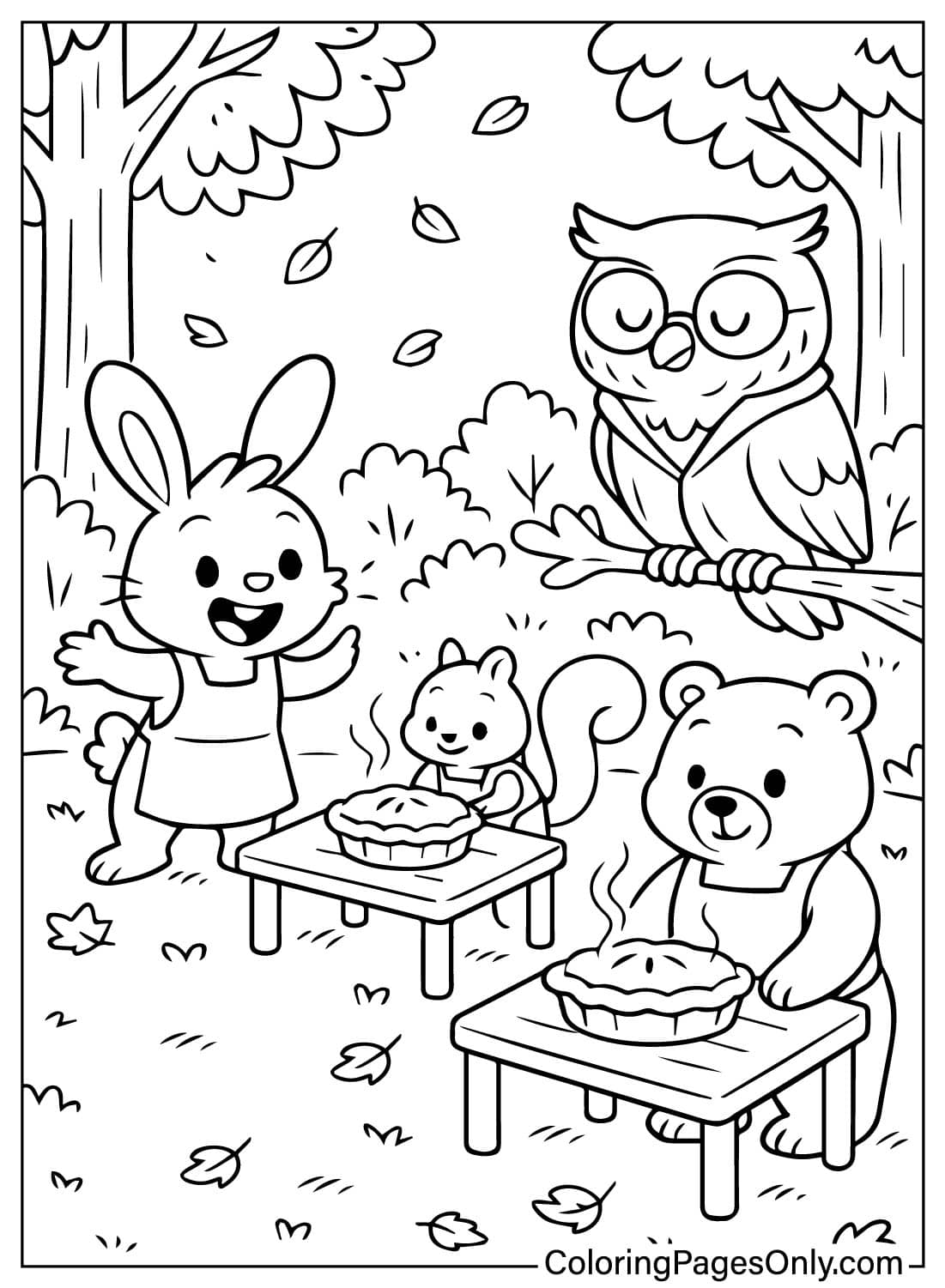
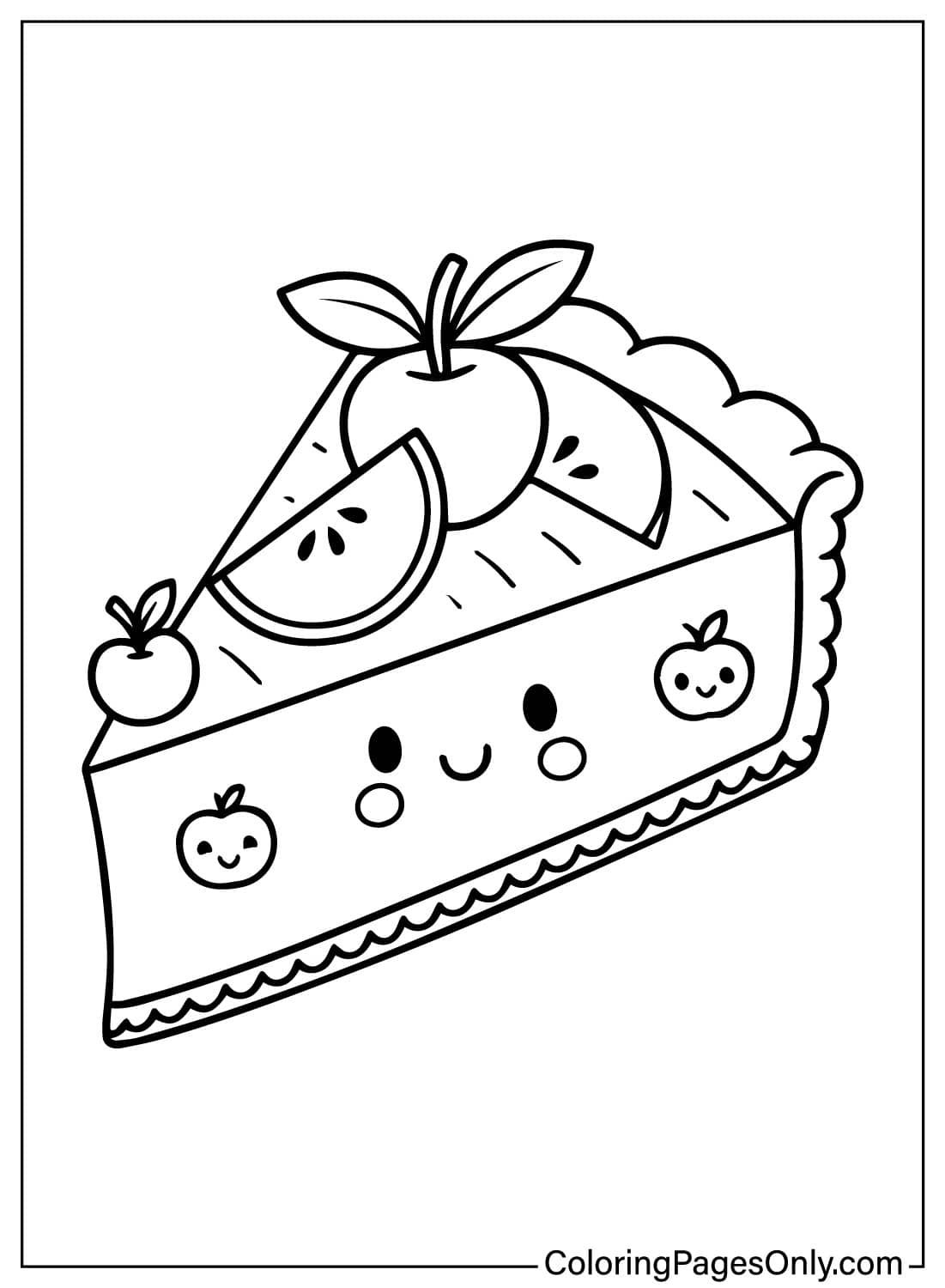
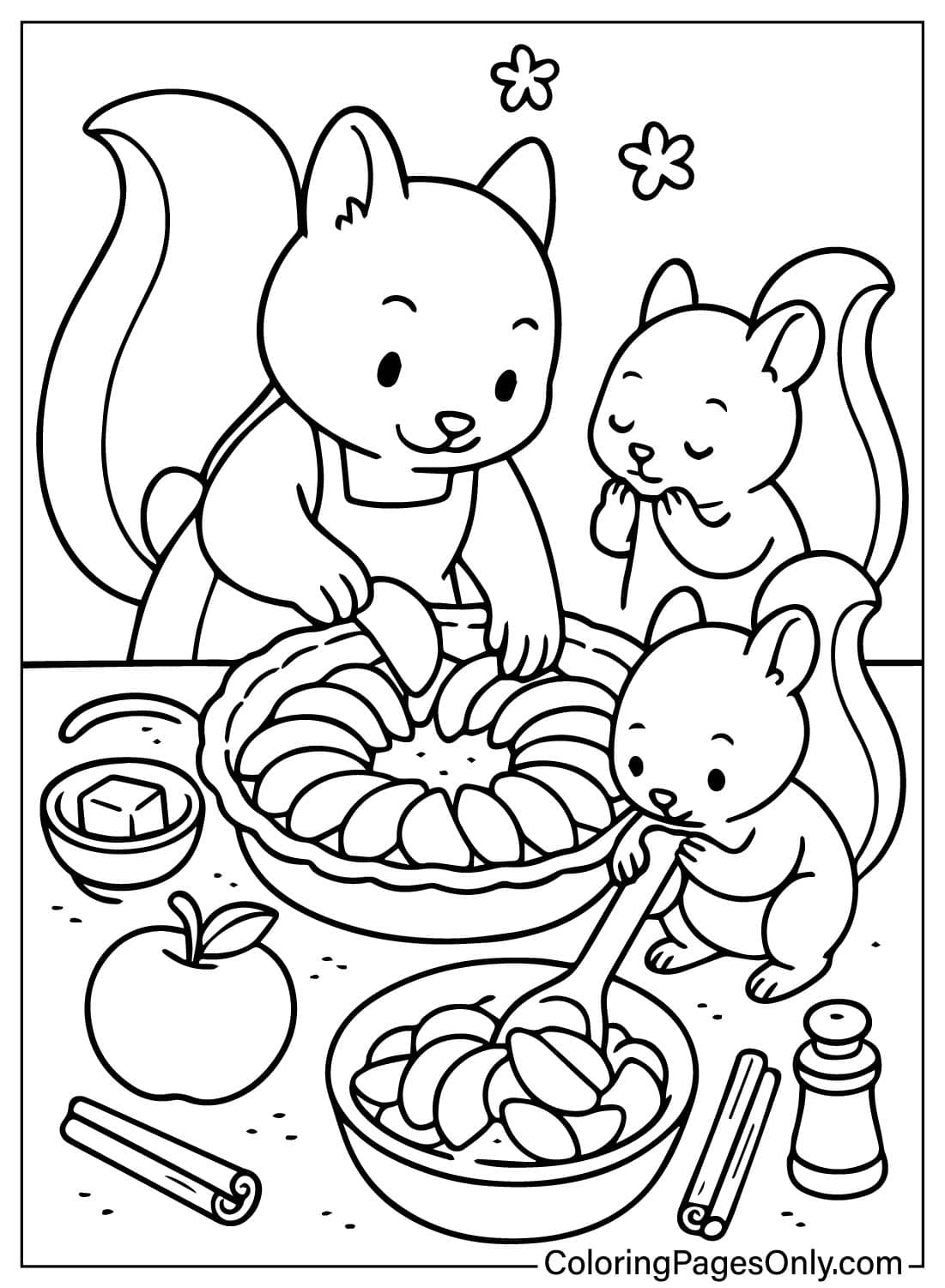
The 37 pages are split into four groups: animal characters baking or eating pie, kids and families in the kitchen, plain pie portraits, and a couple of whimsical outliers. Animal and family scenes make up most of the collection, giving it more character variety than a typical single-food set.
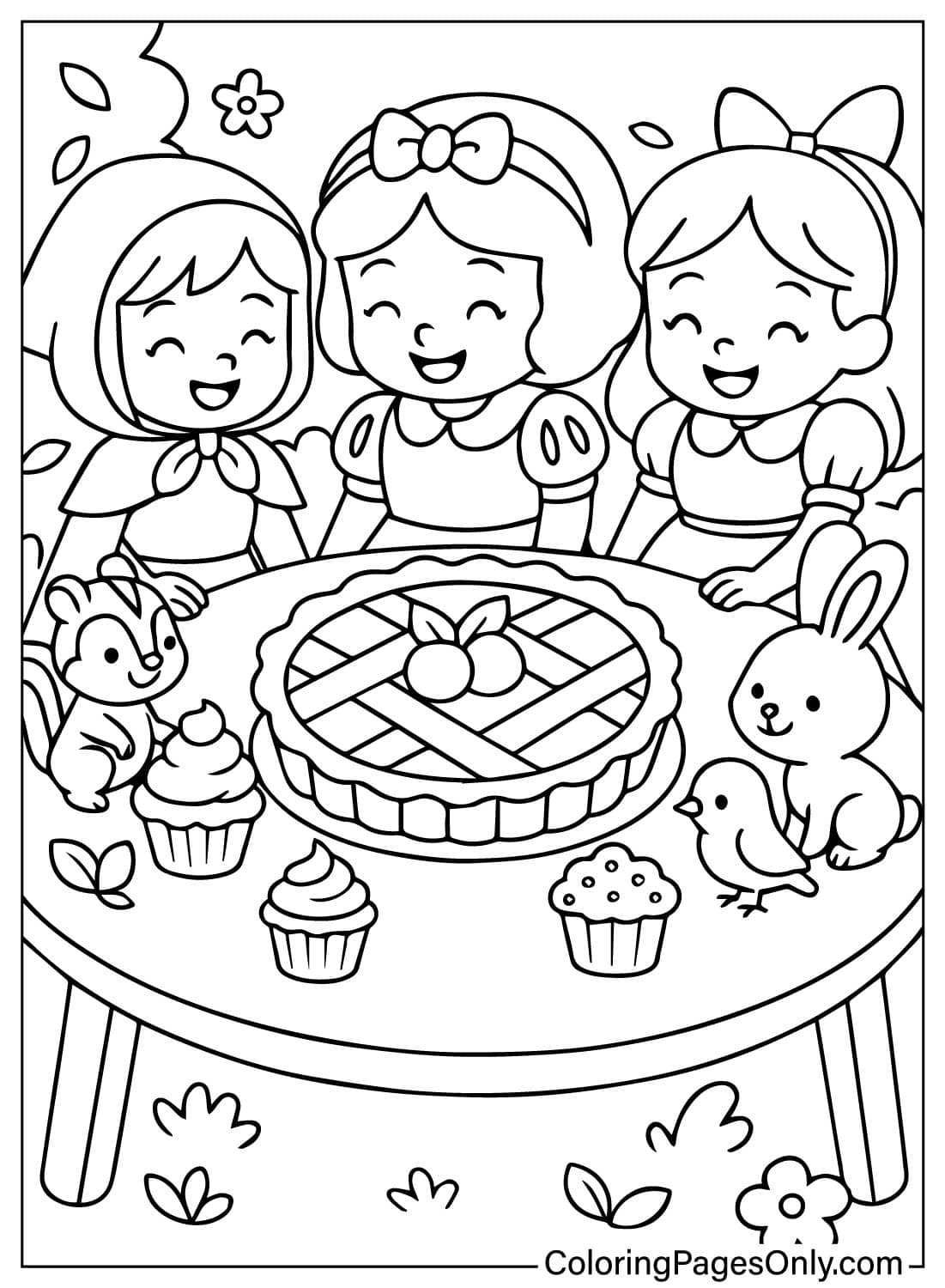
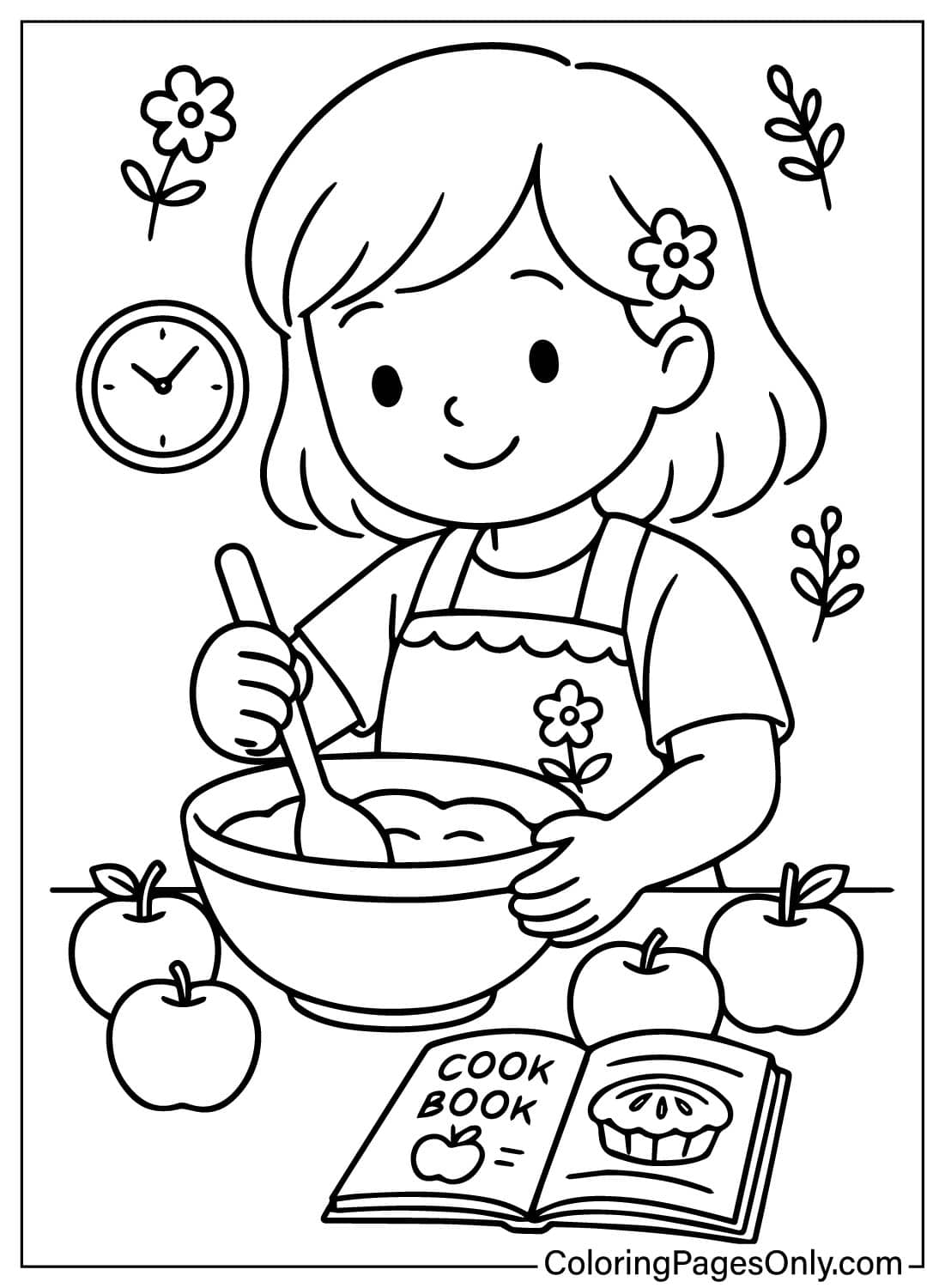
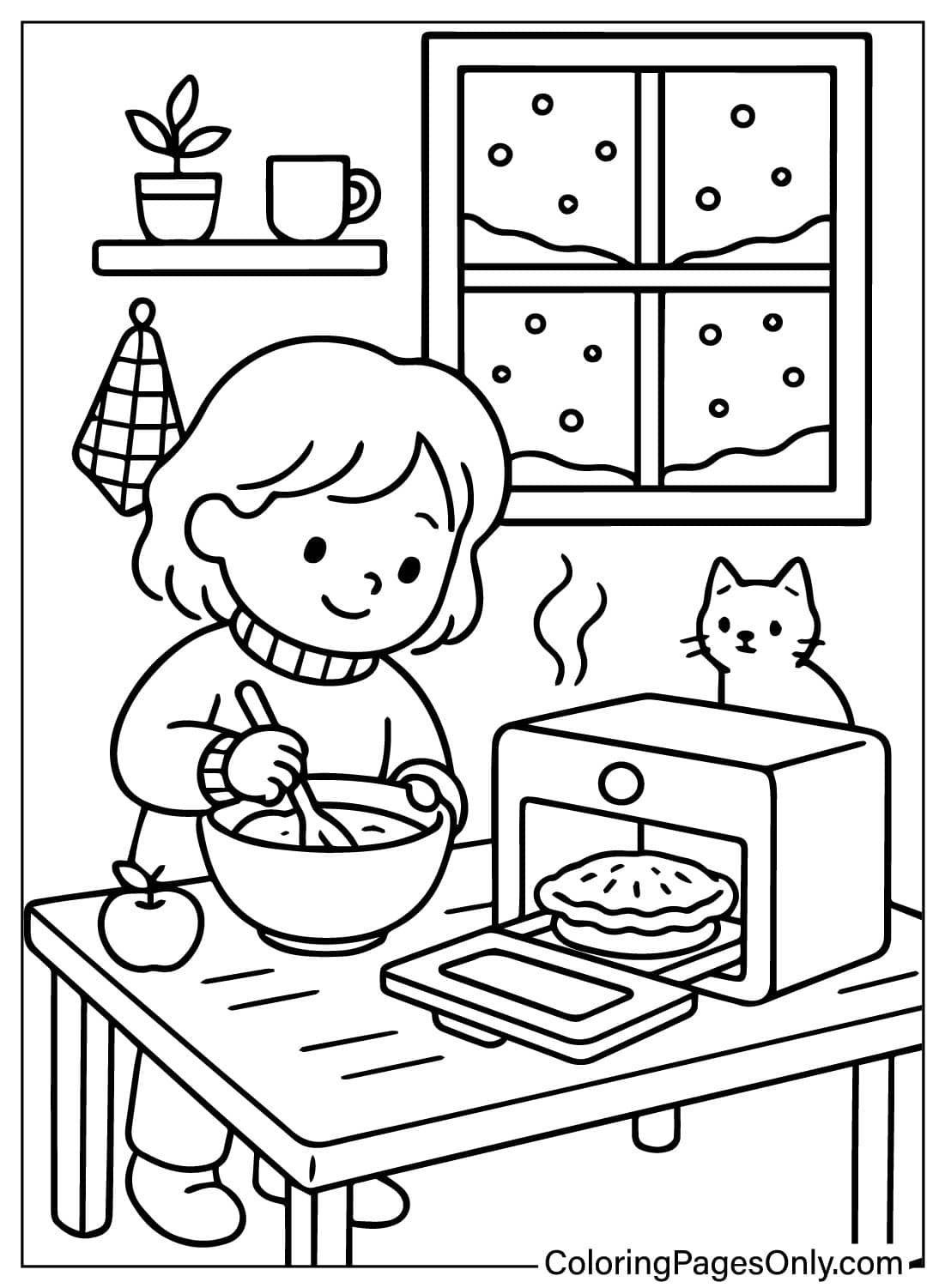
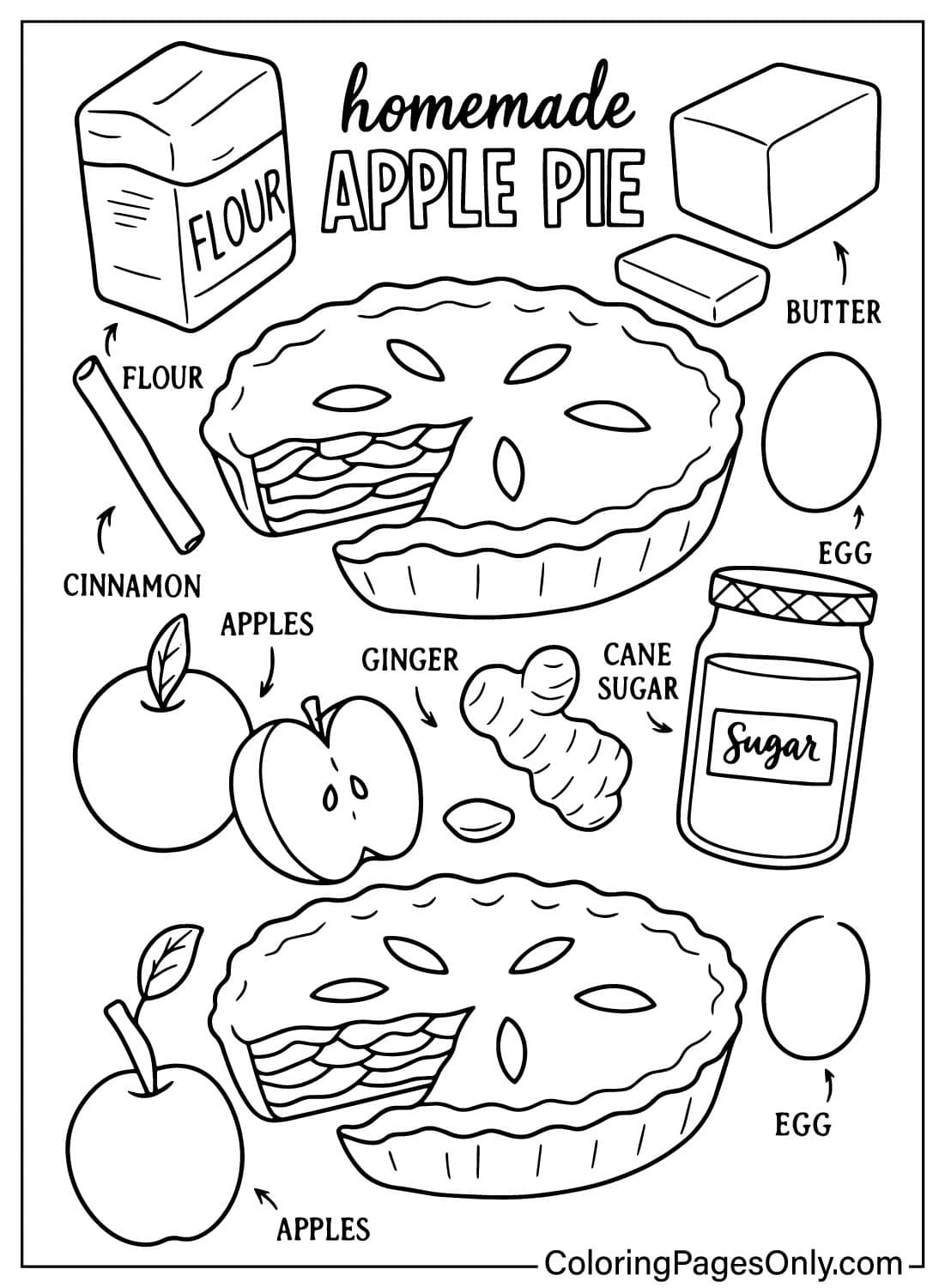
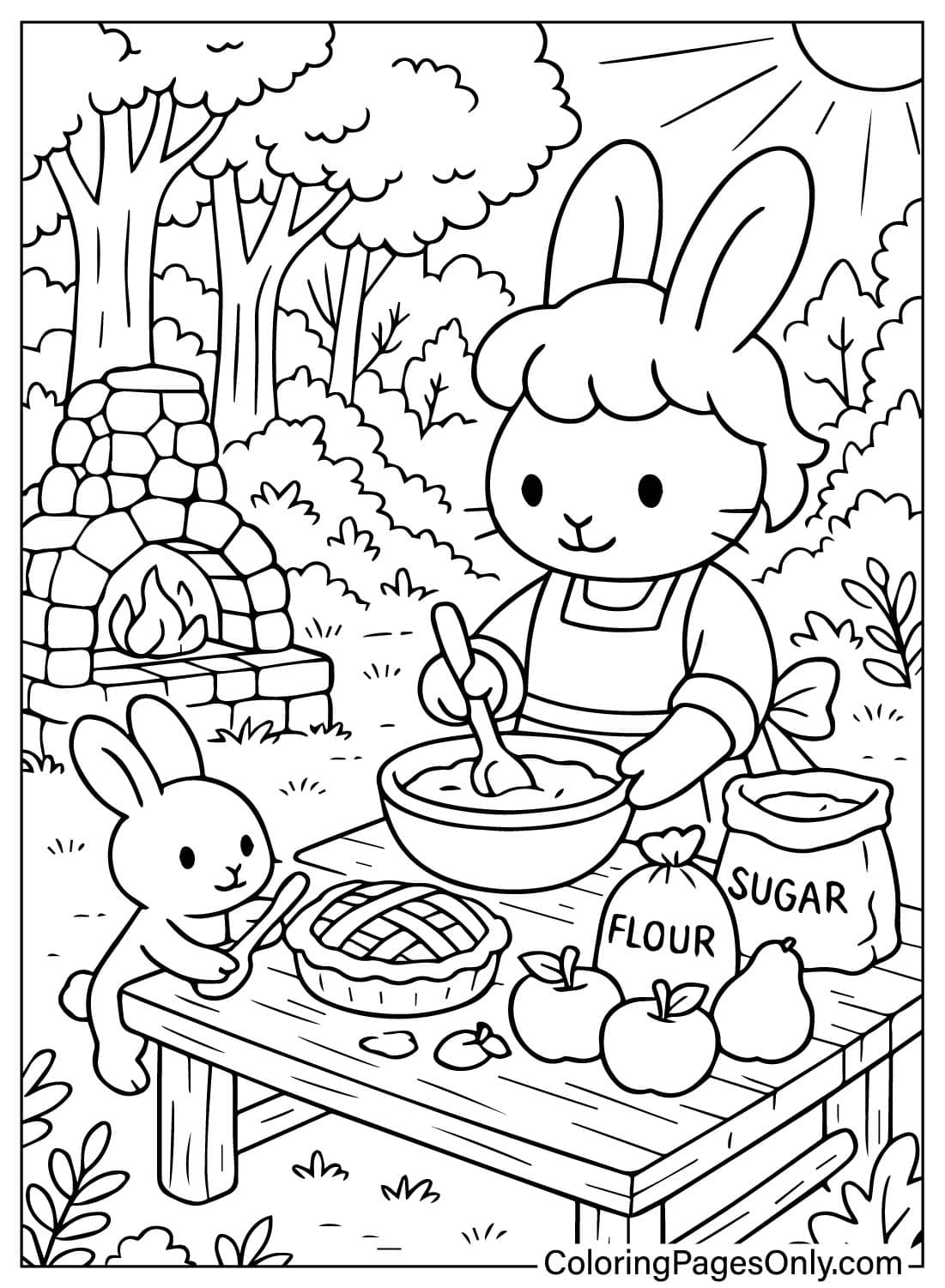
What Is Inside This Collection
Four groups carry the 37 pages, and between them, animal bakers and family kitchen scenes account for more than two-thirds of the entire collection.
Animal Bakers and Pie Lovers
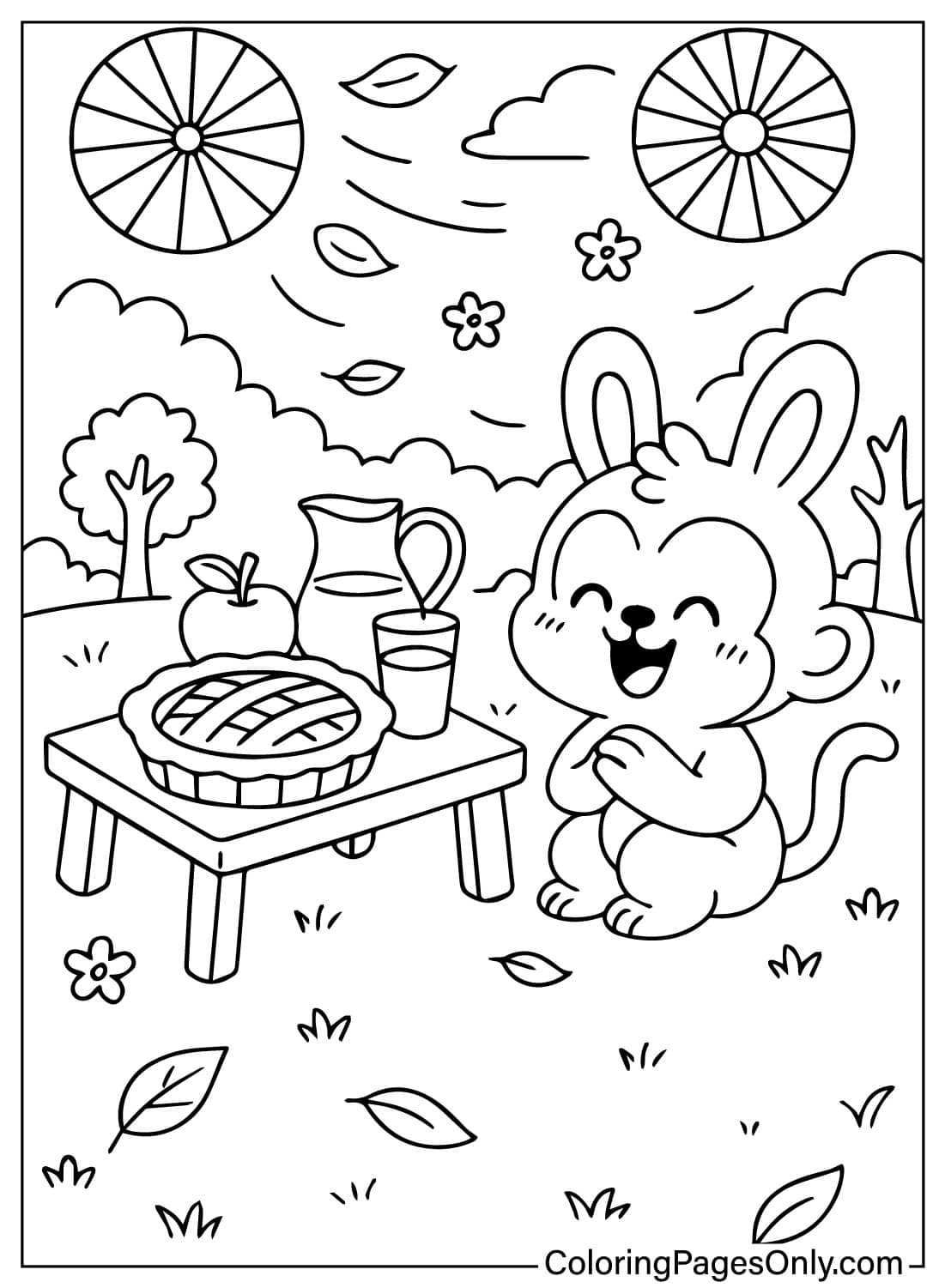
This is the largest group, showing cats, mice, squirrels, bunnies, a pig, and a monkey baking or enjoying apple pie. Coloring suggestion: keep each animal’s fur in its own natural color first, then let the pie itself carry the warm oranges and golden-brown tones. Hence, the food stays visually distinct from the character eating it.
Kids and Family Kitchen Scenes
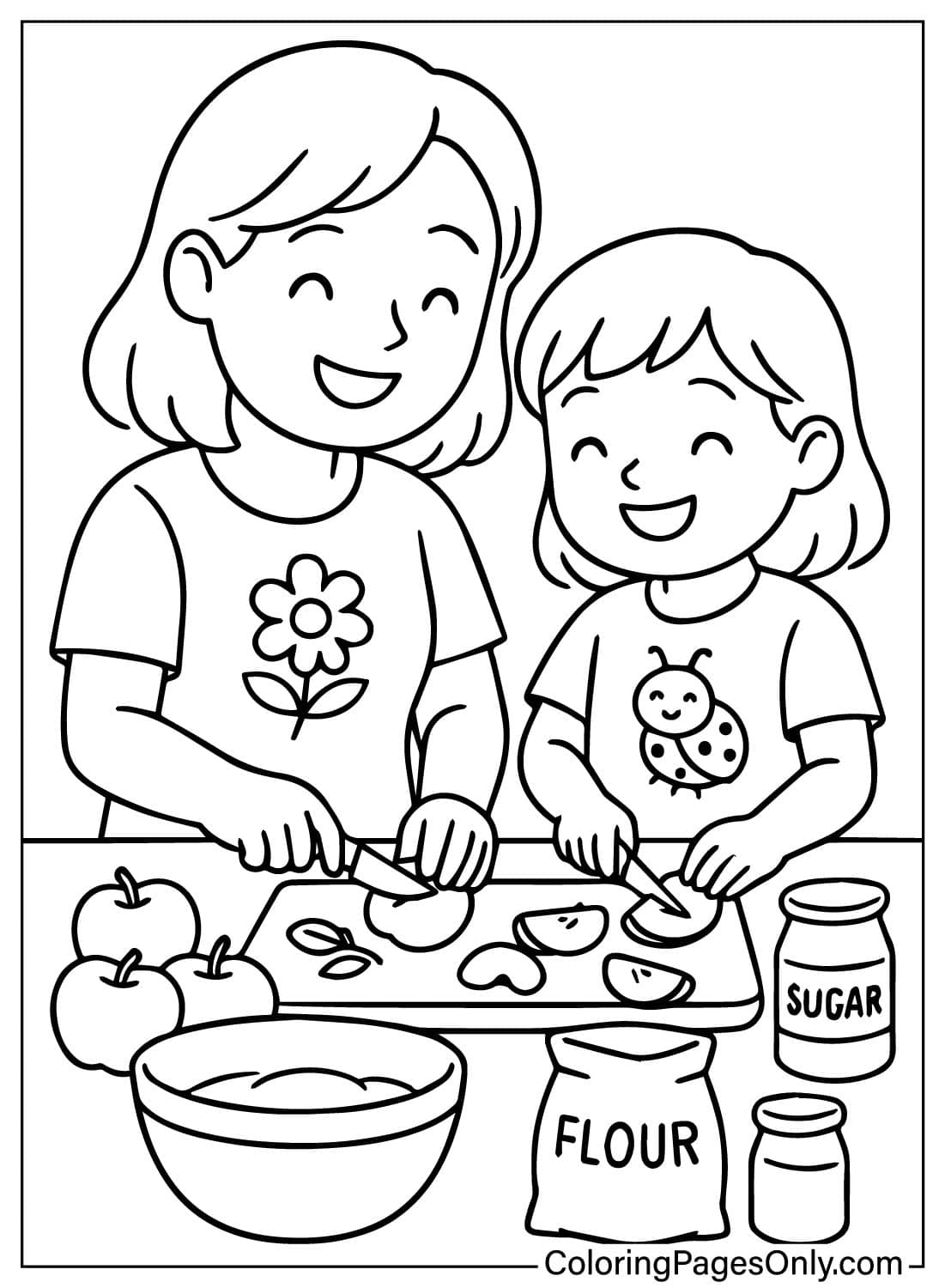
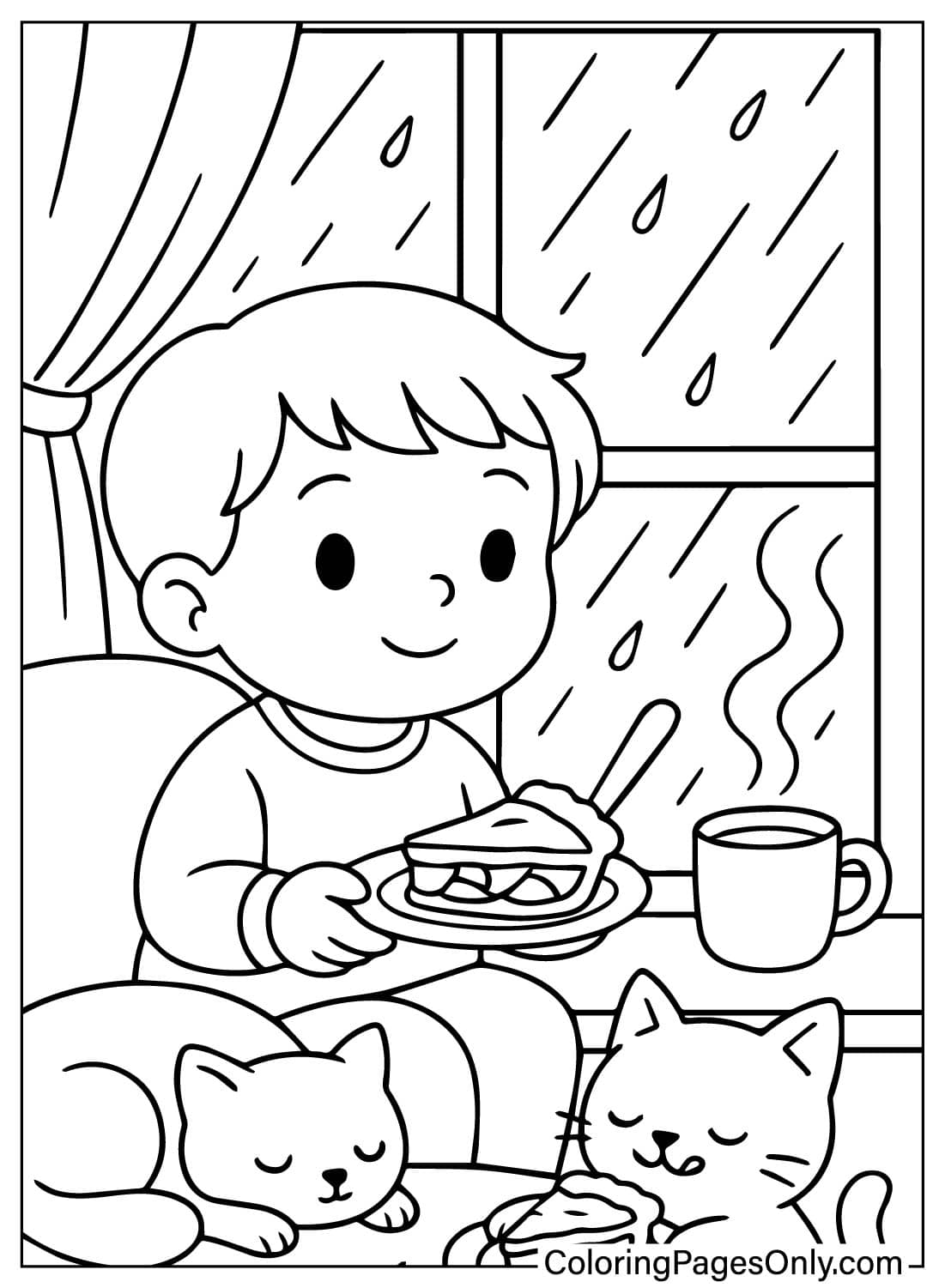
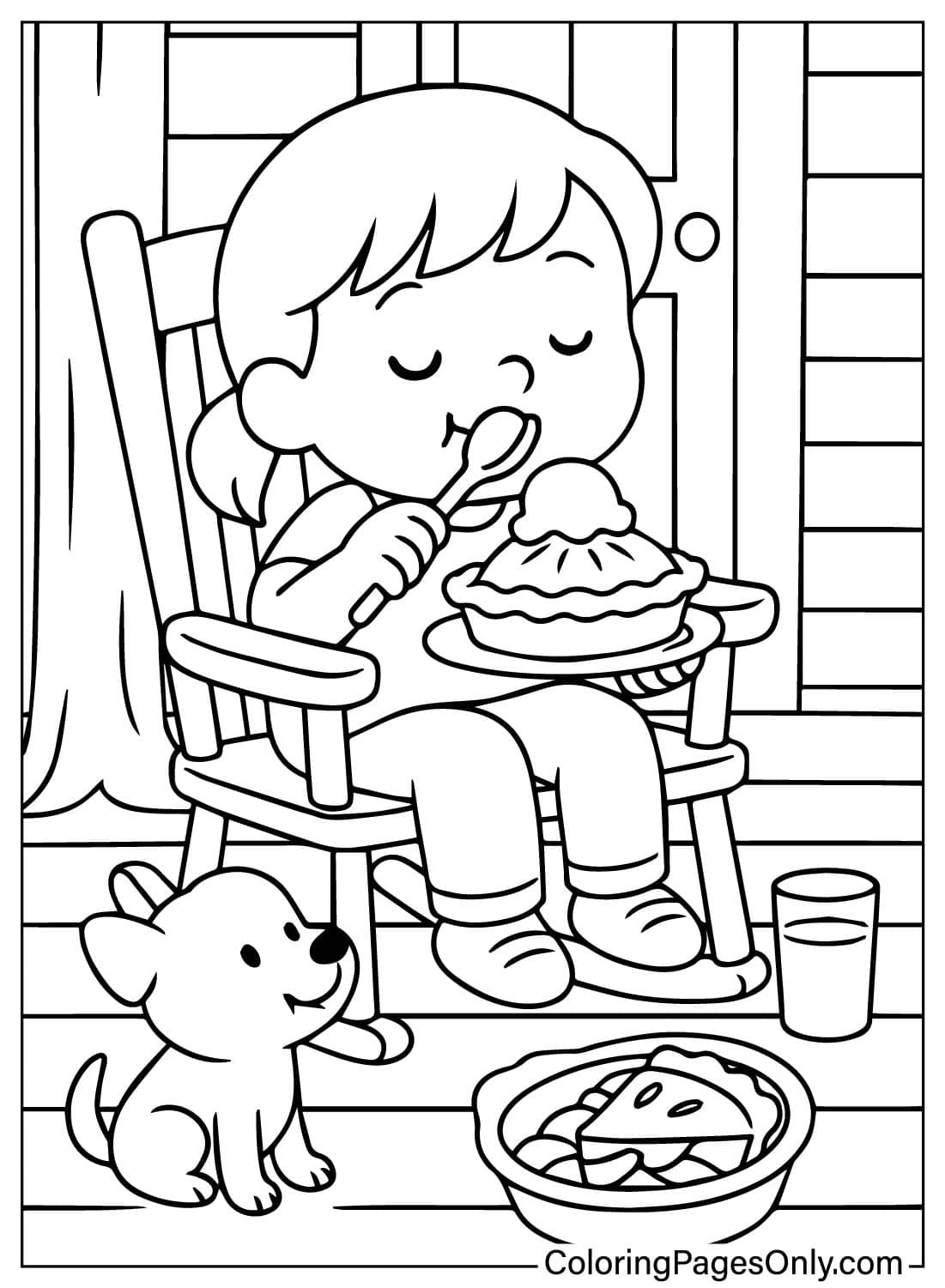
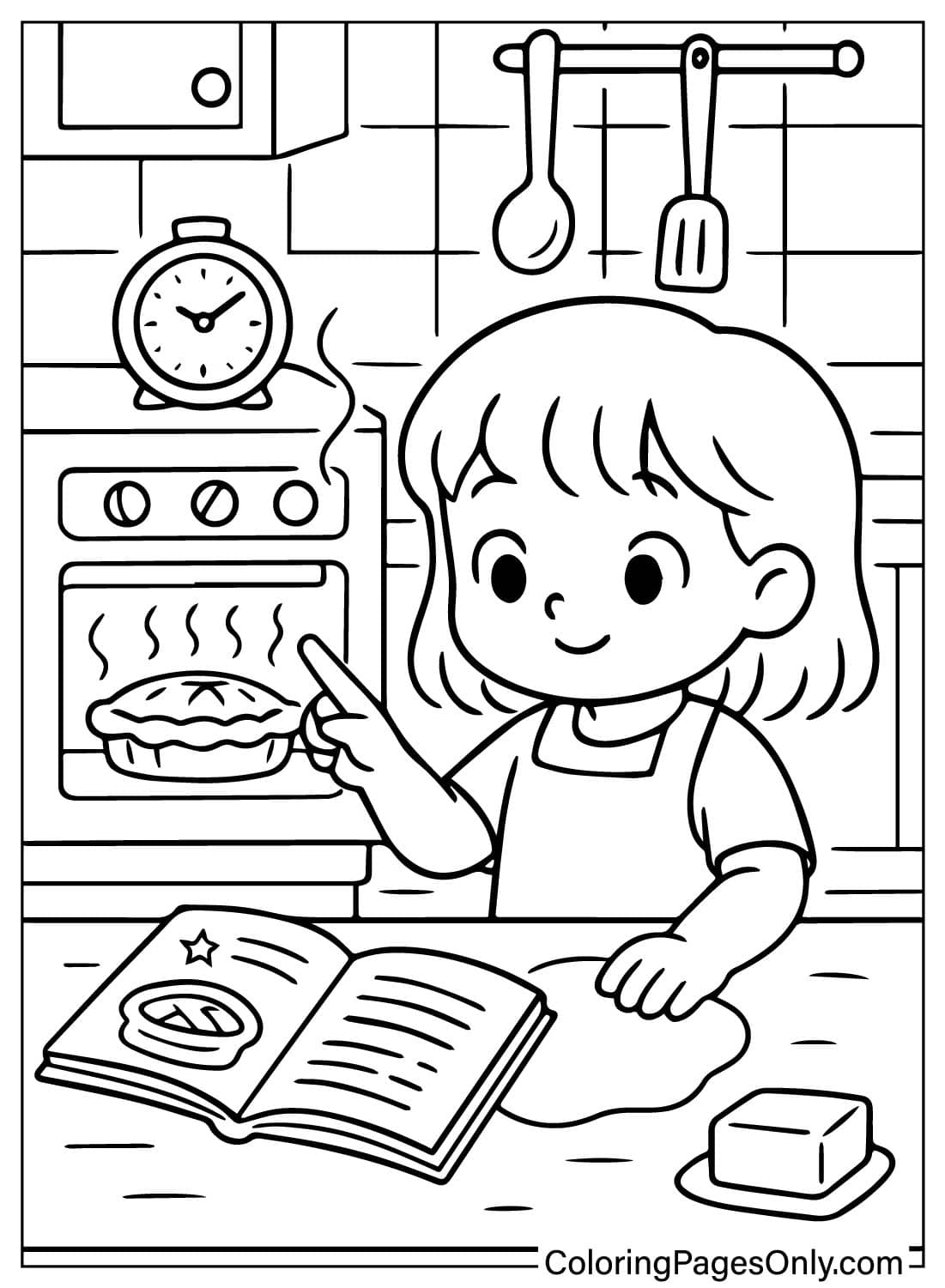
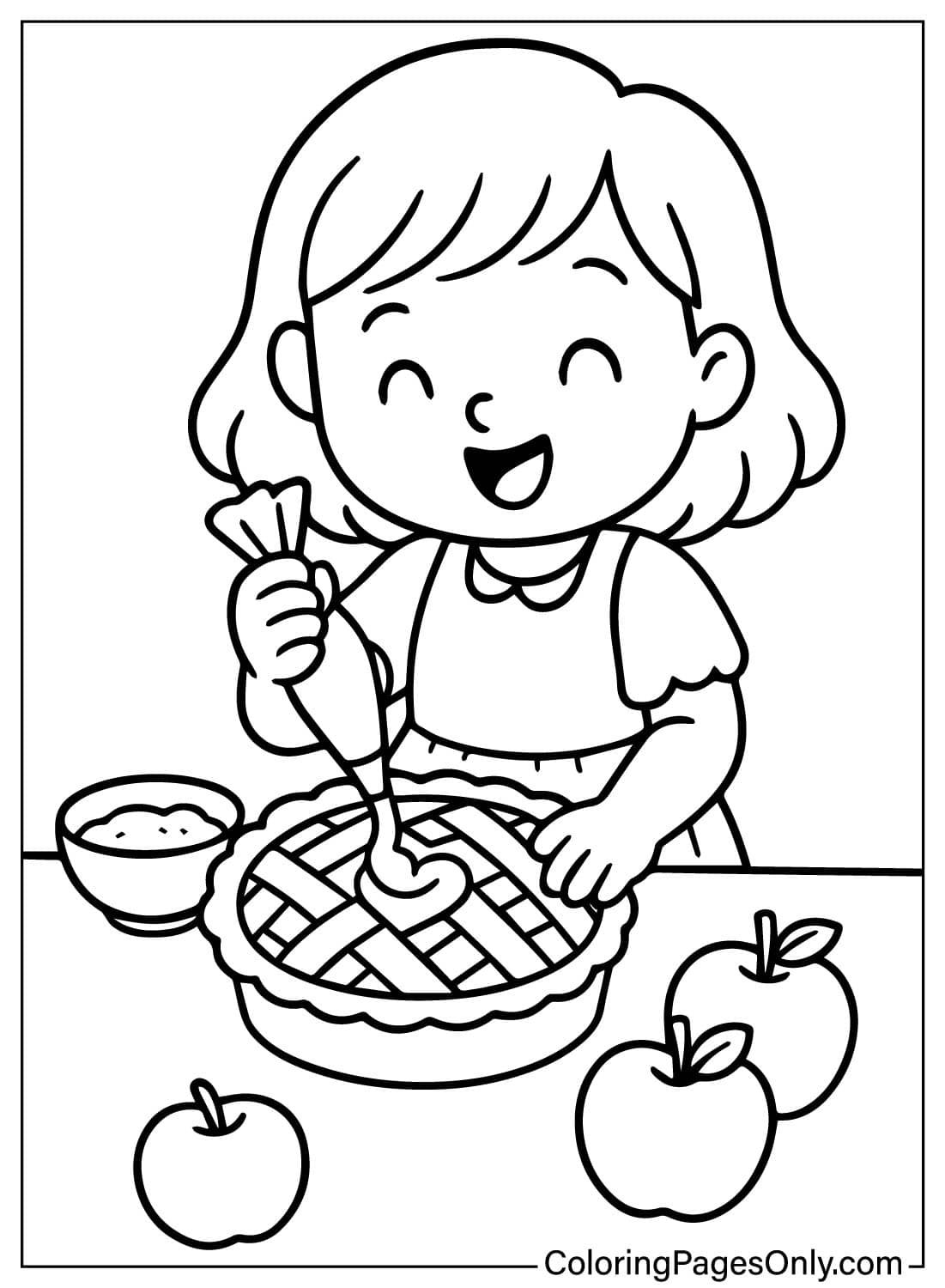
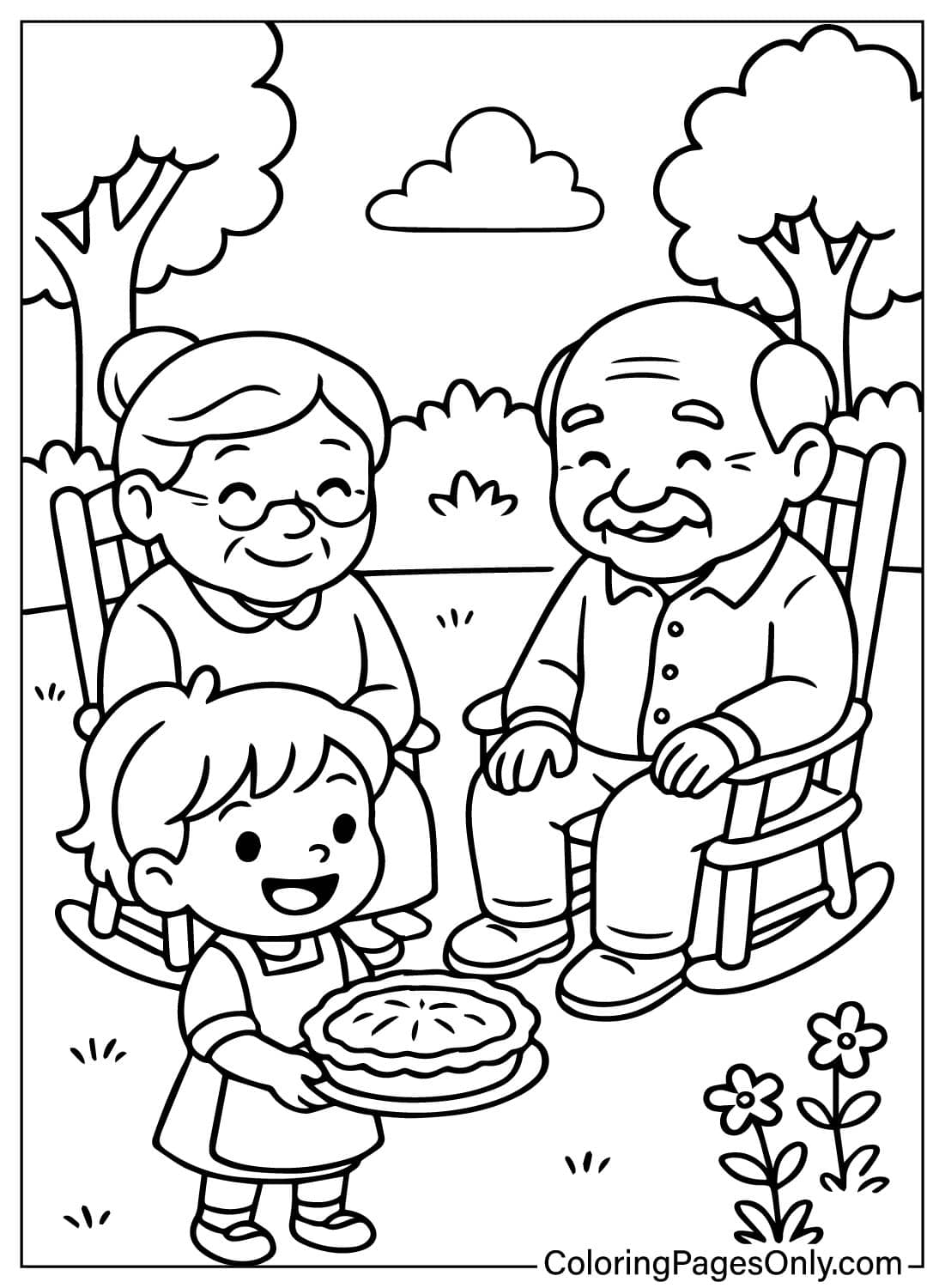
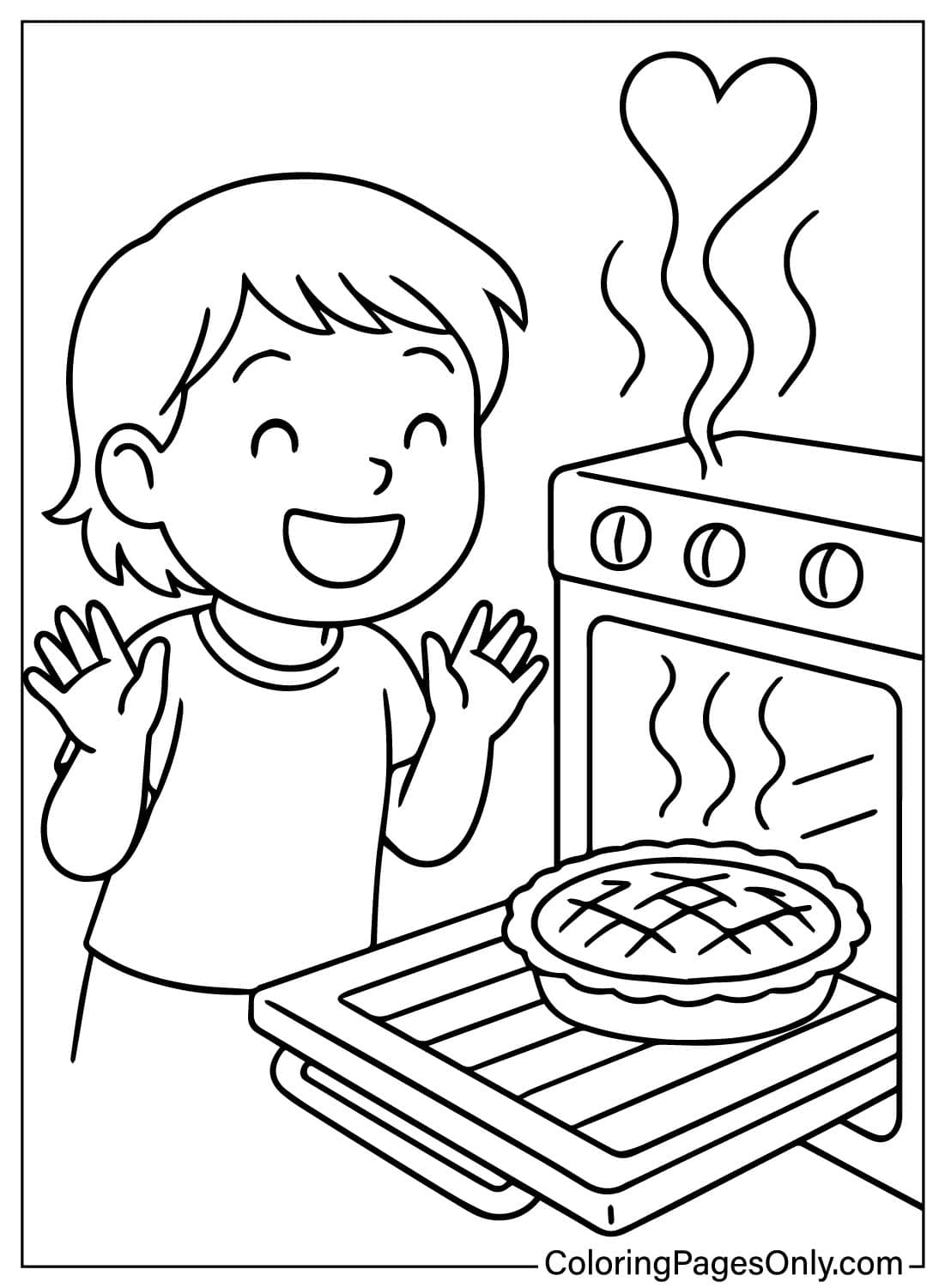
These pages show children and parents baking, tasting, or sharing a pie in the kitchen. Coloring suggestion: use warm, homey kitchen tones, Crayola Tan for wood cabinets, Crayola Apricot for warm lighting, so the setting feels lived-in rather than like a blank background.
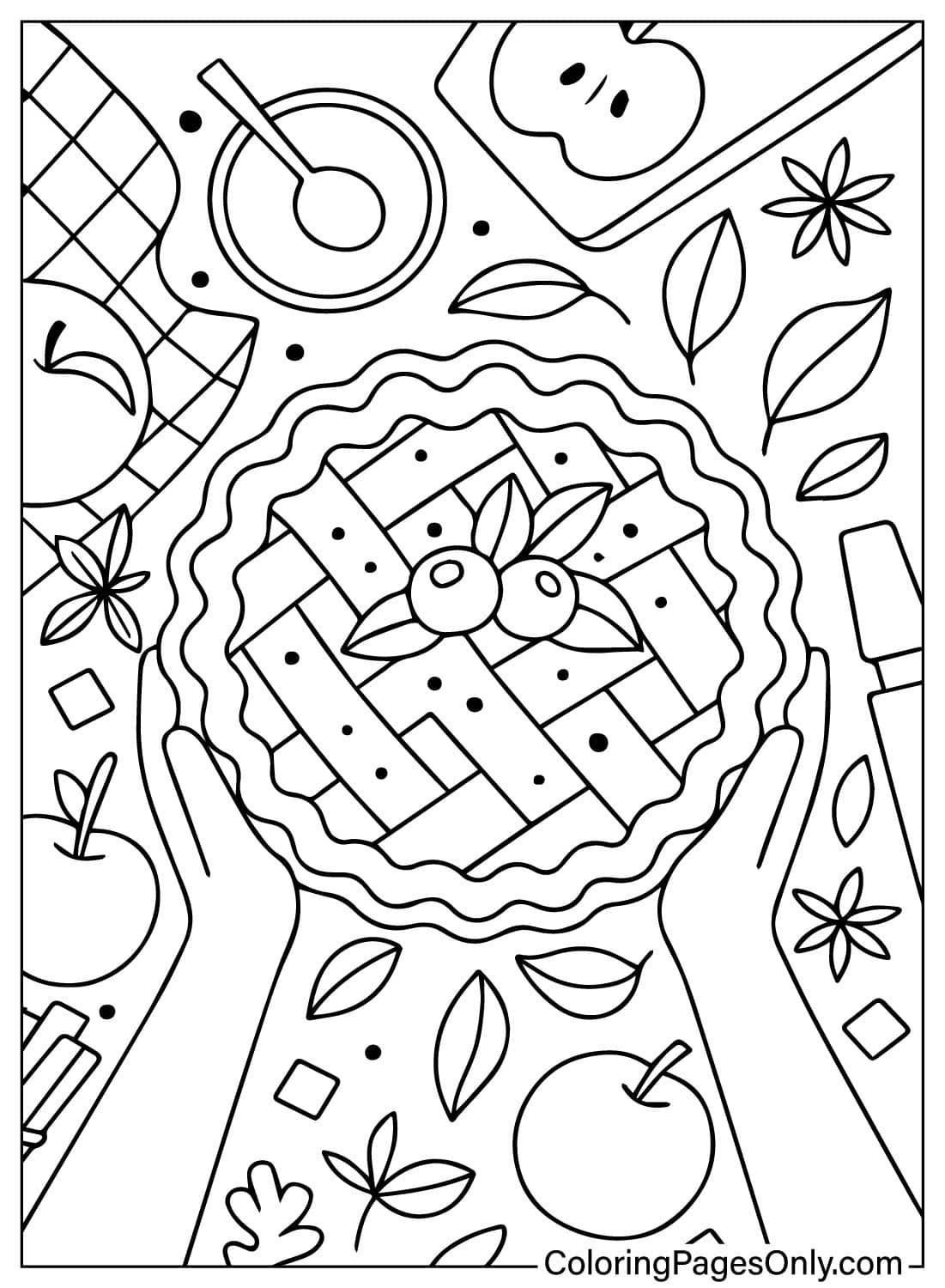
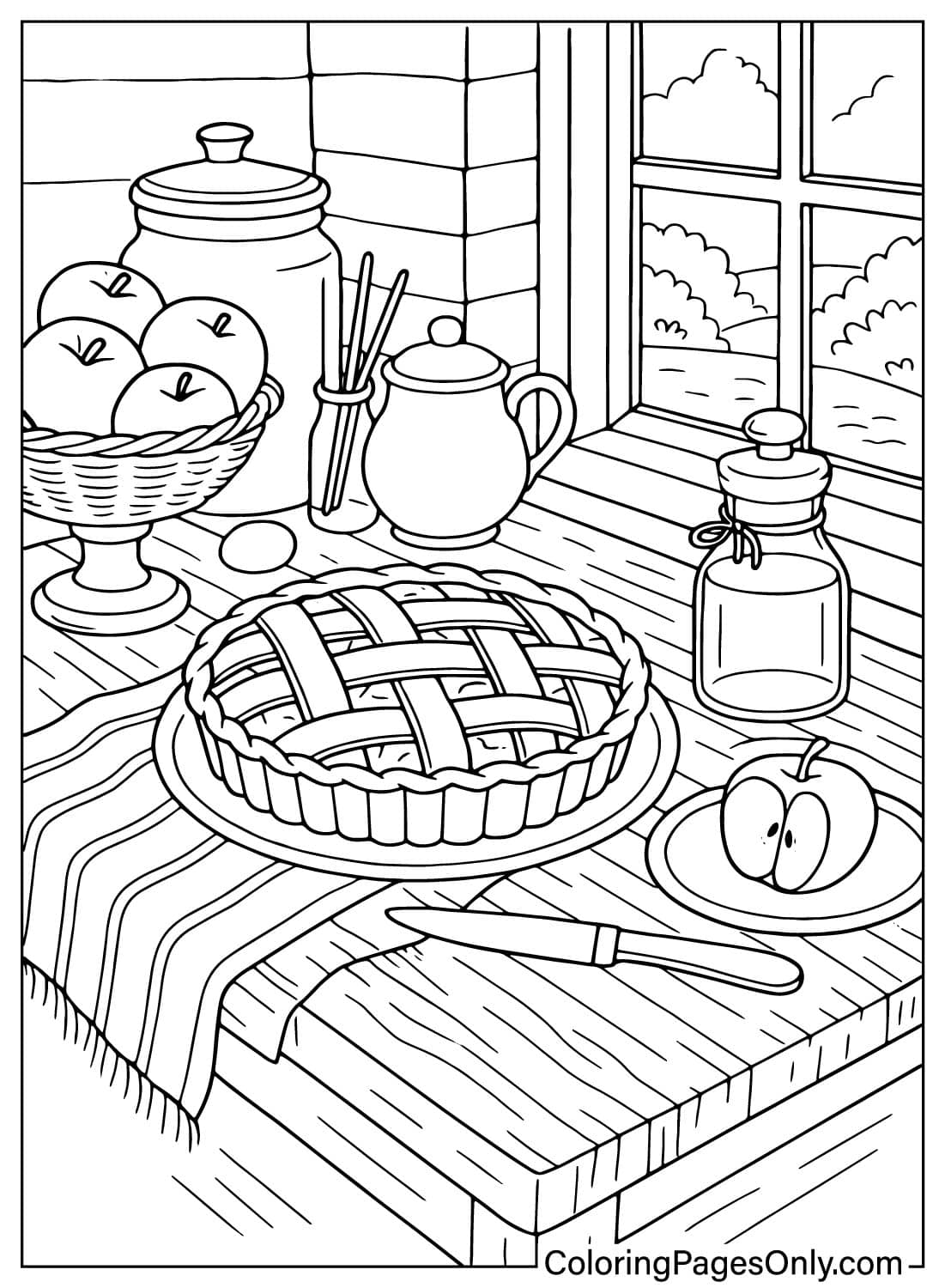
Plain Pie Portraits
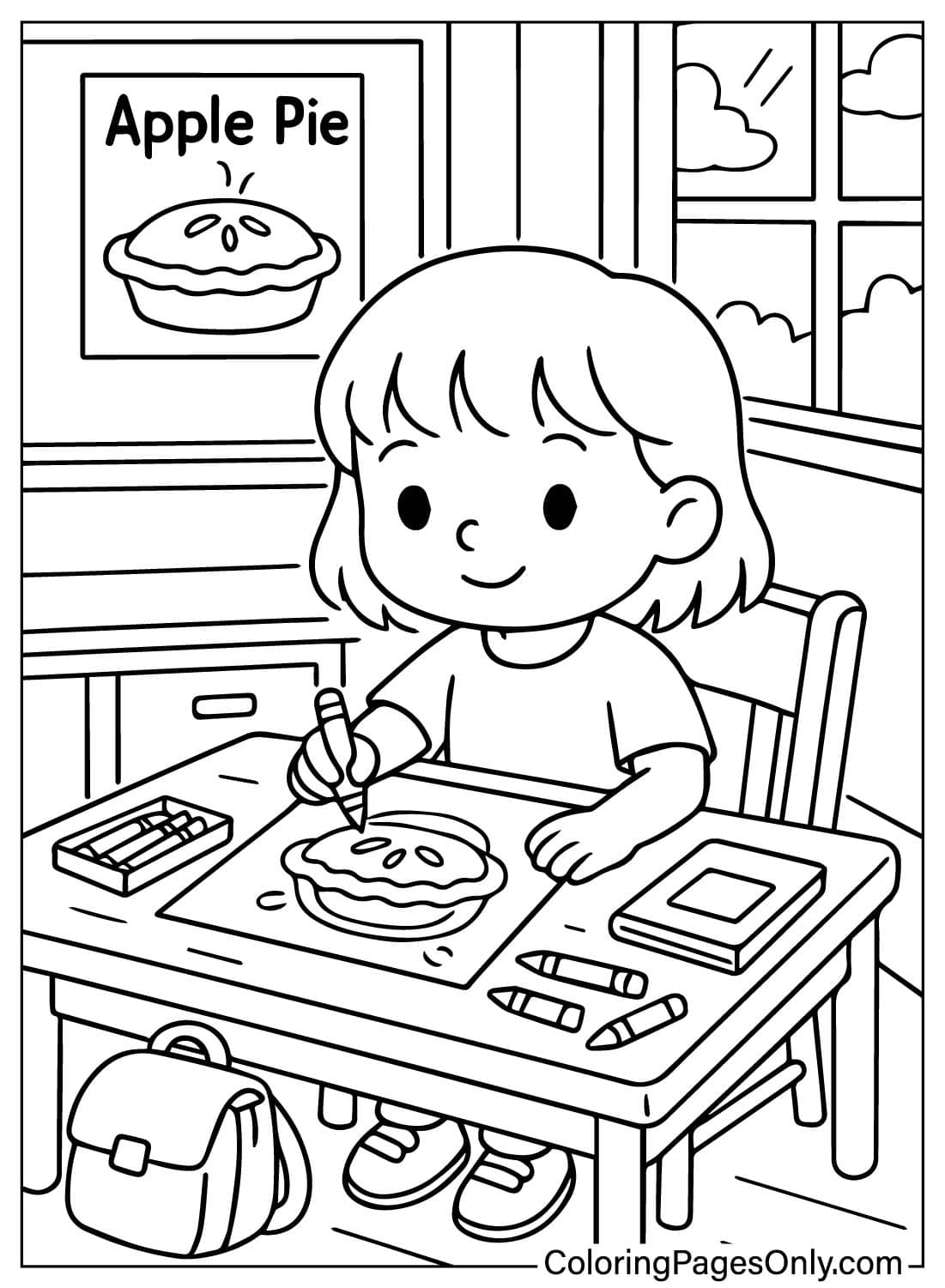
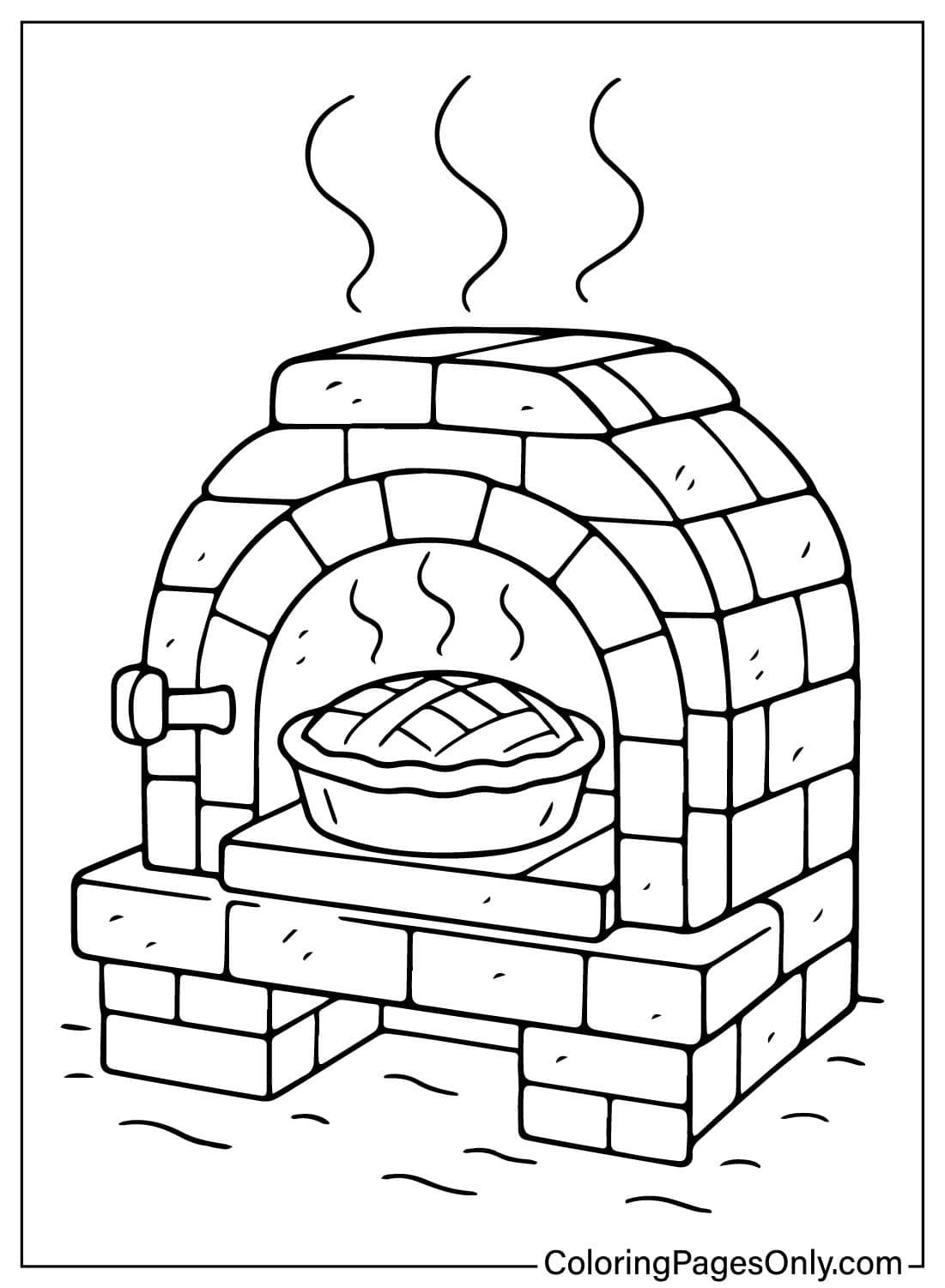
A smaller group skips characters entirely to show the pie on its own, whole, sliced, or fresh from the oven. Coloring suggestion: build the crust in layered Crayola Macaroni and Cheese and Burnt Sienna to suggest a baked, golden-brown surface rather than a single flat tan.
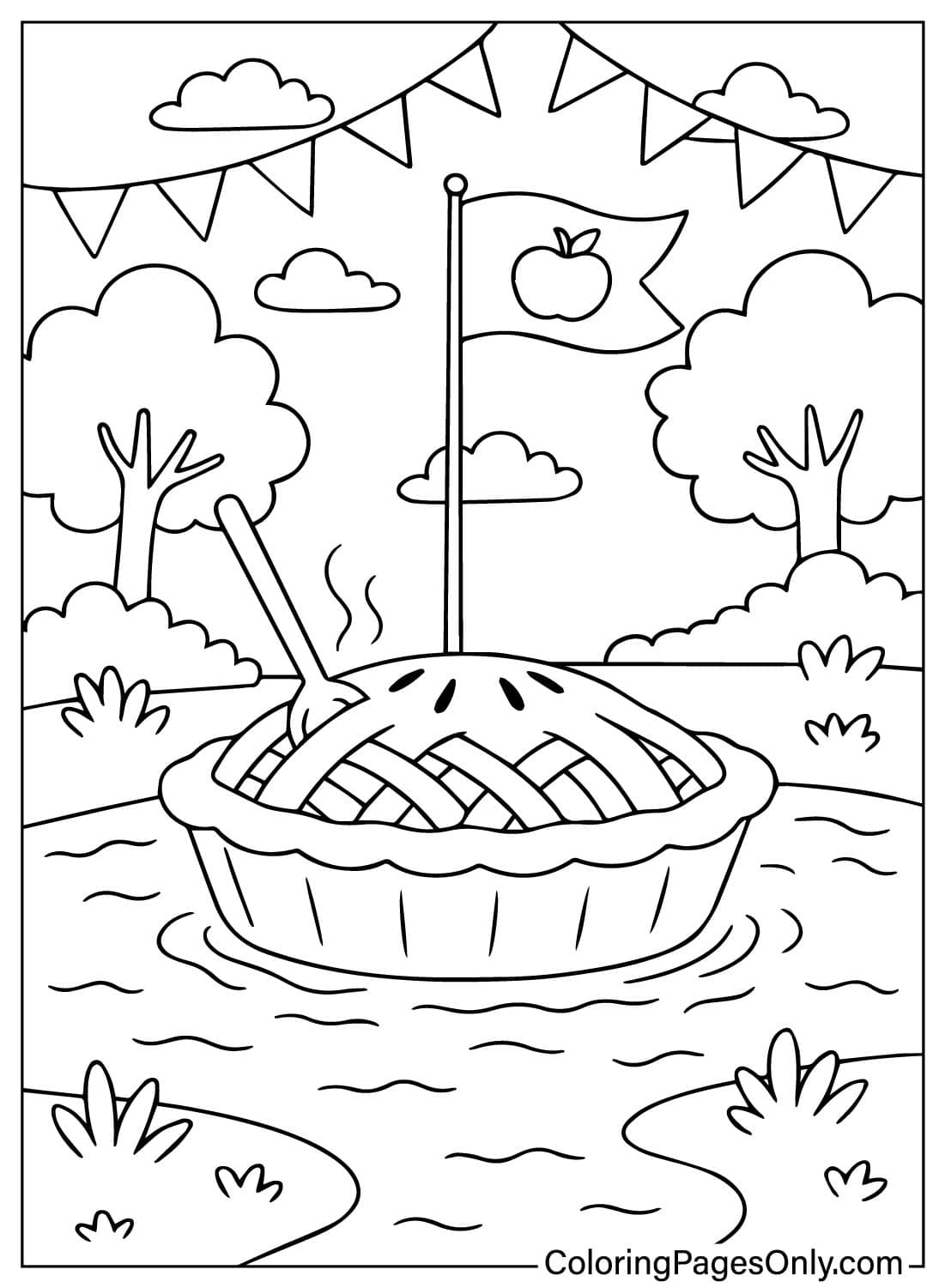
Whimsical Extras
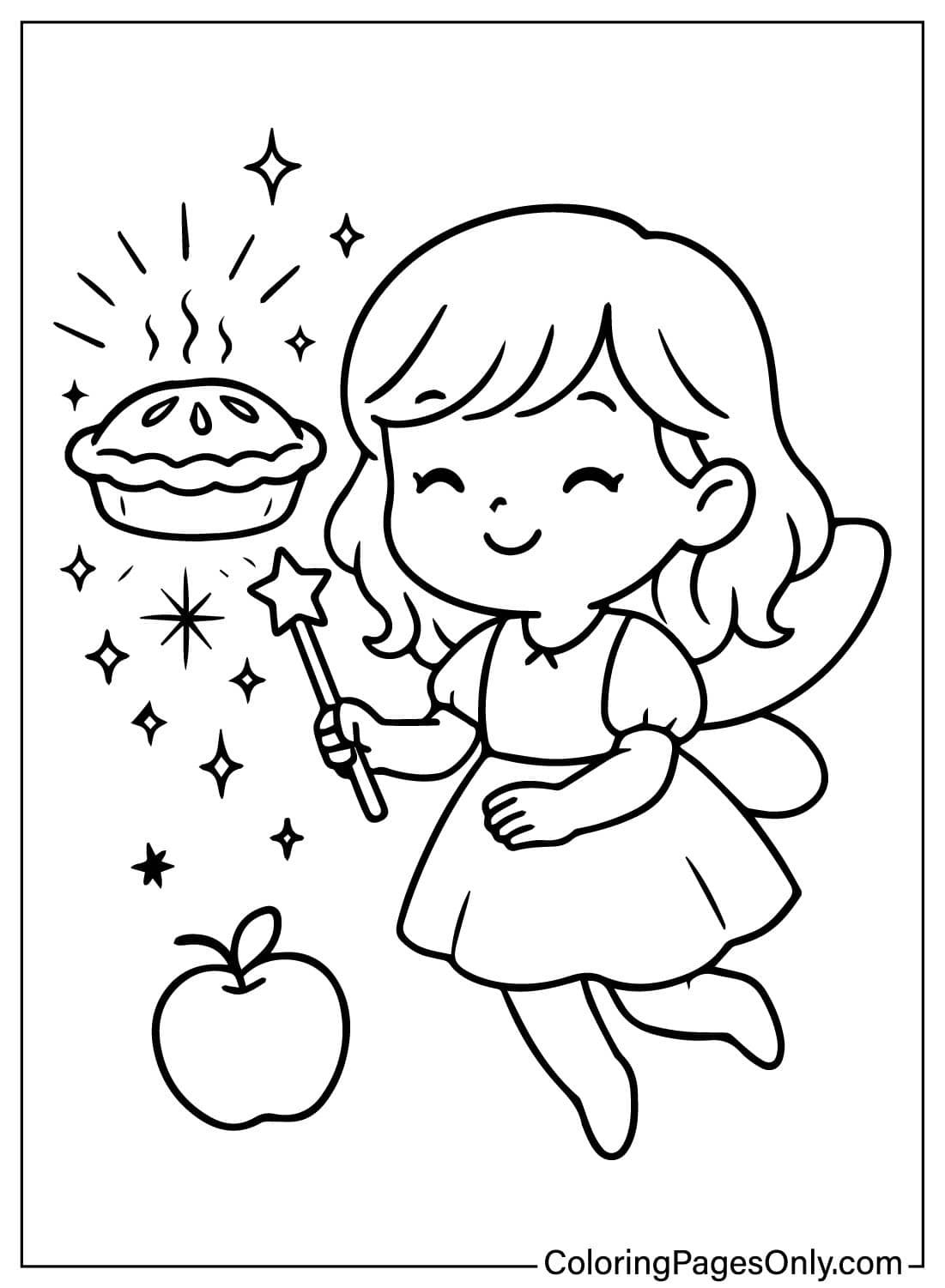
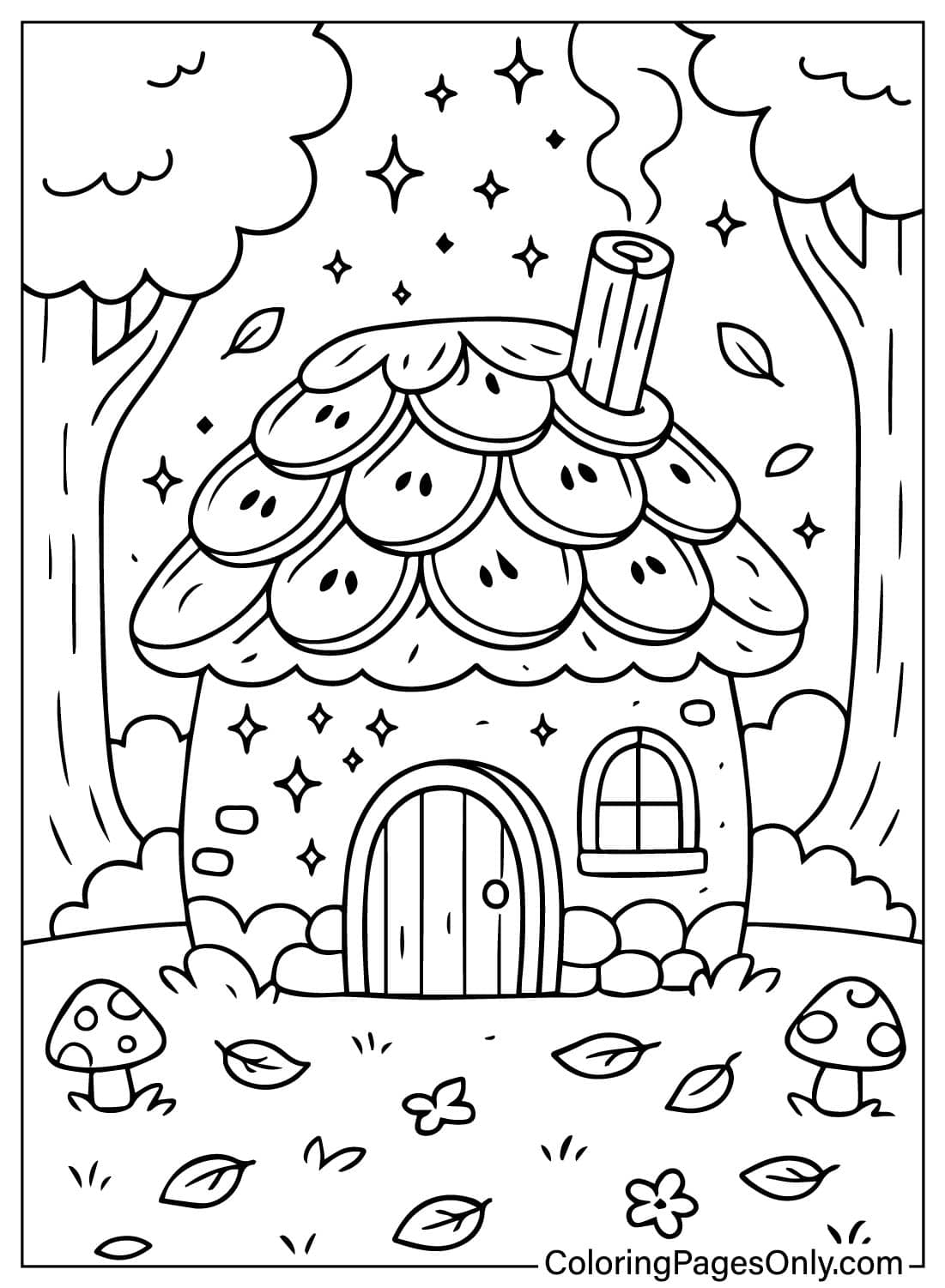
Two pages step outside the kitchen entirely: a fairy paired with a pie and a pie-shaped house. Coloring suggestion: these are the only pages built for a fully fantastical palette, so they’re a good place to use colors that would look out of place on the more realistic kitchen scenes.
What Apple Pie Coloring Pages Do
Woven lines, alternating color. A lattice pie crust’s woven, crisscrossing strips ask a child to alternate color carefully between overlapping bands, a more intricate version of the line control the American Academy of Pediatrics ties to fine motor development in structured coloring for children ages two through seven.
A history that surprises most kids. Despite being called “American as apple pie,” the dessert actually traces back to 14th-century England. This fact tends to genuinely surprise children who assume it’s a purely American invention, making this one of the few food-themed sets where the history itself doubles as a fun fact worth sharing out loud.
A comfort association layered on top. Apple pie is widely tied to comfort and nostalgia, cinnamon, a warm kitchen, a familiar smell, and pairing that association with a coloring session may add to the same anxiety-reducing effect a 2005 Art Therapy Journal study found in structured coloring generally, layering a food memory on top of the activity itself.
Something a family can actually make. Unlike a fictional character or an extinct animal, apple pie is something a child can help bake the same day they color it, which gives this particular collection a follow-up activity that most coloring topics can’t offer as directly.
How to Color Apple Pie Pages Well
- Pie crust: layer Crayola Macaroni and Cheese with Burnt Sienna along the edges and any raised lattice strips, since a real baked crust is rarely one flat color.
- Lattice tops: alternate a slightly lighter and darker shade of the same crust color across the woven strips to suggest where one strip crosses over another.
- Apple filling: Use warm Crayola Red, Orange, or Scarlet peeking through any visible slices or gaps in the crust, since that’s the one spot on the page built for the brightest color.
- Animal characters: keep fur colors realistic and species-accurate, brown or orange for cats, gray or brown for mice and squirrels, pink for the pig, so the animal stays recognizable underneath any apron or chef’s hat.
- Kitchen scenes: Use Crayola Tan or Almond for wooden cabinets and counters, and reserve brighter colors for the pie itself so it remains the clear focal point of a busy kitchen page.
- Steam and aroma lines: if a page shows steam rising from a fresh pie, keep those lines a very light Crayola Silver or leave them uncolored, since a heavy color here can make the steam look solid rather than wispy.
5 Creative Craft Ideas With Apple Pie Coloring Pages
1. Recipe Card Keepsake
Color a pie page and write a favorite apple pie recipe on the back for a handmade recipe card or gift.
2. Pretend Kitchen Pie Prop
Color a whole pie page, cover it with clear tape, and use it as a prop in a pretend-play kitchen.
3. Animal Baker Story Cards
Color a few of the animal-baker pages and use them as characters for a short, made-up baking-competition story.
4. Real Baking Day Pairing
Color a pie page the same day as baking a real apple pie, then compare the colored version to the finished dessert.
5. Family Recipe Book Cover
Color a kitchen-scene page and use it as the cover for a binder or folder collecting family recipes.
Frequently Asked Questions
What are Apple Pie coloring pages?
A free set of 37 printable designs featuring apple pie, from animal bakers and family kitchen scenes to plain pie portraits. Every page downloads as a PDF or opens in the online coloring tool without an account.
Is apple pie actually an American invention?
No. The earliest known apple pie recipe comes from 14th-century England, recorded around 1381. English and Dutch settlers brought the recipe to America in the 17th century, where it later became a cultural symbol.
What was the original apple pie recipe like?
It was quite different from today’s version, made with apples, figs, raisins, pears, and saffron, with no added sugar, inside a thick pastry shell meant to protect the filling rather than be eaten.
Which animal characters appear in the collection?
Cats, mice, squirrels, bunnies, a pig, and a monkey each appear baking or enjoying apple pie across different pages.
Are any pages tied to a specific holiday?
The collection doesn’t focus on one specific holiday, though its warm, kitchen-centered scenes work well for Thanksgiving or general fall activities.
Can these pages be colored without printing them?
Yes. Every page in the set opens directly in the site’s browser-based coloring tool, so a page can be finished on screen before deciding whether to print it.
Are Apple Pie coloring pages suitable for young children?
Most of the animal and plain pie pages use a single clear subject and work well for a young child, while the kitchen scenes with multiple people and background objects suit a child with a bit more coloring experience.
Why do so many pages show animals instead of people baking?
Animal bakers let the collection stay playful and simple, a cat or a mouse in an apron reads as funny and approachable in a way a fully detailed human kitchen scene doesn’t always achieve for a younger colorist.
Start Coloring
Every page above is free to download as a PDF or color directly online, with no account required either way. A finished page can be shared through the Facebook or Pinterest buttons at the top of the design.