Boba Tea Coloring Pages

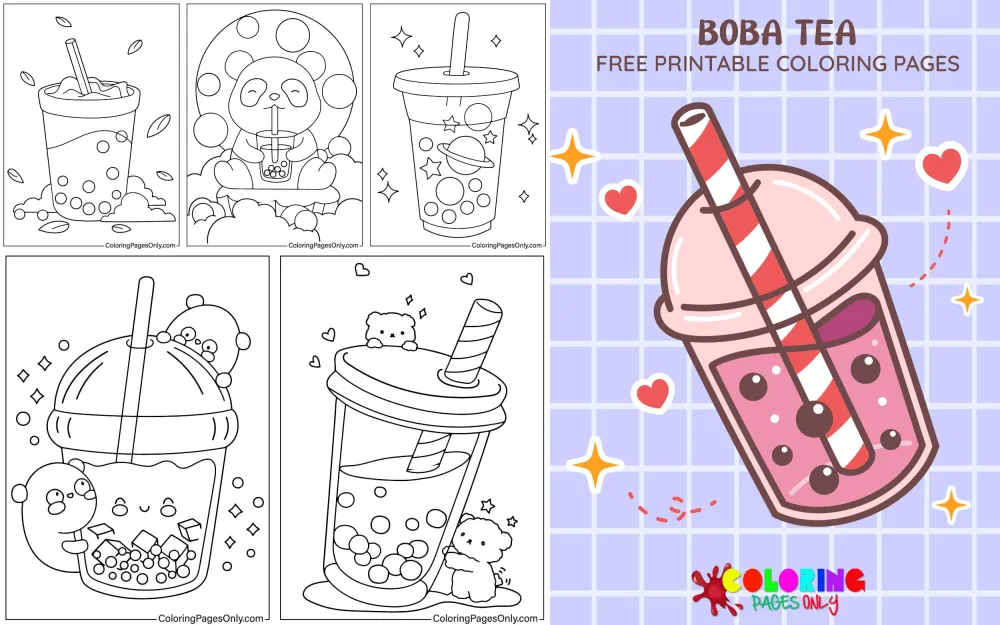
Free Boba Tea Coloring Pages: 33 printable PDF designs of the chewy, colorful drink, with kawaii pandas, bunnies, bears, and a kitten hugging oversized cups, girls sipping through wide straws, a bubble tea floating in space, and plenty of classic cups filled with tapioca pearls. Every cup in the set is free, on paper or a screen.
Boba tea, also called bubble tea or pearl milk tea, was born in Taiwan in the 1980s. Two Taiwanese teahouses, Chun Shui Tang in Taichung and Hanlin Tea Room in Tainan, both claim to have created the first version by adding chewy tapioca balls to sweet iced milk tea. The pearls are made from tapioca starch, which comes from the cassava root, and they are sipped through an extra-wide straw. The drink spread to the United States in the 1990s, starting in California, and today shops serve flavors like taro, matcha, mango, and brown sugar. In the U.S., April 30 is celebrated as National Bubble Tea Day.
Rounded cups and chubby animals make most sheets easy for young kids. Kawaii scenes with clouds, space, and multiple characters give older fans more detail.
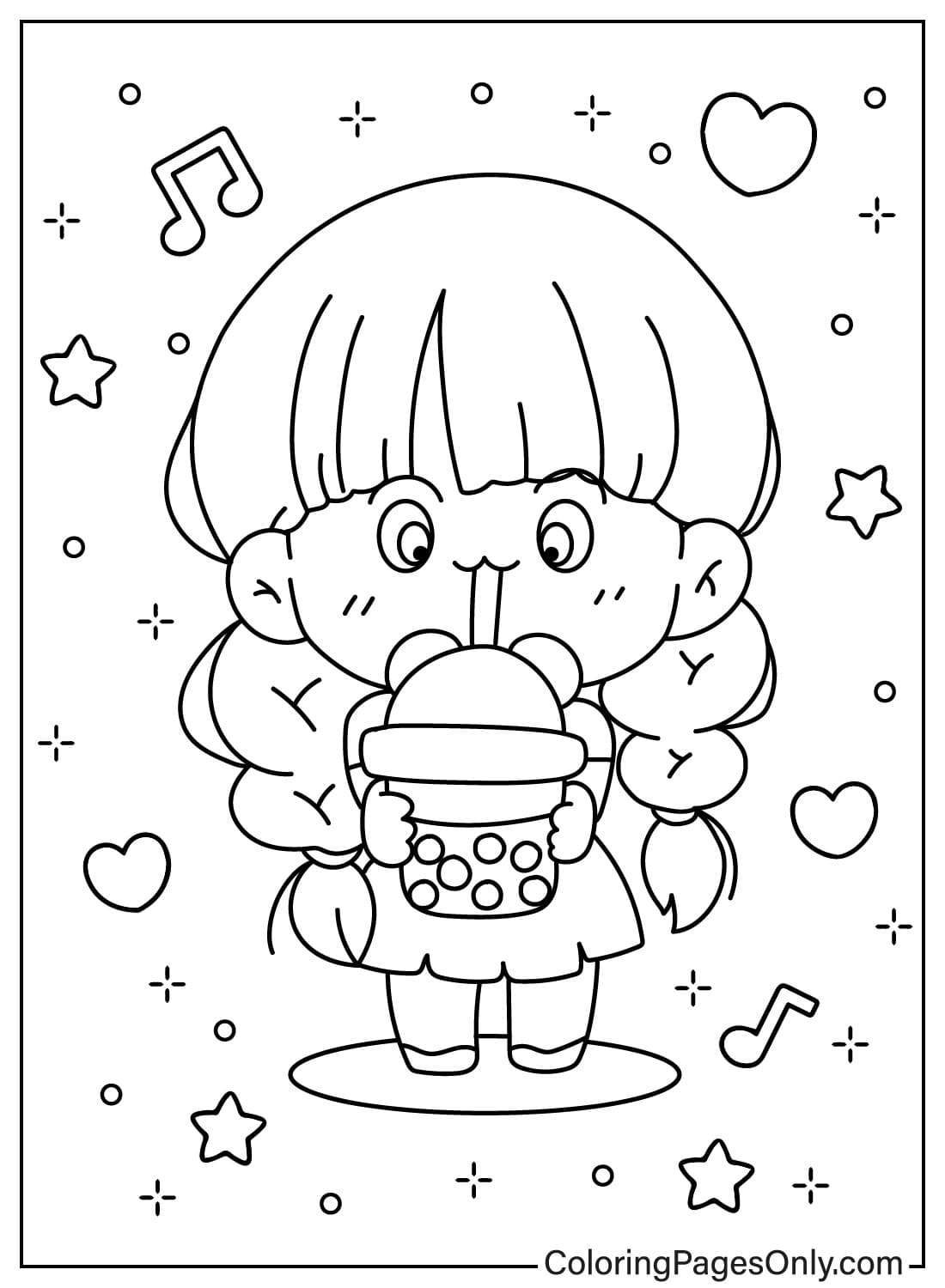
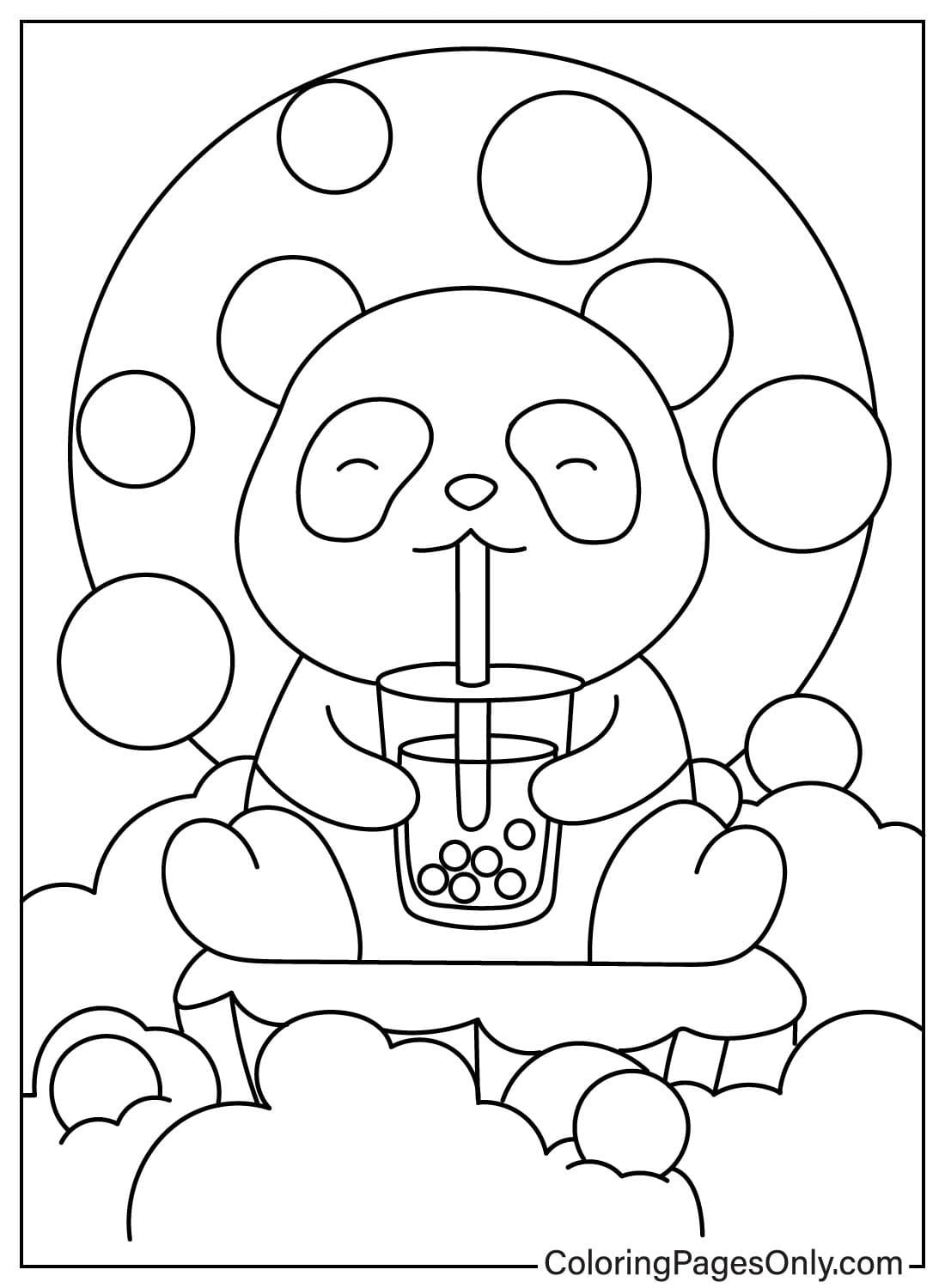
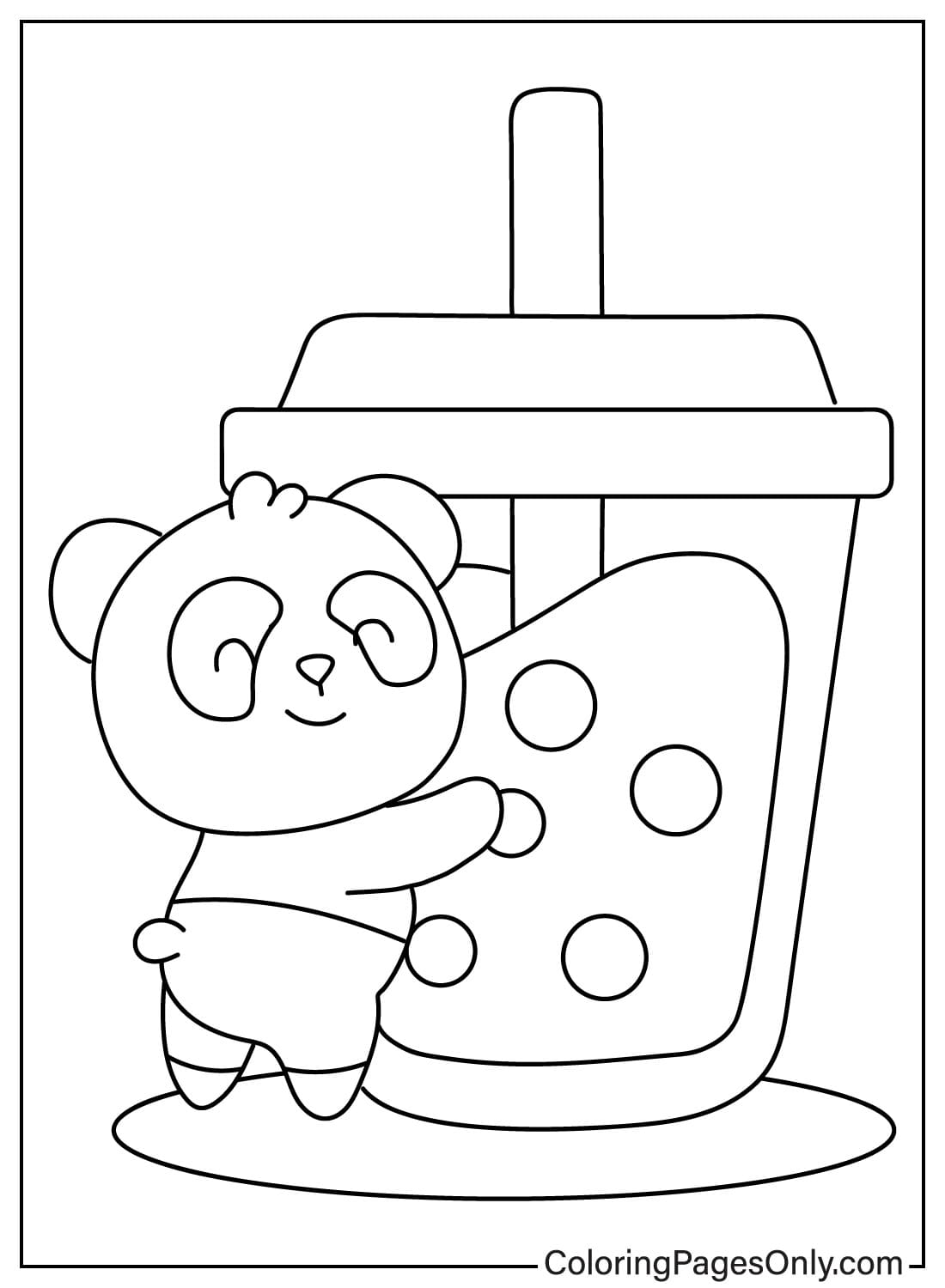
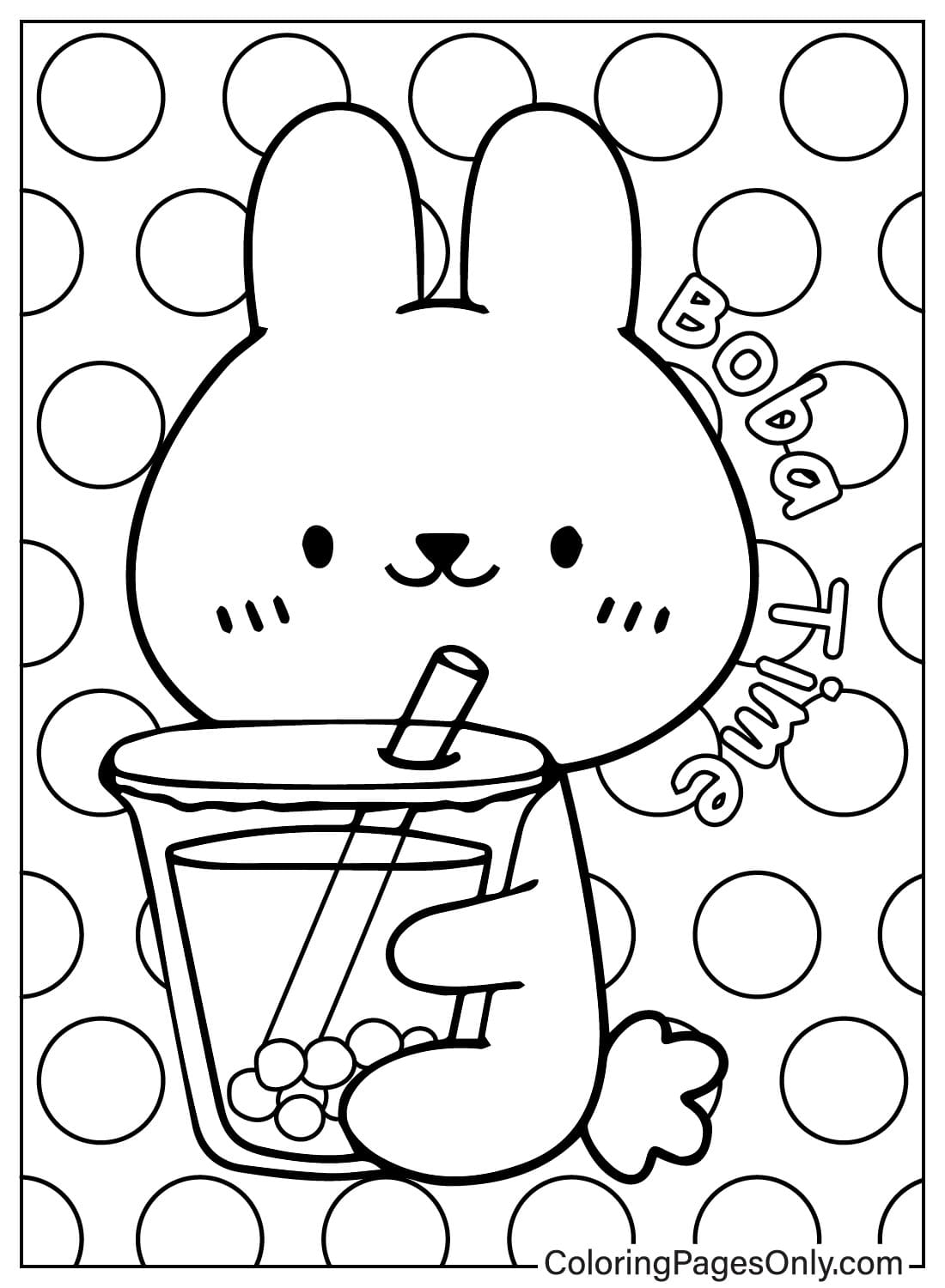
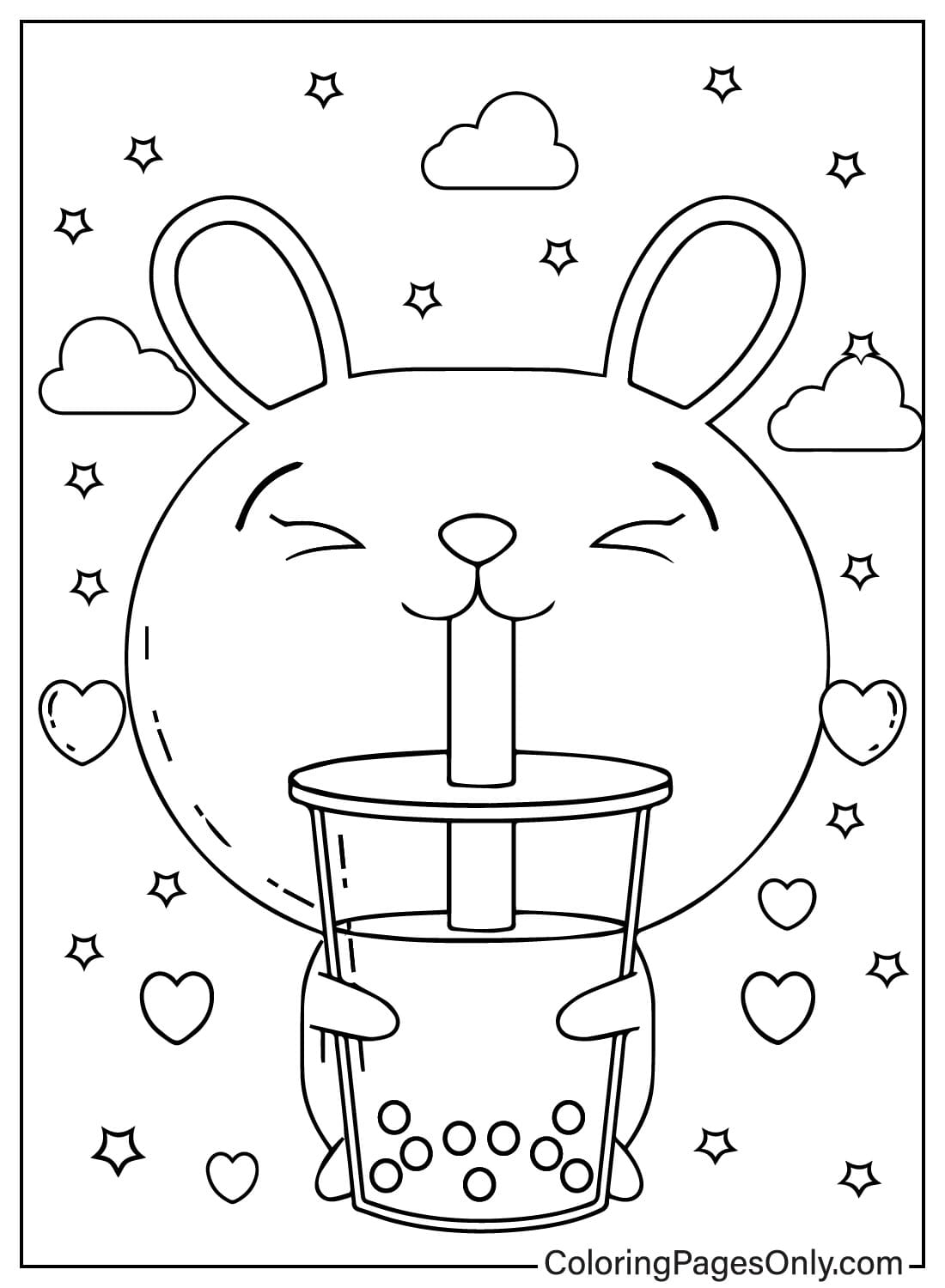
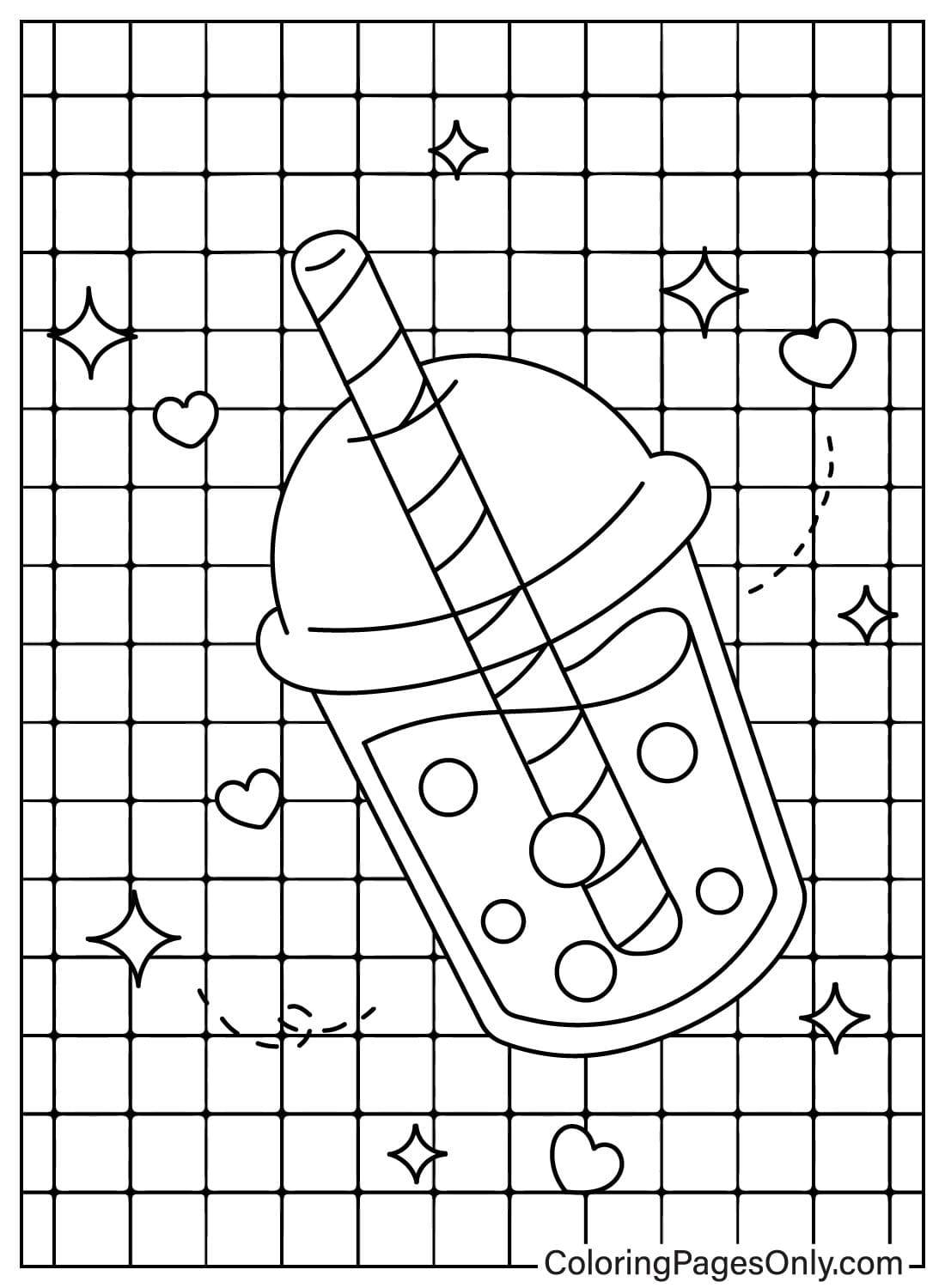
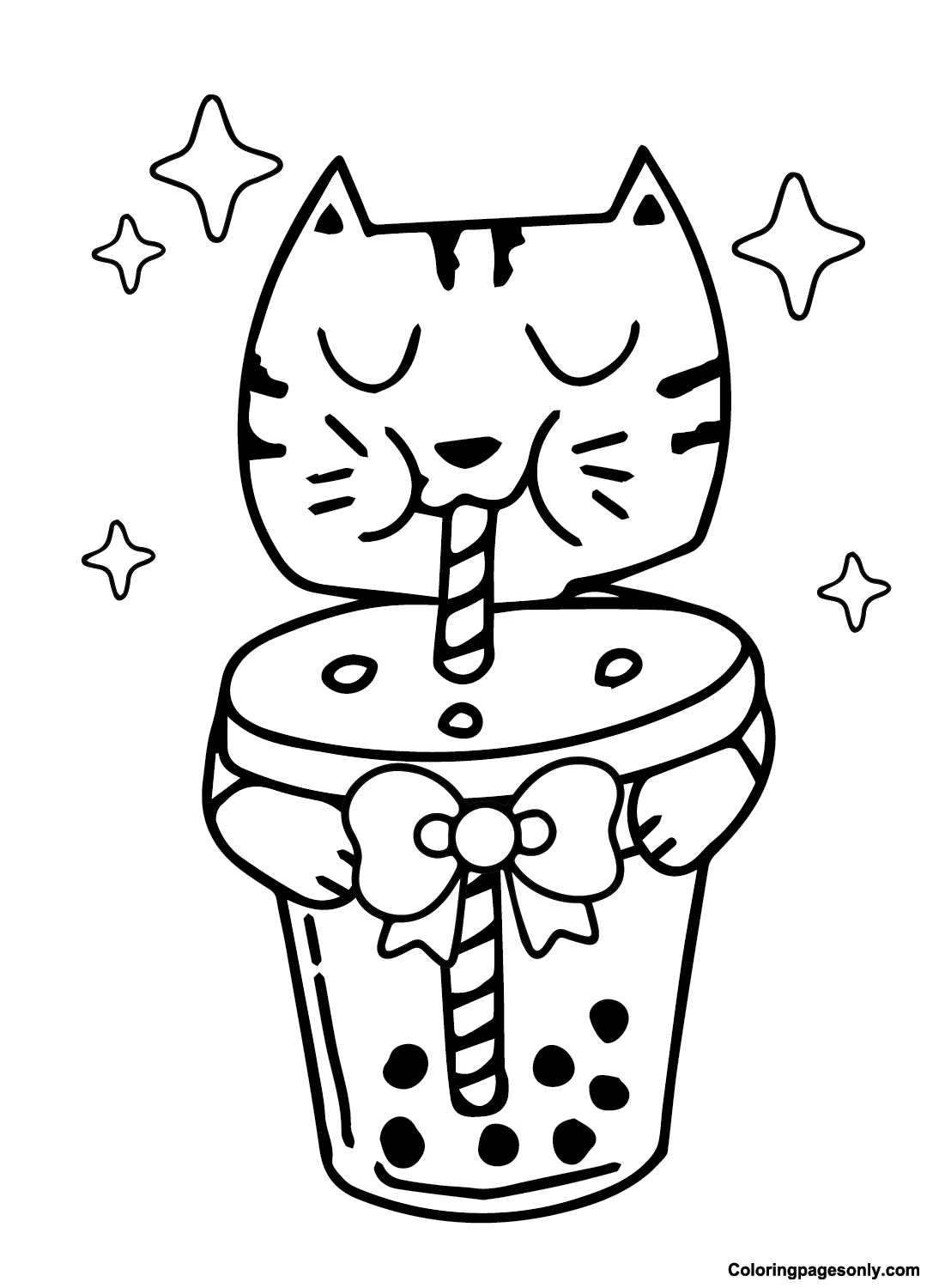
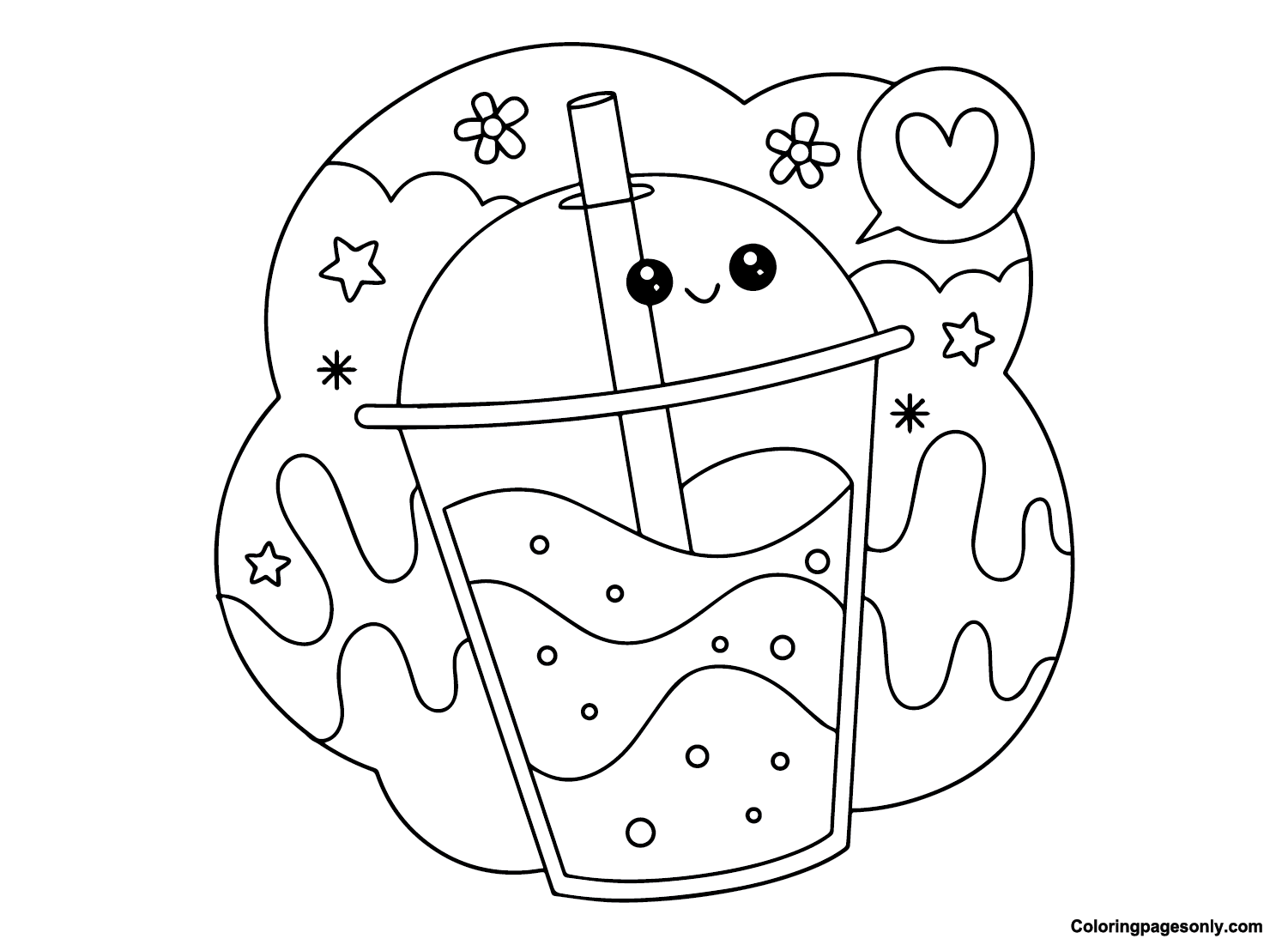
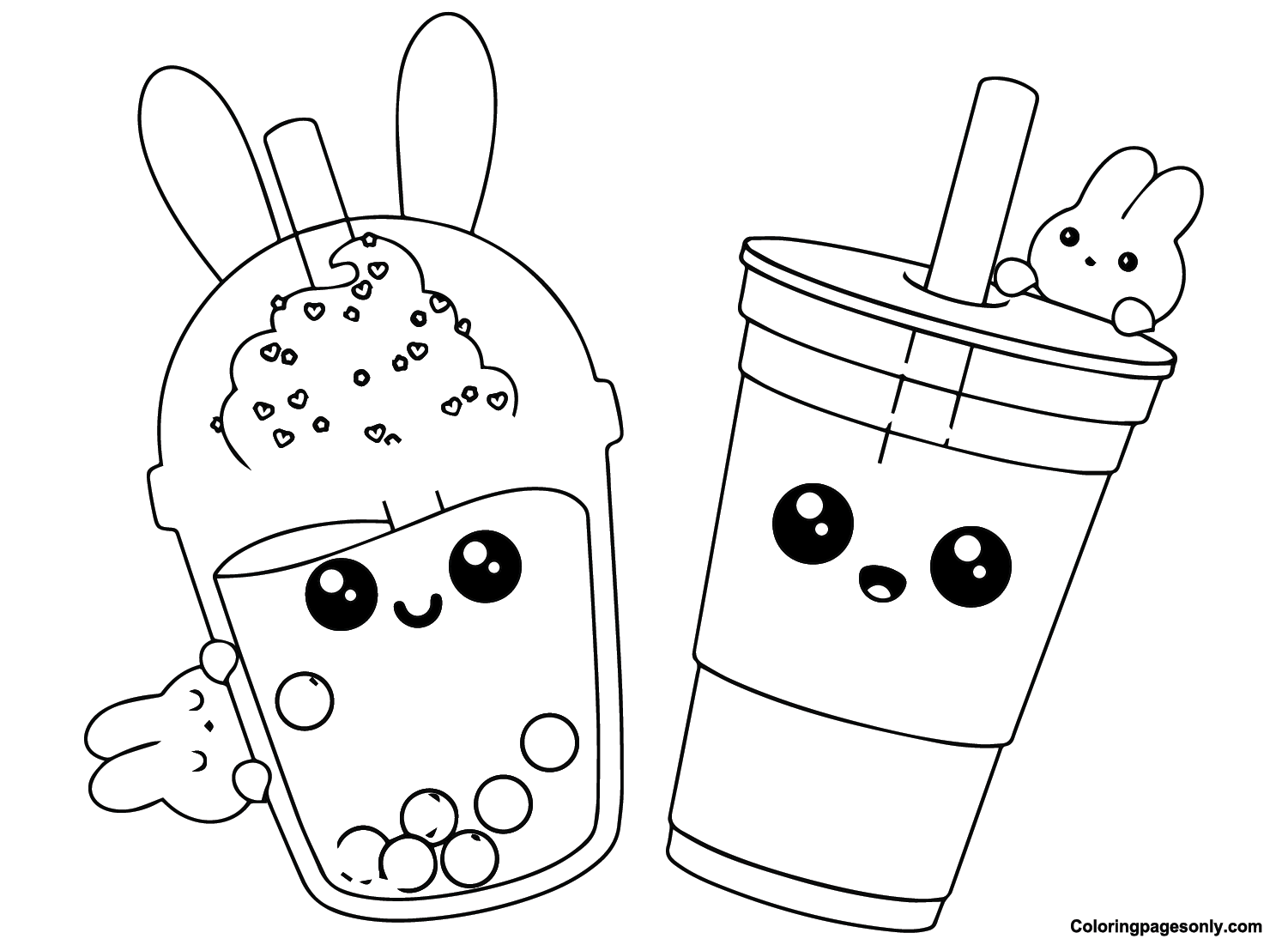
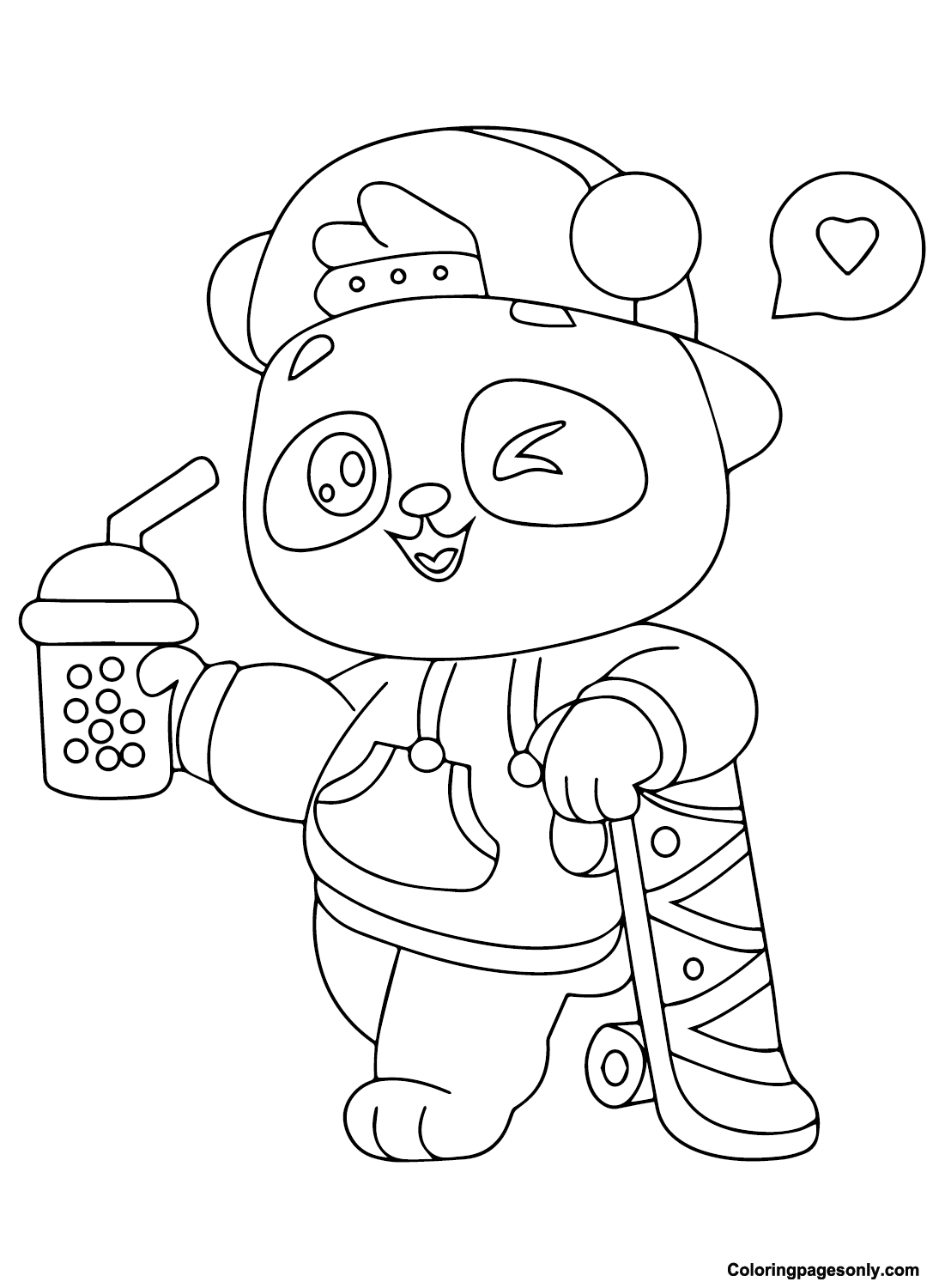
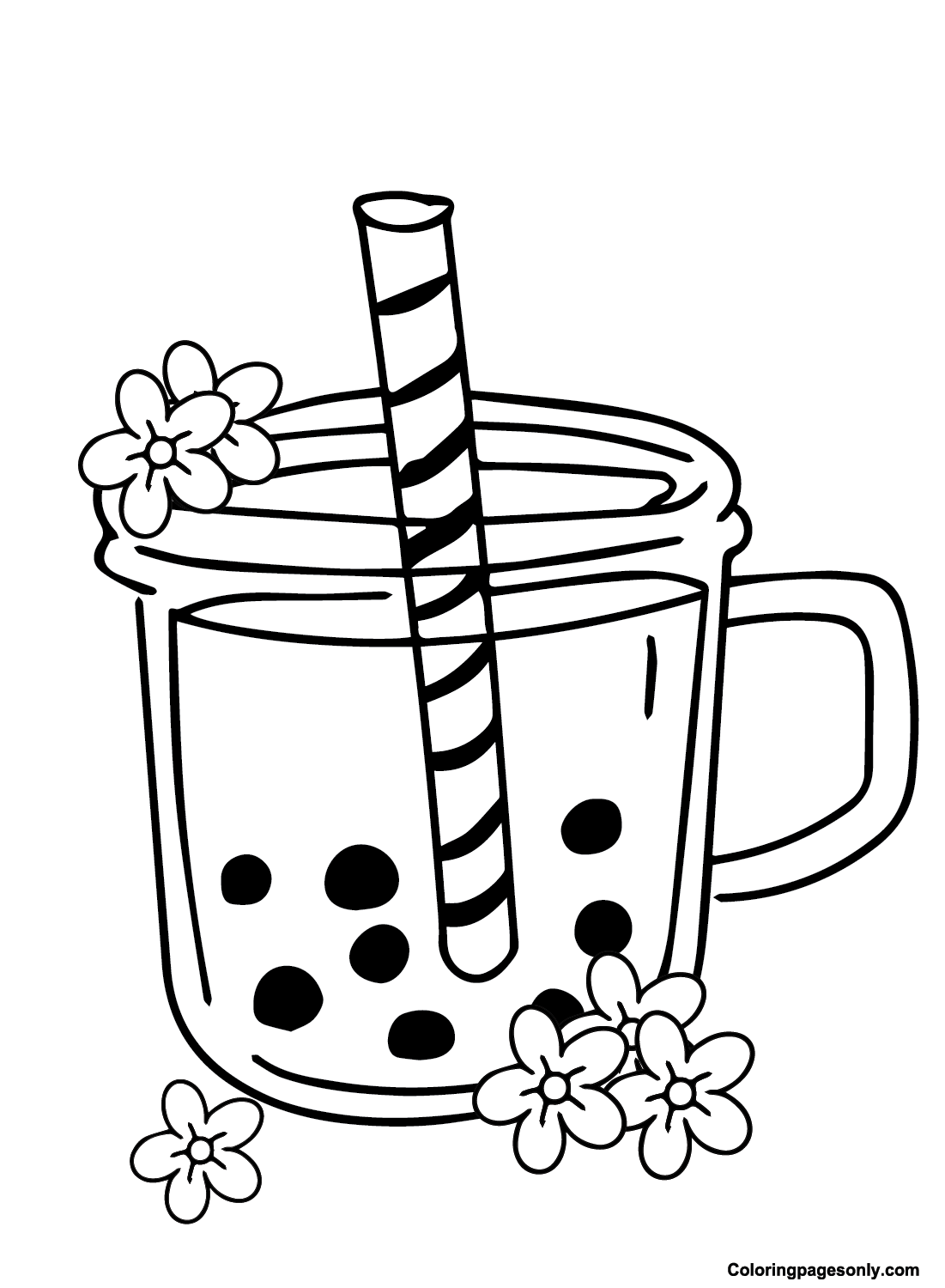
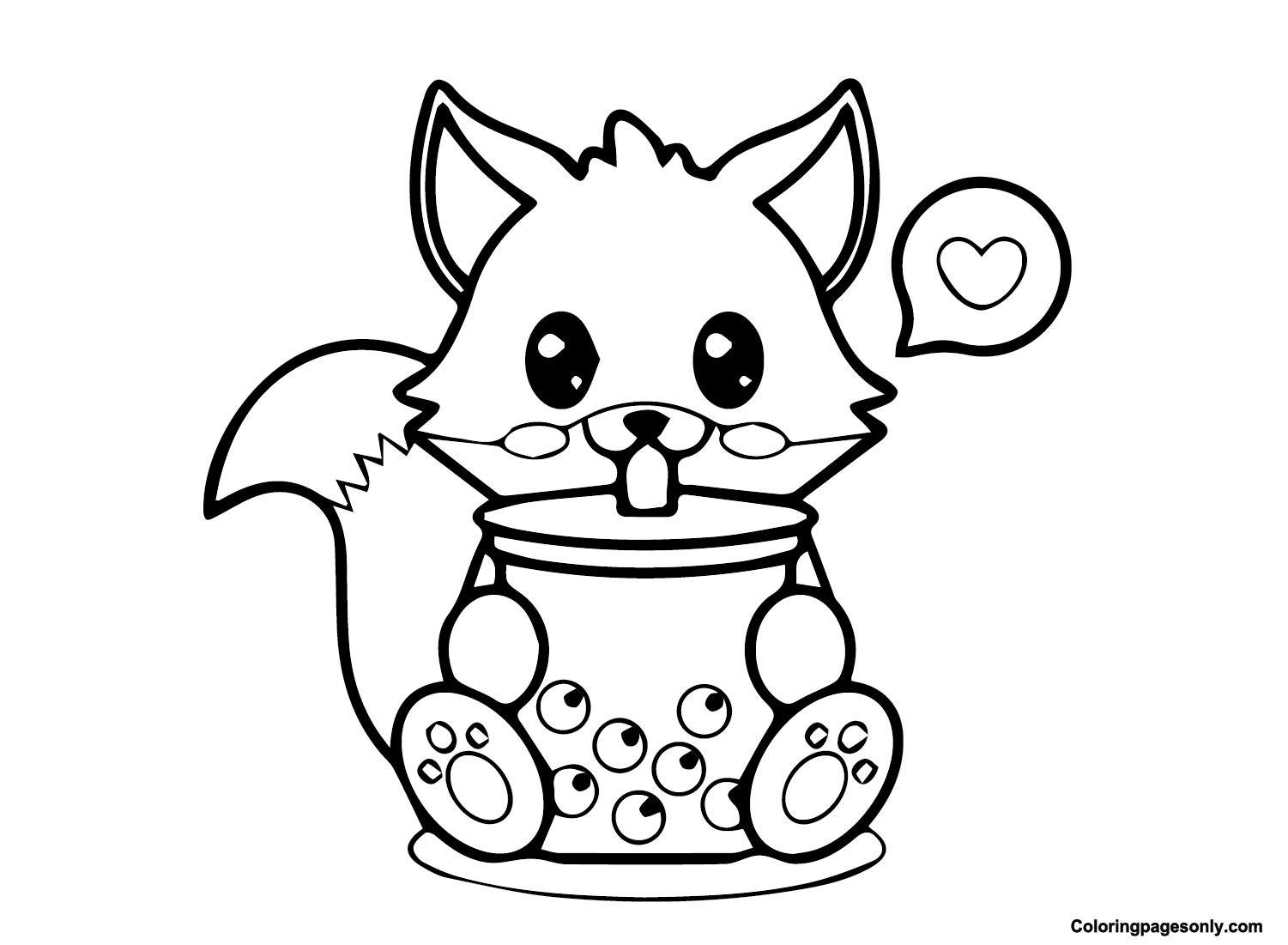
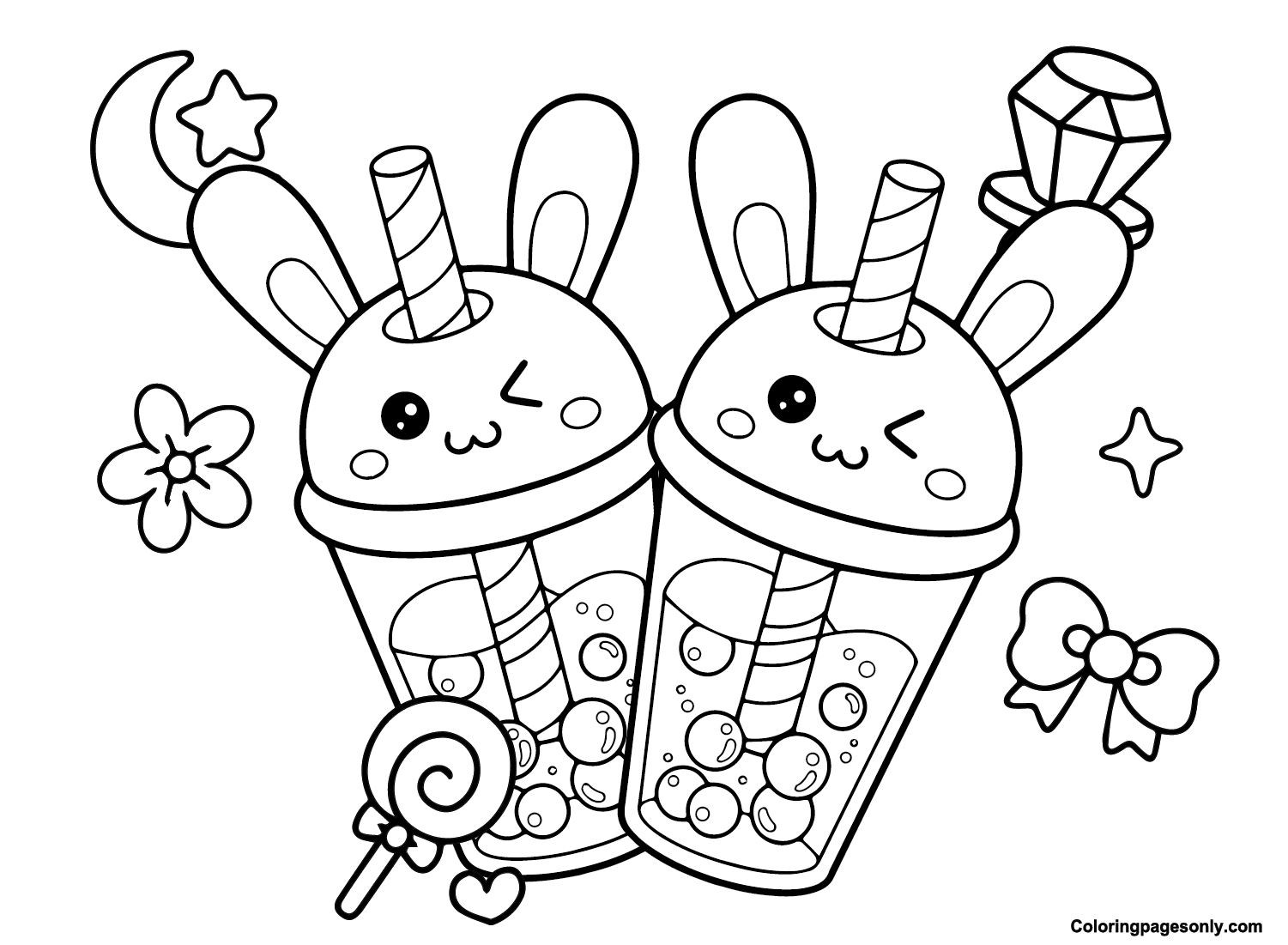
What’s Inside This Collection
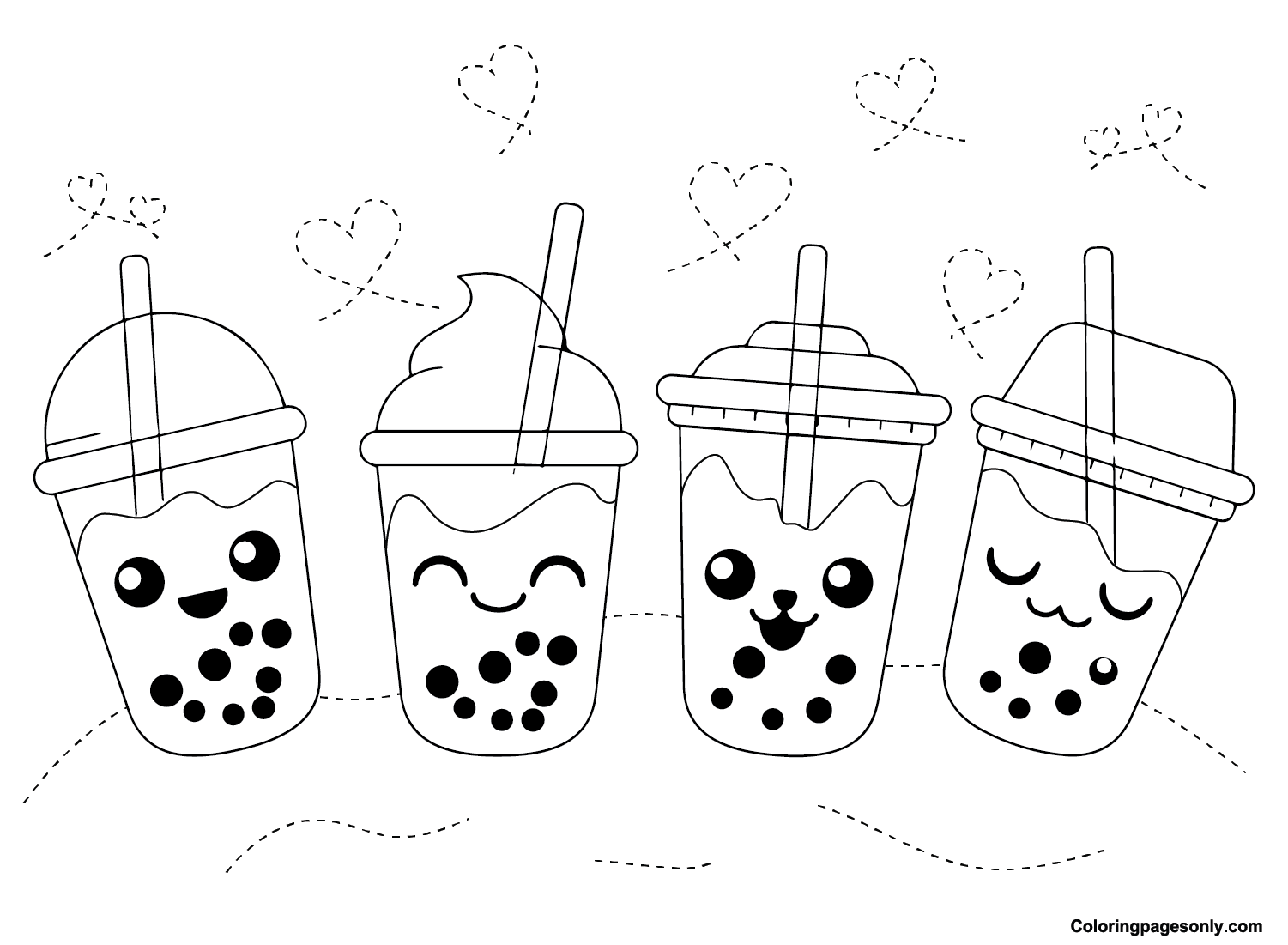
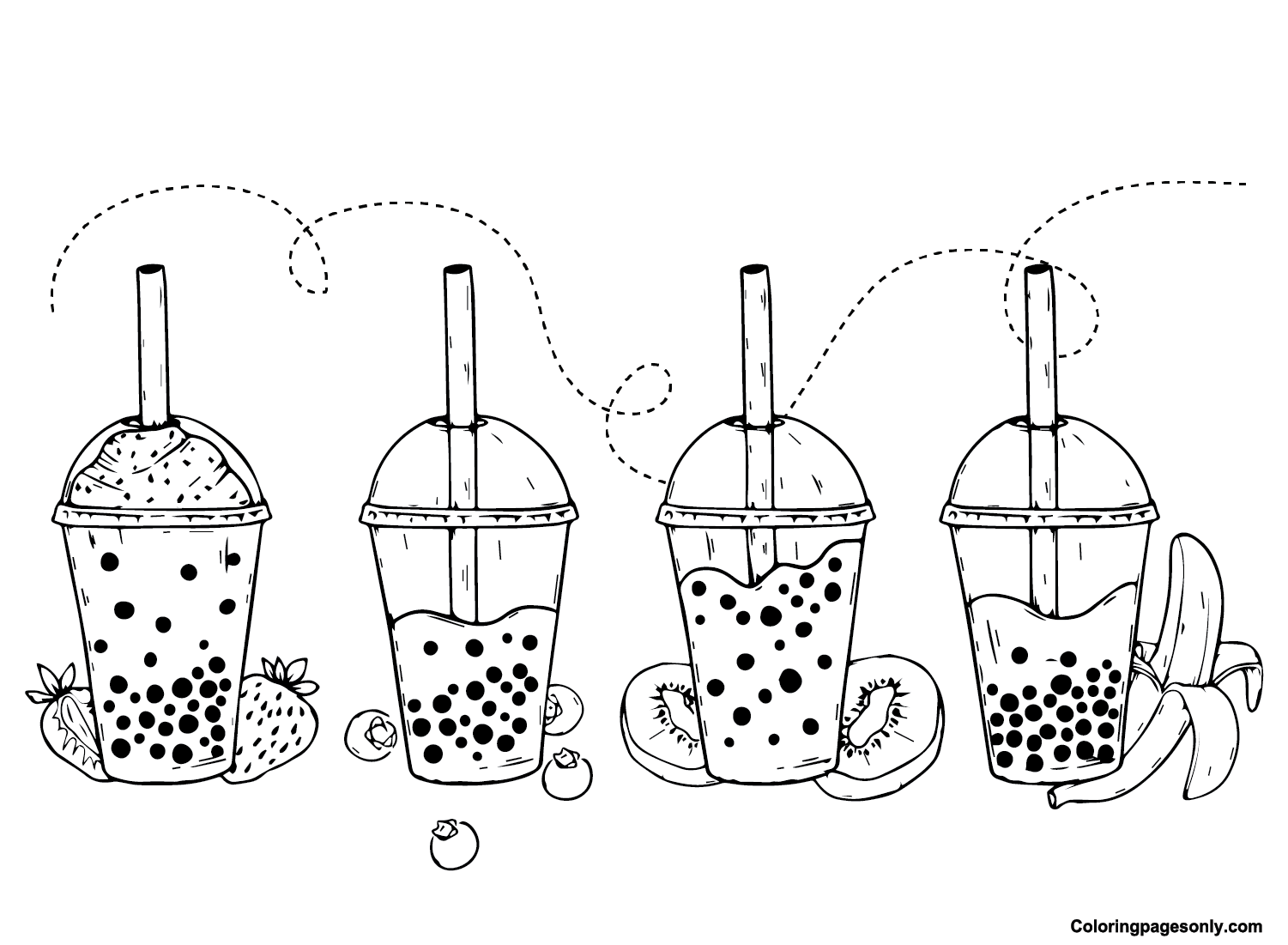
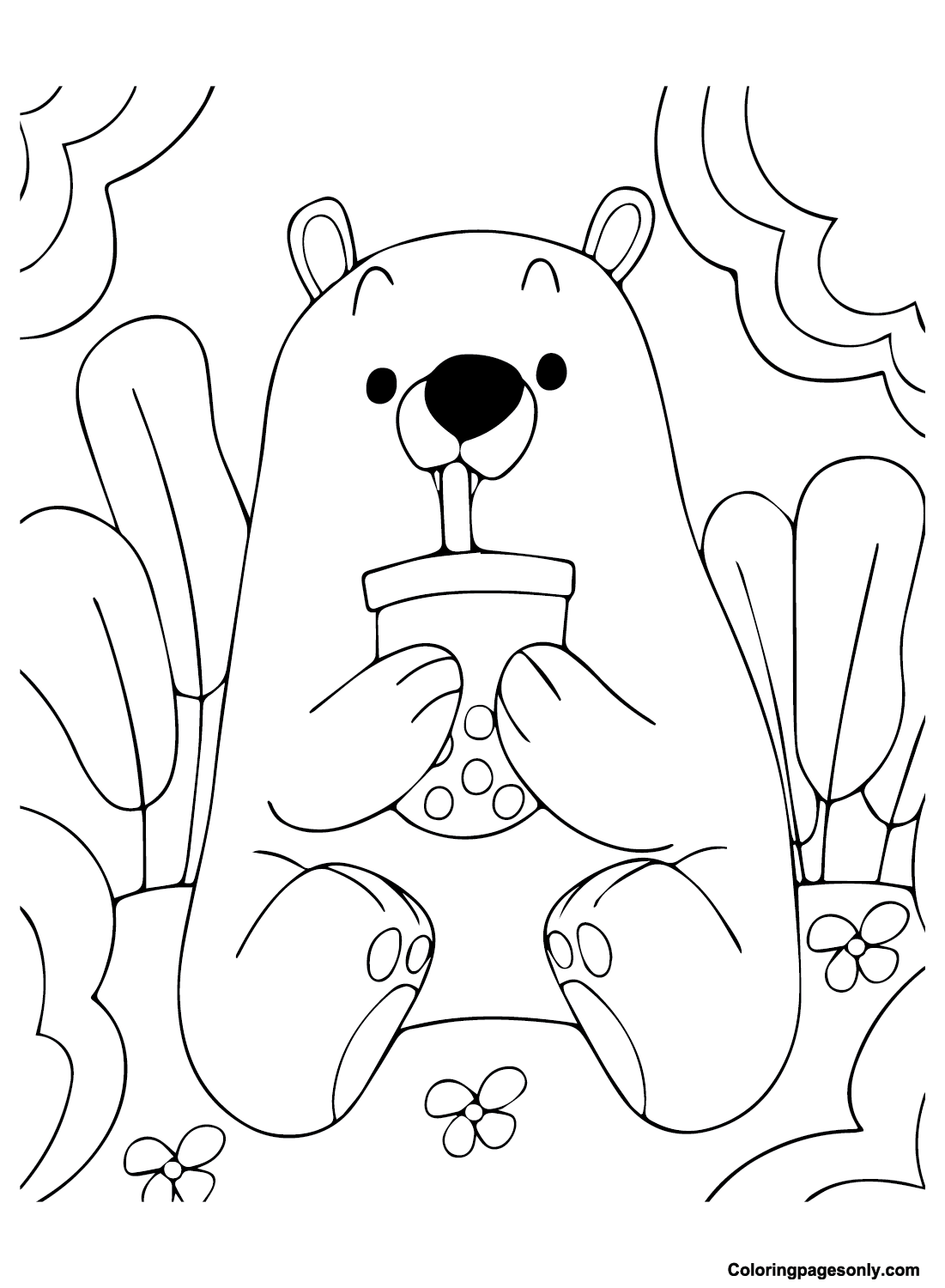
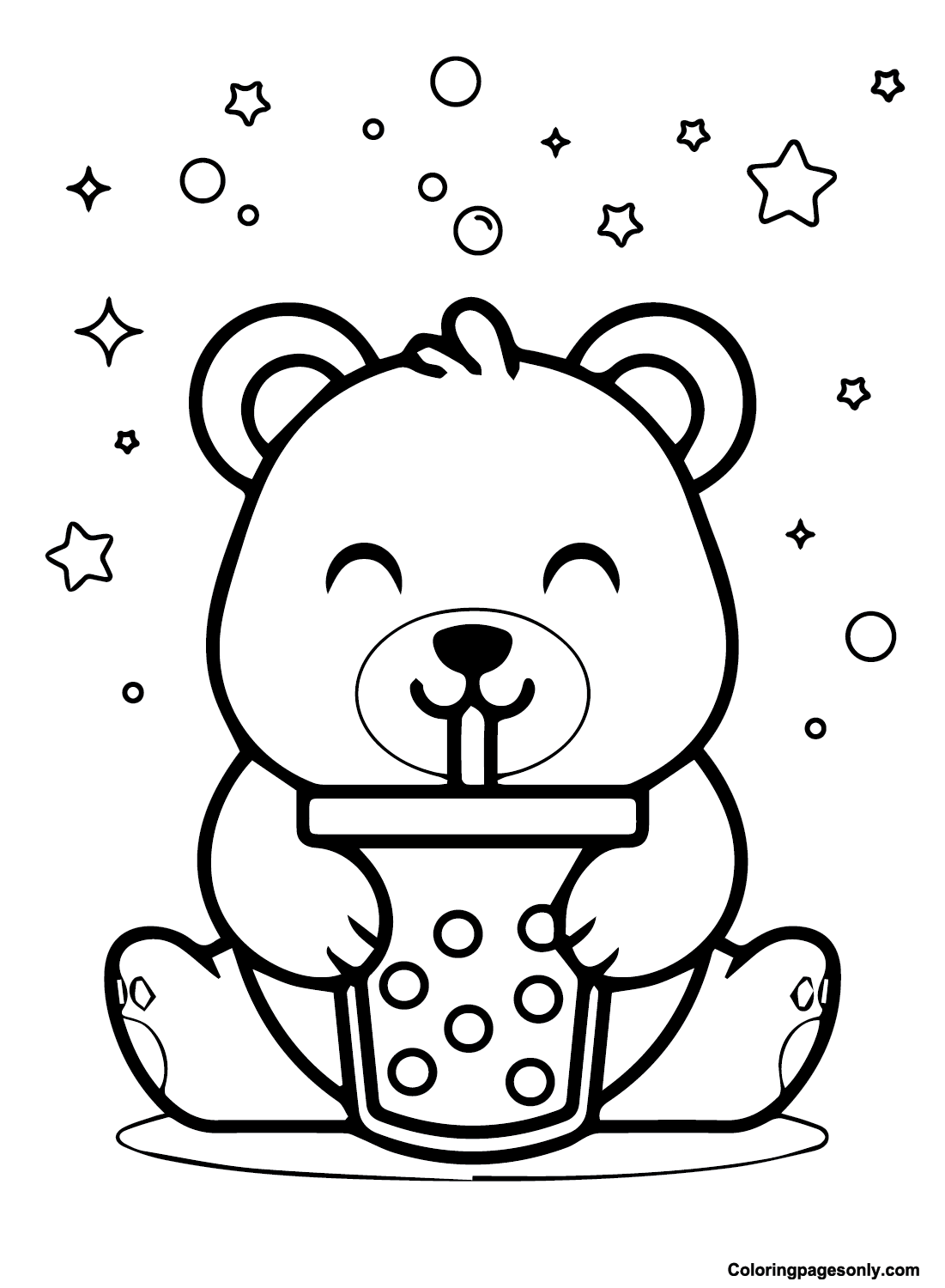
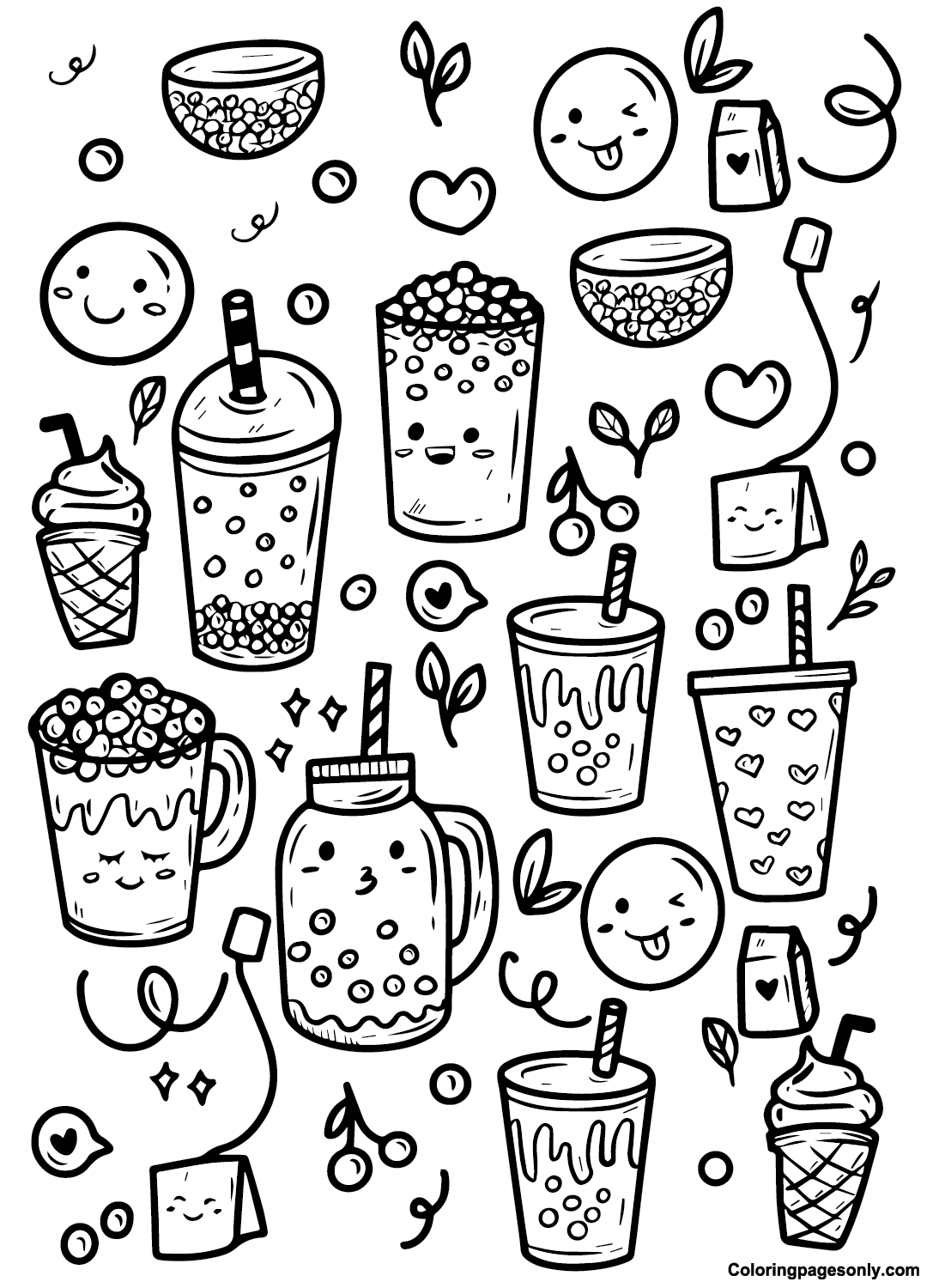
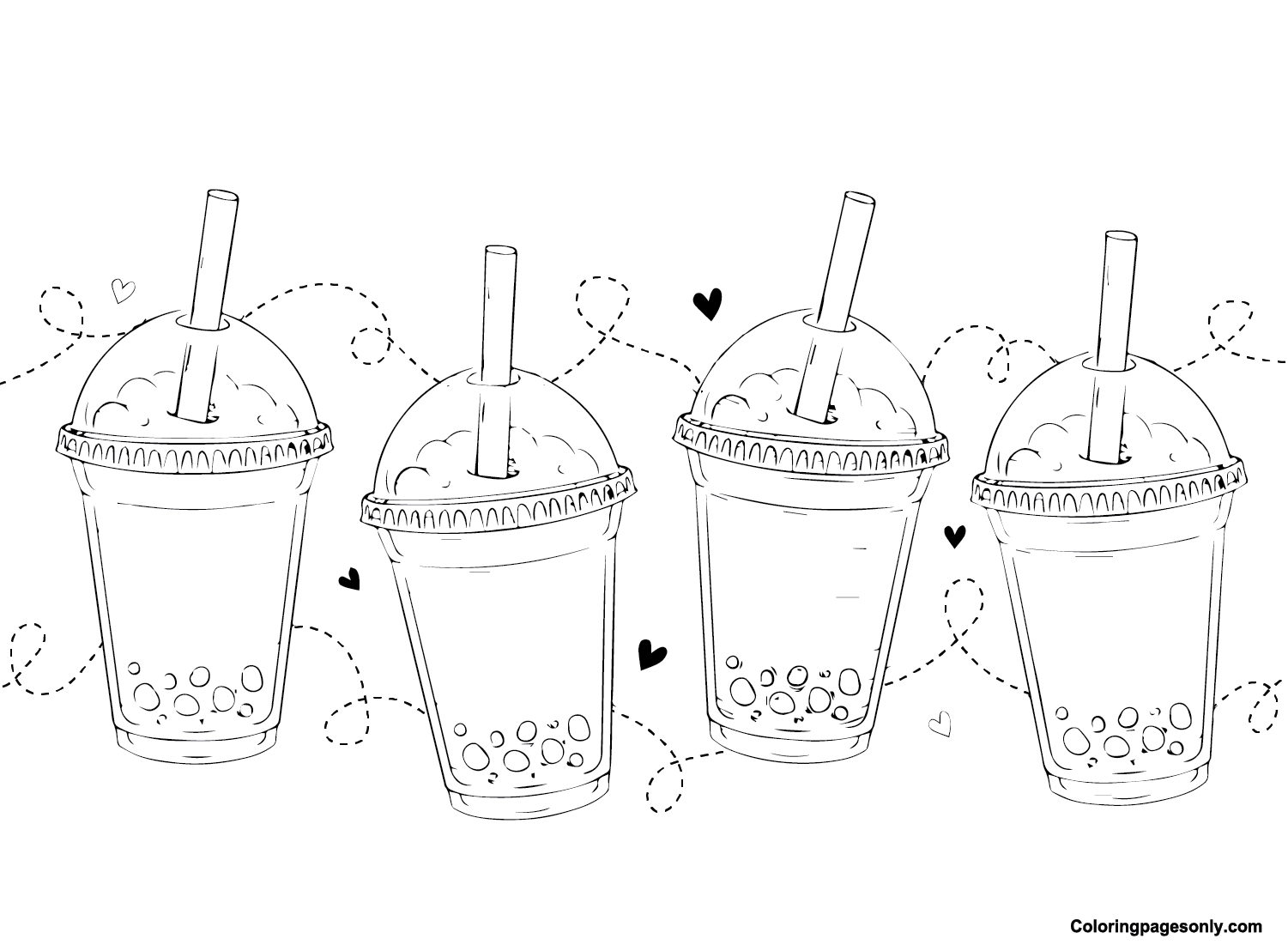
Cute animal pages, people with boba, kawaii scenes, and classic boba cups fill the 33 designs.
Cute Animals With Boba
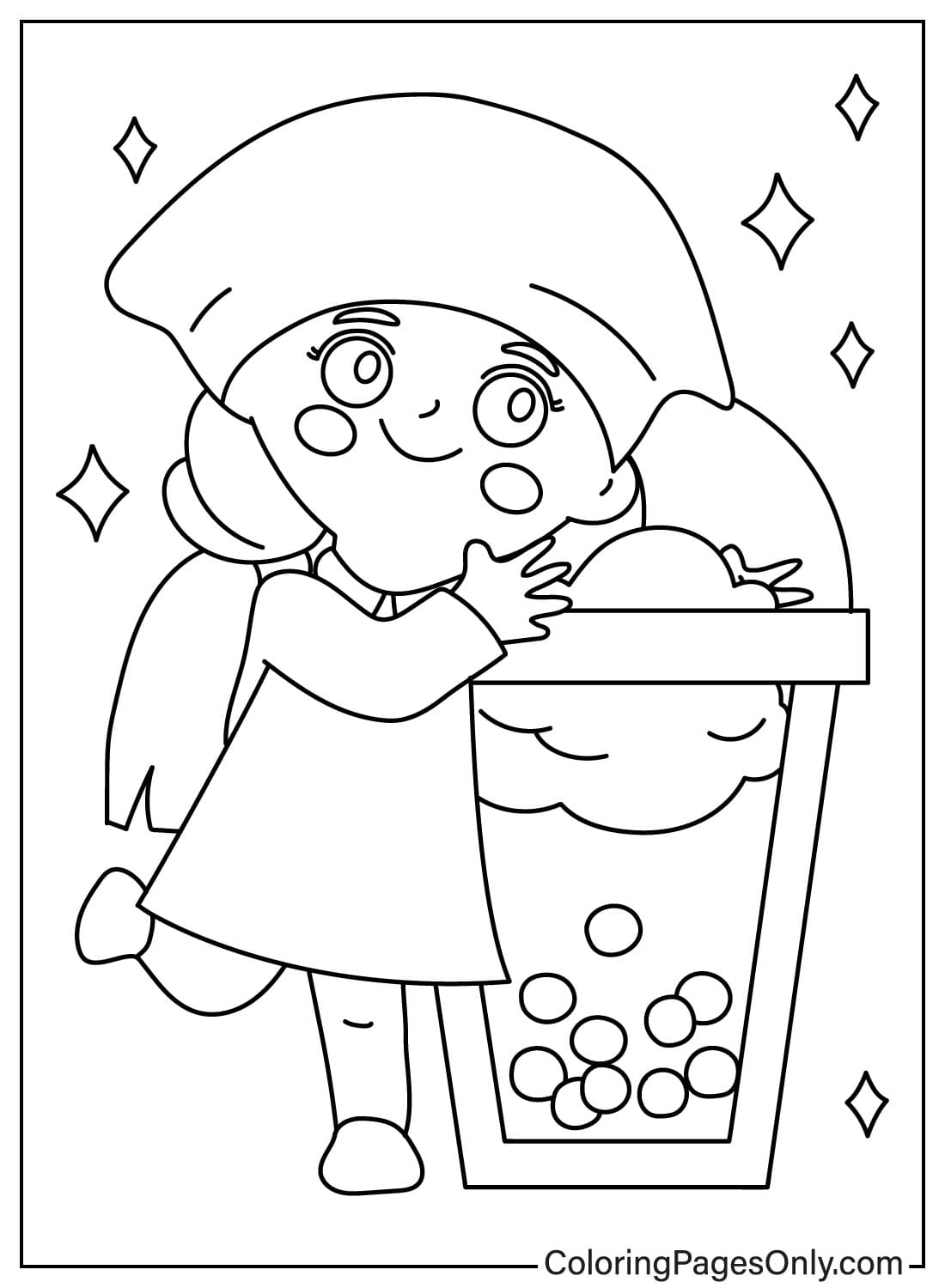
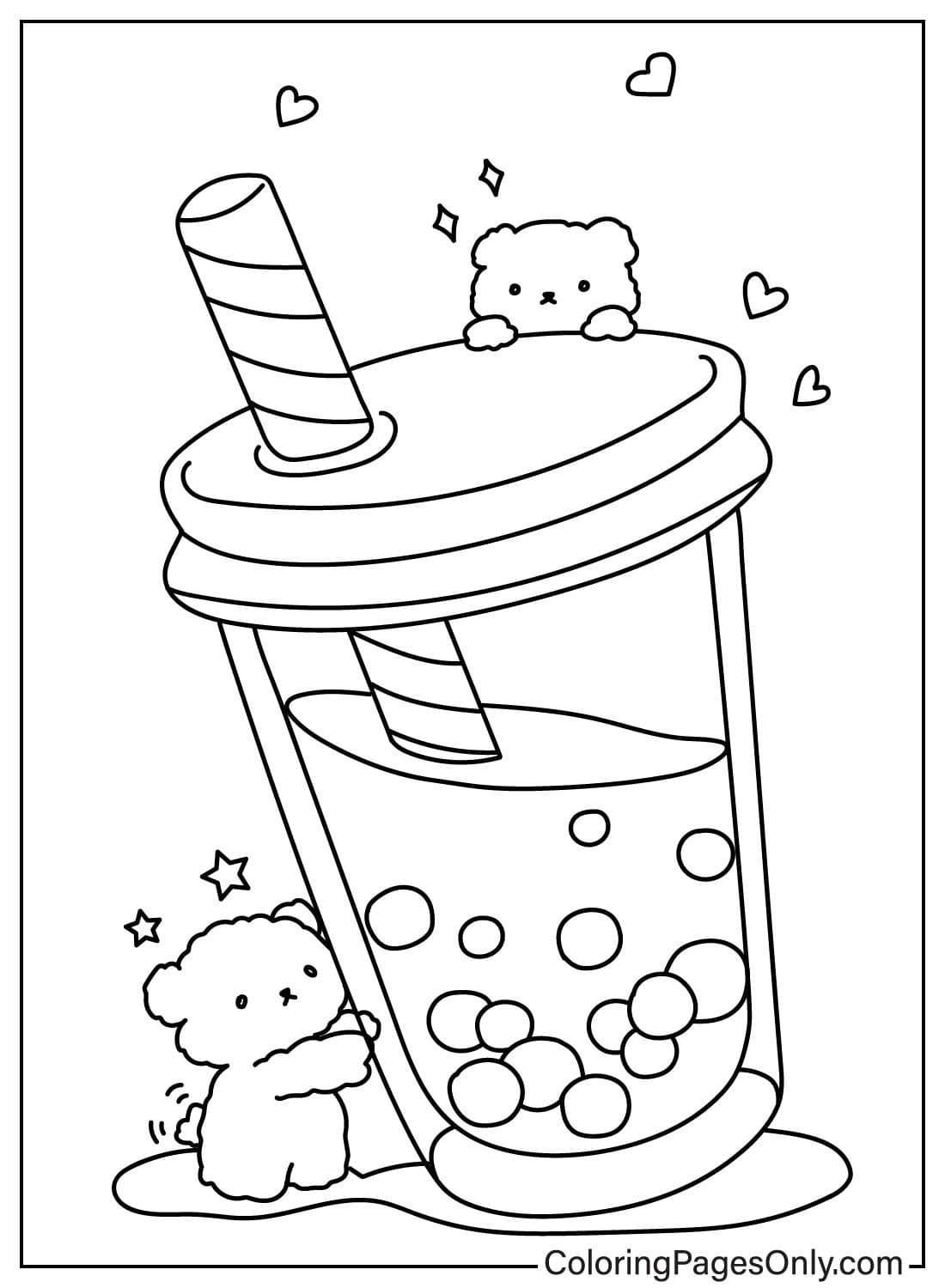
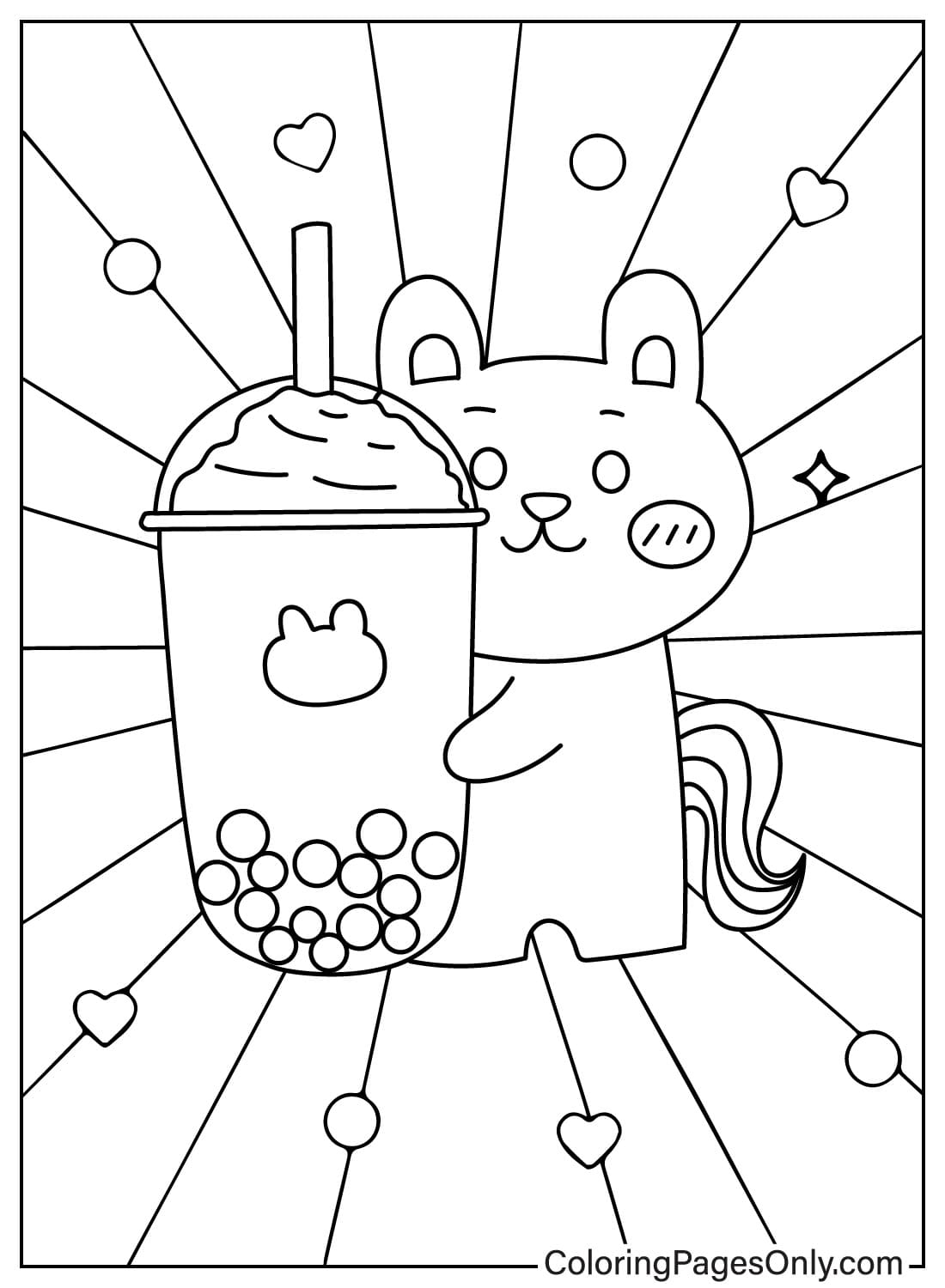
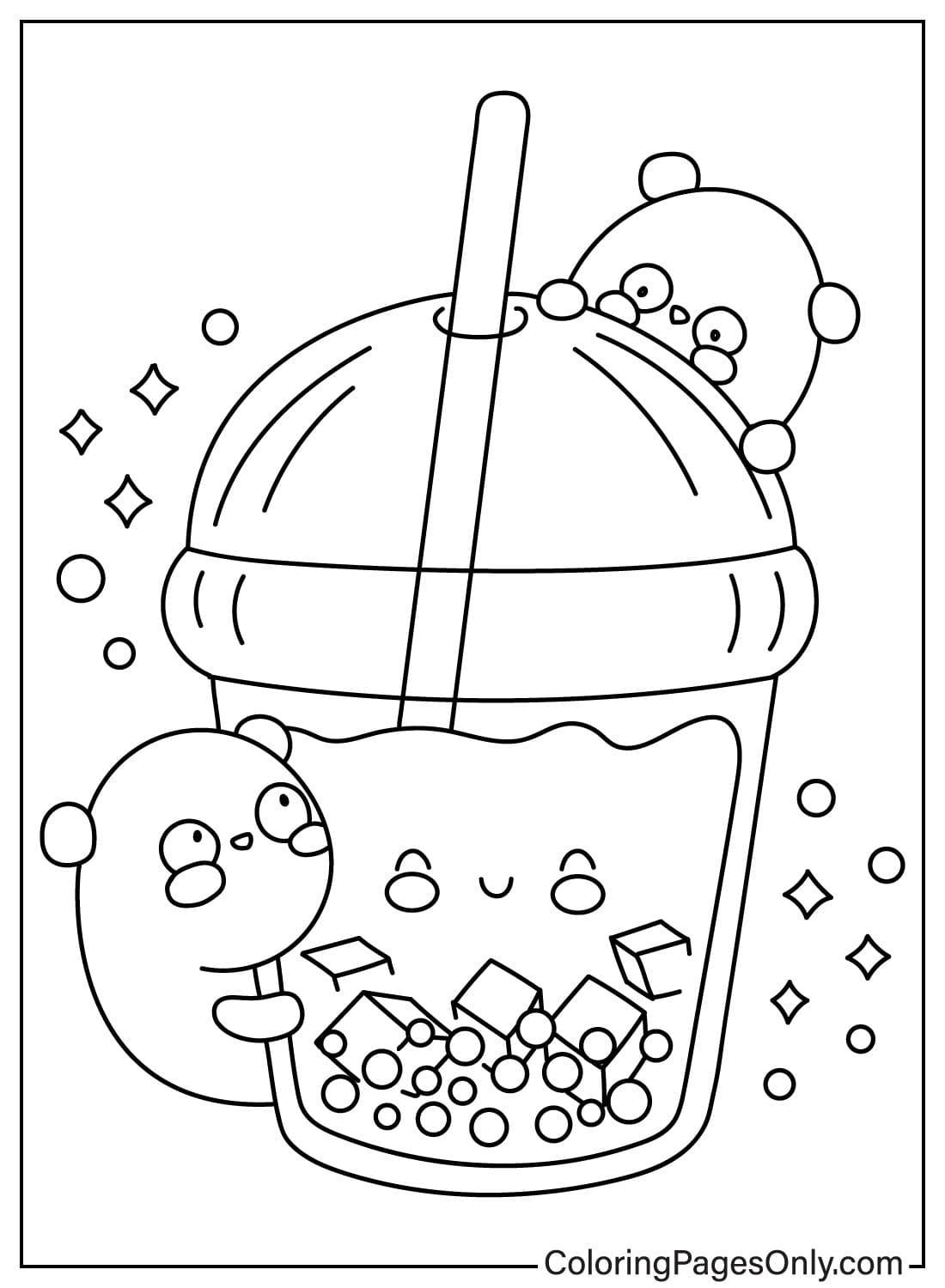
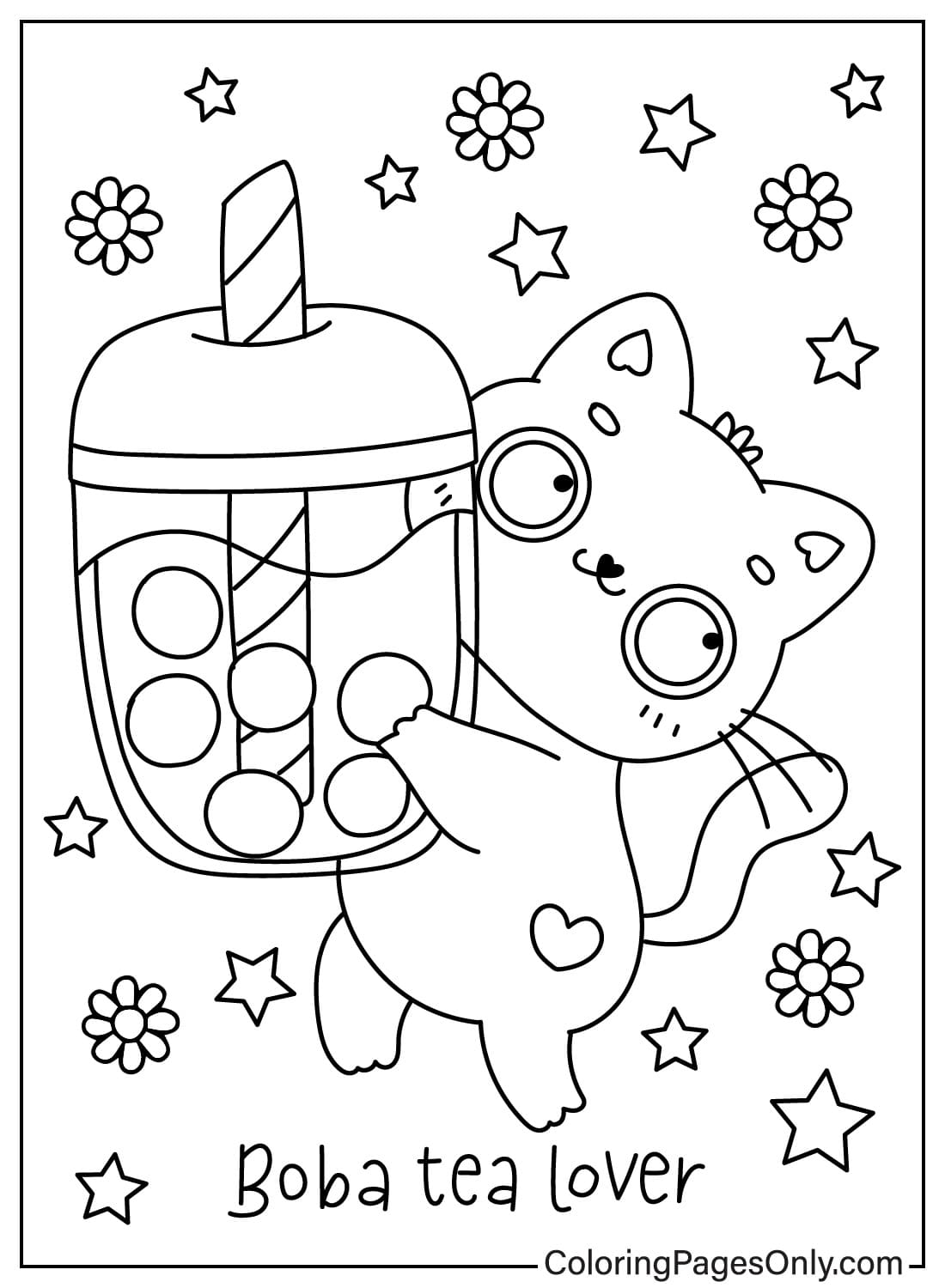
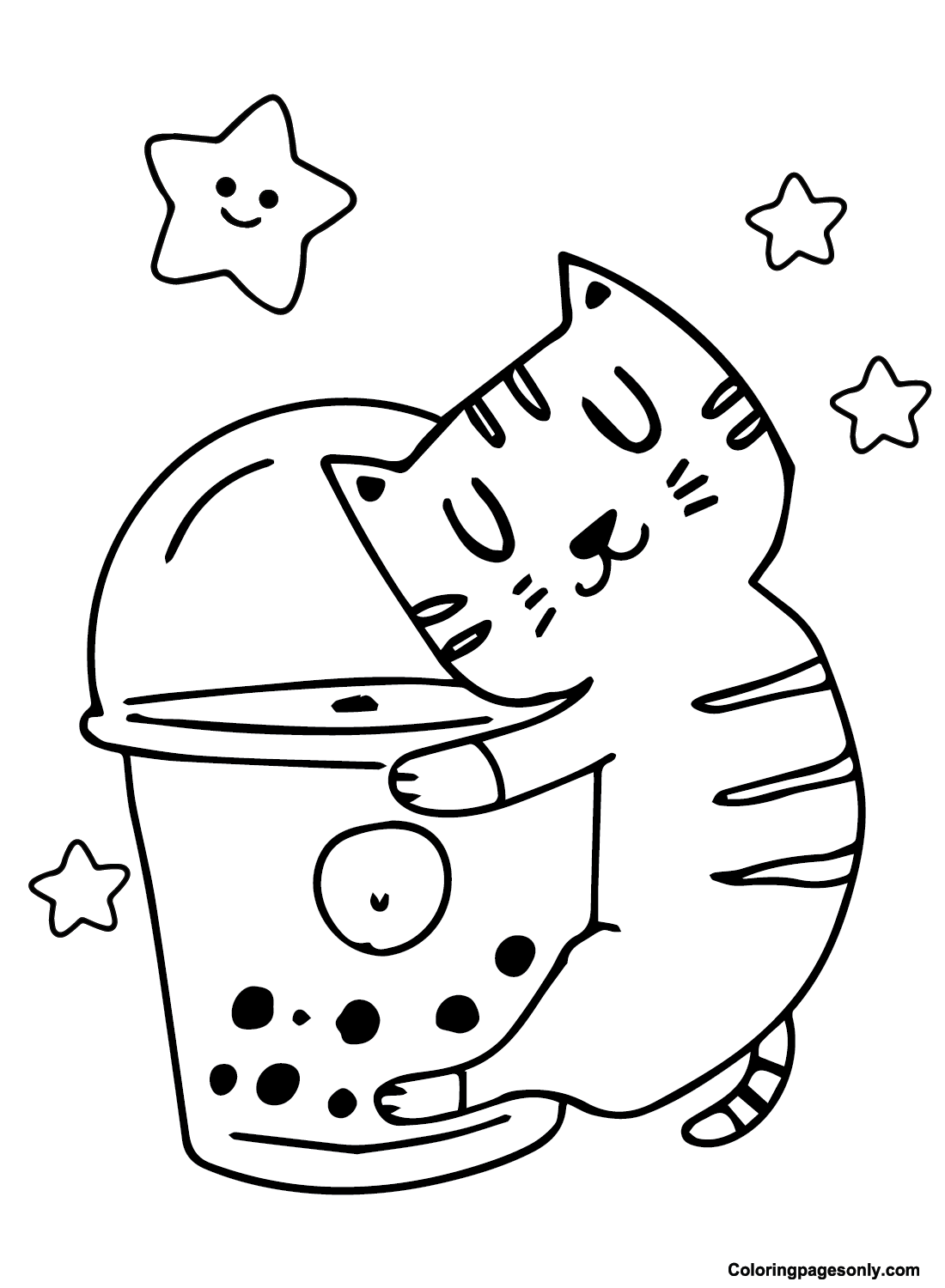
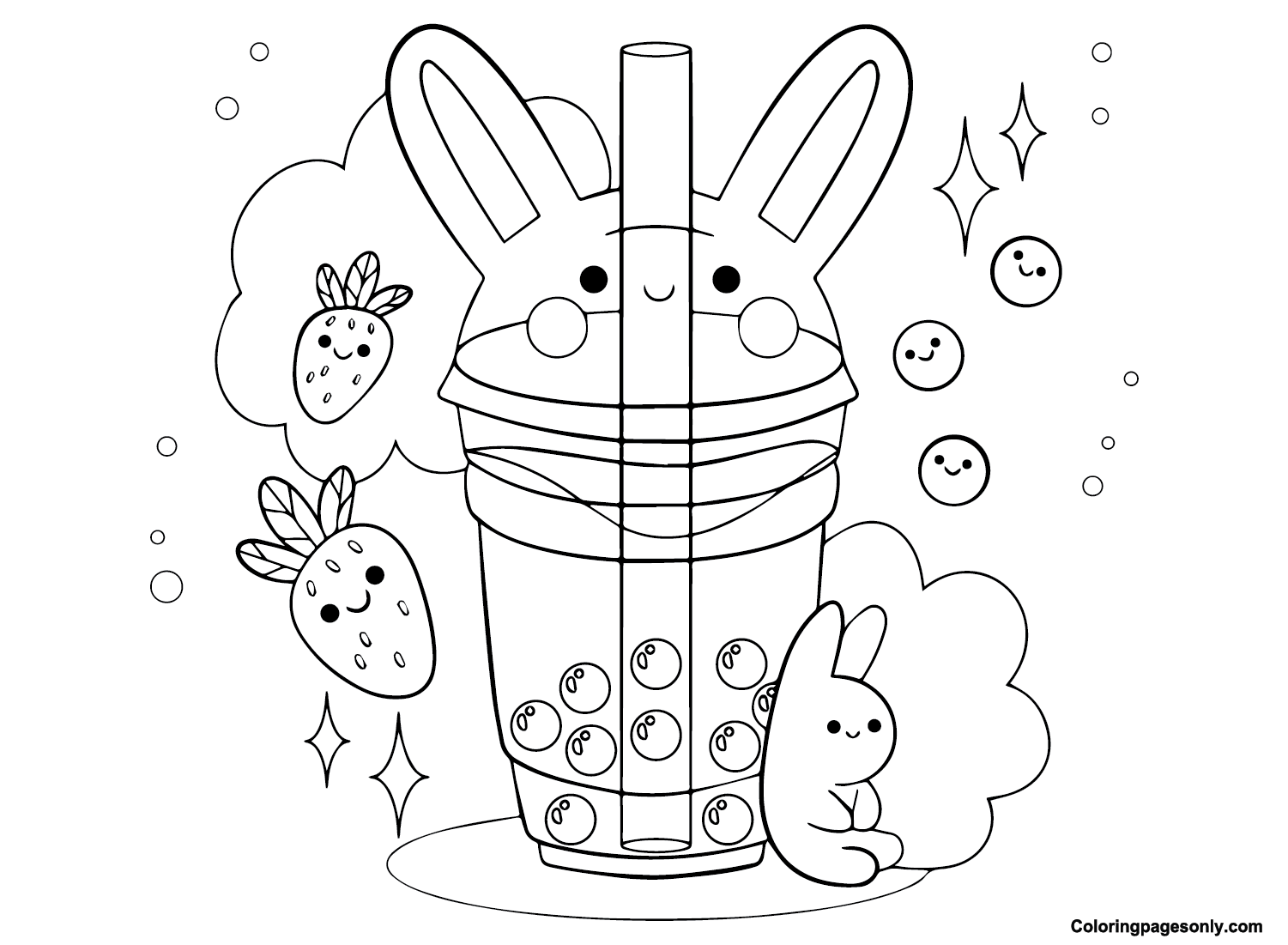
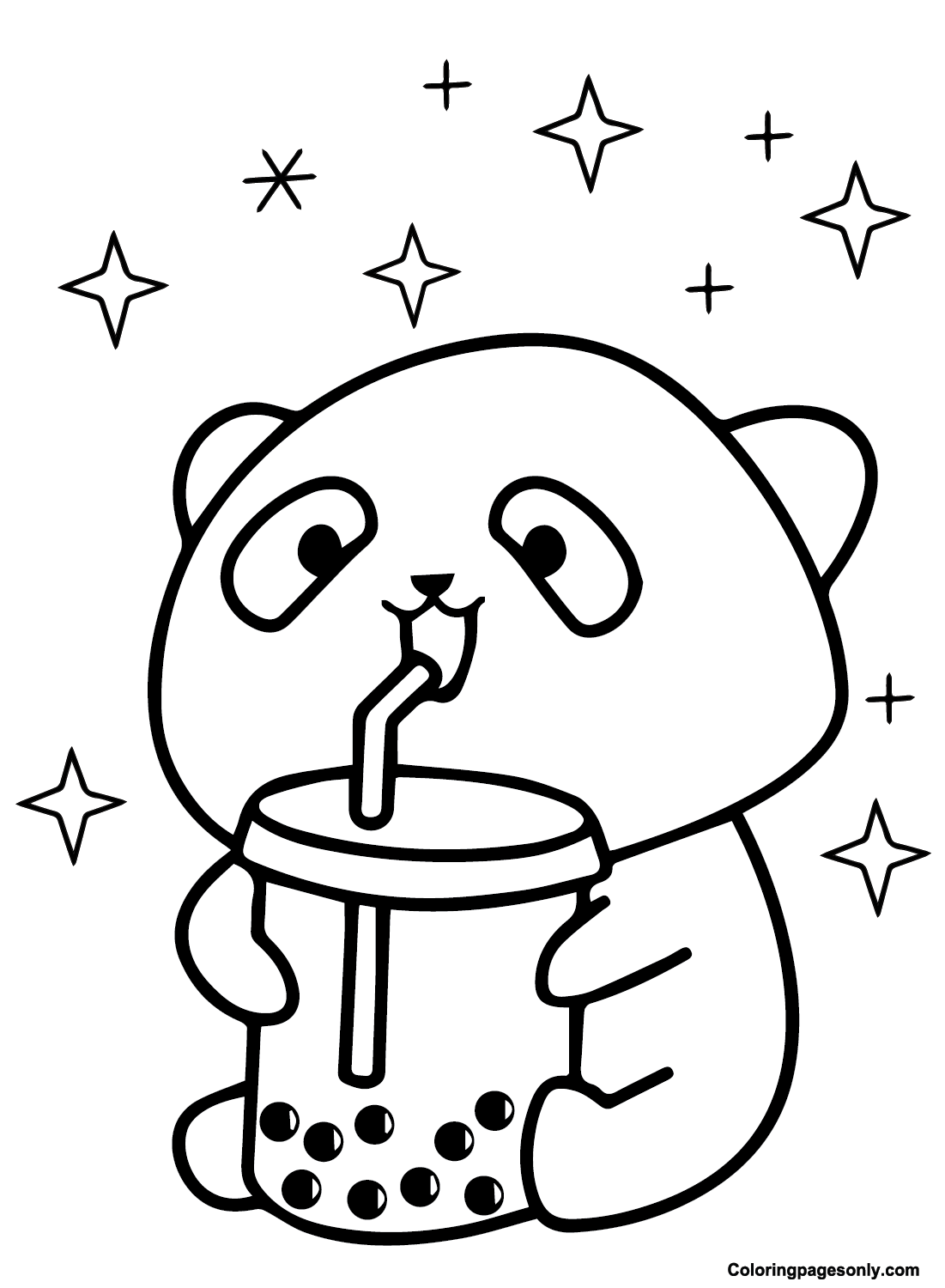
Eleven pages show pandas, bunnies, a bunny unicorn, bears, kawaii bears making tea, and kittens holding giant cups. Color the pandas Black and White, give the bunnies soft Blush Pink ears, and fill each cup with a different flavor color.
Boba Lovers
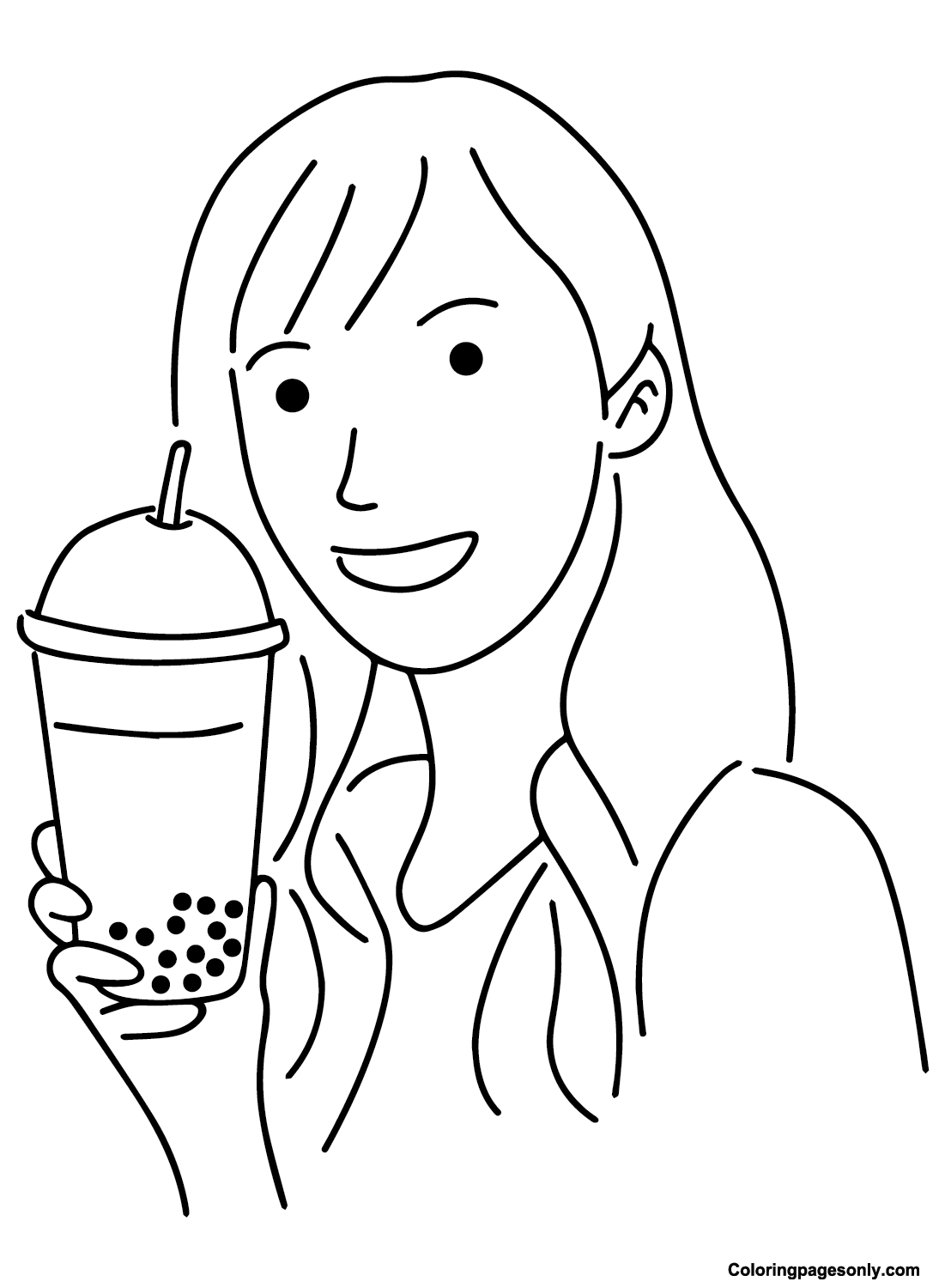
Two sheets show girls sipping and holding bubble tea. Try a pastel outfit in Lavender or Mint and a matching straw color.
Kawaii Scenes and Treat Combos
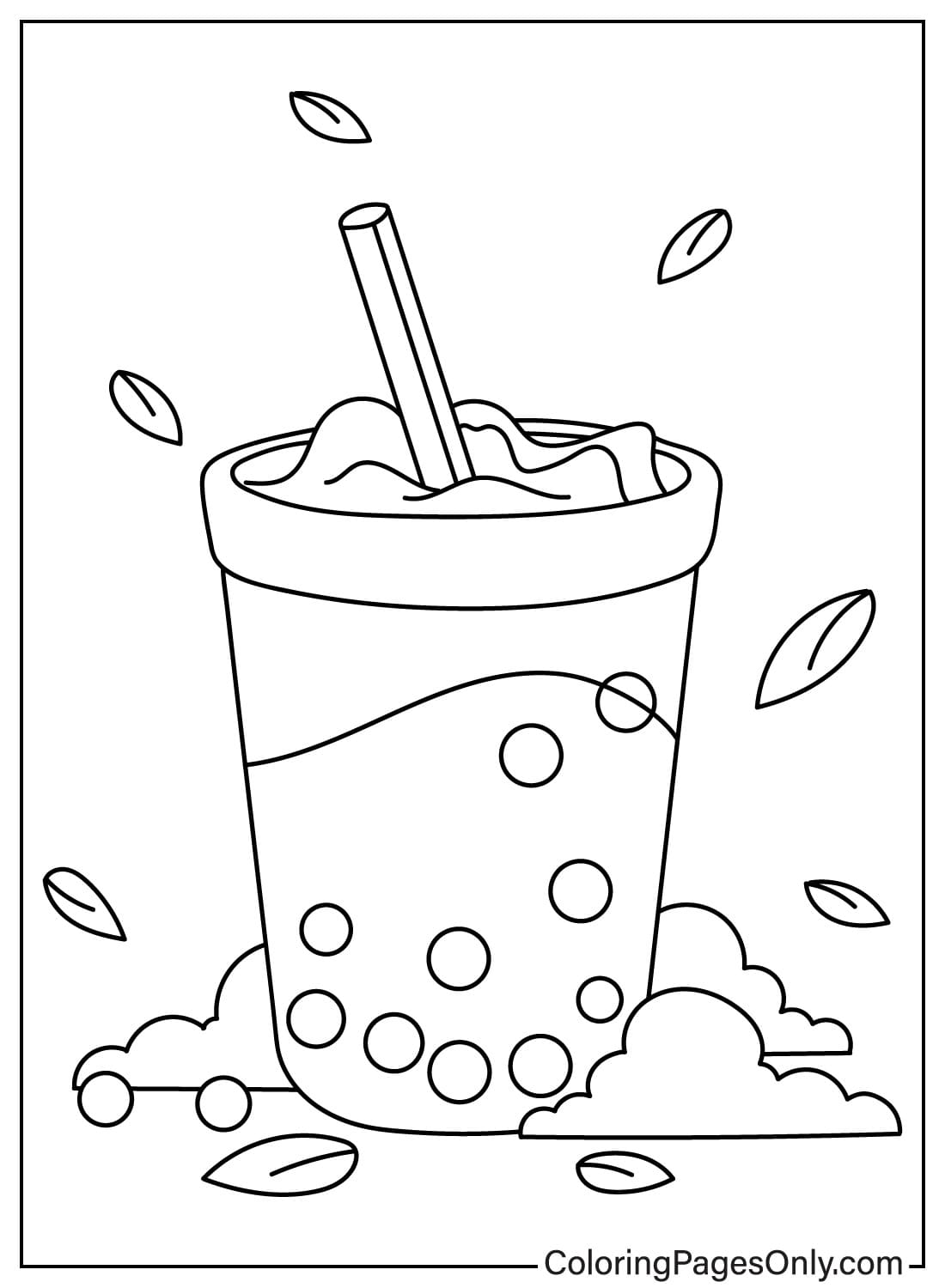
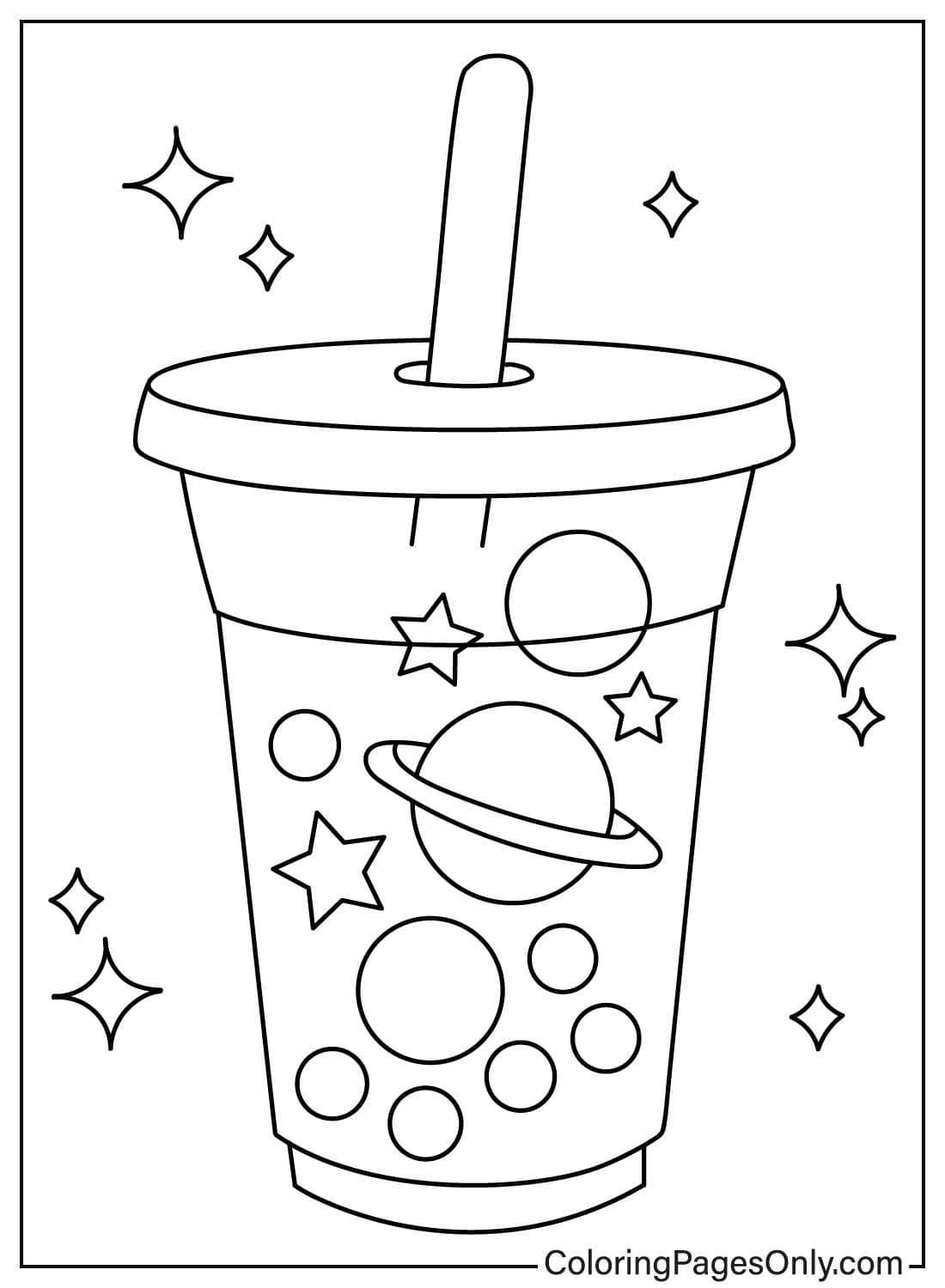
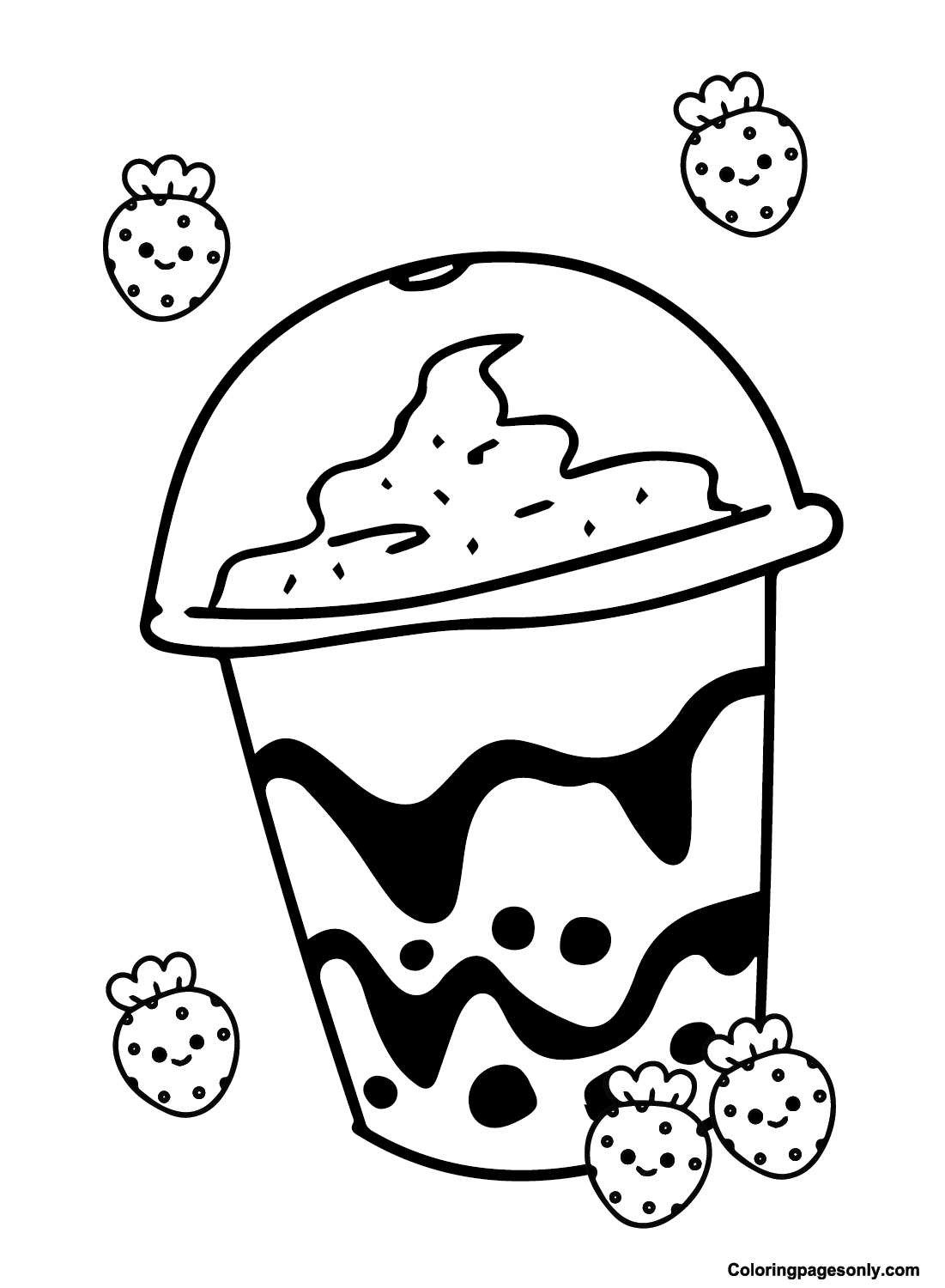
Six designs include boba with clouds and tea leaves, a bubble tea in space, a bubbly cup, boba with ice cream, boba with coffee, and a coffee-shop style cup. Use Navy and Purple for the space background with tiny Yellow stars.
Classic Boba Cups
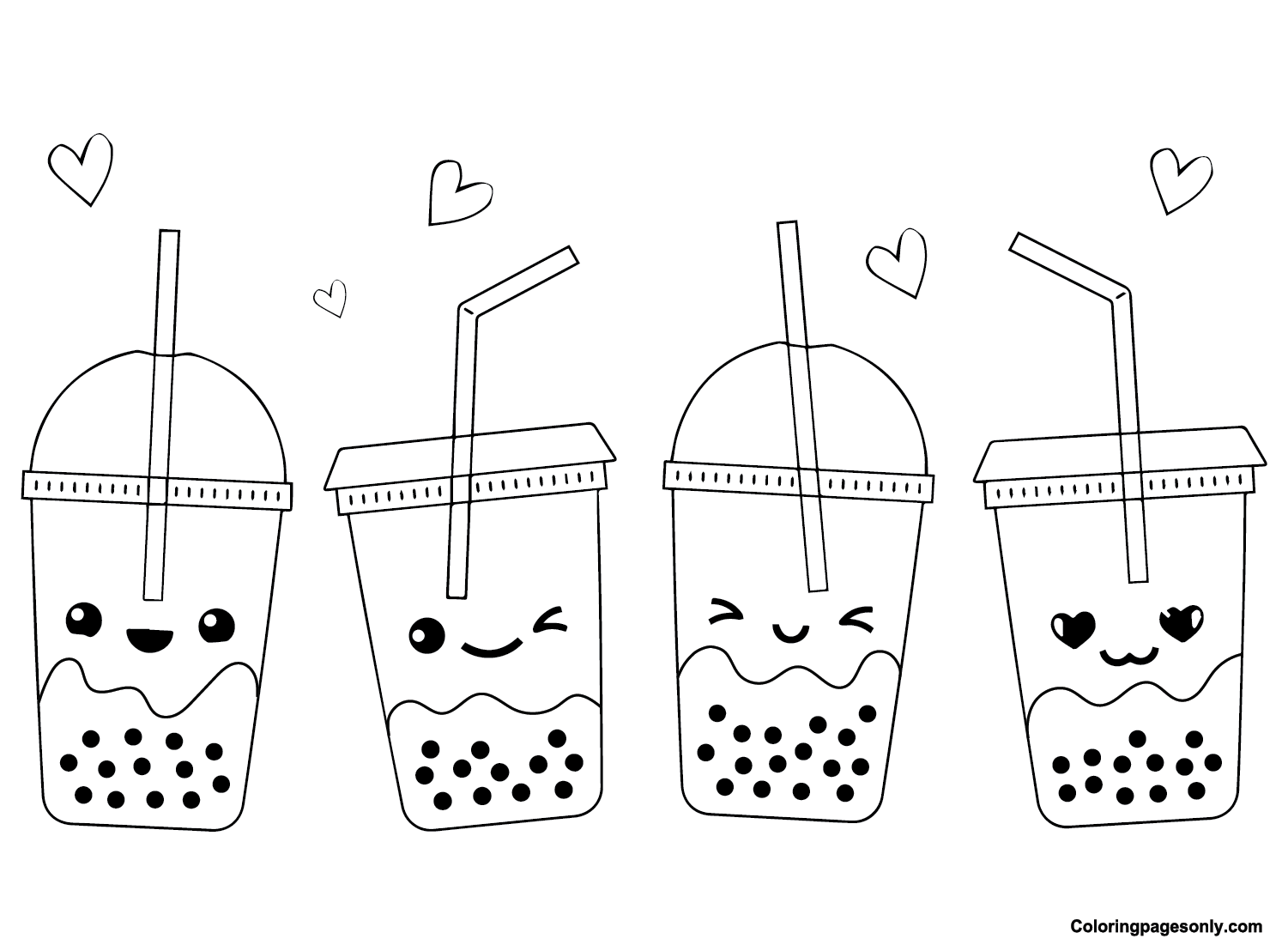
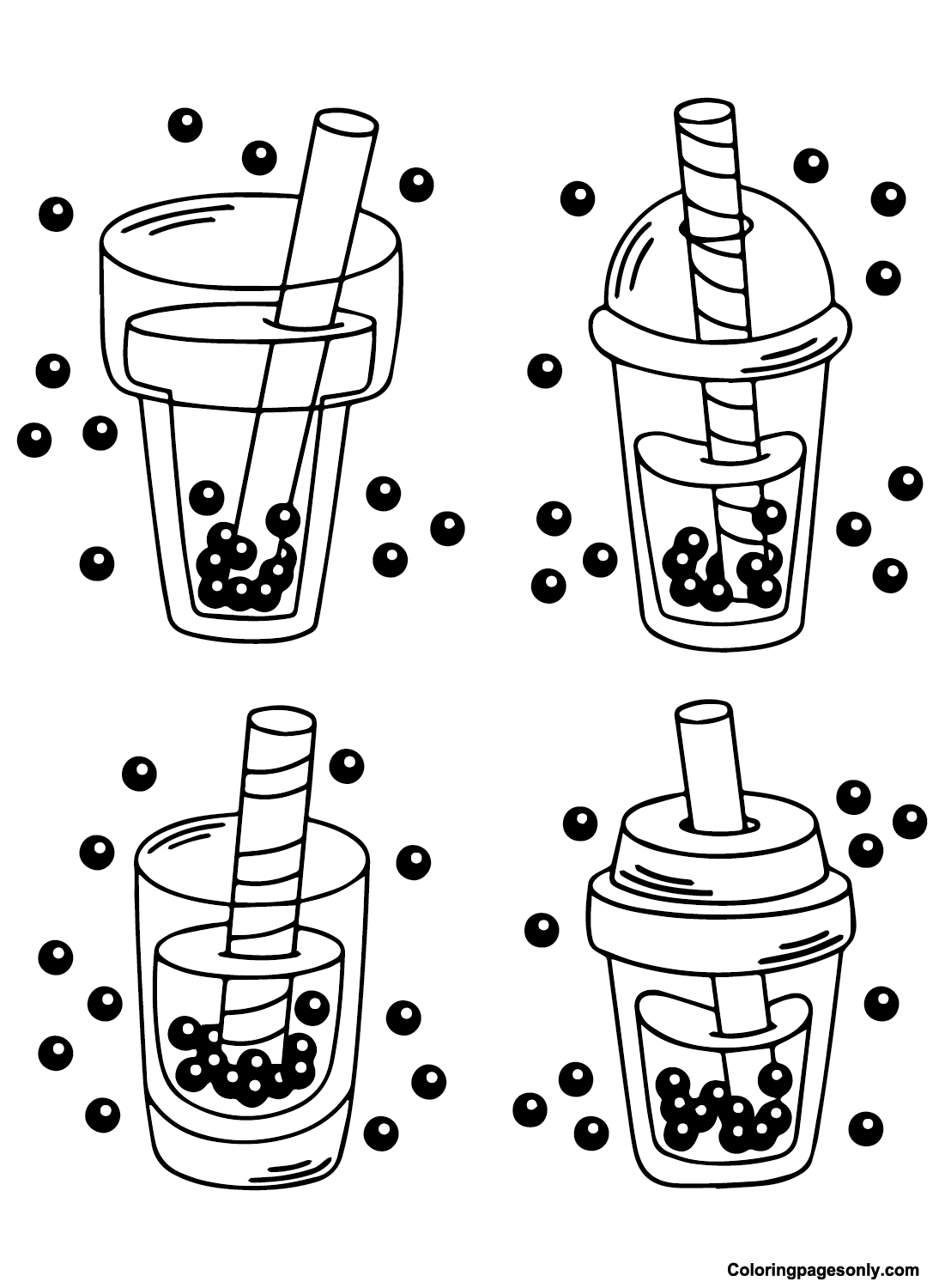
Fourteen pages show bubble tea cups of all shapes, from milk tea to cartoon cups. Try a new flavor shade on each one to build a full menu.
What Boba Tea Coloring Pages Do
Exploring food and culture. Boba tea is a fun doorway into Taiwanese food culture and the way recipes travel around the world. After coloring, families can look at Taiwan on a map, talk about how the drink spread to other countries, and compare it with their favorite drinks at home. Kids who have never tried boba can learn what the chewy pearls are made of and why the straw is so wide.
Practicing patterns and small circles. Tapioca pearls are a sea of tiny circles, which makes boba pages great practice for careful, controlled coloring. Dotting in dozens of little round trains with finger precision. HealthyChildren.org, the American Academy of Pediatrics parenting site, ties writing readiness to exactly this sort of small-muscle work. Older kids can add shading to each pearl for a glossy finish.
Offering a cozy, calming break. Boba pages have a sweet, relaxed mood that makes coloring feel like a treat. Patterned designs lowered stress better than free sketching for the volunteers psychologists Curry and Kasser studied, a 2005 result printed in Art Therapy. Repeating pearls and cup stripes create that same steady rhythm, making these sheets ideal for quiet afternoons.
Sparking creativity with flavors. Every boba shop has a rainbow of drinks, from purple taro to green matcha. Kids can invent their own flavor, choose a cup color to match, and write the drink’s name across the bottom margin. This simple design challenge encourages imagination, color choices, and early writing.
How to Color Boba Tea Pages Well
- Flavor colors: Pick one shade for the drink, like Lavender for taro or Light Green for matcha. Using real flavor colors makes the cups look delicious and easy to recognize.
- Glossy pearls: Fill every pearl with Espresso Brown, sparing a pinprick of paper at the top. The dot makes the tapioca look shiny and round.
- Wide straws: Choose a bright color, such as Hot Pink or Turquoise, for the straw. A bold straw adds contrast against the softer drink color.
- Kawaii faces: Add rosy Pink cheeks to cups and animals with a light circular stroke. Soft cheeks give characters their sweet, kawaii look.
- Cup layers: Shade the bottom of the cup a little darker than the top. This suggests the pearls are settling at the bottom of the drink.
- Pastel backgrounds: Fill the background with Peach, Mint, or Baby Blue. Pastel colors keep the whole page cheerful without overpowering the cup.
5 Creative Craft Ideas With Boba Tea Coloring Pages
1. Boba Shop Menu Board
Line up the colored cups across a big sheet of cardboard and add a café name above them. Write a made-up flavor and price under each drink for pretend play.
2. 3D Pearl Collage
Color a boba cup and glue small black pom-poms or paper circles over the pearls. The raised pearls make the drink look real enough to touch.
3. Kawaii Friend Bookmark
Snip out a colored panda, bunny, or kitten with its drink. Fix it above a slim strip of card so the cup peeks over the page.
4. Flavor Inventor Card
Color a blank boba cup in a brand-new flavor color. On the back, write the flavor name and three ingredients you would use.
5. Bubble Tea Party Decorations
Attach the colored animal sheets to a length of twine. Drape the garland above a table for a boba-themed birthday or sleepover.
Frequently Asked Questions
What are Boba Tea coloring pages?
There are 33 free printable sheets of bubble tea, featuring kawaii animals, cute characters, fun scenes, and classic boba cups. Grab the PDFs or tap colors online at no cost.
What is boba tea?
Boba tea is a sweet tea drink, often mixed with milk or fruit, that contains chewy tapioca pearls. It is also called bubble tea or pearl milk tea.
Where did boba tea come from?
Boba tea was created in Taiwan in the 1980s. Two teahouses, Chun Shui Tang and Hanlin Tea Room, both claim to have invented it.
What are boba pearls made of?
Boba pearls are made from tapioca starch, which comes from the cassava root. They are cooked until soft and chewy, often with brown sugar.
Why is the boba straw so wide?
The extra-wide straw lets the tapioca pearls pass through with each sip. Regular straws are too narrow for the chewy balls.
What are popular boba flavors?
Classic milk tea, taro, matcha, mango, strawberry, and brown sugar are favorites. Many shops also offer fruit teas and toppings like jelly.
What age are Boba Tea coloring pages for?
Preschoolers through sixth graders enjoy them, and teens love the kawaii designs too. Simple cups work for younger children, while detailed scenes fit older fans.
When is National Bubble Tea Day?
American boba lovers mark National Bubble Tea Day every April 30. Many shops mark the day with special flavors and deals.
Start Coloring
Choose a panda with boba, a kawaii space cup, or a classic milk tea, print it, or dot in the pearls digitally without signing up. Boba fans can share their finished drinks on Facebook or Pinterest.