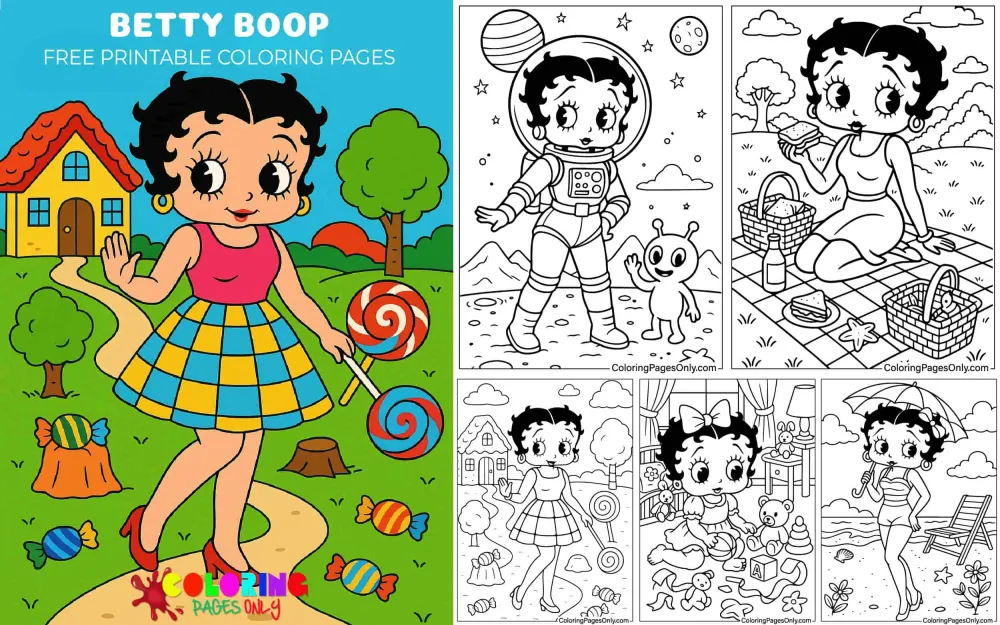
Free Betty Boop Coloring Pages: 32 printable PDF designs featuring classic poses and glamour, fantasy and fairy-tale roles, everyday activities and careers, moments with Pudgy and friends, and seasonal scenes. Each page can be downloaded as a PDF to print or colored online in the browser.
Betty Boop first appeared on August 9, 1930, in the Fleischer Studios short Dizzy Dishes, though she looked quite different from the character most people picture today. In that debut, animator Grim Natwick drew her as an anthropomorphic French poodle with floppy ears, a design inspired in part by 1920s singer Helen Kane. Over the next few years, those dog ears became her signature hoop earrings, and by 1932, Betty had fully transformed into the human flapper still recognized nearly a century later, complete with her catchphrase “Boop-Oop-a-Doop.” That very first cartoon, Dizzy Dishes, entered the United States public domain on January 1, 2026, making Betty Boop’s screen debut freely available to the public for the first time.
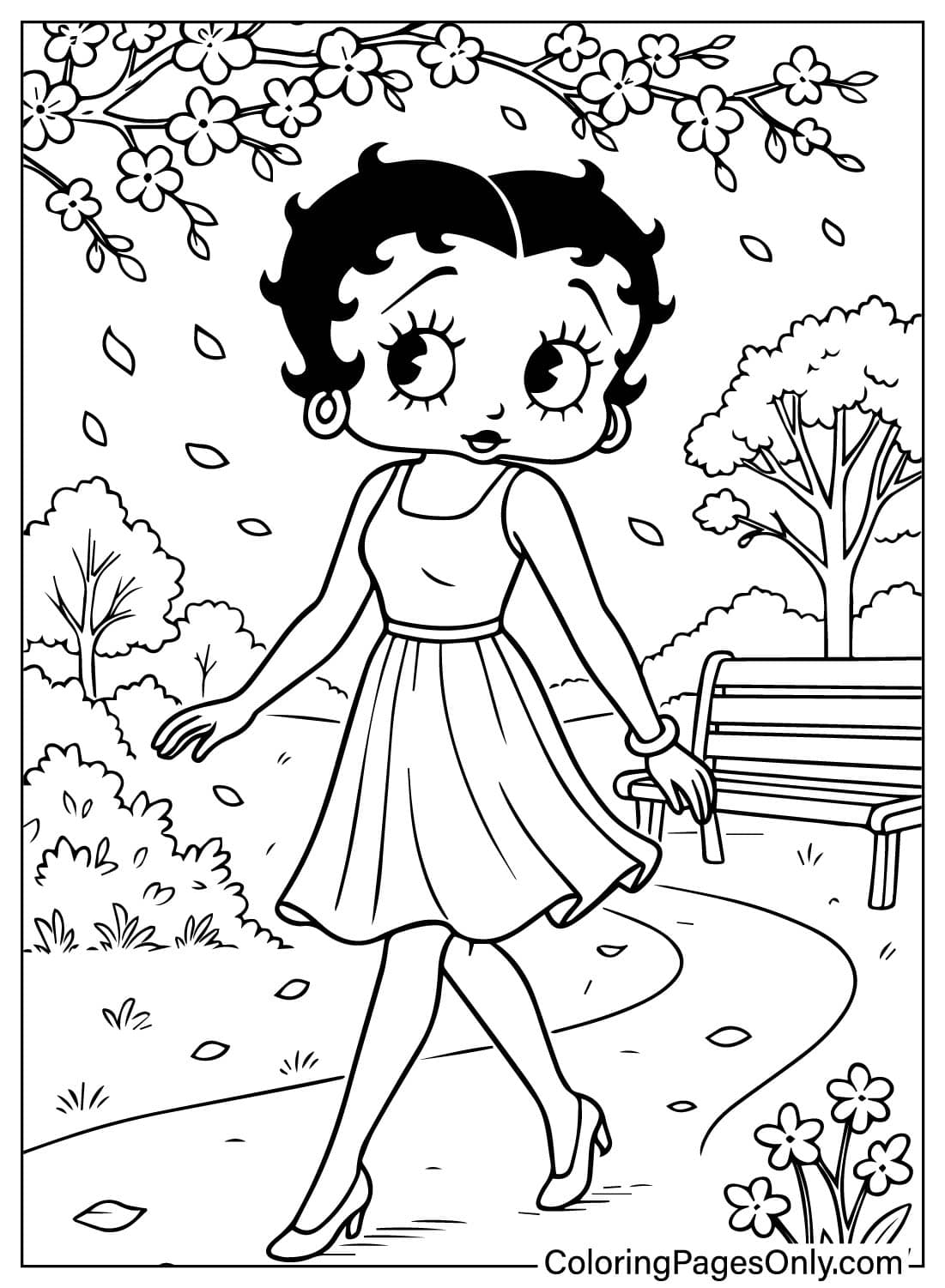
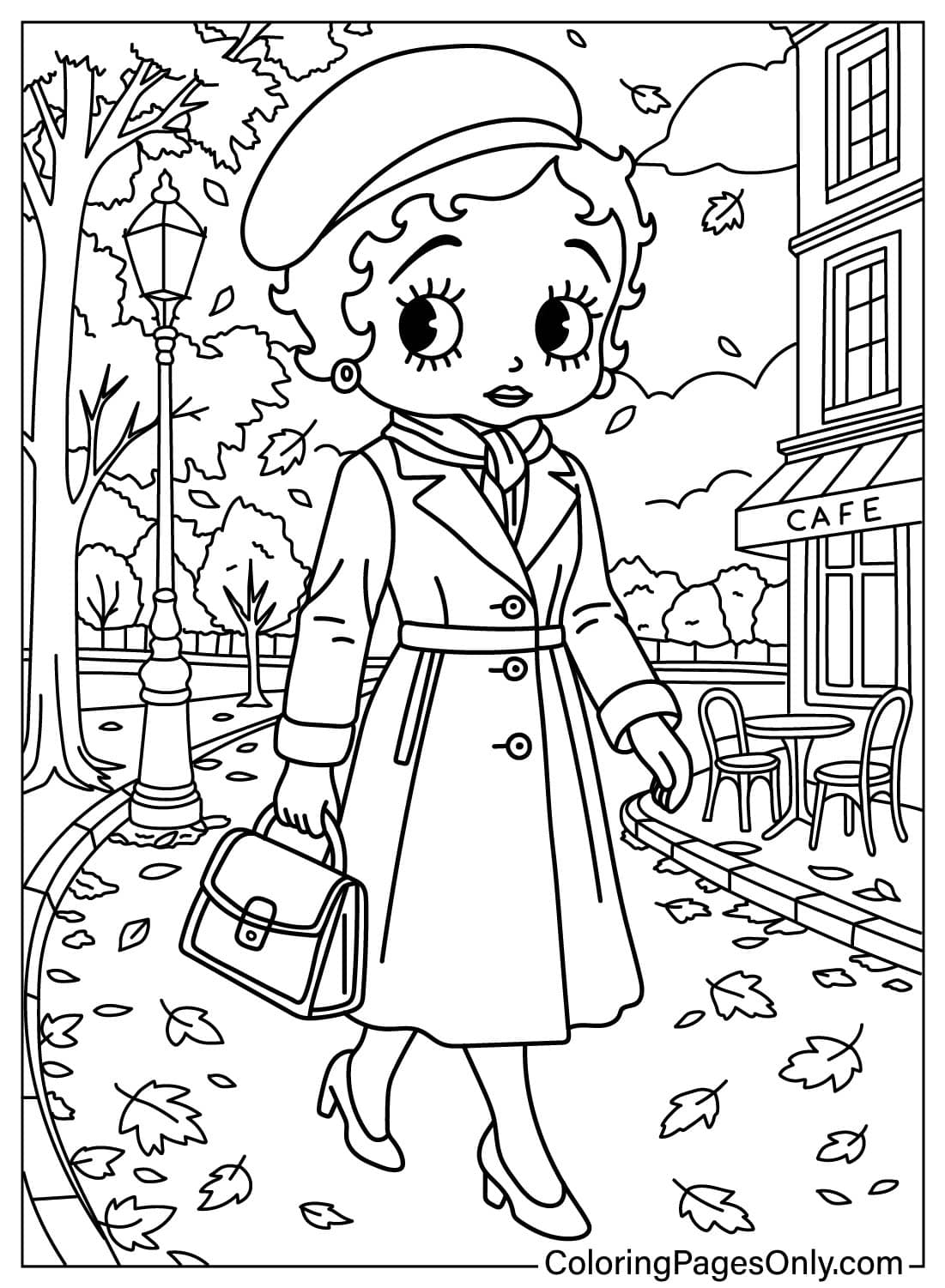
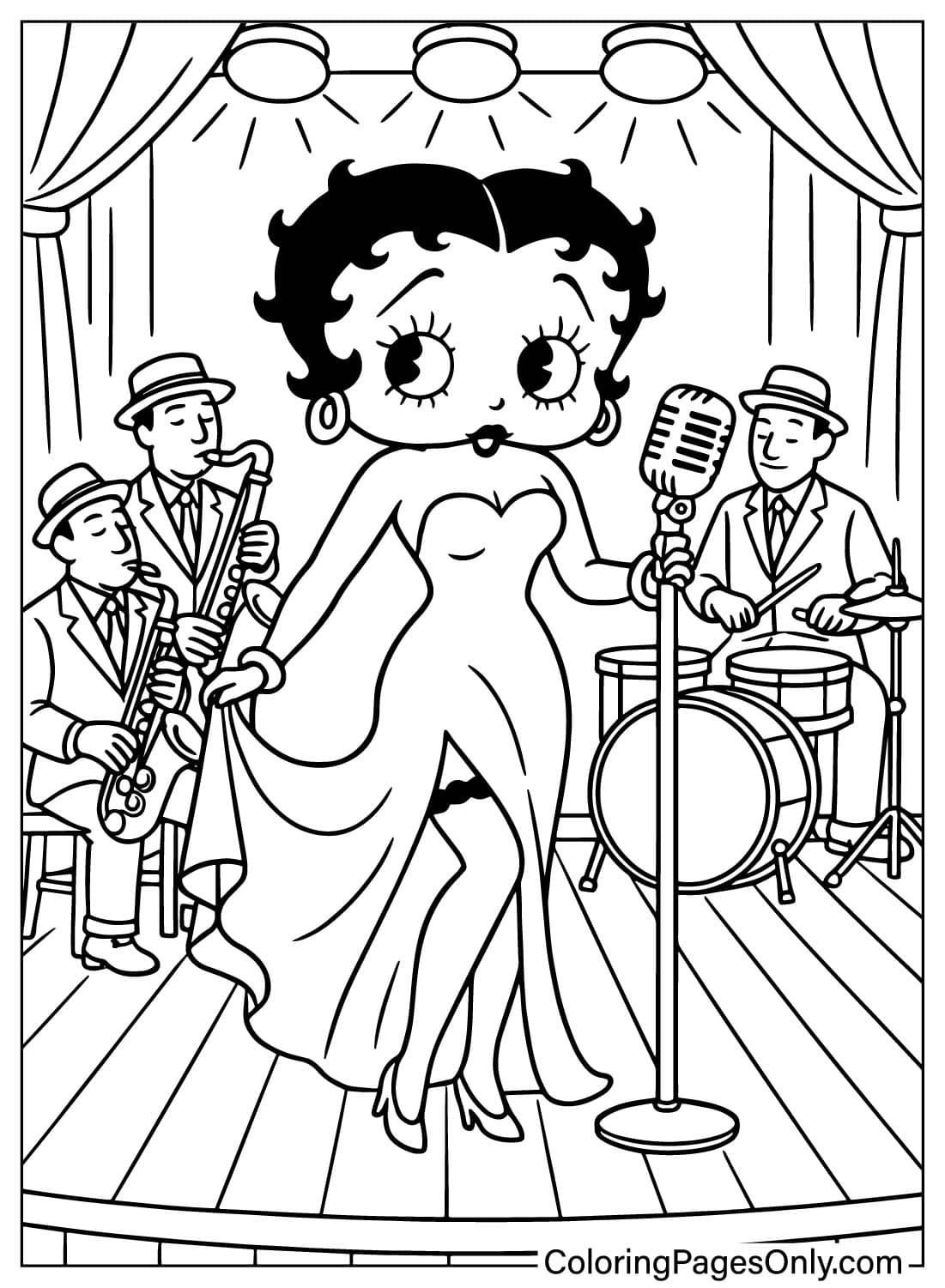
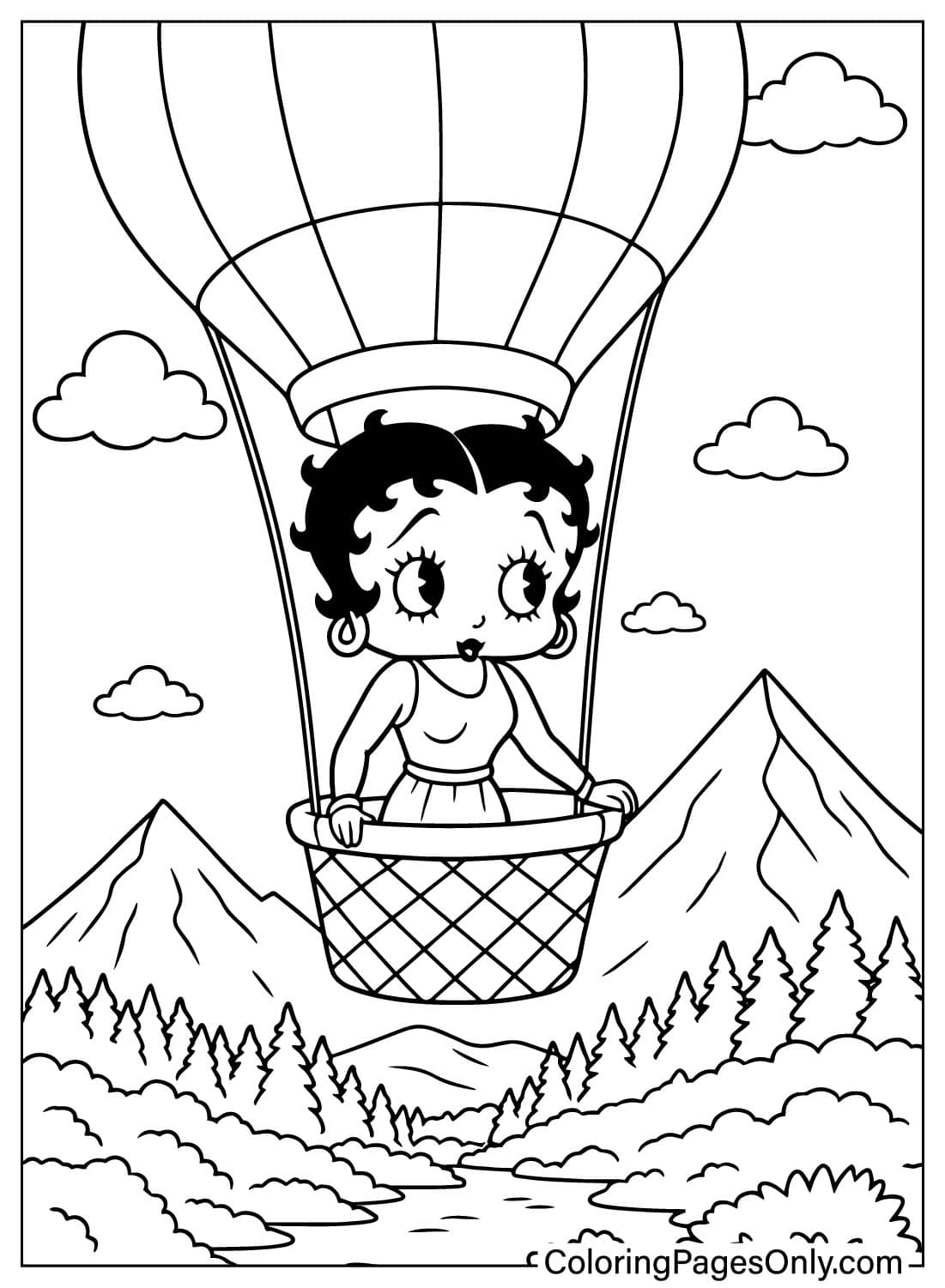
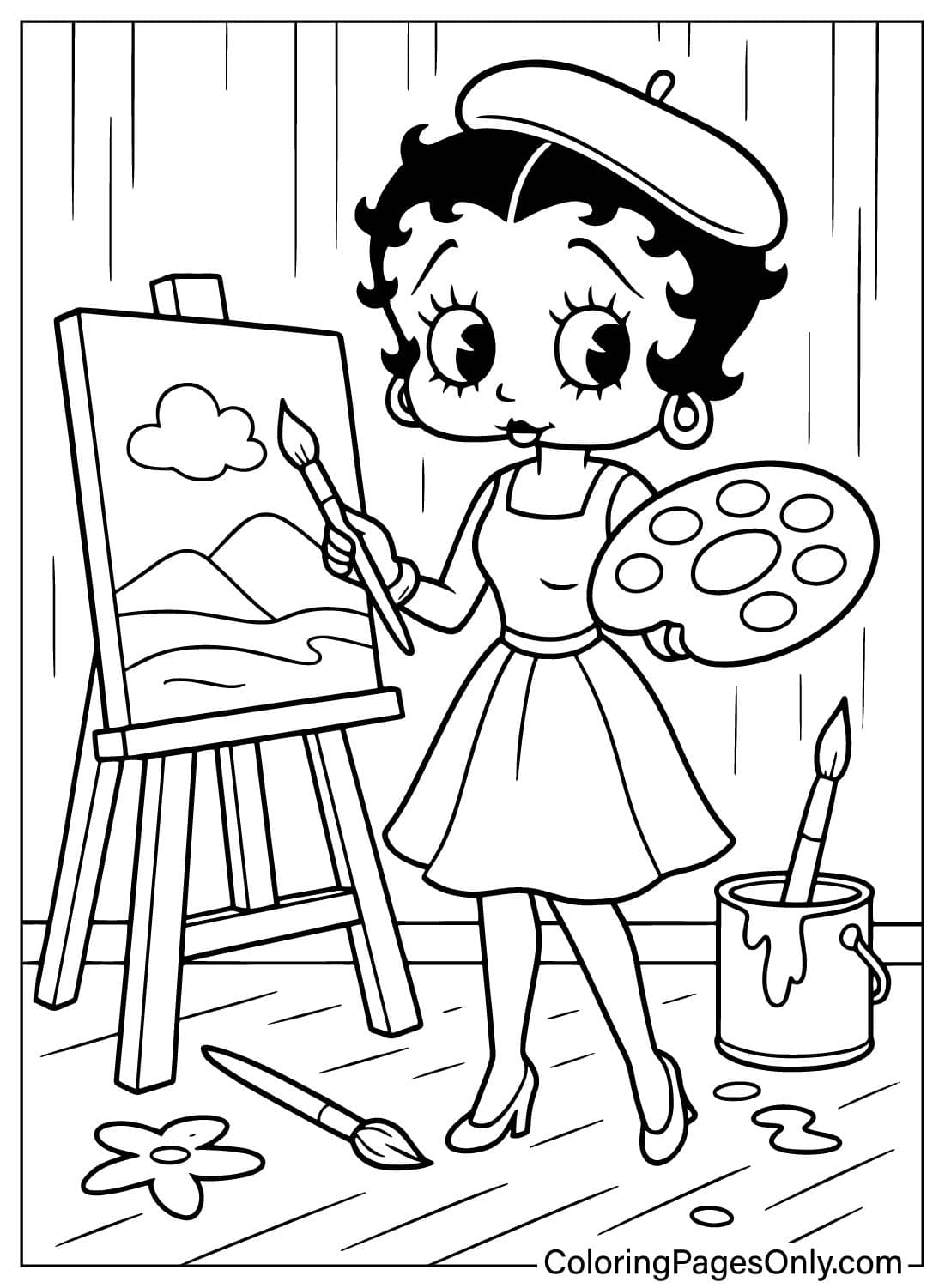
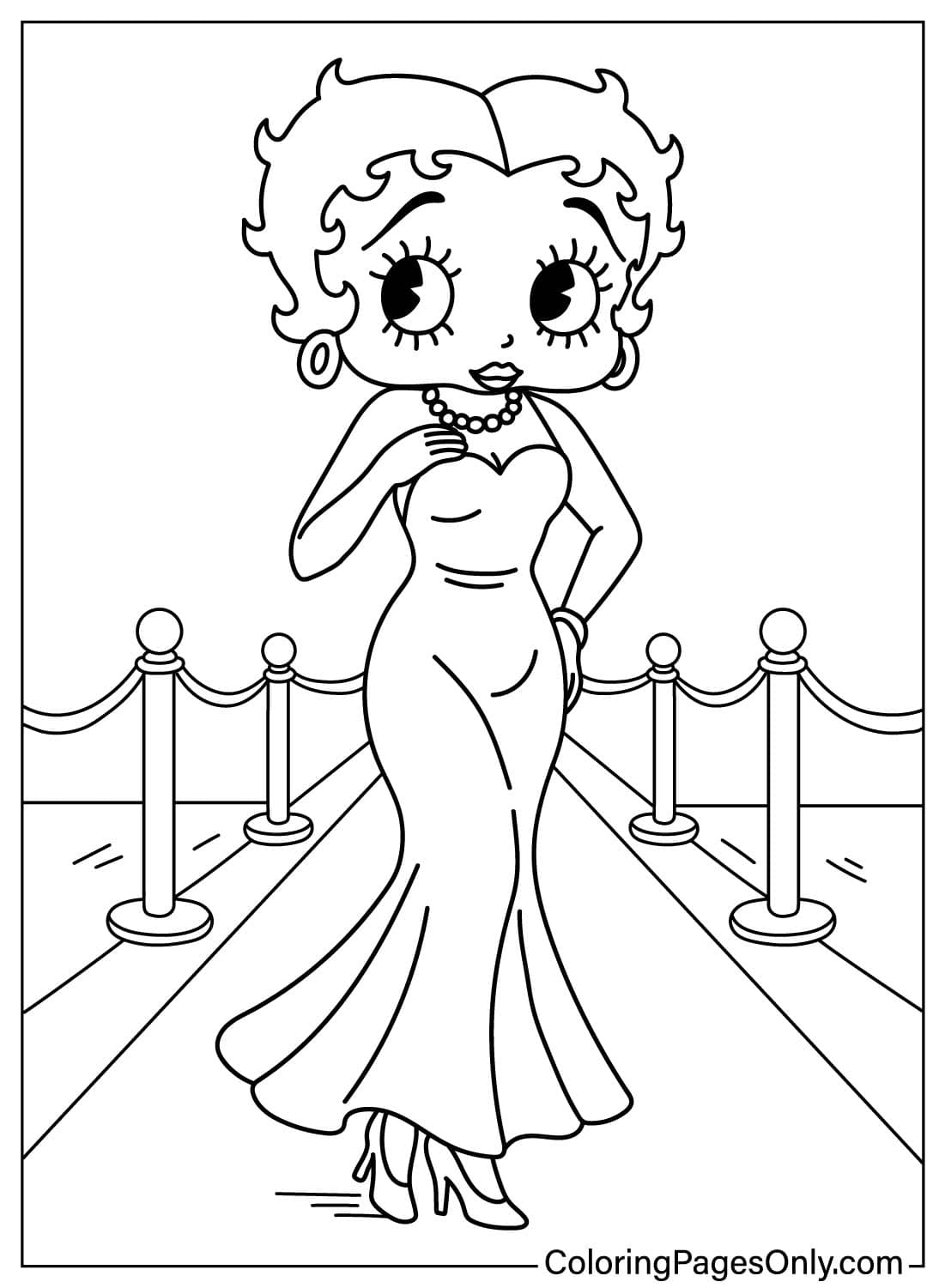
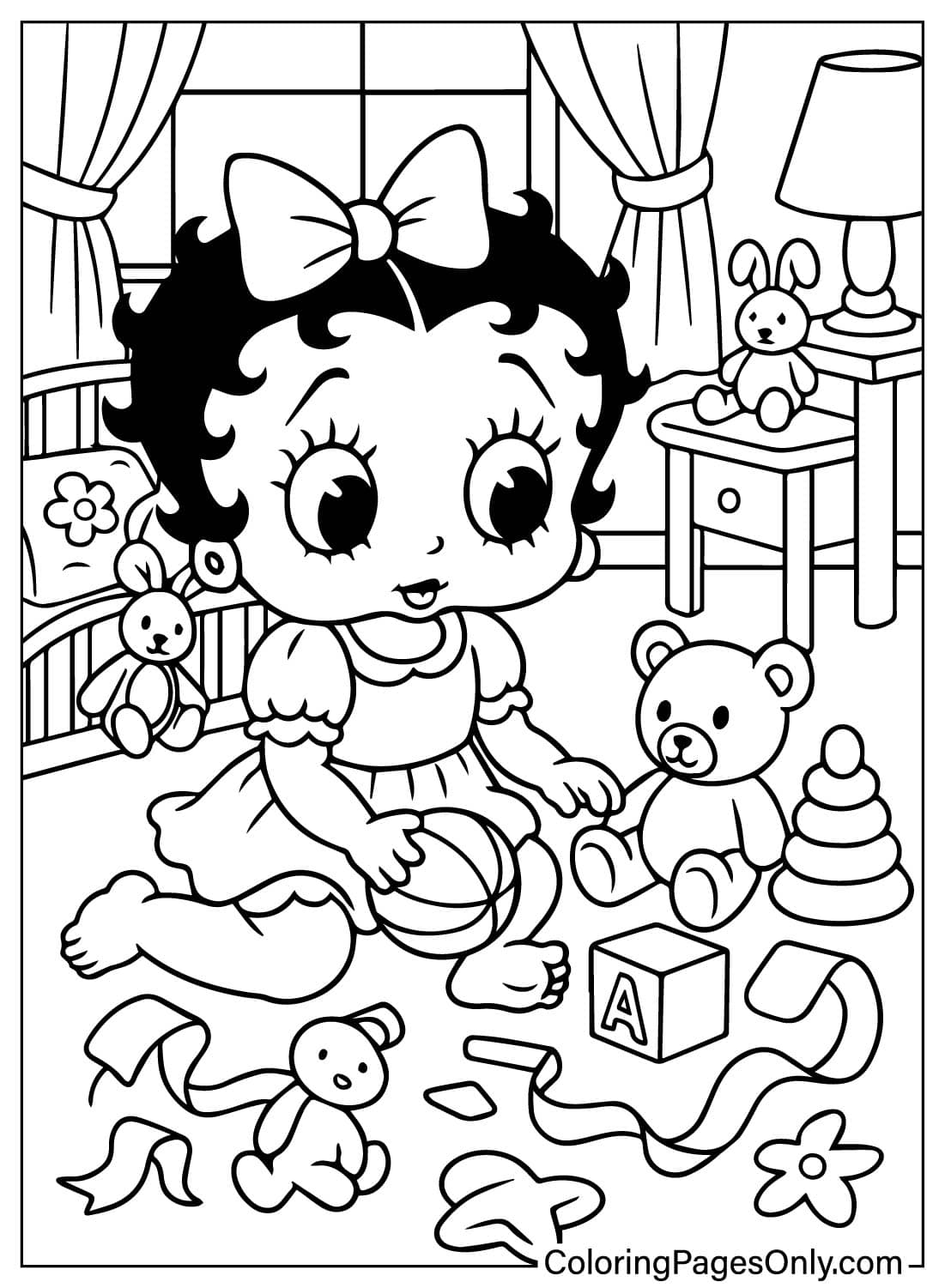
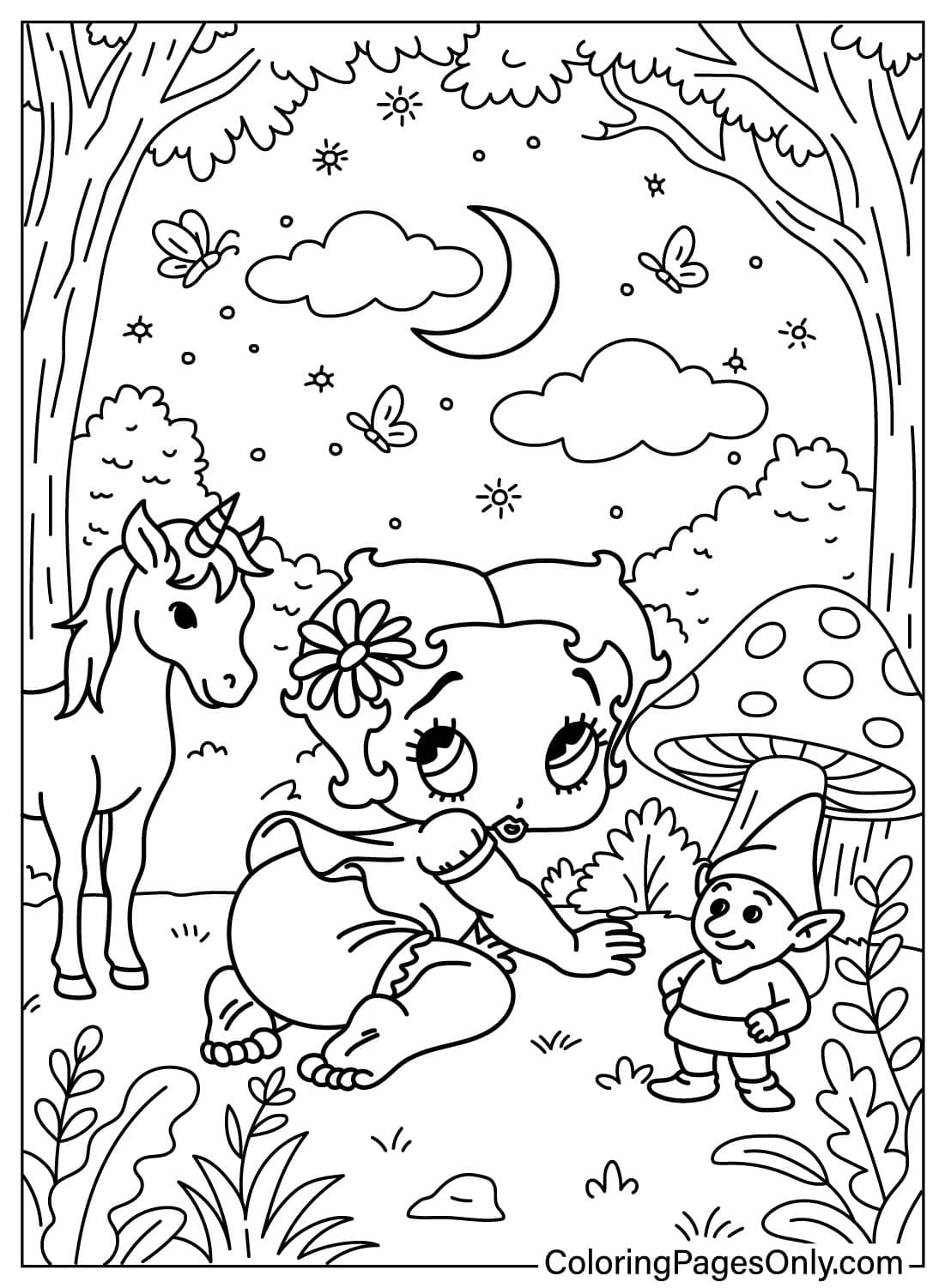
This collection spans 32 pages, split between classic poses and glamour, fantasy and fairy-tale roles, everyday activities and careers, moments with Pudgy and friends, and seasonal scenes. The coloring angle ranges from simple, standalone portraits to fuller costume and activity scenes.
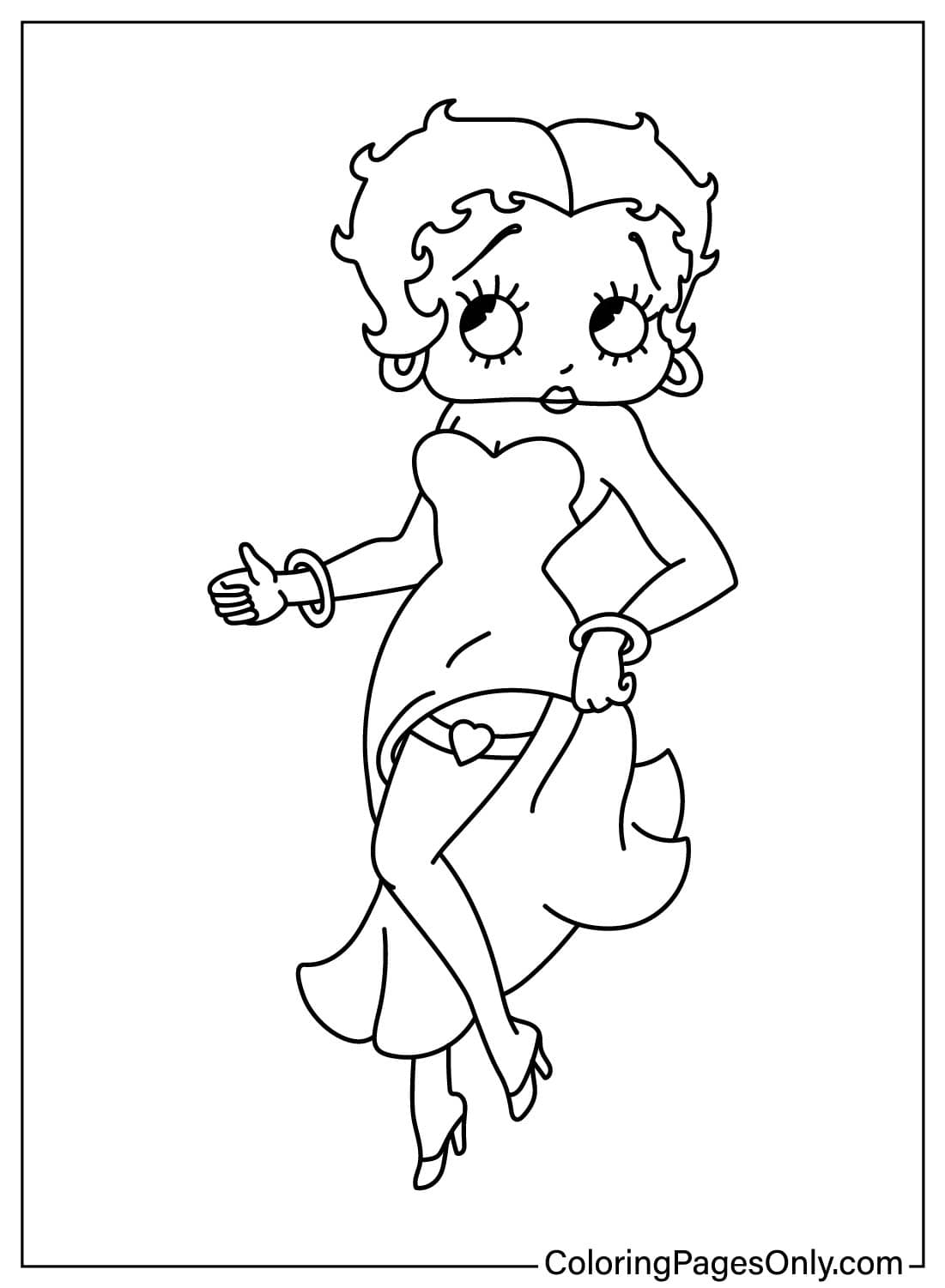
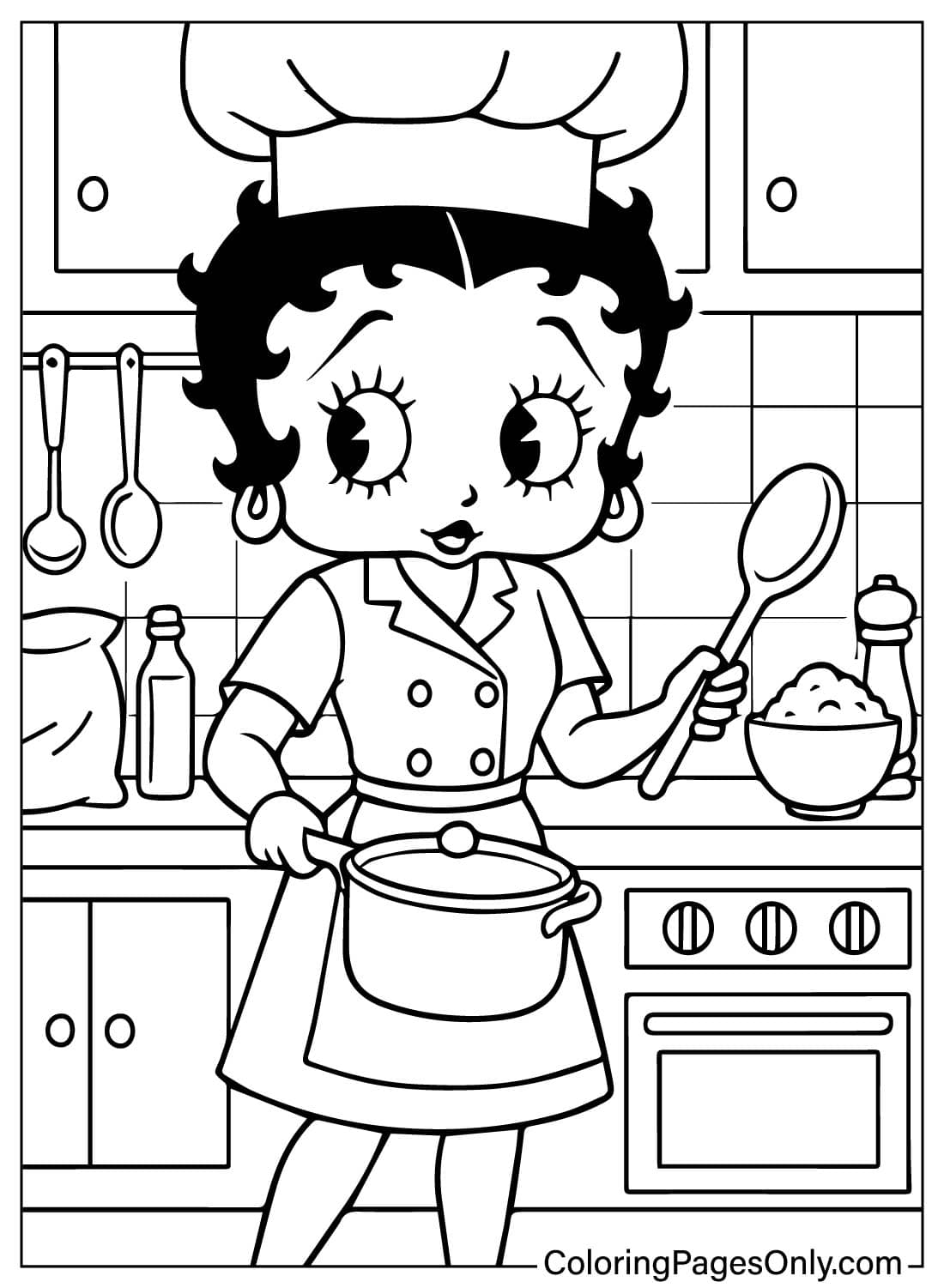
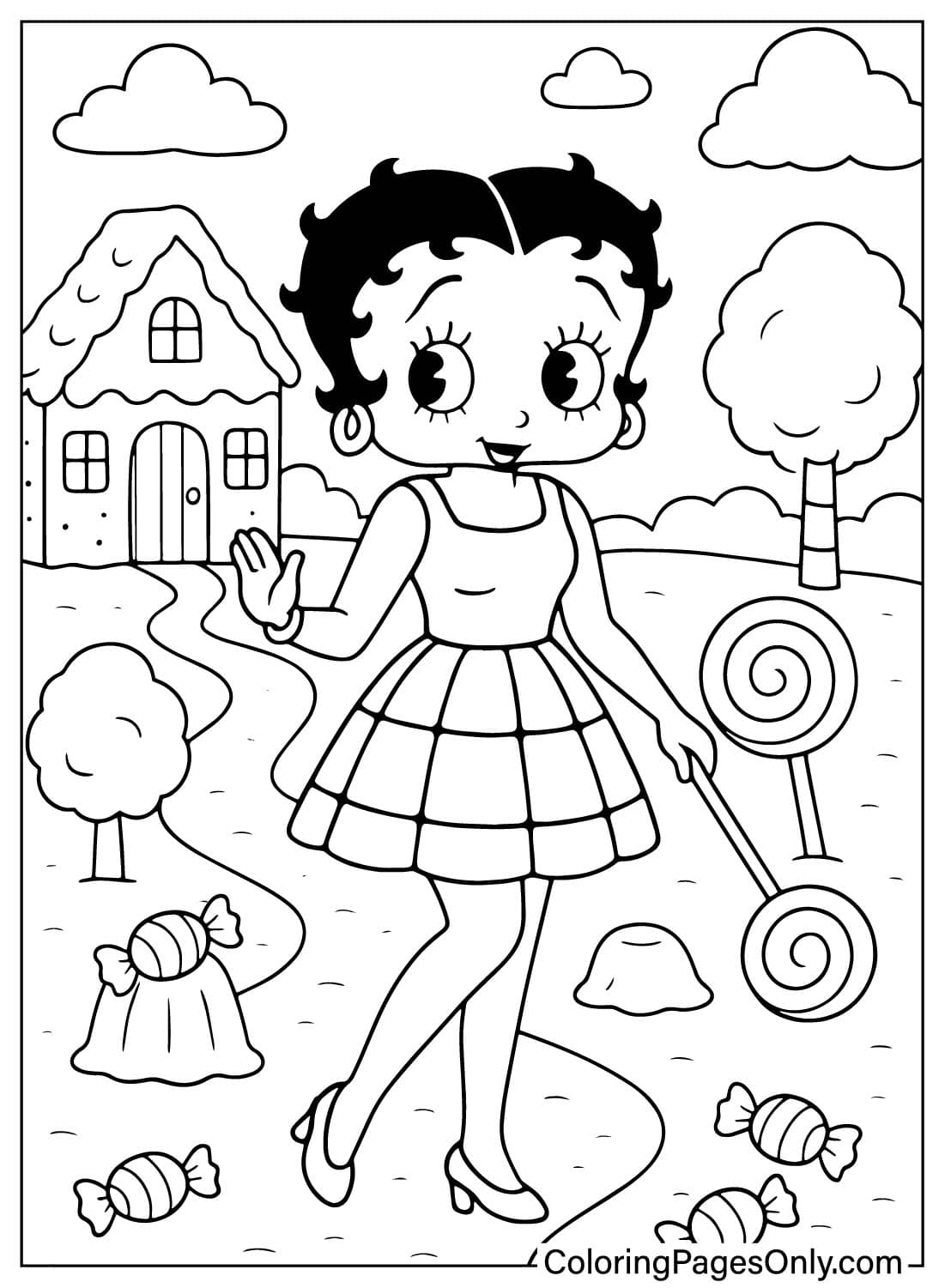
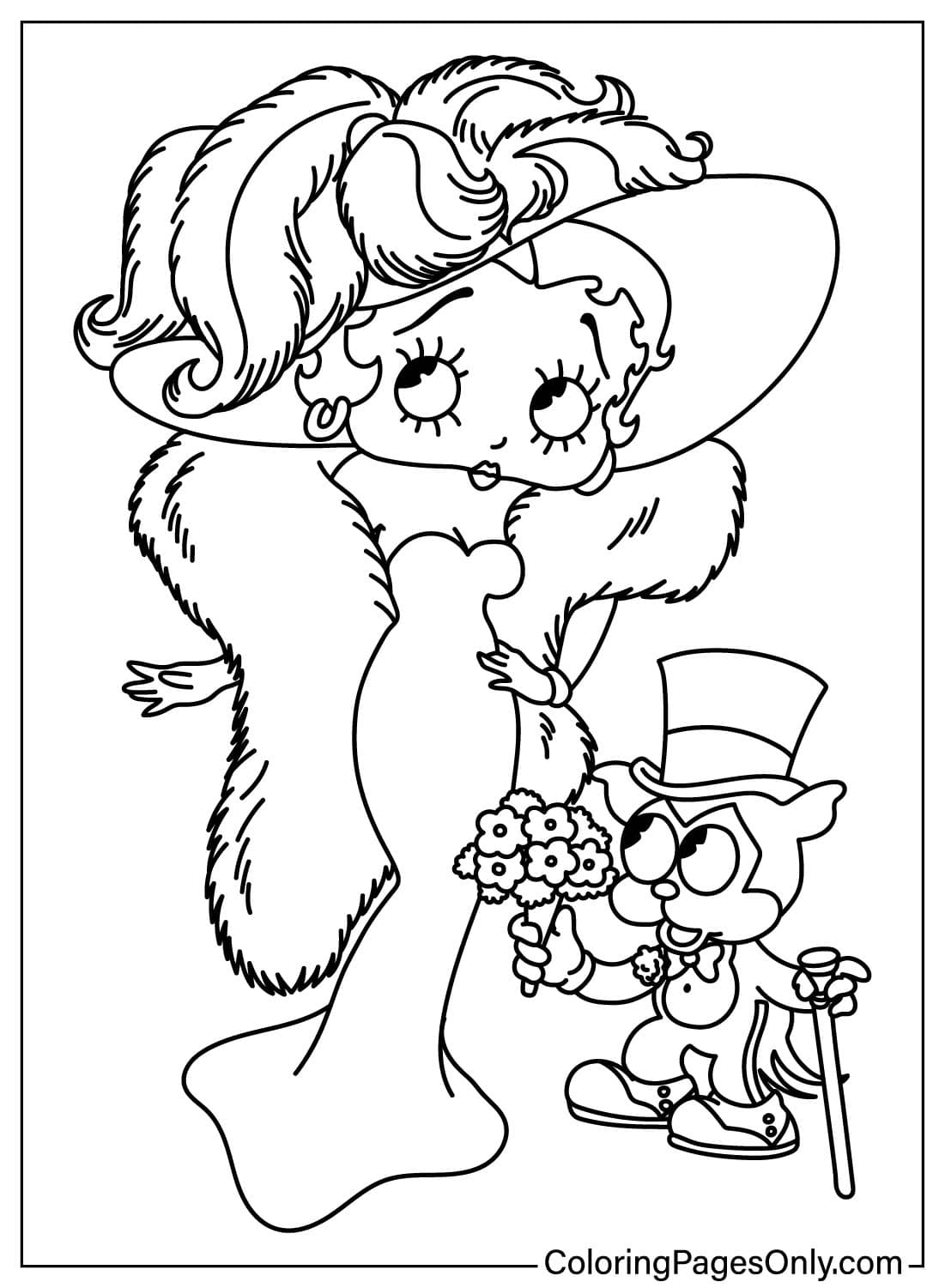
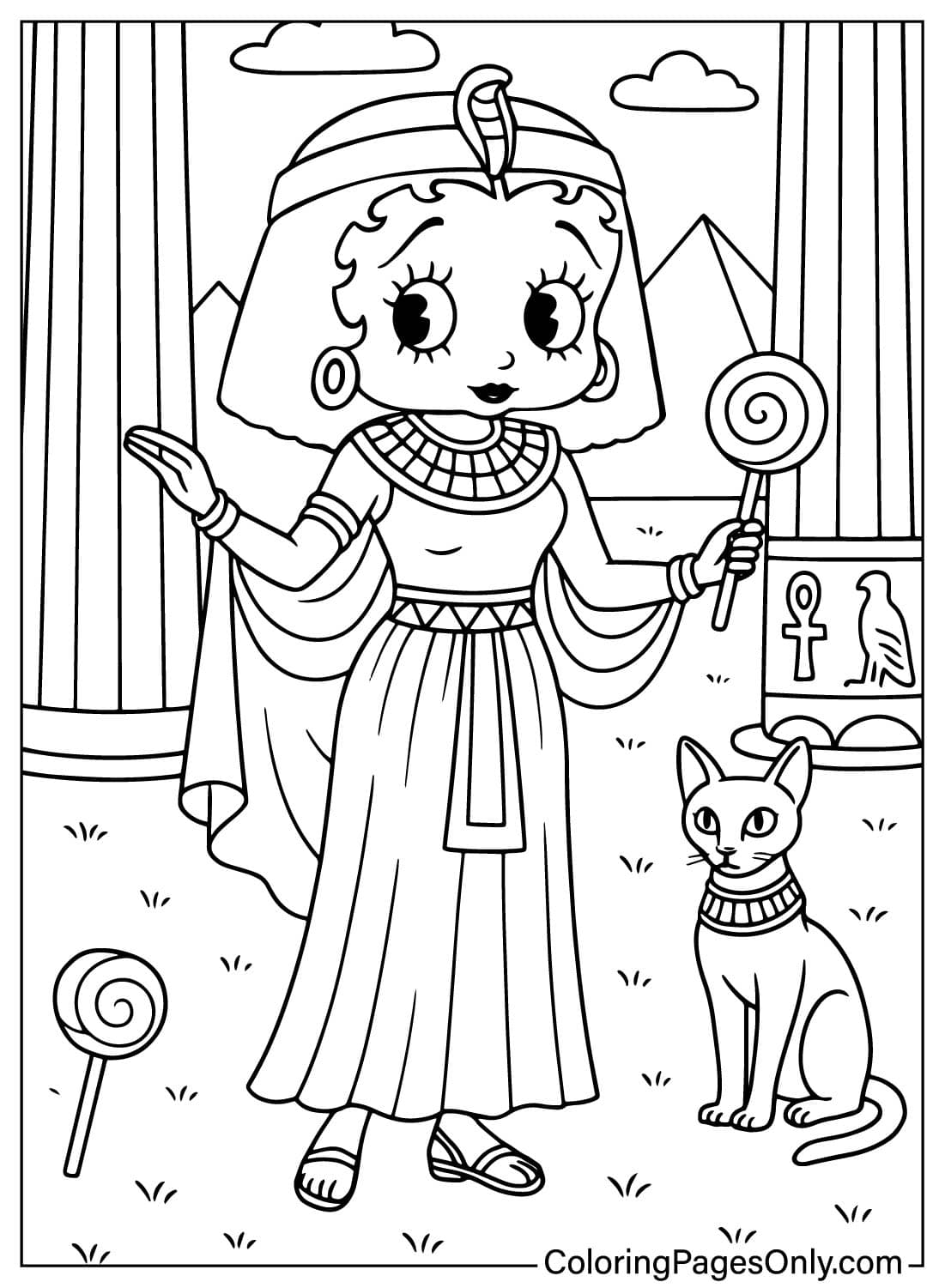
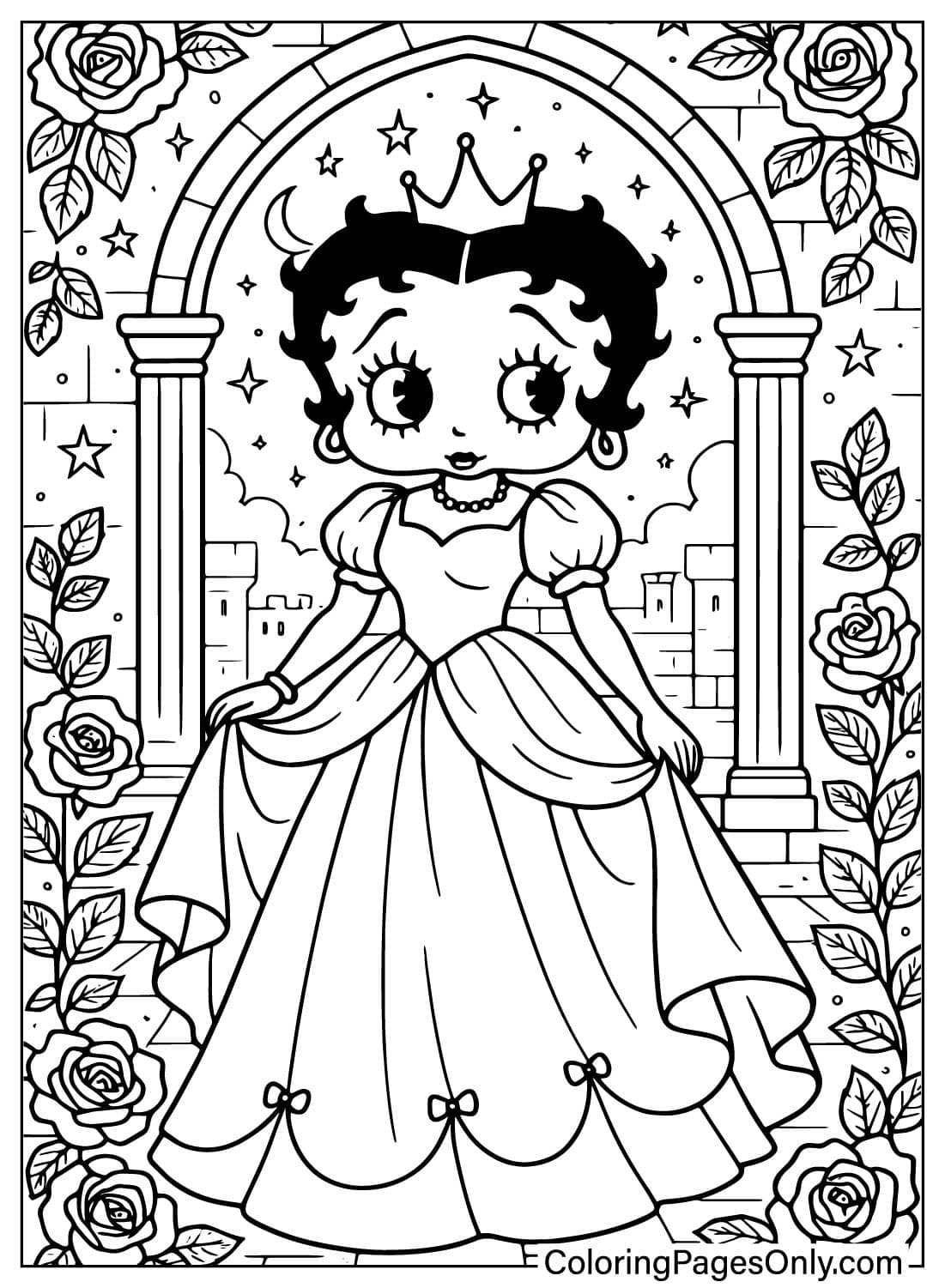
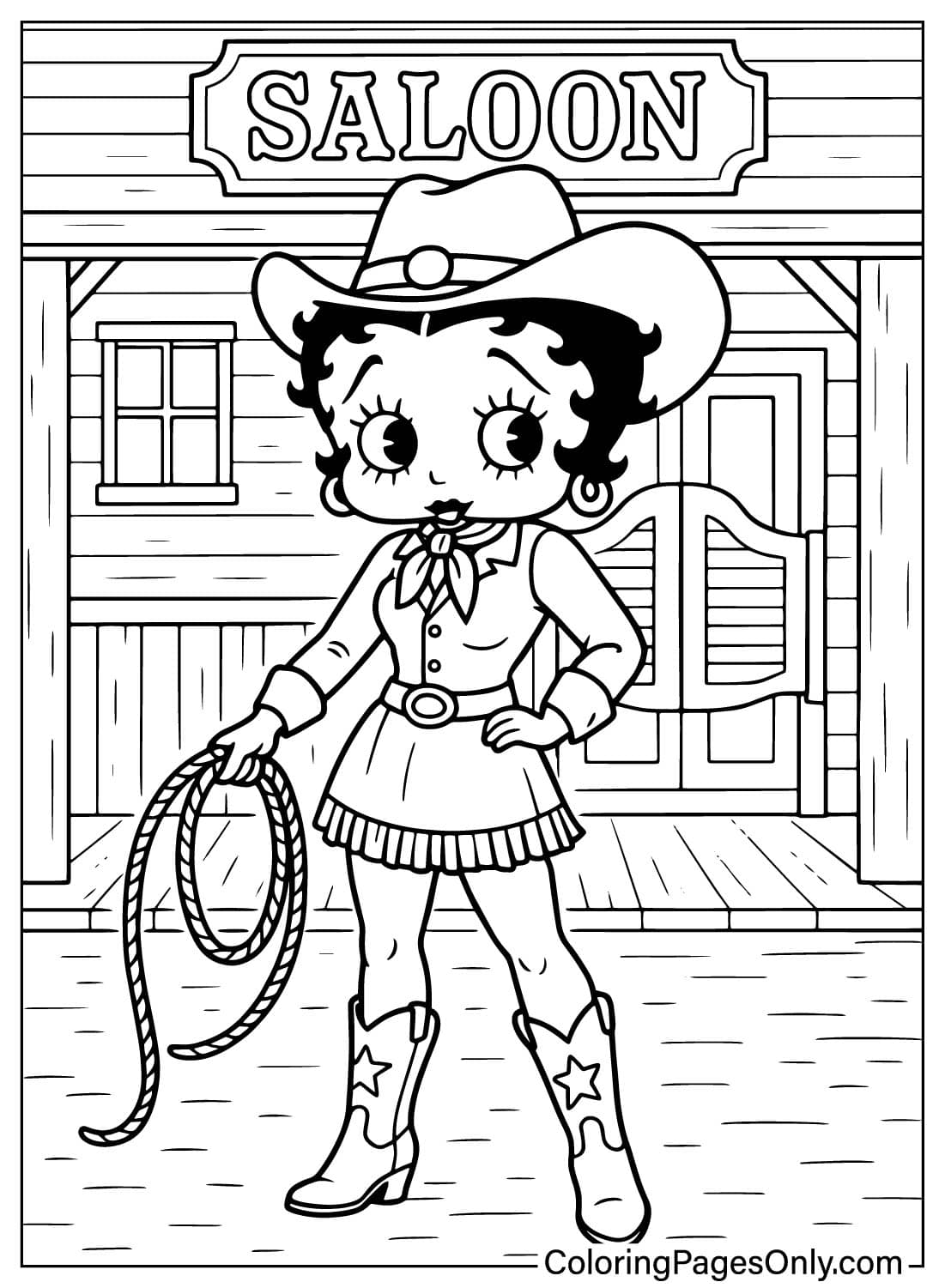
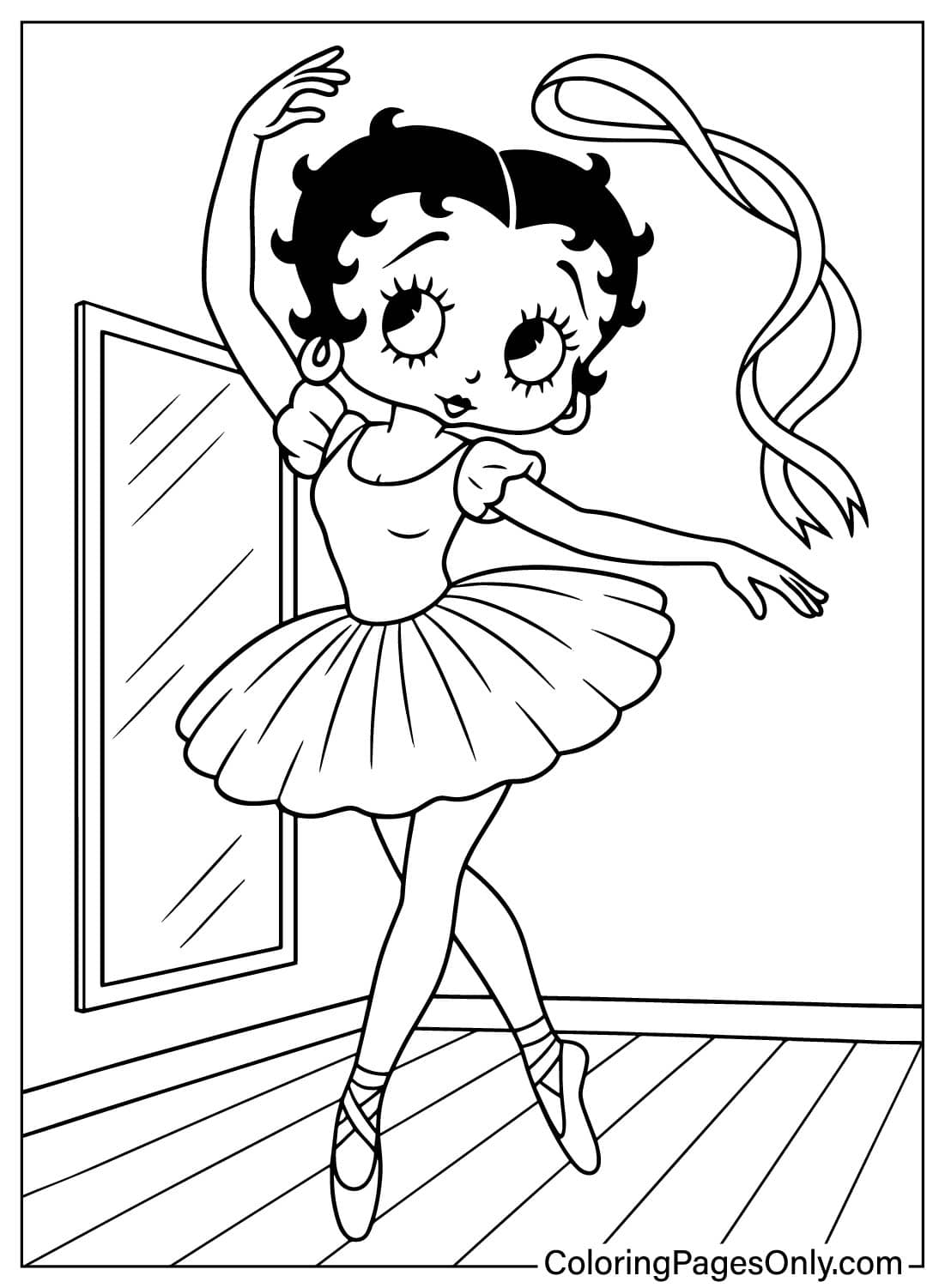
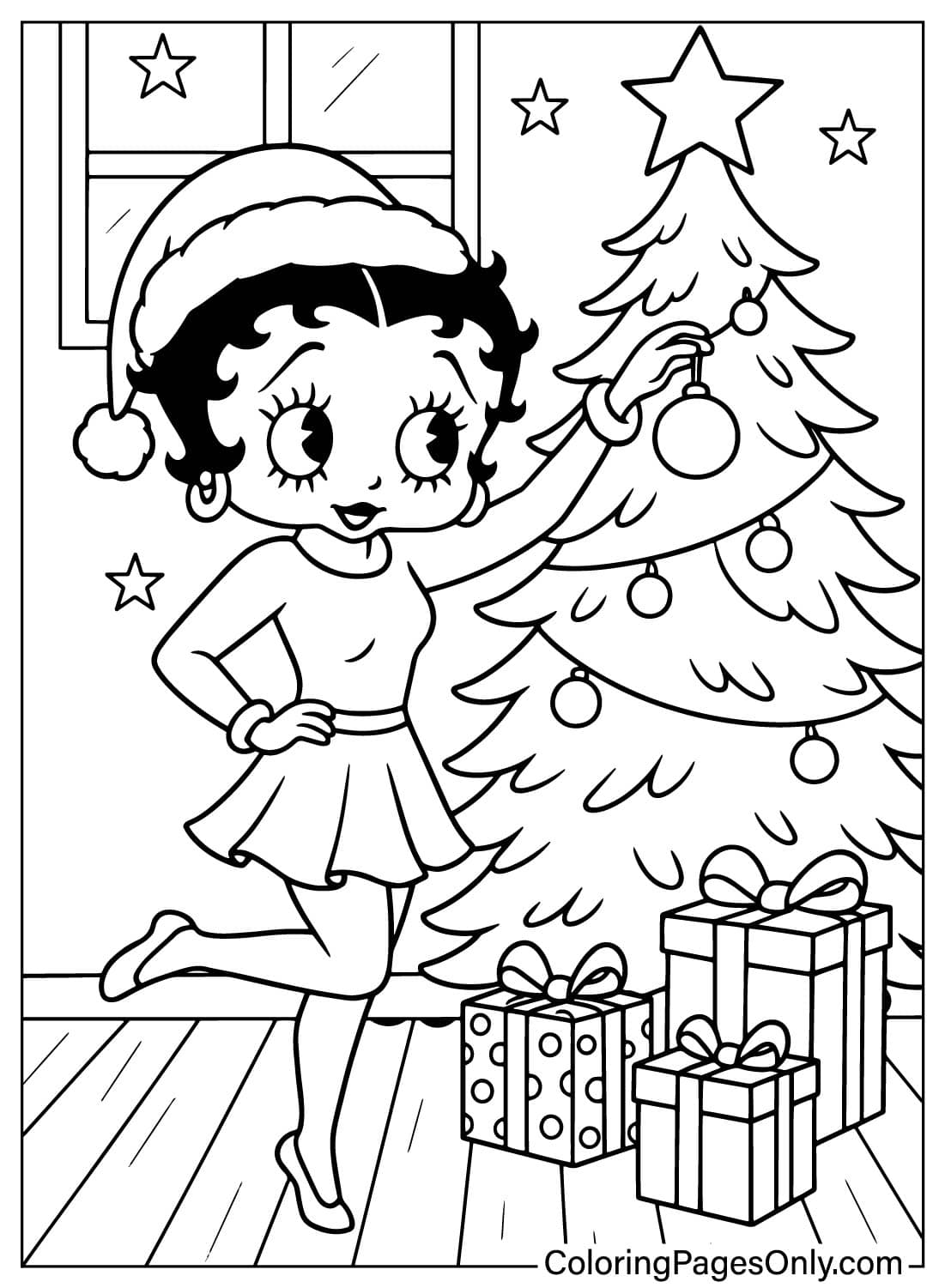
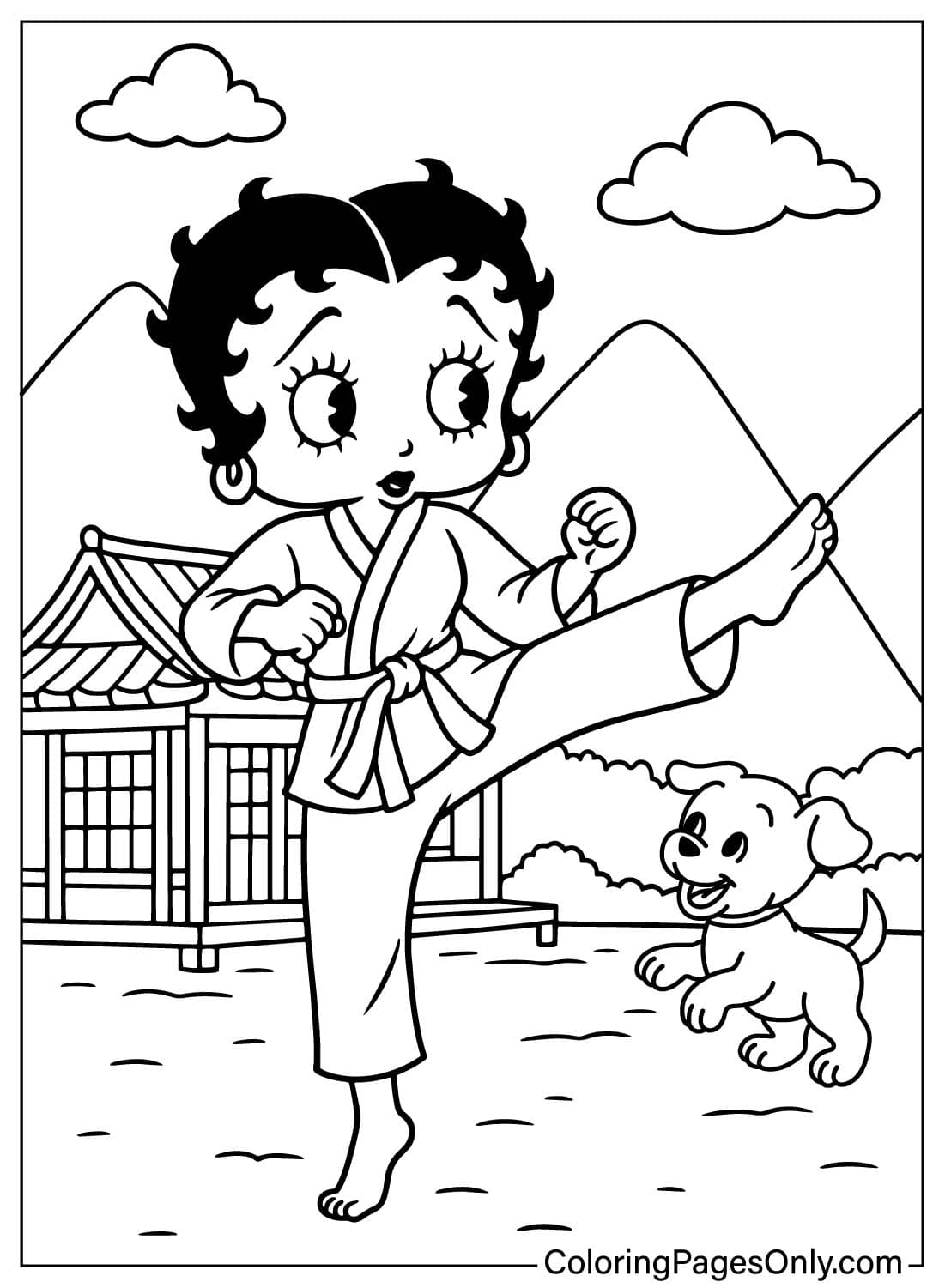
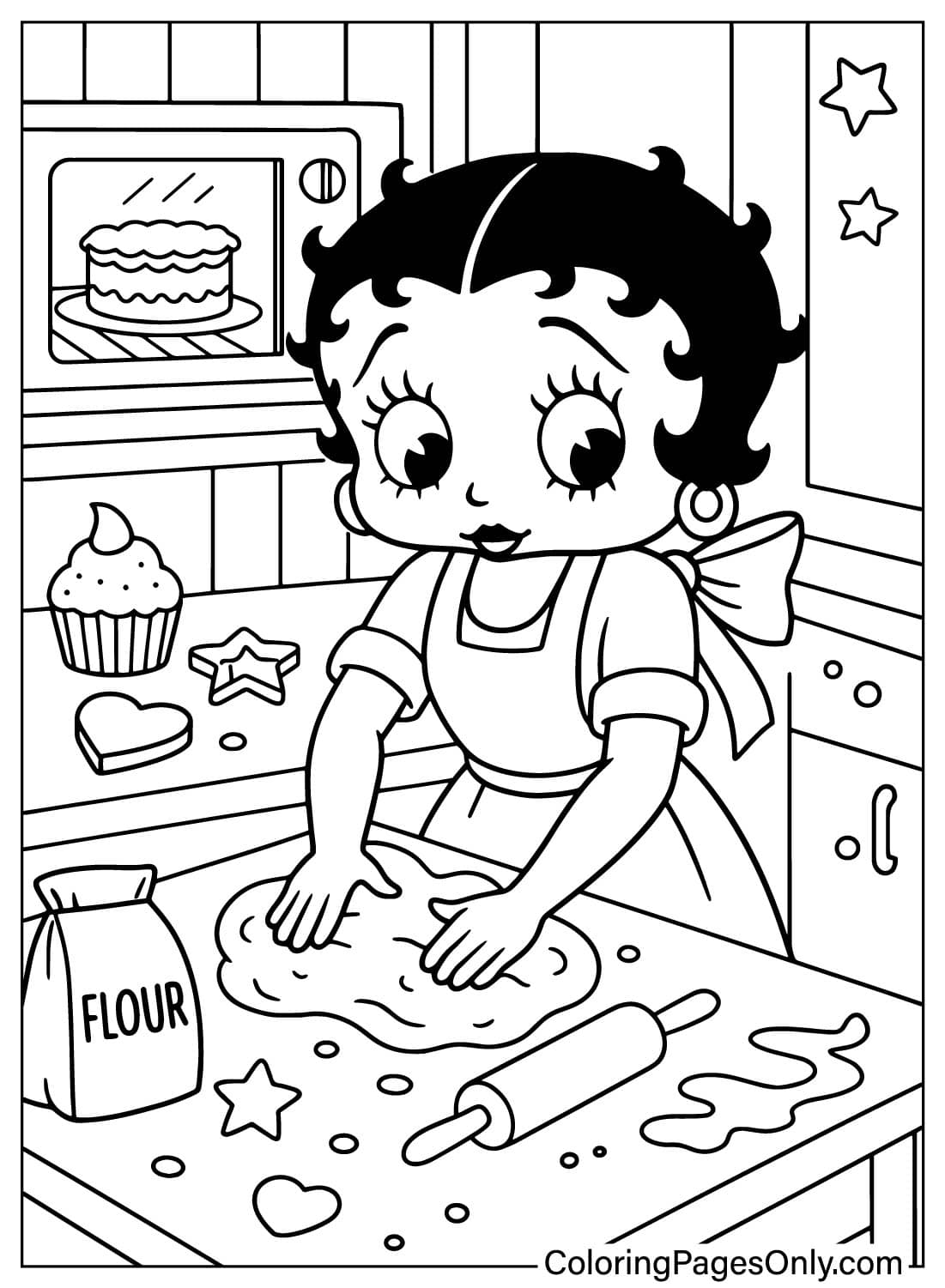
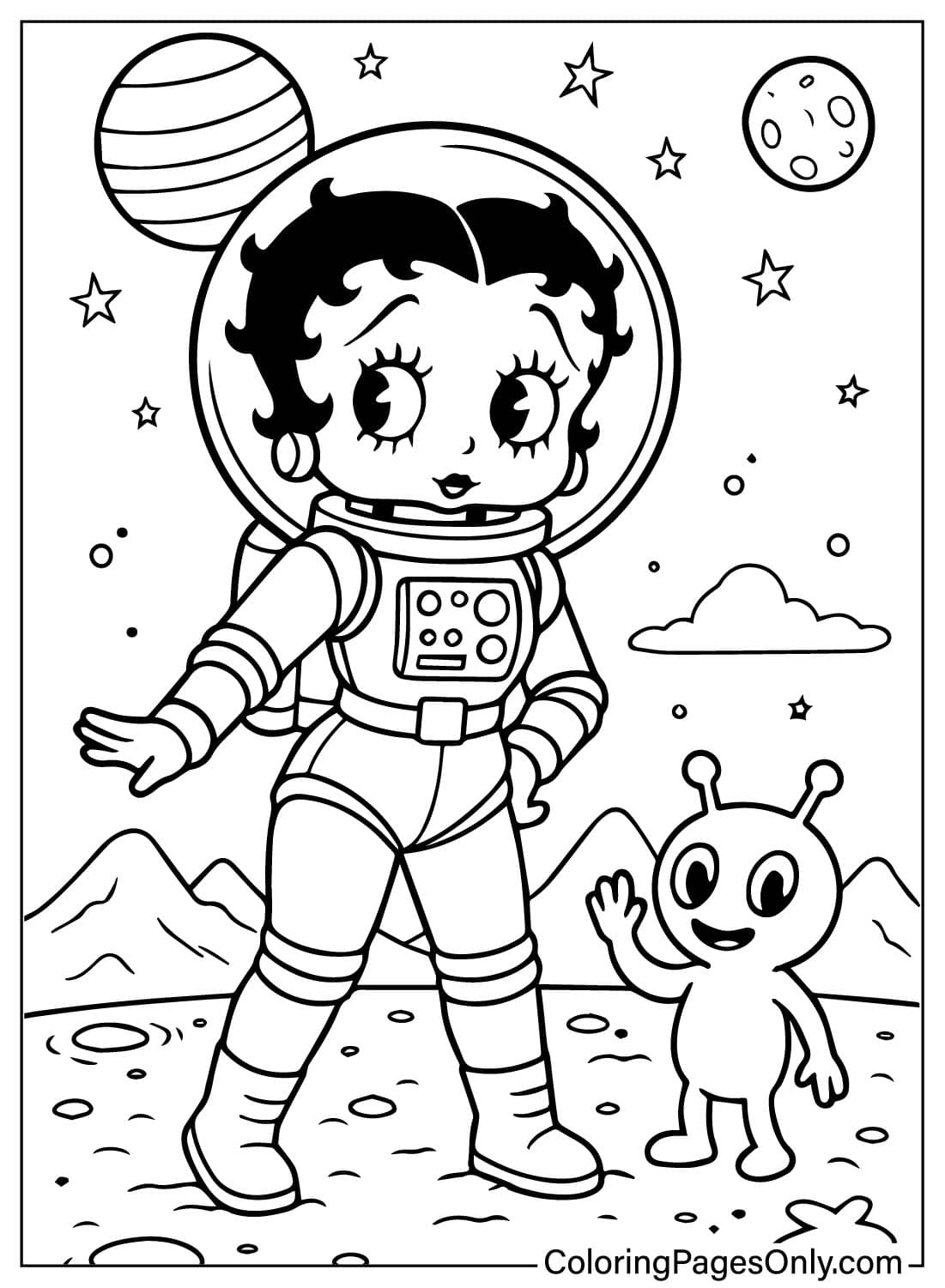
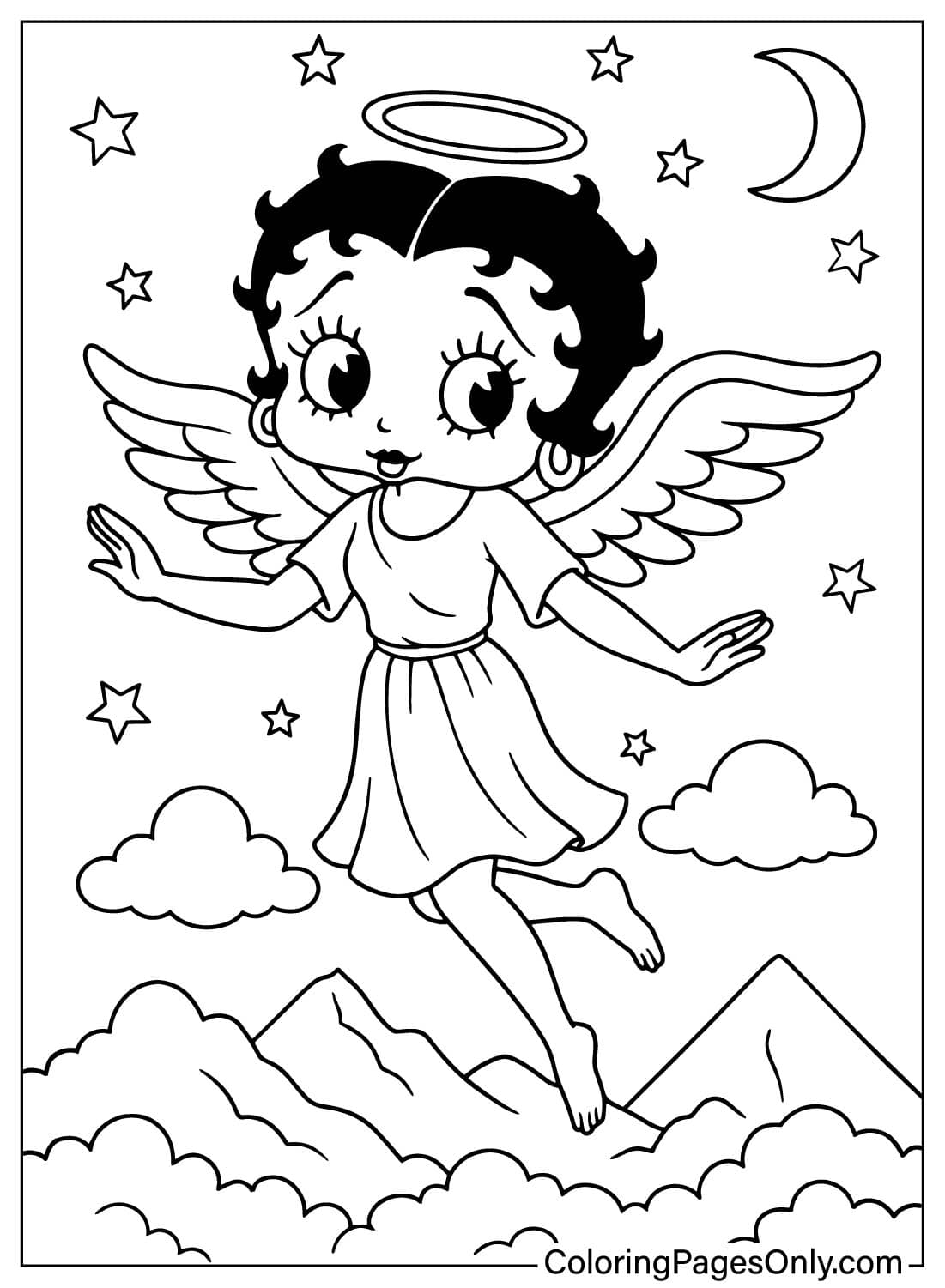
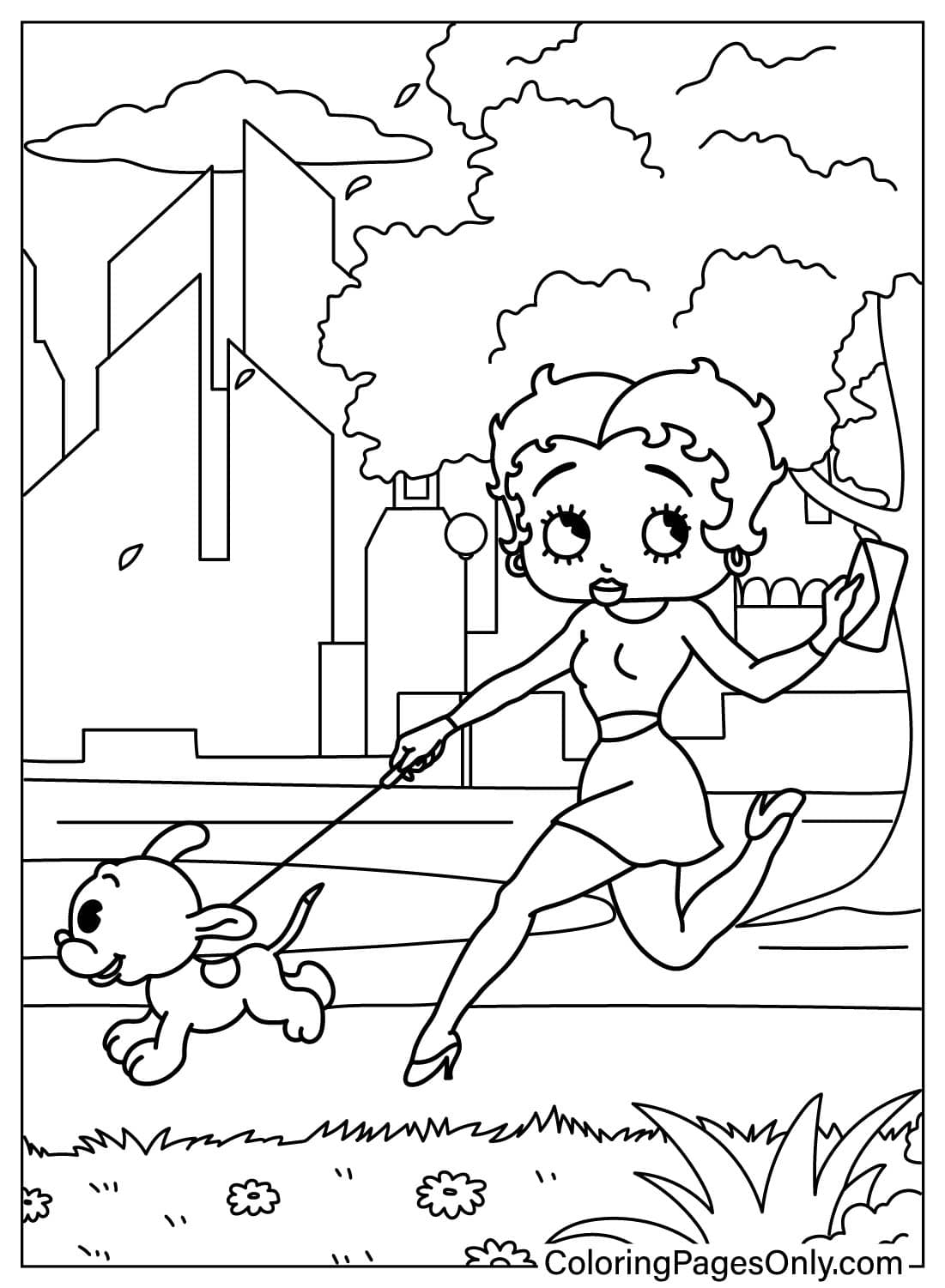
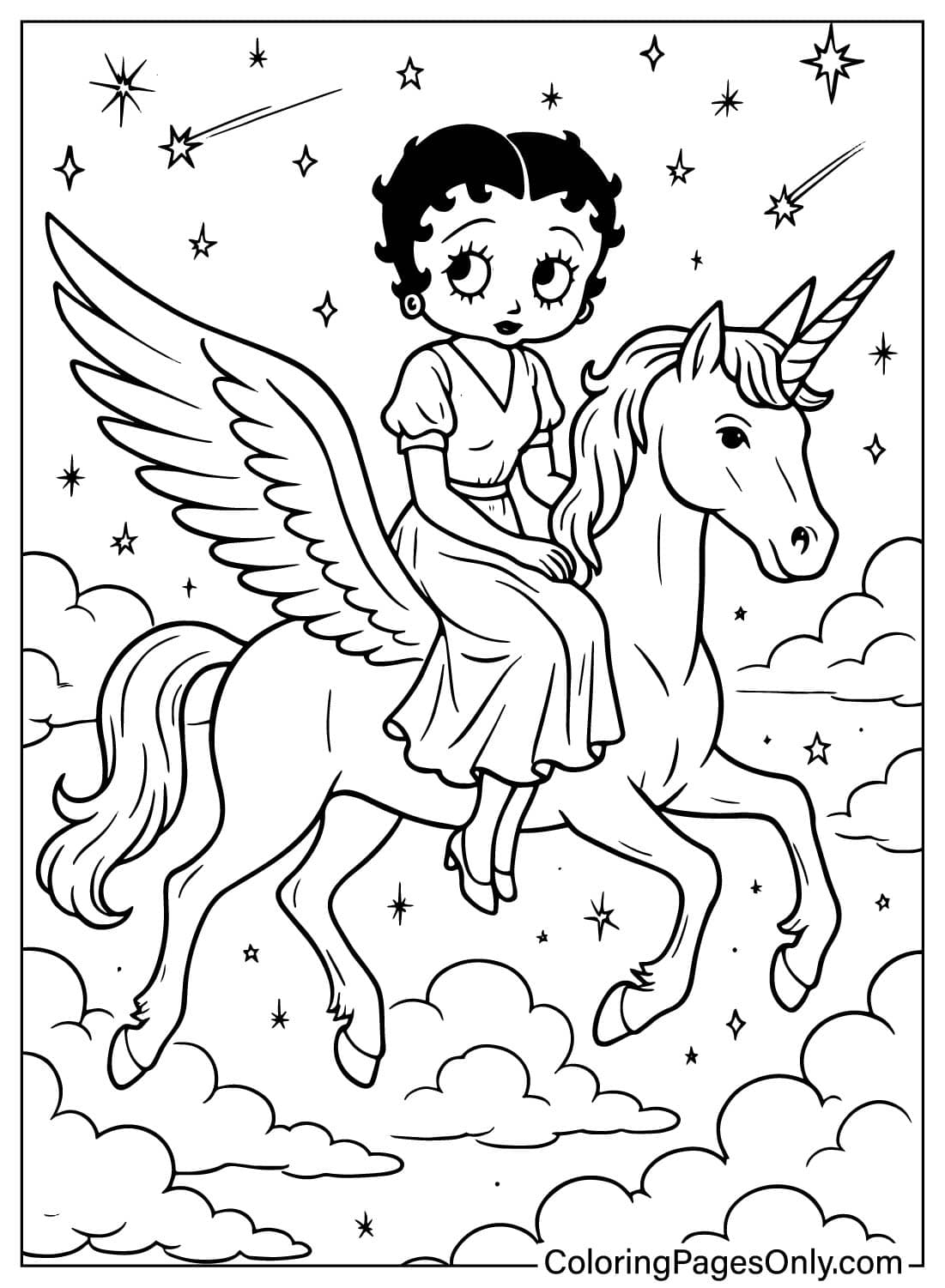
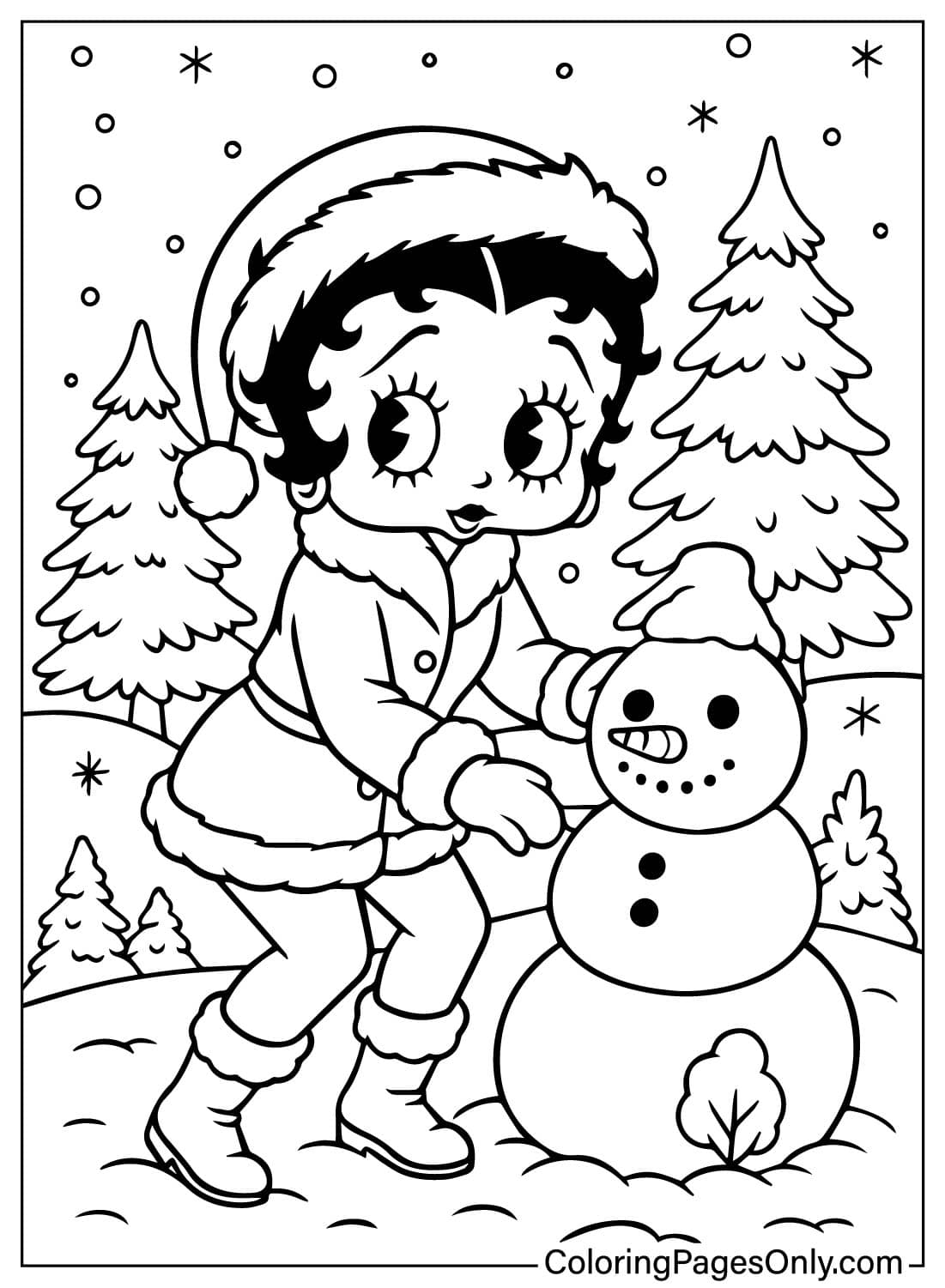
What’s Inside This Collection
The 32 designs group into five categories, from classic poses and glamour to seasonal scenes.
Classic Poses and Glamour
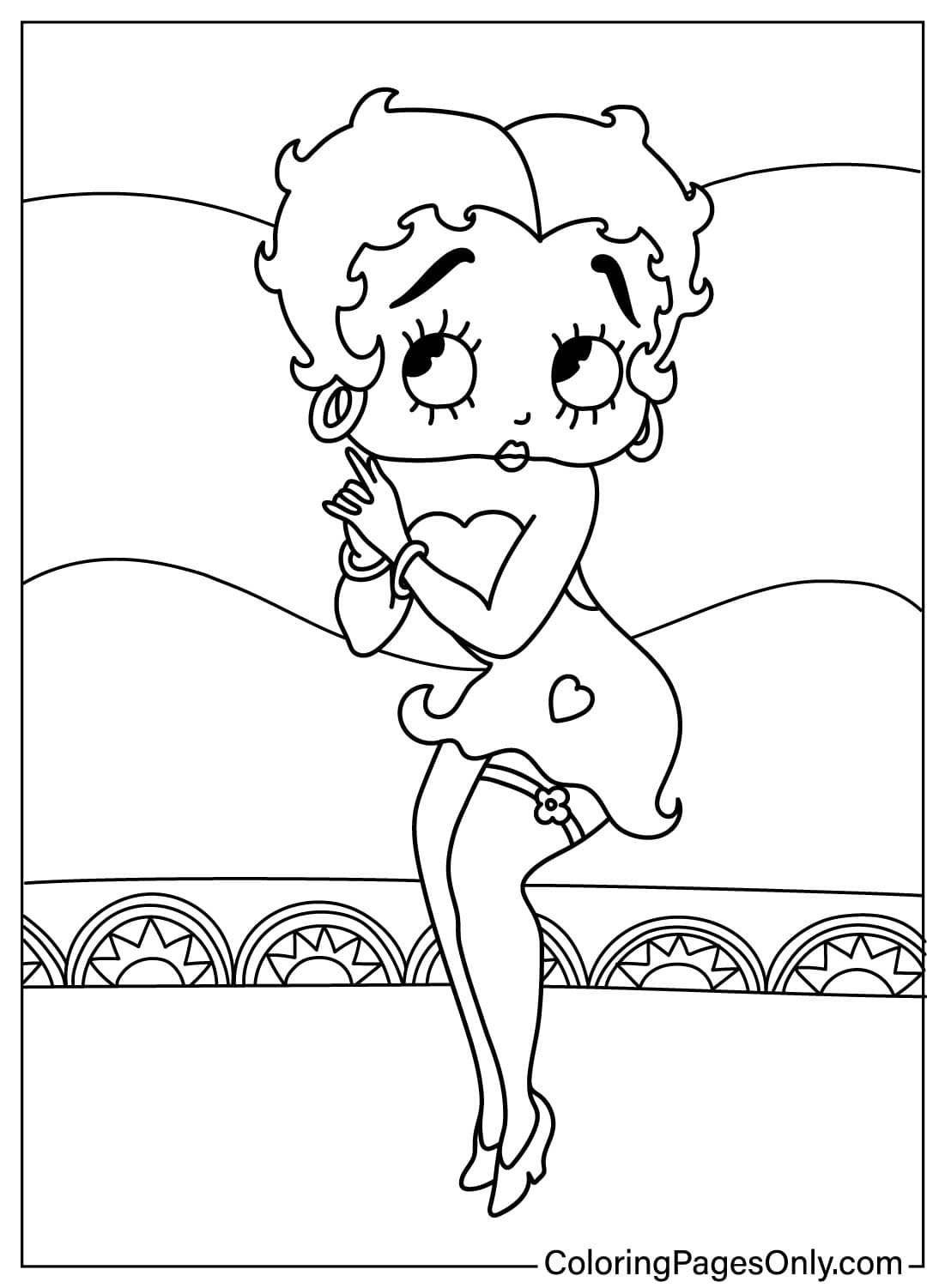
Eight pages capture Betty Boop’s signature vintage look, from a simple portrait to a red-carpet-ready pose. Classic red, black, and gold work well here, echoing the glamorous color palette long associated with her style.
Fantasy and Fairy-Tale Roles
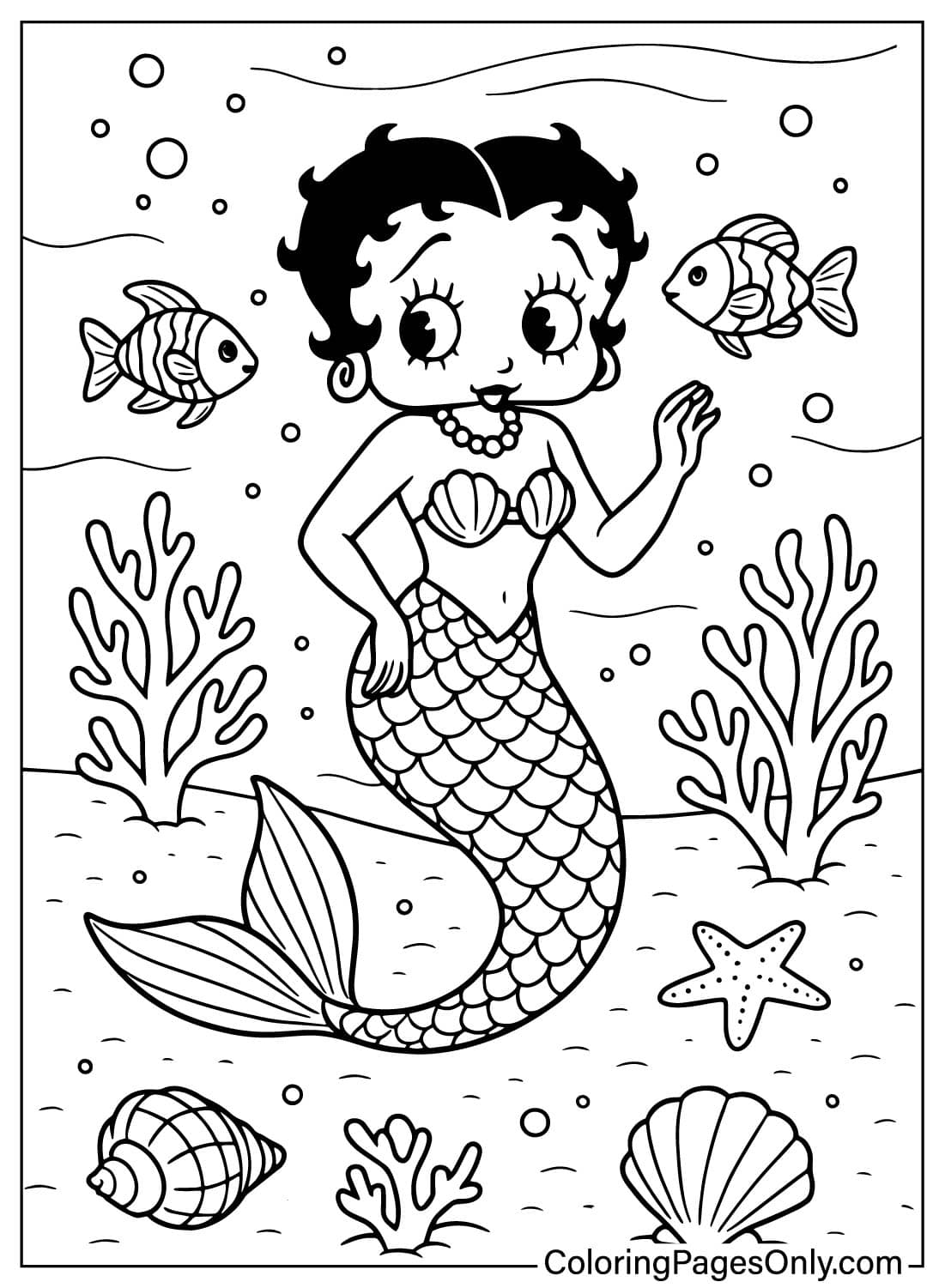
Seven pages dress Betty as a mermaid, queen, princess, angel, or astronaut. Bright, imaginative colors work well for these designs, since each costume calls for its own distinct palette.
Everyday Activities and Careers
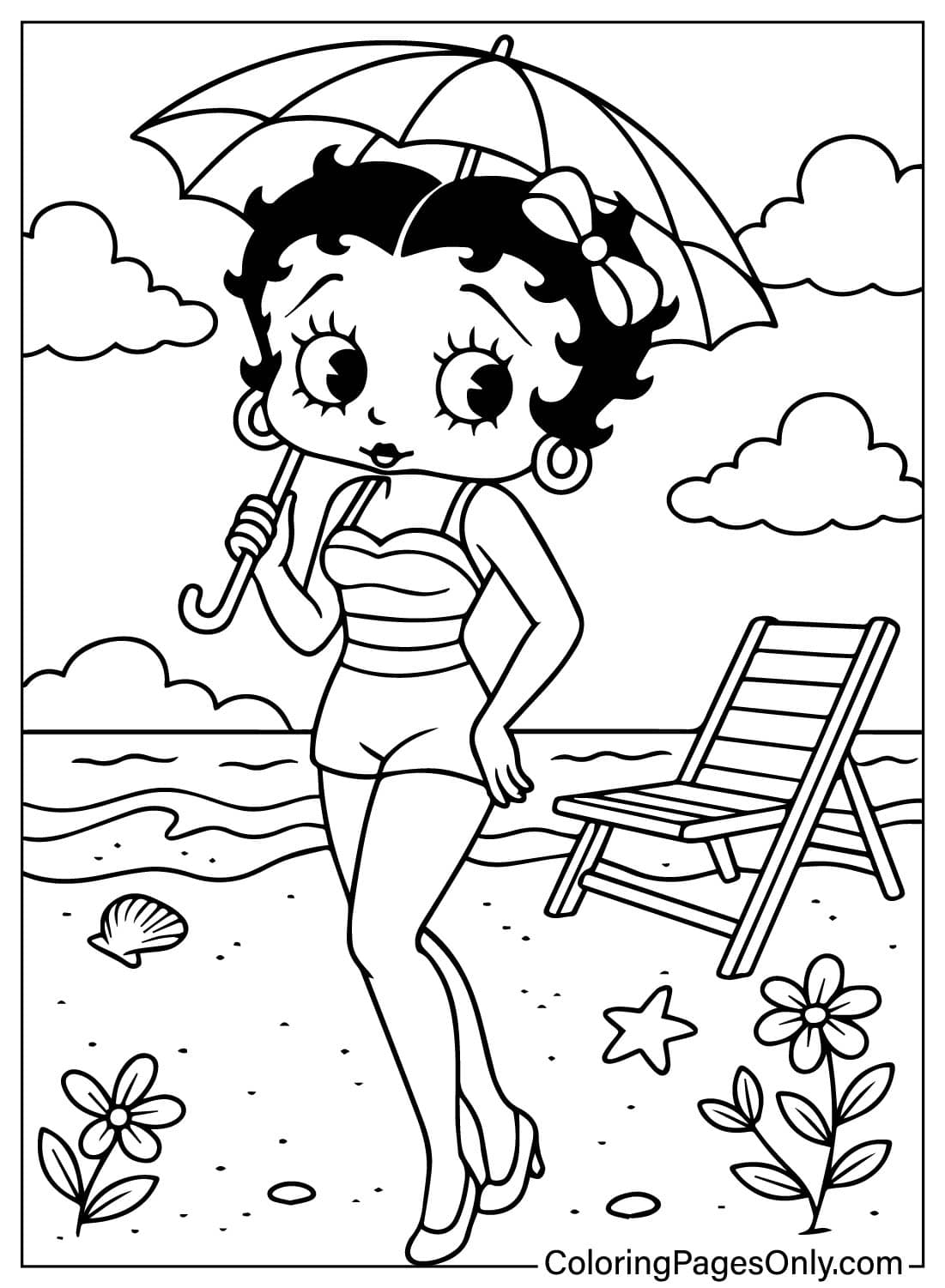
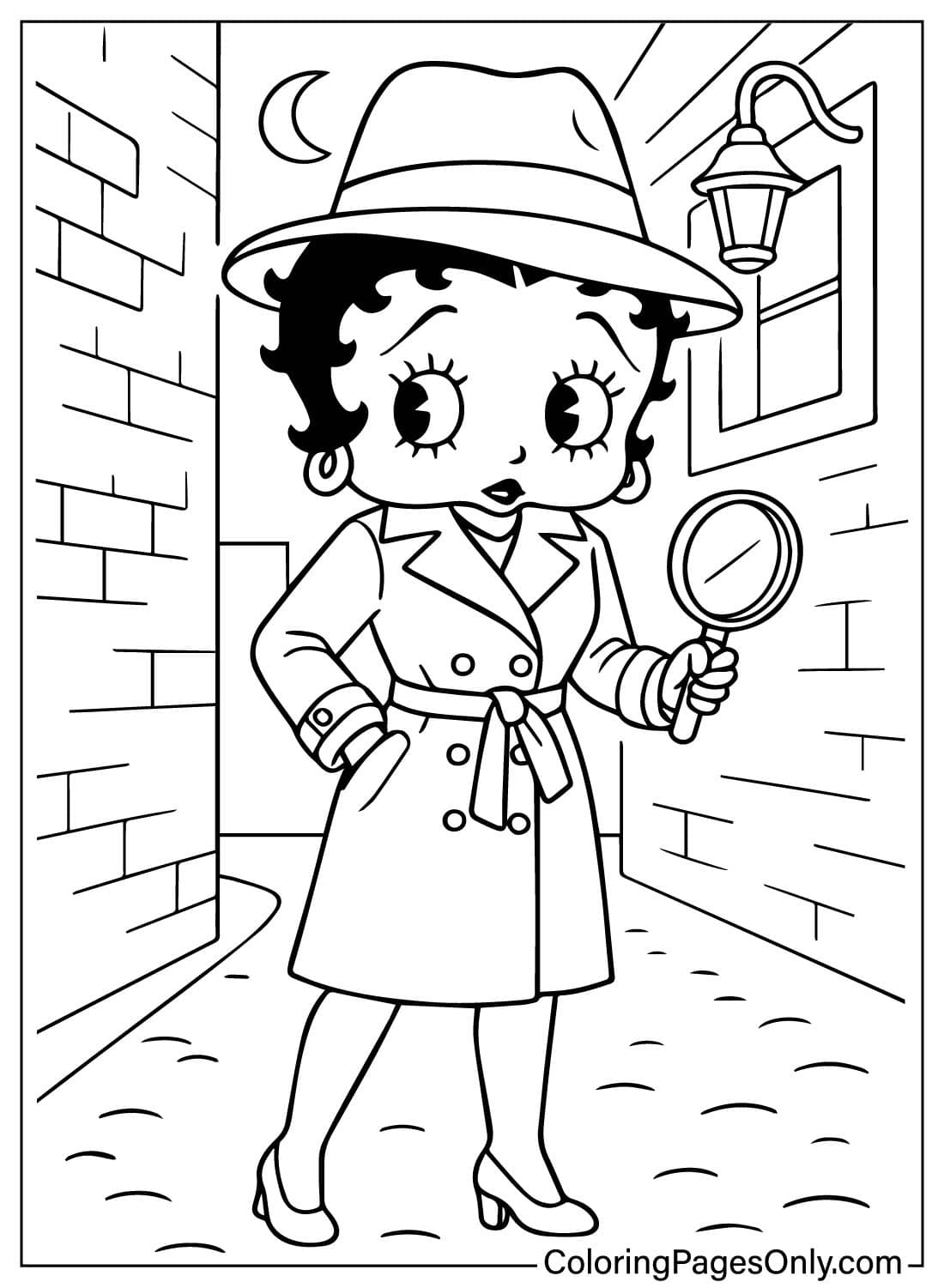
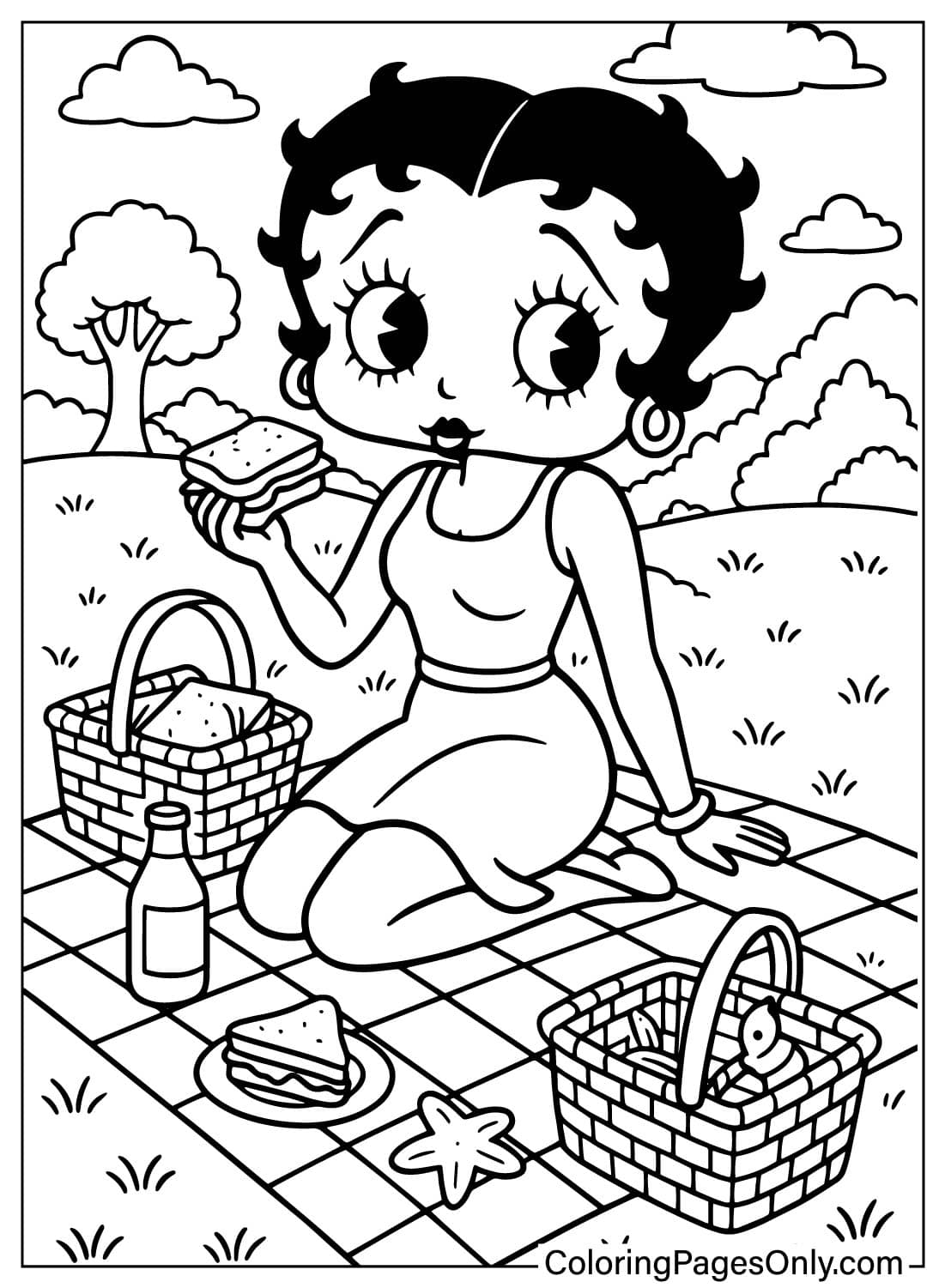
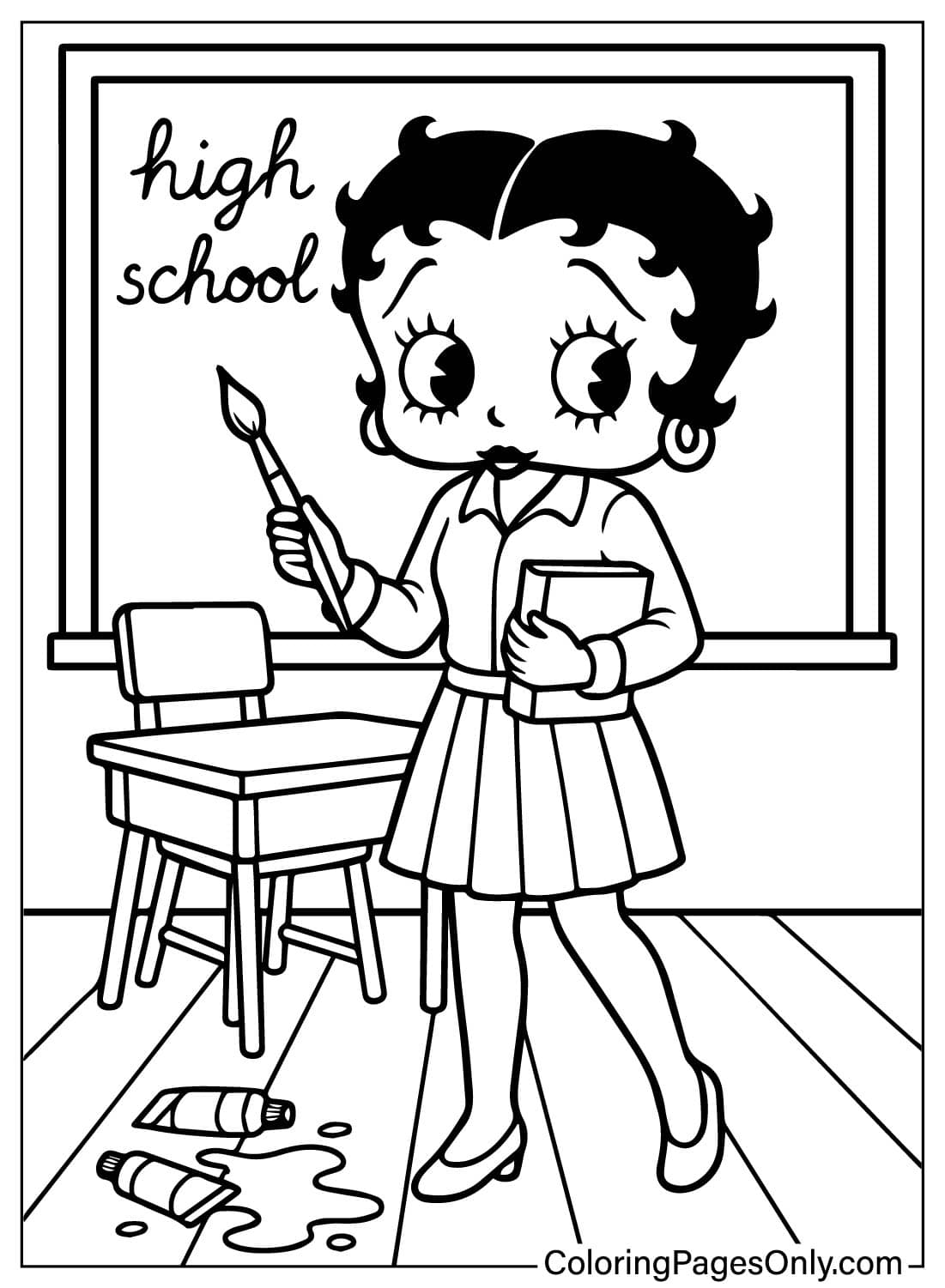
Ten pages show Betty at the beach, studying, cooking, dancing, or trying her hand at other everyday activities. Warm, varied colors suit these scenes, keeping her signature red dress as a consistent anchor across different settings.
Moments with Pudgy and Friends
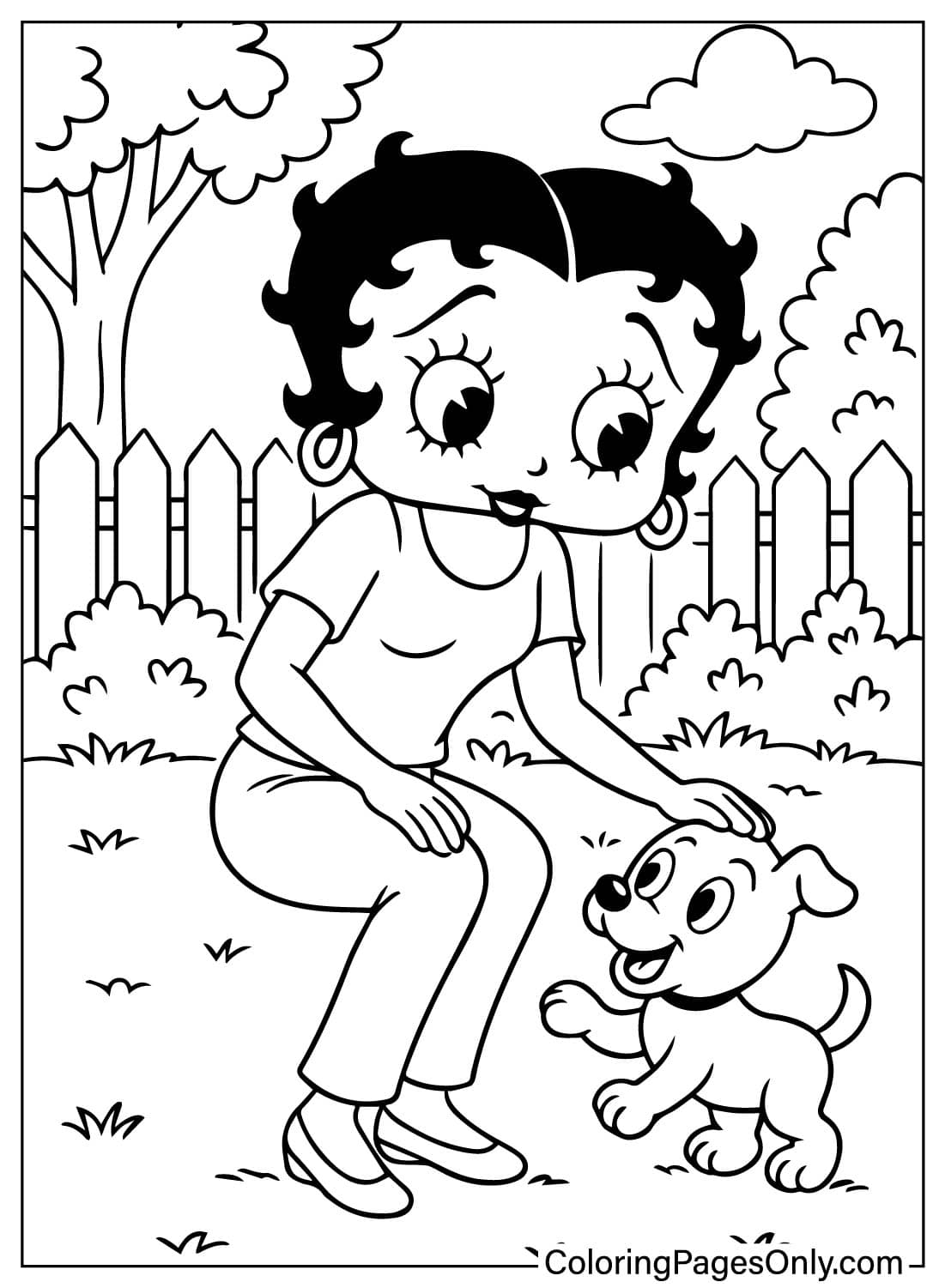
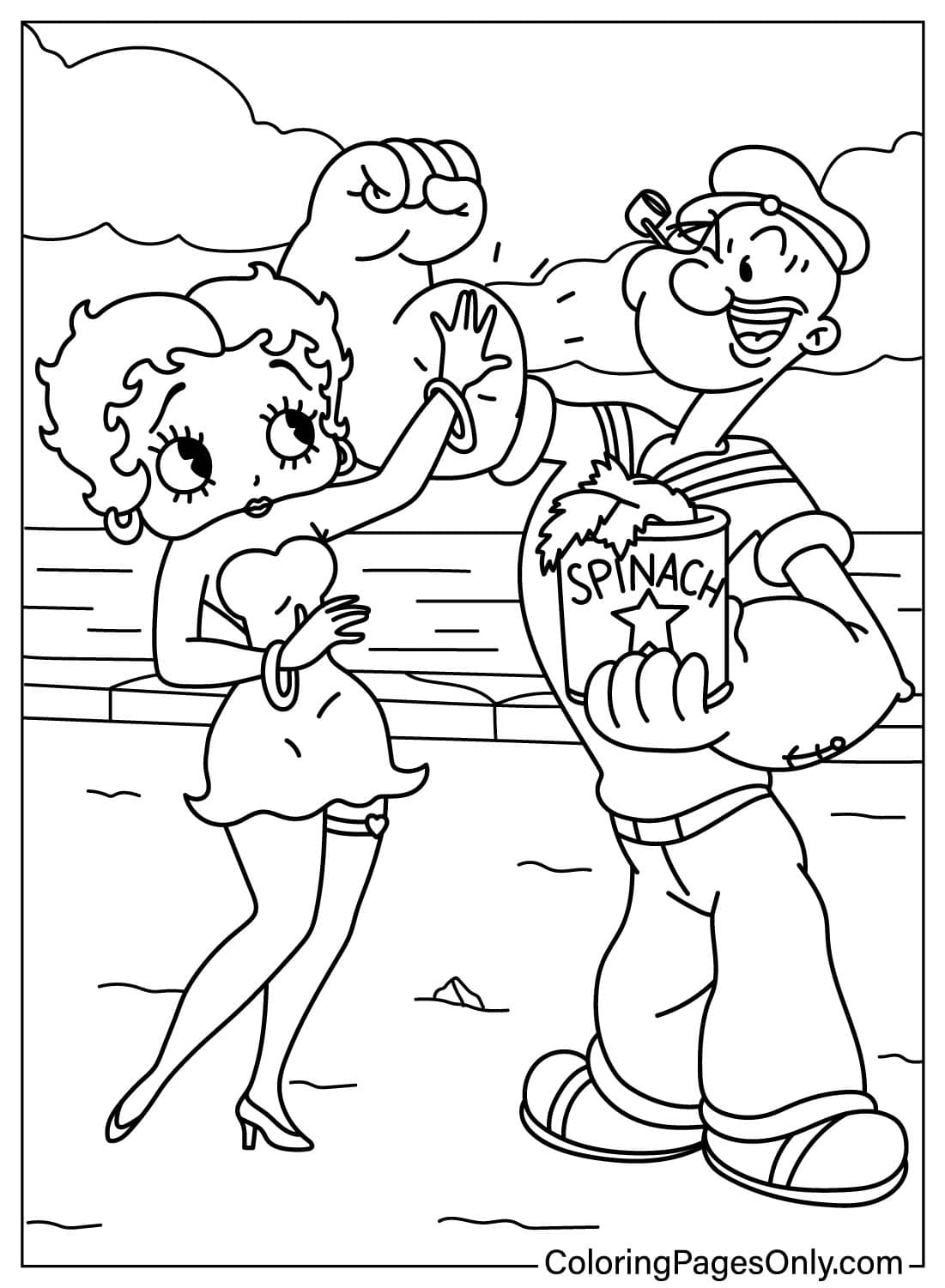
Four pages feature Betty alongside her loyal dog, Pudgy, or fellow classic cartoon character Popeye. Keep Pudgy a warm brown or tan to make him easy to recognize whenever he appears.
Seasonal Scenes
Three pages set Betty within a holiday scene, including Christmas and a candy-themed setting. Bright reds and greens work well for these festive designs.
What Betty Boop Coloring Pages Do
Careful strokes for curled hair and small vintage details. Filling in Betty’s tight curls, hoop earrings, and the folds of her signature dress without crossing the lines calls for controlled, contained pencil movement, and the American Academy of Pediatrics points to this kind of precise coloring as a way to build fine motor skills in children between ages 2 and 7.
A gentle window into nearly a century of animation history. Because Betty Boop is one of the earliest animated characters still recognized today, coloring her page can open a simple conversation about how cartoons have changed since the 1930s, and how one character managed to stay familiar across so many decades.
A steady, repeatable rhythm. A 2005 study published in the Art Therapy Journal recorded measurable drops in anxiety among participants who completed structured coloring sessions, and the detailed, decorative shapes throughout this collection offer that same steady, low-pressure task.
Practice with a bold, retro color palette. Betty Boop’s classic look leans on a small set of striking colors, red, black, and gold, giving colorists a focused way to practice working within a deliberate, vintage-inspired palette rather than choosing colors freely.
How to Color Betty Boop Coloring Pages Well
- Dress: A classic Red works well for Betty’s signature strapless dress, though her costume-themed pages call for whatever color fits the role.
- Hair: Use a deep Black for her short, curled hair, keeping the curls defined with slightly darker shading underneath.
- Skin: A light, warm tone works well for skin, with a touch of pink on the cheeks for her classic rosy look.
- Accessories: Gold works well for hoop earrings and other jewelry, adding a glamorous accent without overwhelming the page.
- Pudgy: Keep Betty’s dog a warm brown or tan, with a black nose and simple dark eyes to keep him easy to recognize.
- Backgrounds: Keep backgrounds simple on portrait-style pages, letting Betty’s outfit and pose remain the clear focal point.
5 Creative Craft Ideas With Betty Boop Coloring Pages
1. Vintage Postcard
Color a Betty Boop page on cardstock, trim it to postcard size, and write a short note on the back for a retro-style keepsake.
2. Framed Wall Art
Color a detailed Betty Boop portrait, mount it on cardstock, and frame the finished piece for a simple piece of retro-themed wall art.
3. Bookmark
Trim a small colored Betty Boop design to size, laminate or cover with clear tape, and punch a hole for ribbon to make a durable reading bookmark.
4. Themed Party Decoration
Color several Betty Boop pages, cut them out, and use them to decorate table settings or a photo backdrop for a vintage-themed party.
5. Greeting Card
Fold cardstock in half, mount a small colored Betty Boop design on the front, and write a message inside for a birthday or celebration card.
Frequently Asked Questions
What are Betty Boop coloring pages?
Betty Boop coloring pages are printable line-art designs featuring classic poses and glamour, fantasy and fairy-tale roles, everyday activities, moments with Pudgy and friends, and seasonal scenes. This collection includes 32 free designs available as PDFs or online coloring.
When did Betty Boop first appear?
Betty Boop first appeared on August 9, 1930, in the Fleischer Studios short Dizzy Dishes, originally designed as an anthropomorphic French poodle rather than the human character she later became.
Who created Betty Boop?
Betty Boop was designed by animator Grim Natwick at the request of studio founder Max Fleischer, with her look and mannerisms drawing inspiration from 1920s singer Helen Kane.
When did Betty Boop become fully human?
Betty Boop’s dog-like features were gradually phased out, and by 1932, she had become the fully human, flapper-styled character most people recognize today.
Who is Pudgy?
Pudgy is Betty Boop’s loyal pet dog, a recurring character who appears alongside her in many classic cartoons and in several designs throughout this collection.
Is Betty Boop’s first cartoon available to the public?
Yes. Dizzy Dishes, Betty Boop’s 1930 debut cartoon, entered the United States public domain on January 1, 2026.
Are Betty Boop coloring pages suitable for young children?
Yes. The simple, printable designs in this collection use bold, uncluttered outlines suited to preschool and early elementary colorists. At the same time, the more detailed glamour and costume pages work well for older fans.
What colors work best for Betty Boop?
Classic red for her dress, black for her curled hair, and gold accents for jewelry create the most recognizable, vintage Betty Boop look.
Start Coloring
Download any page by clicking the design. No account, email, or payment is required. Pages print directly from the browser at full resolution or open in the online coloring tool for screen use. Share finished pages on Facebook or Pinterest with the share buttons at the top of each design page.