
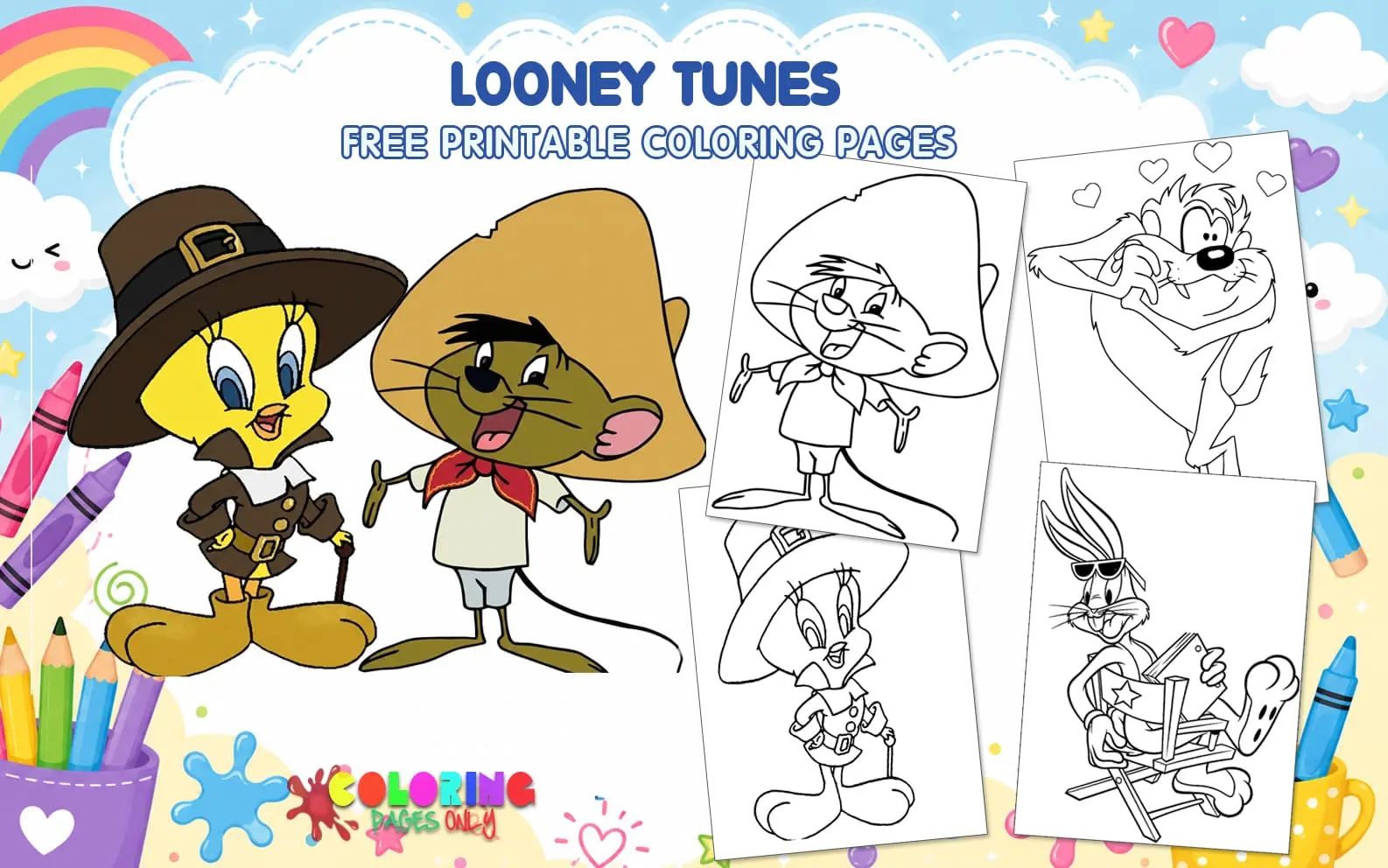
Free Looney Tunes Coloring Pages: 69 printable PDF designs featuring Bugs Bunny, Daffy Duck, Tweety, Sylvester, Taz, Road Runner, and other classic characters. Each page can be downloaded as a PDF to print or colored online in the browser.
Looney Tunes is a series of animated short films that Warner Bros. began producing in 1930. Porky Pig debuted in 1935, Daffy Duck followed in 1937, and Bugs Bunny appeared in his now-familiar form in the 1940 short “A Wild Hare,” where he first said his signature line, “What’s up, Doc?” Over the following decades, the studio built out a large cast of characters with sharply different personalities: Bugs stays cool and clever, Daffy turns every moment into drama, Tweety looks small and sweet but outsmarts Sylvester, Taz spins with wild energy, and Road Runner always stays a step ahead of Wile E. Coyote. This collection draws on that full roster, from solo character portraits to classic chase and rival pairings.
The set spans 69 pages, ranging from simple single-character portraits to detailed chase scenes, sports pages, holiday designs, and group illustrations.
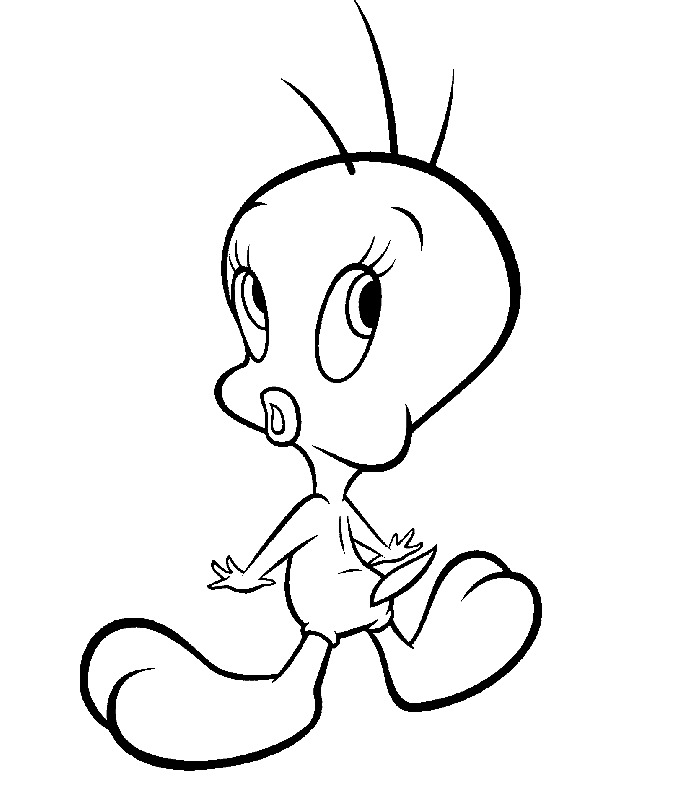
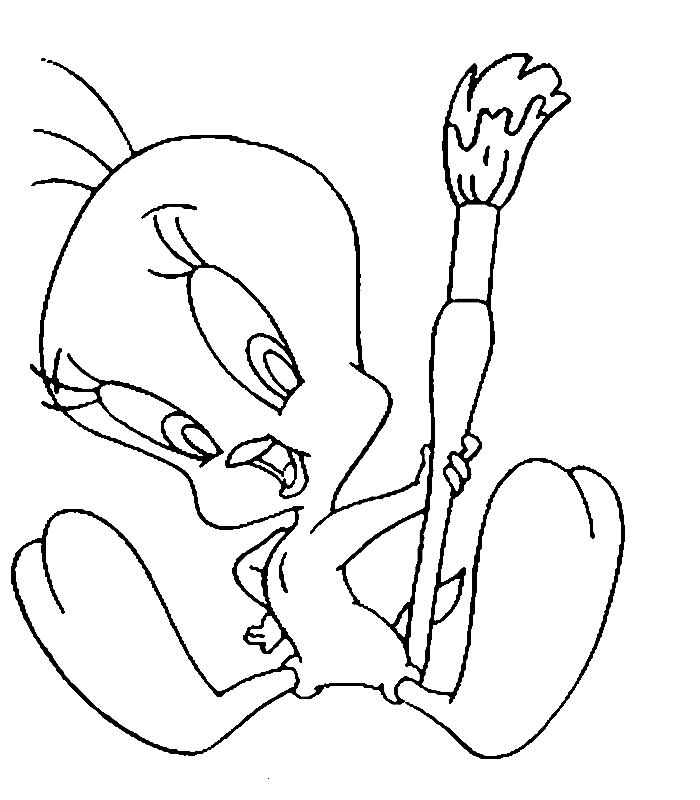
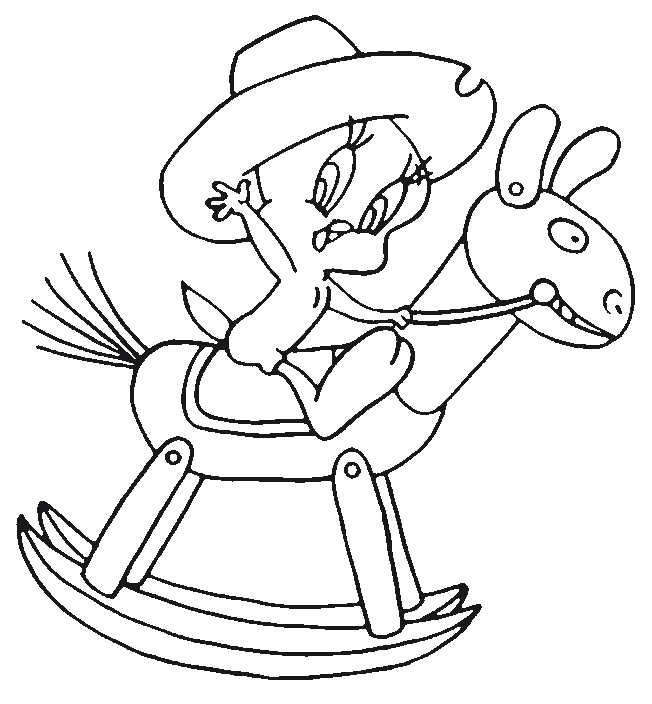
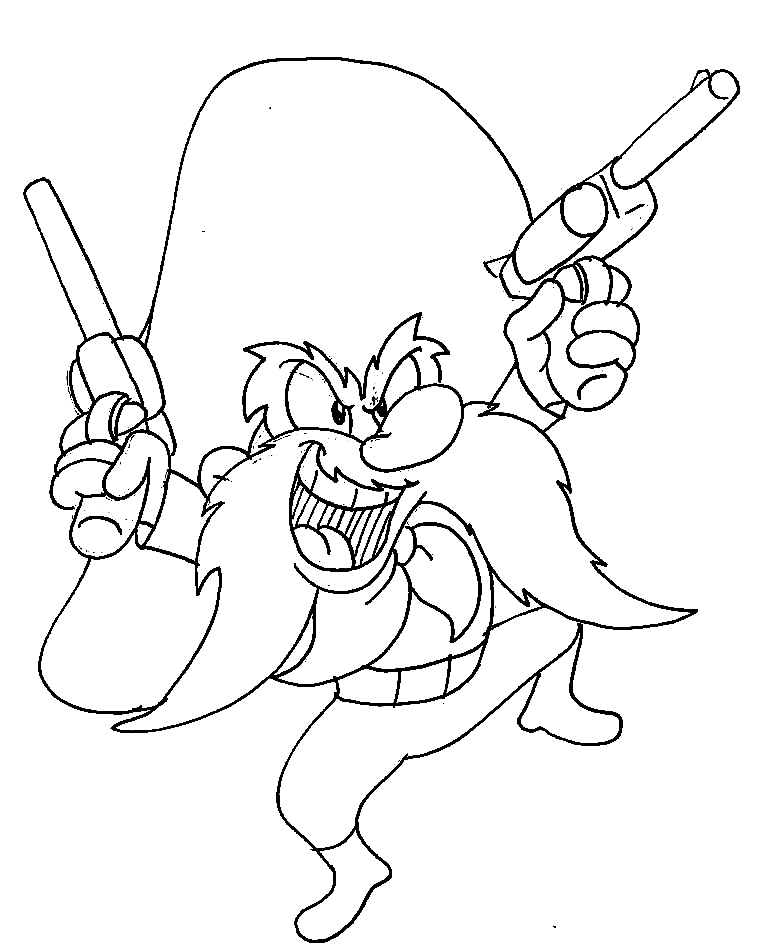

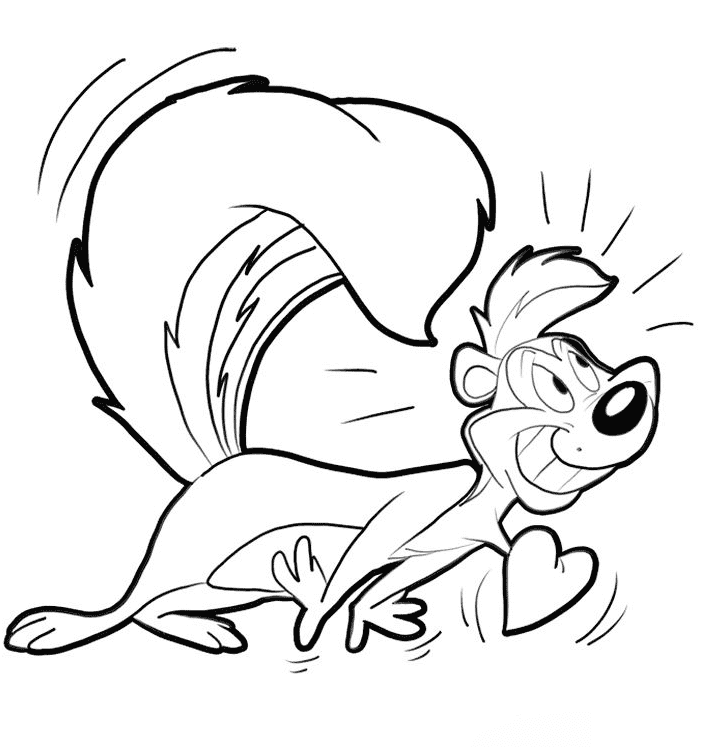
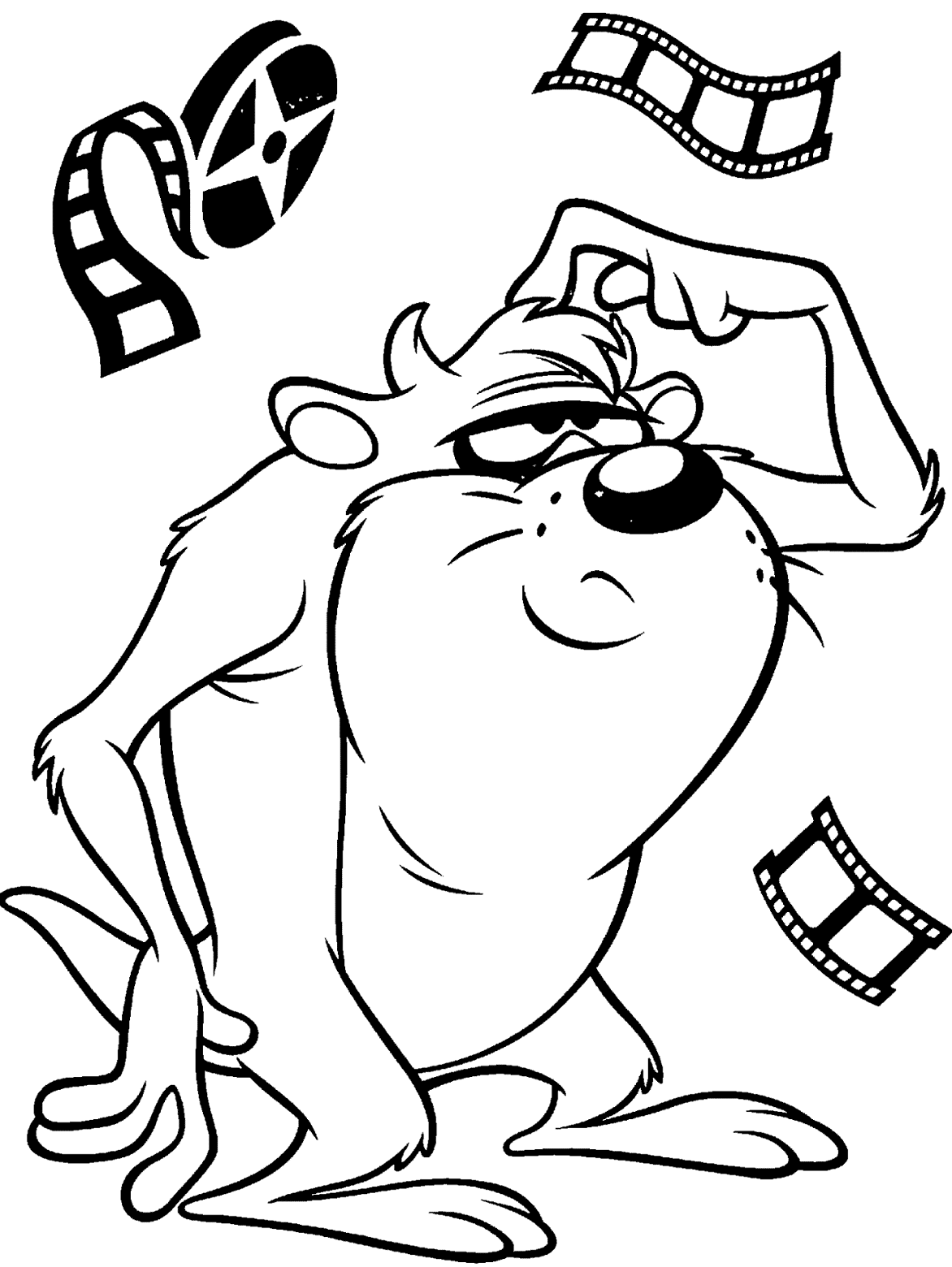

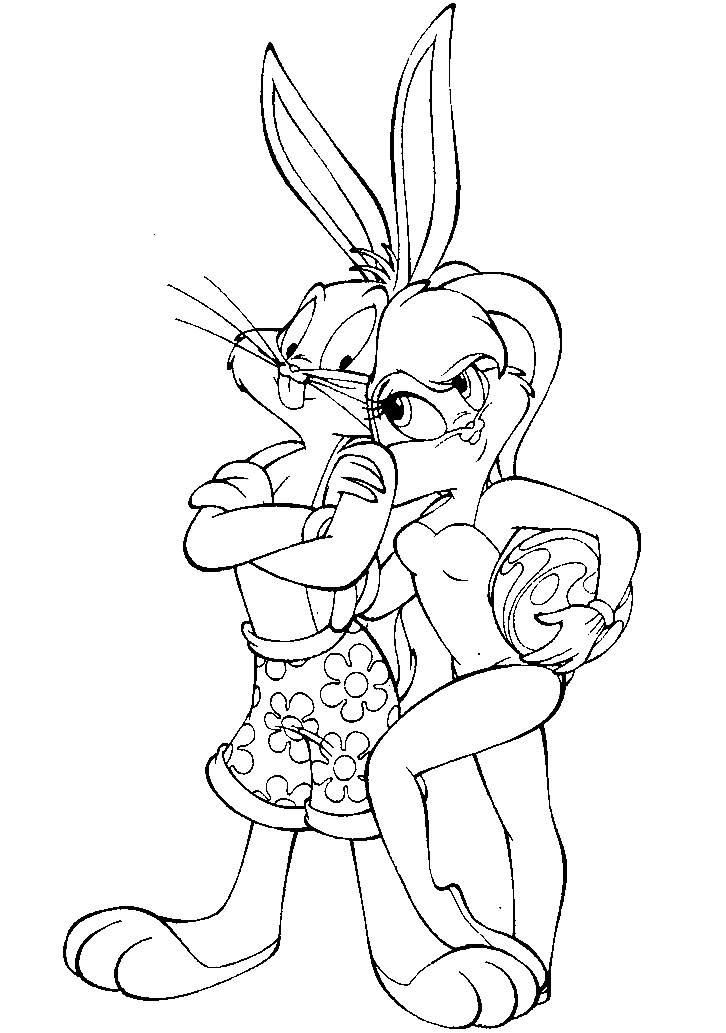
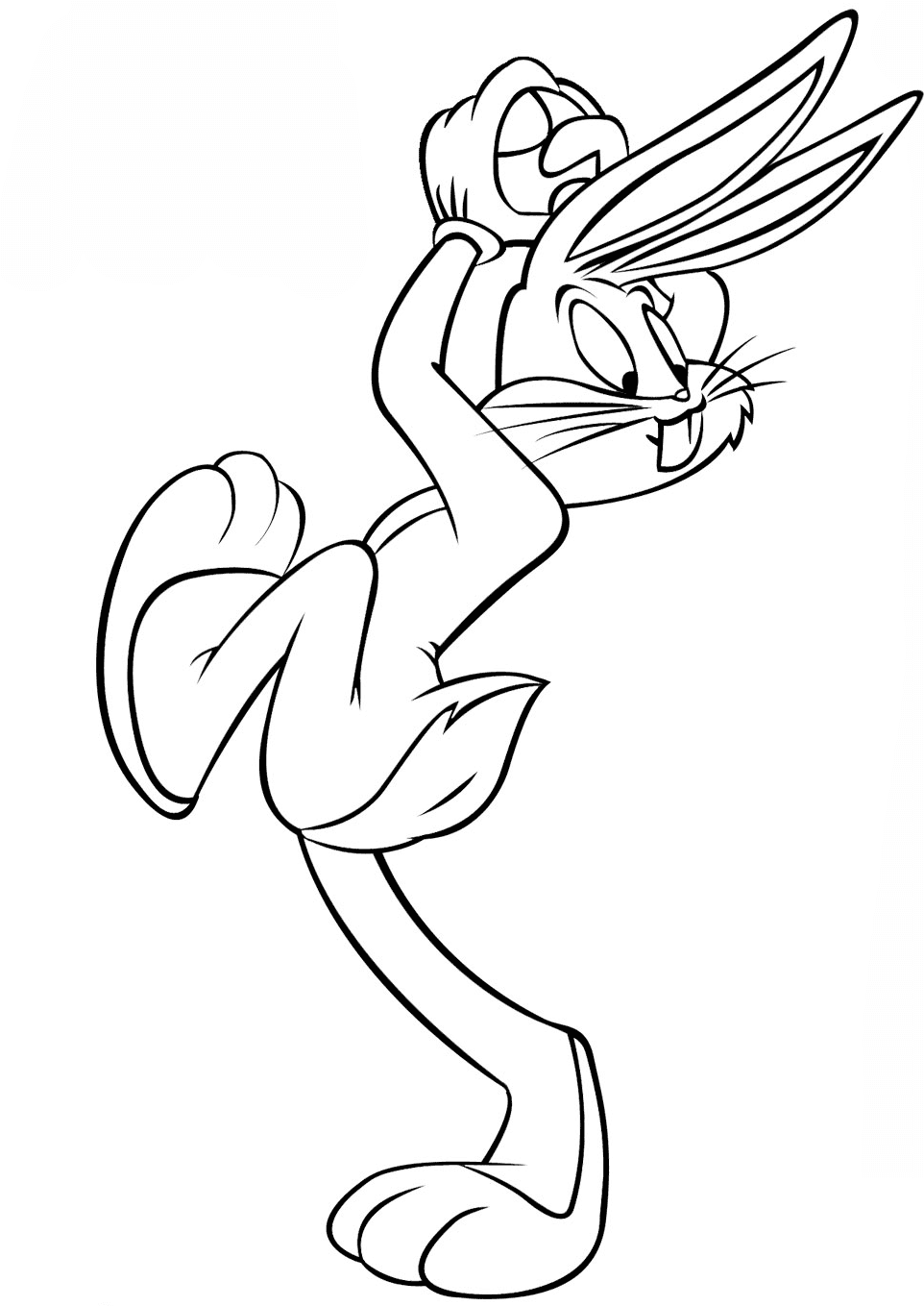

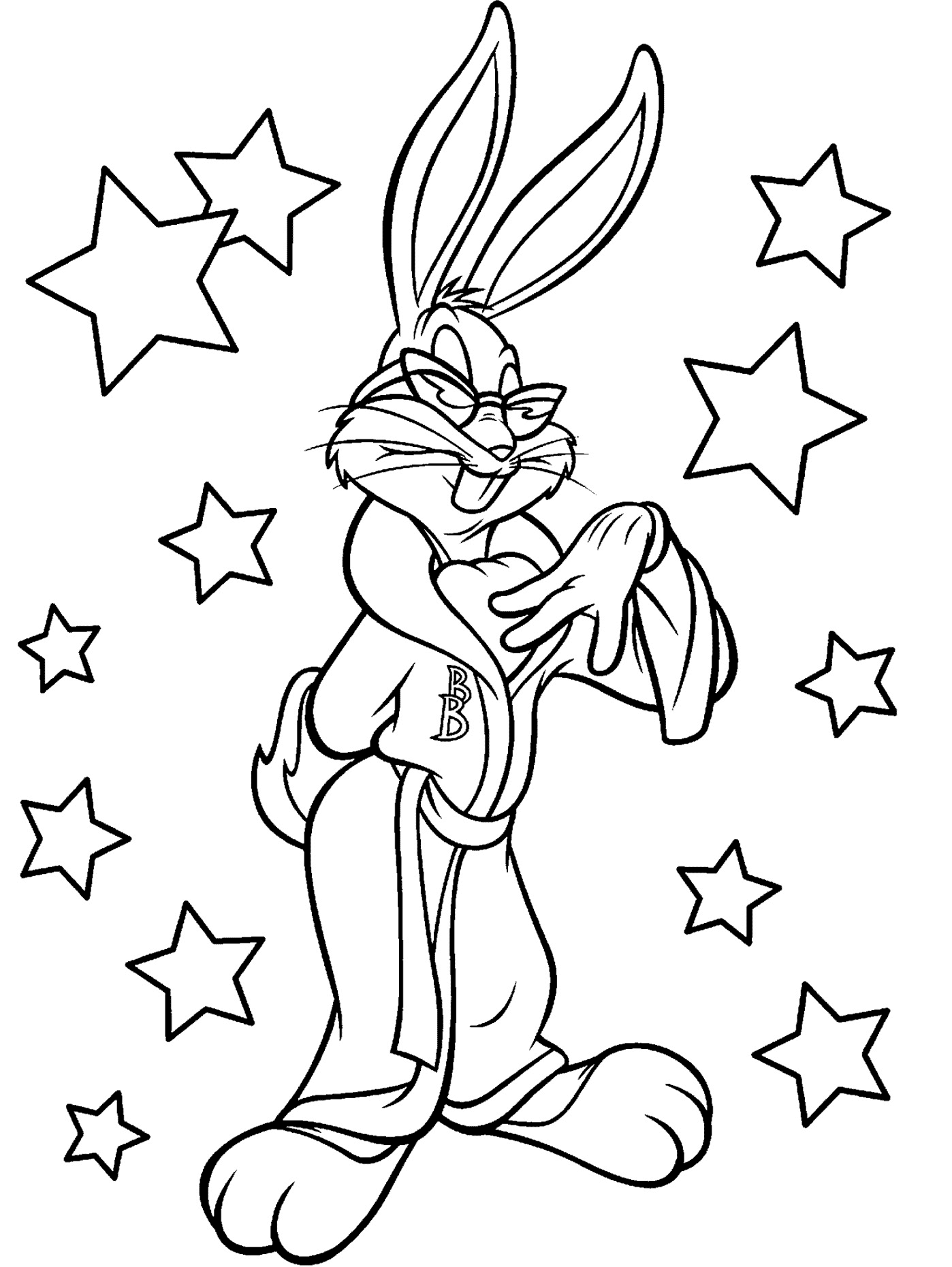
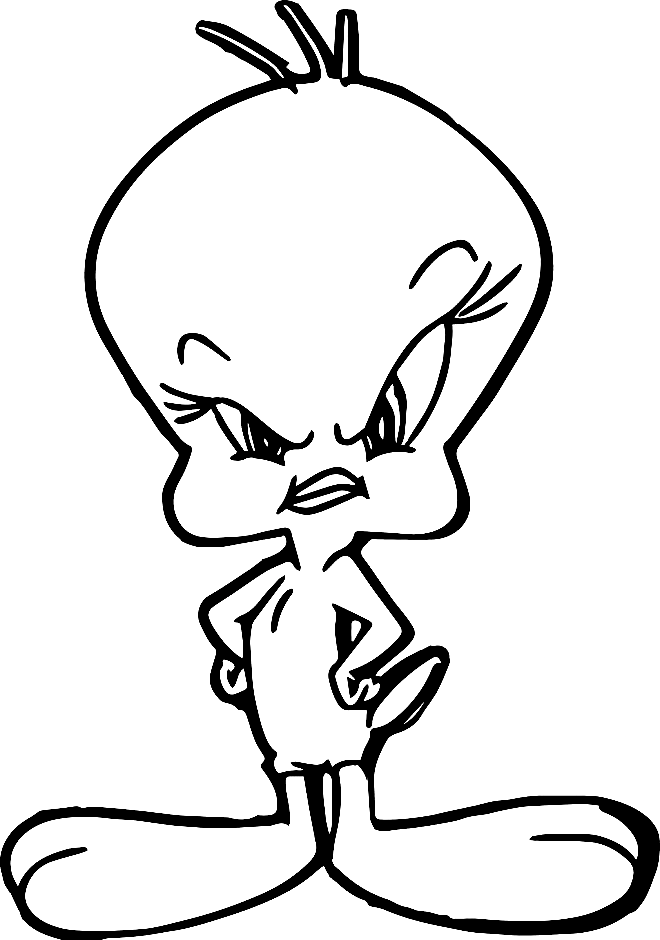
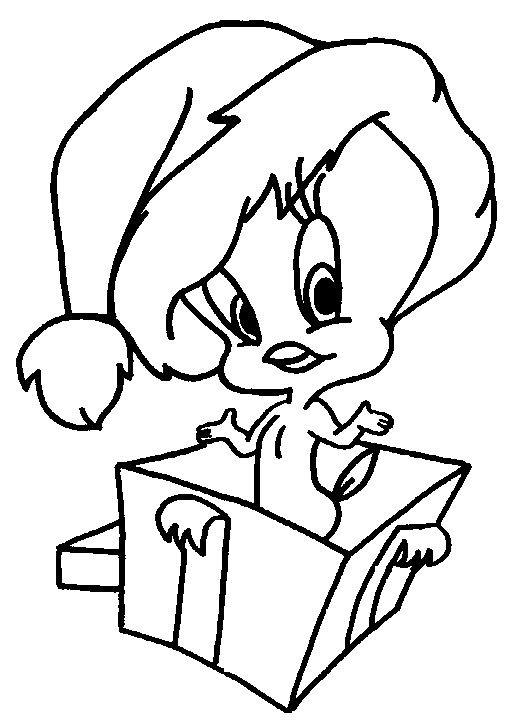
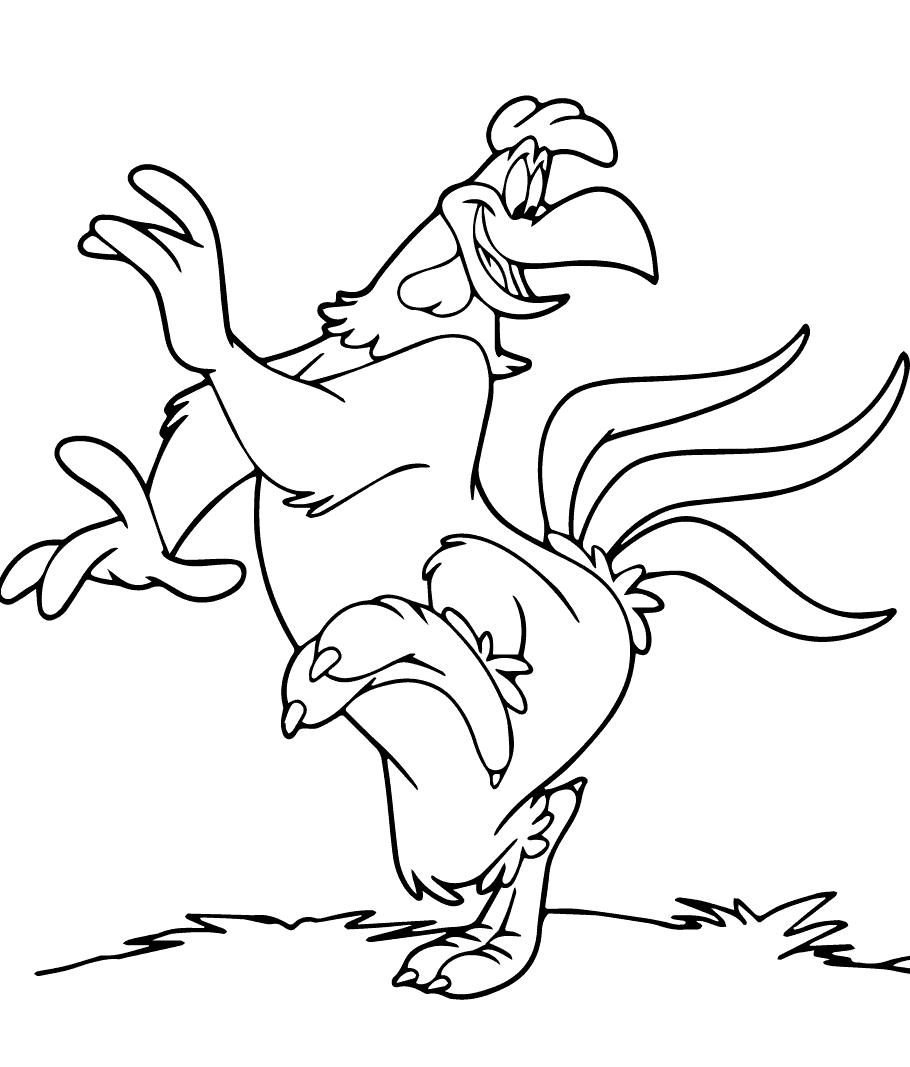

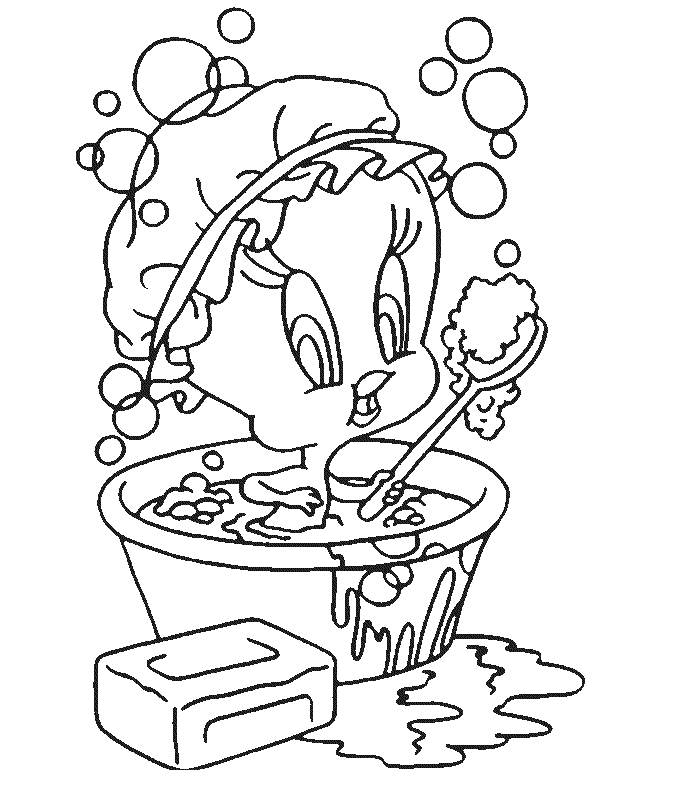
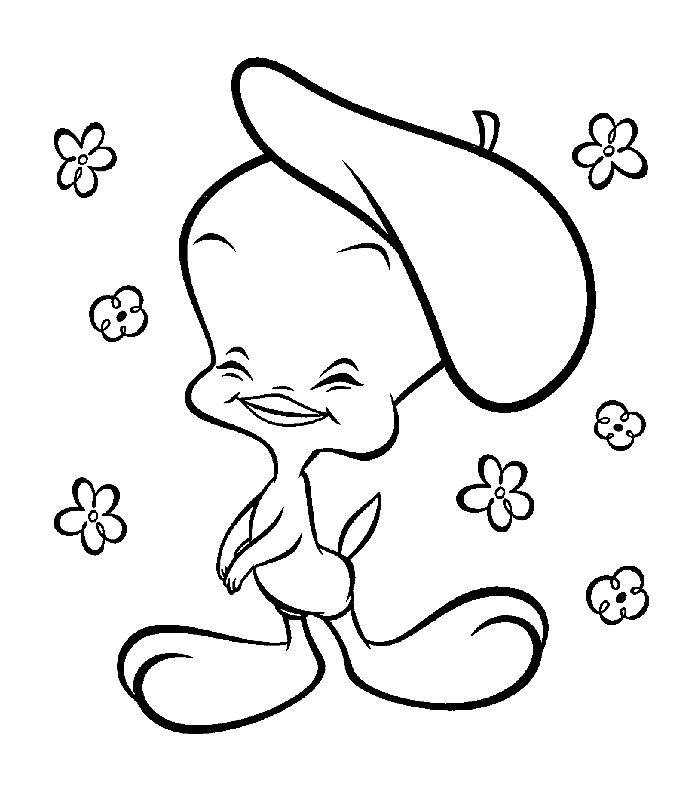
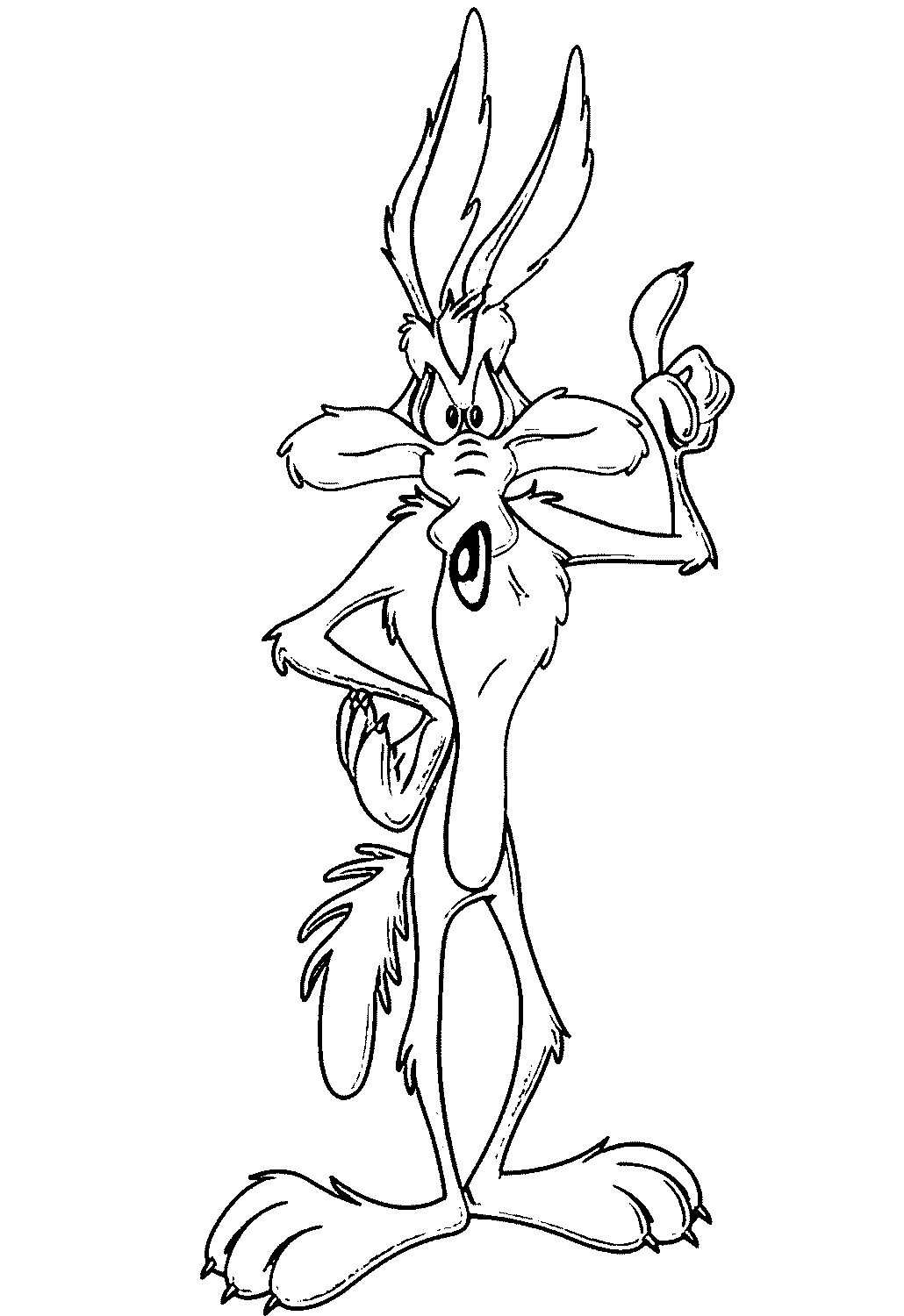

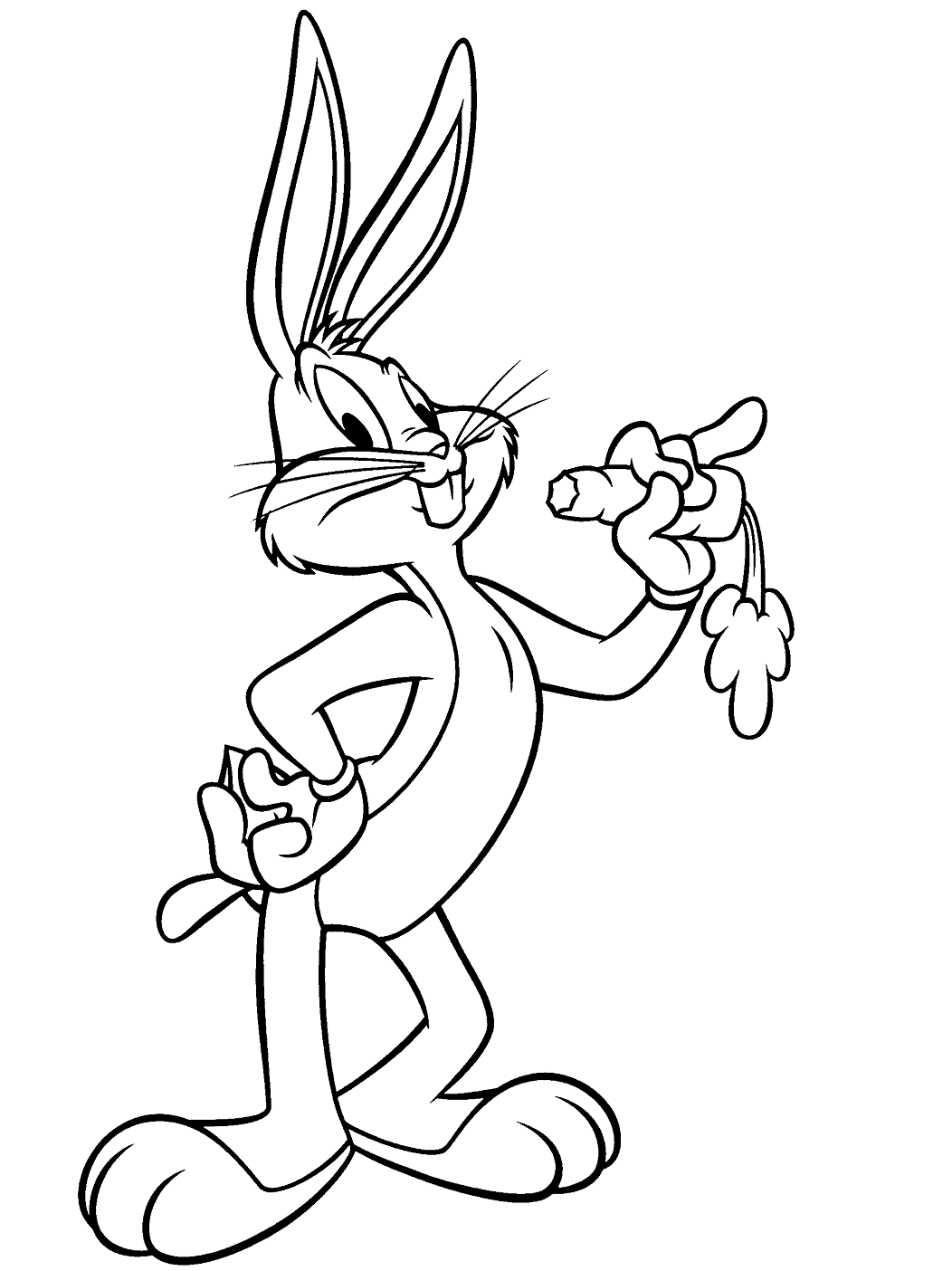
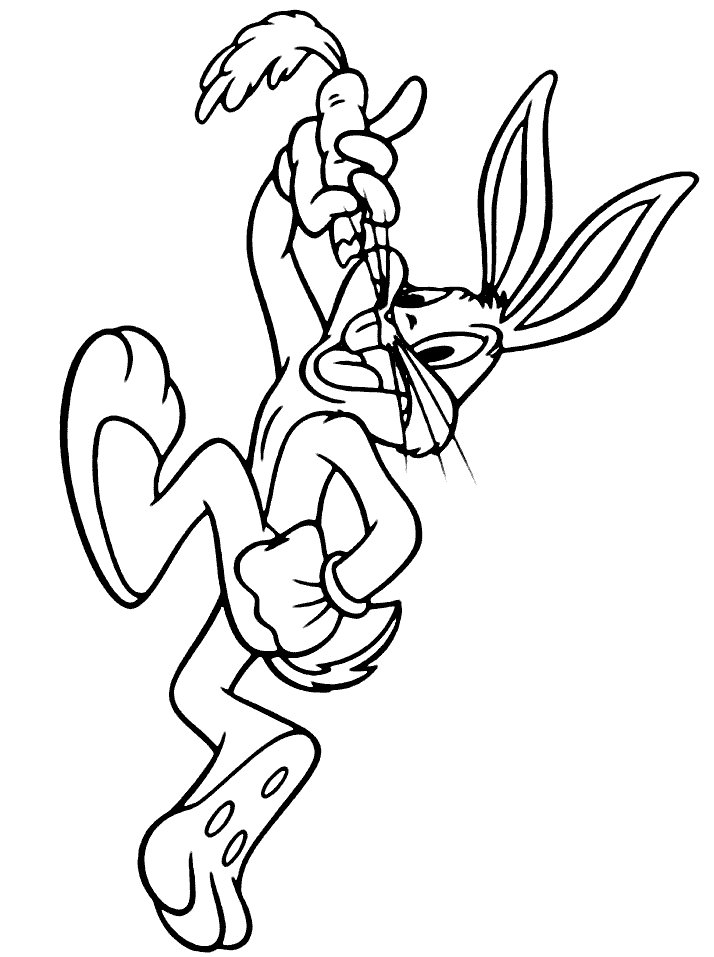
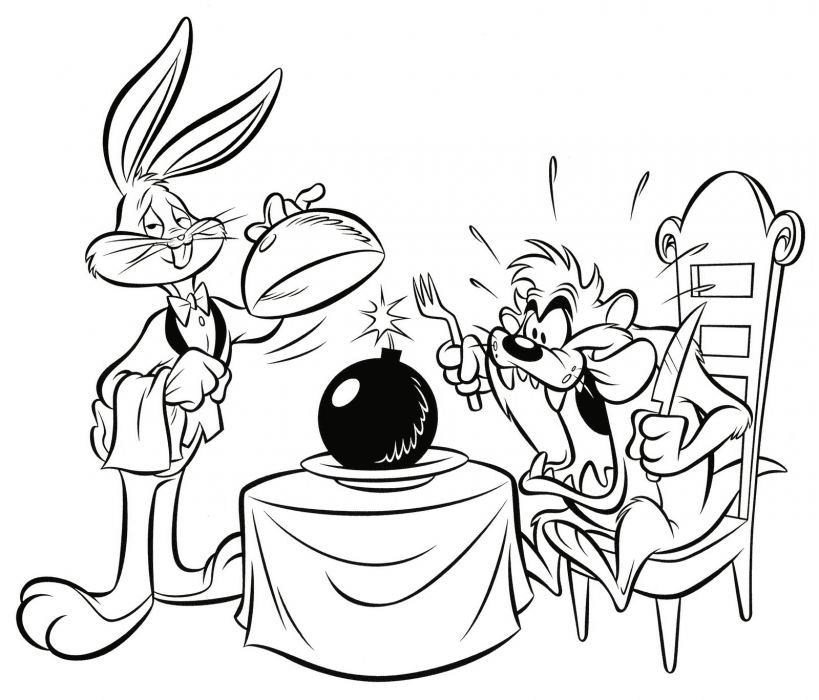
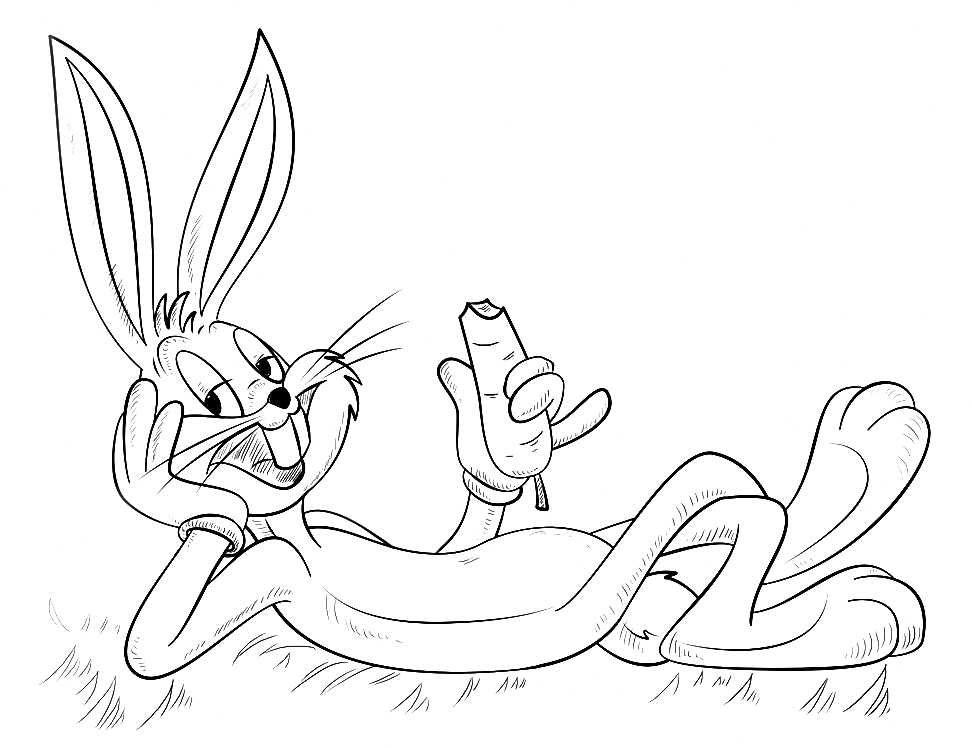
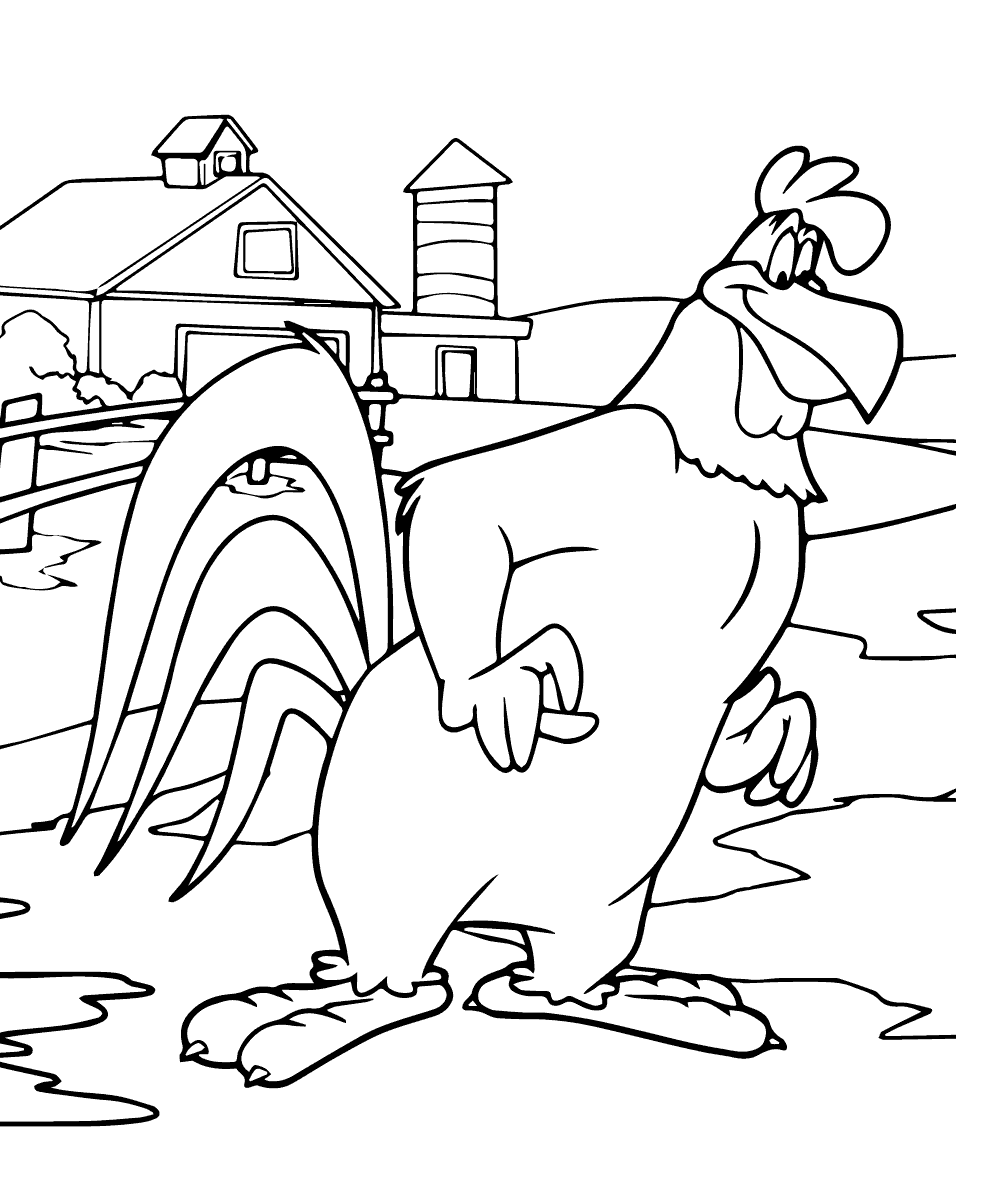
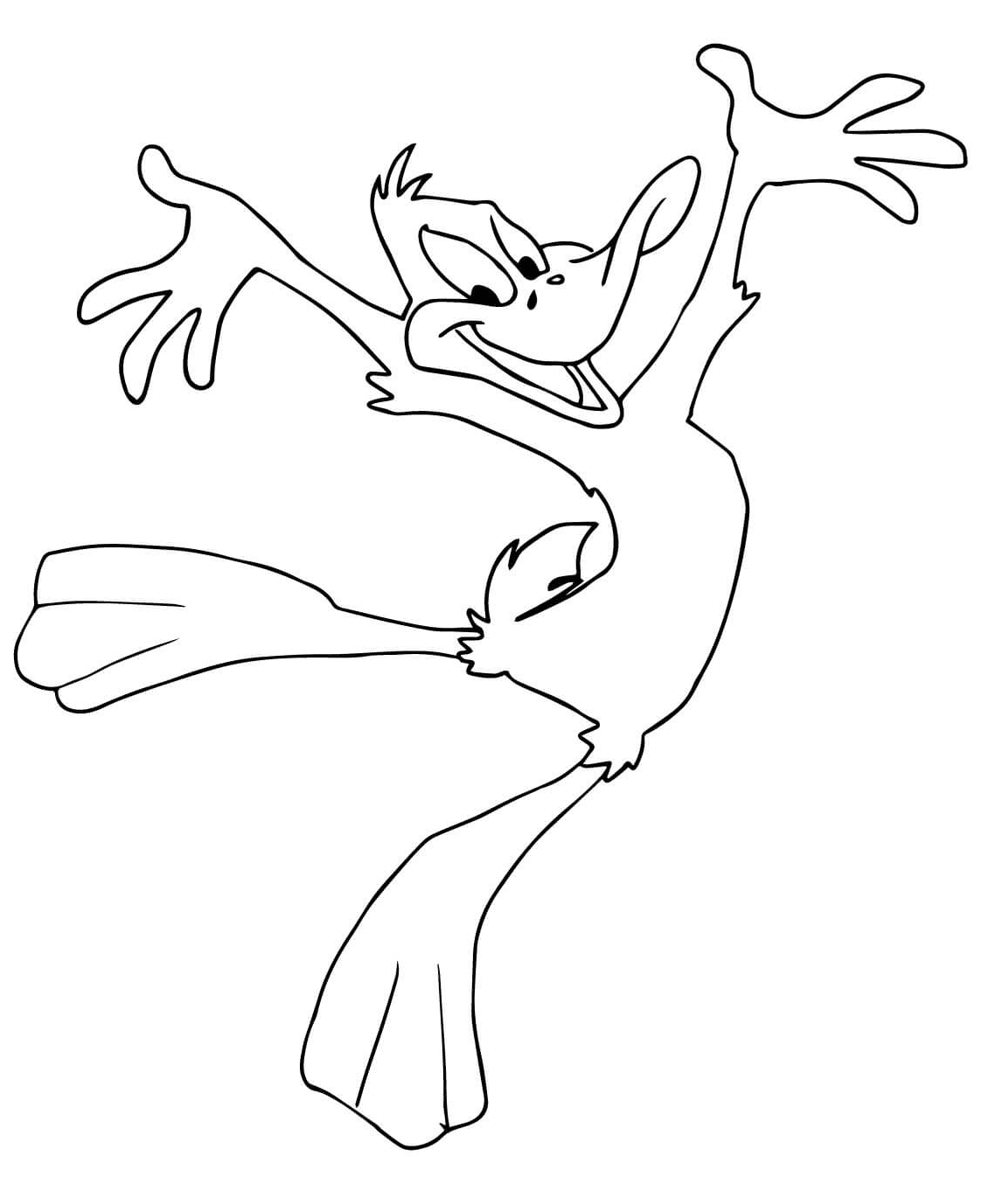
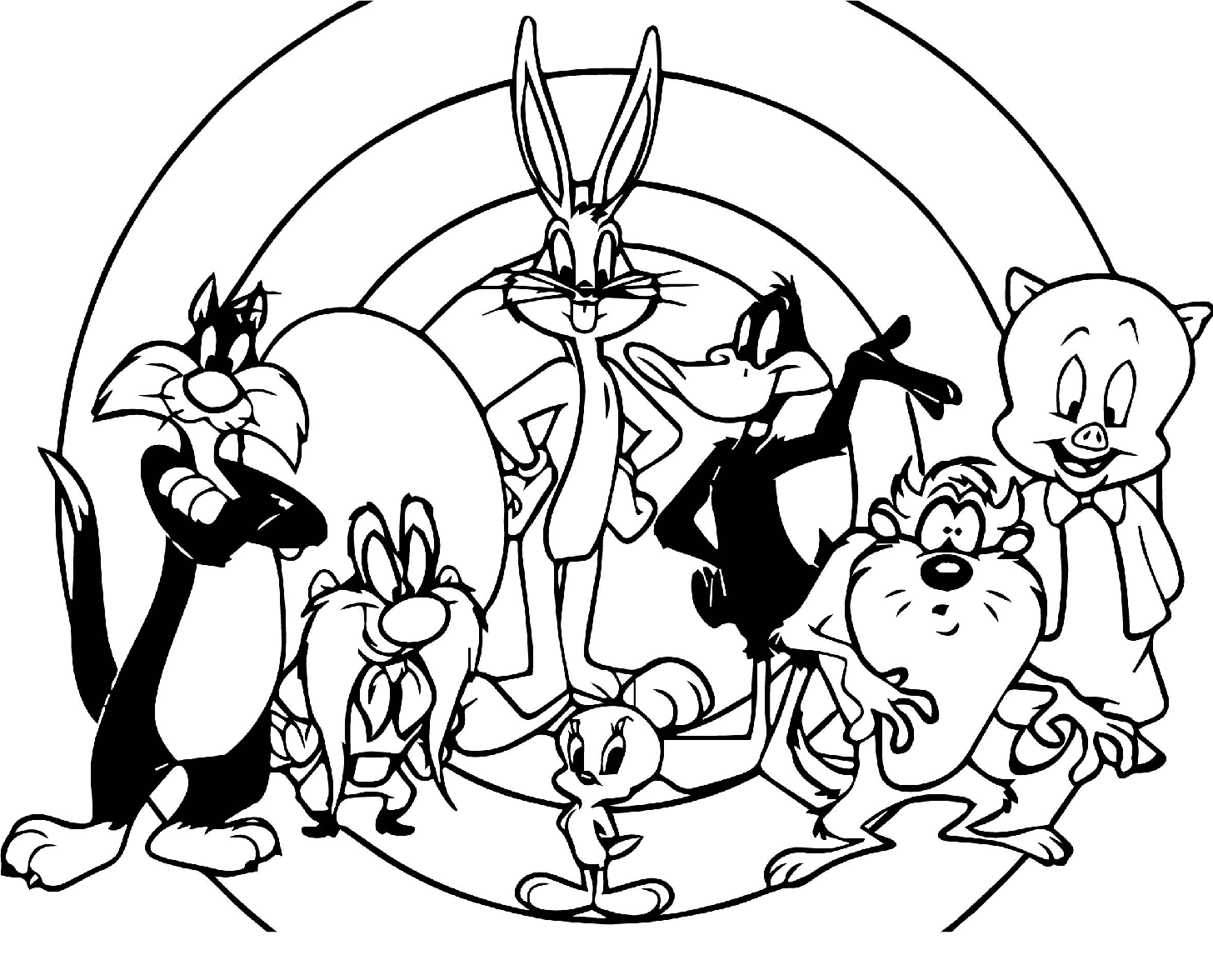
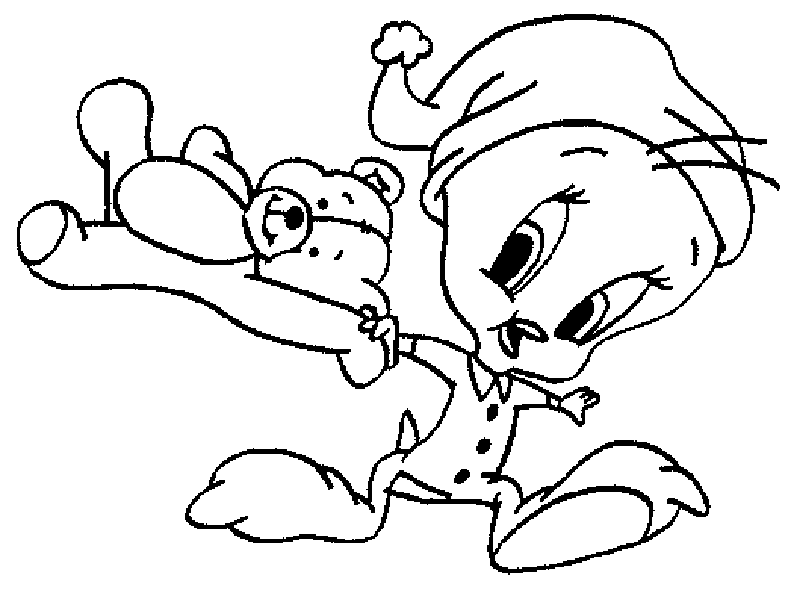
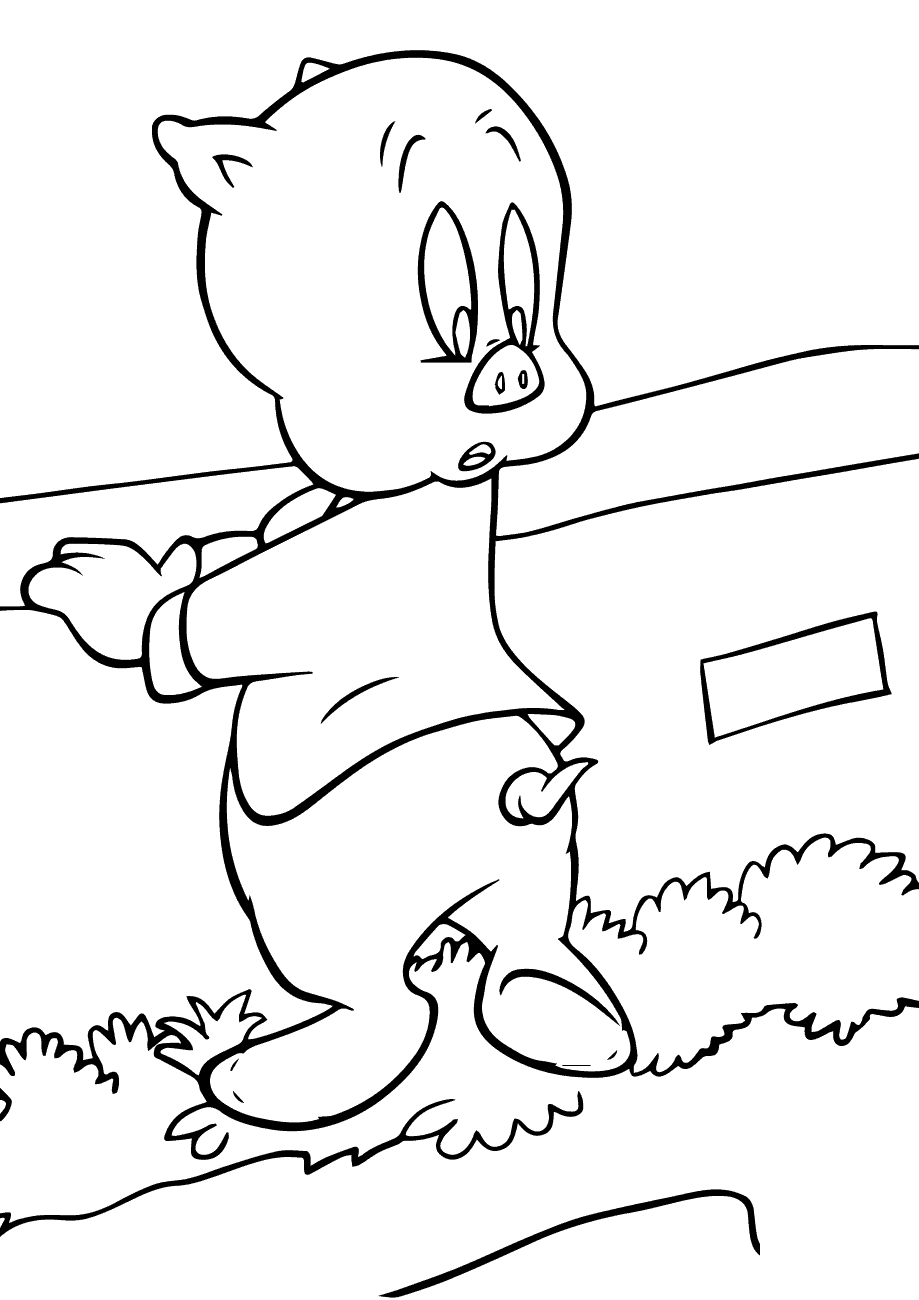

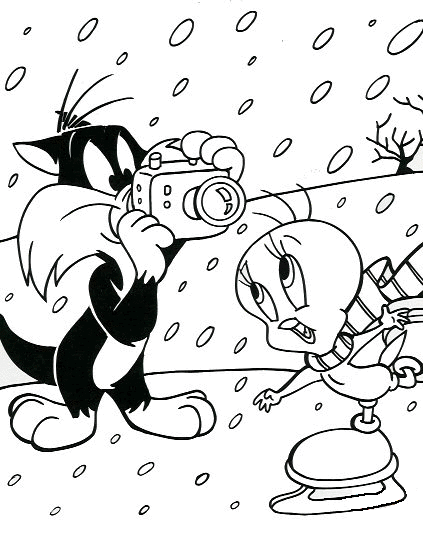
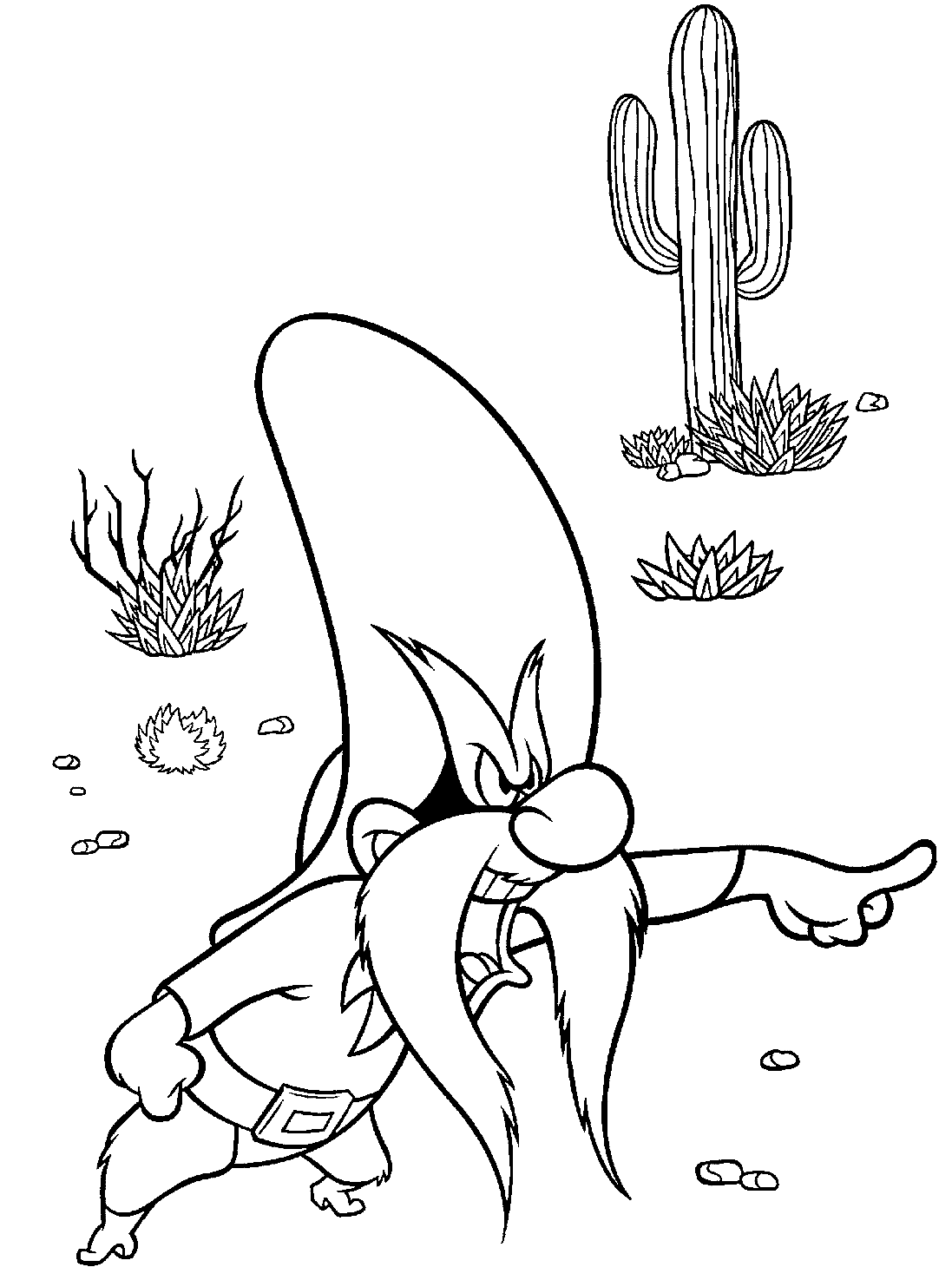
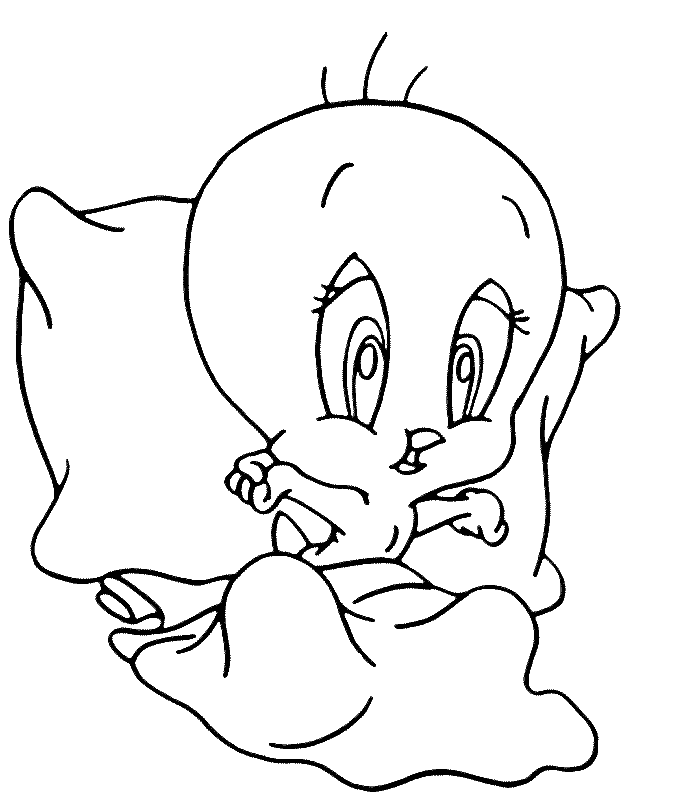
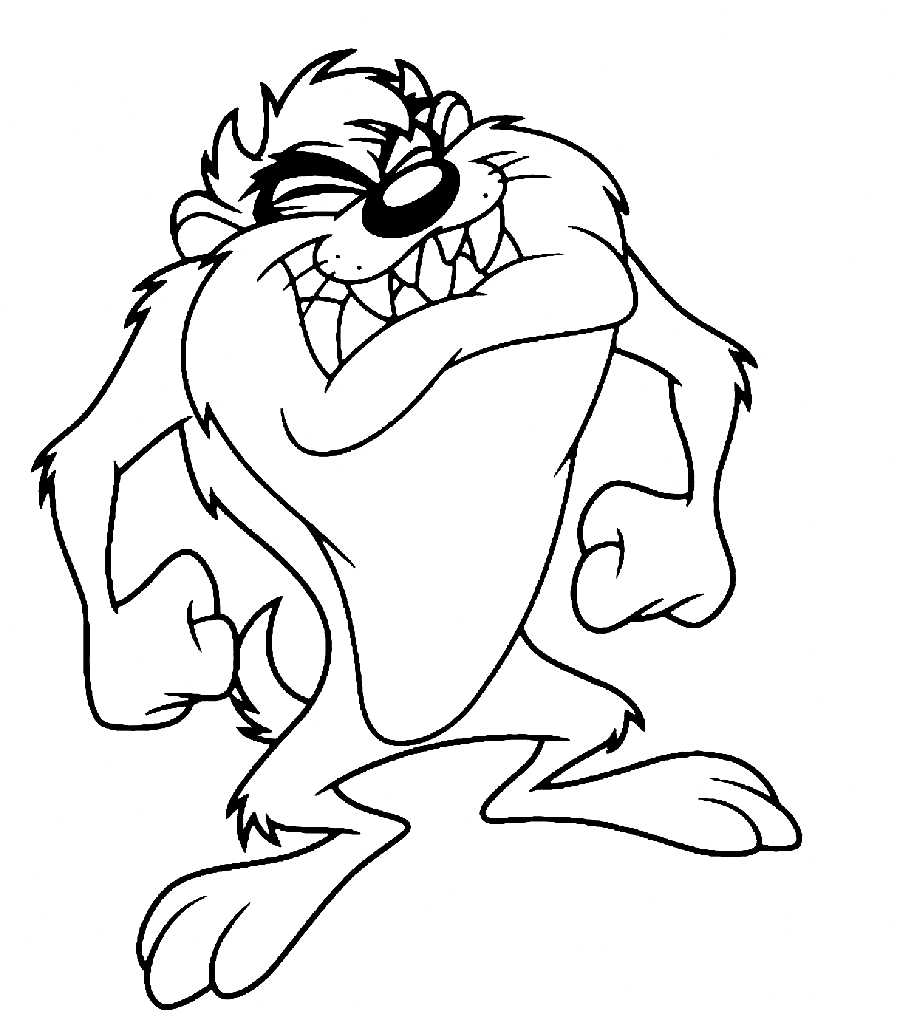

What Is Inside This Collection
The 69 designs group into a few recurring types, from core character portraits to full group scenes.
Main Characters
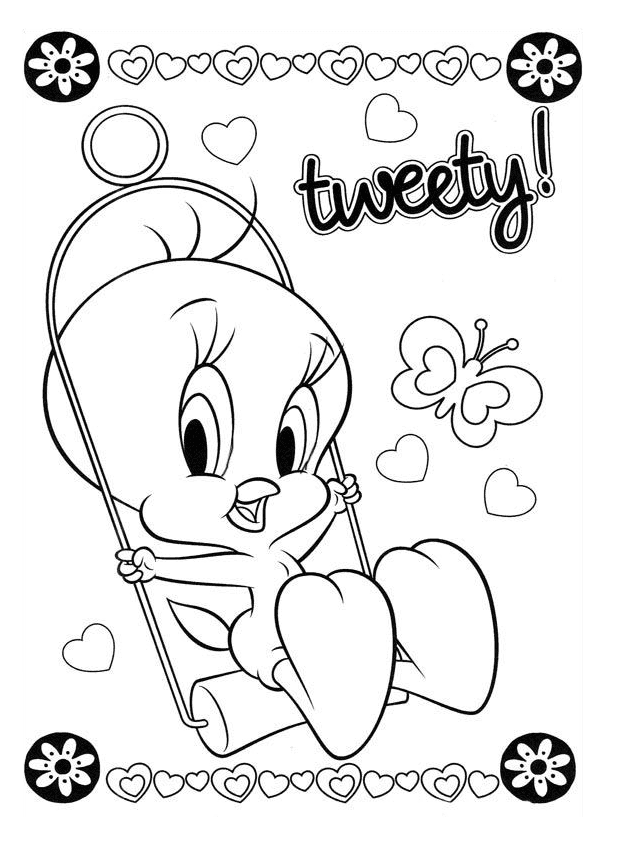
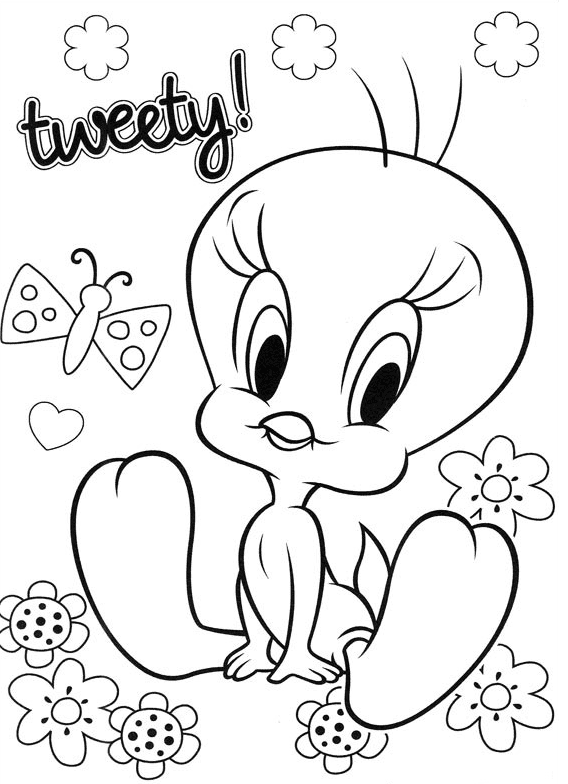
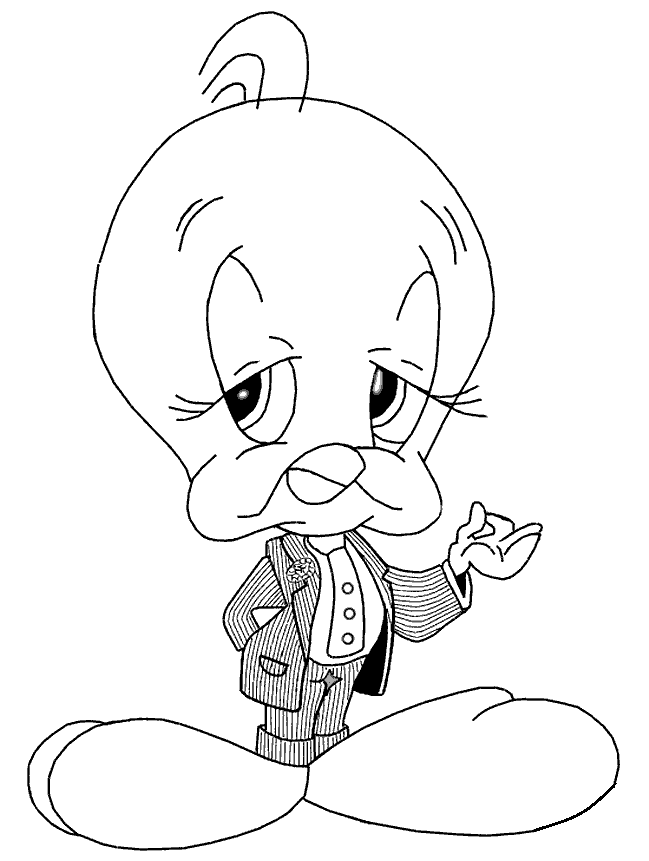
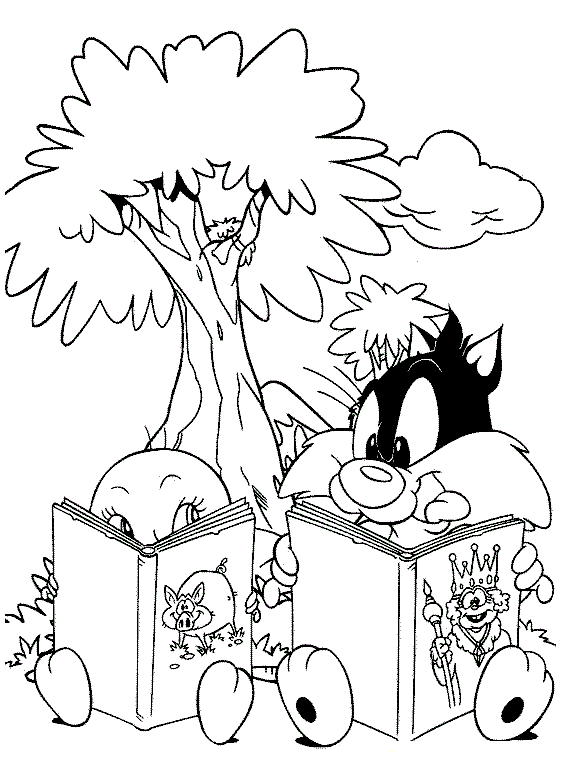
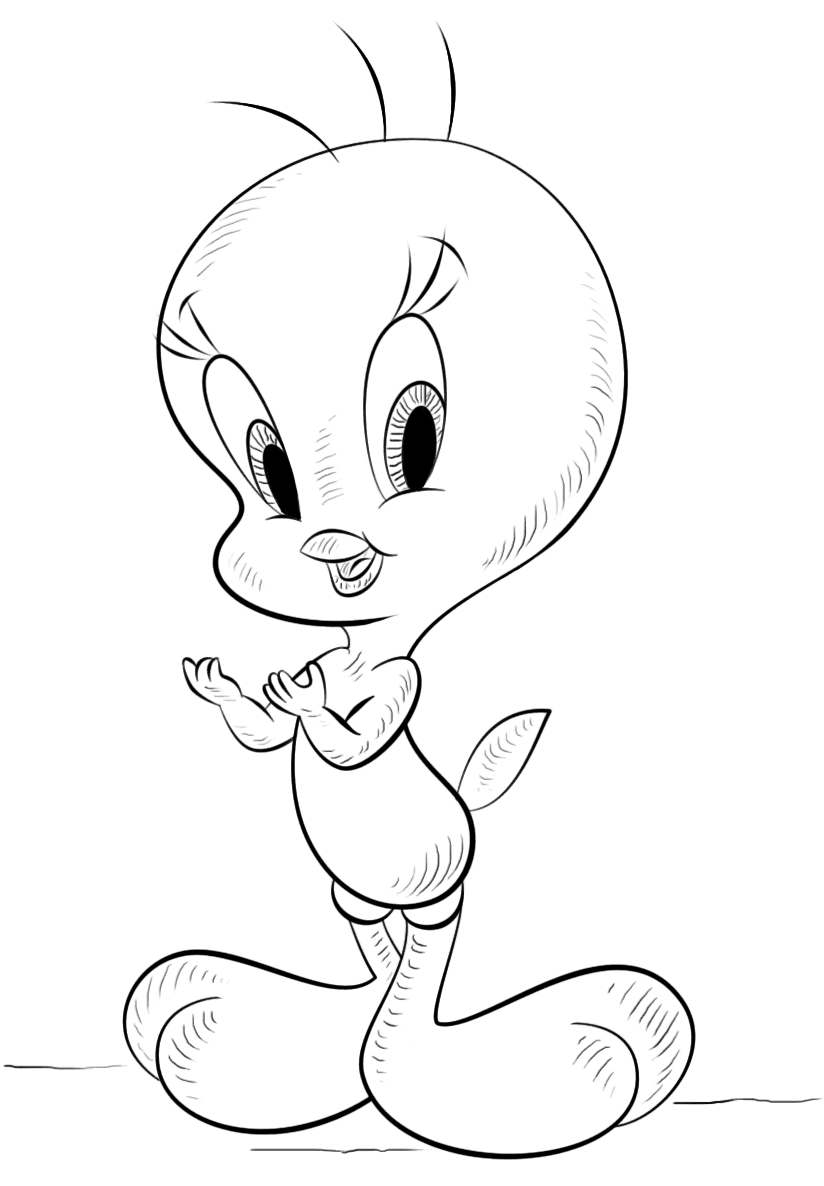
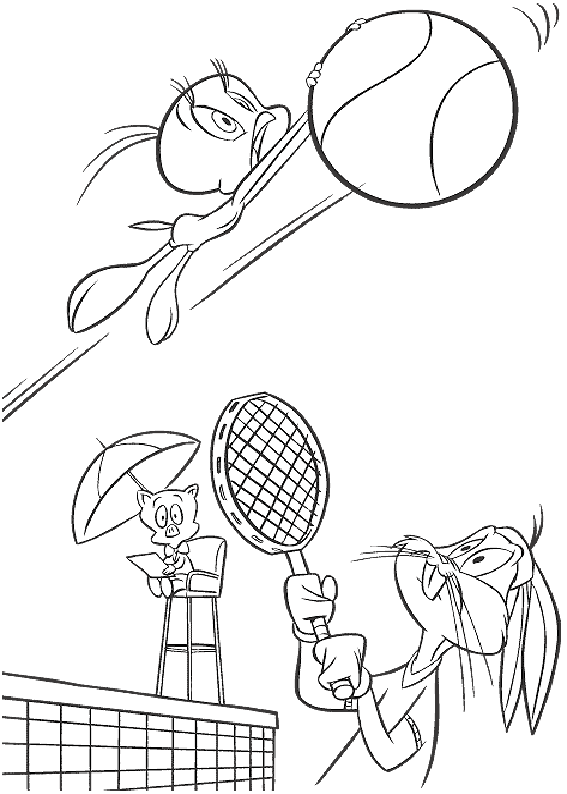
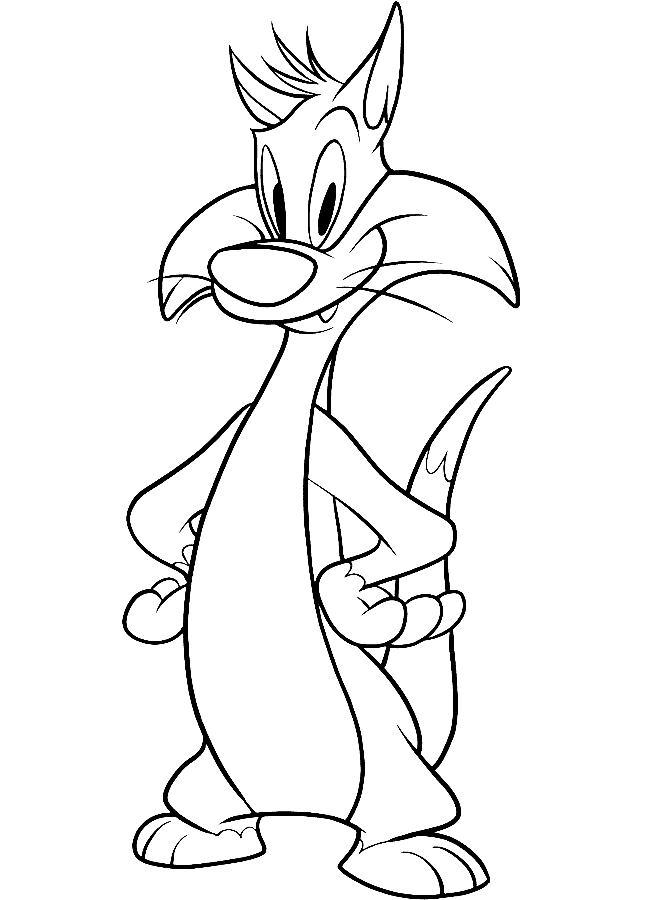
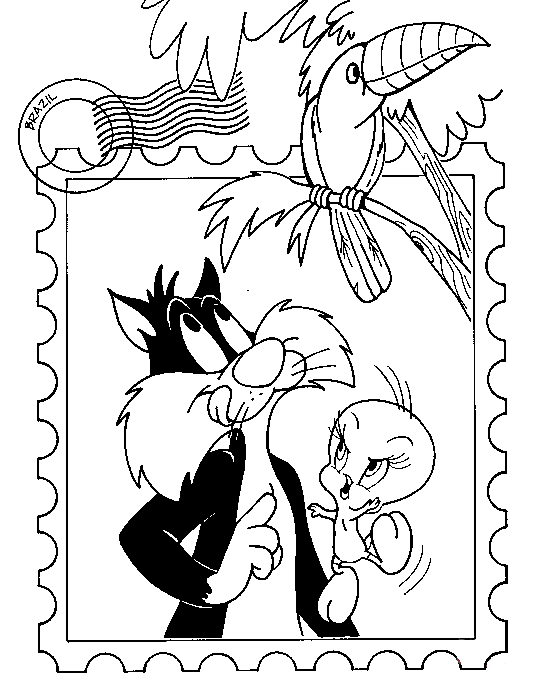
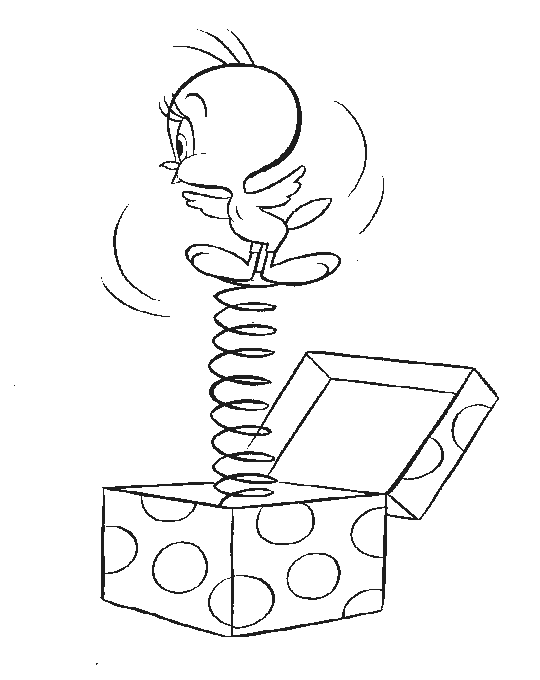
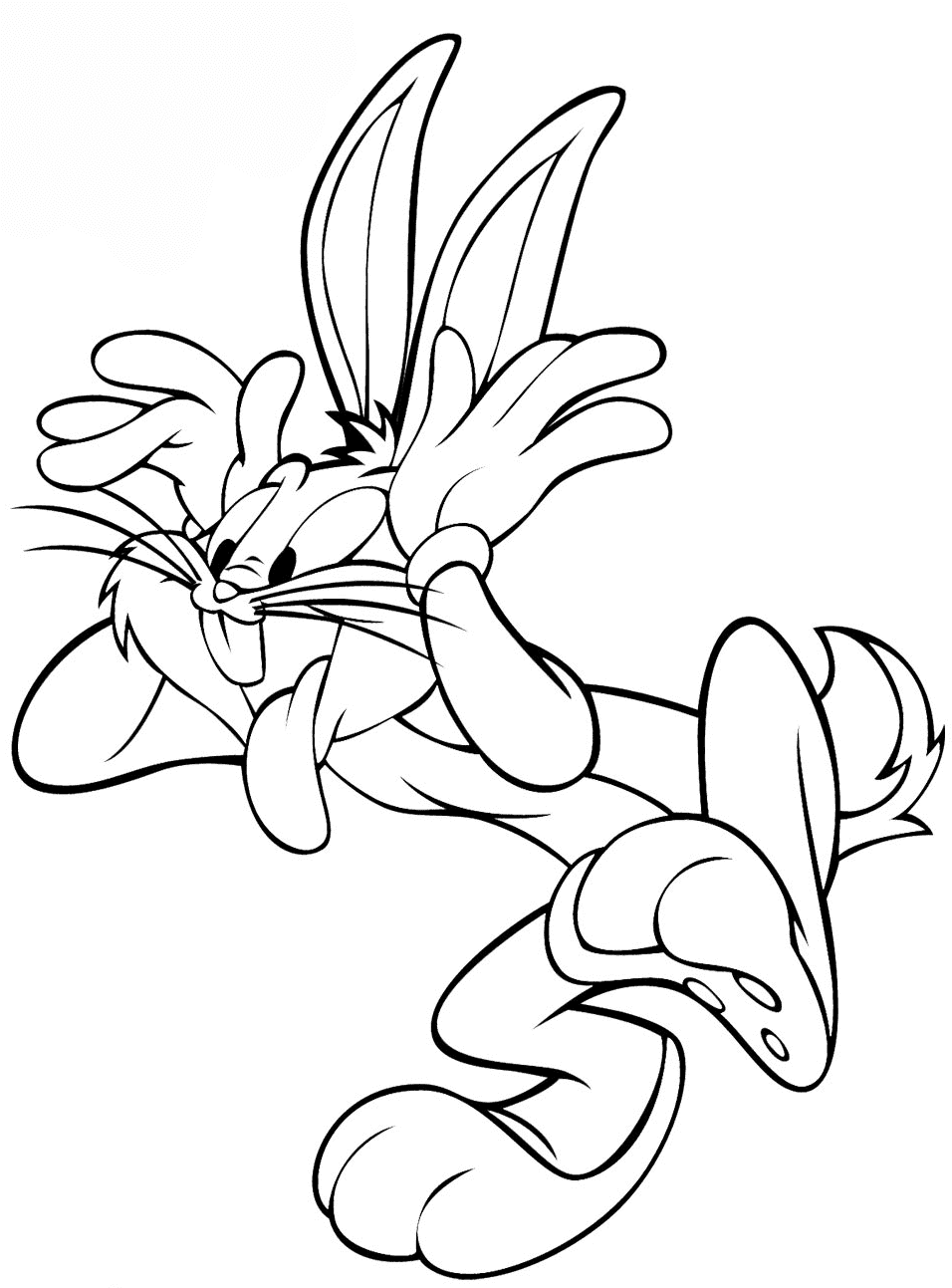
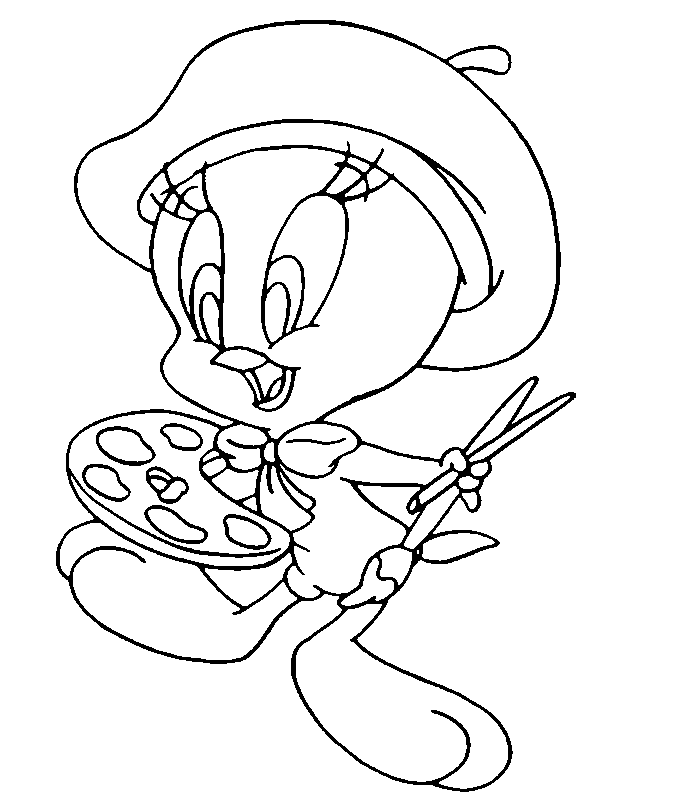
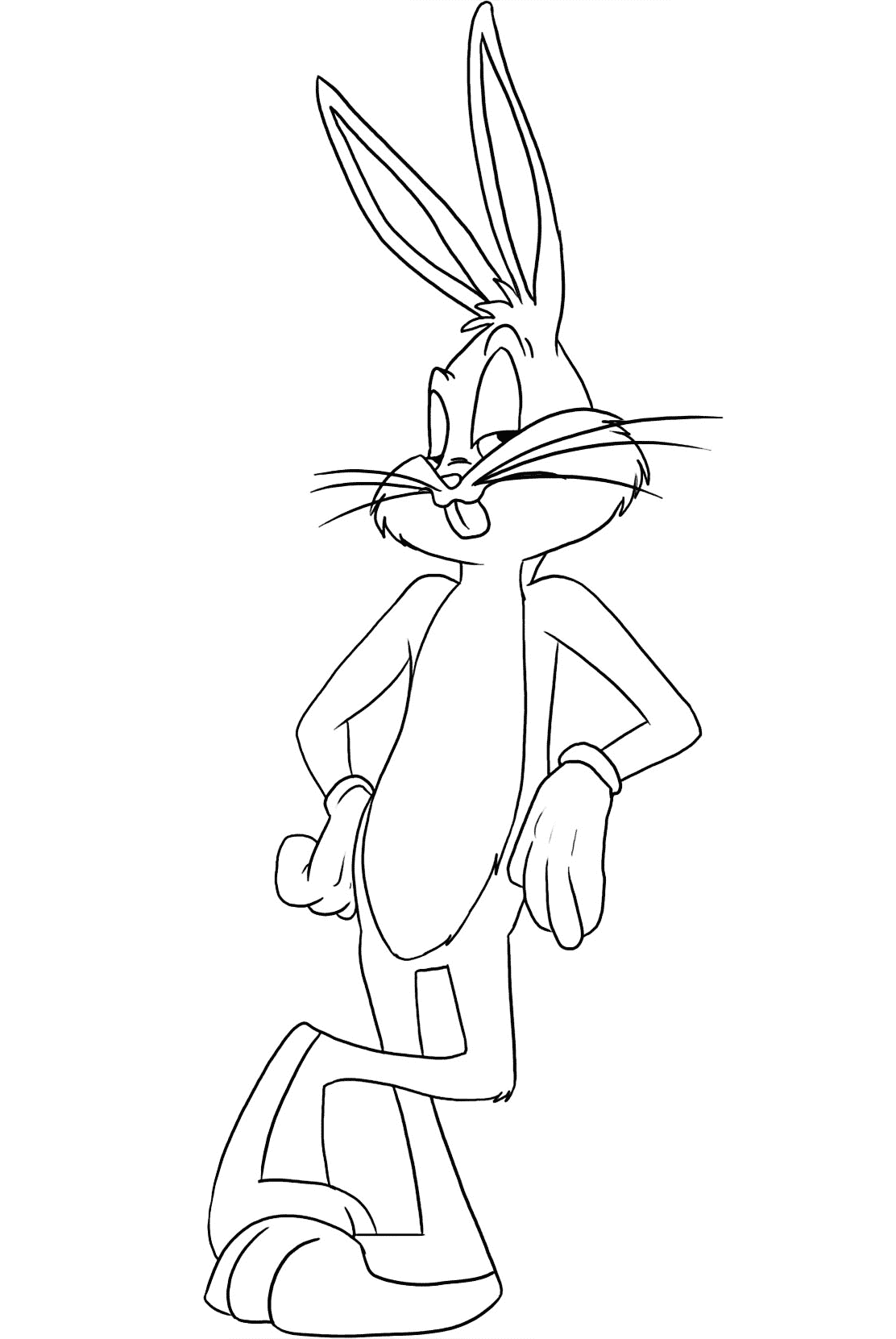
Bugs Bunny, Daffy Duck, Tweety, and Sylvester make up the largest share of the collection, shown in a wide range of poses, props, and expressions, including Tweety and Sylvester together in several classic pairings.
Chase and Rival Characters
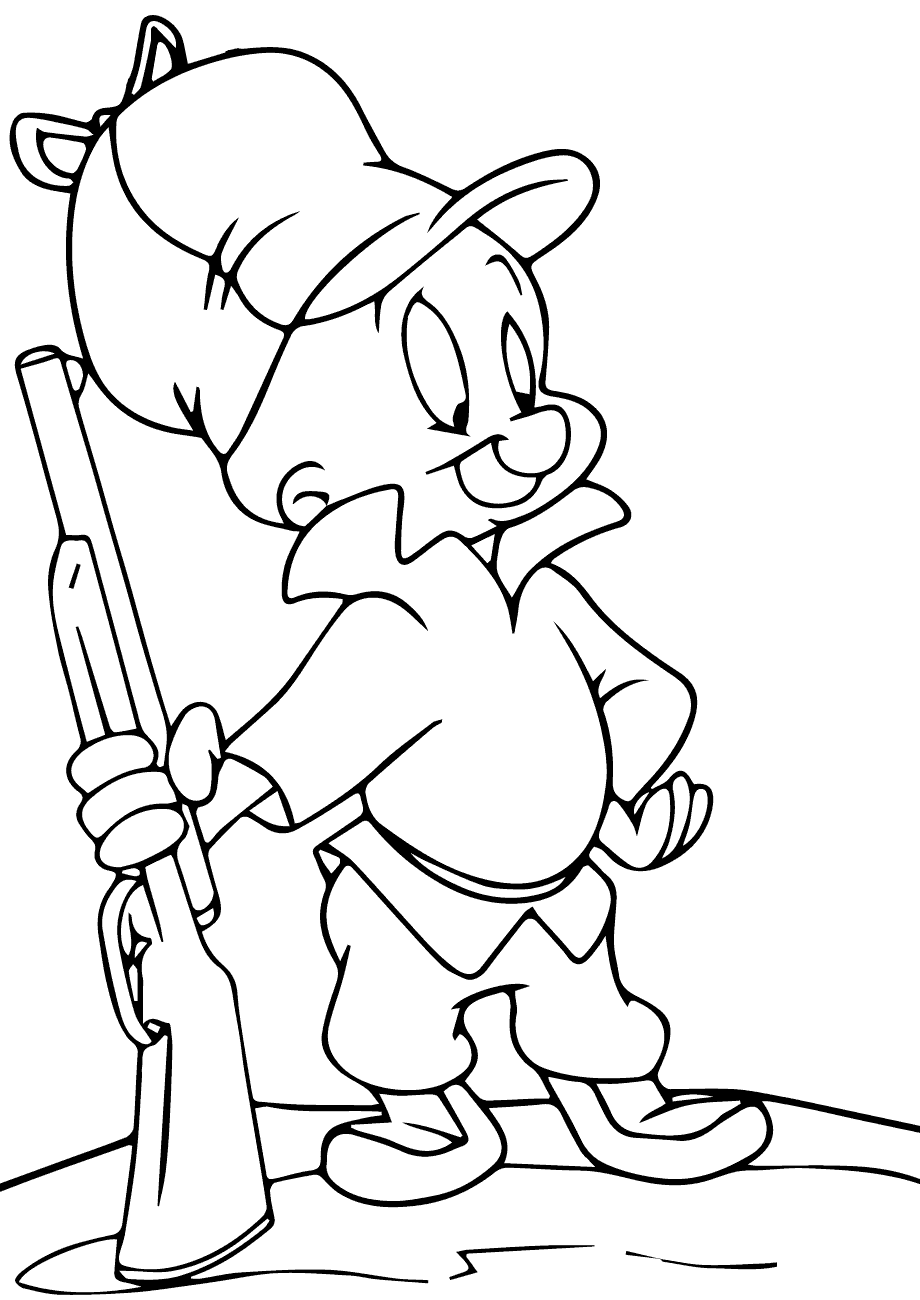
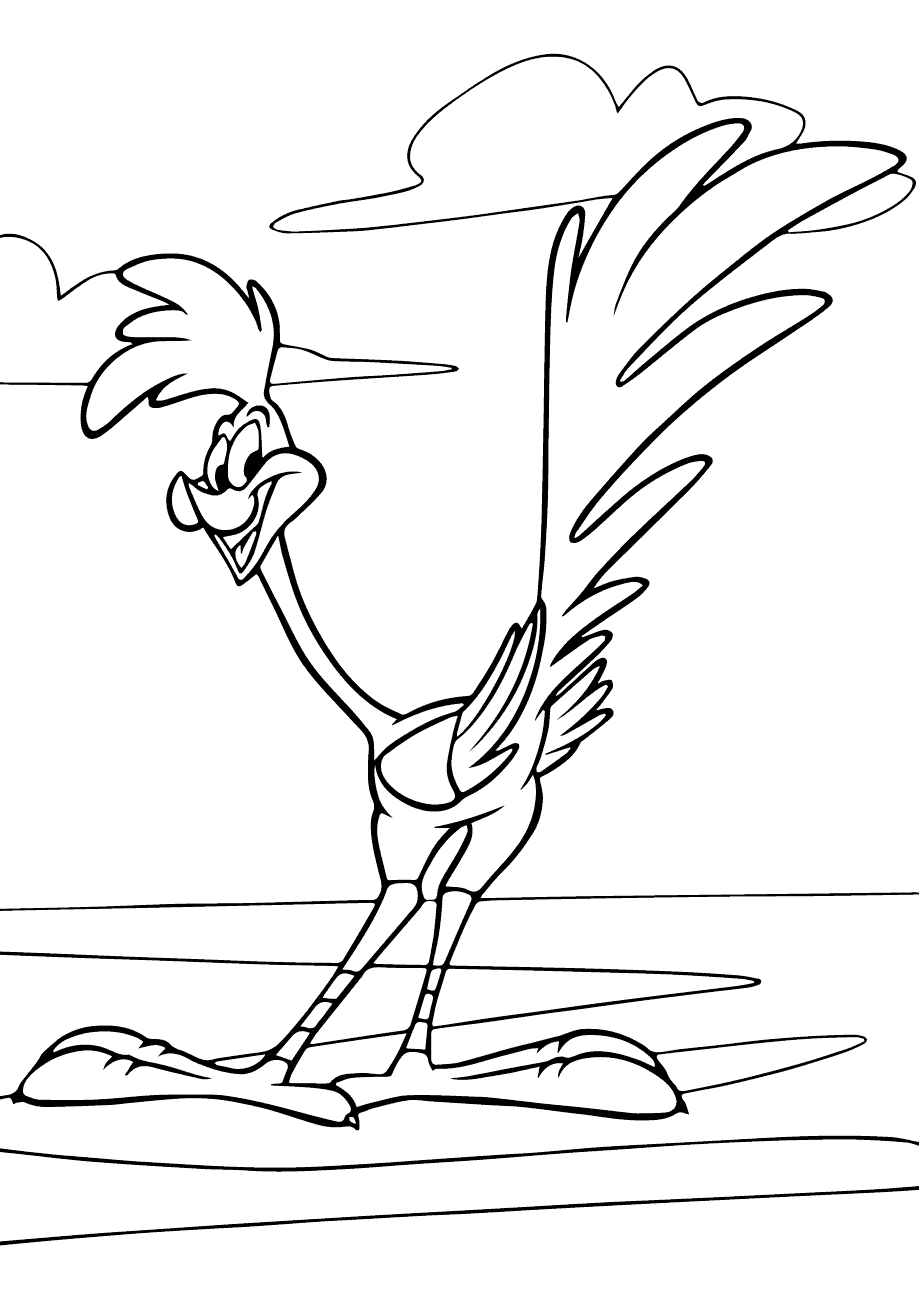
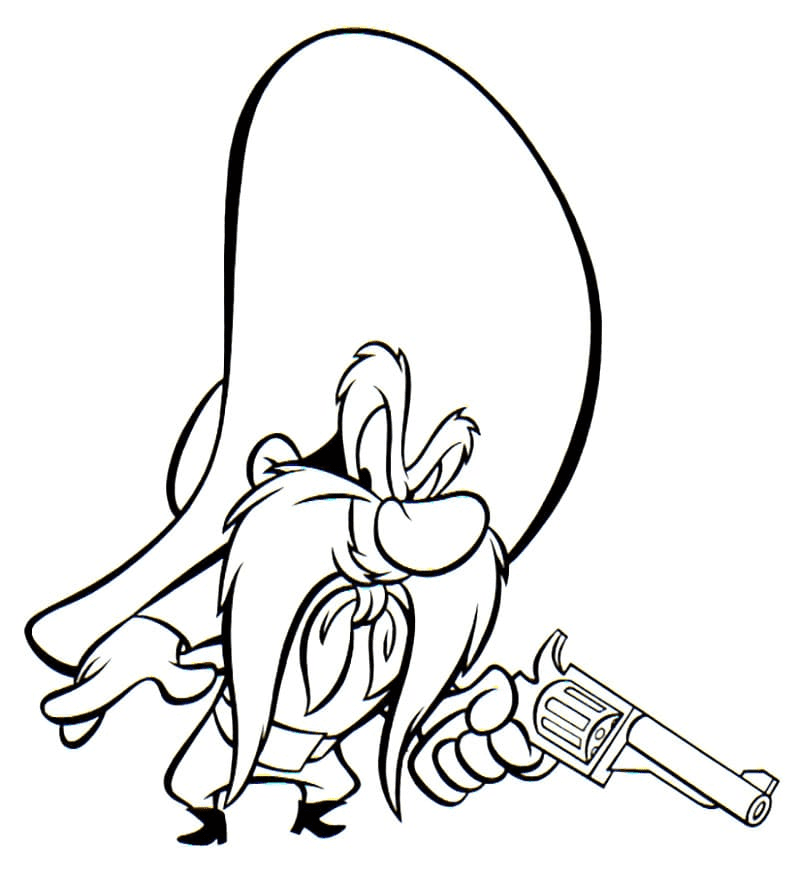
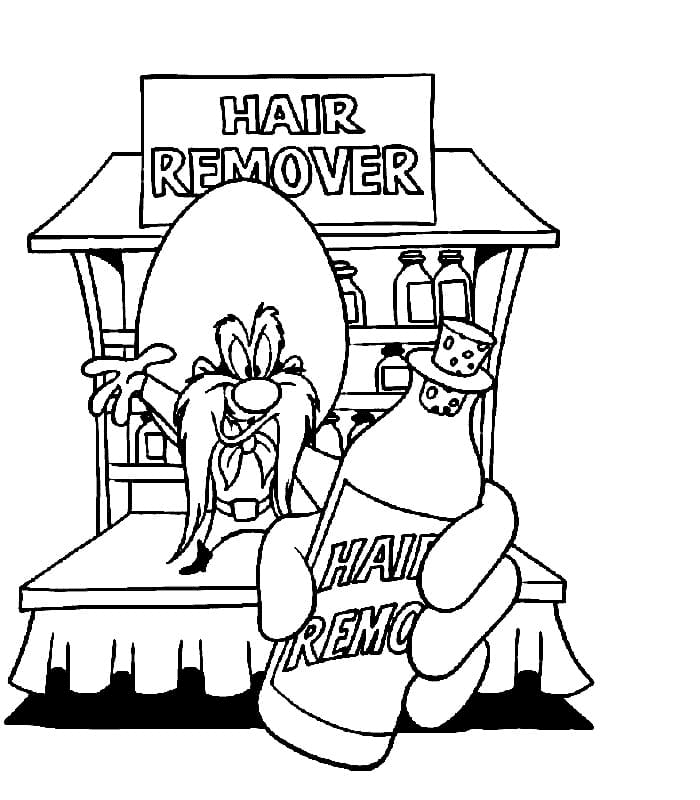
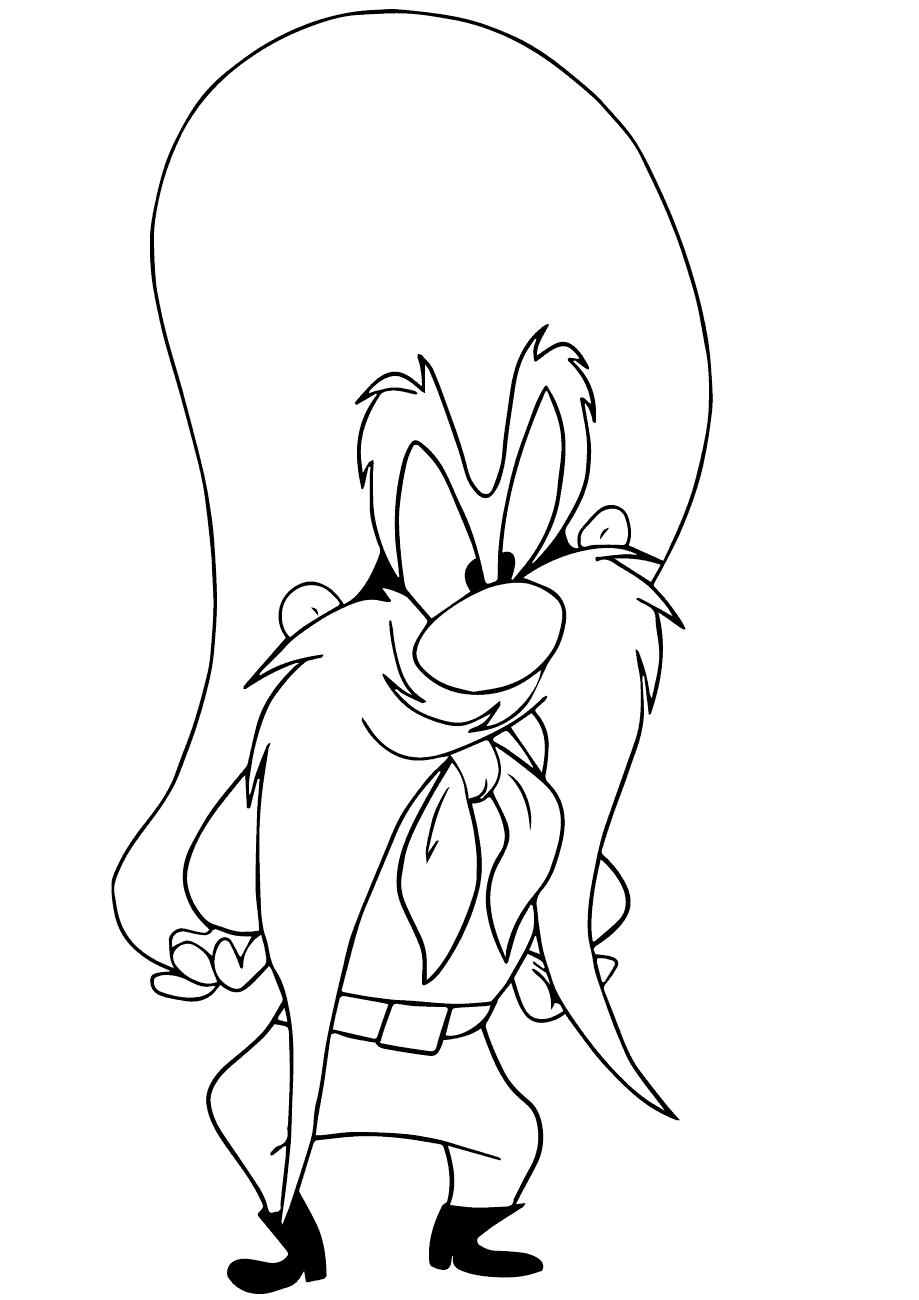
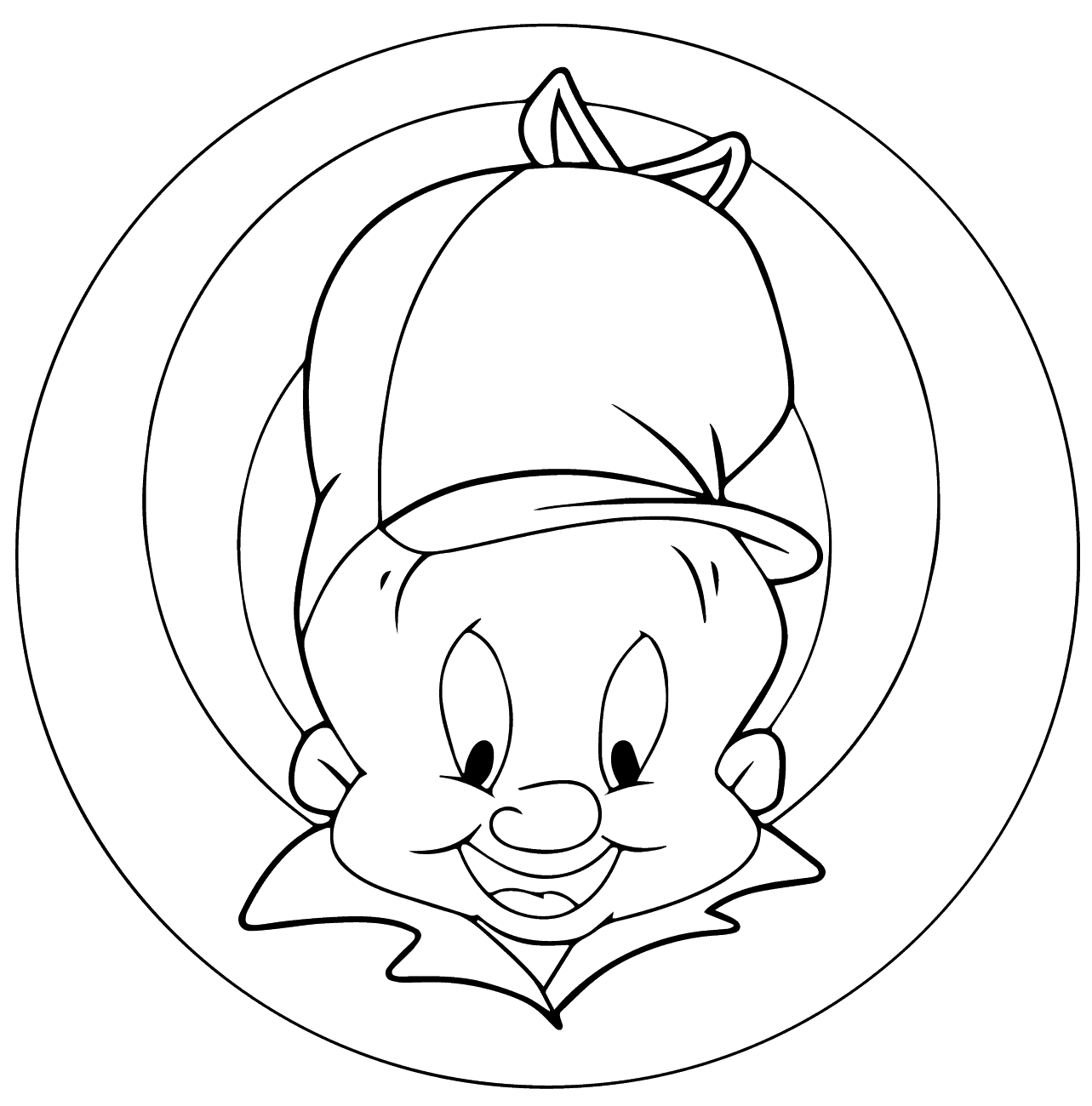
Road Runner, Wile E. Coyote, Yosemite Sam, and Elmer Fudd appear in scenes built around the chase-and-outwit dynamic that runs through much of the original cartoon shorts.
Supporting Characters
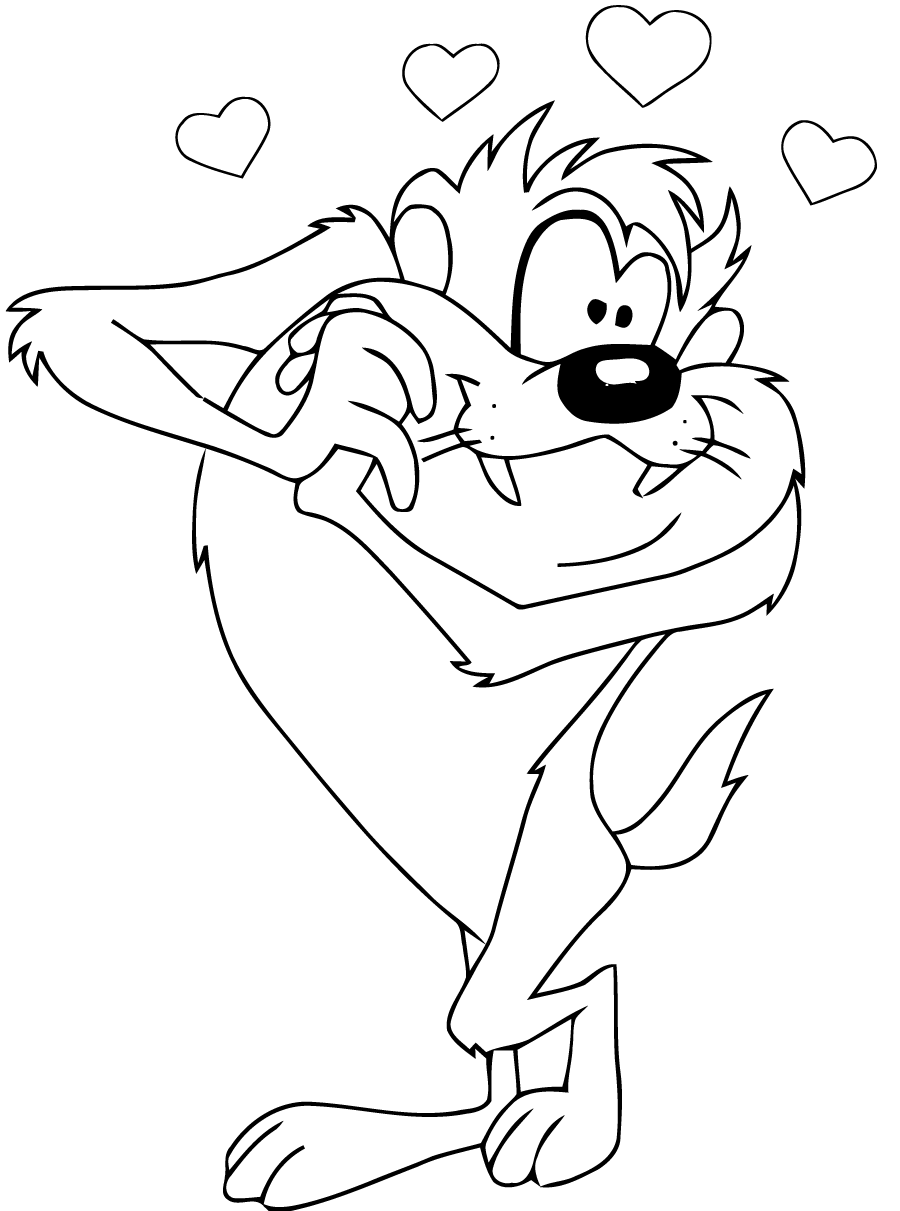
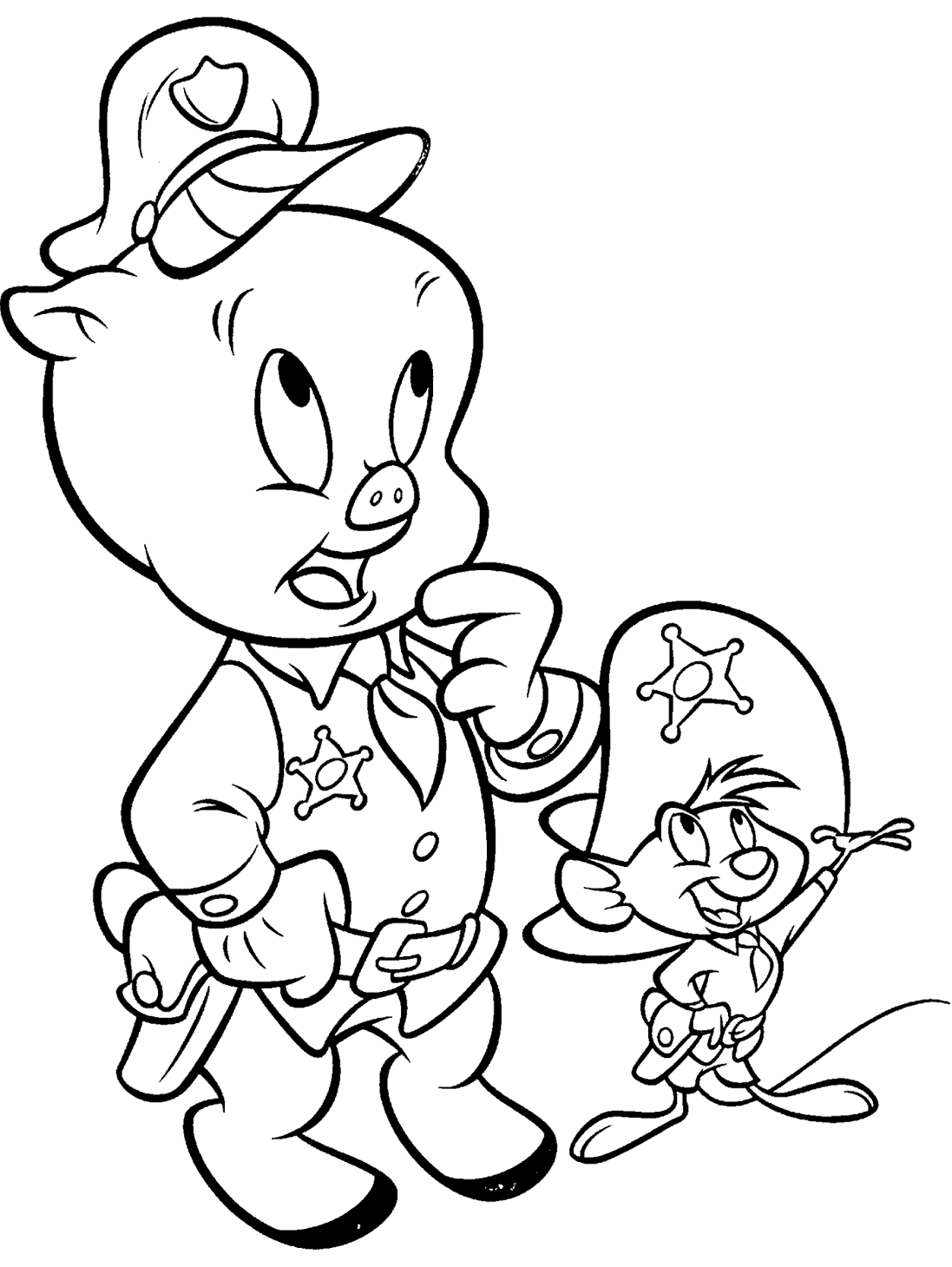
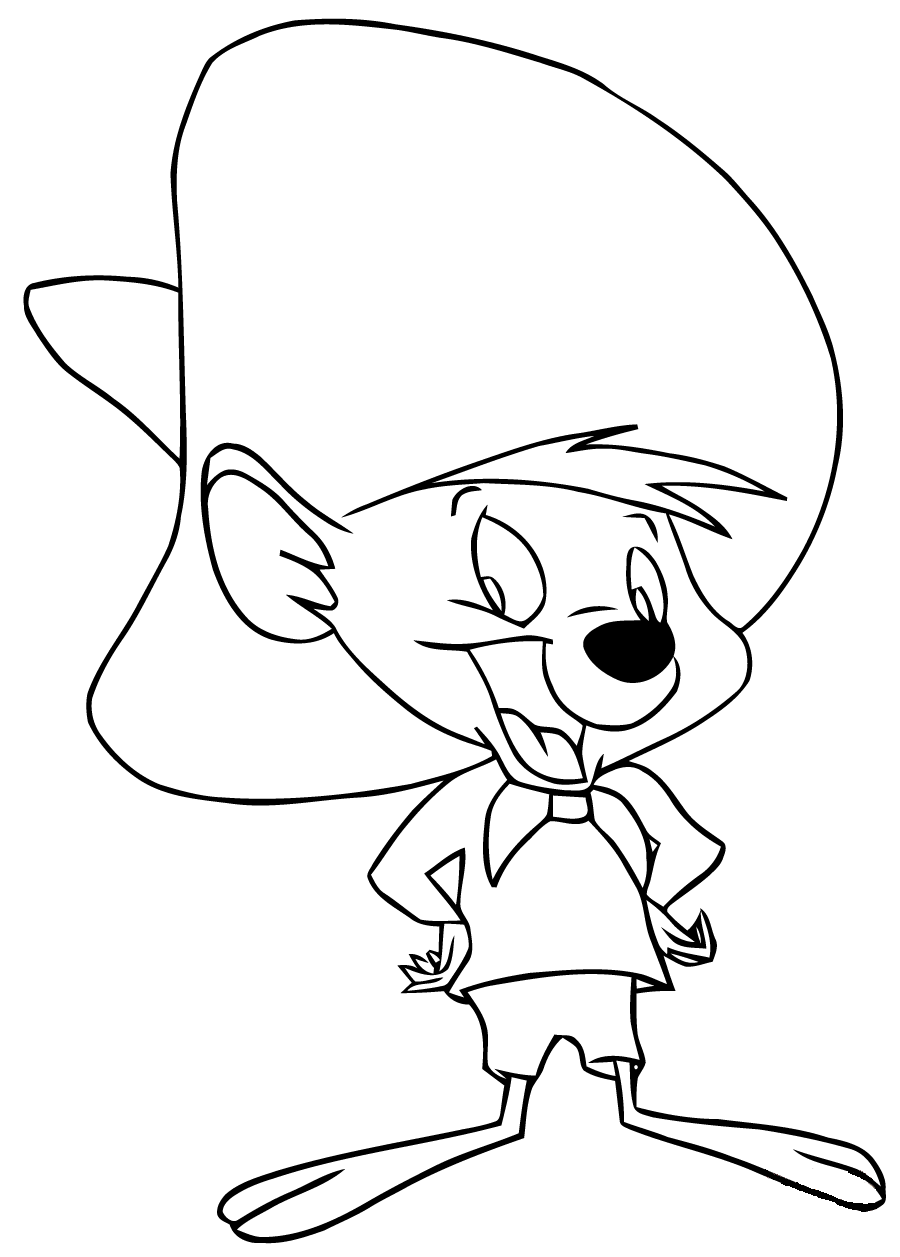
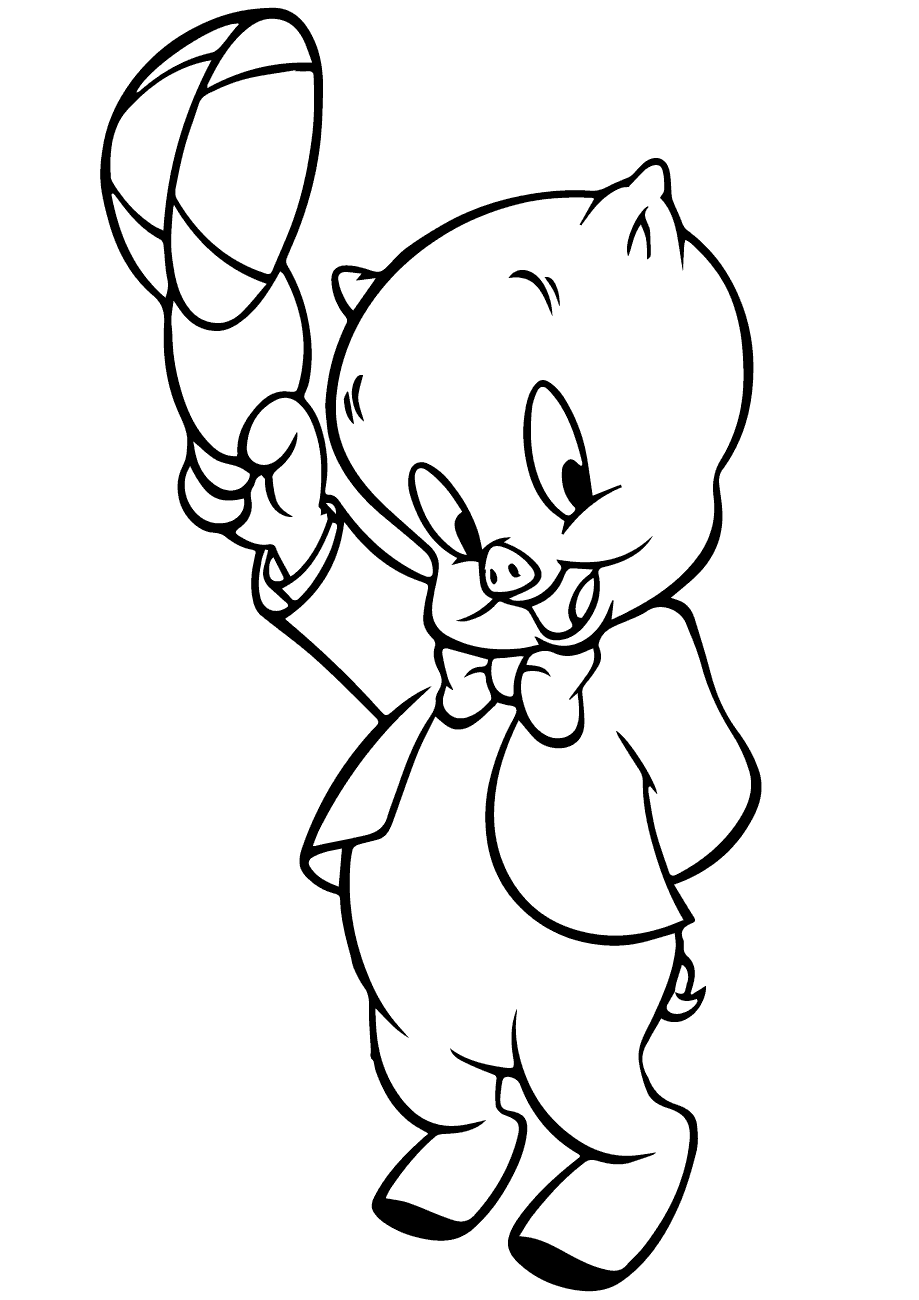
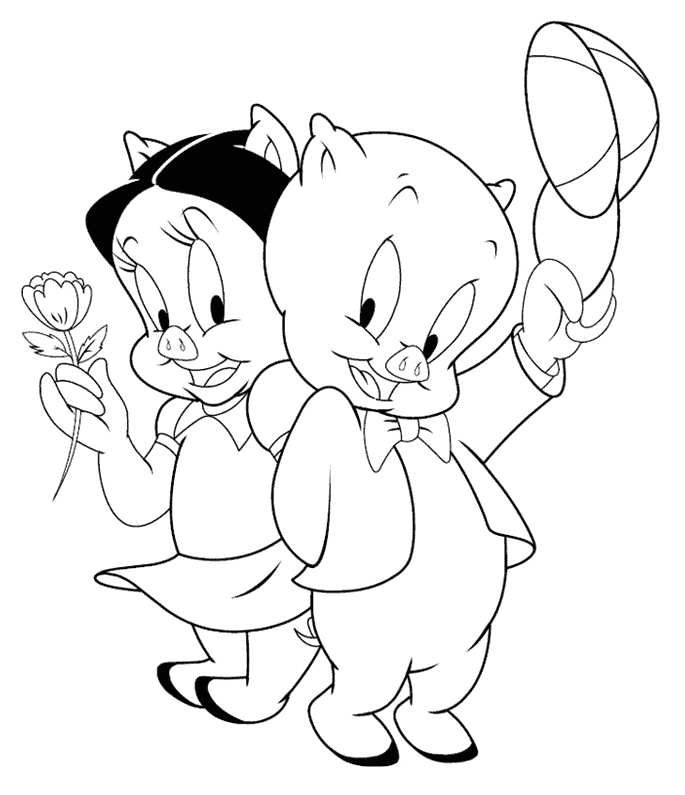
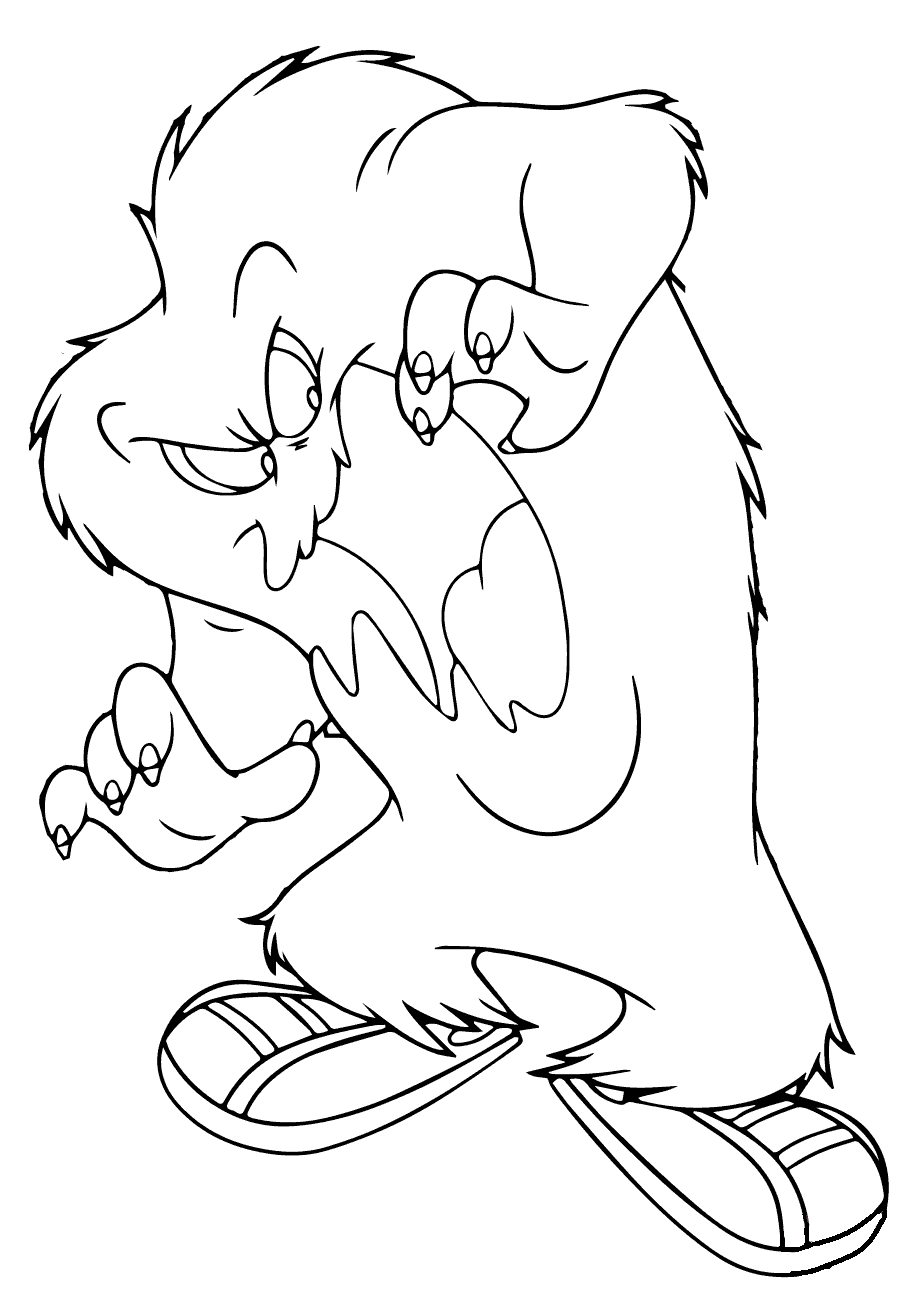
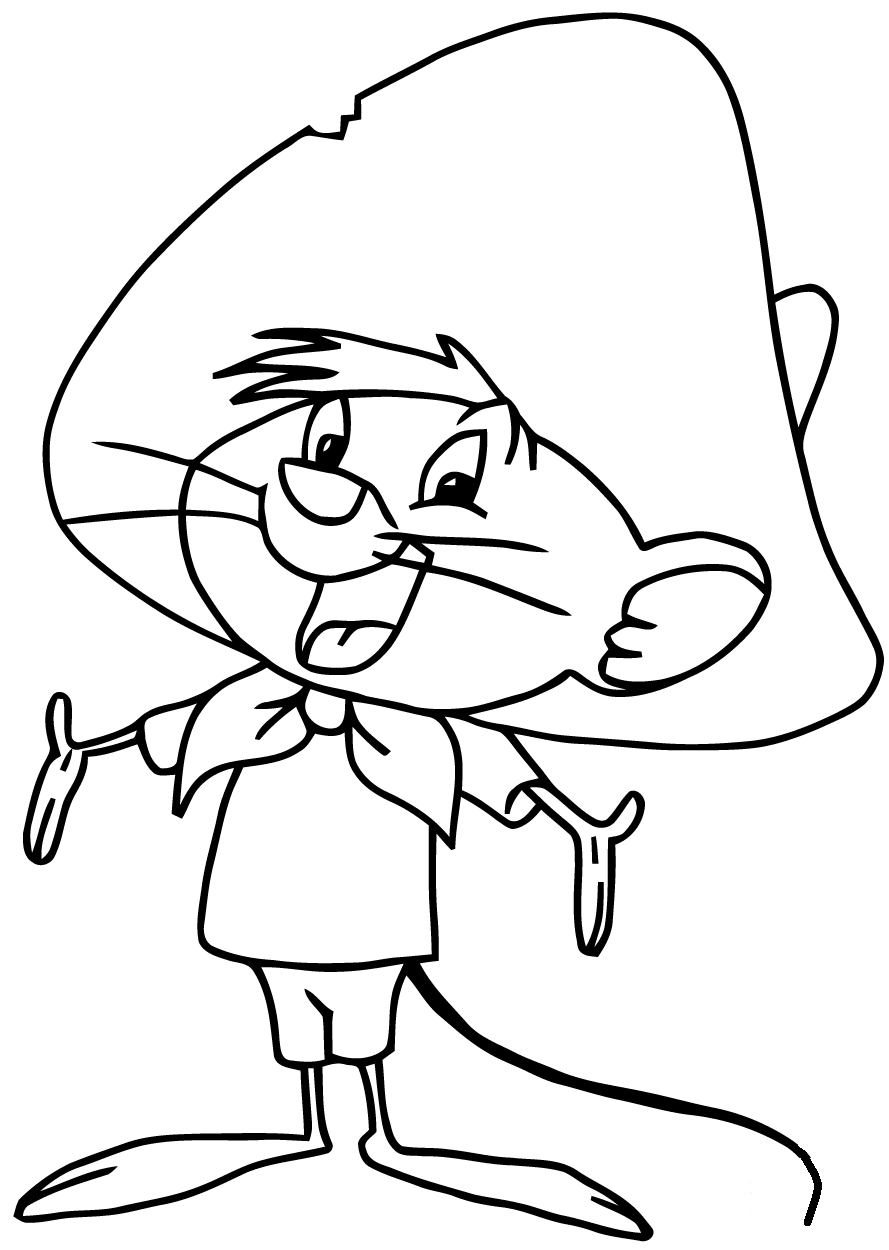
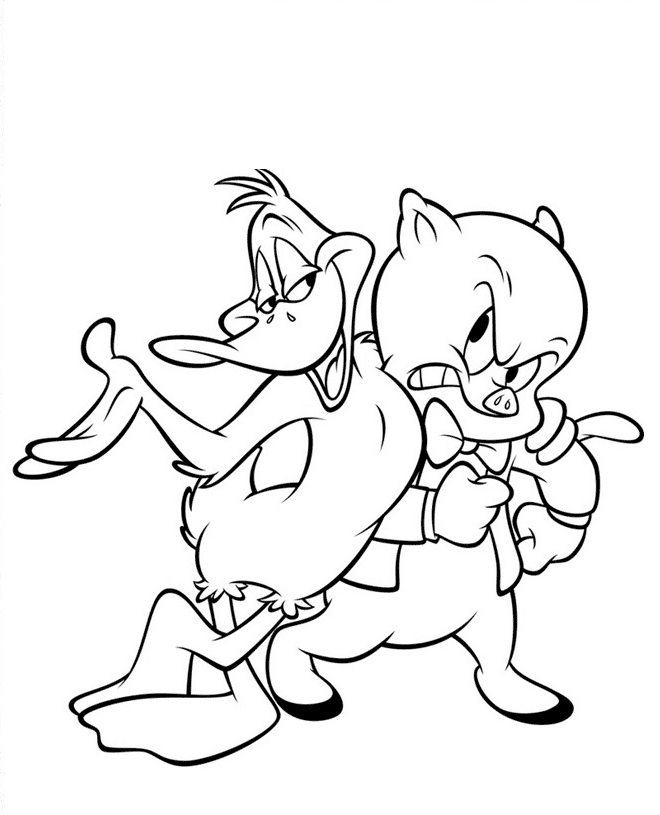
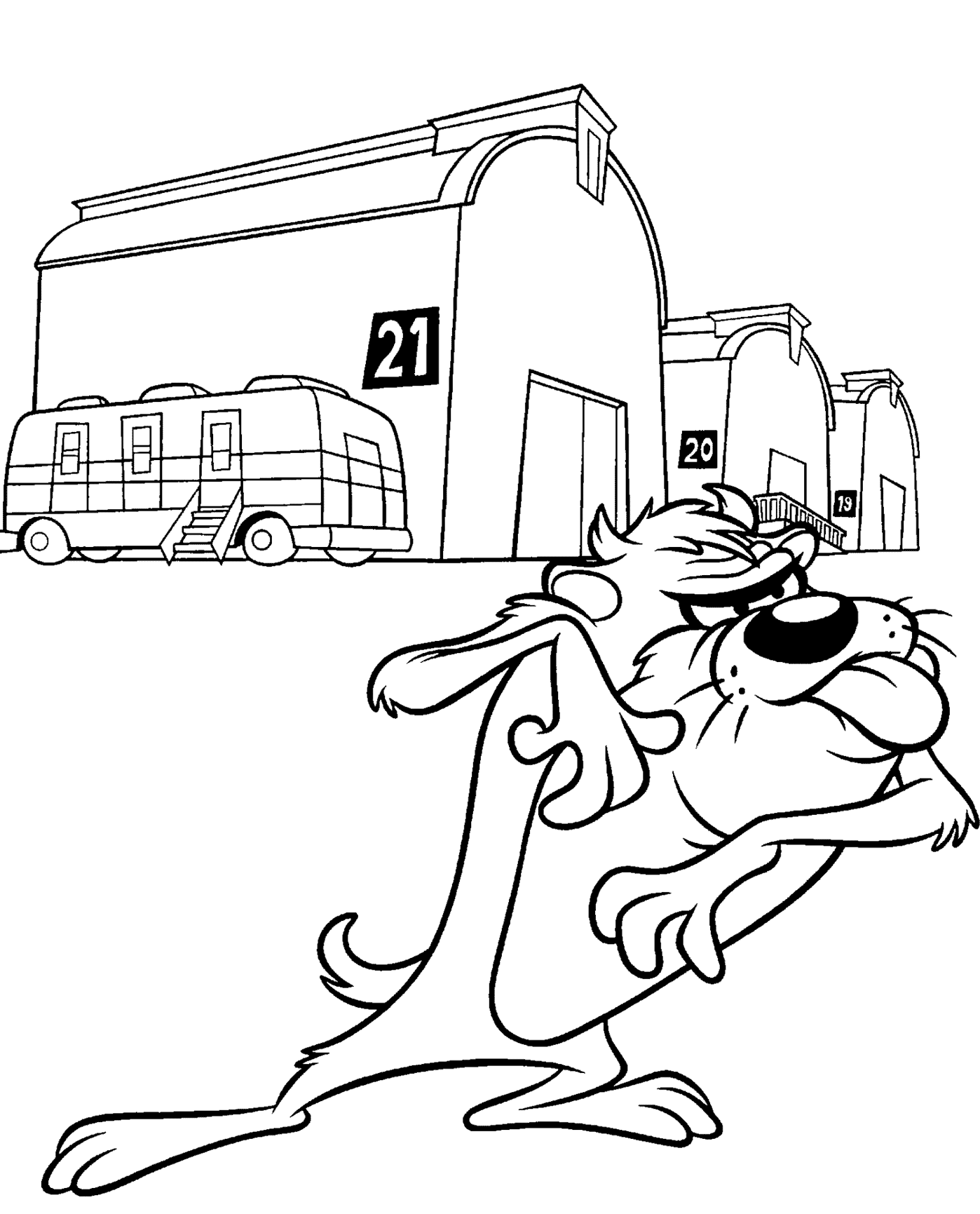
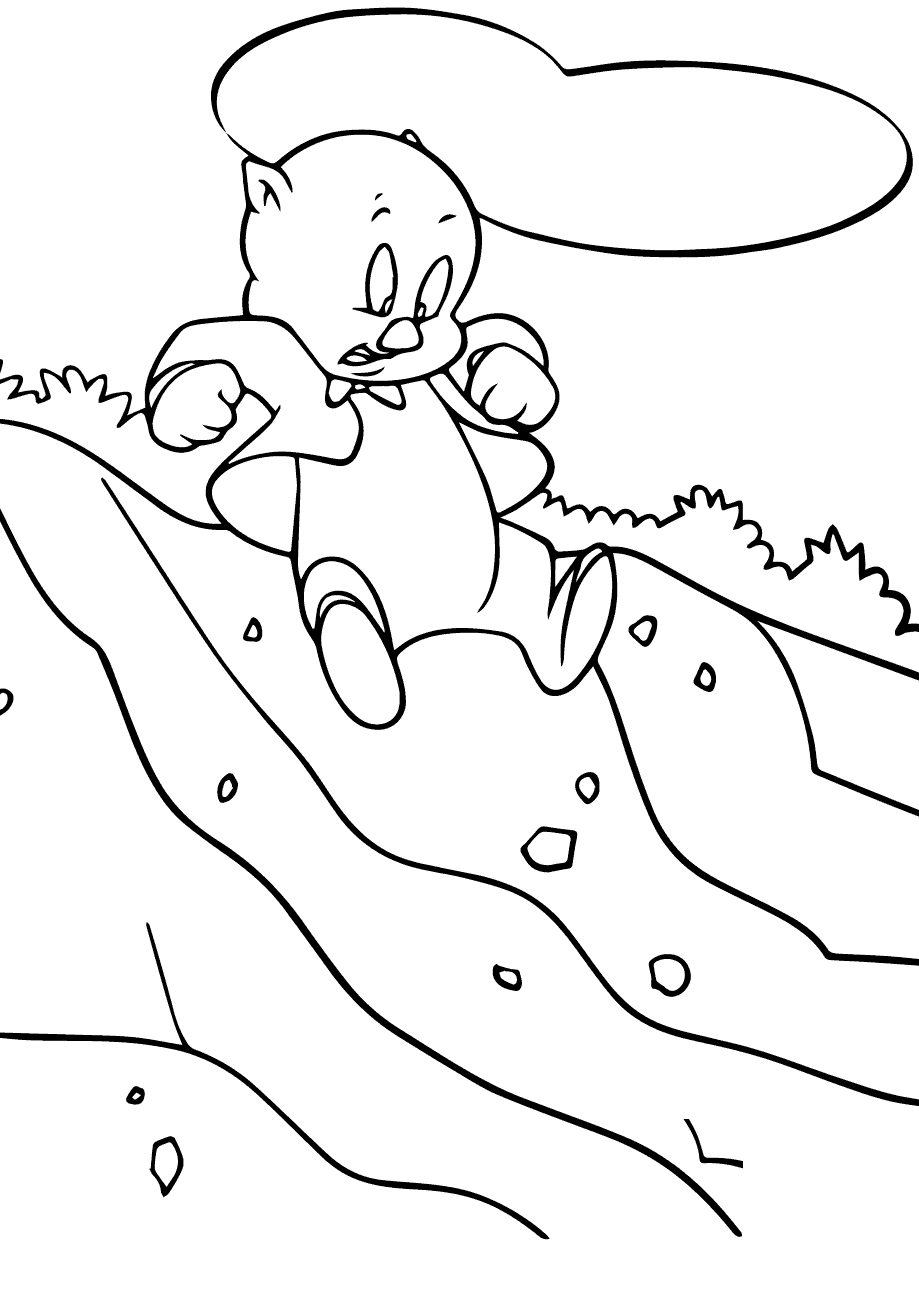
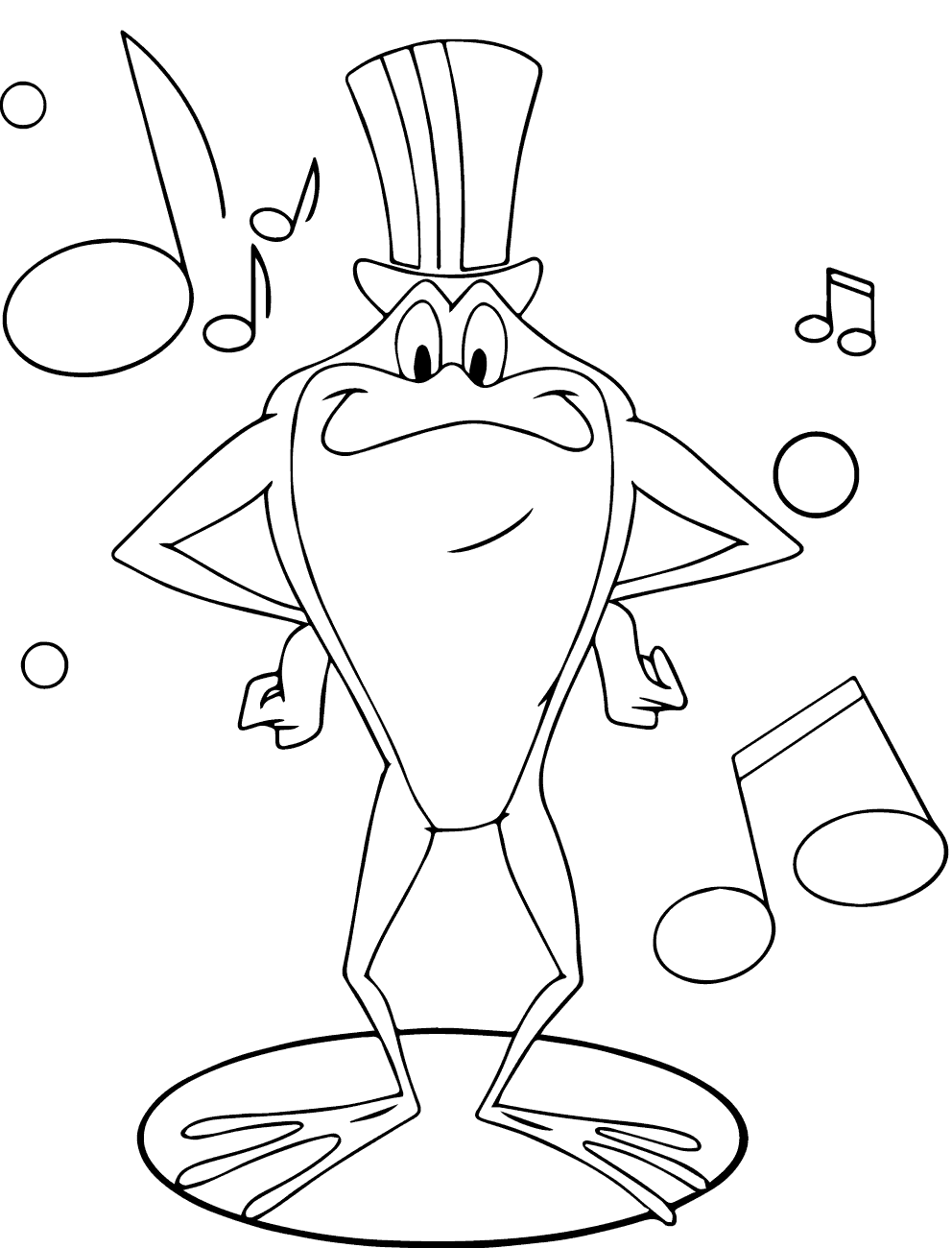
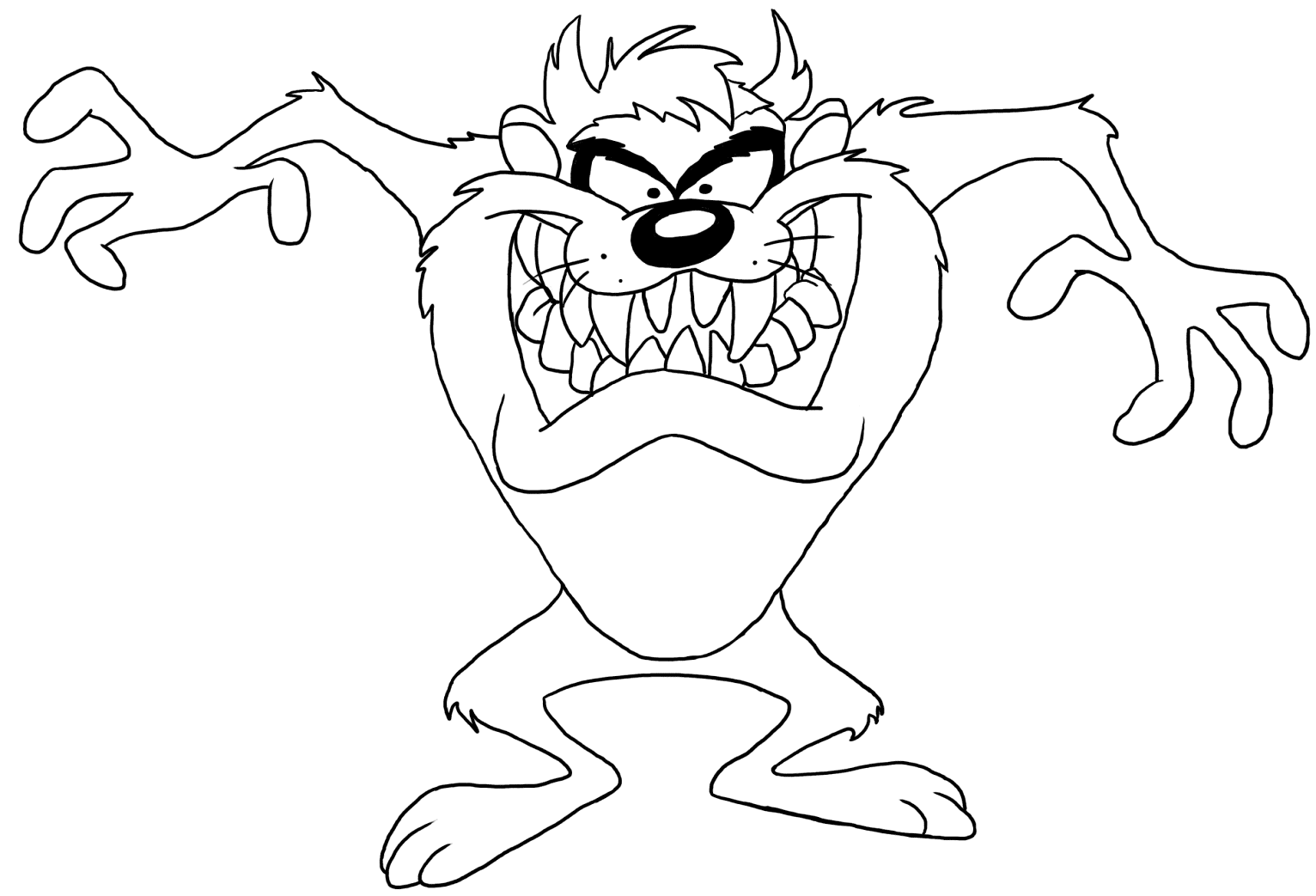
Porky Pig, Taz, Foghorn Leghorn, Speedy Gonzales, Marvin the Martian, Gossamer, Michigan J. Frog, and Pepe Le Pew round out the cast with their own standalone pages.
Group and Themed Scenes
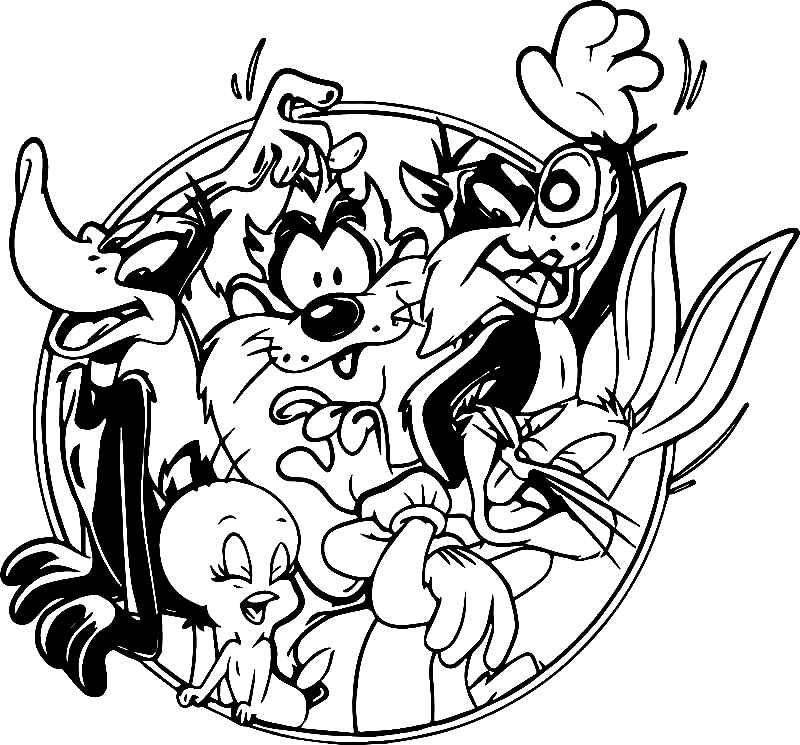
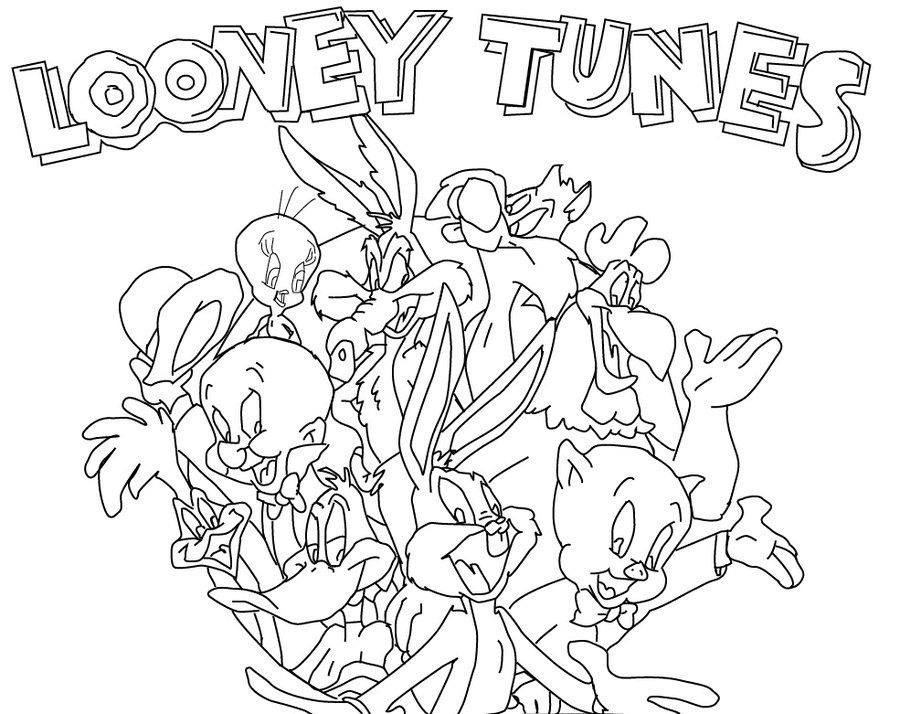
A smaller set of pages brings several characters together in one illustration or ties them to a sports or holiday theme, such as baseball, Thanksgiving, or Christmas.
What Looney Tunes Coloring Pages Do
Fine motor development. The American Academy of Pediatrics identifies fine motor skill development as a core benefit of structured coloring for children ages 2 through 7. The mix of simple single-character pages and more detailed group or chase scenes gives colorers of different skill levels a matching level of detail to work with.
Character recognition through contrast. Because Looney Tunes characters differ so sharply in shape, color, and personality, coloring them side by side gives kids practice noticing and describing visual differences between characters.
Anxiety reduction through focus. A 2005 study in the Art Therapy Journal documented measurable reductions in anxiety following structured coloring sessions. The bold outlines and familiar shapes in these pages make them a quick, low-pressure option for that kind of focused coloring break.
A prompt for storytelling. A single chase or expression-driven scene gives kids a natural reason to describe what just happened and what might happen next, building simple narrative skills alongside the coloring itself.
How to Color Looney Tunes Pages Well
- Bugs Bunny: Use Crayola Gray for the fur, White for the face, belly, and gloves, and Pink for the inner ears and nose.
- Daffy Duck: Use Black for the body, Orange for the beak and feet, and White for the eyes and neck ring.
- Tweety: Use bright Yellow for the feathers and Orange for the beak and feet, paired with a soft background color like Sky Blue so the small character still stands out.
- Sylvester: Use Black for most of the fur, White for the face, chest, and paws, and Red or Pink for the nose.
- Taz: Use Brown and Tan for the fur, with small swirl or motion lines around him in Gray or Orange to show his spinning energy.
- Road Runner and Wile E. Coyote: Use Blue-Violet for Road Runner’s feathers and Brown or Tan for Wile E. Coyote’s fur, set against desert colors like Beige and Dusty Orange for the background.
5 Creative Craft Ideas With Looney Tunes Coloring Pages
1. Character Poster
Color several single-character pages, cut them out, and glue them onto a poster board to build a personal Looney Tunes character lineup.
2. Story Cards
Color a Tweety and Sylvester page, cut it into sections, and write a short sentence on each card describing what each character is doing.
3. Bookmark Set
Cut a finished single-character page into a bookmark strip and cover it with clear tape for a durable, reusable bookmark.
4. Chase Scene Diorama
Color a Road Runner or Wile E. Coyote page, cut it out, and stand it up inside a shoebox with a simple desert background to build a chase-scene diorama.
5. Classroom Character Wall
Color several character pages as a group, cut out the finished designs, and pin them to a classroom bulletin board for a rotating Looney Tunes display.
Frequently Asked Questions
What are Looney Tunes coloring pages?
Looney Tunes coloring pages are printable line-art designs featuring characters from the classic Warner Bros. animated shorts, including Bugs Bunny, Daffy Duck, Tweety, and Taz. This collection includes 69 pages, ranging from single-character portraits to group and chase scenes.
When did Looney Tunes begin?
Looney Tunes began in 1930 as a series of animated short films produced by Warner Bros. Porky Pig debuted in 1935, Daffy Duck followed in 1937, and Bugs Bunny appeared in his familiar form in the 1940 short “A Wild Hare.”
Which Looney Tunes characters are included in this collection?
The collection includes Bugs Bunny, Daffy Duck, Tweety, Sylvester, Taz, Road Runner, Wile E. Coyote, Porky Pig, Yosemite Sam, Elmer Fudd, Foghorn Leghorn, Speedy Gonzales, Marvin the Martian, Gossamer, Michigan J. Frog, and Pepe Le Pew, along with several group and themed pages.
Why do Tweety and Sylvester appear together so often?
Tweety and Sylvester are one of the most classic Looney Tunes pairings, built around Sylvester repeatedly trying and failing to catch the small, clever bird, which is why several pages in this collection show the two characters together.
What makes Road Runner and Wile E. Coyote pages different from other character pages?
Road Runner and Wile E. Coyote pages are built around motion and chase energy rather than a single still pose, often set against a desert background, which gives colorers a chance to add motion lines and dust effects.
What sports and holiday themes appear in the collection?
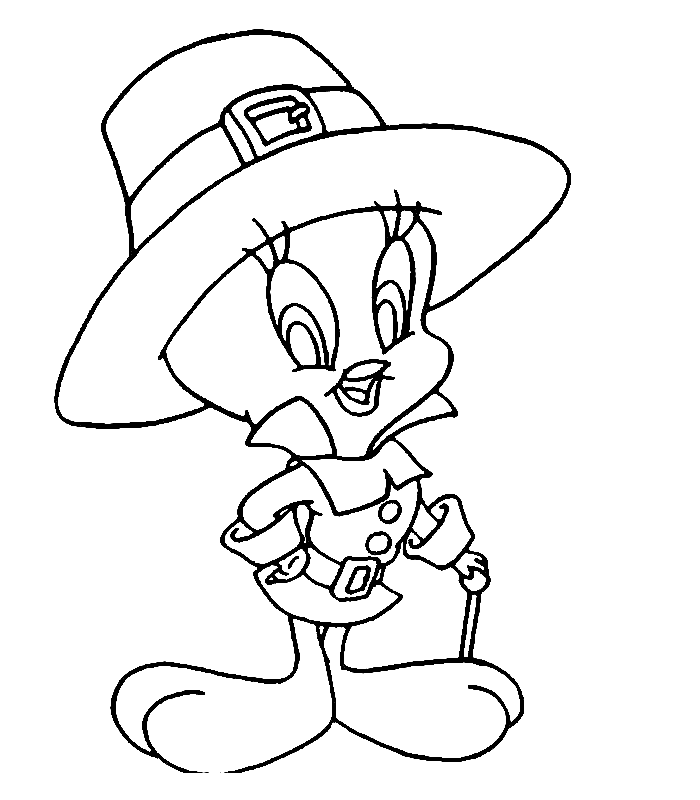
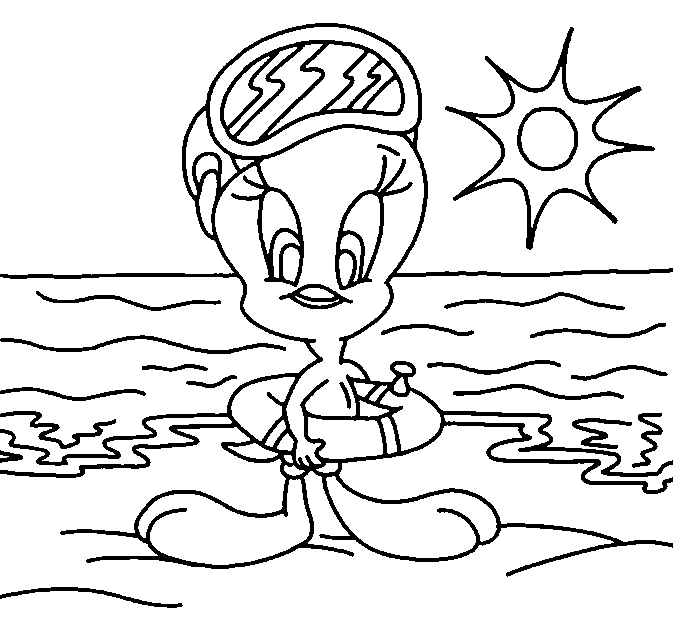
The collection includes a handful of pages tying characters to specific moments, such as Bugs Bunny playing baseball, Thanksgiving Tweety, and Christmas Tweety, alongside general summer and vacation-themed designs.
Are Looney Tunes coloring pages suitable for young children?
Yes. The bold outlines and simple single-character pages in this collection work well for children ages 2 through 7, the age range the American Academy of Pediatrics associates with active fine motor skill development through coloring. The detailed group and chase scenes suit older kids and adult fans.
Can these pages be used for a classroom cartoon activity?
Yes. The single-character pages work well for quick art-center activities, while the chase and group scenes can support storytelling or classroom discussions about character traits and expressions.
Start Coloring
Download any page by clicking the design. No account, email, or payment is required. Pages print directly from the browser at full resolution or open in the online coloring tool for screen use. Share finished pages on Facebook or Pinterest with the share buttons at the top of each design page.