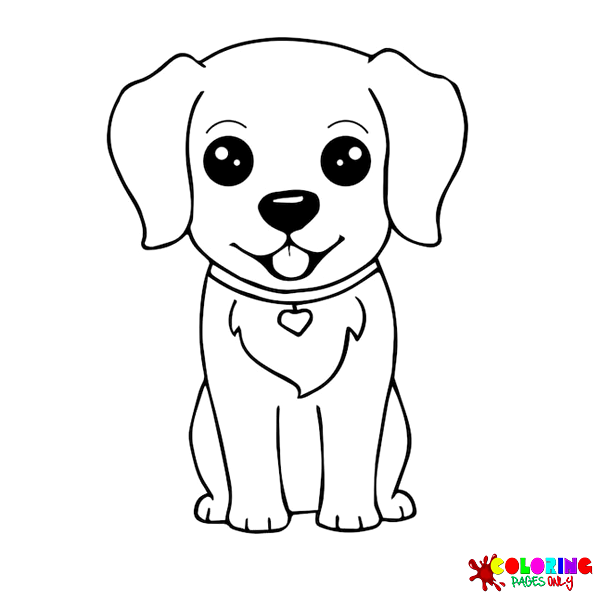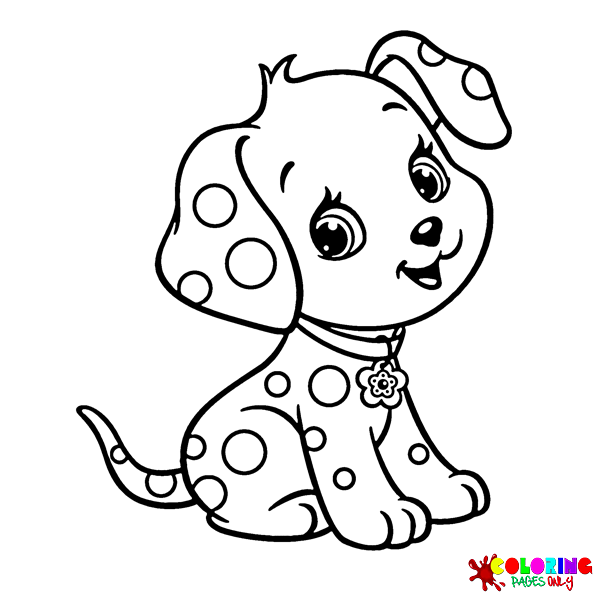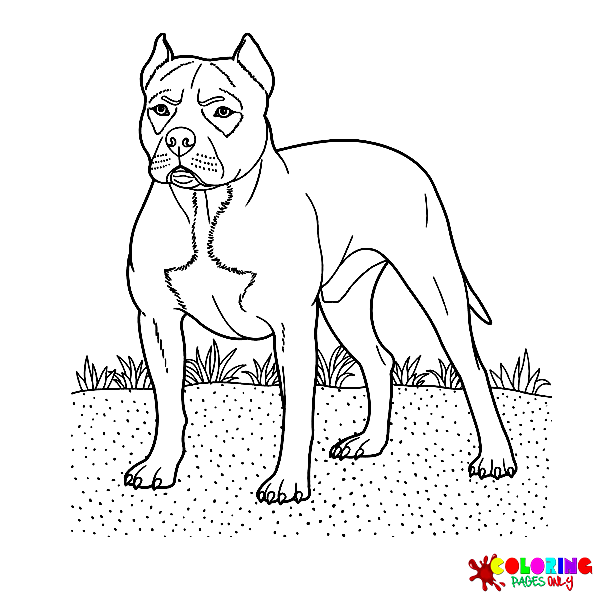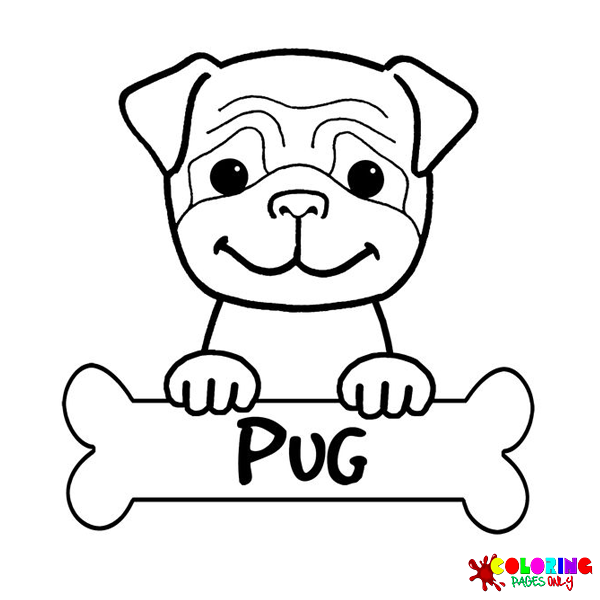

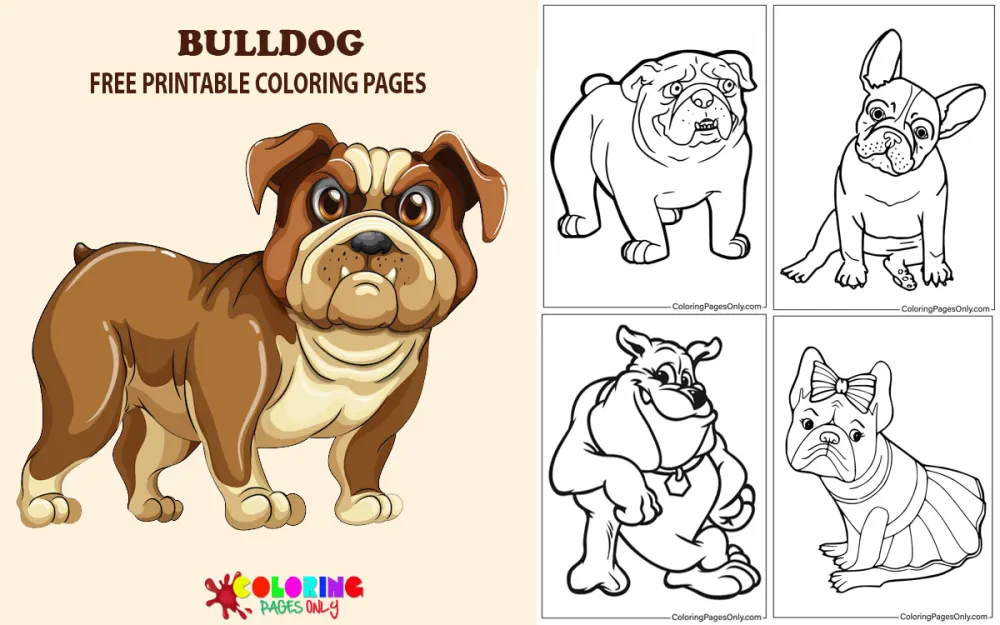
Free Bulldog Coloring Pages: 40 printable PDF designs featuring classic solo portraits, mood and personality variants, dressed-up and accessory bulldogs, and puppies and activity scenes. Each page can be downloaded as a PDF to print or colored online in the browser.
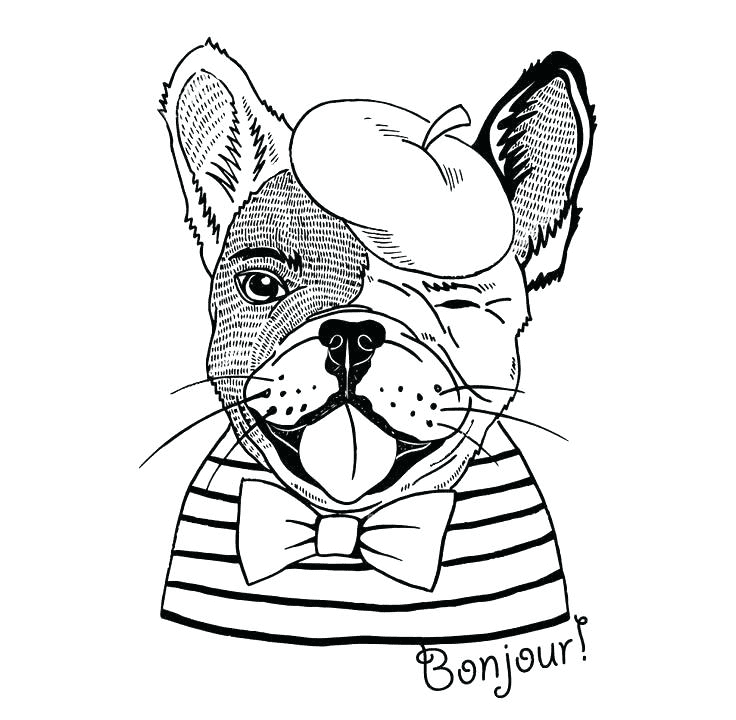
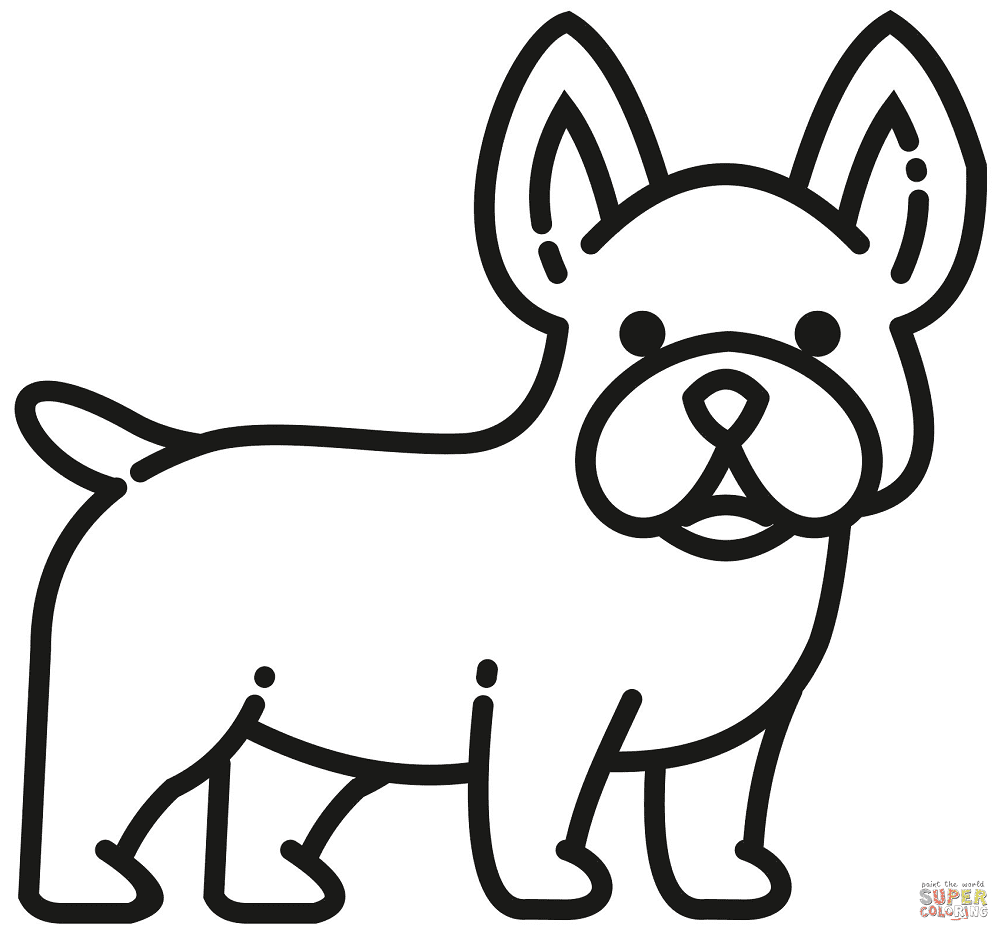
The Bulldog’s history traces back to 13th-century England, where the breed’s ancestors were developed for bull-baiting, a blood sport in which a dog was set against a tied bull. The sport was outlawed under the Cruelty to Animals Act of 1835, and breeders shifted their focus toward temperament and appearance rather than aggression, gradually shaping the calmer, more companionable Bulldog known today. A few pages in this set feature the French Bulldog, a related but distinct breed developed later in the 19th century when English Bulldogs were crossed with local ratter dogs, eventually becoming recognized as its own breed by 1905.
This collection reflects that mix of classic character and everyday charm across 40 pages: solo portraits, mood and personality variants, dressed-up scenes, and puppies and activities. A stocky build, wrinkled face, and undeniably expressive look are the throughline across nearly every page.
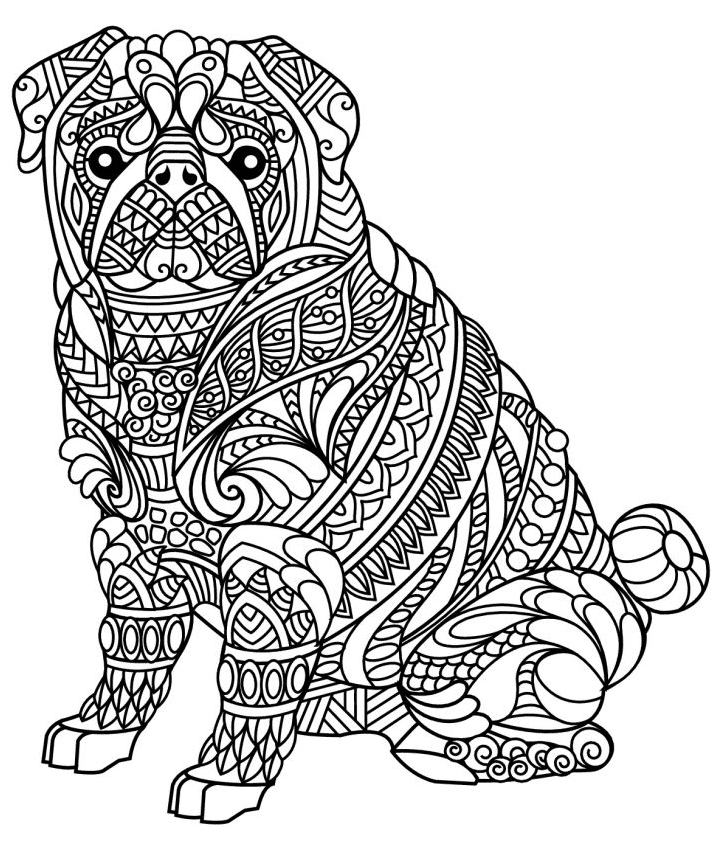
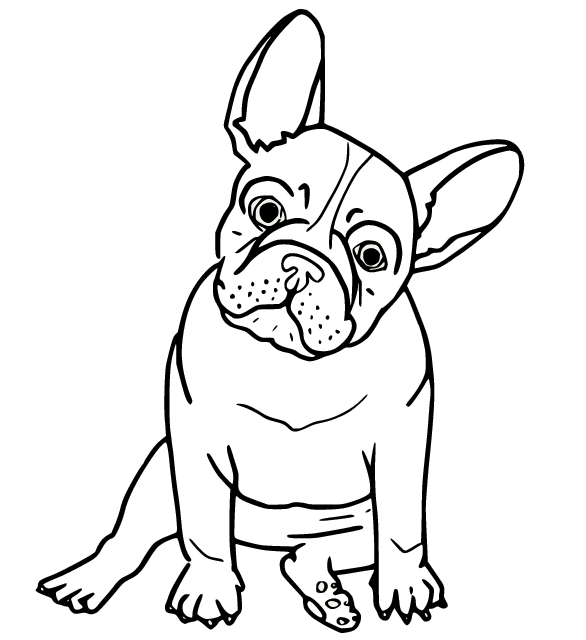
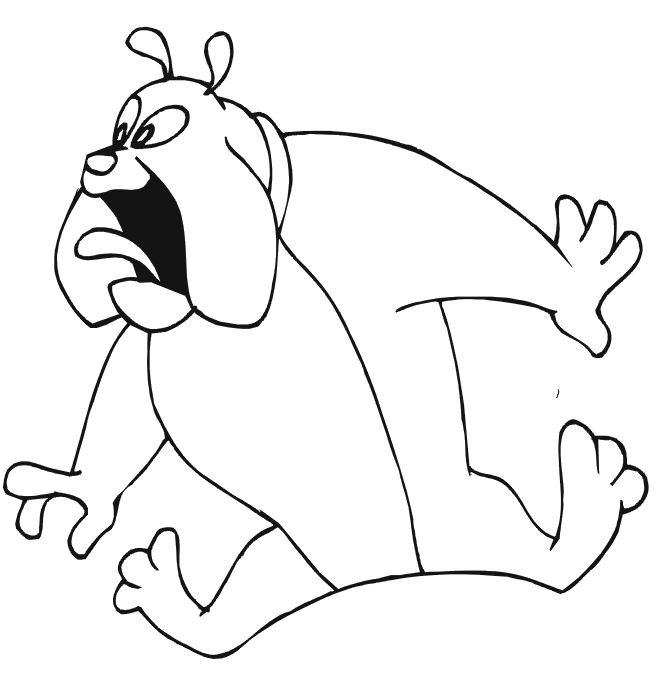
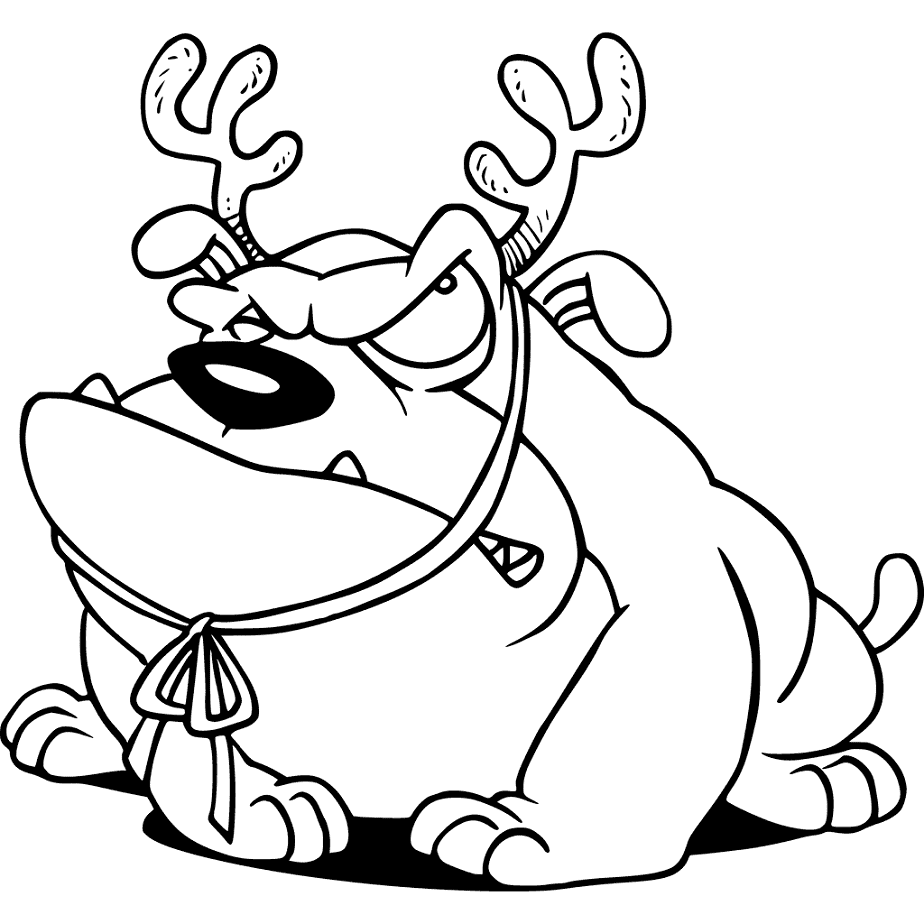
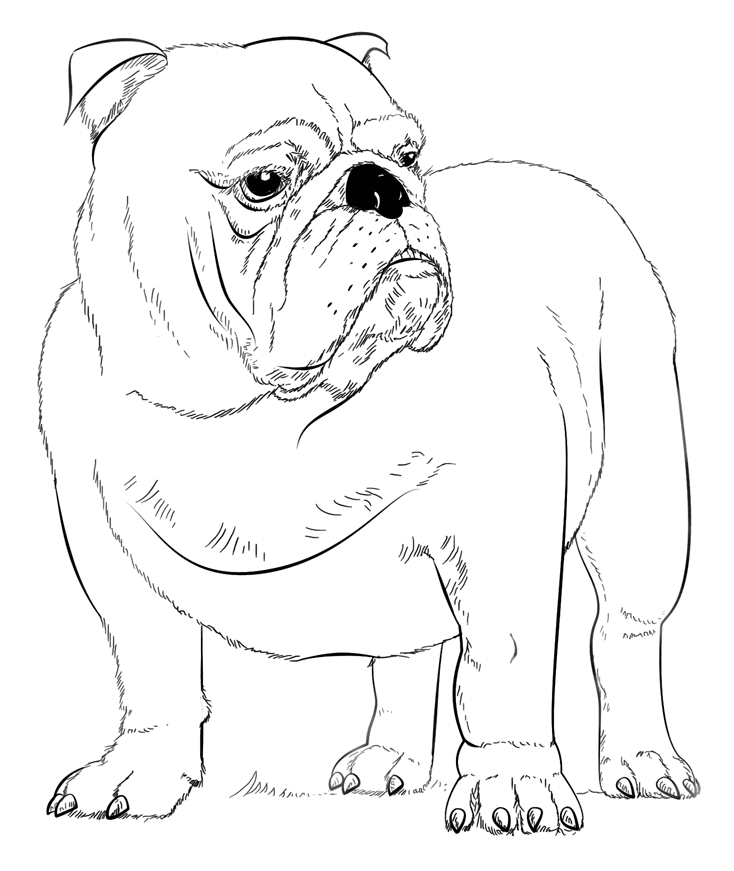
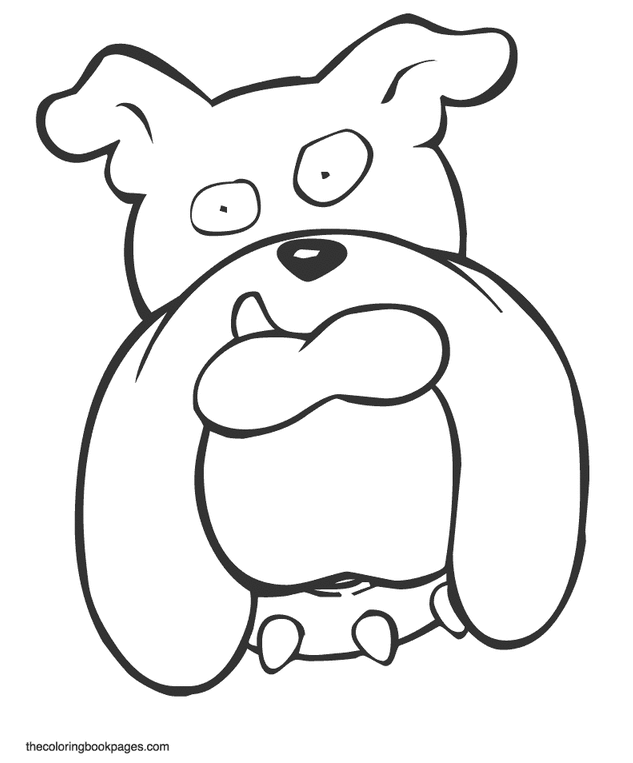
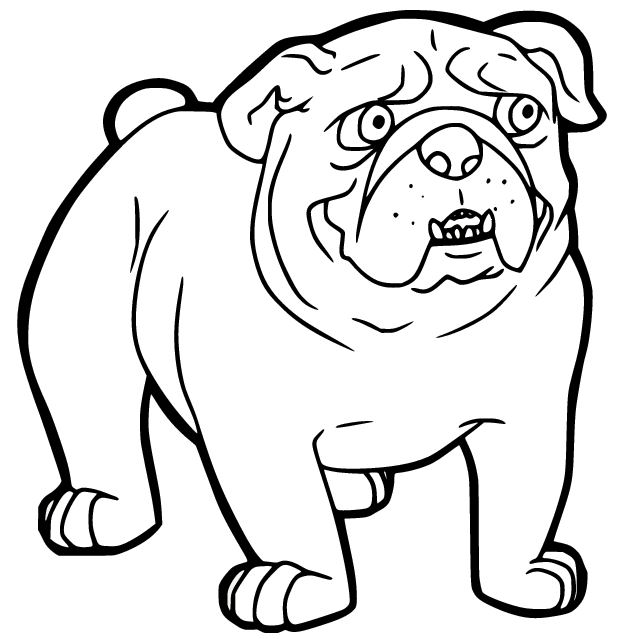

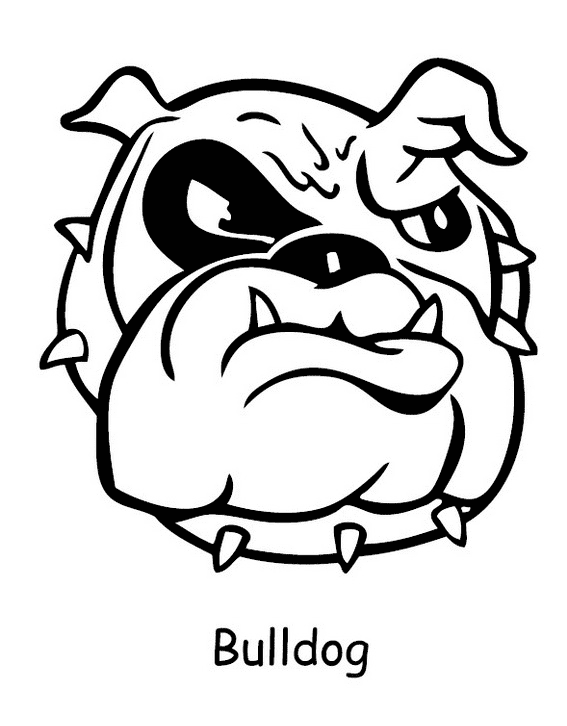
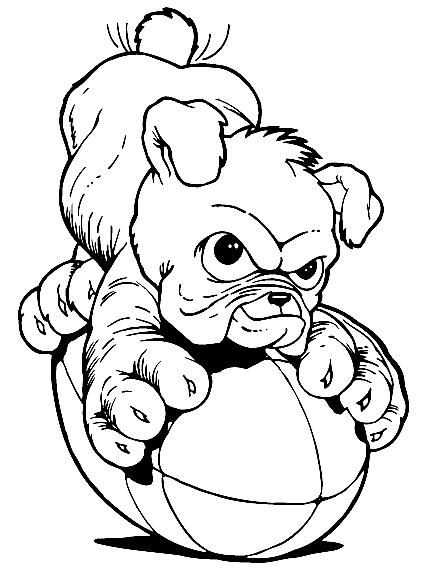
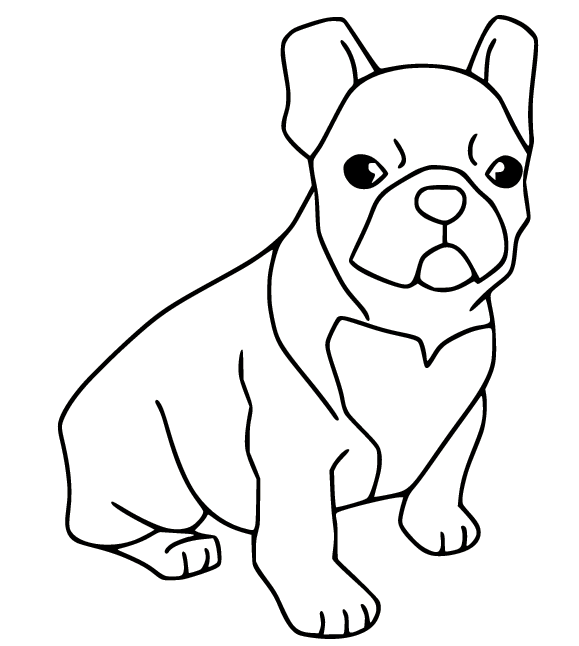
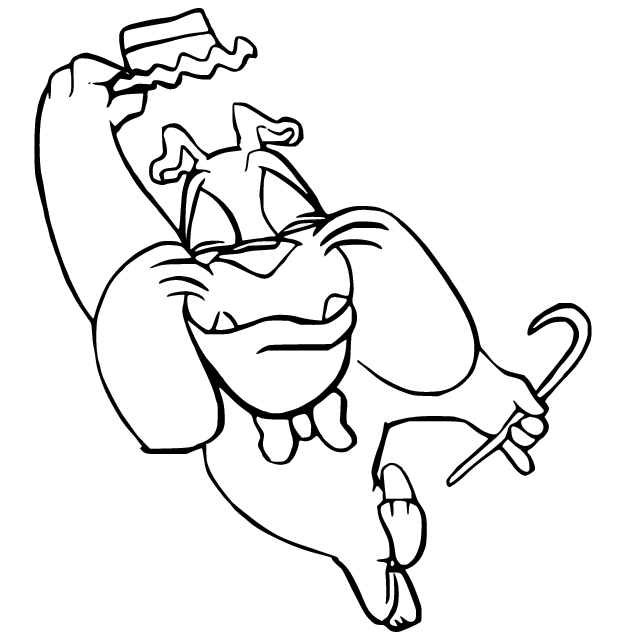
What Is Inside This Collection
The 40 pages are broken into four groups based on content.
Classic Solo Portraits
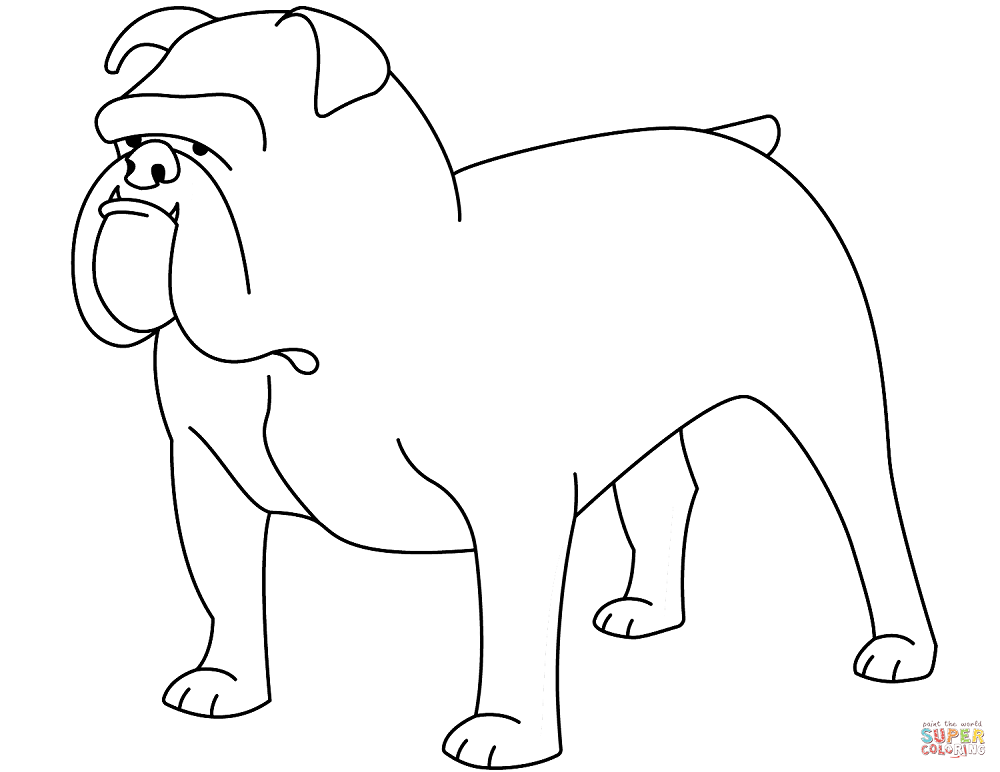
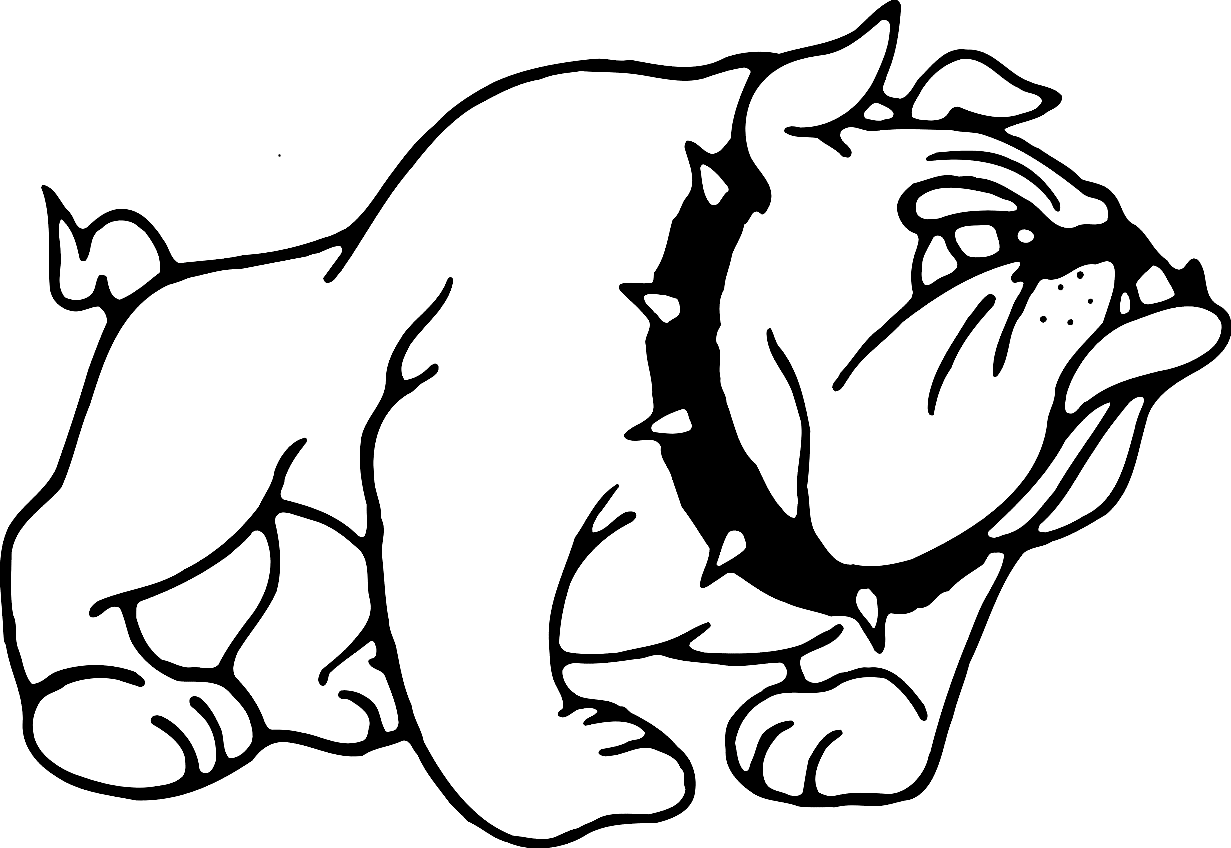
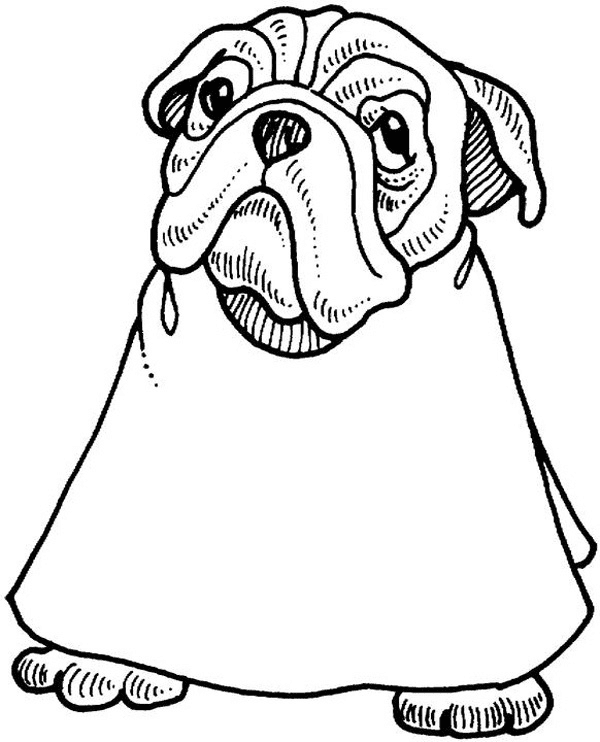
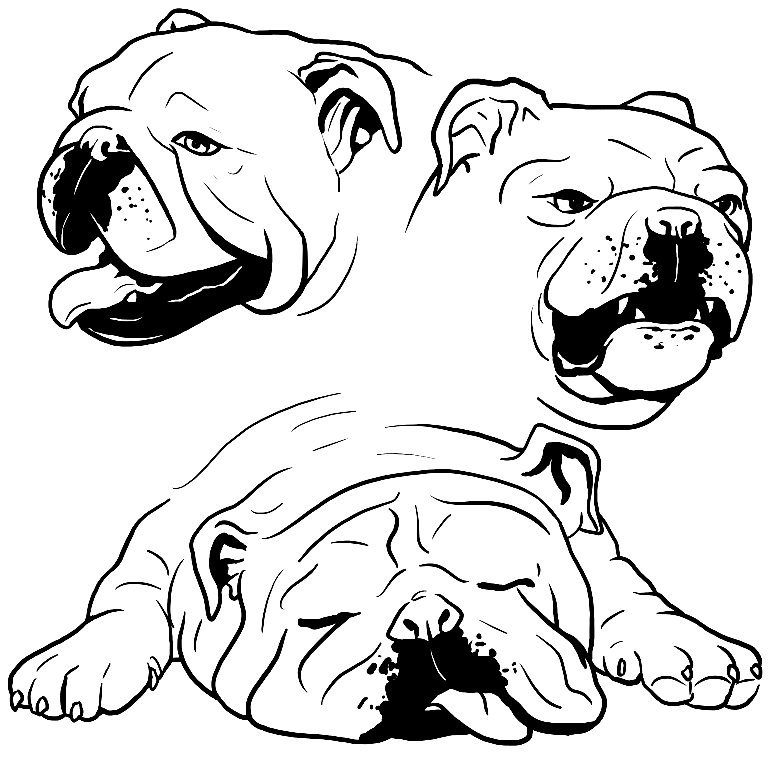
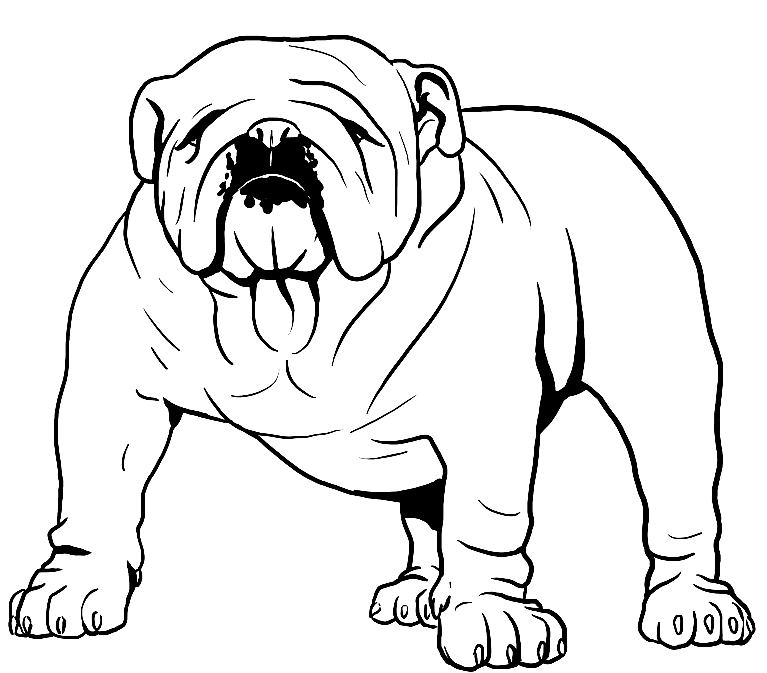
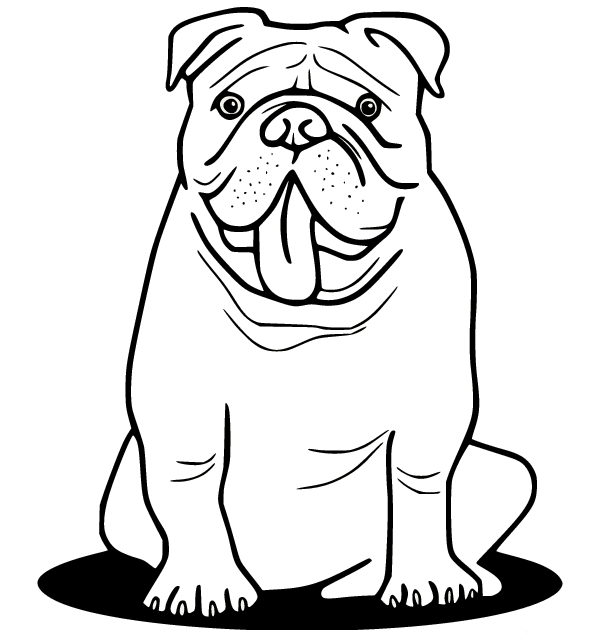
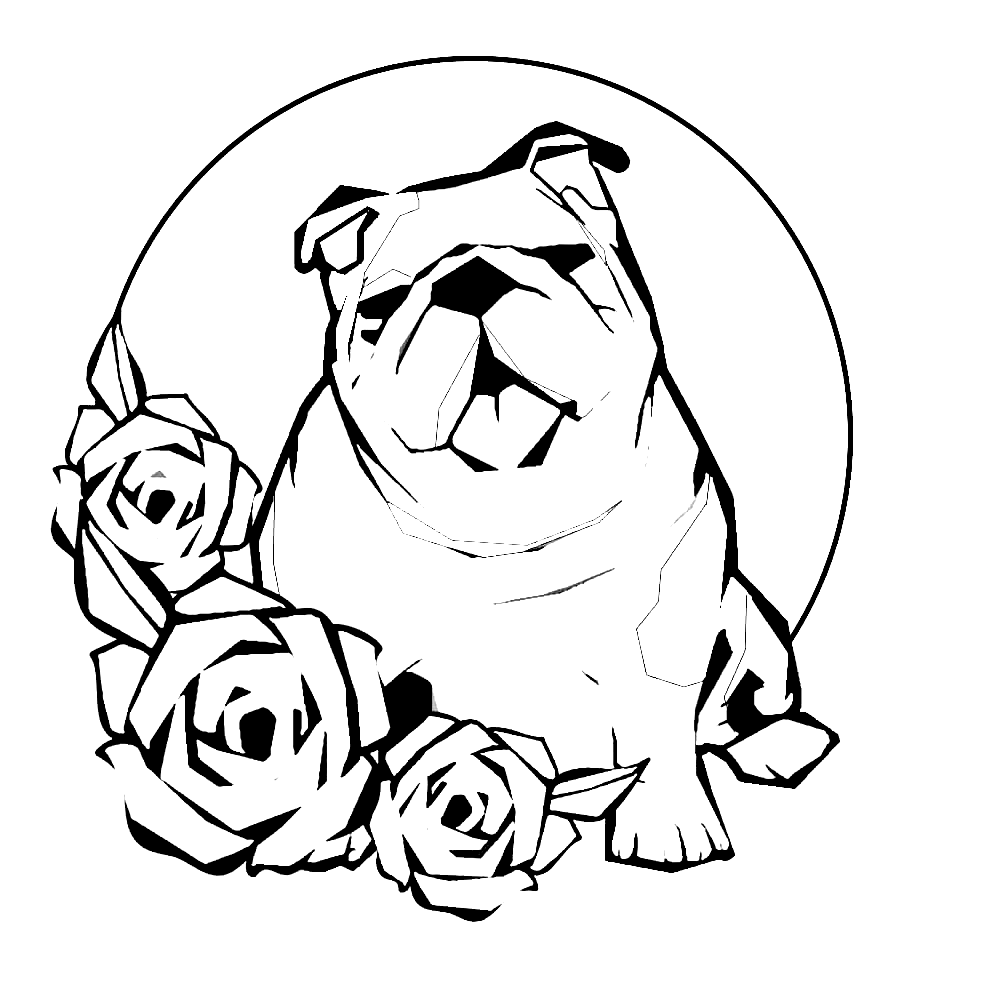
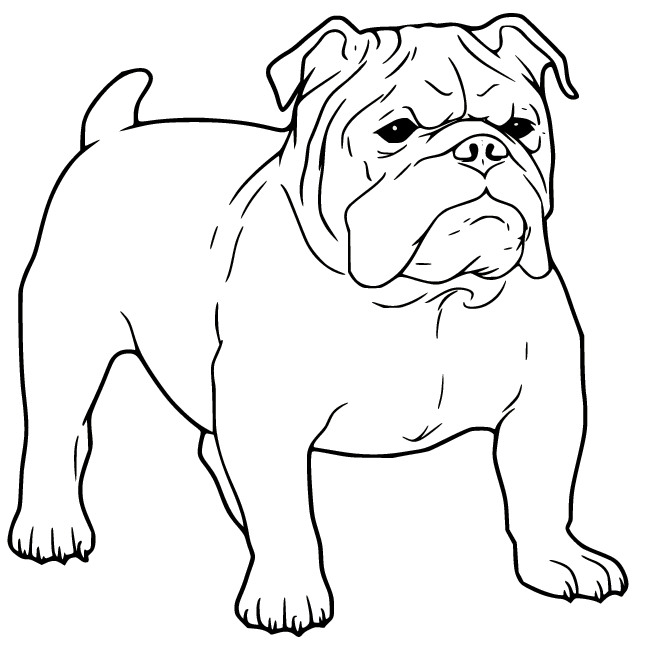
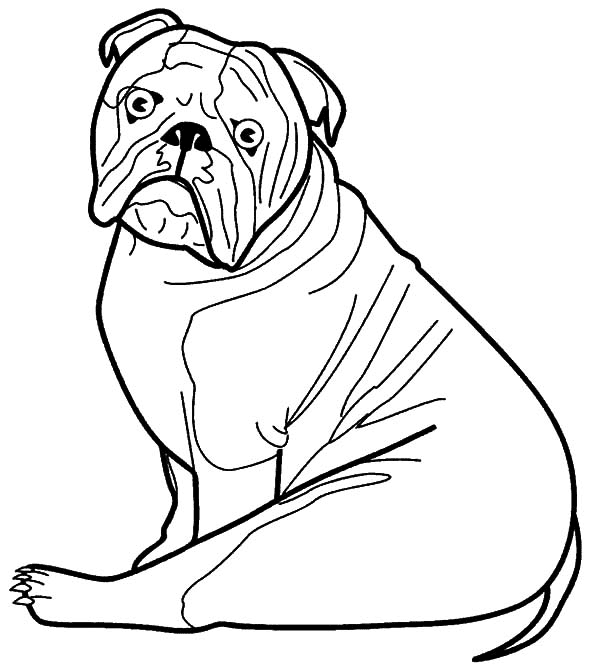
Nine pages show a Bulldog as a solo figure in a fairly consistent style, distinguished mainly by pose and level of detail. Color suggestion: keep the wrinkled face details consistent across every portrait, using slightly darker shading in the deepest folds to give the face real dimension.
Mood and Personality Variants
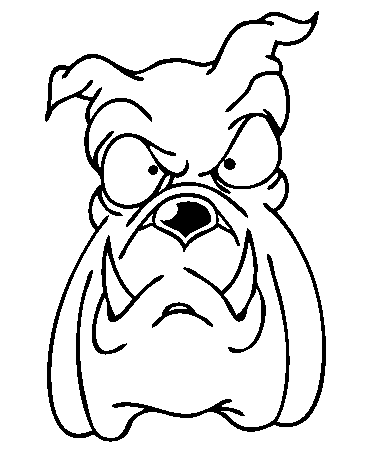
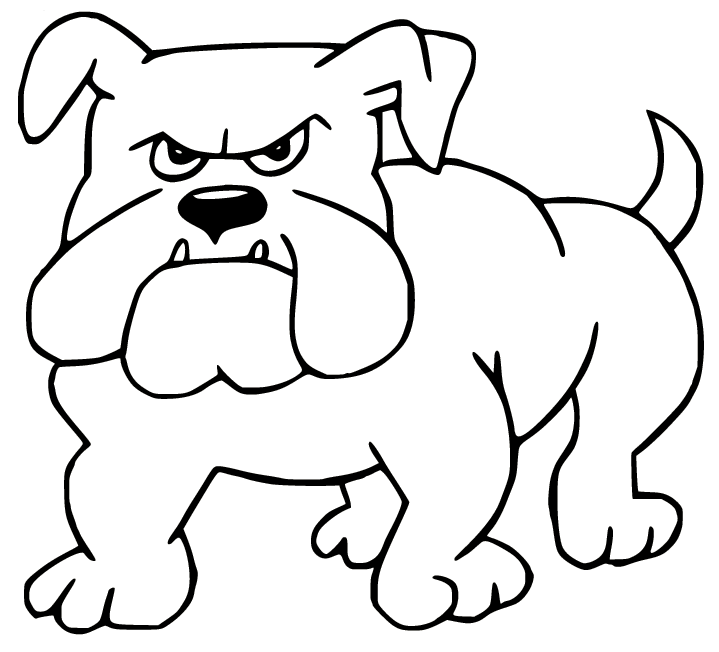
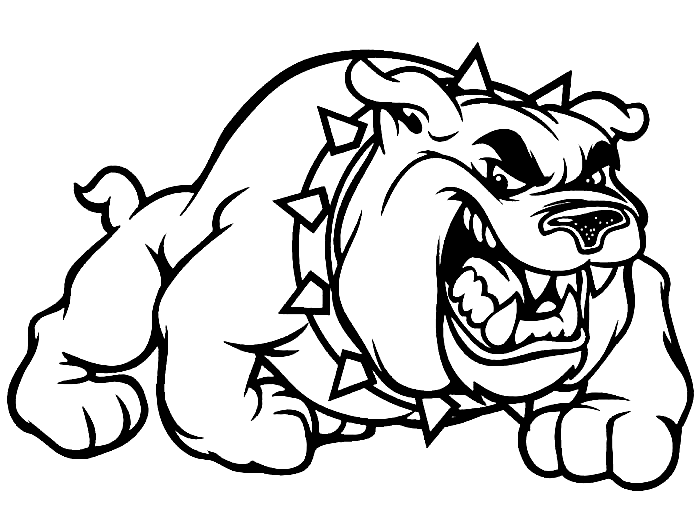
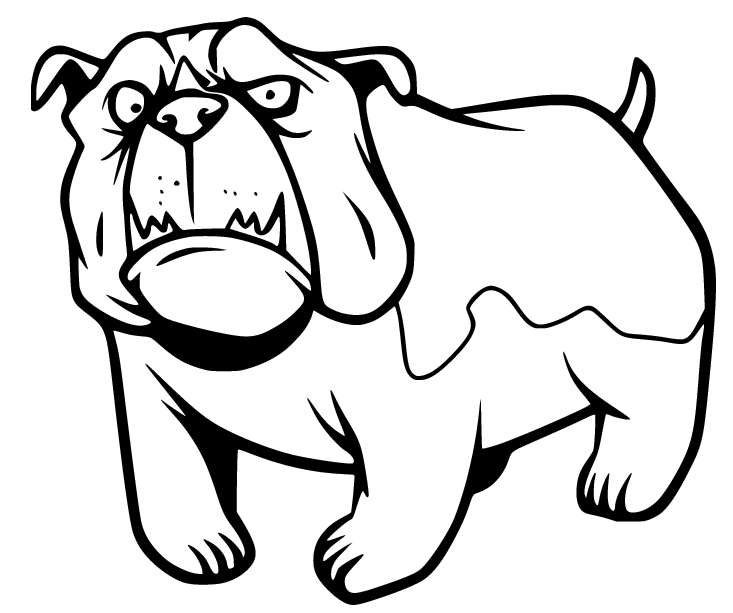
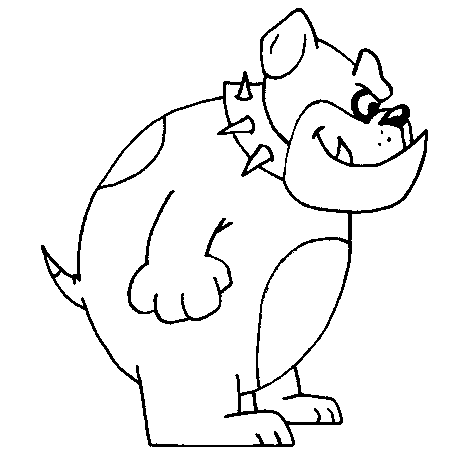
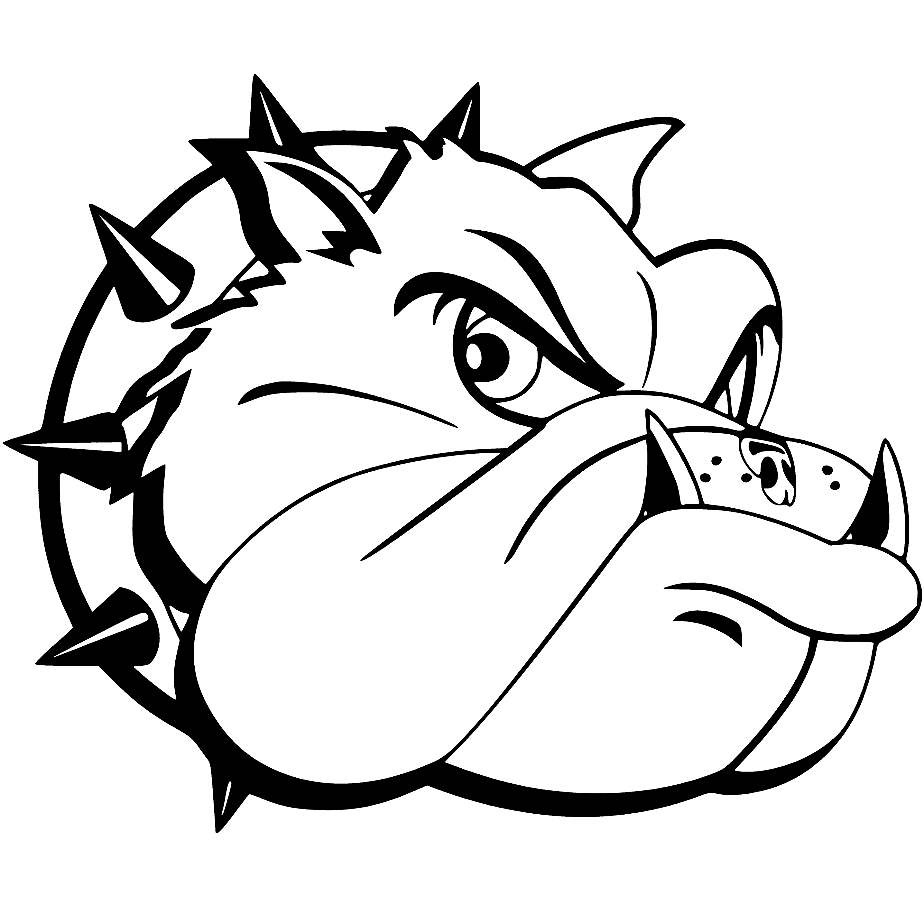
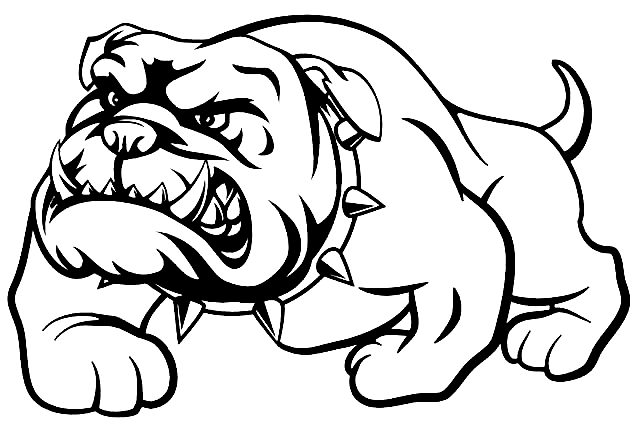
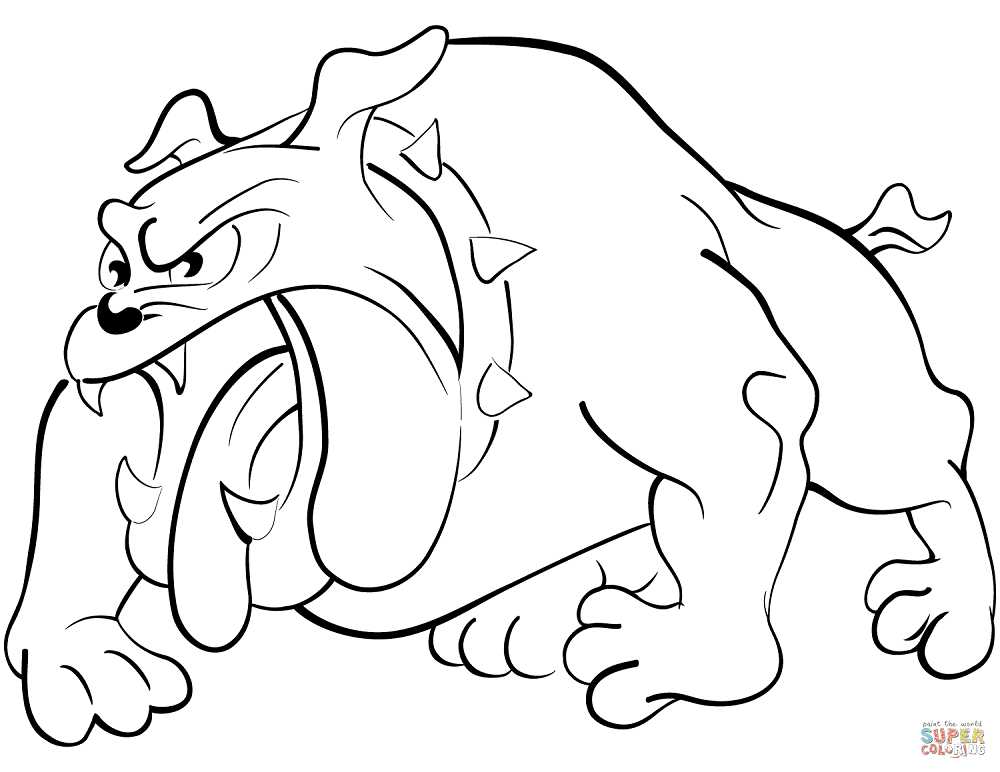
Twelve pages give the Bulldog a distinct expression or personality, including surprised, fierce, funny, and angry versions. Color suggestion: let the mood guide the color intensity, brighter and warmer for the funny and cartoon-style pages, cooler and more muted for the fierce and angry designs.
Dressed-Up and Accessory Bulldogs
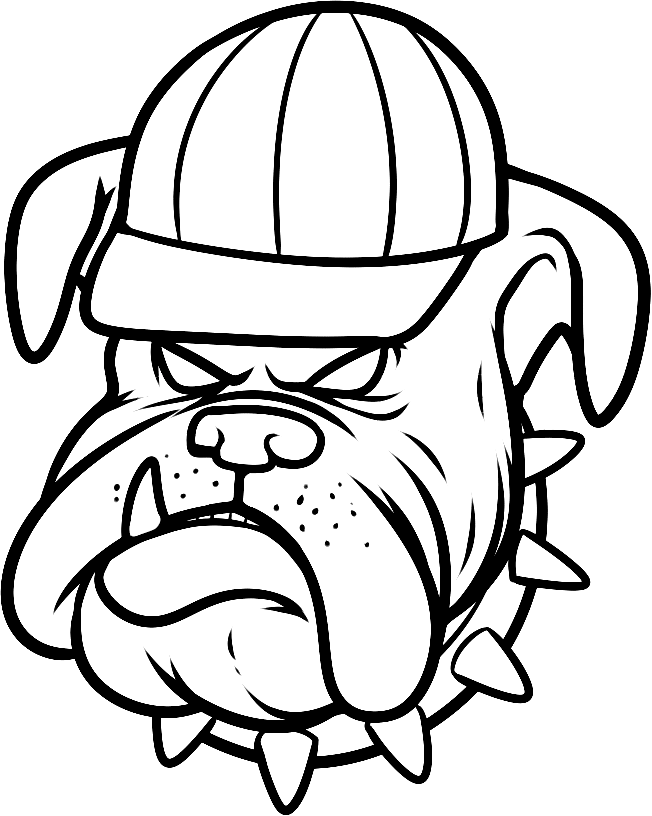
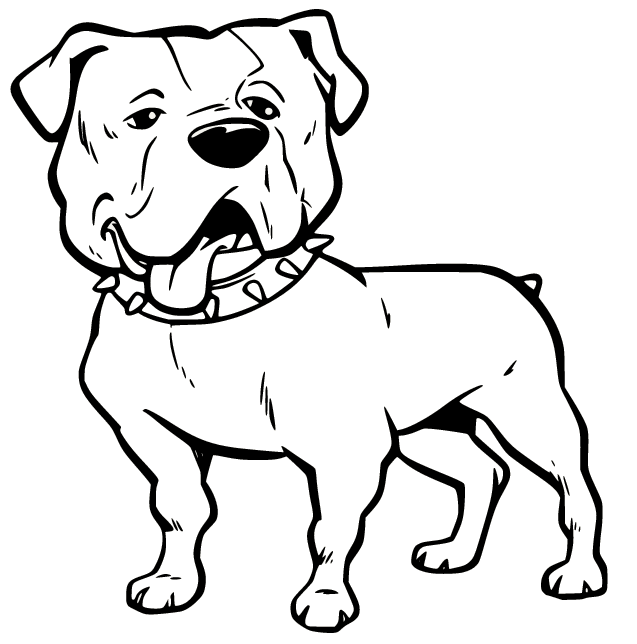
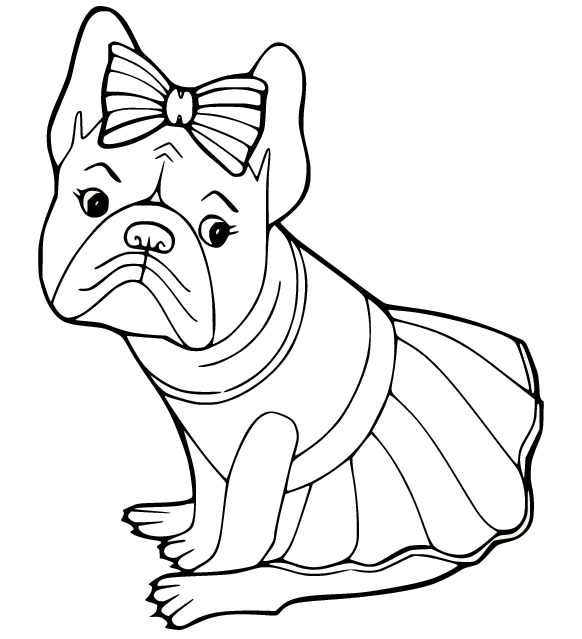
Six pages show a Bulldog wearing an accessory or outfit, including a hat, collar, bowknot, dress, or reindeer antlers. Color suggestion: treat the accessory as the standout color element, keeping the Bulldog’s own coat in a natural tone so the outfit reads clearly.
Puppies, Activities, and Breed Variants
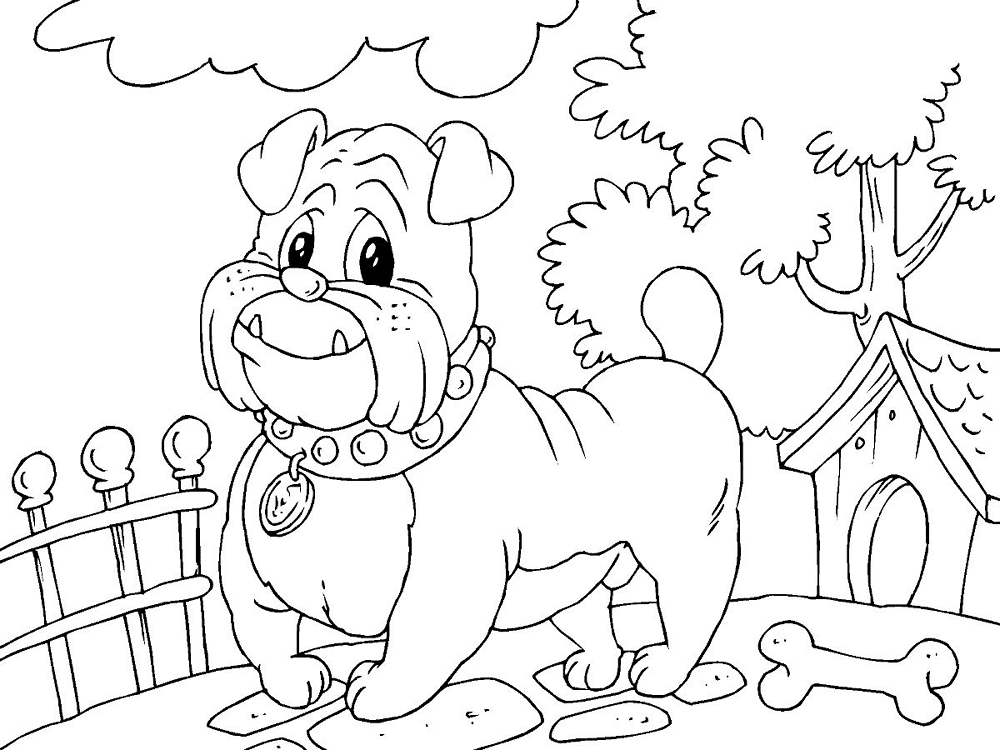
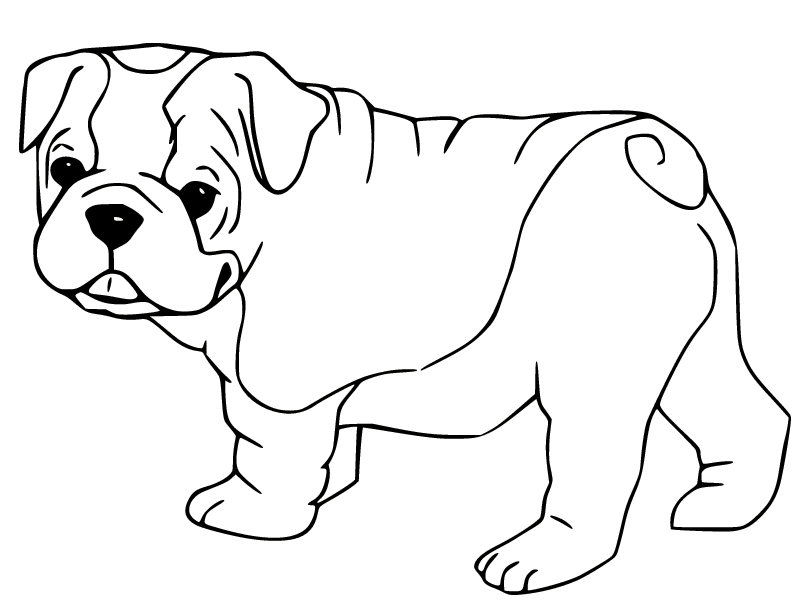
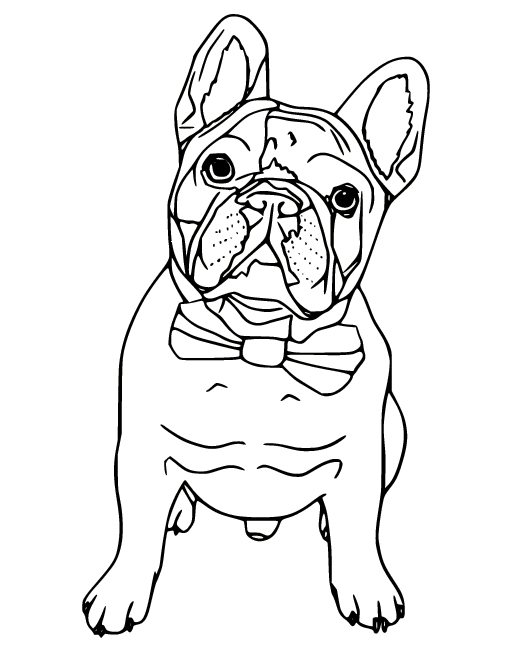
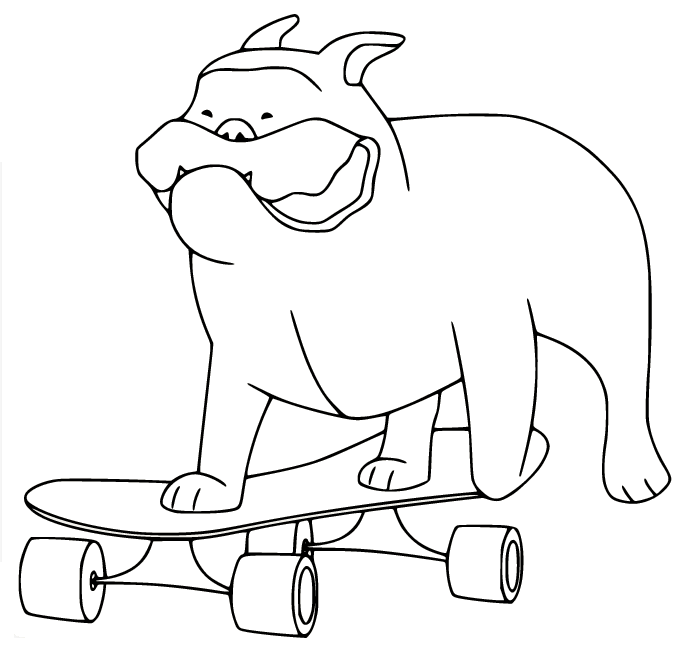
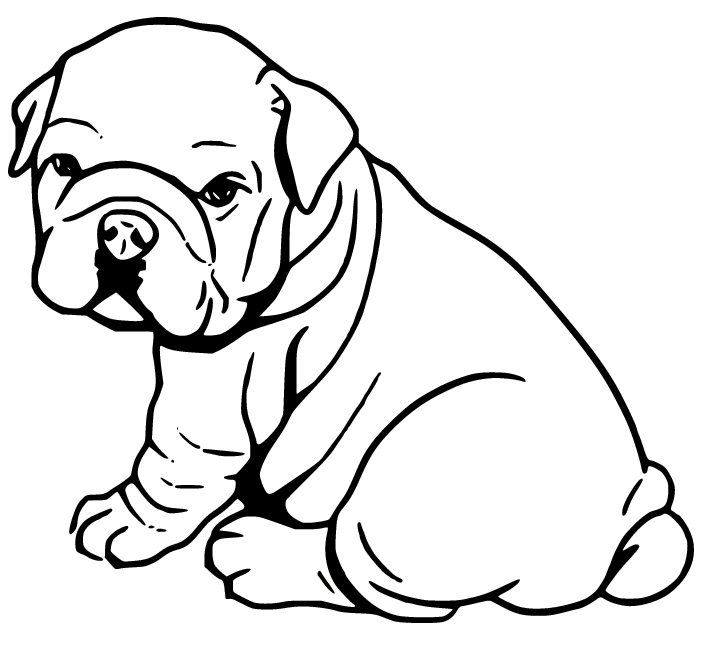
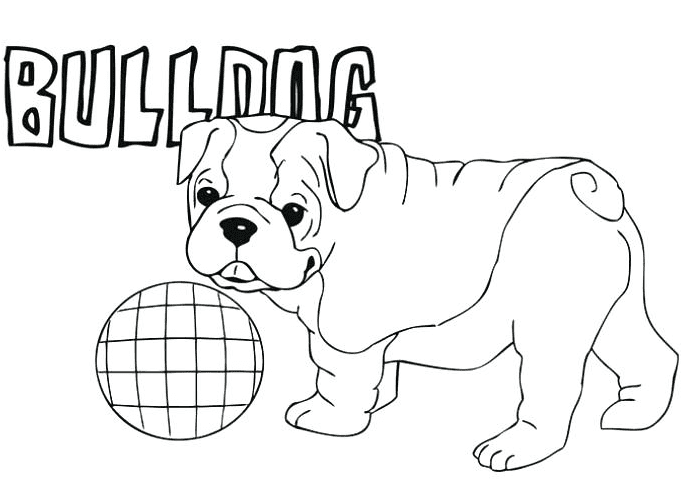
Thirteen pages round out the set with puppies, activity scenes like skateboarding, and a couple of French Bulldog designs. Color suggestion: keep puppy coats a touch lighter and softer than the adult portraits, since young Bulldogs often have a slightly less defined wrinkle pattern.
What Bulldog Coloring Pages Do
A recognizable, expressive breed for any colorist. Because Bulldogs have such a distinctive stocky build and wrinkled face, these pages give kids an easy, familiar shape to work with while still offering enough detail to stay engaging.
Fine motor practice with wrinkle and fold detail. The American Academy of Pediatrics identifies fine motor skill development as a core benefit of structured coloring for children ages 2 through 7, and the layered facial folds on a Bulldog give more precise practice than a smooth-faced animal.
A natural entry point into breed history. Because Bulldogs have a genuinely interesting backstory, from a banned blood sport to a beloved companion breed, this set offers an easy way to talk about how selective breeding has reshaped a dog’s purpose and appearance over time.
A calm, familiar activity. Research published in the Art Therapy Journal in 2005 found that structured coloring sessions were associated with a measurable reduction in reported anxiety. A gentle, well-loved dog breed like the Bulldog makes a comforting subject for a relaxed coloring session.
How to Color Bulldog Pages Well
- Coat: Use Crayola Tan, Sepia, or White depending on the design, since Bulldog coats commonly range from fawn to white to brindle patterns.
- Wrinkles and folds: Shade the deepest creases in a slightly darker tone than the surrounding coat to give the face real depth and texture.
- Nose and mouth: A solid Crayola Black works well for the nose, with a soft pink for the inside of the mouth on pages where it’s visible.
- French Bulldog pages: Use the same natural coat tones as the English Bulldog portraits, but keep the ears more upright and pointed to reflect the breed’s distinct “bat ear” shape.
- Accessories: Let hats, collars, and bows stand out in bold colors like Crayola Scarlet or Goldenrod against the more neutral coat tones.
- Mood variants: Cooler grays and browns suit the fierce and angry designs, while warmer, brighter tones fit the funny and cartoon-style pages.
5 Creative Craft Ideas With Bulldog Coloring Pages
1. Character Bookmark
Color a favorite portrait, trim it to a narrow strip, and cover it with clear tape or a laminate sheet to make a simple, durable bookmark.
2. Pet Fact Poster
Color one of the classic portraits, glue it to a larger sheet of paper, and add a few real Bulldog facts around it to make a simple educational poster.
3. Greeting Card
Color one of the dressed-up or funny pages, fold a piece of cardstock in half, and glue the colored page to the front for a handmade card.
4. Puppy Trading Card
Color one of the puppy pages, trim it to a small rectangle, and mount it on cardstock with a short handwritten note to make a simple trading card.
5. Breed Comparison Display
Color one of the English Bulldog portraits alongside a French Bulldog page, then arrange them together with short notes on how the two breeds differ.
Frequently Asked Questions
What are Bulldog coloring pages?
Free printable designs of Bulldogs in classic, mood, dressed-up, and puppy styles. This collection has 40 pages available as PDF downloads or online coloring, with no account required.
What breed is featured in this collection?
Most pages feature the English Bulldog, with a couple of pages showing the related but distinct French Bulldog breed.
Why were Bulldogs originally bred?
Bulldogs were originally bred in 13th-century England for bull-baiting, a blood sport that was outlawed under the Cruelty to Animals Act of 1835, after which breeders shifted focus to temperament and companionship.
Is a French Bulldog the same as an English Bulldog?
No. The French Bulldog is a related but separate breed, developed later in the 19th century when English Bulldogs were crossed with local ratter dogs, and recognized as its own breed by 1905.
Why do Bulldogs have wrinkled faces?
The wrinkled, folded face is a result of generations of selective breeding for appearance after the breed’s original working purpose ended in the 1800s.
Are Bulldogs a healthy breed today?
Selective breeding for appearance has left Bulldogs prone to certain health issues, including breathing difficulties related to their flat face, which is a consideration for anyone looking into the breed as a pet.
What age group are these pages best suited for?
The simple, cute, and puppy pages suit children as young as three, while the more detailed mood and realistic portraits work well for children five and up.
Can these pages be used for a pet-care or animal science lesson?
Yes. The mix of realistic portraits and genuine breed history makes this set a useful starting point for a lesson on dog breeds or responsible pet ownership.
Start Coloring
Download any page by clicking the design. No account, email, or payment is required. Pages print directly from the browser at full resolution or open in the online coloring tool for screen use. Share finished pages on Facebook or Pinterest using the share buttons at the top of each design page.