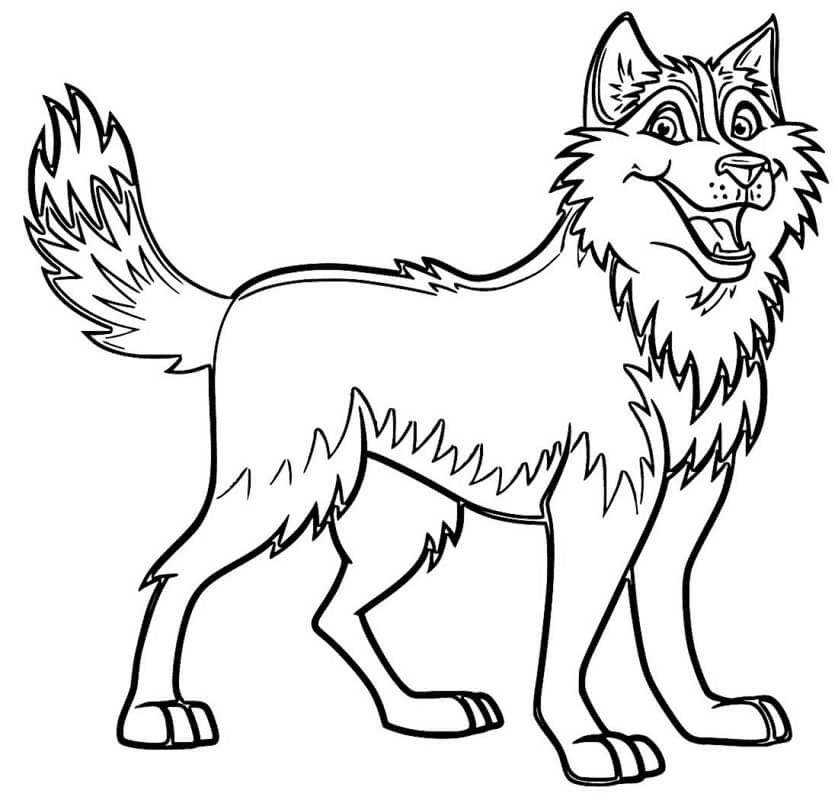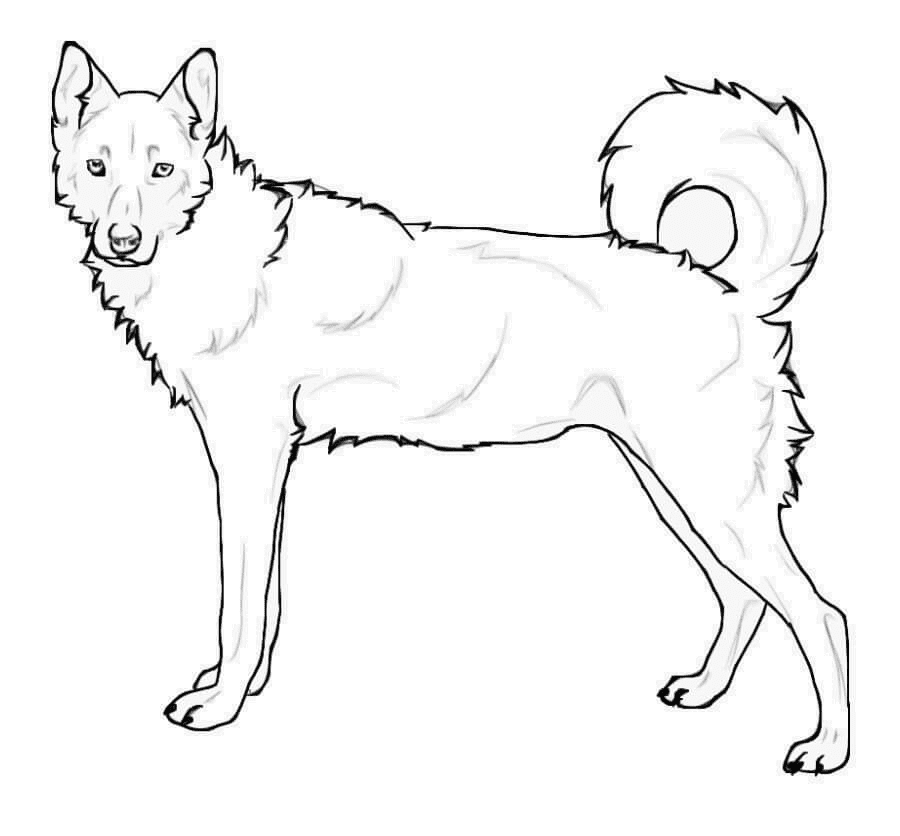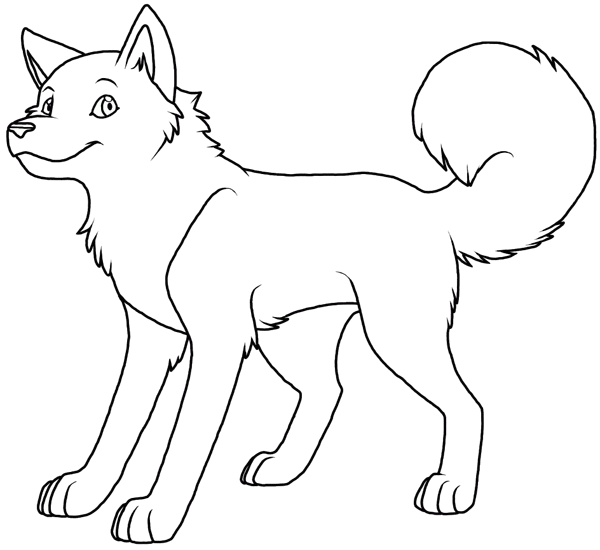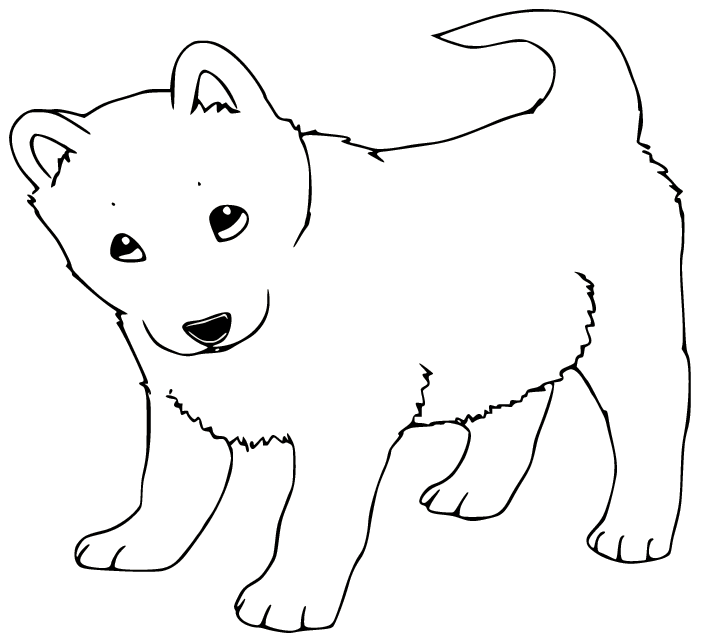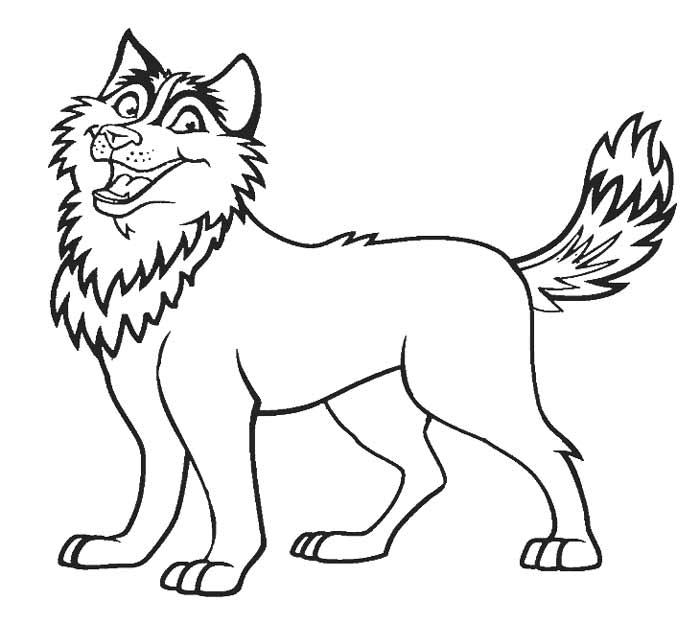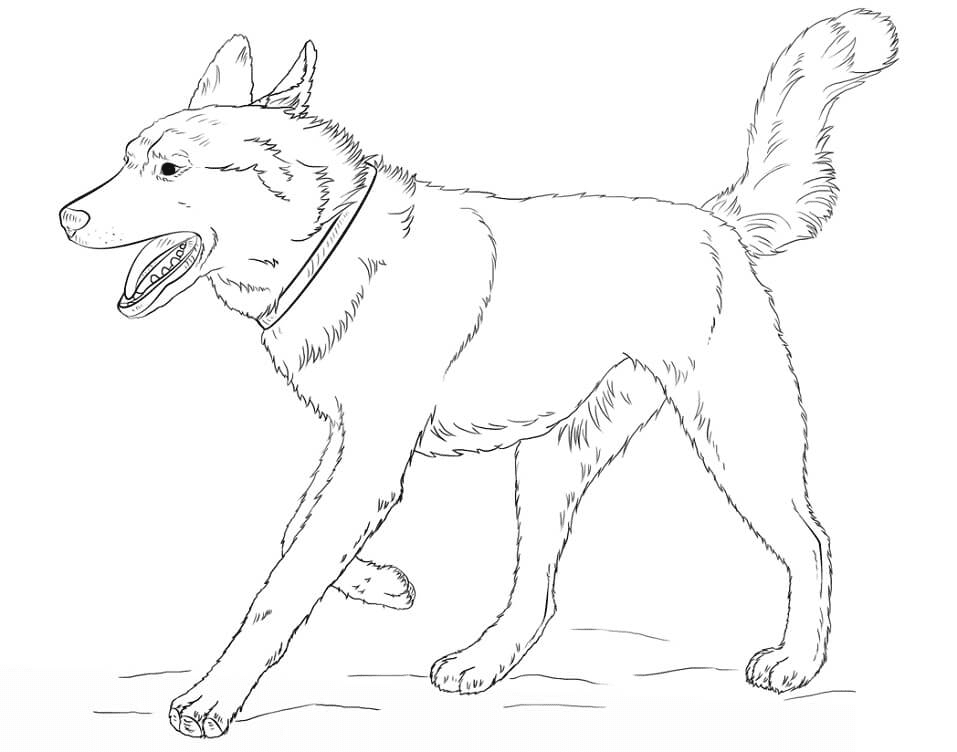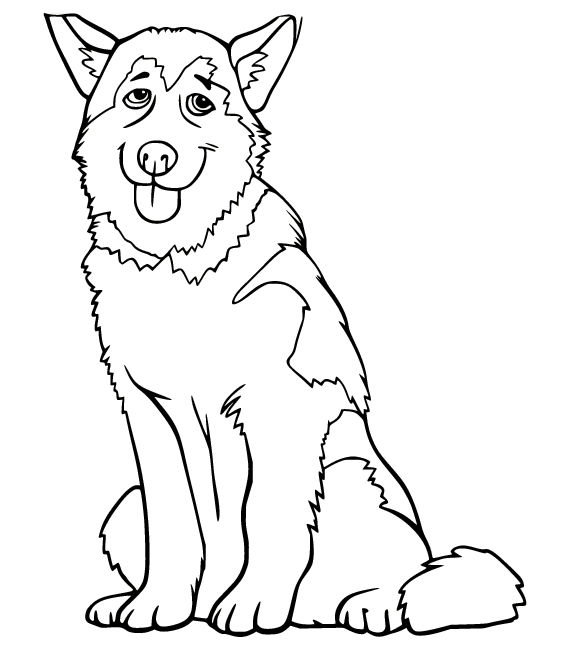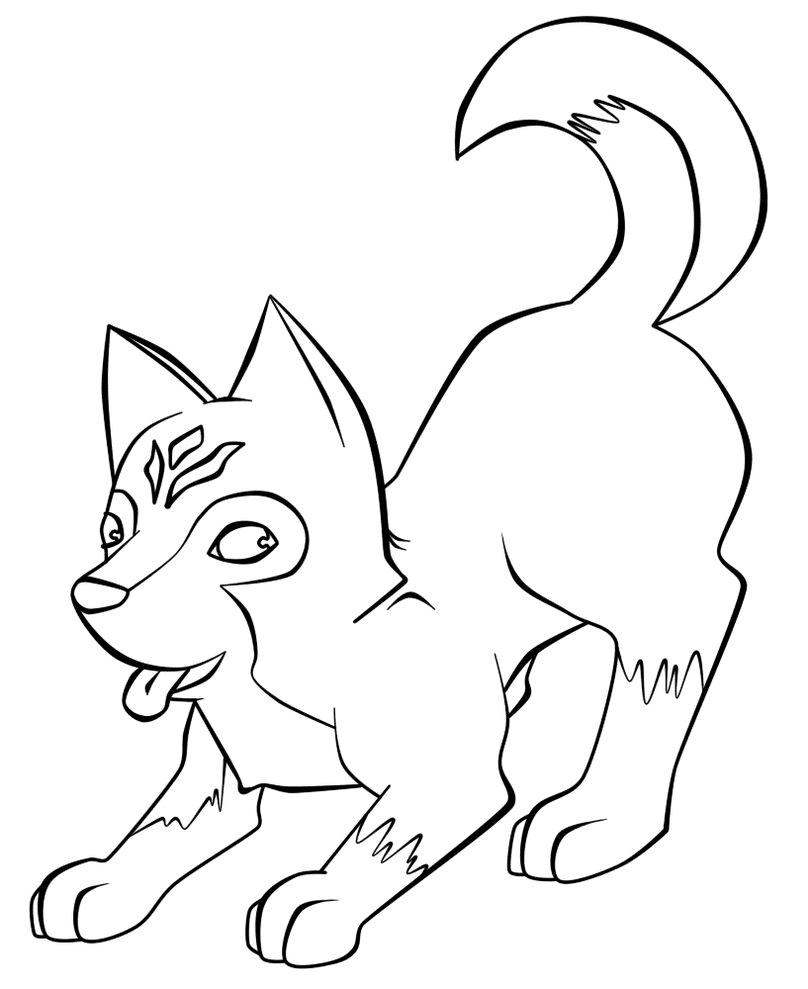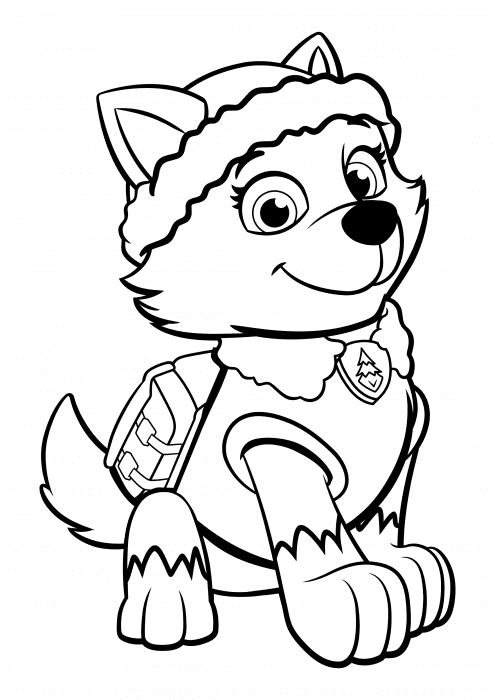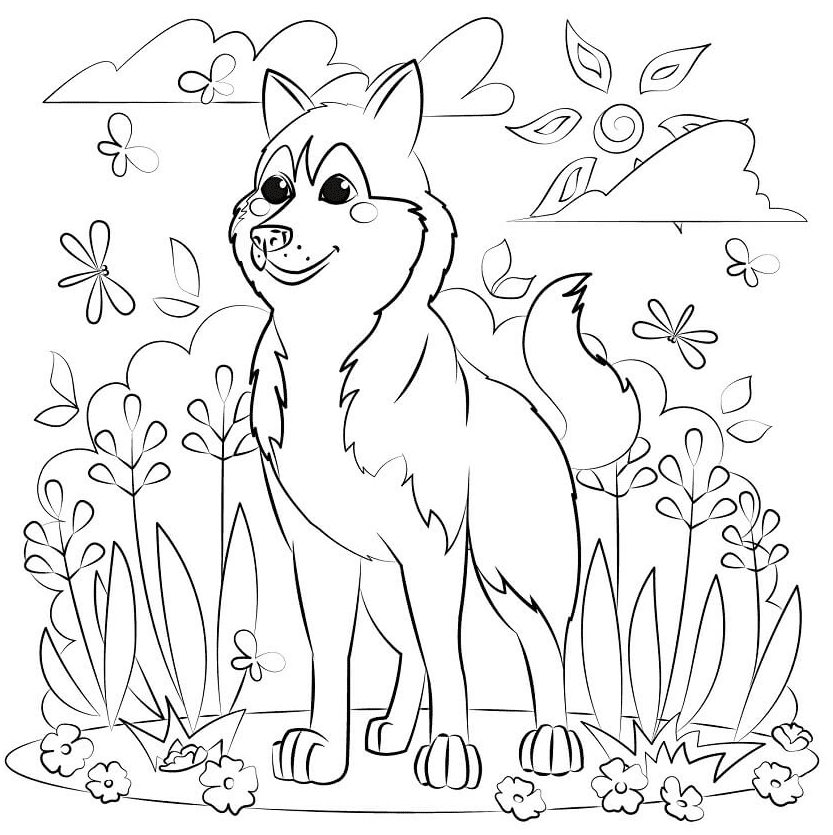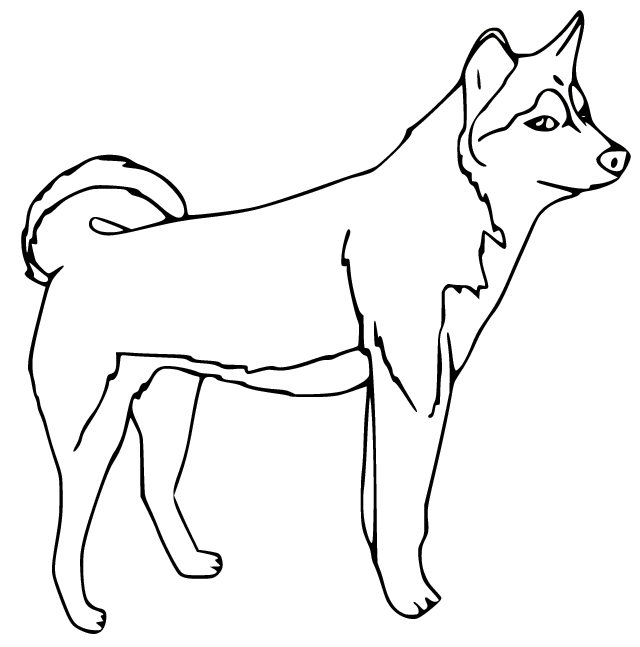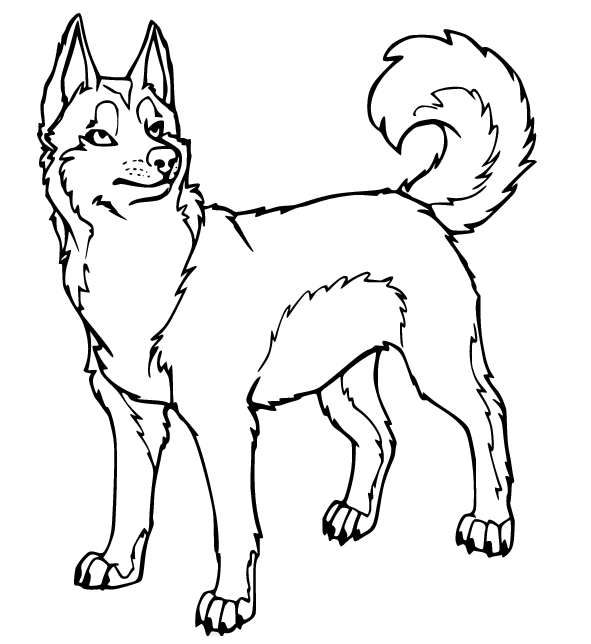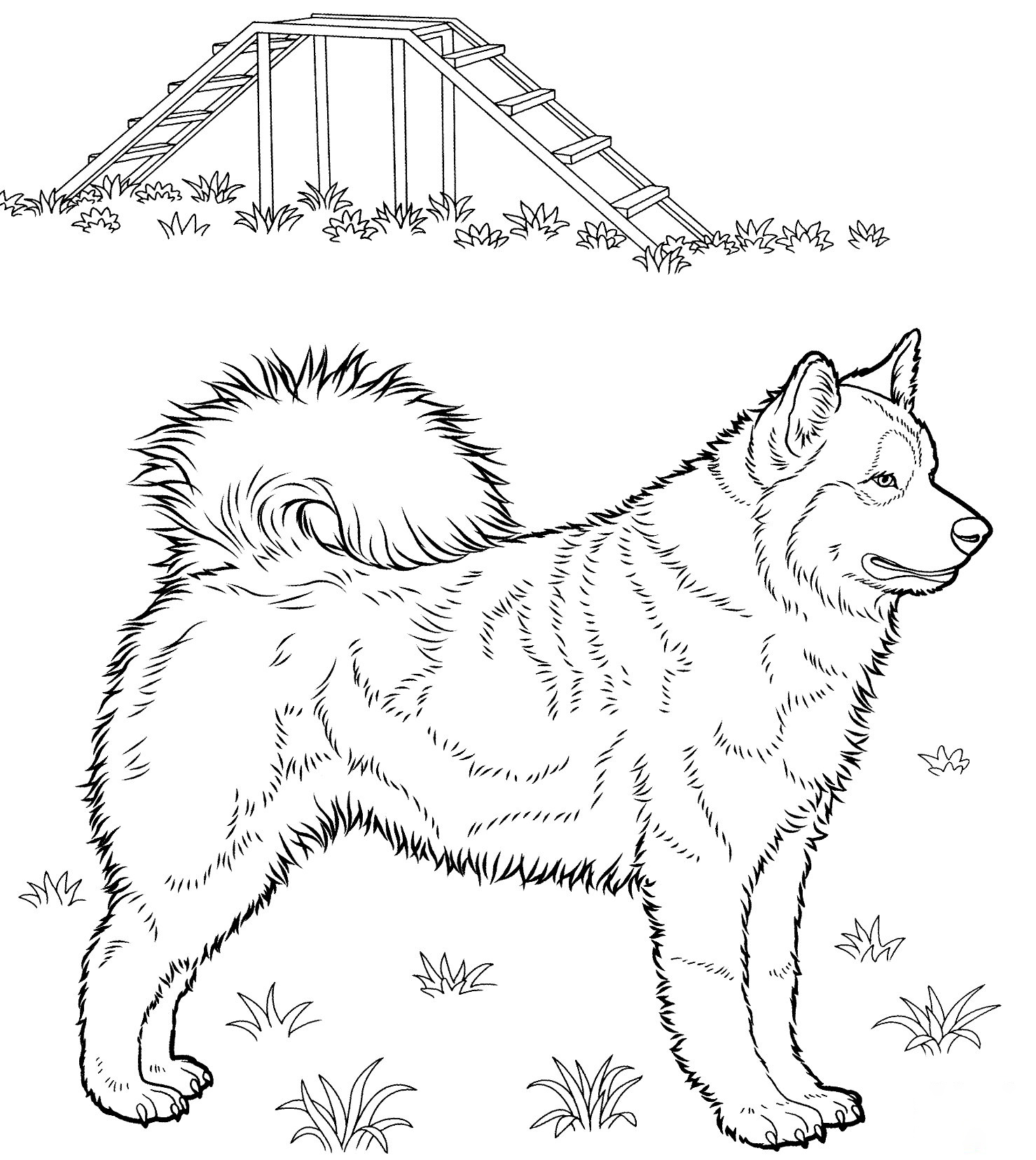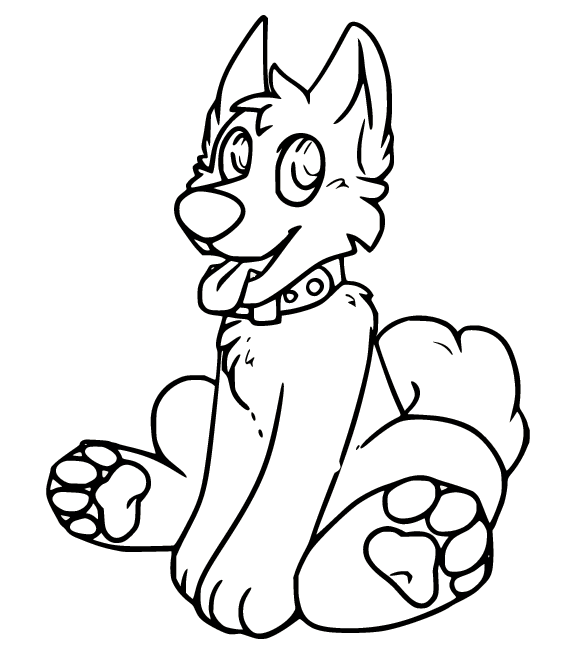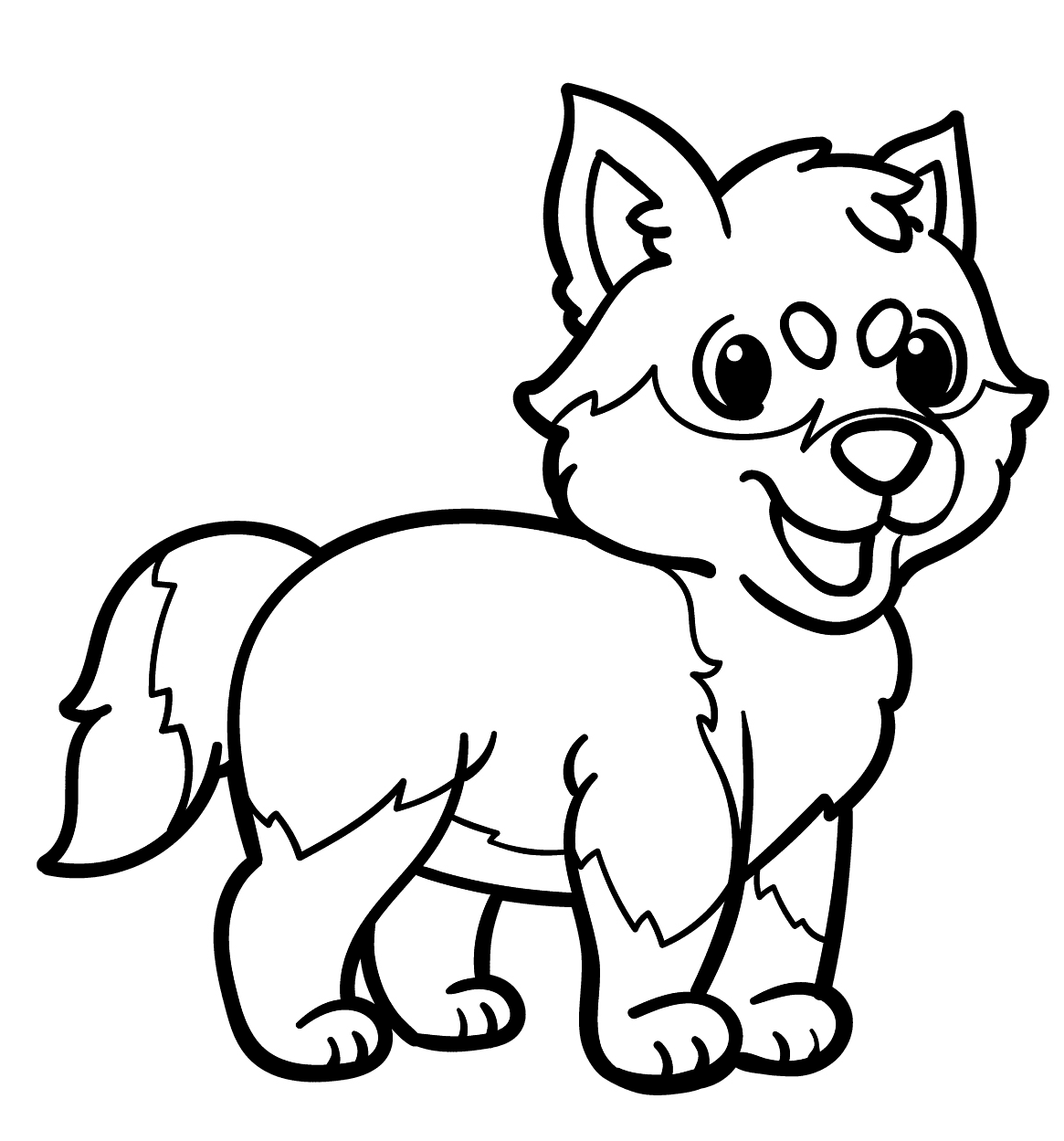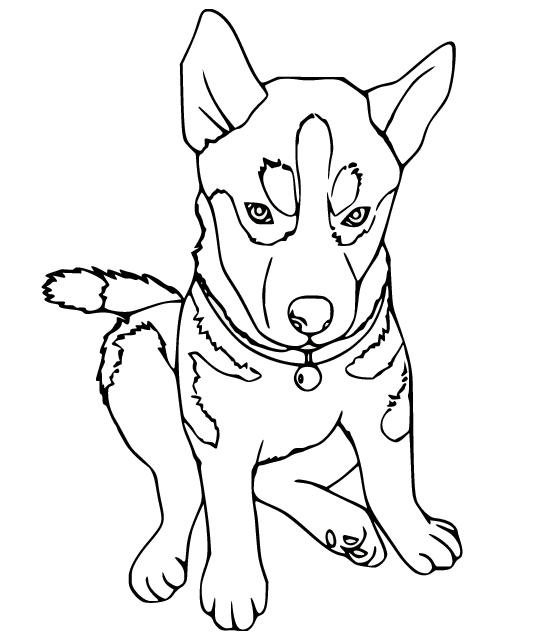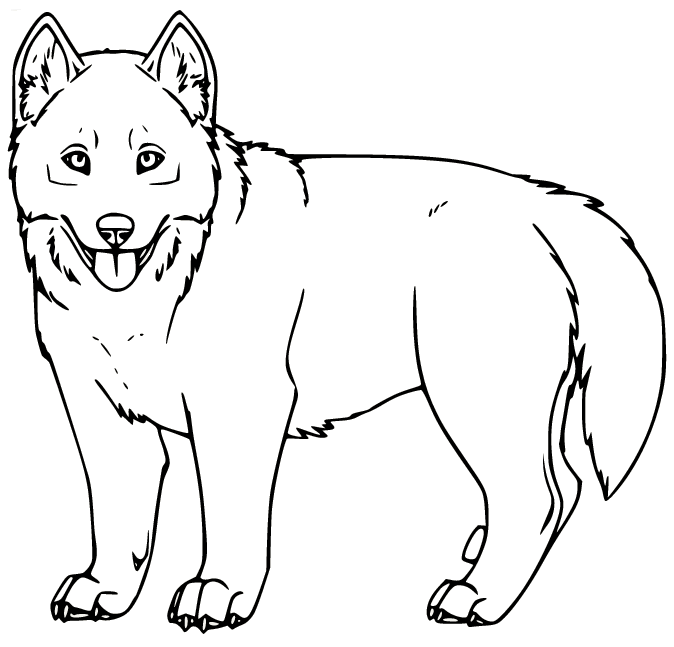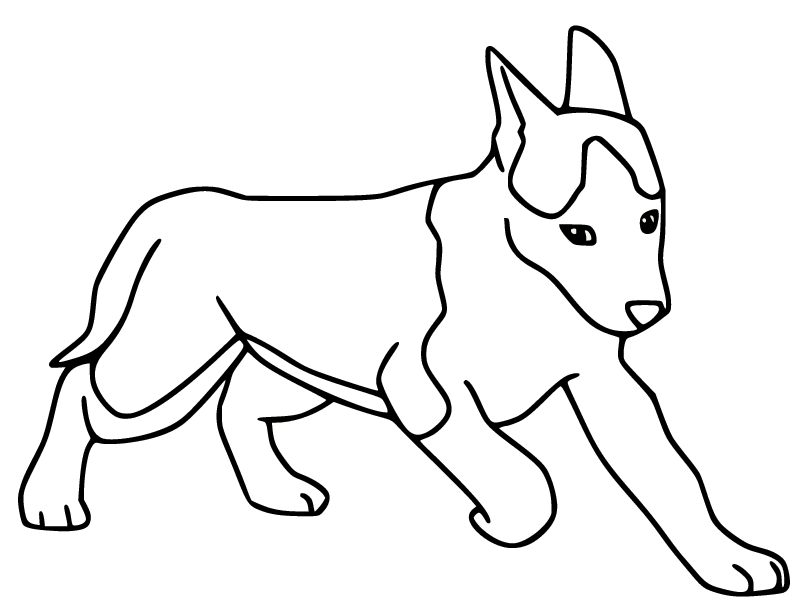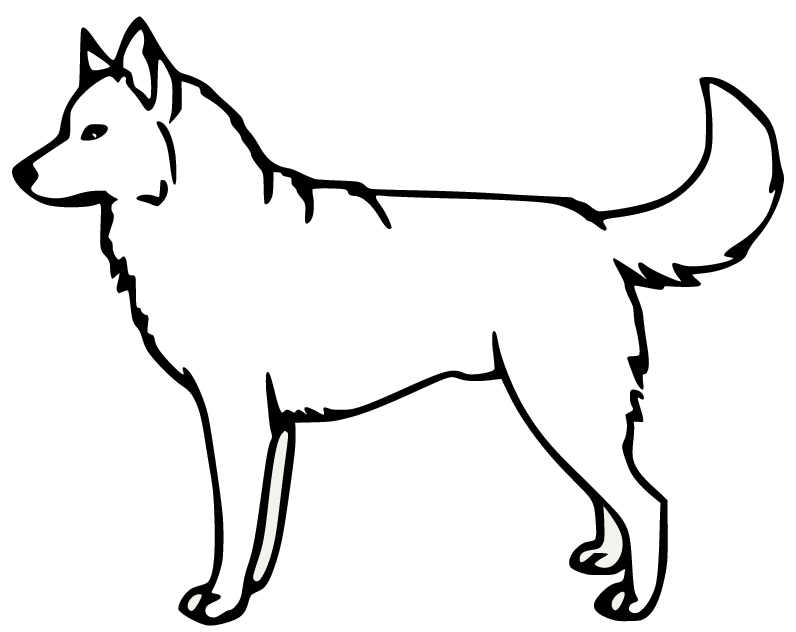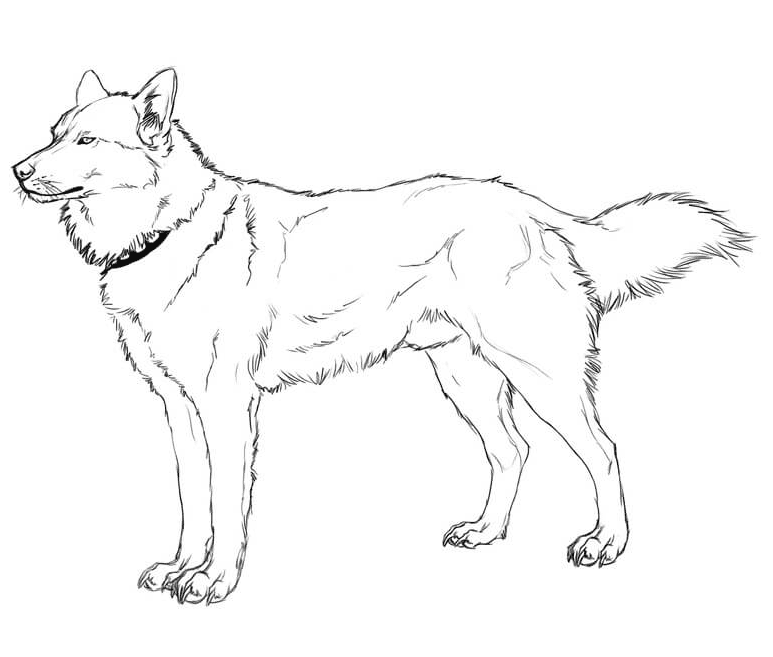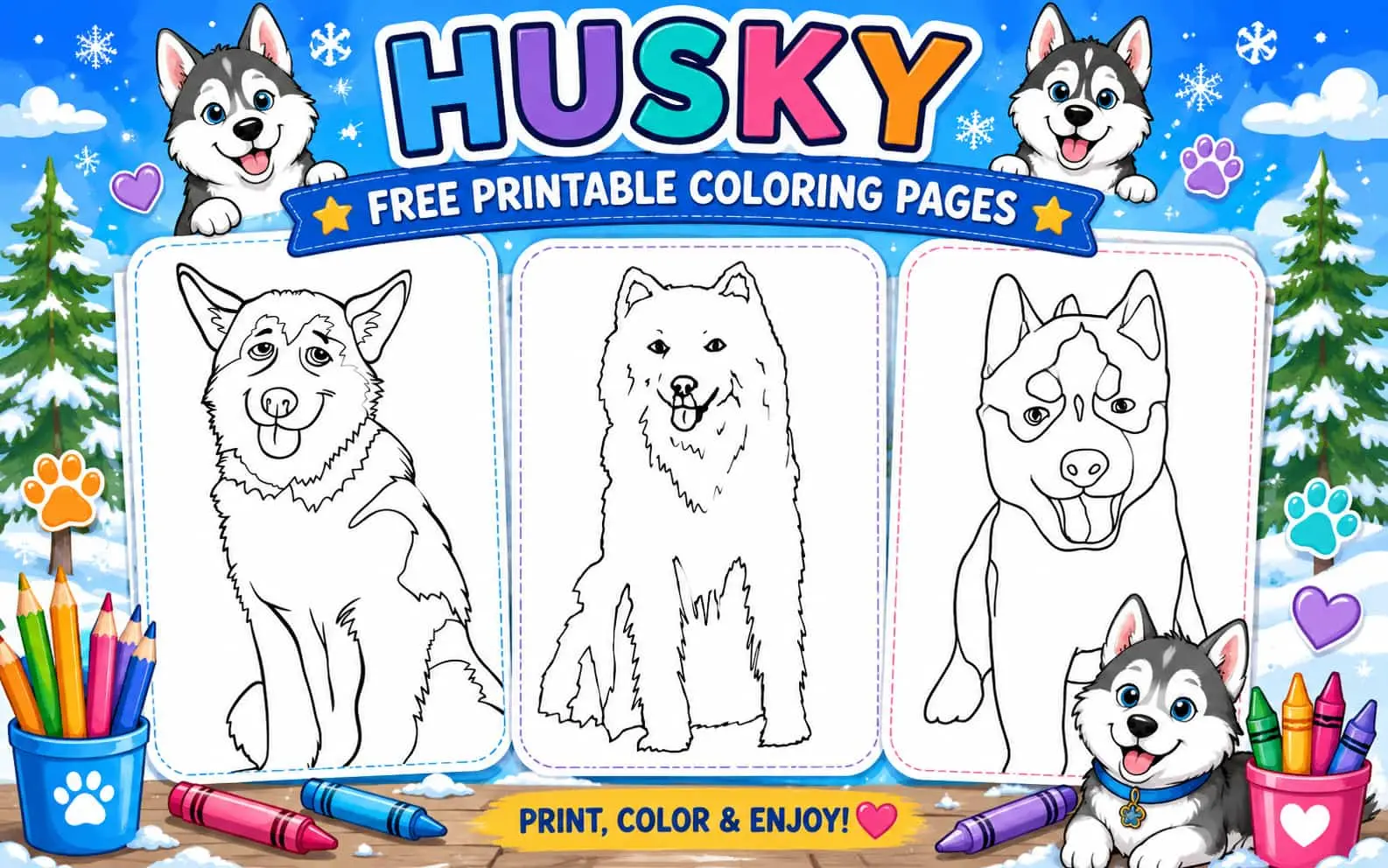
Free Husky Coloring Pages: 50+ printable PDF pages featuring Siberian Huskies in realistic, cartoon, and cute styles, along with husky puppies, face close-ups, simple outlines, and group scenes. All free, download PDF to print, or color online.

Of all the dog breeds to color, the Siberian Husky is one of the most rewarding and one of the most challenging, and for the same reason: the coat. A husky is never a single solid color. It has a base coat, a contrasting mask across the face, white markings on the chest and legs, and sometimes a saddle pattern across the back, and getting those layers to read correctly is what separates a flat page from one that actually looks like a husky.

The Siberian Husky is a medium-sized working sled dog developed by the Chukchi people of northeastern Siberia and recognized by the American Kennel Club in 1930. The breed is known for its thick double coat that comes in a wide range of colors, erect triangular ears, a plumed tail carried in a sickle curve, and eyes that can be blue, brown, amber, or two different colors at once, a condition called heterochromia. That gives these pages a very specific coloring direction: layered coat patterns, a precise face mask, and striking eyes that are often the first thing anyone notices. Simpler cartoon and outline pages suit beginners and younger fans, while the detailed portraits and Siberian Husky scene pages give older colorists and adults a real challenge to work through.

They work well at home, in the classroom, or for anyone who loves dogs and wants to practice coloring fur, facial markings, and expressive eyes. Because the husky is a real breed rather than a fictional character, no licensing disclaimer is needed here.

Quick Answer

Husky coloring pages are a free set of 50+ printable PDFs and online coloring sheets featuring Siberian Huskies in realistic and cartoon styles, husky puppies, face close-ups, and simple designs. The breed’s layered coat patterns, facial masks, and striking blue or bicolored eyes make these pages a genuine coloring challenge and a rewarding one.

Best for: dog fans, husky lovers, older kids, teens, adults, and anyone practicing fur and animal coloring 

Formats: printable PDF and online coloring 

Popular styles: realistic Siberian Huskies, cute and cartoon huskies, husky puppies, face and portrait pages, and simple outlines 

Creative uses: dog portrait practice, fur-blending technique study, animal art projects, dog-themed displays, and pet fan art

What’s Inside Husky Coloring Pages

Husky Coloring Pages

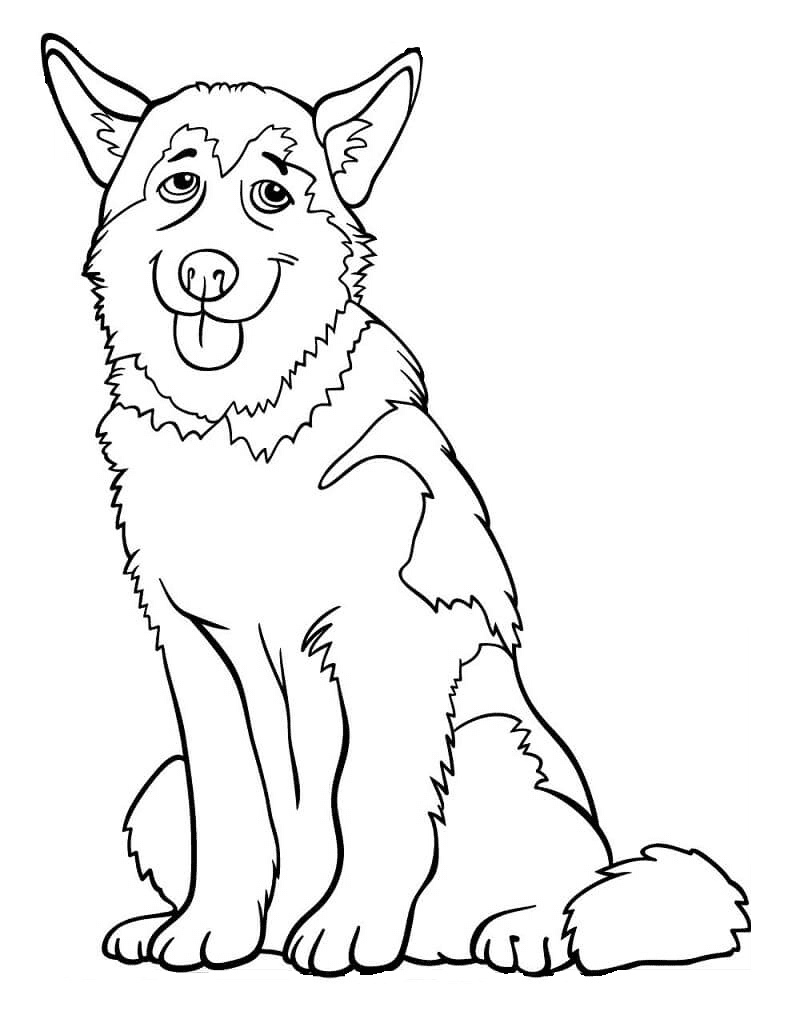
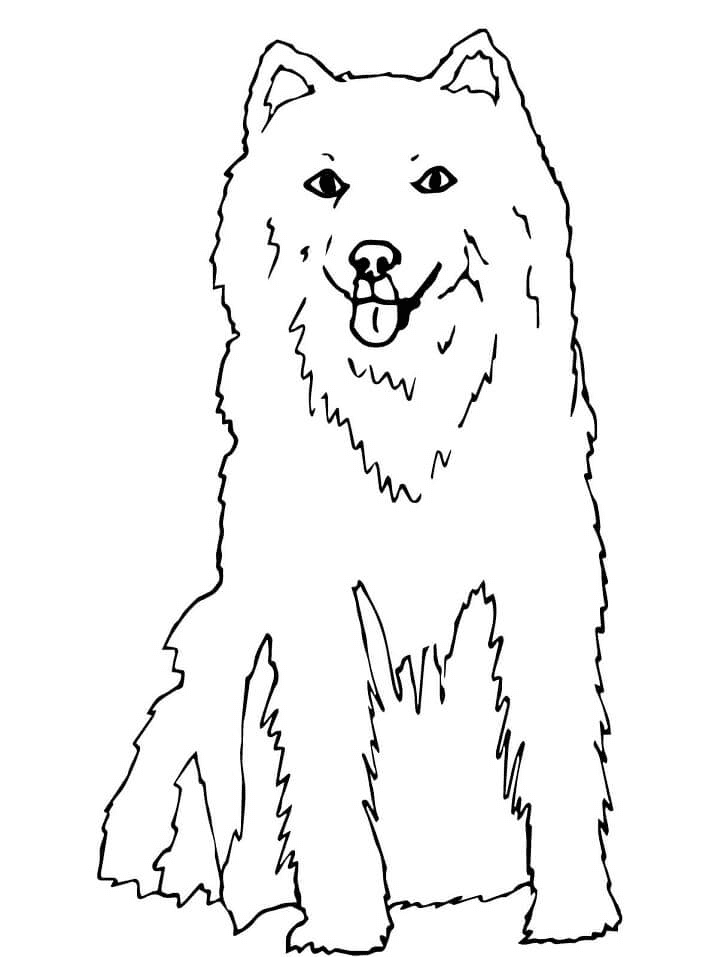
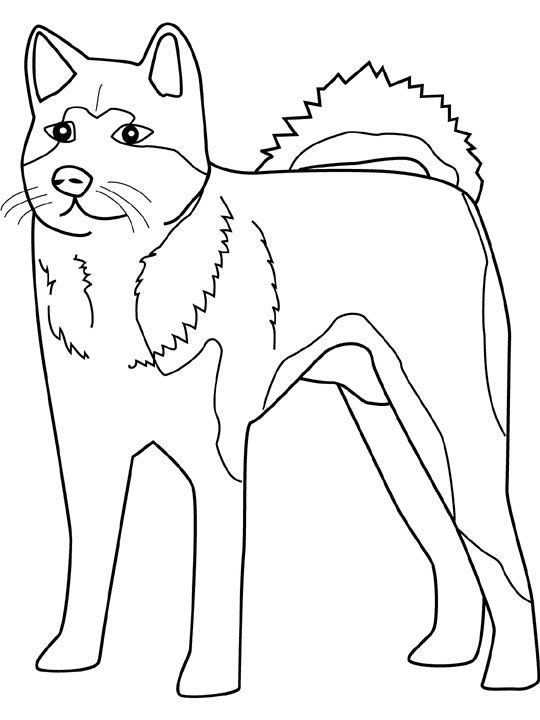
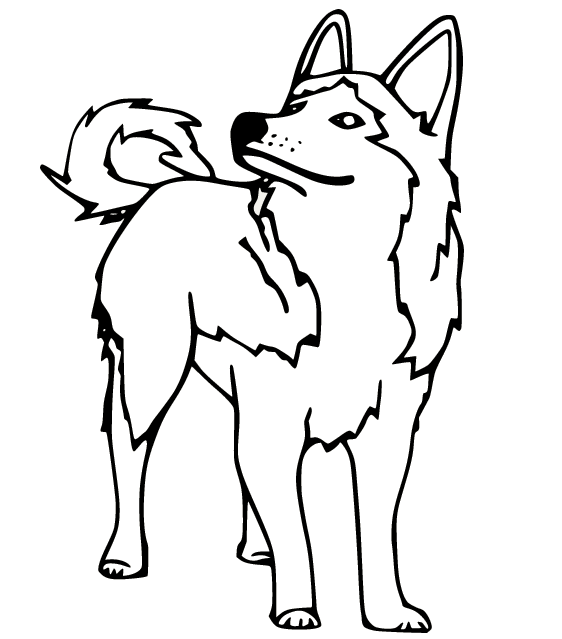
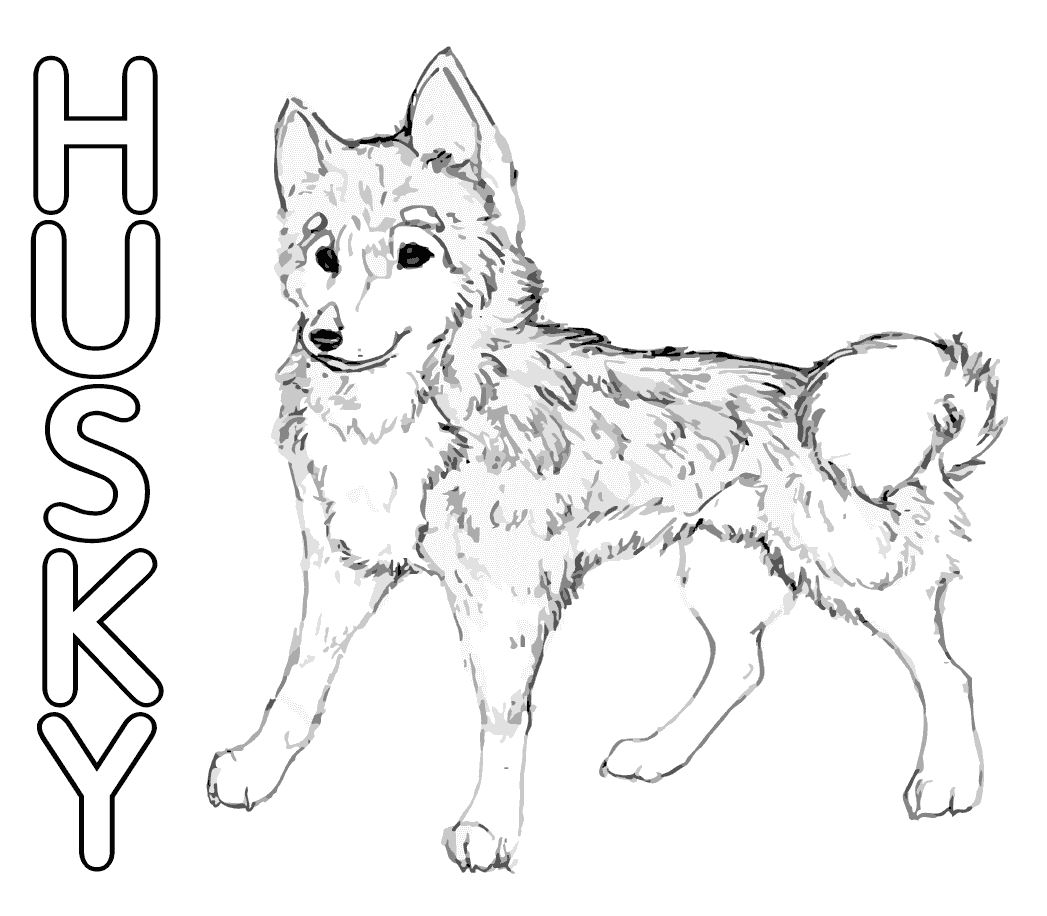
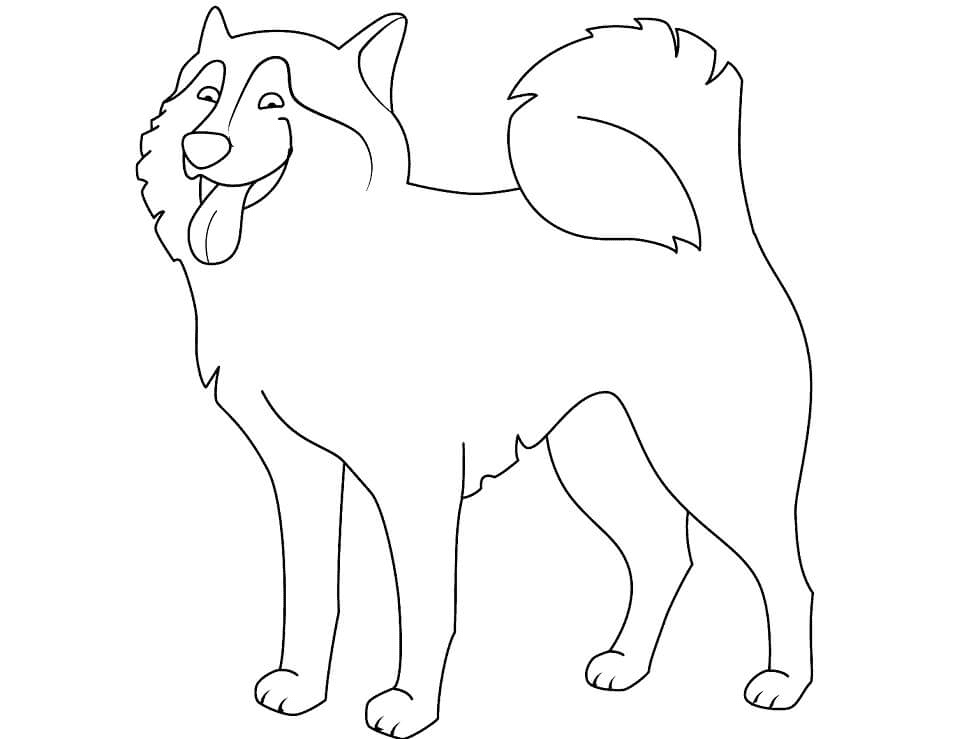
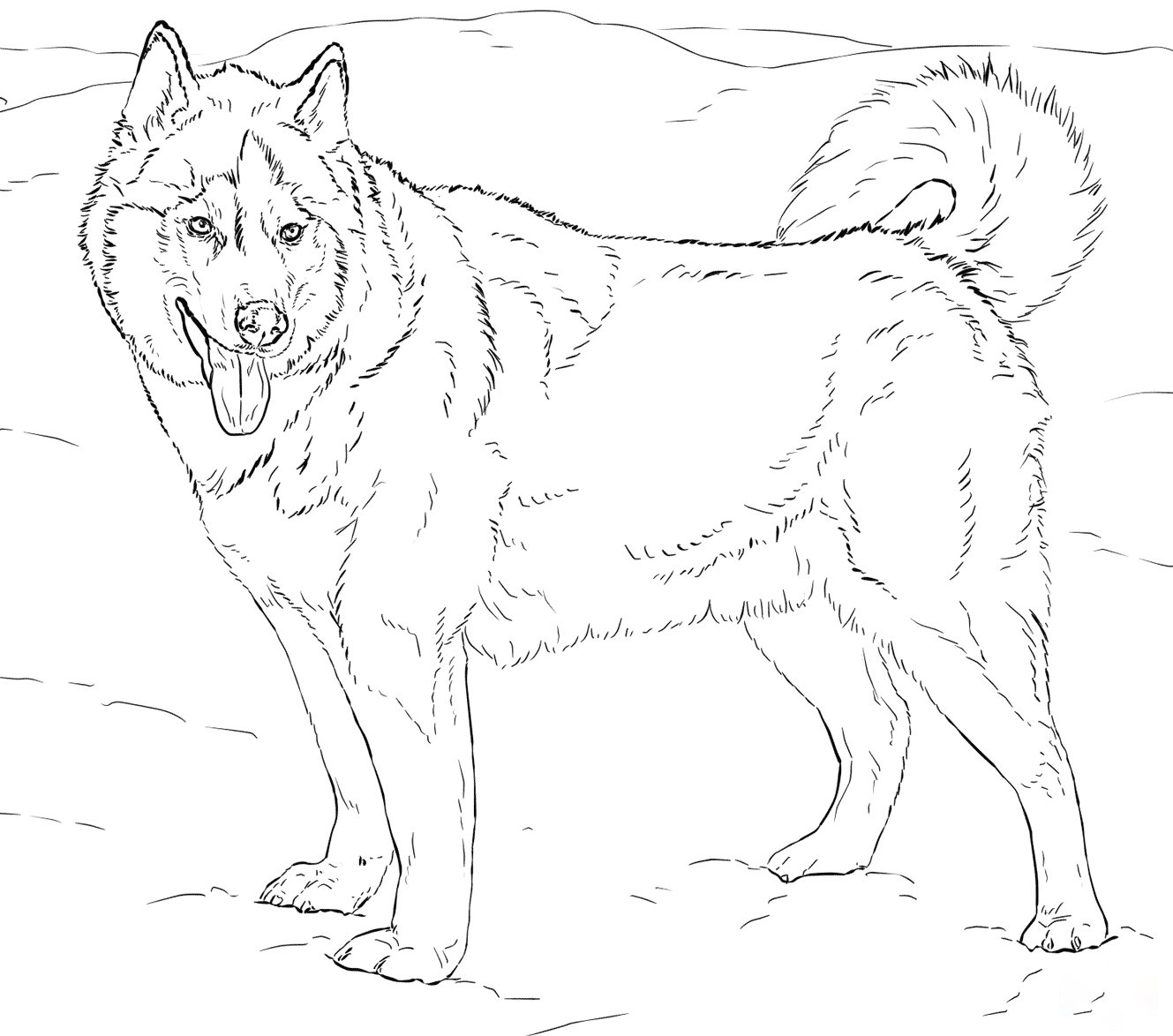
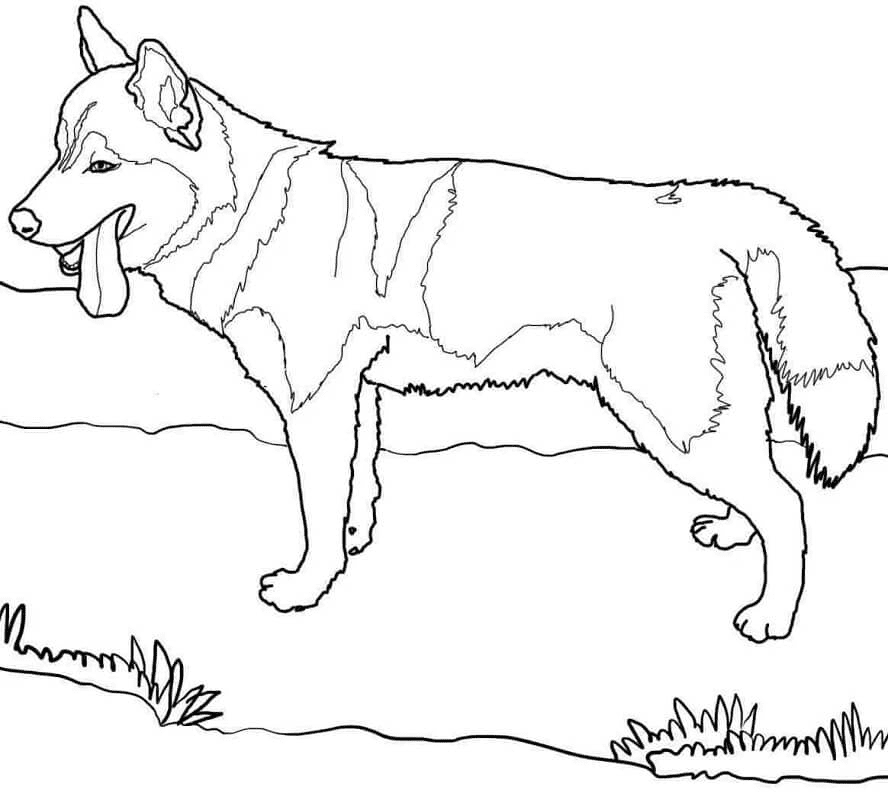
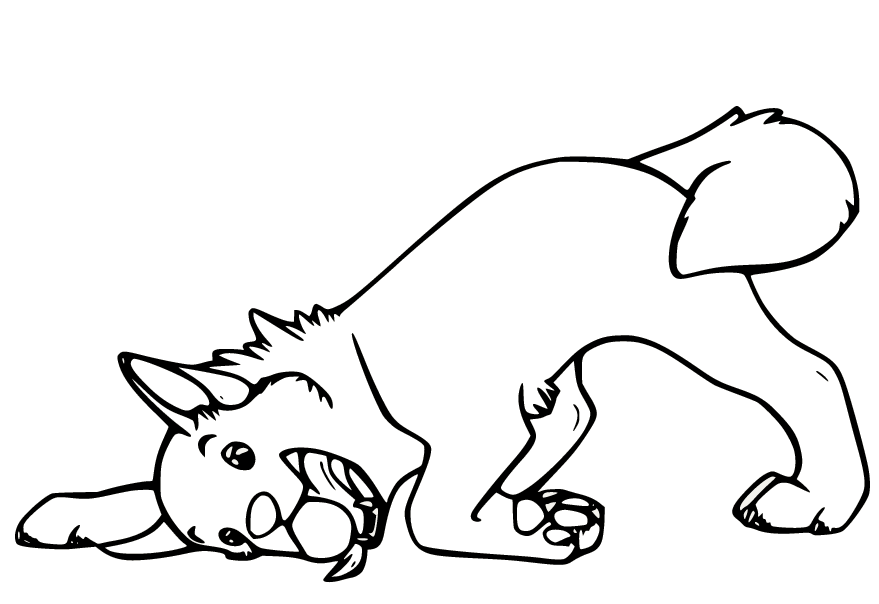
The core of the set covers adult huskies in a full range of styles: realistic, pretty, strong, cool, happy, funny, naughty, lovely, and blank outlines, giving every skill level something to work with.

Coloring the adult husky: start with the base coat color (grey and white, black and white, or red and white are the most common), then shade the mask area across the face darker before adding the white muzzle, chest, and leg markings last. Keeping these three zones distinct is the key to making the coat read as a real husky pattern.

Siberian Husky Coloring Pages

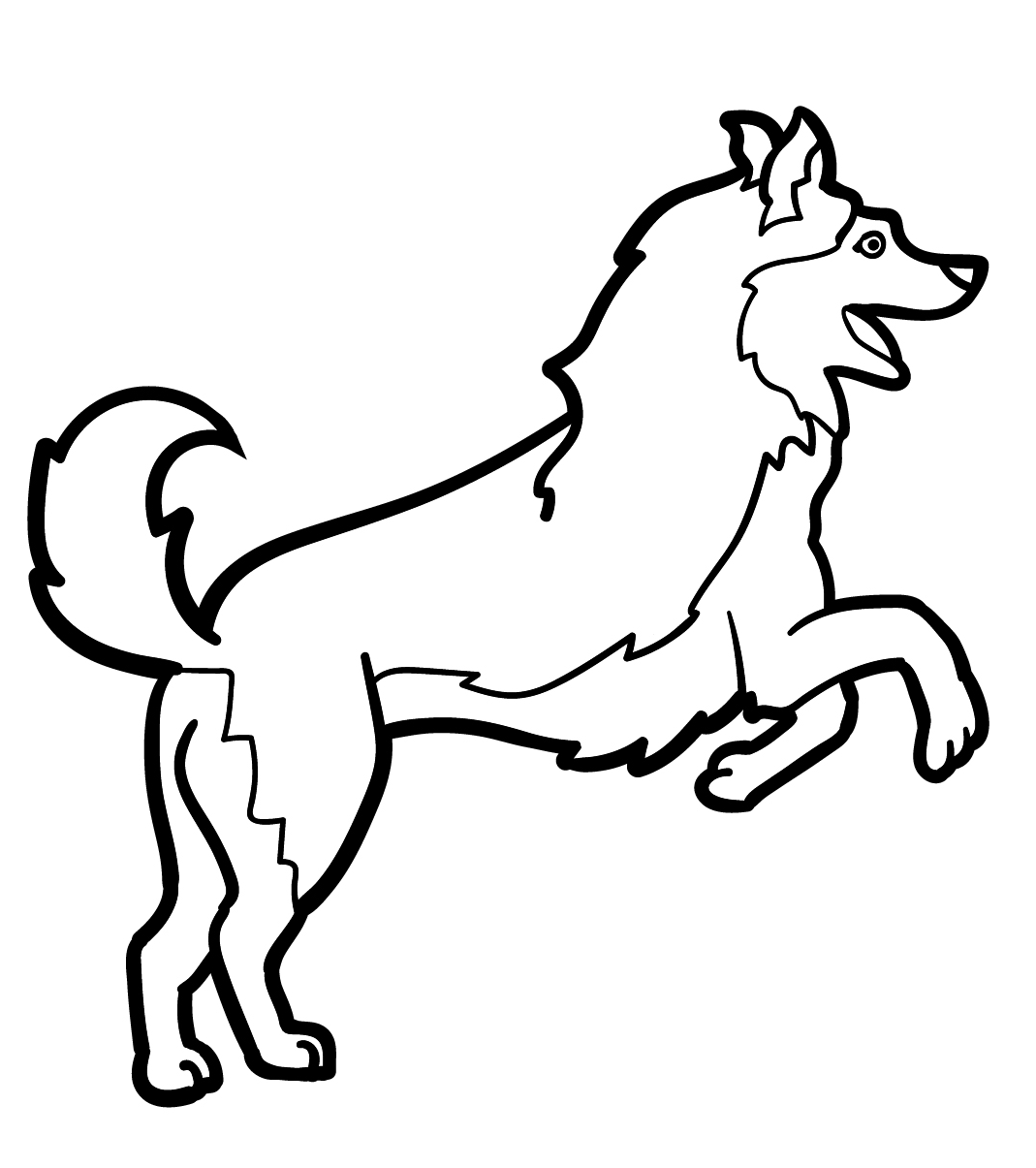
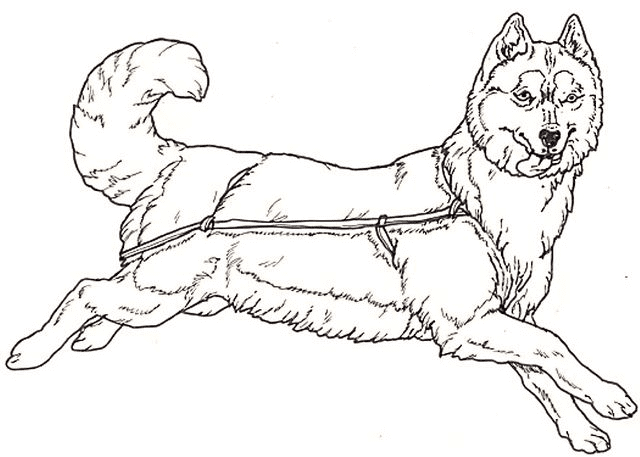
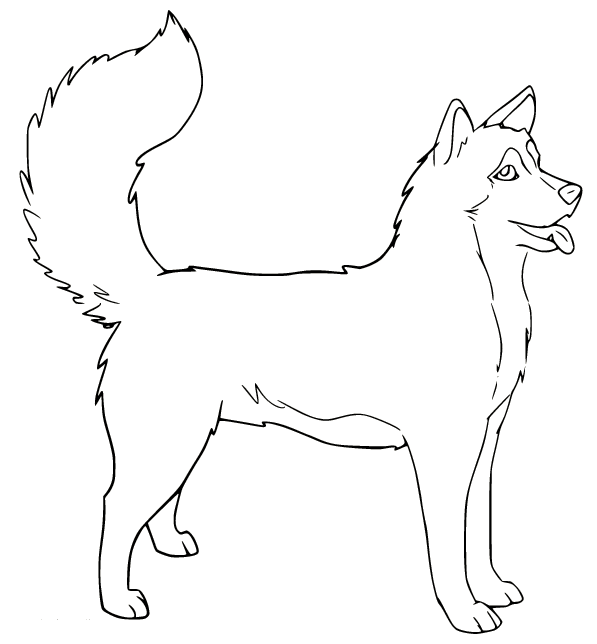
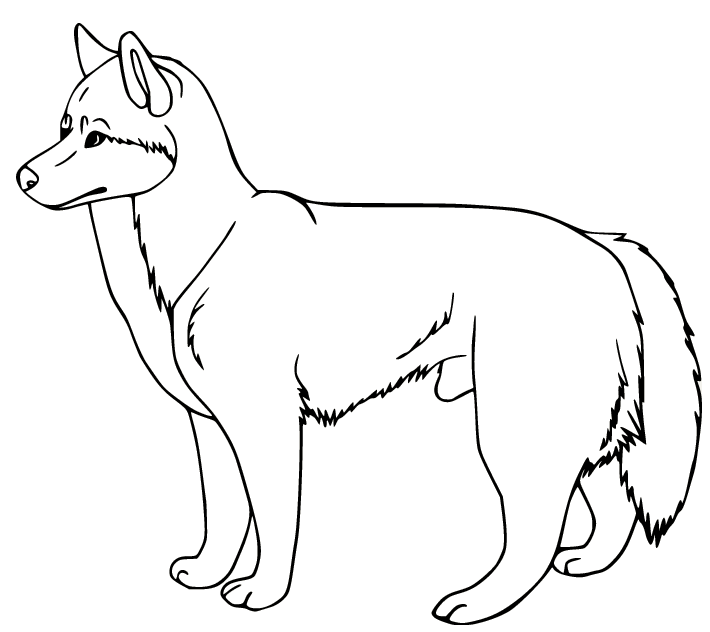
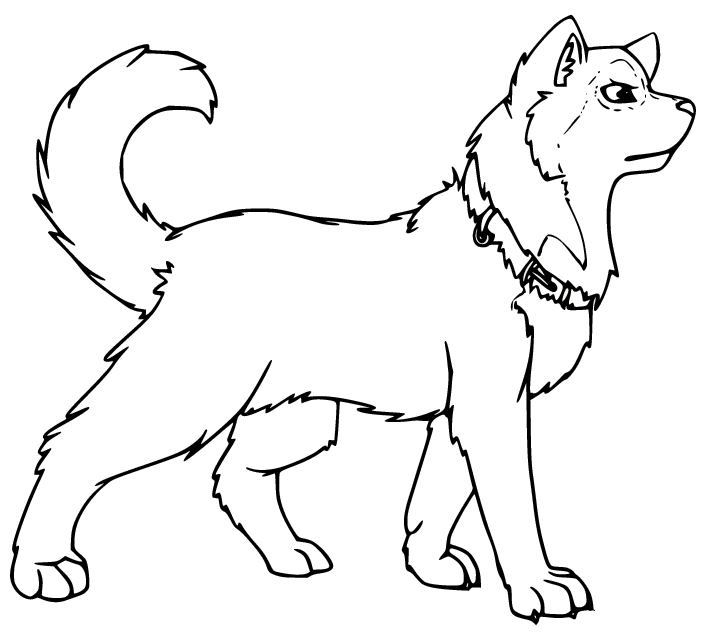
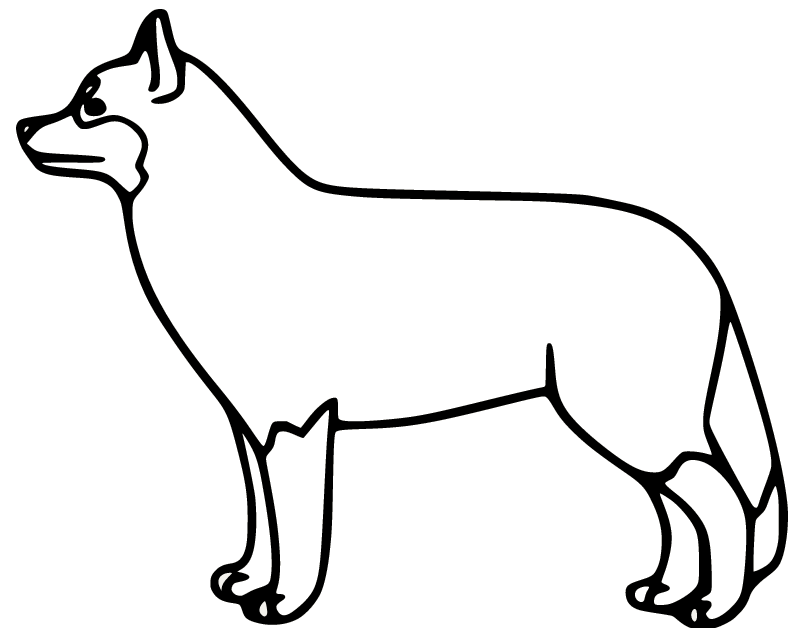
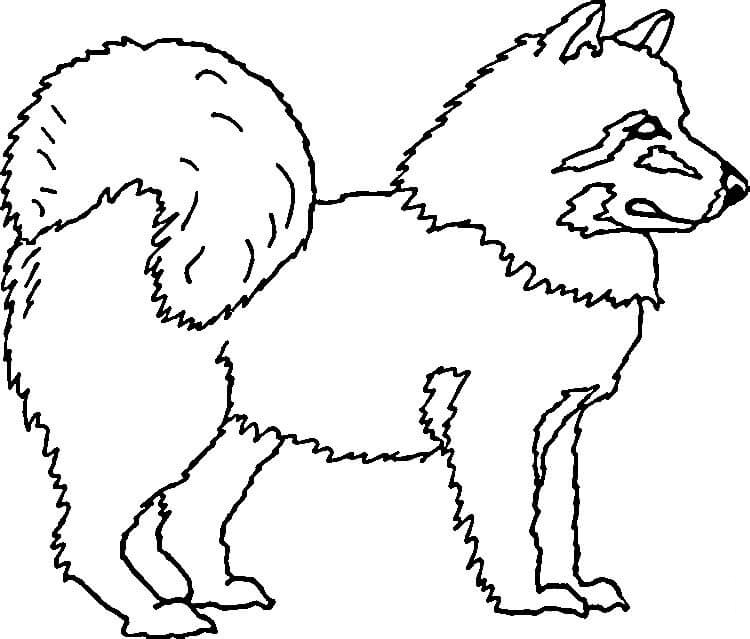
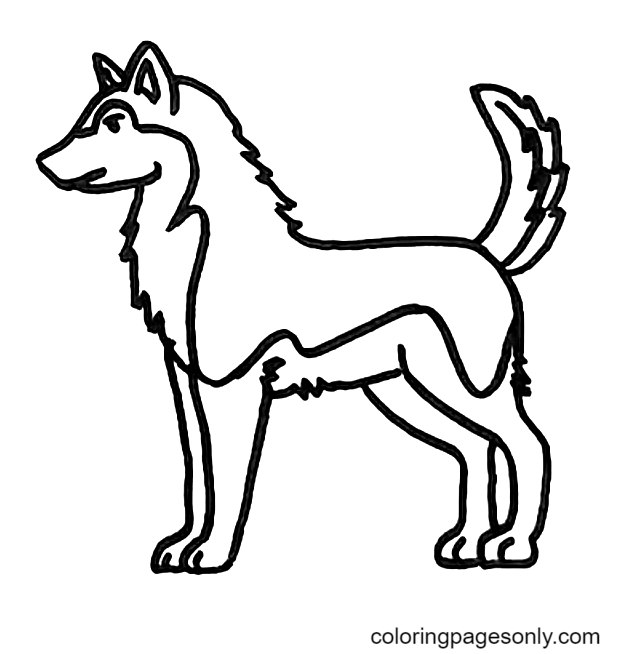
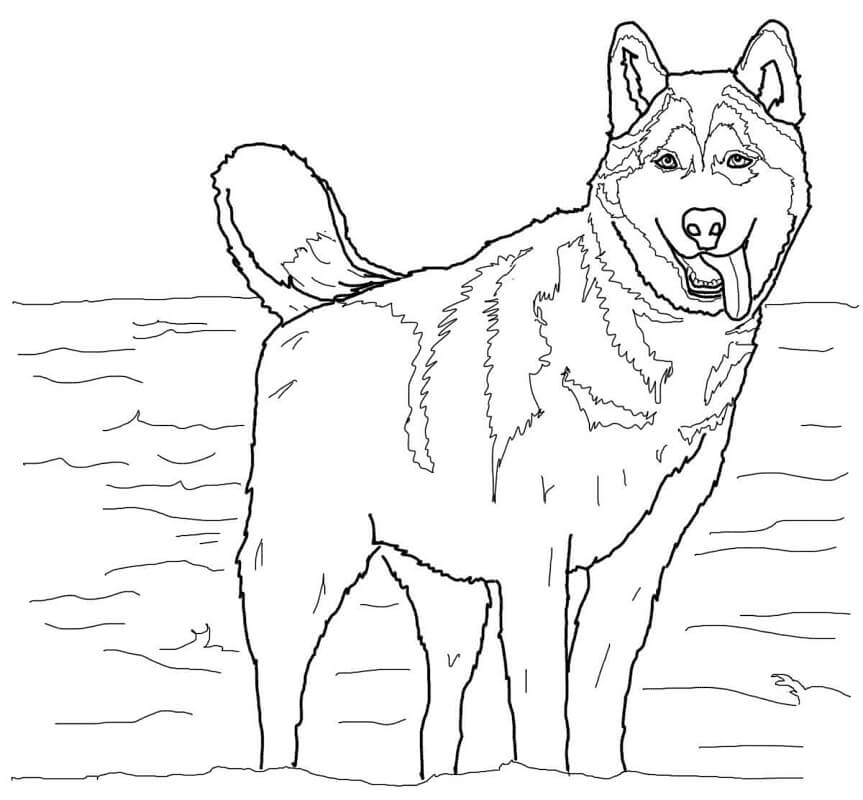
Several sheets are specifically labeled as Siberian Huskies, including standing, running, and walking poses that show the full body structure and the sickle-curve tail.

Coloring the Siberian Husky: the tail deserves special attention here. A Siberian Husky’s tail is heavily furred and curves upward in a sickle shape when the dog is alert. Color it in the same base shade as the back, but let the fur texture show by using light, directional strokes rather than a solid fill.

Husky Puppy Pages

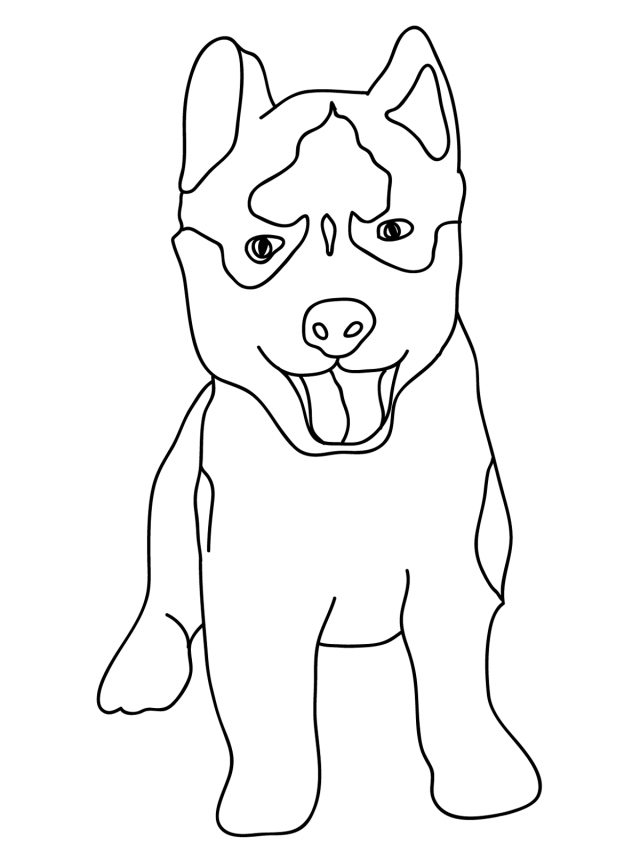
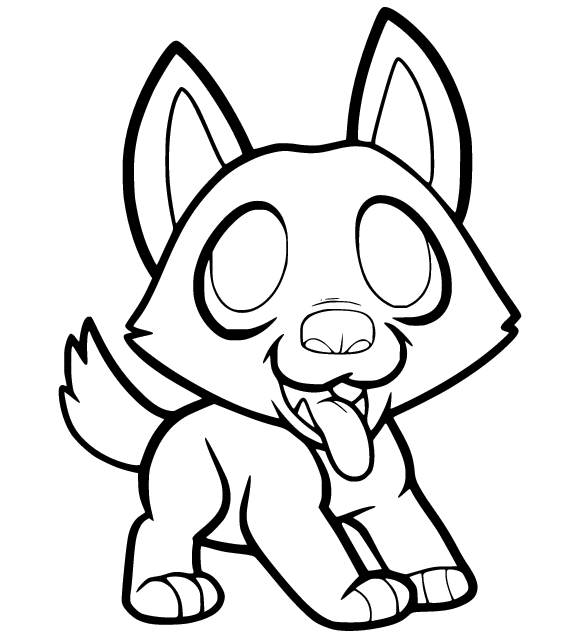
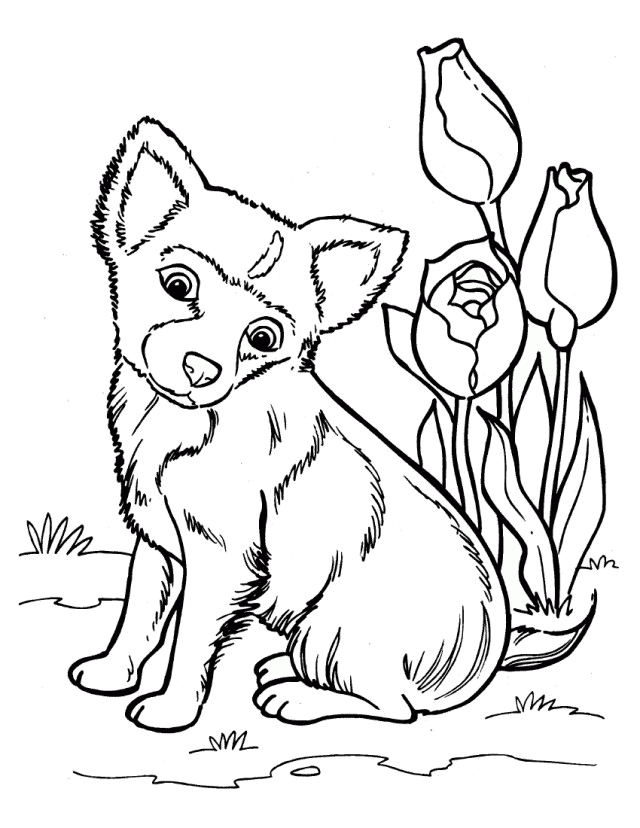
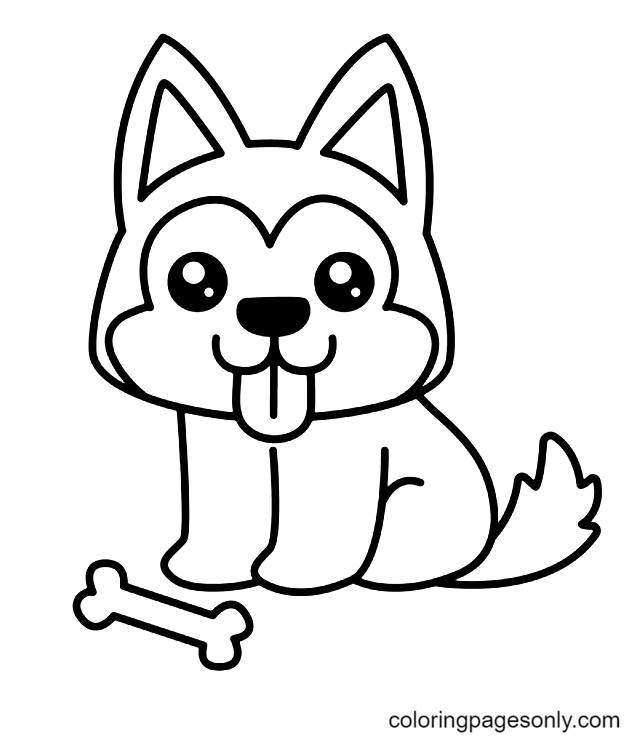
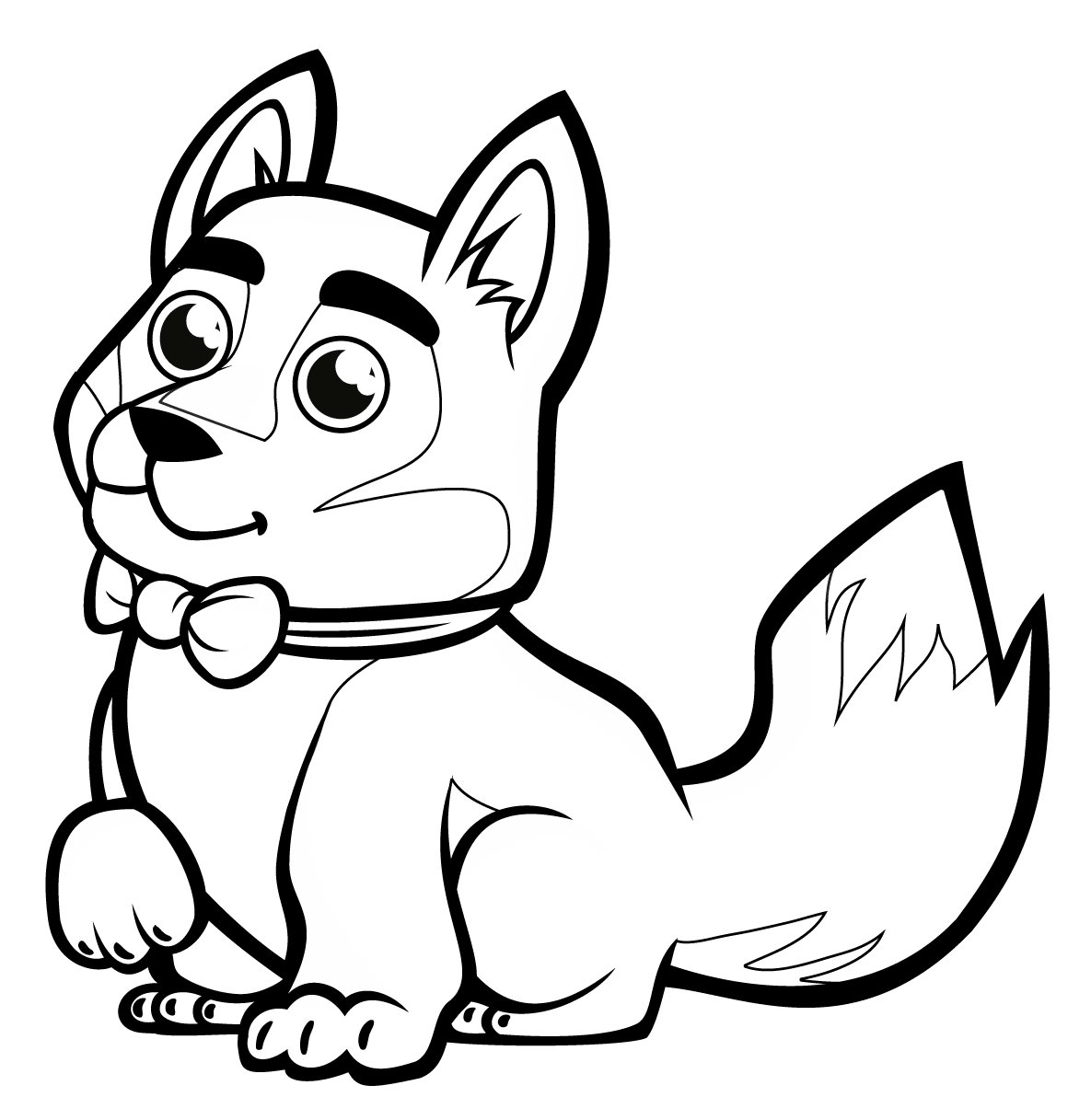
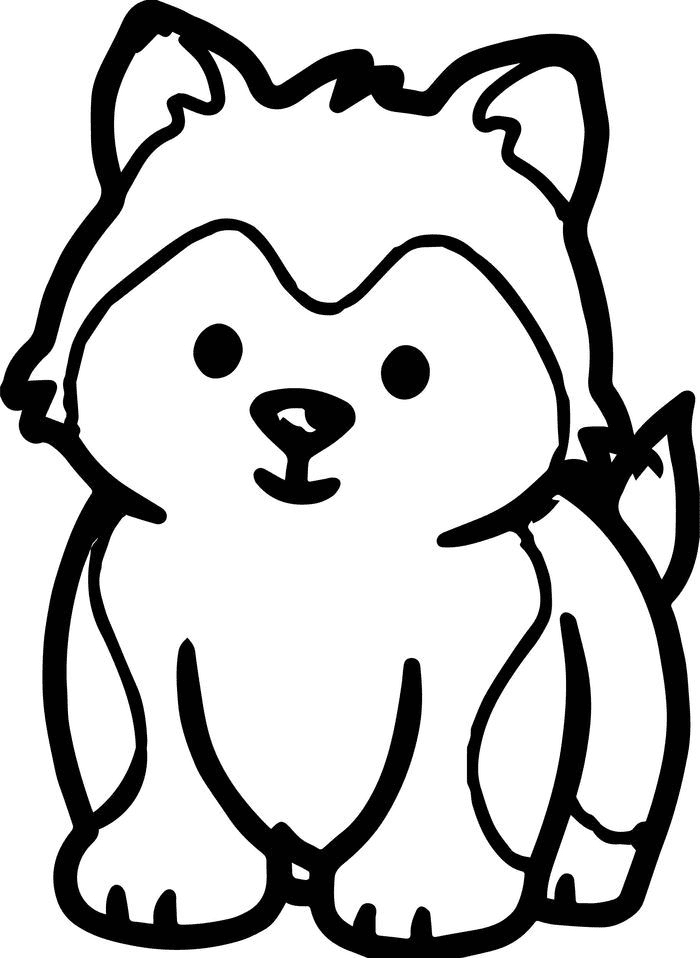
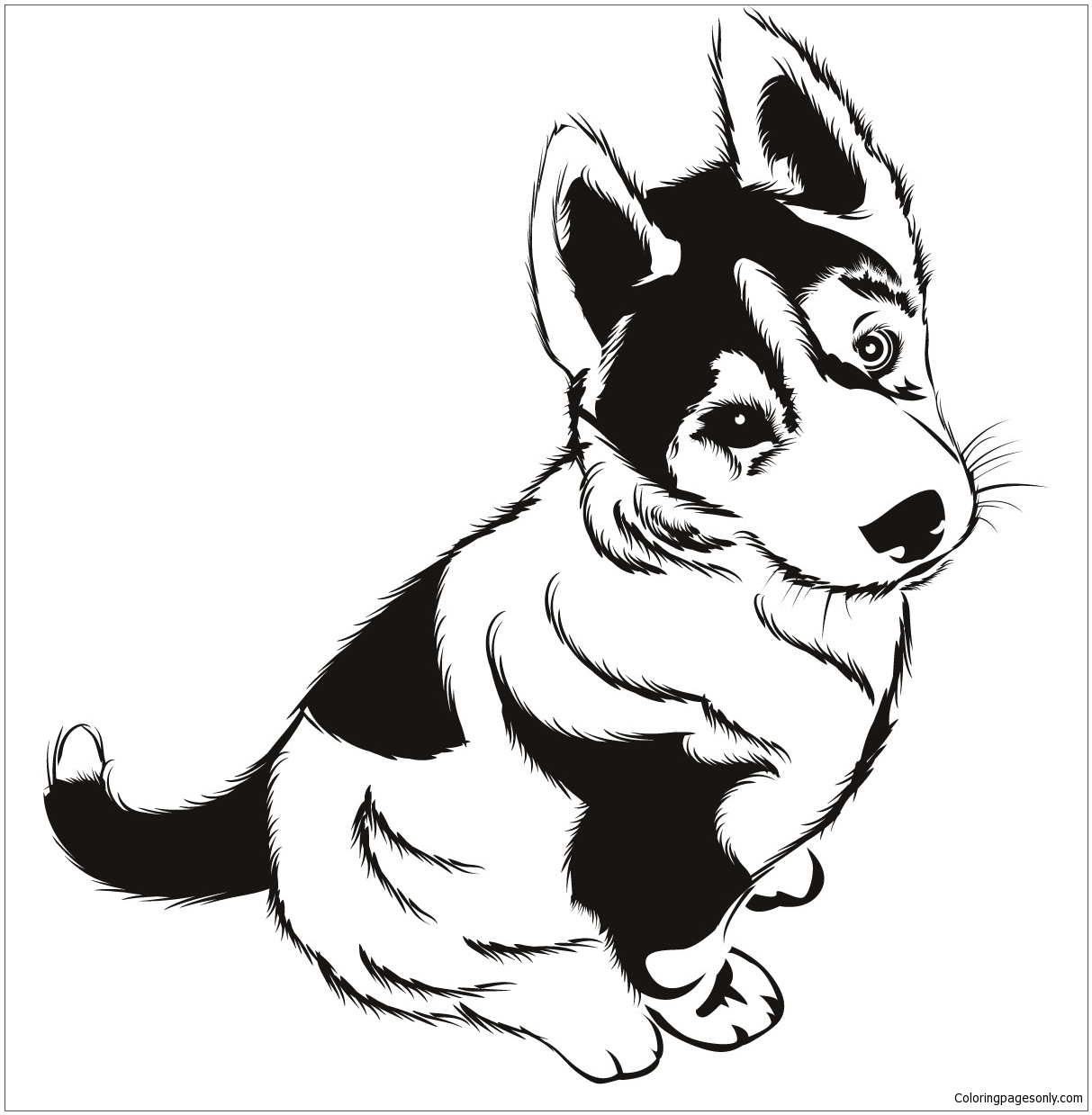
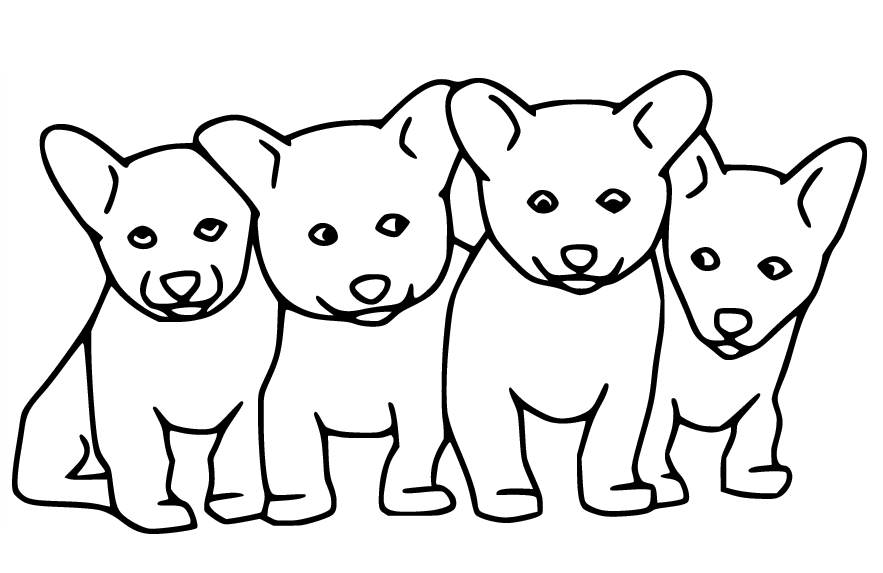
A generous portion of the set is puppies: baby huskies, cute puppy huskies, funny baby huskies, four puppies together, and a puppy with a bowtie.

Coloring husky puppies: puppies have softer, fluffier coats than adults and rounder faces with large paws relative to their bodies. Use lighter, warmer versions of the adult coat colors, keep the face markings softer and less defined, and make the eyes proportionally larger to capture that puppy look.

Husky Face and Portrait Pages

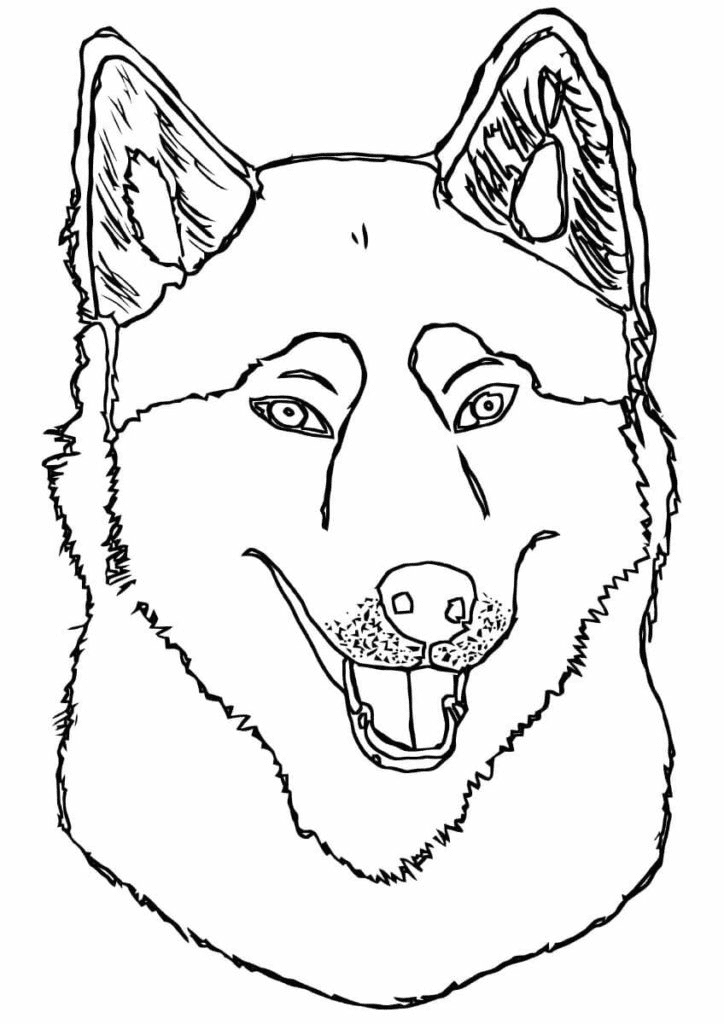
A few sheets focus on the face alone, including a husky face close-up and detailed portrait pages that put the eyes front and center.

Coloring the husky face: the eyes are the most important decision on any portrait page. Blue is the most iconic husky eye color, but brown, amber, and bi-eyed (one blue, one brown) are equally correct and recognized by the AKC. A small white highlight dot in each eye makes them look bright and alive. The facial mask, typically with darker fur around and above the eyes, frames them naturally.

Cartoon and Cute Husky Pages

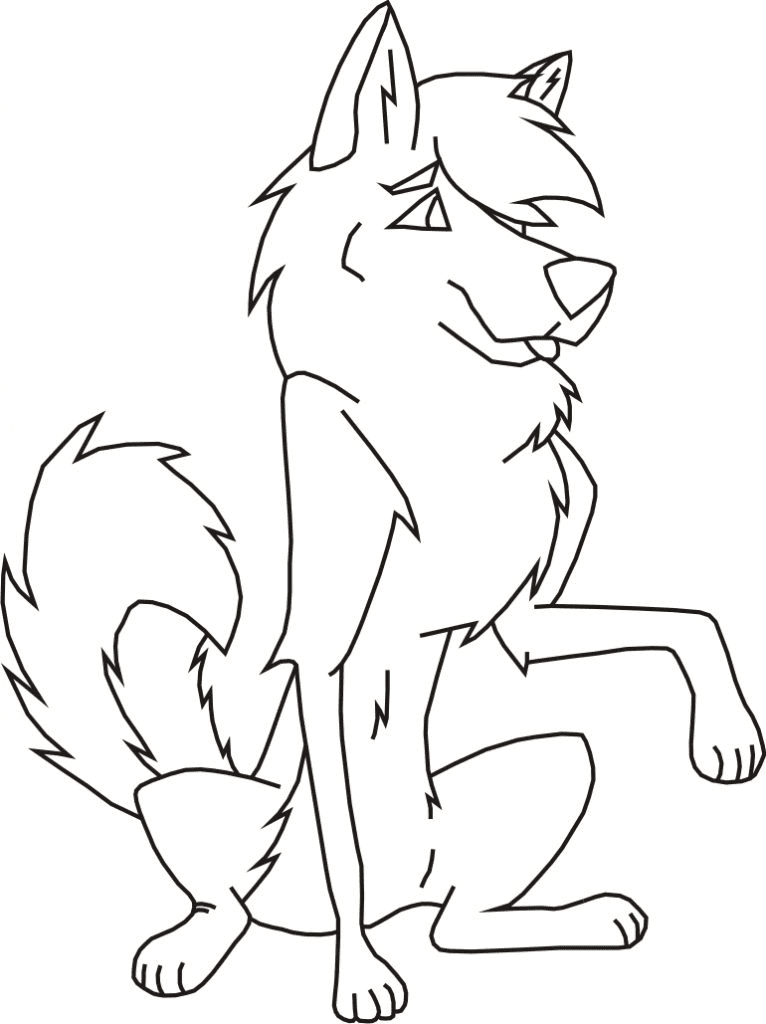
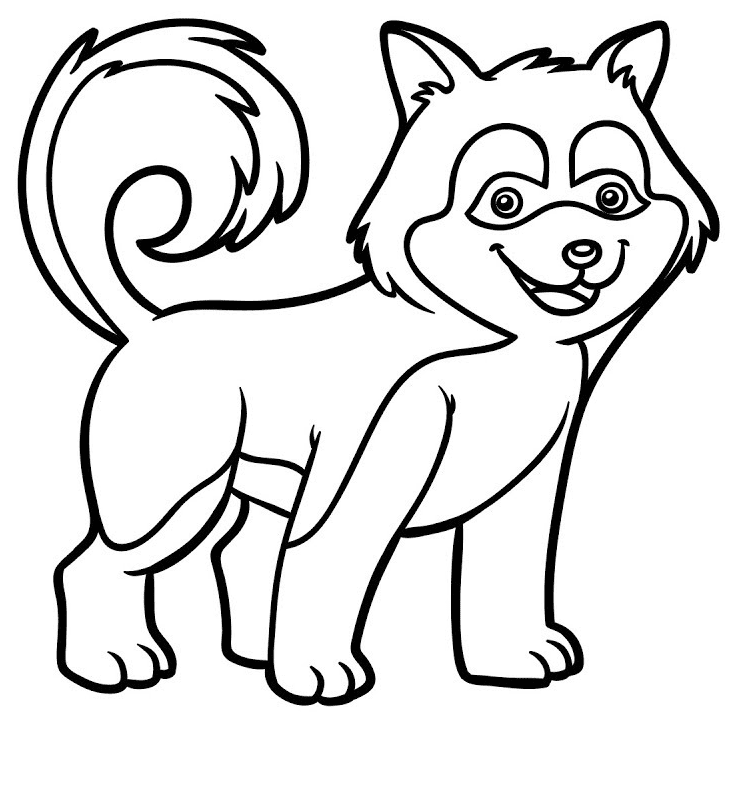
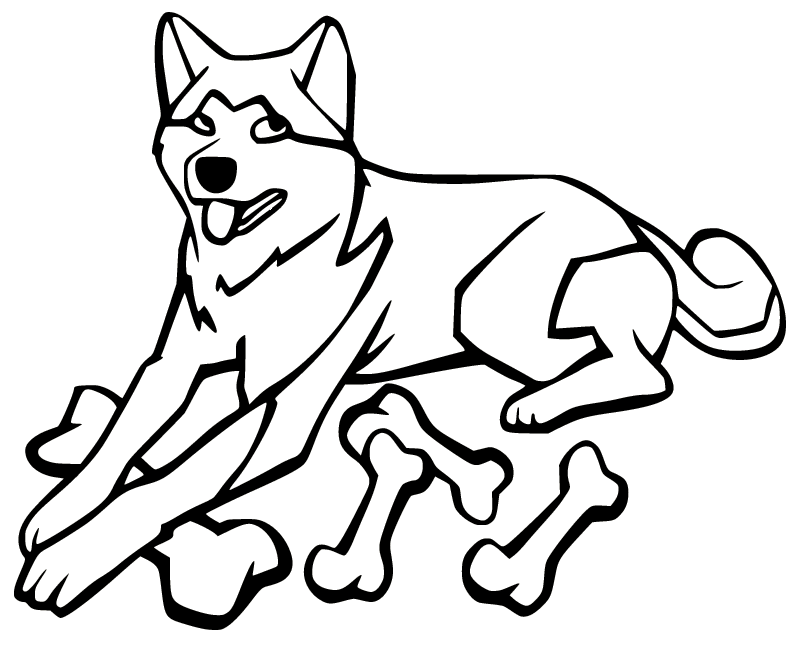
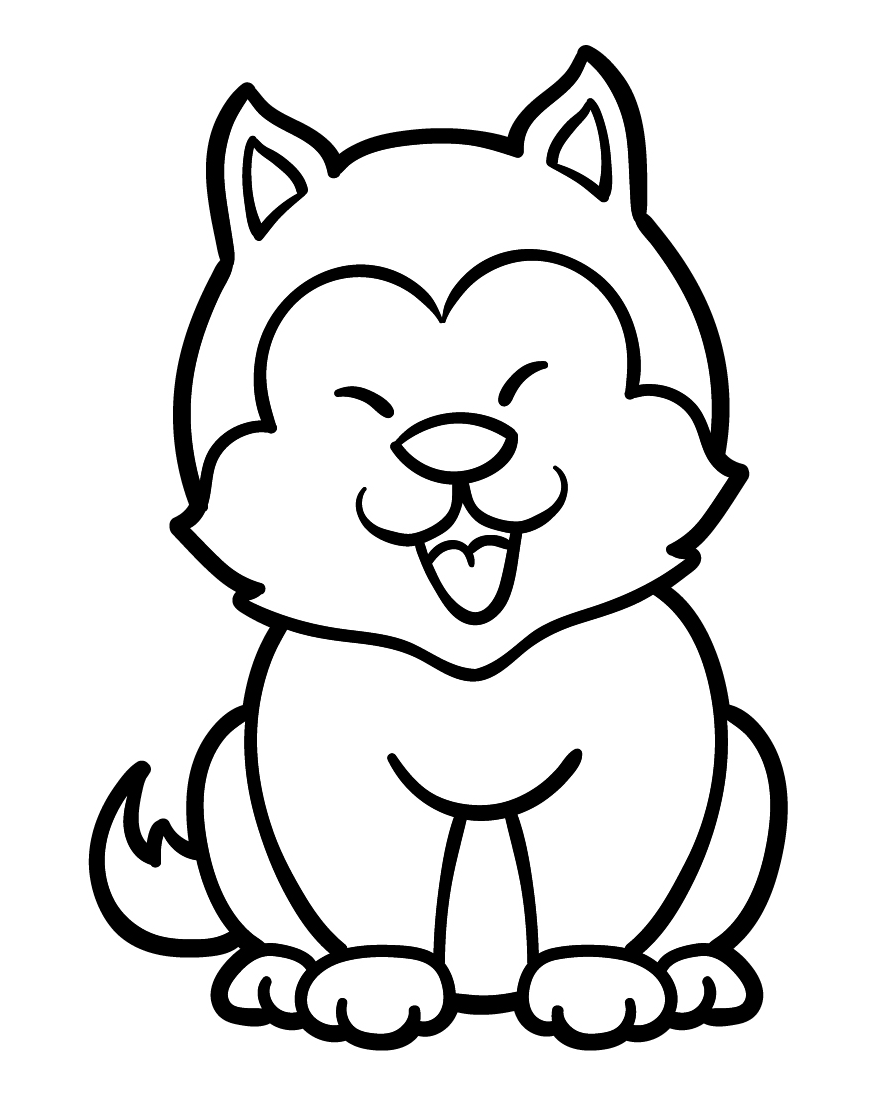
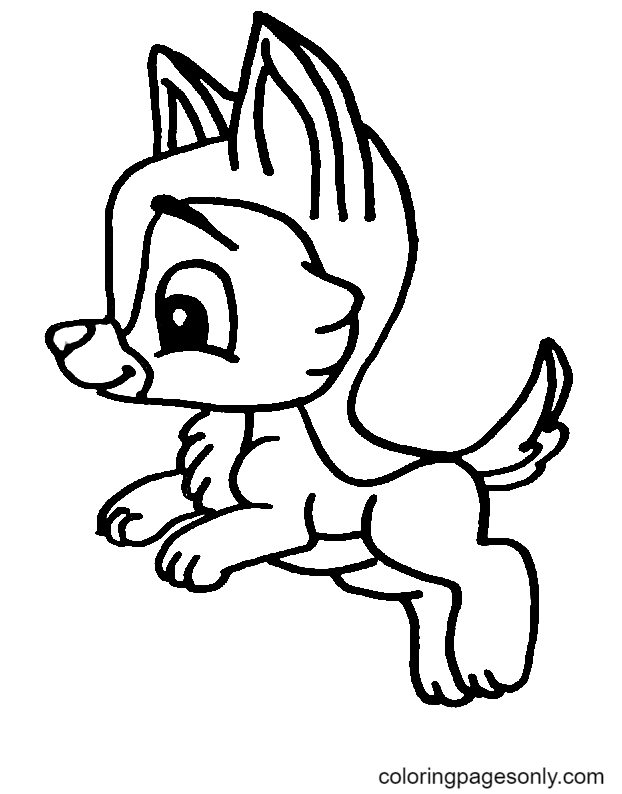
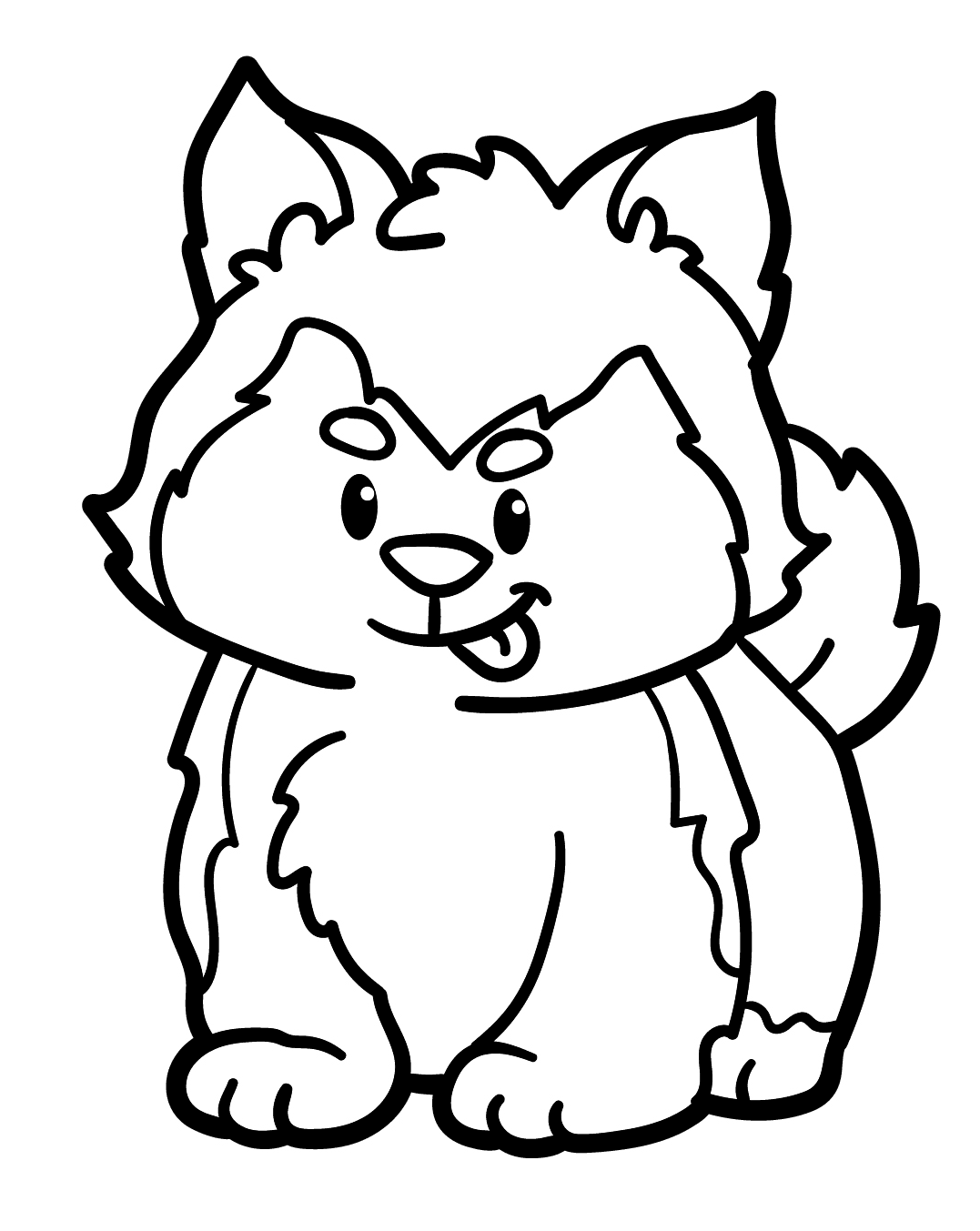
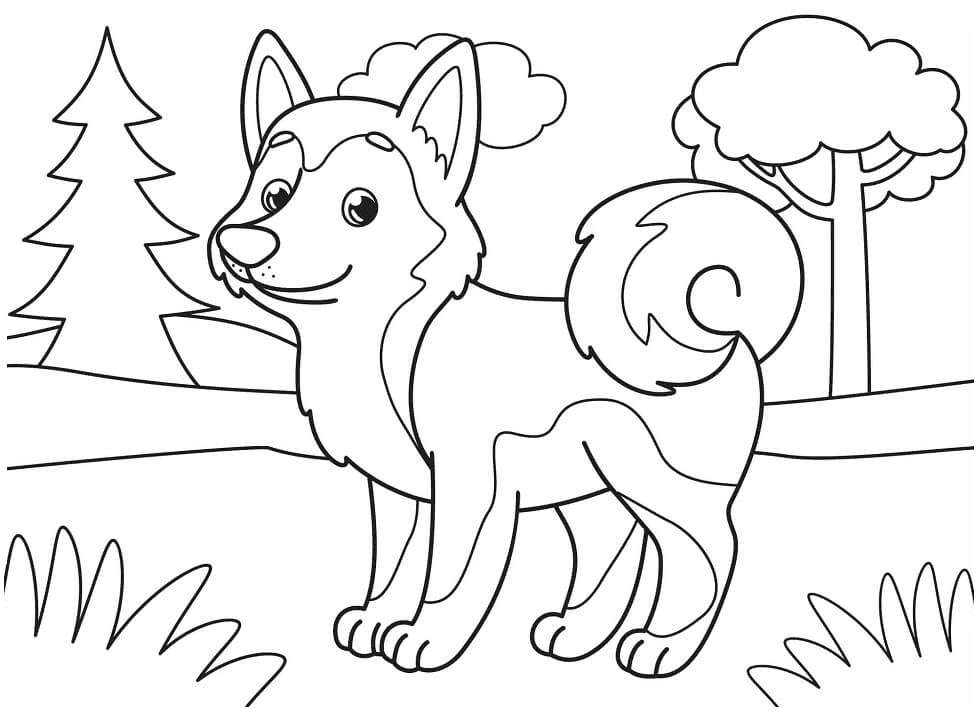
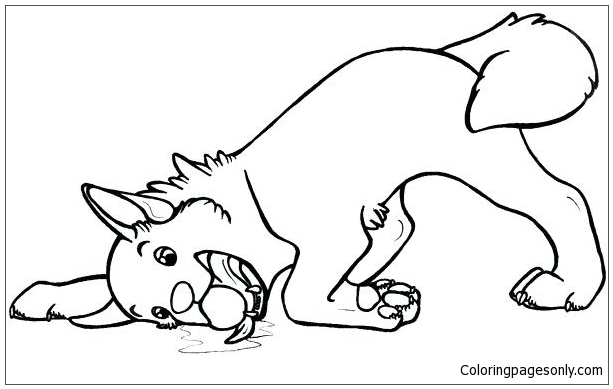
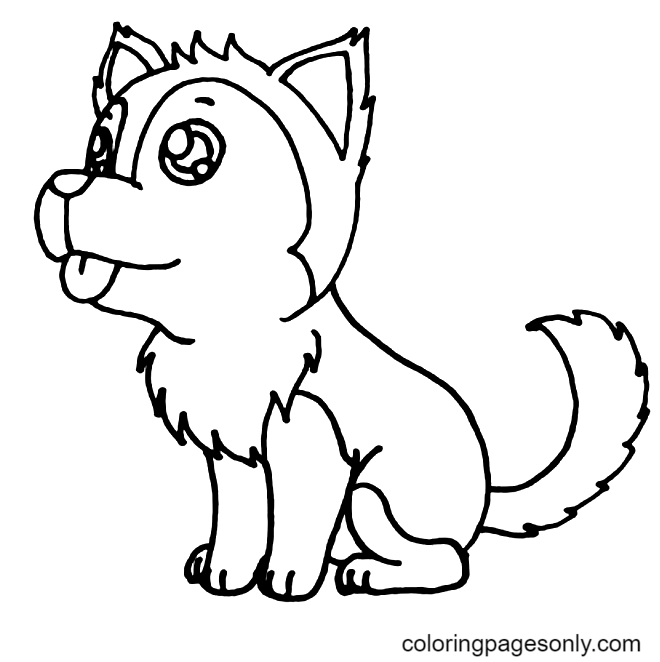
Other sheets take a lighter approach with cartoon huskies, naughty cartoon versions, and cute, simplified designs that keep the breed’s recognizable features without the detail of a realistic portrait.

Coloring cartoon huskies: the same layered approach applies (body color, mask, white markings), but everything can be bolder and simpler. Flat, confident colors work better than careful gradients here, and a bright blue for the eyes makes the cartoon face immediately readable as a husky.

Simple and Easy Husky Pages

The simplest pages in the set, including easy young huskies, blank outlines, and a simple walking husky, are designed for younger colorists or anyone who wants a quick, low-pressure session.

Coloring the simple pages: these are the best place to try out a color scheme before committing to it on a detailed page. Pick the body color, the mask shade, and the white zones, and see how they work together before moving on to the more complex sheets.
Printable PDF and Online Husky Coloring Pages

Every design comes in two ways: a printable PDF for paper, or the same artwork colored on screen.

Using both formats: print the PDF when you want a clean sheet for pencils, markers, or crayons, and use the on-screen version when there is no printer nearby. The PDF holds fine, fur-lined detail on standard letter or A4 paper, which matters on the realistic portrait pages.
What These Pages Do

The Siberian Husky is one of the most visually complex dog breeds to color, and that complexity is the point. A husky’s coat is never one color: the American Kennel Club recognizes nine official coat colors for the breed, from pure white and grey and white to black, sable, agouti, and red and white, almost always paired with a darker mask across the face and white body markings. On top of that, the eyes can be blue, brown, amber, bi-eyed, or parti-colored, meaning two colors in a single iris. Working through a husky page teaches the same skills as working through any complex animal portrait: how to separate overlapping color zones, how to use directional strokes to suggest fur texture, and how to make eyes look lit from within rather than flat. Those skills carry over to any dog, wolf, or animal coloring page. For the next step, dog coloring pages are the parent hub, and wolf coloring pages offer a natural companion challenge since the two animals share many of the same coat and face-marking techniques.
For many people, a husky page is also about the dog itself, not just the coloring challenge. Dog fans and husky owners often color breeds they love as a way to spend time with a subject that matters to them, and the puppy pages in particular appeal to younger children who are drawn to dogs before they have one of their own. The American Art Therapy Association draws a clear line between clinical art therapy and everyday coloring, which it describes as recreation and self-care rather than treatment. That distinction matters here: coloring a husky portrait is not therapy, but it is a focused, calm, screen-free activity that gives a dog lover a genuine creative outlet. The American Academy of Pediatrics notes that hands-on, open-ended activities like drawing and coloring support fine-motor development and observational skills in children, and coloring a detailed breed like the husky, noticing the coat zones, the eye shape, and the ear position, is exactly that kind of quiet, attentive observation in action.

How to Color Husky Coloring Pages

These steps apply to any page in the set and keep the breed’s distinctive look intact.

Map the coat layers before you start. Every husky has a base coat color, a darker facial mask, and white markings on the muzzle, chest, and legs. Deciding these three tones (base coat color, mask shade, and where the white falls) before touching the page prevents the coat from turning into a muddy blend.

Work from lightest to darkest. Lay the white areas and pale belly first, then the mid-tones of the body, then the darker mask and saddle tones last. This order keeps the light areas clean and gives you control over where the darker shades land.

Use short, directional strokes for fur. Fur does not look like a solid fill. Short strokes following the direction the coat grows (downward on the body, outward from the face) give the coat texture and depth without requiring fine detail work.

Give the eyes full attention. Decide on the eye color first: blue, brown, amber, or one of each. Add the pupil, a dark ring around the iris, and a small white highlight, and the eyes will anchor the whole page.

Keep the background simple or cool-toned. Huskies are arctic dogs, and a cool blue-grey or soft white background reinforces that without competing with the coat. A plain white background also works and keeps the focus on the fur patterns.

5 Creative Craft Ideas with Husky Coloring Pages

Dog Breed Portrait Series

Color a realistic husky page alongside a German Shepherd or other dog breed page to build a mini portrait series.

Mount them on matching card stock with the breed name written underneath for a simple, attractive dog-themed wall display.

Coat Color Study Sheet

Color the same simple husky outline three times in three different AKC-recognized schemes, such as grey and white, red and white, and solid white.

Label each version and pin them together as a visual reference for the breed’s color range.

Puppy Story Book

Color several puppy pages in sequence, fold them in half, and staple along the spine.

Add a short story or caption on each page to make a personalized husky puppy picture book.

Eye Color Comparison Card

Color four husky face pages with different eye colors: blue, brown, bi-eyed (one of each), and parti-eyed (two colors in one iris).

Arrange them side by side on a single sheet and label each one to show the full range that the AKC recognizes as correct for the breed.

Arctic Scene Collage

Color a running or walking husky page, then cut it out and place it on a large sheet of blue-grey cardstock.

Add a simple snowy background drawn by hand, cotton-ball clouds, and a few snowflake stickers for a classroom or bedroom winter display.

FAQ About Husky Coloring Pages

Are these Husky coloring pages free, and can I color them online? 

Yes. Every page is free, with no account, email, or payment required. Download the PDF to print at home, or color the design on screen in the browser.

What styles of husky pages are included? 

The set covers realistic Siberian Huskies, cartoon and cute huskies, husky puppies, face and portrait close-ups, simple outlines, and a group of four puppies together.

What coat colors should I use for a realistic husky? 

The most common are grey and white, and black and white. Red and white, pure white, and the rarer agouti (a wolf-like greyish-brown) are also AKC-recognized options. All versions include a darker mask across the face and white on the chest and legs.

What color are husky eyes? 

Husky eyes can be blue, brown, or amber. Some huskies have one blue eye and one brown eye (called bi-eyed), and others have two colors within a single iris (parti-eyed). All of these are normal and accepted by the AKC breed standard.

Are there husky puppy pages in the set? 

Yes. Several sheets feature husky puppies, including cute, funny, and baby versions, a puppy with a bowtie, and a group of four puppies together.

What is a Siberian Husky? 

The Siberian Husky is a medium-sized working sled dog originally developed by the Chukchi people of northeastern Siberia. The American Kennel Club recognized the breed in 1930. It is known for its thick double coat, striking facial mask, erect ears, and often blue or bicolored eyes. You can read more at the AKC breed page.

Are these pages good for younger children? 

The simple outlines, easy husky pages, and cartoon versions suit younger children well. The detailed, realistic portraits and face close-ups are a better fit for older kids, teens, and adults who want a more involved coloring challenge.

What is the hardest part of coloring a husky? 

Getting the three coat zones right: base coat, darker facial mask, and white markings. Keeping those areas distinct, rather than blending them, is what makes a finished husky page look accurate to the breed.

Is the Alaskan Husky the same as the Siberian Husky? 

No. The Siberian Husky is an AKC-recognized purebred with a formal breed standard. The Alaskan Husky is a mixed-breed sled dog bred for racing performance and has no official breed standard.

What crafts can I make with these pages? 

Popular options include a dog breed portrait series, a coat color study sheet, a puppy story book, an eye color comparison card, and an arctic scene collage.

More Dog and Animal Coloring Pages

Browse the full set at ColoringPagesOnly.com, then open any design to print it or color it on screen.

These pages suit home use, the classroom, and dog-themed art projects for all ages. They are original coloring designs free to use for personal and educational purposes.

For the final pass on any husky page, get the three coat zones right first, give the eyes their full attention, and use short directional strokes for the fur. The mask and the eyes together are what make it read as a husky.

Share your work on Facebook and Pinterest and tag #ColoringPagesOnly. We would love to see your realistic portraits, coat color studies, and puppy story books.

Jennifer Thoa – Content Editor & Designer

Jennifer Thoa is Content Editor and Designer at ColoringPagesOnly.com. Degree in Journalism and Creative Writing, University of Kansas. She writes and edits long-form educational articles on anime, film, animals, world cultures, and automotive history - verified against named primary sources before publication.