Color by Number Coloring Pages
 By:
Jennifer Thoa - Content Editor & Designer
Updated:
By:
Jennifer Thoa - Content Editor & Designer
Updated:
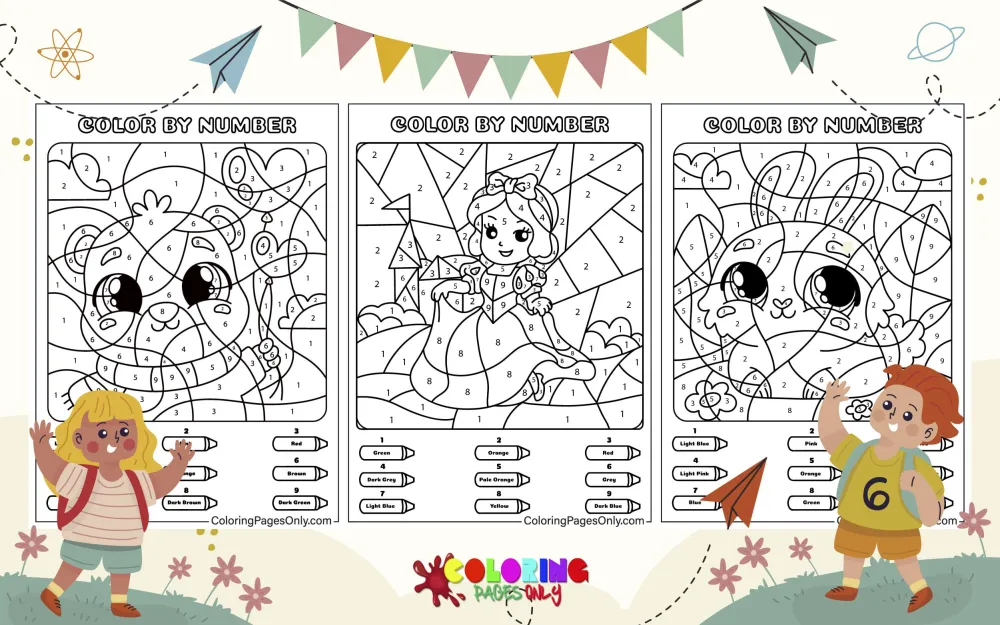
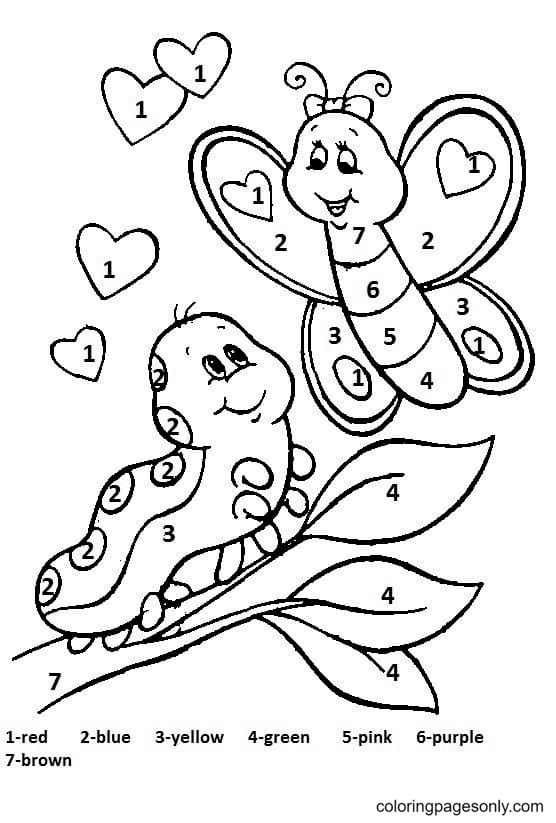
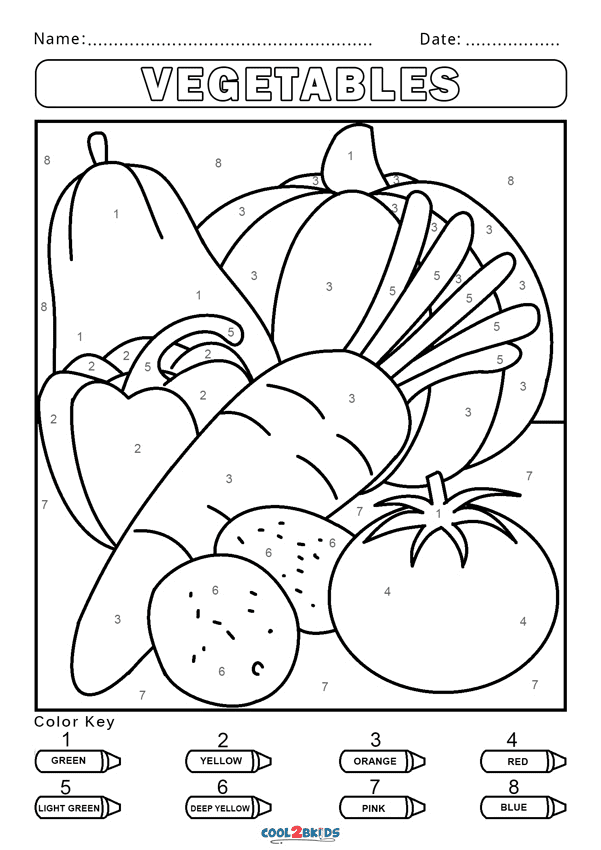
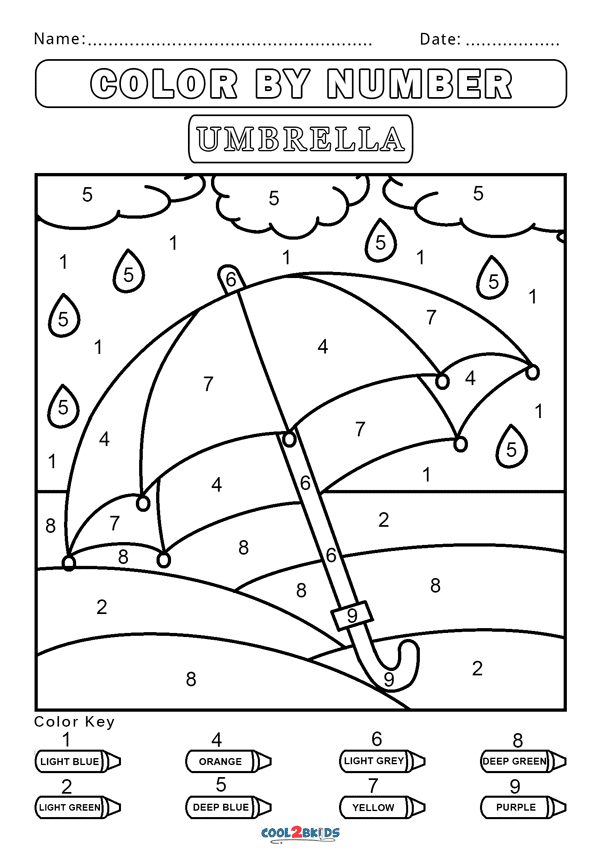
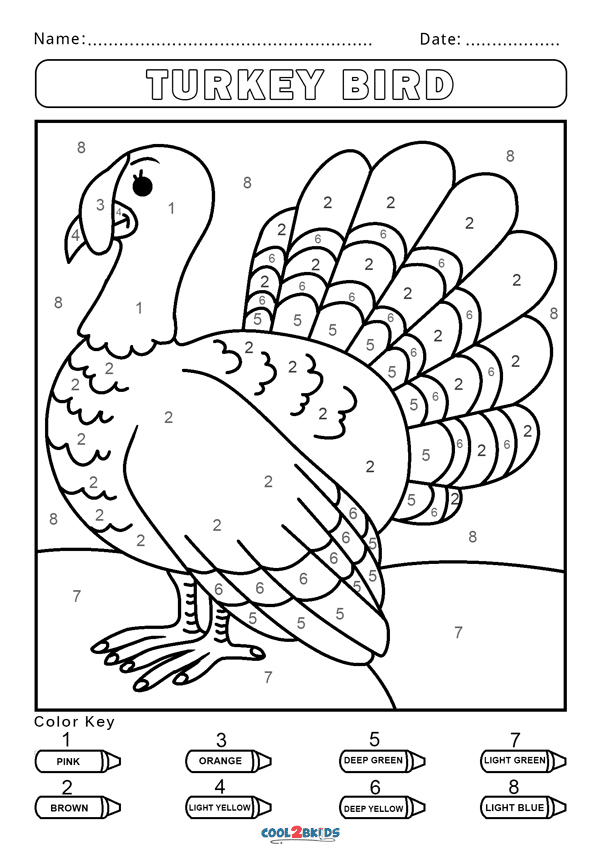
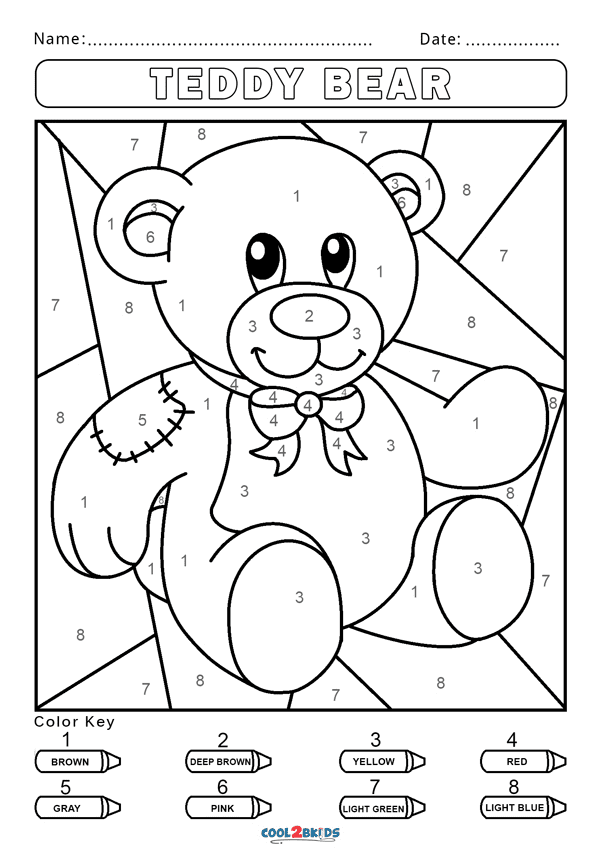
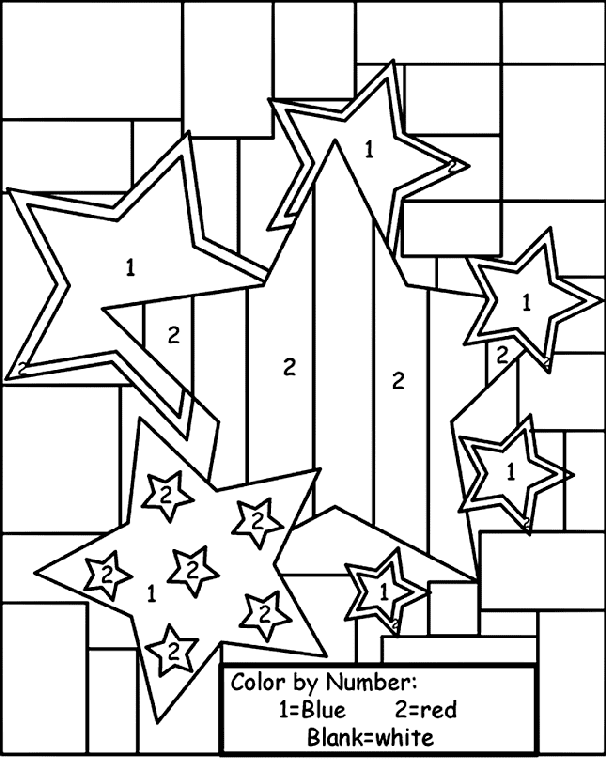
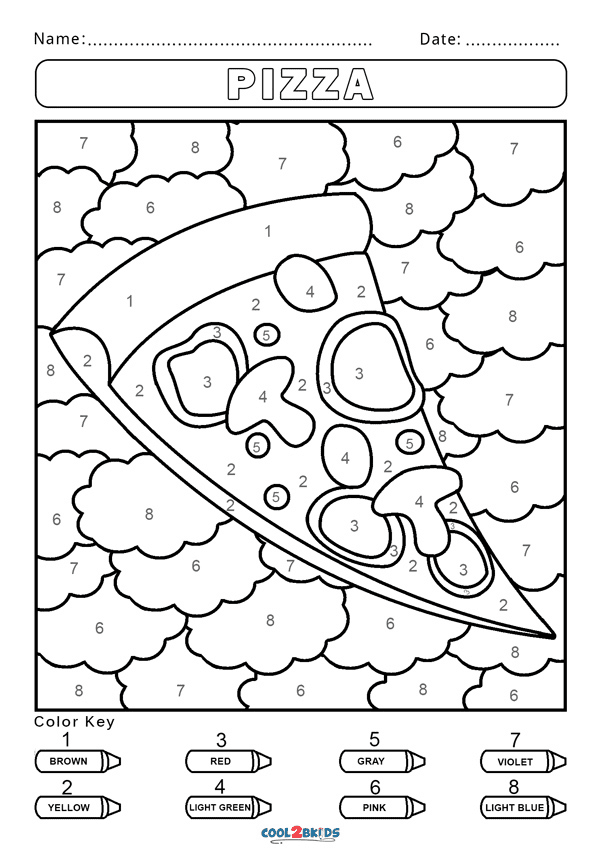
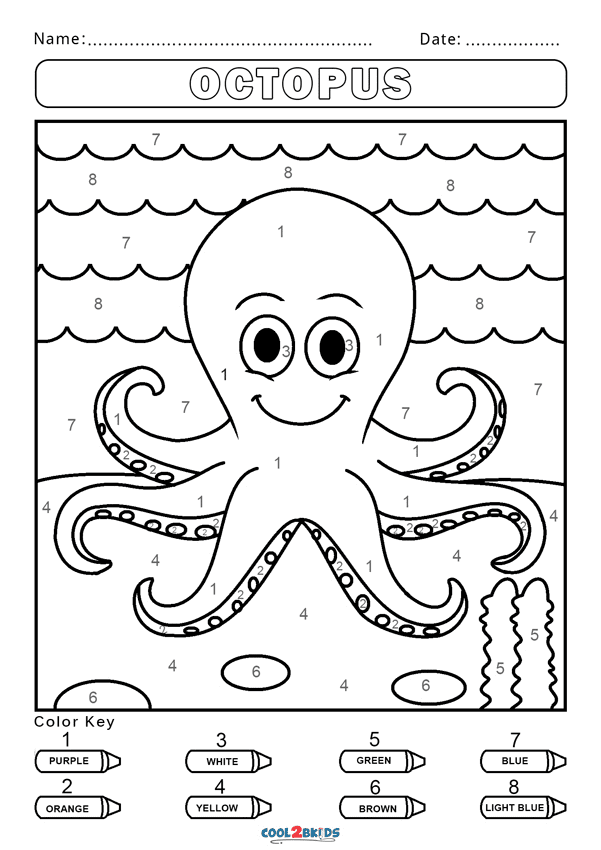
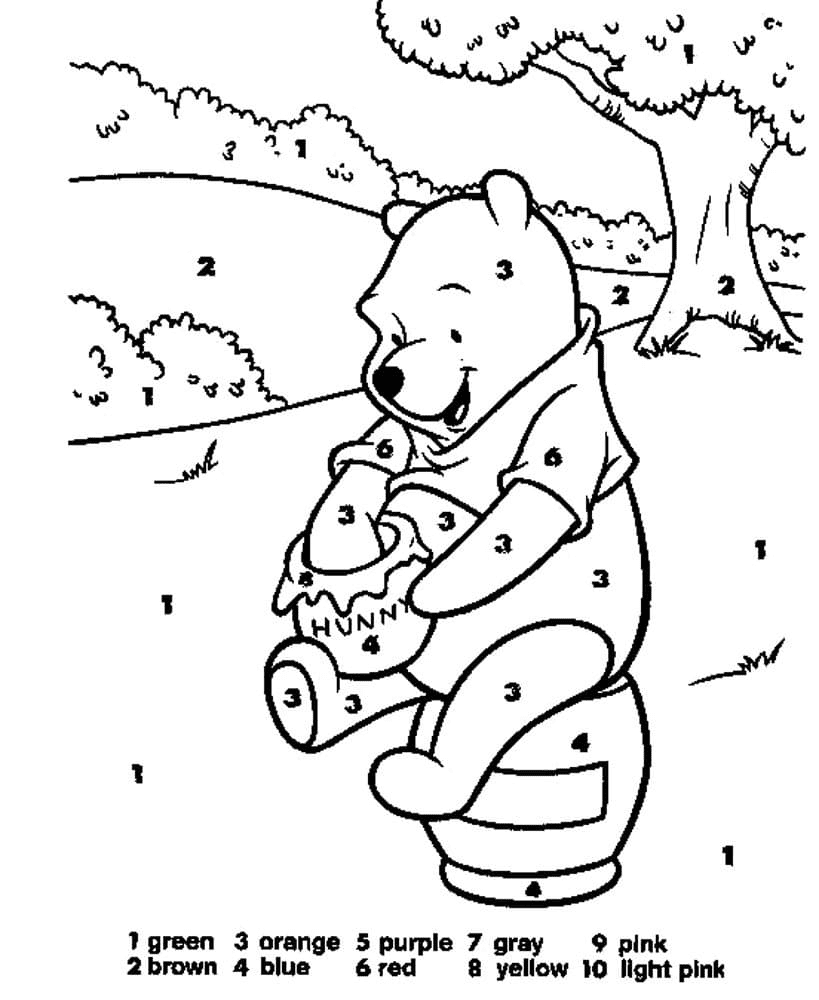
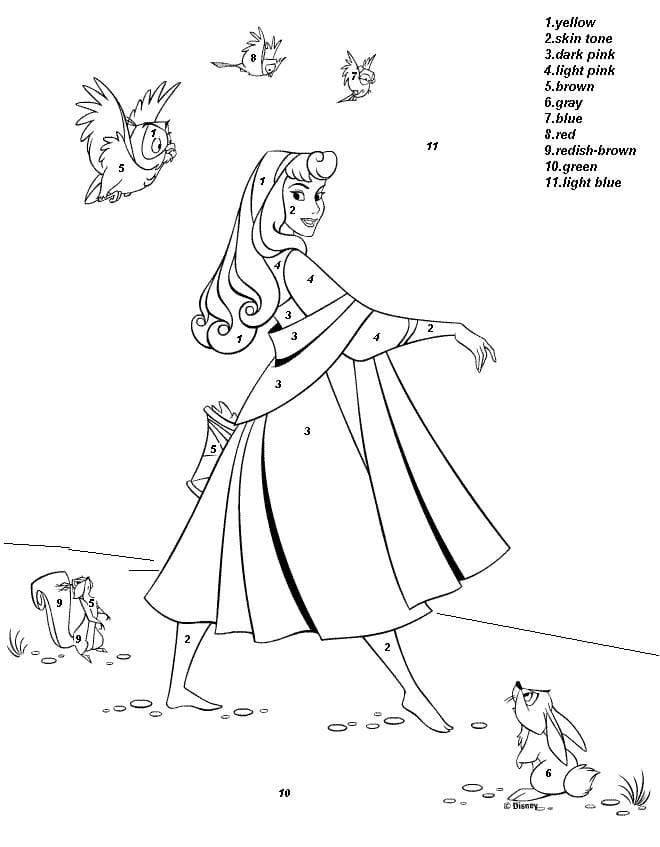
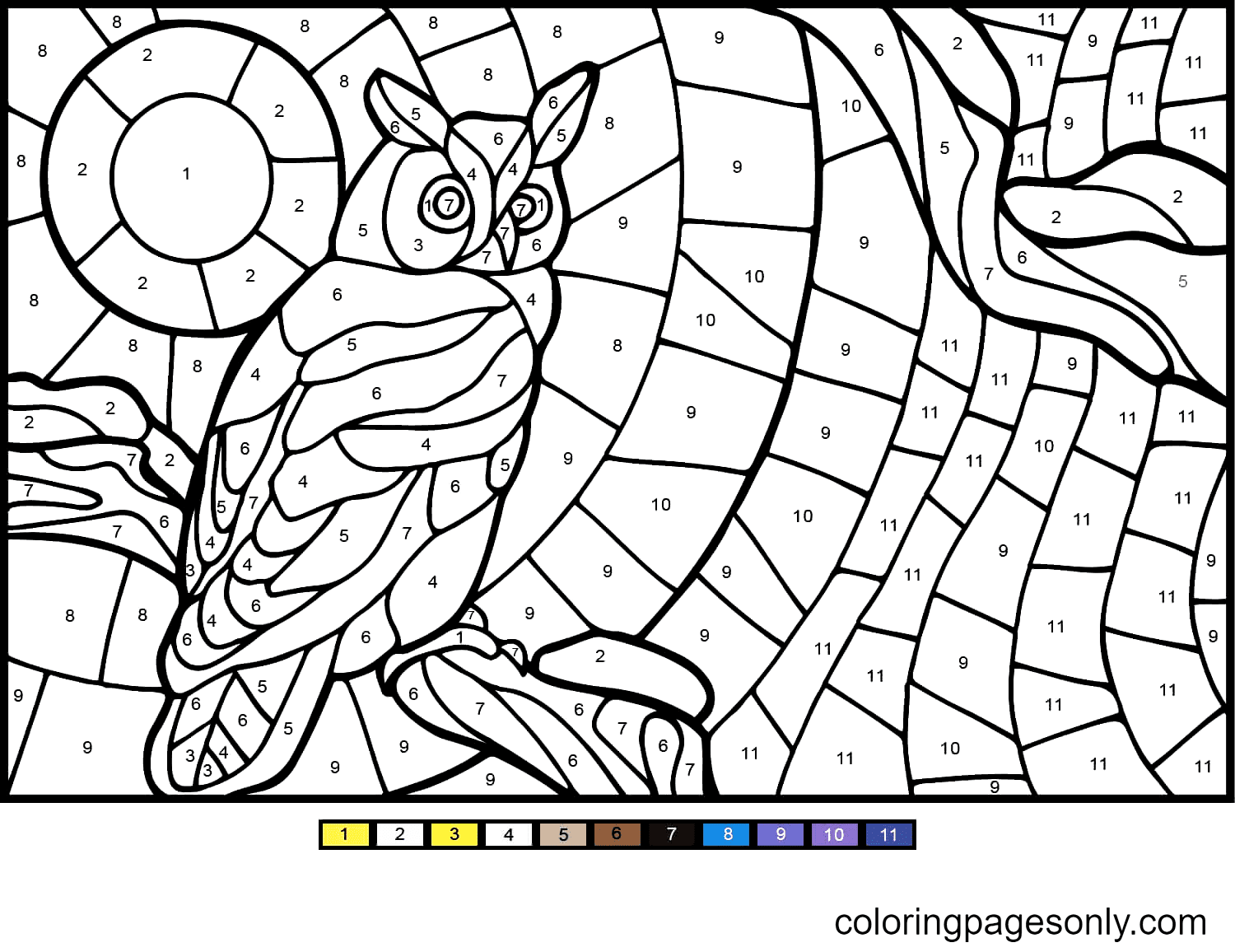
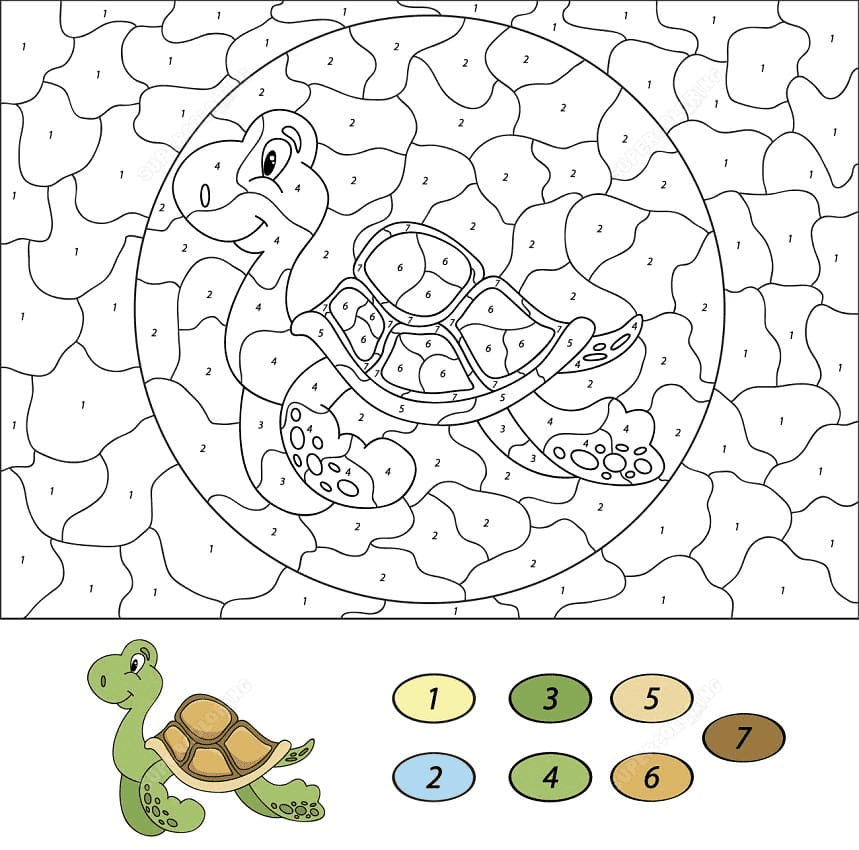
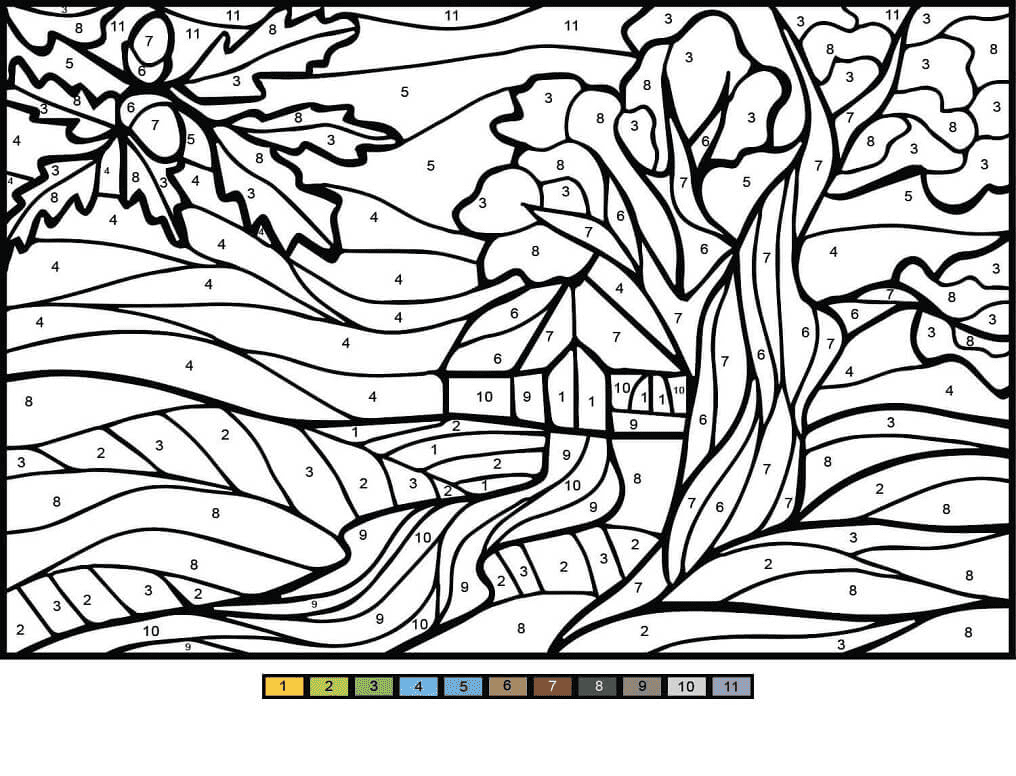
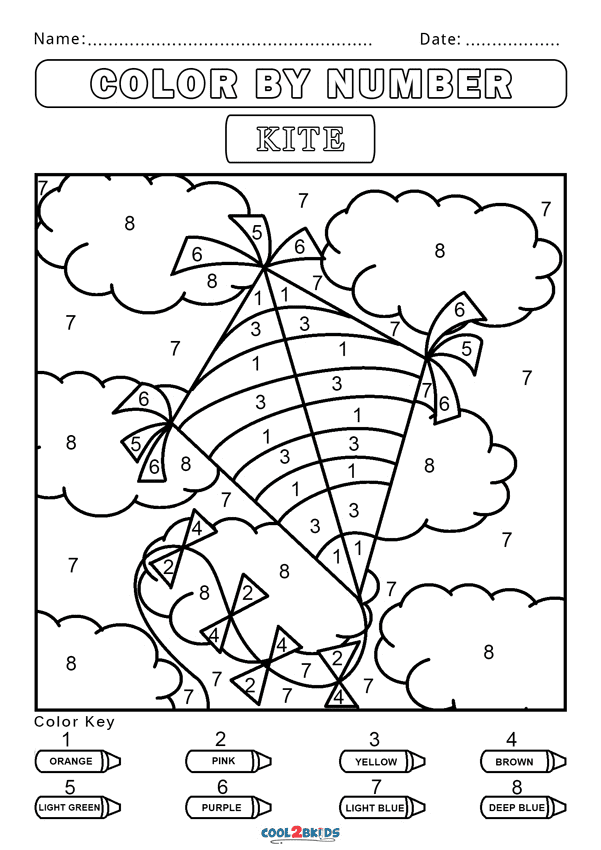
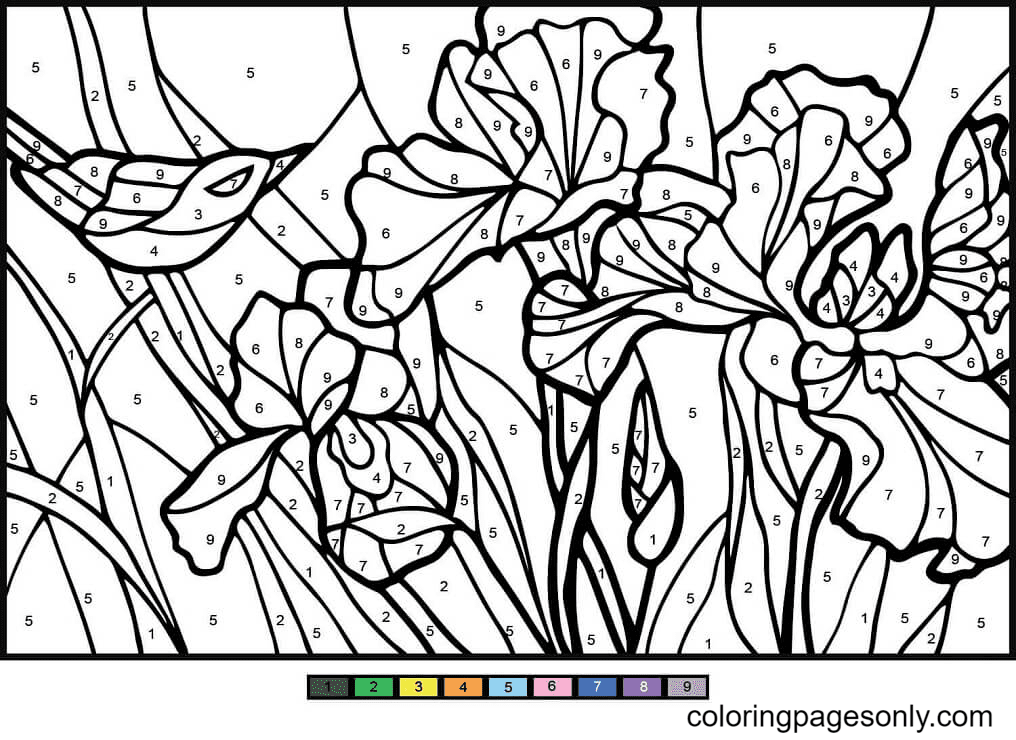
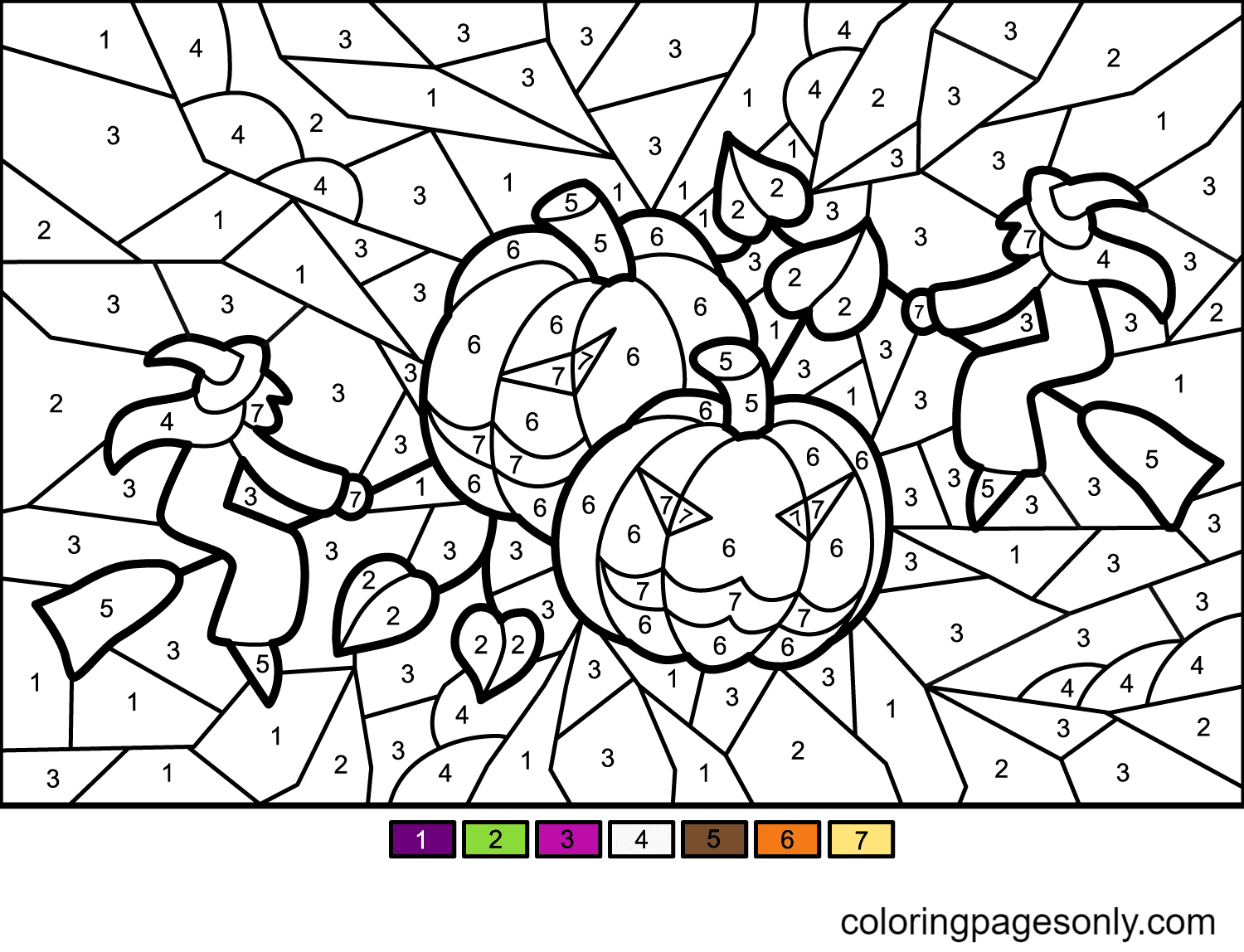
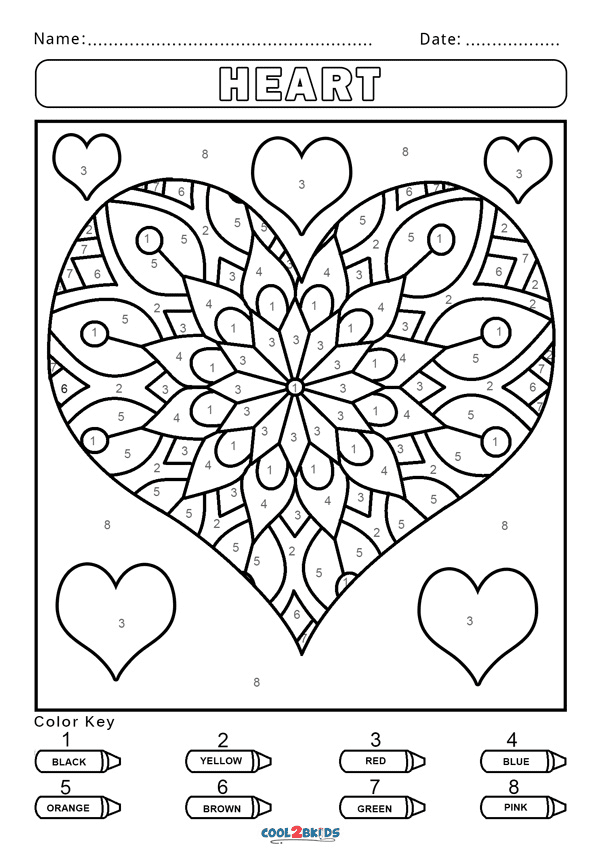
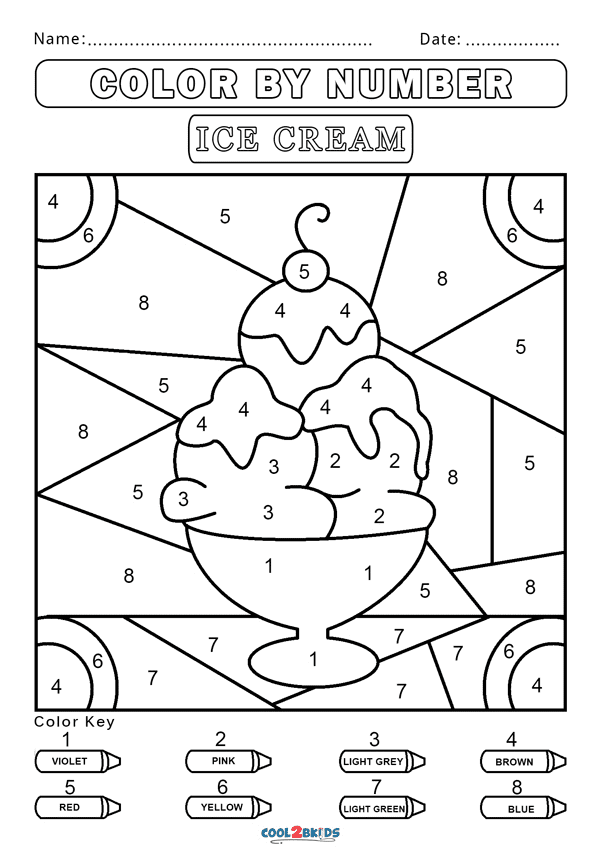
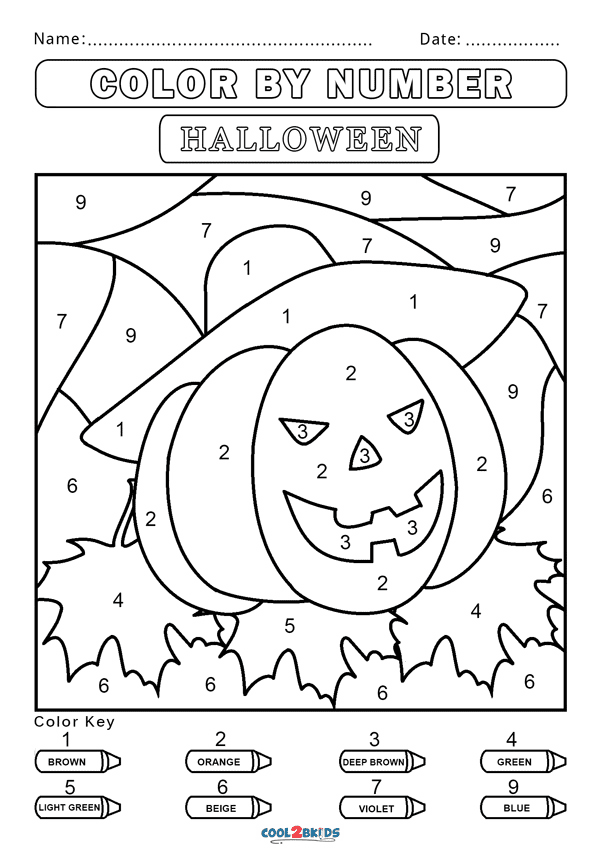
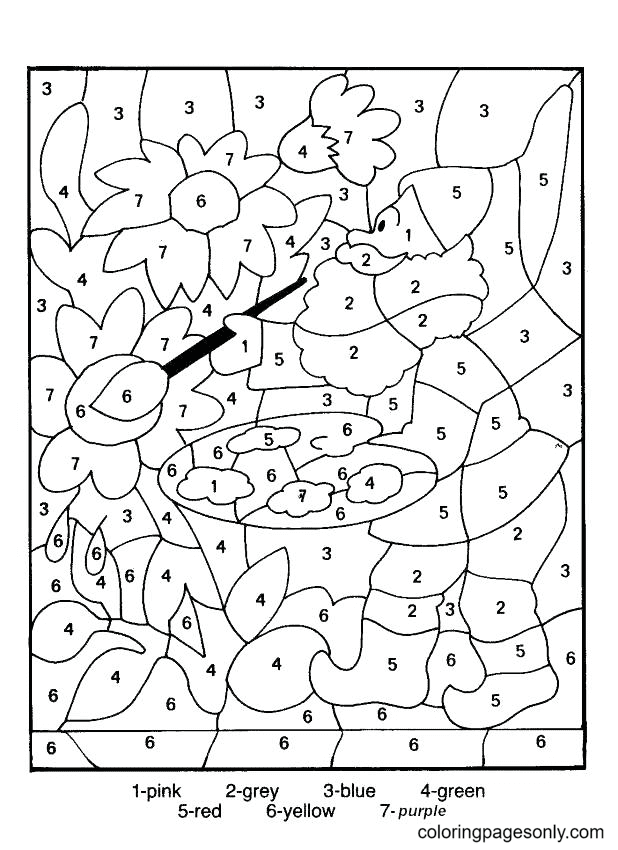
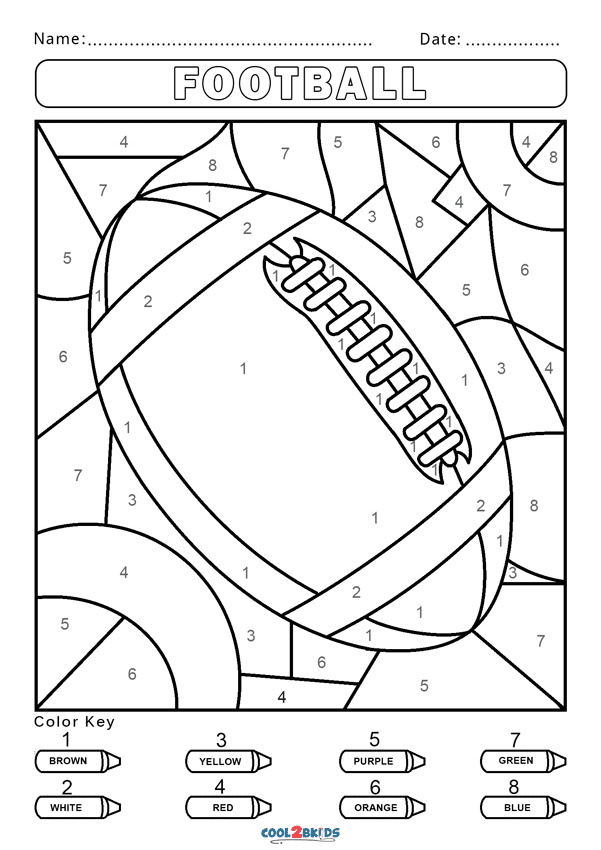
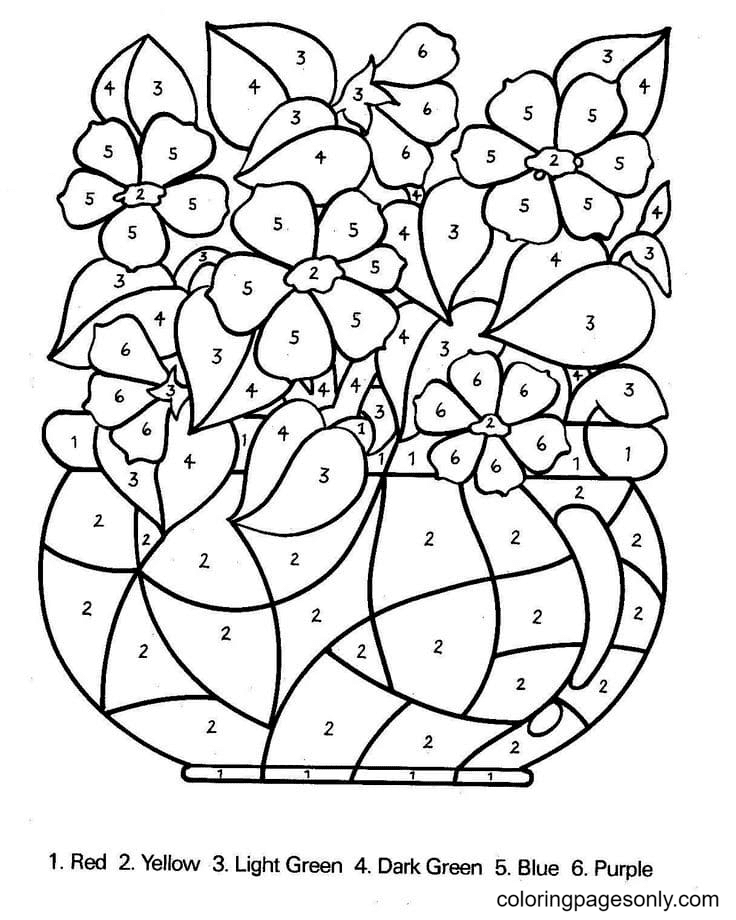
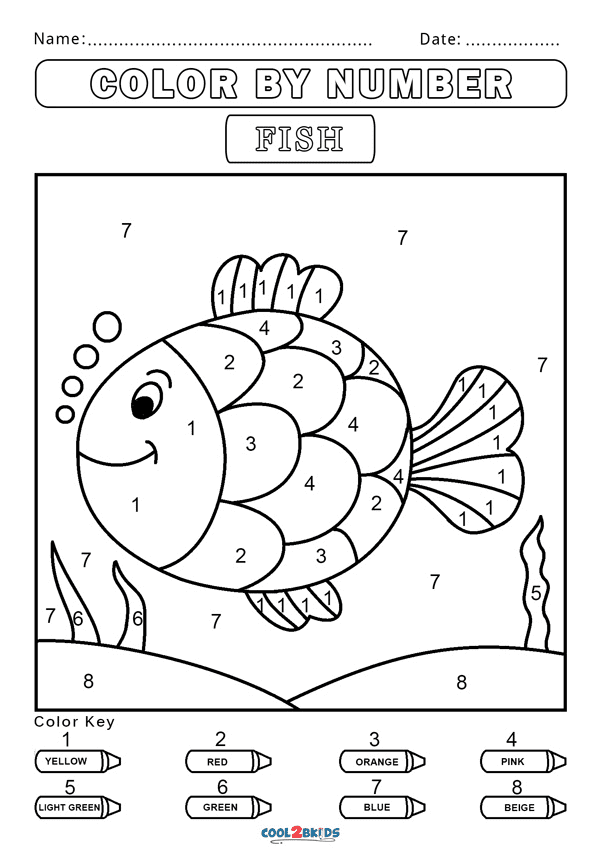
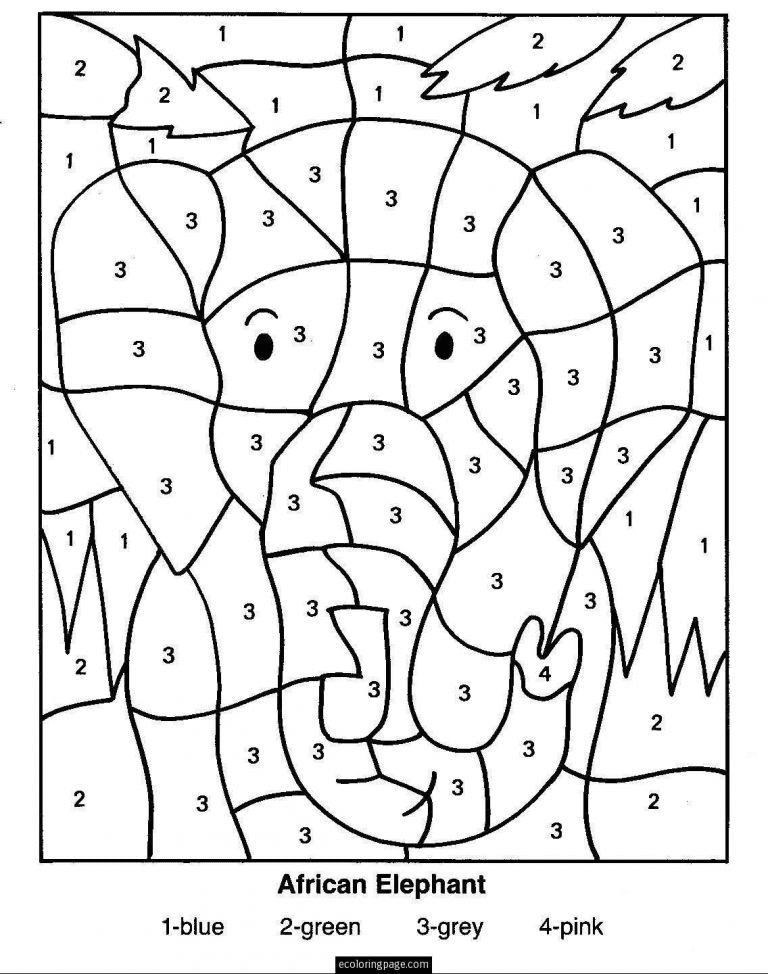
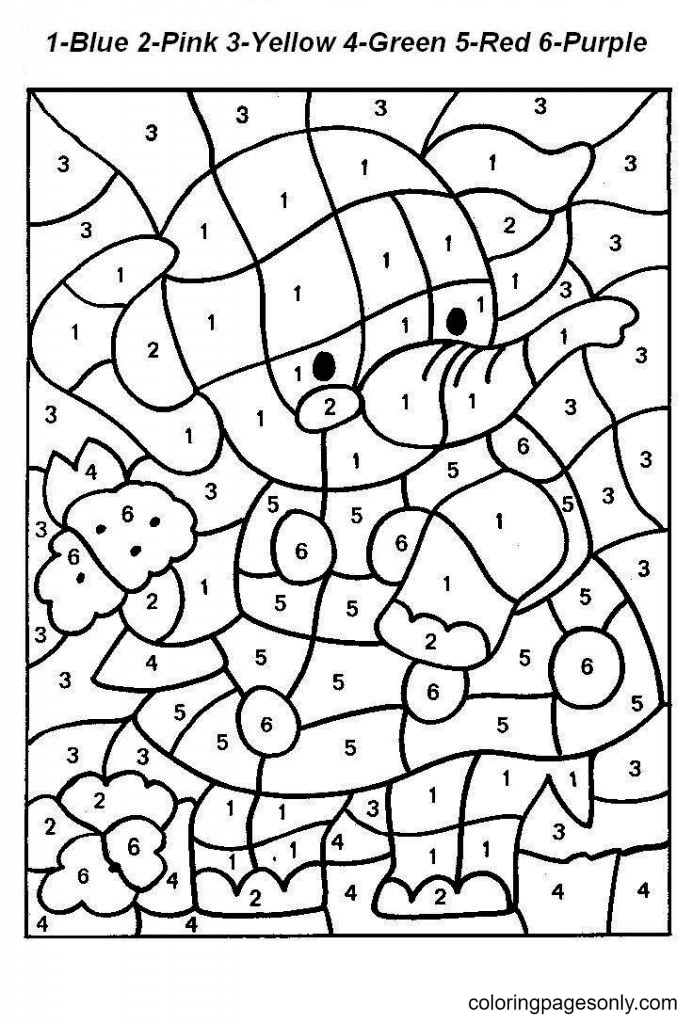
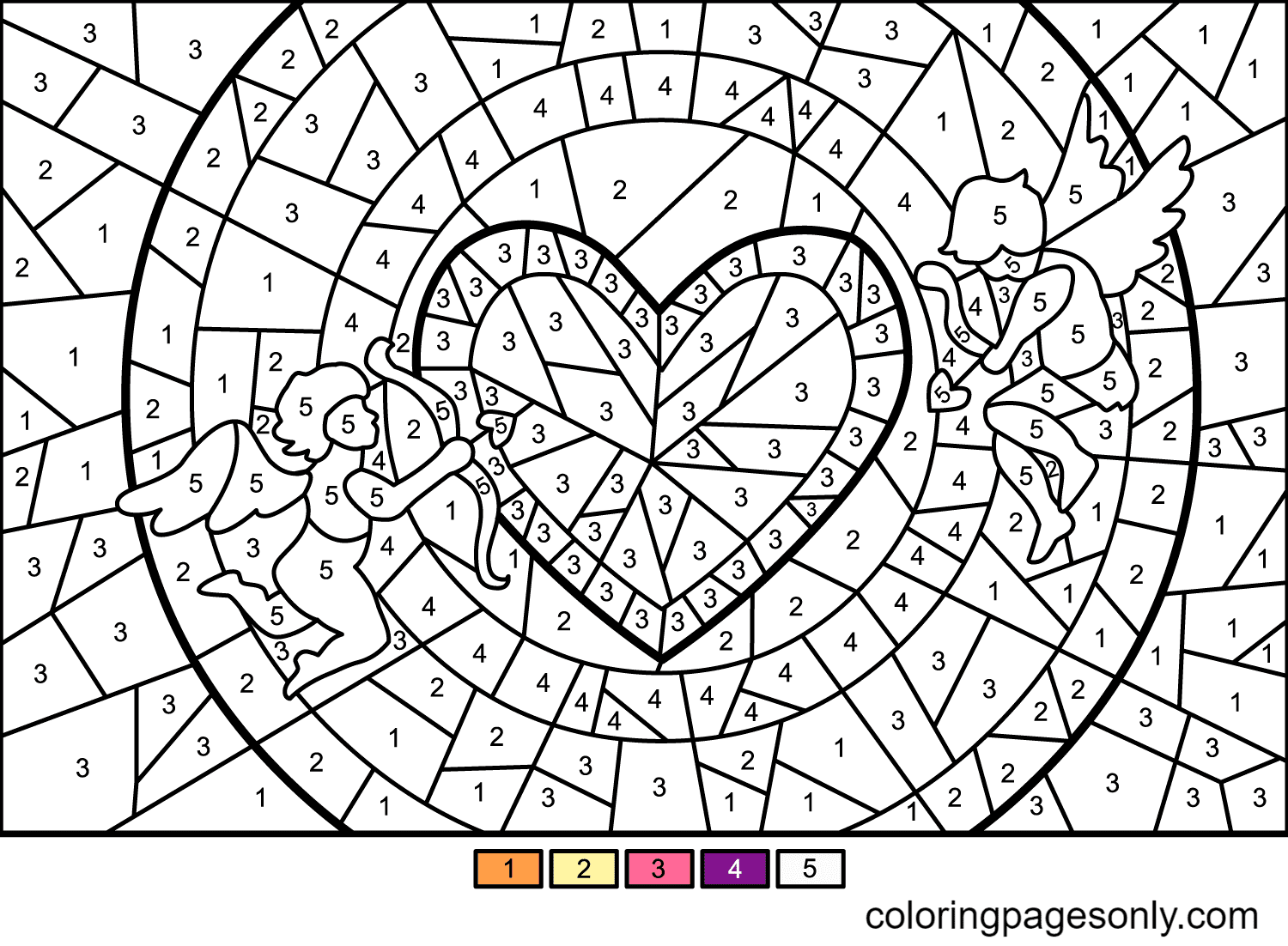
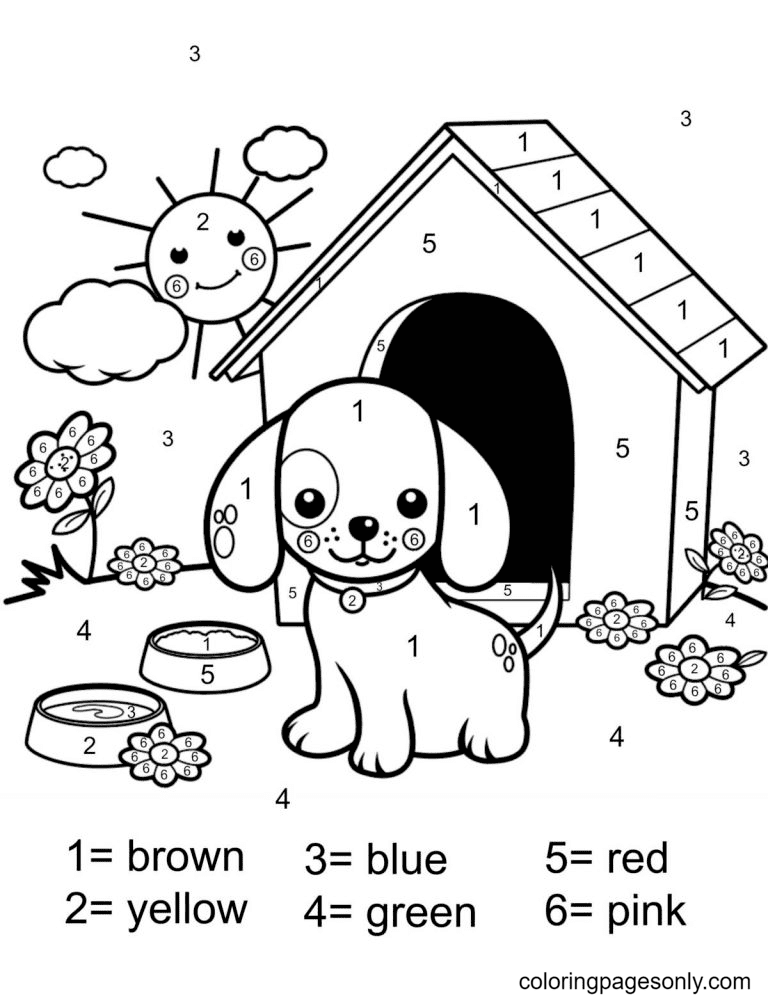
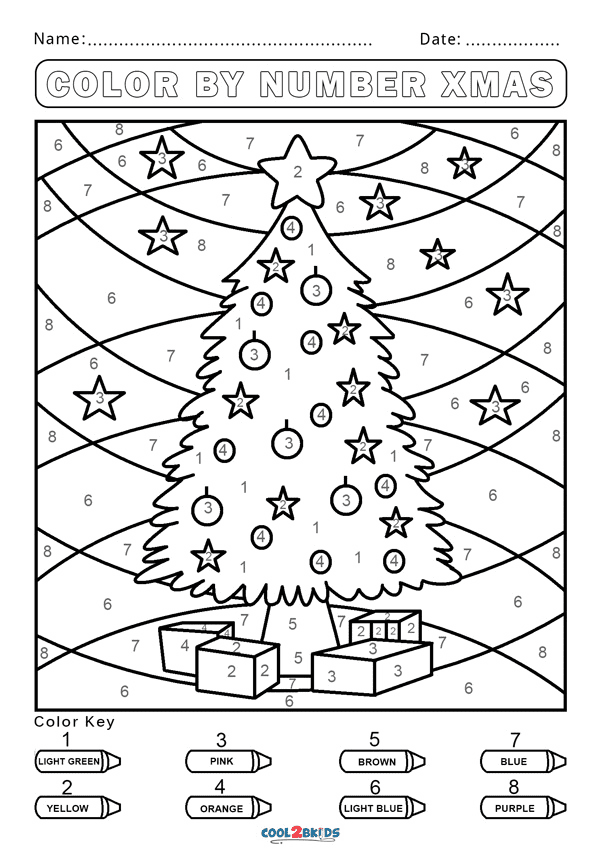
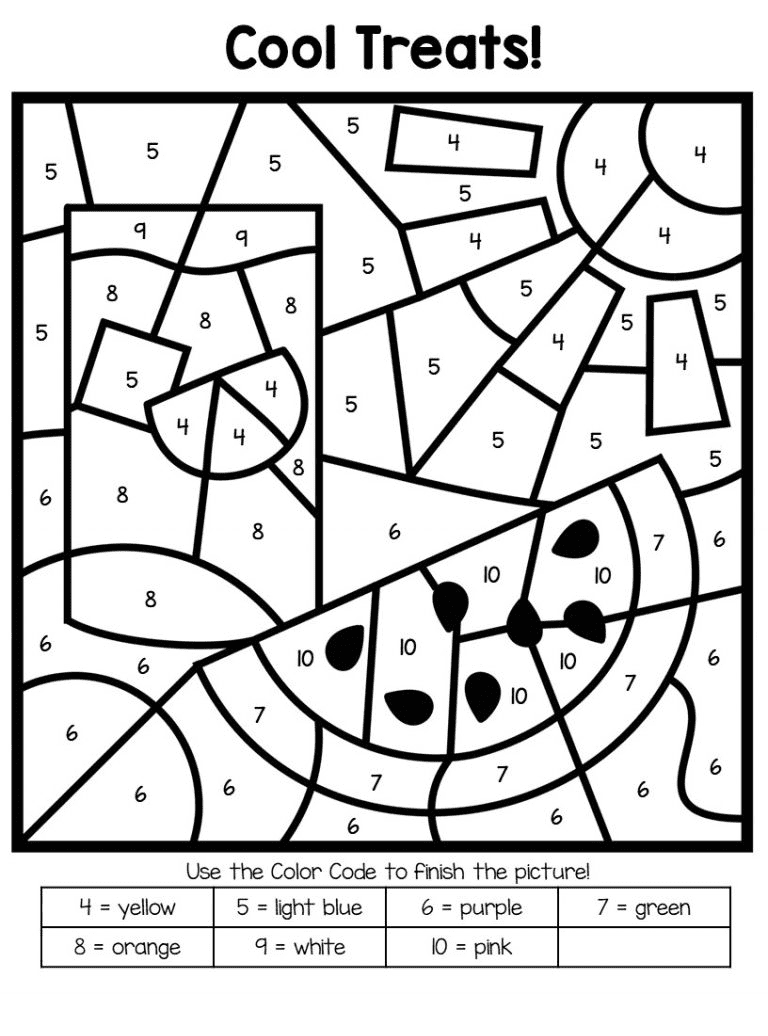
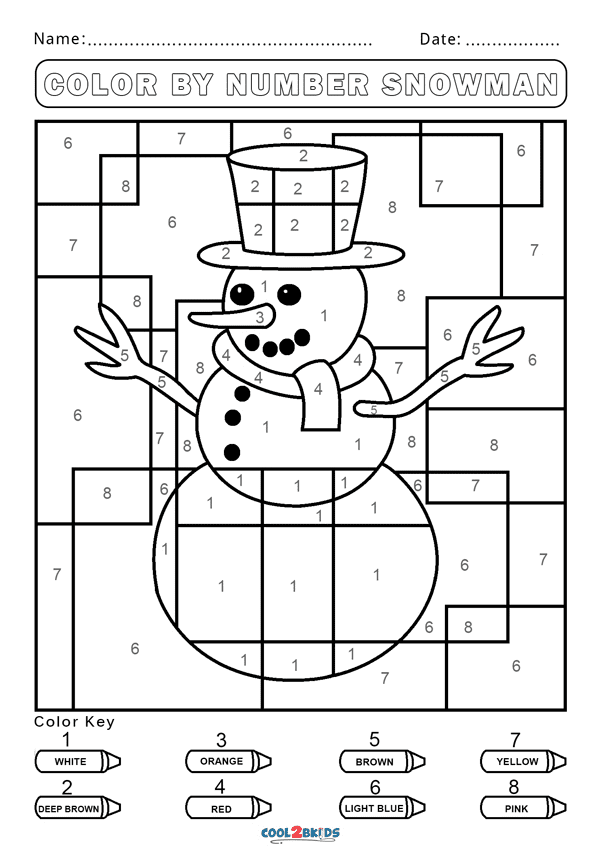
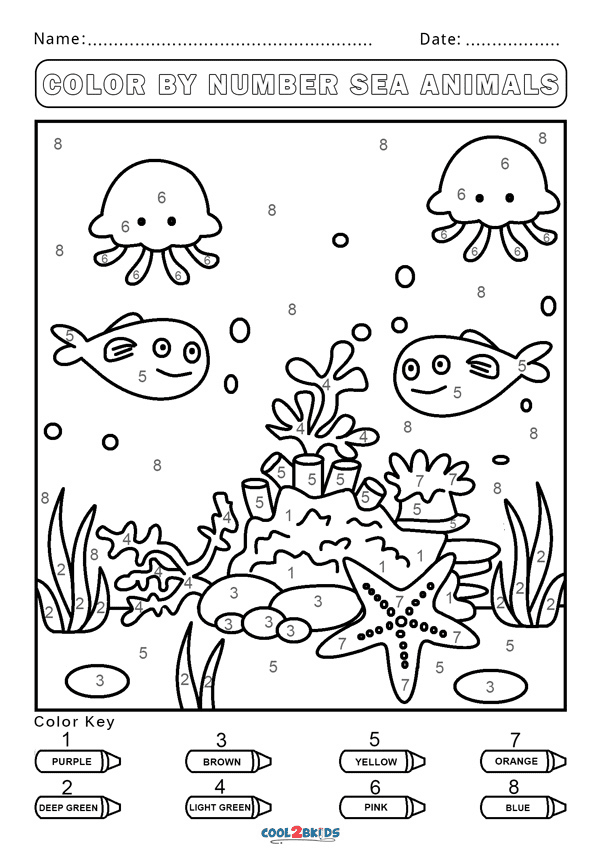
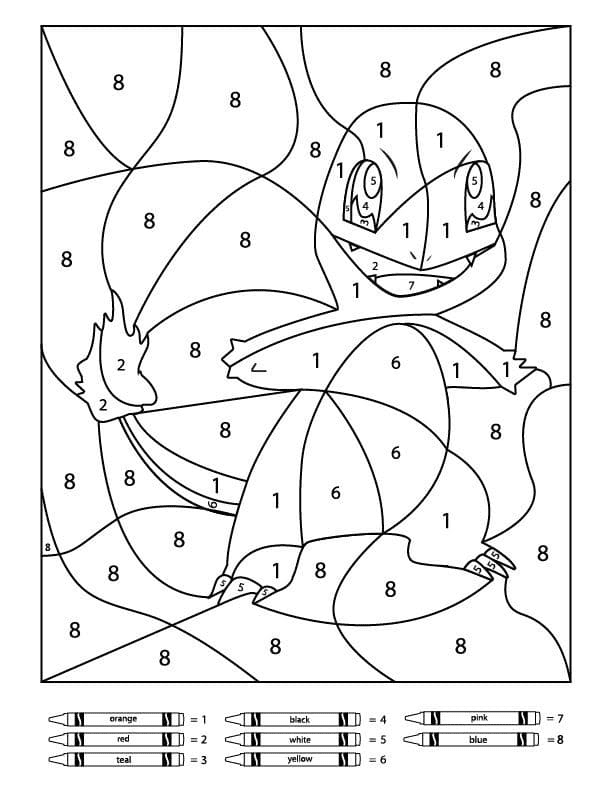
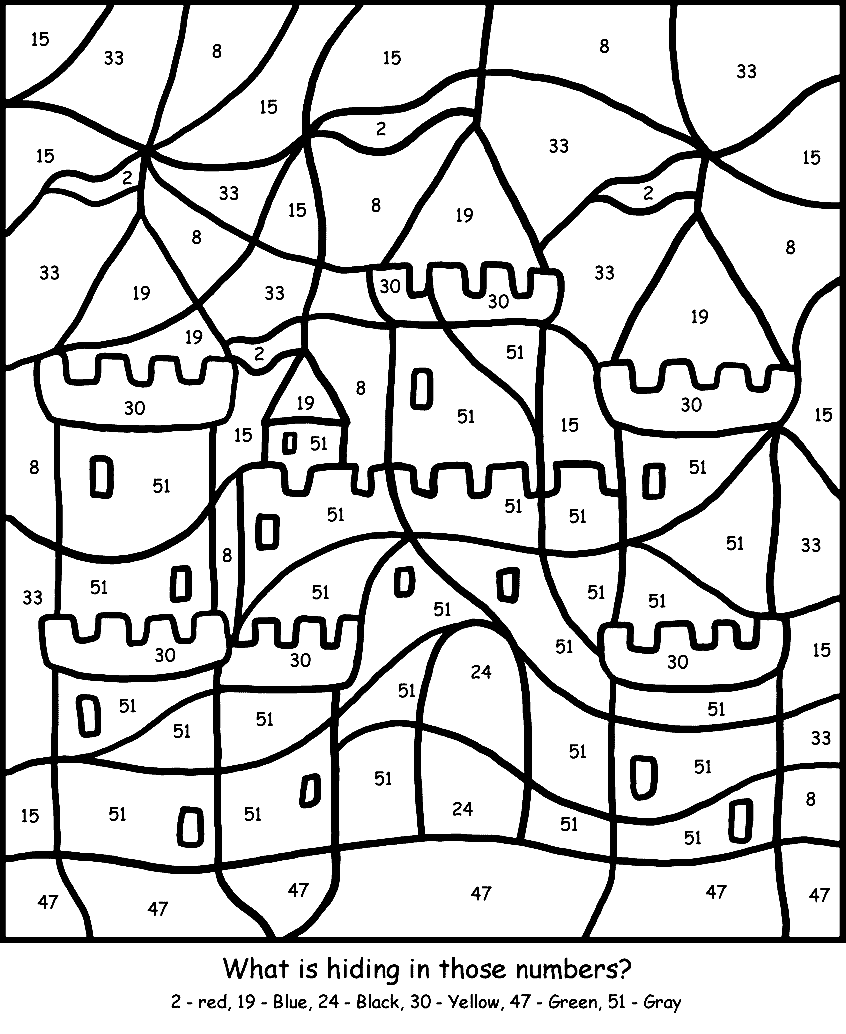
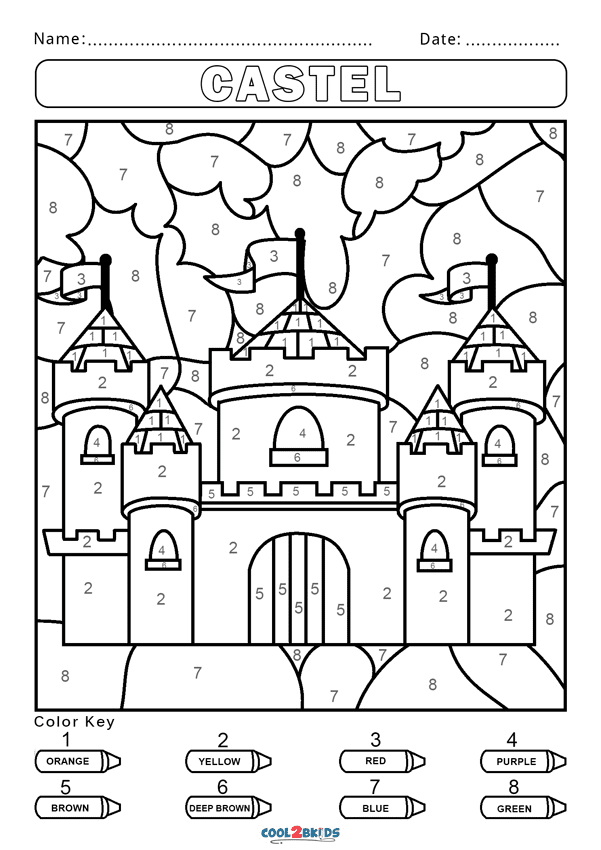
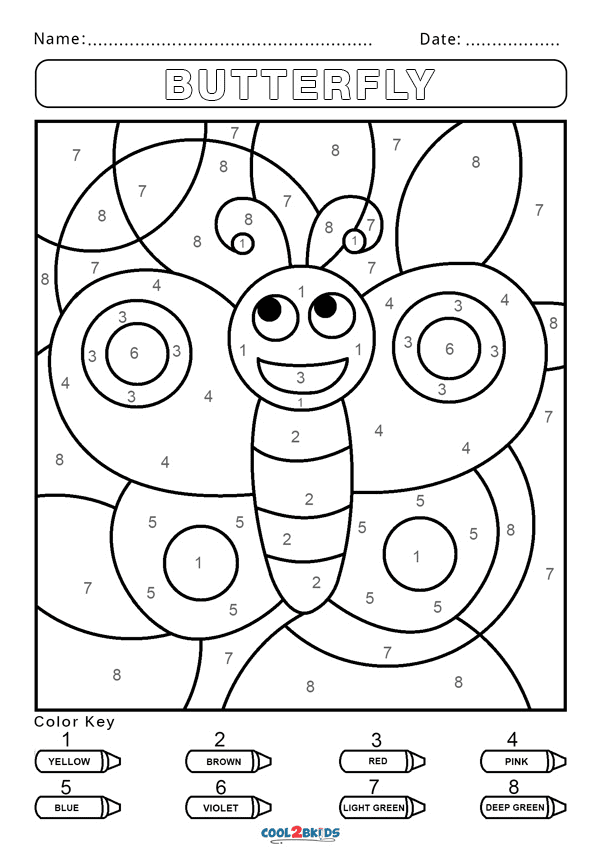
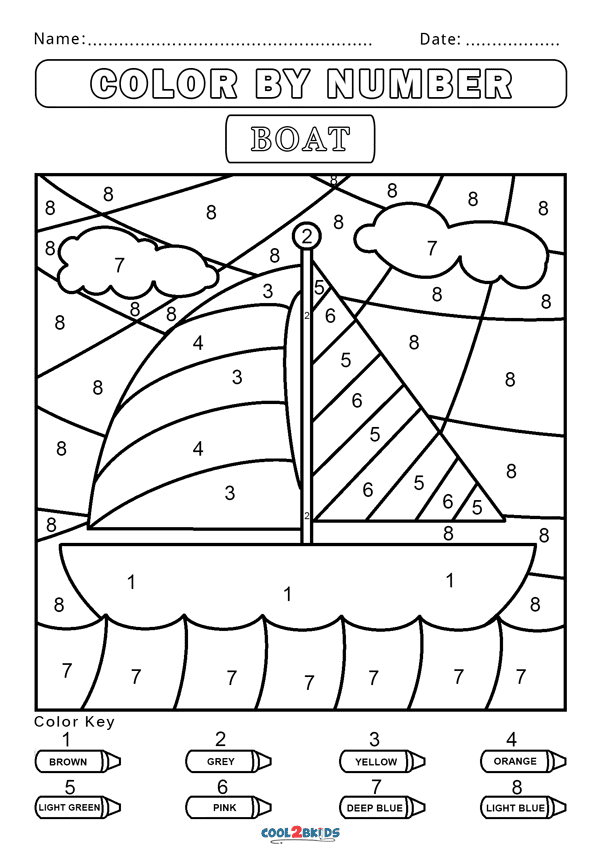
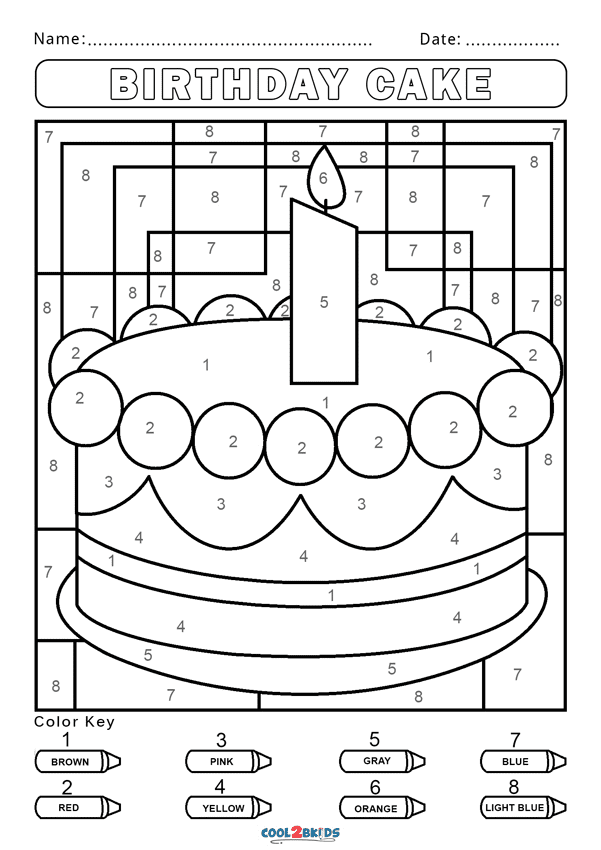
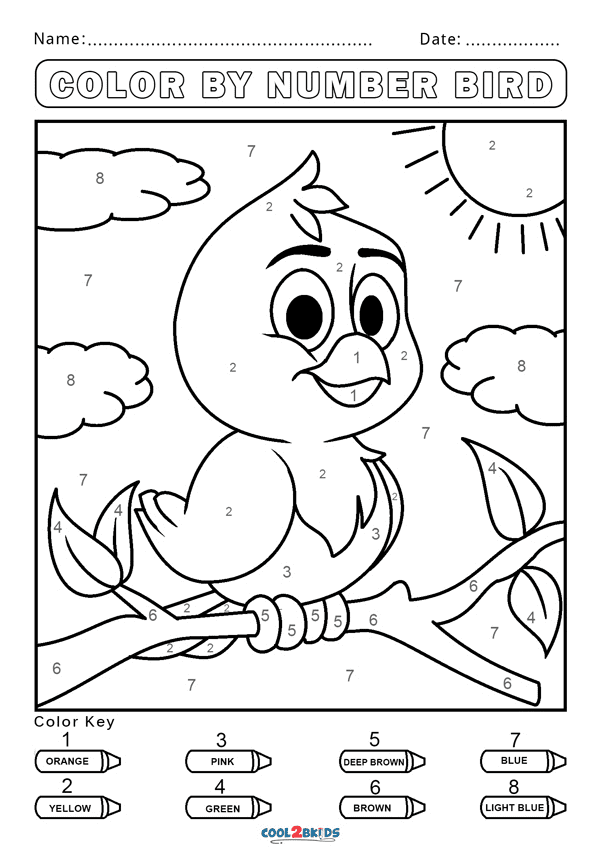
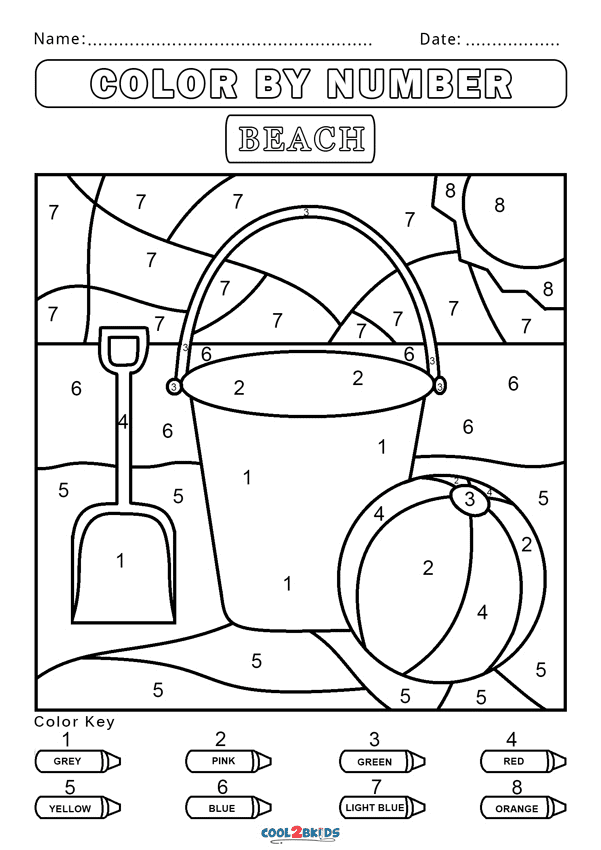
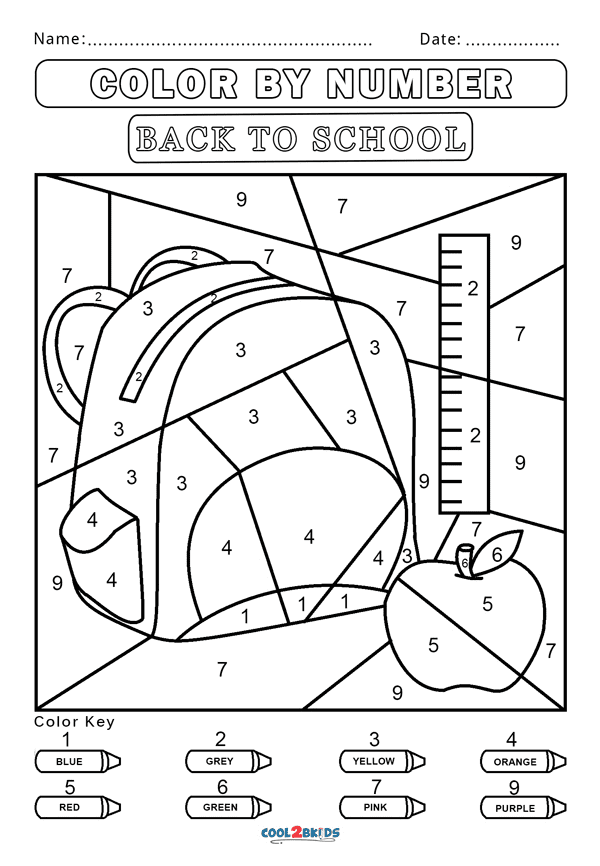
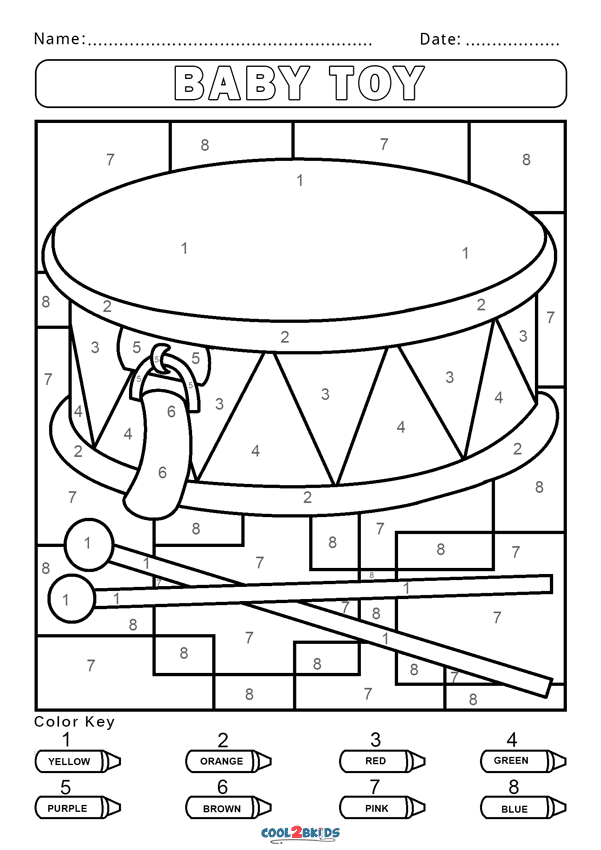
Free color by number coloring pages: 104 printable PDF designs where every region carries a number matched to a color key, revealing the finished picture one section at a time. Each page downloads as a print-ready PDF or opens in the online coloring tool.











The History of Color by Number
Dan Robbins, a Detroit commercial artist who began working at the Palmer Show Card Paint Company in 1949, later wrote that the concept traced back to Leonardo da Vinci’s own teaching method, handing numbered pattern sheets to apprentices so they could learn composition by filling designated areas with matching pigments. Robbins adapted the idea into a kit containing a pre-printed canvas, numbered paints, and two brushes, sold under the tagline “Every man a Rembrandt.” By 1954, more than 12 million kits had sold, and by the end of 1955, that figure reached 20 million in the United States alone, with Palmer Paint, soon renamed Craft Master, running 800 employees to keep up with demand.
The Smithsonian National Museum of American History dedicated a 2001 exhibition to the phenomenon, and Andy Warhol referenced the kits in his 1962 “Do It Yourself” series. Robbins, who died in 2019 at age 93, always maintained a clear distinction about the format: it wasn’t fine art, but it was the experience of art, offered to people who would otherwise never pick up a brush. Today, that same numbered-region, color-key structure lives on in printable pages like this collection, filled in with crayons, markers, or colored pencils instead of paint.
What’s Inside This Collection
Simple Animal Portraits
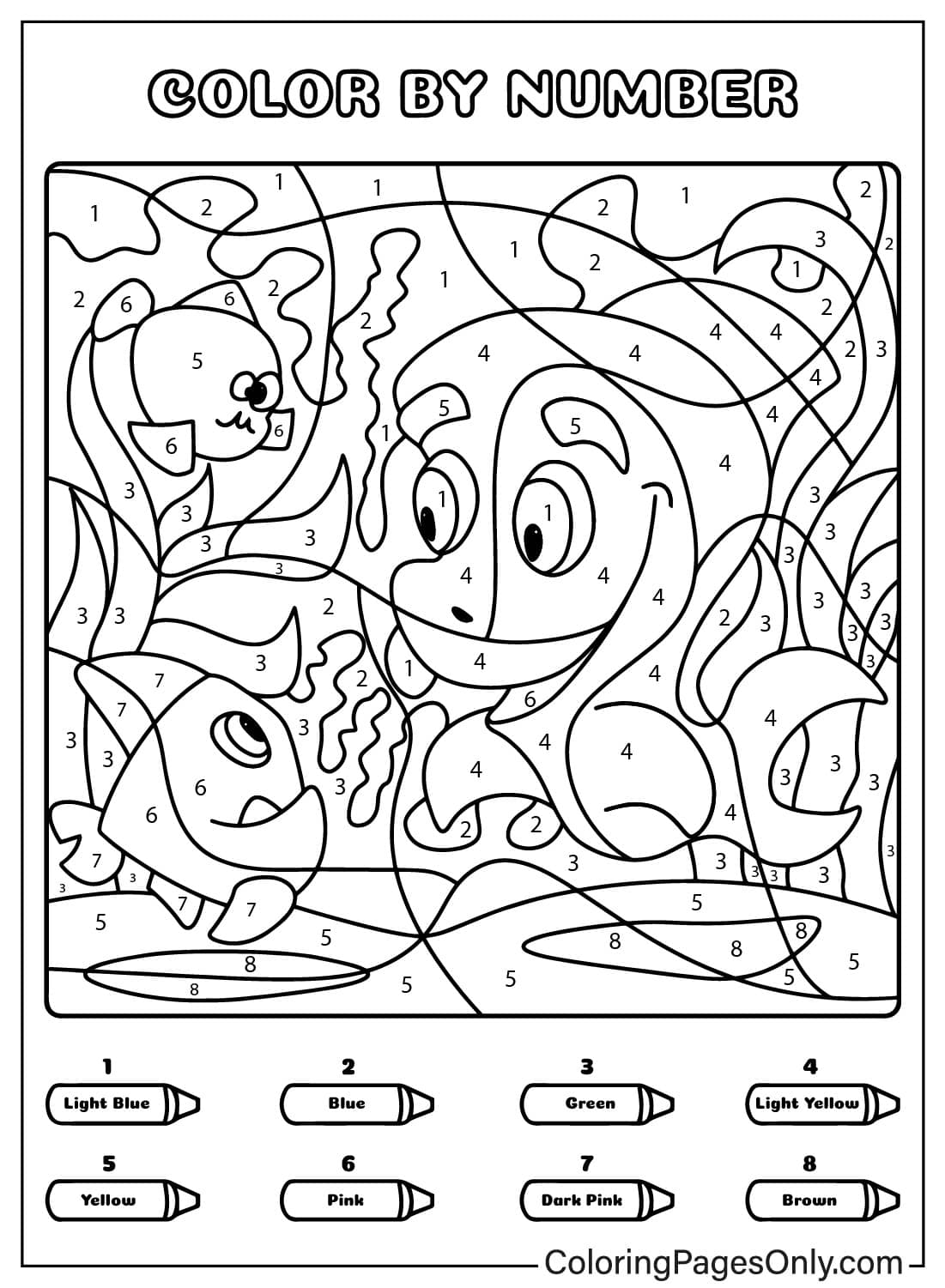
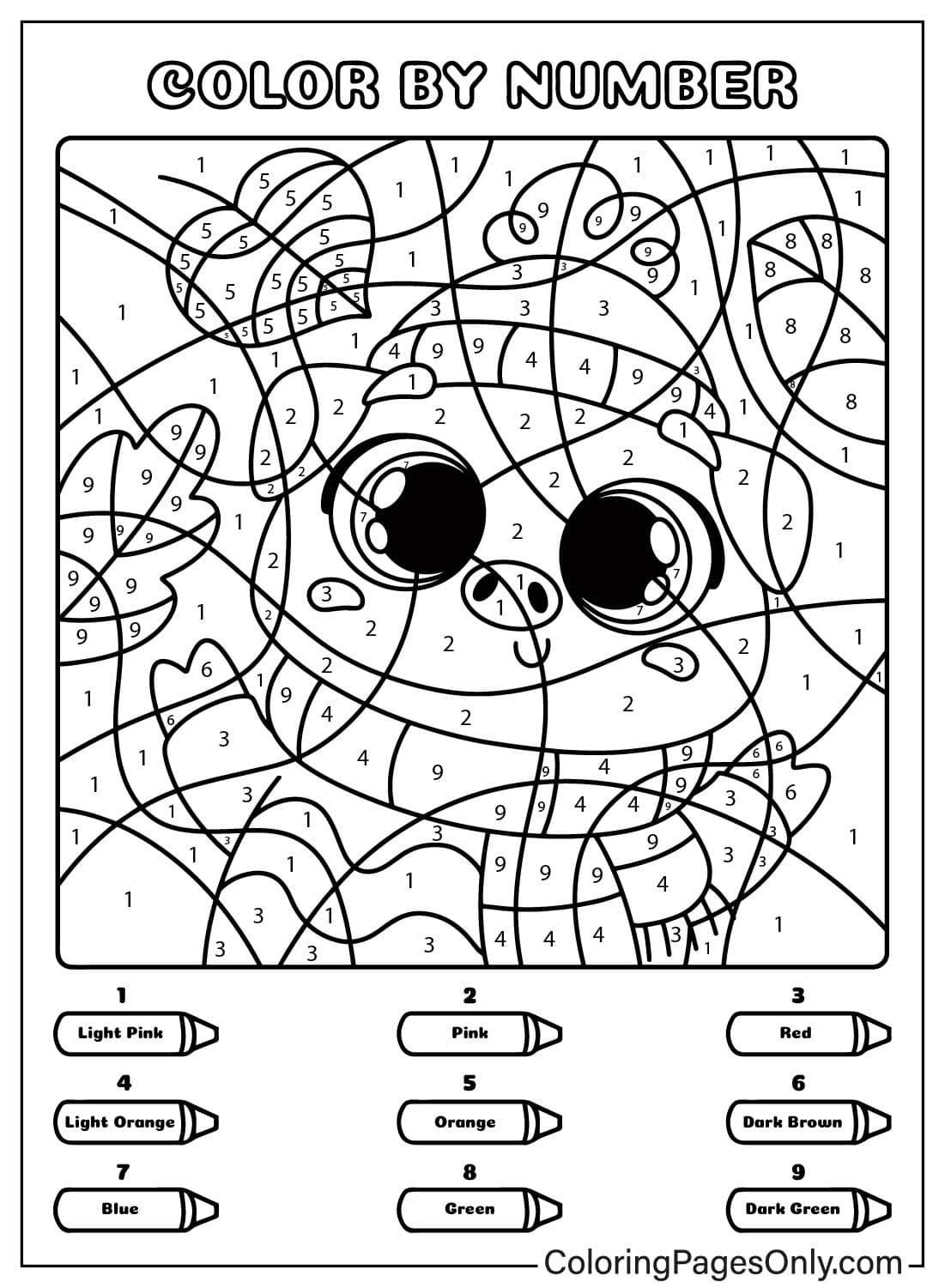
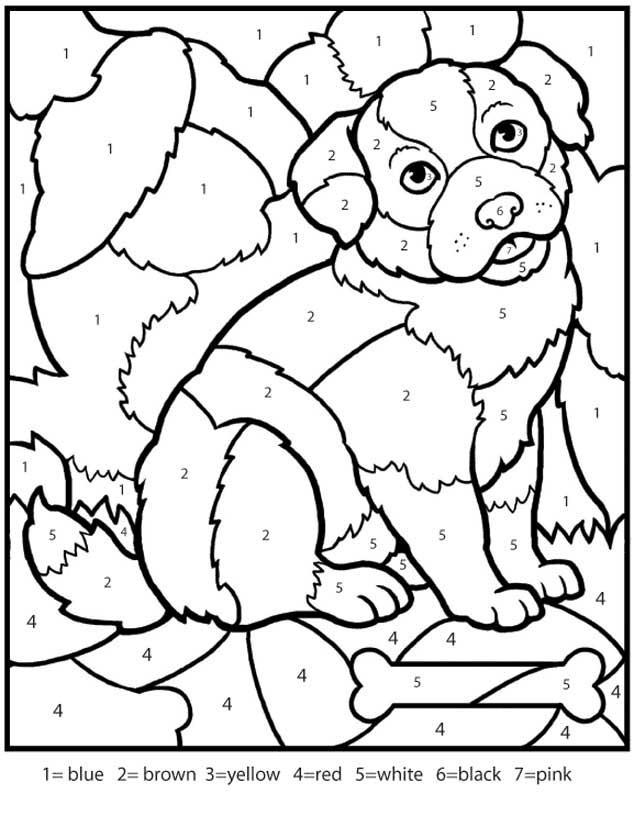
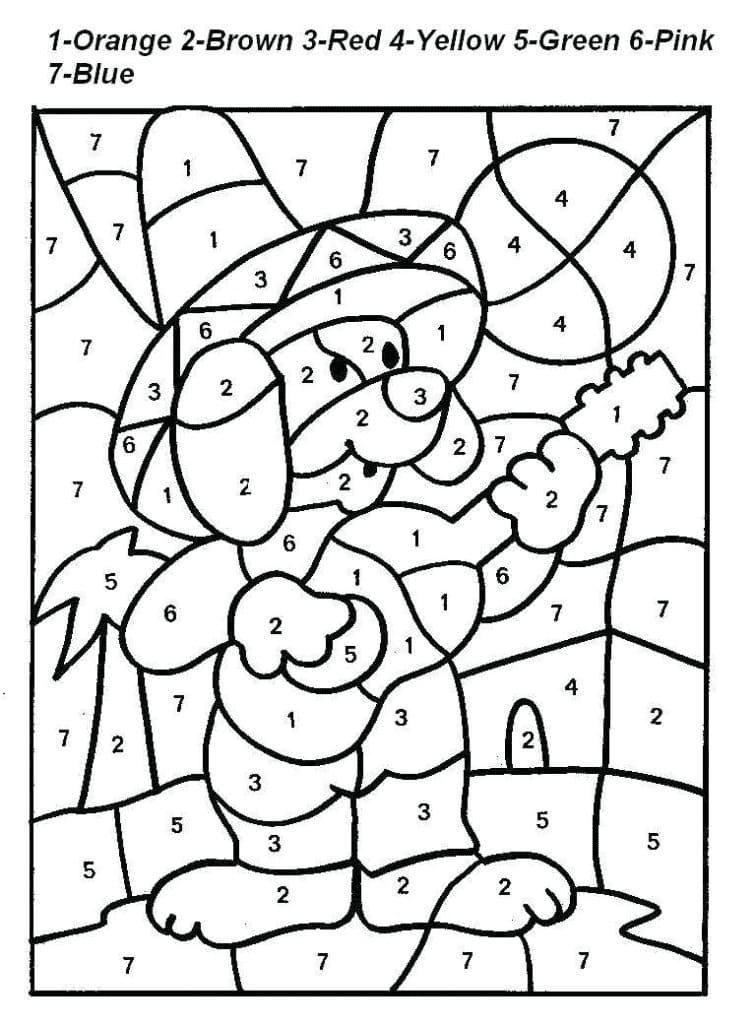
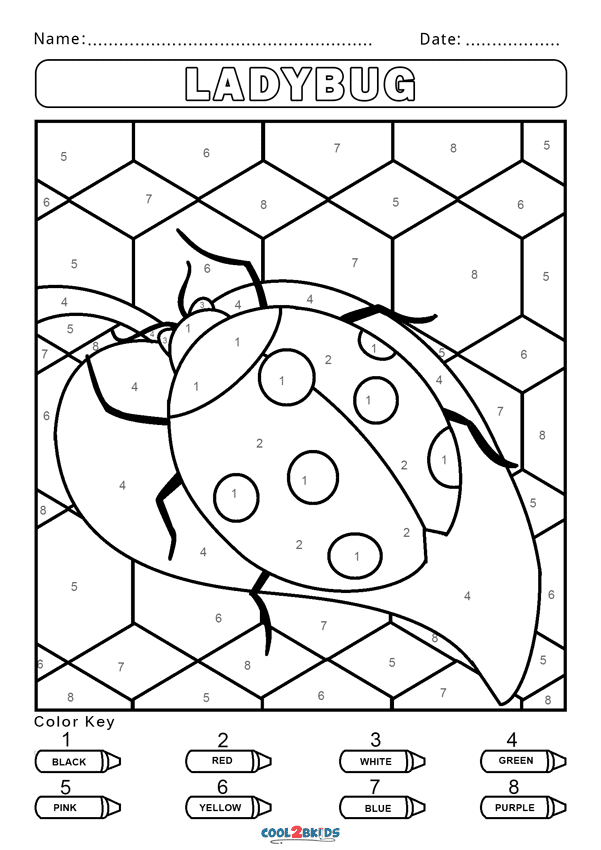
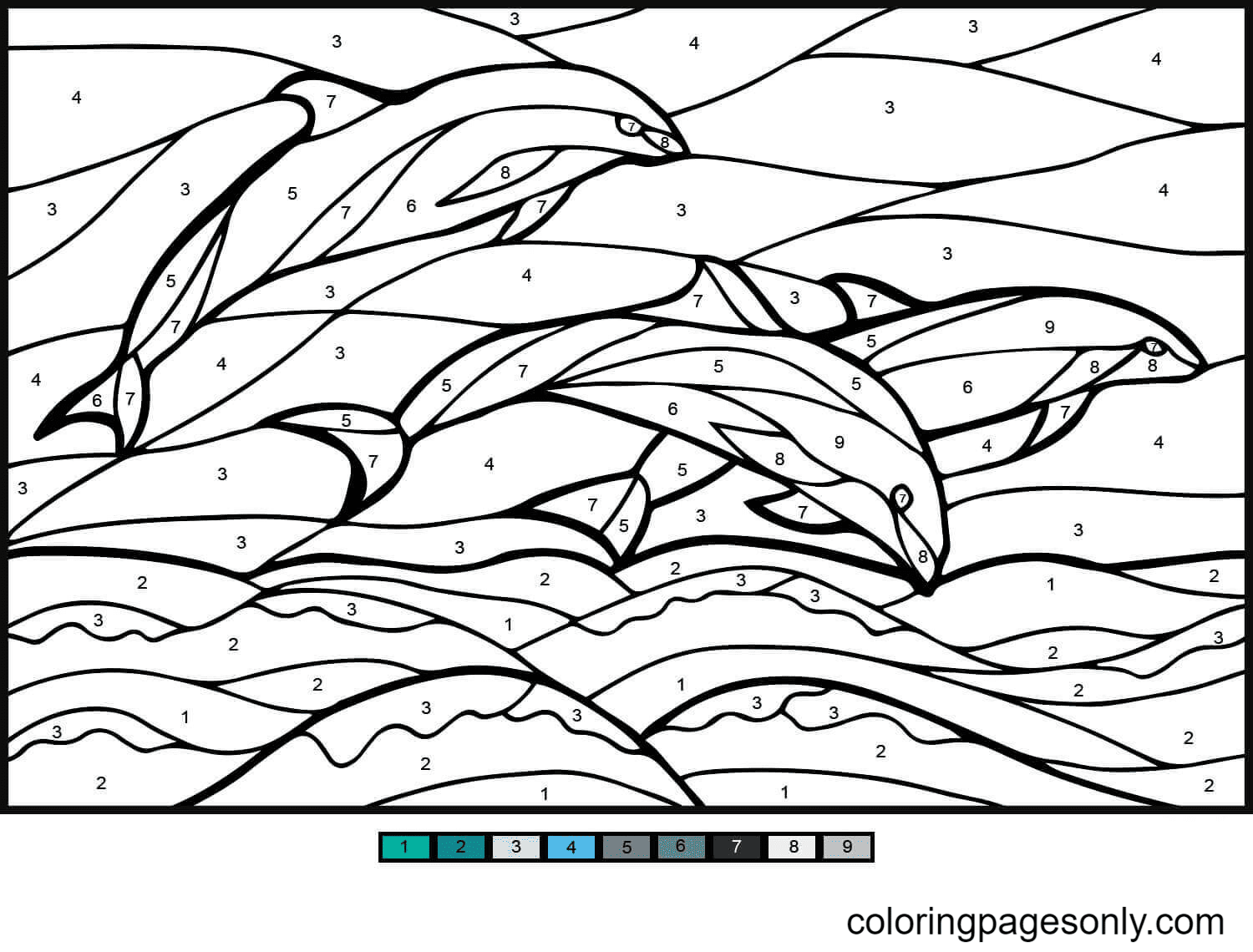
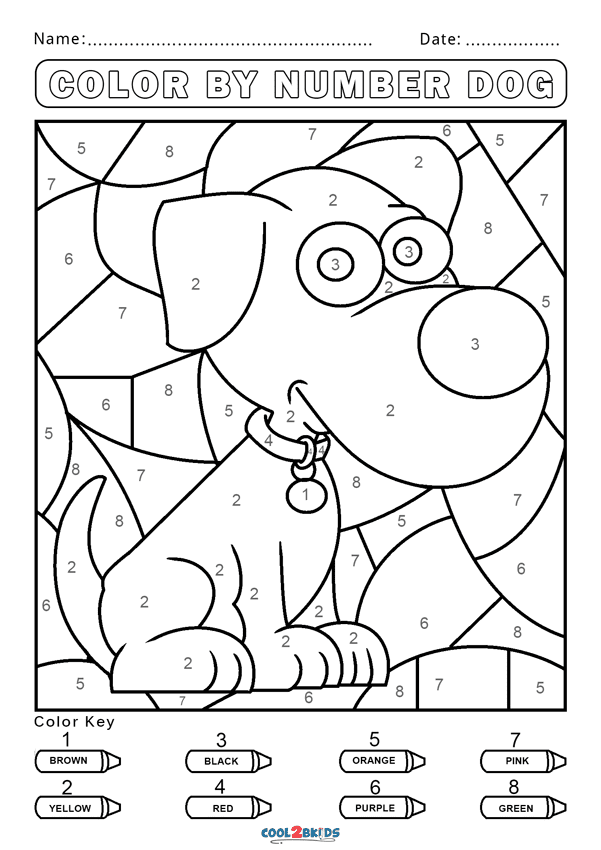
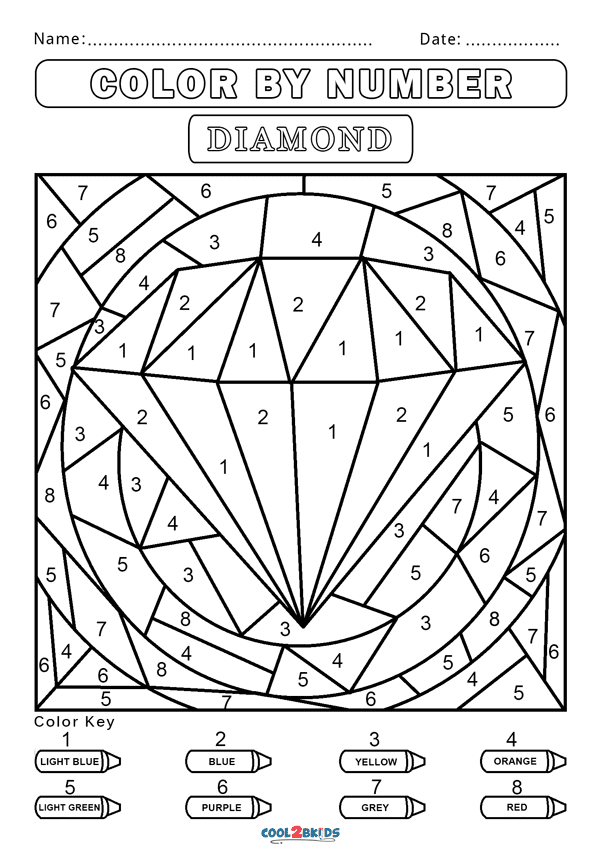
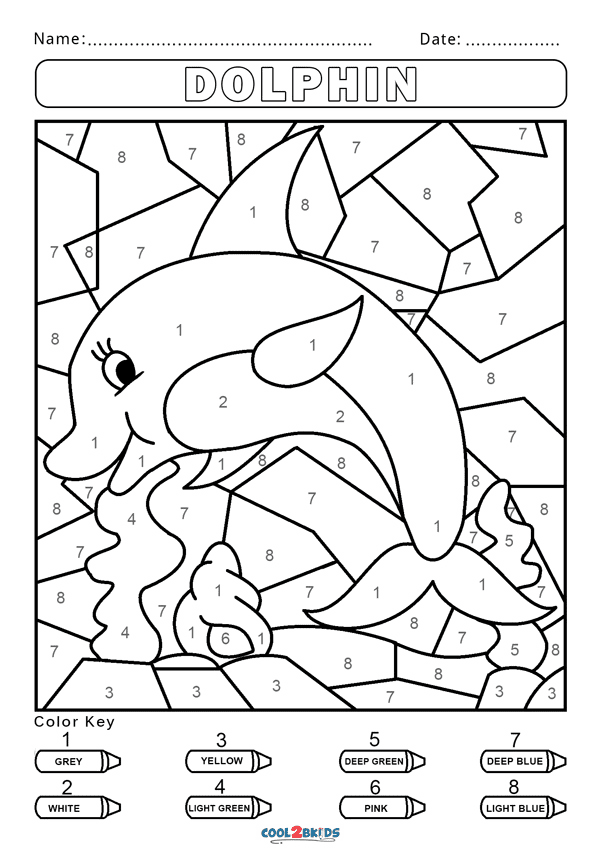
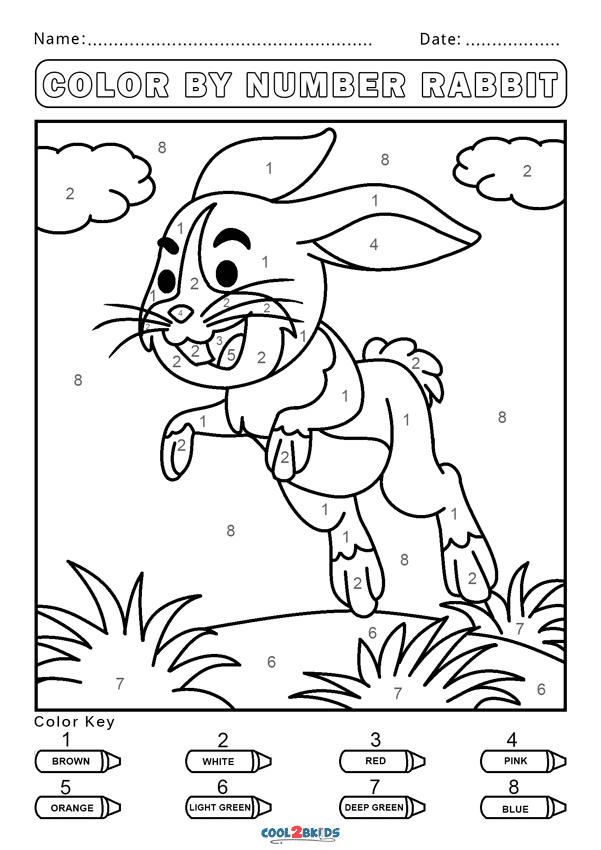
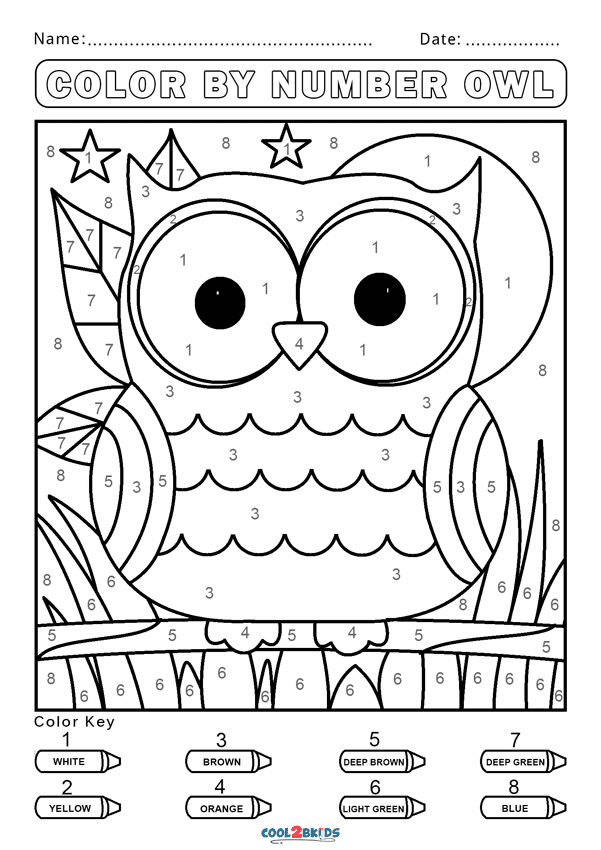
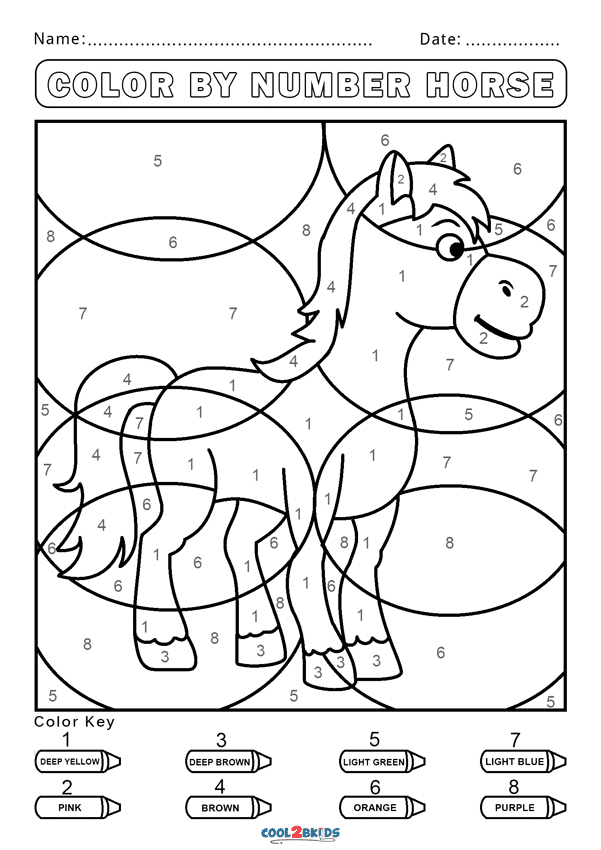
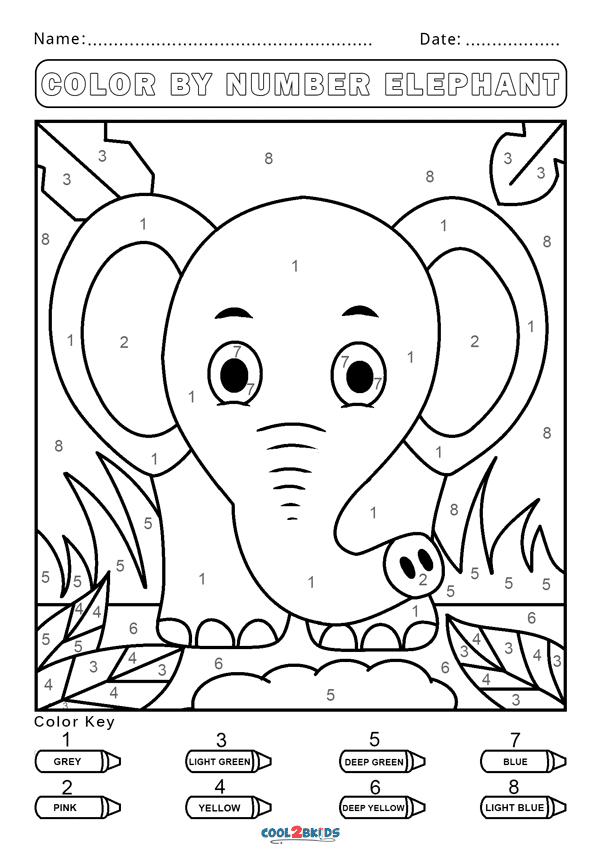
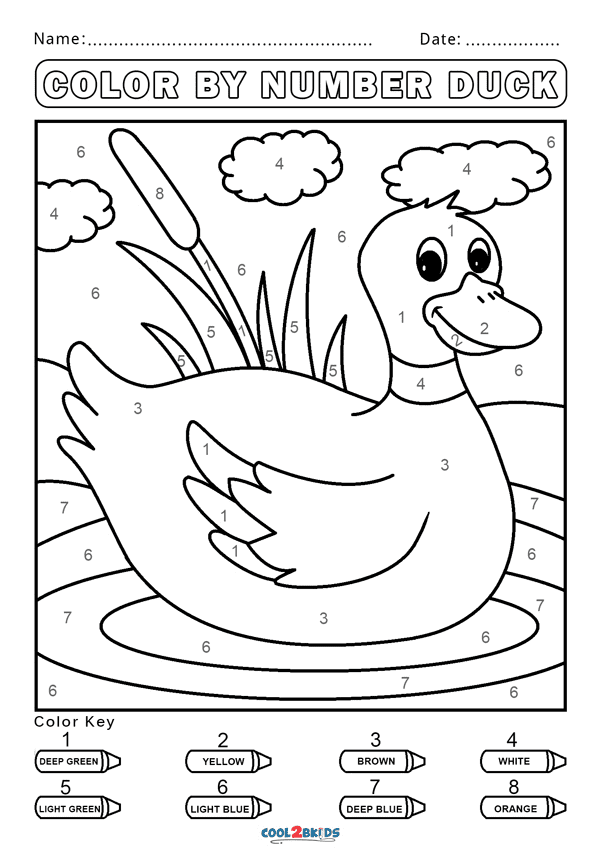
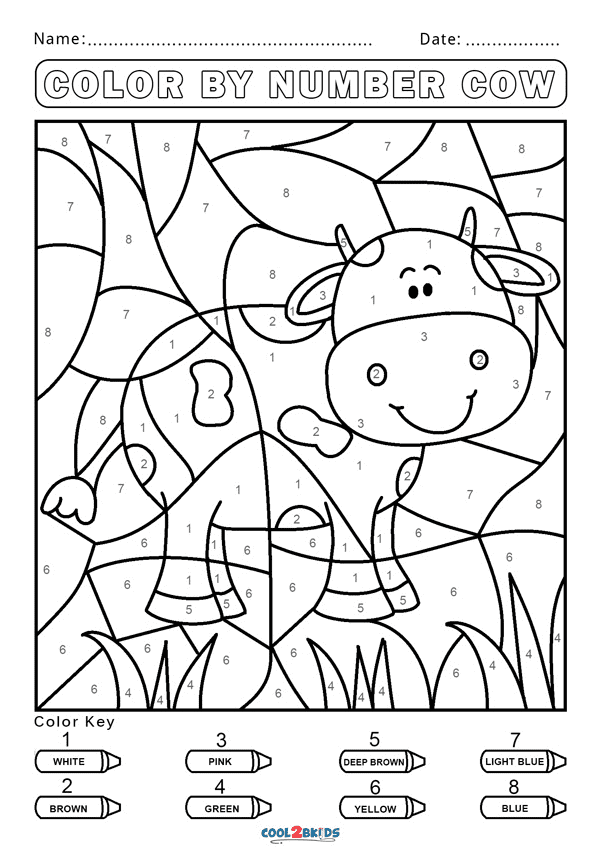
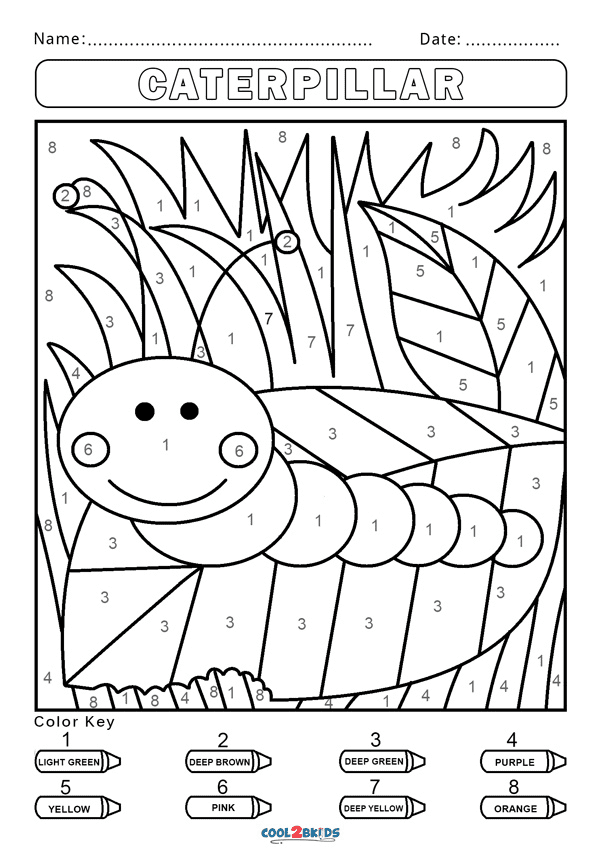
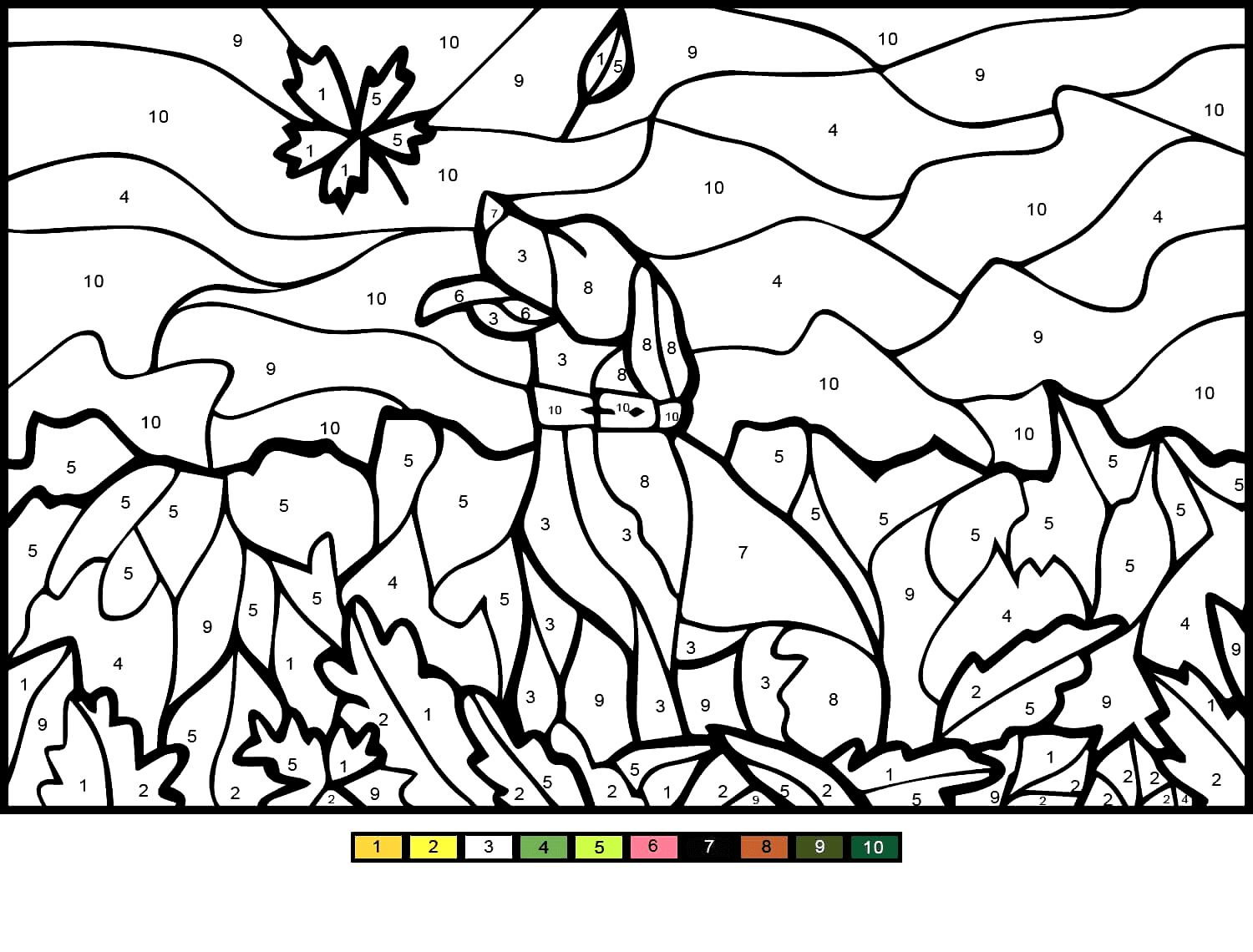
Pages built around a single animal, a dog, dolphin, fish, pig, rabbit, or seahorse, keep the color key short and the regions large, making them the most approachable starting point in the collection.
Action and Scene Pages
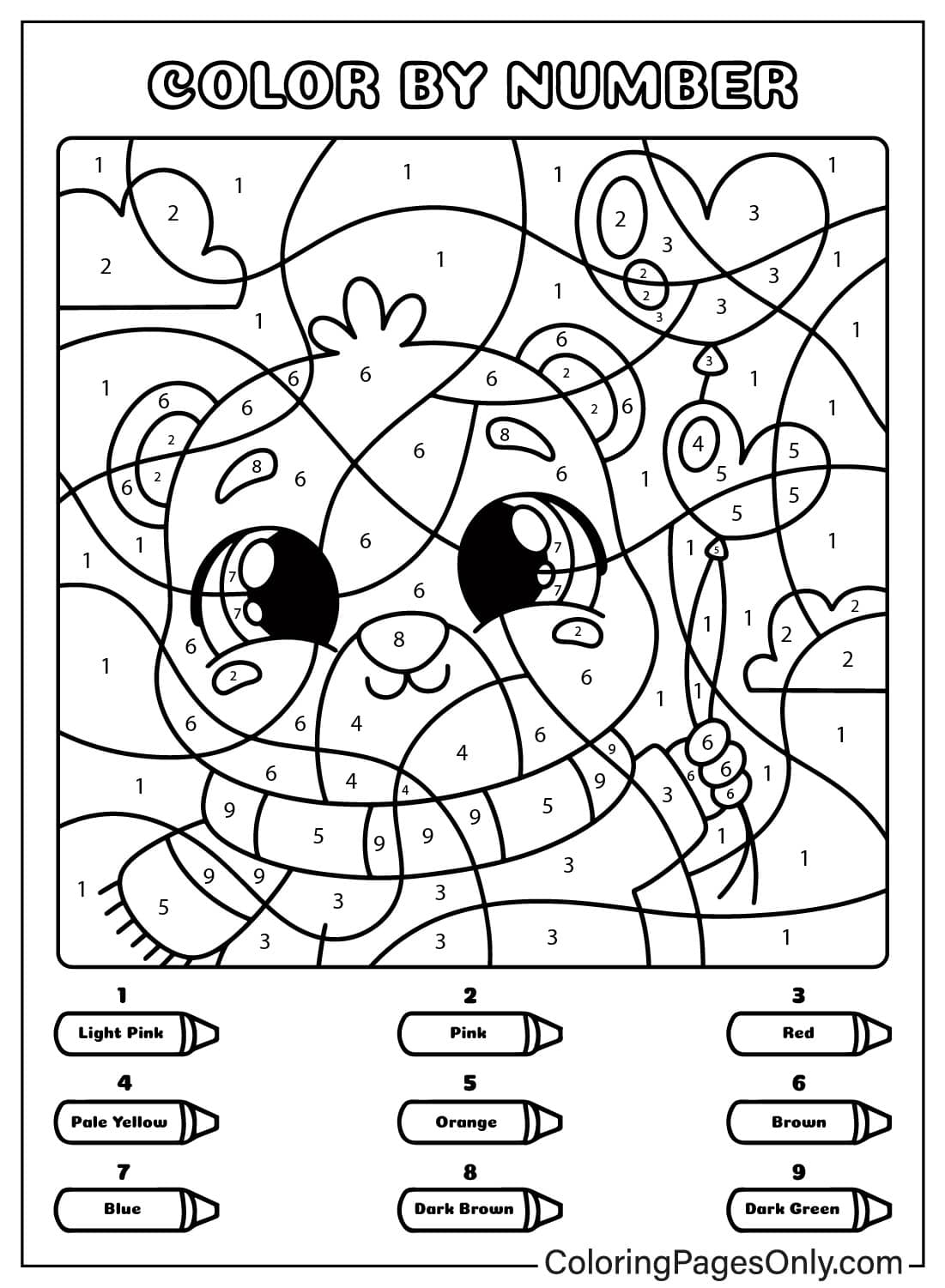
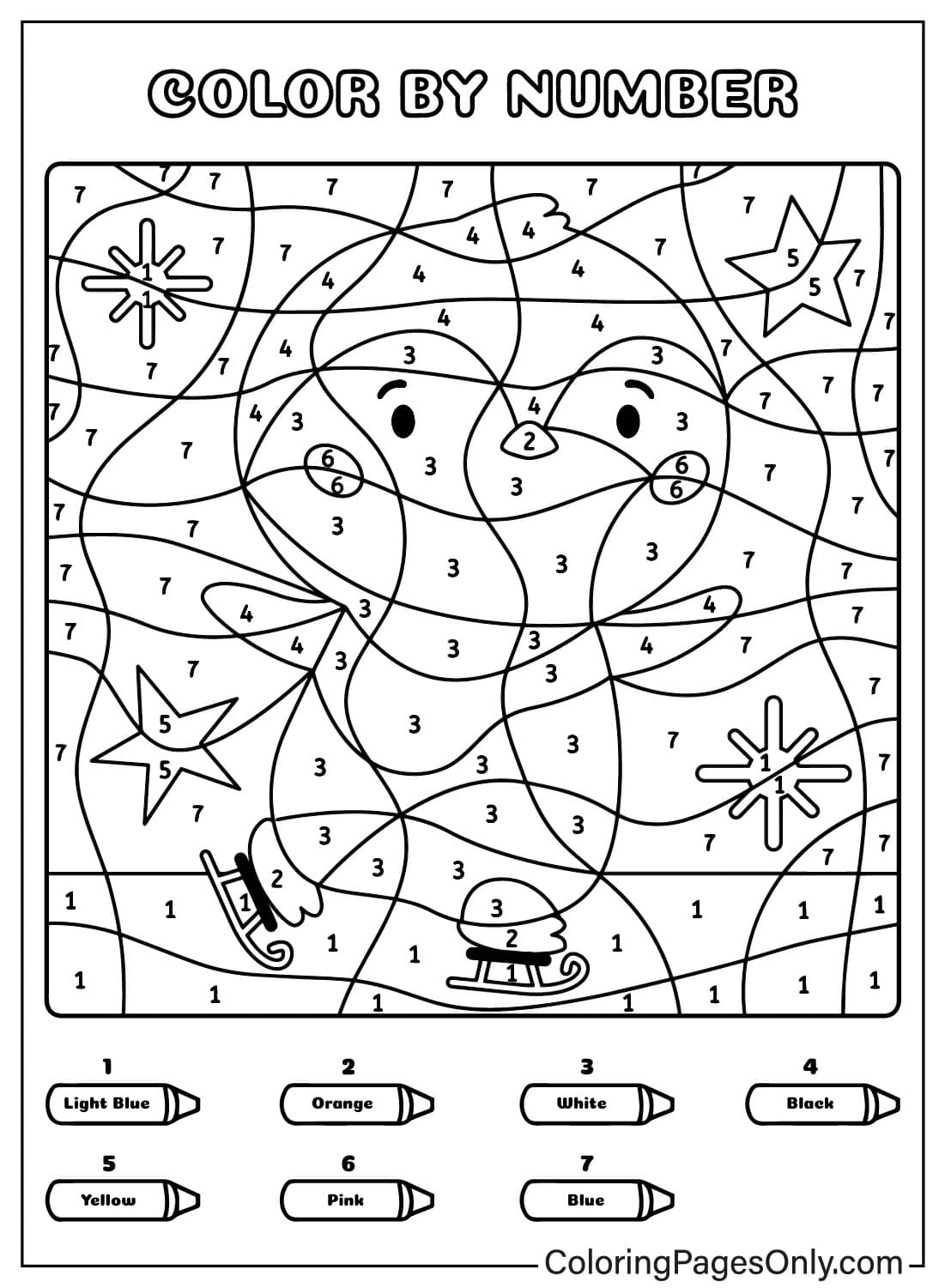
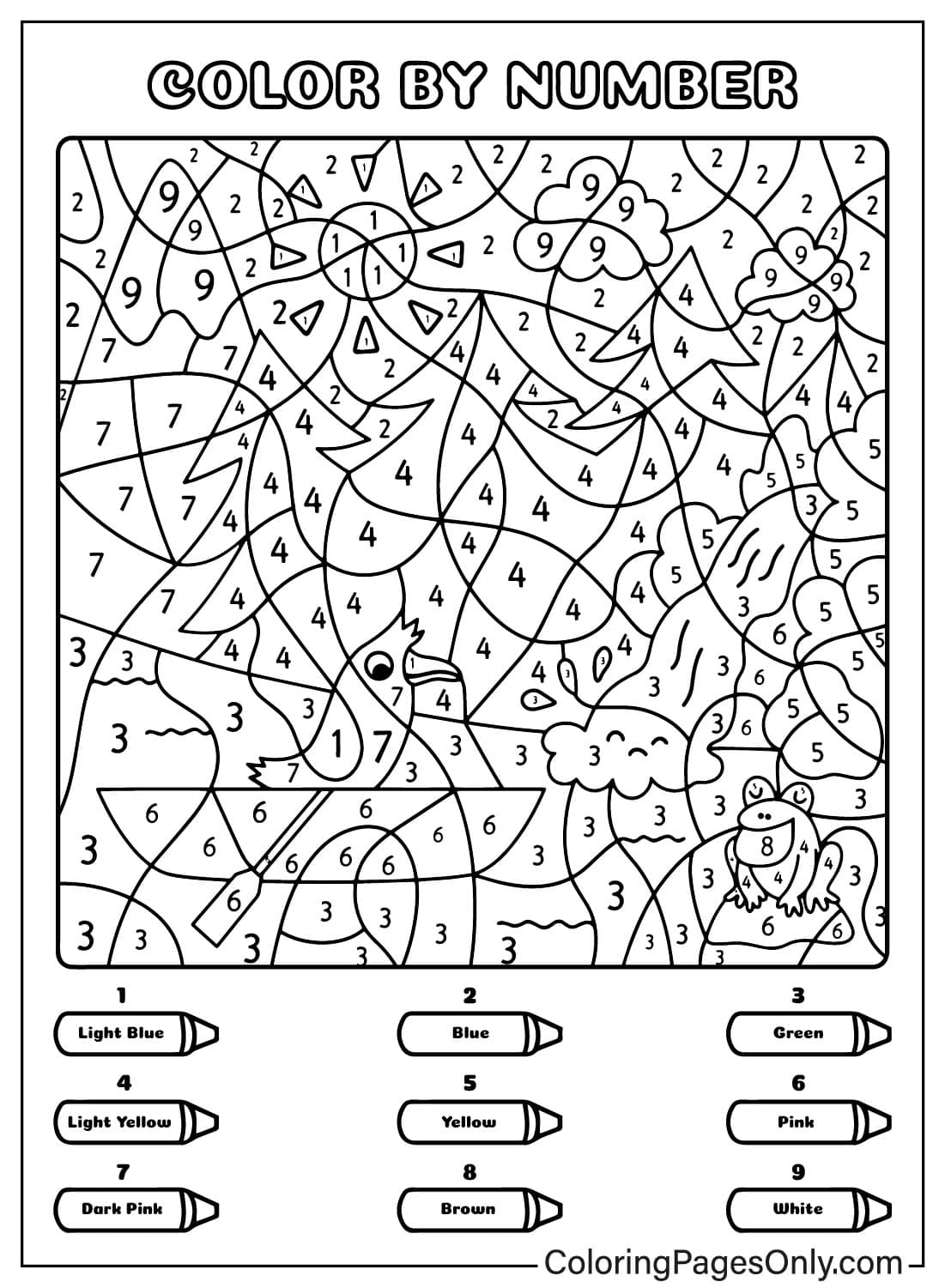
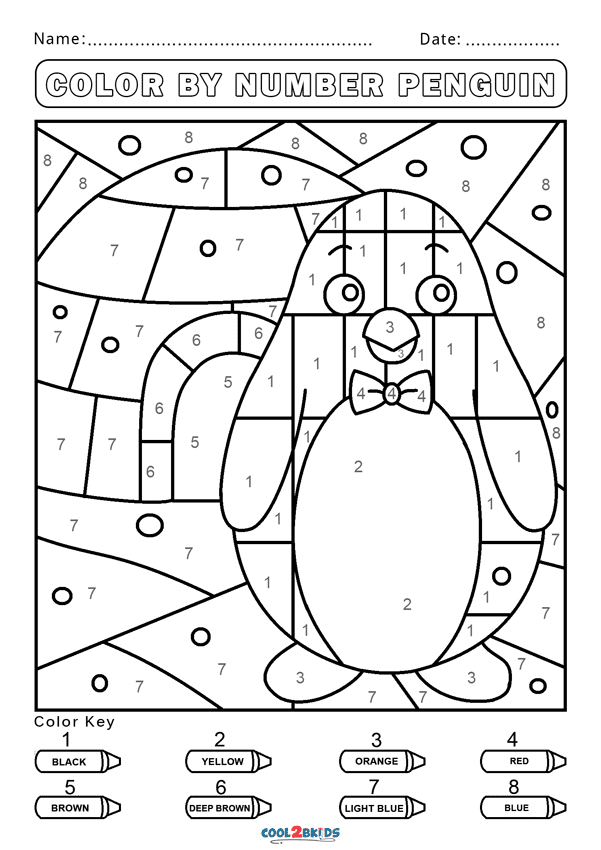
A step up in complexity, these pages set an animal in motion or in context, penguins skiing, a bear holding balloons, a dog hugging a ball, adding more regions and a bit of narrative personality to the finished image.
Nature, Scenery, and Holiday Pages
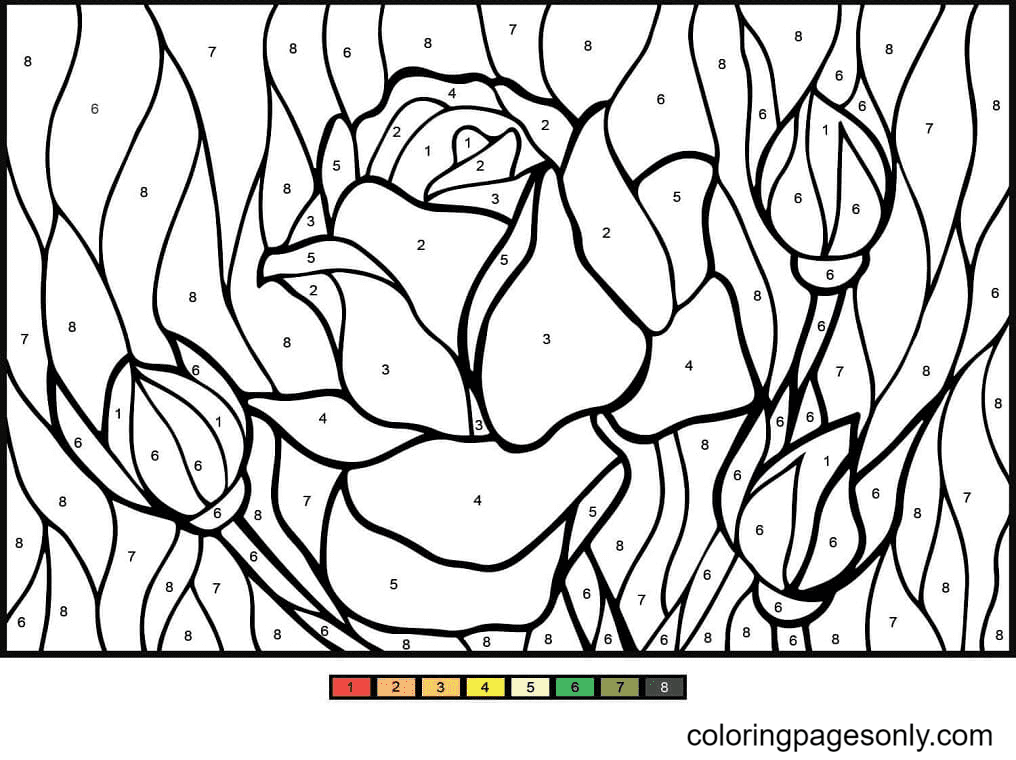
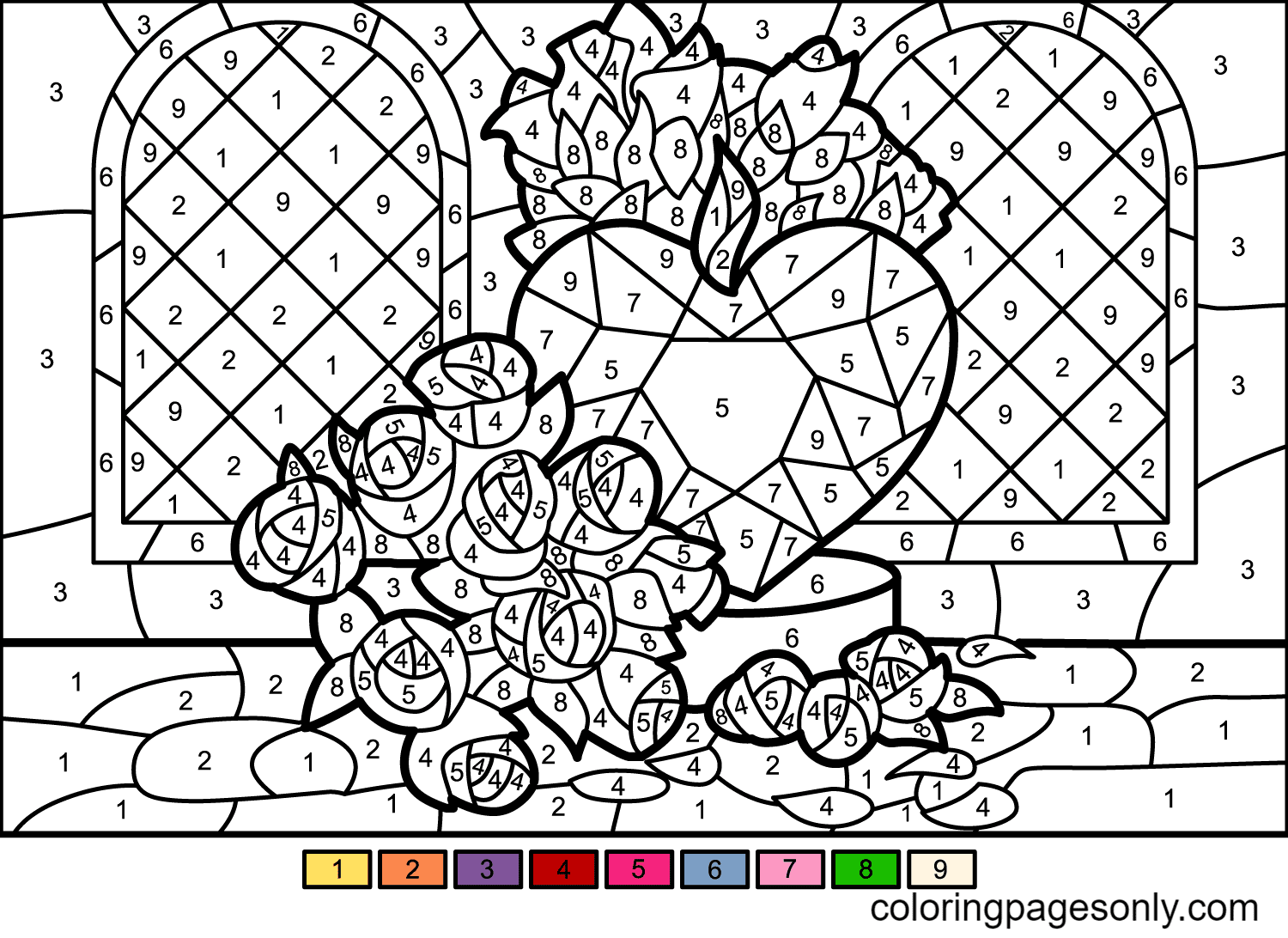
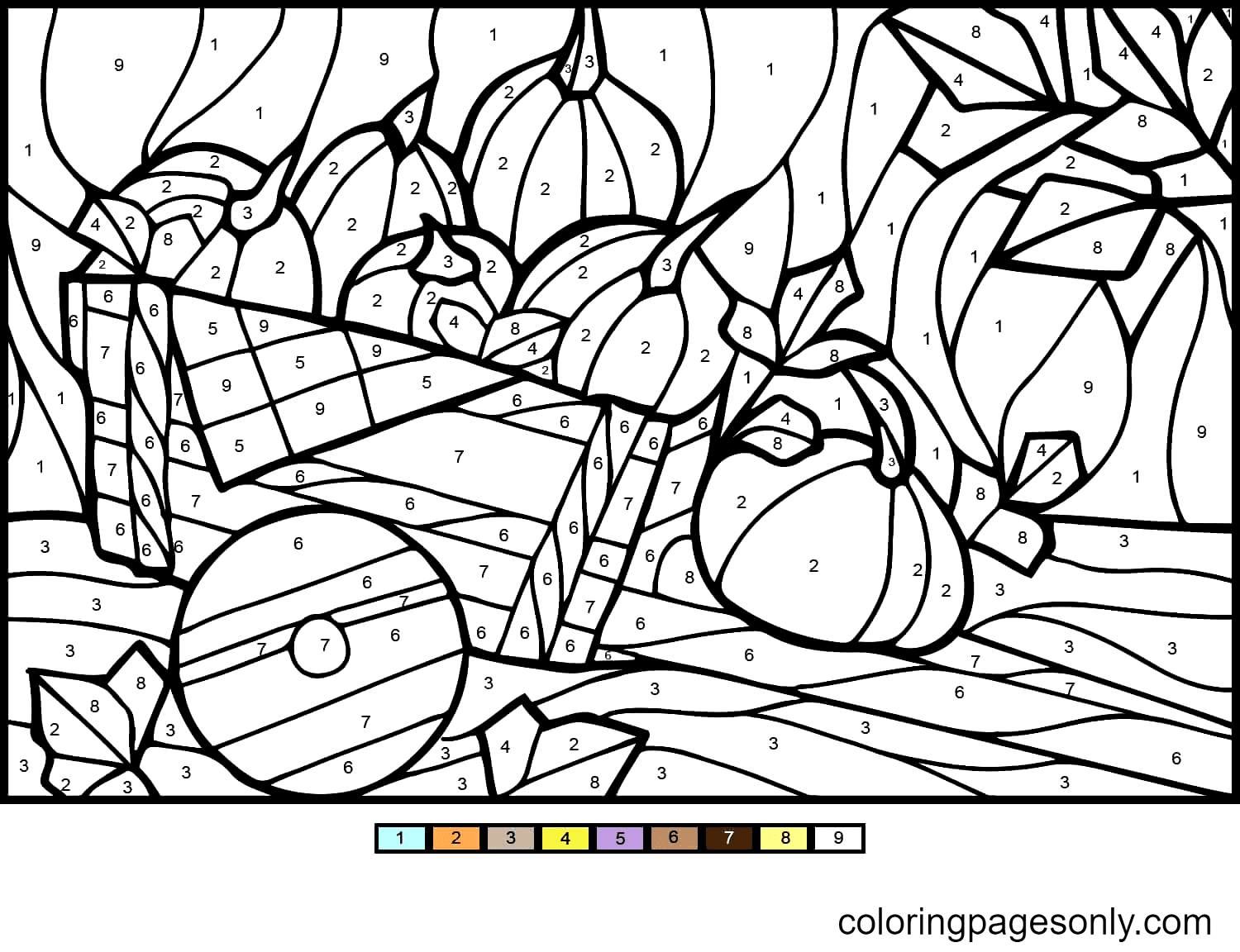
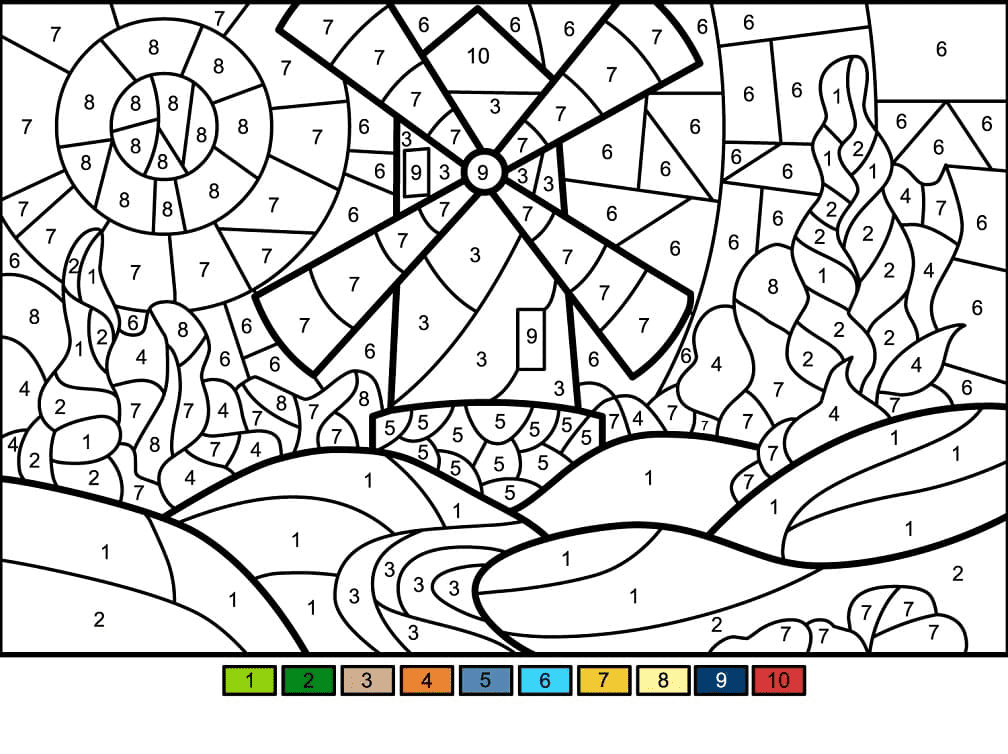
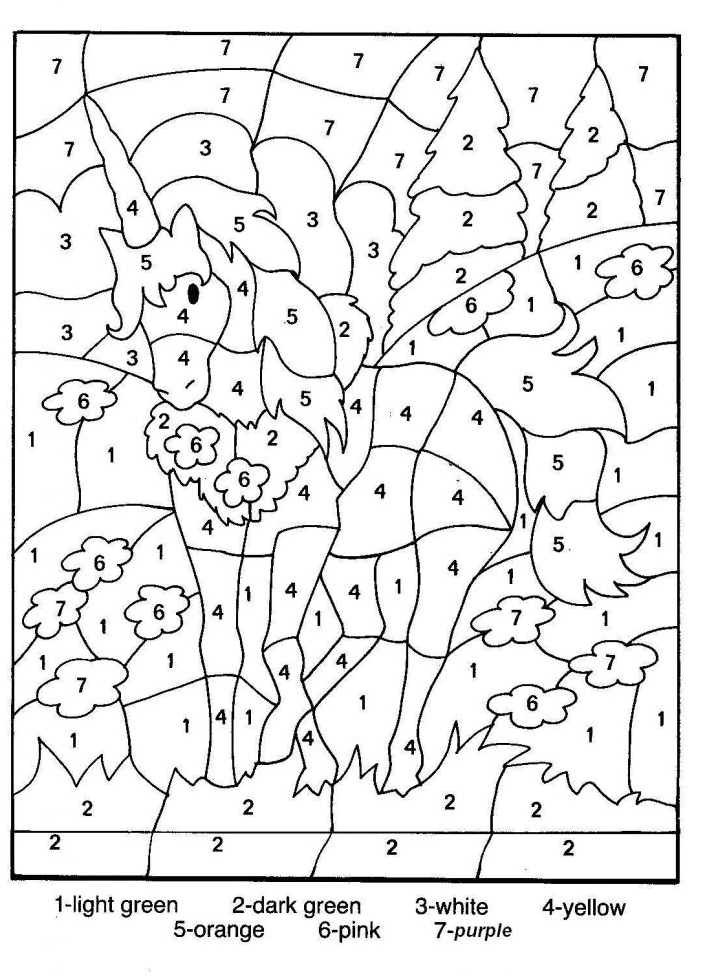
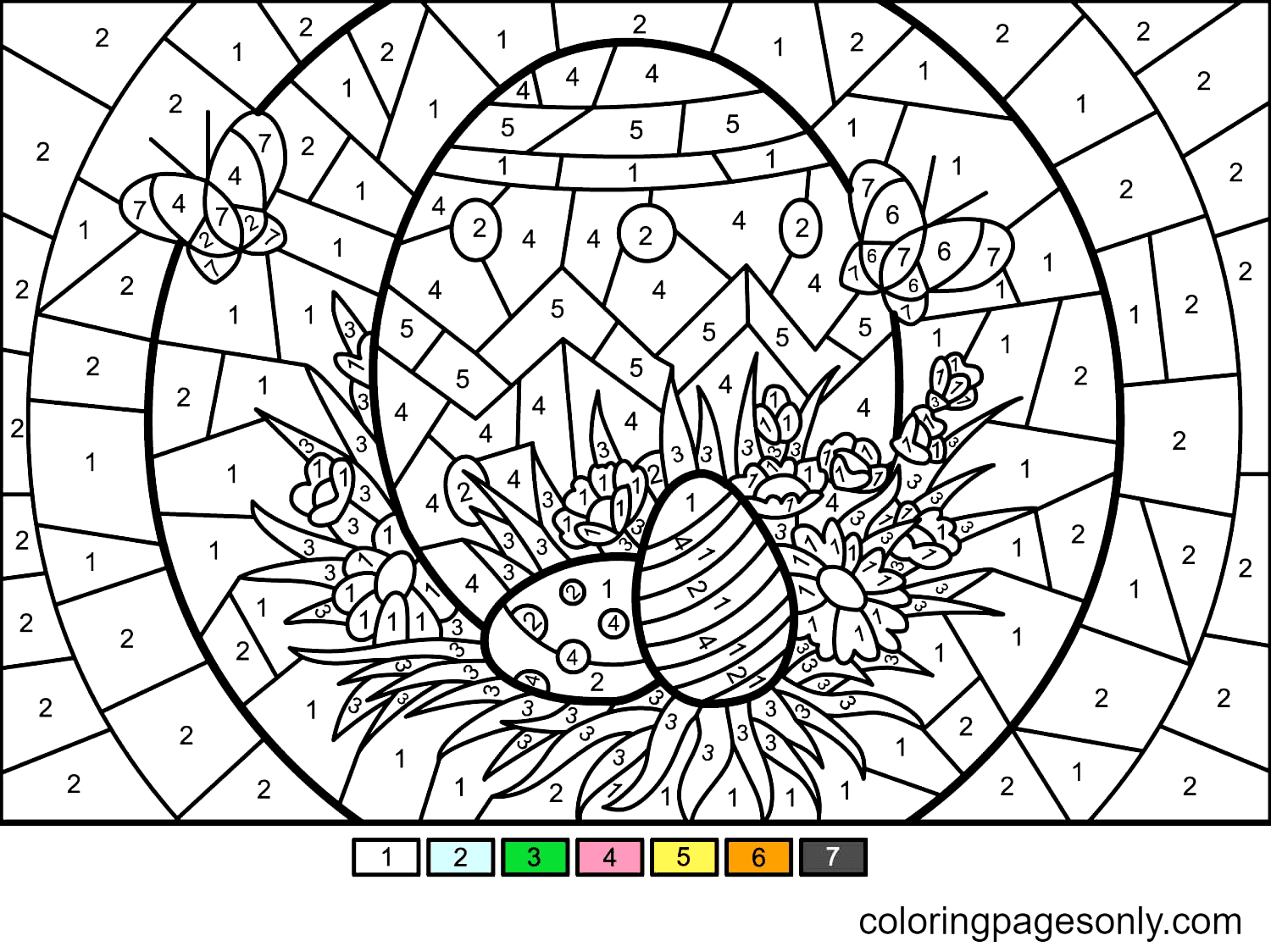
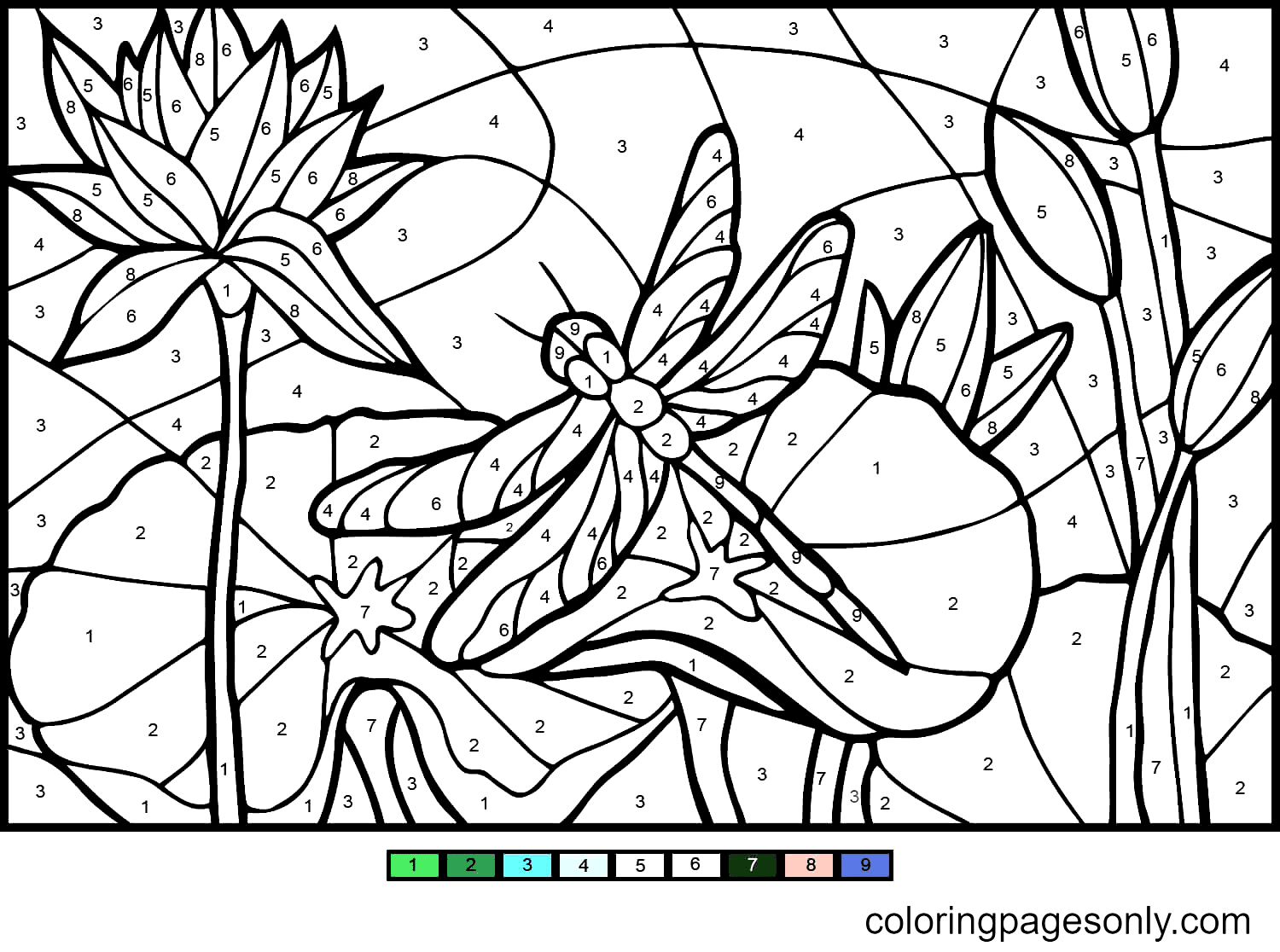
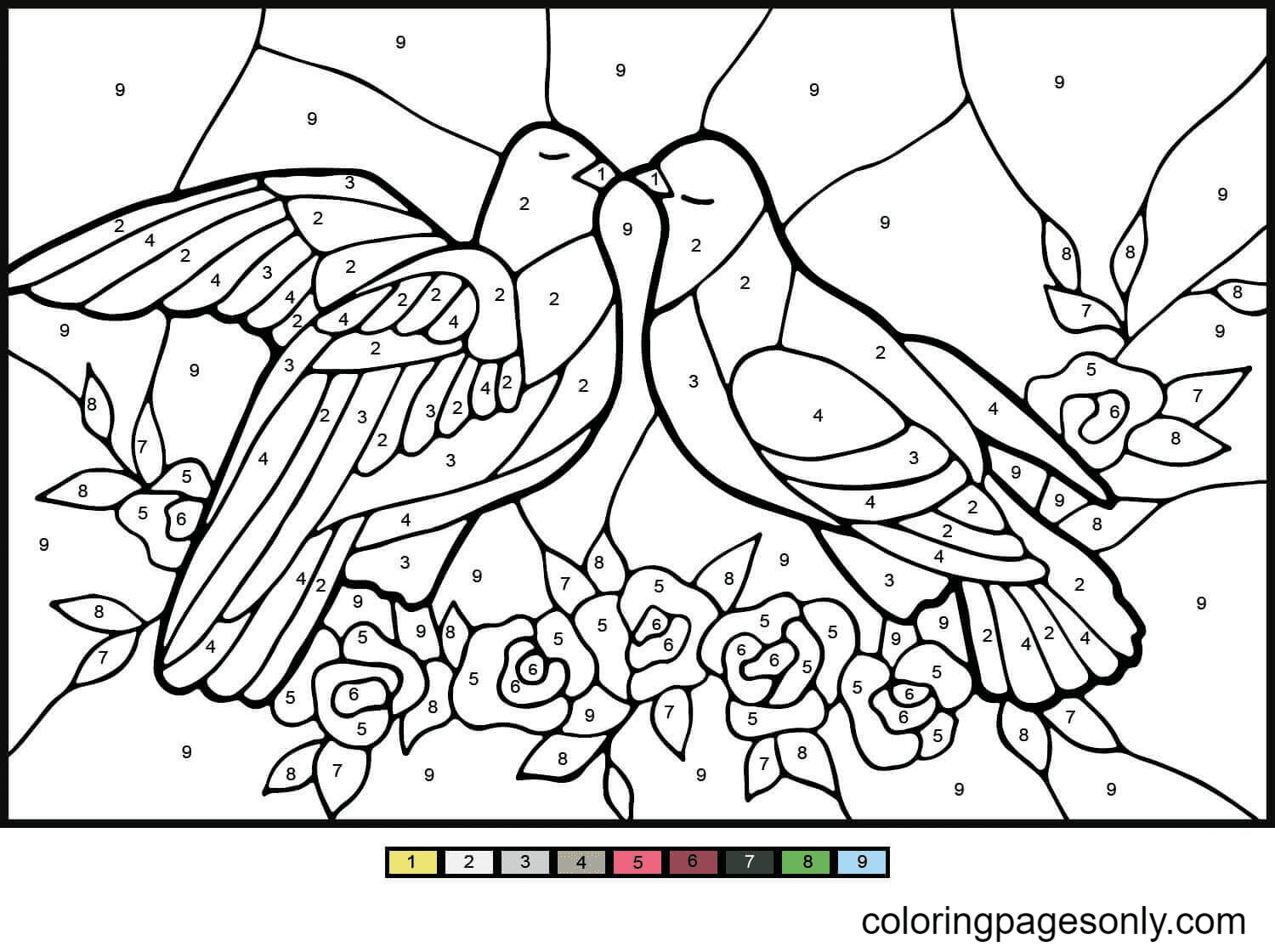
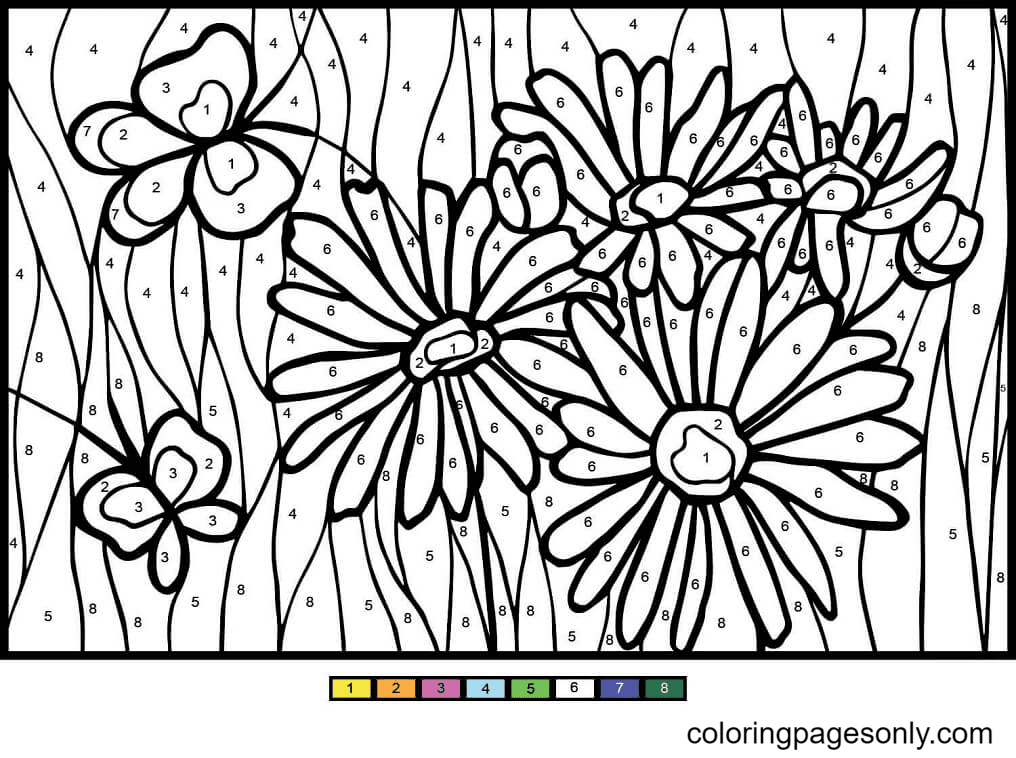
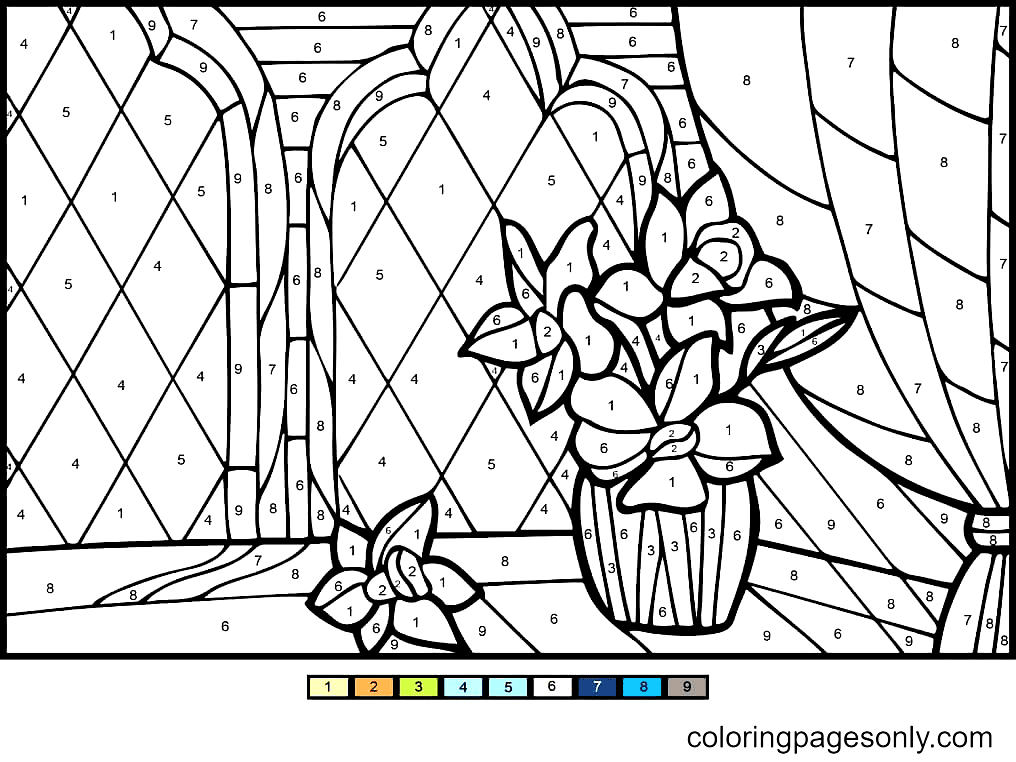
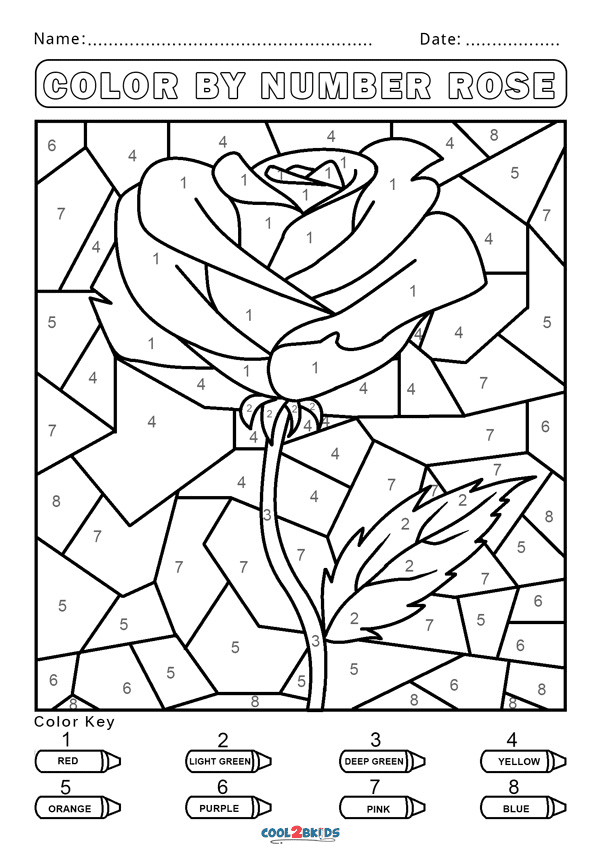
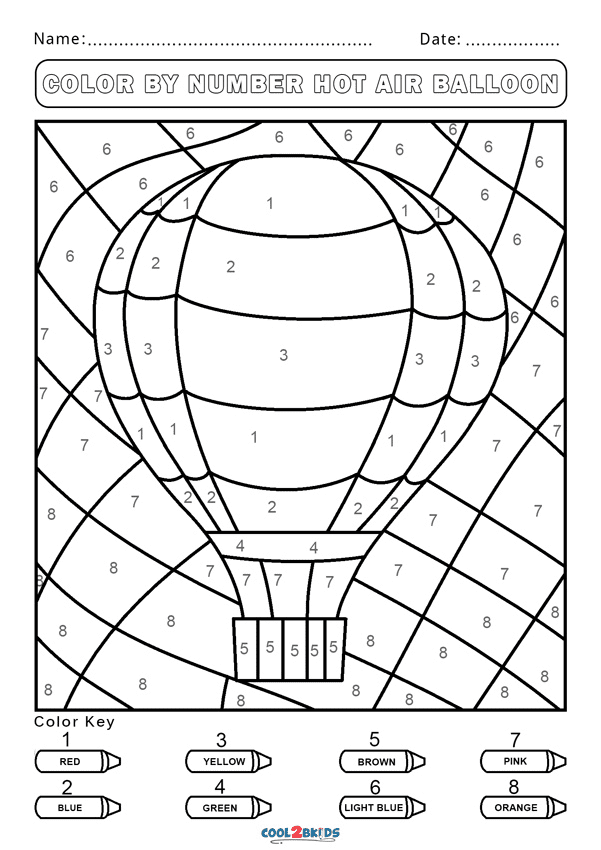
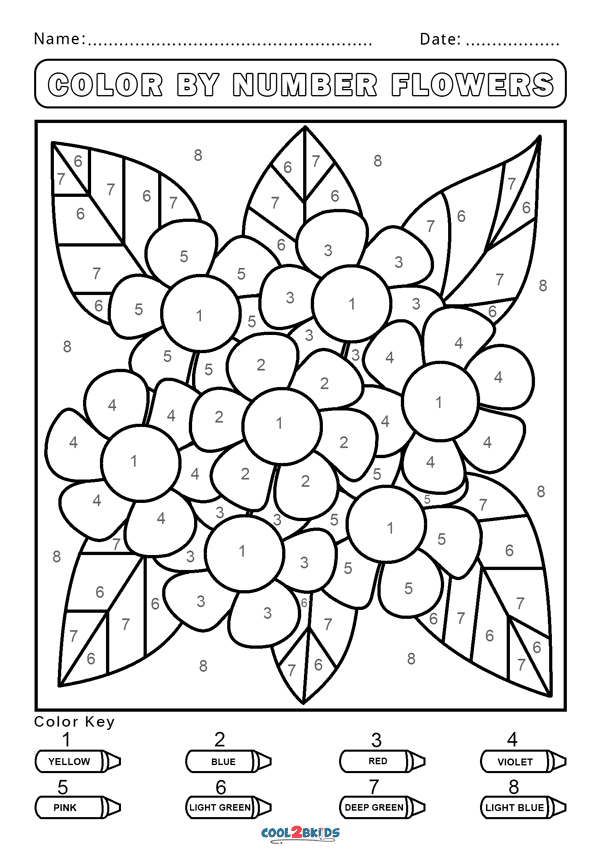
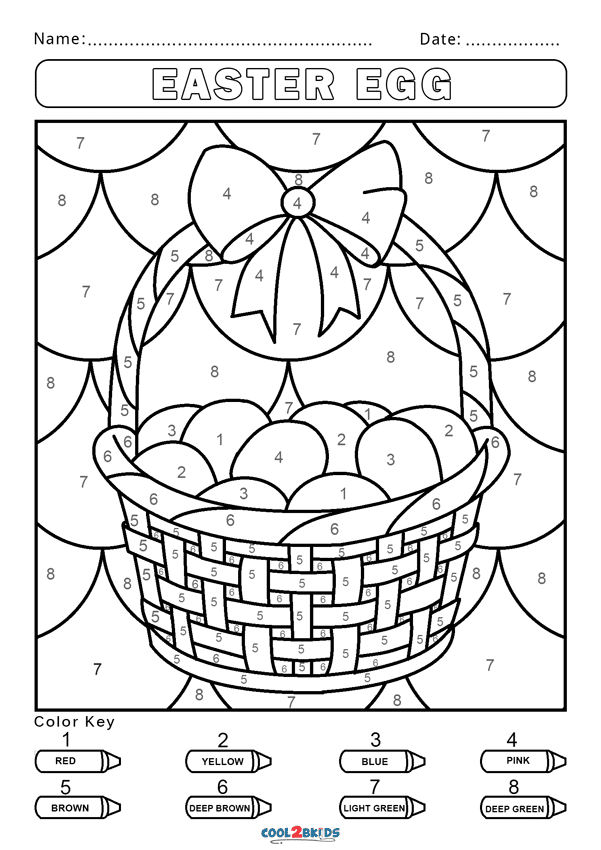
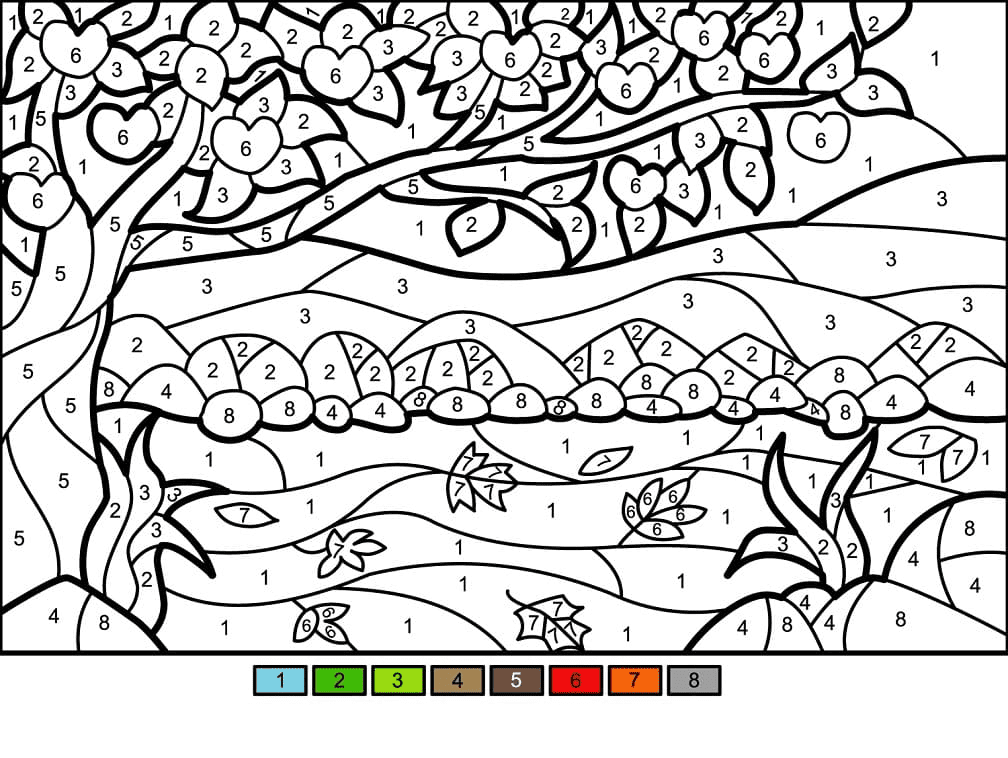
Roses, a scenic landscape, and seasonal designs like pumpkins, a unicorn, and a rainbow, and Christmas and Easter scenes bring in more color nuance and thematic variety, with the unicorn page in particular leaving the color choices largely up to the colorist’s own imagination.
Licensed Character Pages
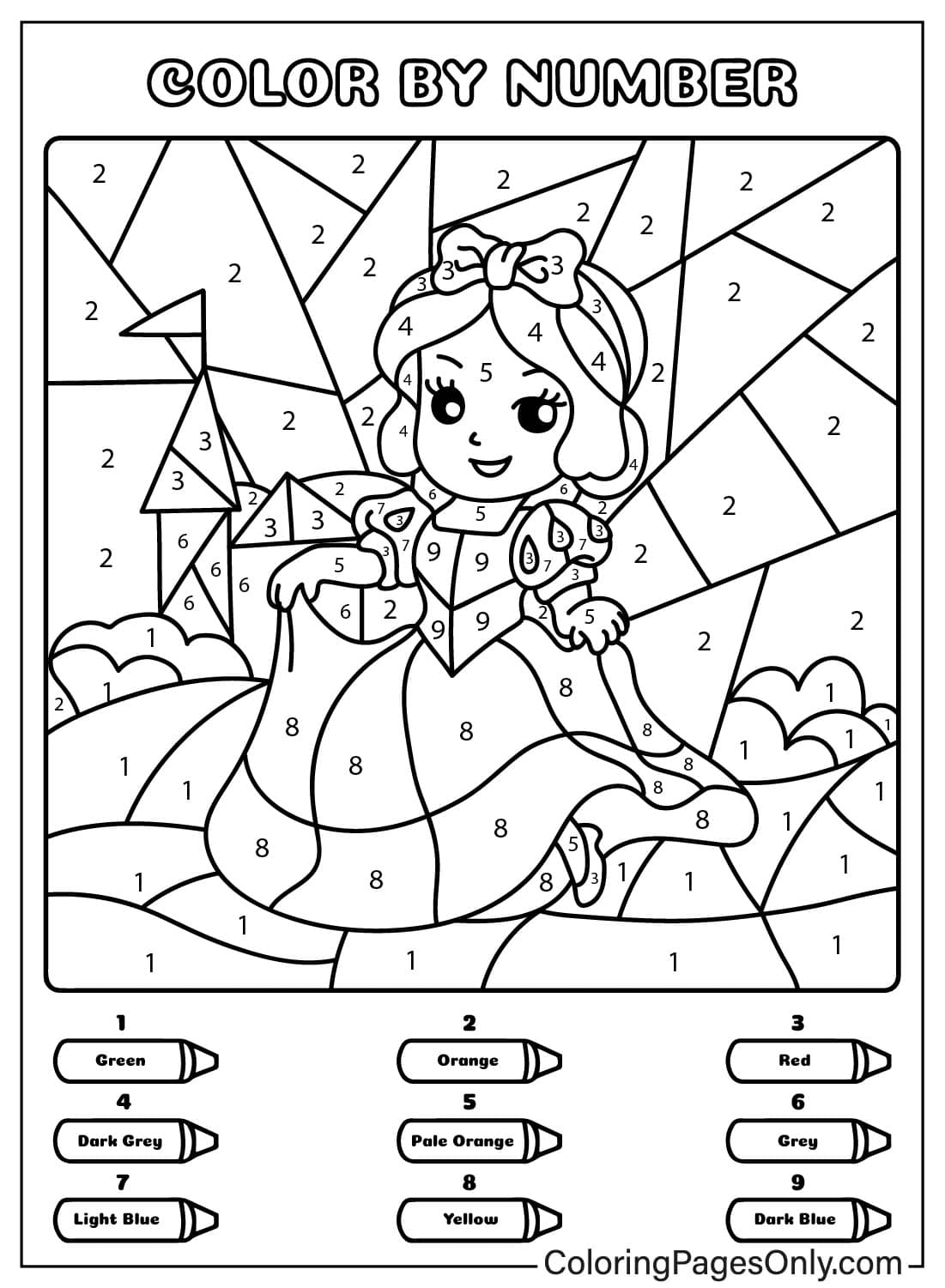
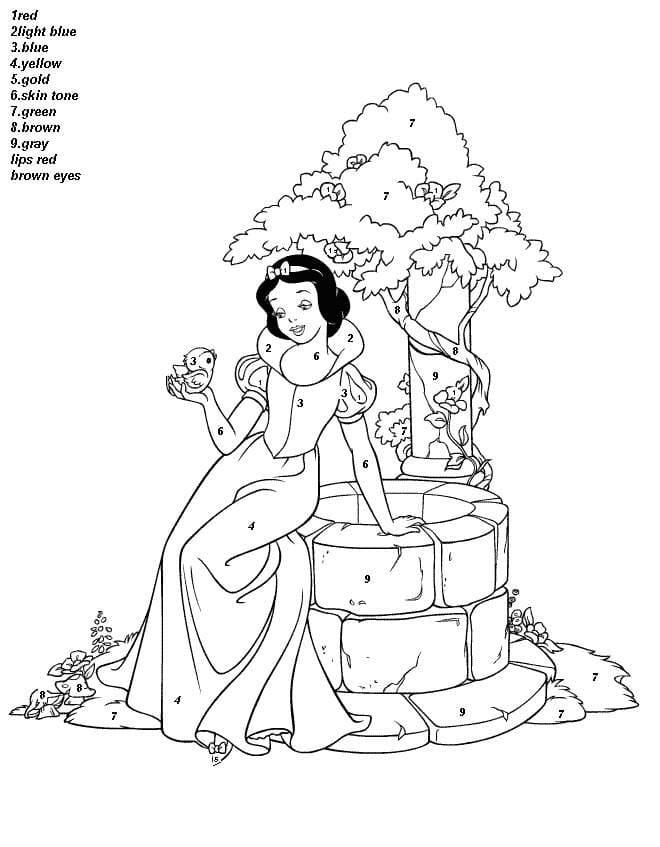
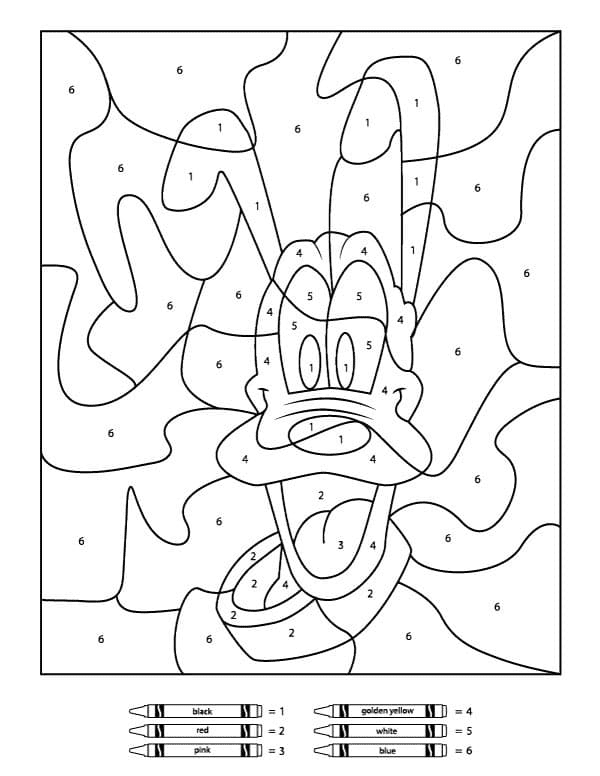
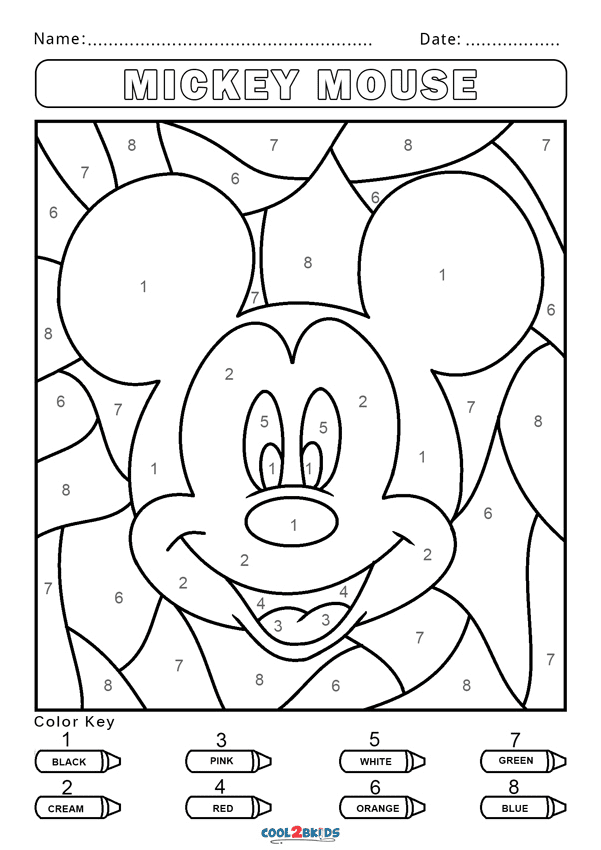
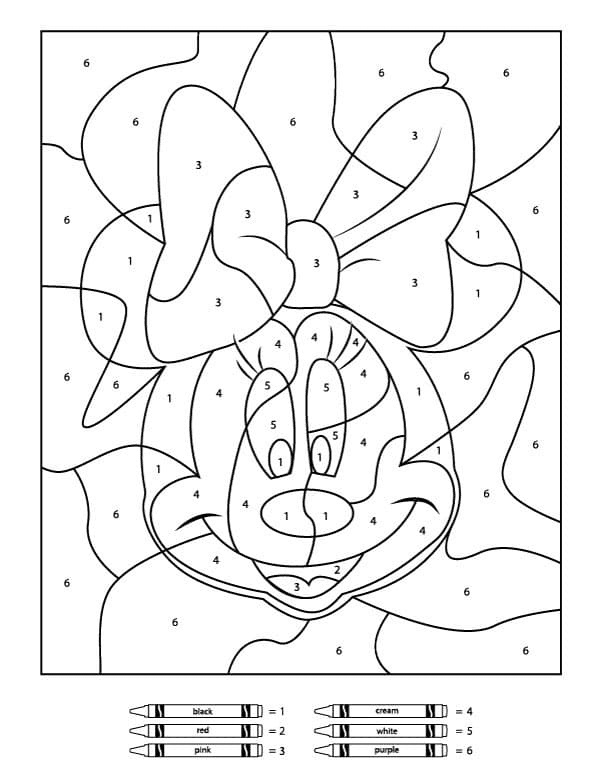
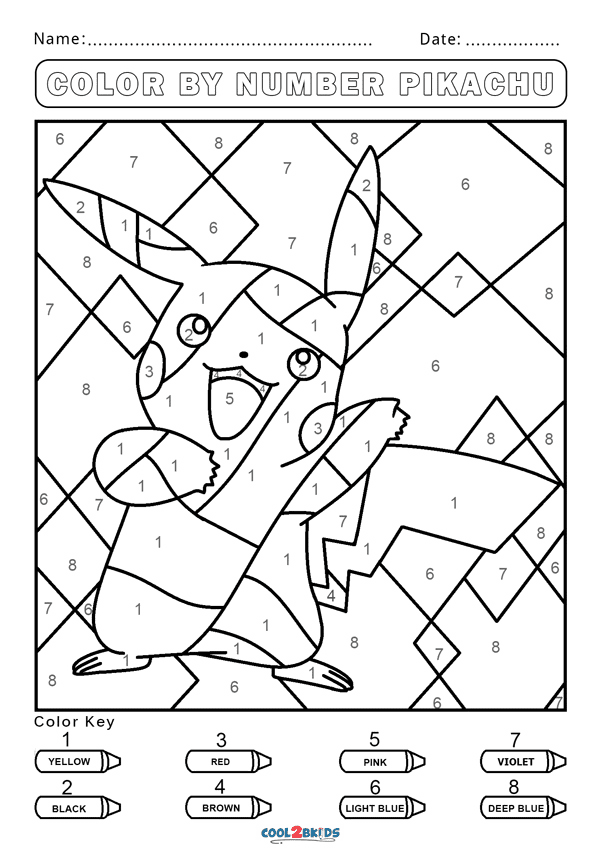
A smaller set of pages applies the same numbered format to recognizable characters, including Pikachu, Mickey Mouse, Minnie, Pluto, and Snow White, giving fans of those characters a chance to combine the color-by-number format with a familiar face.
What These Pages Do
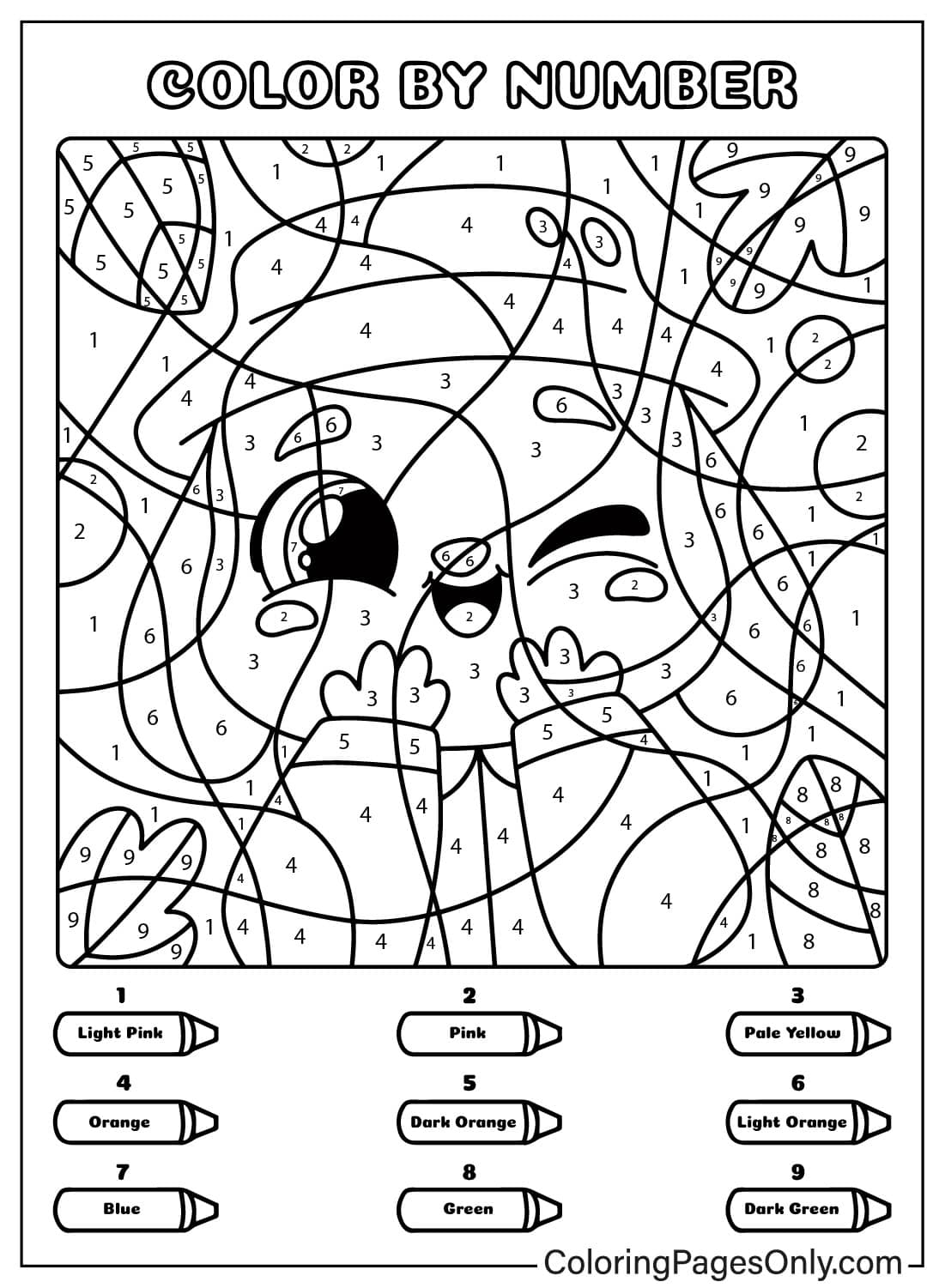
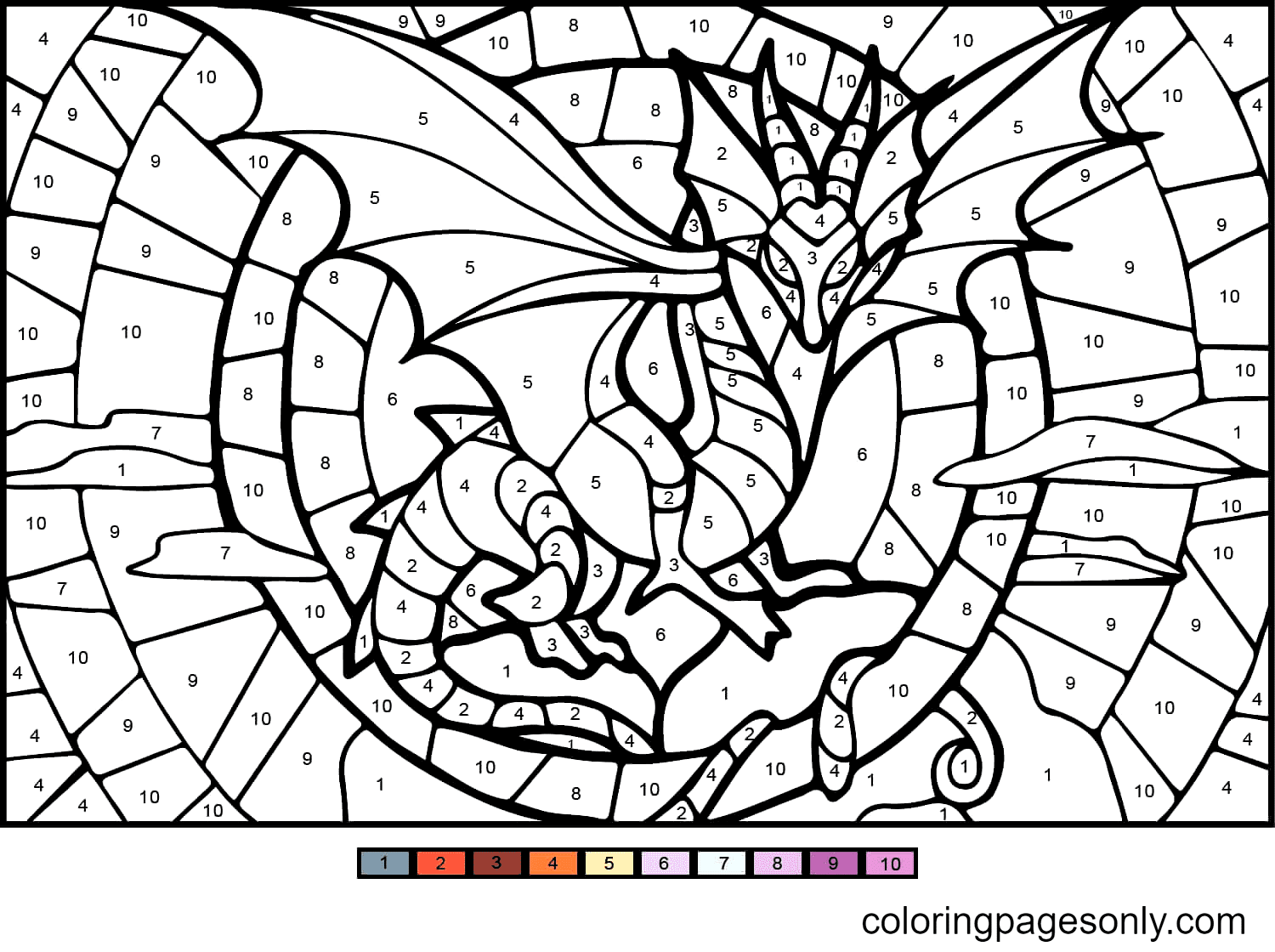
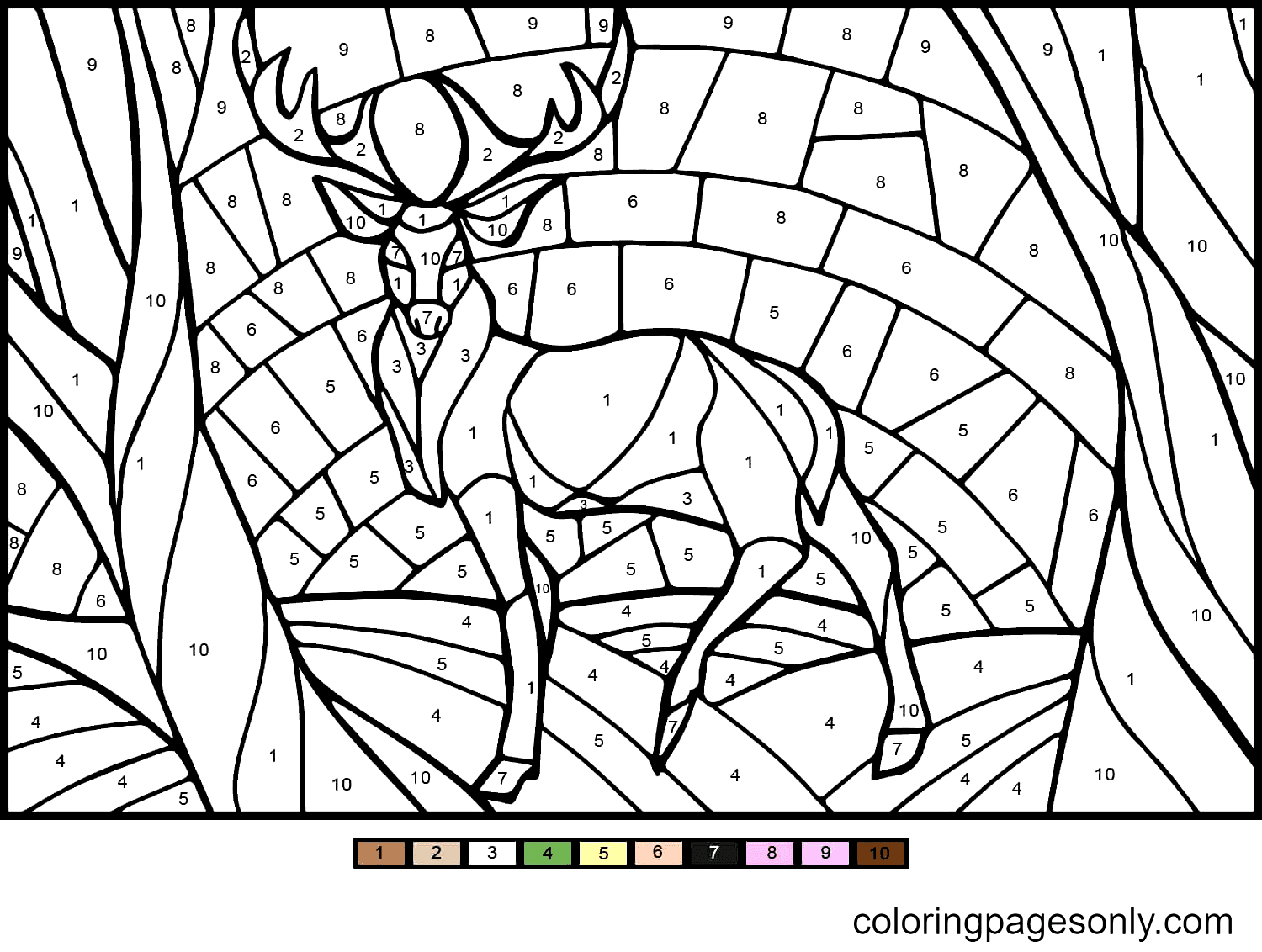
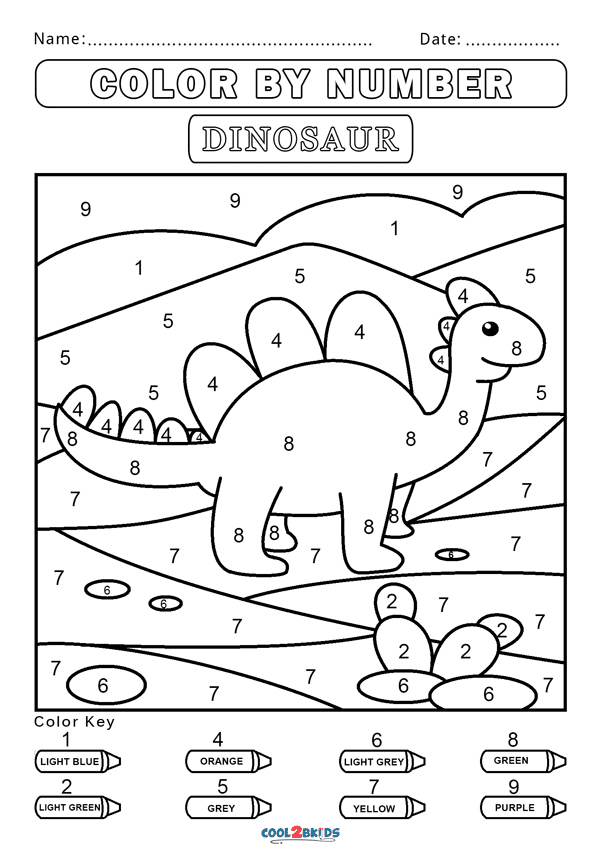
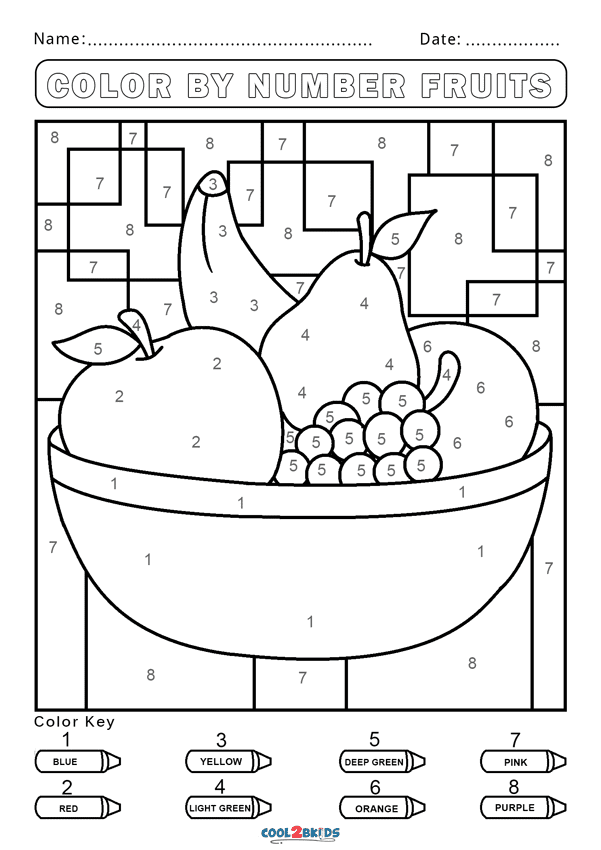
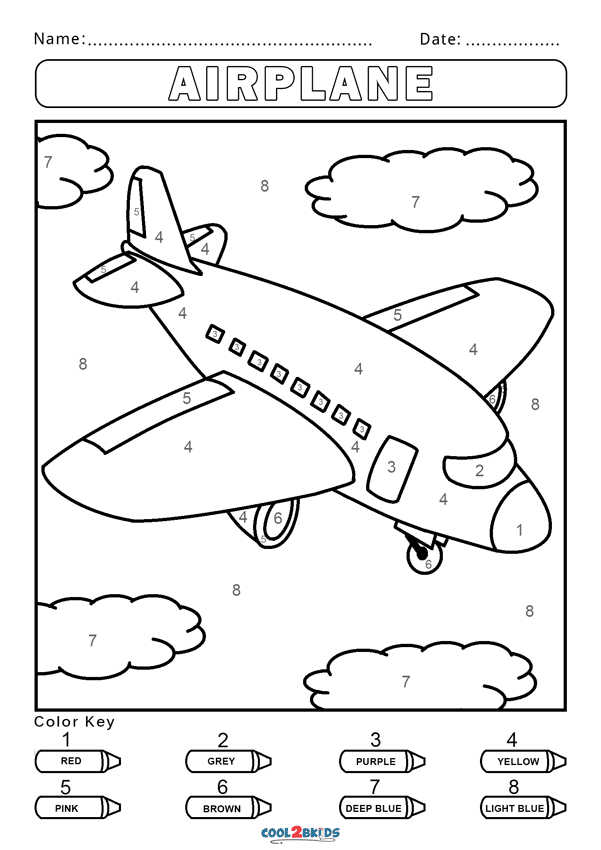
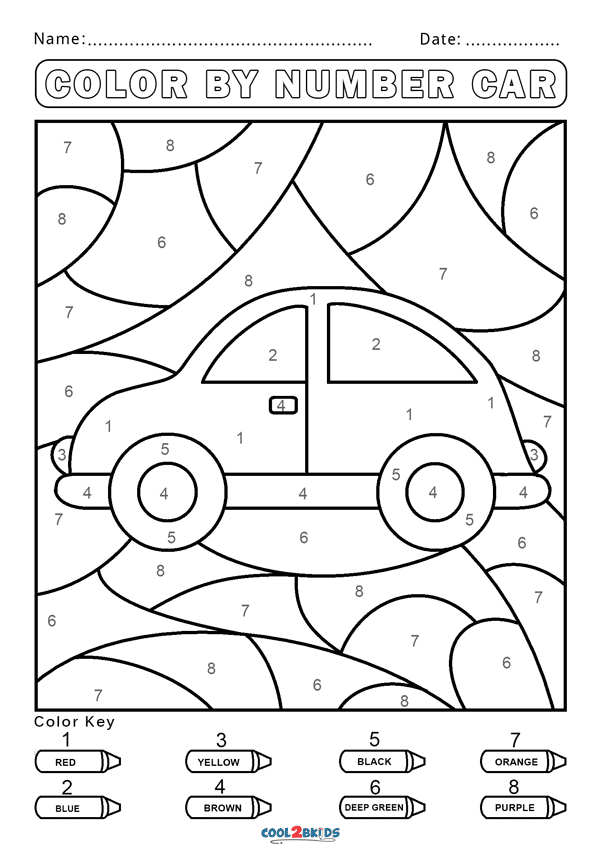
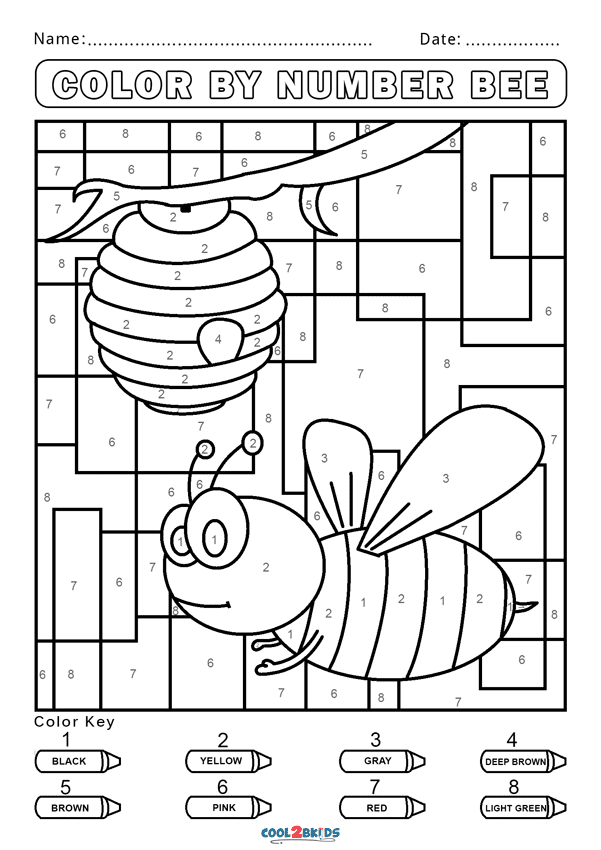
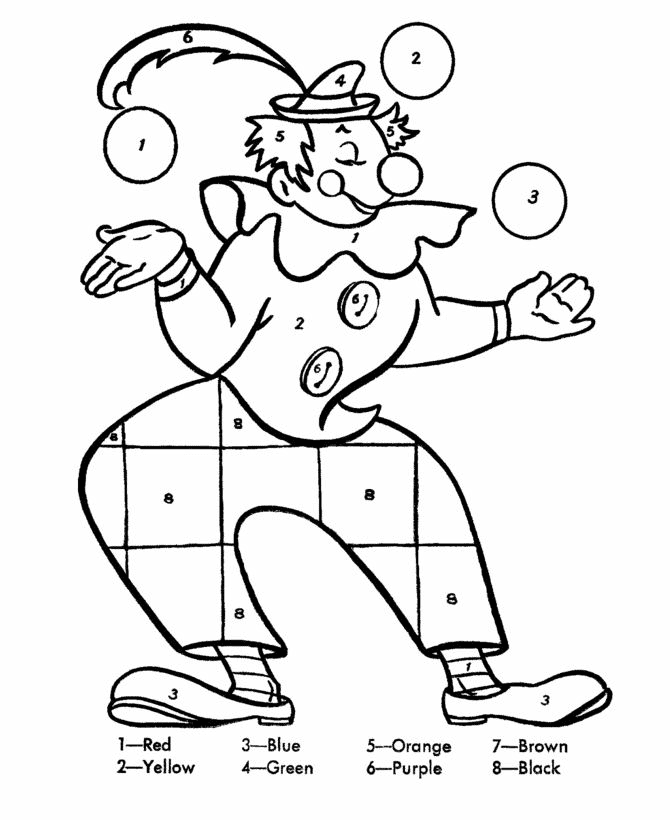
Every region on a color-by-number page carries a number, matched to a color key that tells the colorist exactly which color goes where, so the picture builds gradually rather than appearing all at once. That reveal creates a distinct kind of motivation: each completed number is a small discovery, and the format is largely self-correcting, since a wrong color choice tends to look obviously out of place well before the page is finished. The American Academy of Pediatrics counts fine motor skill development among the real benefits of structured coloring for children ages 2 through 7, and staying inside many small, specifically numbered regions gives that practice a more demanding structure than open coloring alone.
A 2005 paper in the Art Therapy Journal linked structured coloring to measurable reductions in anxiety, and removing the need to choose a color, since the key already decides it, lets colorists of any age settle into a calmer, more meditative kind of focus. Beyond the coloring itself, working through a number’s matching regions builds numeral recognition, and following the key from number to color to region to the next number exercises the same working memory and sequencing skills used in following any multi-step instruction.
How to Color Color by Number Pages Well
- Read the whole key first. Gather every color you will need before starting, ideally arranged in numerical order, so a session never stalls on a missing color partway through a region.
- Start with the largest regions. Filling the biggest areas first reveals the most image in the least time and gives a clearer sense of what the finished picture will look like.
- Work in color families. Find and fill every region sharing one number before switching colors, which is faster and reduces the chance of an accidental wrong-color mistake.
- Leave white regions for last. Many pages include regions meant to stay white or unfilled, easiest to identify once the surrounding colored regions are already in place.
- Mark your place for tricky pages. On designs with many small regions, a finger or sticky note on the current number in the key prevents losing track while looking back and forth at the page.
5 Creative Craft Ideas With Color by Number Coloring Pages
1. The Mystery Reveal Game
Hide a chosen page from a child before they begin, describe only the general subject, and set a timer to see how quickly they can color enough regions for the image to become recognizable.
2. The Color Substitution Experiment
Print a page twice, color one with the official key and the other with entirely different colors of the colorist’s choosing, keeping each number consistent, then compare the two finished results.
3. The DIY Color by Number Project
Give a child a simple drawn outline, have them divide it into color regions, number each region, build a key, then trade it with a sibling or friend to complete.
4. The Number Frequency Study
Before coloring, count how many times each number appears on the page, predict which color will dominate the finished picture, then color it in to check the prediction.
5. The Color by Number Exhibition
Complete one page a week for a month, moving from a simple animal portrait to an action scene to a scenery page, then mount all four together with labels noting the subject and completion date.
Frequently Asked Questions
What is color by number?
Color by number is a format where an image is divided into numbered regions, each matched to a color in a key, so a colorist fills the page by number rather than choosing colors freely, gradually revealing the picture.
How many color-by-number pages are in this collection?
104 pages, spanning simple animal portraits, action and scene pages, nature and holiday designs, and a set of licensed character pages.
Where did color by number come from?
The modern kit format was created by Dan Robbins in 1949 for the Palmer Show Card Paint Company, who said he adapted the concept from Leonardo da Vinci’s practice of giving apprentices numbered pattern sheets to learn composition and color.
Why is color-by-number good for kids?
Finding and filling every region with a given number builds numeral recognition, following the key from number to color to region exercises working memory, and the gradual image reveal keeps attention on the task in a way that open coloring does not always achieve.
Are licensed characters like Pikachu or Mickey Mouse included?
Yes, a smaller set of pages applies the color-by-number format to familiar characters, including Pikachu, Mickey Mouse, Minnie, Pluto, and Snow White, alongside the collection’s animal and scenery designs.
What is the difference between this collection and general numbers coloring pages?
Numbers coloring pages are built around the digits themselves, while color-by-number pages use numbers only as a coding system layered over an unrelated picture, a different activity built around a shared numeral-recognition skill.
Which pages are best for a first-time colorist?
The simple animal portraits, with a short color key and large regions, are the easiest starting point before moving on to busier action, scenery, or character pages.
Is a printer required to use these pages?
No, the online coloring tool lets any page be finished on a phone, tablet, or computer without needing a printer.
Every page in this set can be downloaded with one click and no account needed, then printed at home or finished right in the browser through the online coloring tool. When a design is done, the Facebook and Pinterest icons beside it make sharing quick.