Pattern Coloring Pages
 By:
Jennifer Thoa - Content Editor & Designer
Updated:
By:
Jennifer Thoa - Content Editor & Designer
Updated:
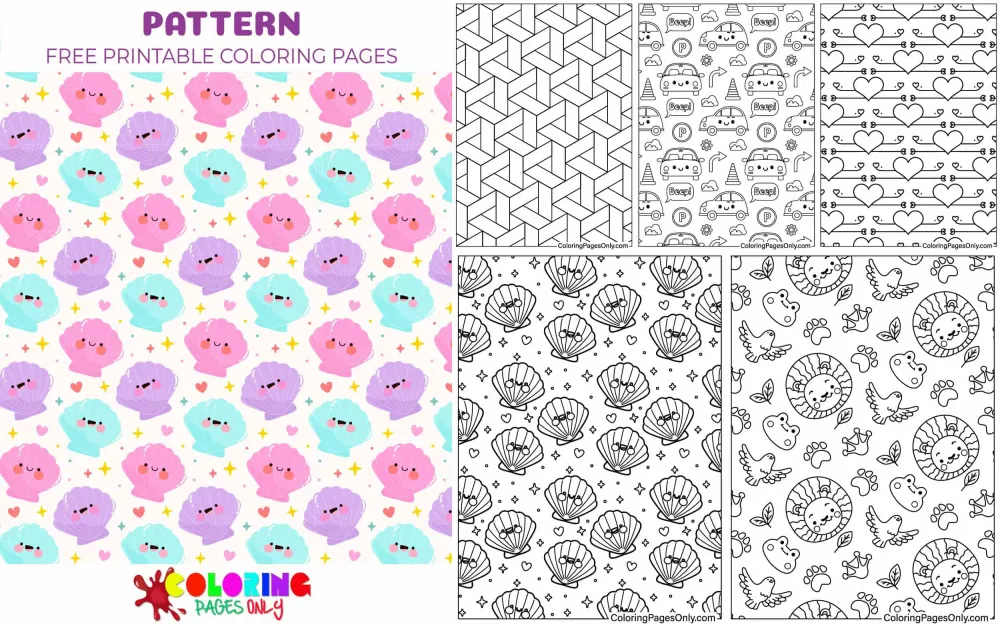
Free Pattern Coloring Pages: 38 printable PDF designs featuring geometric shapes, floral motifs, and cute repeating illustrations. Each page can be downloaded as a PDF to print or colored online in the browser.
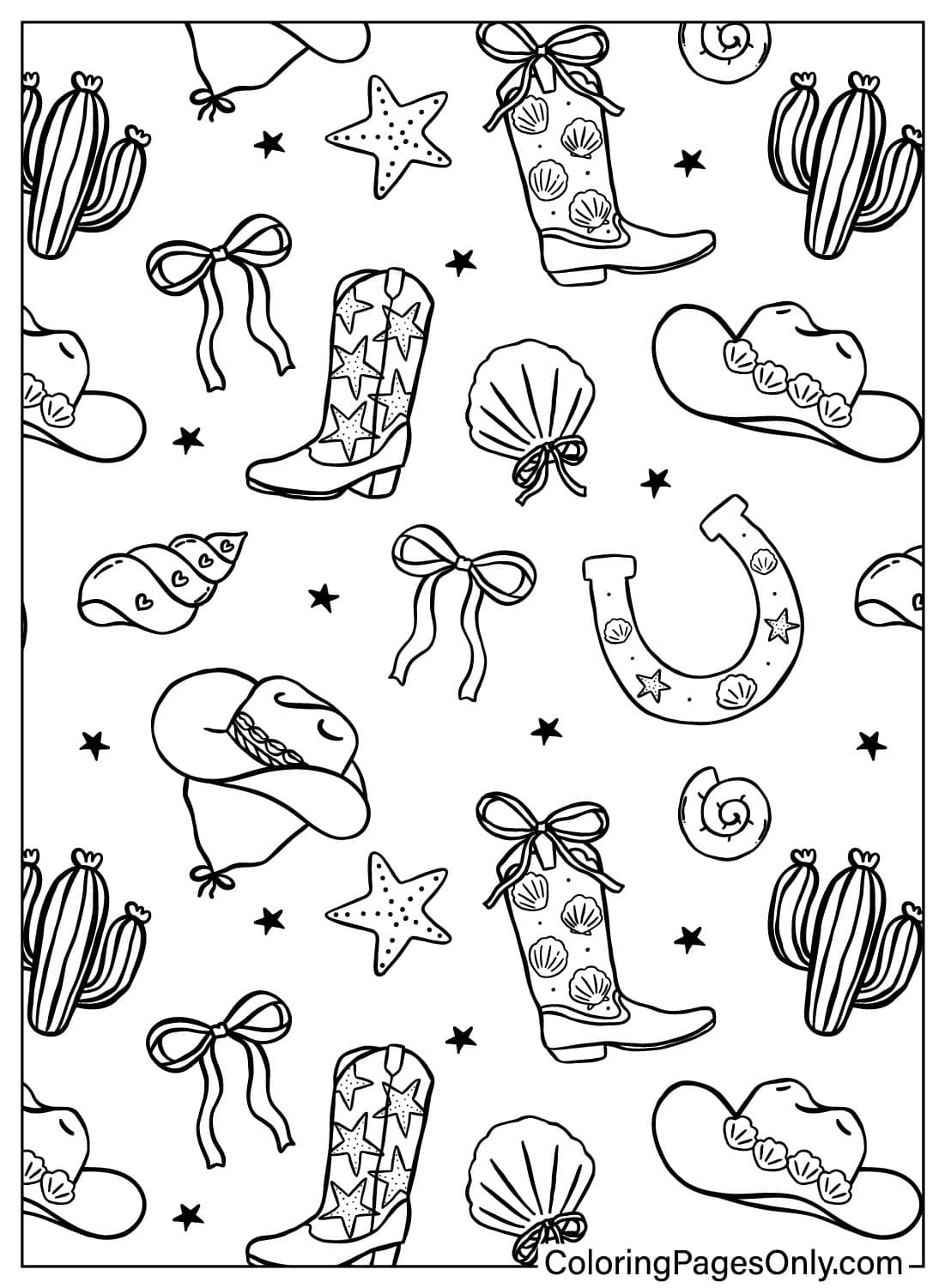
Repeating patterns built from geometric shapes, florals, and symmetrical designs appear across art traditions worldwide, from woven textiles to tile work and decorative borders. A pattern-based coloring page applies that same idea of repetition and rhythm to a single sheet, filling the space with a repeated motif rather than one central image. This collection draws on that structure in a range of styles, from simple, kid-friendly repeating shapes to more complex, densely packed designs built for a longer coloring session.
The set spans 38 pages, ranging from simple geometric and animal-themed repeats to detailed, symmetrical designs for more advanced colorers.
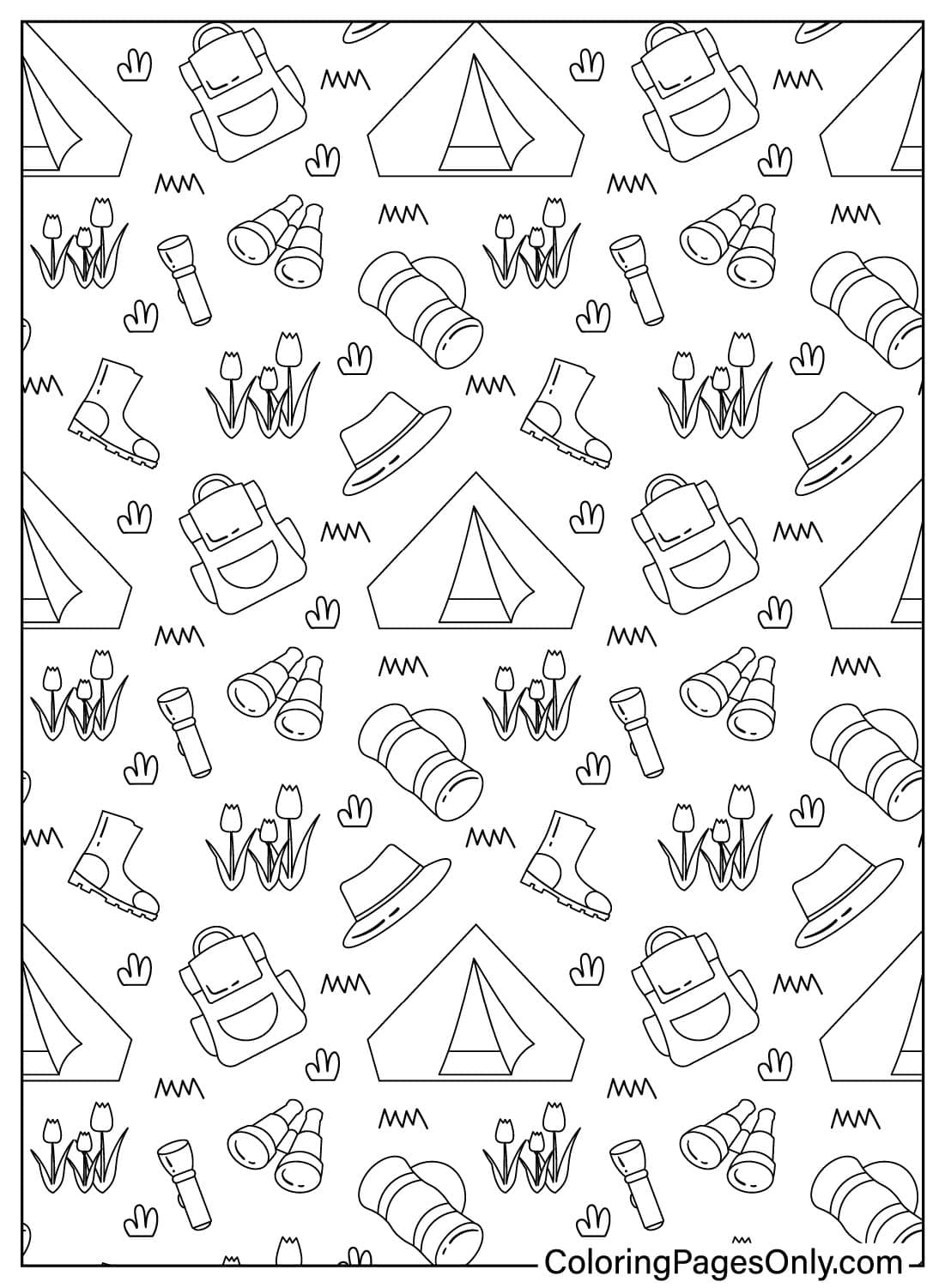
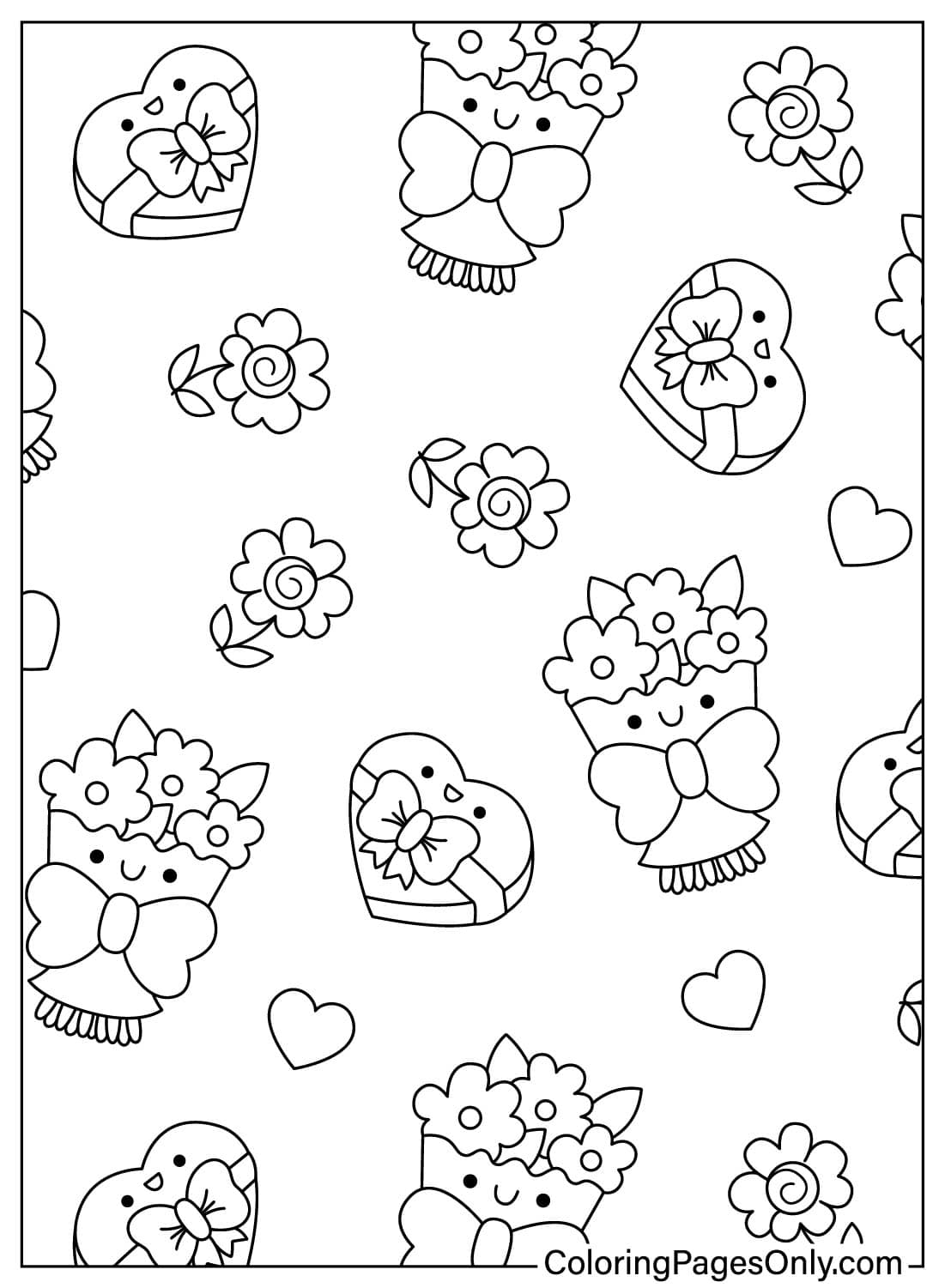
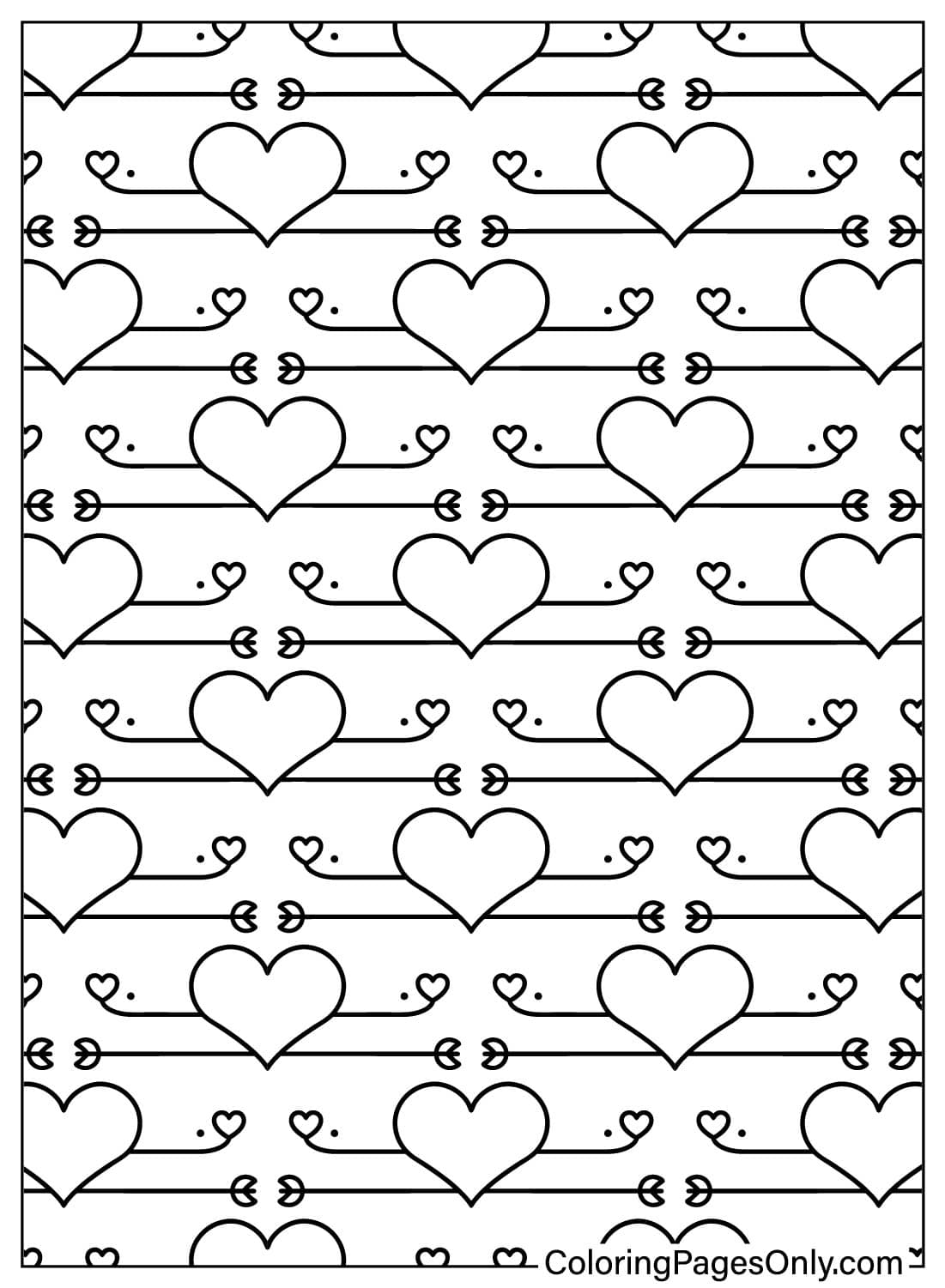
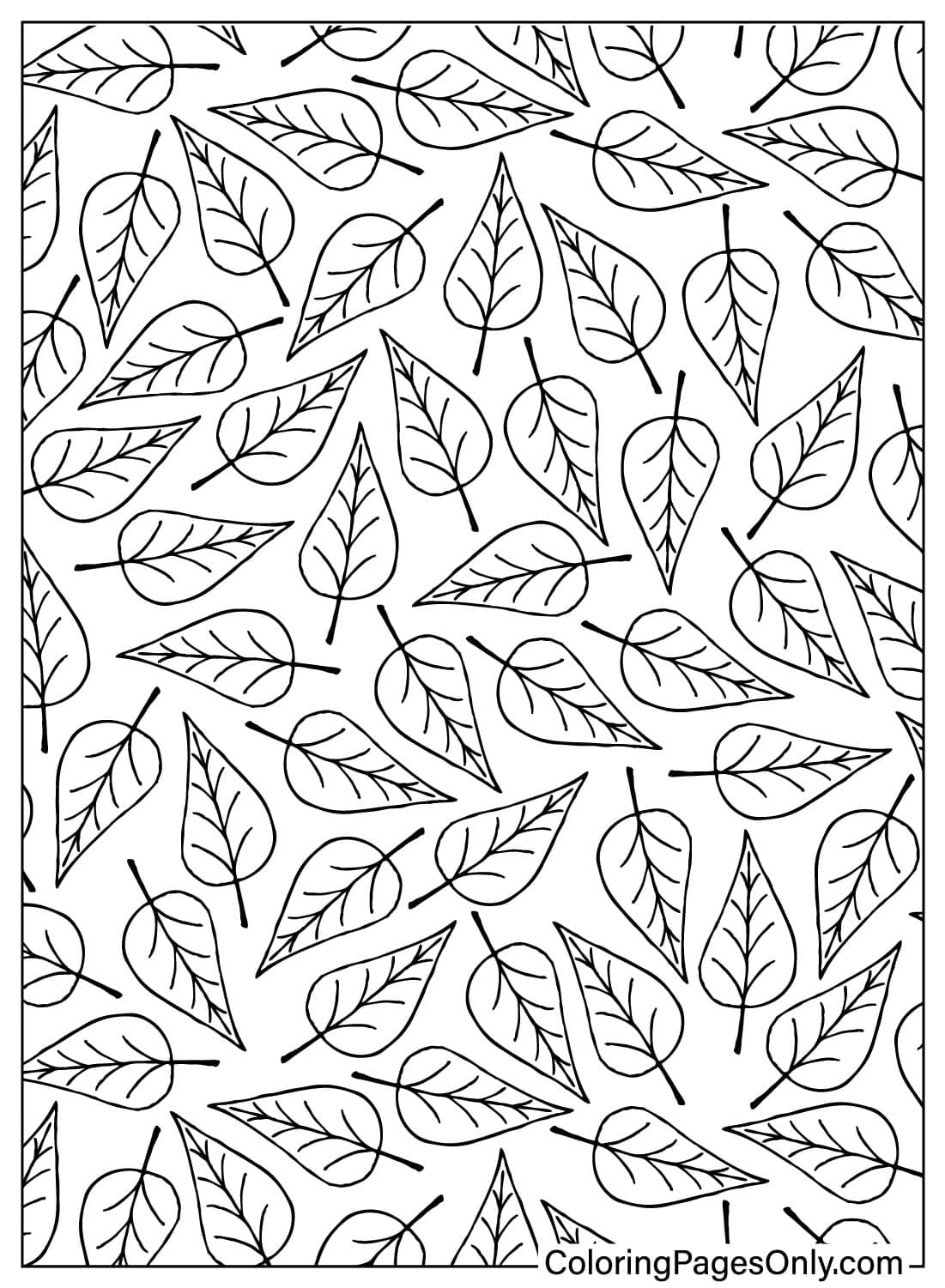
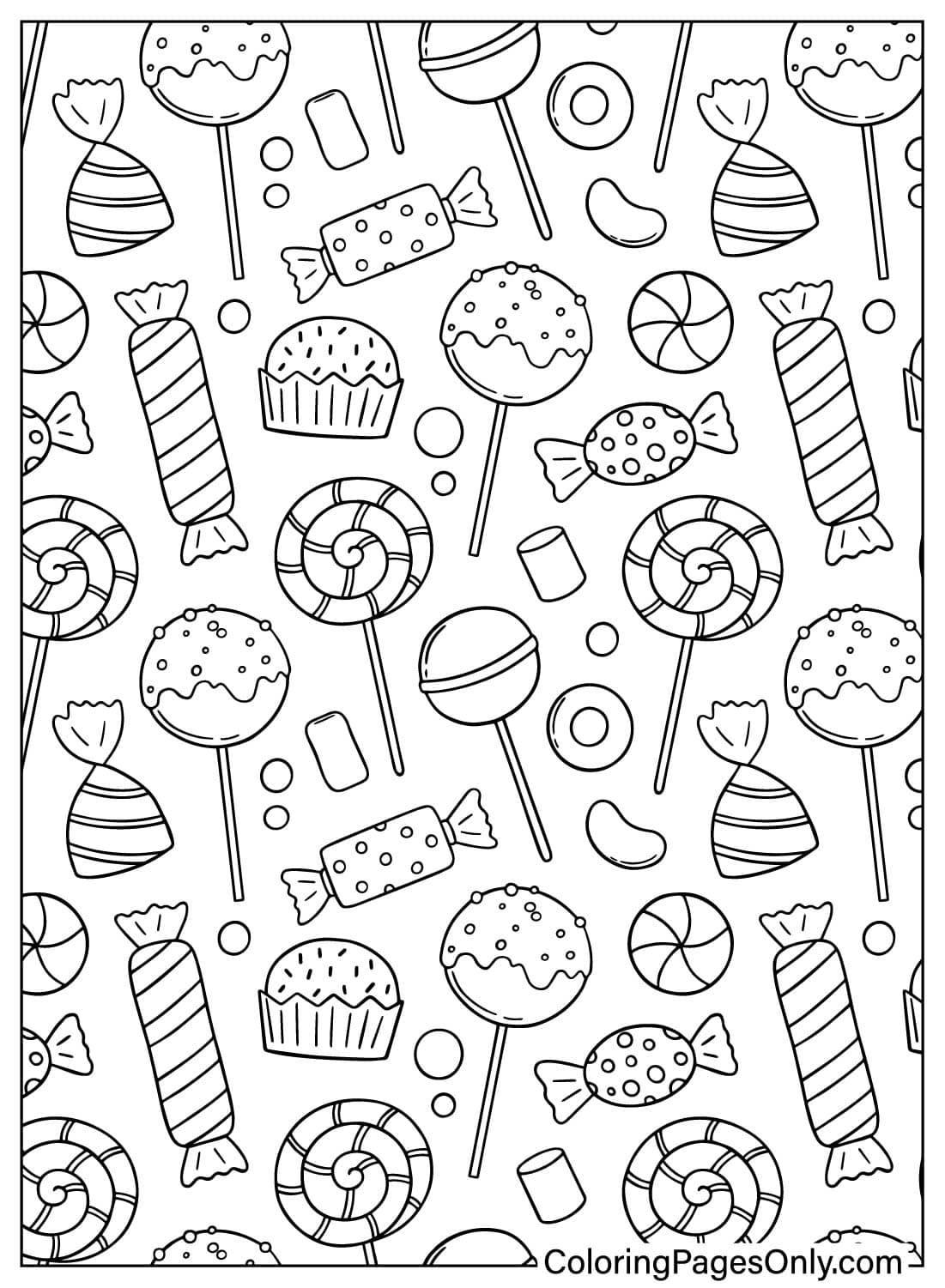
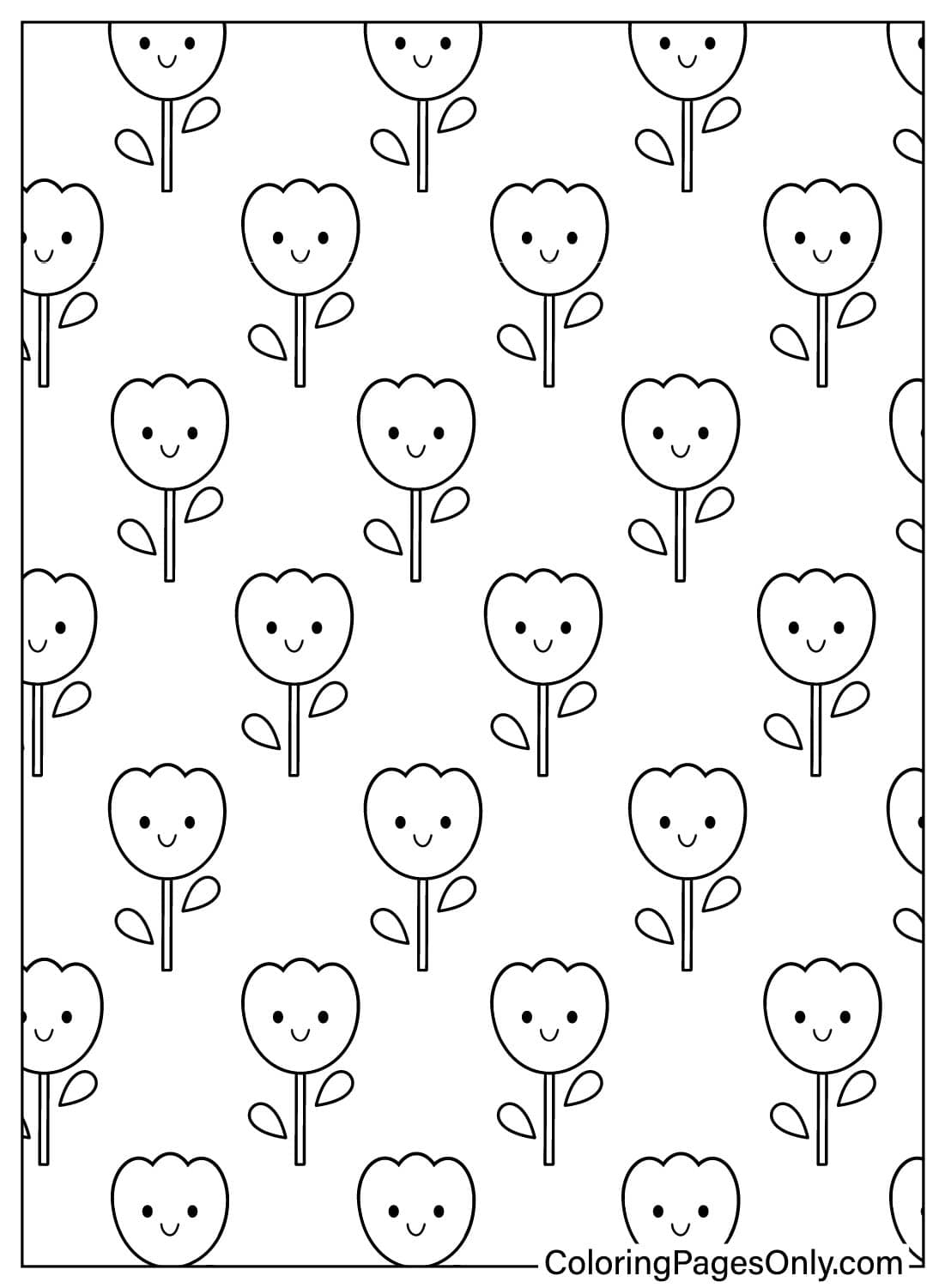
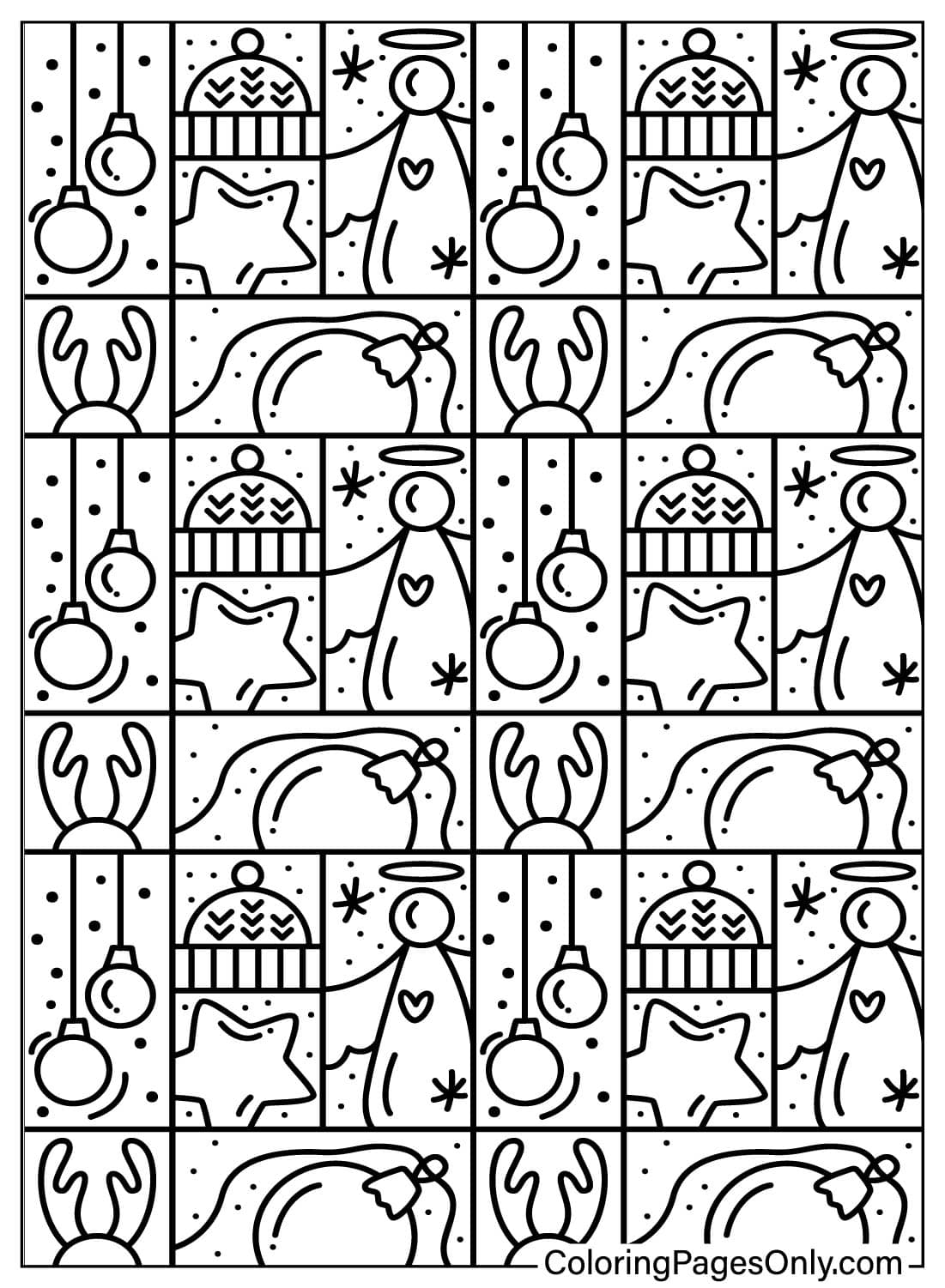
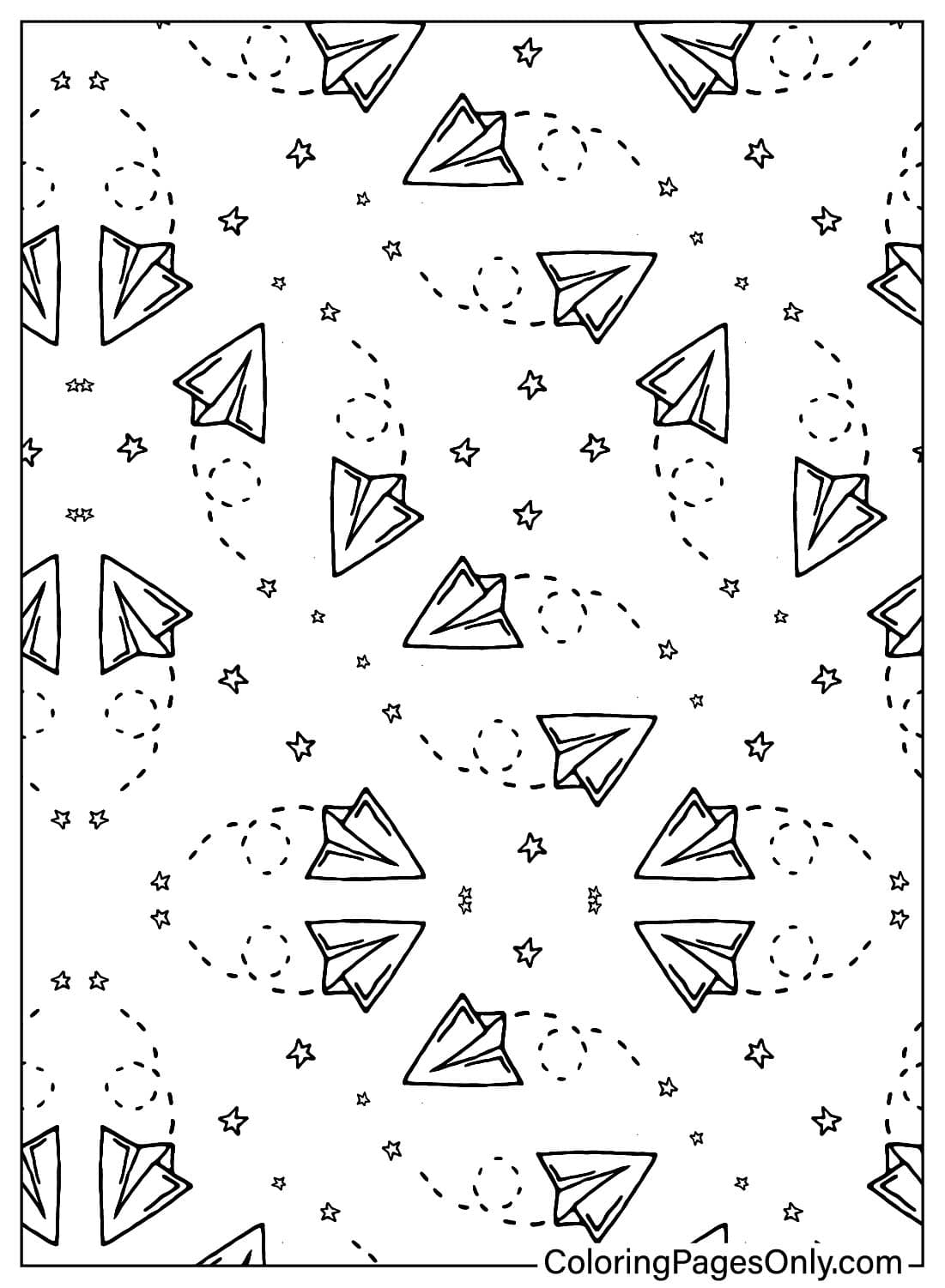
What Is Inside This Collection
The 38 designs group into a few recurring types, from simple shapes to complex repeating designs.
Geometric and Symmetrical Patterns
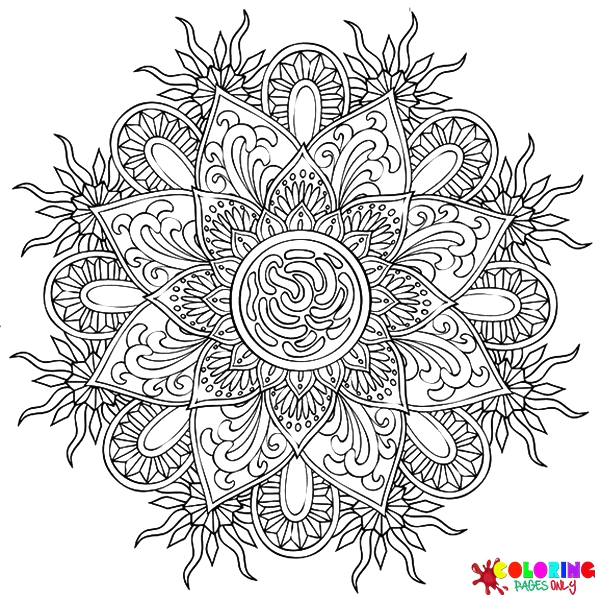
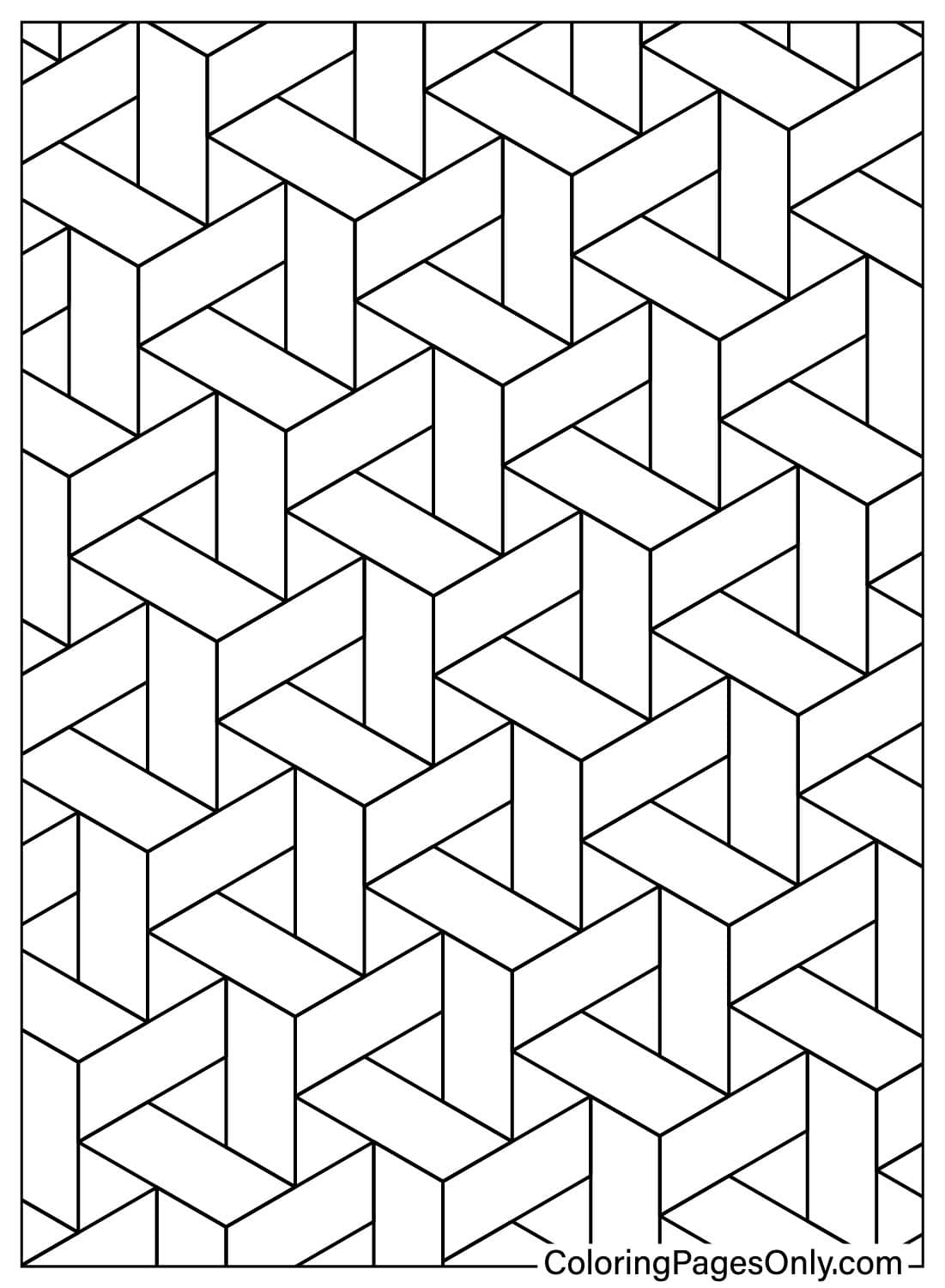
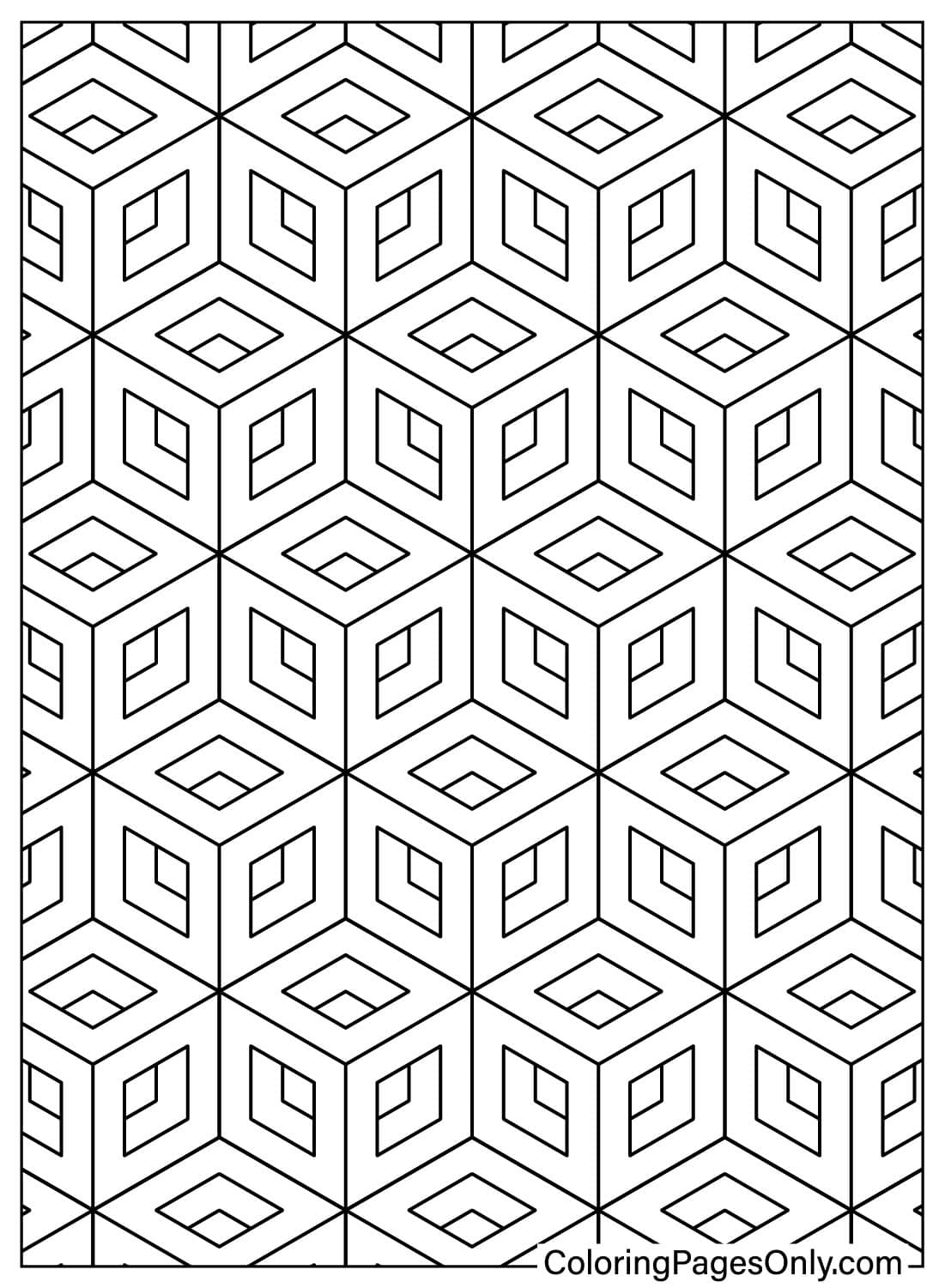
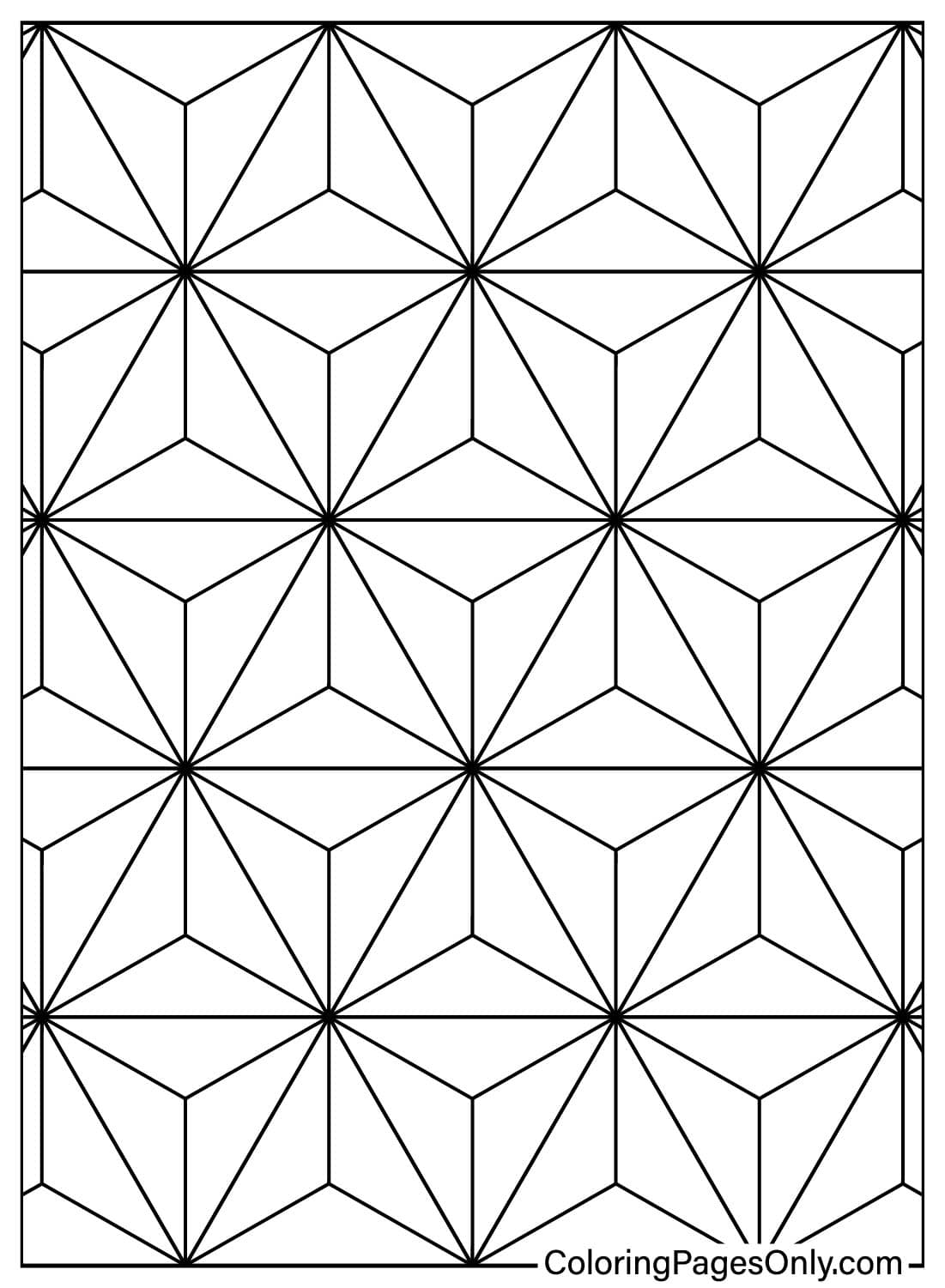
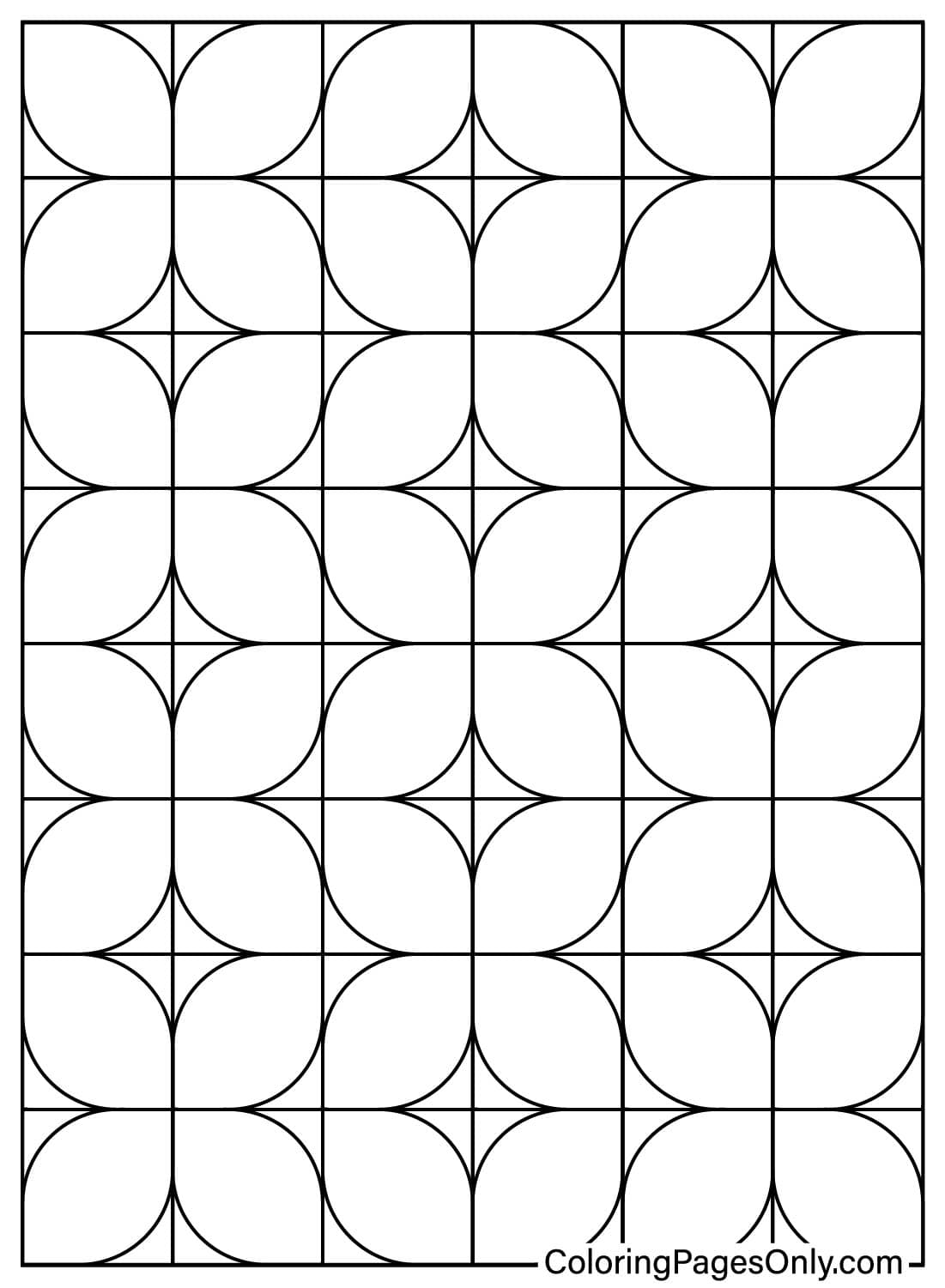
Several pages use squares, circles, and other geometric shapes arranged in a structured, repeating layout, including dedicated square and symmetrical pattern designs.
Floral and Nature Patterns
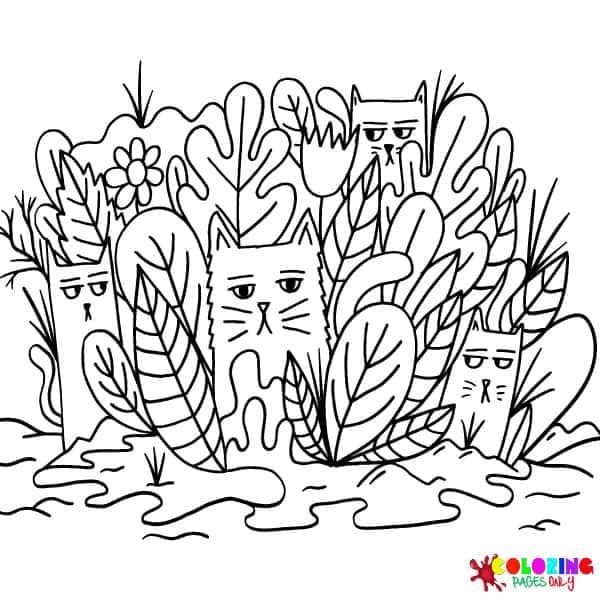
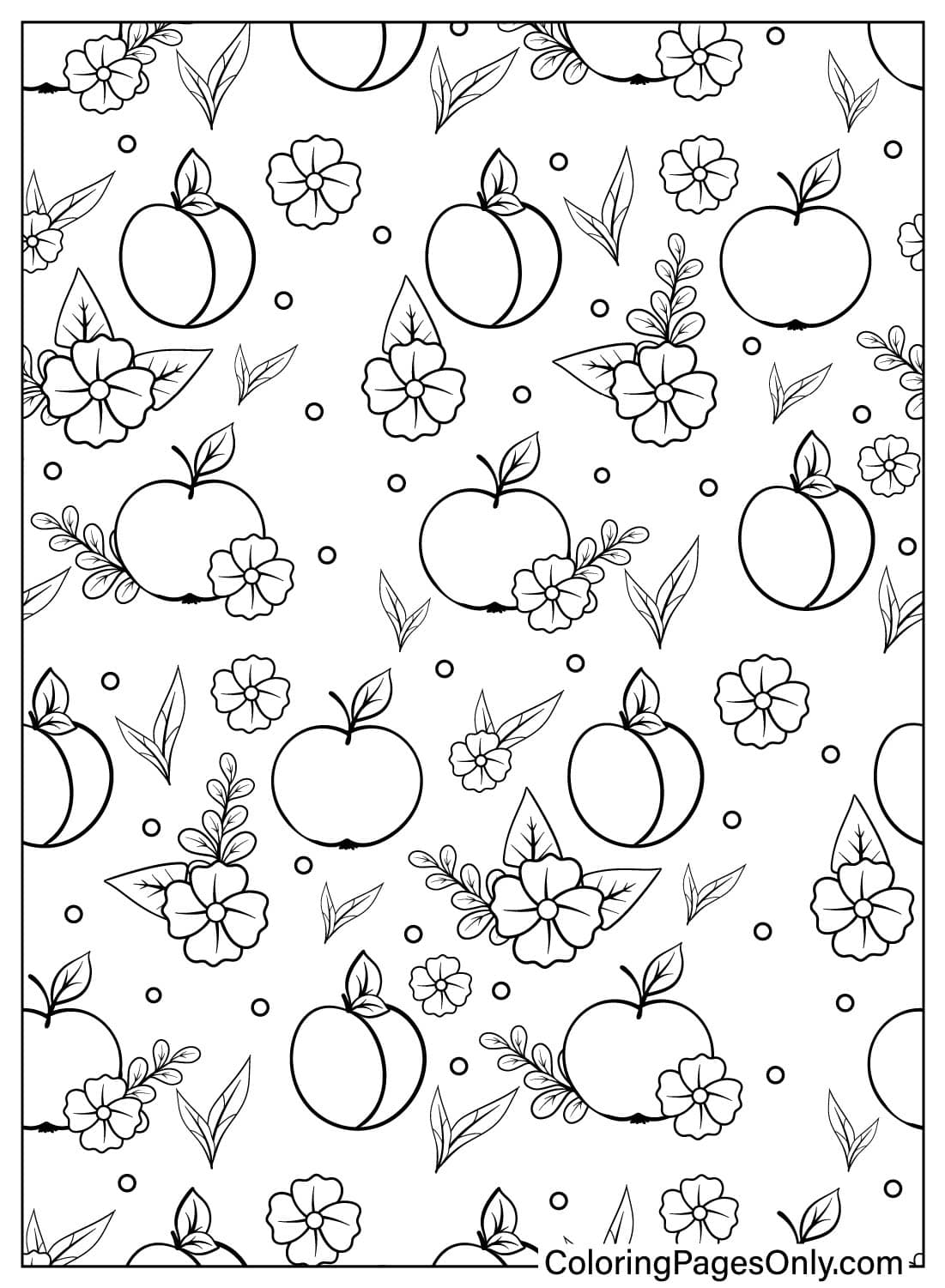
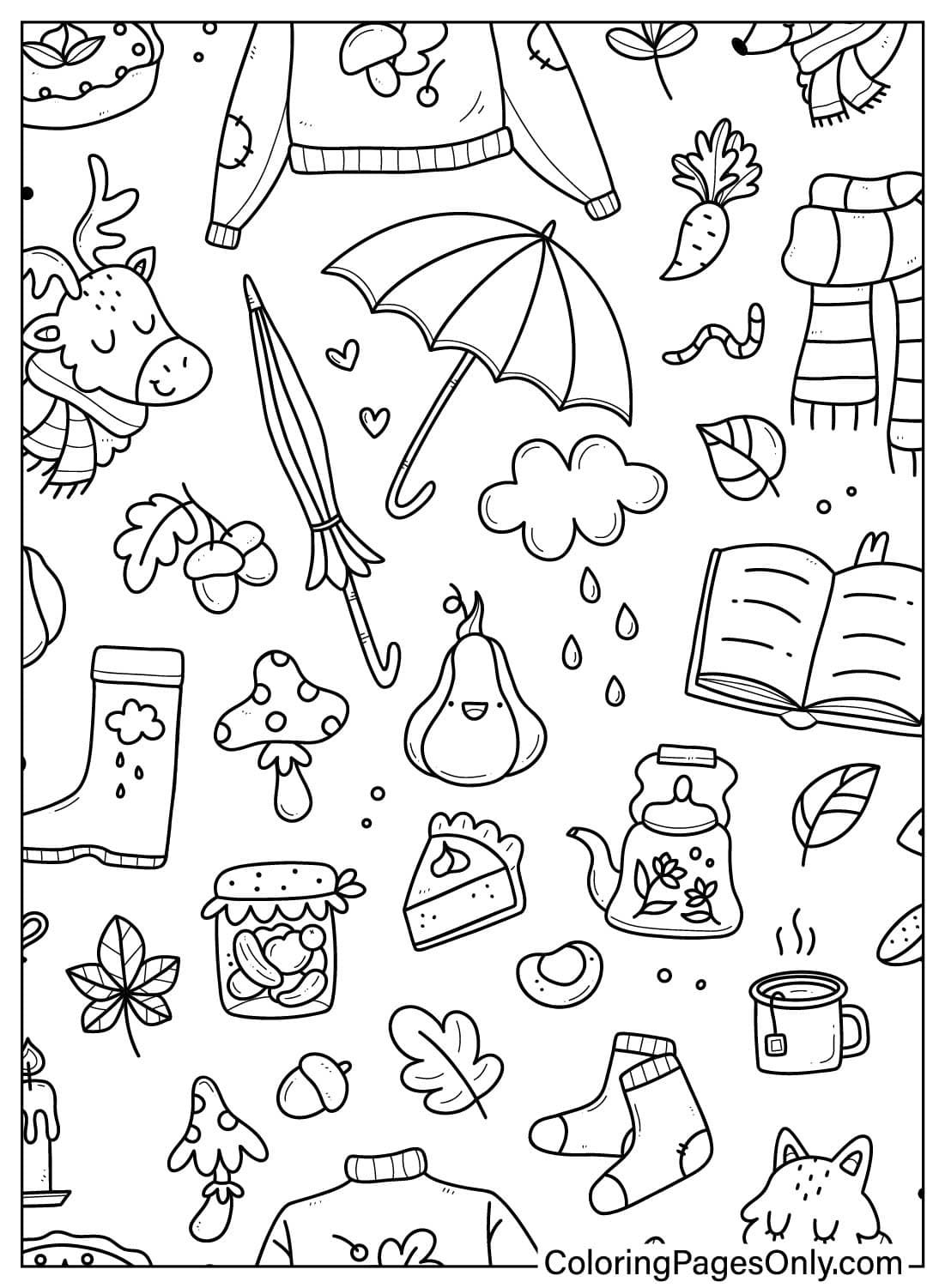
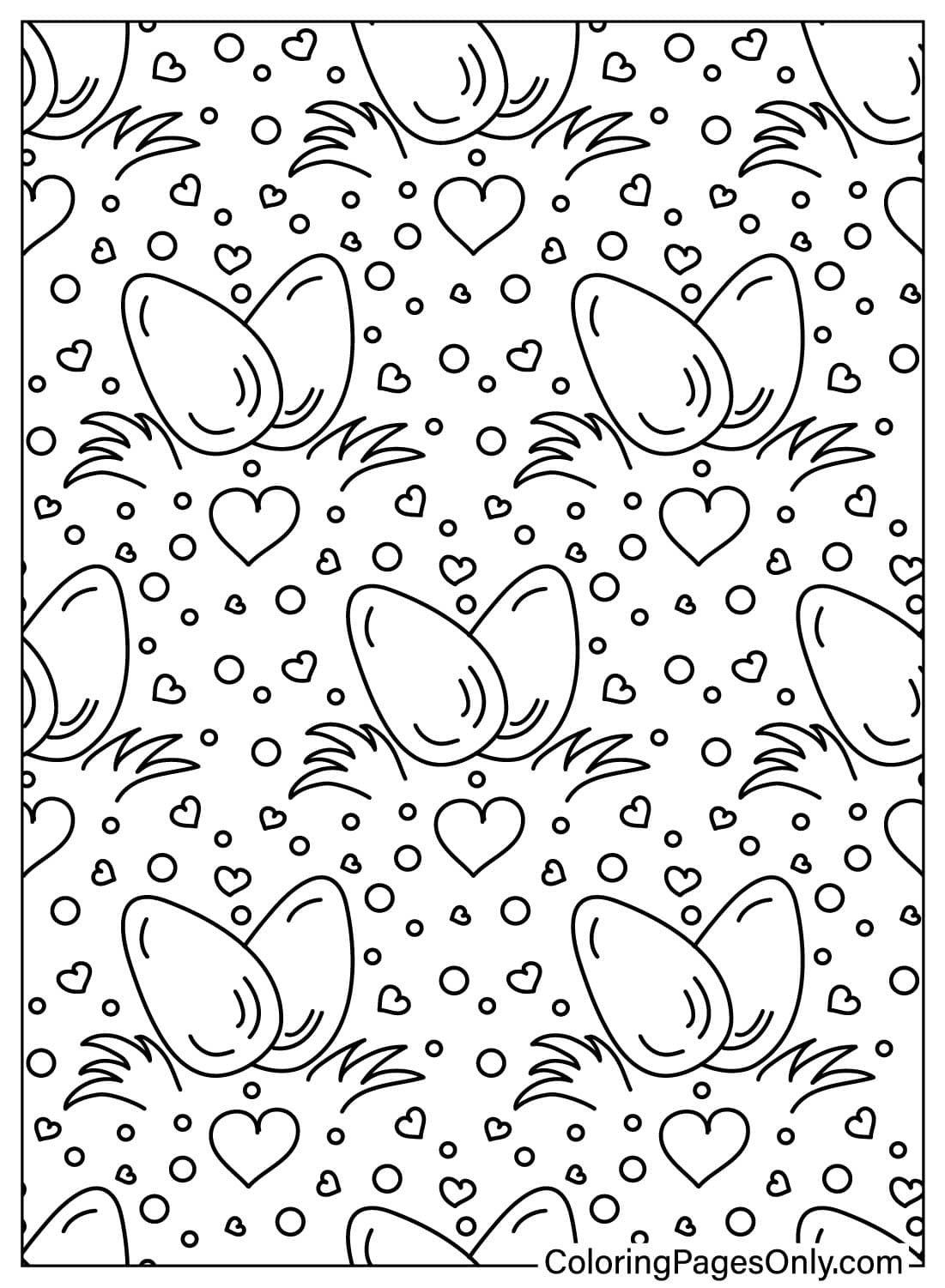
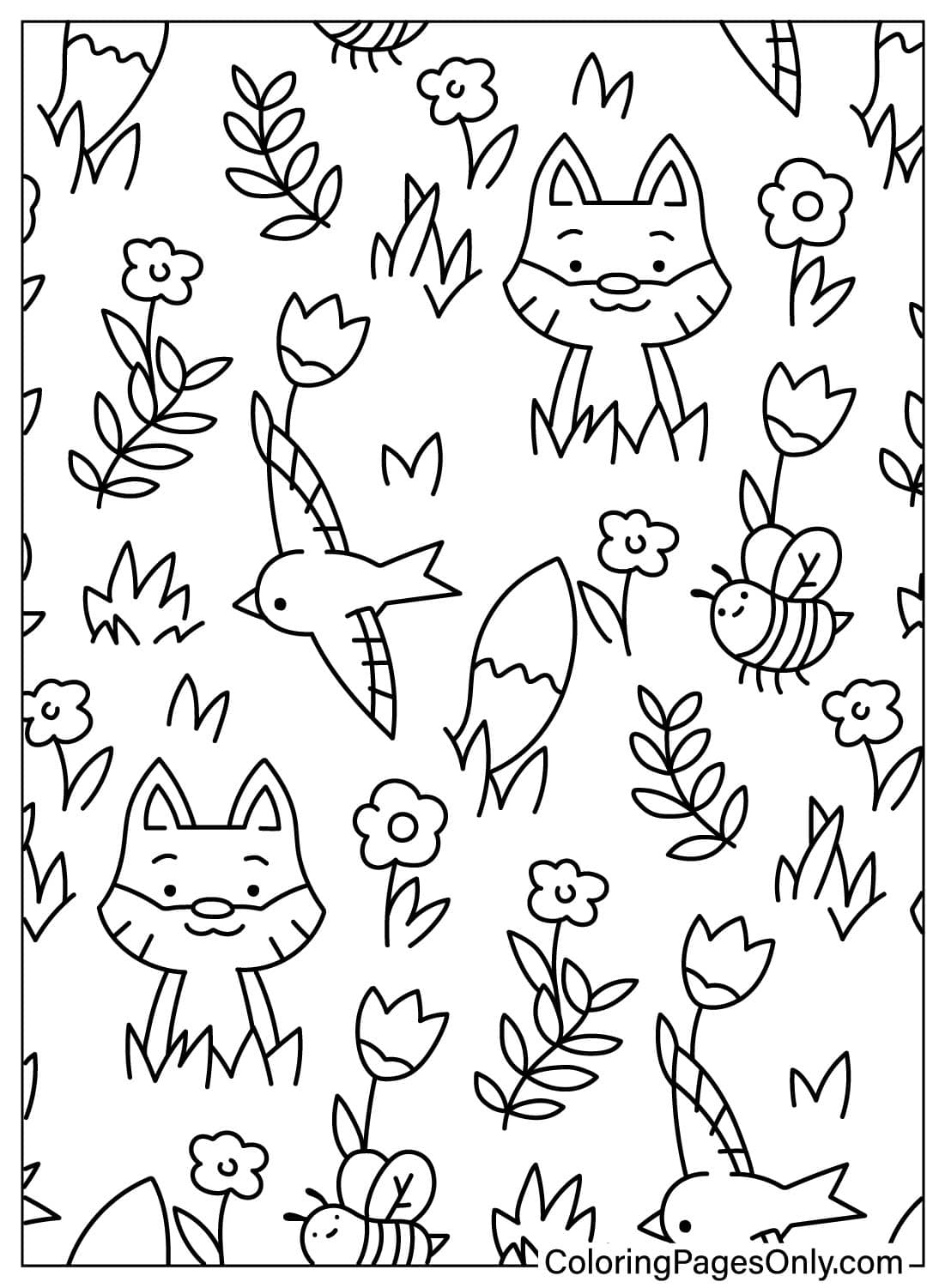
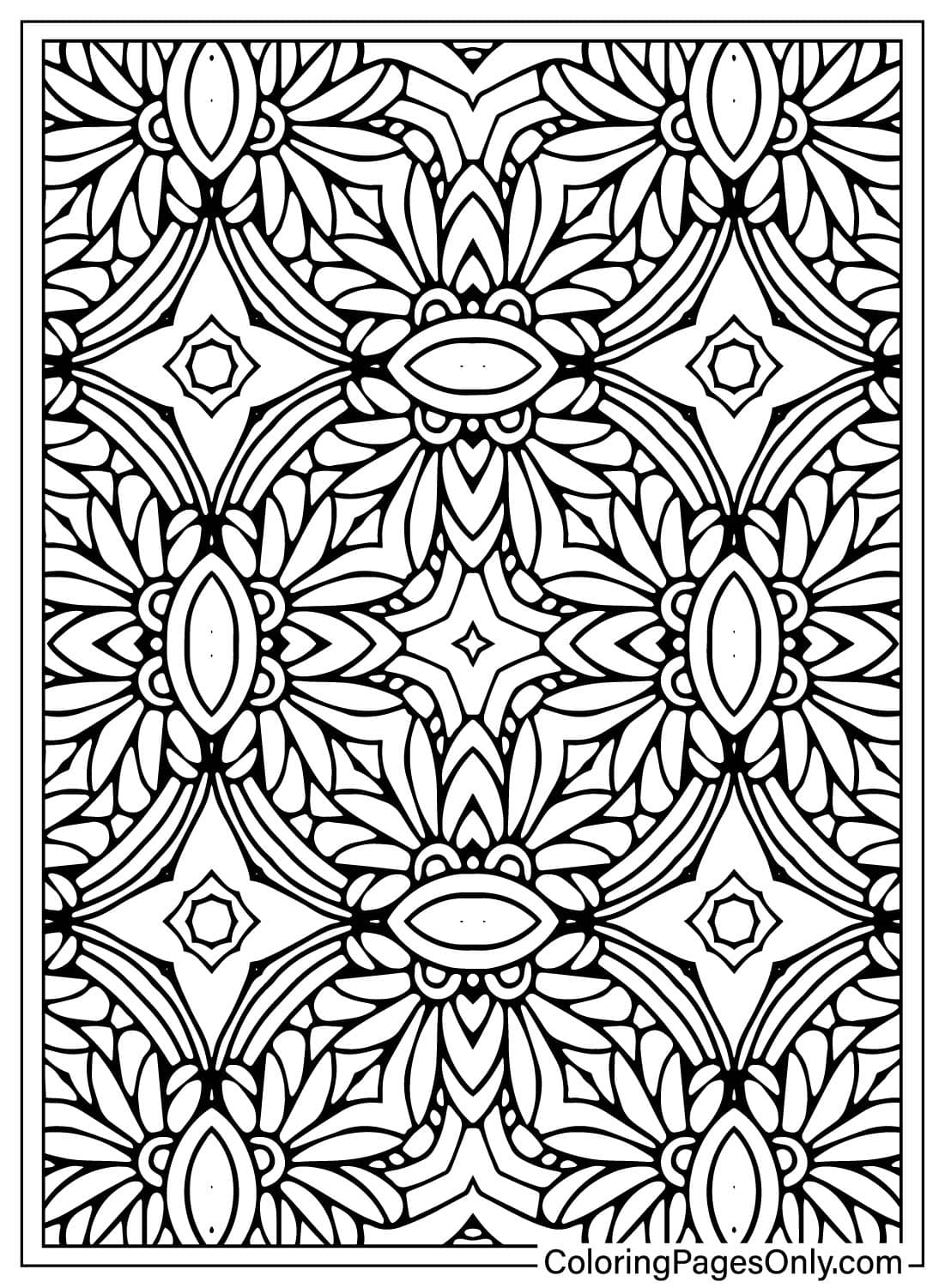
A number of pages weave leaves, flowers, and fruit into a repeating layout, giving colorers a softer, more organic pattern to work through.
Cute and Themed Motifs
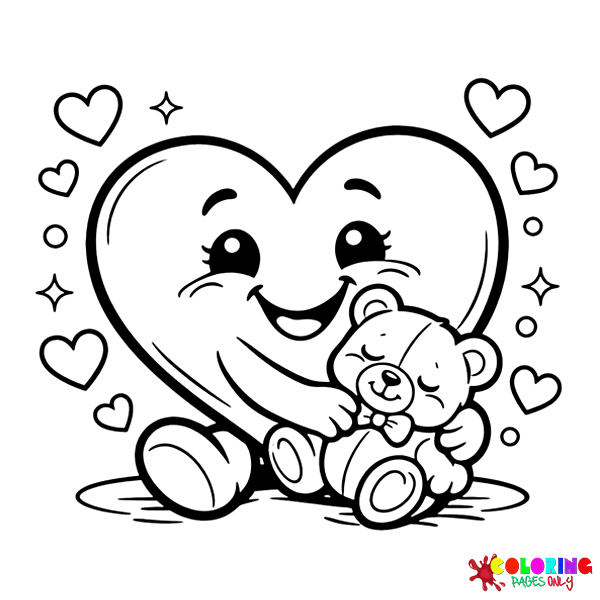
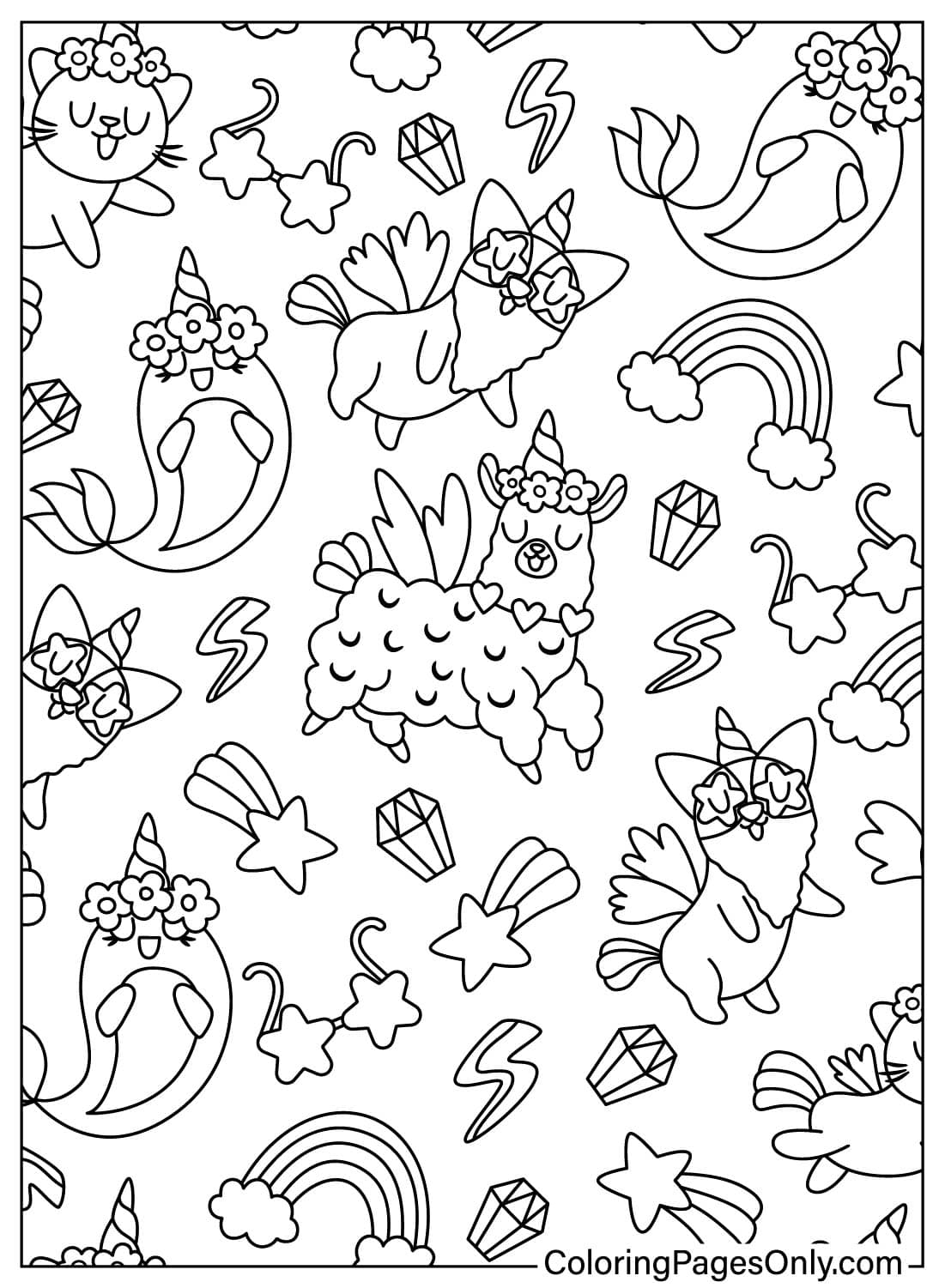
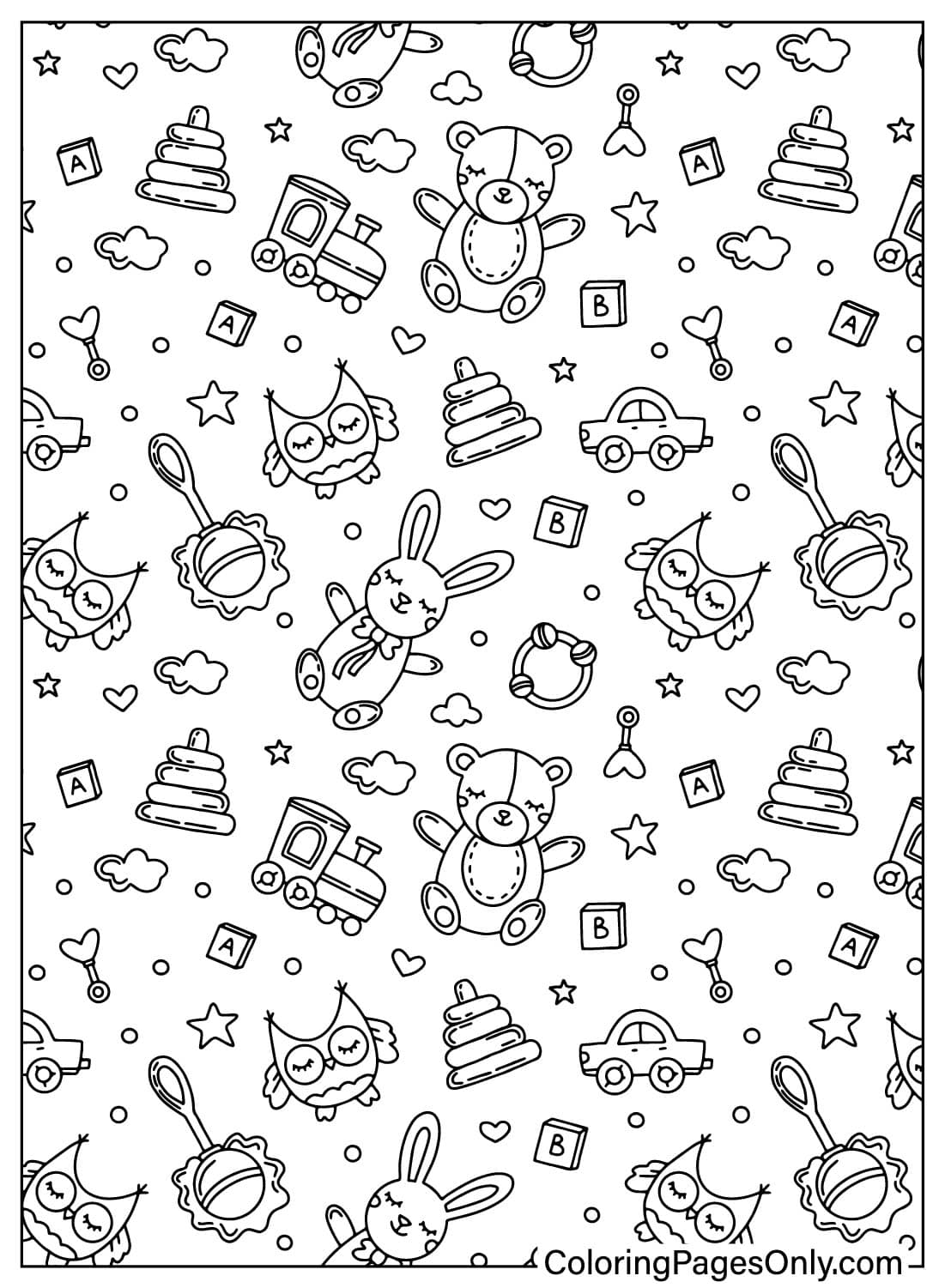
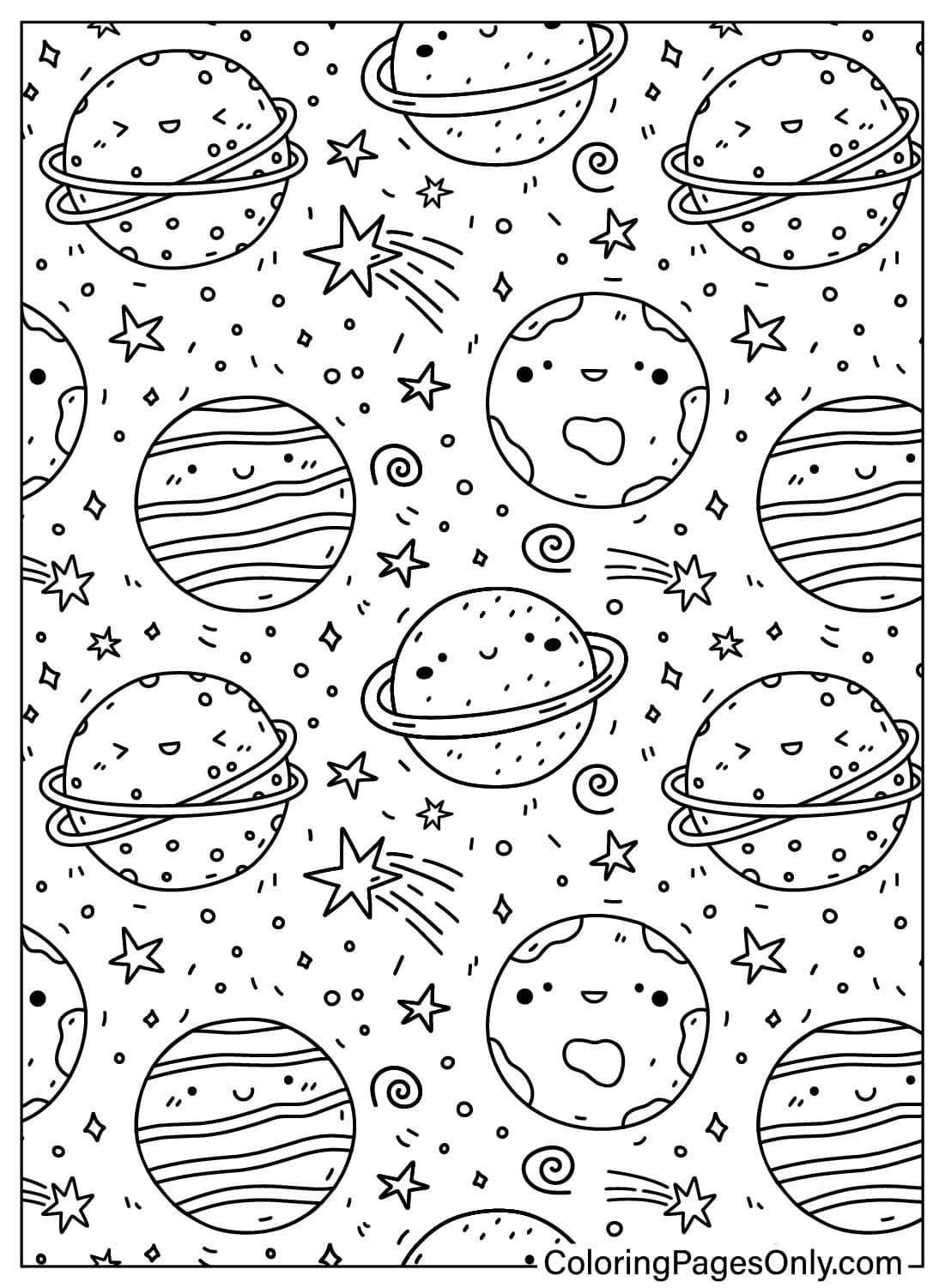
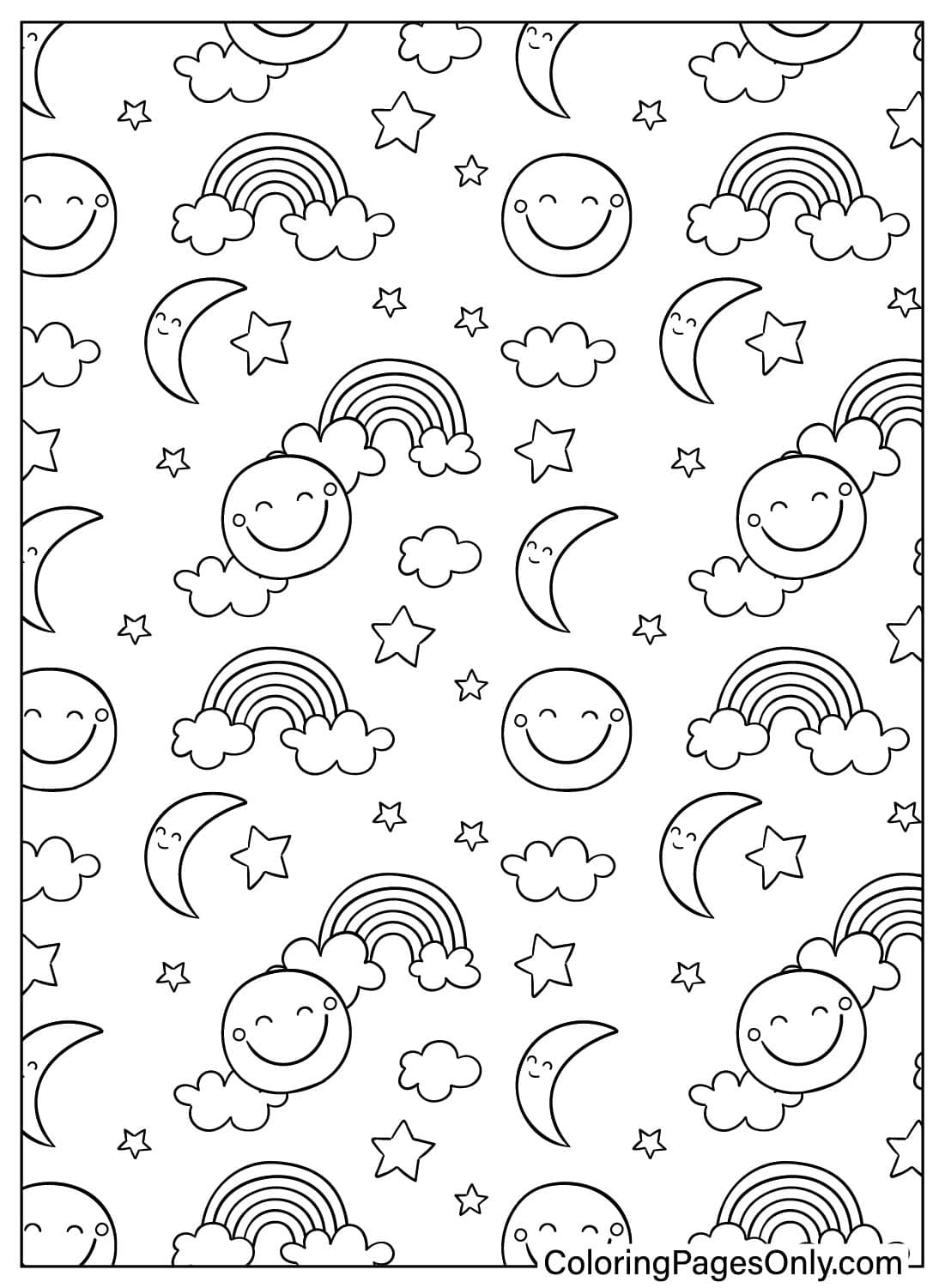
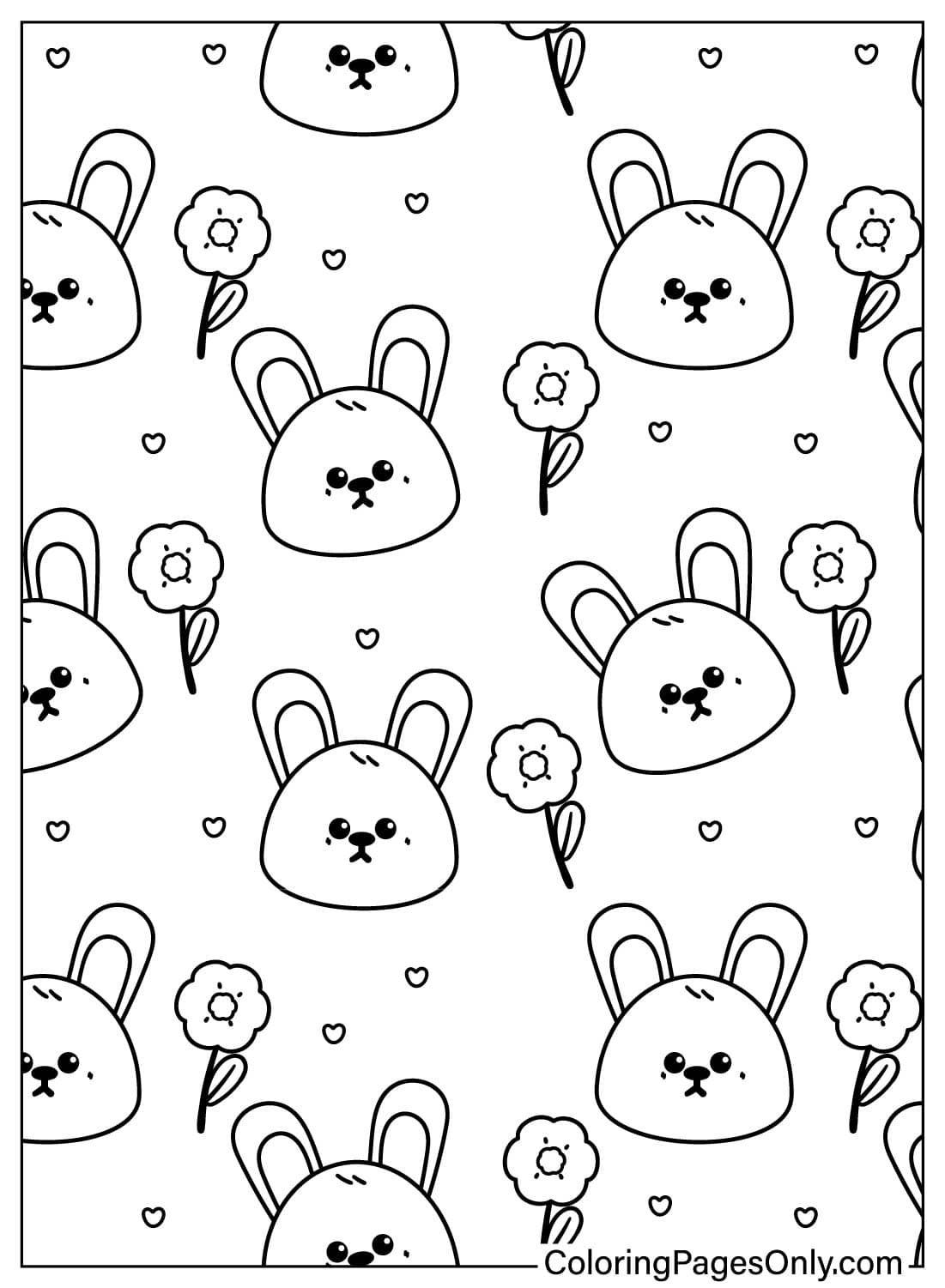
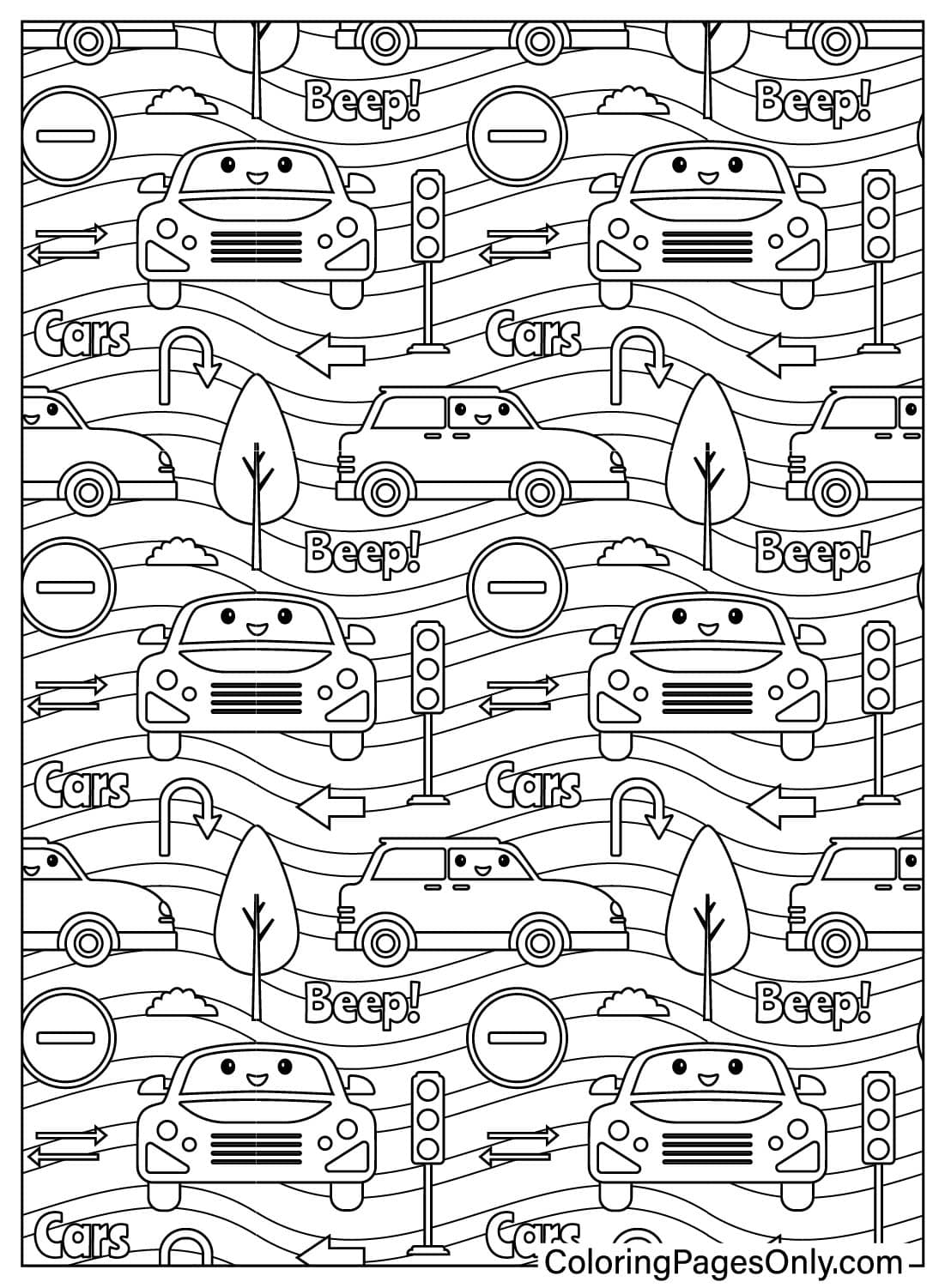
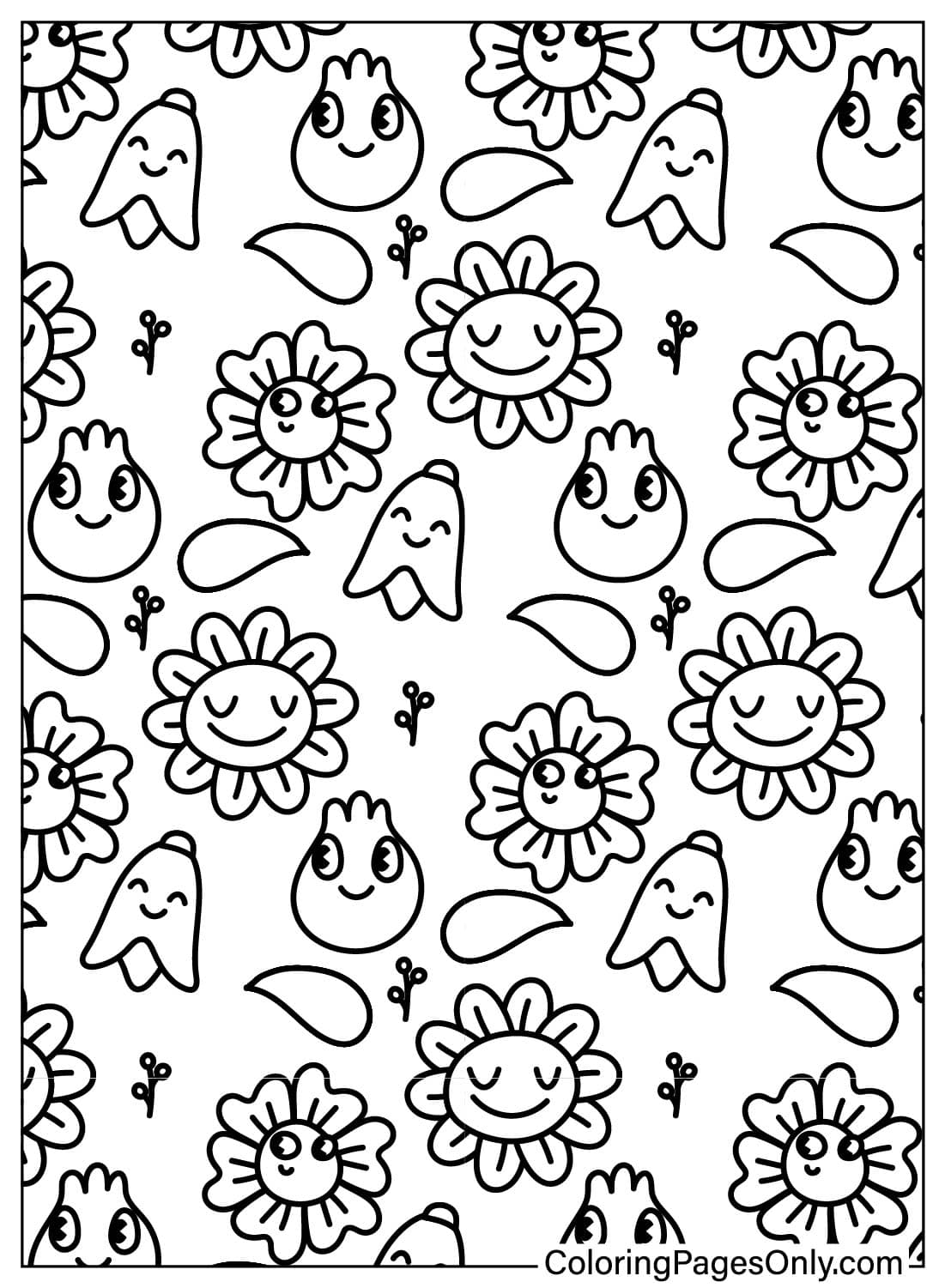
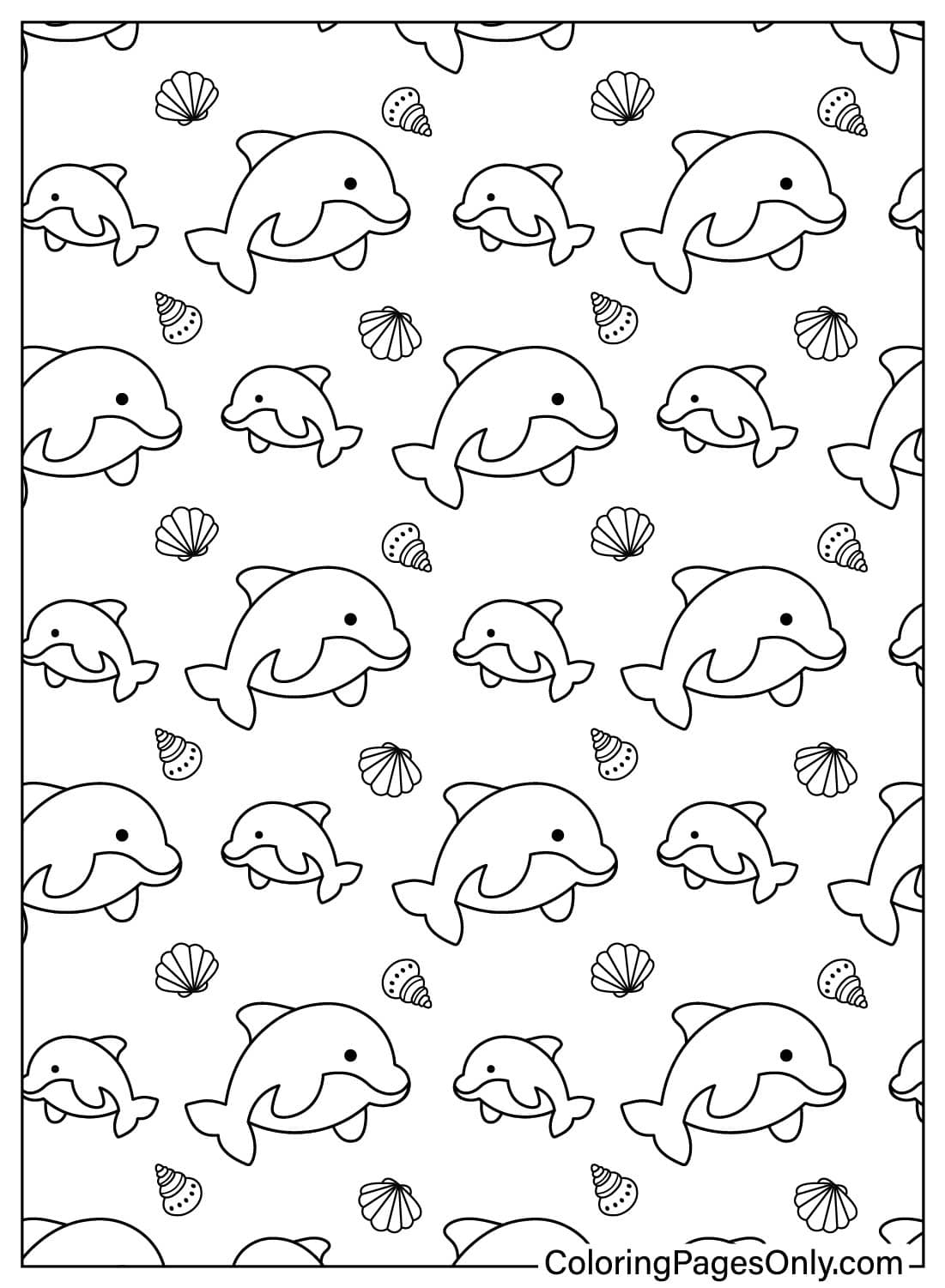
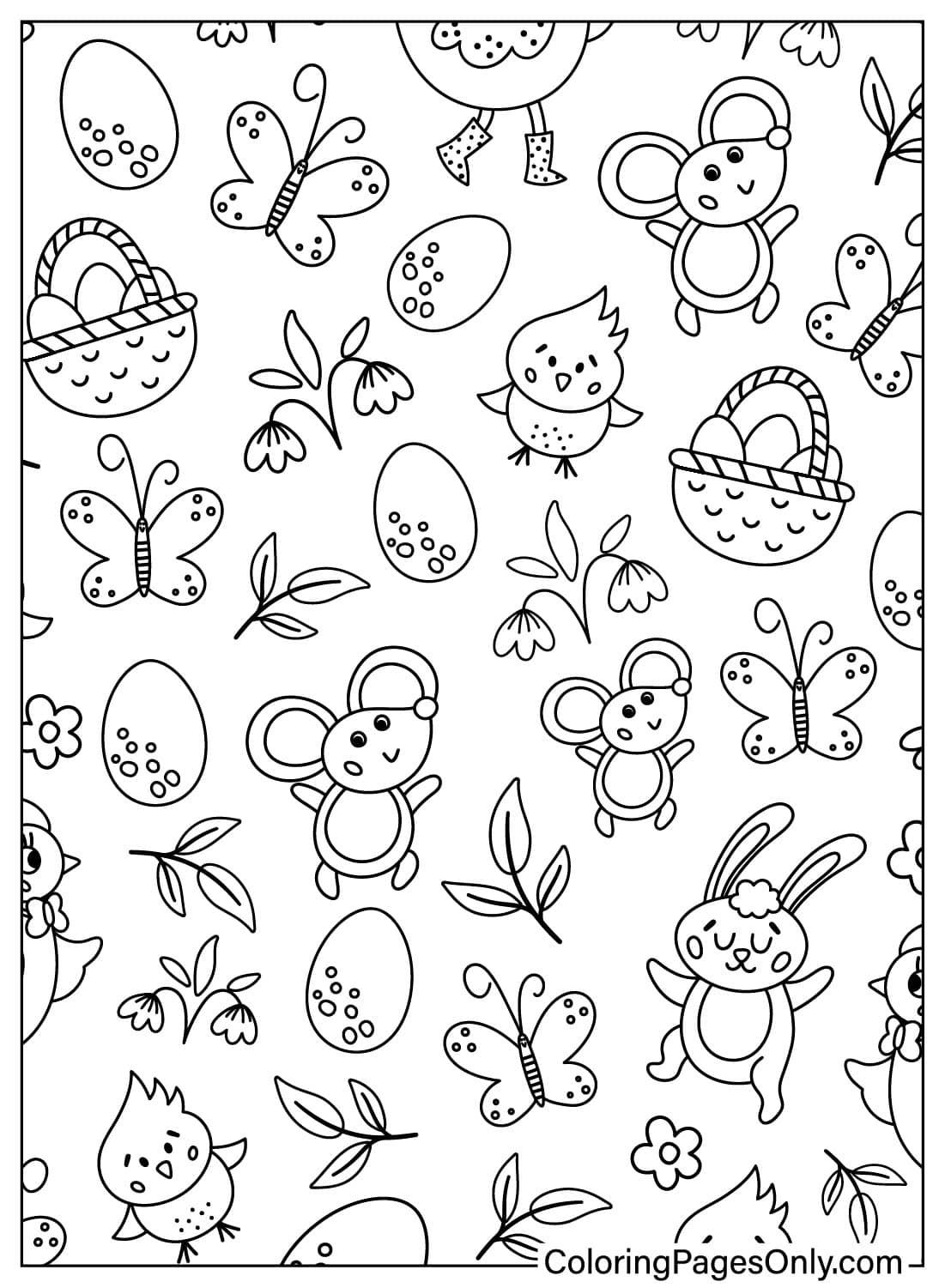
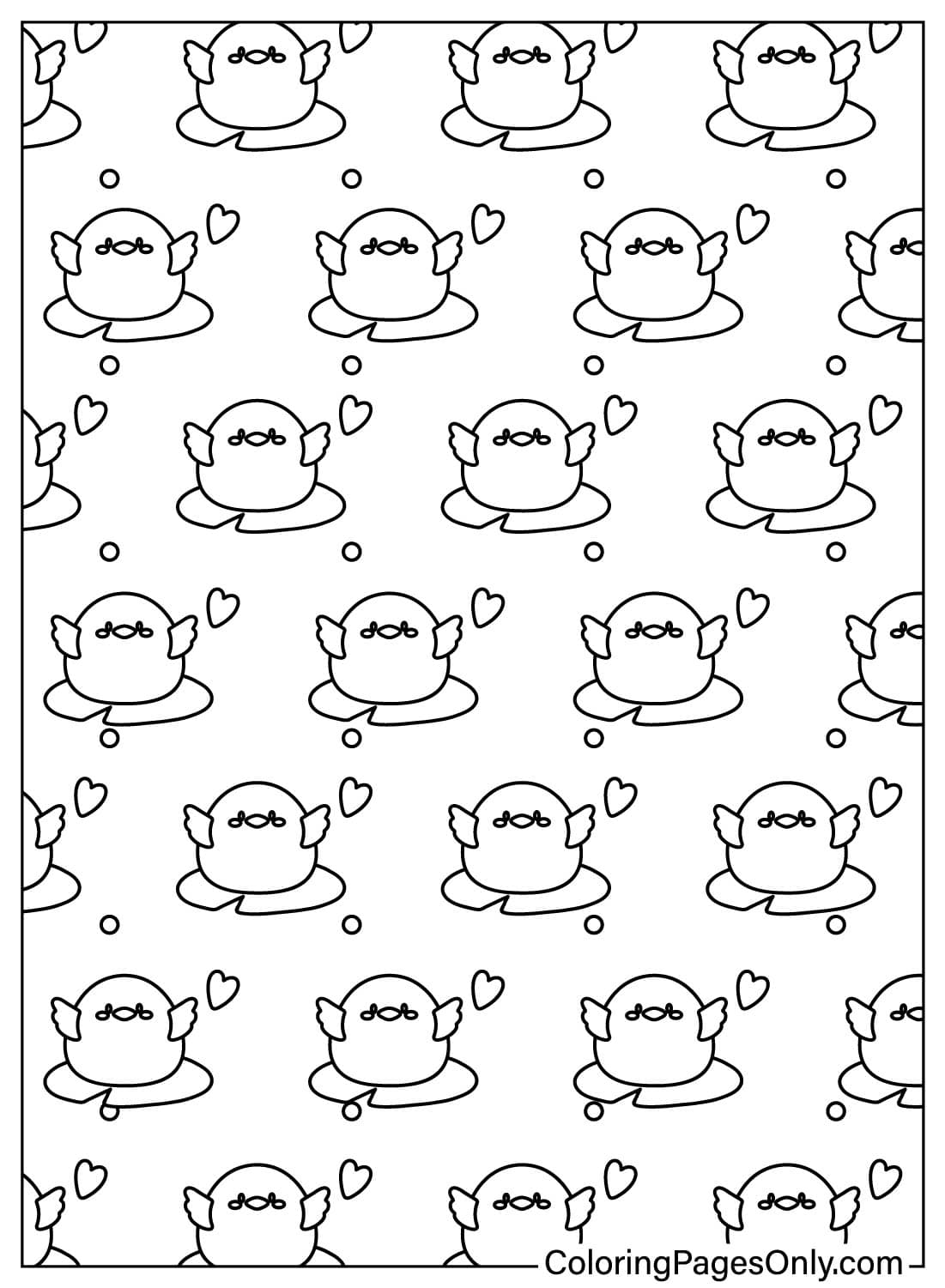
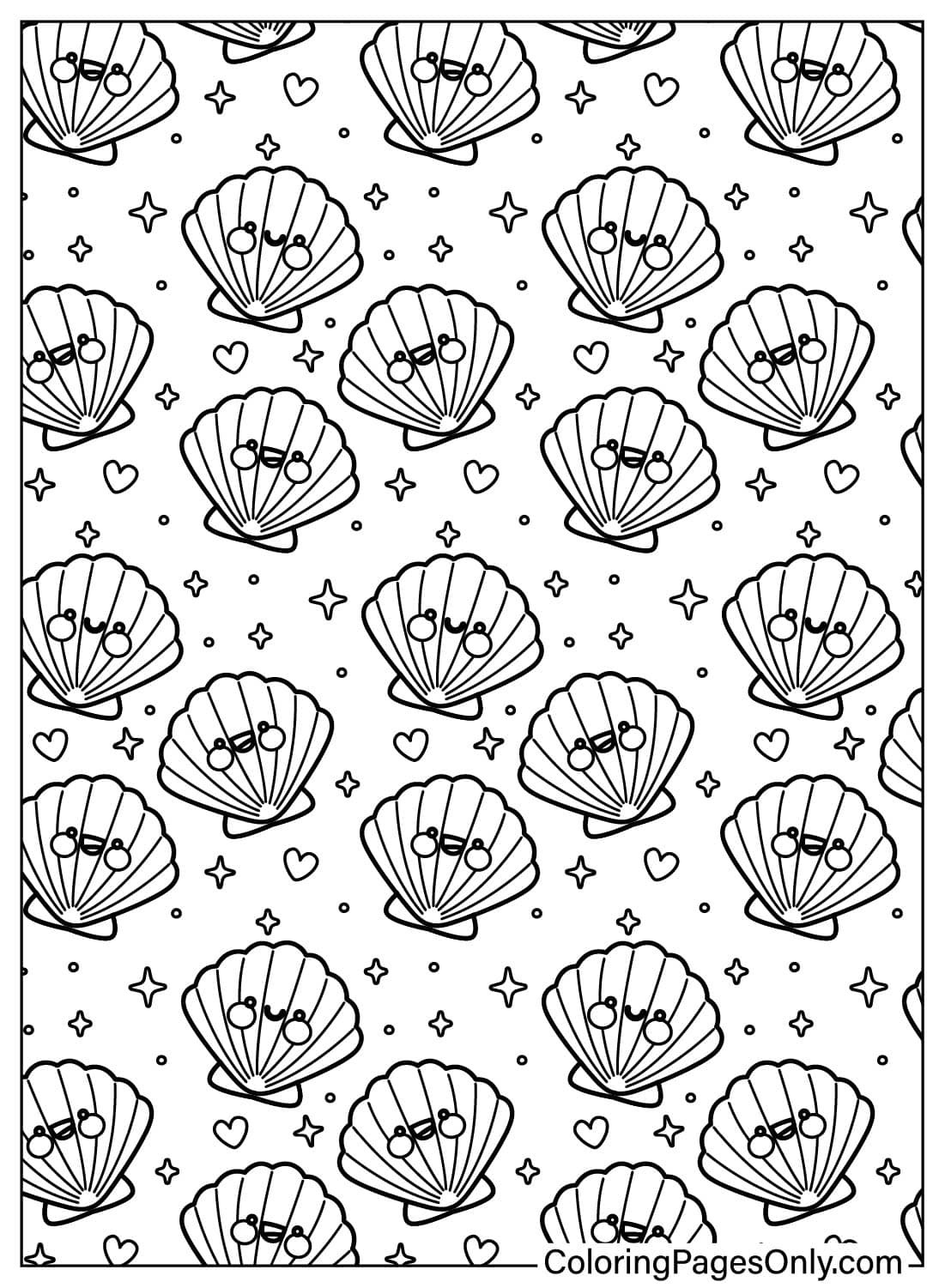
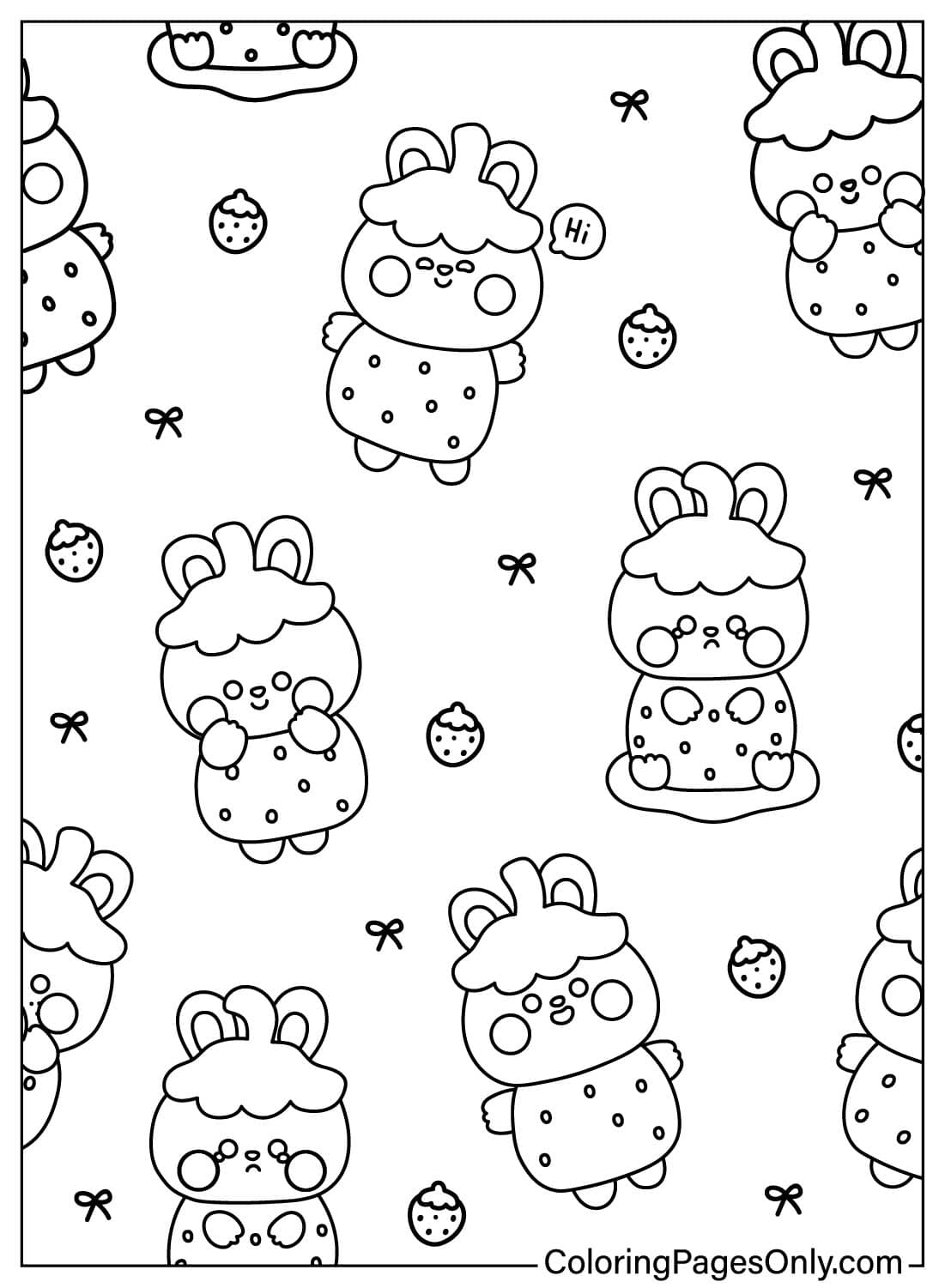
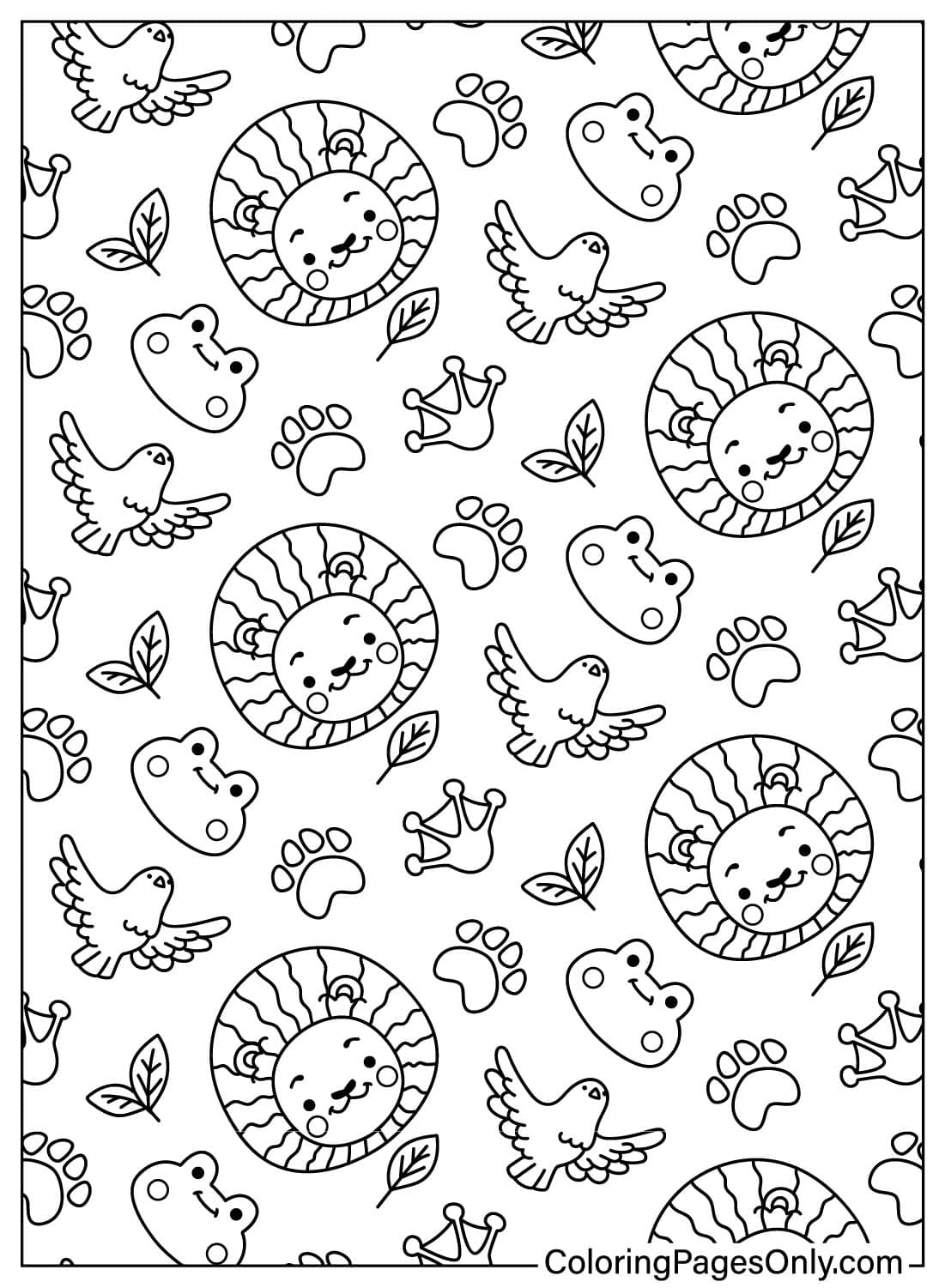
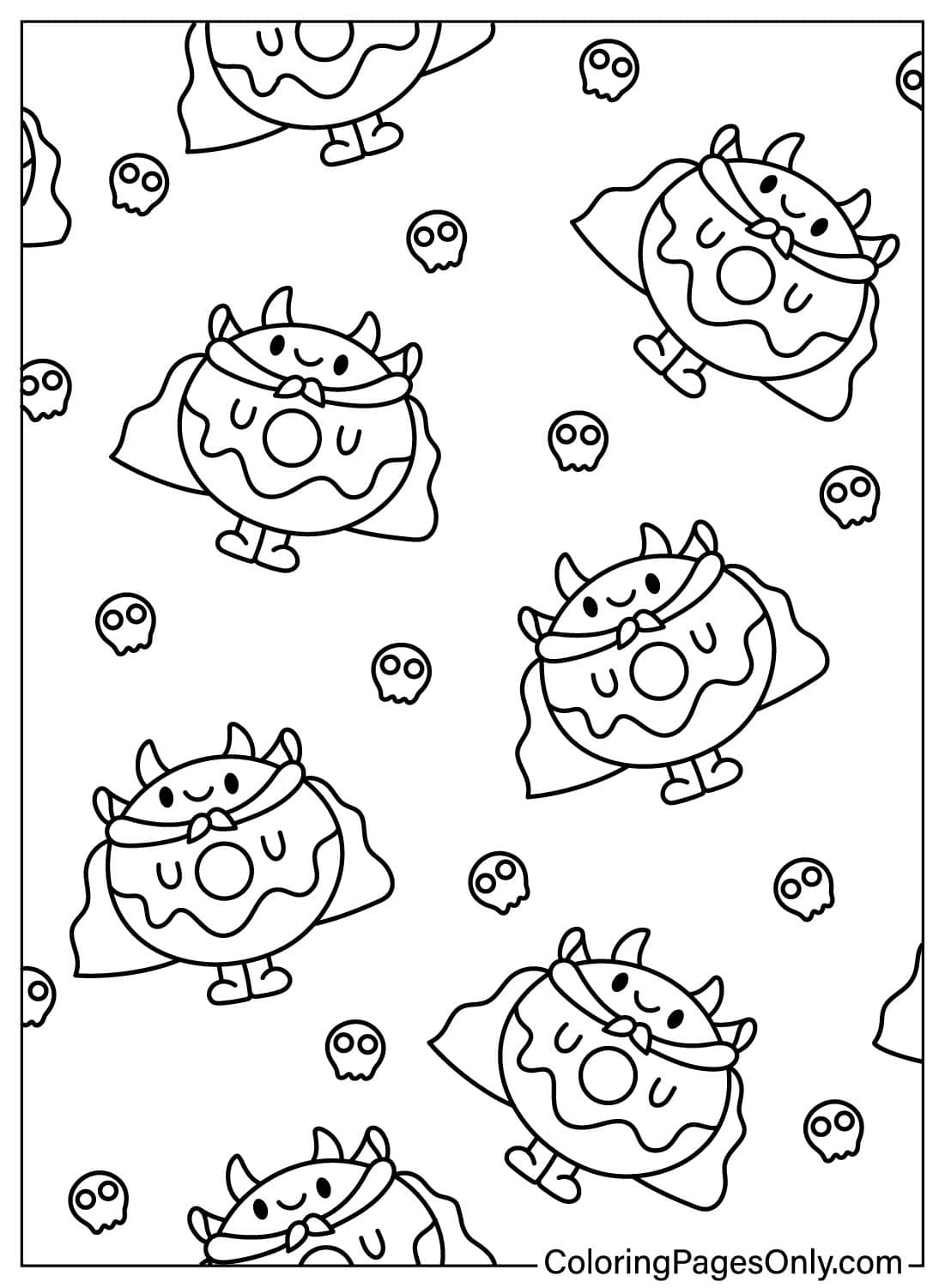
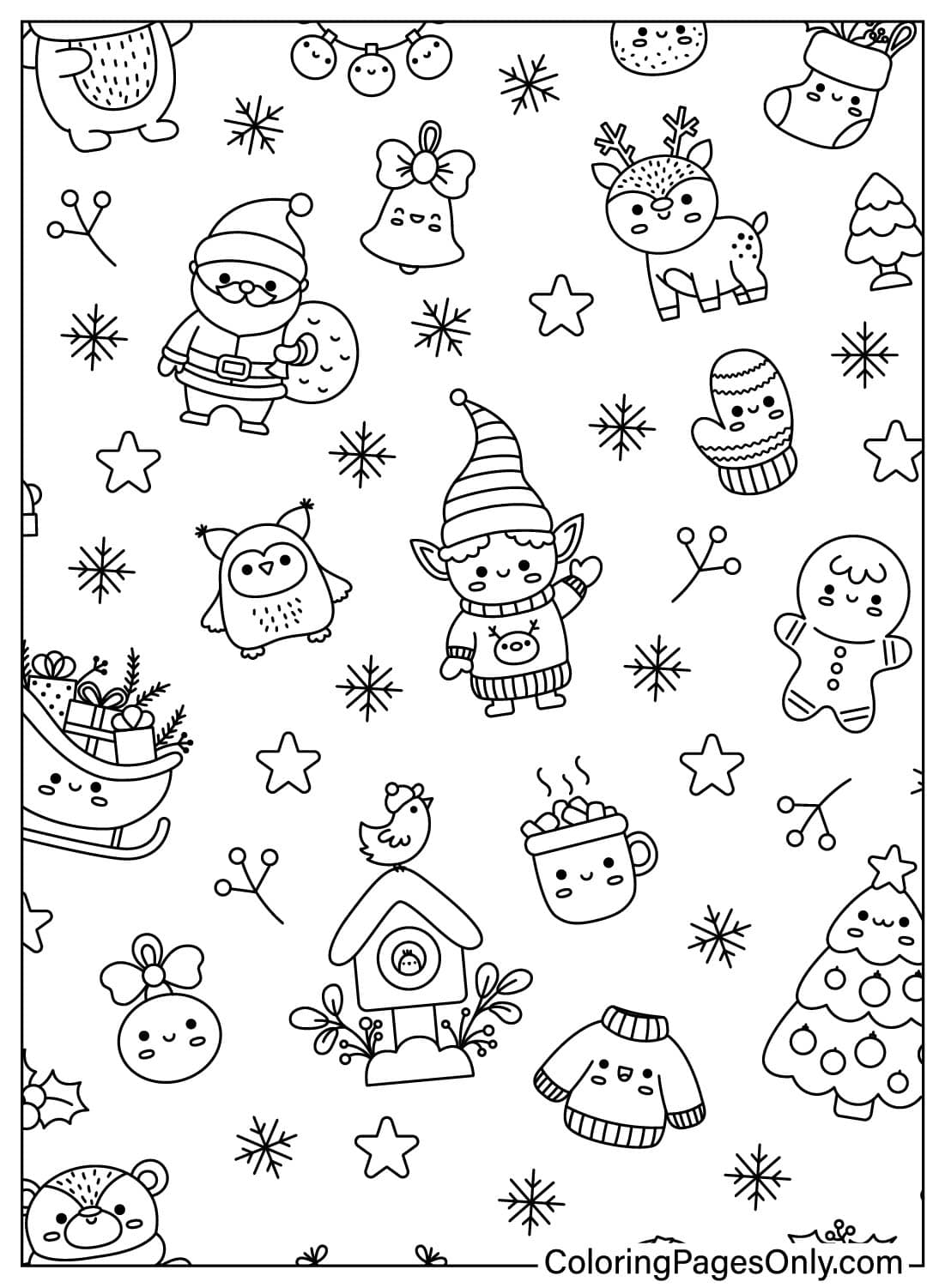
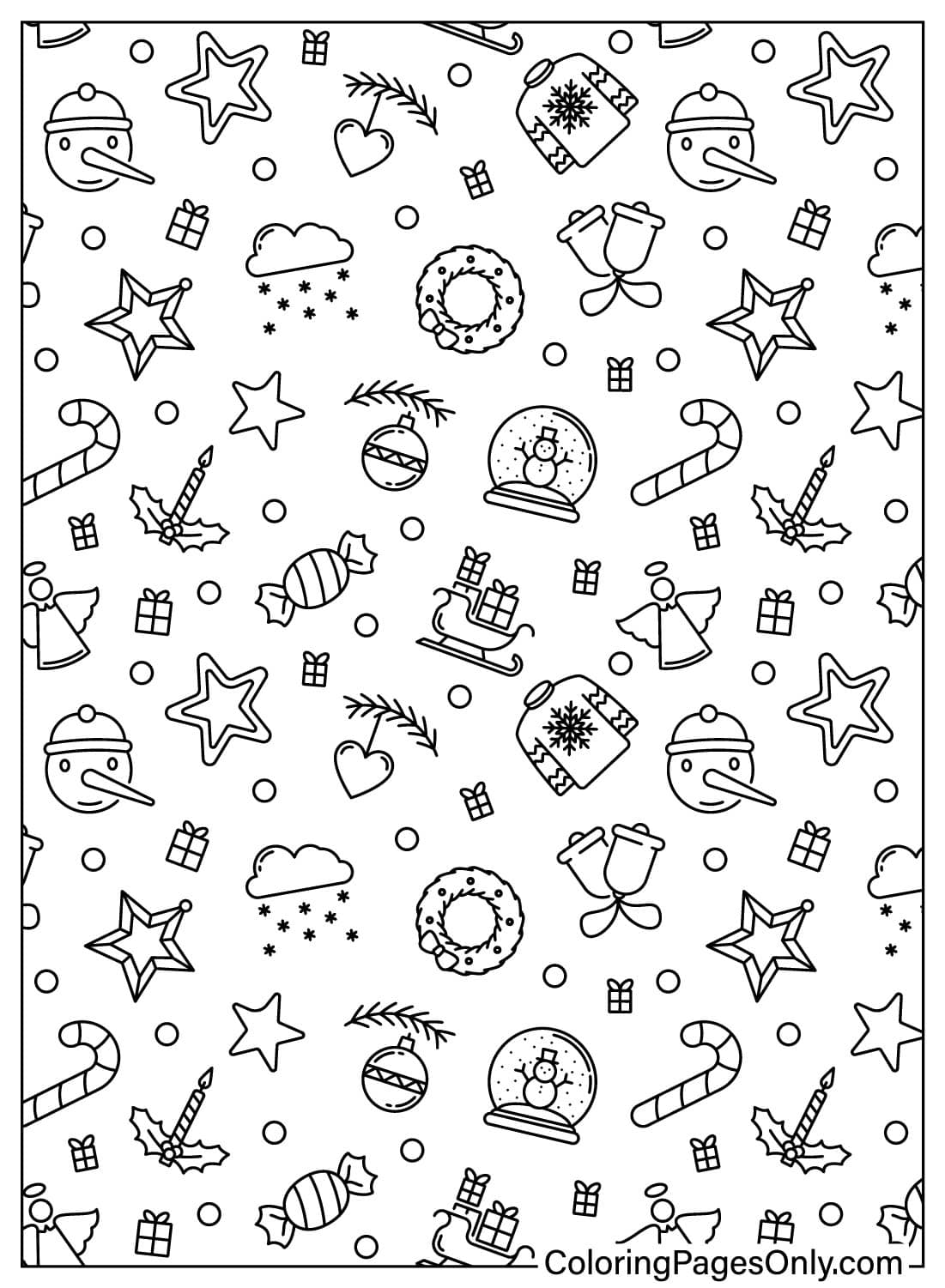
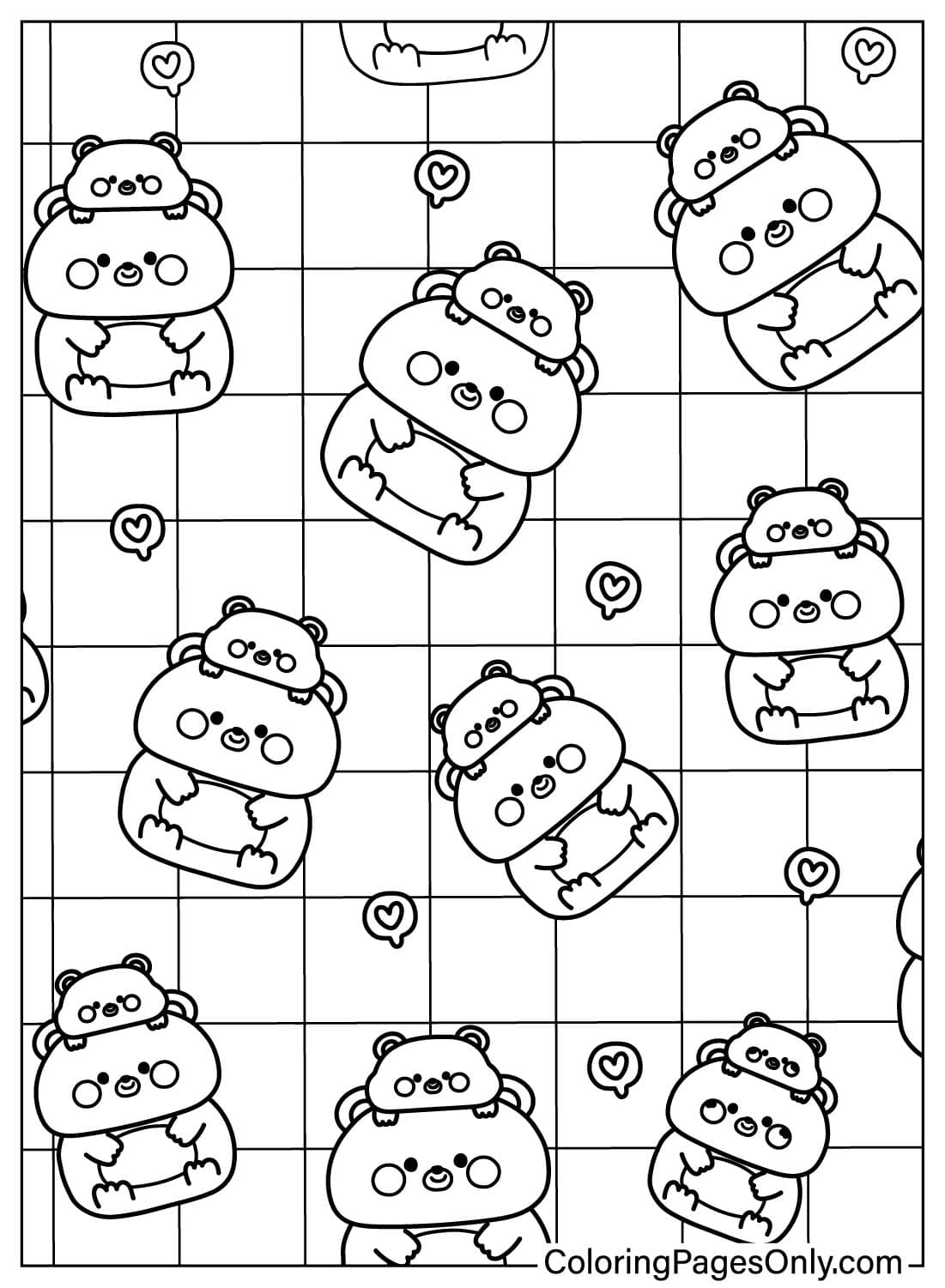
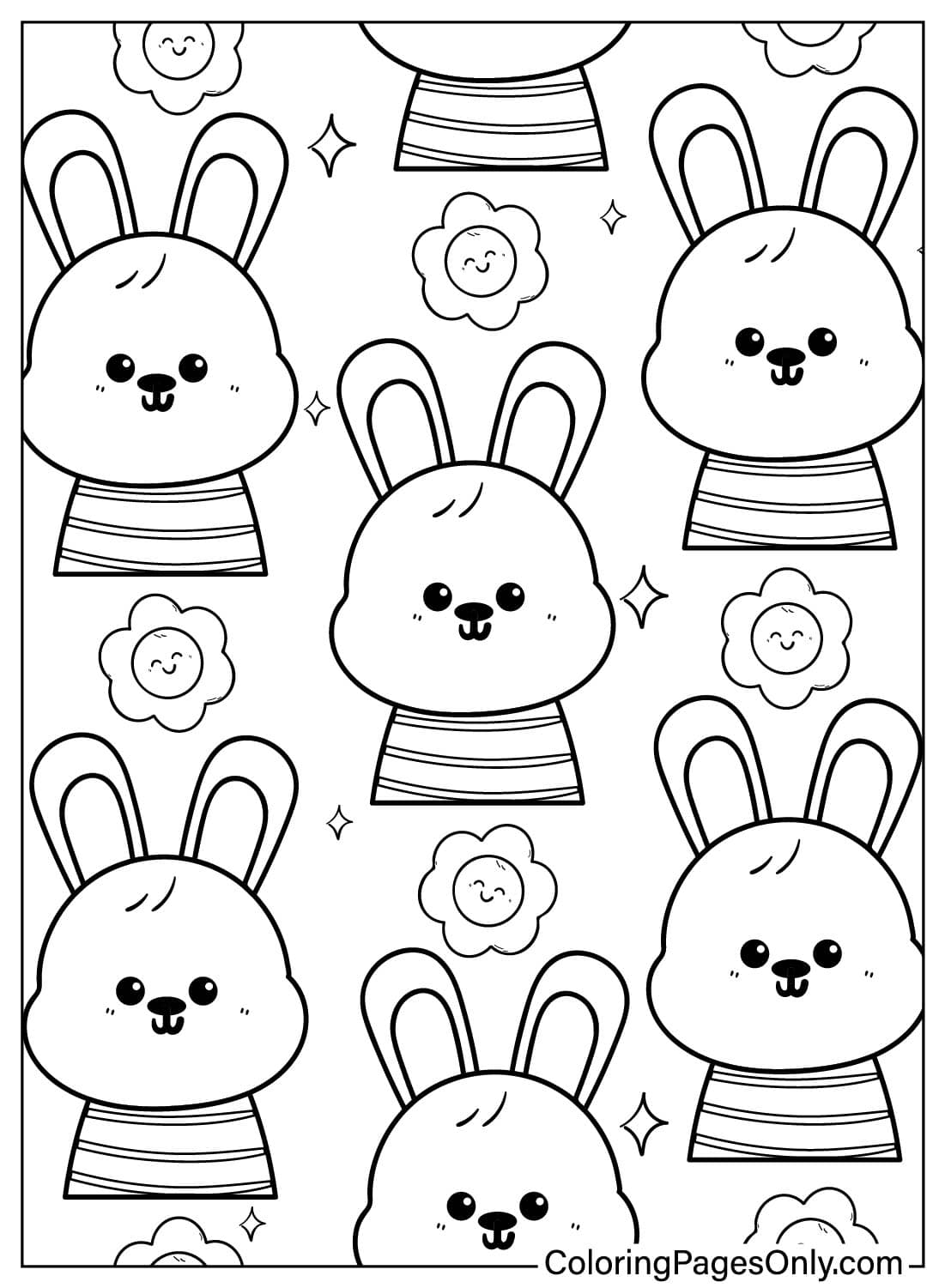
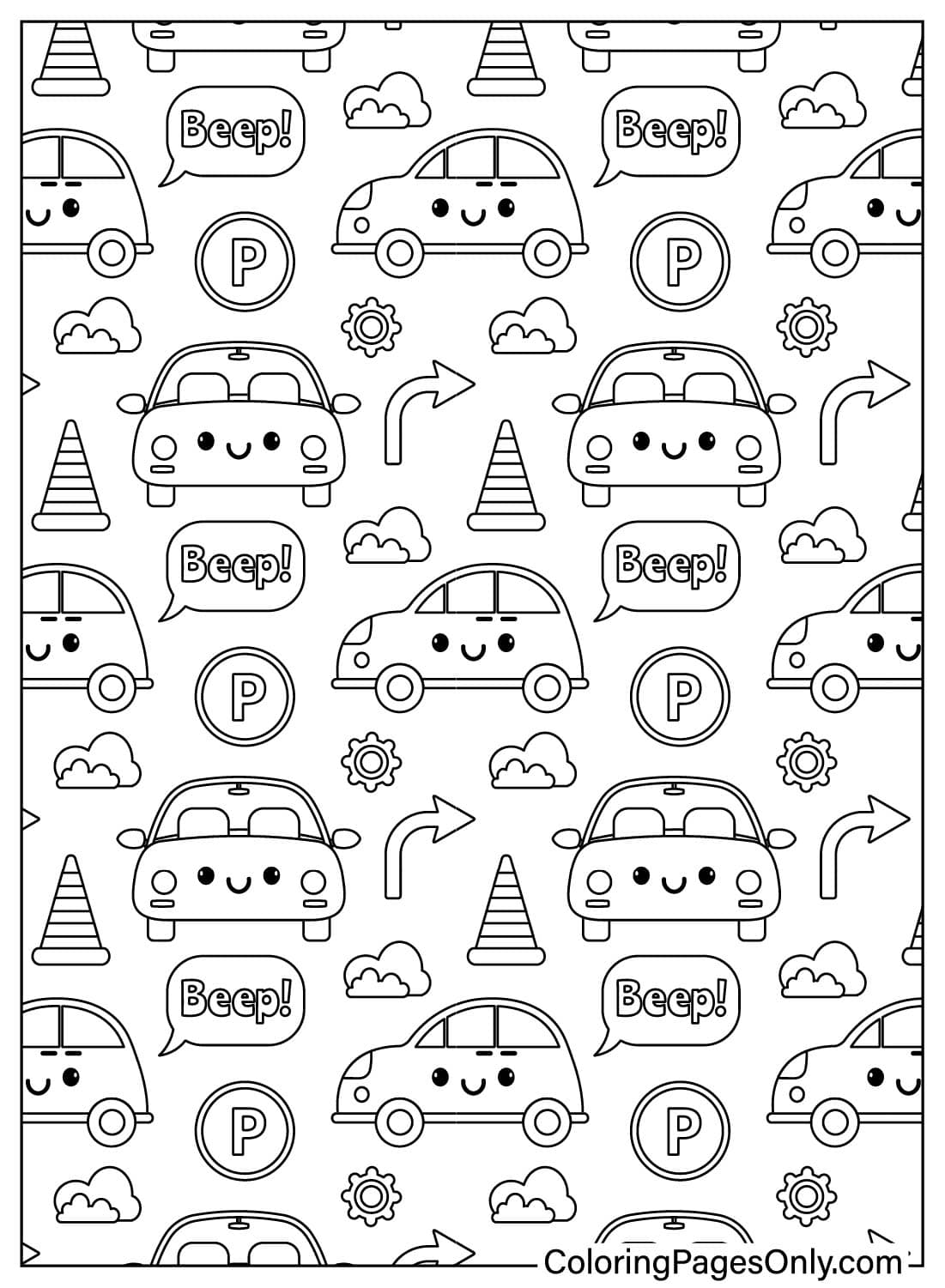
A large group of pages repeats a single cute image, such as a bunny, car, dolphin, or clam, across the page, alongside a couple of Christmas-themed pattern designs.
Complex and Difficult Patterns
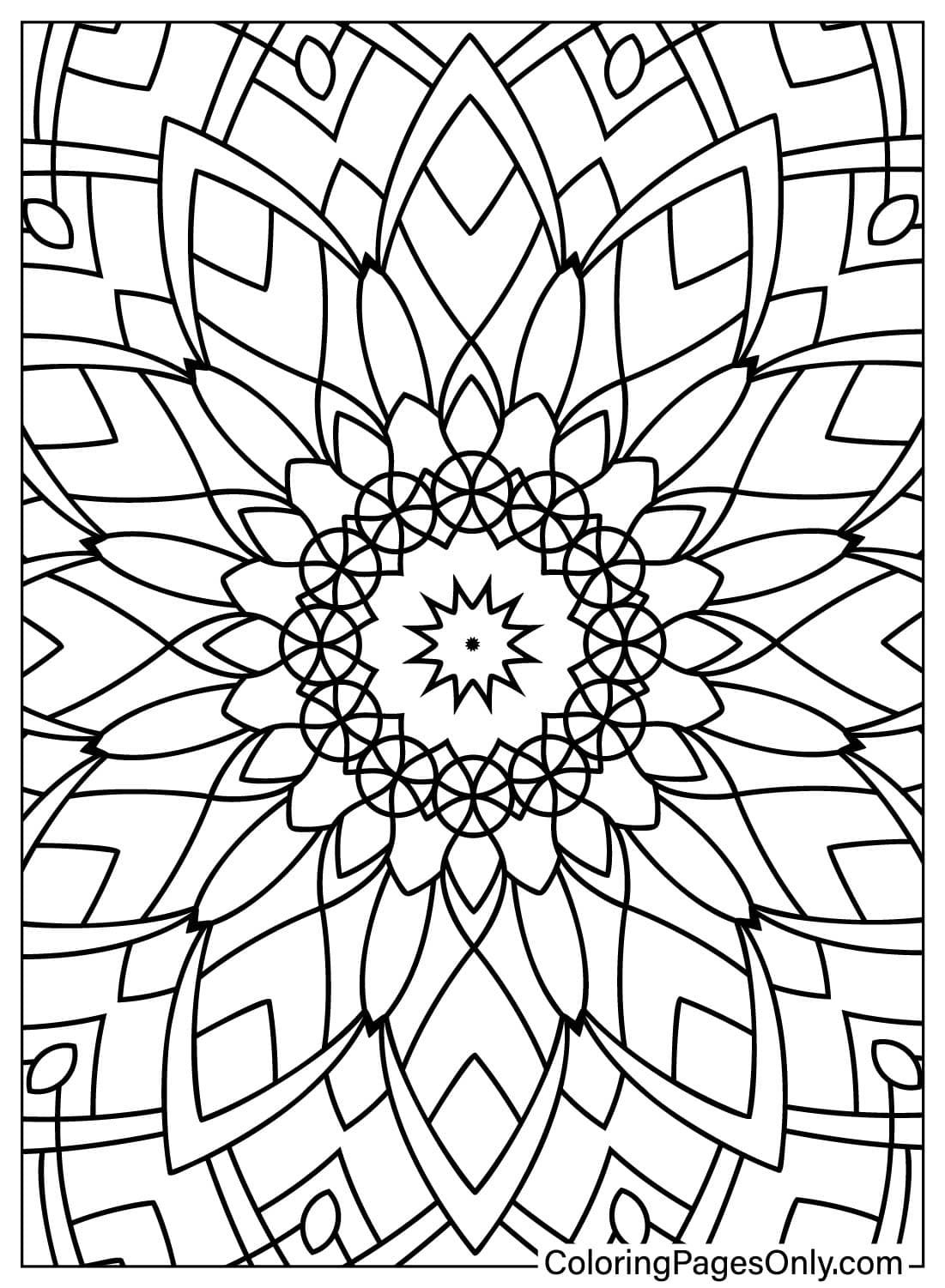
A smaller group of pages is built for a longer, more involved coloring session, with denser, more intricate repeating designs than the simpler pages in the collection.
What Pattern Coloring Pages Do
Fine motor development. The American Academy of Pediatrics identifies fine motor skill development as a core benefit of structured coloring for children ages 2 through 7. The repeated shapes in a simple pattern page give young colorers practice with the same small motion over and over, building control through repetition.
An introduction to symmetry and repetition. Coloring a geometric or symmetrical pattern gives kids a hands-on way to notice how a design repeats and mirrors itself, a concept that connects to early math and design concepts.
Anxiety reduction through focus. A 2005 study in the Art Therapy Journal documented measurable reductions in anxiety following structured coloring sessions. The repetitive, structured nature of a pattern page suits that same steady, low-pressure rhythm particularly well.
Practice with color planning across a repeating design. Because a pattern page repeats the same motif many times, colorers get a chance to plan a color sequence, such as alternating two or three colors, rather than coloring each shape independently.
How to Color Pattern Pages Well
- Geometric patterns: Pick two or three Crayola colors and repeat them in a consistent sequence across the shapes, such as alternating Blue and Yellow, so the pattern reads as intentional.
- Floral and nature patterns: Vary greens for leaves and stems, then use a consistent flower color, such as Pink or Red, repeated throughout so the eye can follow the pattern’s rhythm.
- Cute repeating motifs: Give each repeated character or object a slightly different accent color while keeping their main body color the same, so the page feels varied without losing consistency.
- Complex and difficult patterns: Work section by section rather than jumping around the page, completing one repeating unit at a time to keep the color sequence consistent.
- Symmetrical designs: Color one quarter or half of the design first, then mirror the same color choices on the remaining sections to preserve the symmetry.
- Backgrounds: Leave background space White or use a single light color so the repeating pattern itself stays the clear focus of the page.
5 Creative Craft Ideas With Pattern Coloring Pages
1. Wrapping Paper
Color a simple repeating pattern page and use it as custom wrapping paper for a small gift.
2. Journal Cover
Color a pattern page and glue it to the front of a notebook to make a personalized journal cover.
3. Bookmark Set
Cut a finished pattern page into a few bookmark strips and cover them with clear tape for a matching, reusable bookmark set.
4. Framed Wall Art
Color one of the complex or symmetrical pattern pages carefully, then set it in a simple frame for a small handmade wall display.
5. Greeting Card Background
Color a pattern page lightly, cut out a smaller section, and use it as a decorative background layer behind a handwritten message on a card.
Frequently Asked Questions
What are pattern coloring pages?
Pattern coloring pages are printable line-art designs built around a repeating shape, motif, or image, ranging from geometric and floral designs to cute repeating illustrations. This collection includes 38 pages.
What is the difference between a pattern page and a regular coloring page?
A regular coloring page usually centers on one main image, while a pattern page repeats a shape or motif across the entire sheet, focusing on rhythm and repetition rather than a single central subject.
What styles of patterns are included in this collection?
The collection includes geometric and symmetrical designs, floral and nature-based patterns, cute repeating motifs like bunnies and cars, and a set of more complex, detailed patterns for longer coloring sessions.
Are any pages tied to a specific holiday?
A couple of pages use a Christmas theme, including a gnome-based design, but most of the collection is built around general, year-round pattern themes.
What makes the “difficult” and “complex” pattern pages different?
These pages use denser, more tightly packed repeating designs than the simpler pages in the collection, requiring more time and finer color control, which makes them better suited to older children and adults.
Can pattern pages help with learning symmetry?
Yes. Coloring a symmetrical pattern gives kids a hands-on way to notice how one section of a design mirrors another, connecting the coloring activity to early math and design concepts.
Are pattern coloring pages suitable for young children?
Yes. The simple, kid-friendly repeating shapes and cute motifs in this collection work well for children ages 2 through 7, the age range the American Academy of Pediatrics associates with active fine motor skill development through coloring. The complex and symmetrical designs suit older children and adults.
Can these pages be used for a classroom art lesson?
Yes. The geometric and symmetrical pages work well alongside a lesson on shapes, repetition, or symmetry, giving students a hands-on way to apply the concept while coloring.
Start Coloring
Download any page by clicking the design. No account, email, or payment is required. Pages print directly from the browser at full resolution or open in the online coloring tool for screen use. Share finished pages on Facebook or Pinterest with the share buttons at the top of each design page.