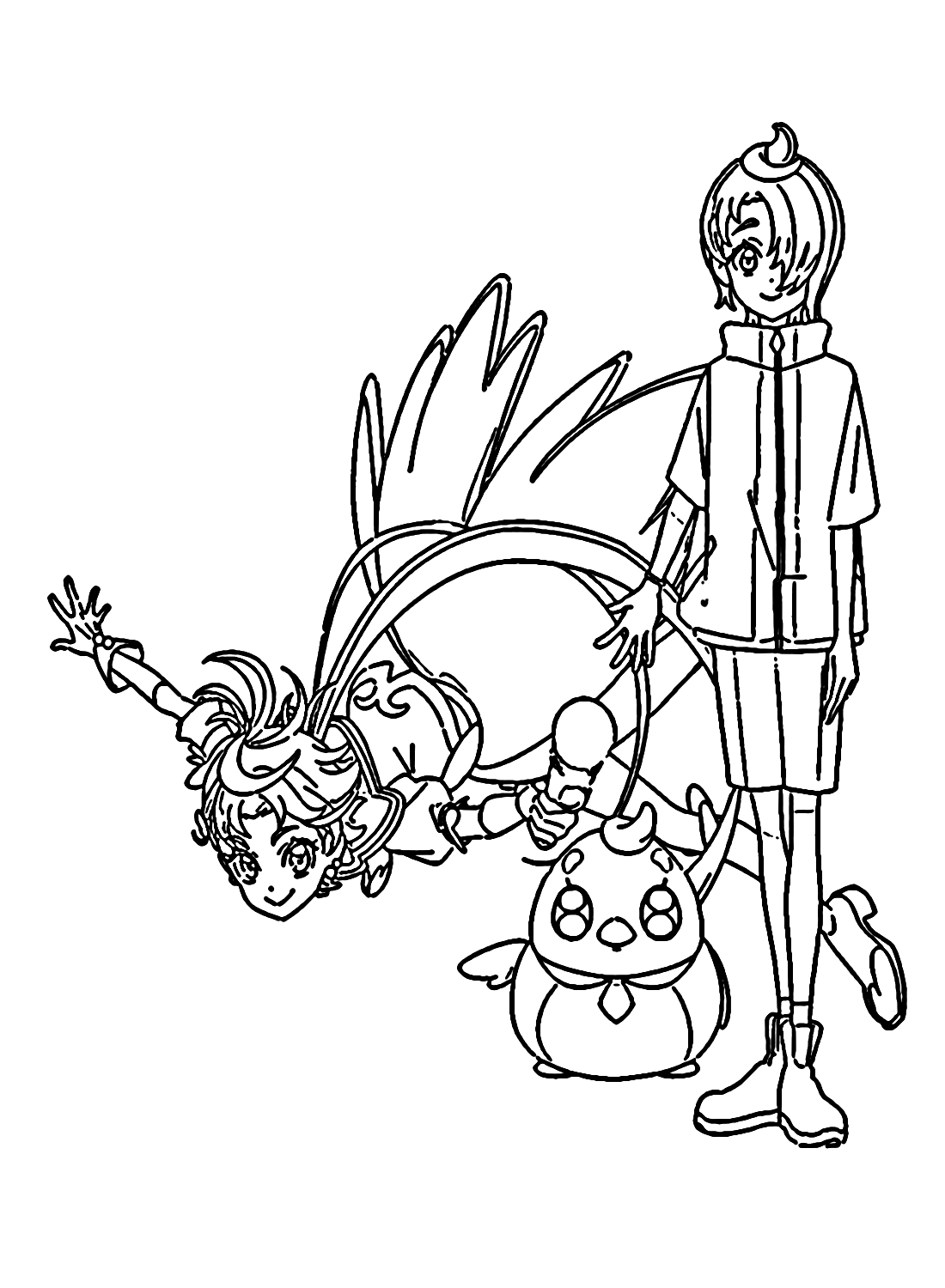
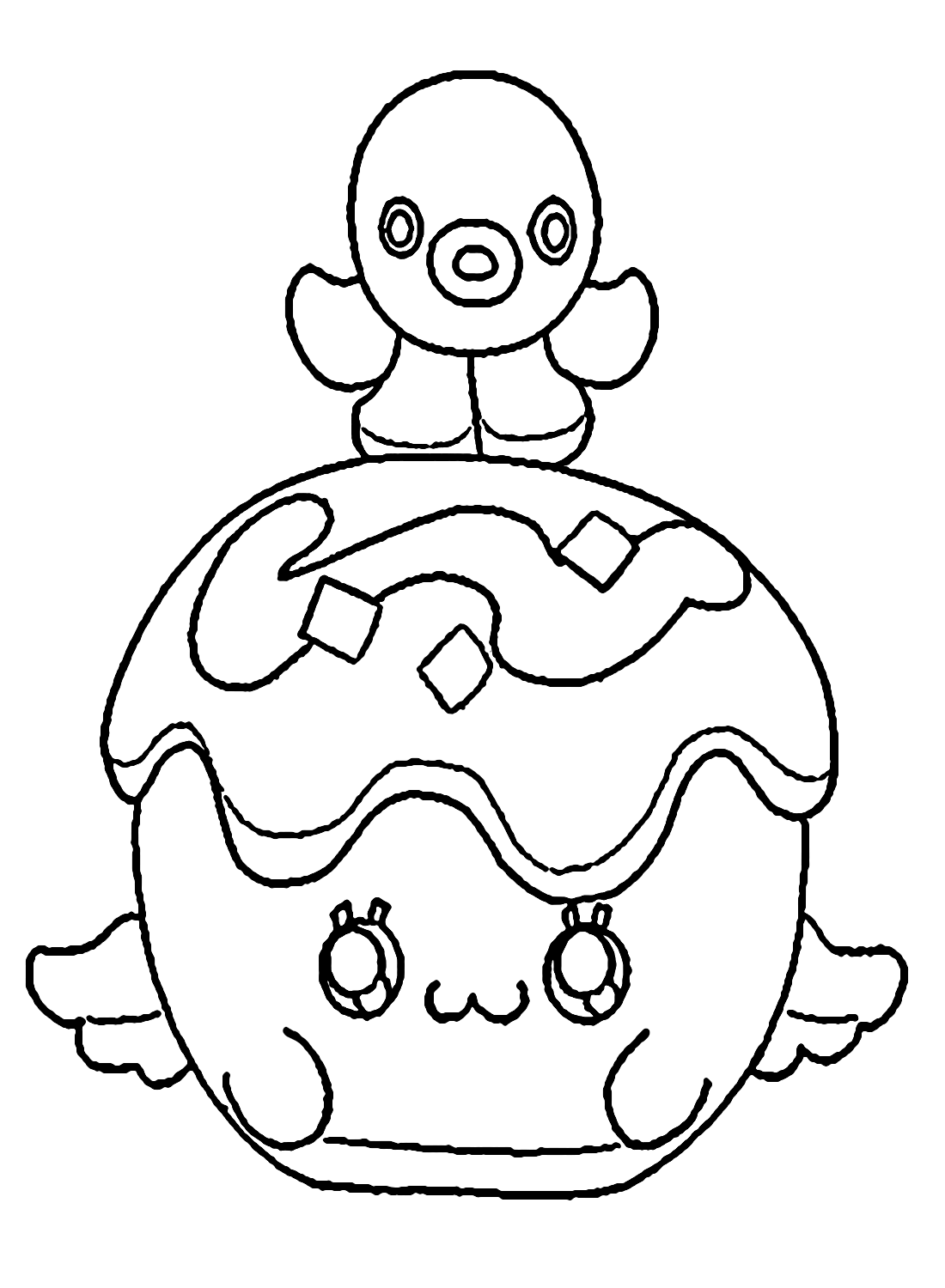
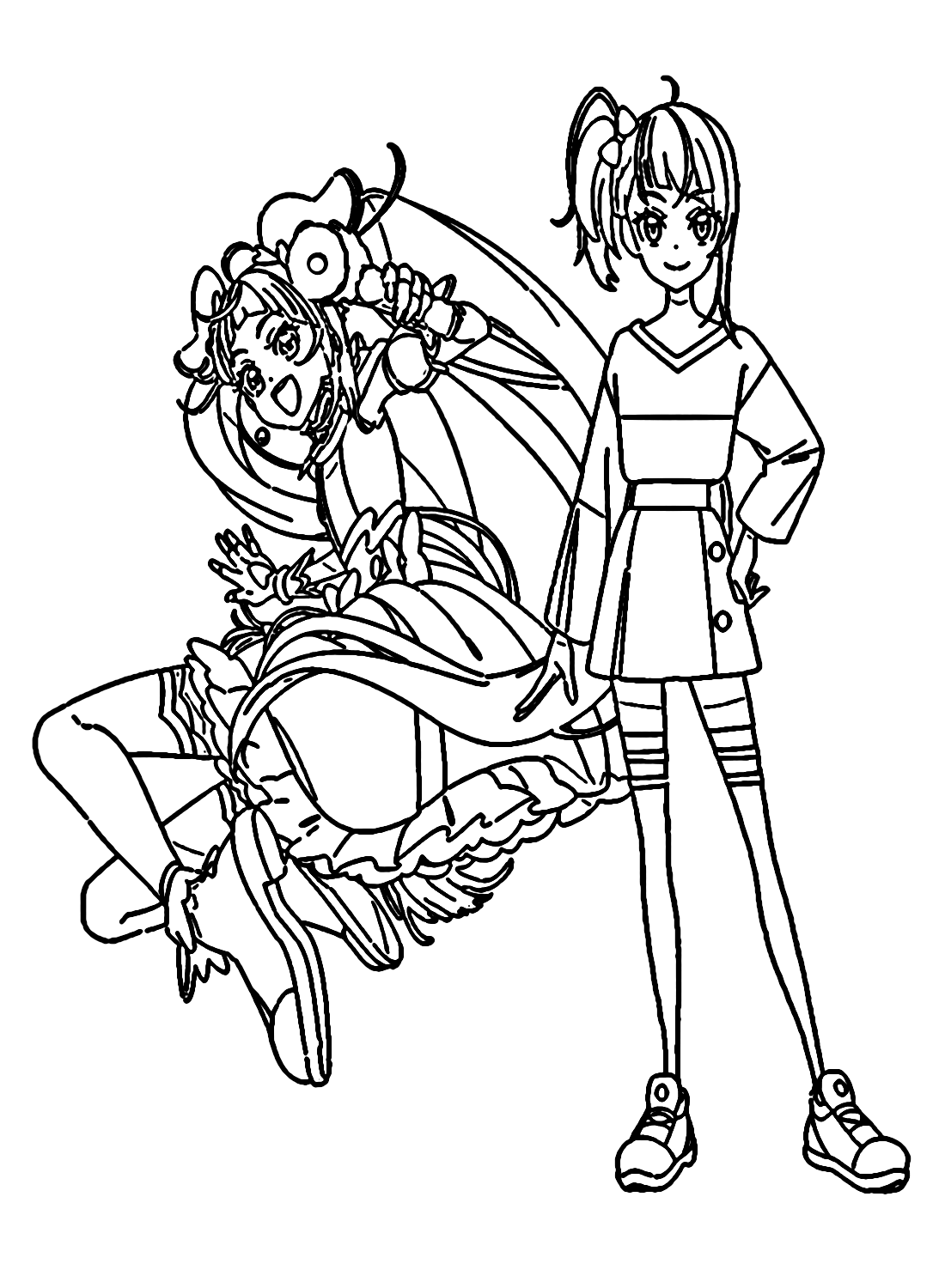
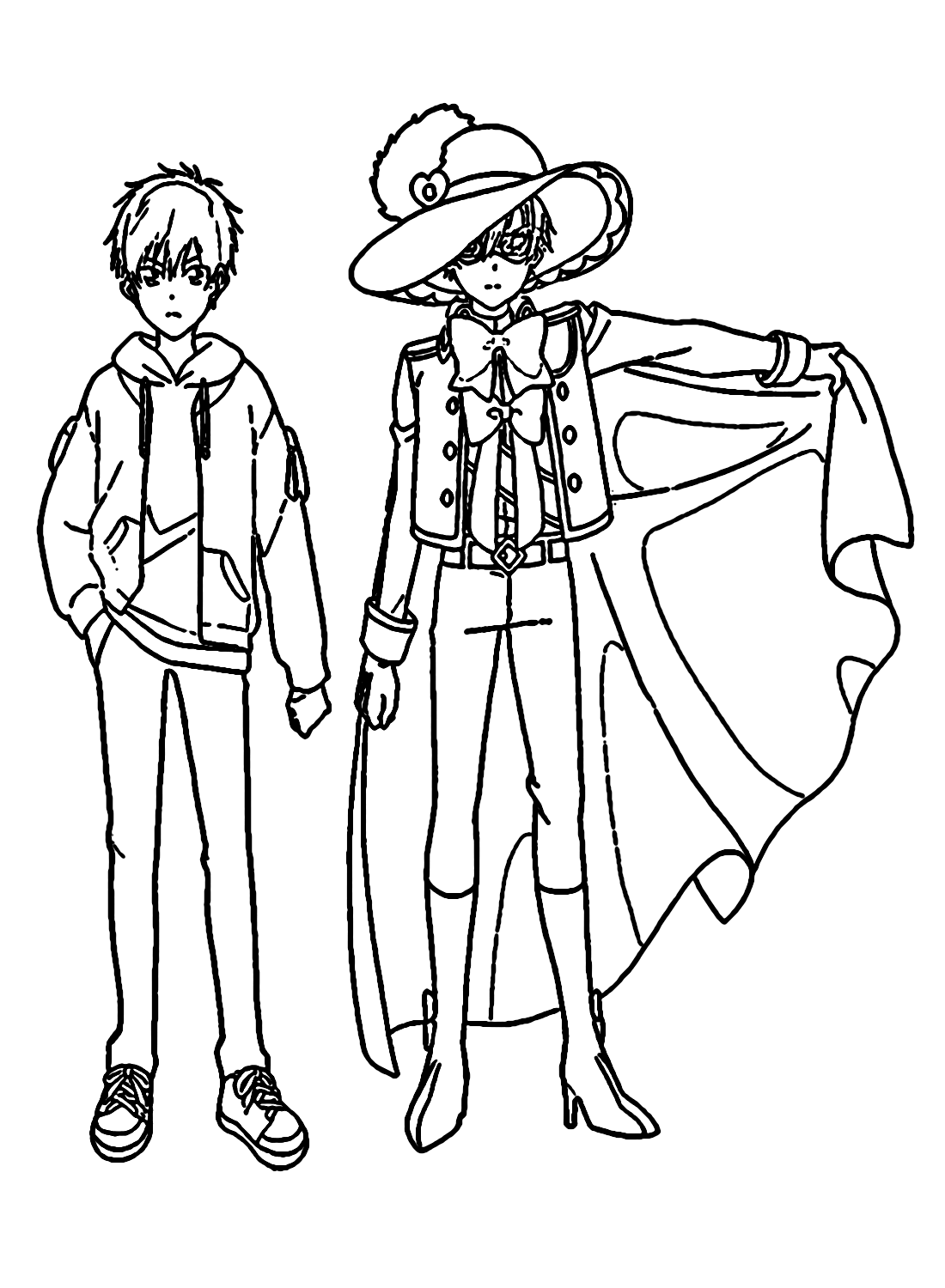
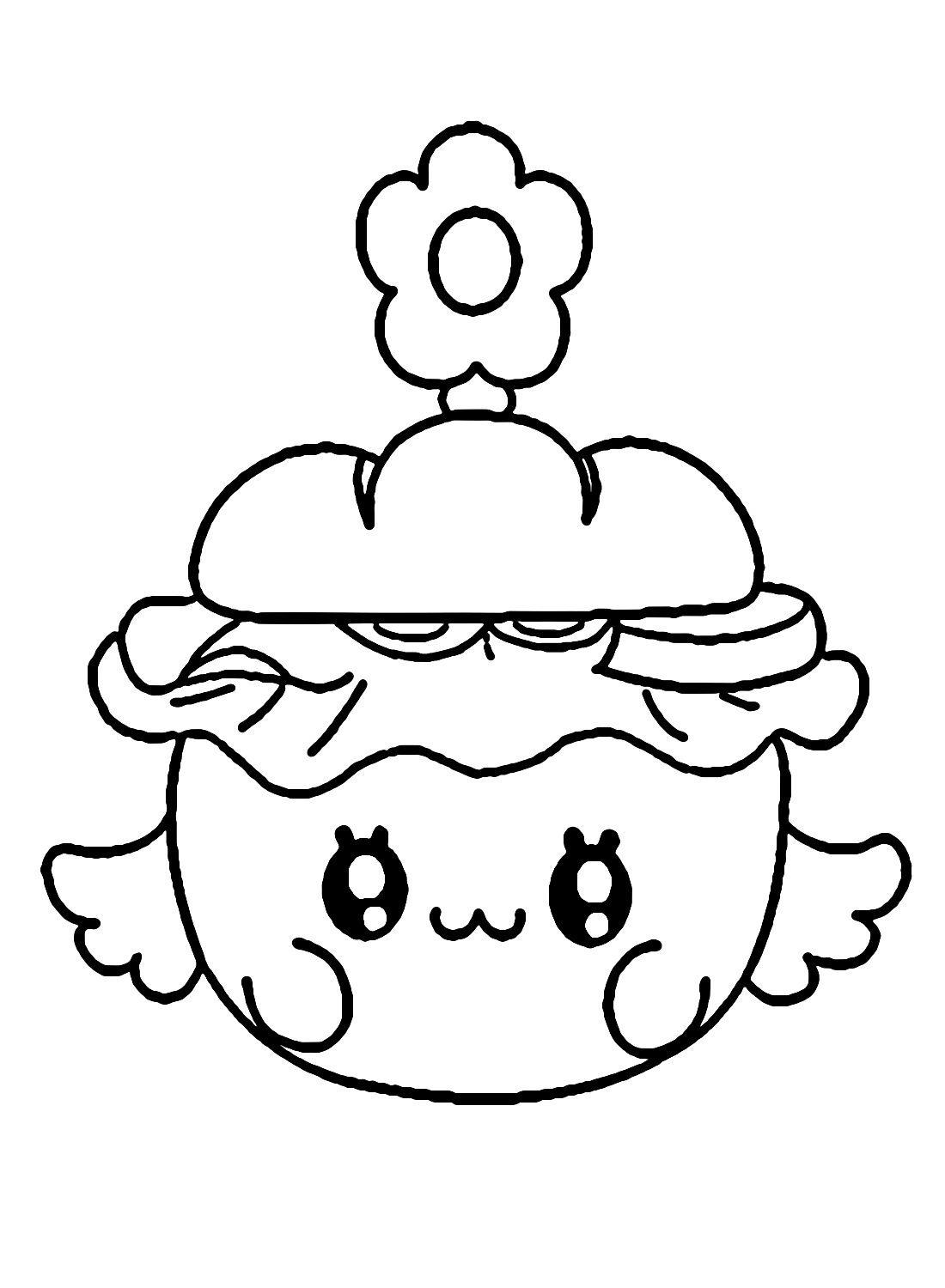
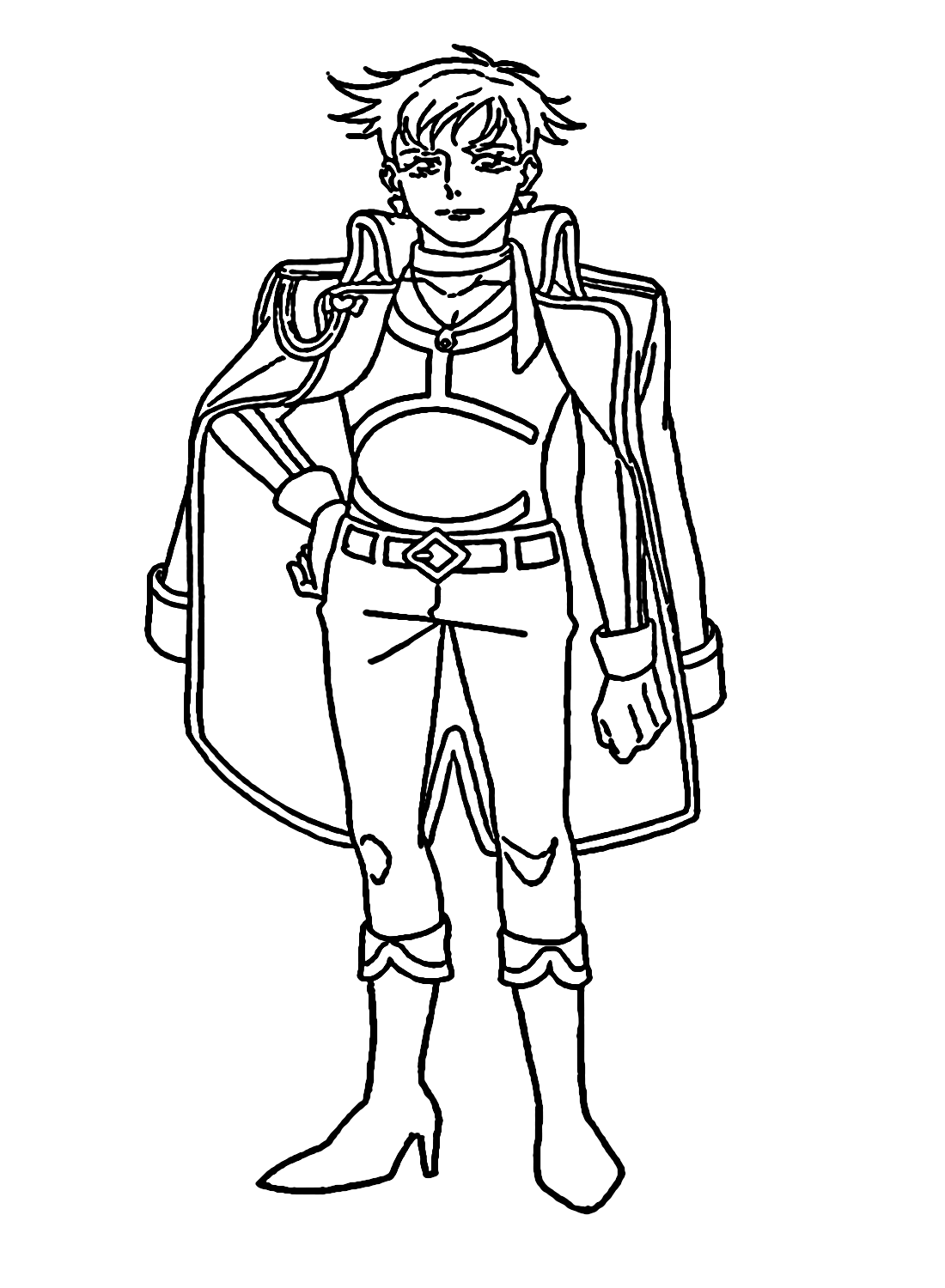
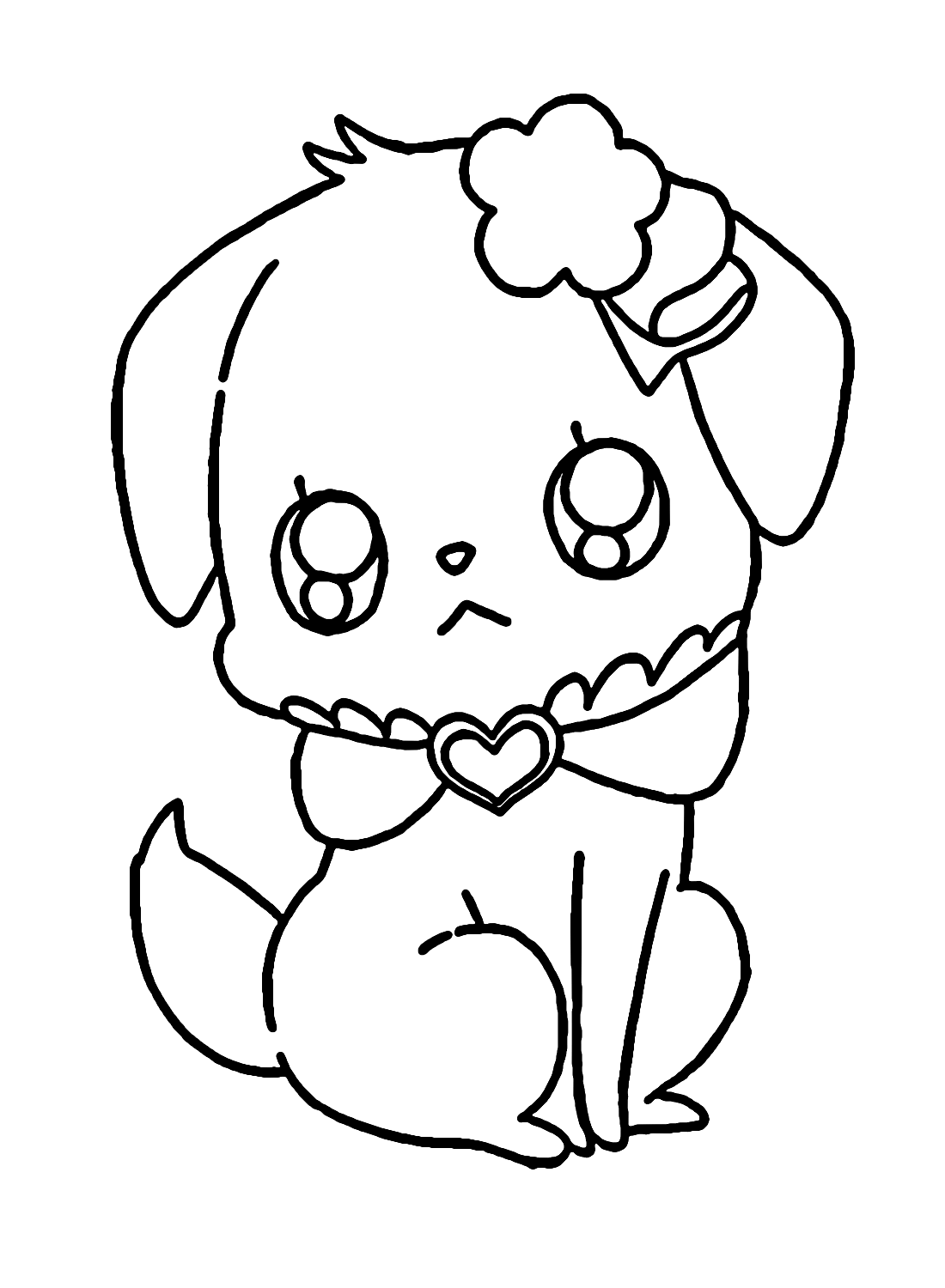
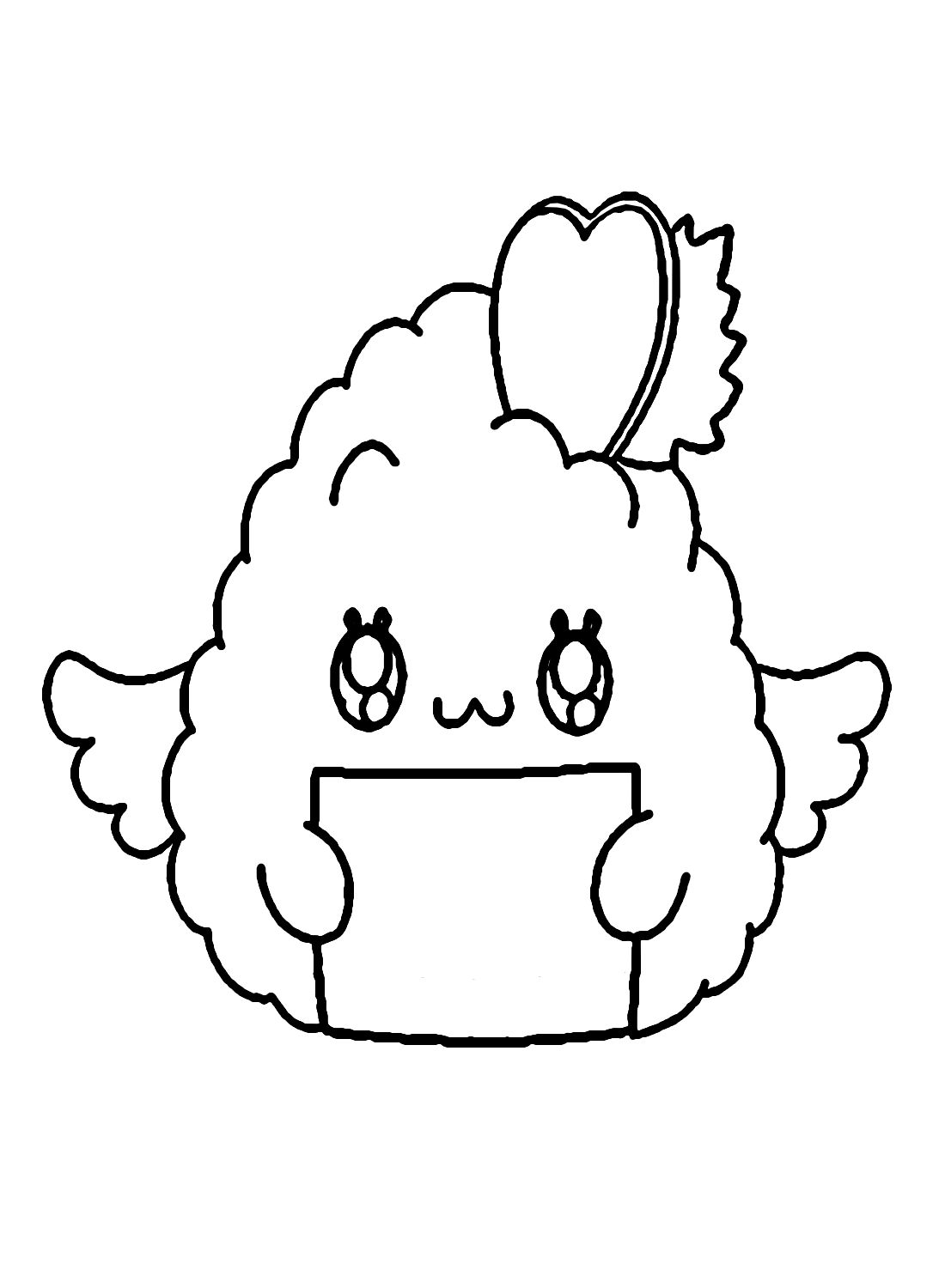
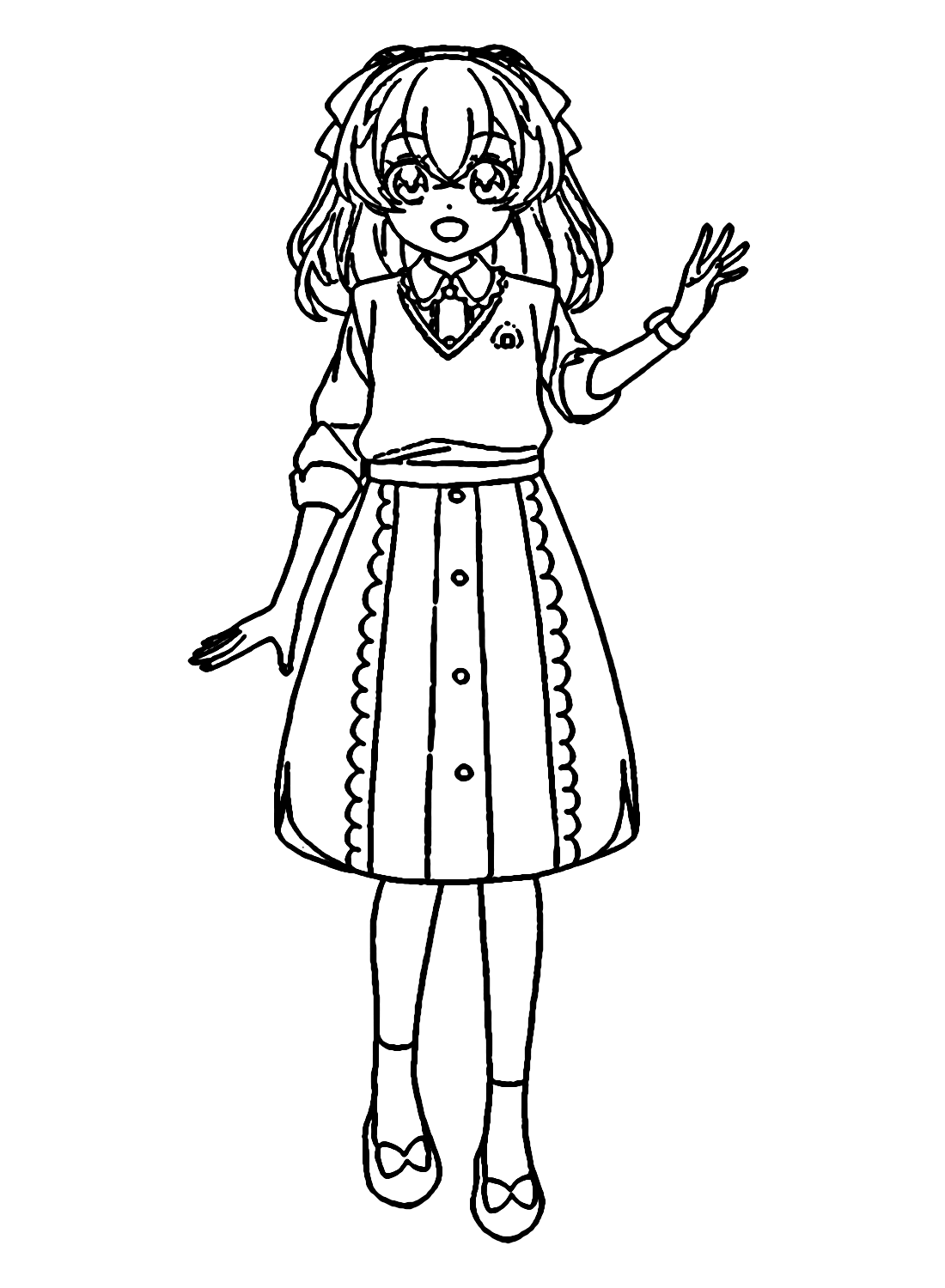
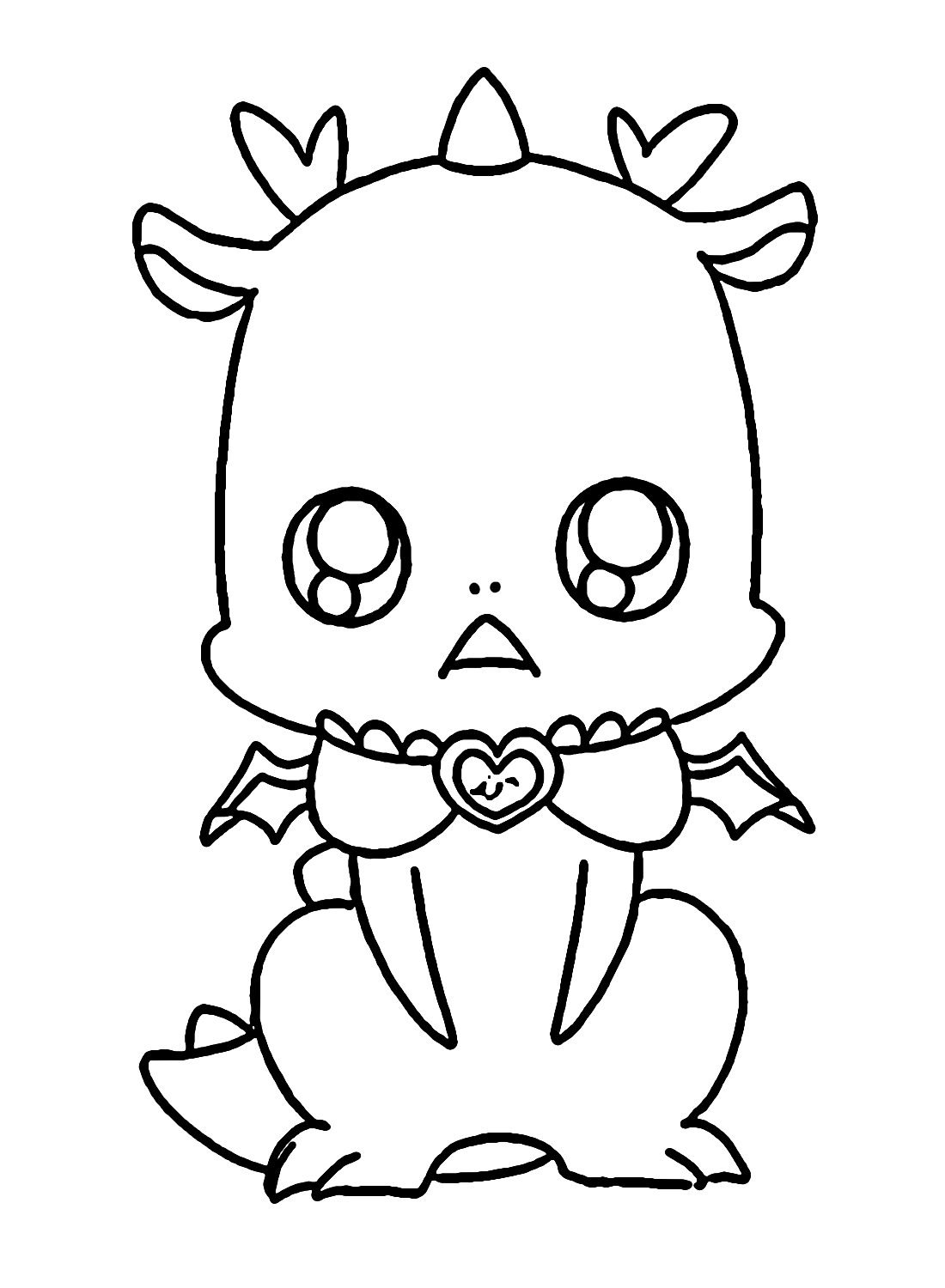
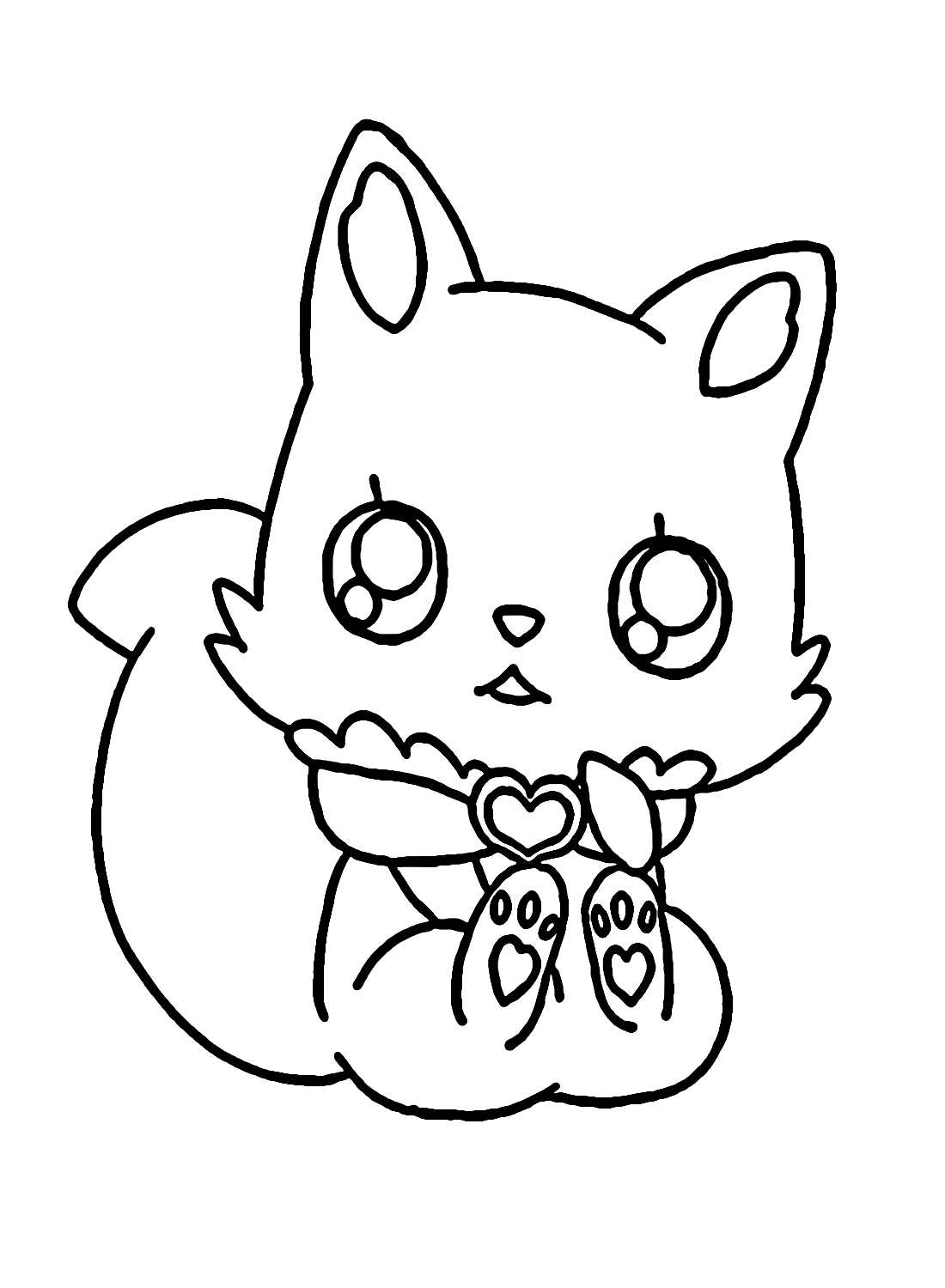
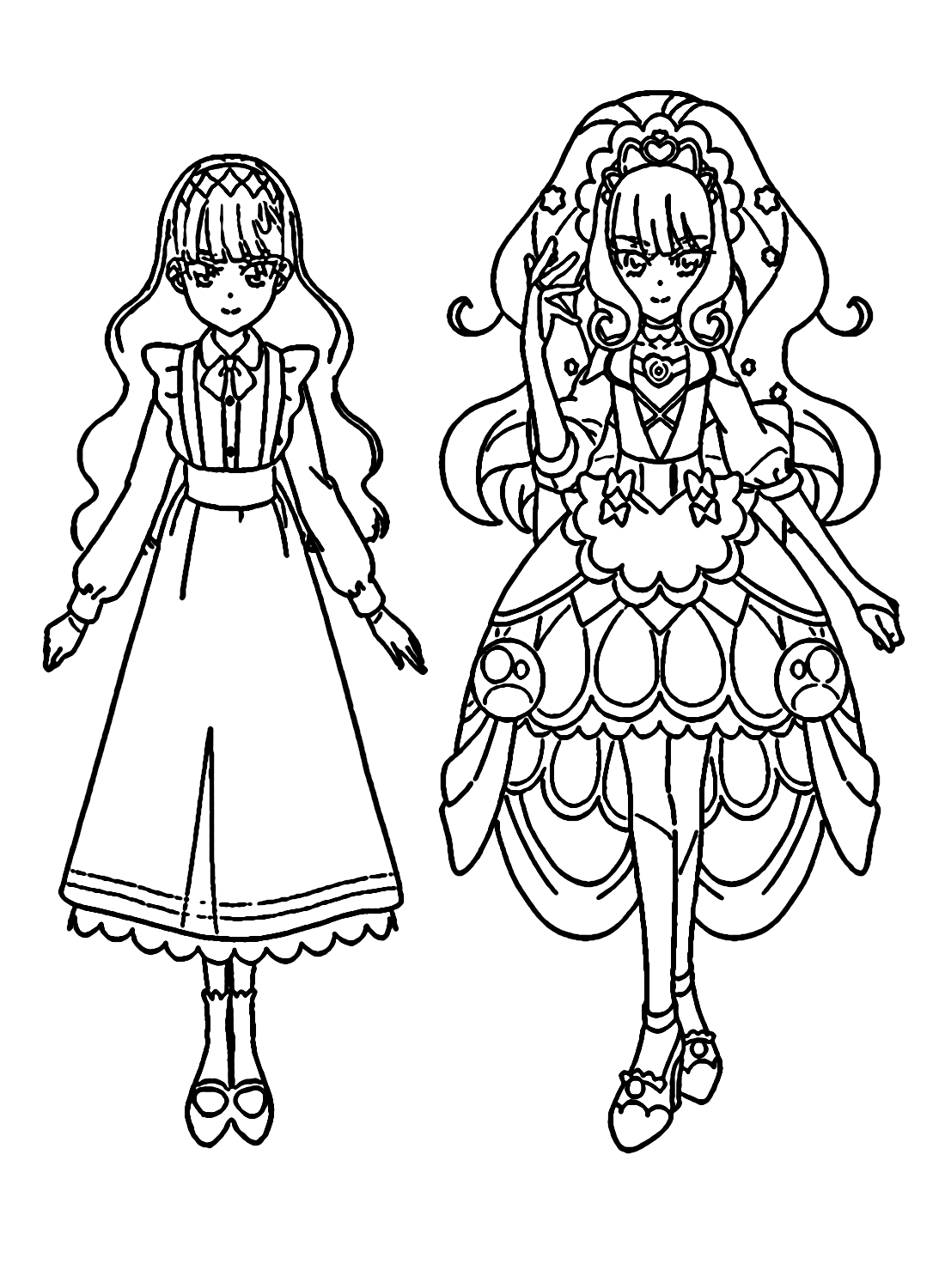
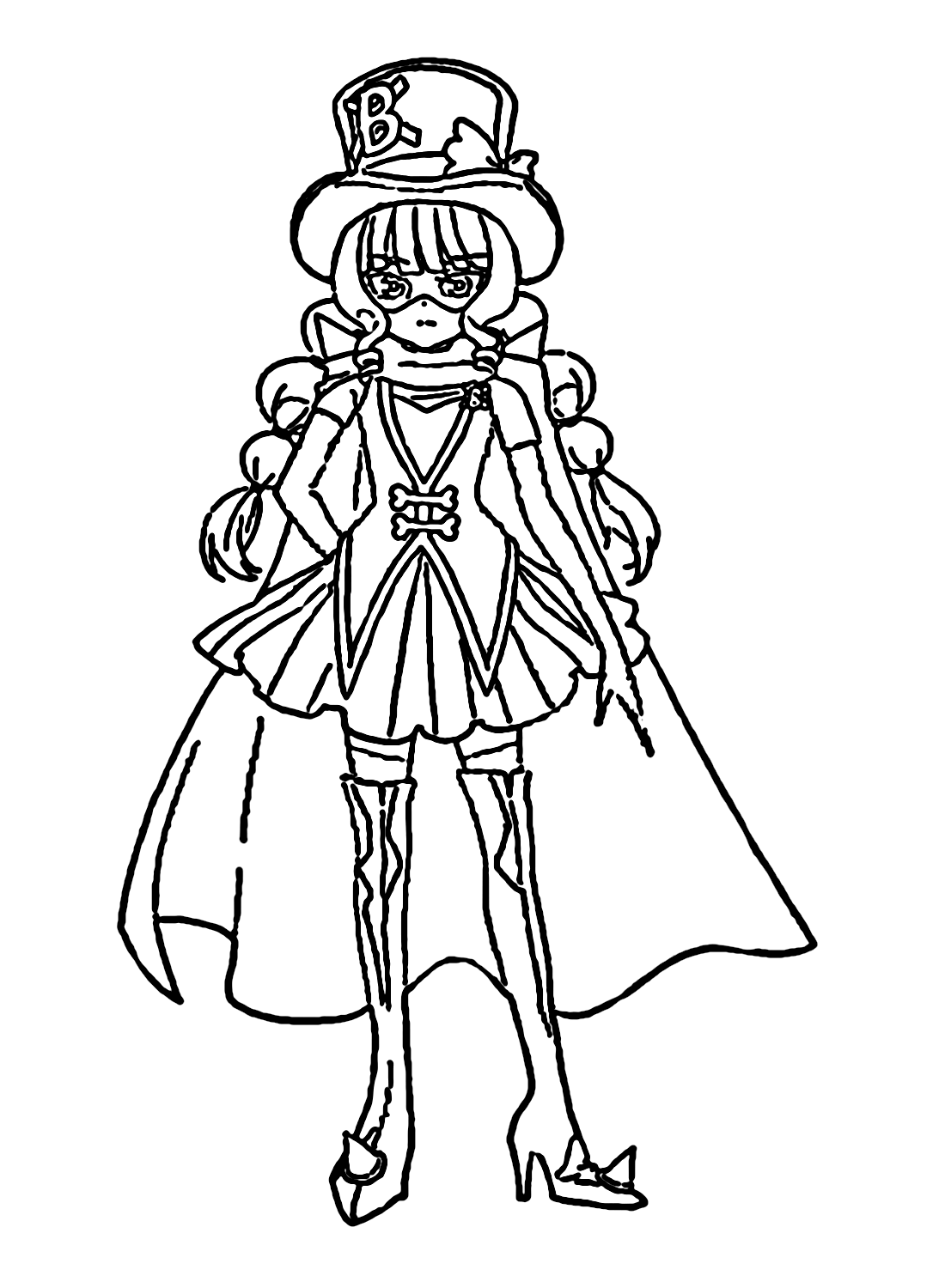
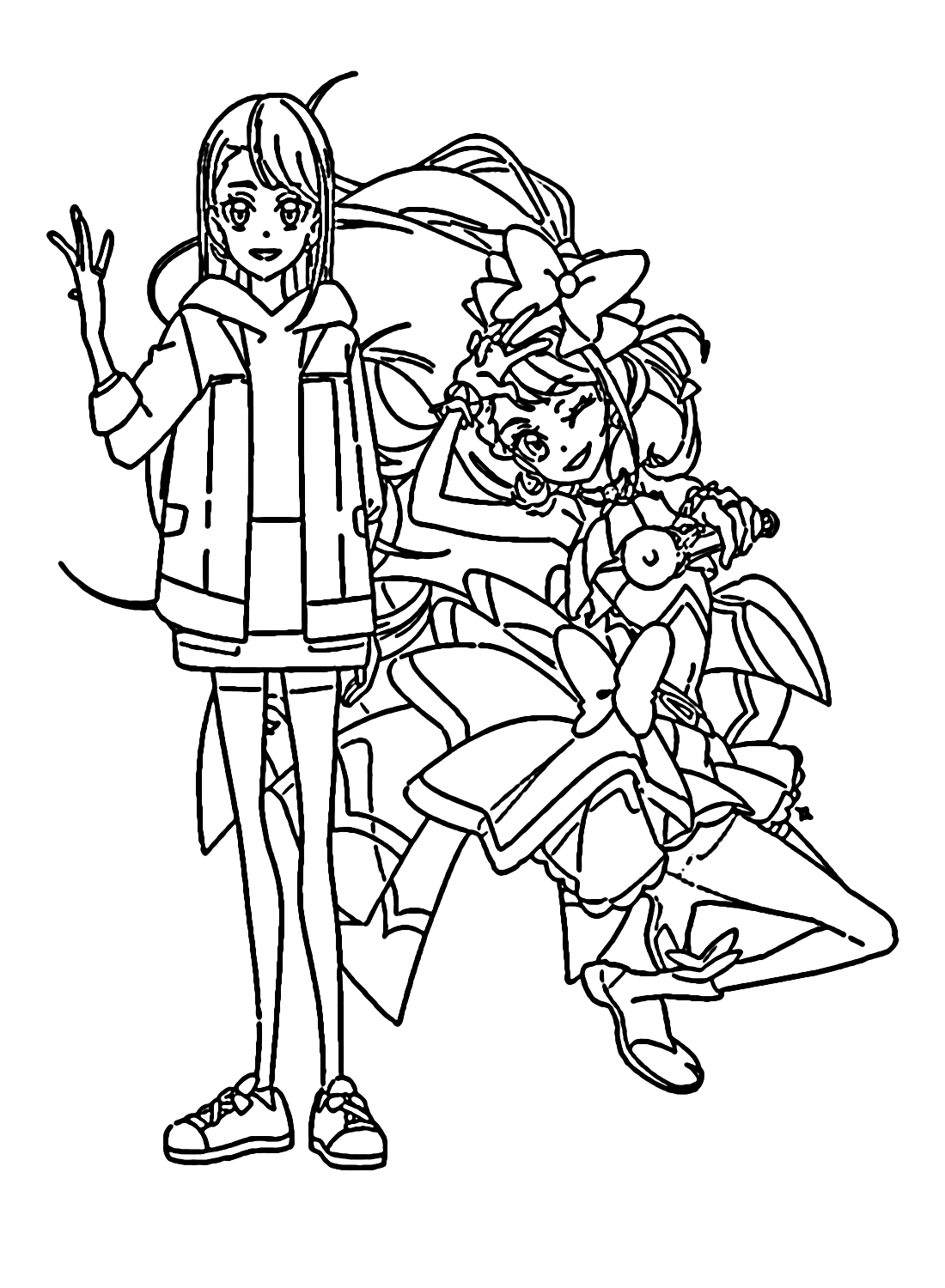
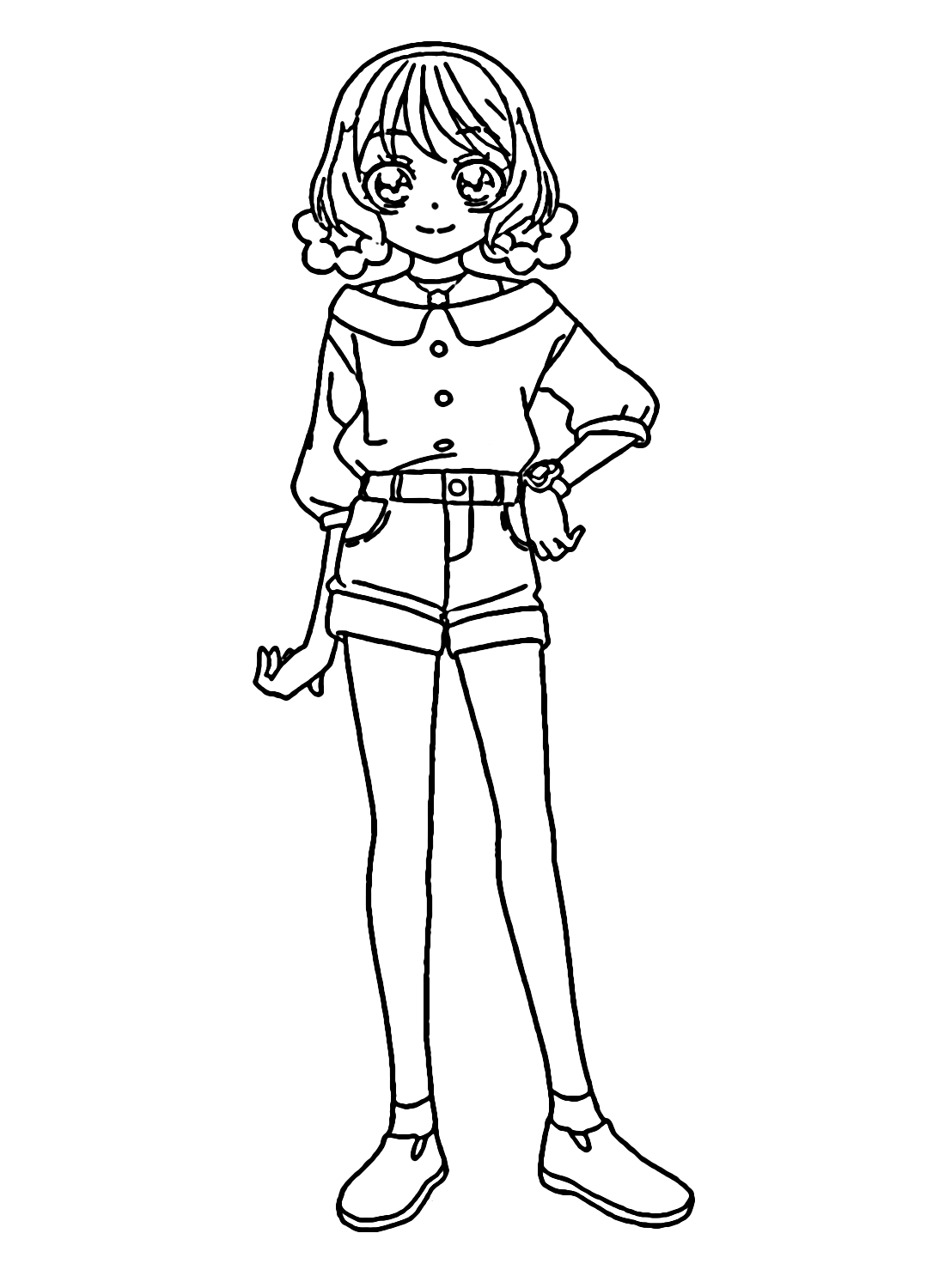
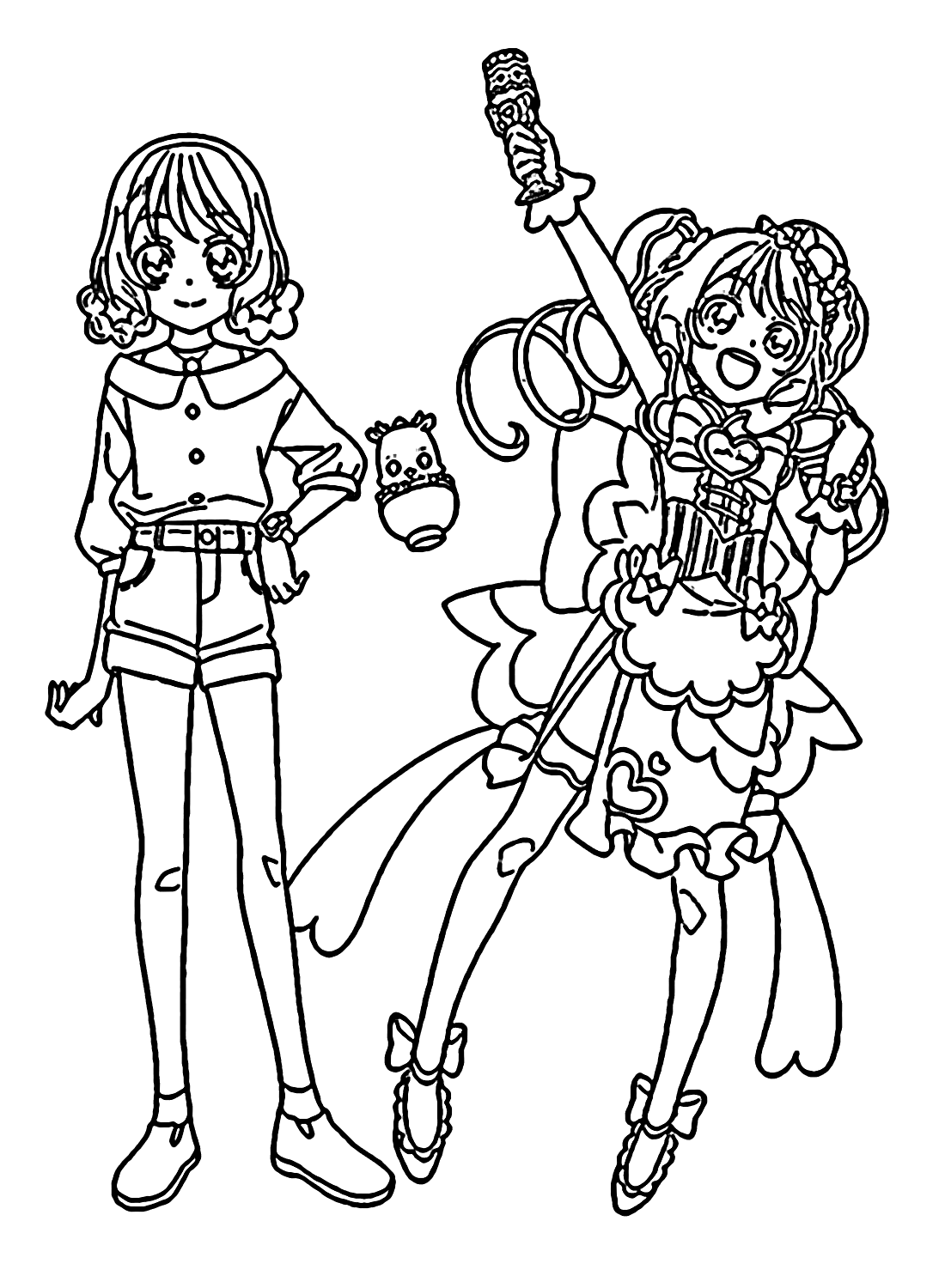
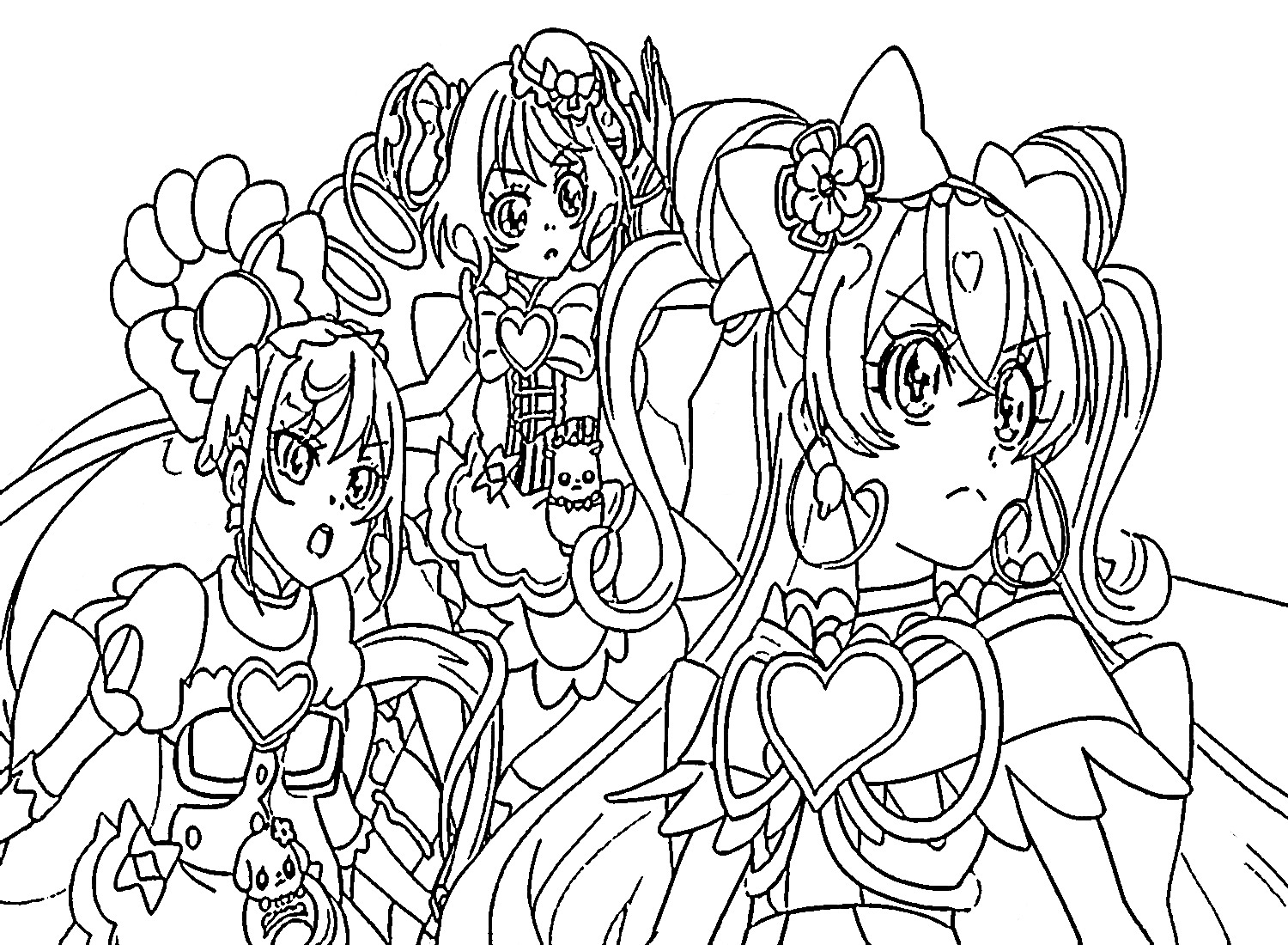
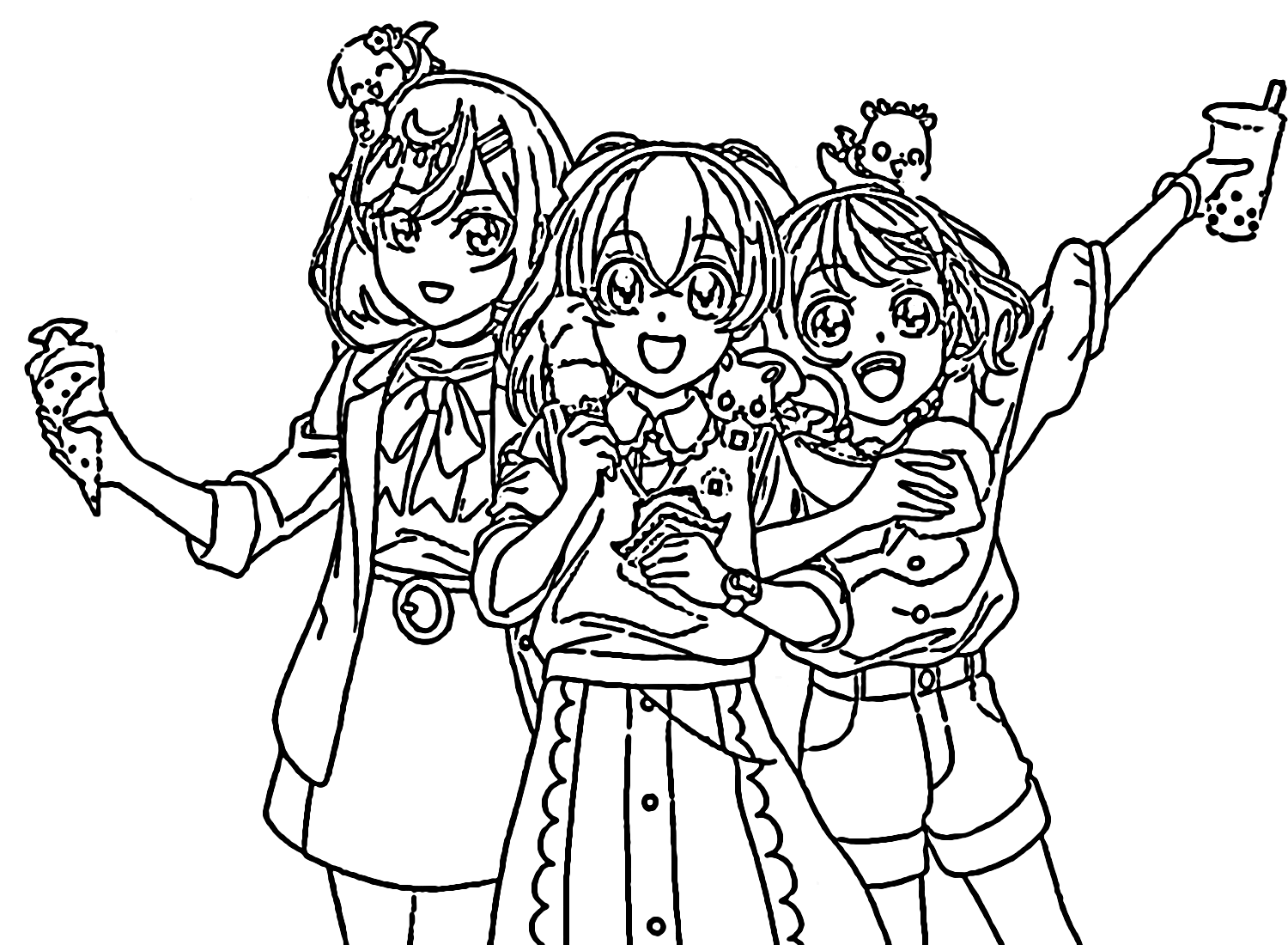
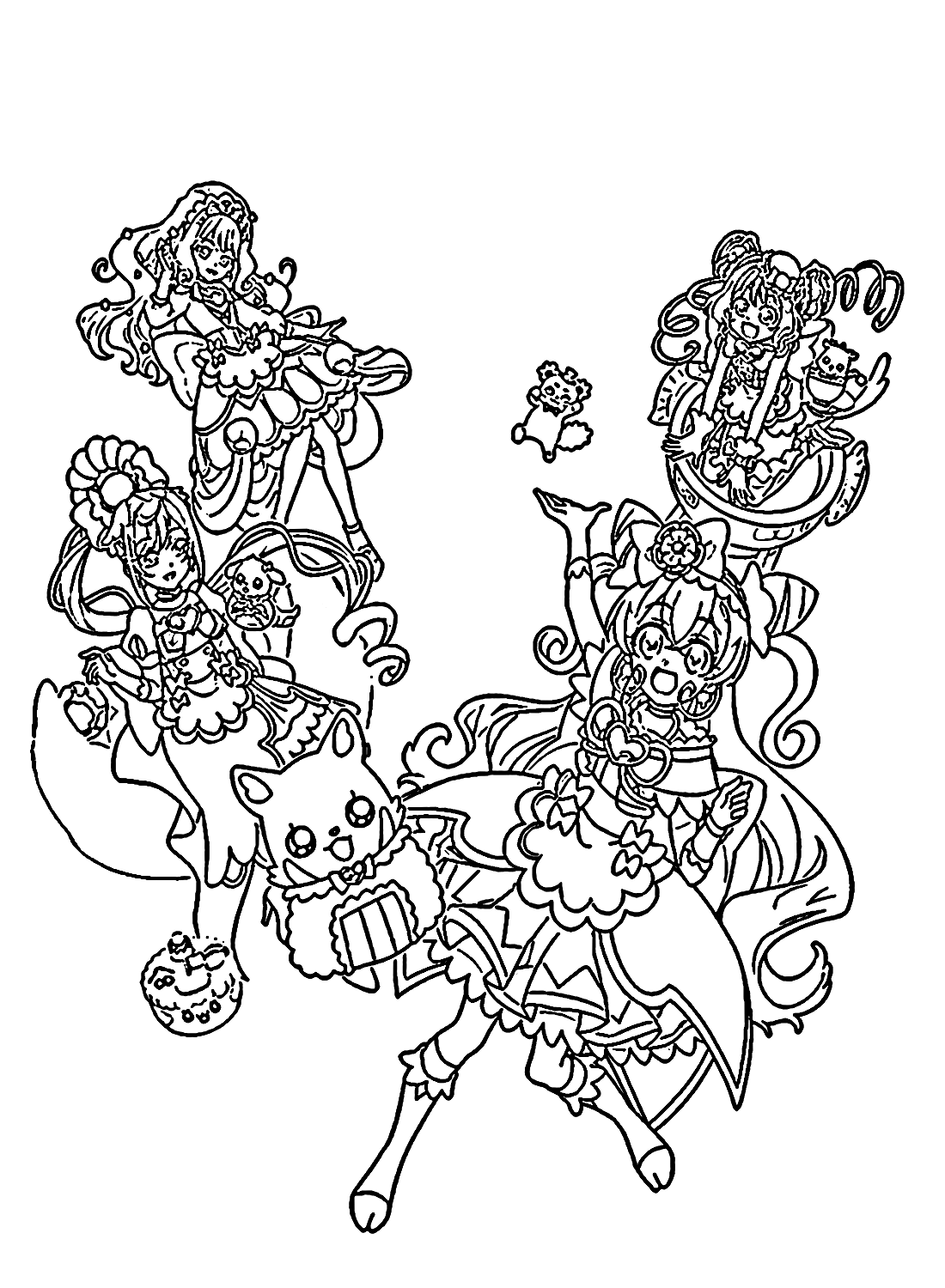
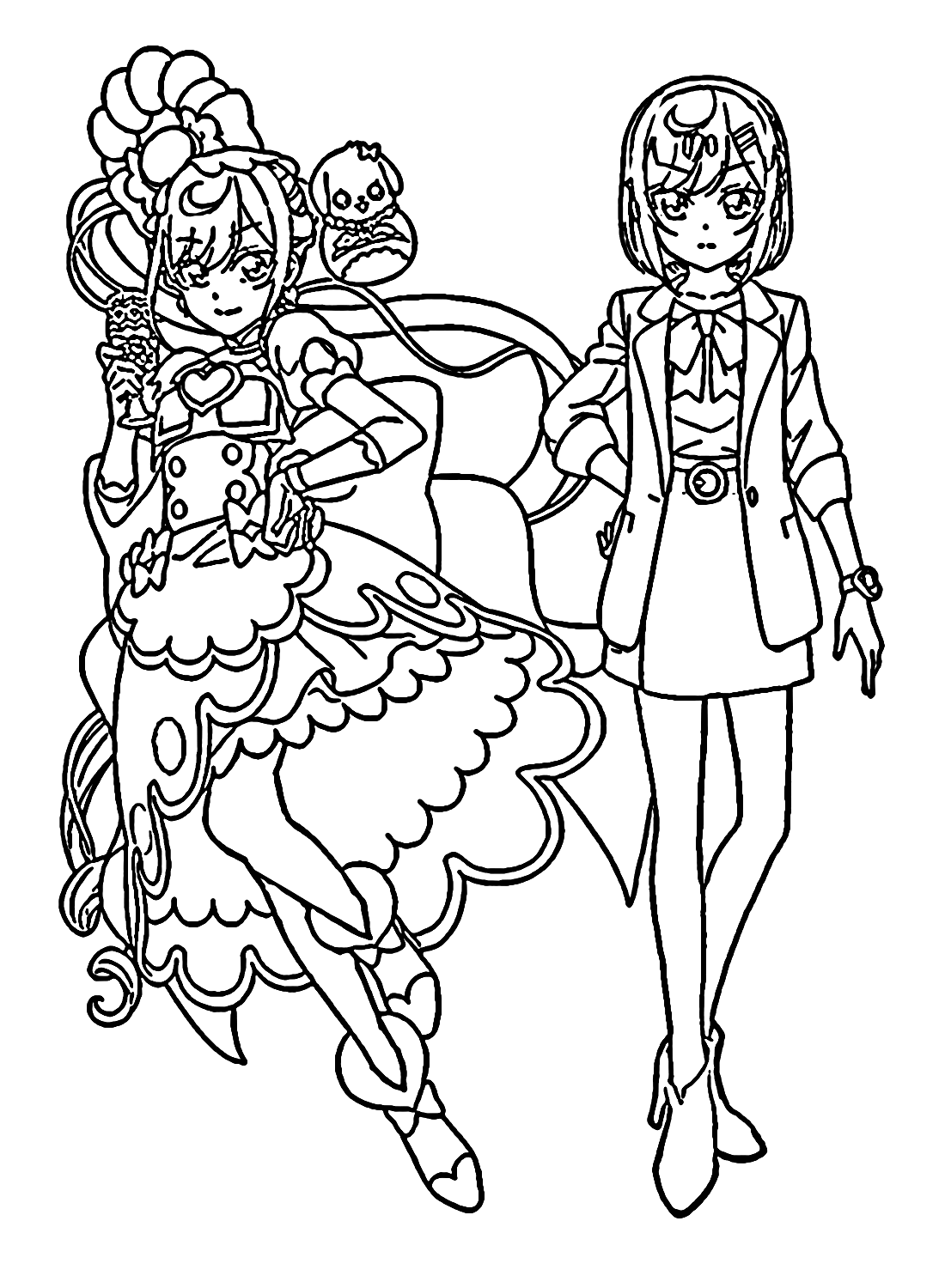
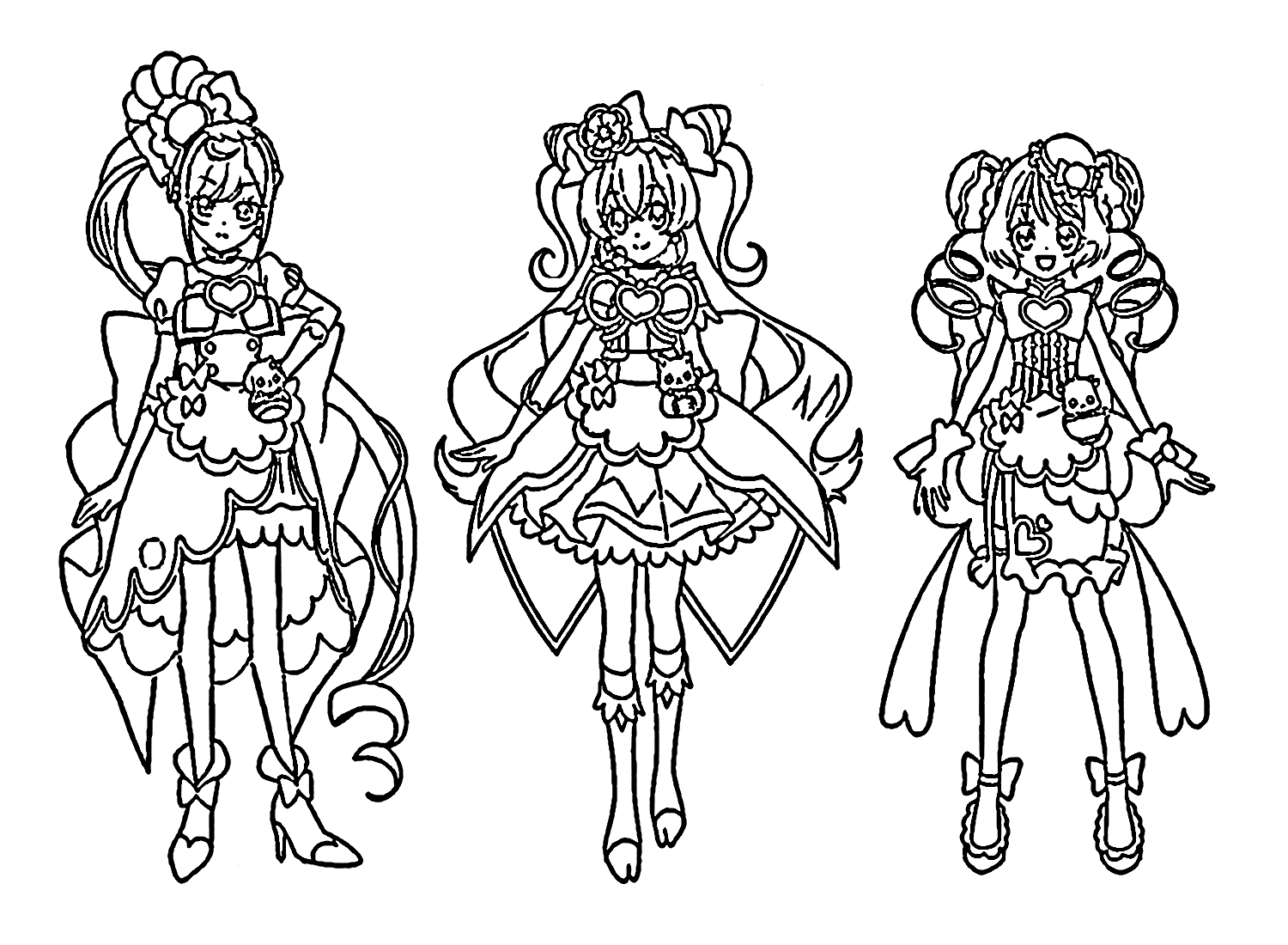
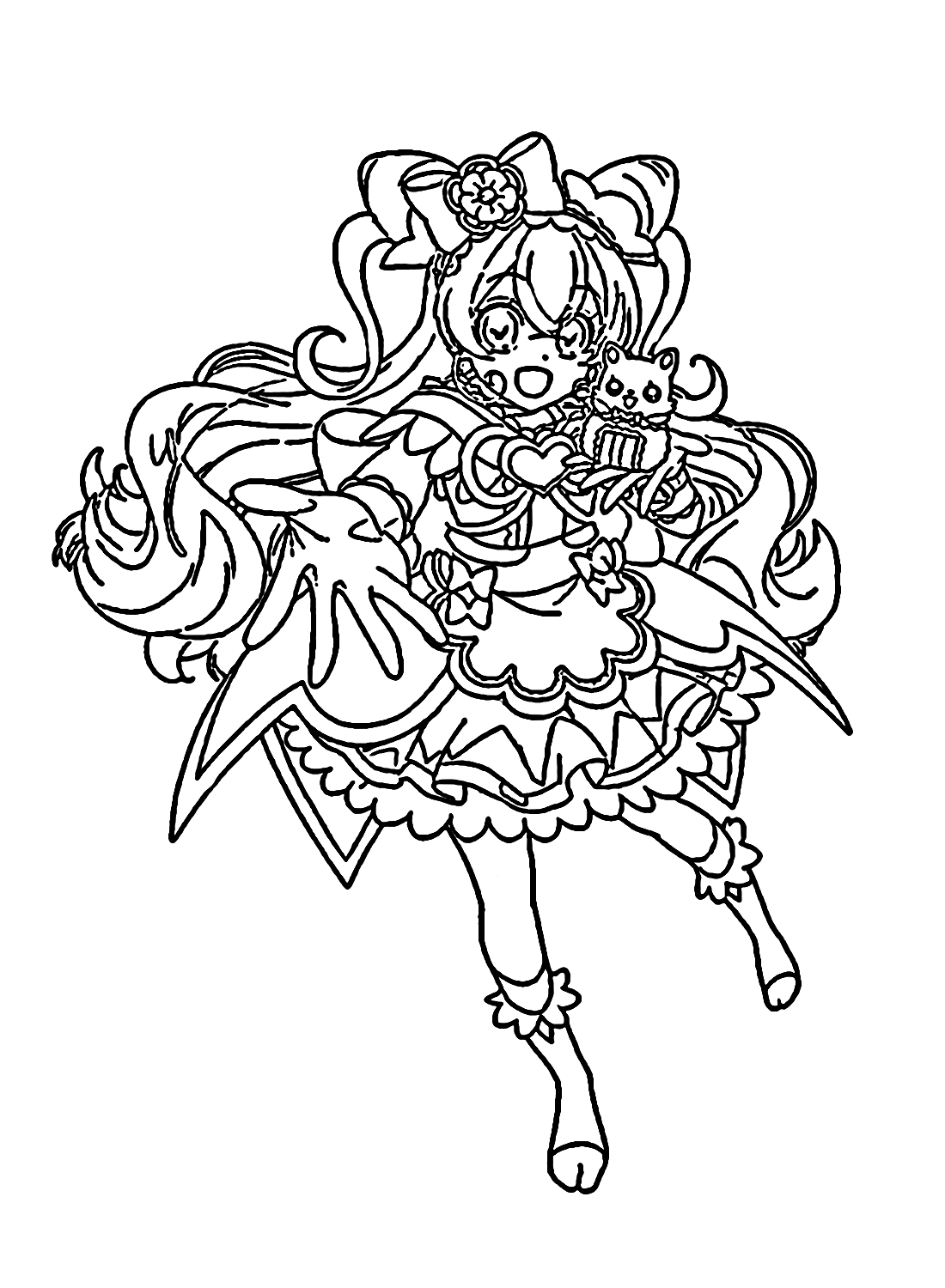
Free Delicious Party Pretty Cure coloring pages – 20+ pages featuring Cure Precious, Cure Spicy, Cure Finale, Cure Yum-Yum, the Recipepi food spirits, transformation sequences, group action compositions, portrait pages, and food-themed decorative designs from the 19th series in Toei Animation’s landmark Pretty Cure franchise – free printable PDF and online coloring for PreCure fans.

Delicious Party♡Pretty Cure (デリシャスパーティ♡プリキュア) is the 19th series in the Pretty Cure franchise – the magical girl anime series produced by Toei Animation and broadcast on TV Asahi, which has aired annually without interruption since its debut with Futari wa Pretty Cure in 2004. Delicious Party Pretty Cure aired from February 6, 2022, to January 29, 2023, producing 45 episodes with direction by Yukihiro Miyamoto and Hiroyuki Satou, series composition by Ryōta Yamaguchi, and character design by Asuka Tsubuki.

The series’ theme is food – specifically the joy of eating, the warmth of sharing meals, and the happiness that comes from flavors prepared with care. The franchise concept centers on the Recipepi (レシピッピ), small food-spirit creatures who live within recipe cards and embody the heart of specific dishes. The villains, the Bundoru Gang, steal these spirits and drain the emotional resonance from food – making it tasteless, making meals hollow, removing the pleasure that connects people through eating. The Cures’ mission is to recover what was stolen, protect the Recipepi, and restore the specific happiness that food can carry.

The Pretty Cure franchise as a whole is one of Japan’s most commercially significant anime properties and one of children’s television’s longest continuously running magical girl franchises. Each annual series introduces a new generation of Cures with a new theme, new transformations, and a new world – making each series simultaneously standalone and part of a larger ongoing tradition.

These 20+ free pages at ColoringPagesOnly.com cover all four Cures and the Recipepi world. All free, PDF or PNG, print or color online.

What’s Inside

Cure Precious – Nagomi Yui

Cure Precious is the series’ lead Cure – the transformation alter ego of Nagomi Yui, a twelve-year-old middle school student whose name itself carries warmth (nagomi means harmony or calm, yui means binding or connection). She lives with her grandmother Chiyomi, who runs a restaurant, and her deepest food memory is her grandmother’s cooking – the specific warmth of a meal made by someone who loves the person they are feeding.

Her Cure form is the collection’s most vivid pink page: long rose-pink hair with heart decorations, a predominantly pink and white costume with food-themed accessories, and the specific pose quality of a magical girl at the peak of her transformation sequence – the most powerful visual moment in the PreCure design tradition. Pink is her defining color and the series’ dominant warm tone.

Her theme food is onigiri (rice balls) – which connects back to the Recipepi spirit Kome-Kome (who later becomes Cure Yum-Yum), and to the series’ central argument that the most basic, most humble food – rice, the foundation of Japanese cooking – carries as much heart as any elaborate preparation.

Coloring Cure Precious: Her rose-pink is vivid and warm – fully saturated, applied at maximum pressure across all hair and primary costume surfaces. Her costume’s white elements should be clean and bright, contrasting with the vivid pink. Heart-shaped decorations and ribbons in deeper pink or warm red provide accent detail. Her skin tone is a warm, slightly peachy light skin – the warm undertone is maintained throughout, even in shadow areas. Her eyes are large, vivid pink to match her Cure color.

Cure Spicy – Hanamichi Ran

Cure Spicy is the series’ energetic second Cure – the alter ego of Hanamichi Ran, whose personality matches the specific quality her Cure name implies: vivid, direct, hot, and impossible to ignore. She is sporty, enthusiastic, often loud, and one of those anime characters whose energy reads as genuine rather than performed.

Her Cure form uses an orange palette – the vivid warm orange that sits between the yellow of sunshine and the red of fire, associated with the energy and appetite that spicy food produces. Her hair in Cure form is long and styled with the specific dramatic upward energy of a character designed to communicate motion even while standing still. Her theme food is ramen – the complex, layered bowl of noodles in rich broth that requires patient preparation to produce flavors that arrive immediately and convincingly.

Coloring Cure Spicy: Vivid warm orange across hair and primary costume elements – the orange should read as energetic and slightly fierce, full saturation applied confidently. The deeper orange and red-orange accent elements provide depth within the orange palette. Her eyes are orange or amber-gold. The contrast between her vivid orange and the warm yellows of her secondary costume elements creates the warm, intense energy her character is designed to communicate.

Cure Finale – Kasai Amane

Cure Finale is the series’s third Cure, introduced after the main partnership of Precious and Spicy is established, following the classic PreCure narrative pattern of adding a third Cure mid-series. Kasai Amane is the most refined of the three main Cures, with a personality that reads as cooler and more self-contained than Ran’s enthusiasm or Yui’s warmth, and a Cure design that uses the blue and deep indigo palette to communicate this register.

Her theme food is Western-style confectionery – cake, parfait, the elaborate dessert presentation of patisserie culture, which in Japan has a specific cultural register as something precious, beautiful, and requiring skill and dedication to produce. Her Cure form has the most formally styled hair and the most elaborate decorative elements of the three main Cures – the blue and white of her costume leaning into the visual language of confection presentation.

Coloring Cure Finale: Deep blue as the primary costume color – a vivid, medium-to-deep blue that reads as sophisticated and cool against the warmer palettes of her teammates. The lighter blue-white elements of her costume provide contrast. Her hair in Cure form is styled with the formal elegance of her character – long, blue, carefully arranged. Her eyes are blue to match her Cure color.

Cure Yum-Yum – Kome-Kome

Cure Yum-Yum is the series’ fourth and most narratively unusual Cure – the human form taken by Kome-Kome, one of the Recipepi food spirits, when she chooses to fight alongside the other Cures. This makes her the only Cure in the series who is not a human girl who transforms, but a spirit who becomes one.

Kome-Kome’s name derives from kome (米), the Japanese word for rice – connecting her directly to the foundational food of Japanese cuisine and to Cure Precious’s onigiri theme. As Cure Yum-Yum, she has a smaller, younger-looking design than the other three Cures, with a cream-white and warm-gold palette that references the color of cooked rice. She is the series’s most kawaii (cute) Cure design – rounder proportions, the specific visual of something very young and very soft.

Coloring Cure Yum-Yum: Cream-white as the primary base – a warm, slightly yellow-cream that reads as the specific white of cooked rice rather than a cold or paper white. Her warm gold accents reference the specific warmth of steamed rice’s color. Her overall palette is the softest and warmest in the Cure group – apply with slightly less pressure than the vivid colors of Precious and Spicy, maintaining the soft, gentle quality of her design.

The Recipepi

The Recipepi are the series’s most distinctive character category – small, round, food-themed spirit creatures who live in recipe cards and represent the heart of specific dishes. They are the series’ primary non-human characters and the reason the Cures fight: to recover the Recipepi the Bundoru Gang has stolen and return the emotional resonance to food.

Key Recipepi includes:

  • Kome-Kome (こめこめ) – the rice spirit, who eventually becomes Cure Yum-Yum
  • Pam-Pam (ぱむぱむ) – a bread/pastry spirit, associated with Cure Precious
  • Mem-Mem (めむめむ) – a noodle spirit, associated with Cure Spicy

Their designs are the series’s most accessible for the youngest colorists – round, simple, kawaii proportions with food-themed design elements that identify each spirit’s associated food.

Coloring Recipepi: Each Recipepi’s color derives from its associated food. Kome-Kome is pale cream-white (rice). Pam-Pam is warm golden-tan (bread). Mem-Mem uses the yellow-brown of noodles. The round, simple forms should receive vivid, fully saturated application of their associated food colors.

Group and Action Pages

The group pages – all four Cures in a single composition – are the collection’s most color-diverse and most compositionally ambitious. The warm-to-cool spectrum across the four Cures’ colors (pink for Precious, orange for Spicy, blue for Finale, cream for Yum-Yum) creates a complete and harmonious group palette that rewards careful simultaneous color management.

Action pages show the Cures in the specific poses of transformation sequences and combat – the dramatic visual of magical girl combat that PreCure has refined across nineteen series into one of anime’s most recognizable visual vocabularies.

What These Pages Do

The Pretty Cure franchise is one of the longest continuously running magical girl anime franchises in history. Running annually since 2004 without interruption, producing a new series each year with a new team of Cures, new themes, and new transformations – the franchise has produced nineteen series across twenty years of broadcast. Delicious Party Pretty Cure is the nineteenth, which means the coloring pages in this collection are illustrations of characters from a tradition with a twenty-year continuous history.

The food theme of Delicious Party Pretty Cure is among the franchise’s most specifically educational. Each episode’s plot involves recovering a specific food-spirit, protecting a specific recipe or dish, and restoring the joy of that food to the community. The series’ relationship to Japanese food culture – onigiri, ramen, Western confection, rice as foundation – is specifically and accurately rendered. Young viewers learn both the narrative and the food vocabulary simultaneously.

The Recipepi design tradition connects magical girl character design to Japanese kawaii aesthetics in a specifically food-themed register. The round, simple, soft-edged Recipepi characters are applications of the kawaii design vocabulary to food – the same visual logic that makes cartoon animals appealing applied to a bowl of rice or a ramen noodle. Coloring these characters develops color recognition through food association.

Fine motor development. The American Academy of Pediatrics identifies fine motor skill development as a key childhood milestone throughout early childhood. The Cure costume decoration detail, the hair styling of transformation forms, the Recipepi’s rounded food-themed features, and the food motifs integrated throughout the series’ design all provide motivated, sustained fine motor practice. The 2005 Art Therapy Journal study on structured coloring and anxiety reduction applies throughout.

How to Color These Pages Well

The four Cures’ colors form a specific warm-to-cool spectrum – maintain it deliberately. Pink (Precious), orange (Spicy), blue (Finale), and cream (Yum-Yum) span from warm to cool across the Cure group. In any group page, the warm-to-cool sequence should read clearly – Precious’s pink warming the composition, Spicy’s orange intensifying the warm register, Finale’s blue providing the cool counterpoint, Yum-Yum’s cream anchoring the whole as a neutral soft warm. Allowing any character’s color to drift toward the adjacent character’s range reduces the group’s visual clarity.

PreCure hair in Cure form is the most dramatic hair in the collection. Each Cure’s transformation dramatically changes both the length and the style of her hair – in Cure form, the hair is long, elaborately styled, and the most visually prominent element of the transformation costume. Apply the base hair color across the full length first, then add the slightly darker tone in the deepest shadow areas between hair mass sections. The hair’s volume is the transformation’s most immediately readable element and should receive the most careful attention.

Food-themed costume details reward the finest available tool. PreCure costumes are extensively decorated – ribbons, hearts, food-shaped accessories, and layered fabric details. These decorative elements are small and require precise application. Apply the costume’s primary color across all large surfaces first. Then use the finest available coloring tool for the small decorative elements – the heart shapes, the ribbon bows, the food motifs. These details are what make the PreCure costume design recognizable as a specific Cure rather than a generic magical girl.

The Recipepi’s round forms want full color saturation. The Recipepi’s kawaii rounded proportions are most effective when colored at full saturation – their food-derived colors should read as vivid representations of the food they represent, not as pale or muted suggestions of it. A rice-white Kome-Kome should read as the specific warm white of cooked rice; a bread-gold Pam-Pam should read as the warm golden-brown of fresh bread. Full saturation across the rounded forms gives them the specific food identification that the series intends.

Eyes in PreCure character design carry both color and personality. Each Cure’s eyes match her Cure color and are large and expressive in the anime tradition. Apply the iris color at full saturation, slightly lighter at the very top of the iris where overhead light hits it, slightly darker at the lower ring where the iris is in the pupil’s shadow. Add the white highlight dot at the upper portion. The sparkle and color of the eye should match the Cure’s color precisely.

5 Creative Craft Ideas

The Recipepi Food Guide

Print one page for each of the three main Recipepi characters: Kome-Kome (cream-white), Pam-Pam (warm golden-tan), and Mem-Mem (yellow-brown). Color each in the food-derived color of their associated dish.

On a backing sheet, mount all three and add below each: the Recipepi’s name, the food they represent, and one sentence about that food’s place in Japanese cuisine. “Kome-Kome – Rice (お米). Rice is the staple grain of Japanese cooking, eaten at virtually every traditional meal.” “Pam-Pam – Bread (パン). Western-style bread was introduced to Japan in the 16th century through Portuguese traders.” “Mem-Mem – Noodles (めん). Japan has hundreds of regional noodle varieties.”

The finished guide is a food culture reference built from coloring pages.

(Image placeholder: Recipepi Food Guide)

All Four Cures – Team Display

Print one page for each of the four Cures: Cure Precious (pink), Cure Spicy (orange), Cure Finale (blue), Cure Yum-Yum (cream). Color all four in canonical Cure colors at full saturation.

Mount all four in a row on a warm-toned backing sheet. Below each: the Cure name, the civilian name, and the food theme. Above all four, add the series title: “Delicious Party♡Pretty Cure – 2022-2023.” The finished display is a complete team portrait in the traditional Super Sentai-influenced PreCure lineup format.

Food Theme Transformation Card

Each Cure’s power comes from a specific food theme. Print one Cure in transformation pose – any of the four. Color carefully in canonical Cure colors.

On a separate card, create a “Cure Profile” in the format of a trading card: Cure name, civilian name, food theme, Cure color, one sentence about the food’s cultural significance, and the Cure’s specific personality trait. Mount the transformation page alongside the profile card.

The finished set is a character trading card made from a coloring page – fan-made, personally colored, with factual content about both the character and the food tradition she represents.

The 19 Series Timeline

Pretty Cure has aired continuously since 2004 – a twenty-year unbroken run of annual series. Print a simple Cure Precious portrait. Color it in canonical pink. Mount at the far right of a long backing sheet.

On the left side, draw a simple timeline from 2004 to 2022. Mark key series: “2004 – Futari wa Pretty Cure (Series 1).” “2013 – DokiDoki! PreCure (Series 10).” “2022 – Delicious Party Pretty Cure (Series 19).” Connect the timeline to Cure Precious’s portrait with a line.

The display places Delicious Party Pretty Cure in the context of the franchise’s full history – the nineteenth series in a tradition that has continued uninterrupted for twenty years.

Sharing a Meal – Group Coloring Scene

The series’s central theme is the joy of sharing food. If the collection includes a group scene showing the Cures together in a non-combat setting – eating, celebrating, or simply enjoying food – print that page. Color all four Curses in their canonical colors.

On a backing sheet, add the series’ thematic statement in Japanese and English: “食べることは幸せ / Eating is happiness.” Below the colored scene: “Delicious Party Pretty Cure – 2022. The Bundoru Gang stole the heart from food. The Cures returned it.”

The finished display frames the coloring page as a statement of the series’ central argument – food is not neutral; it carries warmth and connection and should be protected.

Frequently Asked Questions

What is Delicious Party, Pretty Cure? Delicious Party♡Pretty Cure (デリシャスパーティ♡プリキュア) is the 19th series in the Pretty Cure franchise, produced by Toei Animation and broadcast on TV Asahi from February 6, 2022, to January 29, 2023, covering 45 episodes. The series is themed around food – specifically the joy of eating, the warmth of shared meals, and the happiness that comes from flavors prepared with care. Its story centers on the Recipepi, small food-spirit creatures who live in recipe cards, and the Bundoru Gang’s theft of these spirits, which drains the emotional resonance from food. The Cures’ mission is to recover the stolen Recipepi and restore the joy of eating to their community.

What is the Pretty Cure franchise? Pretty Cure (プリキュア, often abbreviated as PreCure) is a Japanese magical girl anime franchise produced by Toei Animation and broadcast on TV Asahi. The franchise began in 2004 with Futari wa Pretty Cure and has aired a new series annually without interruption since that year, making it one of the longest continuously running magical girl anime franchises in history. Each series features a new group of Cures – ordinary girls who transform into powerful magical warriors – with a new theme, new transformations, and a new story. All-Stars films occasionally unite Cures from multiple series. The franchise is primarily targeted at young girls and has been enormously commercially successful in Japan.

Who are the four Cures in Delicious Party Pretty Cure? The four Cures are: Cure Precious, the series’ main Cure, pink-themed, whose civilian name is Nagomi Yui and whose theme food is onigiri/rice; Cure Spicy, the energetic second Cure, orange-themed, whose civilian name is Hanamichi Ran and whose theme food is ramen; Cure Finale, the refined third Cure, blue-themed, whose civilian name is Kasai Amane and whose theme food is Western-style confection; and Cure Yum-Yum, the unique fourth Cure who is actually the Recipepi spirit Kome-Kome transformed into human Cure form, cream-white-themed, whose theme is rice.

What is Recipepi? The Recipepi (レシピッピ) are small, cute, food-spirit creatures who live within recipe cards and embody the emotional heart of specific dishes. They are the central objects of the series’ conflict – the Bundoru Gang steals them to drain the warmth from food, and the Cures must recover them. Key Recipepi include Kome-Kome (the rice spirit, who eventually becomes Cure Yum-Yum), Pam-Pam (a bread/pastry spirit), and Mem-Mem (a noodle spirit). Each Recipepi is visually designed in the kawaii style, with rounded proportions and colors derived from its associated food.

How does Delicious Party Pretty Cure fit into the broader Pretty Cure franchise? Delicious Party Pretty Cure is the 19th series in the franchise, airing in the franchise’s 18th year of continuous broadcast. Like all Pretty Cure series, it is standalone – its story is complete within its own 45-episode run without requiring knowledge of previous series. The franchise’s annual model means each year’s series introduces entirely new Cures, a new setting, and a new theme while maintaining the shared narrative structure: ordinary girls discover a magical threat, transform into Cures, gather a team, face escalating opponents, and ultimately resolve the season’s central conflict. All-Stars ensemble films occasionally unite Cures from different series.

What food themes does the series explore? The series specifically explores Japanese food culture through its Cure themes and episode plots. Cure Precious’s theme is onigiri (rice balls) – simple, foundational, carried in a lunch box. Cure Spicy’s theme is ramen – complex, rich, the bowl that requires time and patience. Cure Finale’s theme is Western-style confectionery – the elaborate art of Japanese patisserie culture. Cure Yum-Yum’s theme is cooked rice – the most fundamental ingredient in Japanese cooking, eaten at virtually every traditional meal. Together, the four themes span from the most basic Japanese food to the most elaborate imported confectionery tradition, suggesting that all food, prepared with care and shared with love, carries equal value.

What age group are these pages best suited for? Delicious Party Pretty Cure coloring pages are primarily designed for the series’ target audience – young girls between approximately four and ten years old. The Cure transformation pages, with their elaborate hair and costume detail, are most rewarding from ages five to nine, where developing fine motor control allows the precision,e small-detail work the costumes require. The Recipepi pages – with their simpler, rounder kawaii proportions – are the most accessible for the youngest colorists from ages three and four. The group composition pages and pages with food-themed environmental elements are most engaging for ages six and up.

Browse the full collection at ColoringPagesOnly.com. All 20+ pages free, no sign-up, PDF or PNG, print or color online.

Toei Animation has made a new Pretty Cure series every year since 2004. Nineteen series. Twenty years. Each one with new girls, new transformations, new themes, new colors.

The nineteenth was about food – about the specific warmth that food carries when it is prepared with care and shared with someone you love. The Bundoru Gang stole that warmth. Four Cures – pink, orange, blue, cream – fought to return it.

The rice spirit became a Cure.

Pick up your vivid pink for Cure Precious. The hair comes first in PreCure – long, elaborate, the transformation’s most immediately visible statement. Then the costume details: the hearts, the ribbons, the food-themed accessories.

The party is not finished until the Recipepi are safe.

Share your work on Facebook and Pinterest and tag #Coloringpagesonly. We especially want to see the all-four-Cures displays and the Recipepi food guide pages.

Color the Cures. Protect the Recipepi. The joy of eating is always worth fighting for.

These related coloring collections will help you explore the wonderful world of colors. Let’s choose, be creative, and show us your great pictures!

Emma Wilson – Illustrator

Hey there, young artists! I’m Emma Wilson, a freelance illustrator who loves children and the magic of art. I dream of building a vibrant community where we can all come together to draw, color, and bring unique creations to life with every brush or pencil stroke. Let’s unleash our imagination in ColoringPagesOnly.Com!