Countries & Cultures Coloring Pages
 By:
Charlotte Taylor - Content Writer
Updated:
By:
Charlotte Taylor - Content Writer
Updated:
Countries and cultures coloring pages: 779 printable designs across 22 sub-categories covering world landmarks, national flags, individual countries, and cultural traditions. Each page can be downloaded as a PDF to print or colored online in the browser.
The collection is organized into four groups: world landmarks and iconic structures, national flags and maps, country and regional collections, and cultural objects and traditions.
World Landmarks and Iconic Structures
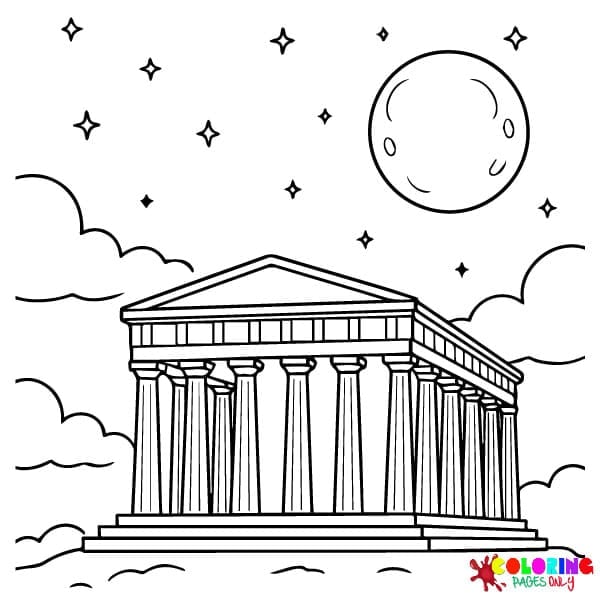
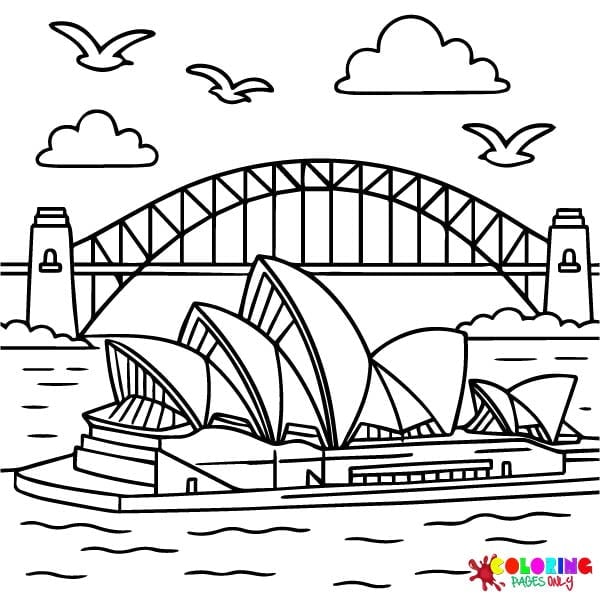
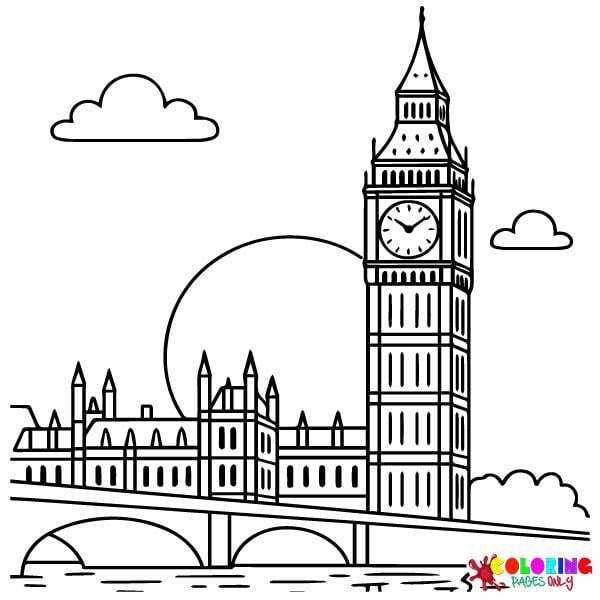
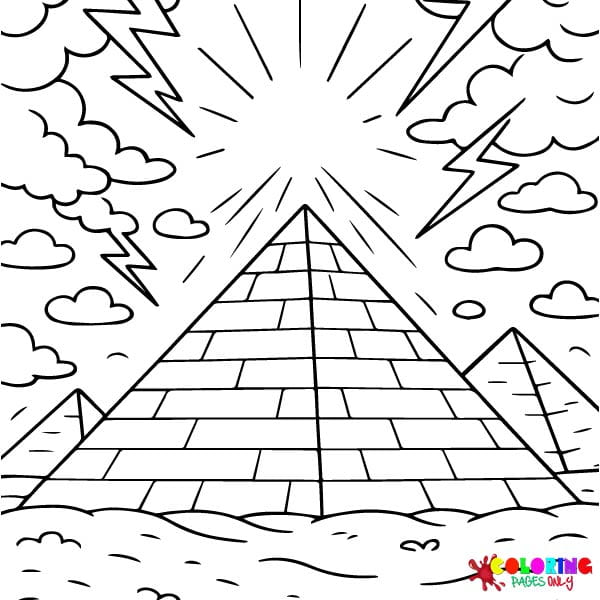
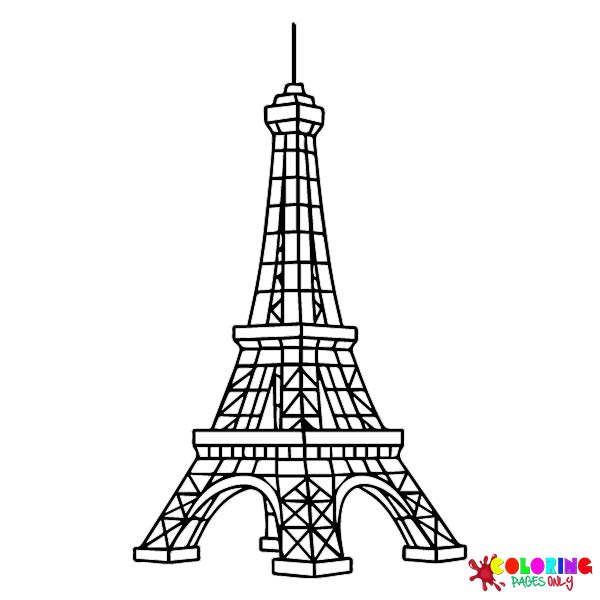
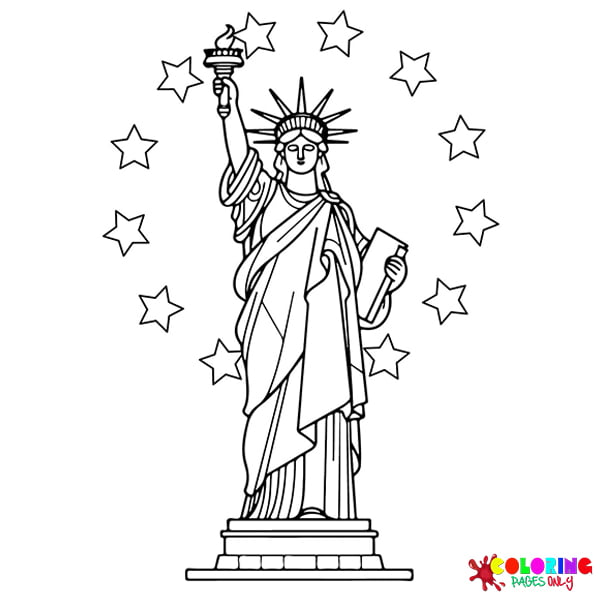
The largest single cluster of sub-categories in the collection covers the architectural landmarks that have become universal symbols of their countries, structures recognizable from their silhouette alone. Eiffel Tower (38 designs) covers Gustave Eiffel’s 1889 iron lattice tower in Paris, repainted every seven years in the warm dark gray officially known as Eiffel Tower Brown. Big Ben (33 designs) covers the clock tower at the Palace of Westminster in London, officially the Elizabeth Tower since 2012, though the nickname of its main bell remains the name everyone uses. The pyramids of Giza (33 designs) cover the only surviving Wonder of the Ancient World, built more than 4,500 years ago outside Cairo. Sydney Opera House (36 designs) covers Jørn Utzon’s sail-shaped performance venue, completed in 1973 after 14 years of construction. Statue of Liberty (29 designs) covers the copper statue in New York Harbor, a gift from France, dedicated in 1886, famous for oxidizing from bright copper to its now-iconic blue-green patina over about 20 years. The Parthenon (32 designs) covers the ancient temple to Athena on the Acropolis of Athens, built between 447 and 438 BCE.
National Flags and Maps
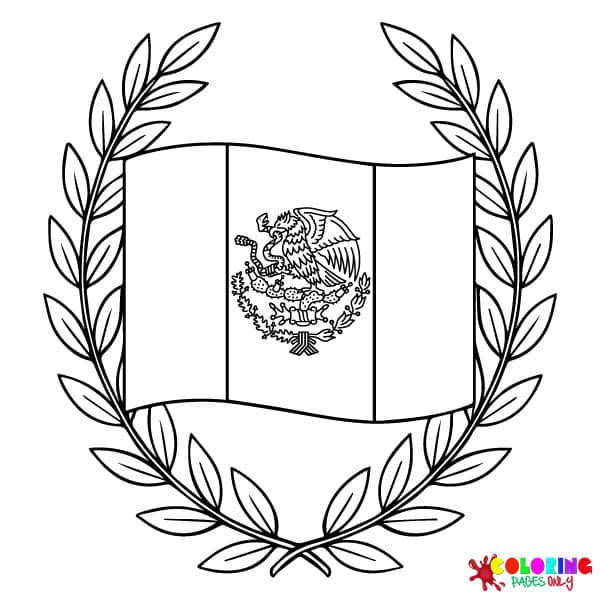
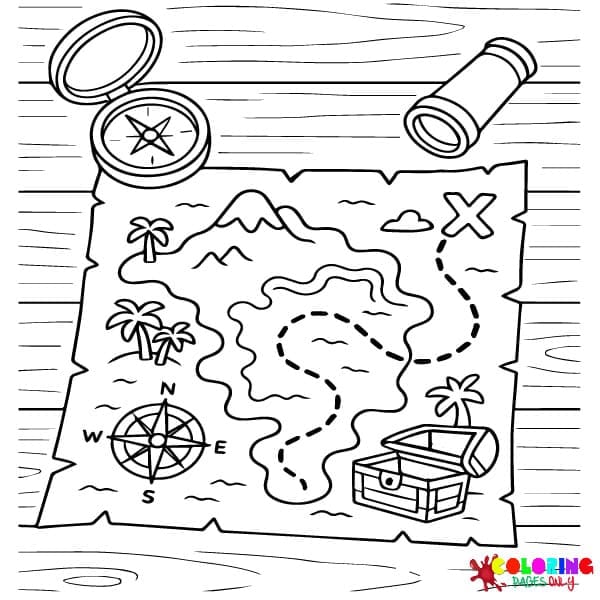
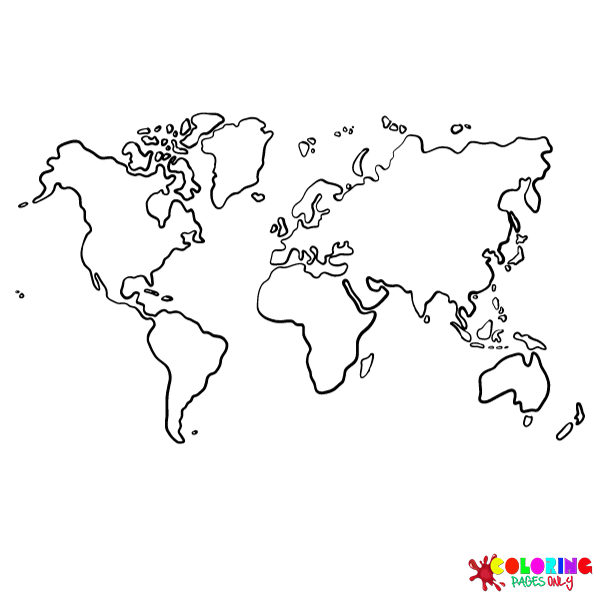
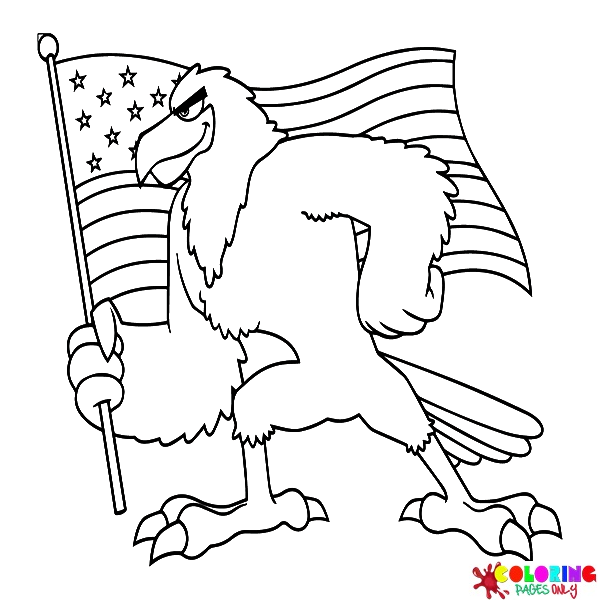
American Flag (40 designs) covers the flag of the United States: thirteen red and white stripes and a blue canton with 50 white stars. Mexican Flag (32 designs) covers Mexico’s green, white, and red bands with the national coat of arms at the center, depicting the Aztec legend of an eagle on a cactus devouring a serpent. World Map (38 designs) provides a full outline map of the world’s continents, countries, and oceans for the classic cartography exercise of coloring adjacent countries in different colors. Treasure Map (32 designs) covers the illustrated adventure-map aesthetic of aged parchment, compass roses, and dotted routes.
Countries and Regional Collections
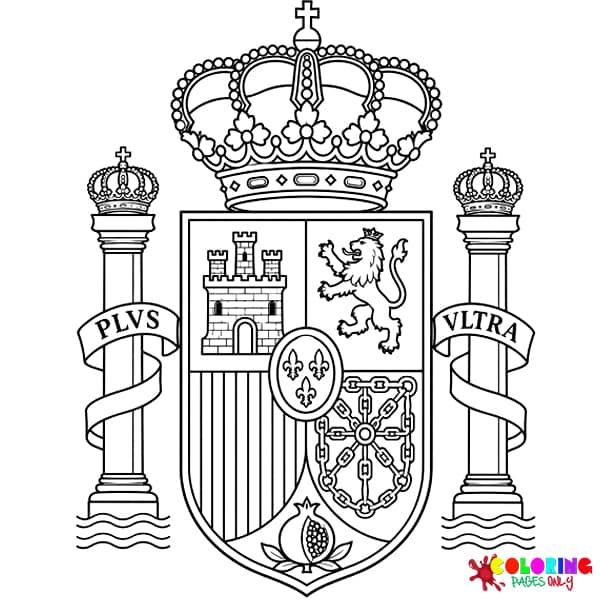
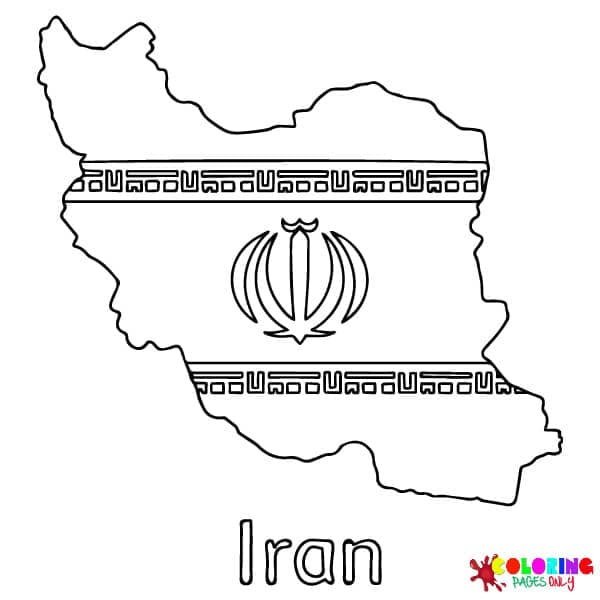
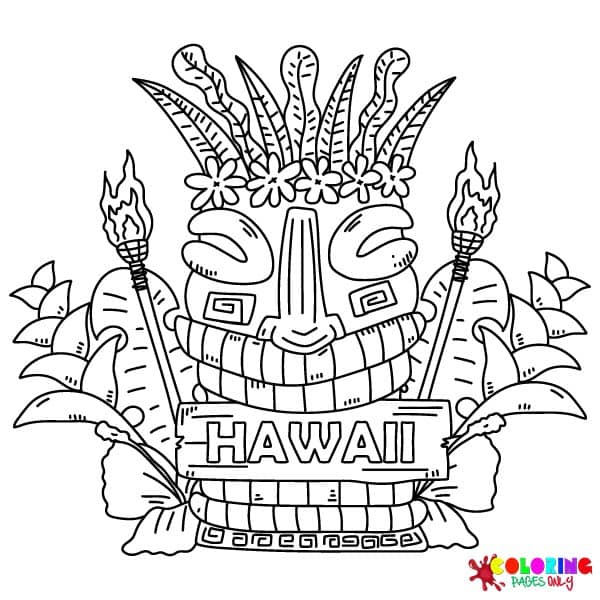
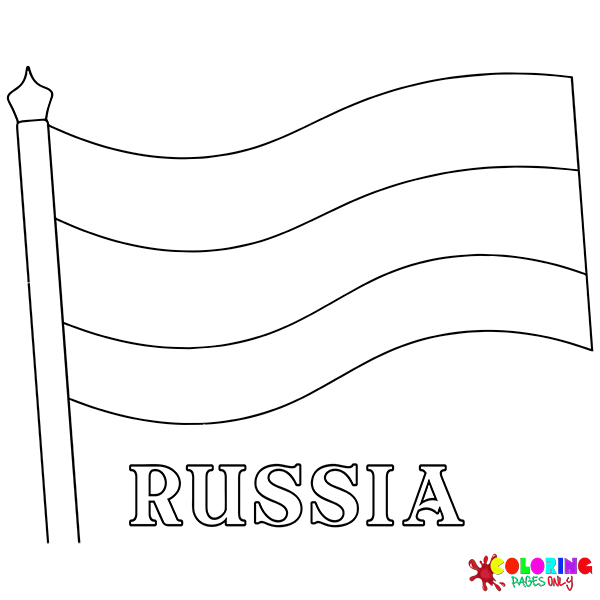
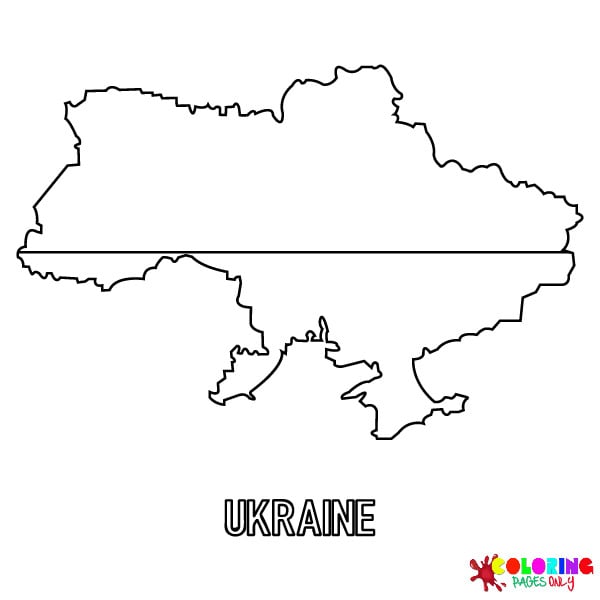
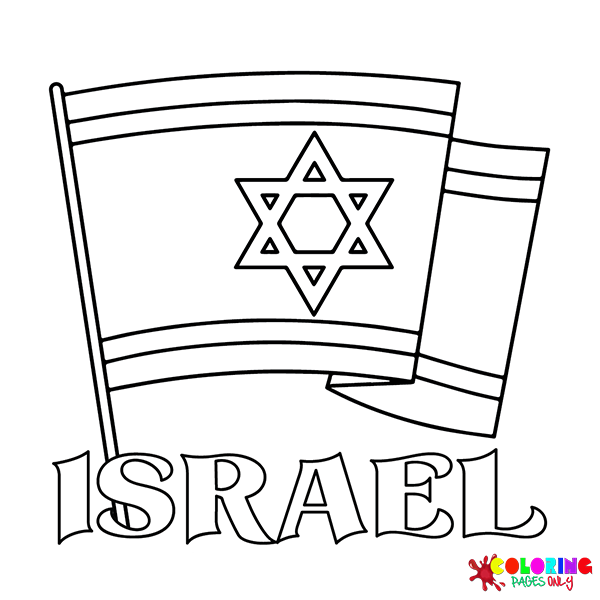
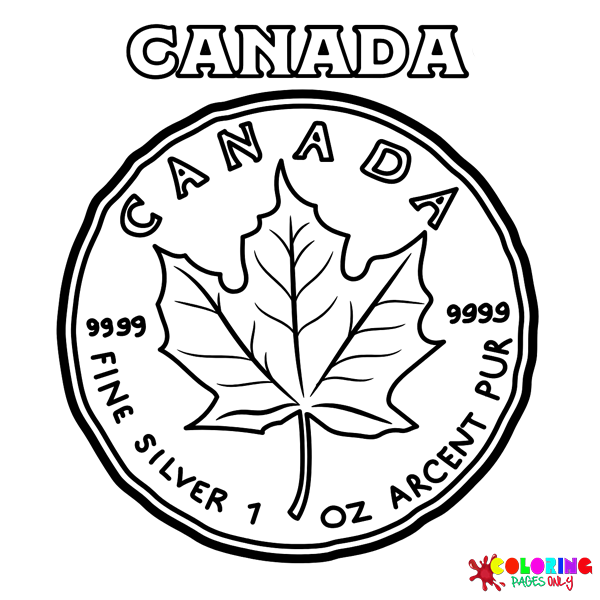
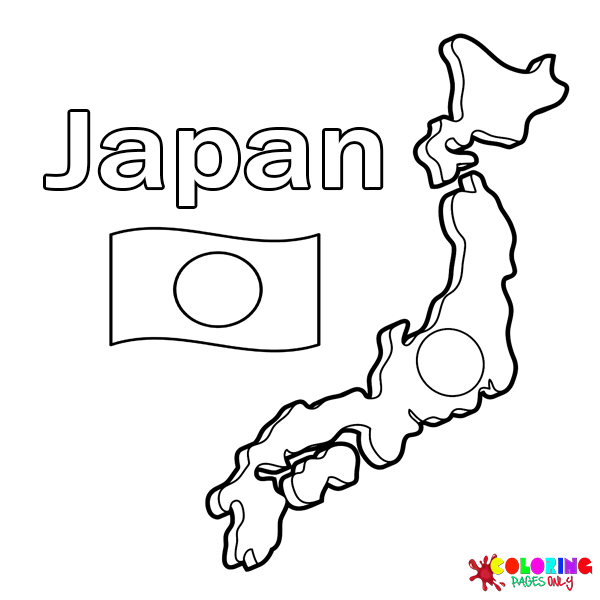
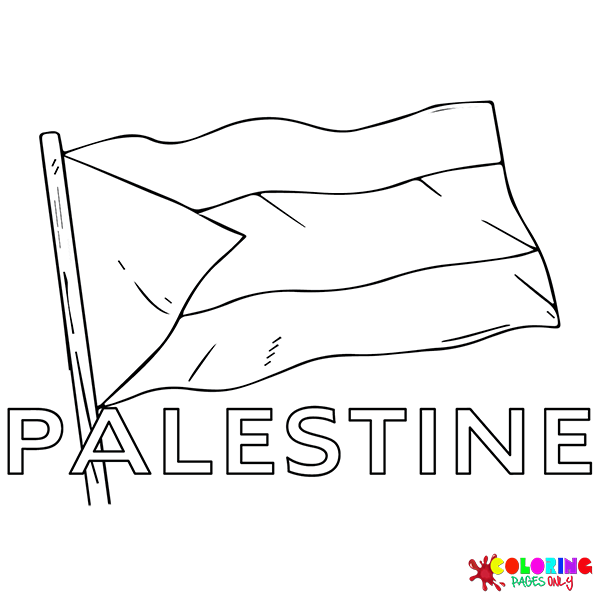
Japan (48 designs) is the most visually varied country sub-category, spanning traditional culture, everyday life, and the illustration styles that have shaped global visual culture. Canada (32 designs) covers the maple leaf, landscapes from the Rockies to the Maritime coasts, and multicultural celebrations. Hawaii (33 designs) covers the volcanic landscape, surf culture, hula tradition, and Polynesian heritage of the islands. Russia (48 designs) covers the onion domes of St. Basil’s Cathedral, matryoshka nesting dolls, and traditional folk art patterns. Ukraine (51 designs) covers the blue-and-yellow national flag, traditional vyshyvanka embroidery, and sunflower imagery as a national symbol. Israel (47 designs) covers the Star of David, the Israeli flag, and the architectural heritage of Jerusalem. Palestine (22 designs) covers the olive tree as a symbol of rootedness, tatreez cross-stitch embroidery, and the Palestinian flag. Iran (34 designs) covers Persian art and architecture, the geometric patterns of Islamic tilework, and the Iranian flag. Spain (36 designs) covers Spanish architecture, festivals, and folk-art visual traditions.
Cultural Objects and Traditions
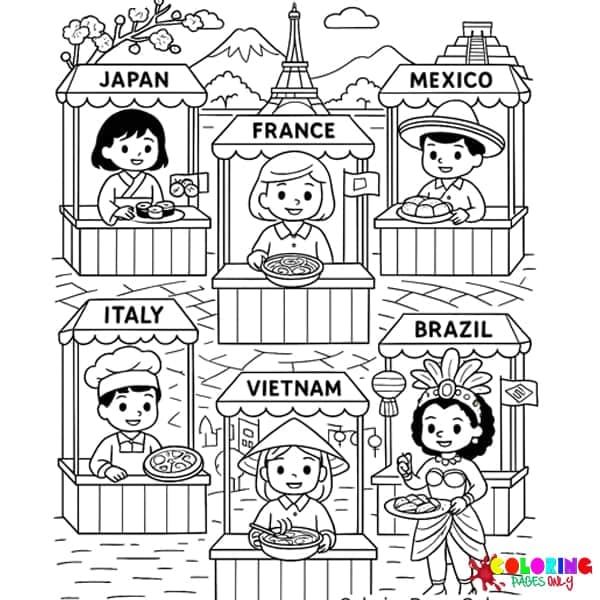
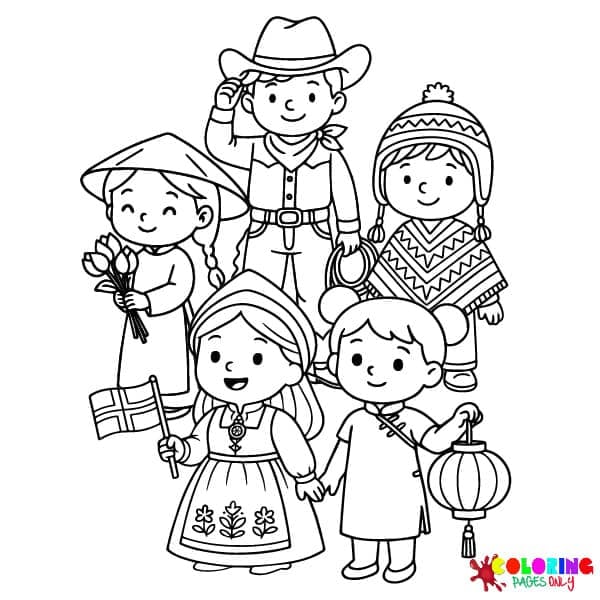
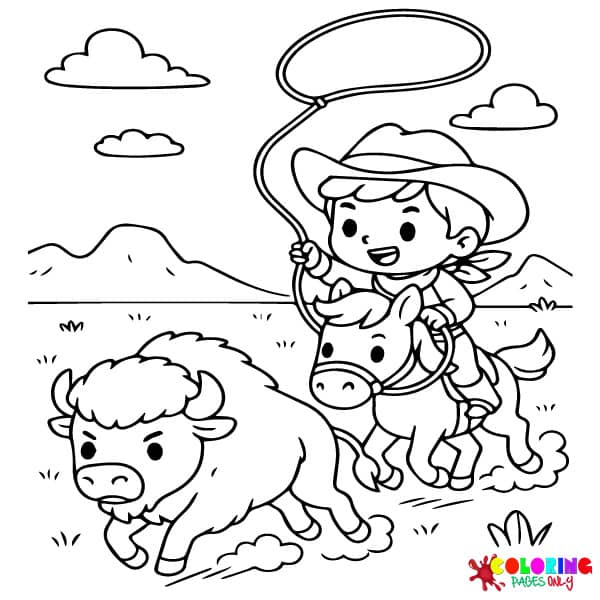
Traditional Costumes (33 designs) covers folk dress and ceremonial garments from cultures around the world, among the most richly colored pages in the collection because of their embroidery and layered patterns. A World Food Tour (22 designs) covers international dishes and food-presentation styles, from sushi’s specific greens and pinks to a French croissant’s golden-brown. Wild West (30 designs) covers the visual mythology of the 19th-century American frontier: cowboys, canyon landscapes, and frontier towns.
What’s Not Yet in This Collection
The collection currently favors a specific set of countries (Japan, Canada, Hawaii, Russia, Ukraine, Israel, Palestine, Iran, Spain) over some of the world’s most commonly requested countries for geography and culture lessons. India, China, France, Italy, Germany, and Brazil have no dedicated pages at all, and Egypt and Greece are represented only through the Pyramids of Giza and the Parthenon rather than through full country pages, the way Japan or Canada are.
What Countries and Cultures Coloring Pages Do
Fine motor development. The American Academy of Pediatrics identifies fine motor skill development as a core benefit of structured coloring for children ages 2 through 7, and the detailed patterns in flag and landmark pages give that practice a specific, real-world subject.
An entry point into geography. Coloring a country’s flag or a world map by continent gives children a concrete, hands-on way to start learning geography before they can read an atlas.
Anxiety reduction through focus. A 2005 study in the Art Therapy Journal documented measurable reductions in anxiety following structured coloring sessions, a benefit that applies as much to a detailed Parthenon page as to any other design in the collection.
A reason to learn one real fact. Because every sub-category here is tied to an actual place, flag, or tradition, each page comes with a genuine fact attached, such as the Statue of Liberty’s copper turning blue-green over two decades, which gives the coloring session an educational hook beyond the page itself.
How to Color Countries and Cultures Pages Well
- American Flag: Use red and Navy Blue with white left uncolored, keeping stripes and stars evenly spaced.
- Statue of Liberty: color the statue in blue-green (its real oxidized patina color, not copper-brown) and leave the torch flame gold.
- Eiffel Tower: use a warm dark gray-brown rather than plain black or gray, matching the tower’s real “Eiffel Tower Brown” paint color.
- World Map: pick four or five colors and alternate them so no two neighboring countries share the same color, the standard cartography convention.
- Traditional Costumes: research the specific culture’s canonical garment colors before coloring, since folk dress colors carry real cultural meaning.
- Pyramids of Giza: use warm golden-tan for the limestone and a clear, minimal-cloud blue for the sky to match the real desert setting.
5 Creative Craft Ideas With Countries and Cultures Coloring Pages
1. World Landmarks Postcard Set
Color small versions of the Eiffel Tower, Big Ben, and Sydney Opera House, trim each to postcard size, and write a fact about the landmark on the back.
2. Flag Bunting Garland
Color several national flag pages, cut them into small triangle pennants, and string them together for a garland.
3. My Own Atlas Booklet
Staple several colored country and landmark pages together in order to build a simple, personal picture atlas.
4. Treasure Map Scavenger Hunt
Color a Treasure Map page, mark a few household hiding spots with X’s, and use it to run a short indoor scavenger hunt.
5. World Food Tour Placemat
Color a World Food Tour page, laminate or tape it, and use it as a placemat for a themed family dinner.
Frequently Asked Questions
What are countries and cultures coloring pages?
Countries and cultures coloring pages are printable designs covering world landmarks, national flags, individual countries, and cultural traditions. This collection includes 779 free designs across 22 sub-categories, available as PDFs or online coloring.
Which sub-category has the most pages?
Ukraine has the largest sub-category with 51 designs, followed by Japan and Russia with 48 each.
Why does this collection include flags and landmarks alongside countries?
The collection groups anything tied to a specific place or nation together, so a country like Japan sits alongside single landmarks like the Eiffel Tower and general subjects like World Map or Traditional Costumes.
Are all countries represented equally in this collection?
No. The collection currently covers 22 specific sub-categories rather than every country in the world, and does not yet include dedicated pages for some frequently requested countries such as India, China, France, Italy, Germany, and Brazil.
What is the real color of the Statue of Liberty?
Blue-green. The statue was originally bright copper-brown when installed in 1886 and oxidized into its now-famous patina color over roughly 20 years.
What colors work best for World Map pages?
Four or five distinct colors, alternated so that no two countries sharing a border are colored the same, following the standard cartography convention used on real political maps.
Are coloring pages of countries and cultures suitable for young children?
Yes, especially the flag and simple landmark pages, which use clear, bold shapes appropriate for young colorists, while more detailed pages like the Parthenon or Traditional Costumes suit older children and adults.
What are Traditional Costumes?
Traditional Costumes covers folk dress, ceremonial garments, and traditional national dress from cultures around the world, with 33 designs featuring the embroidery and pattern work specific to different traditions.
Start Coloring
Choose a collection above to browse that theme, or open any page to download it as a free PDF or color it online in the browser. No account, email, or payment is required. Share finished pages on Facebook or Pinterest with the share buttons on each page.
More Countries and Cultures Coloring Pages
Jump straight to a specific collection: