Donut Coloring Pages at ColoringPagesOnly.com brings together 30+ free printable pages dedicated to one of America’s most beloved and visually expressive baked goods. The collection spans the full creative range of donut imagery: simple ring donuts for preschool coloring, cute kawaii-style donuts with expressive faces, unicorn donut fantasy compositions, a zentangle pattern donut for adult coloring, a Simpsons-themed Homer eating a donut, a Hello Kitty donut crossover, a forest-setting donut scene, and a Letter D educational page pairing alphabet learning with the donut shape. The full food collection is available through our Food Coloring Pages hub.

Every page is completely free – download as PDF to print or color online in your browser. No sign-up, no cost.

About Donuts

The donut (also spelled doughnut – both spellings are accepted, with “donut” becoming increasingly dominant in American English) is a fried dough confection that has been part of American food culture since the earliest period of European settlement. Dutch settlers brought a fried dough pastry called olykoeks (oil cakes) to New Amsterdam – the settlement that became New York City – in the 17th century. These were solid fried dough balls without a hole, typically flavored with apple, citrus peel, or nuts at the center where the dough cooked most slowly.

The characteristic ring shape with a hole through the center is attributed – with some historical uncertainty – to Hanson Gregory, a New England ship captain who claimed in 1847 to have punched holes in his ship’s fried cakes with the ship’s pepper box to ensure they cooked evenly all the way through. Whether this specific origin story is accurate, the ring donut’s practical advantage – it fries evenly without leaving a raw center – made it the dominant form in American donut culture by the end of the 19th century.

The modern donut industry took shape in the early 20th century. Adolph Levitt invented the first automated donut machine in New York City in 1920, making mass production possible. Krispy Kreme was founded in Winston-Salem, North Carolina, in 1937. Dunkin’ Donuts (now Dunkin’) was founded in Quincy, Massachusetts, in 1950, eventually becoming one of the largest coffee and donut chains in the world.

National Donut Day is celebrated on the first Friday of June each year – a tradition begun in 1938 by The Salvation Army to honor the women who served donuts to American soldiers in World War I. The day is now marked by free donut giveaways at major chains and widespread donut-themed events and activities, making early June the most donut-centric time of the year for coloring activities.

The donut’s visual appeal as a coloring subject is straightforward: the ring shape is immediately recognizable, the glossy glaze surface catches light dramatically, and the toppings – sprinkles, chocolate drizzle, powdered sugar, fruit glazes, cream filling – provide extraordinary color variety within a simple, familiar form. Few foods offer the colorist as much creative freedom as the donut, where any color combination is plausible because real donut shops have produced virtually every variation imaginable.

What’s in This Collection

Standard and Classic Donuts

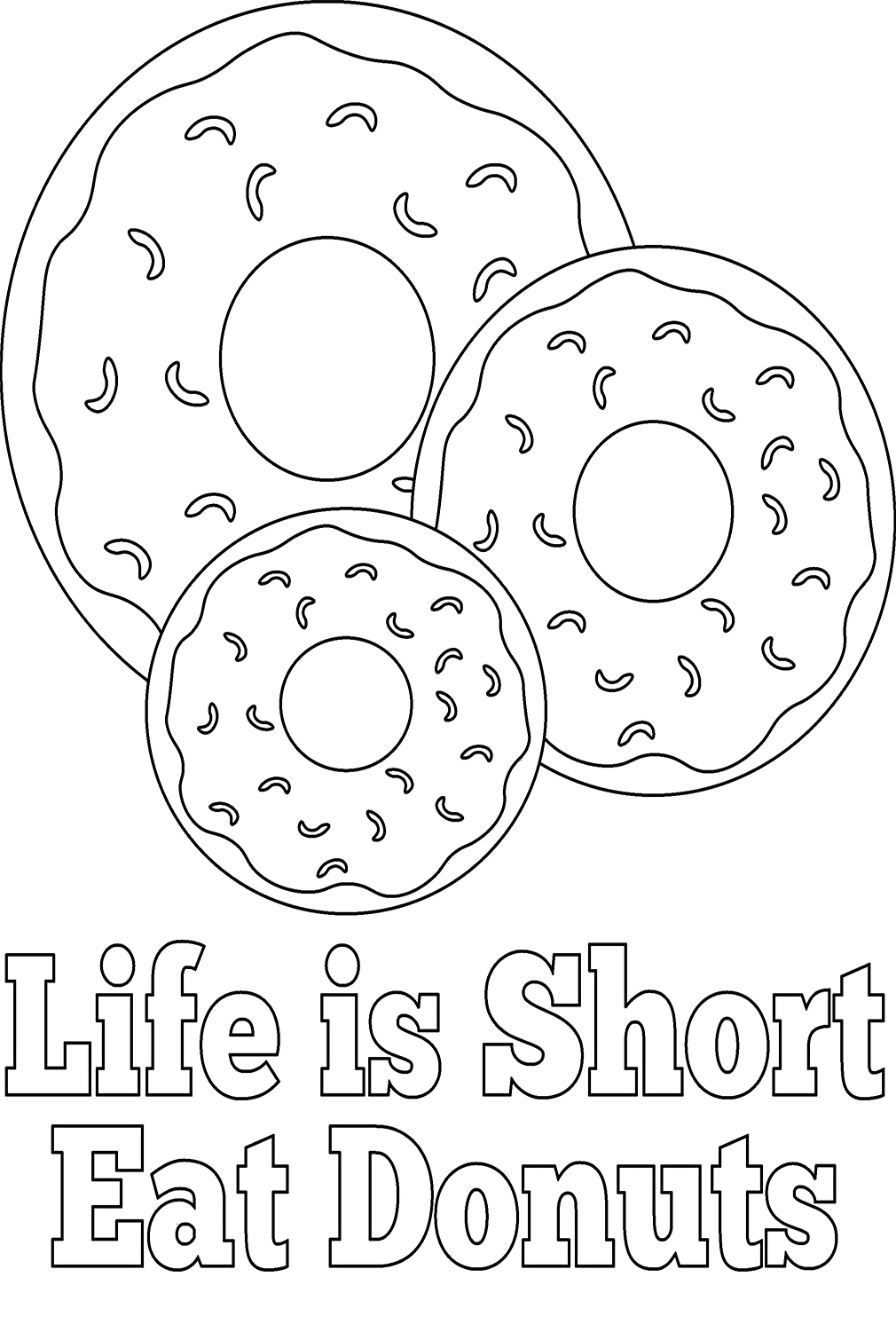
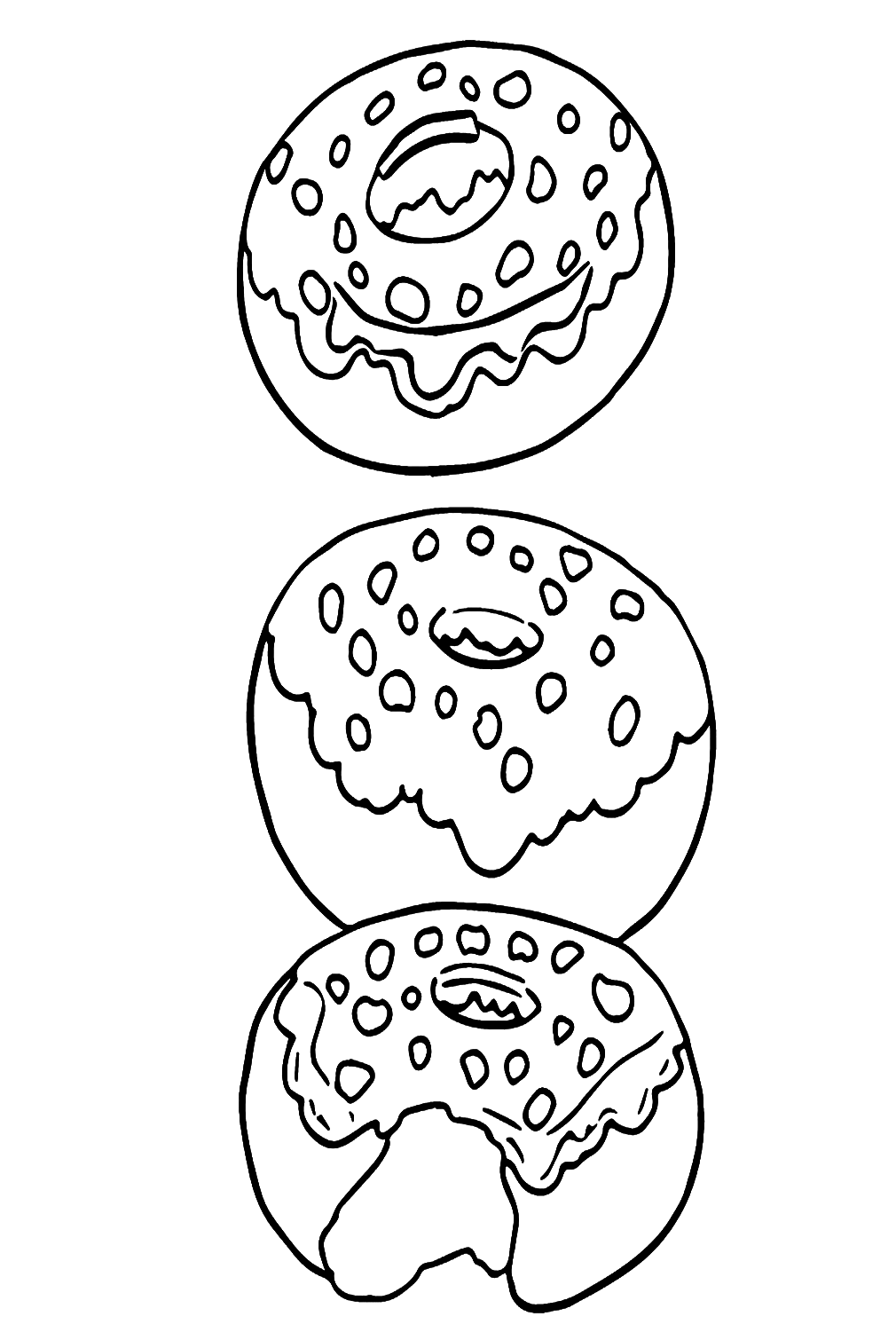
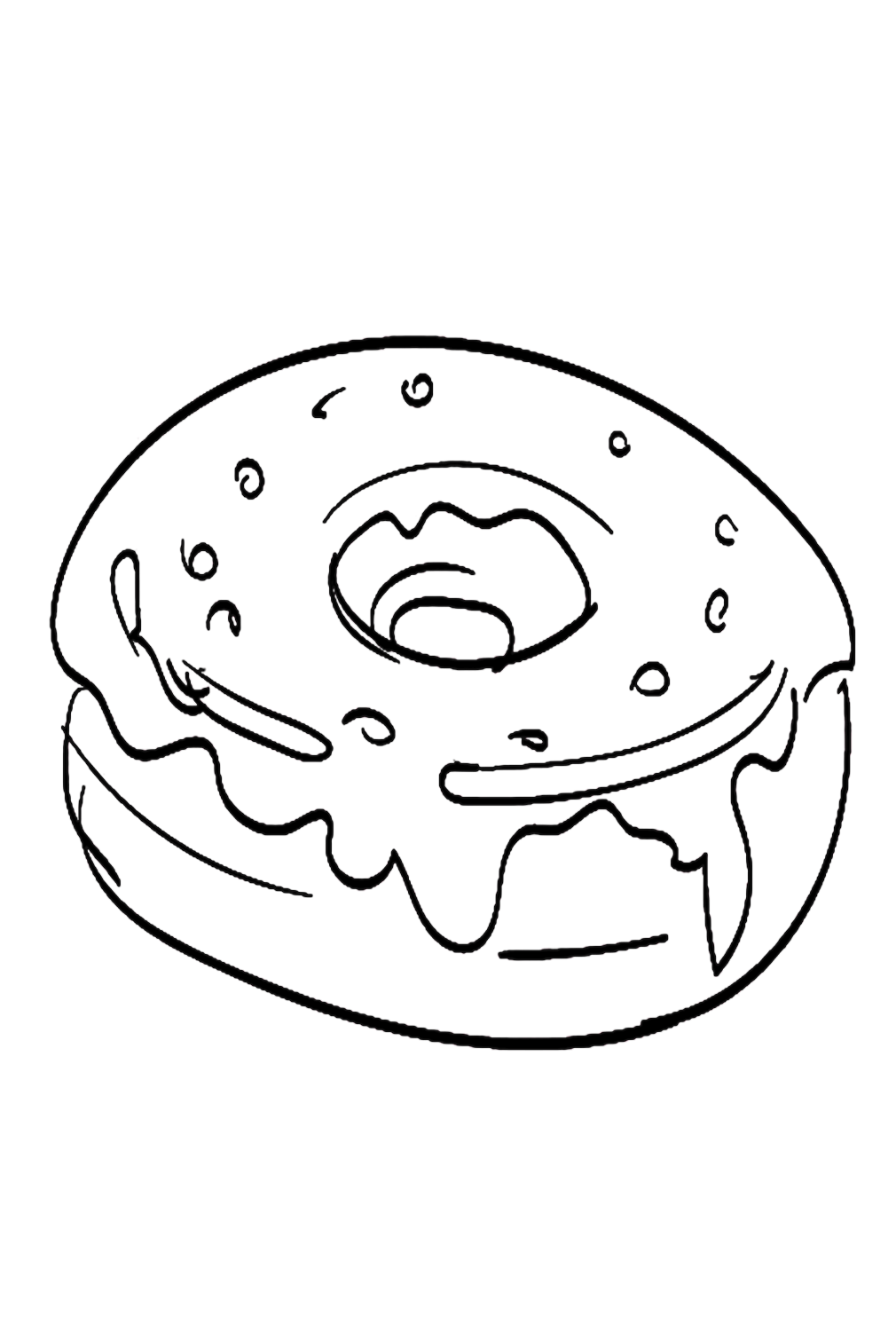
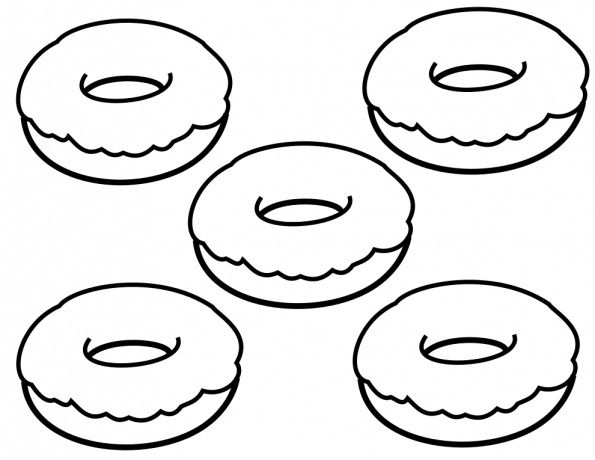
The collection’s foundation – tiles including Free Printable Donut Coloring Pages, Donut Coloring Pages For Preschool, Donut Printable Coloring Pages, Donut To Color, Donut For Coloring, Donut Coloring, Donut Coloring Sheets, Printable Donut Coloring Pages, Free Donut Coloring Page, Donut Coloring Book, and Donut Coloring Pictures – covers the donut in its most recognizable classic form: the ring donut seen from above or at a slight angle, with a glazed or iced surface.

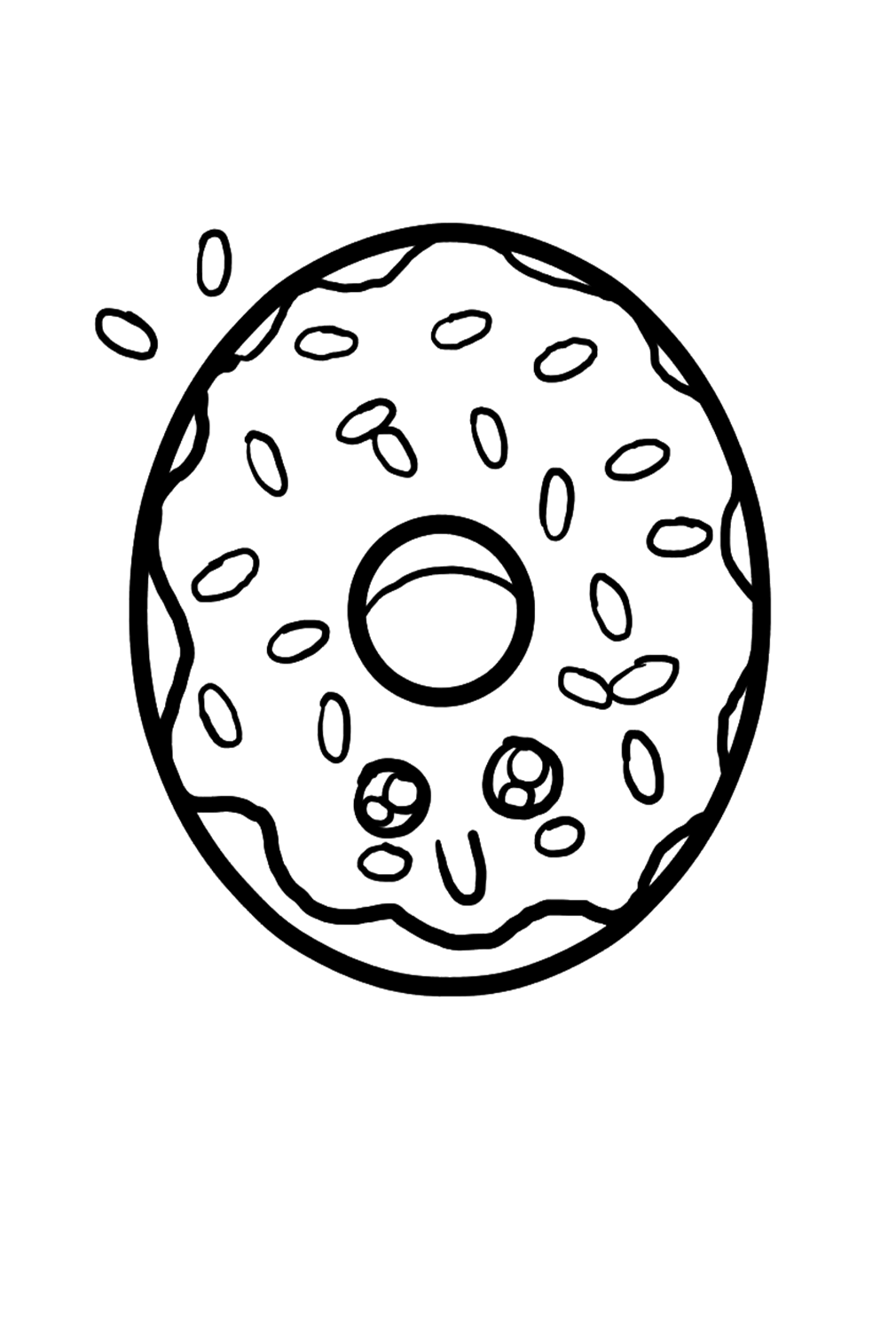
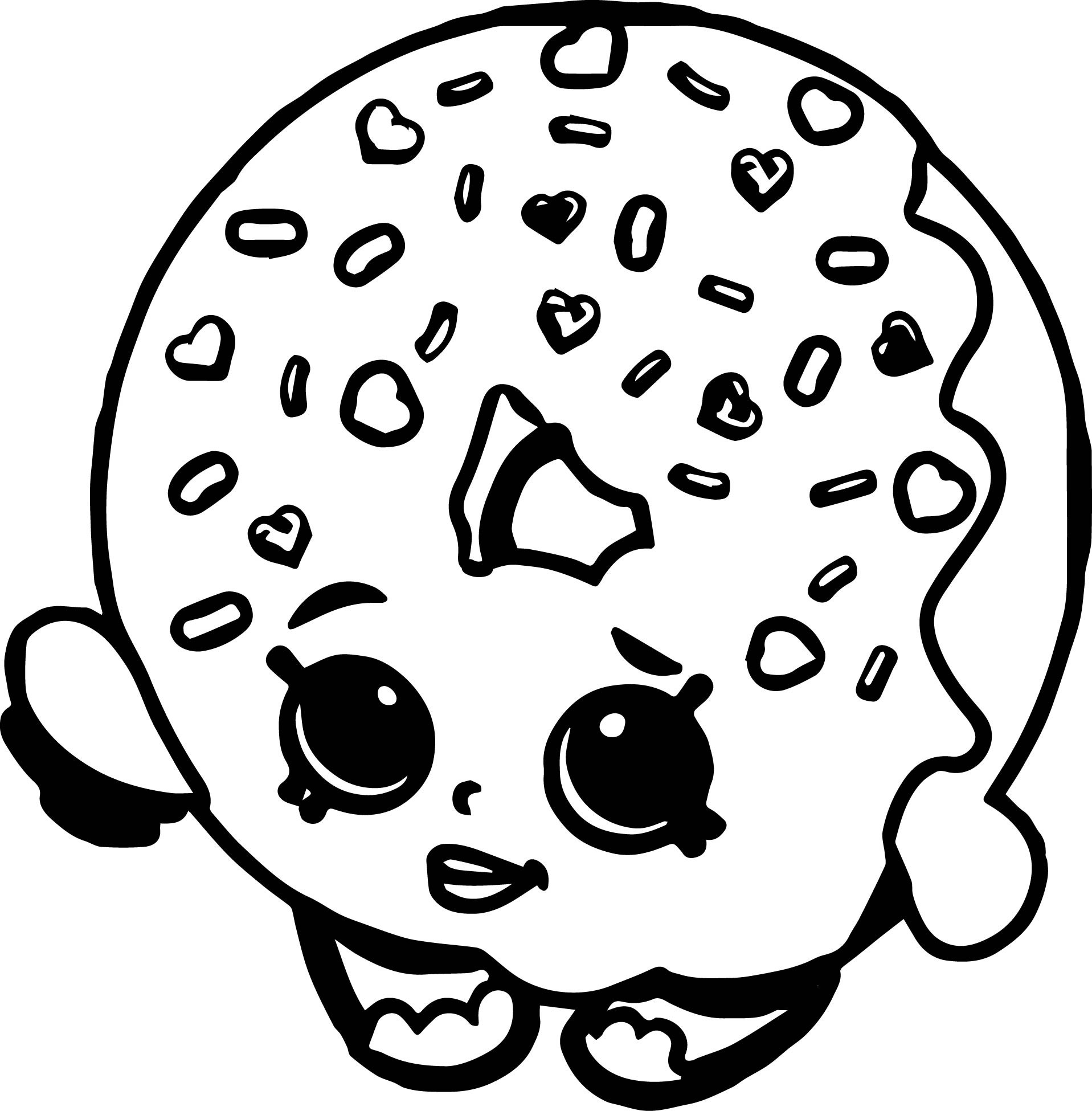
The Donut Coloring Pages For Preschool tile uses the simplest, most open linework in the collection – large, clearly defined zones with minimal internal detail. This tile is the recommended starting point for children ages 3-5 who are developing color fill skills. The Cute Donut Coloring Page adds a face and expressive eyes to the donut form, giving it character and personality that make it particularly appealing to young children.
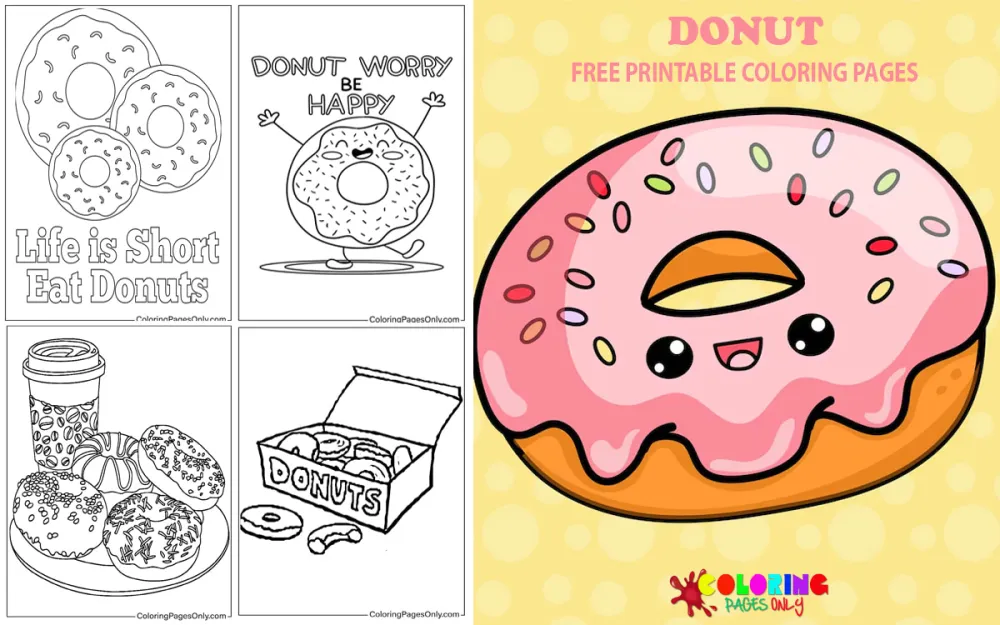
Donut Coloring Pages For Adults and Delicious Donuts Coloring Page are the collection’s most detailed standard donut tiles – more elaborate glaze patterns, drizzle details, and topping complexity than the simpler tiles, rewarding slower, more patient coloring.

Unicorn Donuts

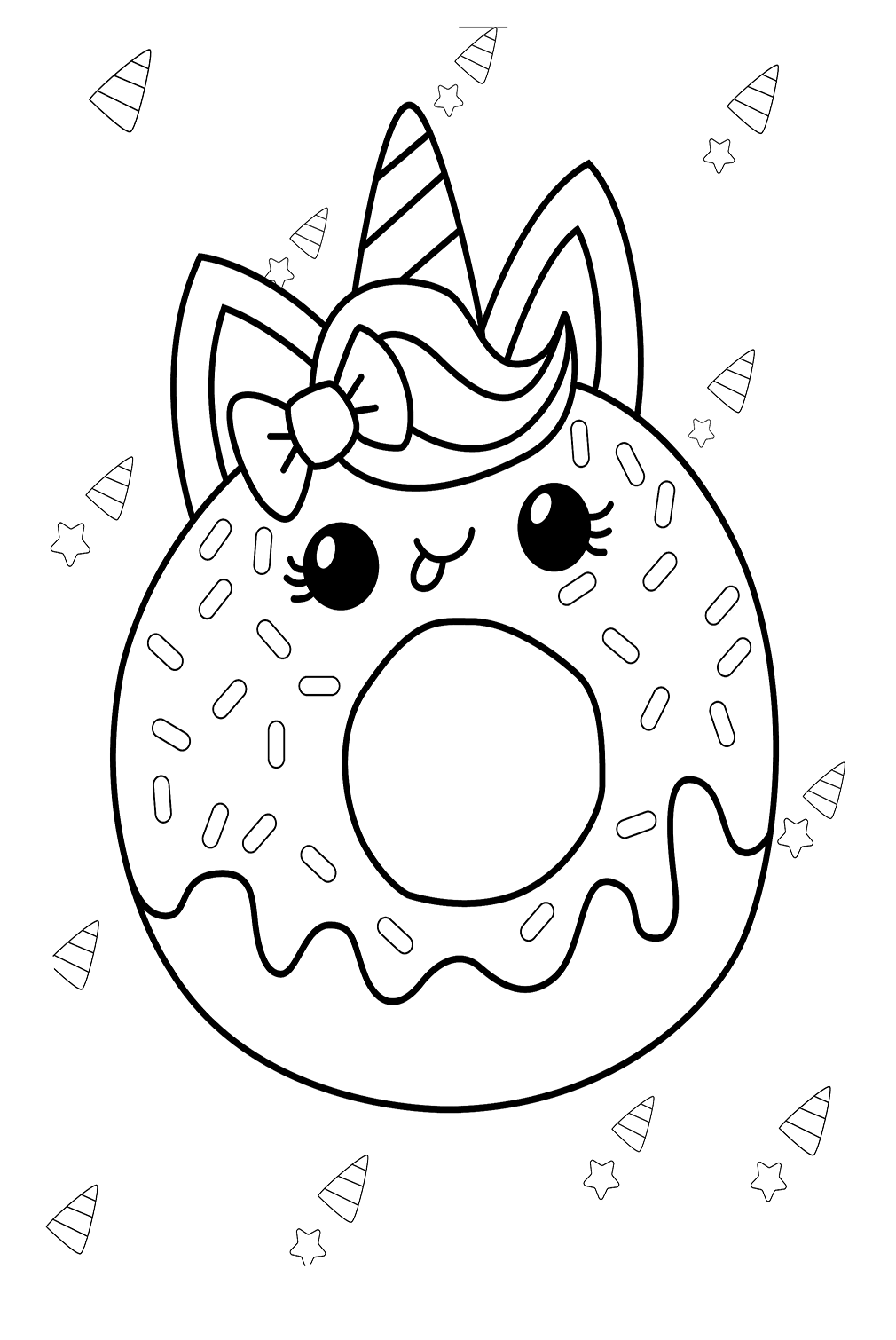
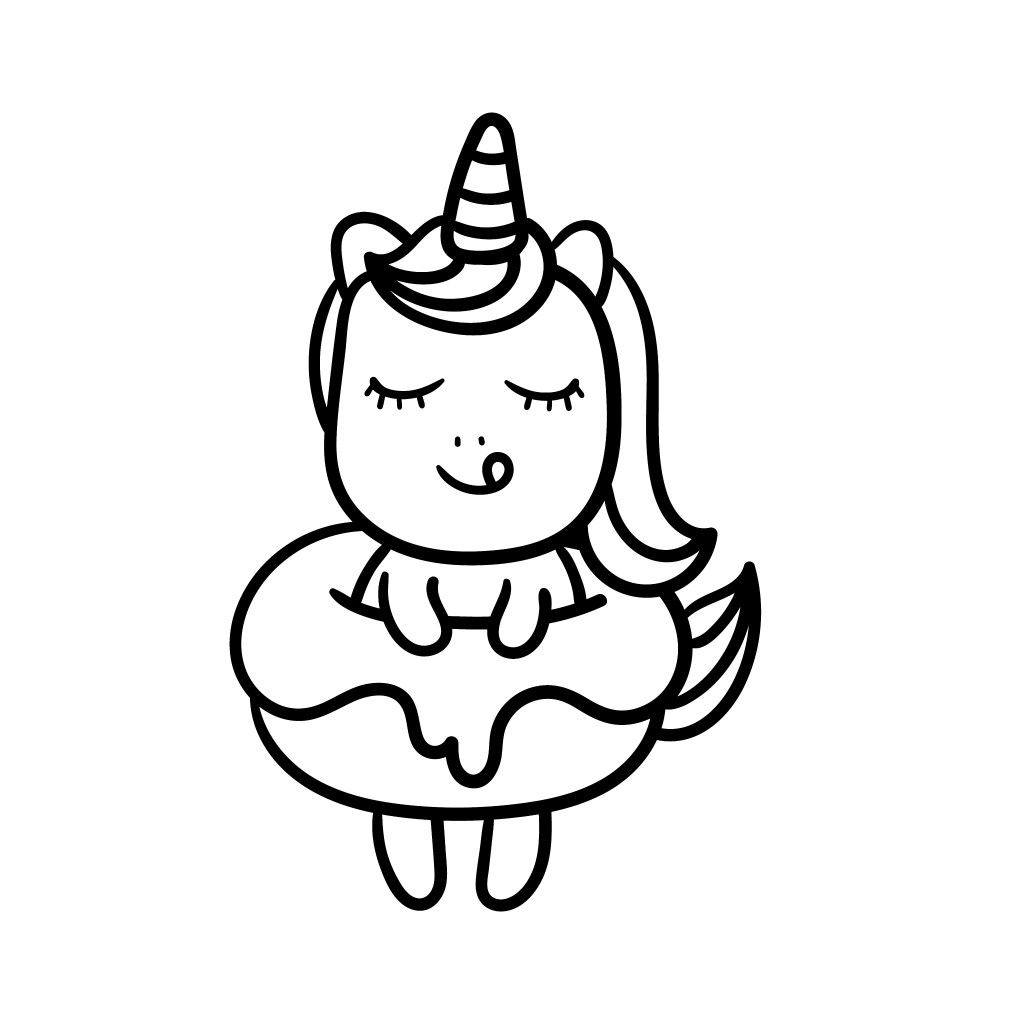
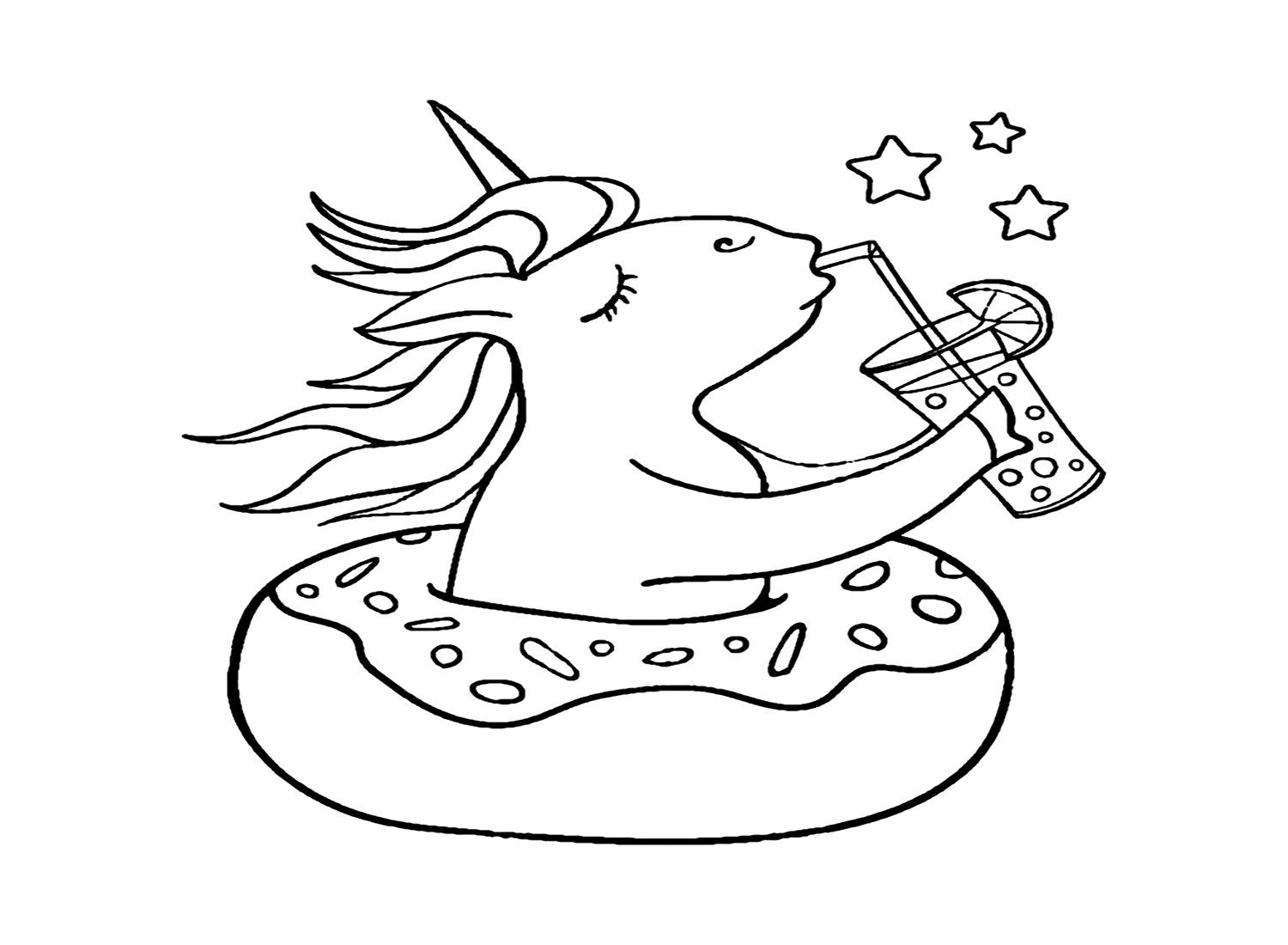
Three dedicated unicorn donut tiles – Donut Unicorn Coloring Pages, Donut Unicorn Coloring Page, and Unicorn Donut Coloring Page – represent the collection’s most fantasy-oriented sub-cluster. The unicorn donut trend – donuts decorated with iridescent pastel glazes, rainbow sprinkles, and miniature unicorn horn and ear fondant decorations – became a significant dessert food trend beginning around 2016 and remains popular in specialty bakeries.

These tiles give colorists full creative license in the most vivid pastel and rainbow spectrum: holographic iridescent glaze effects, graduated rainbow frosting from pink through purple, gold-tipped horn details, and pastel rainbow sprinkle patterns. The unicorn donut tiles are the collection’s most appropriate pages for children who want to use their full range of colors in a single composition. For more unicorn-themed coloring, see our Unicorn Coloring Pages collection.

“Donut Worry Be Happy” – Typography Tile

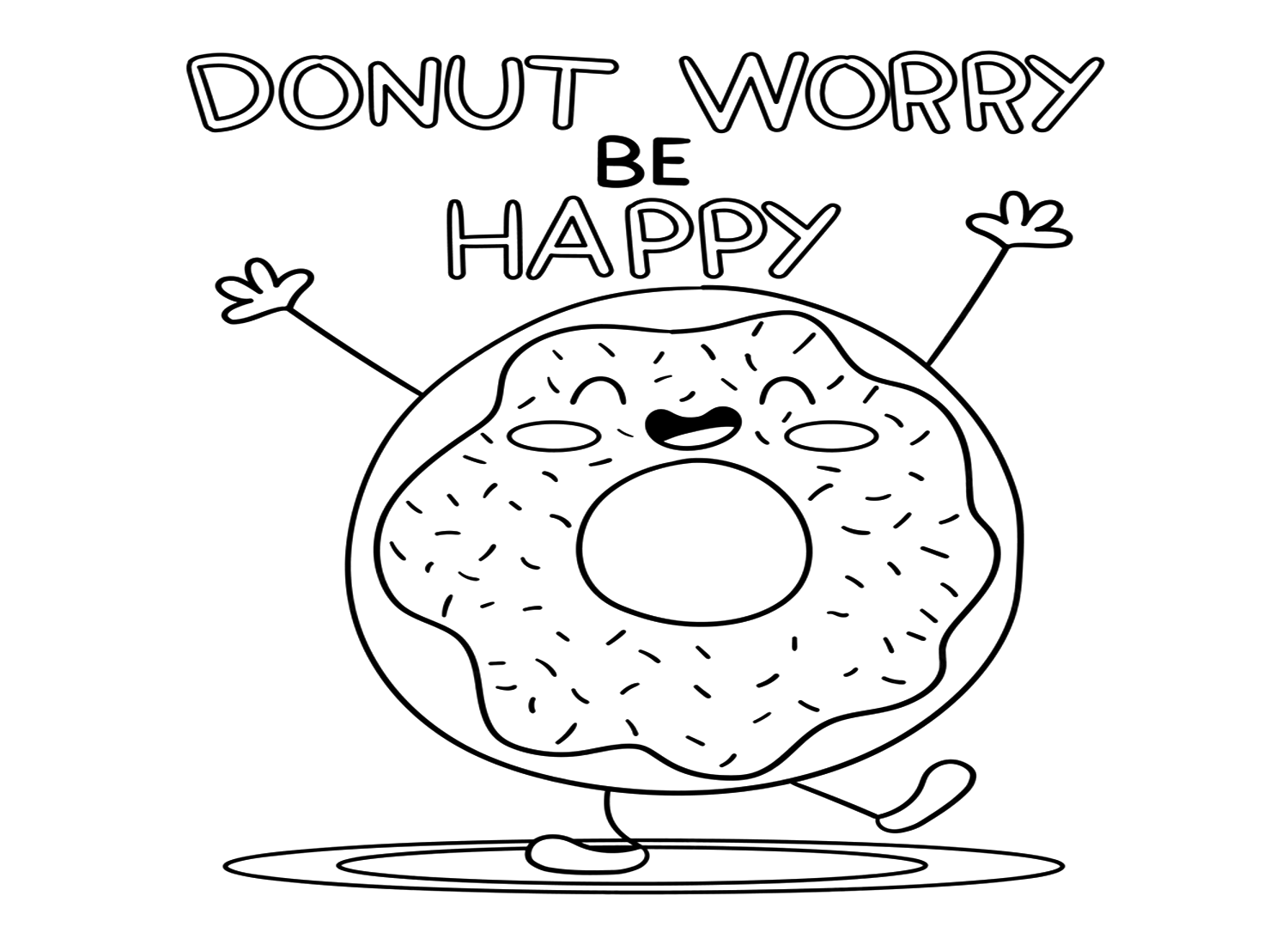
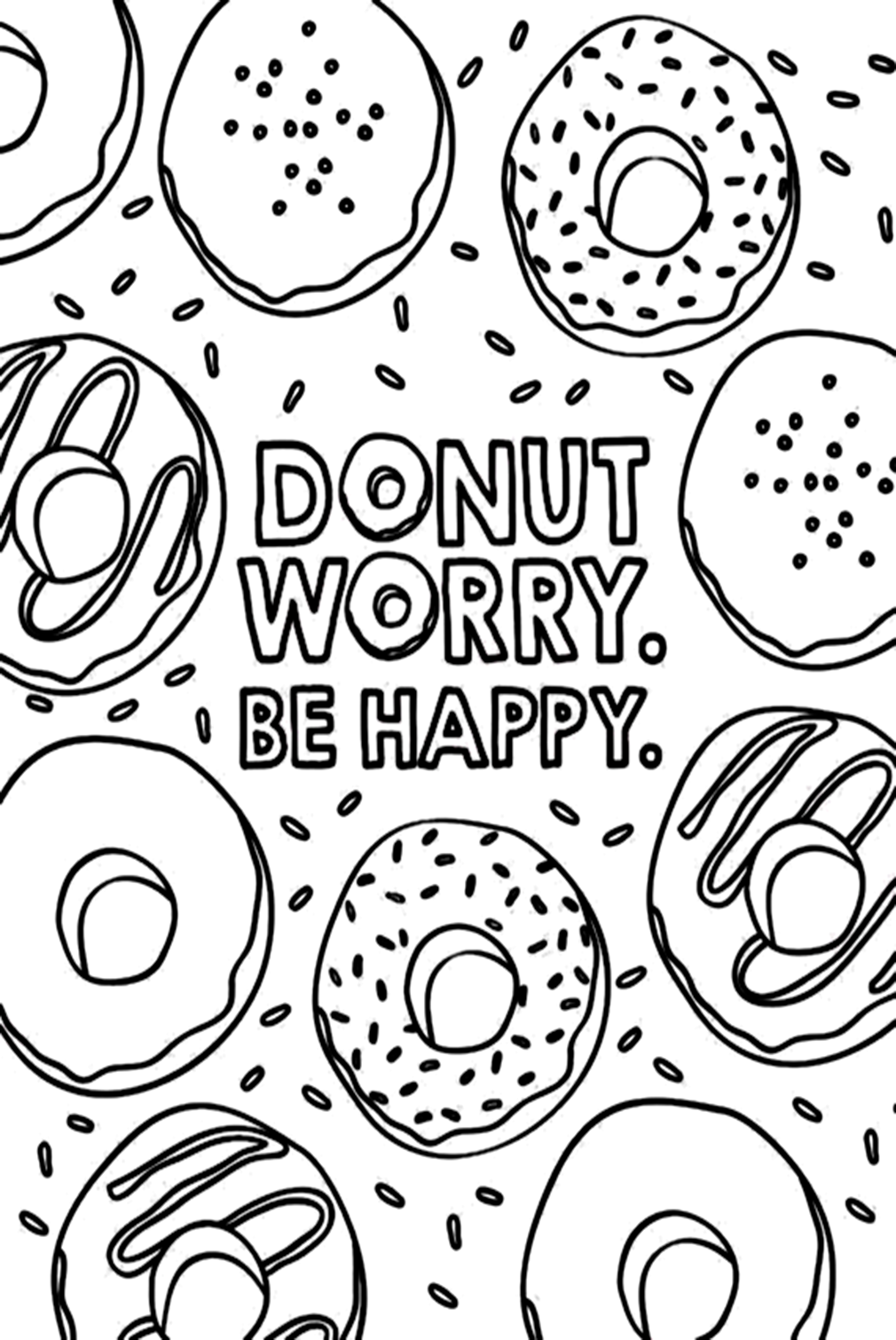
Donut Worry Be Happy Coloring Page is a typography-based tile playing on the visual and phonetic similarity between “donut” and “don’t” – an established pun-based design format popular in motivational and decorative illustration. The tile integrates the “Donut Worry Be Happy” lettering with donut illustrations in a composition that functions equally as a typography coloring exercise and as a motivational decoration piece when completed and displayed.

This tile works well as a card or poster project – print, color carefully, and frame or give as a cheerful gift.

Homer Simpson Donut Tile

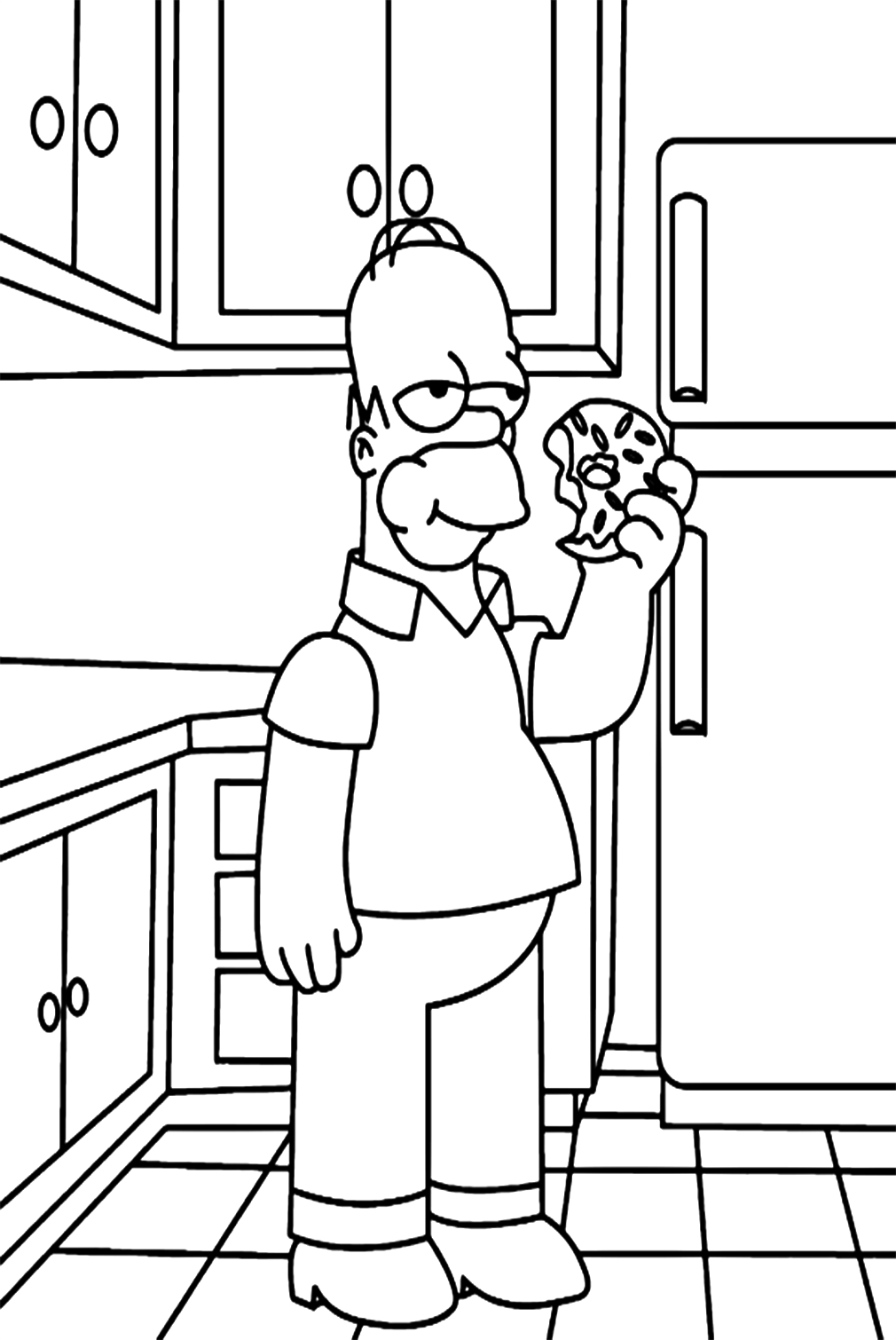
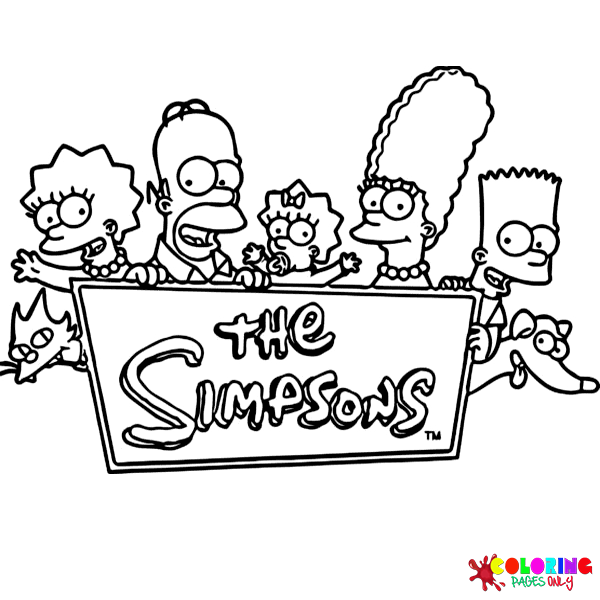
Simpsons Eating Donut Coloring Page depicts Homer Simpson – the protagonist of The Simpsons, Fox’s animated series that has aired continuously since 1989 – in his most iconic food relationship. Homer’s love of donuts, and particularly the pink frosted sprinkle donut, is one of the most consistently referenced character traits throughout the series’ 35+ seasons and one of the most recognized character-food pairings in animated television history.

Coloring Homer’s donut: Homer’s canonical donut is a pink-frosted ring donut with rainbow sprinkles – specifically, the frosting is a warm, saturated pink (not red, not pale pink, but a vivid bubble-gum pink) and the sprinkles are multi-colored. Homer himself uses his canonical bright yellow skin tone, white shirt, and gray pants.

Kitty Donut

Kitty Donut Coloring Pages places a cat character – styled in the Hello Kitty aesthetic – within or alongside a donut composition, creating a character-food crossover that is among the most popular design themes in kawaii merchandise. The cat-and-donut combination has been a consistent motif in Japanese-inspired cute design culture. For more Hello Kitty content, see our Hello Kitty Coloring Pages.

Donut Cat

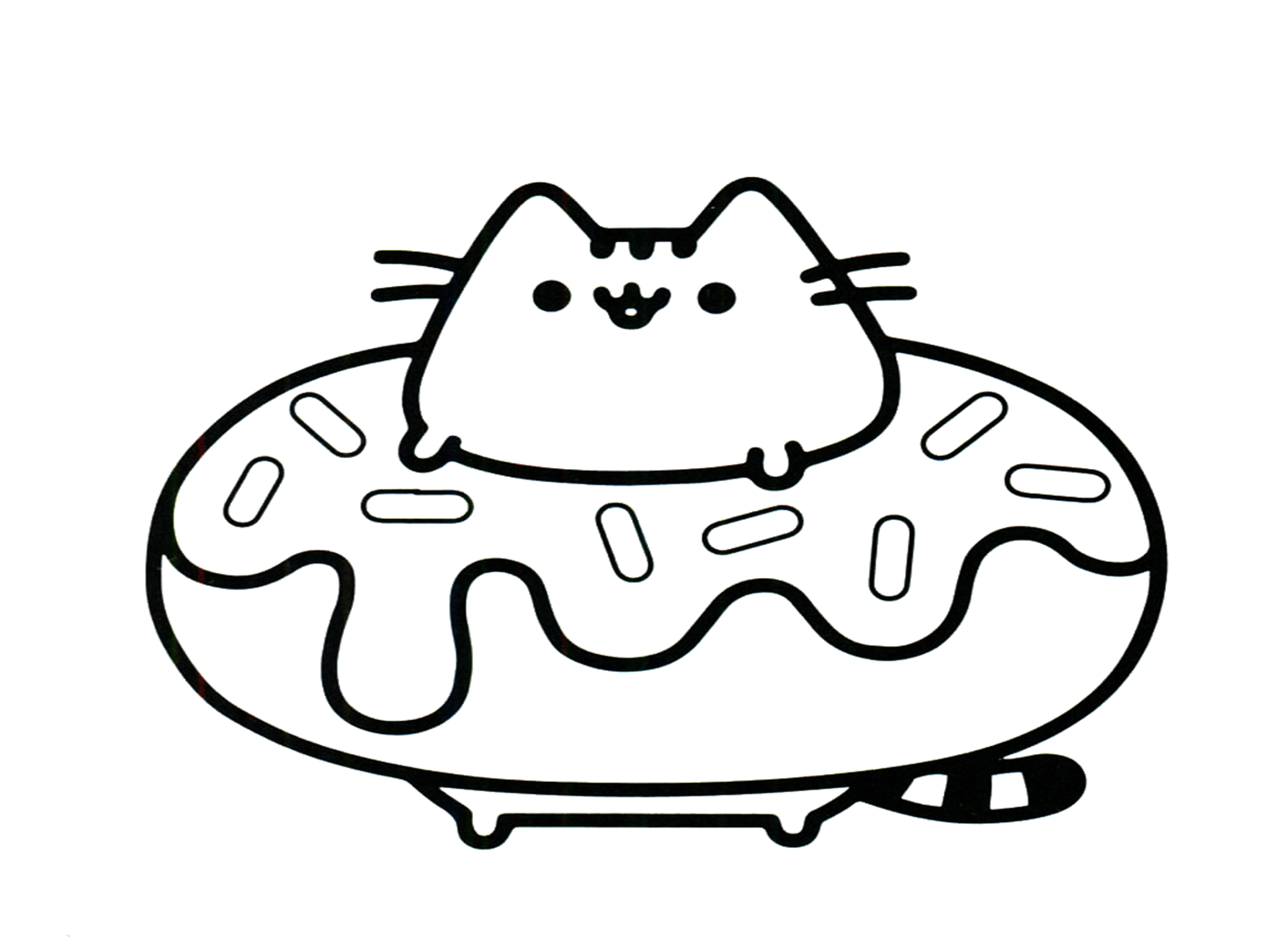
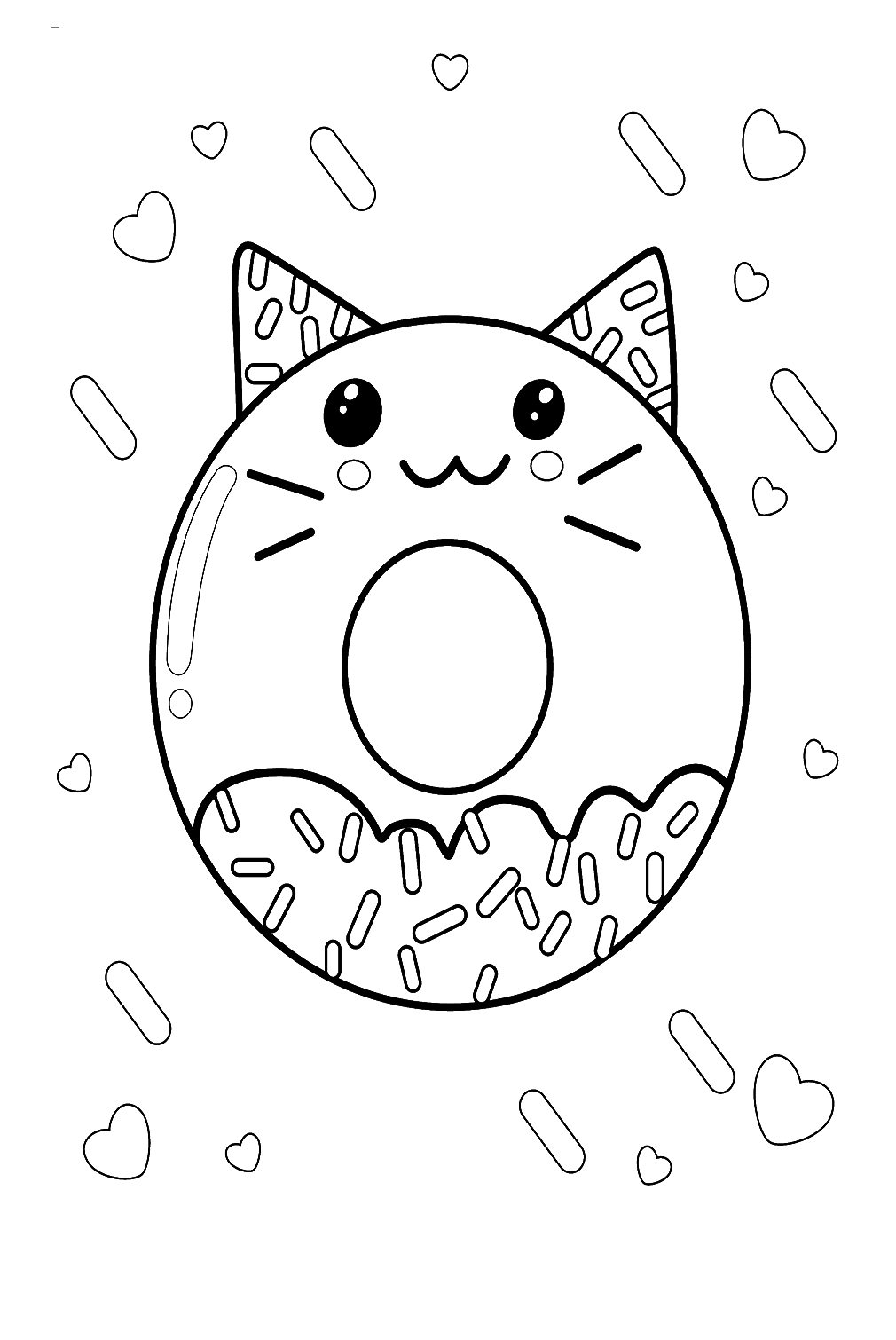
Donut Cat Coloring Page places a cat character inside or on a donut – a different treatment from the Kitty Donut tile, with the cat figure integrated into the donut form itself rather than depicted alongside it. This “cat inside a food” format has become a distinctive kawaii illustration convention that produces particularly charming coloring subjects.

Donut Forest

Donut Forest Coloring Page is the collection’s most unusual and imaginatively creative tile – a forest setting in which donuts appear as surreal elements within a natural landscape. This type of food-in-nature surrealism has been a recurring motif in contemporary illustration, and the Donut Forest tile is among the most conceptually interesting pages in the entire collection, inviting colorists to think beyond literal food illustration toward more imaginative world-building in their color choices.

Donut and Drink / Donut and Sweet Cakes

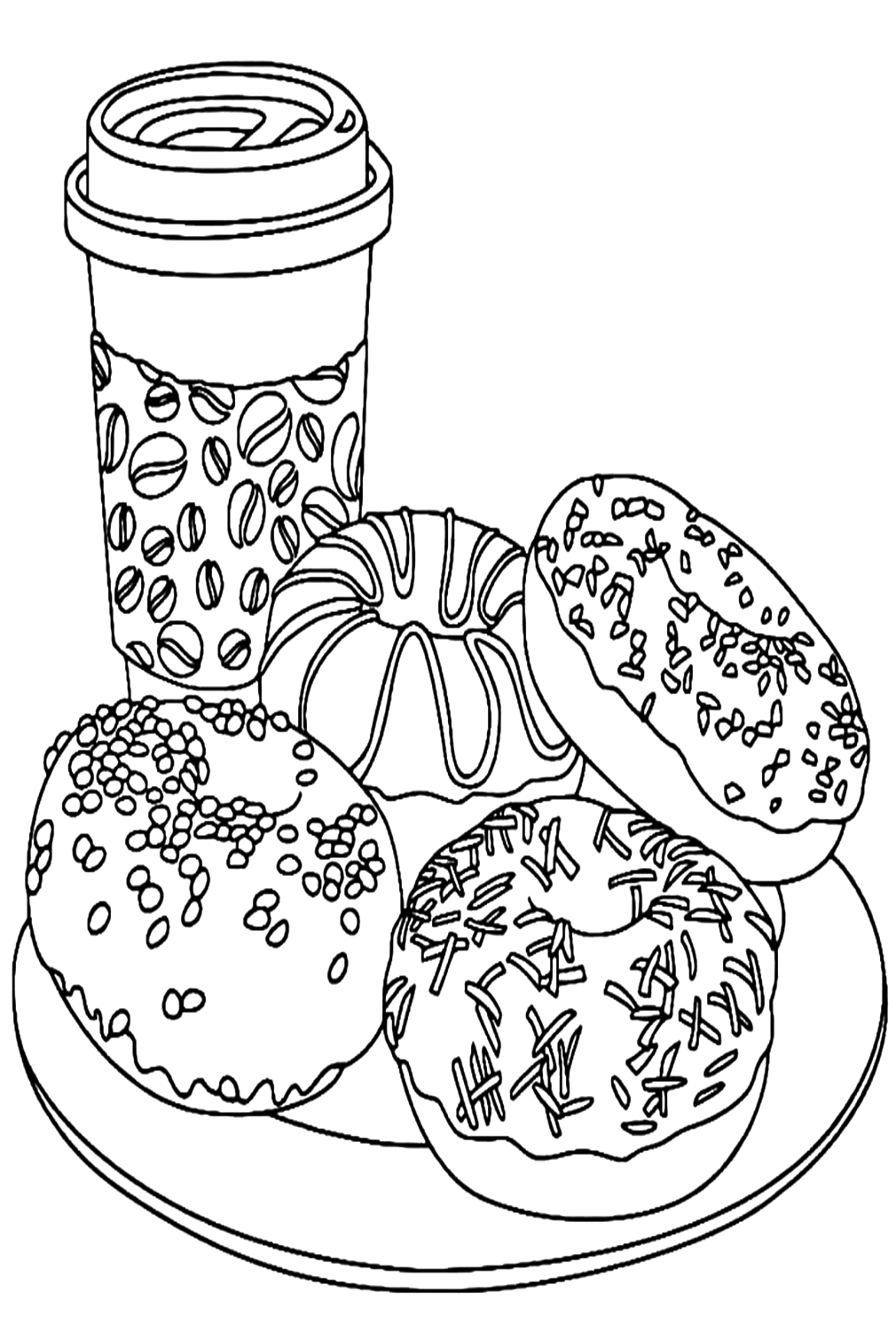
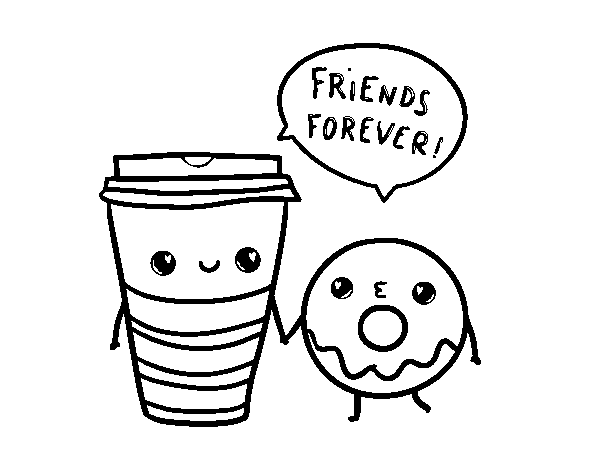
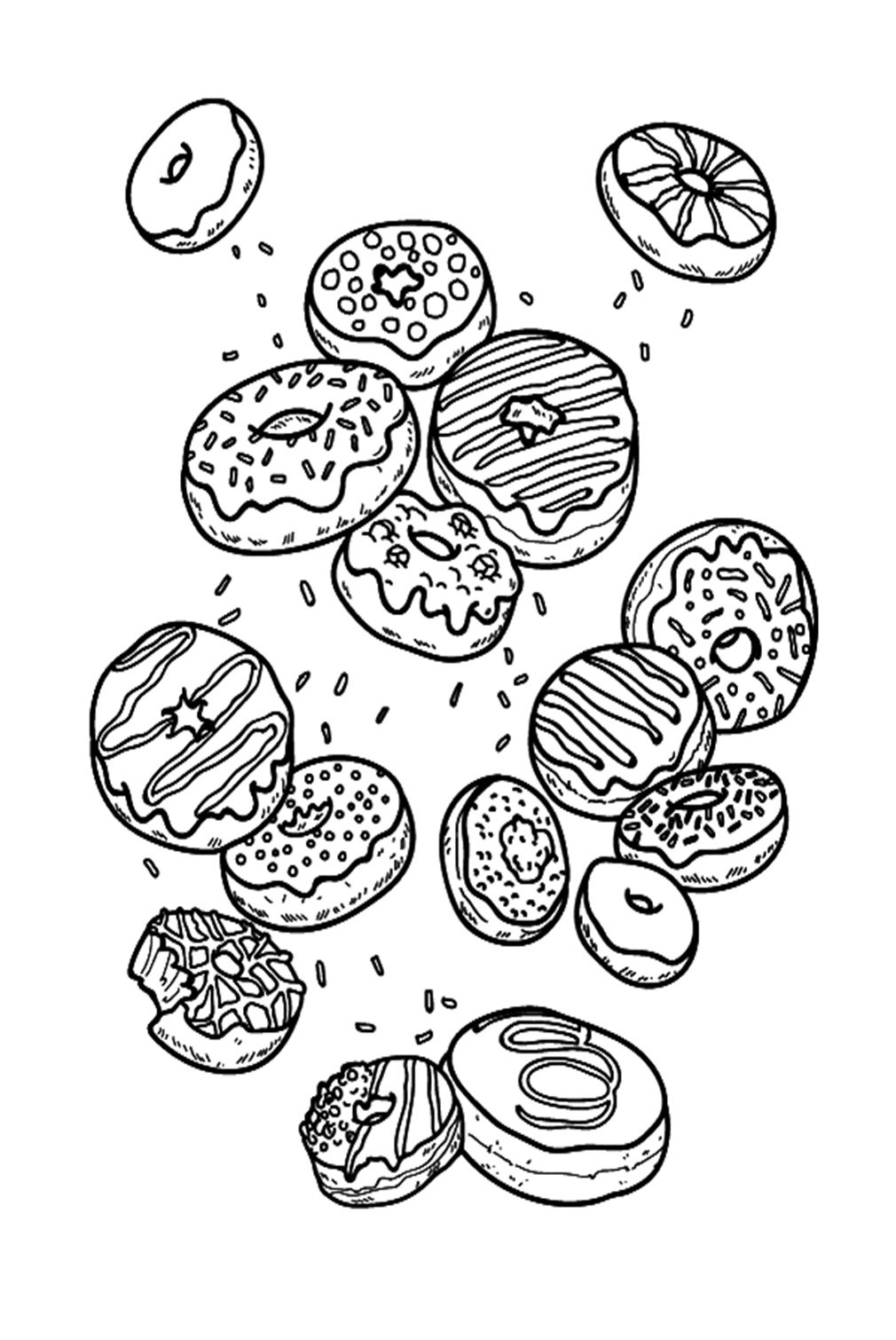
Donut And Drink Coloring Page pairs a donut with a beverage – most likely coffee, the donut’s most natural companion. Donut And Sweet Cakes Coloring Page places donuts in a pastry ensemble alongside other baked goods. These multi-element compositions suit colorists who want to practice differentiating between similar sweet food subjects through varied color choices – chocolate glaze donut against a pink frosted cake, for example.

Zentangle Donut

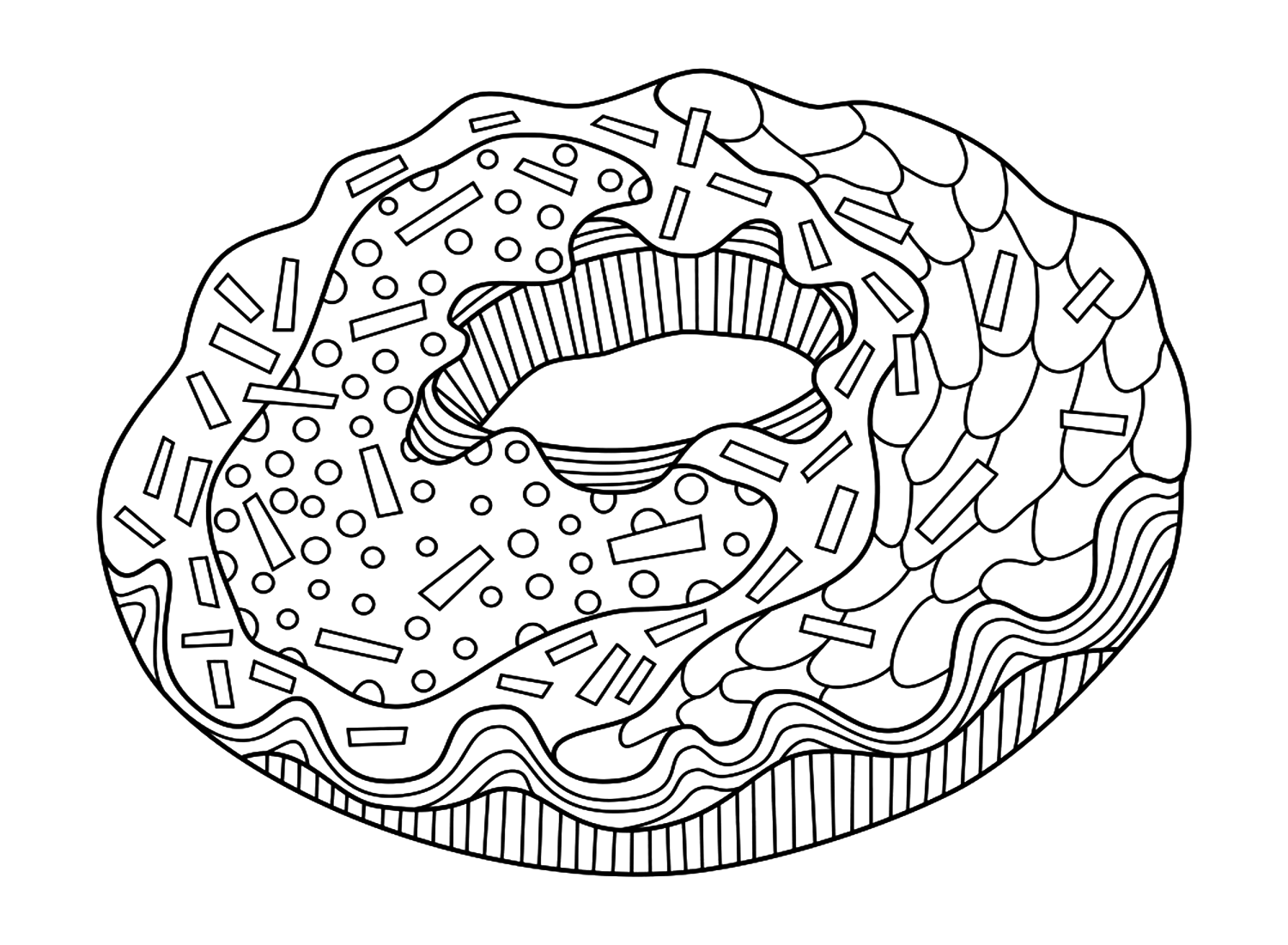
Zentangle Donut Coloring Page is the collection’s most technically demanding tile – the donut’s surface is filled with intricate zentangle-style geometric and organic patterns rather than left as flat glaze. This is the only tile in the collection appropriate as an adult coloring challenge, requiring fine-tip tools and patience. The zentangle approach transforms the familiar donut shape into a detailed pattern coloring exercise. For adult coloring content focused on stress relief, see our coloring for stress relief and anxiety guide.

Letter D for Donut – Educational

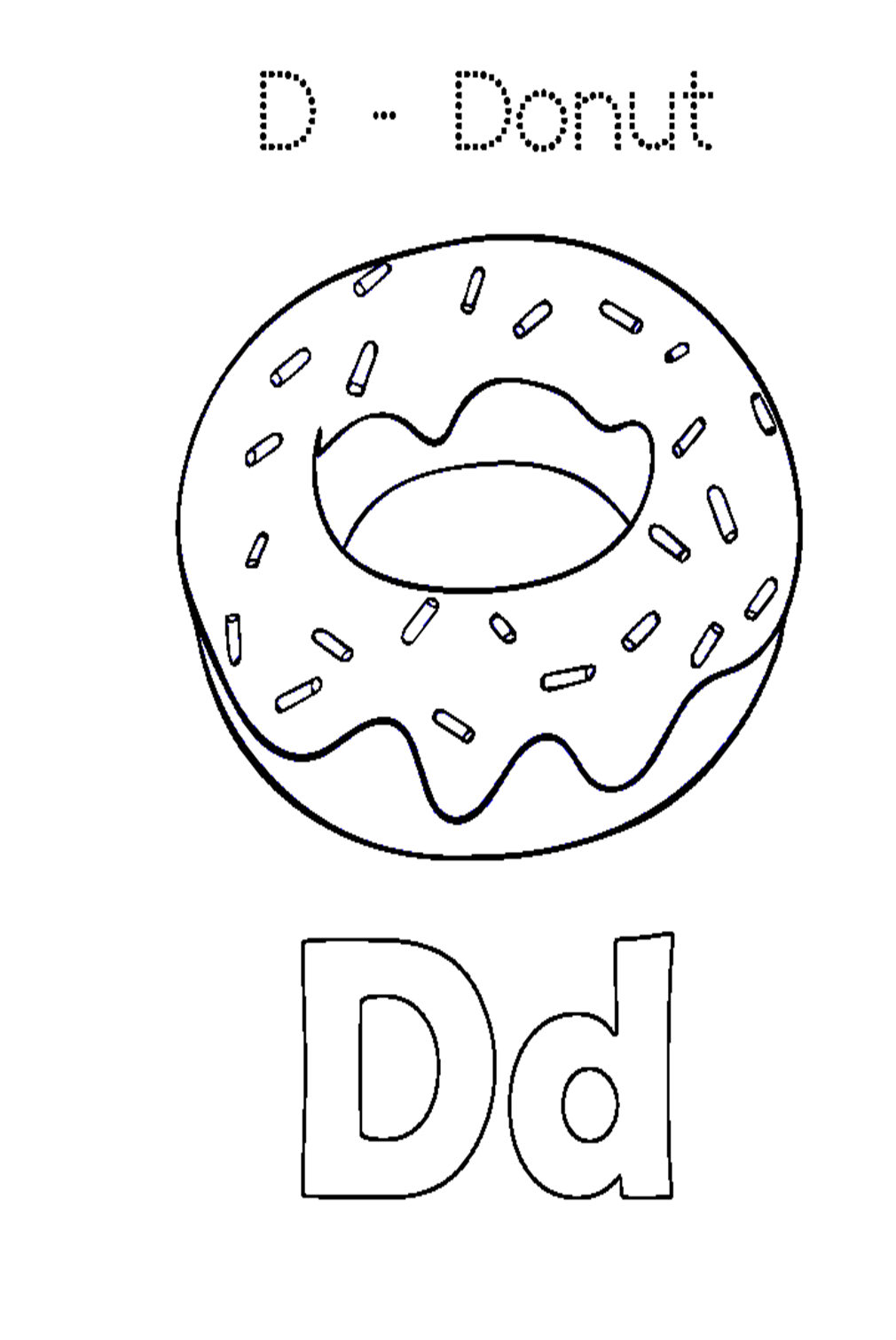
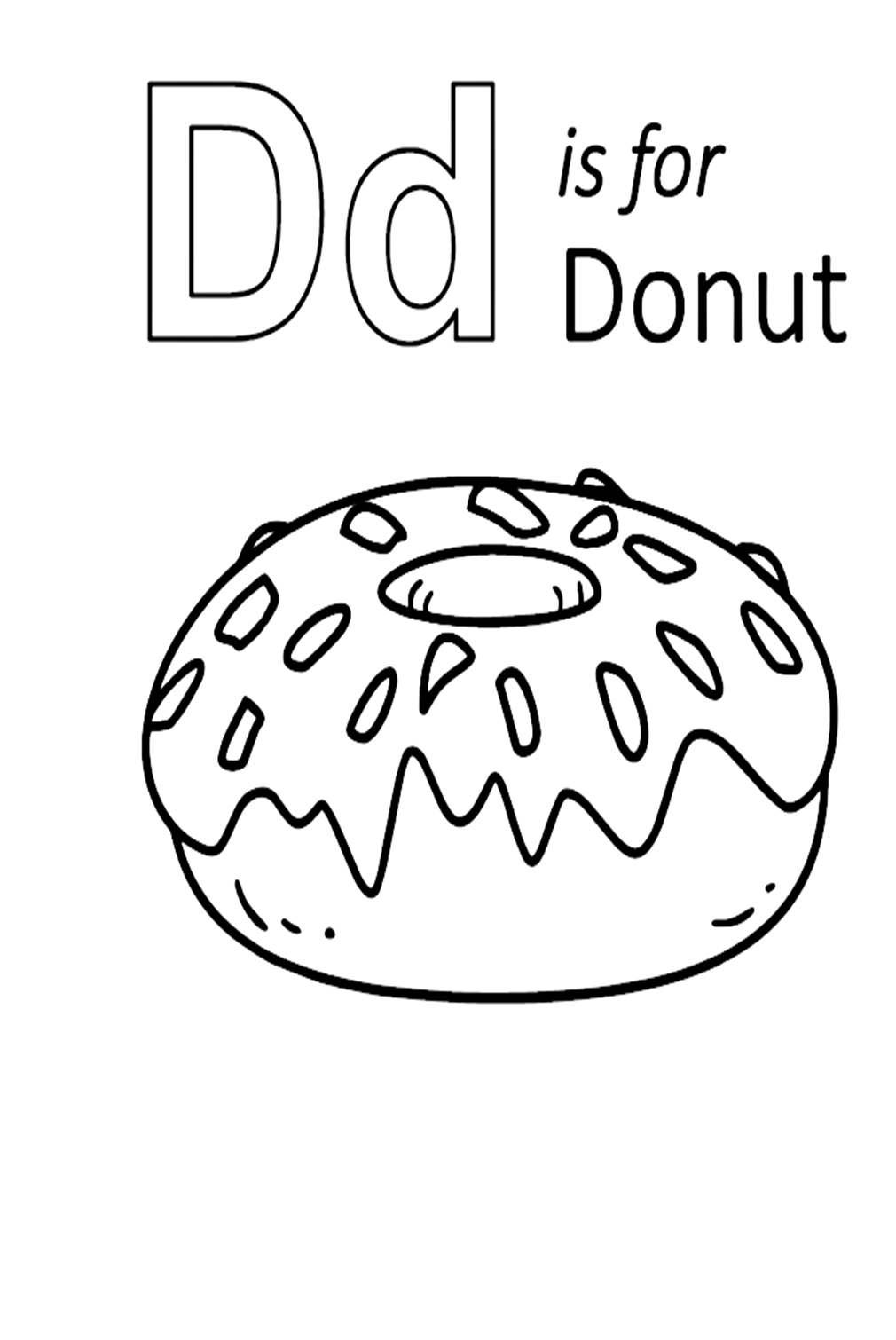
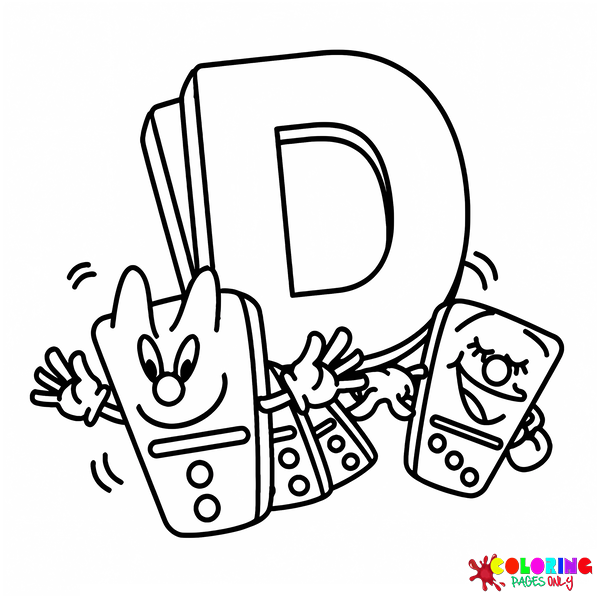
Letter D For Donut Coloring Page pairs the uppercase letter D with a donut illustration – a classic alphabet-and-object educational format where the letter’s phonetic association with the illustrated word reinforces letter recognition. This tile is specifically designed for preschool and kindergarten use, making it the collection’s most curricular page. For age-appropriate coloring guidance, including educational use recommendations, see our coloring pages by age guide.

Coloring Guide: The Donut Palette

Glazes – The Donut’s Primary Color Decision

The glaze is the most visually dominant element of any donut coloring page and the single decision that determines the finished page’s overall color character. Real donut glazes cover an enormous range, giving colorists complete creative freedom. The most iconic and recognizable options:

Chocolate glaze – a deep, rich brown applied as a thick, slightly glossy coating. Use warm dark brown for the main coverage, with a slightly lighter warm brown highlight along the top of the donut where light reflects off the smooth surface. The glaze should appear wet and glossy – achieved by leaving a thin white paper highlight strip along the curve of the donut.

Pink strawberry glaze – the most iconic donut color in American popular culture (see Homer Simpson above). Use a fully saturated warm pink – vivid, not pale, not hot pink, but the specific medium-bright pink of a strawberry-frosted ring donut. This reads instantly as “donut” to most viewers.

Vanilla/white glaze – appears nearly white with a very subtle warm cream or ivory bias. This is the glaze most commonly paired with rainbow sprinkles.

Maple glaze – a warm golden tan, reminiscent of caramel. Slightly orange-brown, distinctly warmer than vanilla.

Blue/purple/rainbow glazes (unicorn tiles specifically) – these use the full vivid pastel spectrum: light lavender, sky blue, mint green, blush pink, and pale yellow in graduated or marbled arrangements.

Sprinkles – Maximum Color Variety

Sprinkles are the coloring page’s permission to use every color available simultaneously. Each sprinkle is a small, separate color zone – the collective effect of many different saturated colors creates the visual energy that makes a sprinkle-covered donut visually vibrant. Use the most saturated available versions of red, orange, yellow, green, blue, and purple, applying each sprinkle as a distinct, fully-colored unit. The more color variety between adjacent sprinkles, the more the finished donut reads as festive and celebratory.

The Donut Body – Beneath the Glaze

On any tile showing the donut’s exposed dough (at the hole edge, the bottom edge, or a cut cross-section), the dough uses a specific warm tone: golden tan to warm amber, similar to the color of well-toasted bread. This golden color comes from the frying process – the Maillard reaction that creates the characteristic warm brown of fried dough. Use a warm medium tan for the main dough body, slightly deeper golden-brown along the very bottom edge where the donut rested in the oil and received the most heat.

Donut Fillings

For any tile showing a cross-section or filled donut: jelly filling uses vivid red or deep purple-red (strawberry or raspberry jam); cream filling uses warm off-white or pale cream; custard/bavarian cream uses warm yellow-cream; chocolate filling uses the same warm dark brown as chocolate glaze.

FAQs

When is National Donut Day? National Donut Day is celebrated on the first Friday of June each year. The holiday originated in 1938 when The Salvation Army created it to honor the women who served donuts to American soldiers during World War I. It is now marked by free donut giveaways at major chains, including Krispy Kreme and Dunkin’.

Who invented the donut hole? The ring donut with a hole through the center is most commonly attributed to Hanson Gregory, a New England ship captain who claimed in 1847 to have cut the hole in his fried cakes to help them cook evenly. While the specific historical claim is difficult to fully verify, the ring donut format had become standard in American donut culture by the late 19th century.

What is a unicorn donut? A unicorn donut is a specialty decorated donut featuring iridescent pastel glazes – typically in pink, purple, blue, and gold – with fondant unicorn horn and ear decorations. The style became popular in specialty bakeries around 2016 and continues as a popular themed pastry.

What is Homer Simpson’s favorite donut? Homer Simpson from The Simpsons is most consistently associated with the pink-frosted sprinkle donut – a ring donut with bright pink strawberry glaze and rainbow sprinkles. This specific donut appears repeatedly throughout the series’s 35+ seasons and is one of television animation’s most recognized character-food associations.

What color are donut sprinkles? Donut sprinkles are typically multi-colored – using the full spectrum of red, orange, yellow, green, blue, and purple in a random, mixed arrangement. Sprinkle colors are intentionally maximally varied to create a festive visual effect, which makes sprinkle-covered donut coloring pages among the most color-rich single pages in the food coloring category.

What is the difference between “donut” and “doughnut”? Both spellings are correct. “Doughnut” is the older, more traditional spelling – making the etymology explicit (dough + nut, nut referring to the small, rounded shape). “Donut” is the simplified spelling that became popular in American English through commercial use, most prominently by Dunkin’ Donuts. American English increasingly uses “donut” in casual and commercial contexts; “doughnut” remains more common in British English.

What age group are these pages for? All ages. The Donut Coloring Pages For Preschool, Cute Donut, and Letter D For Donut tiles suit children ages 3-5. Standard ring donut tiles suit ages 5 and up. The Simpsons, unicorn, and character crossover tiles are most meaningful to older children who know the source characters. The Zentangle Donut is an adult-appropriate challenge tile. The “Donut Worry Be Happy” typography tile works for ages 6 and up as both a coloring and a literacy exercise.

All 30+ Donut Coloring Pages are free – download as PDF or color online. Share your finished pages on Facebook and Pinterest.

These related coloring collections will help you explore the wonderful world of colors. Let’s choose, be creative, and show us your great pictures!

Jennifer Thoa – Writer and Content Creator

Hi there! I’m Jennifer Thoa, a writer and content creator at Coloringpagesonly.com. With a love for storytelling and a passion for creativity, I’m here to inspire and share exciting ideas that bring color and joy to your world. Let’s dive into a fun and imaginative adventure together!