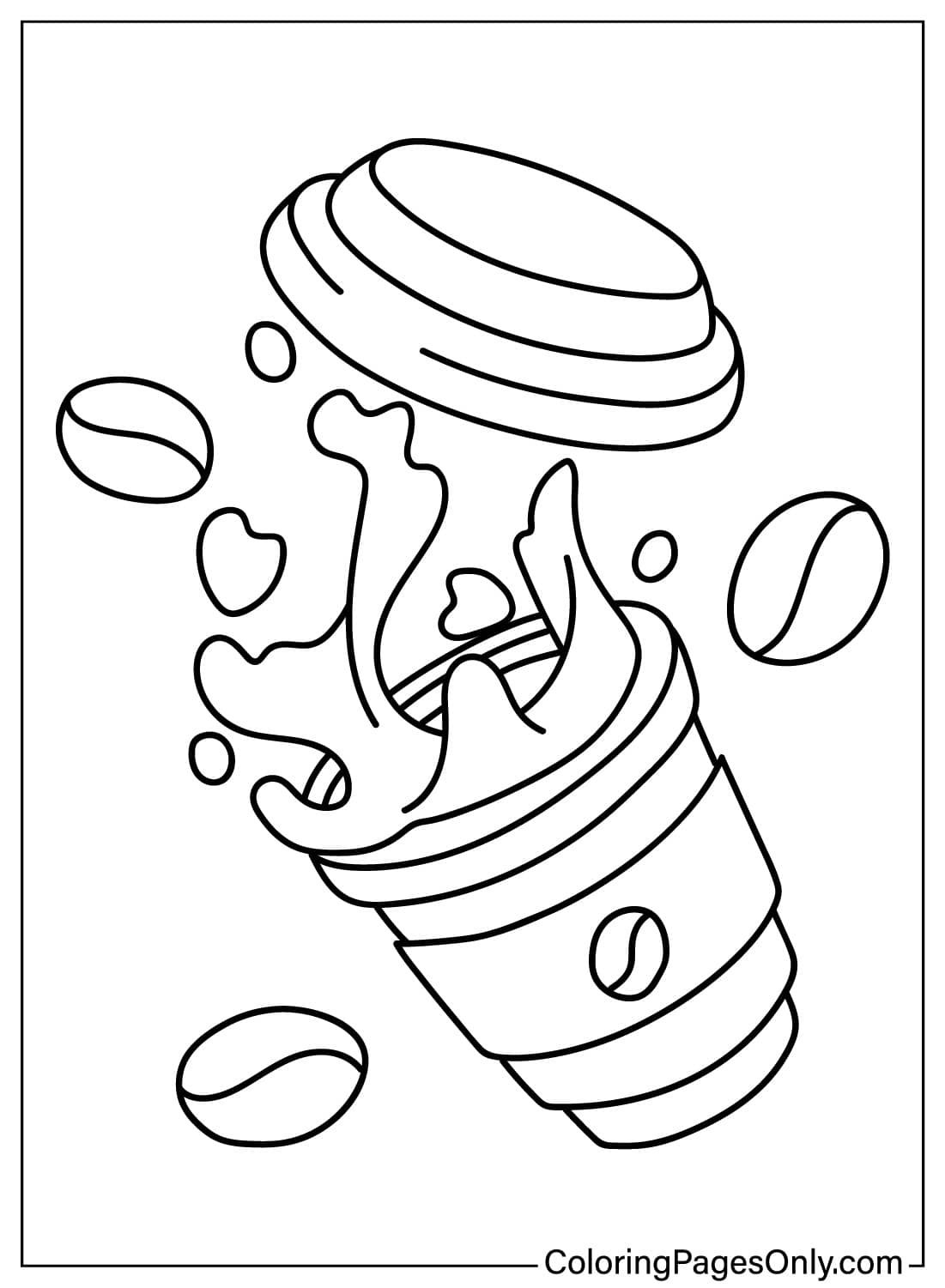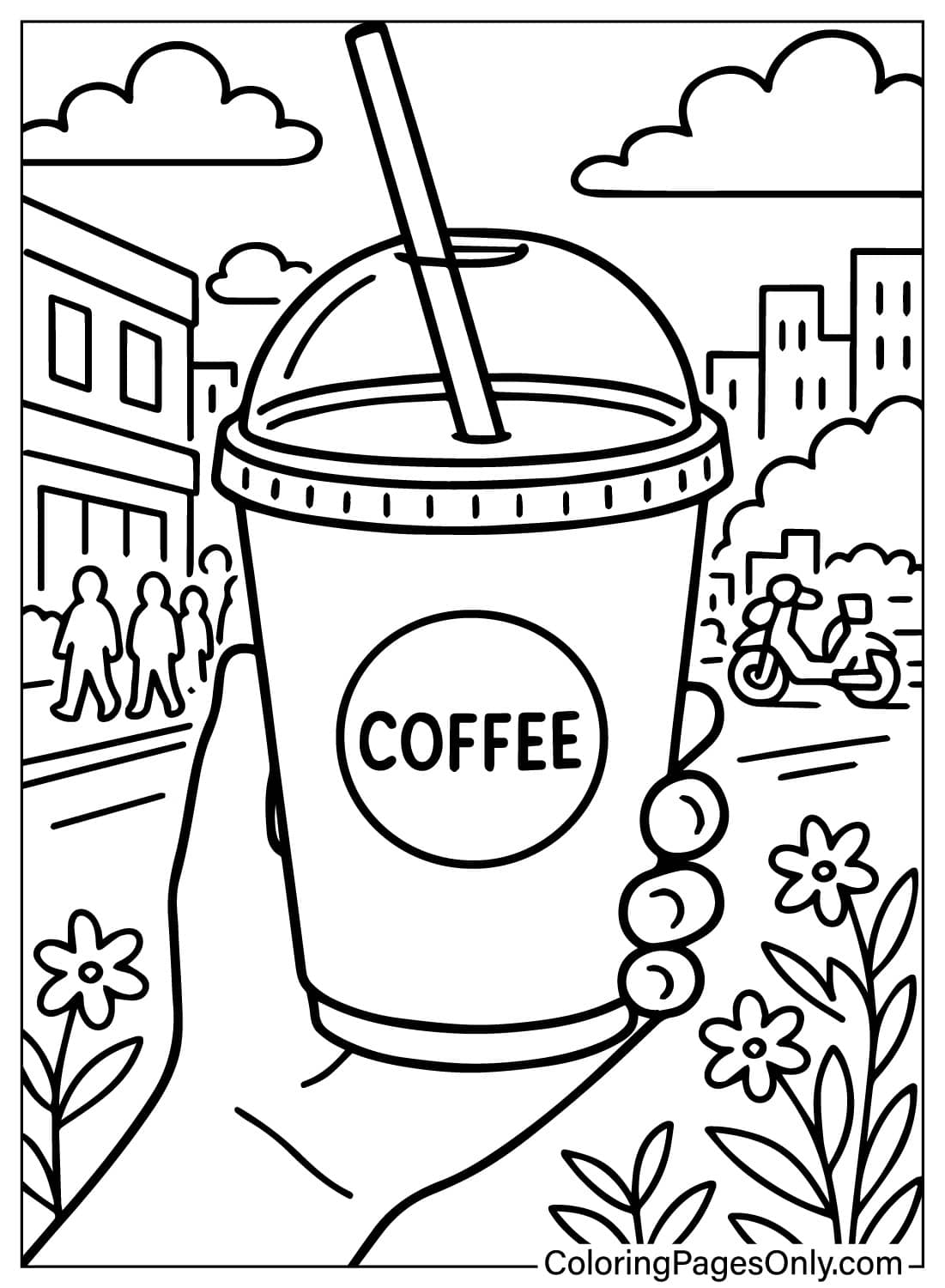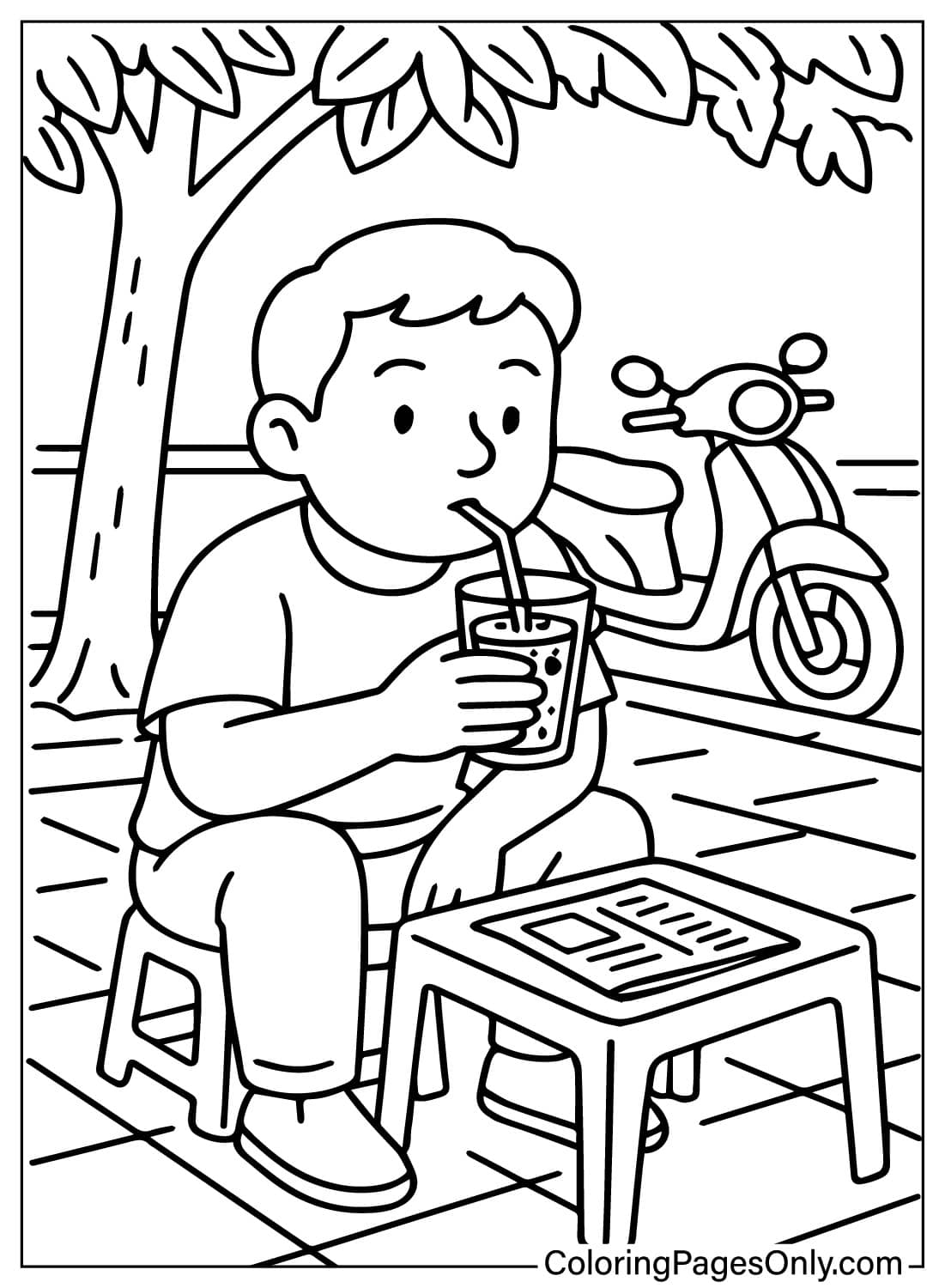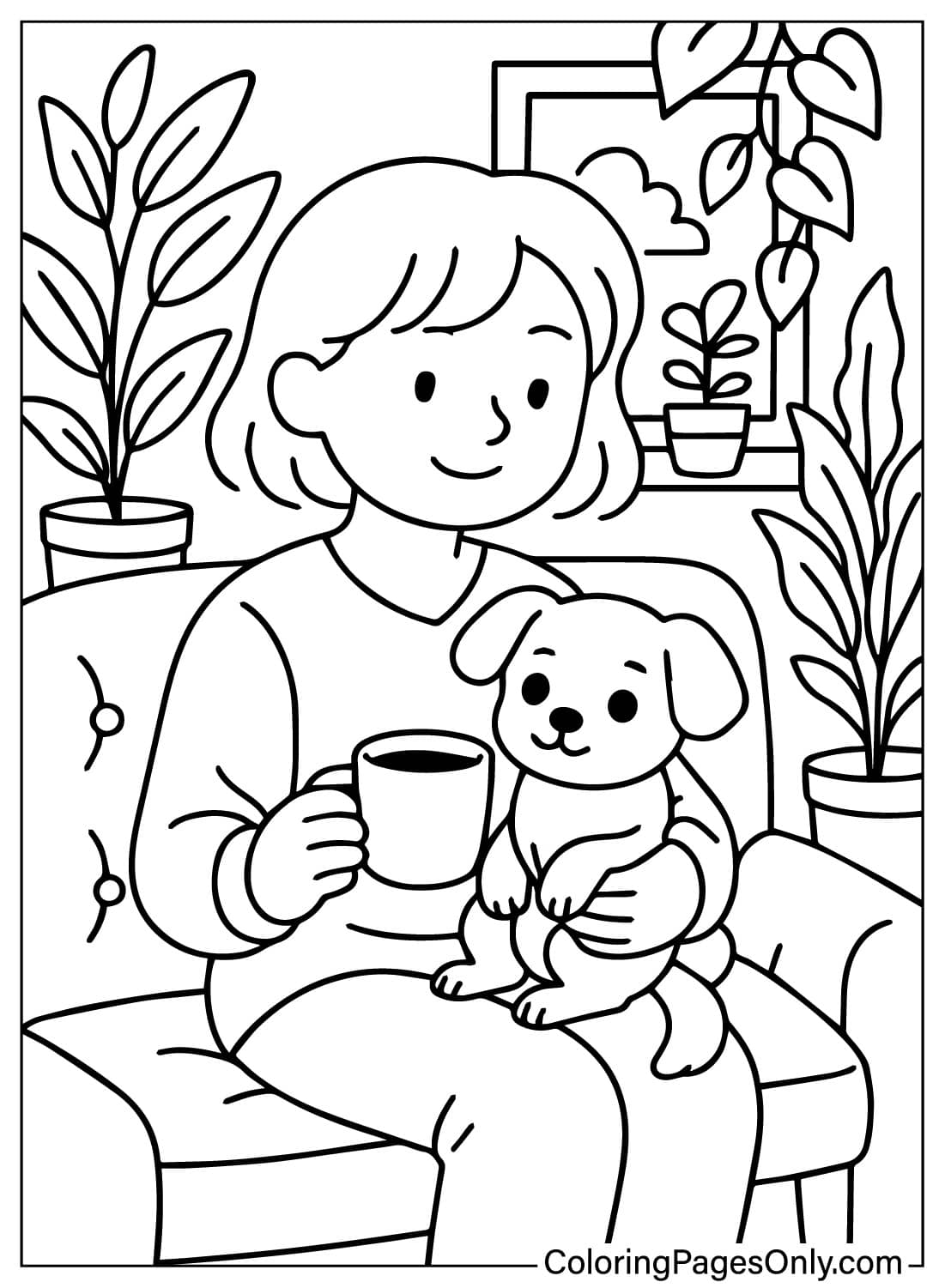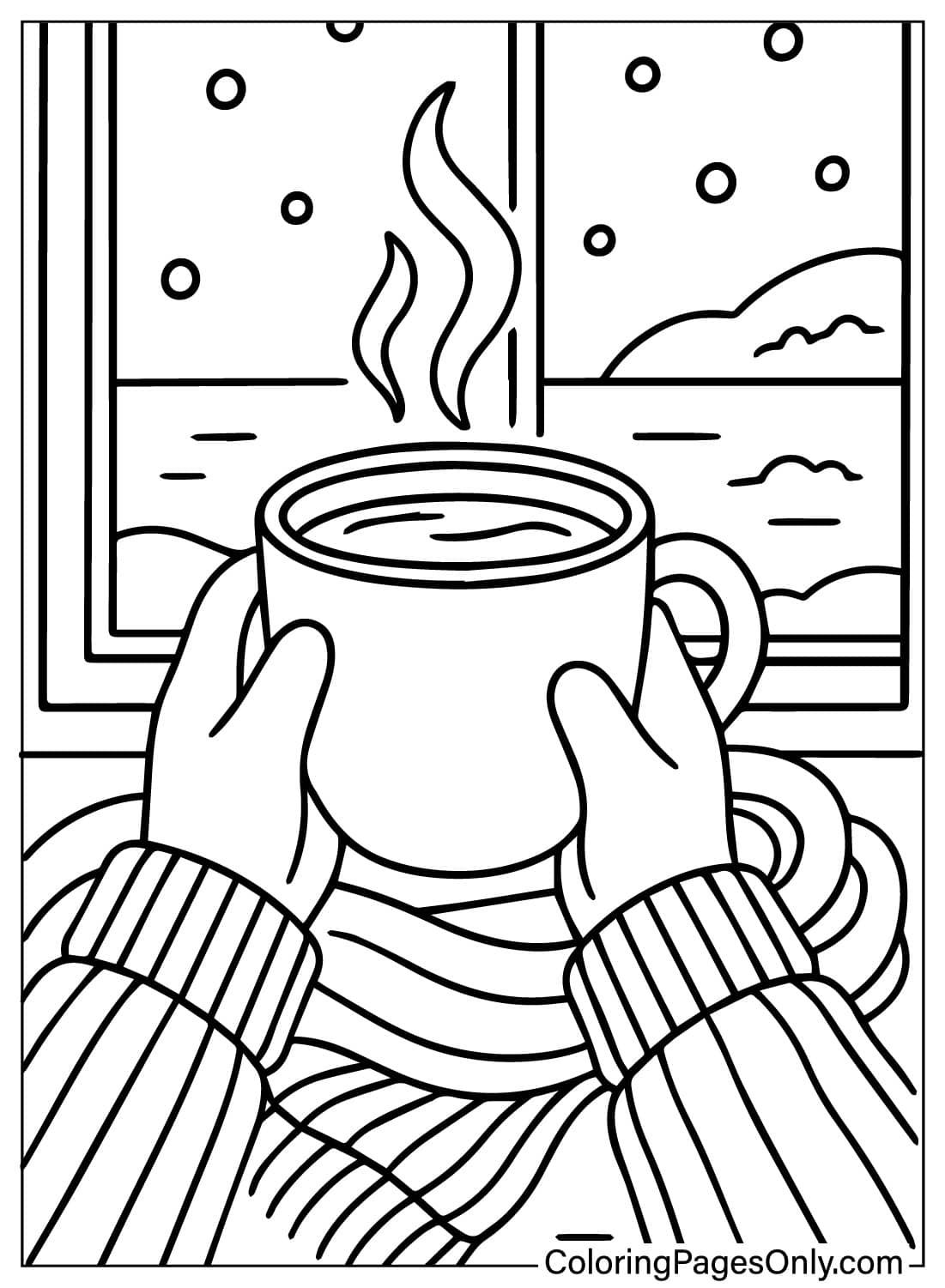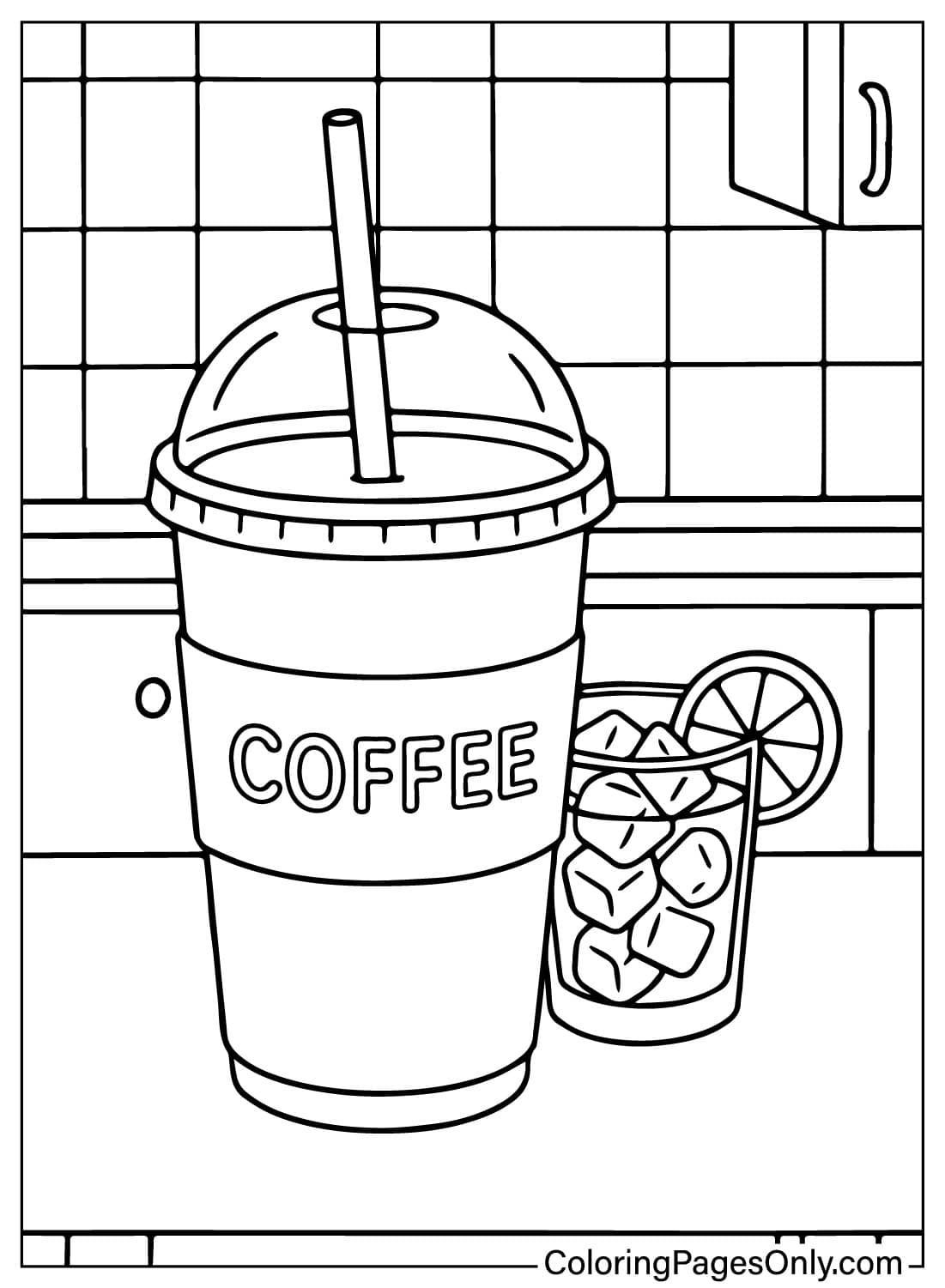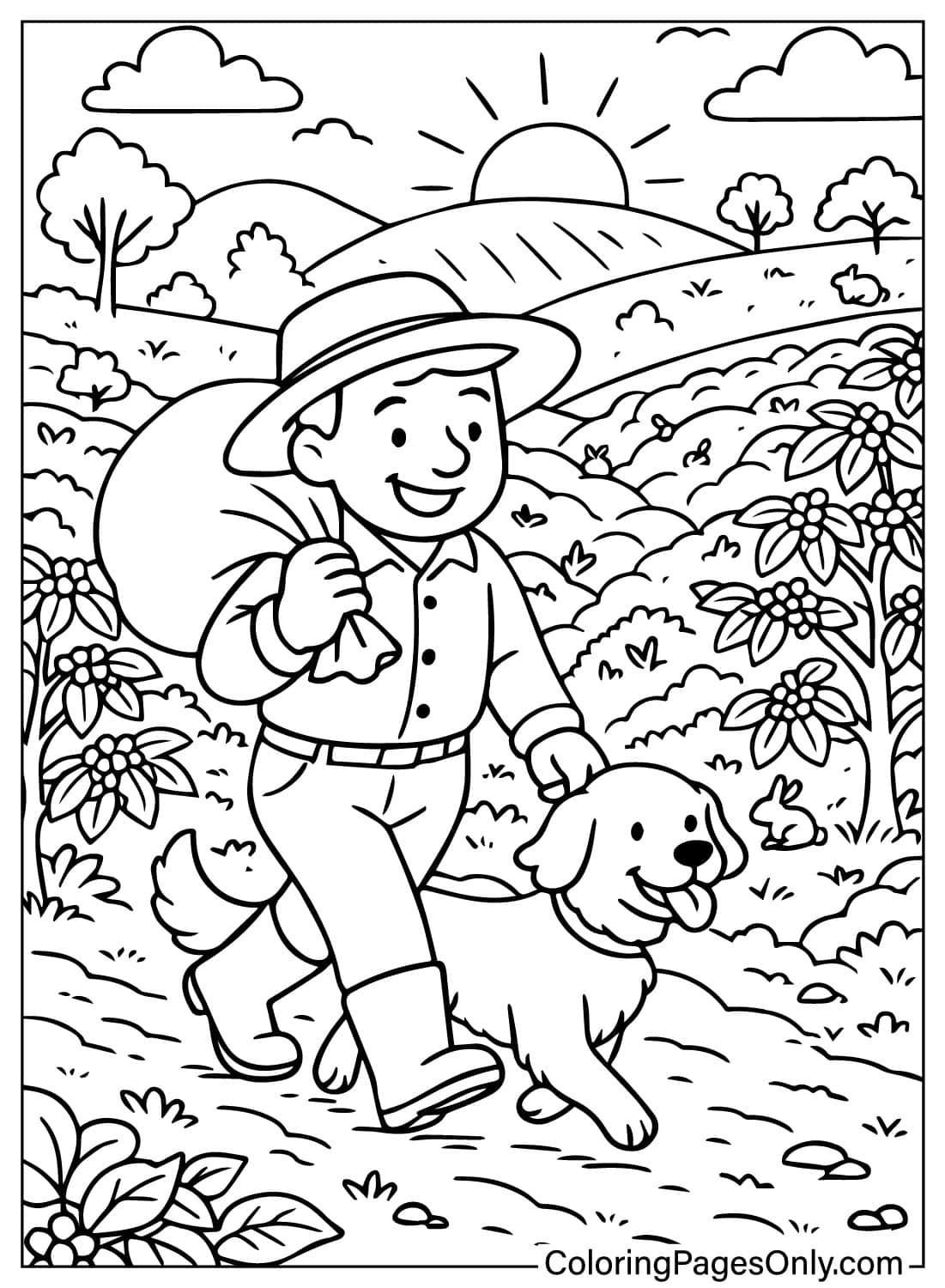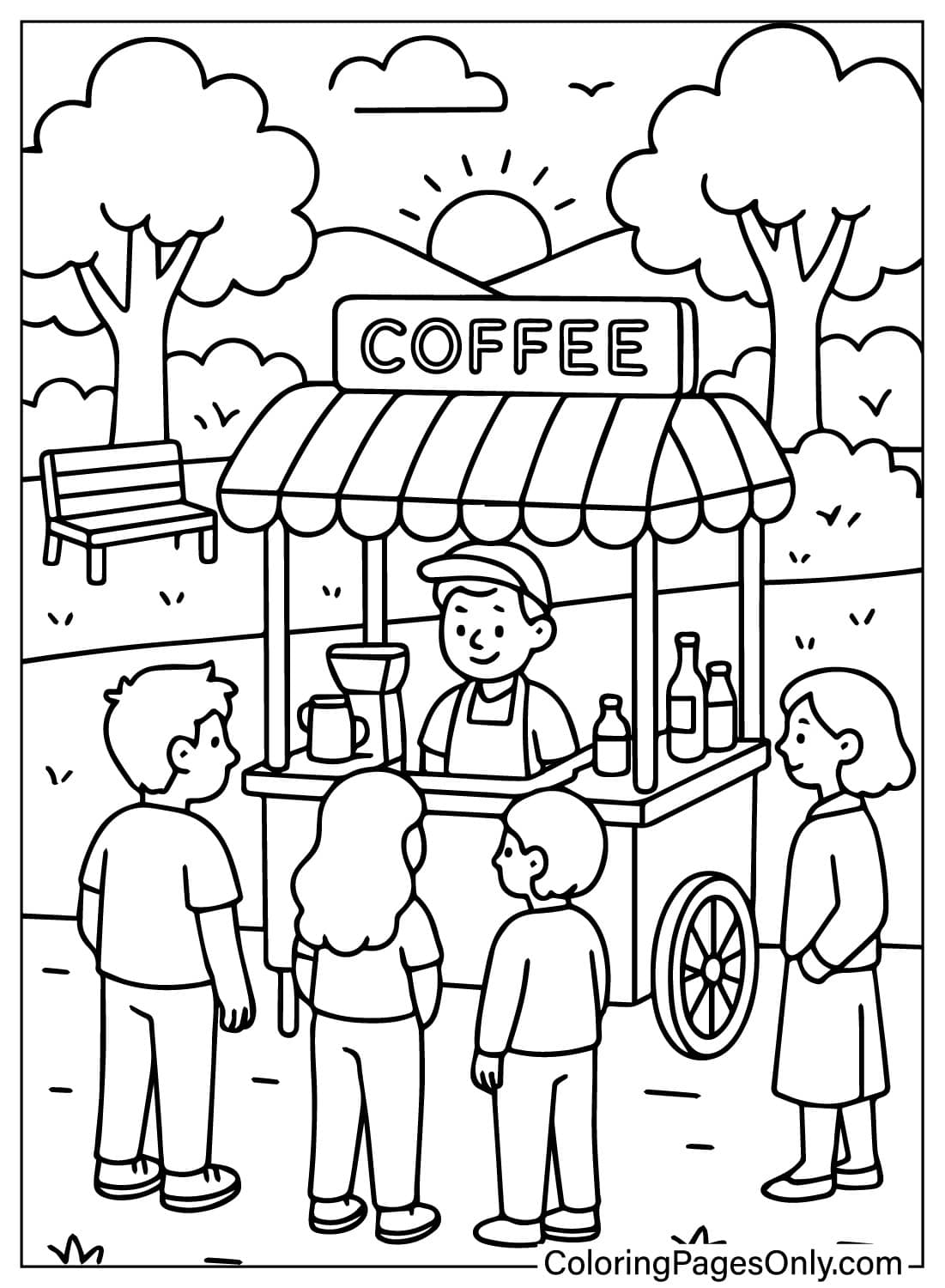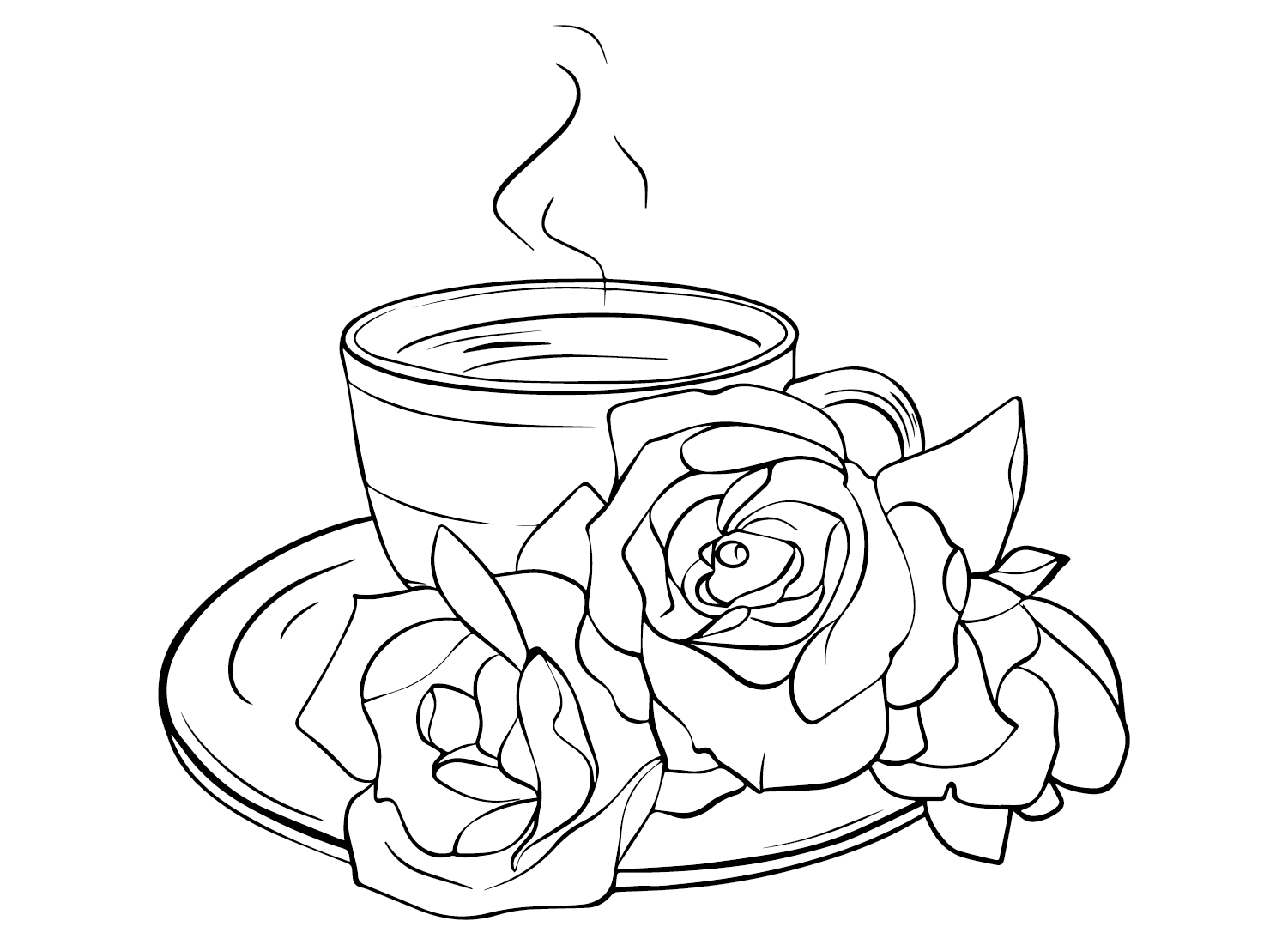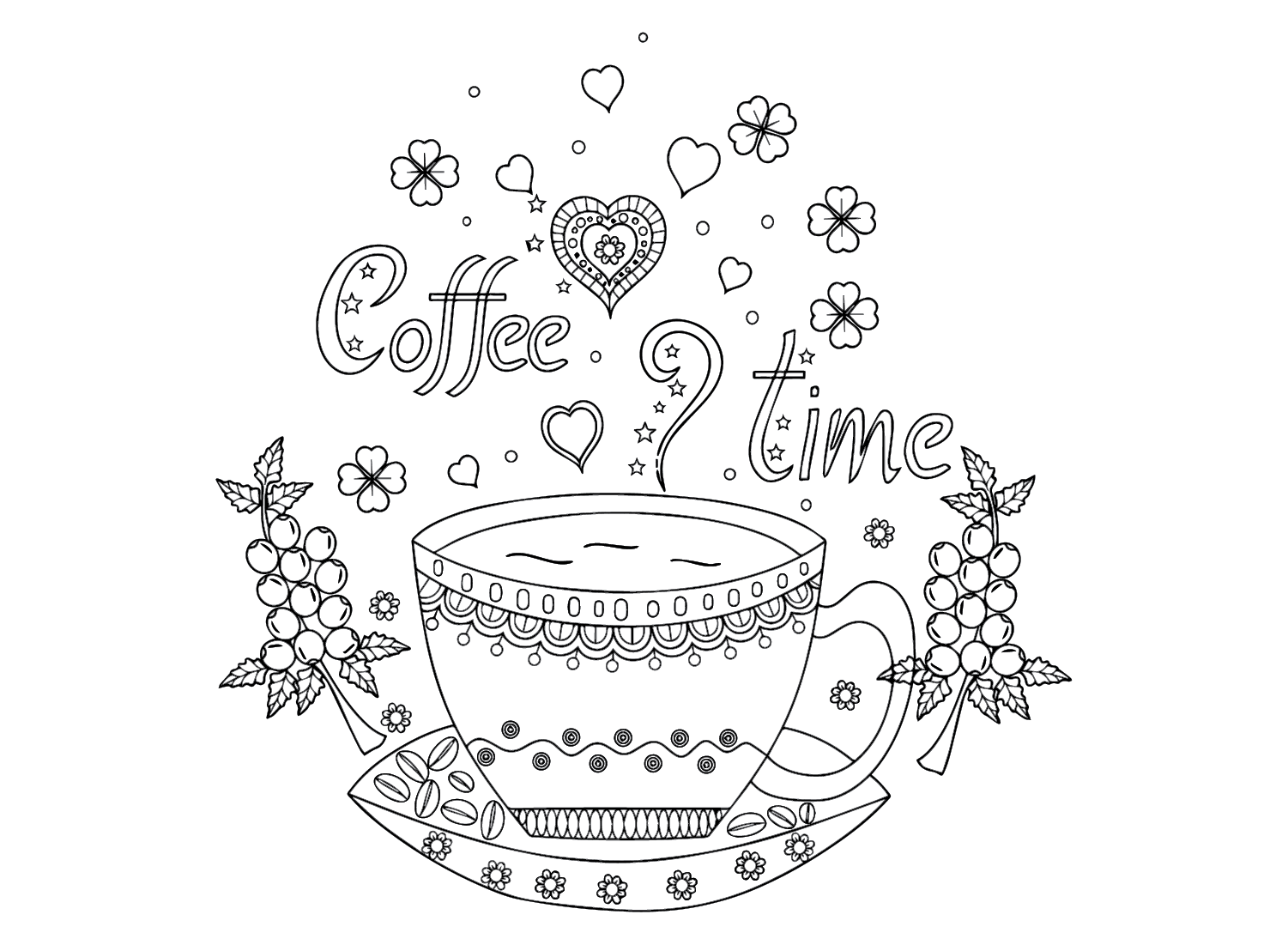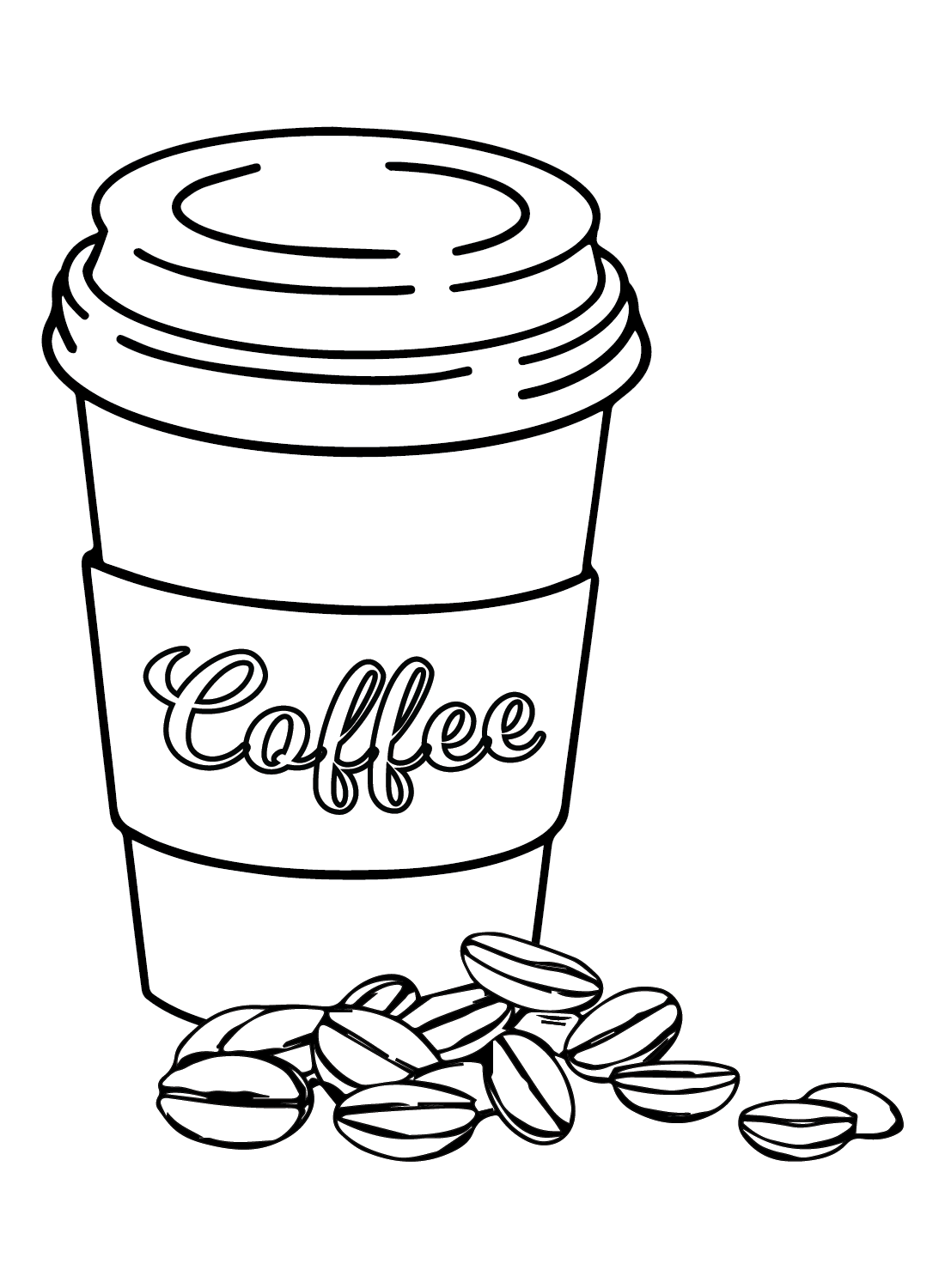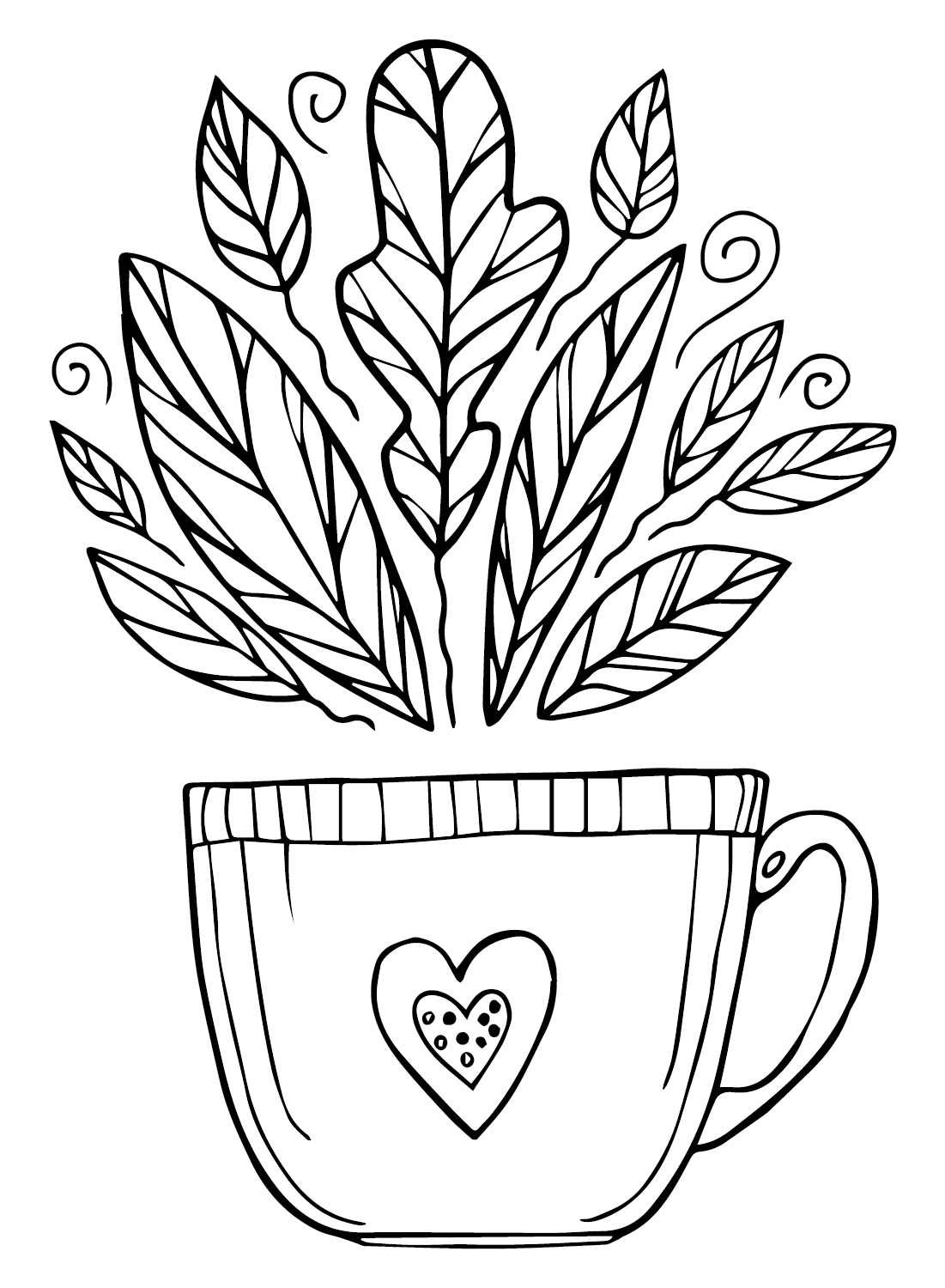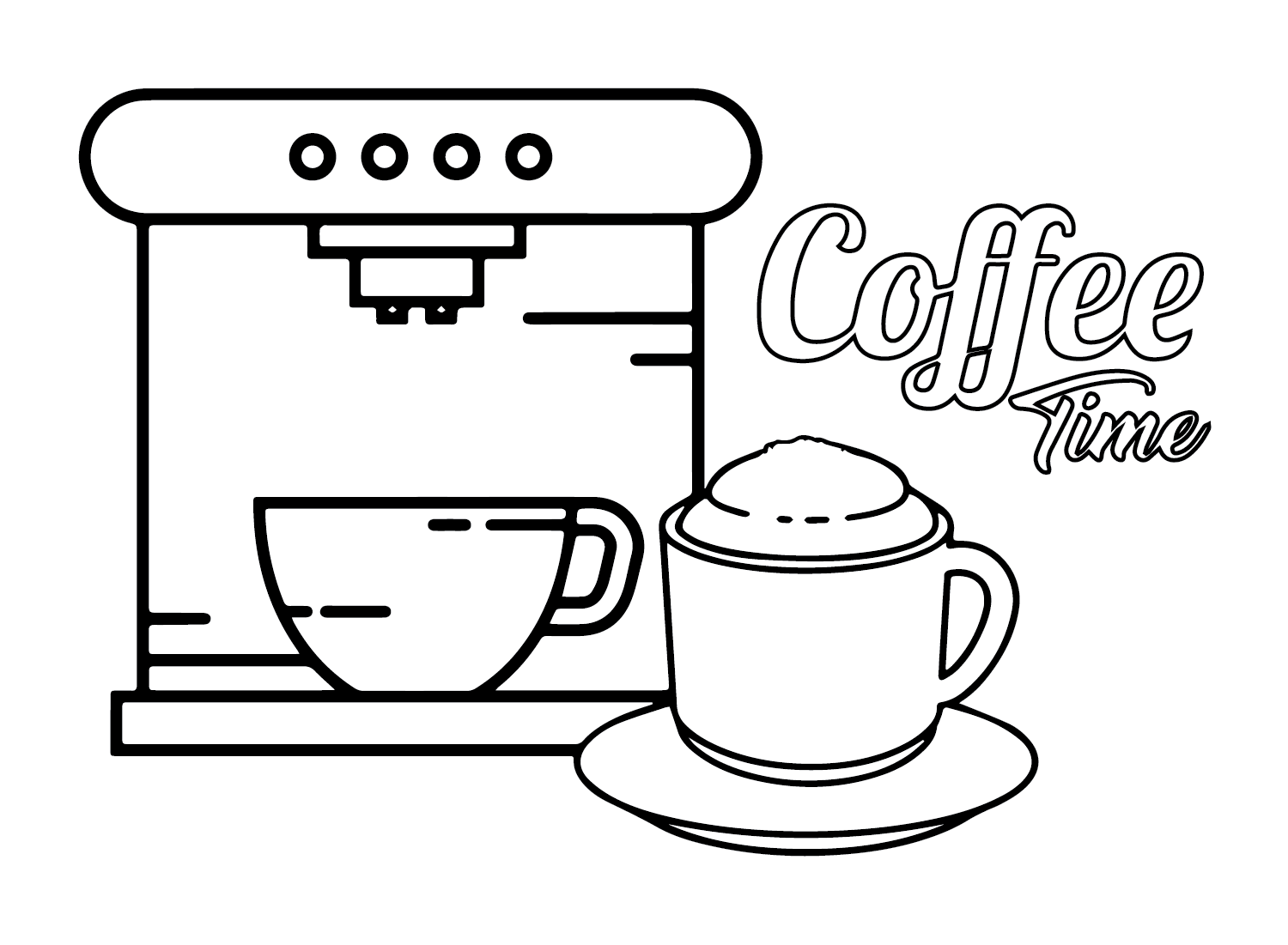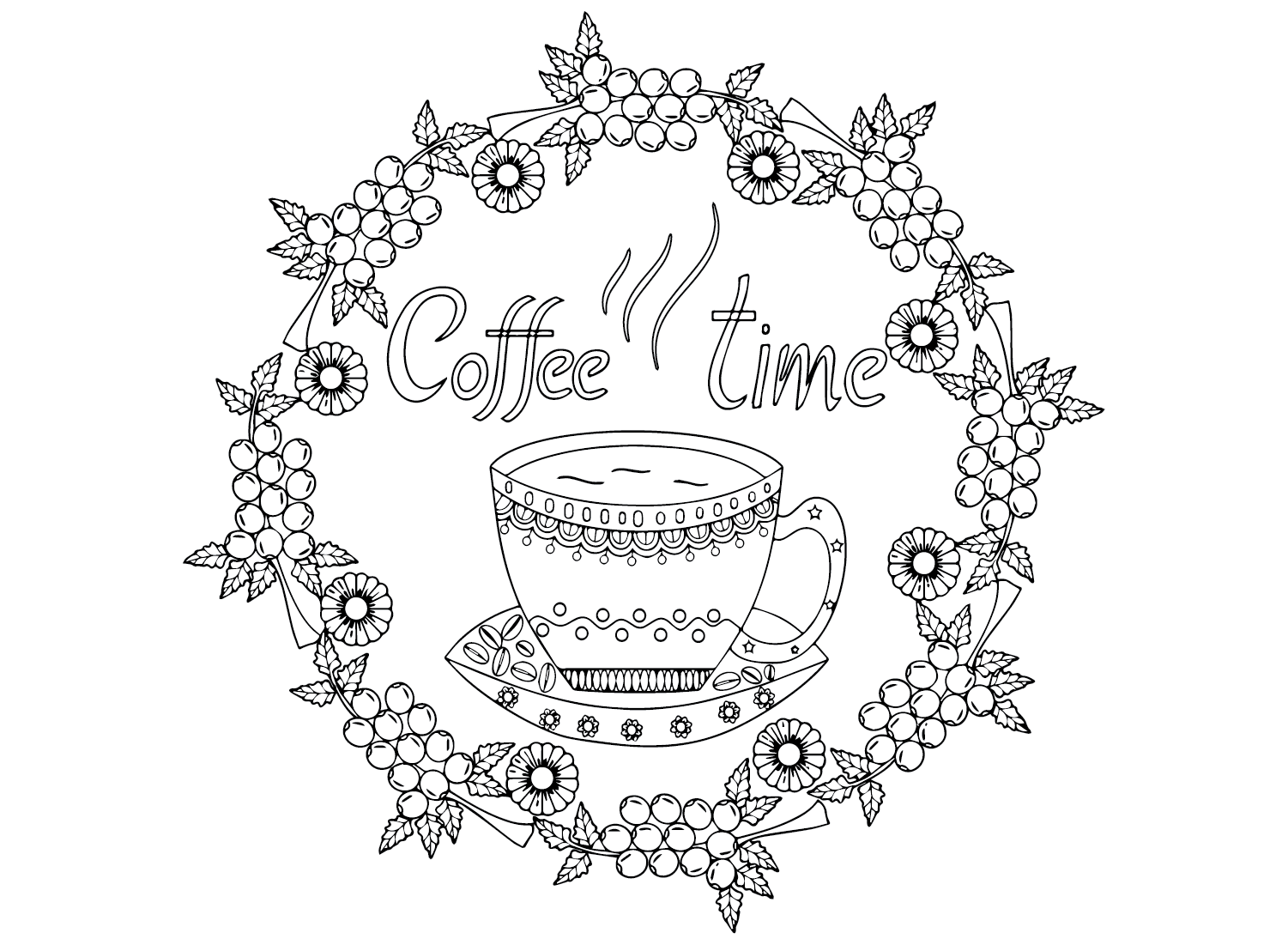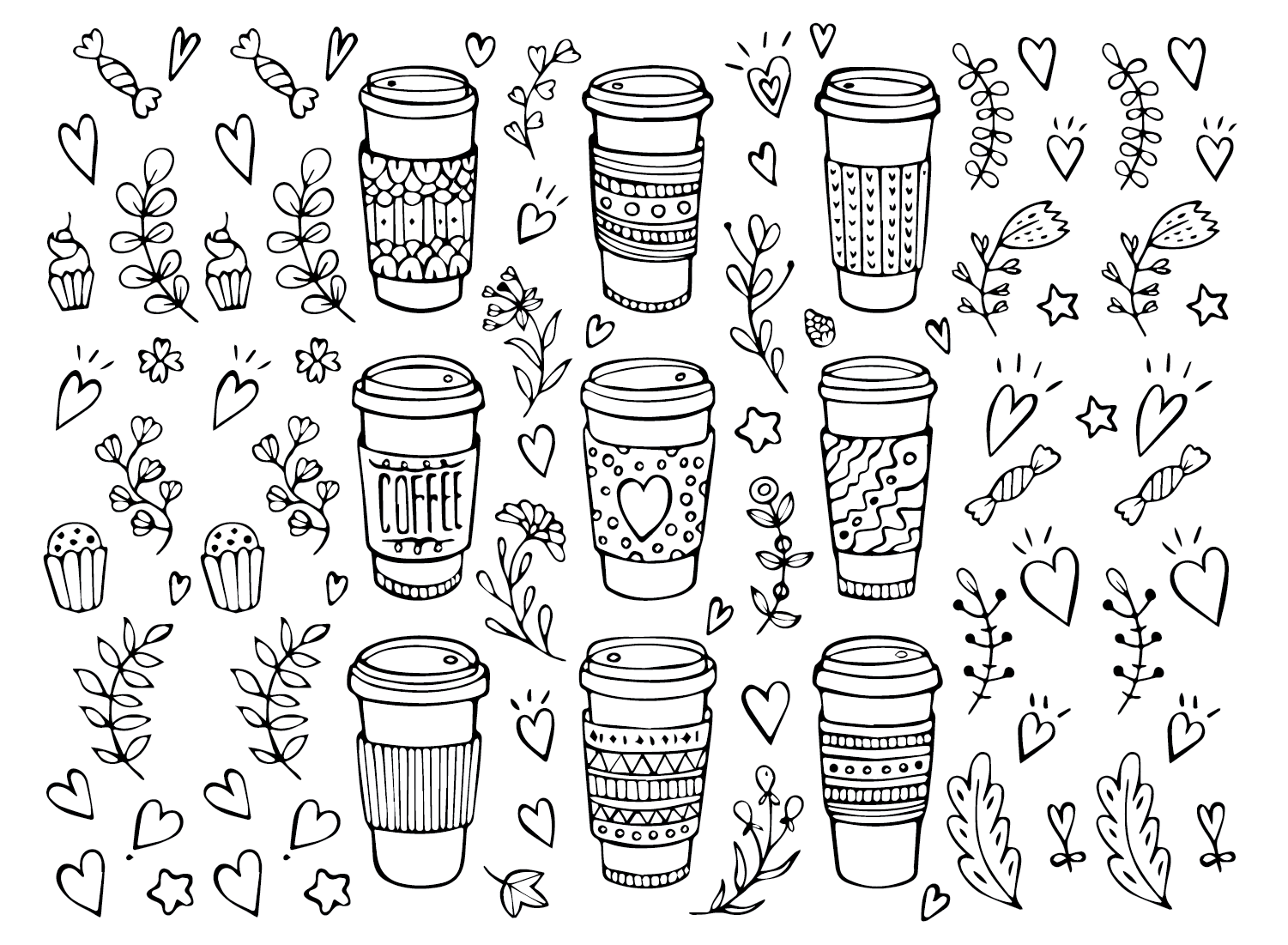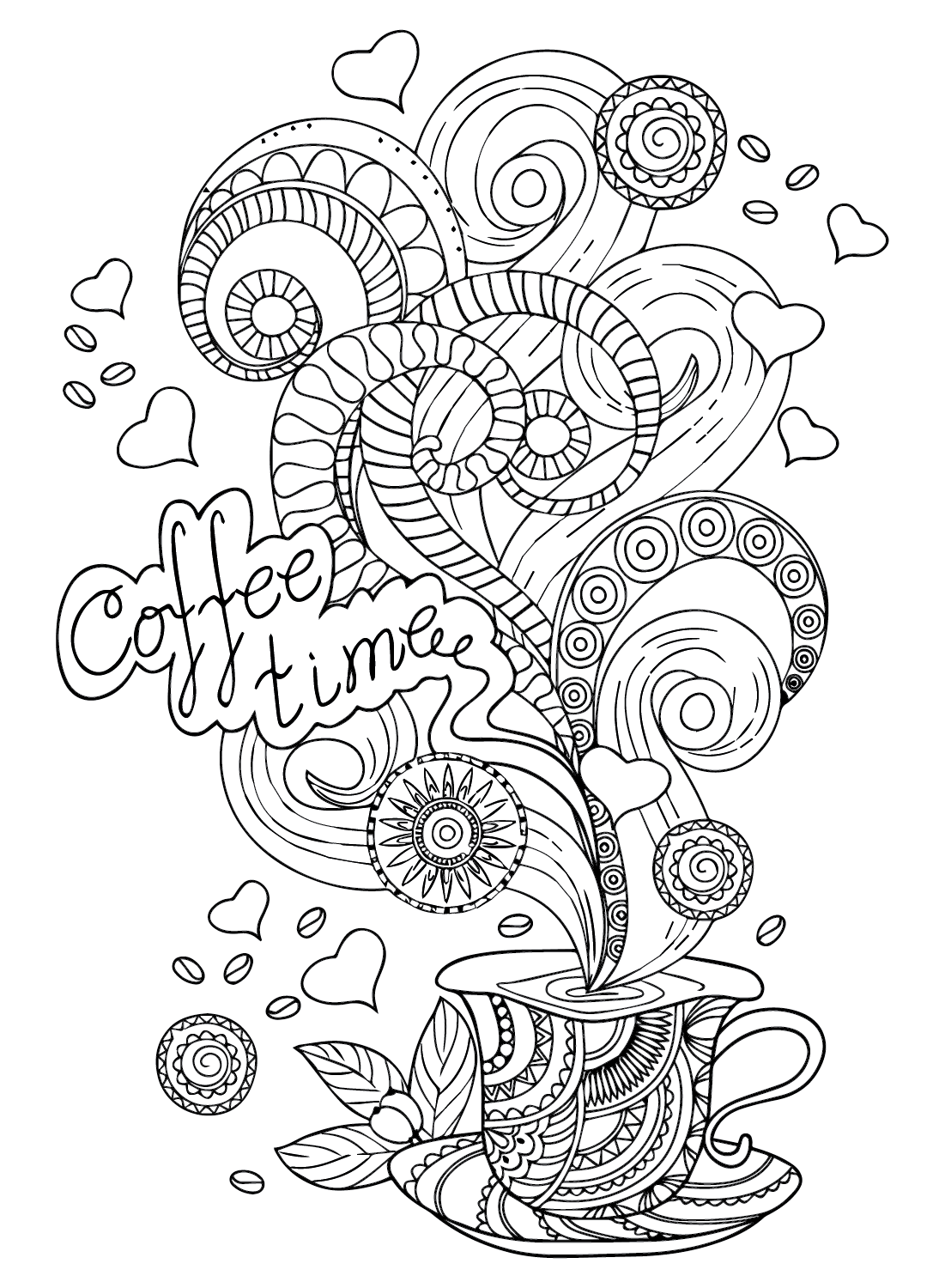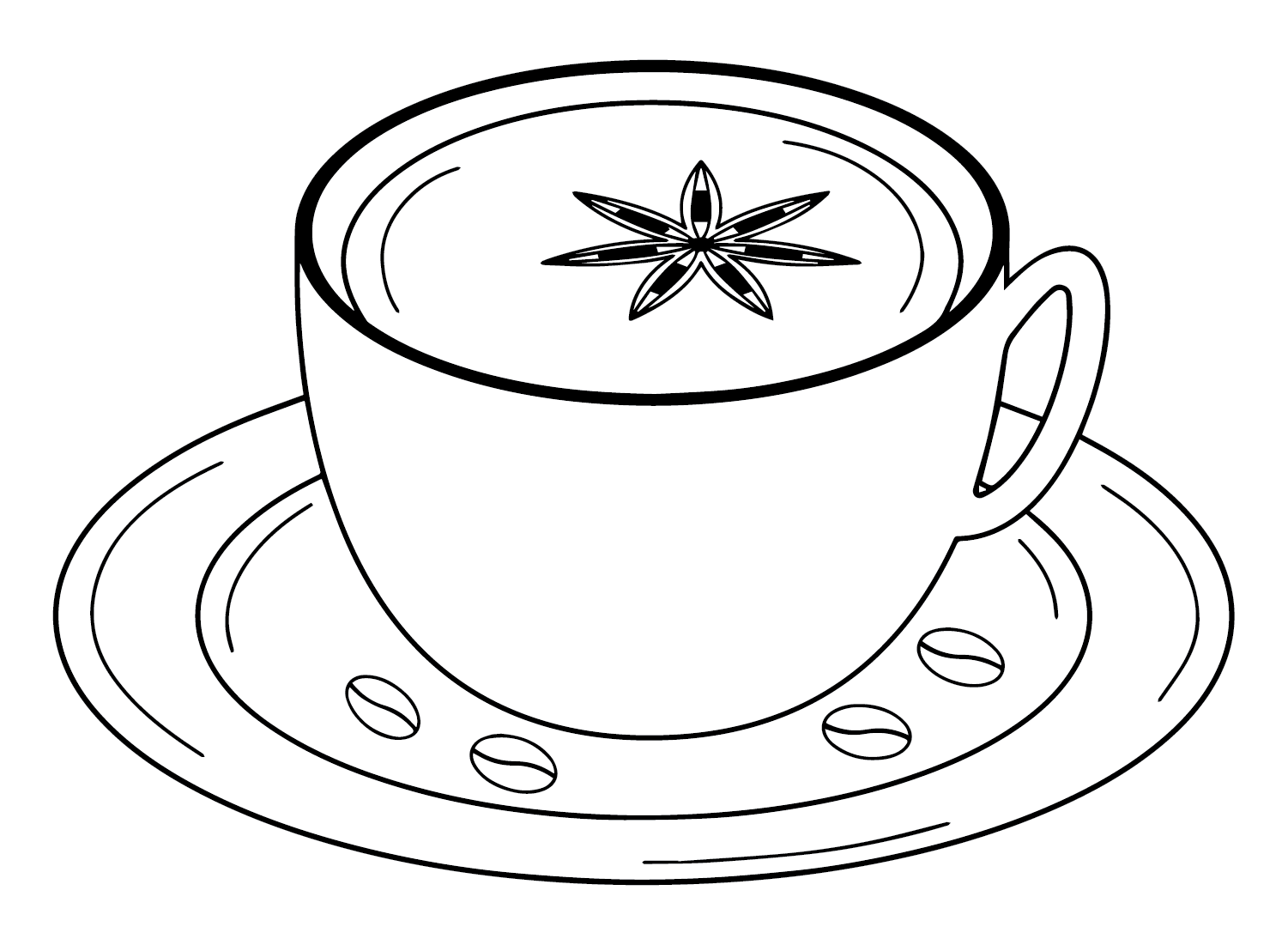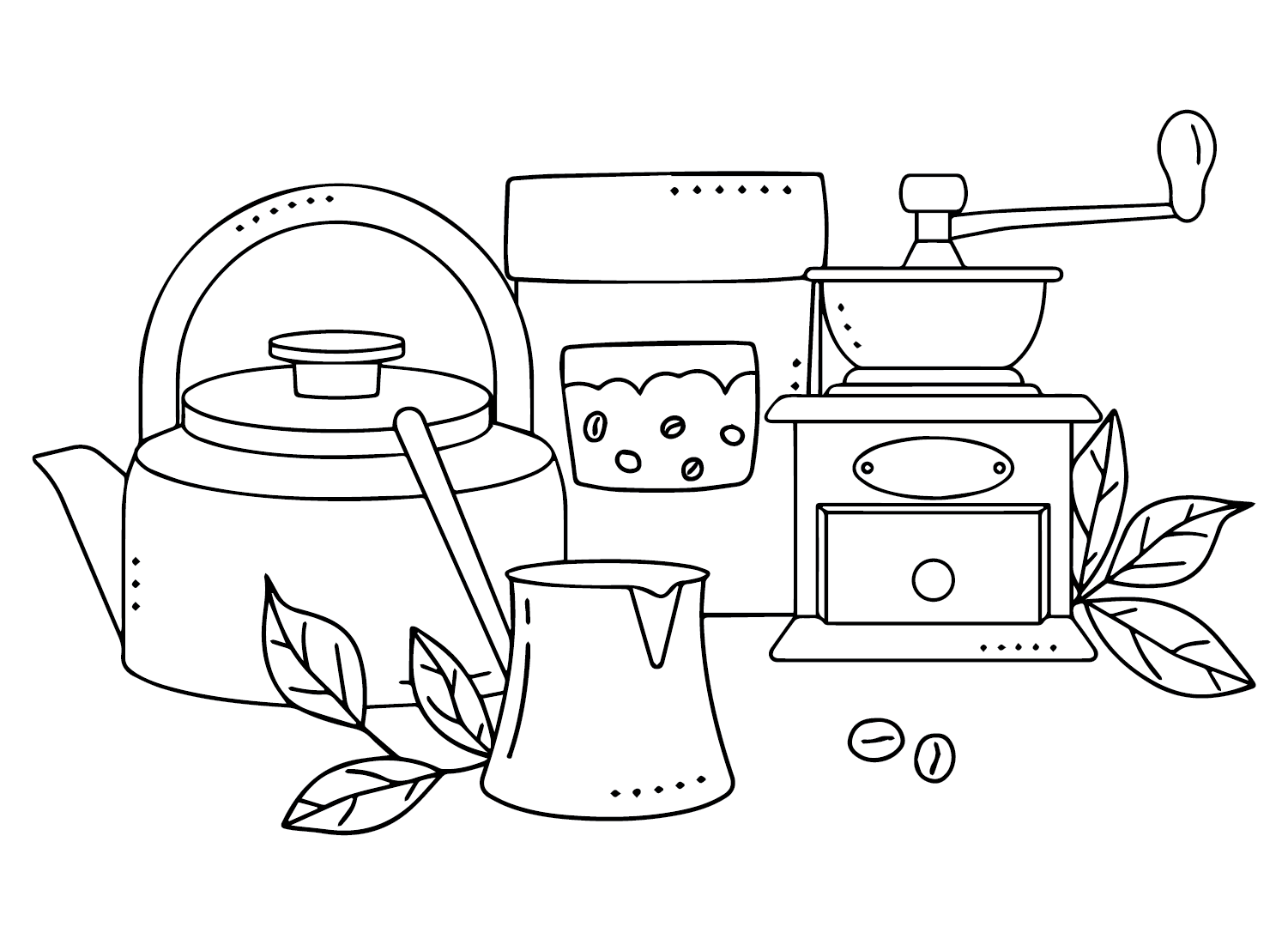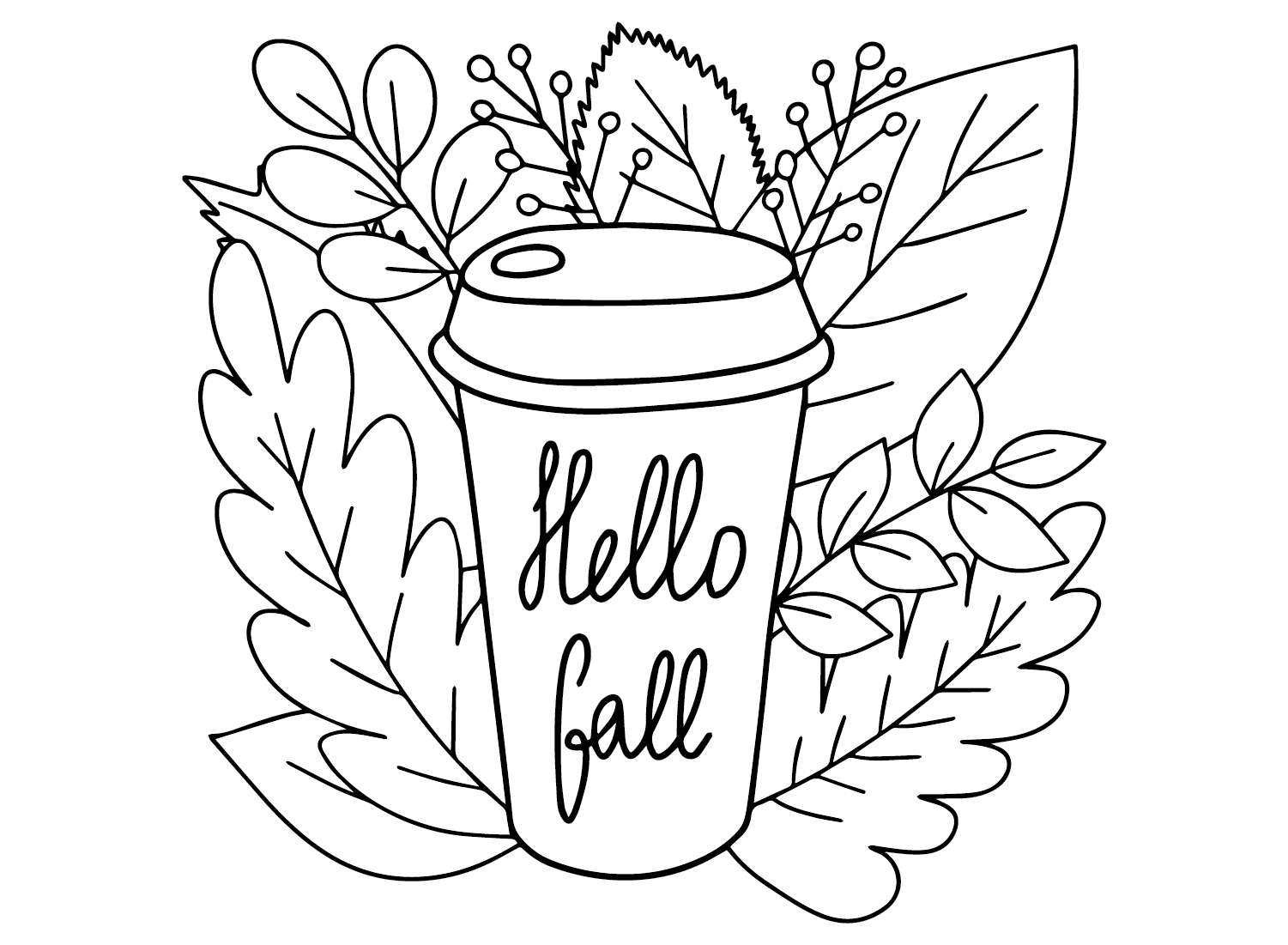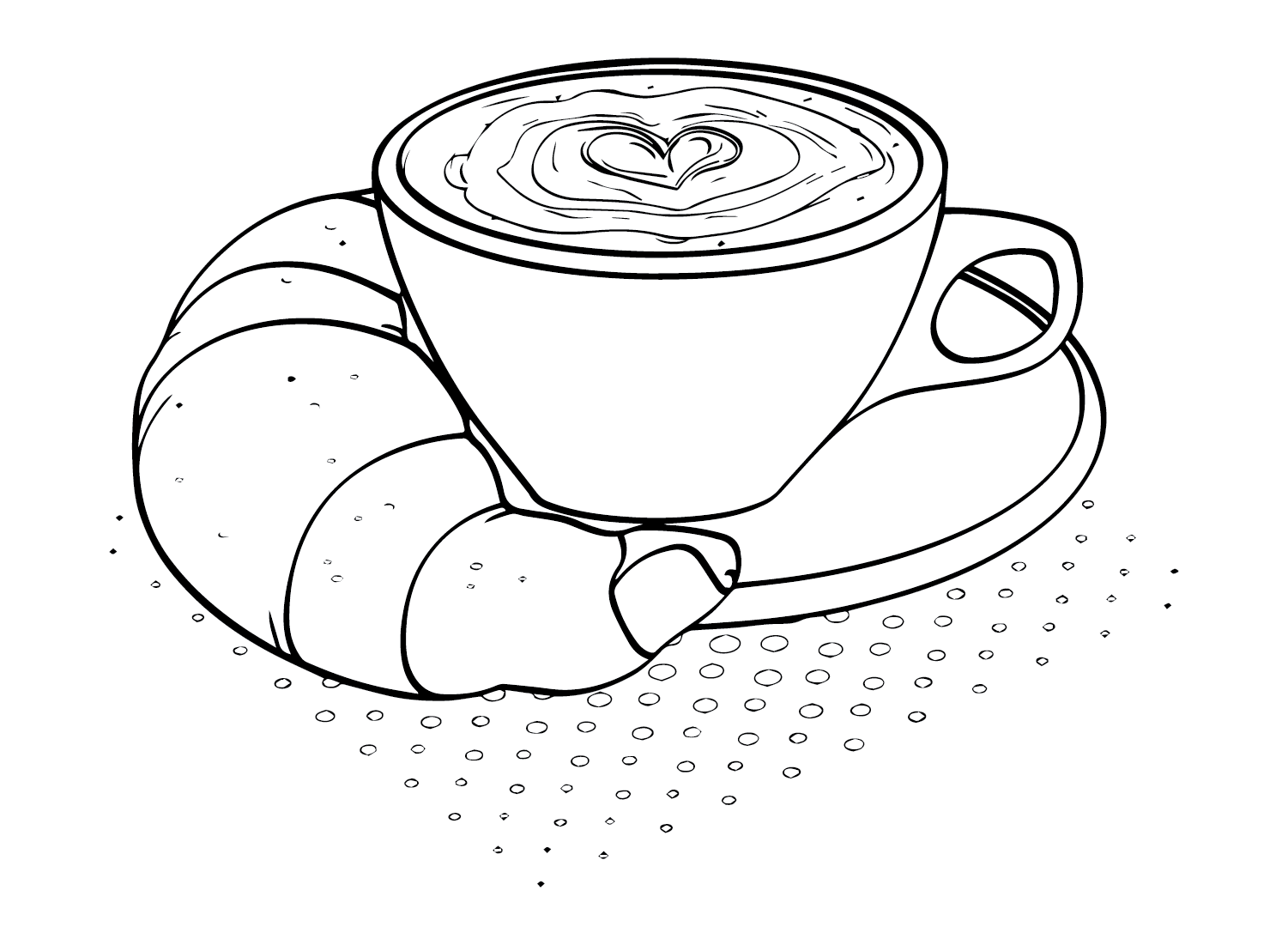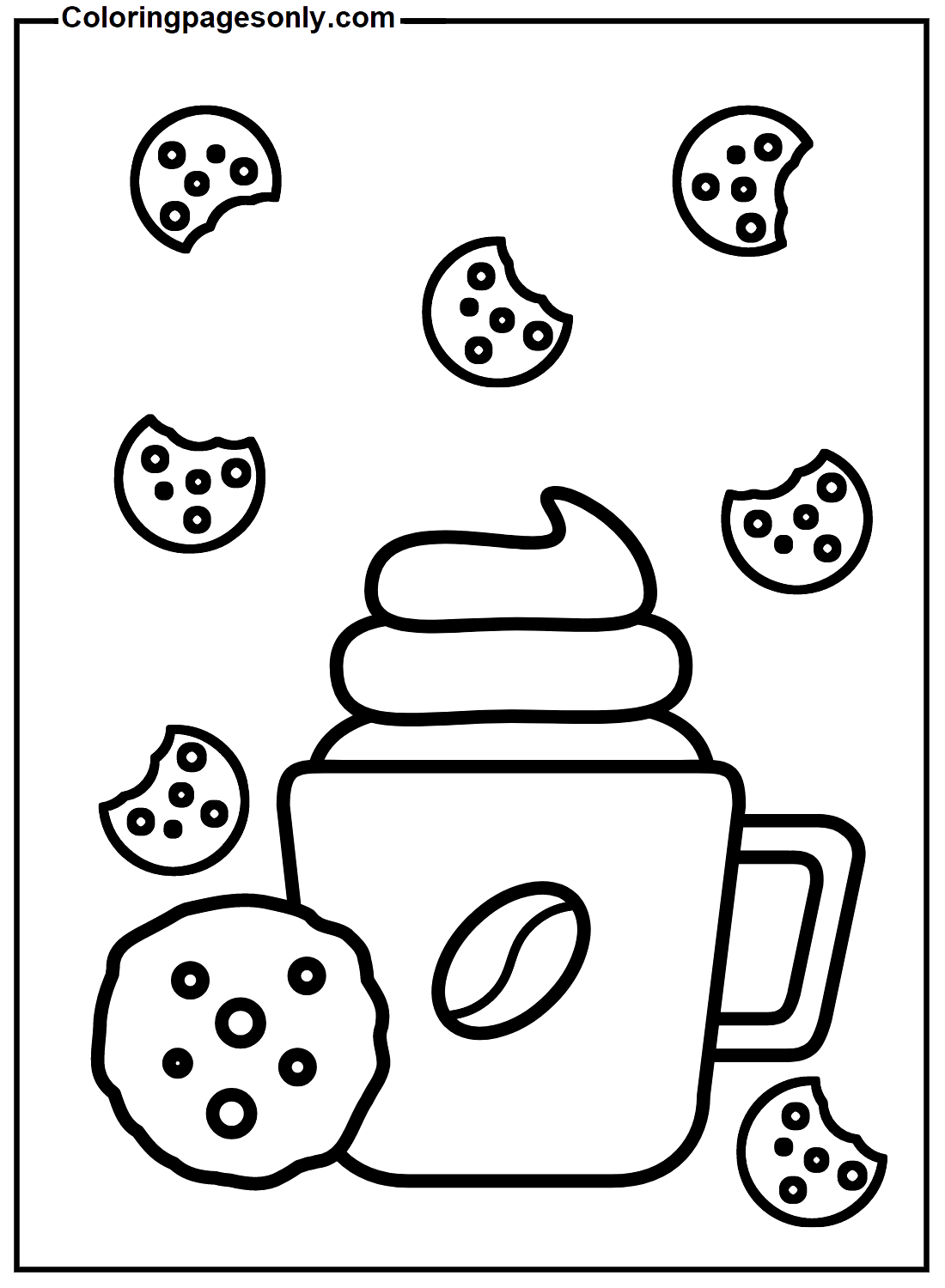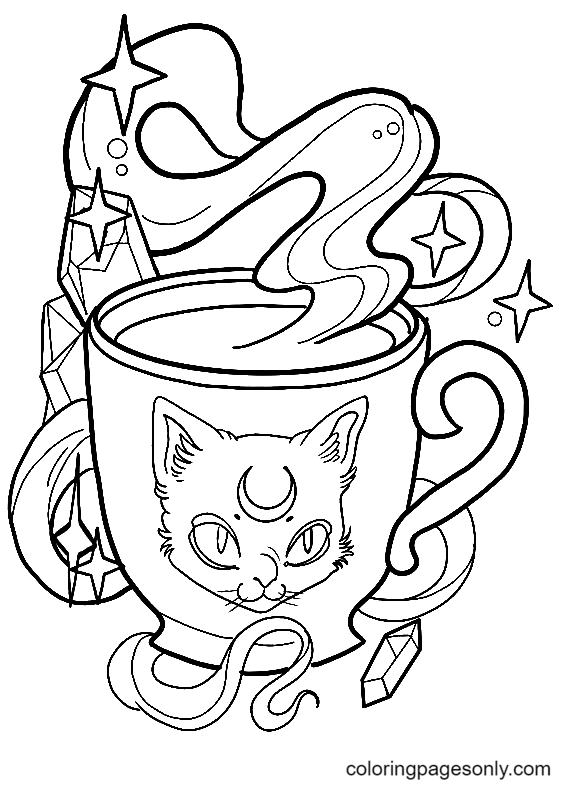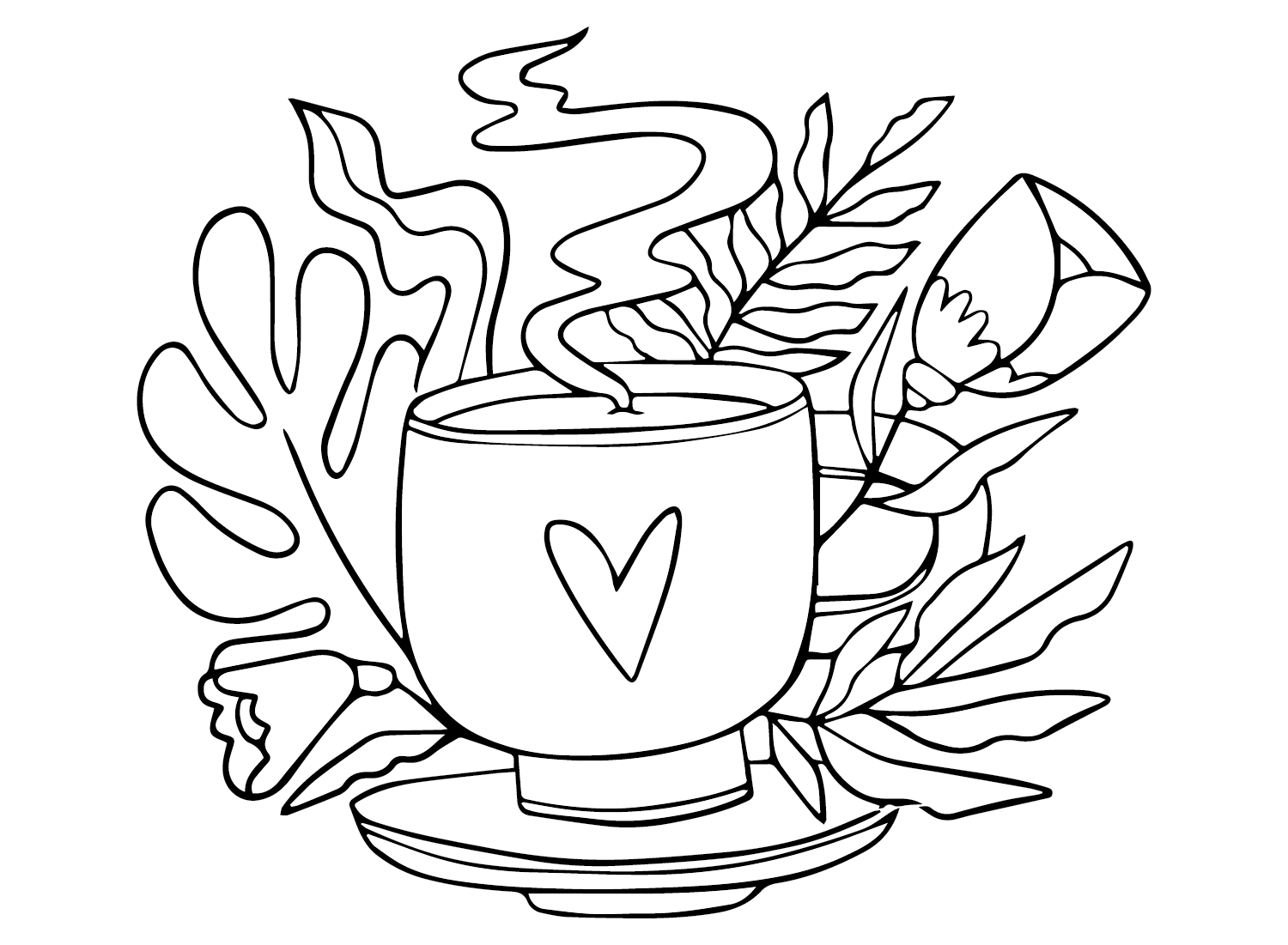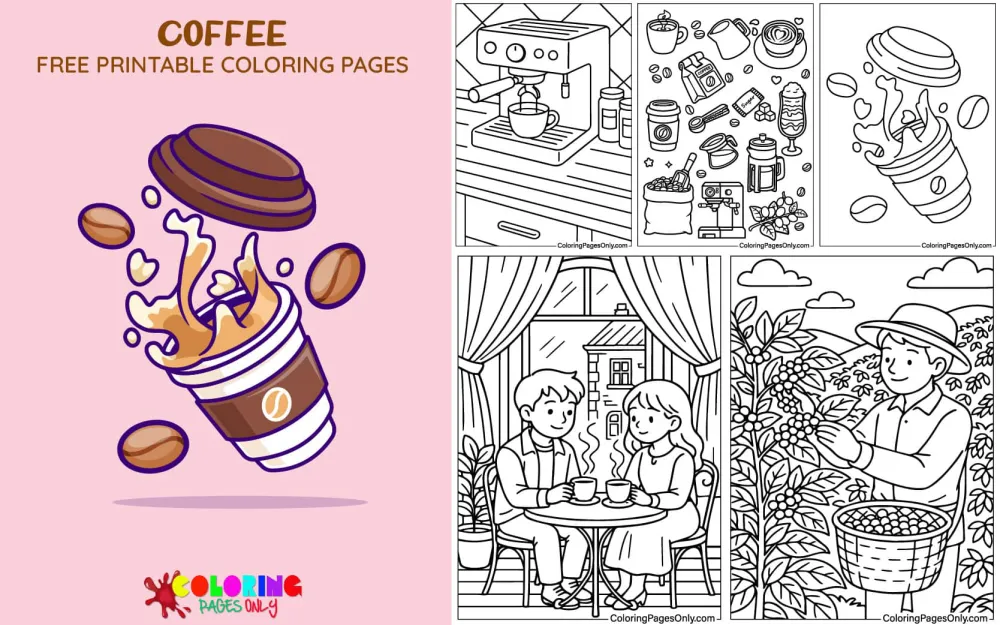
Free Coffee Coloring Pages: 50+ pages featuring cute coffee cups, smiling mugs, coffee beans, latte art, espresso drinks, takeaway cups, baristas, café counters, coffee shop signs, cozy table scenes, cats beside warm mugs, coffee quotes, menu boards, beachside coffee, and aesthetic café-style designs. All free, printable PDFs and online coloring pages are ready for home, classroom, food lessons, pretend café play, handmade cards, quiet coloring breaks, morning routine crafts, and relaxing creative time.
Coffee has a long cultural history connected to Ethiopia, Yemen, trade routes, coffeehouses, and everyday social rituals. One well-known legend places coffee’s discovery on the Ethiopian plateau with a goat herder named Kaldi, while later coffee cultivation and coffee drinking became strongly associated with Yemen and the Arabian Peninsula. Over time, coffeehouses became places for conversation, reading, music, trade, and community life. Today, coffee is easy to recognize through visual details such as mugs, beans, steam, cup sleeves, café signs, espresso machines, wooden counters, paper cups, pastries, and latte foam.
This collection gives younger colorists simple mugs, beans, hearts, and smiling cups. At the same time, older children, teens, and adults can work on detailed café interiors, realistic beans, latte art, barista tools, quote pages, and cozy still-life scenes. These 50+ free pages at ColoringPagesOnly.com cover coffee cups, beans, baristas, café scenes, latte art, takeaway drinks, funny quotes, and cozy coffee-themed designs. All free, PDF or PNG, print or color online.
What’s Inside
Cute Coffee Cups and Smiling Mugs
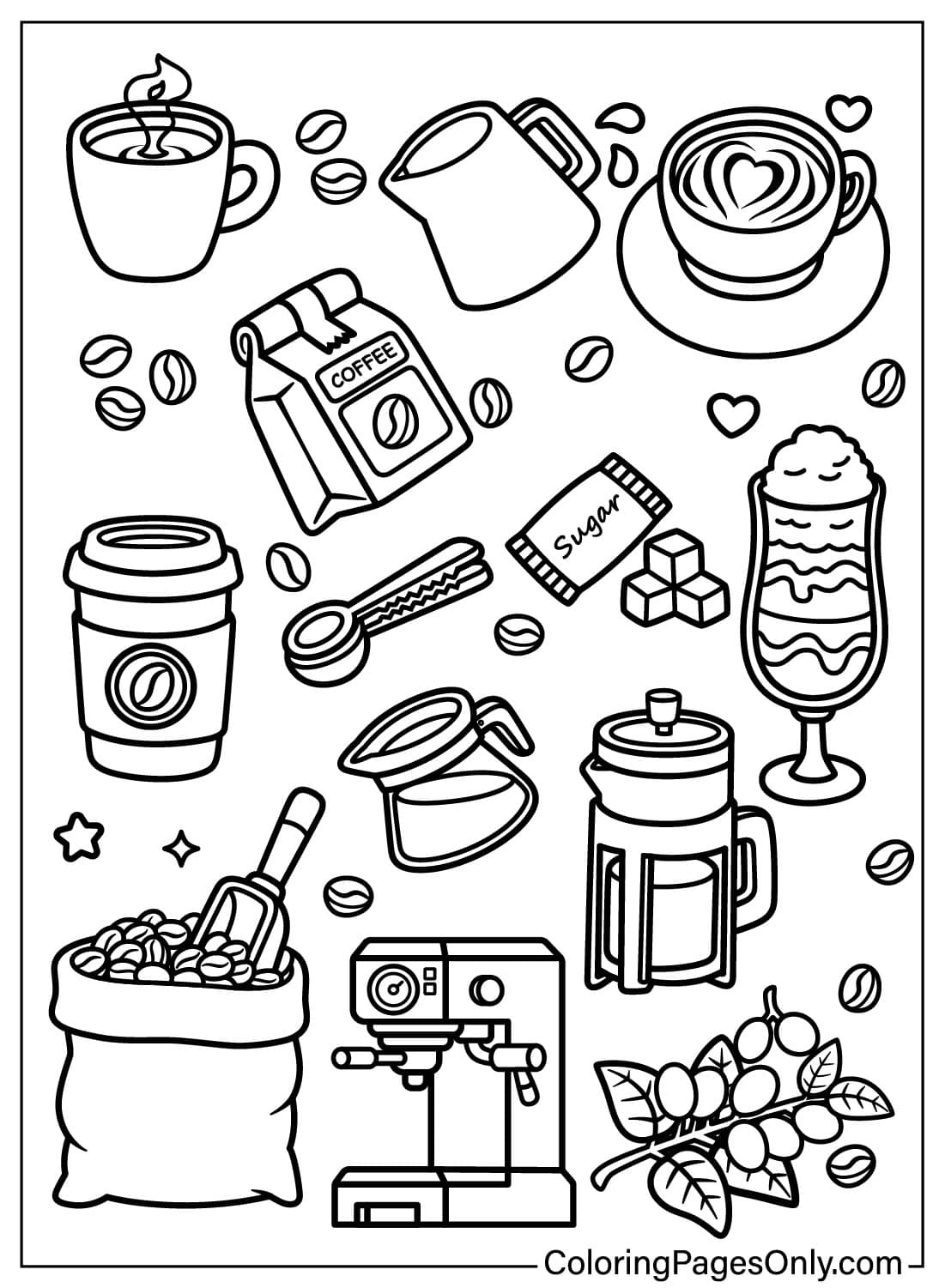
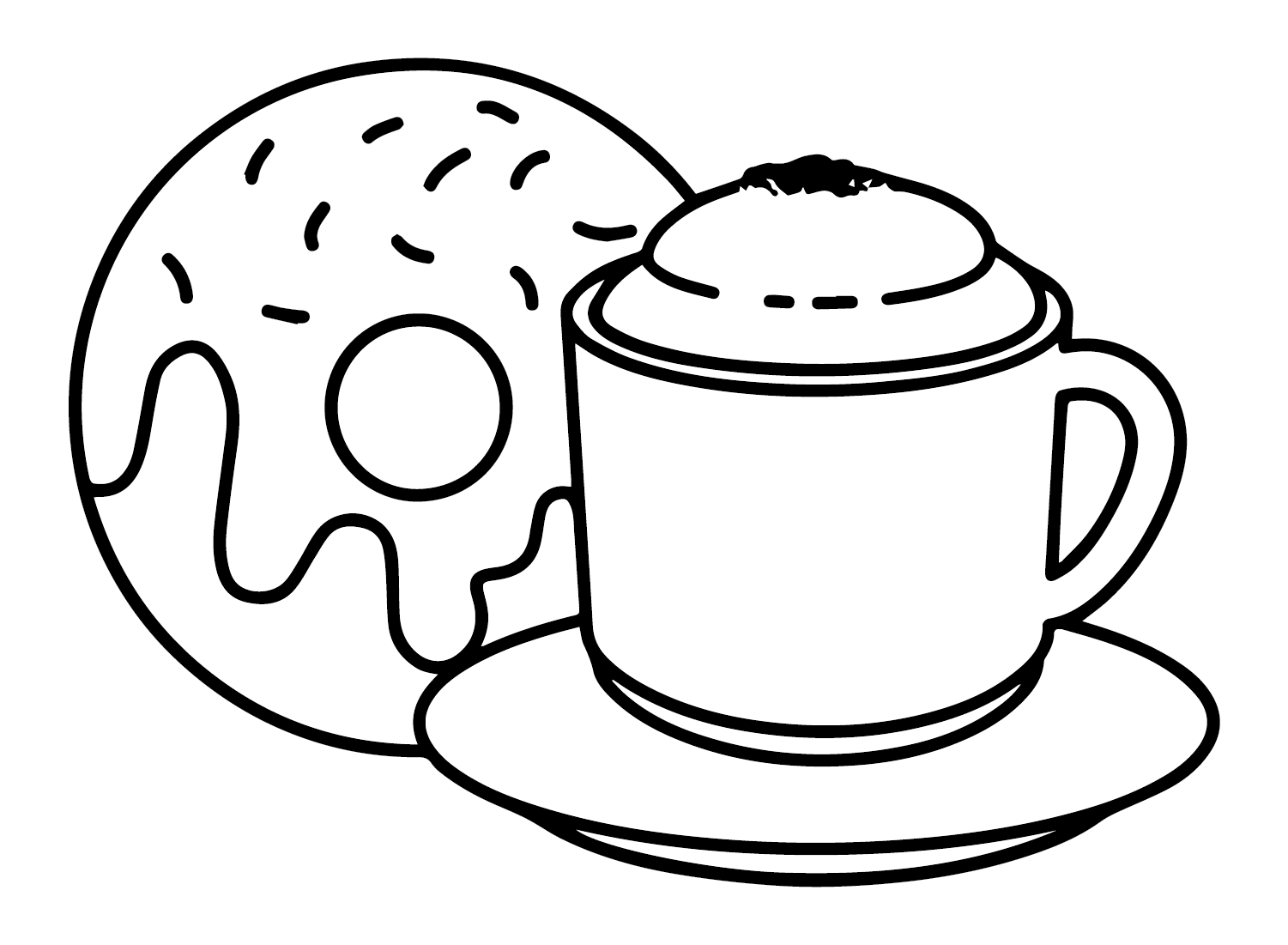
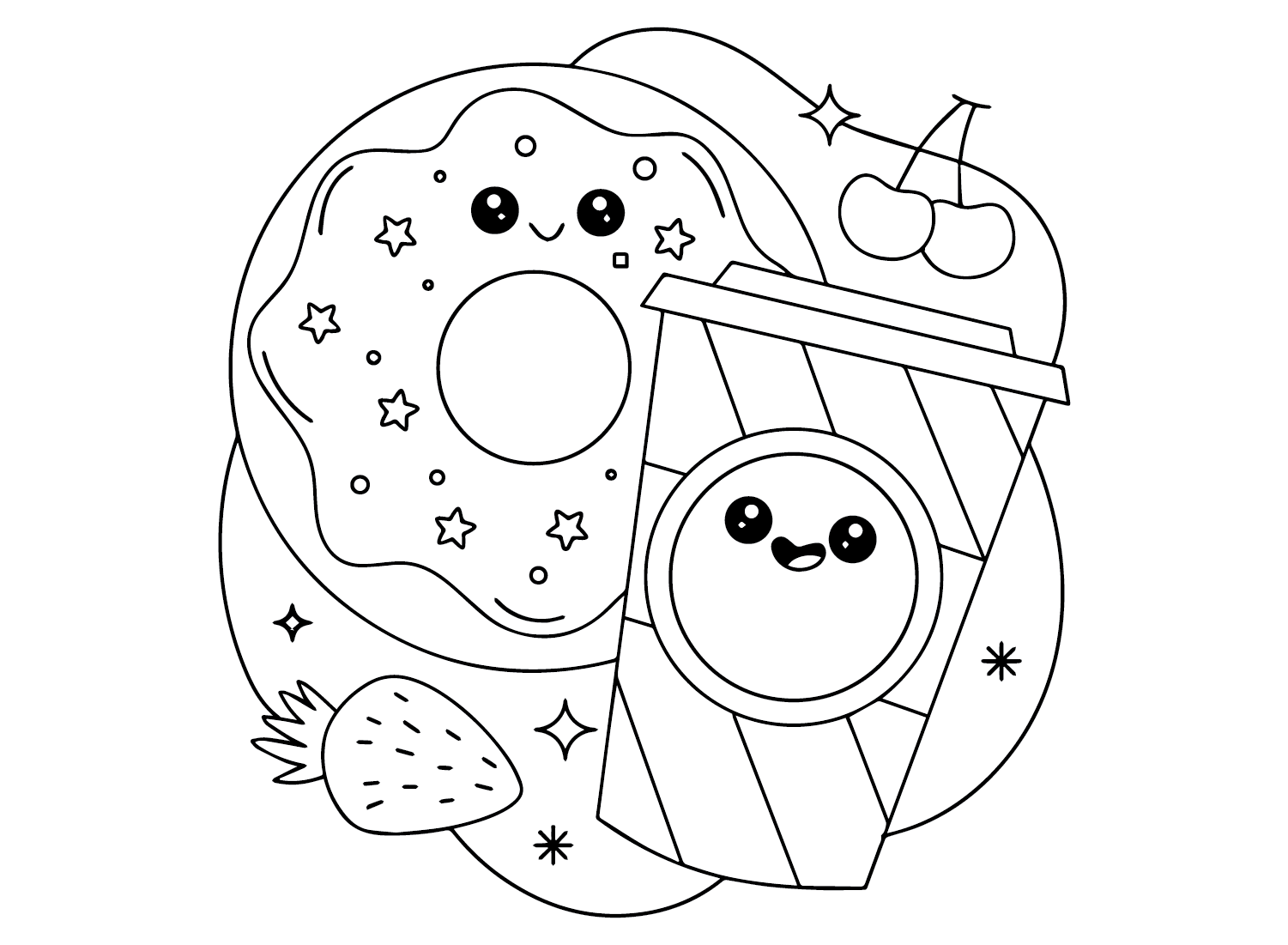
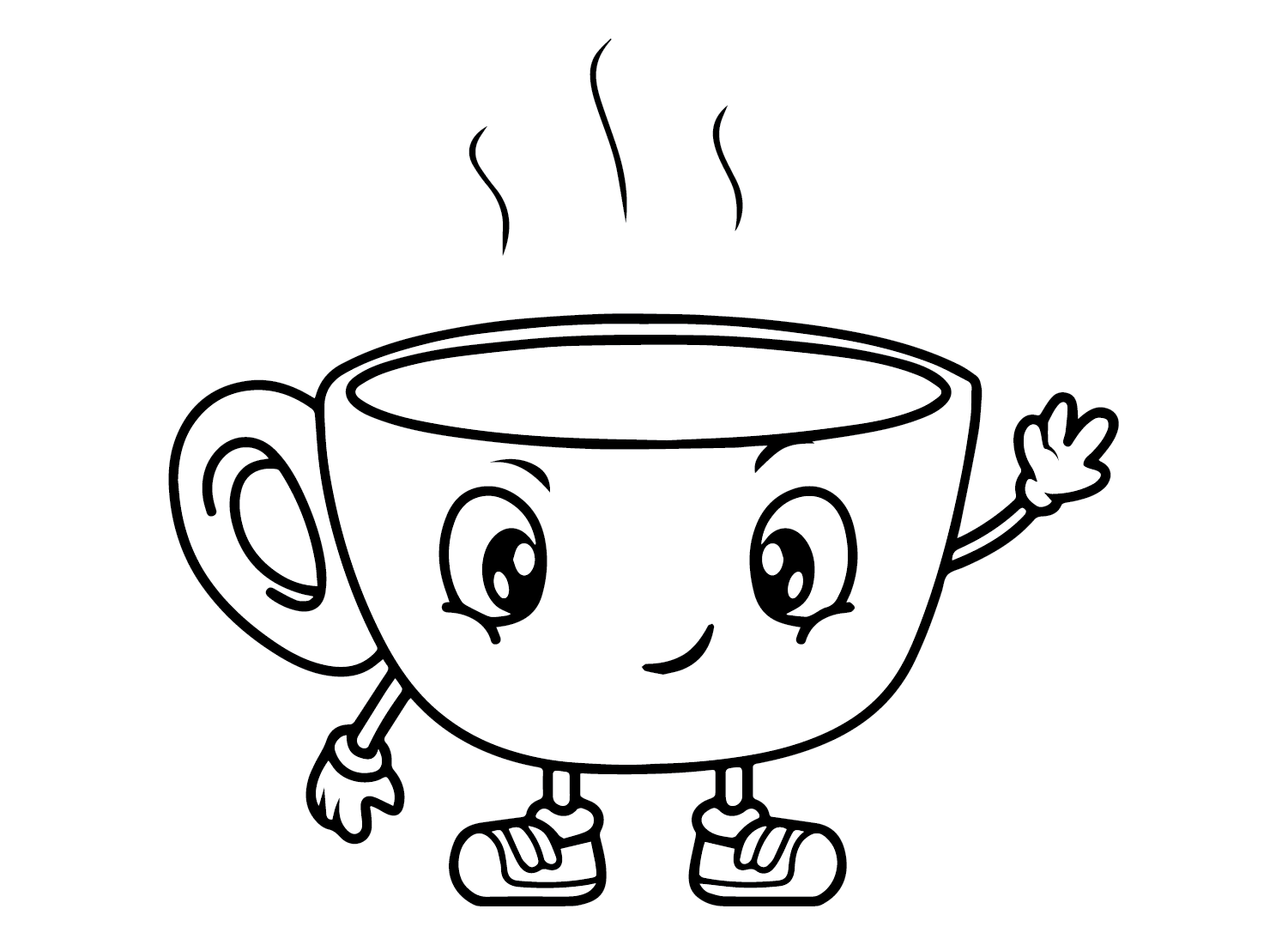
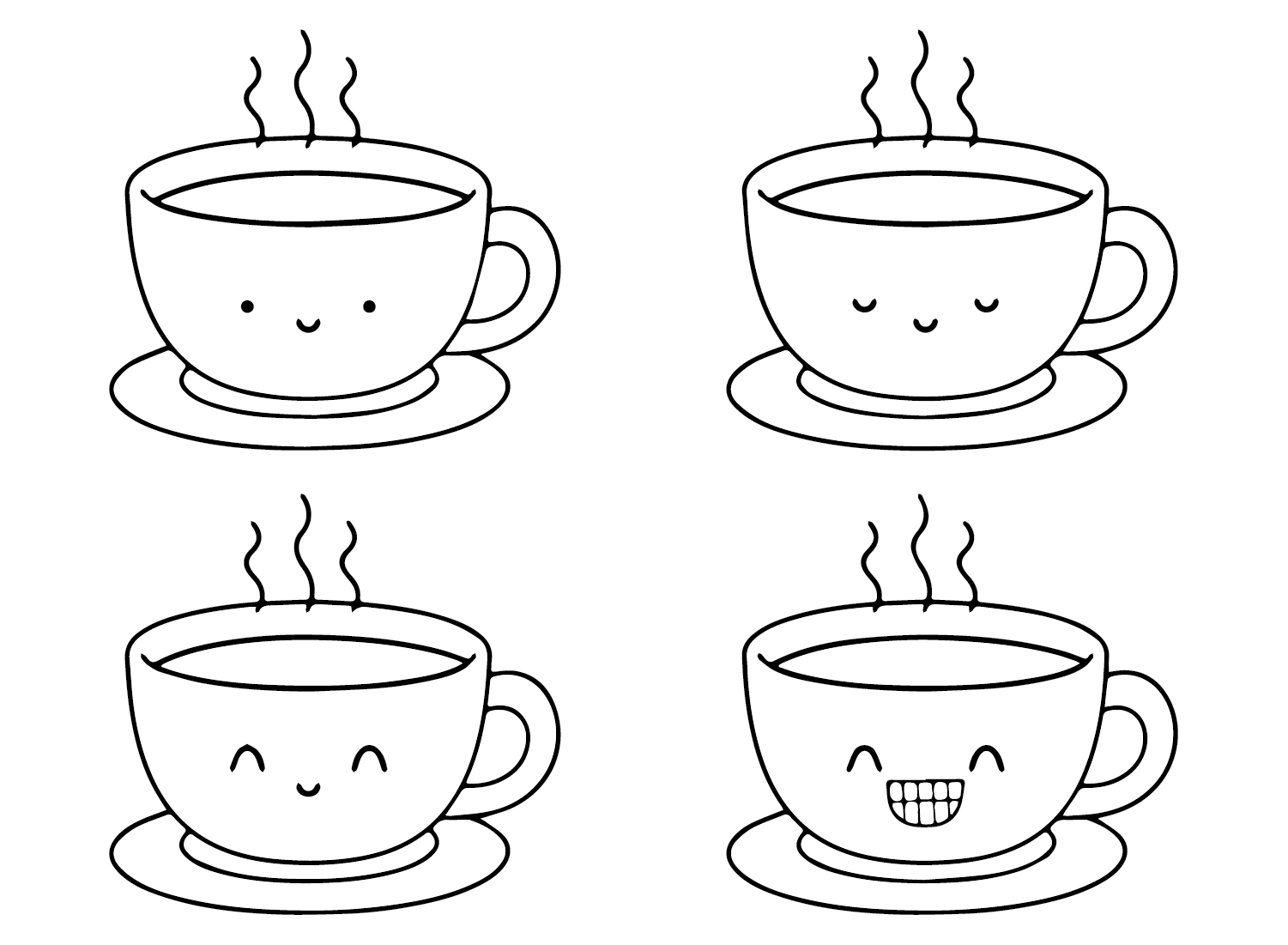
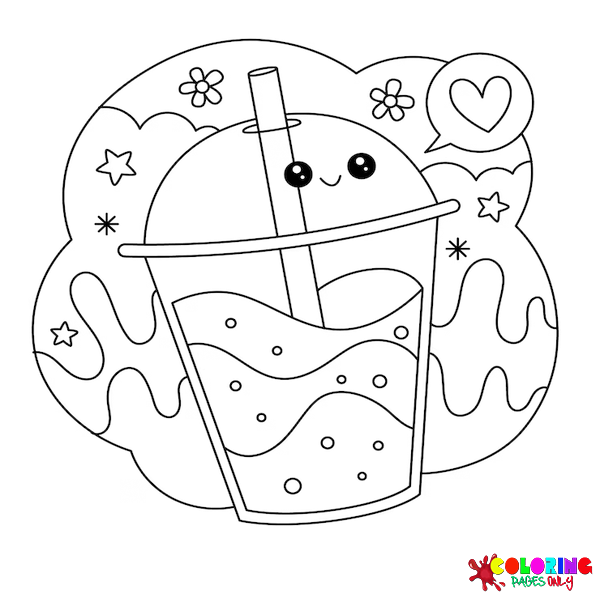
These are the easiest pages for younger colorists: big shapes, friendly faces, clear outlines, and a subject they recognize quickly. Smiling mugs, happy coffee cups, cute beans, hearts, steam curls, and saucers work well for handmade cards, morning routine activities, pretend café play, and quick printable pages. The designs stay playful without needing too many small details.
Coloring cute coffee cups: Use warm cream, caramel brown, soft cocoa, blush pink, sky blue, butter yellow, and gentle mint for a friendly palette. Keep the face area light, then add stronger color to the mug handle, saucer, or small hearts around the cup. The common mistake is coloring the steam too dark; leave most steam lines white or shade only one side with pale grey so the cup still feels warm.
Coffee Beans and Roasting Pages
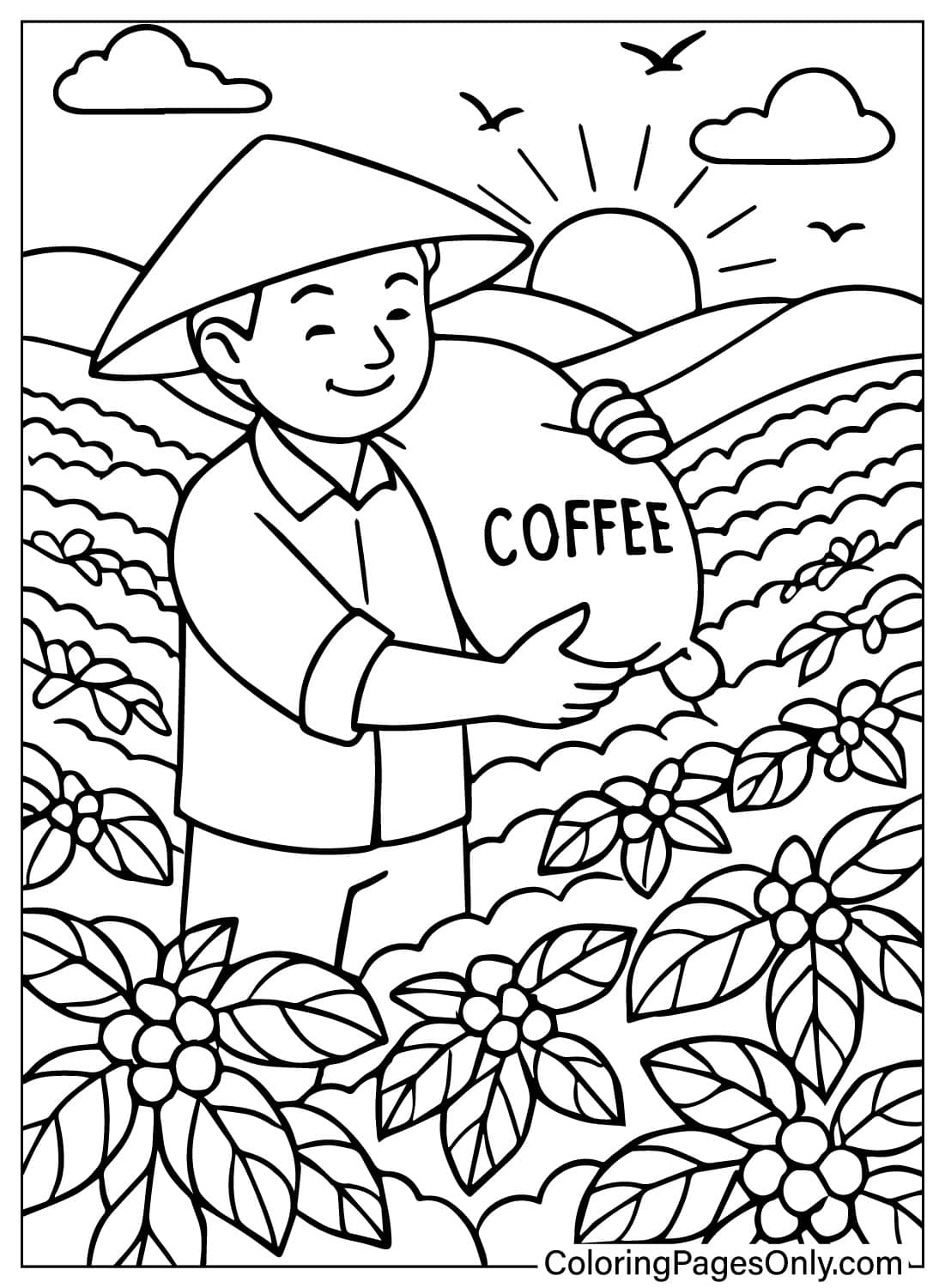
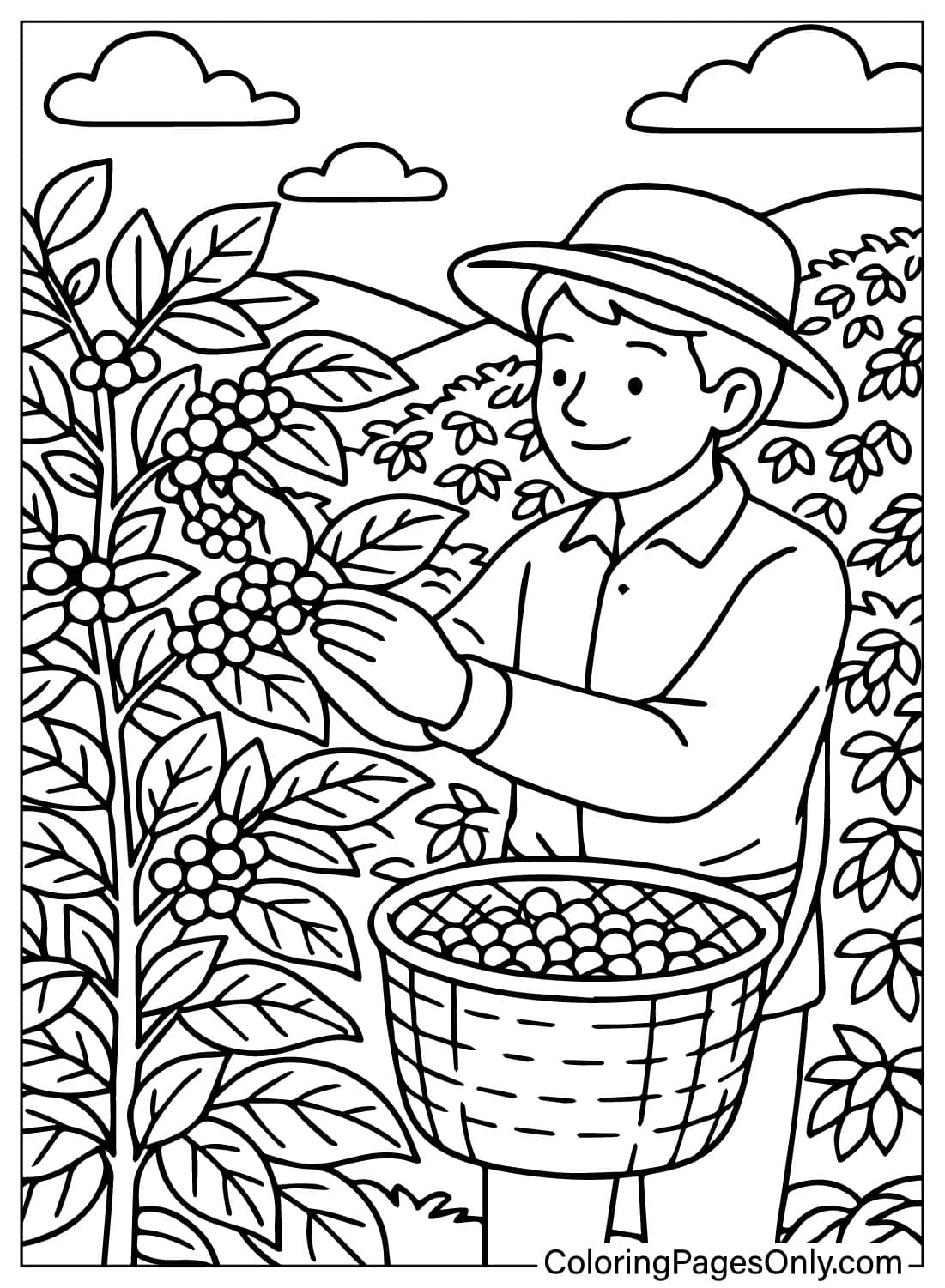
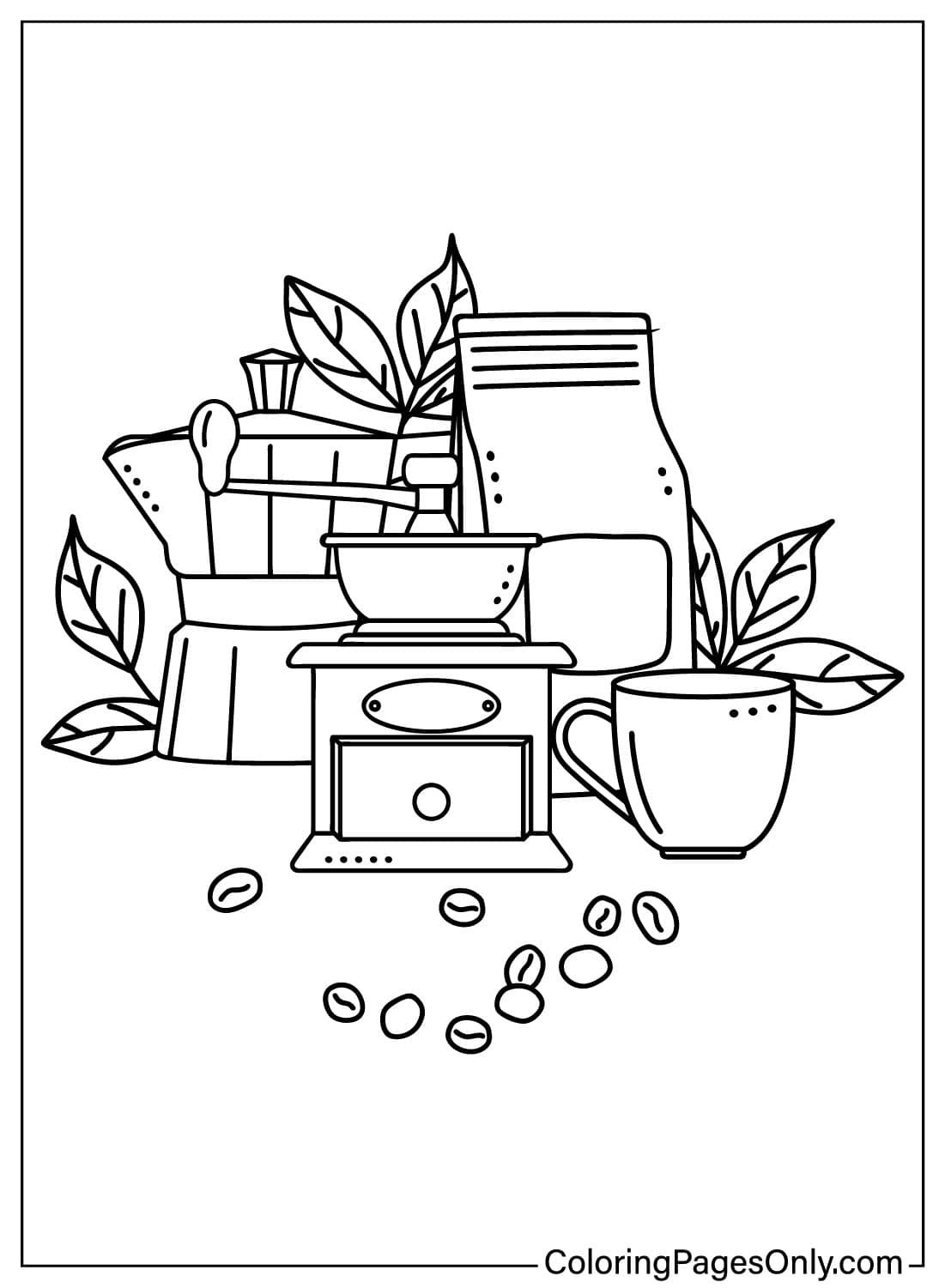
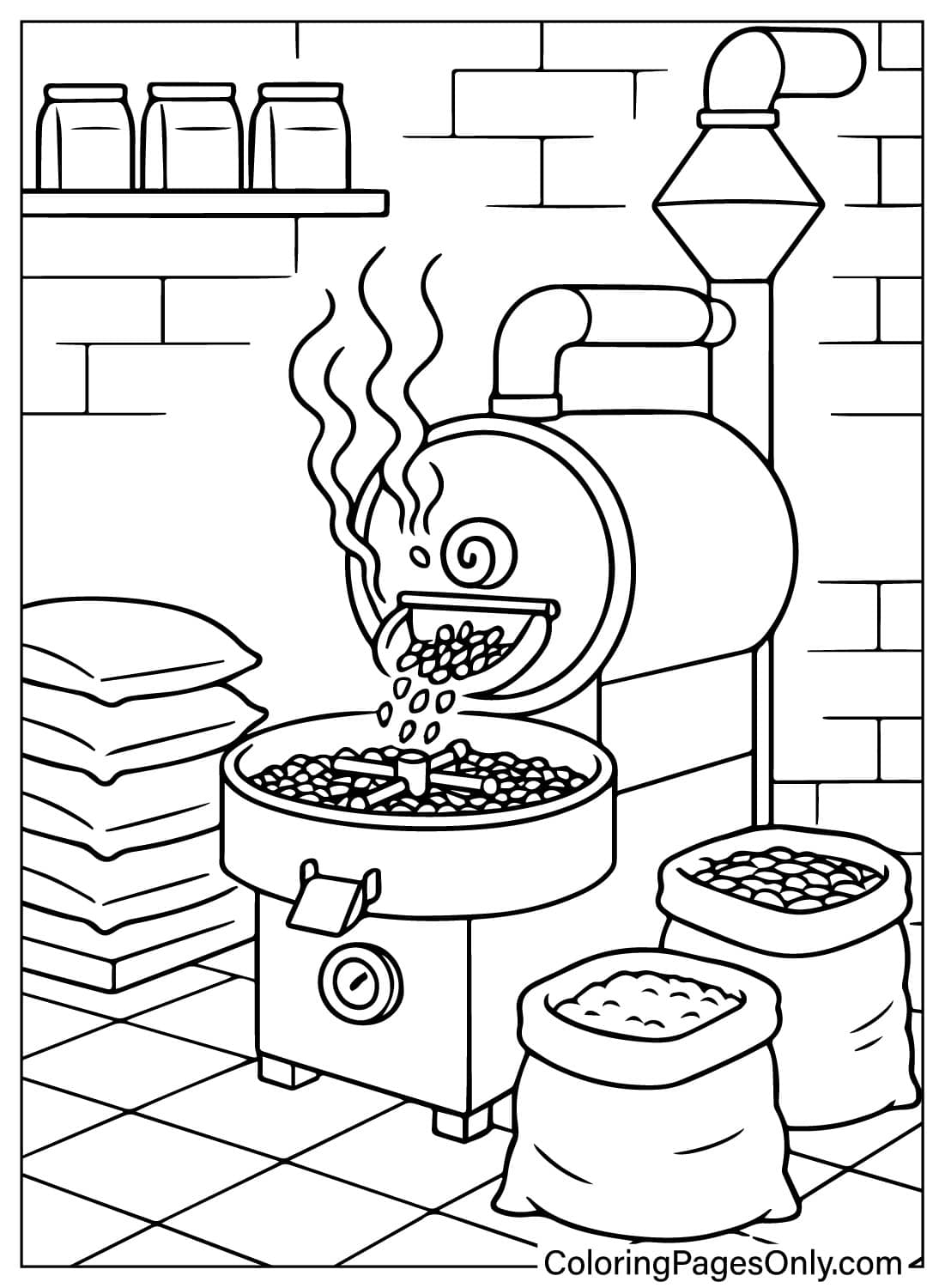
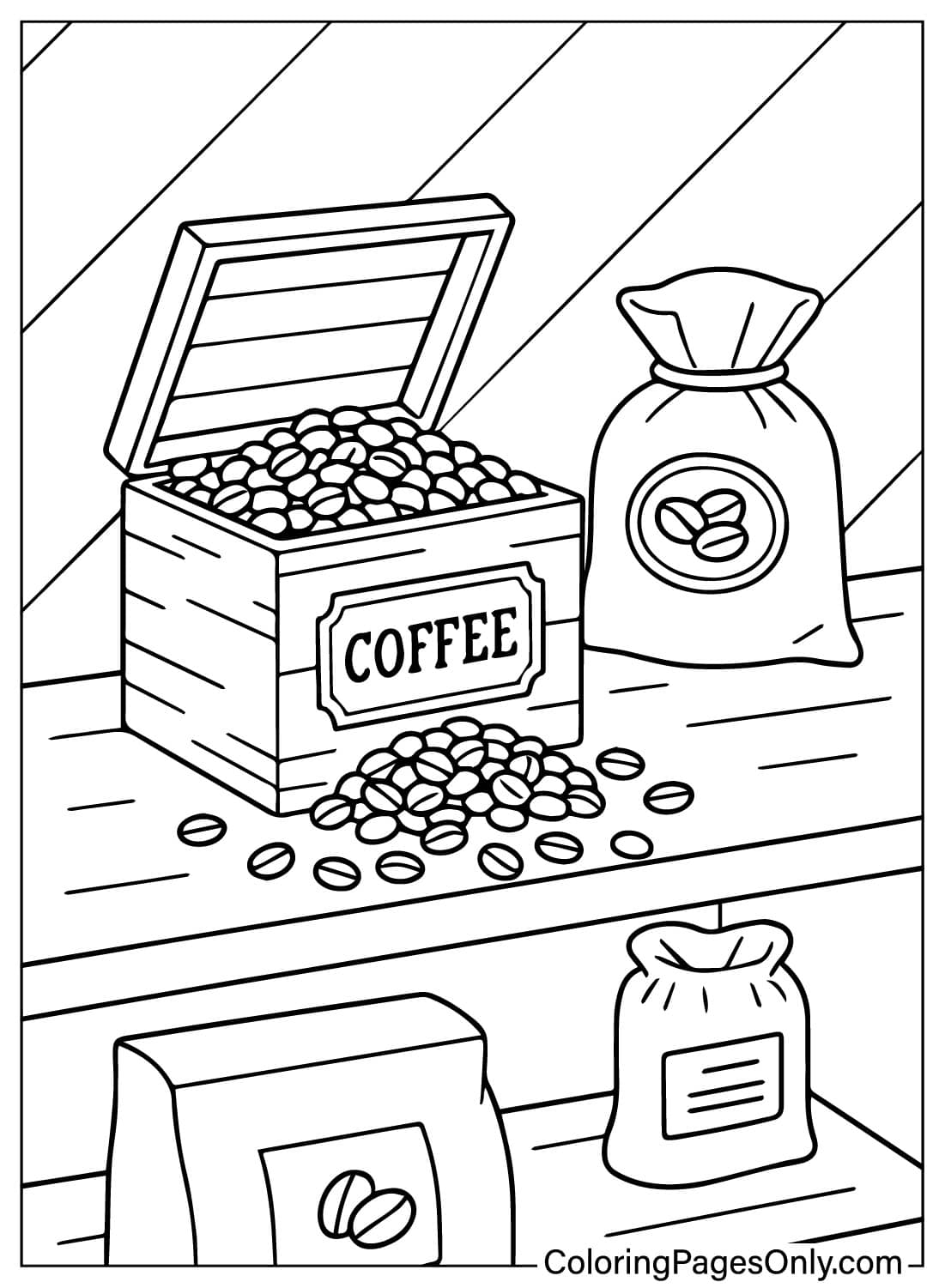
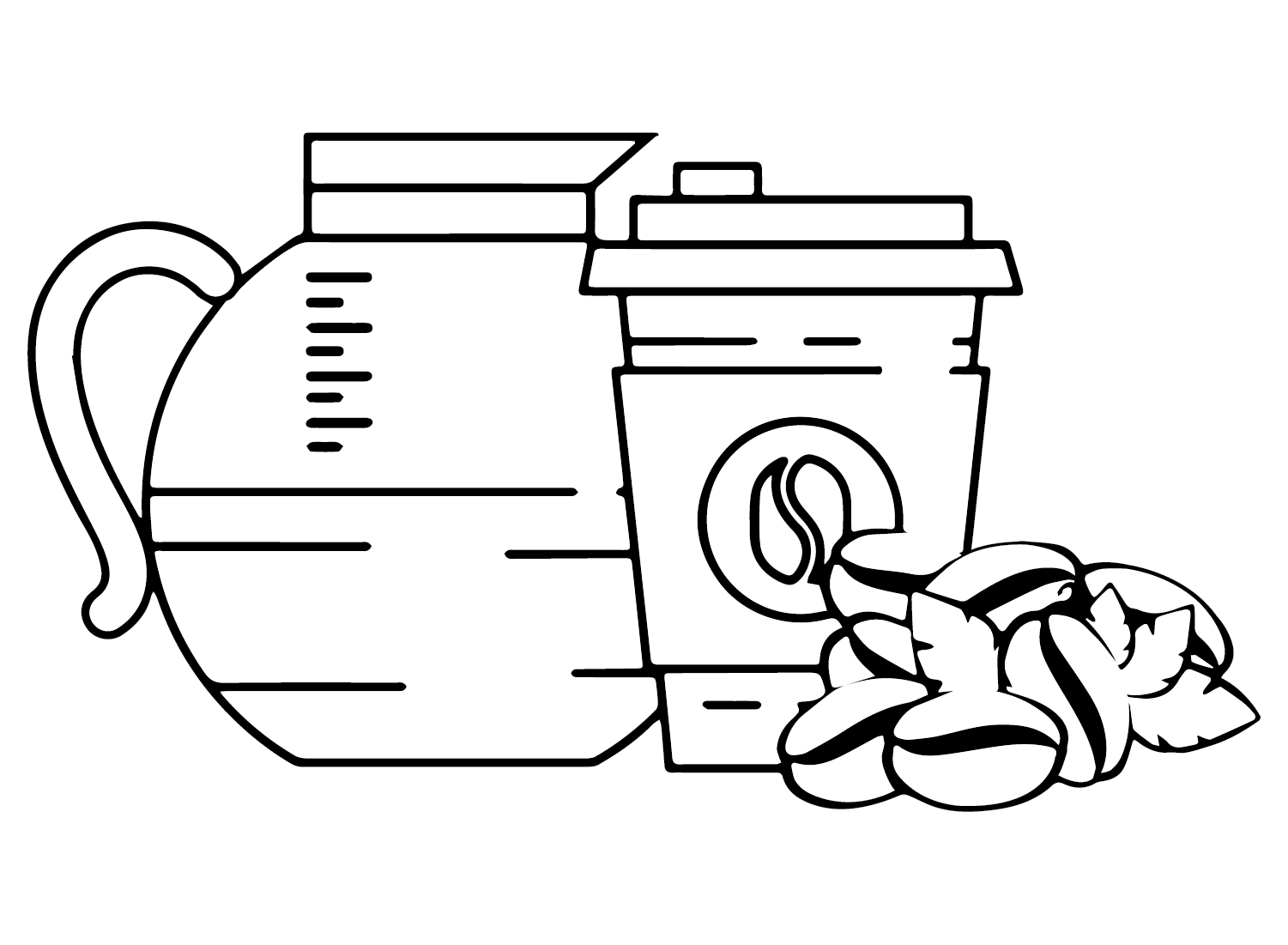
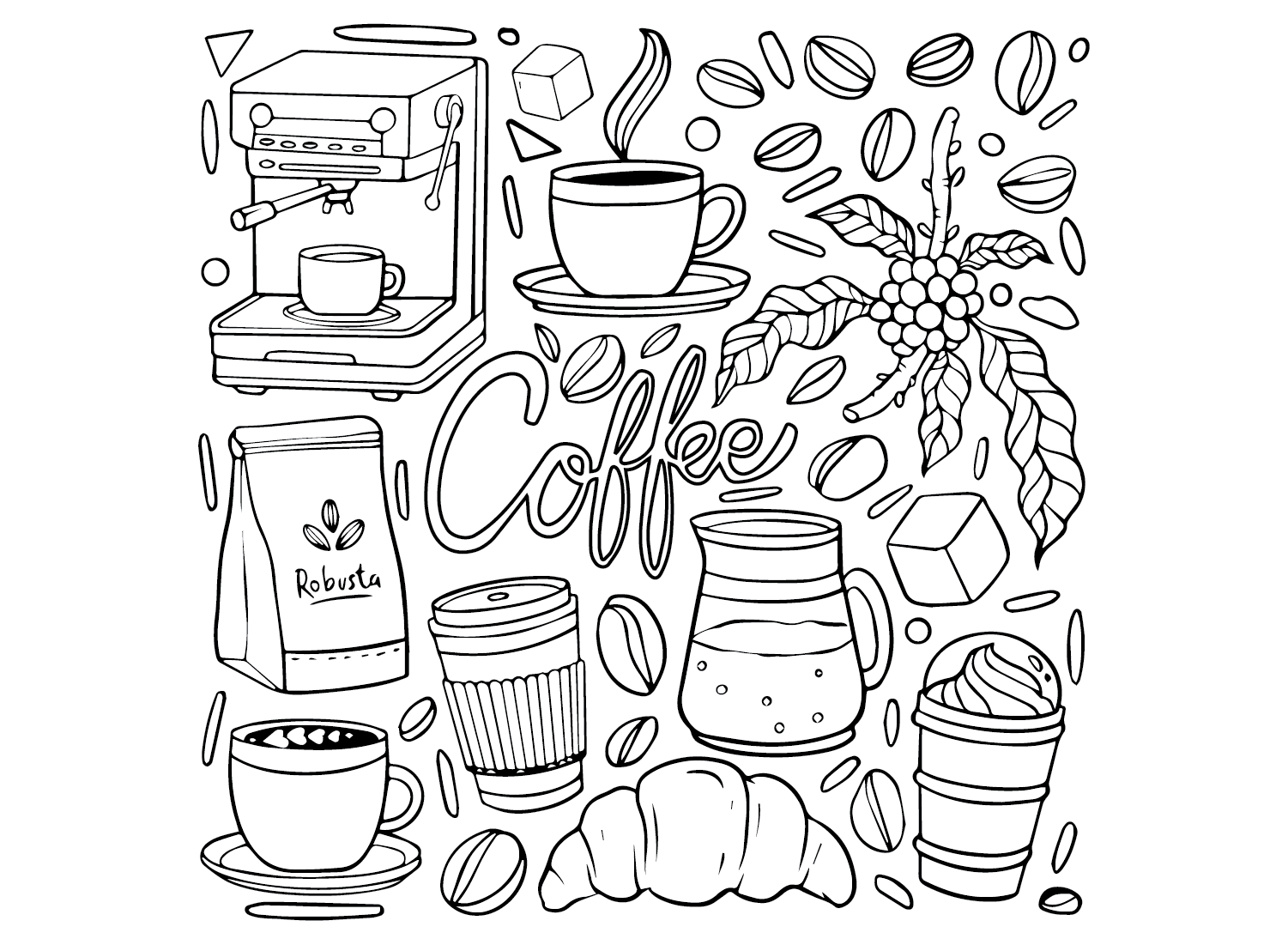
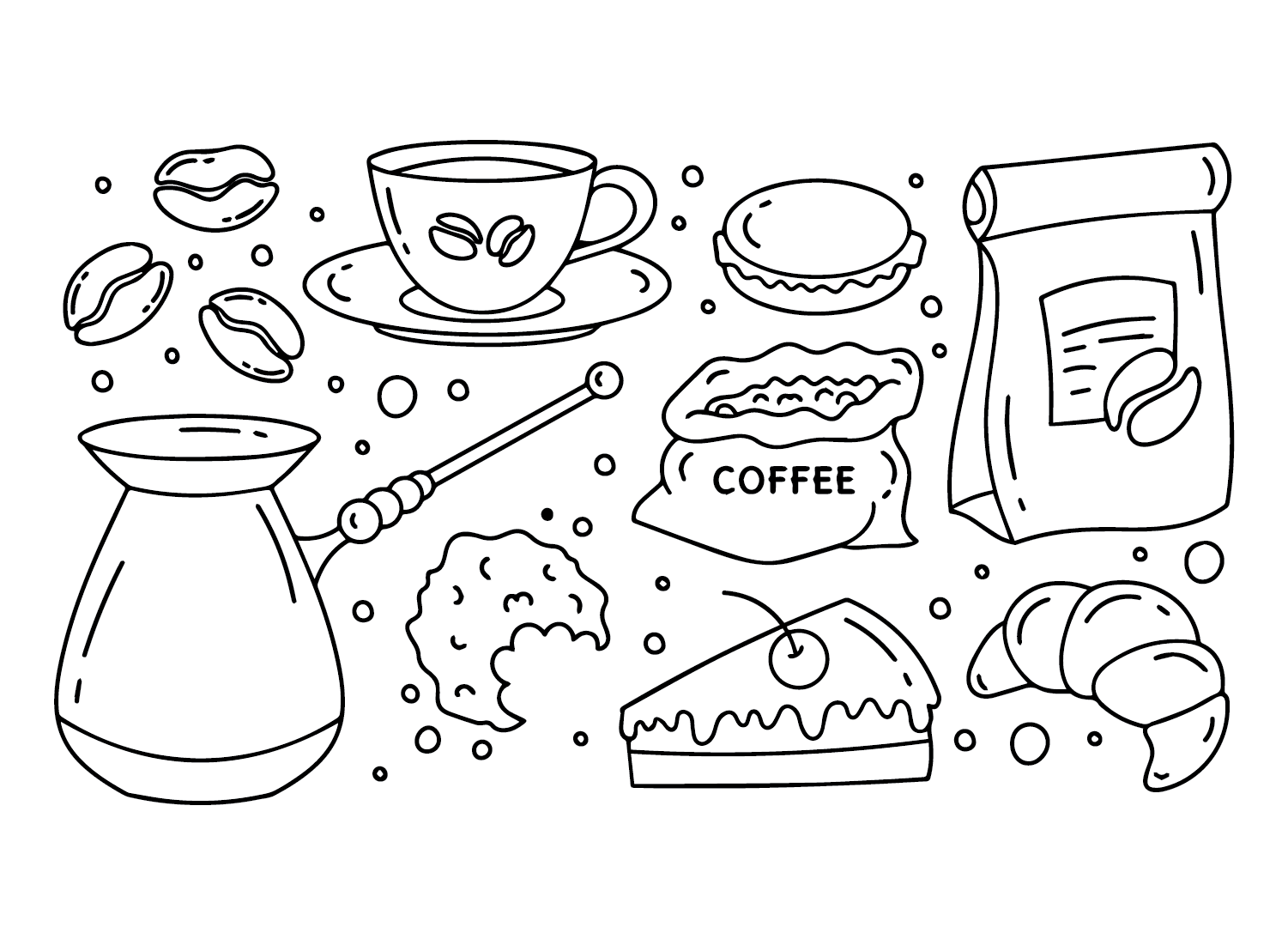
Coffee bean pages add a stronger food-culture side to the collection. Beans, scoops, sacks, roasting trays, jars, and storage containers help children see that coffee begins as a plant product before it becomes a drink. These pages are useful for food vocabulary, kitchen lessons, pattern practice, and older colorists who enjoy repeated shapes and natural textures.
Coloring coffee beans: Start with medium coffee brown, then add espresso brown along the center groove and a small honey-brown highlight on one side. Use a repeated-bean technique by coloring some beans caramel brown, some cocoa brown, and a few dark roast brown so the pile looks natural. The common mistake is making every bean black; roasted beans usually look richer when they include warm brown, reddish brown, and dark cocoa tones.
Lattes, Foam Art, and Espresso Drinks
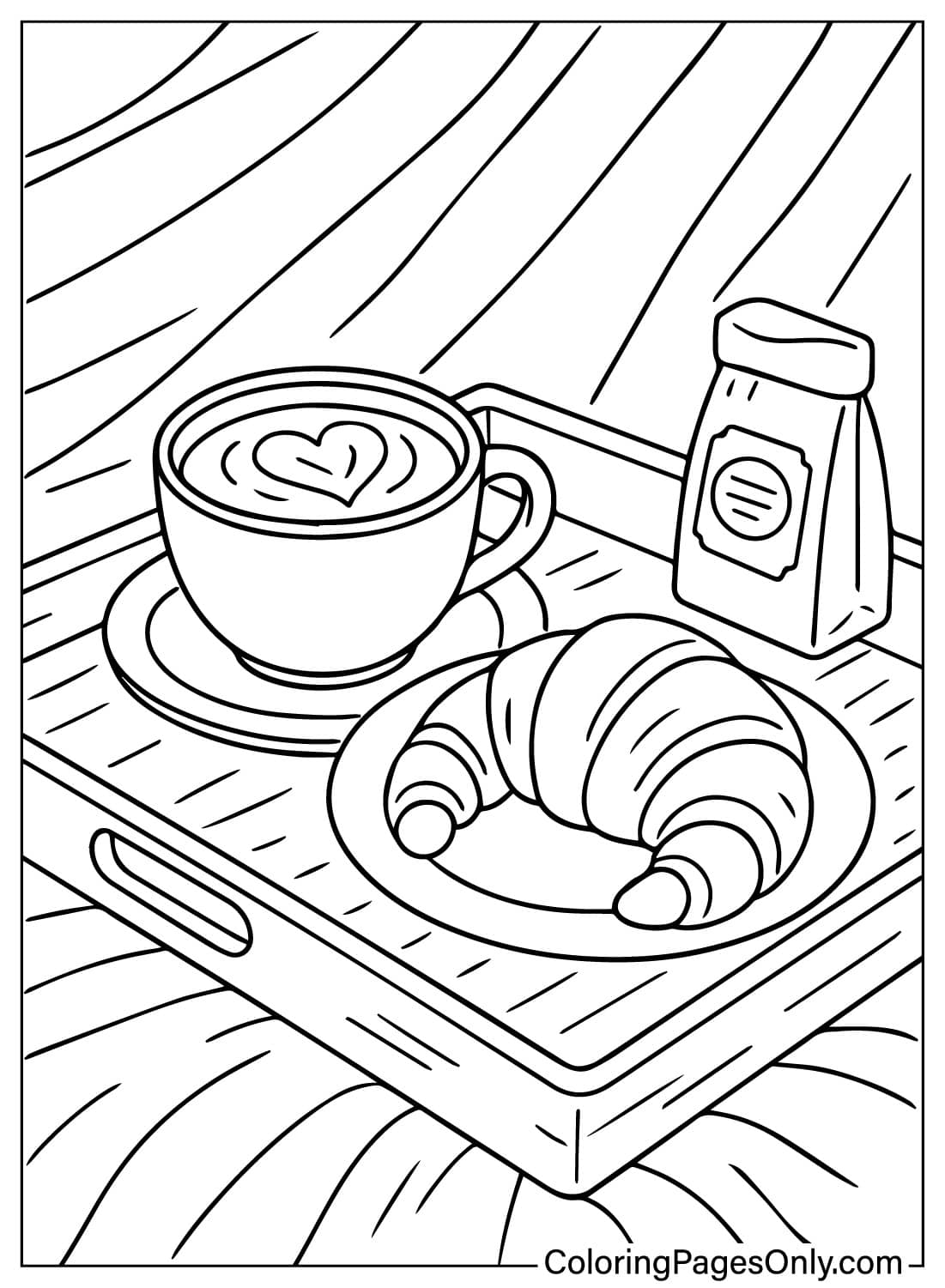
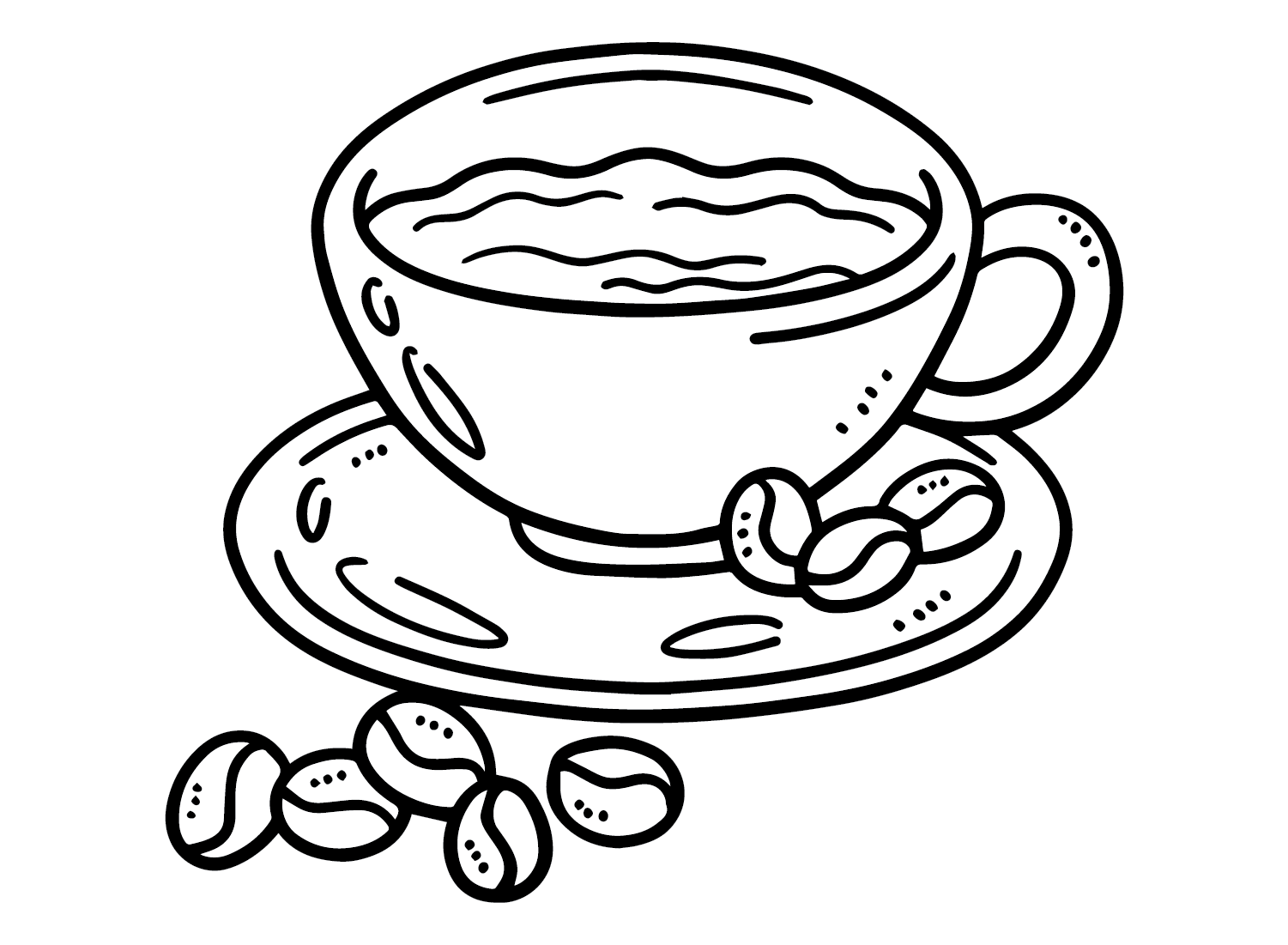
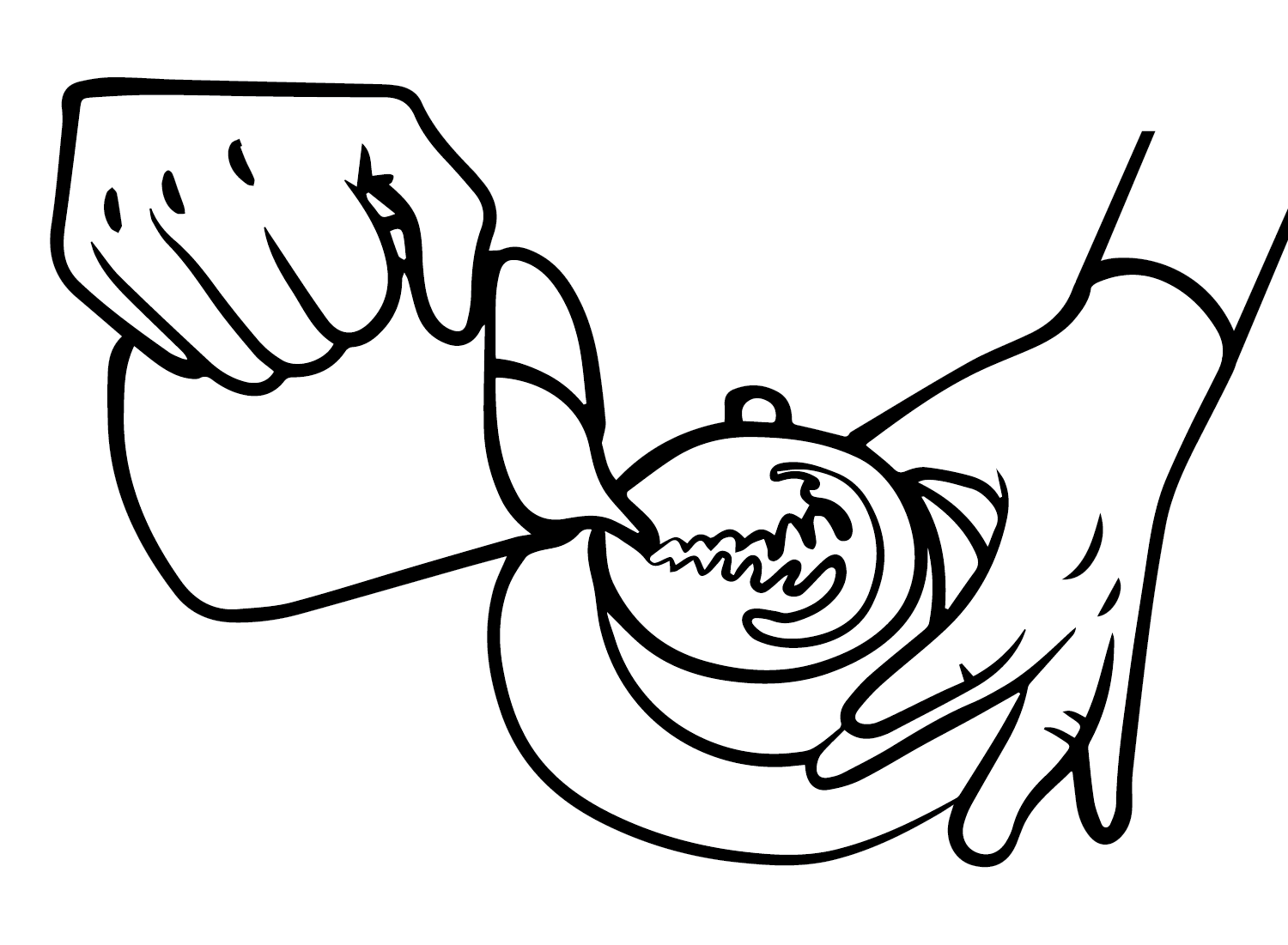
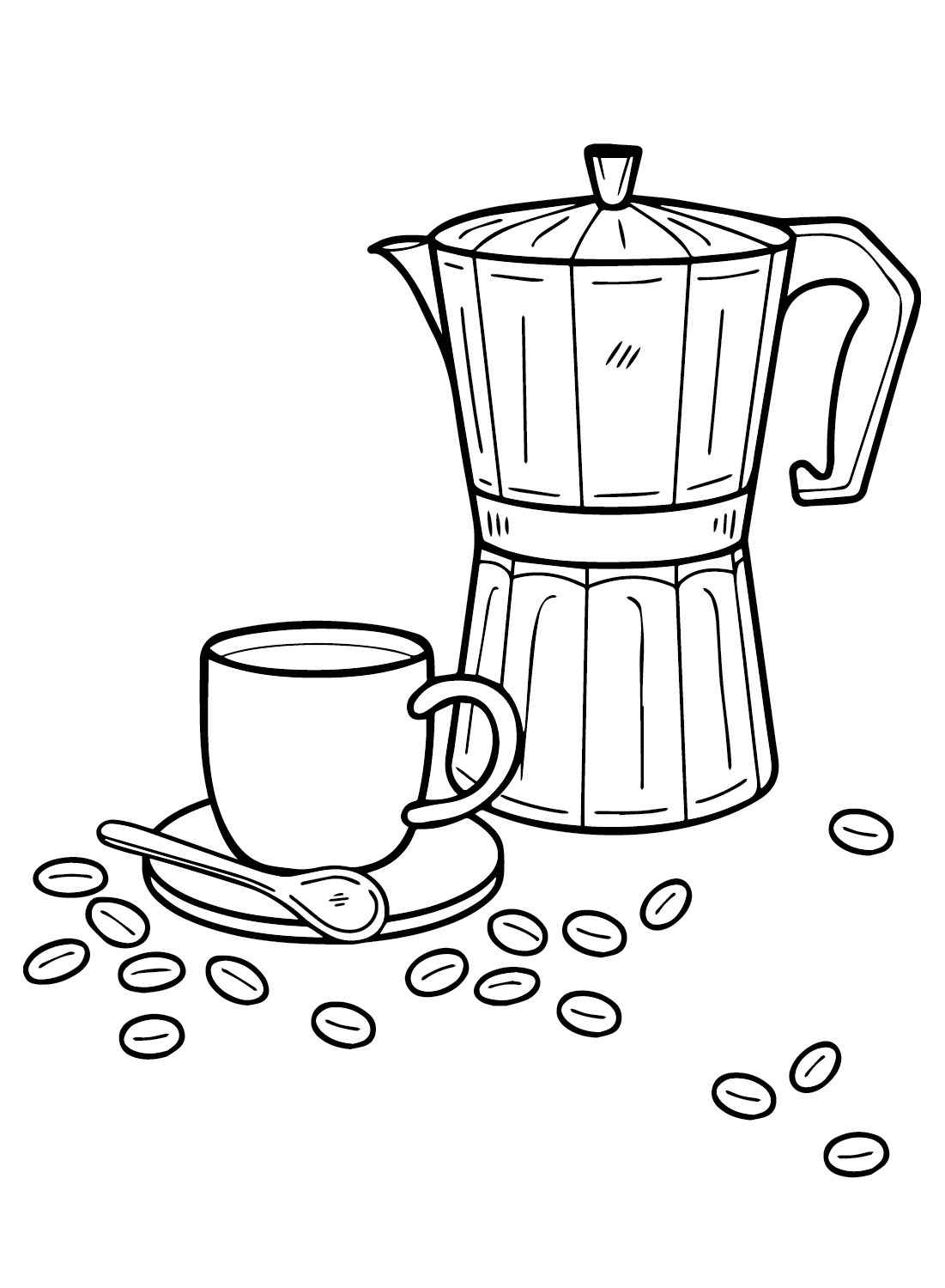
Latte and espresso pages bring a softer café look to the collection. They often include cups, saucers, foam hearts, milk swirls, espresso shots, milk pitchers, and close-up drink designs. These pages are especially appealing for teens and adults who like cozy, aesthetic coloring pages because the shapes are calm, rounded, and structured without feeling too crowded.
Coloring latte art: Use ivory cream for foam, light caramel near the cup edge, mocha brown for the coffee ring, and a very soft tan shadow under the saucer. Apply a soft-ring technique by shading the outer edge of the foam slightly darker while leaving the center pale. The common mistake is filling the heart, leaf, or swirl pattern with heavy brown; keep the foam design light so it looks like milk floating on coffee.
Baristas, Espresso Machines, and Coffee Shops
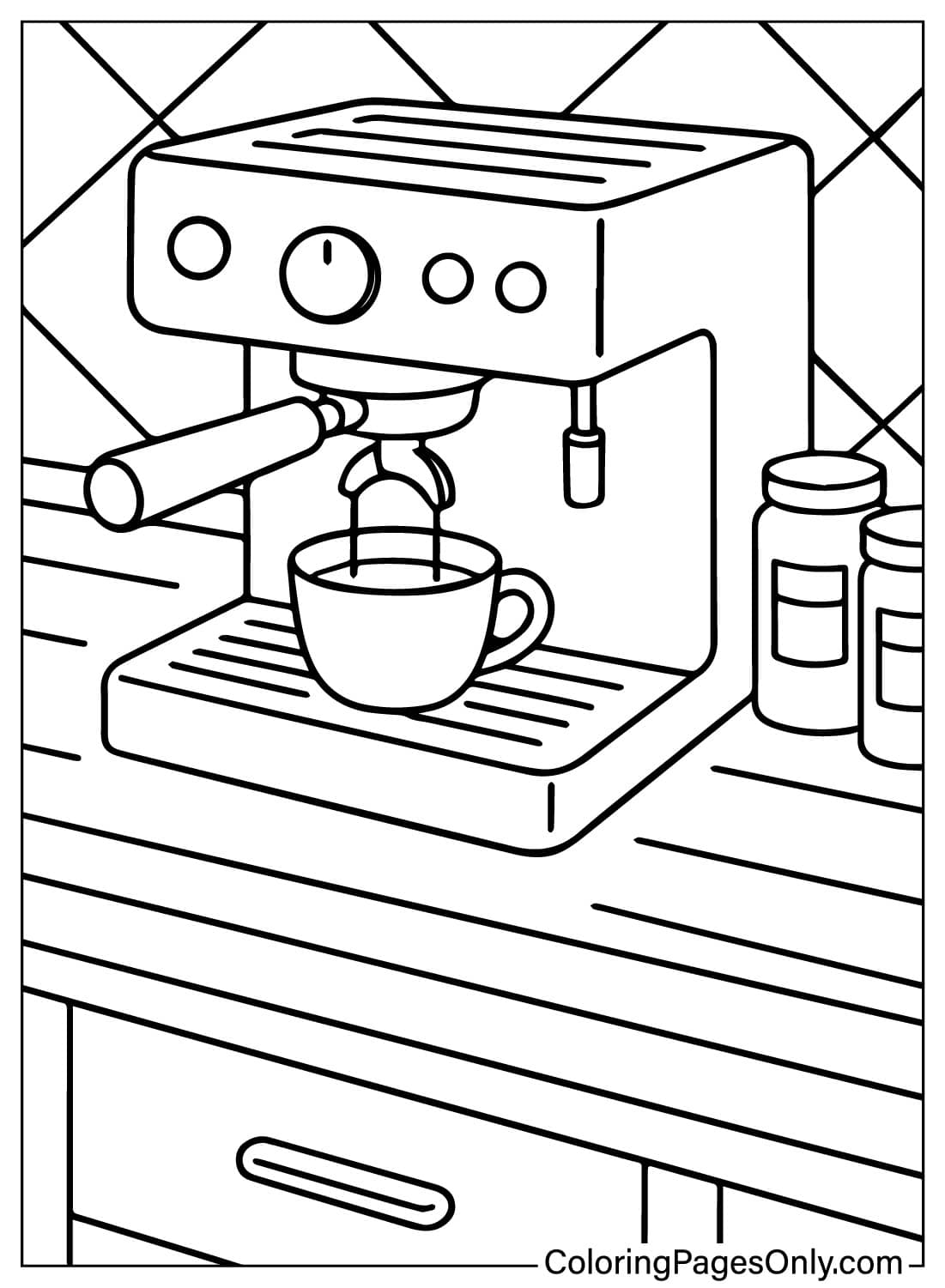
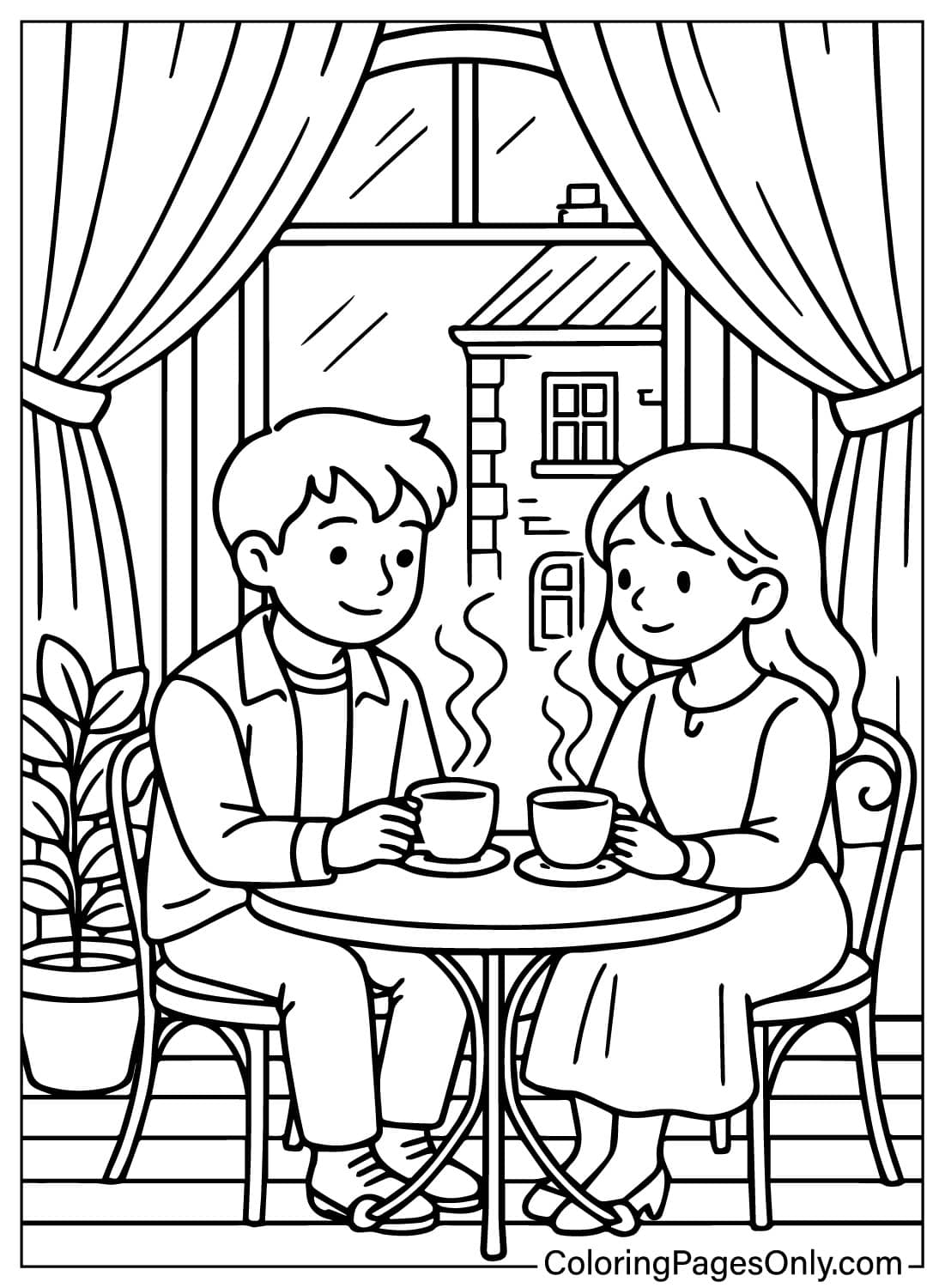
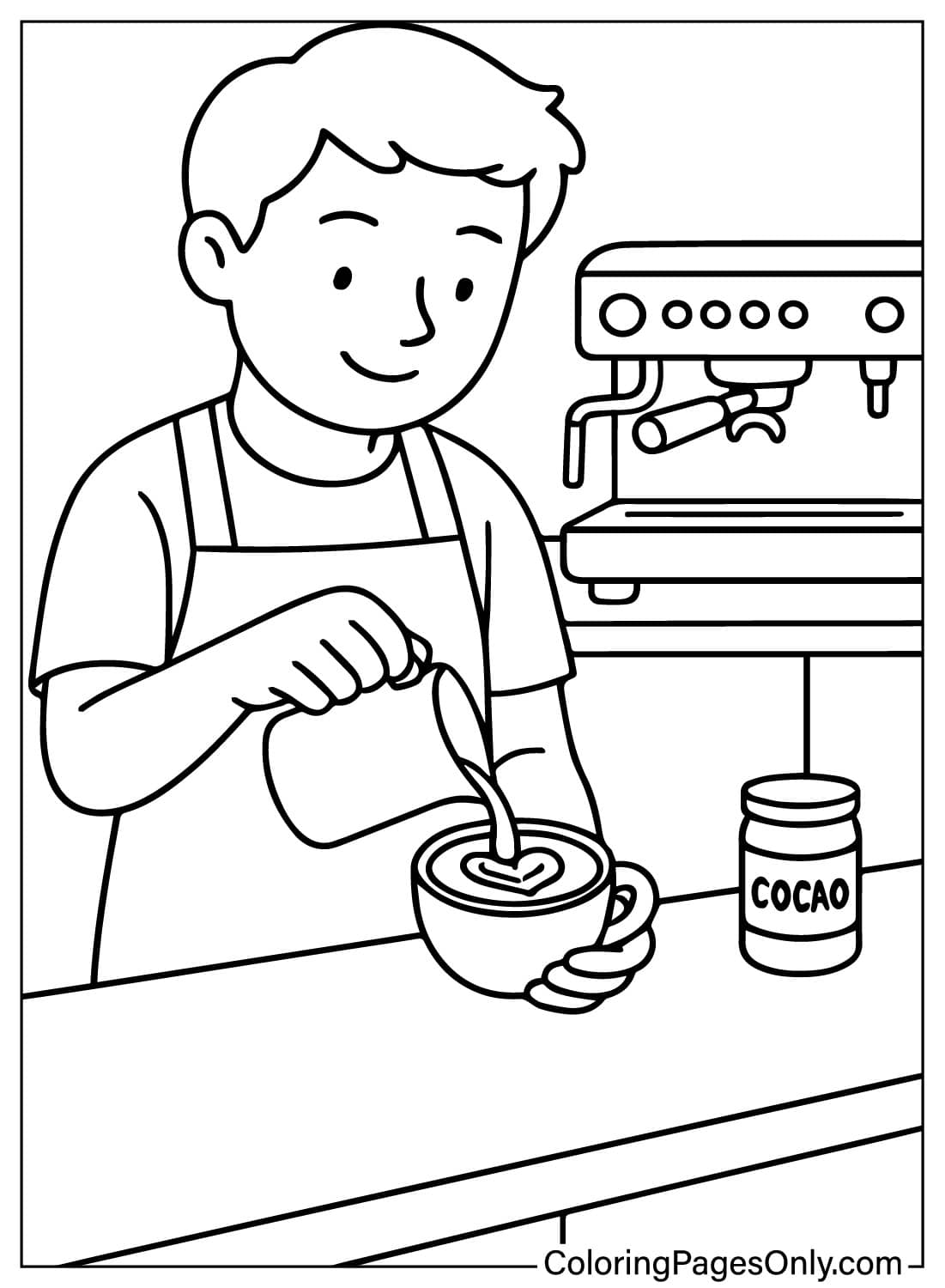
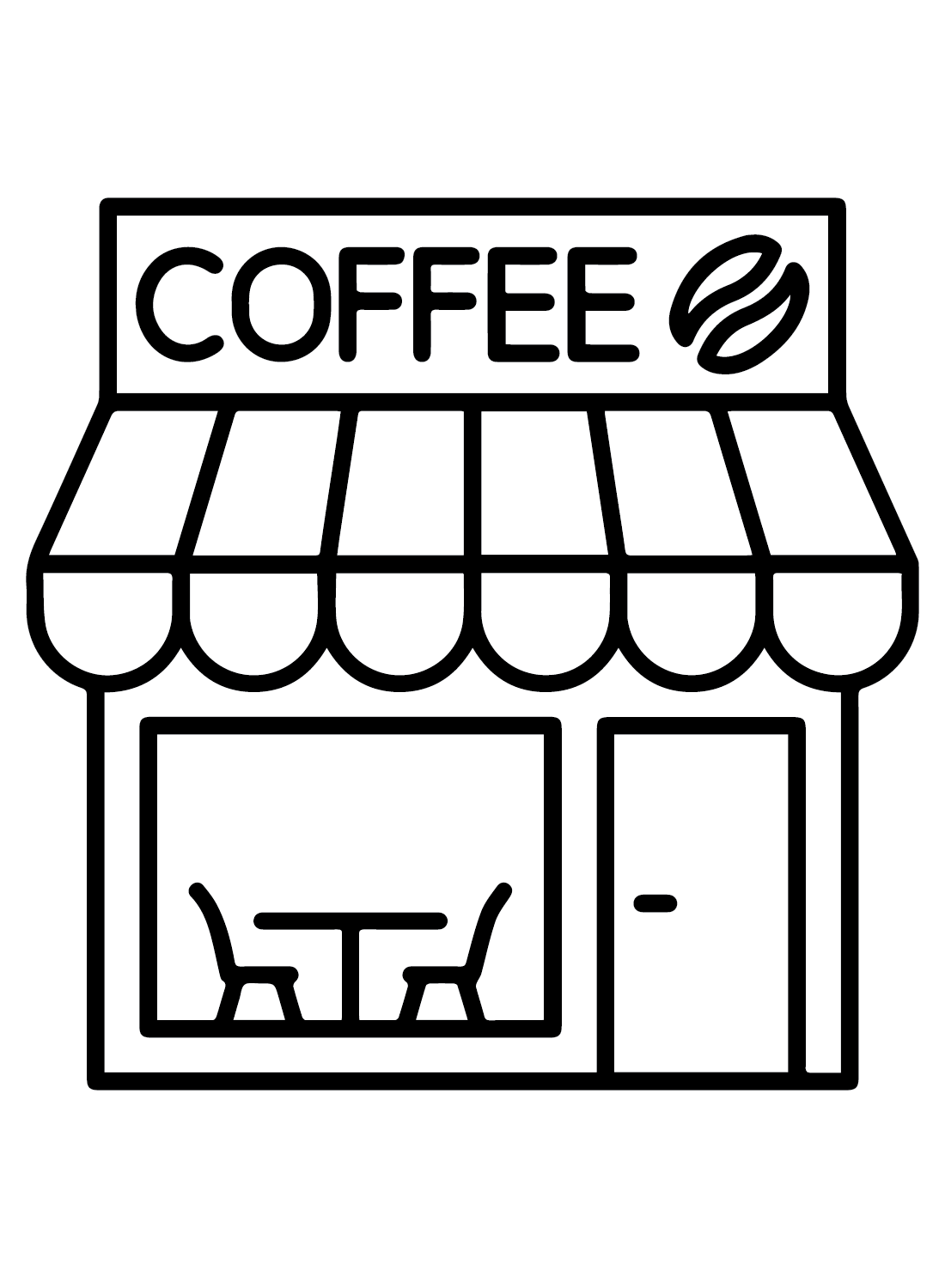
These pages show the world around coffee: baristas making drinks, espresso machines, café counters, menu boards, stools, shelves, coffee shop windows, and small table scenes. They are more detailed than simple mug pages and work well for older children, teens, and adults who enjoy scene-building. A café page can tell a small story with just a cup on the counter, a barista behind the machine, a chalkboard menu, and morning light through a window.
Coloring coffee shop scenes: Use walnut brown and honey tan for wooden counters, stainless-steel grey for espresso machines, chalkboard green or charcoal for menu boards, and warm amber for hanging lights. Color the largest background areas first, then finish small items like cups, beans, signs, pastries, and menu details. The common mistake is using too many dark browns; add cream, copper, sage green, dusty blue, or terracotta so the café feels warm but not muddy.
Coffee Quotes, Takeaway Cups, and Cozy Lifestyle Pages
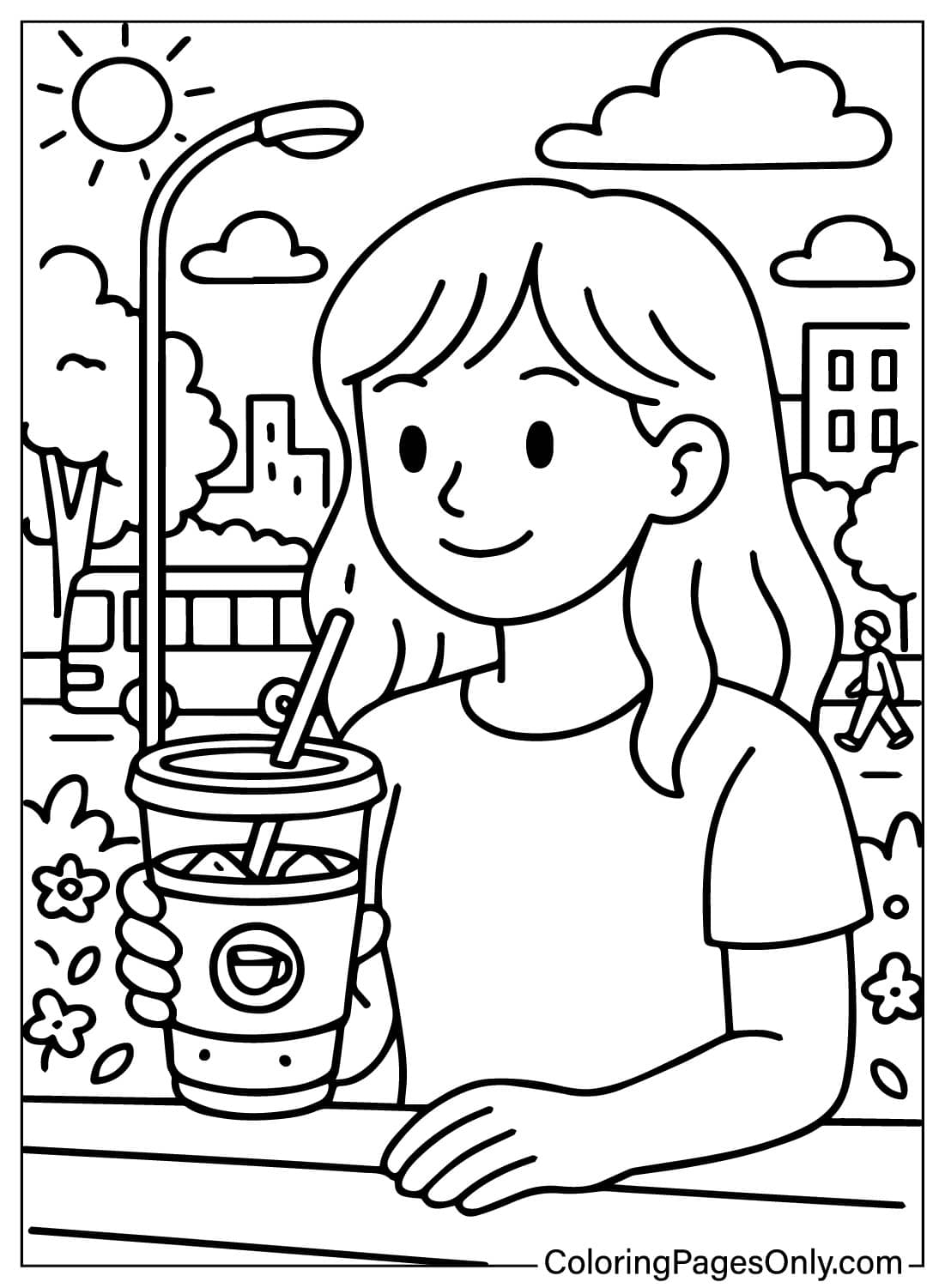
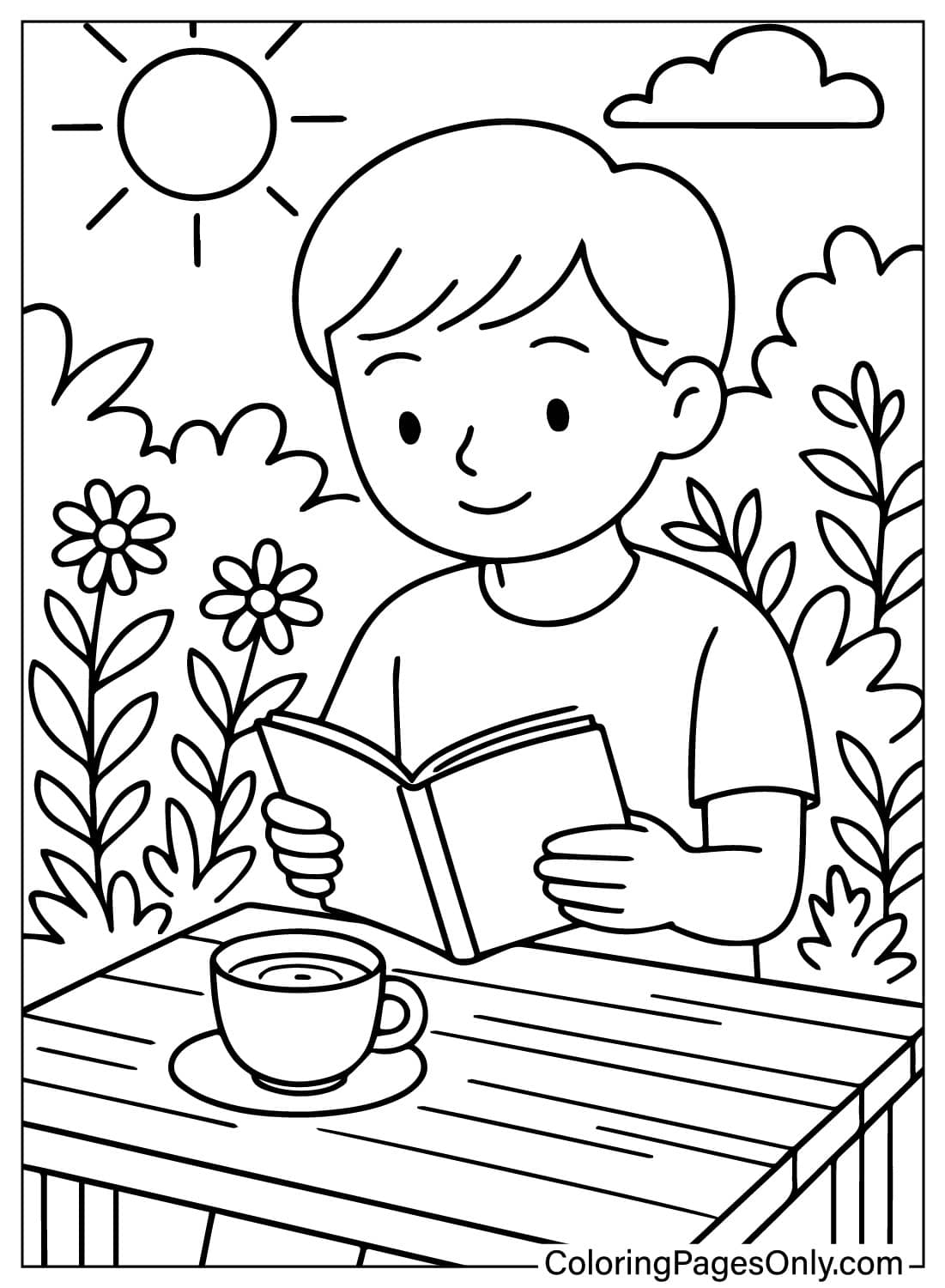
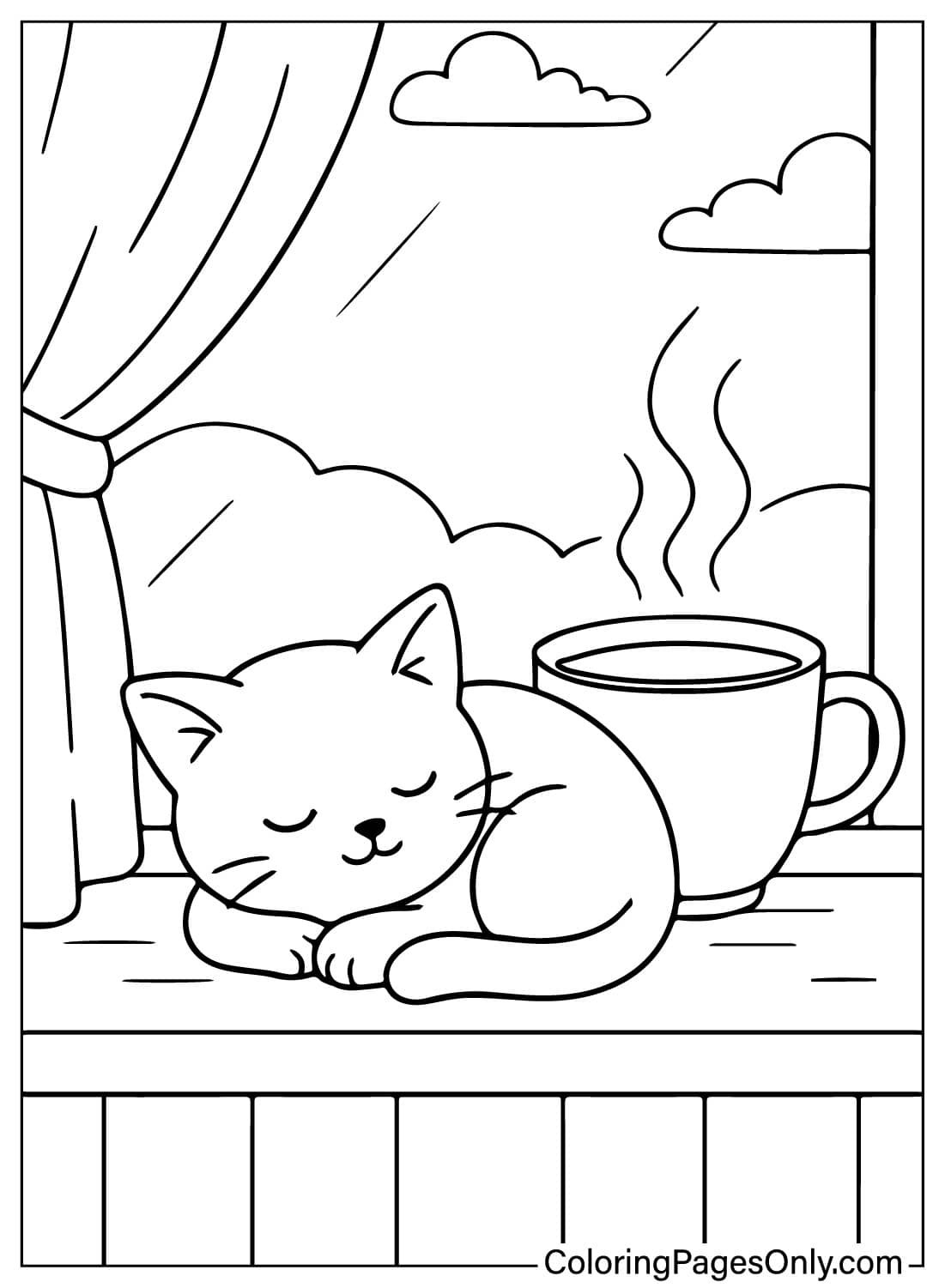
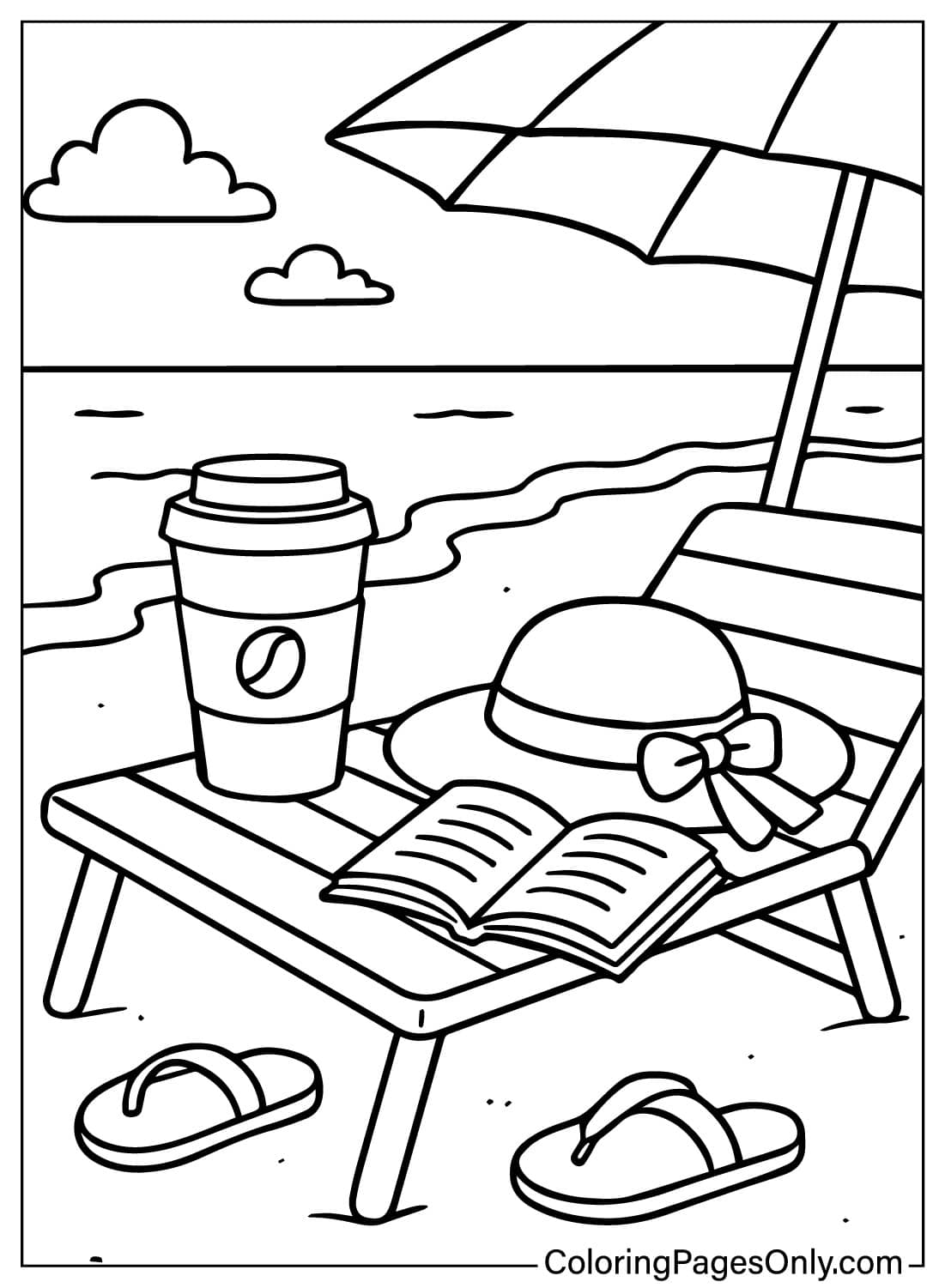
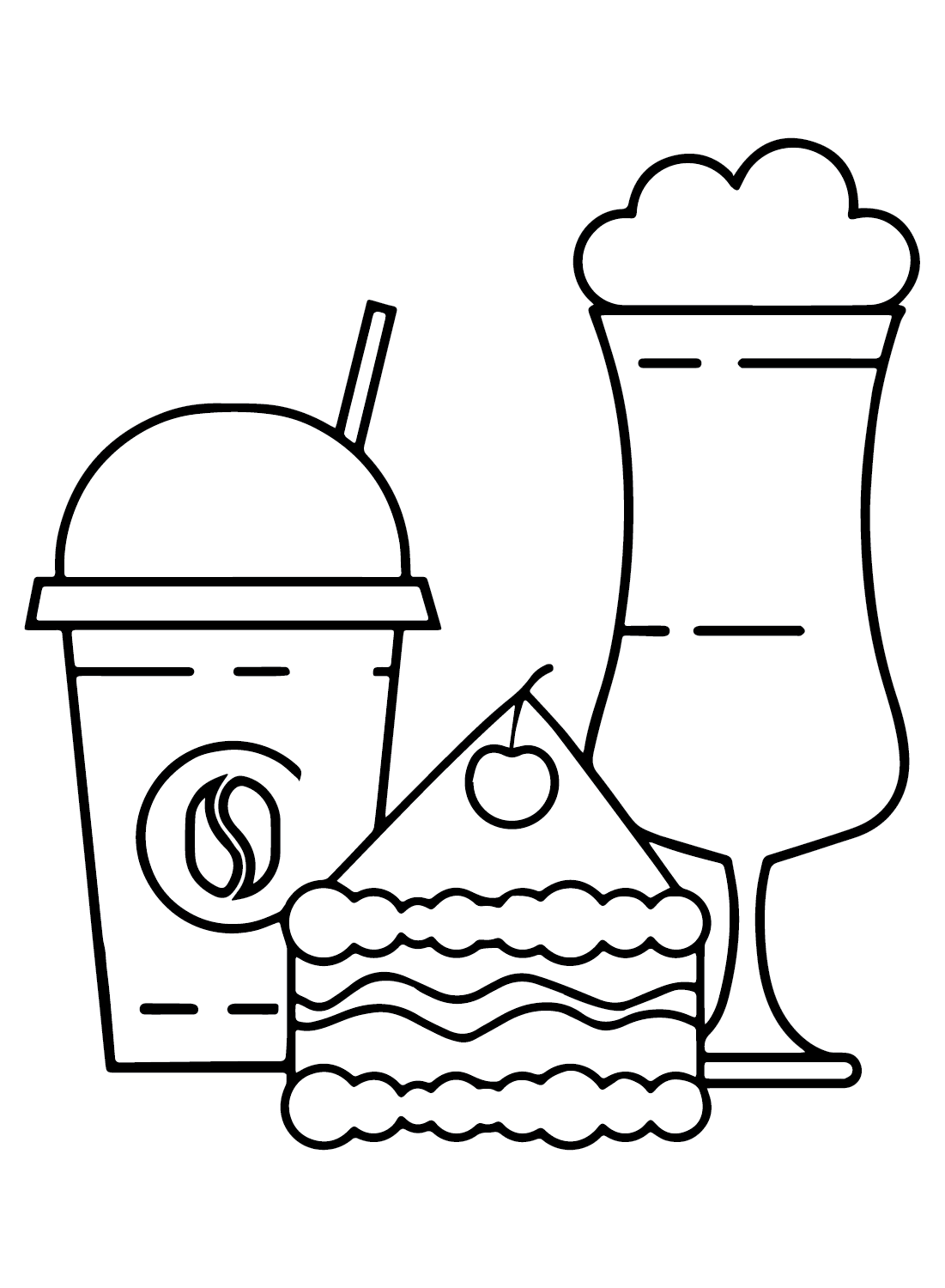
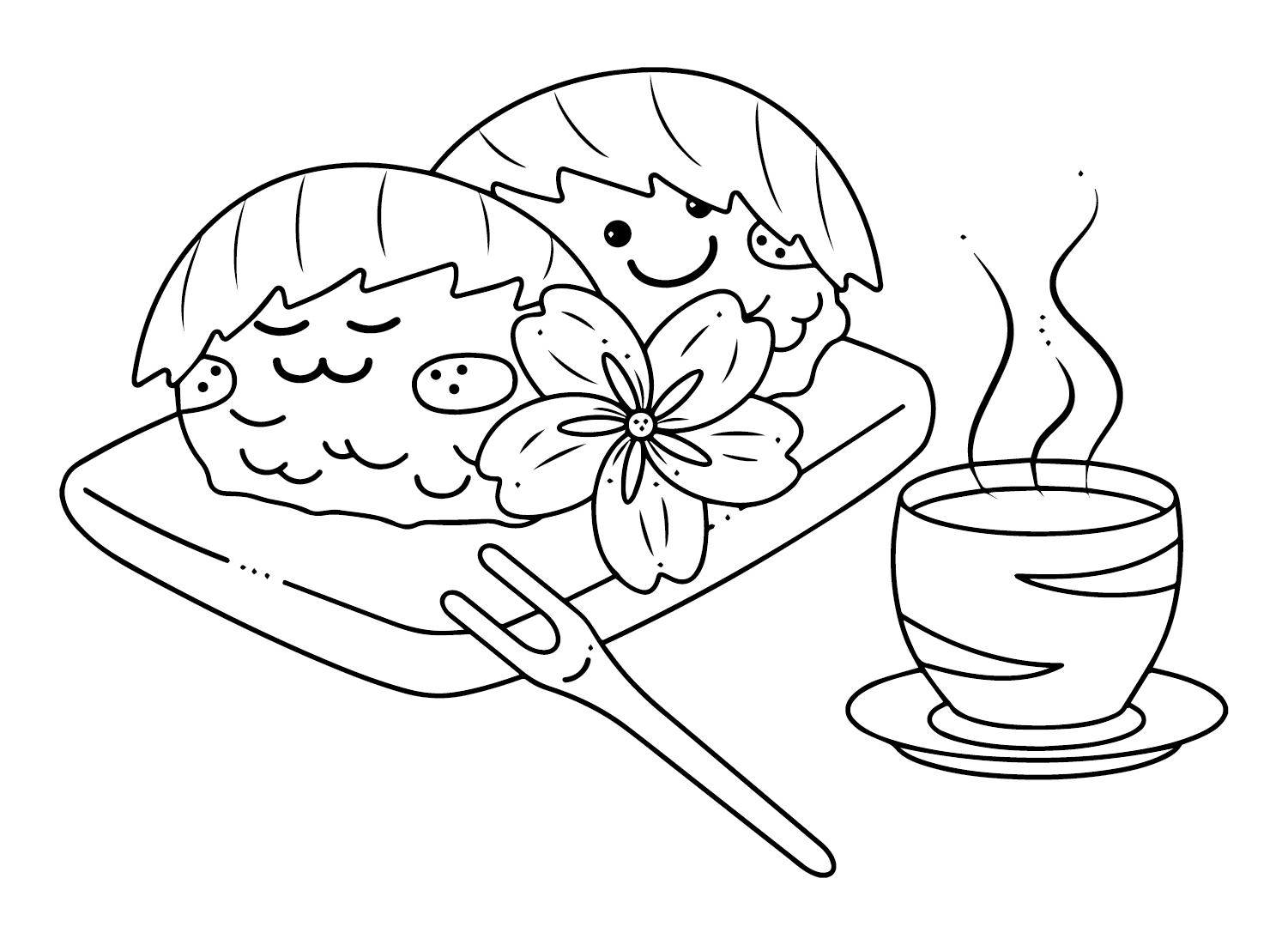
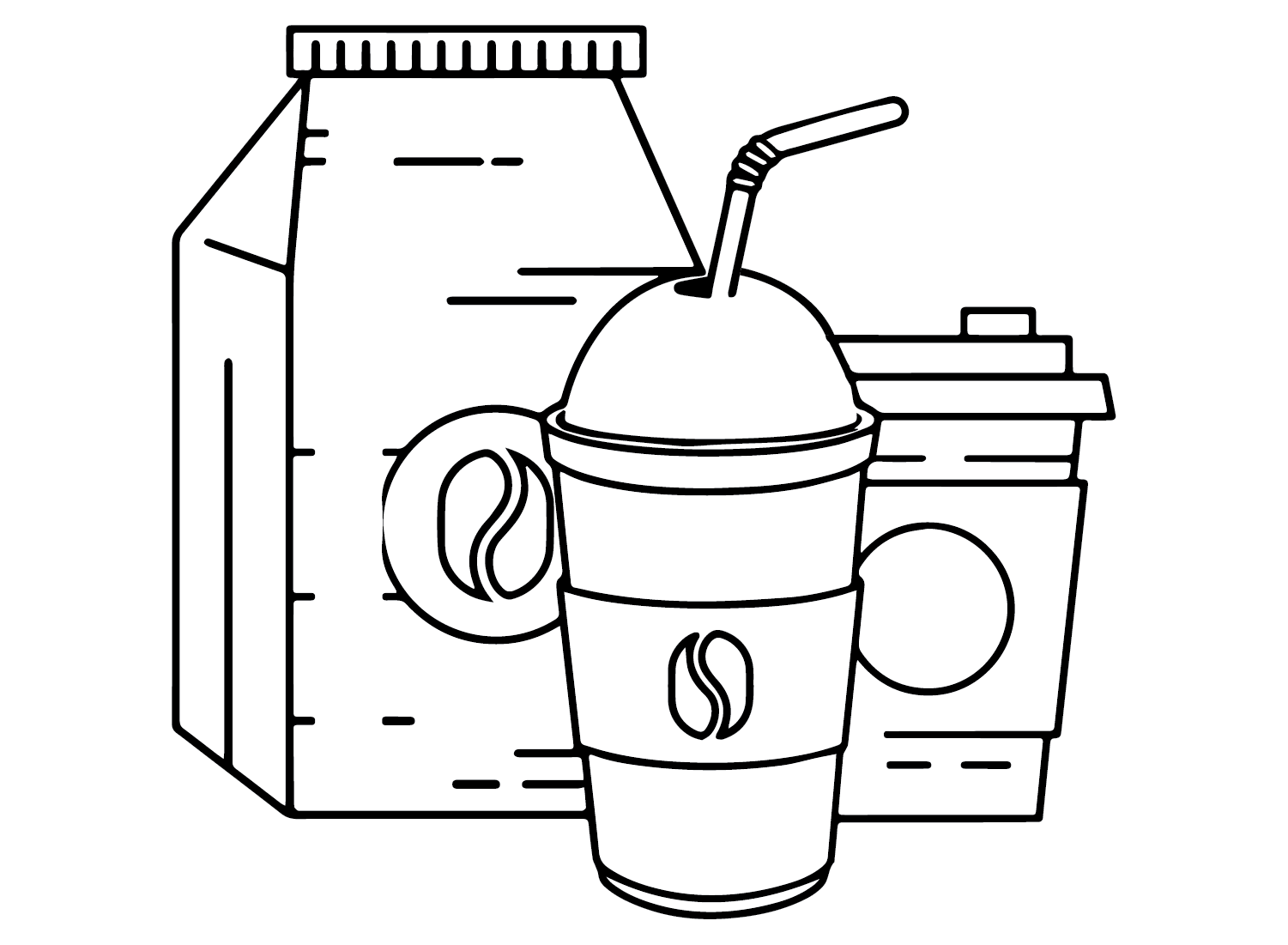
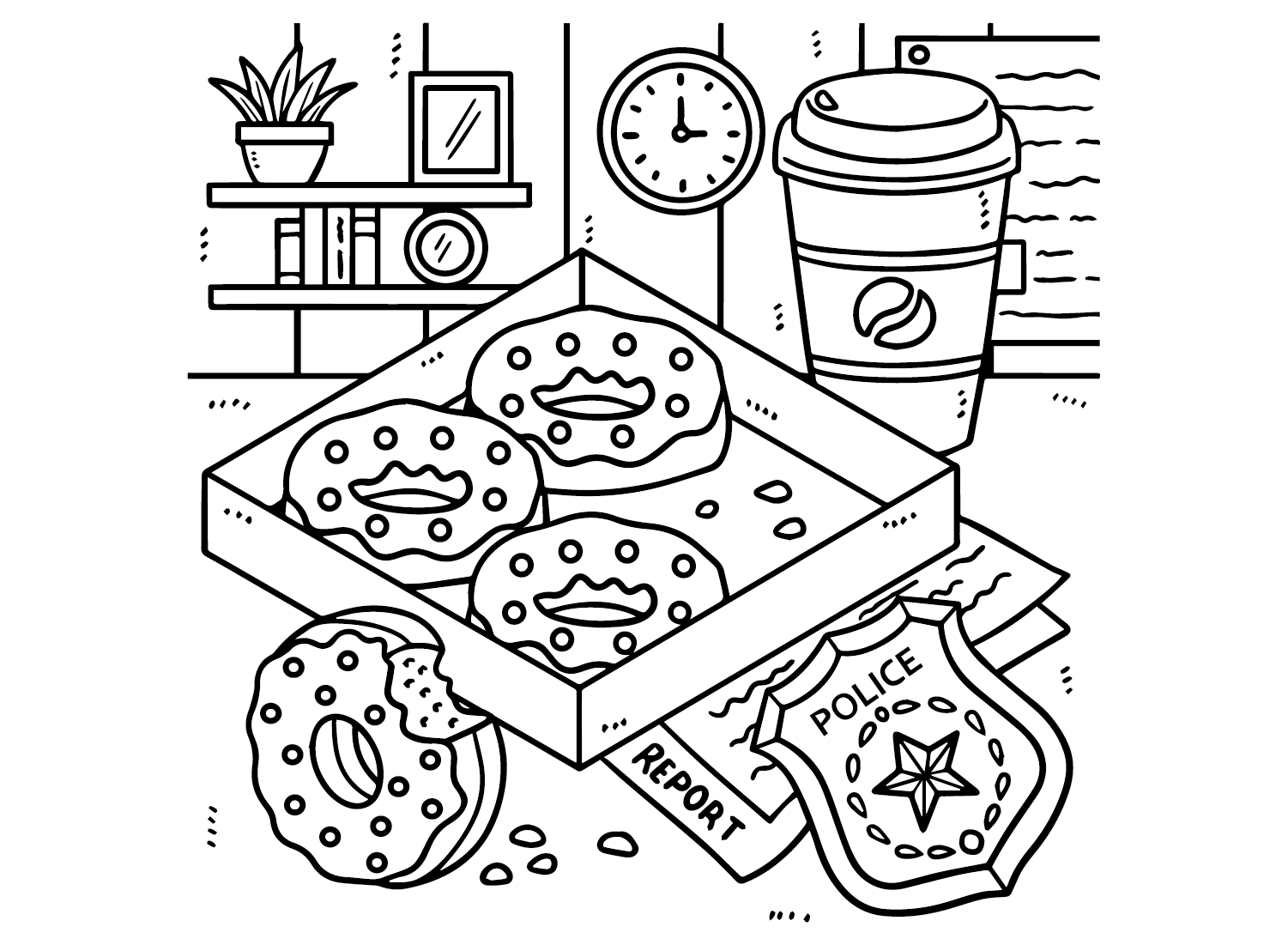
Quote pages, paper cups, books beside mugs, cats sleeping near coffee, beachside cups, desk scenes, and slow-morning designs bring a lifestyle feel to the collection. These pages are popular with teens and adults because they mix simple objects with mood: reading, journaling, studying, café visits, or quiet time at home. They also make good printable wall art, bookmarks, greeting cards, and small craft projects.
Coloring cozy coffee pages: Use kraft-paper tan for takeaway cups, cinnamon brown for coffee, soft grey for shadows, and muted colors such as sage green, dusty rose, denim blue, warm terracotta, or cream beige for backgrounds. For quote pages, color the words last so the lettering stays crisp. The common mistake is over-coloring the background; leave white space around the quote, mug, or steam so the design feels clean.
What These Pages Do
Coffee coloring pages connect children and adults to a familiar part of everyday food culture. Coffee appears in homes, cafés, bakeries, bookstores, office desks, travel scenes, and morning routines around the world. These pages are about the visual culture of coffee – cups, beans, steam, café tools, menus, and cozy settings – rather than encouraging children to drink caffeine.
These pages also teach design through shape, stream, texture, and repetition. A coffee bean page uses small repeated ovals and grooves. A latte page uses circular foam patterns and soft contrast. A café scene uses counters, shelves, signs, windows, and table objects. These visual structures make the collection useful for practicing composition, pattern control, object grouping, and warm-color layering.
The American Academy of Pediatrics identifies fine motor skill development as a key milestone throughout early childhood. HealthyChildren.org, the parenting site from the American Academy of Pediatrics, lists coloring with crayons or chalk among quiet-time activities that can help improve a 3-year-old child’s hand abilities. Coffee pages support that development through mug handles, bean grooves, steam curls, cup lids, menu letters, latte hearts, café shelves, saucers, and small table objects.
The 2005 Art Therapy Journal study on structured coloring and anxiety reduction applies well to coffee pages with repeated shapes and cozy visual boundaries. Coffee beans, steam lines, cup patterns, menu borders, tiled floors, wood grain, and latte swirls give colorists organized areas to fill. This kind of structured, low-pressure coloring can feel especially calming when the subject suggests warmth, quiet, and a slower moment.
How to Color These Pages Well
Build the coffee palette from warm browns, not one flat brown. Use caramel brown for light areas, mocha brown for the drink surface, espresso brown for deep shadows, and cocoa brown for beans or cup accents. Add cream or ivory near the foam to keep the page soft. Test the browns on scrap paper first because heavy, dark brown can make the design look muddy.
Keep the steam light and airy. Steam should usually stay white, pale grey, or very light blue-grey. Shade only one side of each curl if the page has large steam lines. The common mistake is outlining steam too heavily; steam works best when it looks softer than the mug, beans, or table.
Make ceramic mugs feel glossy. Choose one main mug color, then leave a small white highlight on the upper curve, rim, or handle. Use slightly darker pressure near the bottom of the cup and under the rim. This highlight-and-shadow treatment makes a plain mug look rounded instead of flat.
Use latte foam as the brightest part of the drink. Start with ivory or warm cream, then add light caramel around the edge of the cup. Keep foam hearts, leaves, and swirls pale so they stand out from the coffee underneath. Avoid using dark brown inside the foam pattern unless the design specifically shows cocoa powder or chocolate drizzle.
Separate paper cups from ceramic cups. Paper takeaway cups look better with kraft tan, cream, soft grey, and muted sleeve colors. Ceramic mugs can use stronger colors such as teal, cherry red, butter yellow, navy blue, or dusty rose. The common mistake is coloring every coffee cup the same; changing the material makes the page feel more realistic.
Use café backgrounds carefully. For café scenes, color the counter, walls, and floor with lighter tones before adding dark details. Wood can use walnut brown and honey tan, metal can use cool grey, and chalkboards can use dark green or charcoal. Keep menu-board lettering, cup rims, and small signs clean so the main café details do not disappear.
5 Creative Craft Ideas
Pretend Café Menu Board
Use coffee cup, latte, pastry, and café sign pages to create a pretend café menu board. Materials include printed coloring pages, poster board, crayons, markers, scissors, glue, and small price labels. Children color several drinks first, then cut them out and arrange them under menu headings such as “Hot Coffee,” “Iced Drinks,” “Pastries,” or “Daily Special.” Older children can invent names like “Caramel Cloud Latte” or “Sunny Morning Mocha.” This project works well for ages 6–11 because it combines coloring, writing, pretend play, food vocabulary, and simple design. The finished board can be used in a classroom, play café, or home kitchen corner.
Coffee Around the World Mini Poster
Use coffee bean, cup, café, and map-inspired pages to create a mini poster about coffee culture. Materials include printed coffee pages, a sheet of poster paper, crayons, colored pencils, glue, scissors, and small labels. Children color beans, cups, sacks, and café objects, then arrange them around simple labels such as “Ethiopia,” “Yemen,” “Coffeehouse,” and “Modern Café.” Adults can briefly explain that coffee is linked to Ethiopian legends, Yemeni cultivation, and later coffeehouse culture. This craft works best for ages 8–12 because it connects coloring with history, geography, and food culture. The finished poster gives the collection a stronger educational purpose beyond cute cup designs.
Coffee Cup Greeting Cards
Turn cute mug pages or quote pages into handmade greeting cards. Materials include printed coffee coloring pages, folded cardstock, crayons or colored pencils, scissors, glue, and optional stickers. Children color a coffee cup, cut it out, and place it on the front of the card with a short message such as “Warm Wishes” or “Thanks a Latte.” Adults can help younger children with cutting and writing. This craft works for birthdays, thank-you notes, teacher appreciation, or cozy friendship cards. It is simple enough for ages 5–8 and still appealing to older children who enjoy lettering and decorative borders.
Coffee Bean Pattern Bookmark
Use coffee bean pages or small cup details to make a bookmark with repeating patterns. Materials include printed pages, cardstock, scissors, glue, colored pencils, and clear tape or a laminating sheet. Children color coffee beans in slightly different browns, then cut a long rectangle and arrange the beans along the edge. A small mug or latte heart can be placed at the top. This project supports pattern recognition, fine motor control, and careful cutting. It is especially useful for reading corners, library activities, or café-themed classroom displays. The finished bookmark feels cozy and practical without needing a large project.
Latte Art Color Study
Use latte art pages to create a small color study about warm tones and contrast. Materials include printed latte pages, colored pencils, crayons, and a sheet for testing browns and creams. Children choose three related colors, such as ivory, caramel, and mocha, then color the same latte design in two or three different ways. Older colorists can compare which version makes the foam heart, leaf, or swirl stand out best. This project is ideal for ages 9 and up because it teaches layering, contrast, and controlled pressure. The finished set can be displayed as a small café art series.
Frequently Asked Questions
What is coffee?
Coffee is commonly known as a drink made from roasted coffee beans, which are the seeds found inside coffee cherries. The beans are roasted, ground, and brewed with water to create many types of drinks, including espresso, drip coffee, cappuccino, and latte. In coloring pages, coffee usually appears through cups, mugs, beans, steam, café signs, latte art, and cozy table scenes. These pages focus on coffee as a visual and cultural theme, not as a suggestion that children should drink caffeine.
Where did coffee come from?
Coffee is strongly connected to Ethiopia, where legends describe a goat herder named Kaldi noticing the unusual energy of goats after they ate coffee cherries. Coffee drinking and organized cultivation later became closely associated with Yemen and the Arabian Peninsula. From there, coffee spread through trade routes, markets, religious communities, and coffeehouses. This long history is why coffee pages can include beans, sacks, roasting tools, cafés, and global food-culture details.
Why are latte art and café scenes popular in coffee coloring pages?
Latte art and café scenes are popular because they combine simple objects with a cozy setting. A foam heart, leaf, or swirl gives colorists a clear central pattern, while a café counter or window adds atmosphere. These pages also appeal to older children, teens, and adults who like calm, aesthetic designs. They work well for relaxing coloring because the shapes are structured but not too intense.
Are Coffee Coloring Pages good for adults, too?
Yes. Many coffee pages work especially well for adults because they include cozy objects, café interiors, quote designs, latte art, books, cats, and still-life compositions. These pages can feel calmer than busy character pages because the subject is familiar and the shapes are organized. Adults may enjoy using muted palettes such as sage green, terracotta, cream, walnut brown, dusty rose, and denim blue. Quote pages and café scenes also work well as printable wall art or handmade cards.
Why are coffee cups and mugs so common in coffee coloring pages?
Cups and mugs are the easiest way to show coffee clearly. A mug can be cute, realistic, funny, decorative, or cozy, depending on its shape and details. Handles, steam lines, saucers, lids, and cup sleeves give colorists many small areas to practice. For younger children, a simple smiling mug is much easier to finish than a detailed café scene.
What colors work best for coffee coloring pages?
Warm browns work best for most coffee subjects. Good choices include caramel brown, mocha brown, espresso brown, cocoa brown, honey tan, cream, ivory, and amber. Café backgrounds also work well with sage green, dusty blue, terracotta, walnut brown, and soft grey. For mugs, brighter colors such as teal, cherry red, butter yellow, or dusty rose can make the page feel more personal.
What age group are these Coffee Coloring Pages best suited for?
The simplest smiling mugs, beans, hearts, and takeaway cups can work from about age 4 with thick crayons and adult supervision. More detailed latte art, café interiors, espresso machines, baristas, and quote pages are better for ages 8–12 because they include smaller spaces and more careful line work. Teens and adults may enjoy the aesthetic coffee shop pages, realistic beans, and quote designs for relaxation or craft projects. The best page depends on the design’s detail level, not just the coffee theme.
Can coffee coloring pages be used for crafts or classroom activities?
Yes. Coffee pages work well for pretend café menus, greeting cards, bookmarks, food vocabulary activities, color studies, and cozy classroom displays. A coffee bean page can become a pattern bookmark, while a latte page can teach warm color layering. A coffee culture poster can introduce Ethiopia, Yemen, and coffeehouse history in a simple visual way. These activities are especially useful when the focus is on art, food culture, design, or pretend play rather than drinking coffee.
Coffee coloring pages carry a small, cozy kind of storytelling: steam rising from a mug, beans gathered in a jar, a barista working behind the counter, or a quiet cup beside a book. A mug can feel playful, a latte can feel calm, and a café scene can become a small story about morning light, wood counters, and warm steam.
Browse the full collection at ColoringPagesOnly.com. All 50+ pages free, no sign-up, PDF or PNG, print at home or color online.
These pages fit many quiet moments: a classroom food lesson, a pretend café activity, a handmade card, a reading corner craft, or a relaxing break at home. They also give colorists a useful challenge because coffee looks best when browns, creams, shadows, and highlights are layered with care.
For the final pass, keep the steam light, make the foam the brightest part of the cup, and use more than one brown for beans and coffee. A small white highlight on a mug or latte can make the whole design feel warmer.
Share your work on Facebook and Pinterest and tag #Coloringpagesonly. We especially want to see your Pretend Café Menu Board and Coffee Around the World Mini Poster.
Warm cup / soft steam / a quiet page to color.
These related coloring collections will help you explore the wonderful world of colors. Let’s choose, be creative, and show us your great pictures!