Famous Paintings Coloring Pages
 By:
Jennifer Thoa - Content Editor & Designer
Updated:
By:
Jennifer Thoa - Content Editor & Designer
Updated:
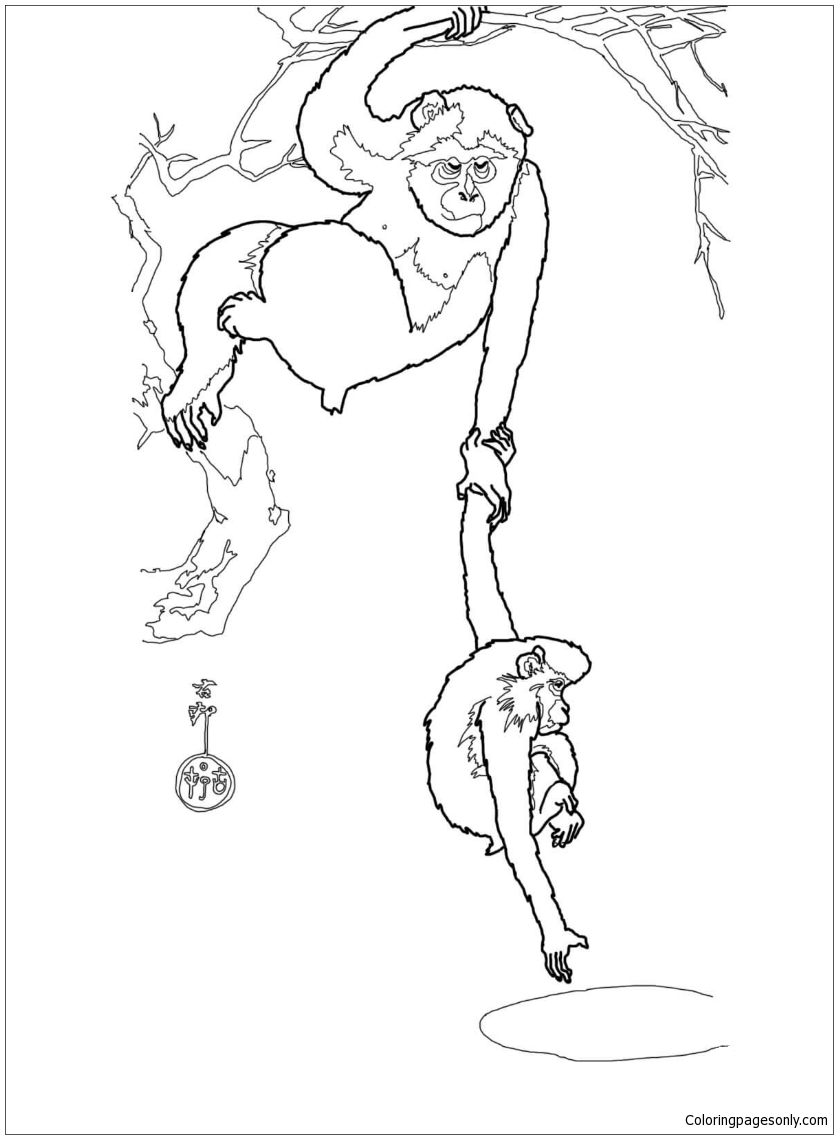
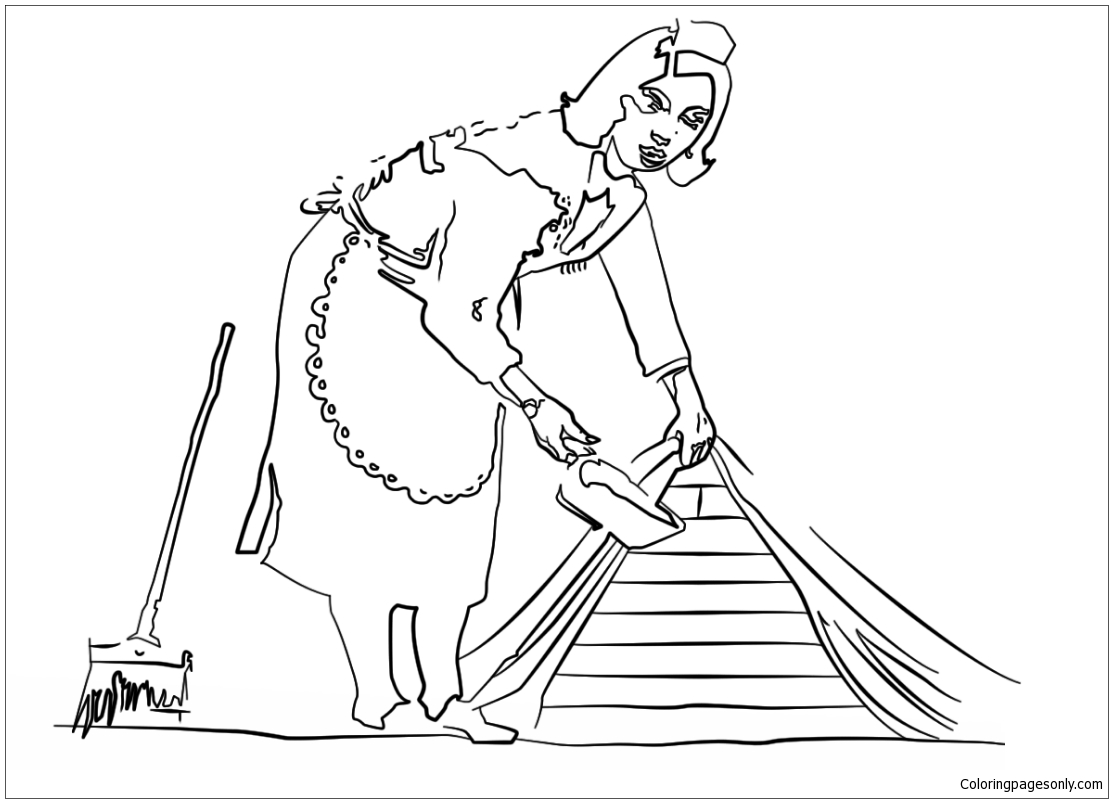
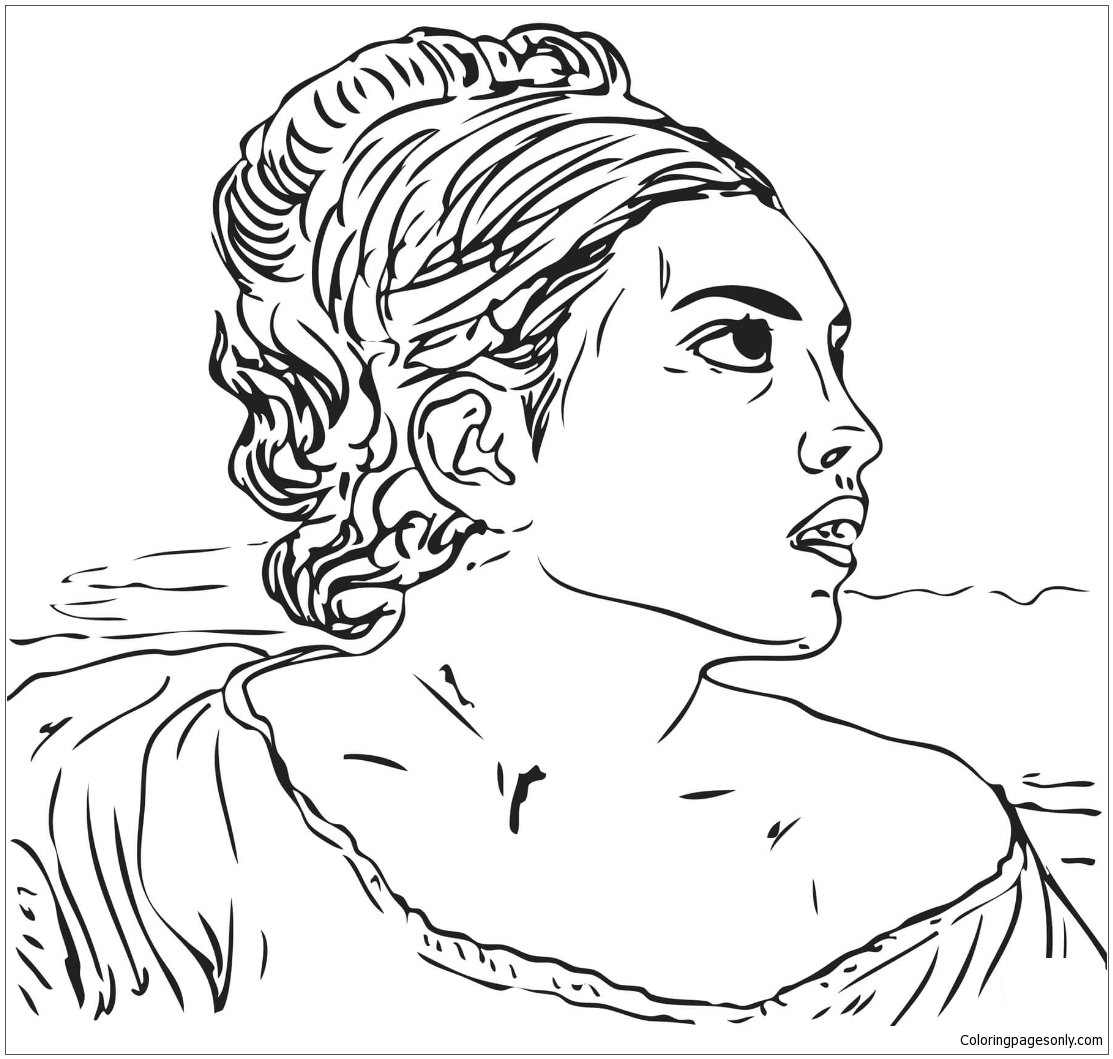
Famous Paintings coloring pages: a large collection of printable PDF designs based on well-known artworks, spanning the Renaissance through more recent art movements. Each page can be downloaded as a PDF to print or colored online in the browser.
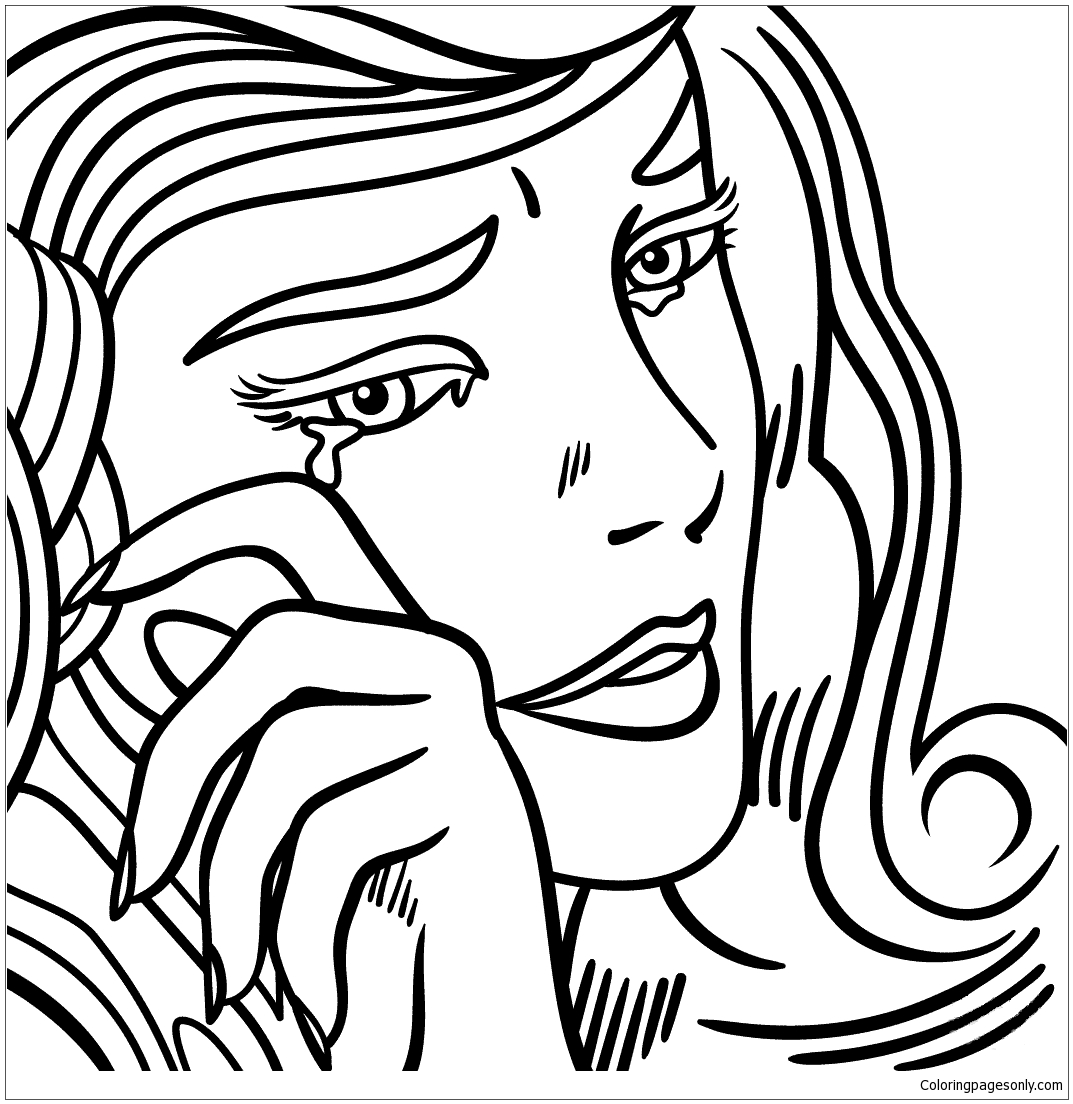
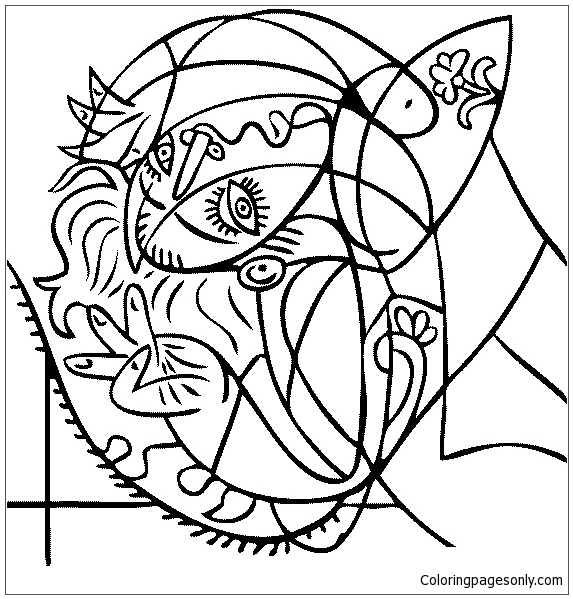
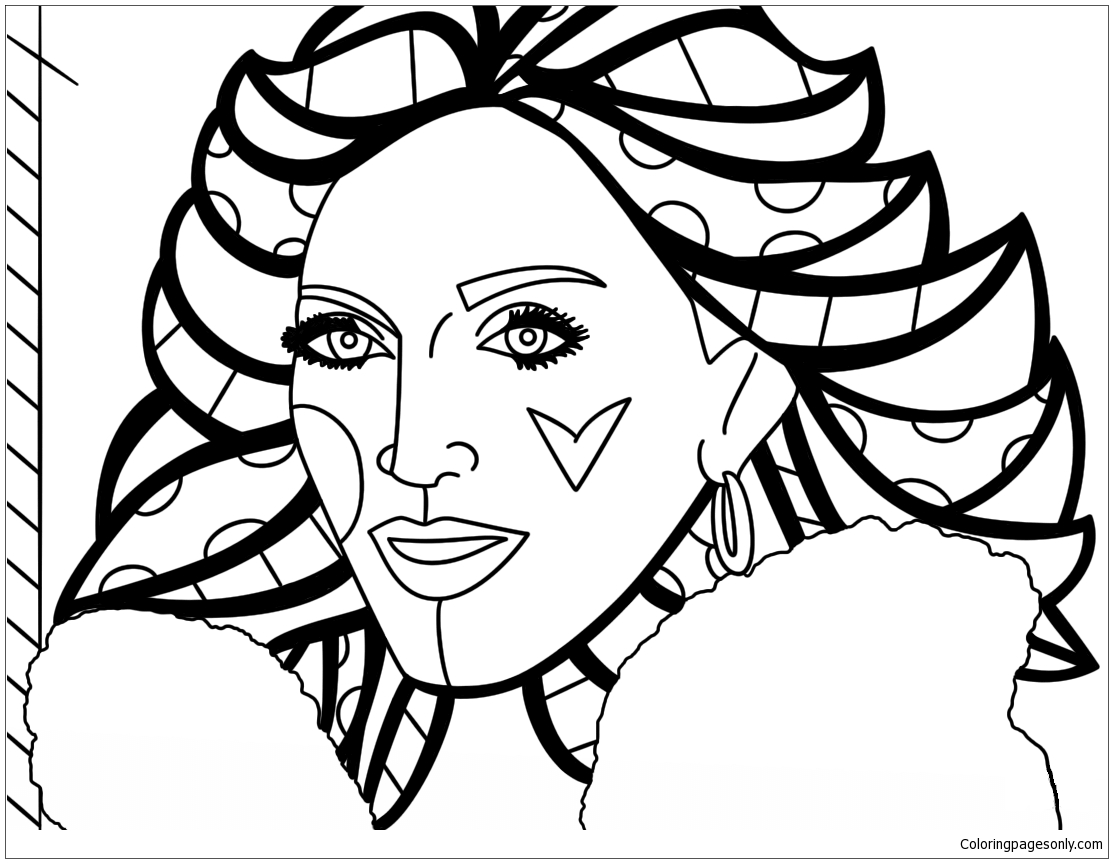
Not every painting in this collection carries the same legal status, and that distinction is worth understanding before printing a page. Copyright on a painting typically lasts for the artist’s lifetime plus 70 years in most countries, after which the work enters the public domain and can be freely reproduced, including as a coloring page, without permission. That’s true of the Renaissance, Baroque, Impressionist, and early 20th-century paintings that make up most of this collection: artists like Leonardo da Vinci, Vincent van Gogh, and Gustav Klimt have all been dead well past that 70-year mark. It is not true of every painter represented here, though. Artists who died more recently, such as Pablo Picasso, Salvador Dalí, and Andy Warhol, or who are still working today, like Banksy and Romero Britto, generally still hold copyright over their work in most countries, and a handful of pages in this collection are based on their paintings. This article focuses mainly on the public domain portion of the set and gives the more recent, still-copyrighted works only a general mention.
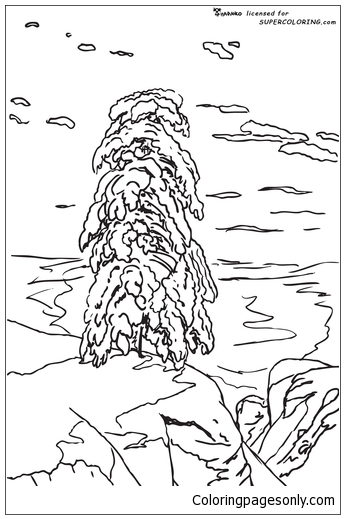
With well over a hundred pages spanning five centuries of art, the set works as a broad survey of art history and as a deep well of material for anyone specifically interested in one era or artist.
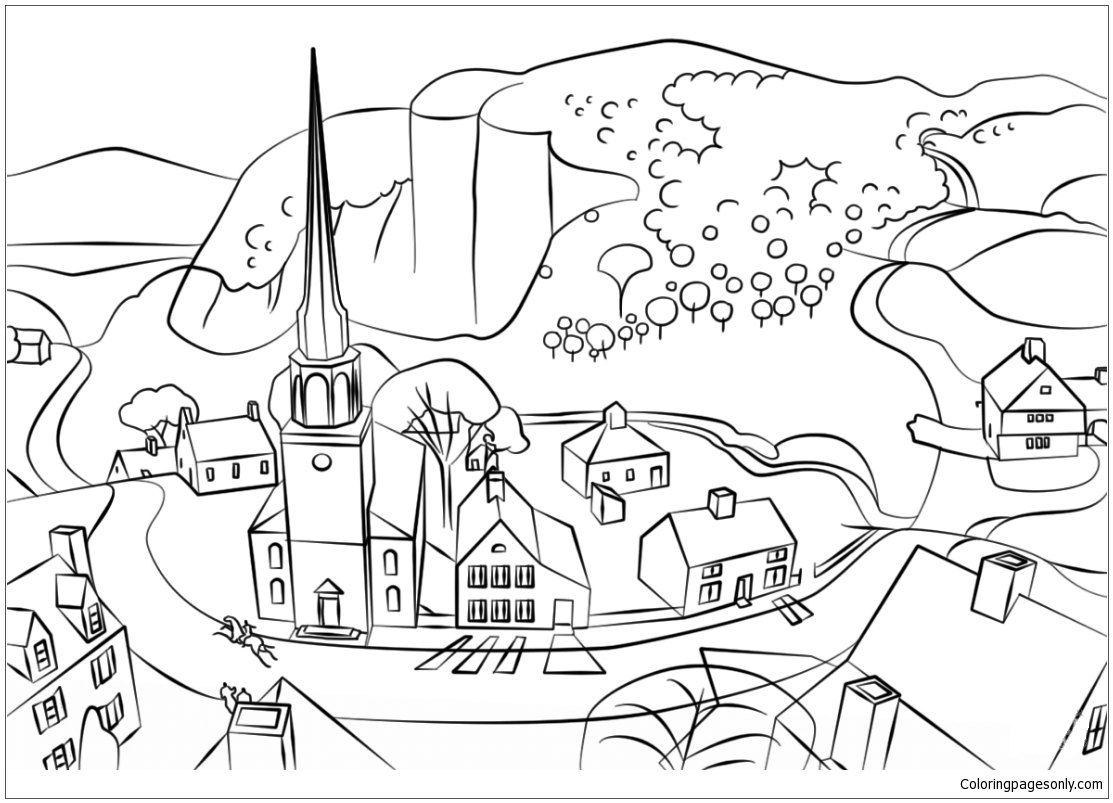

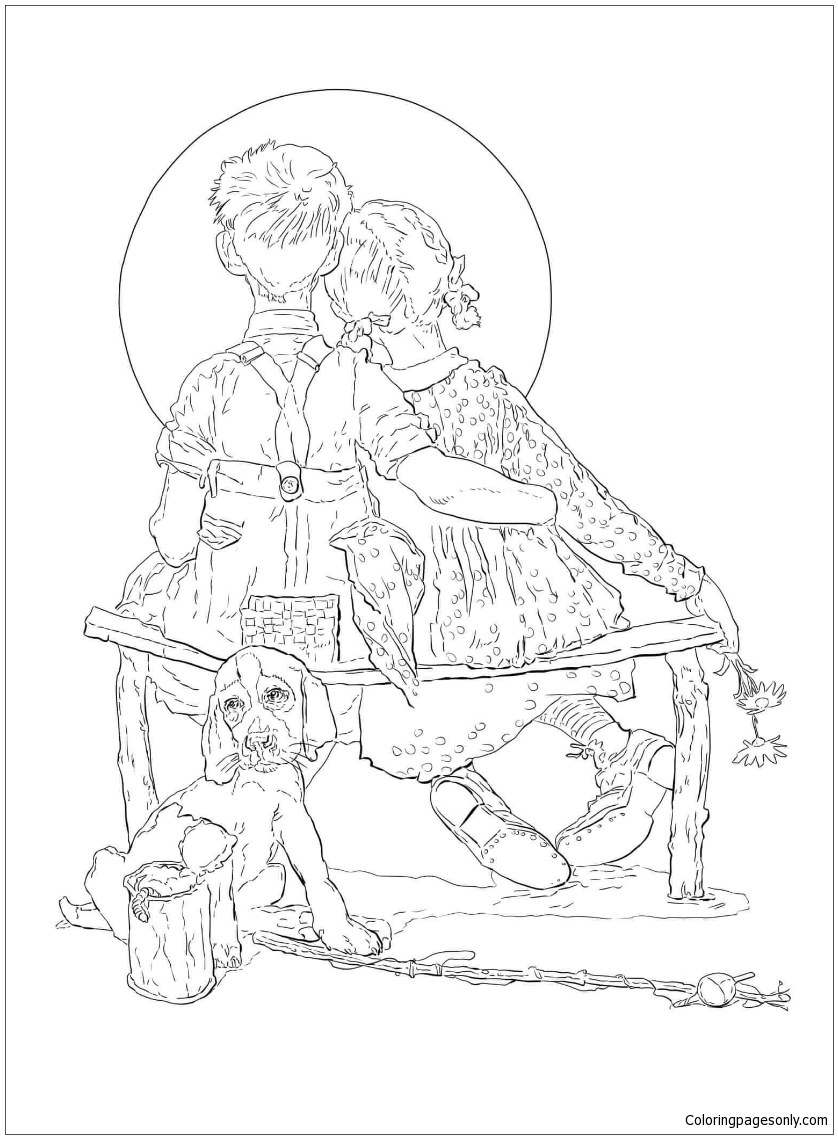
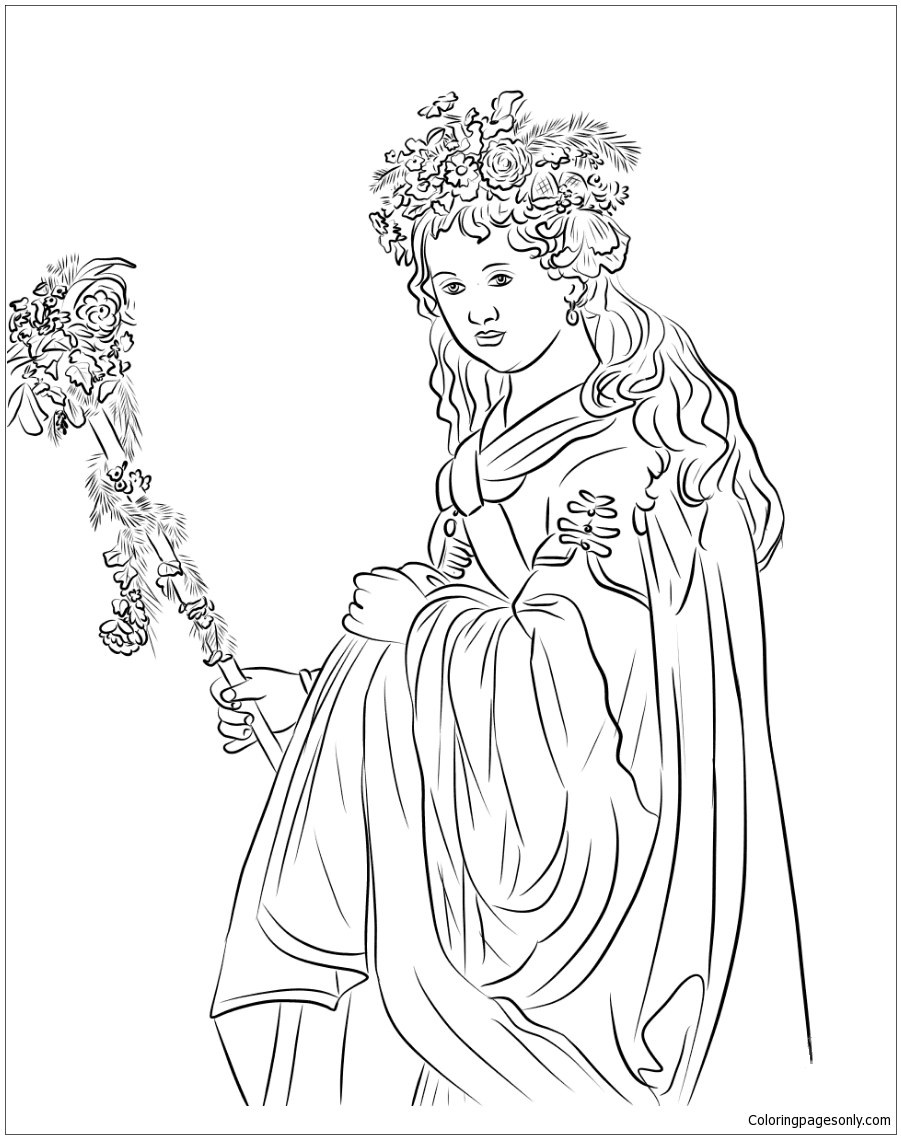
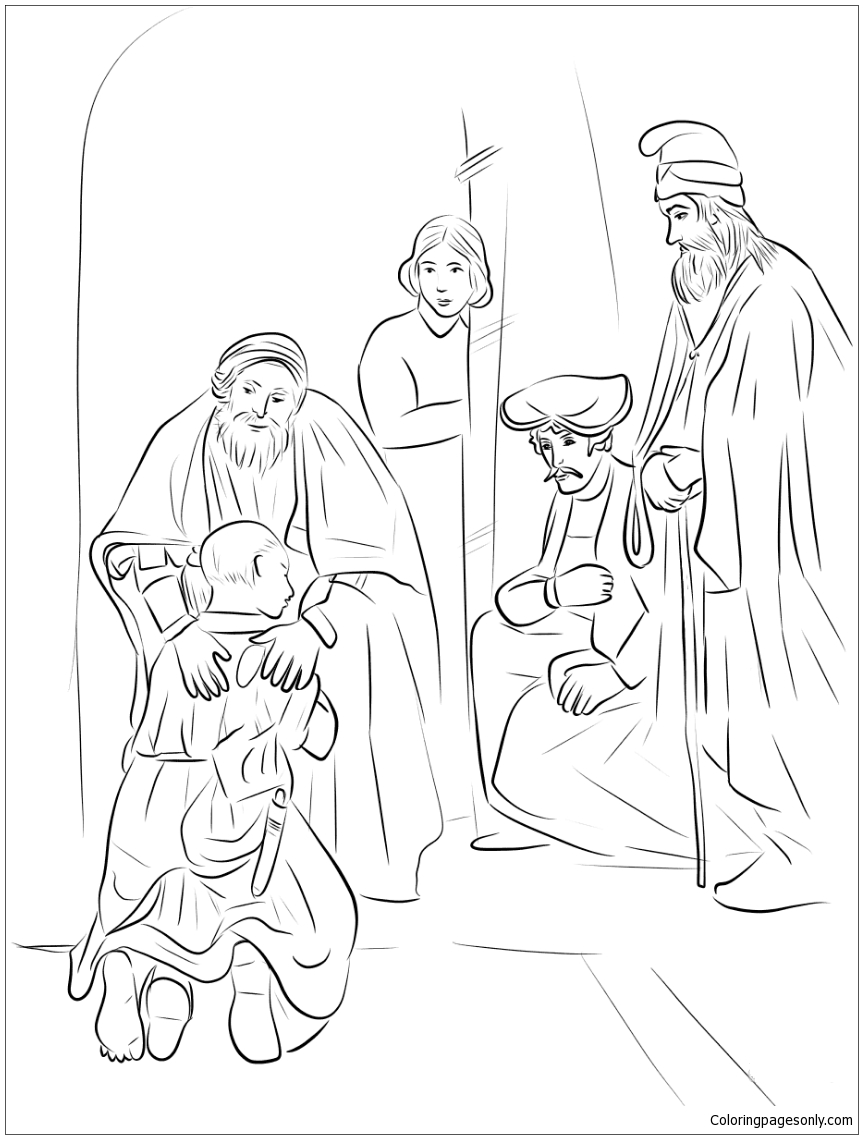
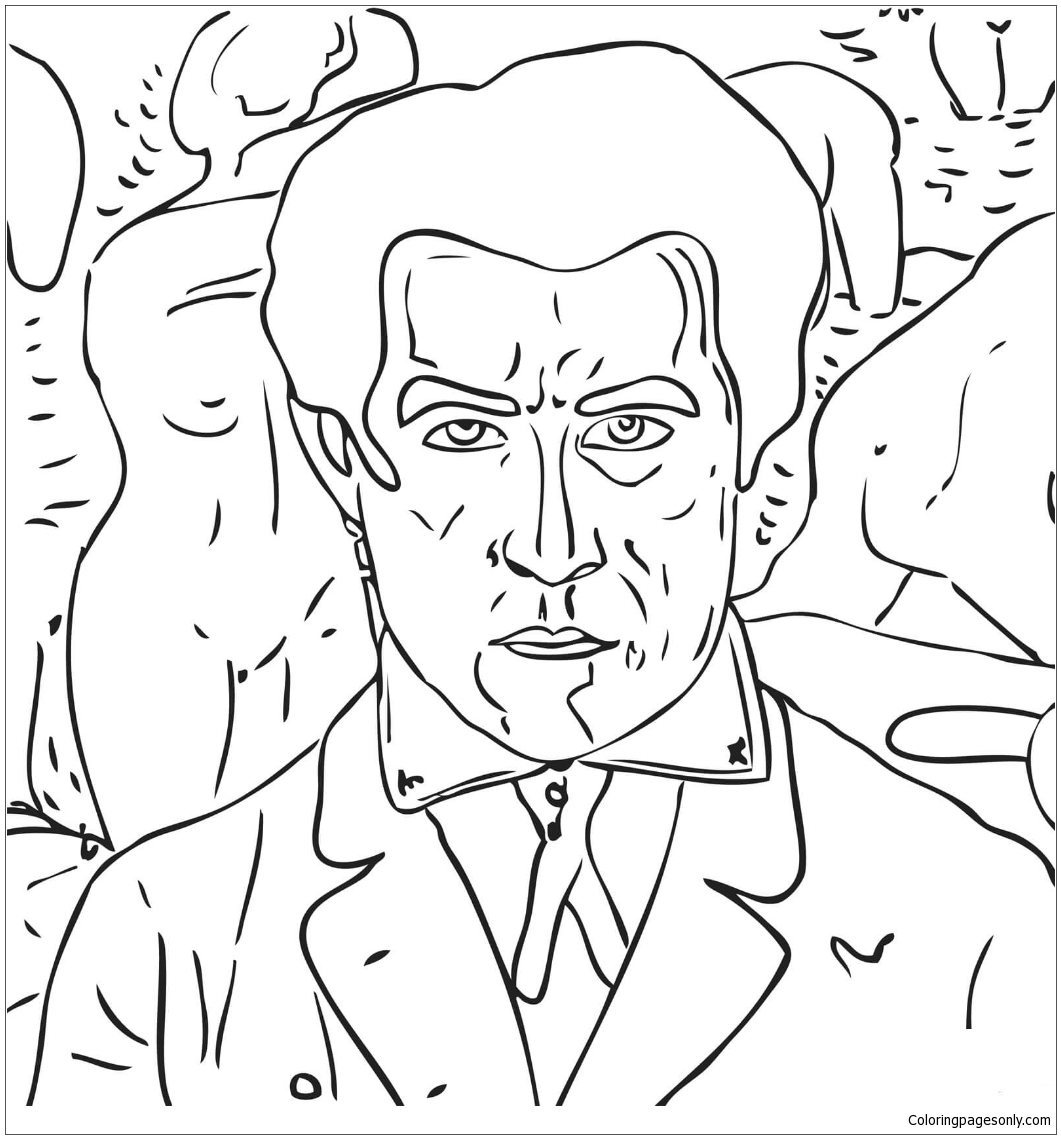

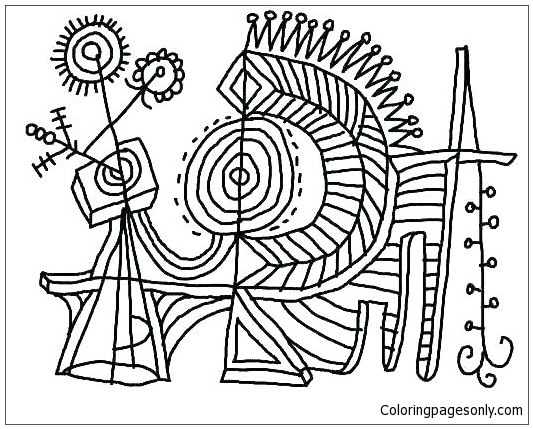
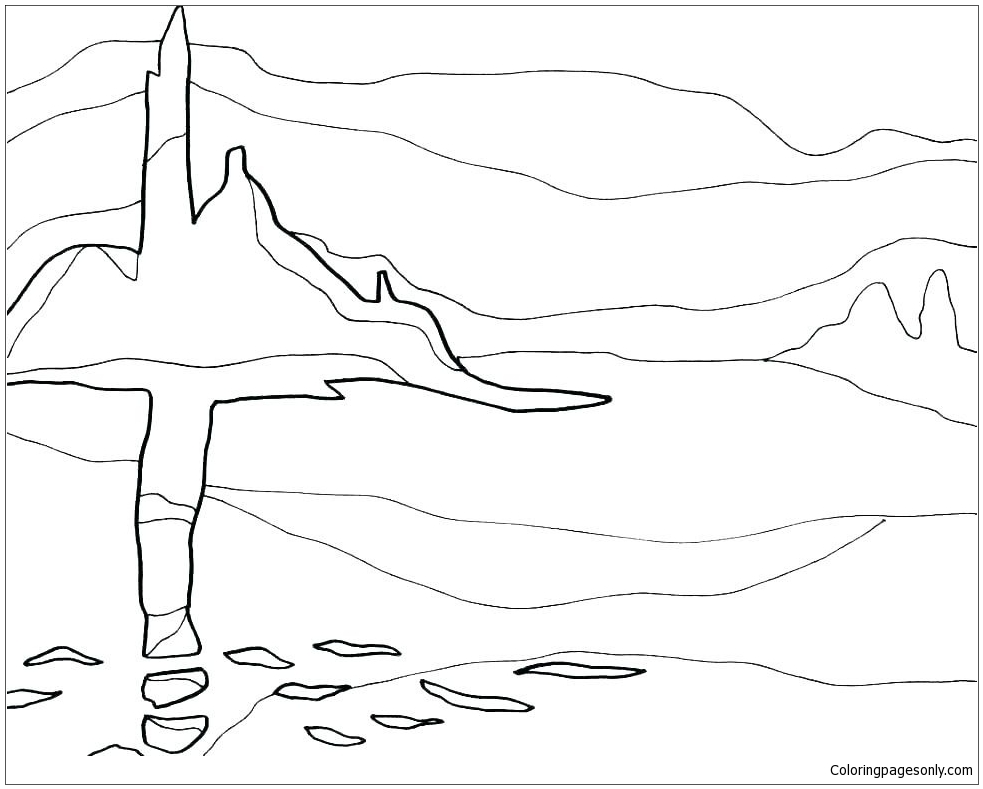
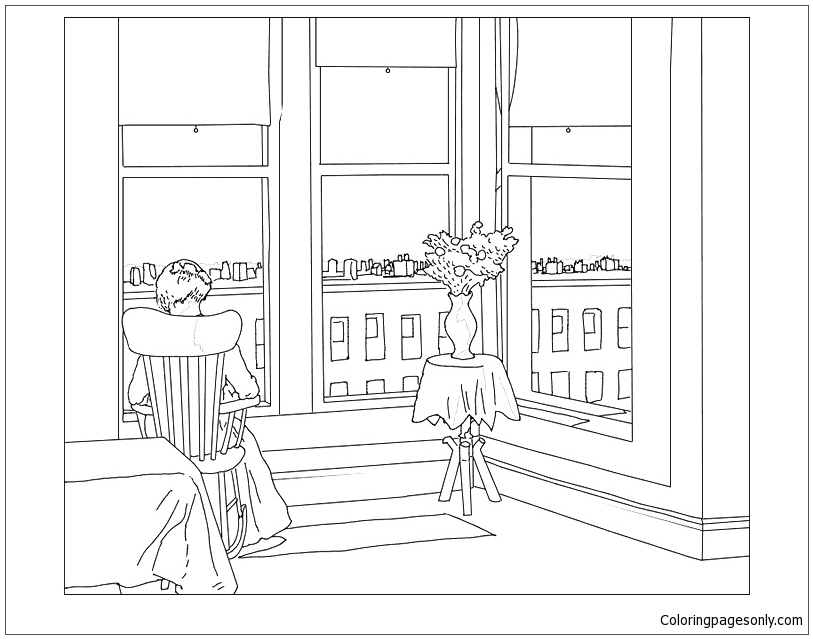
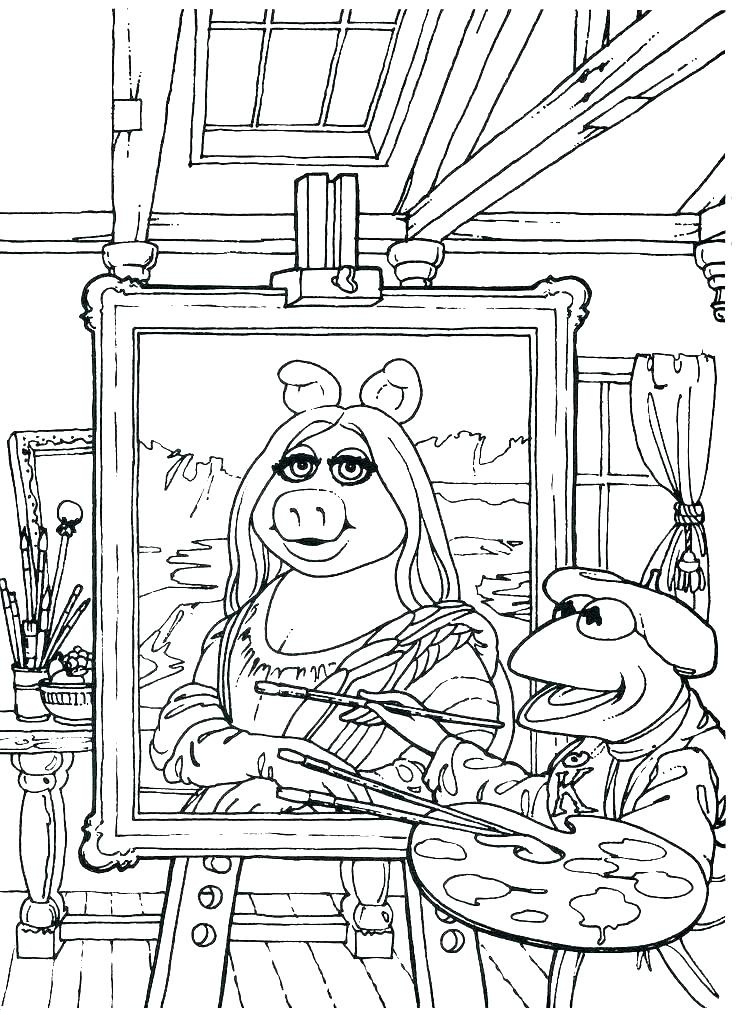
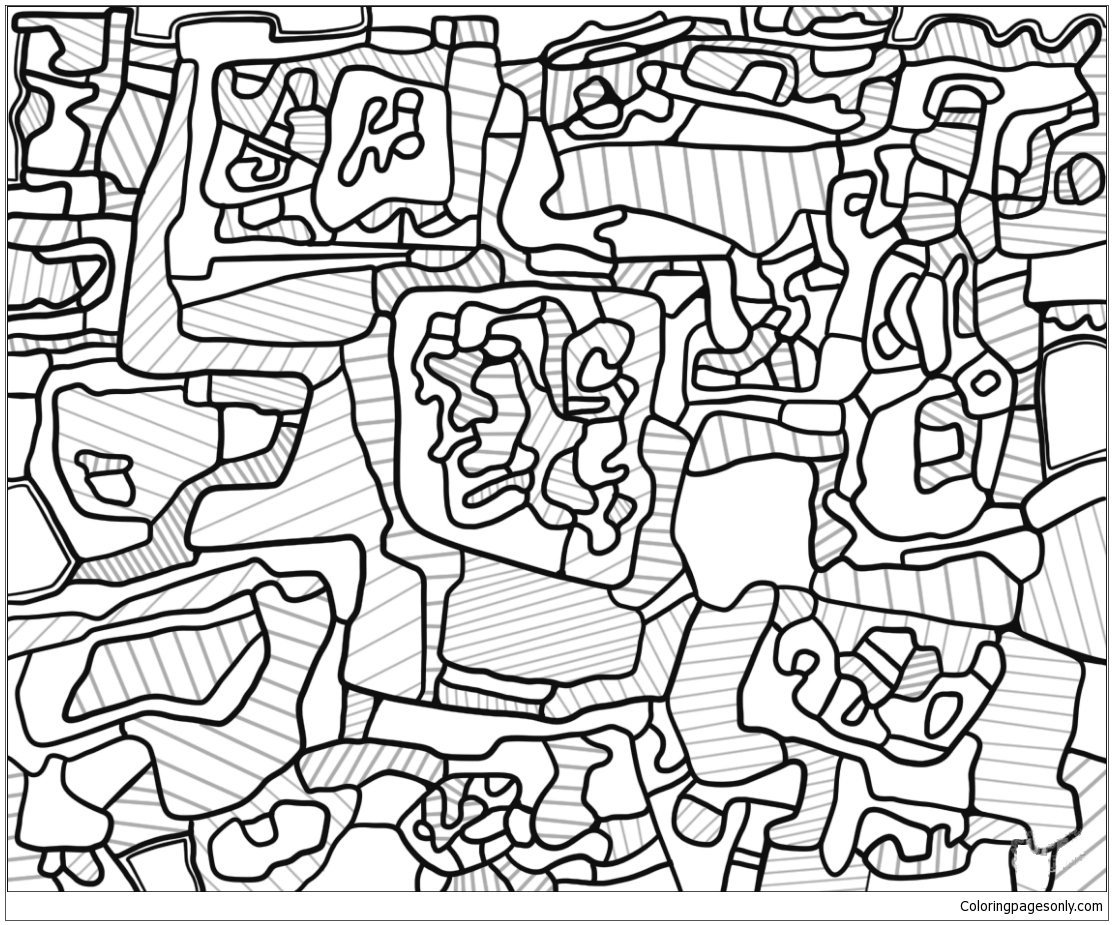
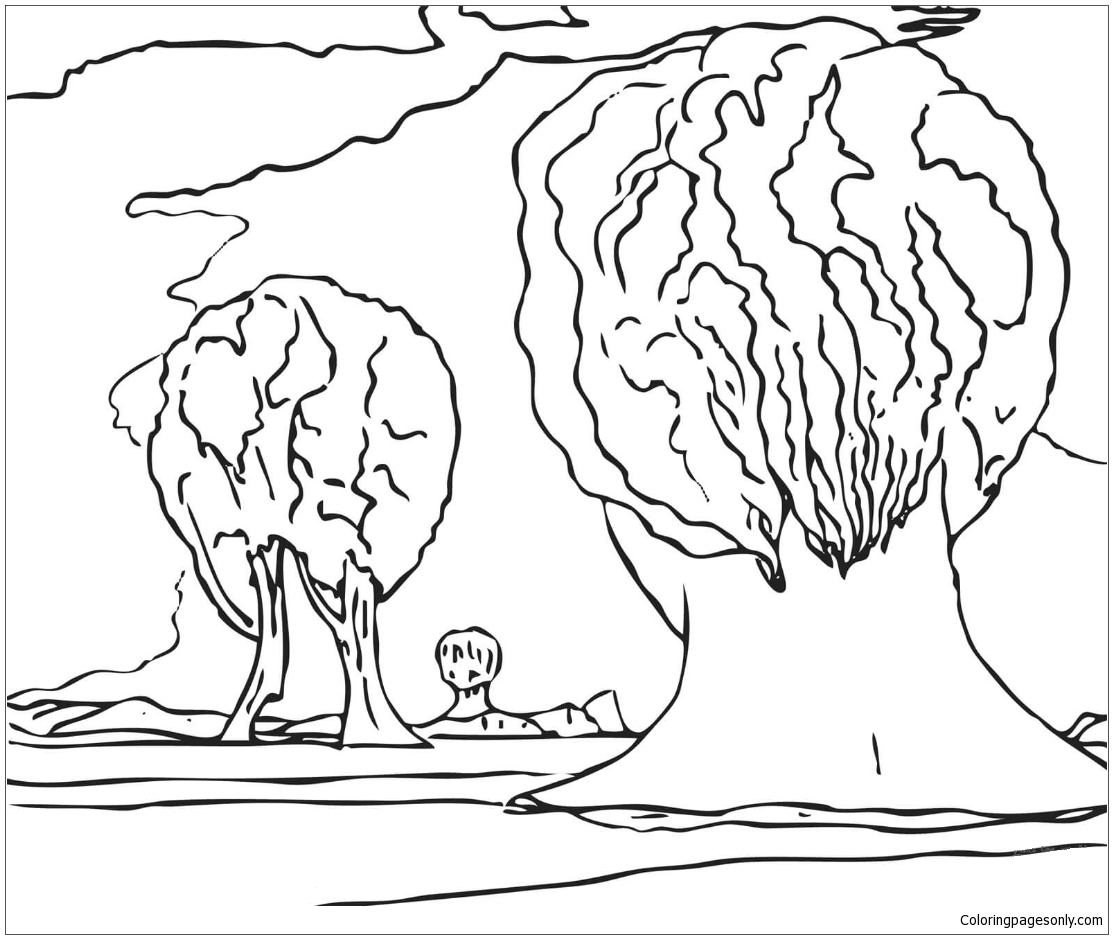
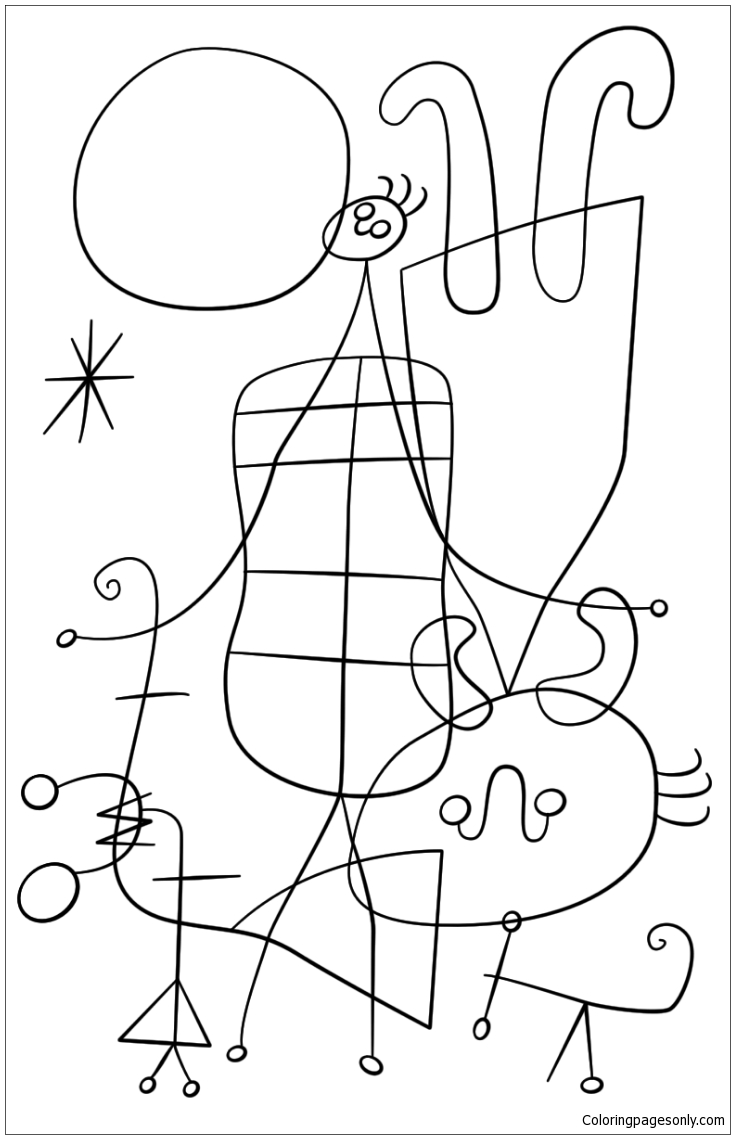
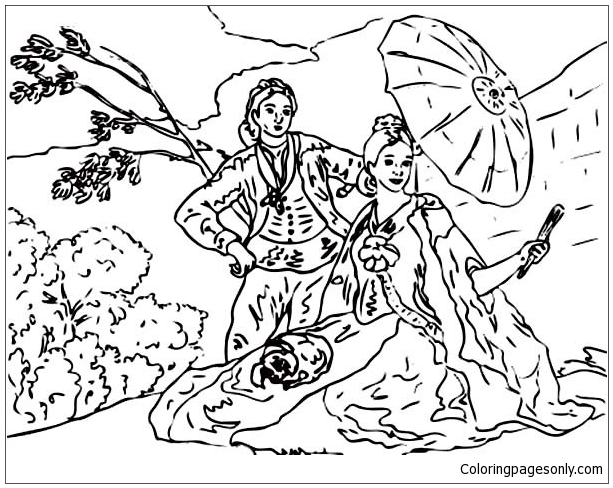
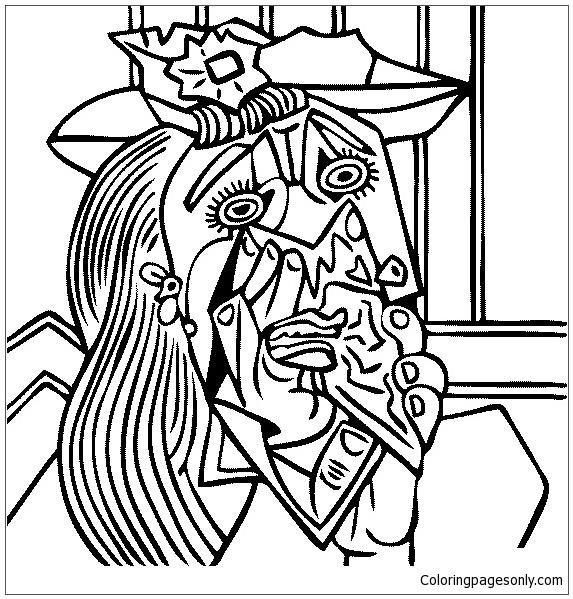

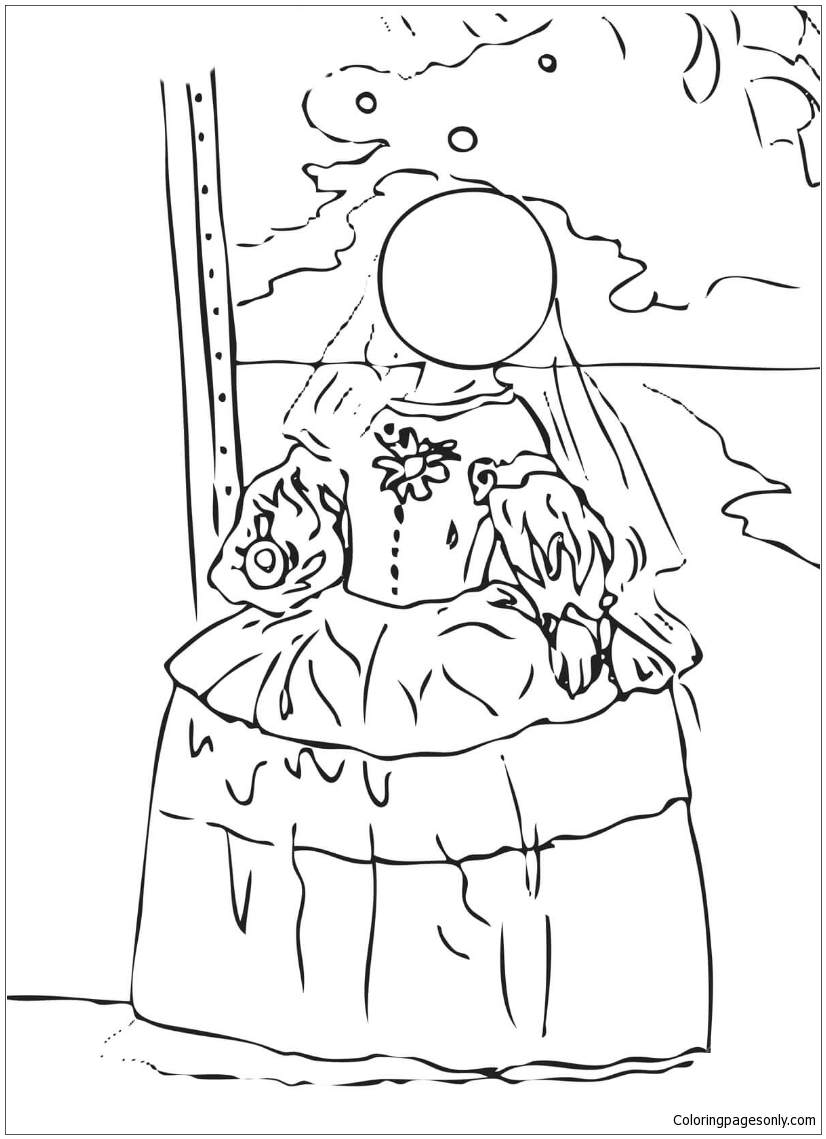
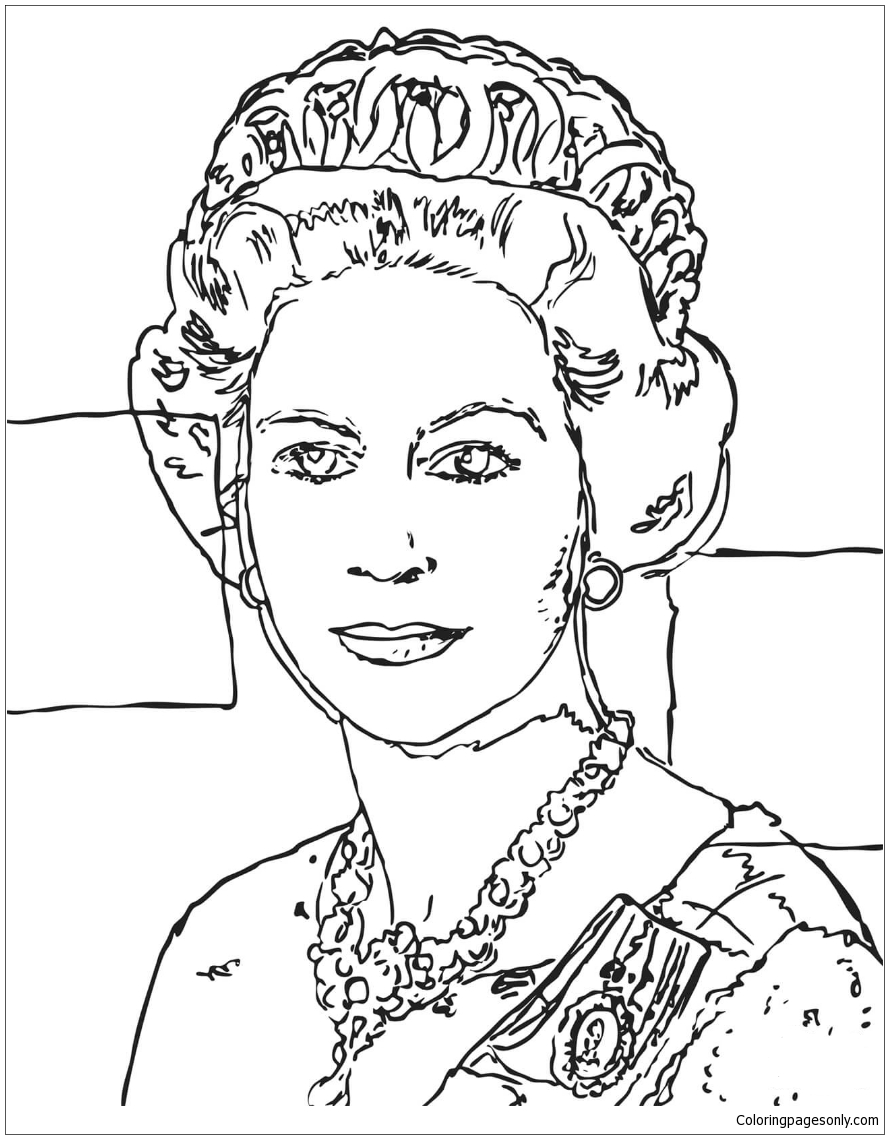

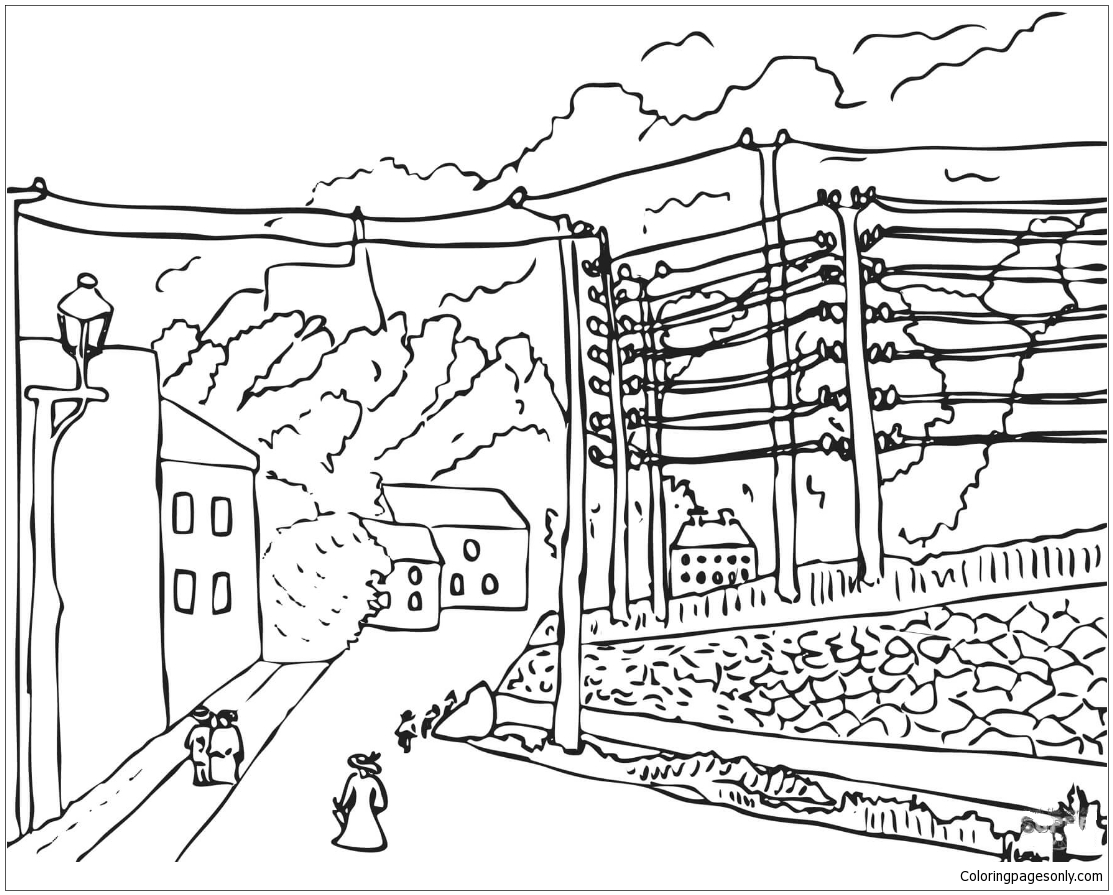
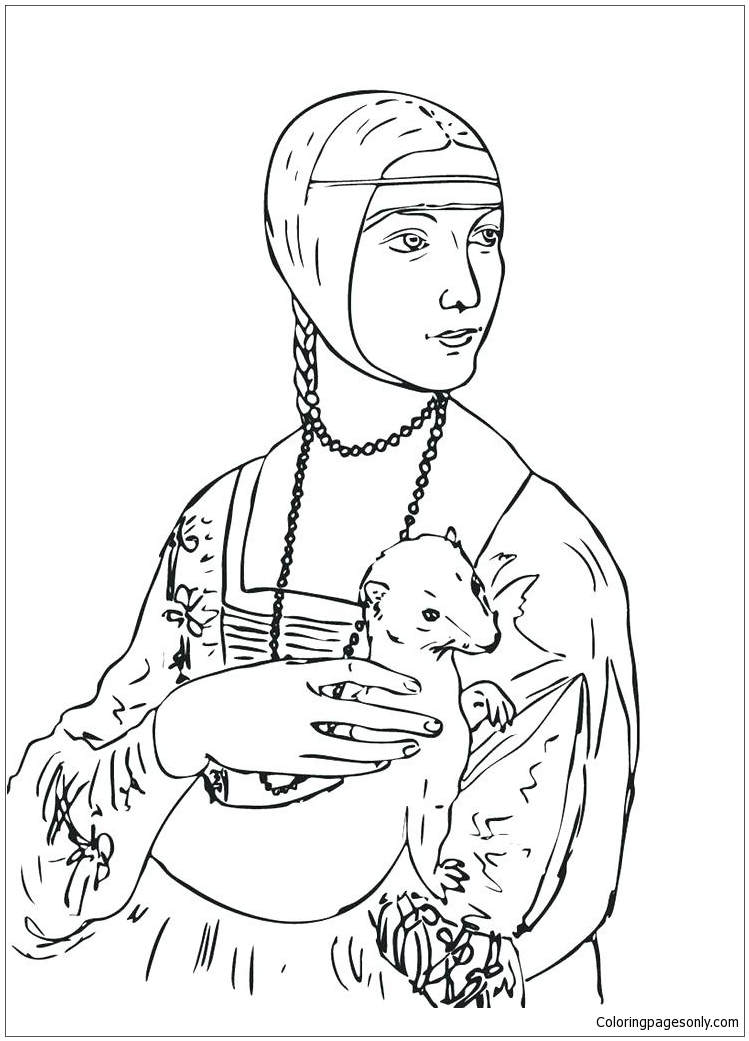
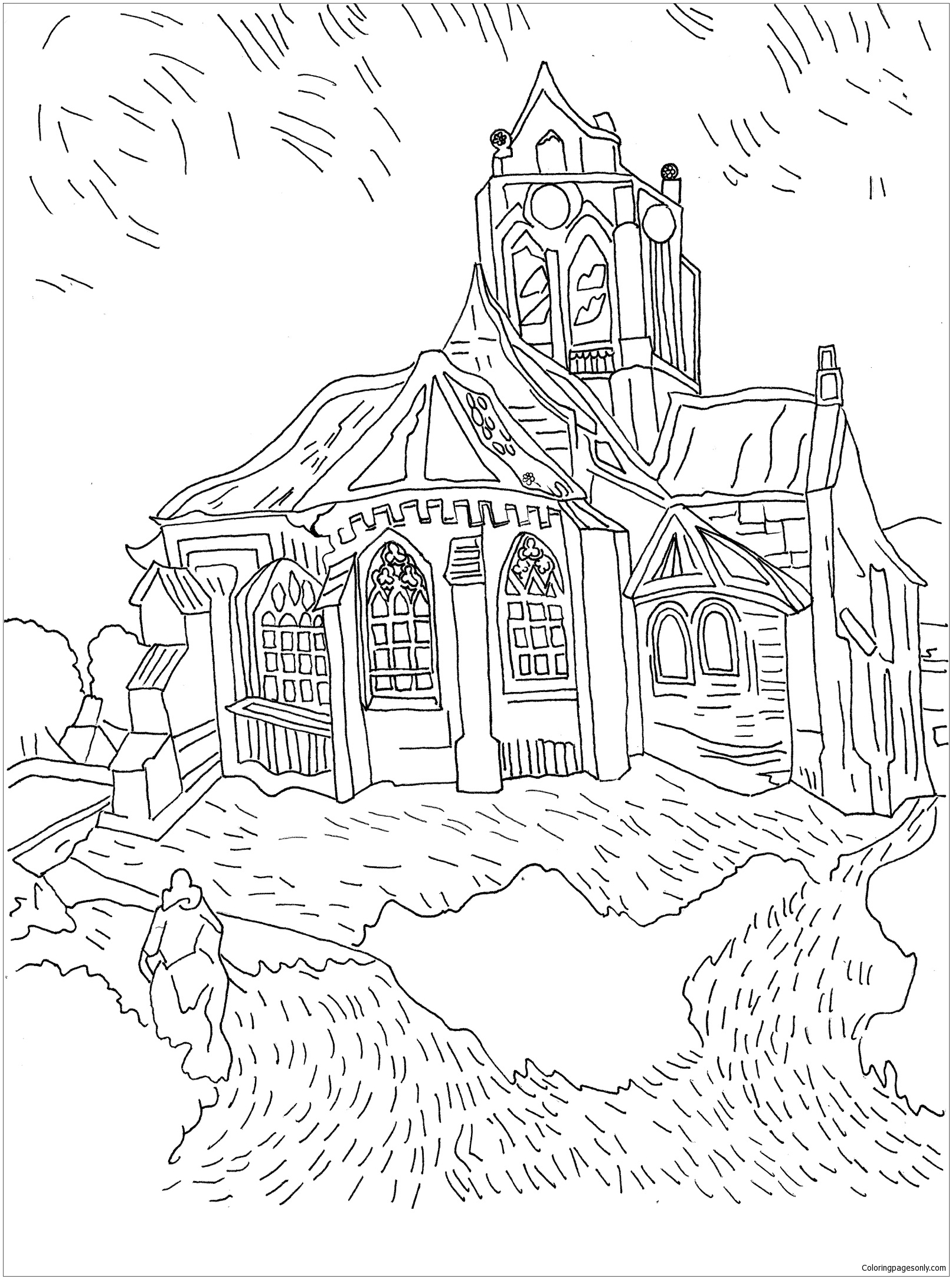
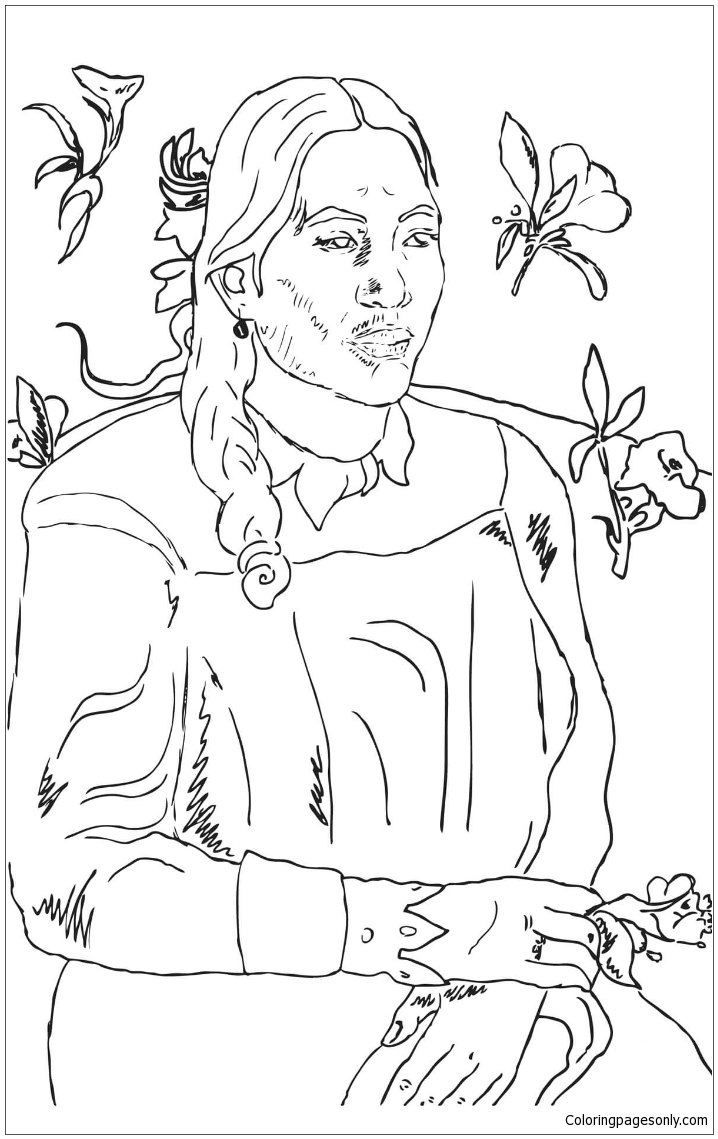
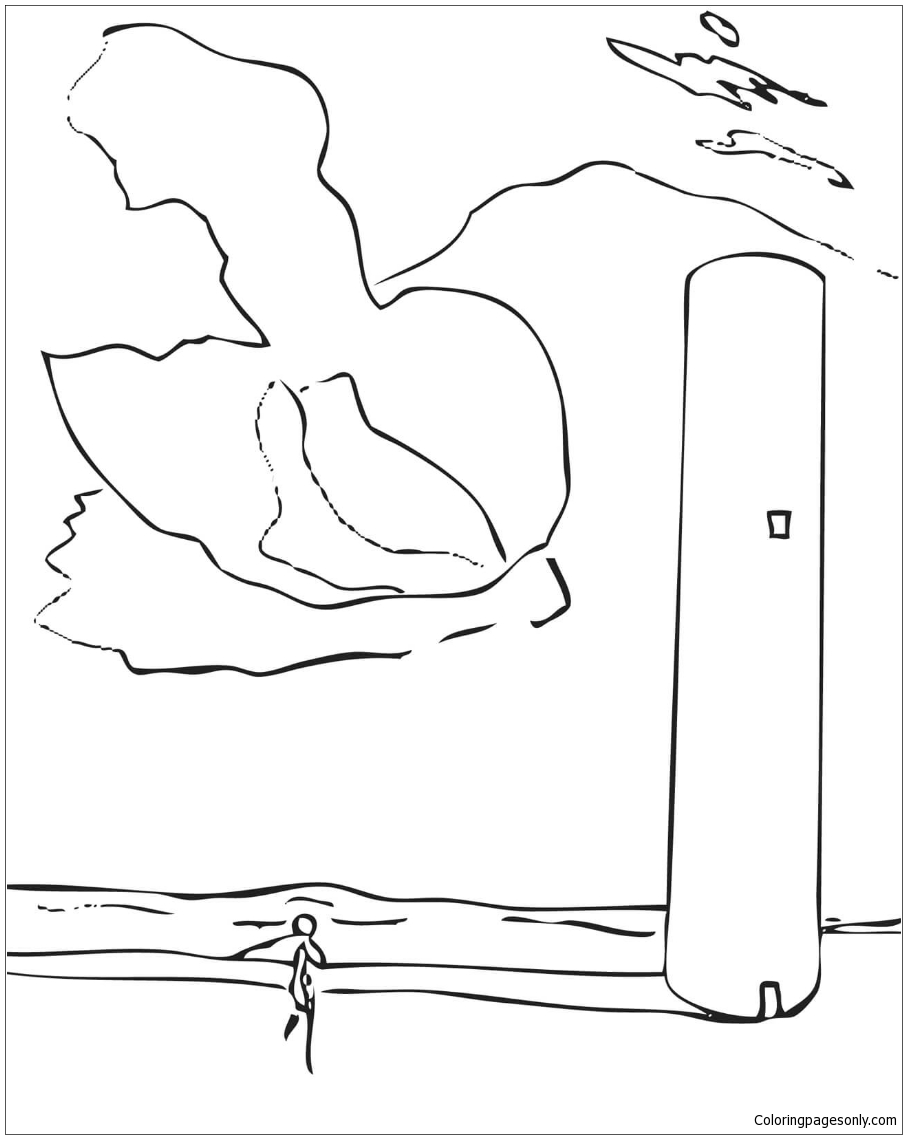
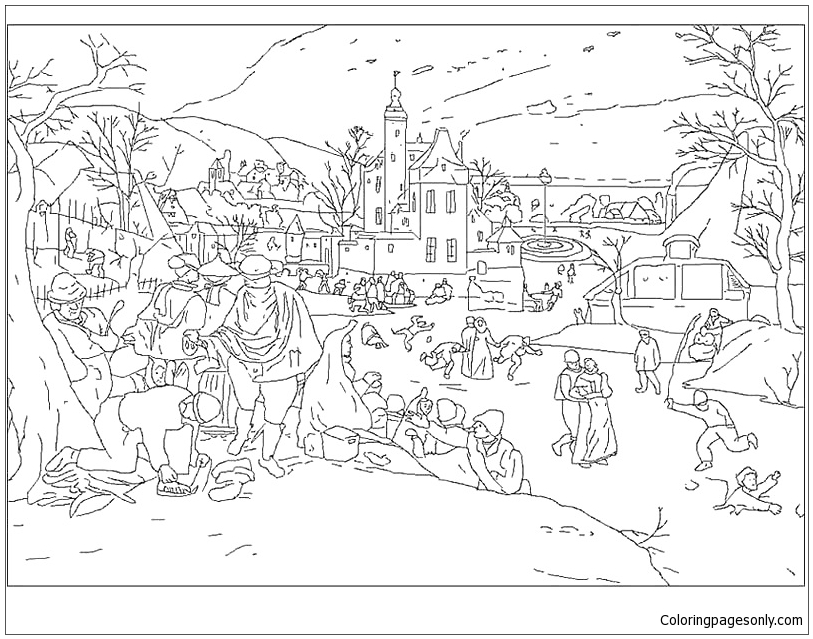

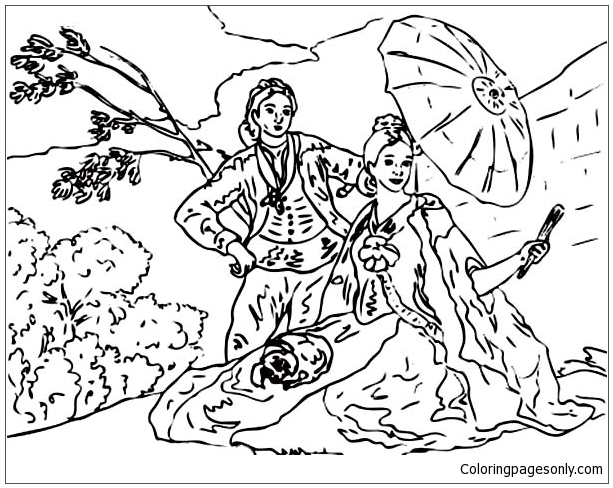
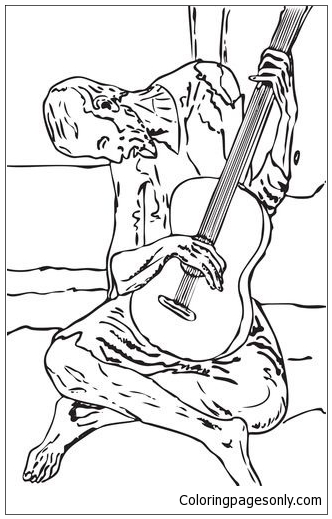
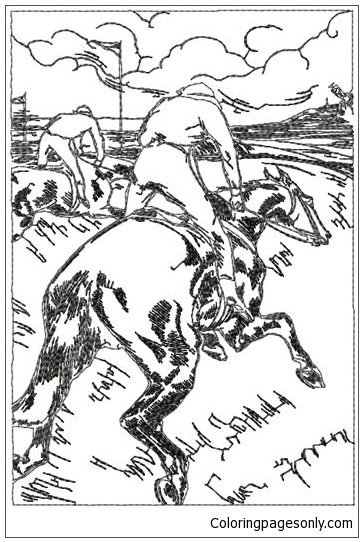
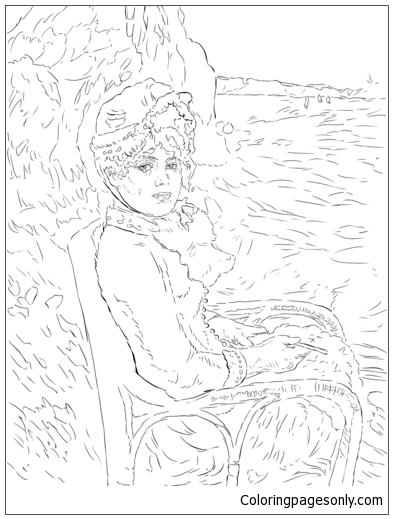
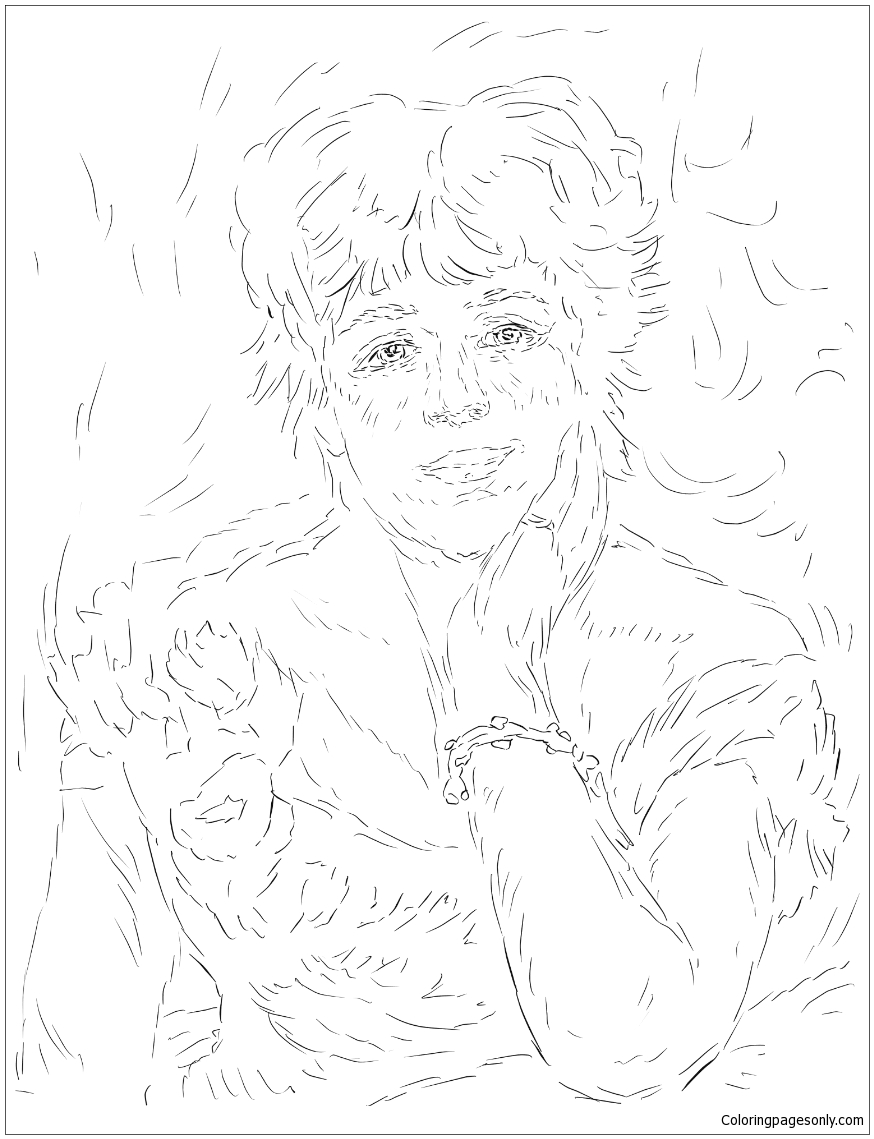
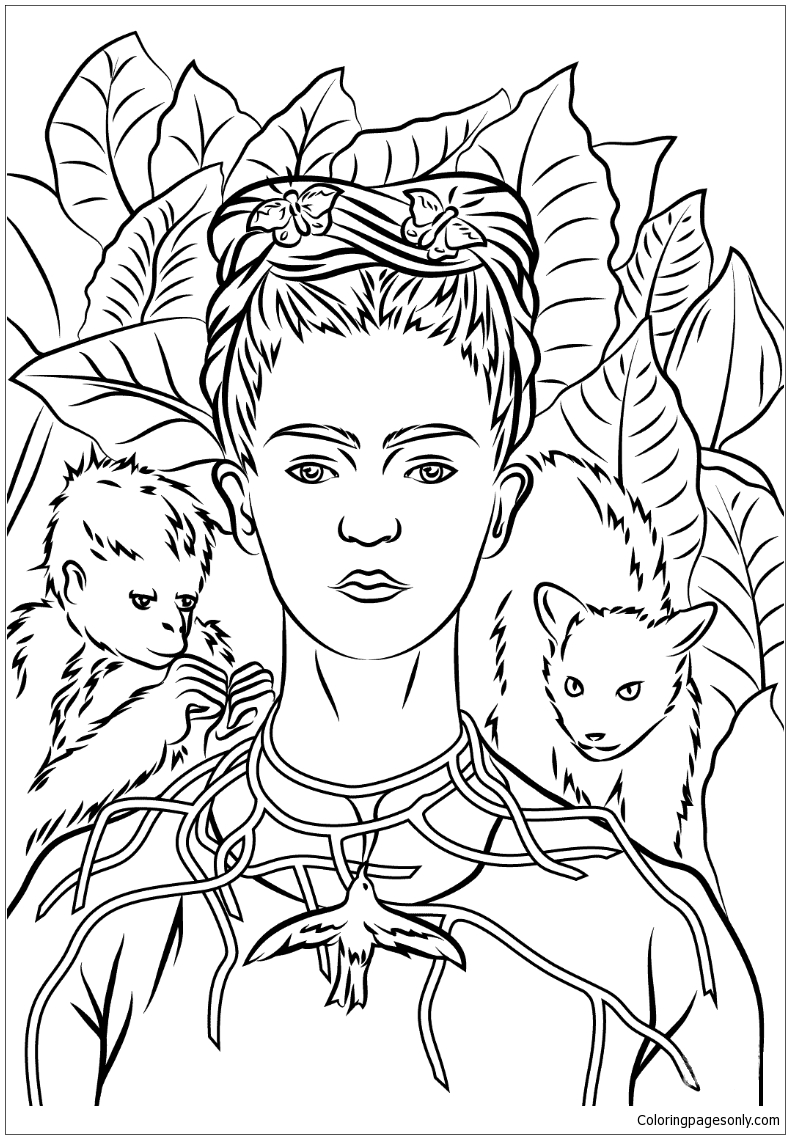
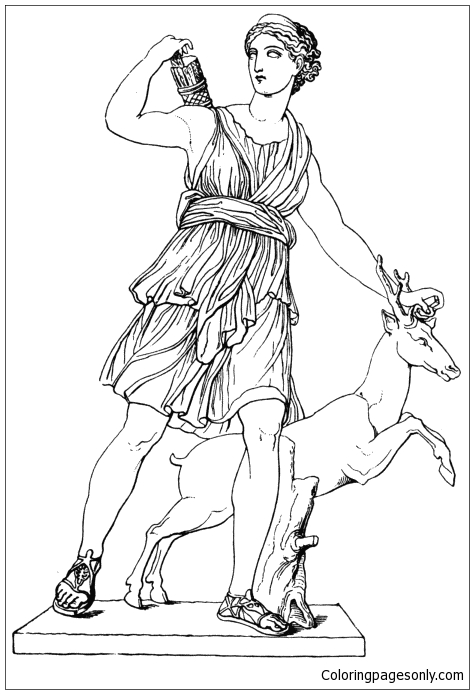
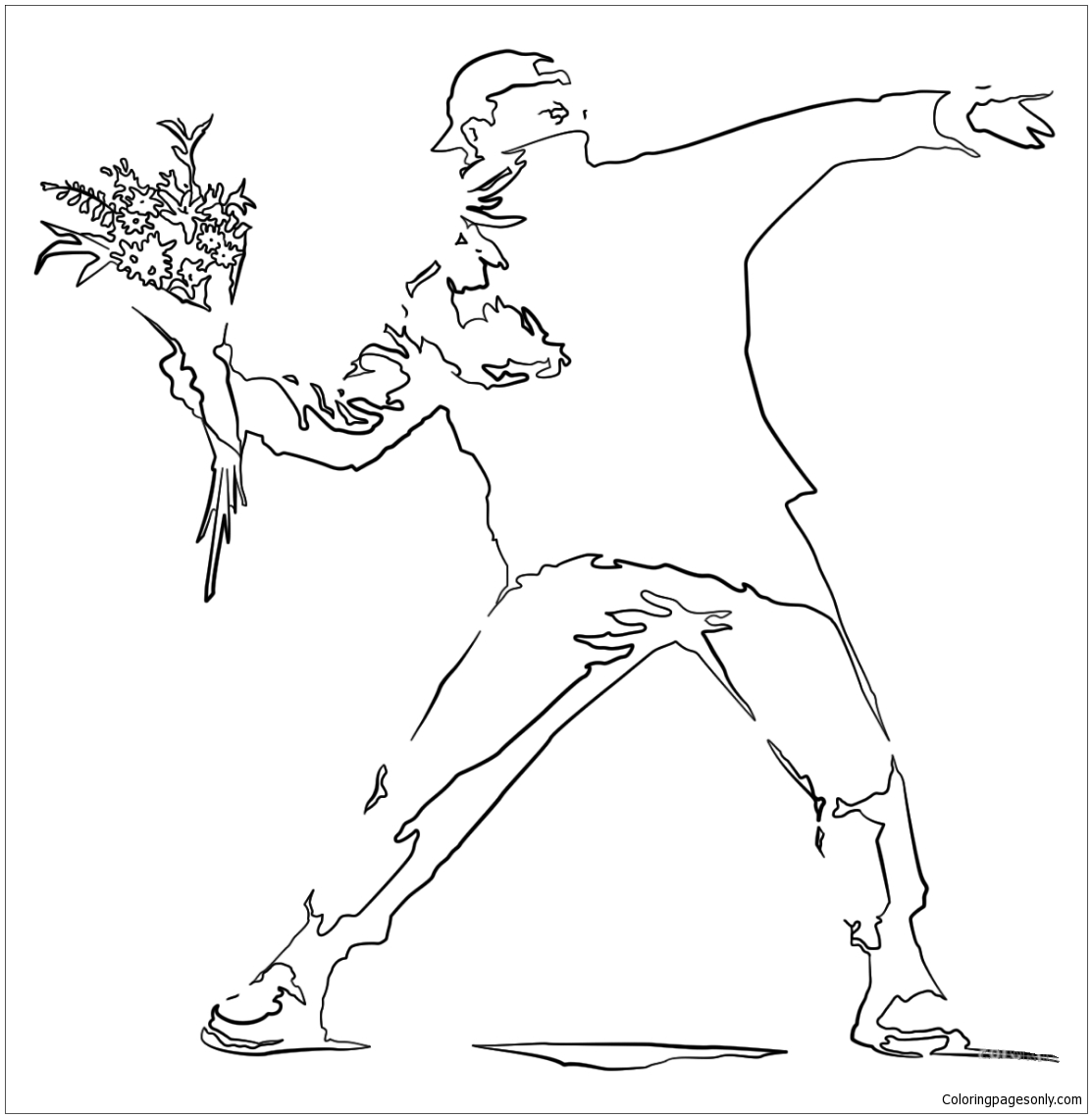
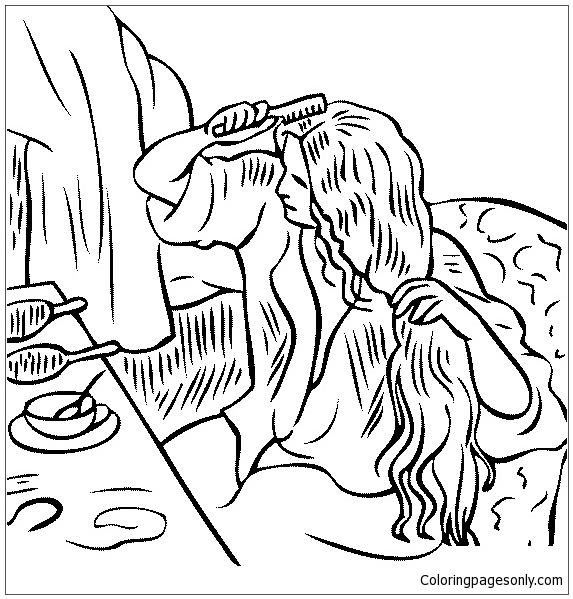

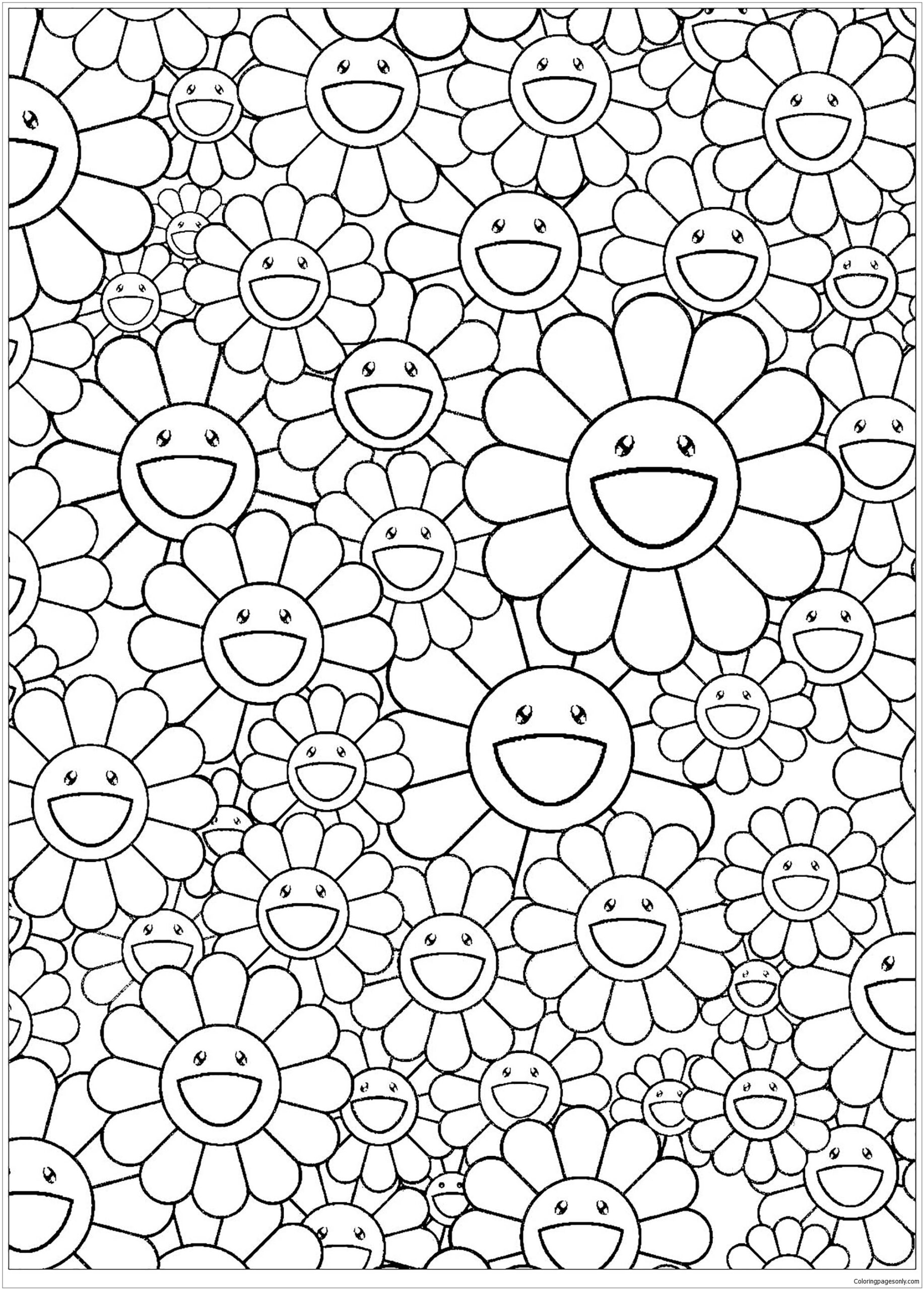
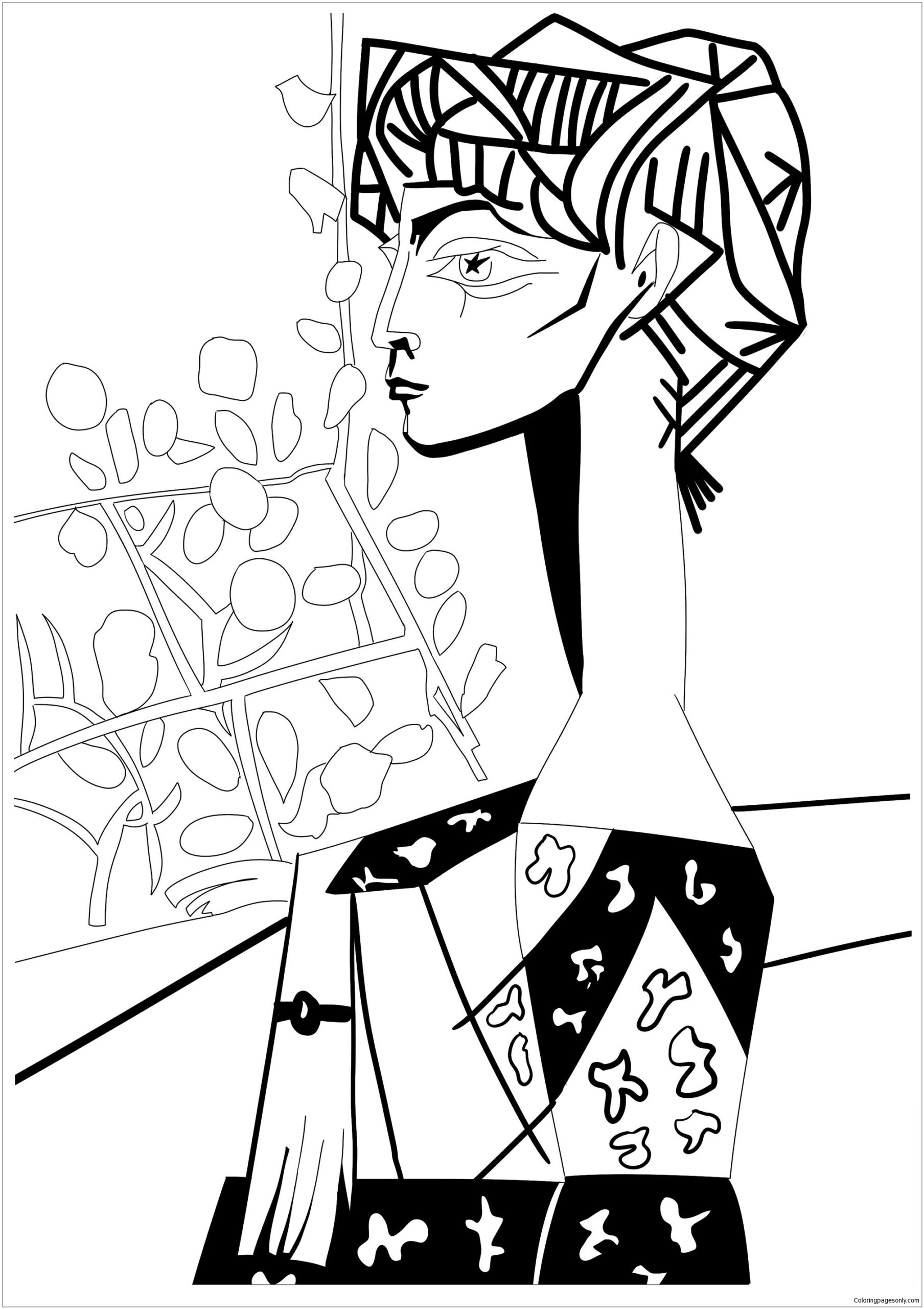
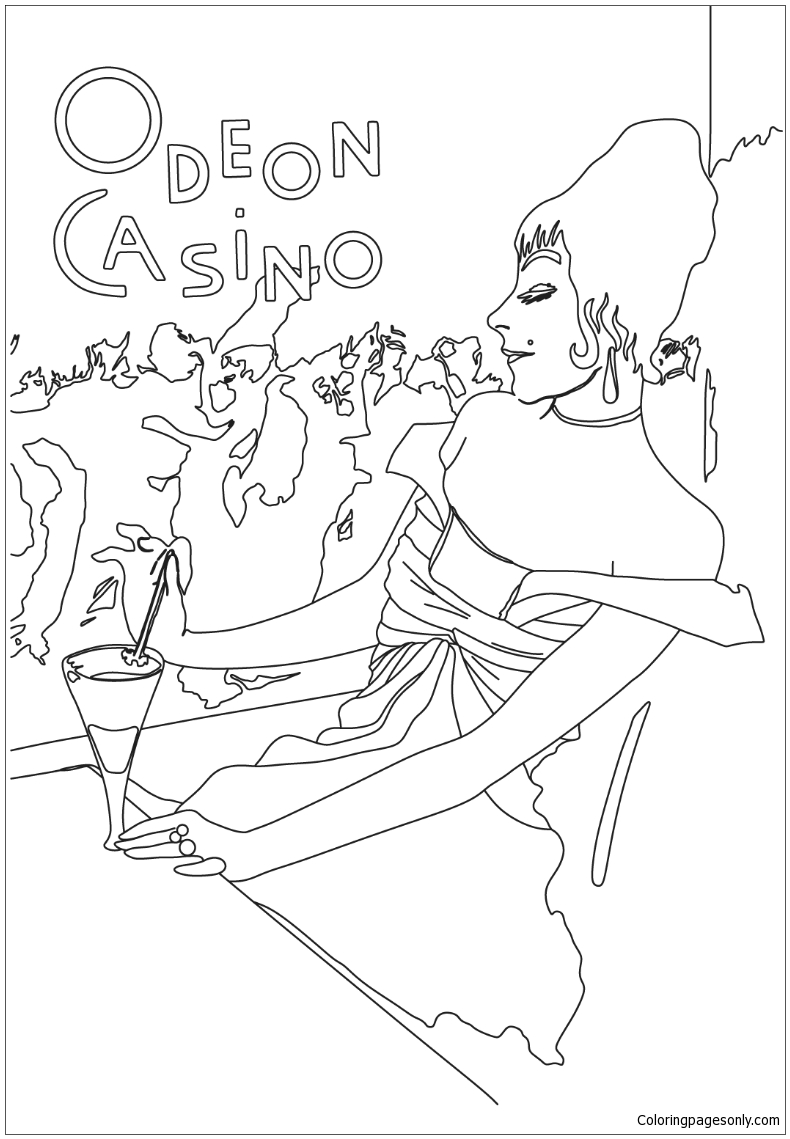
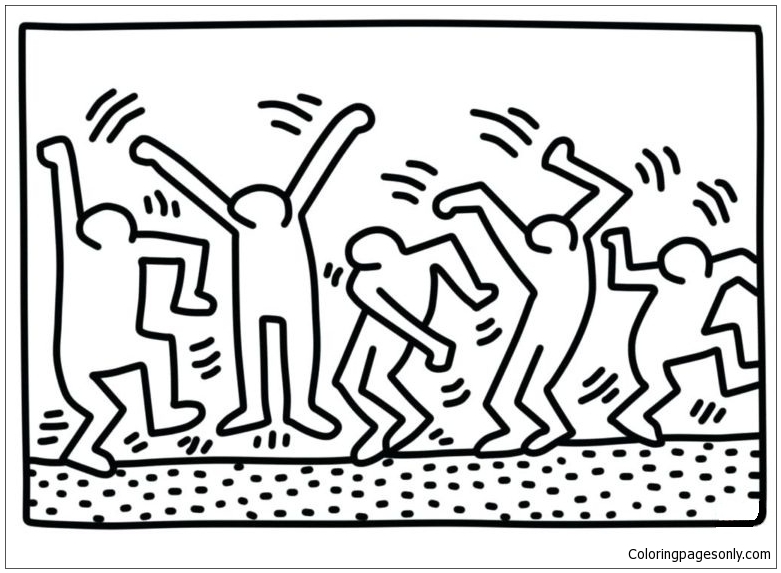

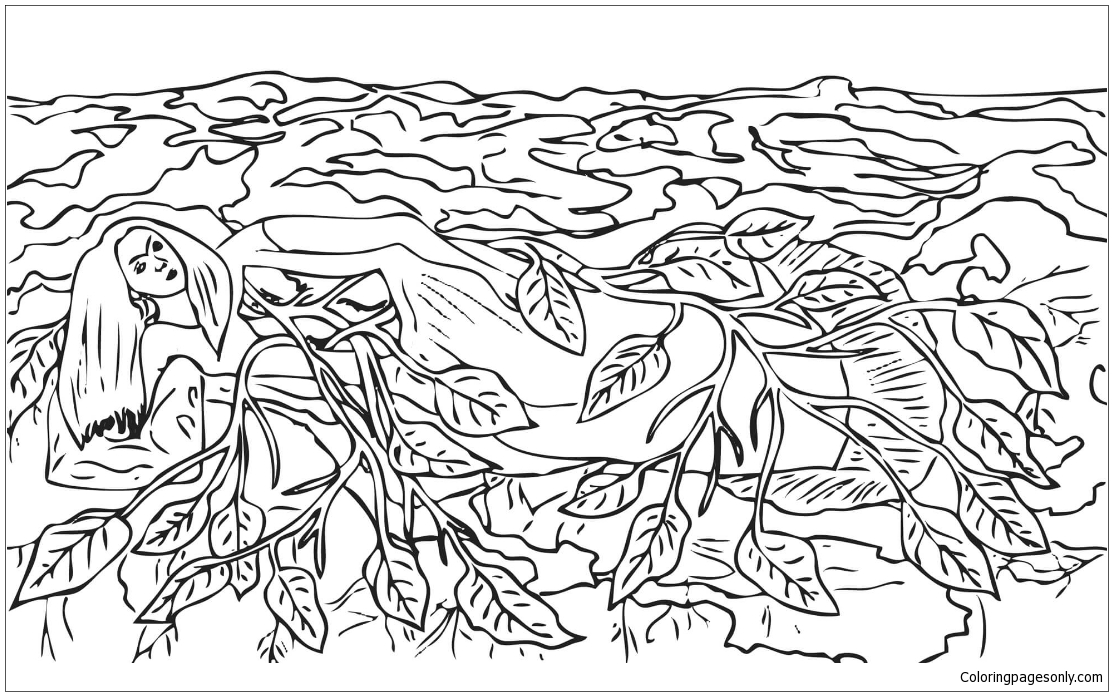
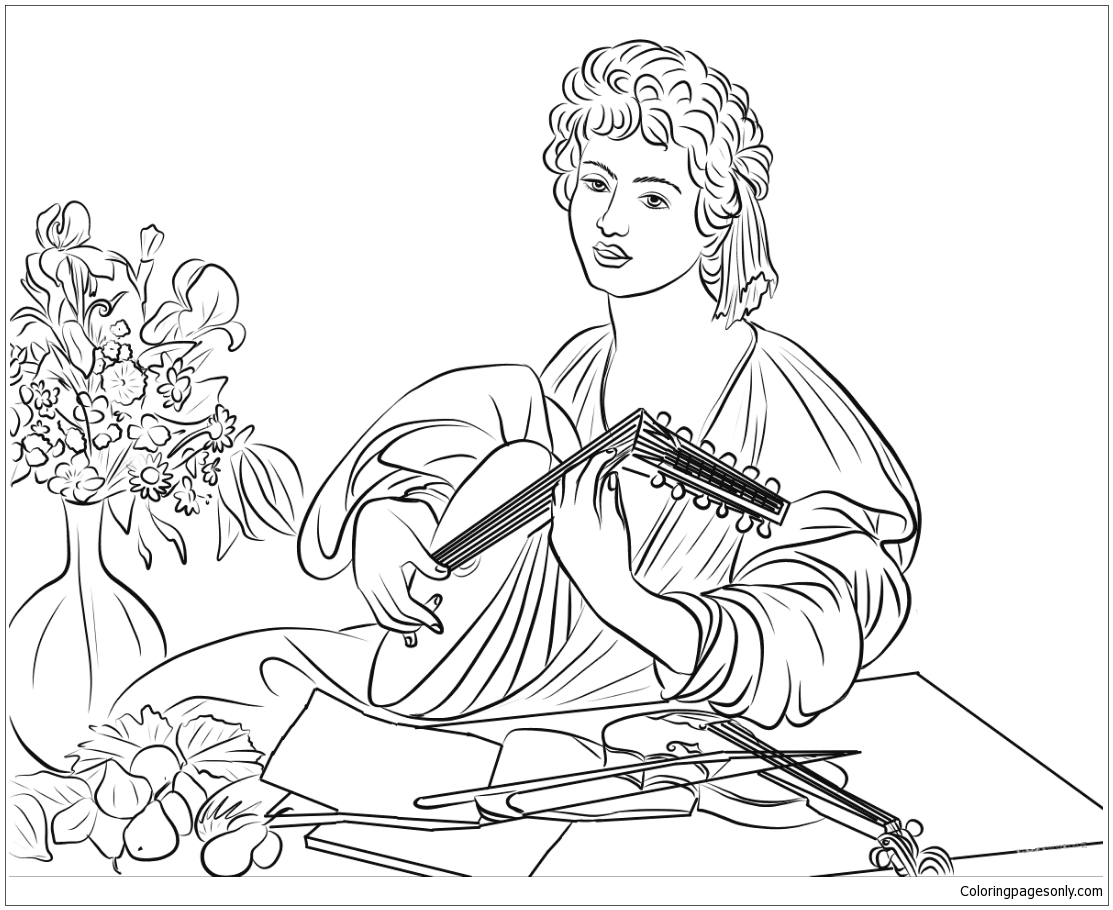
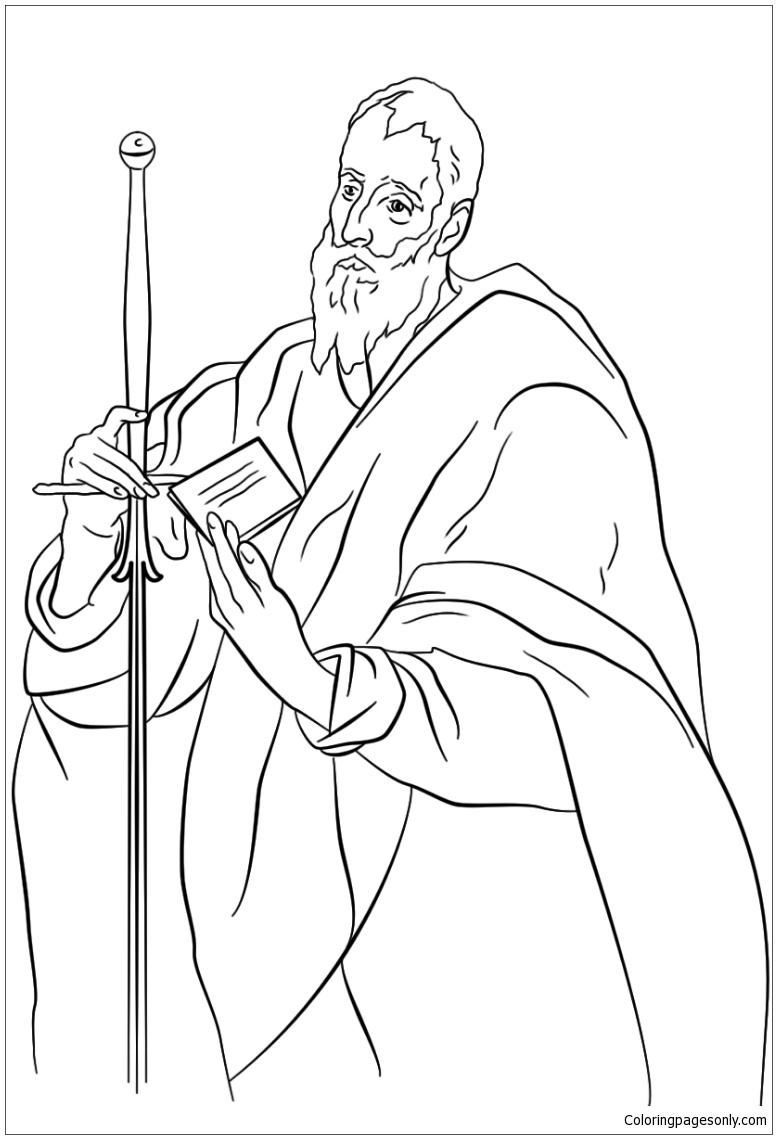
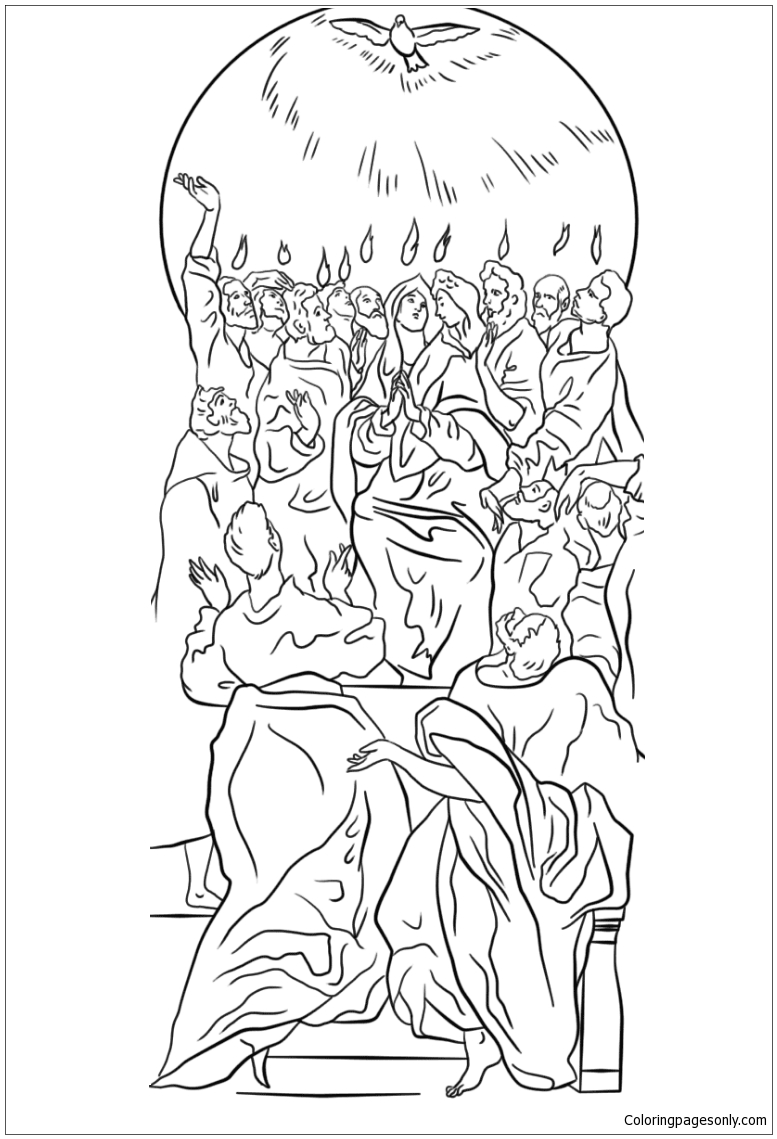

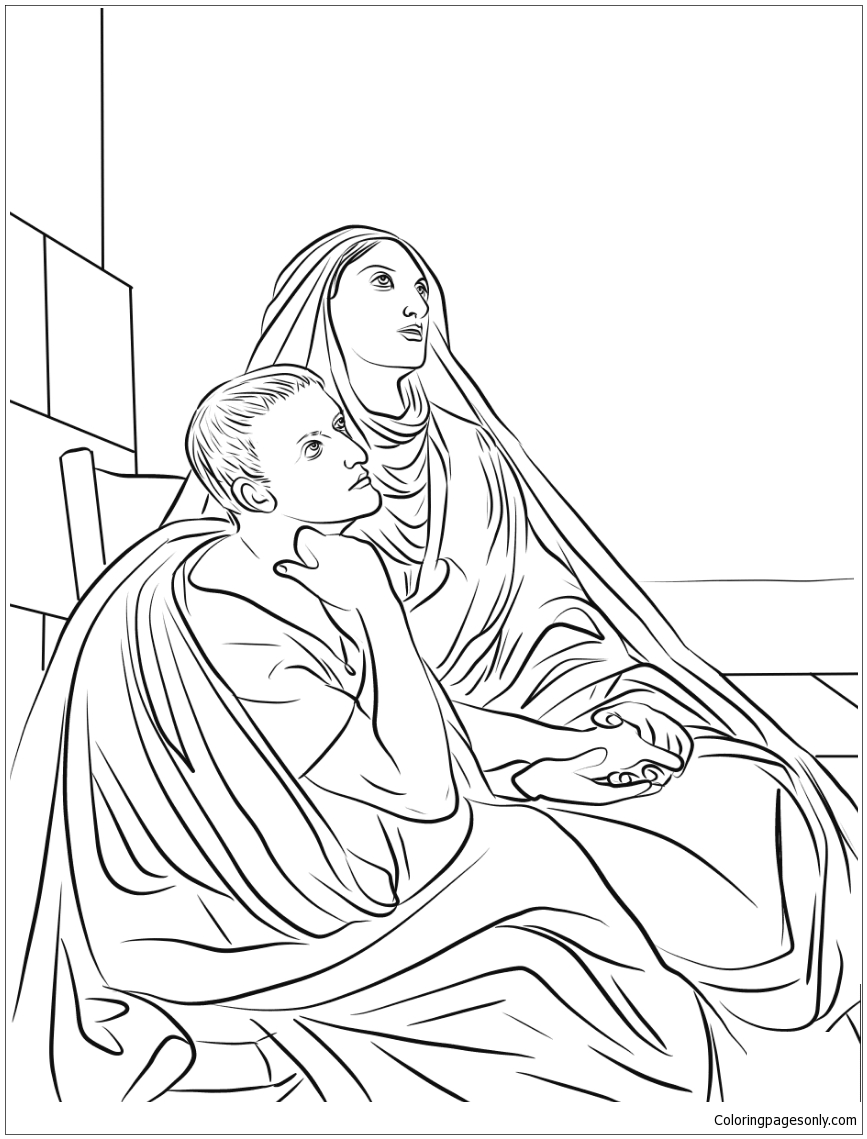
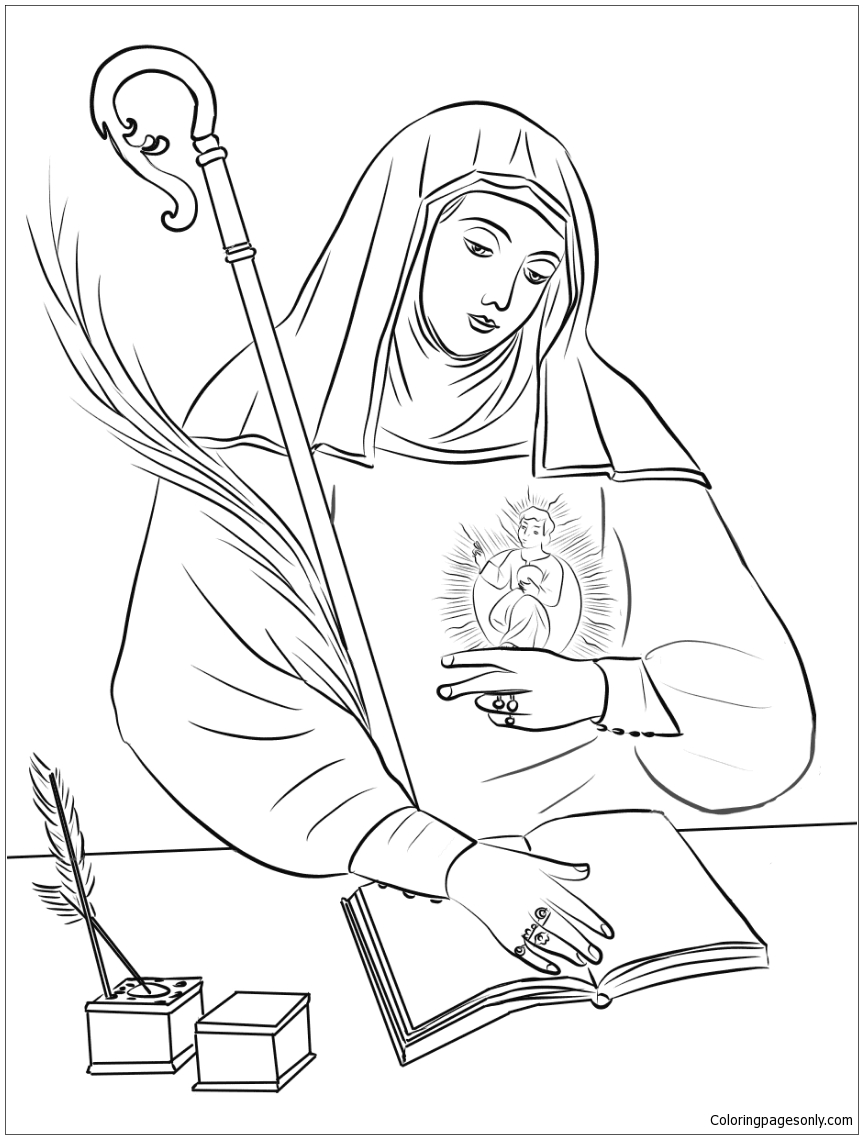
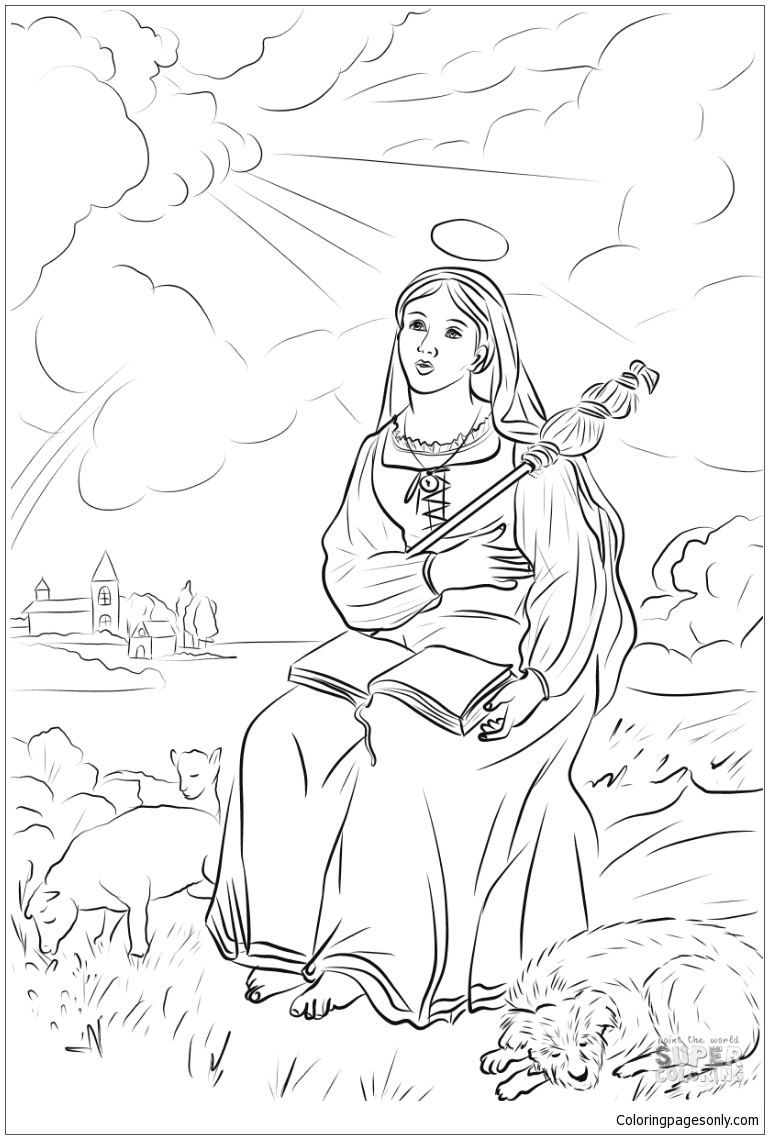

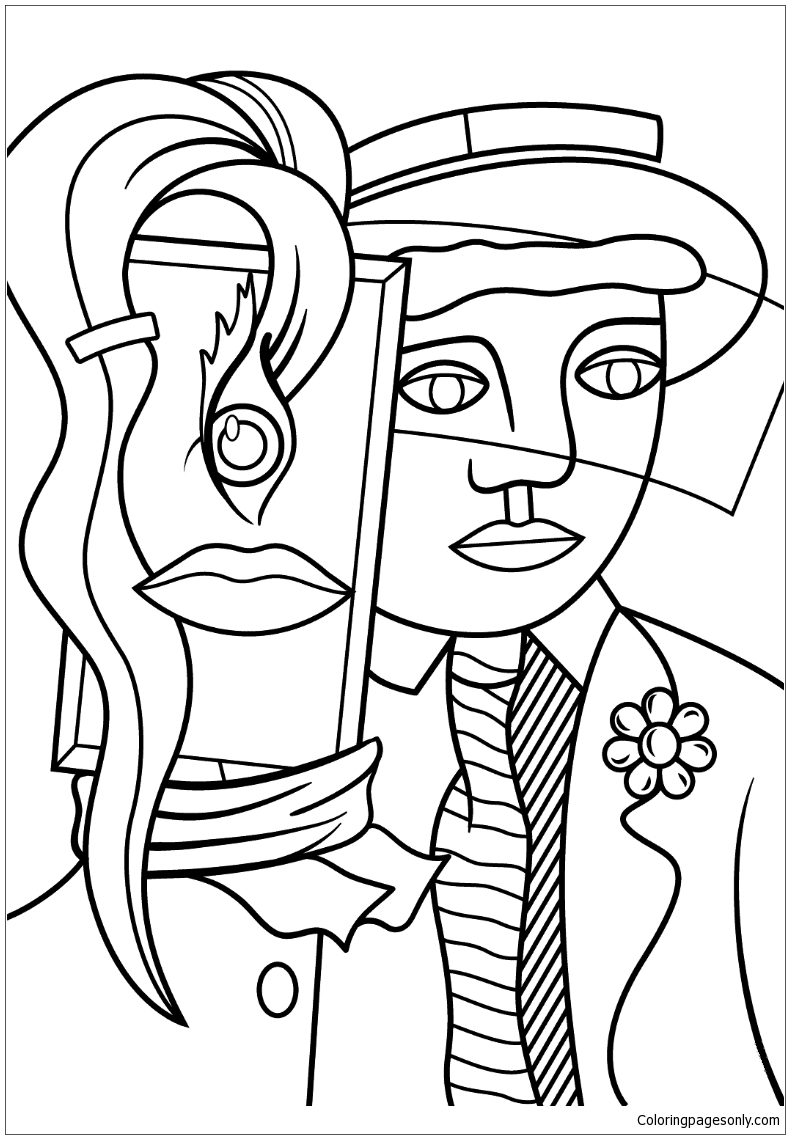
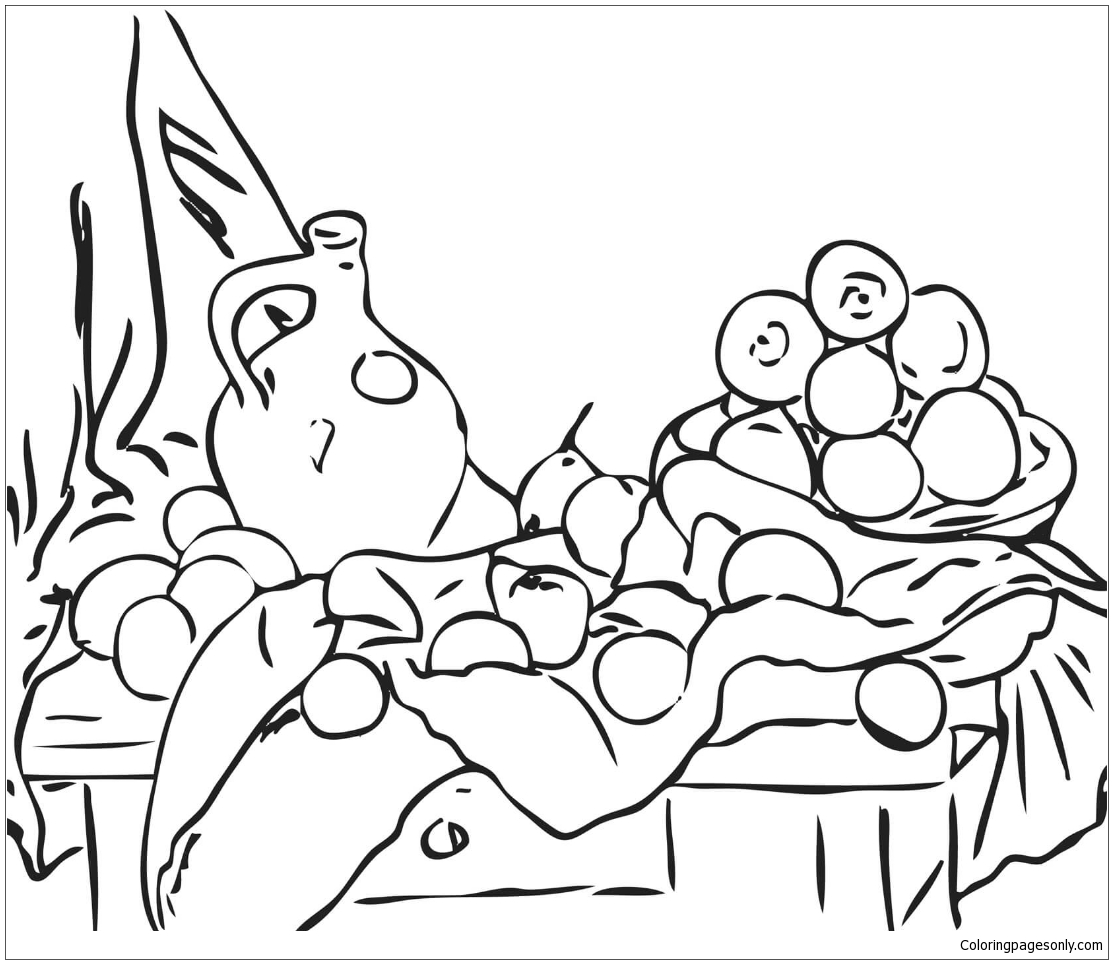
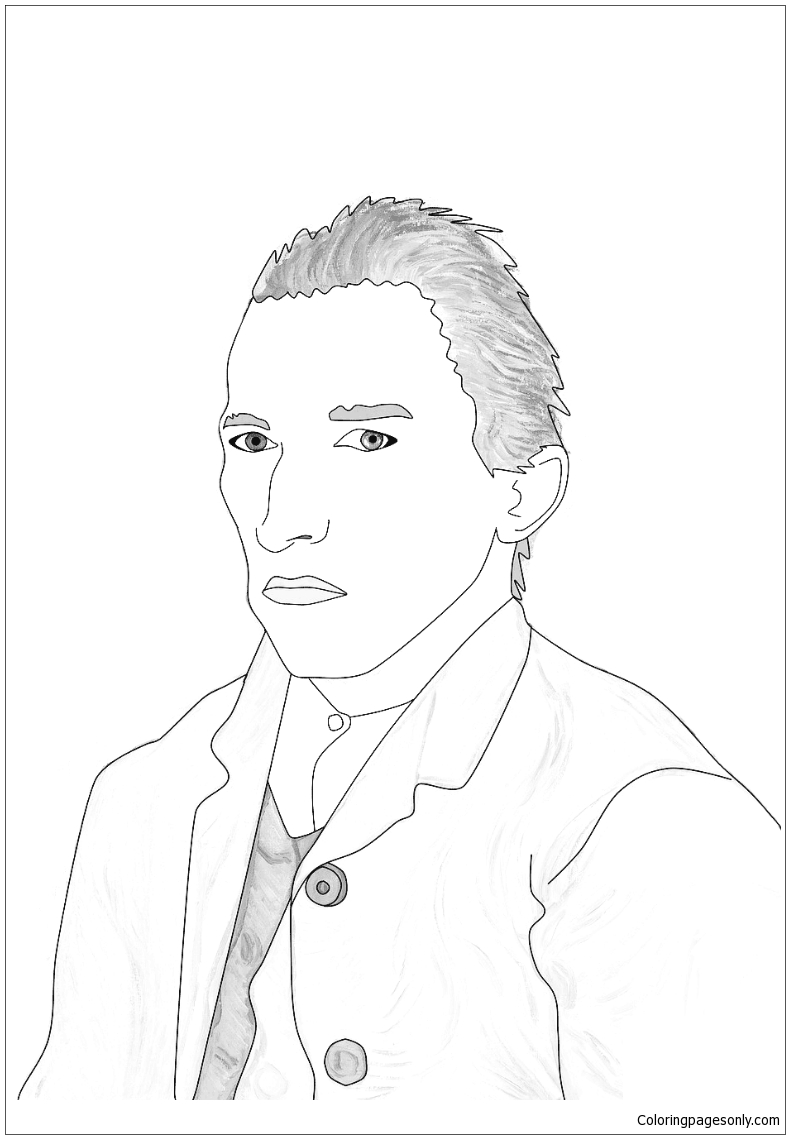
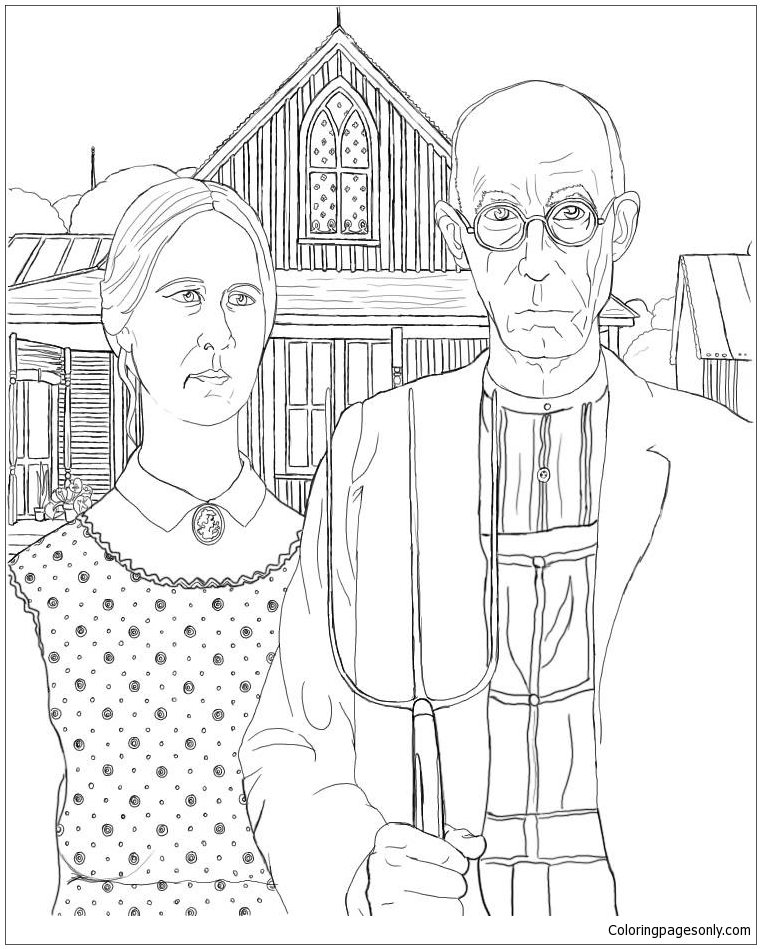
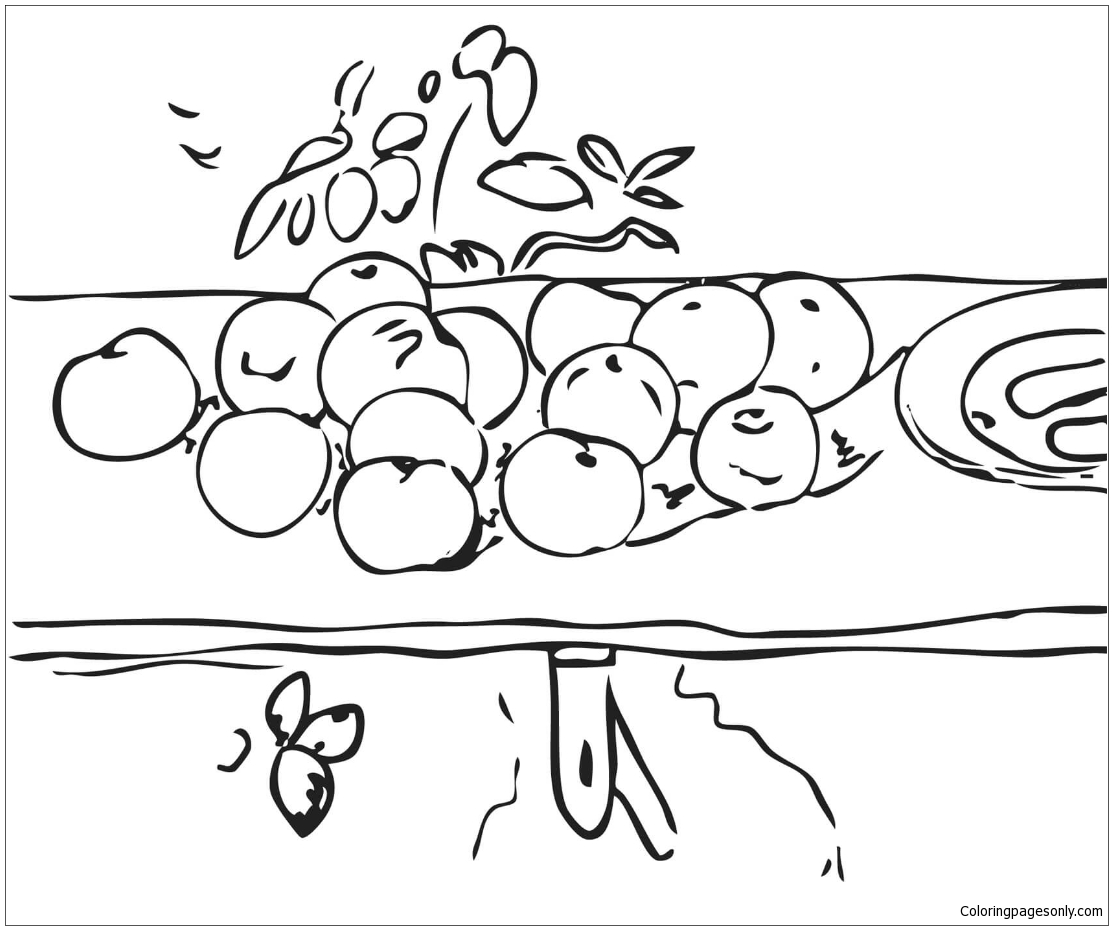
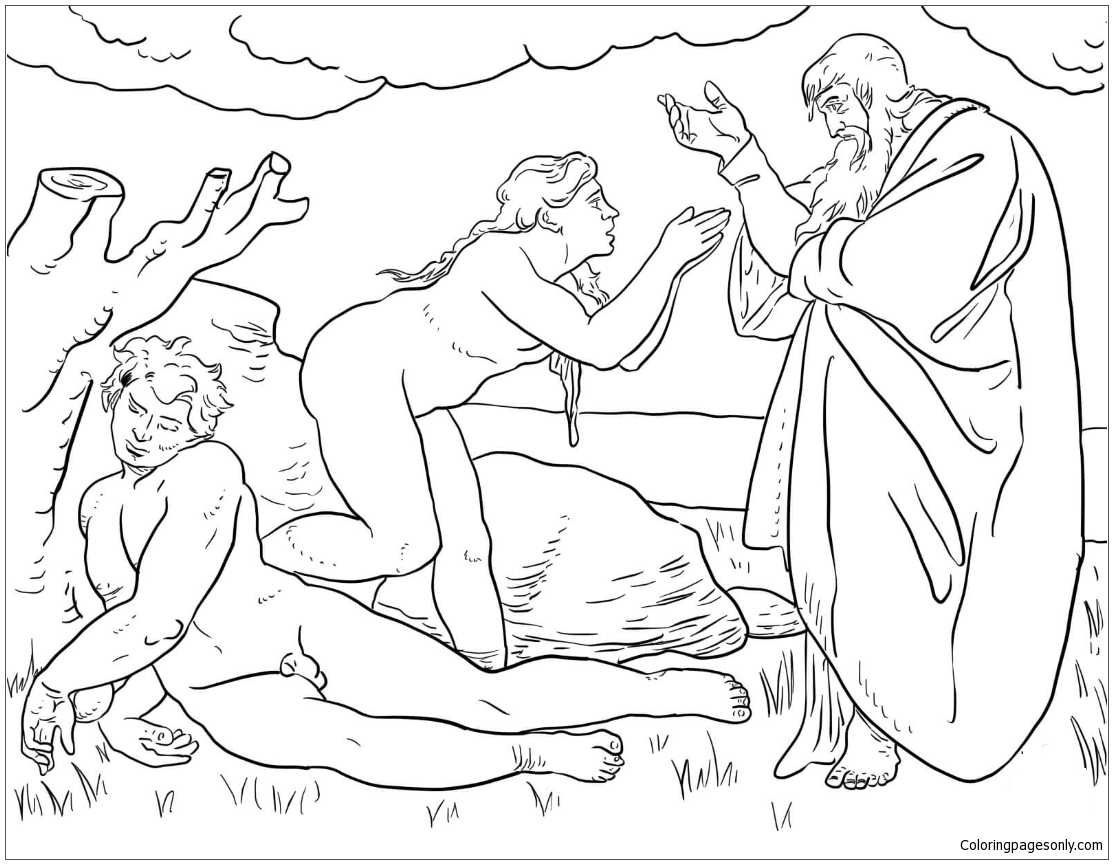
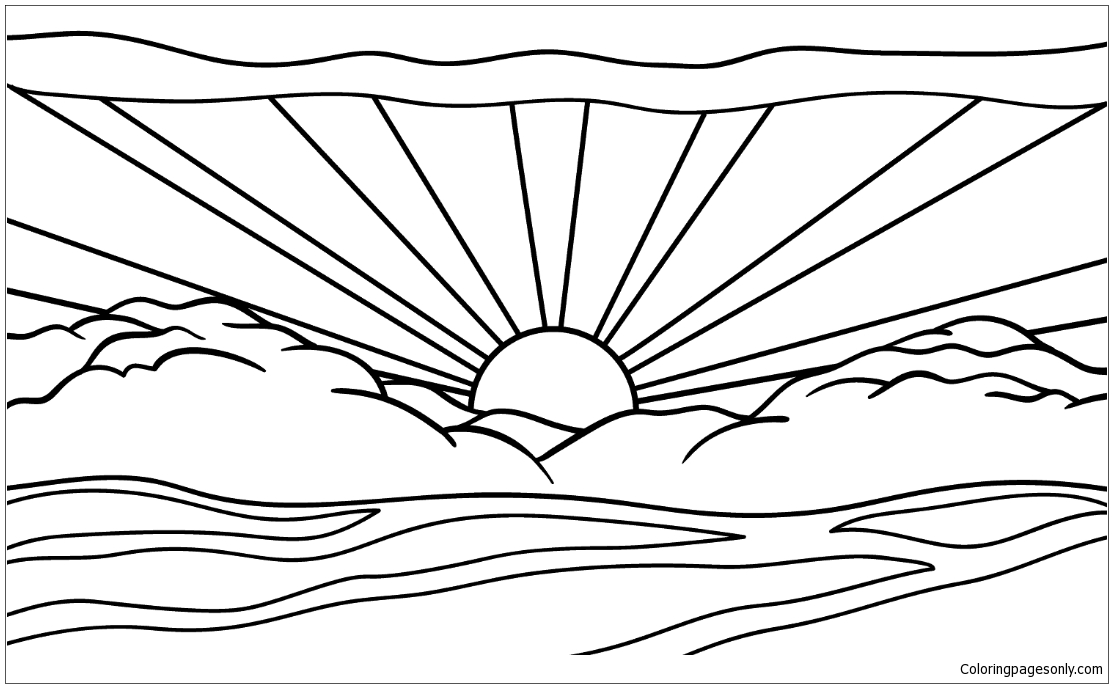
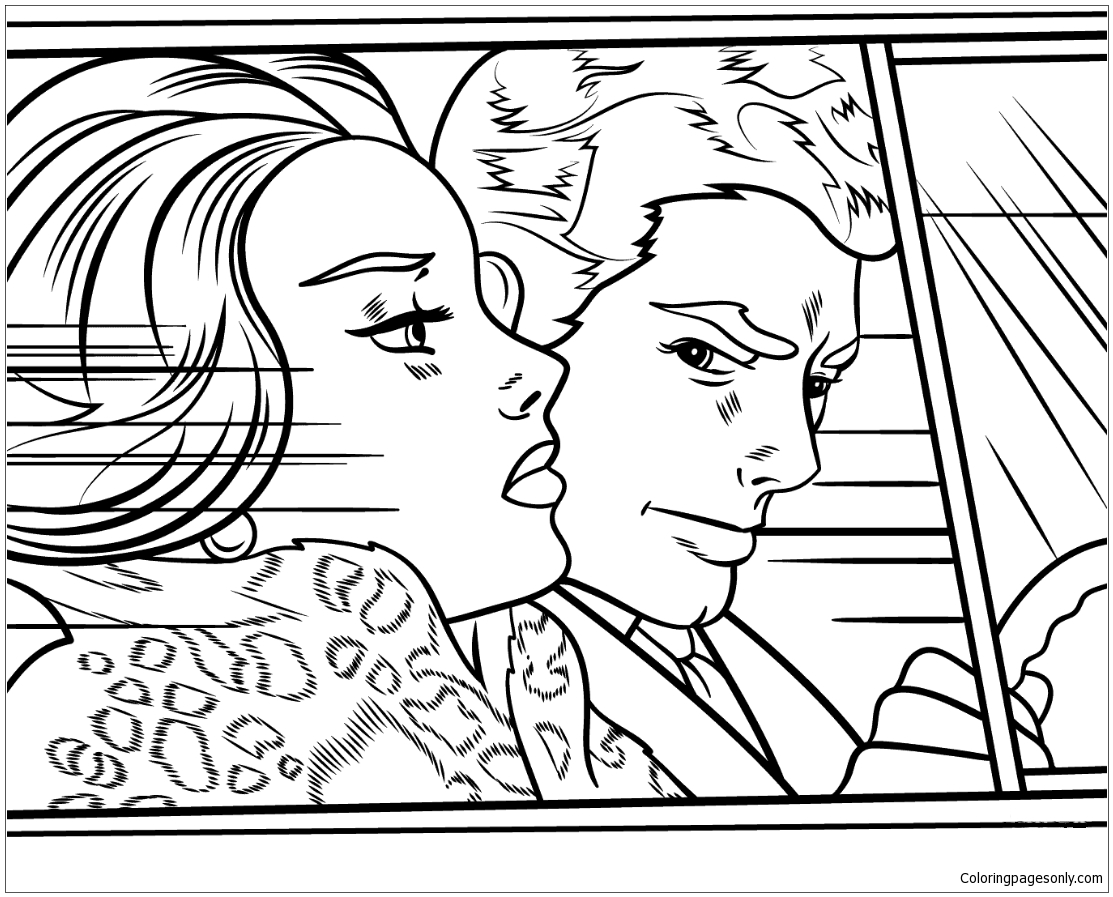
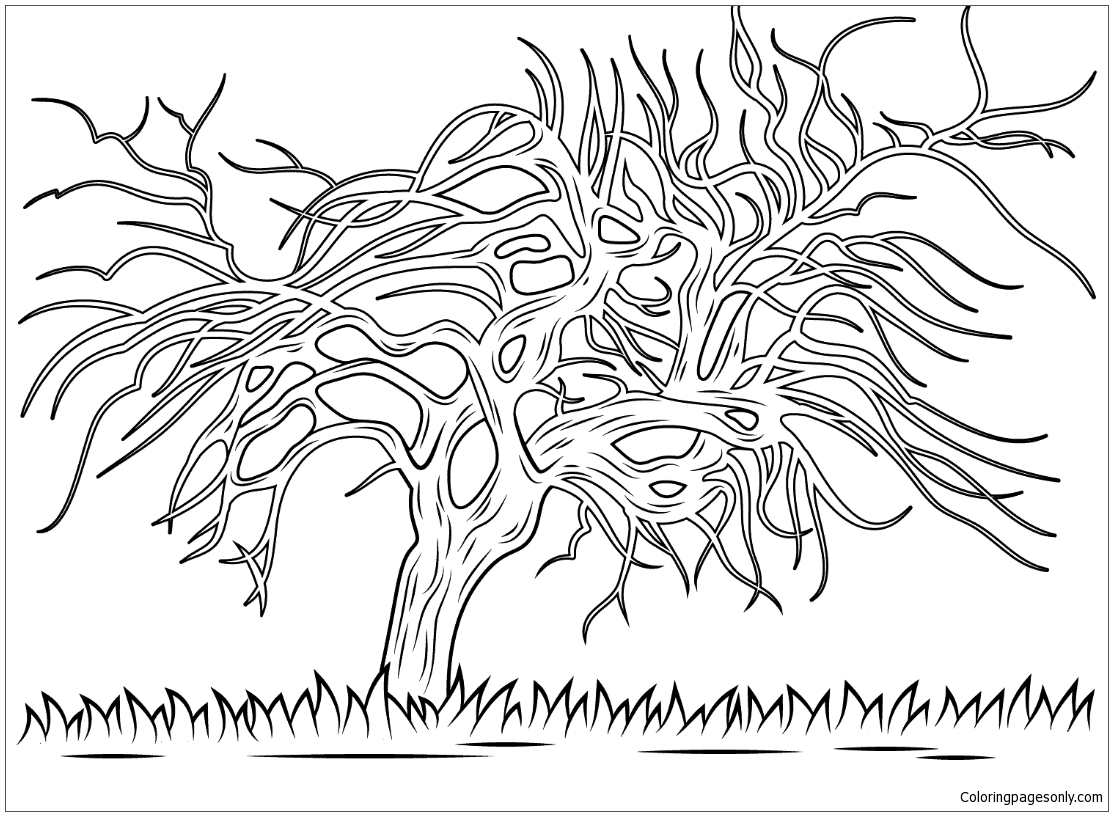
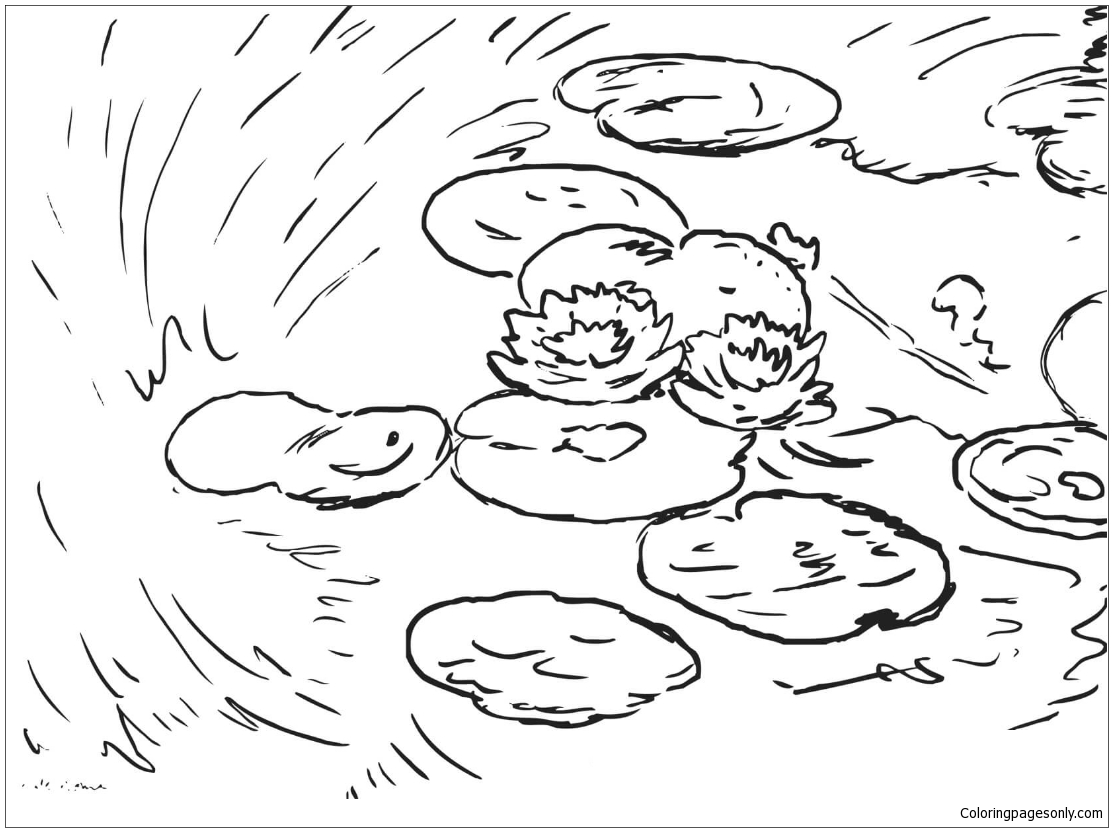
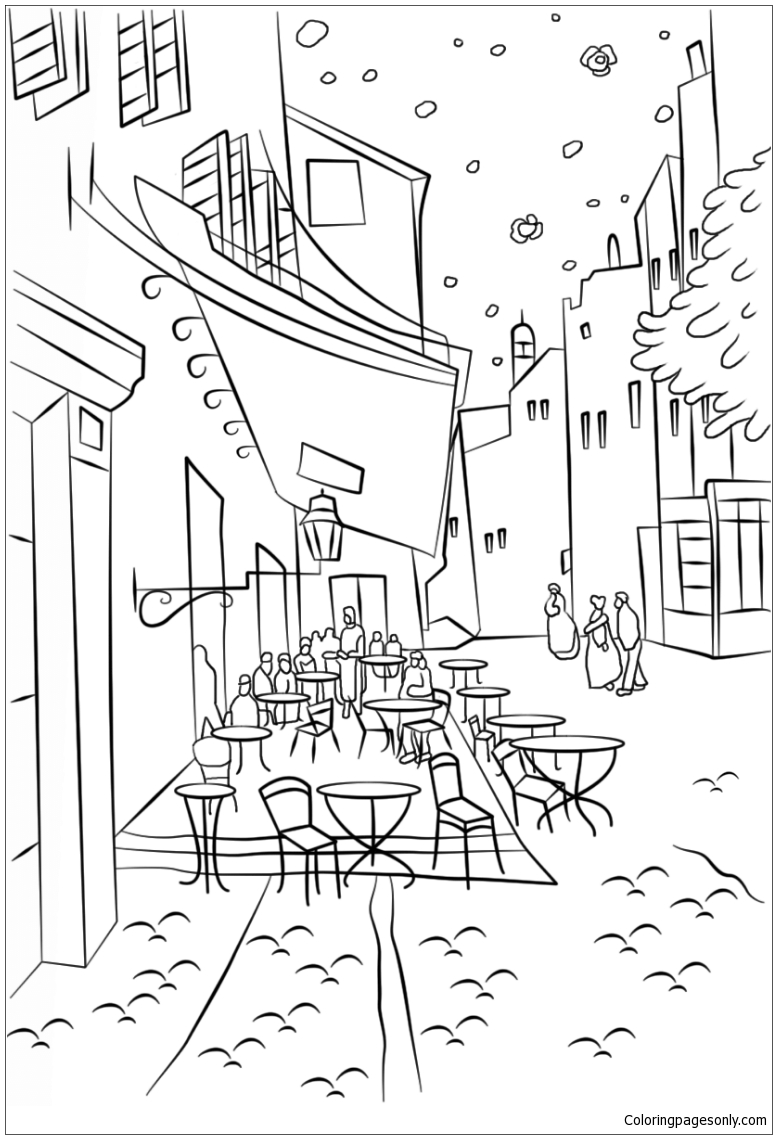
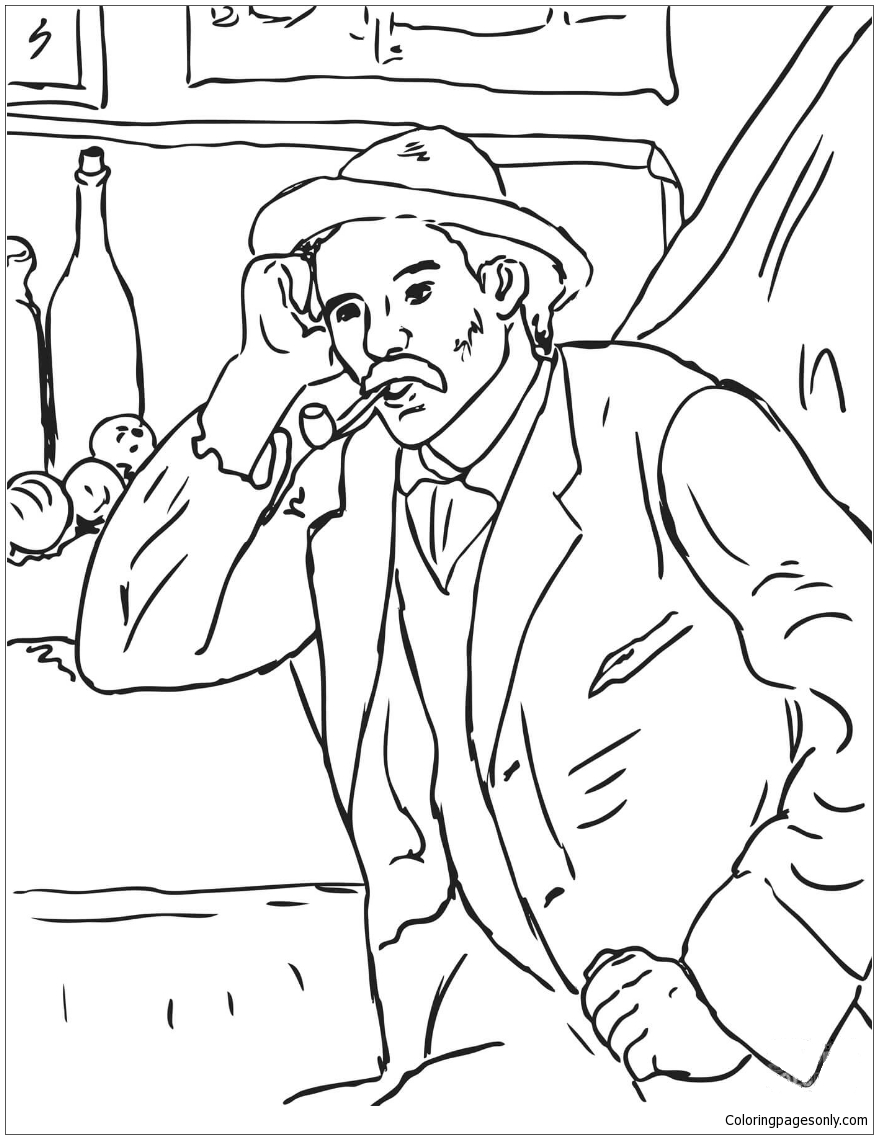
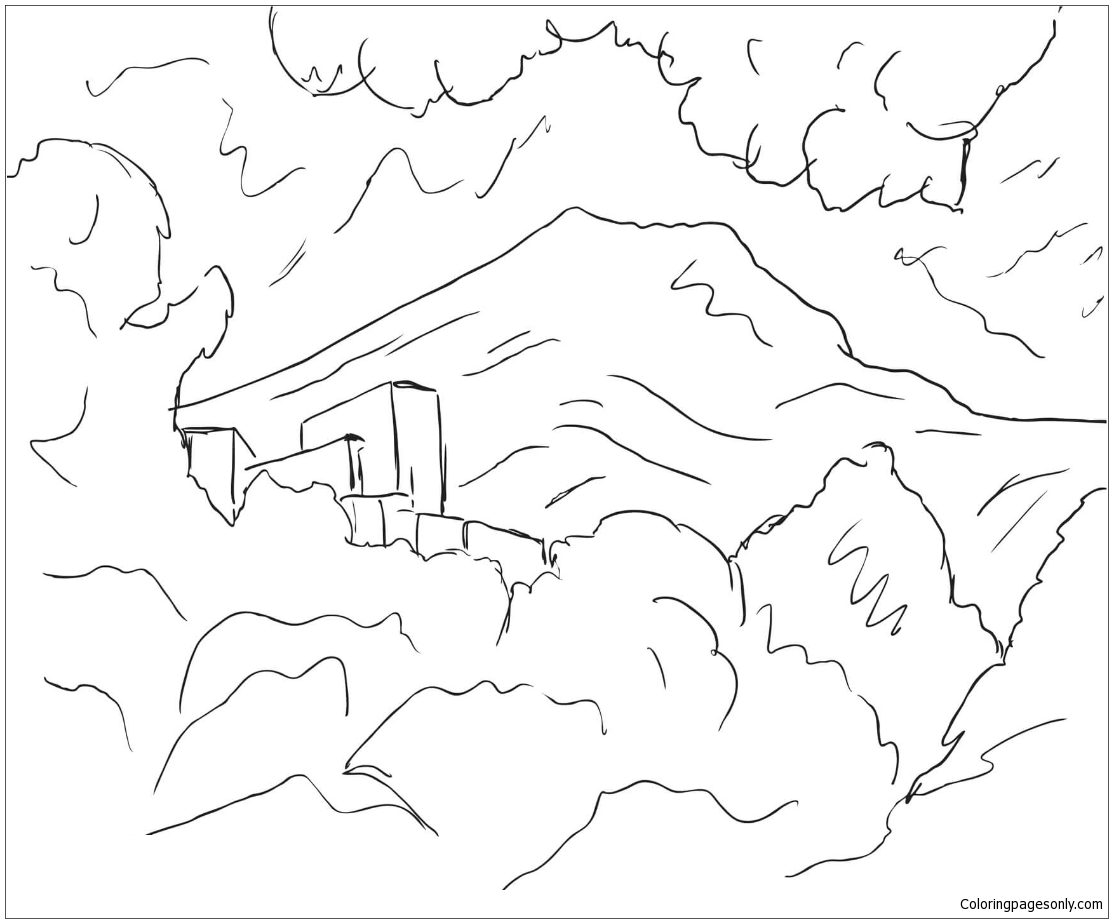
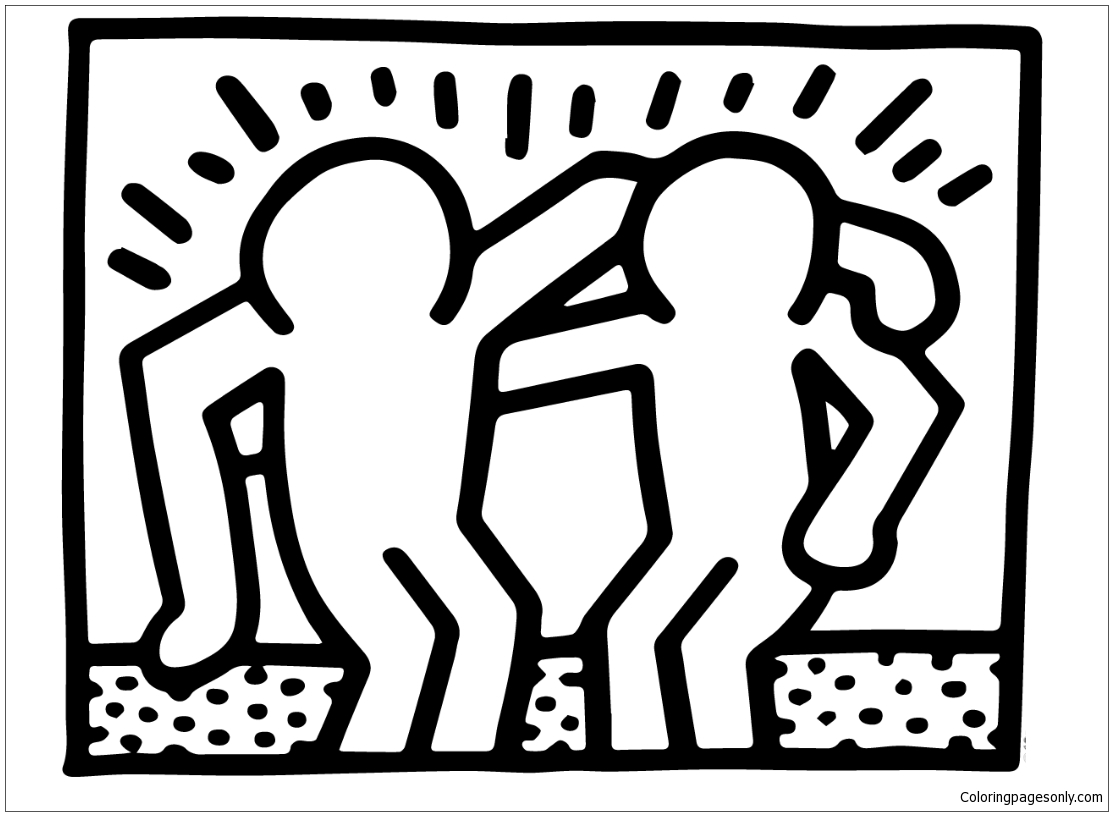
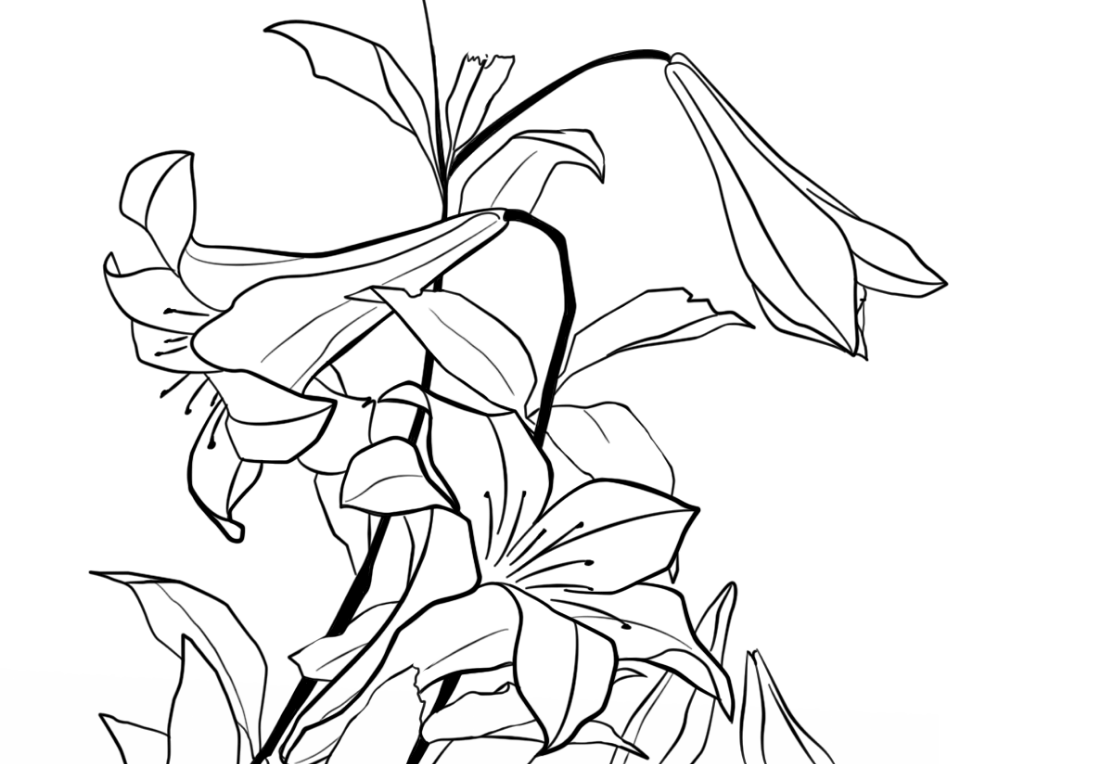
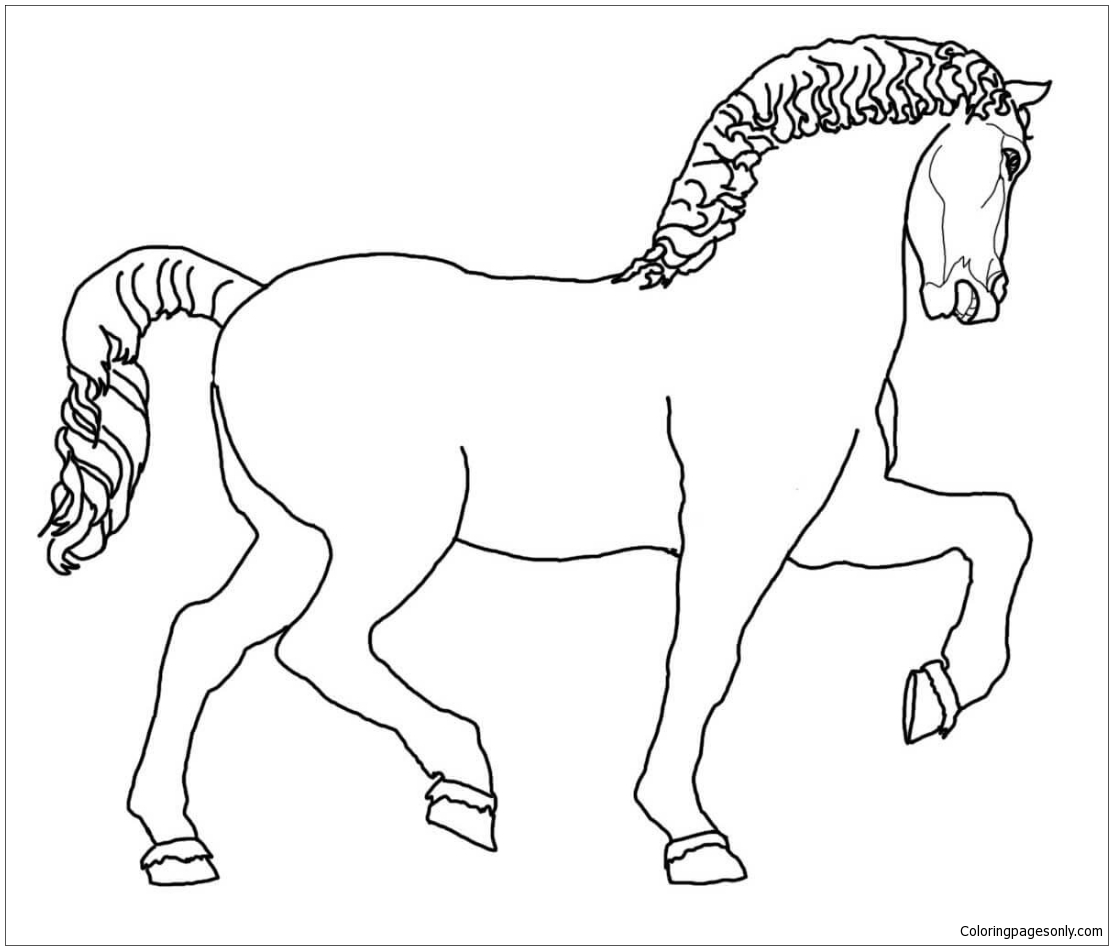
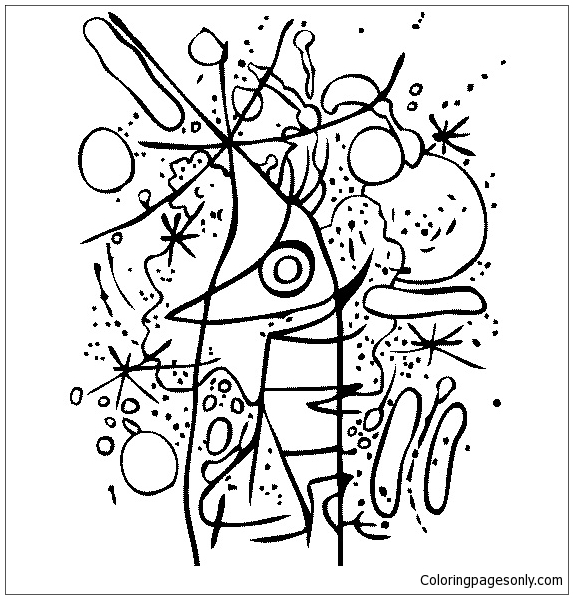
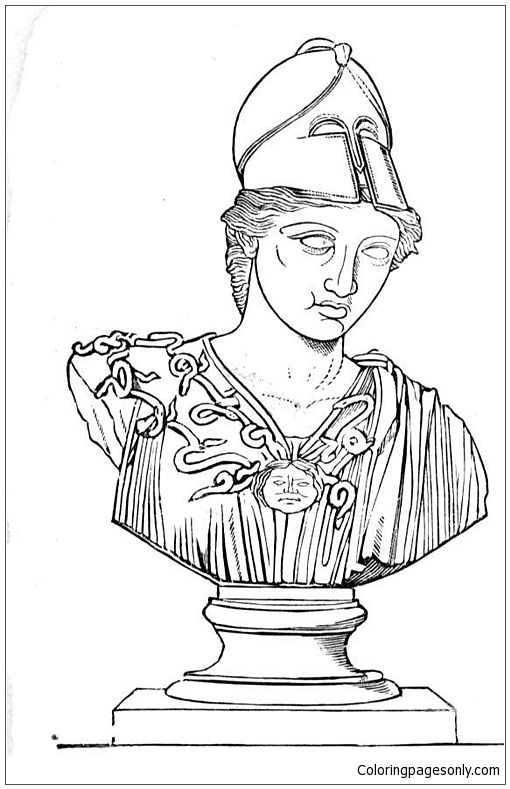
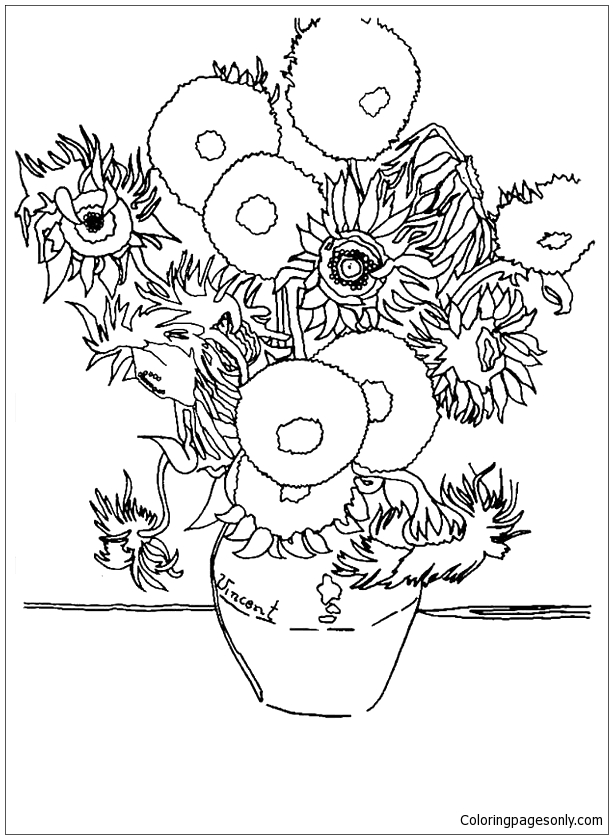
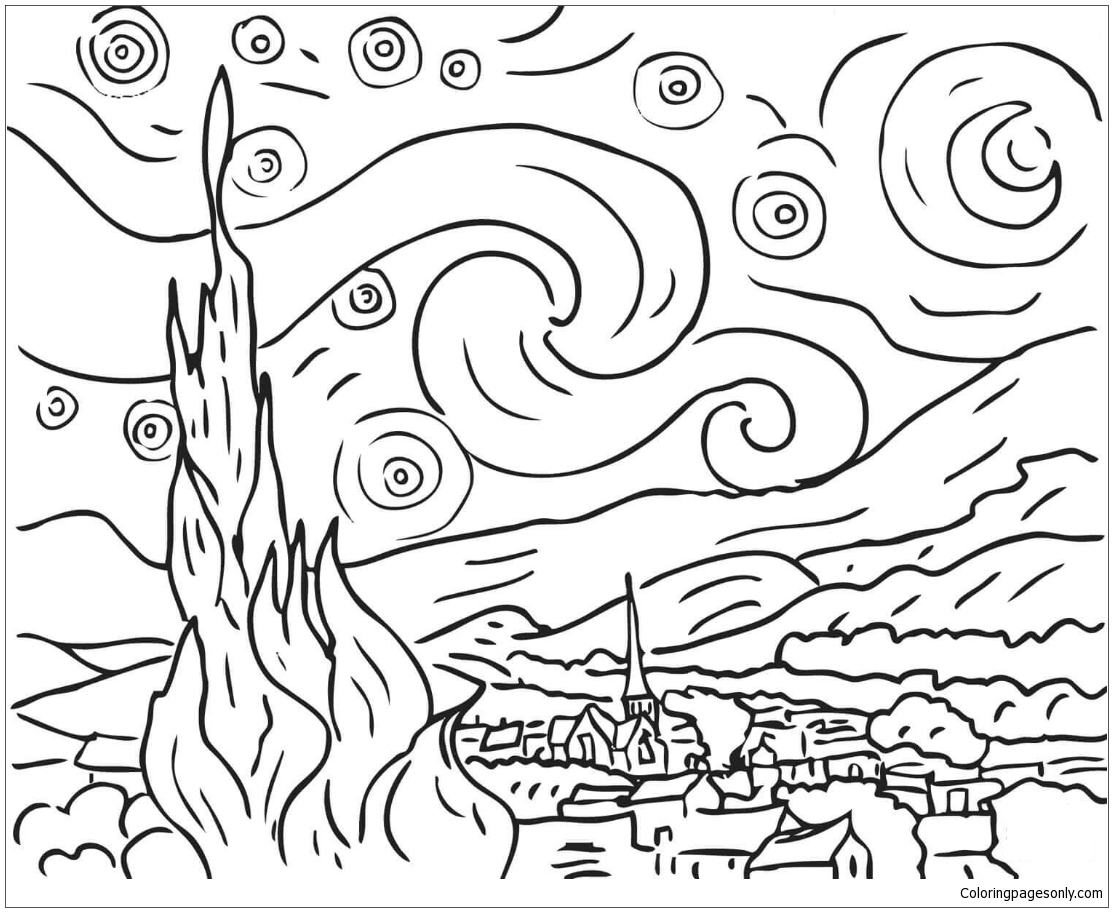
What Is Inside This Collection
This collection groups its pages by artistic era, since the copyright status, style, and best coloring approach all shift significantly from one period to the next.
Renaissance and Baroque Masters
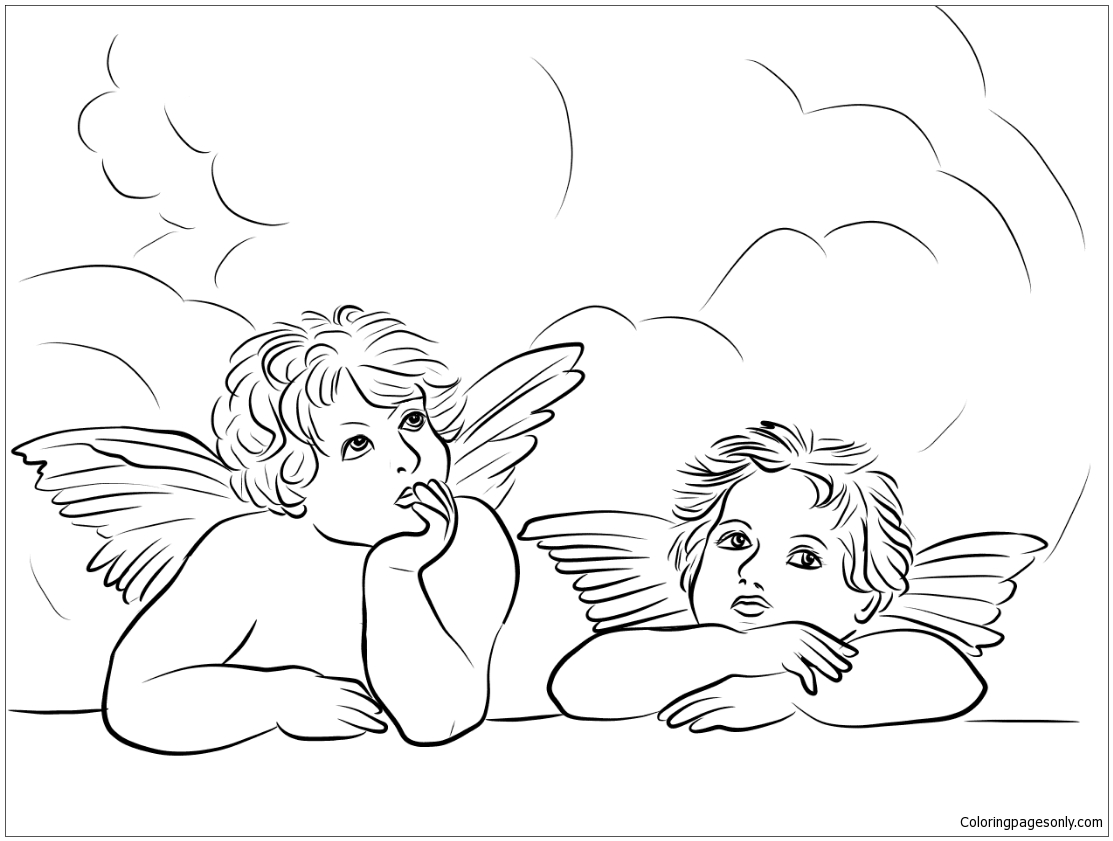
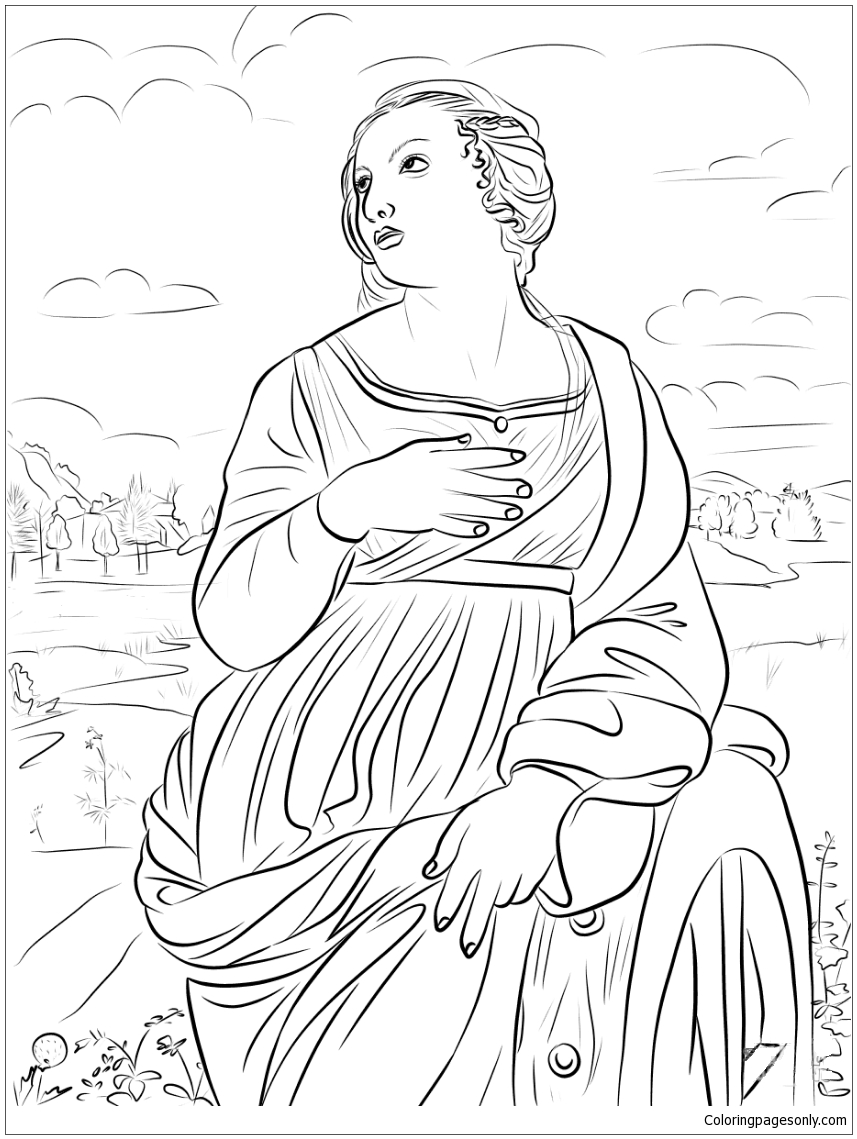
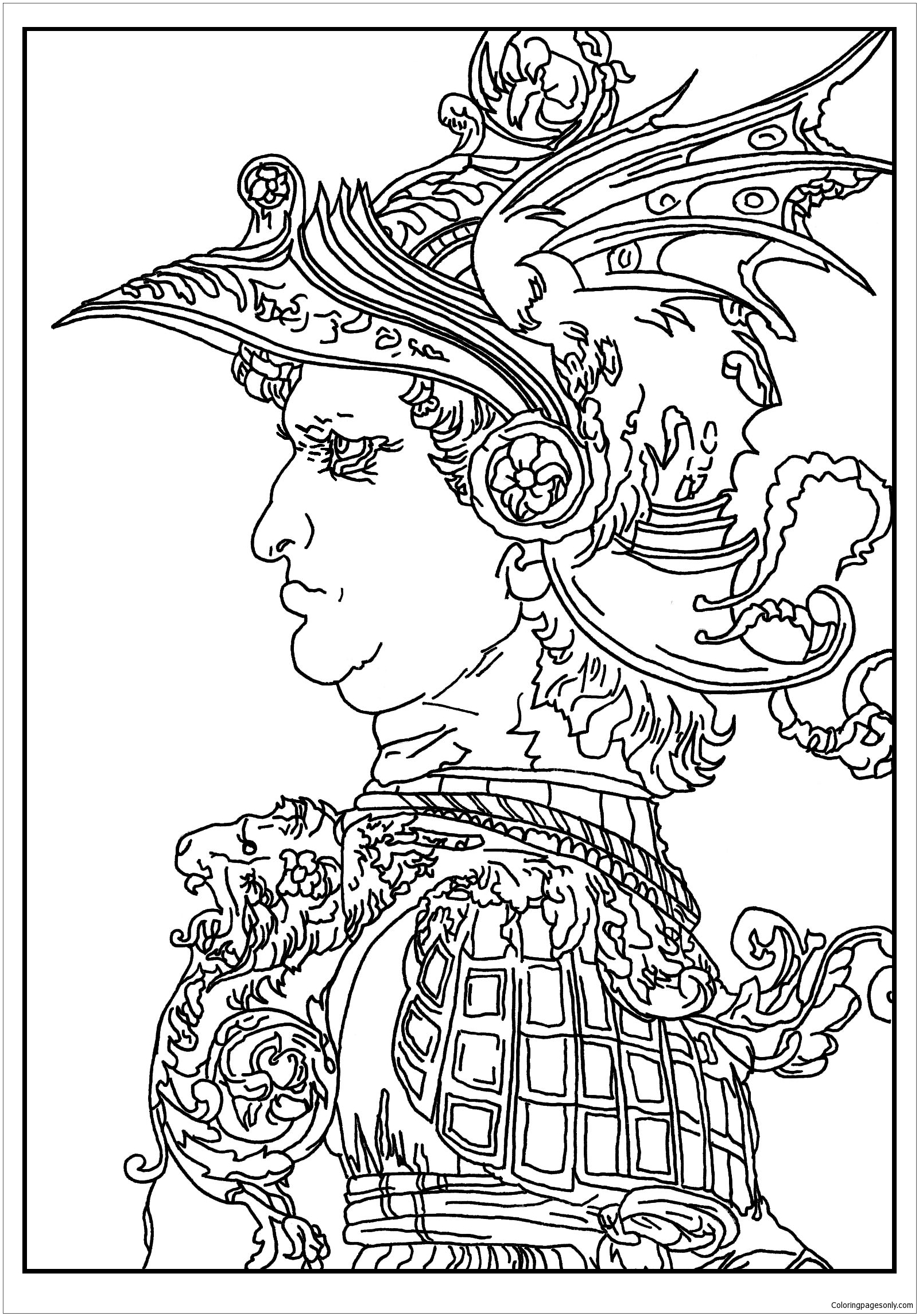
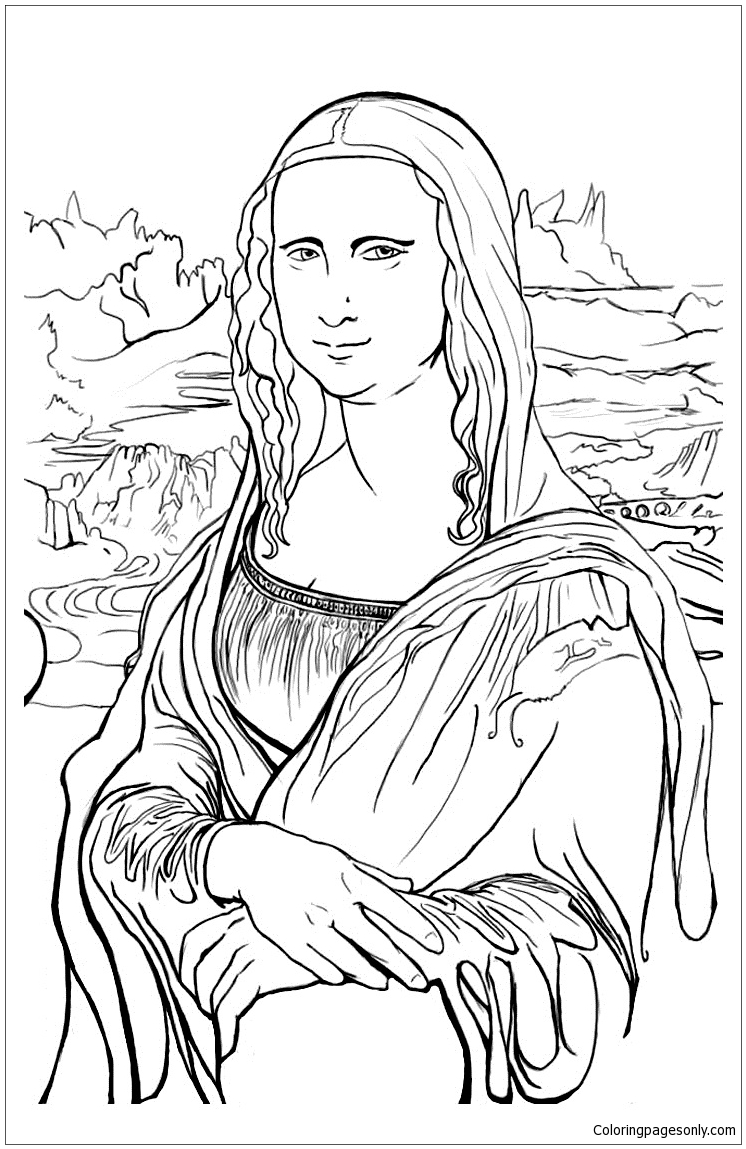
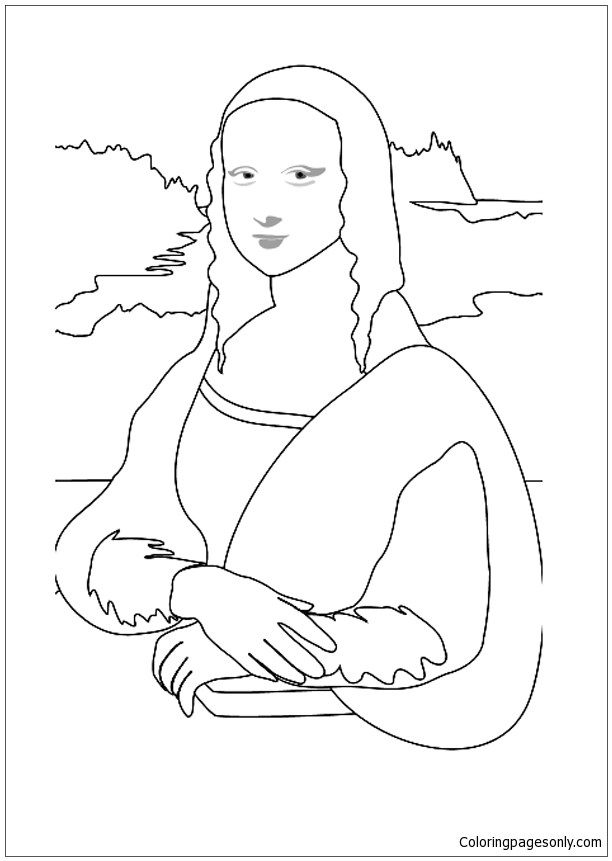
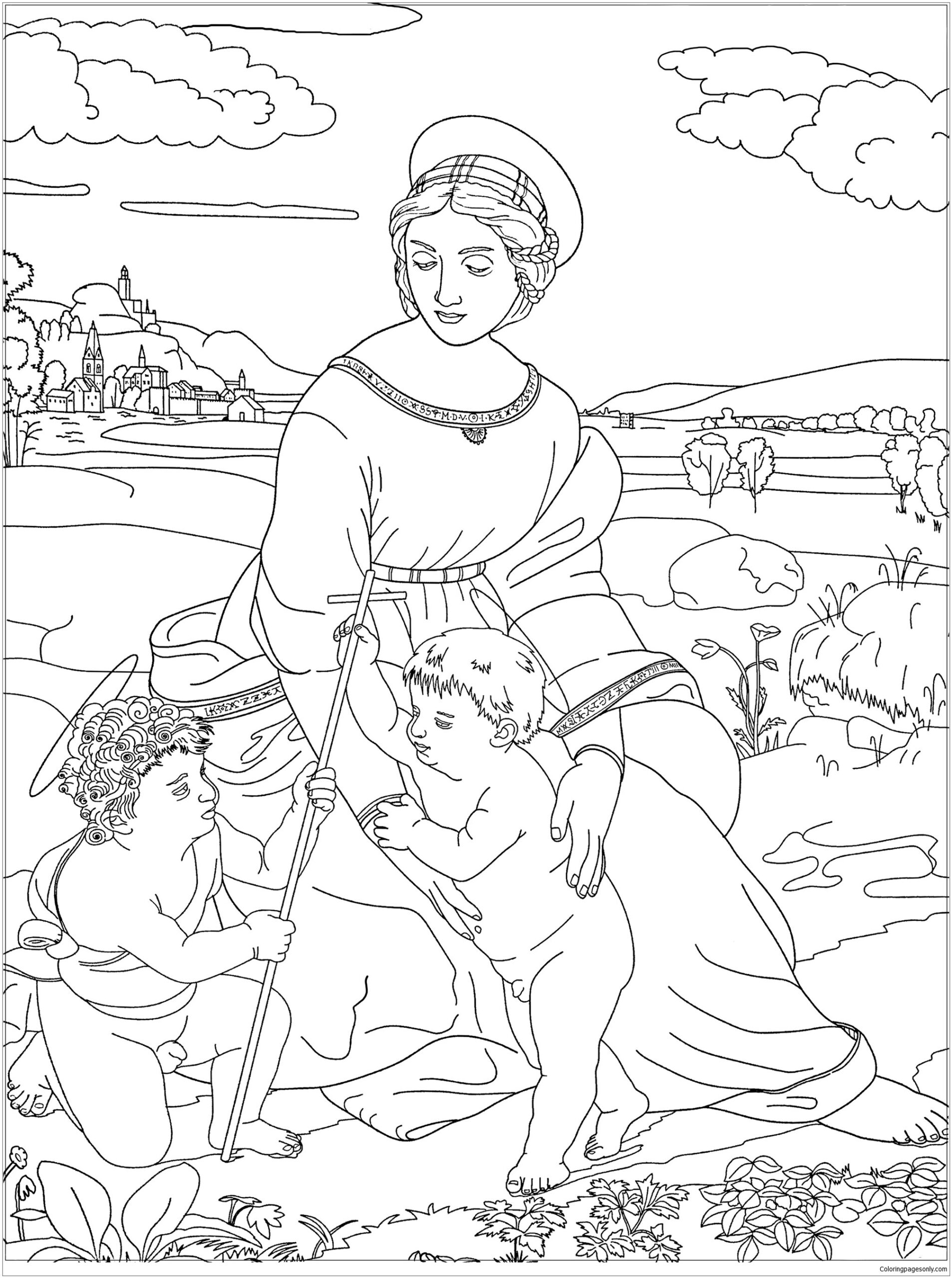
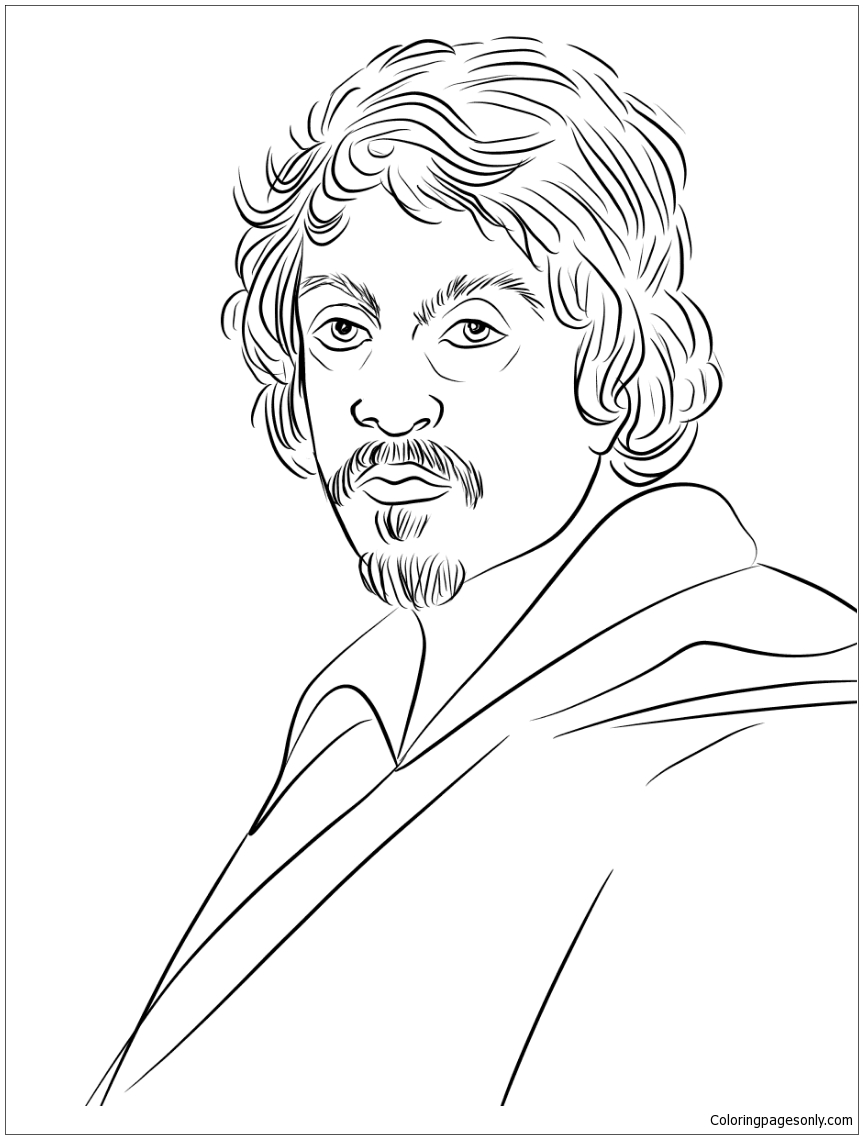
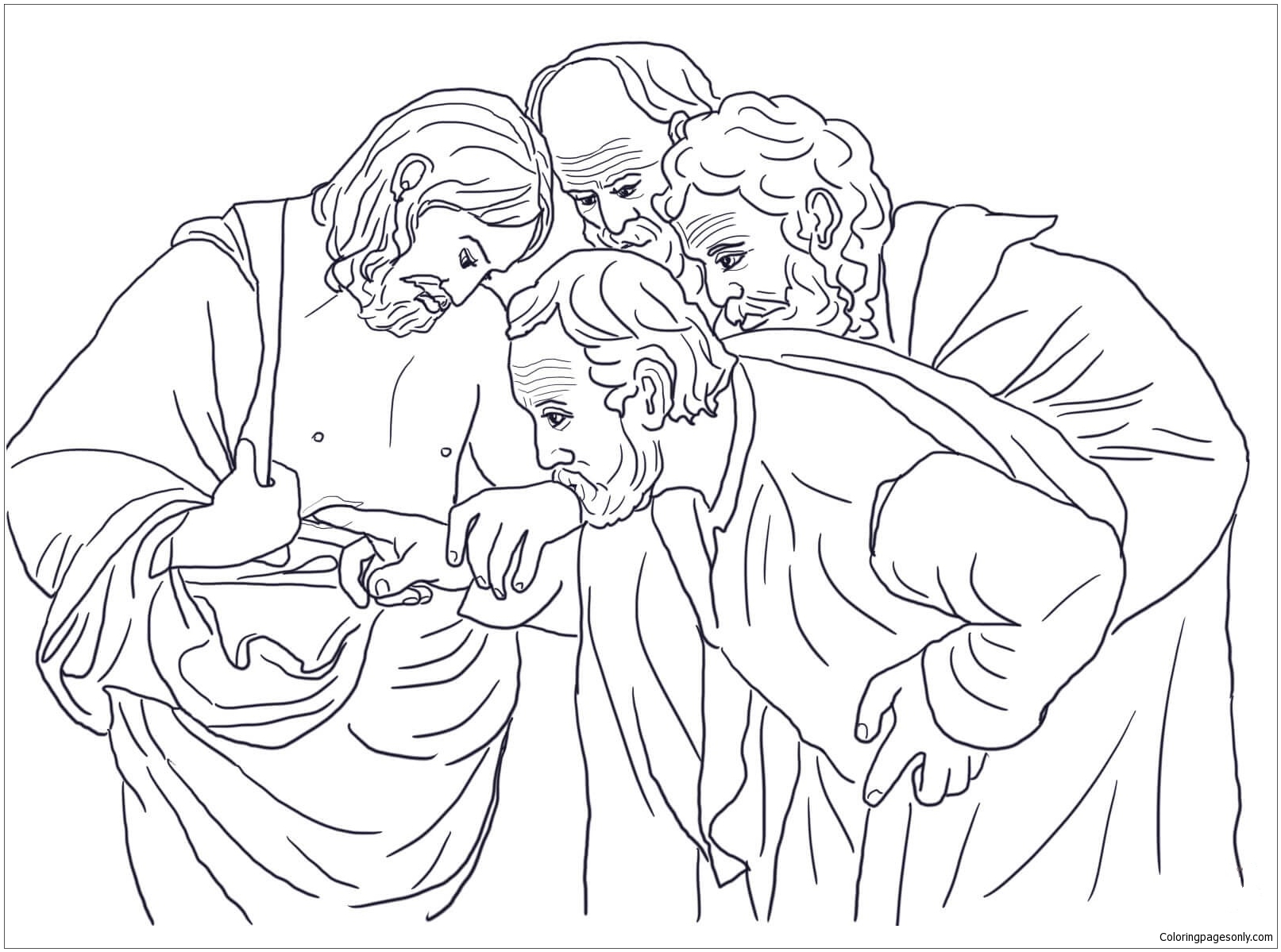
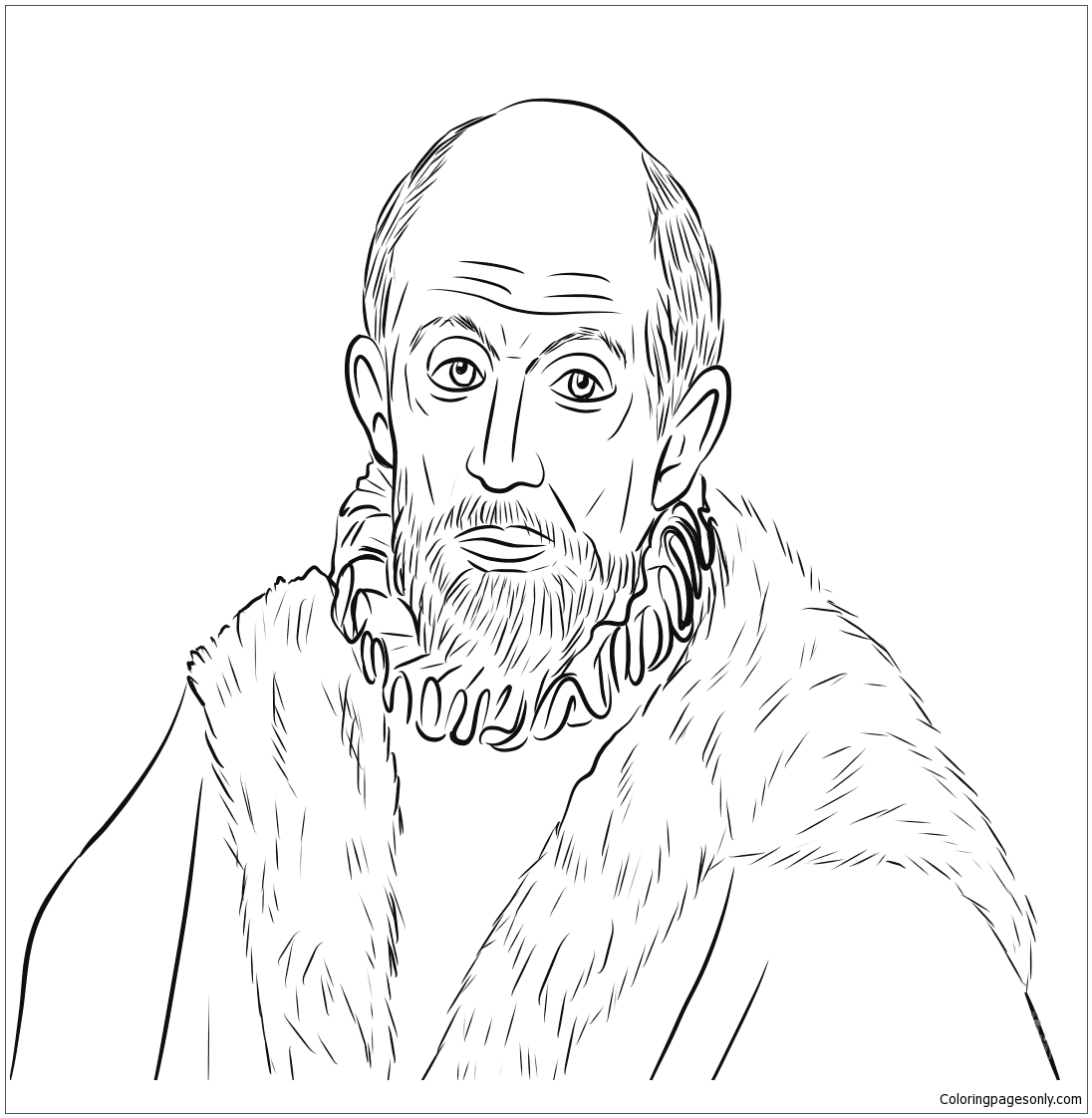
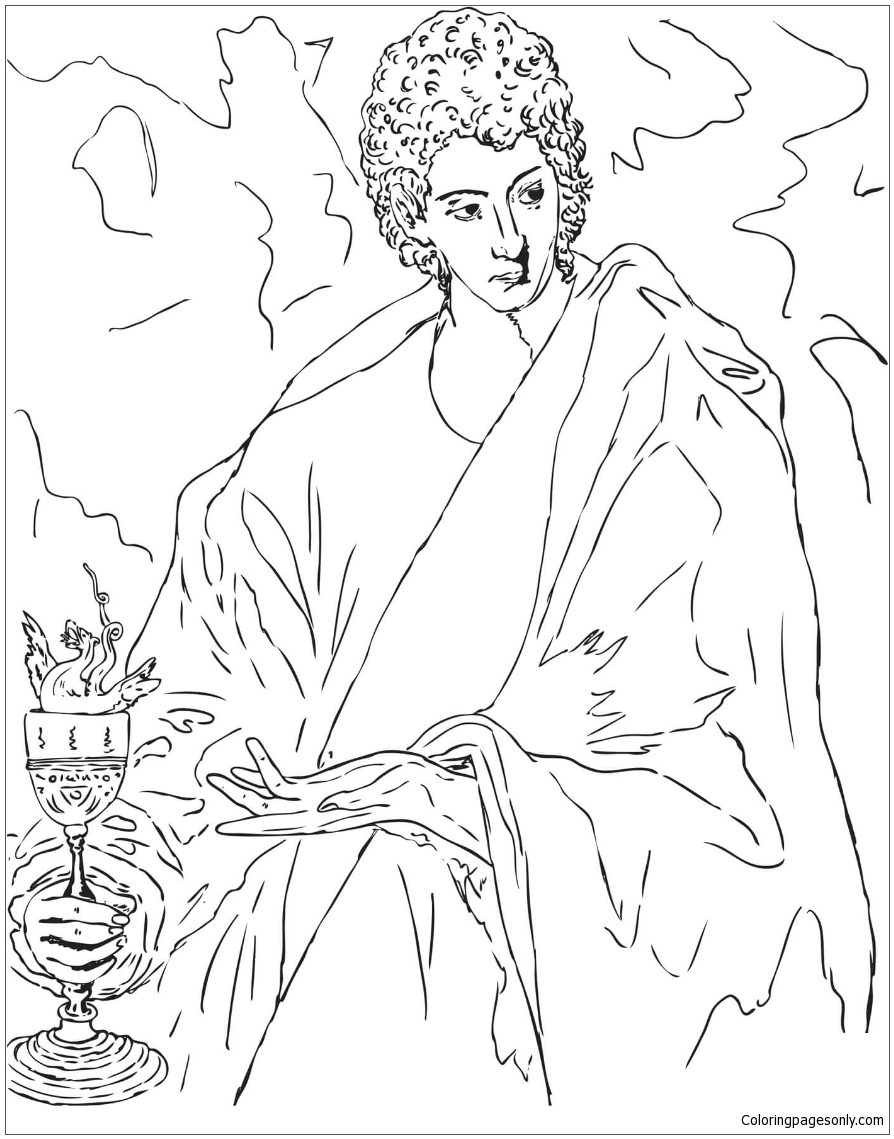
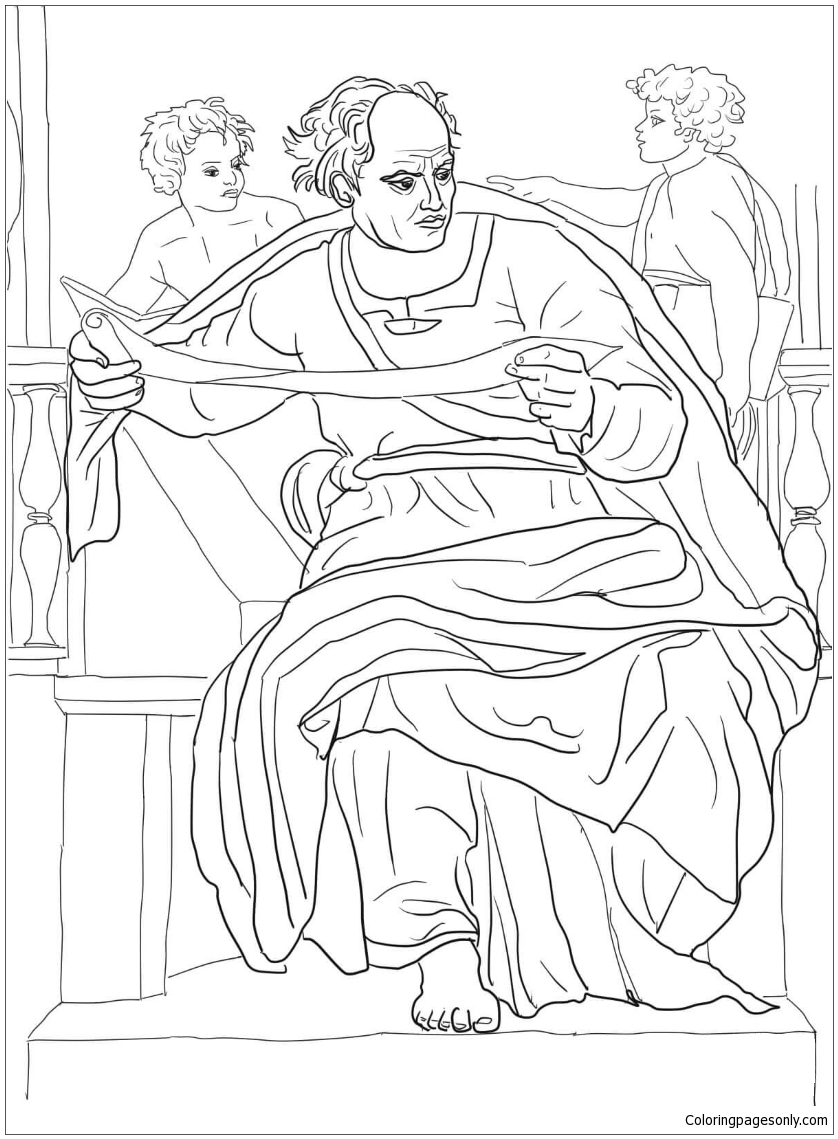
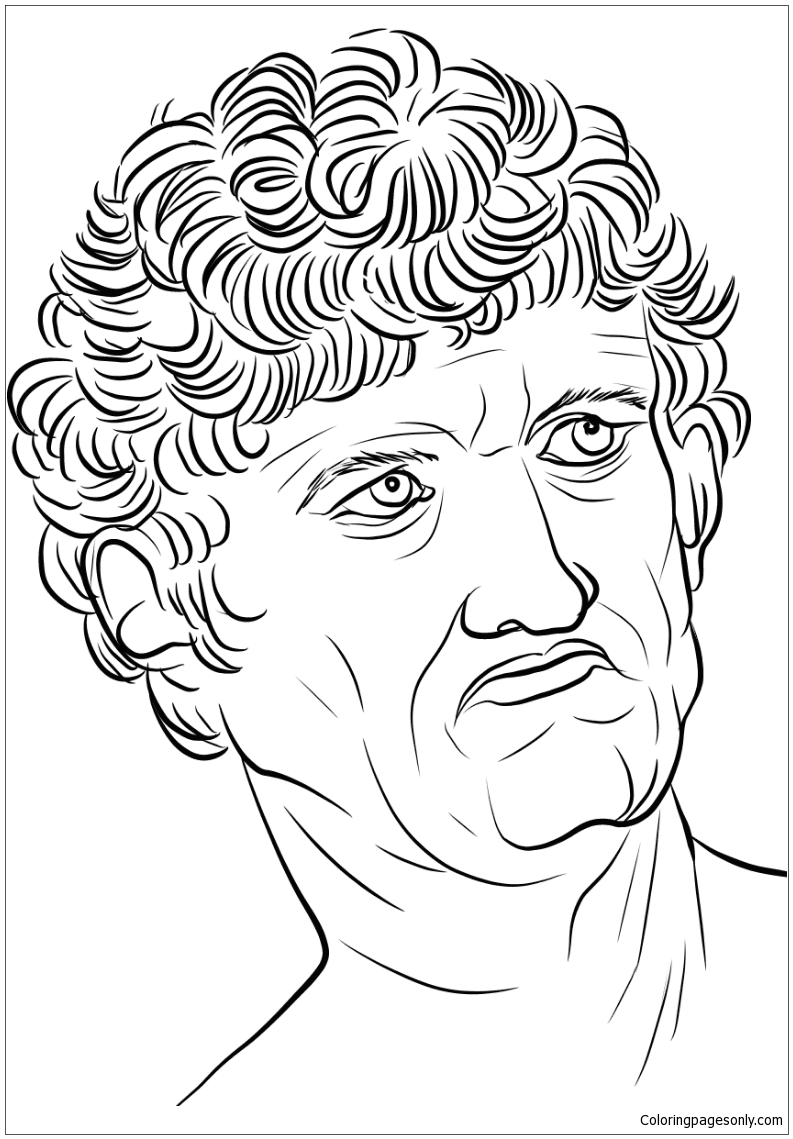
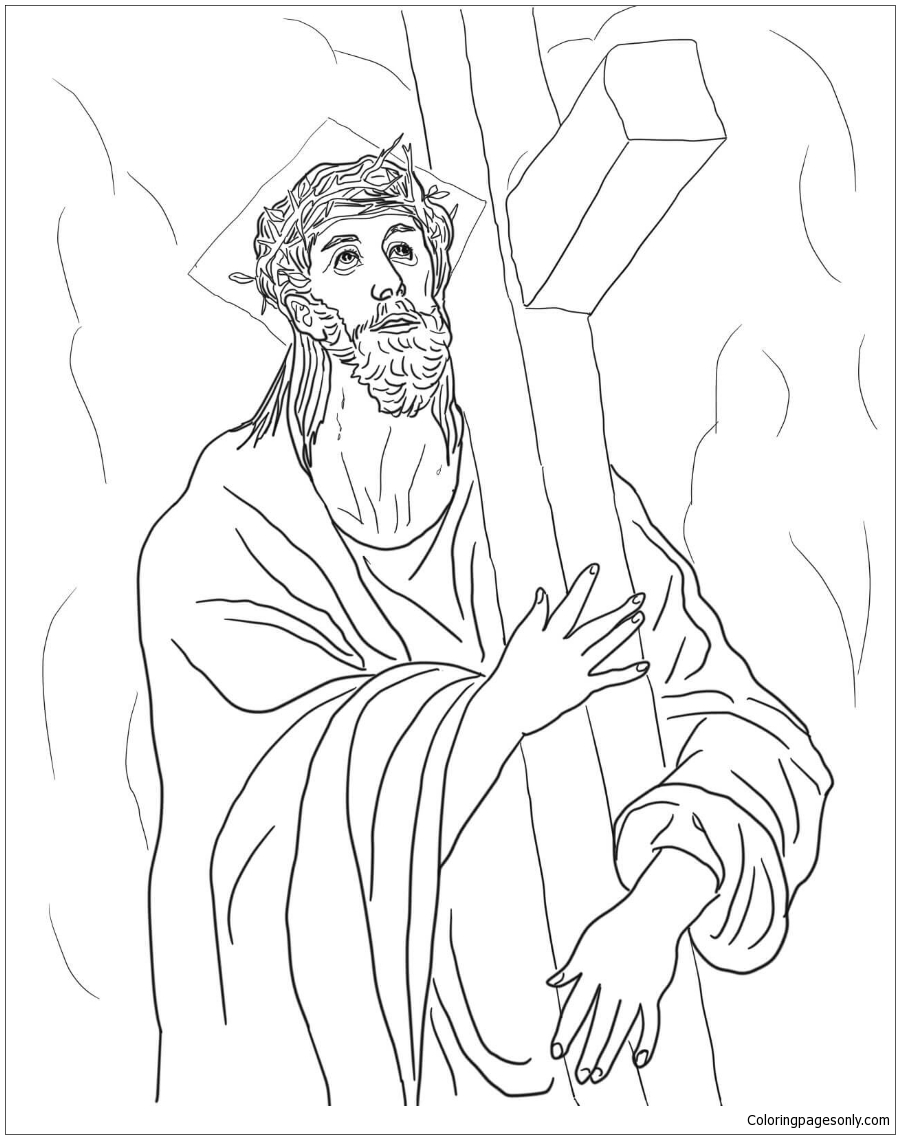
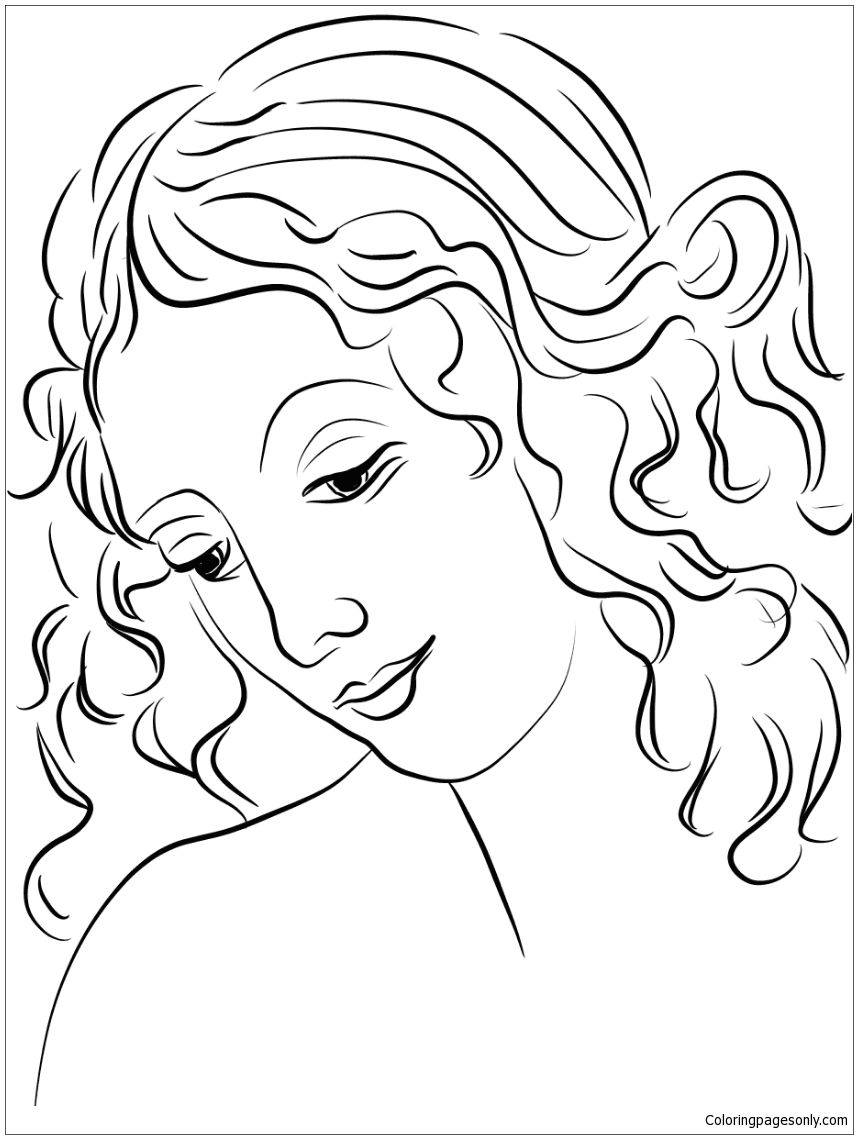
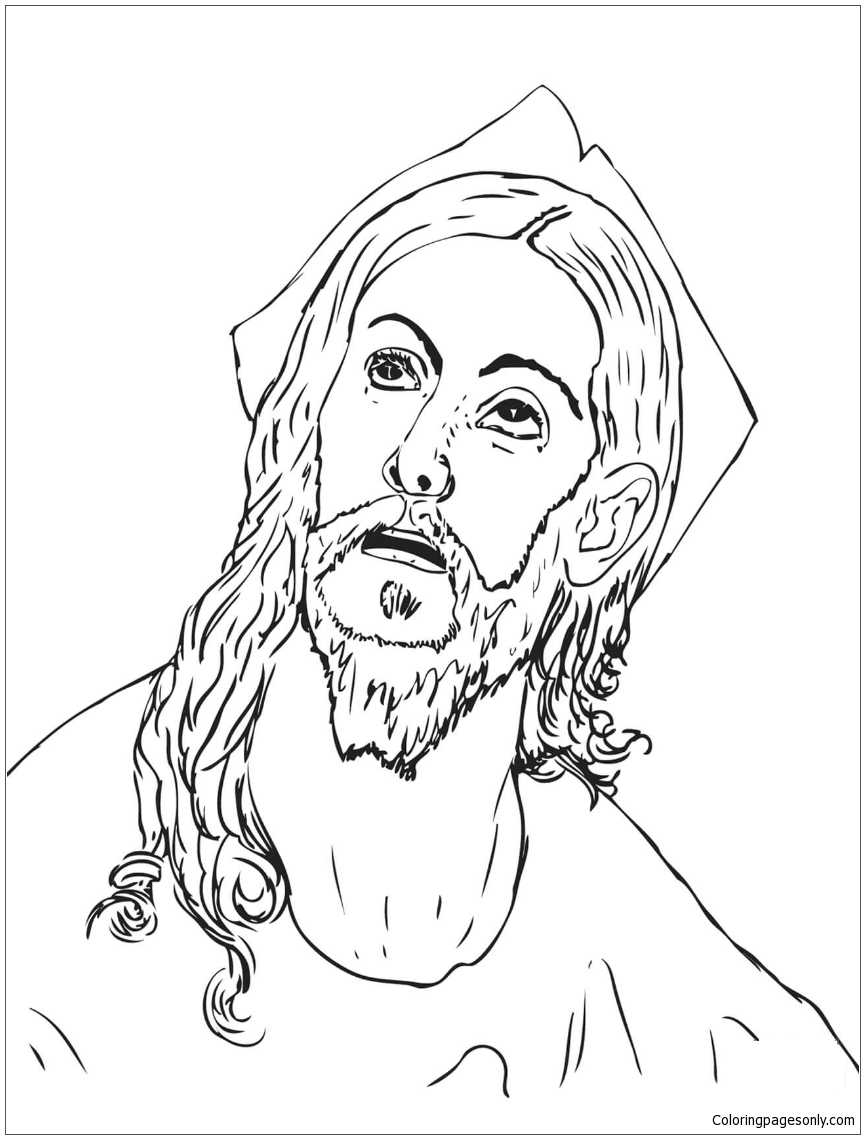
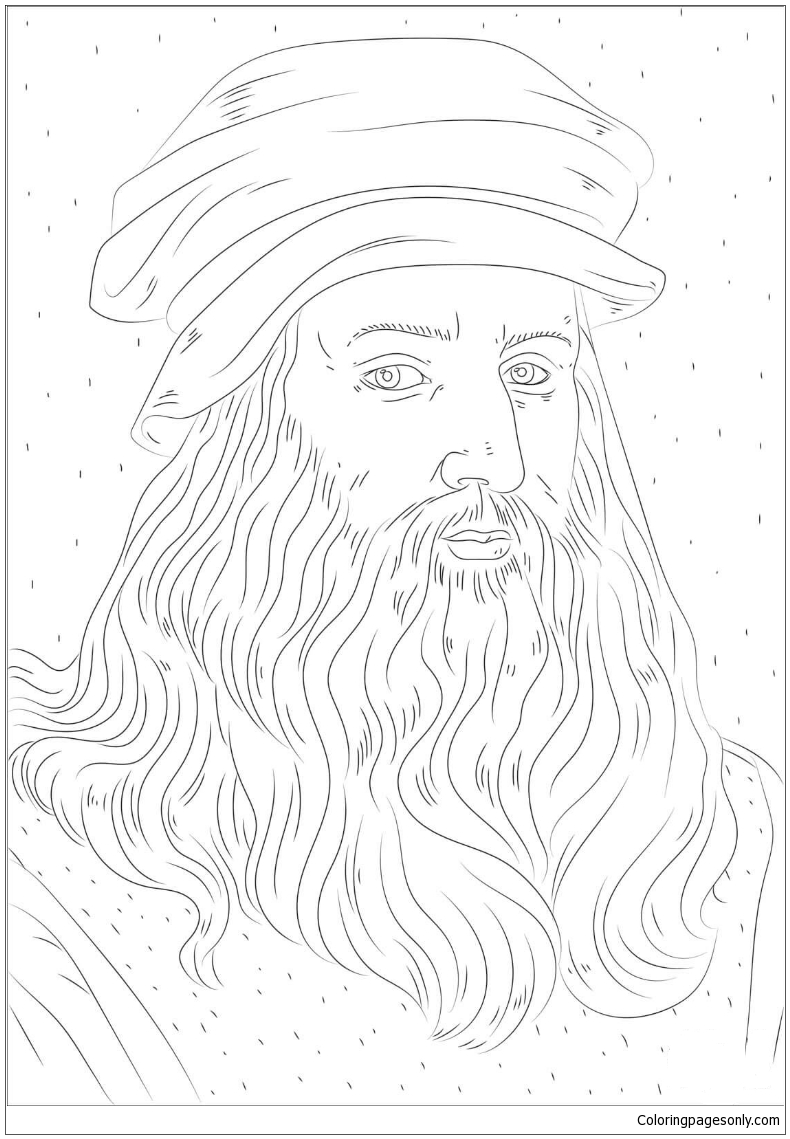
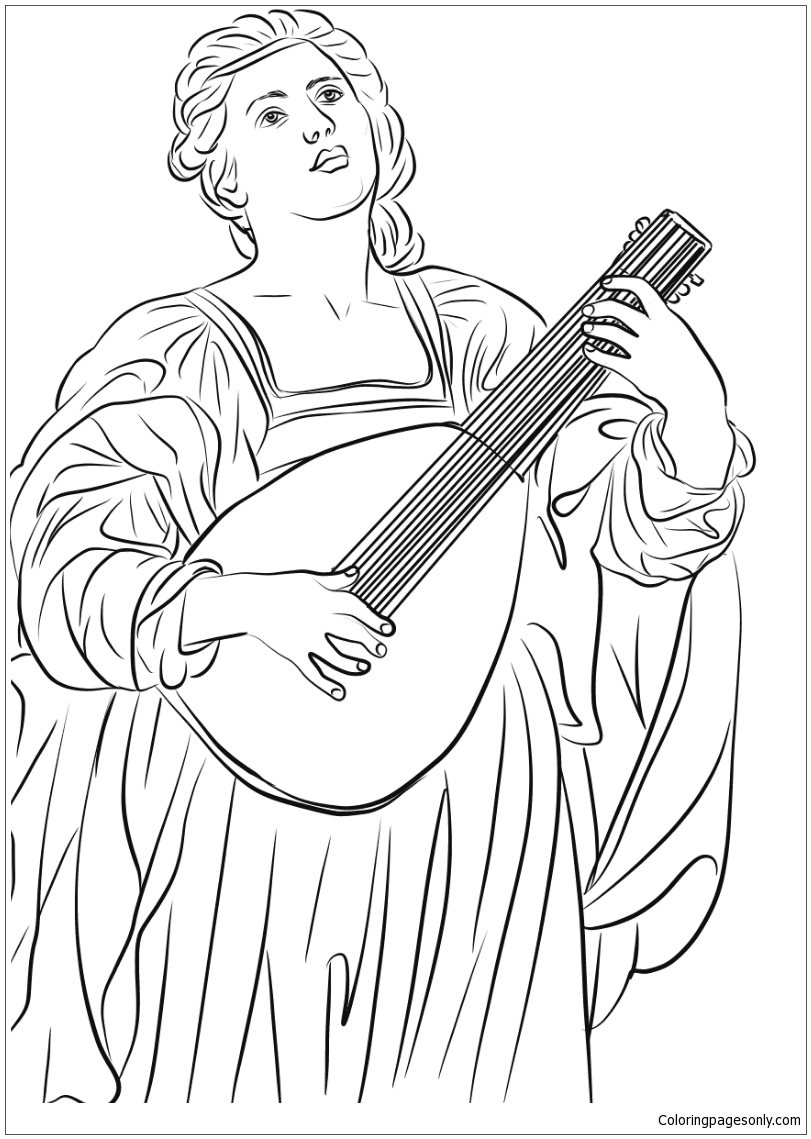
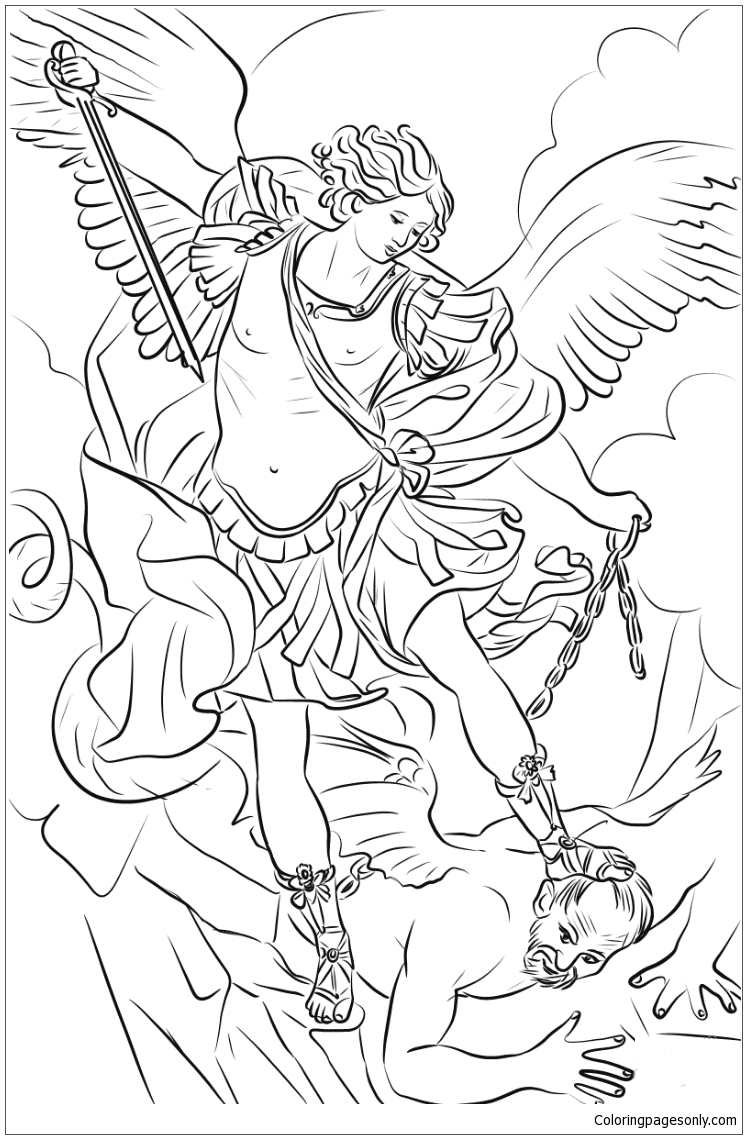
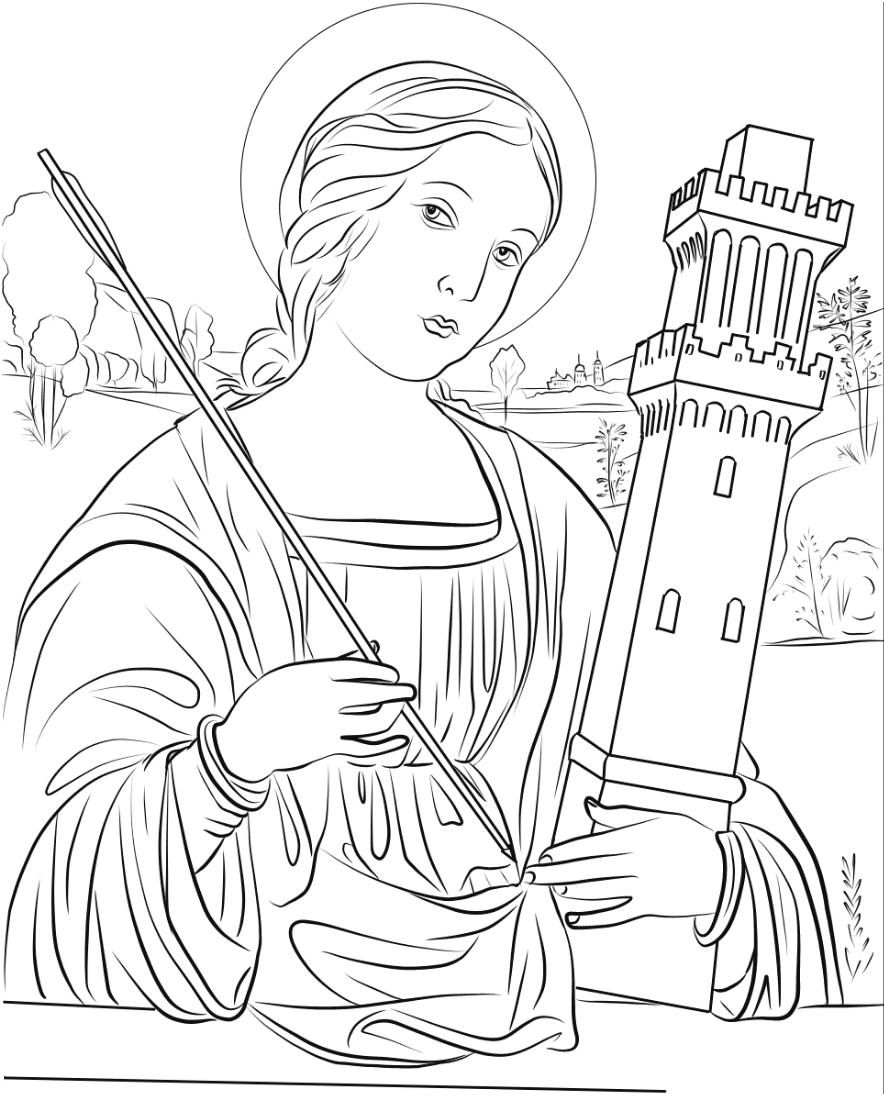
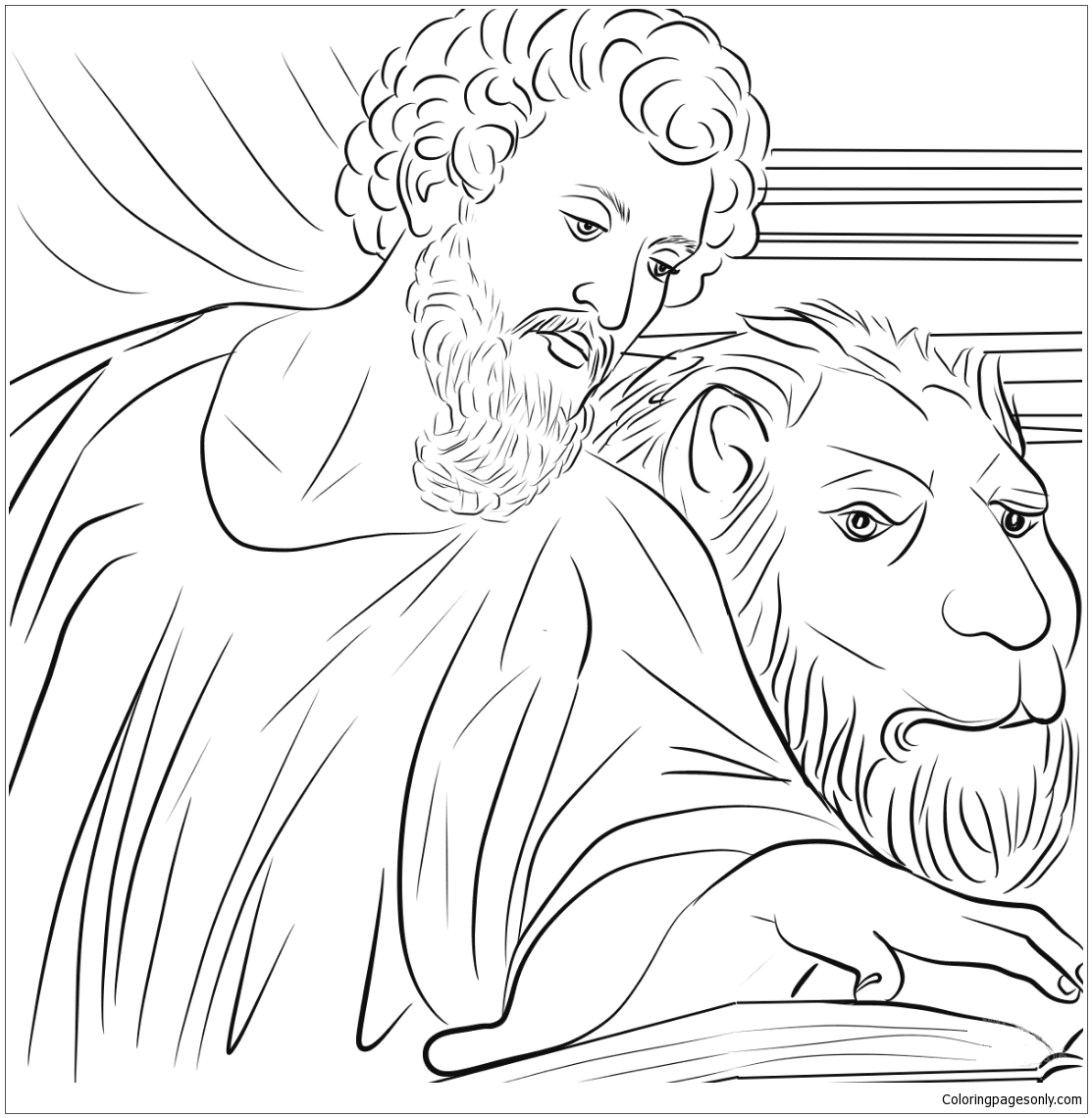
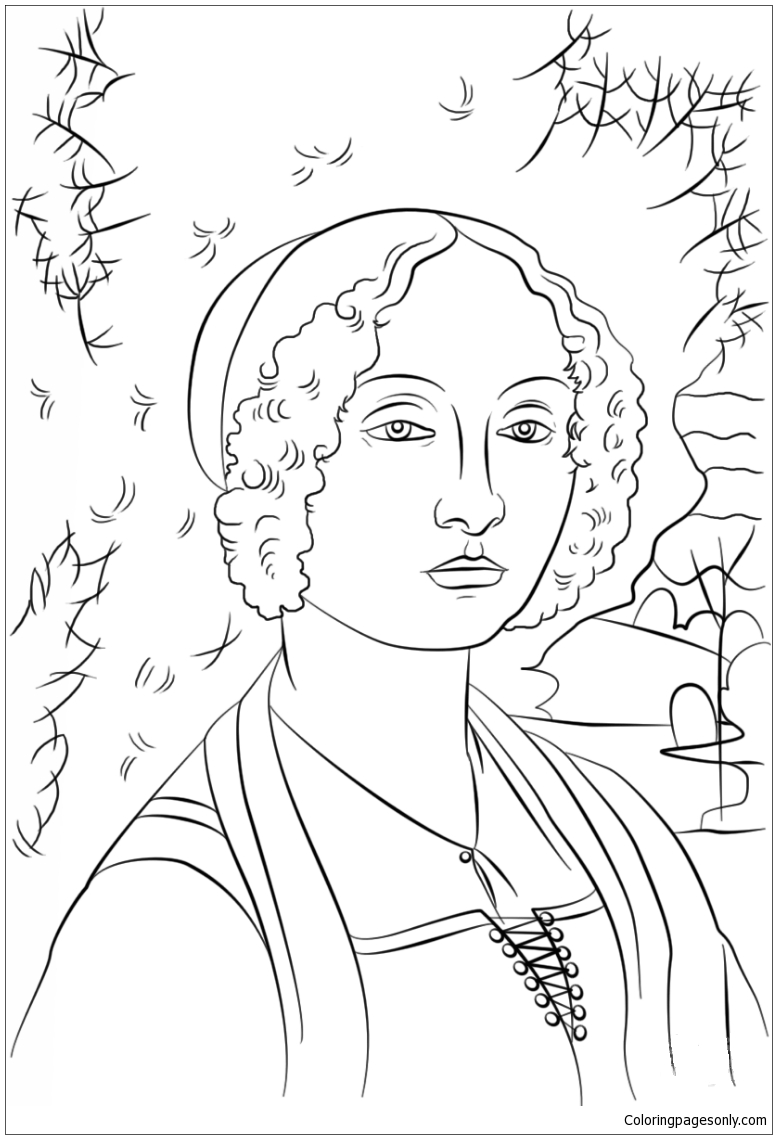
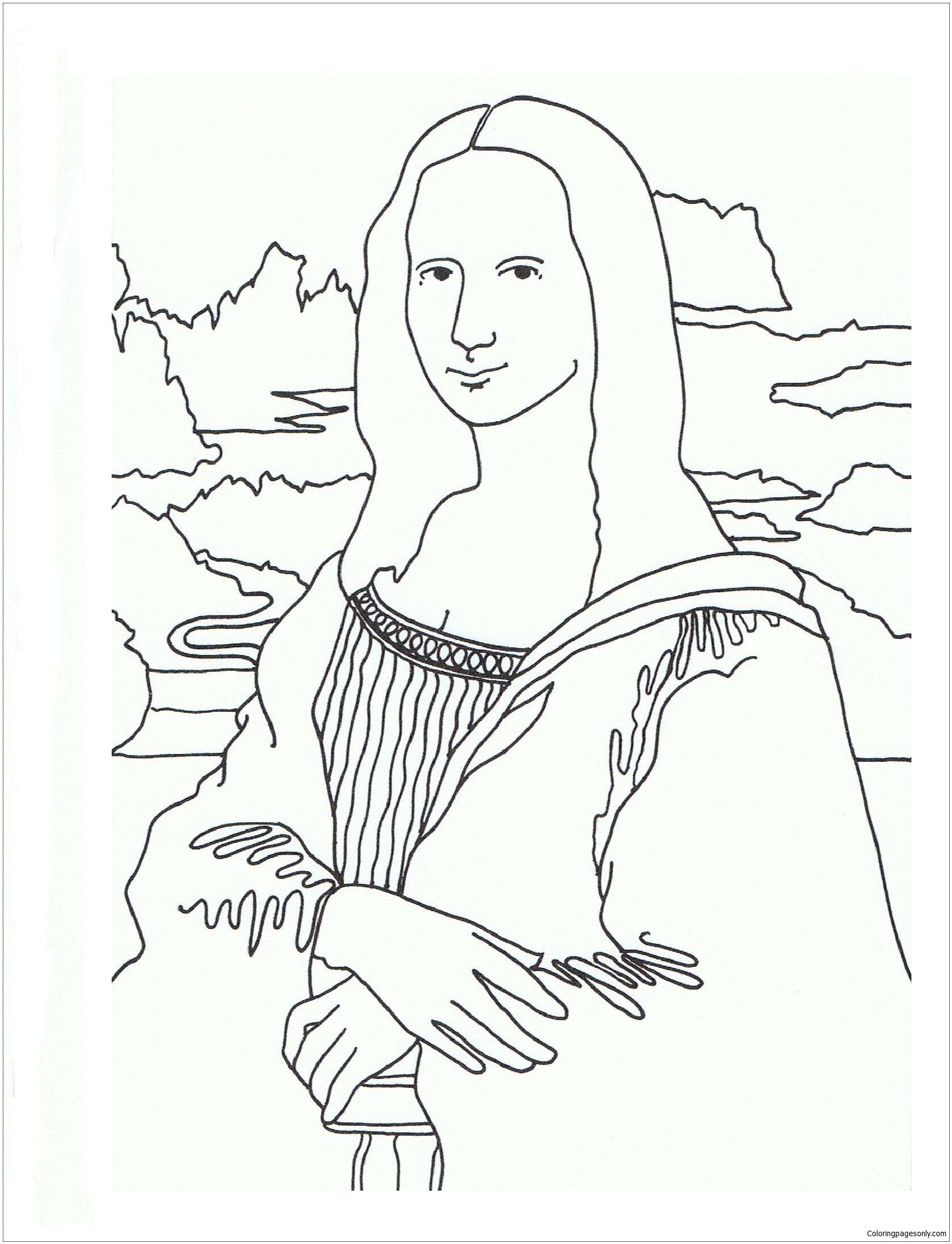
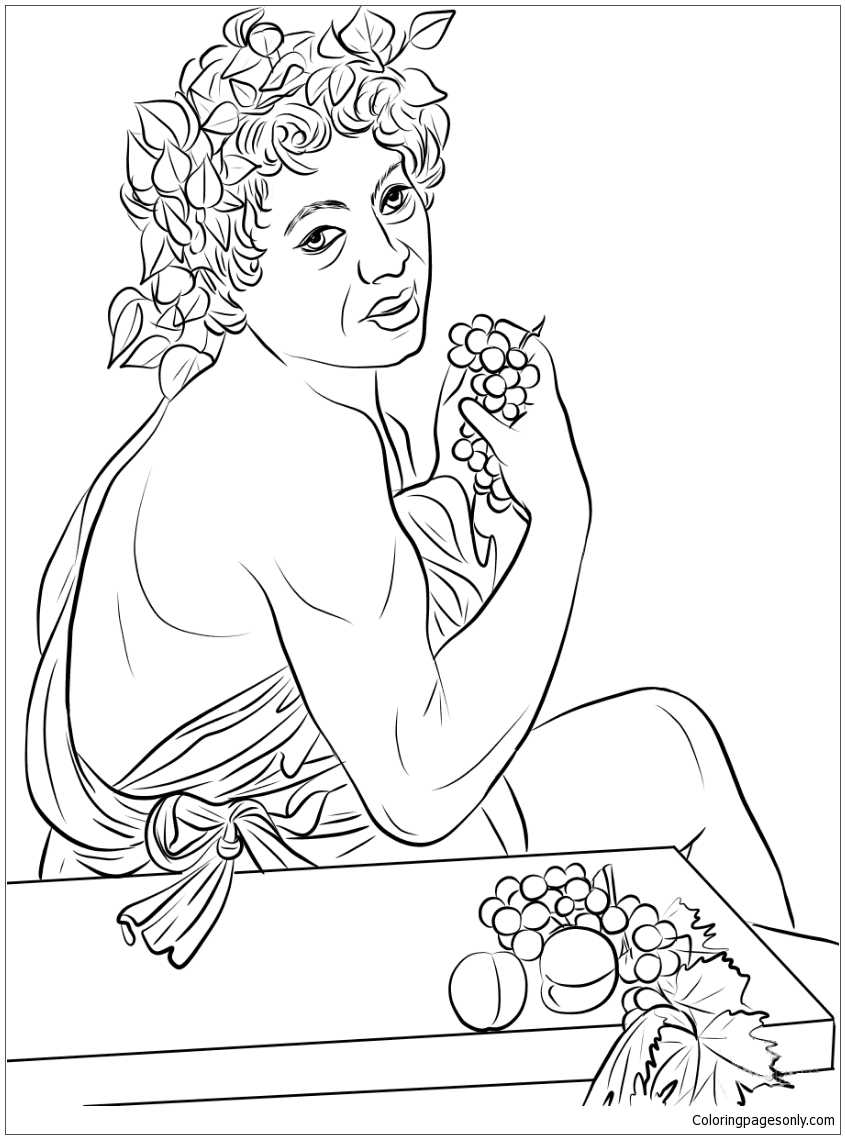
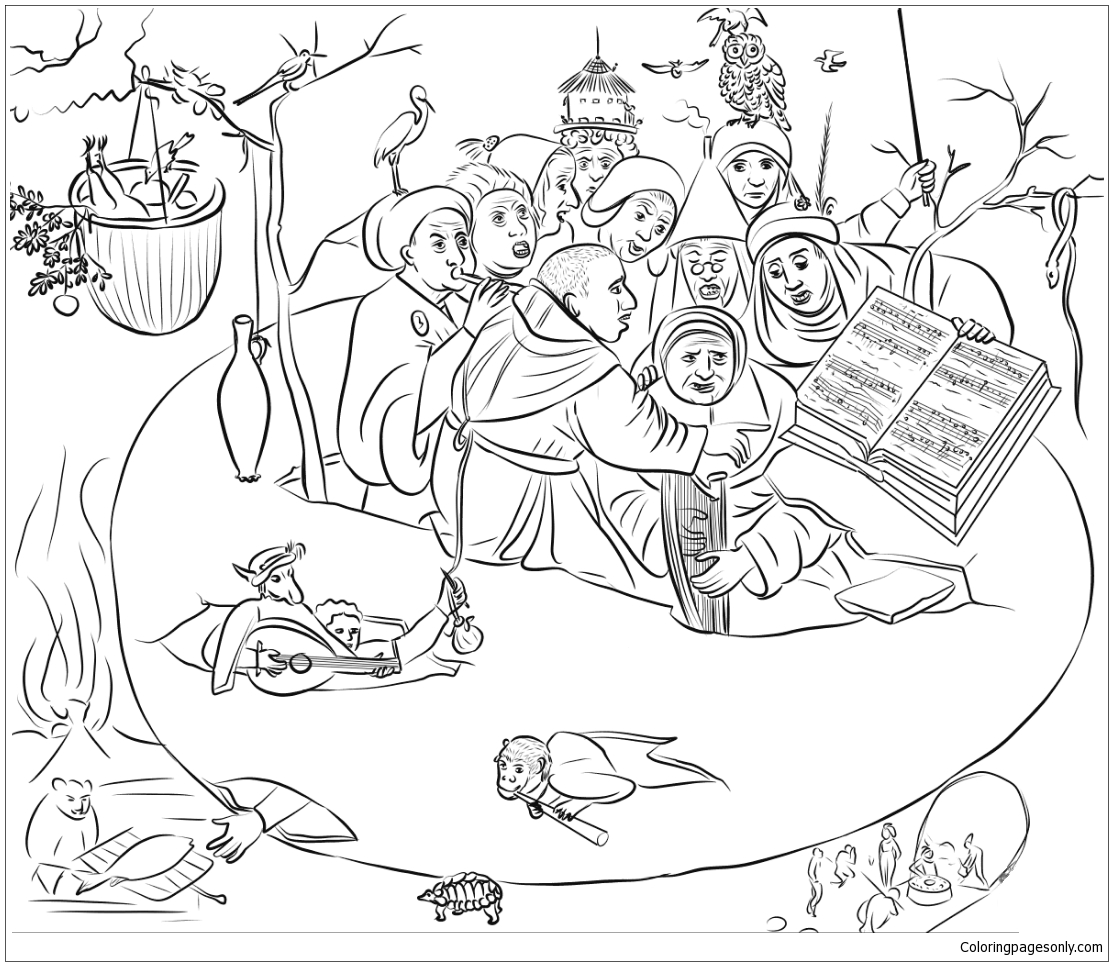
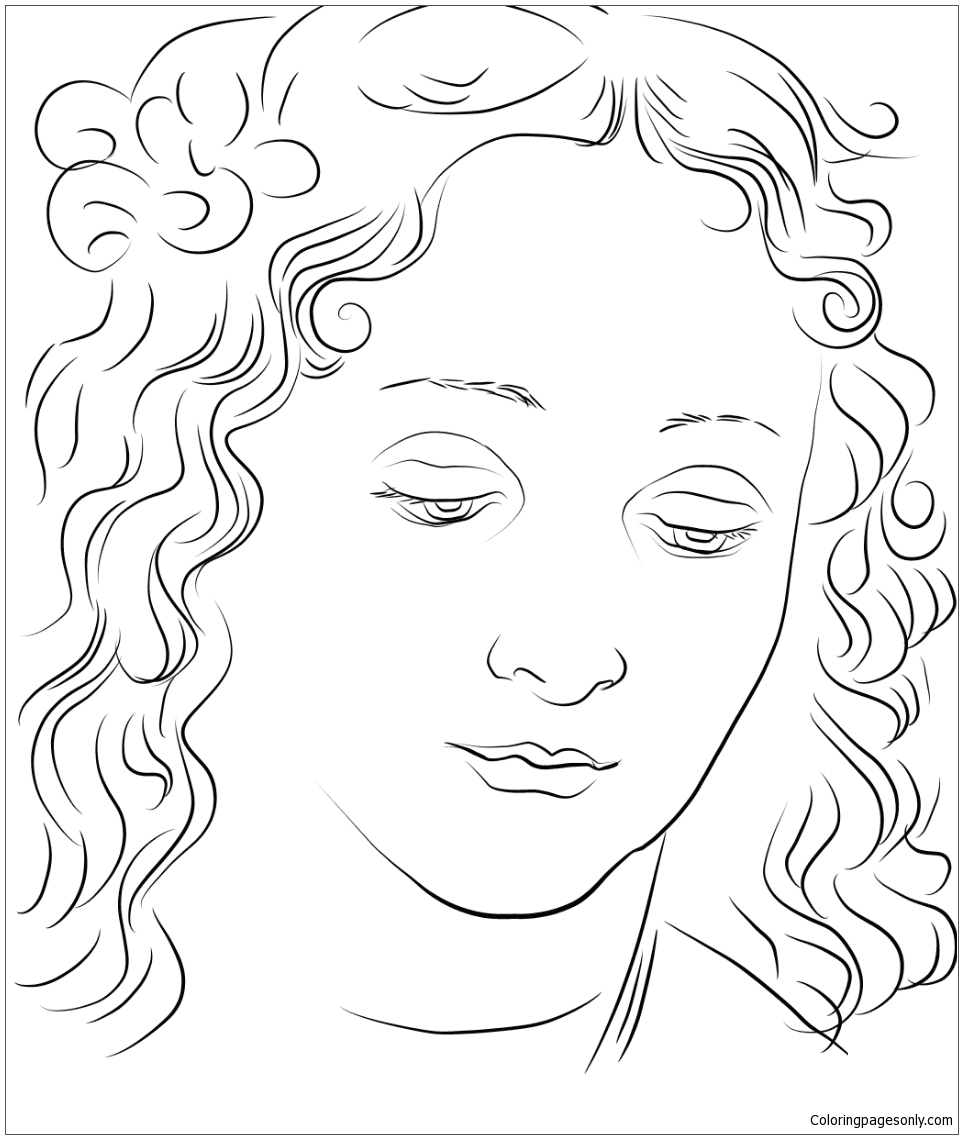
A large portion of this collection reproduces work by painters from the 15th through 17th centuries: Leonardo da Vinci, Raphael, Rembrandt, Caravaggio, El Greco, and Andrea Mantegna, among others. These artists have been dead for centuries, so their paintings are in the public domain worldwide, free of any copyright restrictions, which is part of why they’re such a common subject for coloring pages. Coloring these pages works best with a restrained, earthy palette, deep reds, browns, and gold, since Renaissance and Baroque painters favored rich but controlled color rather than bright, high-contrast tones.
Impressionist and Post-Impressionist Works
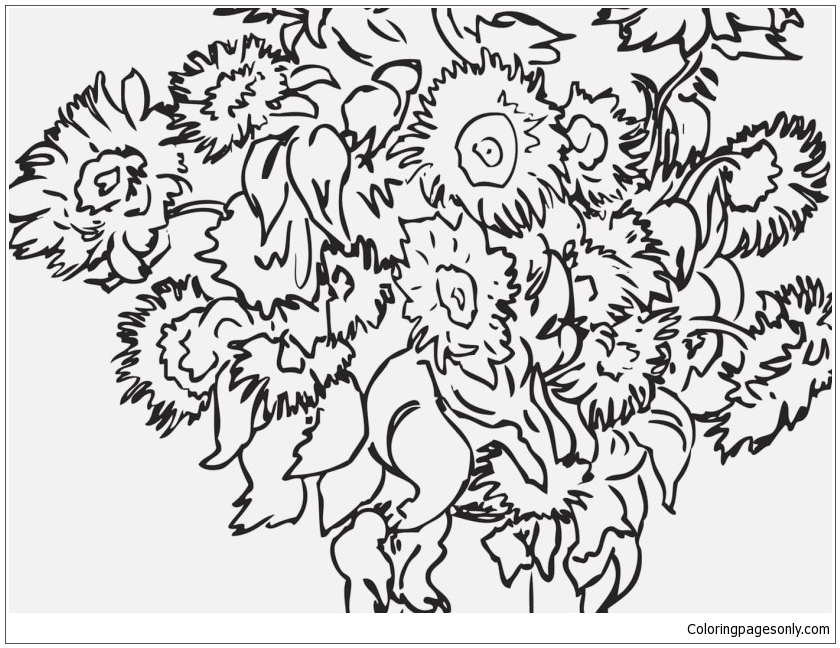
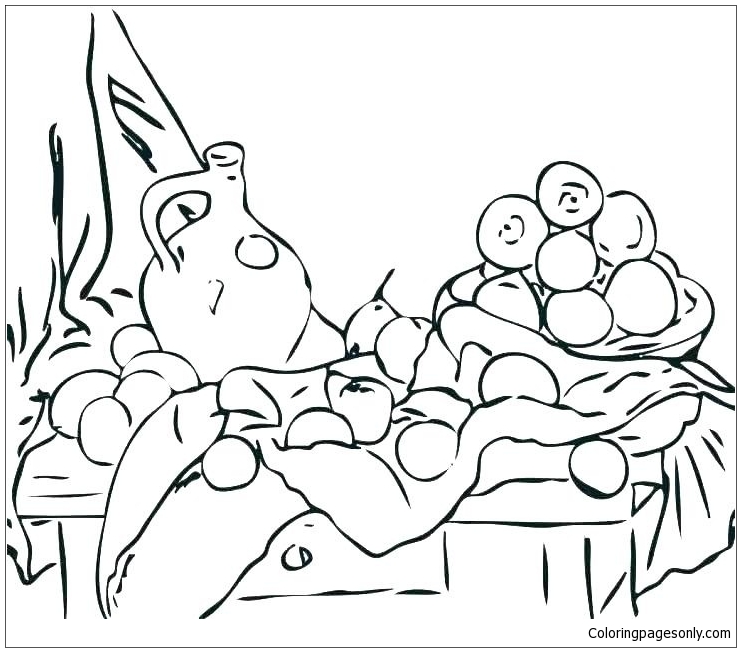
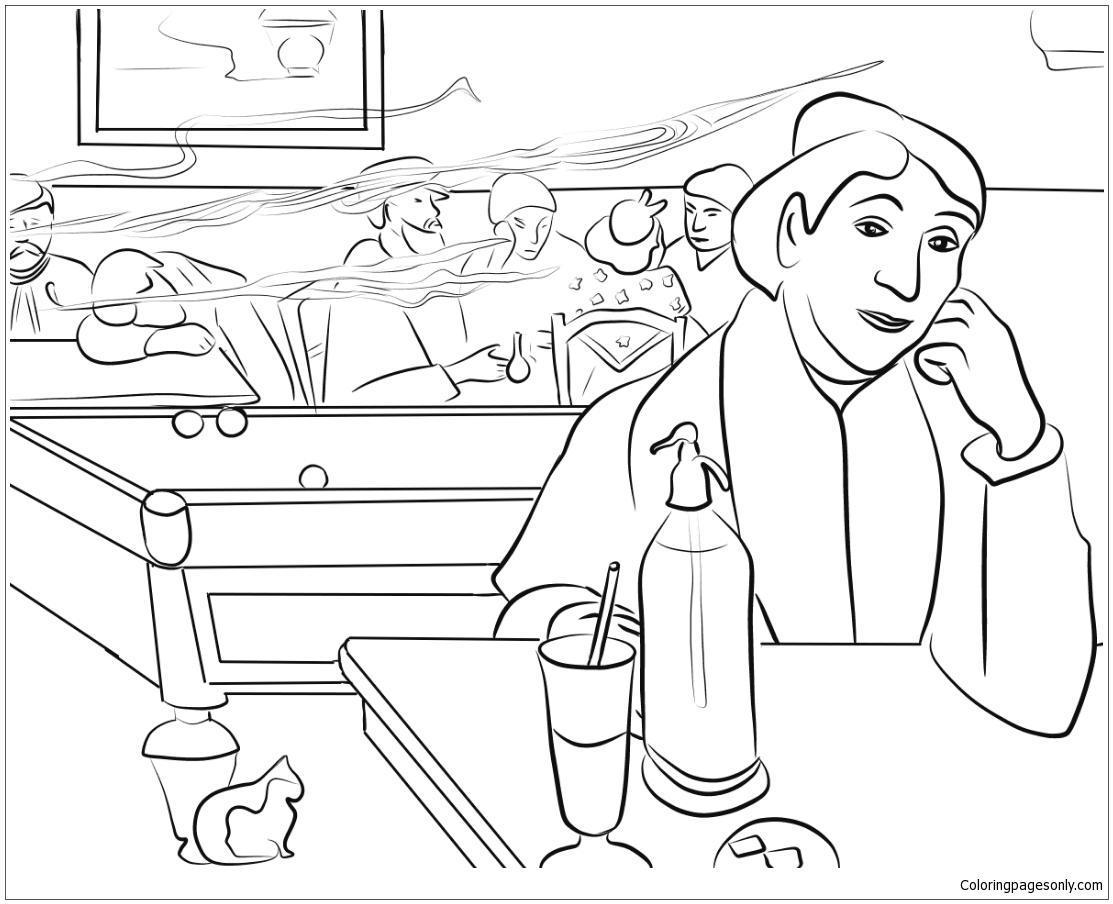
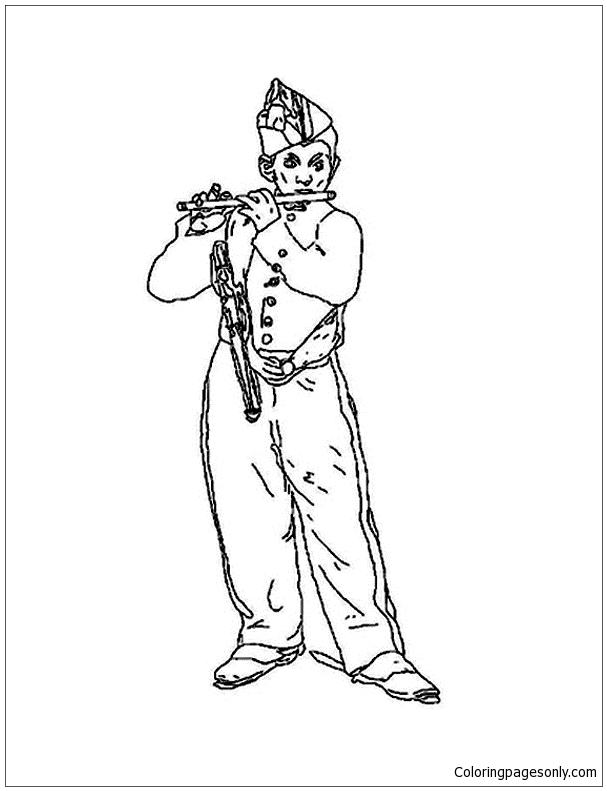
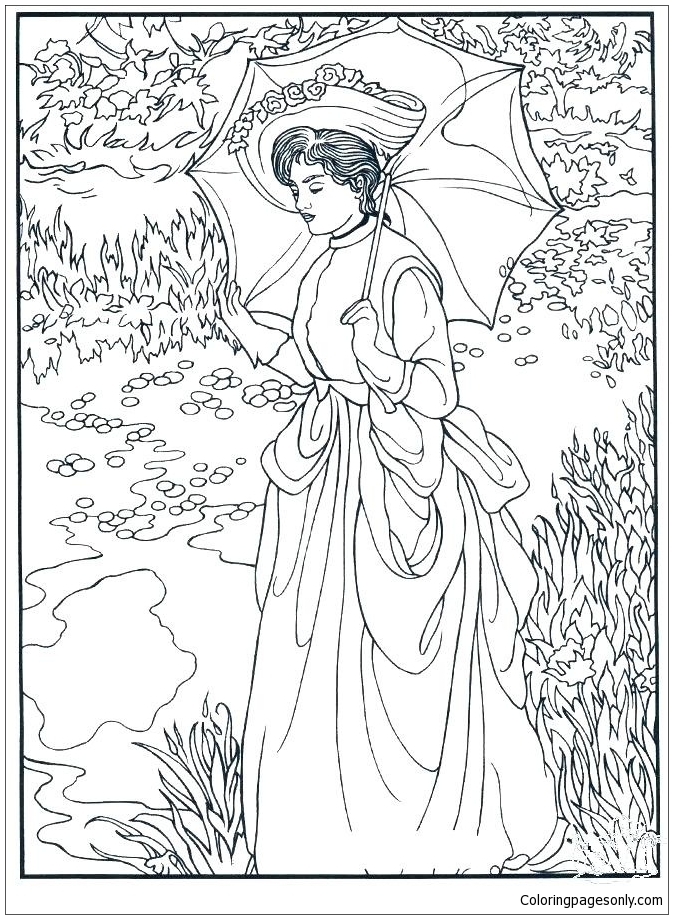
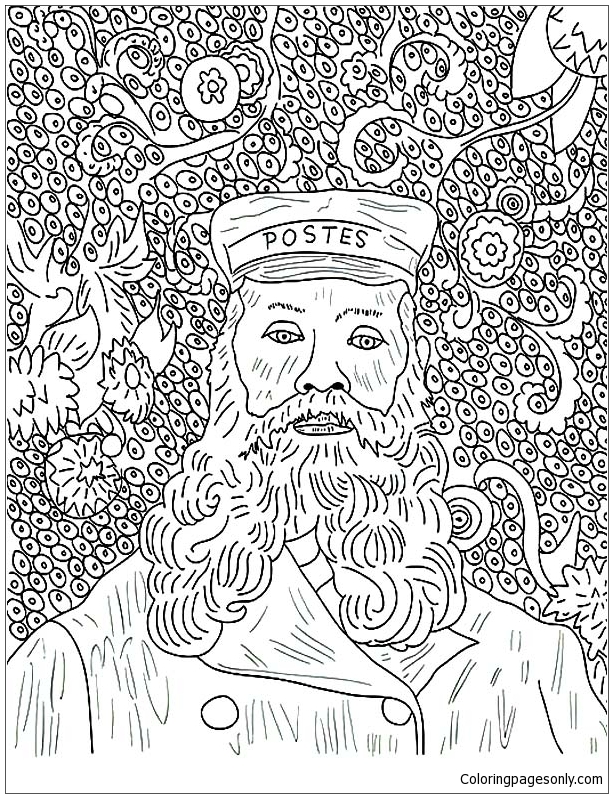
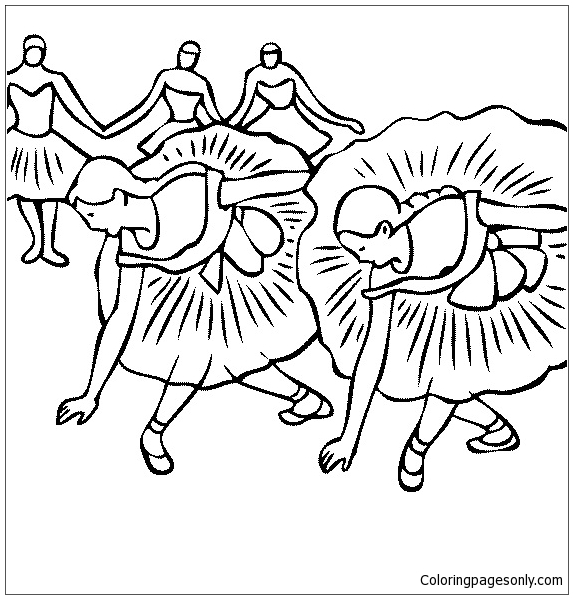
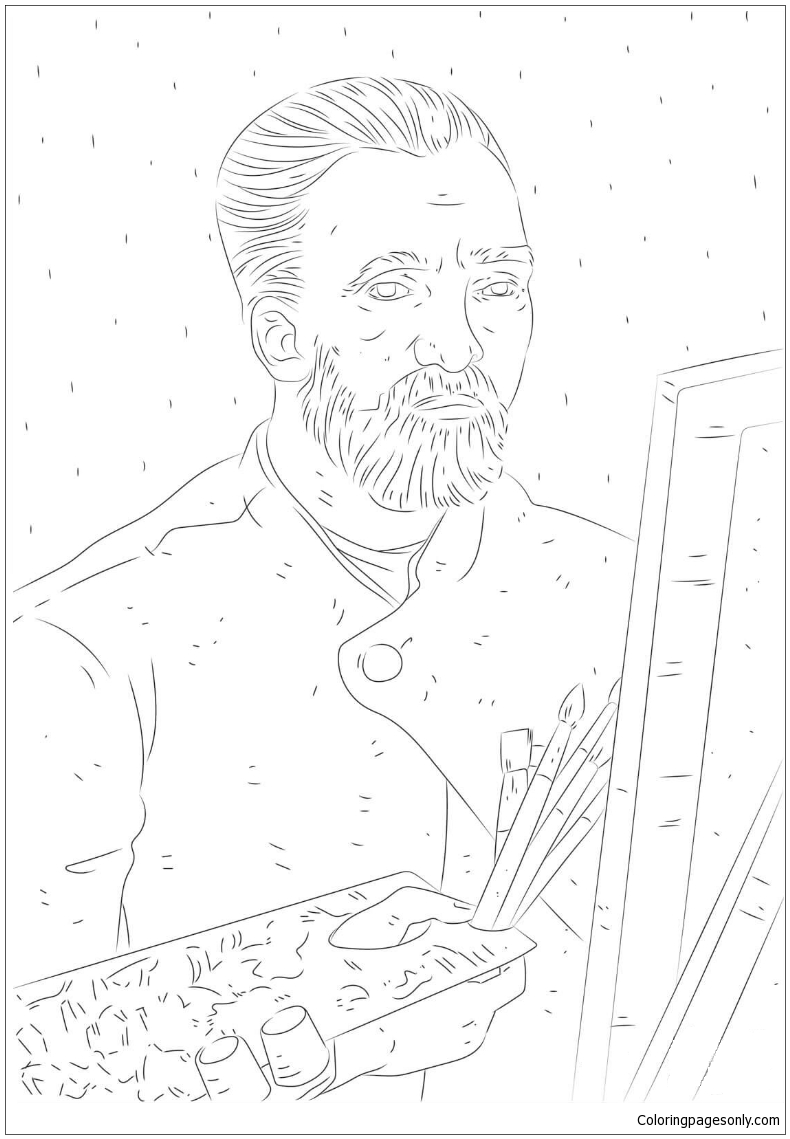
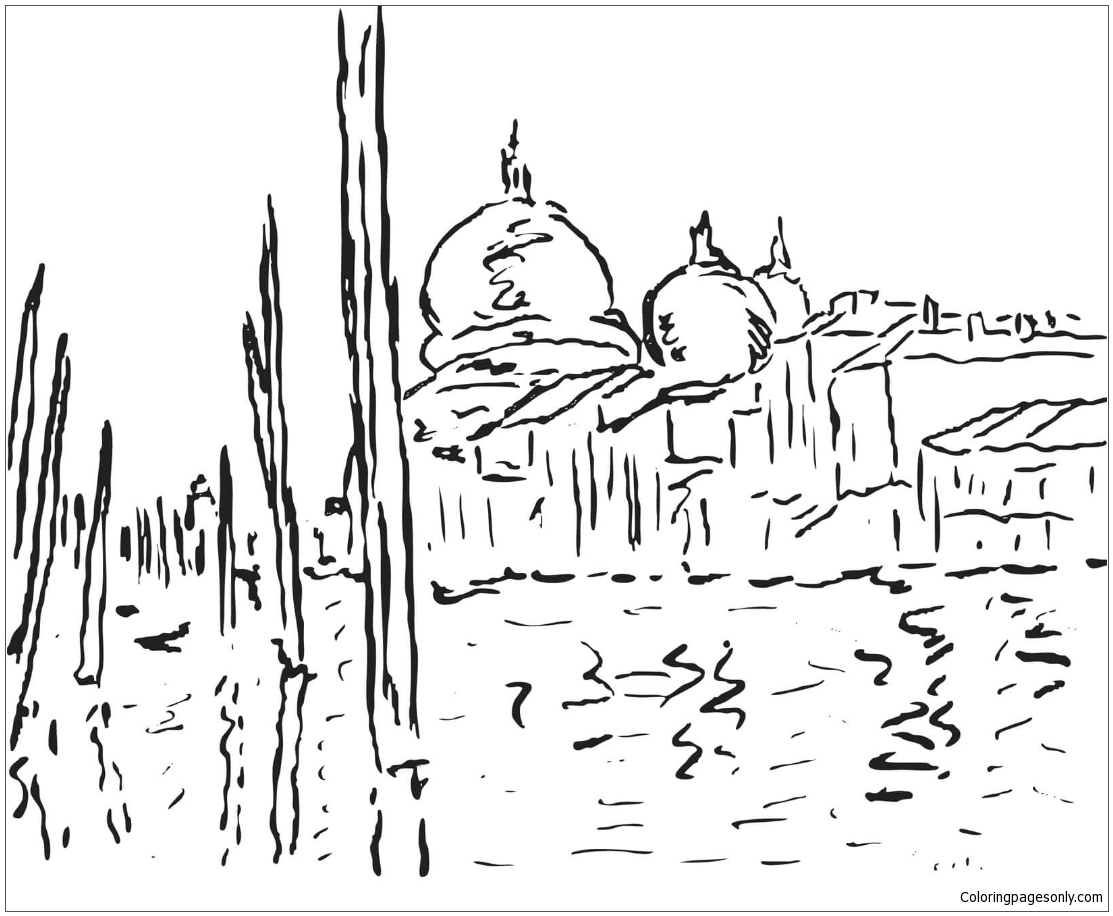
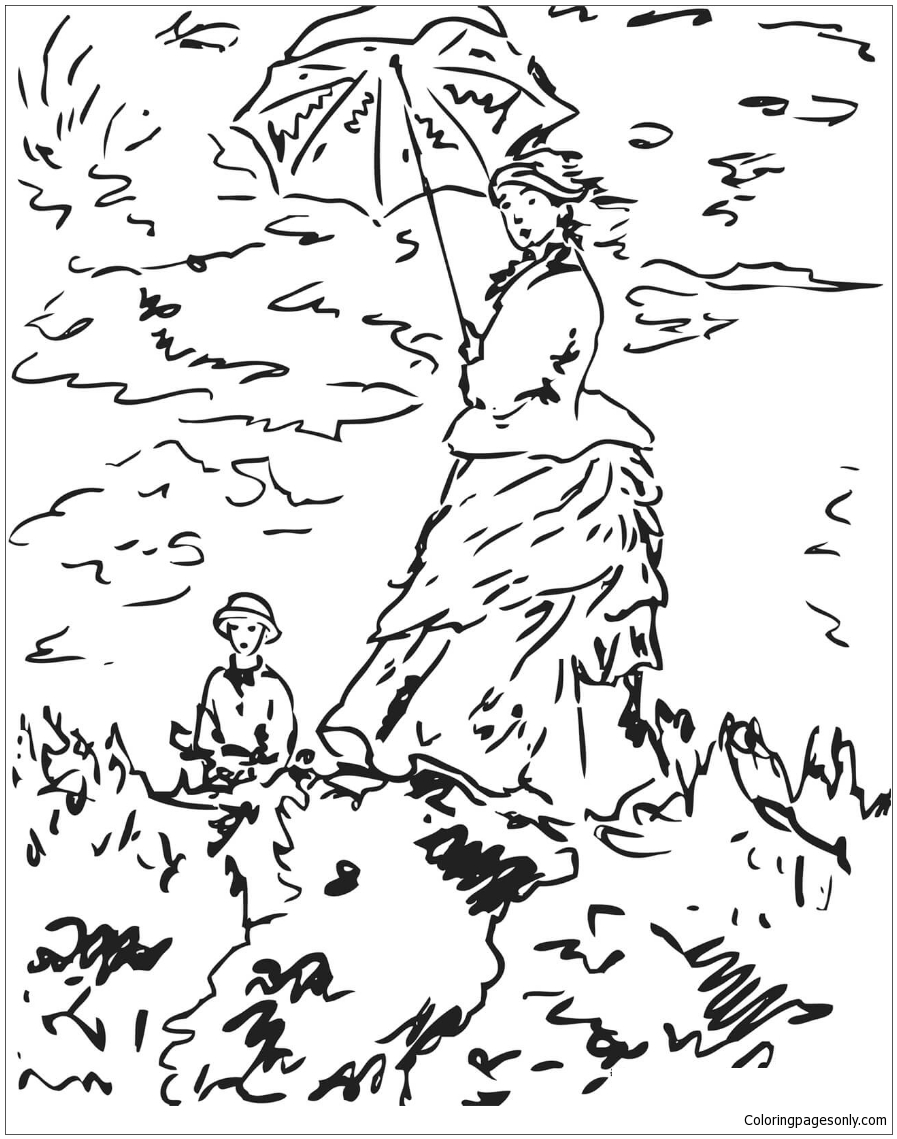
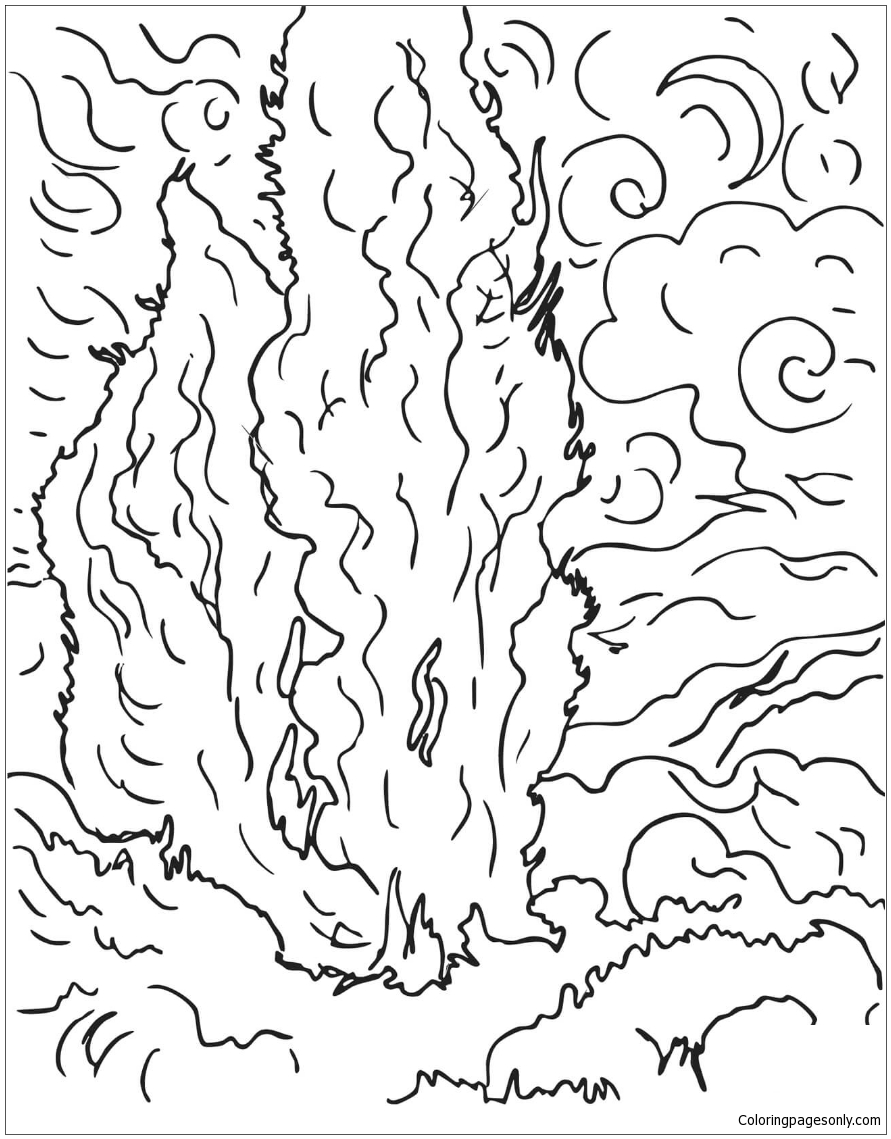
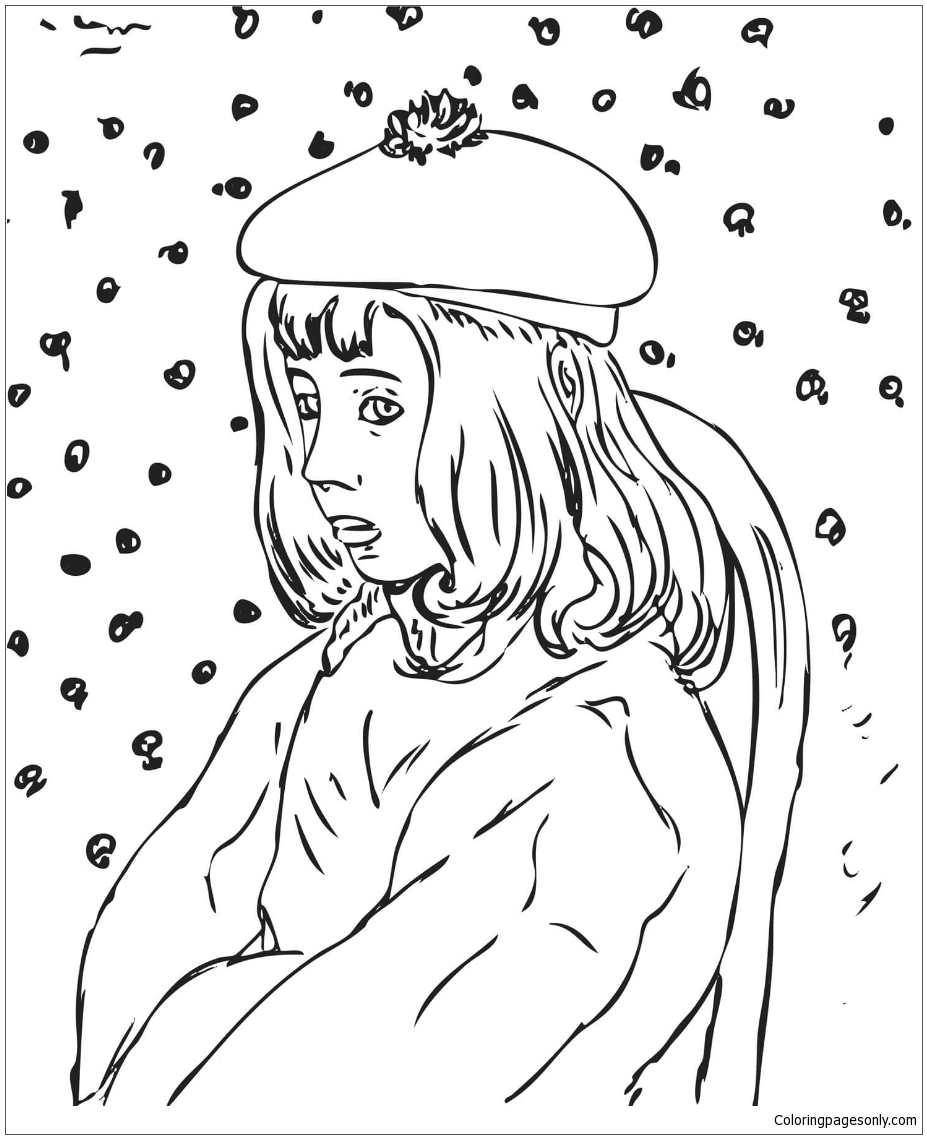
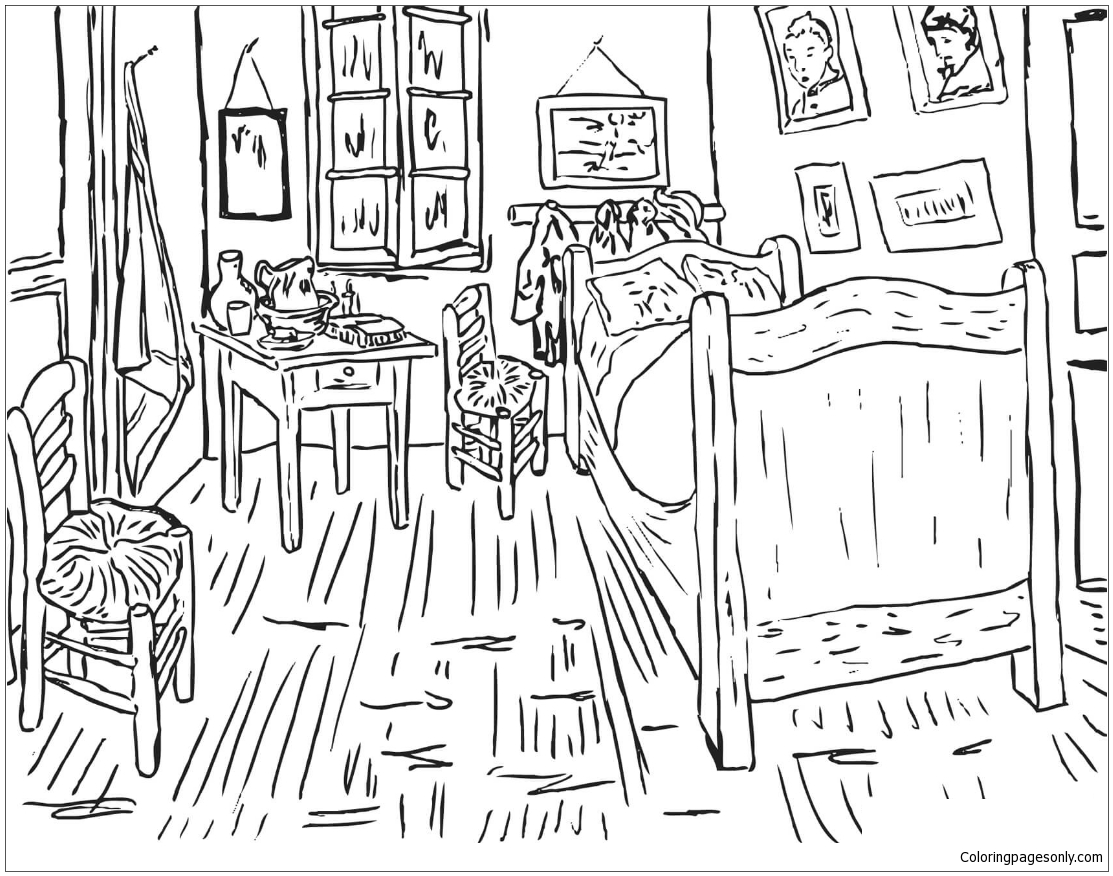
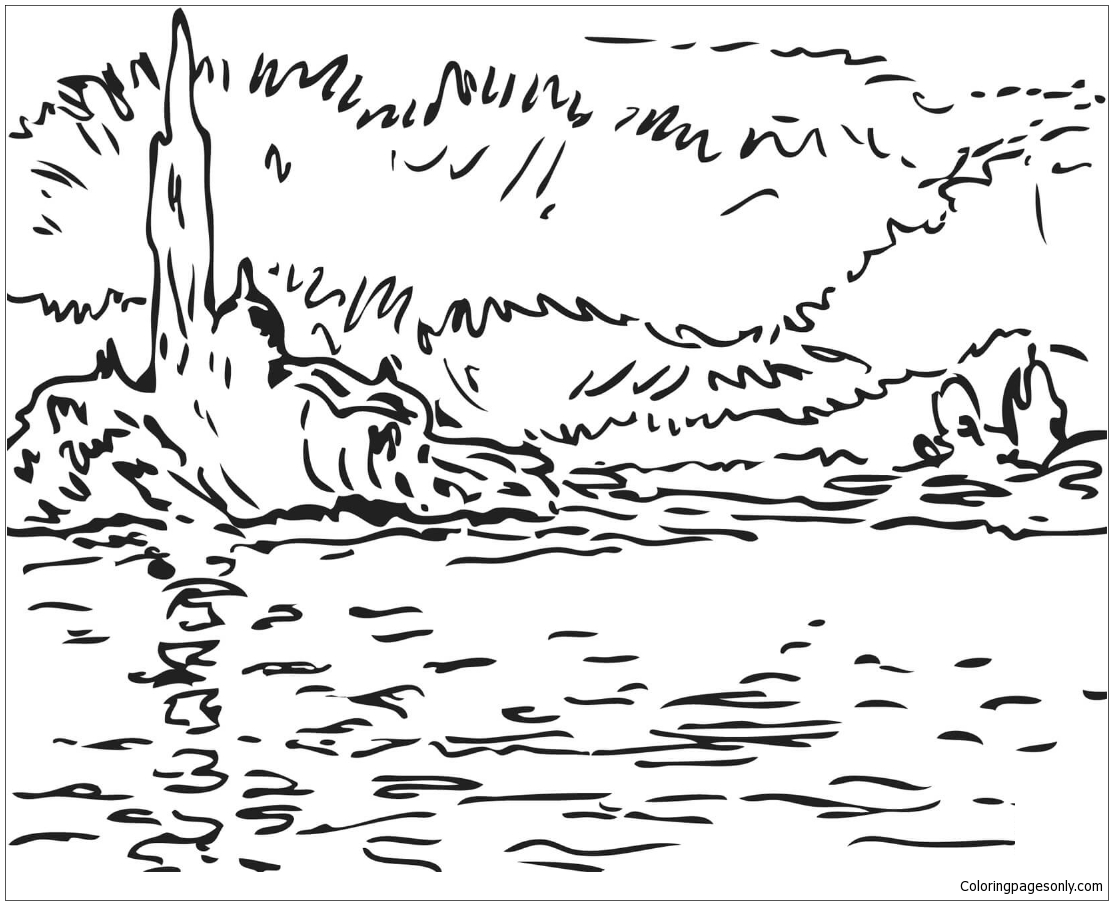
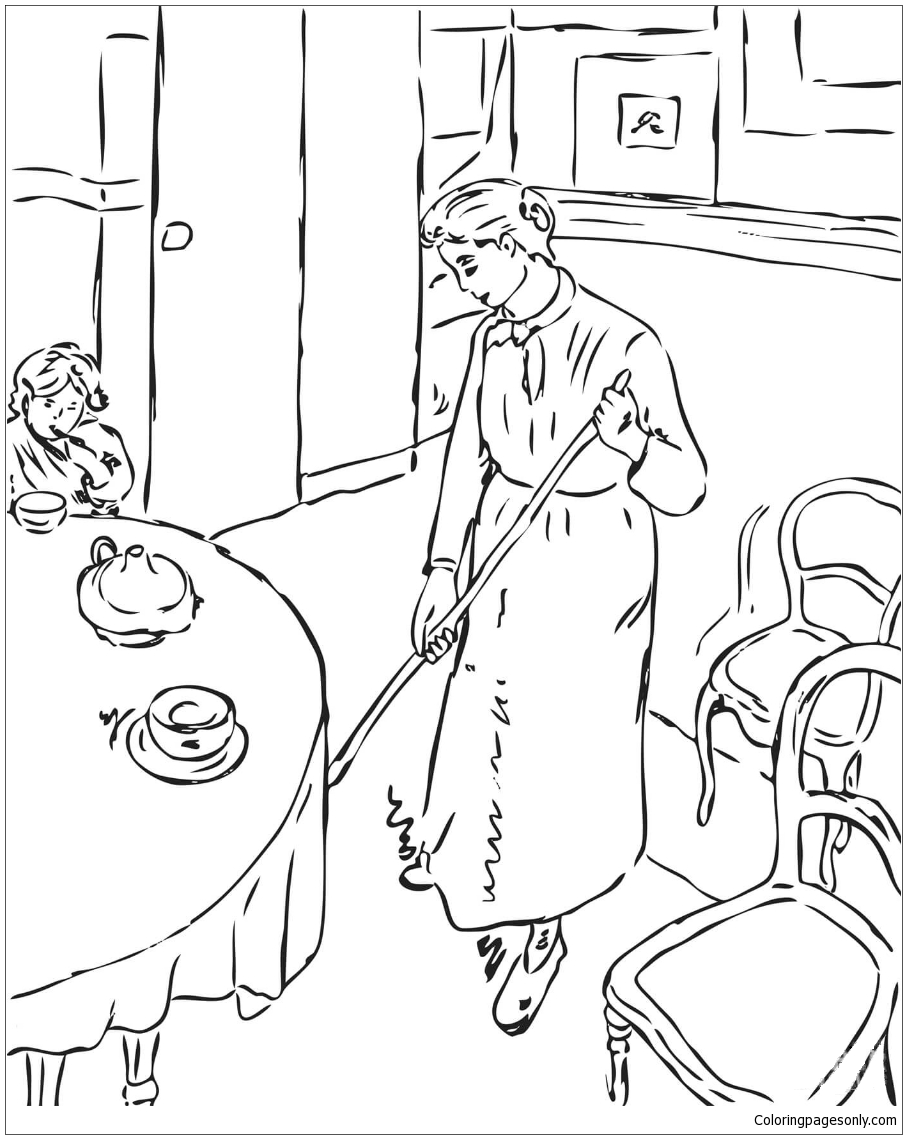
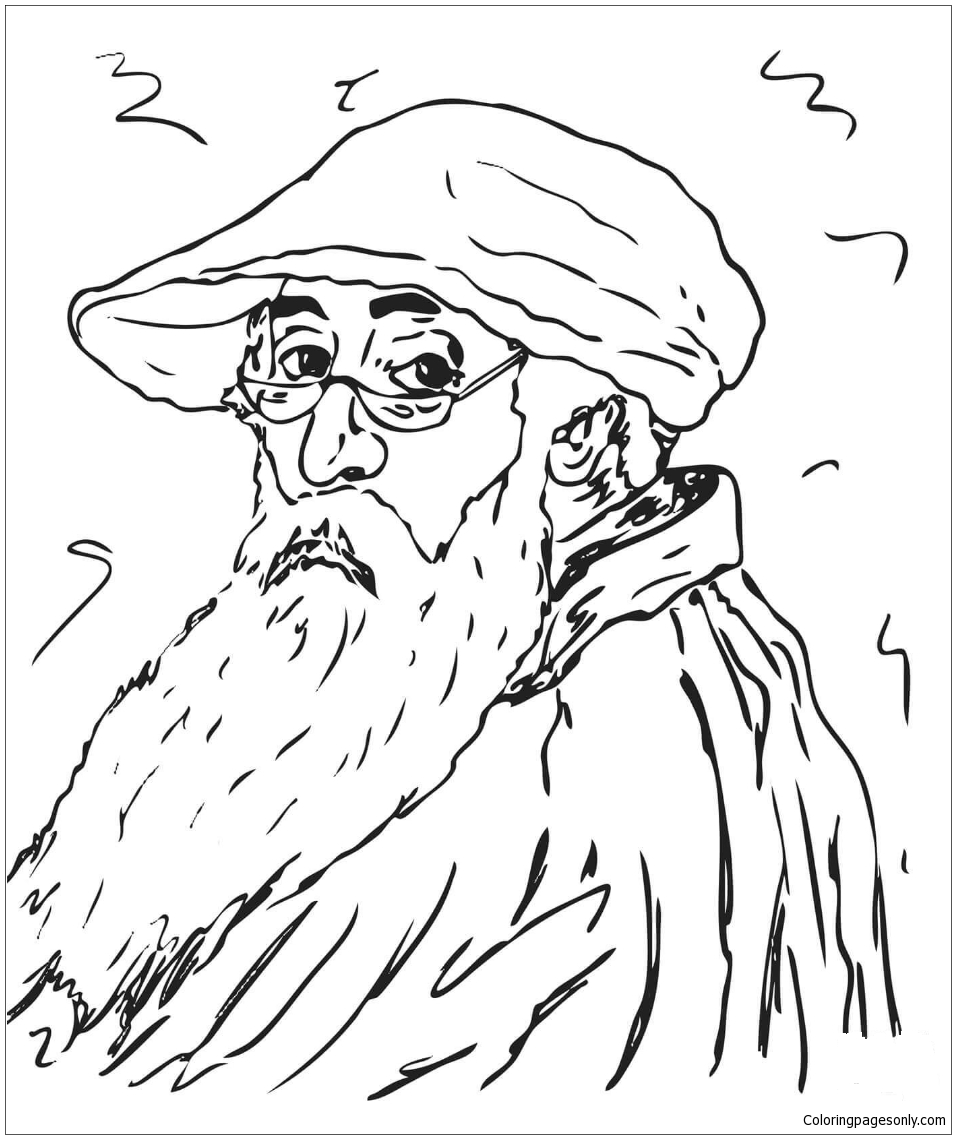
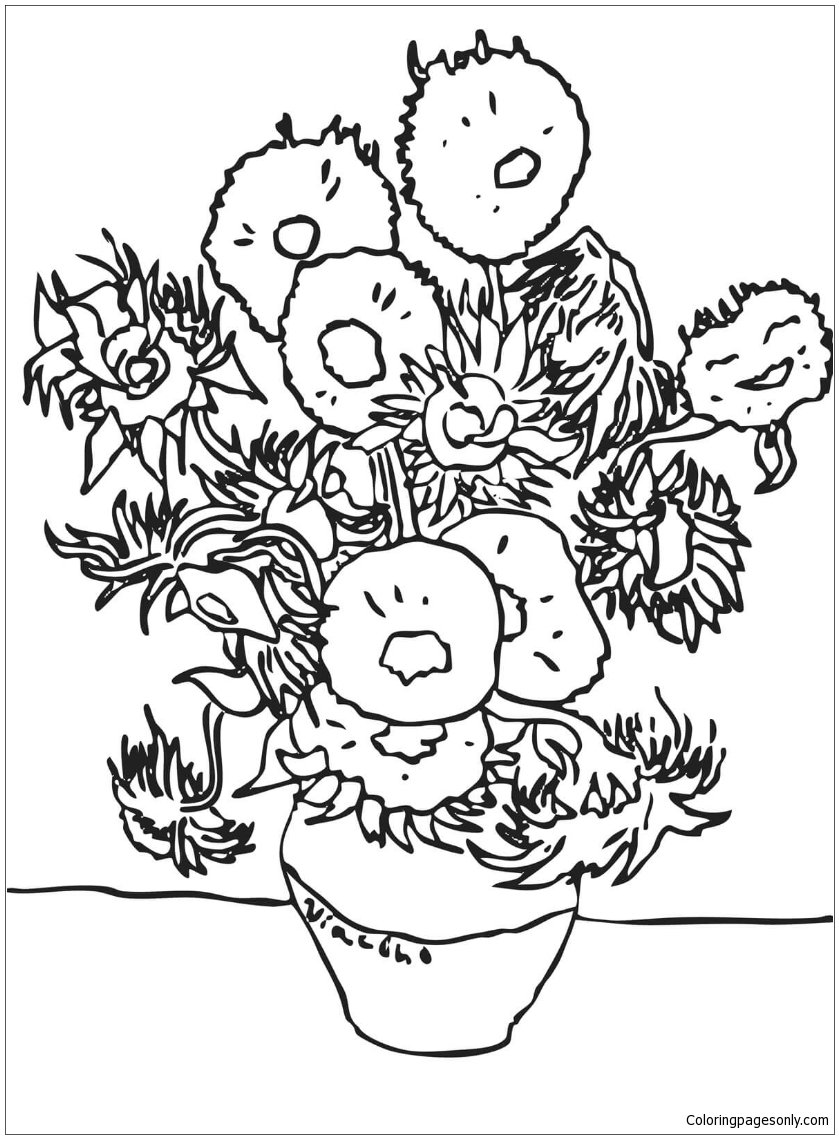
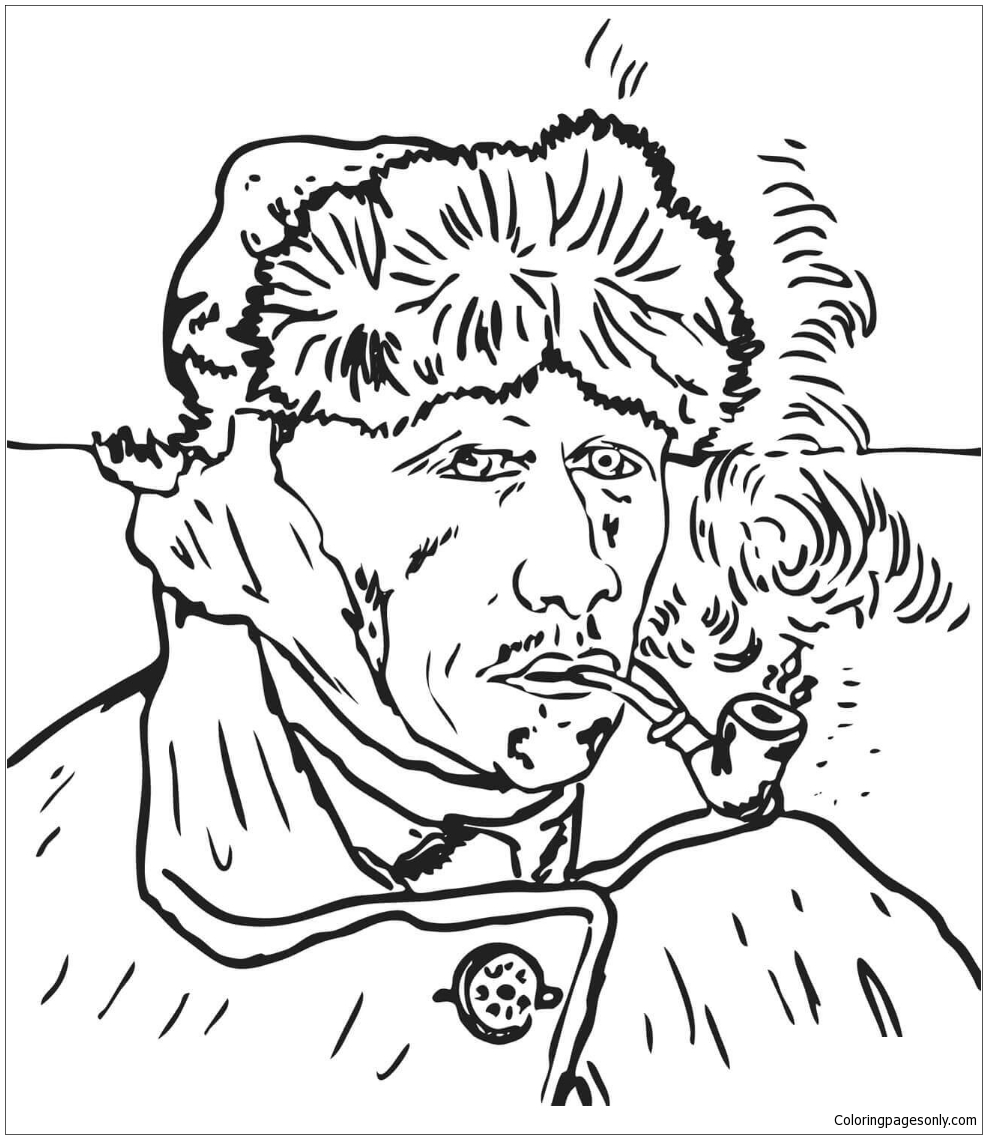
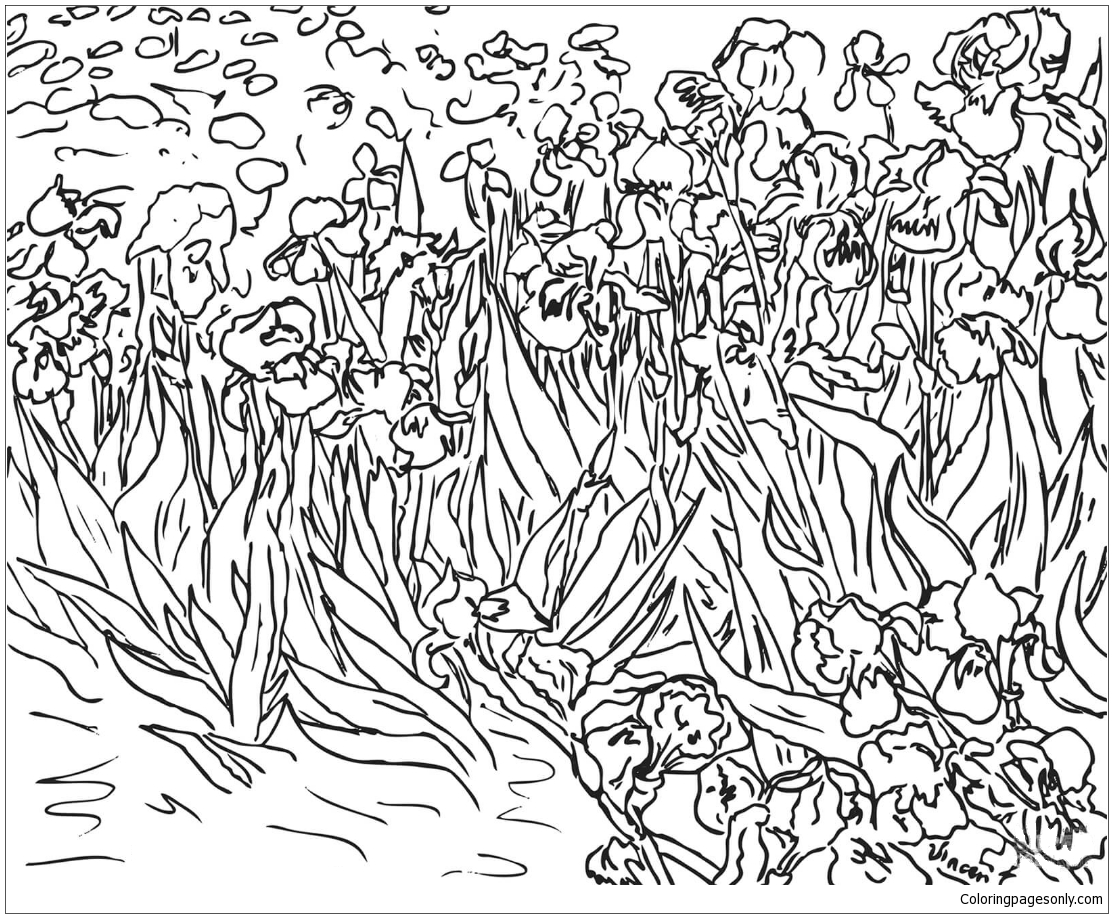
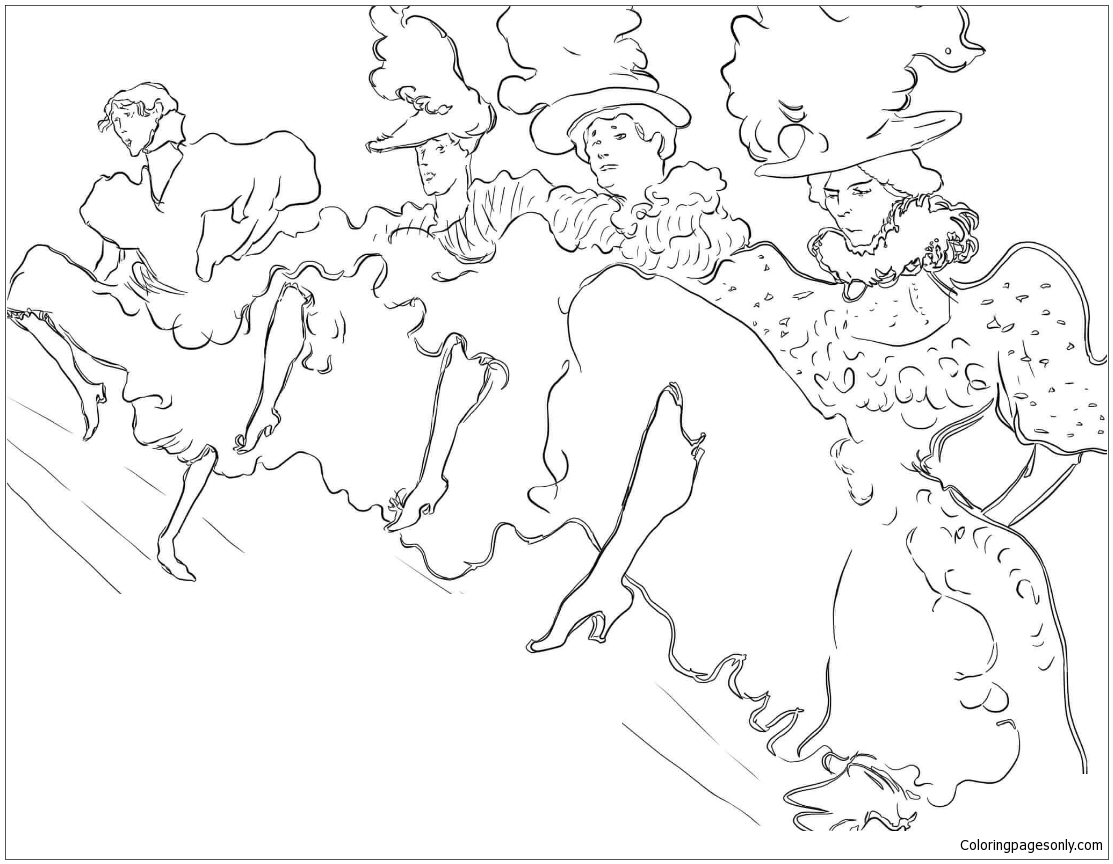
Another large group draws from painters working in France in the late 1800s: Claude Monet, Pierre-Auguste Renoir, Edgar Degas, Vincent van Gogh, Paul Gauguin, Paul Cézanne, and Henri de Toulouse-Lautrec. Like the Renaissance and Baroque groups, these artists died well over a century ago, so their work is also in the public domain. Impressionist color tends to be lighter and more broken into visible strokes, so using several close shades of the same color rather than one flat fill captures that effect better on a coloring page.
Early Modernist Works
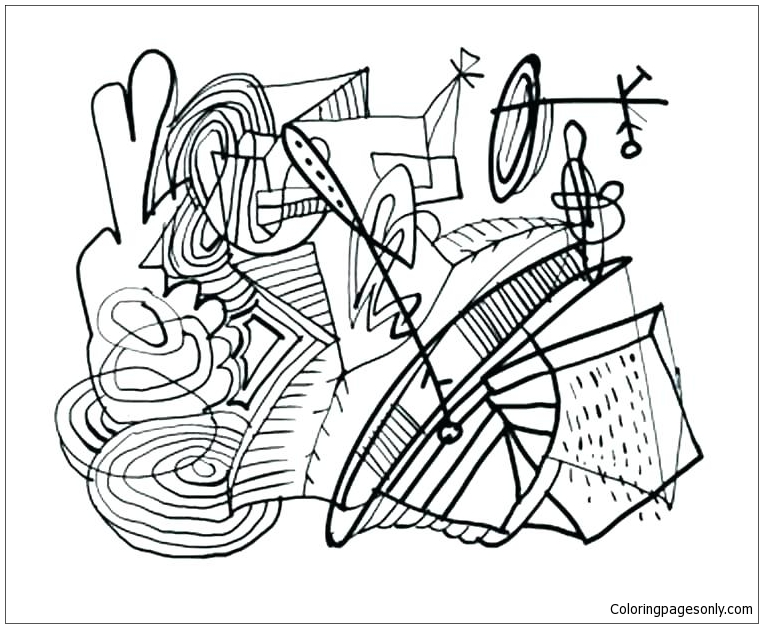
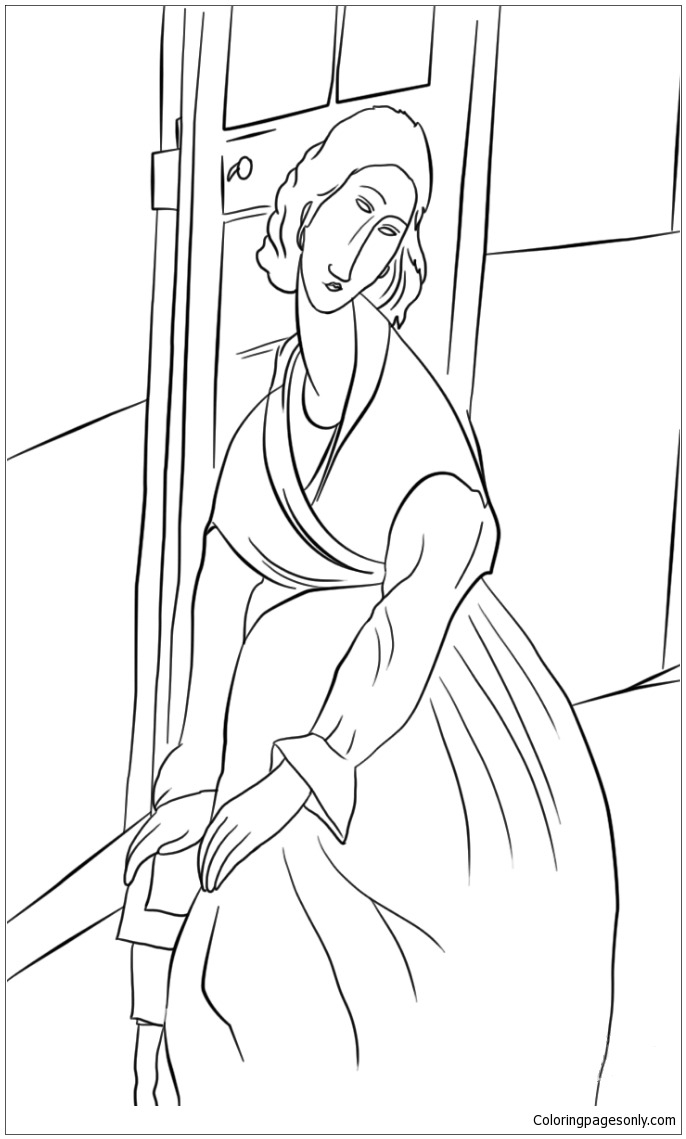
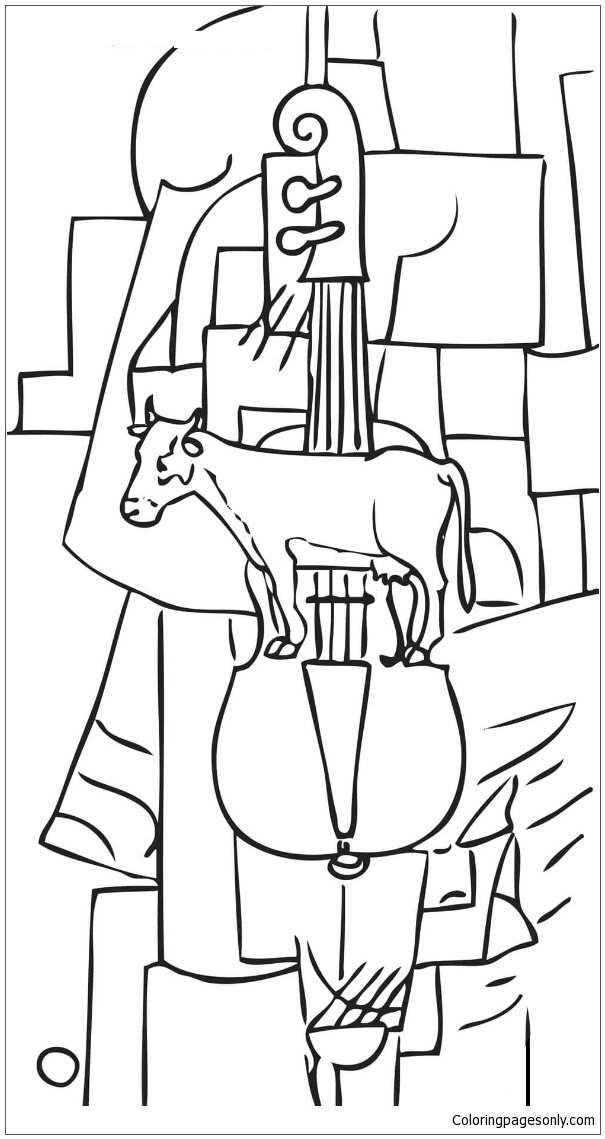
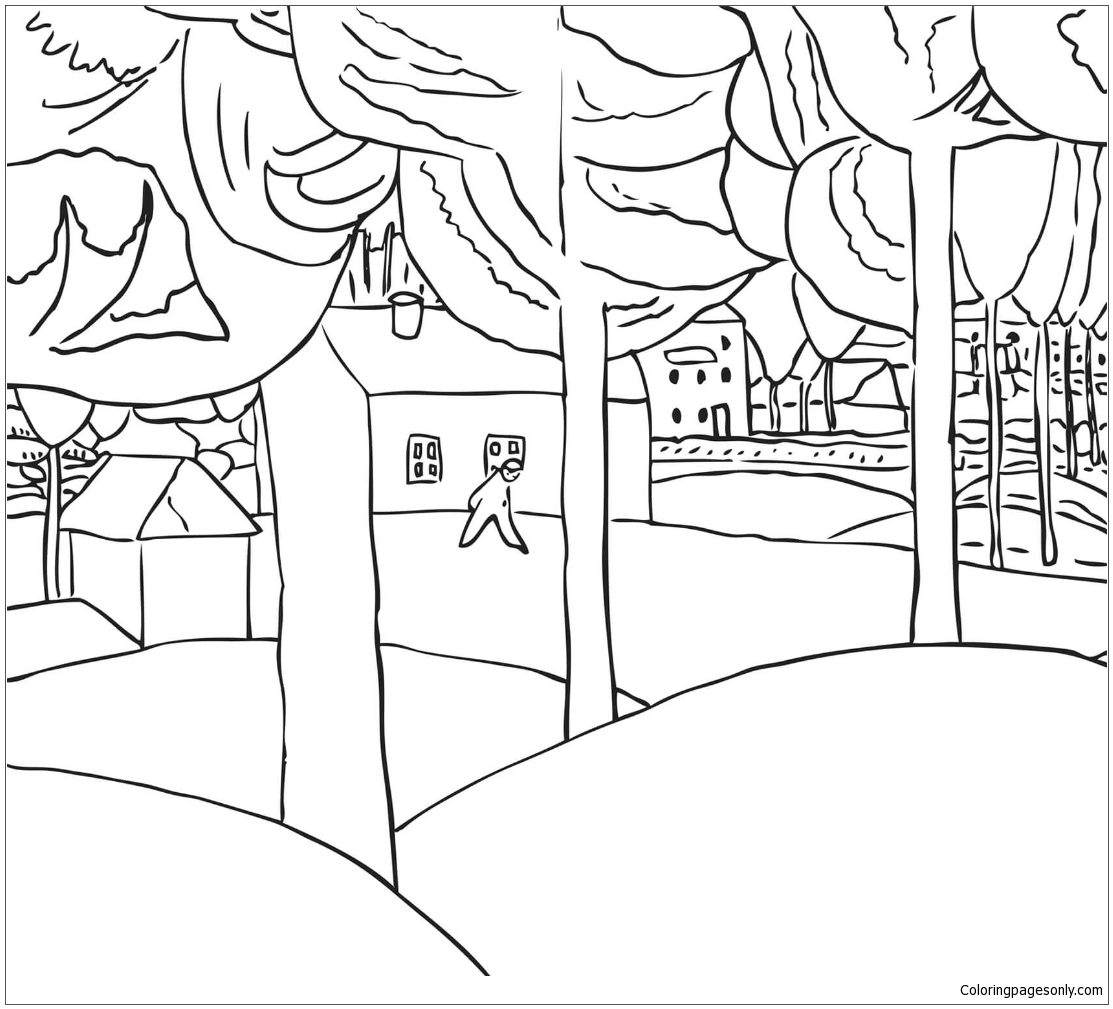
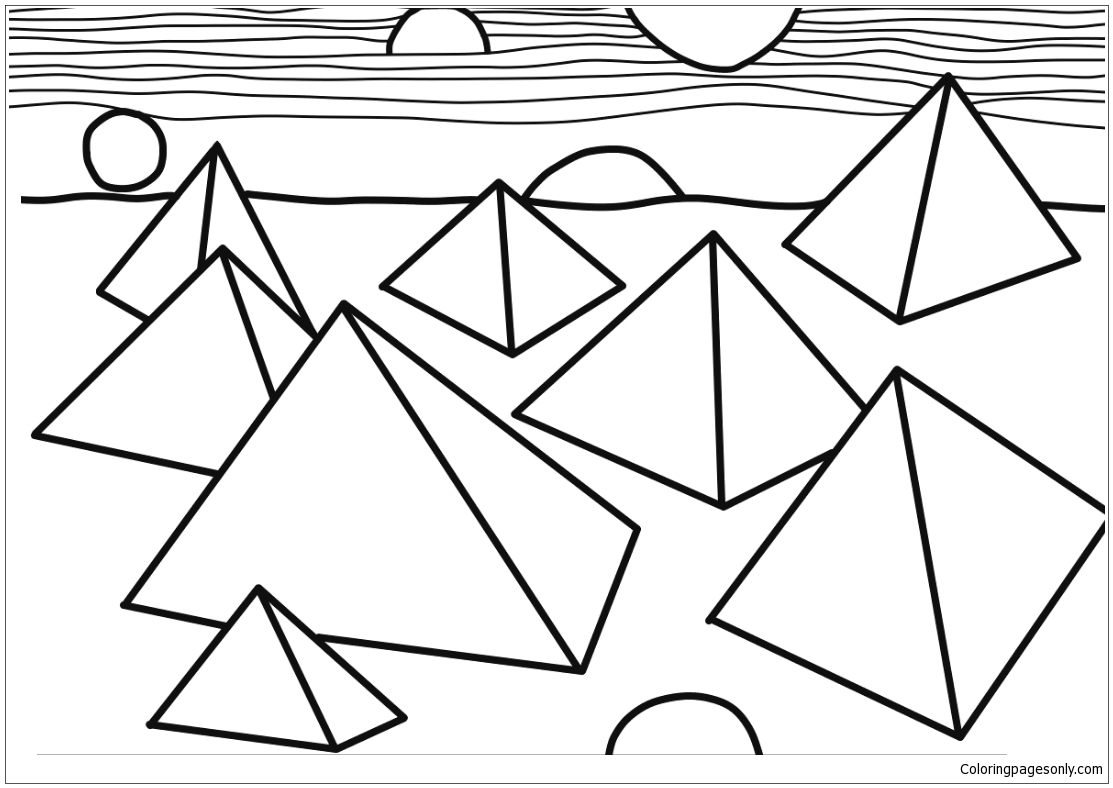
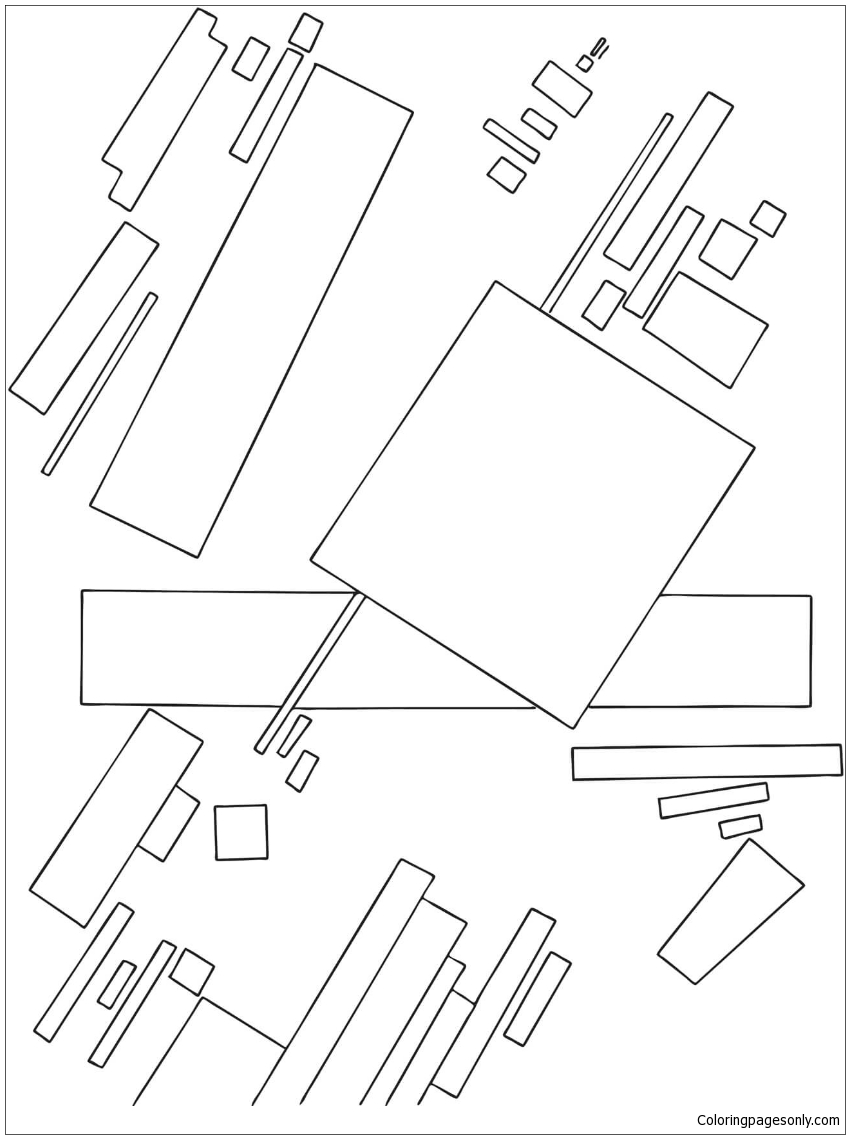
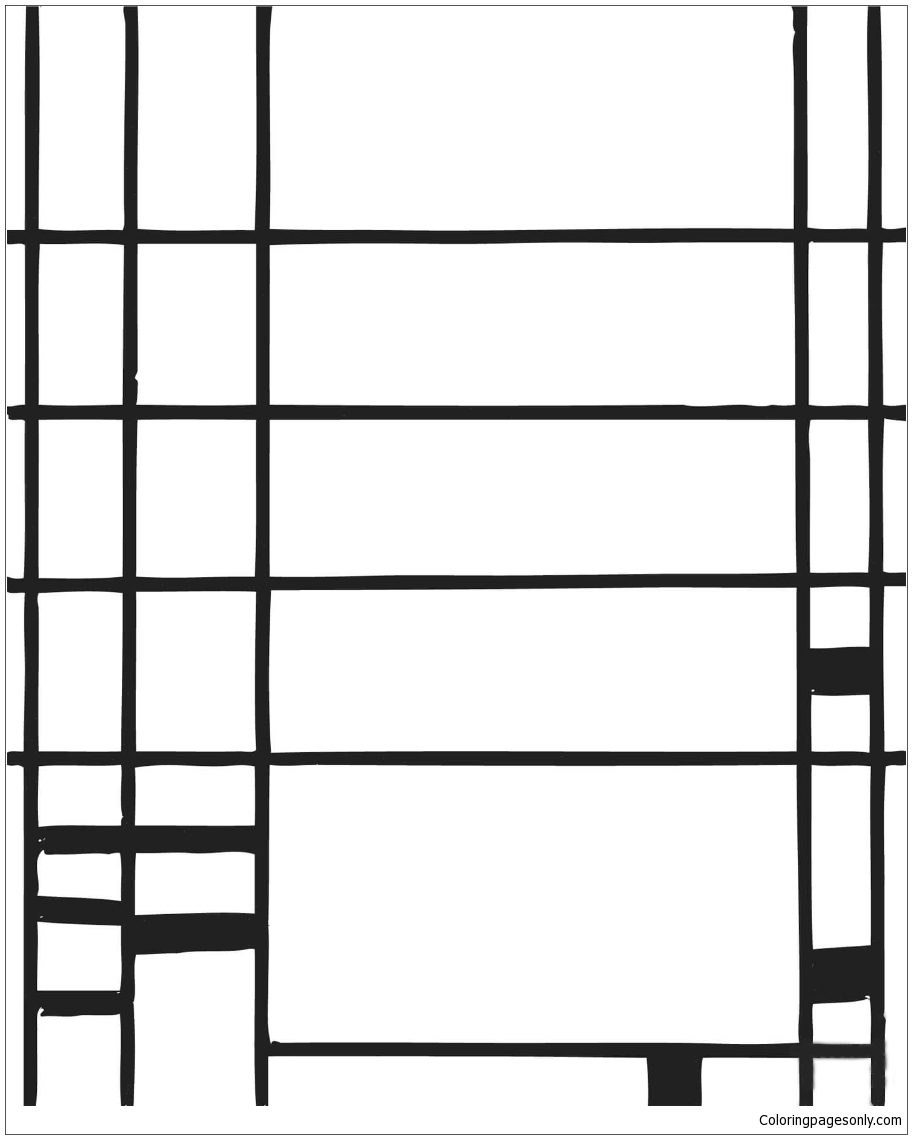
A smaller group covers painters working in the early 20th century whose work has also entered the public domain, including Gustav Klimt, Amedeo Modigliani, Henri Rousseau, and Kazimir Malevich. These pages tend to be more stylized and geometric than the Renaissance or Impressionist groups, so bold, flat blocks of color, rather than shading or blending, generally suit the style better.
20th and 21st Century Artists
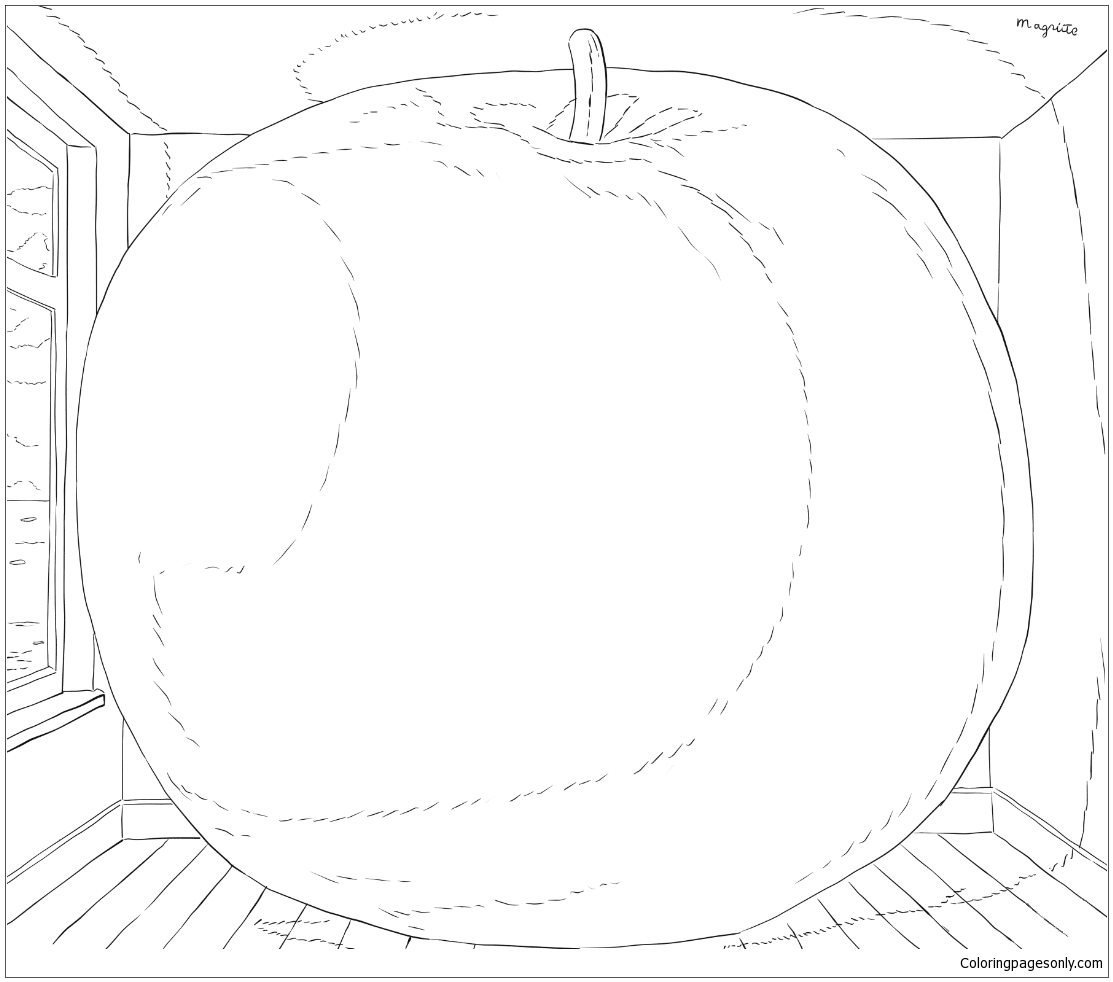
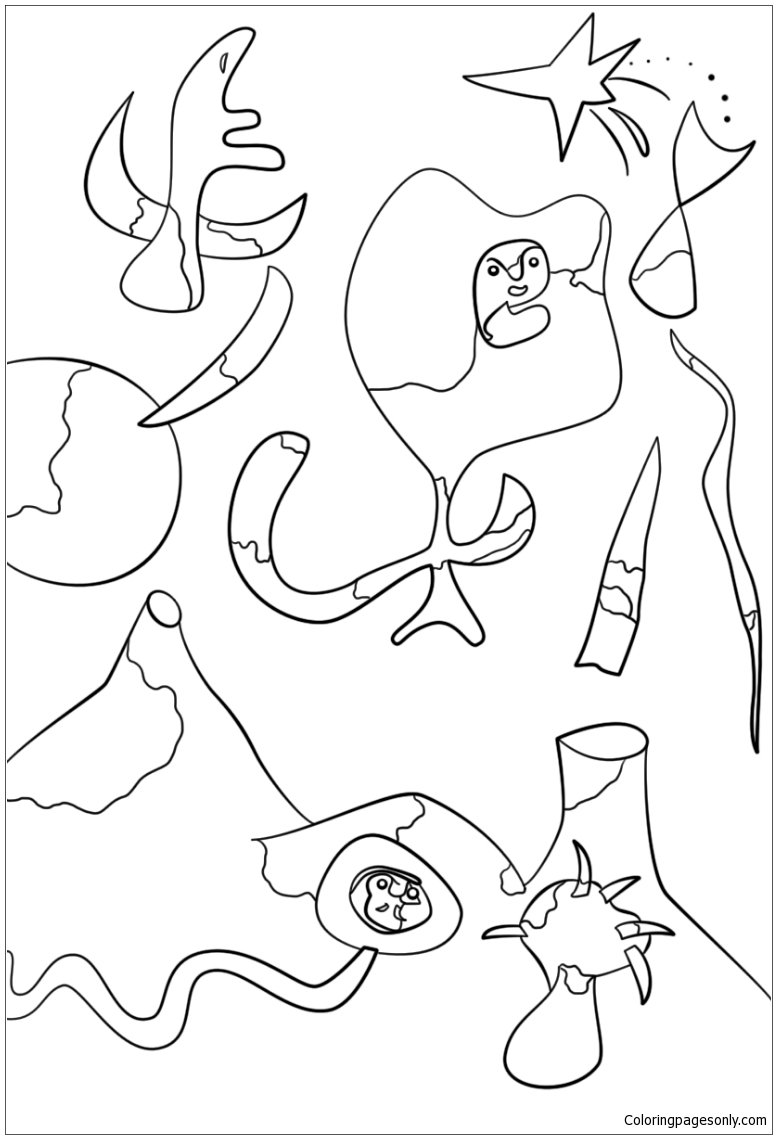
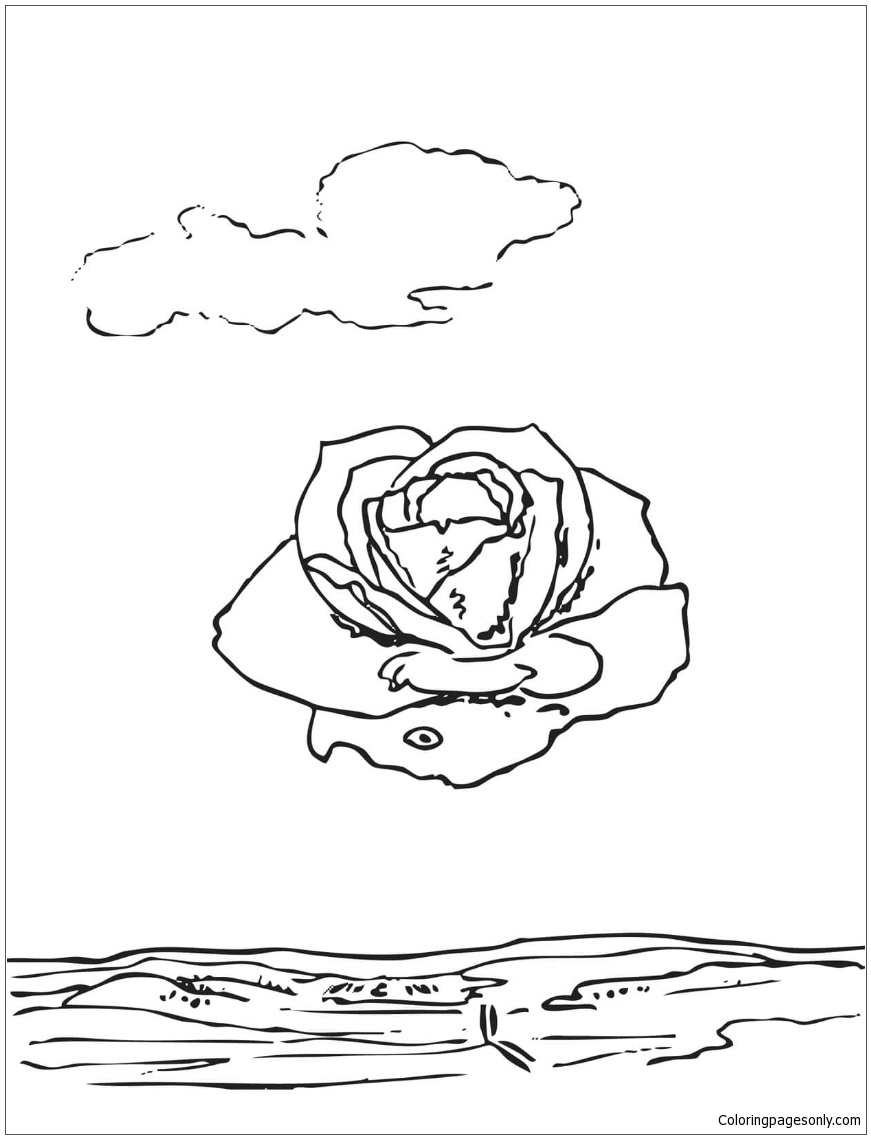
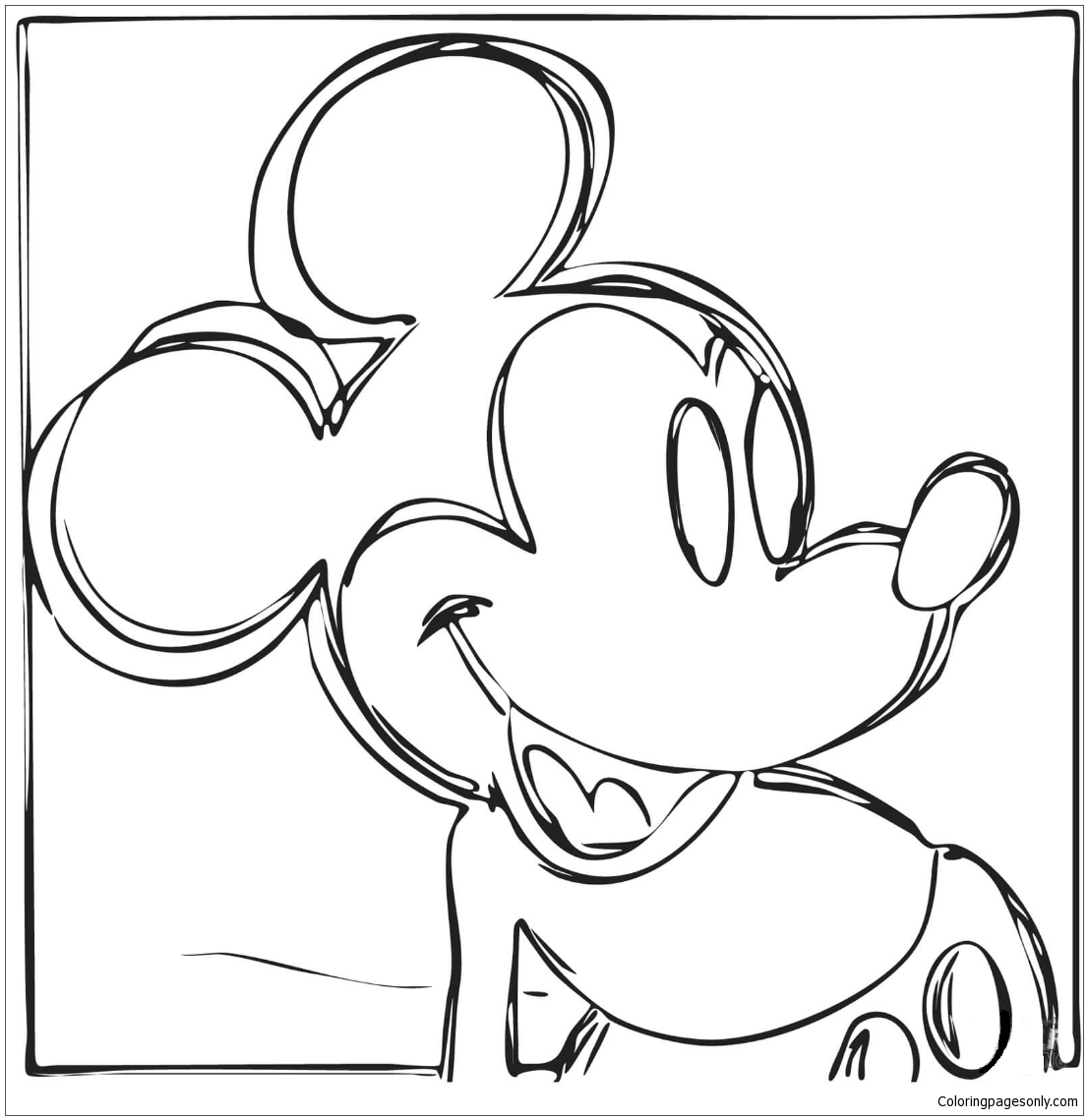
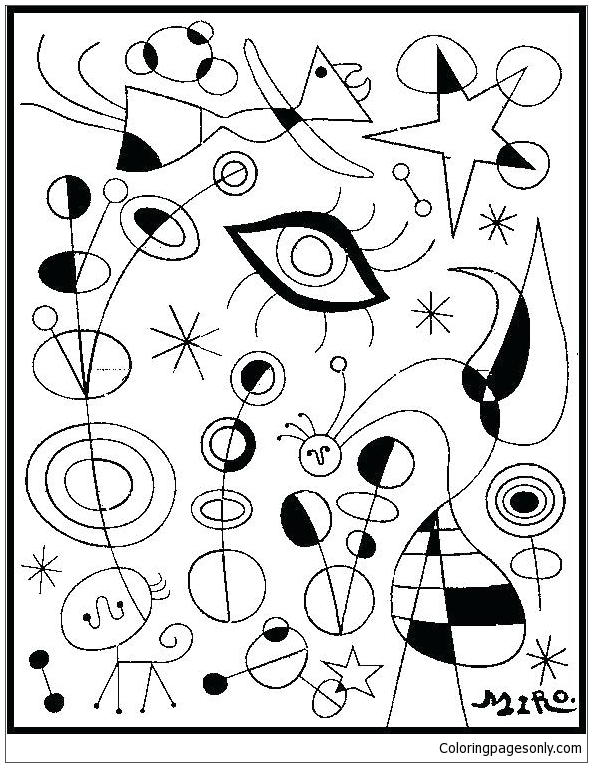
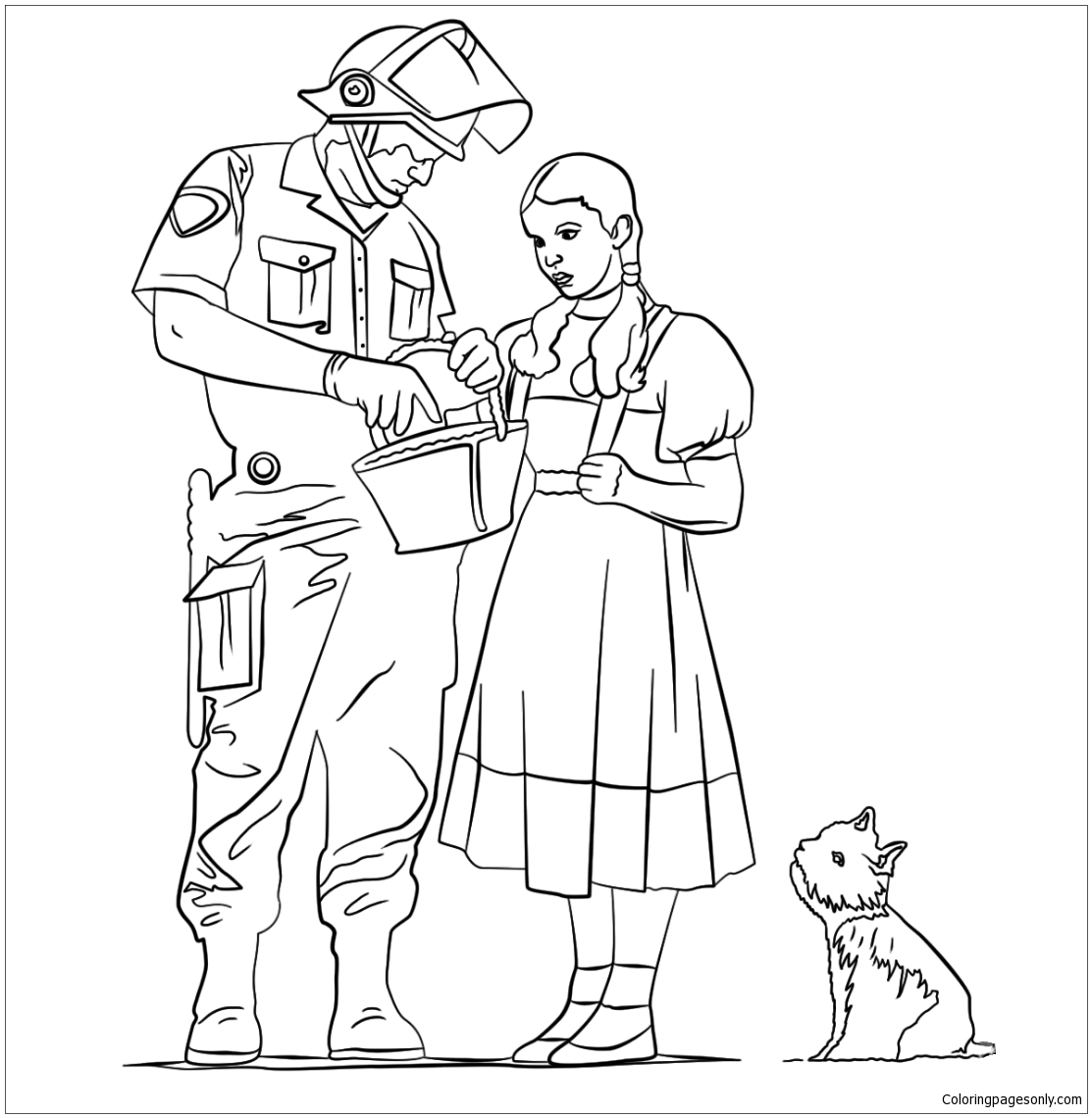
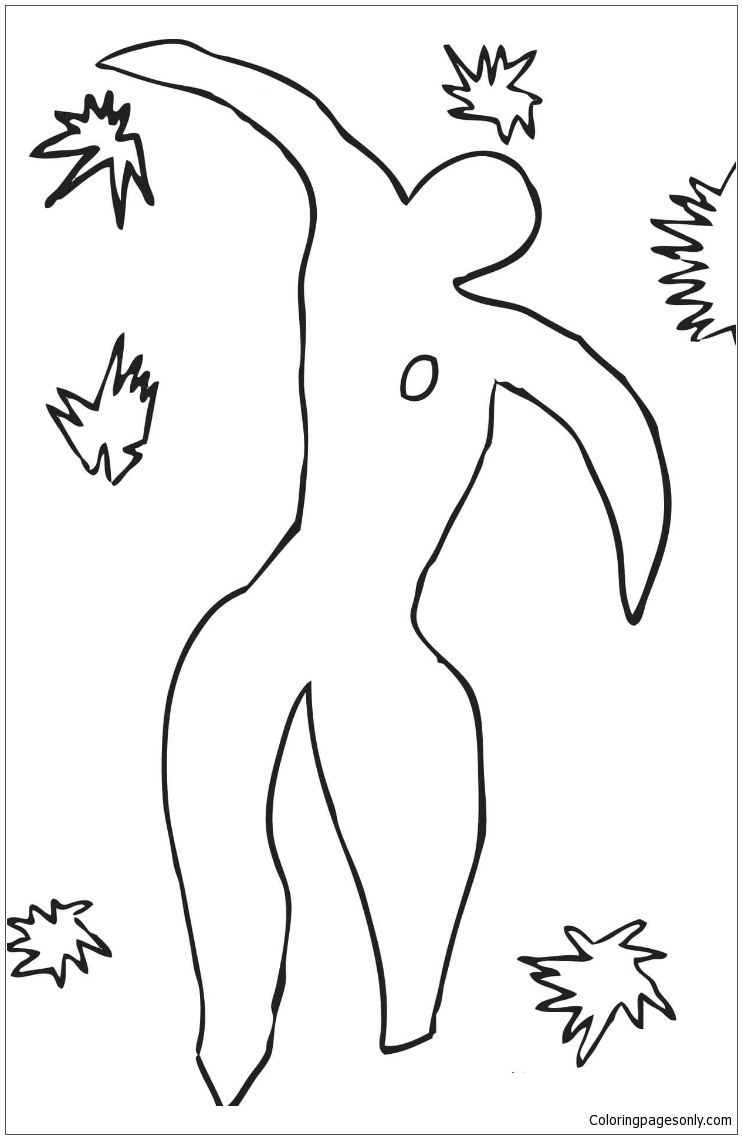
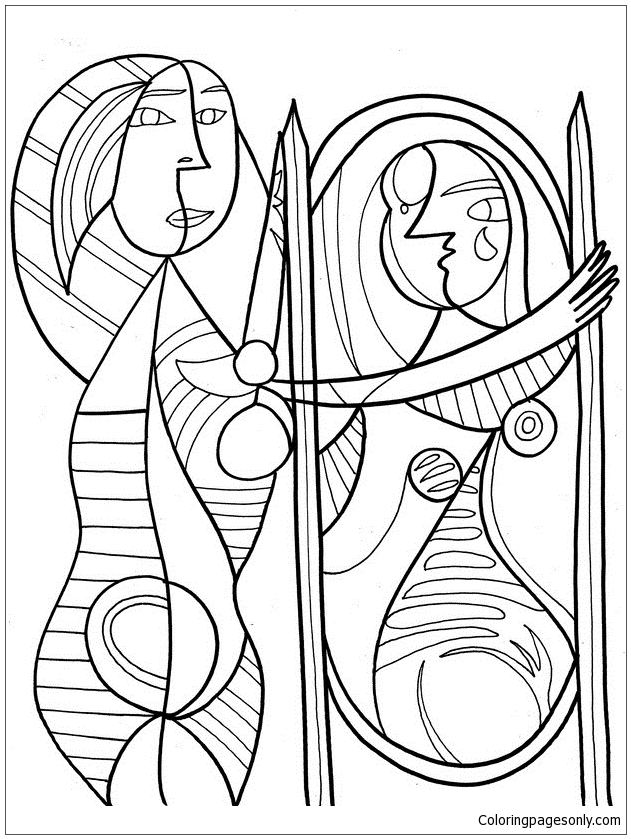
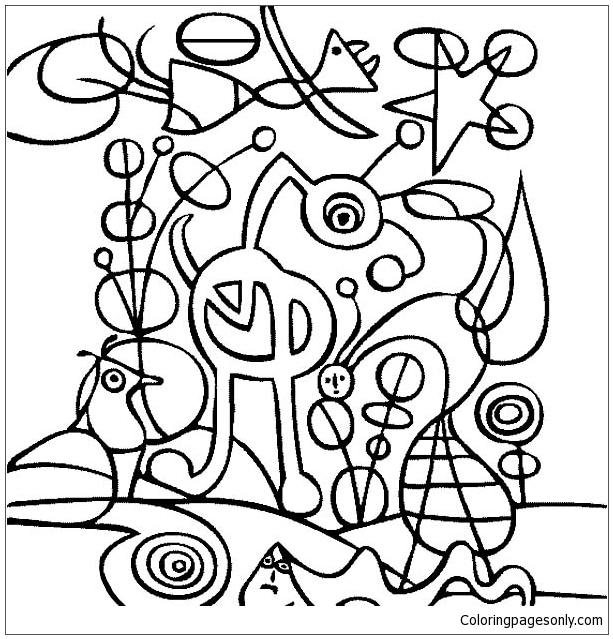
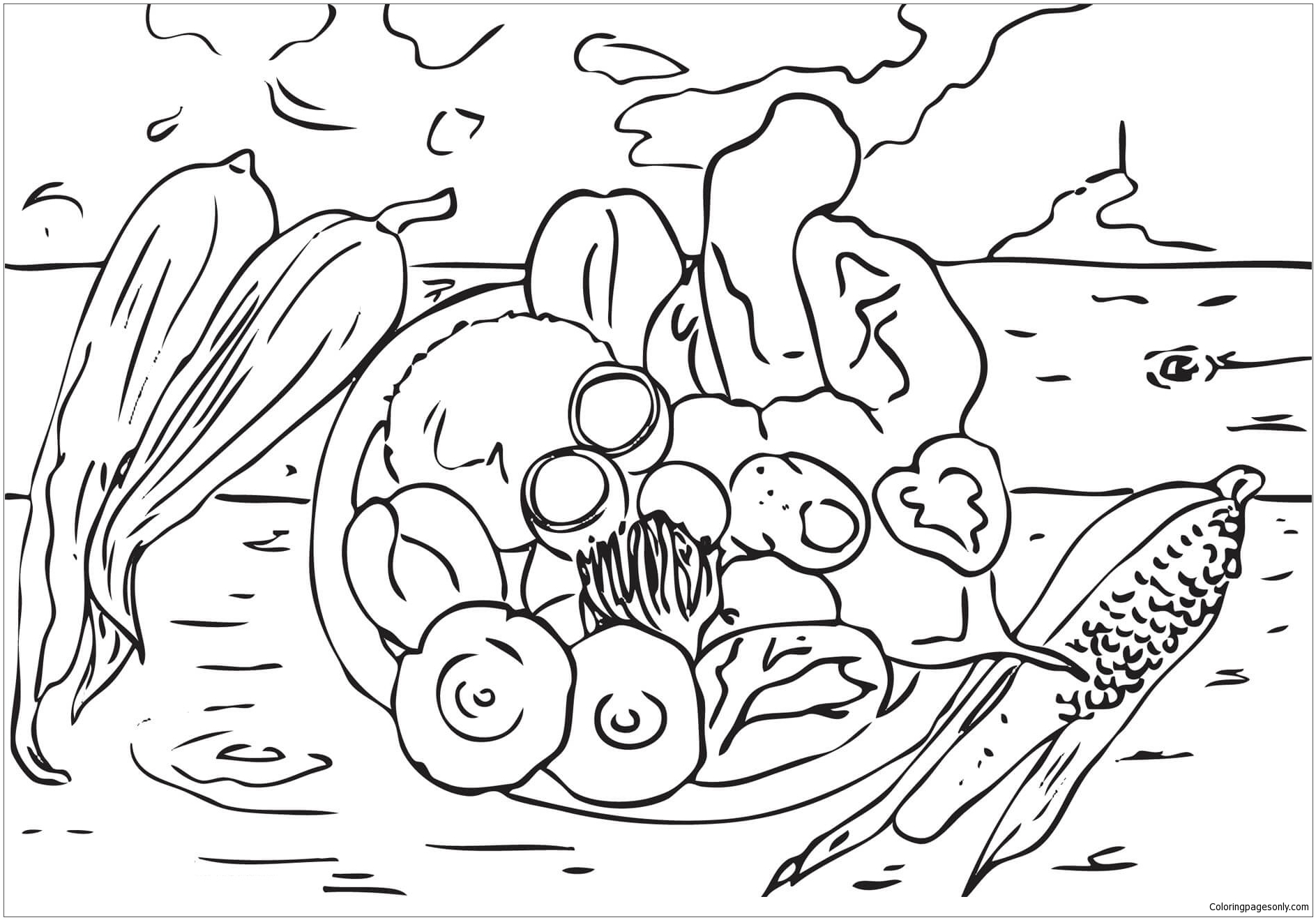
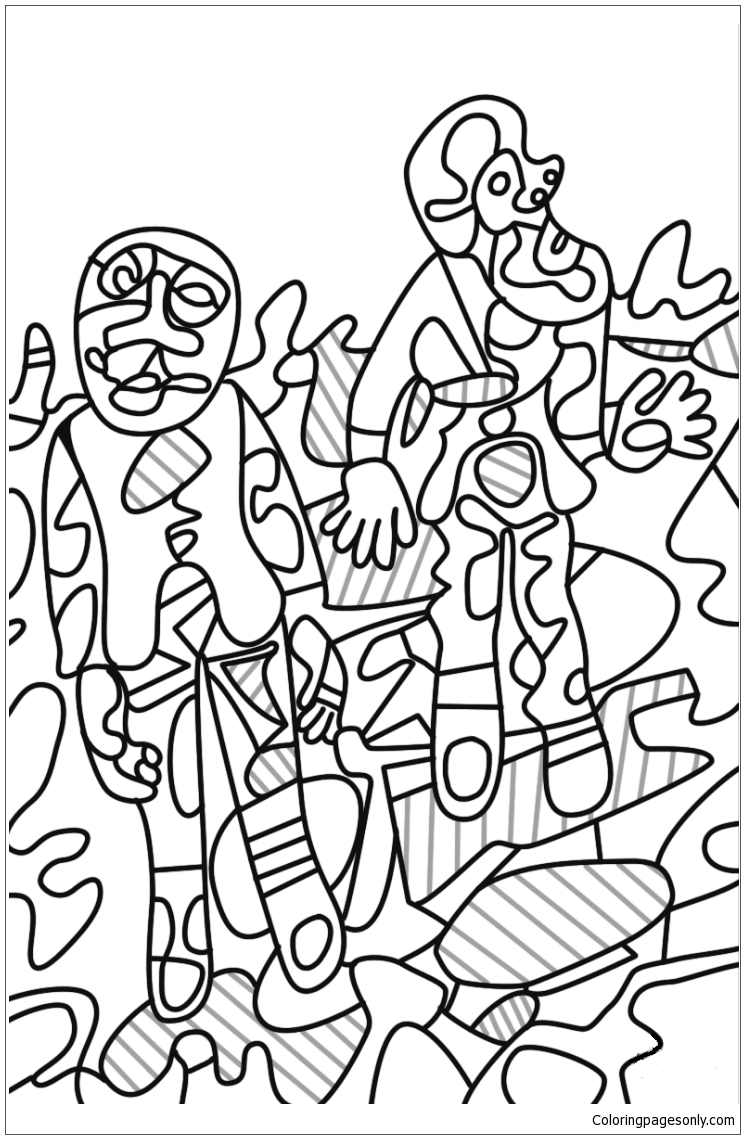
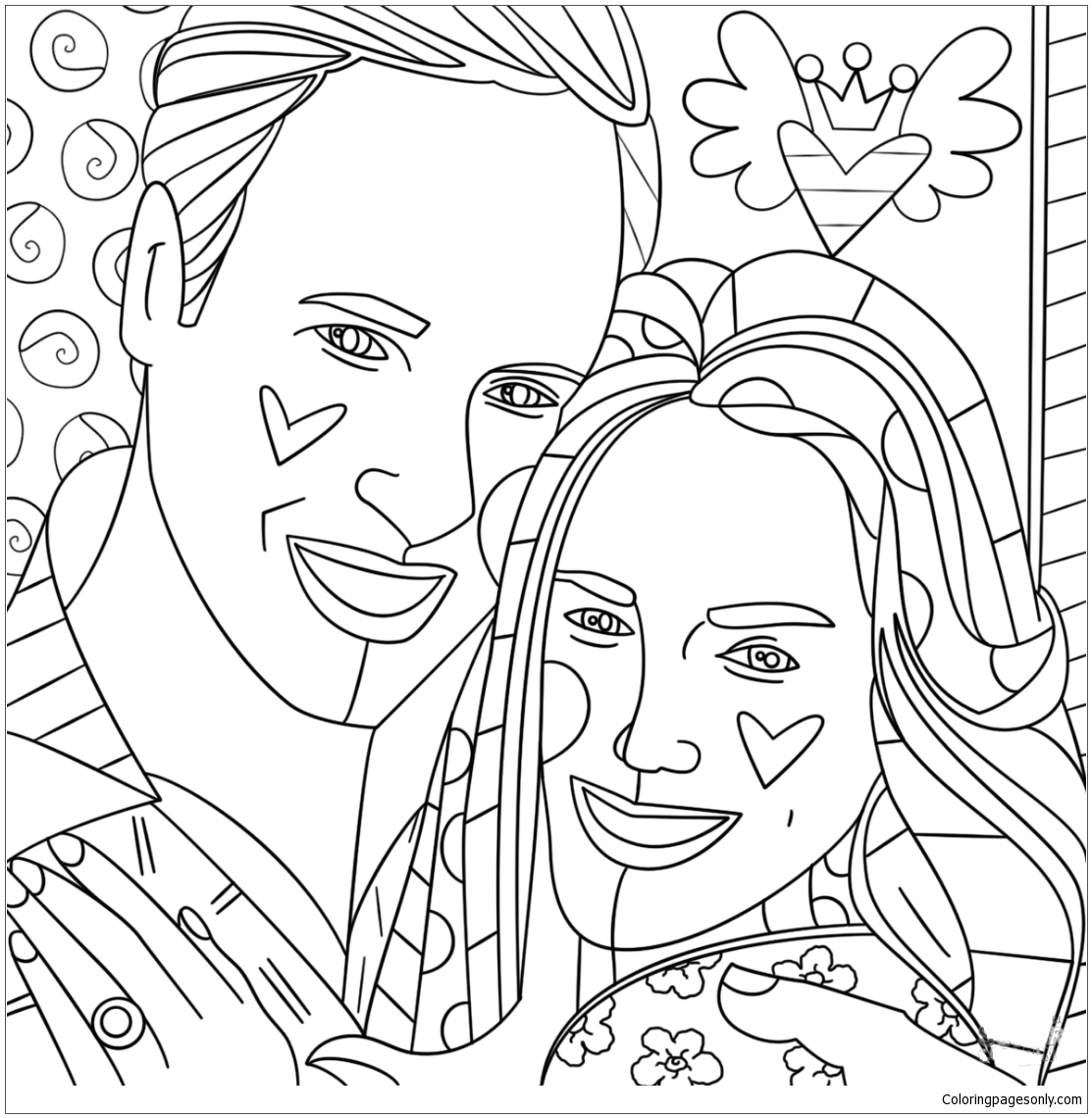
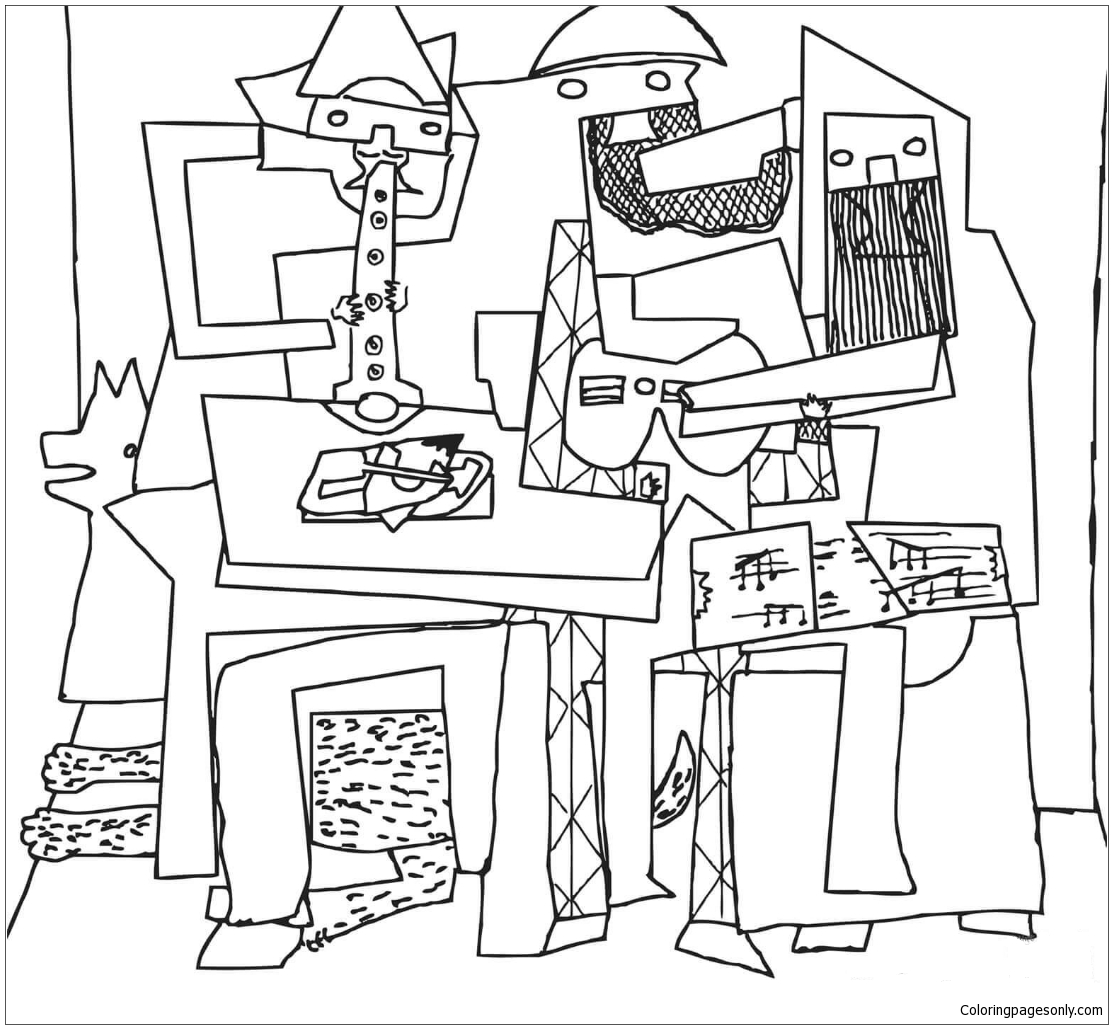
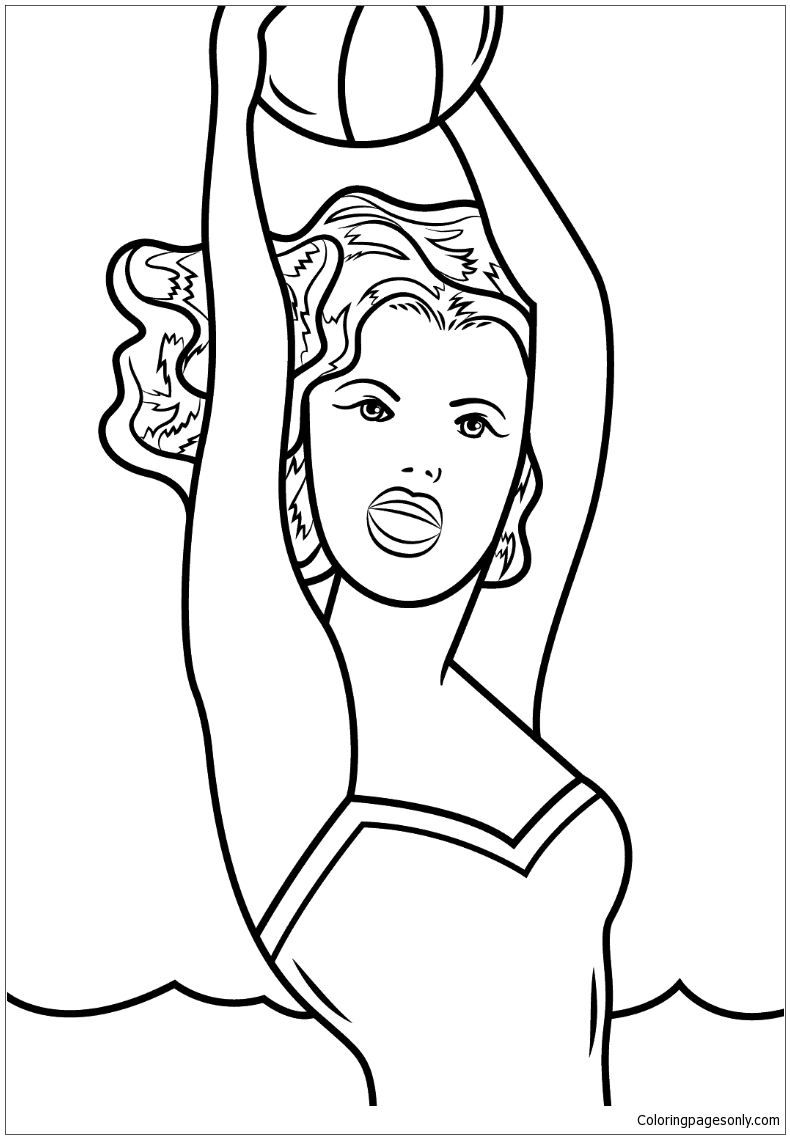
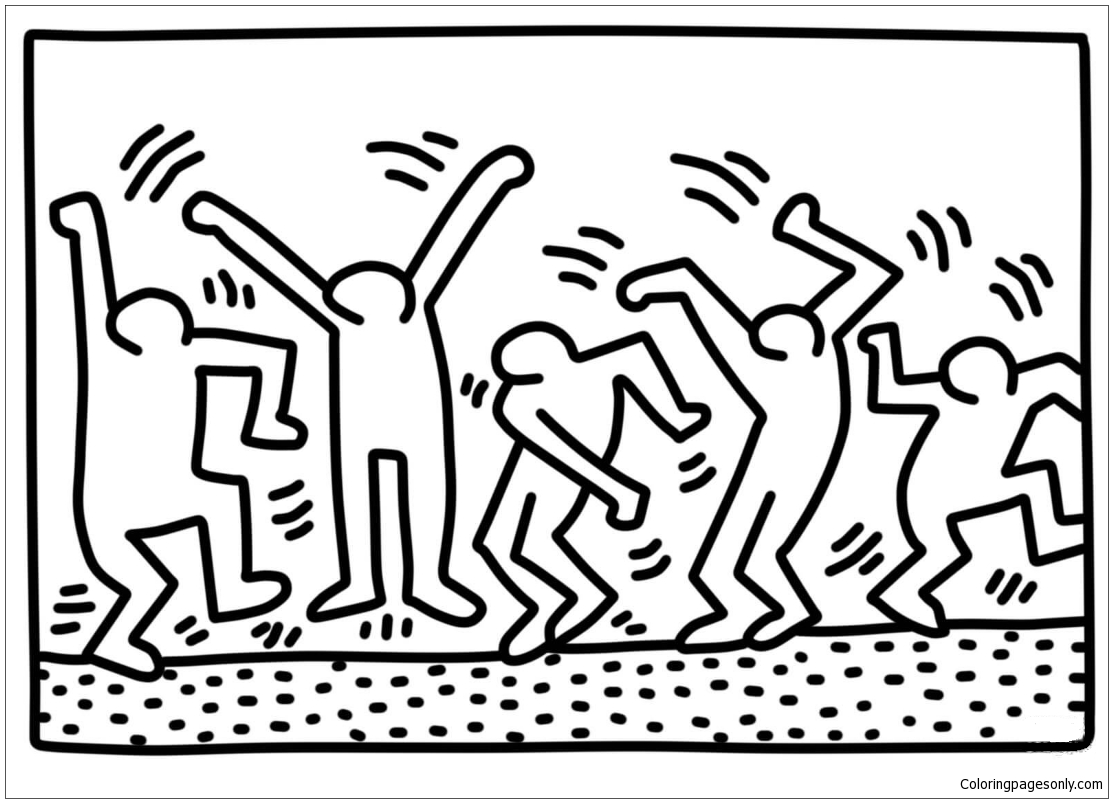
A number of pages in this collection are labeled with the names of artists who worked later in the 20th century or are still active today, including Pablo Picasso, Salvador Dalí, Andy Warhol, Joan Miró, Alexander Calder, René Magritte, Banksy, Romero Britto, and Takashi Murakami. Unlike the artists in the rest of this collection, these works are very likely still under copyright in most countries, and reproducing them as coloring pages, even for free personal use, raises real legal questions that this article does not attempt to resolve. This collection does not go into detail on any specific piece in this group; if in doubt about using one of these pages, checking directly with the rights holder or a legal professional is the safer route.
What Famous Paintings Coloring Pages Do
Fine detail rewards a careful hand. Reproducing the composition of a real painting, its figures, folds of fabric, and background elements, asks for steadier, more deliberate coloring than an original cartoon design would. The American Academy of Pediatrics names exactly this kind of structured coloring, done between ages 2 and 7, as a clear path to fine motor skill development, extending well into more complex work for older colorists and adults.
A quiet lesson in how copyright actually works. Since this single collection includes both centuries-old public domain paintings and comparatively recent, still-copyrighted work, it’s a real, concrete example of a rule that otherwise stays abstract: copyright expires on a fixed timeline, not simply because a work is old or famous.
Calm through repetition. A 2005 Art Therapy Journal study found a measurable drop in anxiety after coloring sessions built around a defined structure. The detailed brushwork and layered composition of a reproduced painting are about as structured as a coloring page gets.
A study companion, not just a picture. Coloring a painting slowly, section by section, is a genuinely effective way to notice compositional choices, where the light falls, how a figure is posed, that a glance at the original often misses.
How to Color Famous Paintings Coloring Pages Well
- Renaissance and Baroque works: Use deep, muted tones, Maroon, Burnt Sienna, Goldenrod, layered rather than flat, since these painters built up color in thin glazes rather than bold single coats.
- Impressionist works: Use several close shades of the same color side by side, Sky Blue next to Cerulean, rather than one flat fill, to suggest the visible, broken brushstrokes these painters were known for.
- Early modernist and geometric works: Use bold, flat blocks of color with hard edges, since this style favors pattern and shape over shading.
- Portraits in general: Keep skin tones consistent across a single face rather than switching shades, reserving contrast for hair, clothing, and background.
- Backgrounds: Use a slightly darker or more muted version of the main color palette to keep the background from competing with the central figure.
- Before starting a detailed page, look up a real photo of the original painting to confirm the actual color palette, since these black-and-white line drawings don’t indicate color on their own.
5 Creative Activities With Famous Paintings Coloring Pages
1. Mini Museum Wall. Color several public domain paintings, then arrange them on a wall or poster board like a small gallery, labeling each with the artist’s name and title. It’s an easy way to turn a stack of pages into a hands-on art history display.
2. Art History Fact Cards. Color a page, then write the real artist, title, and approximate date on the back of the card. A small stack makes a simple, reusable set for an art history lesson.
3. Compare-and-Contrast Poster. Color one Renaissance painting and one Impressionist painting side by side, then label the differences in color and brushstroke style. It’s a concrete way to see how much painting styles have changed over a few centuries.
4. Recreate in a New Medium. Color a painting page, then try recreating the same scene using a different tool, watercolor or chalk pastel, to compare how the texture changes. It’s a good way to explore how the medium affects the final look of a piece.
5. Bookmark Set. Color a few small portraits, cut them into narrow bookmark strips, and cover each with clear contact paper. A set makes a thoughtful gift for anyone who loves art history.
Frequently Asked Questions
What are Famous Paintings coloring pages?
Famous Paintings coloring pages are free printable and browser-colorable designs based on well-known artworks, spanning the Renaissance through more recent art movements. This is one of the largest collections on the site, with well over a hundred pages available as PDF downloads or through the online coloring tool.
Are these coloring pages legal to use and share?
It depends on the specific painting. Pages based on public domain works, generally anything by an artist who died more than 70 years ago, are free to use and share. Pages based on more recent or still-living artists’ work carry more legal uncertainty, and this article doesn’t make a specific determination on any individual page in that category.
How long does copyright on a painting actually last?
In most countries, copyright on a painting lasts for the artist’s lifetime plus 70 years after their death. Once that period ends, the work enters the public domain and can be freely reproduced, including as a coloring page.
Which artists in this collection are in the public domain?
Most of the artists represented in this collection died well over 70 years ago, including Leonardo da Vinci, Rembrandt, Caravaggio, Claude Monet, Vincent van Gogh, Paul Cézanne, Gustav Klimt, and Amedeo Modigliani, placing their work in the public domain.
Which artists in this collection may still be under copyright?
A number of pages are labeled with the names of artists who died more recently or are still working, including Pablo Picasso, Salvador Dalí, Andy Warhol, Joan Miró, Alexander Calder, René Magritte, Banksy, Romero Britto, and Takashi Murakami. Their work is very likely still under copyright in most countries.
Why do some pages not specify the original painting’s colors?
The line-art versions used for coloring are black and white by design, so they don’t show the original painting’s actual colors. Looking up a photo of the real painting before coloring is the most reliable way to match the original palette.
Are Famous Paintings coloring pages suitable for young children?
Yes, with the right page. The simpler, more geometric pages suit younger children, while the highly detailed Renaissance and Baroque portraits suit older kids and adults who want a longer, more involved project.
Can I use these coloring pages for a school project?
For the public domain works, generally yes, for personal and educational use. For pages based on more recent or still-living artists, it’s worth checking the specific use case against copyright law or consulting the original rights holder before wider use, such as printing for sale or public distribution.
Start Coloring
Download any design by clicking it. No account, email, or payment is required to color or print. Every page opens in the online coloring tool for on-screen use or downloads as a full-resolution PDF for printing. Share a finished page using the Facebook or Pinterest buttons at the top of the page.