Arts & Culture Coloring Pages
 By:
Jennifer Thoa - Content Editor & Designer
Updated:
By:
Jennifer Thoa - Content Editor & Designer
Updated:
Arts & Culture coloring pages: 1,635 printable designs across 22 categories, spanning centuries-old traditions like mandala and rangoli, art-historical styles, and contemporary aesthetics like Y2K and graffiti. Each page can be downloaded as a PDF to print or colored online in the browser.
This hub is organized into five groups: abstract pattern and meditative illustration, cultural art traditions, counter-culture and era aesthetics, emotional and symbolic subjects, and pages organized by difficulty or audience rather than style.
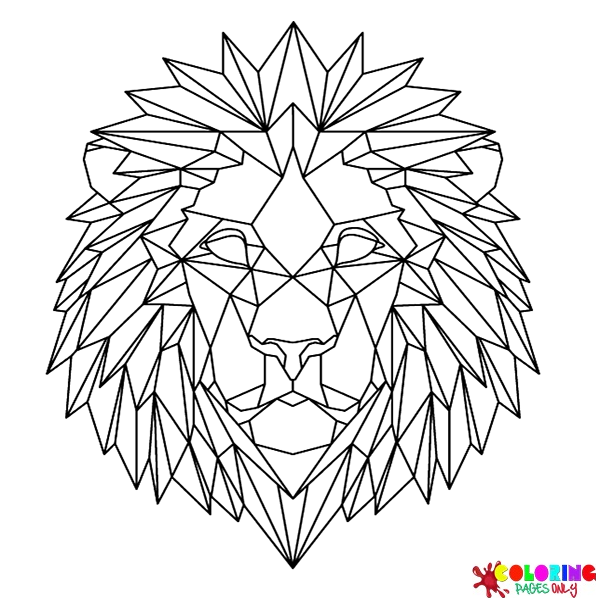
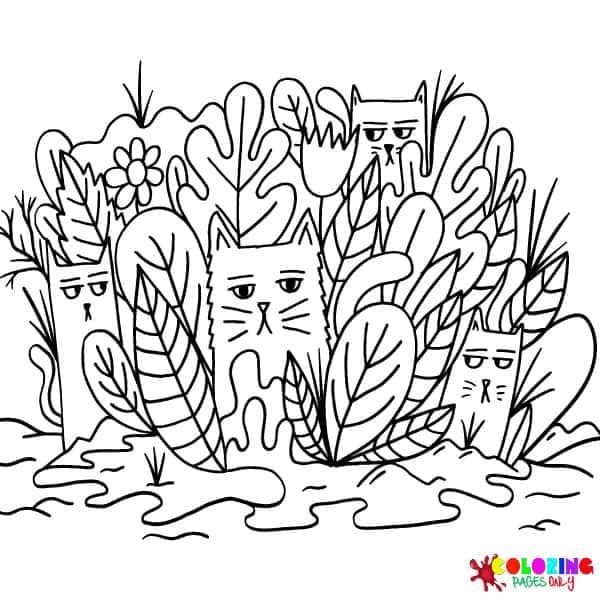
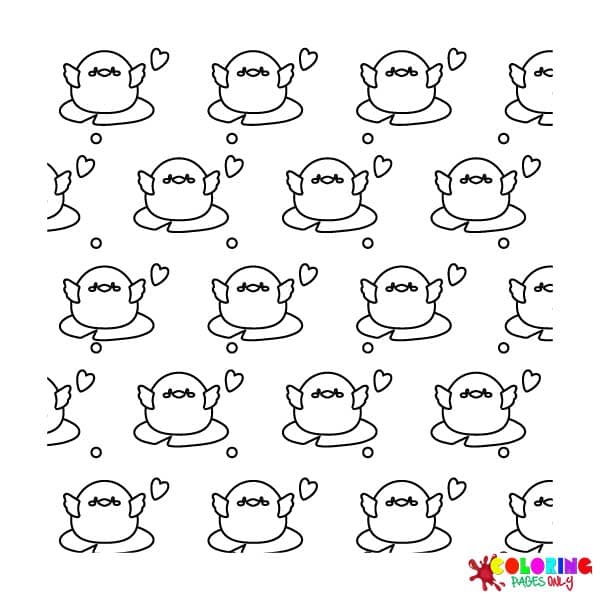
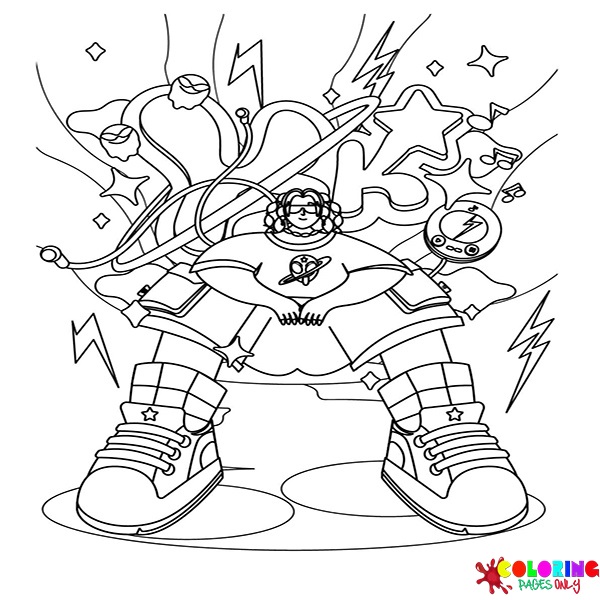

Abstract Pattern and Meditative Illustration
The largest cluster in this collection covers illustrations organized around pattern, structure, and geometric logic rather than figurative subject matter.
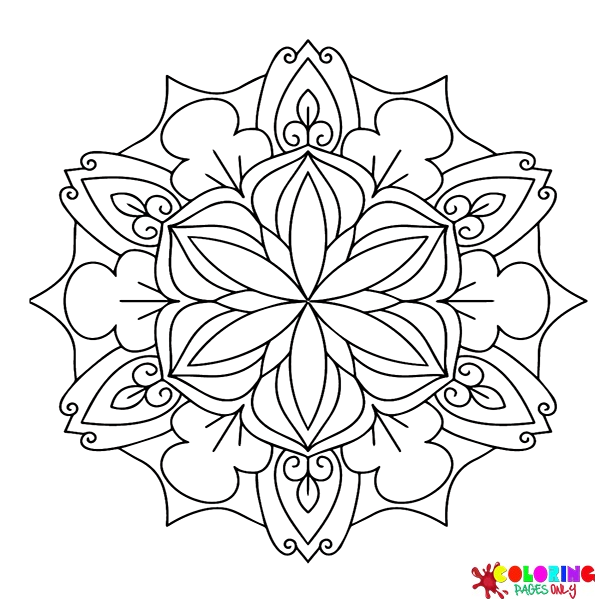
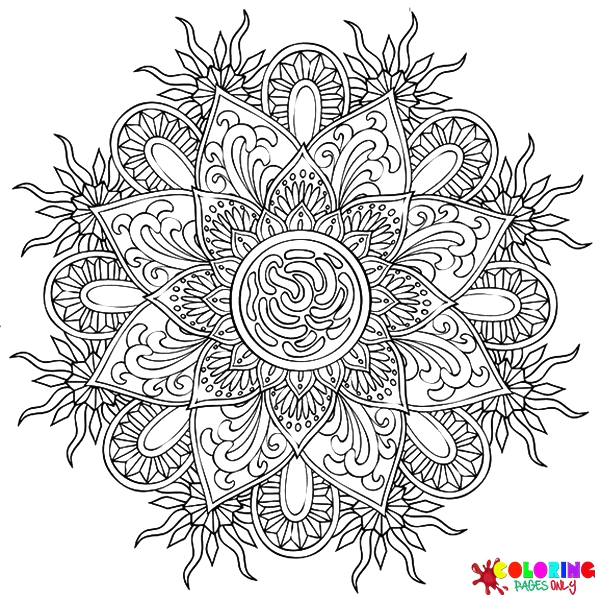
Mandala (340 designs) is the largest single sub-category in the collection. The word derives from Sanskrit for “circle,” and the mandala form appears across Hindu, Buddhist, and indigenous traditions worldwide as a symbol of wholeness and meditative focus. Its radial symmetry means a color choice in one section repeats across the design, producing a balanced result that rewards patience. Geometric (68 designs) covers pattern illustration beyond the circular mandala form, including tessellations and Islamic geometric traditions. Pattern (38 designs) covers repeating surface patterns and decorative border designs more broadly.
Doodle (30 designs) covers loose, improvisational illustration built from organic, unplanned marks, with more room for individual variation than geometric or mandala pages. Rangoli (66 designs) covers the Indian art form of creating decorative floor patterns using colored powder, rice, or flower petals, traditionally made for Diwali, Pongal, and other festivals; the coloring versions reward the boldest, most saturated palette in the collection.
Cultural Art Traditions
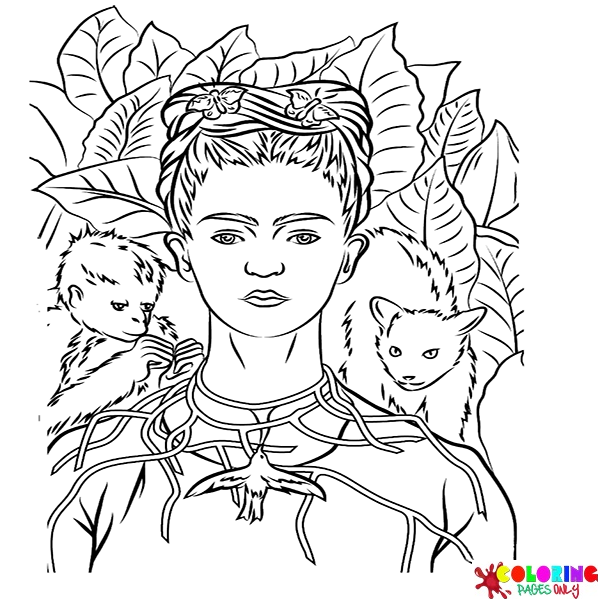
Famous Paintings (159 designs) covers interpretations of well-known Western art history, including compositions inspired by Van Gogh’s Starry Night, Monet’s water lilies, and Klimt’s gold-leaf work. These pages are unusual in the collection because the original painting offers a reference color scheme, while personal color choices remain equally valid.
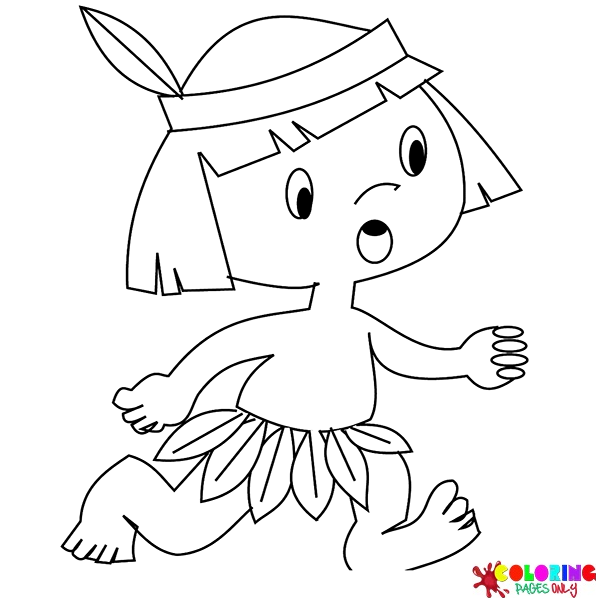
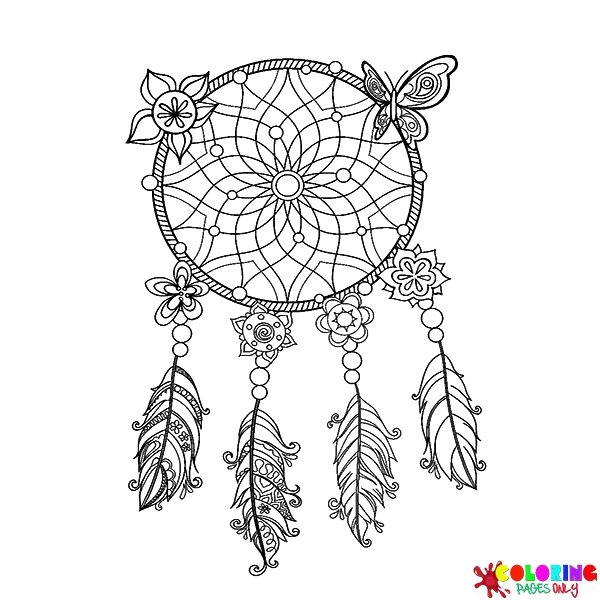
Native American (52 designs) covers the visual art traditions of indigenous peoples of North America, including Plains beadwork geometry, Southwestern pottery patterns, and Northwest Coast totemic imagery. These pages draw on living cultural traditions that carry specific meaning within their communities of origin.
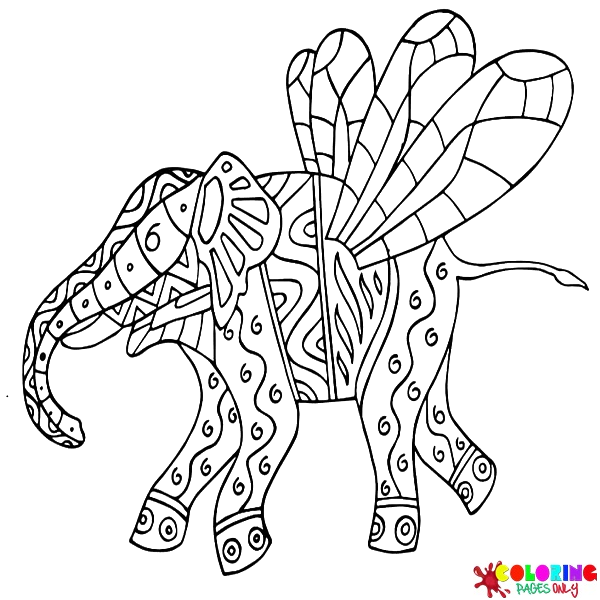
Alebrijes (79 designs) covers the Mexican folk art tradition of fantastical creature sculptures covered in intricate, vividly colored patterns. Alebrijes were created by artisan Pedro Linares in the 1930s, after he dreamed of strange hybrid animals with brightly patterned surfaces, and the tradition was later adopted by Oaxacan wood carvers as a signature art form.
Counter-Culture and Era Aesthetics
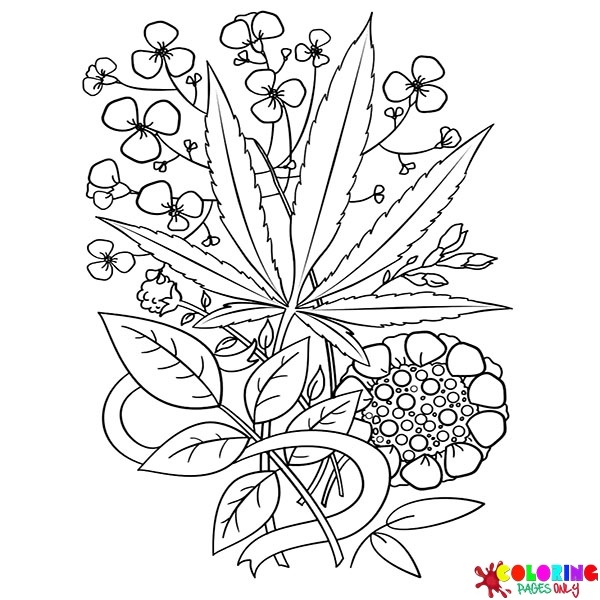
Hippie (59 designs) covers the visual aesthetic of 1960s and early 1970s counterculture: peace signs, flowers, paisley patterns, and tie-dye effects. Psychedelic (31 designs) and Trippy (69 designs) cover the more intense, pattern-heavy end of that aesthetic, including surreal imagery and fractal-like repeating forms.
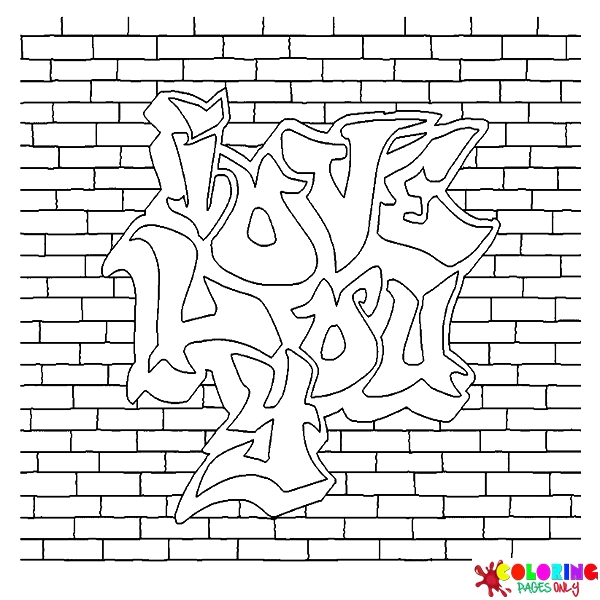
Y2K (13 designs) covers the design aesthetic of roughly 1998 to 2004, including chrome effects, iridescent surfaces, and bubble fonts, an aesthetic that has seen a notable nostalgia revival in the 2020s. Graffiti (108 designs) covers the urban street art tradition, from letterforms and spray-paint effects to mural-scale compositions. Aesthetic Drawing (57 designs) covers the softer, contemporary illustration style associated with “aesthetic” social media content, such as coffee cups, plants, and loose lettering.
Emotional and Symbolic Subjects
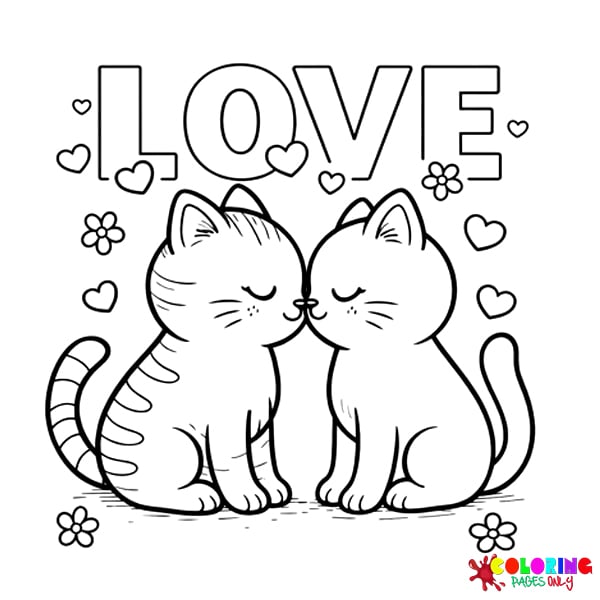
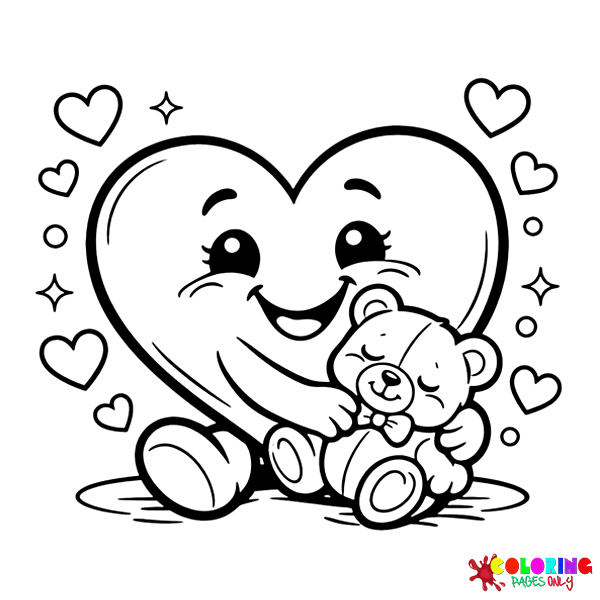
Heart (60 designs) covers the heart shape as a widely reproduced symbolic form, from simple outlines to elaborate decorative compositions. Love (72 designs) extends the theme into couples, flowers, and romantic scenes, while Broken Hearts (24 designs) covers the symbolic inverse: a heart divided or cracked.
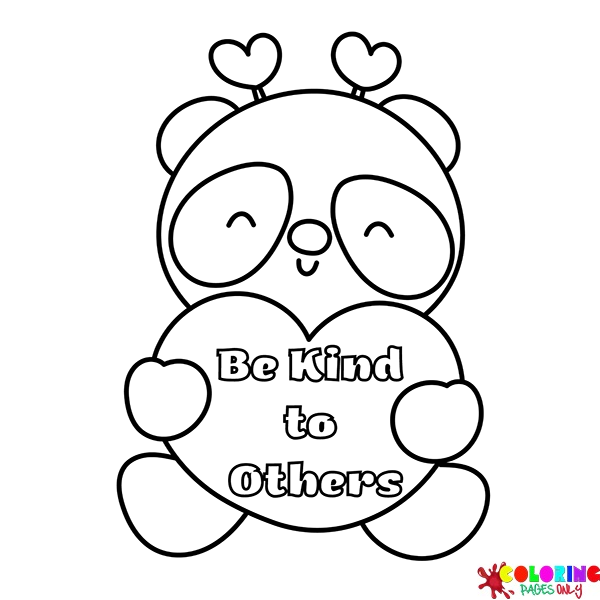
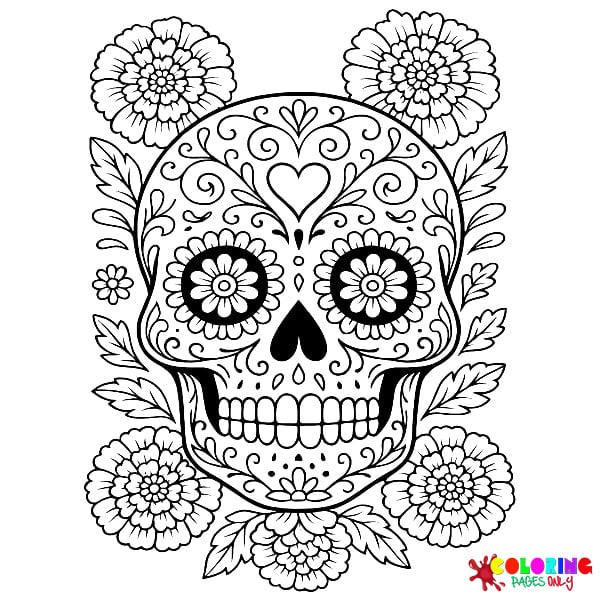
Free Kindness (20 designs) covers kindness-as-visual-concept illustrations, affirmations, and motivational designs often used in school and social-emotional-learning contexts. Skull (44 designs) covers the skull motif across contexts, from the Mexican Dia de los Muertos sugar skull tradition to the Western memento mori still-life tradition.
Difficulty, Audience, and Special Interest
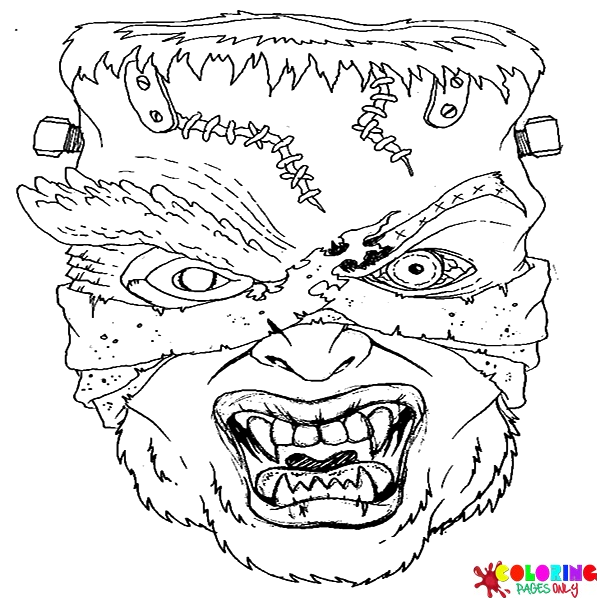
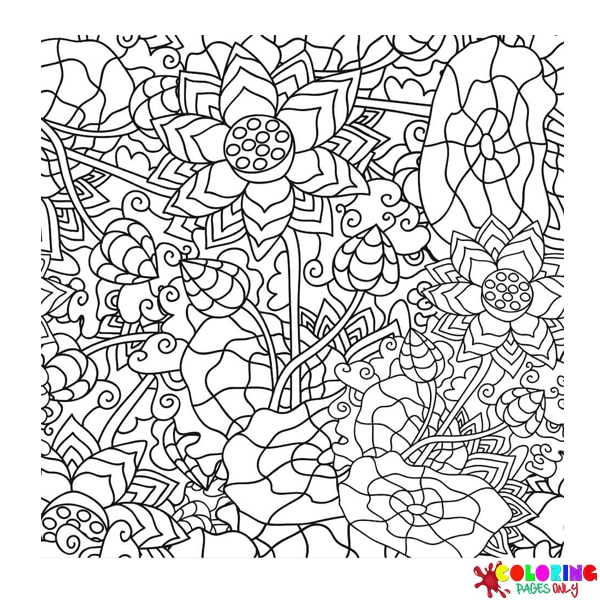
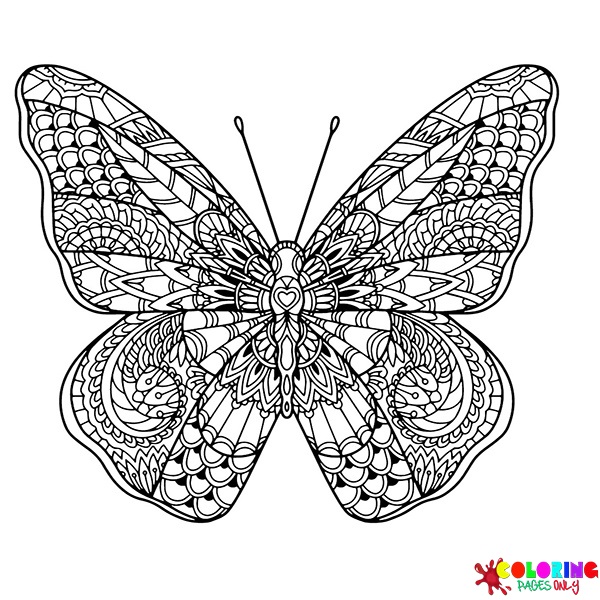
Hard (143 designs) covers the most technically demanding pages in the collection: intricate, dense compositions with fine detail that suit experienced colorists using fine-tipped tools. Horror (39 designs) covers the darker end of the aesthetic spectrum, including skulls and monster imagery, for colorists who enjoy dark aesthetics as a creative outlet.
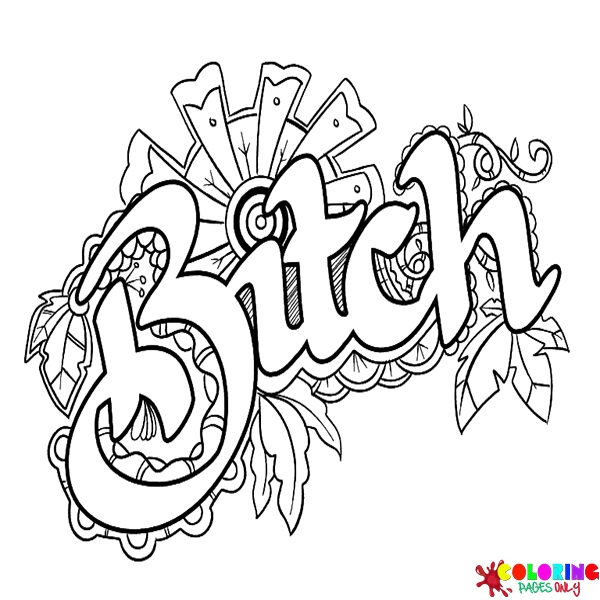
Swear Word (64 designs) is an explicitly adult-oriented sub-category: profanity embedded in decorative lettering surrounded by flowers and ornamental frames, a format that became popular in adult coloring books during the 2010s. It is the single most-searched sub-category in this hub.
What Arts & Culture Coloring Pages Do
Fine motor development. The American Academy of Pediatrics identifies fine motor skill development as a core benefit of structured coloring for children ages 2 through 7. Intricate mandala and geometric patterns give practice with small, controlled color areas.
A window into world art traditions. Coloring a rangoli, alebrije, or Native American beadwork pattern gives colorists direct, hands-on exposure to a real visual tradition, connecting a creative activity to a specific cultural or historical context.
Anxiety reduction through focus. A 2005 study in the Art Therapy Journal documented measurable reductions in anxiety following structured coloring sessions. The repetitive, symmetrical structure of mandala and pattern pages supports that same steady, low-pressure focus especially well.
A range of difficulty for every skill level. Because the collection spans simple heart outlines to the most detailed pages in the Hard sub-category, colorists can choose a page that matches their patience and experience level.
How to Color Arts & Culture Pages Well
- Mandala and geometric pages: work outward from the center in consistent color bands to keep the radial symmetry visually balanced.
- Rangoli: Use the boldest, most saturated colors available; the traditional art form is defined by color intensity, not subtlety.
- Famous Paintings: try the piece’s canonical palette first (for example, deep blue and warm yellow for a Starry Night-inspired page), then experiment with a personal palette on a second copy.
- Graffiti lettering: use high contrast between the fill and outline colors, with a small highlight stroke to suggest a bubble-letter, three-dimensional effect.
- Psychedelic and Trippy pages: lean into maximum color contrast and saturation rather than a muted or realistic palette.
5 Creative Craft Ideas With Arts & Culture Coloring Pages
1. Mandala Coaster Set
Color a few small mandala pages, trim them into circles, and laminate or cover with clear adhesive film to make a simple set of decorative coasters.
2. World Art Traditions Poster
Color one page from several different cultural traditions in the collection, such as rangoli, alebrijes, and a mandala, and arrange them on a poster board with a short label for each tradition.
3. Framed Famous Painting Print
Color a Famous Paintings page using the original artwork’s palette as reference, then mount it in a simple paper or cardboard frame for a wall display.
4. Kindness Card Set
Color a few Free Kindness pages, fold each in half, and use them as ready-made greeting cards for a classroom kindness project or a friend.
5. Pattern Bookmark Set
Color a few small doodles or pattern pages, trim each into a bookmark shape, and laminate or tape them for a durable set.
Frequently Asked Questions
What are Arts & Culture coloring pages?
Arts & Culture coloring pages are printable designs covering pattern-based illustration, cultural art traditions, and era-specific aesthetics. This collection includes 1,635 free designs across 22 categories, available as PDFs or online coloring.
Which sub-category has the most pages?
Mandala is the largest sub-category with 340 designs, followed by Famous Paintings with 159 and Hard with 143.
Which sub-category is most searched for?
Swear Word and Rangoli are currently the two highest-demand sub-categories in this hub, both well ahead of Mandala despite Mandala having the most individual pages.
What is a mandala?
Mandala comes from the Sanskrit word for “circle.” The form appears across Hindu, Buddhist, and indigenous traditions worldwide as a symbol of wholeness and is used as a focus for meditation.
What is rangoli?
Rangoli is an Indian art form of creating decorative patterns on floors or surfaces using colored powder, rice, sand, or flower petals, traditionally made for festivals such as Diwali and Pongal.
Who created the alebrijes art style?
Mexican artisan Pedro Linares created the first alebrijes in the 1930s after dreaming of strange hybrid animals covered in brightly patterned surfaces. The style was later adopted by Oaxacan wood carvers.
Is this collection appropriate for children?
Most of the collection, including Mandala, Rangoli, Heart, and Famous Paintings, suits all ages. The Swear Word sub-category is explicitly adult-oriented and not intended for children.
What is the difference between Hard and the rest of the collection?
Hard groups the most technically demanding pages across the whole hub by detail level rather than subject, so experienced colorists can go directly to the most challenging designs.
Start Coloring
Choose a category above to browse that collection, or open any page to download it as a free PDF or color it online in the browser. No account, email, or payment is required. Share finished pages on Facebook or Pinterest with the share buttons on each page.
More Arts & Culture Coloring Pages
Jump straight to a specific collection: