Geometric Coloring Pages
 By:
Jennifer Thoa - Content Editor & Designer
Updated:
By:
Jennifer Thoa - Content Editor & Designer
Updated:
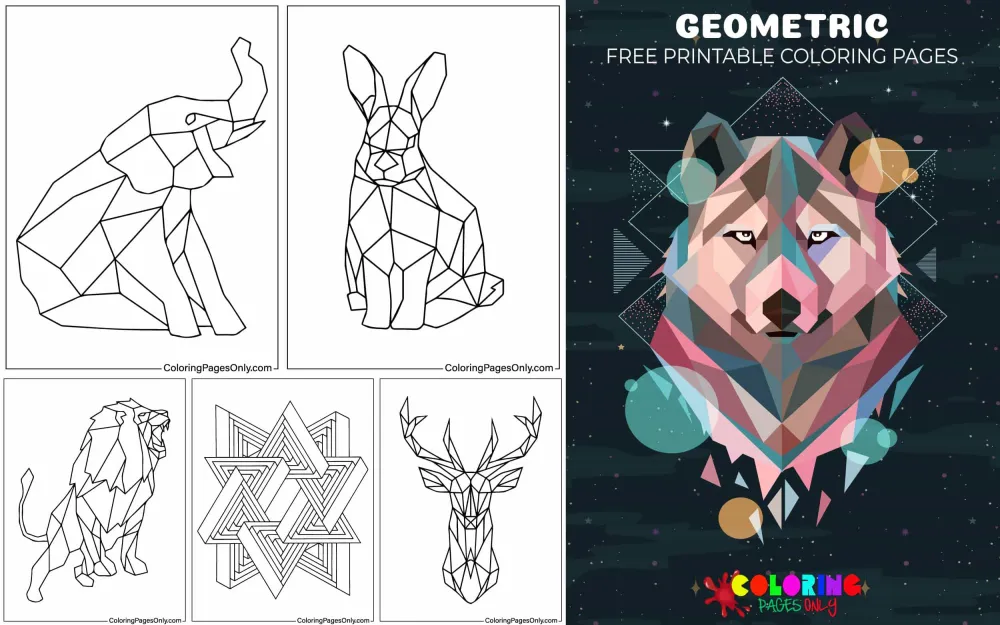
Free geometric coloring pages: 68 printable PDF designs featuring low-poly animal portraits, action poses, and abstract shapes, for kids and adults. Each page can be downloaded as a PDF to print or colored online in the browser.
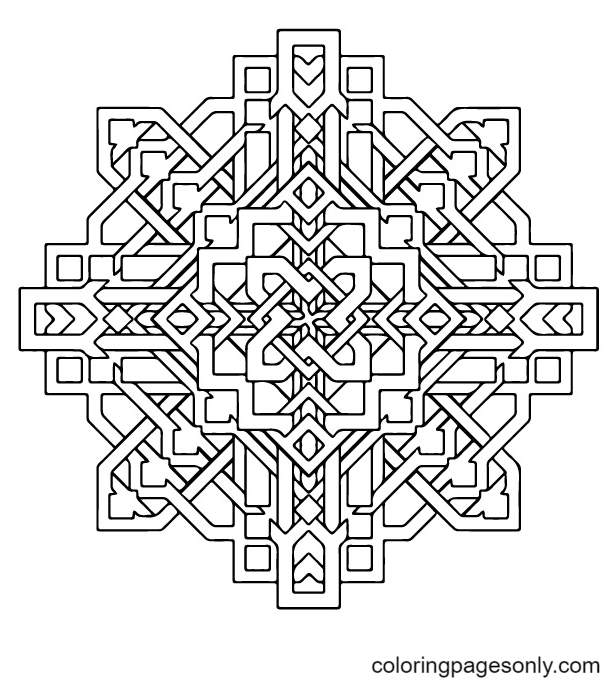
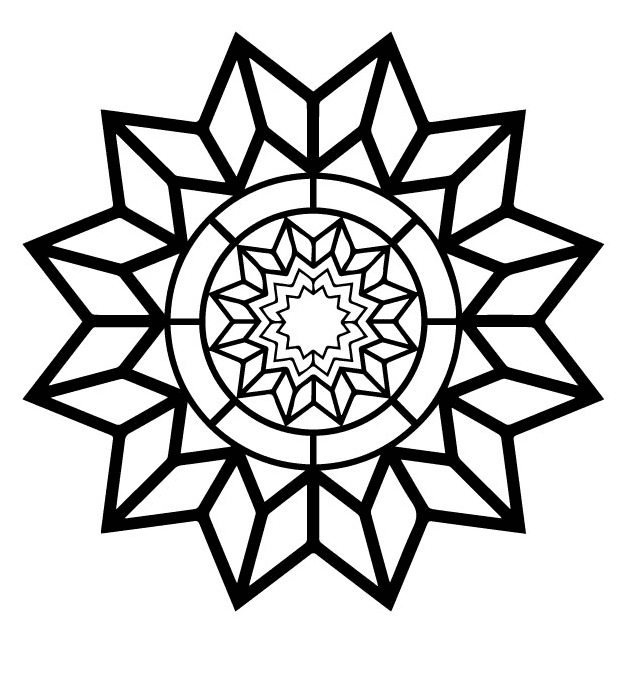
Geometric coloring pages translate a subject, often an animal, into flat, low-poly panels rather than smooth, rounded lines, a style borrowed from low-poly digital art and papercraft design. The site’s own older description promotes mandalas as one of the collection’s core categories, but only a single page in the entire set is actually labeled as a mandala; the rest of the collection is built from low-poly animal portraits and abstract polygon shapes instead.
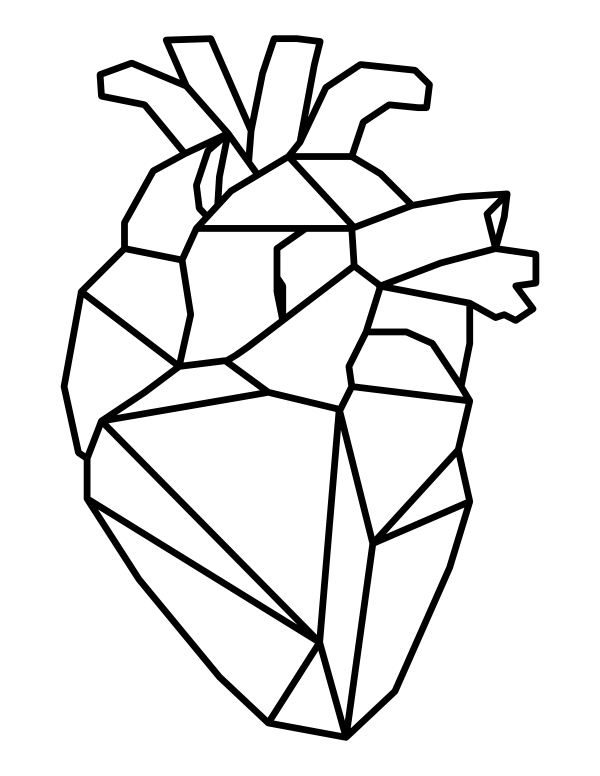
With 68 pages split into four groups, static low-poly animal portraits, animals in action poses, abstract shape and pattern pages, and generic printable pages, the set works well for both a quick, simple page and a more detailed, patience-testing design.
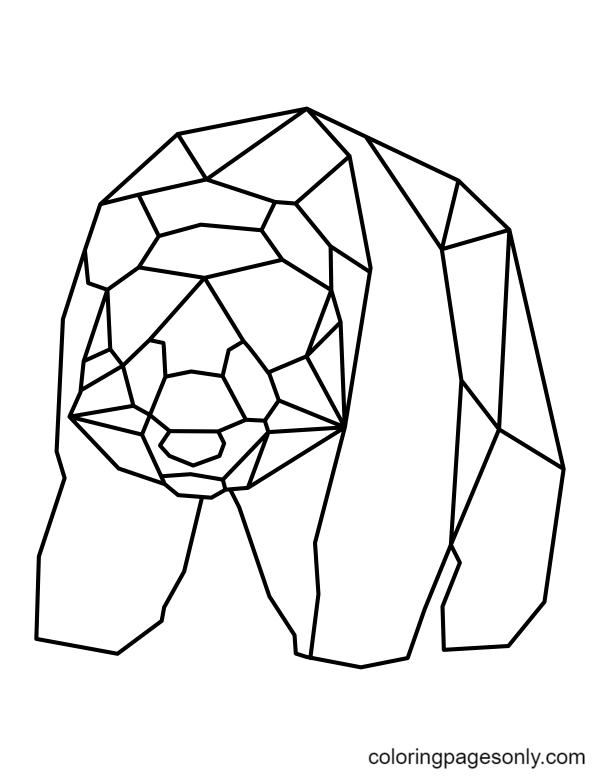
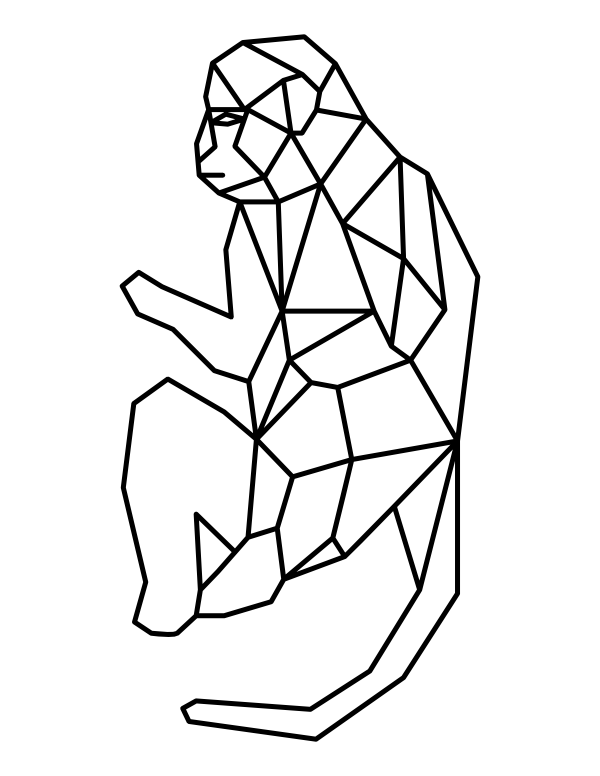
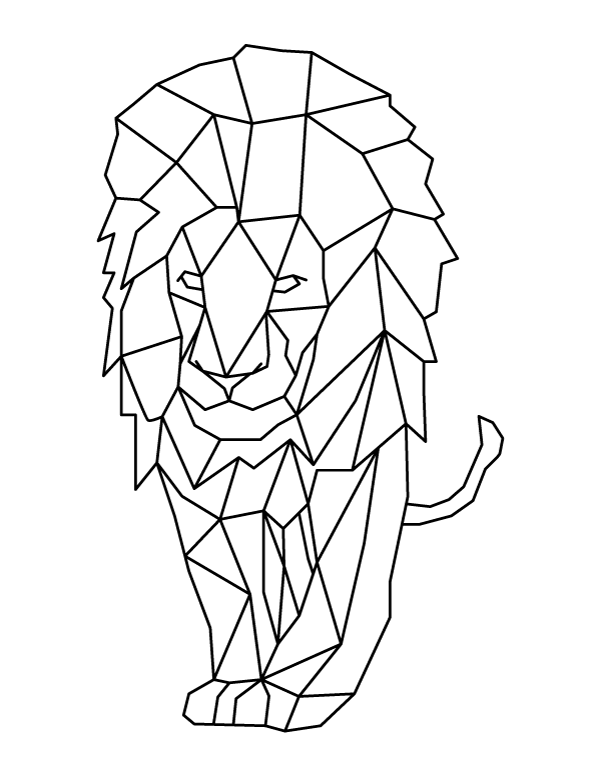
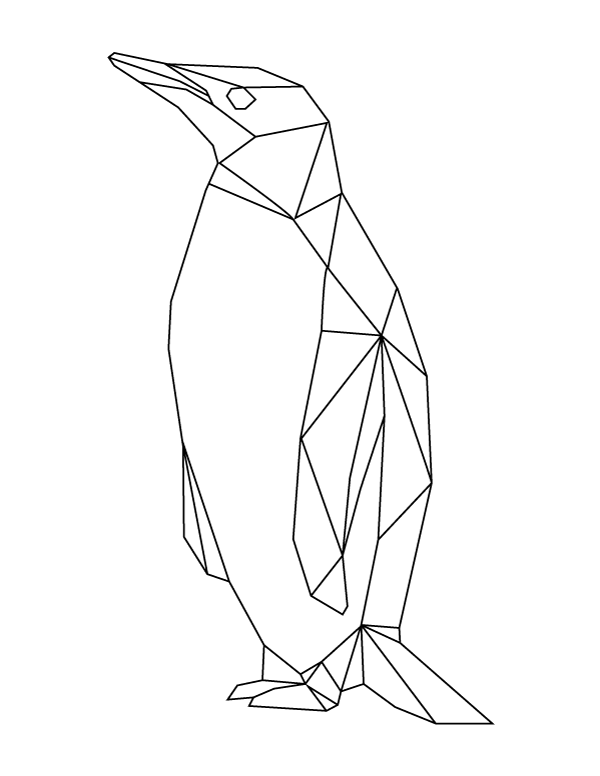
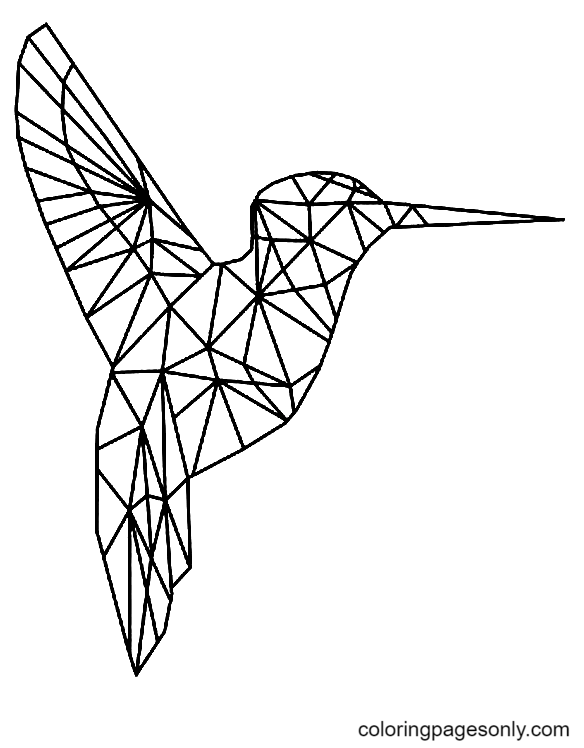
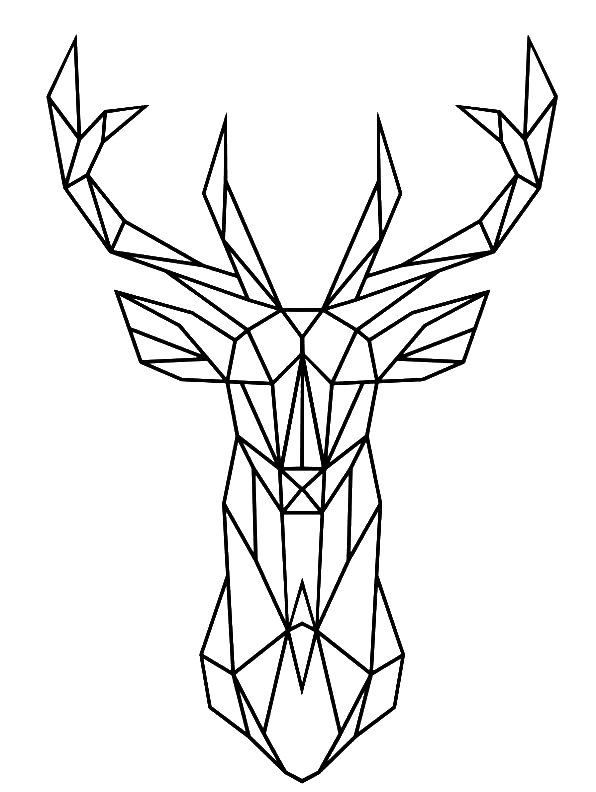
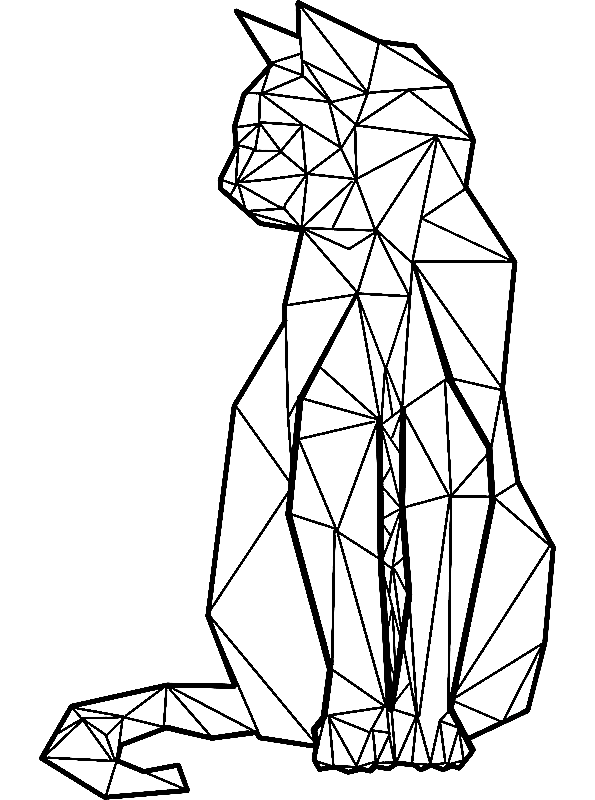
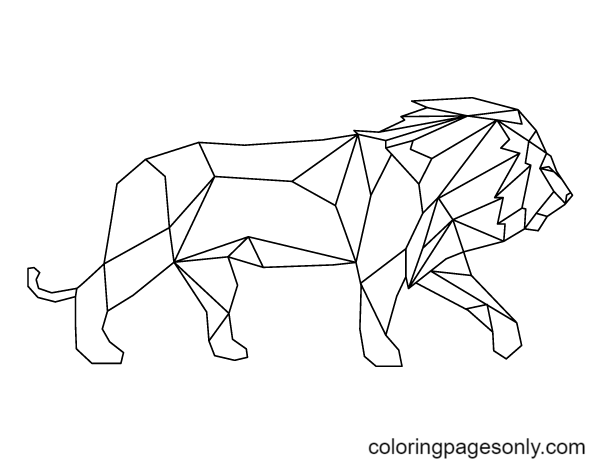
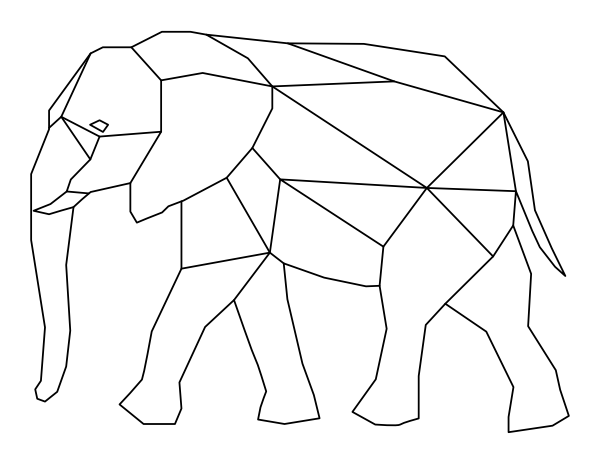
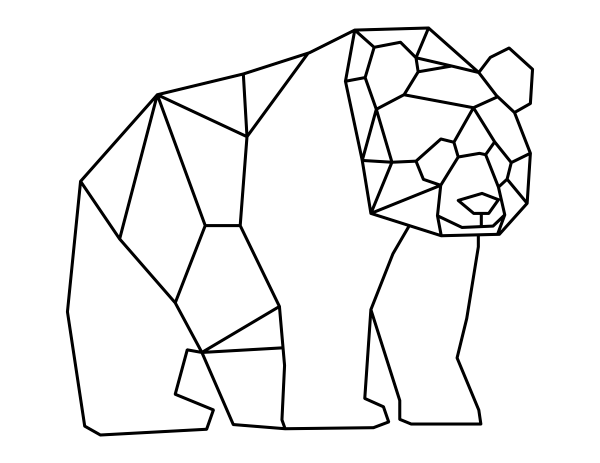
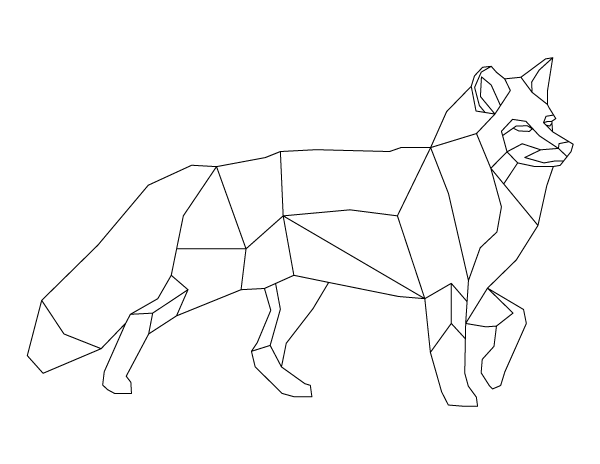
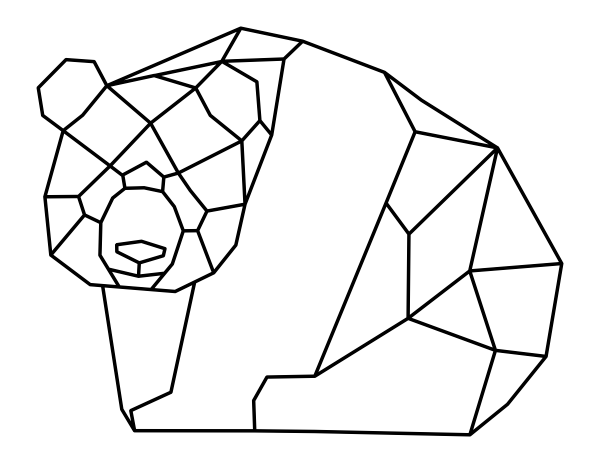

What Is Inside This Collection
The 68 pages fall into four groups, based on whether an animal appears, whether it’s shown in motion, and how abstract the design is.
Static Low-Poly Animal Portraits
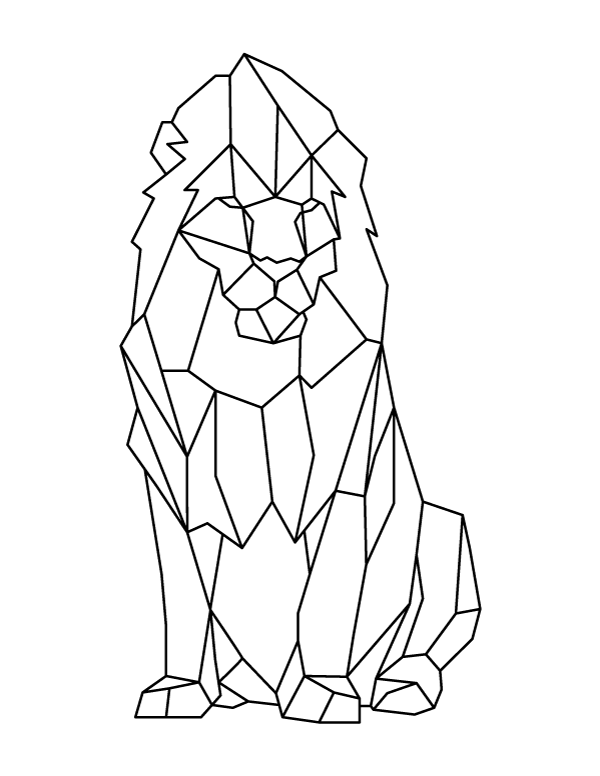
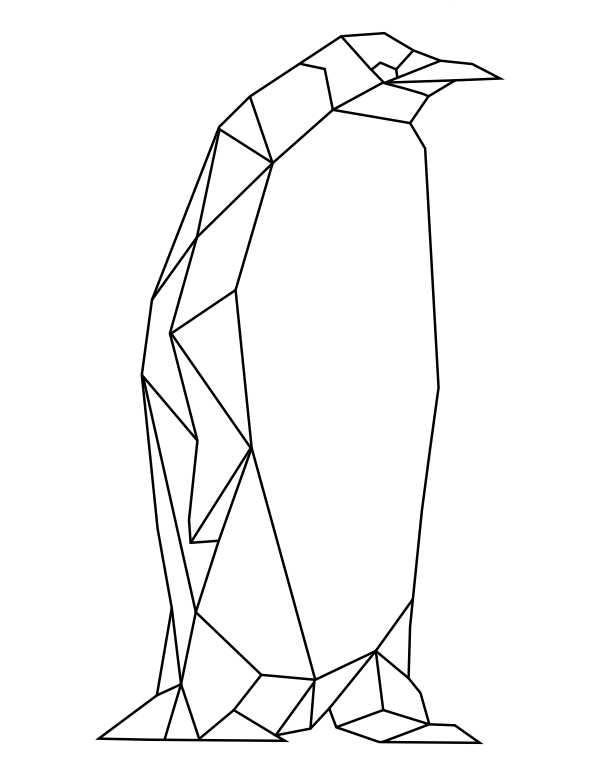
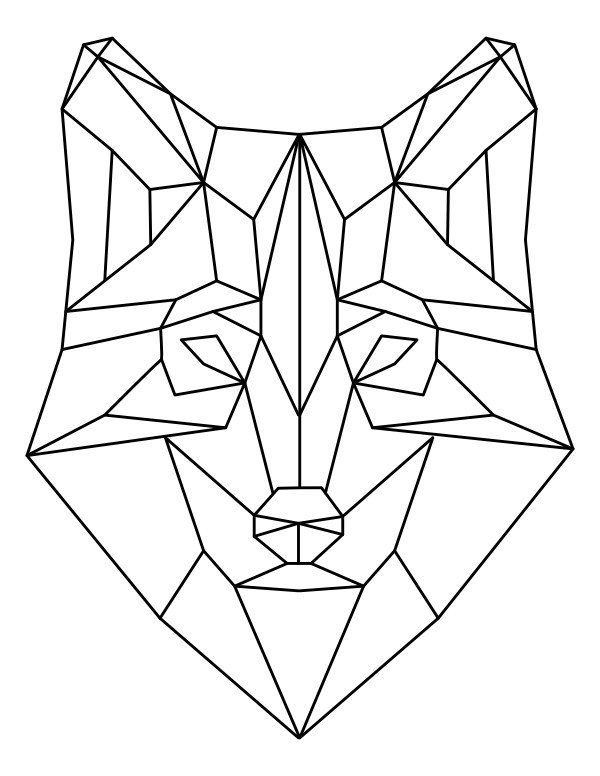
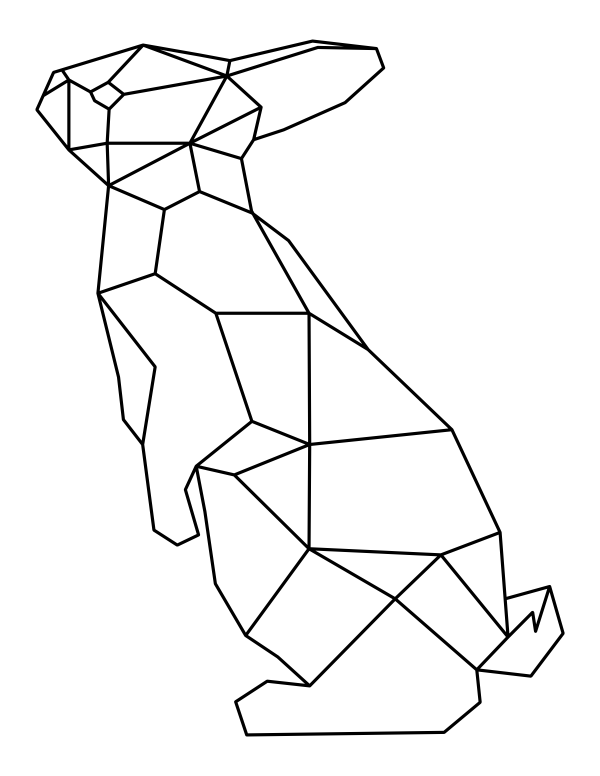
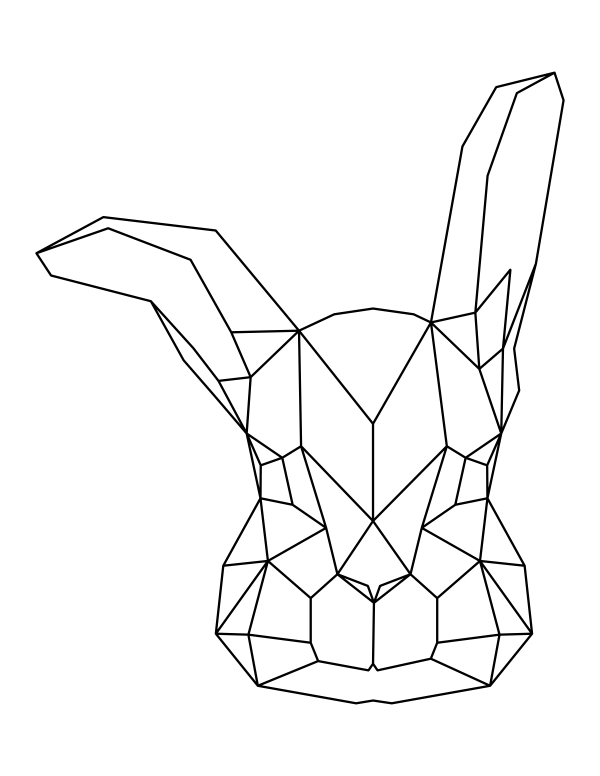
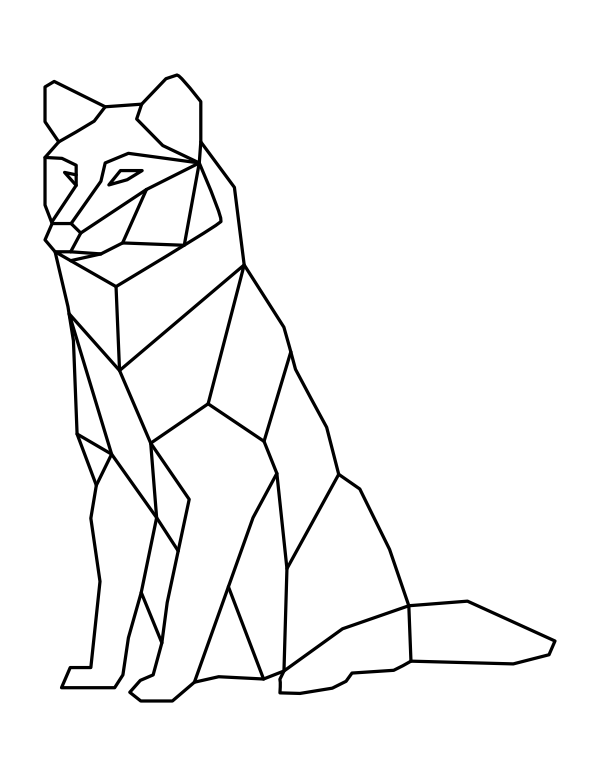
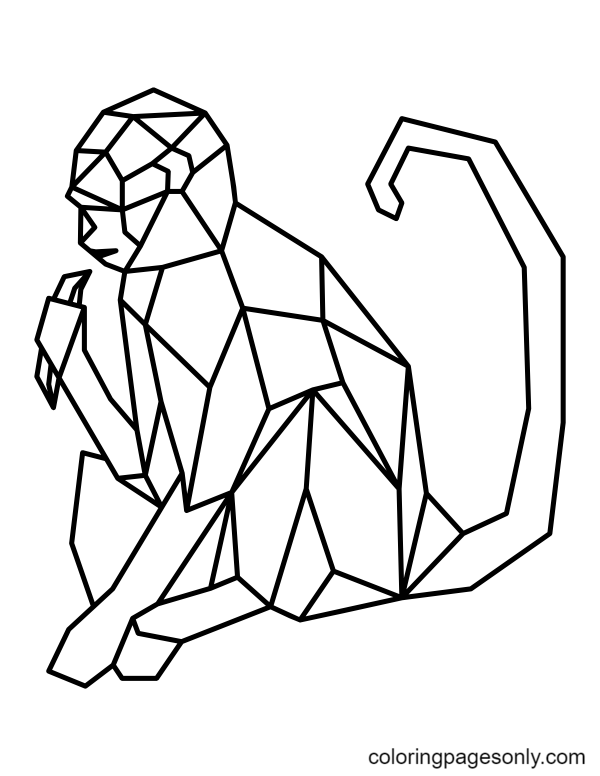
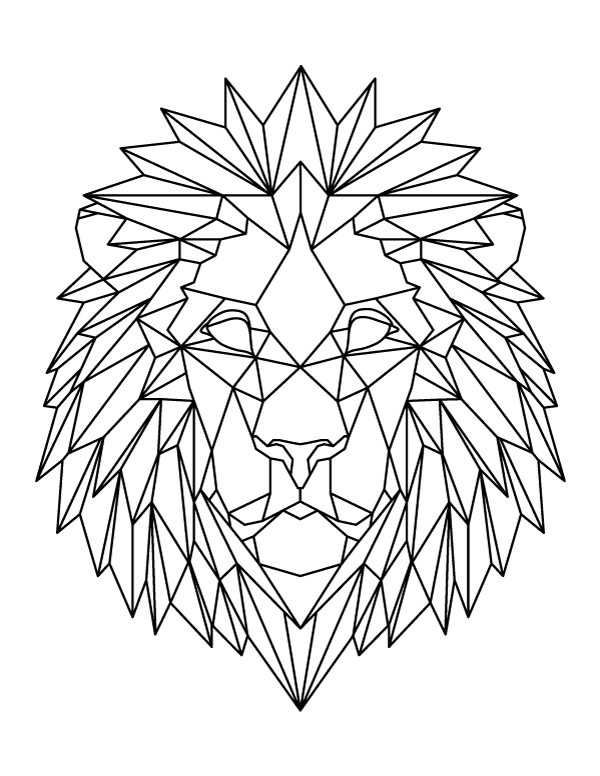
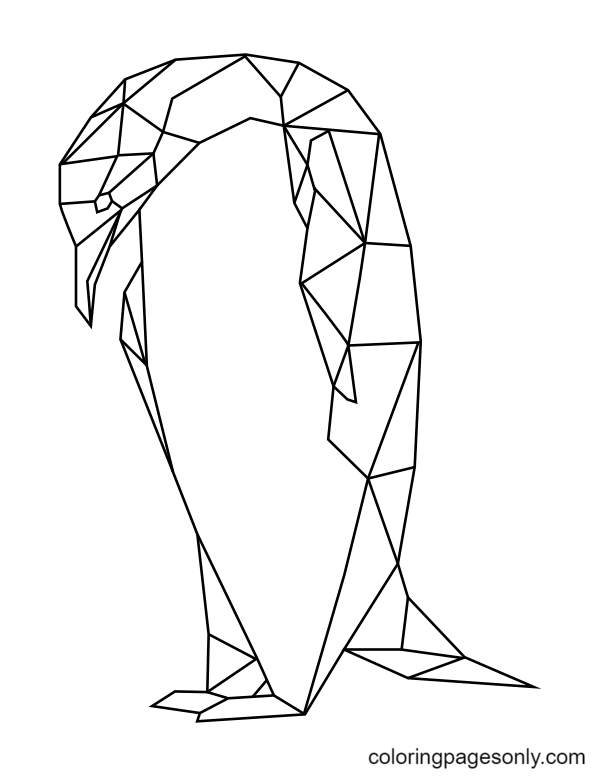
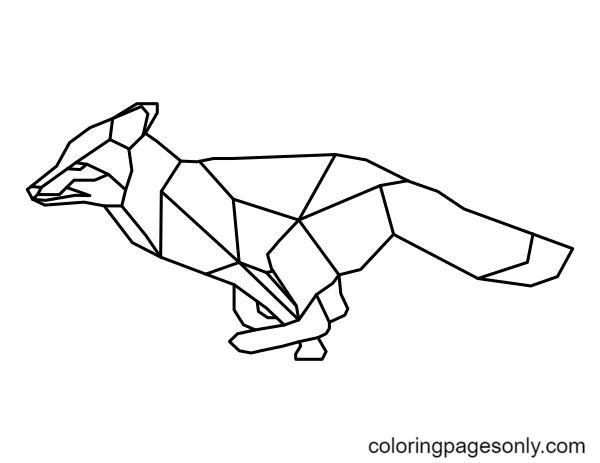
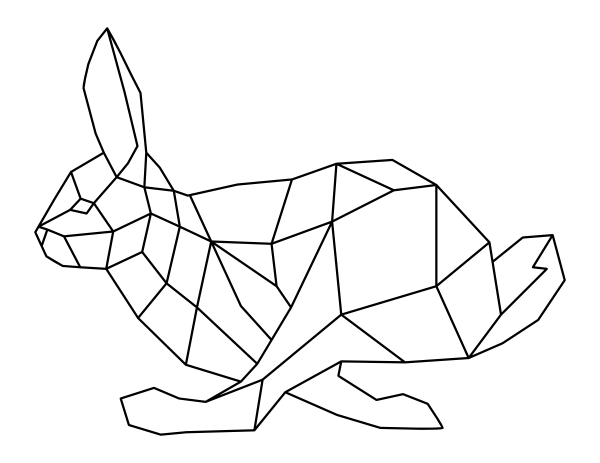
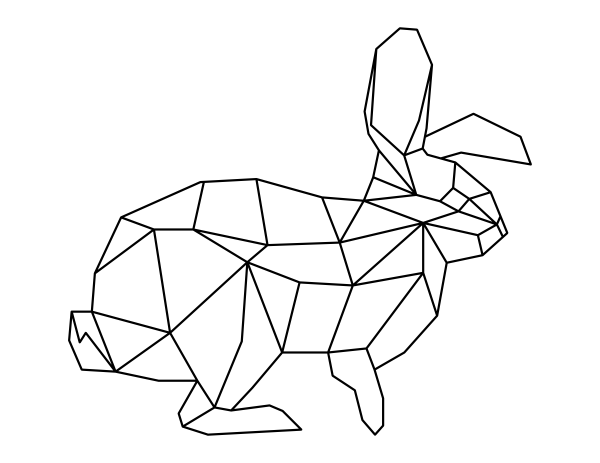
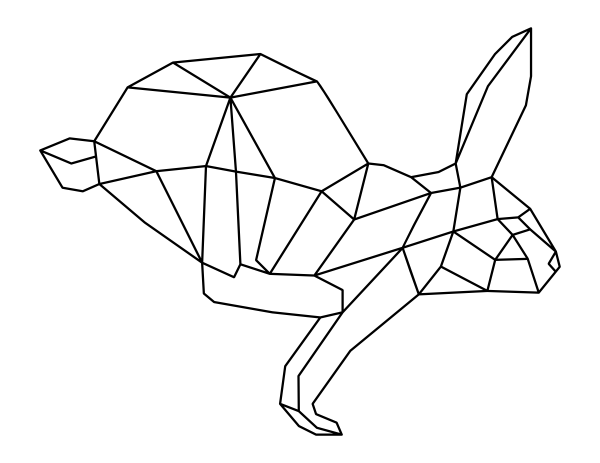
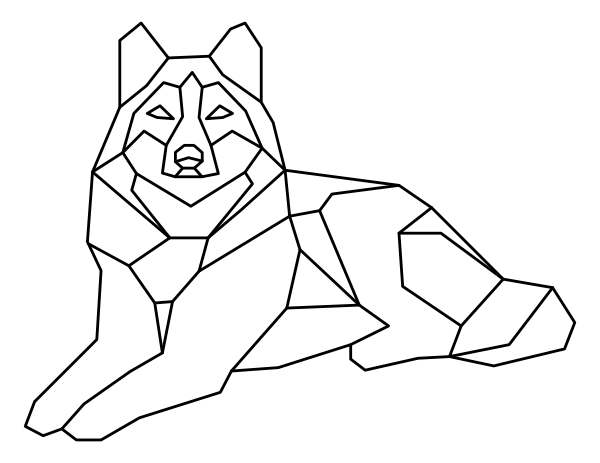
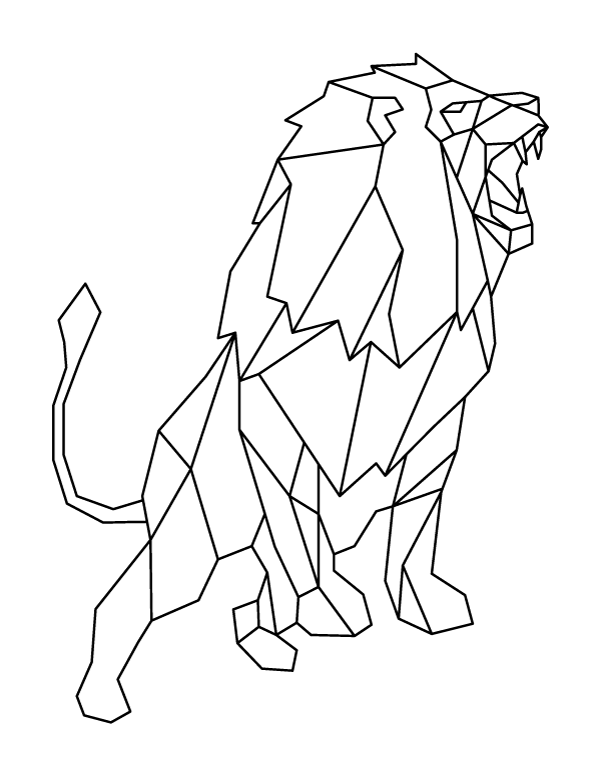
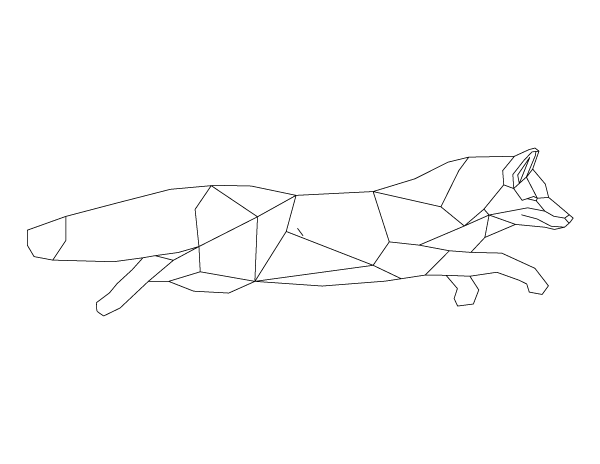
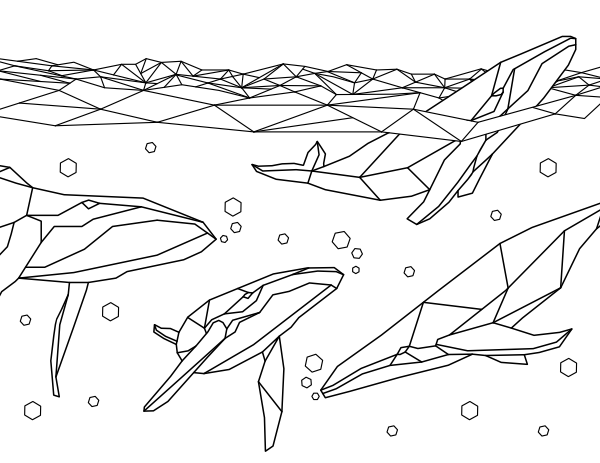
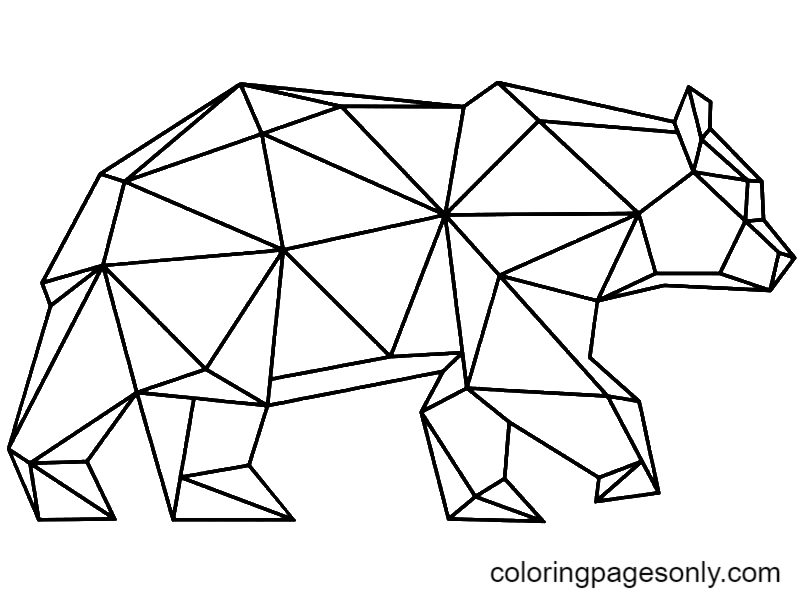
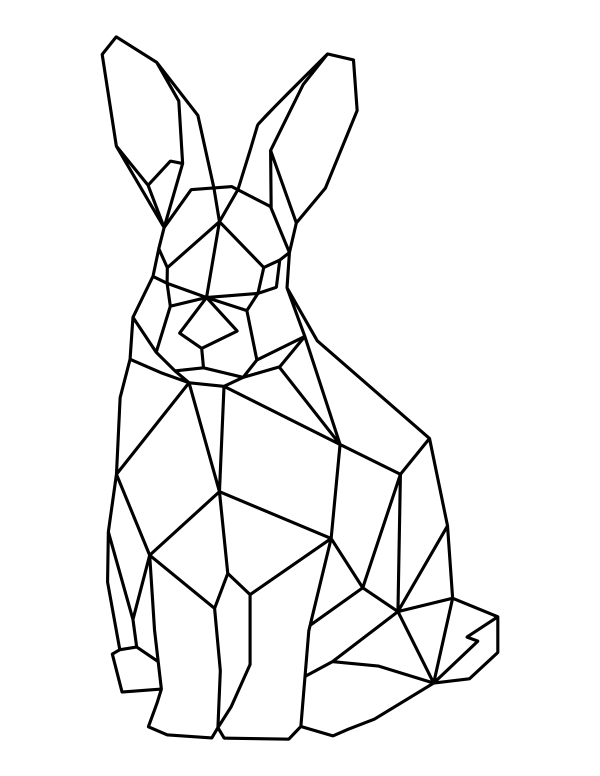
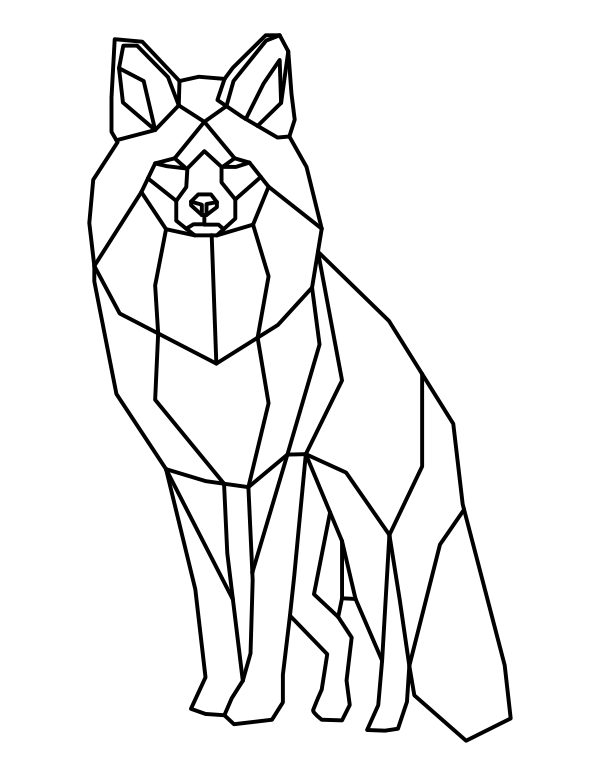
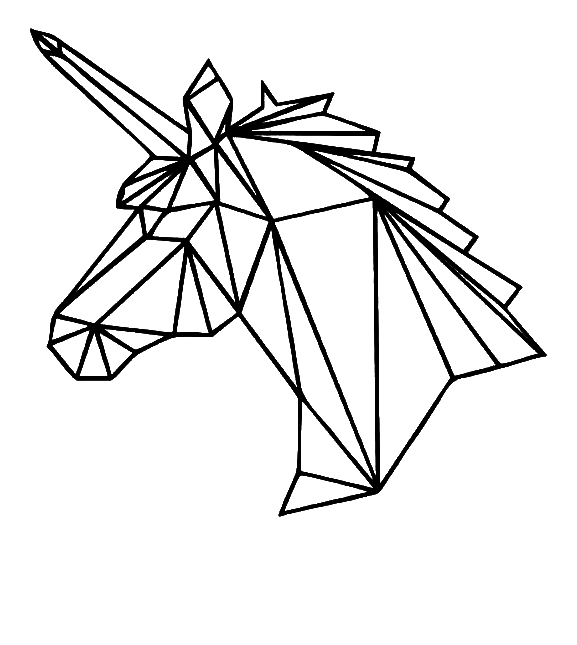
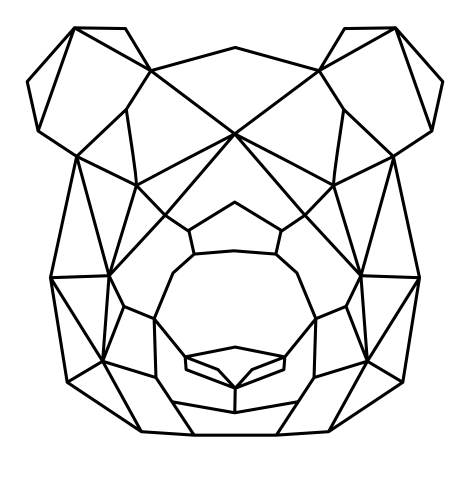
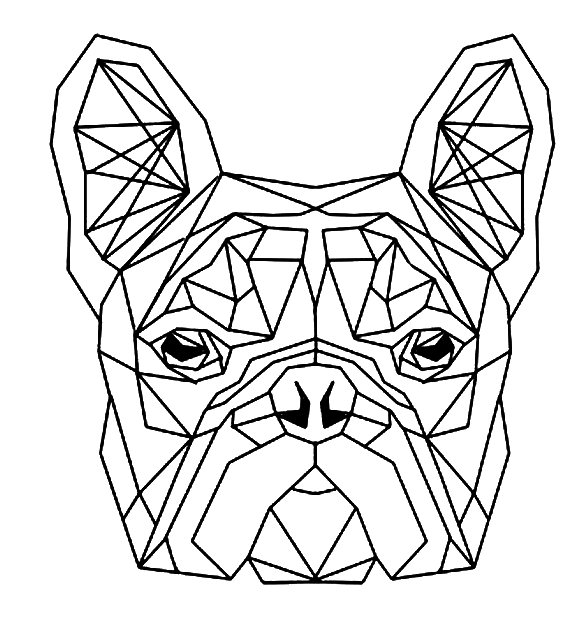
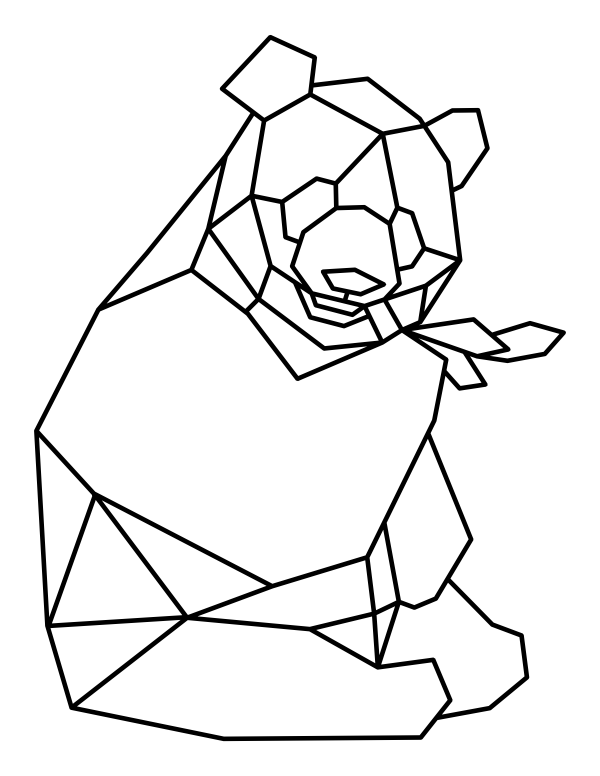
28 pages showing a single animal at rest or as a simple head shape, from rabbits and foxes to a wolf, whale, and even a unicorn. Using two or three tonal variations of the animal’s natural color across neighboring facets, rather than blending, suggests form while staying true to the low-poly style.
Animals in Action Poses
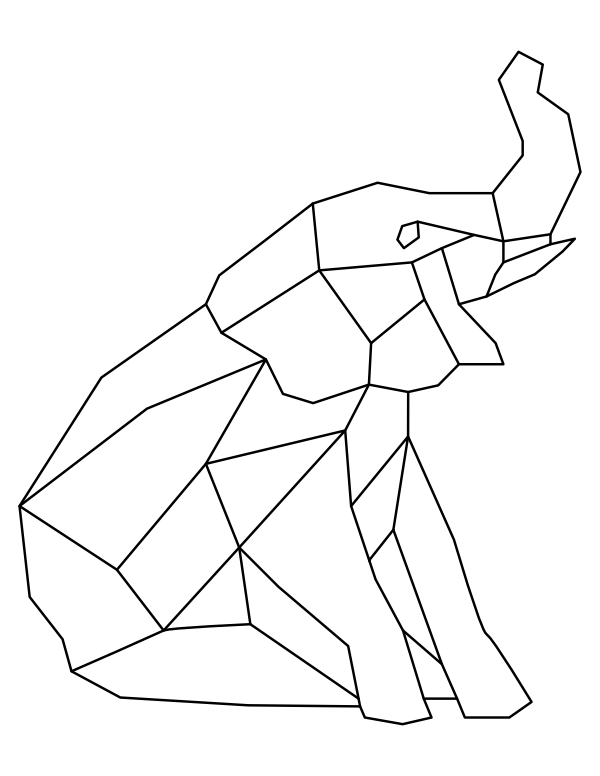
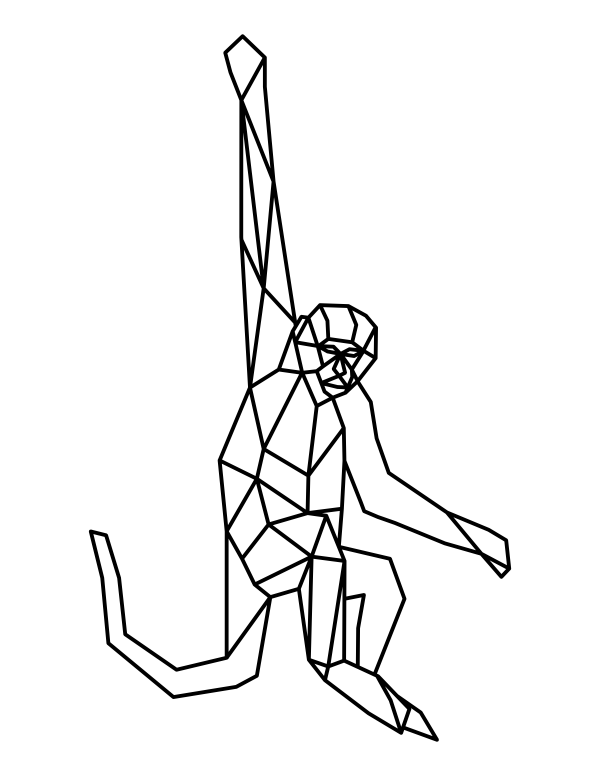
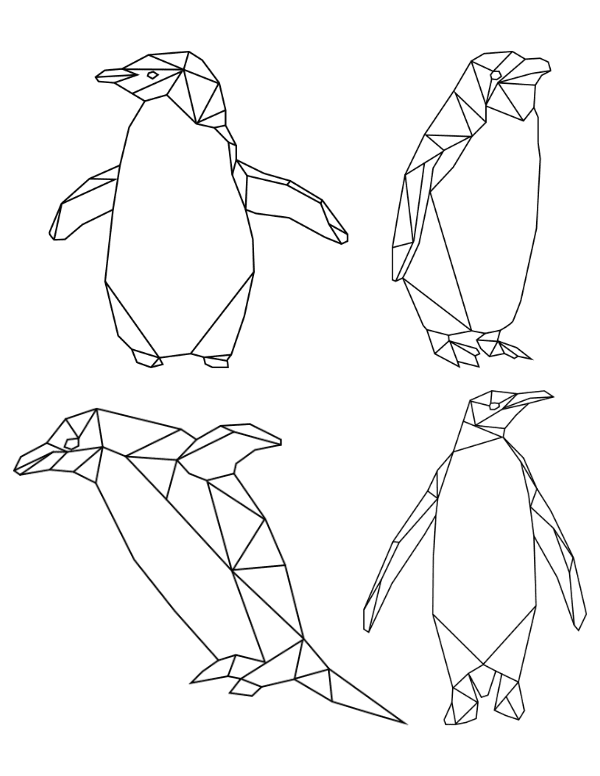
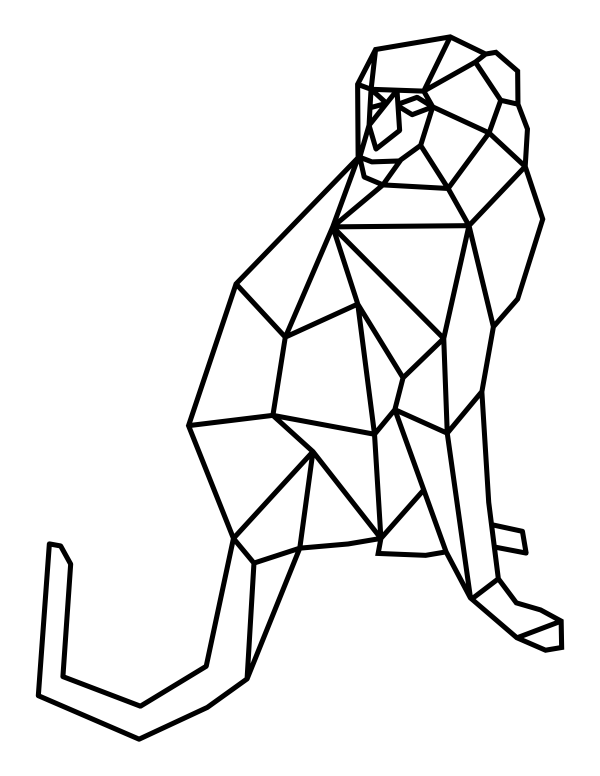
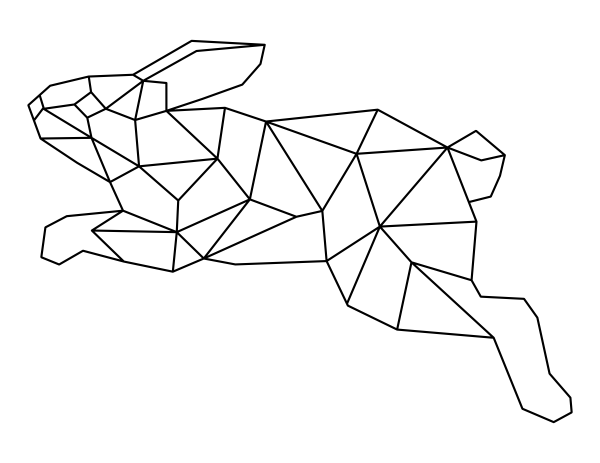
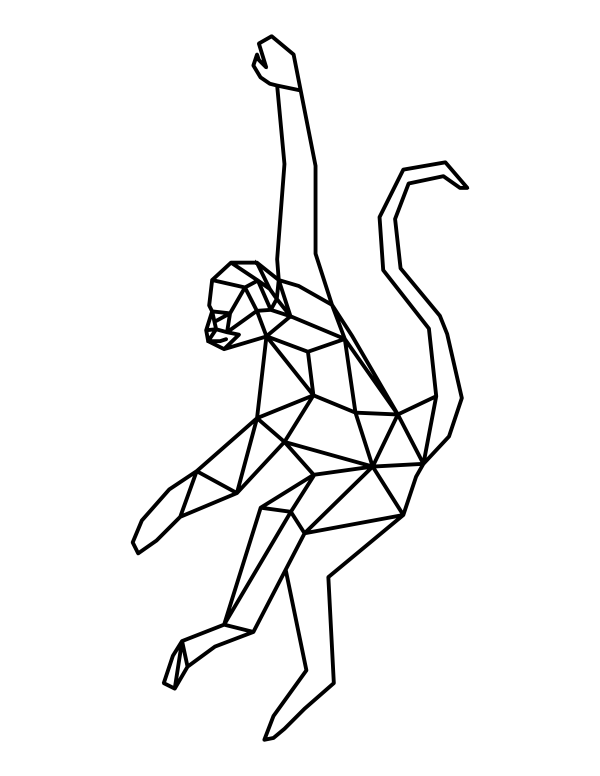
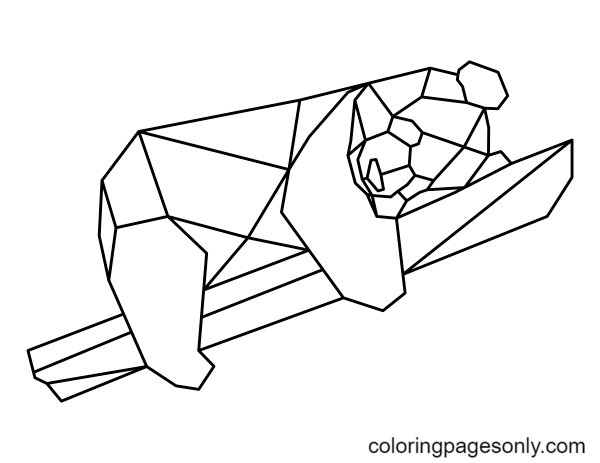
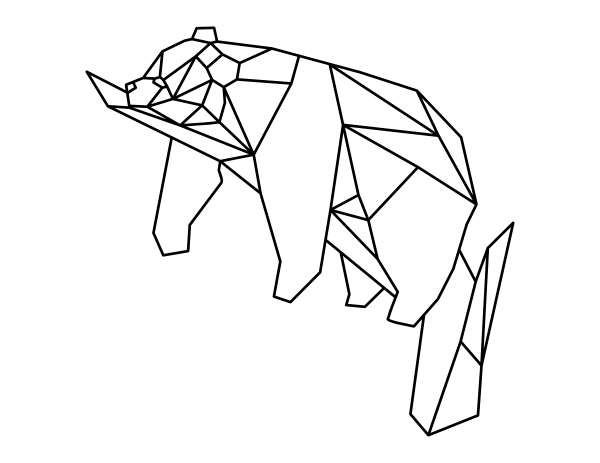
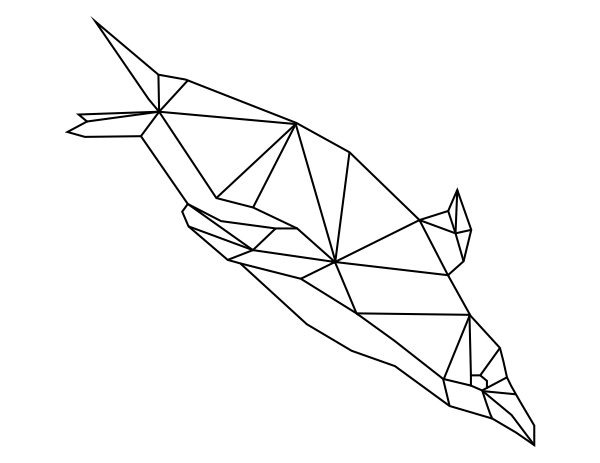
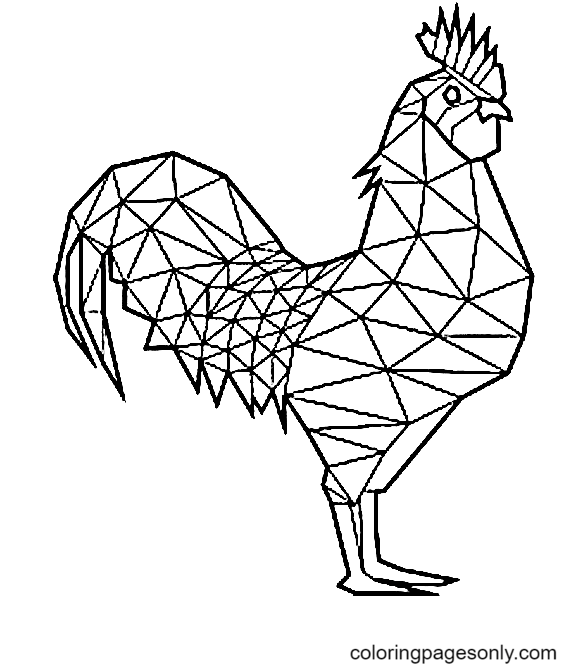
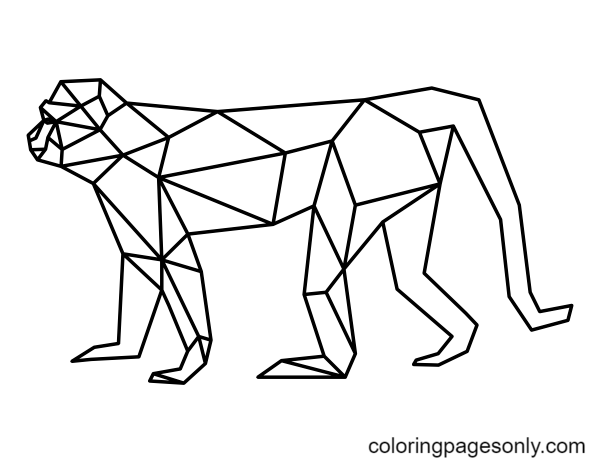
24 pages showing an animal walking, running, climbing, sleeping, or otherwise in motion. Slightly brightening or shifting the color on the moving limb or tail helps draw the eye toward the implied motion in these pages.
Abstract Shape and Pattern Pages
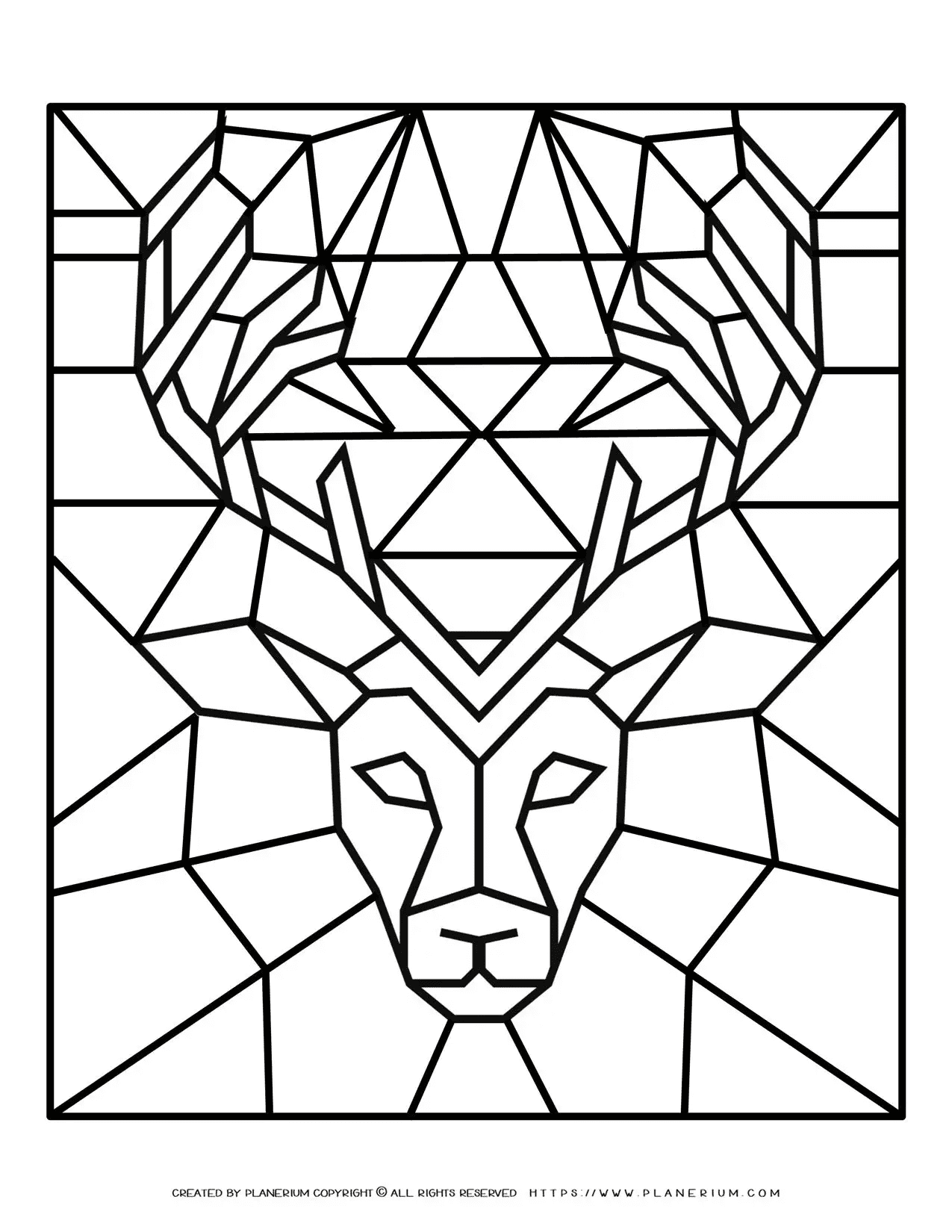
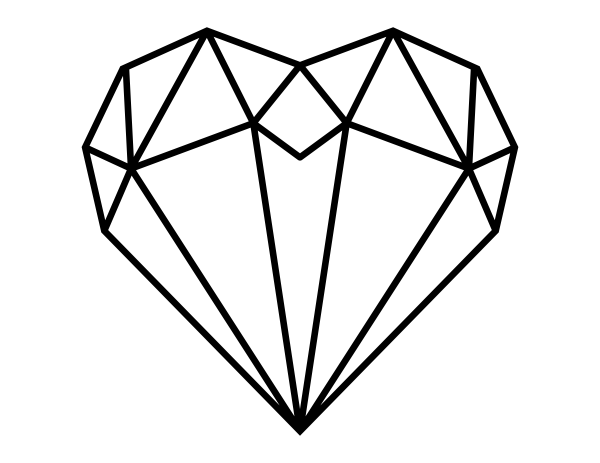
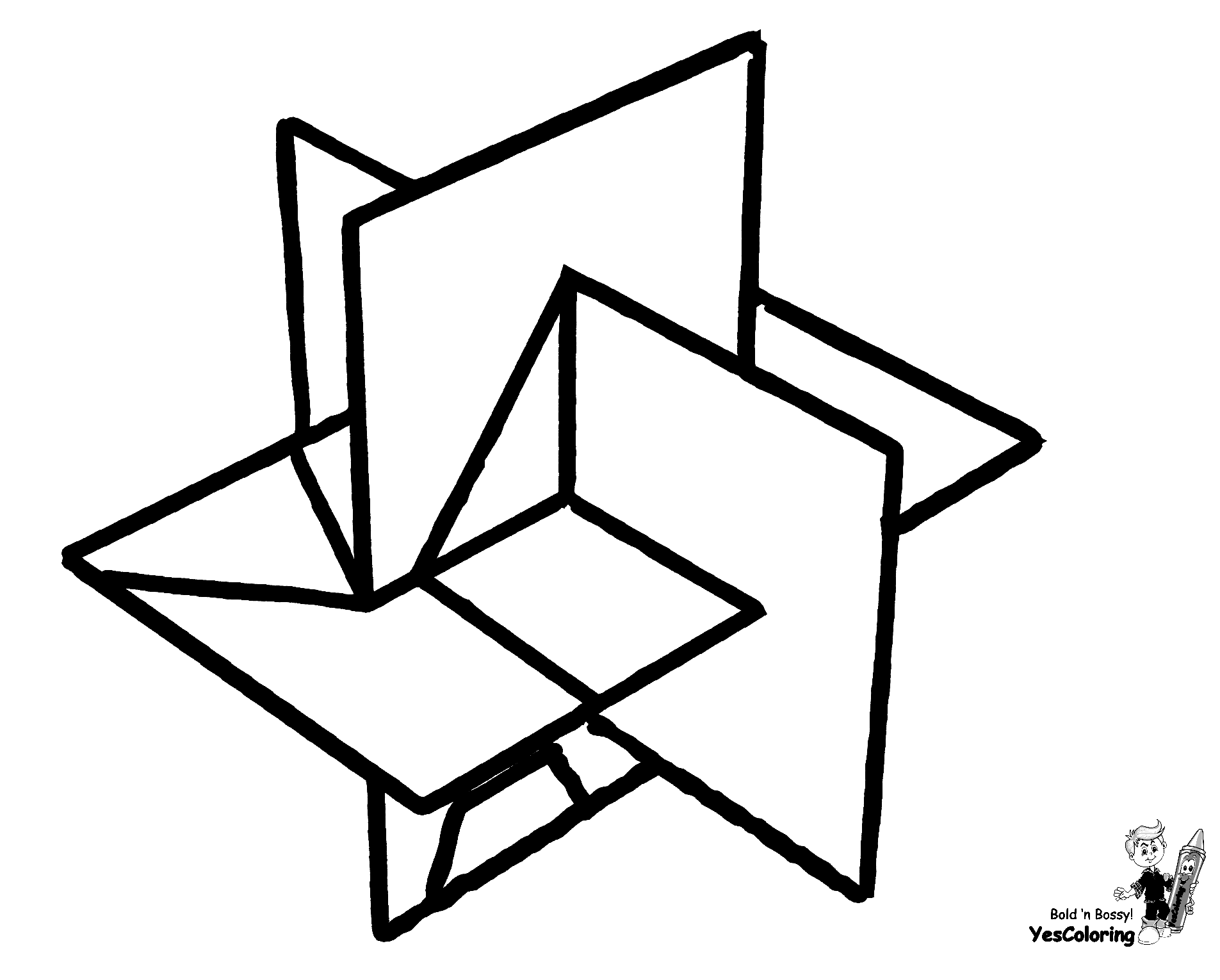
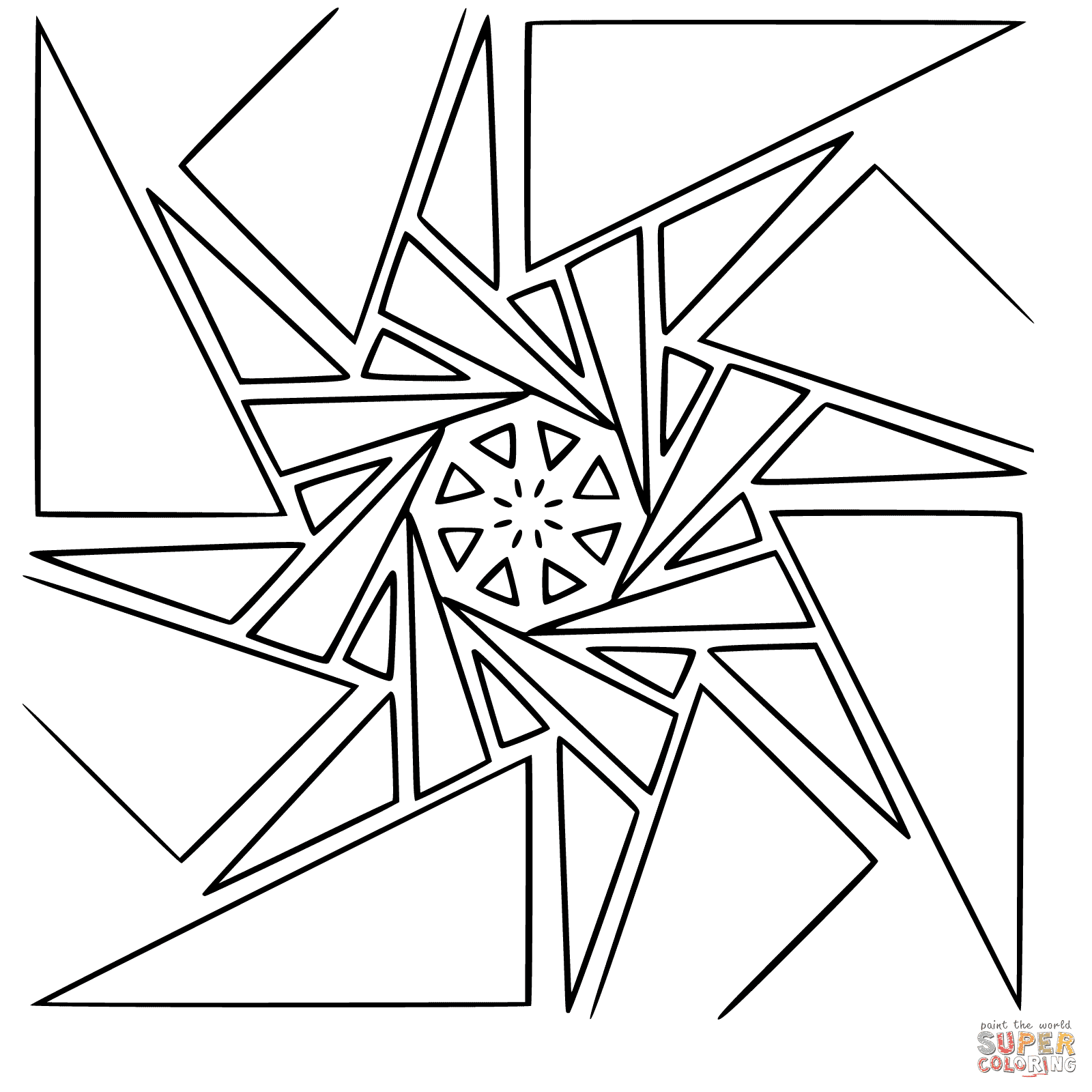
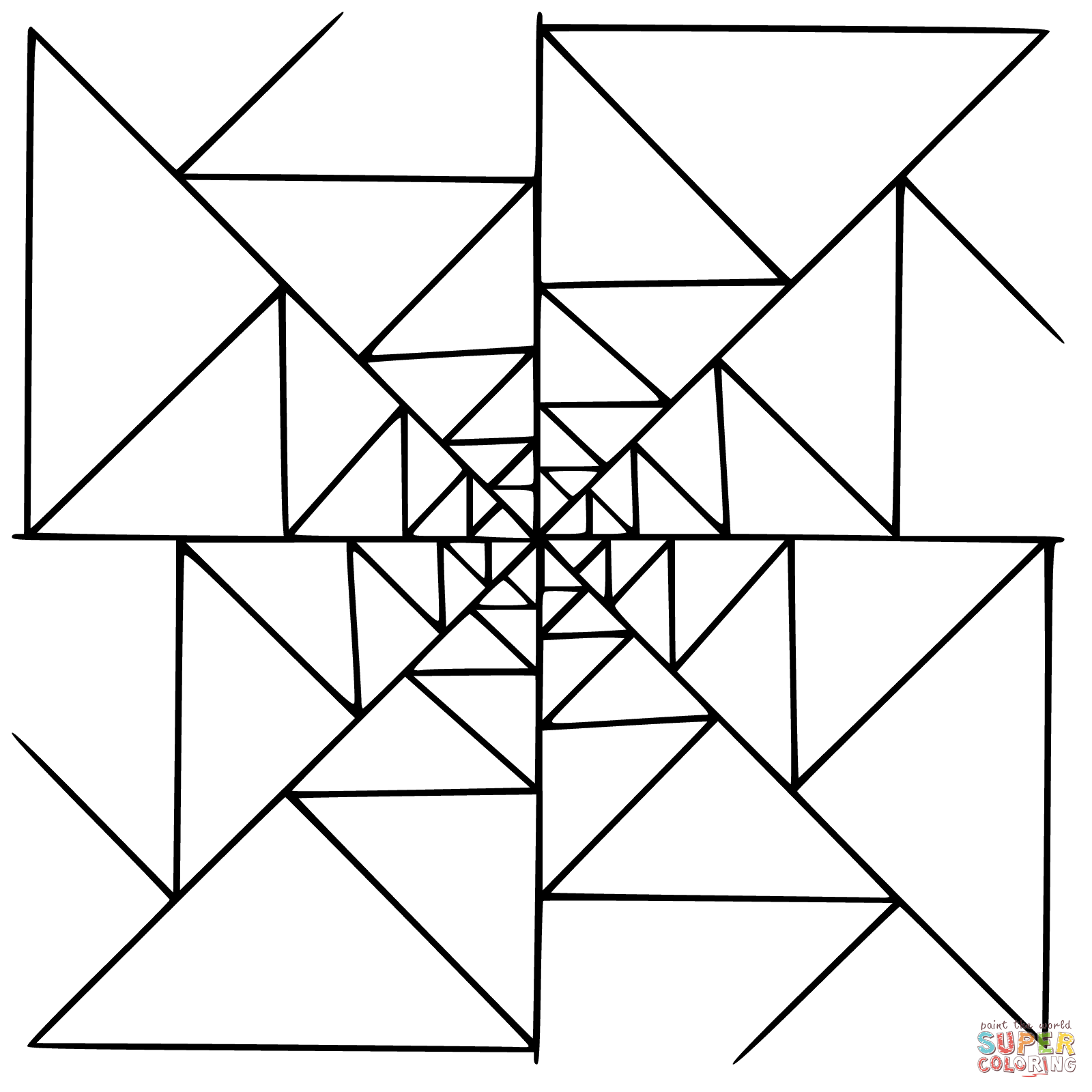
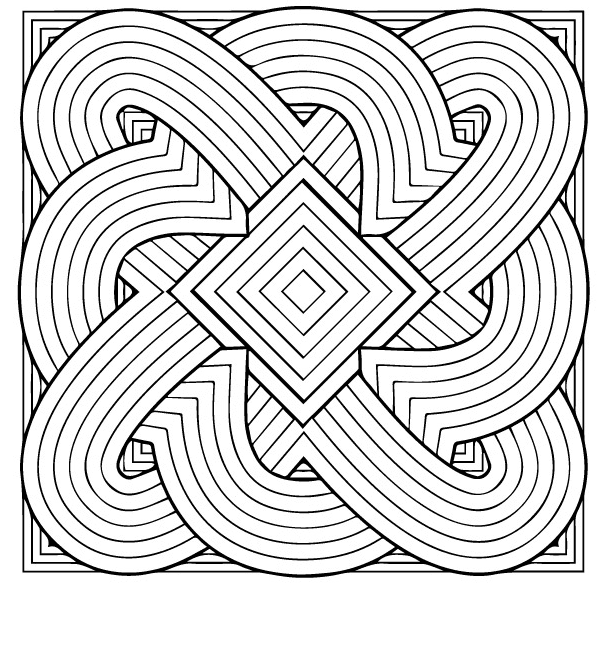
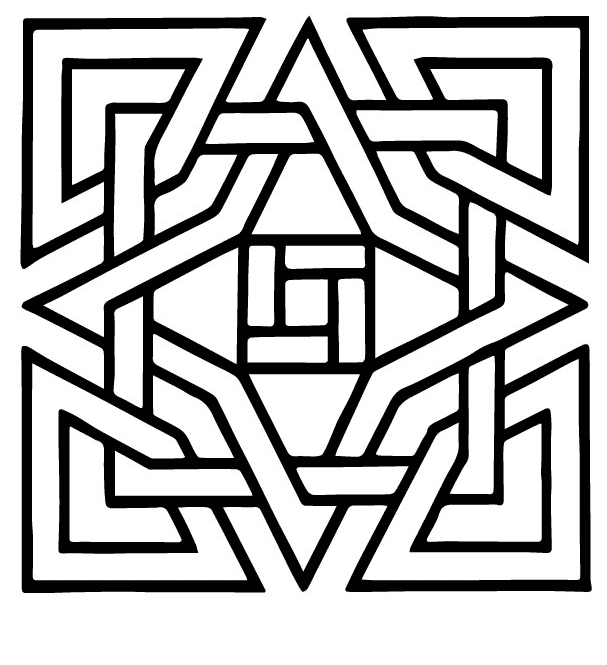
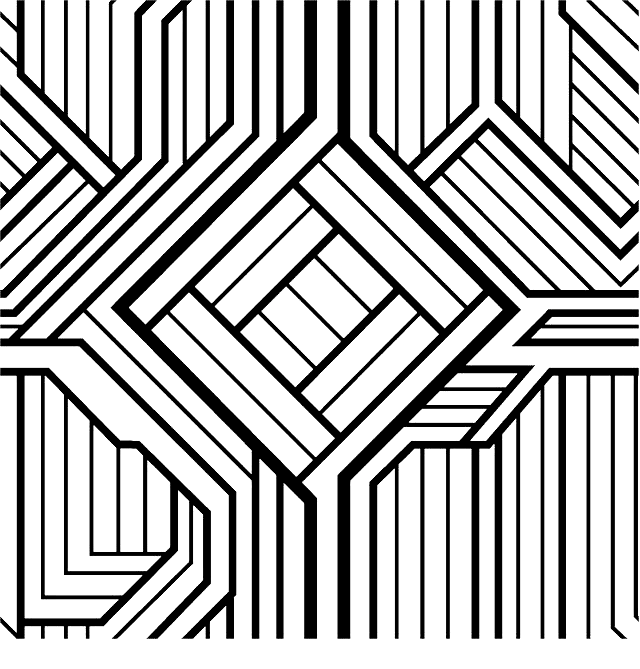
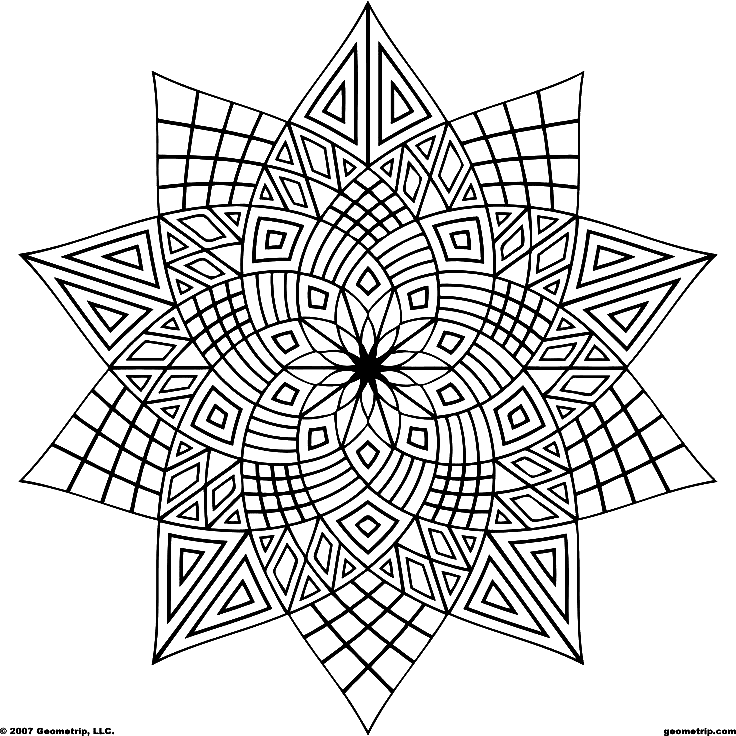
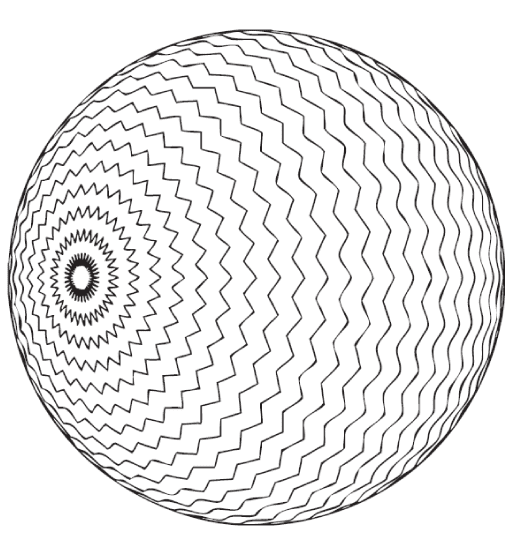
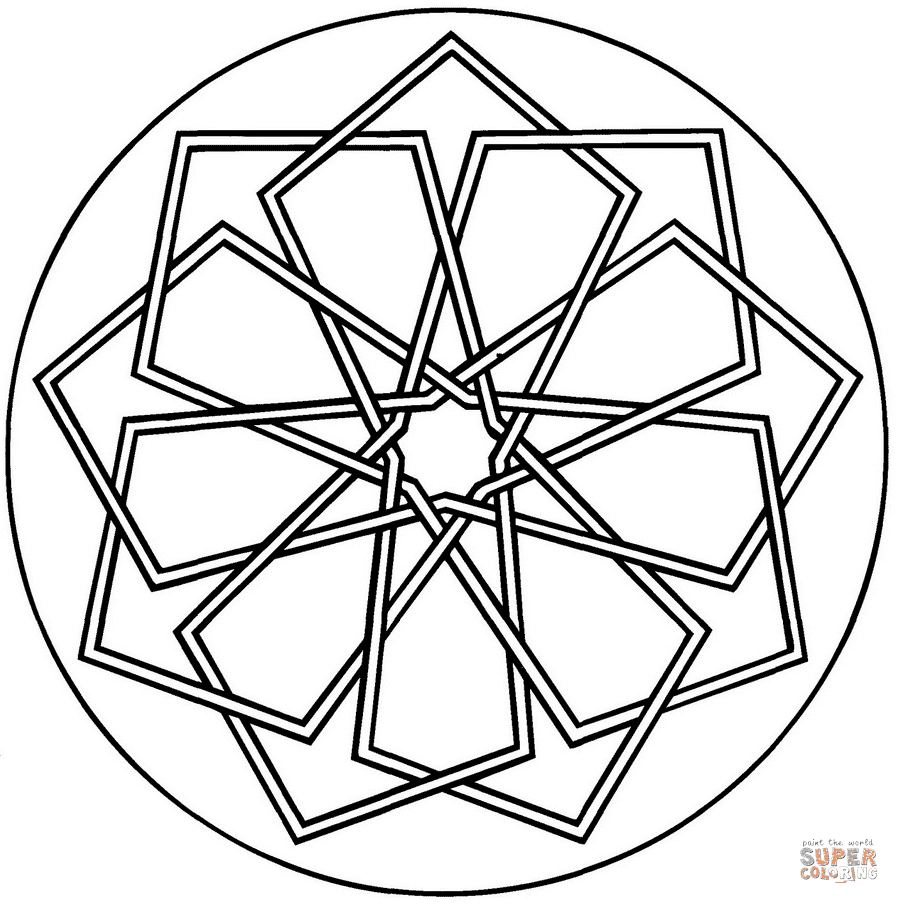
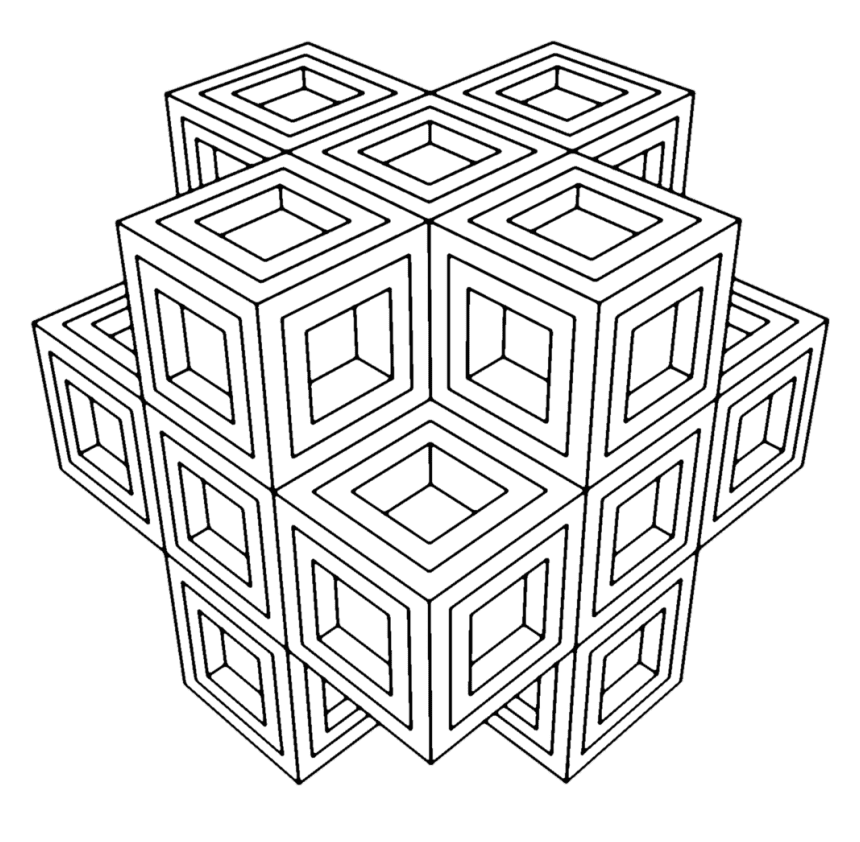
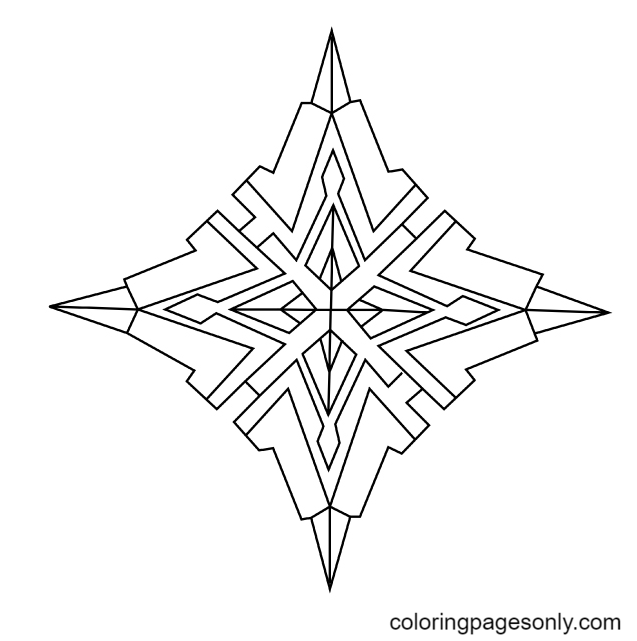
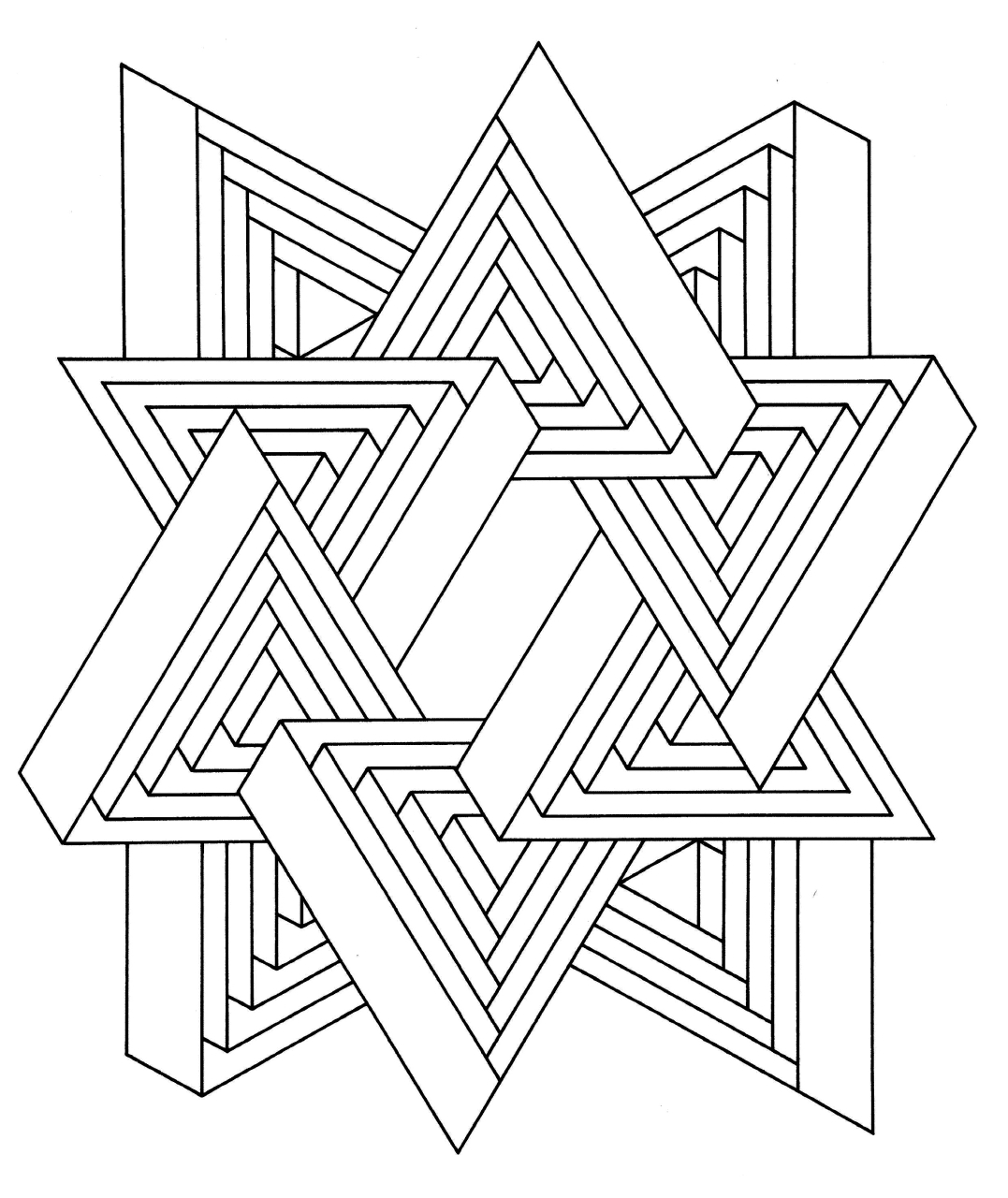
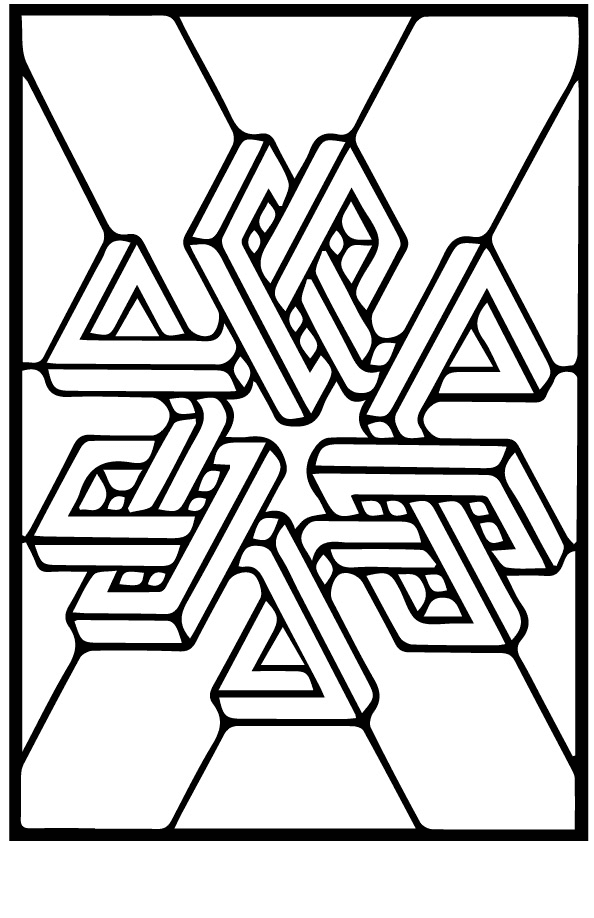
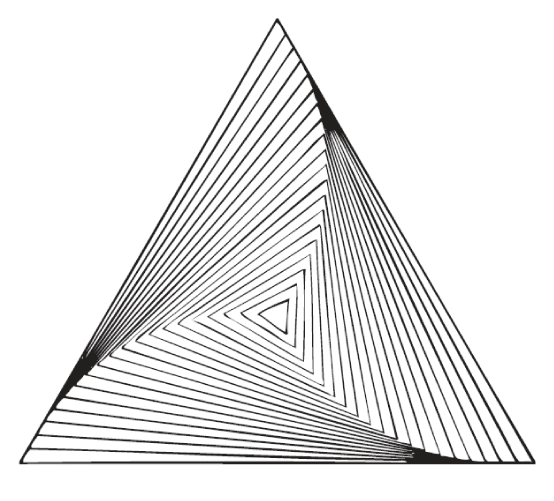
12 pages built around triangles, diamonds, or other abstract polygon patterns rather than an animal, including the collection’s single mandala page. Since there’s no animal color to match, a rainbow gradient moving one hue at a time across facets works especially well here.
Generic Printable Pages
4 pages filed under repeated titles like “Printable Geometric” or “Geometric to print” rather than a specific subject. A simple two-tone low-poly palette, two shades of a single color, is an easy, safe default across this group.
What These Geometric Coloring Pages Do
Fine motor practice across dozens of small facets. Coloring each low-poly facet a single flat color, staying inside dozens of small triangular and angular shapes rather than one large outline, asks for the same sustained fine motor precision the American Academy of Pediatrics credits to structured coloring.
A reminder to check what a page really is. Because the site’s own description promotes mandalas as a defining category when only one page in the set actually is one, checking a page’s real content before treating it as meditative mandala art is worth doing, especially since the low-poly animal pages that make up most of the collection work differently, built from flat facets rather than a circular, radiating pattern.
A calm, structured task. A 2005 Art Therapy Journal study linked structured, repetitive coloring to a measurable drop in anxiety, and filling in one flat-colored facet after another, in a fixed geometric pattern, offers an unusually literal, panel-by-panel version of that same repetitive, calming structure.
A light introduction to a specific art style. Because low-poly art relies on flat, unblended color within each facet rather than shading or gradients, this collection doubles as a light introduction to that particular design style, a different skill than the blending techniques used on more realistic animal pages.
How to Color Geometric Coloring Pages Well
- The low-poly base rule: Use one flat, solid color per facet, with no shading or blending within a single triangle or polygon, the defining rule of this style.
- Animal portraits: Two or three tonal variations of the animal’s natural color, like two shades of Gray for a wolf, across neighboring facets suggest form without blending.
- Action pose pages: Slightly brighten or vary the color on the moving limb or tail to draw the eye toward the implied motion in the pose.
- Abstract shape pages: With no animal to match, a rainbow gradient across facets, shifting one hue at a time, works especially well.
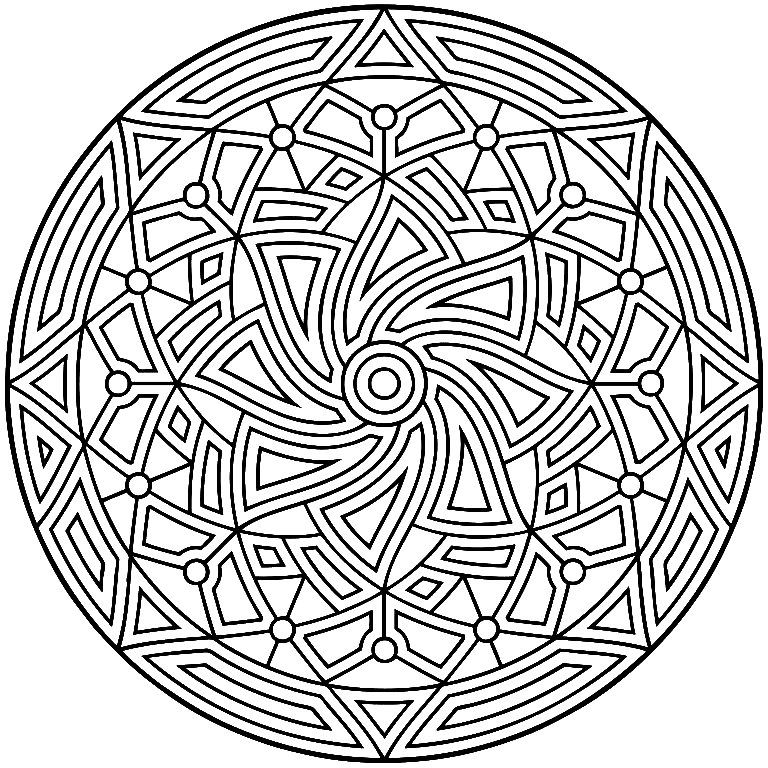
- The single mandala page: Unlike the rest of the collection, work from the center outward in a radiating, symmetrical pattern rather than facet by facet.
- Generic pages: A simple two-tone low-poly palette, two shades of one color, is an easy, safe starting point when no specific animal or shape is guiding the choice.
5 Creative Craft Ideas With Geometric Coloring Pages
1. Low-Poly Wall Art Set. Color three or four favorite animal portraits and frame them together in matching frames for a themed wall display.
2. Geometric Puzzle Cut. Color a page, cut it into its individual facet shapes, then reassemble it like a jigsaw puzzle.
3. Layered Paper Sculpture. Color a page, cut out the larger facet sections, and glue them at slightly different heights on cardboard for a raised, 3D effect.
4. Geometric Gift Tag. Color a small animal portrait, trim it down, punch a hole, and attach it to a gift with ribbon.
5. Shape Matching Game. Color two copies of an abstract shape page with different palettes, then challenge a friend to spot every facet that changed color.
Frequently Asked Questions
What are geometric coloring pages?
Printable designs featuring animals and shapes rendered in flat, low-poly panels, split between static animal portraits, animals in action poses, abstract shape and pattern pages, and generic printable pages. This collection has 68 pages, free to download as a PDF or color directly online.
Does this collection include a lot of mandalas?
No, despite what the site’s own description suggests. Only one page in the entire 68-page collection, Simple Geometric Mandala, is actually labeled as a mandala; the rest of the set is built from low-poly animal portraits and abstract polygon shapes instead.
What does “low-poly” mean?
Low-poly refers to a design style built from a small number of flat, angular facets rather than smooth curves, originally borrowed from early 3D digital modeling and now common in modern papercraft and animal-portrait art.
Are these pages harder to color than regular outlines?
Not necessarily harder, but different. Instead of staying inside one large outline, a low-poly page asks for many small, individually colored facets, which rewards patience more than fine detail work.
Are geometric coloring pages suitable for young children?
Yes, though details vary widely. The simpler static portraits suit children as young as 5 or 6, while the most detailed action-pose and abstract pages, with dozens of small facets, work better for older children or adults.
What’s the difference between the static portraits and action pose pages?
The static portraits show an animal in a plain, resting pose or as a simple head shape, while the action pose pages add motion, walking, running, and climbing, giving the same low-poly style a bit more visual energy.
Can this collection be used to teach basic shapes?
Yes, in a limited way. The abstract shape pages can support a basic lesson on triangles and polygons, though the collection is built more around visual style than formal geometry instruction.
What age group are the abstract shape pages best suited for?
The abstract shape and pattern pages, with their higher facet count and less obvious subject matter, generally suit older children, teens, and adults more than very young children.
Start Coloring
Download any page by clicking the design. No account, email, or payment is required. Pages print directly from the browser at full resolution or open in the online coloring tool for screen use. Share finished pages on Facebook or Pinterest with the share buttons at the top of each design page.