Hey Arnold! Coloring Pages
 By:
Jennifer Thoa - Content Editor & Designer
Updated:
By:
Jennifer Thoa - Content Editor & Designer
Updated:
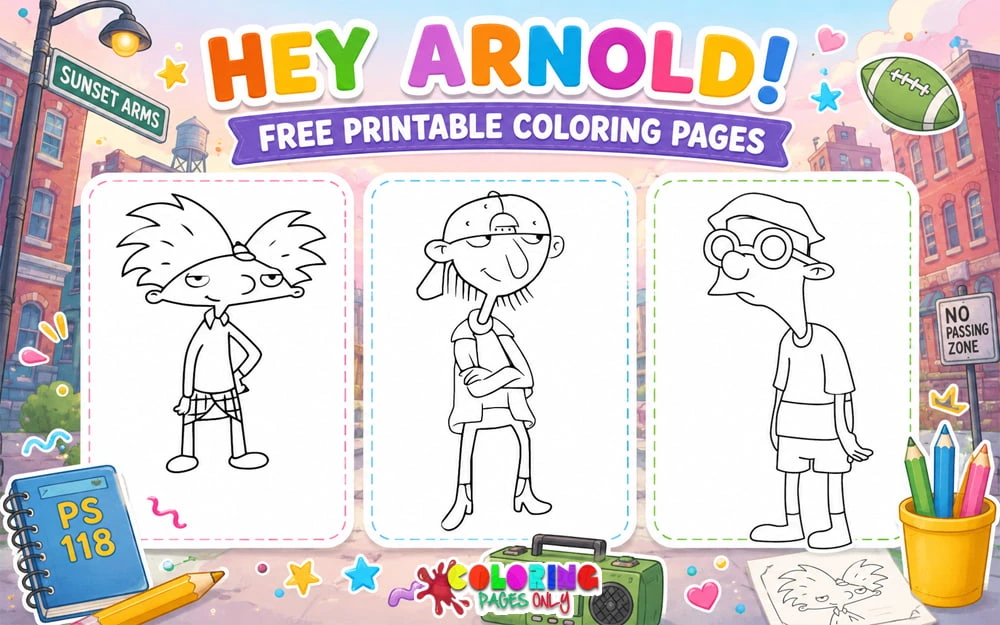
Hey Arnold! coloring pages: 50+ free printable PDF designs covering Arnold and Gerald, Helga and Phoebe, classmates and neighborhood kids, family and adult characters, and group and pet scenes. Every page is available as a printable PDF or to color in the browser, with no account required.
Hey Arnold! carried one of the longest-running mysteries in kids’ television: what actually happened to Arnold’s parents, who disappeared on an expedition when he was a baby. The original series ended in 2004 without answering it, and fans spent well over a decade petitioning Nickelodeon before the question was finally resolved in a 2017 TV movie, Hey, Arnold!: The Jungle Movie, more than thirteen years after the cliffhanger first aired.
The show’s most famous physical detail is right there in its own dialogue: other characters regularly call Arnold “football head,” a nickname the show itself leans into rather than downplays. It’s rare for a cartoon’s most recognizable trait also to be an actual running joke inside the story.
These pages suit longtime fans who remember waiting for that mystery to be solved, kids just meeting the Hillwood neighborhood for the first time, and families who appreciate a show that gave real screen time to its background characters, not just its lead.


Quick Answer
Hey Arnold! Coloring pages are a free set of 50+ printable PDFs and browser-based coloring sheets covering Arnold and Gerald, Helga and Phoebe, classmates and neighborhood kids, family and adult characters, and group and pet scenes.
Best for: children aged 3 and up, longtime fans of the original series, and families who enjoy a large, well-developed cartoon cast
Formats: printable PDF and online coloring
Popular pages: Arnold and Gerald together, Helga’s expressive portraits, the full character group shot, and Grandpa Phil and Grandma Gertie
Creative uses: a football-head study, a neighborhood cast board, a supporting-character spotlight, and a parents-mystery fact card
What’s Inside Hey, Arnold! Coloring Pages
Arnold and Gerald
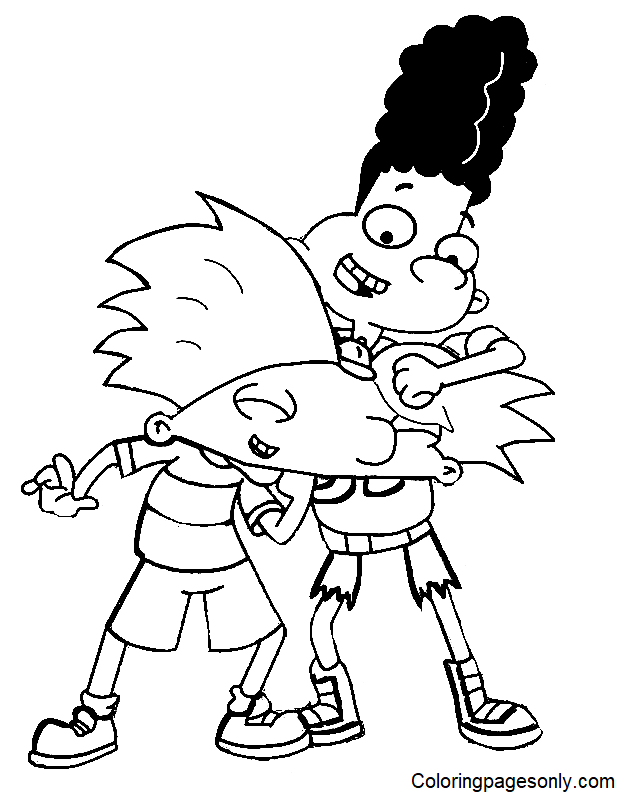
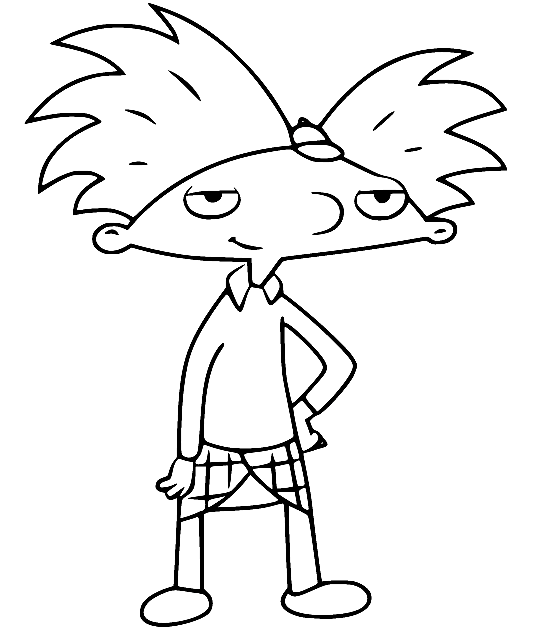
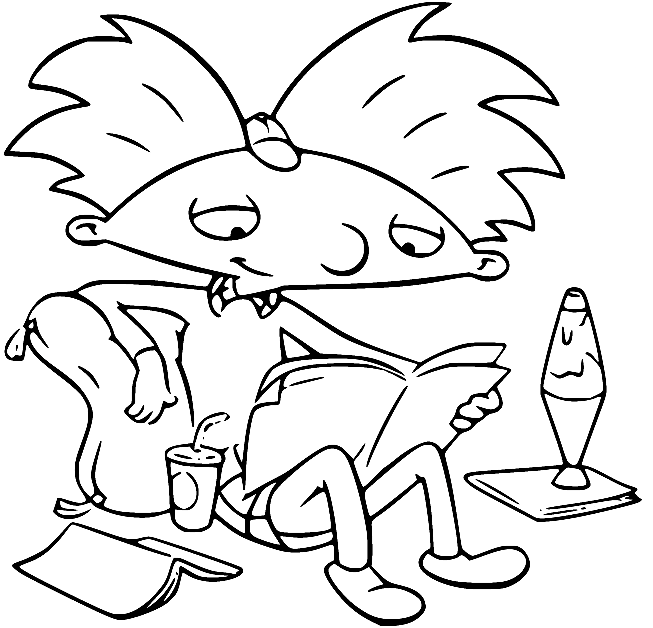
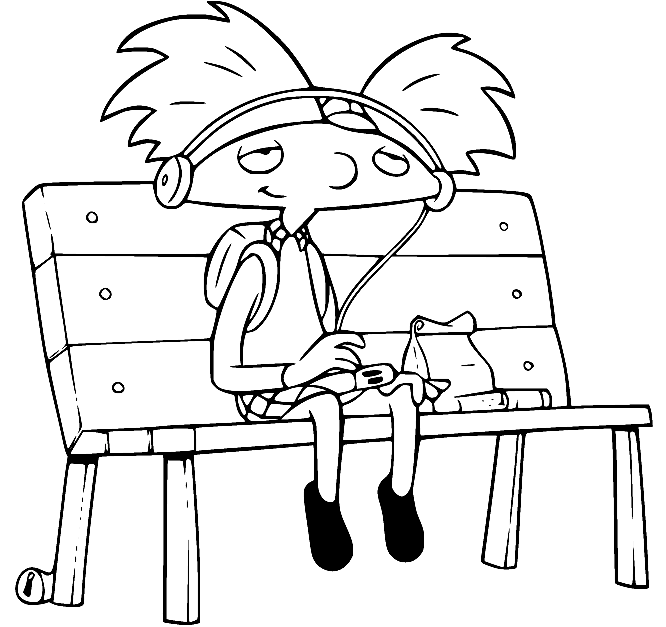
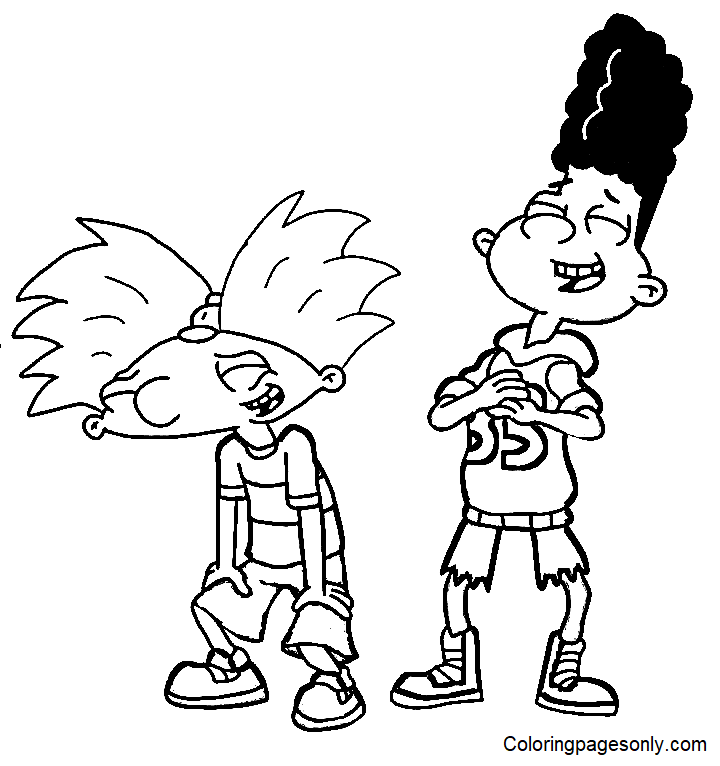
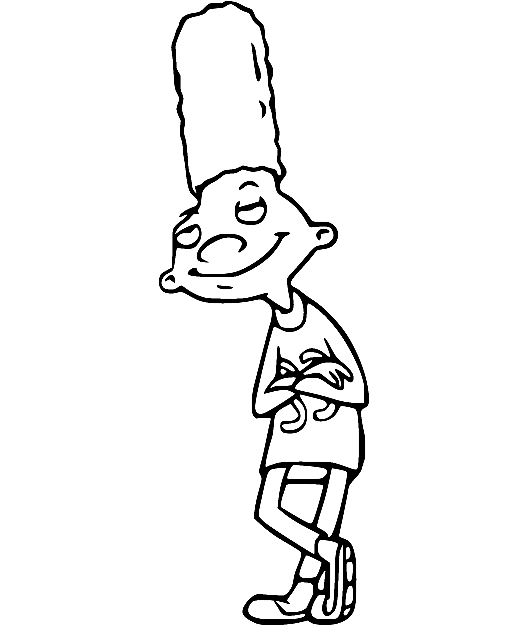
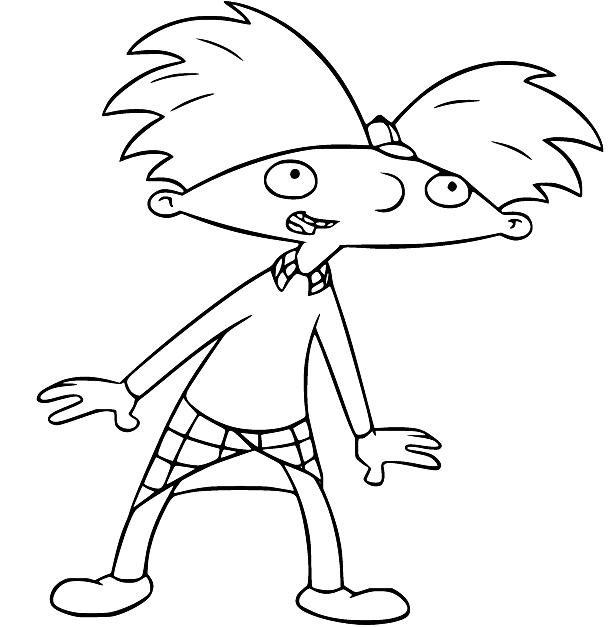
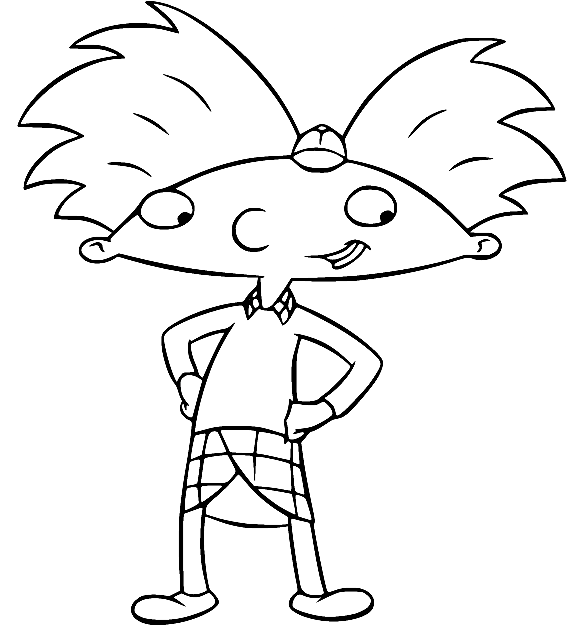
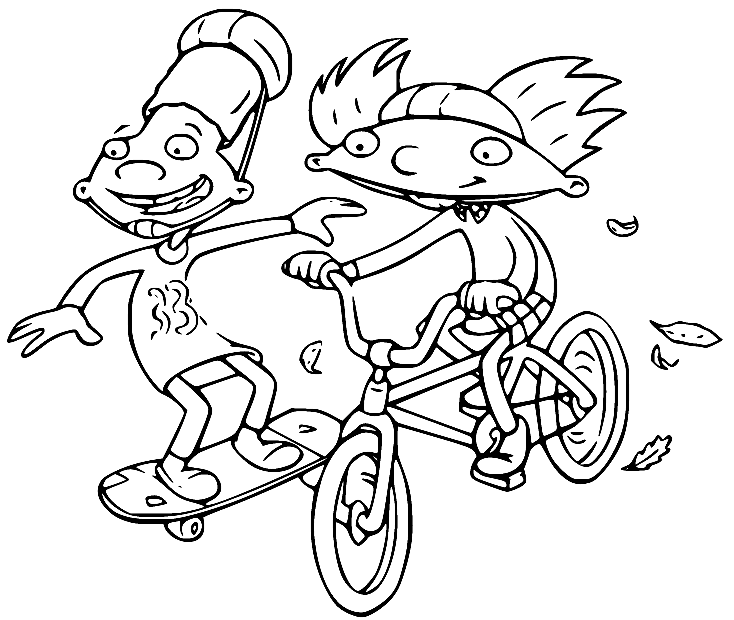
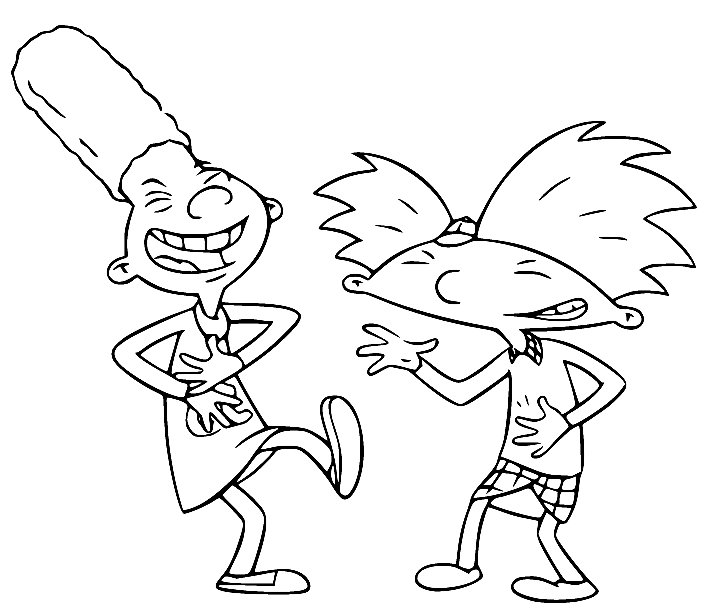
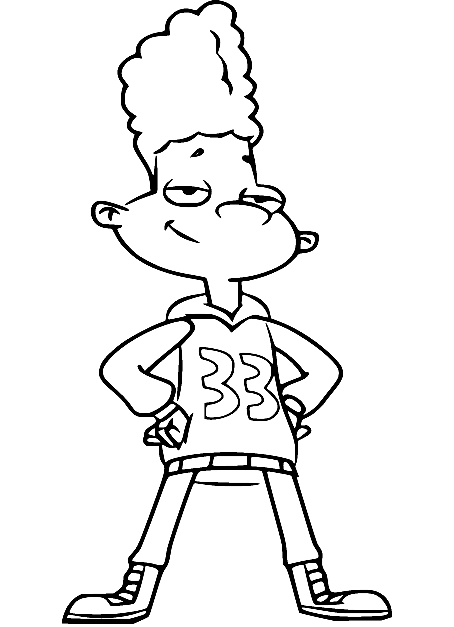
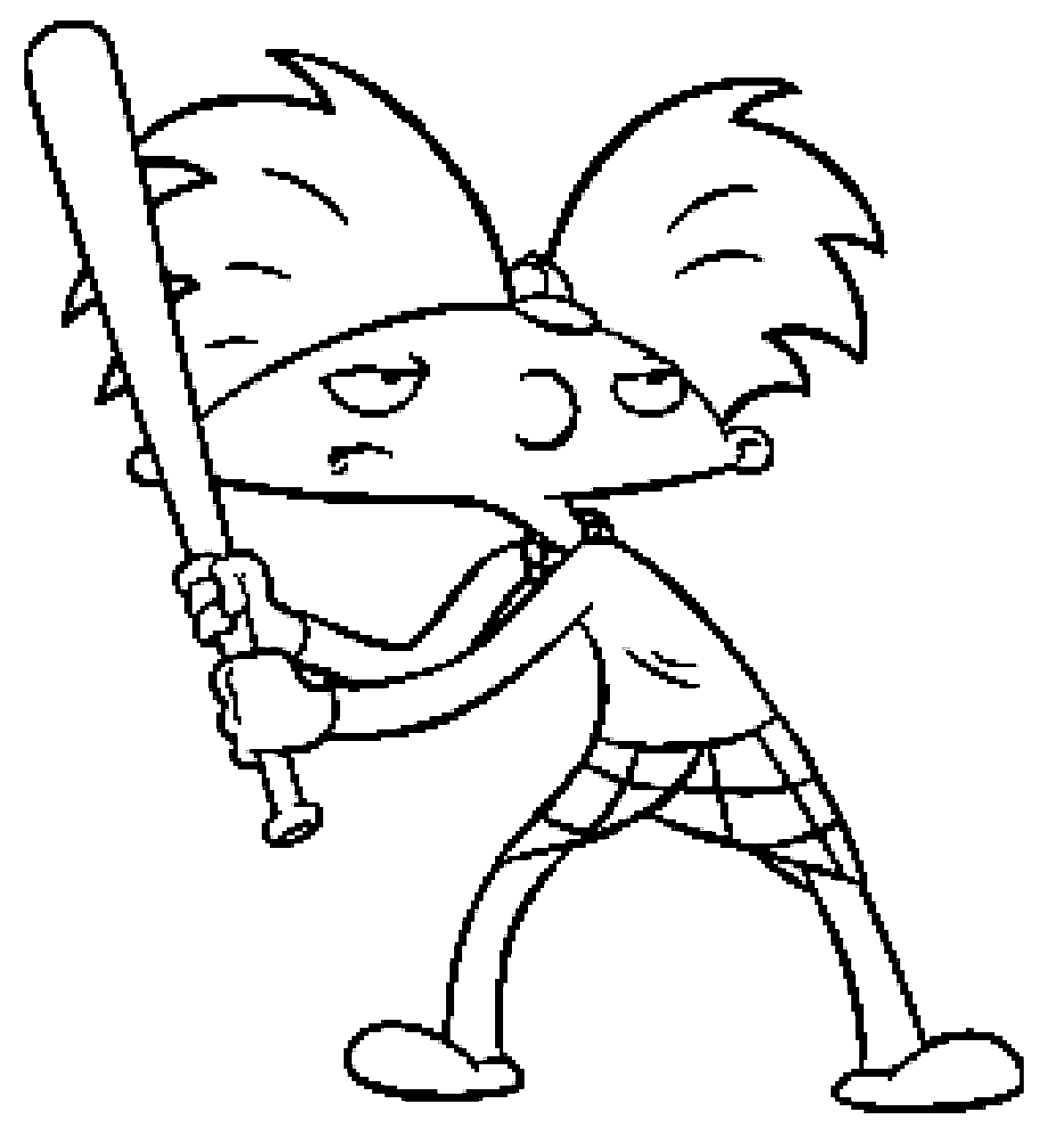
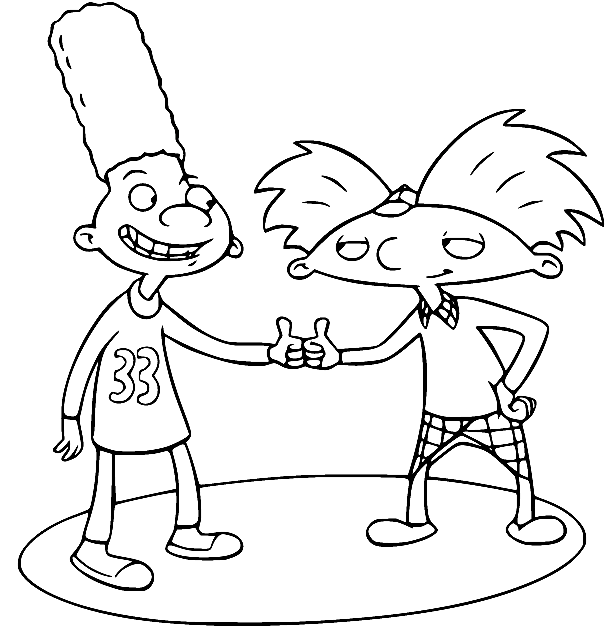
This group centers on the show’s core friendship: Arnold on his own, reading, riding a bike, listening to music, or looking surprised, and Gerald solo or laughing alongside him.
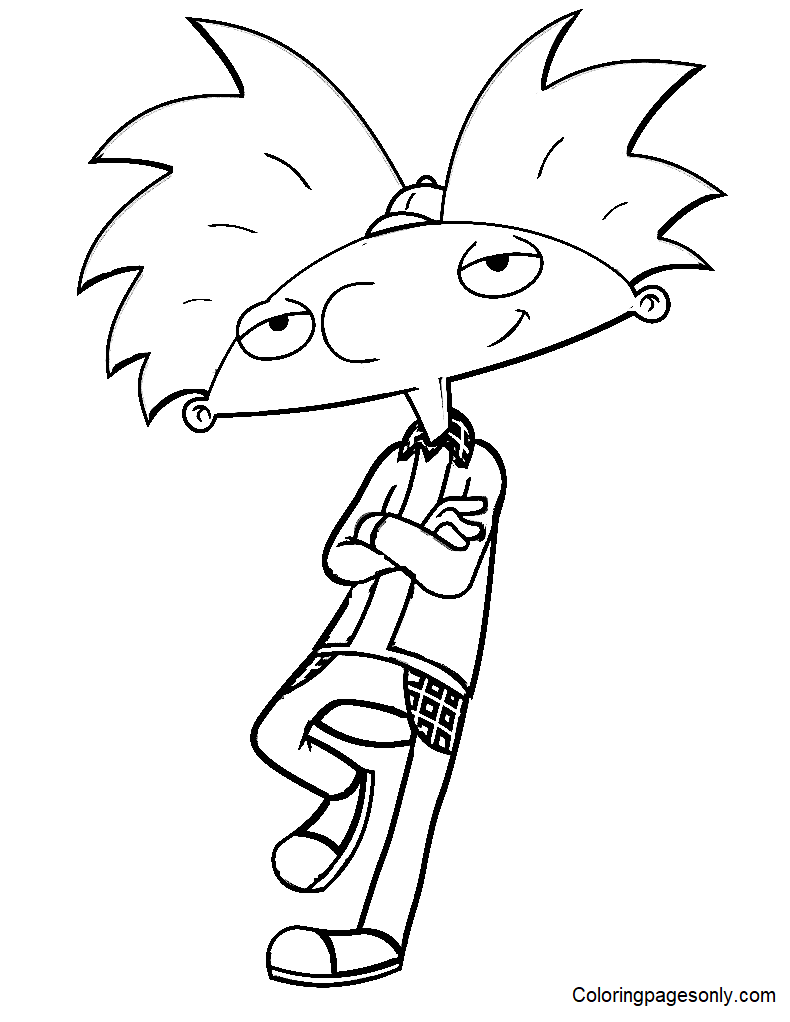
Arnold’s head shape is the detail that actually matters most here, a distinctive, rounded oval that the show itself nicknames “football head.” Keeping that shape consistent across every portrait is worth more attention than any single color choice.
Helga and Phoebe
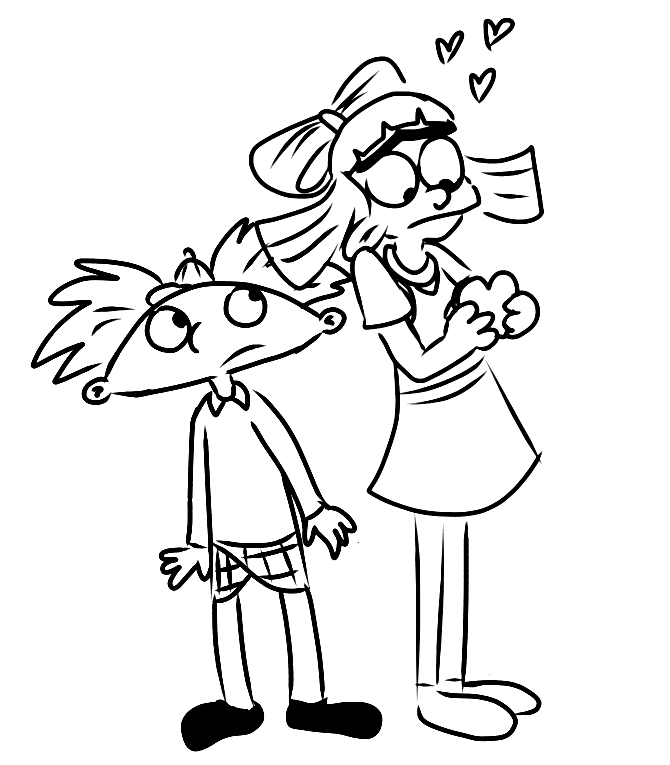
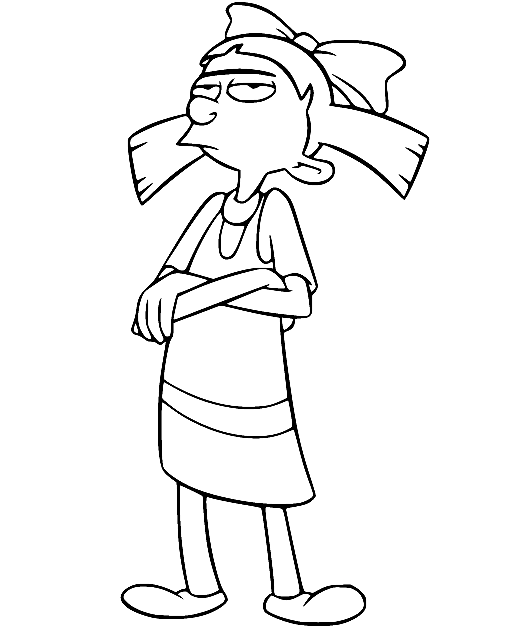
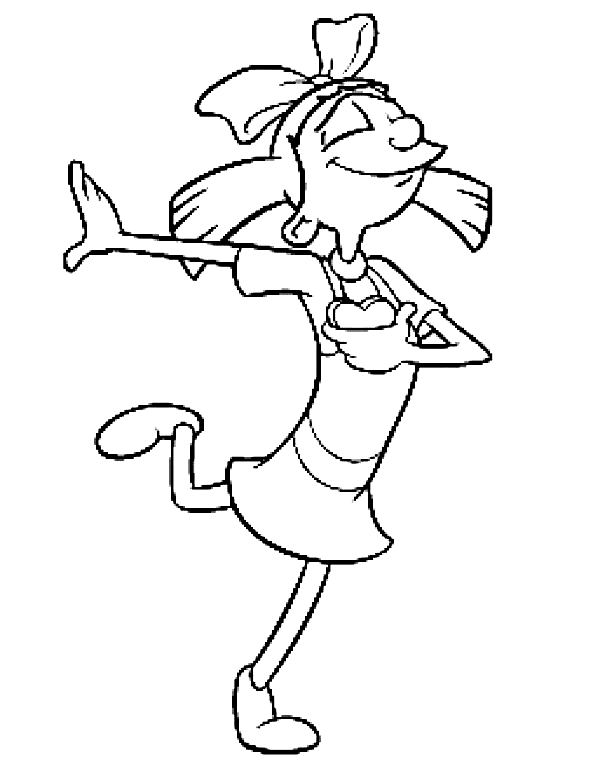
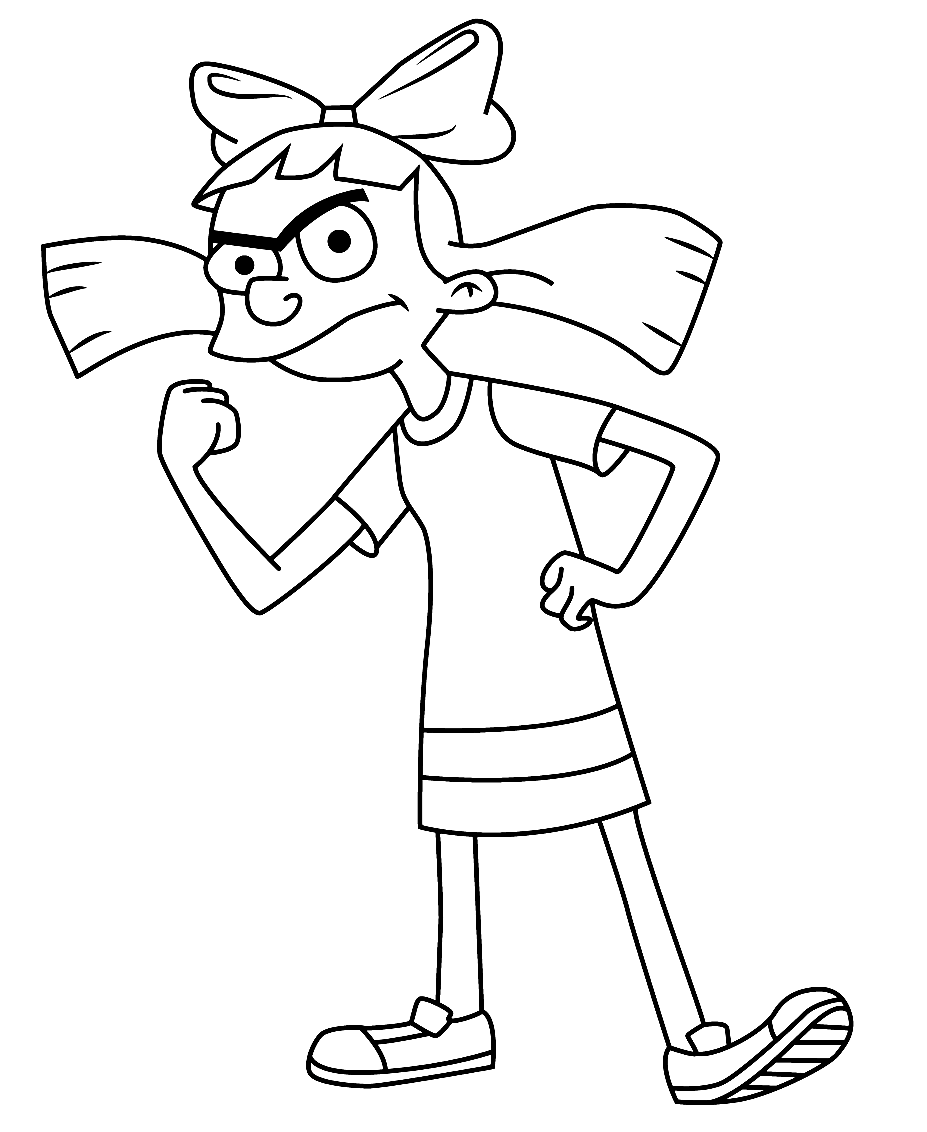
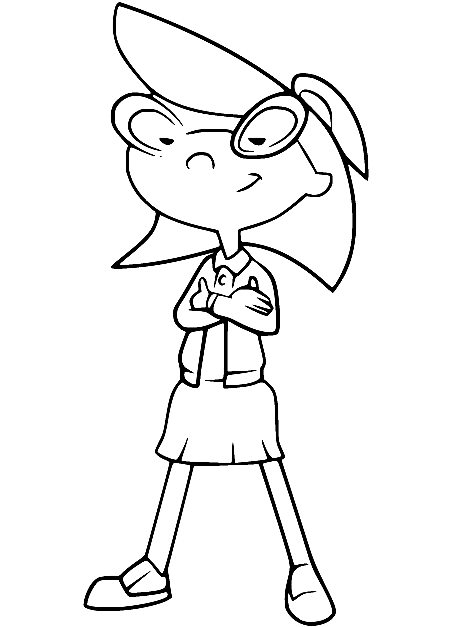
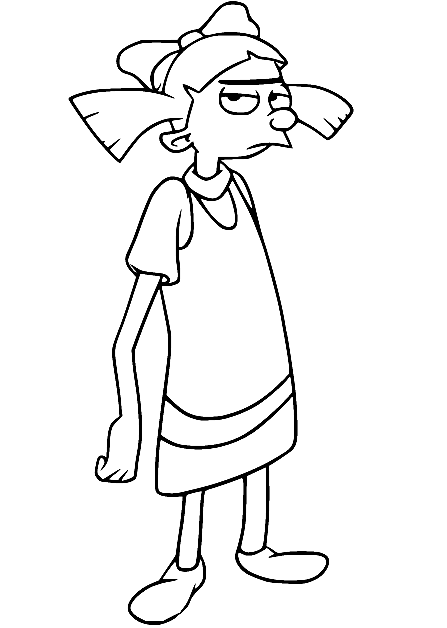
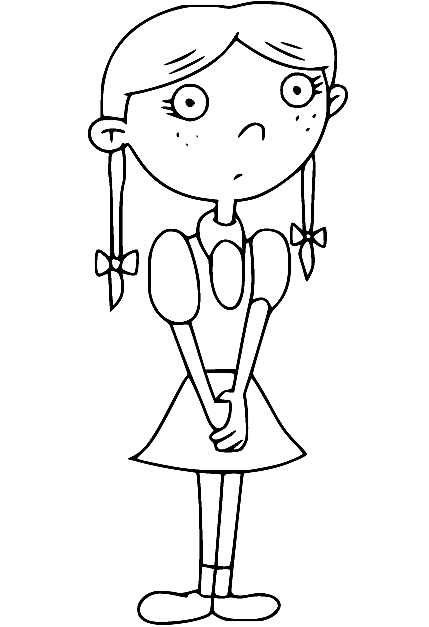
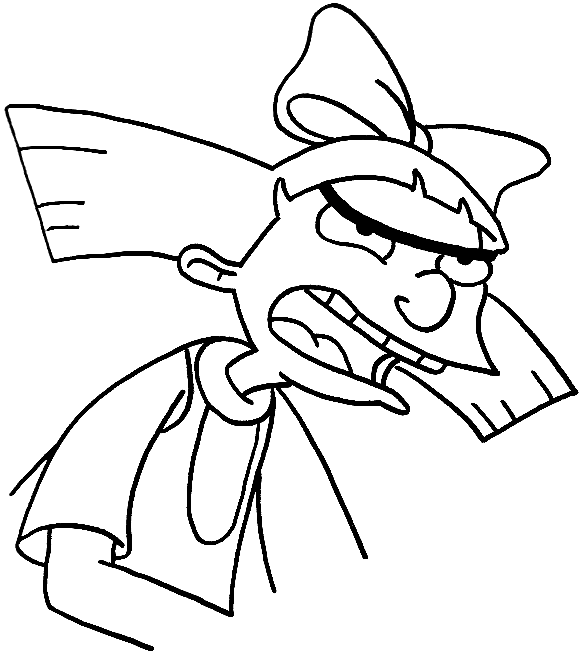
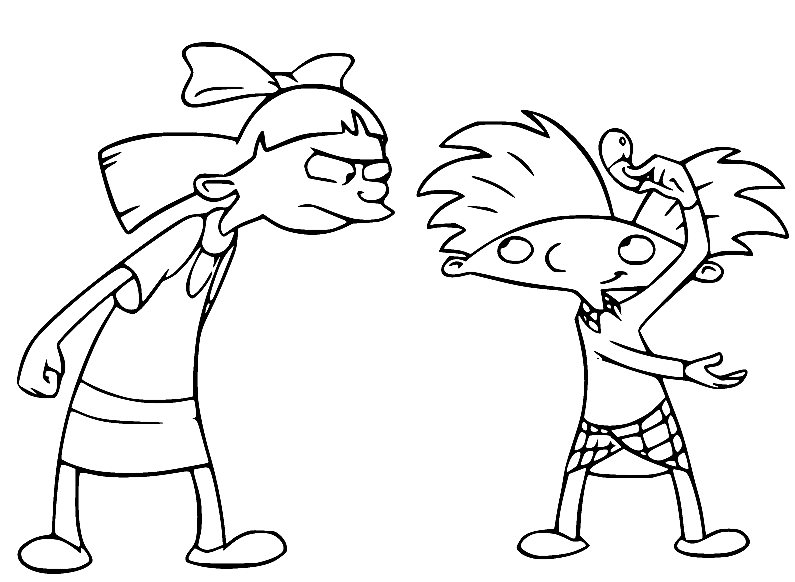
A dedicated group covers Helga in a wide range of moods, angry, holding a heart, talking, alongside Phoebe’s calmer, quieter portraits.
Helga’s poses swing between extremes more than almost any other character in the set, so matching the color energy to whichever specific mood a page shows works better than applying one flat approach across all of her portraits.
Classmates and Neighborhood Kids
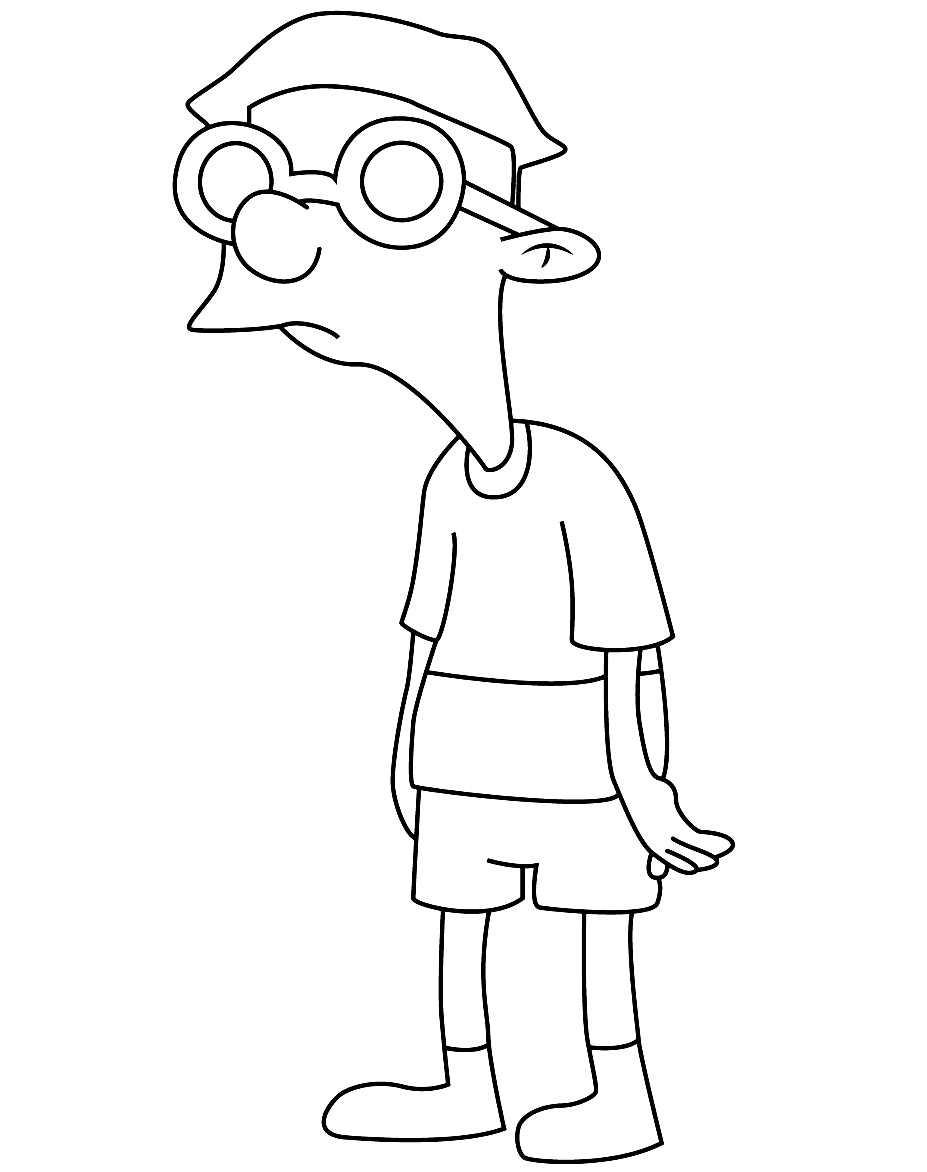
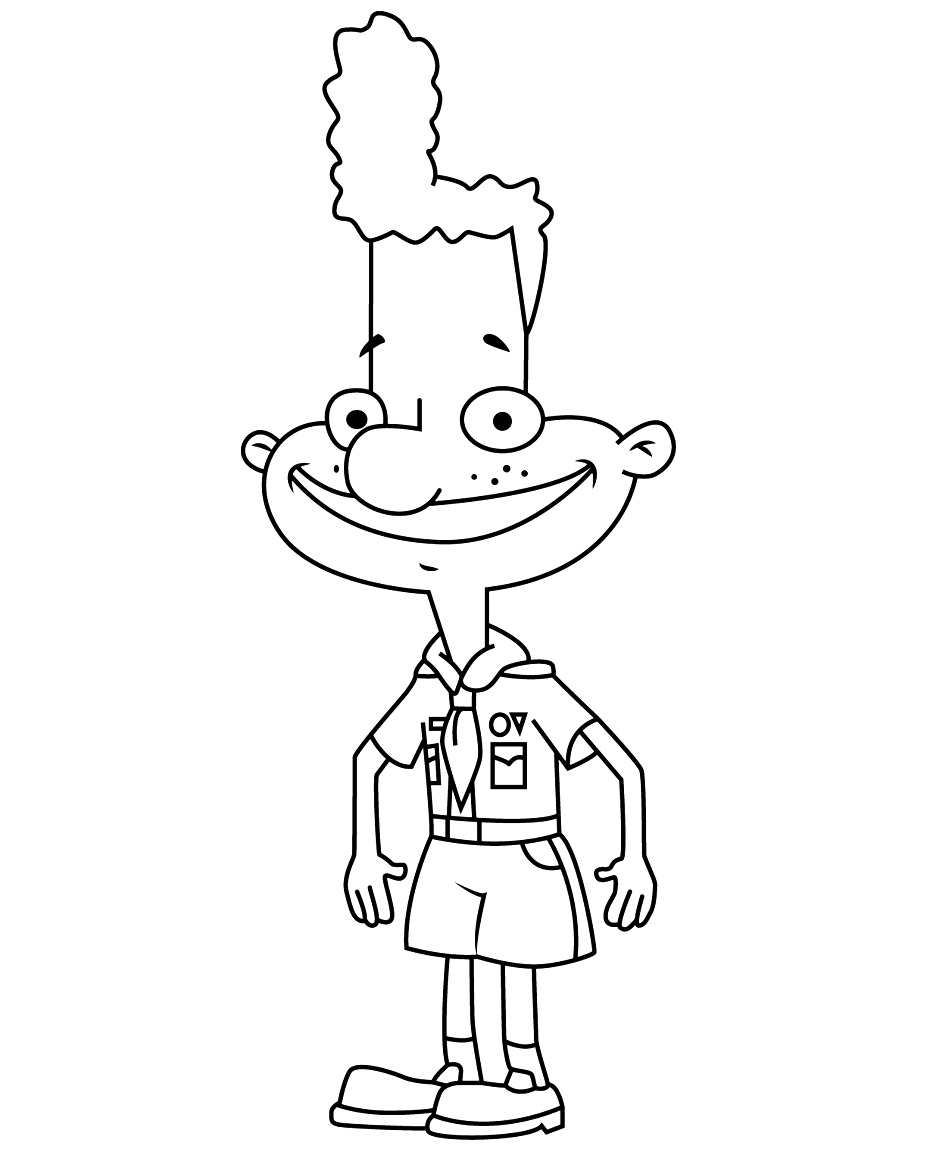
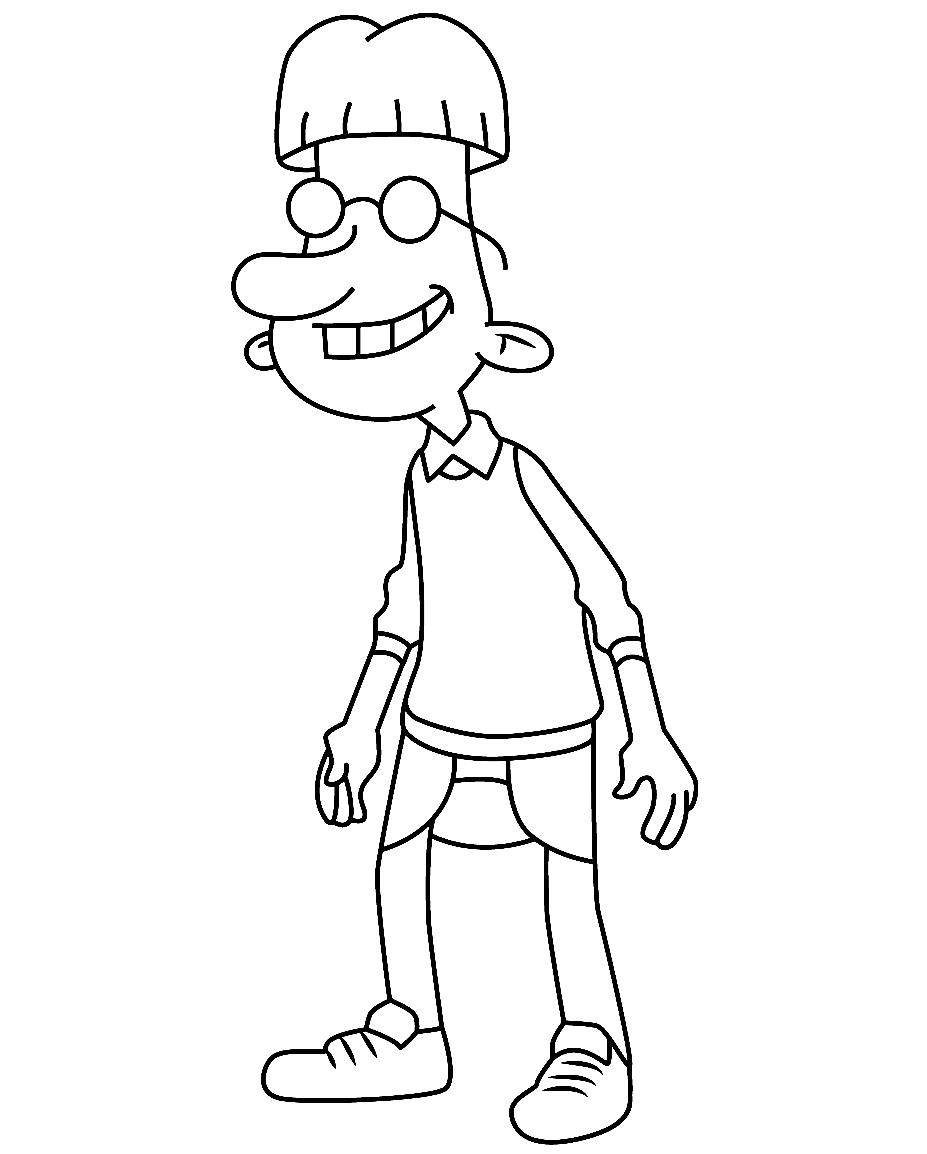
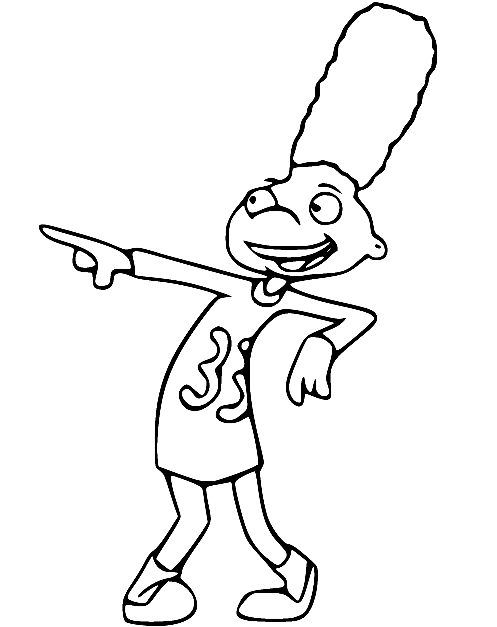
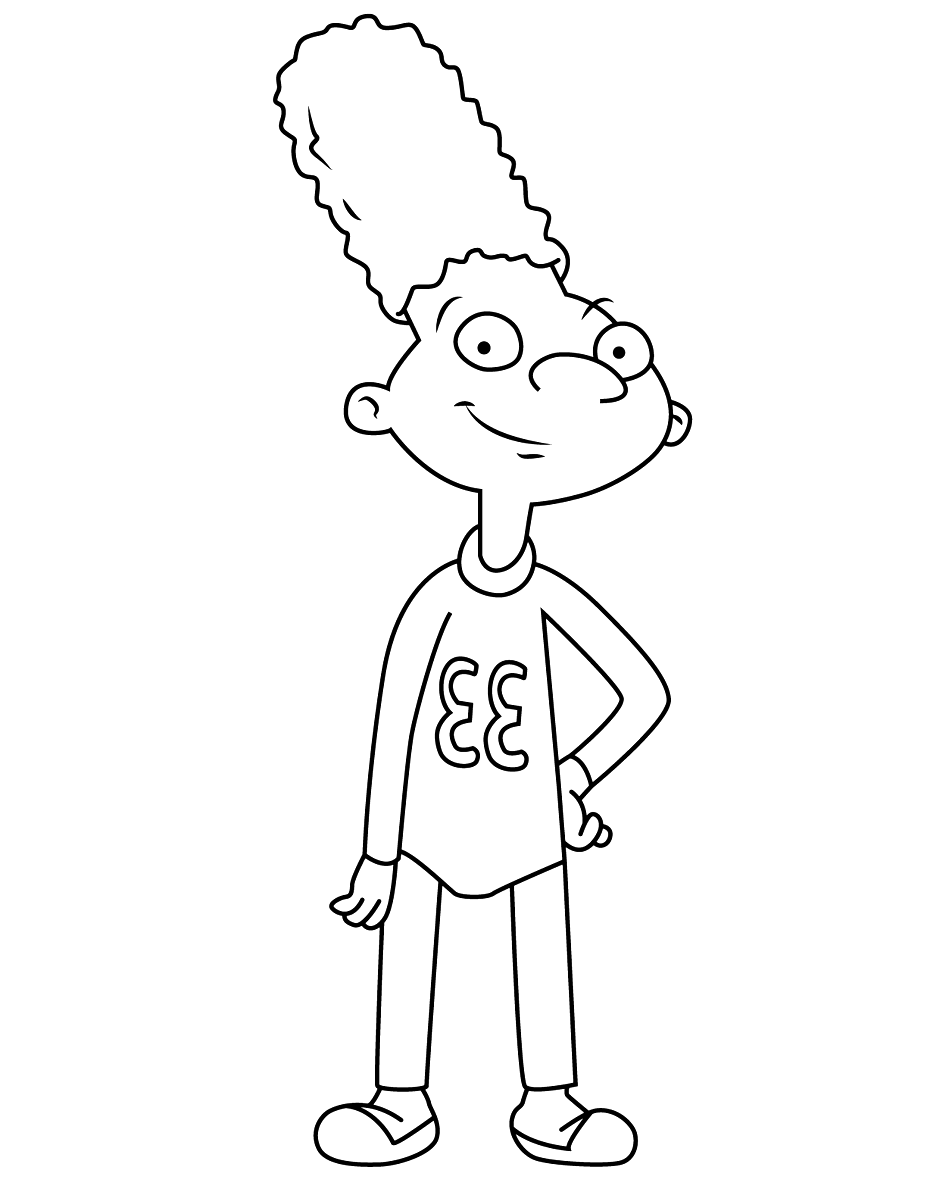
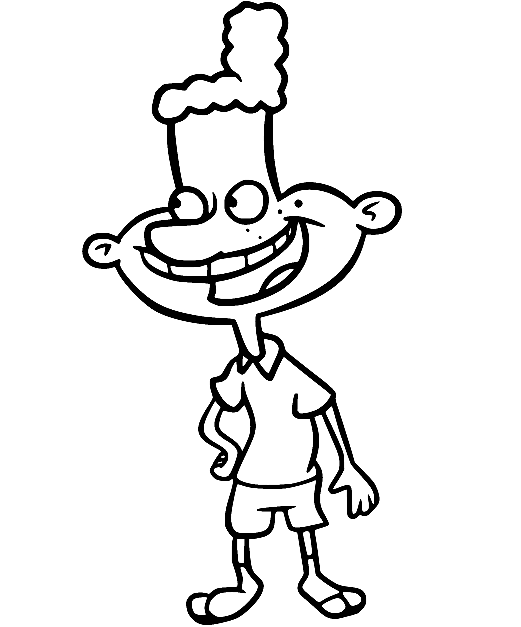
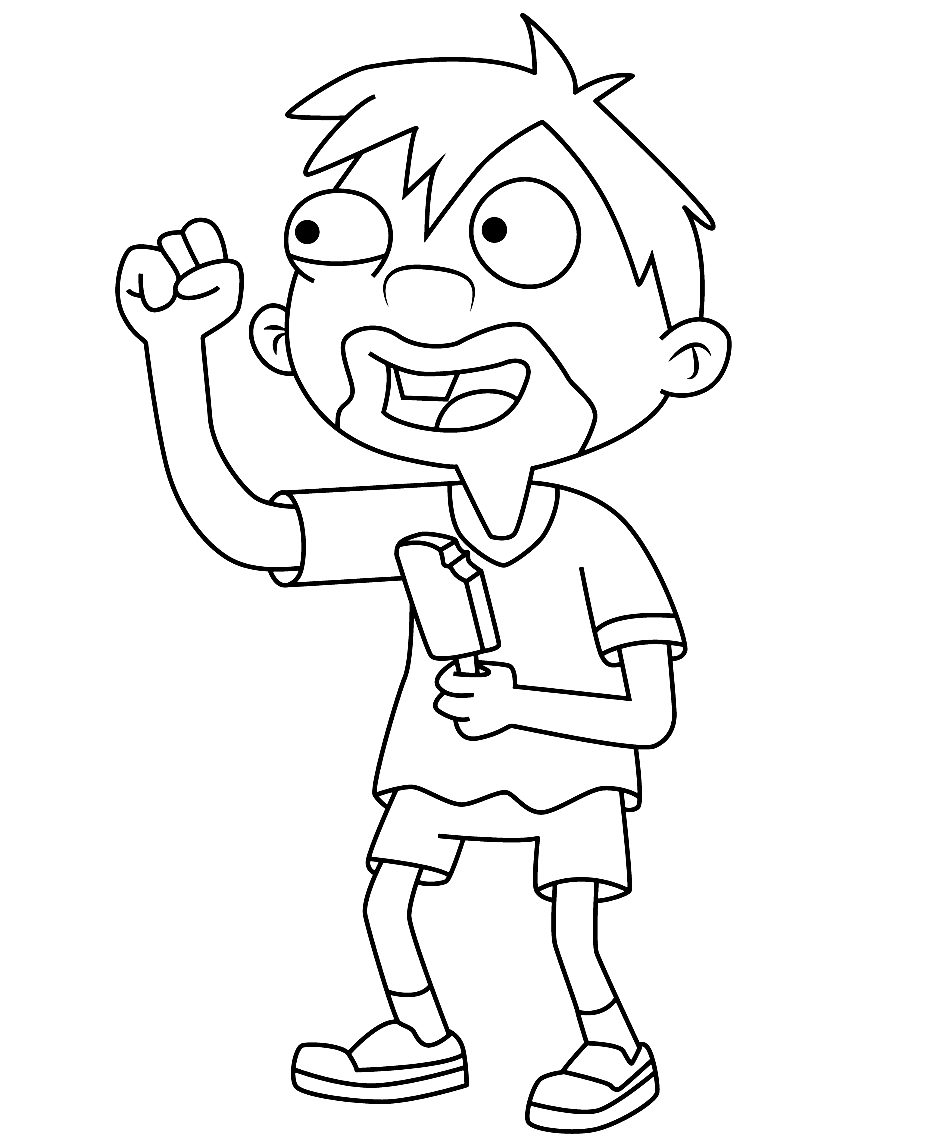
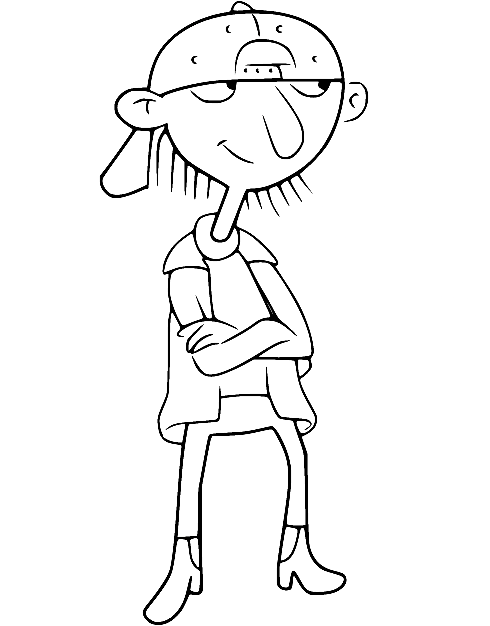
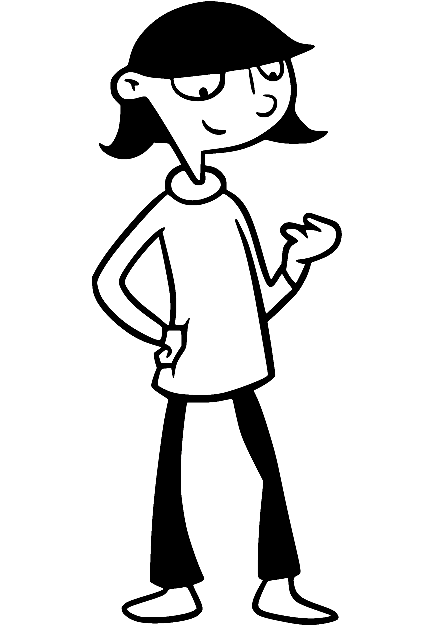
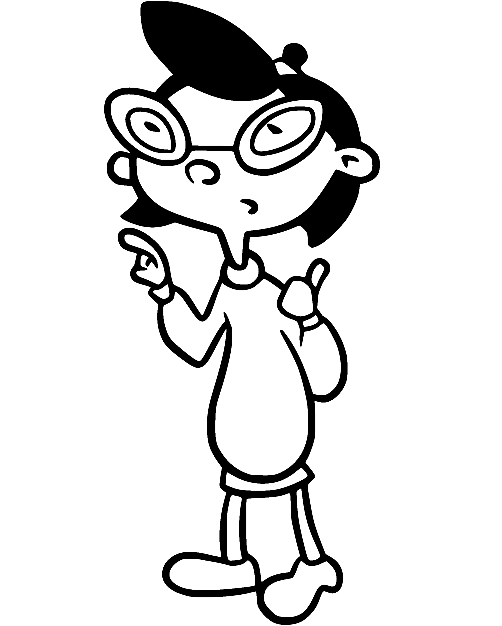
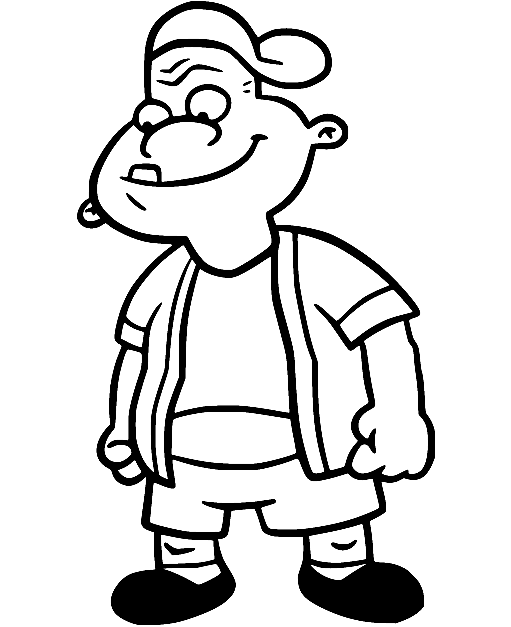
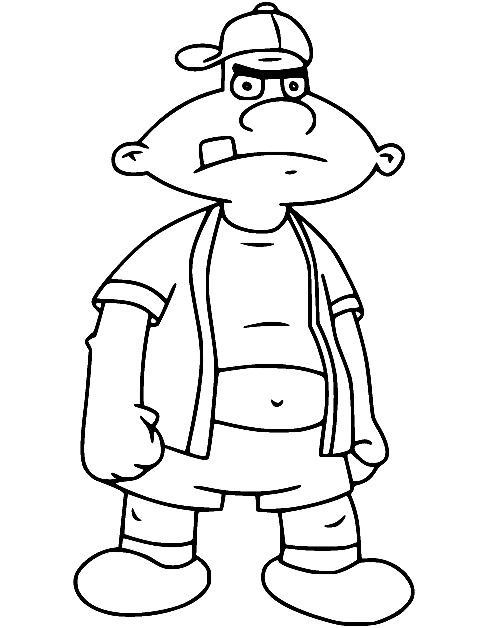
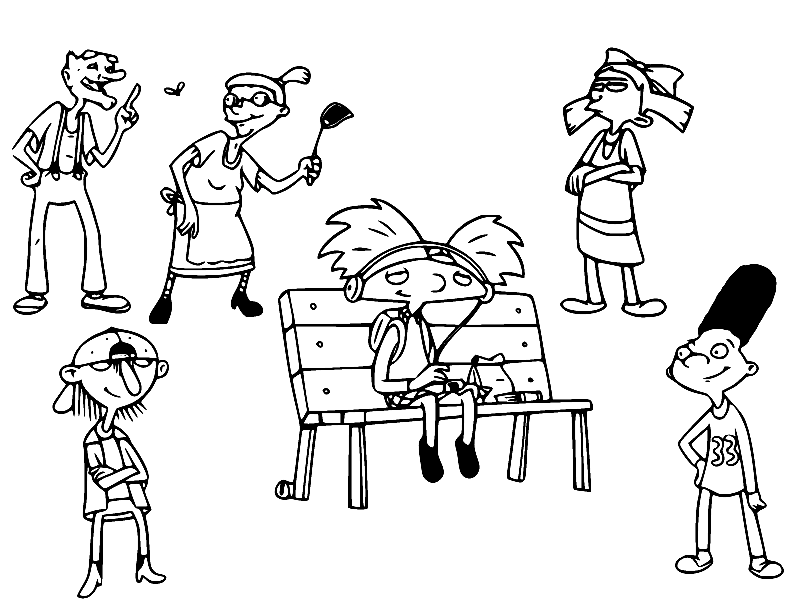
The largest group by character count covers the wider circle of P.S. 118 kids: Rhonda, Harold, Sid, Eugene, Curly, Brainy, Lila, Iggy, and several other classmates, each with their own distinct look.
With this many different kids in one set, giving each one a clearly different hairstyle or outfit color, rather than reusing the same palette, is what keeps the whole group from blurring together into one generic “kid” shape.
Family and Adult Characters
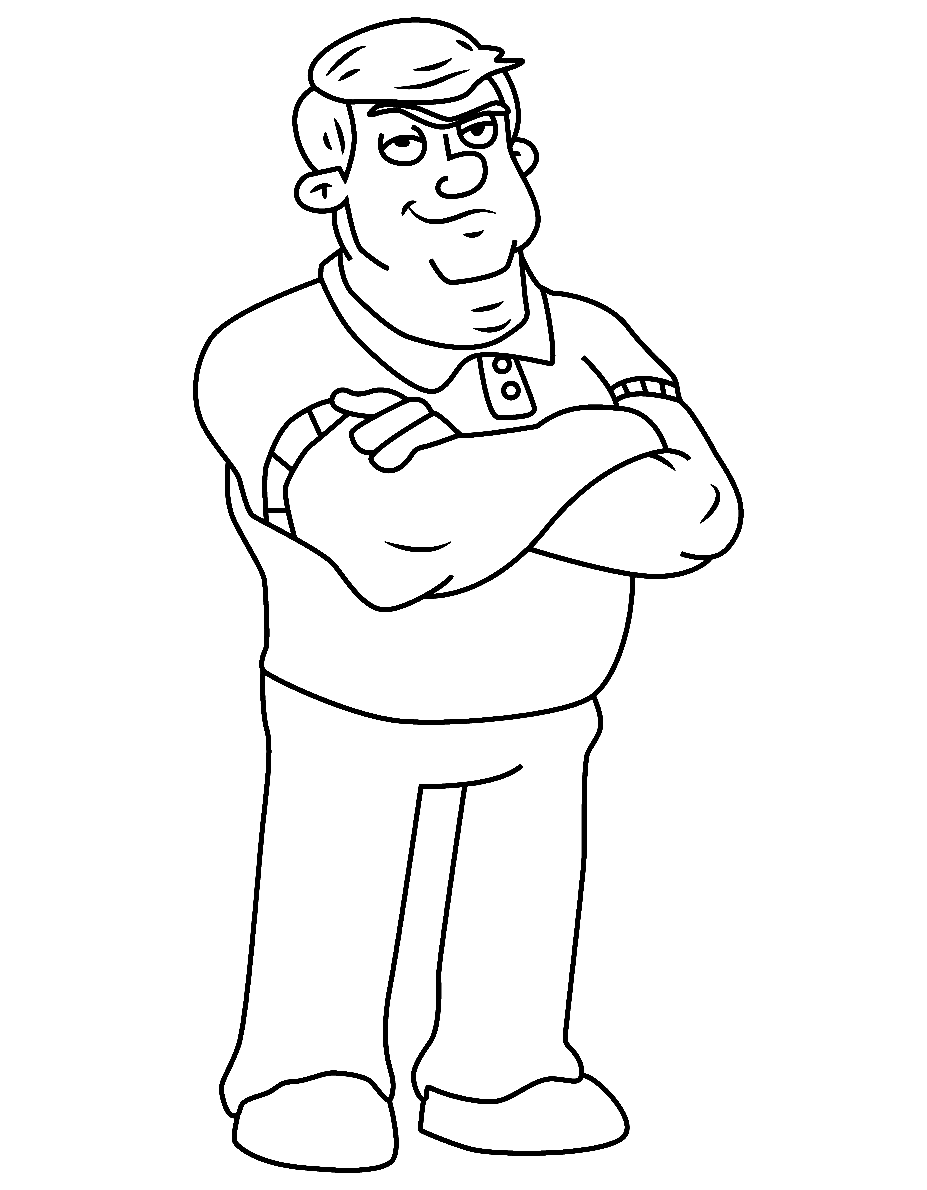
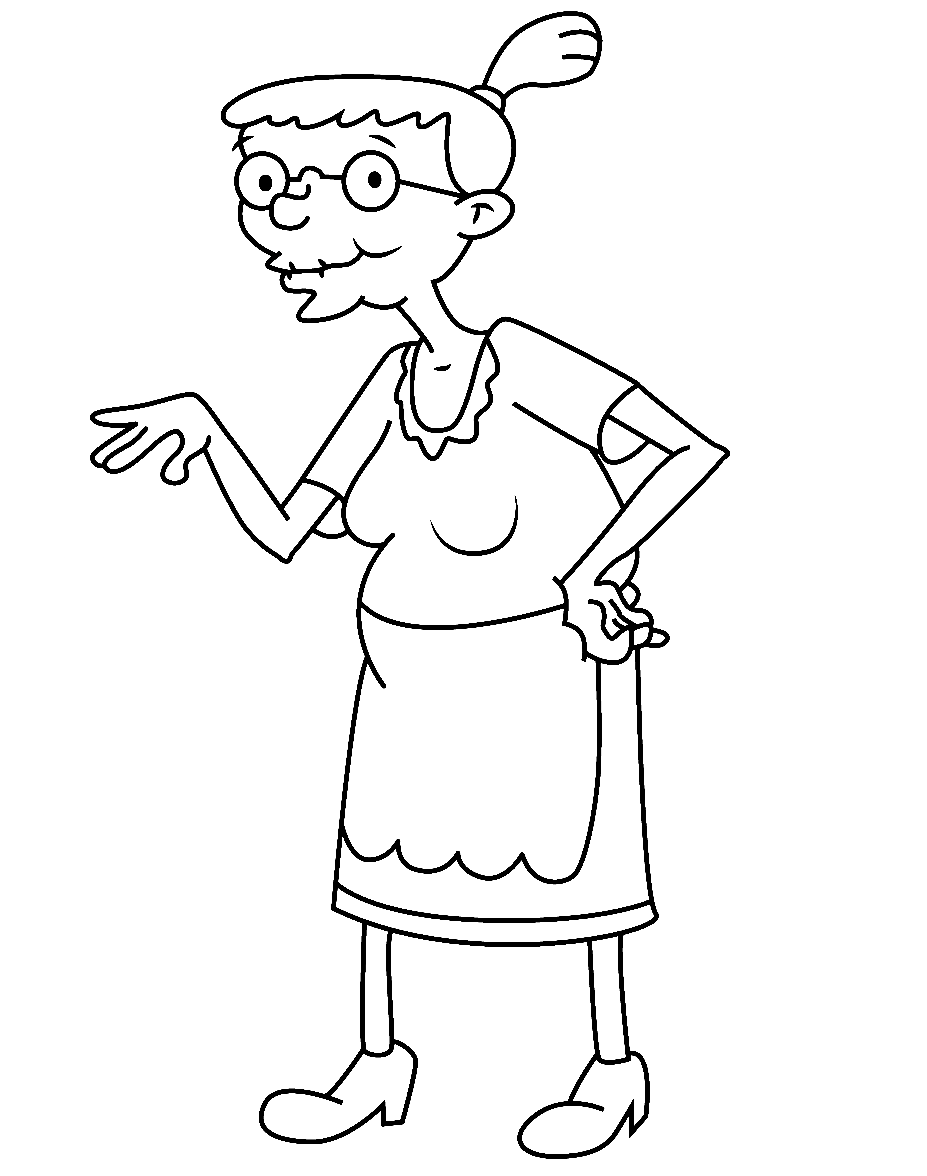
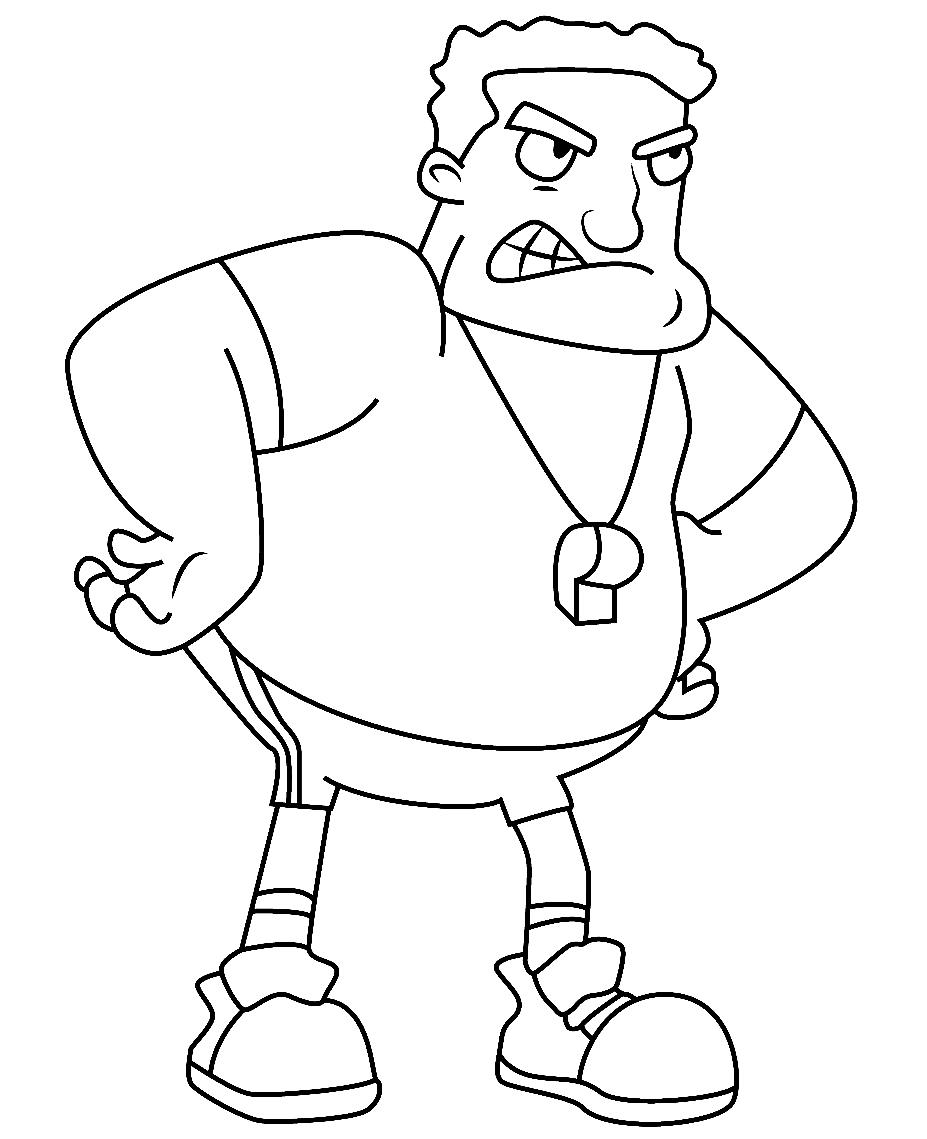
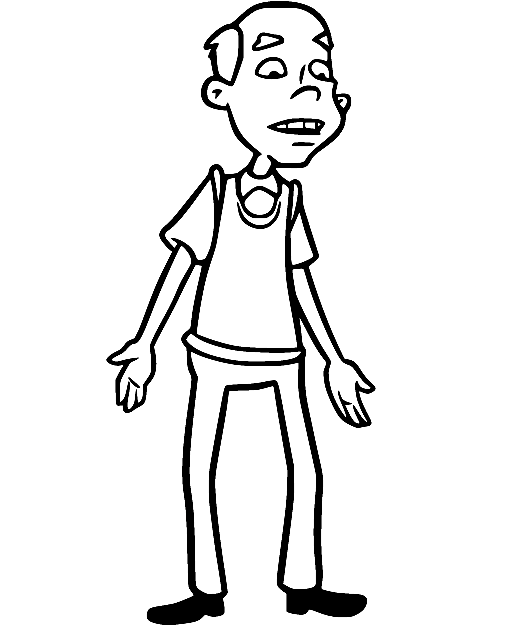
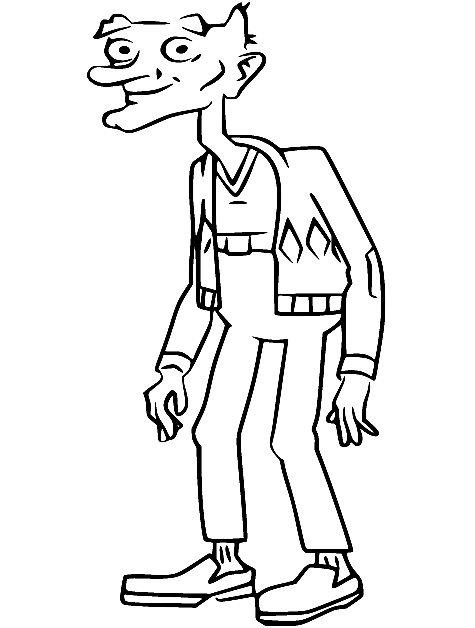
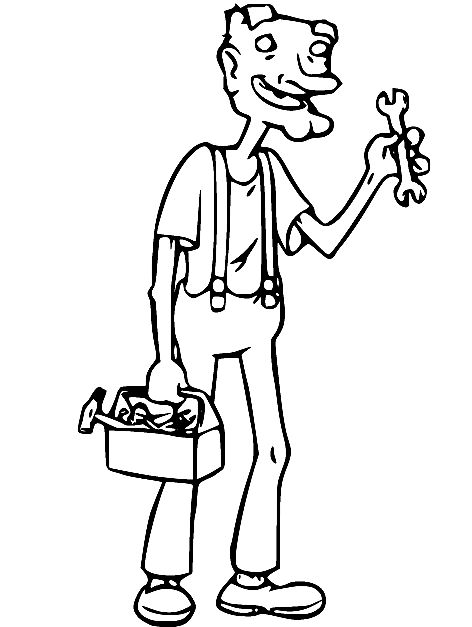
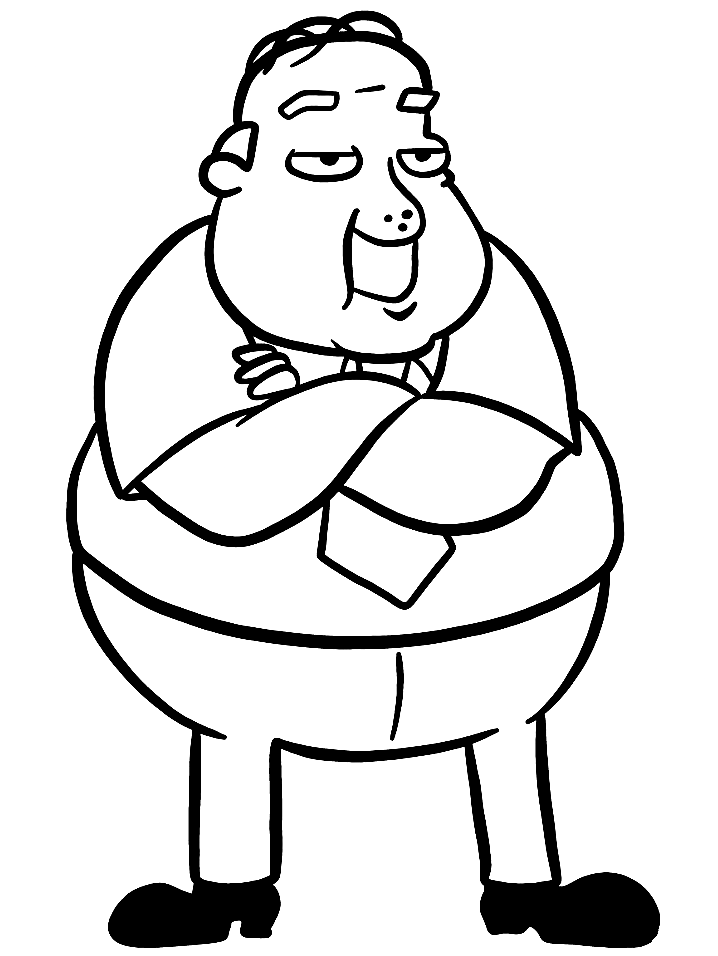
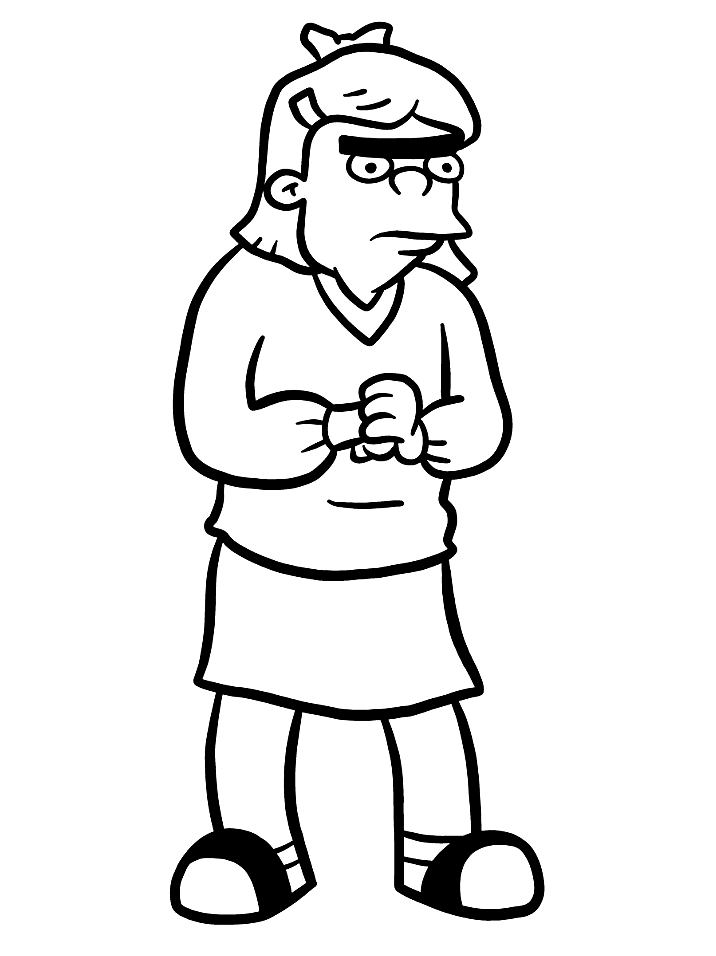
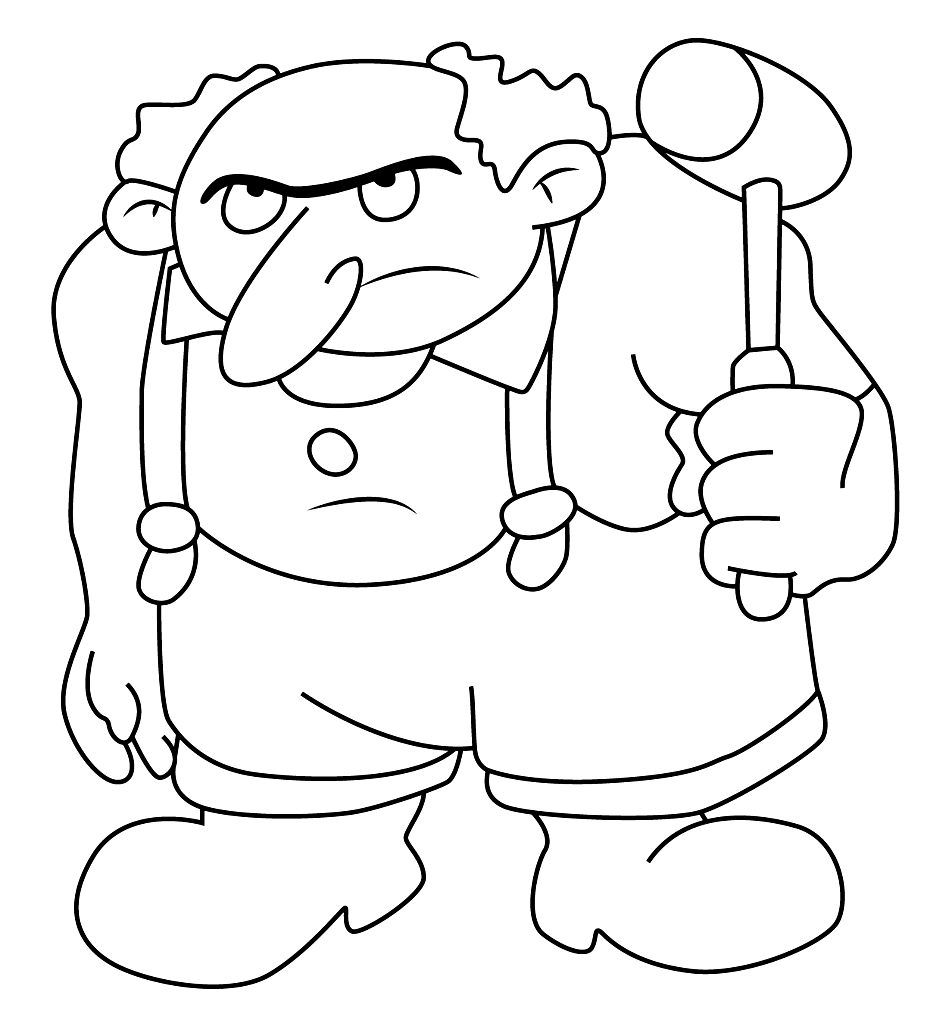
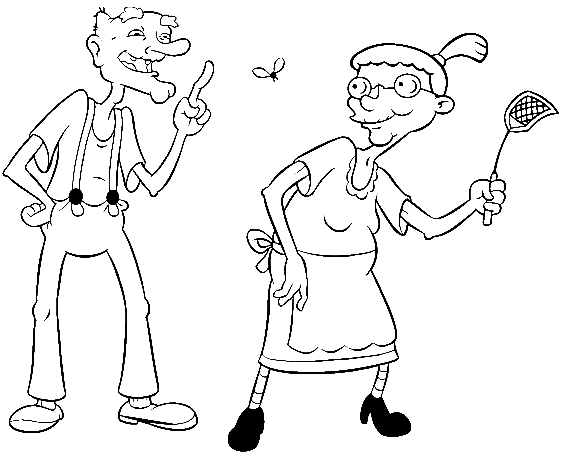
This group covers the grown-ups: Grandpa Phil and Grandma Gertie, who run Arnold’s boarding house, Helga’s father Big Bob Pataki, Principal Wartz, and Coach Wittenberg.
These pages read as calmer and more grounded than the kids’ portraits, which fits their role in the show. A more muted, adult-appropriate palette suits them better than the brighter colors that work for the classmates group.
Group Scenes, Pets, and Equipment
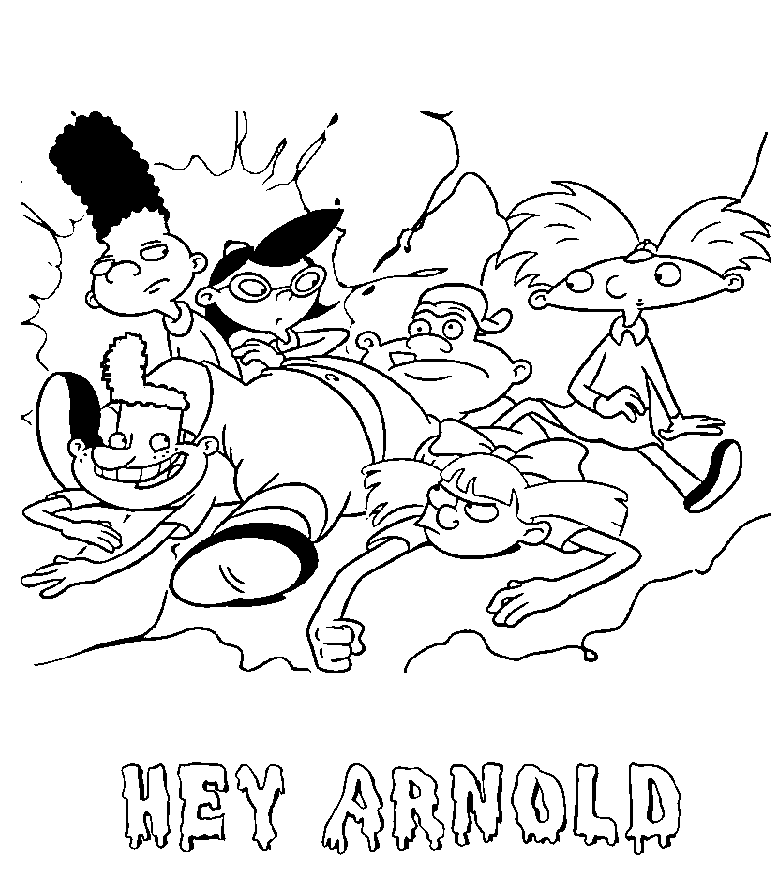
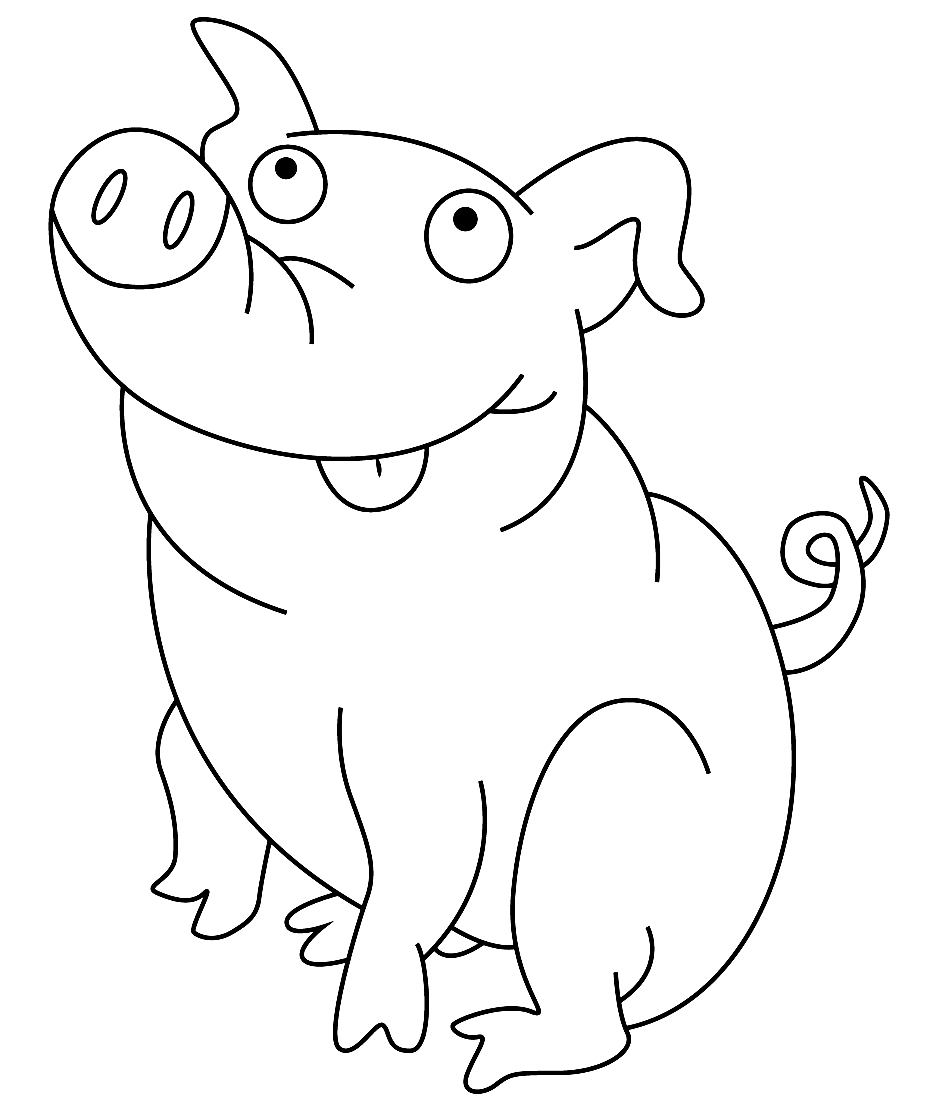
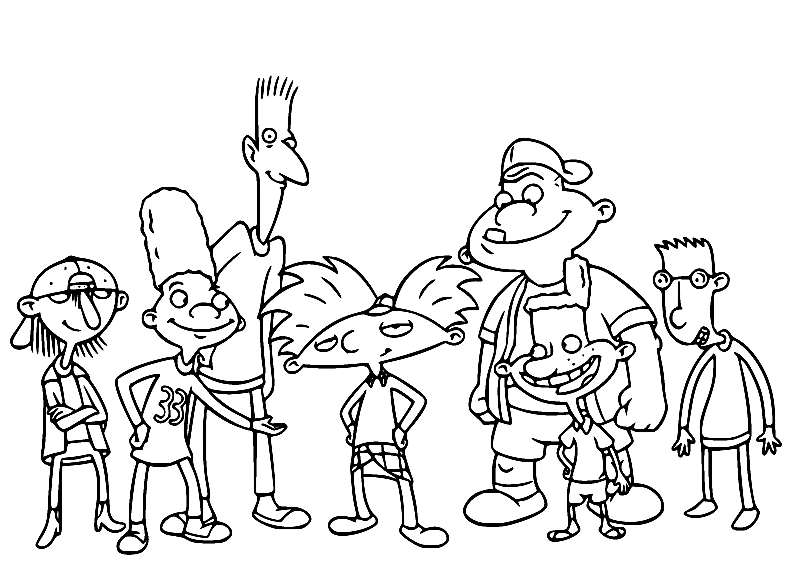
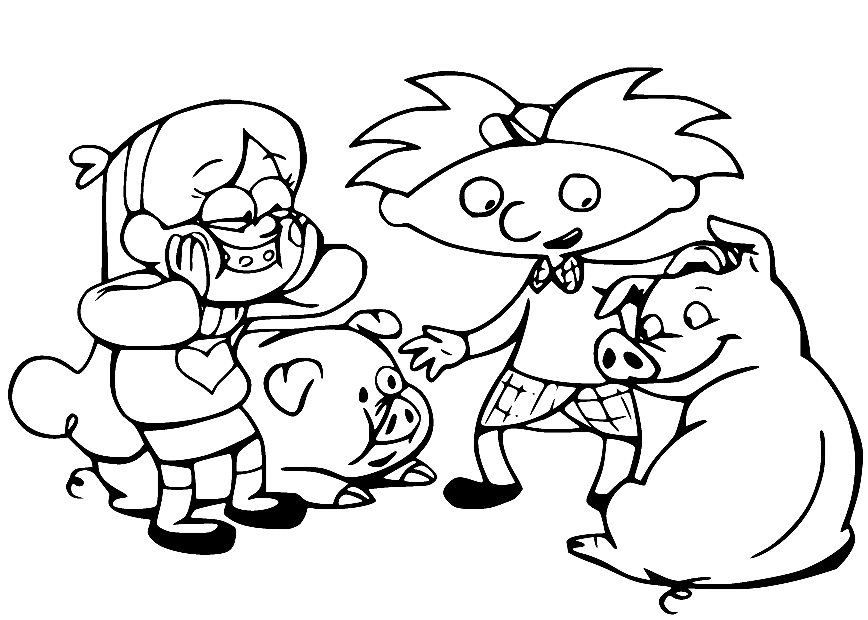
A smaller group steps back for the wider view: a full cast portrait with the whole neighborhood in one frame, Arnold with his pet pig Abner, and a couple of generic, flexible printable pages.
The full group portrait is worth choosing first if the goal is a single image representing the whole show, since it’s the only page in the set that puts the widest possible range of characters side by side.
What These Pages Do
The parents’ mystery gives this set a genuine piece of television history behind it: a cliffhanger that stayed unresolved for over thirteen years before fans finally got their answer, which is a longer wait than almost any other kids’ show has ever put its audience through.
Fine motor development gets a very specific workout tied to one signature shape. The American Academy of Pediatrics has pointed to structured coloring as a genuine contributor to fine motor development in children roughly between the ages of two and seven. Arnold’s rounded, distinctive head asks for the same careful, repeated oval across dozens of different portraits, a level of shape consistency that a more generic character design wouldn’t require.
There’s a quieter value in how many of this set’s pages belong to characters who aren’t the star. Art Therapy Practitioners have noted that coloring a character who isn’t the center of attention, rather than always reaching for the most famous face in a cast, can feel quietly affirming for a child who doesn’t see themselves as the main character of their own life, either. The show itself was known for handing real screen time and real storylines to background classmates rather than keeping the spotlight on Arnold alone, so this set’s equal care for Harold, Curly, or Chocolate Boy reflects the exact same idea the show itself was built on.
This set also does something practical that a smaller cast couldn’t: with this many distinctly designed kids sharing one neighborhood, coloring them one by one is close to the same skill a child uses every day at a real, large school, learning to tell a big group of individual classmates apart by their own specific look rather than treating them as one interchangeable crowd.
How to Color Hey, Arnold! Coloring Pages
Keep Arnold’s head a consistent, rounded oval. That shape is the character’s single most recognizable feature, referenced directly in the show’s own dialogue, so getting it right matters more here than on almost any other character.
Match Helga’s color energy to her specific mood. Her portraits swing between extremes, angry, soft, talkative, more than any other character’s, so treating every page the same flattens out what makes her interesting to color.
Give every classmate a genuinely different look. With this many kids in one set, distinct hairstyles and outfit colors are what keep Rhonda, Harold, Sid, and the rest from blurring into one generic shape.
Keep the adult characters in a calmer, more muted palette. Grandpa Phil, Grandma Gertie, and the other grown-ups suit a more grounded color approach than the brighter choices that work well for the kids.
5 Creative Craft Ideas with Hey, Arnold! Coloring Pages
Football-Head Study
Color three or four of Arnold’s solo portraits, paying close attention to keeping his signature head shape identical across all of them. About fifteen minutes for a small study in consistency.
Neighborhood Cast Board
Color five or six different classmates and arrange them together with their names underneath, like a small yearbook page. Twenty-five minutes for a colorful little cast reference.
Supporting-Character Spotlight
Pick one of the more minor classmates, Chocolate Boy, Ernie Potts, or Brainy, and give that page the same careful attention you’d give an Arnold or Helga portrait. Ten minutes, built around the idea that background characters deserve real care too.
Parents-Mystery Fact Card
Color an Arnold portrait and add a short note about the real thirteen-year wait fans had for his parents’ story to be resolved – fifteen minutes of coloring, plus a quick piece of television history.
Boarding House Family Card
Color Grandpa Phil and Grandma Gertie together and fold the page into a card for a grandparent or family member – ten minutes, built around a real family relationship in the show.
FAQ About Hey, Arnold! Coloring Pages
Are these Hey, Arnold! coloring pages free, and can I color them online?
Yes. Every page is free, with no account, email, or payment required. Download the PDF to print at home, or open it in the online coloring tool to color on screen.
What age group are these, Hey, Arnold! Are coloring pages best suited for?
The simpler solo portraits and family pages work well from age 3. The larger group scenes and the more expressive Helga pages, with more figures or finer detail, suit ages 5 and up.
What actually happened to Arnold’s parents?
The original series ended in 2004 without answering this, and the question stayed unresolved for more than thirteen years until Hey, Arnold!: The Jungle Movie, a 2017 television film, finally revealed its fate after a long fan campaign to get the story finished.
Why do other characters call Arnold “football head”?
It’s a nickname built directly into the show, referring to his distinctive, rounded head shape, one of the most recognizable and frequently referenced physical traits of any cartoon character from the era.
When did Hey, Arnold! First air, and who created it?
The series was created by Craig Bartlett and premiered on Nickelodeon on October 7, 1996, running until 2004.
Why does this set include so many minor classmates, not just Arnold and Helga?
The show itself was known for giving real storylines and screen time to background characters rather than keeping every episode focused on its two leads, and this collection’s large supporting cast reflects that same approach.
Are these pages official, Hey, Arnold! products?
No. These are fan-style coloring pages inspired by the characters and are not official merchandise. They are not licensed by or affiliated with Nickelodeon, Paramount, or any other rights holder connected to the show.
Can I use these pages for a ’90s cartoon-themed party or classroom activity?
Yes. The character portraits work well as party favors for a retro Nickelodeon-themed event, and the full group scene makes a good, simple activity for introducing a large ensemble cast in a classroom setting.
Start Coloring
Download any page by clicking the design. No account, email, or payment is required. Pages print directly from the browser at full resolution or open in the online coloring tool for screen use. Share finished pages on Facebook or Pinterest using the share buttons at the top of each design page.