Styracosaurus Coloring Pages
 By:
Jennifer Thoa - Content Editor & Designer
Updated:
By:
Jennifer Thoa - Content Editor & Designer
Updated:
Free Styracosaurus Coloring Pages: 18 printable PDF designs of this spiked, frilled dinosaur from Late Cretaceous North America. Every design can be saved as a PDF or colored right in the browser, and no account is needed for either one.
Styracosaurus takes its name from the Greek for “spiked lizard,” a fitting description for a dinosaur first identified in 1913 by paleontologist Lawrence Lambe from fossils found in Alberta, Canada. It lived roughly 75 to 77 million years ago and is best known for the long spikes ringing its neck frill and the single horn on its nose, features that set it apart even among its horned dinosaur relatives.
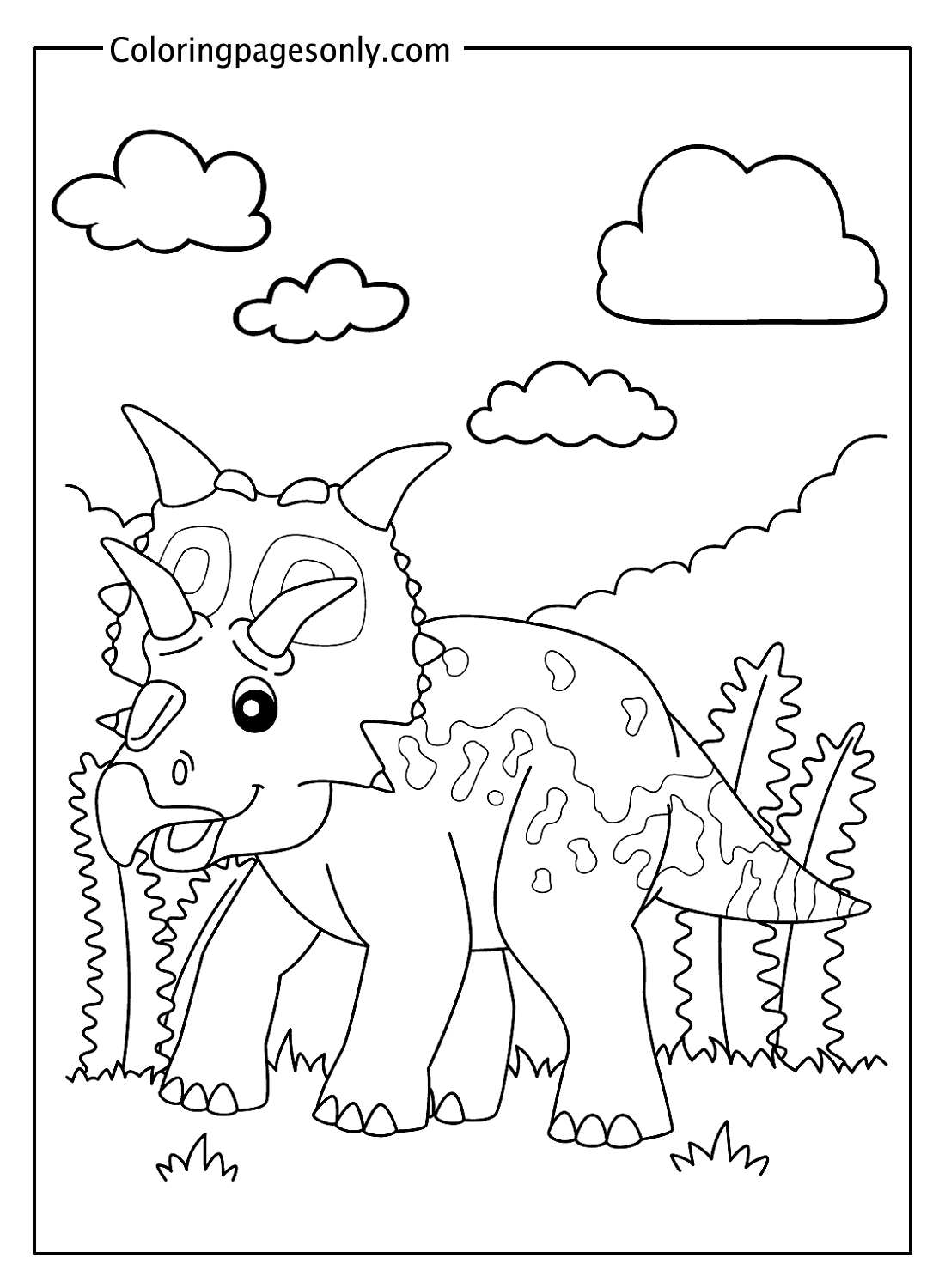
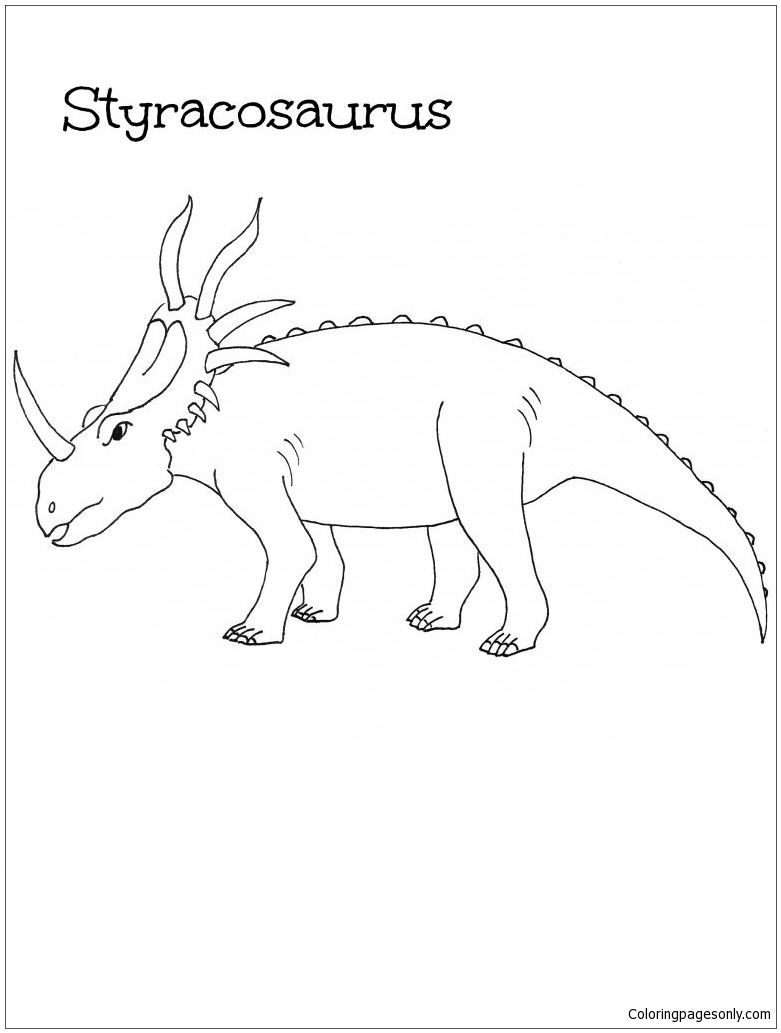
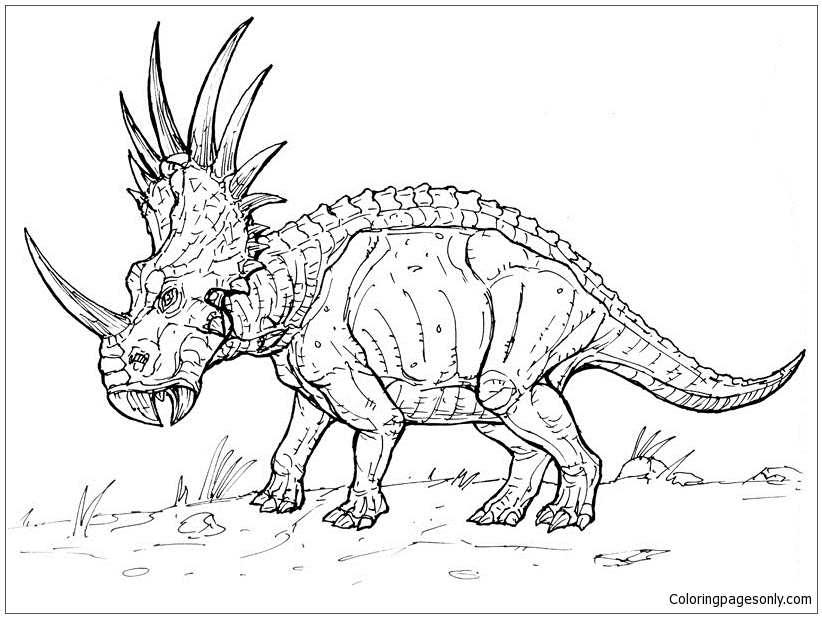
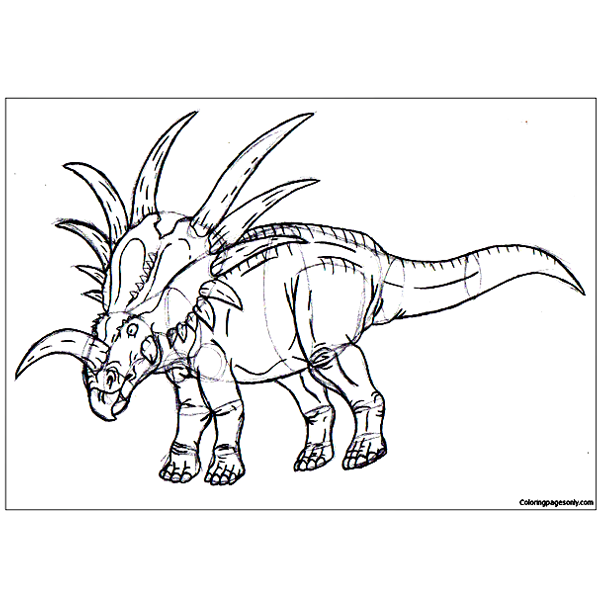
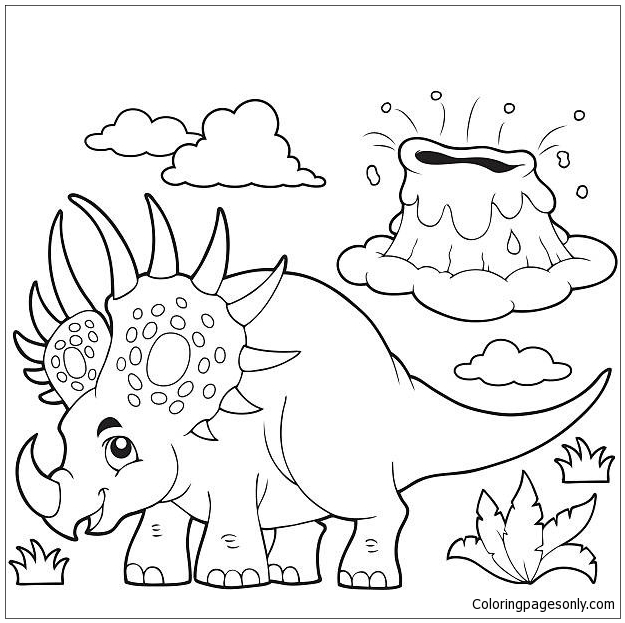
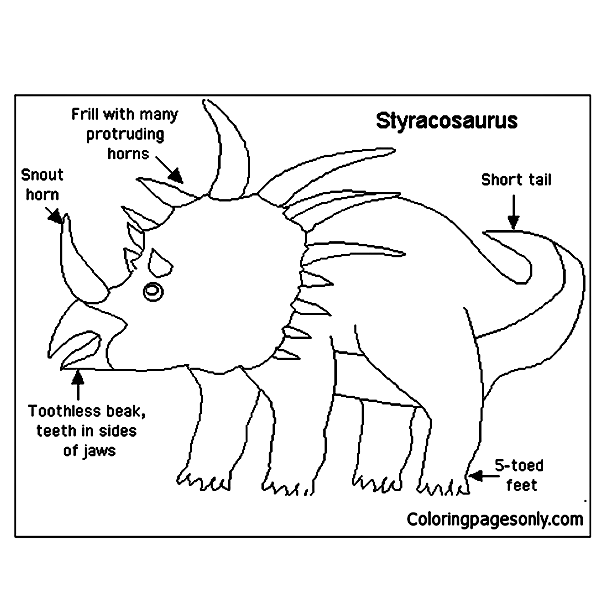
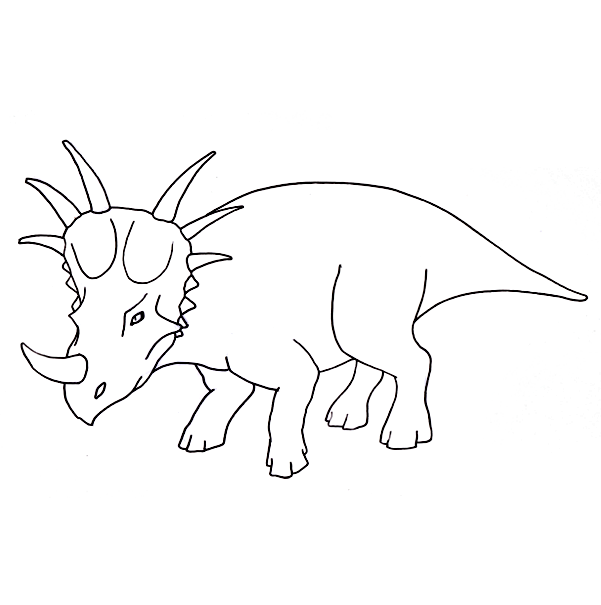
The 18 pages are split into four groups: plain solo portraits, a couple of stylized variants, scene and information pages, and one page showing a different, closely related dinosaur species rather than Styracosaurus itself. Coloring choices center on getting the frill spikes and nose horn right, since those two features carry most of the animal’s identity.
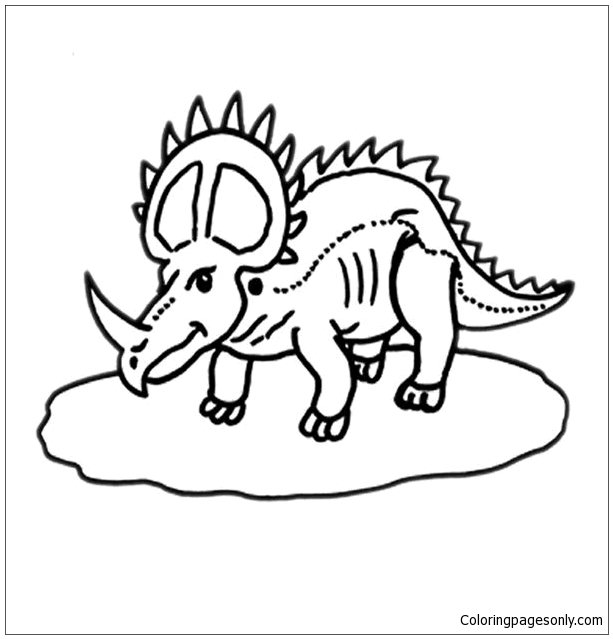
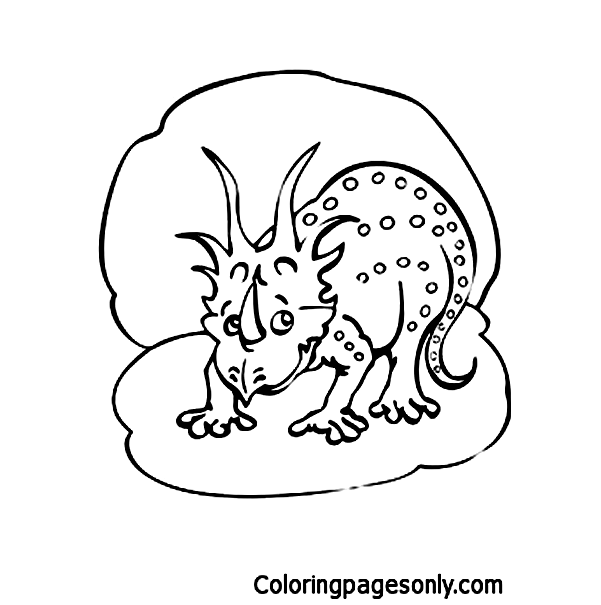
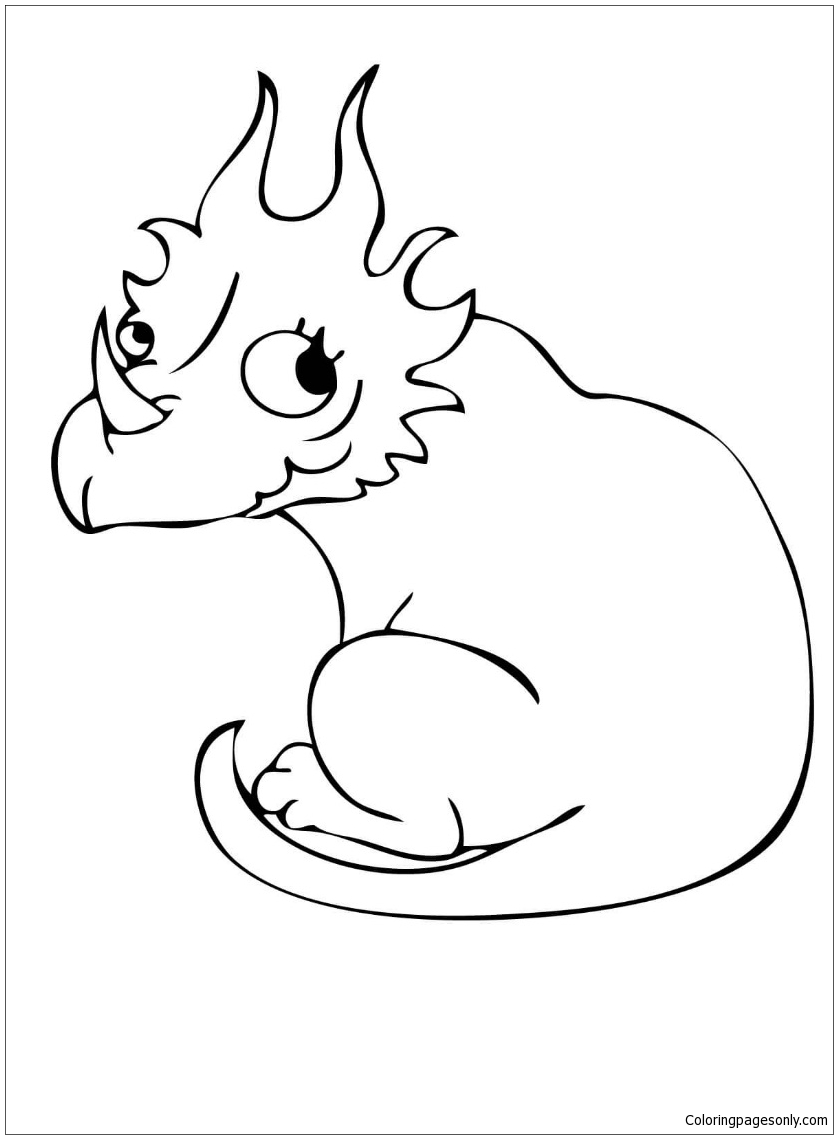
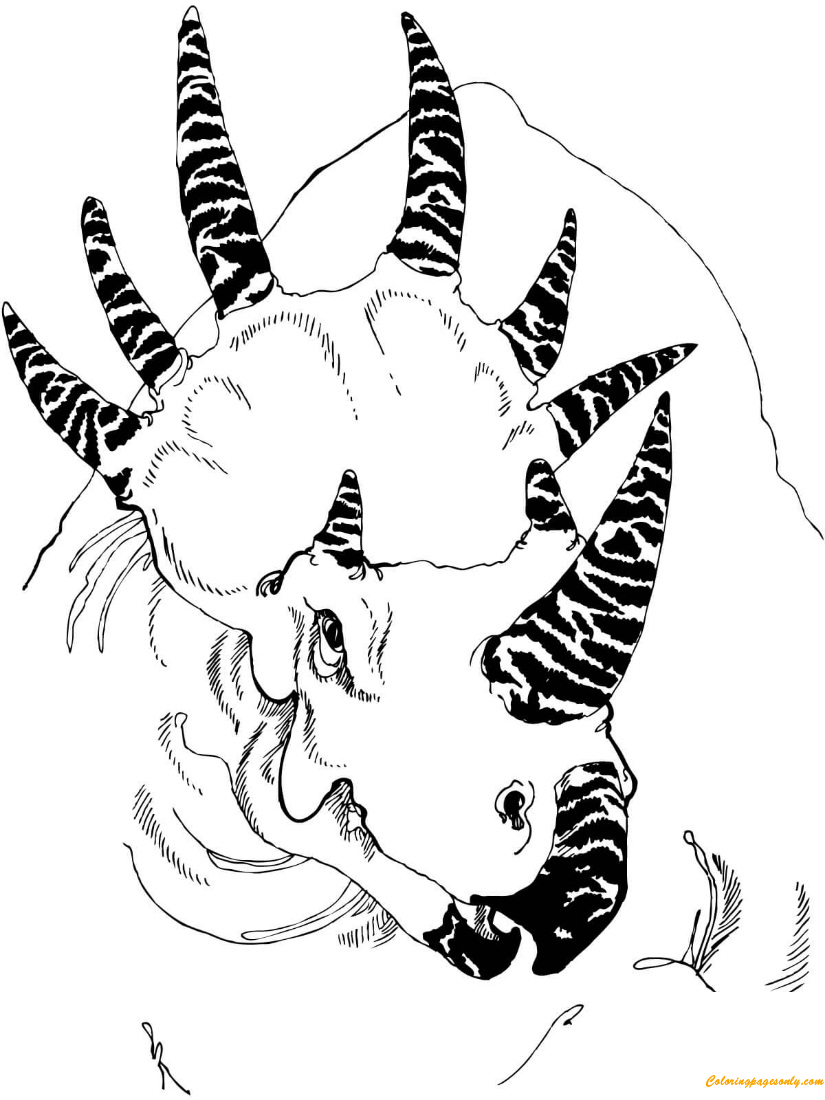
What Is Inside This Collection
Eighteen pages make up this set, and rather than sort them by invented themes, it’s more accurate to group them by how closely each one actually sticks to Styracosaurus itself.
Solo Styracosaurus Portraits
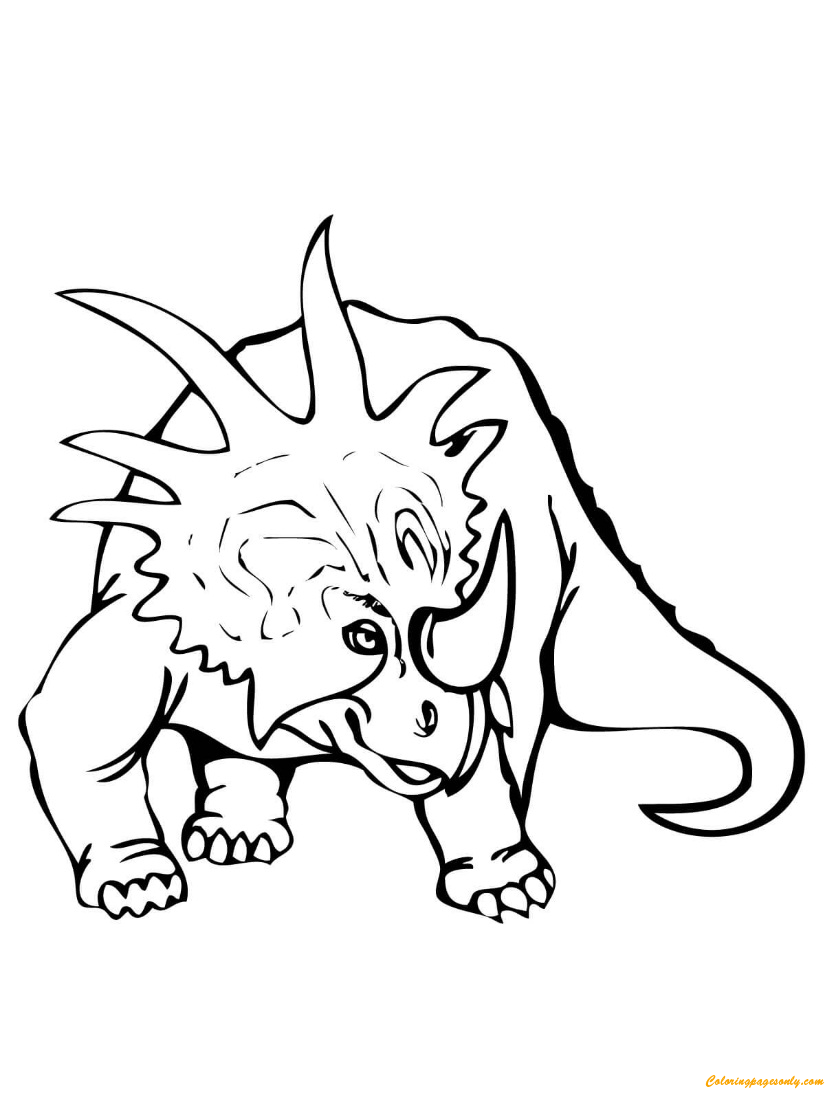
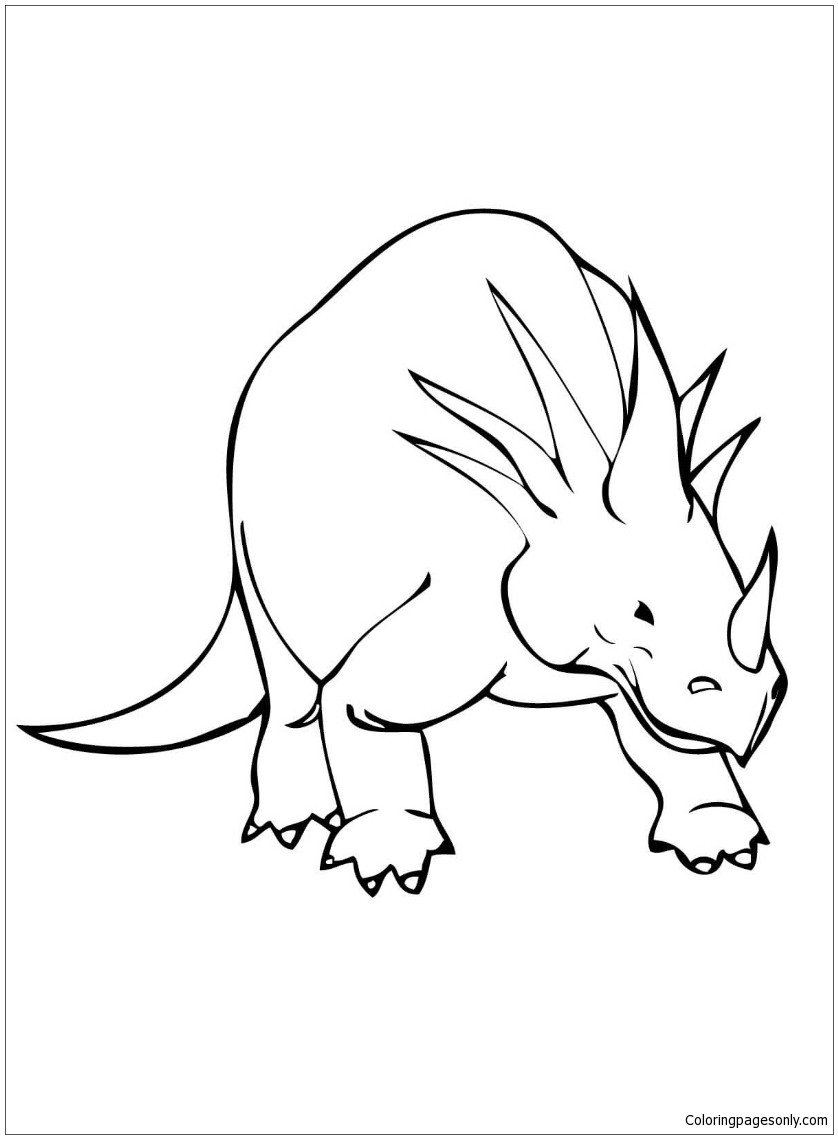
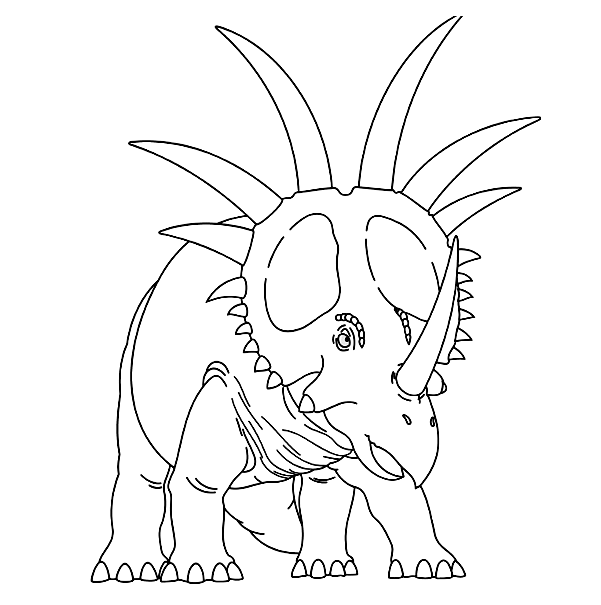
The majority of this collection is a single Styracosaurus shown alone, largely distinguished by file name rather than by any real difference in pose or scene. Coloring suggestion: Use this repetition to practice the frill and horn specifically, trying a slightly different spike pattern or horn shade on each portrait rather than treating every page as an unrelated design.
Stylized Variants
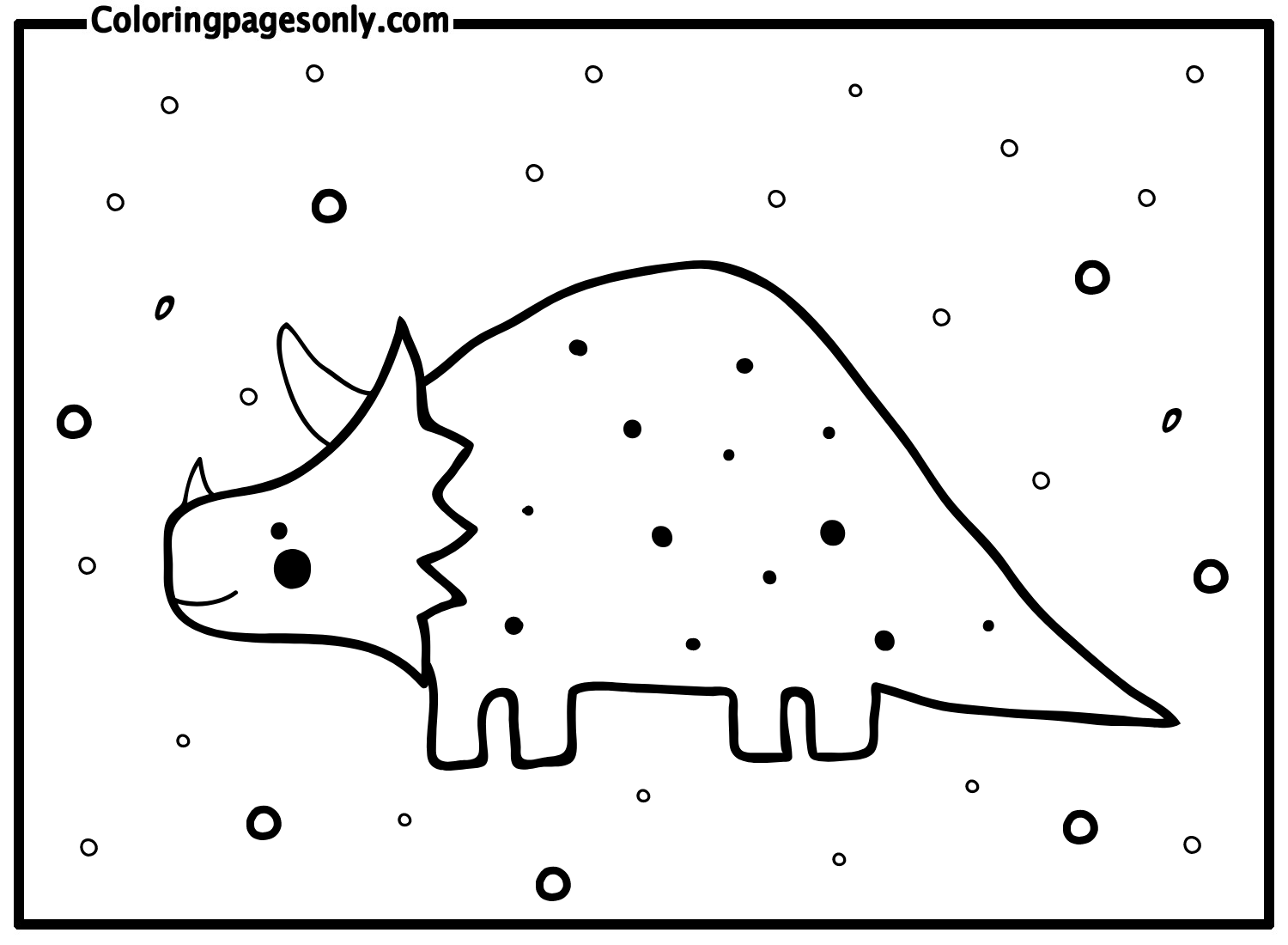
Two pages redraw the dinosaur in a more playful, rounded style, labeled cute and funny rather than realistic. Coloring suggestion: these two pages are the best fit for a brighter, less naturalistic palette, since they’re already drawn to look approachable rather than scientifically accurate.
Scene and Information Pages
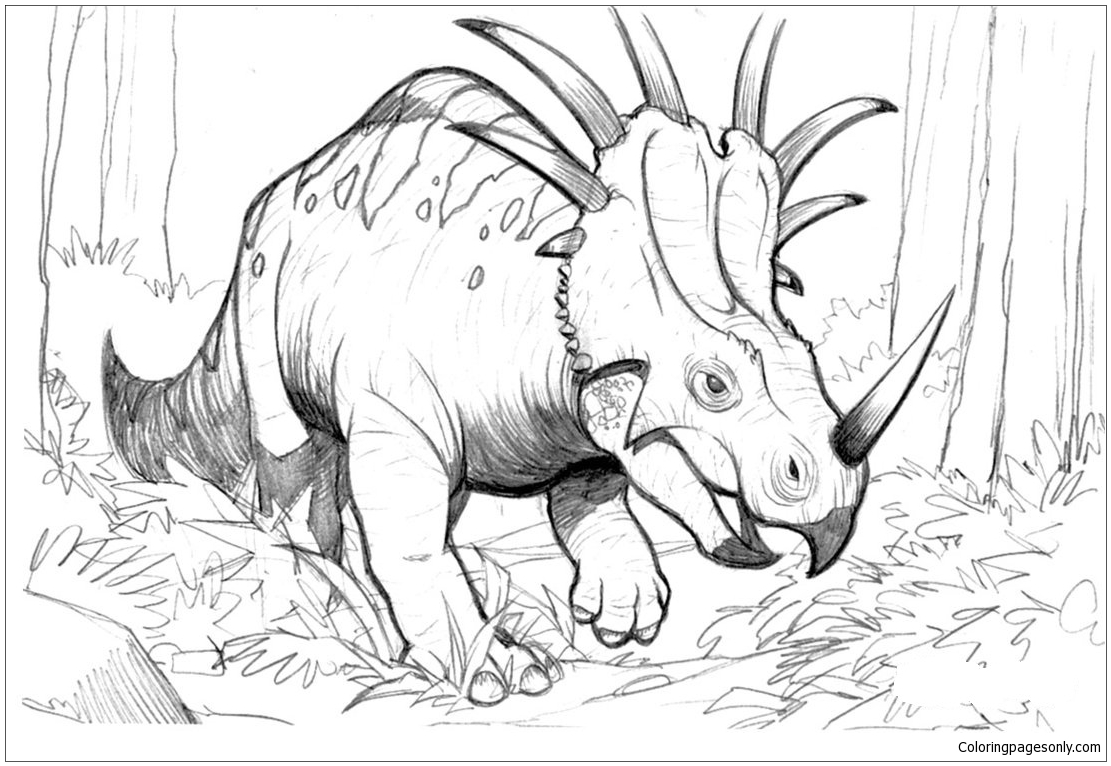
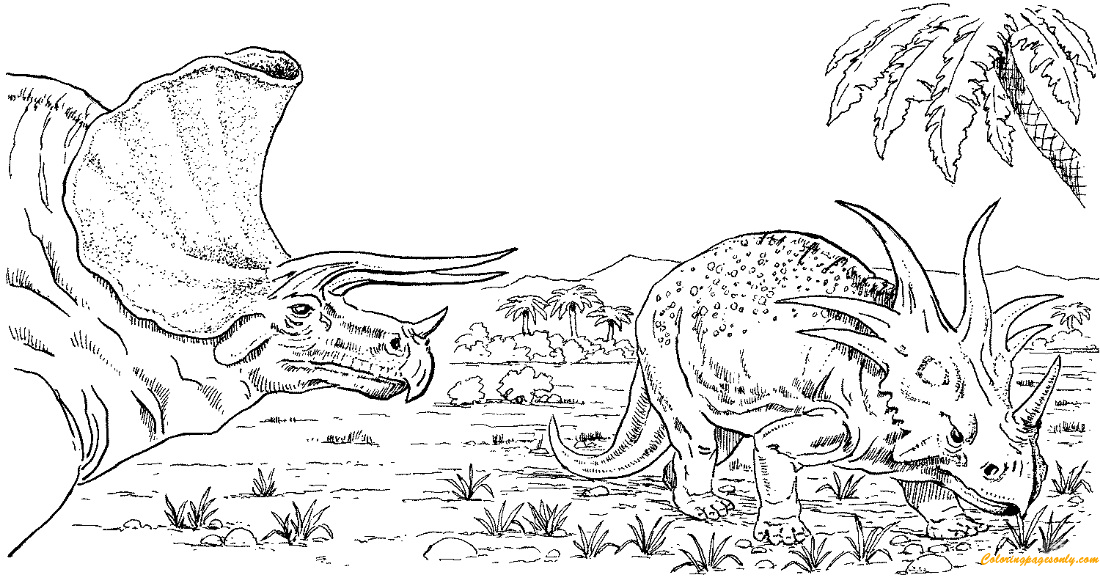
A small group moves beyond a solo portrait: a broader dinosaur scene, an information-sheet-style page, and one page pairing Styracosaurus with Triceratops, another well-known ceratopsian. Coloring suggestion: on the Triceratops pairing, keep the two dinosaurs in different base colors so their differing horn and frill arrangements stay easy to compare at a glance.
A Different Species Included by Mistake
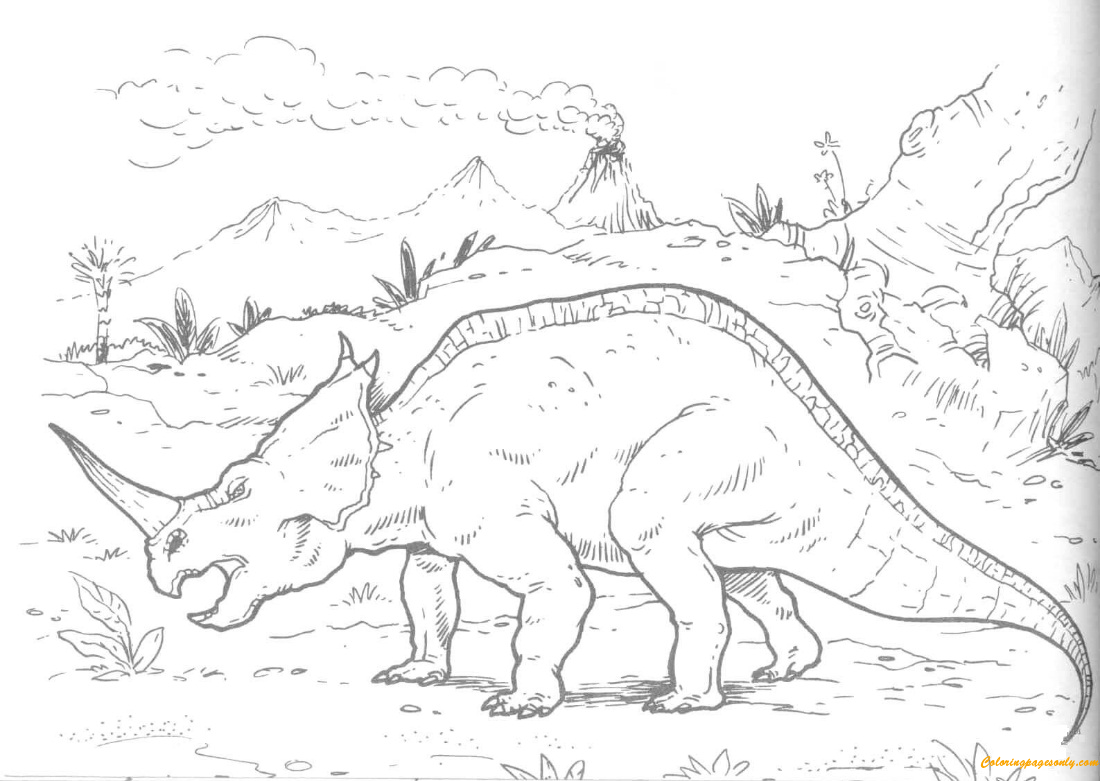
One page in this set is actually Centrosaurus, a closely related but genuinely different dinosaur first described by the same paleontologist, Lawrence Lambe, rather than Styracosaurus itself. Coloring suggestion: if using this page for a Styracosaurus-focused lesson or activity, it’s worth pointing out the difference, Centrosaurus has a shorter, hook-like frill ornament rather than Styracosaurus’s long, straight spikes, since the mix-up is itself a small, real lesson in how closely related species can be confused.
What Styracosaurus Coloring Pages Do
The same small task, repeated. The row of long spikes ringing Styracosaurus’s frill gives a child several small, similarly shaped areas to color in sequence, repeated practice at the same fine motor task the American Academy of Pediatrics associates with structured coloring in children ages two through seven, without needing a new skill for each one.
A name that describes what’s on the page. Styracosaurus means “spiked lizard” in Greek, a name chosen specifically because of the frill spikes, so coloring in those spikes is coloring in the exact feature the animal was named for, a rare case where the vocabulary word and the visual task line up directly.
Distance with no real stakes. Styracosaurus has been extinct for roughly 75 million years, which gives it the same kind of safe, consequence-free distance that a 2005 Art Therapy Journal study found useful in structured coloring sessions linked to reduced anxiety; nothing about the subject carries any real-world stakes for the person coloring it.
Practice telling similar dinosaurs apart. Styracosaurus, Centrosaurus, and Pachyrhinosaurus all belong to the same dinosaur family and can look alike at a glance, so working through a set of pages built around one of them, and noticing when one doesn’t quite match, gives a child real practice at the kind of close visual comparison paleontologists actually use to tell related species apart.
How to Color Styracosaurus Pages Well
- Frill spikes: Use a consistent Crayola Tan or Sepia across all the long spikes ringing the frill, since keeping this color the same on every solo portrait helps the repeated pages read as one recognizable animal.
- Nose horn: color the single nose horn a shade darker than the surrounding face, Crayola Sepia against a lighter Crayola Desert Sand skin tone, so it stands out as the animal’s other key identifying feature.
- Body and skin: base the body in a naturalistic Crayola Sepia, Olive Green, or Gray rather than a bright, unnatural color, since Styracosaurus is generally reconstructed with earth-toned, rhino-like skin.
- Stylized, cute, and funny pages: these two are the exception to the naturalistic rule, use brighter greens or even non-naturalistic colors here since they’re already drawn in a playful, non-scientific style.
- Triceratops comparison page: give Triceratops a distinctly different body color from Styracosaurus so the two ceratopsians, despite similar horns, remain easy to tell apart on the same page.
- Frill edge detail: Use a fine-tip marker or colored pencil for the smaller bumps and ridges along the frill’s edge, the most detailed part of an otherwise fairly simple body shape.
5 Creative Craft Ideas With Styracosaurus Coloring Pages
1. Dinosaur Fact Flashcards
Color a few portrait pages and write one Styracosaurus fact on the back of each to build a simple set of homemade flashcards.
2. Frill Spike Crown
Color a page, then trace and cut the frill spike shape separately to glue onto a paper headband for a wearable dinosaur crown.
3. Species Comparison Chart
Color the Triceratops-and-Styracosaurus page and label each dinosaur’s horns and frill directly on the page for a simple compare-and-contrast chart.
4. Prehistoric Diorama Cutout
Color a solo portrait, cut it out, and stand it up inside a shoebox scene with paper plants for a simple prehistoric diorama.
5. Mystery Dinosaur Game
Color the Centrosaurus page alongside a real Styracosaurus page and challenge a child to spot which one doesn’t match the rest of the set.
Frequently Asked Questions
What are Styracosaurus coloring pages?
A free set of 18 printable designs of Styracosaurus, a spiked, frilled dinosaur from Late Cretaceous North America. Every page downloads as a PDF or opens in the online coloring tool without an account.
What does the name Styracosaurus mean?
Styracosaurus means “spiked lizard” in Greek, a name chosen by paleontologist Lawrence Lambe in 1913 because of the long spikes ringing the dinosaur’s neck frill.
When and where did Styracosaurus live?
Styracosaurus lived roughly 75 to 77 million years ago during the Late Cretaceous period, with fossils found in Alberta, Canada, in an area now known as Dinosaur Provincial Park.
What makes Styracosaurus look different from other horned dinosaurs?
Its frill spikes set it apart. Unlike Triceratops, which has long brow horns, Styracosaurus has only small bony bumps above its eyes, relying instead on a single long nose horn and several long frill spikes for its distinctive look.
Is every page in this set actually Styracosaurus?
Nearly all of them, but one page shows Centrosaurus, a closely related dinosaur first described by the same paleontologist, rather than Styracosaurus itself. The two are easy to mix up since they belong to the same dinosaur family.
Can these pages be colored without printing them?
Yes. Every page in the set opens directly in the site’s browser-based coloring tool, so a page can be finished on screen before deciding whether to print it.
Are Styracosaurus coloring pages suitable for young children?
The solo portrait pages use one large, clear body shape and suit young children well, while the frill spikes and horn add just enough small detail to hold an older child’s attention without becoming overwhelming.
Is Styracosaurus related to Triceratops?
Yes, distantly. Both belong to the ceratopsian group of horned dinosaurs, though Styracosaurus is more closely related to Centrosaurus and other frill-spiked species than to Triceratops specifically.
Start Coloring
Every design above downloads as a PDF or opens for online coloring, both free and without an account. A finished page can be shared through the Facebook or Pinterest buttons at the top of the design.