Camptosaurus Coloring Pages
 By:
Jennifer Thoa - Content Editor & Designer
Updated:
By:
Jennifer Thoa - Content Editor & Designer
Updated:
Camptosaurus coloring pages: 13 free printable PDF designs covering general Camptosaurus portraits, scenes, and playful moments, and Compsognathus, a different dinosaur entirely. Print any page as a PDF, or color it right in the browser, no account needed either way.
Camptosaurus almost ended up with a different name that would’ve caused real confusion. When paleontologist Othniel Charles Marsh first described it in 1879, he called it Camptonotus, meaning “flexible back,” after the sacral vertebrae he believed were unusually flexible. Six years later, he had to rename it, because it turned out “Camptonotus” already belonged to a genus of cricket. The dinosaur became Camptosaurus instead, “flexible lizard,” a name that’s stuck ever since.
That flexibility turned out to be a genuinely fitting name for more than just its spine. Camptosaurus could move on two legs or on four, switching between postures depending on whether it was grazing low plants or making a run from predators like Allosaurus. It shared its Late Jurassic home, the fossil-rich Morrison Formation of the western United States, with some genuinely famous neighbors, including the long-necked Diplodocus and Brachiosaurus.
These pages suit dinosaur fans who like a lesser-known herbivore with a real naming story, kids curious about dinosaurs that moved in more than one way, and anyone building out a full Morrison Formation coloring collection.

Quick Answer
Camptosaurus coloring pages are a free set of 13 printable PDFs and browser-based coloring sheets covering general Camptosaurus portraits, scenes, and playful moments, and Compsognathus.
Best for: children aged 3 and up, with the ecological scene and Compsognathus page suited to slightly older kids
Formats: printable PDF and online coloring
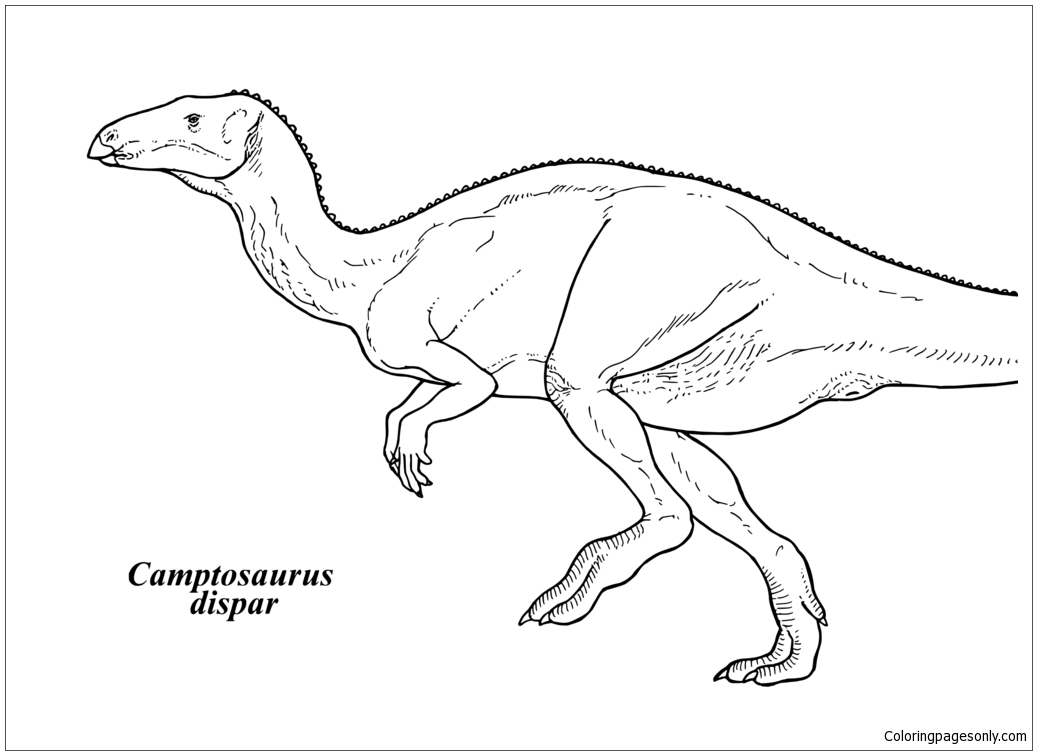
Popular pages: the classic Camptosaurus portrait, Camptosaurus Dispar, Dinosaurs in the Grasslands, and the Cute Dinosaur Eating Burger
Creative uses: a naming-history fact card, a two-posture pose study, a Morrison Formation neighbors board, and a same-collection-different-dinosaur card
What’s Inside Camptosaurus Coloring Pages
General Camptosaurus Portraits
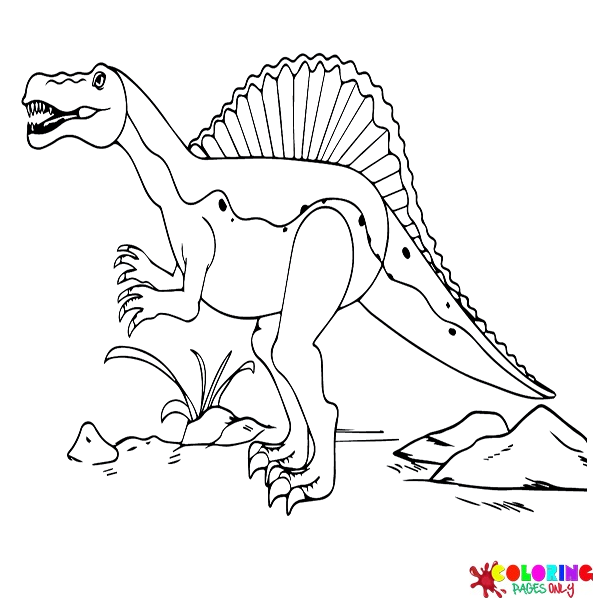
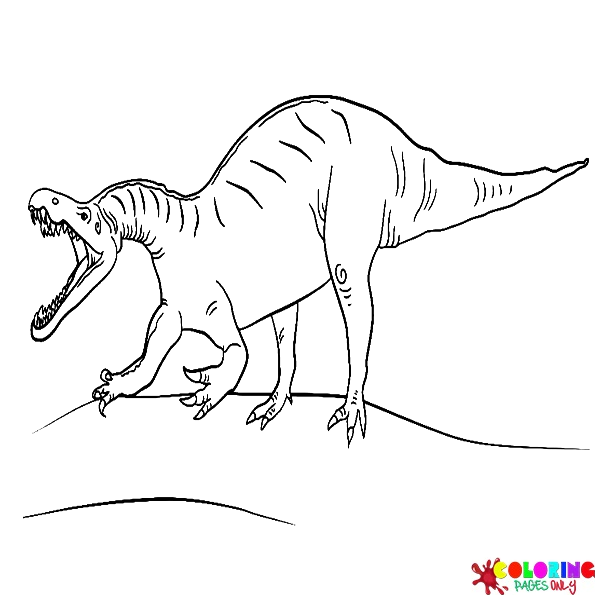
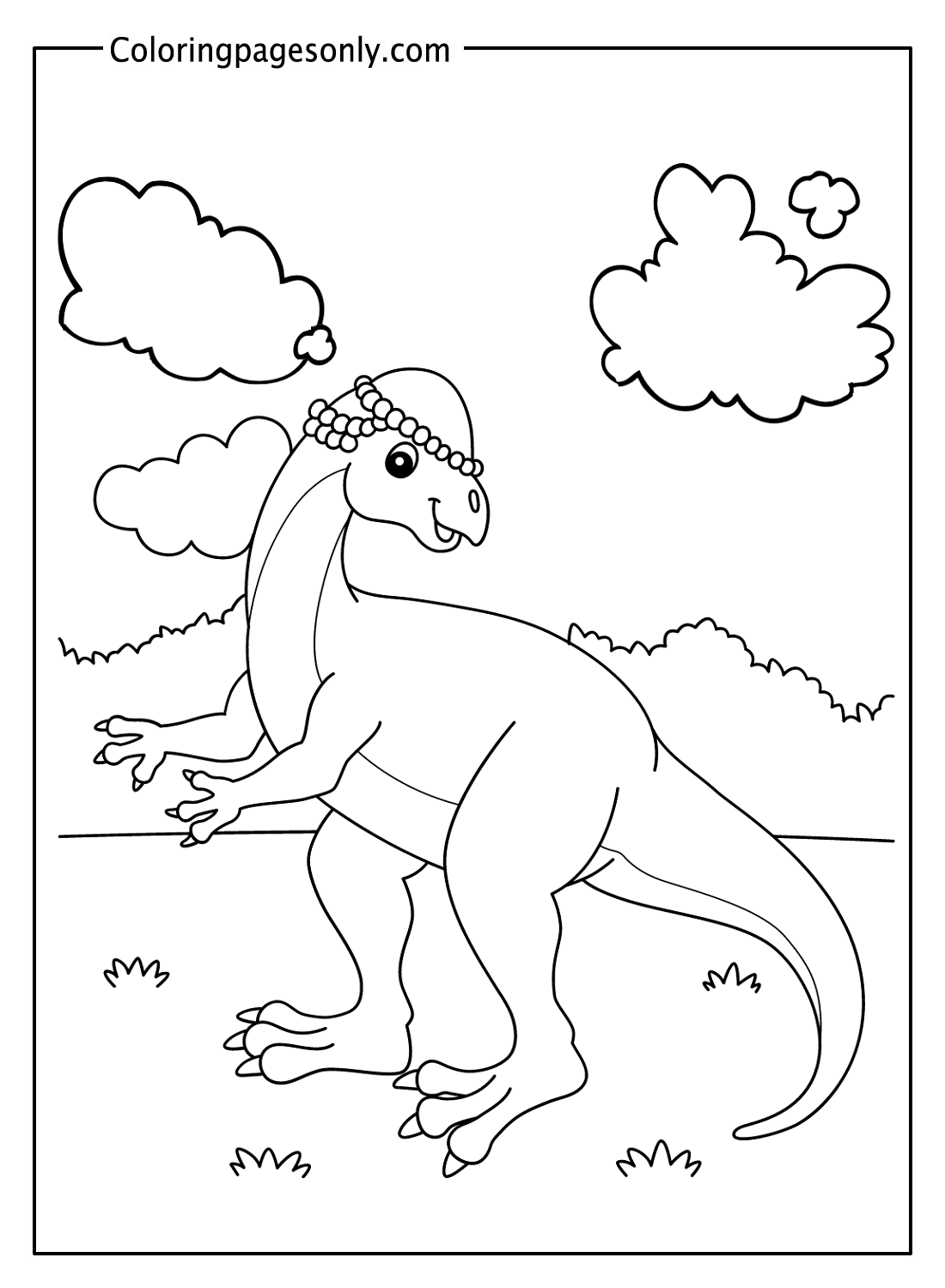
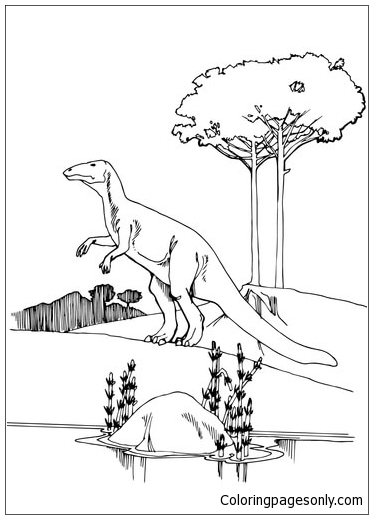
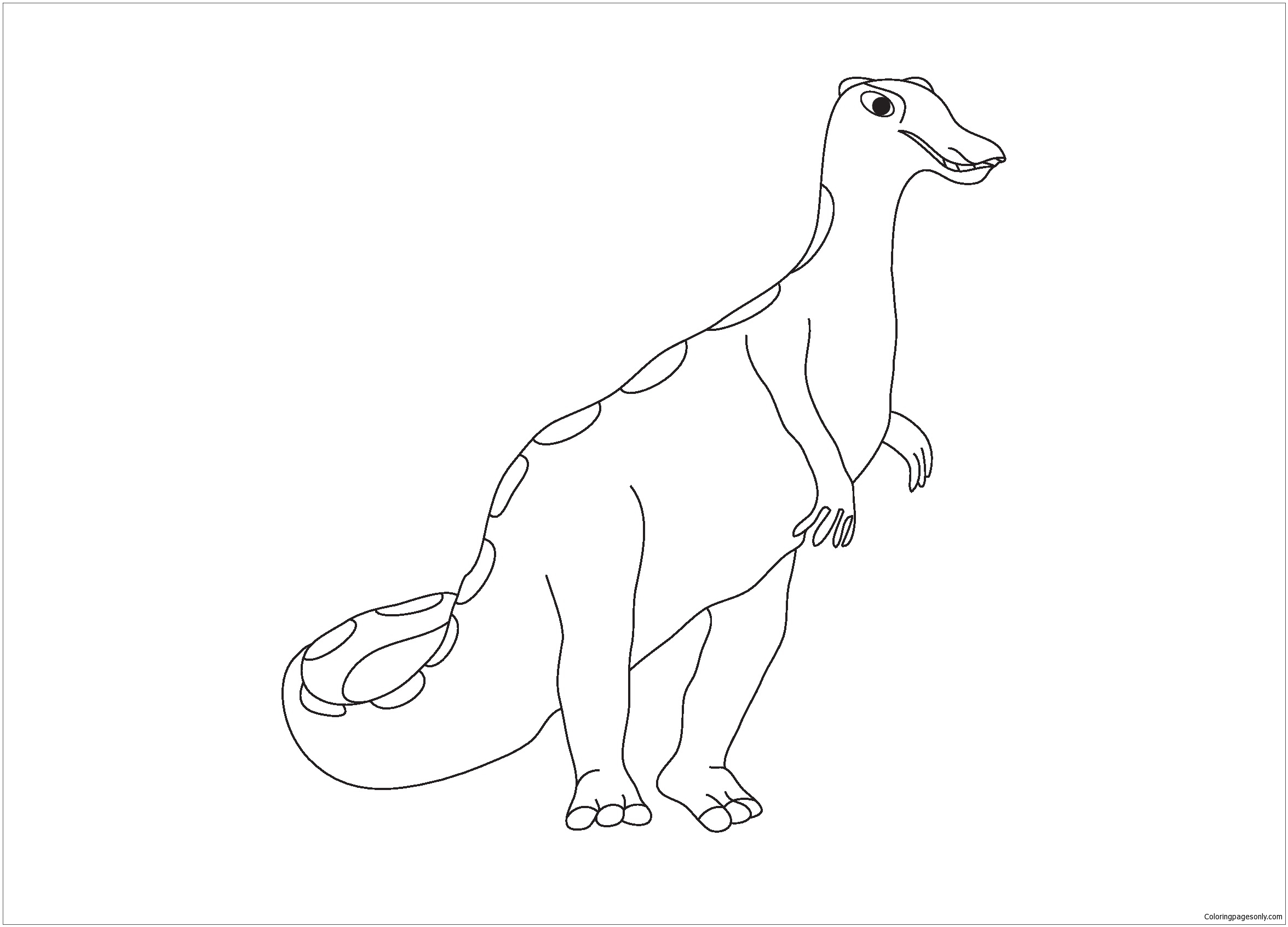
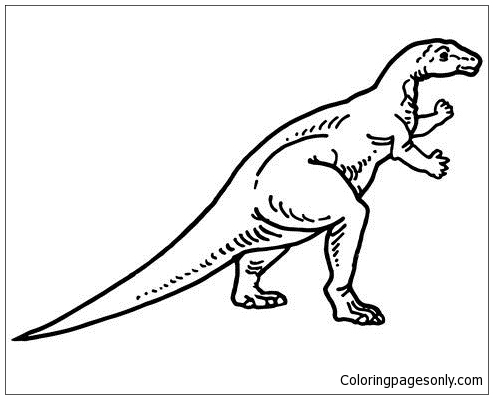
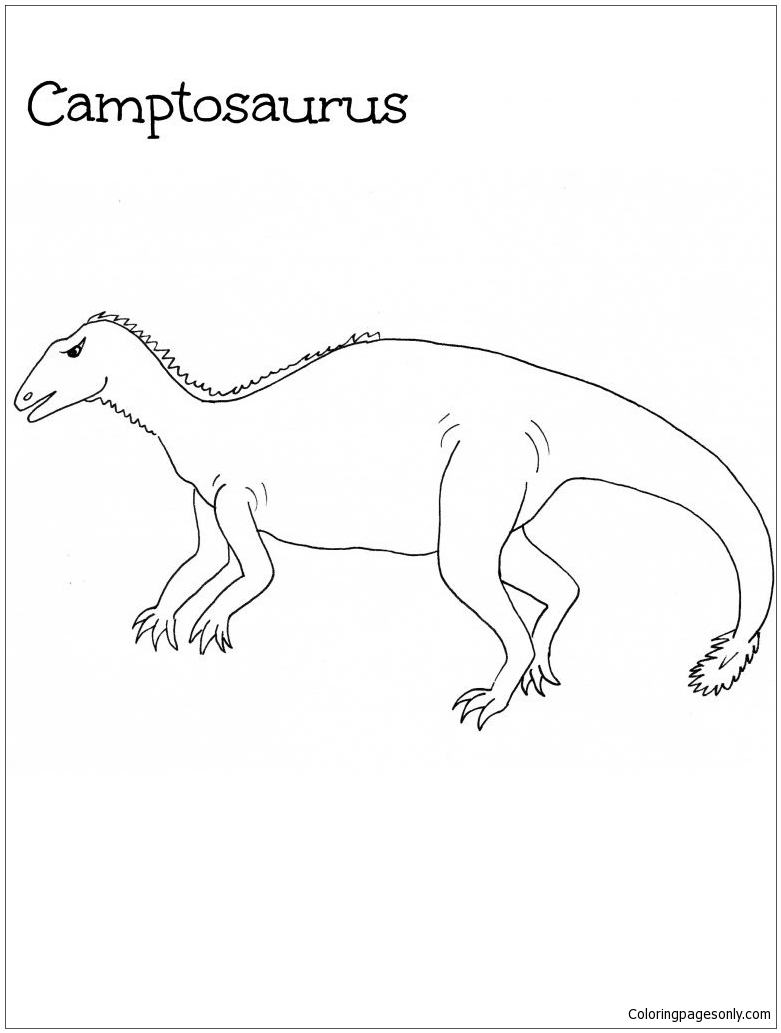
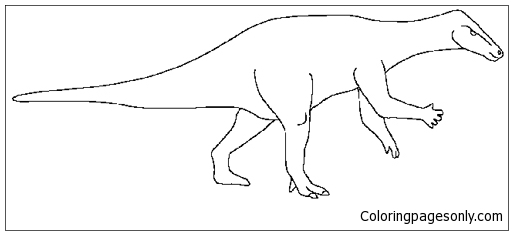
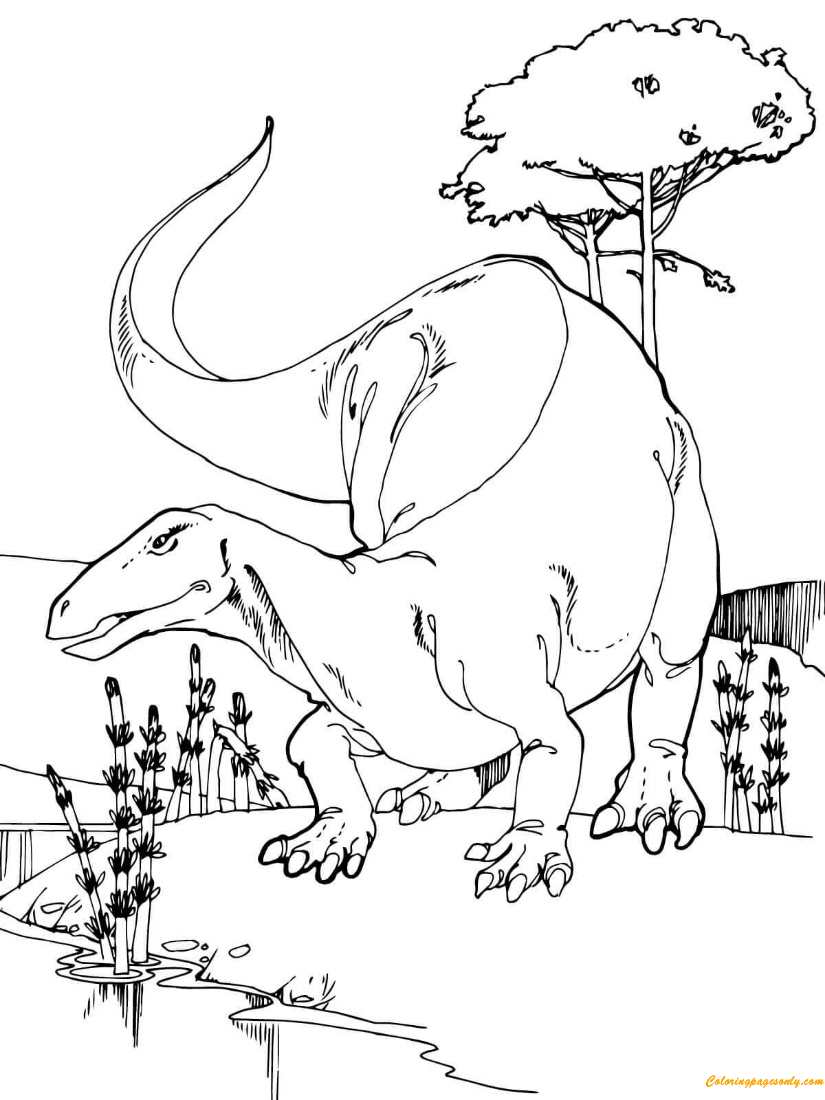
The largest group covers Camptosaurus on its own: several numbered versions, the specific species Camptosaurus dispar, and a couple of pages labeling it as a Jurassic, ornithischian, or plant-eating dinosaur.
Its build is worth getting right here: a sturdy, medium-sized body with hind legs noticeably longer than its front legs. That difference in limb length is what actually lets it move both ways, so keeping the proportions uneven rather than symmetrical is more accurate than it might first seem.
Scenes and Playful Moments
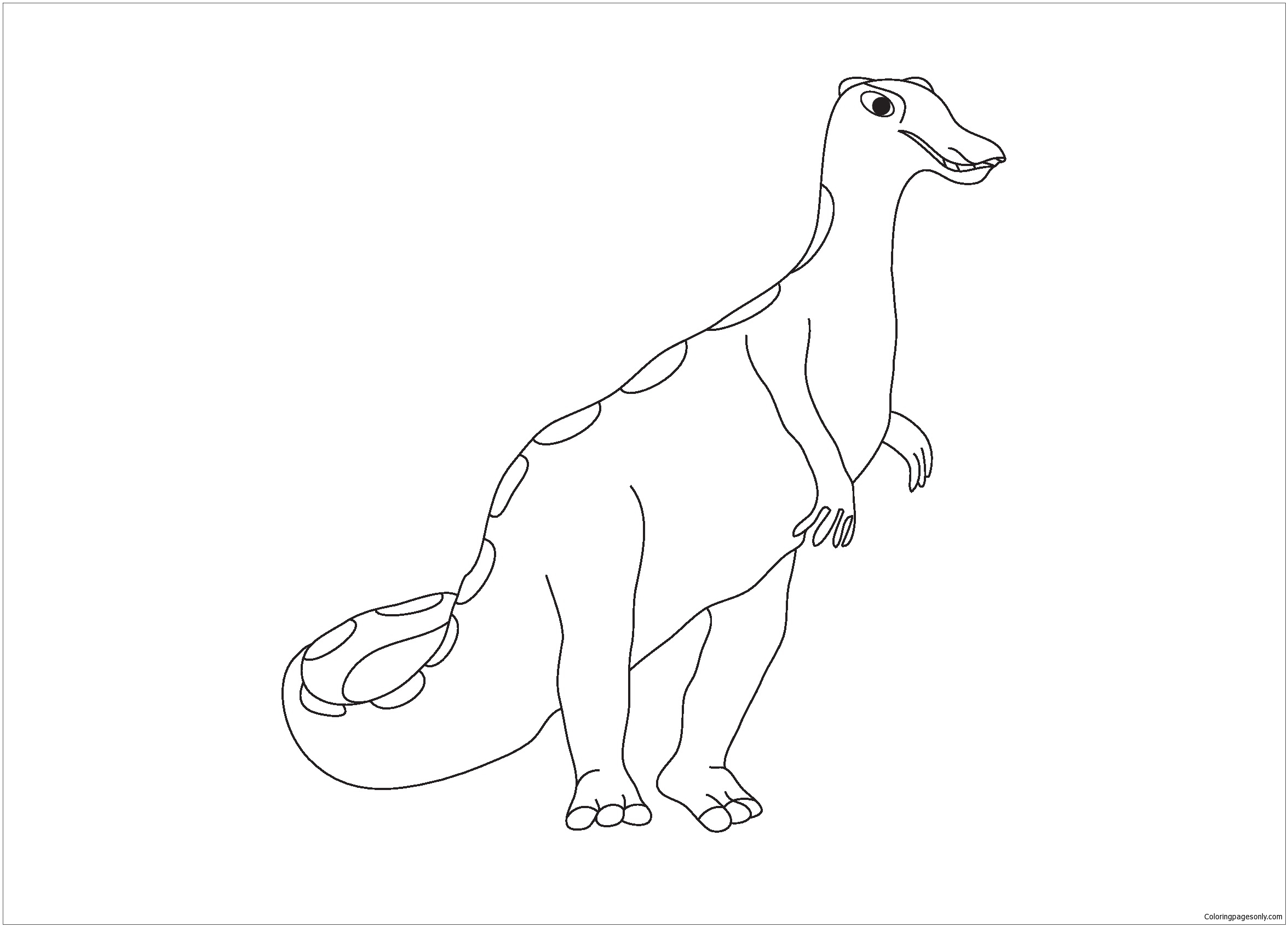
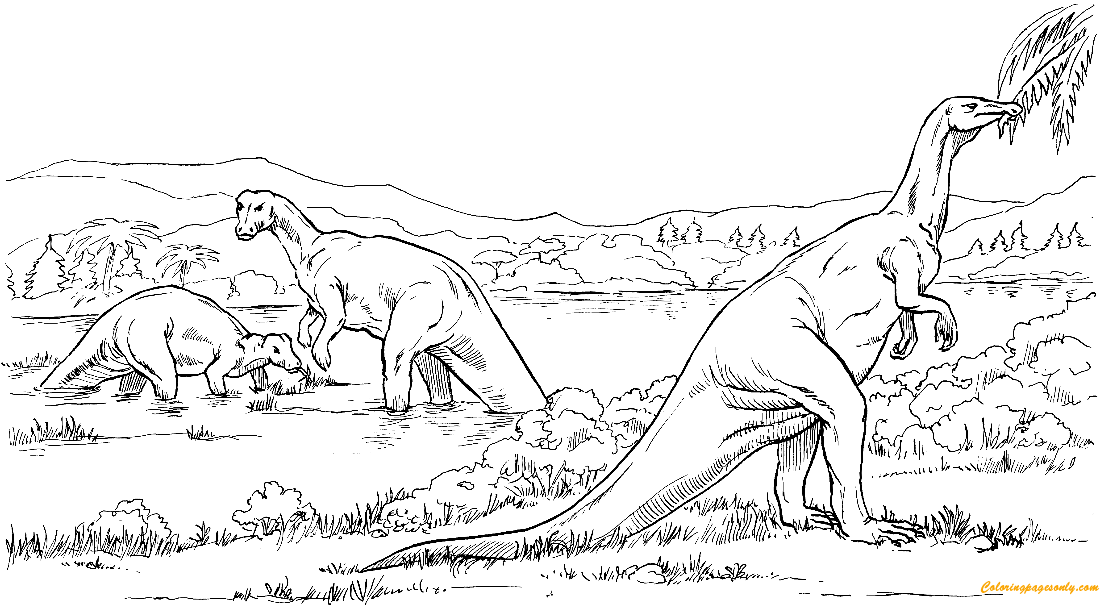
A smaller group covers Camptosaurus in context and has some fun: Dinosaurs in the Grasslands, and a lighthearted Cute Dinosaur Eating Burger page.
The grassland scene is worth treating as a real habitat rather than a generic background, since open, plant-covered floodplains are genuinely close to where Camptosaurus actually lived.
Compsognathus, a Different Dinosaur Entirely
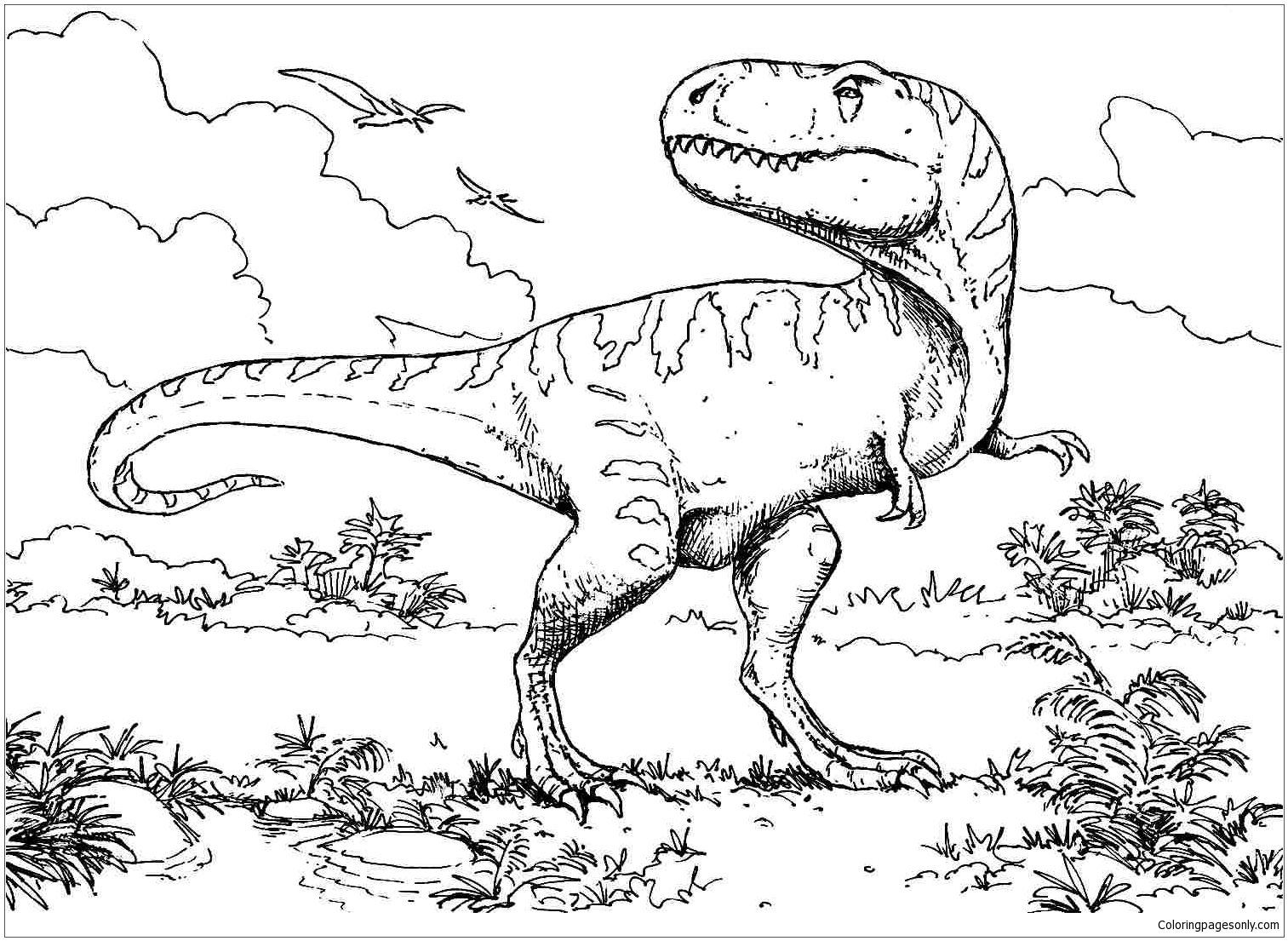
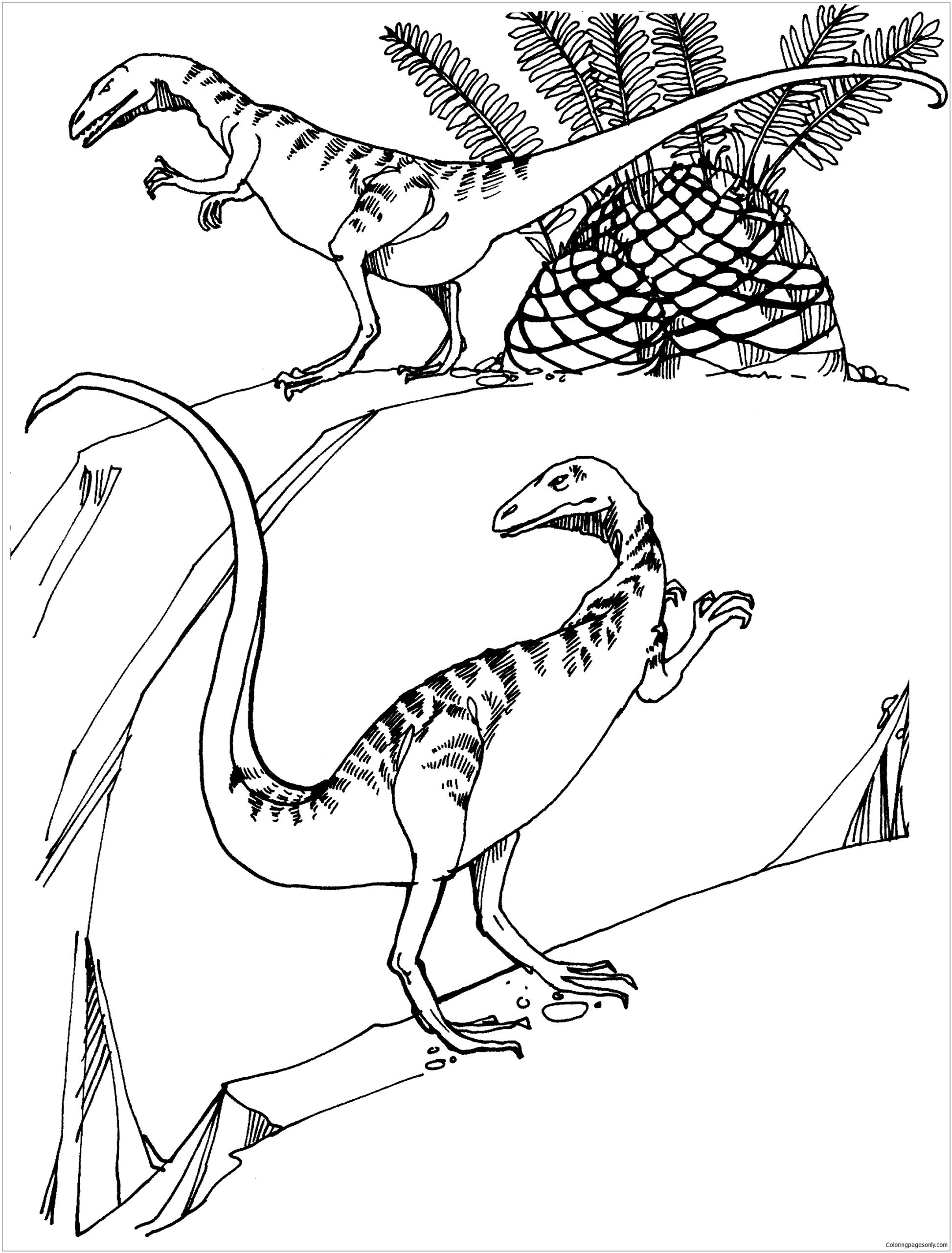
The rest of the set includes a page for Compsognathus, one of the smallest dinosaurs known to science, a fast, carnivorous theropod with no real connection to Camptosaurus beyond both being real dinosaurs.
Since Compsognathus was tiny, roughly the size of a chicken, and hunted rather than grazed, giving it a leaner, more compact build and a sharper expression than the Camptosaurus pages is worth doing on purpose.
What These Pages Do
The real naming mix-up behind this dinosaur is worth knowing before any crayon touches the page. A scientist naming a massive Jurassic herbivore accidentally chose a name already taken by a tiny insect, and had to fix it years later. It’s a small, genuine reminder that even careful scientific work runs into ordinary mistakes sometimes.
Fine motor development gets a specific workout tied to Camptosaurus’s real dual-posture body. The American Academy of Pediatrics identifies structured coloring as a genuine contributor to fine motor growth in children roughly between two and seven years old, and keeping its shorter front limbs and longer, sturdier hind limbs proportionally distinct asks for a kind of careful attention that a more uniform four-legged animal wouldn’t require.
There’s a genuine strength worth naming in how this dinosaur actually got around. Camptosaurus wasn’t locked into one way of moving; it grazed on four legs and could rise onto two to run when a predator showed up. Art Therapy Practitioners have pointed out that modeling real adaptability, doing things differently depending on what a moment actually calls for, rather than only one fixed way, can be a genuinely useful idea for a child to sit with while coloring.
This set also makes a small point worth naming directly: sharing a name, or in this case, a coloring collection, doesn’t mean being closely related. A dinosaur once almost named after a cricket, and a fast little meat-eater tucked into a set about a much larger plant-eater, are both small reminders that things grouped aren’t always as connected as they first appear.
How to Color Camptosaurus Coloring Pages
Keep the hind legs visibly longer than the front legs. That real proportional difference is what actually lets Camptosaurus move both bipedally and on all fours.
Set the grassland scene in an open, plant-covered floodplain. That habitat is genuinely close to where Camptosaurus actually lived, rather than a generic prehistoric backdrop.
Give Compsognathus a leaner, more compact build than Camptosaurus. It was a small, fast carnivore, roughly chicken-sized, and looked most accurate with a sharper, quicker silhouette.
Feel free to experiment with color on the playful pages. The burger scene and similar lighthearted designs aren’t tied to real habitat accuracy, so bold, fun choices suit them well.
5 Creative Craft Ideas with Camptosaurus Coloring Pages
Naming-History Fact Card
Color a general Camptosaurus portrait and add a short note about the real cricket-naming mix-up from 1879 – ten minutes of coloring, plus a genuinely fun piece of paleontology trivia.
Two-Posture Pose Study
Color two portraits, one imagined on four legs grazing and one rising onto two legs, focusing on the real limb-length difference between them. Fifteen minutes for a detail-focused project.
Morrison Formation Neighbors Board
Color a Camptosaurus page alongside any Diplodocus or Brachiosaurus pages already on hand and talk about how all three genuinely shared the same real ecosystem. Twenty minutes for an accurate, connected display.
Same-Collection-Different-Dinosaur Card
Color the Compsognathus page and write a short note about how it ended up in this set despite being a completely different, unrelated dinosaur – ten minutes, built around noticing an interesting mismatch on purpose.
Grassland Habitat Scene
Color Dinosaurs in the Grasslands slowly, using warm greens and golds to reflect Camptosaurus’s real floodplain habitat. Fifteen minutes for a habitat-focused project.
FAQ About Camptosaurus Coloring Pages
Are these Camptosaurus coloring pages free, and can I color them online?
Completely free, with nothing to sign up for. Print the PDF for the table, or open the online tool to color straight from the browser.
What age group are these Camptosaurus coloring pages best suited for?
The general portraits work well from age 3. The grassland scene and the Compsognathus page, which carry more background context, suit slightly older kids.
Why was Camptosaurus almost named something else?
It was originally named Camptonotus, “flexible back,” in 1879, but that name was already used for a cricket genus, so it was renamed Camptosaurus, “flexible lizard,” six years later.
Could Camptosaurus really walk on two legs and four legs?
Yes. Its longer hind legs and shorter front legs allowed it to graze on all fours and rise onto two legs when it needed to move quickly, likely to escape predators.
Did Camptosaurus really live alongside Diplodocus and Brachiosaurus?
Yes. All three are genuine residents of the Late Jurassic Morrison Formation in the western United States, a real fossil-rich ecosystem shared by many well-known dinosaurs.
Is Compsognathus related to Camptosaurus?
No. Despite appearing in the same coloring collection, Compsognathus was a small, fast, meat-eating dinosaur with no close relationship to the larger, plant-eating Camptosaurus.
Are these pages based on any specific museum specimen or copyrighted design?
No. These are general, original illustrations inspired by the real animals and are not based on any specific copyrighted artwork or licensed character design.
Can I use these pages for a classroom lesson on dinosaur locomotion?
Yes. Camptosaurus’s real ability to move both bipedally and quadrupedally makes a genuinely good, simple example for a classroom lesson on how some dinosaurs adapted their movement to different situations.
Start Coloring
Download any page by clicking the design. No account, email, or payment is required. Pages print directly from the browser at full resolution or open in the online coloring tool for screen use. Share finished pages on Facebook or Pinterest using the share buttons at the top of each design page.