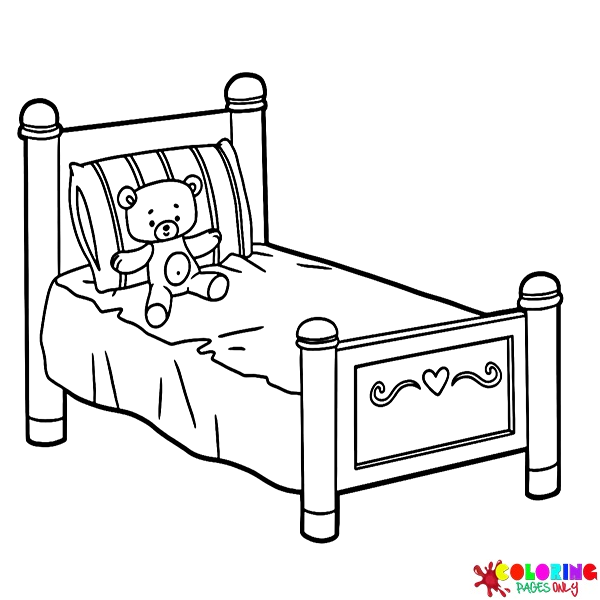
Kids' Playroom Coloring Pages
 By:
Jennifer Thoa - Content Editor & Designer
Updated:
By:
Jennifer Thoa - Content Editor & Designer
Updated:
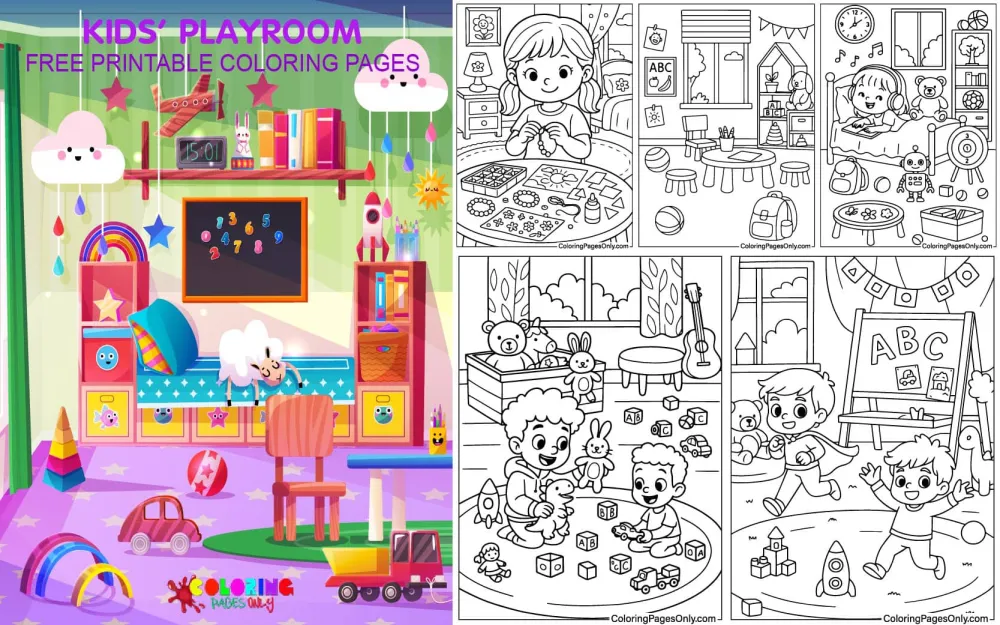
Free Kids’ Playroom Coloring Pages: 37 printable PDF designs covering toys and building play, creative and learning corners, kids playing together, quiet reading nooks, and general playroom scenes. Each page can be downloaded as a PDF to print or colored online in the browser, with no account required.
Ages three to five are considered the peak years for imaginative play, according to child development research, a stretch when pretend play is closely linked to stronger emotional regulation, social skills, and theory of mind, the ability to understand that other people have their own thoughts and feelings. This collection reflects that same range of play, from quiet solo activities like reading and building to the more social, imaginative play that fills a real playroom.
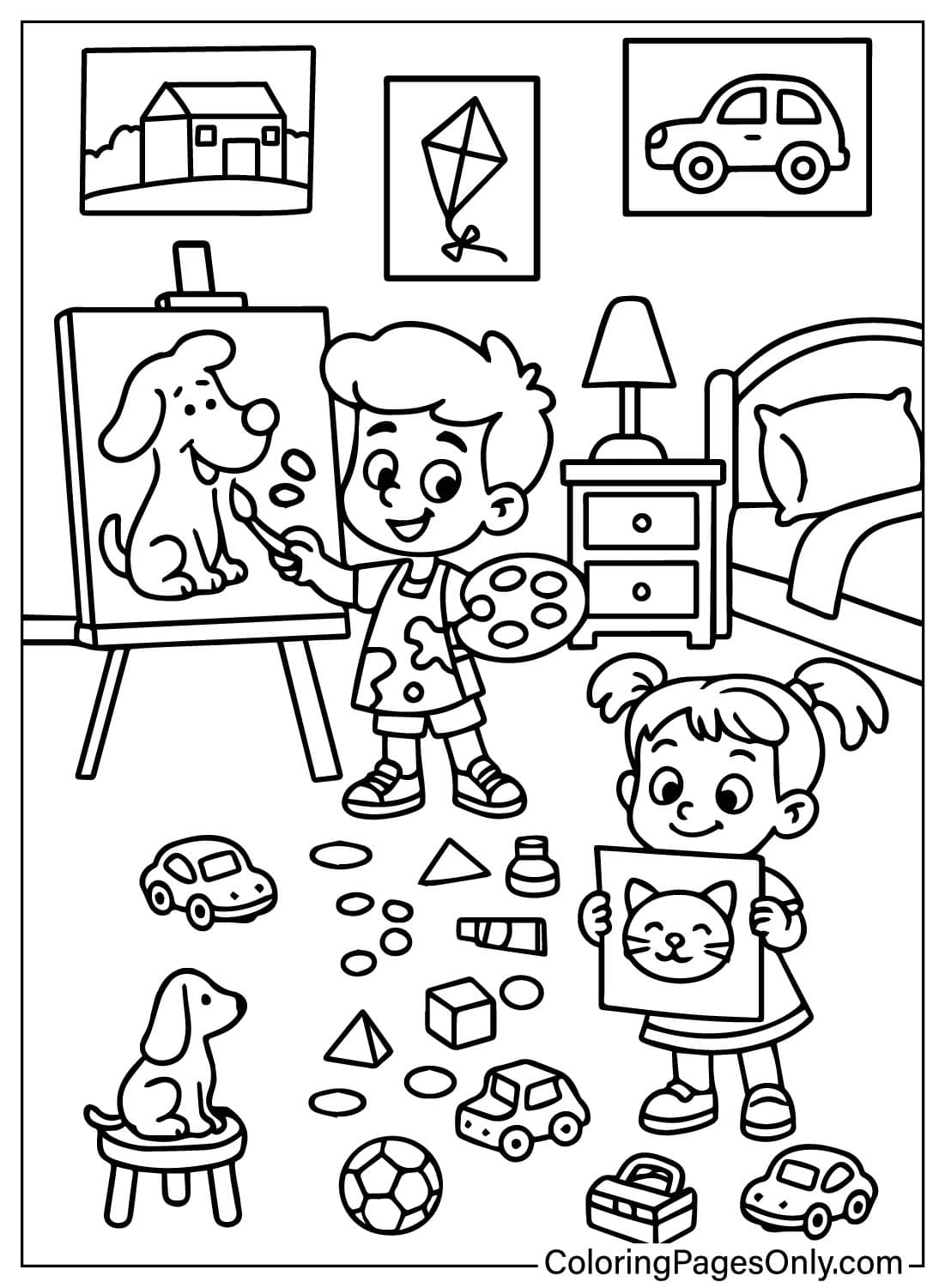
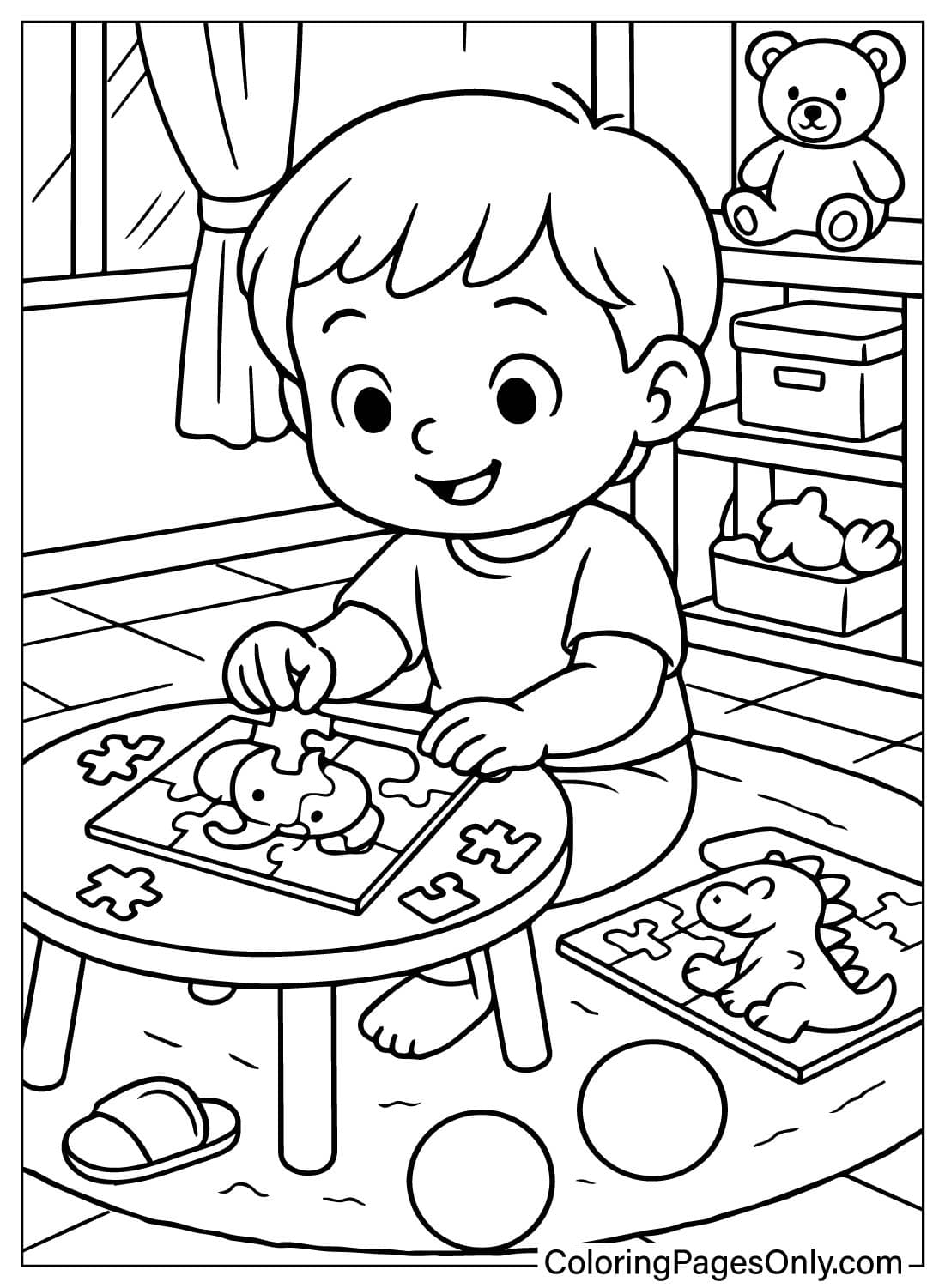
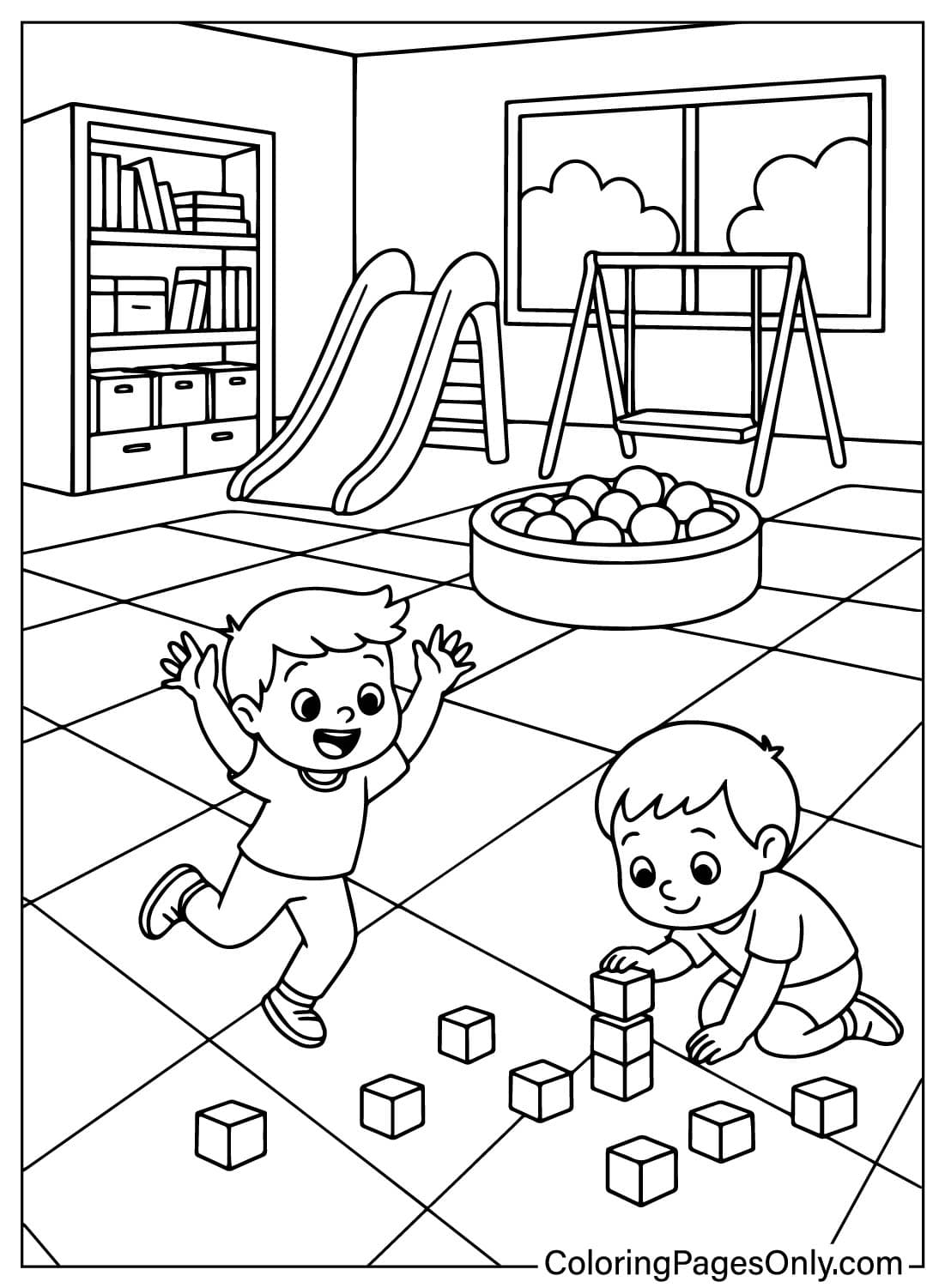
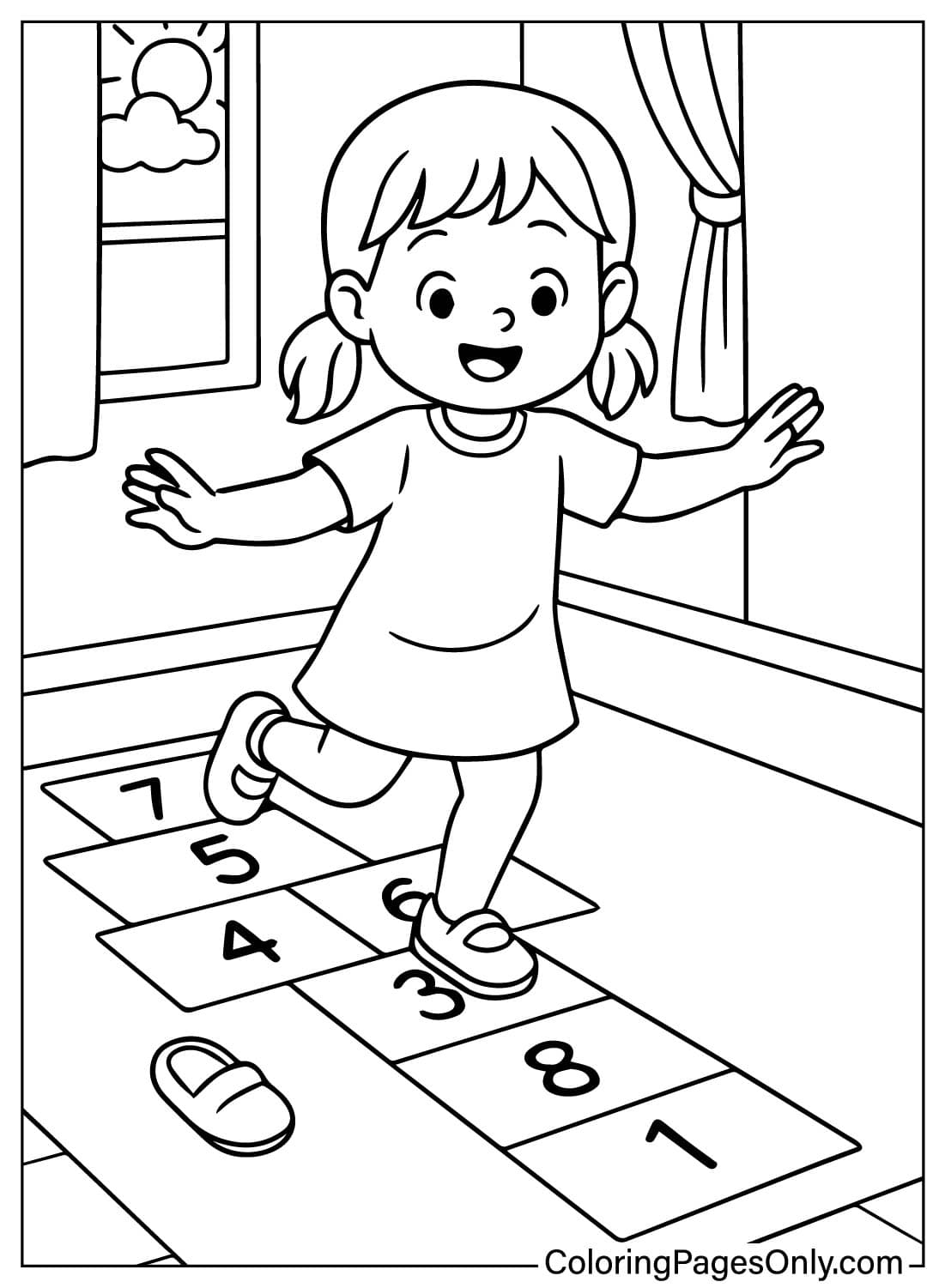
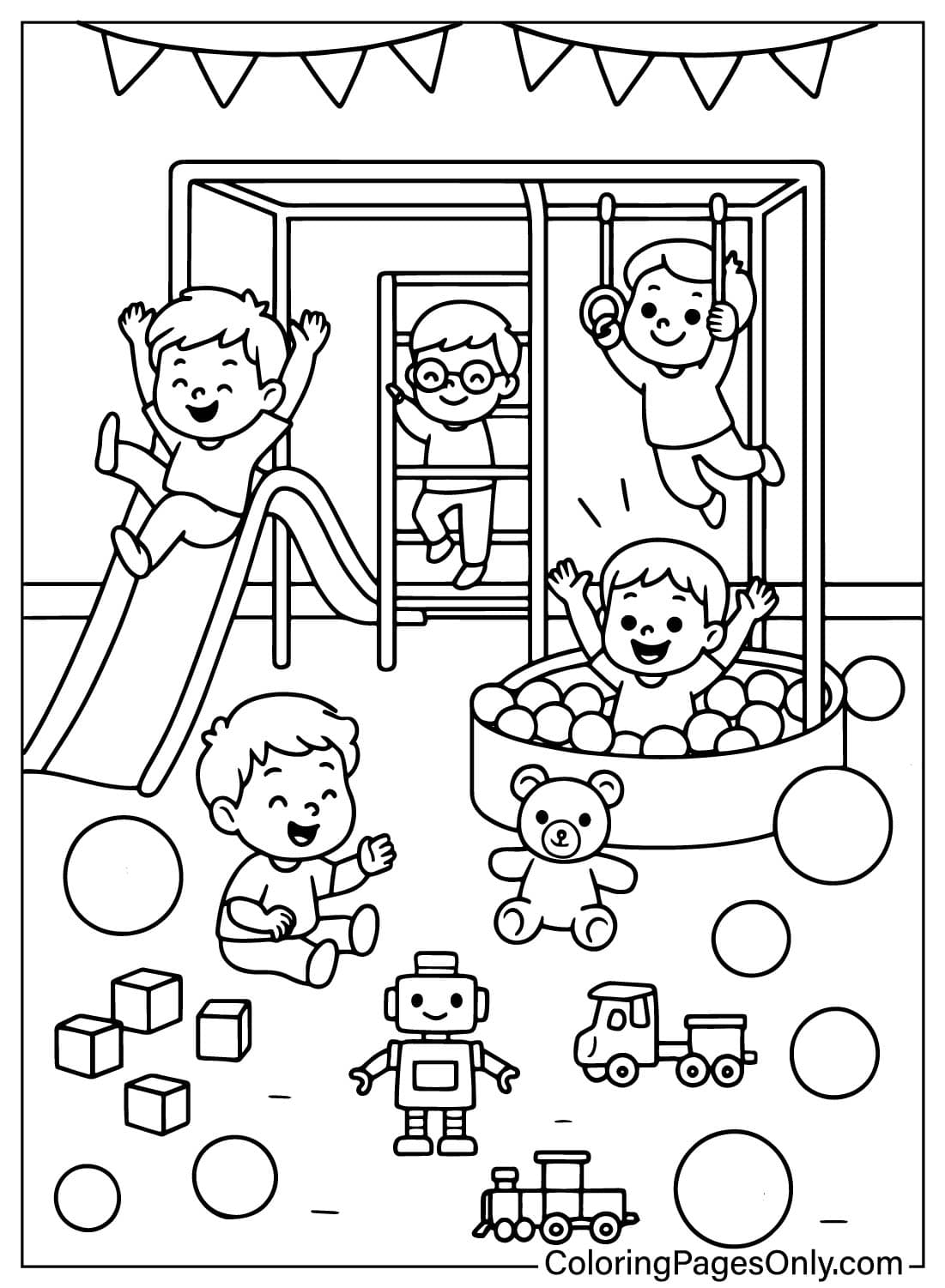
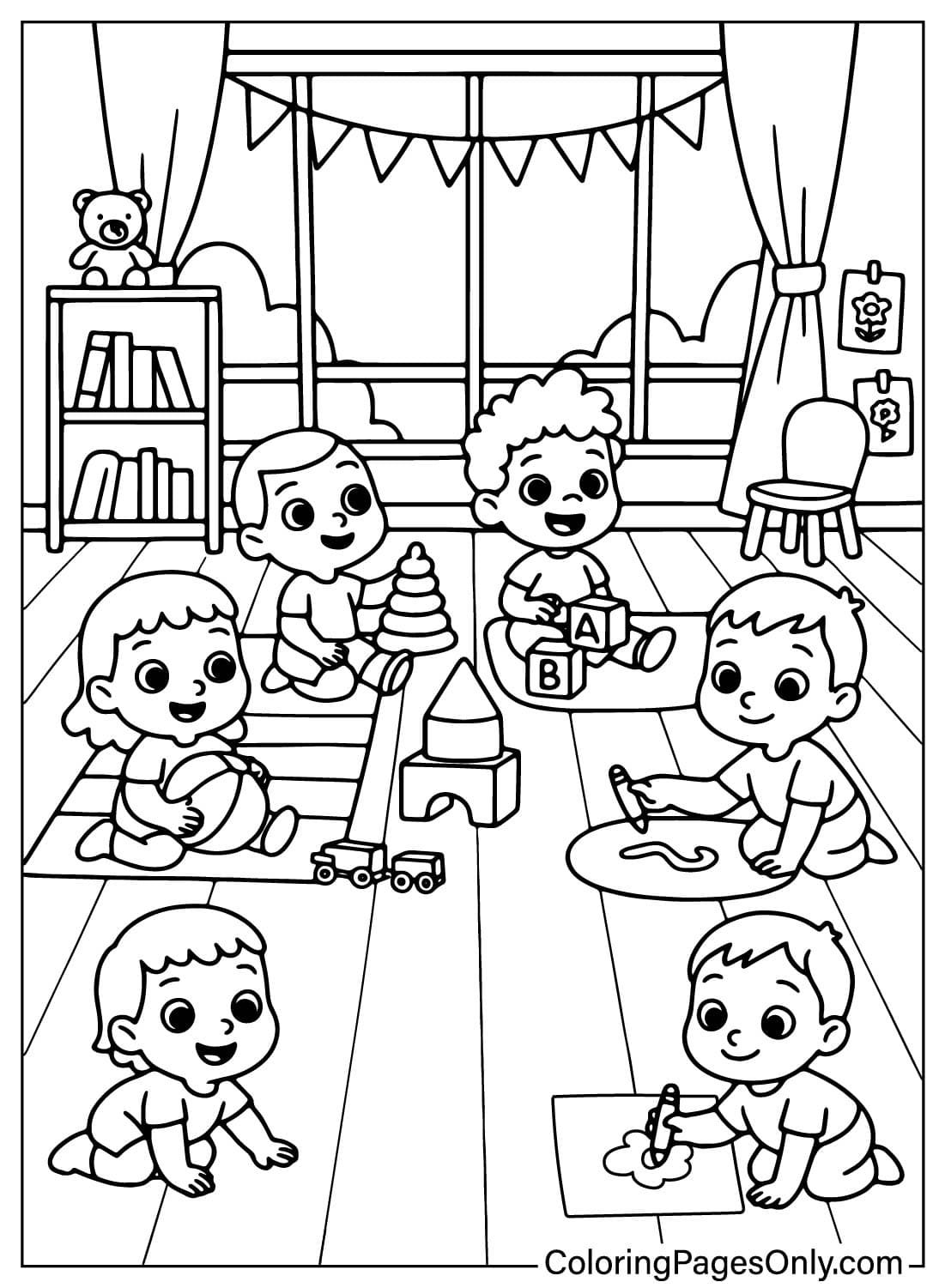
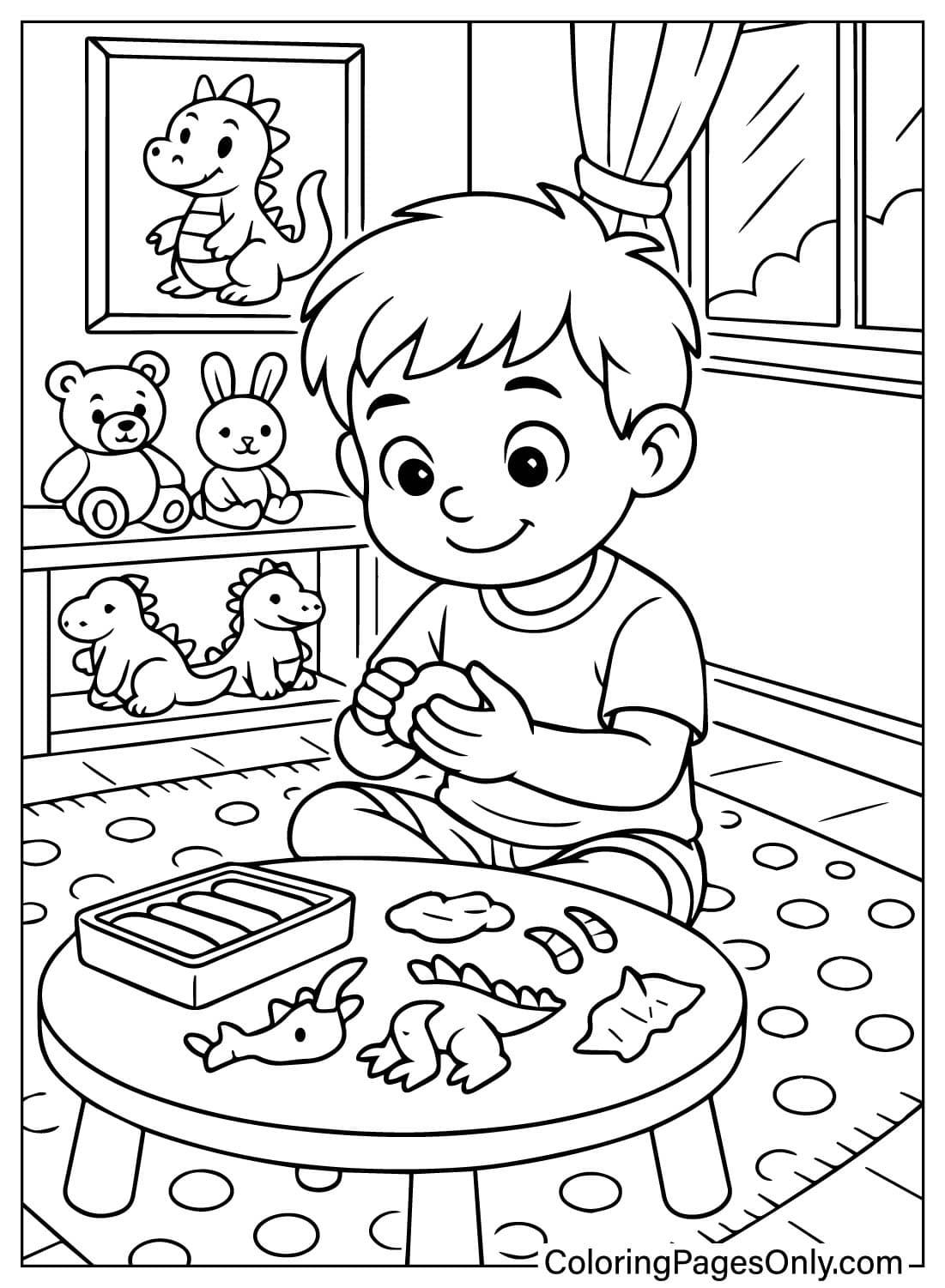
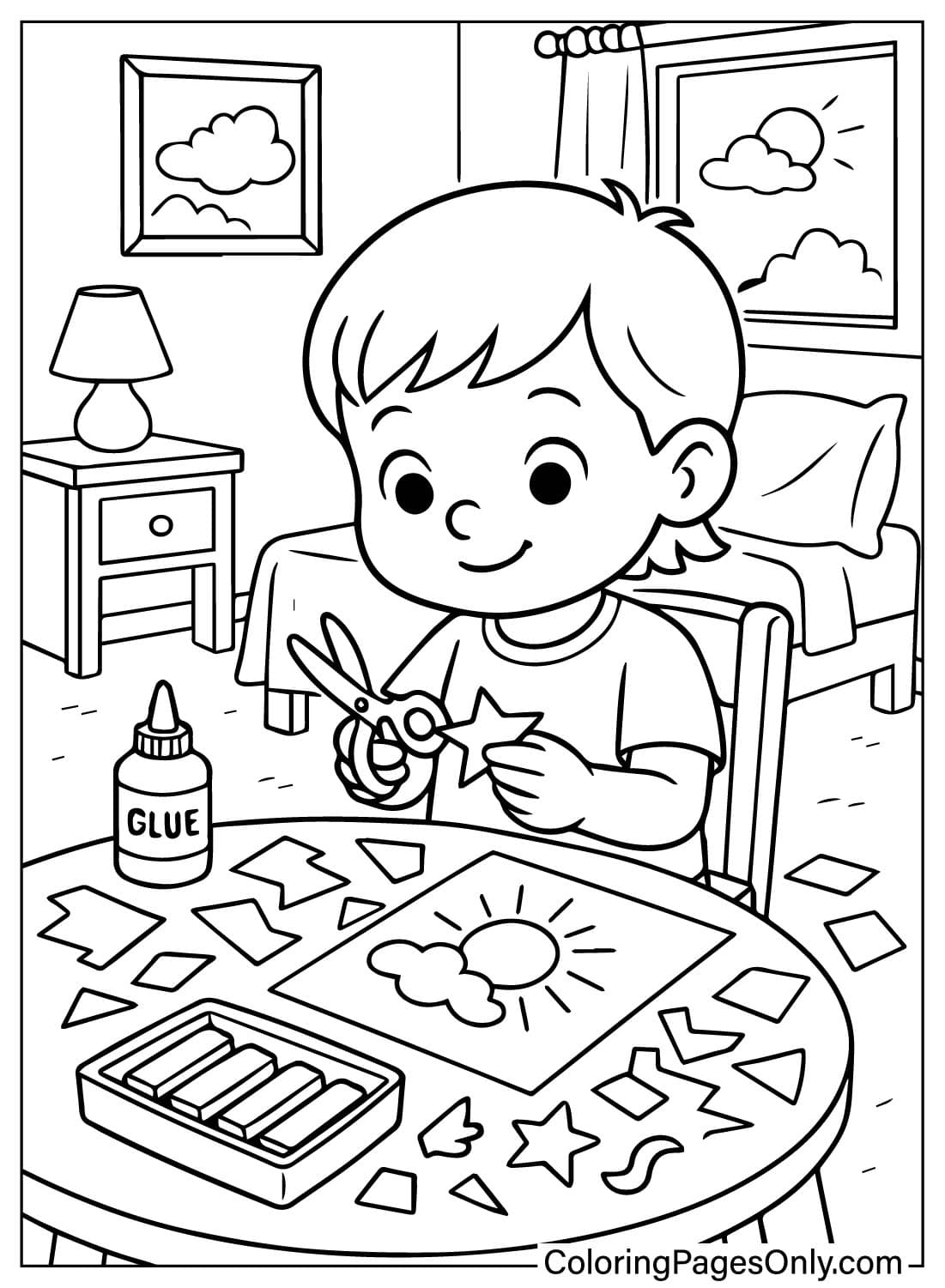
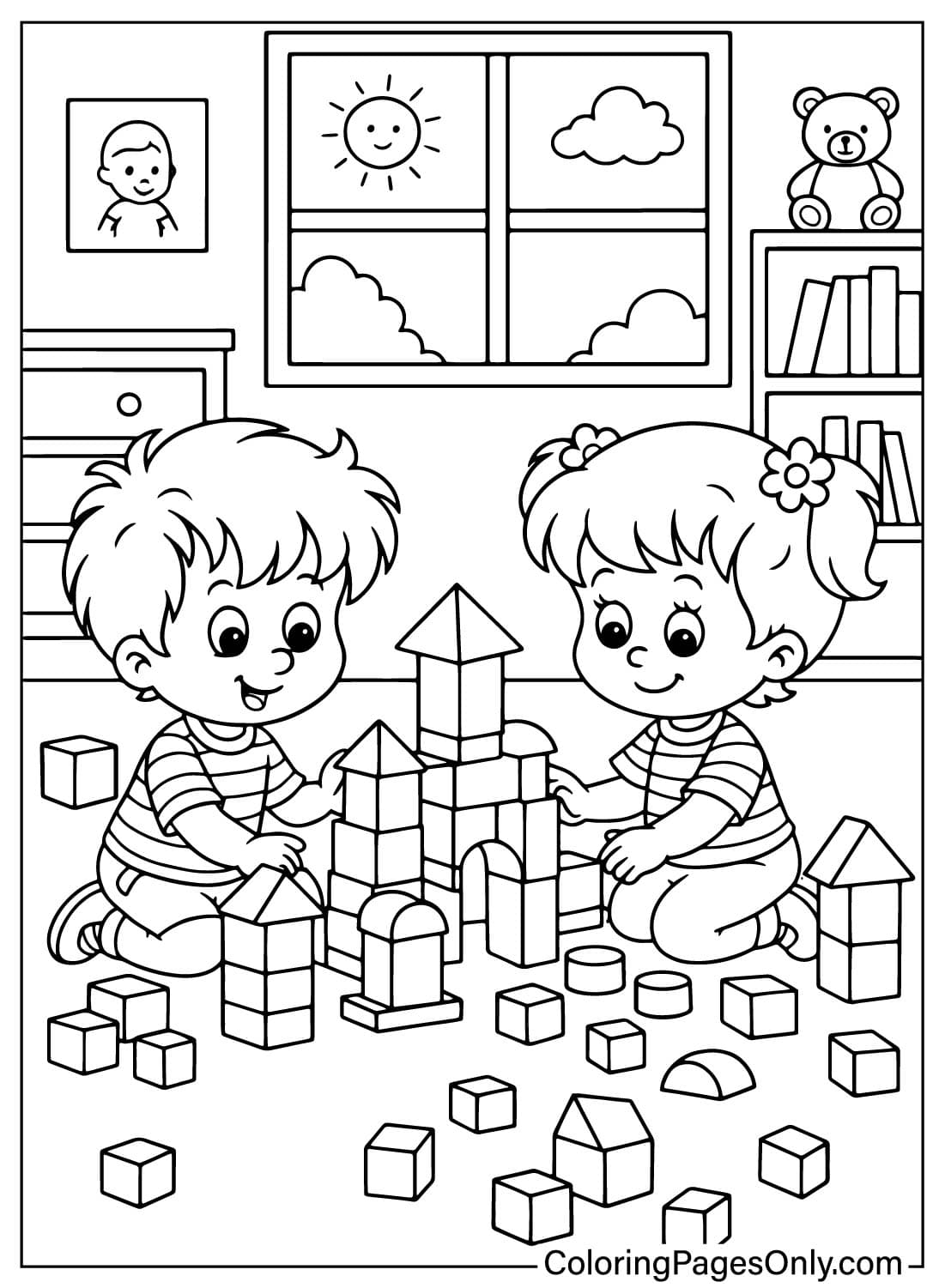
The 37 pages in this set are split into toys and building play, creative and learning corners, kids playing together, quiet and cozy corners, and general playroom views, giving colorists a wide range of everyday and imaginative moments to work through.
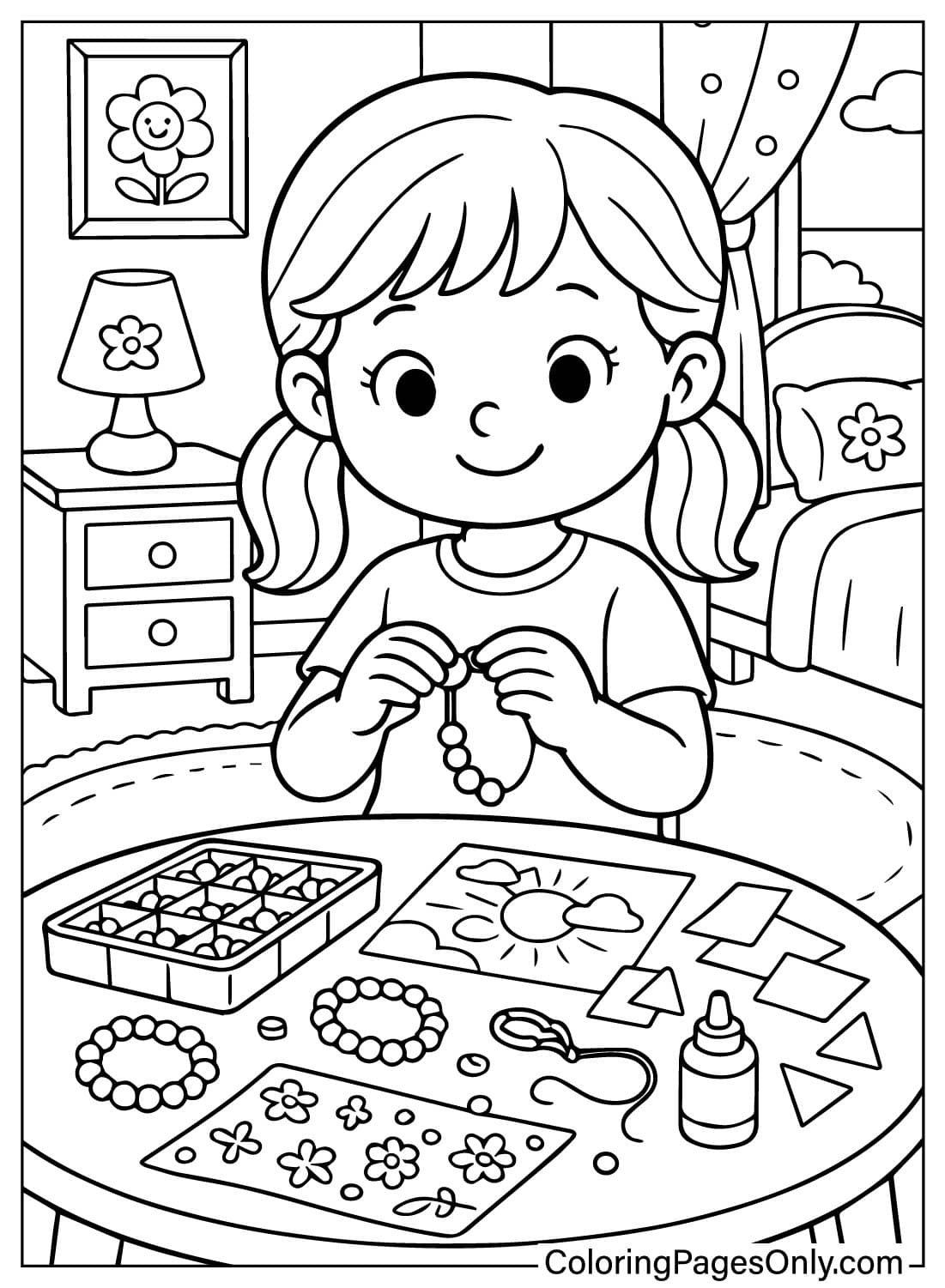

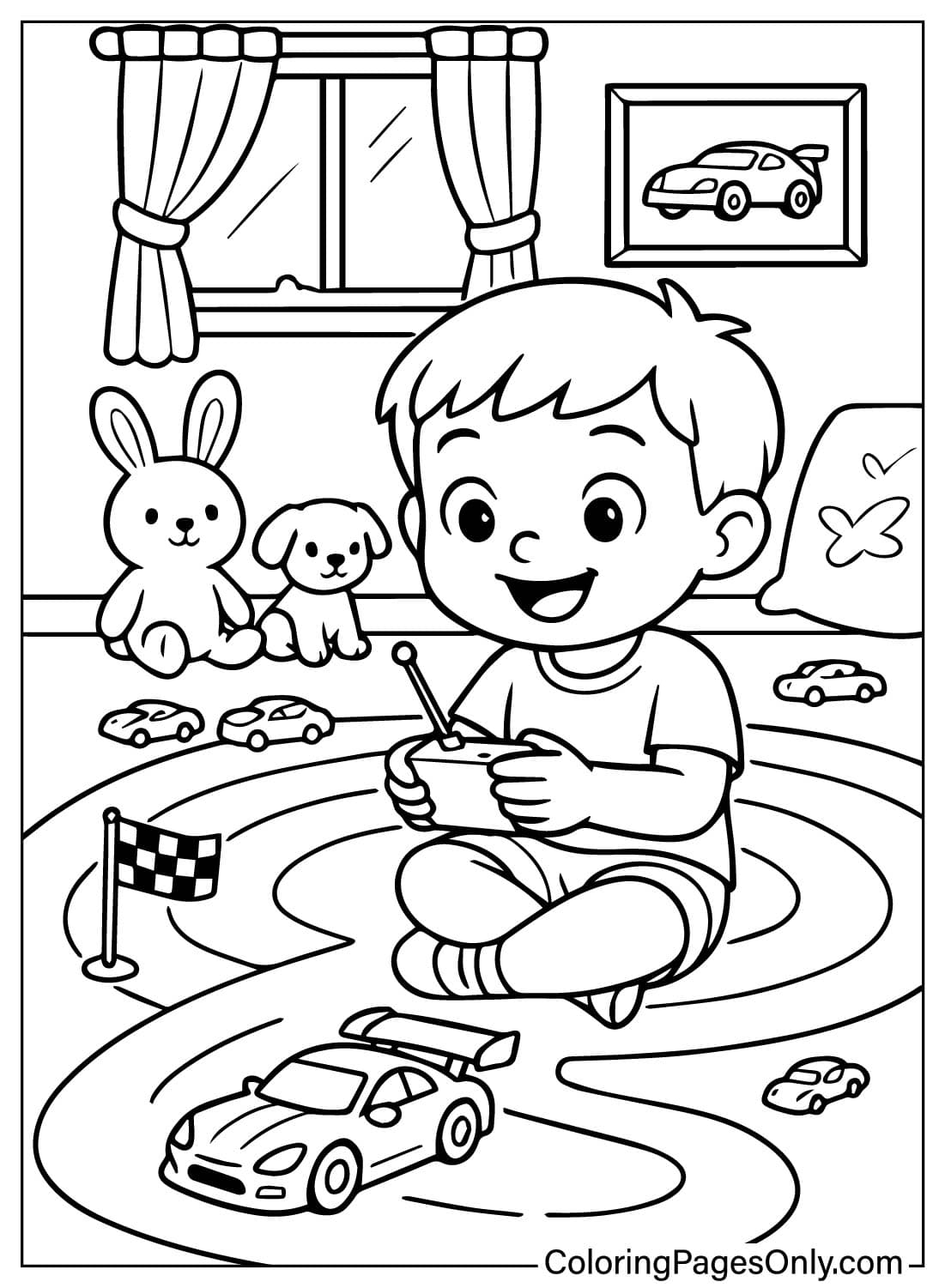
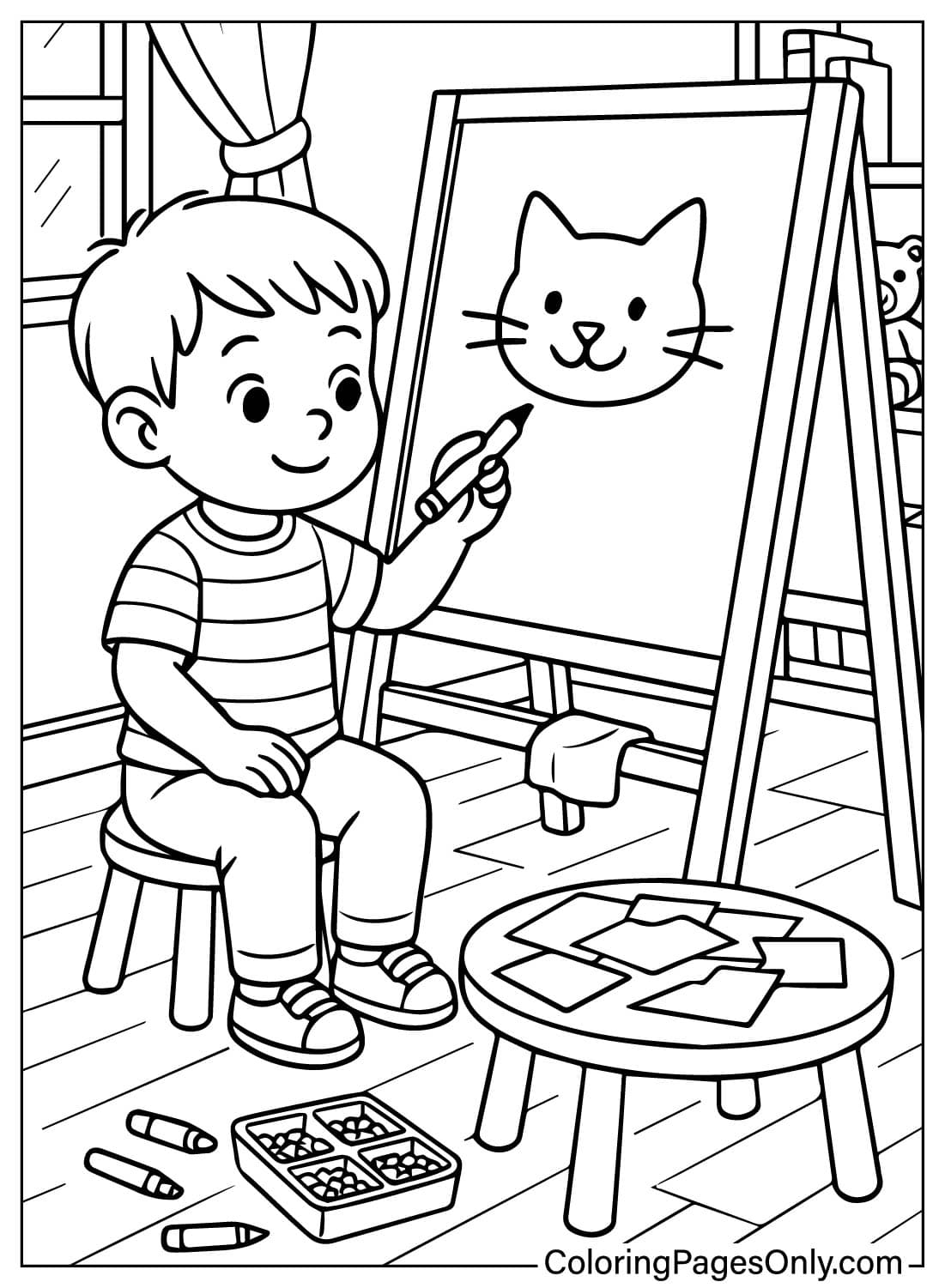
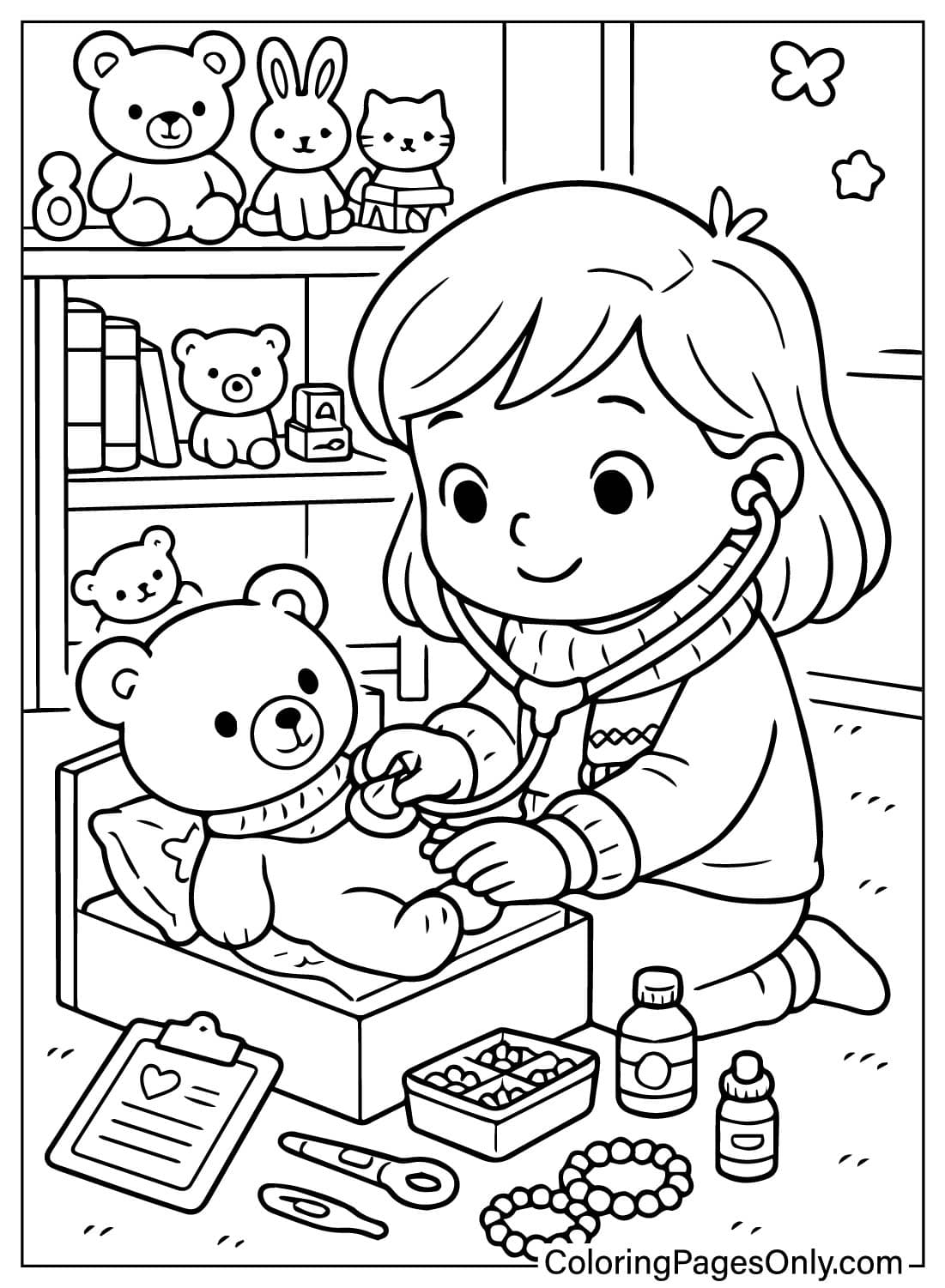


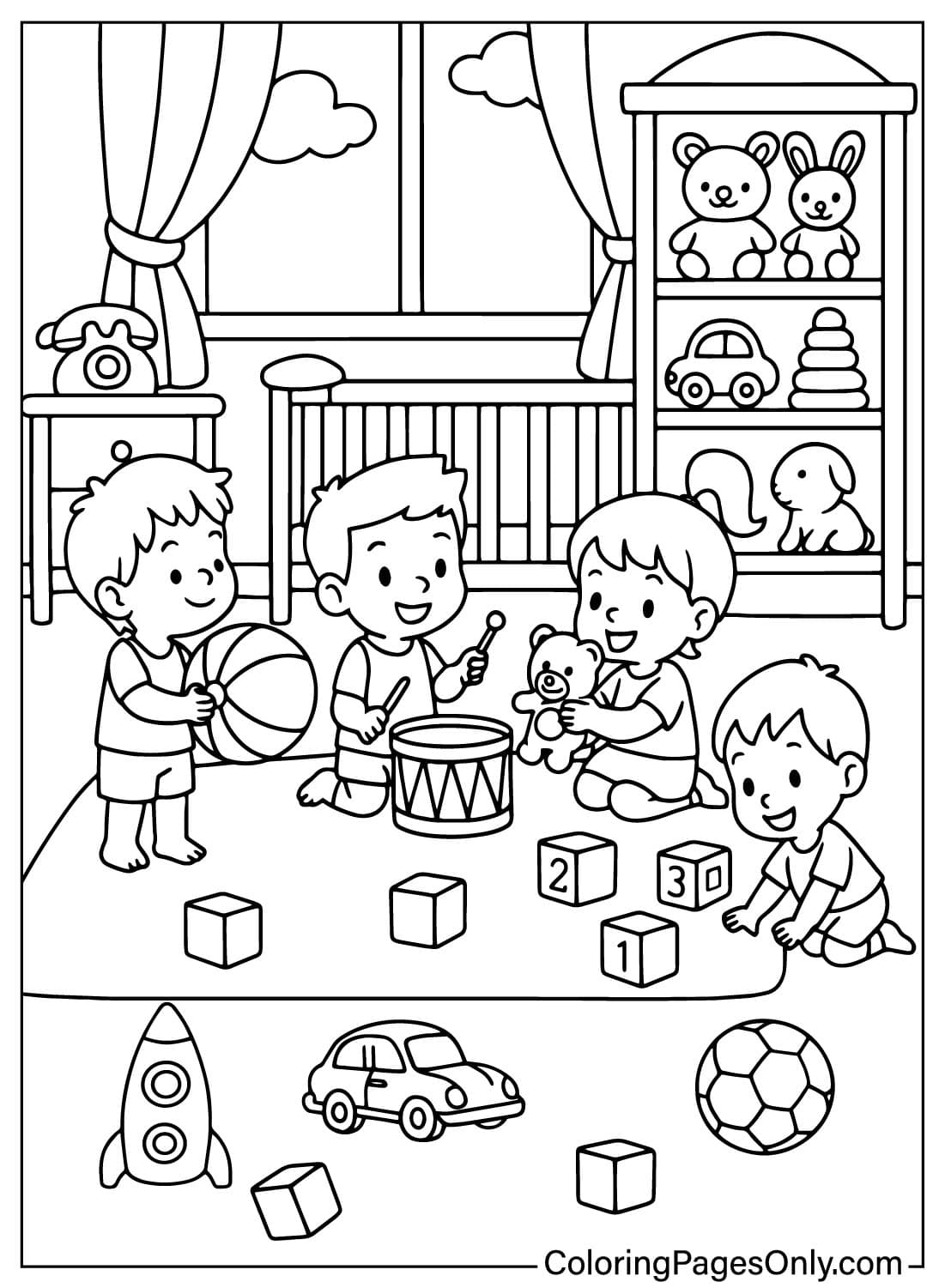
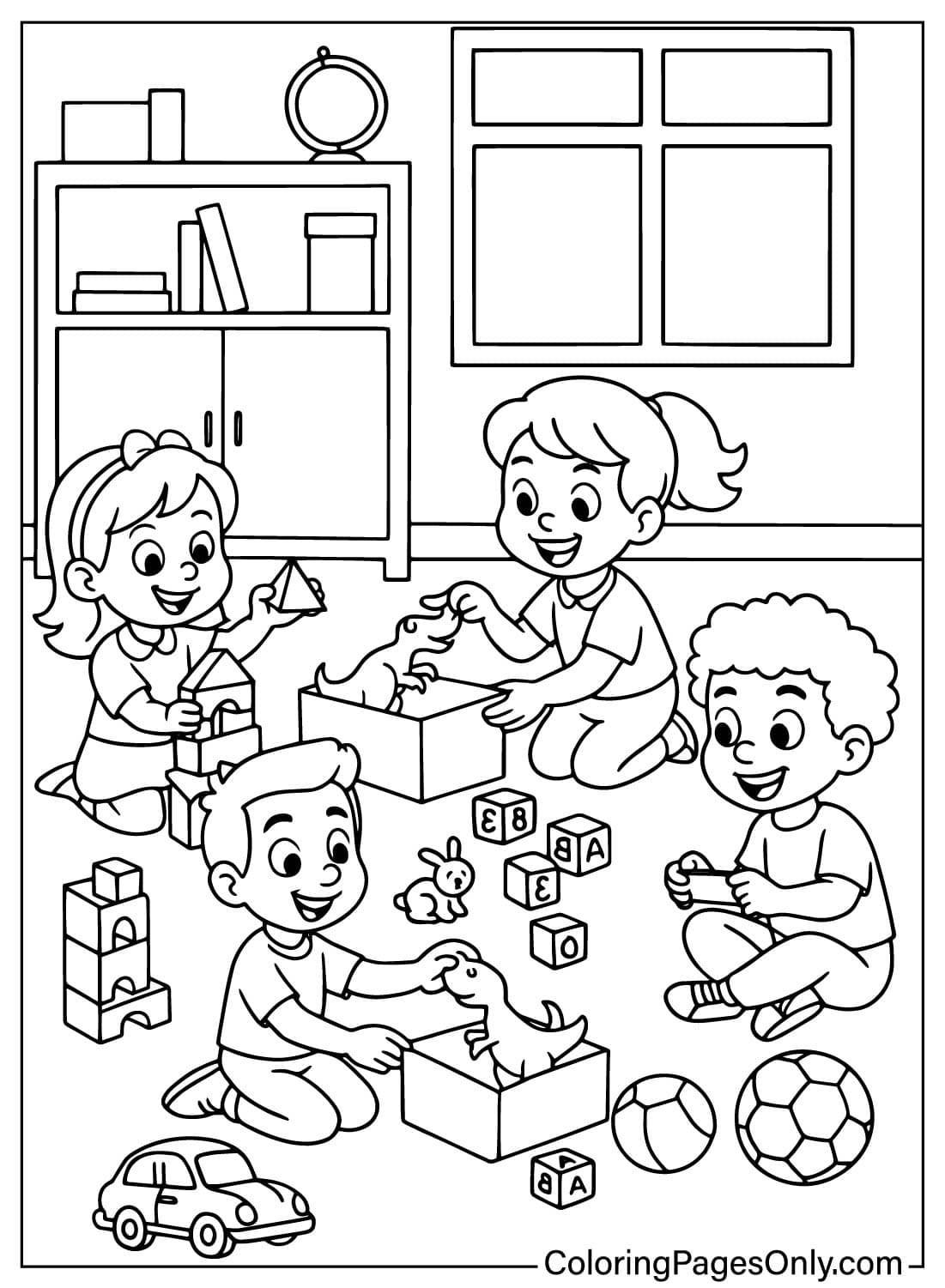
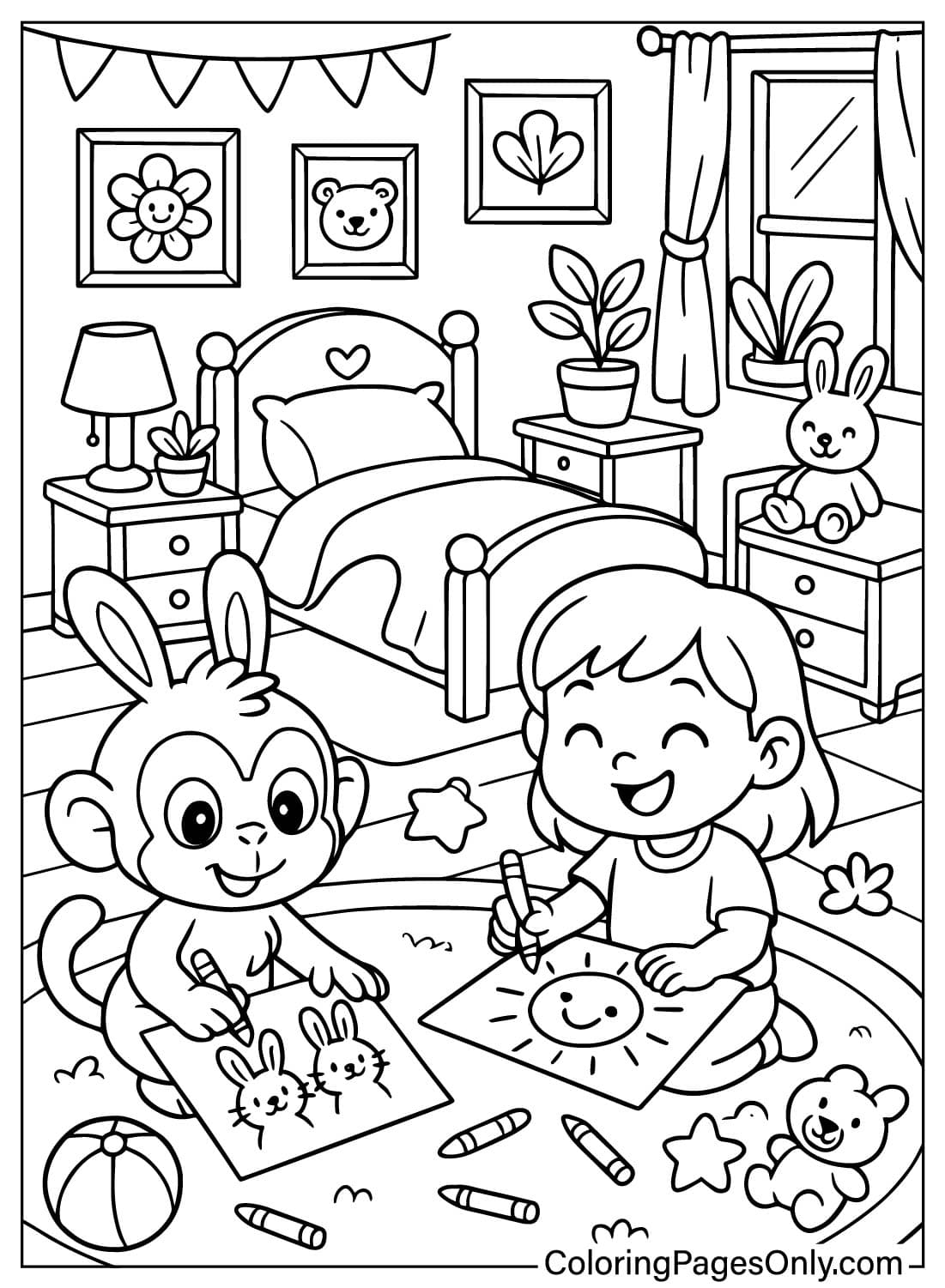
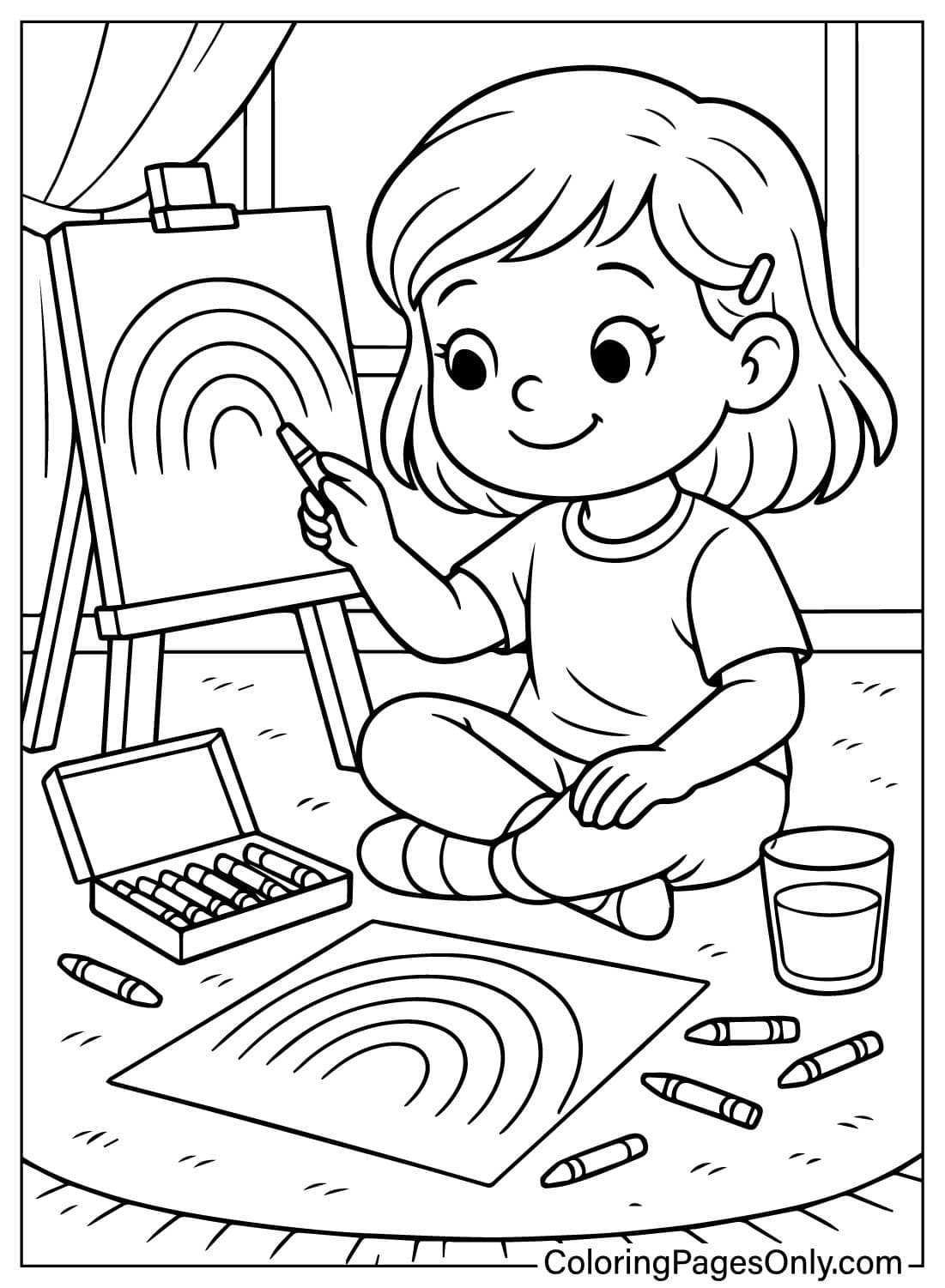
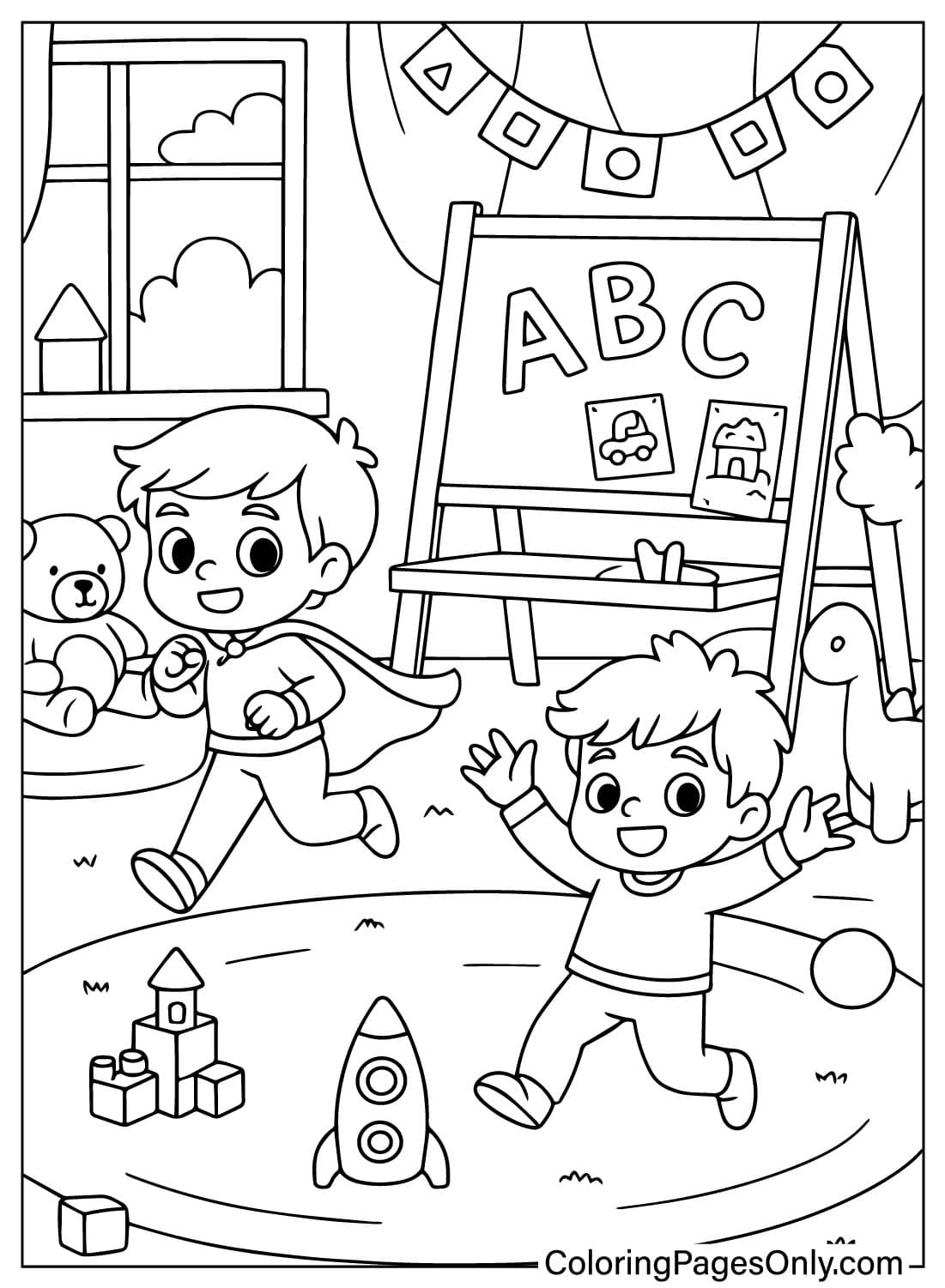

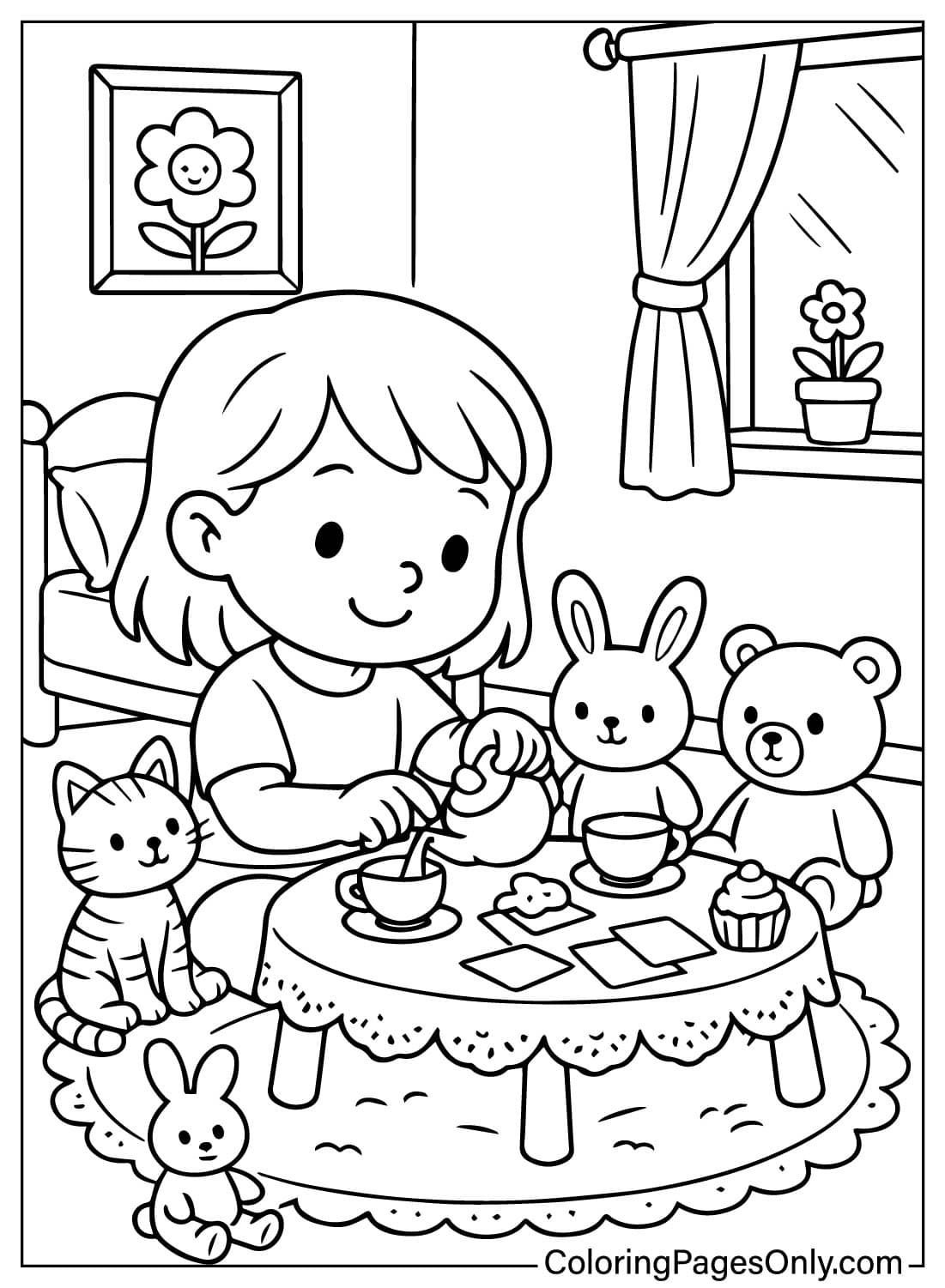
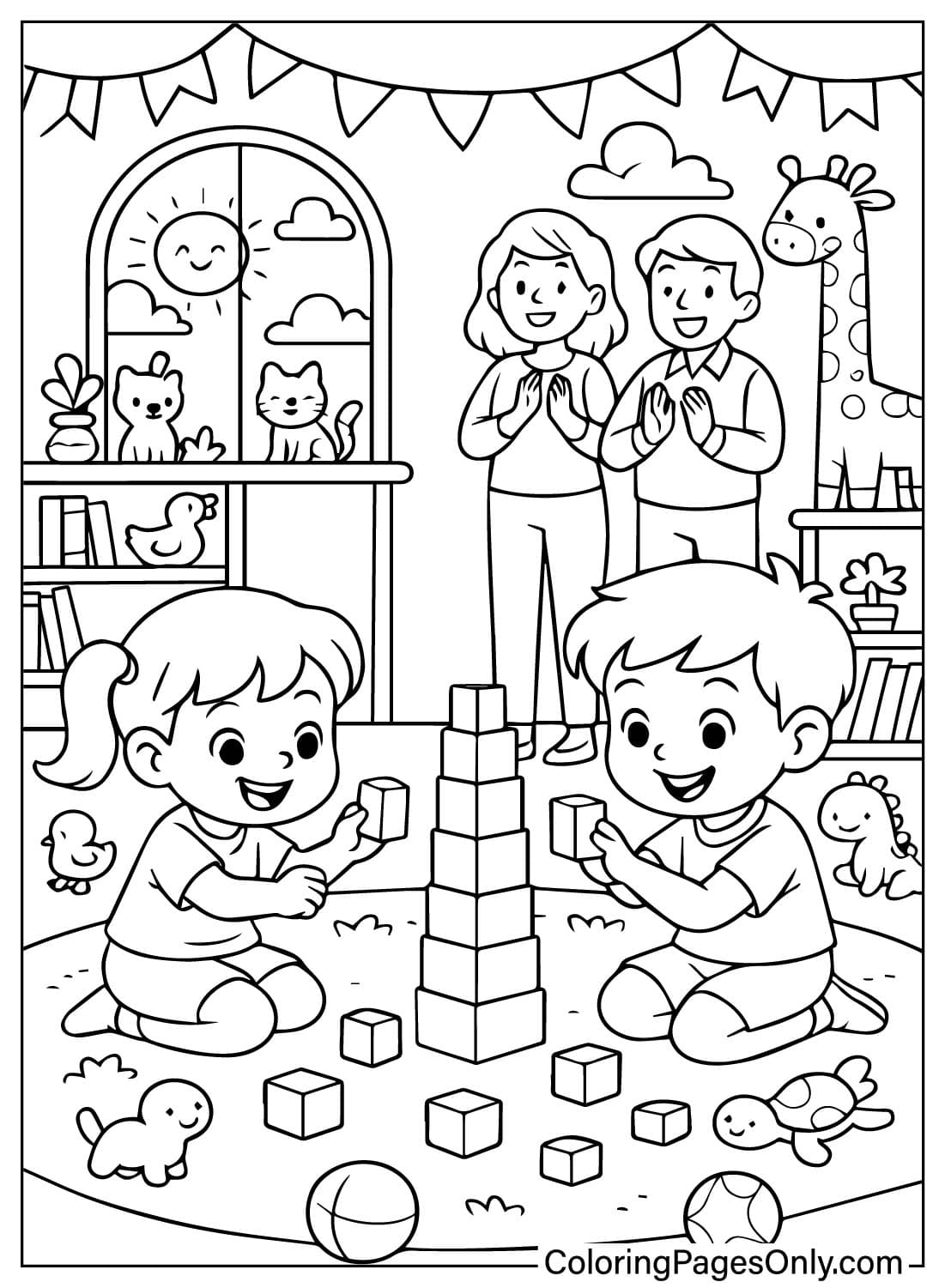
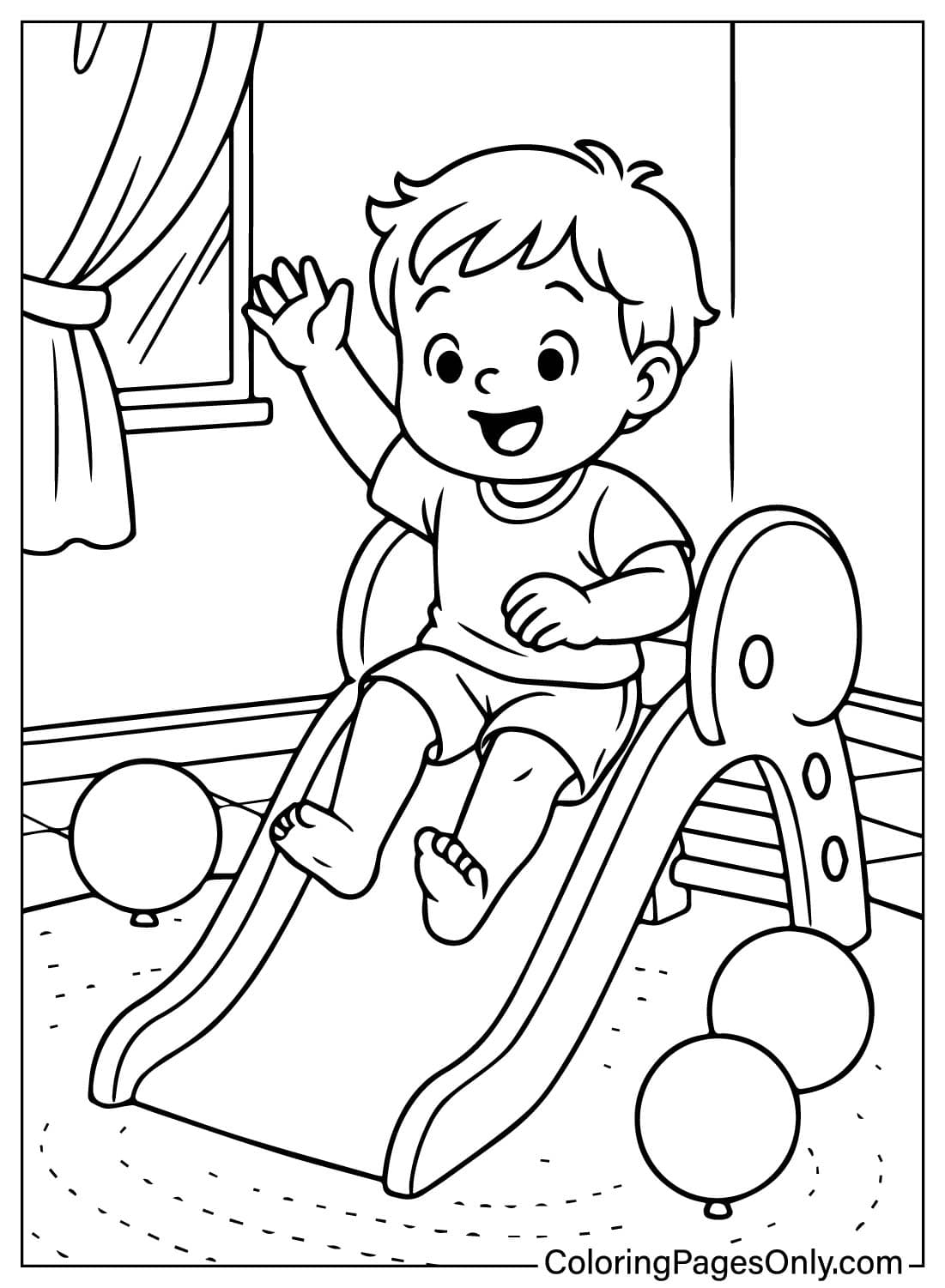
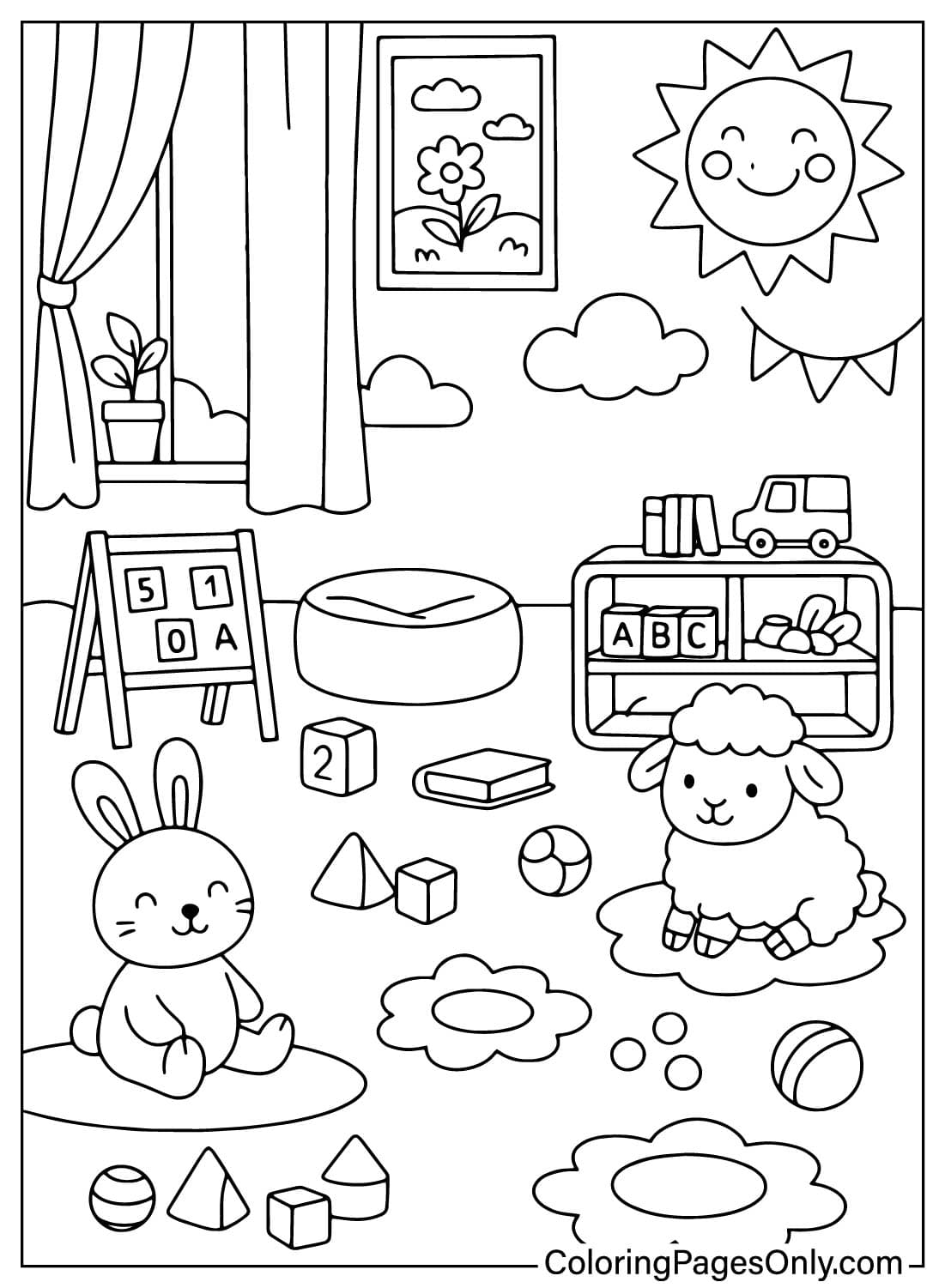

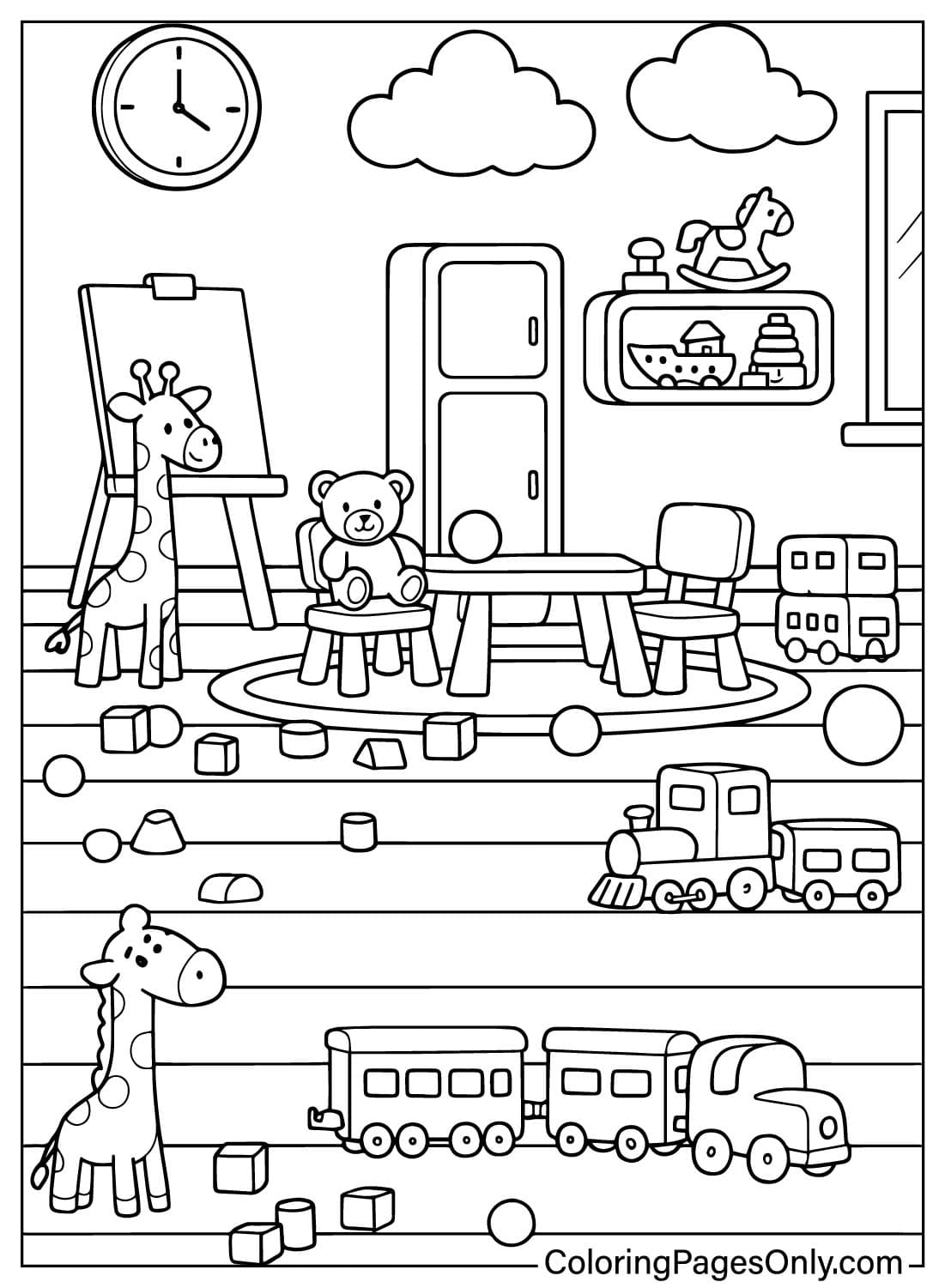
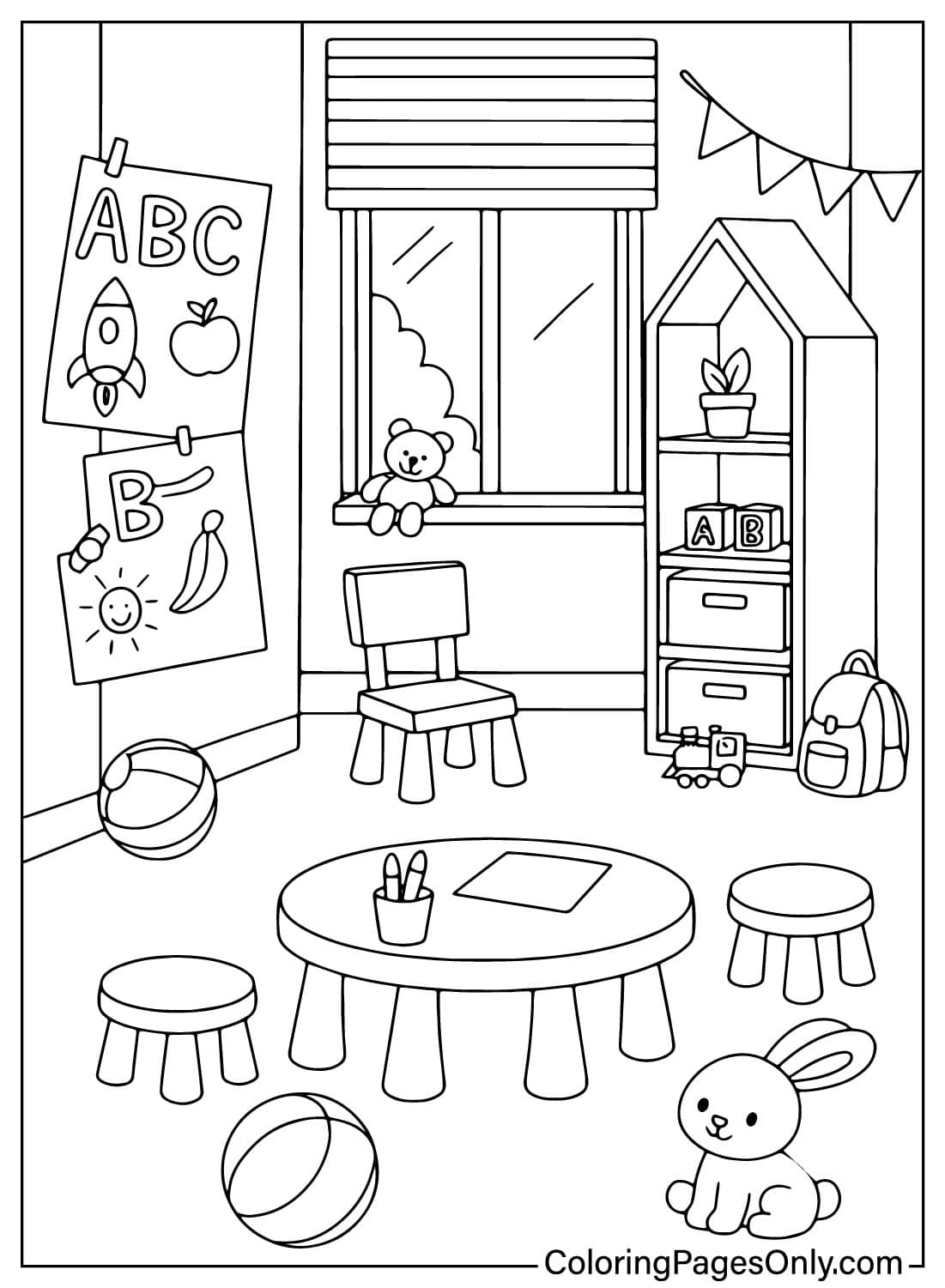
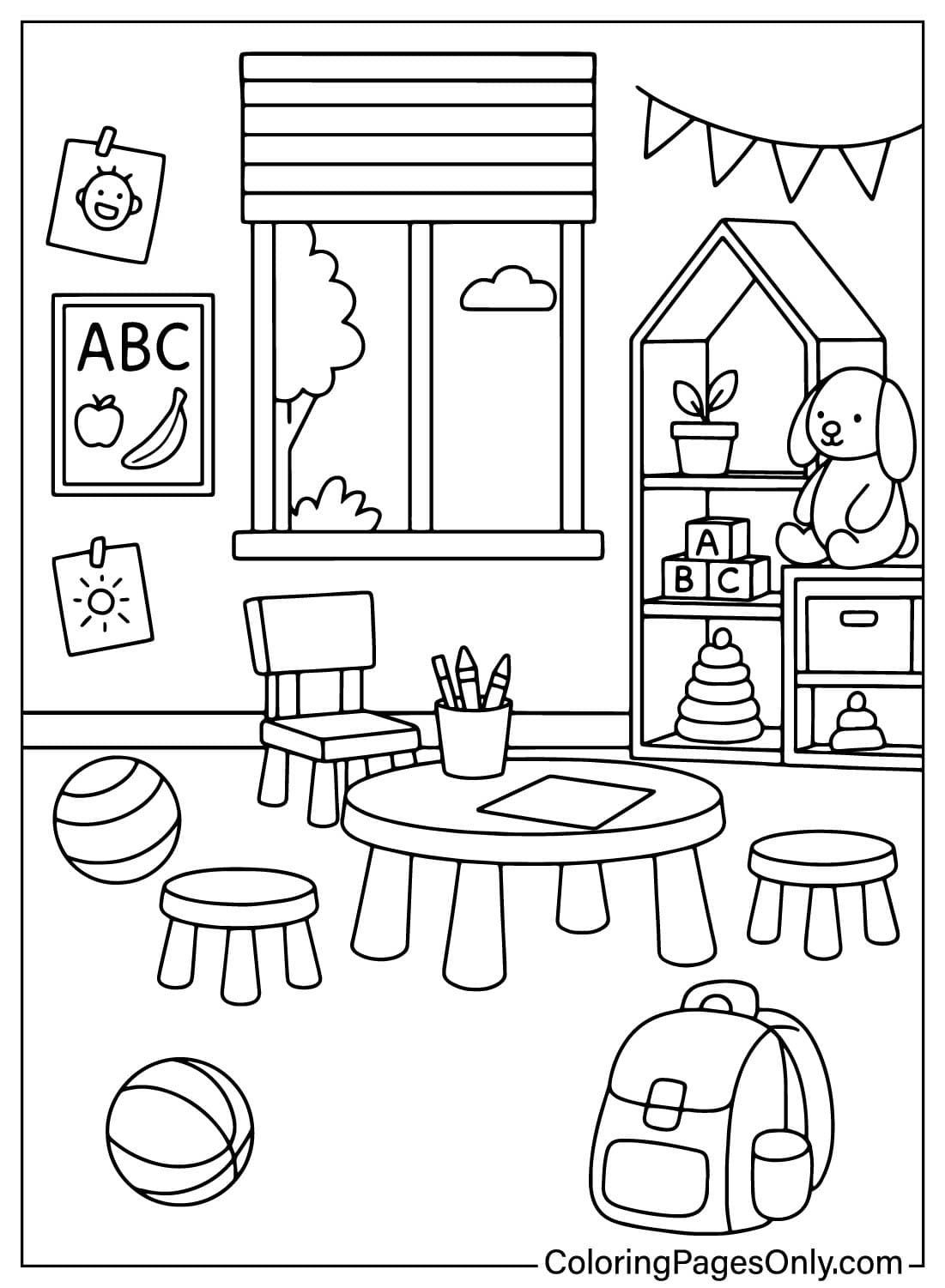

What Is Inside This Collection
The 37 pages are grouped by activity and mood rather than by a single repeated scene.
Toys and Building Play
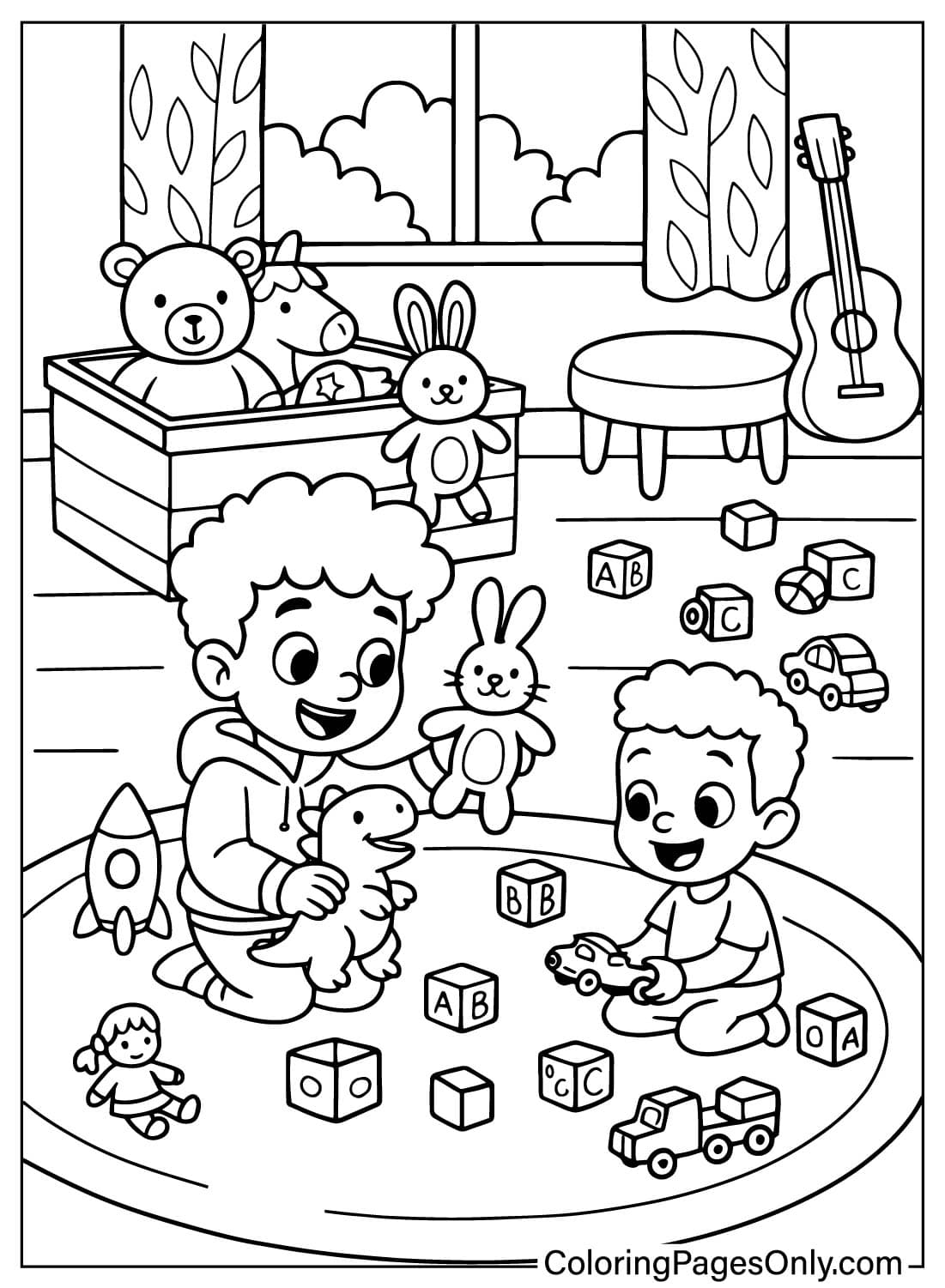
The largest group covers toys themselves, building blocks, a dollhouse, a toy train track, and puzzle pieces. These suits have bright, varied primary colors, since toy design in real playrooms tends to favor bold, saturated color over muted realism.
Creative and Learning Corners
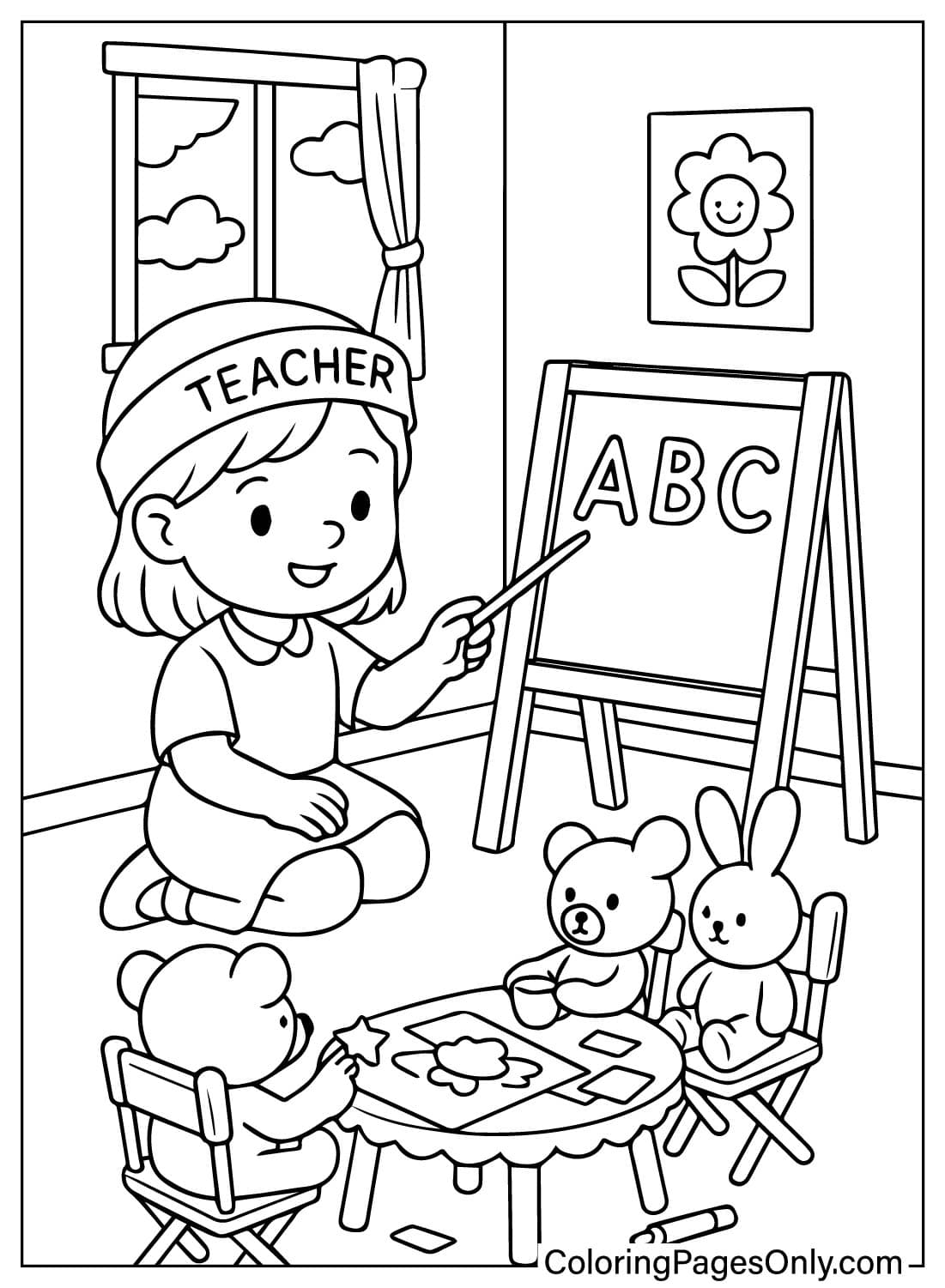
A large group covers art and early-learning spaces, a chalkboard, an alphabet rug, an ABC poster wall, and drawing activities. These suit a mix of bright, cheerful colors for supplies and a slightly more neutral palette for furniture and shelving.
Kids Playing Together
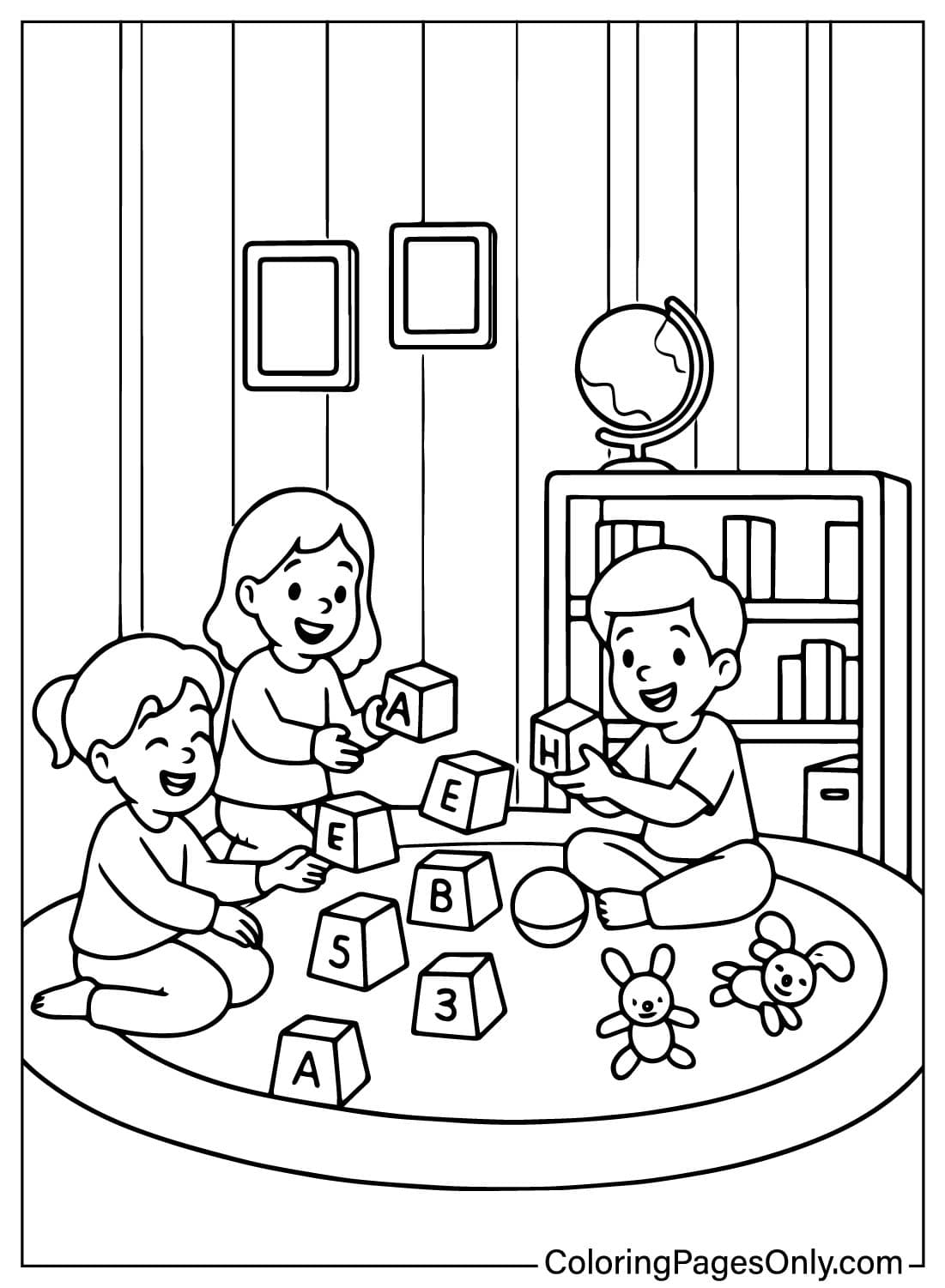
Another large group shows children playing side by side or together, sharing toys, playing board games, or shooting hoops. These suits warm, varied skin and clothing tones so each child in a group scene reads as an individual.
Quiet and Cozy Corners
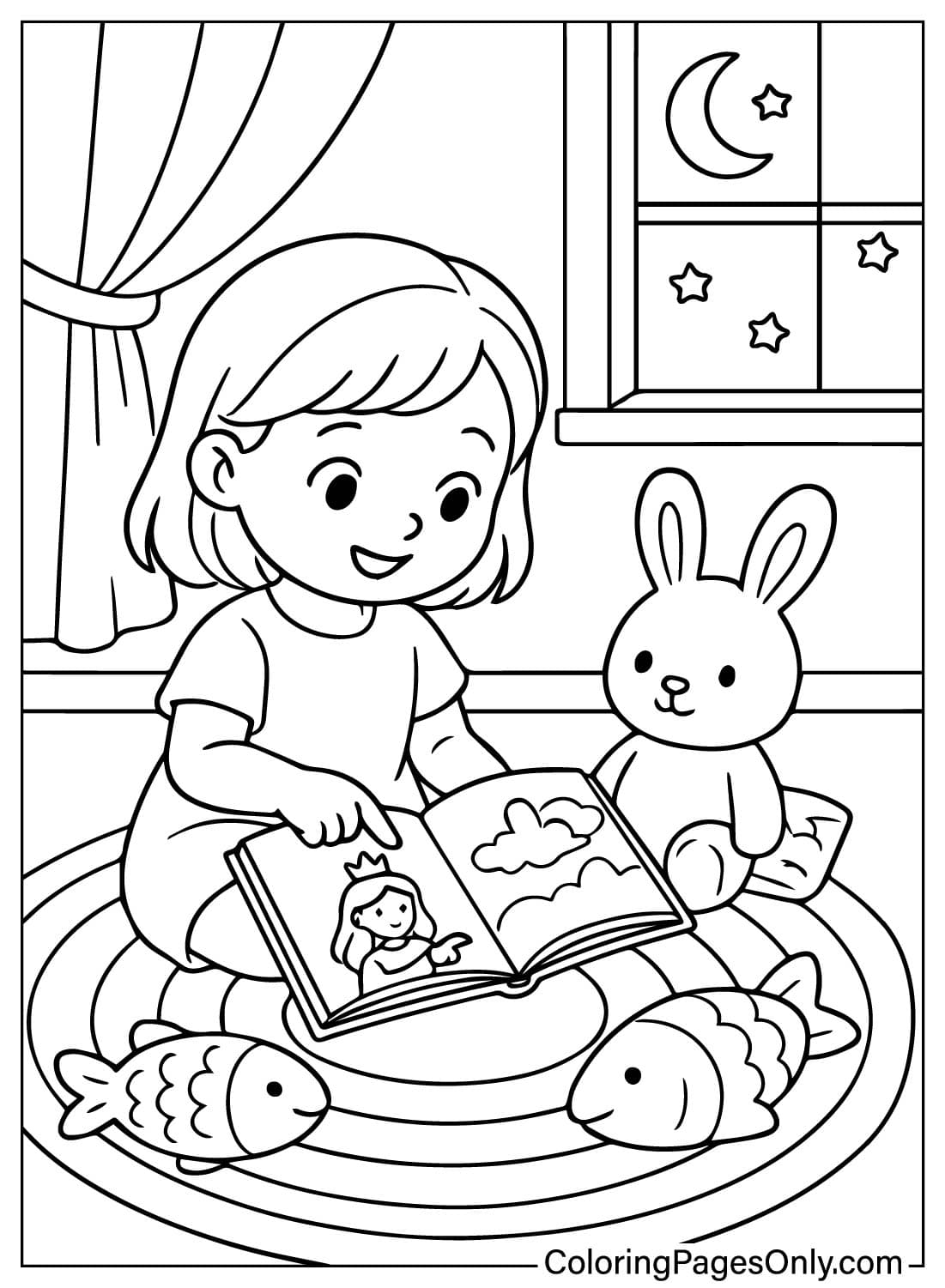
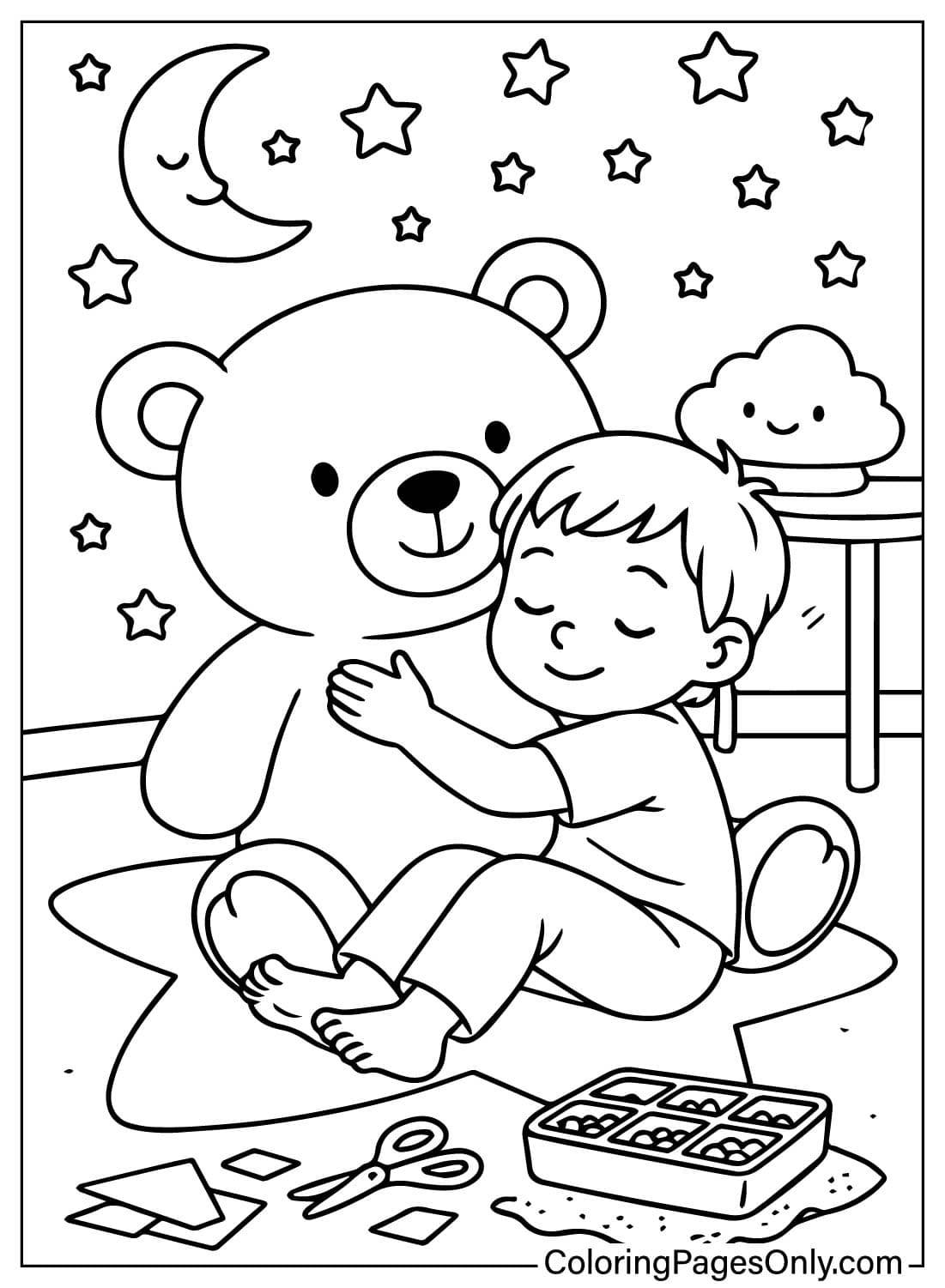
A smaller group covers calmer moments, reading nooks, and quiet, relaxed time in the playroom. These suit softer, more muted tones, Sage Green or Pale Blue, to set a calmer mood than the busier toy and play scenes.
General Playroom Views
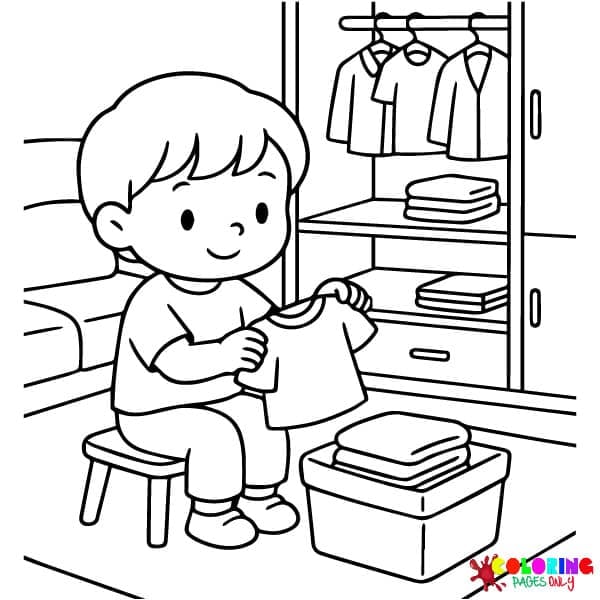
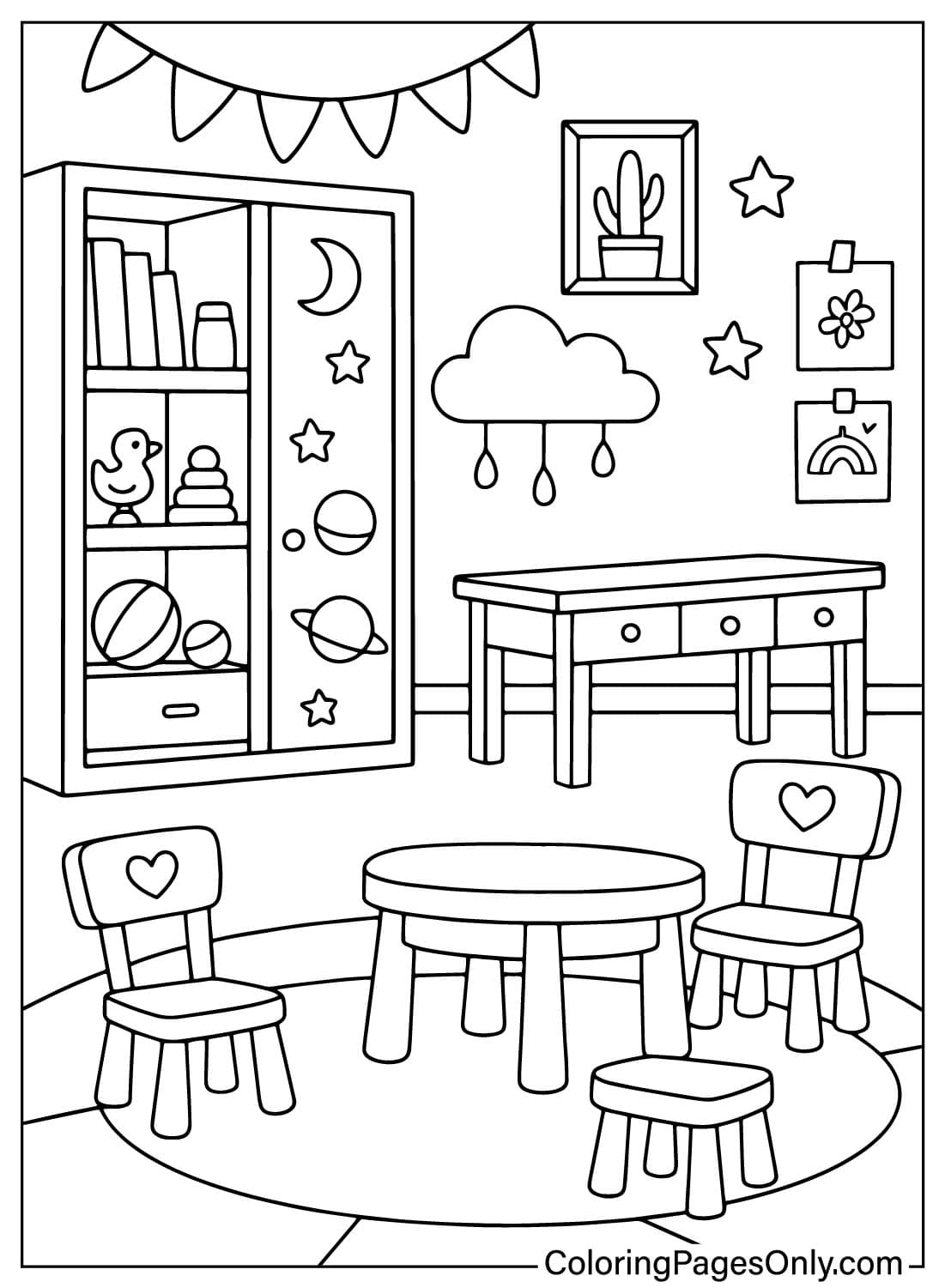
The remaining pages are wider views of the room itself, including a modern-style playroom and a pretend doctor’s corner. These work well as a flexible warm-up set alongside the more specific activity-based pages.
What Kids’ Playroom Coloring Pages Do
Fine motor development through varied small objects. The American Academy of Pediatrics identifies fine motor skill development as a core benefit of structured coloring for children ages 2 through 7, and a page full of small toys, blocks, and puzzle pieces gives that practice many separate small shapes to work through on a single page, rather than one larger outline.
A direct connection to real, pretend, and imaginative play. Child development research points to ages three through five as the peak years for imaginative play, a stage closely tied to stronger emotional regulation and social understanding. Coloring a dress-up, doctor’s corner, or pretend-play scene mirrors the same kind of role-based imagination that research associates with those developmental benefits.
Calm, repetitive shading through toy and shelf detail. A 2005 study in the Art Therapy Journal documented measurable reductions in anxiety following structured coloring sessions, and the many small, separate objects on a toy-shelf or building-block page call for the same slow, one-piece-at-a-time attention the study associated with that calming effect.
A mix of social and solitary play in one collection. Because this set includes both group scenes of children sharing toys and quieter, solo reading-nook pages, it reflects the real balance most children strike between playing with others and enjoying quiet time alone, rather than treating play as one single mode.
How to Color These Pages Well
- Toys and blocks: Use bright, varied primary colors, Scarlet, Sky Blue, Golden Yellow, since real toy design favors bold color over muted realism.
- Furniture and shelving: Keep larger furniture pieces in a simpler Tan or Sage Green, letting the toys themselves carry most of the page’s color variety.
- Art and learning corners: Use a cheerful mix of colors for crayons, paint, and posters, keeping the alphabet or ABC lettering in a clean, easy-to-read Black or Navy.
- Children: Vary skin and hair tones across group scenes, so every child in a shared play scene reads as a distinct individual rather than a repeated figure.
- Quiet corners: Use softer, more muted tones, Sage Green, Pale Blue, or Cream, to set a calmer mood than the brighter toy and building-play pages.
- Rugs and floor details: Add a simple pattern, stripes, dots, or an alphabet design, using two or three colors so the rug adds interest without overwhelming the rest of the scene.
5 Creative Craft Ideas With Kids’ Playroom Coloring Pages
1. Real Playroom Match
Color a playroom page and compare it to a real playroom at home or school, spotting which toys, furniture, or details match. Circle or list the differences between the colored page and the real space.
2. Pretend Play Script Card
Color one of the dress-up or role-play pages and write a short pretend script or line of dialogue underneath, in the voice of whatever character the scene suggests. Act out the short scene using the finished card as a prompt.
3. Toy Inventory Checklist
Color the toy-shelf or toy-box page and use it as a simple checklist for organizing real toys at home, writing the name of each toy category next to its matching drawn item. Use the finished checklist during actual playroom cleanup.
4. Building Block Pattern Card
Color the building blocks page carefully, matching each block’s color and position, then recreate the same tower using real building blocks. Compare the finished real tower to the colored page.
5. Friendship Wall Display
Color one of the pages showing children sharing toys or playing together and mount it on a small board with a short, handwritten message about kindness or sharing. Display the finished piece in a real playroom or classroom.
Frequently Asked Questions
What are Kids’ Playroom coloring pages?
A free set of 37 printable PDF and online coloring designs covering toys, creative corners, group play, quiet reading nooks, and general playroom scenes. Every page downloads free or opens for online coloring, with no account required.
Why does pretend play matter for child development?
Research links frequent pretend play to stronger emotional regulation, social skills, and theory of mind, the ability to recognize that other people have their own separate thoughts and feelings, making it an important part of early childhood development.
What age range is considered the peak time for imaginative play?
Ages three through five are generally considered the peak years for imaginative play, though pretend play continues in some form well into middle childhood.
What kinds of play corners are shown in this collection?
The set includes toy and building play, art and learning corners, group play scenes, quiet reading nooks, and general playroom views, including a pretend doctor’s corner and a dress-up-style scene.
Are Kids’ Playroom coloring pages appropriate for young children?
Yes. Every page in this collection reflects everyday, non-graphic play scenes, making the set suitable for toddlers and preschoolers, with the more detailed room-view pages also working well for older children.
Can this collection be used to plan a real playroom?
Yes. Several pages work well as a simple visual reference for planning a real play space, comparing toy storage ideas, reading nook setups, or general room layouts.
Can this collection be used for a classroom lesson on sharing and friendship?
Yes. The group play and toy-sharing pages pair well with a short lesson or discussion on cooperation and kindness during playtime.
What art supplies work best for these pages?
Bright markers or crayons work especially well for the toy-focused pages, since bold color suits the playful subject matter, while colored pencils are useful for the smaller, more detailed toy-shelf and puzzle scenes.
Start Coloring
Download any page by clicking the design. No account, email, or payment is required. Pages print directly from the browser at full resolution or open in the online coloring tool for screen use. Share finished pages on Facebook or Pinterest using the share buttons at the top of each design page.