Kokeshi Doll Coloring Pages
 By:
Jennifer Thoa - Content Editor & Designer
Updated:
By:
Jennifer Thoa - Content Editor & Designer
Updated:
Free Kokeshi Doll Coloring Pages: 22 printable PDF designs of the traditional Japanese wooden doll, solo and in pairs. Every page here is free to print as a PDF or fill in online, with no account standing in the way of either.
Kokeshi dolls originated in Japan’s Tohoku region during the late Edo period, made by kijishi, woodworkers skilled with a lathe who normally crafted bowls and trays. They began carving small wooden dolls to sell as souvenirs to visitors traveling to the region’s hot springs. Each of the six Tohoku prefectures developed its own distinct regional style. To this day, a kokeshi doll’s simple cylindrical body has no arms or legs at all, just a rounded head and a painted, decorative trunk.
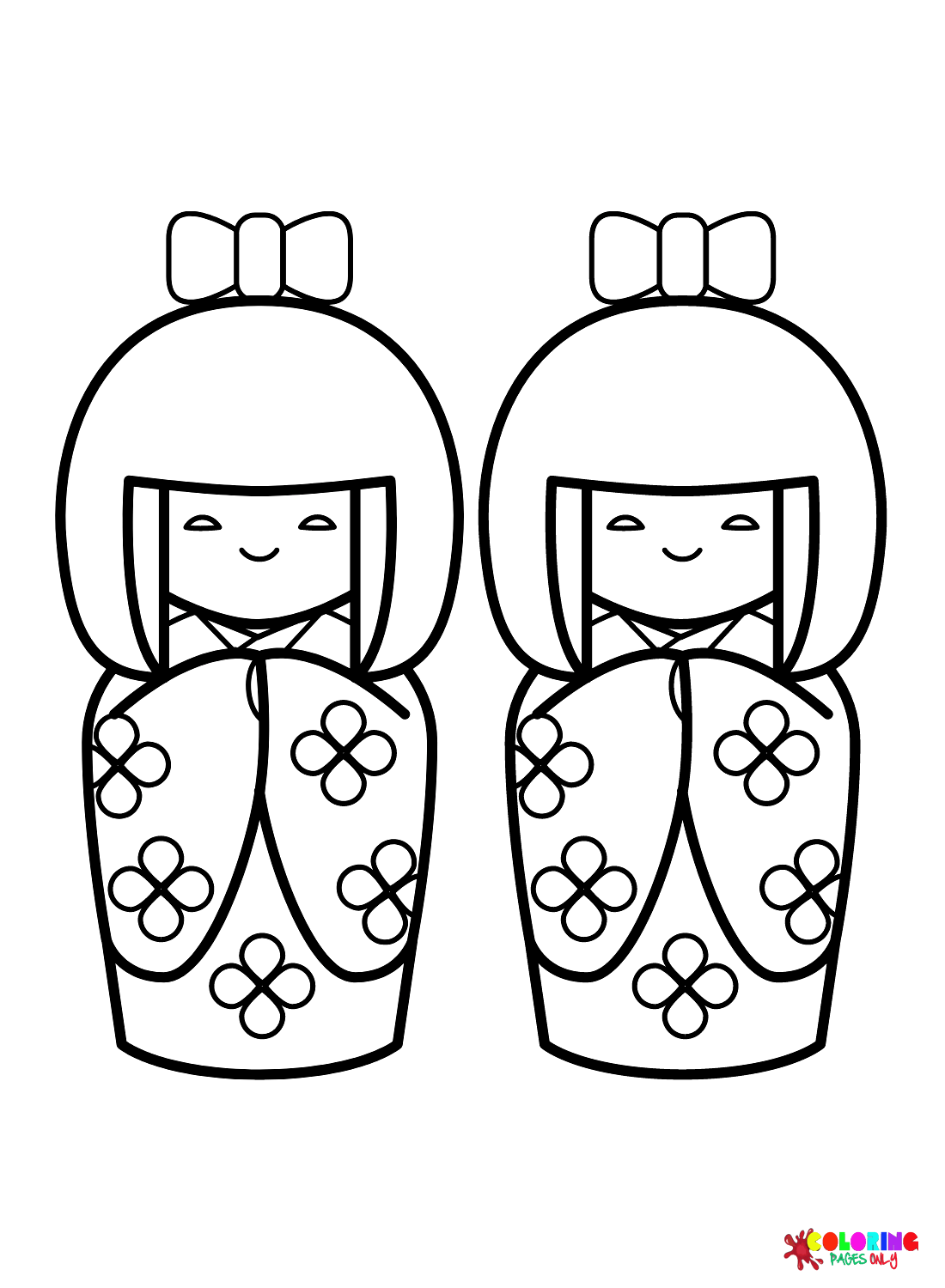
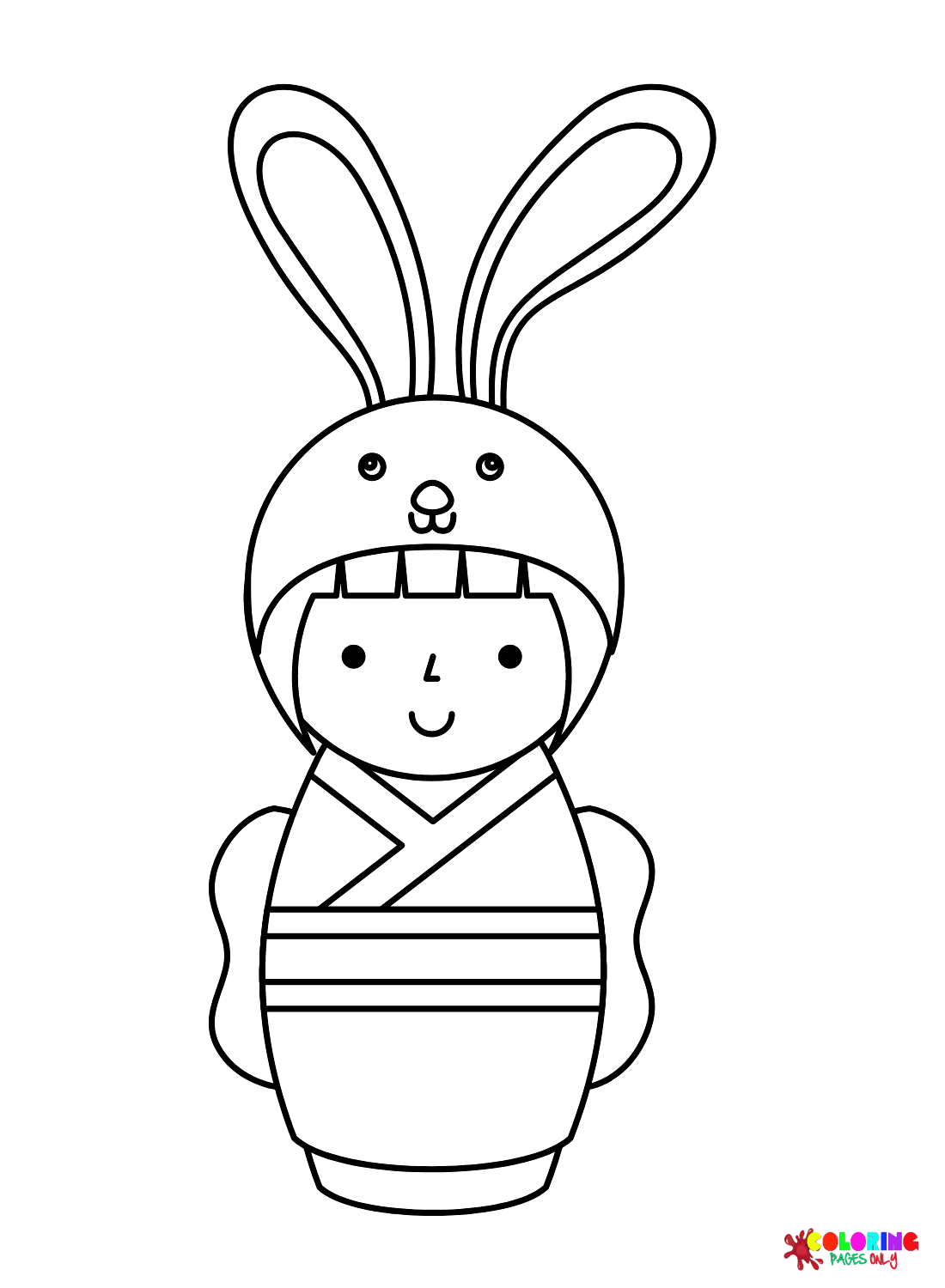
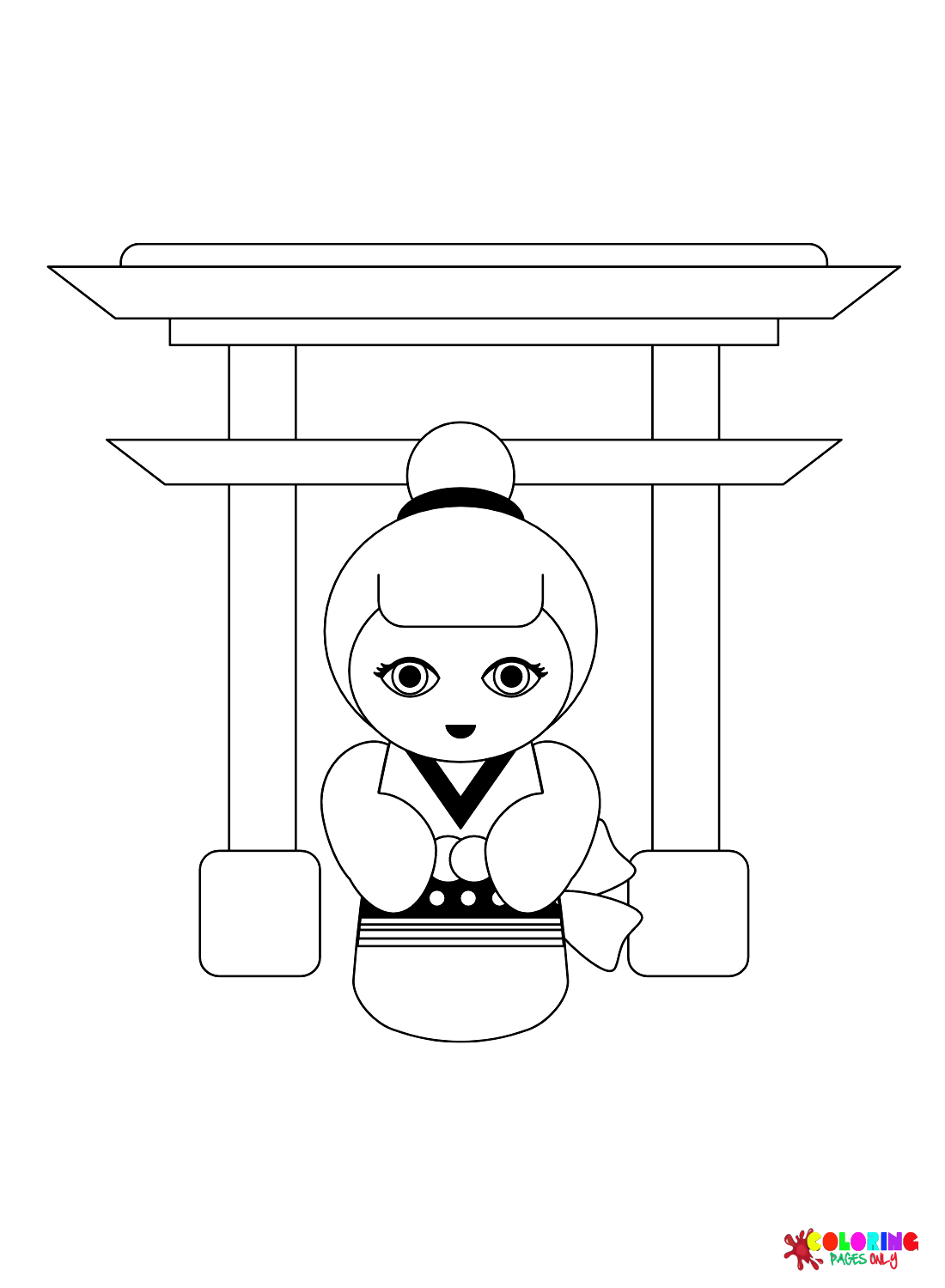
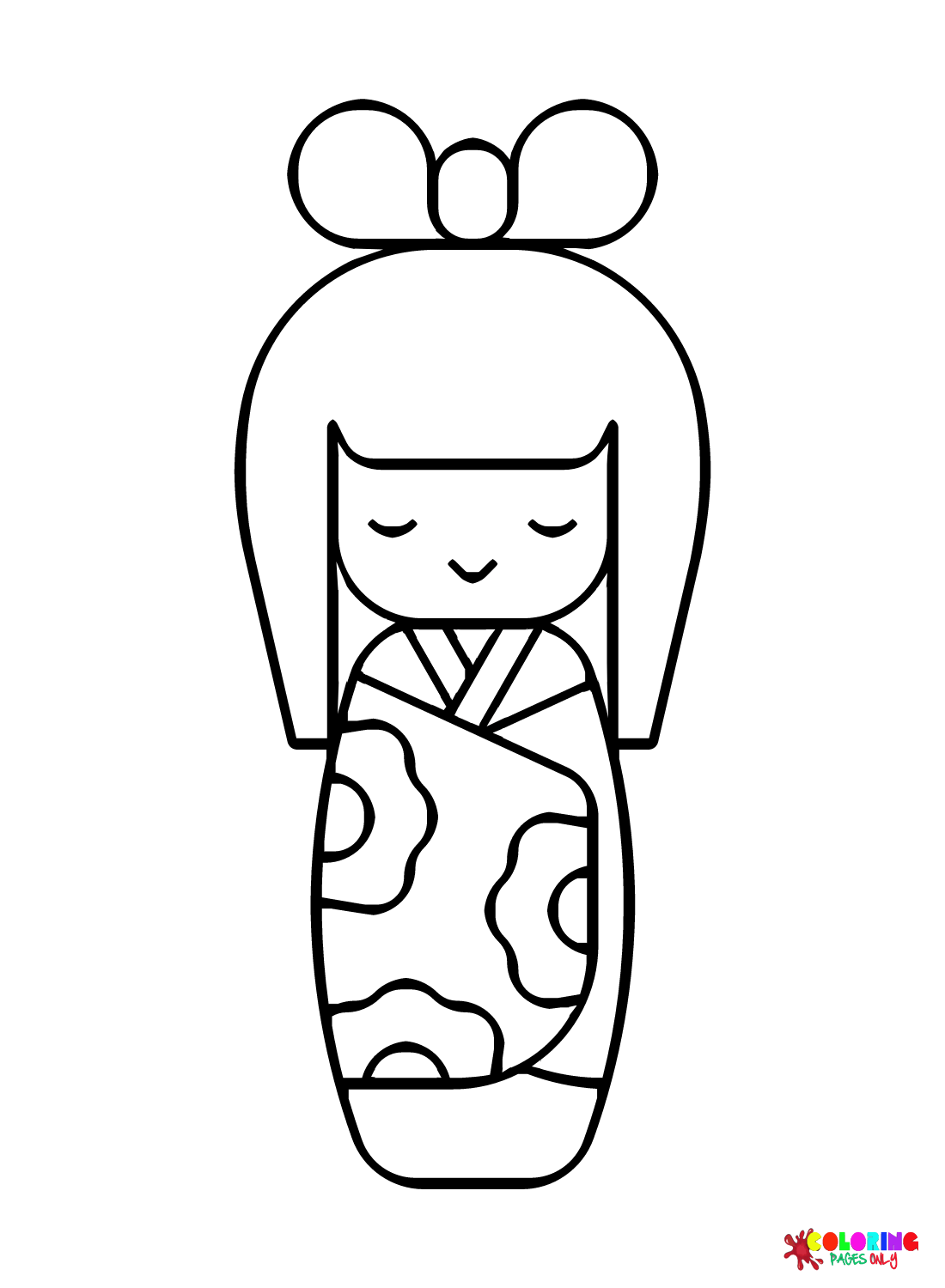
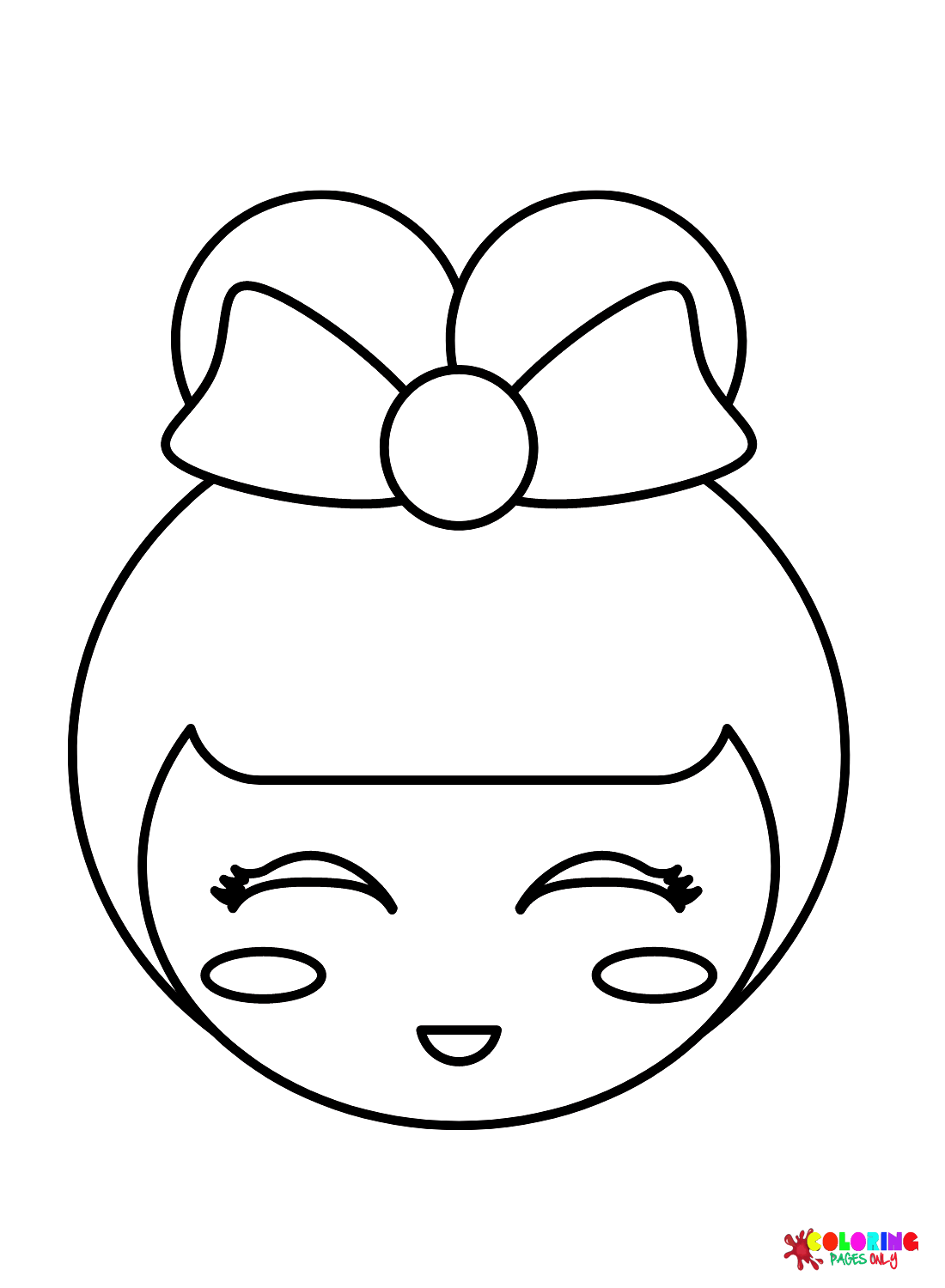
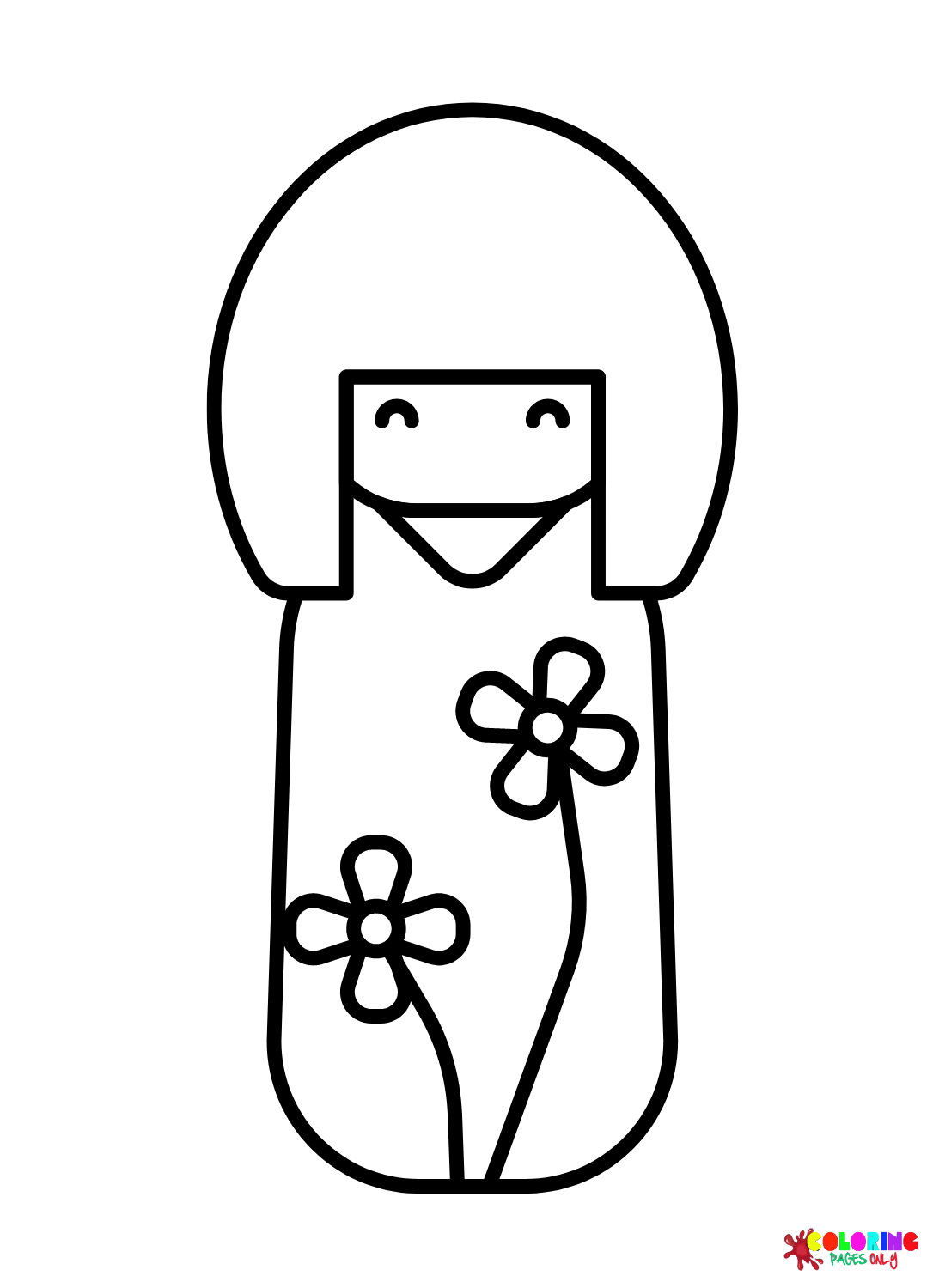
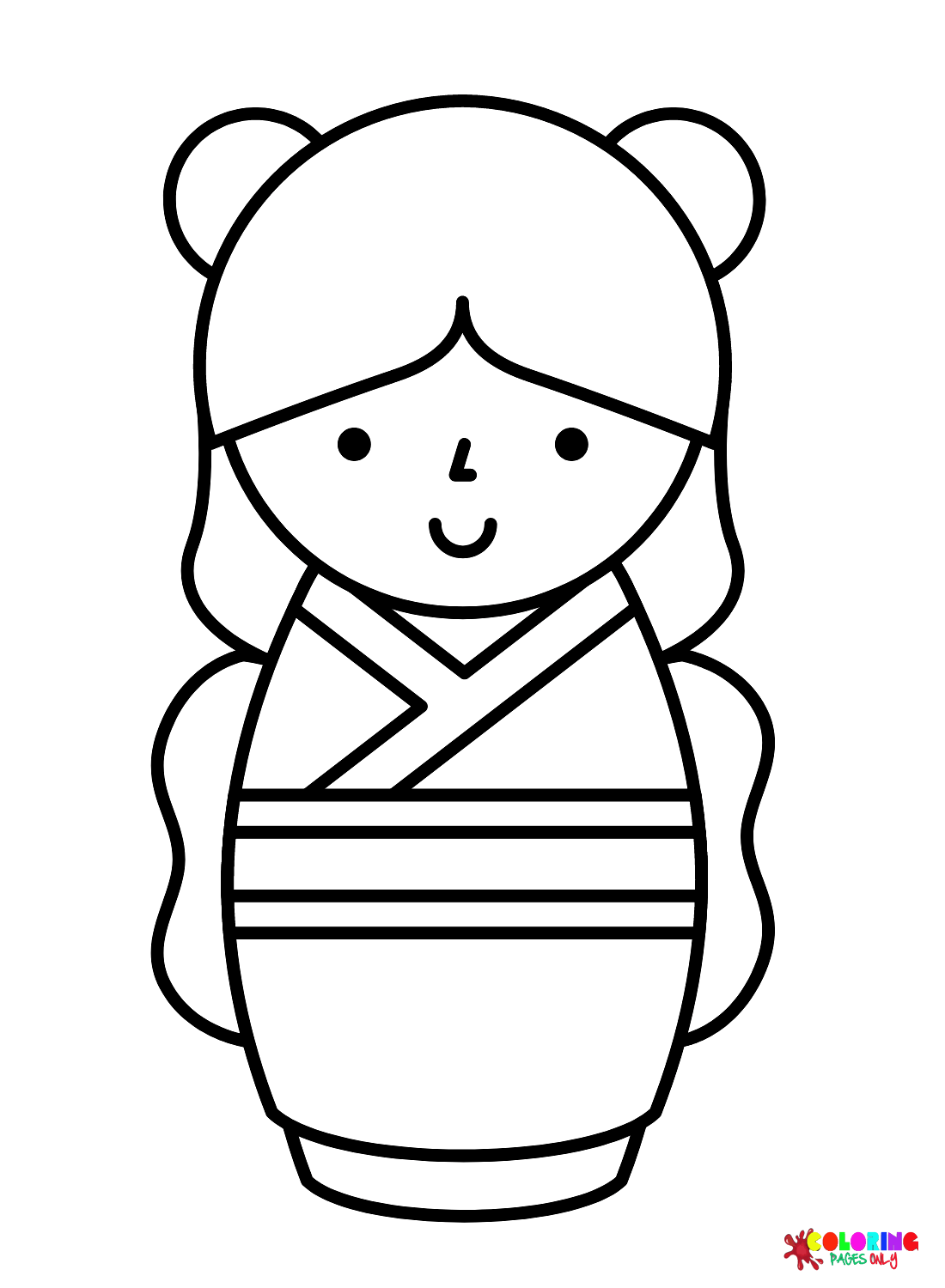
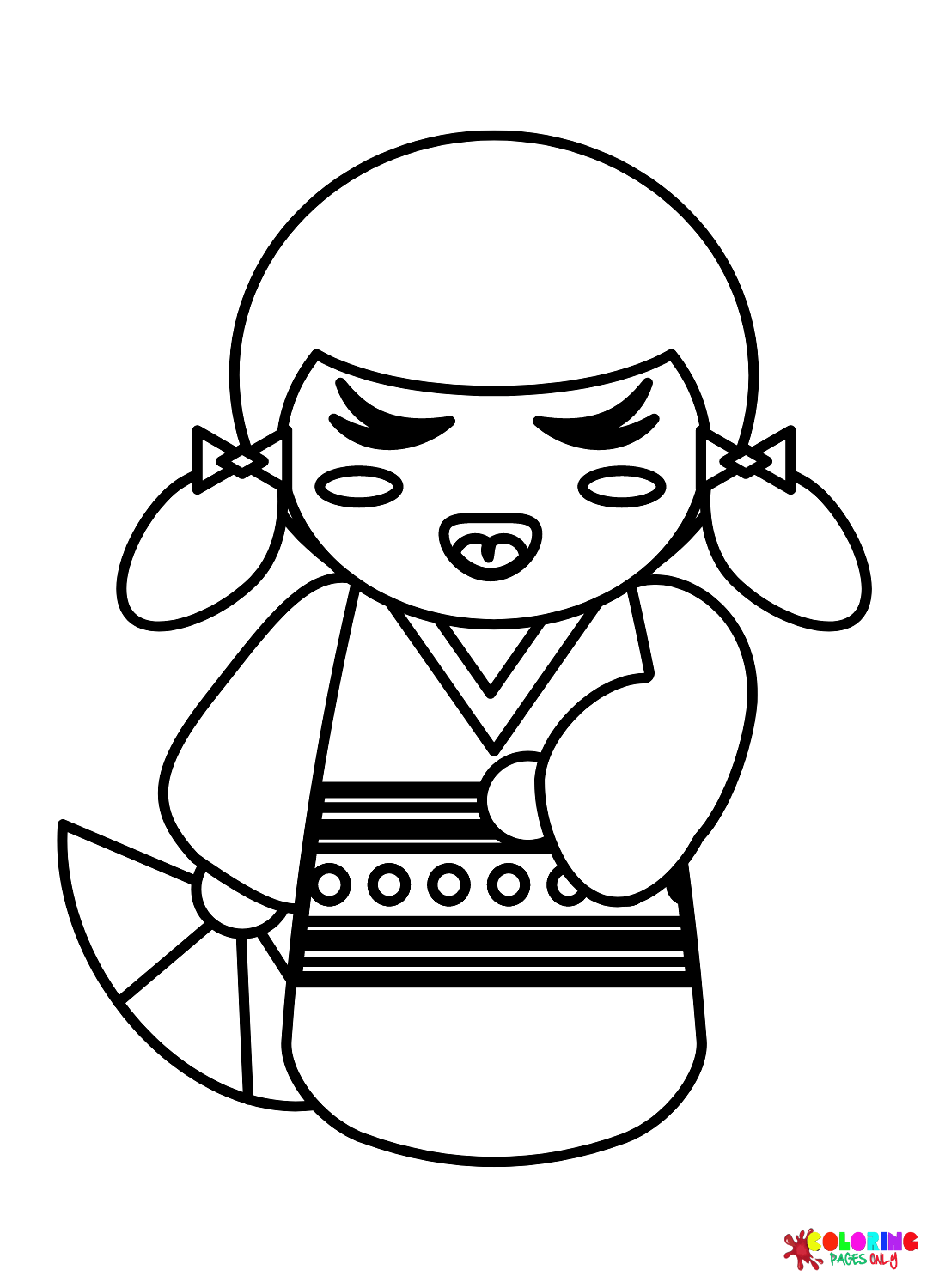
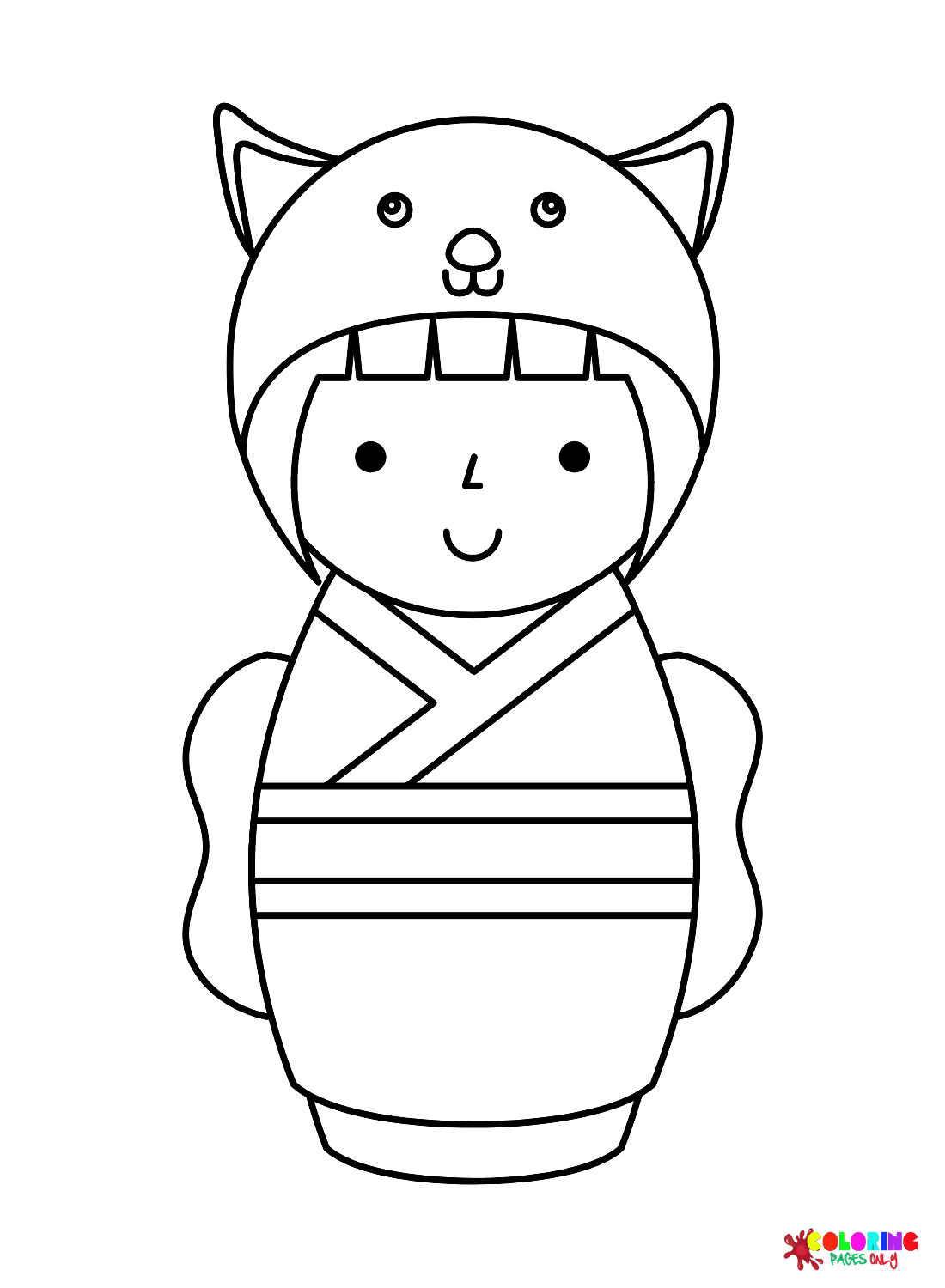
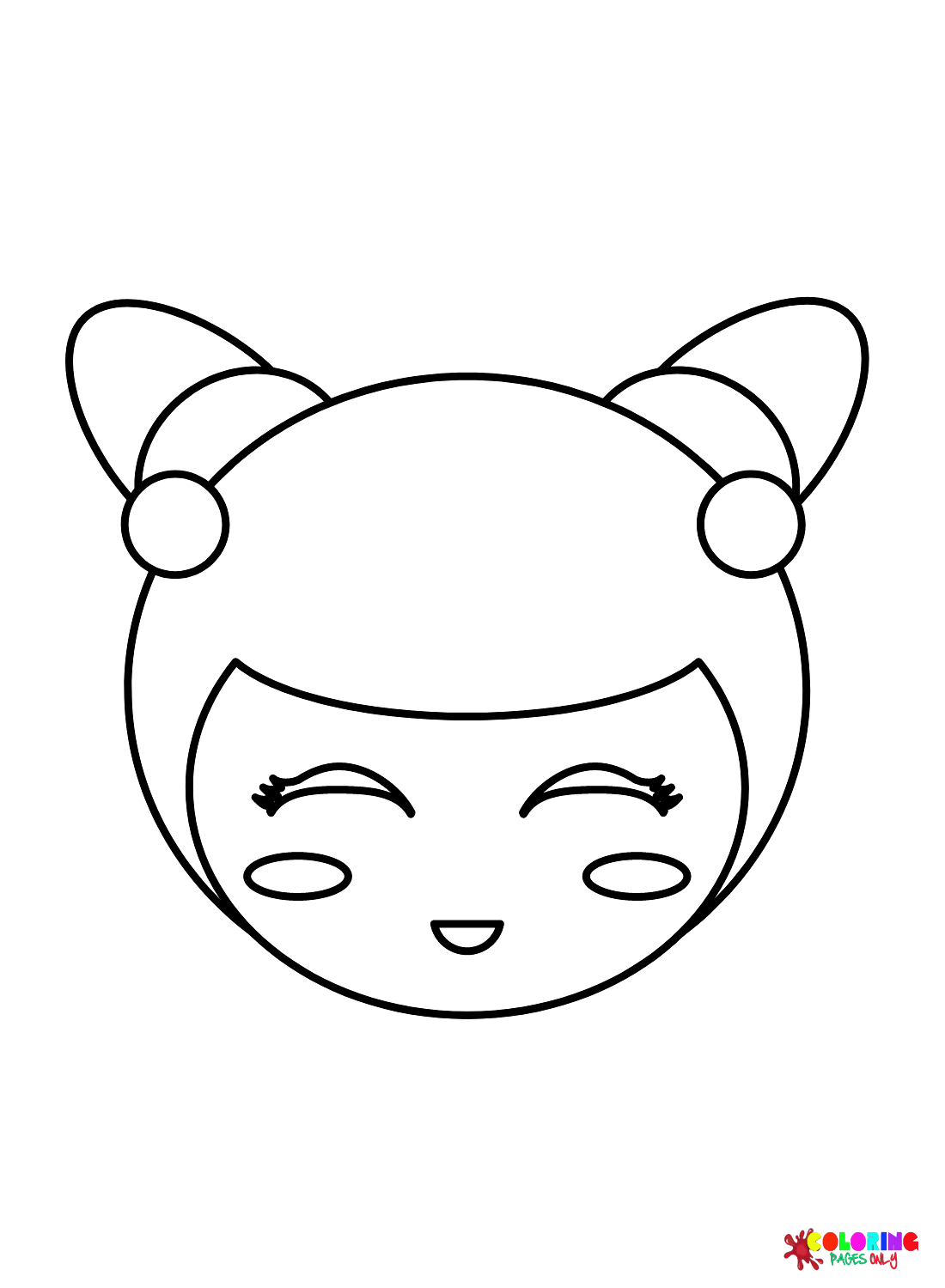
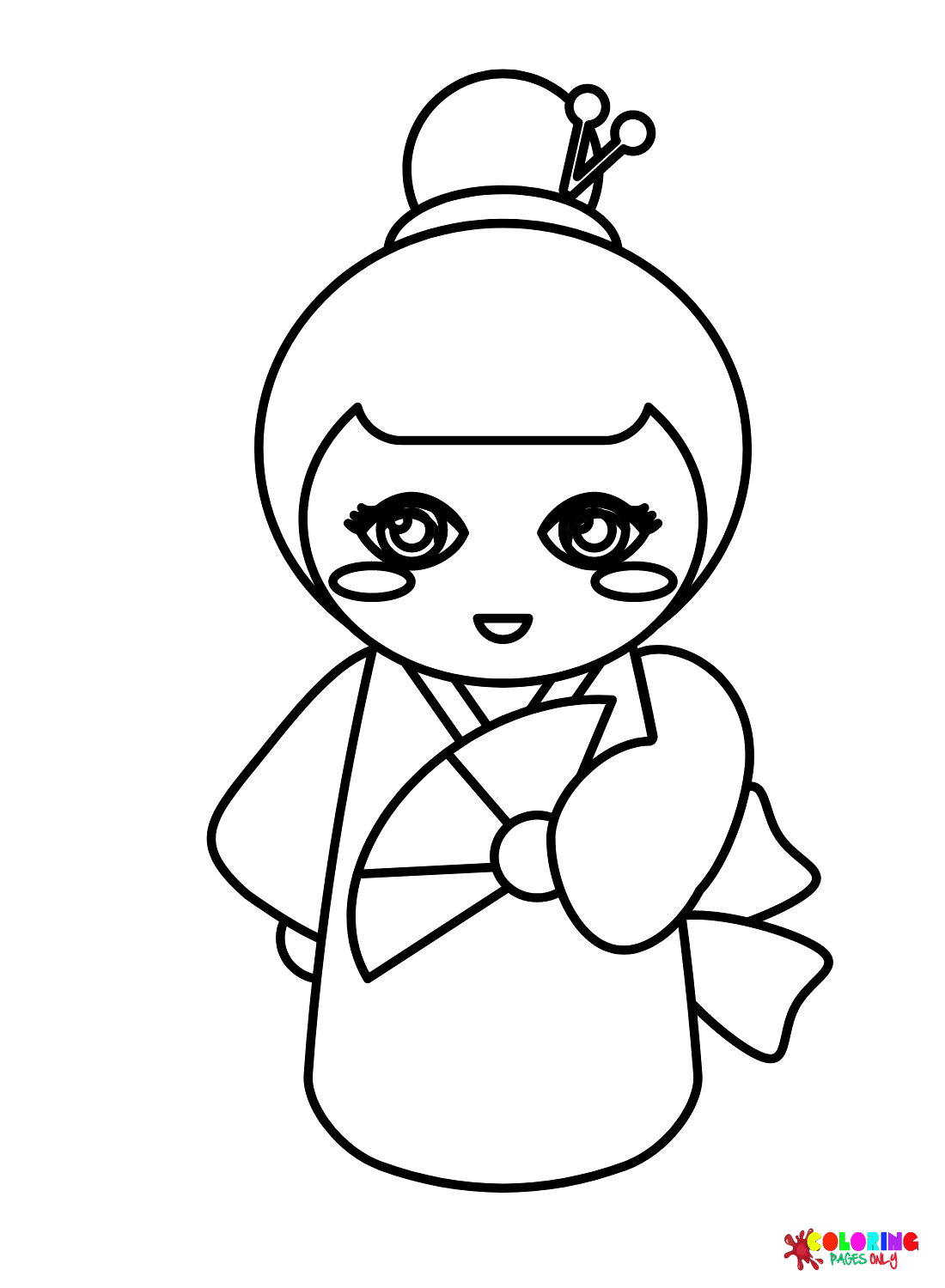
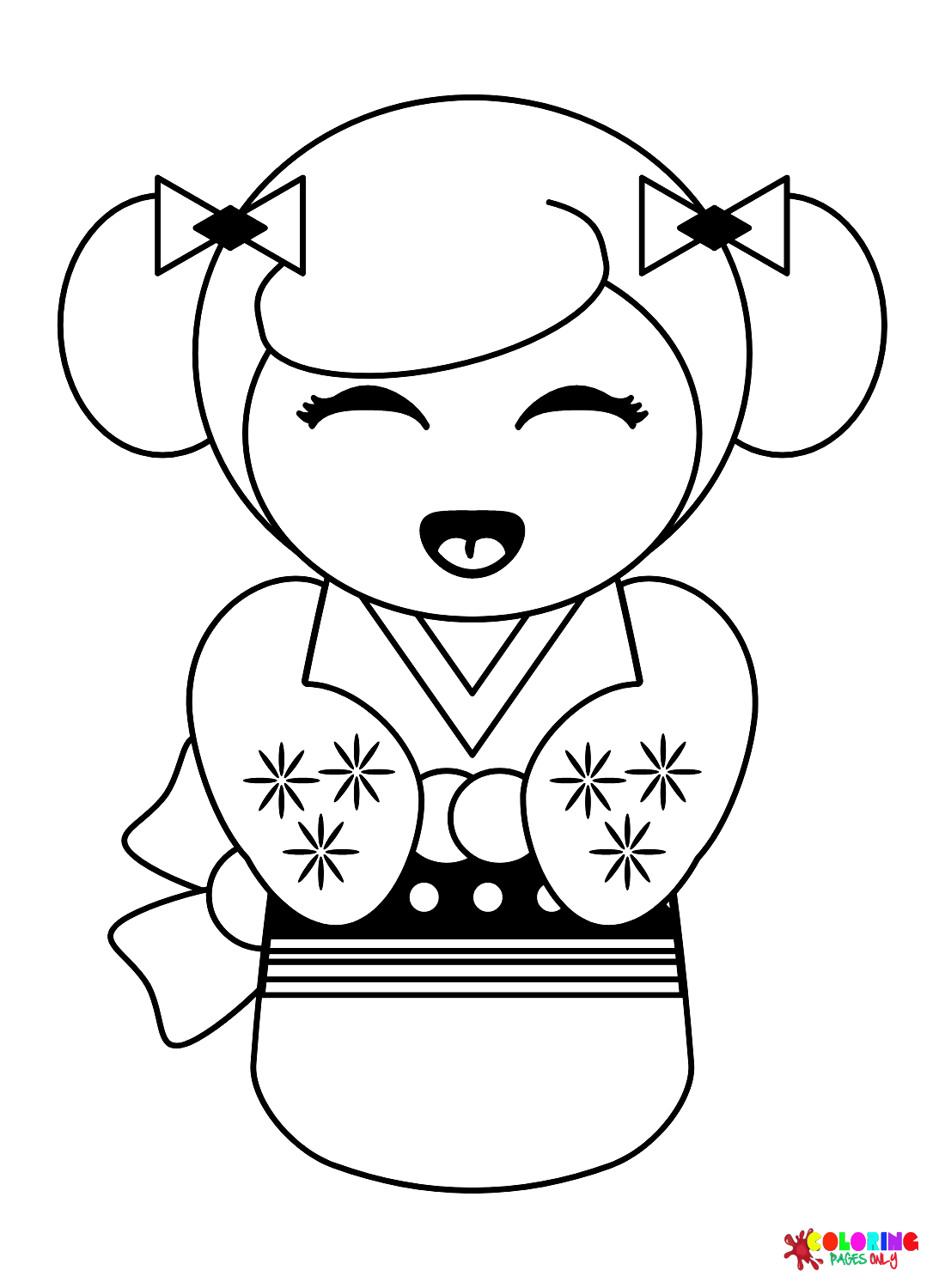
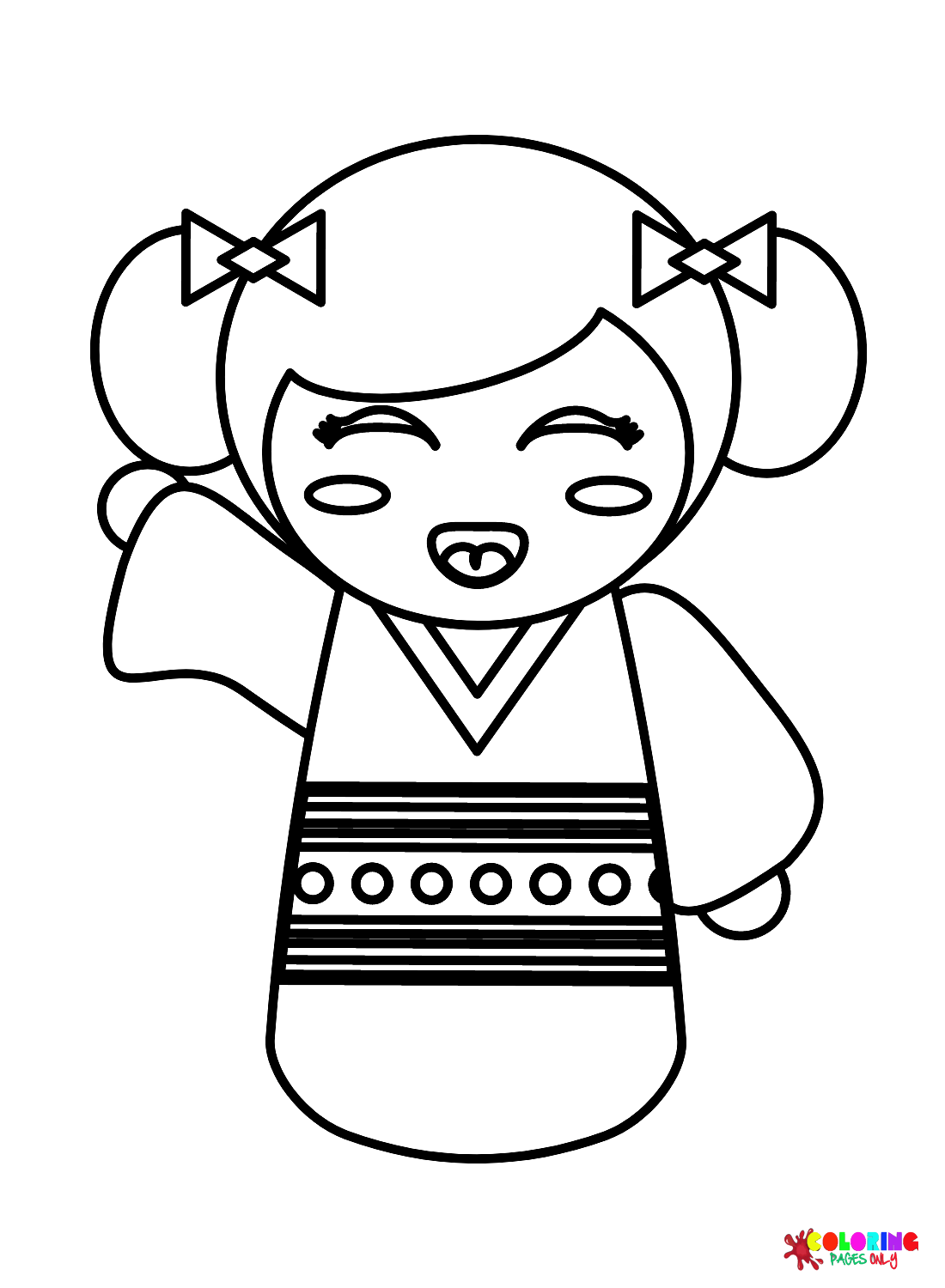
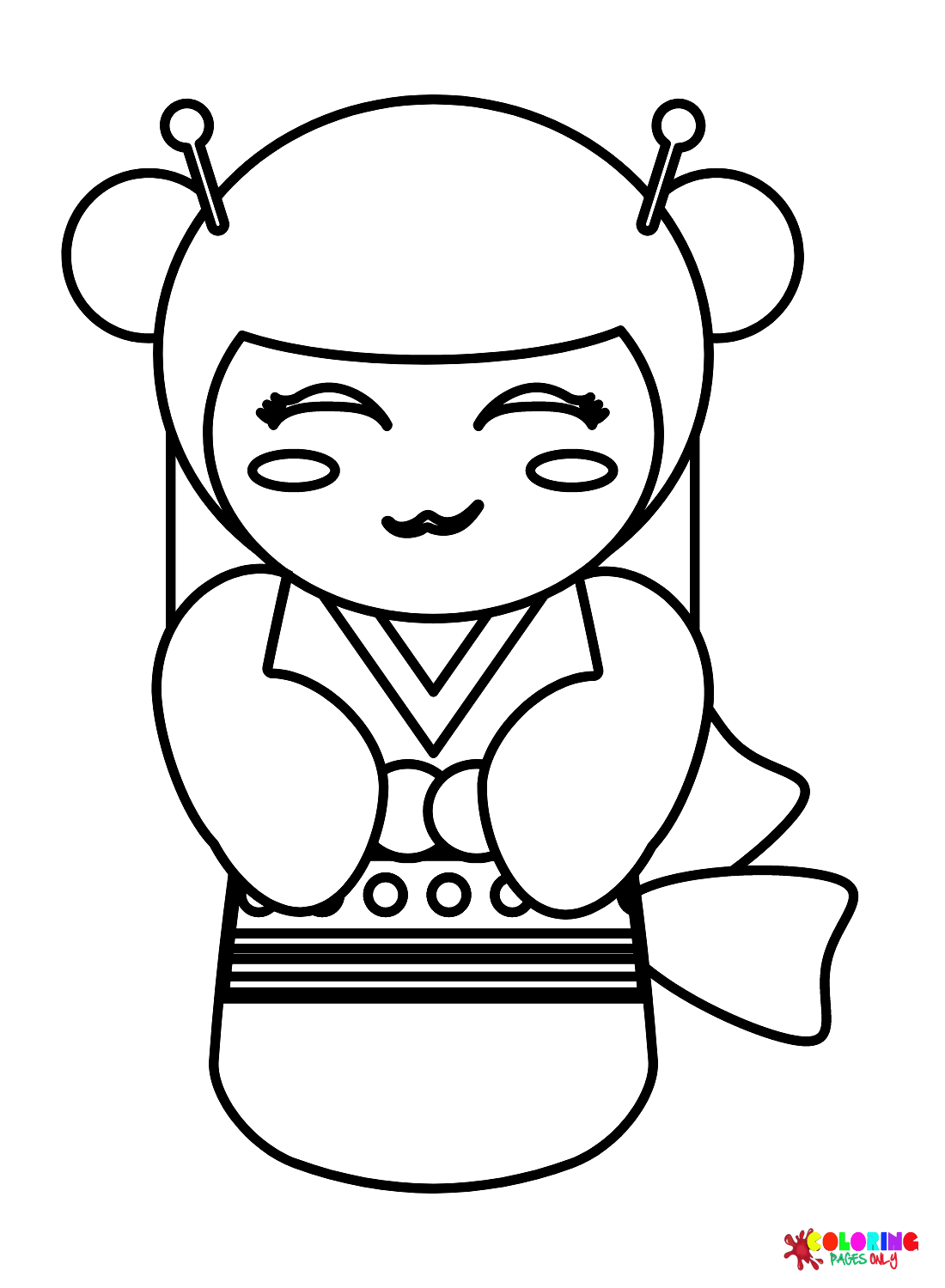
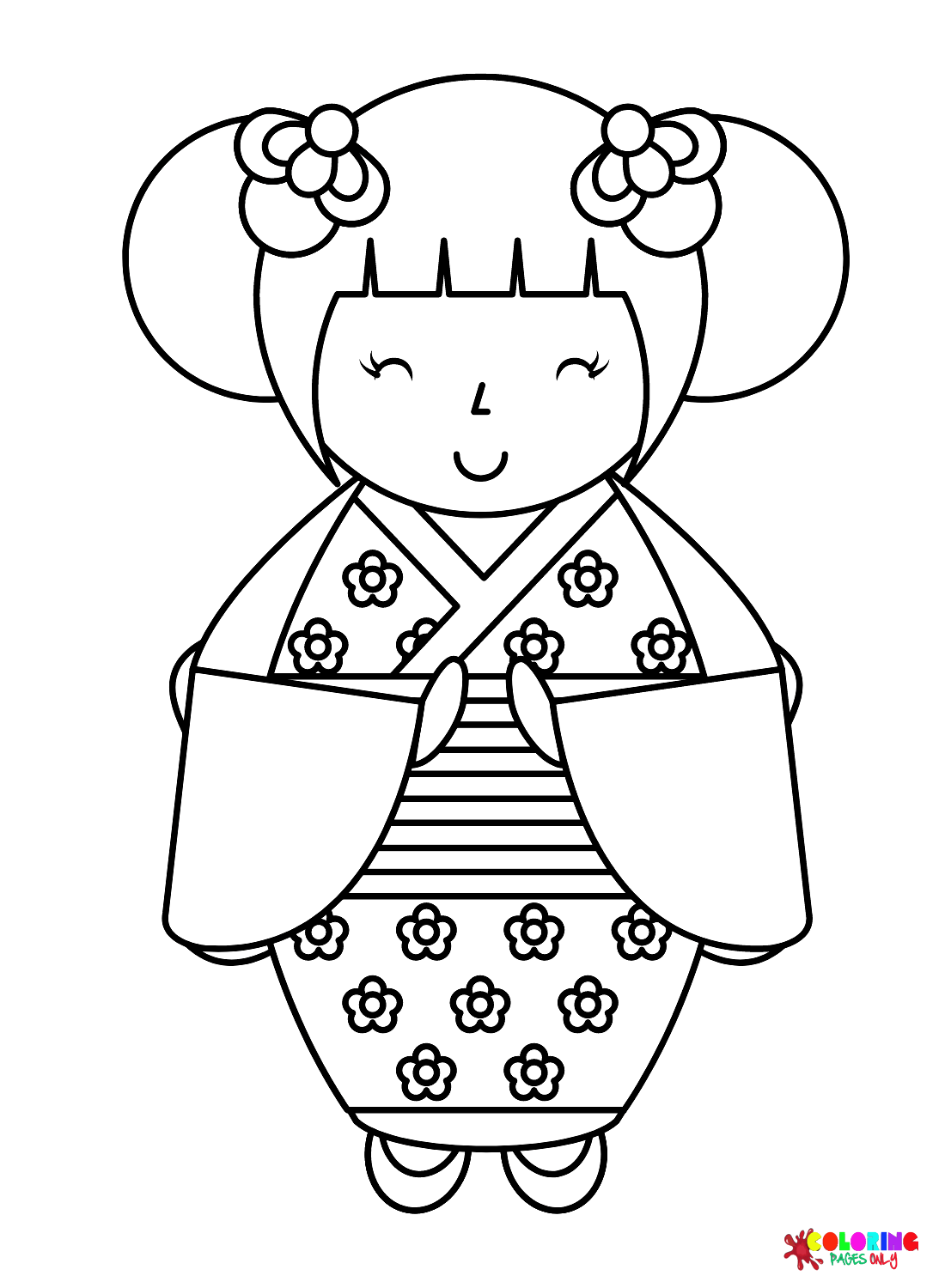
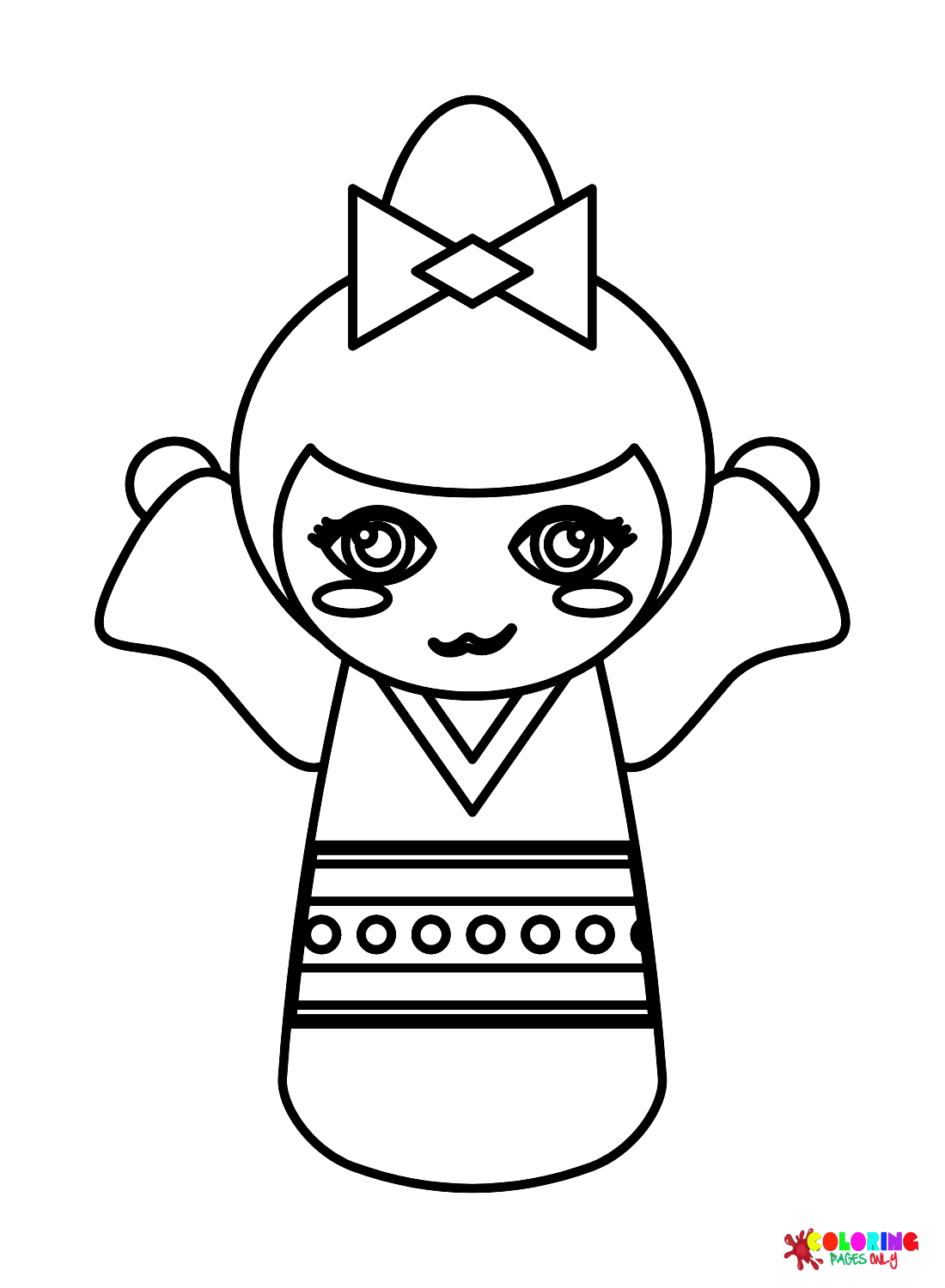
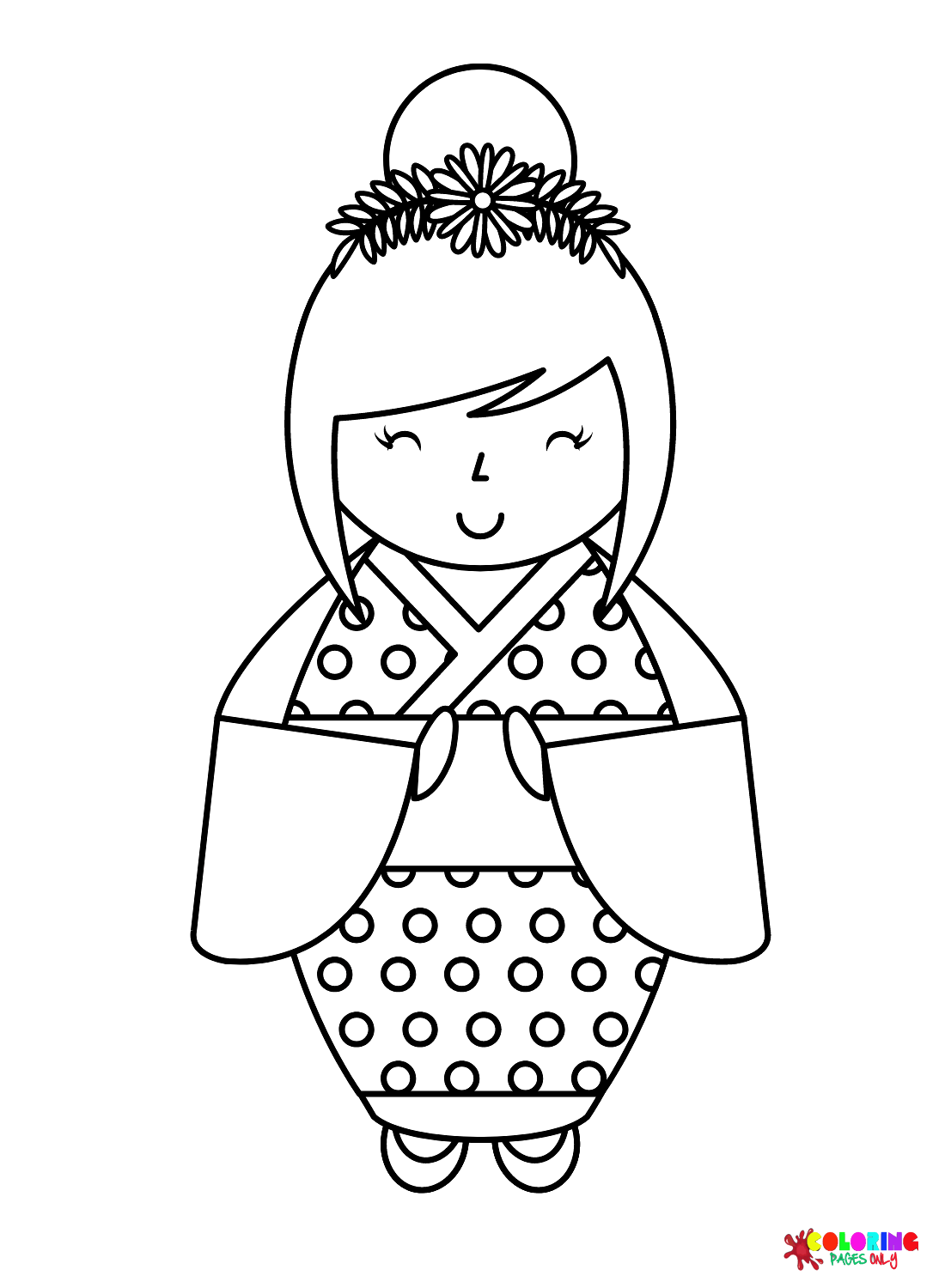
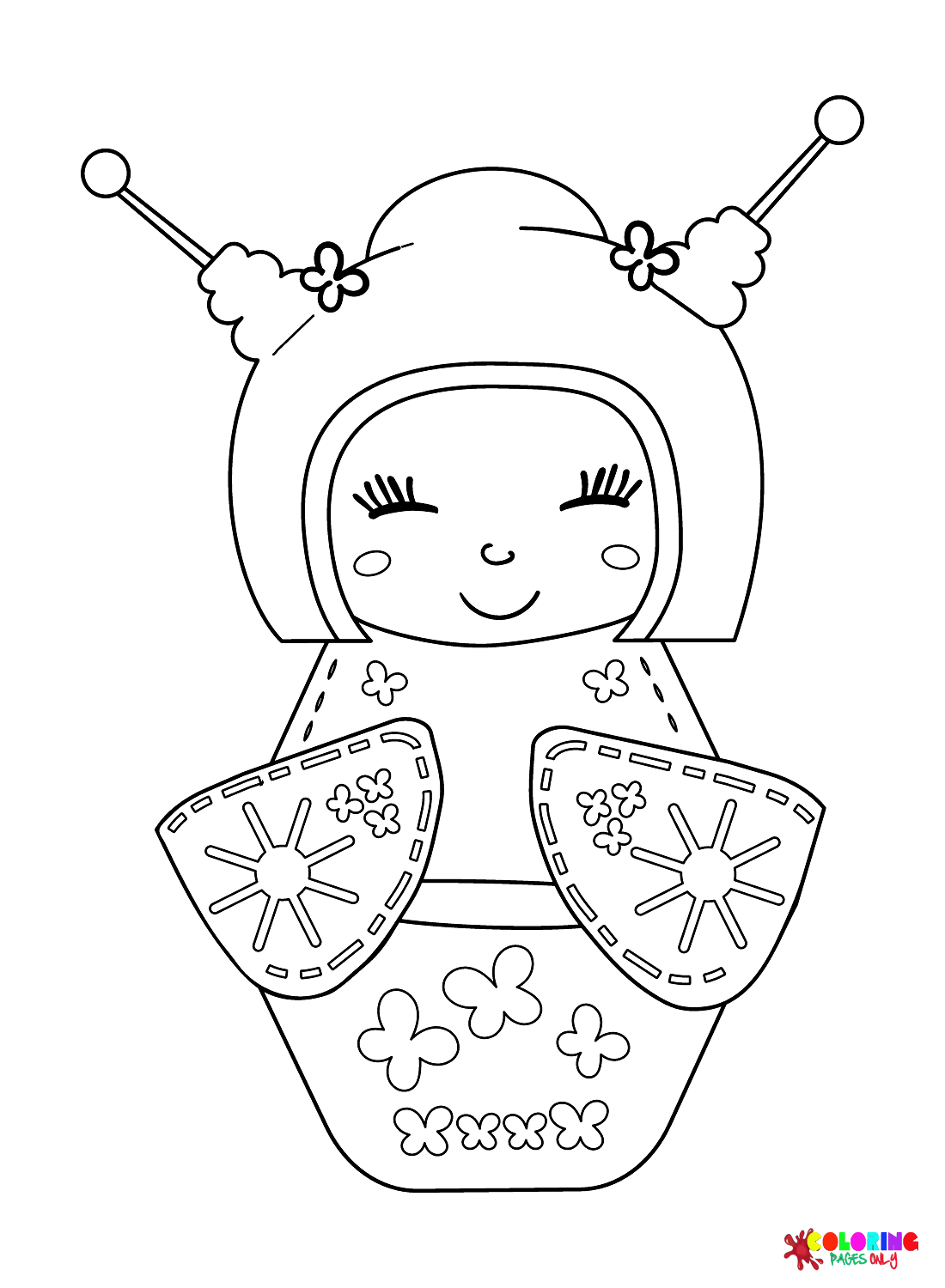
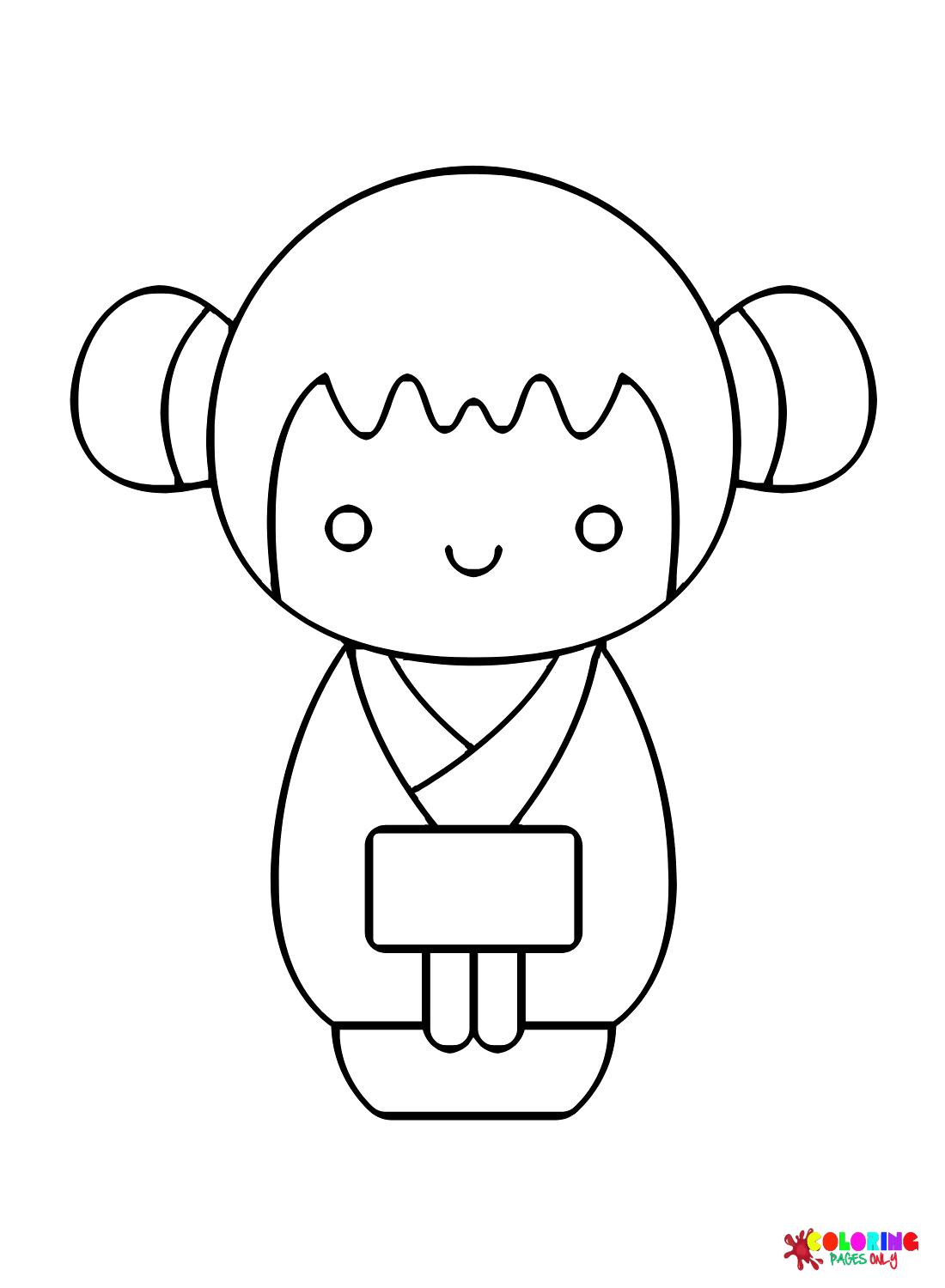
Nineteen of the 22 pages are solo portraits distinguished mostly by file name, one shows a close-up of the doll’s face, one focuses on the head alone, and one shows two dolls together. Since a kokeshi’s shape stays simple and consistent, the coloring variety comes almost entirely from the painted floral and ring patterns on its body.
What’s Inside This Collection
Twenty-two pages make up this set, and the large majority is one kokeshi doll shown alone, with a small handful offering closer or paired views.
Solo Portraits
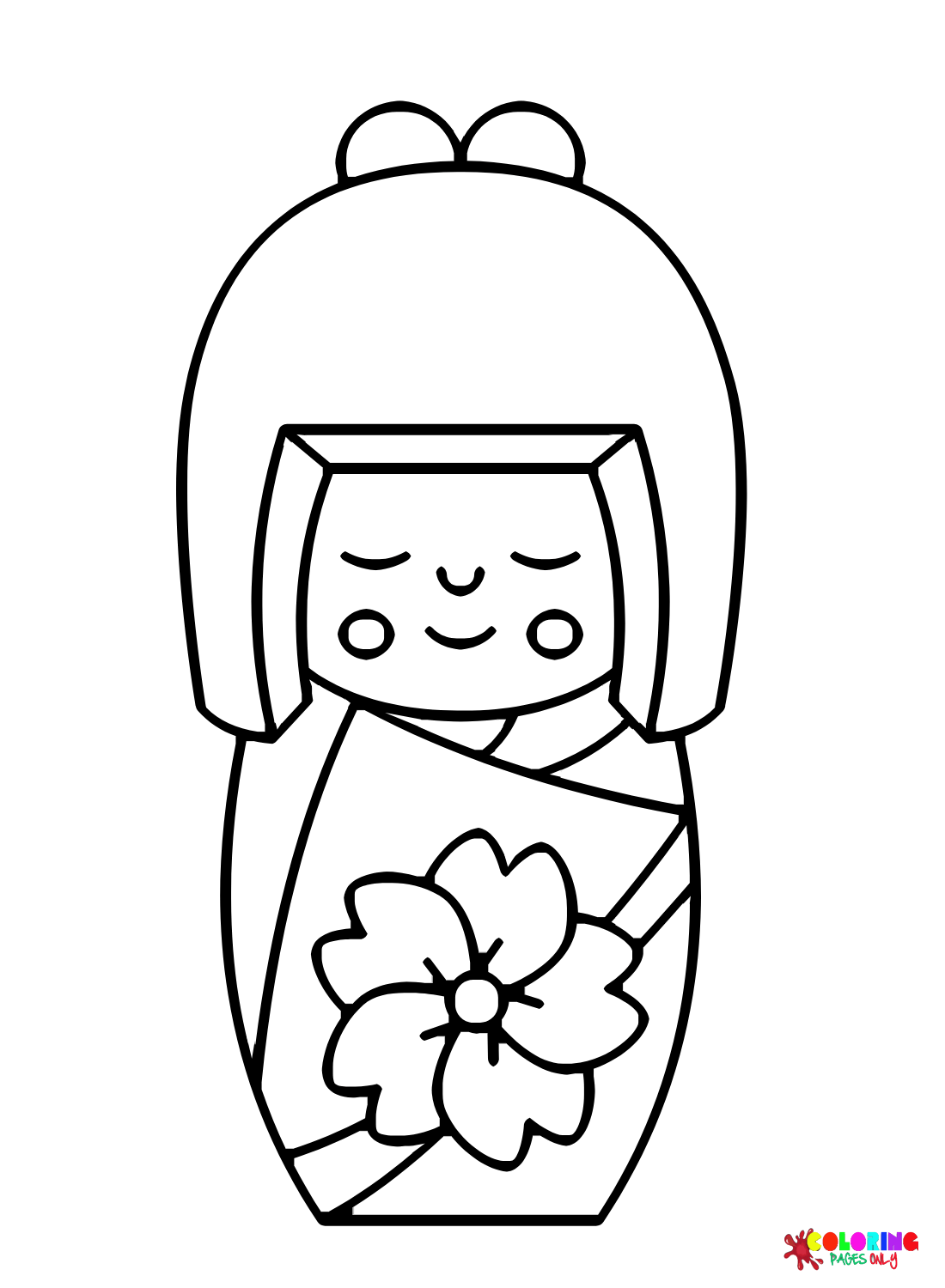
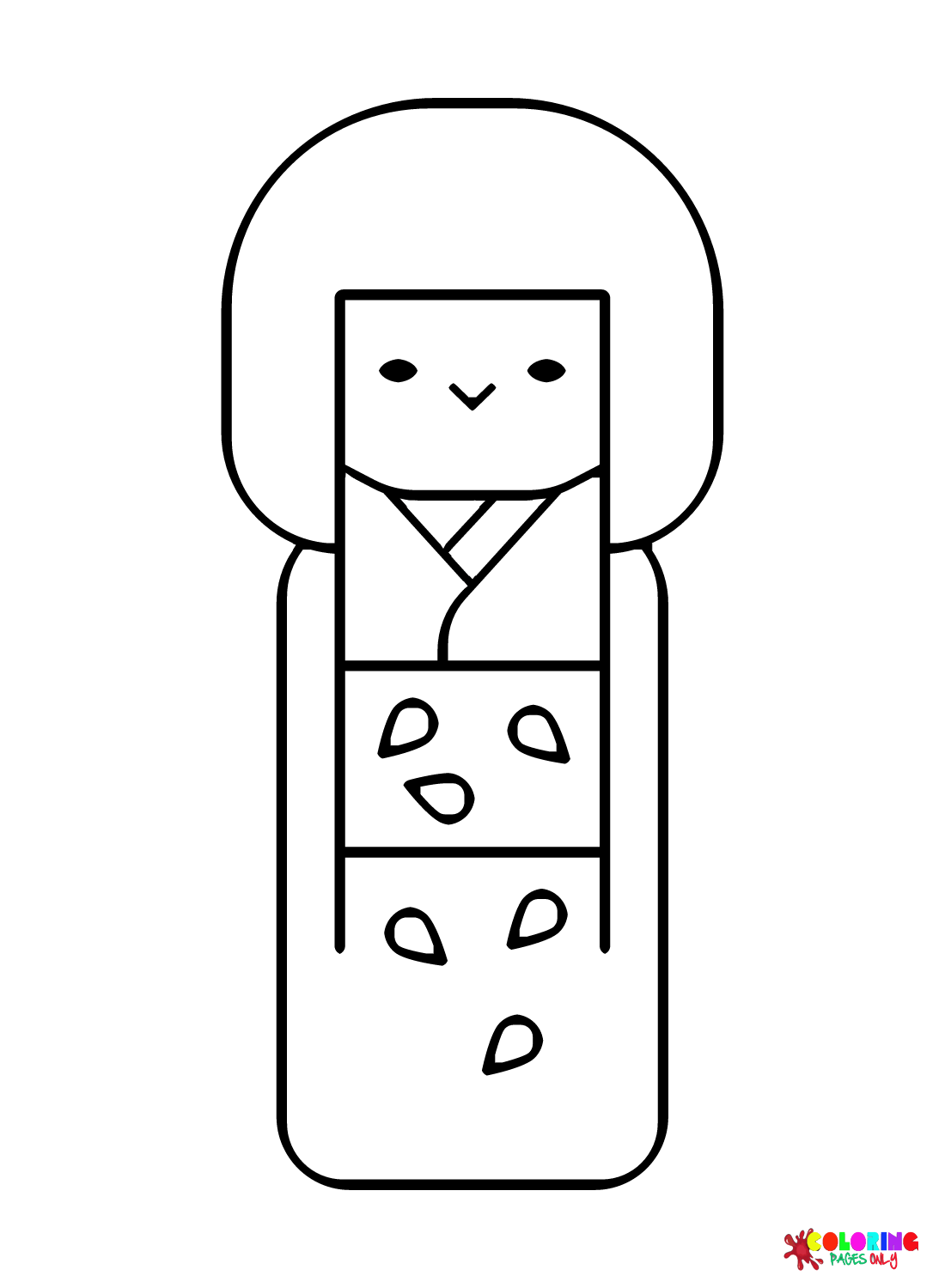
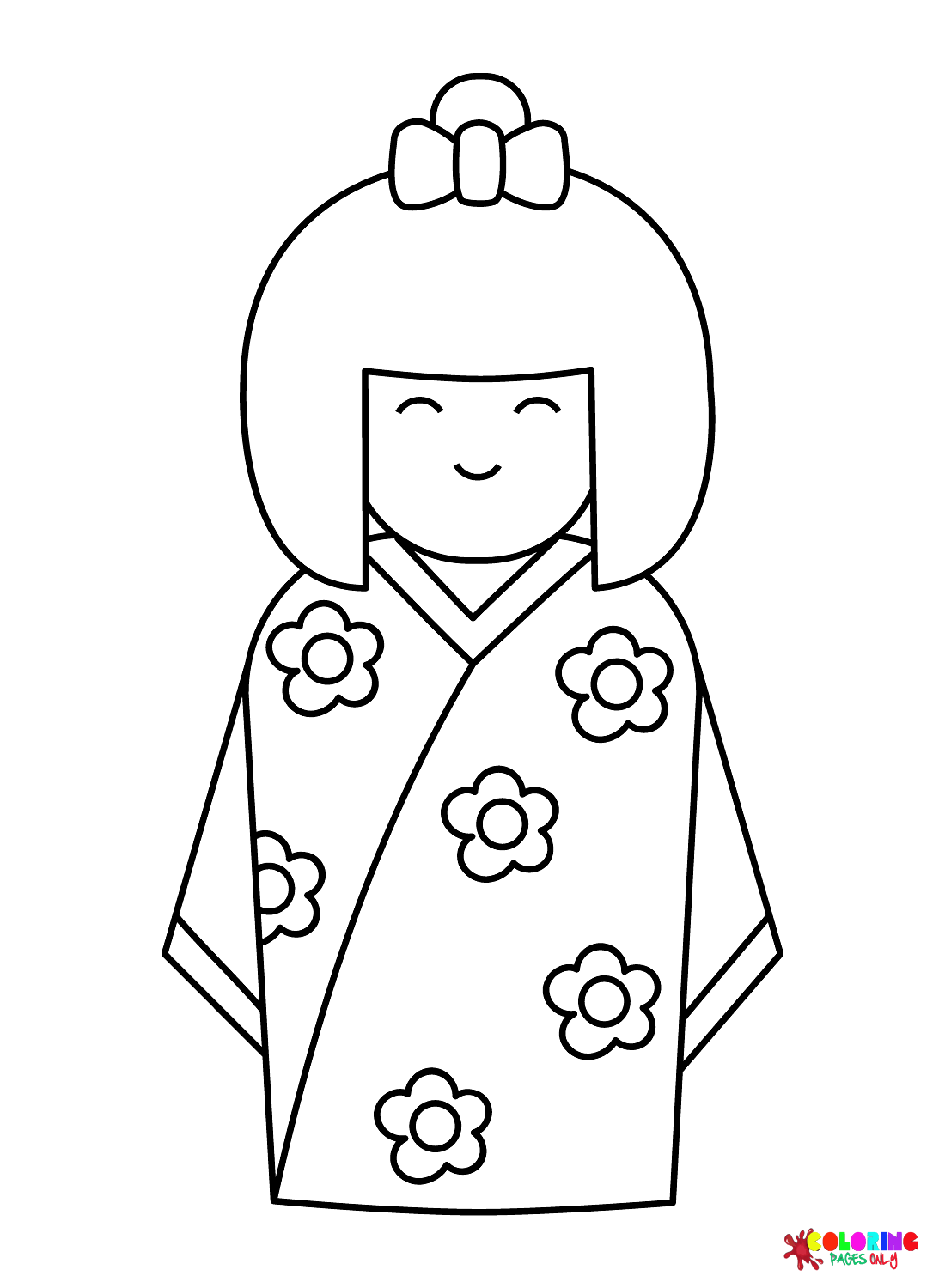
The overwhelming majority of this collection shows one kokeshi doll on its own, repeated across many pages under different file names rather than genuinely different designs. Coloring suggestion: Use this repetition to try a different traditional pattern, floral, ring-based, striped, on each page, since regional kokeshi styles vary considerably in their painted decoration.
Close-Up Face and Head
Two pages zoom in specifically on the doll’s face or head. Coloring suggestion: keep the painted eyes, eyebrows, and mouth as simple, thin lines, since a kokeshi’s expression is traditionally created with minimal, delicate strokes rather than elaborate detail.
Paired Dolls
One page shows two kokeshi dolls together. Coloring suggestion: give each doll a distinct pattern and color scheme so they read as two individual pieces rather than a matched set.
What Kokeshi Doll Coloring Pages Do
Thin lines, deliberate strokes. A kokeshi doll’s face is traditionally painted with just a few thin, deliberate lines rather than elaborate detail, and recreating that same restrained, minimal linework asks for careful, controlled small strokes, the kind of fine motor precision the American Academy of Pediatrics associates with structured coloring in children ages two through seven.
A doll shaped by its maker’s other trade. Kokeshi dolls weren’t originally made by toy makers at all; they came from kijishi, lathe artisans who normally turned out bowls and trays, which is part of why the doll’s simple, rounded, cylindrical shape looks like it came off a woodworking lathe, because it did.
A souvenir of rest, echoed in the activity. Kokeshi dolls were originally sold as souvenirs at hot spring resorts, places people specifically traveled to in order to rest and recover, and there’s a fitting echo of that original purpose in pairing the doll with a slow, restful coloring session, the kind of structured calm a 2005 Art Therapy Journal study linked to reduced anxiety.
Six prefectures, six different looks. Each of the six prefectures in Japan’s Tohoku region developed its own recognizable kokeshi style, so what looks like one simple doll design actually represents a whole family of regional variations built up over generations.
How to Color Kokeshi Doll Pages Well
- Body: Use a warm, natural wood tone as the base, then layer painted patterns on top rather than covering the entire surface in flat color.
- Face: keep eyes, eyebrows, and mouth as thin, simple black or dark red lines, since a kokeshi’s expression is traditionally minimal rather than elaborate.
- Patterns: use red, black, and touches of green, purple, or yellow for floral and ring-based designs, staying close to the traditional color palette.
- Two-doll pages: give each doll a distinct pattern and color scheme so they read as individual pieces rather than a matched pair.
- Head and face close-ups: take extra care with the thin linework here, specifically, since there’s more room to focus on getting the delicate features right.
- Background: keep it simple or plain on most pages, since a kokeshi doll’s own painted pattern is meant to be the visual focus.
5 Creative Craft Ideas With Kokeshi Doll Coloring Pages
1. Regional Style Fact Card
Color a page and write one real fact about a specific Tohoku prefecture’s kokeshi style on the back.
2. Kokeshi Doll Mask
Color a face or head page, cut it out, attach a popsicle stick, and hold it up as a simple mask.
3. Wall Art Display
Color several dolls, mount them on contrasting paper, and frame them together as a small Japanese-inspired gallery.
4. Kokeshi Storybook
Color multiple dolls across several pages and write a short story imagining each one’s personality or origin.
5. Handmade Greeting Card
Cut out a colored kokeshi design and glue it onto a folded card for a birthday or thank-you note.
Frequently Asked Questions
What are Kokeshi Doll coloring pages?
A free set of 22 printable designs of the traditional Japanese wooden doll, mostly solo portraits with a couple of close-up and paired-doll pages. Every page downloads as a PDF or opens in the online coloring tool without an account.
Where do kokeshi dolls come from?
Kokeshi dolls originated in Japan’s Tohoku region during the late Edo period, made by kijishi, lathe artisans who typically made bowls and trays, and sold as souvenirs to visitors traveling to the region’s hot springs.
Why don’t kokeshi dolls have arms or legs?
Their design has always been simple and cylindrical, reflecting both the lathe-turning technique used to make them and a long-standing minimalist tradition rather than an incomplete or unfinished look.
Do all kokeshi dolls look the same?
No. Each of the six prefectures in the Tohoku region developed its own recognizable style, varying in shape, color, and pattern, so kokeshi actually represents a range of regional traditions rather than one fixed design.
Why do so many pages show the same basic kokeshi doll?
Most of the collection uses one core portrait style with different file names rather than a wide variety of scenes, with the close-up and paired-doll pages offering the set’s real visual variety.
Can these pages be colored without printing them?
Yes. Every page in the set opens directly in the site’s browser-based coloring tool, so a page can be finished on screen before deciding whether to print it.
Are Kokeshi Doll coloring pages suitable for young children?
The simple, single-shape design of nearly every page makes this collection approachable for a wide age range, including young children just starting to color.
Are kokeshi dolls still made today?
Yes. Traditional kokeshi are still handcrafted in the Tohoku region using techniques passed down for generations, alongside newer, more decorative styles made by artists across Japan.
Start Coloring
A souvenir once carried home from the mountains, now ready to color at home: pick a page above, download the PDF, or fill it in online, free and without an account. Share the finished piece through the Facebook or Pinterest buttons at the top of the design.