Lurantis Coloring Pages
 By:
Jennifer Thoa - Content Editor & Designer
Updated:
By:
Jennifer Thoa - Content Editor & Designer
Updated:
Free Lurantis Coloring Pages: 23 printable PDF designs of the Grass-type Pokémon, mostly shown alone, with one page featuring its Trainer, Mallow. Printing a page or coloring it in the browser are both free, and neither one asks for an account.
Lurantis is a Grass-type Pokémon introduced in Generation VII’s Sun and Moon games, officially named the Bloom Sickle Pokémon for the sickle-shaped red claws on each arm. It evolves from Fomantis at level 34 and is described in the Pokédex as the most visually striking of all Grass-type Pokémon, though its appearance depends on how well a Trainer grooms and cares for it. A special Totem-sized Lurantis guards Mallow’s trial in the Lush Jungle.
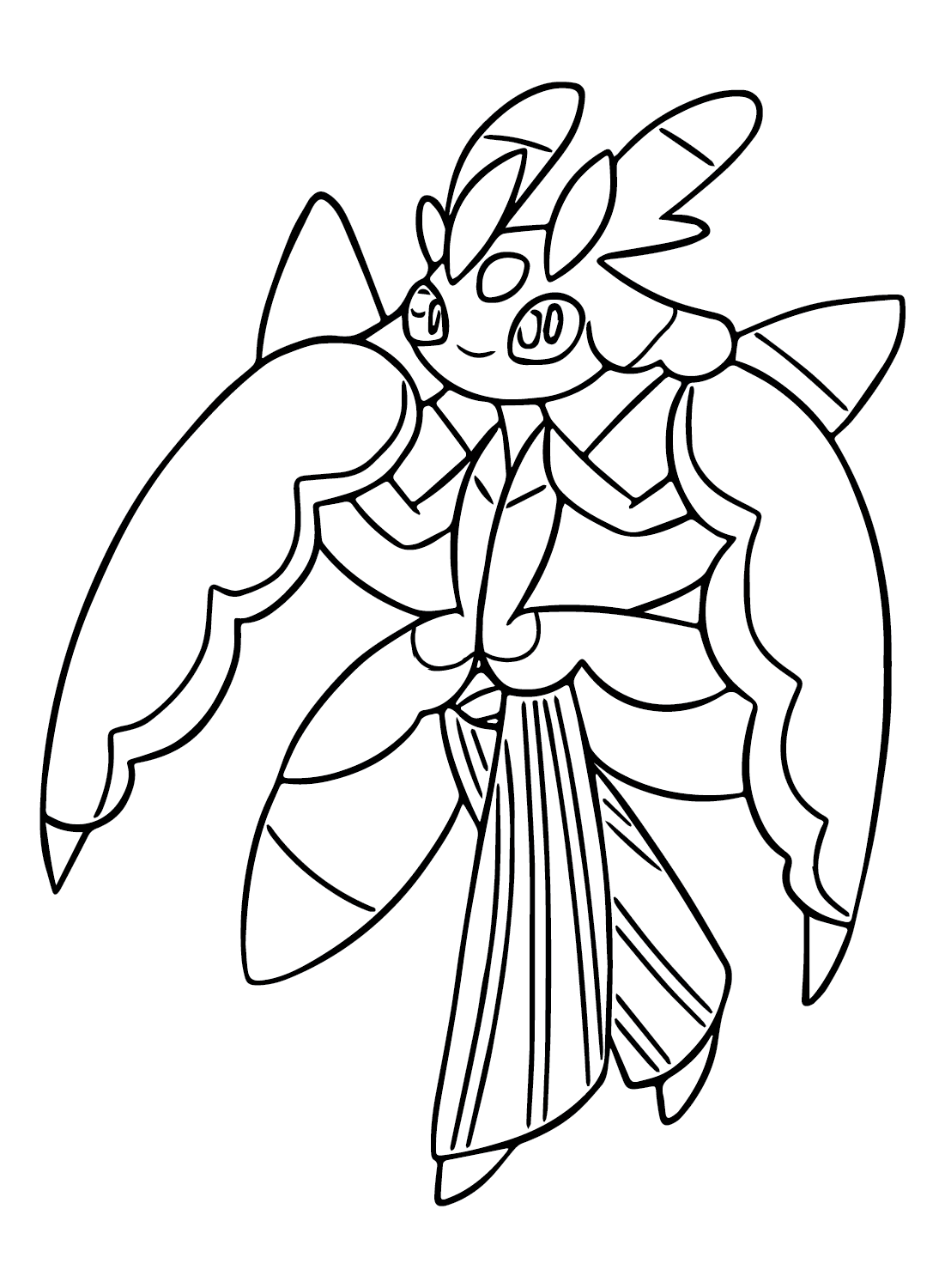
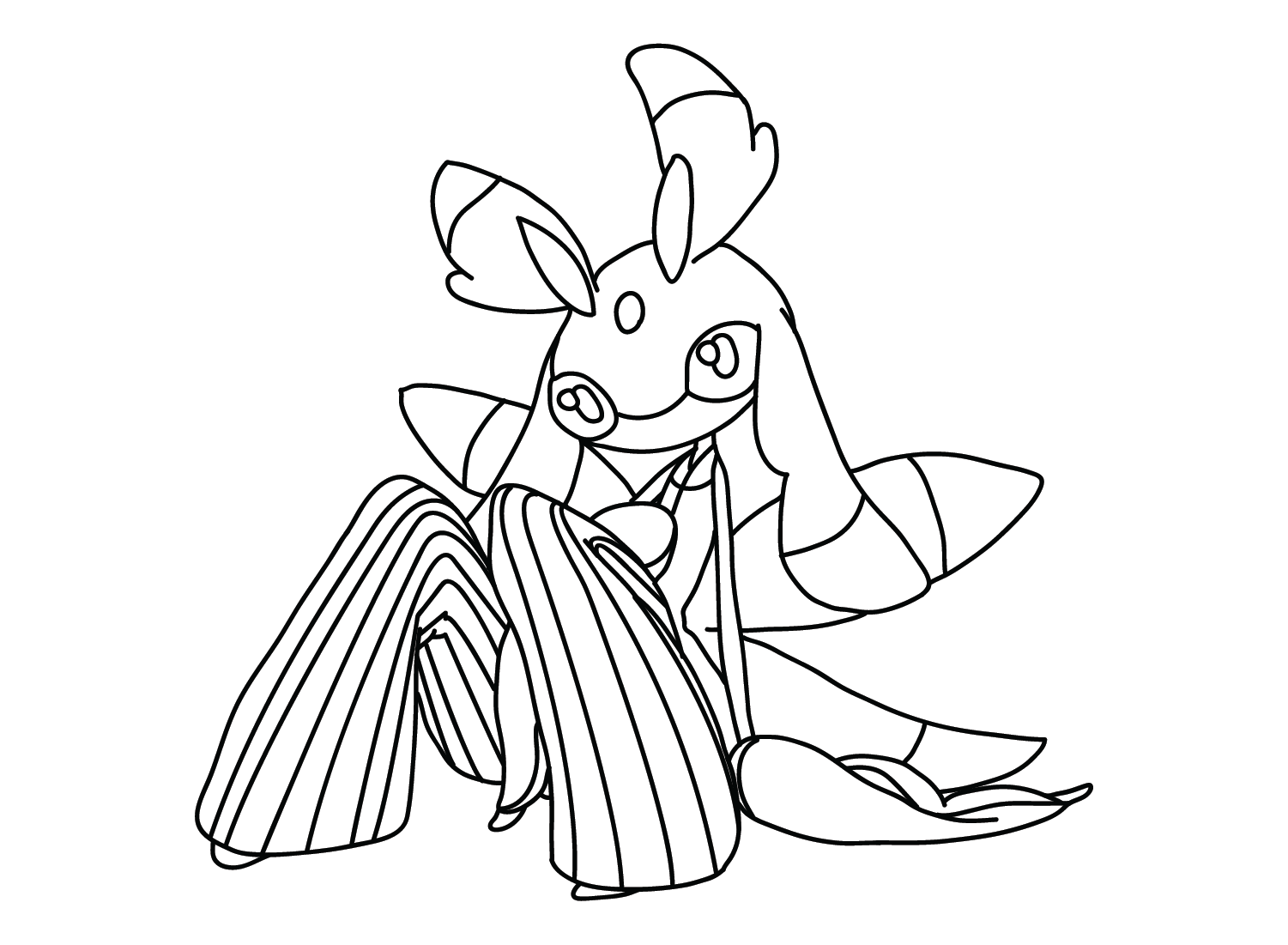
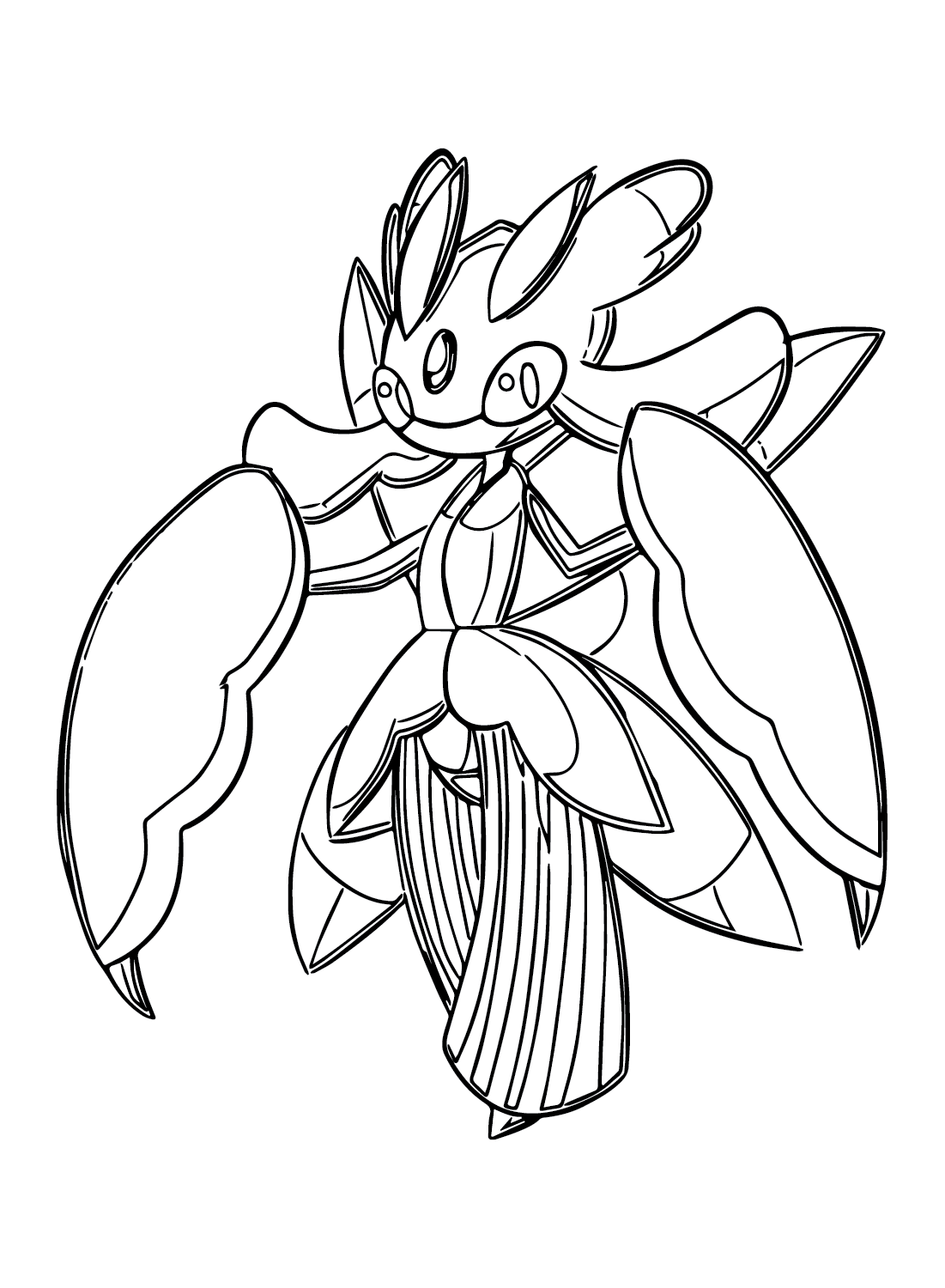
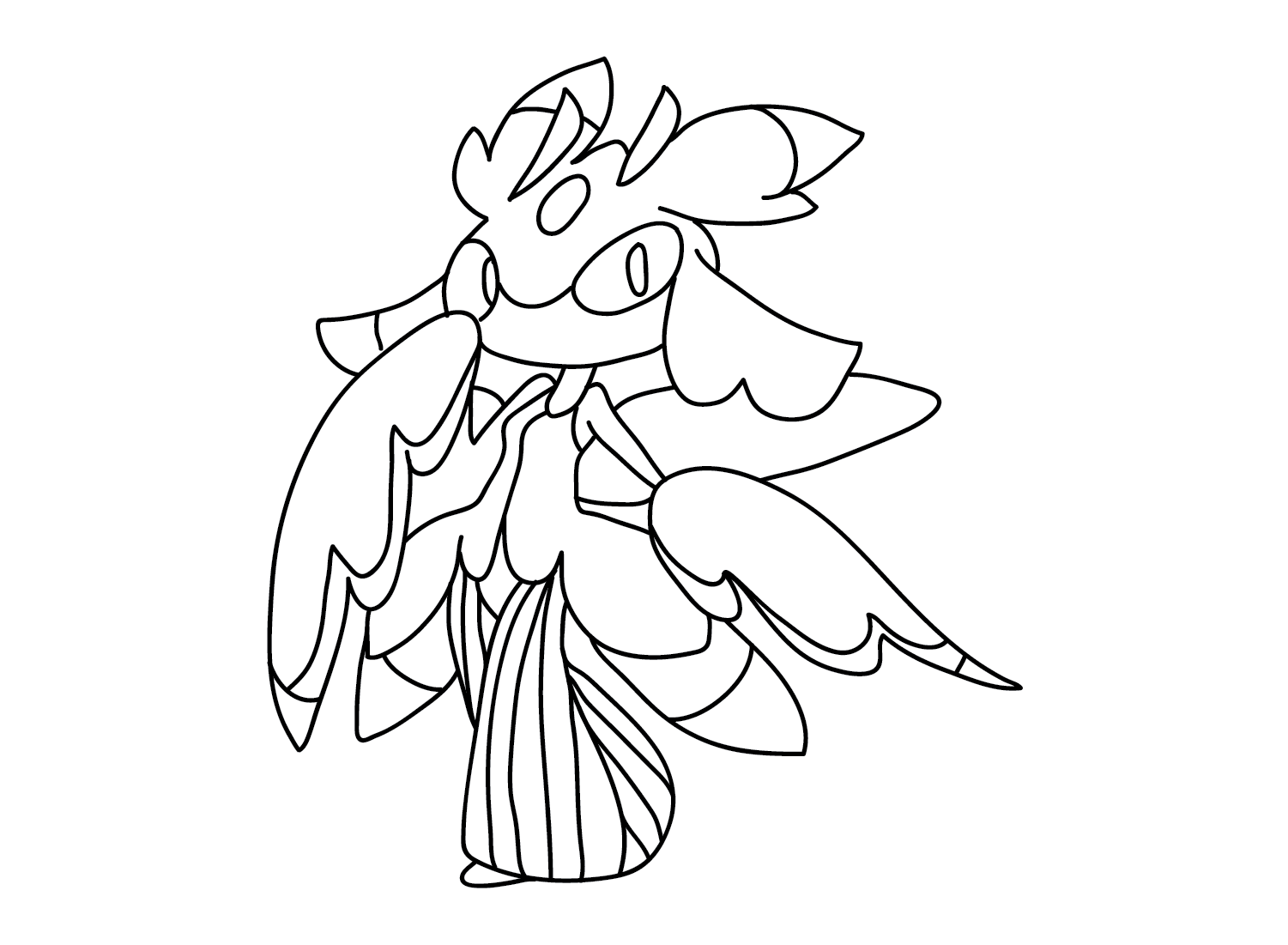
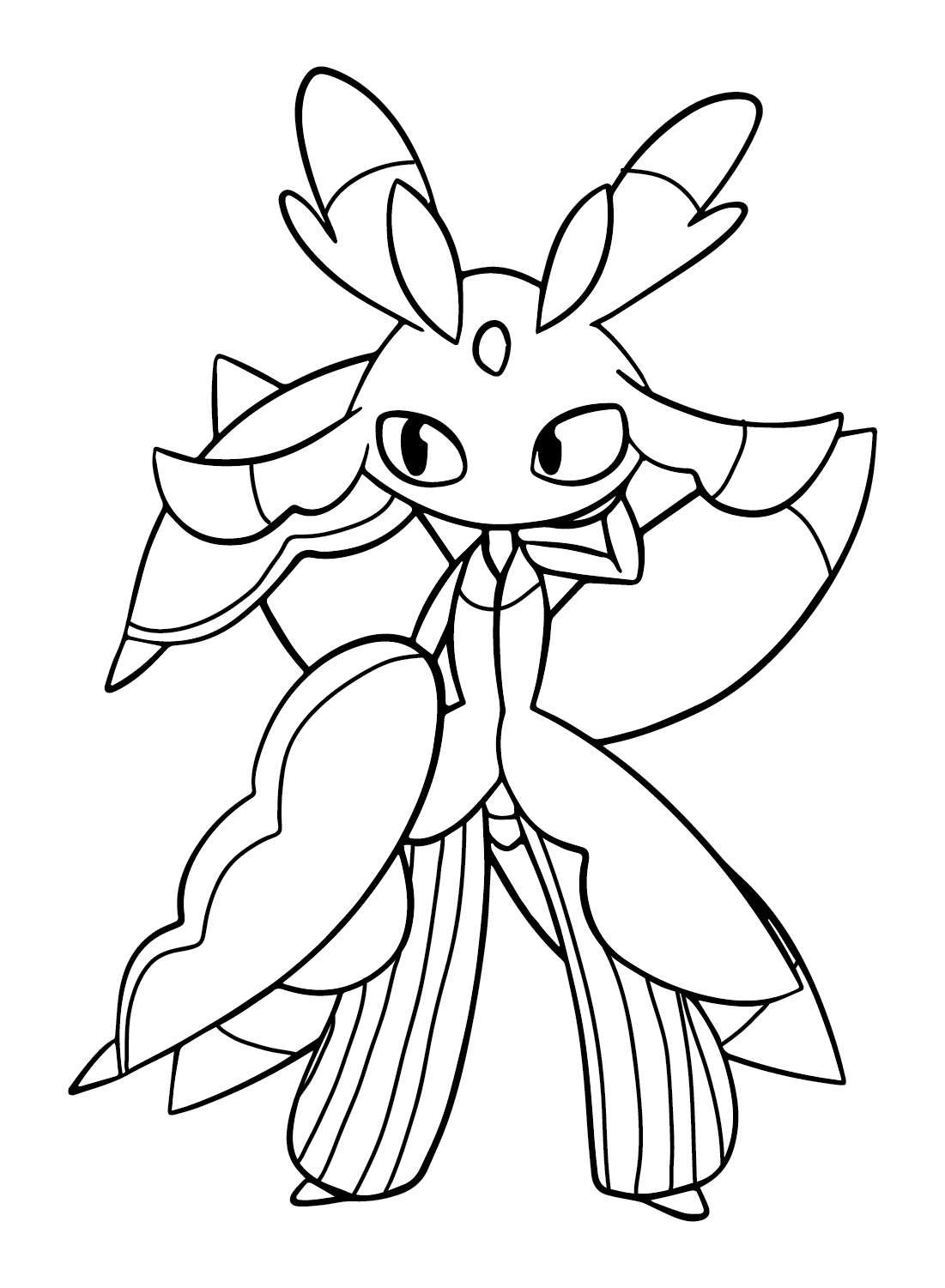
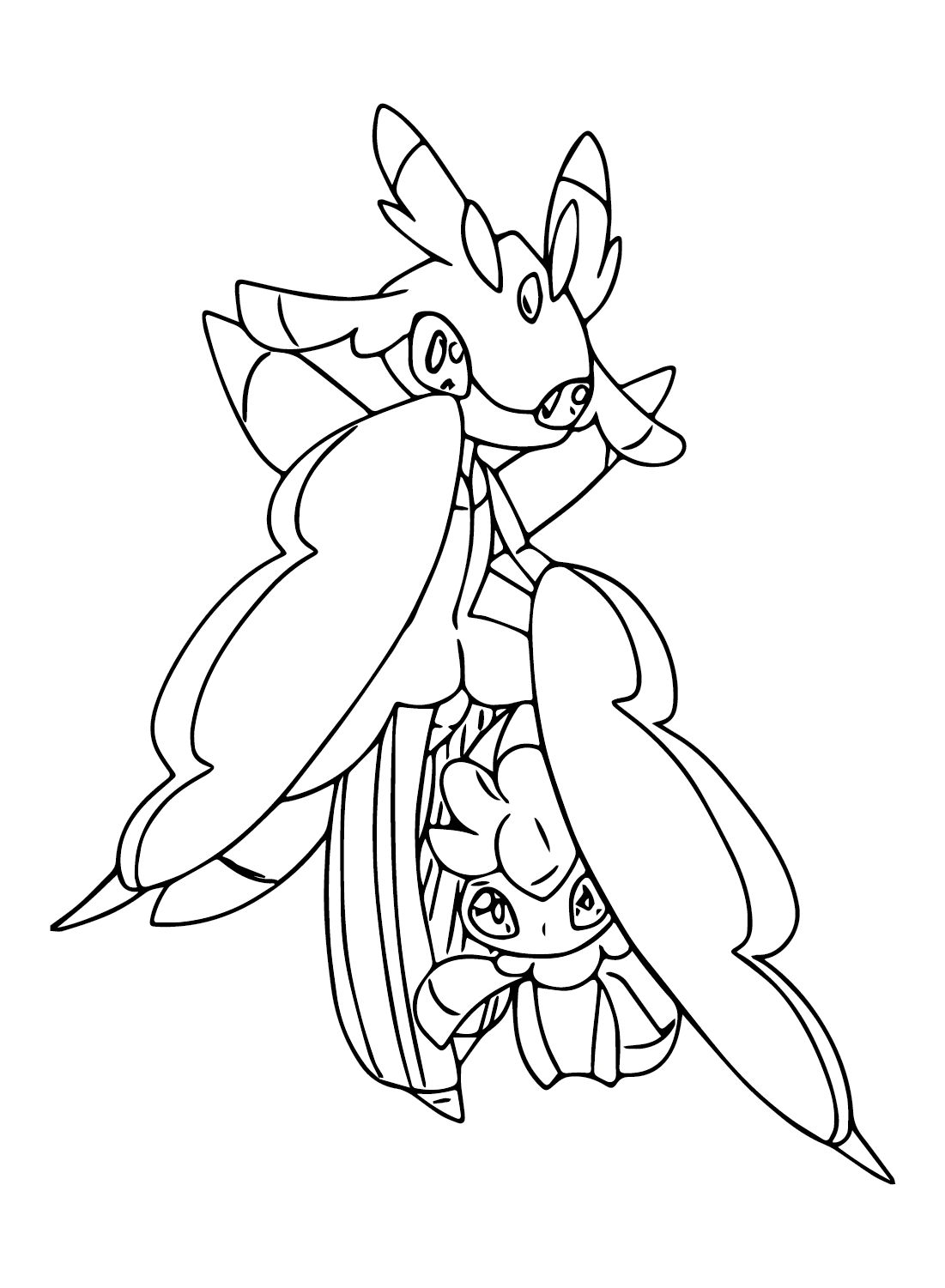
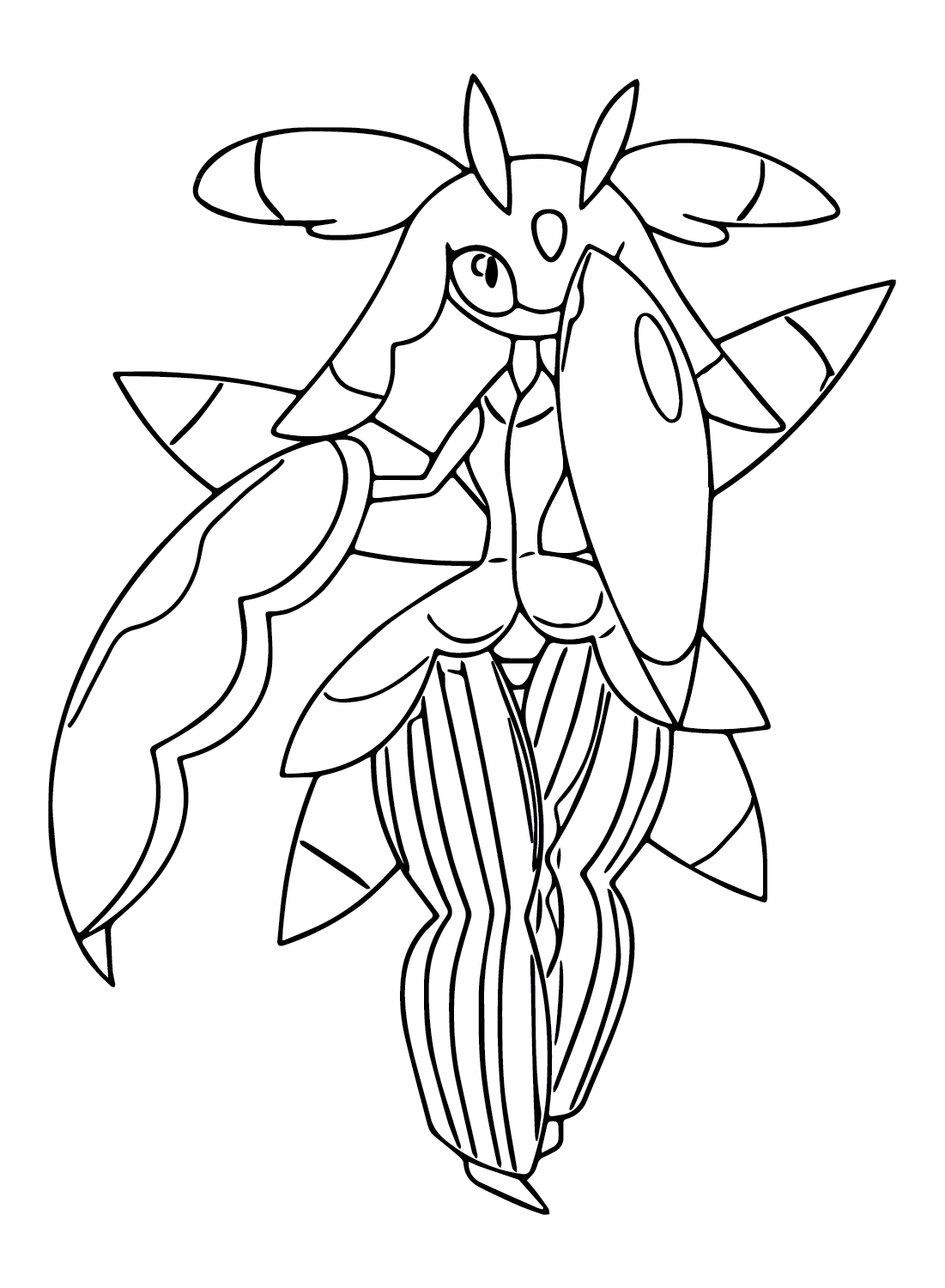
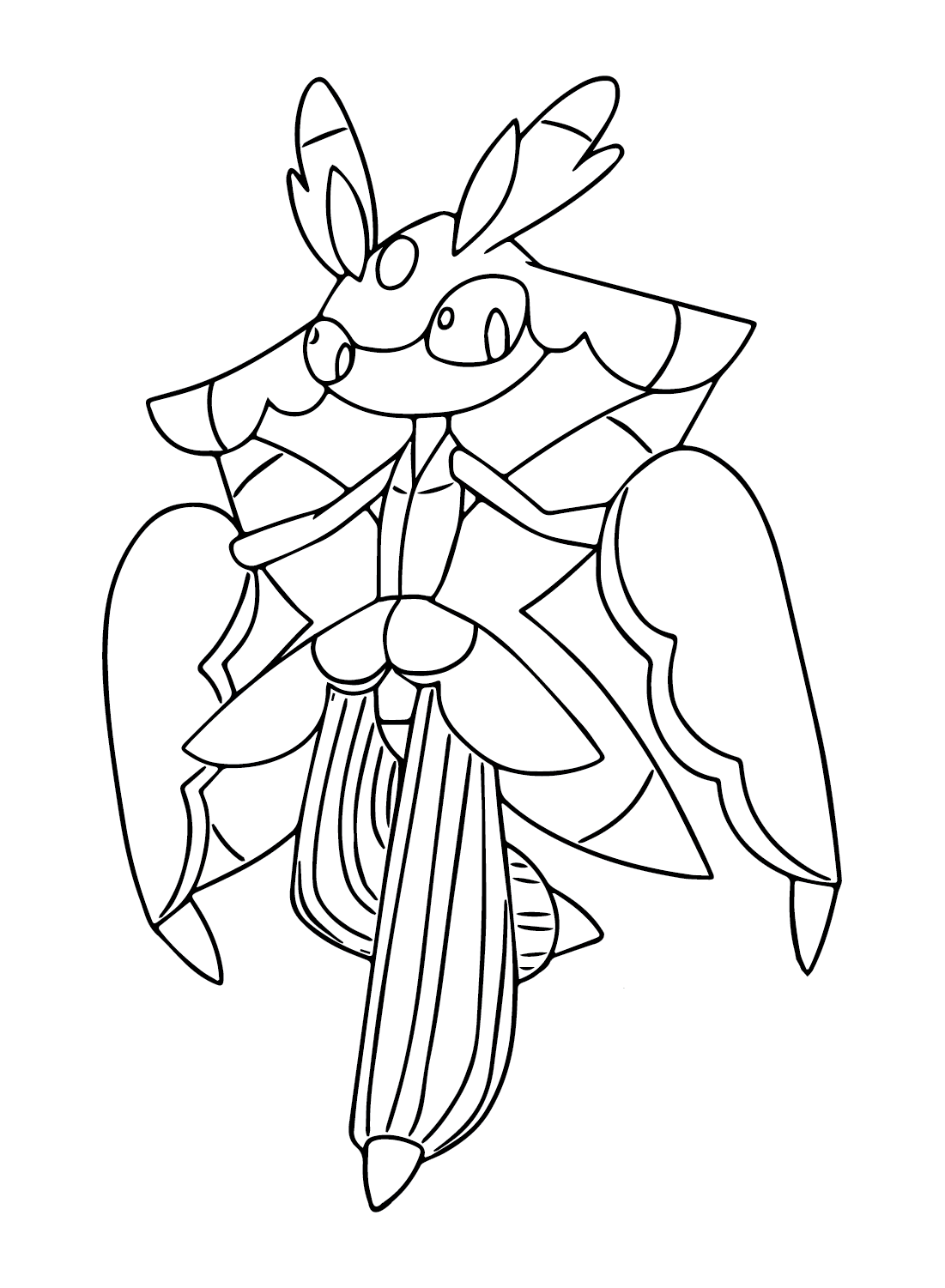
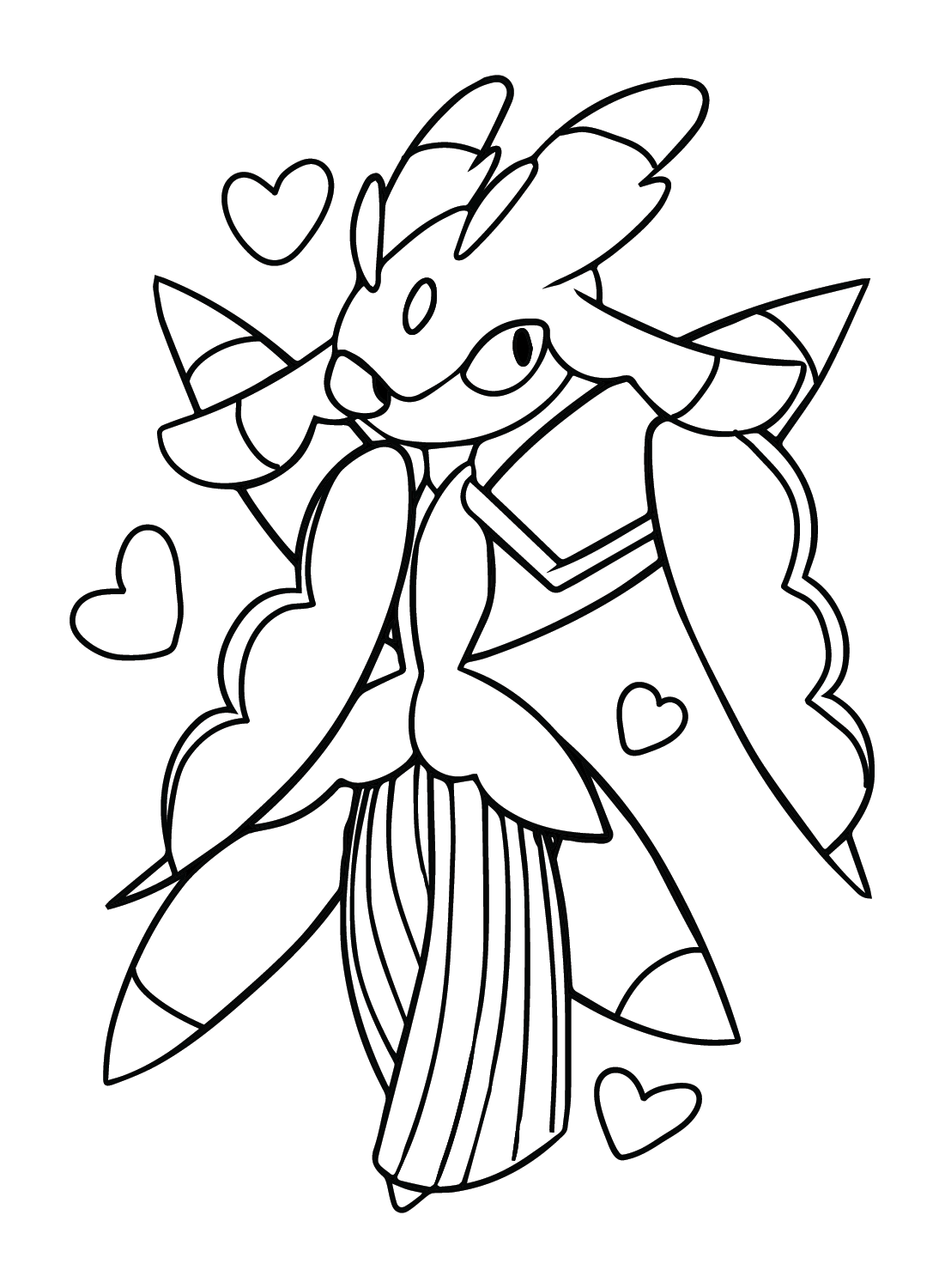
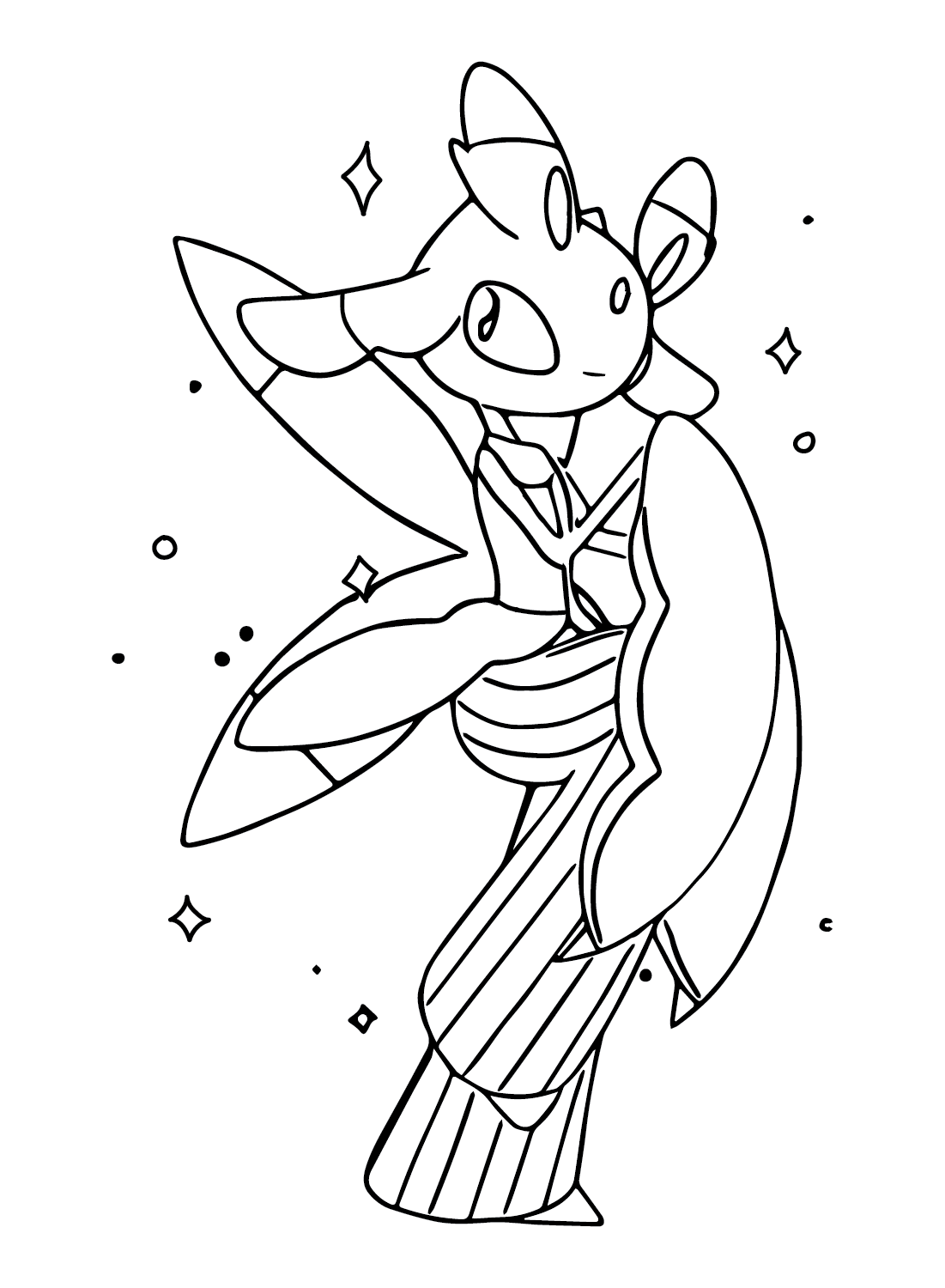
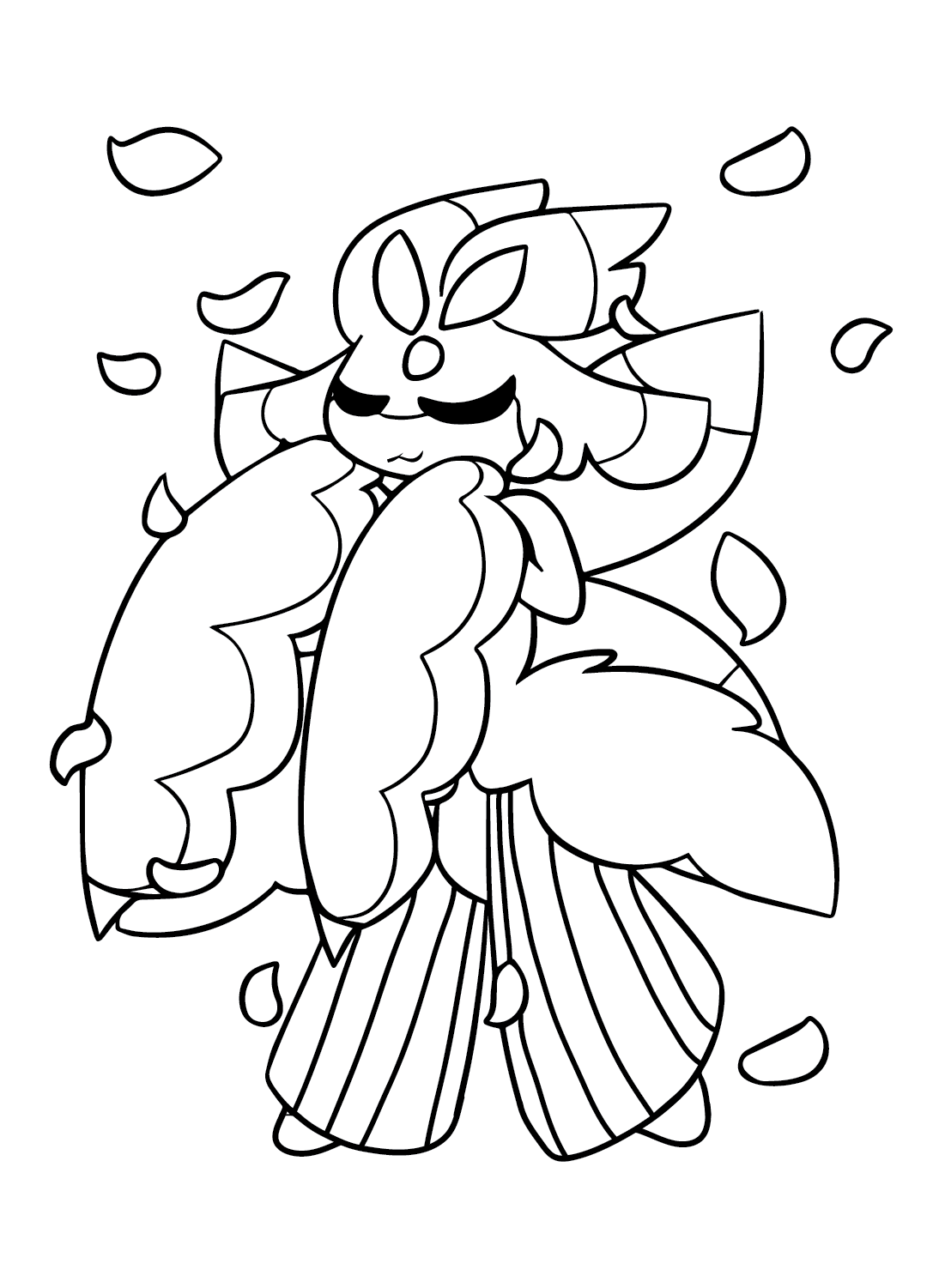
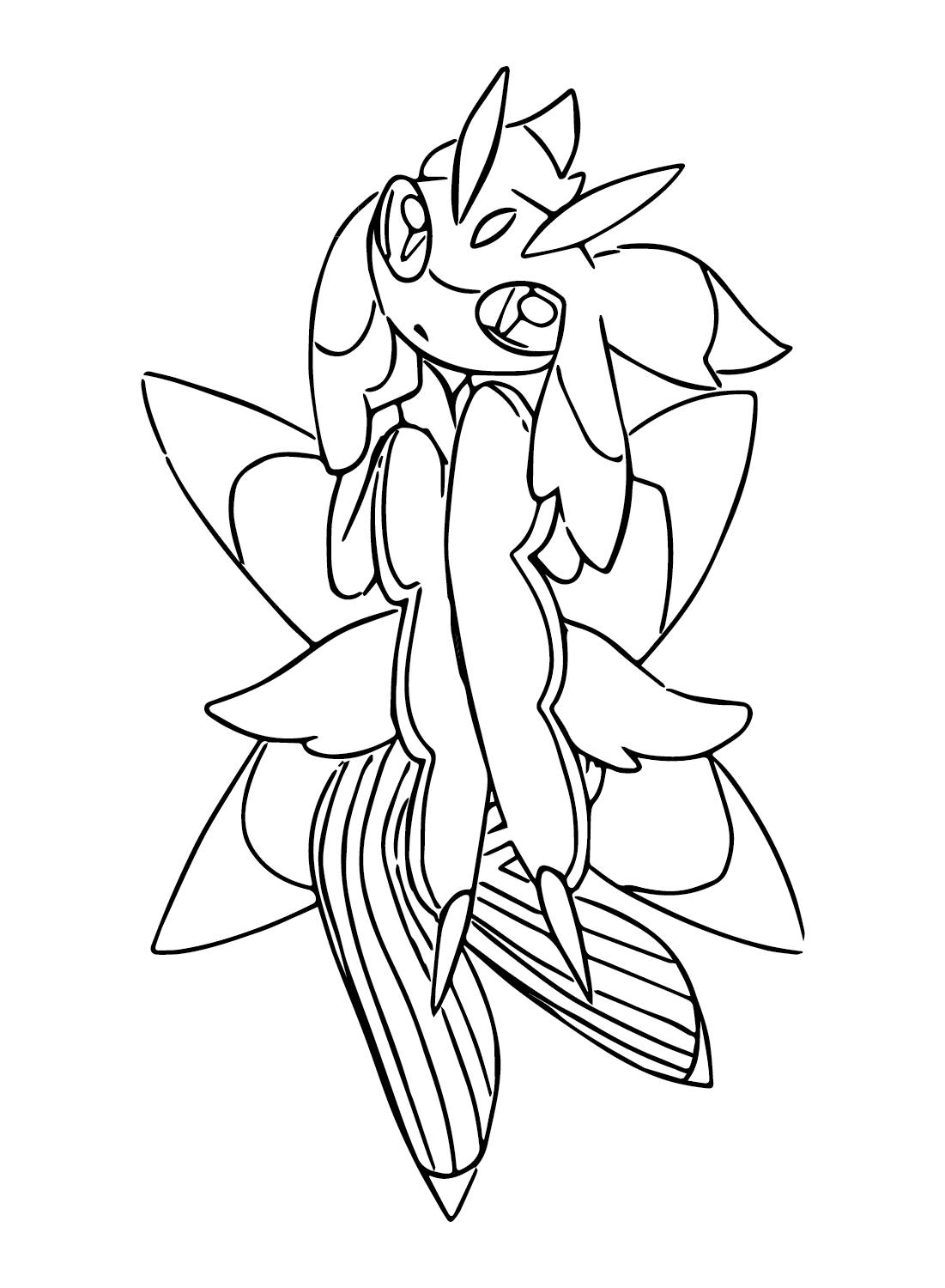
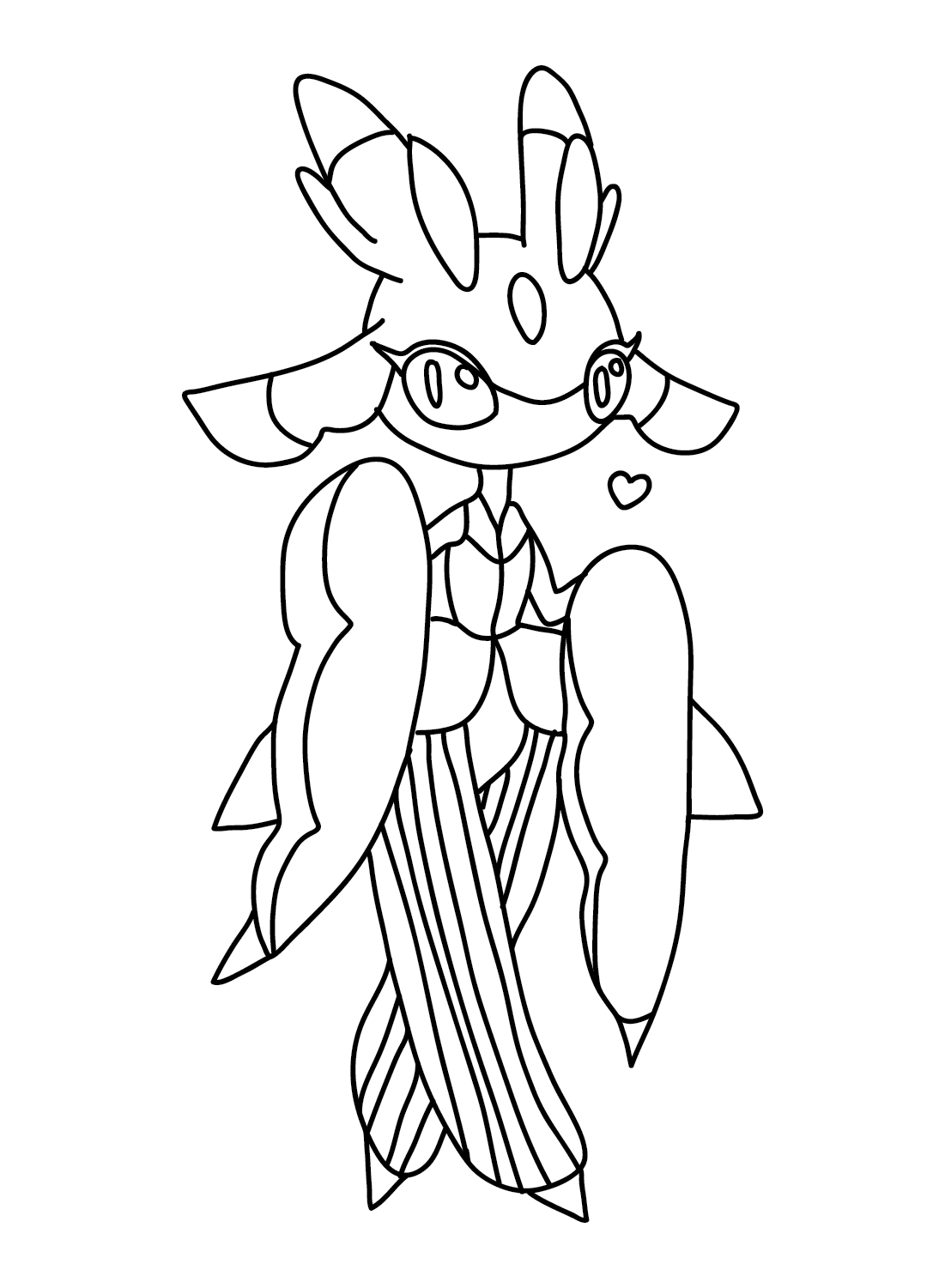
Nearly all 23 pages are solo Lurantis portraits distinguished mostly by file name, with one page adding Mallow and one showing a battle pose. Since Lurantis’s design stays fixed across the set, the real coloring decisions come down to its pink, white, and green color scheme and those signature red scythe-arms.
What Is Inside This Collection
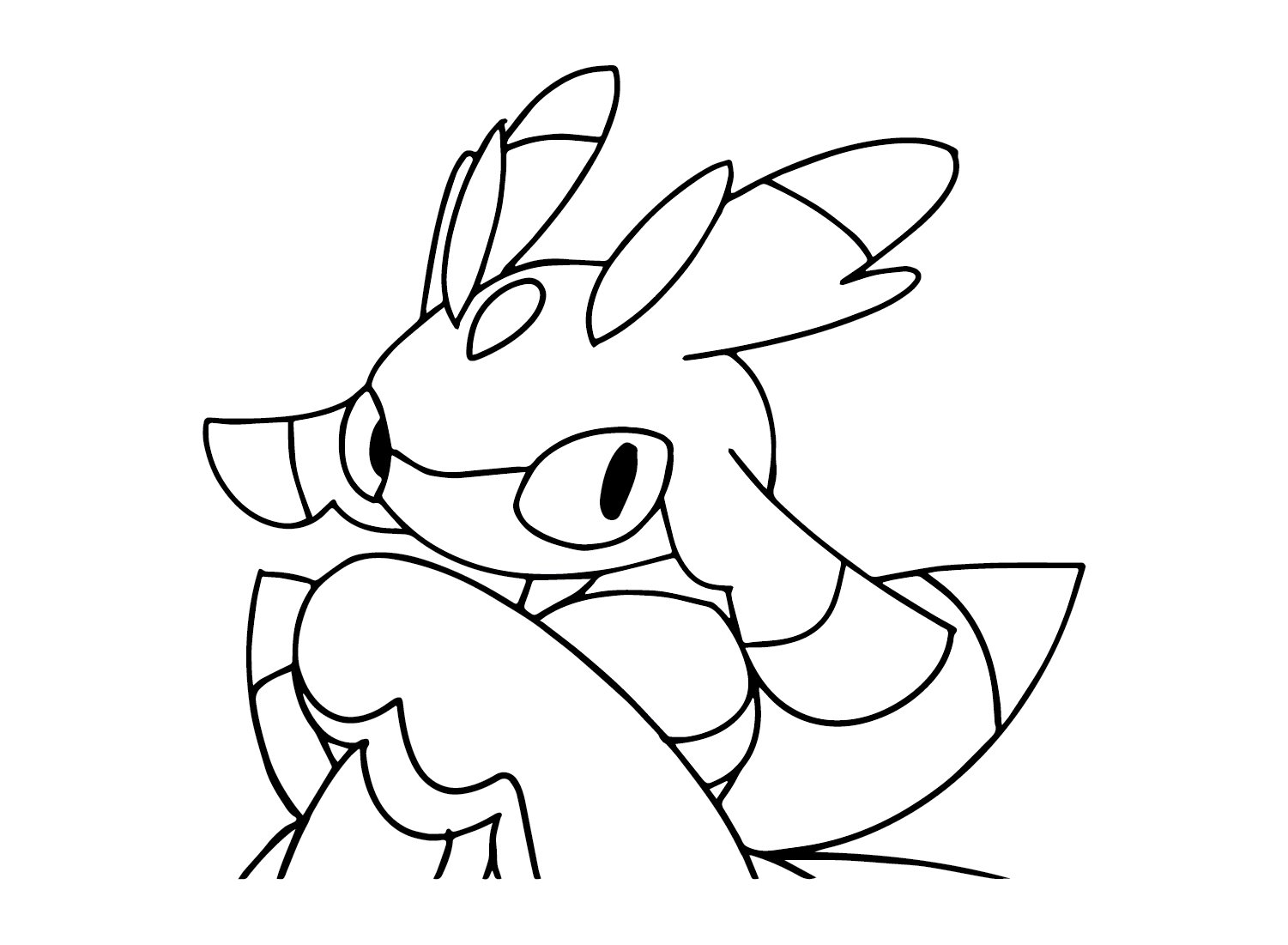
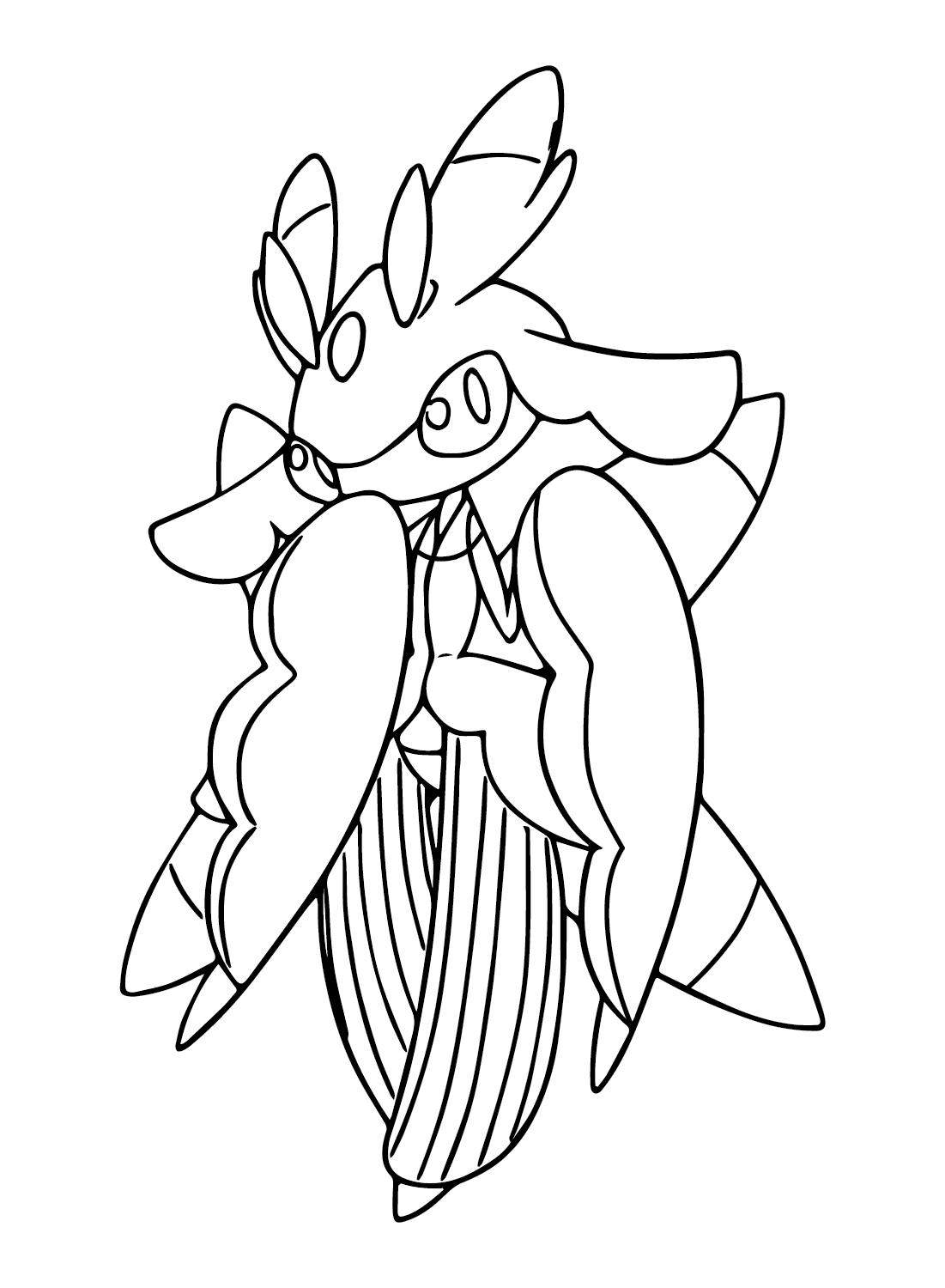
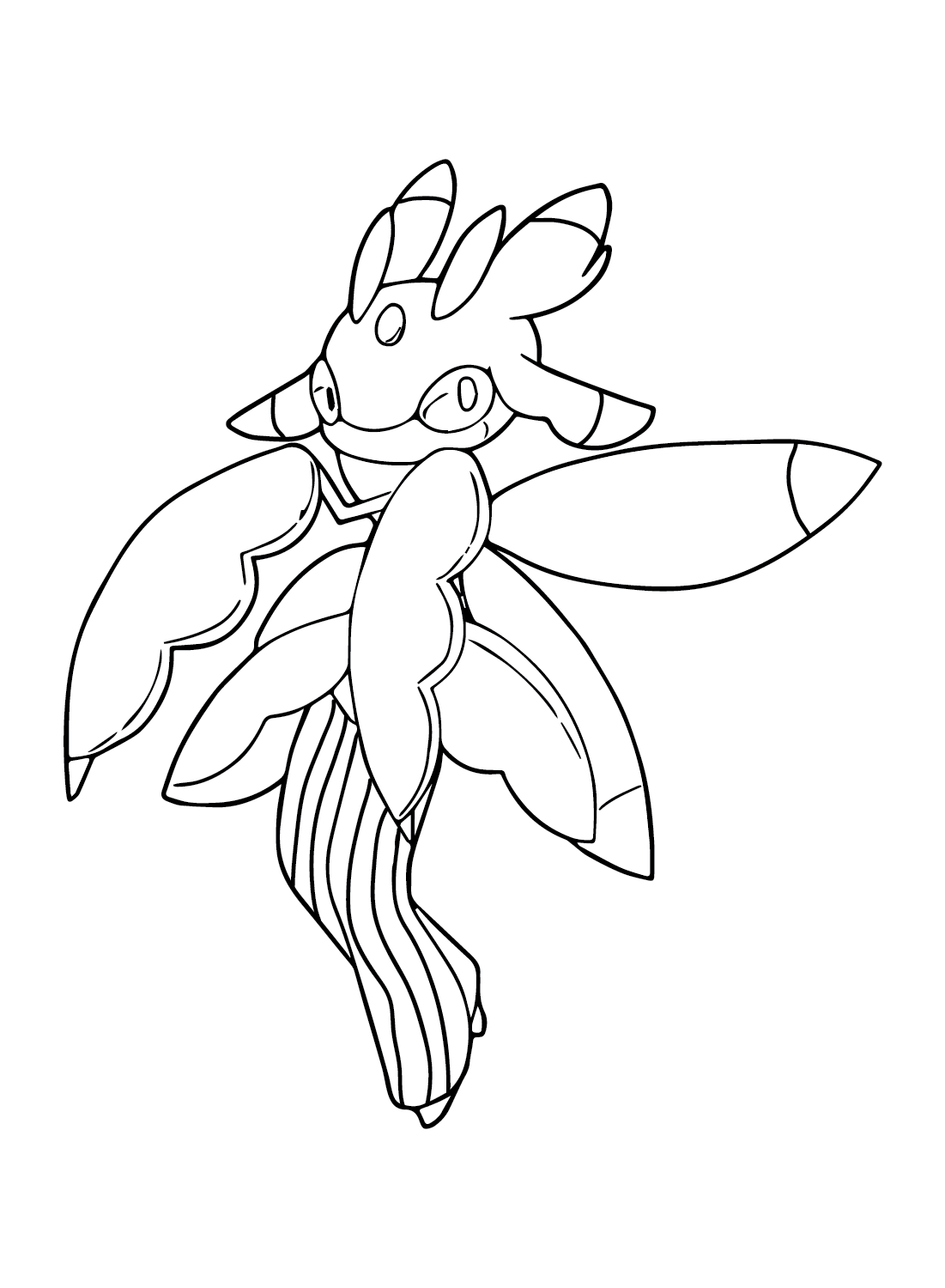
This is a small, heavily solo-portrait set: 23 pages, and all but two of them show Lurantis on its own.
Solo Lurantis Portraits
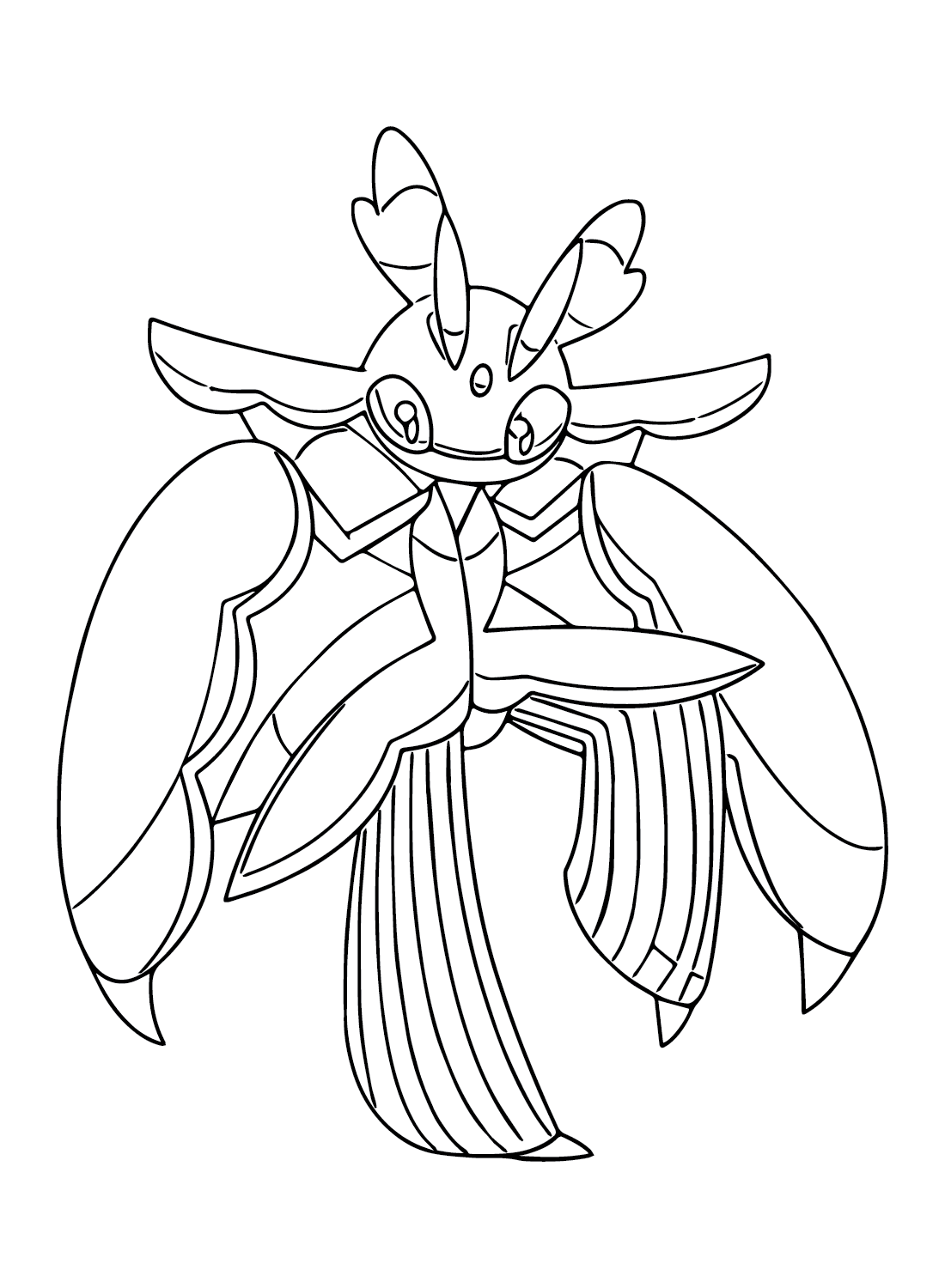
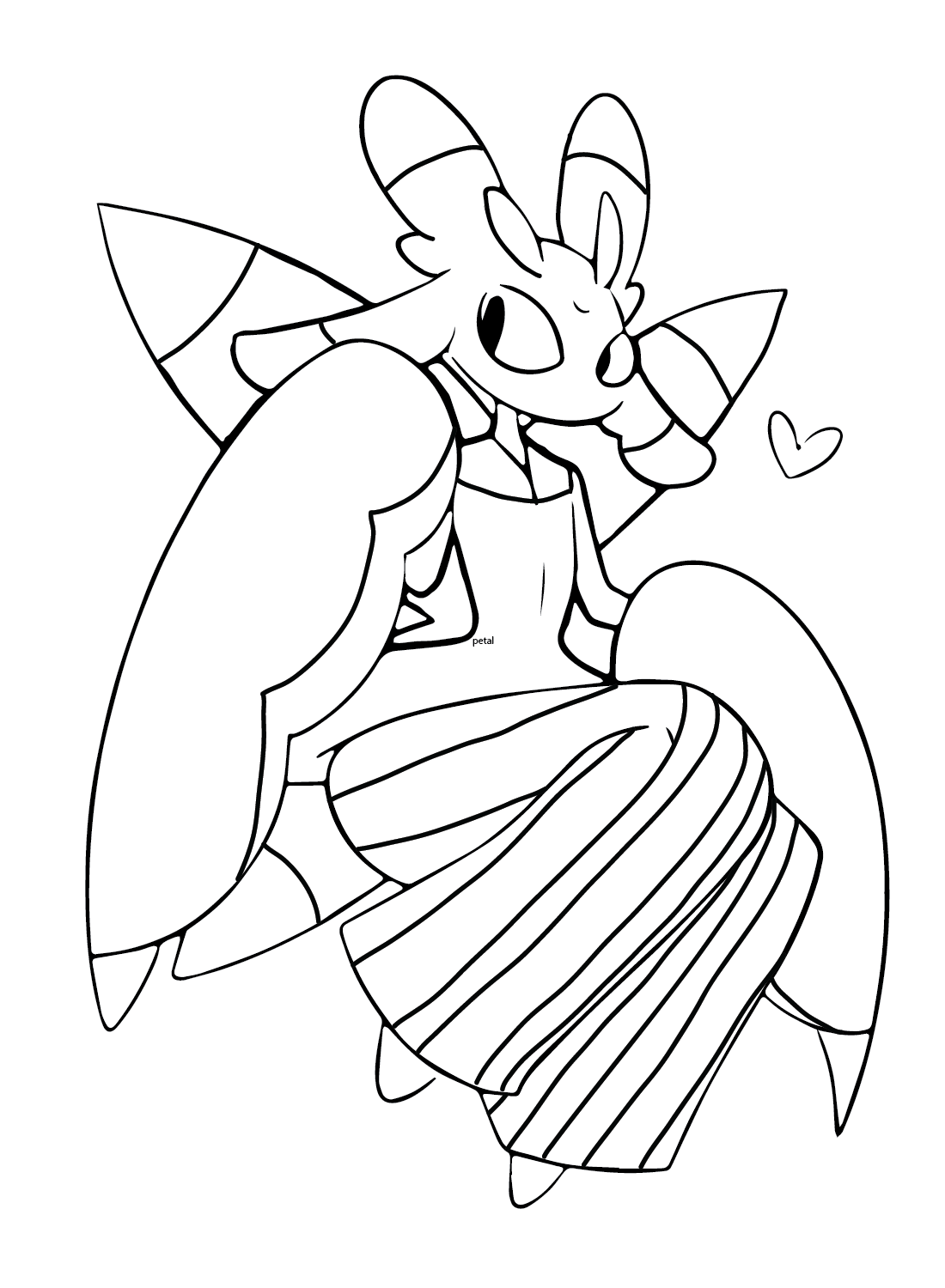
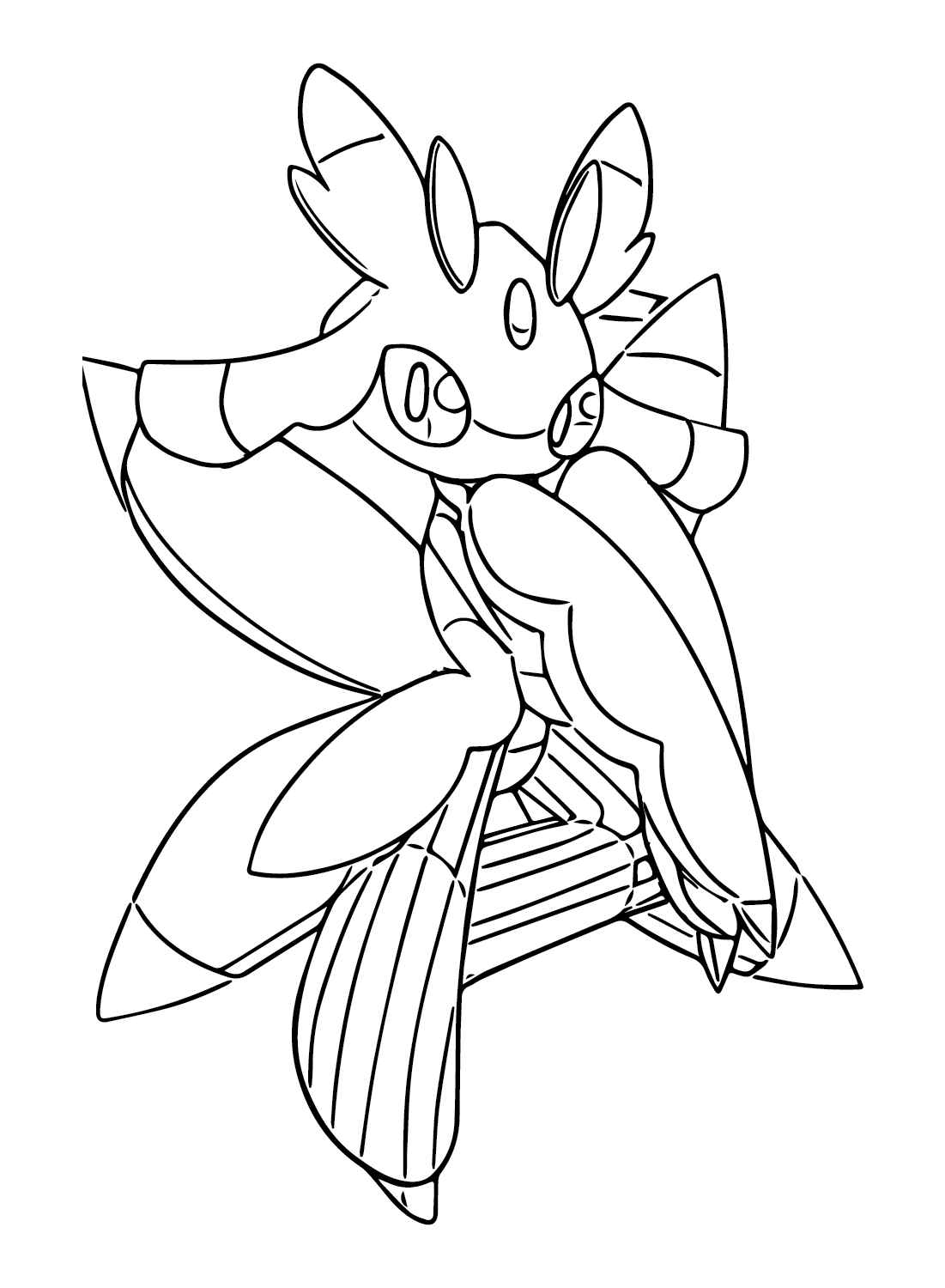
The overwhelming majority of this collection is Lurantis alone, repeated across many pages under different file names rather than genuinely different poses or scenes. Coloring suggestion: keep the pink-and-white head, green antennae, and red scythe-arms consistent across every portrait, and use the repetition to practice smooth, even color blending on the same shape rather than treating each page as a new design.
With Mallow
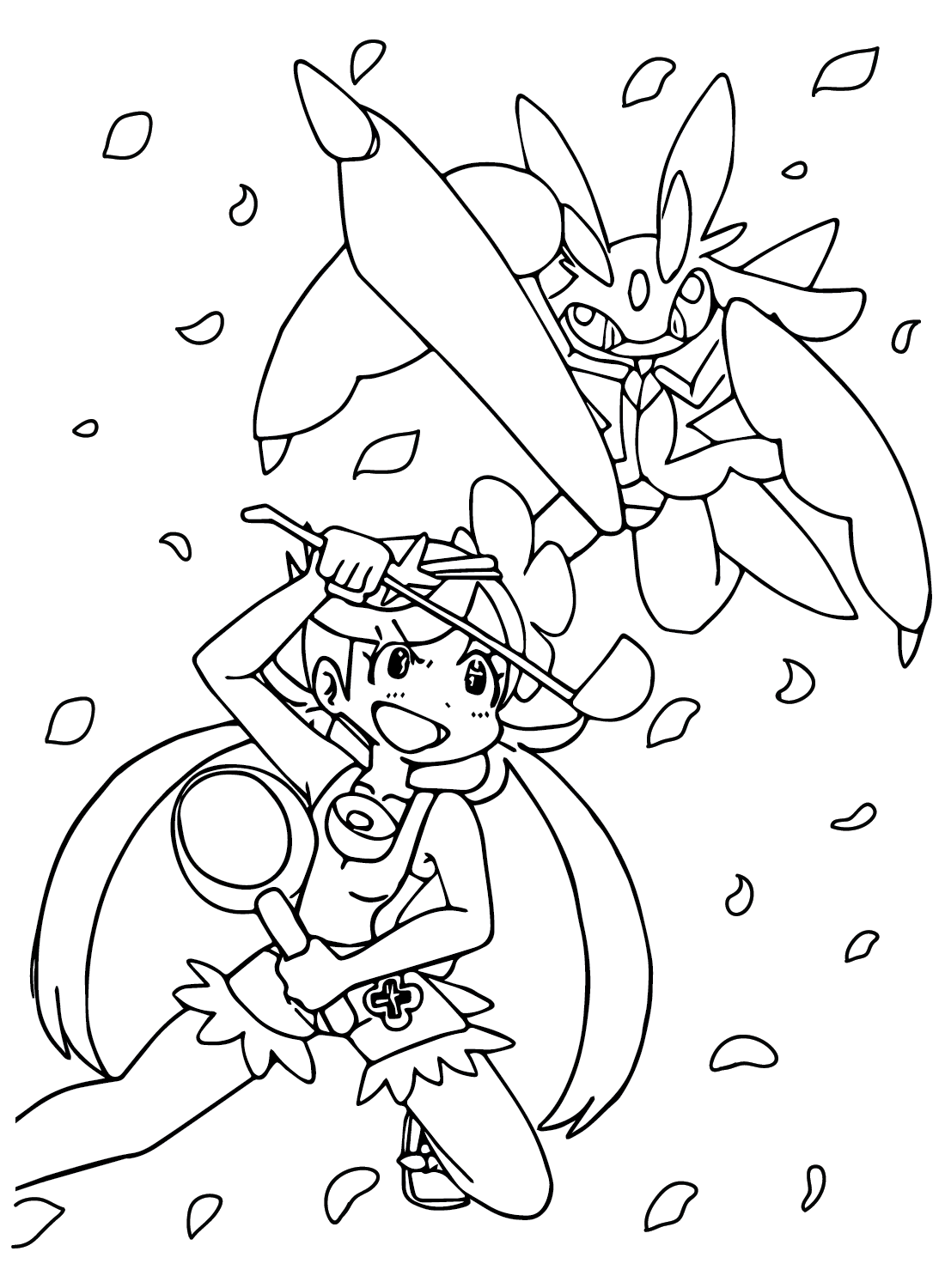
One page pairs Lurantis with Mallow, the Alola region’s Grass-type trial captain and its Trainer in the games. Coloring suggestion: give Mallow’s own green-and-white outfit a slightly different green than Lurantis’s body so the two don’t visually blend into one shape.
Battle Pose
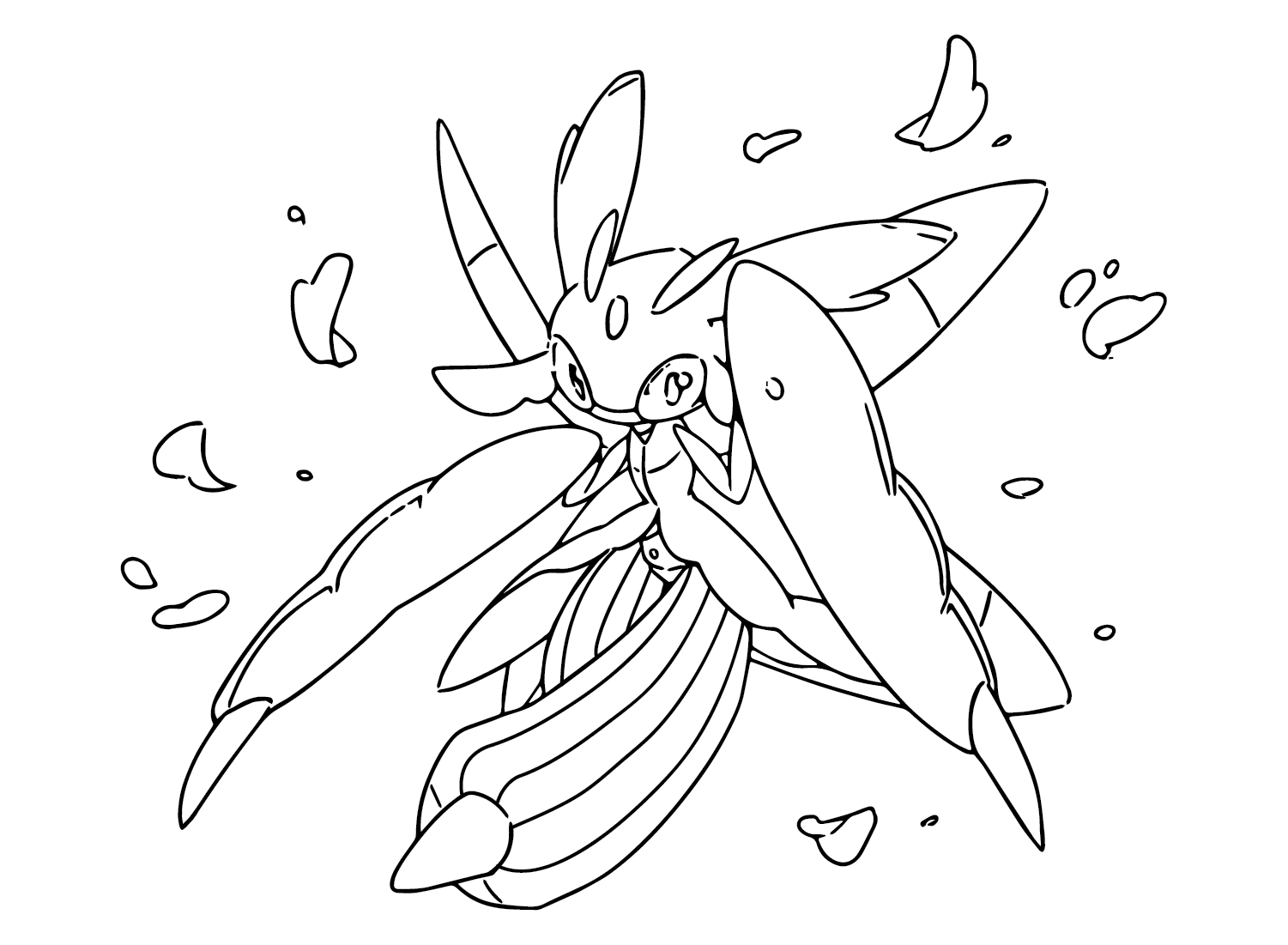
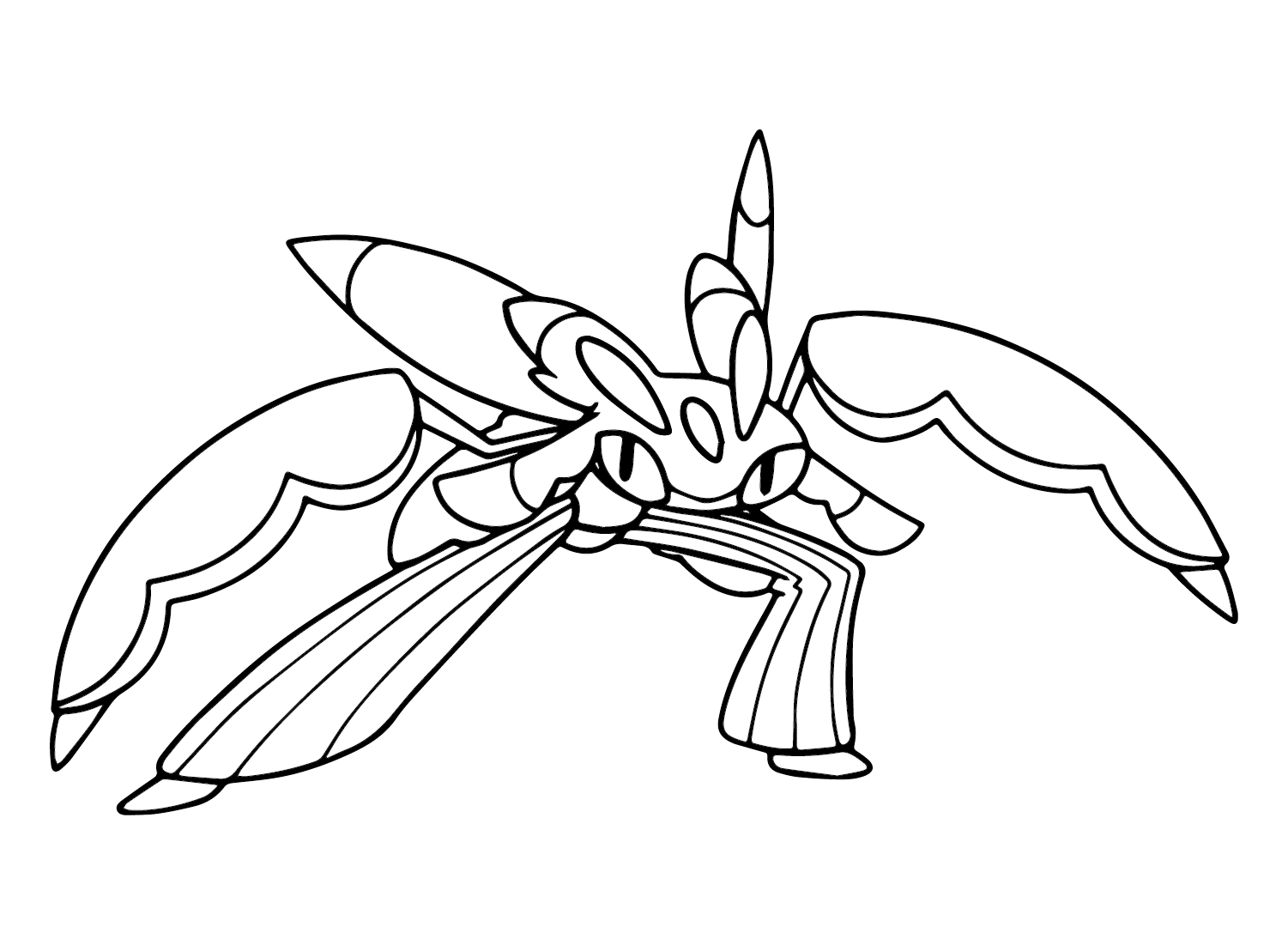
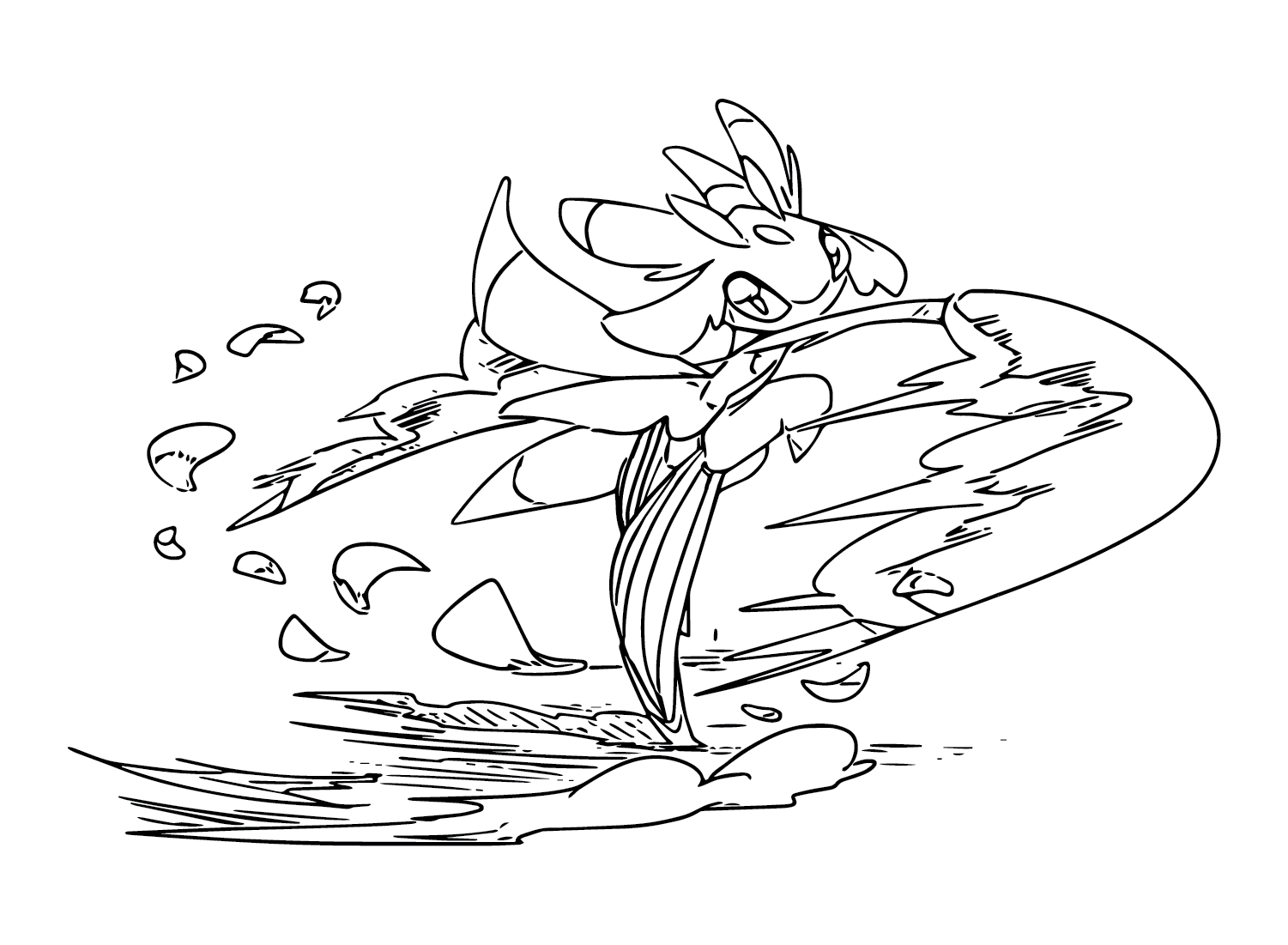
A single page shows Lurantis in an active attack stance rather than a calm standing pose. Coloring suggestion: add a bit of dynamic shading, a darker green along the motion side of the pose, to give this one page more visual energy than the static portraits elsewhere in the set.
What Lurantis Coloring Pages Do
Precision around a curved, tapered edge. Lurantis’s curved, tapered scythe-arms ask for careful control around a narrow, pointed shape, a different kind of precision than a straight edge or a rounded body offers, the sort of fine motor challenge the American Academy of Pediatrics ties to structured coloring in children ages two through seven.
A Pokémon built around patience. In the games, Lurantis trusts a Trainer who puts in consistent care and struggles to bond with a lazy one. This collection rewards a similar kind of patience, since getting its color scheme right takes more attention on the tenth portrait than it might have on the first.
Care is reflected in the finish. The Pokédex ties Lurantis’s brilliant coloring directly to how well a Trainer cares for it, and there’s a loose parallel in the coloring itself: a carefully finished page reflects the same unhurried attention that a 2005 Art Therapy Journal study linked to reduced anxiety in adults working through structured designs.
Repetition is the actual skill-builder here. With so many pages showing the same basic figure, this set works less like a typical variety-driven collection and more like focused practice at one specific color scheme, useful for a child working on getting a single character’s proportions and colors right through repeated attempts rather than novelty.
How to Color Lurantis Pages Well
- Head and face: Use a soft Crayola Pink for the top half of the head and a clean White for the bottom half, keeping the two-tone split crisp rather than blended.
- Scythe-arms: color the curved claws a bold Crayola Red with a thin White edge along the bottom rim, since this is Lurantis’s most identifiable feature.
- Body and legs: Use a lighter pink for the skirt-like waist extensions and a Crayola Green for the abdomen, neck, and antennae, keeping green reserved for those specific areas only.
- Eyes: a light red or coral works well for the eyes, slightly different from the scythe-arm red, so the face doesn’t blend into the claws.
- Mallow’s page: give Mallow a distinct green from Lurantis’s own, since the two share a color family and need clear separation to read well together.
- Battle pose page: add directional shading, slightly darker tones on the side the pose is leaning toward, to suggest motion that the calmer solo portraits don’t need.
5 Creative Craft Ideas With Lurantis Coloring Pages
1. Evolution Line Poster
Color a Lurantis page, then draw or print a simple Fomantis sketch beside it to show the full evolution line on one poster.
2. Trainer and Partner Card Pair
Color the Mallow-and-Lurantis page and a solo portrait side by side to make a matched Trainer-and-partner card set.
3. Solar Blade Action Scene
Color the battle pose page and add hand-drawn light rays or motion lines around the scythe-arms to illustrate its signature move.
4. Color Scheme Practice Sheet
Use three or four of the repeated solo portraits to try slightly different pink-and-green shade combinations, then compare which looks best.
5. Bloom Sickle Bookmark
Color a solo Lurantis page, cut it into a bookmark shape, and cover it with clear tape for a durable Pokémon-themed reading marker.
Frequently Asked Questions
What are Lurantis coloring pages?
A free set of 23 printable designs of the Grass-type Pokémon Lurantis, mostly shown alone, with one page featuring its Trainer, Mallow. Every page downloads as a PDF or opens in the online coloring tool without an account.
What kind of Pokémon is Lurantis?
Lurantis is a Grass-type Pokémon introduced in Generation VII’s Sun and Moon games, officially classified as the Bloom Sickle Pokémon for its sickle-shaped claws.
What does Lurantis evolve from?
Lurantis evolves from Fomantis, typically at level 34 when leveled up during the day.
Who is Mallow, and why does she appear in this collection?
Mallow is a trial captain in the Alola region whose signature Pokémon is a Totem-sized Lurantis, guarding her trial in the Lush Jungle. That connection is why she appears alongside Lurantis on one page in this set.
Why do so many pages show the same Lurantis pose?
Most of the collection uses one core portrait style with different file names rather than a wide range of scenes, with the Mallow pairing and battle pose offering the set’s main visual variety.
Can these pages be colored without printing them?
Yes. Every page in the set opens directly in the site’s browser-based coloring tool, so a page can be finished on screen before deciding whether to print it.
Are Lurantis coloring pages suitable for young children?
The solo portraits use one clear figure with a simple background, making most of the set approachable for younger children. At the same time, the battle poses’ added motion detail suits a child with a bit more coloring experience.
Does Lurantis’s color scheme change based on how it’s raised, as the Pokédex suggests?
In the games, yes: a well-cared-for Lurantis is described as having more brilliant coloring than one raised by an inattentive Trainer, though the coloring pages themselves don’t change; that detail is really about in-game care rather than the artwork.
Start Coloring
Pick a page, print it or open it on screen, no account needed either way. When it’s finished, the Facebook and Pinterest buttons at the top of the design are right there for sharing.