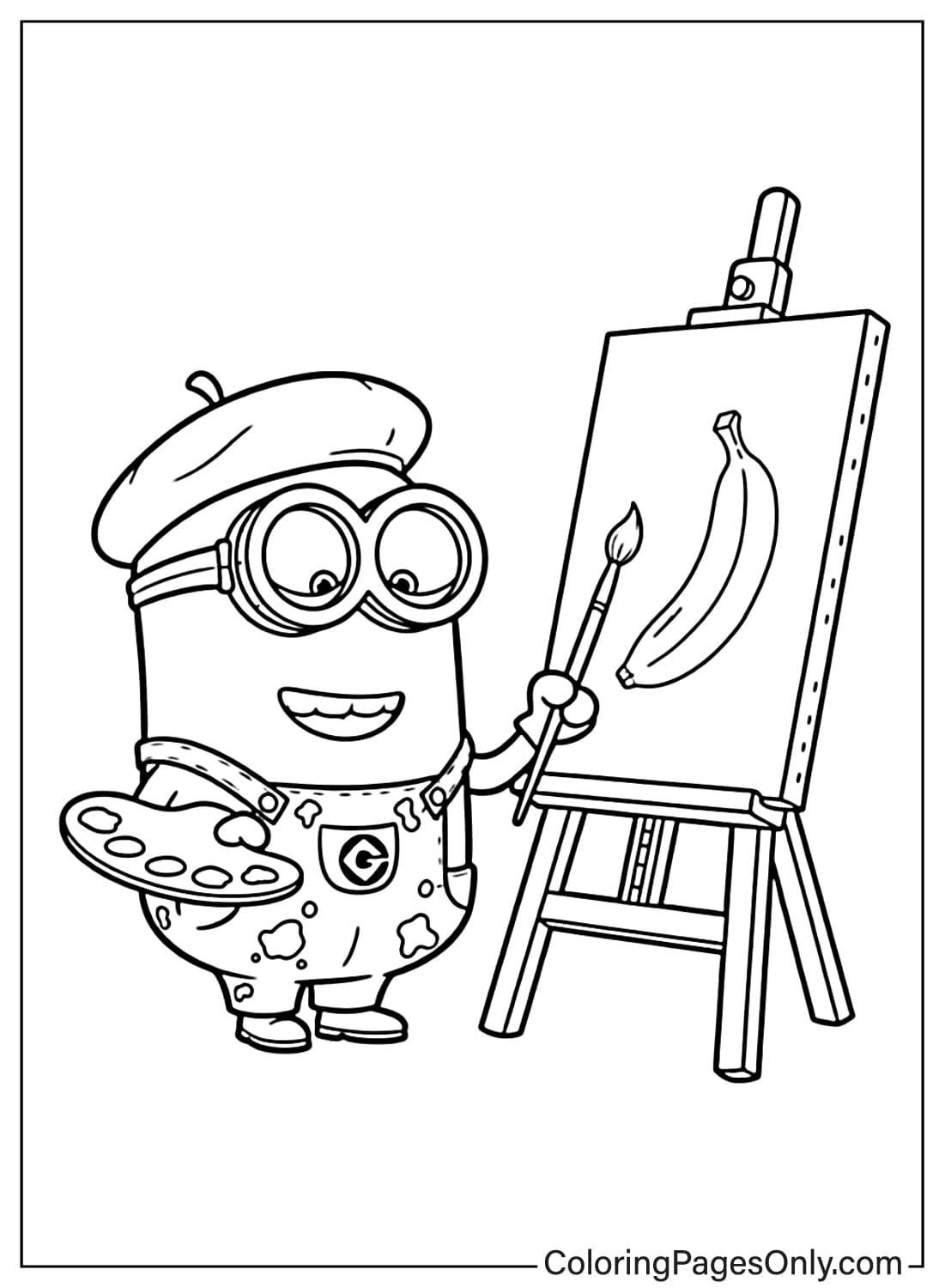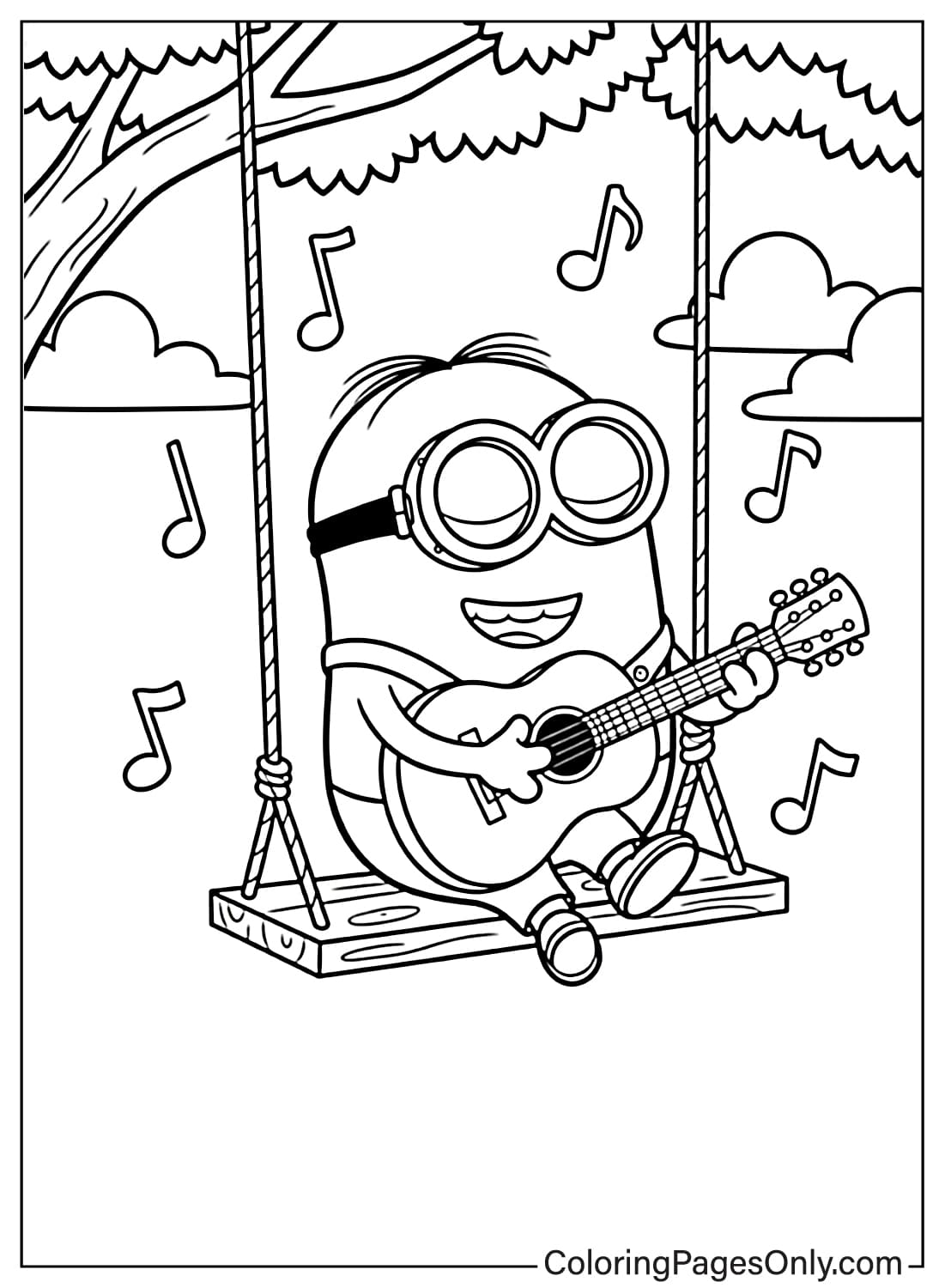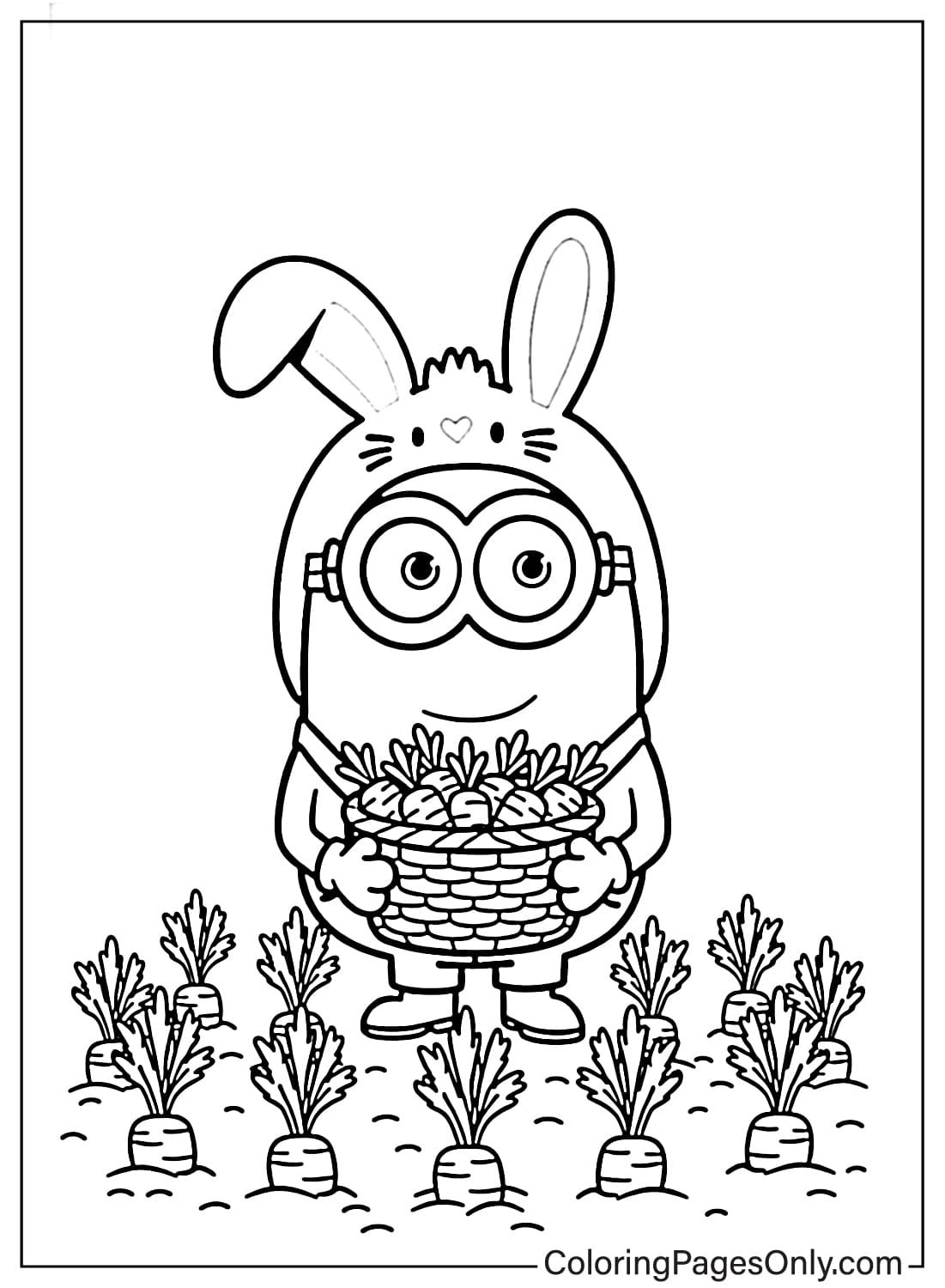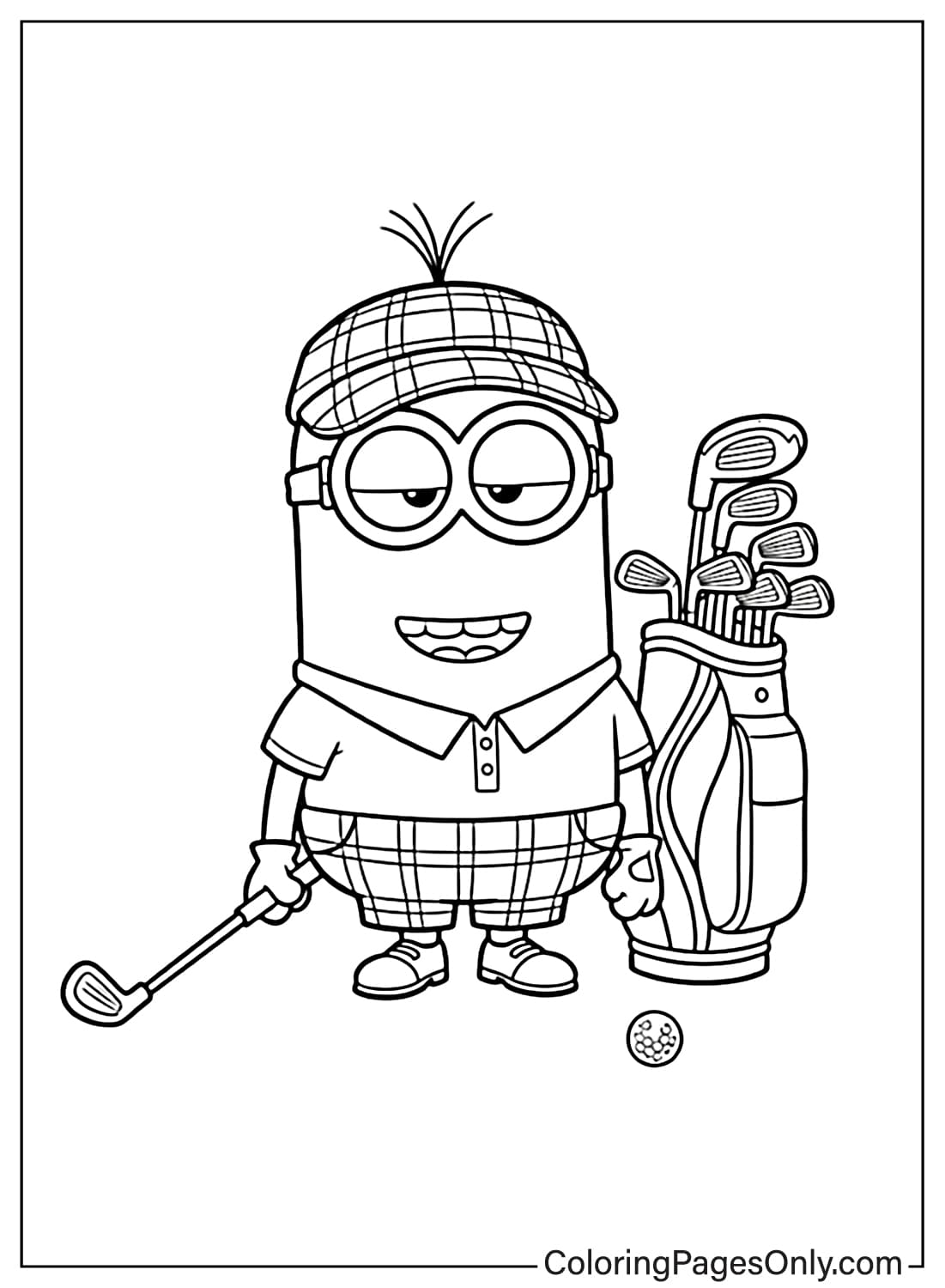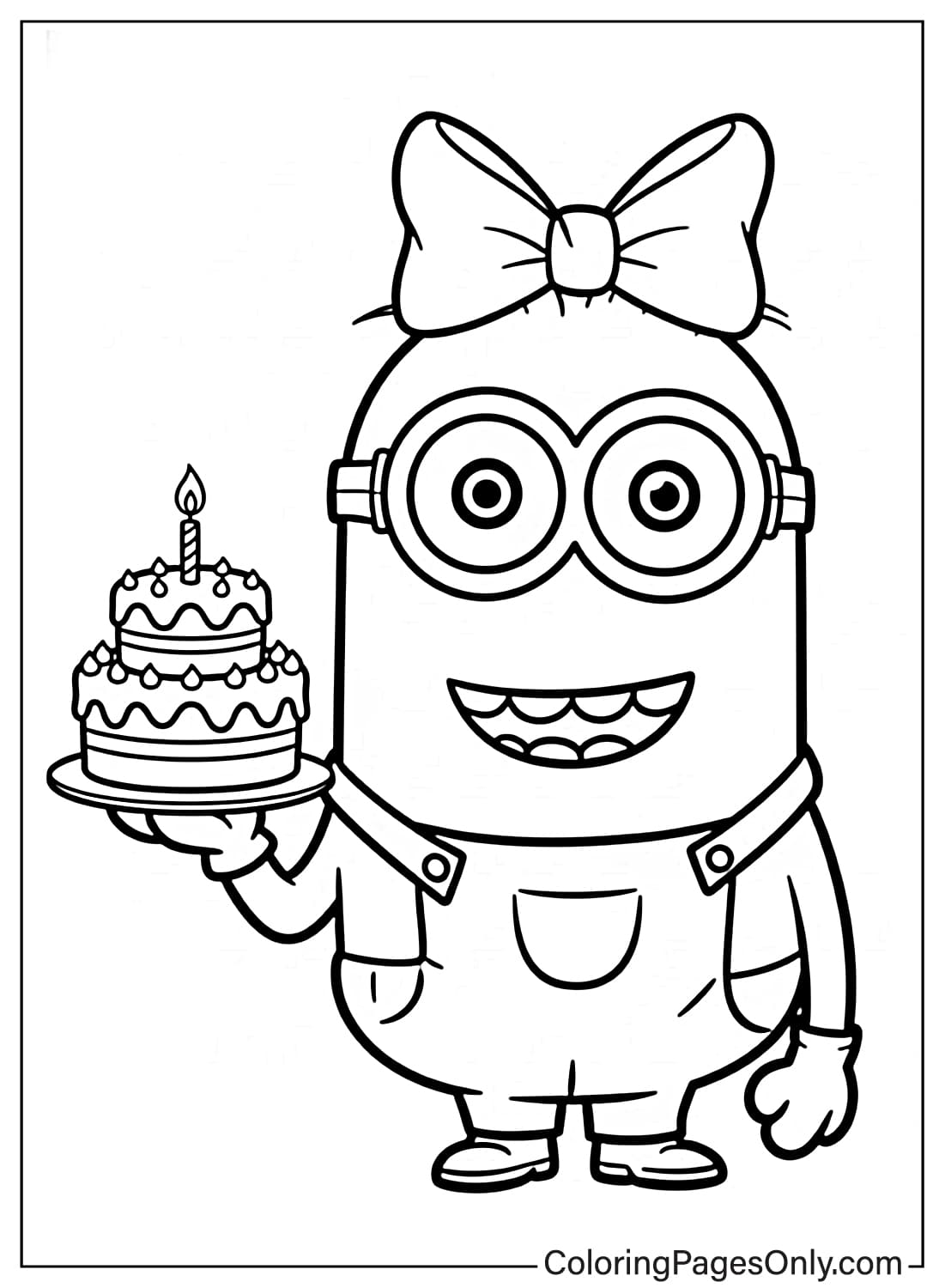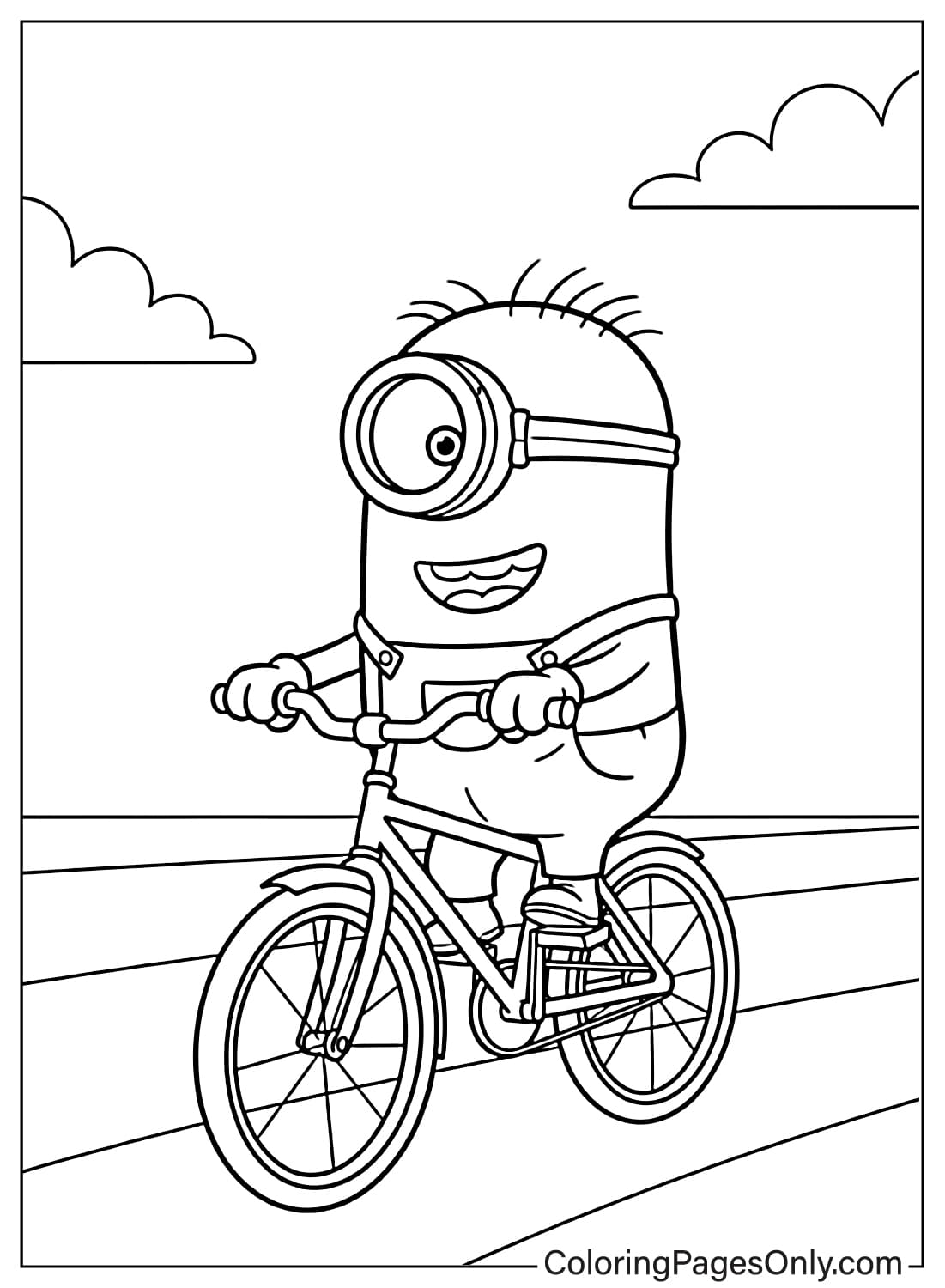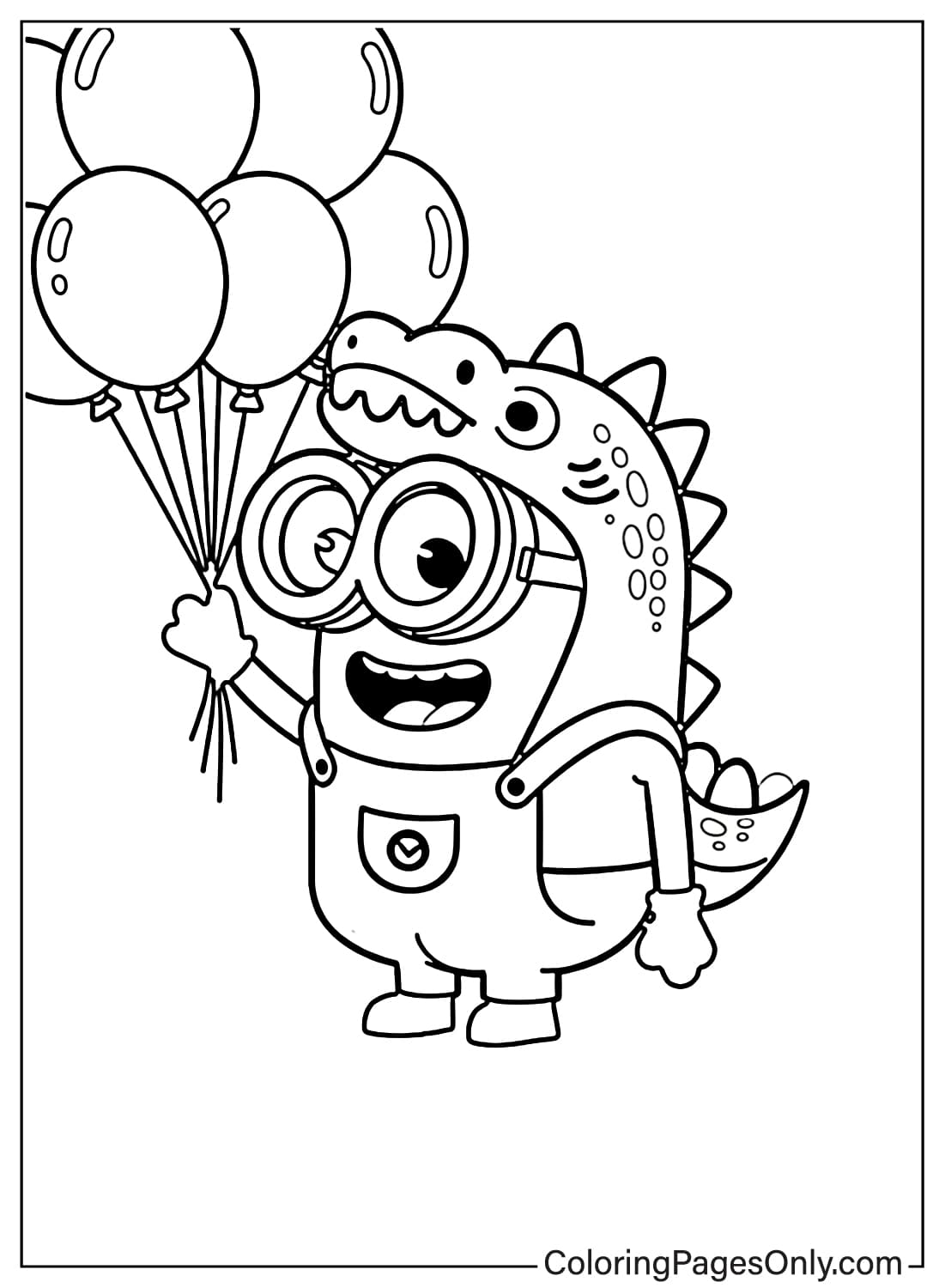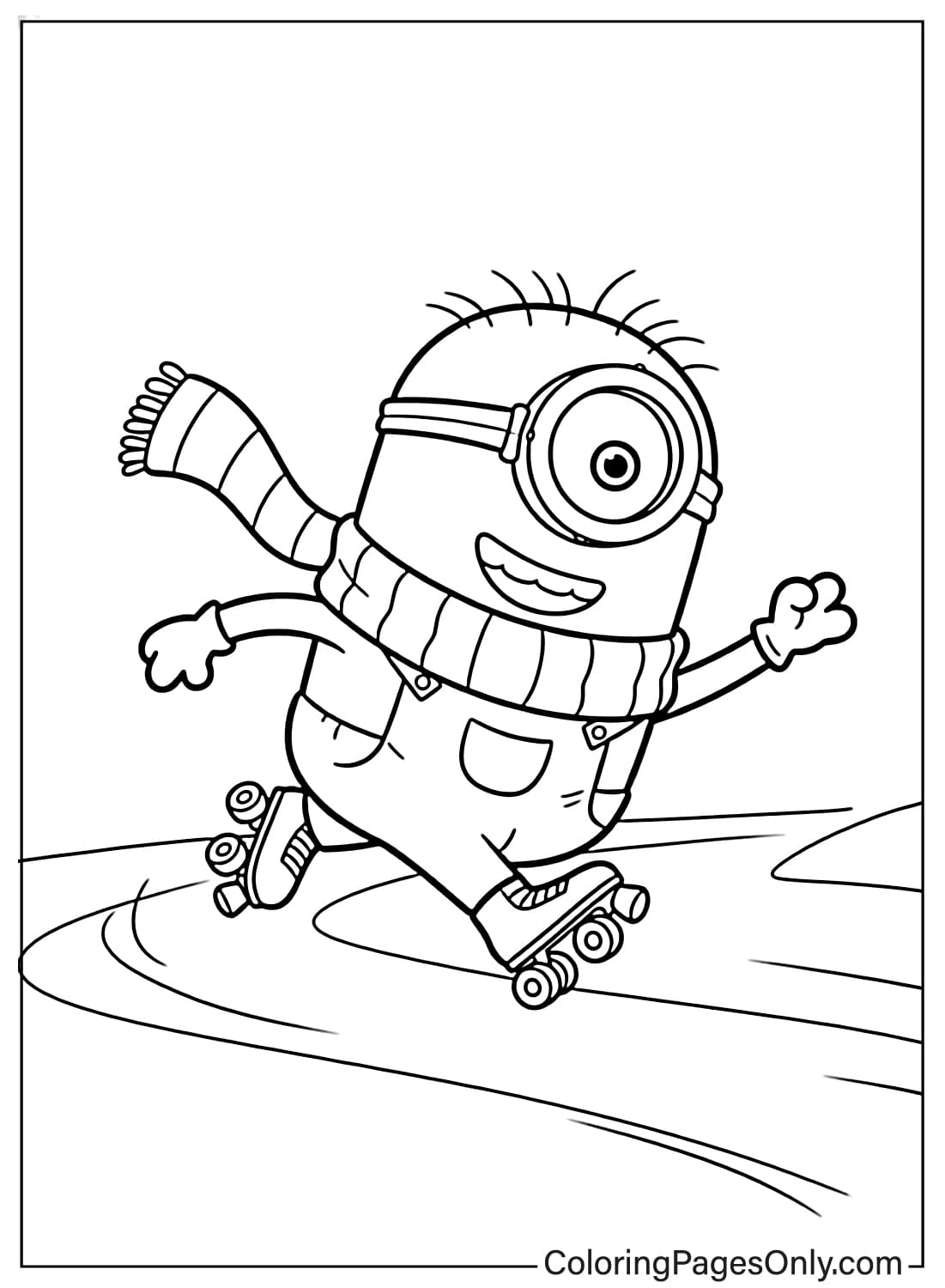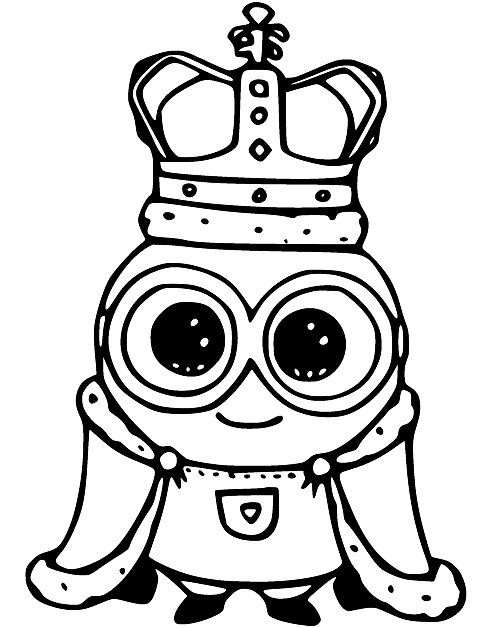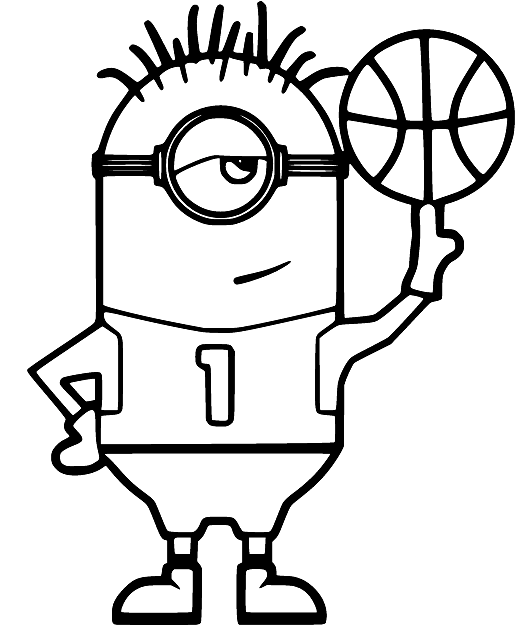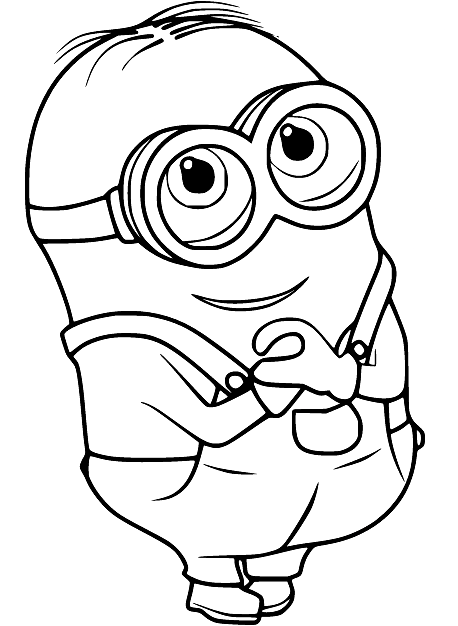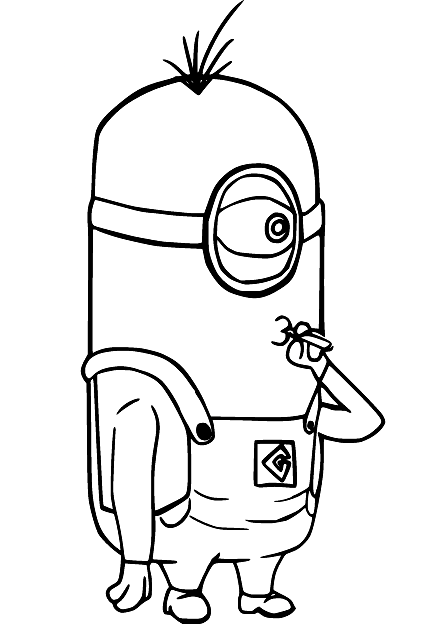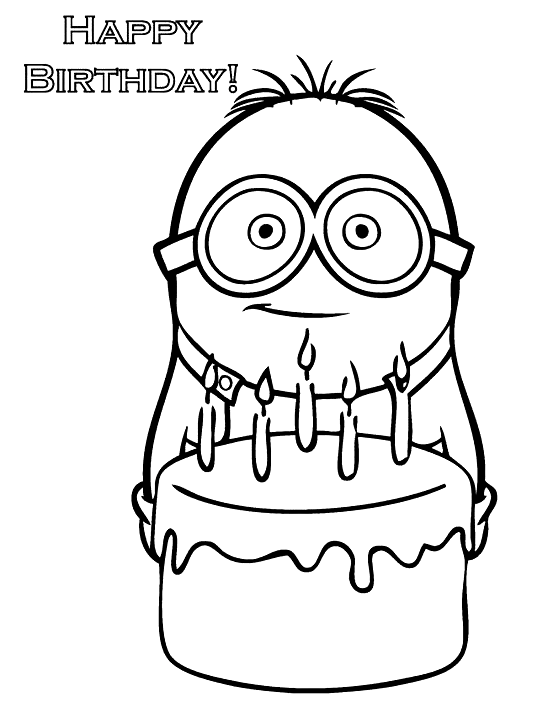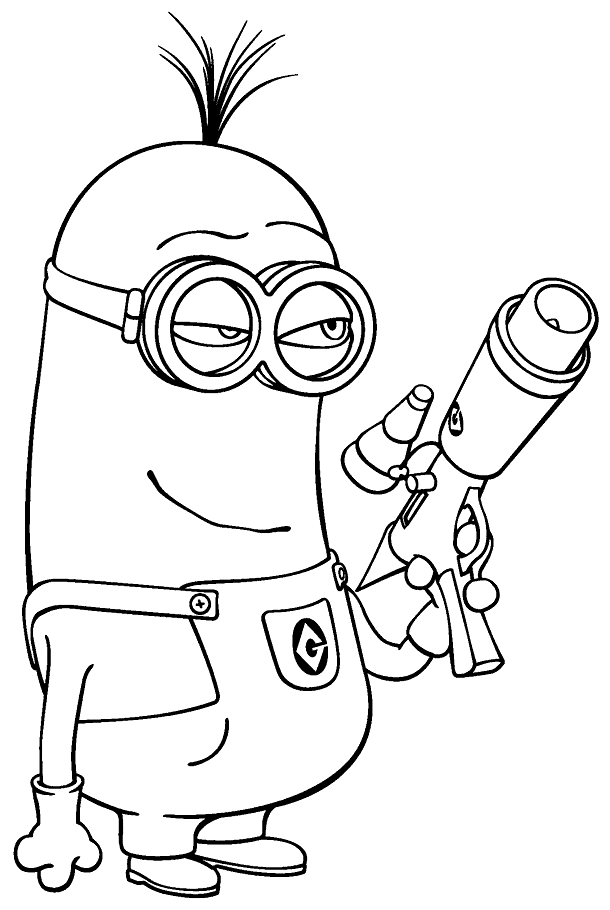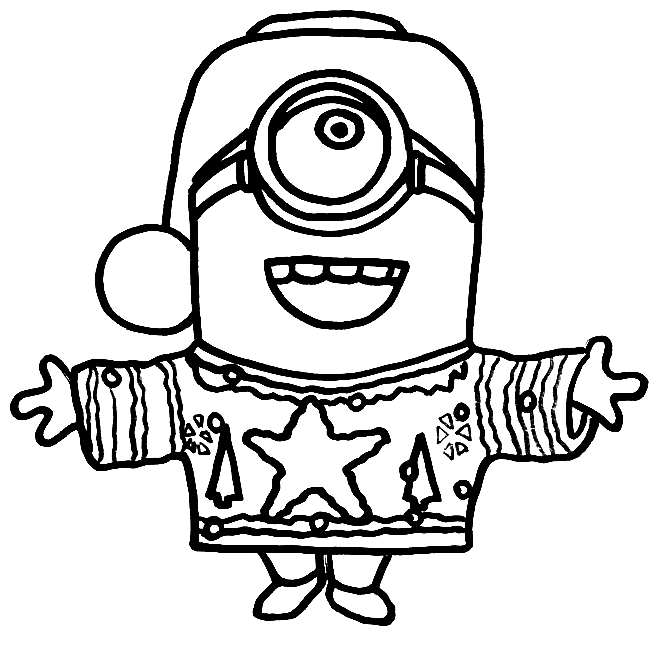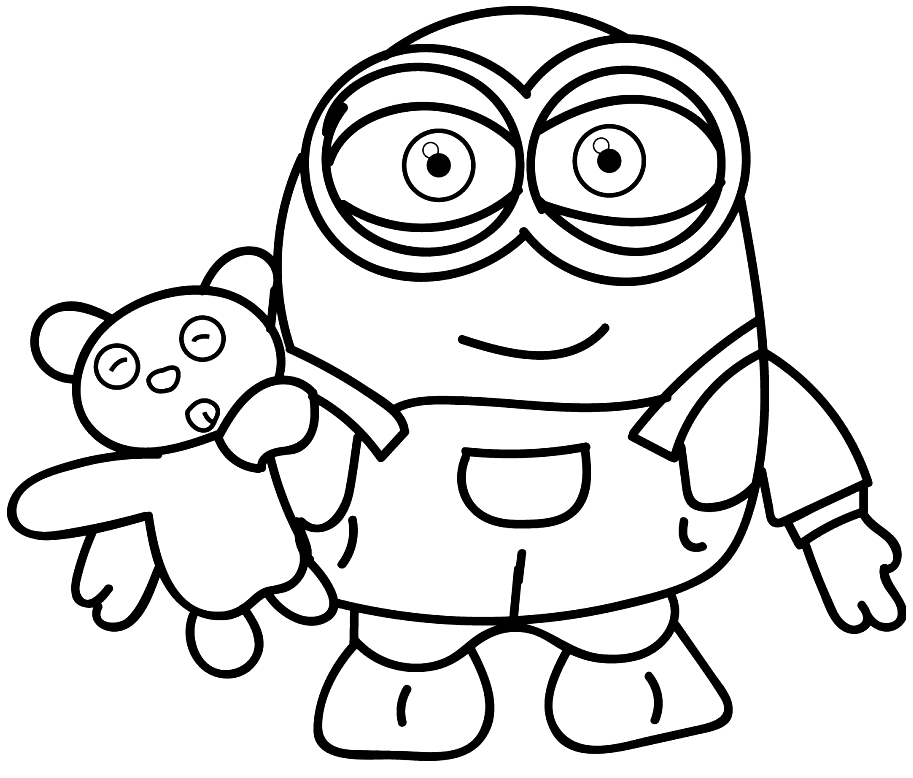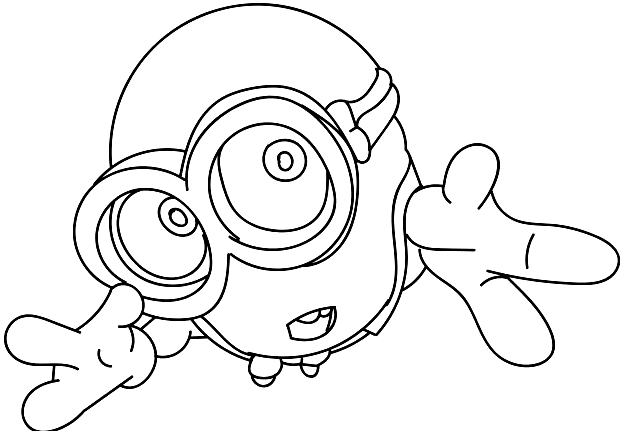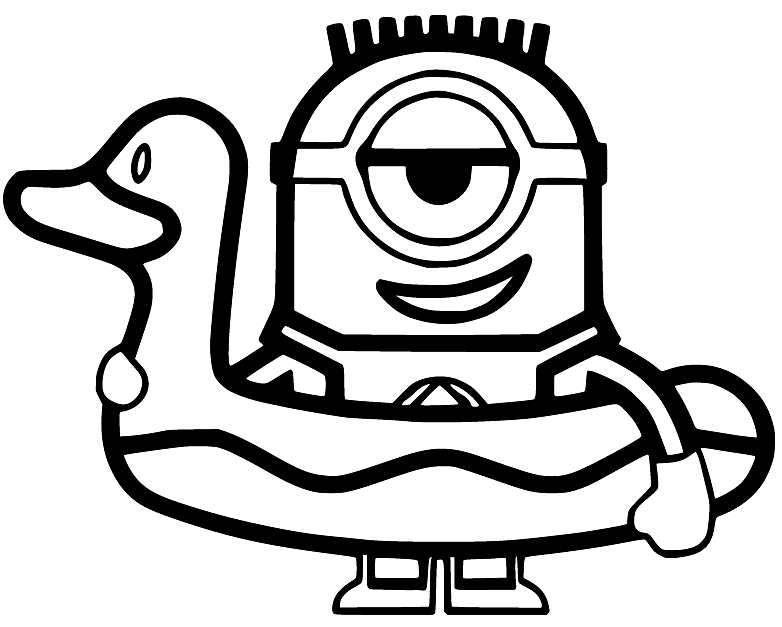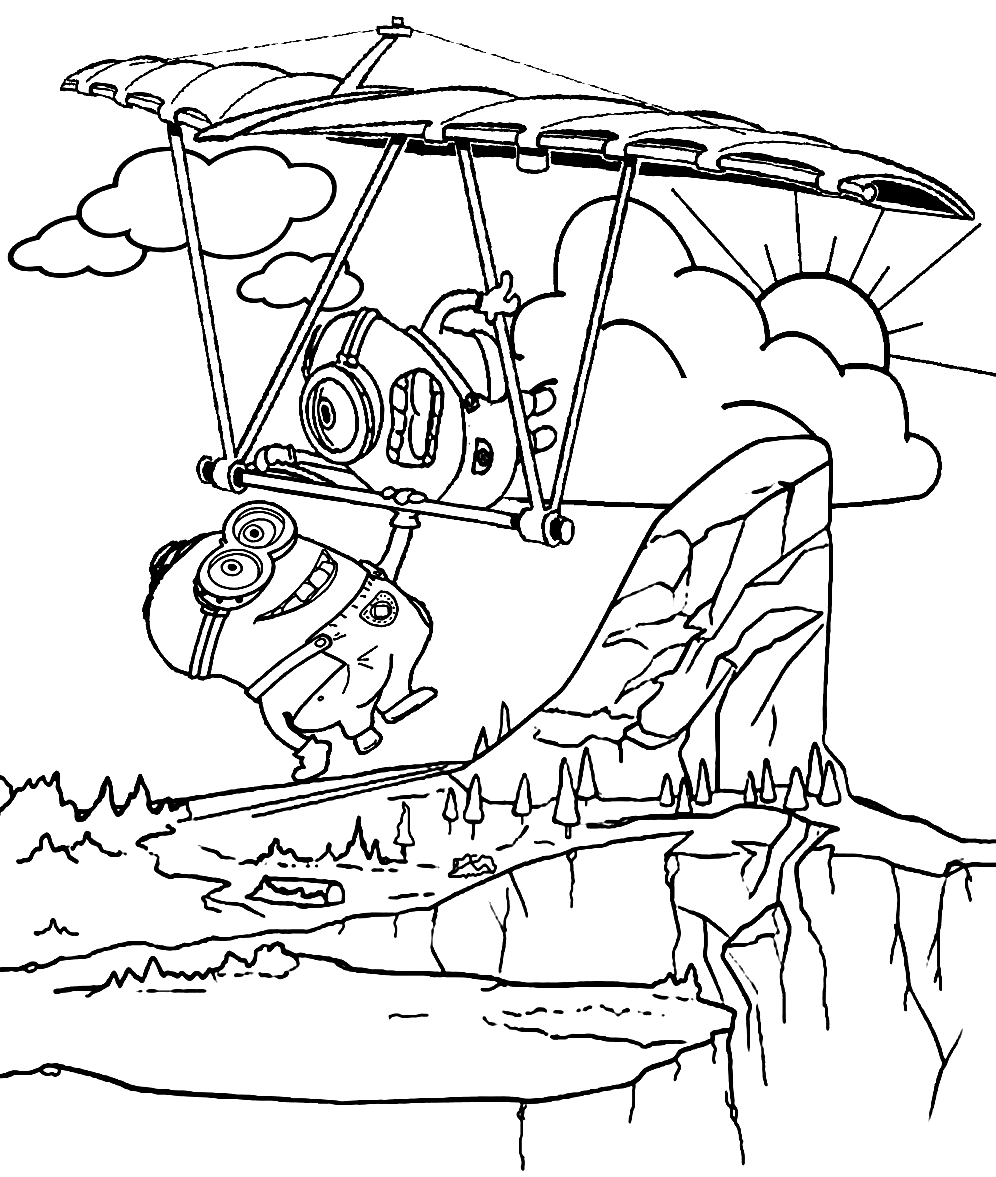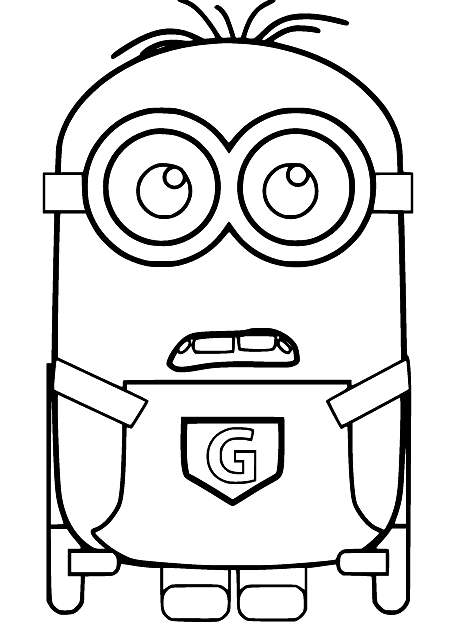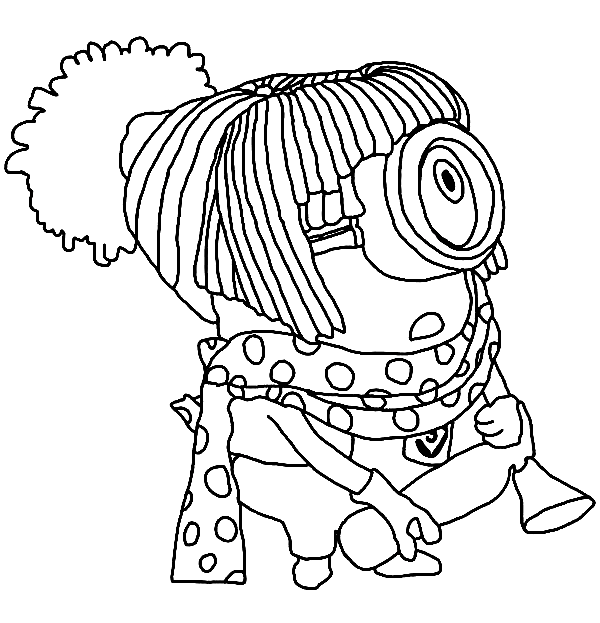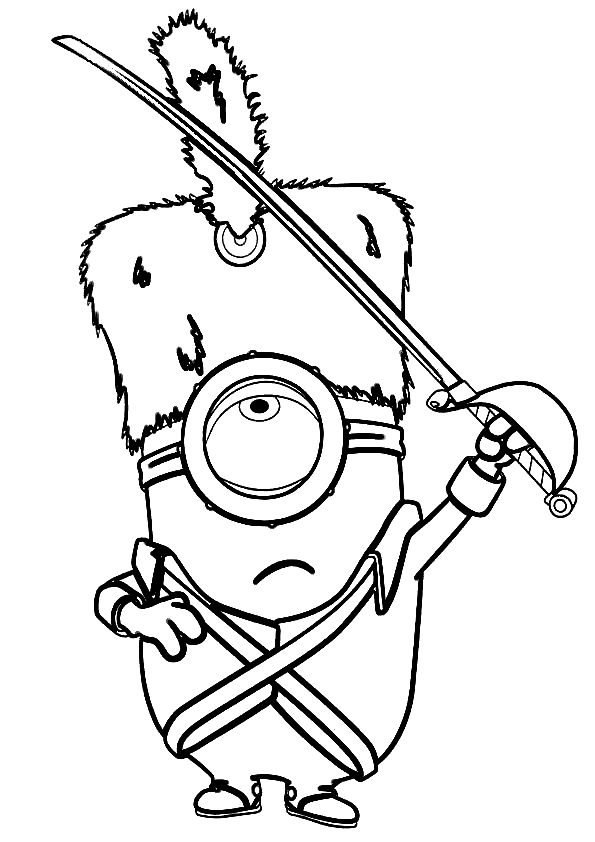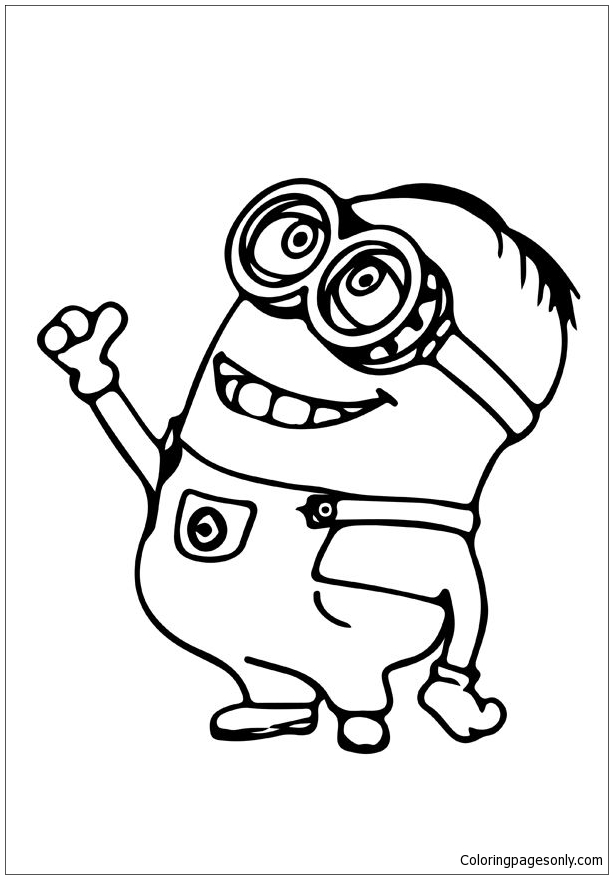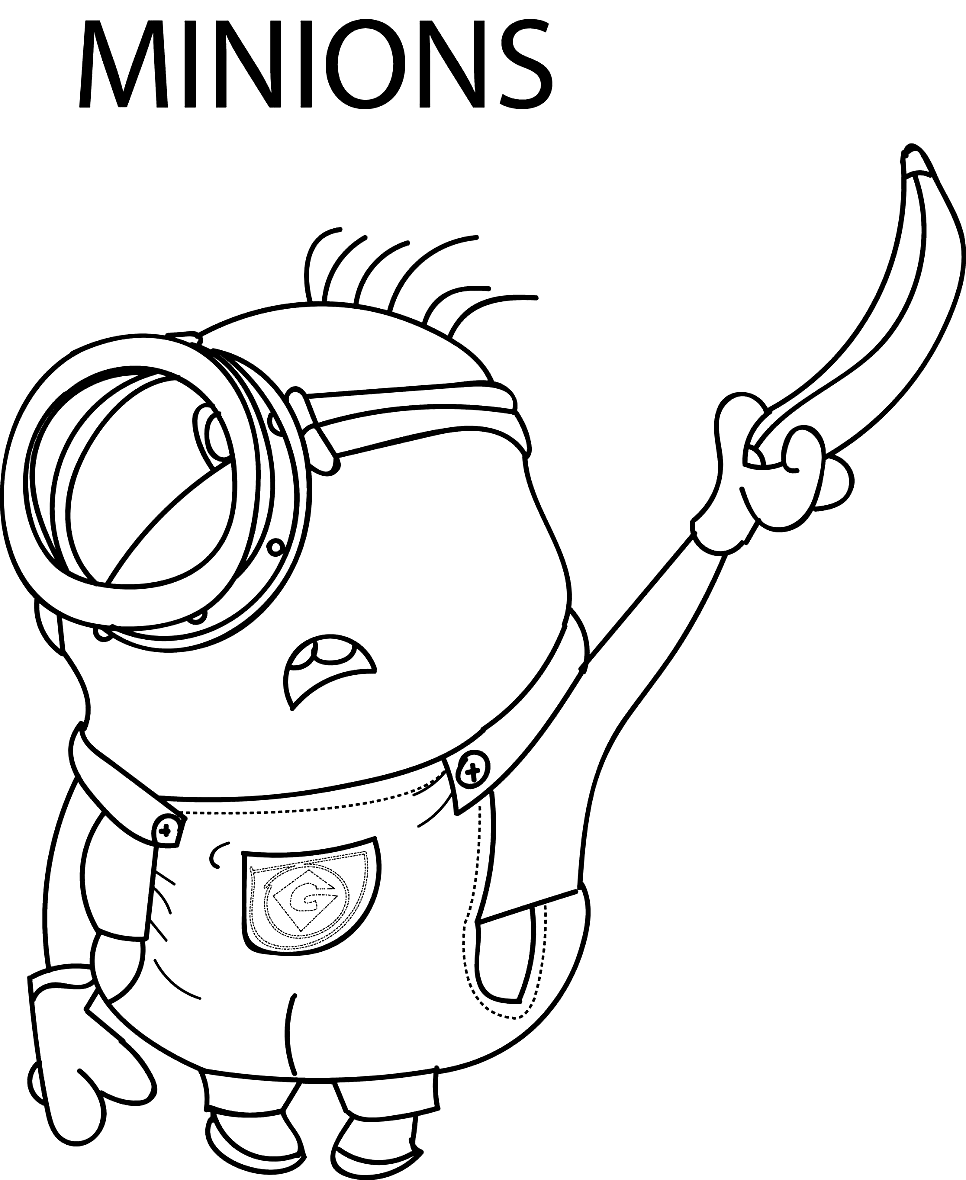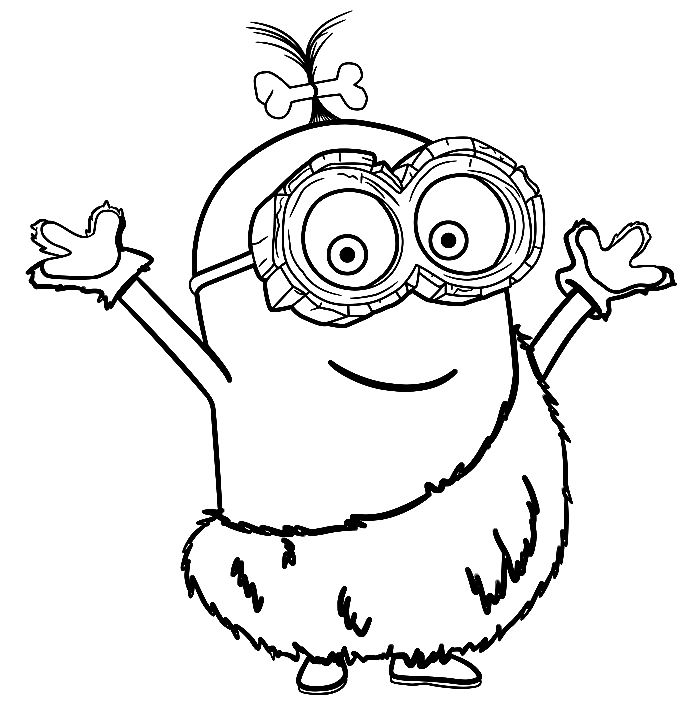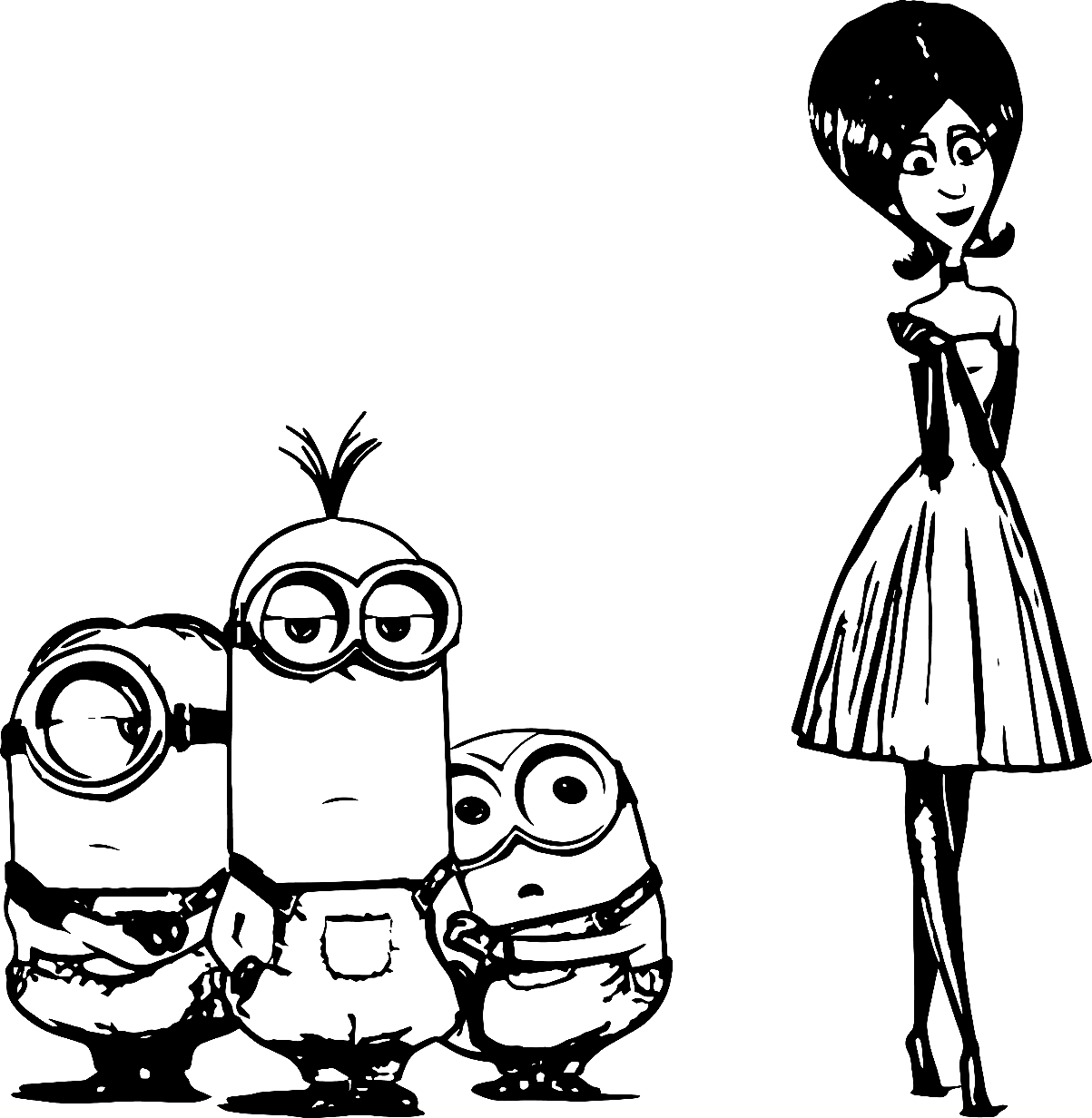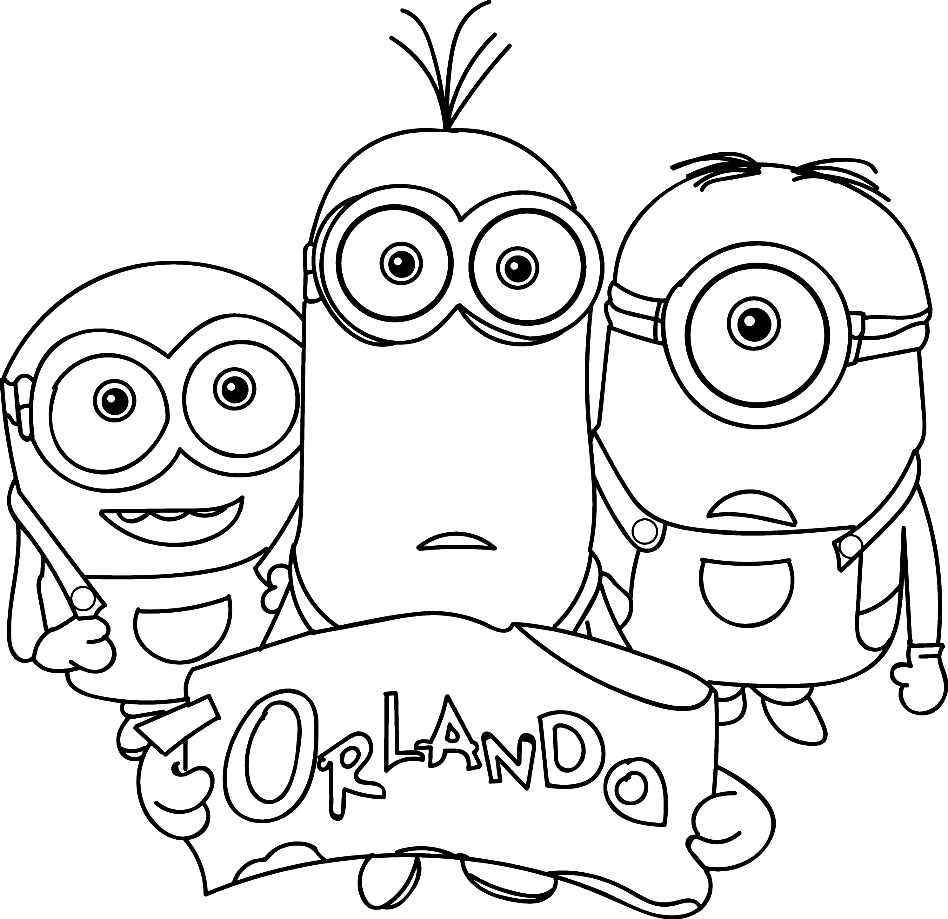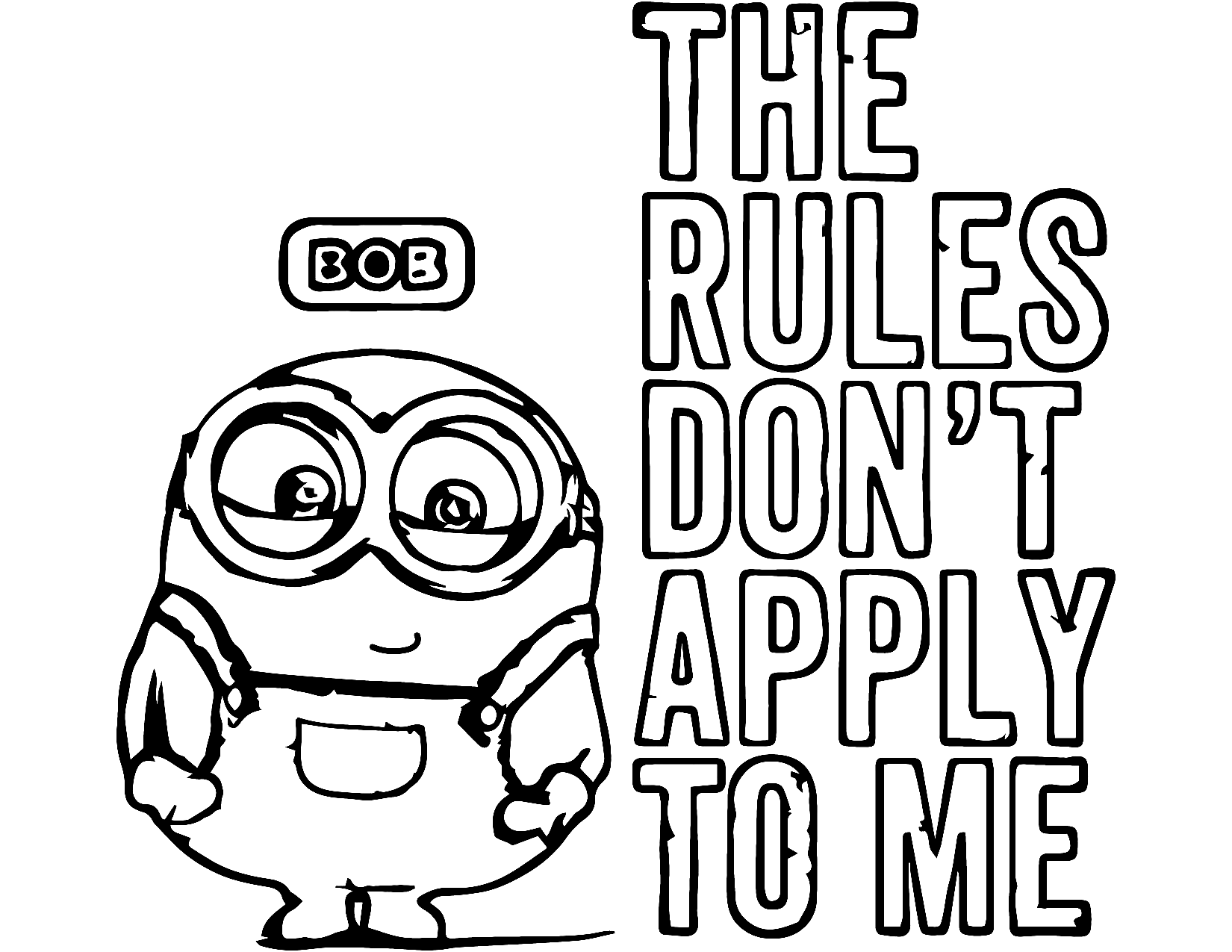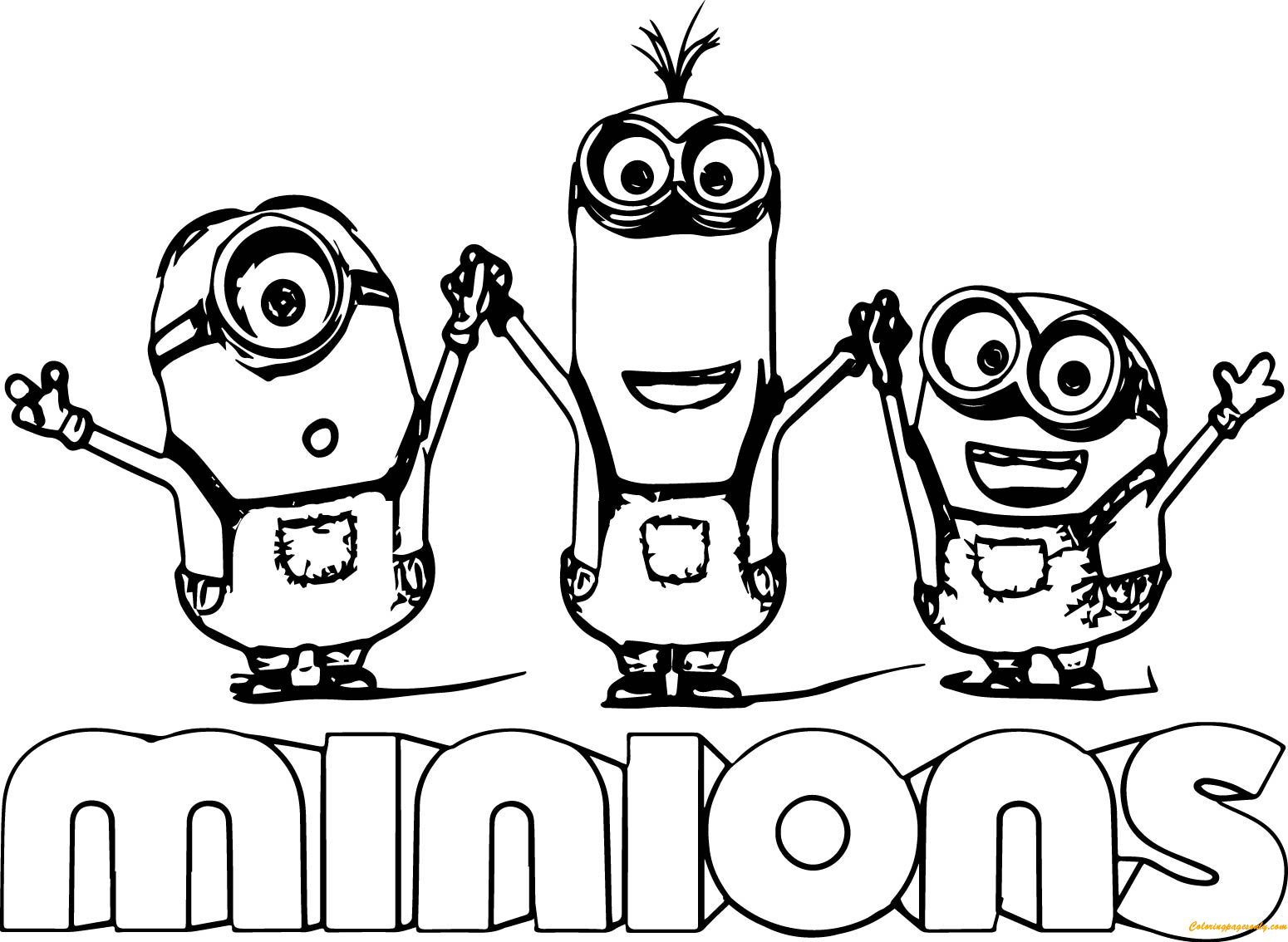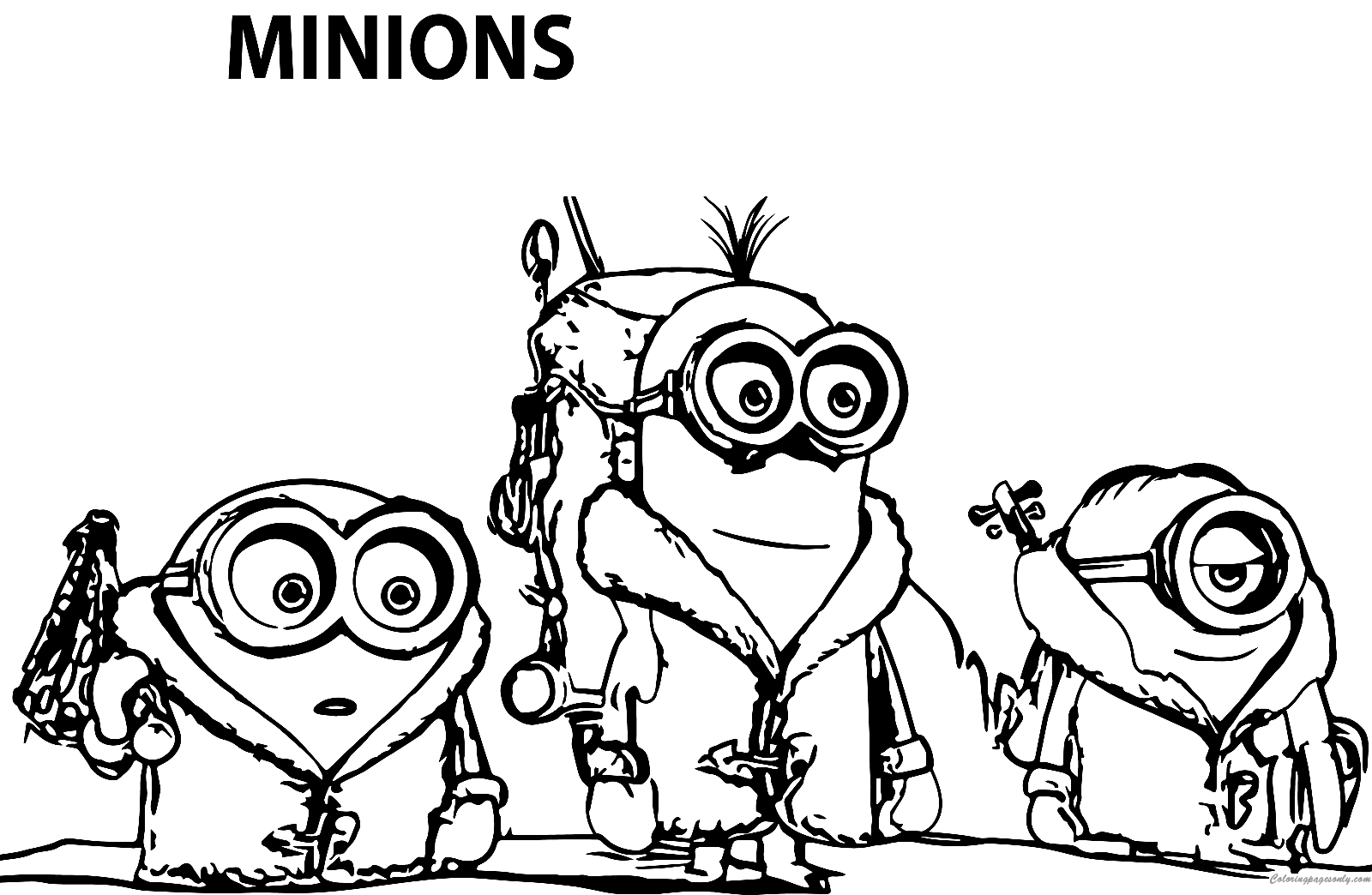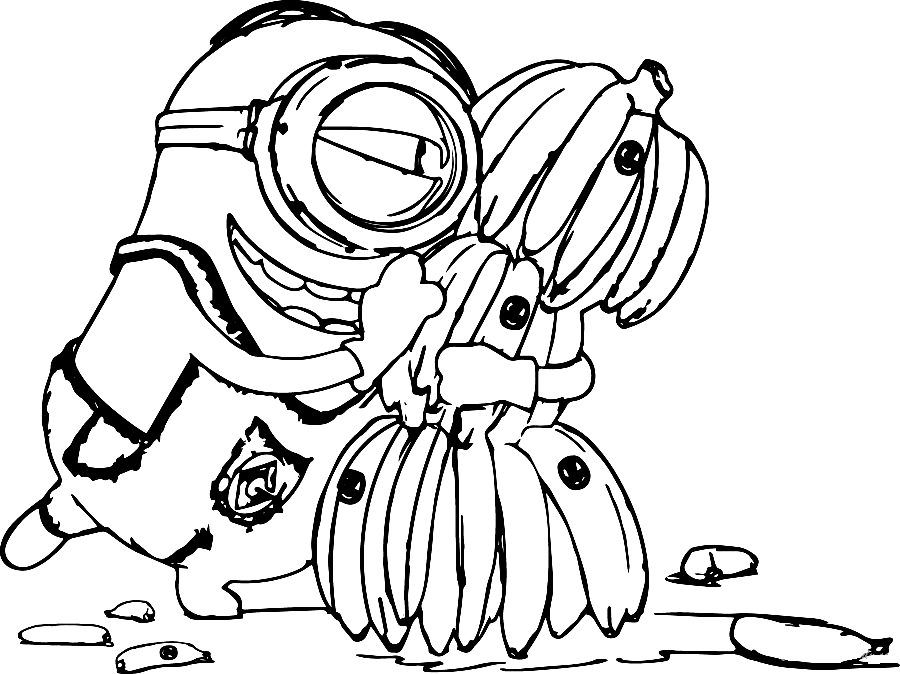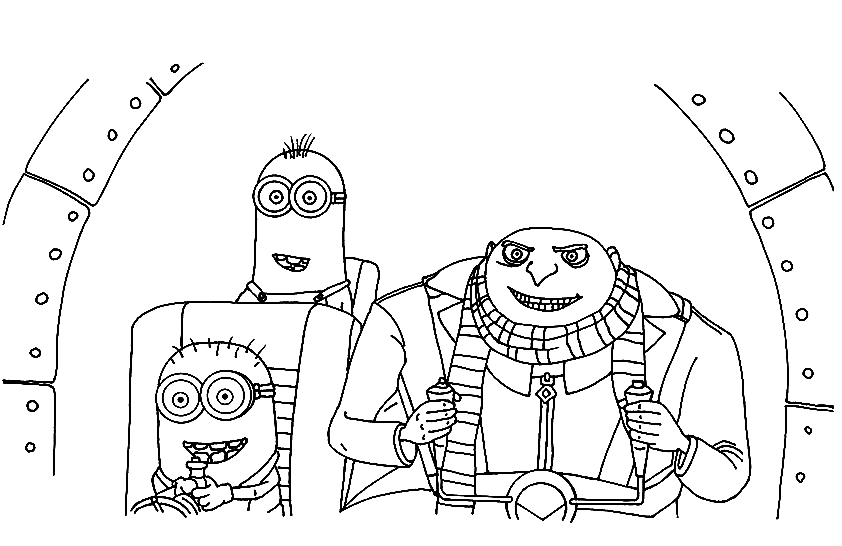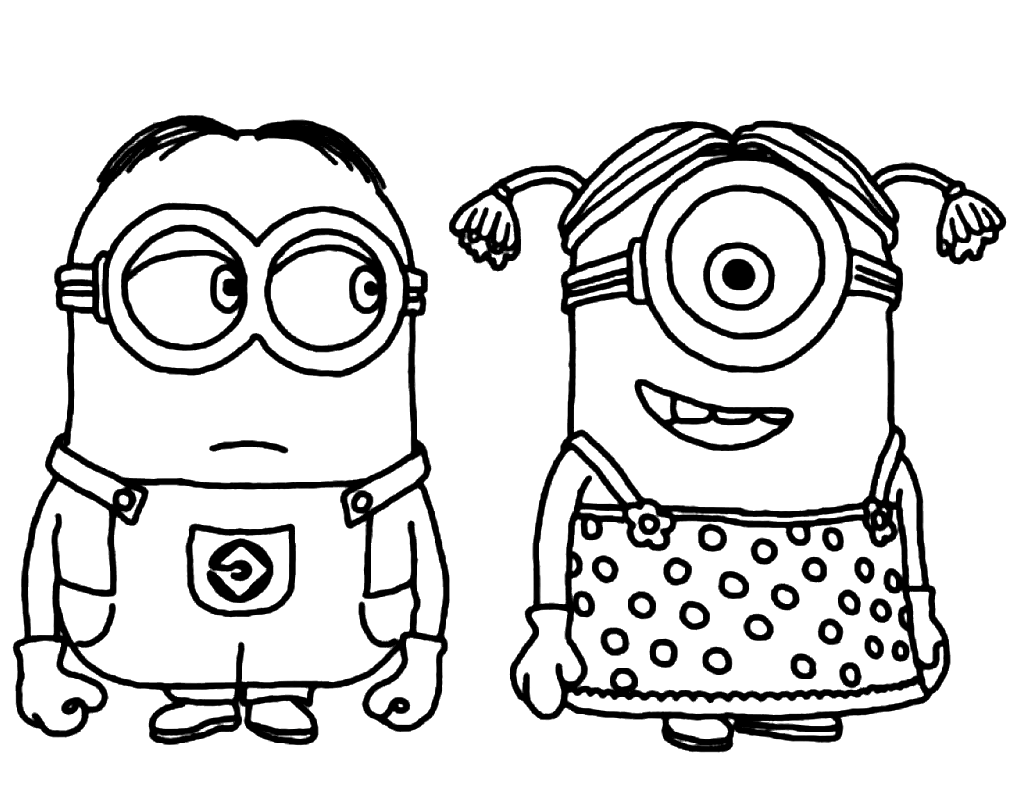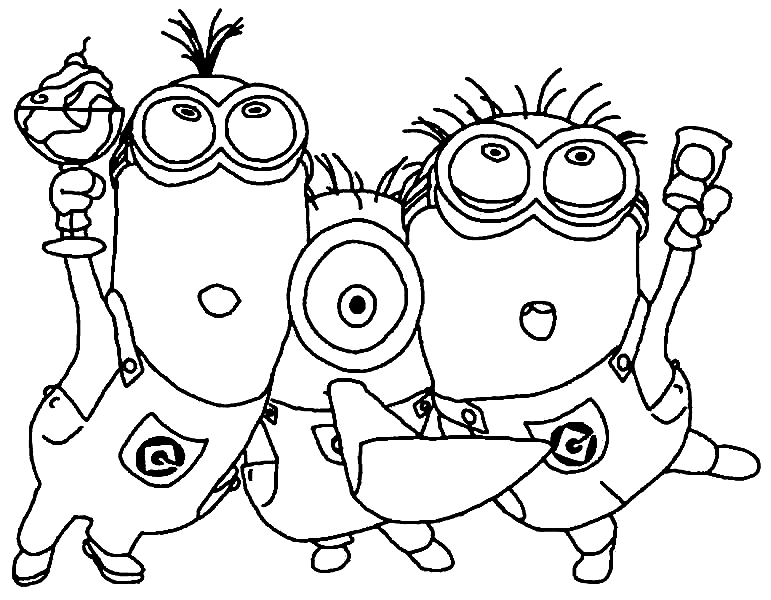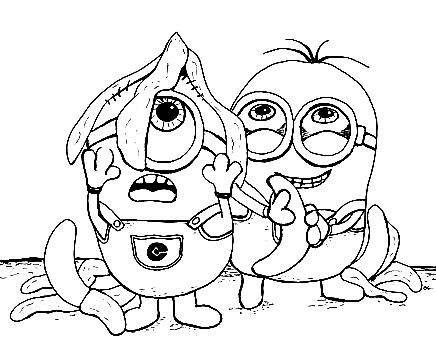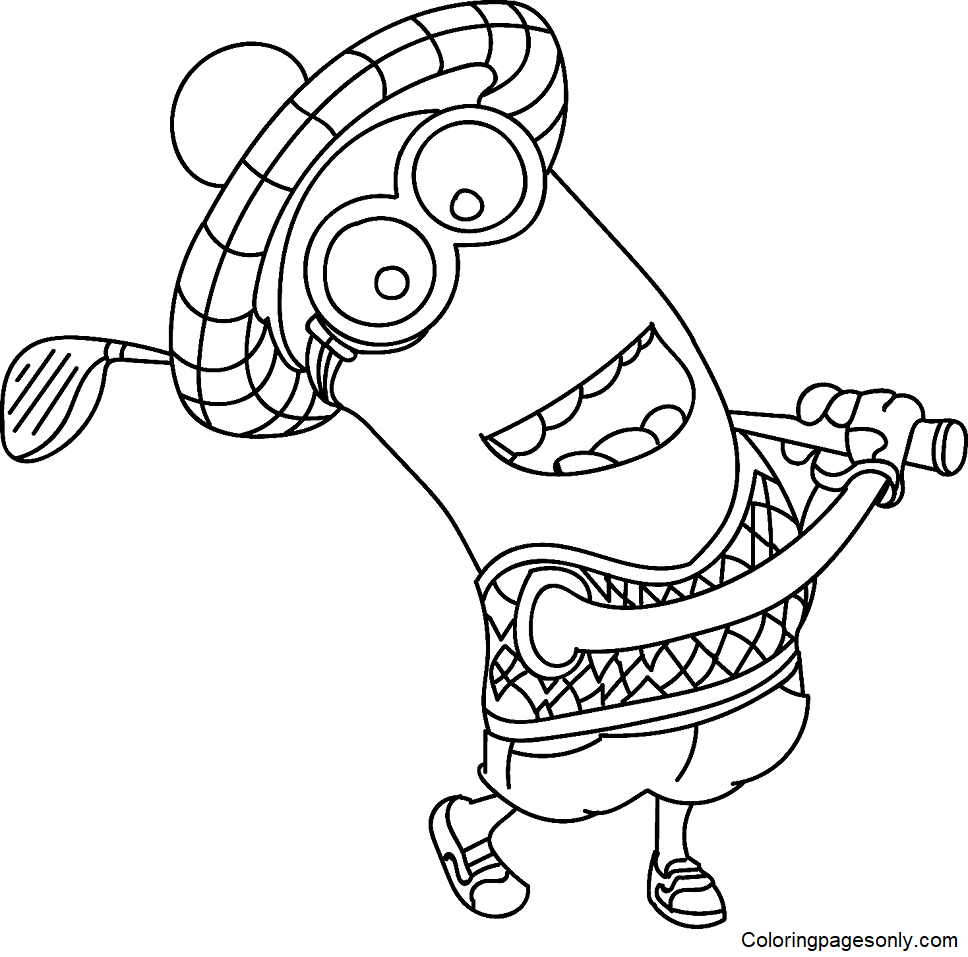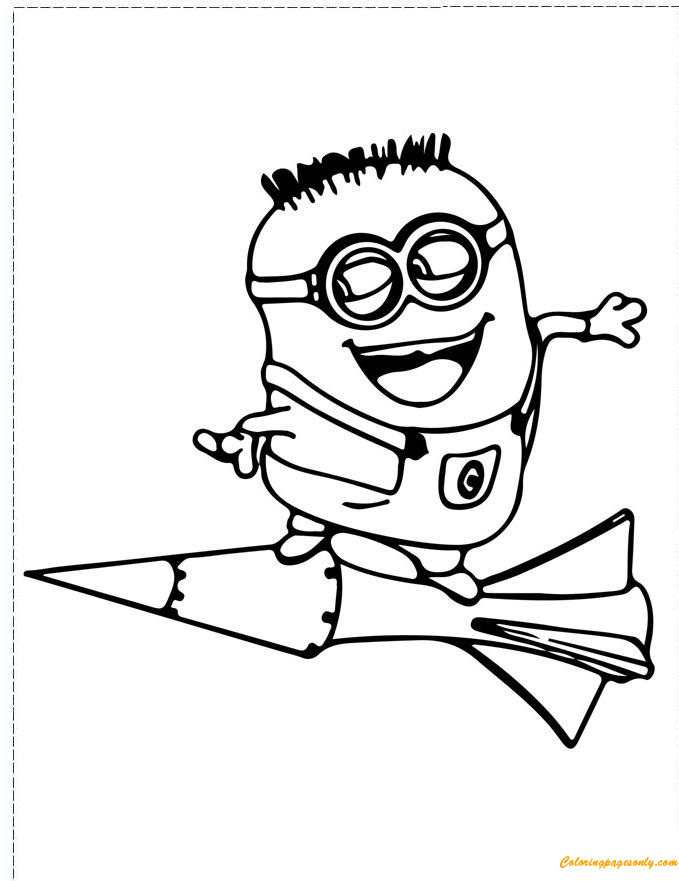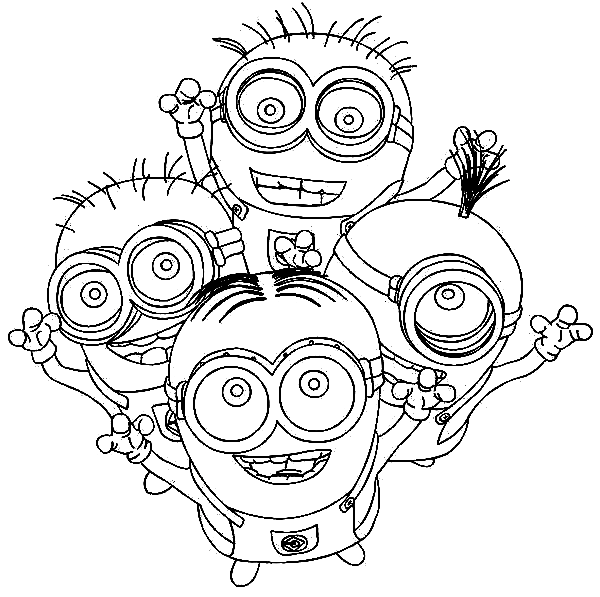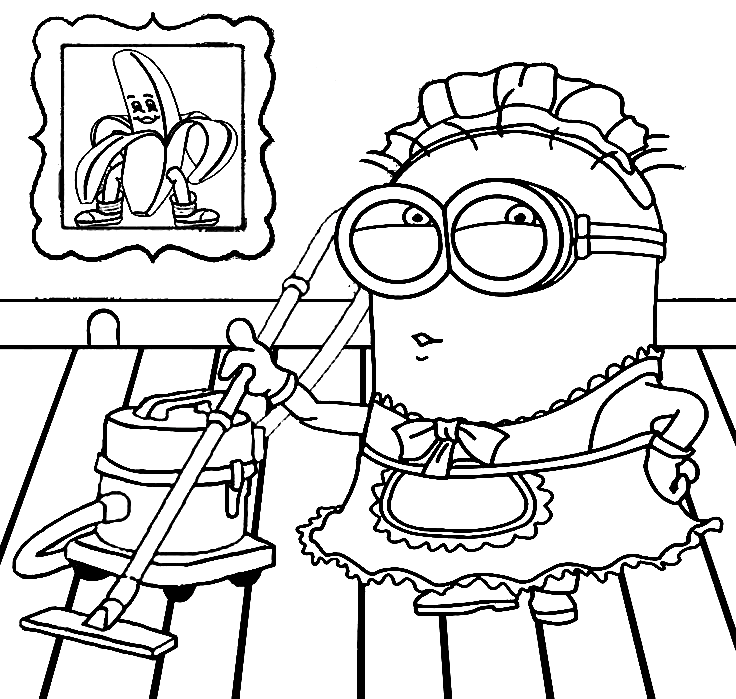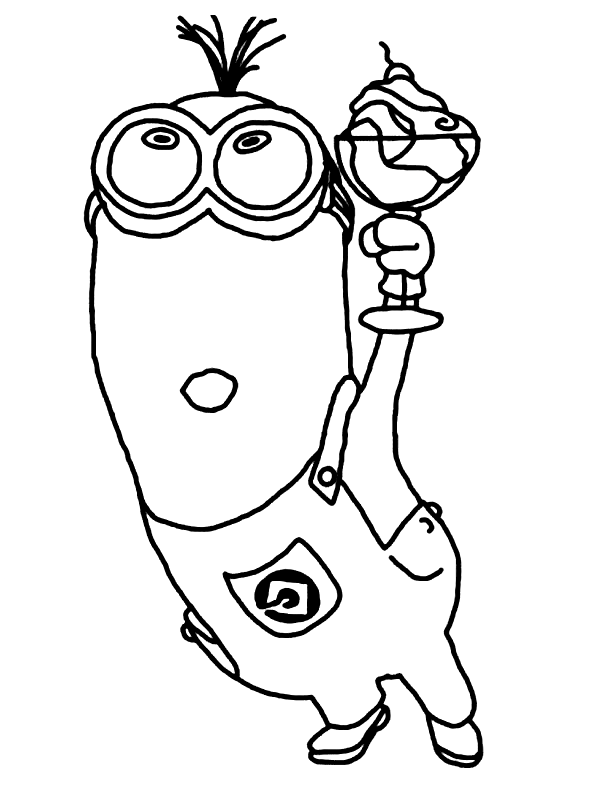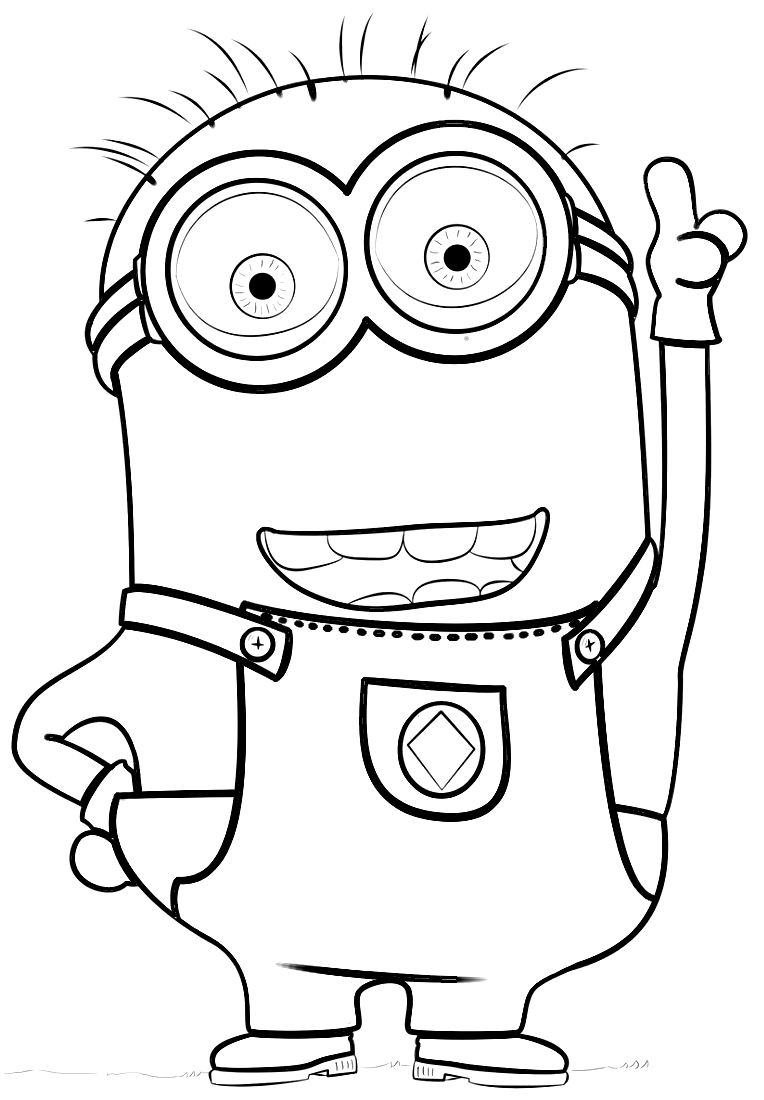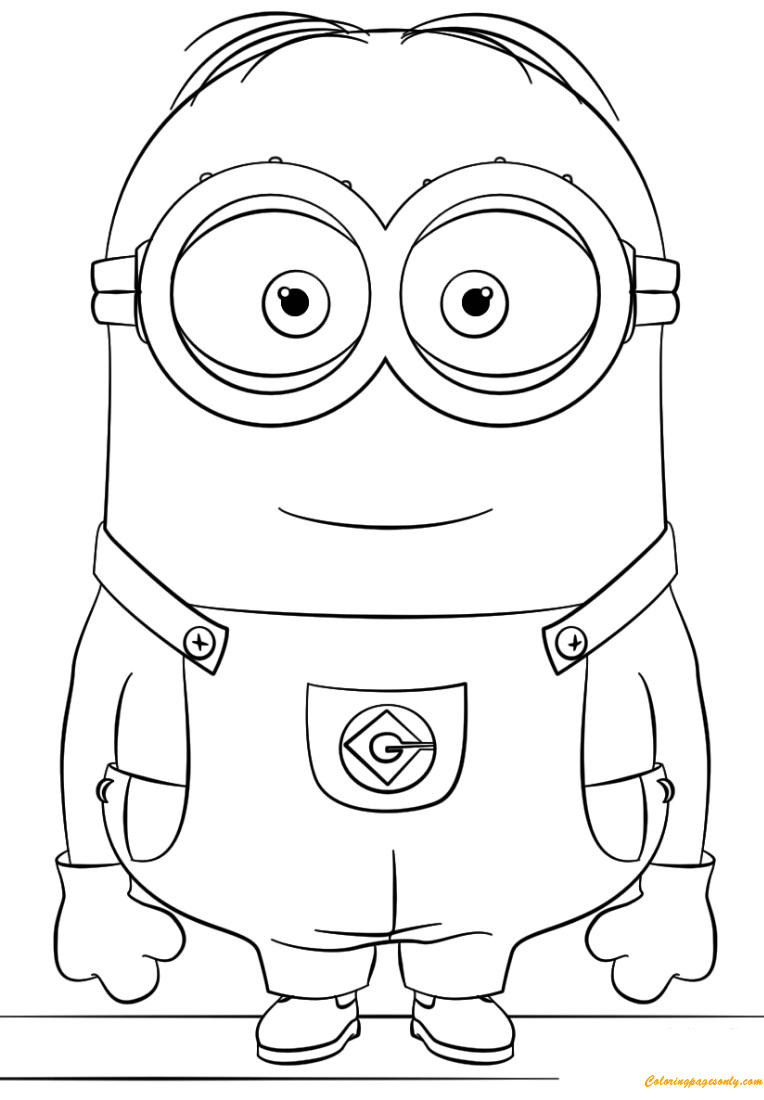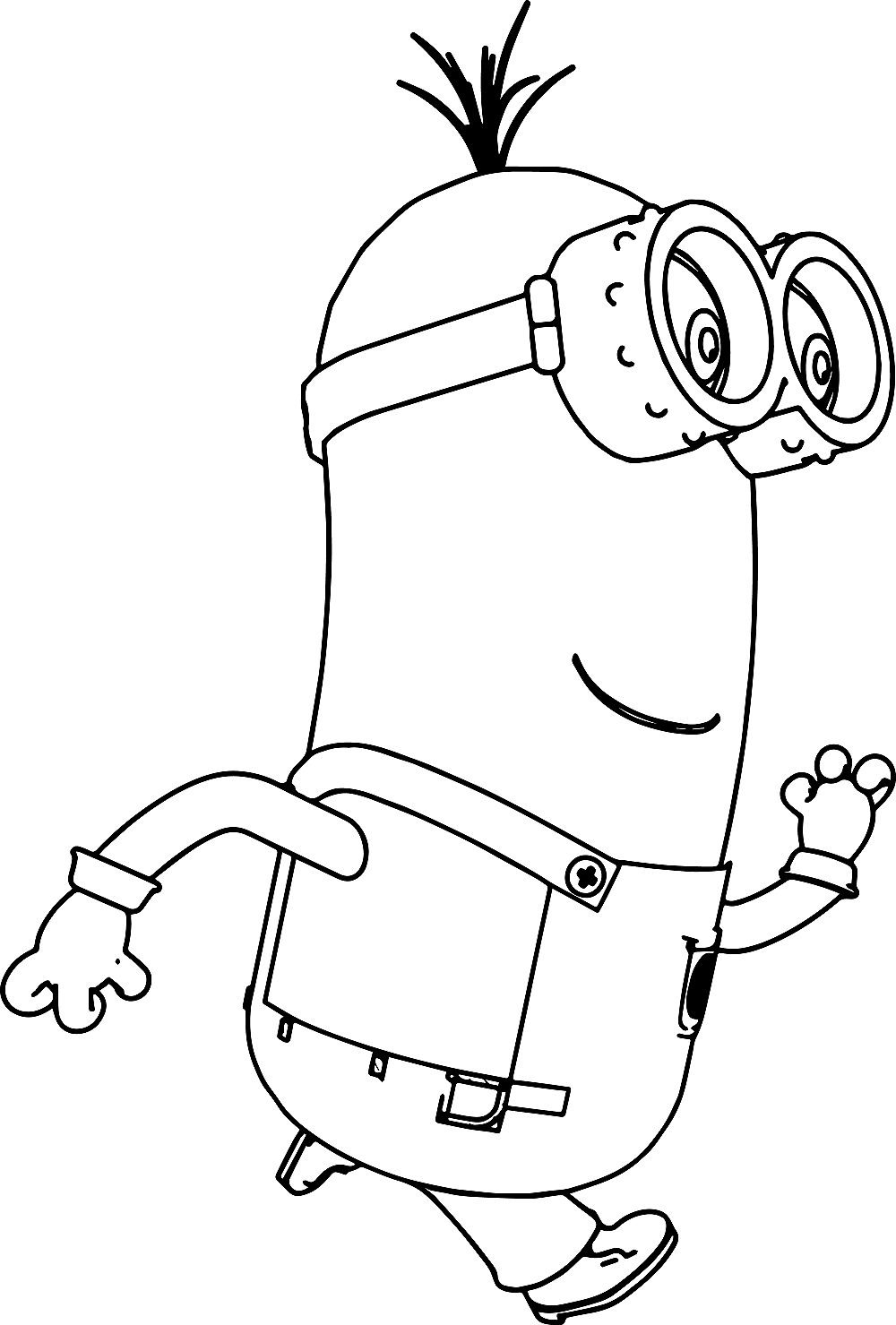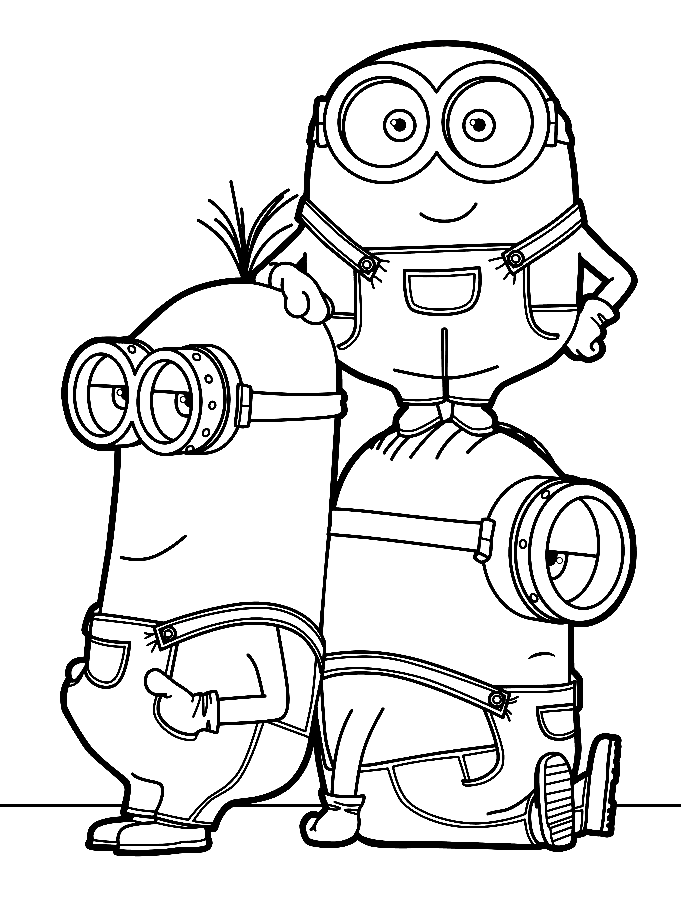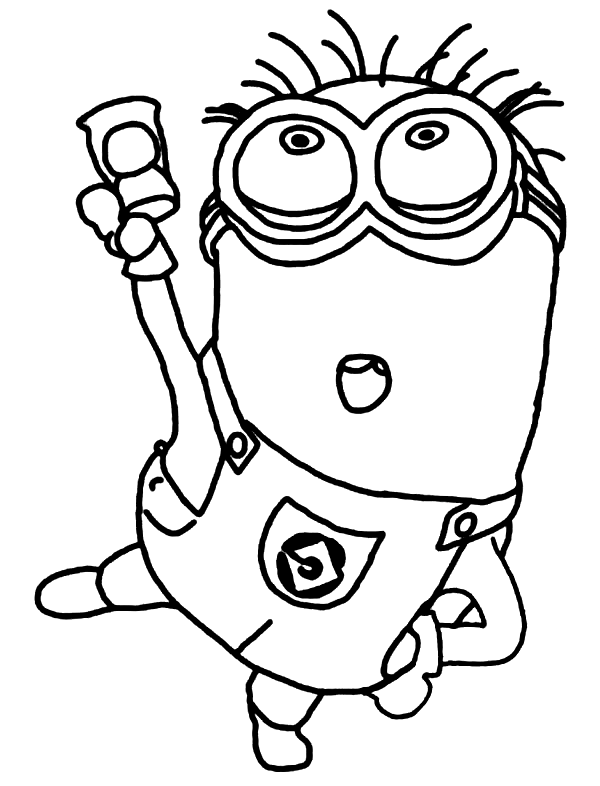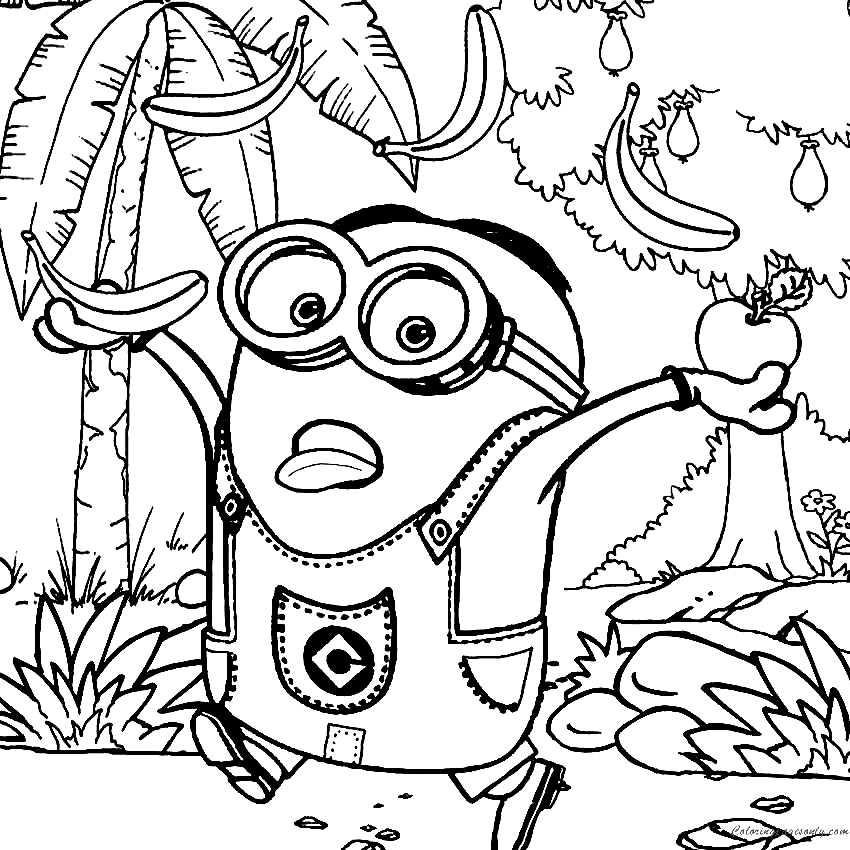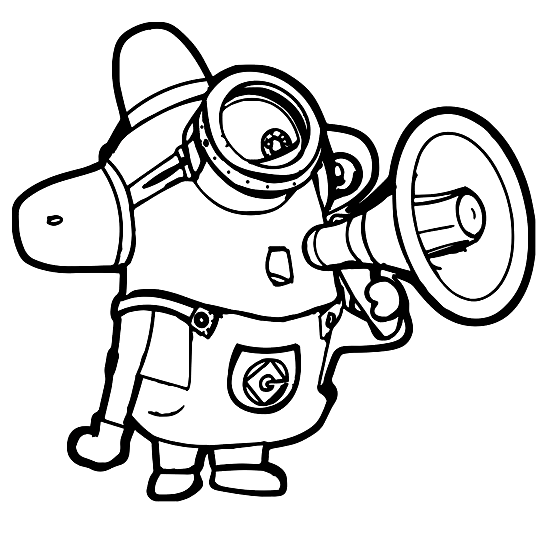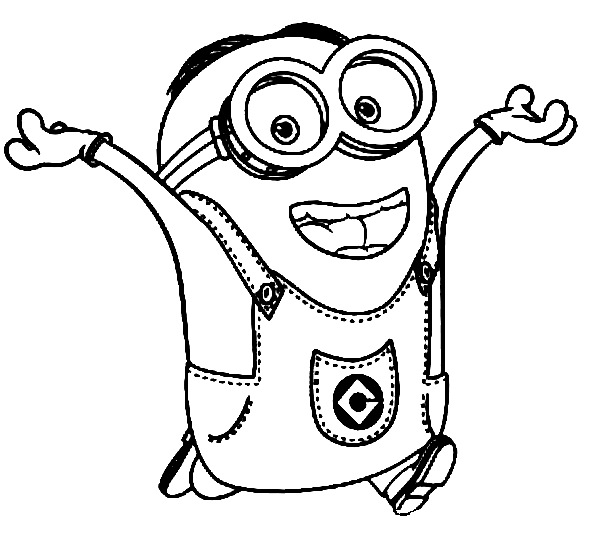
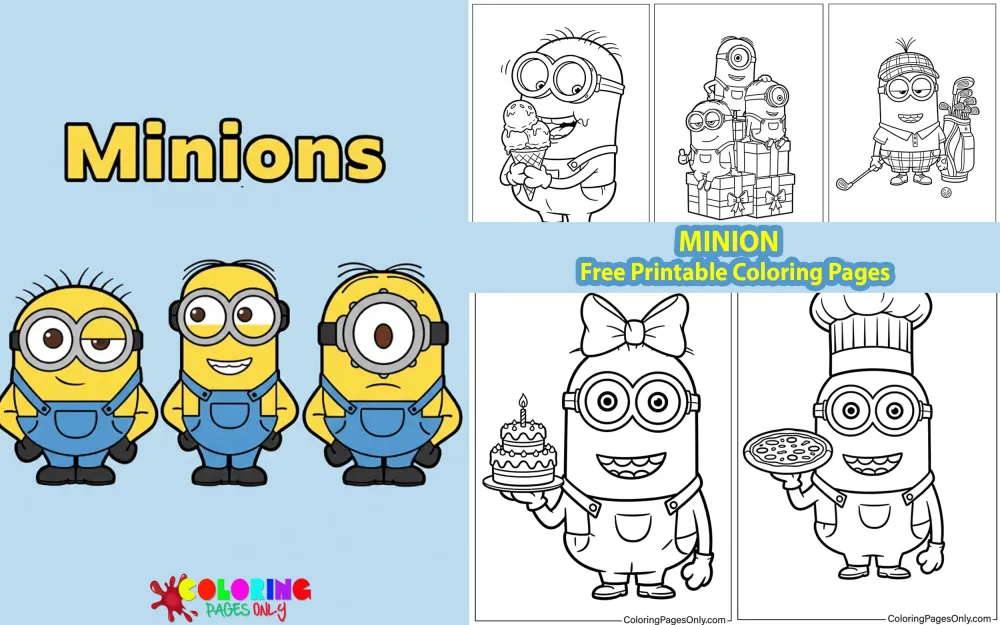
Free Minion coloring pages – 140+ pages featuring classic Minions, Bob, Kevin, Stuart, Dave, banana scenes, funny faces, birthday Minions, Christmas Minions, chef Minions, music Minions, superhero Minions, Mega Minions, Gru and Minions, and many more playful designs. Download your favorite pages as PDF, print them at home, or color online.
Minions are easy for children to recognize because their design is simple, bright, and full of personality. Their yellow bodies, round goggles, denim overalls, tiny arms, small boots, and big expressions make them stand out even before any color is added. A child can look at the goggles, the overalls, or the silly pose and immediately know this is a Minion.
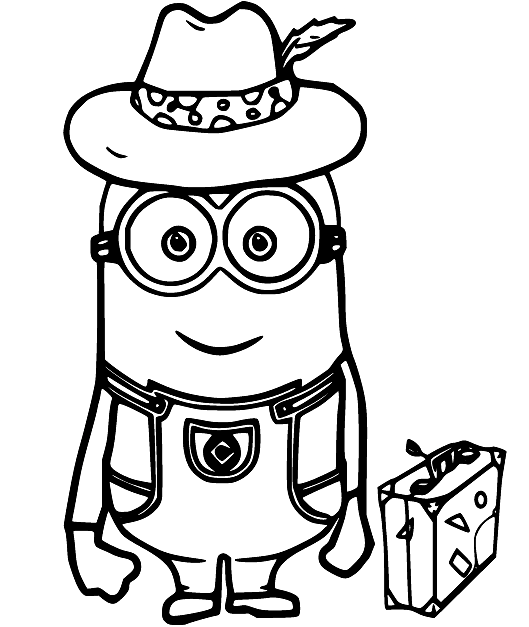
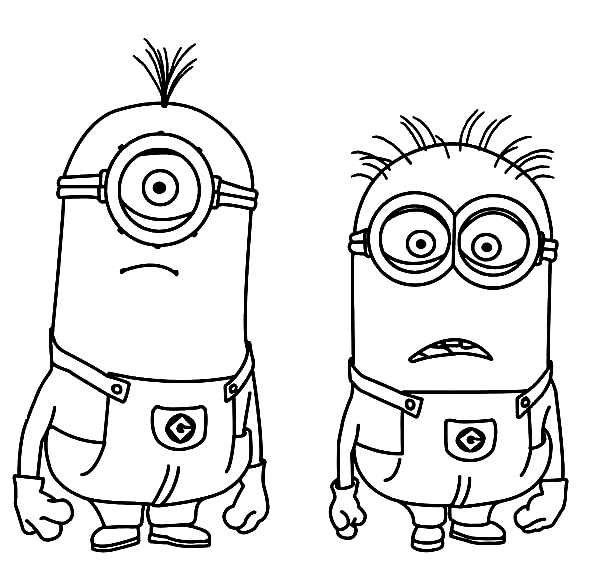
The best part of Minion coloring pages is how much expression they can show with very simple shapes. A one-eyed Minion can look confused, excited, or mischievous. A two-eyed Minion can look cheerful, shocked, proud, or silly. The mouth, goggles, eyebrows, arms, and body angle do most of the storytelling, which makes these pages fun for both young children and older kids.
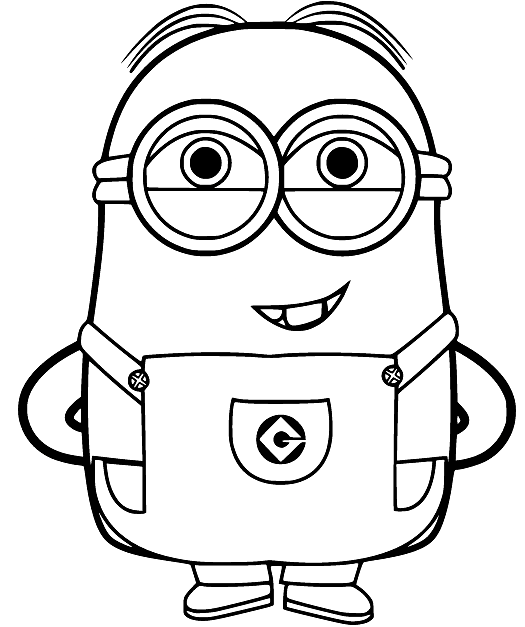
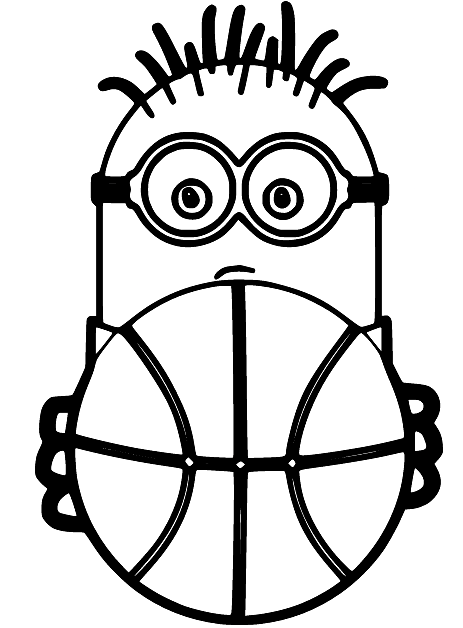
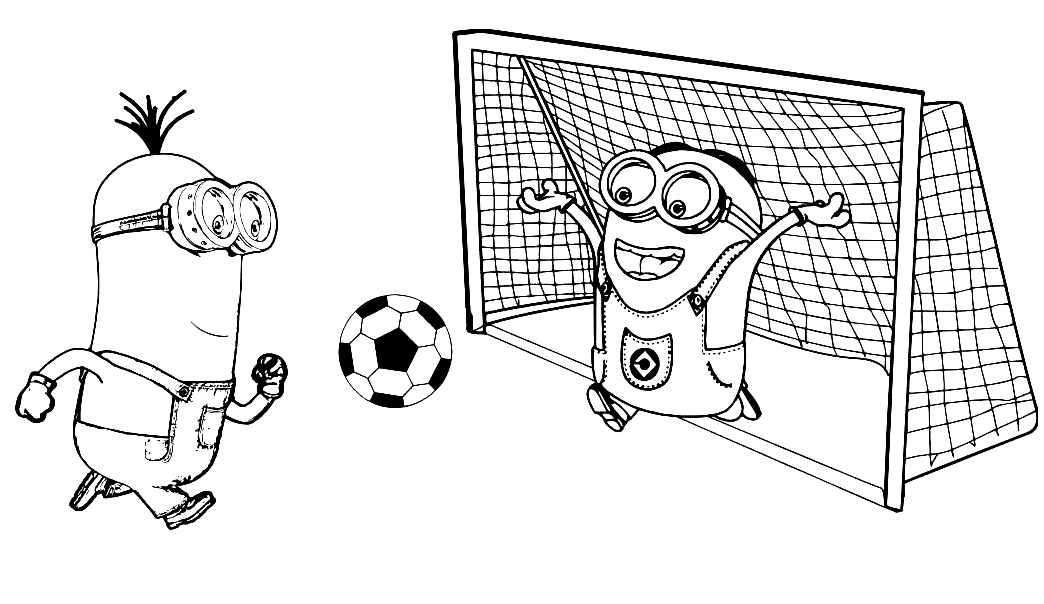
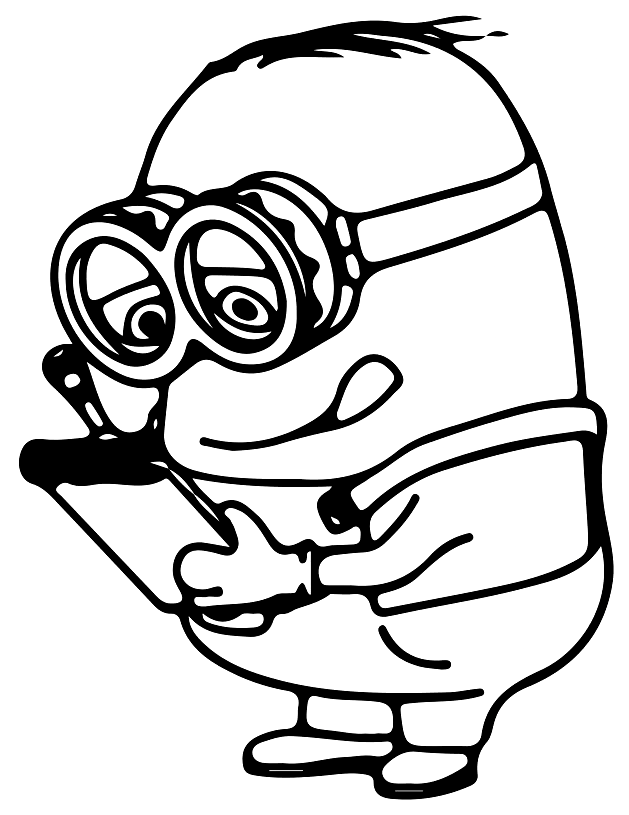
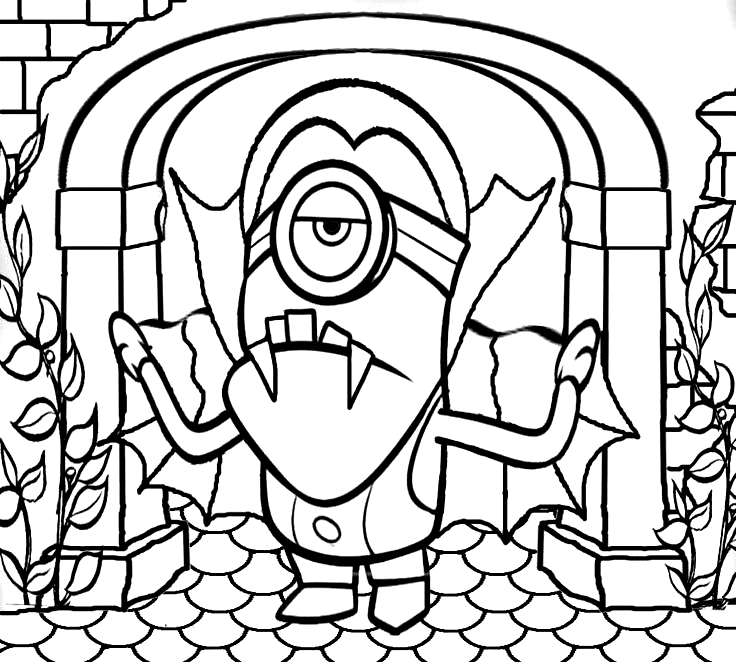
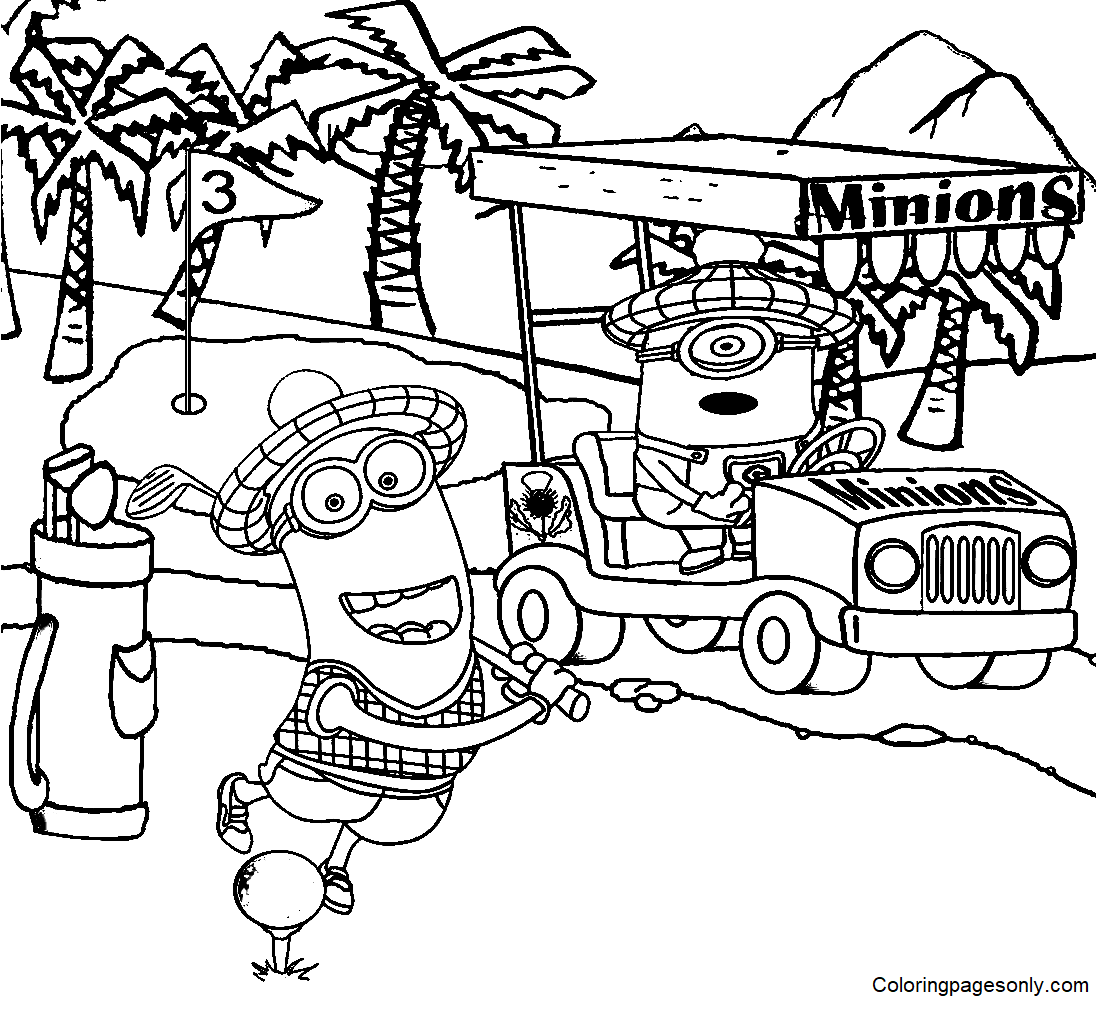
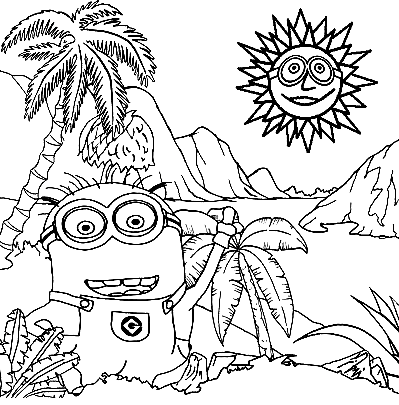
This collection includes many different Minion moods and scenes. Some pages are simple and cute, with a Minion smiling, waving, dancing, or holding a banana. Other pages place Minions in costumes, jobs, sports scenes, music moments, holiday settings, food scenes, superhero outfits, and group moments with Gru or other characters.
A simple Minion page can be finished quickly by younger children. A detailed page with costumes, props, group scenes, or backgrounds can become a longer art activity. Parents can print a few pages for quiet time, teachers can use them in class, and kids can color online anytime.
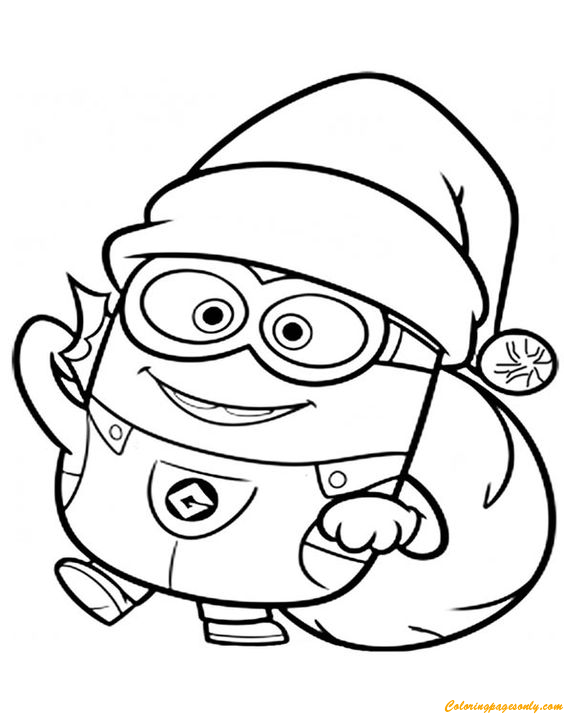
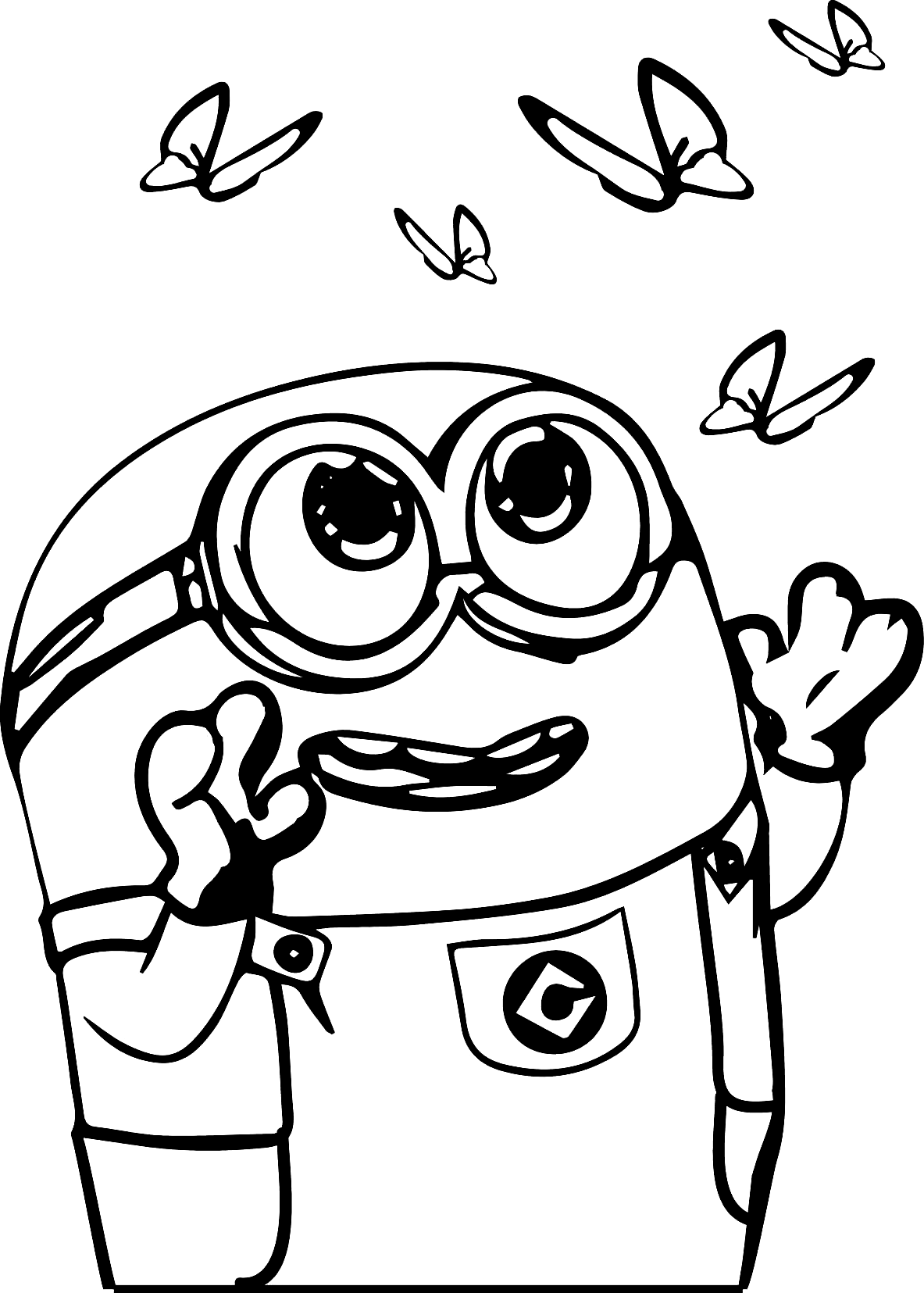
All 140+ pages are free at ColoringPagesOnly.com. Print your favorite Minion page at home or color it online.
What’s Inside
Classic Minion Coloring Pages
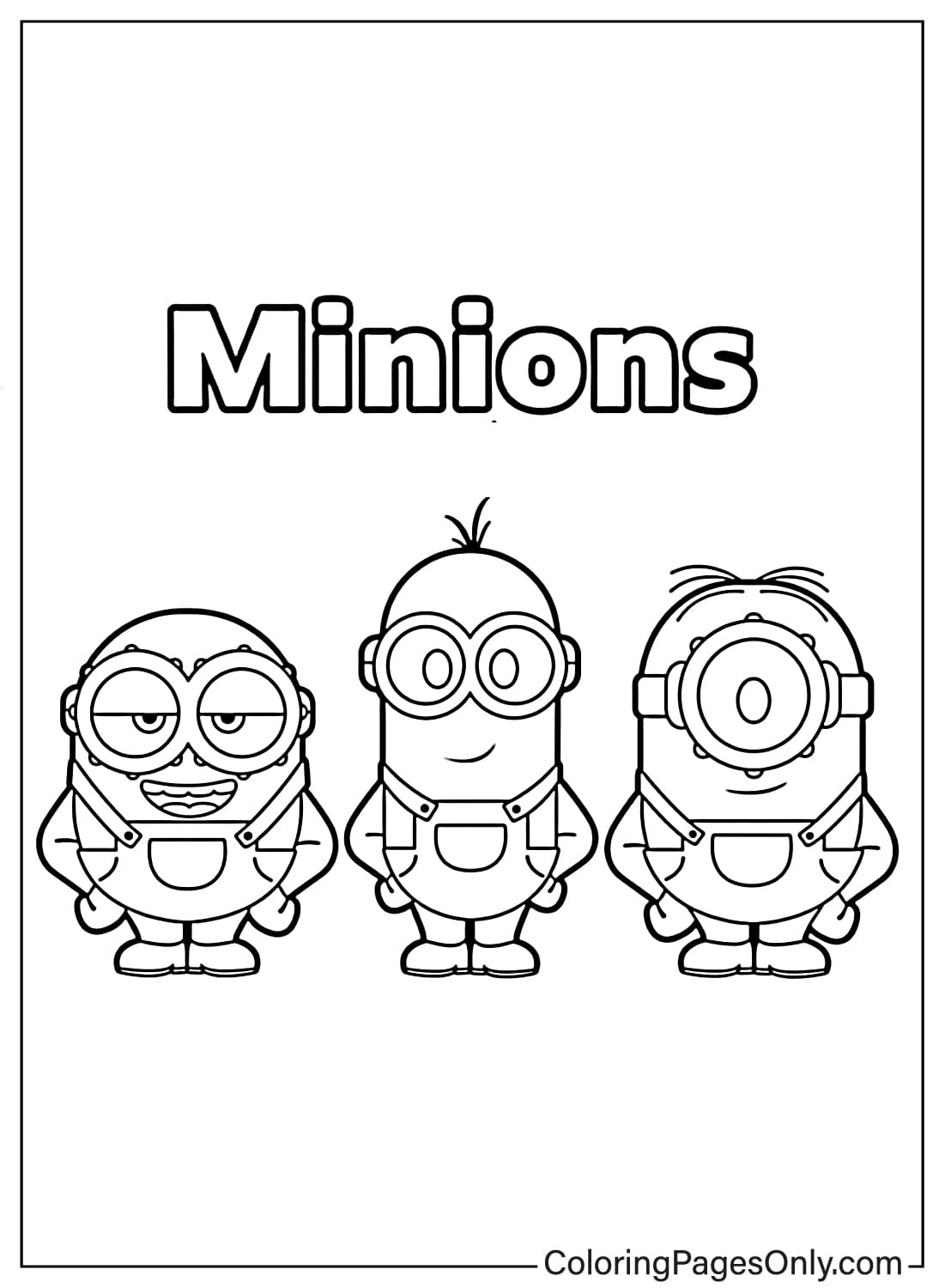
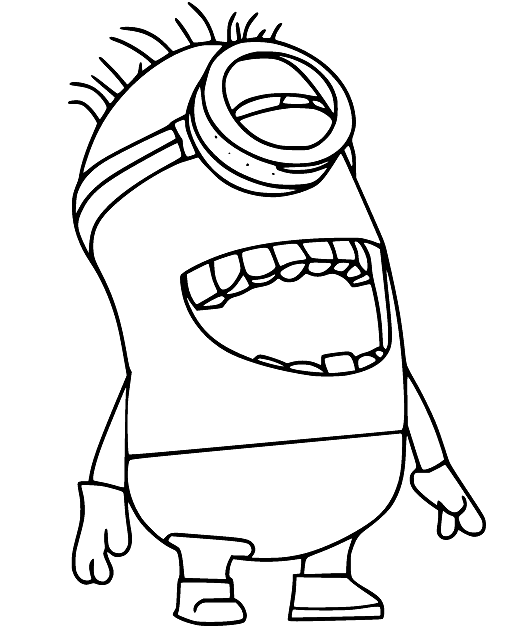
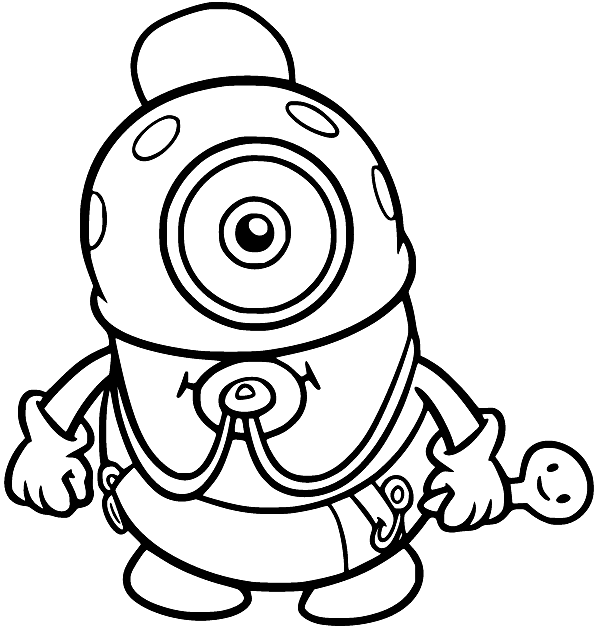
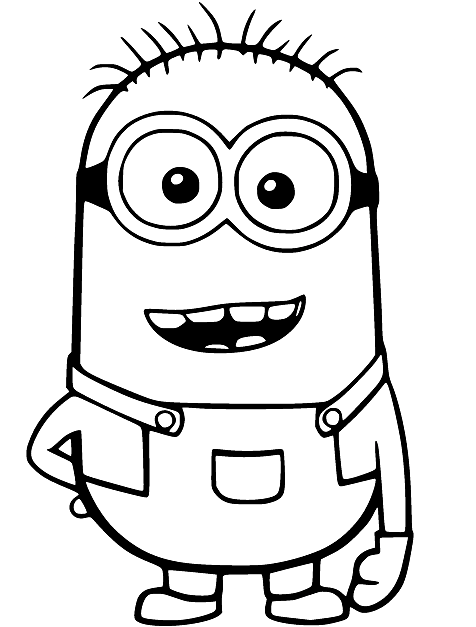
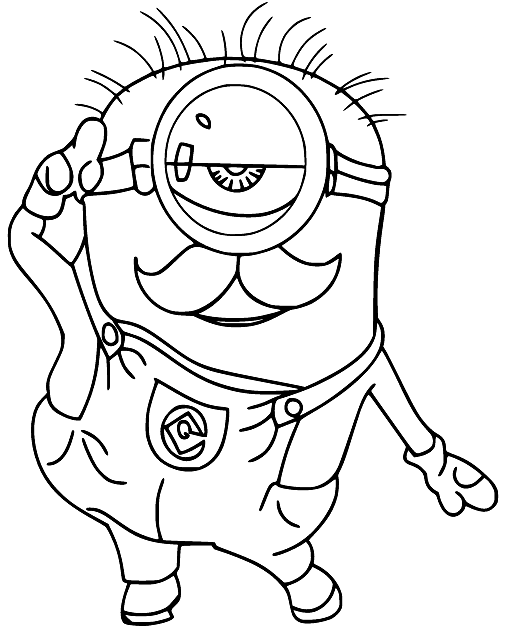
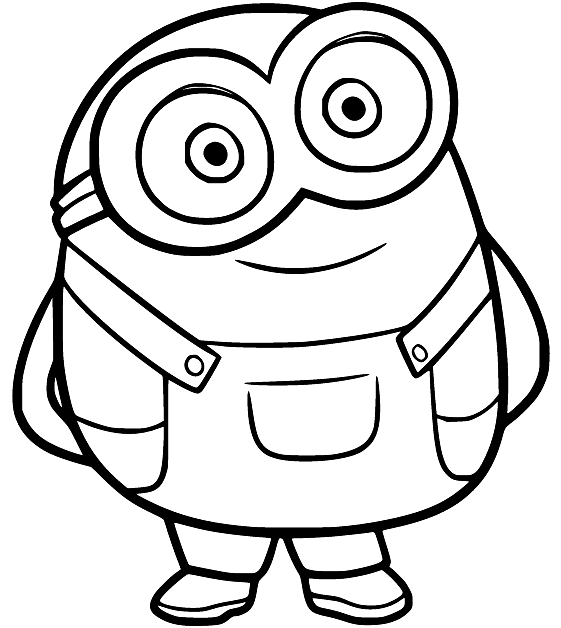
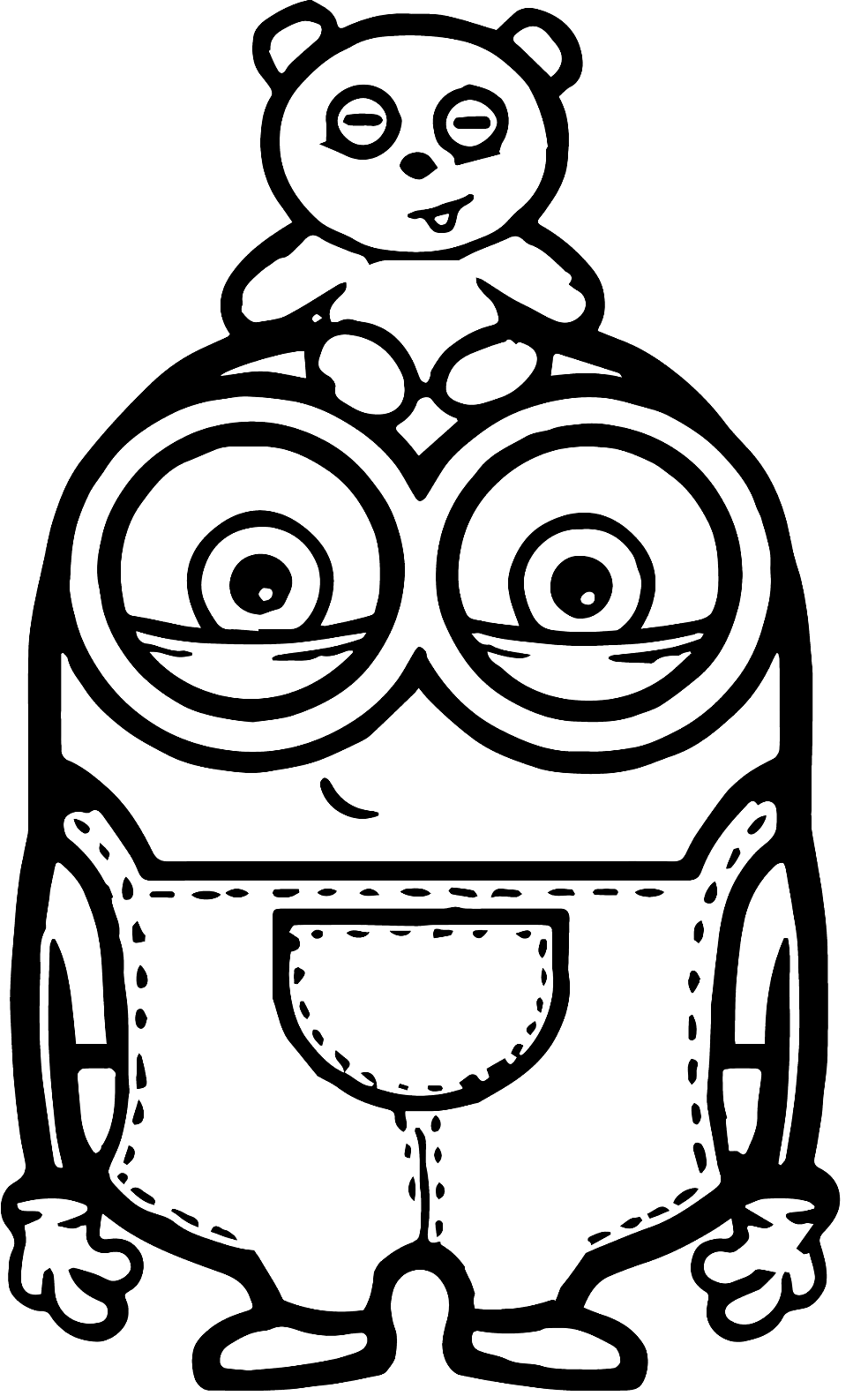
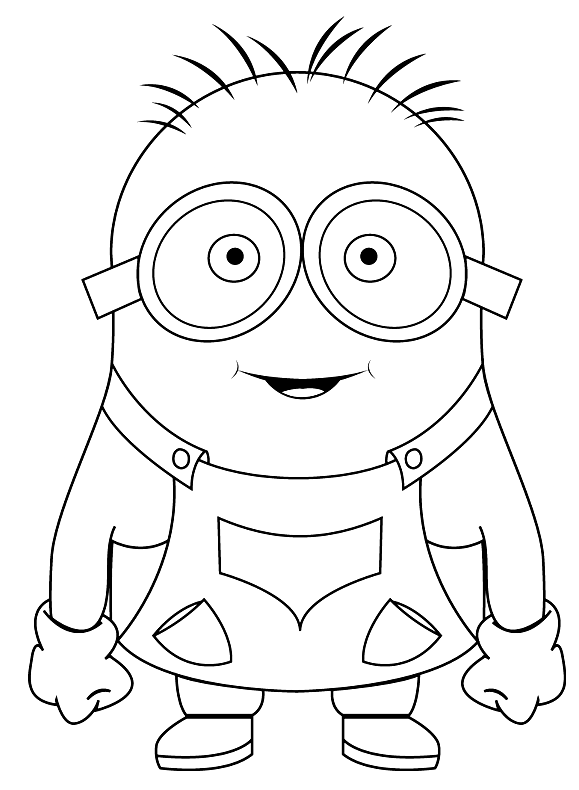
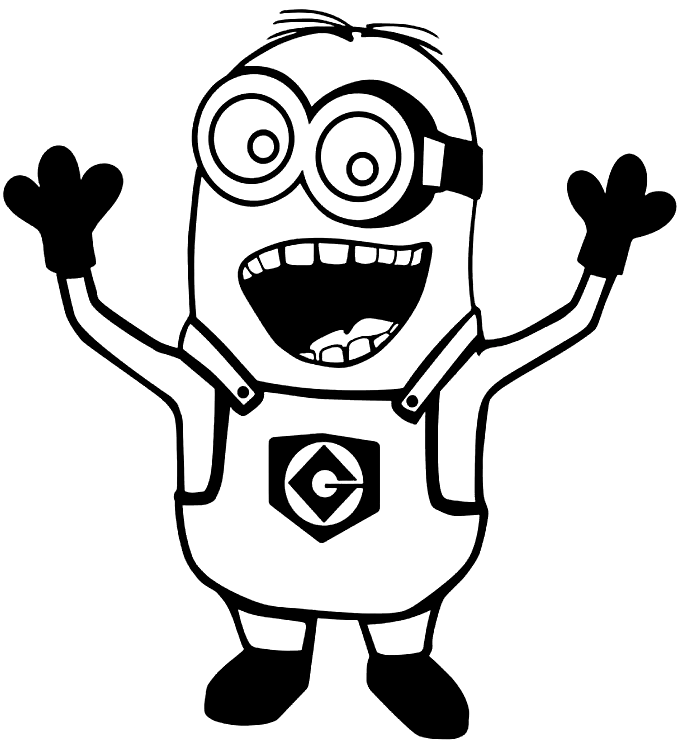
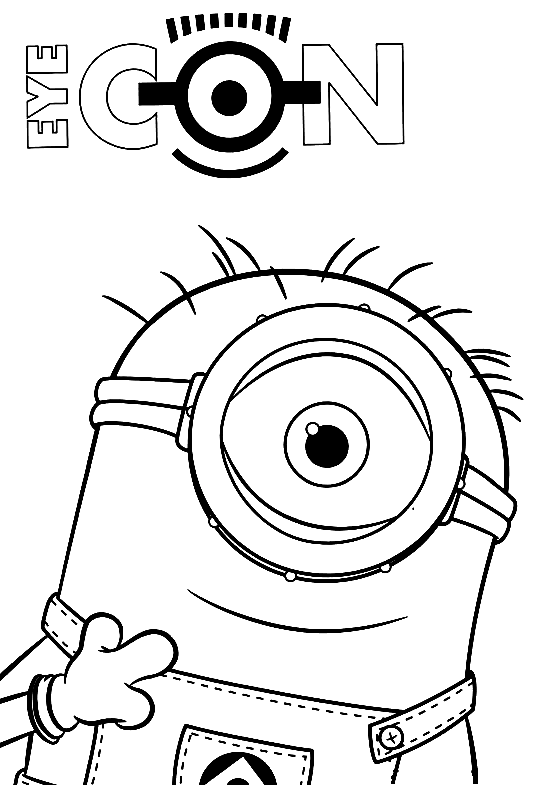
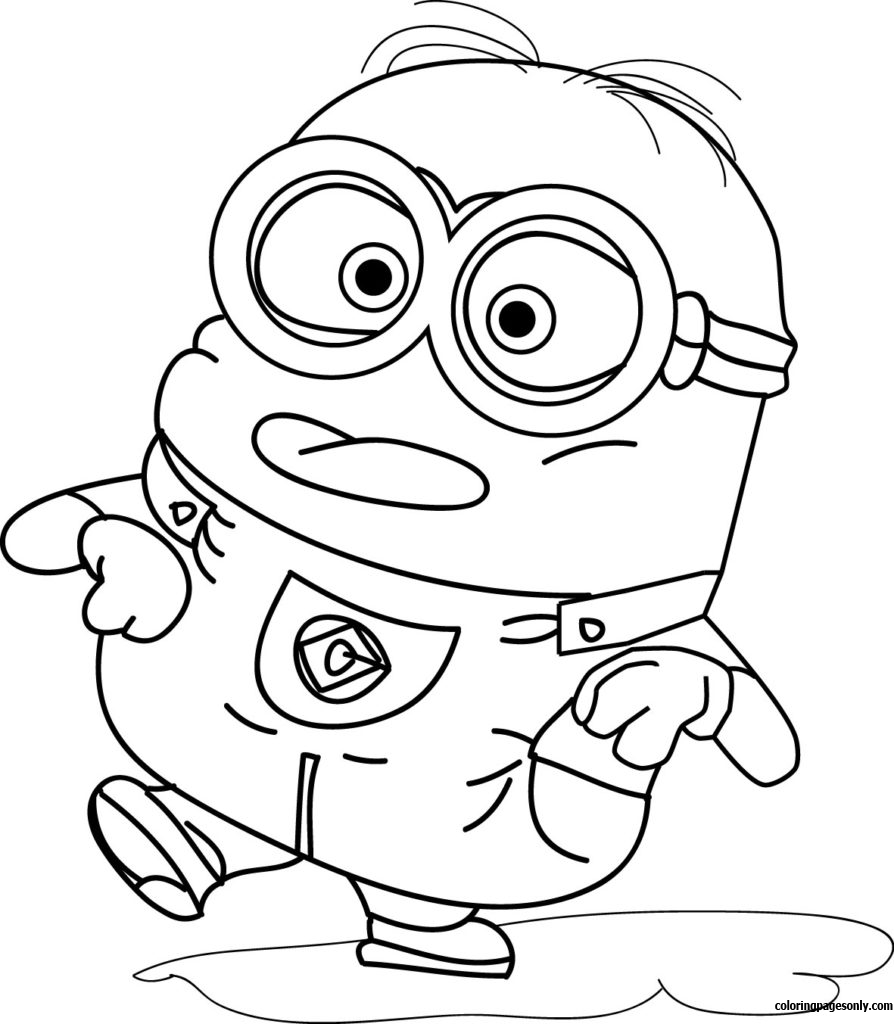
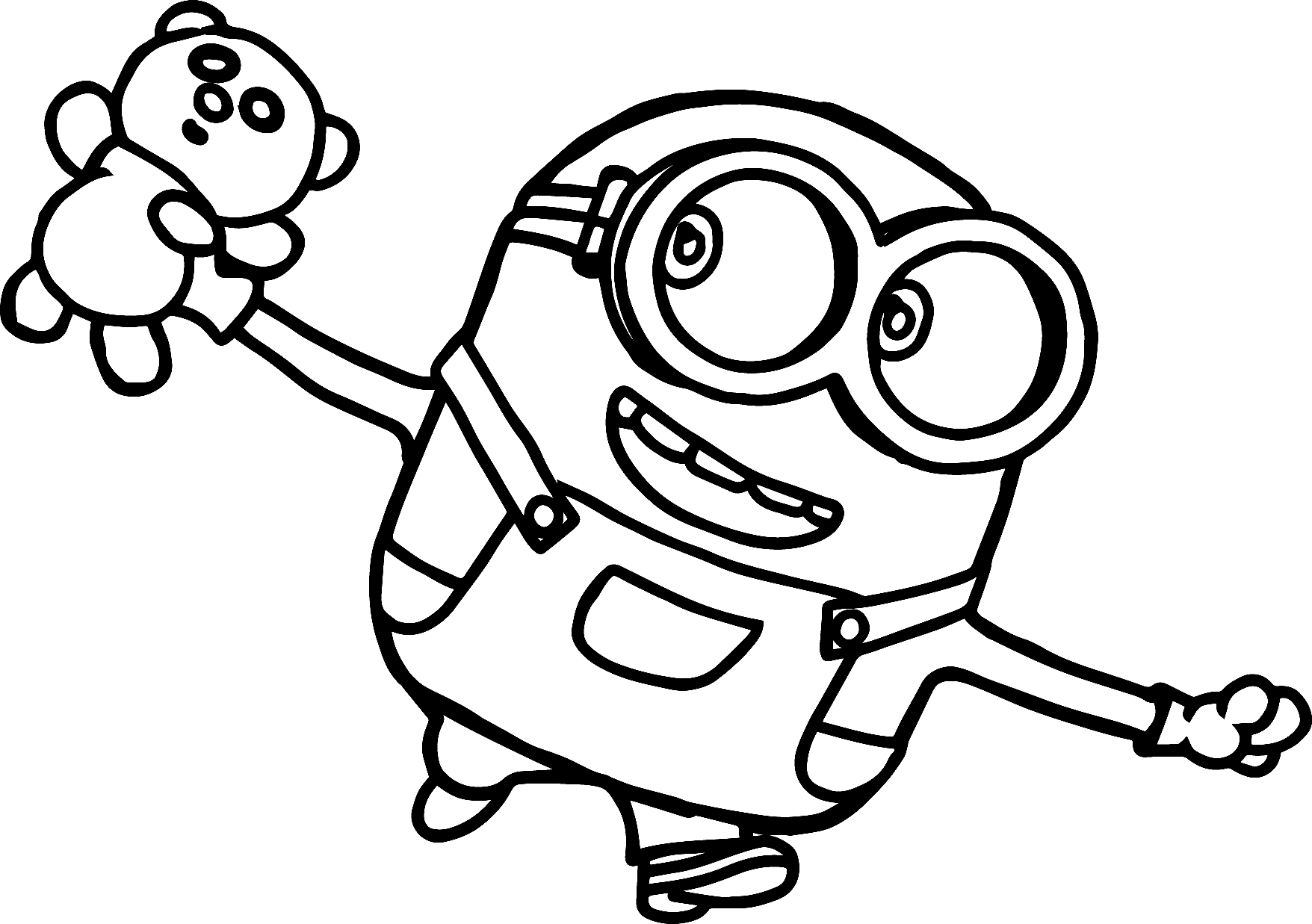
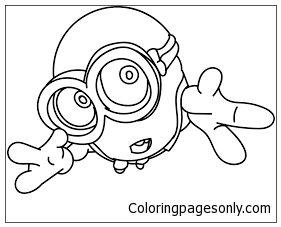
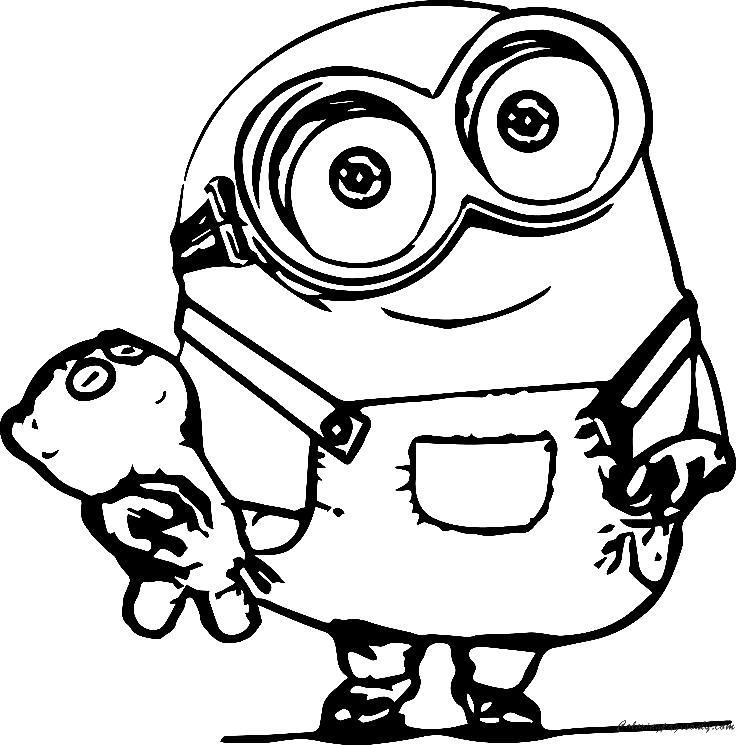
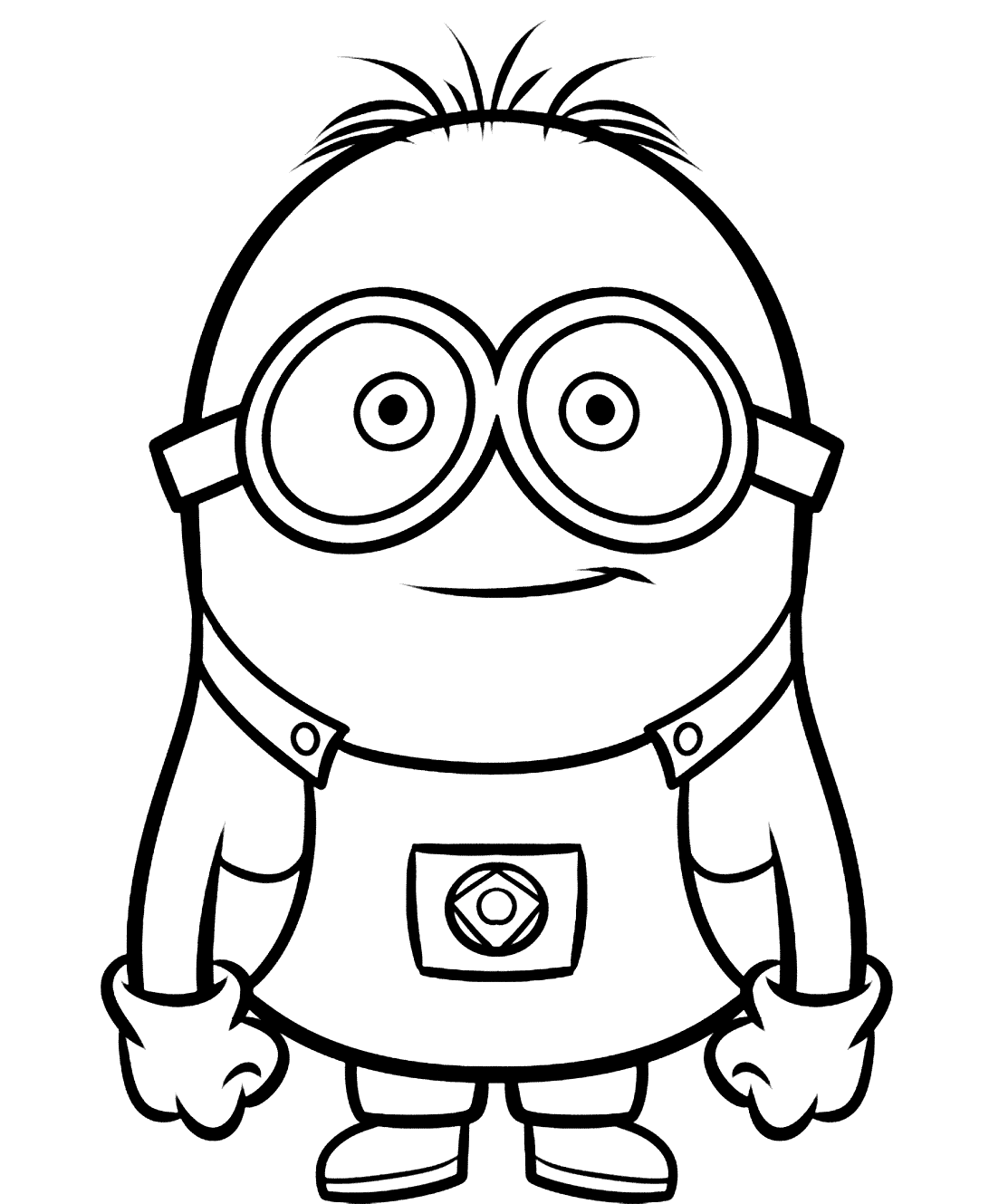
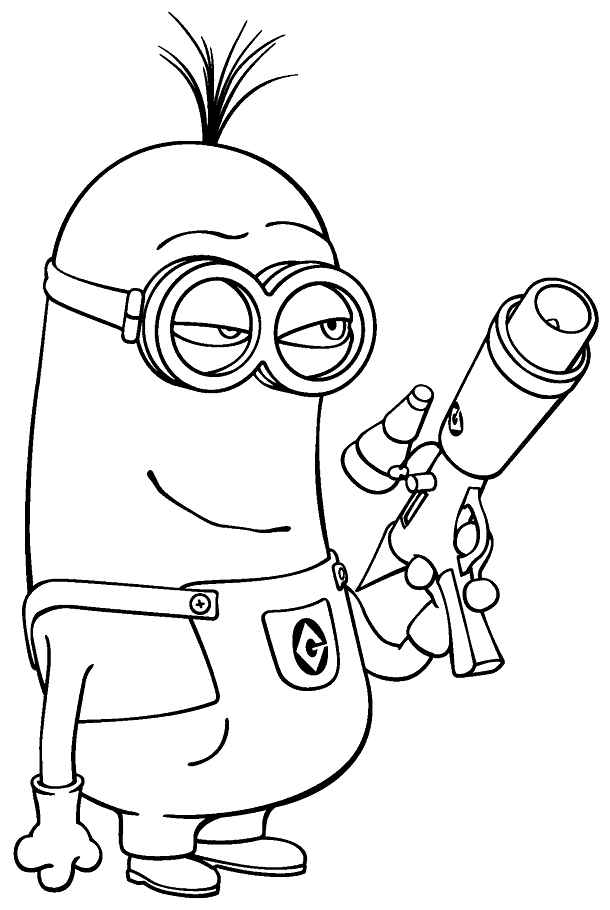
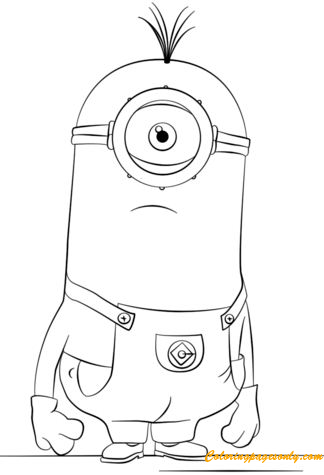
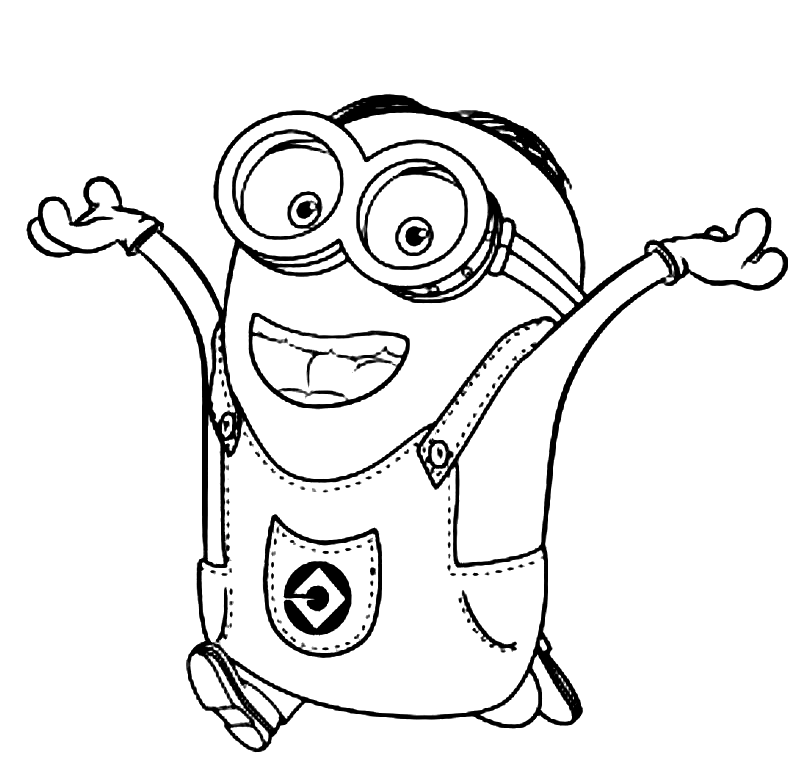
Classic Minion coloring pages focus on the most familiar Minion look: a yellow body, silver goggles, denim overalls, black gloves, small boots, and a funny expression. These pages may show a Minion standing, smiling, waving, laughing, looking confused, or making a silly pose.
The strength of a classic Minion page is clarity. Children do not need a complicated background to understand the character. The body shape is large, the goggles are easy to spot, and the overalls create a clean area for blue coloring. This makes classic pages especially friendly for preschoolers and younger children who are still learning to control crayons or colored pencils.
These pages also teach children how a few small details can create a character. The goggles frame the eyes, the mouth shows the mood, and the arms or body angle tell whether the Minion is happy, surprised, nervous, or playful. Even a very simple outline can feel expressive once the face is colored.
For coloring, keep the main parts clear. Yellow works best for the body, blue for the overalls, gray or silver for the goggles, black for the gloves and boots, and white for the eye area. Younger kids can use flat colors, while older kids can add light shading around the sides of the body or under the goggles.
A classic Minion page is a good starting point before moving into costume pages, group scenes, or action designs. It gives children the basic color system first, then lets them explore more detailed versions later.
Bob, Kevin, Stuart, Dave, and Other Minion Characters
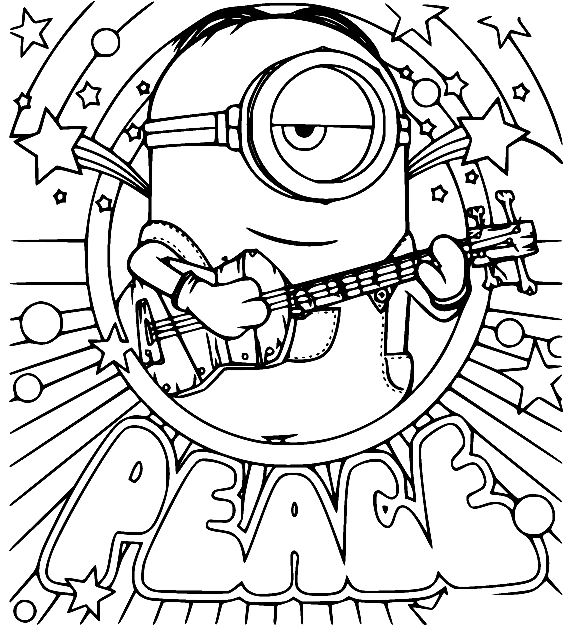
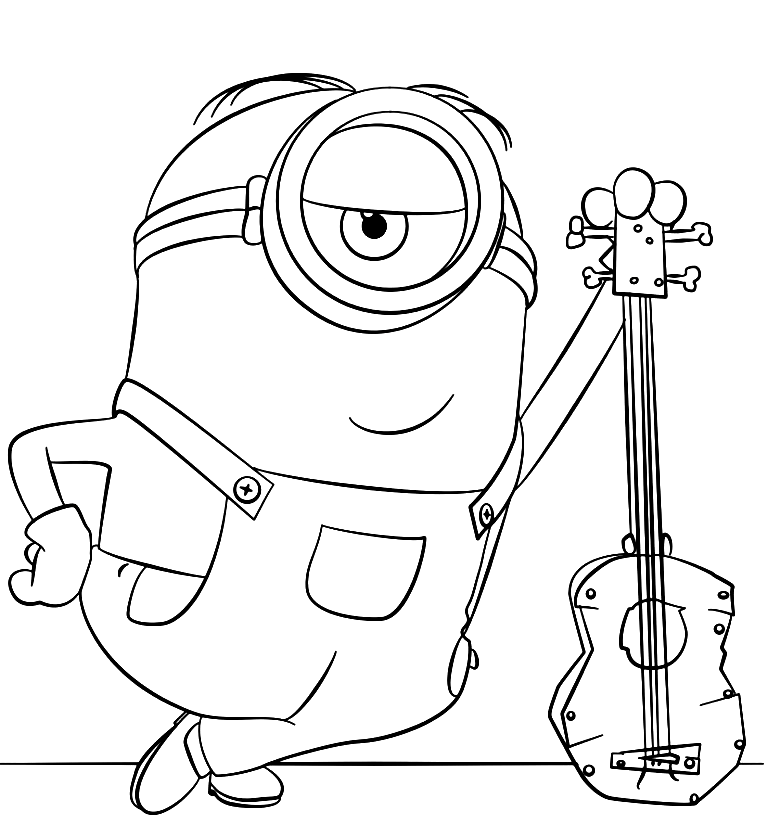
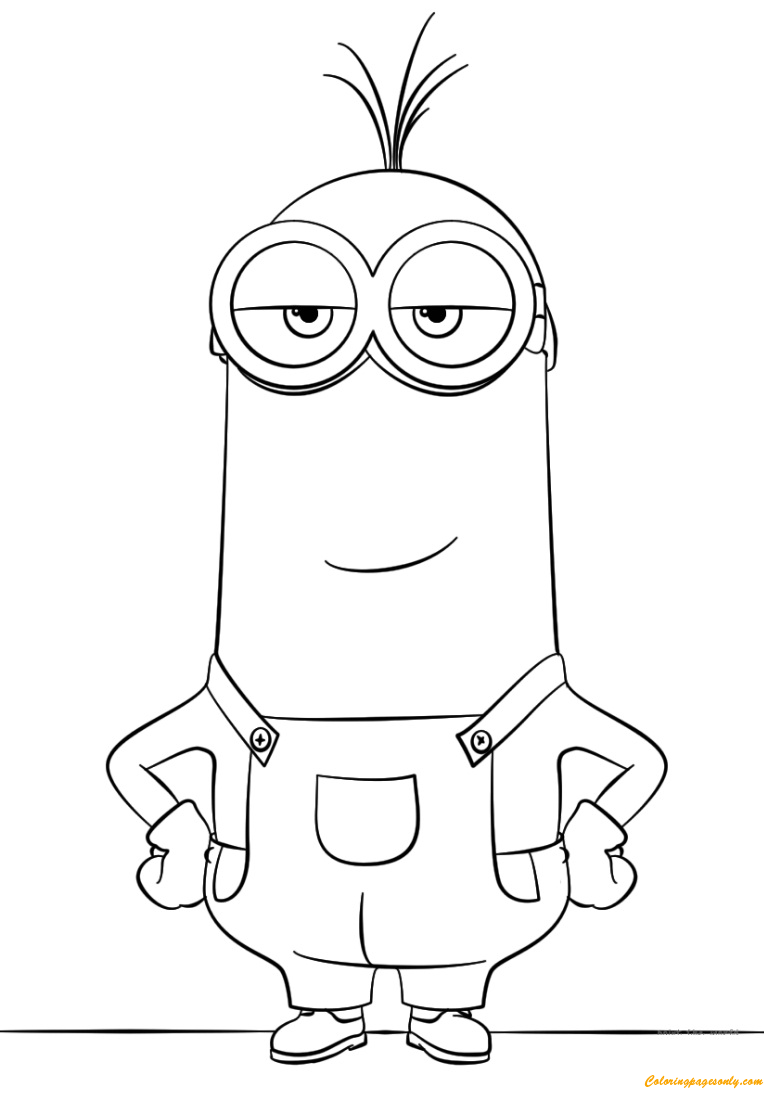
Minion character pages are fun because each Minion has a slightly different visual personality. Bob often feels small, sweet, and innocent. Kevin usually looks taller and more leader-like. Stuart has a relaxed, playful feeling, often connected with music or funny moments. Dave is cheerful and expressive, while other Minion characters add more variety to group scenes.
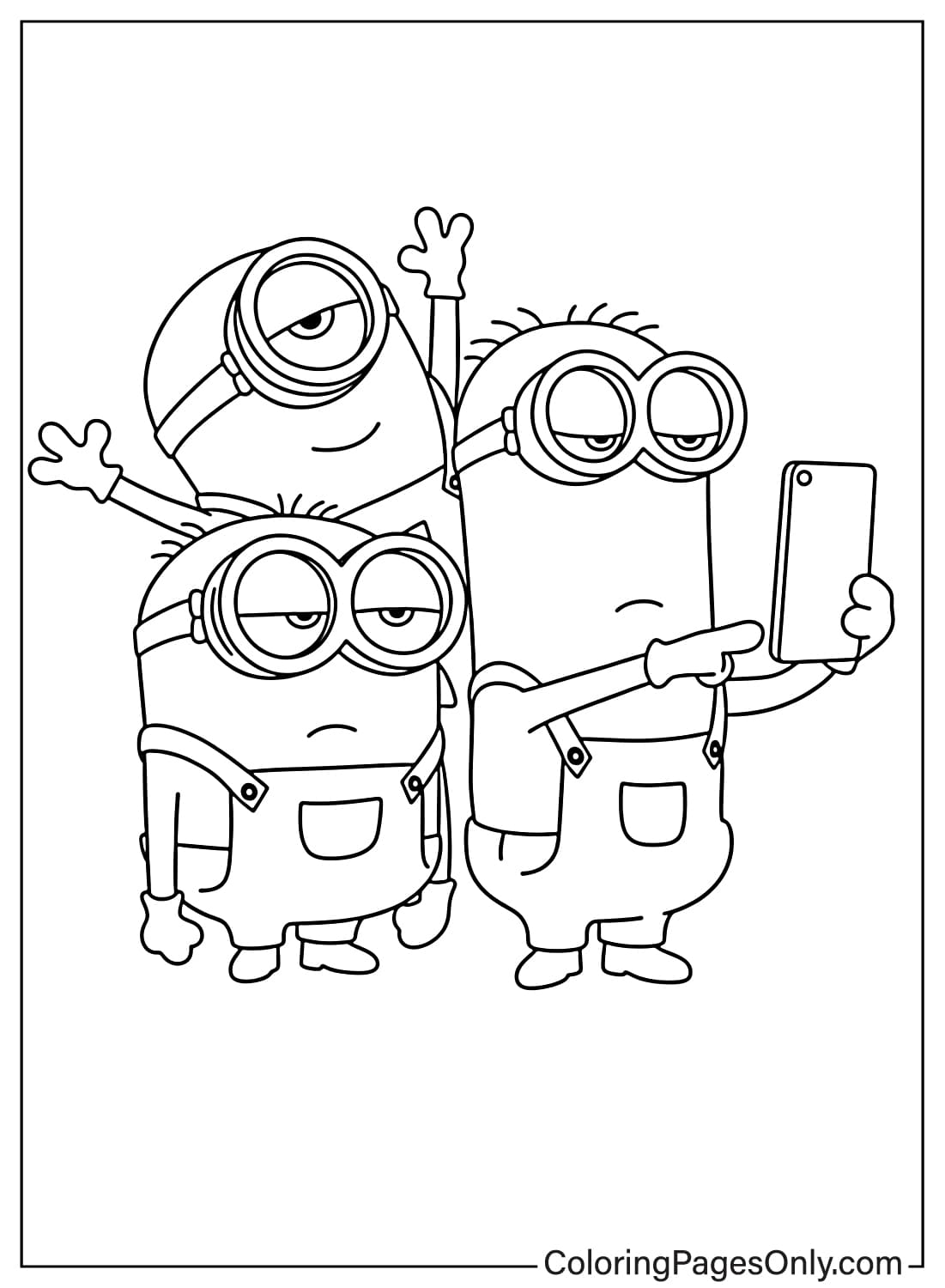
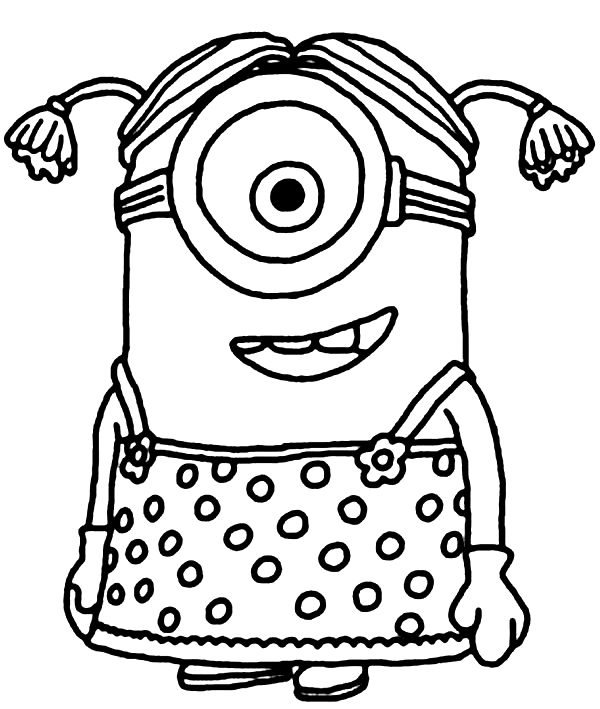
The differences are not always large, but children can notice them through body shape, goggles, hair, expression, and pose. A tall Minion can feel different from a short, round Minion. One eye creates a different mood from two eyes. A Minion holding a guitar feels different from one running, waving, or standing with Gru.
These pages help kids pay attention to character variation. Instead of coloring every Minion in the same way, they can use expressions and accessories to make each one feel unique. One Minion can look silly, another can look brave, another can look sleepy, and another can look excited.
Group pages with Bob, Kevin, Stuart, Dave, or other Minions need color balance. Since many Minions share the same yellow-and-blue palette, the background and accessories should not become too heavy. Small differences such as hair, goggles, mouth shape, props, or pose help each character stand apart.
For younger children, choose pages with one Minion character and a large outline. Older kids may enjoy pages with two or three Minions because there are more facial expressions, small hands, shoes, props, and clothing details to finish.
Funny Minion Faces and Expression Pages
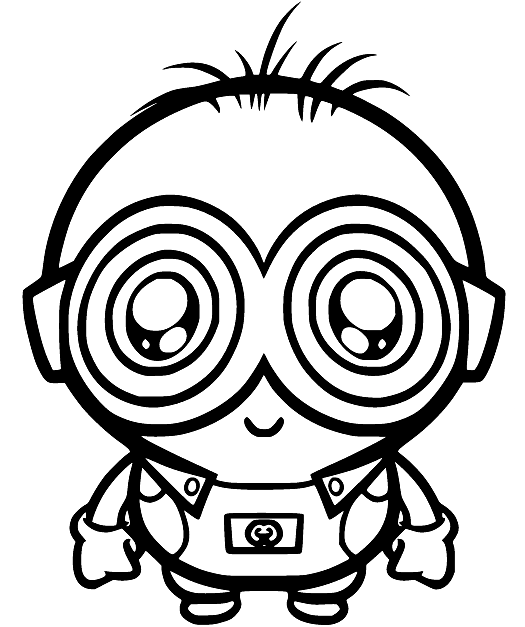
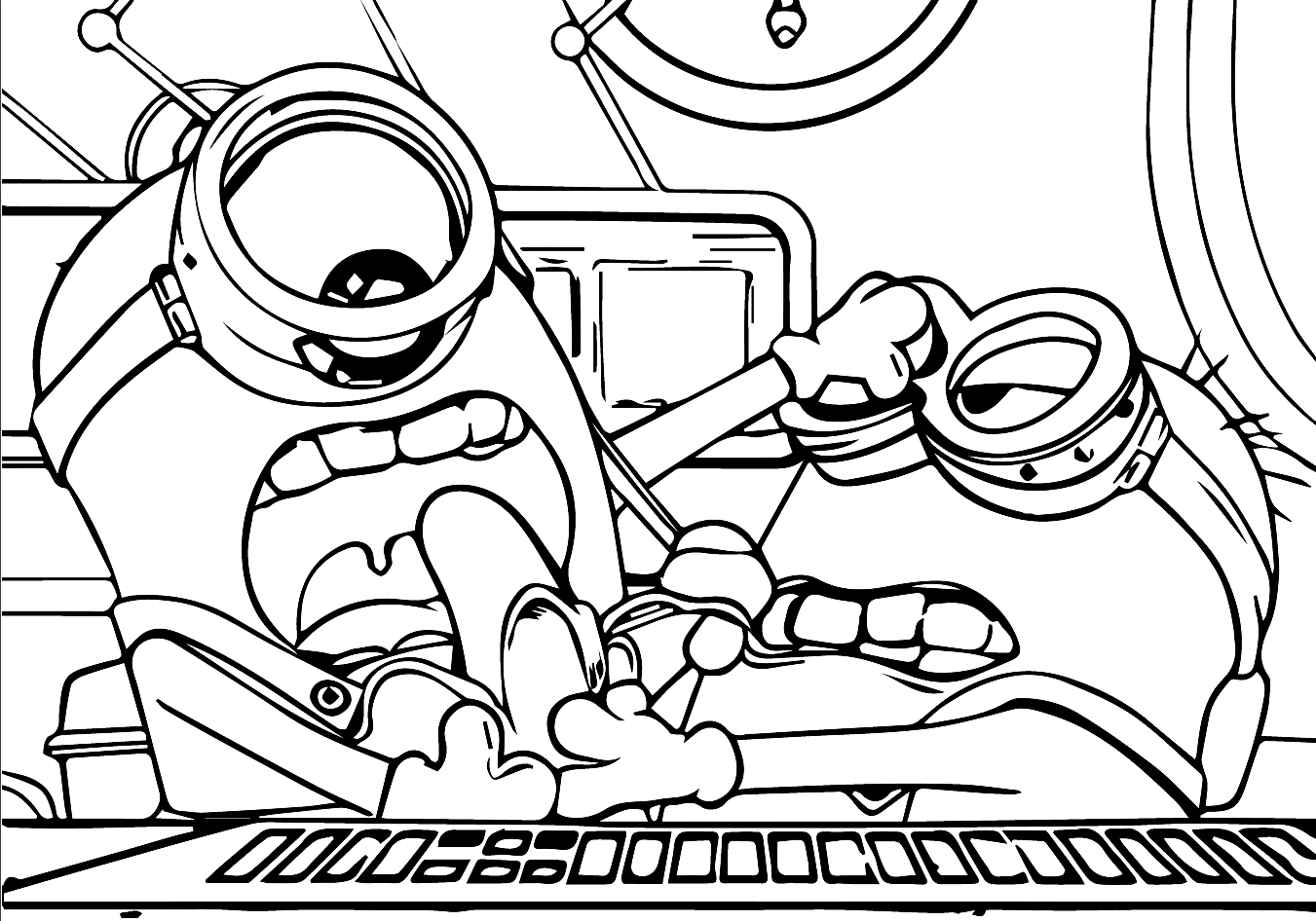
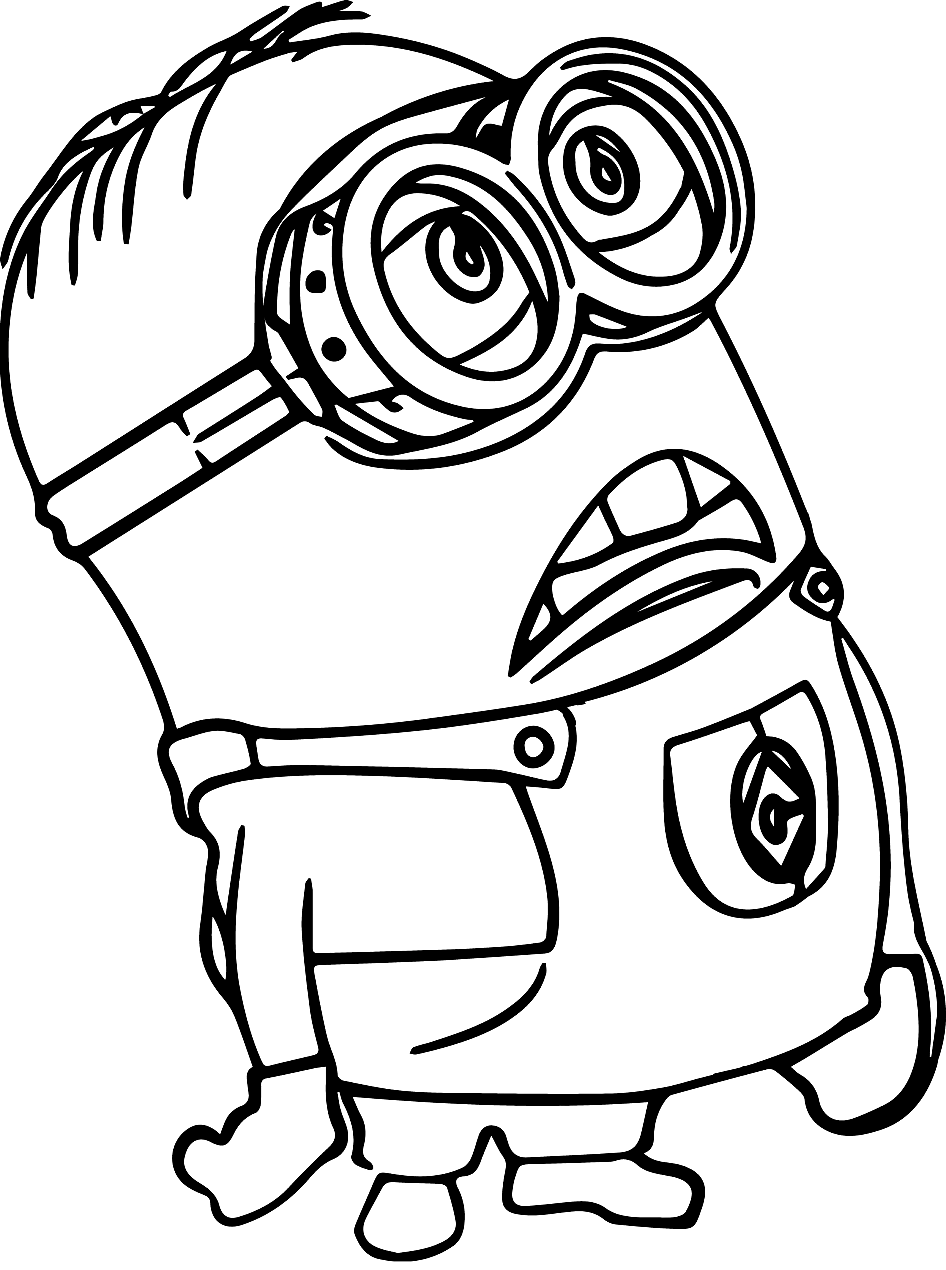
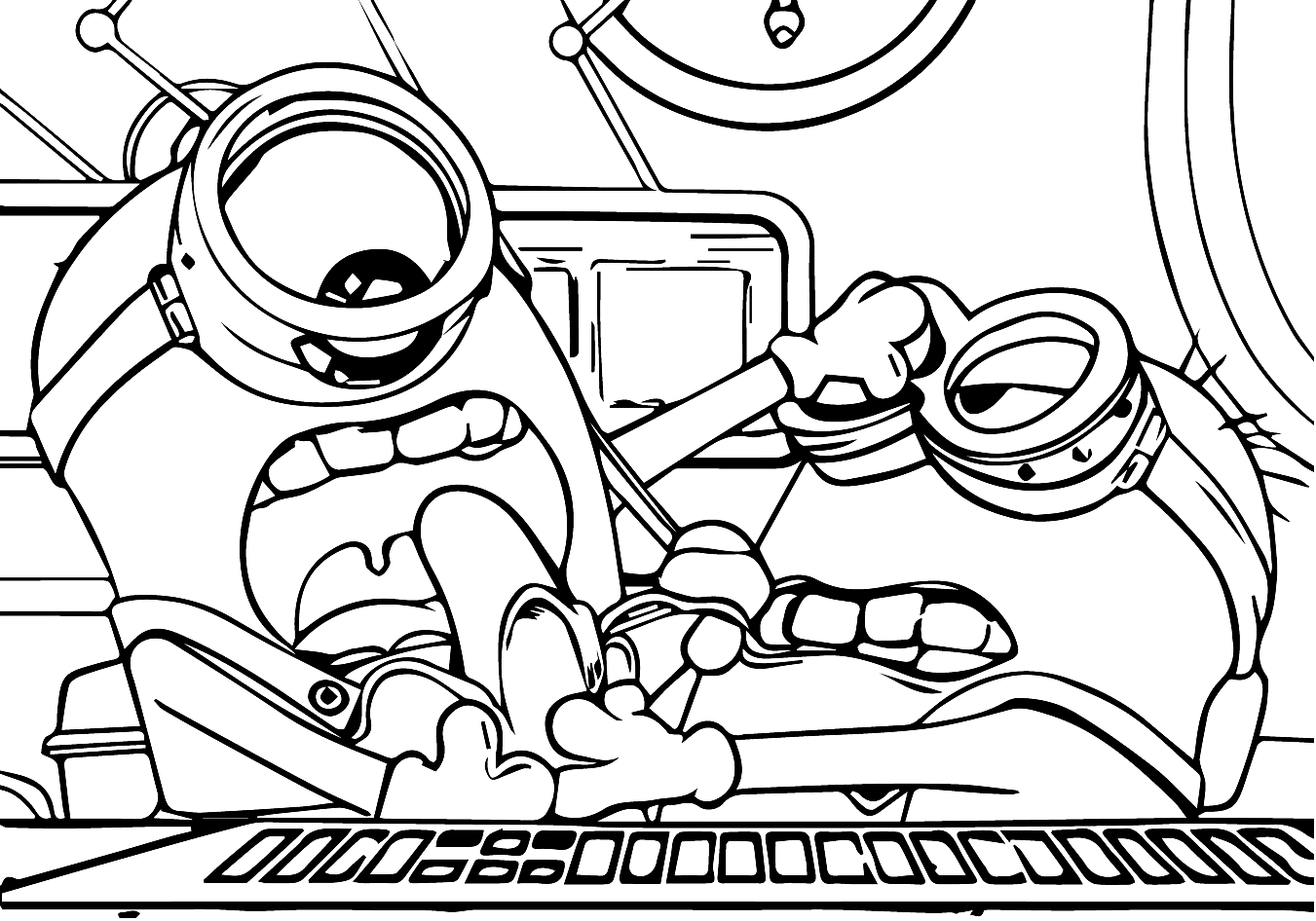
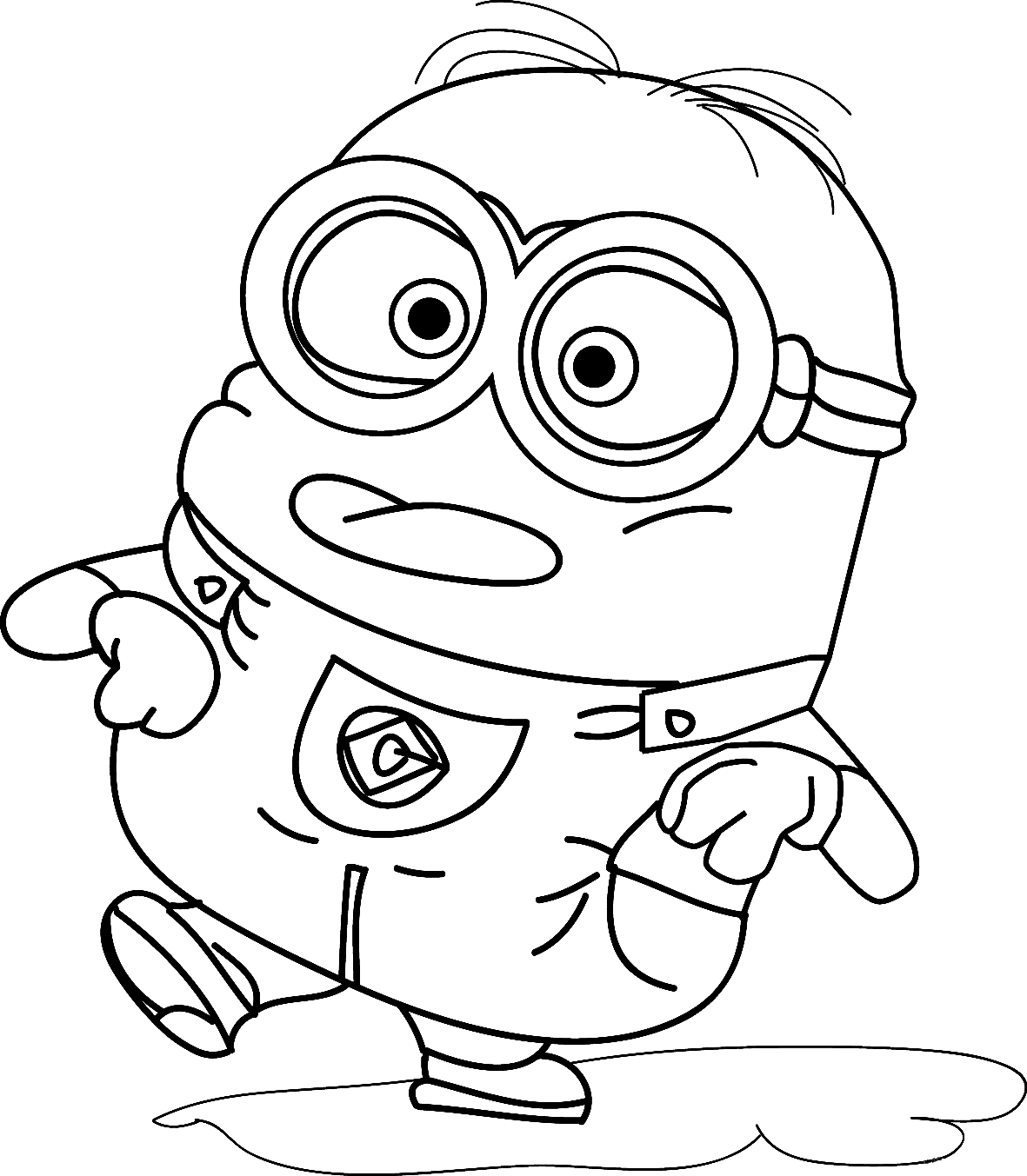
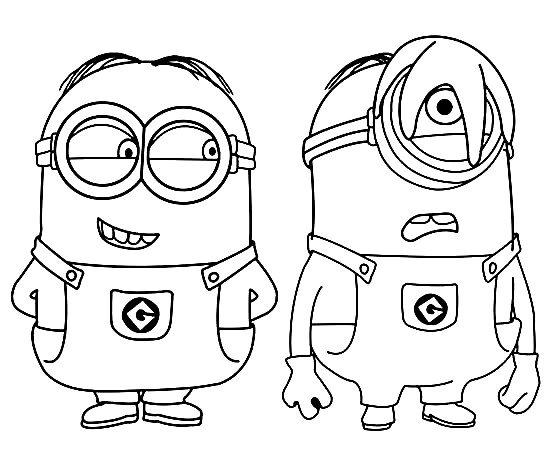
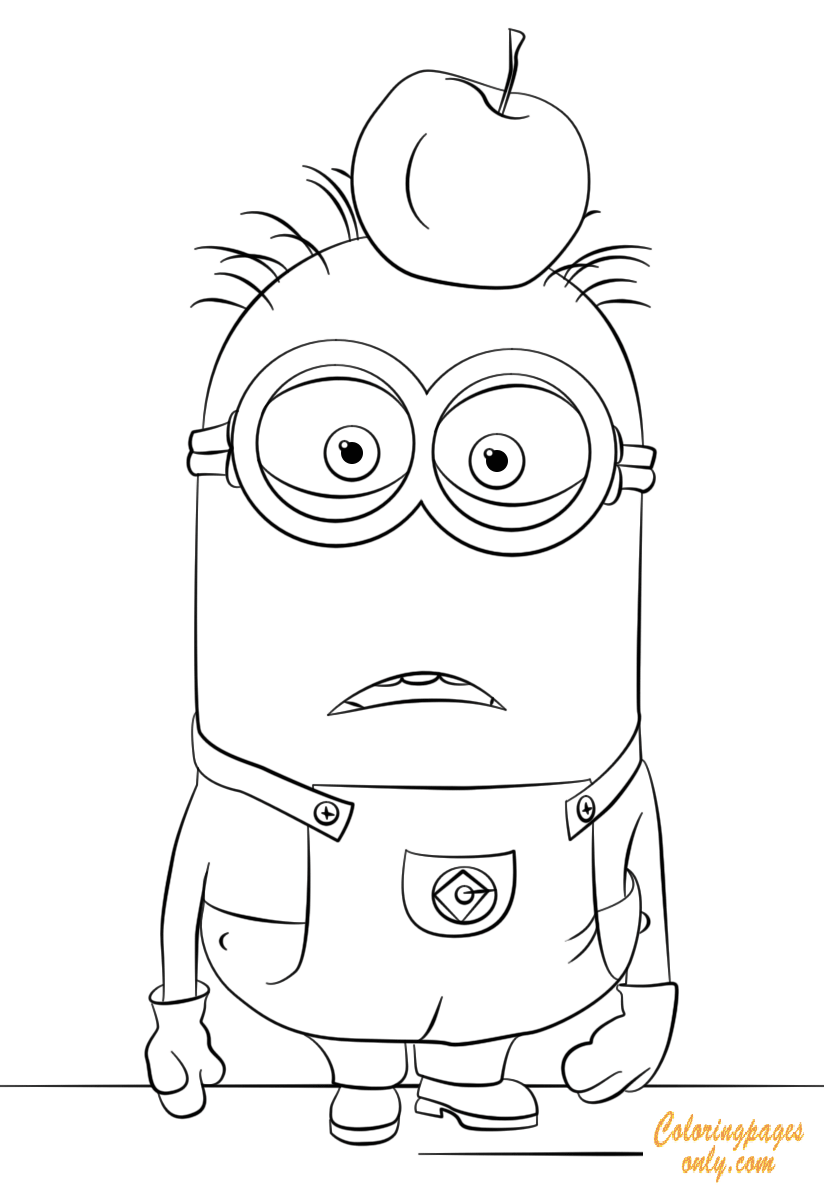
Funny Minion coloring pages are built around emotion. A Minion can look shocked, confused, excited, proud, worried, angry, sleepy, or completely silly with just a few changes in the eyes and mouth. This makes expression pages some of the most enjoyable designs in the collection.
The goggles are the center of the face. A wide-open eye can make the Minion look surprised. A small or tilted eye can make it look suspicious or confused. Eyebrows, if included, can change the whole mood of the page. The mouth also matters: a big smile feels joyful, a small open mouth feels surprised, and a crooked expression can feel mischievous.
These pages are especially useful for young kids because they can connect coloring with feelings. A happy Minion might use bright colors and a cheerful background. A confused Minion might get question marks, light gray shadows, or funny extra details. A sleepy Minion can use softer background colors.
Expression pages do not need many objects. The face already carries the story. If children want to add more, they can draw speech bubbles, small hearts, stars, question marks, bananas, or sound effects around the character.
For classroom use, Minion expression pages can become an emotion activity. Children can color several faces and label them: happy, surprised, silly, tired, excited, nervous, or proud. This turns a simple coloring page into a light social-emotional learning activity.
Banana, Food, and Everyday Minion Pages
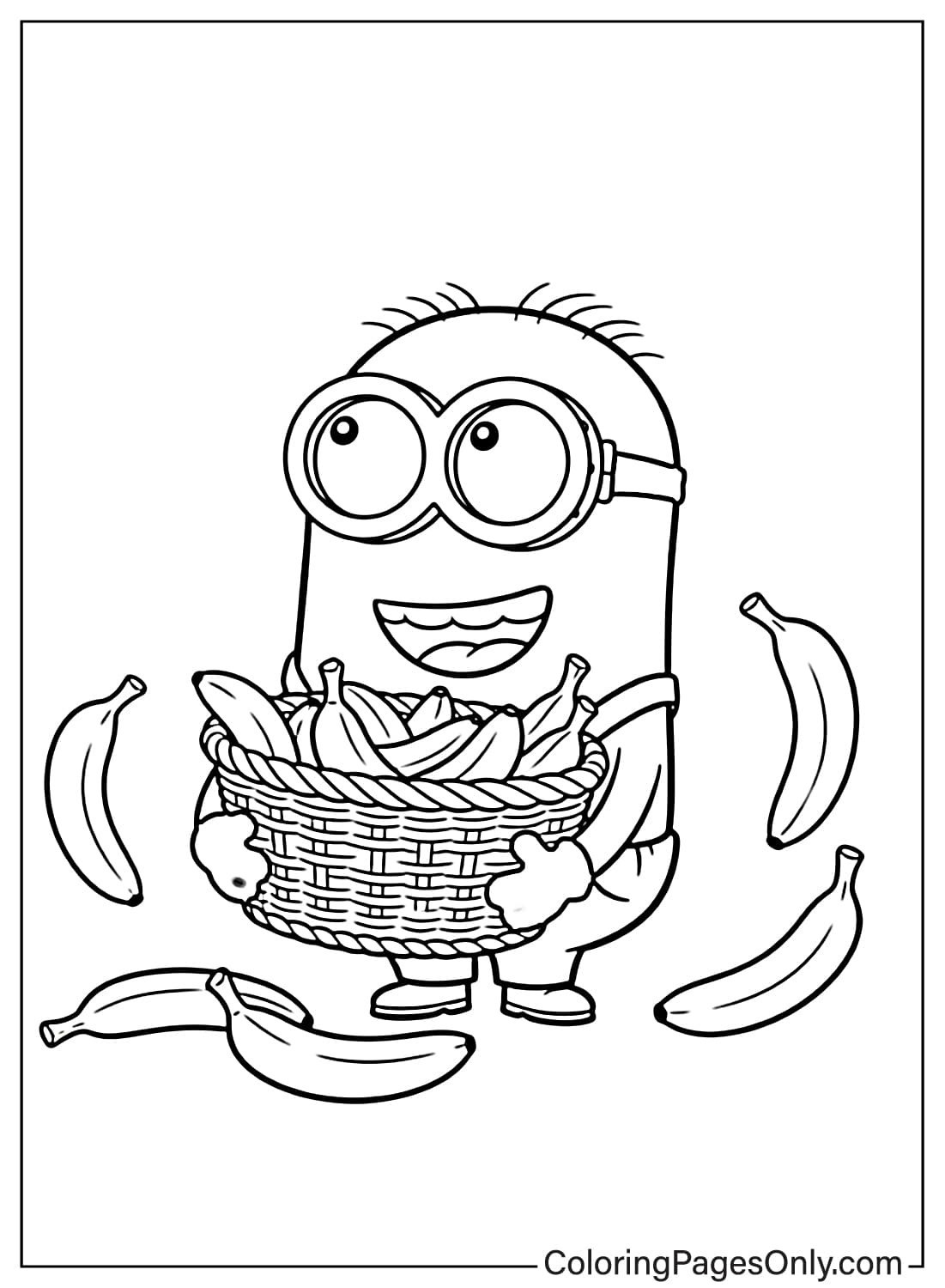
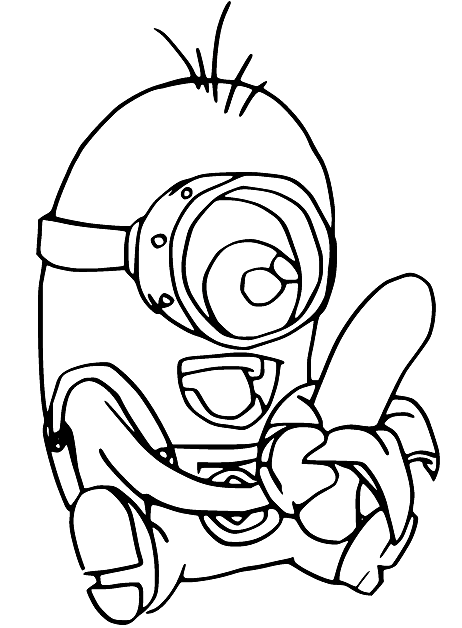
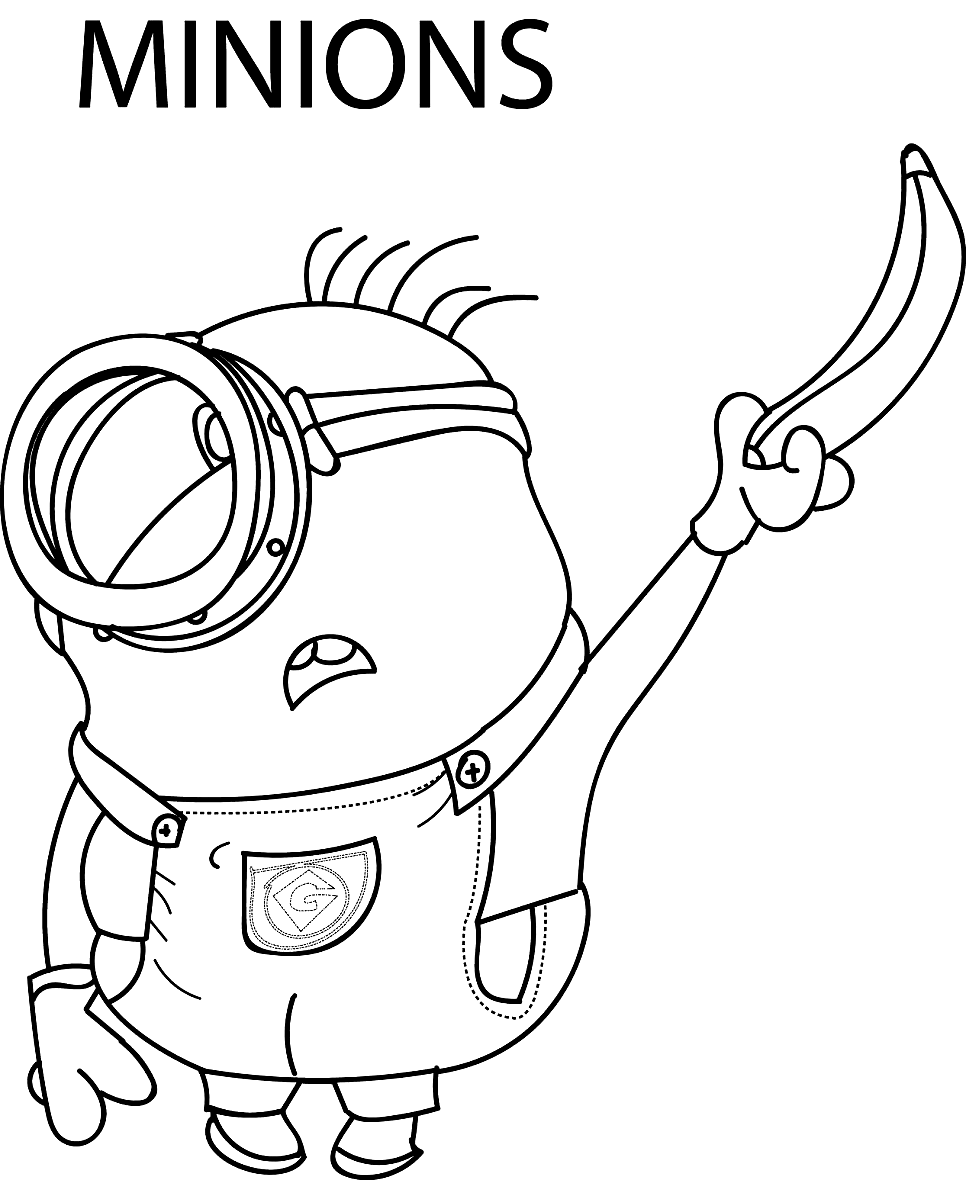
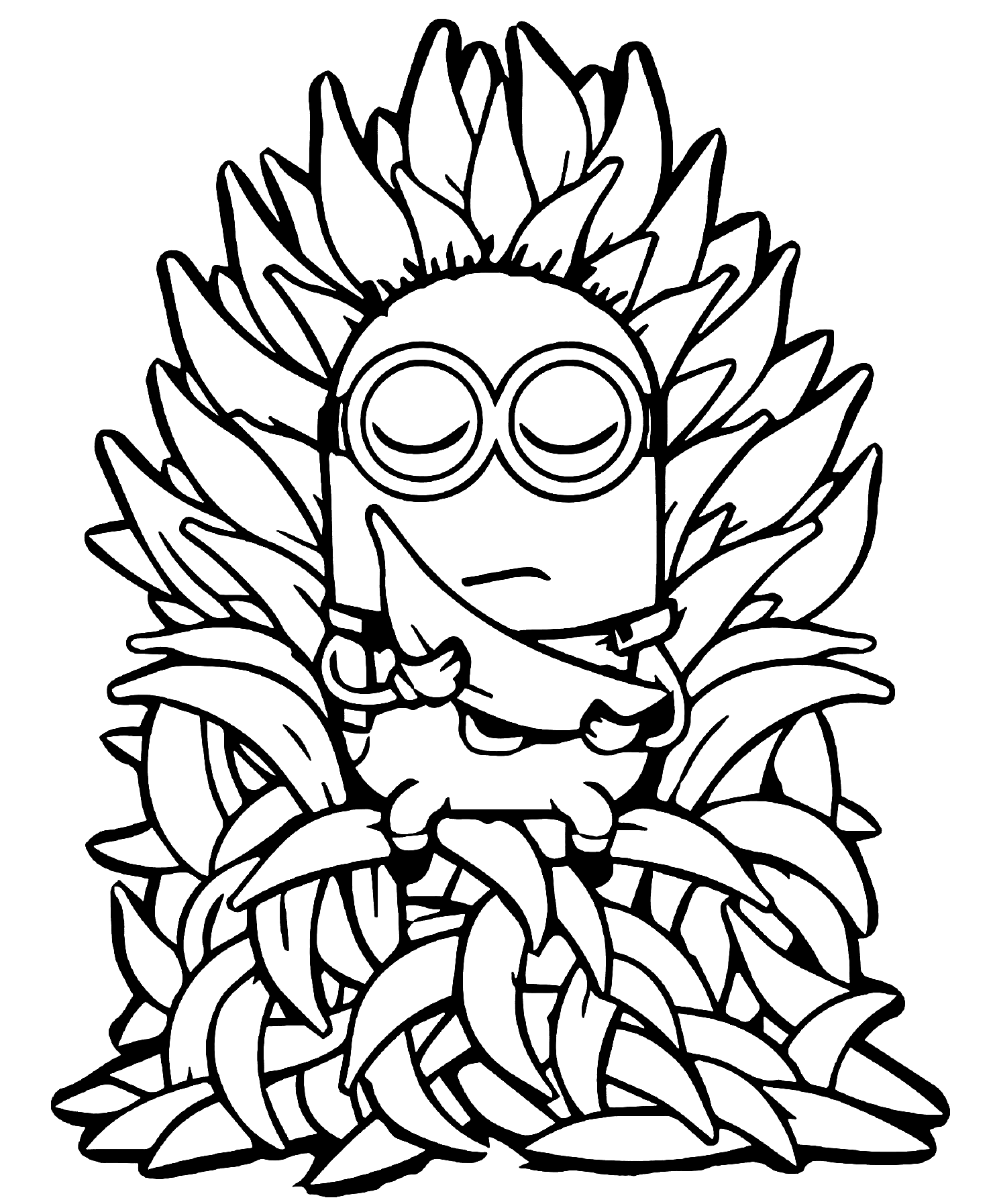
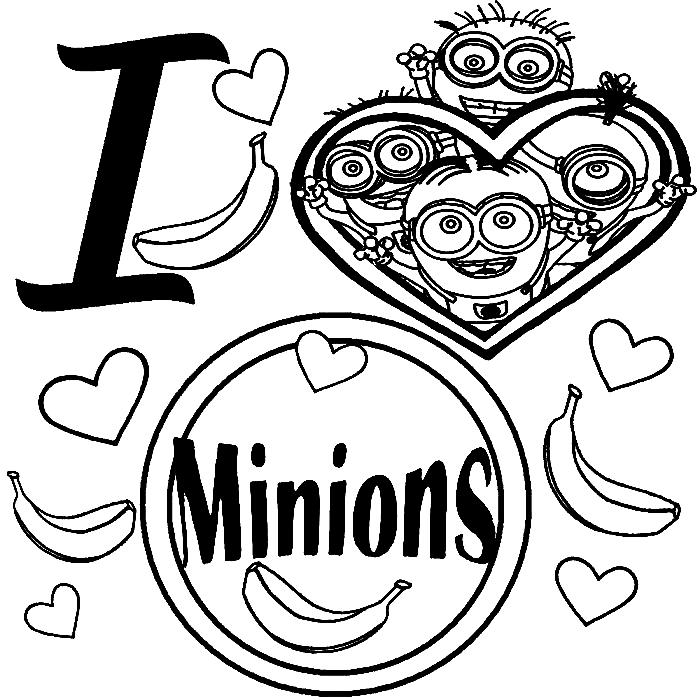
Banana Minion pages are some of the most recognizable designs because bananas are closely tied to Minion humor. These pages may show a Minion holding a banana, eating a banana, guarding bananas, standing near many bananas, or reacting excitedly to food.
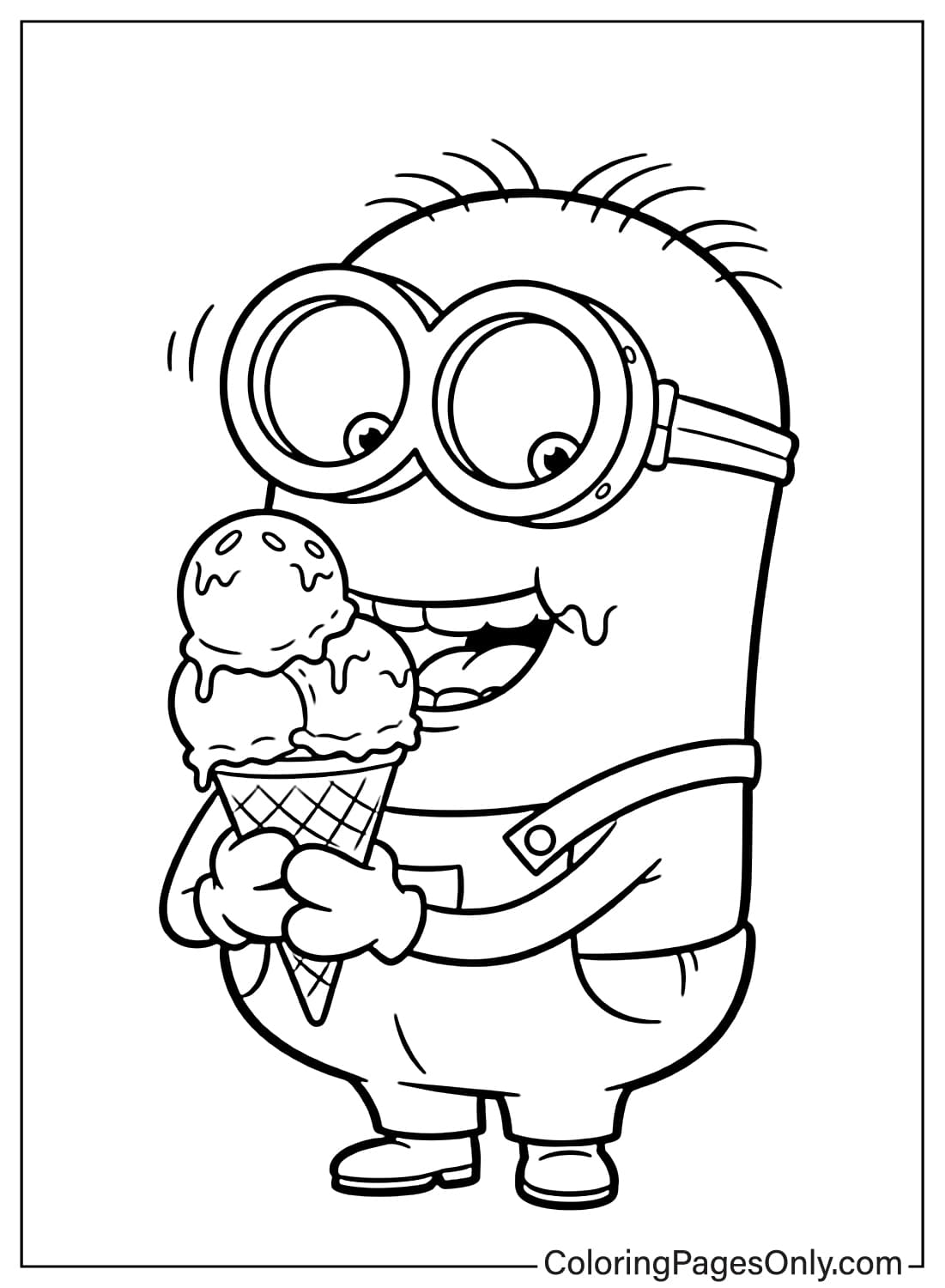
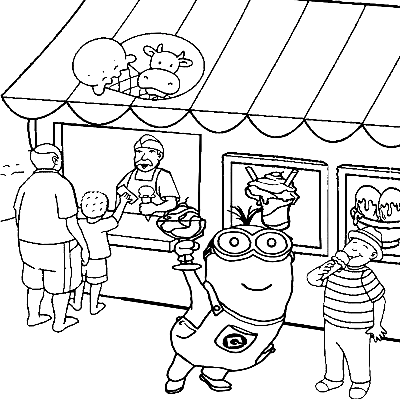
Food pages add extra storytelling. A Minion with a banana feels playful and instantly familiar. A Minion with ice cream, milk, cake, or snacks gives children more colors to use beyond yellow and blue. These pages are often cheerful, simple, and easy to turn into a complete scene.
The main challenge is color separation. Since both Minions and bananas are yellow, children should use slightly different yellows. The Minion body can be a warmer golden yellow, while bananas can be a lighter yellow with a soft brown tip. This keeps the food from blending into the character.
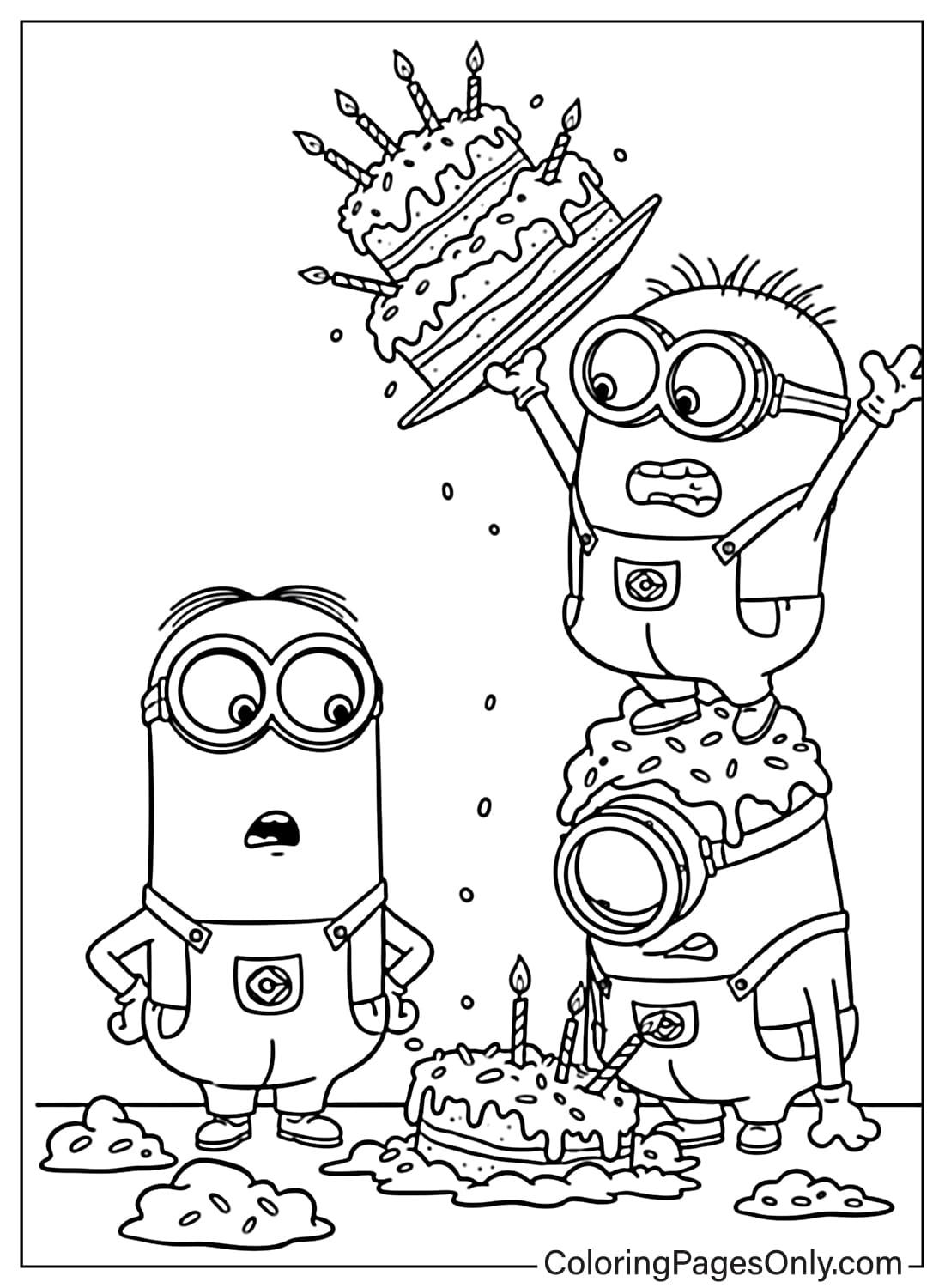
Ice cream pages, cake pages, and snack pages allow more creativity. Ice cream scoops can be pink, brown, white, green, or rainbow-colored. A birthday cake can use bright frosting, candles, and sprinkles. Milk or cups can use pale blue, white, gray, or soft shadows.
These pages work well for younger kids because food shapes are familiar. Older kids can add table details, shop backgrounds, banana piles, kitchen items, or funny speech bubbles to make the page feel more complete.
Costume, Job, and Role-Play Minion Pages
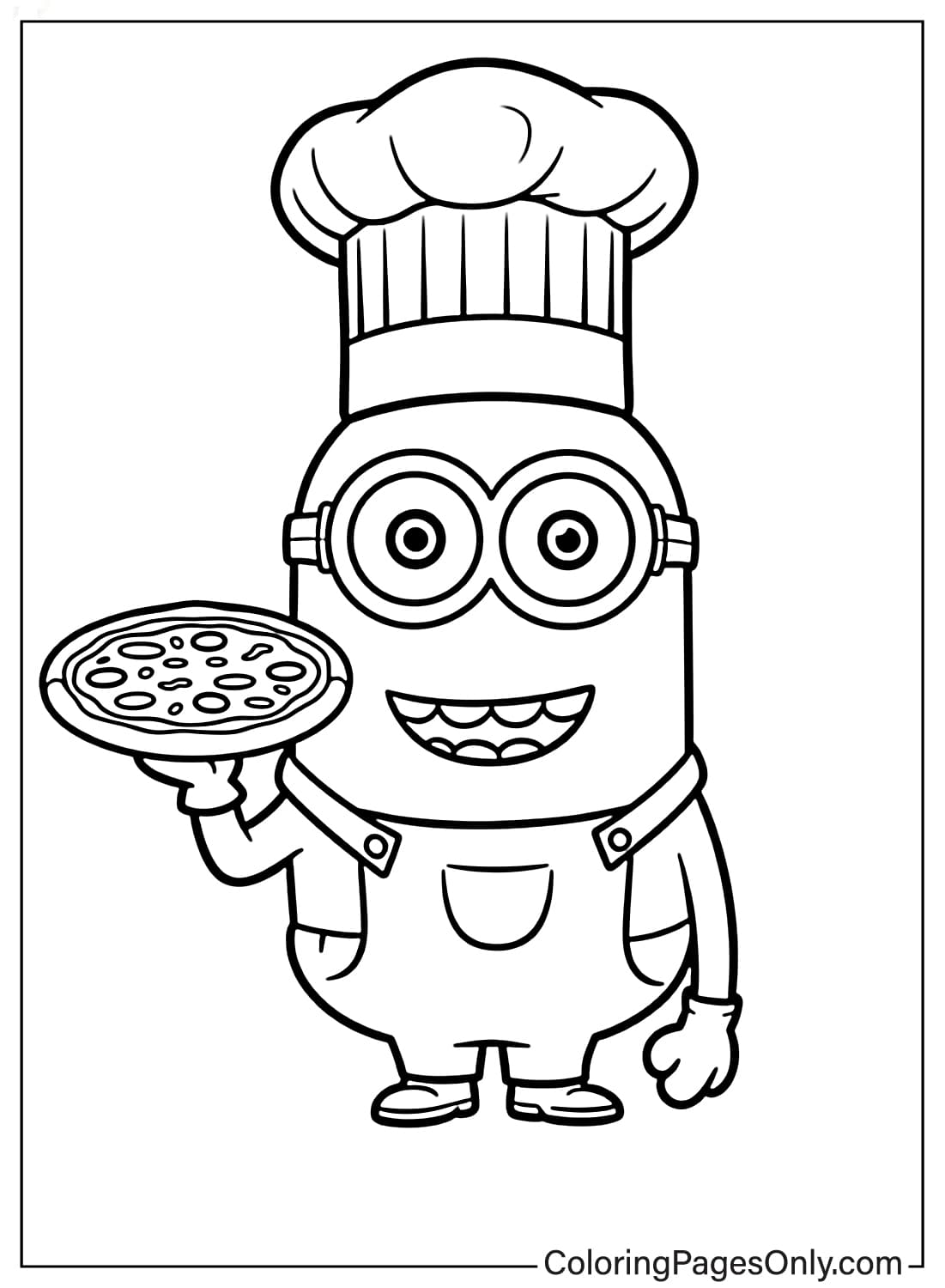
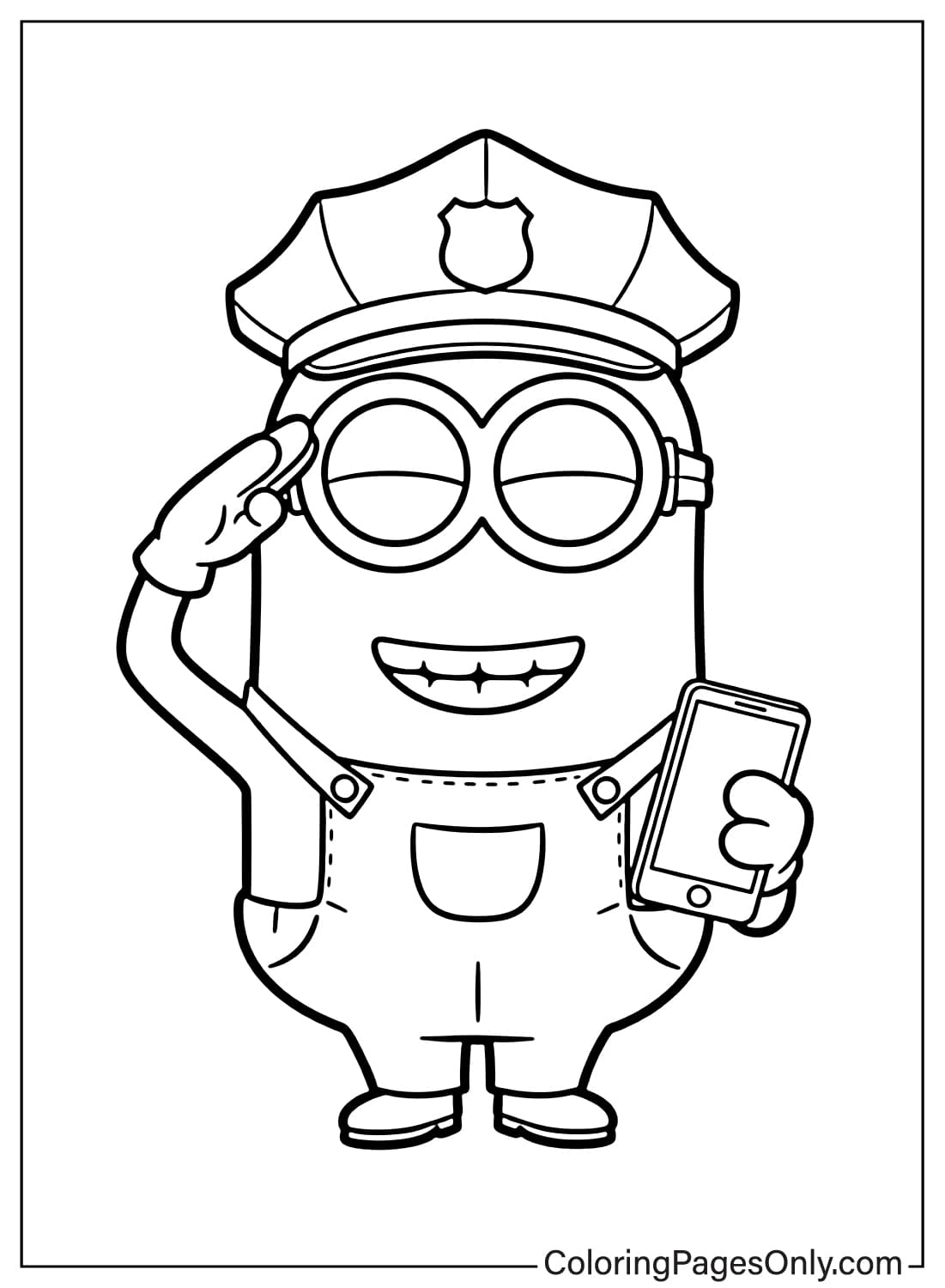
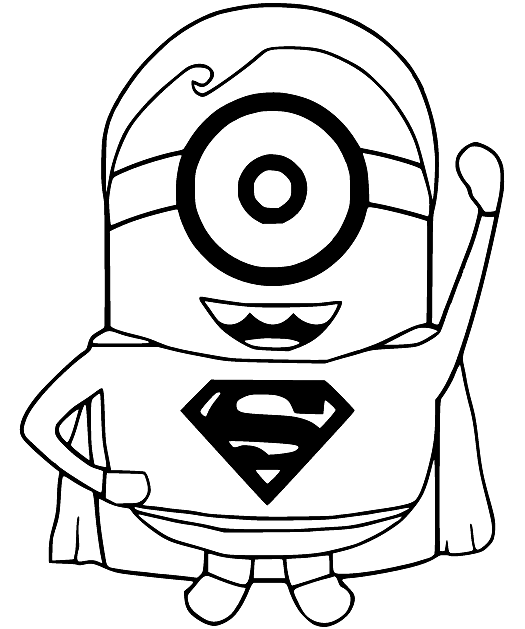
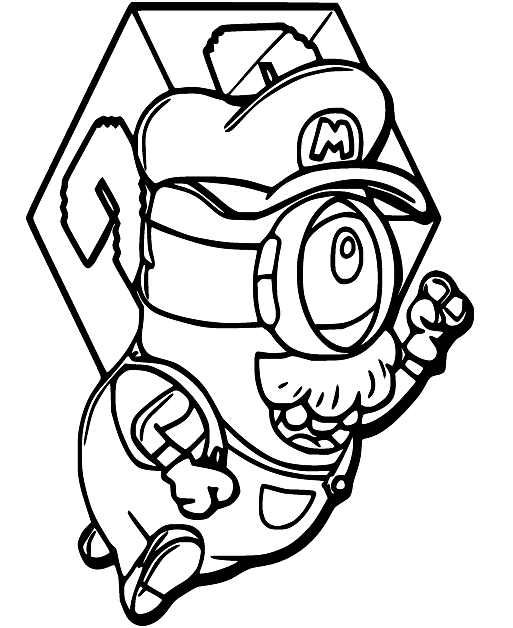
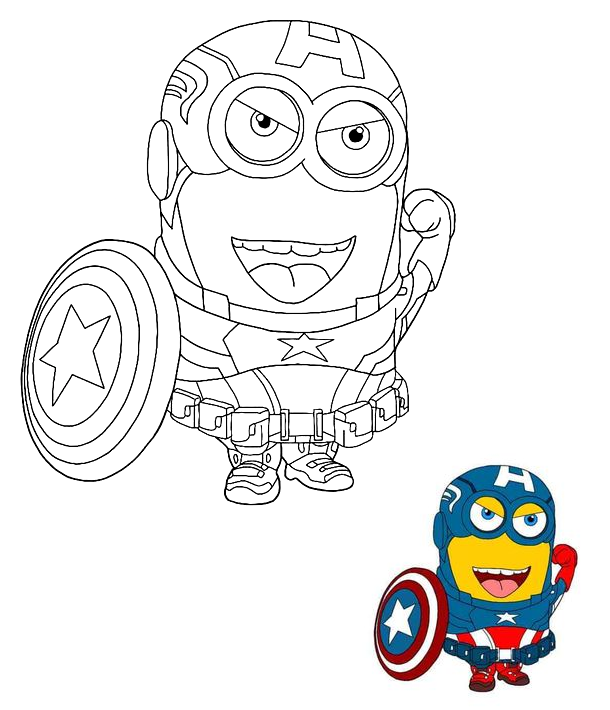
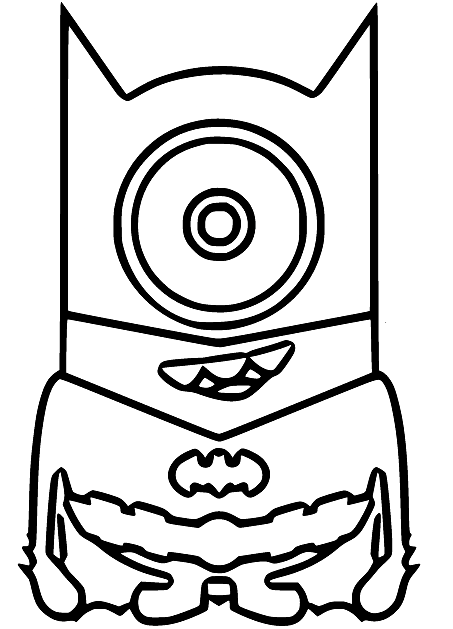
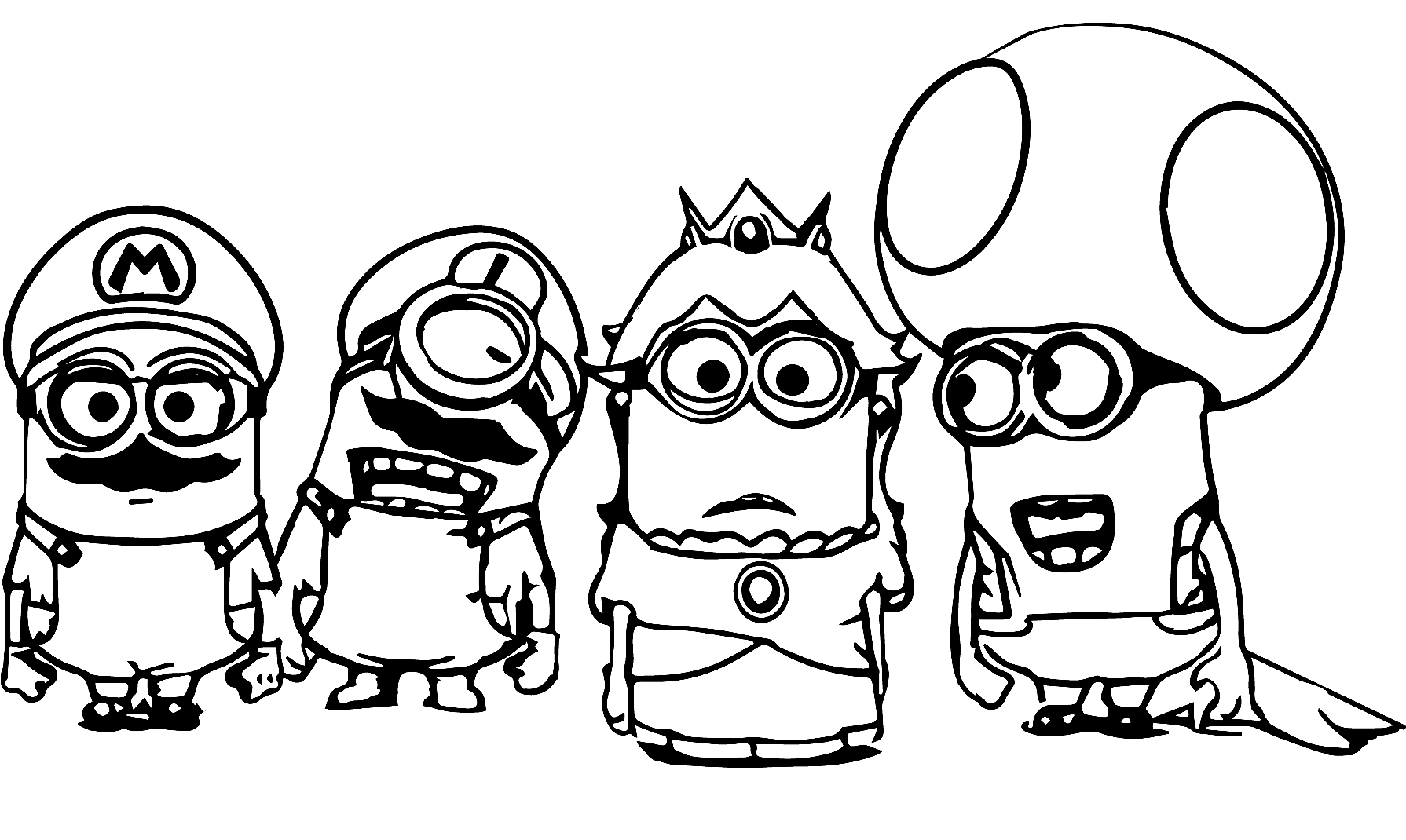
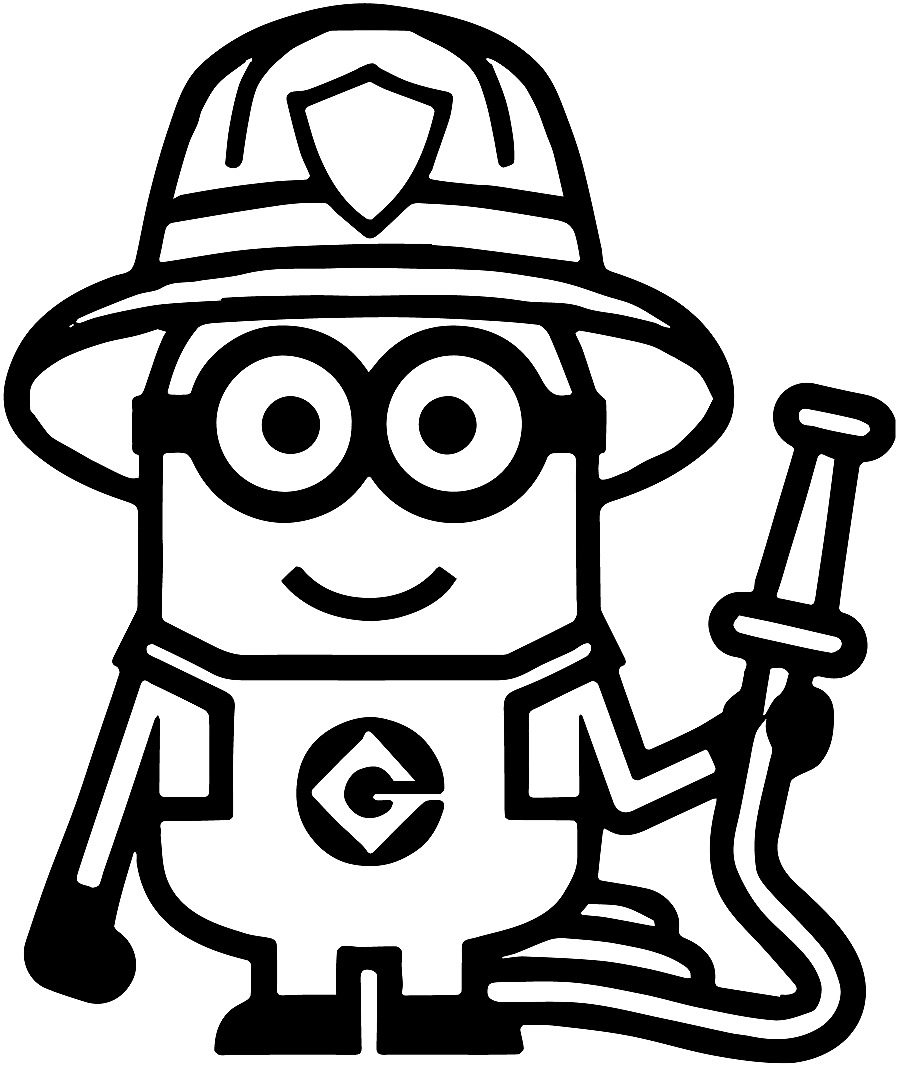
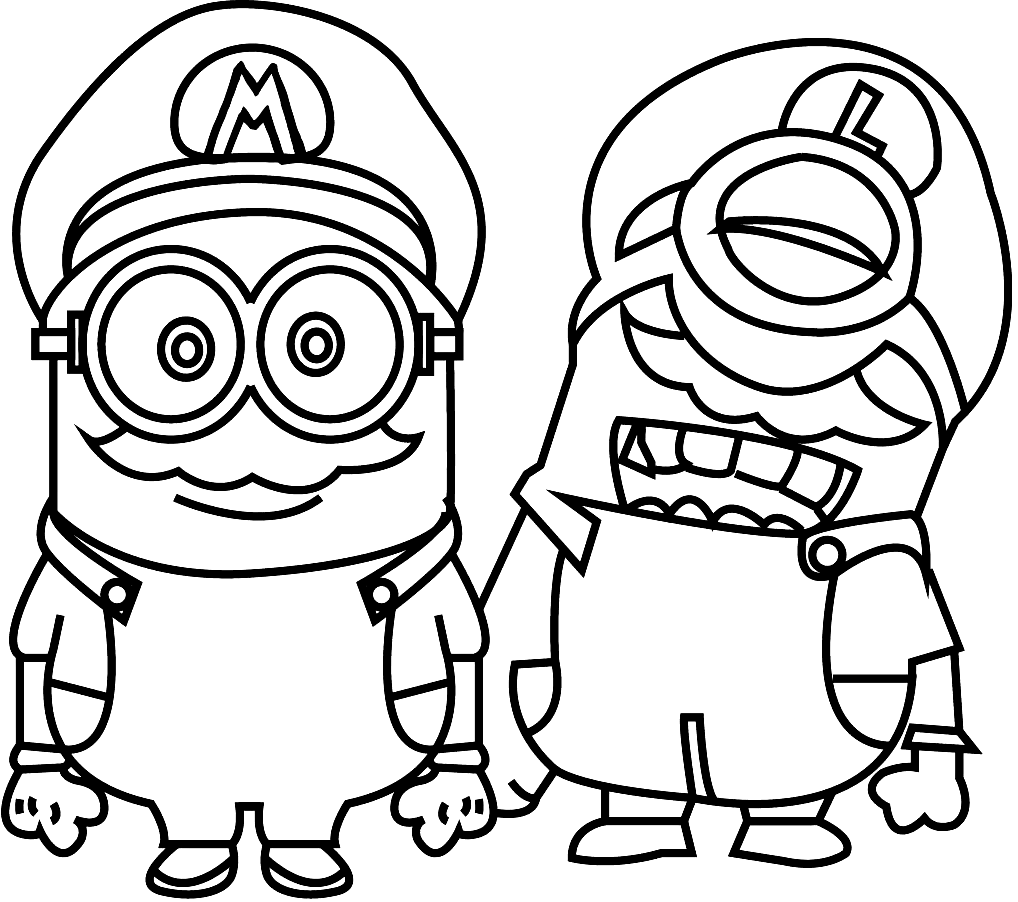
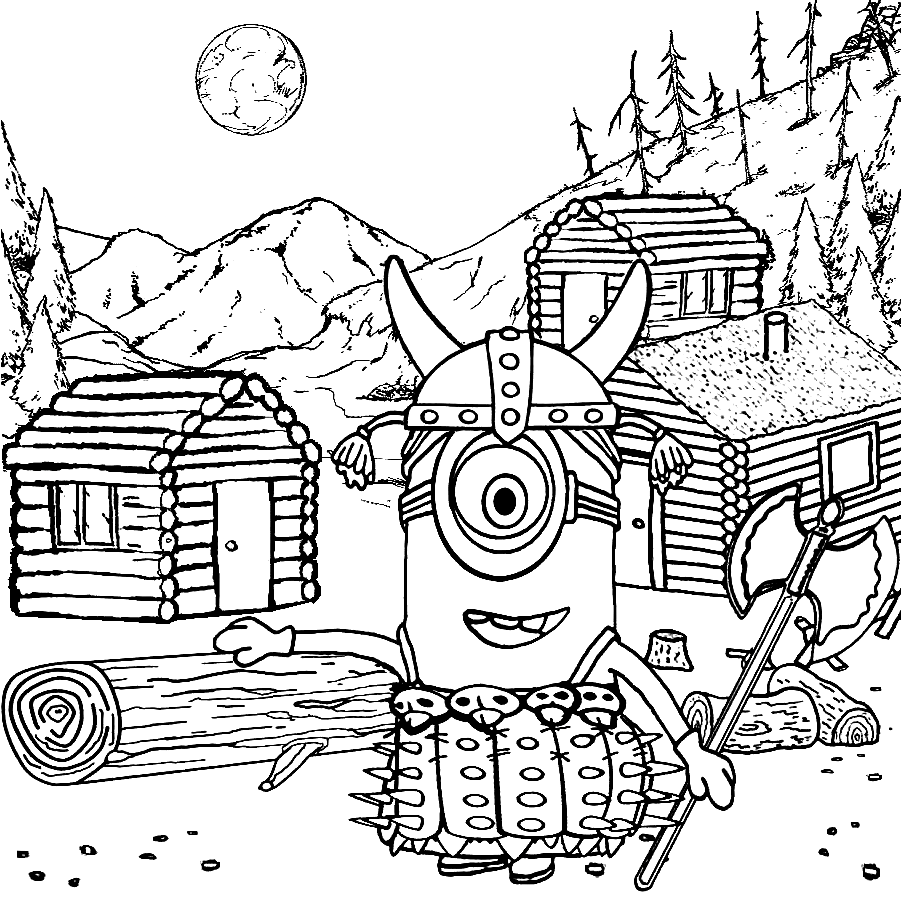
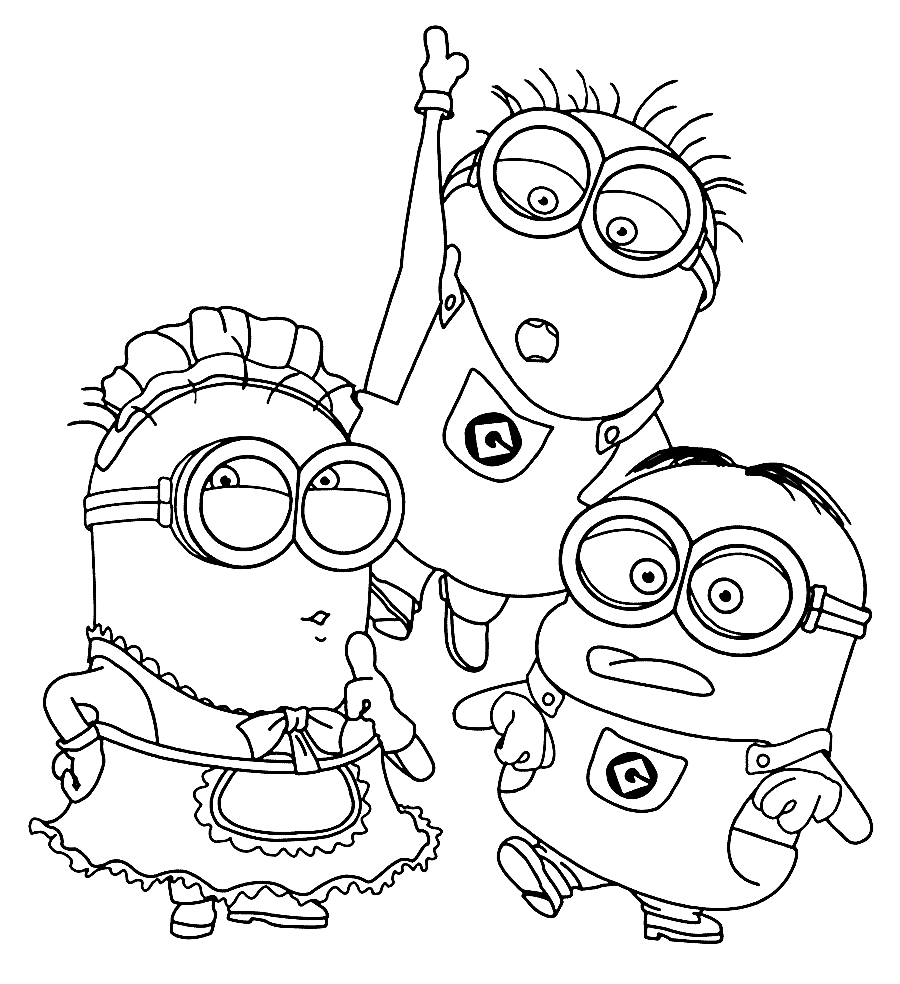
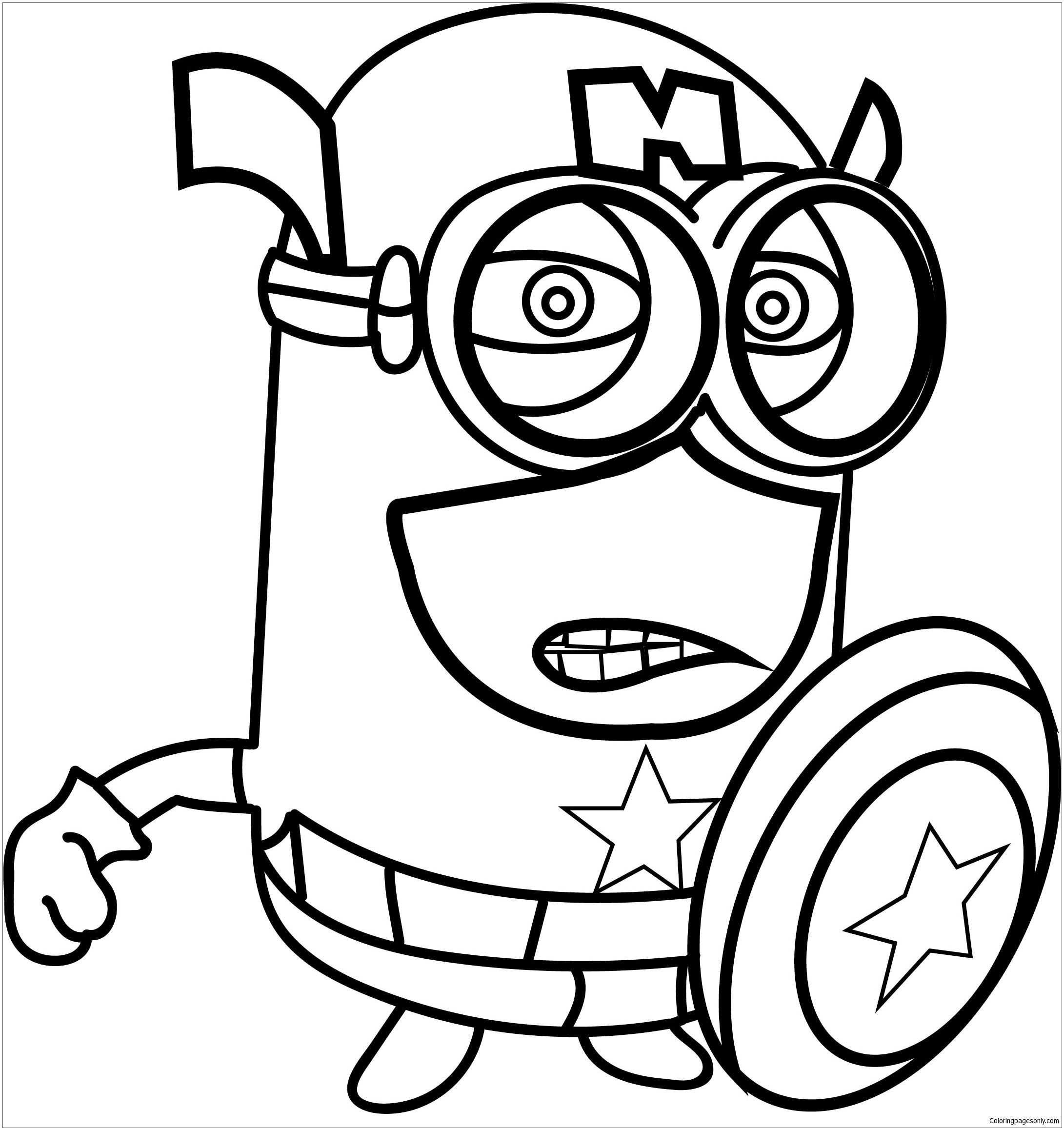
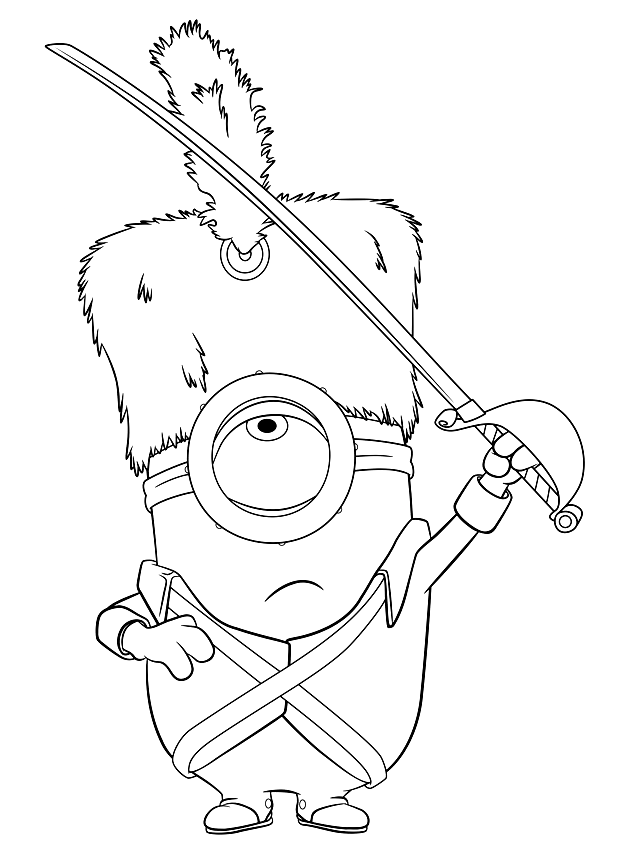
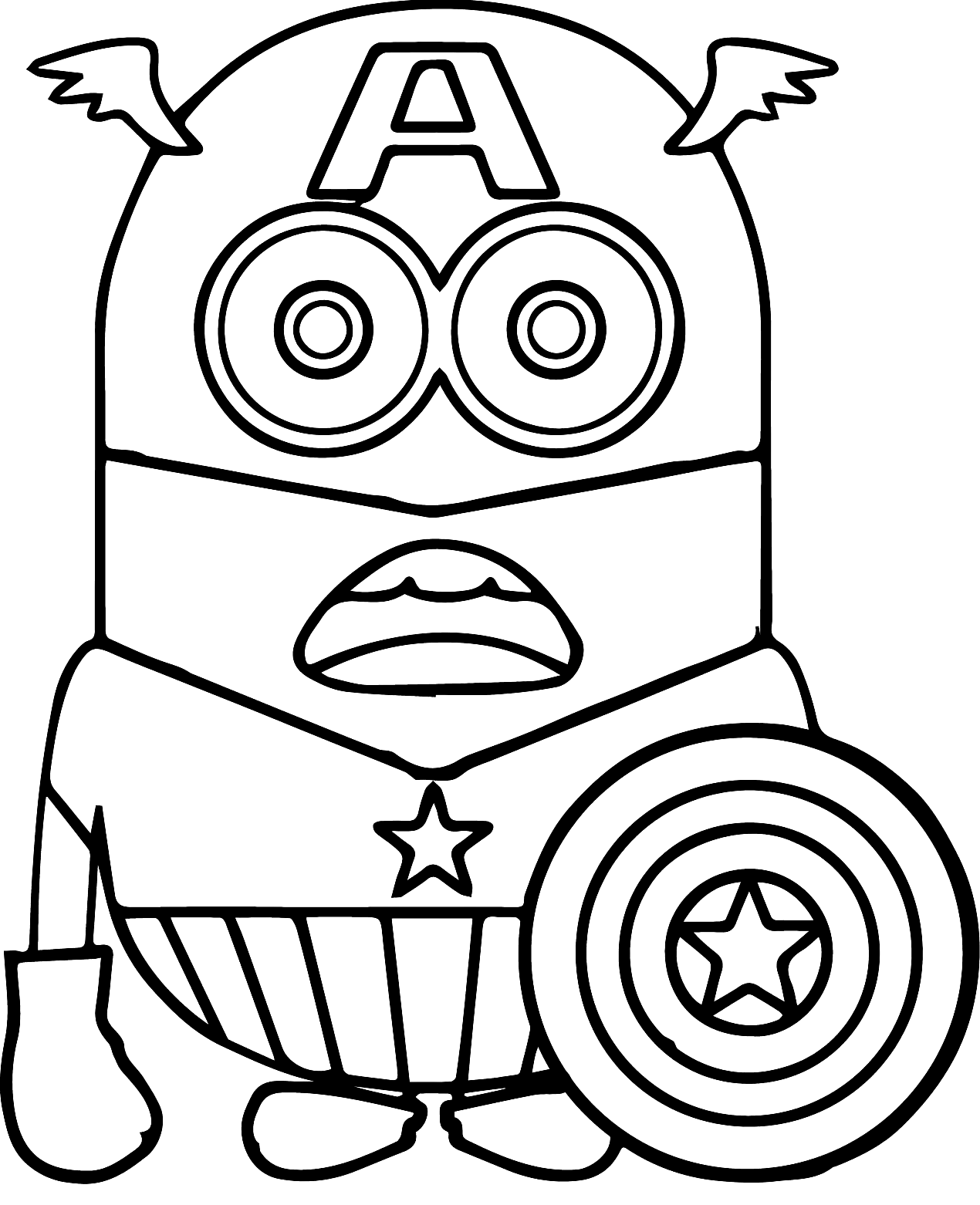
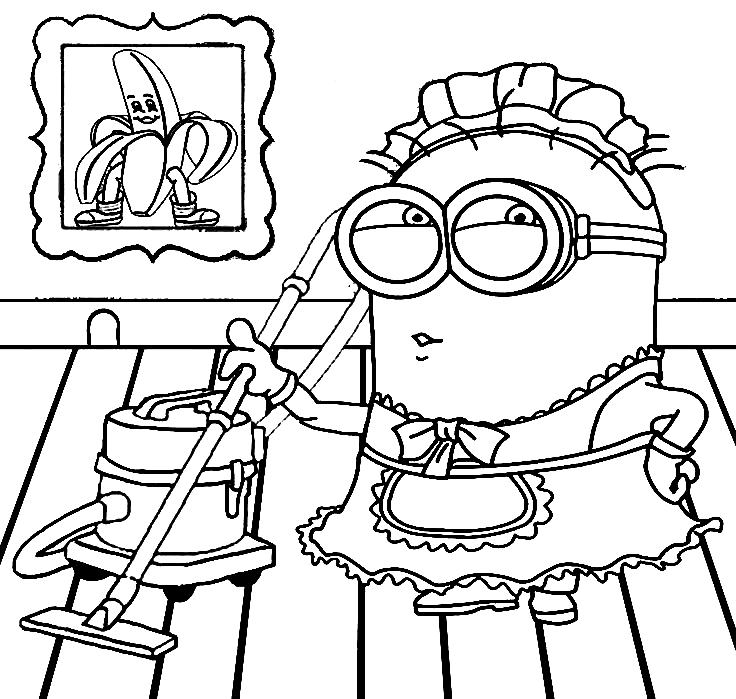
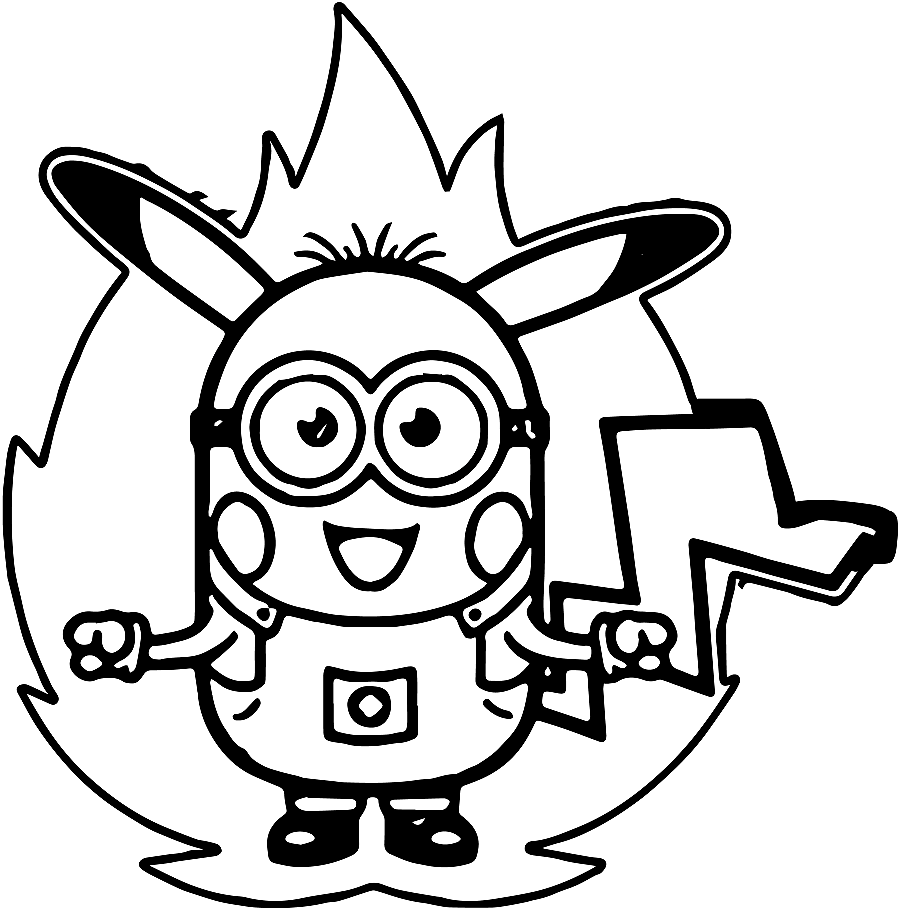
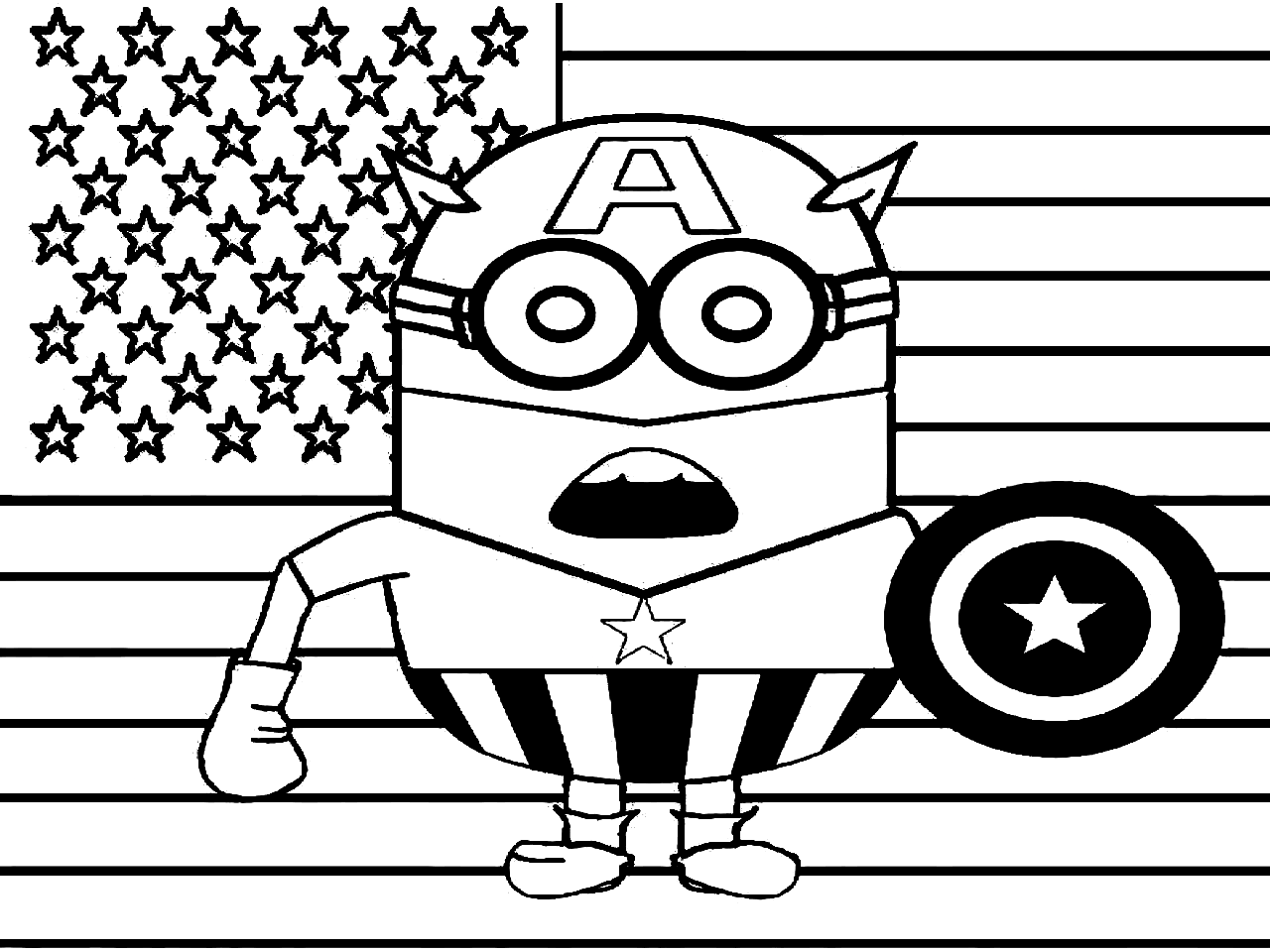
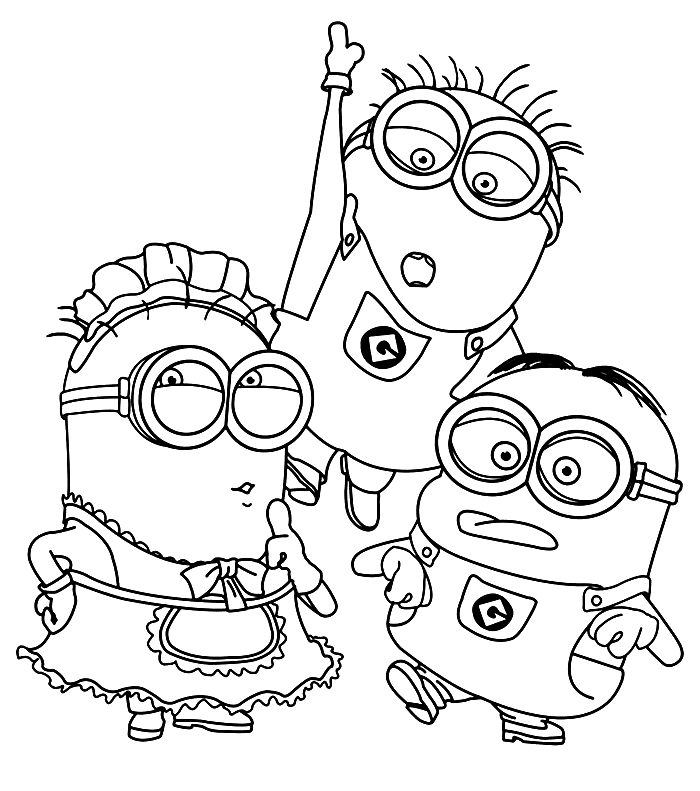
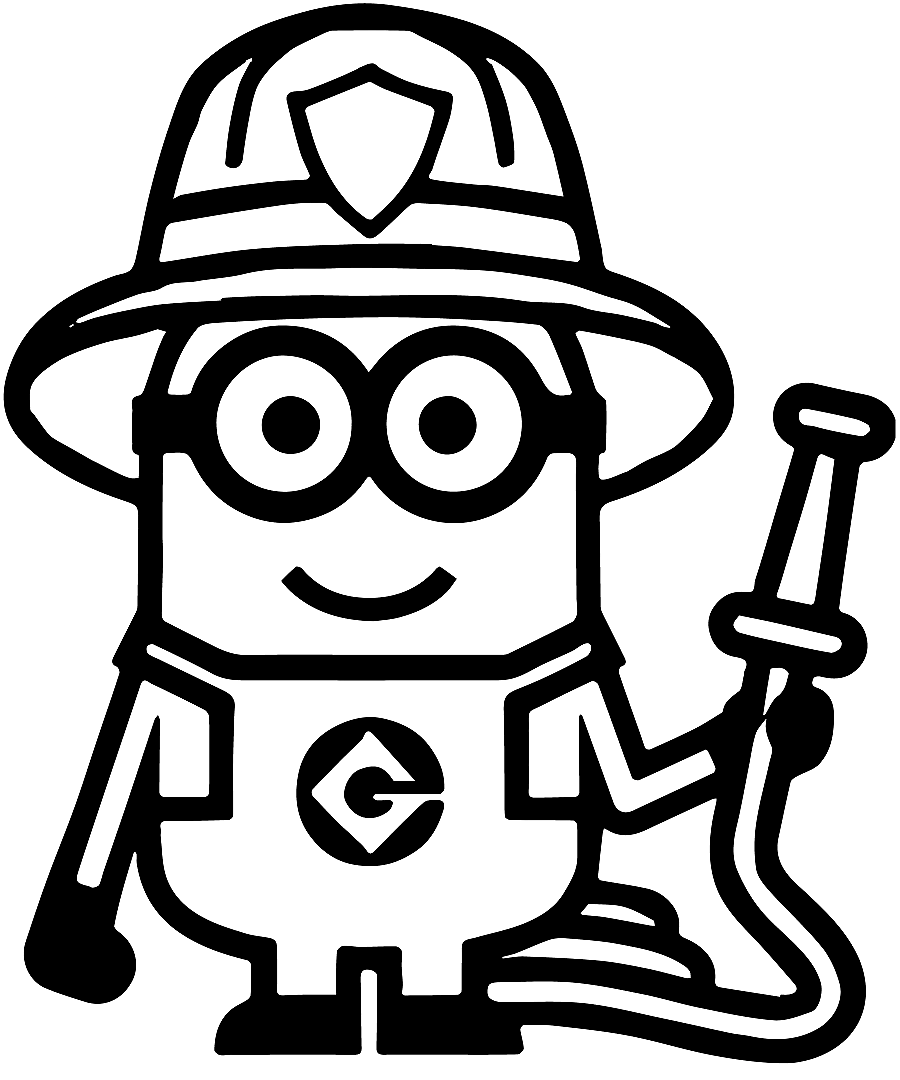
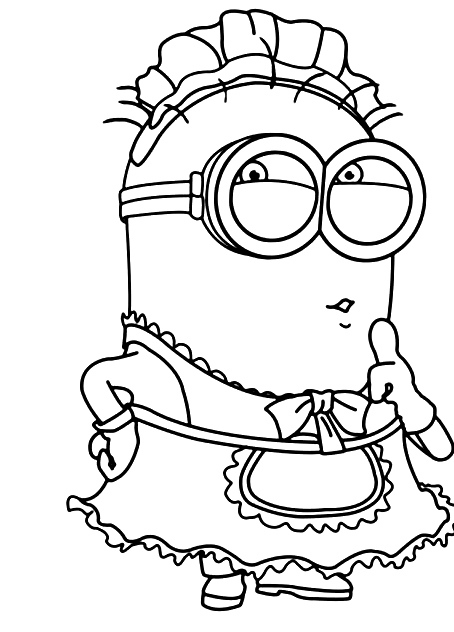
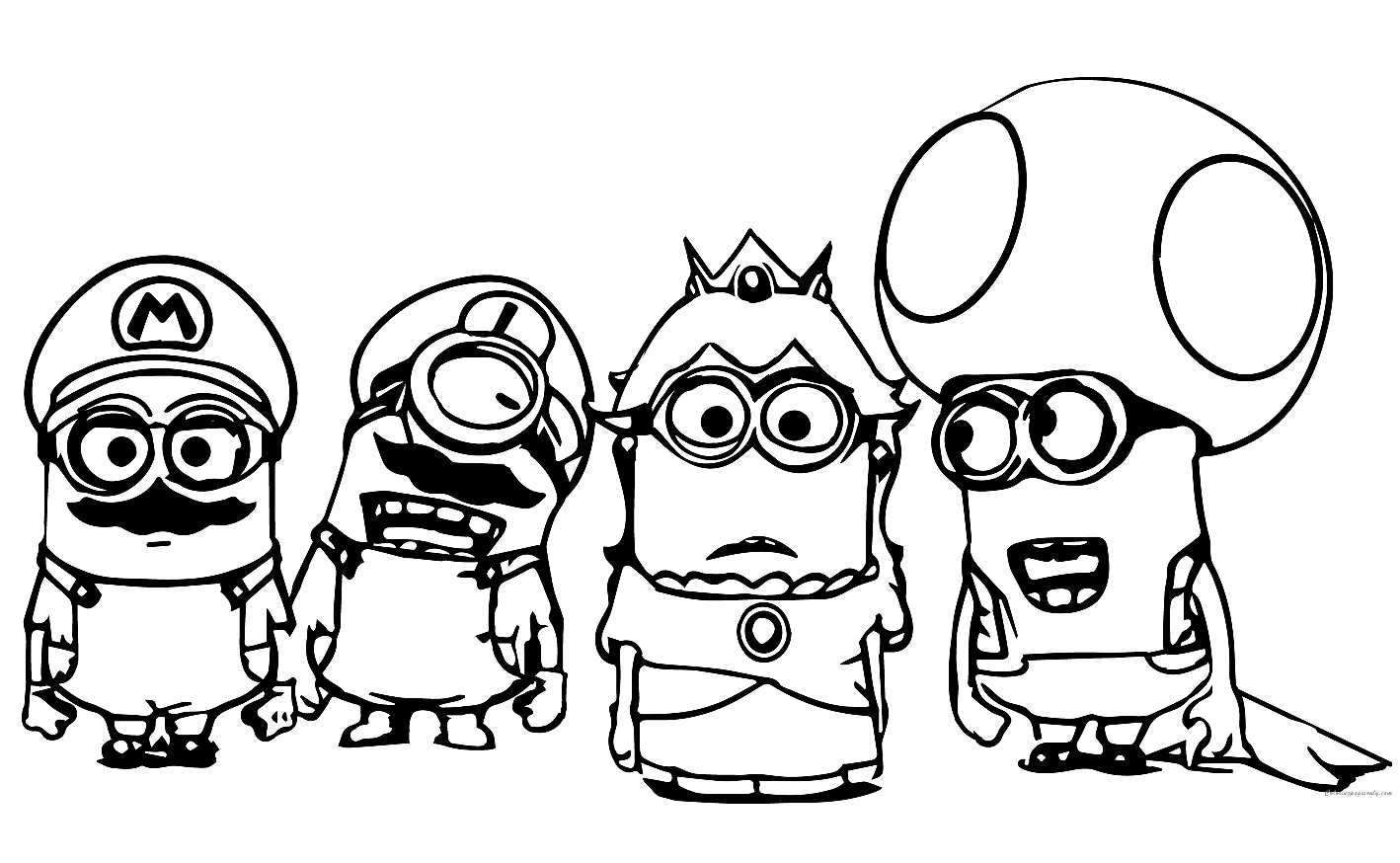
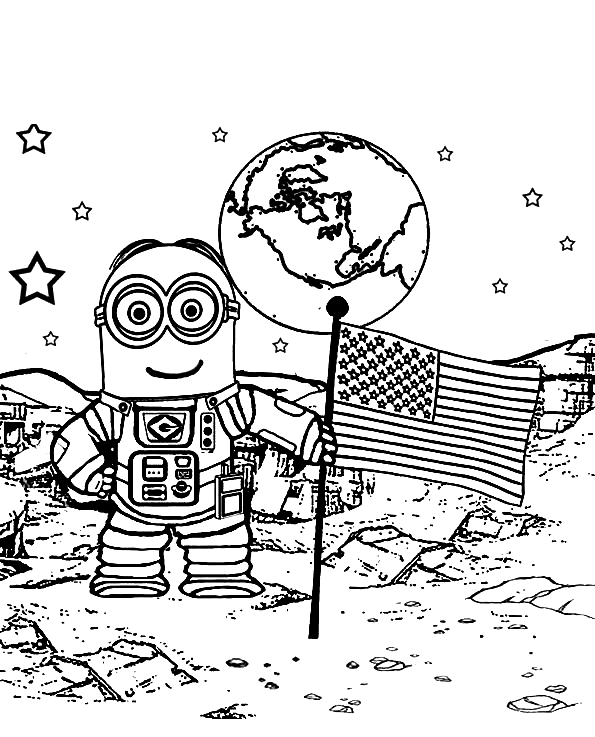
Costume Minion pages show how easily a simple character shape can become something new. The same yellow body can turn into a chef, police officer, firefighter, maid, Viking warrior, superhero, bunny, astronaut, musician, or sports player with only a few added details.
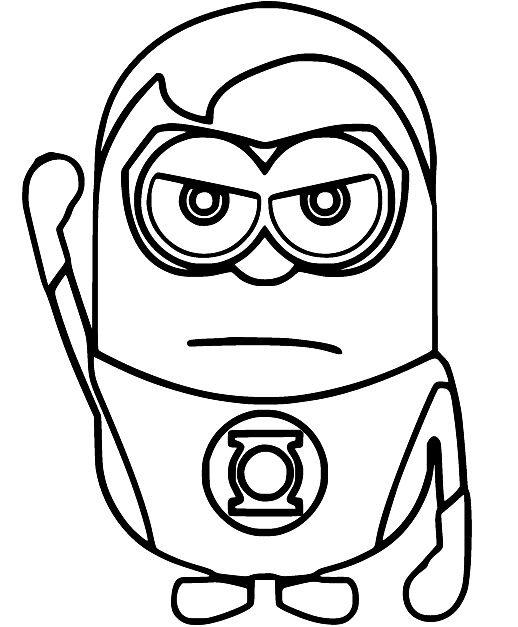
This group is especially strong because the costume changes the story. A Chef Minion feels busy and funny. A firefighter Minion feels brave. A superhero Minion feels dramatic. A music Minion feels playful. A sports Minion feels active and full of movement.
Children get more color choices here than on a classic Minion page. A chef hat can stay white with light gray shadows. A police outfit can use dark blue. A firefighter page can use red, yellow, and gray. A bunny costume can use soft pink, white, or pastel colors. A superhero costume can use bold red, blue, black, or yellow accents.
The important thing is to keep the Minion identity visible. The goggles, yellow face, gloves, boots, and body shape should not disappear under the costume. If the outfit has many details, color the Minion face first, then the clothing, then the background.
Role-play pages are good for imaginative activities. Children can color the page and then answer simple questions: What job is the Minion doing? What happened before this scene? What might the Minion say? That makes costume pages useful for both coloring and storytelling.
Holiday, Birthday, and Party Minion Pages
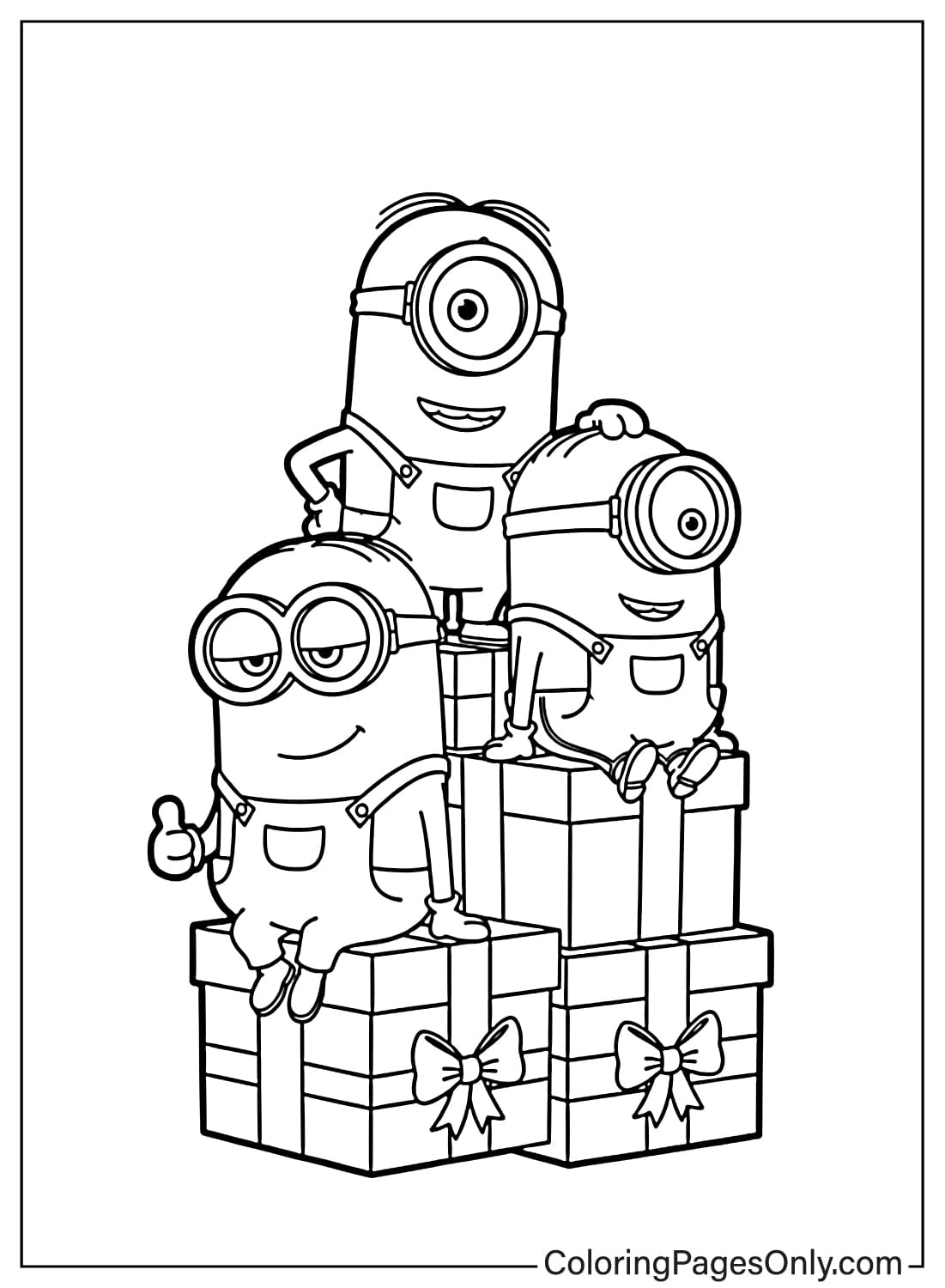
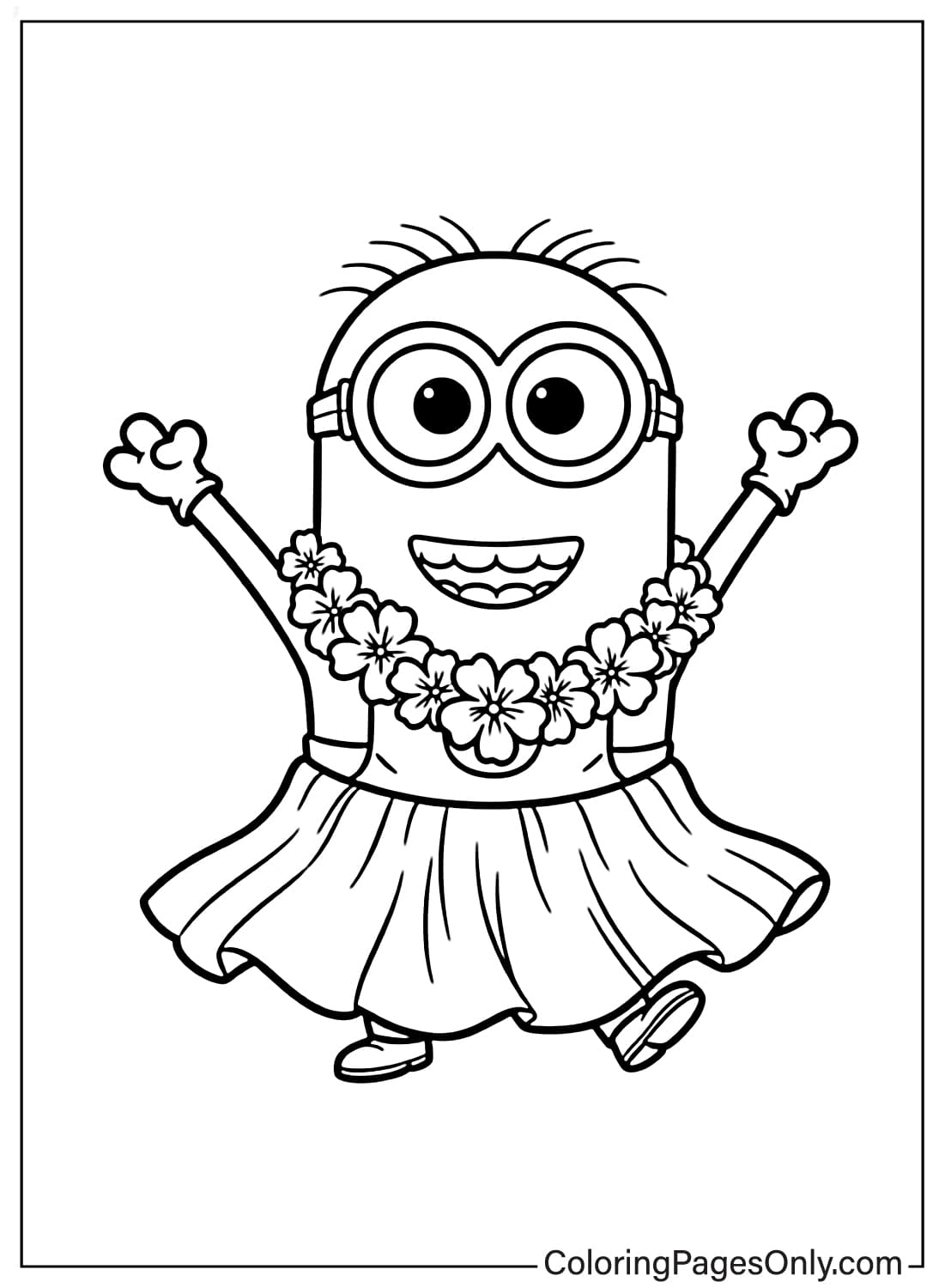
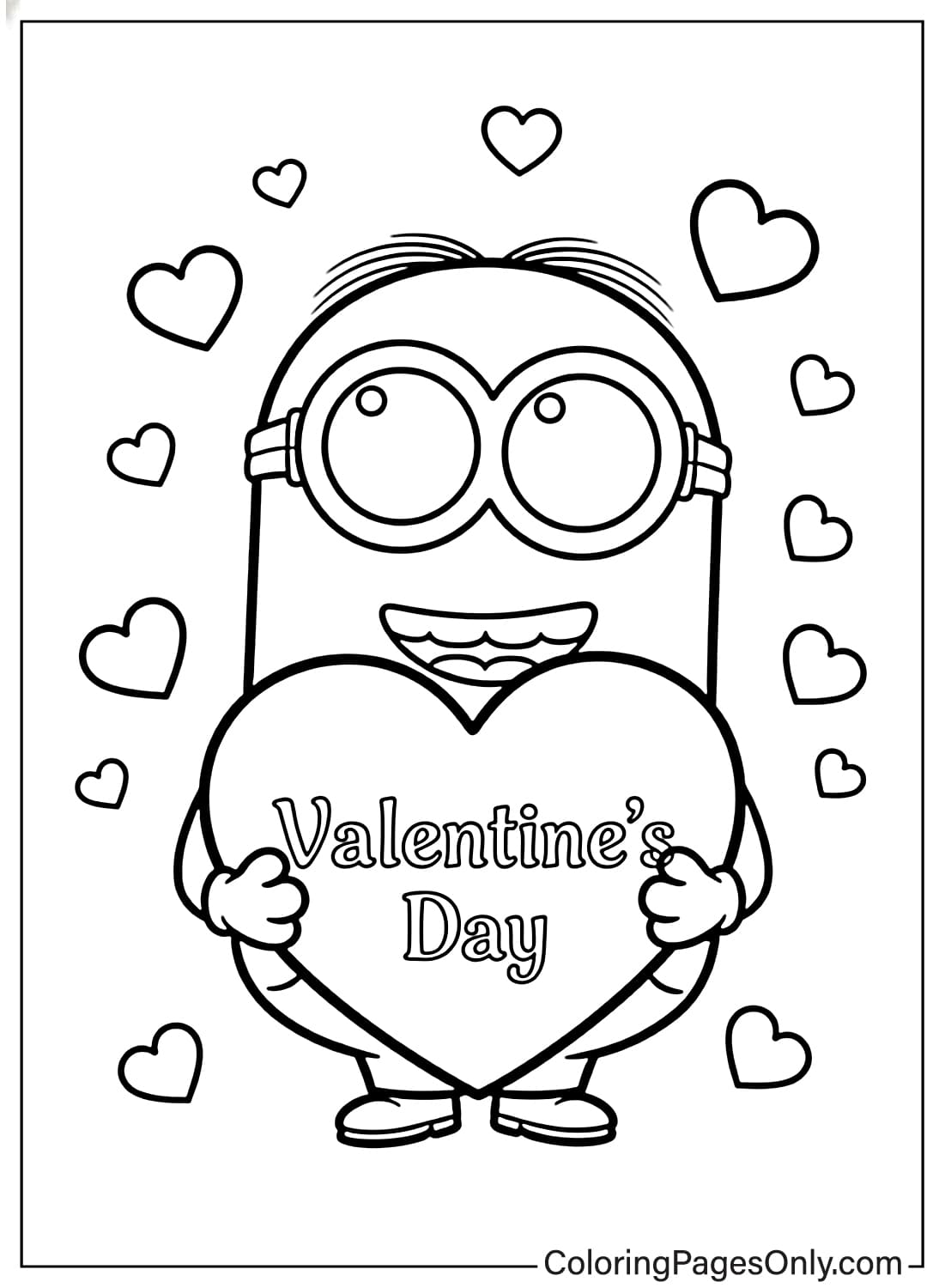
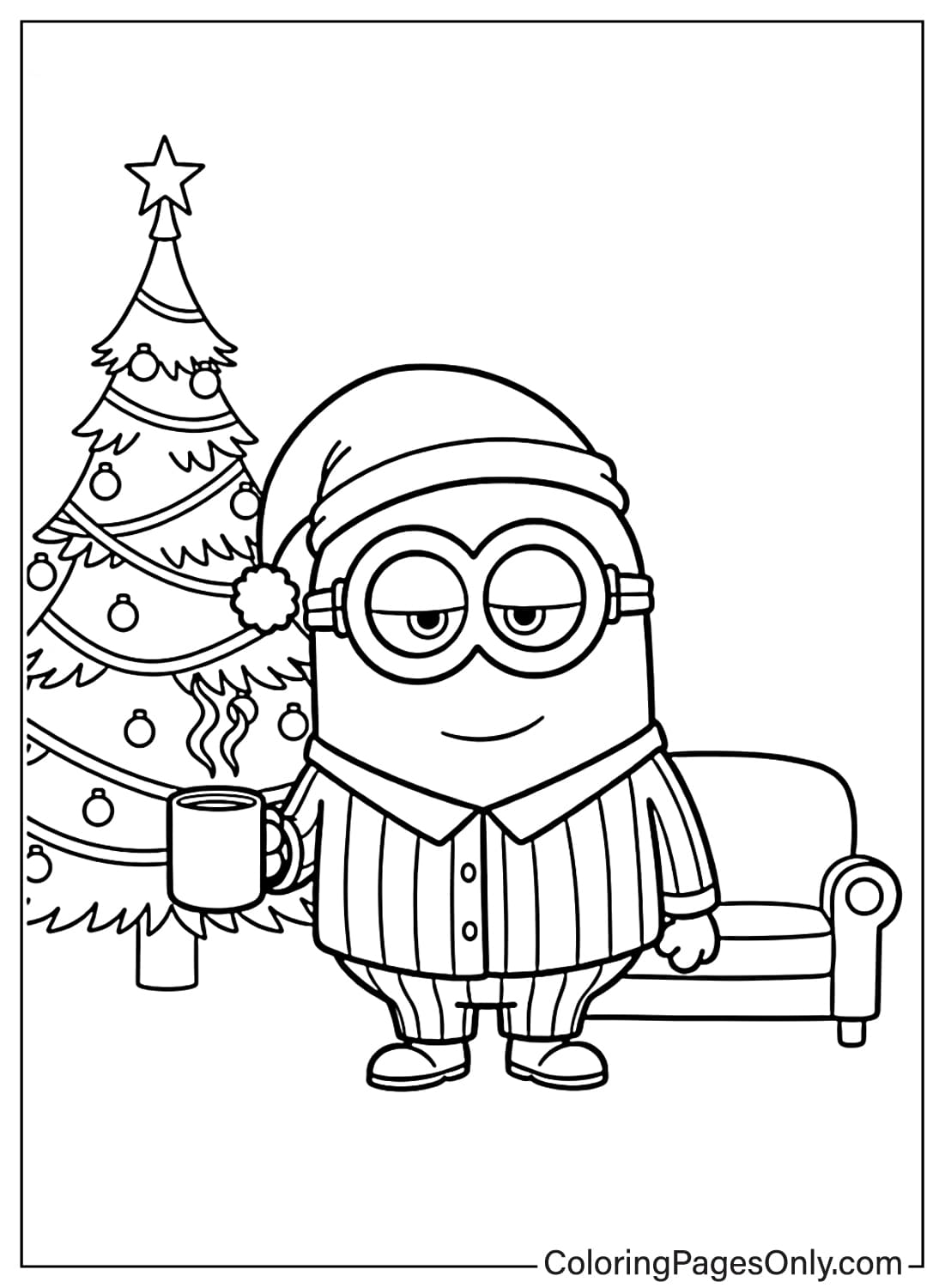
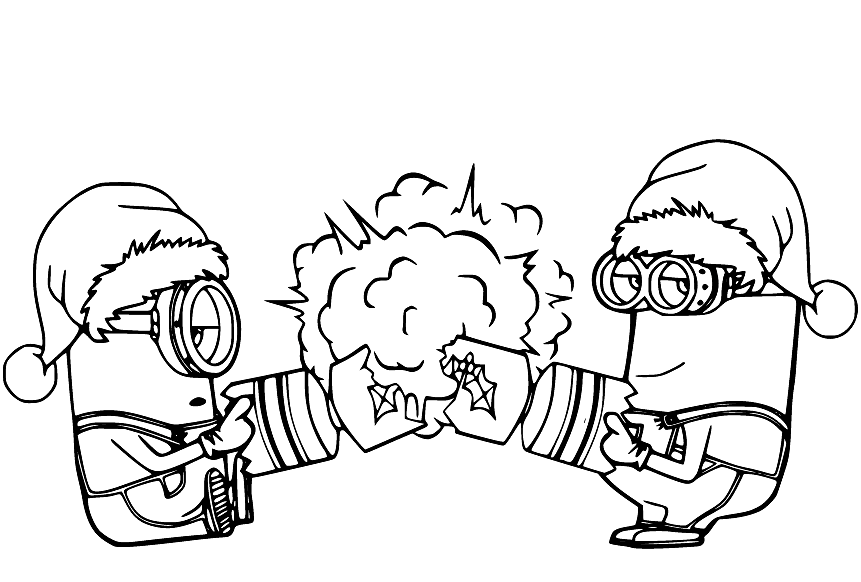
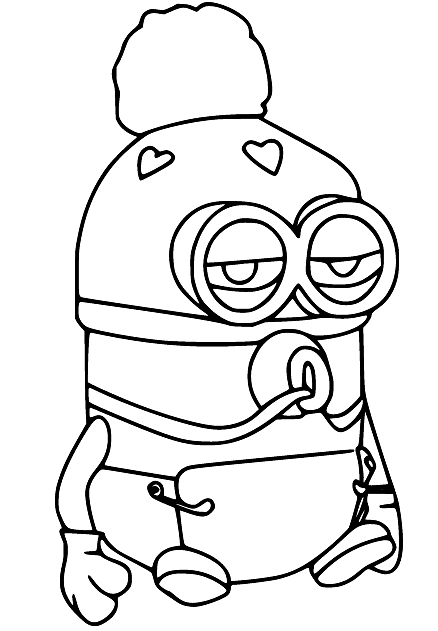
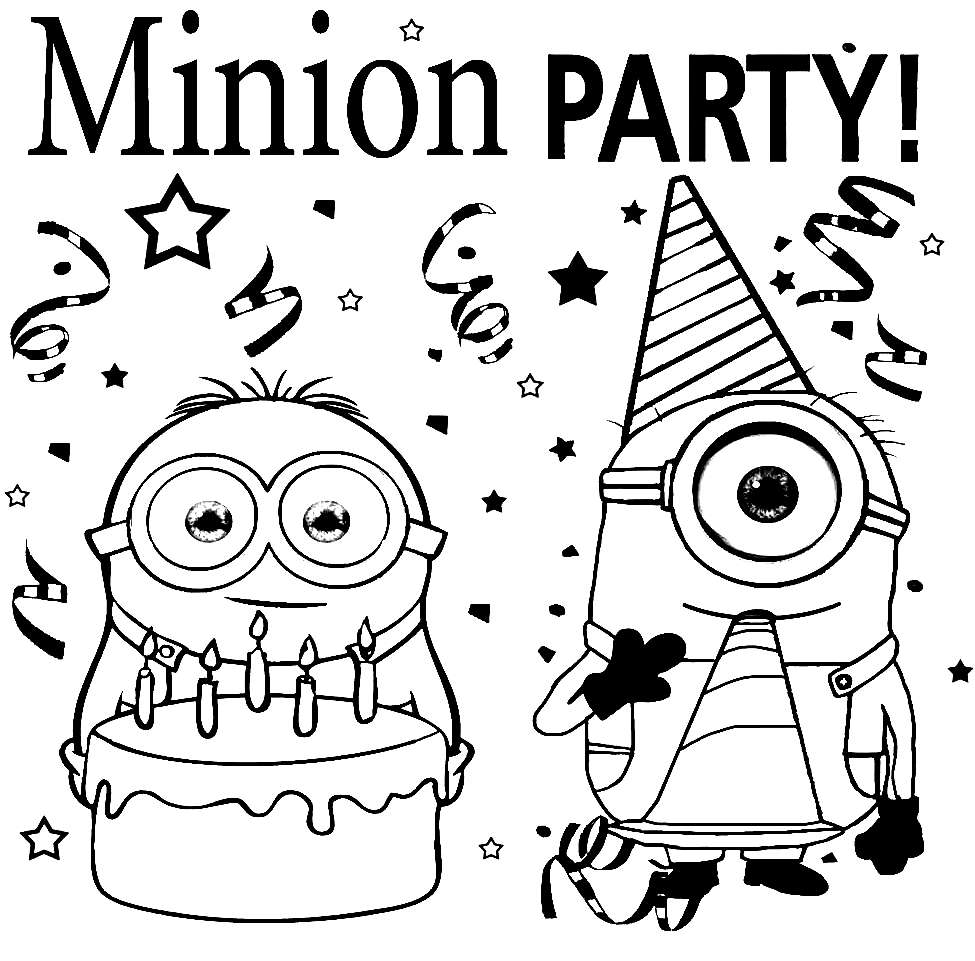
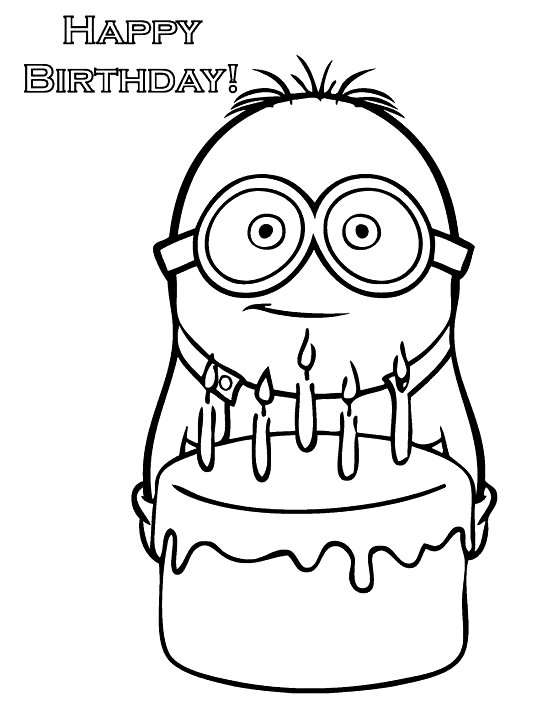
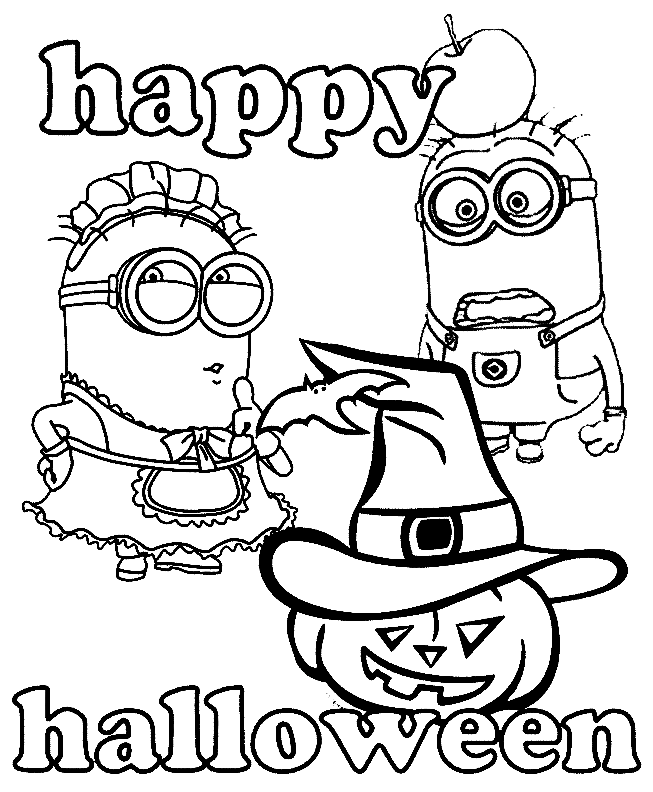
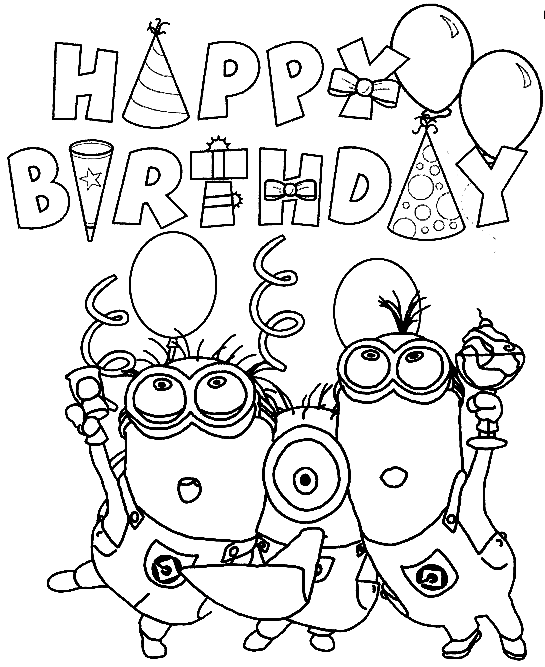
Holiday and party Minion coloring pages place the characters inside a specific celebration. These pages may include birthday cakes, balloons, gifts, Christmas hats, fireworks, Halloween costumes, Valentine hearts, or party decorations.
A theme changes the feeling of the whole page. Birthday pages should feel bright and cheerful, with cake, candles, balloons, and confetti. Christmas pages can use red, green, gold, white, and snowy background details. Halloween Minion pages can use orange, purple, black, and yellow for a playful, spooky mood. Valentine pages can use red, pink, hearts, and softer decorations.
Here, children are not only coloring a Minion; they are coloring an event. A birthday Minion can become a party sign. A Christmas Minion can become a holiday card. A Halloween Minion can become a seasonal classroom craft. These pages are useful throughout the year because the same character can fit many occasions.
Themed pages often include more small objects, so coloring order matters. Start with the Minion first, then color the main holiday object, then the smaller decorations. This keeps the character from getting lost among balloons, gifts, stars, candy, or background patterns.
For younger children, choose a holiday page with one large Minion and a few simple decorations. Older kids can enjoy busier party scenes with multiple objects, background details, costumes, and patterns.
Despicable Me, Gru, and Group Minion Pages
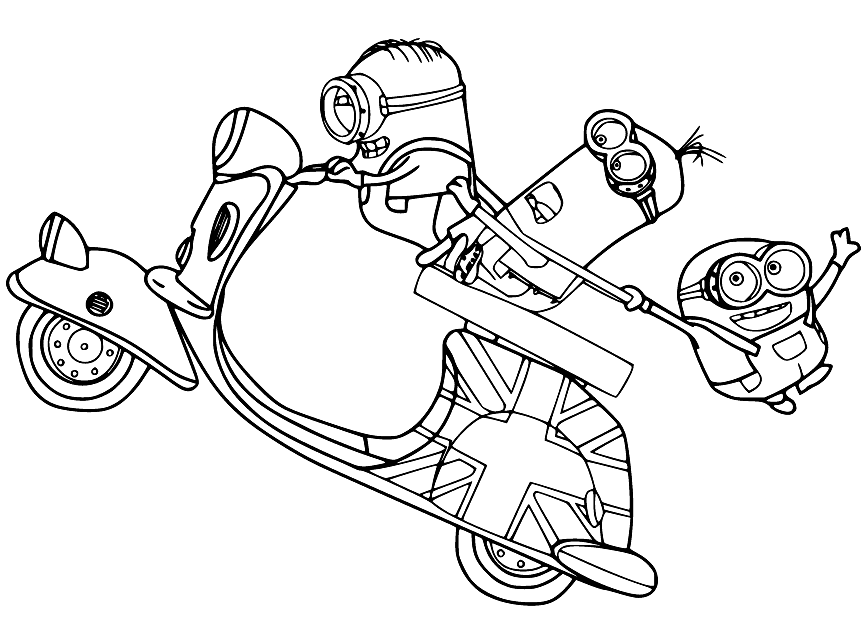
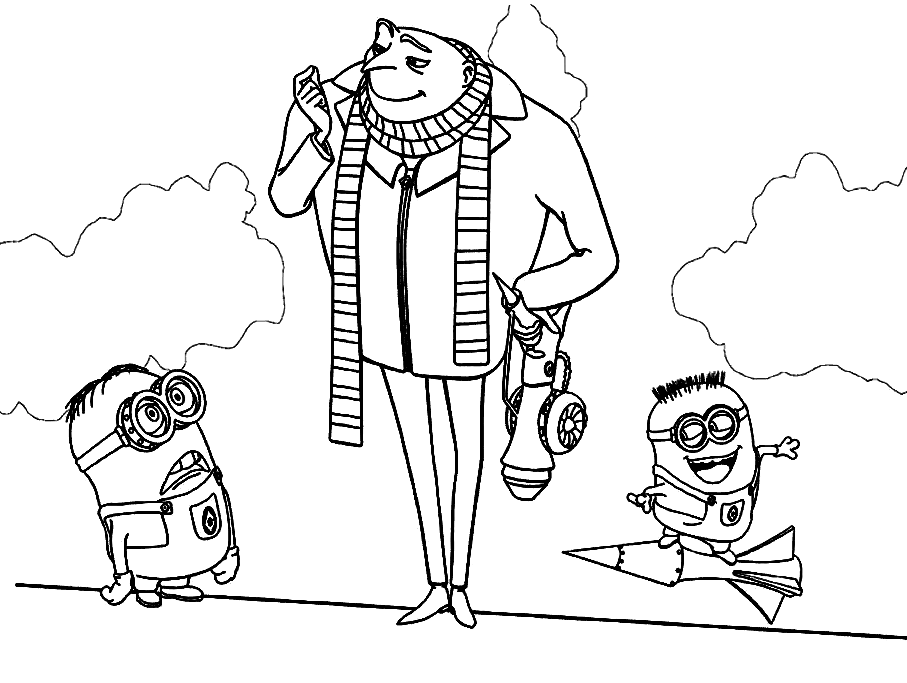
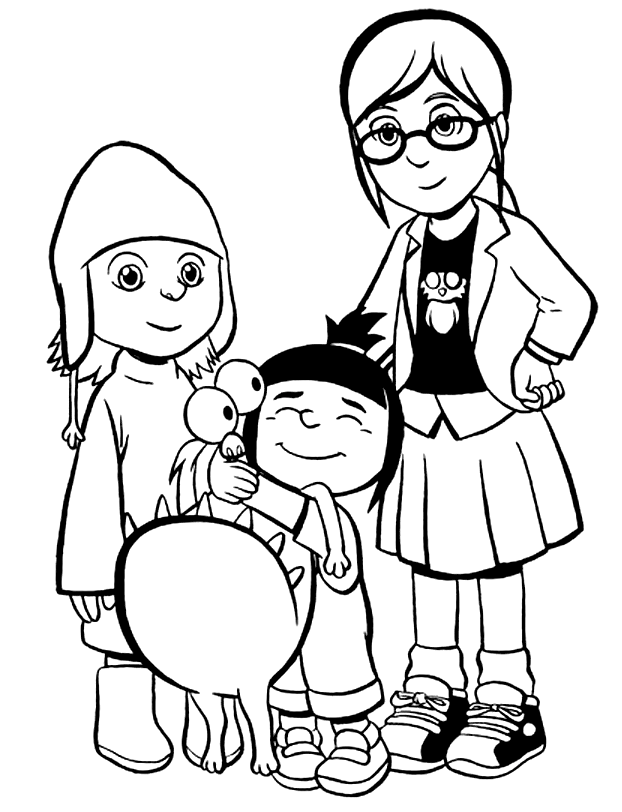
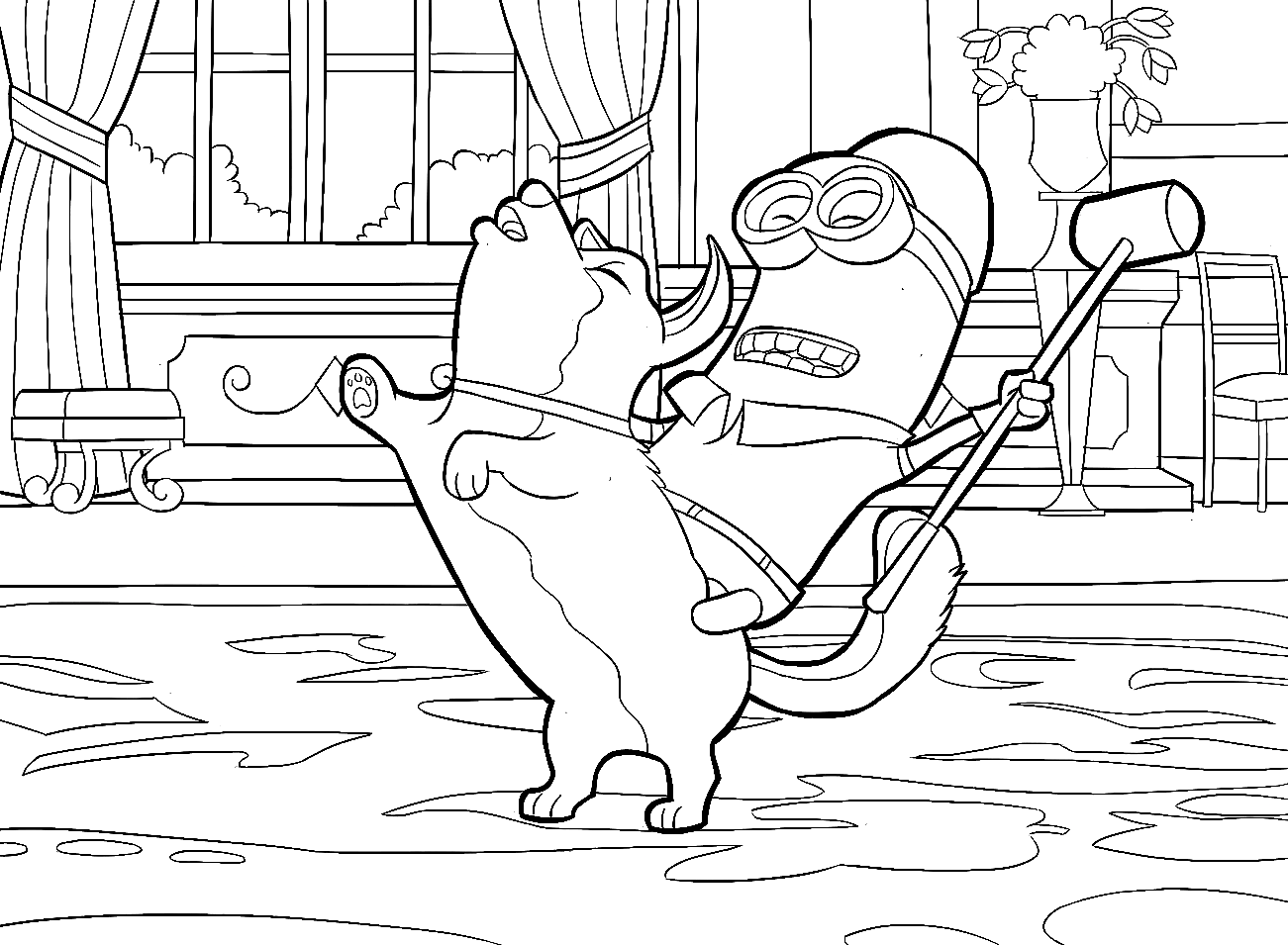
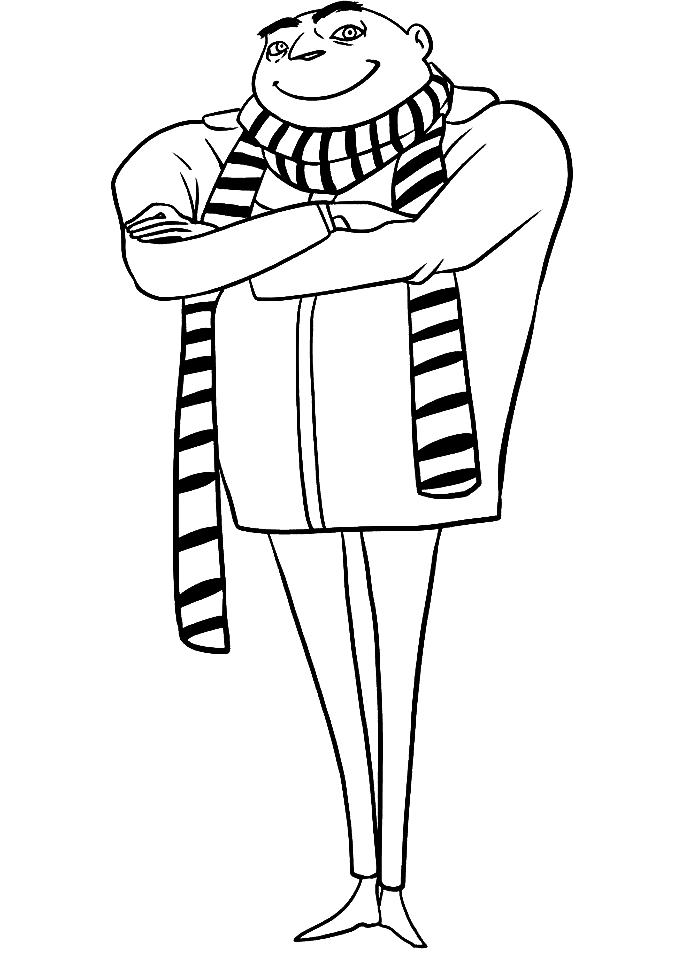
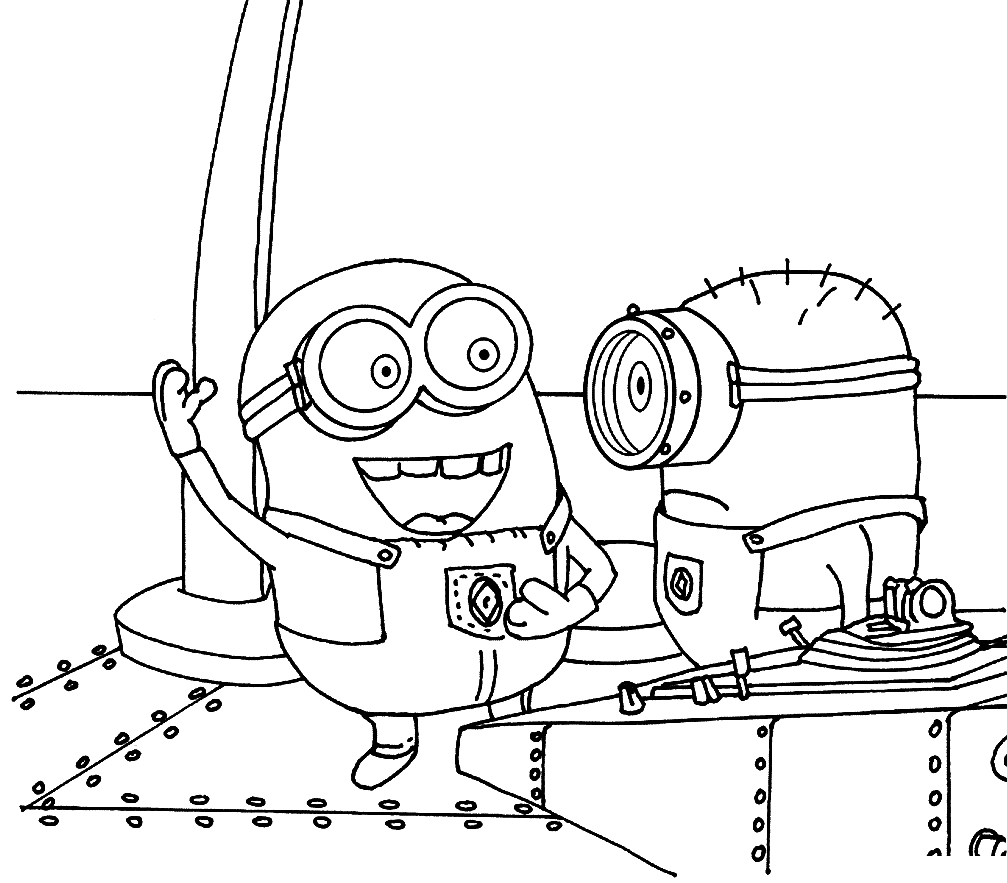
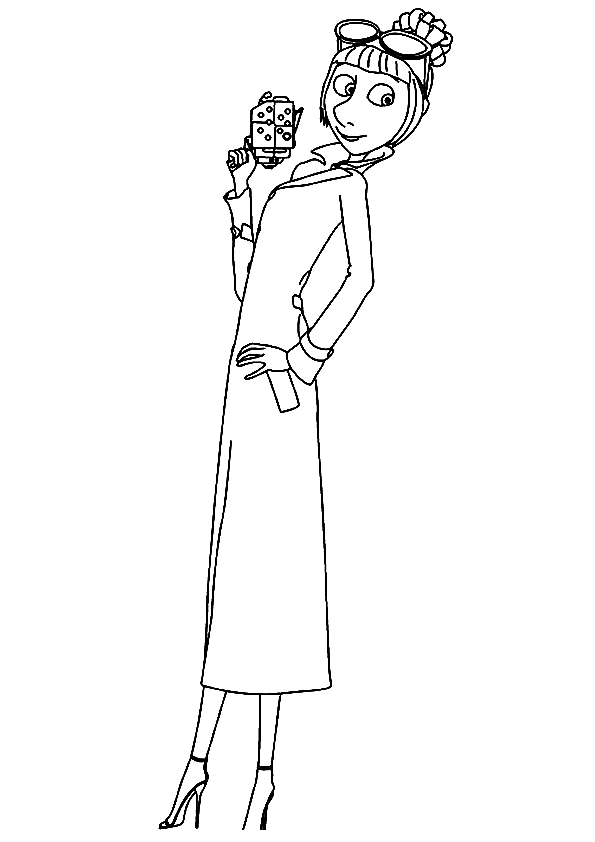
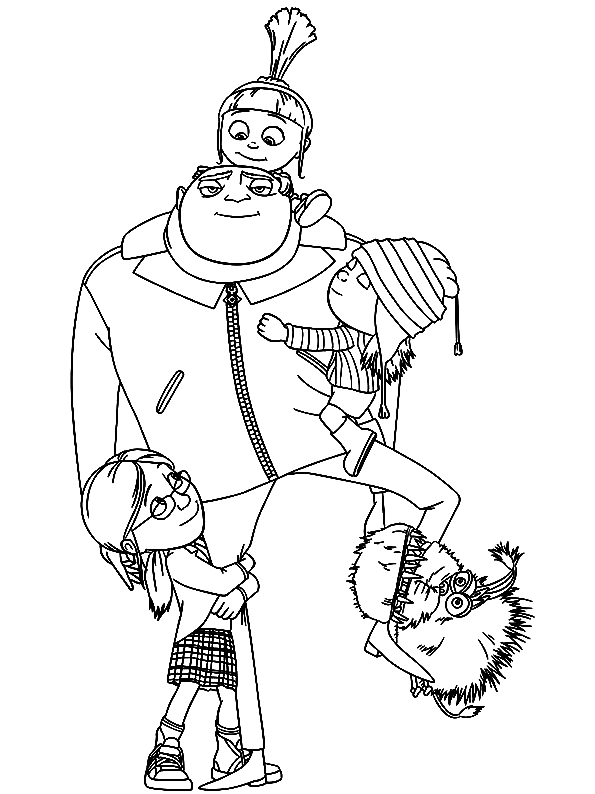
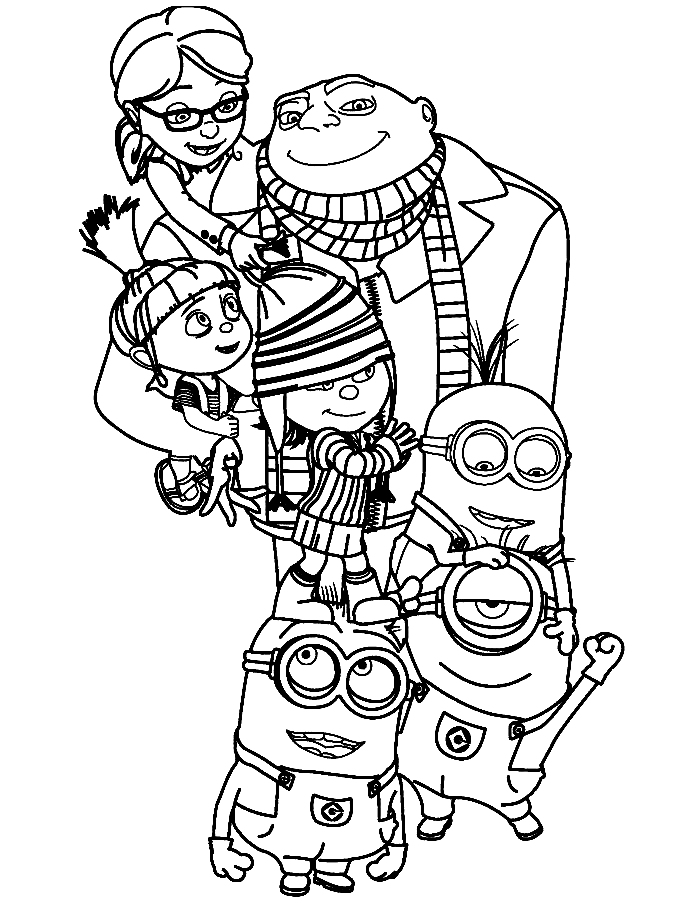
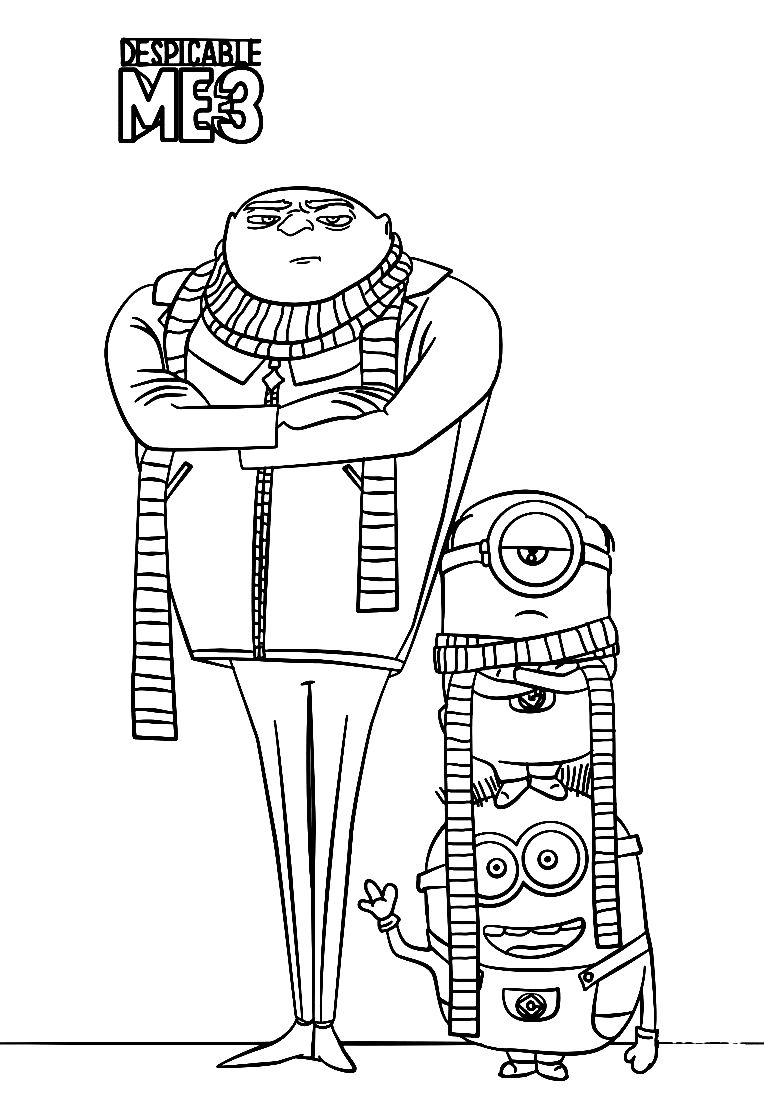
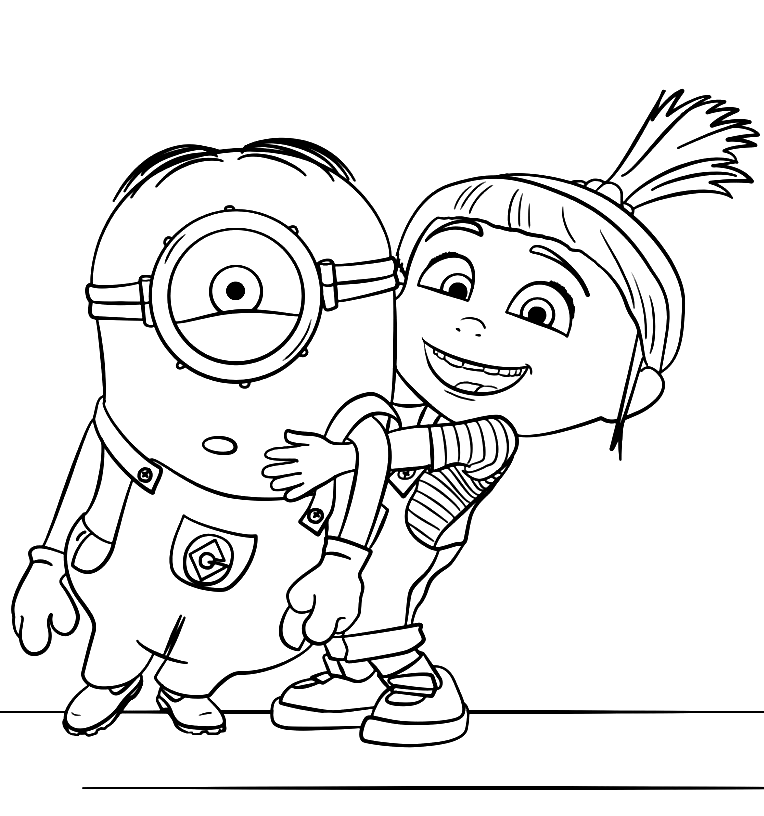
Pages with Gru, Agnes, Margo, Edith, Lucy, or several Minions together feel more like story scenes. Instead of one character standing alone, these pages show relationships, reactions, and shared moments. A group of Minions can look chaotic and funny; a Minion with Gru can feel connected to the larger Despicable Me world.
The biggest skill in group pages is keeping the scene organized. Many Minions have similar colors, so children should use the faces, poses, and props to separate them. If every part of the page is colored with the same brightness, the scene can feel crowded. Softer backgrounds help the characters stay readable.
Gru and human characters add more color variety. Gru’s clothing, the girls’ outfits, Lucy’s details, and background objects can all bring in different colors while the Minions keep their yellow-and-blue identity. This makes group pages better for older kids who enjoy longer coloring sessions.
These pages are also good for storytelling. Children can imagine what the Minions are doing, why Gru is there, what went wrong, or what joke is about to happen. A finished group page can become a scene from a made-up Minion adventure.
For classroom or family activities, group pages can be shared. One child can color a Minion, another can color Gru, and another can add the background. The result feels collaborative and playful.
What These Pages Do
Minion coloring pages help children read character expression through simple shapes. Minions are not detailed characters in the realistic sense; they are built from a few bold signals: goggles, eyes, mouth, body angle, overalls, gloves, and props. Those pieces tell the viewer who the character is and what mood the scene has.
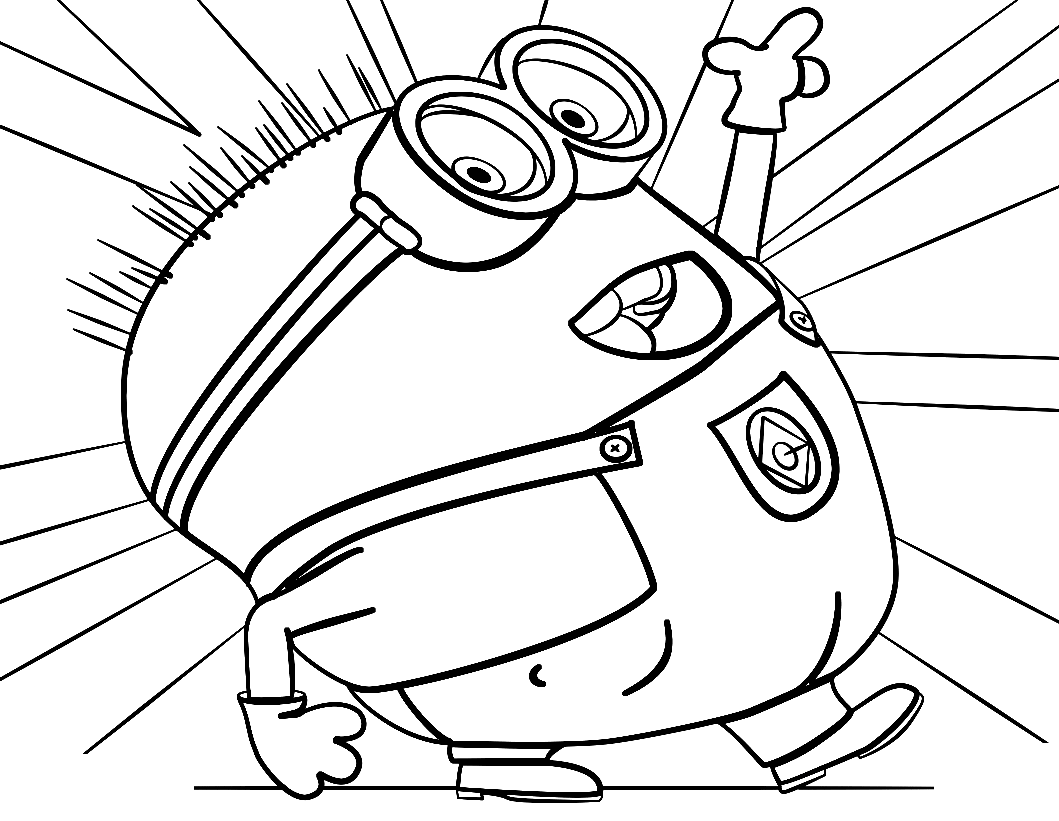
Coloring Minions is a simple way for children to see how design creates comedy. A tilted eye can make a Minion look confused. A wide smile can make one look proud or excited. A banana can turn the whole page into a joke. A costume can change the character’s role without changing the basic shape.
For younger children, the pages support confidence. The body is large enough to color freely, and the main outfit is easy to understand. A child can finish a simple smiling Minion without needing advanced detail work.
For older children, the value comes from expression, props, and storytelling. They can work on shading goggles, separating denim overalls from the yellow body, coloring food items, adding movement to action pages, or balancing several characters in one scene.
The pages also encourage language and imagination. Children often talk while coloring Minions because the characters look funny and expressive. A Minion holding a banana, riding a bike, playing music, wearing a costume, or standing with Gru gives kids a natural starting point for a story.
Parents can use these pages for quiet time, birthday activities, holiday crafts, or screen-free play. Teachers can use them for classroom art breaks, emotion activities, story prompts, group coloring, or quick rewards after a lesson.
How to Color These Pages Well
Minion colors are simple, but small choices can make the finished page look much cleaner. The classic palette uses yellow for the body, blue for the denim overalls, gray or silver for the goggles, black for the gloves and boots, and white for the eyes.
The yellow body should stay bright and even. With crayons, a strong yellow works well. With colored pencils, children can use a lighter yellow in the center and a deeper yellow near the edges to make the body look rounder. With markers, slow strokes help keep large yellow areas smooth.
The goggles are one of the most important details. They frame the eyes and give the Minion its expression. Use light gray or silver for the metal ring, dark gray for shadows, and black for the strap. If the goggles are colored too dark, the eyes may lose their focus.
The eyes should stay mostly white, with dark pupils. A small white highlight inside the pupil can make the face look more lively. On one-eyed Minions, the single eye carries even more expression, so it should be colored carefully.
The overalls usually look best in medium blue or denim blue. Younger children can use one flat blue. Older kids can add darker blue near seams, pockets, straps, or lower edges. Tiny stitch lines or buttons can stay dark, so the overalls do not look flat.
Black gloves and boots should be filled carefully. If the page has thin fingers or small shoes, colored pencils may be easier than markers. A little dark gray can be used instead of pure black if children want the details to stay visible.
Bananas need a slightly different yellow from the Minion body. Use light yellow for the banana, darker yellow along the curve, and brown for the ends. This keeps the banana clear even when it is next to the character.
Costume pages can use brighter colors, but the Minion face should stay readable. A superhero outfit, chef hat, police uniform, Viking helmet, bunny ears, or party costume can be colorful, but the goggles and eyes should remain the main focus.
Backgrounds should match the scene. A banana page can use kitchen colors, grass, or a simple table. A birthday page can use bright balloons and confetti. A Christmas page can use red, green, white, and gold. A Halloween page can use orange, purple, black, and moonlight colors. A music page can use stars, stage lights, or soft sound effects.
For younger kids, the easiest order is body first, overalls second, goggles third, gloves and boots fourth, and background last. Older kids can add shadows, denim texture, metal shine, banana shading, costume details, and small background objects after the main colors are done.
5 Creative Craft Ideas
Minion Emotion Chart
Choose several Minion pages with different facial expressions: happy, shocked, confused, angry, sleepy, excited, or silly. Color each page, cut out the faces or full characters, and glue them onto a poster.
Under each Minion, write the emotion. Children can add speech bubbles to show what the Minion might say. A surprised Minion might say, “What happened?” while a happy Minion might say, “Banana!”
This craft works well for younger children because Minion expressions are easy to read. It also helps kids connect faces, colors, and feelings.
Banana Joke Scene
Print a Minion page with a banana or draw bananas around a simple Minion pose. After coloring the character, children can build a funny scene around the banana.
They can add a banana pile, a kitchen table, a banana shop, a picnic blanket, or a silly warning sign. Older kids can write a short joke or caption at the bottom of the page.
This turns a simple Minion page into a storytelling activity. The finished artwork can be used as a classroom display or party decoration.
Design a New Minion Costume
Choose a classic standing Minion page with a clear body shape. After coloring the yellow body and goggles, children can draw a new outfit over the Minion.
They can create a superhero suit, chef outfit, astronaut suit, pirate costume, winter coat, birthday outfit, sports uniform, or made-up job costume. The goal is to change the role while keeping the Minion recognizable.
The goggles, eyes, and body shape should stay clear. This helps children understand how costume design can change a character without hiding its identity.
Minion Party Banner
Print several Minion pages with happy faces, birthday cakes, balloons, bananas, or dancing poses. Let each child color one page, then cut the finished artwork into a banner shape.
Punch holes at the top and string the pages together. Add extra paper pieces with bananas, stars, letters, or party shapes between the Minions.
This craft works well for birthdays, classroom celebrations, or Minion-themed parties. It also gives children a shared project that looks fun when displayed.
Gru’s Lab Minion Invention
Choose a Minion page with a tool, toy, machine, costume, or funny pose. After coloring, place the page on a larger sheet of paper and draw a lab background around it.
Children can add buttons, wires, gadgets, warning signs, bananas, goggles, or a strange invention. Then they can give the invention a name and write one sentence about what it does.
The invention should look funny, not perfect – a strange banana machine, a loud alarm, or a gadget that goes wrong fits the Minion world very well. This activity connects coloring with imagination and works especially well for older kids who enjoy adding background details and making up stories.
Frequently Asked Questions
What makes Minions easy to recognize on coloring pages?
Minions are easy to recognize because their design uses a few very strong features. The yellow body, round goggles, denim overalls, black gloves, and small boots create a clear character shape even before the page is colored.
Their faces are also very expressive. One eye or two eyes, a big smile, a surprised mouth, raised arms, or a silly pose can change the whole mood of the page. That is why Minion coloring pages work well for young children: the character feels familiar right away.
What colors should I use for a classic Minion?
Start with the classic Minion palette if you want the character to look familiar, then use props, costumes, and backgrounds for extra color. The body, overalls, goggles, gloves, boots, and eyes should stay clear so the character remains easy to read.
Children can add creativity through scene details. A banana page can use warm yellows and browns, a birthday page can use bright party colors, and a Christmas page can use red, green, white, and gold.
Are Minion coloring pages good for young children?
Yes. Many Minion pages are good for young children because the character has large shapes and clear outlines. A simple Minion face, standing pose, or banana page is usually easy for preschool and kindergarten children to finish.
For very young kids, choose pages with one large Minion and very few background details. The goggles, overalls, and body are enough to make the page fun without overwhelming them.
Which Minion pages are better for older kids?
Older kids may enjoy costume pages, group scenes, sports pages, holiday pages, and designs with Gru or multiple Minions. These pages have more small details, props, and background elements.
They can also add shading to goggles, denim texture to overalls, shadows under the feet, or extra scenery around the character. A more detailed Minion page can become a longer art project instead of a quick coloring sheet.
Why are Minion expressions important?
Minion expressions carry most of the humor. A small change in the eye, mouth, eyebrow, or body angle can make the character look confused, excited, nervous, proud, or silly.
When children color Minion faces, they are also reading emotions. This makes the pages useful for simple emotion activities, classroom discussions, or storytelling prompts.
How can I make the goggles look better?
Use more than one gray if possible. A light gray can fill the main metal ring, a darker gray can go along one edge, and black can be used for the strap or deepest shadows.
The eyes should stay clean and bright. If the goggles become too dark, the expression may lose focus. Leaving the eye area white makes the face easier to read.
How should I color Minion overalls?
Minion overalls usually look best in blue or denim blue. Younger children can use one blue color for the whole outfit. Older kids can add darker blue around seams, straps, pockets, and lower edges.
Tiny details such as buttons, stitch lines, and pockets can stay darker. These small touches help the overalls look more like clothing instead of one flat shape.
Can kids color Minions in different colors?
Yes. Kids can create rainbow Minions, superhero Minions, Halloween Minions, winter Minions, or completely new costume designs. Creative color choices are part of the fun.
If they want the character to stay recognizable, it helps to keep the goggles, overalls, and basic body shape clear. Even when the colors change, those details still make the character feel like a Minion.
How can teachers use Minion coloring pages in class?
Teachers can use Minion pages for art breaks, classroom rewards, emotion charts, story prompts, holiday crafts, group coloring, or party activities. A simple Minion page works well for younger students, while detailed costume or group pages can keep older students engaged longer.
For writing practice, students can color a Minion page and write one sentence about what the character is doing. For social-emotional learning, students can label Minion expressions such as happy, surprised, confused, silly, proud, or tired.
What paper and coloring tools work best?
Regular printer paper works well for crayons and colored pencils. If children use markers, placing a blank sheet underneath helps protect the table and the next page. Thicker paper is better if the finished page will be displayed or used for crafts.
Crayons are good for younger children because they are easy to control. Colored pencils work well for goggles, denim details, and small props. Markers create bright colors, but children should color slowly around the eyes, goggles, and small hands so the details stay clean.
Choose a Minion page you love, print it at home, or color it online anytime. We’d love to see your finished artwork – share it on Facebook or Pinterest and tag #Coloringpagesonly.
More from Our Cartoon Collections
More from our cartoon collections: