Petal Parasol Coloring Pages
 By:
Jennifer Thoa - Content Editor & Designer
Updated:
By:
Jennifer Thoa - Content Editor & Designer
Updated:
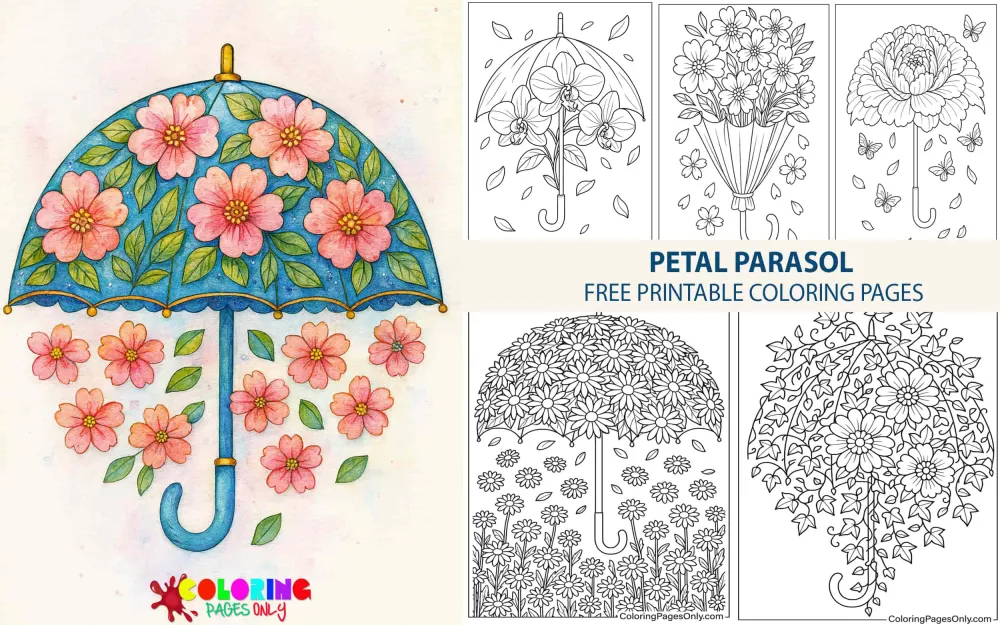
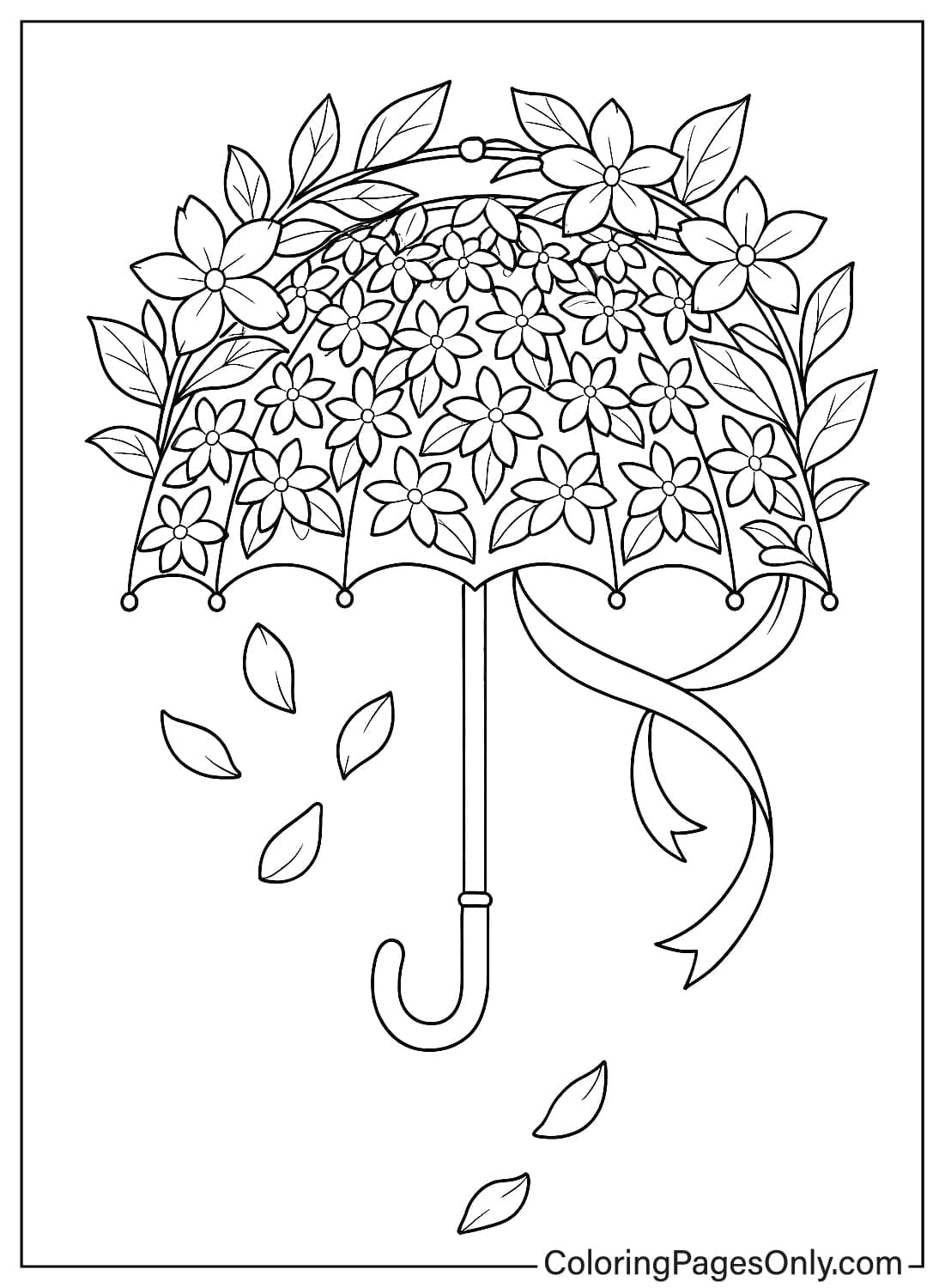
Free Petal Parasol coloring pages: 31 printable PDF designs turning an ordinary umbrella into a canopy built entirely from flowers, petals, and botanical patterns. The PDF version of any parasol prints with a single click, and the online coloring tool has that same design ready for anyone working on a screen instead.
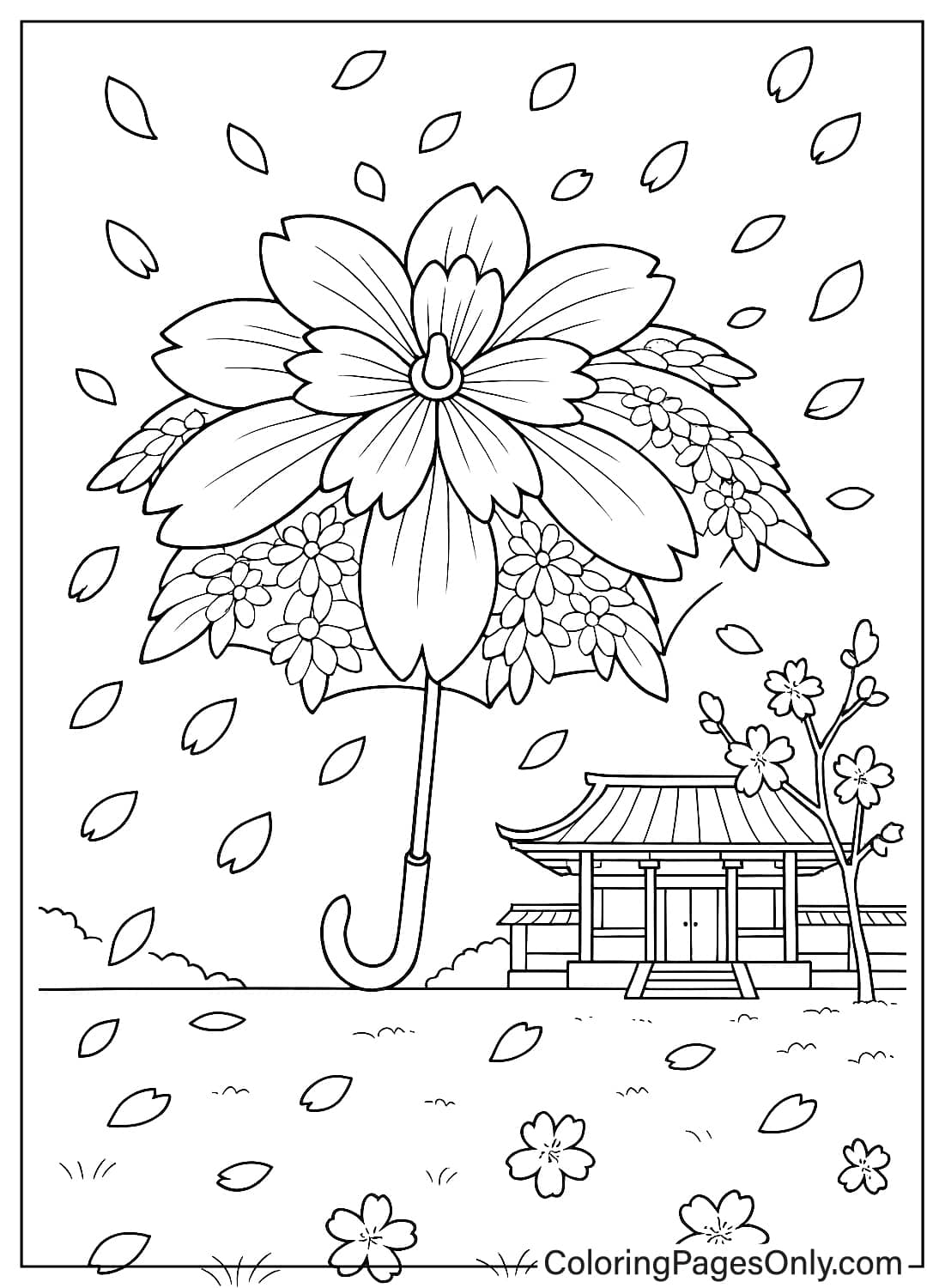
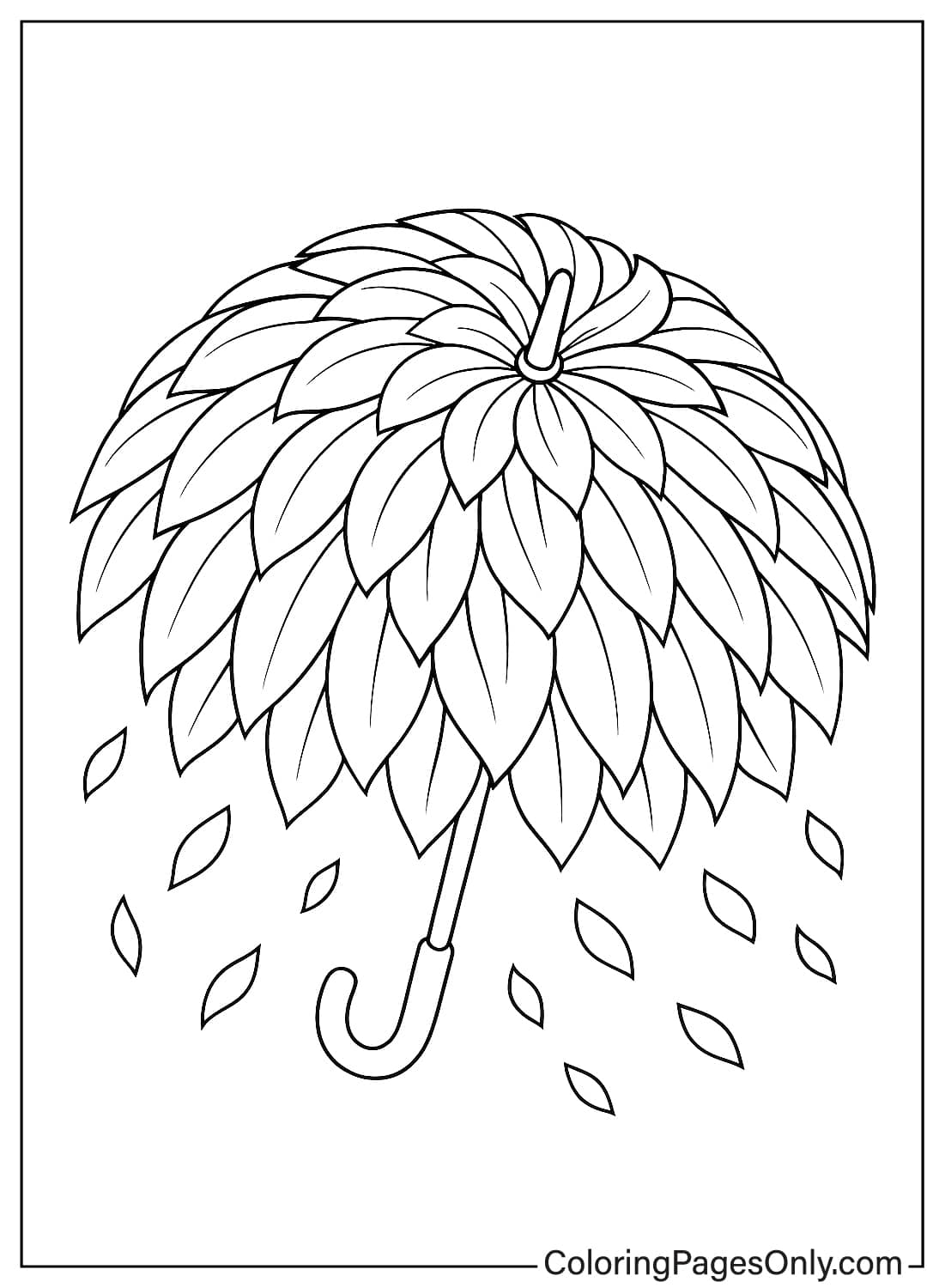
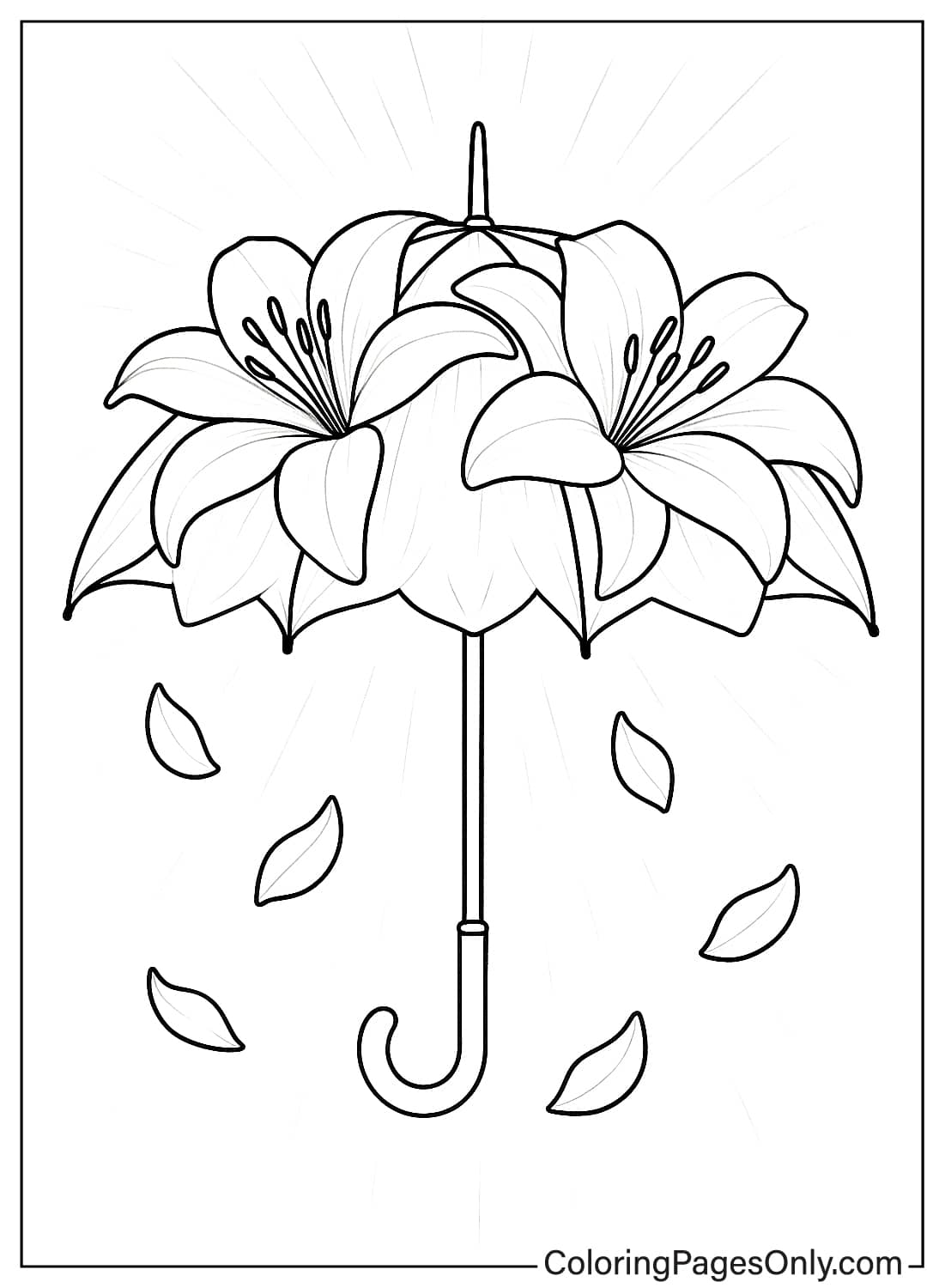
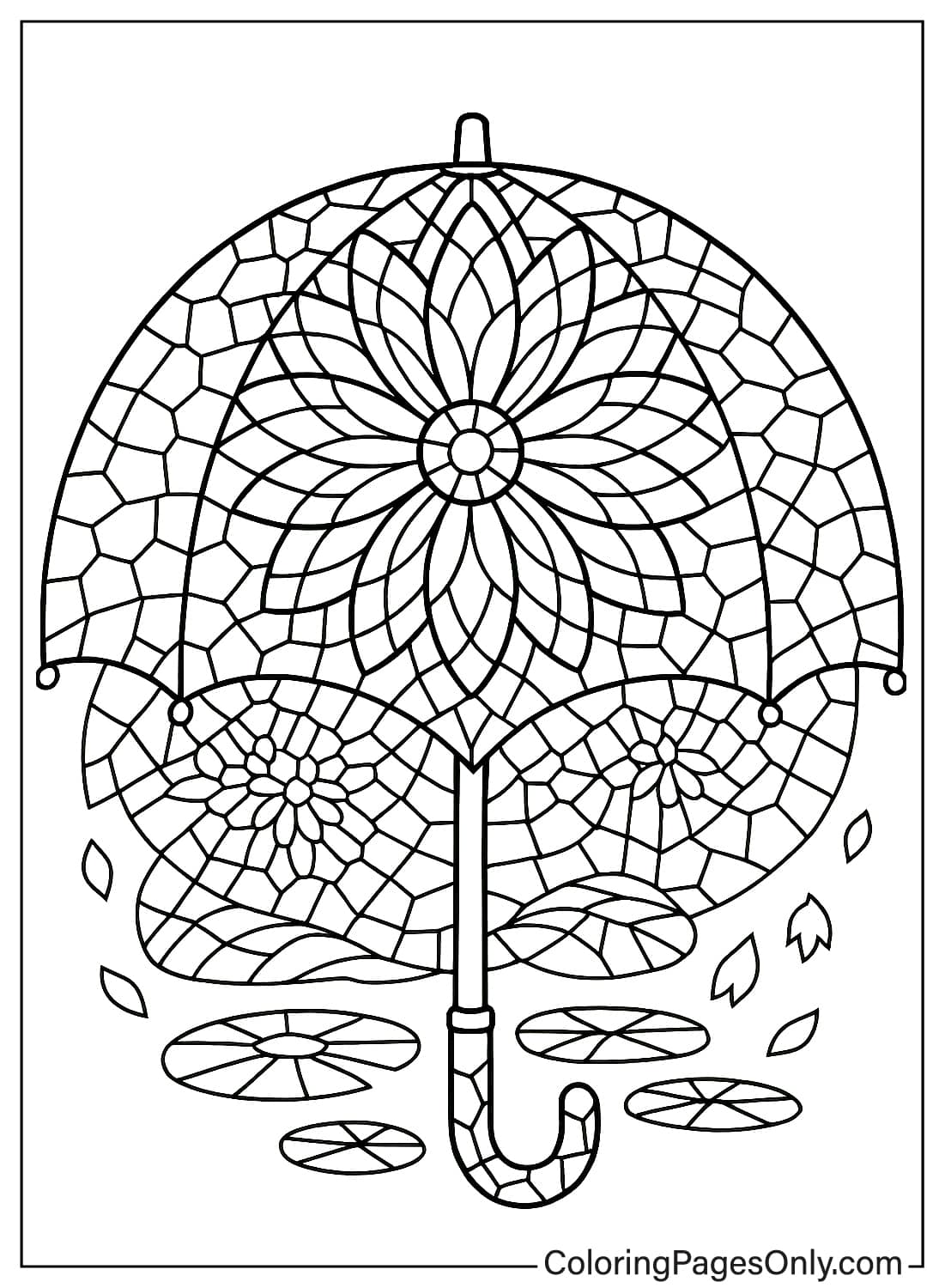
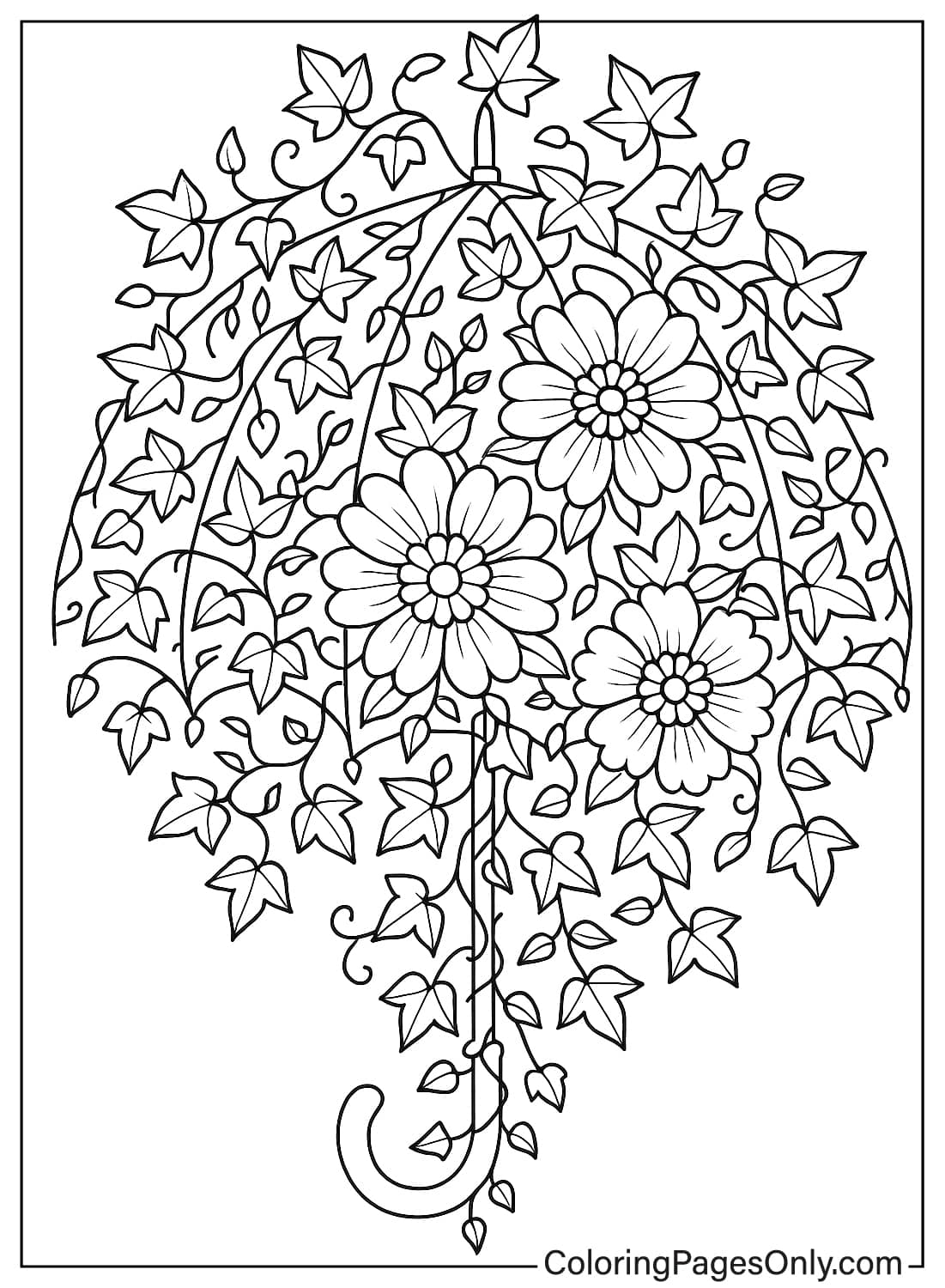
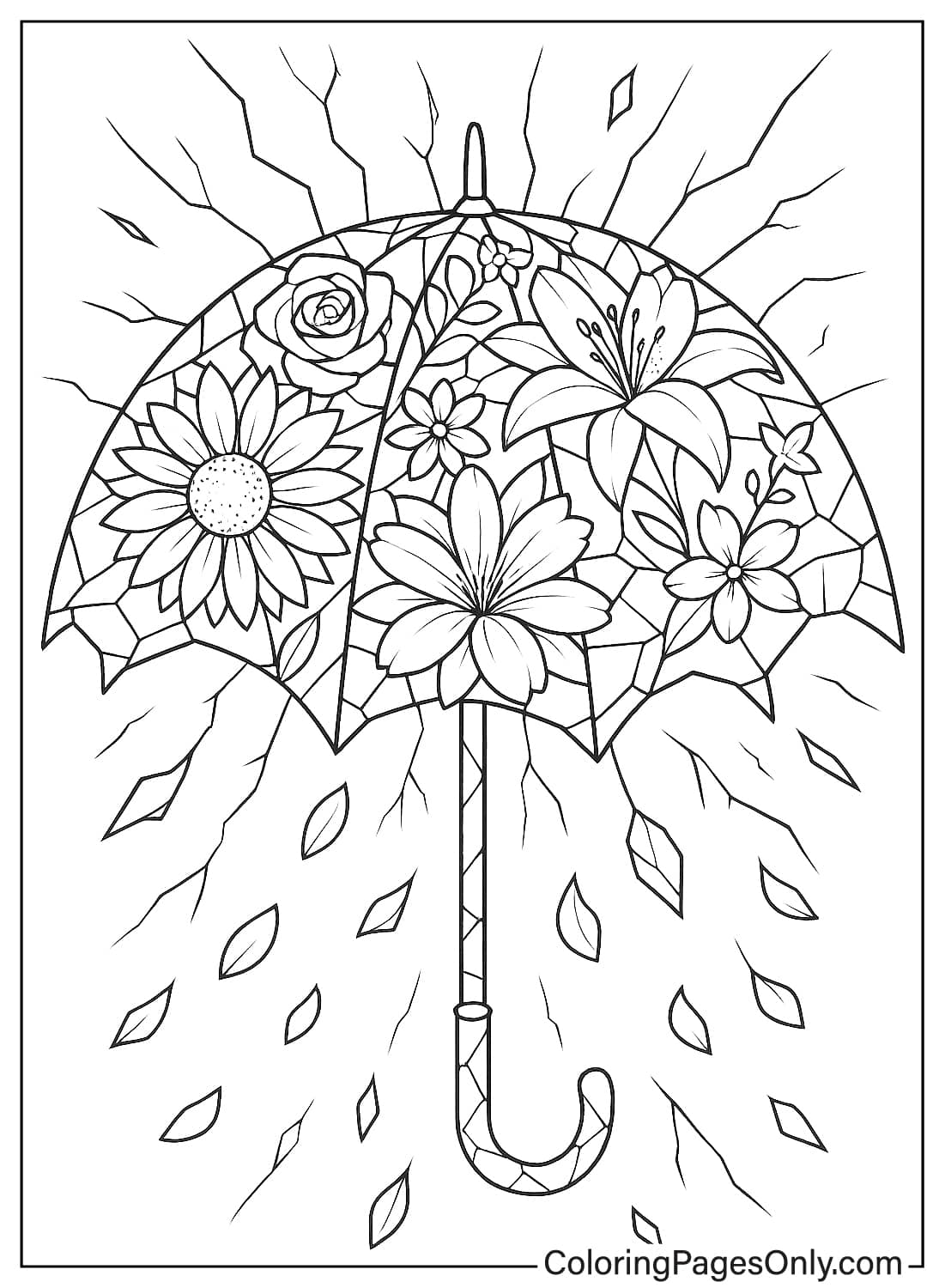
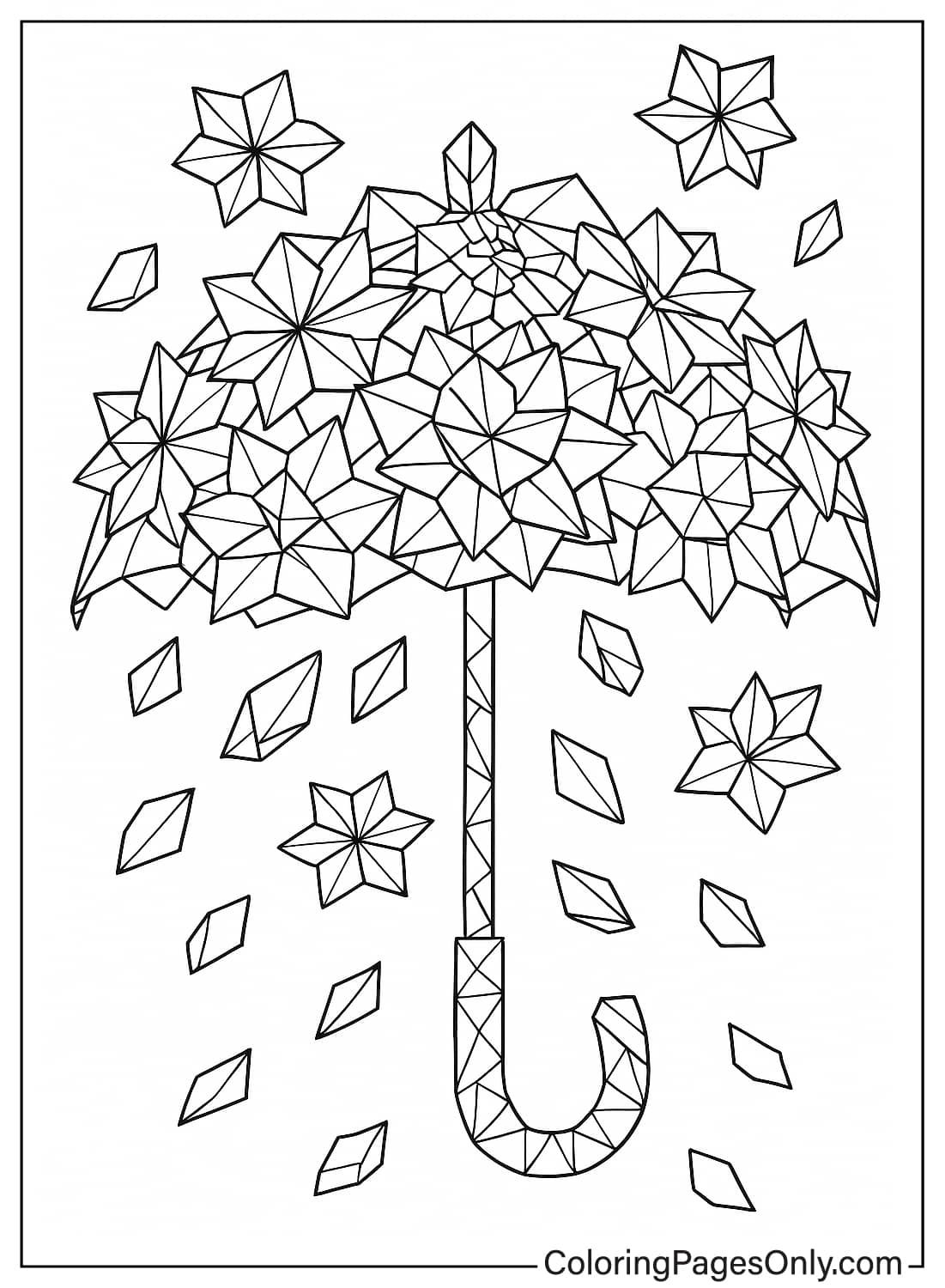
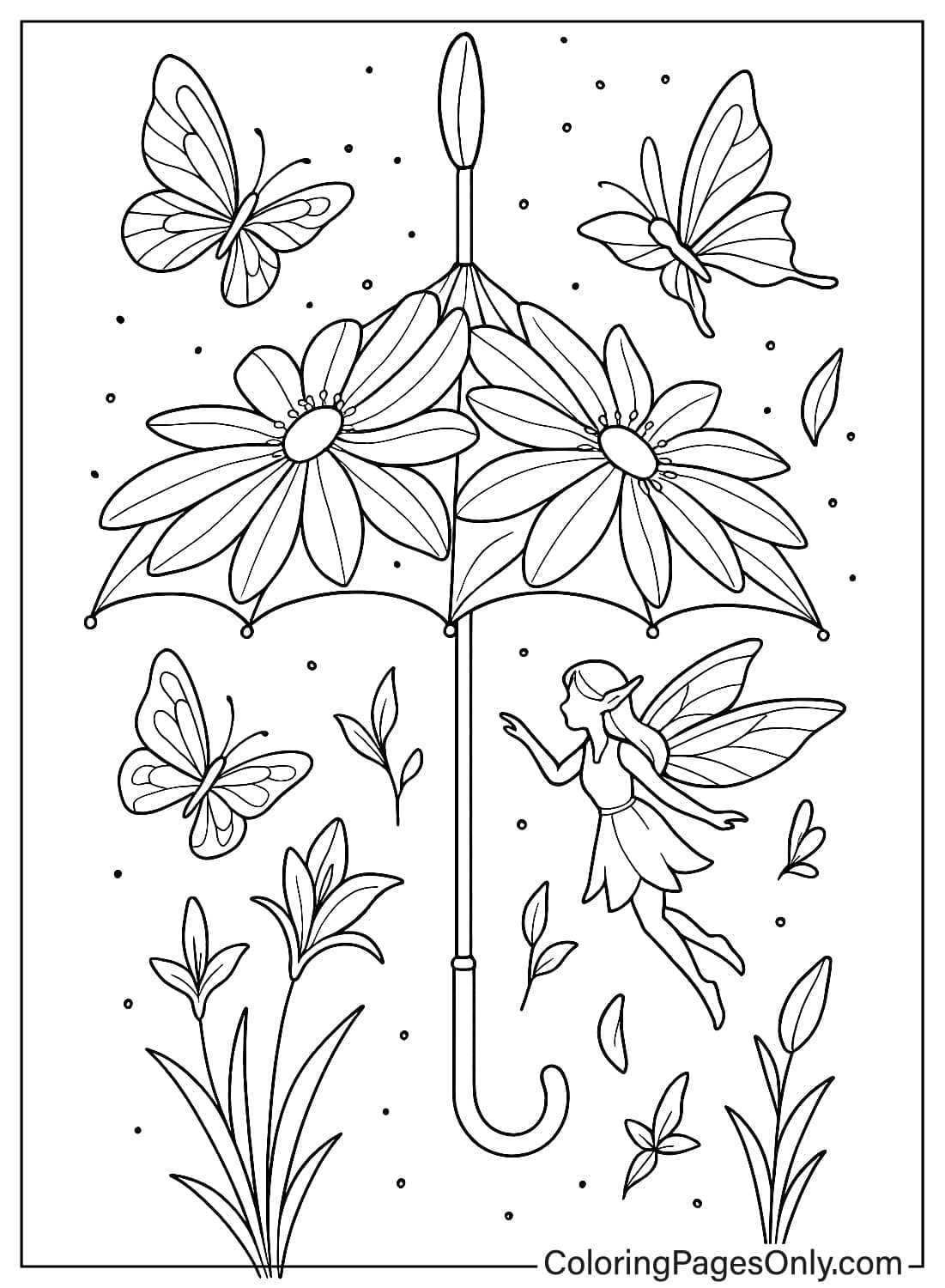
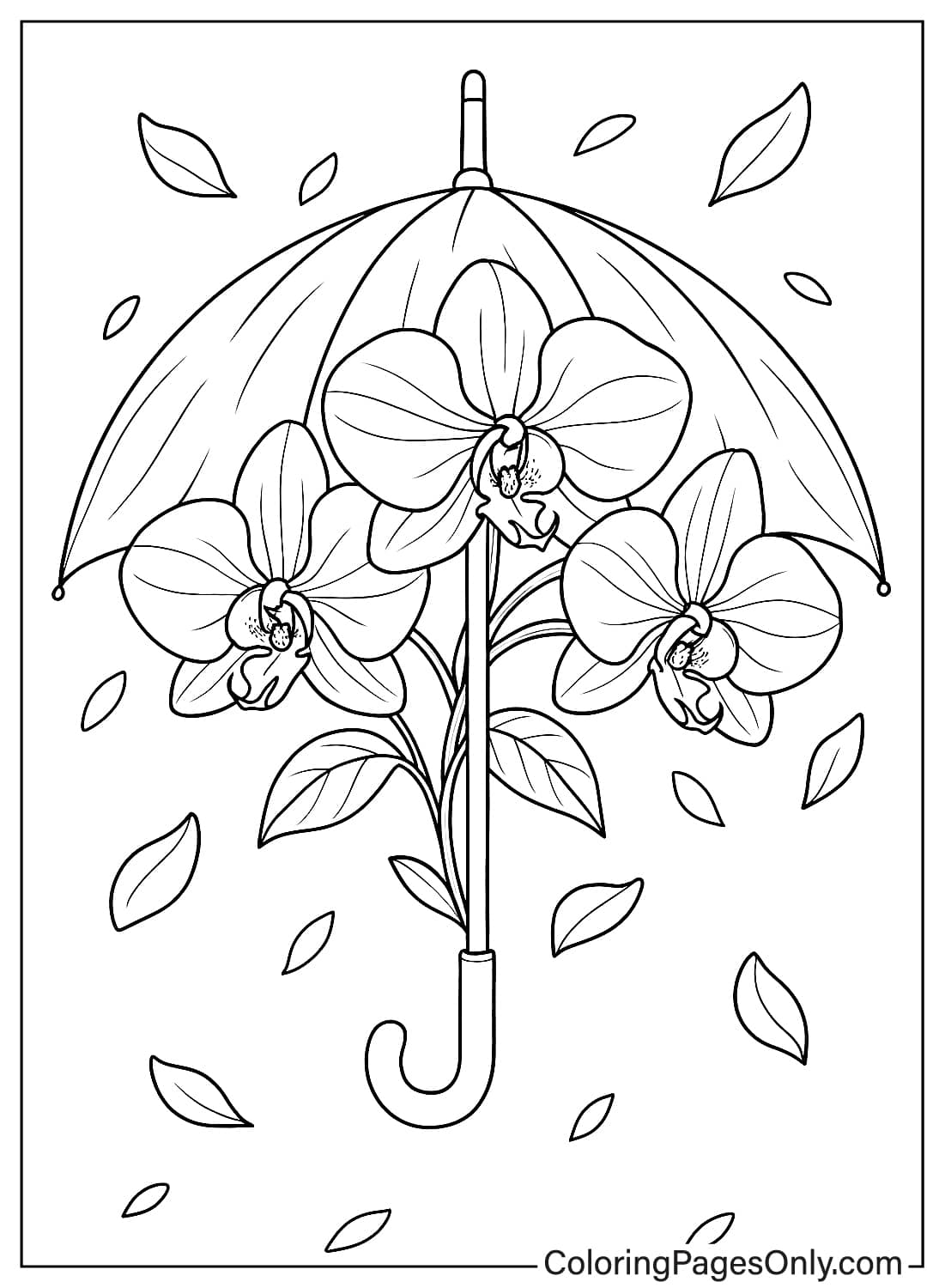
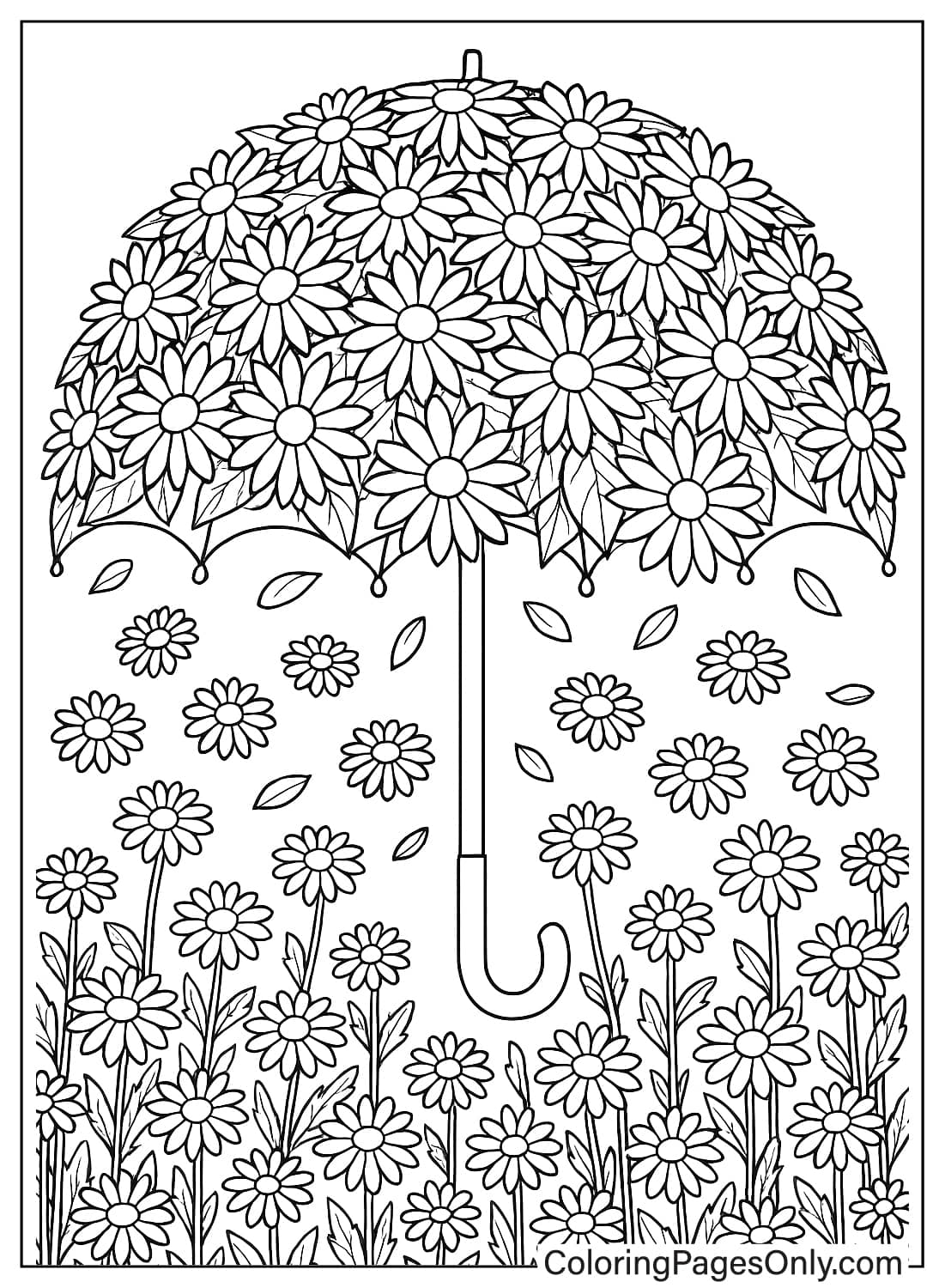
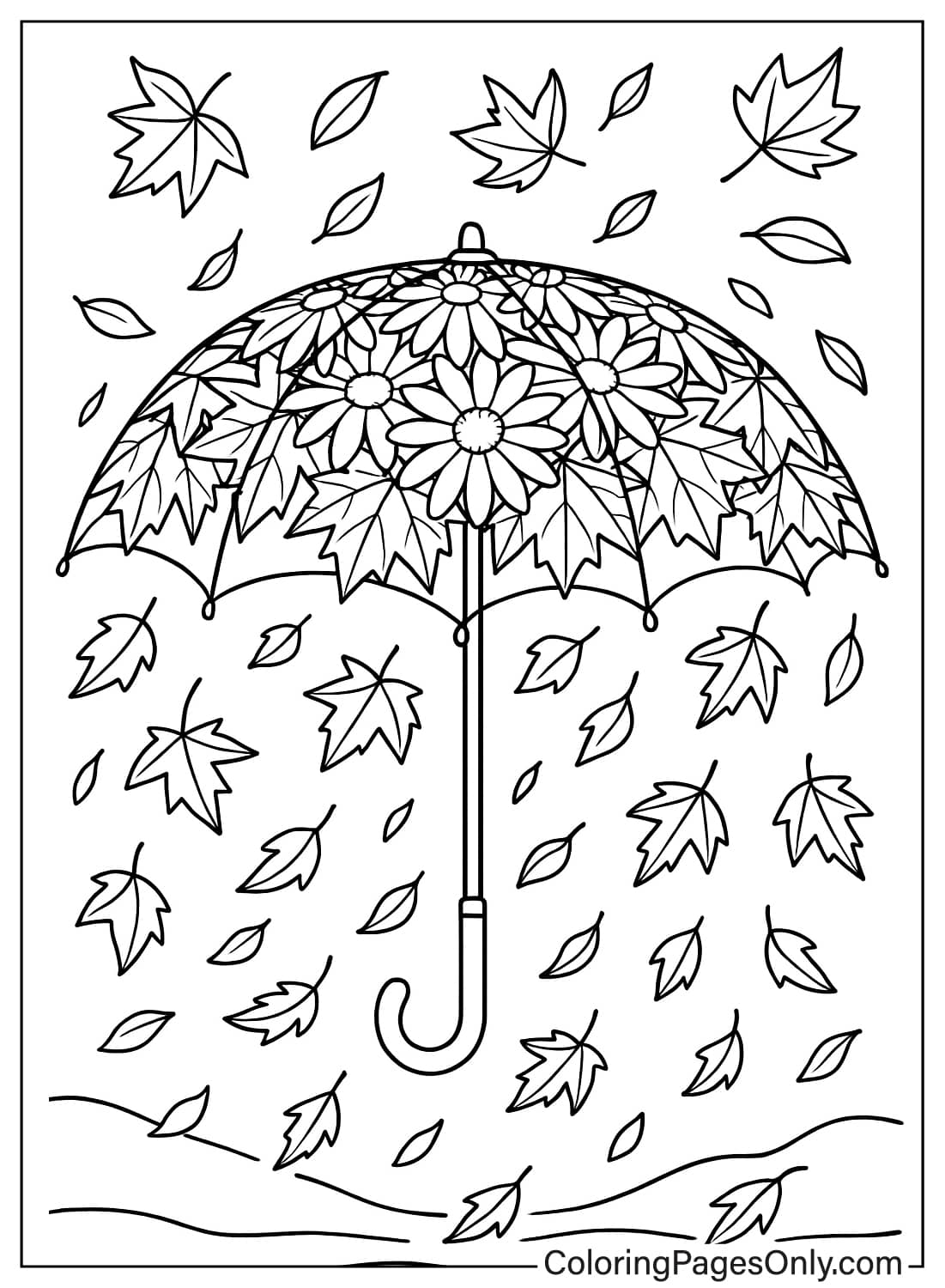
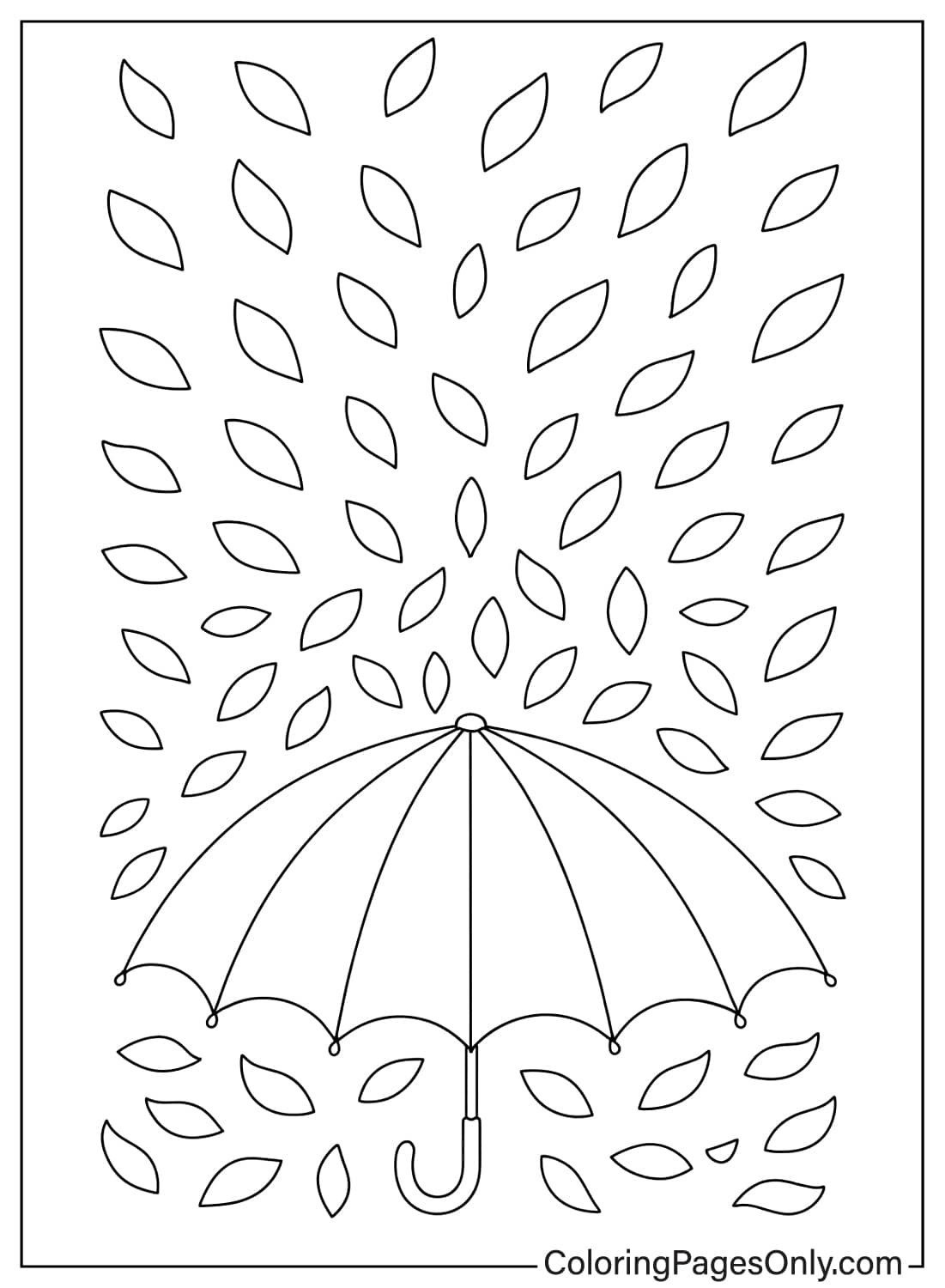
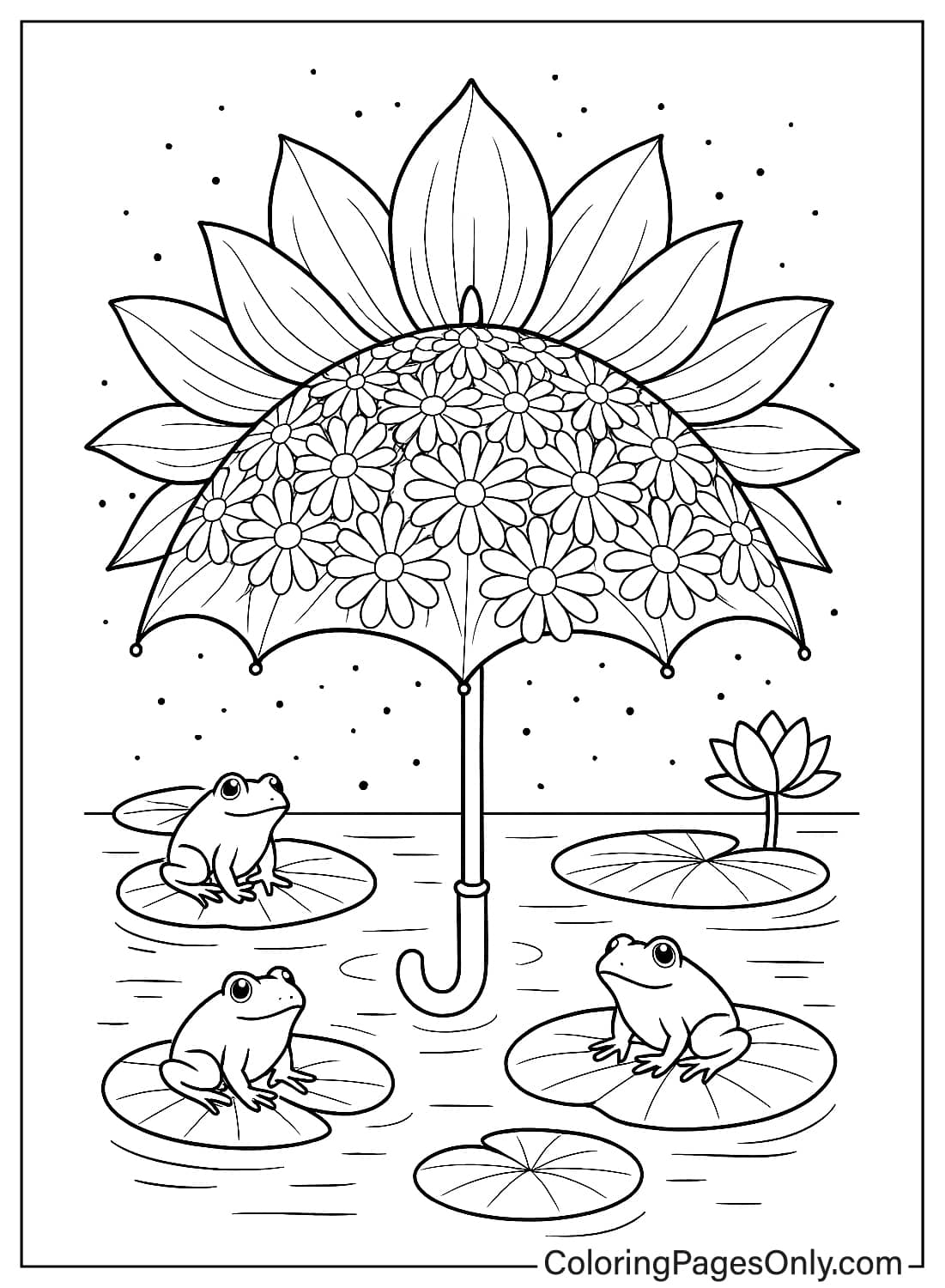
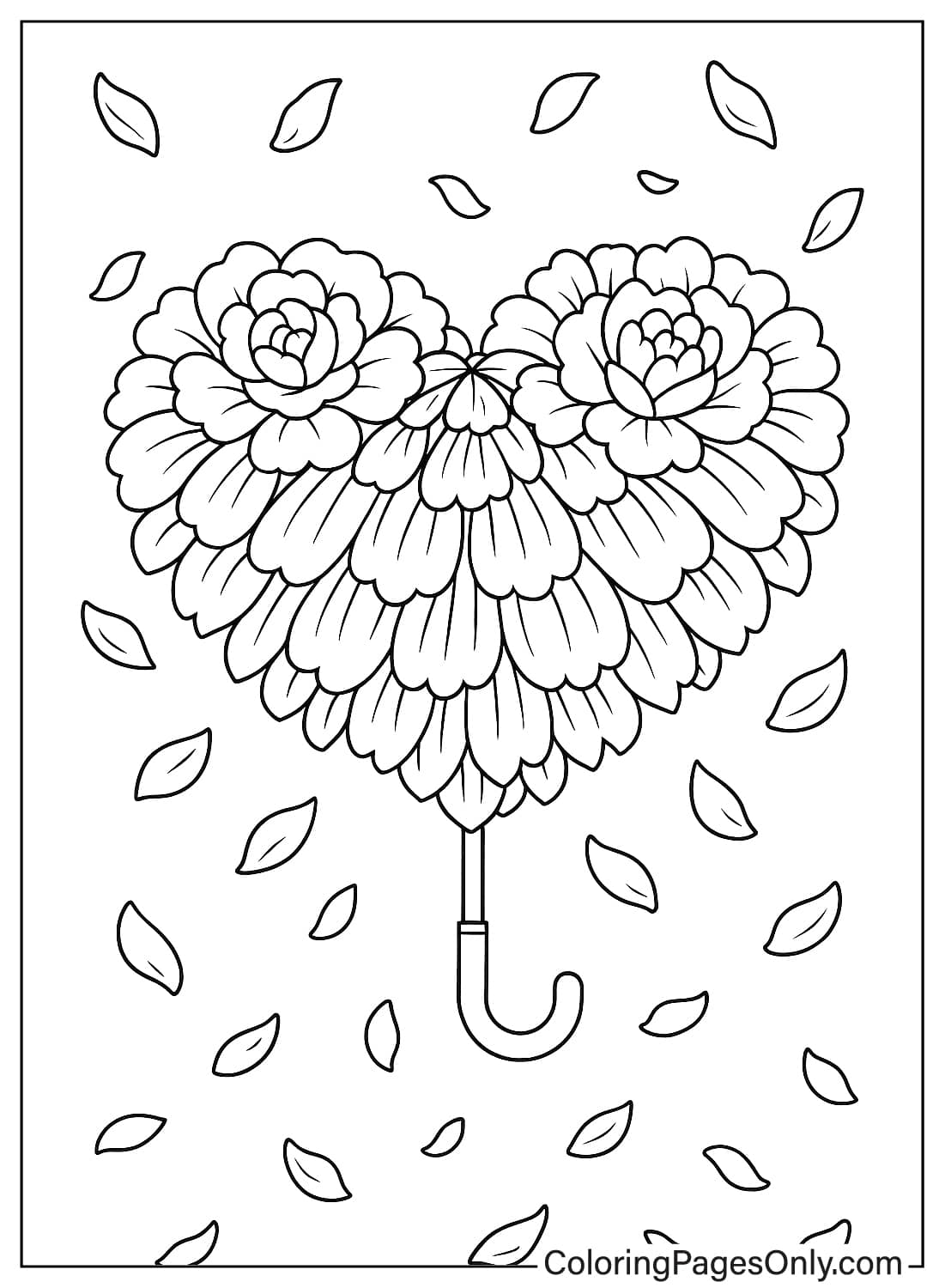
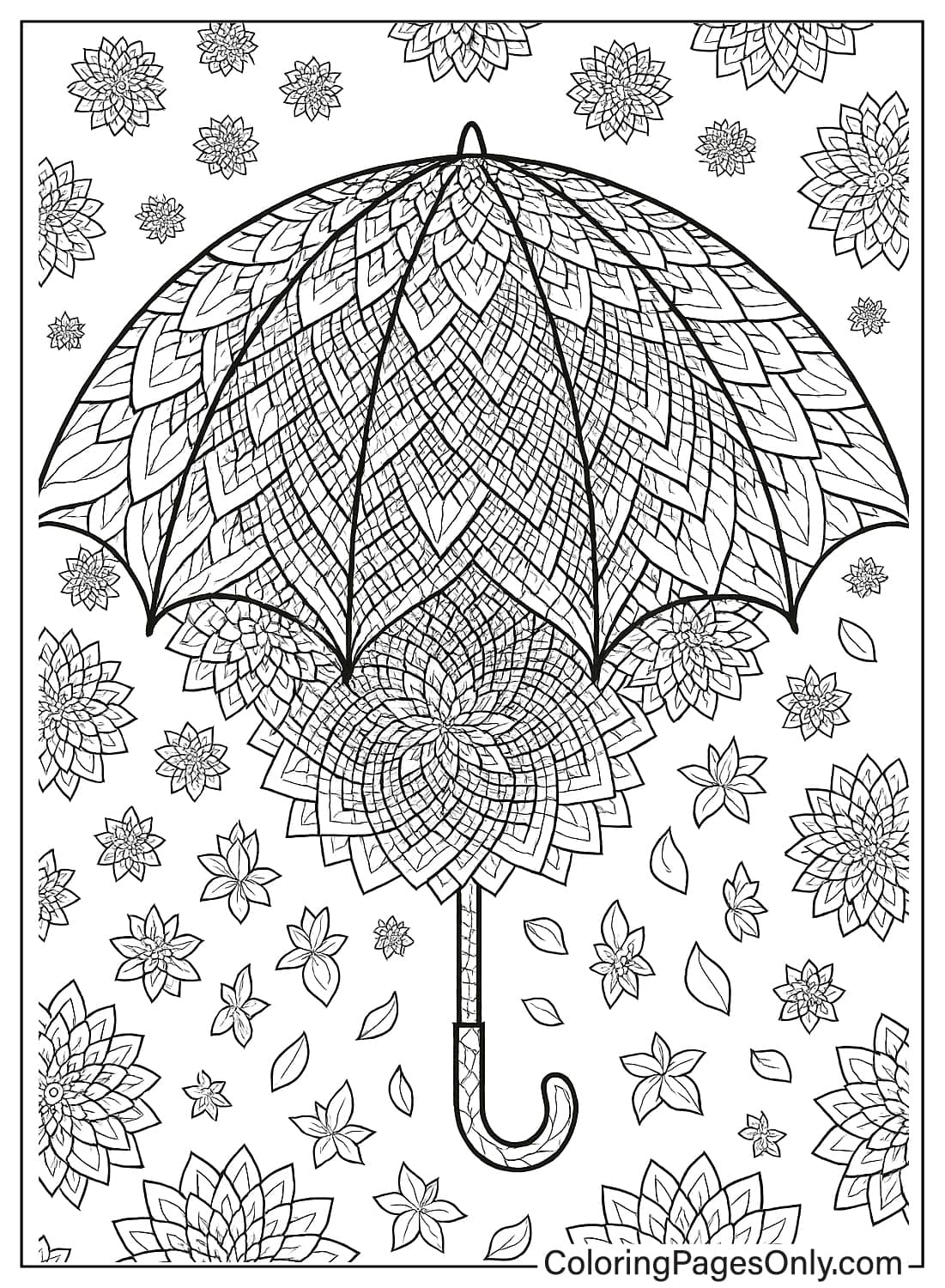
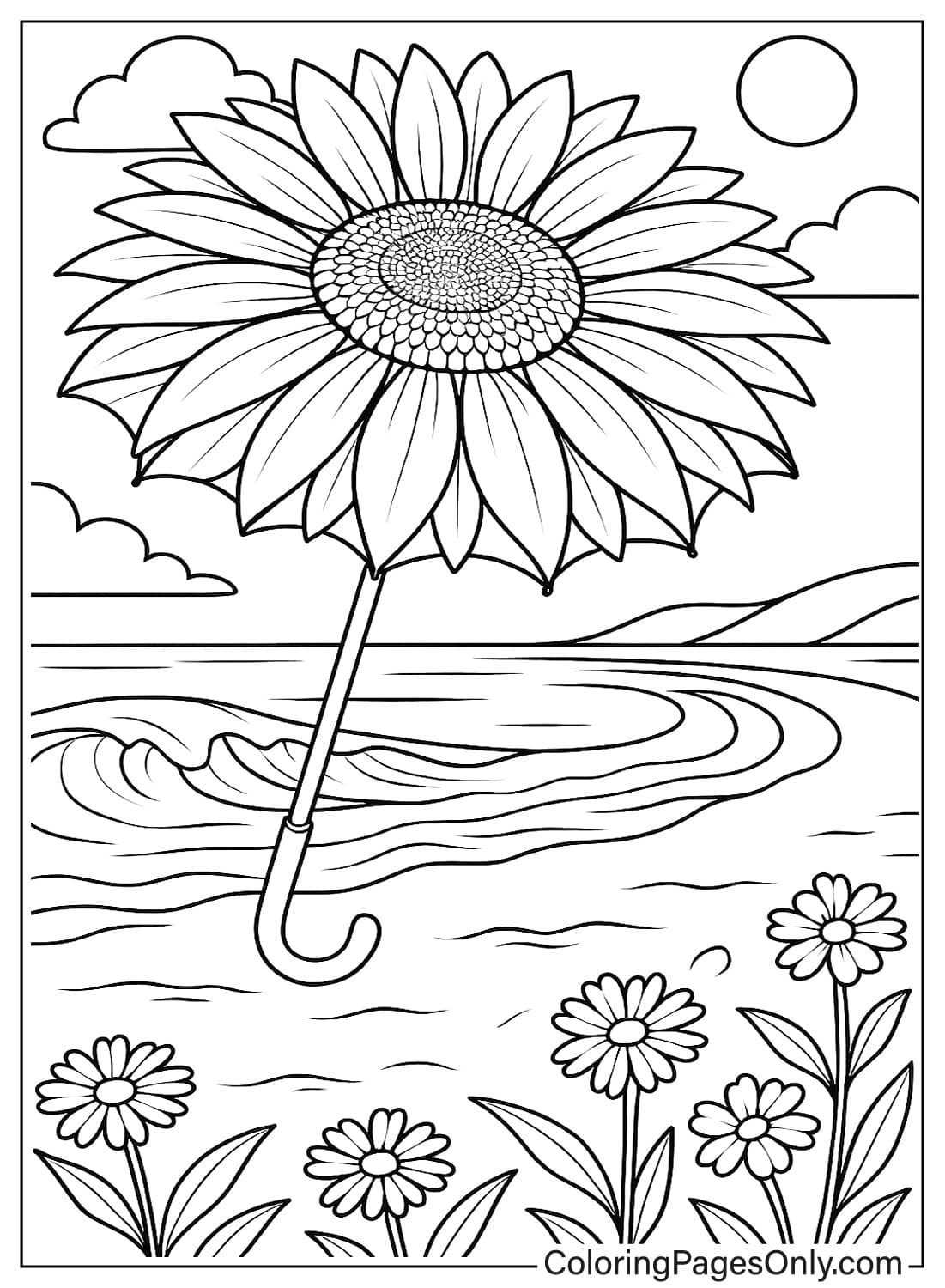
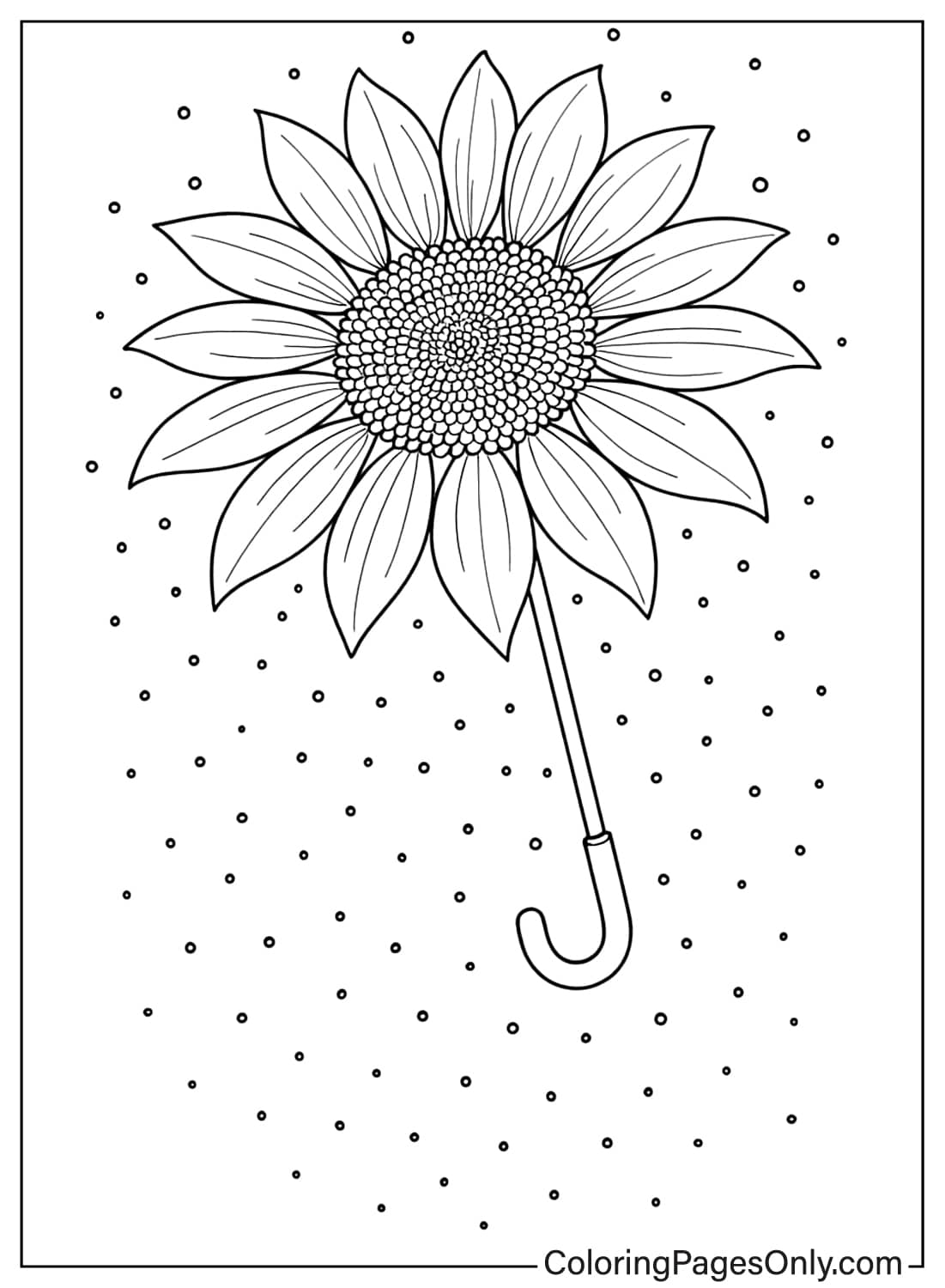
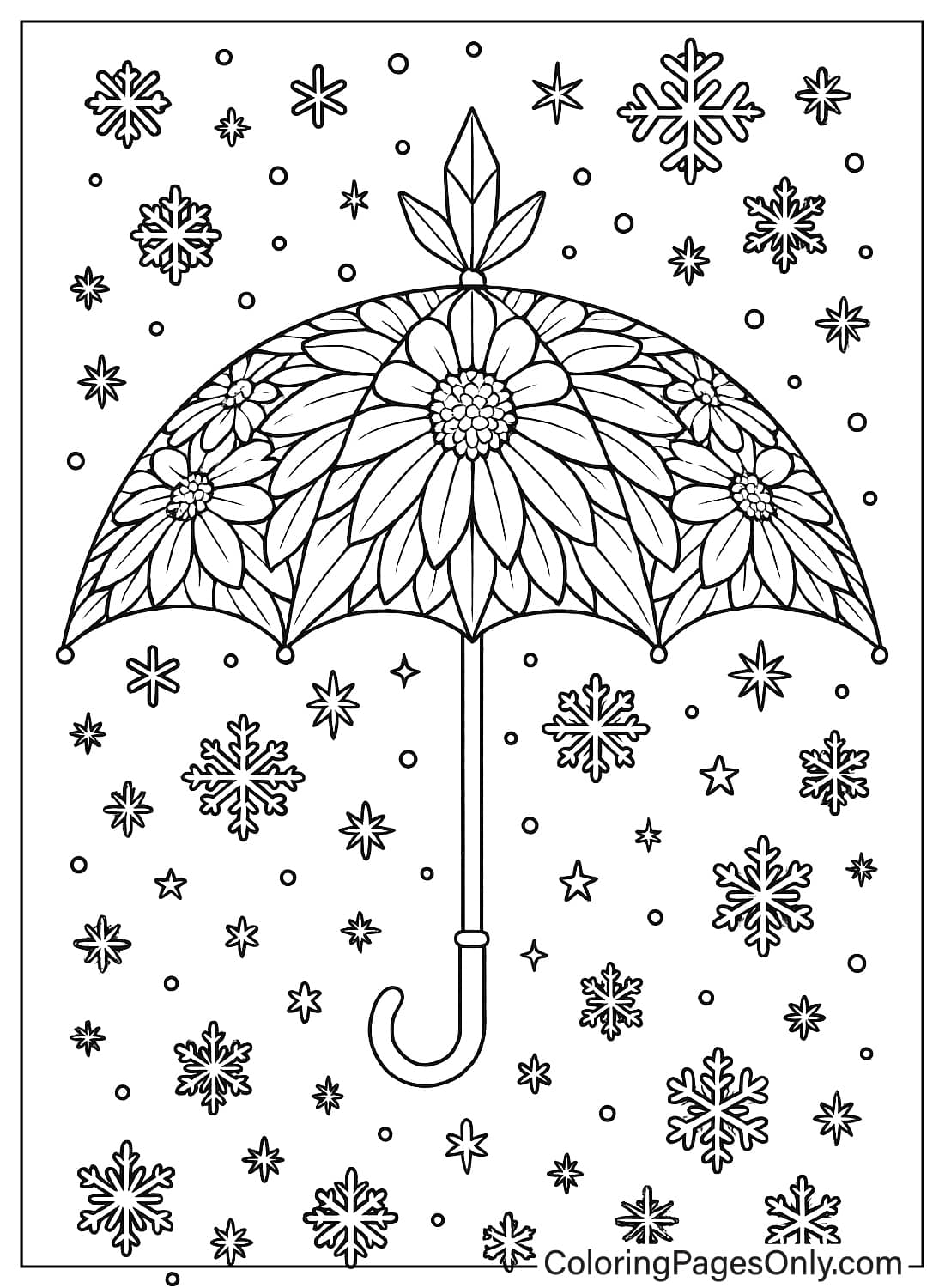
An umbrella’s canopy is the one part every page transforms, so the groupings below follow what that canopy is made from rather than the umbrella shape itself. Some parasols are shaped around a single large bloom, a rose, a sunflower, an orchid, filling the whole canopy with one flower’s petals. Others tie into a specific season, poinsettias for Christmas, cherry blossoms for spring, and falling leaves for autumn. A third group replaces realistic petals with a repeating pattern, a mandala, a stained-glass grid, or a geometric star design. The rest surround the parasol with a small scene, a fairy, frogs on lily pads, or a scattering of musical notes.
Thirty-one parasols built around the same transformed umbrella shape give the set a clear identity while still covering a wide range of flowers, seasons, and patterns.
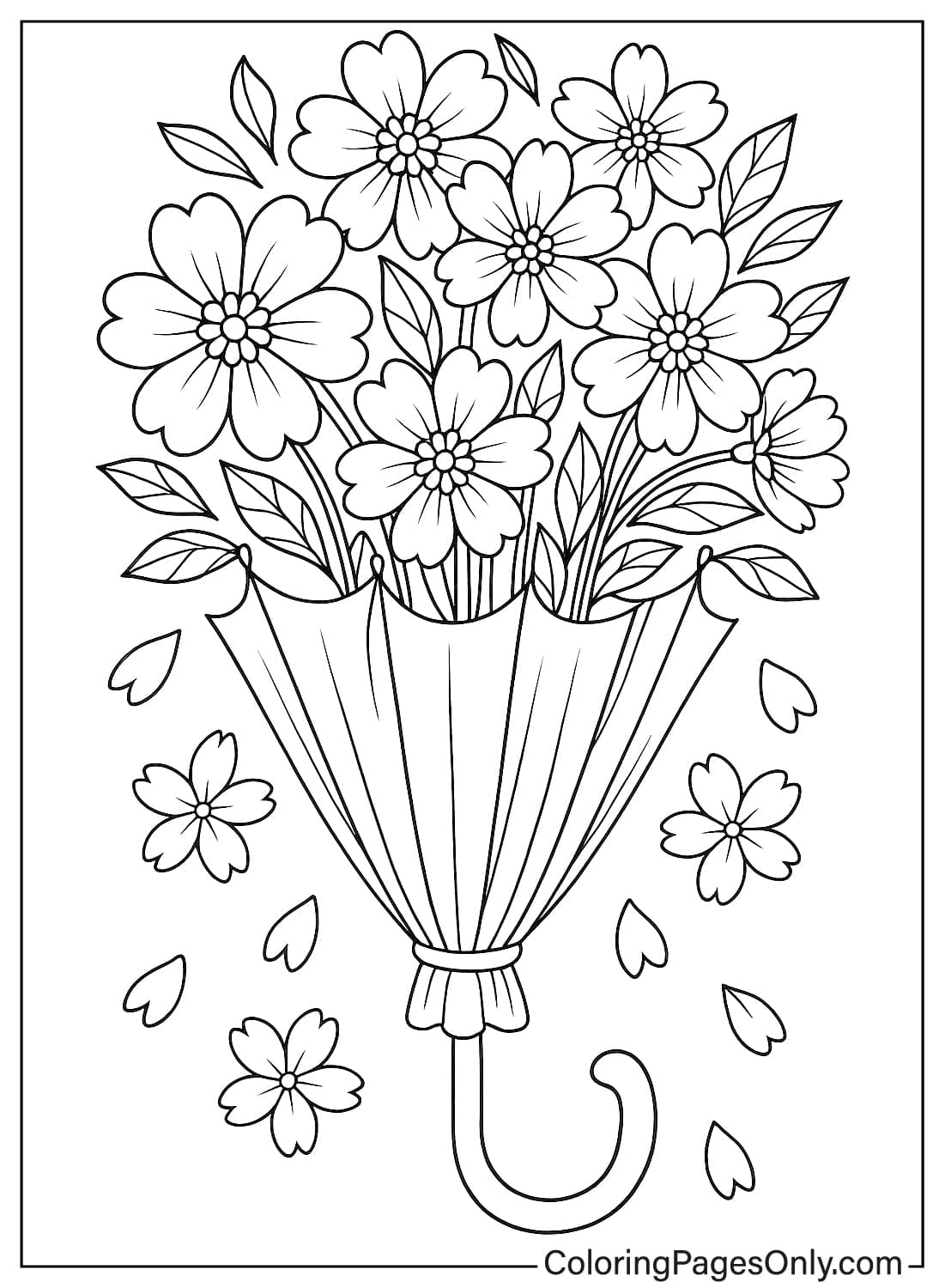
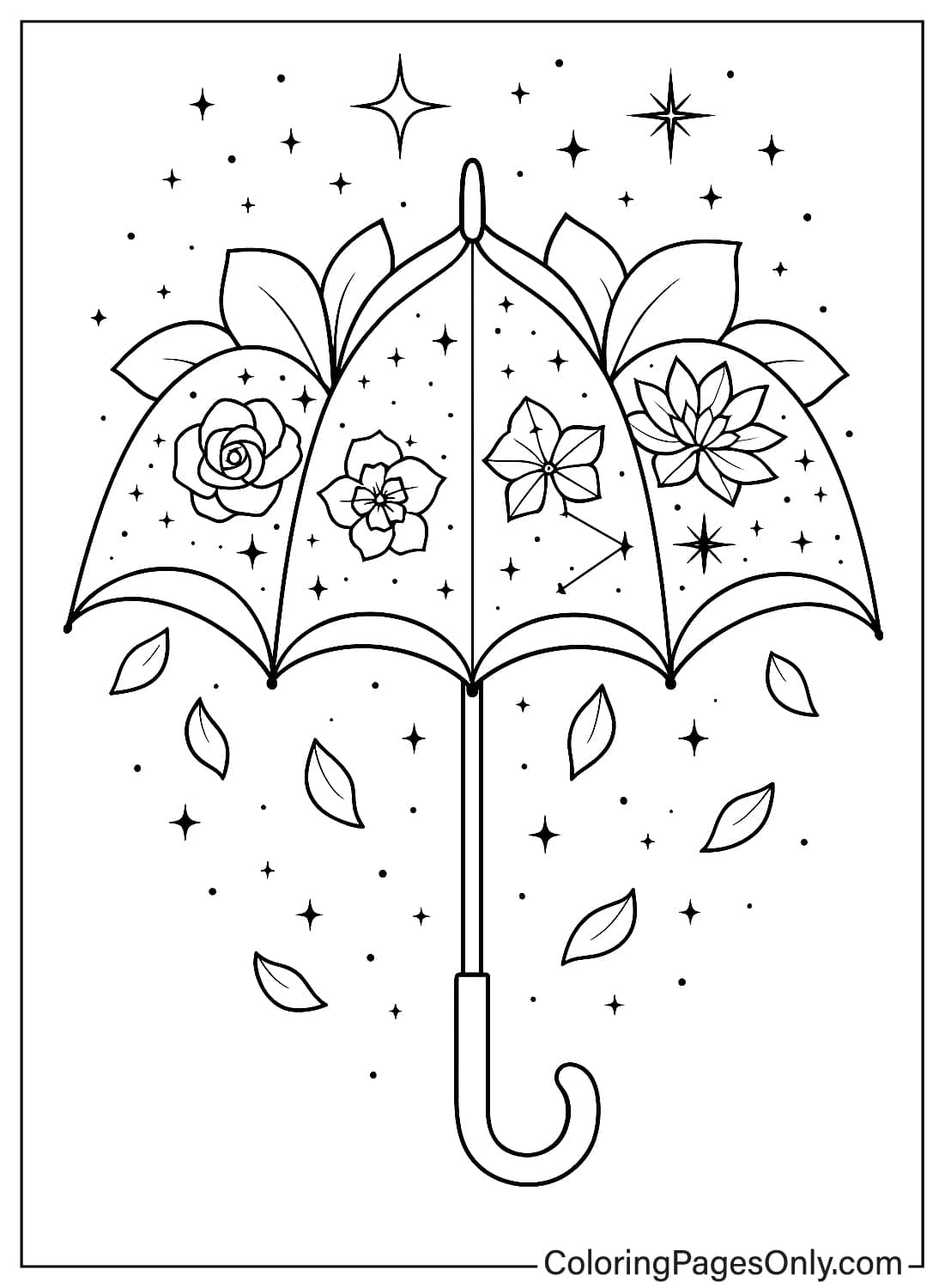
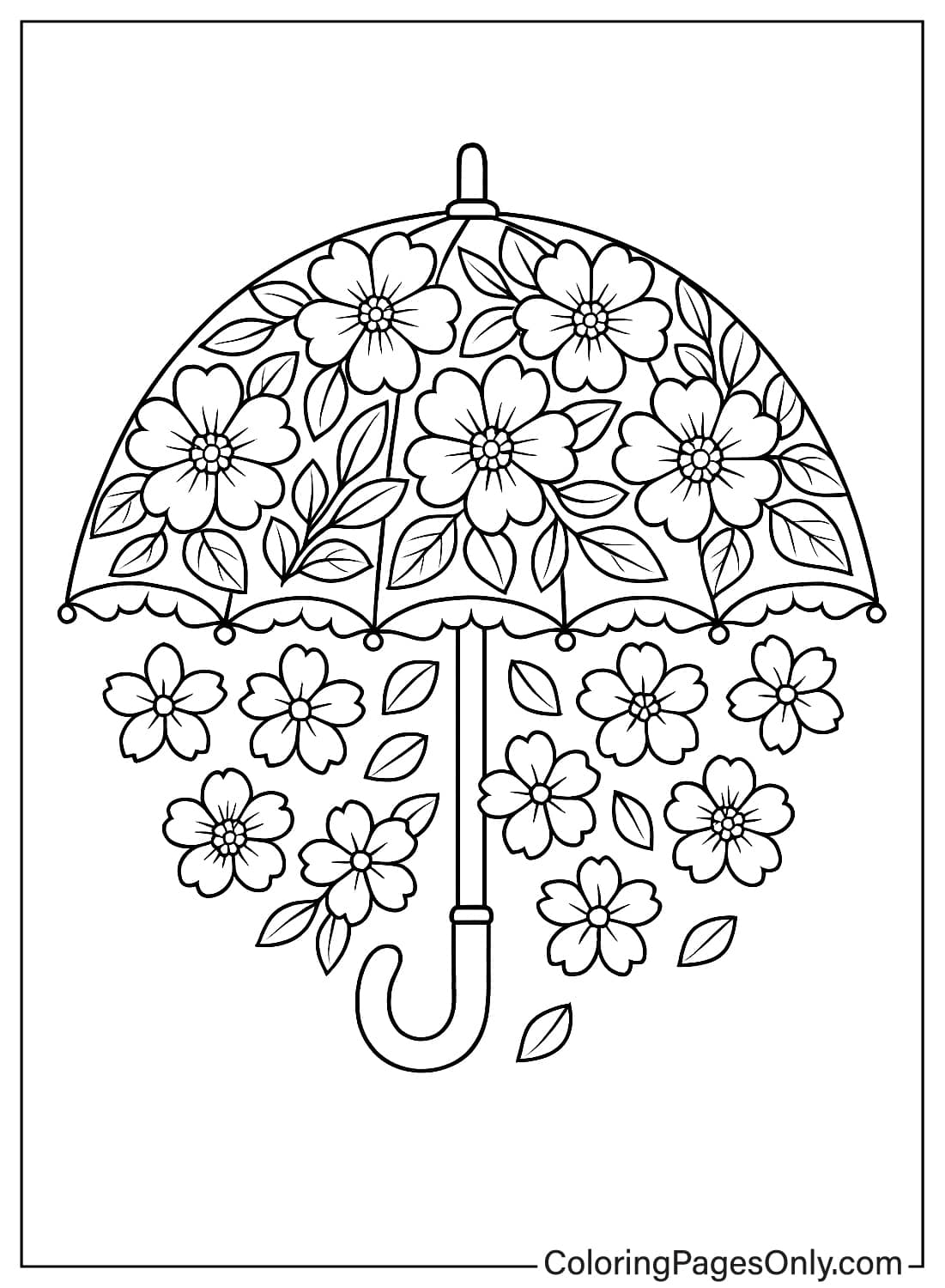
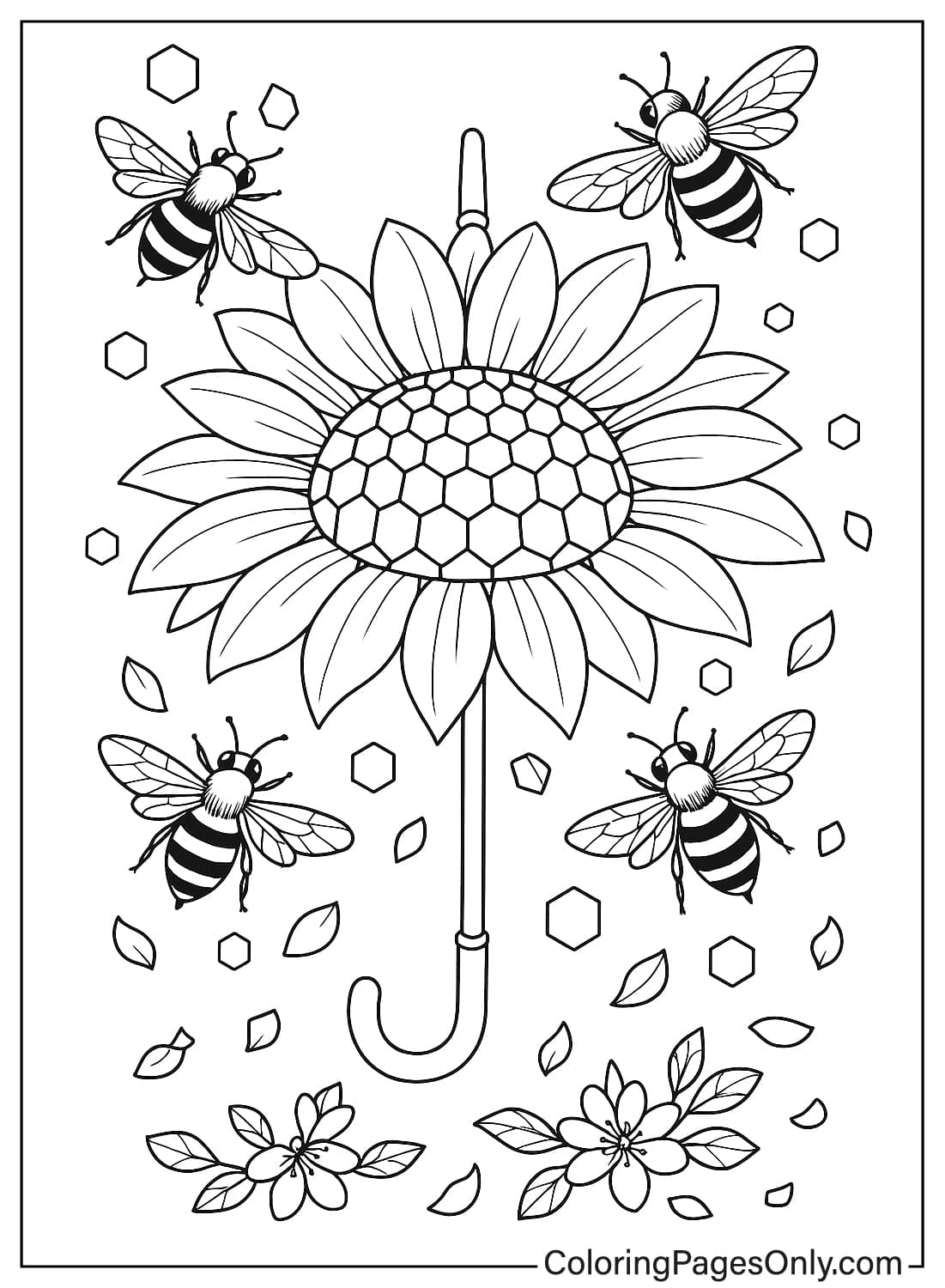
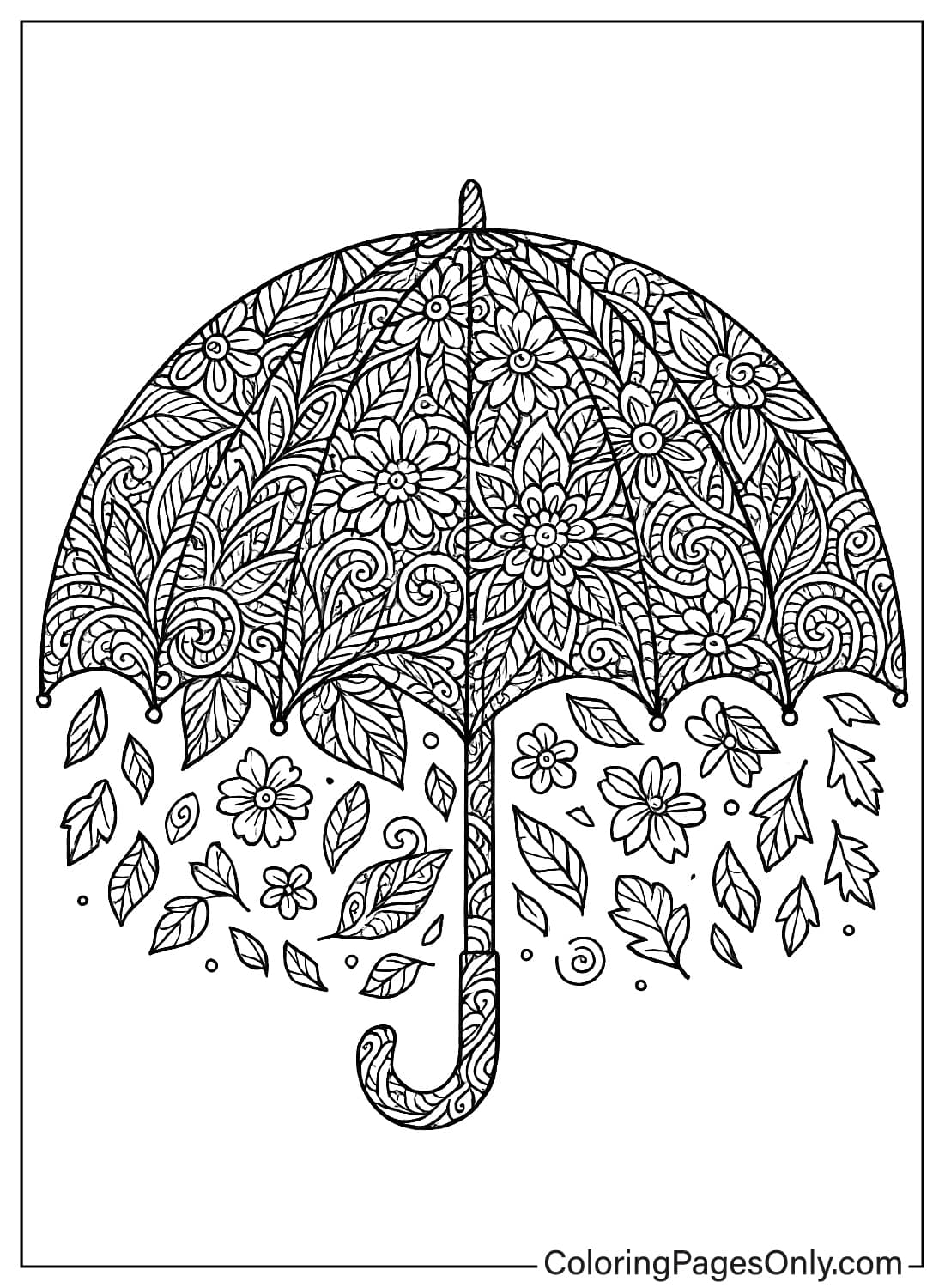
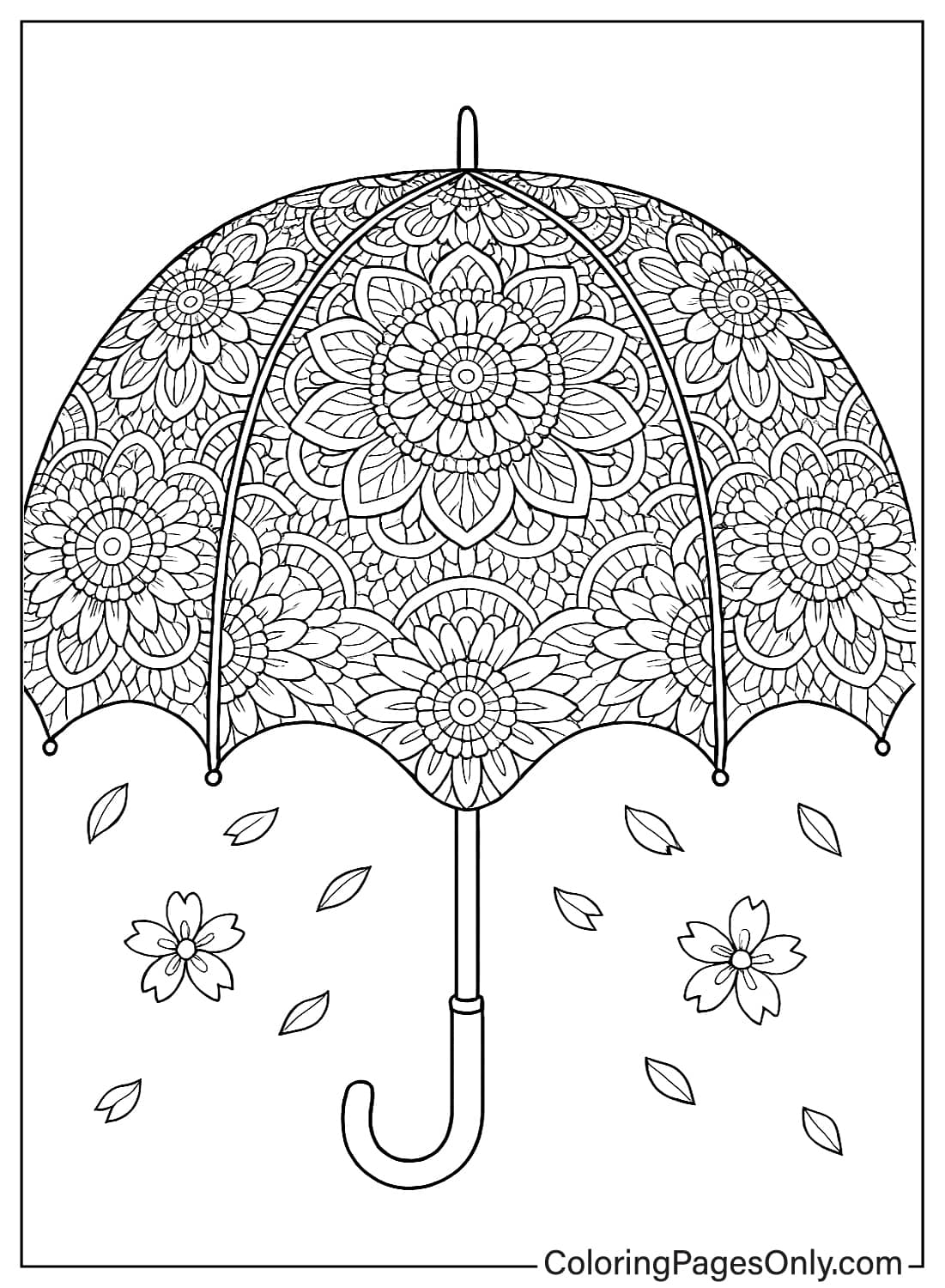
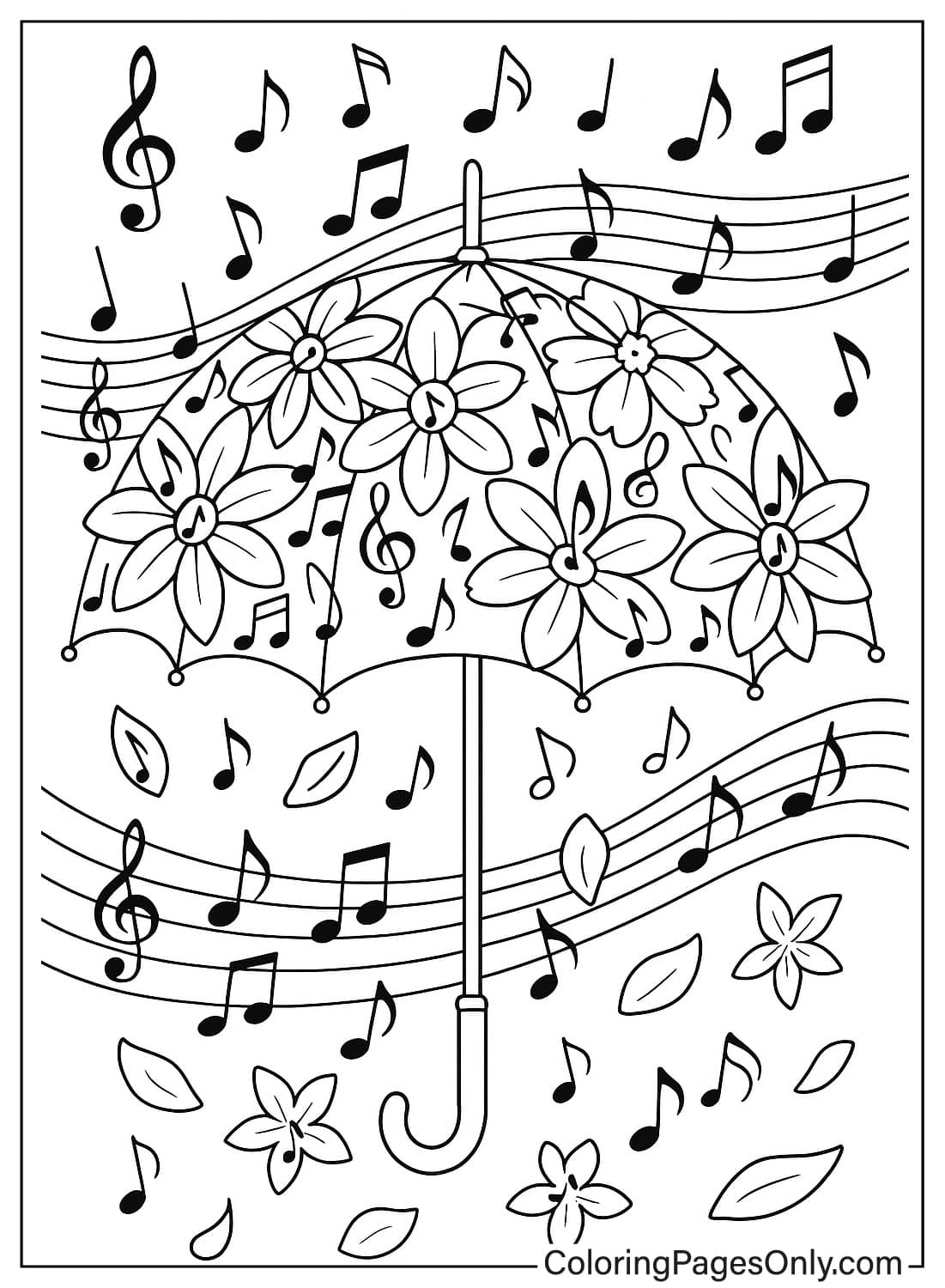
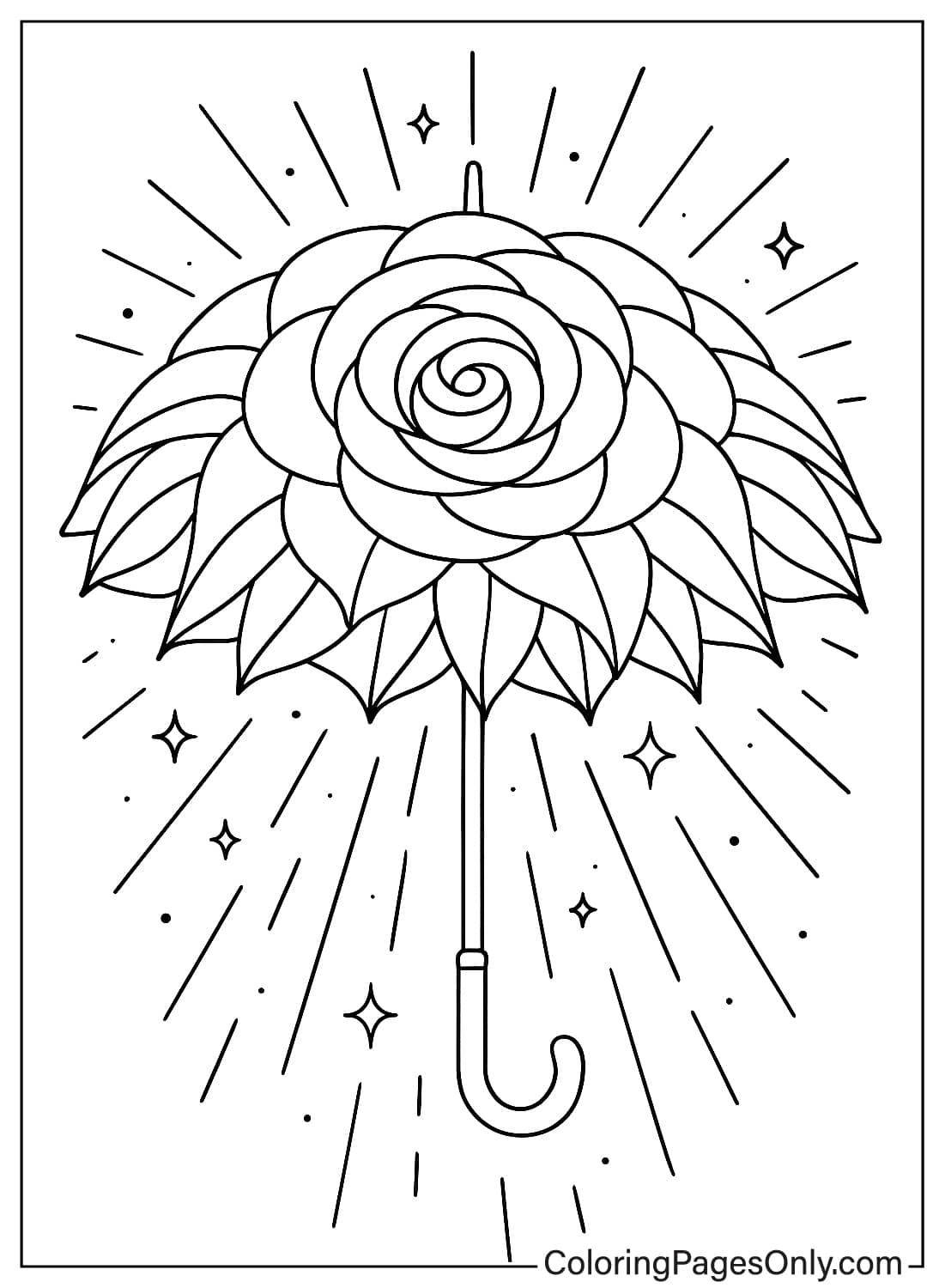
What Is Inside This Collection
Single-Flower Parasols
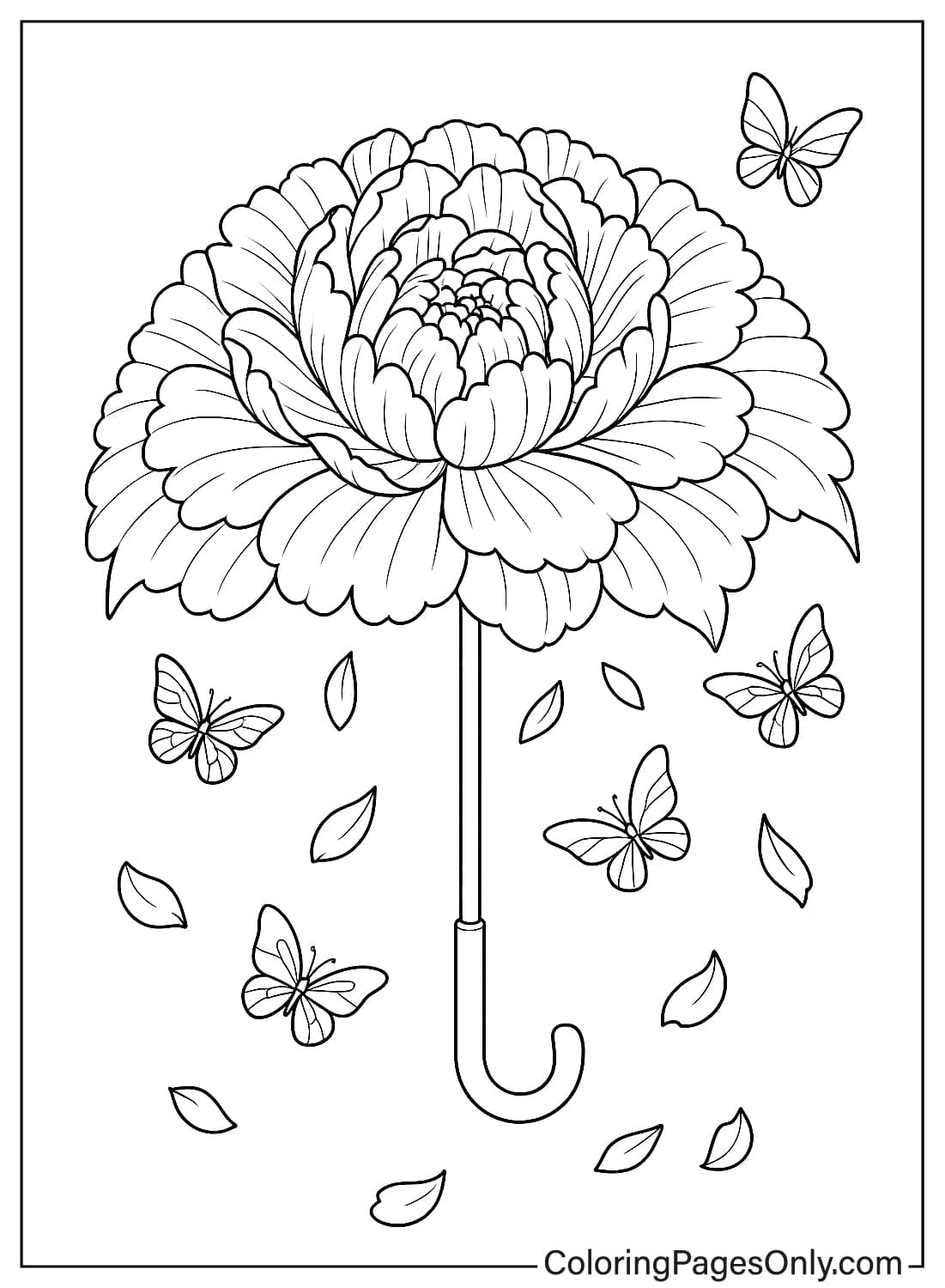
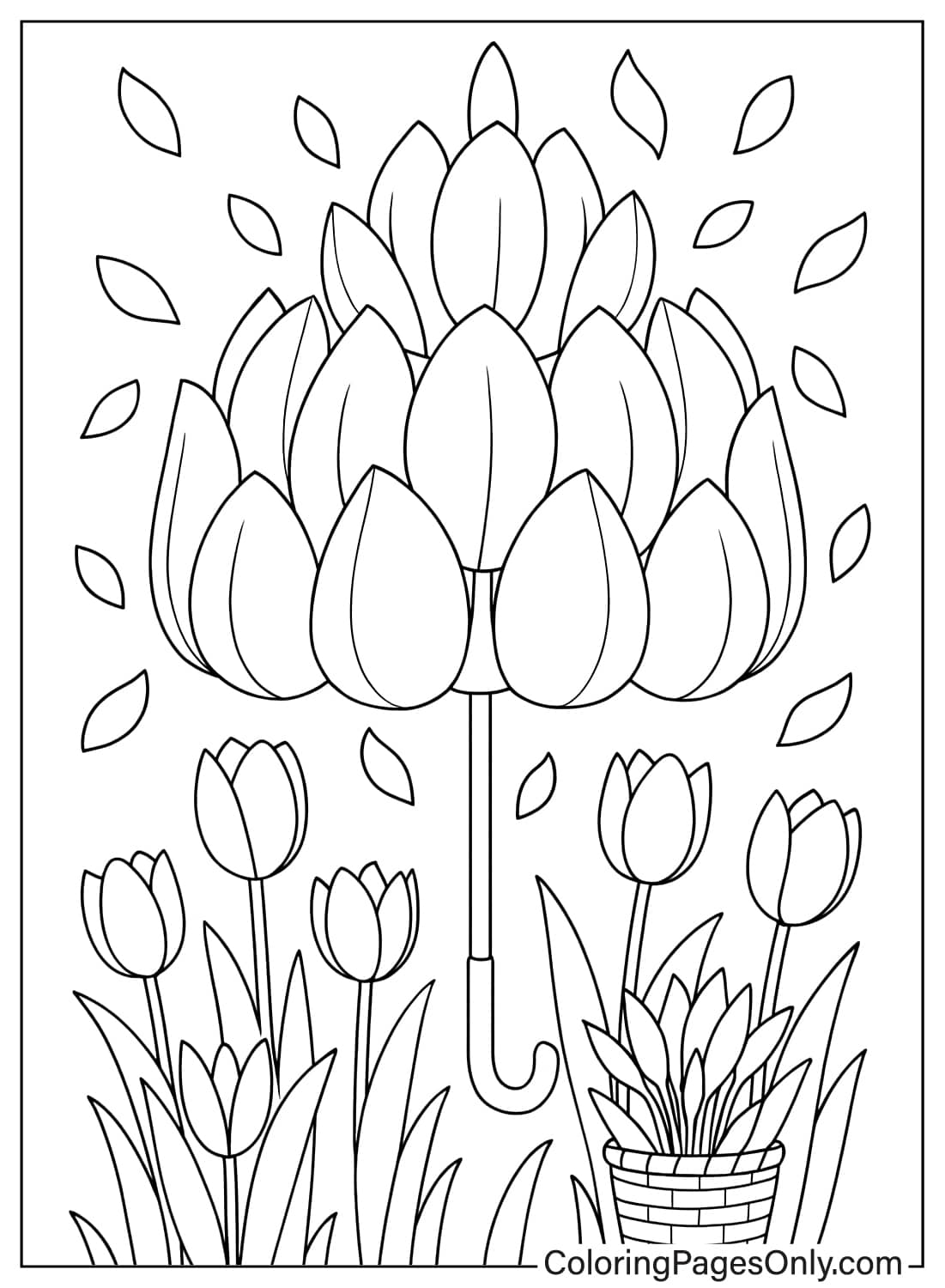
The largest group builds an entire canopy from one flower type, roses, sunflowers, orchids, tulips, lilies, or peonies, each filling the umbrella shape with layered petals.
Seasonal Parasols
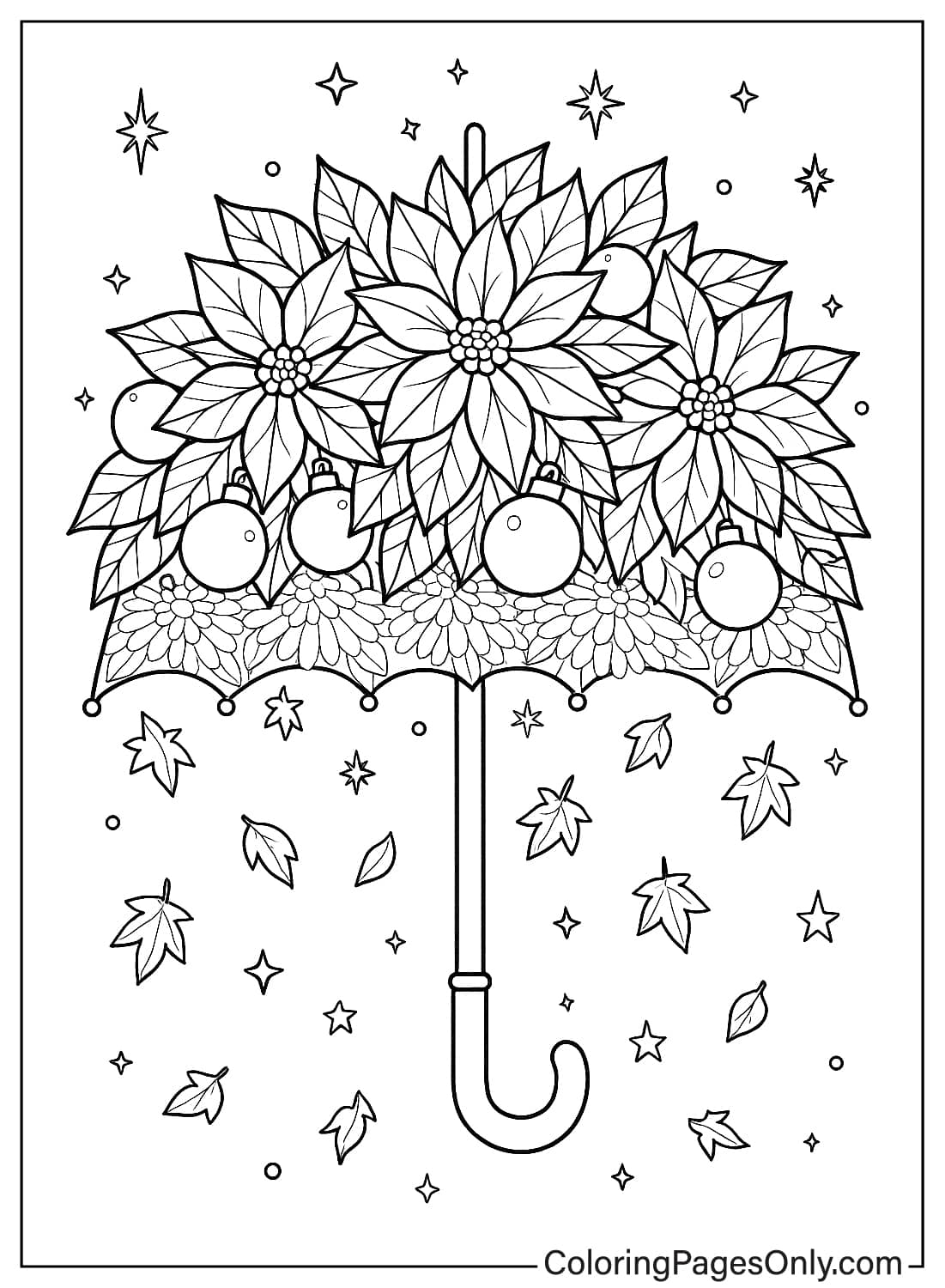
Another group ties the parasol to a specific time of year, a Christmas poinsettia design, cherry blossoms for spring, and falling leaves for autumn and winter.
Pattern and Mandala Parasols
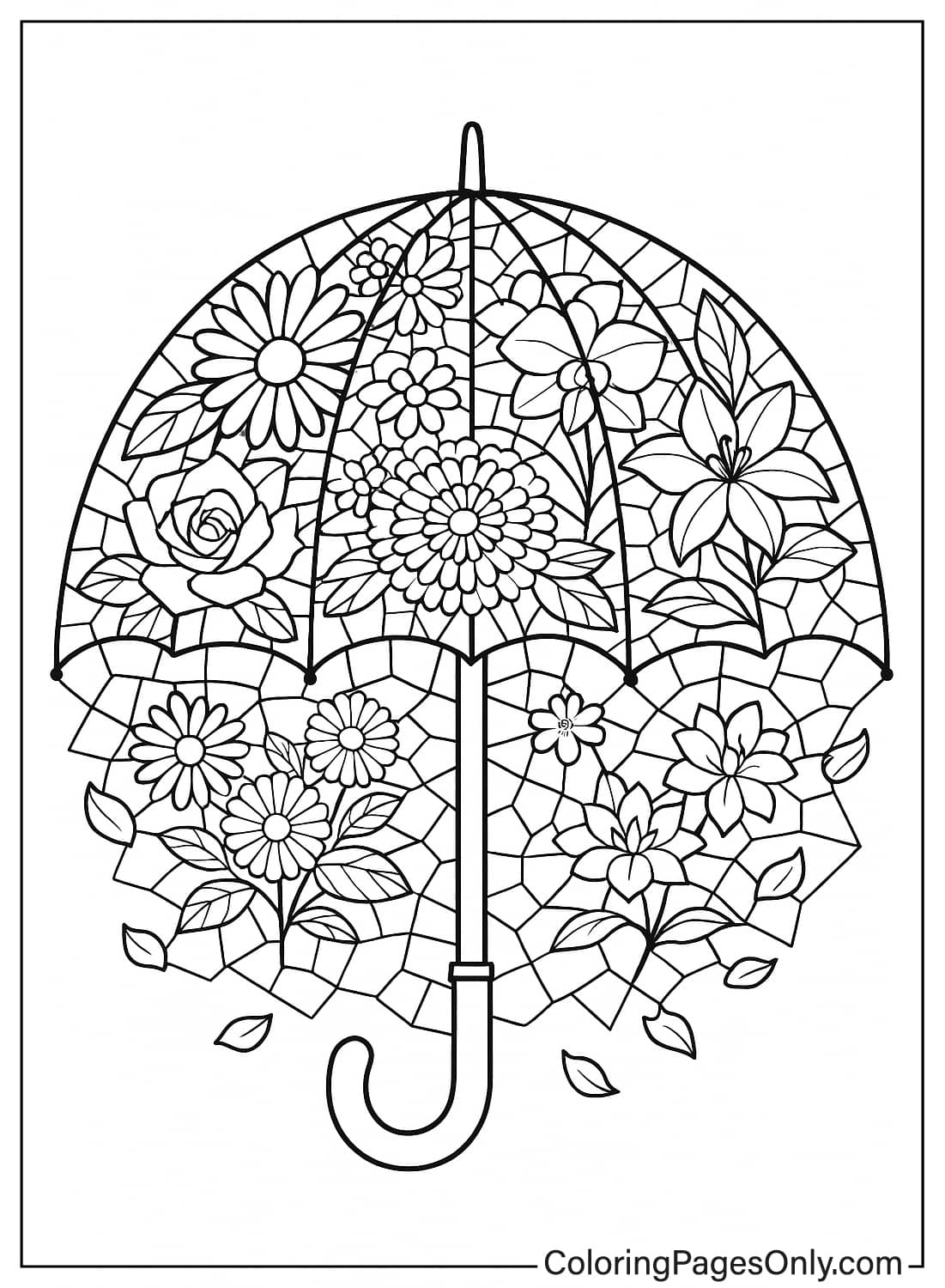
A third group swaps realistic petals for a repeating pattern instead, such as stained glass, mandala designs, or geometric shapes arranged across the canopy.
Character and Scene Parasols
The remaining pages surround the parasol with a small scene or character, a fairy, frogs on lily pads, floating musical notes, or a scattering of stars.
What Petal Parasol Coloring Pages Do
Fine motor development. The American Academy of Pediatrics ties structured coloring to fine motor skill growth in children ages 2 through 7, and tracing the layered petal edges that make up each parasol canopy gives a young hand steady practice with small, curved shapes.
Practice with color transitions. Filling an entire canopy with layered petals gives a colorer repeated practice blending from a darker base tone to a lighter tip across many small shapes in a row.
Anxiety reduction through focus. A measurable drop in anxiety followed structured coloring sessions in a 2005 Art Therapy Journal study, and the repeating petal pattern running across a parasol canopy gives that calming focus a naturally rhythmic detail to settle into.
A fresh angle on a familiar object. Reimagining an everyday umbrella as something built entirely from flowers gives a child practice looking at a common object and imagining it completely differently.
How to Color Petal Parasol Pages Well
- Rose petal canopies: Layer Crayola Scarlet toward the base of each petal with a lighter Crayola Salmon near the tip, repeating the gradient across every petal for a consistent, layered look.
- Sunflower petal canopies: Use Crayola Yellow Orange for the petals with a Crayola Brown center disc, keeping the petal edges slightly darker to separate them from one another.
- Mandala and pattern parasols: Work outward from the center in rings, alternating two or three colors like Crayola Violet and Turquoise, so the repeating pattern stays easy to follow.
- Seasonal accents: Match the palette to the season, Crayola Scarlet and Forest Green for the Christmas design, soft Crayola Carnation Pink for cherry blossoms, and warm Crayola Burnt Orange for falling leaves.
- The umbrella handle and ribs: Keep the handle and any visible ribs in a neutral Crayola Sepia or Gray so they don’t compete with the colorful canopy above them.
- Background scenes: Use a soft, muted palette for any surrounding fairy, frog, or scattered stars, so the parasol canopy itself remains the brightest part of the page.
5 Creative Craft Ideas With Petal Parasol Coloring Pages
1. Parasol Wall Gallery
Color several parasol pages and mount them together on a wall or bulletin board. Arrange them by flower type or season for a themed display. The finished gallery turns a stack of pages into one connected floral collection.
2. Parasol Greeting Card
Color one parasol page and trim it to fit the front of a folded piece of cardstock. Write a message inside for a friend who enjoys flowers or gardens. The card suits birthdays, thank-you notes, or any springtime occasion.
3. Parasol Bookmark
Color one of the simpler single-flower parasols and cut it into a narrow bookmark shape. Laminate or cover with clear contact paper for durability. The finished bookmark makes an easy, small gift for another colorer.
4. Seasonal Parasol Set
Color the Christmas, cherry blossom, and autumn leaves parasols together as a matched set. Display them together and rotate which one is up front as the seasons change. The set ties the coloring activity to the calendar year.
5. Parasol Gift Tag
Color one of the smaller parasol designs and cut it into a small tag shape. Punch a hole and attach with ribbon to a wrapped gift. The tag adds a floral, handmade touch to any present.
Frequently Asked Questions
What are Petal Parasol coloring pages?
A free set of 31 printable designs turning an ordinary umbrella into a canopy built from flowers, seasonal botanicals, repeating patterns, or a small surrounding scene.
What is the concept behind these designs?
Every page reimagines the same object, an umbrella, replacing its plain canopy with petals, patterns, or a themed scene, which is why the set can range from a rose-shaped parasol to a geometric star design without losing a shared identity.
Are any of the parasols tied to a specific season?
Yes. A handful of pages reference Christmas, spring cherry blossoms, and autumn or winter foliage directly, while most of the collection stays evergreen and suits coloring at any time of year.
What kinds of patterns appear on the parasol canopies?
Beyond realistic flower petals, several parasols use stained-glass grids, mandala rings, or geometric star and diamond shapes instead of botanical detail.
What colors work well for a petal parasol design?
A gradient from a darker base tone to a lighter petal tip works well for single-flower parasols. At the same time, mandala and pattern designs benefit from two or three alternating colors repeated in rings.
Can these pages be colored online instead of being printed?
Yes. Every design in the set opens in the browser-based coloring tool, so a page can be finished on a tablet or computer without printing anything first.
Are Petal Parasol coloring pages suitable for young children?
A parasol built around one large flower, like the sunflower or rose designs, suits a child around age four, coloring a simple, bold shape. The mandala and intricate pattern parasols carry finer detail and fit a child seven or older better.
Can this set be used alongside a lesson on flowers or botany?
Yes. The range of specific flowers, roses, sunflowers, orchids, tulips, and lilies gives a teacher or parent several real flower types to name and compare while coloring.
Start Coloring
Every parasol opens as a free PDF with a single click; there’s nothing to sign up for first. The online coloring tool holds the identical design for anyone finishing it without a printer. A finished page reaches Facebook or Pinterest through the share buttons above it.