Greek Mythology Coloring Pages
 By:
Charlotte Taylor - Content Writer
Updated:
By:
Charlotte Taylor - Content Writer
Updated:
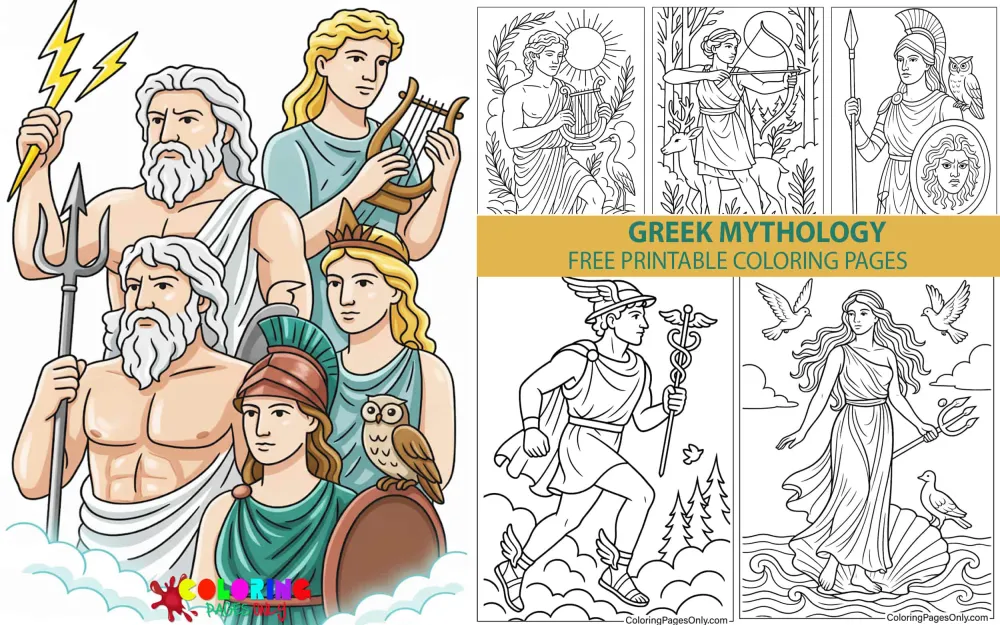
Greek Mythology coloring pages: 30 printable PDF designs spanning individual gods and goddesses, legendary heroes in action, and scenes set on Mount Olympus itself. Each page can be downloaded as a PDF to print or colored online in the browser.
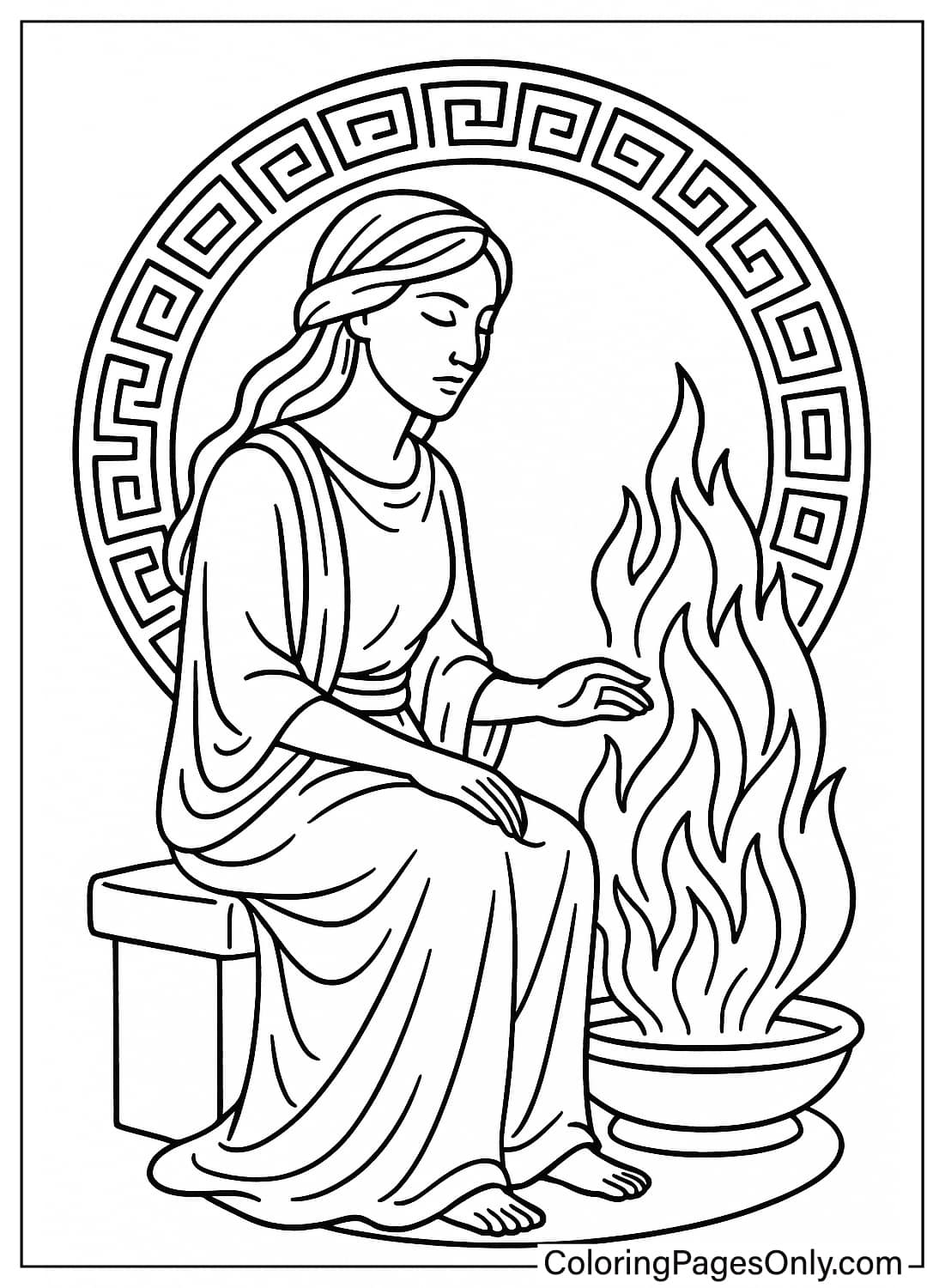
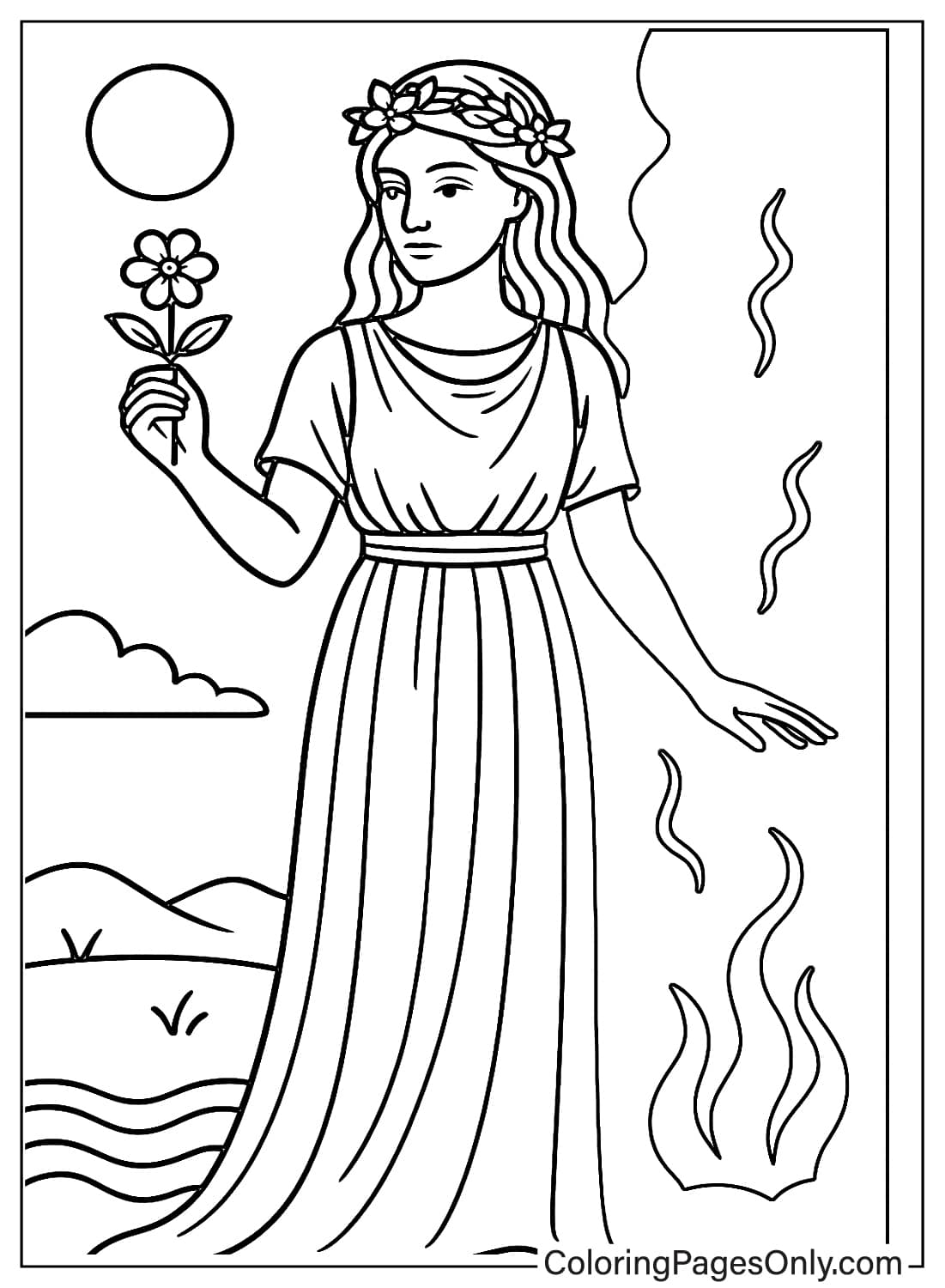
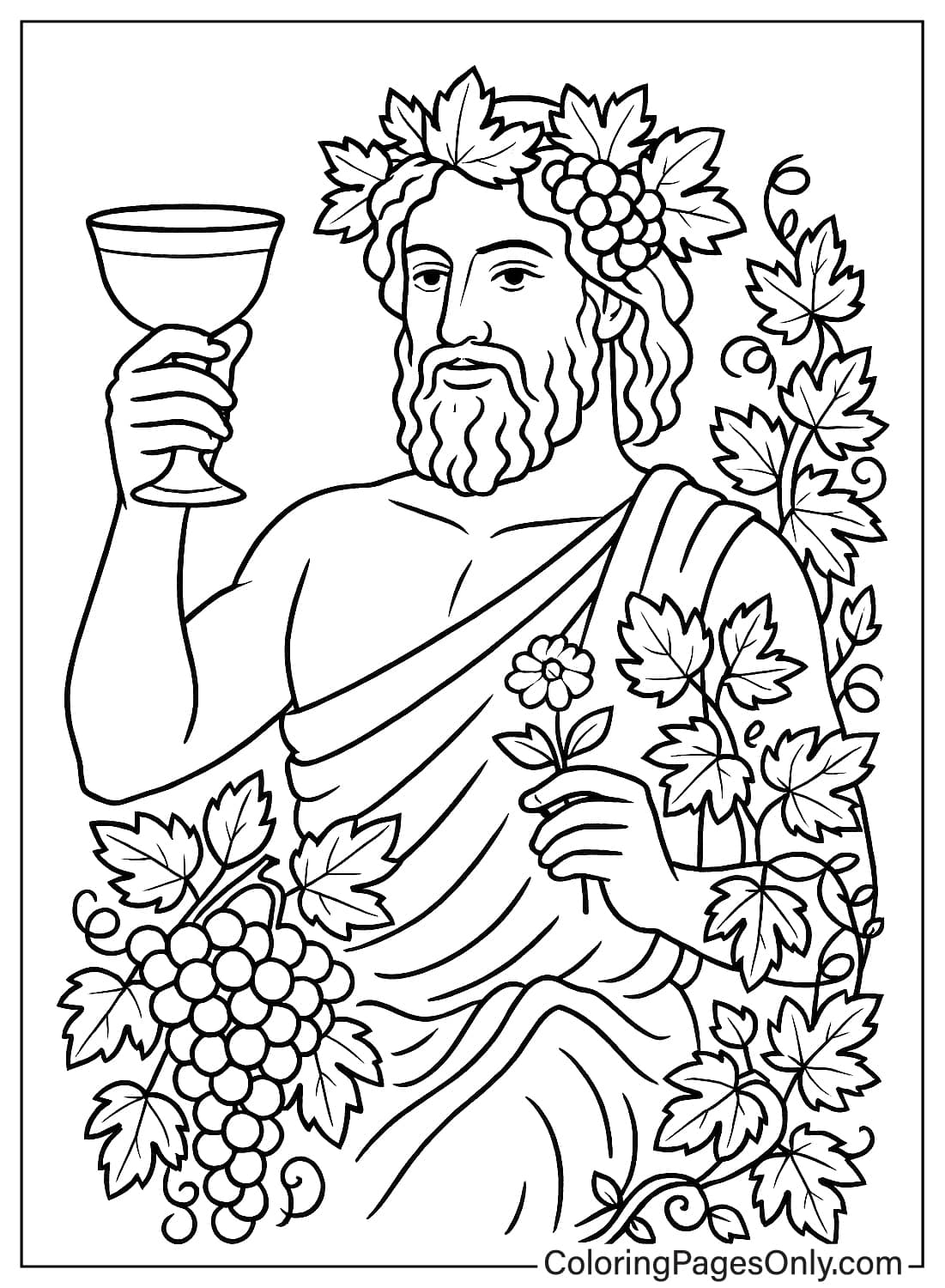
The number twelve gets attached to the Olympian gods so often that it’s easy to assume the list is fixed, but ancient sources didn’t always agree on who filled all twelve seats. Hestia, goddess of the hearth, is traditionally counted as one of the original Olympians, yet in several versions of the myth, she voluntarily gave up her spot to Dionysus, the god of wine, to keep the peace among the more quarrelsome gods, which is why this collection includes both of them even though only one usually holds an “official” seat at a time. A few of this set’s hero pages connect in ways that are easy to miss if the myths are colored in isolation: the same craftsman, Daedalus, built both the wax wings that failed Icarus and the labyrinth that trapped the Minotaur, and it was Daedalus’s own advice, a simple ball of thread, that let Theseus find his way back out after killing the beast inside it.
With 30 pages split between solo gods, hero myths in action, group scenes, and a few symbolic extras, the set works as a quick single-page project and as source material for a longer mythology unit.
What Is Inside This Collection
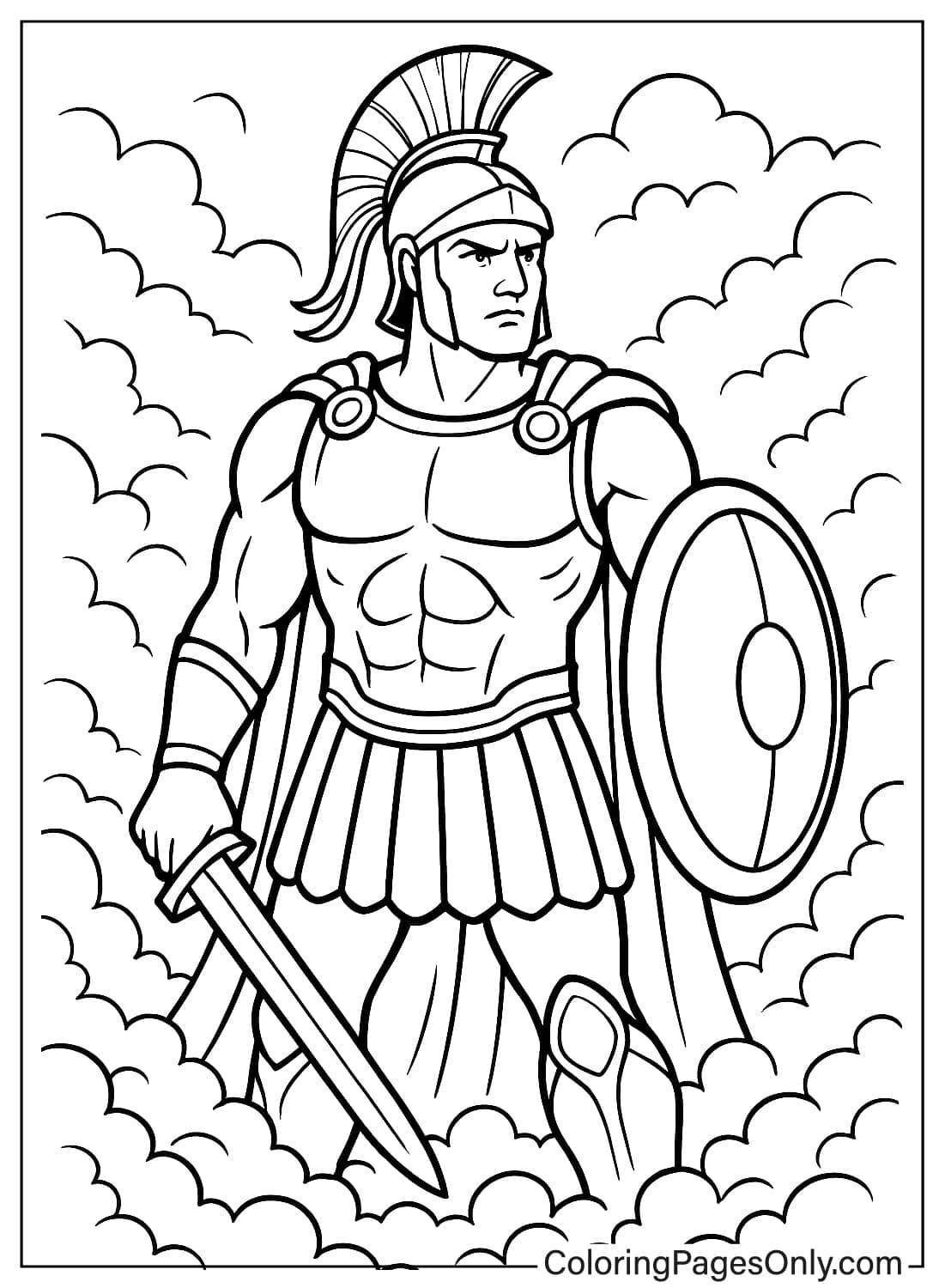
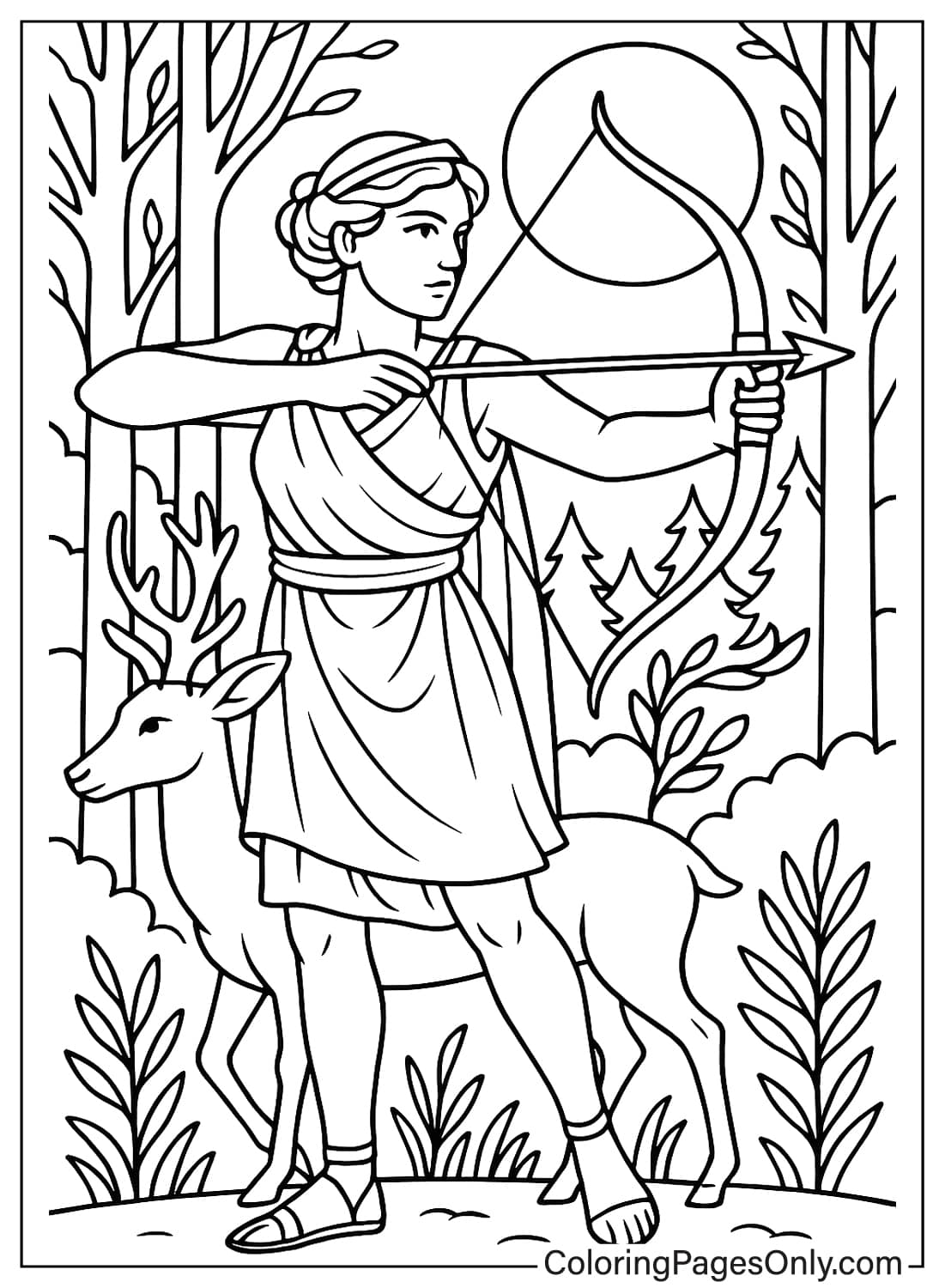
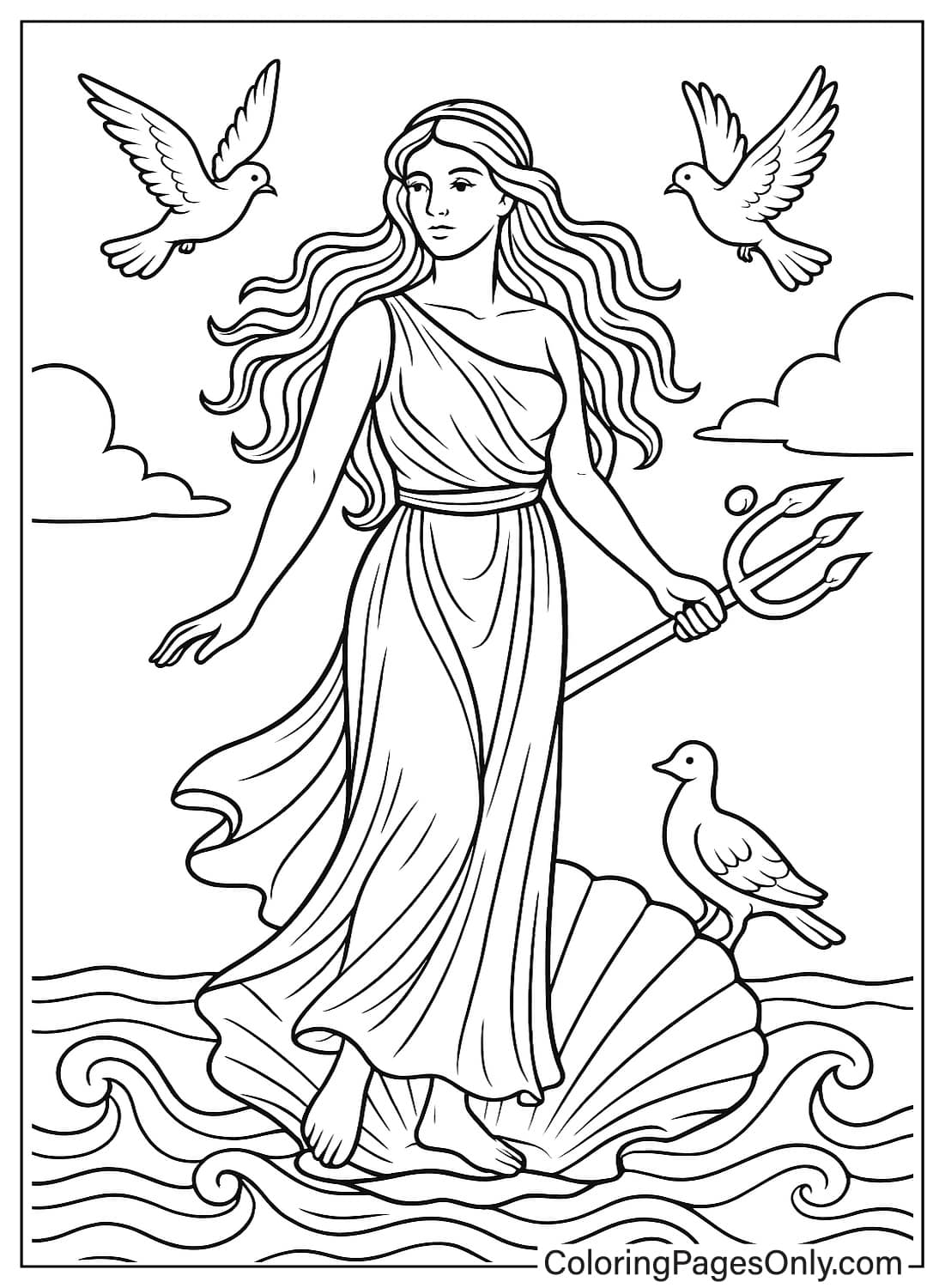
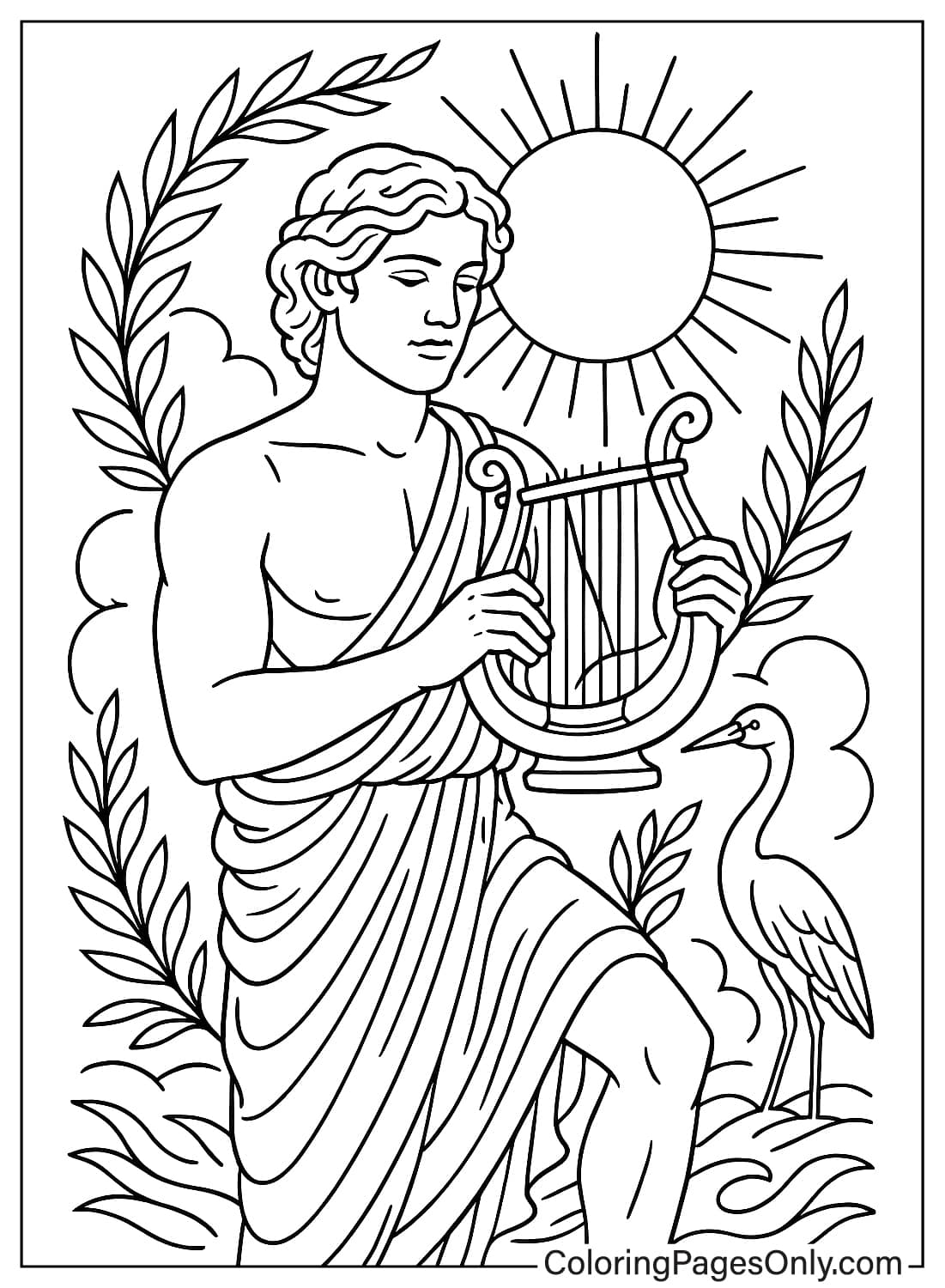
This collection groups its 30 pages by scope, since a solo god portrait, a hero mid-battle, and a full Olympian group scene each call for a different coloring approach.
Gods and Goddesses of Olympus
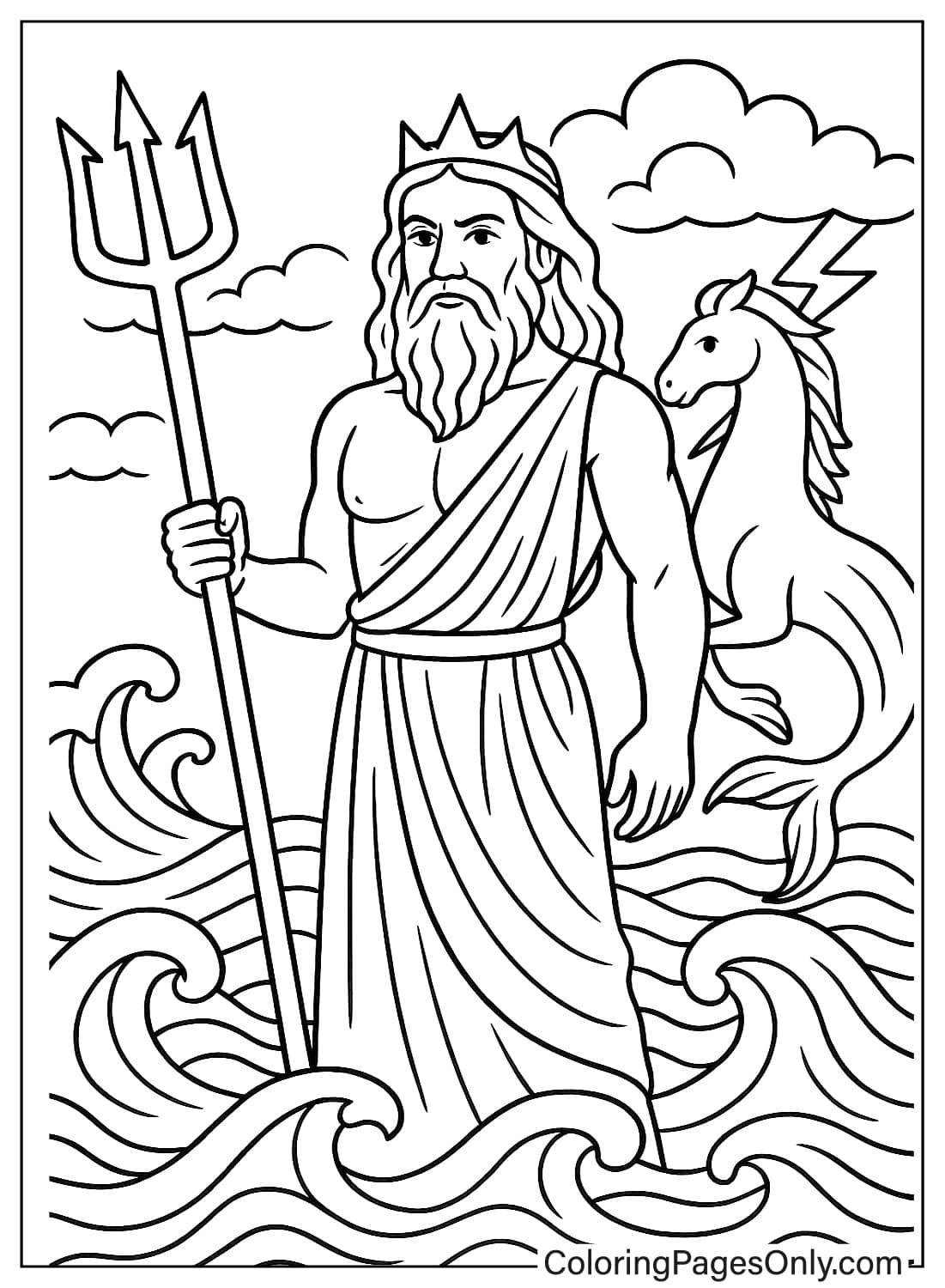
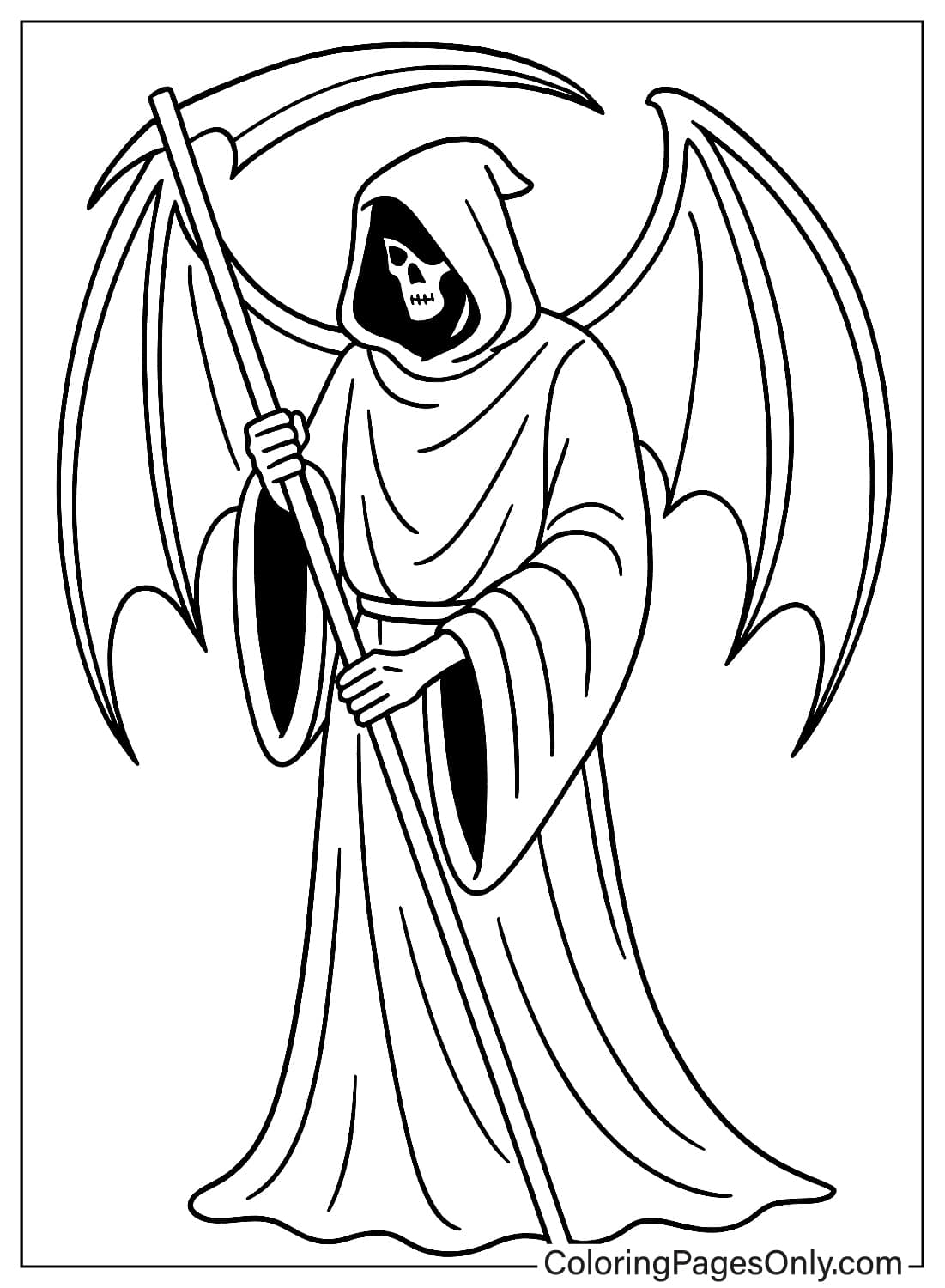
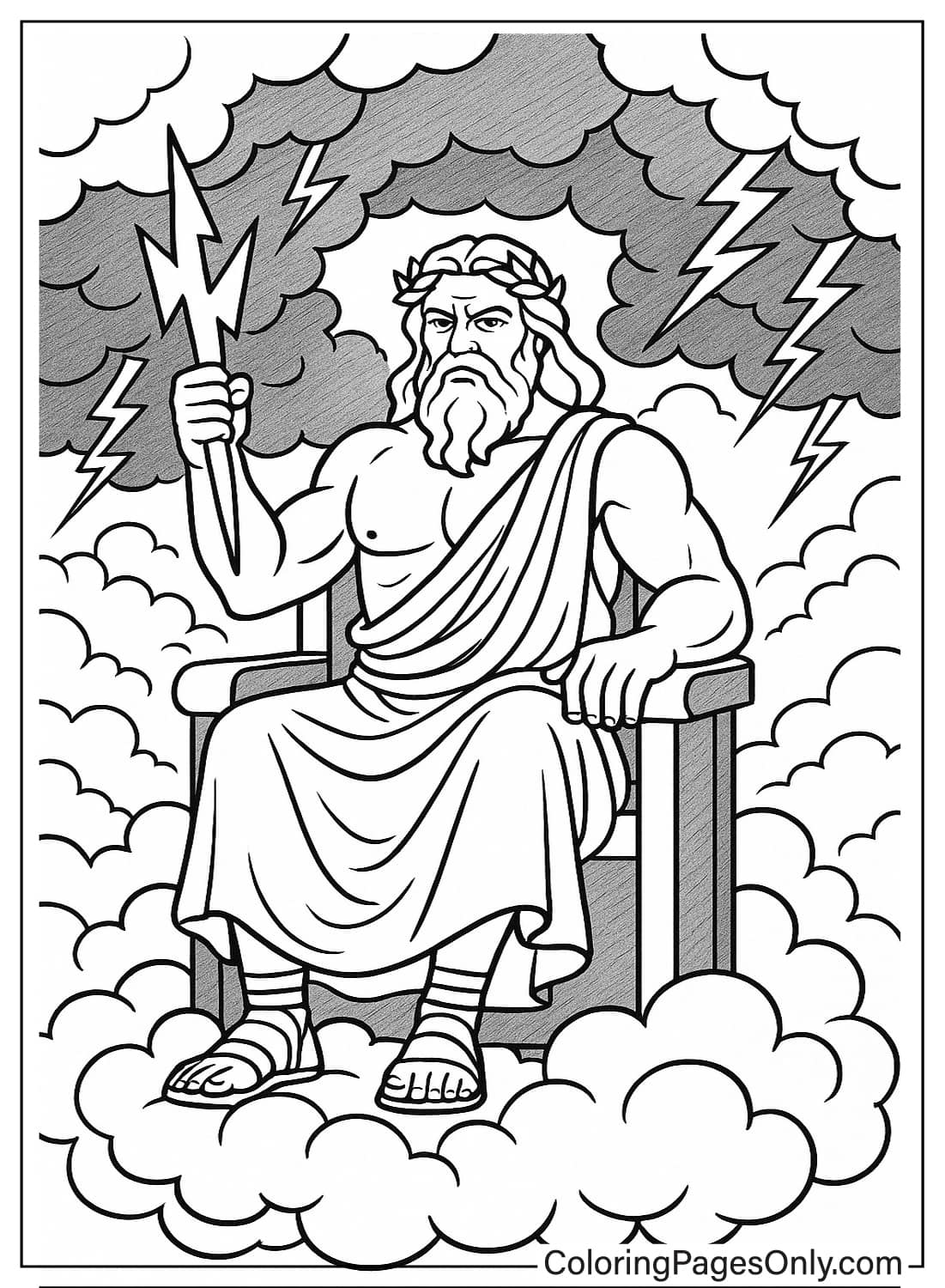
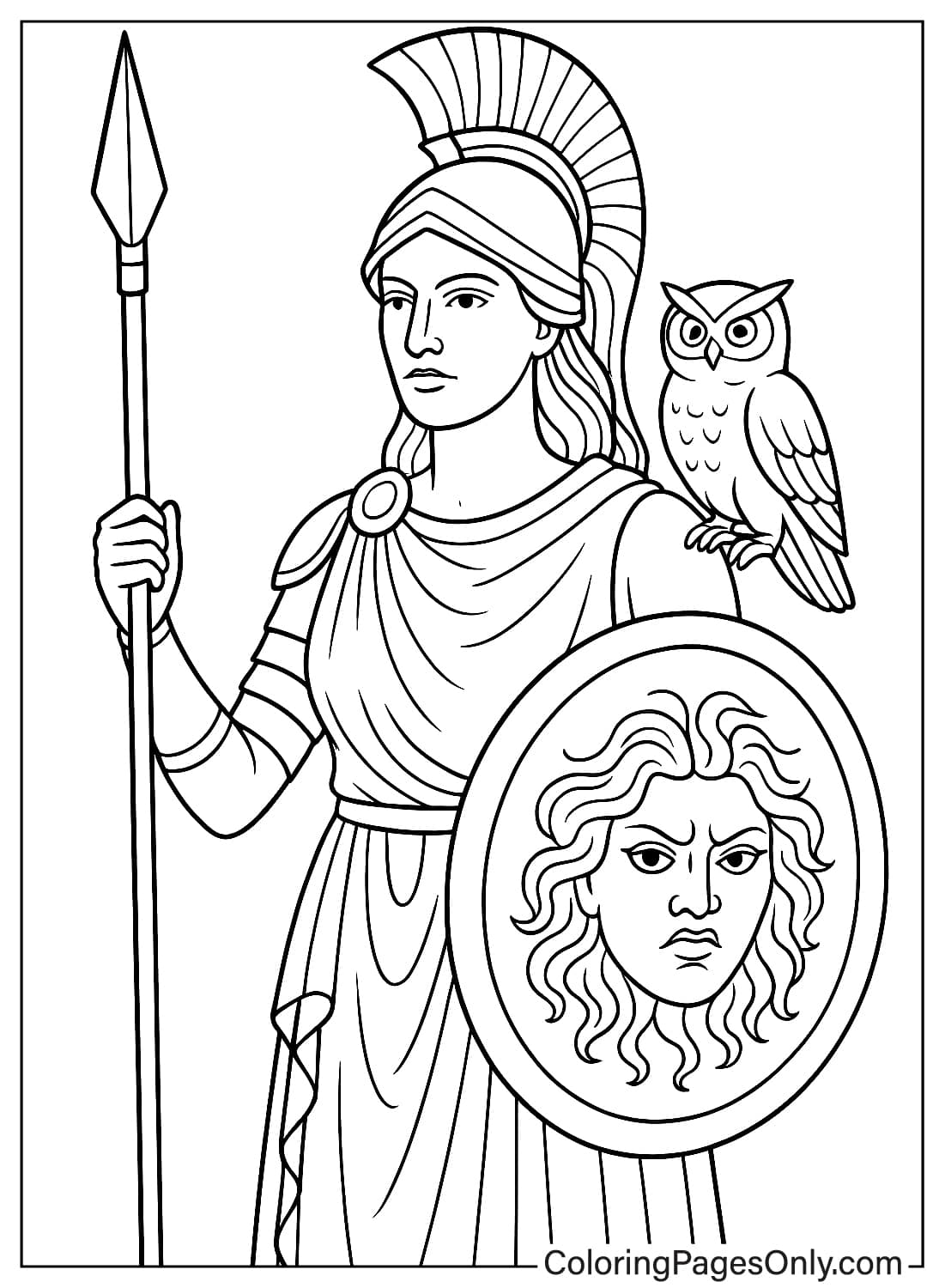
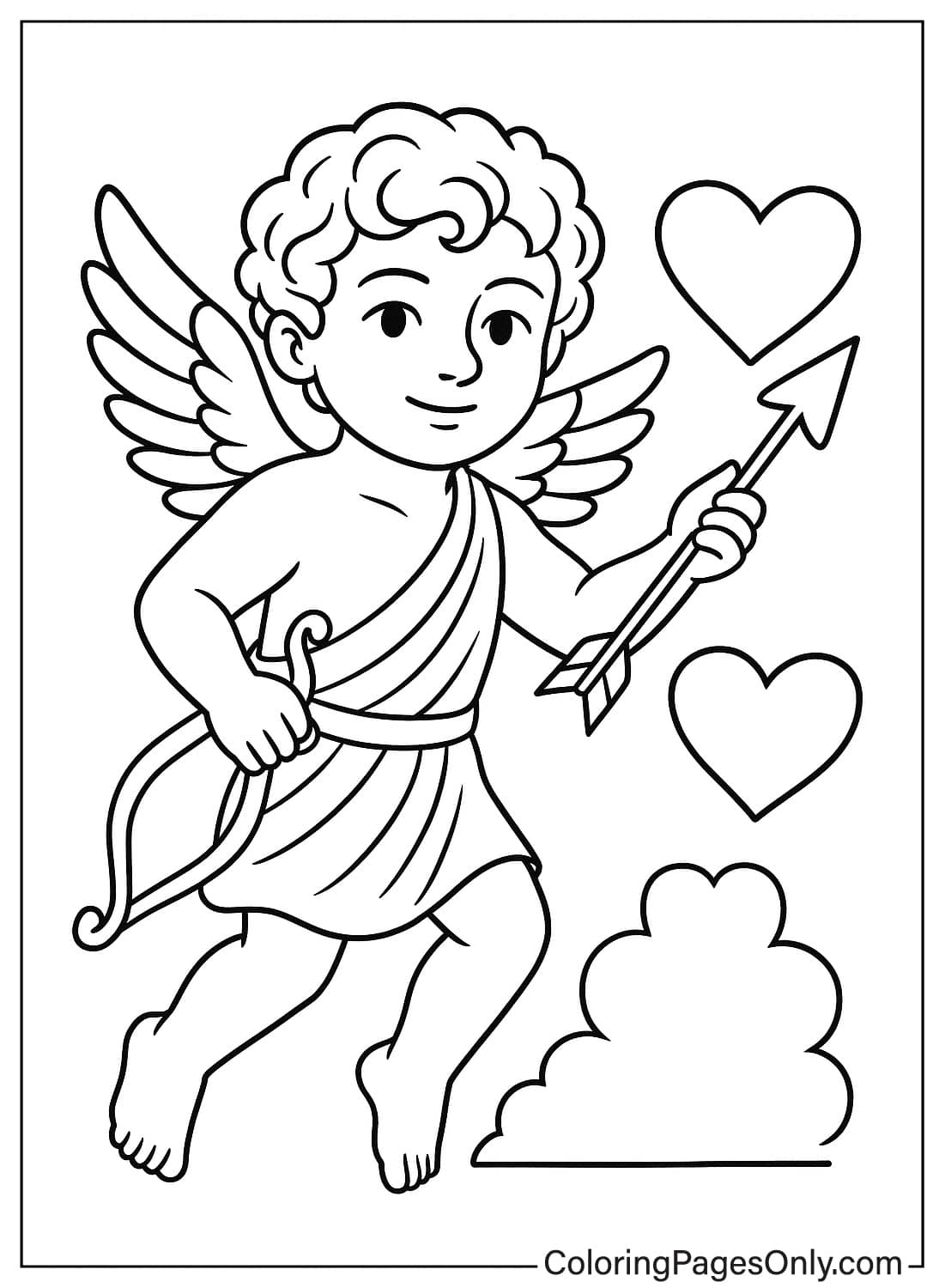
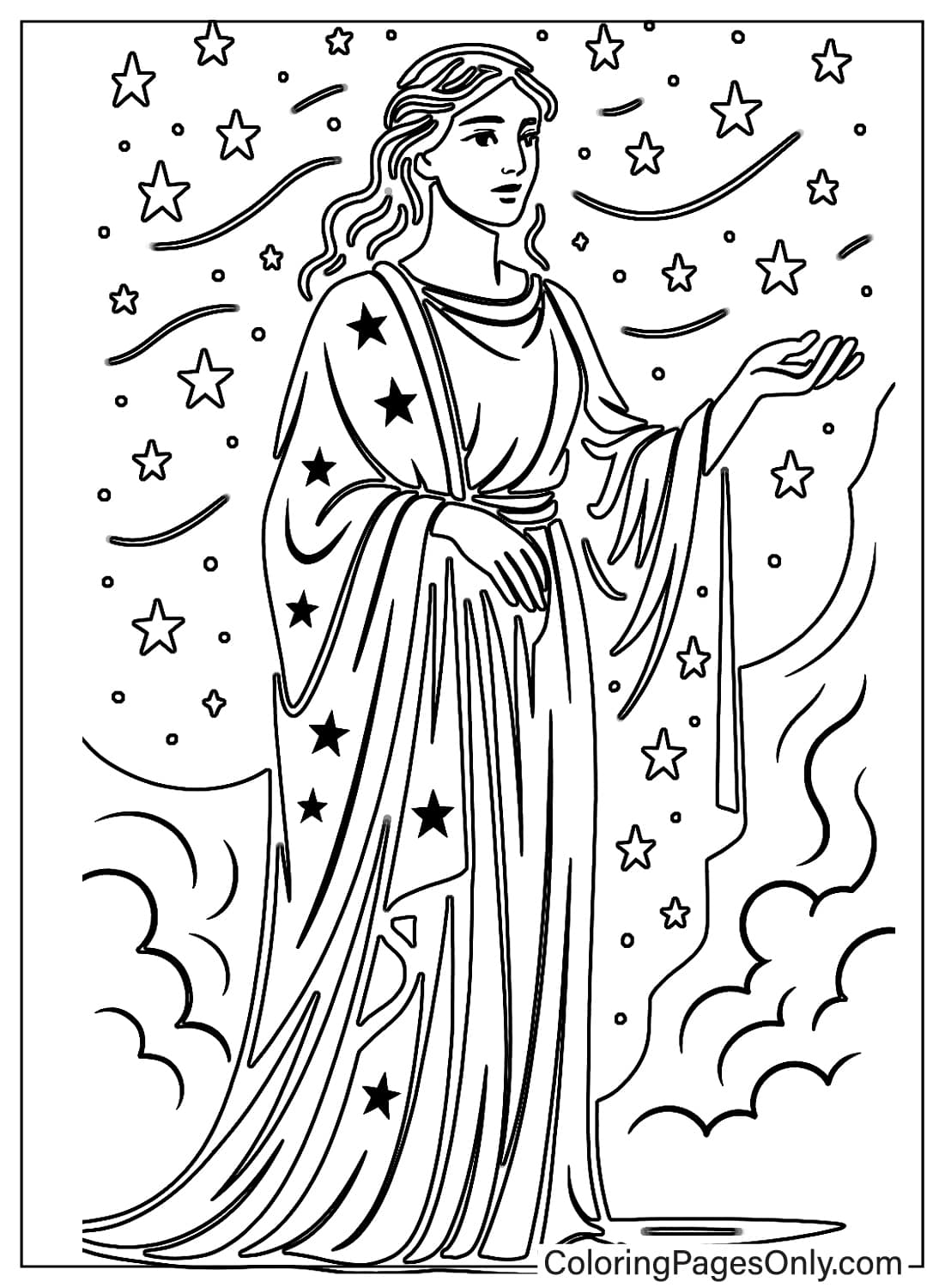
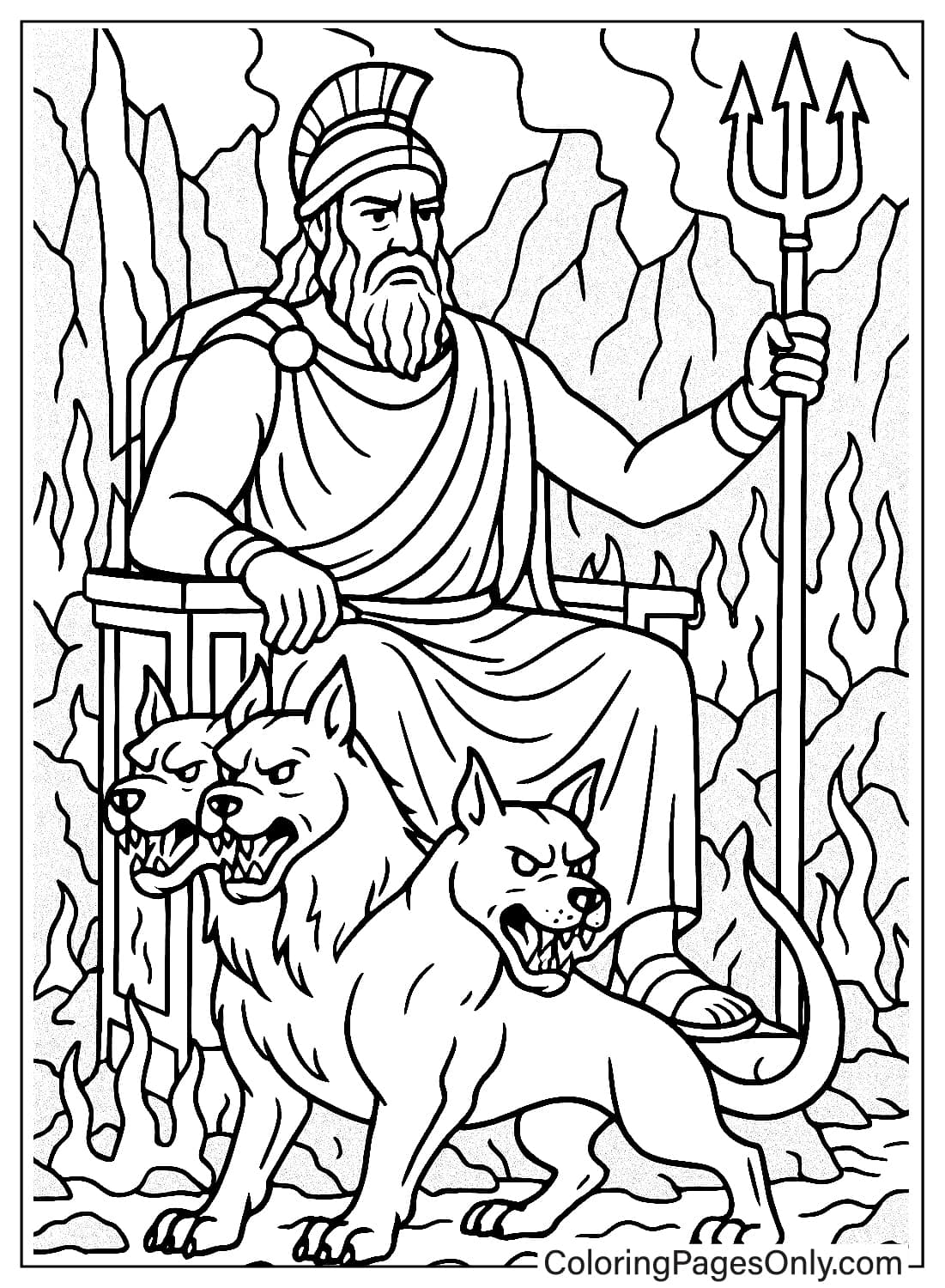
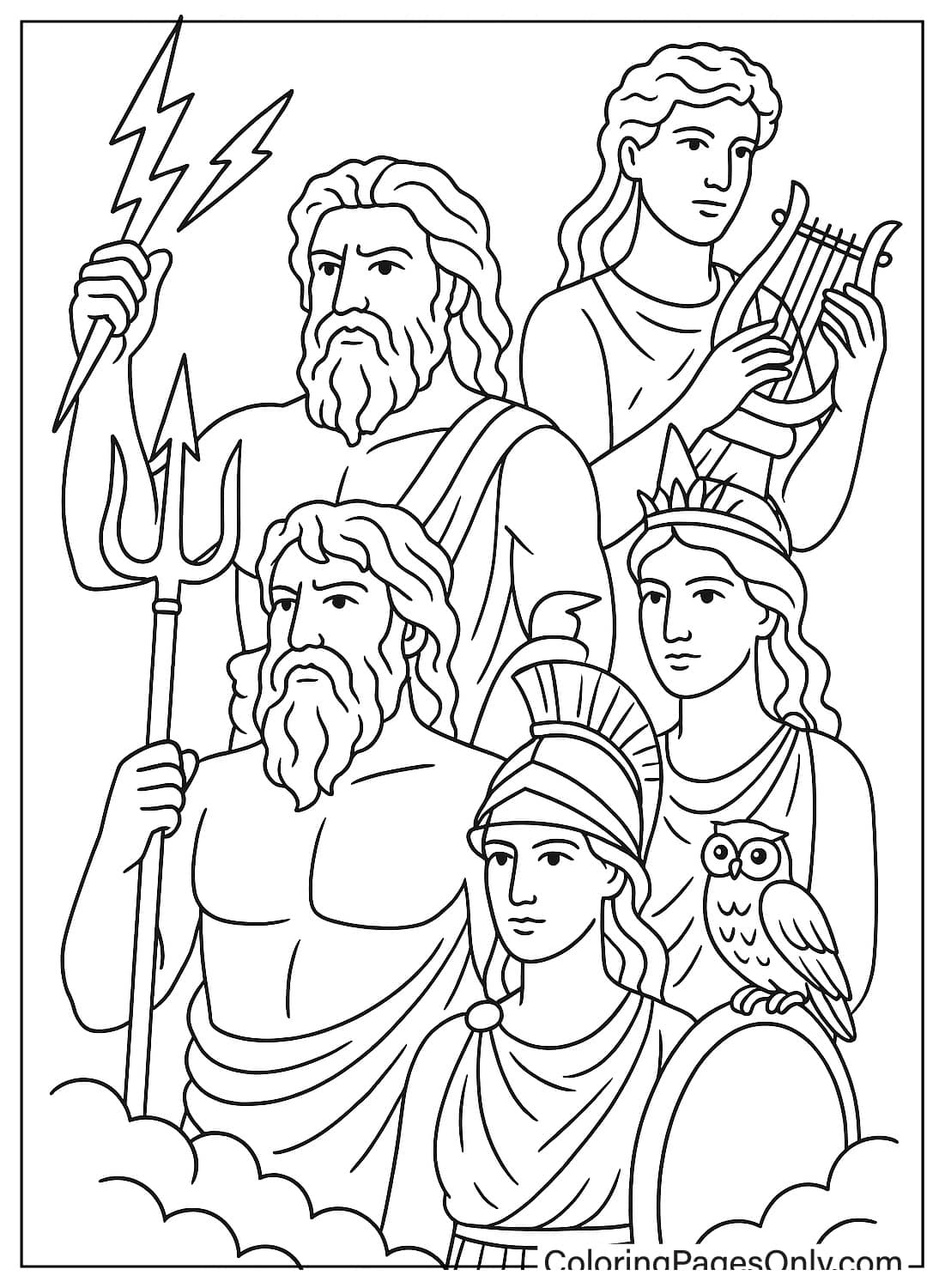
Sixteen pages give each major Greek god or goddess a solo portrait, including several members of the traditional Twelve Olympians alongside figures like Thanatos and Nyx who lived outside that inner circle. Each god traditionally carries a specific symbol, Zeus’s lightning bolt, Poseidon’s trident, Athena’s owl, so coloring that object in a slightly brighter or more metallic tone than the rest of the page is an easy way to make it read as the character’s defining detail rather than background clutter.
Heroes, Battles, and Legendary Journeys
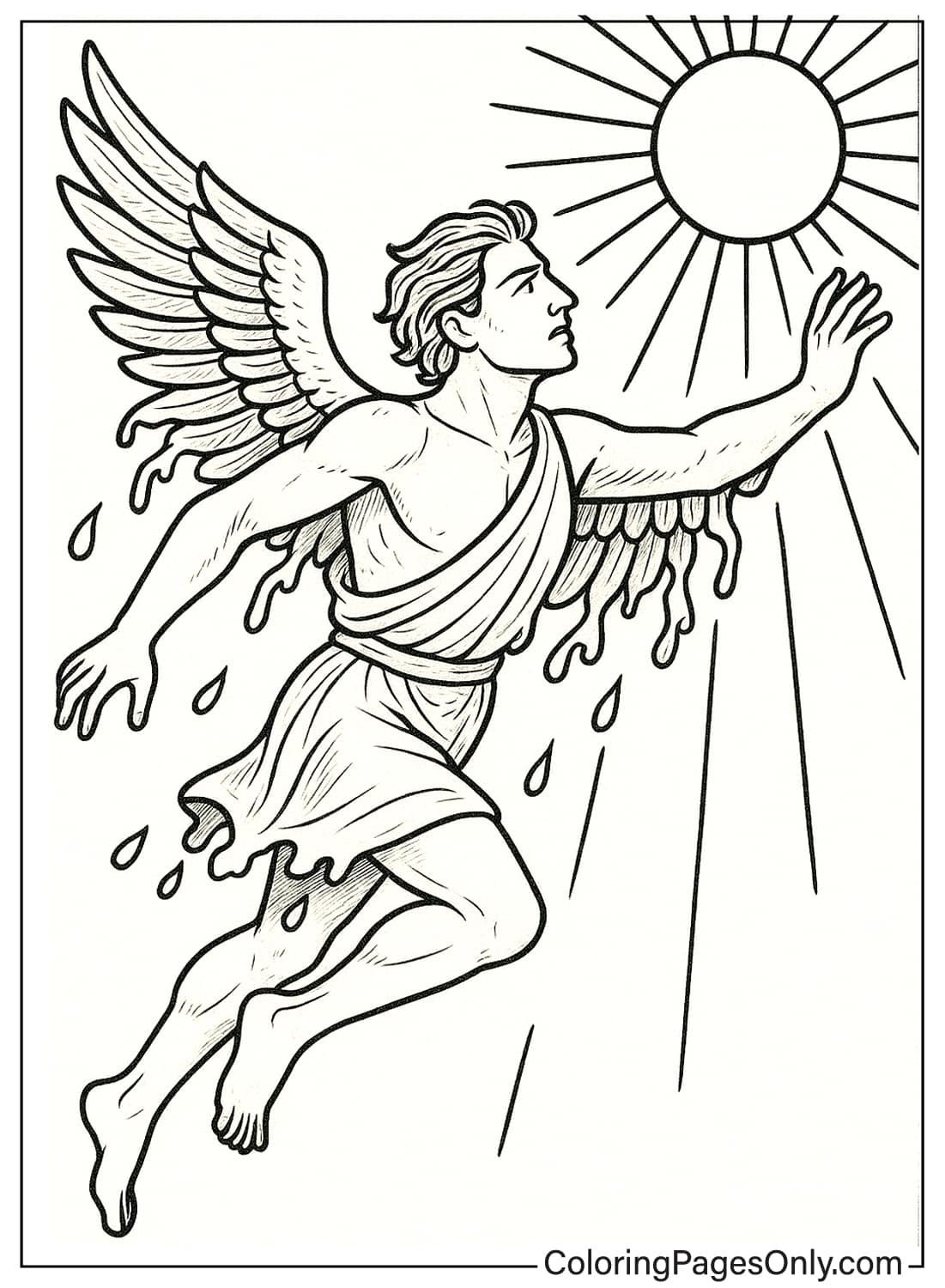
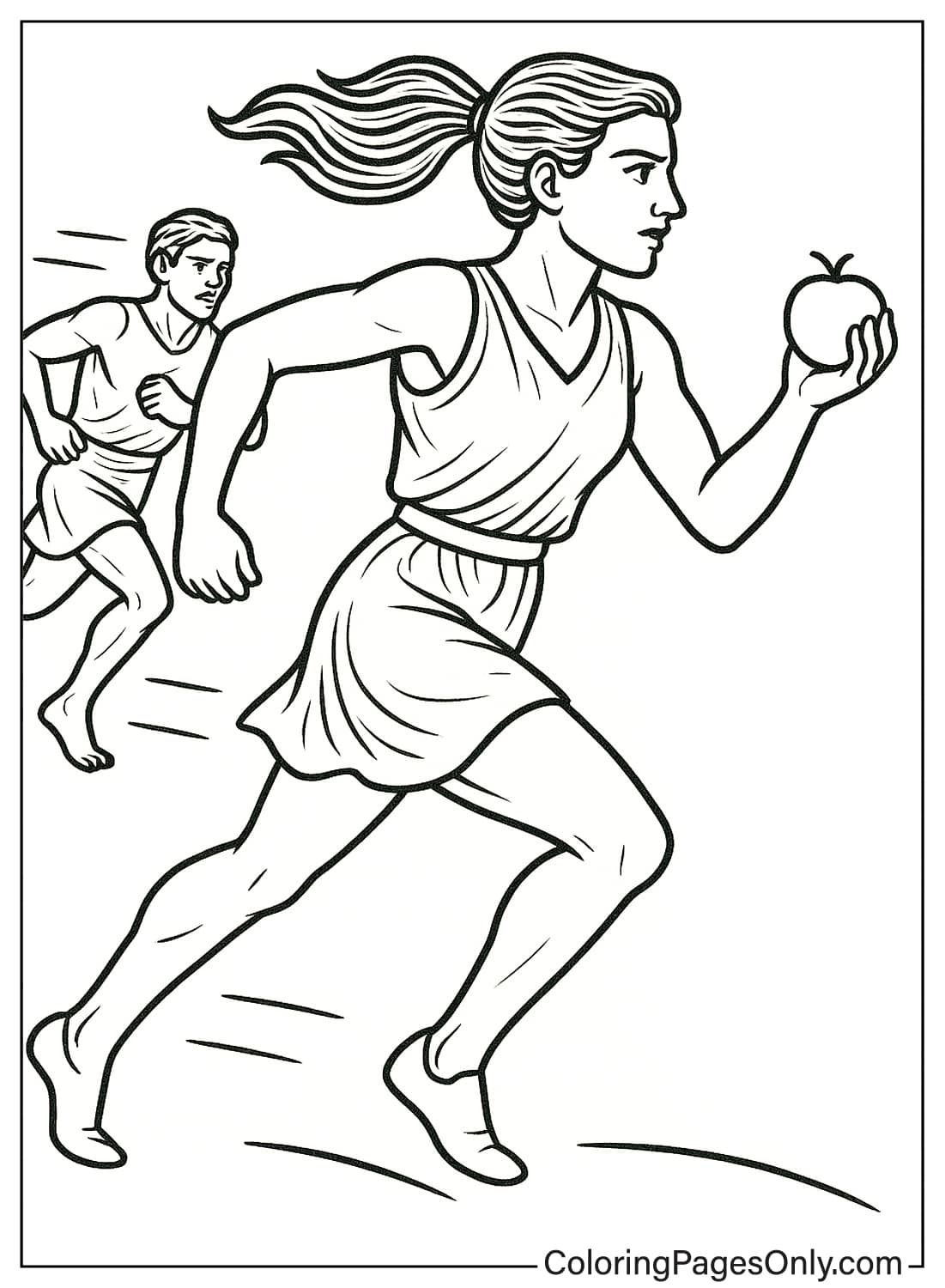
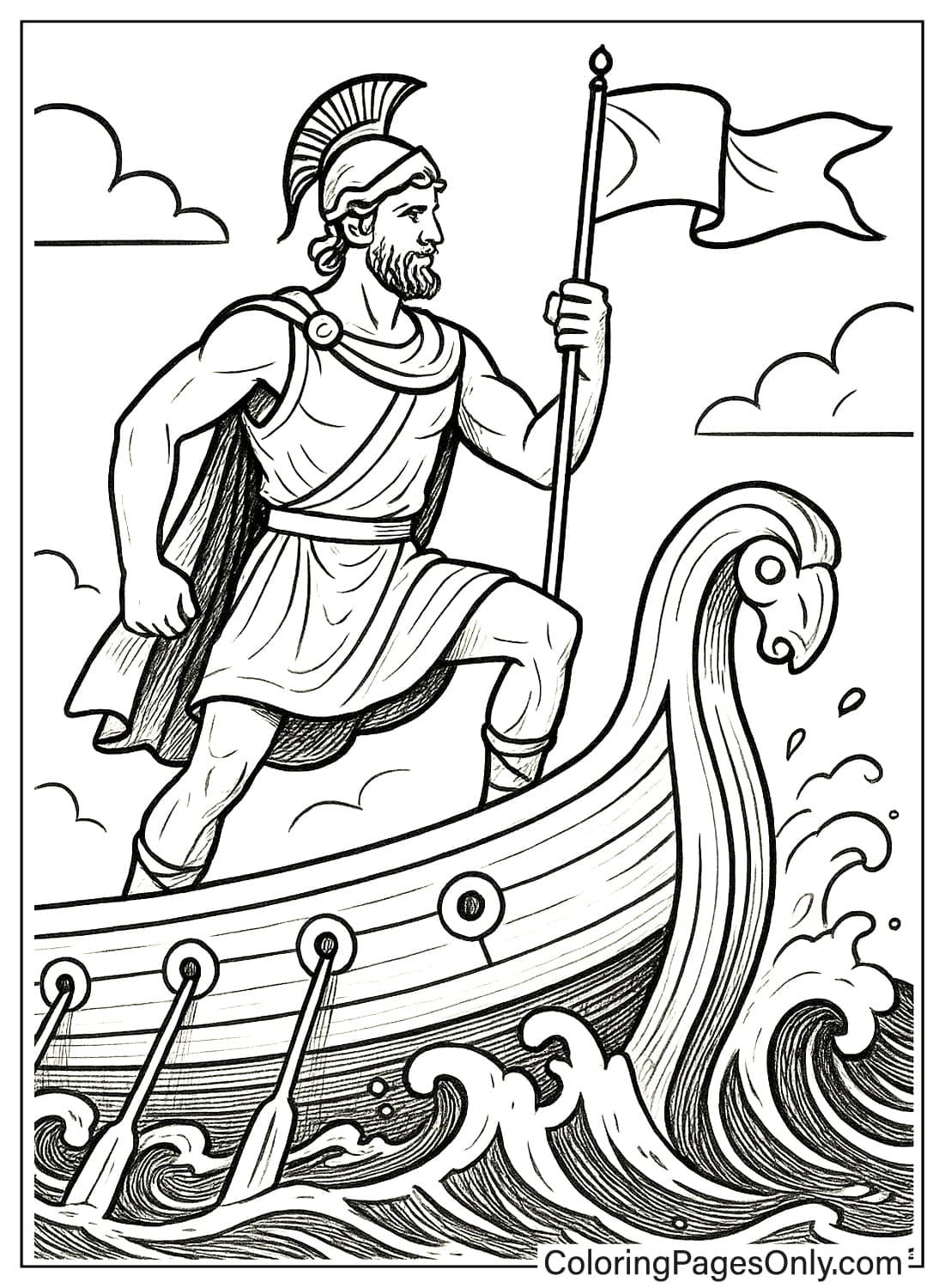
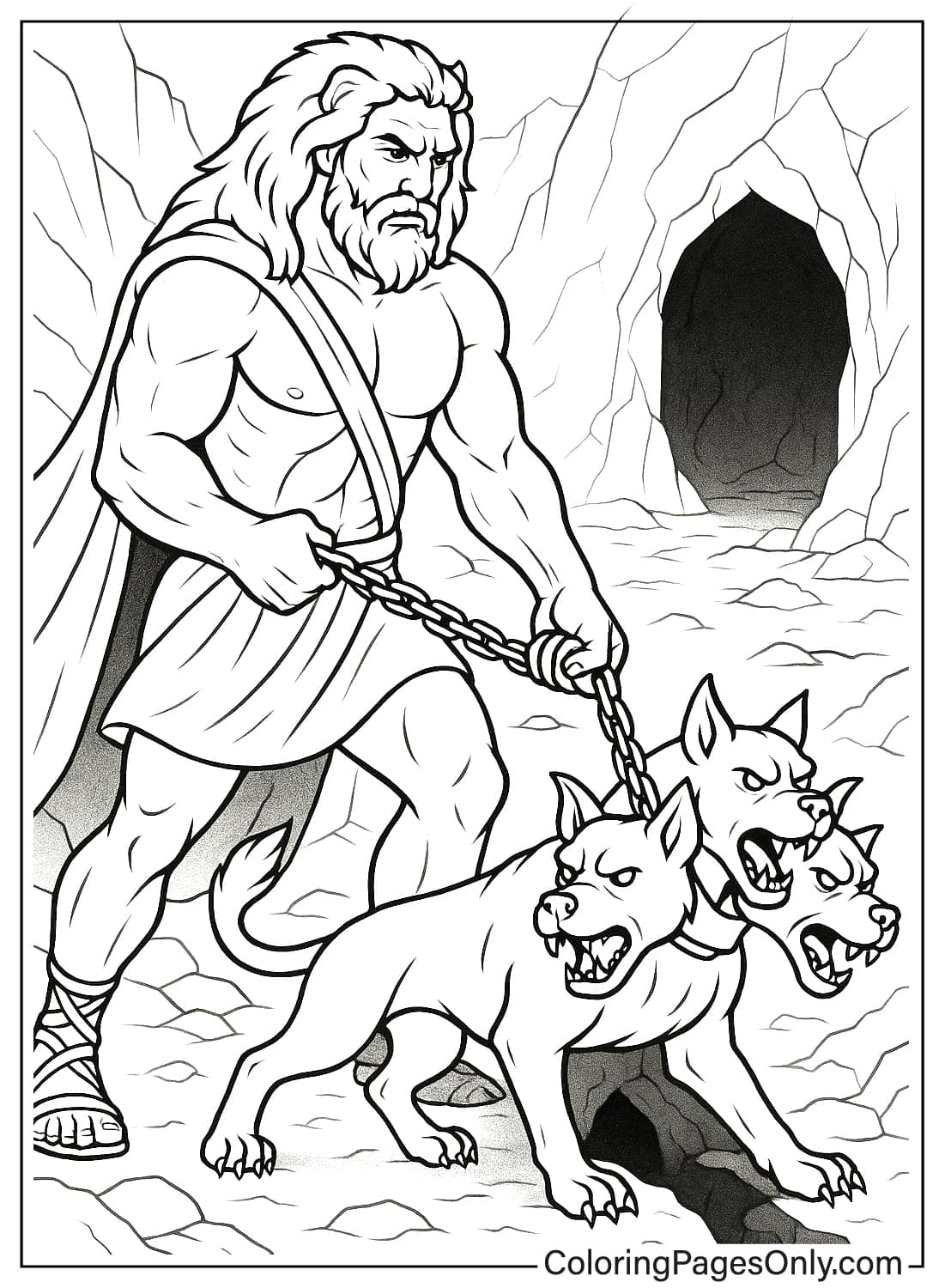
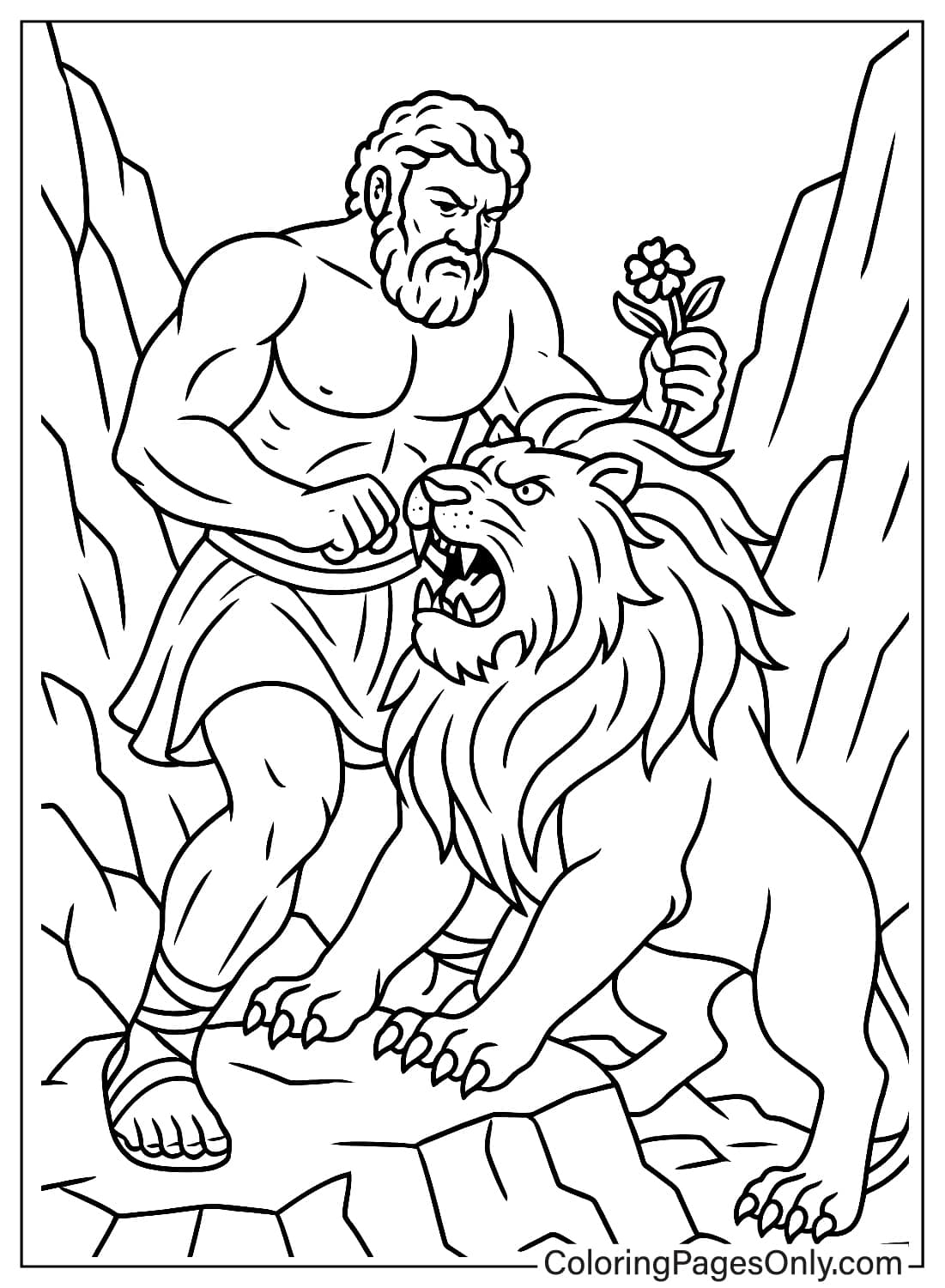
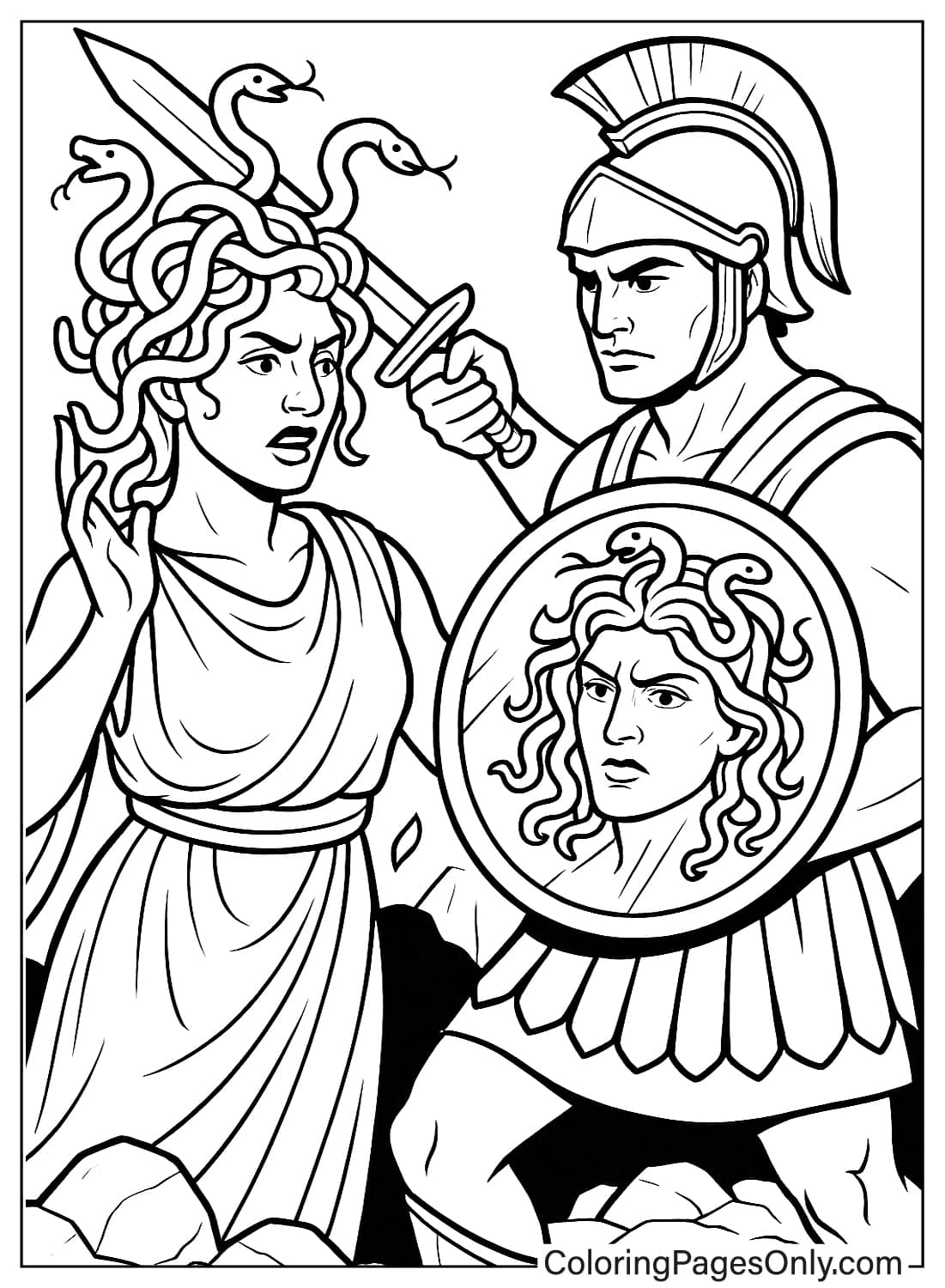
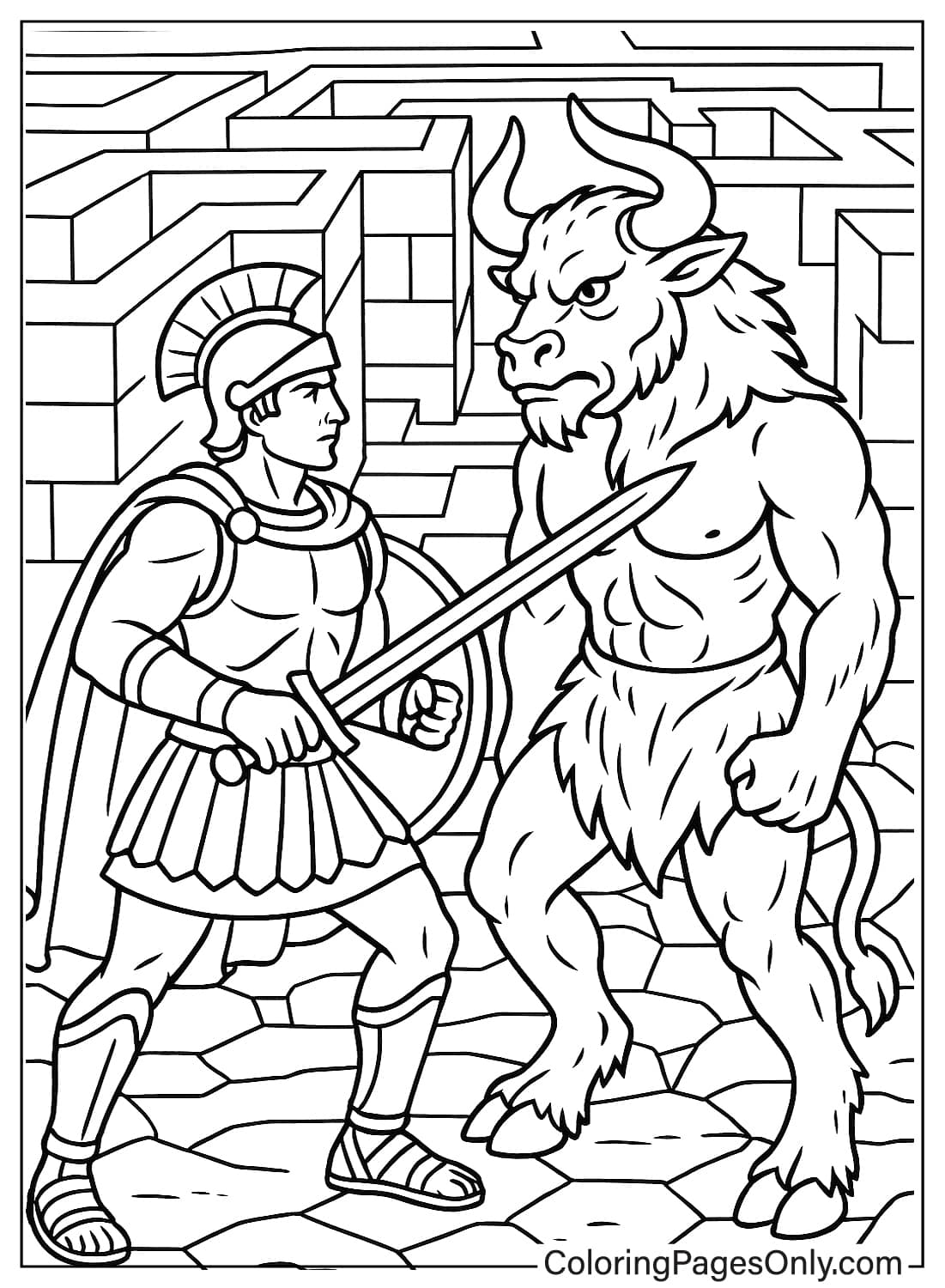
Eight pages capture specific myths in action: Icarus’s fall, Heracles facing the Nemean Lion and Cerberus, Perseus battling Medusa, Theseus in the Labyrinth, and Atalanta’s footrace. Since these are single dramatic moments rather than portraits, a warmer, higher-contrast palette, deep reds and golds against darker backgrounds, suits the tension of the scene better than the calmer tones used for a standalone god.
Mount Olympus and the Gods Together
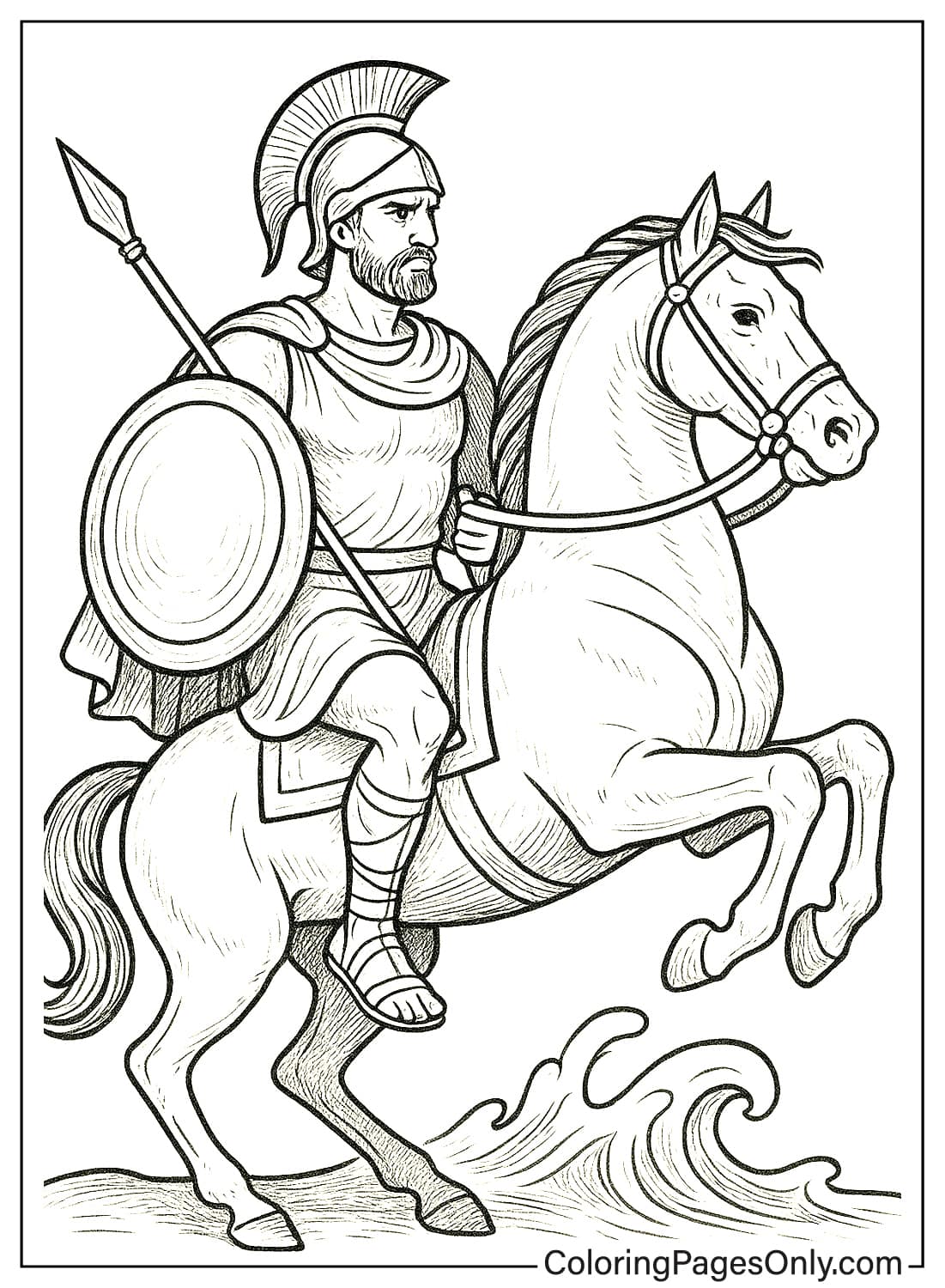
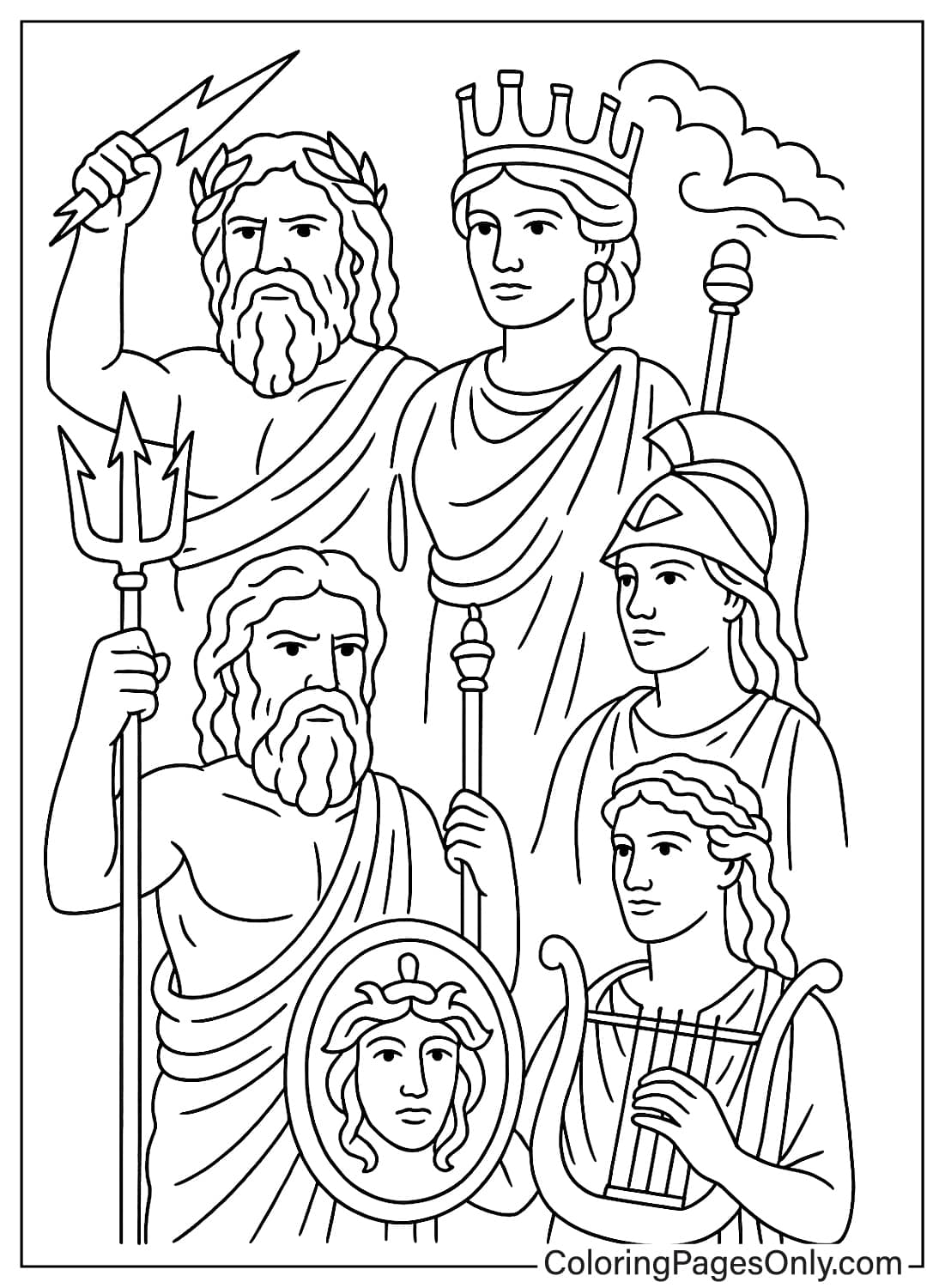
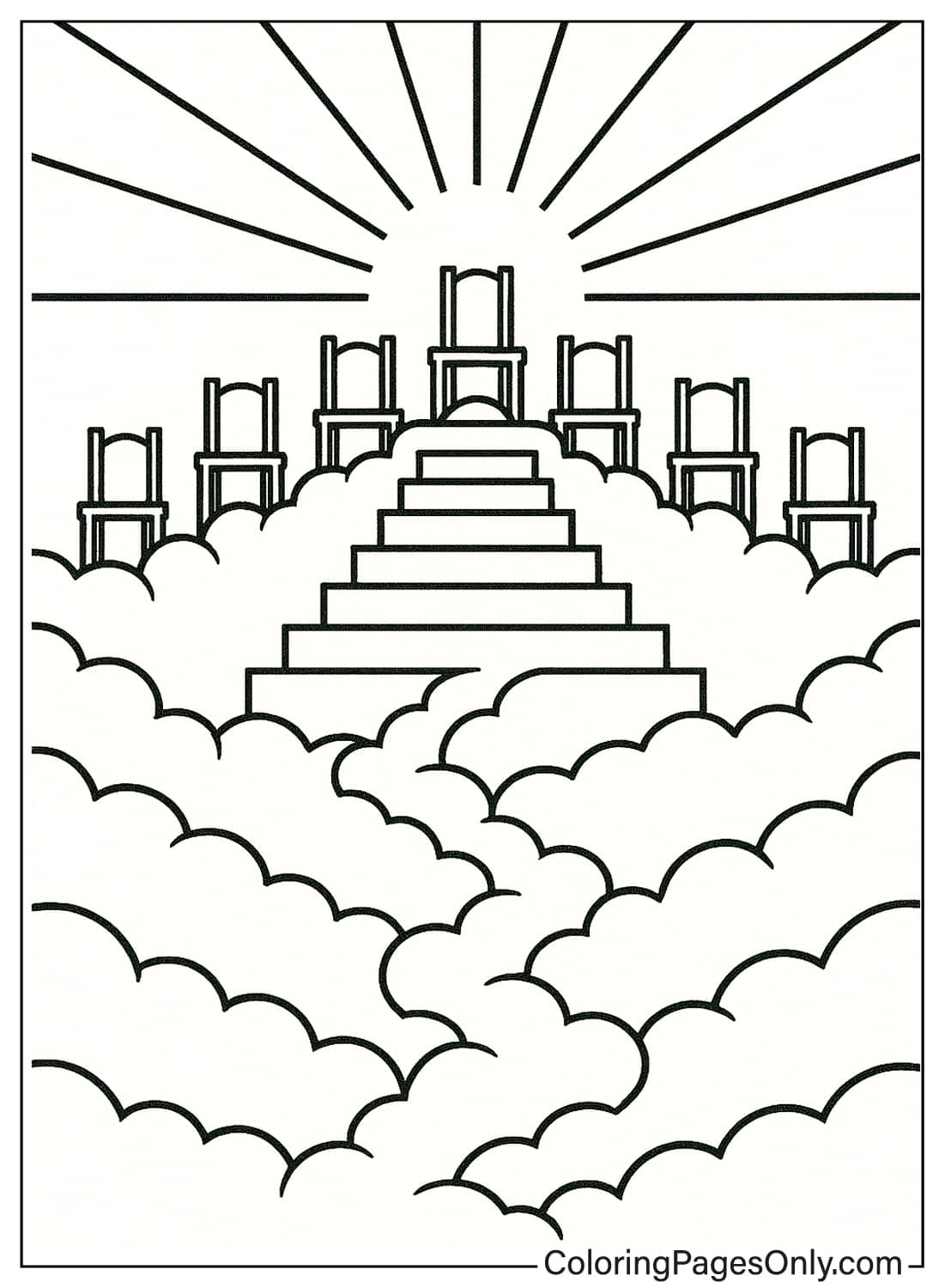
Three pages bring multiple gods into one scene, either gathered at the throne room on Mount Olympus or lined up as a full Olympian group. With this many figures sharing a page, giving each god just one or two consistent signature colors, rather than a full detailed palette per character, keeps the whole scene readable.
Symbols, Constellations, and Architecture
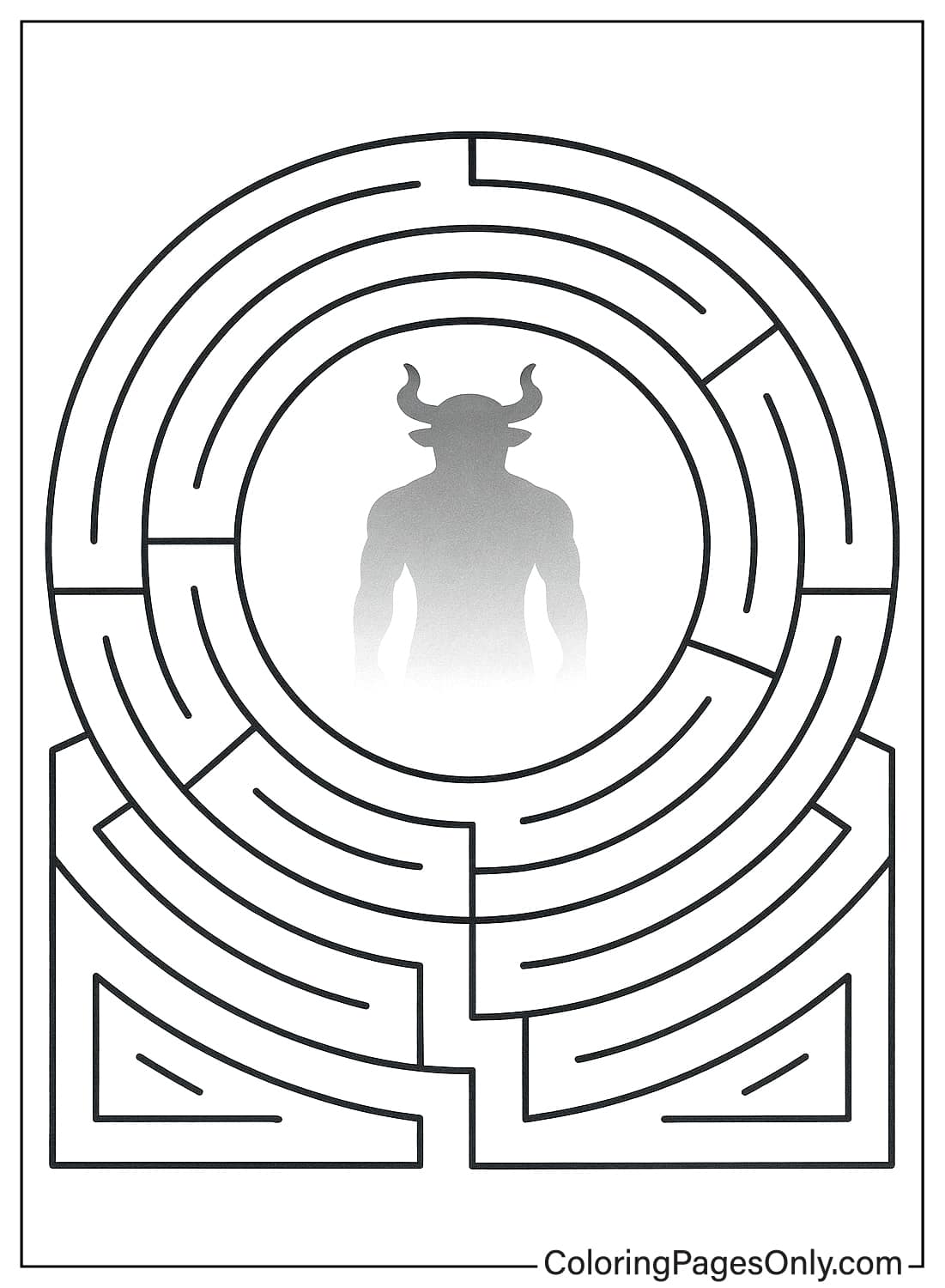
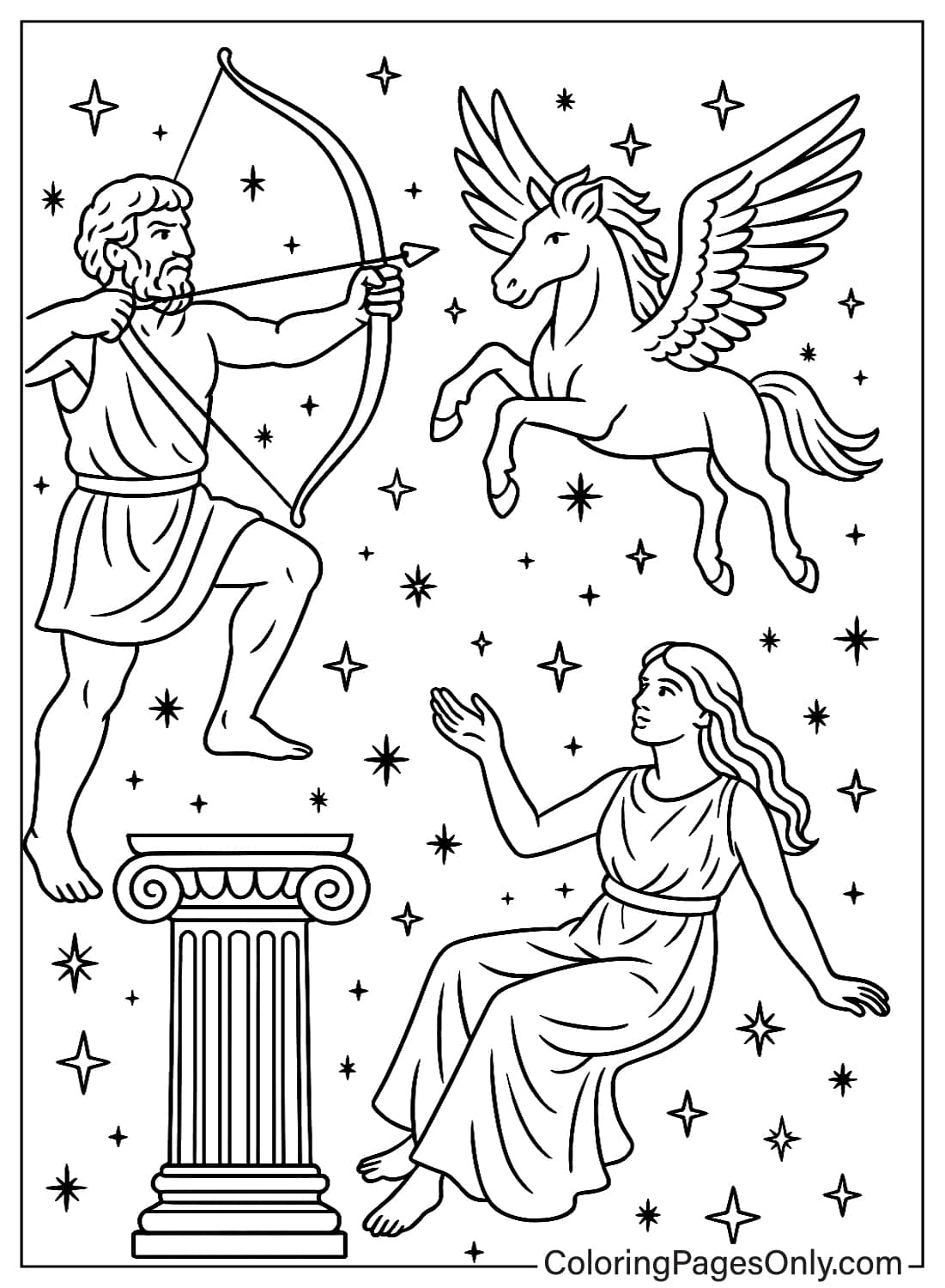
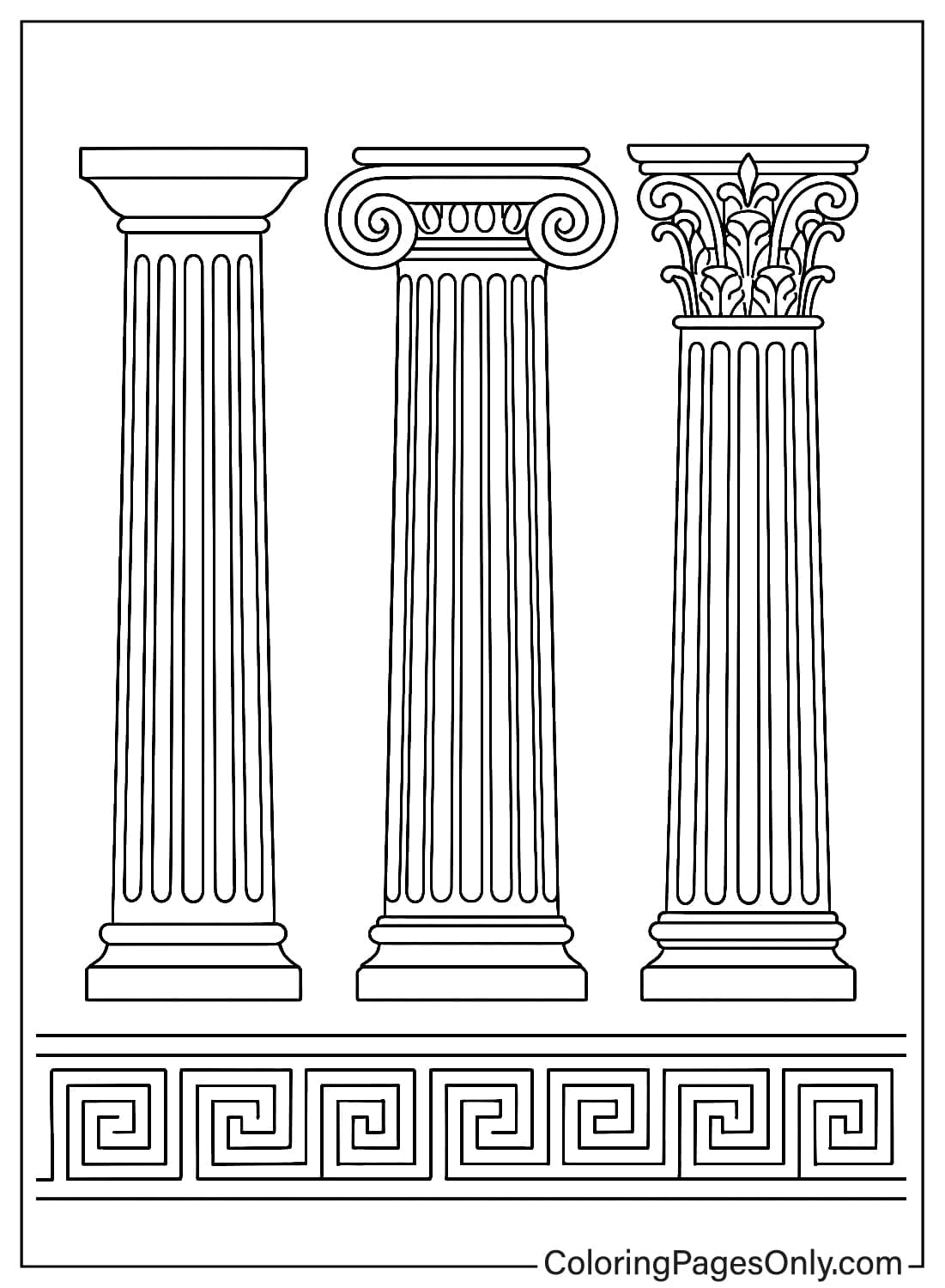
Three pages step outside individual characters altogether: a Minotaur-themed maze activity, the Sagittarius constellation, and a page showing three classical Greek column styles. The columns page in particular rewards a bit of research, since the three real column types, Doric, Ionic, and Corinthian, are each identifiable by the shape of their capital, the decorative top section, once colored distinctly.
What Greek Mythology Coloring Pages Do
Symbols and armor reward a careful hand. A god’s specific attributes, Zeus’s lightning bolt, Athena’s owl and shield, Poseidon’s trident, ask for steadier, more deliberate coloring than a generic figure would, and the American Academy of Pediatrics names exactly this kind of structured coloring, done between ages 2 and 7, as a clear path to fine motor skill development. The simpler solo portraits offer an easier version of that same practice before a busier multi-god scene.
A reminder that old stories don’t always agree. Because even something as basic as the list of the Twelve Olympians shifts depending on which ancient source is telling it, coloring these pages is a natural opening to explain that mythology isn’t one fixed set of facts, it’s a collection of stories that changed over centuries and different storytellers.
Calm through repetition. A 2005 Art Therapy Journal study found a measurable drop in anxiety after coloring sessions built around a defined structure. The detailed armor, robes, and architectural columns across this collection are about as structured as a coloring page gets.
A map between stories. Since several pages in this set connect to the same myth, Daedalus’s wings and his labyrinth, Theseus’s thread and the Minotaur he used it against, coloring through the collection in order is a way to notice how individual Greek myths link into a larger, shared world.
How to Color Greek Mythology Pages Well
- Zeus: Use Royal Purple or White for the robes, with a Goldenrod lightning bolt as the clear focal point.
- Poseidon: Color the robes Sea Green or Turquoise Blue, with a Silver trident to suggest metal rather than wood.
- Athena: Use Gray or Silver for the armor, Sky Blue or White for the robe underneath, and Brown for her owl.
- Hades: Keep the robes Black or Midnight Blue, and hold the whole page to a darker, cooler palette than the other Olympians to set the underworld apart visually.
- The columns page: Keep the stone itself a neutral Timberwolf or Tan, and let the differences in each capital’s carved detail, not the color, do the work of telling Doric, Ionic, and Corinthian apart.
- Multi-god scenes: Pick one accent color per god, gold for Zeus, blue for Poseidon, black for Hades, and keep it consistent across every page that character appears on.
5 Creative Craft Ideas With Greek Mythology Coloring Pages
1. God Fact Cards. Color a few of the solo god portraits, then write each one’s domain and symbol, like Athena and her owl, on the back of the card. A small stack makes a simple, reusable study set.
2. Twelve Olympians Poster. Color as many of the sixteen god and goddess portraits as time allows, then arrange them on a poster board labeled “The Twelve Olympians,” including both Hestia and Dionysus, with a note about their shared, debated seat. It turns a simple coloring session into a real lesson on how myths differ by source.
3. Myth Sequence Comic Strip. Color the Icarus, labyrinth, and Theseus pages in order, tape them together in a row, and narrate how the three stories connect through Daedalus. It’s a hands-on way to see how separate myths link into one larger story.
4. Column Style Comparison Card. Color the three-column page, then label each style, Doric, Ionic, and Corinthian, underneath its matching column. It’s a quick, visual way to remember the difference between the three.
5. Hero Bookmark Set. Color a few small hero portraits, cut them into narrow bookmark strips, and cover each with clear contact paper. A set featuring a different hero on each one makes a fun gift for a mythology-loving reader.
Frequently Asked Questions
What are Greek Mythology coloring pages?
Greek Mythology coloring pages are free printable and browser-colorable designs of Greek gods, goddesses, heroes, and legendary creatures. This collection has 30 pages, available as PDF downloads or through the online coloring tool.
Who are the Twelve Olympians?
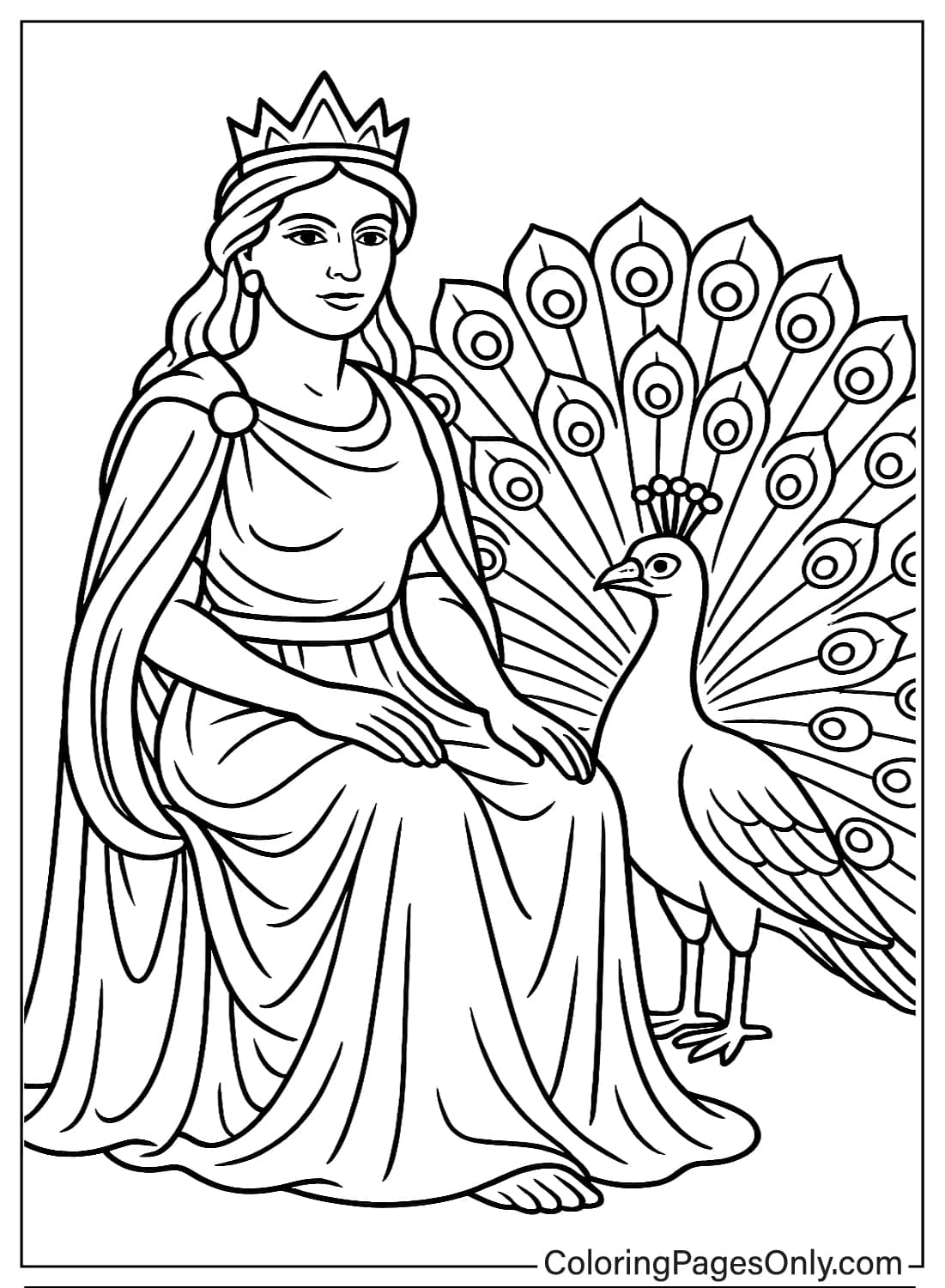
The Twelve Olympians are the principal gods of Greek mythology, traditionally said to reside on Mount Olympus. The core list usually includes Zeus, Hera, Poseidon, Demeter, Athena, Apollo, Artemis, Ares, Aphrodite, Hephaestus, and Hermes, with the twelfth seat going to either Hestia or Dionysus, depending on the source.
Did Hestia or Dionysus really share one seat among the Twelve Olympians?
Yes, according to several ancient sources. Hestia, goddess of the hearth, is said to have voluntarily given up her seat among the Twelve Olympians to Dionysus, the god of wine, to help keep peace among the gods. However, she kept a home on Mount Olympus regardless.
What is the story of Icarus?
Icarus was the son of Daedalus, a master craftsman who built wings of wax and feathers so the two of them could escape imprisonment on Crete. Icarus ignored his father’s warning not to fly too close to the sun, the wax melted, and he fell into the sea.
How did Theseus escape the labyrinth after fighting the Minotaur?
Theseus used a ball of thread given to him by Ariadne, daughter of King Minos, unspooling it as he walked into the labyrinth and following it back out after killing the Minotaur. Daedalus, the labyrinth’s own designer, is credited with suggesting the idea.
How did Perseus defeat Medusa?
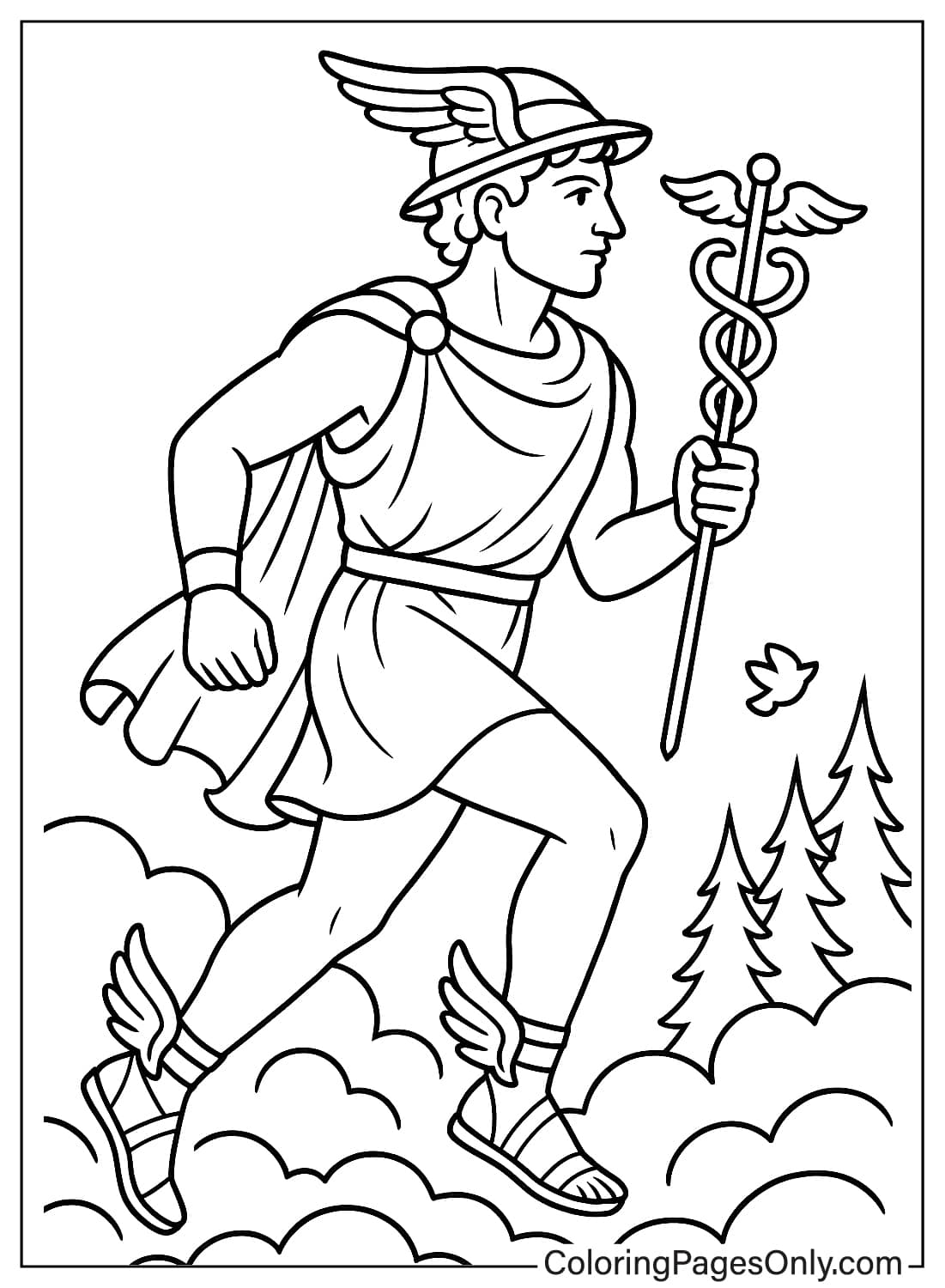
Perseus avoided being turned to stone by Medusa’s gaze by looking only at her reflection in a polished shield, then beheaded her while she slept. He had help from several gods, including a mirrored shield from Athena and winged sandals from Hermes.
Are Greek Mythology coloring pages suitable for young children?
Yes, with the right page. The simple solo god portraits suit younger children, while the detailed battle scenes and multi-figure group pages suit older kids studying mythology in more depth.
What are the three classical Greek column styles?
The three classical Greek column styles are Doric, Ionic, and Corinthian, each identifiable mainly by the design of its capital, the decorative section at the top of the column. Doric is the plainest, Ionic features a scroll-like design, and Corinthian is the most ornate, carved with leaf patterns.
Start Coloring
Download any design by clicking it. No account, email, or payment is required to color or print. Every page opens in the online coloring tool for on-screen use or downloads as a full-resolution PDF for printing. Share a finished mythology page using the Facebook or Pinterest buttons at the top of the page.