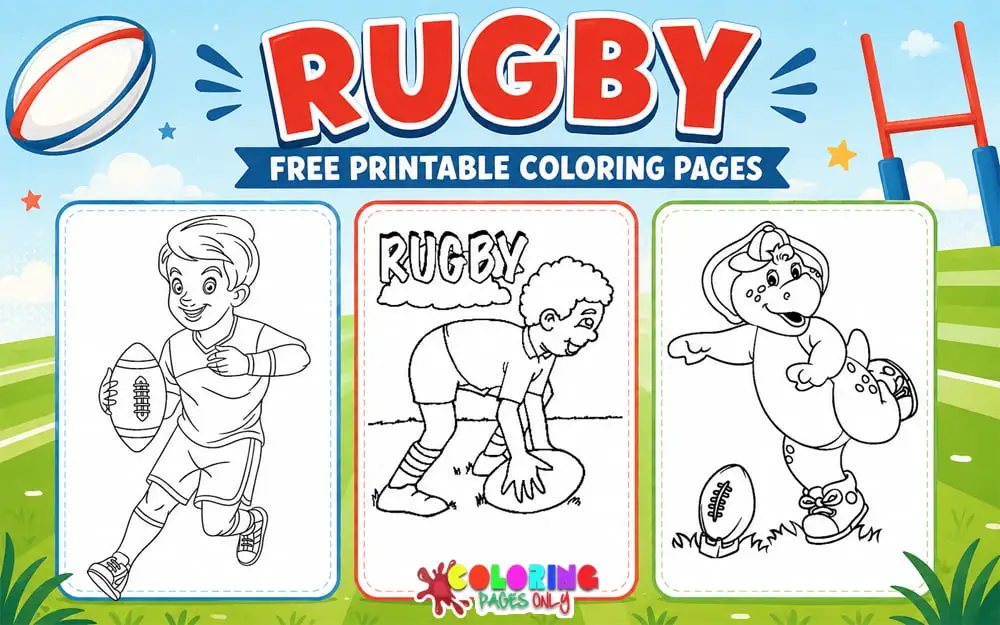
Rugby coloring pages: 40+ free printable PDF designs covering general and kids’ player portraits, a real player tribute, ball and kicking scenes, animal crossovers, and character crossovers. Every page is available as a printable PDF or to color in the browser, with no account required.
Rugby split into two separate codes in 1895, when a group of English clubs broke away over a dispute about paying injured players, creating rugby league (played thirteen a side) alongside the original rugby union (played fifteen a side). The Rugby World Cup trophy is still named the Webb Ellis Cup, after William Webb Ellis, the student traditionally credited with picking up the ball and running with it during a football match at Rugby School in 1823. However, historians generally treat that story as legend rather than a confirmed fact.
These pages suit kids who are just learning the sport, families who already follow a favorite union or league team, and anyone who wants a coloring set built around a genuinely distinctive game.
One coloring detail that belongs only to this set: the ball can only travel forward by carrying it or kicking it, never by a forward pass. A hand pass has to go sideways or backward, which is why real rugby attacking play is often drawn as a horizontal line of players rather than one runner strung out ahead of everyone else. A page where the supporting players are positioned level with or behind the ball carrier, rather than ahead of them, reflects the way the sport actually has to move.



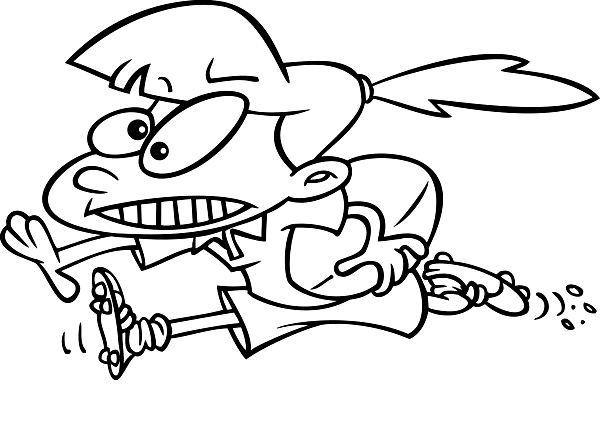
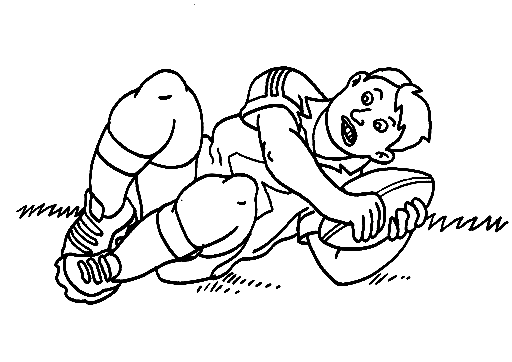
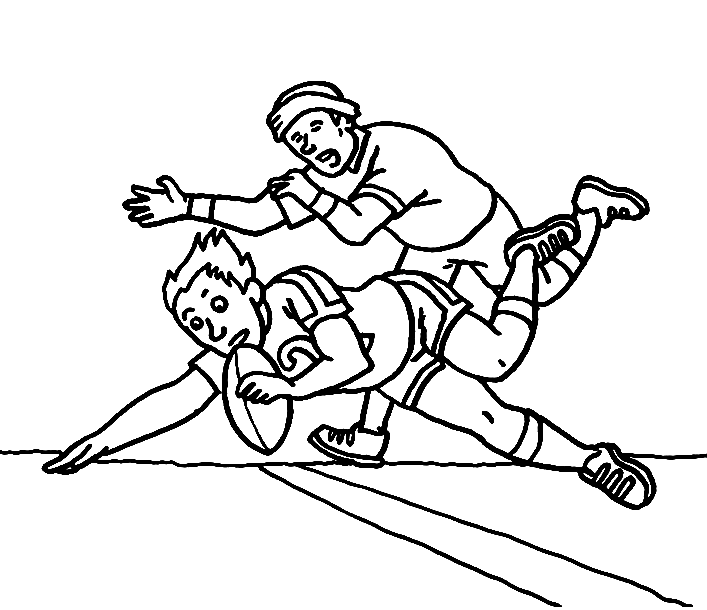
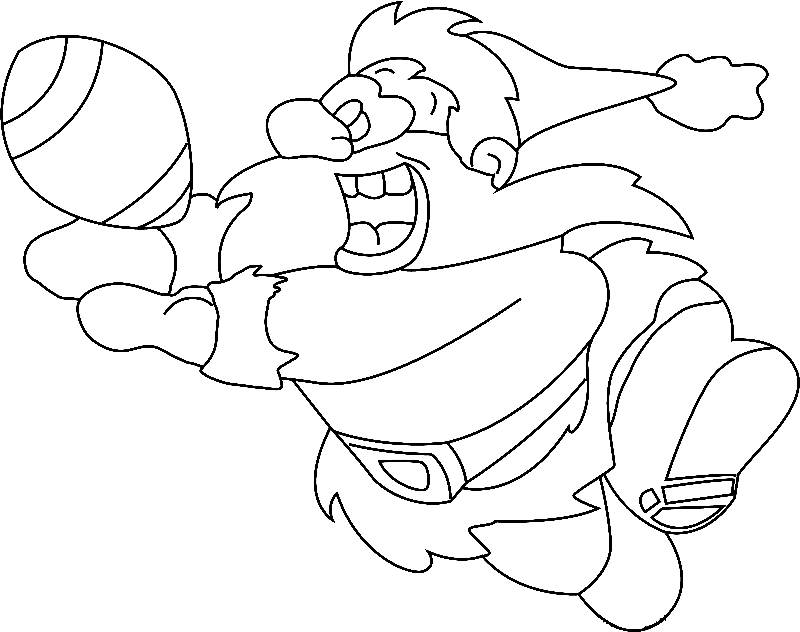

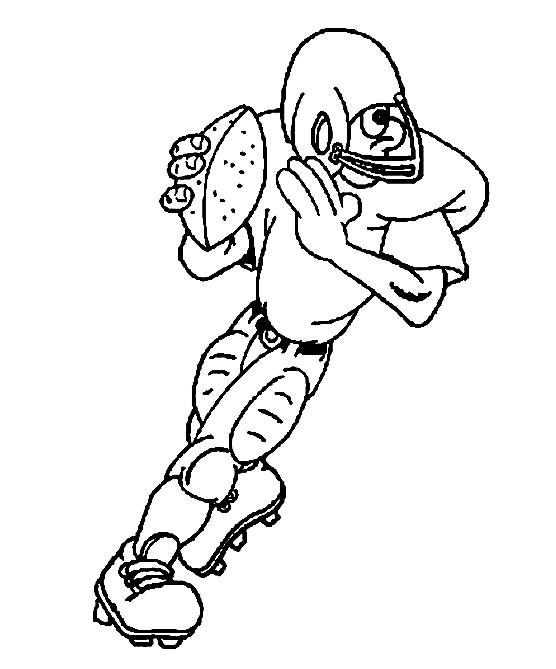
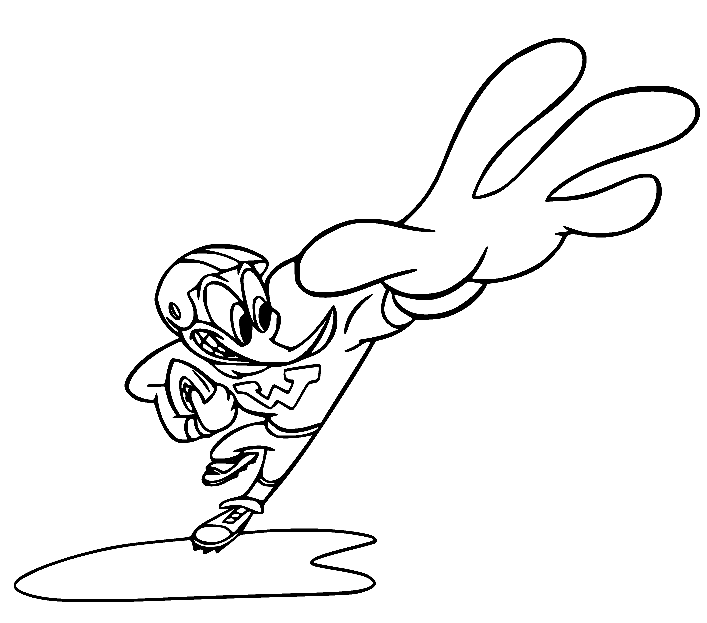
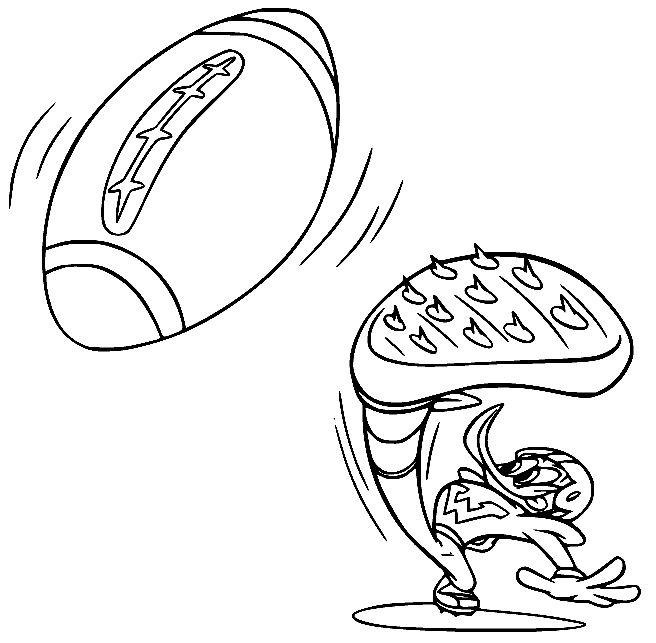
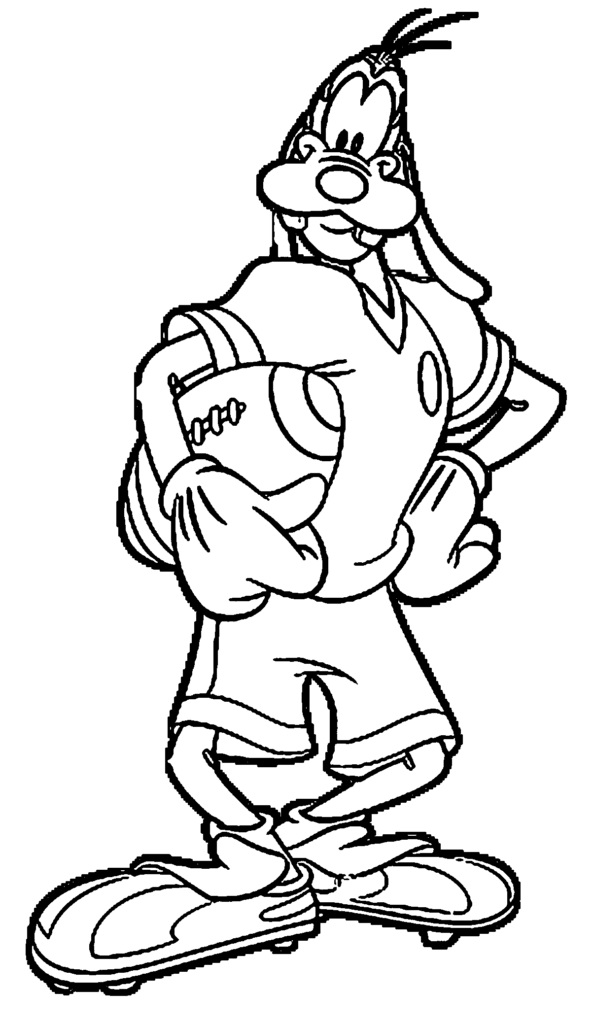

What’s Inside This Collection
Players in action make up the biggest group among the 44 designs, joined by balls, animals, kids, and cartoon crossovers.
Players in Action
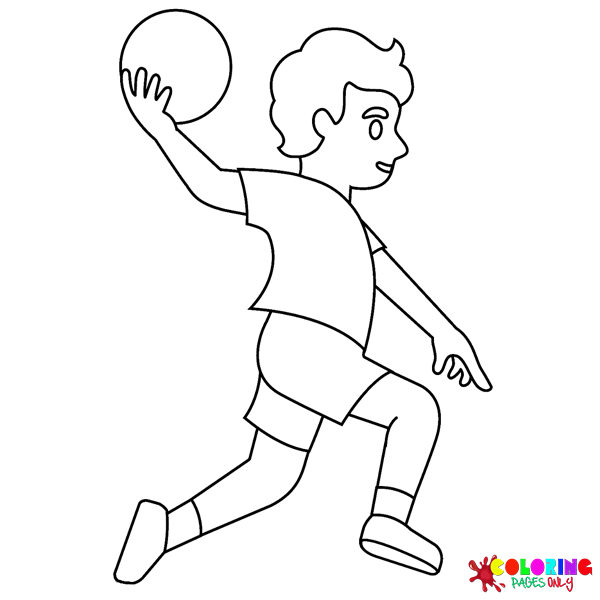
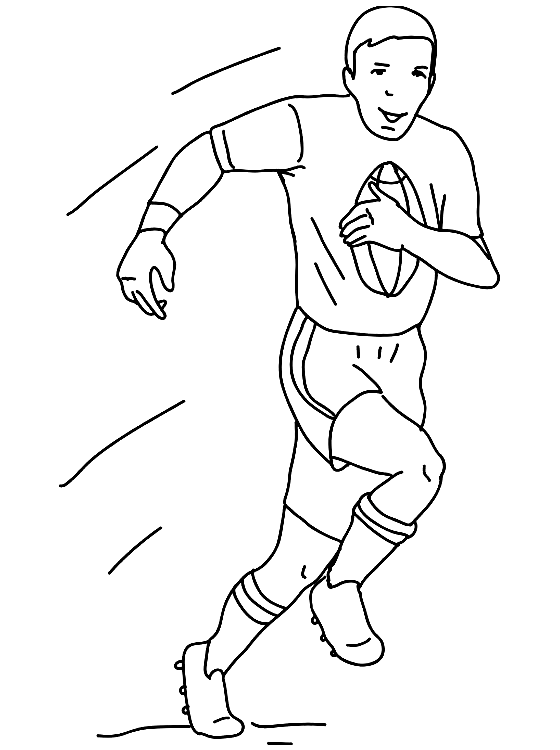
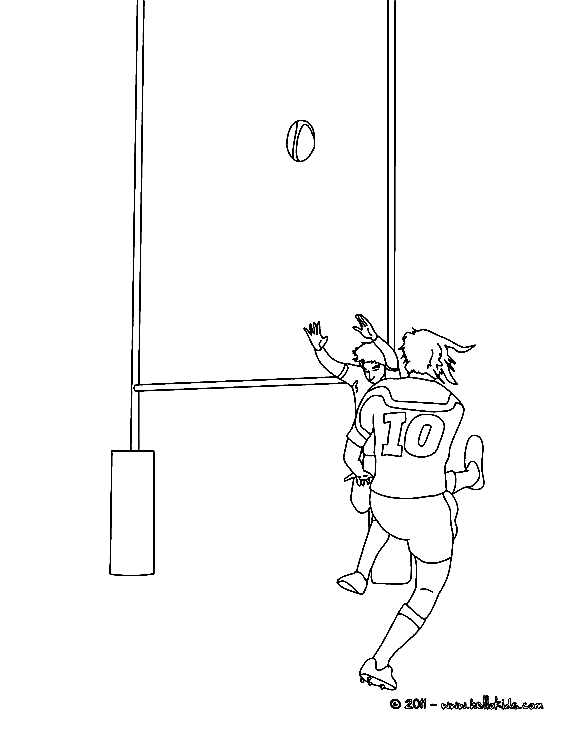
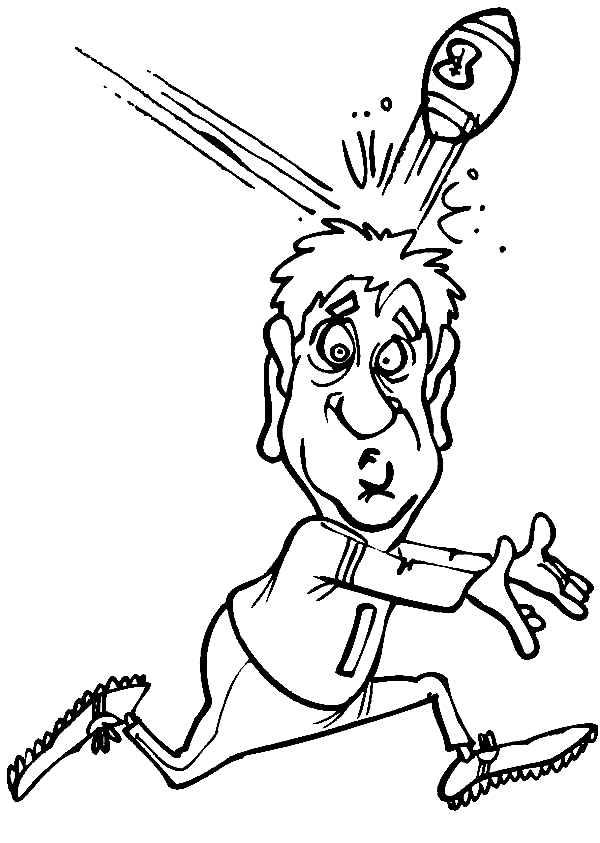
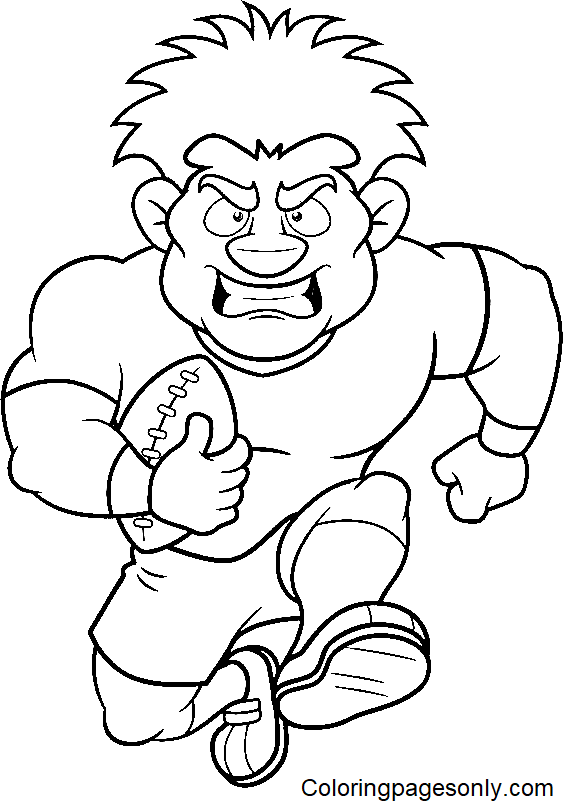
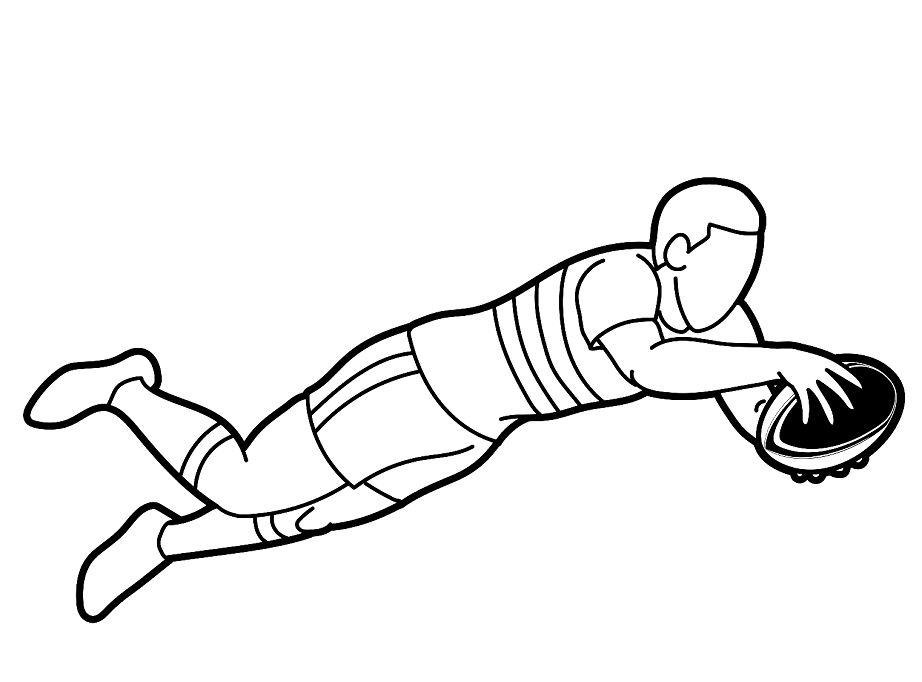
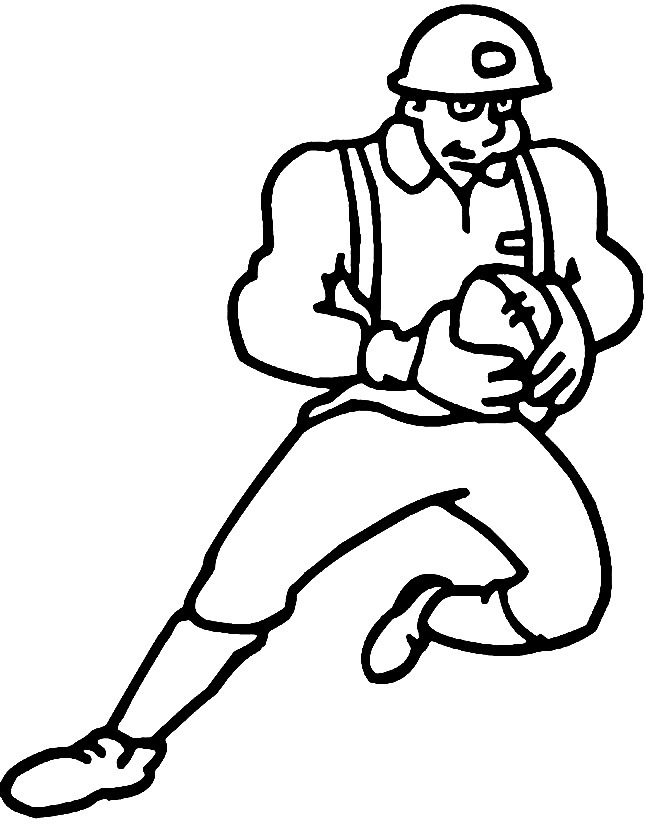
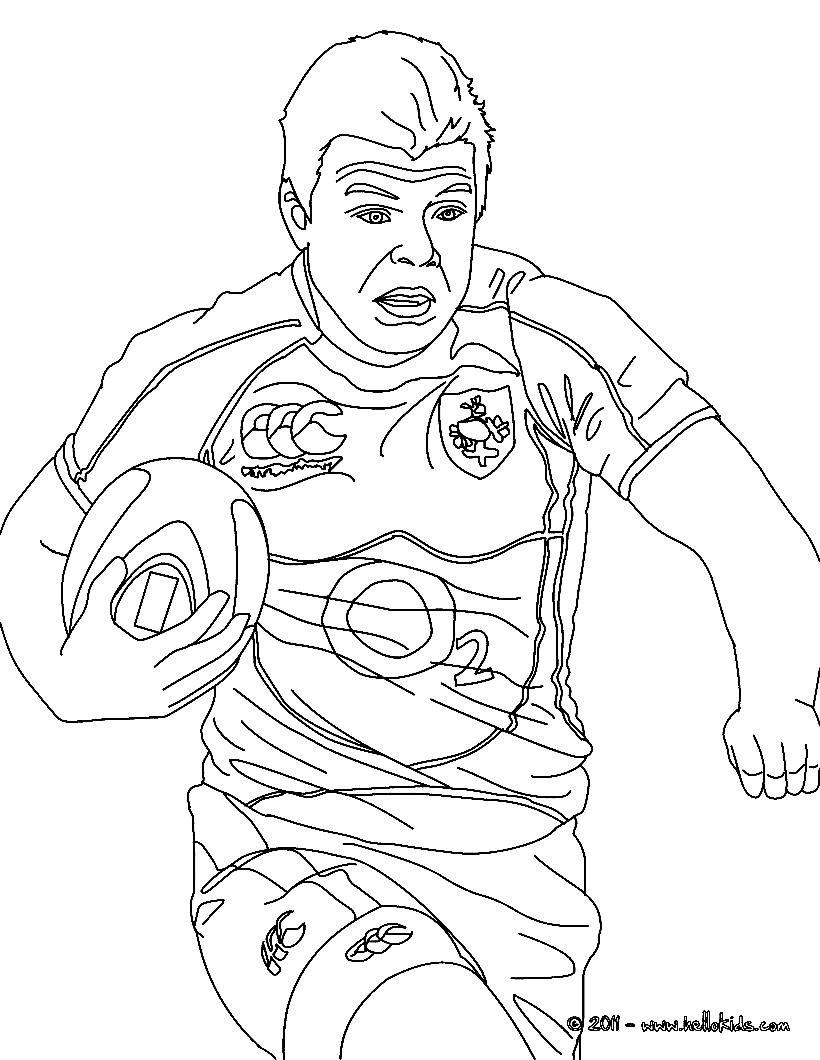
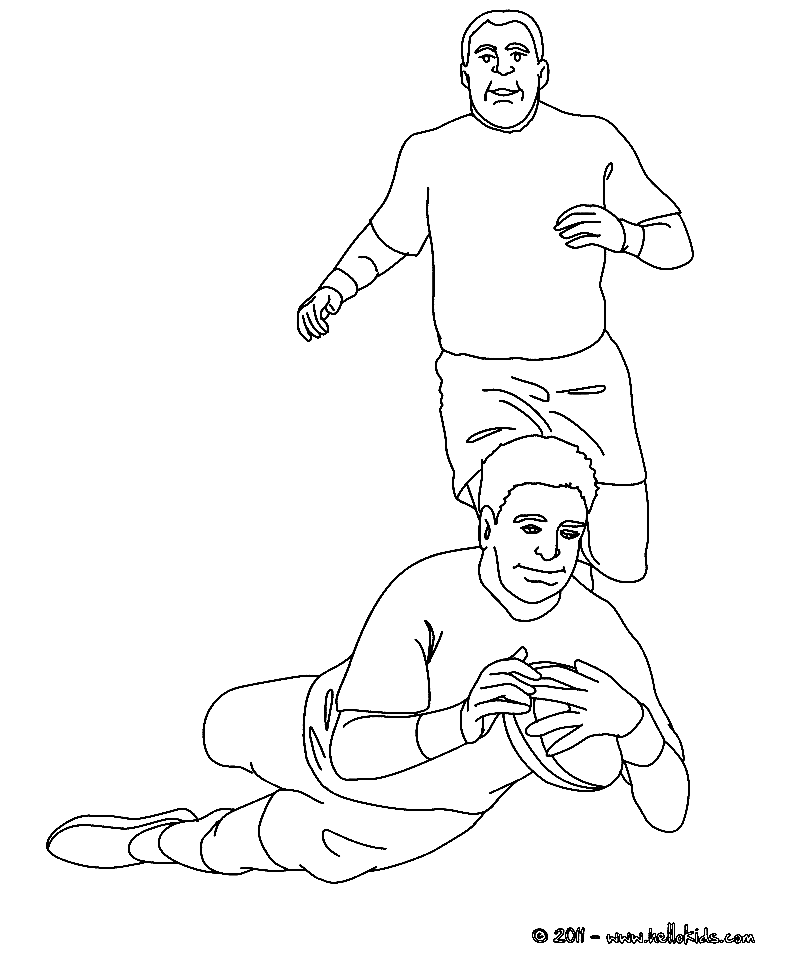
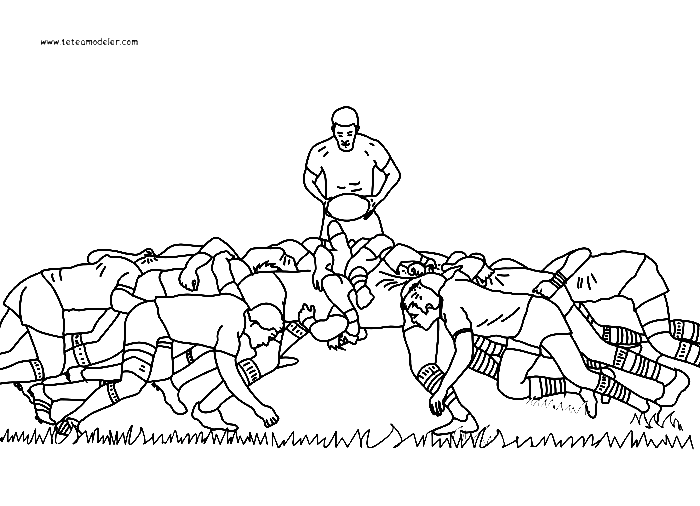
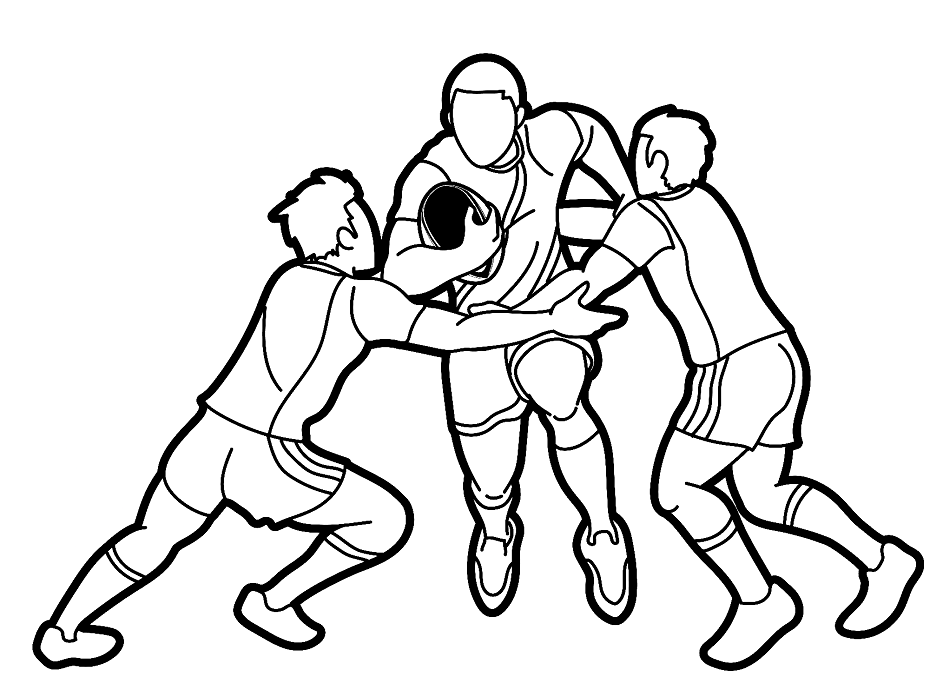
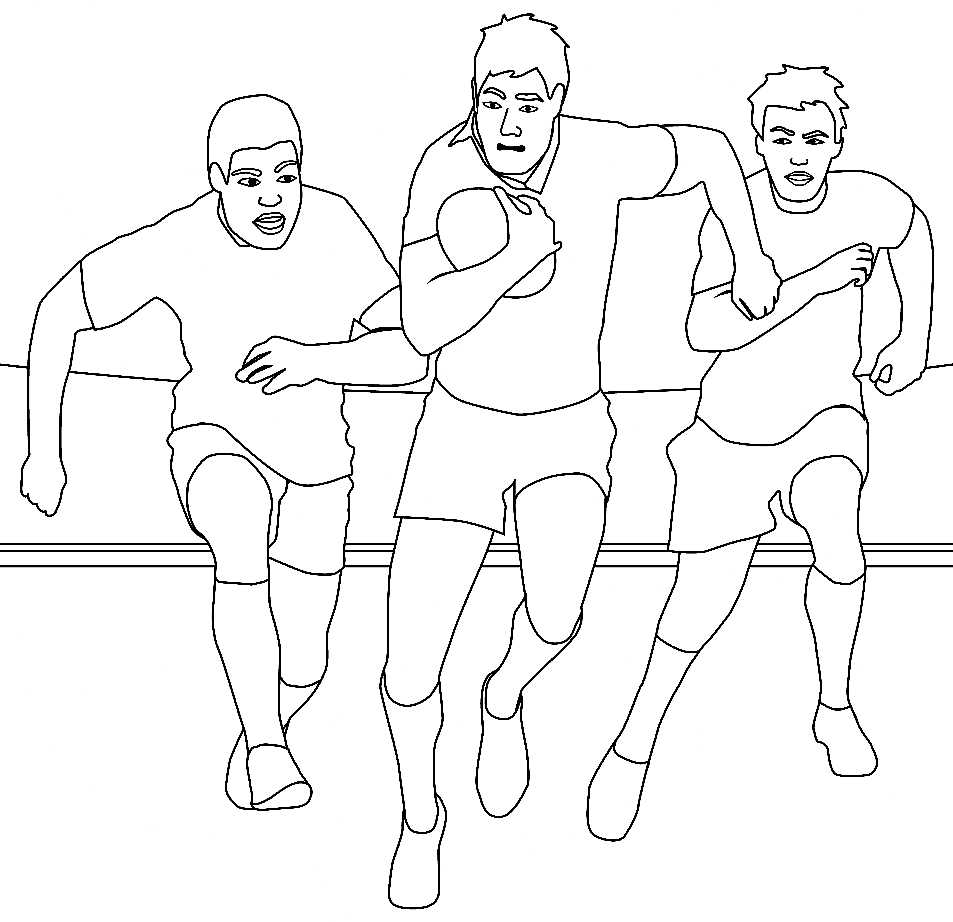
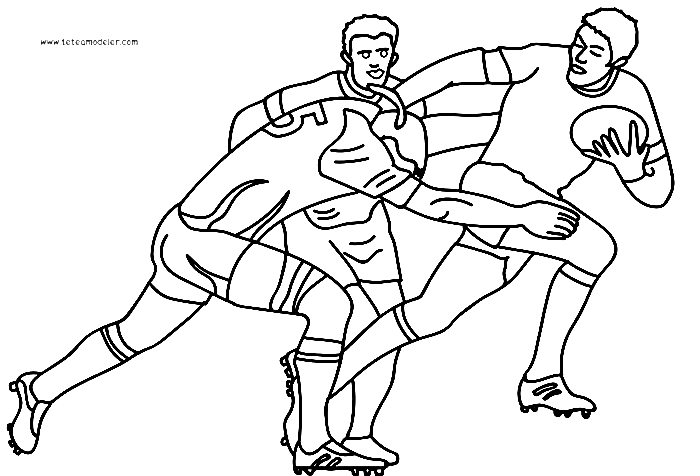
Thirteen sheets show adult players running, kicking, passing, and posing, including a team lineup and a portrait of Brian O’Driscoll. Pick bold hooped jerseys, such as Green and White or Red and Black stripes, and keep shorts and socks in matching team colors.
Rugby Balls
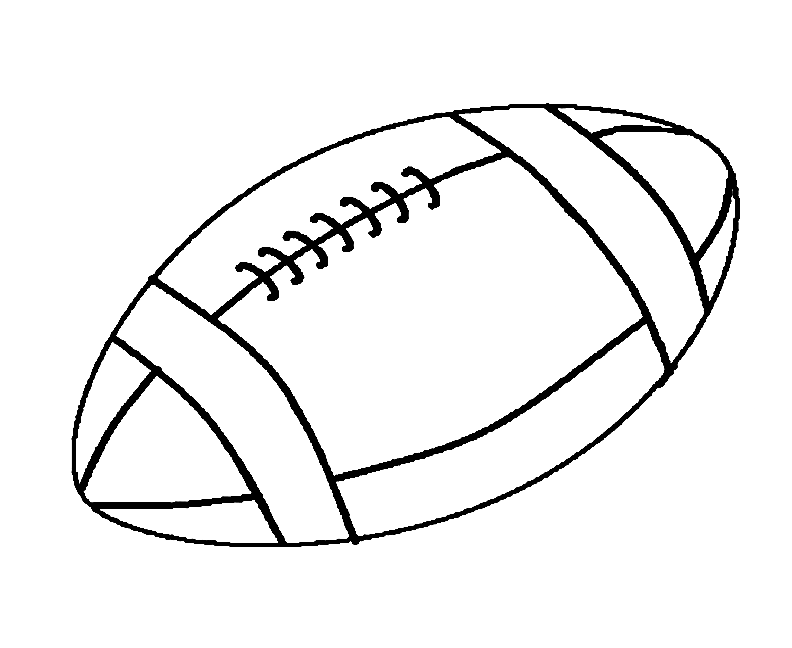
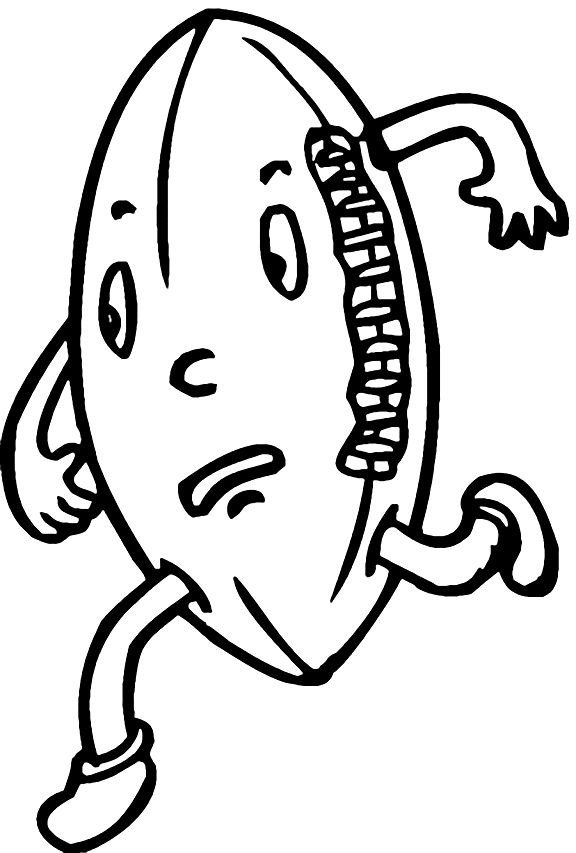
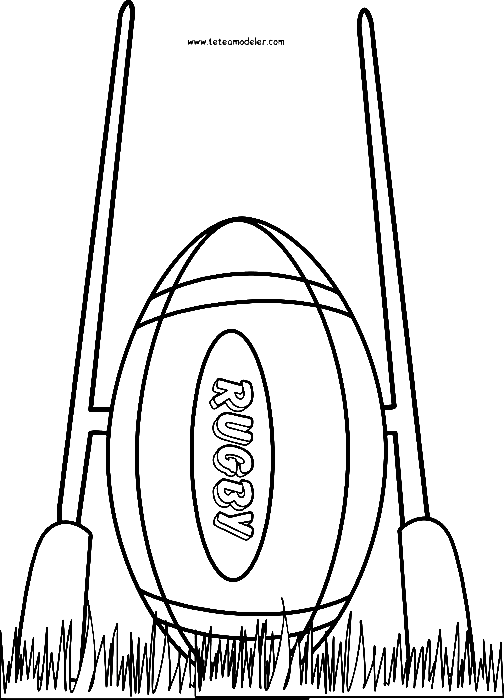
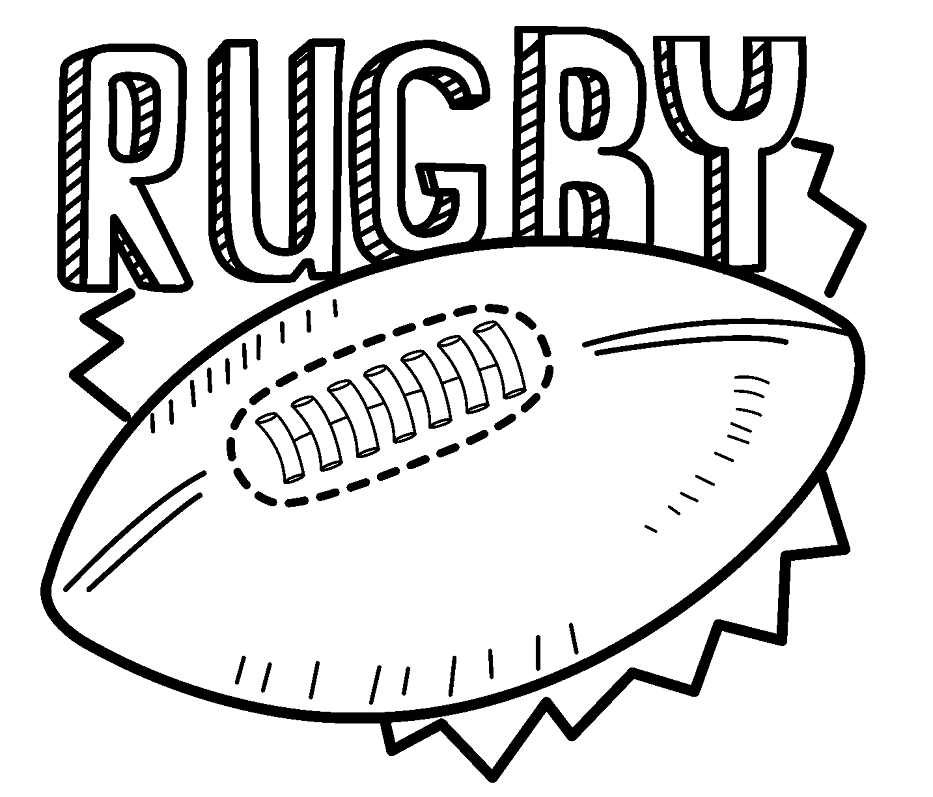
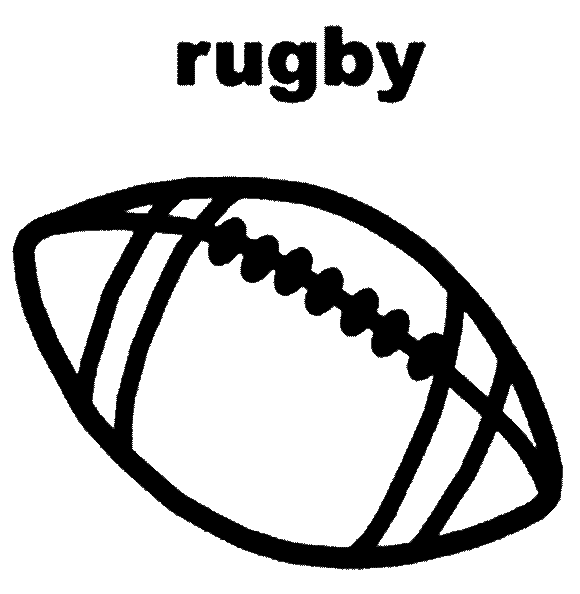
Five pages center on the oval ball, alone or in motion. Color the leather a warm Brown or classic White with a Red or Blue stripe pattern, and add small dashes for the stitching.
Animal Athletes
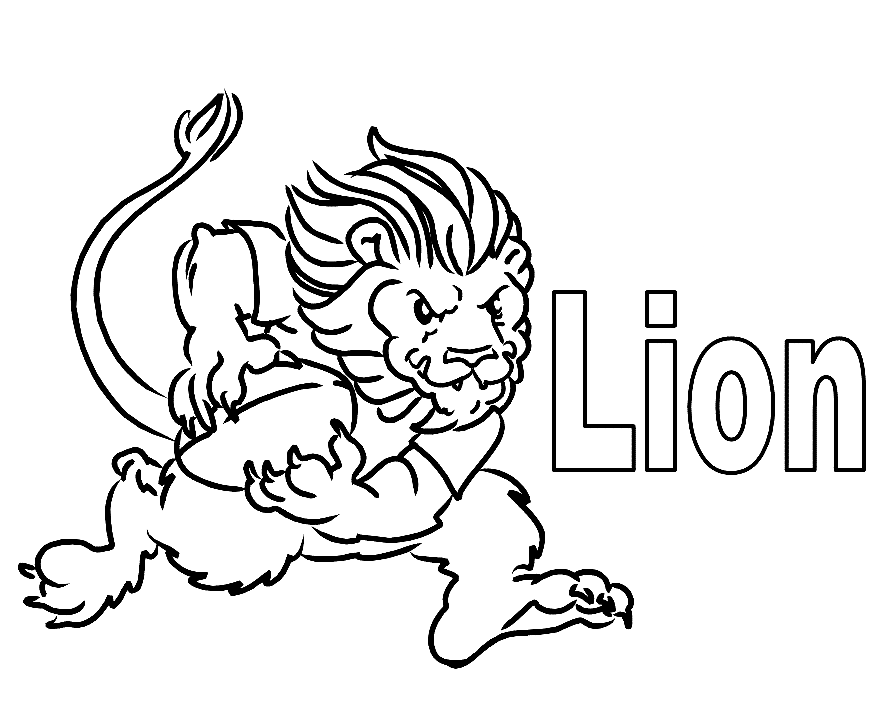
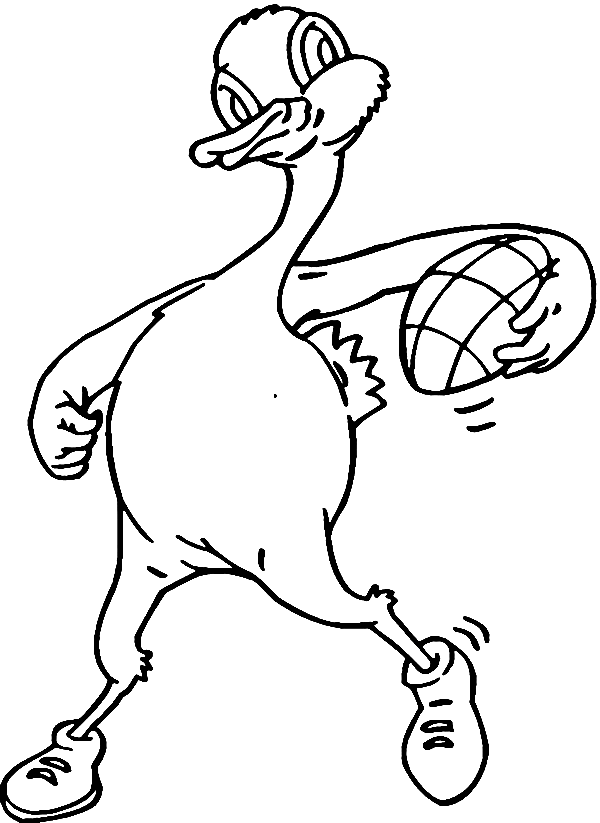
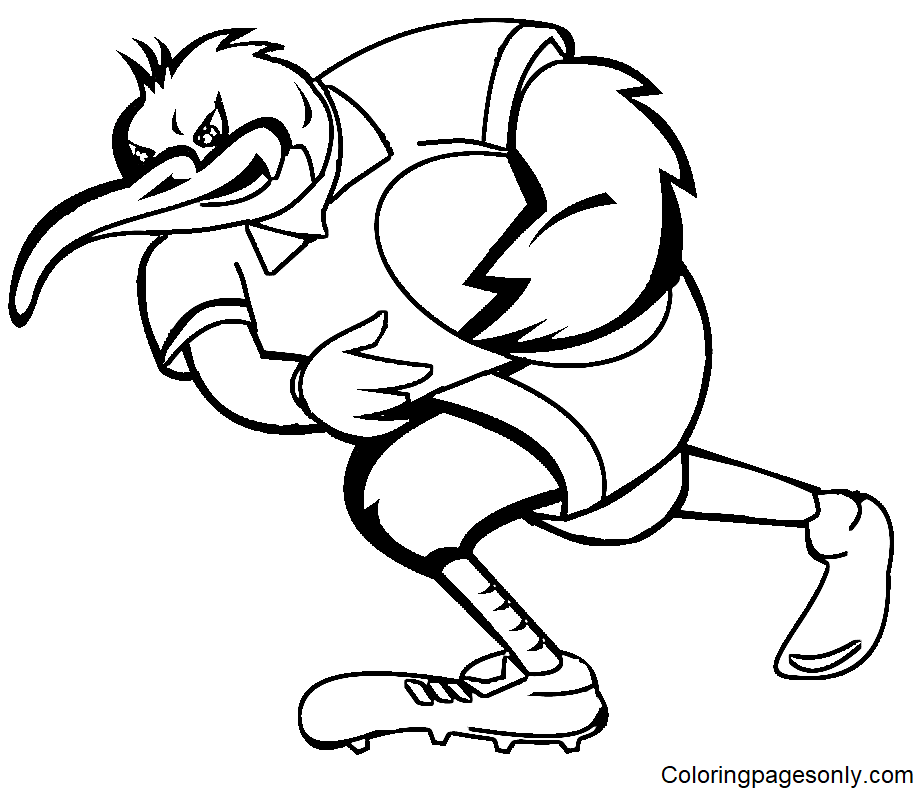
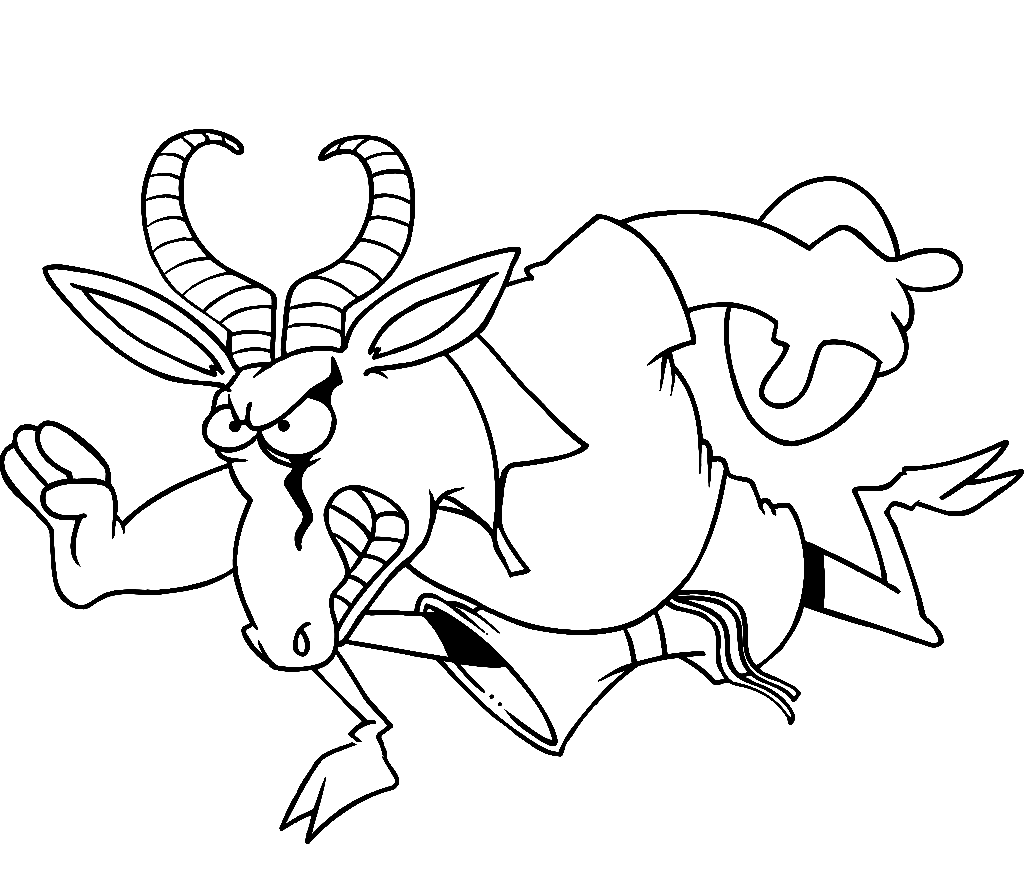
A lion, a duck, a kiwi, and a team of sharks play the game in four funny pages. Try Golden Yellow for the lion’s mane, a fuzzy Brown for the kiwi, and Steel Blue for the sharks.
Kids Playing Rugby
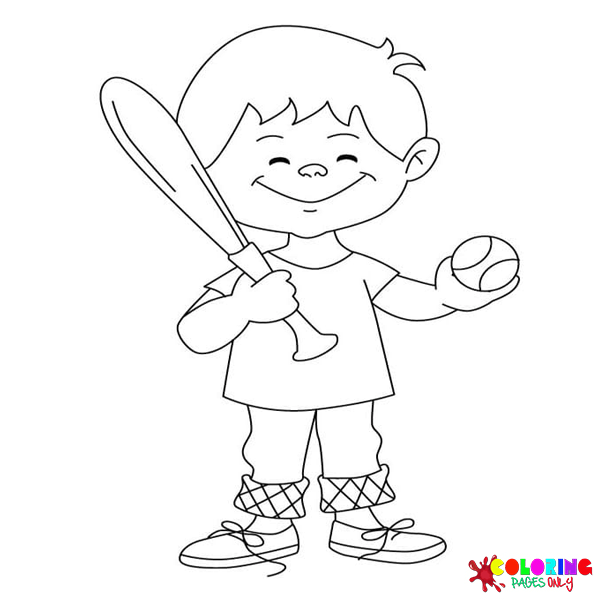
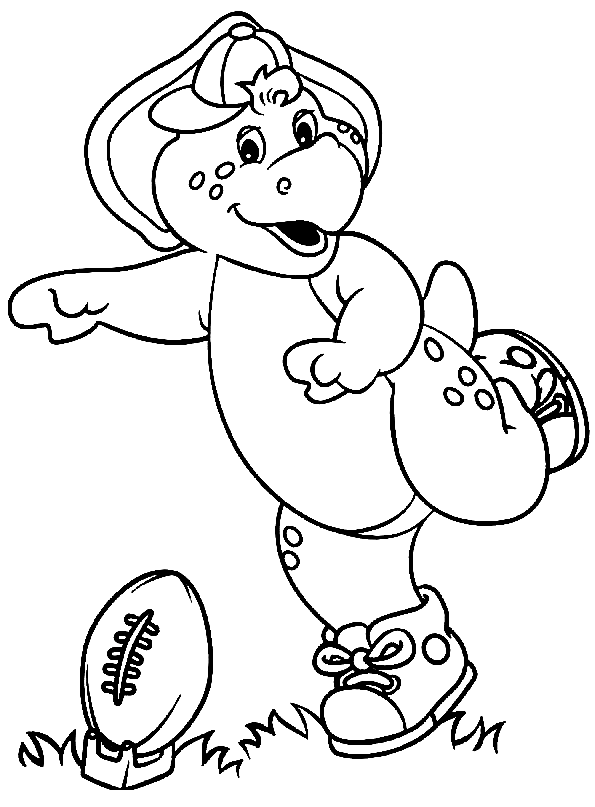
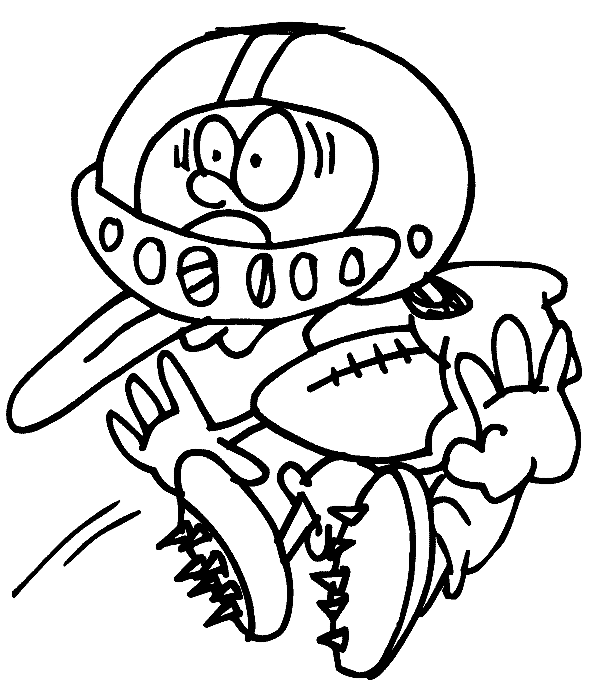
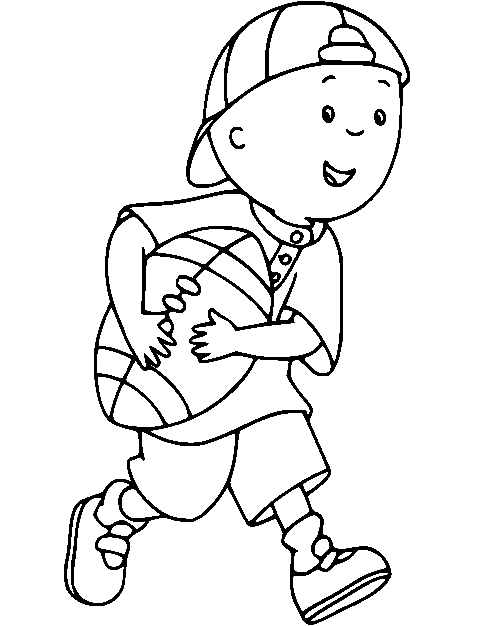
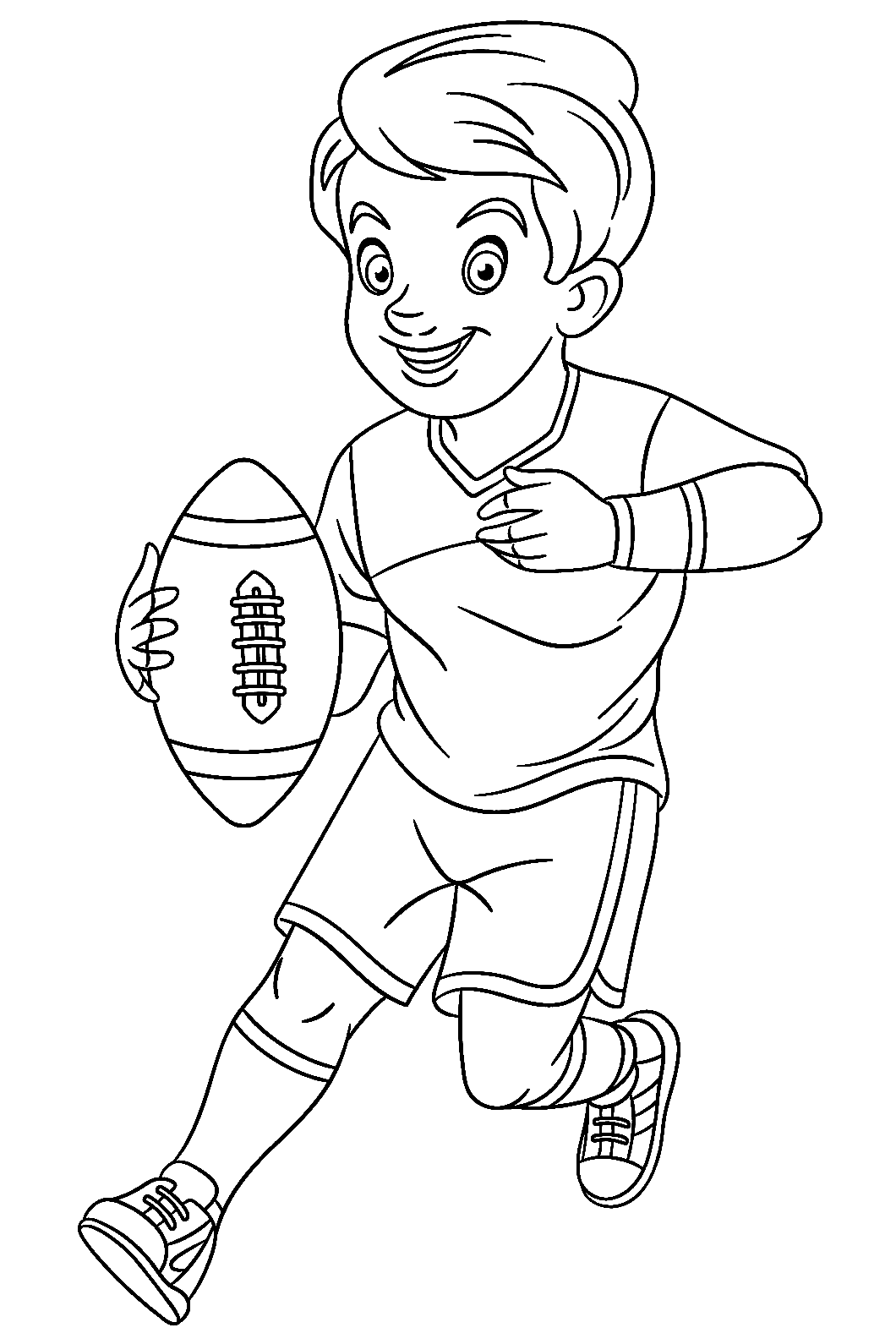
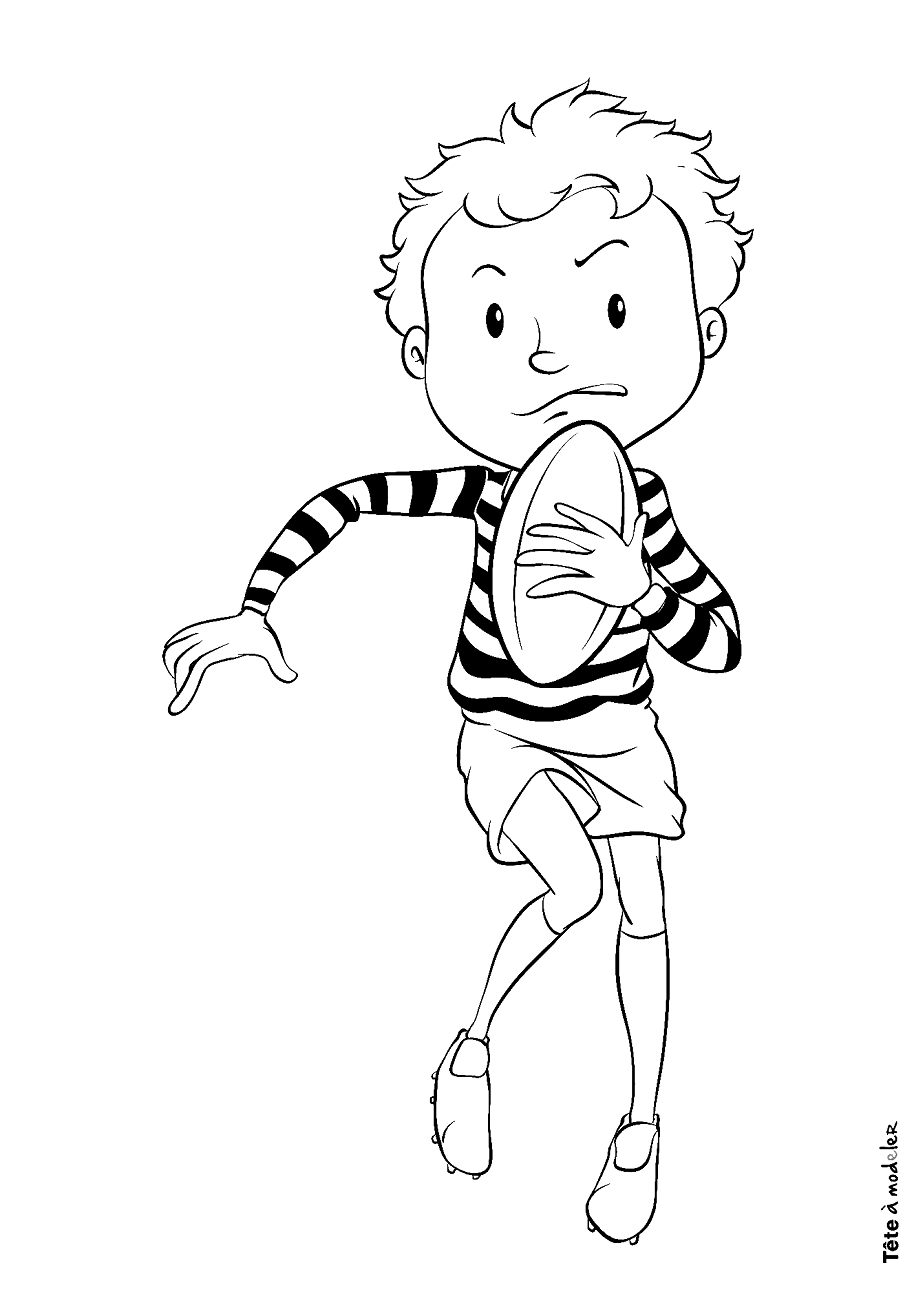
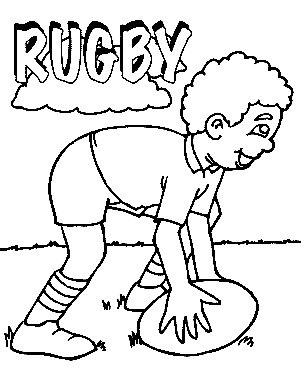
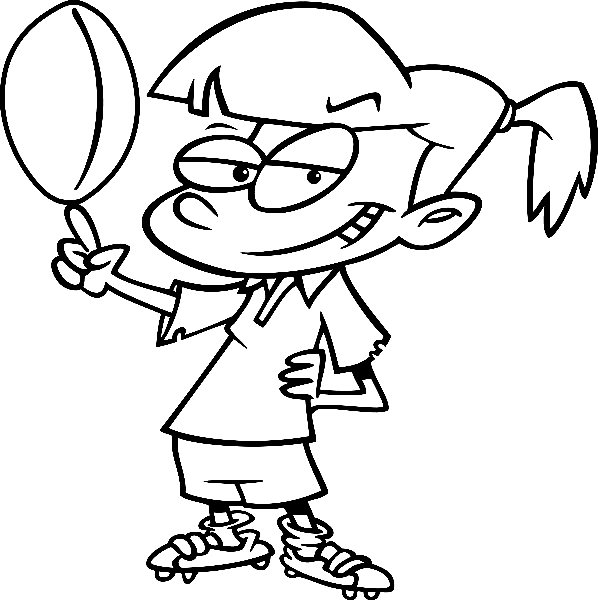
Four pages show children enjoying the sport, including a smiling boy with the ball. Use bright, cheerful jerseys and a soft Green field to keep these pages light.
Cartoon and Holiday Pages
Ten general cartoon and printable sheets join seven crossover pages with well-known animated characters and a Santa Claus match. Color the crossover guests in their usual palettes, and dress Santa in his Red suit with a striped rugby scarf.
What Rugby Coloring Pages Do
Teaching teamwork and respect. Rugby is famous for its values: players support each other, respect the referee, and shake hands after a hard game. Coloring team pages opens conversations about fair play and working together.
Developing control with oval shapes. Coloring around an egg-shaped ball, jersey stripes, and moving limbs trains careful hand movements. Fine motor skills like these grow quickly in early childhood, so American Academy of Pediatrics experts advise keeping crayons and paper within easy reach.
Calming energy after sport. Structured patterns soothed people more than freehand sketching in the 2005 coloring experiment, Curry, and Kasser wrote up for Art Therapy. A quiet rugby page is a nice way to cool down after practice or a match.
Exploring world sports culture. Rugby is huge in countries like New Zealand, South Africa, England, France, and Fiji. Kids can look up where each team plays and learn traditions like New Zealand’s haka.
How to Color Rugby Coloring Pages
- Give the ball a rounder, fuller oval, not a pointed one. A rugby ball is shorter and rounder than an American football, which is more elongated and pointed at the ends. This shape difference is the single most useful detail for making a page read as rugby specifically.
- Keep pass lines going sideways or backward, never forward. On action pages showing multiple players, arrow lines, or the ball’s implied path should never point ahead of the ball carrier, since a forward pass is not legal in the real sport.
- Position supporting players level with or behind the ball carrier. A horizontal line of teammates, rather than one player strung out ahead of the pack, reflects how rugby actually has to move the ball forward.
- Let animal characters keep their real coloring first. A shark’s gray-blue or a lion’s golden mane should be colored before any jersey or team color is added on top.
5 Creative Craft Ideas with Rugby Coloring Pages
1. Union Versus League Comparison
Color two similar player portraits, labeling one as a fifteen-player union side and the other as a thirteen-player league side, and display them together with the numbers written underneath.
A simple, accurate explainer for the sport’s two codes, built entirely from coloring pages. Takes about twenty minutes.
2. Webb Ellis Legend Card
Color one of the general or kids’ portraits and add a short handwritten note about the sport’s founding legend, the 1823 story behind the Rugby World Cup trophy’s name.
A small history lesson attached to an otherwise simple coloring page. Takes about fifteen minutes.
3. Rugby Ball Still Life
Color the ball equipment page carefully, focusing on getting the rounder, fuller rugby ball shape right rather than a more pointed football silhouette.
A quiet project that rewards careful attention to a single, accurately shaped object. Takes about ten minutes.
4. Kiwi Culture Tribute
Color the kiwi playing rugby page using whatever bold colors feel personal, celebrating the sport’s popularity in New Zealand generally rather than copying any one real team’s official colors.
A playful page that connects to a real sporting culture without needing to reproduce official branding. Takes about ten minutes.
5. Character Crossover Team Photo
Color two or three of the character crossover pages together and arrange them as a fun “team photo.”
A lighthearted display that lets the set’s most playful pages share a wall. Takes about fifteen minutes.
FAQ About Rugby Coloring Pages
Are these rugby coloring pages free, and can I color them online?
Yes. Every page is free, with no account, email, or payment required. Download the PDF to print at home, or open it in the online coloring tool to color on screen.
What age group are these rugby coloring pages best suited for?
The general and kids’ portraits work well from age 3. The ball, kicking, and real player tribute pages, with more detail in the pose, suit, and ages 5 and up. The animal and character crossover pages work for any age, including adults looking for something lighter.
What’s the difference between rugby union and rugby league?
Rugby union is played with fifteen players per side. Rugby league is played with thirteen players per side and uses a different set of rules around tackles and possession. The two codes split from a single sport in 1895 and have developed separately ever since.
Why is passing only allowed backward or sideways in rugby?
The rules of the sport only allow the ball to be passed by hand sideways or backward, though it can be kicked forward. This is why real rugby attacking play tends to look like a horizontal line of players rather than one runner charging ahead of everyone else.
Where does the Rugby World Cup trophy’s name come from?
The trophy is called the Webb Ellis Cup, after William Webb Ellis, a student traditionally said to have picked up the ball and run with it during a football match at Rugby School in 1823. Historians generally treat this as a founding legend rather than a confirmed historical event, but the name has stuck.
Is the real player tribute page an official product?
No. It is a generic, fan-style coloring portrait inspired by a real, well-known player’s career. It is not official merchandise and is not licensed by or affiliated with the player, any club, or any rugby federation.
Are these pages based on a specific real team or brand?
No. The players, jerseys, and scenes are generic and inspired by the sport broadly, including its real two-code history. Still, they are not licensed by or affiliated with any specific team, league, or federation.
Can I use these pages for a rugby club, school PE unit, or birthday party?
Yes. Rugby clubs use the general portraits and ball pages for youth recruitment and beginner lessons, PE teachers use them to introduce basic vocabulary and the backward-pass rule, and the animal and character crossover pages work well as a party activity for younger kids.
Start Coloring
Download any page by clicking the design. No account, email, or payment is required. Pages print directly from the browser at full resolution or open in the online coloring tool for screen use. Share finished pages on Facebook or Pinterest using the share buttons at the top of each design page.